2155 Best Sights in USA

Background Illustration for Sights

We've compiled the best of the best in USA - browse our top choices for the top things to see or do during your stay.

The Getty Center

Brentwood Fodor's Choice
Modern Architecture Detail in Los Angeles, California.
Nickolay Stanev / Shutterstock

With its curving walls and isolated hilltop perch, the Getty Center resembles a pristine fortified city of its own. You may have been lured there by the beautiful views of Los Angeles—on a clear day stretching all the way to the Pacific Ocean—but the amazing architecture, uncommon gardens, and fascinating art collections will be more than enough to capture and hold your attention. When the sun is out, the complex's rough-cut travertine marble skin seems to soak up the light.

Getting to the center involves a bit of anticipatory lead-up. You'll need to book a free timed-entry ticket in advance. When you arrive, at the base of the hill lies the underground parking structure. From there you either walk or take a smooth, computer-driven tram up the steep slope, checking out the Bel Air estates across the humming 405 freeway. The six pavilions that house the museum surround a central courtyard and are bridged by walkways. From the courtyard, plazas, and walkways, you can survey the city from the San Gabriel Mountains to the ocean.

In a ravine separating the museum and the Getty Research Institute, conceptual artist Robert Irwin created the playful Central Garden in stark contrast to Richard Meier's mathematical architectural geometry. The garden's design is what Hollywood feuds are made of: Meier couldn't control Irwin's vision, and the two men sniped at each other during construction, with Irwin stirring the pot with every loose twist his garden path took. The result is a refreshing garden walk whose focal point is an azalea maze (some insist the Mickey Mouse shape is on purpose) in a reflecting pool.

Inside the pavilions are the galleries for the permanent collections of European paintings, drawings, sculpture, illuminated manuscripts, and decorative arts, as well as world-class temporary exhibitions and photographs gathered internationally. The Getty's collection of French furniture and decorative arts, especially from the early years of Louis XIV (1643–1715) to the end of the reign of Louis XVI (1774–92), is renowned for its quality and condition; you can even see a pair of completely reconstructed salons. In the paintings galleries, a computerized system of louvered skylights allows natural light to filter in, creating a closer approximation of the conditions in which the artists painted. Notable among the paintings are Rembrandt's The Abduction of Europa; Van Gogh's Irises; Monet's Wheatstacks, Snow Effects, and Morning; and James Ensor's Christ's Entry into Brussels.

If you want to start with a quick overview, pick up the brochure in the entrance hall that guides you to collection highlights. There's also an instructive audio tour with commentaries by art historians and other experts. The Getty also presents lectures, films, concerts, art workshops, and special programs for kids, families, and all-around culture lovers. The complex includes an upscale restaurant and downstairs cafeteria with panoramic window views. There are also outdoor coffee carts.

On-site parking is subject to availability and can fill up by midday on holidays and in the summer, so try to come early in the day or after lunch. 

A tram takes you from the street-level entrance to the top of the hill. Public buses (like Metro Rapid Line 734) also serve the center and link to the Expo Rail.

Astronomy Programs

Fodor's Choice

You’ll find some of the country’s darkest skies—and brightest stars—at Great Basin. Due to its low light pollution, it was even named a Dark Sky Park by the International Dark Sky Association in 2016. As astrotourism has grown, Great Basin has responded by building an amphitheater for these ranger-led stargazing programs. Expect to be dazzled as you get a chance to see the wild blue yonder through a telescope. It’s often crowded, especially during the summer, when the program is held several times a week, so arrive early before the parking lot fills up. The program drops down to once a week in shoulder seasons.

Height of Land

Fodor's Choice

Height of Land is the highlight of—and the highest point along—Rangeley Lakes National Scenic Byway, with unforgettable views of mountains and lakes. One of Maine's and even New England's best overlooks, it hugs Route 17 atop Spruce Mountain several miles south of Rangeley's Oquossoc village. It's a twisty drive up on forest-lined roads whether you're coming that way or from the south, but however you get here you'll be amply rewarded. Mooselookmeguntic and Upper Richardson lakes sprawl amid the forestland below. On a clear day, you can look west to the White Mountains on the Maine–New Hampshire border. There's off-road parking, interpretive panels, and stone seating. Hit the Appalachian Trail for a day hike—it crosses Height of Land. Rangeley Lake unfolds at a nearby overlook on the opposite side of the road, north of here toward Oquossoc.

Recommended Fodor's Video

Huntington Beach Pier

Fodor's Choice

This municipal pier stretches 1,856 feet out to sea, and is a prime vantage point to watch the dozens of surfers in the water below. At the end of the pier you'll find a popular seafood restaurant, Broad Street Oyster Company, serving fresh oysters, fried seafood, lobster rolls, shrimp tacos, and ice-cold beers. Along the pier one can purchase fishing rods, tackle, and bait to fish off the pier.

Marin Headlands

Fodor's Choice

The stunning headlands stretch from the Golden Gate Bridge to Muir Beach, drawing photographers who perch on the southern heights for spectacular shots of the city and bridge. Equally remarkable are the views north along the coast and out to the ocean, where the Farallon Islands are visible on clear days. Hawk Hill (accessed from Conzelman Road) has a trail with panoramic views and is a great place to watch the fall raptor migration; it's also home to the mission blue butterfly.

The headlands' strategic position at the mouth of San Francisco Bay made them a logical site for military installations from 1890 through the Cold War. Today you can explore the crumbling concrete batteries, where naval guns once protected the area. Main attractions are centered on Forts Barry and Cronkhite, which are separated by Rodeo Lagoon and Rodeo Beach, a dark stretch of sand that attracts sandcastle builders and dog owners.

Stanford University Main Quad

Fodor's Choice

The heart of the Stanford University campus is its distinct Richardsonian Romanesque quad. Stanford’s signature look revolves around red-tiled roofs and palm trees. The focal point of the quad is Memorial Church, a striking memorial built by Jane Stanford to her late husband Leland. The interior boasts stunning mosaics and stained-glass windows. There was originally a bell and clock tower, but that was destroyed by the powerful 1906 earthquake, just three years after the church completed construction. Docent-led tours of the church are held Friday mornings at 11.

Wheeler Peak Summit Trail

Fodor's Choice

Begin this full-day, 8.6-mile hike early in the morning to minimize exposure to afternoon storms. Depart and return to Summit Trailhead near the end of Wheeler Peak Scenic Drive. Most of the route follows a ridge up the mountain. Elevation gain is 3,100 feet to 13,063 feet above sea level, so hikers should have good stamina and watch for altitude sickness and hypothermia, as the temperature drops and the air becomes thinner the higher you climb. The trail is especially steep and challenging toward the summit, with lots of loose rock, but the reward is incredible. On a clear day, you can see more than 100 miles in every direction from the top. Difficult.

Balboa Peninsula

Newport's best beaches are on a 3-mile stretch called Balboa Peninsula. The picturesque Newport Harbor is on one side, and sandy, broad beaches on the other. It's one of the most intense surfing and bodysurfing spots in Orange County, at the Wedge, at the south end of the peninsula.  Rip currents and punishing waves mean it's strictly for the pros—but it sure is fun to watch an experienced local ride it.

Cantor Arts Center at Stanford University

Stanford’s main art museum is a wonderful indoor-outdoor mix, where it’s easy to linger for two or three hours. Outside is the acclaimed Rodin Sculpture Garden, home to the one of the largest collections of the legendary French sculptor’s works in the United States. Inside, beyond the ornate opening steps and grand entry hall are two levels of galleries that mix modern works with rotating exhibitions, indigenous American art, and classical European and American paintings.

Gulf Hagas

Part of the Appalachian Trail Corridor, this National Natural Landmark has chasms, cliffs, four major waterfalls, smaller drops, pools, exotic flora, and intriguing rock formations like The Jaws, where outcroppings almost form a land bridge along the gulf or gorge. The West Branch of the Pleasant River drops a few hundred feet as it flows through 3-mile, slate-walled Gulf Hagas east of Greenville. Managed by Maine North Woods and open for public recreation, but not staffed like a park, this remote forest is accessible by gravel logging roads (always yield to logging trucks; roads aren't plowed in winter). A per-person fee is charged during the warm season at entry checkpoints or gates (cash or check only), where you can get trail maps and hiking information.

The difficult Rim Trail and the less challenging Pleasant River Tote Road are approximately 8 to 9 miles, depending on where you start; connector trails create shorter loops. Because of the rim trail's slippery rocks and rugged terrain, hikers are urged to wear sturdy footwear, not sneakers or sandals. Not up for such a rigorous trek? From either parking area you can hike to a premier waterfall on a route that only briefly includes the rim trail. These are good choices for families with young children and anyone lacking the preparation, experience, skill, and time the rim trail demands. From the Gulf Hagas (Lower Gulf) parking area, where most hikers start, it's a 3½–mile round-trip trek to spectacular Screw Auger Falls on the gulf's eastern end. After fording the Pleasant River—usually easily done in summer but dangerous in high water—you'll pass through The Hermitage, a stand of old-growth white pine. Near the falls, there's a stream crossing. From the Head of Gulf (Upper Gulf) parking area, the hike to Stair Falls at the gulf's western end is 3.4 miles round-trip. There's a bridge over the river—no fording required.

Stinson Beach

When the fog hasn't rolled in, this expansive stretch of sand is about as close as you can get in Marin to the stereotypical feel of a Southern California beach. There are several clothing-optional areas, among them a section south of Stinson Beach called Red Rock Beach. Pets are not allowed on the national park section of the beach.

Swimming at Stinson Beach can be dangerous; the undertow is strong, and shark sightings, though infrequent, have occurred. Lifeguards are on duty in the summer months.

On any hot summer weekend, roads to Stinson are packed and the parking lot fills, so factor this into your plans. The town itself—population 600, give or take—has a nonchalant surfer vibe, with a few good eating options and pleasant hippie-craftsy browsing. Amenities: food and drink; lifeguards (summer); parking (no fee); showers; toilets. Best for: nudists; sunset; surfing; swimming; walking, windsurfing.

Sunset Boulevard

West Hollywood

Sunset Boulevard is a sexy and seductive drive with bigger than life celebrity billboards, architecturally unique hotels, a variety of casual to upscale restaurants, and fashionable boutiques. The cocktail bars charge a premium, but the iconic Hollywood sign and Los Angeles views justify the price.

Tilden Regional Park

Stunning bay views, a kid's steam train, and a botanical garden with a comprehensive collection of California plant life are the hallmarks of this 2,077-acre park in the hills just east of the UC Berkeley campus. The garden's visitor center offers weekend lectures about its plants and information about Tilden's other attractions, including its picnic spots, Lake Anza swimming site, golf course, and hiking trails (the paved Nimitz Way, at Inspiration Point, is a popular hike with wonderful sunset views). Children love Tilden's interactive Little Farm and vintage carousel.

Ala Moana Regional Park

Ala Moana Fodor's Choice
A view of Ala Moana from the park-lands point, situated on the island of Oahu, Hawaii.
(c) Dubphoto | Dreamstime.com

A protective reef makes Ala Moana essentially a ½-mile-wide saltwater swimming pool. Very smooth sand and no waves create a haven for families and stand-up paddleboarders. After Waikiki, this is the most popular beach among visitors, and the free parking area can fill up quickly on sunny weekends. On the Waikiki side is a peninsula called Magic Island, with shady trees and paved sidewalks ideal for jogging. Ala Moana Regional Park also has playing fields, tennis courts, and a couple of small ponds for sailing toy boats. The beach is for everyone, but only in the daytime; after dark, it's a high-crime area, with many unhoused people. Amenities: food and drink; lifeguards; parking (free); showers; toilets. Best for: swimming; walking.

Anaehoomalu Bay

Fodor's Choice
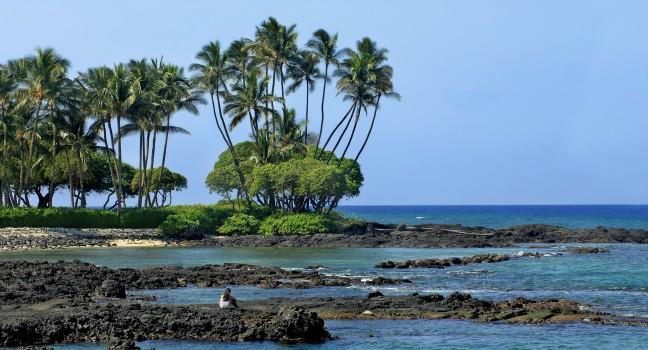
Young woman sits on the lava rocks of Anaehoomalu Bay on the Kohala Coast of the Big Island of Hawaii.  She is watching a green sea turtle that is basking in the sunlight and resting.
Bonita R. Cheshier / Shutterstock

This gorgeous, expansive stretch of white sand, fringed with coconut palms, fronts the Waikoloa Beach Marriott and is a perfect spot for swimming, windsurfing, snorkeling, and diving. Unlike some Kohala Coast beaches near hotel properties, this one is very accessible to the public and offers plenty of free parking. The bay is well protected, so even when the surf is rough or the trade winds are blasting, it's fairly calm here. (Mornings are calmest.) Snorkel gear, kayaks, and body boards are available for rent at the north end.

 Locals will appreciate your efforts to use the proper name (pronounced ā'-nāe-ho'o-mā'lu) rather than simply its nickname, "A-Bay."

Behind the beach are two ancient Hawaiian fishponds, Kuualii and Kahapapa, that once served ancient Hawaiian royalty. A walking trail follows the coastline to the Hilton Waikoloa Village next door, passing by tide pools, ponds, and a turtle sanctuary where sea turtles can often be spotted sunbathing on the sand. Footwear is recommended for the trail. Amenities: food and drink; parking (no fee); showers; toilets; water sports. Best for: snorkeling; sunset; swimming; walking.

69-275 Waikoloa Beach Dr., Waikoloa, HI, 96738, USA
Sight Details
Free

Something incorrect in this review?

Anza-Borrego Desert State Park

Fodor's Choice
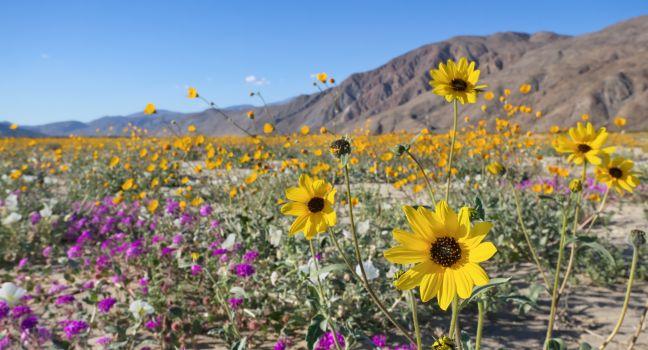
Wildflower blooming in Anza Borrego Desert State Park, California.
sumikophoto / Shutterstock

One of the richest living natural-history museums in the nation, this state park is a vast, nearly uninhabited wilderness where you can step through a field of wildflowers, cool off in a palm-shaded oasis, count zillions of stars in the black night sky, and listen to coyotes howl at dusk. The landscape, largely undisturbed by humans, reveals a rich natural history. There's evidence of a vast inland sea in the piles of oyster beds near Split Mountain and of the power of natural forces such as earthquakes and flash floods. In addition, recent scientific work has confirmed that the Borrego Badlands, with more than 6,000 meters of exposed fossil-bearing sediments, is likely the richest such deposit in North America, telling the story of 7 million years of climate change, upheaval, and prehistoric animals. Evidence has been unearthed of saber-toothed cats, flamingos, zebras, and the largest flying bird in the northern hemisphere beneath the now-parched sand. Today the desert's most treasured inhabitants are the herds of elusive and endangered native bighorn sheep, or borrego, for which the park is named. Among the strange desert plants you may observe are the gnarly elephant trees. As these are endangered, rangers don't encourage visitors to seek out the secluded grove at Fish Creek, but there are a few examples at the visitor center garden. After a wet winter you can see a short-lived but stunning display of cacti, succulents, and desert wildflowers in bloom.

The park is unusually accessible to visitors. Admission to the park is free, and few areas are off-limits. There are two developed campgrounds, but you can camp anywhere; just follow the trails and pitch a tent wherever you like. There are more than 500 miles of dirt roads, two huge wilderness areas, and 110 miles of riding and hiking trails. Many sites can be seen from paved roads, but some require driving on dirt roads, for which rangers recommend you use a four-wheel-drive vehicle. When you do leave the pavement, carry the appropriate supplies: a cell phone (which may be unreliable in some areas), a shovel and other tools, flares, blankets, and plenty of water. The canyons are susceptible to flash flooding, so inquire about weather conditions (even on sunny days) before entering.

Borrego resorts, restaurants, and the state park have Wi-Fi, but the service is spotty at best. If you need to talk to someone in the area, it's best to find a phone with a landline.

Stop by the visitor center to get oriented, to pick up a park map, and to learn about weather, road, and wildlife conditions. Designed to keep cool during the desert's blazing-hot summers, the center is built underground, beneath a demonstration desert garden containing examples of most of the native flora and a little pupfish pond. Displays inside the center illustrate the natural history of the area. Picnic tables are scattered throughout, making this a good place to linger and enjoy the view.

The sites and hikes listed below are arranged by region of the park and distance from the visitor center: in the valley and hills surrounding Borrego Springs, near Tamarisk Campground, along Highway S2, south of Scissors Crossing, and south of Ocotillo Wells.

A 1½-mile trail leads to Borrego Palm Canyon, one of the few native palm groves in North America. The canyon, about 1 mile west of the visitor center, holds a grove of more than 1,000 native fan palms, a stream, and a waterfall. Wildlife is abundant along this route. This moderate hike is the most popular in the park.

With a year-round stream and lush plant life, Coyote Canyon, approximately 4½ miles north of Borrego Springs, is one of the best places to see and photograph spring wildflowers. Portions of the canyon road follow a section of the old Anza Trail. This area is closed between June 15 and September 15 to allow native bighorn sheep undisturbed use of the water. The dirt road that gives access to the canyon may be sandy enough to require a four-wheel-drive vehicle.

The late-afternoon vista of the Borrego badlands from Font's Point, 13 miles east of Borrego Springs, is one of the most breathtaking views in the desert, especially when the setting sun casts a golden glow in high relief on the eroded mountain slopes. The road from the Font's Point turnoff can be rough enough to make using a four-wheel-drive vehicle advisable; inquire about road conditions at the visitor center before starting out. Even if you can't make it out on the paved road, you can see some of the view from the highway.

East of Tamarisk Grove campground (13 miles south of Borrego Springs), the Narrows Earth Trail is a short walk off the road. Along the way you can see evidence of the many geologic processes involved in forming the canyons of the desert, such as a contact zone between two earthquake faults, and sedimentary layers of metamorphic and igneous rock.

The 1.6-mile round-trip Yaqui Well Nature Trail takes you along a path to a desert water hole where birds and wildlife are abundant. It's also a good place to look for wildflowers in spring. At the trailhead across from Tamarisk Campground you can pick up a brochure describing what can be seen along the trail.

Traversing a boulder-strewn trail is the easy, mostly flat Pictograph/Smuggler's Canyon Trail. At the end is a collection of rocks covered with muted red and yellow pictographs painted within the last hundred years or so by Native Americans. Walk about ½ mile beyond the pictures to reach Smuggler's Canyon, where an overlook provides views of the Vallecito Valley. The hike, from 2 to 3 miles round-trip, begins in Blair Valley, 6 miles southeast of Highway 78, off Highway S2, at the Scissors Crossing intersection.

Just a few steps off the paved road, Carrizo Badlands Overlook offers a view of eroded and twisted sedimentary rock that obscures the fossils of the mastodons, saber-tooths, zebras, and camels that roamed this region a million years ago. The route to the overlook through Earthquake Valley and Blair Valley parallels the Southern Emigrant Trail. It's off Highway S2, 40 miles south of Scissors Crossing.

Geology students from all over the world visit the Fish Creek area of Anza-Borrego to explore the canyon through Split Mountain. The narrow gorge with 600-foot walls was formed by an ancient stream. Fossils in this area indicate that a sea once covered the desert floor. From Highway 78 at Ocotillo Wells, take Split Mountain Road south 9 miles.

200 Palm Canyon Dr., Borrego Springs, CA, 92004, USA
760-767–4205
Sight Details
Free; day-use parking in campground areas $10
Park daily dawn–dusk. Visitor Center Oct.–May 1, daily 9–5
Make a campground reservation at: reservecalifornia.com

Something incorrect in this review?

Aquinnah Cliffs

Aquinnah Fodor's Choice
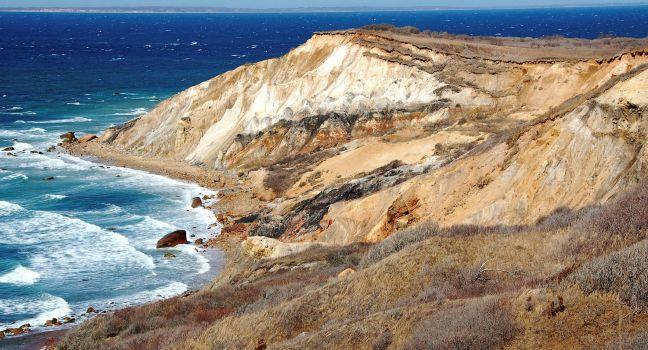
Aquinnah Cliffs at Martha's Vineyard
(c) Mwaits | Dreamstime.com

A National Historic Landmark, the spectacular Aquinnah Cliffs are part of the Wampanoag Reservation land. These dramatically striated walls of red clay are the island's major attraction, as evidenced by the tour bus–filled parking lot. Native American crafts and food shops line the short approach to the overlook. Gaze toward the Elizabeth Islands to the northeast across Vineyard Sound and Nomans Land Island, a wildlife preserve, 3 miles off the Vineyard's southern coast.

State Rd., Martha's Vineyard, MA, 02535, USA

Something incorrect in this review?

Arlington National Cemetery

Fodor's Choice
Arlington Cemetery - Changing of the Guards.
Brandon Vincent / Shutterstock

More than 400,000 Americans who died during wartime, as well as many notable Americans (among them Presidents William Howard Taft and John F. Kennedy, General John Pershing, and Supreme Court Justice Ruth Bader Ginsberg), are interred in these 639 acres across the Potomac River from Washington, established as the nation’s cemetery in 1864. Prior to 1857, the land was a plantation owned by George Washington Parke Custis, grandson of Martha Washington. Enslaved people built Arlington House, which became the country’s first memorial to Custis’s step-grandfather, George Washington; the house and plantation were later passed down to Custis’s daughter, Mary Anna Custis Lee, the wife of Confederate general Robert E. Lee. Arlington was very much a typical working plantation before it was a cemetery, with 196 enslaved individuals living and working on the property when the Lees inherited it. Beginning in May 1864, the former plantation, which had been seized by the U.S. Army in 1861, became a military cemetery.

Today Arlington is the most famous national cemetery in the country, with an average of 27 to 30 funerals held every weekday and another six to eight funerals on Saturday for people who did not require or request military honors. You can visit dozens of notable grave sites, monuments, and even an arboretum. Sections 27 and 23, two of the oldest parts of the cemetery, are a particular must for modern-day visitors. Fifteen-hundred African American soldiers who fought in the Civil War and the ensuing Indian Wars are buried here, as are over 3,800 nonmilitary African Americans (including many who were formerly enslaved); they are buried in graves marked only as “citizen” or “civilian.”

You should also visit the former site of the Freedman’s Village, which existed from 1863 to 1900. The area was originally designed by the government as a short-term refugee camp for runaway enslaved individuals; it quickly became a robust community, complete with schools, hospitals, and churches (interestingly, records indicate no residents of this village are buried at Arlington). Today that area includes Section 4, the location of the Coast Guard Memorial, and others such as Arctic explorers Admiral Robert Peary and Matthew Henson.

Tour-bus services are provided for a fee every 30 minutes (buy tickets in the Welcome Center or at  www.arlingtontours.com). Wheelchairs and strollers are not allowed; handicap-accessible vehicles are available upon request. For a map of the cemetery or help finding a grave, download the cemetery’s app, ANC Explorer, or use the computers at the Welcome Center.

Arlington National Cemetery also offers free educational resources and self-guided walking tours. For more information on Arlington National Cemetery and to find educational resources, visit  https://linktr.ee/arlingtonnatl.
1 Memorial Ave., VA, 22211, USA
877-907–8585-for general information and to locate a grave
Sight Details
Free; parking from $3 per hr; Arlington National Cemetery tours $17.95

Something incorrect in this review?

Audubon Park

Uptown Fodor's Choice
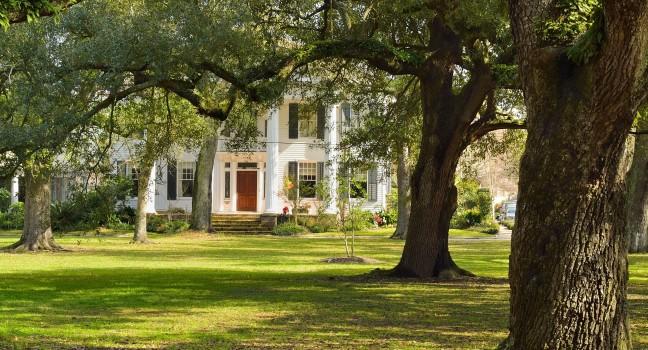
Villa at Audubon Park in New Orleans.
gibleho / Shutterstock

Formerly the plantation of Etienne de Boré, the father of the granulated-sugar industry in Louisiana, this large, lush patch of greenery stretches from St. Charles Avenue across Magazine Street to the river. Designed by John Charles Olmsted, nephew of Frederick Law Olmsted (who laid out New York City's Central Park and Asheville's Biltmore Estate), this park contains the world-class Audubon Zoo; a 1.8-mile track for running, walking, or biking; picnic and play areas; Audubon Park Golf Course; tennis courts; a swimming pool; horse stables; and a river view known by locals as the Fly. Calm lagoons wind through the park, harboring egrets and other indigenous species. The park and zoo were named for the famous ornithologist and painter John James Audubon, who spent many years working in and around New Orleans.

Boston Public Garden

Back Bay Fodor's Choice
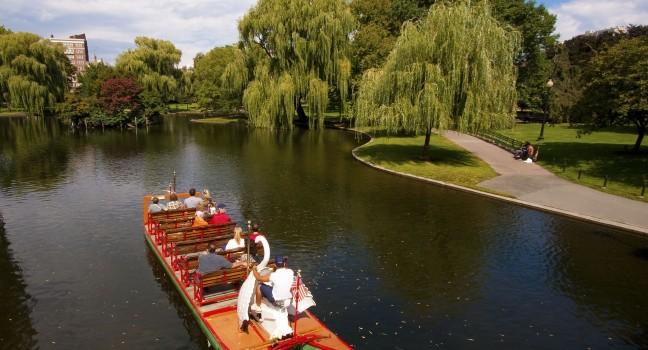
Public Garden in Boston with the famous Swam Boats. Massachusetts - USA.
Marcio Jose Bastos Silva / Shutterstock

America's oldest botanical garden is replete with gorgeous formal plantings, a 4-acre lagoon famous since 1877 for its foot-pedal–powered (by a captain) Swan Boats ( swanboats.com), and the Make Way for Ducklings bronzes sculpted by Nancy Schön, a tribute to the 1941 classic children's story by Robert McCloskey.

Keep in mind that Boston Public Garden and Boston Common are two separate entities with different histories and purposes and a distinct boundary between them at Charles Street. The Common has been public land since Boston was founded in 1630, whereas the Public Garden belongs to a newer Boston, occupying what had been salt marshes on the edge of the Common. By 1837 the tract was covered with an abundance of ornamental plantings donated by a group of private citizens. Near the Swan Boat dock is what has been described as the world's smallest suspension bridge, designed in 1867 to cross the pond at its narrowest point. The beds along the main walkways are replanted every spring. The tulips during the first two weeks of May are especially colorful, and there's a sampling of native and European tree species.

Brooklyn Bridge (Entrance)

Fodor's Choice
The Brooklyn bridge, New York City, New York. USA.
Revoc9 | Dreamstime.com

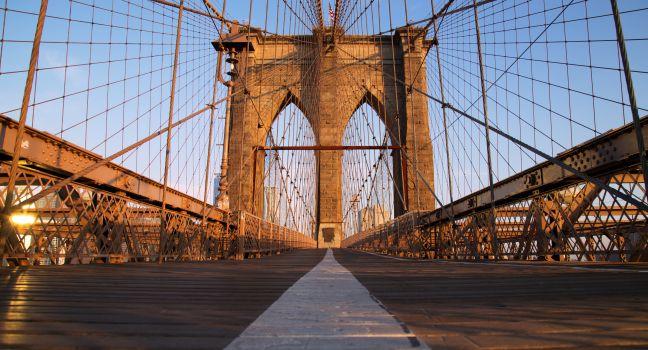
“A drive-through cathedral" is how the journalist James Wolcott once described the Brooklyn Bridge—one of New York's noblest and most recognizable landmarks—perhaps rivaling Walt Whitman's comment that it was "the best, most effective medicine my soul has yet partaken." The bridge stretches over the East River, connecting Manhattan and Brooklyn. A walk across its promenade—a boardwalk elevated above the roadway, shared by pedestrians and cyclists—is a quintessential New York experience, and the roughly 40-minute stroll delivers exhilarating views. (Cyclists mainly use a lane on the vehicular level below.) If you start from Lower Manhattan near City Hall, you'll end up near Brooklyn Heights and DUMBO; you can also take the subway to the Brooklyn side and walk back to Manhattan. From midday through early evening, the narrow path gets very congested, especially when the weather is nice. Head here early in the morning to find the magical quiet hours.

Brooklyn Heights Promenade

Brooklyn Heights Fodor's Choice
Brooklyn Heights, Brooklyn, New York
Jennifer Arnow

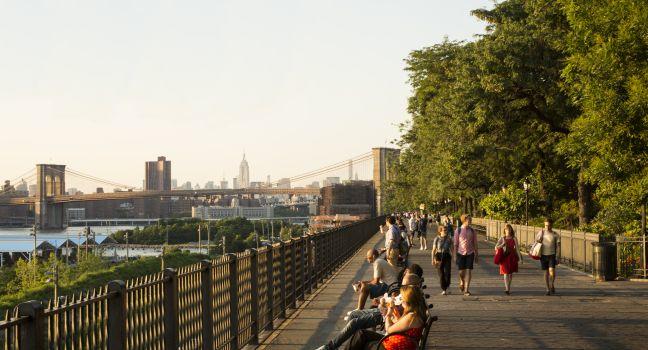
Strolling this esplanade famous for its magnificent Manhattan views, you might find it surprising to learn that its origins were purely functional: the promenade was built as a sound barrier to protect nearby brownstones from highway noise. Find a bench, and take in the skyline, the Statue of Liberty, and the Brooklyn Bridge; in the evening, the lights of Manhattan sparkle across the East River. Below are the Brooklyn–Queens Expressway (BQE) and Brooklyn Bridge Park.

Bryant Park

Midtown West Fodor's Choice
NEW YORK, USA - MAY 16: People enjoying a nice day in Bryant Park on May 16, 2013 in New York City, NY. Bryant Park is a 9,603 acre privately managed park in the center of Manhattan.
(c) Friday | Dreamstime.com

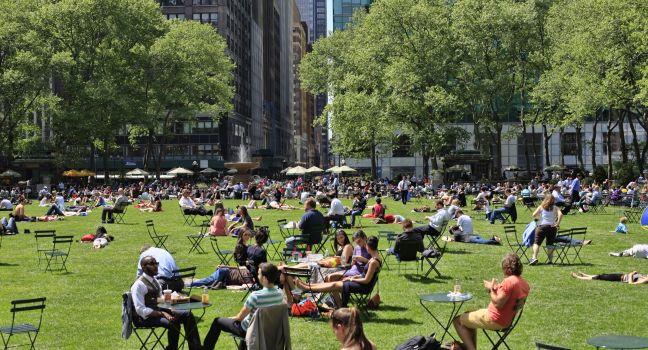
This lovely green space spread out among landmarks and skyscrapers is one of Manhattan's most popular parks. Tall London plane trees line the perimeter of the sunny central lawn, overlooking stone terraces, flower beds, and snack kiosks. The garden tables scattered about fill with lunching office workers and folks enjoying the park's free Wi-Fi. In summer, there are free readings, live jazz, and "Broadway in Bryant Park" musical theater performances. Most popular of all is the summer film festival: locals leave work early to snag a spot on the lawn for the outdoor screenings each Monday at dusk.

At the east side of the park, near a bronze cast of Gertrude Stein, is the stylish Bryant Park Grill, which has a rooftop garden, and the adjacent open-air Bryant Park Café, open seasonally. On the south side of the park is an old-fashioned carousel ($4) where kids can also attend storytellings and magic shows. Come late October, the park rolls out the artificial frozen "pond" (October–March, daily 8 am–10 pm) for free ice-skating (bring your own padlock for the lockers; skate rental starts at $18). Surrounding the ice rink are the Christmas-market stalls of the holiday shops, selling handcrafted goods and local foods.

Cataloochee Valley

Fodor's Choice
Essence of Autumn
Danny R. Buxton / Shutterstock

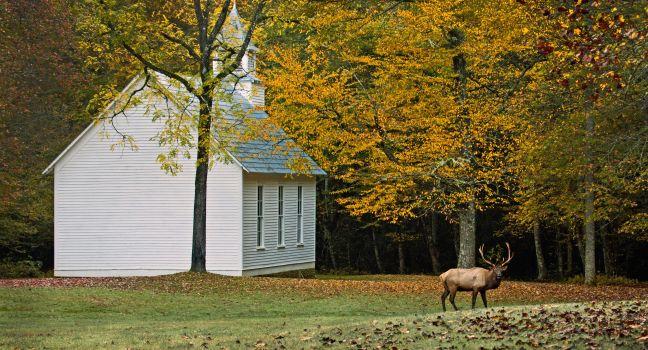
This is one of the most memorable and eeriest sights in all of the Smokies. At one time Cataloochee was a community of more than 1,200 people. After the land was annexed for the national park in 1934, the community dispersed. Although many of the original buildings are gone, more than a dozen houses, cabins, barns, and churches still stand. You can visit the Palmer Methodist Chapel, the Beech Grove School, and the Woody, Caldwell, and Messer homesteads. You have a good chance of spotting elk here, especially in the evening and early morning. You'll also likely see wild turkeys, deer, and perhaps bears. Cataloochee is one of the most remote parts of the Smokies, reachable by car via a narrow, winding gravel road that rises over a steep pass before dropping you into the isolated valley. Take the 5 mph speed limit seriously on the blind curves. At dawn and dusk, this uncrowded valley is pure beautiful magic.

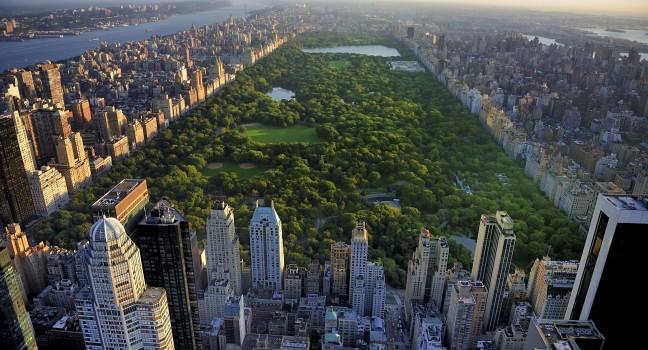
Central Park

Upper West Side Fodor's Choice
Central Park aerial view, Manhattan, New York; Park is surrounded by skyscraper.
T photography / Shutterstock

Central Park's creators, landscape architects Frederick Law Olmsted and Calvert Vaux, had a simple goal when they submitted their plan in 1858: to design a place where city dwellers could go to forget the city. Even though New York eventually grew far taller than the trees planted to hide it, the park has always been an urbanized Eden that gives residents and visitors alike a bite of the apple. Indeed, without Central Park's 843 acres of meandering paths, tranquil lakes, ponds, and open meadows, New Yorkers (especially Manhattanites) might be a lot less sane. Olmsted and Vaux also designed Brooklyn's Prospect Park and the grounds of the White House.

The busy southern section of Central Park, from 59th to 72nd Street, is where most people get their first impression. But no matter how many people congregate around here, you can always find a spot to picnic, ponder, or just take in the foliage, even on a sunny weekend day. In the southern corner is the Hallett Nature Sanctuary, one of the park's lesser-known areas. The nature sanctuary is a 4-acre patch of wilderness—one of the park’s three woodlands—and is home to native flora and fauna and rustic trails that lead to quiet overlooks; it's also a popular birding spot. Playgrounds, lawns, jogging and biking paths, and striking buildings populate the midsection of the park, from 72nd Street to the reservoir. You can soak up the sun, take in the public art, take pictures at Bethesda Fountain, visit the penguins at the Central Park Zoo, or join the runners huffing counterclockwise on the dirt track that surrounds the reservoir. North of the reservoir and up to 110th Street, Central Park is less crowded and feels more rugged. In 2025, the Central Park Conservancy completed a revitalization of the area around the Harlem Meer (a man-made lake) at the north end of the park to add a full-scale ice rink, an additional new skating experience on the meer, a larger-than-Olympic-size pool, and revamp the parkland around it. The new facility is called the Davis Center at the Harlem Meer (formerly the Lasker Rink and Pool site). To find out about park events and year-round walking tours, check the website of the Central Park Conservancy ( www.centralparknyc.org).

If you're taking the subway to the park's southernmost parts, the stops at either Columbus Circle (southwest corner) or 5th Avenue–59th Street (southeast corner) are handy. If headed for points north, the A, B, C, and D subway lines travel along Central Park West (beware of local versus express stops); the 4, 5, and 6 lines travel along Lexington Avenue, three blocks east of 5th Avenue and the park.

There are many paved pedestrian entrances into the park from 5th Avenue, Central Park North (110th Street), Central Park West, and Central Park South (59th Street). Four roads, or transverses, for cars and city buses cut through the park from east to west—66th, 79th, 86th, and 96th Streets. The East and West drives are both along the north–south axis; Center Drive enters the south edge of the park at 6th Avenue and connects with East Drive around 66th Street. Cars are no longer allowed on the drives, which are exclusively for pedestrians, cyclists, and horse-drawn carriages. Along the main loop, lampposts are marked with location codes that include a letter—always "E" (for east) or "W" (for west)—followed by numbers, the first two of which tell you the nearest cross street. For example, E7803 means you're near 78th Street; above 99, the initial "1" is omitted, so W0401 is near West 104th Street. Download the Central Park Conservancy's free app for a GPS-enabled map to help you navigate the park. The app also includes an audio guide, self-guided tours, and current events in the park, as well as a new interactive Cherry Blossom Tracker Map to help visitors and locals track when and where the flowers will peak in the park in spring.

If you haven't packed a picnic and you want a snack, you can usually find one of those rather tired-looking food carts selling hot dogs, pretzels, and ice-cream sandwiches. Specialty food carts are often around, too, mostly in the park's southern half, especially when there are concerts or other major events—your taste buds will thank you. Other reliable options include the café next to the Boathouse Restaurant (midpark at 74th Street), or a branch of Le Pain Quotidien (midpark at 69th Street). Both serve sandwiches, soups, pastries, and other satisfying on-the-go grub (and Le Pain also has free Wi-Fi). For something a little more elegant, you can stop for brunch, lunch, or dinner at the Tavern on the Green.

As part of a park-wide restoration project named Plan for Play, all 21 playgrounds have undergone (or are still scheduled to receive) updates. Most have seen renovations to play structures, plus other improvements that will ensure each one's structural stability and ongoing maintenance for years to come.

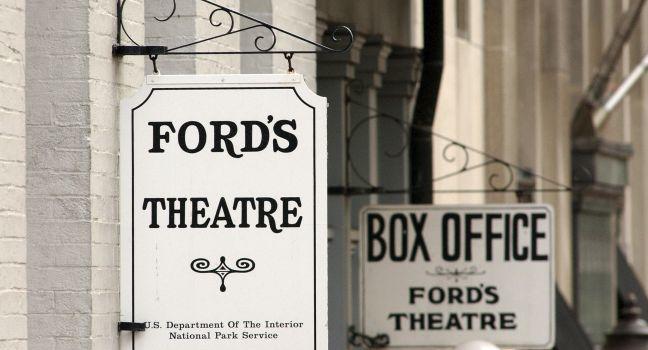
Ford's Theatre

Downtown Fodor's Choice
WASHINGTON - JUNE 9:  Signs hang on the front of Ford's Theater June 9, 2003 in Washington, DC. U.S. President Abraham Lincoln was shot inside the theater by John Wilkes Booth April 14, 1865 and died the next morning in a house across the street. Confedera
EdStock / iStockphoto

April 14, 1865, shocked the nation: during a performance of Our American Cousin, John Wilkes Booth entered the Presidential Box at Ford's Theatre and shot Abraham Lincoln in the back of the head; the president died later that night. This block-long, Lincoln-centered, cultural campus encompasses four sites. In the Museum, you'll explore Lincoln's presidency and Civil War milestones and learn about Booth and those who joined his conspiracy to topple the government. Artifacts include Lincoln's clothing and weapons used by Booth. The Theatre, which stages performances throughout the year, is restored to look as it did when Lincoln attended, including the Presidential Box draped with flags as it was on the night he was shot. In the restored Petersen House, you can see the room where Lincoln died and the parlor where his wife, Mary Todd Lincoln, waited in anguish through the night.

The centerpiece of the Aftermaths Exhibits at the Center for Education and Leadership is a jaw-dropping, three-story tower of 6,800 books written about Lincoln. Visitors take an immersive step back in time, entering a 19th-century street scene where they find a reproduction of Lincoln's funeral train car and see its route to Springfield, Illinois. Visitors also learn about the chase for John Wilkes Booth and his co-conspirators' trial, and they interact with an "escape map" to the tobacco barn where Booth was captured. Exhibits also explore the fate of Lincoln's family after his death, explain the milestones of Reconstruction, and describe Lincoln's legacy and enduring impact on U.S. and world leaders. A visit ends with a multiscreen video wall that shows how Lincoln's ideas resonate today.

Visits to Ford's Theatre require a free, timed-entry ticket. Same-day tickets are available at the theater box office beginning at 8:30 am on a first-come, first-served basis. You can also reserve tickets in advance at  www.fords.org with a $3 fee per ticket.

Gettysburg National Military Park

Fodor's Choice
A cannon in a cemetery at Gettysburg National Military Park in Pennsylvania,USA.
© Delmas Lehman | Dreamstime.com

There are few American landmarks as moving as Gettysburg National Military Park, where General Robert E. Lee and his Confederate troops fought and lost to the Union forces of General George Meade from July 1 through 3, 1863. More than 1,300 mournful and inspiring markers and monuments honor the estimated 7,058 soldiers killed in the battle. Thirty-plus miles of marked roads lead through the 6,000-acre park to key battle sites; you can traverse them by driving, bicycling, or hiking yourelf or with a licensed guide, or via guided bus tours. In the first week of July, Civil War reenactors dress in period uniforms and costumes to commemorate the three-day battle.

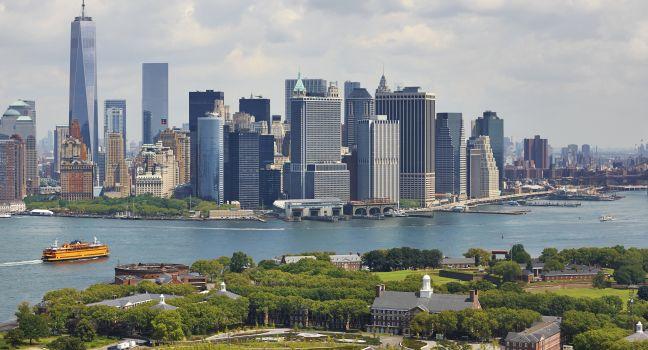
Governors Island

Financial District Fodor's Choice
Aerial view of  Manhattan and Governors Island, New York City, U.S.A. ; Shutterstock ID 212400088; Project/Title: 25 Things to Do in New York City This Spring; Downloader: Fodor's Travel
R.A.R. de Bruijn Holding BV / Shutterstock

Open year-round to the public (7 am–6 pm in winter; until 10 pm through the summer season) and accessible via ferry, Governors Island is essentially a big, charming park that resembles a small New England town. It's popular with locals for biking and walking by the water, festivals, art shows, concerts, and family programs, and delights visitors with a natural serenity—especially since it's in the middle of one of America's busiest harbors. In 1637, Wouter van Twiller, a representative for the country of Holland, supposedly purchased the island from the Indigenous Lenape people for his private use for two ax heads, a string of beads, and a handful of nails. In 1784, the island was named for English colonial governors and was used almost exclusively by the American military until the 1960s, when the Coast Guard took it over. In 2002, the city purchased the island and soon began reimagining its 172 acres as versatile public green space. The island's evolution continues with public art installations, all-ages park features (like slides and hammocks), various food and drink vendors, open-air Gitano Island modern-Mexican restaurant and club ( www.gitano.com/nyc), and even the QCNY ( www.qcny.com) luxury "destination day spa" inside the retired barracks. The Governors Island ferry departs from the Battery Maritime Building (free before 11 am on weekends, and daily for seniors, children, NYC ID  holders, and military), while the NYC Ferry links there from Wall Street/Pier 11, Brooklyn's Pier 6, and other docks in Manhattan and Brooklyn.

10 South St., New York, NY, USA
212-440–2200
Sight Details
Free (Pier 6 ferry either free or $5; all NYC Ferry tickets $4.50)

Something incorrect in this review?

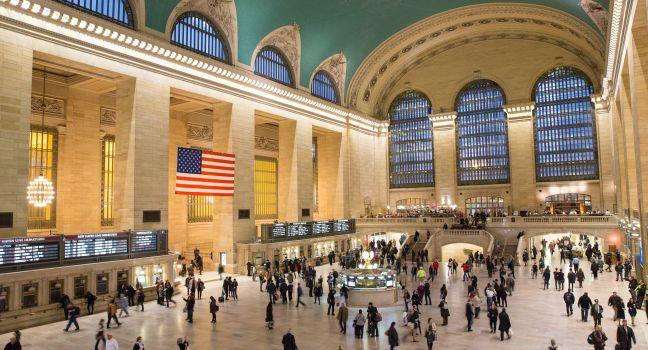
Grand Central Terminal

Midtown East Fodor's Choice
New York City, USA - November 6: View of the Grand Central Station in New York City, USA on November 6, 2014
Victor Maschek / Shutterstock

Grand Central is not only the world's largest railway station by area (at 49 acres and 44 platforms), but also one of the world's most magnificent public spaces, the majesty of its 1913 building preserved, in part, by Jacqueline Kennedy Onassis's 1975 campaign to save it as a landmark. The main concourse stands roughly 12 stories high and is modeled after an ancient Roman public bath. Overhead, an LED-lit map of the constellations covers the ceiling. Of course, Grand Central still functions primarily as a transit hub: underground, trains travel to Connecticut and through various New York counties and the Bronx via the Metro-North commuter rail and to Long Island via the Long Island Rail Road through Grand Central Madison; the subway connects here as well.

To best admire Grand Central's exquisite Beaux-Arts architecture, avoid rush hour and head up one of the staircases at either end, where an Apple store occupies the top of one of the balcony spaces. From this level, you can survey the concourse and feel the terminal's dynamism. Then head to the southwest corner to reach the tucked-away The Campbell cocktail lounge. The on-site Vanderbilt Tennis Club is a best-kept secret; court time can be reserved there. Around and below the main concourse are fantastic shops and eateries—including the New York Transit Museum gallery annex, Grand Central Market and Grand Central Oyster Bar. If you're with a friend, position yourselves in opposite corners of the tiled passageway just outside the Oyster Bar, facing away from each other, and murmur your secrets to the wall. Or just stand and watch others indulge in the delightful acoustic oddity that is the whispering gallery. Take Walks NYC ( www.takewalks.com/new-york-tours/grand-central-tours) leads two official daily walking tours for $35 at 11 am and 3 pm.

Griffith Observatory

Los Feliz Fodor's Choice
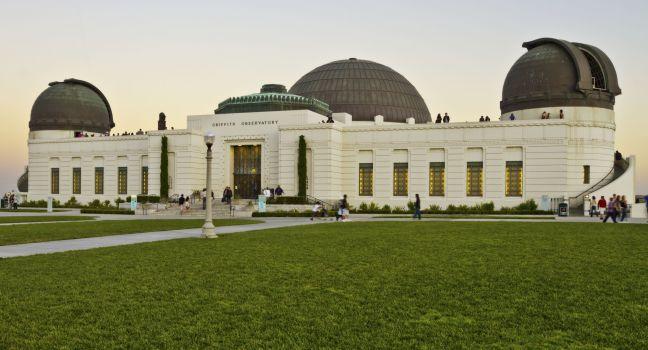
Los Angeles, USA - June 24, 2011: The world-renown Griffith Observatory at the top of the mountain in Griffith Park in Los Angeles.
Merkuri2 | Dreamstime.com

Most visitors barely skim the surface of this gorgeous spot in the Santa Monica Mountains, but those in the know will tell you there’s more to the Griffith Observatory than its sweeping views and stunning Greek Revival architecture. The magnificence of the cosmos and humankind's ingenuity to explore the deepest depths of the universe are in the spotlight here, with its space-focused exhibits, free public telescopes, and shows at the Leonard Nimoy Event Horizon Theater and the Samuel Oschin Planetarium. For visitors who are looking to get up close and personal with the cosmos, monthly star-viewing parties with local amateur astronomers are also on hand. For a fantastic view, come at sunset to watch the sky turn fiery shades of red with the city's skyline silhouetted.