2339 Best Sights in USA

Background Illustration for Sights

We've compiled the best of the best in USA - browse our top choices for the top things to see or do during your stay.

Expedition Everest—Legend of the Forbidden Mountain
Animal Kingdom Fodor's Choice
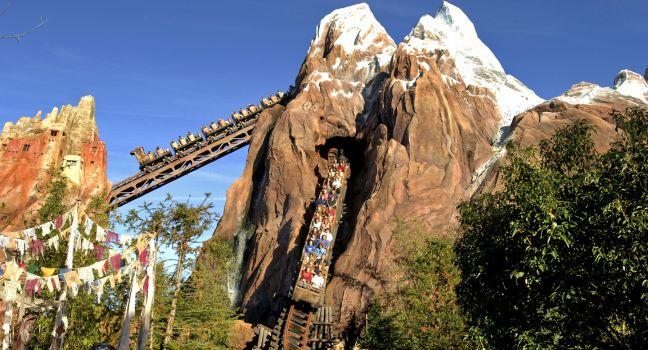
The fearsome legend of the yeti comes to life in this thrill attraction — Expedition Everest — at Disney’s Animal Kingdom at Walt Disney World Resort in Lake Buena Vista, Fla. The runaway train adventure in located in the Asia section
© Disney

A fierce yeti guards the route to Mt. Everest. Of course, you're willing to risk running across the big guy in your roller-coaster quest to reach the summit. So, you board an "aging," seemingly innocuous, 34-passenger, steam-engine train into the mountains. You roll past bamboo forests, waterfalls, and glacier fields as you climb higher through snowcapped peaks. Suddenly, the train becomes a runaway, barreling forward then backward around icy ledges and through dark snowy caverns. Nearly a mile of twists and turns cut through the dark mountain, and, at one point, your train plunges a harrowing 80 feet. Will you find the yeti?

Buildings along the queue look like Himalayan mountain dwellings and teem with things like prayer flags, totems, and other artifacts from Tibet, Nepal, and the entire region. Because of the backwards portion of the ride, those wanting a wilder experience should ride up front.

Pregnant women or guests with back, neck, or heart problems shouldn't ride. For people with disabilities: You must transfer from your wheelchair to a ride vehicle; ask a cast member about the Transfer Practice Vehicle. No service animals. If you don't head straight to Pandora come here first. Also, you can take little ones to nearby Finding Nemo: The Big Blue . . . and Beyond! while older kids do this ride.

Asia, Walt Disney World, FL, 32830, USA
Sight Details
Duration: 2½ mins. Crowds: Huge. Audience: All but young kids. Height requirement: 44 inches. Genie+ offered

Something incorrect in this review?

Festival of the Lion King

Animal Kingdom Fodor's Choice
A June opening, in an all-new theater, is now planned for the Festival of the Lion King show. The popular, high-energy live musical at Disney’s Animal Kingdom moves to a new home in the Africa section of the park. Its music and pageantry are inspire
© Disney

If you think you've seen enough Lion King to last a lifetime, you're wrong—unless you've seen this show. Disney presents a delightful celebration of song, dance, and acrobatics that uses huge moving stages and floats. The show's singers are first-rate; lithe dancers wearing exotic animal-theme costumes portray creatures in the wild. Timon, Pumba, and other Lion King stars have key roles. The show is presented in the Harambe Theater in the park's Africa area. For people with disabilities: Wheelchair- and ECV-accessible; equipped for assisted-listening and handheld-captioning devices; sign-language interpretation is sometimes offered. If you aren't using Genie+, arrive 30–40 minutes before showtime. If you have a child who might want to go on stage, try to sit up front to increase his or her chance of being chosen.

Africa, Walt Disney World, FL, 32830, USA
Sight Details
Duration: 30 mins. Crowds: Moderate to heavy. Audience: All ages. Genie+ offered

Something incorrect in this review?

Finding Nemo: The Big Blue . . . and Beyond!

Animal Kingdom Fodor's Choice
FINNED FRIENDS — A befuddled Dory and fretful dad Marlin search Australia’s Great Barrier Reef for Marlin’s wayward son in “Finding Nemo — The Musical,” a live production at Disney’s Animal Kingdom based on
© Disney

A recent update to this show sped up the storytelling but kept the beautiful costumes and puppets and the infectious tunes—including the heart-warming "Big Blue World"—from the previous Finding Nemo musical. For people with disabilities: Wheelchair accessible. Equipped with reflective captioning and for audio-description and assisted-listening devices. Check with Guest Relations for sign-language schedule. Arrive 30 to 40 minutes before showtime. Bring little kids here while older tweens and teens ride nearby Expedition Everest over in Asia.

DinoLand U.S.A., Walt Disney World, FL, 32830, USA
Sight Details
Duration: 40 mins. Crowds: Heavy. Audience: All ages. Genie+ offered

Something incorrect in this review?

Recommended Fodor's Video

Ford's Theatre

Downtown Fodor's Choice
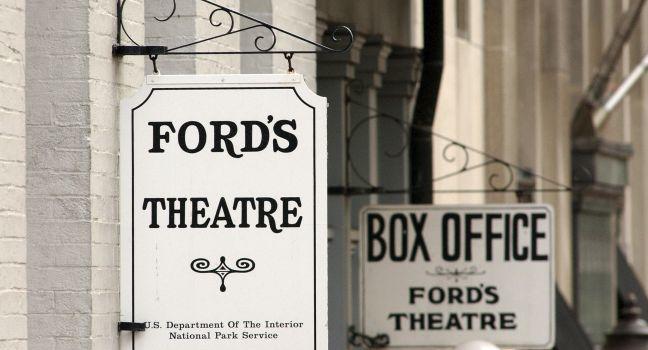
WASHINGTON - JUNE 9:  Signs hang on the front of Ford's Theater June 9, 2003 in Washington, DC. U.S. President Abraham Lincoln was shot inside the theater by John Wilkes Booth April 14, 1865 and died the next morning in a house across the street. Confedera
EdStock / iStockphoto

April 14, 1865, shocked the nation: during a performance of Our American Cousin, John Wilkes Booth entered the Presidential Box at Ford's Theatre and shot Abraham Lincoln in the back of the head; the president died later that night. This block-long, Lincoln-centered, cultural campus encompasses four sites. In the Museum, you'll explore Lincoln's presidency and Civil War milestones and learn about Booth and those who joined his conspiracy to topple the government. Artifacts include Lincoln's clothing and weapons used by Booth. The Theatre, which stages performances throughout the year, is restored to look as it did when Lincoln attended, including the Presidential Box draped with flags as it was on the night he was shot. In the restored Petersen House, you can see the room where Lincoln died and the parlor where his wife, Mary Todd Lincoln, waited in anguish through the night.

The centerpiece of the Aftermaths Exhibits at the Center for Education and Leadership is a jaw-dropping, three-story tower of 6,800 books written about Lincoln. Visitors take an immersive step back in time, entering a 19th-century street scene where they find a reproduction of Lincoln's funeral train car and see its route to Springfield, Illinois. Visitors also learn about the chase for John Wilkes Booth and his co-conspirators' trial, and they interact with an "escape map" to the tobacco barn where Booth was captured. Exhibits also explore the fate of Lincoln's family after his death, explain the milestones of Reconstruction, and describe Lincoln's legacy and enduring impact on U.S. and world leaders. A visit ends with a multiscreen video wall that shows how Lincoln's ideas resonate today.

Visits to Ford's Theatre require a free, timed-entry ticket. Same-day tickets are available at the theater box office beginning at 8:30 am on a first-come, first-served basis. You can also reserve tickets in advance at  www.fords.org with a $3 fee per ticket.

Forsyth Park

Fodor's Choice
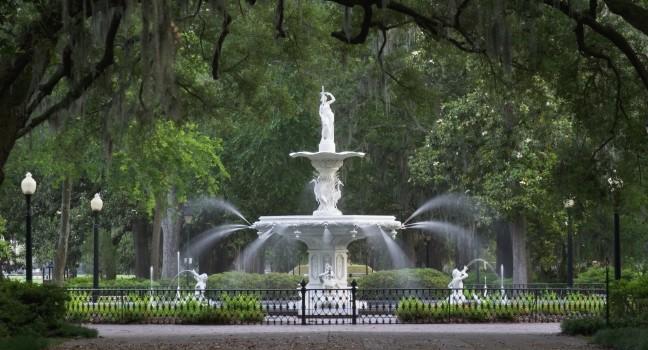
Forsyth Park Fountain in Savannah Georgia.; Shutterstock ID 1711880; Project/Title: Fodors; Downloader: Melanie Marin
David Davis / Shutterstock

The heart of the city's outdoor life, Forsyth Park hosts a number of popular cultural events, including film screenings, sports matches, and the annual Savannah Jazz Festival. Built in 1840 and expanded in 1851, the park was part of General Oglethorpe's original city plan and made possible by the donation of land from Georgia governor John Forsyth. A glorious white fountain dating to 1858, Confederate and Spanish-American War memorials, a fragrant garden, multiple playgrounds, tennis and basketball courts, and an old fort (which houses the gorgeous Collins Quarter Forsyth Café, with indoor/outdoor seating) are spread across this grand, green space. Be sure to stop by the south end on Saturday mornings for the bustling farmers' market. The park's 1-mile perimeter is among the prettiest walks in the city and takes you past many beautifully restored historic homes.

Fort McHenry National Monument and Historic Shrine

Fodor's Choice
Cannon outside Fort McHenry National Monument in Baltimore, MD
Joseph Sohm / Shutterstock

This star-shaped brick fort is forever associated with Francis Scott Key and "The Star-Spangled Banner," which Key penned while watching the British bombardment of Baltimore during the War of 1812. Through the next day and night, as the battle raged, Key strained to be sure, through the smoke and haze, that the flag still flew above Fort McHenry—indicating that Baltimore's defenders held firm. "By the dawn's early light" of September 14, 1814, he saw the 30- by 42-foot "Star-Spangled Banner" still aloft and was inspired to pen the words to a poem (set to the tune of an old English drinking song). The flag that flew above Fort McHenry that day had 15 stars and 15 stripes, and was hand-sewn for the fort. A visit to the fort includes a 15-minute history film, guided tour, and frequent living-history displays on summer weekends. To see how the formidable fortifications might have appeared to the bombarding British, catch a water taxi from the Inner Harbor to the fort instead of driving.

Four Corners Monument

Fodor's Choice
Four corners landmark indicating the four states lines connecting Colorado, New Mexico, Utah and Arizona.
Scosens | Dreamstime.com

This interesting landmark is located about 42 miles from Cortez, 65 miles southeast of Bluff, and 6 miles north of Teec Nos Pos, Arizona. The Four Corners Monument Navajo Tribal Park is owned and operated by the Navajo Nation. On the Colorado side is the Ute Mountain Ute of the Corners. Primarily a photo op, you'll also find Navajo and Ute artisans selling authentic jewelry and crafts, as well as traditional foods. It's the only place in the United States where you can be in six places at one time: four states and two tribal parks meet at one single point. Bring plenty of water.

Frederick C. Robie House

Fodor's Choice
Frank Llloyd Wright's Robie House. Oak Park, Chicago, Illinois.
(c) Tedholt | Dreamstime.com

Named one of the 10 most significant buildings of the 20th century by the American Institute of Architects, the 9,063-square-foot Robie House (1910) is long and low. Massive overhangs shoot out from the low-pitched roof, and windows run along the facade in a glittering stretch. Inside, Wright's "open plan" echoes the great outdoors, as one space flows into another, while sunlight streaming through decorative leaded windows bathes the rooms in patterns. The original dining room had a table with lanterns at each corner, giving the illusion that the table itself was a separate room. Other Wright innovations include a three-car garage (now the gift shop), an intercom, and a central vacuum-cleaner system.

Frenchmen Street

Faubourg Marigny Fodor's Choice
NEW ORLEANS/USA -  October 13, 2012: Cafes, shops on Frenchmen St in block Faubourg Marigny. This bohemian district of New Orleans east of the French Quarter.
IrinaK / Shutterstock

The four-block stretch closest to the French Quarter is where it's at—complete with cafés, bars, hotels, and music clubs. The true magic happens come nightfall, when live music spills from the doorways of clubs and crowds gather for street performers, but it's still a great daytime destination, too.

Garden of the Gods

Fodor's Choice
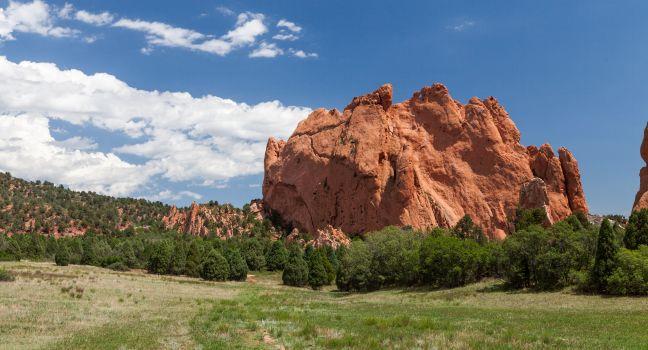
Garden of the gods Colorado Springs
Oscity / Shutterstock

These magnificent, eroded red-sandstone formations—from gnarled jutting spires to sensuously abstract monoliths—were sculpted more than 300 million years ago. Follow the road as it loops past such oddities as the Three Graces, the Siamese Twins, and the Kissing Camels or get an up-close look at the rocks with a guided climbing expedition booked at the visitor center. High Point, near the south entrance, provides camera hounds with the ultimate photo op: a formation known as Balanced Rock and jagged formations that frame Pikes Peak. The visitor center has maps of the trails and several geological, historical, and interactive hands-on displays, as well as a café. It's a short, paved hike into the park from the parking lot.

Gas Works Park

Wallingford Fodor's Choice
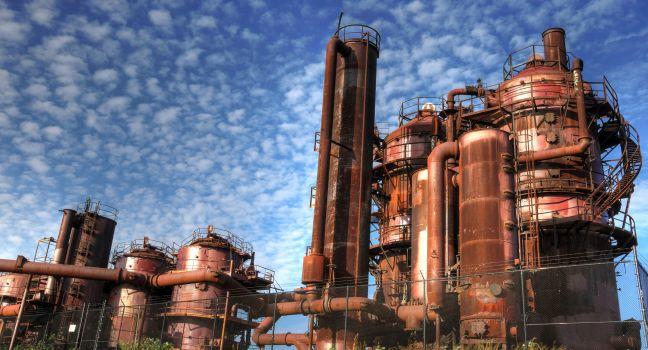
machineries and storage units in a gas industry at gas works park Seattle.
neelsky / Shutterstock

Far from being an eyesore, the hulking remains of an old 1907 gas plant actually lend quirky character to the otherwise open, hilly, 20-acre park. Get a great view of Downtown Seattle while seaplanes rise up from the south shore of Lake Union; the best vantage point is from the zodiac sculpture at the top of the very steep Kite Hill, so be sure to wear appropriate walking shoes. This is a great spot for couples and families alike; the enormous and modern playground has rope climbing structures, a variety of swings, and a padded floor. Crowds throng to picnic and enjoy outdoor summer concerts, movies, and the July 4th fireworks display over Lake Union. Gas Works can easily be reached on foot from Fremont, via the waterfront Burke-Gilman Trail.

Getty Villa Museum

Pacific Palisades Fodor's Choice
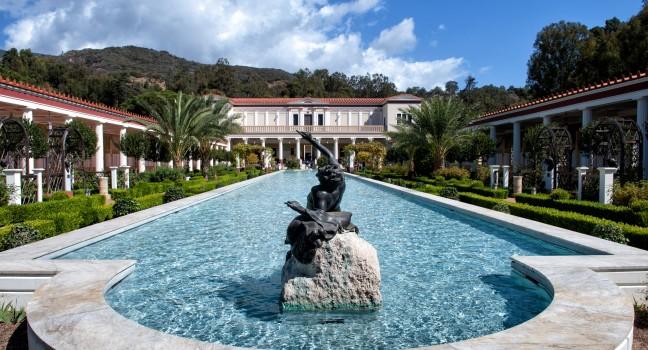
LOS ANGELES, USA - OCTOBER 4: The famous Getty Villa on October 4, 2009 in Los Angeles. The design of the Getty Villa was inspired by blueprints of the ancient Villa of the Papyri at Herculaneum.;
Rolf_52/Shutterstock

Feeding off the cultures of ancient Rome, Greece, and Etruria, the Getty Villa exhibits astounding antiquities, though on a first visit even they take a back seat to their environment. This megamansion sits on some of the most valuable coastal property in the world. Modeled after the Villa dei Papiri in Herculaneum, a Roman estate owned by Julius Caesar's father-in-law that was covered in ash when Mt. Vesuvius erupted, the Getty Villa includes beautifully manicured gardens, reflecting pools, and statuary. The structures blend thoughtfully into the rolling terrain and significantly improve the public spaces, such as the outdoor amphitheater, gift store, café, and entry arcade. Talks, concerts, and educational programs are offered at an indoor theater.

An advance timed-entry ticket is required for admission. Tickets are free and may be ordered from the museum's website or by phone.

17985 Pacific Coast Hwy., Los Angeles, CA, 90272, USA
310-440–7300
Sight Details
Free, tickets required; parking $25
Closed Tues.

Something incorrect in this review?

Gettysburg National Military Park

Fodor's Choice
A cannon in a cemetery at Gettysburg National Military Park in Pennsylvania,USA.
© Delmas Lehman | Dreamstime.com

There are few American landmarks as moving as Gettysburg National Military Park, where General Robert E. Lee and his Confederate troops fought and lost to the Union forces of General George Meade from July 1 through 3, 1863. More than 1,300 mournful and inspiring markers and monuments honor the estimated 7,058 soldiers killed in the battle. Thirty-plus miles of marked roads lead through the 6,000-acre park to key battle sites; you can traverse them by driving, bicycling, or hiking yourelf or with a licensed guide, or via guided bus tours. In the first week of July, Civil War reenactors dress in period uniforms and costumes to commemorate the three-day battle.

Golden Gate Bridge

Presidio Fodor's Choice
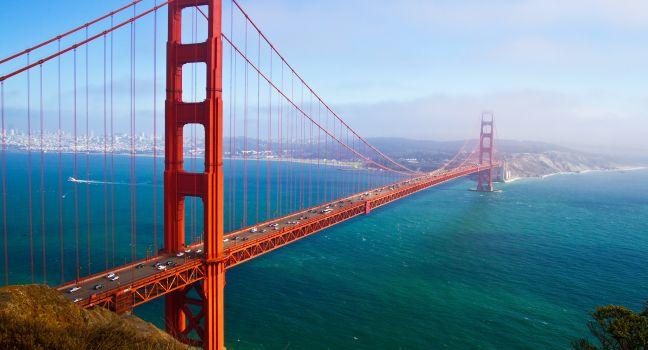
Golden Gate, San Francisco, California, USA.
Pal Teravagimov / Shutterstock

Instantly recognizable as an icon of San Francisco, the two reddish-orange towers of the majestic Golden Gate Bridge rise 750 feet over the Golden Gate strait at the mouth of San Francisco Bay, linking the city and Marin County. With its simple but powerful art-deco design, the 1.7-mile suspension span was built to withstand winds of more than 100 mph. It's also not a bad place to be in an earthquake: designed to sway almost 28 feet, the Golden Gate Bridge (unlike the Bay Bridge) was undamaged by the 1989 Loma Prieta quake. If you're walking on the bridge when it's windy, stand still and you can feel it swaying a bit.

Crossing the Golden Gate Bridge under your own power is exhilarating—a little scary, and definitely chilly. From the bridge's eastern-side walkway, the only side pedestrians are allowed on, you can take in the San Francisco skyline and the bay islands; look west for the wild hills of the Marin Headlands, the curving coast south to Lands End, and the Pacific Ocean. On sunny days, sailboats dot the water and brave windsurfers test the often-treacherous tides beneath the bridge. A vista point on the Marin County side provides a spectacular city panorama.

A structural engineer, dreamer, and poet named Joseph Strauss worked tirelessly for 20 years to make the bridge a reality, first promoting the idea of it and then overseeing design and construction. Though the final structure bore little resemblance to his original plan, Strauss guarded his legacy jealously, refusing to recognize the seminal contributions of engineer Charles Ellis. In 2007, the Golden Gate Bridge district finally recognized Ellis's role, though Strauss, who died less than a year after the bridge's opening day in 1937, would doubtless be pleased with the inscription on his statue, which stands sentry in the southern parking lot: "The Man Who Built the Bridge."

At the outdoor exhibits near the bridge's Welcome Center, you can learn about the features that make it art deco and read about the personalities behind its design and construction. For some pre– or post–bridge walk fuel, there is an Equator Coffees café in the historic Round House at the visitor's plaza. City Guides ( sfcityguides.org) offers free walking tours of the bridge every Thursday and Sunday at 11 am.

Governors Island

Financial District Fodor's Choice
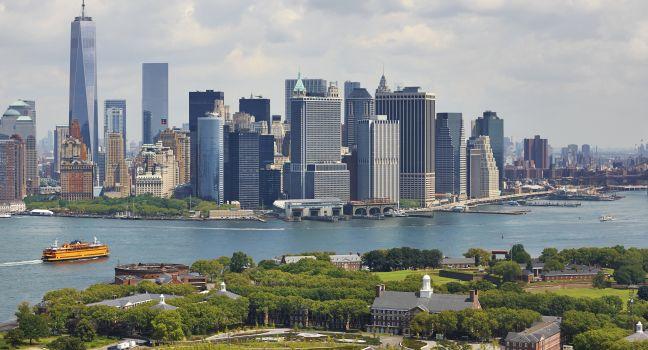
Aerial view of  Manhattan and Governors Island, New York City, U.S.A. ; Shutterstock ID 212400088; Project/Title: 25 Things to Do in New York City This Spring; Downloader: Fodor's Travel
R.A.R. de Bruijn Holding BV / Shutterstock

Open year-round to the public (7 am–6 pm in winter; until 10 pm through the summer season) and accessible via ferry, Governors Island is essentially a big, charming park that resembles a small New England town. It's popular with locals for biking and walking by the water, festivals, art shows, concerts, and family programs, and delights visitors with a natural serenity—especially since it's in the middle of one of America's busiest harbors. In 1637, Wouter van Twiller, a representative for the country of Holland, supposedly purchased the island from the Indigenous Lenape people for his private use for two ax heads, a string of beads, and a handful of nails. In 1784, the island was named for English colonial governors and was used almost exclusively by the American military until the 1960s, when the Coast Guard took it over. In 2002, the city purchased the island and soon began reimagining its 172 acres as versatile public green space. The island's evolution continues with public art installations, all-ages park features (like slides and hammocks), various food and drink vendors, open-air Gitano Island modern-Mexican restaurant and club ( www.gitano.com/nyc), and even the QCNY ( www.qcny.com) luxury "destination day spa" inside the retired barracks. The Governors Island ferry departs from the Battery Maritime Building (free before 11 am on weekends, and daily for seniors, children, NYC ID  holders, and military), while the NYC Ferry links there from Wall Street/Pier 11, Brooklyn's Pier 6, and other docks in Manhattan and Brooklyn.

10 South St., New York, NY, USA
212-440–2200
Sight Details
Free (Pier 6 ferry either free or $5; all NYC Ferry tickets $4.50)

Something incorrect in this review?

Grand Central Market

Downtown Fodor's Choice
LOS ANGELES, JANUARY 13 : Grand Central Market between Broadway & Hill Streets Downtown, serving Angelenos with fresh prepared foods since 1917 on JANUARY 13, 2012; Shutterstock ID 132415979; Project/Title: World’s Best Cities for Food
a katz / Shutterstock

With options that include handmade white-corn tamales, warm olive bread, dried figs, Mexican fruit drinks, and much more, this mouthwatering gathering place is the city's largest and most active food market. The spot bustles nonstop with locals and visitors surveying the butcher shop's display of everything from lambs' heads to pigs' tails. Produce stalls are piled high with locally grown avocados and heirloom tomatoes. Stop by Chiles Secos at stall No. 30 for a remarkable selection of rare chilies and spices; Ramen Hood at No. 23, for sumptuous vegan noodles and broth; or Sticky Rice at stall No. 24, for fantastic Thai-style chicken. Even if you don't plan on buying anything, it's a great place to browse and people-watch.

Grand Central Terminal

Midtown East Fodor's Choice
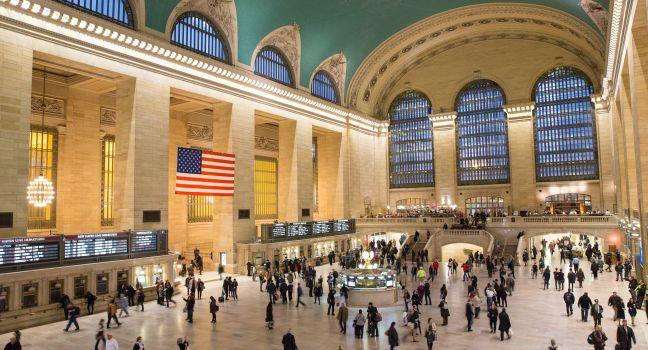
New York City, USA - November 6: View of the Grand Central Station in New York City, USA on November 6, 2014
Victor Maschek / Shutterstock

Grand Central is not only the world's largest railway station by area (at 49 acres and 44 platforms), but also one of the world's most magnificent public spaces, the majesty of its 1913 building preserved, in part, by Jacqueline Kennedy Onassis's 1975 campaign to save it as a landmark. The main concourse stands roughly 12 stories high and is modeled after an ancient Roman public bath. Overhead, an LED-lit map of the constellations covers the ceiling. Of course, Grand Central still functions primarily as a transit hub: underground, trains travel to Connecticut and through various New York counties and the Bronx via the Metro-North commuter rail and to Long Island via the Long Island Rail Road through Grand Central Madison; the subway connects here as well.

To best admire Grand Central's exquisite Beaux-Arts architecture, avoid rush hour and head up one of the staircases at either end, where an Apple store occupies the top of one of the balcony spaces. From this level, you can survey the concourse and feel the terminal's dynamism. Then head to the southwest corner to reach the tucked-away The Campbell cocktail lounge. The on-site Vanderbilt Tennis Club is a best-kept secret; court time can be reserved there. Around and below the main concourse are fantastic shops and eateries—including the New York Transit Museum gallery annex, Grand Central Market and Grand Central Oyster Bar. If you're with a friend, position yourselves in opposite corners of the tiled passageway just outside the Oyster Bar, facing away from each other, and murmur your secrets to the wall. Or just stand and watch others indulge in the delightful acoustic oddity that is the whispering gallery. Take Walks NYC ( www.takewalks.com/new-york-tours/grand-central-tours) leads two official daily walking tours for $35 at 11 am and 3 pm.

Grandfather Mountain

Fodor's Choice
Grandfather Mountain near Linville, North Carolina, is known for its mile-high swinging bridge, the highest in America.
Cvandyke / Shutterstock

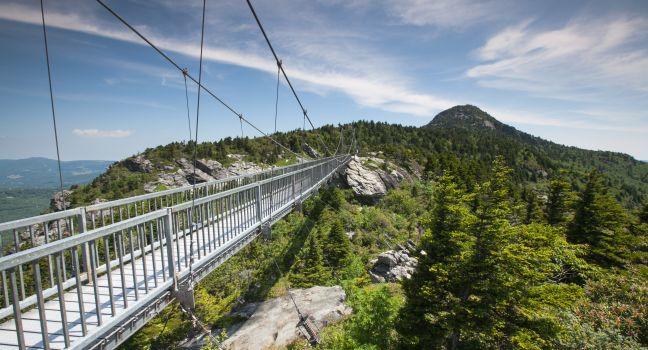
Soaring to almost 6,000 feet, Grandfather Mountain is famous for its Mile-High Swinging Bridge, a 228-foot-long footbridge that sways over a 1,000-foot drop into the Linville Valley. There are 13 miles of hiking trails and some 100 picnic tables. Part of the area is a state park with free admission, and part is private land—including the swinging bridge, a museum, a small zoo, and picnic areas—with a $20 admission fee.

Great Smoky Mountains Railroad

Fodor's Choice
Bryson City, North Carolina--October 4, 2014--The Great Smokey Mountains Railroad comes into the depot in Bryson City, NC to pick up the passengers for the next trip to the Nantahala Gorge.
elvisvaughn / Shutterstock

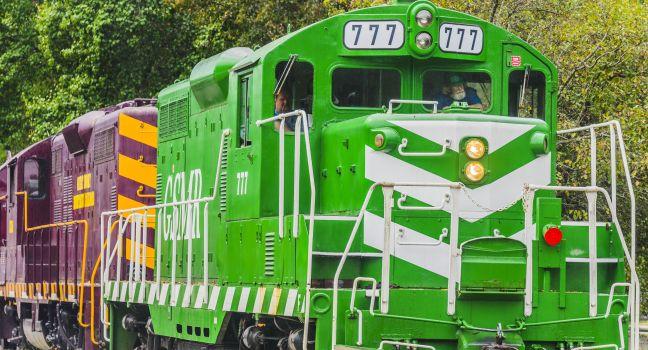
Bryson City's historic train station is the departure point for the Great Smoky Mountains Railroad. Diesel or steam locomotives take you on a 32-mile journey along the Tuckasegee River or a 44-mile trip passing through the Nantahala Gorge. Open-sided cars or standard coaches are ideal for picture-taking as the mountain scenery glides by. Trips are offered year-round, but with very limited schedules January to March. There's a café on board serving basic fare like pizza and hot dogs. Your ticket gives you free admission to the nearby Smoky Mountain Trains Museum and its room-size functional model train dioramas.   During the holiday season, the town booms as pajama-clad families arrive for Polar Express–themed rides. 

Greg Kucera Gallery

Pioneer Square Fodor's Choice
 Upper floor of Greg Kucera Gallery, Pioneer Square, Seattle, Washington.
Joe Mabel [GFDL or CC-BY-SA-3.0], via Wikimedia Commons

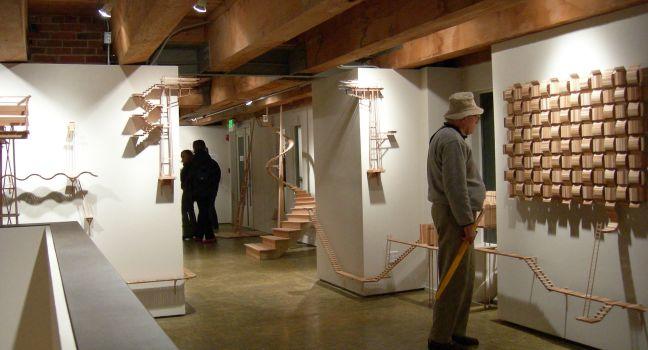
One of the most important destinations on the First Thursday Art Walk, this gorgeous space featuring paintings, sculpture, and prints, is a top venue for national and regional artists. Be sure to check out the outdoor sculpture deck on the second level. If you have time for only one gallery visit, this is the place to go. You'll see big names that you might recognize, along with newer Northwest artists, and the thematic group shows are always thoughtful and well-presented.

Griffith Observatory

Los Feliz Fodor's Choice
Los Angeles, USA - June 24, 2011: The world-renown Griffith Observatory at the top of the mountain in Griffith Park in Los Angeles.
Merkuri2 | Dreamstime.com

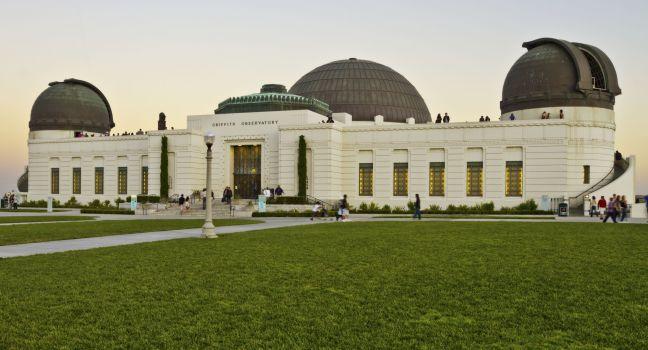
Most visitors barely skim the surface of this gorgeous spot in the Santa Monica Mountains, but those in the know will tell you there’s more to the Griffith Observatory than its sweeping views and stunning Greek Revival architecture. The magnificence of the cosmos and humankind's ingenuity to explore the deepest depths of the universe are in the spotlight here, with its space-focused exhibits, free public telescopes, and shows at the Leonard Nimoy Event Horizon Theater and the Samuel Oschin Planetarium. For visitors who are looking to get up close and personal with the cosmos, monthly star-viewing parties with local amateur astronomers are also on hand. For a fantastic view, come at sunset to watch the sky turn fiery shades of red with the city's skyline silhouetted.

Haena Beach Park

Fodor's Choice
tropical exotic secluded beach in haena kauai hawaii.
tropicdreams / Shutterstock

This drive-up beach park favored by campers year-round has a wide bay named Makua bordered by two large reef systems, creating favorable waves for skilled surfers during peak winter conditions. Entering the water can be dangerous in winter when the big swells roll in. In July and August, waters at this same beach are usually as calm as a lake, and throughout summer this is a premier snorkeling site. It's not unusual to find a food vendor parked here, selling sandwiches and drinks out of a converted bread van. Adjacent to this beach is Tunnels Beach.  This is not the same beach as Kee Beach, which is located in Haena State Park.

Parking is extremely limited (the lot typically fills up by 8:30 am), and all vehicles illegally parked outside of designated parking zones are subject to fines and towing. You can also park your car in the shuttle parking lot in Waipa, west of Hanalei Town, and board the North Shore Shuttle for a ride to the beach park ($40 round-trip with seven stops); see  gohaena.com for details and reservations. Amenities: food and drink; lifeguards; parking (no fee); showers; toilets. Best for: snorkeling; surfing; walking.

Rte. 560, Haena, HI, 96714, USA
Sight Details
Free

Something incorrect in this review?

Haleakala National Park – Summit District

Fodor's Choice
The 'Ohe'o Gulch Falls, or Seven Sacred Pools, is the small set of pools and cascades found on 'Ohe'o Gulch Stream at Haleakala National Park, at Kipahulu
© Peter Guttman/PeterGuttman.com

This is one of the few places on Earth can you drive (or bike) from sea level to 10,023 feet in only 38 miles. What's more, in that ascent to summit of the Haleakala volcano, you'll journey from the lush, tropical island landscape to the stark, moonlike basin of the volcano's enormous, otherworldly crater.

Several trails take in these varied landscapes, including the Keoneeheehee (Sliding Sands) Trail, a hike with out-and-back segments to overlooks and down into the crater; if you're truly fit and ambitious, you can even follow it all the way across the crater floor. Hikers and those camping at the tent-only Hosmer Grove Campground (reservations required) should check in at the Park Headquarters Visitor Center, near the Summit District entrance. This is also a good place to learn about the volcano's history and pick up trail maps at the gift shop. You'll also find the Haleakala Visitor Center at the crater's summit.

If you plan to head to the summit before 7 am, you must make sunrise reservations, which you can do up to 60 days before your visit. (Make these and campground reservations at  recreation.gov). Although a few last-minute sunrise-viewing tickets are released online two days out, they can be difficult to secure. Alternatively, consider visiting for sunset. Reservations aren't required and, on most days, the views are as stunning as those during sunrise.

Regardless of when you head up Haleakala, check ahead for the latest weather conditions. Extreme gusty winds, heavy rain, and even snow in winter are not uncommon. Because of the high altitude, the mountaintop temperature is often as much as 30°F cooler than that at sea level, so bring a jacket. In addition, the air is thin at 10,000 feet, so don't be surprised if you feel breathless while walking around the summit. Take it easy, and drink lots of water. Anyone scuba diving within the last 24 hours should not make the trip up Haleakala.

Note that entrance tickets are valid for three days. It's a good idea to hold onto your receipt in case you want to visit the Summit District on more than one day, or you also plan to visit the park's Kipahulu District in East Maui as part of a drive along the Hana Highway.

Hanalei Bay

Fodor's Choice
Rising sun illuminates the peaks of Na Pali mountains over the calm bay and Hanalei Pier in long exposure photo.
Steve Heap / Shutterstock

This 2-mile crescent beach cradles a wide bay in a setting that is quintessential Hawaii: the sea is on one side, and behind you are the mountains, often ribboned with waterfalls and changing color in the shifting light. In winter, Hanalei Bay boasts some of the biggest onshore surf breaks in the state, attracting world-class surfers, and the beach is plenty wide enough for sunbathing and strolling. In summer, the bay is transformed—calm waters lap the beach, sailboats moor in the bay, and outrigger-canoe paddlers ply the sea. Pack the cooler, haul out the beach umbrellas, and don't forget the beach toys because Hanalei Bay is worth scheduling for an entire day, maybe two. Several county beach parks—some with pavilions, and all with ample facilities—can be found along the bay: Black Pot (east bay, between the pier and the river mouth, named for the large cookpot used for traditional communal gatherings here), Hanalei Pavilion (west of Black Pot), and Waioli (west of Hanalei Pavilion, with three parking lots accessed off Weke Road). Amenities: lifeguards; parking (no fee); showers; toilets. Best for: sunset; surfing; swimming; walking.

Weke Rd., Hanalei, HI, 96714, USA
Sight Details
Free

Something incorrect in this review?

Hanauma Bay Nature Preserve

Fodor's Choice
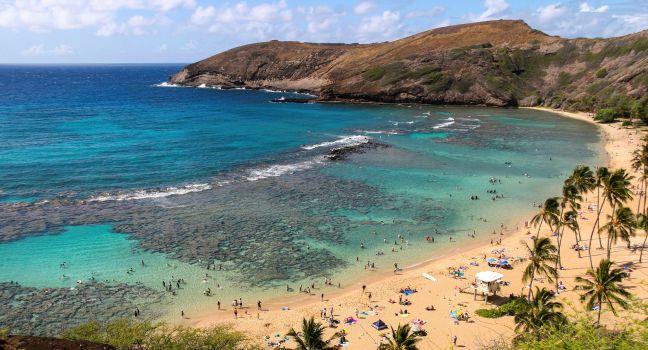
Hanauma Bay in Oahu, Hawaii. Formed in a volcanic crater
TanArt / Shutterstock

Picture this as the world's biggest open-air aquarium: you come to see fish, and fish you'll see. Due to their exposure to thousands of visitors every week, these fish are more like family pets than the skittish marine life you might expect. An old volcanic crater has created a haven from the waves where the coral has thrived. Note that there's a fee for nonresidents to enter the preserve; make reservations and prepay online ahead of time (locals have a morning time period where they can walk in without a reservation). You must also watch a nine-minute video about the nature preserve in its educational center before being allowed down to the bay. Snorkel equipment and lockers are available for rent, and you can walk the short distance from the parking lot or take a tram. It's best to visit early in the morning (around 7), as it's difficult to park later in the day. Need transportation? Take TheBus each way from anywhere on the island. Amenities: food and drink; lifeguards; parking (fee); showers; toilets. Best for: snorkeling; swimming.

7455 Kalanianaole Hwy., Hawaii Kai, HI, 96825, USA
808-768–6861
Sight Details
Nonresidents $25; parking $3 (cash only); snorkel rental $20
Closed Mon. and Tues.

Something incorrect in this review?

Hapuna Beach State Recreation Area

Fodor's Choice
Empty Hapuna Beach in Hawaii on a beautiful day
(c) Nopow | Dreamstime.com

One of Hawaii's most breathtaking beaches, Hapuna is a ½-mile-long stretch of white perfection, with turquoise water that is calm in summer, so it's good for kids, with just enough rolling waves to make bodysurfing and body boarding fun. Watch for the undertow; in winter it can be very rough. There is excellent snorkeling around the jagged rocks that border the beach on either side, but high surf brings strong currents. Known for awesome sunsets, this is one of the island's best places to see the "green flash" as the sun dips below a clear horizon.

Parking is ample, although the lot can fill up by midday and the beach can get crowded on weekends and holidays. Plenty of picnic tables and lots of grass overlooking the beach offer shady respite on a hot day. Lifeguards are on duty during peak hours. Amenities: lifeguards; parking (fee); showers; toilets; water sports. Best for: sunset; surfing; swimming; walking.

Haunted Mansion

Magic Kingdom Fodor's Choice
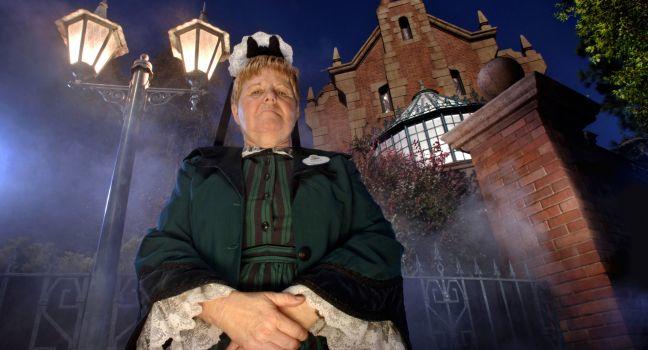
"GHOST" RELATIONS:  The Haunted Mansion at the Magic Kingdom is one of the most beloved attractions at Walt Disney World Resort in Lake Buena Vista, Fla.  Pictured:  Ginger, one of the "friendly faces" guests encounter along the way, st
© Disney

The special effects here are a howl. You're greeted at the creaking iron gates of this Gothic mansion by a lugubrious attendant, who has one of the few jobs at Disney for which smiling is frowned upon, and ushered into a spooky picture gallery. A disembodied voice echoes from the walls: "Welcome, foolish mortals, to the Haunted Mansion. I am your ghost host." An audio system with 30-plus surround-sound speakers ups the ghost-host fright factor. A scream shivers down, the room begins to "stretch," and you're off into one of Disney's classic attractions. Don't rush out of this room when other visitors depart; linger for some ghoulish bonus whispers. Note that as the Haunted Mansion is basically a slow-moving ride in a cocoonlike "doom buggy," it's really scary only for younger children, and that's mostly because of the darkness. If, however, the stretch room proves too scary, see a cast member to exit instead of riding.

Watch the ghostly ballroom dancers, Madame Leota's talking head in the crystal ball, and ghostly footprints that move along a staircase. In the "bride in the attic" scene, keep an eye on the portraits. Just when you think the Imagineers have exhausted their bag of ectoplasmic tricks, you discover that your doom buggy has gained an extra passenger. This is a high-capacity, fast-loading ride, and lines usually move steadily. For people with disabilities: Those in wheelchairs must transfer to the doom buggies and take one or more steps; however, if you can walk up to 200 feet, you'll enjoy the preshow as well as the ride's sensations and eerie sounds. Equipped for handheld-captioning and audio-description devices. When you reach a fork in the queue before entering the mansion, go left through the cemetery for interactive graveyard fun. The Musical Crypt and Secret Library help you forget you're in line. Nighttime adds an extra fright factor.

Liberty Square, Walt Disney World, FL, 32830, USA
Sight Details
Duration: 8 mins. Crowds: Heavy. Audience: Not small kids. Genie+ offered

Something incorrect in this review?

Hearst Castle

Fodor's Choice
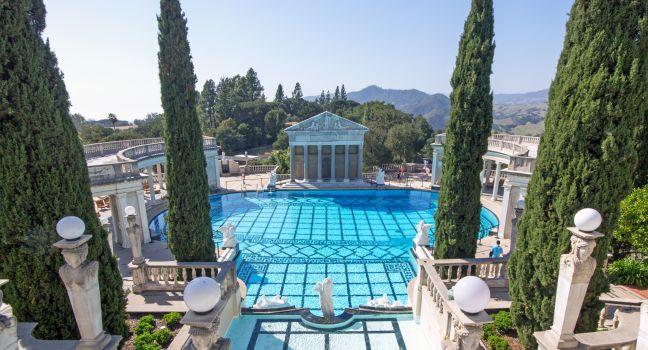
SAN SIMEON, CA, USA April 15, 2013 Hearst Castle grounds, view of the Neptune pool with large Italian cypress and marble inlay tile patio.
Aimee M Lee / Shutterstock

Officially known as Hearst San Simeon State Historical Monument, Hearst Castle sits in solitary splendor atop La Cuesta Encantada (the Enchanted Hill). Its buildings and gardens spread over 127 acres that were the heart of newspaper magnate William Randolph Hearst's 250,000-acre ranch. Hearst commissioned renowned California architect Julia Morgan to design the estate, but he was very much involved with the final product, a blend of Italian, Spanish, and Moorish styles. The 115-room main structure and three huge "cottages" are connected by terraces and staircases and surrounded by pools, gardens, and statuary. In its heyday the castle, whose buildings hold about 22,000 works of fine and decorative art, was a playground for Hearst and his guests—Hollywood celebrities, political leaders, scientists, and other well-known figures. Construction began in 1919 and was never officially completed. Work was halted in 1947 when Hearst had to leave San Simeon because of failing health. The Hearst Corporation donated the property to the State of California in 1958, and it is now part of the state park system.

Access to the castle is through the visitor center at the foot of the hill, where you can view educational exhibits and a 40-minute film about Hearst's life and the castle's construction. Buses from the center zigzag up to the hilltop estate, where guides conduct several daytime tours, each with a different focus: Grand Rooms, Upstairs Suites, Designing the Dream, Cottages and Kitchen, Julia Morgan, Art of San Simeon, Hearst and Hollywood. These tours take about three hours and include a movie screening and time at the end to explore the castle's exterior and gardens. In spring and fall, docents in period costume portray Hearst's guests and staff for the Evening Tour, which begins around sunset. Reservations are recommended for all tours, which include a ½-mile walk and between 150 and 400 stairs.  Be sure to check the website in advance of your visit for any updates.

Heavenly Gondola

Fodor's Choice
Gondolas in Lake Tahoe, California
Karin Hildebrand Lau / Shutterstock

Whether you ski or not, you'll appreciate the impressive view of Lake Tahoe from the Heavenly Gondola. Its eight-passenger cars travel from Heavenly Village 2.4 miles up the mountain in 15–20 minutes. When the weather's fine, you can hike around the mountaintop and have lunch at Tamarack Lodge. The thrilling gravity-powered Ridge Rider alpine roller coaster, which zips past boulders and trees, closed in 2023 because of snow damage but was expected to reopen in 2024.

4080 Lake Tahoe Blvd., South Lake Tahoe, CA, 96150, USA
775-586–7000
Sight Details
From $74 in summer
Check website for seasonal and other closures

Something incorrect in this review?

The High Line

Chelsea Fodor's Choice
NEW YORK CITY - JUN 3: High Line Park in NYC seen on June 3rd, 2012.The High Line is a public park built on an historic freight rail line elevated above the streets on Manhattans West Side.; Shutterstock ID 105076949; Project/Title: Summer Plans for Kids;
Stuart Monk/Shutterstock

Once a railroad track carrying freight trains, this elevated space has been transformed into one of the city’s top attractions—a 1½-mile landscaped “walking park,” with curving walkways, picnic tables and benches, public art installations, and views of the Hudson River and the Manhattan skyline. Running from Gansevoort Street in the Meatpacking District (at the Whitney Museum of American Art) to West 34th Street and Hudson Yards, the High Line somehow manages to host about 5 million visitors a year and still feel like a wonderful retreat. That said, the crowds can seem overwhelming when the weather is nice, so visit as early in the morning as possible and avoid the lunchtime and weekend mass of humanity.

One of the main draws of the High Line is the landscaping, which is both wild and cultivated at the same time, and dotted with public art. Chelsea Market Passage, between 15th and 16th Streets, is accented with Spencer Finch’s stained-glass art and is home to public art displays, video programs, music performances, and sit-down events. A feature that illustrates the High Line’s greatest achievement—the ability to see the city with fresh eyes—is the 10th Avenue Square (between 16th and 17th Streets). This viewing window with stadium seating and large picture windows frames the city below as art, encouraging viewers to linger.

To fully appreciate the High Line, walk a length in one direction (preferably from Gansevoort Street uptown so that you can end with panoramic city and river views) and then make the return journey at street level, taking in the Chelsea neighborhood below. Nearby Chelsea Market and Market 57 are convenient places to pick up fixings for a picnic lunch.