2339 Best Sights in USA

Background Illustration for Sights

We've compiled the best of the best in USA - browse our top choices for the top things to see or do during your stay.

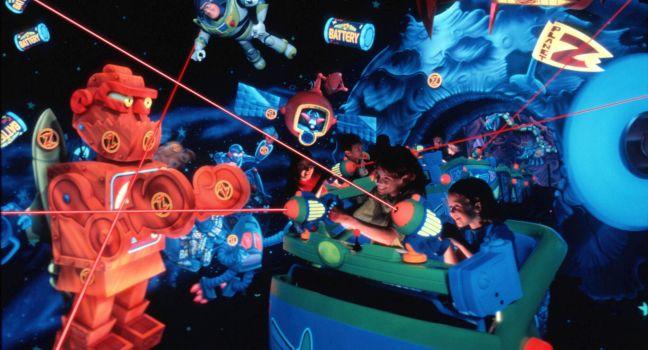
Buzz Lightyear's Space Ranger Spin

Magic Kingdom Fodor's Choice
BATTERIES NOT INCLUDED — Buzz Lightyear’s Space Ranger Spin – located in the Magic Kingdom at Walt Disney World Resort in Lake Buena Vista, Fla., transports guests into the playful world of “Toy Story,” Disney and Pixar&#
© Disney

Based on the wildly popular Toy Story, this ride gives you a toy's perspective as it pits you and Buzz Lightyear against the evil Emperor Zurg. You're seated in a fast-moving, two-passenger Star Cruiser vehicle with infrared laser guns and a centrally located lever for spinning your ship to get a good vantage point. Throughout the ride, you shoot at targets to help macho space toy, Buzz, defeat the emperor and save the universe. You have to hit the targets marked with a "Z" to score, and the rider with the most points wins. To infinity and beyond! For people with disabilities: To board you must transfer to a standard wheelchair. Equipped for audio-description and handheld-captioning devices. Go first thing in the morning or during a parade. If you're with kids, time the wait and—if it's only 15 or 20 minutes—ride twice so they can have a practice run.

Tomorrowland, Walt Disney World, FL, 32830, USA
Sight Details
Duration: 5 mins. Crowds: Heavy. Audience: All ages—truly. Genie+ offered

Something incorrect in this review?

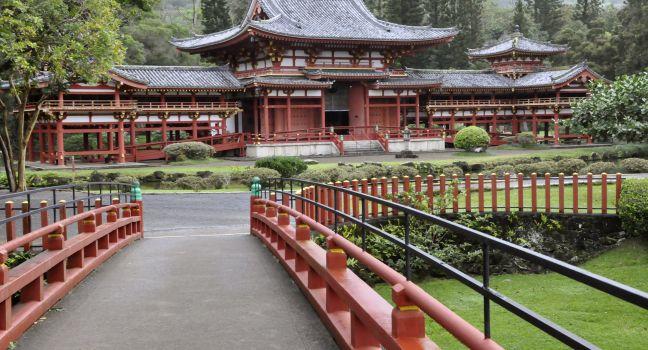
Byodo-In Temple

Fodor's Choice
Byodo-In Temple in Oahu, Hawaii; Shutterstock ID 125126825; Project/Title: Photo Database Top 200; Downloader: Jennifer Romains
Ritu Manoj Jethani/Shutterstock

Tucked away in the back of the Valley of the Temples Memorial Park is a replica of the 11th-century temple at Uji in Japan, built in 1963. An impressive 2-ton, carved-wood statue of the Buddha presides inside the main building. Next to the temple are a meditation pavilion and gardens set dramatically against the sheer, green cliffs of the Koolau Mountains. You can ring the 5-foot, 3-ton brass bell for good luck; feed some of the hundreds of koi, ducks, and swans that inhabit the garden's 2-acre pond (buy fish food at the gift shop); and relax and enjoy the peaceful surroundings.

47-200 Kahekili Hwy., Kaneohe, HI, 96744, USA
808-239–8811
Sight Details
$5

Something incorrect in this review?

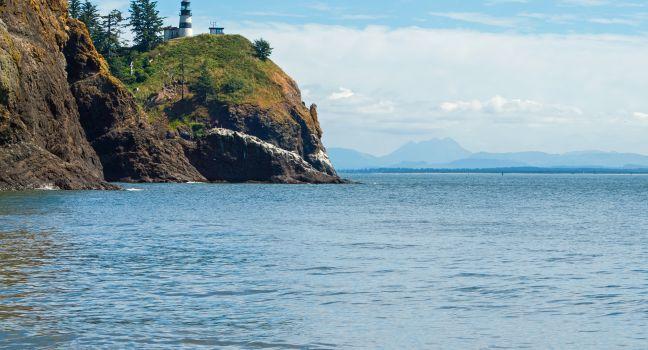
Cape Disappointment State Park

Fodor's Choice
Cape Disappointment Lighthouse in Fort Canby State Park from Waikiki Beach near Ilwaco Washington USA
Frank L Junior / Shutterstock

The cape and its treacherous neighboring sandbar—named in 1788 by Captain John Meares, an English fur trader who had been unable to find the Northwest Passage—has been the scourge of sailors since the 1800s, hence its reputation as the graveyard of the Pacific. More than 250 ships have sunk after running aground here. Now a 2,023-acre state park within the Lewis and Clark National Historical Park (which also has sections across the Columbia River in Oregon), this dramatic cape with sheer sea cliffs and conifer forest was an active military installation until 1957. Eight miles of trails lead to beaches, and opportunities to spy eagles, whales, sea lions, seat otters, and other wildlife abound. There are three lightkeepers' residences, dozens of campsites, several yurts, and three cabins available for rent. Exhibits at the park's free Lewis & Clark Interpretive Center, which sits atop a 200-foot cliff with magnificent views, trace the cape's human and natural history. A larger exhibit ($5 charge for this) in the center describes the duo's 8,000-mile round-trip expedition. Displays chronicle the Corps of Discovery, which arrived at Cape Disappointment in 1805. A ½-mile-long path from the center leads to the Cape Disappointment Lighthouse. Built in 1856, it's the oldest lighthouse on the West Coast that's still in use, and one of two lighthouses in the park, the other being North Head.

Recommended Fodor's Video

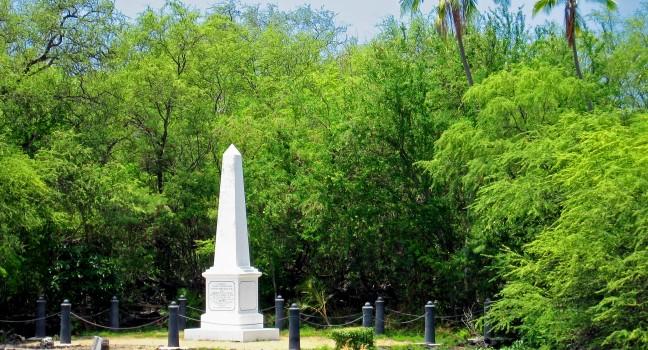
Captain James Cook Monument

Fodor's Choice
Captain Cook's Monument, Big Island, Hawaii
Captain Cook's Monument by

On February 14, 1779, famed English explorer Captain James Cook was killed here during an apparent misunderstanding with local residents, and this 27-foot-high obelisk marks the spot where he died. He had chosen Kealakekua Bay as a landing place in November 1778. Arriving during the celebration of Makahiki, the harvest season, Cook was welcomed at first. Some Hawaiians saw him as an incarnation of the god Lono. Cook's party sailed away in February 1779, but a freak storm forced his damaged ship back to Kealakekua Bay. Believing that no god could be thwarted by a mere rainstorm, the Hawaiians were not so welcoming this time. The theft of a longboat brought Cook and an armed party ashore to reclaim it. Shots were fired, daggers and spears were thrown, and Cook fell, mortally wounded. 

A trail leading to the site is accessible from the top of Napoopoo Road, but caution is advised. The very strenuous trail gains an elevation of about 1,500 feet and is recommended for advanced hikers only.

Captain Cook, HI, 96704, USA

Something incorrect in this review?

Castro Theatre

Castro Fodor's Choice
Title Box, Castro Theatre, San Francisco, California, USA
Castro Theatre by Steve Rhodes

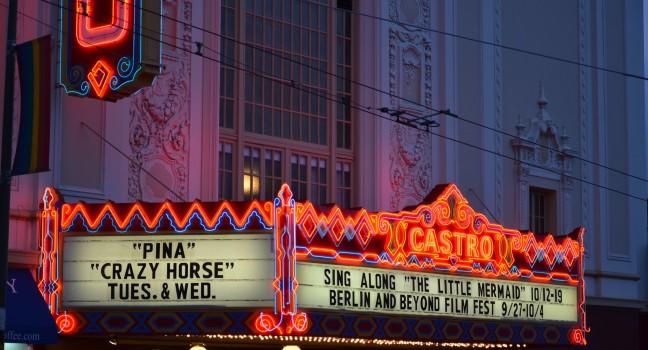
Here's a classic way to join in a beloved Castro tradition: grab some popcorn and catch a flick at this 1,500-seat art-deco theater built in 1922, the grandest of San Francisco's few remaining movie palaces. The neon marquee, which stands at the top of the Castro strip, is the neighborhood's great landmark. The Castro was the fitting host of 2008's red-carpet preview of Gus Van Sant's film Milk, starring Sean Penn as openly gay San Francisco supervisor Harvey Milk. The theater's elaborate Spanish baroque interior is fairly well preserved. Before many shows, the theater's pipe organ rises from the orchestra pit and an organist plays pop and movie tunes, usually ending with the Jeanette MacDonald standard "San Francisco" (go ahead, sing along). The crowd can be enthusiastic and vocal, talking back to the screen as loudly as it talks to them.  The theater was under renovation until late 2025, which may change the nature of its availability. Check online for updates before planning your trip. 

Cataloochee Valley

Fodor's Choice
Essence of Autumn
Danny R. Buxton / Shutterstock

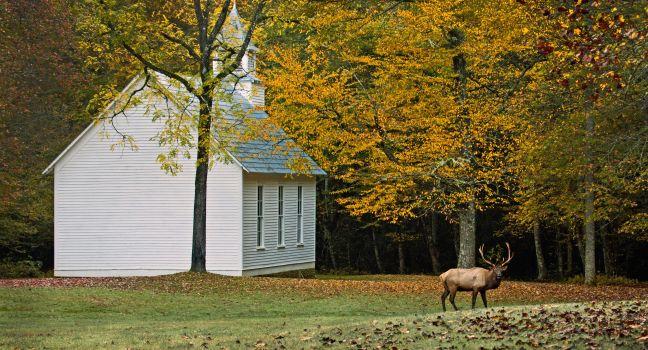
This is one of the most memorable and eeriest sights in all of the Smokies. At one time Cataloochee was a community of more than 1,200 people. After the land was annexed for the national park in 1934, the community dispersed. Although many of the original buildings are gone, more than a dozen houses, cabins, barns, and churches still stand. You can visit the Palmer Methodist Chapel, the Beech Grove School, and the Woody, Caldwell, and Messer homesteads. You have a good chance of spotting elk here, especially in the evening and early morning. You'll also likely see wild turkeys, deer, and perhaps bears. Cataloochee is one of the most remote parts of the Smokies, reachable by car via a narrow, winding gravel road that rises over a steep pass before dropping you into the isolated valley. Take the 5 mph speed limit seriously on the blind curves. At dawn and dusk, this uncrowded valley is pure beautiful magic.

Central Park

Upper West Side Fodor's Choice
Central Park aerial view, Manhattan, New York; Park is surrounded by skyscraper.
T photography / Shutterstock

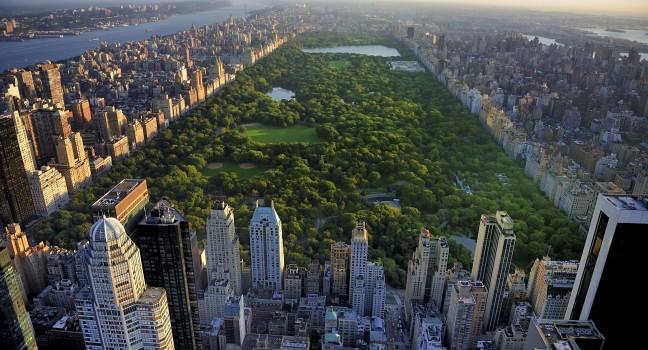
Central Park's creators, landscape architects Frederick Law Olmsted and Calvert Vaux, had a simple goal when they submitted their plan in 1858: to design a place where city dwellers could go to forget the city. Even though New York eventually grew far taller than the trees planted to hide it, the park has always been an urbanized Eden that gives residents and visitors alike a bite of the apple. Indeed, without Central Park's 843 acres of meandering paths, tranquil lakes, ponds, and open meadows, New Yorkers (especially Manhattanites) might be a lot less sane. Olmsted and Vaux also designed Brooklyn's Prospect Park and the grounds of the White House.

The busy southern section of Central Park, from 59th to 72nd Street, is where most people get their first impression. But no matter how many people congregate around here, you can always find a spot to picnic, ponder, or just take in the foliage, even on a sunny weekend day. In the southern corner is the Hallett Nature Sanctuary, one of the park's lesser-known areas. The nature sanctuary is a 4-acre patch of wilderness—one of the park’s three woodlands—and is home to native flora and fauna and rustic trails that lead to quiet overlooks; it's also a popular birding spot. Playgrounds, lawns, jogging and biking paths, and striking buildings populate the midsection of the park, from 72nd Street to the reservoir. You can soak up the sun, take in the public art, take pictures at Bethesda Fountain, visit the penguins at the Central Park Zoo, or join the runners huffing counterclockwise on the dirt track that surrounds the reservoir. North of the reservoir and up to 110th Street, Central Park is less crowded and feels more rugged. In 2025, the Central Park Conservancy completed a revitalization of the area around the Harlem Meer (a man-made lake) at the north end of the park to add a full-scale ice rink, an additional new skating experience on the meer, a larger-than-Olympic-size pool, and revamp the parkland around it. The new facility is called the Davis Center at the Harlem Meer (formerly the Lasker Rink and Pool site). To find out about park events and year-round walking tours, check the website of the Central Park Conservancy ( www.centralparknyc.org).

If you're taking the subway to the park's southernmost parts, the stops at either Columbus Circle (southwest corner) or 5th Avenue–59th Street (southeast corner) are handy. If headed for points north, the A, B, C, and D subway lines travel along Central Park West (beware of local versus express stops); the 4, 5, and 6 lines travel along Lexington Avenue, three blocks east of 5th Avenue and the park.

There are many paved pedestrian entrances into the park from 5th Avenue, Central Park North (110th Street), Central Park West, and Central Park South (59th Street). Four roads, or transverses, for cars and city buses cut through the park from east to west—66th, 79th, 86th, and 96th Streets. The East and West drives are both along the north–south axis; Center Drive enters the south edge of the park at 6th Avenue and connects with East Drive around 66th Street. Cars are no longer allowed on the drives, which are exclusively for pedestrians, cyclists, and horse-drawn carriages. Along the main loop, lampposts are marked with location codes that include a letter—always "E" (for east) or "W" (for west)—followed by numbers, the first two of which tell you the nearest cross street. For example, E7803 means you're near 78th Street; above 99, the initial "1" is omitted, so W0401 is near West 104th Street. Download the Central Park Conservancy's free app for a GPS-enabled map to help you navigate the park. The app also includes an audio guide, self-guided tours, and current events in the park, as well as a new interactive Cherry Blossom Tracker Map to help visitors and locals track when and where the flowers will peak in the park in spring.

If you haven't packed a picnic and you want a snack, you can usually find one of those rather tired-looking food carts selling hot dogs, pretzels, and ice-cream sandwiches. Specialty food carts are often around, too, mostly in the park's southern half, especially when there are concerts or other major events—your taste buds will thank you. Other reliable options include the café next to the Boathouse Restaurant (midpark at 74th Street), or a branch of Le Pain Quotidien (midpark at 69th Street). Both serve sandwiches, soups, pastries, and other satisfying on-the-go grub (and Le Pain also has free Wi-Fi). For something a little more elegant, you can stop for brunch, lunch, or dinner at the Tavern on the Green.

As part of a park-wide restoration project named Plan for Play, all 21 playgrounds have undergone (or are still scheduled to receive) updates. Most have seen renovations to play structures, plus other improvements that will ensure each one's structural stability and ongoing maintenance for years to come.

Citi Field

Flushing Fodor's Choice
NEW YORK - JULY 15: Citi Field, home of the National League Mets, on July 15, 2011 in New York. Opened in 2009, it seats 41,800 baseball fans and cost $900 million.
Ffooter / Shutterstock

Opened in 2009, the Mets' stadium was designed to harken back to Brooklyn's Ebbets Field (where the Dodgers played until 1957), with a brick exterior and lots of fun features for fans of all ages, from a batting cage and Wiffle-ball field to the original giant apple taken from the team's old residence, Shea Stadium. Even those who aren't Mets fans but simply love baseball should come to see the Jackie Robinson Rotunda, a soaring multistory entrance and history exhibit dedicated to the Dodgers player who shattered baseball's color barrier. While here, don't miss the chance to taste your way through the fabulous food court, set behind center field (on the Field Level), where you'll find Shake Shack burgers and Pig Beach BBQ. Still feeling nostalgic for the old Shea? Stop by the Mets Hall of Fame & Museum (located by the Bullpen Gate). Behind the scenes ballpark tours (starting at $25) are available year-round; see mlb.com/mets/tickets/tours for schedule and ticketing info.

City Hall

Center City East Fodor's Choice
Historic City Hall in Philly, PA
(c) Chastainben | Dreamstime.com

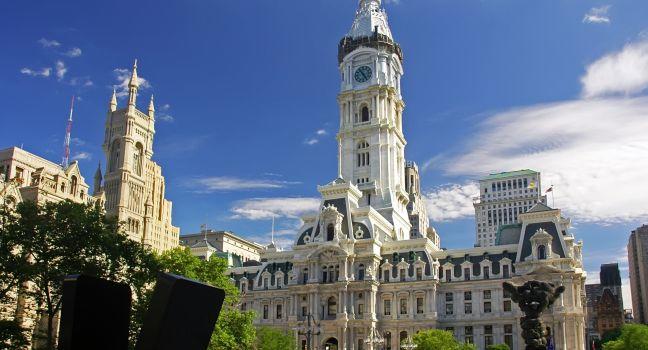
Topped by a 37-foot bronze statue of William Penn, City Hall provides an opportunity to study the trappings of government and get a panoramic view of the city. With close to 700 rooms, it's the largest city hall in the country and the tallest masonry-bearing building in the world: no steel structure supports it. Designed by architect John McArthur Jr., the building took 30 years to build (1871–1901). The result has been called a "Victorian wedding cake of Renaissance styles." Placed about the facade are hundreds of statues by Alexander Milne Calder, who also designed the statue of Penn, a 27-ton cast-iron work that is the largest single piece of sculpture on any building in the world. City Hall is also the center of municipal and state government. Many of the magnificent interiors—splendidly decorated with mahogany paneling, gold-leaf ceilings, and marble pillars—are patterned after the Second Empire salons of part of the Louvre in Paris. On weekday tours you can see the Conversation Hall, the Supreme Court of Pennsylvania, the City Council chambers, and the mayor's reception room. You can attend City Council meetings, held each Thursday morning at 10. To top off your visit, take the elevator from the seventh floor up the tower to the observation deck at the foot of William Penn's statue for a 30-mile view of the city and surroundings. The elevator holds only six people per trip and runs every 15 minutes; the least crowded time is early morning.

City Lights Bookstore

Fodor's Choice
SAN FRANCISCO, US - OCTOBER, 19: City Lights Bookstore on October 19, 2011 in San Francisco. This independent bookstore-publisher, official historic landmark, published the poem Howl of Allen Ginsberg
nito / Shutterstock

The exterior of this famous bookstore is iconic in itself, from the replica of a revolutionary mural destroyed in Chiapas, Mexico, by military forces to the art banners hanging above the windows. Designated a landmark by the city, the hangout of Beat-era writers and independent publishers remains a vital part of San Francisco's literary scene. Browse the three levels of poetry, philosophy, politics, fiction, history, and local zines to the beat of creaking wood floors.

Back in the day, writers like Allen Ginsberg and Jack Kerouac would read here (and even receive mail in the basement). The late poet Lawrence Ferlinghetti, who cofounded City Lights in 1953, cemented its place in history by publishing Ginsberg's Howl and Other Poems in 1956. The small volume was ignored in the mainstream—until Ferlinghetti and the bookstore manager were arrested for obscenity and corruption of youth. In the landmark First Amendment trial that followed, the judge exonerated both men. Howl went on to become a classic.

Stroll Kerouac Alley, branching off Columbus Avenue next to City Lights, to read quotes from Ferlinghetti, Maya Angelou, Confucius, John Steinbeck, and the street's namesake embedded in the pavement.

City Park

Mid-City Fodor's Choice
The Parthenon is the most recognizable peice of architecture in New Orlean's City Park. It sits across a placid lake and is flanked by majestic oaks and ornamental palms.
(c) Mishelmccumber | Dreamstime.com

Founded in 1854, this 1,300-acre expanse of moss-draped oaks and 11 miles of gentle lagoons is only 2 miles from the French Quarter, but feels like it could be a world apart. With the largest collection of live oaks in the world, including old grove trees that are more than 600 years old, City Park offers a certain natural majesty that's difficult to find in most other urban areas. The Art Deco benches, fountains, bridges, and ironwork are remnants of a 1930s Works Progress Administration (WPA) refurbishment and add to the dreamy scenery that visitors enjoy boating and bicycling through. Within the park are the New Orleans Museum of Art, the Louisiana Children's Museum, the Sydney and Walda Besthoff Sculpture Garden, the New Orleans Botanical Garden, the kid-friendly Carousel Gardens Amusement Park, as well as a golf course, equestrian stable, sports facilities, and picnic areas. Check the park's website for seasonal activities and special events, such as music festivals, the annual Easter egg hunt, and the eye-popping wonderland that is Celebration in the Oaks between Thanksgiving and New Year's Day. The Café du Monde coffee stand, behind the Sculpture Garden, serves hot beignets and café au lait 24/7. Most of the park's offerings are free, but several of the venues inside City Park charge separate admission fees.

Open seasonally on the weekends, the 18-ride Carousel Gardens Amusement Park ( 504/483–9402  $25 admission, unlimited rides) has a New Orleans treasure as its centerpiece: a 1906 carousel (one of only 100 antique wooden carousels left in the country) listed on the National Register of Historic Places. In addition to the cherished "flying horses," the park has rides like the Musik Express, Rockin' Tug, Coney Tower, Ferris Wheel, Bumper Cars, Monkey Jump, Red Baron miniplane, Scrambler, and Tilt-a-Whirl. The rides here are mostly geared to children, not hard-core thrill seekers, but adults and kids alike enjoy the miniature train that takes passengers on a gentle sightseeing tour through City Park. There are also two 18-hole miniature golf courses, one with a New Orleans theme and one with a Louisiana theme.
The New Orleans Botanical Garden ( 504/483–9402  $12), opened in 1936 as a Depression-era project of the WPA, is one of the few remaining examples of public garden design from the Art-Deco period. The garden's collections contain more than 2,000 varieties of plants from all over the world, complemented by sites such as the Conservatory, the Pavilion of the Two Sisters, and the Yakumo Nihon Teien Japanese Garden, as well as theme gardens containing aquatics, roses, native plants, ornamental trees, and shrubs and perennials. The garden showcases three notable talents: New Orleans architect Richard Koch, landscape architect William Wiedorn, and artist Enrique Alférez. Adding a touch of fun, the Historic Train Garden, open on weekends and included in Botanical Garden admission, offers visitors the chance to enjoy baguette-size cars rolling through a miniature version of New Orleans.

Featuring figures and settings from classic children's literature, the whimsical Storyland ( 504/483–9402  $6), adjacent to the amusement park, has been a favorite romping ground for generations of New Orleans kids. Youngsters can climb aboard Captain Hook's pirate ship, visit the old lady who lived in a shoe, and journey with Pinocchio into the mouth of a whale. In all, there are 18 larger-than-life storybook exhibits to explore.
Cliff Palace

Fodor's Choice
Cliff Palace, Mesa Verde National Park;
Bryan Brazil / Shutterstock

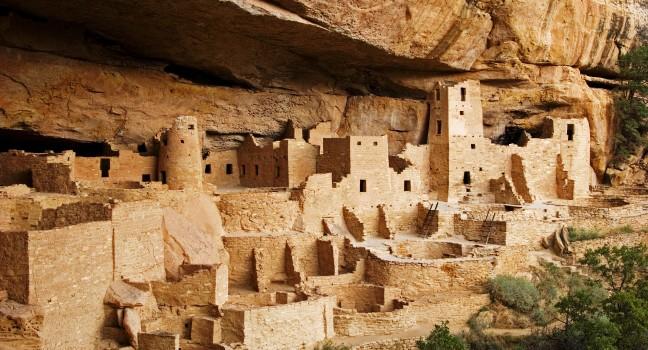
This was the first major Mesa Verde dwelling seen by cowboys Charlie Mason and Richard Wetherill in 1888. It is also the largest, containing about 150 rooms and 23 kivas on three levels. Getting there involves a steep downhill hike and three ladders.  You may enter Balcony House or Cliff Palace by ranger-guided tour only so purchase tickets in advance.

The 90-minute, small-group "twilight tours" at sunset present this archaeological treasure with dramatic sunset lighting. Tour tickets are only available in advance at the Visitor and Research Center, Morefield Ranger Station, Durango Welcome Center, and online at  www.recreation.gov.

Mesa Verde National Park, CO, 81330, USA
Sight Details
Regular tickets $3; twilight tours $20
Closed Oct./Nov.--late May; loop closes at sunset

Something incorrect in this review?

Colorado National Monument

Fodor's Choice
Colorful canyon, Colorado National Monument.
Fernley | Dreamstime.com

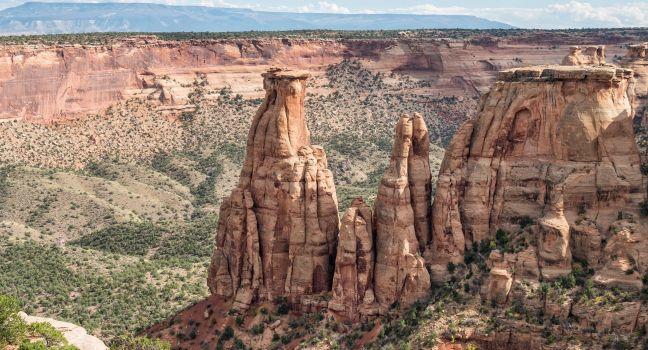
Sheer red rock cliffs open to 23 miles of steep canyons and thin monoliths that sprout as high as 450 feet from the floor of Colorado National Monument. This vast tract of rugged, ragged terrain was declared a national monument in 1911 at the urging of an eccentric visionary named John Otto. Now it's popular for rock climbing, horseback riding, cross-country skiing, biking, and camping. Cold Shivers Point is just one of the many dramatic overlooks along Rim Rock Drive, a 23-mile scenic route with breathtaking views. The town of Fruita, at the base of Colorado National Monument, is a haven for mountain bikers and hikers. It makes a great center for exploring the area's canyons—whether from the seat of a bike or the middle of a raft, heading for a leisurely float trip.

Fruita, CO, 81521, USA
970-858–3617
Sight Details
$15 per wk per vehicle. Visitors entering on motorcycle pay $10; bicycle or foot pay $5 for weekly pass

Something incorrect in this review?

The Country Music Hall of Fame and Museum

SoBro Fodor's Choice
NASHVILLE - JUNE 14: Country Music Hall of Fame and Museum June 14, 2013 in Nashville, TN. The museum opened in 1961 and preserves the evolving history and traditions of country music.
Sean Pavone / Shutterstock

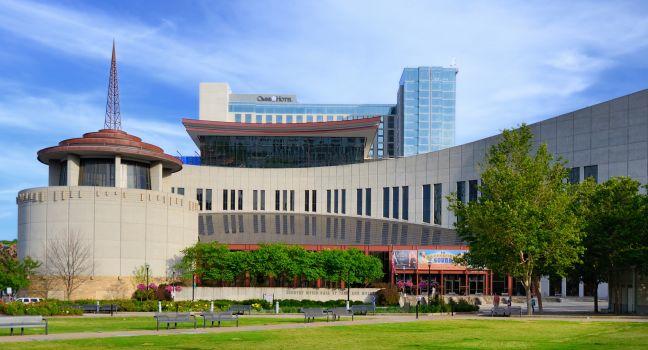
This tribute to country music's finest is a full city block long, filled with plaques and exhibits highlighting performers from the old-time favorites to the latest generation of stars, a two-story wall with gold and platinum country records, a theater, and Elvis Presley's "solid-gold" 1960 Cadillac limo referred to as such because it has 24-karat gold-plated trim, 40 coats of a "diamond dust pearl" paint, and a gold-plated TV. Tours of the Historic RCA Studio B recording studio are also run by the museum. Their extensive collection of memorabilia and rotating exhibits make this an essential stop for any music fan or history buff.

Crush 'n' Gusher

Typhoon Lagoon Fodor's Choice
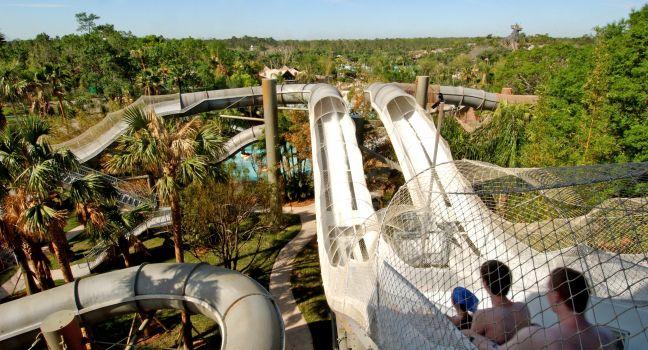
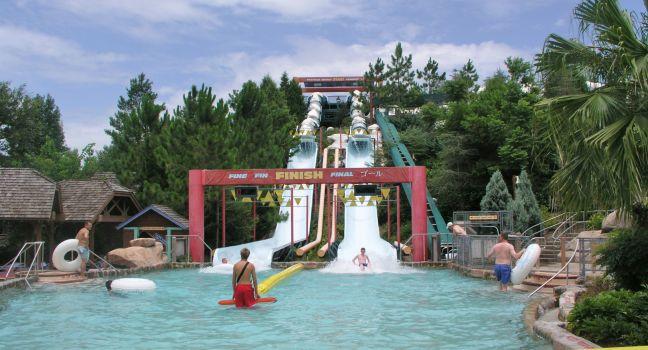
GUSHING GOOD TIMES!: Water park thrill seekers are in for a surprise as they defy gravity on Crush ‘n’ Gusher, a n”water coaster” ride at Disney’s Typhoon Lagoon at Walt Disney World Resort in Lake Buena Vista, Fla. Three
© Disney

Get ready to defy gravity on Disney's multipassenger water coaster, which is designed to propel you uphill and down along flumes, caverns, and spillways. Keeping with park lore, Crush ’n’ Gusher flows through what appears to be a rusted-out tropical fruit factory, weaving in and out of the wreckage and debris that once transported fruit through the plant's wash facilities. Three "fruit chutes" are aptly named Banana Blaster, Coconut Crusher, and Pineapple Plunger—one of which is designed for solo riders. Guests shouldn't ride if they are pregnant or have heart, back, or neck problems. For people with disabilities: An elevator takes guests using wheelchairs to the loading area; there's a short distance between this area and the ride.

 Ride first thing in the morning before lines get too long. And don't forget to say cheese for the cameras!

Walt Disney World, FL, 32830, USA
Sight Details
Duration: 1 min. Crowds: Moderate to heavy. Audience: Not small kids. Height requirement: 48 inches

Something incorrect in this review?

CSKT Bison Range

Fodor's Choice
American bison (Bison bison) with calf, National Bison Range, Montana
Larsek / Shutterstock

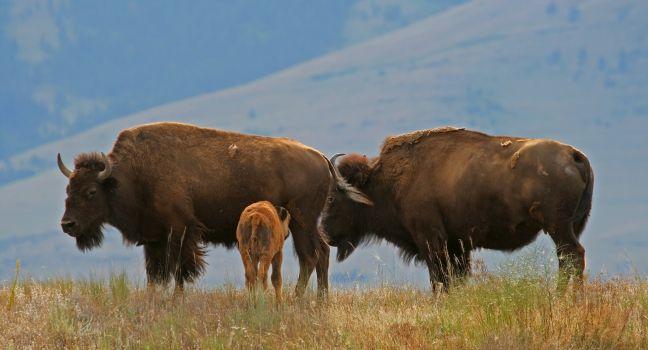
The Red Sleep Mountain Drive, a 19-mile loop road, allows close-up views of bison, elk, pronghorn, deer, and mountain sheep. The gravel road rises 2,000 feet and takes about two hours to complete; you're required to begin the drive no later than 6 pm and to finish before the gate closes at 8 pm. The 19,000-acre refuge at the foot of the Mission Mountains was established in 1908 by Theodore Roosevelt. Today the Confederated Salish and Kootenai Tribes own the refuge and manage the herd of approximately 350 bison. A visitor center explains the history, habits, and habitat of the bison. To reach the bison range, follow the signs west, then north from the junction of U.S. 93 and Route 200 in Ravalli.

58355 Bison Range Rd., Moiese, MT, 59824, USA
406-644–2211
Sight Details
$20 per vehicle
Scenic Dr. and Red Sleep Rd. closed Nov.--Apr.

Something incorrect in this review?

Denali

Fodor's Choice
A Photo of Mt. McKinley in Denali National Park, Alaska.
Lowthian | Dreamstime.com

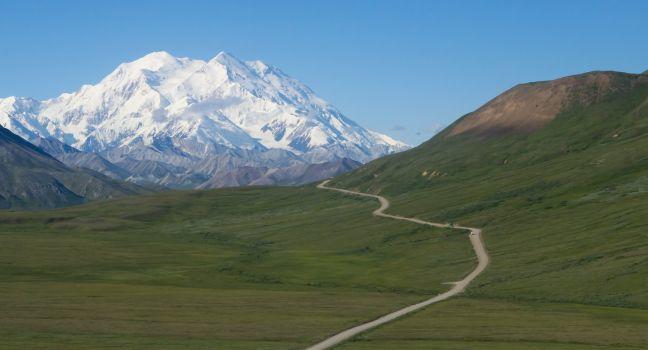
In the heart of mainland Alaska, within 6-million-acre Denali National Park and Preserve, the continent's most majestic peak rises into the heavens. Formerly known as Mt. McKinley, this 20,310-foot massif of ice, snow, and rock has been renamed to honor its Alaska Native name, Denali, or "the High One." Some simply call it "the Mountain." One thing is certain: it's a giant among giants, and the most dominant feature in a land of extremes and superlatives. Those who have walked Denali's slopes know it to be a wild, desolate place. As the highest peak in North America, Denali is a target of mountaineers who aspire to ascend the "seven summits"—the tallest mountains of each of the seven continents. A foreboding and mysterious place, it was terra incognita—unclimbed and unknown to most people—as recently as the late 1890s. Among Athabascan tribes, however, the mountain was a revered landmark; many generations regarded it as a holy place and a point of reference. The mountain's vertical rise is the highest in the world. This means that at 18,000 feet over the lowlands (which are some 2,000 feet above sea level), Denali's vertical rise is even greater than that of Mt. Everest at 29,035-feet (which sits 12,000 feet above the Tibetan plateau, some 17,000 feet above sea level). Denali's awesome height and its subarctic location make it one of the coldest mountains on Earth, if not the coldest. Primarily made of granite, Denali undergoes continual shifting and uplift thanks to plate tectonics (the Pacific Plate pushing against the North American Plate); it grows about 1 millimeter per year.

Denali National Park, AK, USA

Something incorrect in this review?

Denver Art Museum

Civic Center Fodor's Choice
Denver Art Museum in the center of Denver seen during rainy summer evening.
Benkrut | Dreamstime.com

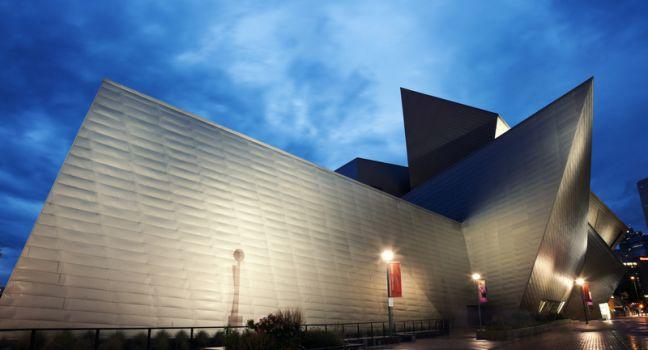
Unique displays of Asian, pre-Columbian, Spanish colonial, and Native American art are the hallmarks of this model of museum design. Among the museum's regular holdings are John DeAndrea's life-size polyvinyl painting Linda (1983); Claude Monet's dreamy flowerscape Le Bassin aux Nympheas (1904); and Charles Deas's red-cowboy-on-horseback Long Jakes, the Rocky Mountain Man (1844). The works are thoughtfully lighted, though dazzling mountain views through hallway windows sometimes steal your attention. Imaginative hands-on exhibits, game- and puzzle-filled Family Backpacks, and video corners will appeal to children; the Adventures in Art Center has hands-on art classes and exploration for children and adults. The museum doubled in size with the 2007 opening of the Frederic C. Hamilton building, a 146,000-square-foot addition designed by architect Daniel Libeskind that has prompted debate: some say the glass-and-titanium design has ruined the view, while others think the building is a work of art in its own right. To the east of the museum is an outdoor plaza—you'll know it by the huge orange metal sculpture—that leads to the Denver Public Library next door.

Diamond Head State Monument

Waikiki Fodor's Choice
Rim of Diamondhead Crater, Waikiki Beach and all of Honolulu in the distance from the top of the trail.
(c) Sgoodwin4813 | Dreamstime.com

Panoramas from this 760-foot extinct volcanic peak, which was once used as a military fortification, extend from Waikiki and Honolulu in one direction and out to Koko Head in the other, with surfers and windsurfers scattered like confetti on the cresting waves below. The 360-degree perspective is a great orientation for first-time visitors. On a clear day, look east past Koko Head to glimpse the outlines of the islands of Maui and Molokai.

Reservations to enter this popular park are required in advance for those who are not Hawaii residents, and an entrance and parking fee must be paid via credit card. You can reserve up to 30 days in advance; the last reservation is 4 pm. From Waikiki, take Kalakaua Avenue east, turn left at Monsarrat Avenue, head a mile up the hill, and look for a sign on the right. Drive through the tunnel to the inside of the crater. The ¾-mile trail to the top begins at the parking lot, and the hike up to the crater is steep, with numerous stairs to climb. So if you aren't in the habit of getting occasional exercise, this might not be for you. At the top, you have a somewhat awkward scramble through a dark tunnel and bunker out into the open air, but the view is worth it.

As you walk, note the color of the vegetation: if the mountain is brown, Honolulu has been without significant rain for a while, but if the trees and undergrowth glow green, you'll know it's the wet season (winter) without looking at a calendar. Winter is when rare Hawaiian marsh plants revive on the floor of the crater. Wear closed-toe shoes or sneakers, a hat, and take bottled water with you to stay hydrated under the tropical sun. There are no water stations (or any shade) along the hike. Keep an eye on your watch if you're here at day's end: the gates close promptly at 6 pm.  To beat the heat and the crowds, rise early and make the hike before 8 am.

Dinosaur National Monument

Fodor's Choice
Split Mountain and the Green River in Dinosaur National Monument.
Donald Fink | Dreamstime

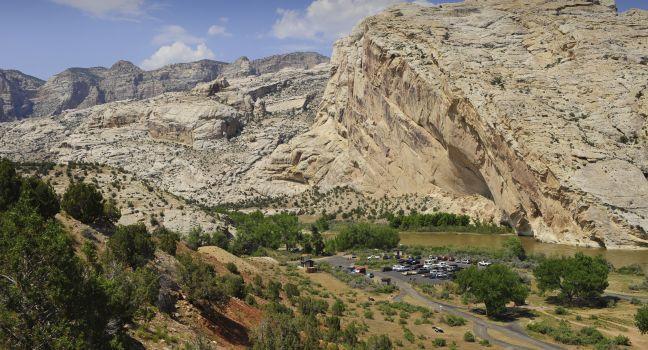
Straddling the Colorado–Utah border, Dinosaur National Monument is a must for any dinosaur enthusiast. A two-story hill teeming with fossils—many still in the complete skeletal shapes of the dinosaurs—greets visitors at one of the few places in the world where you can touch a dinosaur bone still embedded in the earth. The Colorado side of the park offers some of the best hiking in the West, along the Harpers Corner and Echo Park Drive routes and the ominous-sounding Canyon of Lodore (where the Green River rapids buffet rafts). The drive is accessible only in summer—even then, four-wheel drive is preferable—and some of the most breathtaking overlooks are well off the beaten path.

Discovery Park

Magnolia Fodor's Choice
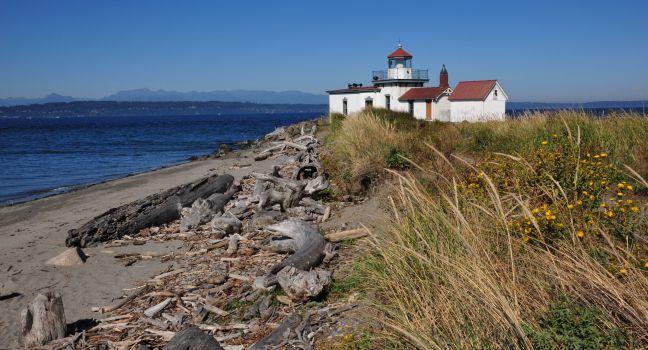
West Point Lighthouse near Discovery Park in Seattle, Washington.
kathmanduphotog / Shutterstock

Come here to get a dose of the PNW's wild beauty without leaving the city. Located on Magnolia Bluff, northwest of Downtown (and across the Chittenden Locks by foot from Ballard), Seattle's largest park covers 534 acres and has an amazing variety of terrain: shaded, secluded forest trails lead to meadows, saltwater beaches, sand dunes, a lighthouse, and 2 miles of protected beaches. The North Beach Trail, which takes you along the shore to the lighthouse, is a must, and the South Bluff Trail has views as far south as Mt. Rainier.

The park has several entrances. If you want to stop at the Learning Center to pick up a trail map before exploring, use the main entrance at Government Way. The North Parking Lot is much closer to the North Beach Trail and to Ballard, if you're coming from that direction. First-come, first-served beach parking passes for the disabled, elderly, and families with small children are available at the Learning Center. Note that it's easier to combine a park day with an exploration of Ballard or Fremont than with a busy Downtown itinerary.

Dorset Quarry

Fodor's Choice
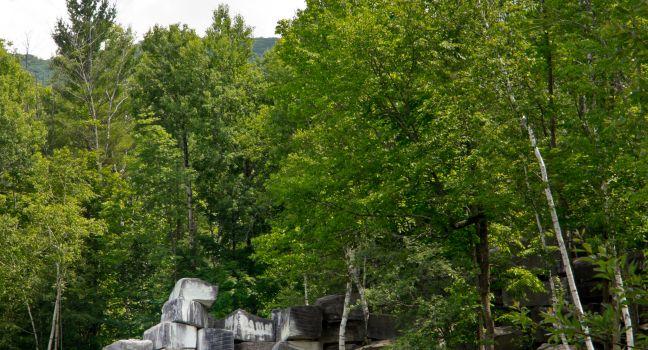
The oldest marble quarry in the U.S In Dorset, Vermont, is now a swimming hole.
Lynne Albright / Shutterstock

On hot summer days the sight of dozens of families jumping, swimming, and basking in the sun around this massive 60-foot-deep swimming hole makes it one of the most wholesome and picturesque recreational spots in the region. First mined in 1785, the stone from the country's oldest commercial marble quarry was used to build the main branch of the New York Public Library and the Montreal Museum of Fine Arts.

Downhill Double Dipper

Blizzard Beach Fodor's Choice
*Downhill Double Dipper
Downhill Double Dipper by

If you're on your way to Snow Stormers or Toboggan Racers on the purple slopes, you might notice this cool-looking slide on the left. It's well worth the stop, as you're timed from blastoff to finish line! Competition can get heated as kids (48 inches or taller) vie for the glory of fastest speed slider, but even the least competitive will enjoy tearing down Mt. Gushmore in their racing tubes. Expectant mothers shouldn't ride, nor should guests with heart conditions or neck or back problems. For people with disabilities: Guests using wheelchairs must transfer to the tube-launch site. Ride early; this popular purple-slope attraction gets crowded after lunch.

Walt Disney World, FL, 32830, USA
Sight Details
Duration: Under 10 secs. Crowds: Heavy. Audience: Not young kids. Height requirement: 48 inches

Something incorrect in this review?

Dungeness Spit

Fodor's Choice
Driftwood and logs at the beach on Dungeness spit, Washington
Eugene Kalenkovich / Shutterstock

Curving nearly 6 miles into the Strait of Juan de Fuca, the longest natural sand spit in the United States is a wild, beautiful section of shoreline. More than 30,000 migratory waterfowl stop here each spring and fall, but you'll see plenty of birdlife year-round. The entire spit is part of the Dungeness National Wildlife Refuge. You can access it from the trail that begins in the 216-acre Dungeness Recreation Area, which serves as a portal to the shoreline. At the end of the spit is the towering white 1857 New Dungeness Lighthouse ( www.newdungenesslighthouse.com). Tours, including a 74-step climb to the top, are available, though access is limited to those who can hike 5½ miles or paddle about 3½ miles out to the end of the spit—the closest launch is from Cline Spit County Park, and boaters are required to call the refuge office before landing. You can also enroll to serve a one-week stint as a lighthouse keeper. If you'd prefer not to make the long trek to the lighthouse, an endeavor you should only attempt at low tide to avoid having to climb over massive driftwood logs, you can still take in beautiful scenery and spot myriad wildlife by hiking a mile or so out along the spit and back.

Ebey's Landing National Historic Reserve

Fodor's Choice
Coastline in beautiful ebey's landing national historic reserve, whidbey island, washington, usa; Shutterstock ID 63541219; Project/Title: 20 Best Day Trips in the U.S.; Downloader: Fodor's Travel
2009fotofriends / Shutterstock

The reserve encompasses a sand-and-cobble beach, bluffs with dramatic views down the Strait of Juan de Fuca, two state parks (Fort Casey and Fort Ebey), and several privately held pioneer farms homesteaded in the early 1850s. The first and largest reserve of its kind holds nearly 400 nationally registered historic structures (including those located within the town of Coupeville), most of them from the 19th century. Miles of trails lead along the beach and through the woods. 

Ellis Island

Financial District Fodor's Choice
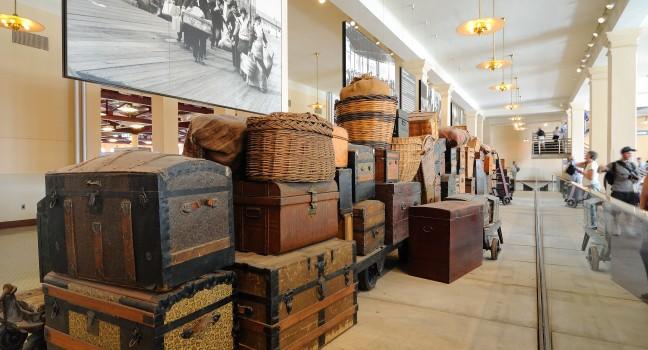
NEW YORK CITY - SEPTEMBER 11: Actual vintage luggage left by some of the millions of immigrants who came through Ellis Island on display at the Ellis Island Museum September 11, 2010 in New York, NY.
Sean Pavone / Shutterstock

Between 1892 and 1924, millions of people first entered the United States at the Ellis Island federal immigration facility. When the complex closed in 1954, it had processed the ancestors of nearly 40% (more than 100 million) of Americans living today. The island's main building, now a national monument, is known as the Ellis Island National Museum of Immigration, and it tells the story not just of Ellis Island but of immigration from the Colonial era to the present day, through numerous galleries containing artifacts, photographs, and taped oral histories. The museum's centerpiece is the cavernous, white-tile Registry Room (also known as the Great Hall). There's much to take in, so make use of the museum's interpretive tools. Check at the visitor desk for free film tickets, a good audio tour, ranger-led tour times, and special programs.

There is no admission fee for the Statue of Liberty or Ellis Island, but an adult ferry ride (from Battery Park to Liberty Island to Ellis Island) costs $25.50 round-trip. Ferries leave from Battery Park (and from Liberty State Park in New Jersey) every 25–30 minutes depending on the time of year (buy your tickets online at  www.statuecruises.com). There are often long security lines, so arrive early, especially if you have a timed-entry ticket. There is an indoor-outdoor café on Ellis Island.

Emerald Bay State Park

Fodor's Choice
Emerald Bay, Photos Taken in Lake Tahoe Area
Kit Leong / Shutterstock

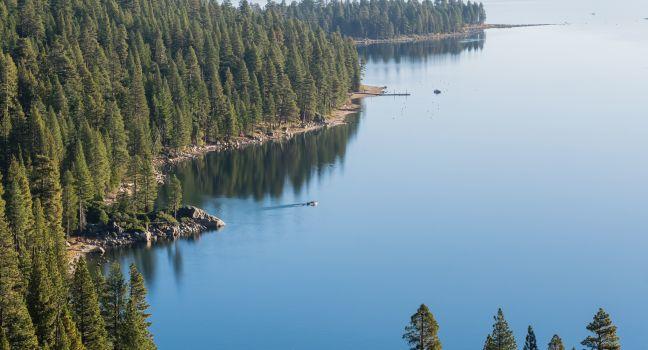
Millions of years ago, a massive glacier carved this 3-mile-long and 1-mile-wide fjord-like inlet. Famed for its jewel-like shape and colors, the bay surrounds Fannette, Lake Tahoe's only island. Highway 89 curves high above the lake here; from the Emerald Bay lookout, the park's centerpiece, you can survey the whole scene. The bay is one of Lake Tahoe's don't-miss views. The light is best in mid- to late morning, when the bay's colors pop.

Empire State Building

Murray Hill Fodor's Choice
NEW YORK CITY - AUG 16: The Empire State Building on August 16, 2008 in New York, USA. The Empire State Building is a 102-story landmark and American cultural icon in New York City.
CristinaMuraca/Shutterstock

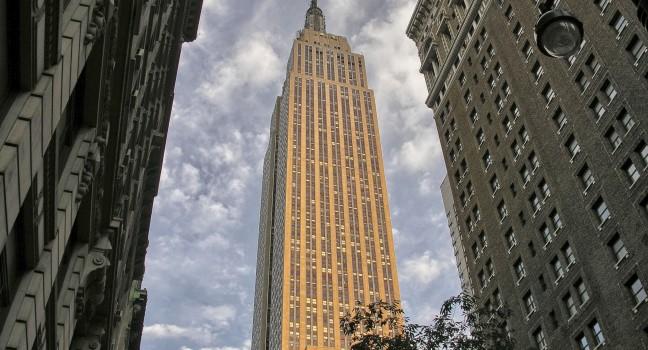
With a legendary silhouette recognizable virtually worldwide, the Empire State Building is an Art Deco monument to progress, a symbol of NYC, and a star in many romantic scenes—on- and off-screen. Built in 1931 at the peak of the skyscraper craze, this 103-floor limestone giant opened after 13 months of construction. The framework rose at a rate of 4½ stories per week, making the Empire State Building the fastest-rising skyscraper ever built, to date.

Enter the visitor experience in the building's designated Observatory lobby—a two-story hall off 34th Street—and exit through the building's illustrious 5th Avenue lobby. Purchase or retrieve prepurchased timed tickets at kiosks, then head to the 10,000-square-foot Second Floor Galleries to learn all about the skyscraper—from its engineering to its role in modern culture (including a fun photo op with King Kong himself). There are interactive experiences, along with marvelous Art Deco details throughout.

Rise from Floor 2 to reach Floor 80's enclosed observatory, with interactive kiosks to create custom NYC itineraries and an impressive NYC skyline drawing by memory artist Steven Wiltshire. Then head to the 86th-floor observatory (1,050 feet high) to find another enclosed area and the spectacular wraparound outdoor deck. The views from the compact 102nd-floor observatory are better still, though it comes with an extra price tag. A new Sunrise@ESB experience ($135) provides preopening access to the 86th floor observation deck on Saturday morning to watch the sunrise with pastries and a custom Starbucks coffee. A Starbucks Reserve Store opened inside the building in 2022.

Expect long lines during peak tourist times/seasons—best avoided with weekday morning or winter visits. Plan for three-plus hours to absorb the full experience and to pass through security. Save time by purchasing tickets online in advance. The building opens the stairs from the 86th floor down to the 80th floor on busy days so visitors can bypass any potential lines.

20 W. 34th St., New York, NY, 10001, USA
212-736–3100
Sight Details
$44 for 86th fl.; $79 to add 102nd fl.; $120 for Express Pass to 86th and 102nd fls.

Something incorrect in this review?

Enchanted Tales with Belle

Magic Kingdom Fodor's Choice
Each portraying a character from the Disney animated classic  "Beauty and the Beast,"  Magic Kingdom guests join Belle and Lumiere for a fun-filled storytelling adventure at Enchanted Tales with Belle. The interactive character experience is part
© Disney

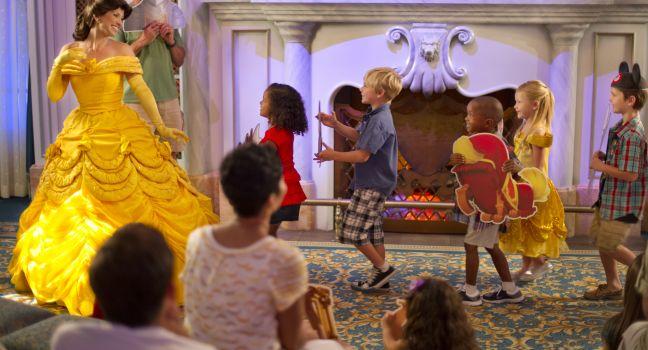
Stroll the path through an artfully planted woodland and meadow to a rustic French cabin complete with waterwheel, where Belle's father, Maurice, tinkers with his inventions. The small homestead oozes Belle's provincial life, with a giant pot hanging in the fireplace and books stacked on a simple wooden chair. Inside her father's workshop, amid blueprints and tools, a giant gold-framed mirror hangs. A costumed cast member welcomes your group to the workshop (Bonjour!) and implores everyone to chant, "Take me back to the day Belle and Beast fell in love!" Voilà! The mirror becomes an animated screen straight from the Disney film Beauty and the Beast before transforming into a portal that leads to an elegant room of Beast's Castle.

Inside, an Audio-Animatronic Madame Armoire encourages you to grab props and play character roles from the "tale as old as time." Then it's on to the library, where a spot-on Audio-Animatronic Lumiere holds court from the mantle. Grab a cushy bench as a coiffed actress playing Belle joins you to perform a scene from the enchanted tale. You'll dance around the room to "Be Our Guest," and you might shed a tear as the interactive story unfolds. This live performance gets to the heart of Disney storytelling, and every participant poses for photos with Belle before a very happy ending. For people with disabilities: Wheelchair accessible; equipped for handheld captioning and assisted listening. This is a slow-moving line that is mostly outside, so visit here first thing in the morning.

Fantasyland, Walt Disney World, FL, 32830, USA
Sight Details
Duration: 15 mins. Crowds: Yes. Audience: All ages; perfect for families. Genie+ offered.

Something incorrect in this review?

Ephrata Cloister

Fodor's Choice
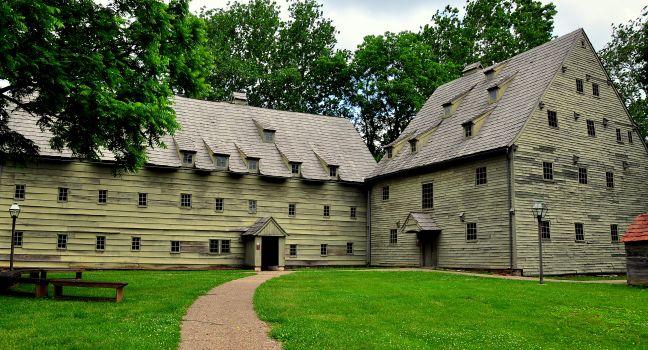
Ephrata, Pennsylvania: The wooden 1743 Saron (Sisters' House) on left and 1741 fachwerk Saal (Meeting House) at the Ephrata Cloister historic Germanic religious settlement. Photo taken on: June 06th, 2015
(c) Leesniderphotoimages | Dreamstime.com

Formerly the home of a unique monastic community, Ephrata Cloister was founded in 1732 by German immigrant Conrad Beissel. He assembled a secluded society of 80 celibate brothers and sisters who lived an austere life of work, study, and prayer. On 250 acres of wilderness, the sect built 30 structures, including a monastery and a printing press. The last celibate member died in 1813, and the members who lived outside the cloister closed the church in 1934. The Commonwealth of Pennsylvania turned the complex into a museum that now offers 75-minute tours of two restored buildings. You can poke through nine others on your own, including the stable, printshop, and crafts shop.