Get FREE email communications from Fodor's Travel, covering must-see travel destinations, expert
trip planning advice, and travel inspiration to fuel your passion.
We've compiled the best of the best in USA - browse our top choices for the top
things to see or do during your stay.
Sorry! We don't have any recommendations for USA right now.
Sights Filter
National Constitution Center
Historic Area
Fodor's Choice
Share This
(c) Americanspirit | Dreamstime.com
This 160,000-square-foot attraction brings the U.S. Constitution to life with exhibits tracing the development and adoption of the nation's guiding document. The interactive “The Story of We the People” takes you from the American Revolution through the Constitution's ratification to major events in the nation's constitutional history, including present-day events like the inauguration of President Barack Obama, Hurricane Katrina, and the recent economic crisis. Later, you can play the role of a Supreme Court justice deciding an important case, walk among the framers in Signers' Hall, and add your signature to the list of Founding Fathers. The facility has 100-plus exhibits and plays host to many events with major historians, authors, and political figures.
National Gallery of Art, East Building
The Mall
Fodor's Choice
Share This
Jwblinn | Dreamstime.com
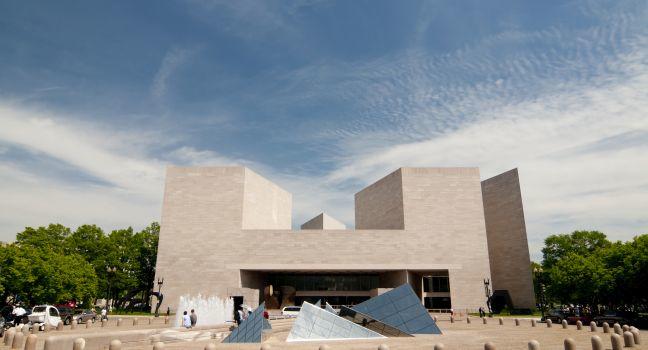
The East Building opened in 1978 in response to the changing needs of the National Gallery, mainly to house a growing collection of modern and contemporary art. The building itself is a modern masterpiece. The site's trapezoidal shape prompted architect I.M. Pei's dramatic approach: two interlocking spaces shaped like triangles provide room for a library, galleries, auditoriums, and administrative offices. Inside the ax-blade-like southwest corner, a colorful, 76-foot-long Alexander Calder mobile dominates the sunlight atrium. Visitors can view a dynamic 500-piece collection of photography, paintings, sculpture, works on paper, and media arts in thought-provoking chronological, thematic, and stylistic arrangements.
Highlights include galleries devoted to Mark Rothko's giant, glowing canvases; Barnett Newman's 14 stark black, gray, and white canvas paintings from The Stations of the Cross, 1958–1966; and several colorful and whimsical Alexander Calder mobiles and sculptures. You can't miss Katharina Fritsch's Hahn/Cock, 2013, a tall blue rooster that appears to stand guard over the street and federal buildings from the roof terrace, which also offers views of the Capitol. The upper-level gallery showcases modern art from 1910 to 1980, including masterpieces by Constantin Brancusi, Marcel Duchamp, Sam Gilliam, Henri Matisse, Joan Miró, Piet Mondrian, Jackson Pollock, and Andy Warhol. Ground-level galleries are devoted to American art from 1900 to 1950, including pieces by George Bellows, Edward Hopper, Georgia O'Keeffe, Charles Sheeler, and Alfred Stieglitz. The concourse level is reserved for rotating special exhibitions.
The East Building Shop is on the concourse level, and the Terrace Café looks out over the atrium from the upper level. You can access an audio tour on your mobile device, and docent-led tours are available most days. Check the website for times and themes.
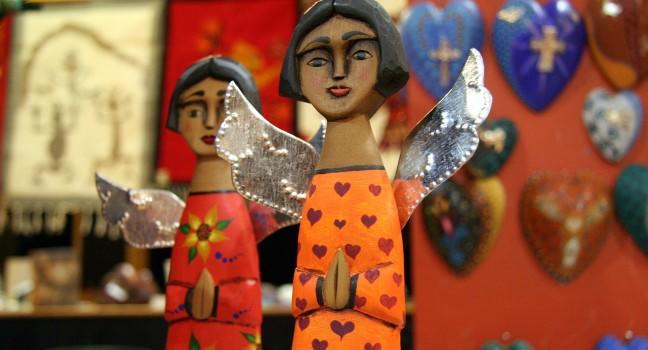
The largest Latino cultural museum in the country (and the first Latino one accredited by the American Alliance of Museums) is definitely worth a look. Its galleries house impressive displays of contemporary, traditional, and Mesoamerican art from both sides of the border, as well as vivid exhibits that trace immigration woes and political struggles. The 20,000-piece permanent collection includes pre-Cuauhtemoc artifacts, textiles, folk art, paintings, prints, and drawings. Every fall the giant Day of the Dead exhibit stuns Chicagoans with its altars from artists across the U.S. and Mexico.
Recommended Fodor's Video
National Portrait Gallery
Downtown
Fodor's Choice
Share This
(c) Luckydoor | Dreamstime.com
The intersection of art, biography, and history is illustrated here through images of people who have shaped U.S. history. There are prints, paintings, photos, and sculptures of subjects from George Washington to Madonna.
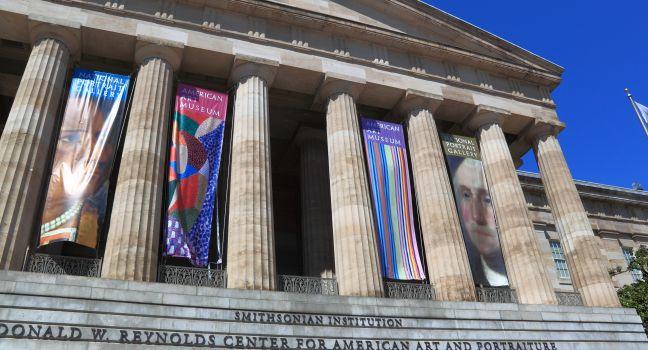
This museum shares the National Historic Landmark building Old Patent Office with the Smithsonian American Art Museum. Built between 1836 and 1863 and praised by Walt Whitman as the "noblest of Washington buildings," it is deemed one of the country's best examples of Greek Revival architecture.
America's Presidents gallery, offering insights into the leaders---from George Washington until the present---is one of the most popular exhibitions. In this gallery, you'll see the only complete collection of presidential portraits outside the White House. Highlights include Gilbert Stuart's 1796 "Landsdowne" portrait of George Washington, Alexander Gardner's "cracked-plate" image of Abraham Lincoln from Lincoln's last formal portrait session before his assassination in 1865, a sculpture of Andrew Jackson on a horse, and political cartoonist Pat Oliphant's sculpture of George H.W. Bush playing horseshoes.
From portraits of World War II generals Eisenhower and Patton to Andy Warhol's Time magazine cover of Michael Jackson, the third-floor gallery, Twentieth-Century Americans, offers a vibrant tour of the people who shaped the country and culture of today. If seeing former first lady Michelle Obama is on your list, get to the gallery early, as this is a sought-after portrait.
There are free docent-led tours Saturdays and Sundays at noon and 2:30 pm. Check the website to confirm the times. At the Lunder Conservation Center on the third and fourth floors, you can watch conservators at work.
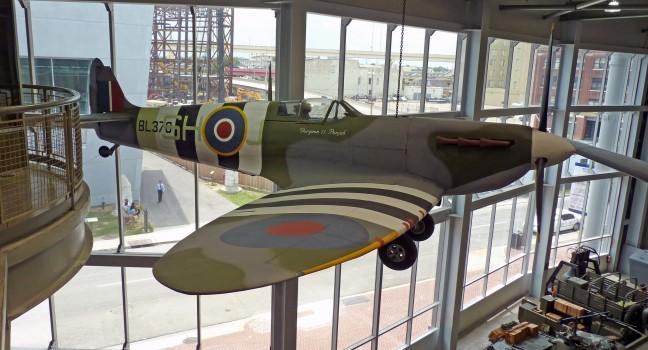
This vast and still-expanding museum is a moving and well-executed examination of World War II events and its aftermath. Seminal moments are re-created through vintage propaganda from the period, including posters, radio, and film clips; more than 7,500 oral histories of the military personnel involved; a number of short documentary films; and collections of weapons, personal items, and other artifacts from the war. Highlights of the museum include "Final Mission: The USS Tang Experience," which re-creates the experience of being in a submarine, and the 4-D theater experience (across the street from the main exhibits) called "Beyond All Boundaries," produced and narrated by Tom Hanks. Other popular exhibits are the replicas of the Higgins boat troop landing craft, which was invented and manufactured in New Orleans by Andrew Jackson Higgins during WWII, and the U.S. Freedom Pavilion: The Boeing Center, which honors all service branches and includes a restored Boeing B-17. Galleries dedicated to the European and Pacific theaters, as well as the Homefront's role in the war, are among the museum's comprehensive permanent exhibits. The Stage Door Canteen features WWII-era entertainment and an adjoining restaurant serves a "Victory Garden-to-table" menu. Check the website for updates on the museum's ongoing expansion and for current offerings.
Nauset Light Beach
Fodor's Choice
Share This
Rolf_52 / Shutterstock
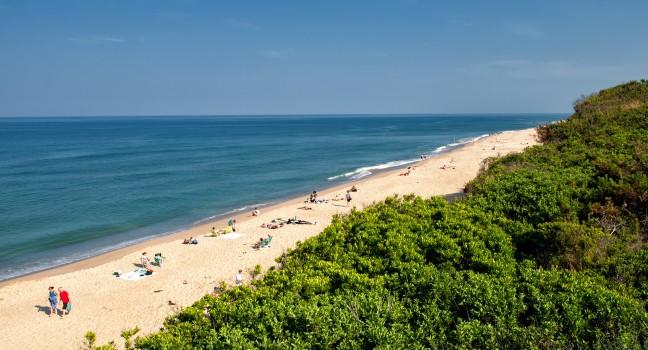
Adjacent to Coast Guard Beach, this sandy beach is backed by tall dunes, frilly grasses, and heathland. The trail to the Three Sisters lighthouses takes you through a pitch-pine forest. Parking here is extremely limited and fills up quickly in summer; plan to arrive early. Amenities: lifeguards; parking (fee); showers; toilets. Best for: sunrise; surfing; swimming; walking.
The Neon Museum
Downtown
Fodor's Choice
Share This
Solange_Z / iStockphoto
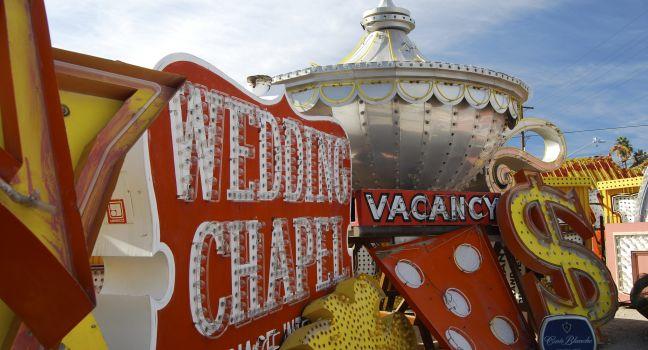
Consider this Downtown museum the afterlife for old neon signs. The facility, which displays more than 150 signs that date back to the 1930s, opened to the public in 2012. The old La Concha motel's historic lobby was renovated and now serves as the museum's entry point. The sign collection includes the original signs from the Stardust, Horseshoe, and other properties. To get up close, visitors must take an educational and informative one-hour guided tour. Daytime tours, especially in summer, can be scorching. For an alternative, try one of the nighttime tours, where you can see four of the signs illuminated the way they were intended to be. In 2018 the museum added Brilliant! Jackpot, a separate experience in the North Gallery where a laser-light show set to music appears to reanimate some of the signs. The result is, well, illuminating.
This impressive, modern museum anchors a campus that encompasses the Palace of the Governors, the Palace Print Shop & Bindery, the Fray Angélico Chávez History Library, and Photo Archives (an assemblage of more than 1 million images dating from the 1850s). Behind the palace on Lincoln Avenue, the museum thoroughly explores the early history of Indigenous people, Spanish colonization, the Mexican Period, and travel and commerce on the legendary Santa Fe Trail. Inside are changing and permanent exhibits. By appointment, visitors can tour the comprehensive Fray Angélico Chávez History Library and its rare maps, manuscripts, and photographs (more than 120,000 prints and negatives). The Palace Print Shop & Bindery, which prints books, pamphlets, and cards on antique presses, also hosts bookbinding demonstrations, lectures, and slide shows. The Palace of the Governors is a humble one-story neo-Pueblo adobe on the north side of the Plaza, and is the oldest public building in the United States. Its rooms contain period furnishings and exhibits illustrating the building's many functions over the past four centuries. Built at the same time as the Plaza, circa 1610, it was the seat of four regional governments—those of Spain, Mexico, the Confederacy, and the U.S. territory that preceded New Mexico's statehood, which was achieved in 1912. It served as the residence for 100 Spanish, Mexican, and American governors, including Governor Lew Wallace, who wrote his epic Ben Hur in its then drafty rooms, all the while complaining of the dust and mud that fell from its earthen ceiling.
Dozens of Native American vendors gather daily under the portal of the Palace of the Governors to sell pottery, jewelry, bread, and other goods. With few exceptions, the more than 500 artists and craftspeople registered to sell here are Pueblo or Navajo Indians. The merchandise for sale is required to meet strict standards. Prices tend to reflect the high quality of the merchandise but are often significantly less than what you'd pay in a shop. Please remember not to take photographs without permission.
New Mexico Museum of Art
The Plaza
Fodor's Choice
Share This
(c) Kingjon | Dreamstime.com
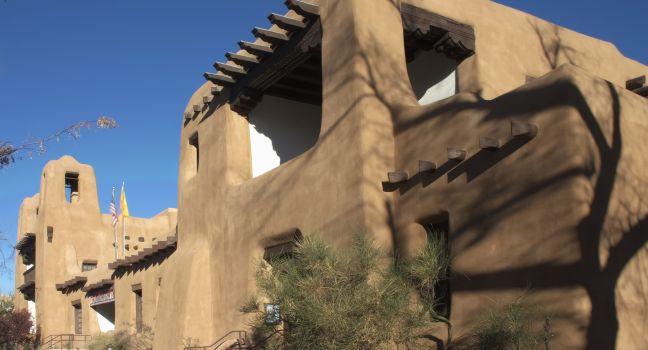
Designed by Isaac Hamilton Rapp in 1917, this museum is one of Santa Fe's earliest Pueblo Revival structures, inspired by the adobe structures at Acoma Pueblo. Split-cedar latillas (branches set in a crosshatch pattern) and hand-hewn vigas form the ceilings. The 20,000-piece permanent collection, of which only a fraction is exhibited at any given time, emphasizes the work of regional and nationally renowned artists, including Georgia O'Keeffe; realist Robert Henri; the Cinco Pintores (five painters) of Santa Fe (including Fremont Ellis and Will Shuster, the creative mind behind Zozóbra); members of the Taos Society of Artists (Ernest L. Blumenschein, Bert G. Phillips, Joseph H. Sharp, and E. Irving Couse, among others); and the works of noted 20th-century photographers of the Southwest, including Laura Gilpin, Ansel Adams, and Dorothea Lange. Rotating exhibits are staged throughout the year. Many excellent examples of Spanish-colonial-style furniture are on display. Other highlights include an interior placita (small plaza) with fountains, WPA murals, and sculpture, and the St. Francis Auditorium, where concerts and lectures are often held.
New Orleans Museum of Art (NOMA)
Mid-City
Fodor's Choice
Share This
By Mutante (CC BY-SA 3.0), via Wikimedia Commons
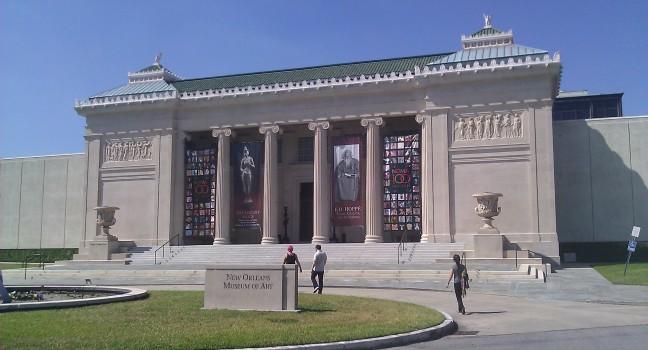
Gracing the main entrance to City Park since 1911, this traditional fine-arts museum draws from classic Greek architecture, with several modern wings that bring additional light and space to the grand old building. NOMA now has 46 galleries housing an outstanding permanent collection. Made up of nearly 40,000 objects, the installations and exhibits represent historical periods from the Italian Renaissance to the best of the contemporary world. A wealth of American and European art—French, in particular—makes up much of the collection, with works by Monet, Renoir, Picasso, Cornell, and Pollock. Louisiana artists are also well represented, and the museum boasts photography, ceramics, and glassworks from cultures around the globe, plus outstanding holdings in African, pre-Columbian, and Asian art.
Henry Moore's handsome Reclining Mother and Child greets visitors at the entrance of the Sydney and Walda Besthoff Sculpture Garden. Most of the garden's 90-some sculptures, representing some of the biggest names in modern art, were donated by avid local collectors Sydney and Walda Besthoff. Meandering trails and bridges carry visitors over bayou lagoons and past a fascinating combination of famed traditional sculpture and contemporary works, including major pieces by Jacques Lipchitz, Barbara Hepworth, and Joel Shapiro. The garden is open daily from 10 am to 5 pm from October through March, and until 6 pm the rest of the year; admission is free.
New York Botanical Garden
Belmont
Fodor's Choice
Share This
littleny / Shutterstock
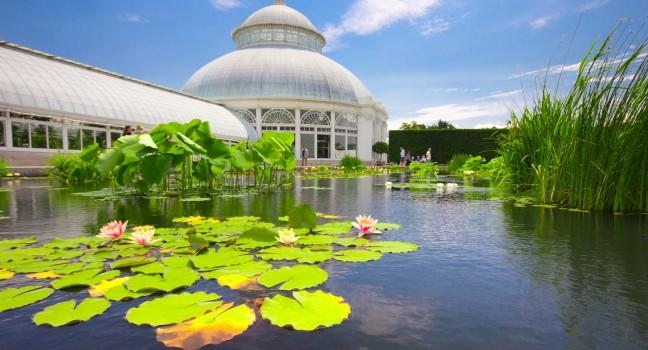
Considered one of the world's leading botany centers, this beautiful, 250-acre campus is also one of the best reasons to make a trip to the Bronx. Built around the dramatic gorge of the Bronx River, it's home to lush indoor and outdoor gardens and acres of natural forest, and it offers classes, concerts, and special exhibits. Be captivated by the seasonal fragrance of the Peggy Rockefeller Rose Garden's 4,000 blooms, which represent more than 650 varieties. Relax in the leafy Thain Family Forest, or explore the Everett Children's Adventure Garden, a 12-acre, indoor-outdoor museum with a boulder maze, giant animal topiaries, and a plant discovery center. The Victorian-style Enid A. Haupt Conservatory houses re-creations of misty tropical rain forests and arid African and North American deserts, as well as exhibitions such as the annual Holiday Train Show and the winter-into-spring Orchid Show, which showcases flowers that look like the stuff of science fiction. The All-Garden Pass gives you access to the conservatory, adventure garden, special exhibitions, and more.
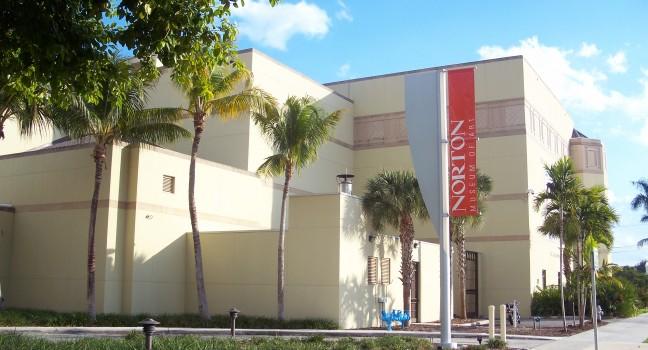
Norton Museum of Art
Fodor's Choice
Share This
By Ebyabe [CC-BY-SA-3.0], via Wikimedia Commons
The museum (constructed in 1941 by steel magnate Ralph H. Norton and his wife, Elizabeth) has grown to become one of the most impressive in South Florida, with an extensive collection of 19th- and 20th-century American and European paintings—including works by Picasso, Monet, Matisse, Pollock, Cassatt, and O'Keeffe—plus Chinese art, earlier European art, and photography. To accommodate the growing collection, the museum expanded to include 12,000 additional square feet of gallery space in a new west wing, event spaces, a garden, and a great hall.
The popular Art After Dark, Thursday from 5 to 10 pm, is a gathering spot for art lovers, with wine and music in the galleries.
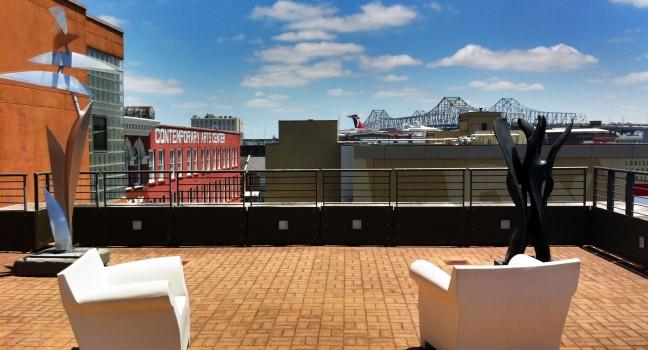
Art by southern artists, made in the south, about the south, and exploring southern themes fills this elegant five-story building. The basis of the museum's permanent collection are 1,200 works collected by local developer Roger Ogden since the 1960s. It has now grown to more than 4,000 pieces, including paintings, ceramics, drawings, sculptures, photographs, and designs. These pieces, along with special exhibitions, showcase artists from Washington, D.C., and 15 southern states spanning the 18th through 21st century. A central stair atrium filters natural light through the series of galleries, and a rooftop patio serves as a sculpture garden with lovely views of the surrounding area. The gift shop sells crafts and jewelry by southern artists and books and movies celebrating the south. Thursday night (6–8 pm) comes alive with Ogden After Hours, featuring live music, artist interviews, refreshments, children's activities, and special gallery exhibitions.
Olympic Sculpture Park
Belltown
Fodor's Choice
Share This
Mariusz S. Jurgielewicz / Shutterstock
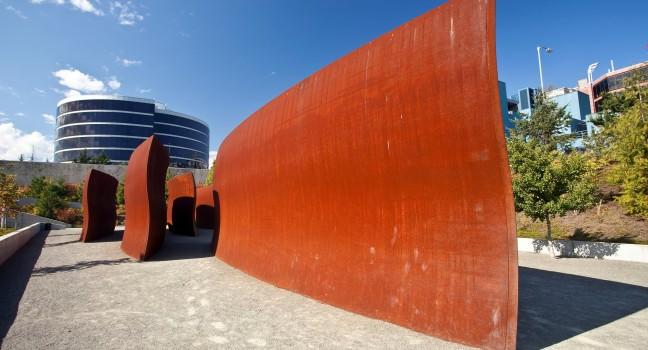
An outdoor branch of the Seattle Art Museum is a favorite destination for picnics, strolls, and quiet contemplation. Nestled at the edge of Belltown with views of Elliott Bay, the gently sloping green space features native plants, chairs overlooking the water, and walking paths that wind past larger-than-life public artwork. On sunny days, the park frames an astounding panorama of the Olympic Mountains, but even the grayest afternoon casts a favorable light on the site's sculptures. The grounds are home to works by such artists as Richard Serra, Louise Bourgeois, and Alexander Calder, whose bright-red steel Eagle sculpture is a local favorite (and a nod to the bald eagles that sometimes soar above). Echo, a 46-foot-tall elongated girl’s face by Spanish artist Jaume Plensa, is a beautiful and bold presence on the waterfront.
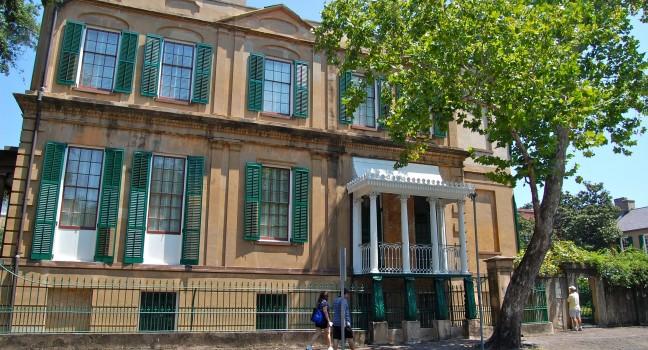
Designed by William Jay, the Owens-Thomas House is widely considered to be one of the finest examples of English Regency architecture in America. Built in 1816–19, the house was constructed with local materials. Of particular note are the curving walls, Greek-inspired ornamental molding, half-moon arches, stained-glass panels, original Duncan Phyfe furniture, the hardwood "bridge" on the second floor, and the indoor toilets, which it had before the White House or Versailles. In 2018, the site renamed itself the Owens-Thomas House & Slave Quarters and revealed a new interpretive exhibition that includes the restored dwellings of those enslaved here and stories of their lives and work. Owned and administered by Telfair Museums, this home gives an inside perspective on Savannah's history.
Oxbow Bend
Fodor's Choice
Share This
Aspen Photo / Shutterstock
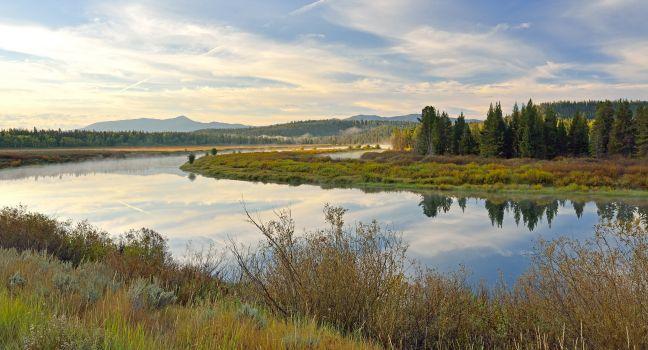
This peaceful spot overlooks a quiet backwater left by the Snake River when it cut a new southern channel. White pelicans stop here on their spring migration (many stay on through summer), sandhill cranes and trumpeter swans visit frequently, osprey nest nearby, and great blue herons nest amid the cottonwoods along the river. Use binoculars to search for bald eagles, moose, beaver, and otter. The Oxbow is known for the reflection of Mt. Moran that marks its calm waters in early morning.
Palace of Fine Arts
Marina
Fodor's Choice
Share This
Andreykr | Dreamstime.com
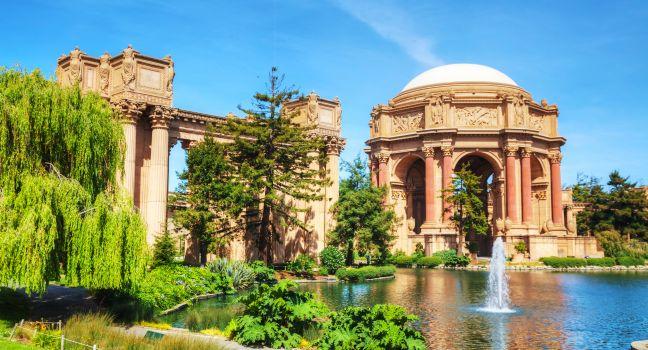
This stunning, rosy rococo palace on a lagoon seems to be from another world—it's the sole survivor of the many tinted-plaster structures (a temporary neoclassical city of sorts) built for the 1915 Panama-Pacific International Exposition, the world's fair that celebrated San Francisco's recovery from the 1906 earthquake and fire. The expo buildings originally extended about a mile along the shore. Bernard Maybeck designed this faux-Roman classic beauty, which was reconstructed in concrete and reopened in 1967.
The pseudo-Latin language adorning the Palace's exterior urns continues to stump scholars. The massive columns (each topped with four "weeping maidens"), great rotunda, and swan-filled lagoon have been used in countless fashion layouts, films, and wedding photo shoots. Other than its use for major events and exhibitions inside the building, it's really an outdoor architecture attraction that's perfect for an hour of strolling and relaxing. After admiring the lagoon, look across the street to the house at 3460 Baker Street. If the statues out front look familiar, they should—they're original casts of the "garland ladies" you can see in the Palace's colonnade.
Palm Springs Aerial Tramway
Fodor's Choice
Share This
Wollertz / Shutterstock
A trip on the world's largest rotating tram car provides a 360-degree view of the desert as it makes the 2½-mile ascent through Chino Canyon and up to an elevation of 8,516 feet in 10 minutes. On clear days, which are common, the view stretches 75 miles from Mt. San Gorgonio in the north to the Salton Sea in the south. In winter, stepping out into the snow at the top, a bit below Mt. San Jacinto's peak, is a treat. In summer, the summit's much cooler temperature is a welcome respite from punishing lower-elevation heat.
Year-round attractions at Mountain Station include observation decks, two restaurants, a cocktail lounge, a gift shop, picnic facilities, a small natural history museum, and two theaters that screen movies on the attraction's construction and on Mount San Jacinto State Park, which is also on the mountain and has 50 miles of hiking trails. In addition, you can take advantage of free guided weekend nature walks, or rent skis and snowshoes at the Adventure Center.
Ride-and-dine packages are available after 4 pm. To avoid long waits, buy tickets online in advance or arrive 30 minutes before the first car leaves in the morning.
Panaewa Rainforest Zoo and Gardens
Fodor's Choice
Share This
(c) Bonniemarie | Dreamstime.com
Billed as "the only natural tropical rain forest zoo in the United States," this 12-acre county zoo features native Hawaiian species such as the nene goose and the io (hawk), as well as many other rare birds such as the highly endangered Hawaiian crow, or alala. Two Bengal tigers are also part of the collection. The white-faced whistling tree ducks are a highlight, along with monkeys, sloths, and lemurs. There's also a petting zoo on Saturdays from 1:30 to 2:30. Myriad species of lush, unusual tropical plants fill the grounds. To get here, turn left on Mamaki off Highway 11; it's just past the "Kulani 19, Stainback Hwy." sign.
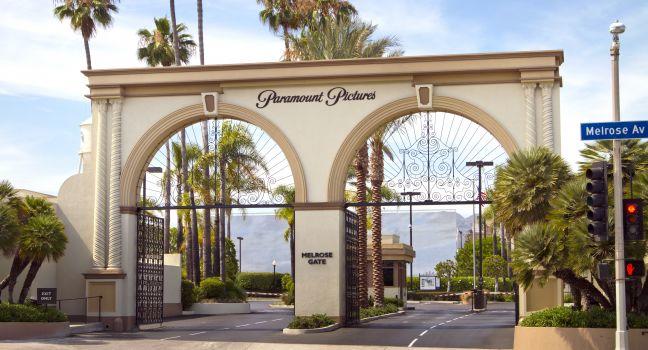
Paramount Pictures
Hollywood
Fodor's Choice
Share This
(c) Imdan | Dreamstime.com
With a history dating to the early 1920s, the Paramount lot was home to some of Hollywood's most luminous stars, including Mary Pickford, Rudolph Valentino, Mae West, Marlene Dietrich, and Bing Crosby. Director Cecil B. DeMille's base of operations for decades, Paramount offers probably the most authentic studio tour, giving you a real sense of the film industry's history. This is the only major studio from film's golden age left in Hollywood—all the others are now in Burbank, Universal City, or Culver City.
Memorable movies and TV shows with scenes shot here include Sunset Boulevard, Forrest Gump, and Titanic. Many of the Star Trek movies and TV series were shot entirely or in part here, and several seasons of I Love Lucy were shot on the portion of the lot Paramount acquired in 1967 from Lucille Ball. You can take a two-hour studio tour or a 4½-hour VIP tour, led by guides who walk and trolley you around the backlots. As well as gleaning some gossipy history, you'll spot the sets of TV and film shoots in progress. Reserve ahead for tours, which are for those ages 10 and up.
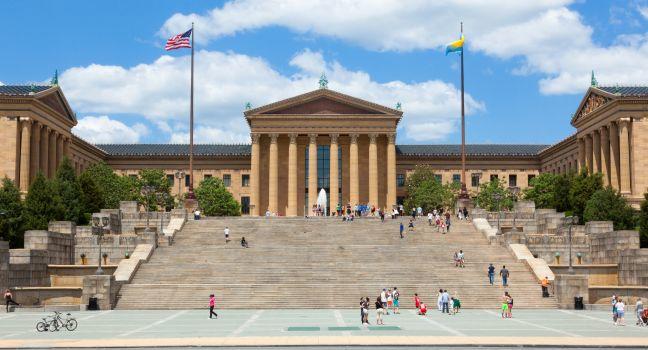
Set on a hill in a majestic 1928 building modeled after Greek temples, the city's premier cultural attraction is one of the country's leading art museums, with permanent collections focused on European, American, and Asian art. The museum’s east entrance is the site of the “Rocky steps,” with people running up the 72 steps immortalized in the movie Rocky and lining up at street level for photos with A. Thomas Schomberg’s Rocky statue. A massive redesign by architect Frank Gehry, completed in 2021, added exhibition space and made navigating the 200-gallery museum more pleasant. Diana, the iconic gilded sculpture of the goddess by Augustus Saint-Gaudens, graces the Great Stair Hall. Expanded first-floor galleries are dedicated to a more inclusive narrative of early American art and to contemporary art. From spring 2026 through summer 2027, the museum and the Pennsylvania Academy of Fine Arts will present A Nation of Artists, a two-museum show that will celebrate American art and include rarely seen works owned by the Middleton family. The European art (1850–1900) collection makes the most of the strong impressionist holdings, and other European collections contain modernist works by artists such as Brancusi, Braque, Matisse, and Picasso. Famous paintings include Van Eyck's St. Francis Receiving the Stigmata, van Gogh's Sunflowers, and Cézanne's The Large Bathers. The museum also has the world's most extensive collection of works by Marcel Duchamp (Nude Descending a Staircase) and fine works by 19th-century Philadelphia artist Thomas Eakins. The Asian art galleries present some spectacular structures moved from around the world, such as a 17th-century Chinese palace hall and a Japanese teahouse. Children like the arms and armor collection, and the 1-acre outdoor sculpture garden has contemporary works. Museum visitors can eat in the café or in the intimate, upscale, Gehry-designed Stir Restaurant (reserve ahead), which focuses on seasonal and regional fare. Friday evenings in the museum feature live music, drinks, and light bites.
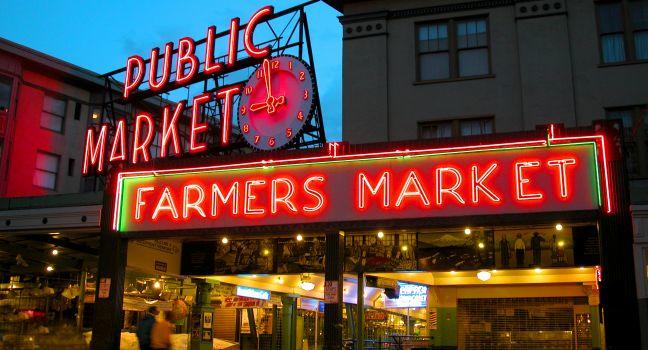
Pike Place Market
Downtown
Fodor's Choice
Share This
Mark B. Bauschke / Shutterstock
One of the nation's largest and oldest public markets dates from 1907. At one time the market was a madhouse of vendors hawking produce and haggling with customers over prices; now you might find fishmongers engaging in frenzied banter and hilarious antics, but chances are you won't get them to waver on prices. There are many restaurants, bakeries, coffee shops, and lunch counters—go to Pike Place hungry and you won't be disappointed. The flower market is also a must-see—gigantic fresh arrangements can be found for around $15. It's well worth wading through dense crowds to enjoy the market's many corridors, where you'll find specialty food items, quirky gift shops, tea, honey, jams, comic books, beads, eclectic crafts, and cookware.
In recent years, Pike Place Market debuted a significant expansion, fulfilling a decades-long vision for Seattle's Market Historic District. The market's newer digs feature artisanal-food purveyors, an on-site brewery, four public art installations, seasonal pop-up vendors, and a 30,000-square-foot open public space with a plaza and a viewing deck overlooking Elliott Bay and the Seattle waterfront. The famous "flying fish" fishmonger is located at the main entrance on Pike Street. Just be patient and eventually someone will toss a big fish through the air. Nearby, you'll also find Rachel the Piggy Bank, a life-size bronze pig that helps bring home the bacon for local social services; she's a favorite spot for Pike Place pics.
Poipu Beach Park
Fodor's Choice
Share This
cleanfotos / Shutterstock
At the most popular beach on the South Shore, the snorkeling and swimming are good during calm seas; when the surf's up, the bodyboarding and surfing are good, too. Frequent sunshine, grassy lawns, play equipment, and easy access add to the appeal, especially with families. The endangered Hawaiian monk seal often makes an appearance, and if you stop by just after sunset, you're likely to witness record numbers of protected green sea turtles coming ashore to sleep. (Please stay at least 10 feet away and do not photograph with flash.) Take a walk west on a path fronting numerous resorts. Note that at the time of writing, this beach is one of a few on Kauai that may institute a parking fee for nonresidents. Amenities: food and drink; lifeguards; parking (no fee); showers; toilets. Best for: snorkeling; sunbathing; swimming.
Polihale State Park
Fodor's Choice
Share This
Nickolay Stanev / Shutterstock
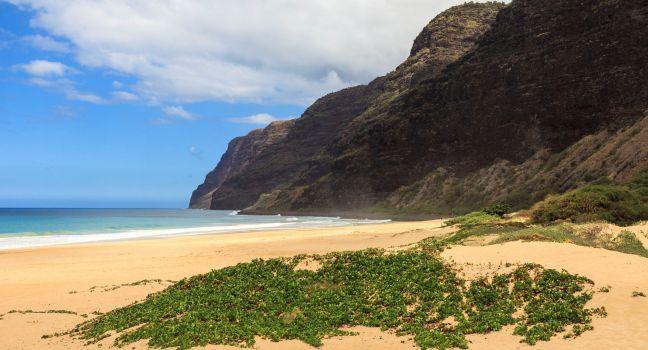
The longest stretch of beach in Hawaii starts in Kekaha and ends about 15 miles west at the start of Napali Coast. On the far west end is the 5-mile-long, 140-acre Polihale State Park, a remote beach accessed via a rough, rutted, potholed, 5-mile road at the end of Route 50 in Mana. (Four-wheel drive is recommended, and rental car companies may prohibit use of their vehicles here.) In addition to being long, this beach is 300 feet wide in places and backed by sand dunes 50 to 100 feet tall. Cultural sites, including burial sites, are located within the sensitive dune system. It is frequently very hot, with almost no shade and scorching sand. Start the day with a full tank of gas and a cooler filled with food and drink. Though it's a popular beach, the ocean here has dangerous currents and is not recommended for recreation. No driving is allowed on the beach. The U.S. Navy's Pacific Missile Range Facility is adjacent, so access to the coastline in front of the base is monitored and restricted. The park is open for day use until sunset; permits are required for overnight camping. Amenities: parking (no fee); showers; toilets. Best for: solitude; sunset; walking.
Portland Farmers Market
Fodor's Choice
Share This
Tom Myers / Shutterstock
On Saturdays year-round, local farmers, bakers, chefs, and entertainers converge at the South Park Blocks near the PSU campus for Oregon's largest open-air farmers' market—it's one of the most impressive in the country. It's a great place to sample the regional bounty and to witness the local-food obsession that's revolutionized Portland's culinary scene. There's plenty of food you can eat on the spot, plus nonperishable local items (wine, hazelnuts, chocolates, vinegars) you can take home with you. There's a smaller Wednesday market, May through November, on a different section of the Park Blocks (between S.W. Salmon and S.W. Main). At other times the Portland Farmers Market is held in different locations around town, and dozens of other farmers' markets take place throughout metro Portland.
The Presbytère
French Quarter
Fodor's Choice
Share This
(c) Wilsilver77 | Dreamstime.com
One of the twin Spanish colonial buildings flanking the St. Louis Cathedral, this one, on the right, was built on the site of the priests' residence, or presbytère. It served as a courthouse under the Spanish and later under the Americans. It is now a museum showcasing a spectacular collection of Mardi Gras memorabilia. Displays highlight both the little-known and popular traditions associated with New Orleans's most famous festival. "Living with Hurricanes: Katrina and Beyond" is a $7.5-million exhibition exploring the history, science, and powerful human drama of one of nature's most destructive forces. The building's cupola, destroyed by a hurricane in 1915, was restored to match the one atop its twin, the Cabildo. Allow at least an hour to see the exhibits.
Prospect Park
Prospect Park
Fodor's Choice
Share This
gregobagel/iStockphoto
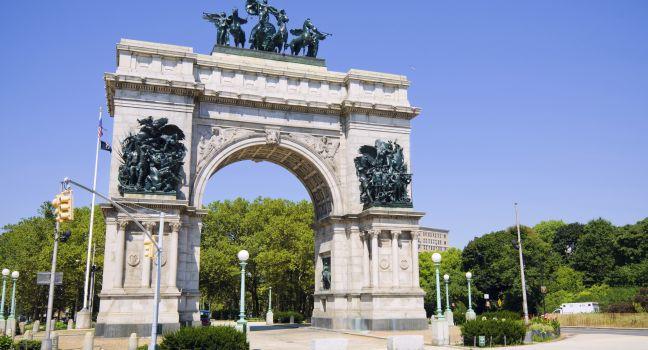
Brooklyn residents are passionate about Prospect Park, and with good reason: lush green spaces, gently curved walkways, summer concerts, vivid foliage in autumn, and an all-season skating rink make it a year-round getaway. In 1859, the New York Legislature decided to develop plans for a park in the fast-growing city of Brooklyn. After landscape architects Frederick Law Olmsted and Calvert Vaux completed the park in the late 1880s, Olmsted remarked that he was prouder of it than any of his other works—including Manhattan's Central Park—and many critics agree. On weekends, those not jogging the 3.35-mile loop gravitate to the rolling hills of the Long Meadow to picnic, fly kites, or play cricket, flag football, or Frisbee. On summer Sundays, foodies flock to Breeze Hill, site of outdoor food market Smorgasburg's second Brooklyn location. The park's north entrance is at Grand Army Plaza, where the Soldiers' and Sailors' Memorial Arch (patterned on the Arc de Triomphe in Paris) honors Civil War veterans. On Saturday, year-round, a greenmarket at the plaza throngs with shoppers.
\n
A good way to experience the park is to walk the Long Meadow—venue for the occasional free yoga class—and then head to the eastern side and south towards the lake. Along the way, you'll encounter attractions including a few waterfalls, the Prospect Park Zoo, and the Lefferts Historic House. Nearby, the Prospect Park Carousel, built in 1912, still thrills the kids. The Boathouse, dating from 1905, is a stunning example of Beaux-Arts architecture, and houses a cafe and the Prospect Park Audubon Center. The annual Celebrate Brooklyn! Festival takes place at the Prospect Park Bandshell from early June through mid-August.
Punaluu Black Sand Beach Park
Fodor's Choice
Share This
David Lousick / Shutterstock
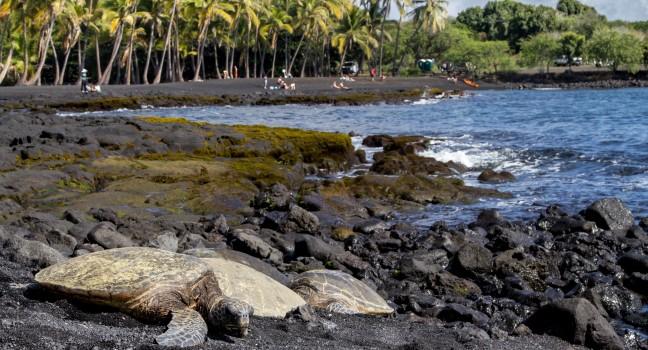
A must-do on a south-southeast-bound trip to the volcano, this easily accessible black-sand beach is backed by low dunes, brackish ponds, and tall coco palms. The shoreline is jagged, reefed, and rocky. Most days, large groups of sea turtles nap on the sand—a stunning sight. Resist the urge to get too close or disturb them; they're protected by federal and state law, and fines for harassment can be hefty. Removing black sand is also prohibited. Extremely strong rip currents prevail, so only experienced ocean swimmers should consider getting in the water here. A popular stop for locals and tour buses alike, this beach park can get busy; the north parking lot is usually quieter. Shade from palm trees provides an escape from the sun, and at the northern end of the beach lie the ruins of Kaneeleele Heiau, an old Hawaiian temple. Amenities: parking (no fee); showers; toilets. Best for: walking.
Puuhonua O Honaunau National Historical Park
Fodor's Choice
Share This
(c) Cecoffman | Dreamstime.com
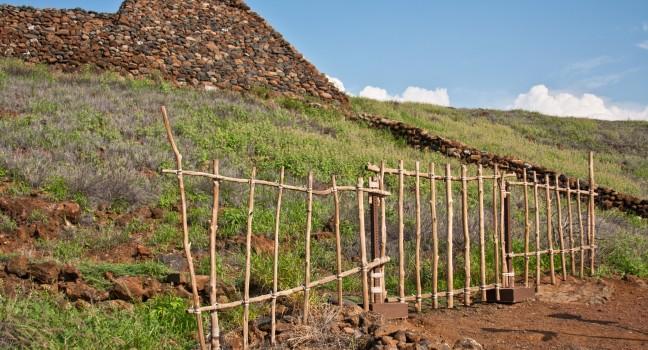
This breathtaking, 420-acre National Historical Park has the best preserved puuhonua (place of refuge) in the state, and an aura of ancient sacredness and serenity still imbues the place. Providing a safe haven for noncombatants, kapu (taboo) breakers, defeated warriors, and others, the puuhonua offered protection and redemption for anyone who could reach its boundaries, by land or sea. The oceanfront, 960-foot stone wall built more than 400 years ago still stands and is one of the park's most prominent features. A number of ceremonial temples, including the restored Hale o Keawe Heiau (circa 1700), have served as royal burial chambers. Bring a picnic to the oceanfront park, where there are tables and bathrooms. The 2¼-mile, 1871 Trail takes you past incredible lava features and historic sites. This treasure of a park is a must-see for every visitor to the Big Island.
Subscribe to Newsletter
Sign up for Travel Tips & News
I want emails from Fodor's Travel with travel information and promotions. I can unsubscribe
any time using the unsubscribe link at the end of all emails.
Thank you for your interest!
Look out for our newsletters with travel tips and special offers.
Sign up for Travel Tips & News
By signing up for the
newsletter, I agree to the Privacy Policy. You must check the box to subscribe
Thank you for your interest!
Look out for our newsletters with travel tips and special offers.