Get FREE email communications from Fodor's Travel, covering must-see travel destinations, expert
trip planning advice, and travel inspiration to fuel your passion.
We've compiled the best of the best in USA - browse our top choices for the top
things to see or do during your stay.
Sorry! We don't have any recommendations for USA right now.
Sights Filter
Highway 1
Fodor's Choice
Share This
topseller / Shutterstock
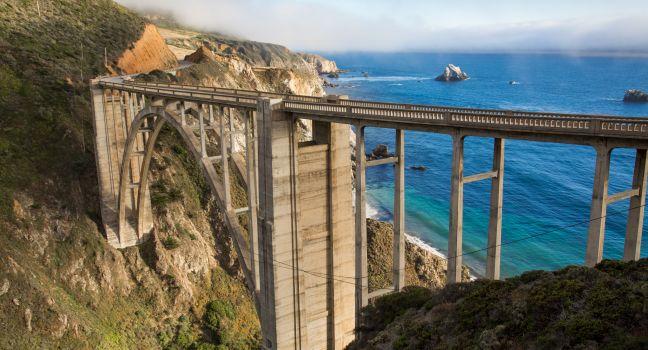
One of California's most spectacular drives snakes up the coast north of San Simeon. Numerous pullouts offer tremendous views and photo ops. On some beaches, huge elephant seals lounge nonchalantly, seemingly oblivious to the attention of rubberneckers. Heavy rain can cause mudslides that block the highway north and south of Big Sur, so sections of the route are sometimes closed for repairs or general maintenance. Before traveling, visit bigsurcalifornia.org and click on the Highway 1 Conditions and Information link.
Hildene
Fodor's Choice
Share This
LEE SNIDER PHOTO IMAGES / Shutterstock
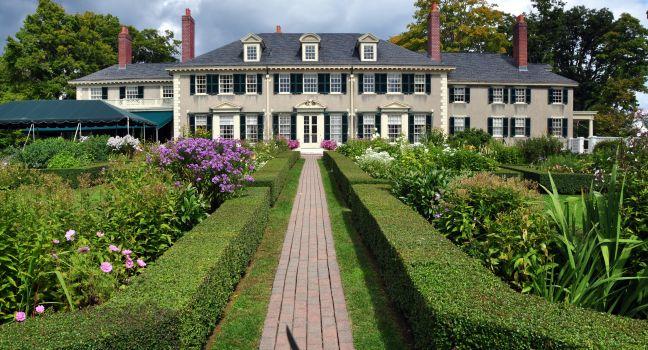
A twofold treat, the summer home of Abraham Lincoln's son Robert Todd Lincoln provides insight into the lives of the family, as well as an introduction to the lavish Manchester life of the early 1900s. In 1905, Robert built a 24-room Georgian Revival mansion where he and his descendants lived until 1975. It's the centerpiece of a beautifully preserved 412-acre estate and holds many of the family's prized possessions, including one of three surviving stovepipe hats owned by Abraham and a Lincoln Bible. When the 1,000-pipe Aeolian organ is played, the music reverberates as though from the mansion's very bones.
Rising from a 10-acre meadow, Hildene Farm is magnificent. The agriculture center is built in a traditional style—post-and-beam construction of timber felled and milled on the estate, and you can watch goat cheese being made.
The highlight, though, may be the elaborate formal gardens, where a thousand peonies bloom every June. There is also a teaching greenhouse, restored 1903 Pullman car, a 600-foot floating boardwalk across the Battenkill wetlands, and more than 12 miles of walking trails. When conditions permit, you can cross-country ski and snowshoe on the property.
Hiram M. Chittenden Locks
Ballard
Fodor's Choice
Share This
Paul Fell / Shutterstock
Also known as "Ballard Locks," these are an important passage in the 8-mile Lake Washington Ship Canal that connects Puget Sound to freshwater Lake Washington. Every year, tens of thousands of vessels, from kayaks to yachts to commercial ships, pass through the two locks. The main reason for visiting here is to see them in operation, draining and refilling like giant bathtubs. The visitor center has displays and videos and offers free tours May through September at 2 pm on days when the center is open.
The adjacent 7-acre Carl S. English Botanical Gardens are a lovely place to picnic or just relax. Various musical performances, from jazz bands to chamber music, serenade visitors on summer weekends. And you can watch determined salmon climbing a 21-step fish ladder en route to their freshwater spawning grounds. (You won't be alone; look for seals in the water and herons in the trees, all hoping for a salmon meal.)
Recommended Fodor's Video
Hirshhorn Museum and Sculpture Garden
The Mall
Fodor's Choice
Share This
Vidu Gunaratna/Shutterstock
Conceived as the nation's museum of modern and contemporary art, the Hirshhorn is home to nearly 12,000 works by masters who include Alexander Calder, Andy Warhol, and Louise Bourgeois, as well as contemporary superstars Anish Kapoor and Yinka Shonibare. The art is displayed in a circular poured-concrete building designed by Gordon Bunshaft, dubbed the "Doughnut on the Mall" when it was built in 1974. The museum's founder, Joseph H. Hirshhorn, a Latvian immigrant who made his fortune in uranium mines, bequeathed most of the initial collection.
The sculpture collection has masterpieces by Henry Moore, Alberto Giacometti, and Constantin Brancusi. Outside, sculptures dot a grass-and-granite garden. Among them is Yoko Ono's Wish Tree for Washington, DC. On the plaza stands a 32-foot-tall yellow cartoon sculpture by pop-art iconographer Roy Lichtenstein that has become a beloved local landmark.
The third level's outer ring is the place to see thought-provoking conceptual art from the museum's permanent collection. Inside the third level, you can see dramatic postwar art from the museum's permanent collection, displayed thematically, with works by artists such as Joseph Cornell, Isa Genzken, Alighiero e Boetti, and Sol LeWitt. Check out Cornell's Untitled (Aviary with Yellow Birds) and Yoko Ono's Sky TV for Washington, DC. Large-scale text works by conceptual artist Lawrence Weiner round out the space.
The second level houses exhibits that rotate about three times a year, curated by museum staff and devoted to particular artists or themes. The lower level houses recent and experimental works from the permanent collection, while the sculpture garden makes an inspiring spot for a picnic. Dolcezza, a popular local coffee and gelato brand, set up a small café at the museum, perfect for a coffee break.
Hollywood Museum
Hollywood
Fodor's Choice
Share This
alarico / Shutterstock
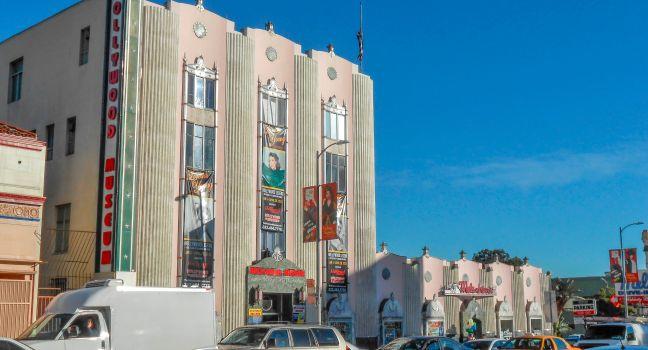
Don’t let its over-the-top marble facade turn you off: the Hollywood Museum, nestled at the busy intersection of Hollywood and Highland, is worth it, especially for film aficionados. A museum deserving of its name, it boasts an impressive collection of exhibits from the moviemaking world, spanning several film genres and eras. Start in its pink, original art deco lobby where the Max Factor exhibit pays tribute to the cosmetics company’s pivotal role in Hollywood, make your way to the dark basement, where the industry’s penchant for the macabre is on full display, and wrap up your visit by admiring Hollywood’s most famous costumes and set props on the top floor.
Hollywood Sign
Hollywood
Fodor's Choice
Share This
Bayda127 | Dreamstime.com
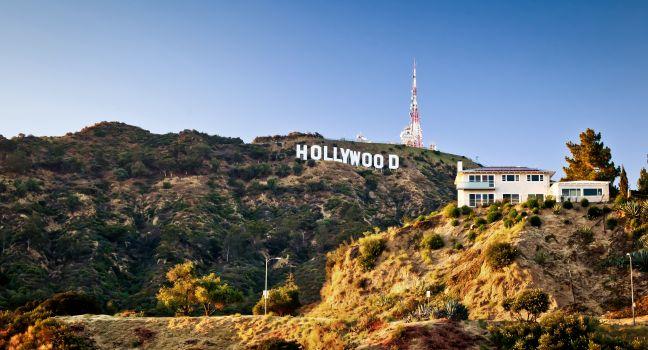
With letters 50 feet tall, Hollywood's trademark sign can be spotted from miles away. The icon, which originally read "Hollywoodland," was erected in the Hollywood Hills in 1923 to advertise a new housing development and was outfitted with 4,000 light bulbs. In 1949 the "land" portion of the sign was taken down. By 1973 the sign had earned landmark status, but because the letters were made of wood, its longevity came into question. A makeover project was launched and the letters were auctioned off (rocker Alice Cooper bought an "O" and singing cowboy Gene Autry sponsored an "L") to make way for a new sign made of steel. Inevitably, the sign has drawn pranksters who have altered it over the years, albeit temporarily, to spell out "Hollyweed" (in the 1970s, to push for more lenient marijuana laws), "Go Navy" (before a Rose Bowl game), and "Perotwood" (during businessman Ross Perot's 1992 presidential bid). A fence and surveillance equipment have since been installed to deter intruders, but another vandal managed to pull the "Hollyweed" prank once again in 2017 after Californians voted to make recreational use of marijuana legal statewide. And while it's still very illegal to get anywhere near the sign, several area hikes will get you as close as possible for some photo ops; you can hike just over six miles up behind the sign via the Brush Canyon trail for epic views, especially at sunset. Use caution if driving in the hills below the sign on residential streets; many cars speed around the blind corners. Some streets have restricted parking to deter visitors.
Hookipa Beach
Fodor's Choice
Share This
Mike Brake / Shutterstock
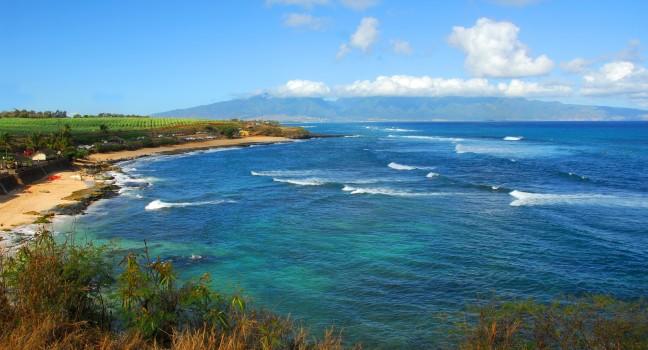
To see some of the world's finest windsurfers, hit this beach along the Hana Highway. It's also one of Maui's hottest surfing spots, with waves that can reach 20 feet. Although Hookipa isn't really a good swimming beach, it does have a few protected reef areas that provide a shore break and places to play in the water, so getting wet isn’t completely out of the question. It's also not the place to learn windsurfing, so if you're not experienced in the sport, it's best to just hang out and watch the pros. There are picnic tables and grills, though the pavilion area isn't particularly inviting. Amenities: lifeguard; parking (no fee); showers; toilets. Best for: surfing; windsurfing.
Hulihee Palace
Fodor's Choice
Share This
(c) Cecoffman | Dreamstime.com
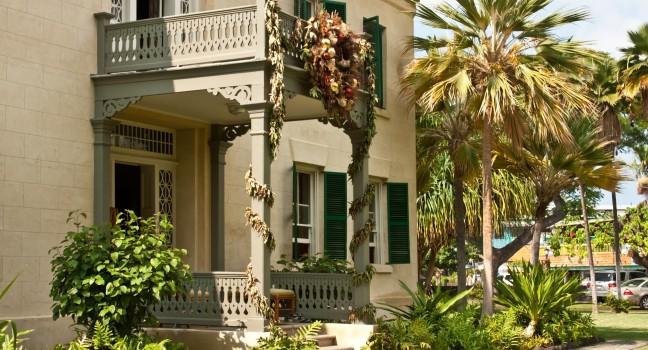
On the National Register of Historic Places, this lovely two-story oceanfront home, surrounded by jewel-green grass and elegant coconut palms and fronted by an elaborate wrought-iron gate, is one of only three royal palaces in America (the other two are in Honolulu). The royal residence was built by Governor John Adams Kuakini in 1838, a year after he completed Mokuaikaua Church. During the 1880s, it served as King David Kalakaua's summer palace.
Built of lava rock and coral lime mortar, it features vintage koa furniture, weaving, European crystal chandeliers, giant four-poster beds, royal portraits, tapa cloth, feather work, and Hawaiian quilts. After the overthrow of the Hawaiian monarchy in 1893, the property fell into disrepair. Set to be torn down for a hotel, it was rescued in 1920 by the Daughters of Hawaii, a nonprofit organization dedicated to preserving the culture and royal heritage of the Islands. The organization oversees and operates the site to this day; visitors see it on a guided tour.
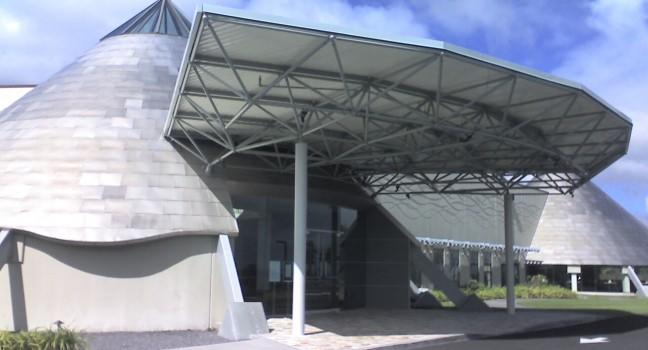
Part Hawaiian cultural center, part astronomy museum, part planetarium, this center provides community outreach for the astronomy program at the University of Hawaii at Hilo. With its interactive exhibits, full-dome planetarium shows, and regularly scheduled talks and events, the center is a must-see for anyone interested in the stars and planets, Hawaiian cultural history, and early Polynesian navigation. Admission includes one planetarium show and an all-day pass to the exhibit hall, which features more than 100 interactive displays. The lunch buffet at the adjoining Sky Garden Restaurant is popular and affordable. A five-minute drive from downtown Hilo, the center is located above the main campus at the university's Science and Technology Park.
If you make it all the way up here, you may have the place all to yourself, or at least feel like you do. The park's terraces are carved from a hill so steep that it's difficult to see if anyone else is there or not. Locals love this park because it feels like a secret—one of the city's magical hidden gardens, with a meditative setting and spectacular views of the bay peeking out from among the trees. A poet, Oakland librarian, and niece of Mormon prophet Joseph Smith, Ina Coolbrith introduced Jack London and Isadora Duncan to the world of books. For years she entertained literary greats in her Macondray Lane home near the park. In 1915 she was named poet laureate of California.
Independence Hall
Old City
Fodor's Choice
Share This
F11photo | Dreamstime.com
The birthplace of the United States, this redbrick building with its clock tower and steeple is one of the nation's greatest icons. It was constructed in 1732–56 as the Pennsylvania State House. What happened here between 1775 and 1787 changed the course of American history—and the name of the building to Independence Hall. The delegates to the Second Continental Congress met in the Assembly Room in May 1776, united in anger over British troops firing on citizens in Concord, Massachusetts. In this same room, George Washington was appointed commander in chief of the Continental Army, Thomas Jefferson's eloquent Declaration of Independence was signed, and later the Constitution of the United States was adopted. Here the first foreign minister to visit the United States was welcomed; the news of Cornwallis's defeat was announced, signaling the end of the Revolutionary War; and, later, John Adams and Abraham Lincoln lay in state. The memories this building holds linger in the collection of polished muskets, the silver inkstand used by delegates to sign the Declaration of Independence, and the "Rising Sun" chair in which George Washington sat. (After the Constitution was adopted, Benjamin Franklin said about the carving on the chair: "I have the happiness to know that it is a rising and not a setting sun.")
In the East Wing—attached to Independence Hall by a short colonnade—you can embark on free tours that start every 15 to 20 minutes and last 35 minutes. Admission is first-come, first-served; pick up free, timed tickets from the visitor center to avoid waiting in line. The West Wing of Independence Hall contains an exhibit of our nation's founding documents: the final draft of the Constitution, a working copy of the Articles of Confederation, and the first printing of the Declaration of Independence.
In front of Independence Hall, next to the statue of George Washington, note the plaques marking the spots where Abraham Lincoln stood on February 22, 1861, and where John F. Kennedy delivered an address on July 4, 1962. With Independence Hall in front of you and the Liberty Bell behind you, this is a place to stand for a moment and soak up a sense of history. From March through December and on major holidays, free, timed tickets from the Independence Visitor Center are required for entry. Tickets also can be reserved online. For tickets, visit www.recreation.gov/ticket/234639/ticket/90.
Indian Canyons
Fodor's Choice
Share This
Joseph Sohm / Shutterstock
The Indian Canyons are the ancestral home of the Agua Caliente Band of Cahuilla Indians. While hiking three canyons open to the public, you can see remnants of their ancient life, including rock art, house pits and foundations, irrigation ditches, dams, and food-preparation areas. Trails vary in length from 1.2 to 4.7 miles long, are classified as easy or moderate, and are lined with palm oases, waterfalls, rock formations, and, in spring, wildflowers. Tree-shaded picnic areas are abundant.
The Trading Post at the entrance to Palm Canyon, noted for its stand of Washingtonia palms, has trail maps and refreshments as well as Native American crafts. Endangered Peninsular Bighorn Sheep call Murray Canyon home. Fan palms and tall willows contrast with strange rock formations in Andreas Canyon. Ranger-led hikes and talks are included with paid admission, but only they occur from October through June. Note that no animals are allowed. While exploring the canyons, remember you are a guest amid the still-sacred tribal lands.
Iolani Palace
Downtown
Fodor's Choice
Share This
Bryan Busovicki / Shutterstock
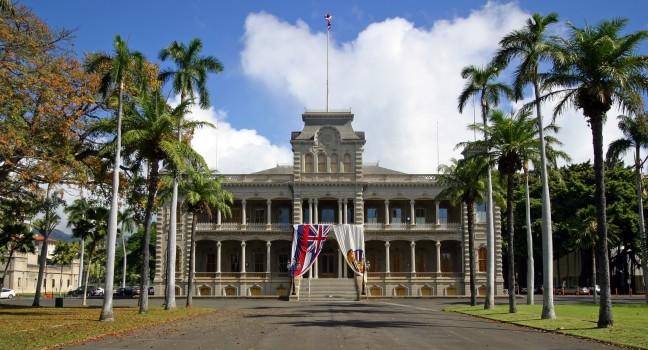
America's only official royal residence, on the site of an earlier palace, was completed in 1882 and contains the thrones of King Kalakaua and his successor (and sister) Queen Liliuokalani. Bucking the stereotype of simple island life, the palace had electric lights even before the White House. Downstairs galleries showcase the royal jewelry, as well as a kitchen and offices that have been restored to the glory of the monarchy era. The palace gift shop and ticket office are in what was formerly the Iolani Barracks, built to house the Royal Guard. The palace has self-guided audio tours, docent-led tours, and specialty tours.It's best to make reservations for guided tours a few days in advance.
Jackson Square
French Quarter
Fodor's Choice
Share This
gary718 / Shutterstock
Surrounded by historic buildings and atmospheric street life, this beautifully landscaped park is the heart of the French Quarter. St. Louis Cathedral sits at the top of the square, while the Cabildo and Presbytère, two Spanish colonial buildings, flank the church. The handsome brick apartments on each side of the square are the Pontalba Buildings. The park is landscaped in a sun pattern, with walkways radiating from the center—a popular garden design in the royal court of King Louis XIV, the Sun King. During the day, dozens of artists hang their paintings on the park fence and set up outdoor studios where they work on canvases or offer to draw portraits of passersby. These artists are easy to engage in conversation and are knowledgeable about many aspects of the Quarter and New Orleans. Musicians, mimes, tarot-card readers, and magicians perform on the flagstone pedestrian mall, many of them day and night.
Originally called the Place d'Armes, the square was founded in 1718 as a military parade ground. It was also the site of public executions carried out in various manners, including burning at the stake, beheading, breaking on the wheel, and hanging. A statue of Andrew Jackson, victorious leader in the Battle of New Orleans in the War of 1812, commands the center of the square; the park was renamed for him in the 1850s. The words carved in the base on the cathedral side of the statue ("The Union must and shall be preserved") are a lasting reminder of the Federal troops who occupied New Orleans during the Civil War and who inscribed them.
John Pennekamp Coral Reef State Park
Fodor's Choice
Share This
Microgen/istockphoto
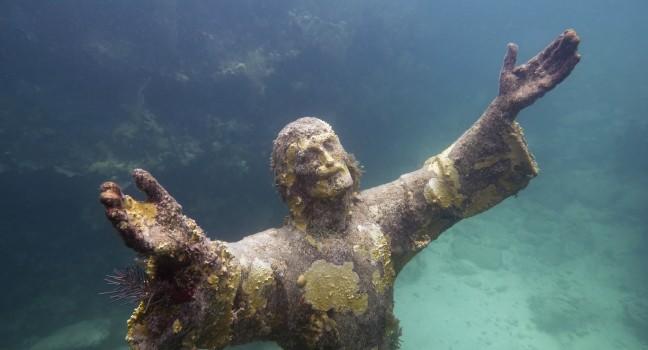
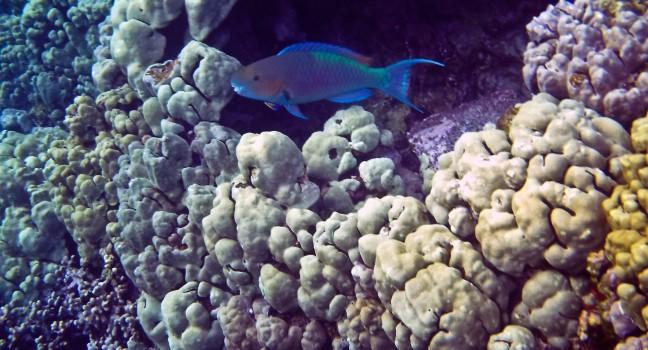
This state park is on everyone's list for easy access to the best diving and snorkeling in Florida. The underwater treasure encompasses 78 nautical square miles of coral reefs and sea-grass beds. It lies adjacent to the Florida Keys National Marine Sanctuary, which contains 40 of the 52 species of coral in the Atlantic Reef System and nearly 600 varieties of fish, from the colorful parrotfish to the demure cocoa damselfish. Whatever you do, get in the water. Snorkeling and diving trips ($39 and $90, respectively; equipment extra) and glass-bottom-boat rides to the reef ($32) are available, weather permitting. One of the most popular snorkel trips is to see Christ of the Deep, the 2-ton underwater statue of Jesus. The park also has nature trails, two man-made beaches, picnic shelters, a snack bar, and a campground. Amenities: food and drink; parking (fee); showers; toilets; water sports. Best for: snorkeling; swimming.
Kailua Beach Park
Fodor's Choice
Share This
Eddygaleotti | Dreamstime.com
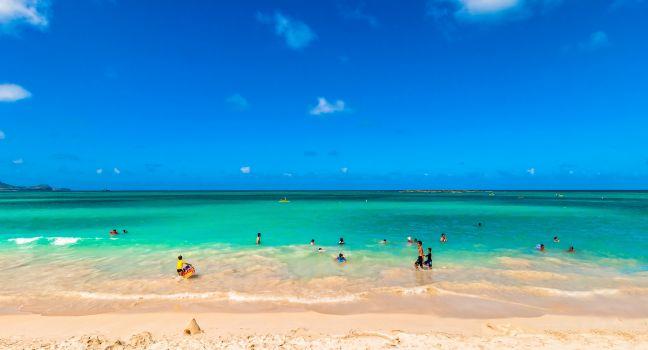
A cobalt-blue sea and a wide, continuous arc of powdery sand make this one of the island's best beaches, as illustrated by the crowds of local families who spend their weekend days here. The water is calm, a line of palms and ironwoods provides shade on the sand, and a huge park has picnic pavilions where you can escape the heat. This is also the "it" spot for windsurfing or kiteboarding, and you can rent kayaks nearby at Kailua Beach Adventures (130 Kailua Rd.) for day trips to the Mokulua Islands. Amenities: lifeguards; parking (no fee); showers; toilets; water sports. Best for: swimming; walking; windsurfing.
Kalalau Beach
Fodor's Choice
Share This
(c) Nainoac | Dreamstime.com
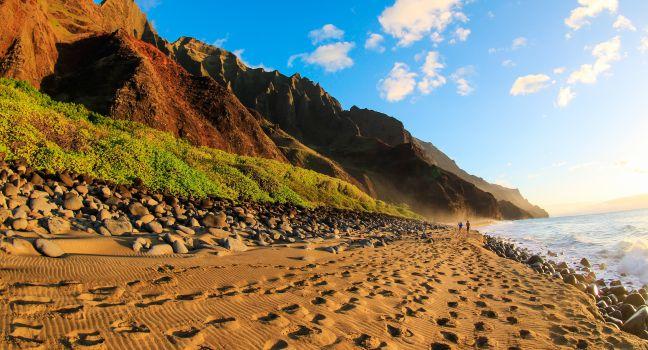
Located at the end of the trail with the same name, Kalalau is a remote beach in the spectacular Napali Coast State Wilderness Park. Reaching it requires an arduous 11-mile hike along sea-cliff faces (permit required), through steaming tropical valleys, and across sometimes-raging streams. The trail has zero-to-limited cell phone service and is recommended for experienced hikers only. Another option is to paddle a kayak to the beach—summer only, though, or else the surf is way too big. All boat and kayak tours must be through a permitted guided company. The beach is anchored by a heiau on one end and a waterfall on the other.
The safest time to come is summer, when the trail is dry and the beach is wide, cupped by low vegetated sand dunes and a large walk-in cave on the western edge. Day hikes into the valley offer waterfalls, freshwater swimming pools, and wild tropical fruits. Though state camping permits are required, the valley often has a significant illegal crowd, which has strained park facilities and degraded much of its former peaceful solitude. Helicopter overflights are near-constant in good weather. Amenities: none. Best for: solitude; sunset; walking.
Kapalua Bay Beach
Fodor's Choice
Share This
idreamphoto / Shutterstock
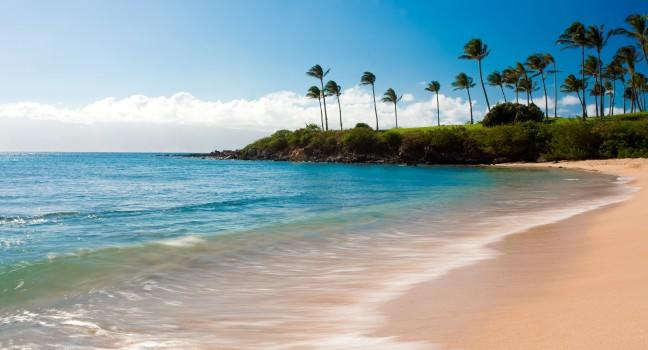
Over the years, Kapalua has been recognized as one of the world's best beaches, and for good reason: it fronts a pristine bay that is good for snorkeling, swimming, and general lazing. Just north of Napili Bay, this lovely sheltered shore often remains calm late into the afternoon, although currents may be strong offshore. Snorkeling is easy here, and there are lots of colorful reef fish. This popular area is bordered by the Kapalua Resort, so don't expect to have the beach to yourself. Walk through the tunnel from the parking lot at the end of Kapalua Place to get here. Amenities: parking (no fee); showers; toilets. Best for: snorkeling; sunset; swimming.
Kaunaoa Beach
Fodor's Choice
Share This
(c) Dmitriko | Dreamstime.com
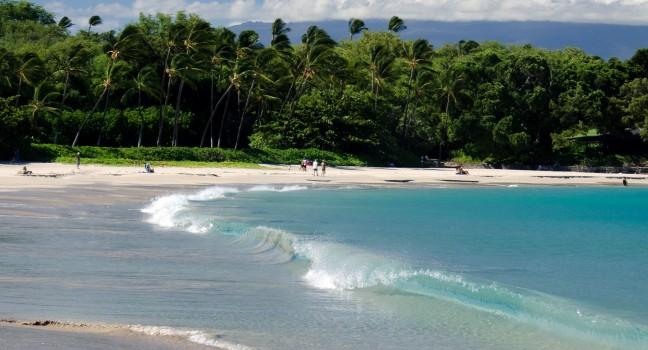
Hands down one of the most beautiful beaches on the island, if not the whole state, Kaunaoa features a short crescent of pure white sand framed by coconut palms. The beach, which fronts the Mauna Kea Beach Hotel, slopes very gradually, and there's great snorkeling along the rocks. Classic Hawaii postcard views abound, especially in winter, when snow tops Maunakea to the east. When conditions permit, waves are good for body and board surfing also. Currents can be strong in winter, so be careful. Get a cocktail at the beach cabana and enjoy the sunset.Public parking is limited to a few spaces, so arrive before 10 am or after 4 pm. If the lot is full, head to nearby Hapuna Beach, where there's a huge parking lot ($10 per vehicle). Try this spot again another day—it's worth it!Amenities: parking (no fee); showers; toilets; water sports. Best for: snorkeling; sunset; swimming; walking.
Kealakekua Bay State Historical Park
Fodor's Choice
Share This
(c) Cecoffman | Dreamstime.com
One of the most beautiful spots in the state, this underwater marine reserve has dramatic cliffs that surround super deep, crystal clear, turquoise water chock-full of stunning coral pinnacles and tropical fish. The federally protected dolphins that frequent the sanctuary should not be disturbed, as they use the bay to sleep and escape predators. There's very little sand at west-facing Napoopoo Beach, but this is a nice place to enter the water and swim (when the water is calm) as it's well protected from currents. There are no lifeguards, but there are bathrooms, a pavilion, shower, and limited parking. The Captain James Cook Monument, marking where the explorer died, is at the northern edge of the bay. Stay at least 300 feet from the shoreline along the cliffs, which have become unstable during recent earthquakes. A limited number of tour operators offer snorkeling and kayaking tours nearby.
Kekaha Kai State Park -- Mahaiula Side
Fodor's Choice
Share This
SYLVIO MICHEL / Shutterstock
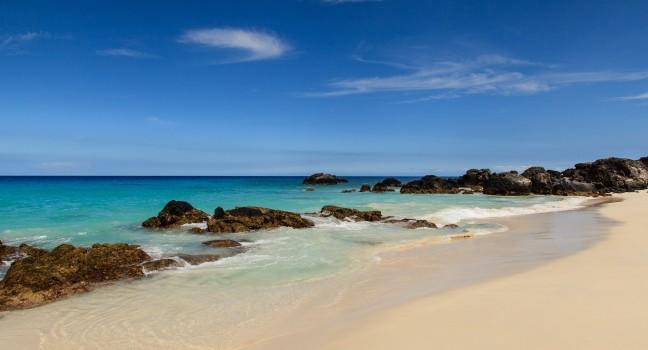
It's slow going down a 1.8-mile, bumpy but partially paved road off Highway 19 to this beach park, but the lovely beaches are worth it when you reach the end. Very low-profile rentals may have some trouble making the drive. This state park encompasses three beaches: from south to north, Mahaiula, Makalawena, and Kua Bay, which has its own entrance. Mahaiula and Makalawena are classically beautiful expanses of white sand with dunes. Makalawena has great swimming and body boarding. ( Makalawena, sandwiched between the two state parks, is private property and falls under the jurisdiction of Kamehameha Schools Bishop Estates.) Watch out for rough surf and strong currents, especially in winter. From Makalawena, a 4½-mile trail leads to Kua Bay. If you're game, work your way on foot to the top of Puu Kuili, a 342-foot-high cinder cone with a fantastic coastline view. But be prepared for the heat and bring water, as there are no services of any kind in the park. Gates at the highway entrance close promptly at 7, so you must leave the lot by about 6:30. Amenities: toilets. Best for: swimming.
Kerry Park
Queen Anne
Fodor's Choice
Share This
(c) Oliver7perez | Dreamstime.com
This 1¼-acre hillside park draws visitors up Queen Anne Hill for Seattle’s most iconic view. Facing south, you can frame the Space Needle, Downtown skyline, Elliott Bay, and, on clear days, majestic Mount Rainier in one perfect shot. It’s a spot made for memories. Politicians hold press events here, and couples often get engaged against the skyline. Just below, Bayview–Kinnear Park has a great playground for kids, and while you’re in the neighborhood, it’s worth strolling the surrounding blocks to admire the homes. Some people really do get to wake up to this view every day!
Key West Museum of Art & History
Fodor's Choice
Share This
(c) Jiawangkun | Dreamstime.com
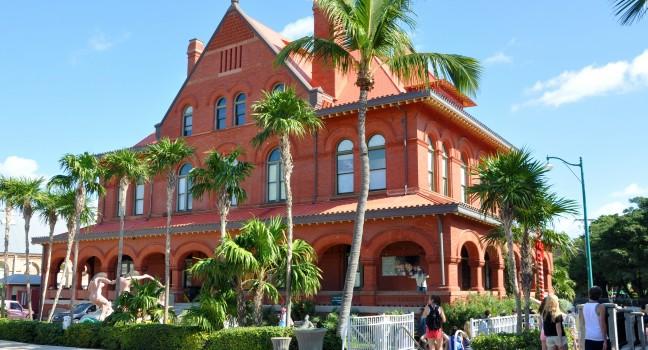
When Key West was designated a U.S. port of entry in the early 1820s, a customhouse was established. Salvaged cargoes from ships wrecked on the reefs were brought here, setting the stage for Key West to become—for a time—the richest city in Florida. The imposing redbrick-and-terra-cotta Richardsonian Romanesque–style building became a museum and art gallery in 1999. Smaller galleries have long-term and changing exhibits about the history of Key West, including a Hemingway room and a permanent Henry Flagler exhibit that commemorates the arrival of Flagler's railroad in Key West in 1912.
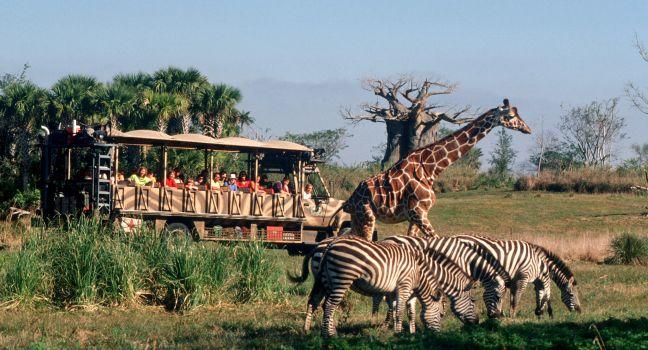
A giant Imagineered baobab tree is the starting point for exploring this animal sanctuary. Although re-creating an African safari in the United States isn't a new idea, with this one, great pains were taken to create an authentic environment, allowing you to observe rhinos, hippos, antelopes, wildebeests, giraffes, zebras, cheetahs, elephants, lions, and the like as if you were seeing them in the wild. Illustrated game-spotting guides are available above the seats in the open-air safari vehicles that lurch and bump over some 110 acres of savanna, forest, rivers, and rocky hills. You'll see most of the Harambe Reserve's 34 species of animals—sometimes so close you feel that you could reach out and touch them. It's easy to suspend disbelief here because the landscape and habitats are so effectively modeled and replenished by Disney horticulturists.
Keep an eye out for animal babies here and on the post-safari Pangani Forest Exploration Trail; the park's breeding programs have been extremely successful, with new additions including elephants, rhinos, okapi, giraffes, and several gorillas. It's a completely different experience at night, and the animals are often much more lively and interesting, so this experience definitely deserves a revisit. If you have to choose, the nighttime experience is probably superior.
Parents should hang on tightly to their small tykes. The ride is very bumpy and should be avoided by expectant guests or those with heart, back, or neck problems. For people with disabilities: Wheelchair accessible, but ECV users must transfer to standard wheelchairs. Equipped for assisted-listening and video-captioning devices. Guests with service animals should check with a host for boarding information.
During the hottest months, come first thing in the morning when animals are most active. Otherwise come at day's end when it cools down a bit or at night. For the best photo ops, ask to be seated in the very last row of seats (you might have to wait for the next vehicle) where you can pivot for an unobstructed view of the animals you just passed.
Kure Beach
Fodor's Choice
Share This
tony740607 / Shutterstock
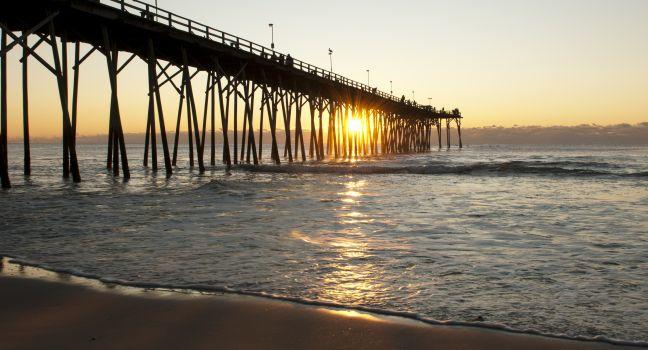
Family memories are made here on tall ocean piers where kids reel in their first big catches. You can swim, beachcomb, kiteboard over the big blue sea, or scuba dive down to find some of the Cape Fear Coast's dozens of shipwrecks. Wildlife excursions set off from various nature trails, birding sites, and miles of undeveloped beach at the southern end. Shorebirds and loggerhead sea turtles inhabit the remote reserve of Zeke's Island. At Fort Fisher, the Confederacy's largest earthen fort, you can trace Kure Beach's history. Amenities: food and drink; lifeguards (generally Memorial Day to Labor Day); parking (mostly no fee). Best for: sunrise; sunset; surfing; swimming; windsurfing.
Lafayette Cemetery No. 1
Garden District
Fodor's Choice
Share This
(c) Lightphoto | Dreamstime.com
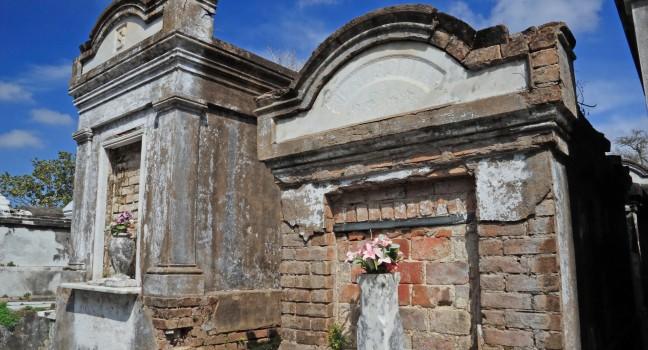
New Orleans found itself amid a large influx of Italian, German, Irish, and American immigrants from the North when this magnolia-shaded cemetery opened in 1833. Many who fought or played a role in the Civil War have plots here, indicated by plaques and headstones that detail the site of their death. Several tombs also reflect the toll taken by the yellow fever epidemic, which affected mostly children and newcomers to New Orleans; 2,000 yellow fever victims were buried here in 1852. Movies such as Interview with the Vampire and Double Jeopardy have used this walled cemetery for its eerie beauty. Unfortunately, following delays caused by Hurricane Ida and the pandemic, the cemetery is closed for repairs as of early 2024 with no set date to reopen; but many visitors still flock here to view graves from outside the gates.
Larimer Square
LoDo
Fodor's Choice
Share This
Arina P Habich / Shutterstock
This square, on the oldest street in the city, was immortalized by Jack Kerouac in his seminal book On the Road. It was saved from the wrecker's ball by a determined preservationist in the 1960s, when the city went demolition-crazy in its eagerness to present a more youthful image. Much has changed since Kerouac's wanderings: Larimer Square's rough edges have been cleaned up in favor of upscale retail and chic restaurants. The square has also become a serious late-night party district thanks to spillover from the expanded LoDo neighborhood and Rockies fans flowing out from the baseball stadium. Shops line the arched redbrick courtyards of Writer Square, one of Denver's most charming shopping districts.
Legion of Honor
Richmond
Fodor's Choice
Share This
Andrew Zarivny / Shutterstock
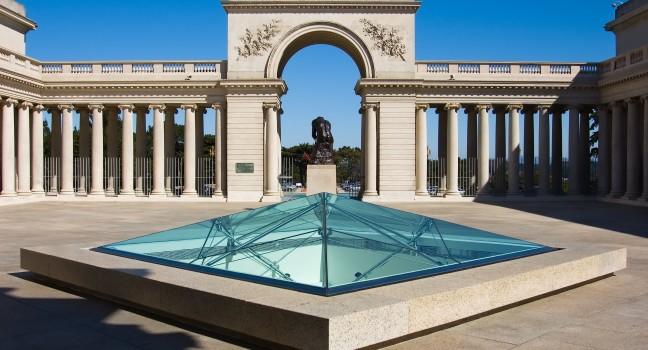
Built to commemorate soldiers from California who died in World War I and set atop cliffs overlooking the ocean, the Golden Gate Bridge, and the Marin Headlands, this beautiful Beaux Arts building in Lincoln Park displays an impressive collection of 4,000 years of ancient and European art. A pyramidal glass skylight in the entrance court illuminates the lower-level galleries, which exhibit prints and drawings, European porcelain, and ancient Assyrian, Greek, Roman, and Egyptian art. The 20-plus galleries on the upper level display European art (paintings, sculpture, decorative arts, and tapestries) from the 14th century to the present day. The Auguste Rodin collection includes two galleries devoted to the master and a third with works by Rodin and other 19th-century sculptors. An original cast of Rodin's The Thinker welcomes you as you walk through the courtyard. Also impressive is the 4,526-pipe Spreckels Organ; live concerts take advantage of the natural sound chamber produced by the building's massive rotunda. As fine as the museum is, the setting and view outshine the collection.
Liberty Bell Center
Old City
Fodor's Choice
Share This
drbueller / iStockphoto
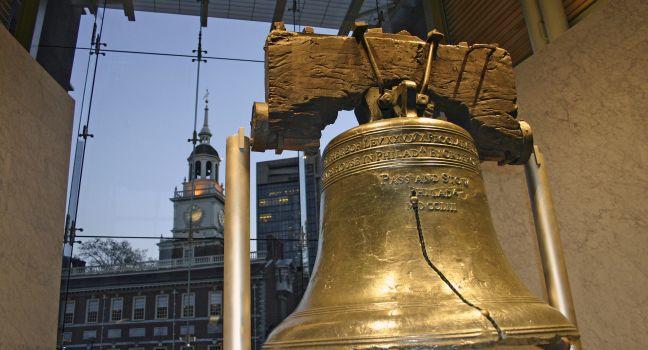
The bell fulfilled the words of its inscription when it rang to "proclaim liberty throughout all the land unto all the inhabitants thereof," beckoning Philadelphians to the State House yard to hear the first reading of the Declaration of Independence. Ordered in 1751 and originally cast in England, it cracked during testing and was recast in Philadelphia by Pass and Stow two years later. To keep it from falling into British hands during the Revolution—they would have melted it down for ammunition—it was spirited away by horse and wagon to Allentown, 60 miles to the north. The Liberty Bell is the subject of much legend; one story says it cracked when tolled at the funeral of Chief Justice John Marshall in 1835. Actually, the bell cracked slowly over a period of years. It was repaired but cracked again in 1846 and was then forever silenced. It was called the State House Bell until the 1830s, when a group of abolitionists adopted it as a symbol of freedom and renamed it the Liberty Bell.
After more than 200 years inside Independence Hall, the bell was moved to a glass-enclosed pavilion for the 1976 Bicentennial, which for many seemed an incongruous setting for such a historic object. In mid-2003 it once again moved to another glass-enclosed pavilion with redbrick accents. This time, great care was taken to improve access and viewing of its former home at Independence Hall, which is seen against the backdrop of the sky—rather than 20th-century buildings. The Liberty Bell complex houses a bell chamber, an interpretive exhibit area with historic displays and memorabilia, and a covered area for waiting in line. The bell is clearly visible from outside, day or night, so if time is an issue (or if the lines are very long), you can see it without entering the building.
During construction for the bell's current home, the foundation and other archaeological remains of the President's House, the home of the nation's chief executives before the capital shifted to Washington, D.C., were discovered, as well as evidence of slaves owned by President George Washington, who lived there during his time in office. A new permanent installation includes a series of video panels focusing on the stories of the nine enslaved African Americans, as well as glass panels through which you can view the remains of the structure's foundation.
Library of Congress
Capitol Hill
Fodor's Choice
Share This
F11photo | Dreamstime.com
Founded in 1800, the largest library in the world has more than 173 million items on approximately 838 miles of bookshelves. Only 51 million of its holdings are books—the library also has 3.6 million recordings, 14 million photographs, 5.5 million maps, 8.1 million pieces of sheet music, and 70 million manuscripts. Also here is the Congressional Research Service, which, as the name implies, works on special projects for senators and representatives.
Opened in 1897, the copper-domed Thomas Jefferson Building is the oldest of the three buildings that make up the library. The dome, topped with the gilt "Flame of Knowledge," is ornate and decorative, with busts of Dante, Goethe, and Nathaniel Hawthorne perched above its entryway. The Court of Neptune, Roland Hinton Perry's fountain at the front steps, rivals some of Rome's best fountains.
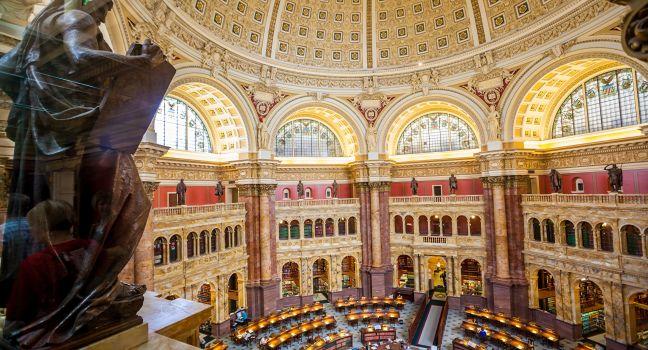
The Jefferson Building opens into the Great Hall, richly adorned with mosaics, paintings, and curving marble stairways. The octagonal Main Reading Room, its central desk surrounded by mahogany readers' tables under a 160-foot-high domed ceiling, inspires researchers and readers alike. Computer terminals have replaced card catalogs, but books are still retrieved and dispersed the same way: readers (16 years or older) open a free reader identification card issued by the library, hand request slips to librarians and wait for their materials to be delivered. Researchers aren't allowed in the stacks, and only members of Congress and other special borrowers can check books out. Items from the library's collection—which includes one of only three perfect Gutenberg Bibles in the world—are on display in the Jefferson Building's second-floor Southwest Gallery and Pavilion. Free timed-entry passes are required for entry.
The Library puts on some amazing exhibits from its vast collection, including musical instruments, early maps, and baseball cards!
Subscribe to Newsletter
Sign up for Travel Tips & News
I want emails from Fodor's Travel with travel information and promotions. I can unsubscribe
any time using the unsubscribe link at the end of all emails.
Thank you for your interest!
Look out for our newsletters with travel tips and special offers.
Sign up for Travel Tips & News
By signing up for the
newsletter, I agree to the Privacy Policy. You must check the box to subscribe
Thank you for your interest!
Look out for our newsletters with travel tips and special offers.