Get FREE email communications from Fodor's Travel, covering must-see travel destinations, expert
trip planning advice, and travel inspiration to fuel your passion.
We've compiled the best of the best in USA - browse our top choices for the top
things to see or do during your stay.
Sorry! We don't have any recommendations for USA right now.
Sights Filter
Cliff Palace
Fodor's Choice
Share This
Bryan Brazil / Shutterstock
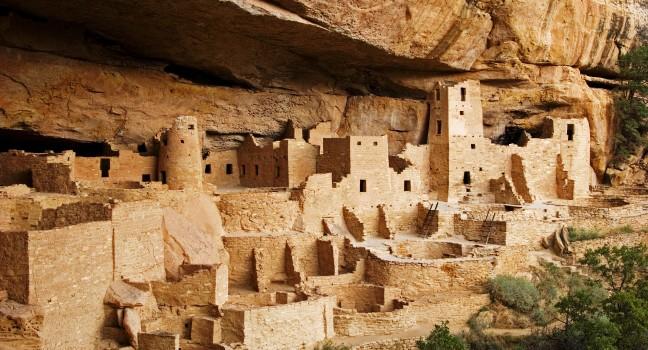
This was the first major Mesa Verde dwelling seen by cowboys Charlie Mason and Richard Wetherill in 1888. It is also the largest, containing about 150 rooms and 23 kivas on three levels. Getting there involves a steep downhill hike and three ladders. You may enter Balcony House or Cliff Palace by ranger-guided tour only so purchase tickets in advance.
The 90-minute, small-group "twilight tours" at sunset present this archaeological treasure with dramatic sunset lighting. Tour tickets are only available in advance at the Visitor and Research Center, Morefield Ranger Station, Durango Welcome Center, and online at www.recreation.gov.
Colorado National Monument
Fodor's Choice
Share This
Fernley | Dreamstime.com
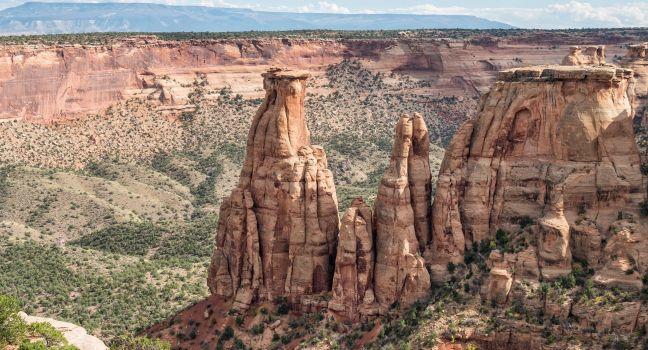
Sheer red rock cliffs open to 23 miles of steep canyons and thin monoliths that sprout as high as 450 feet from the floor of Colorado National Monument. This vast tract of rugged, ragged terrain was declared a national monument in 1911 at the urging of an eccentric visionary named John Otto. Now it's popular for rock climbing, horseback riding, cross-country skiing, biking, and camping. Cold Shivers Point is just one of the many dramatic overlooks along Rim Rock Drive, a 23-mile scenic route with breathtaking views. The town of Fruita, at the base of Colorado National Monument, is a haven for mountain bikers and hikers. It makes a great center for exploring the area's canyons—whether from the seat of a bike or the middle of a raft, heading for a leisurely float trip.
The Country Music Hall of Fame and Museum
SoBro
Fodor's Choice
Share This
Sean Pavone / Shutterstock
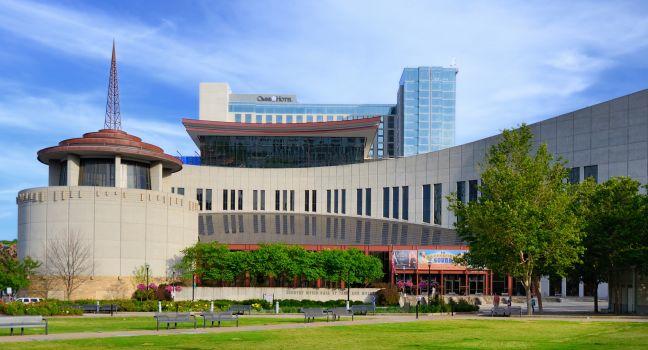
This tribute to country music's finest is a full city block long, filled with plaques and exhibits highlighting performers from the old-time favorites to the latest generation of stars, a two-story wall with gold and platinum country records, a theater, and Elvis Presley's \"solid-gold\" 1960 Cadillac limo referred to as such because it has 24-karat gold-plated trim, 40 coats of a \"diamond dust pearl\" paint, and a gold-plated TV. Tours of the Historic RCA Studio B recording studio are also run by the museum. Their extensive collection of memorabilia and rotating exhibits make this an essential stop for any music fan or history buff.
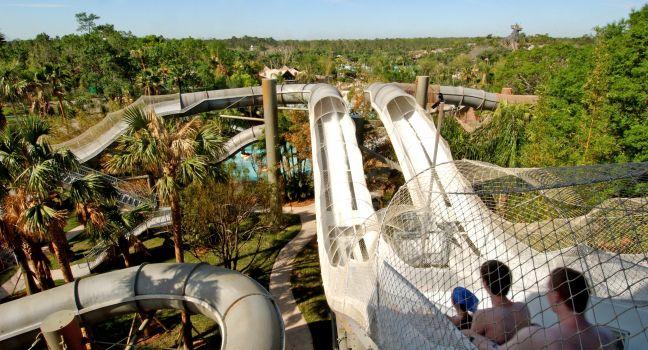
Get ready to defy gravity on Disney's multipassenger water coaster, which is designed to propel you uphill and down along flumes, caverns, and spillways. Keeping with park lore, Crush ’n’ Gusher flows through what appears to be a rusted-out tropical fruit factory, weaving in and out of the wreckage and debris that once transported fruit through the plant's wash facilities. Three "fruit chutes" are aptly named Banana Blaster, Coconut Crusher, and Pineapple Plunger—one of which is designed for solo riders. Guests shouldn't ride if they are pregnant or have heart, back, or neck problems. For people with disabilities: An elevator takes guests using wheelchairs to the loading area; there's a short distance between this area and the ride.
Ride first thing in the morning before lines get too long. And don't forget to say cheese for the cameras!
CSKT Bison Range
Fodor's Choice
Share This
Larsek / Shutterstock
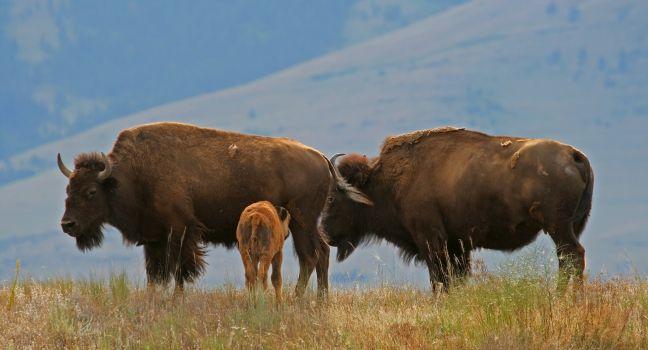
The Red Sleep Mountain Drive, a 19-mile loop road, allows close-up views of bison, elk, pronghorn, deer, and mountain sheep. The gravel road rises 2,000 feet and takes about two hours to complete; you're required to begin the drive no later than 6 pm and to finish before the gate closes at 8 pm. The 19,000-acre refuge at the foot of the Mission Mountains was established in 1908 by Theodore Roosevelt. Today the Confederated Salish and Kootenai Tribes own the refuge and manage the herd of approximately 350 bison. A visitor center explains the history, habits, and habitat of the bison. To reach the bison range, follow the signs west, then north from the junction of U.S. 93 and Route 200 in Ravalli.
Denali
Fodor's Choice
Share This
Lowthian | Dreamstime.com
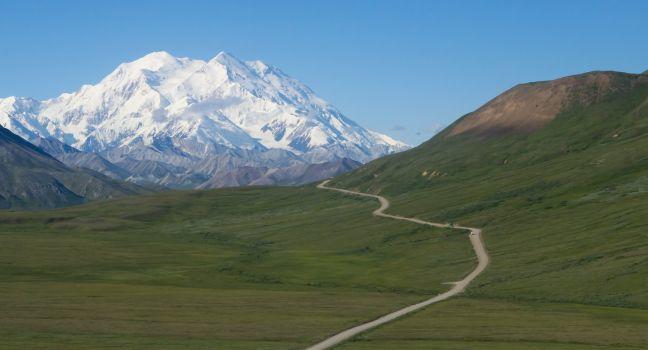
In the heart of mainland Alaska, within 6-million-acre Denali National Park and Preserve, the continent's most majestic peak rises into the heavens. Formerly known as Mt. McKinley, this 20,310-foot massif of ice, snow, and rock has been renamed to honor its Alaska Native name, Denali, or "the High One." Some simply call it "the Mountain." One thing is certain: it's a giant among giants, and the most dominant feature in a land of extremes and superlatives. Those who have walked Denali's slopes know it to be a wild, desolate place. As the highest peak in North America, Denali is a target of mountaineers who aspire to ascend the "seven summits"—the tallest mountains of each of the seven continents. A foreboding and mysterious place, it was terra incognita—unclimbed and unknown to most people—as recently as the late 1890s. Among Athabascan tribes, however, the mountain was a revered landmark; many generations regarded it as a holy place and a point of reference. The mountain's vertical rise is the highest in the world. This means that at 18,000 feet over the lowlands (which are some 2,000 feet above sea level), Denali's vertical rise is even greater than that of Mt. Everest at 29,035-feet (which sits 12,000 feet above the Tibetan plateau, some 17,000 feet above sea level). Denali's awesome height and its subarctic location make it one of the coldest mountains on Earth, if not the coldest. Primarily made of granite, Denali undergoes continual shifting and uplift thanks to plate tectonics (the Pacific Plate pushing against the North American Plate); it grows about 1 millimeter per year.
Denver Art Museum
Civic Center
Fodor's Choice
Share This
Benkrut | Dreamstime.com
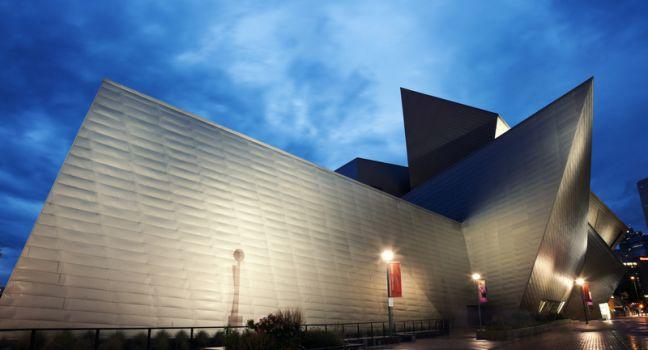
Unique displays of Asian, pre-Columbian, Spanish colonial, and Native American art are the hallmarks of this model of museum design. Among the museum's regular holdings are John DeAndrea's life-size polyvinyl painting Linda (1983); Claude Monet's dreamy flowerscape Le Bassin aux Nympheas (1904); and Charles Deas's red-cowboy-on-horseback Long Jakes, the Rocky Mountain Man (1844). The works are thoughtfully lighted, though dazzling mountain views through hallway windows sometimes steal your attention. Imaginative hands-on exhibits, game- and puzzle-filled Family Backpacks, and video corners will appeal to children; the Adventures in Art Center has hands-on art classes and exploration for children and adults. The museum doubled in size with the 2007 opening of the Frederic C. Hamilton building, a 146,000-square-foot addition designed by architect Daniel Libeskind that has prompted debate: some say the glass-and-titanium design has ruined the view, while others think the building is a work of art in its own right. To the east of the museum is an outdoor plaza—you'll know it by the huge orange metal sculpture—that leads to the Denver Public Library next door.
Diamond Head State Monument
Waikiki
Fodor's Choice
Share This
(c) Sgoodwin4813 | Dreamstime.com
Panoramas from this 760-foot extinct volcanic peak, which was once used as a military fortification, extend from Waikiki and Honolulu in one direction and out to Koko Head in the other, with surfers and windsurfers scattered like confetti on the cresting waves below. The 360-degree perspective is a great orientation for first-time visitors. On a clear day, look east past Koko Head to glimpse the outlines of the islands of Maui and Molokai.
Reservations to enter this popular park are required in advance for those who are not Hawaii residents, and an entrance and parking fee must be paid via credit card. You can reserve up to 30 days in advance; the last reservation is 4 pm. From Waikiki, take Kalakaua Avenue east, turn left at Monsarrat Avenue, head a mile up the hill, and look for a sign on the right. Drive through the tunnel to the inside of the crater. The ¾-mile trail to the top begins at the parking lot, and the hike up to the crater is steep, with numerous stairs to climb. So if you aren't in the habit of getting occasional exercise, this might not be for you. At the top, you have a somewhat awkward scramble through a dark tunnel and bunker out into the open air, but the view is worth it.
As you walk, note the color of the vegetation: if the mountain is brown, Honolulu has been without significant rain for a while, but if the trees and undergrowth glow green, you'll know it's the wet season (winter) without looking at a calendar. Winter is when rare Hawaiian marsh plants revive on the floor of the crater. Wear closed-toe shoes or sneakers, a hat, and take bottled water with you to stay hydrated under the tropical sun. There are no water stations (or any shade) along the hike. Keep an eye on your watch if you're here at day's end: the gates close promptly at 6 pm. To beat the heat and the crowds, rise early and make the hike before 8 am.
Dinosaur National Monument
Fodor's Choice
Share This
Donald Fink | Dreamstime
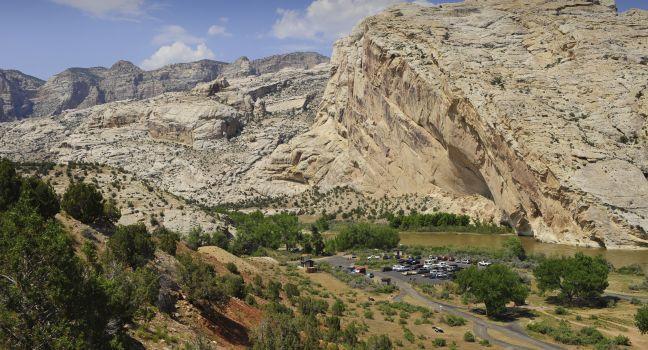
Straddling the Colorado–Utah border, Dinosaur National Monument is a must for any dinosaur enthusiast. A two-story hill teeming with fossils—many still in the complete skeletal shapes of the dinosaurs—greets visitors at one of the few places in the world where you can touch a dinosaur bone still embedded in the earth. The Colorado side of the park offers some of the best hiking in the West, along the Harpers Corner and Echo Park Drive routes and the ominous-sounding Canyon of Lodore (where the Green River rapids buffet rafts). The drive is accessible only in summer—even then, four-wheel drive is preferable—and some of the most breathtaking overlooks are well off the beaten path.
Discovery Park
Fodor's Choice
Share This
kathmanduphotog / Shutterstock
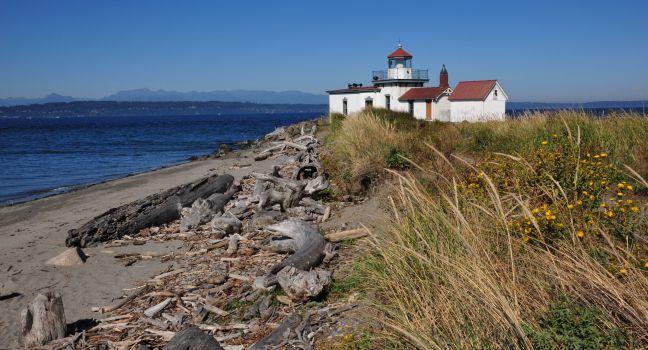
You won't find more spectacular views of Puget Sound, the Cascades, and the Olympics. Located on Magnolia Bluff, northwest of Downtown, Seattle's largest park covers 534 acres and has an amazing variety of terrain: shaded, secluded forest trails lead to meadows, saltwater beaches, sand dunes, a lighthouse, and two miles of protected beaches. The North Beach Trail, which takes you along the shore to the lighthouse, is a must-see. Head to the South Bluff Trail to get a view of Mt. Rainier. The park has several entrances—if you want to stop at the visitor center to pick up a trail map before exploring, use the main entrance at Government Way. The North Parking Lot is much closer to the North Beach Trail and to Ballard and Fremont, if you're coming from that direction. First-come, first-served beach parking passes for the disabled, elderly, and families with small children are available at the Learning Center. Note that the park is easily reached from Ballard and Fremont. It's easier to combine a park day with an exploration of those neighborhoods than with a busy Downtown itinerary.
Dorset Quarry
Fodor's Choice
Share This
Lynne Albright / Shutterstock
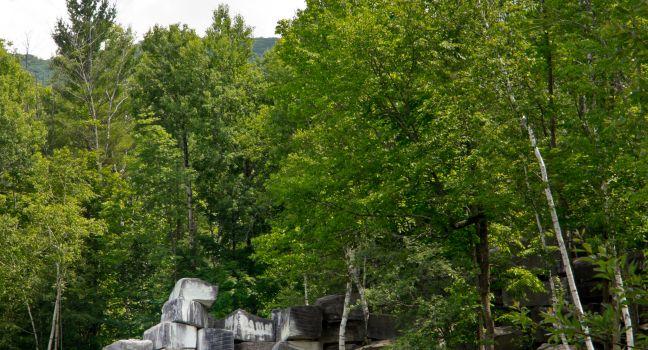
On hot summer days the sight of dozens of families jumping, swimming, and basking in the sun around this massive 60-foot-deep swimming hole makes it one of the most wholesome and picturesque recreational spots in the region. First mined in 1785, the stone from the country's oldest commercial marble quarry was used to build the main branch of the New York Public Library and the Montreal Museum of Fine Arts.
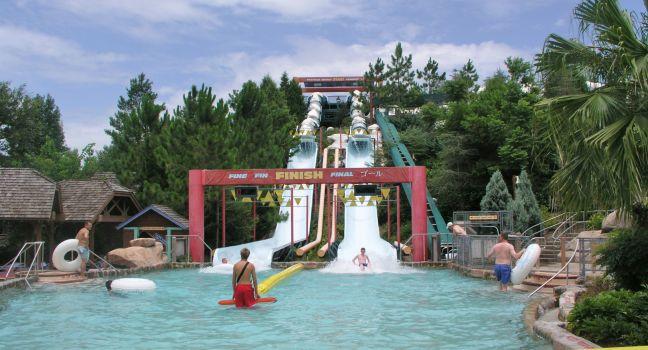
If you're on your way to Snow Stormers or Toboggan Racers on the purple slopes, you might notice this cool-looking slide on the left. It's well worth the stop, as you're timed from blastoff to finish line! Competition can get heated as kids (48 inches or taller) vie for the glory of fastest speed slider, but even the least competitive will enjoy tearing down Mt. Gushmore in their racing tubes. Expectant mothers shouldn't ride, nor should guests with heart conditions or neck or back problems. For people with disabilities: Guests using wheelchairs must transfer to the tube-launch site. Ride early; this popular purple-slope attraction gets crowded after lunch.
Dungeness Spit
Fodor's Choice
Share This
Eugene Kalenkovich / Shutterstock
Curving nearly 6 miles into the Strait of Juan de Fuca, the longest natural sand spit in the United States is a wild, beautiful section of shoreline. More than 30,000 migratory waterfowl stop here each spring and fall, but you'll see plenty of birdlife year-round. The entire spit is part of the Dungeness National Wildlife Refuge. You can access it from the trail that begins in the 216-acre Dungeness Recreation Area, which serves as a portal to the shoreline. At the end of the spit is the towering white 1857 New Dungeness Lighthouse (www.newdungenesslighthouse.com). Tours, including a 74-step climb to the top, are available, though access is limited to those who can hike 5½ miles or paddle about 3½ miles out to the end of the spit—the closest launch is from Cline Spit County Park, and boaters are required to call the refuge office before landing. You can also enroll to serve a one-week stint as a lighthouse keeper. If you'd prefer not to make the long trek to the lighthouse, an endeavor you should only attempt at low tide to avoid having to climb over massive driftwood logs, you can still take in beautiful scenery and spot myriad wildlife by hiking a mile or so out along the spit and back.
Ebey's Landing National Historic Reserve
Fodor's Choice
Share This
2009fotofriends / Shutterstock
The reserve encompasses a sand-and-cobble beach, bluffs with dramatic views down the Strait of Juan de Fuca, two state parks (Ft. Casey and Ft. Ebey; see separate listings), and several privately held pioneer farms homesteaded in the early 1850s. The first and largest reserve of its kind holds nearly 400 nationally registered historic structures (including those located within the town of Coupeville), most of them from the 19th century. Miles of trails lead along the beach and through the woods. Cedar Gulch, south of the main entrance to Ft. Ebey, has a lovely picnic area in a wooded ravine above the beach.
Ellis Island
Financial District
Fodor's Choice
Share This
Sean Pavone / Shutterstock
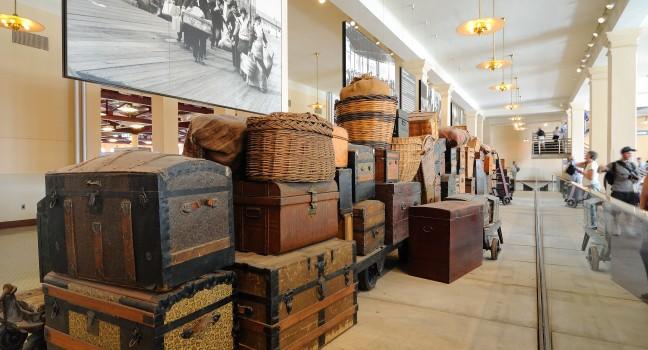
Between 1892 and 1924, millions of people first entered the United States at the Ellis Island federal immigration facility. When the complex closed in 1954, it had processed the ancestors of nearly 40% (more than 100 million) of Americans living today. The island's main building, now a national monument, is known as the Ellis Island National Museum of Immigration, and it tells the story not just of Ellis Island but of immigration from the Colonial era to the present day, through numerous galleries containing artifacts, photographs, and taped oral histories. The museum's centerpiece is the cavernous, white-tile Registry Room (also known as the Great Hall). There's much to take in, so make use of the museum's interpretive tools. Check at the visitor desk for free film tickets, a good audio tour, ranger-led tour times, and special programs.
\n
There is no admission fee for the Statue of Liberty or Ellis Island, but an adult ferry ride (from Battery Park to Liberty Island to Ellis Island) costs $25.50 round-trip. Ferries leave from Battery Park (and from Liberty State Park in New Jersey) every 25–30 minutes depending on the time of year (buy your tickets online at www.statuecruises.com). There are often long security lines, so arrive early, especially if you have a timed-entry ticket. There is an indoor-outdoor café on Ellis Island.
Emerald Bay State Park
Fodor's Choice
Share This
Kit Leong / Shutterstock
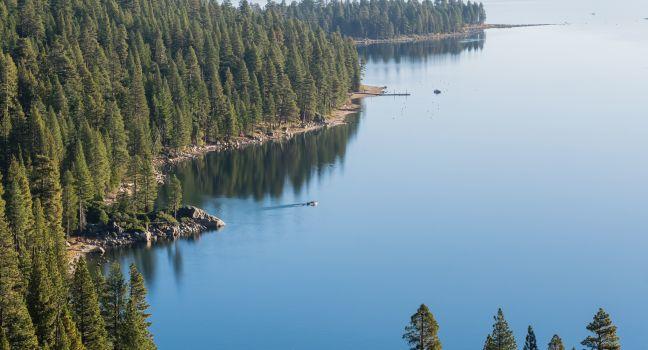
Millions of years ago, a massive glacier carved this 3-mile-long and 1-mile-wide fjord-like inlet. Famed for its jewel-like shape and colors, the bay surrounds Fannette, Lake Tahoe's only island. Highway 89 curves high above the lake here; from the Emerald Bay lookout, the park's centerpiece, you can survey the whole scene. The bay is one of Lake Tahoe's don't-miss views. The light is best in mid- to late morning, when the bay's colors pop.
Empire State Building
Murray Hill
Fodor's Choice
Share This
CristinaMuraca/Shutterstock
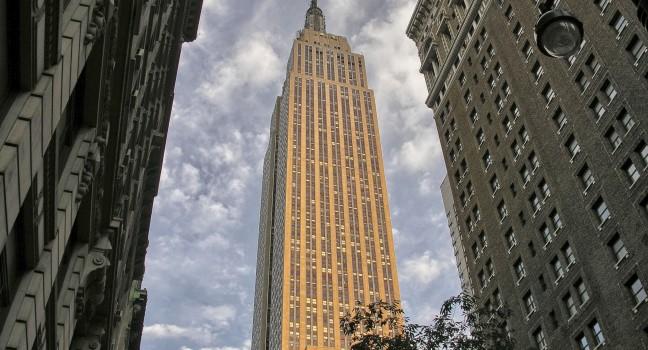
With a legendary silhouette recognizable virtually worldwide, the Empire State Building is an Art Deco monument to progress, a symbol of NYC, and a star in many romantic scenes—on- and off-screen. Built in 1931 at the peak of the skyscraper craze, this 103-floor limestone giant opened after 13 months of construction. The framework rose at a rate of 4½ stories per week, making the Empire State Building the fastest-rising skyscraper ever built, to date.
\n
Enter the visitor experience in the building's designated Observatory lobby—a two-story hall off 34th Street—and exit through the building's illustrious 5th Avenue lobby. Purchase or retrieve prepurchased timed tickets at kiosks, then head to the 10,000-square-foot Second Floor Galleries to learn all about the skyscraper—from its engineering to its role in modern culture (including a fun photo op with King Kong himself). There are interactive experiences, along with marvelous Art Deco details throughout.
\n
Rise from Floor 2 to reach Floor 80's enclosed observatory, with interactive kiosks to create custom NYC itineraries and an impressive NYC skyline drawing by memory artist Steven Wiltshire. Then head to the 86th-floor observatory (1,050 feet high) to find another enclosed area and the spectacular wraparound outdoor deck. The views from the compact 102nd-floor observatory are better still, though it comes with an extra price tag. A new Sunrise@ESB experience ($135) provides preopening access to the 86th floor observation deck on Saturday morning to watch the sunrise with pastries and a custom Starbucks coffee. A Starbucks Reserve Store opened inside the building in 2022.
\n
Expect long lines during peak tourist times/seasons—best avoided with weekday morning or winter visits. Plan for three-plus hours to absorb the full experience and to pass through security. Save time by purchasing tickets online in advance. The building opens the stairs from the 86th floor down to the 80th floor on busy days so visitors can bypass any potential lines.
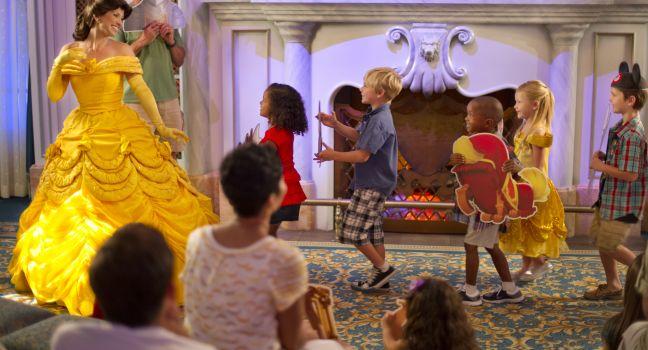
Stroll the path through an artfully planted woodland and meadow to a rustic French cabin complete with waterwheel, where Belle's father, Maurice, tinkers with his inventions. The small homestead oozes Belle's provincial life, with a giant pot hanging in the fireplace and books stacked on a simple wooden chair. Inside her father's workshop, amid blueprints and tools, a giant gold-framed mirror hangs. A costumed cast member welcomes your group to the workshop (Bonjour!) and implores everyone to chant, "Take me back to the day Belle and Beast fell in love!" Voilà! The mirror becomes an animated screen straight from the Disney film Beauty and the Beast before transforming into a portal that leads to an elegant room of Beast's Castle.
Inside, an Audio-Animatronic Madame Armoire encourages you to grab props and play character roles from the "tale as old as time." Then it's on to the library, where a spot-on Audio-Animatronic Lumiere holds court from the mantle. Grab a cushy bench as a coiffed actress playing Belle joins you to perform a scene from the enchanted tale. You'll dance around the room to "Be Our Guest," and you might shed a tear as the interactive story unfolds. This live performance gets to the heart of Disney storytelling, and every participant poses for photos with Belle before a very happy ending. For people with disabilities: Wheelchair accessible; equipped for handheld captioning and assisted listening. This is a slow-moving line that is mostly outside, so visit here first thing in the morning.
Ephrata Cloister
Fodor's Choice
Share This
(c) Leesniderphotoimages | Dreamstime.com
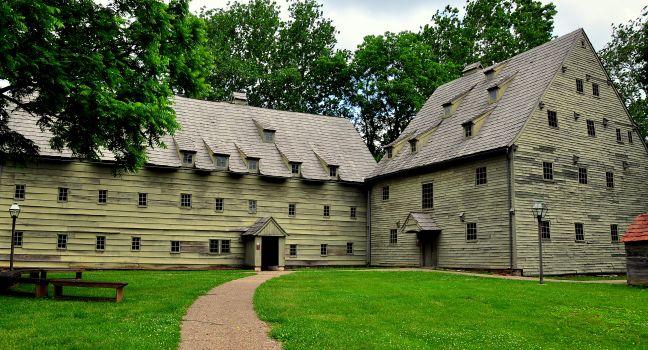
Formerly the home of a unique monastic community, Ephrata Cloister was founded in 1732 by German immigrant Conrad Beissel. He assembled a secluded society of 80 celibate brothers and sisters who lived an austere life of work, study, and prayer. On 250 acres of wilderness, the sect built 30 structures, including a monastery and a printing press. The last celibate member died in 1813, and the members who lived outside the cloister closed the church in 1934. The Commonwealth of Pennsylvania turned the complex into a museum that now offers 75-minute tours of two restored buildings. You can poke through nine others on your own, including the stable, printshop, and crafts shop.
Expedition Everest—Legend of the Forbidden Mountain
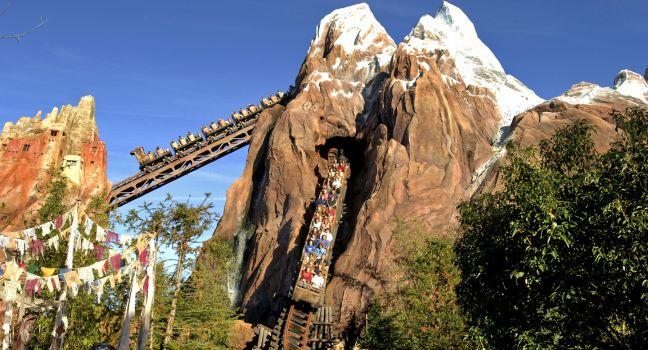
A fierce yeti guards the route to Mt. Everest. Of course, you're willing to risk running across the big guy in your roller-coaster quest to reach the summit. So, you board an "aging," seemingly innocuous, 34-passenger, steam-engine train into the mountains. You roll past bamboo forests, waterfalls, and glacier fields as you climb higher through snowcapped peaks. Suddenly, the train becomes a runaway, barreling forward then backward around icy ledges and through dark snowy caverns. Nearly a mile of twists and turns cut through the dark mountain, and, at one point, your train plunges a harrowing 80 feet. Will you find the yeti?
Buildings along the queue look like Himalayan mountain dwellings and teem with things like prayer flags, totems, and other artifacts from Tibet, Nepal, and the entire region. Because of the backwards portion of the ride, those wanting a wilder experience should ride up front.
Pregnant women or guests with back, neck, or heart problems shouldn't ride. For people with disabilities: You must transfer from your wheelchair to a ride vehicle; ask a cast member about the Transfer Practice Vehicle. No service animals. If you don't head straight to Pandora come here first. Also, you can take little ones to nearby Finding Nemo: The Big Blue . . . and Beyond! while older kids do this ride.
If you think you've seen enough Lion King to last a lifetime, you're wrong—unless you've seen this show. Disney presents a delightful celebration of song, dance, and acrobatics that uses huge moving stages and floats. The show's singers are first-rate; lithe dancers wearing exotic animal-theme costumes portray creatures in the wild. Timon, Pumba, and other Lion King stars have key roles. The show is presented in the Harambe Theater in the park's Africa area. For people with disabilities: Wheelchair- and ECV-accessible; equipped for assisted-listening and handheld-captioning devices; sign-language interpretation is sometimes offered. If you aren't using Genie+, arrive 30–40 minutes before showtime. If you have a child who might want to go on stage, try to sit up front to increase his or her chance of being chosen.
A recent update to this show sped up the storytelling but kept the beautiful costumes and puppets and the infectious tunes—including the heart-warming "Big Blue World"—from the previous Finding Nemo musical. For people with disabilities: Wheelchair accessible. Equipped with reflective captioning and for audio-description and assisted-listening devices. Check with Guest Relations for sign-language schedule. Arrive 30 to 40 minutes before showtime. Bring little kids here while older tweens and teens ride nearby Expedition Everest over in Asia.
Ford's Theatre
Downtown
Fodor's Choice
Share This
EdStock / iStockphoto
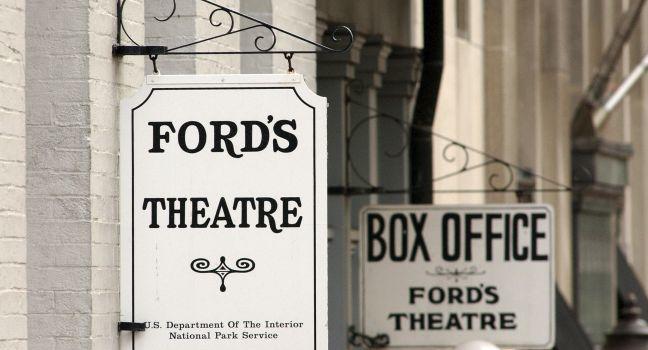
April 14, 1865, shocked the nation: during a performance of Our American Cousin, John Wilkes Booth entered the Presidential Box at Ford's Theatre and shot Abraham Lincoln in the back of the head; the president died later that night. This block-long, Lincoln-centered, cultural campus encompasses four sites. In the Museum, you'll explore Lincoln's presidency and Civil War milestones and learn about Booth and those who joined his conspiracy to topple the government. Artifacts include Lincoln's clothing and weapons used by Booth. The Theatre, which stages performances throughout the year, is restored to look as it did when Lincoln attended, including the Presidential Box draped with flags as it was on the night he was shot. In the restored Petersen House, you can see the room where Lincoln died and the parlor where his wife, Mary Todd Lincoln, waited in anguish through the night.
The centerpiece of the Aftermaths Exhibits at the Center for Education and Leadership is a jaw-dropping, three-story tower of 6,800 books written about Lincoln. Visitors take an immersive step back in time, entering a 19th-century street scene where they find a reproduction of Lincoln's funeral train car and see its route to Springfield, Illinois. Visitors also learn about the chase for John Wilkes Booth and his co-conspirators' trial, and they interact with an "escape map" to the tobacco barn where Booth was captured. Exhibits also explore the fate of Lincoln's family after his death, explain the milestones of Reconstruction, and describe Lincoln's legacy and enduring impact on U.S. and world leaders. A visit ends with a multiscreen video wall that shows how Lincoln's ideas resonate today.
Visits to Ford's Theatre require a free, timed-entry ticket. Same-day tickets are available at the theater box office beginning at 8:30 am on a first-come, first-served basis. You can also reserve tickets in advance at www.fords.org with a $3 fee per ticket.
Forsyth Park
Fodor's Choice
Share This
David Davis / Shutterstock
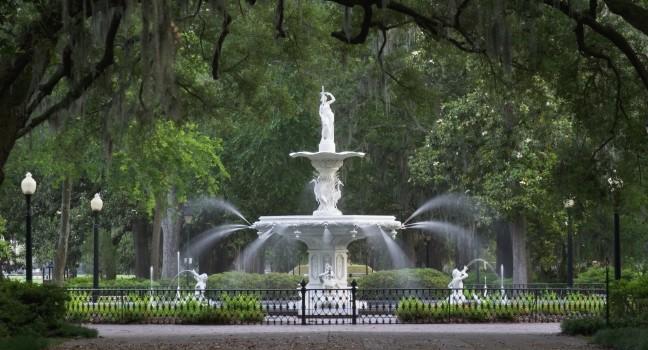
The heart of the city's outdoor life, Forsyth Park hosts a number of popular cultural events, including film screenings, sports matches, and the annual Savannah Jazz Festival. Built in 1840 and expanded in 1851, the park was part of General Oglethorpe's original city plan and made possible by the donation of land from Georgia governor John Forsyth. A glorious white fountain dating to 1858, Confederate and Spanish-American War memorials, a fragrant garden, multiple playgrounds, tennis and basketball courts, and an old fort (which houses the gorgeous Collins Quarter Forsyth Café, with indoor/outdoor seating) are spread across this grand, green space. Be sure to stop by the south end on Saturday mornings for the bustling farmers' market. The park's 1-mile perimeter is among the prettiest walks in the city and takes you past many beautifully restored historic homes.
Fort McHenry National Monument and Historic Shrine
Fodor's Choice
Share This
Joseph Sohm / Shutterstock
This star-shaped brick fort is forever associated with Francis Scott Key and "The Star-Spangled Banner," which Key penned while watching the British bombardment of Baltimore during the War of 1812. Through the next day and night, as the battle raged, Key strained to be sure, through the smoke and haze, that the flag still flew above Fort McHenry—indicating that Baltimore's defenders held firm. "By the dawn's early light" of September 14, 1814, he saw the 30- by 42-foot "Star-Spangled Banner" still aloft and was inspired to pen the words to a poem (set to the tune of an old English drinking song). The flag that flew above Fort McHenry that day had 15 stars and 15 stripes, and was hand-sewn for the fort. A visit to the fort includes a 15-minute history film, guided tour, and frequent living-history displays on summer weekends. To see how the formidable fortifications might have appeared to the bombarding British, catch a water taxi from the Inner Harbor to the fort instead of driving.
Four Corners Monument
Fodor's Choice
Share This
Scosens | Dreamstime.com
This interesting landmark is located about 42 miles from Cortez, 65 miles southeast of Bluff, and 6 miles north of Teec Nos Pos, Arizona. The Four Corners Monument Navajo Tribal Park is owned and operated by the Navajo Nation. On the Colorado side is the Ute Mountain Ute of the Corners. Primarily a photo op, you'll also find Navajo and Ute artisans selling authentic jewelry and crafts, as well as traditional foods. It's the only place in the United States where you can be in six places at one time: four states and two tribal parks meet at one single point. Bring plenty of water.
Frederick C. Robie House
Fodor's Choice
Share This
(c) Tedholt | Dreamstime.com
Named one of the 10 most significant buildings of the 20th century by the American Institute of Architects, the 9,063-square-foot Robie House (1910) is long and low. Massive overhangs shoot out from the low-pitched roof, and windows run along the facade in a glittering stretch. Inside, Wright's "open plan" echoes the great outdoors, as one space flows into another, while sunlight streaming through decorative leaded windows bathes the rooms in patterns. The original dining room had a table with lanterns at each corner, giving the illusion that the table itself was a separate room. Other Wright innovations include a three-car garage (now the gift shop), an intercom, and a central vacuum-cleaner system.
Frenchmen Street
Faubourg Marigny
Fodor's Choice
Share This
IrinaK / Shutterstock
The four-block stretch closest to the French Quarter is where it's at—complete with cafés, bars, hotels, and music clubs. The true magic happens come nightfall, when live music spills from the doorways of clubs and crowds gather for street performers, but it's still a great daytime destination, too.
Garden of the Gods
Fodor's Choice
Share This
Oscity / Shutterstock
These magnificent, eroded red-sandstone formations—from gnarled jutting spires to sensuously abstract monoliths—were sculpted more than 300 million years ago. Follow the road as it loops past such oddities as the Three Graces, the Siamese Twins, and the Kissing Camels or get an up-close look at the rocks with a guided climbing expedition booked at the visitor center. High Point, near the south entrance, provides camera hounds with the ultimate photo op: a formation known as Balanced Rock and jagged formations that frame Pikes Peak. The visitor center has maps of the trails and several geological, historical, and interactive hands-on displays, as well as a café. It's a short, paved hike into the park from the parking lot.
Gas Works Park
Fodor's Choice
Share This
neelsky / Shutterstock
Far from being an eyesore, the hulking remains of an old 1907 gas plant actually lend quirky character to the otherwise open, hilly, 20-acre park. Get a great view of Downtown Seattle while seaplanes rise up from the south shore of Lake Union; the best vantage point is from the zodiac sculpture at the top of the very steep Kite Hill, so be sure to wear appropriate walking shoes. This is a great spot for couples and families alike; the enormous and modern playground has rope climbing structures, a variety of swings, and a padded floor. Crowds throng to picnic and enjoy outdoor summer concerts, movies, and the July 4th fireworks display over Lake Union. Gas Works can easily be reached on foot from Fremont, via the waterfront Burke-Gilman Trail.
Subscribe to Newsletter
Sign up for Travel Tips & News
I want emails from Fodor's Travel with travel information and promotions. I can unsubscribe
any time using the unsubscribe link at the end of all emails.
Thank you for your interest!
Look out for our newsletters with travel tips and special offers.
Sign up for Travel Tips & News
By signing up for the
newsletter, I agree to the Privacy Policy. You must check the box to subscribe
Thank you for your interest!
Look out for our newsletters with travel tips and special offers.