10457 Best Sights in USA

Background Illustration for Sights

We've compiled the best of the best in USA - browse our top choices for the top things to see or do during your stay.

Auditorium Theatre

South Loop Fodor's Choice
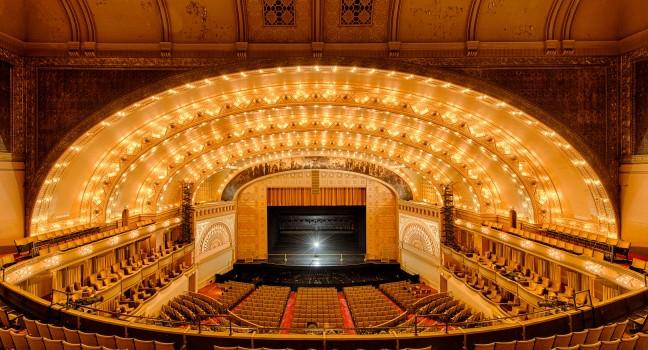
CHICAGO - OCTOBER 14: Empty Auditorium Theatre of Roosevelt University on October 14, 2012 in Chicago, Illinois.
Nagel Photography / Shutterstock

Hunkered down across from Grant Park, this 110,000-ton granite-and-limestone behemoth was an instant star when it debuted in 1899, and it didn't hurt the careers of its designers, Dankmar Adler and Louis H. Sullivan, either. Inside were offices, a 400-room hotel, and a 4,300-seat state-of-the-art theater with electric lighting and an air-cooling system that used 15 tons of ice per day. Adler managed the engineering—the theater's acoustics are renowned—and Sullivan ornamented the space using mosaics, cast iron, art glass, wood, and plaster. During World War II the building was used as a Servicemen's Center. Then Roosevelt University moved in and, thanks to the school's Herculean restoration efforts, the theater is again one of the city's premiere performance venues. Tours are offered most Sundays, Mondays, and Wednesdays.

Audubon Aquarium of the Americas

French Quarter Fodor's Choice
Audubon Aquarium of the Americas
Audubon Aquarium of the Americas by Gary J. Wood

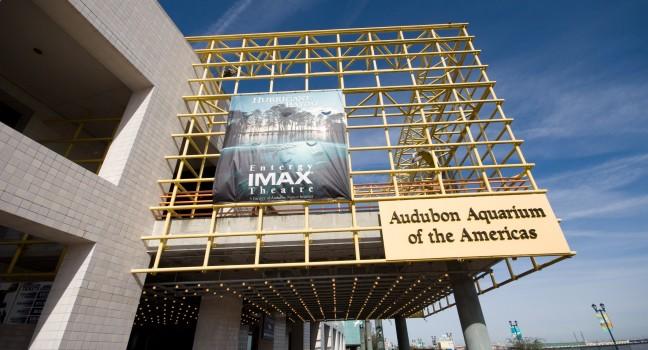
This giant aquatic showplace perched on the Mississippi riverfront has four major exhibit areas: the Amazon Rain Forest, the Mississippi River, the Gulf of Mexico, and the Great Maya Reef gallery, all of which have fish and animals native to their respective environments. The aquarium's spectacular design allows you to feel like you're part of these watery worlds by providing close-up encounters with the inhabitants. The entire facility received a sleek new upgrade in 2023 after a $41 million renovation, and the most stunning addition is the massive "Life in the Gulf" exhibit, where visitors can peer over an open tank to observe the movements of sharks, schools of fish, sting rays, and giant sea turtles. In the Amazon gallery, walk among the lush forest while 25 species of colorful birds fly above, before discovering Amazonian animals like Linnaeus, the two-toed sloth. Woldenberg Riverfront Park, which surrounds the aquarium, is a tranquil spot with a view of the Mississippi. Your aquarium tickets include a visit to the Butterfly Garden and Insectarium within the same building. Advance ticketing is recommended but not required.

Audubon Park

Uptown Fodor's Choice
Villa at Audubon Park in New Orleans.
gibleho / Shutterstock

Formerly the plantation of Etienne de Boré, the father of the granulated-sugar industry in Louisiana, this large, lush patch of greenery stretches from St. Charles Avenue across Magazine Street to the river. Designed by John Charles Olmsted, nephew of Frederick Law Olmsted (who laid out New York City's Central Park and Asheville's Biltmore Estate), this park contains the world-class Audubon Zoo; a 1.8-mile track for running, walking, or biking; picnic and play areas; Audubon Park Golf Course; tennis courts; a swimming pool; horse stables; and a river view known by locals as the Fly. Calm lagoons wind through the park, harboring egrets and other indigenous species. The park and zoo were named for the famous ornithologist and painter John James Audubon, who spent many years working in and around New Orleans.

Recommended Fodor's Video

Bahia Honda State Park

Fodor's Choice
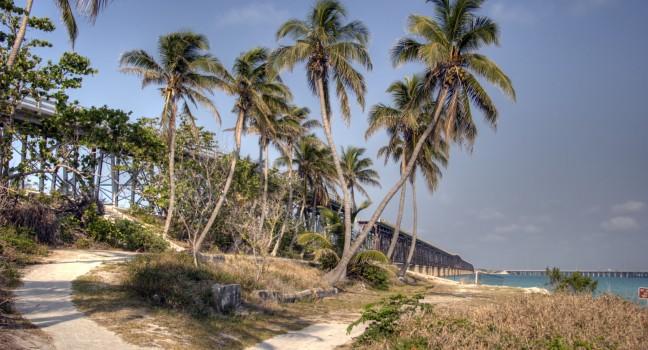
Flagler's railroad going into Key West. This bridge is at the Bahia Honda State Park.
LouLouPhotos/Shutterstock

Most first-time visitors to the region are dismayed by the lack of beaches—but then they discover Bahia Honda Key. The 524-acre park sprawls across both sides of the highway, giving it 2½ miles of fabulous sandy coastline. Beaches include Sandspur and Loggerhead Beaches on the Atlantic side and Calusa Beach, which faces the Gulf of Mexico. The snorkeling isn't bad, either; there's underwater life (soft coral, queen conchs, random little fish) just a few hundred feet offshore. Seasonal ranger-led nature programs take place at or depart from the Sand and Sea Nature Center. There are rental cabins and a campground, snack bar, gift shop, and 19-slip marina, as well as facilities for renting kayaks and arranging snorkeling tours. Get a panoramic view of the island from what's left of the railroad—the Bahia Honda Rail Bridge.

Baltimore Museum of Art

Charles Village Fodor's Choice
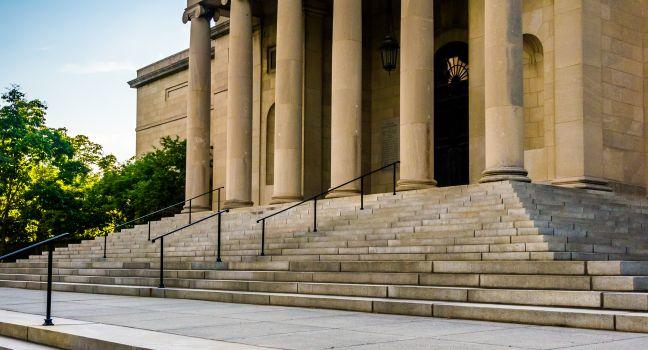
Steps to the Museum of Art in Baltimore, Maryland.
Jon Bilous / Shutterstock

Works by Matisse, Picasso, Cézanne, Gauguin, van Gogh, and Monet are among the 90,000 paintings, sculptures, and decorative arts on exhibit at this impressive museum near Johns Hopkins University. Particular strengths include an encyclopedic collection of Postimpressionist paintings donated to the museum by the Cone sisters, Baltimore natives who were pioneer collectors of early-20th-century art. The museum also owns the world's second-largest collection of Andy Warhol works and many pieces of 18th- and 19th-century American painting and decorative arts. The museum's neoclassical main building was designed by John Russell Pope, the architect of the National Gallery in Washington. A $28-million renovation resulted in a new, interactive exhibition space, a renovated visitor's entrance, and a completely reworked contemporary wing. From Gertrude's, the museum restaurant, you can look out at 20th-century sculpture displayed in two landscaped gardens.

10 Art Museum Dr., Baltimore, MD, 21218, USA
443-573–1700
Sight Details
Free
Closed Mon. and Tues.

Something incorrect in this review?

Big Apple Coaster and Arcade

South Strip Fodor's Choice
Las Vegas, Nevada - 05 August 2008: New York-New York Hotel & Casino; architecture recreates New York City skyline.
Lowe R. Llaguno / Shutterstock

There are two reasons to ride the Coney Island–style coaster: first, as the world's first roller coaster to have a 180-degree twist-and-dive maneuver (like a jet doing a barrel roll), plus a 360-degree somersault, it's a real scream; and second, it whisks you around the amazing replica of the New York City skyline, giving you fabulous views of the Statue of Liberty and Chrysler Building (well, facsimiles, anyway) as you climb to peak heights more than 200 feet above the Strip. Get ready to go 67 mph over a dizzying succession of high-banked turns and camelback hills and finally rocket along a 540-degree spiral before pulling back into the station. The Big Apple Arcade has classics such as Skee-Ball, air hockey, and NBA Fever, up to the latest video games. 

3790 Las Vegas Blvd. S, Las Vegas, NV, 89109, USA
702-740–6616
Sight Details
From $25; combo tickets for the coaster, arcade credits, and a hot dog from $49
Must be 54 inches tall to ride

Something incorrect in this review?

Big Thunder Mountain Railroad

Magic Kingdom Fodor's Choice
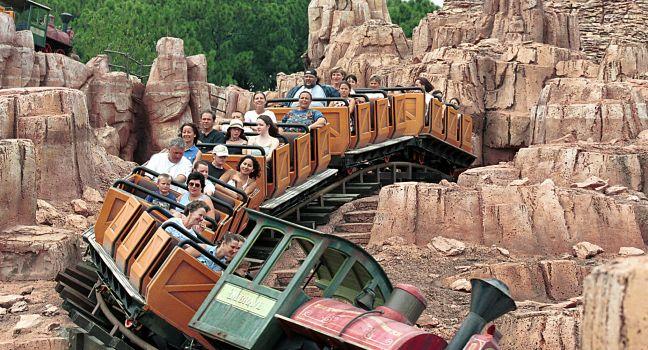
THE WILDEST RIDE IN THE WILDERNESS — Big Thunder Mountain Railroad
© Disney

Set in gold-rush days, this thrilling roller coaster simulates a runaway train. It's a bumpy ride with several good drops (pregnant women and guests wearing back, neck, or leg braces should avoid this one). There are moments when you feel like you're going to fly right off the tracks. Overall, it's more fun than scary, and you'll see kids as young as 7 lining up to ride, though there is a 40-inch height requirement. The train rushes and rattles past 20 Audio-Animatronics figures—mostly critters—as well as $300,000 worth of genuine antique mining equipment, tumbleweeds, a derelict mining town, hot springs, and a flash flood.

The 197-foot mountain landscape is based on the windswept scenery of Arizona's Monument Valley, and, thanks to 650 tons of steel, 4,675 tons of concrete, and 16,000 gallons of paint, it replicates the area's gorges, tunnels, caverns, and dry riverbeds. For people with disabilities: You must be able to step into the ride vehicle and walk short distances. Service animals aren't permitted. To avoid long lines, go first thing in the morning or during a parade. The ride is most exciting at night, when you can't anticipate the curves, and the track's rattling really sounds as if something's about to give.

Frontierland, Walt Disney World, FL, 32830, USA
Sight Details
Duration: 4 mins. Crowds: Absolutely. Audience: Not small kids. Genie+ offered.

Something incorrect in this review?

Bill Baggs Cape Florida State Park

Key Biscayne Fodor's Choice
Cape Florida Lighthouse and Lantern in Bill Baggs State Park in Key Biscayne Florida.
Steve Heap / Shutterstock

Thanks to inviting beaches, sunsets, and a tranquil lighthouse, this park at Key Biscayne's southern tip is worth the drive. In fact, the 1-mile stretch of pure beachfront has been named several times in Dr. Beach's revered America's Top 10 Beaches list. It has 18 picnic pavilions available as daily rentals, two cafés that serve light lunches (including several Cuban specialties), and plenty of space to plant the umbrellas and chairs that you can rent. The walking and bicycle paths provide wonderful views of Miami's dramatic skyline. From the southern end of the park you can see a handful of houses rising over the bay on wooden stilts, the remnants of Stiltsville, built in the 1940s and now protected by the Stiltsville Trust. The nonprofit group was established in 2003 to preserve the structures, which showcase the park's rich history. Bill Baggs also has bicycle rentals, a playground, fishing piers, and guided tours of the Cape Florida Lighthouse, South Florida's oldest structure. The lighthouse was erected in 1845 to replace an earlier one damaged in an 1836 battle with the Seminole tribe. Free tours are offered at the restored cottage and lighthouse Thursday to Monday at 10 am and 1 pm. Be there a half hour beforehand. Amenities: food and drink; lifeguards; parking (no fee); showers; toilets. Best for: solitude; sunset; walking.

Biltmore House and Estate

Fodor's Choice
ASHEVILLE, NORTH CAROLINA OCTOBER 11: The Biltmore House and Gardens, a popular tourist attraction, built by George Vanderbilt in 1895 is America's largest home in Asheville on October 10, 2013.;
Fotoluminate LLC / Shutterstock

Built in the 1890s as the home of George Vanderbilt, this astonishing 250-room, 175,000-square-foot French Renaissance château is America's largest private house and the number one attraction of its kind in North Carolina. Richard Morris Hunt designed it, and Frederick Law Olmsted landscaped the original 125,000-acre estate (now 8,000 acres). It took 1,000 workers five years to complete the gargantuan project. On view are the antiques and art collected by the Vanderbilts, including notable paintings by Renoir and John Singer Sargent, along with 75 acres of gardens, formally landscaped grounds, and hiking and biking trails. You can also see the on-site Biltmore Winery, the most visited winery in America.

Also on the grounds are a deluxe hotel, a more moderately priced hotel, many restaurants, and an equestrian center. Antler Hill Village includes a hotel, shops, restaurants, farm buildings, and crafts demonstrations. Most people tour the house on their own, but guided tours are available. Candlelight tours of the house are offered at Christmastime. Note that there are a lot of stairs to climb, but much of the house is accessible for guests in wheelchairs or with limited mobility. Pricing is complex, varying by month and day of the week, and not inexpensive, but a visit is well worth the cost for its access to the house, gardens, winery, and extensive grounds. If time allows, a bike rental from the Bike Barn in Antler Hill Village allows you to fully explore the pastoral countryside that feels miles from the nearby city. 

Self-guided visits to the interior of the house typically require advance reservations.

Bishop Museum

Kapalama Fodor's Choice
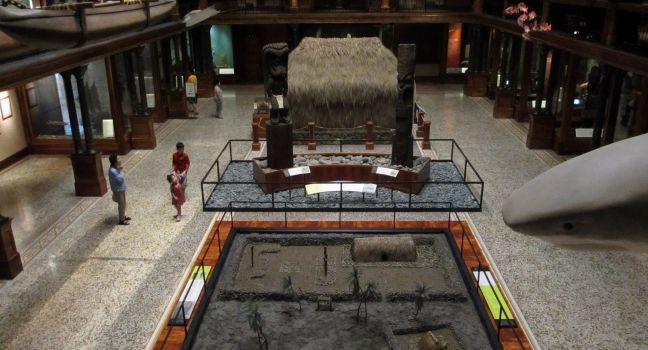
HONOLULU, HI - FEBUARY 25: People explore the Hawaiian Hall Exhibit at the Bishop Musuem taken Febuary 25, 2012 Honolulu, Hawaii.
(c) Brodogg1313 | Dreamstime.com

The state's designated history and culture museum, founded in 1889 by Charles R. Bishop as a memorial to his wife, Princess Bernice Pauahi Bishop, began as a repository for the royal possessions of this last direct descendant of King Kamehameha the Great. Today, its five excellent exhibit halls contain almost 25 million items that tell the history of the Hawaiian Islands and their Pacific neighbors.

Gain understanding of the entire region in the Pacific Hall, and learn about the culture of the Islands through state-of-the-art and often-interactive displays in the Hawaiian Hall. Spectacular artifacts—lustrous feather capes, bone fishhooks, the skeleton of a giant sperm whale, photography and crafts displays, and a well-preserved grass house—are displayed inside a three-story, 19th-century, Victorian-style gallery. The building alone, with its huge turrets and immense stone walls, is worth seeing.

In the 16,500-square-foot science adventure wing, it's hard to miss the three-story simulated volcano where kids (young and young at heart) can make lava burble. A walk through the glowing black light tunnel is another fun feature. Also check out the planetarium, Hawaiian cultural and science demonstrations, special exhibits, and the Shop Pacifica.

Blaine Kern's Mardi Gras World at Kern Studios

Warehouse District Fodor's Choice
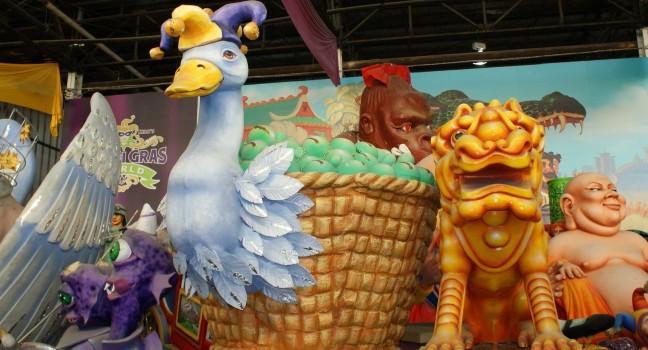
Mardi Gras World - 2011
Mardi Gras World - 2011 by

If you're not in town for the real thing, here's a fun (and family-friendly) backstage look at the history and artistry of Carnival. The massive 400,000-square-foot complex, just upriver from the New Orleans Morial Convention Center, features an enhanced guided tour through a maze of video presentations, decorative sculptures, and favorite megafloats from Mardi Gras parades such as Bacchus, Rex, and Endymion. A gift shop sells masks, beads, and Mardi Gras posters, as well as tickets for the tour, during which participants can sample king cake and coffee, pose for pictures in front of parade floats, and see artists at work, sculpting with papier-mâché and fiberglass. For special events, visitors enter through a plantation alley that is part Cajun swamp-shack village, part antebellum Disneyworld (Kern was a friend of, and inspired by, Walt Disney). A free shuttle is provided with ticket purchase and provides pickups from Canal Street.

Boathouse Row

Fairmount Park Fodor's Choice
Boathouse Row, Fairmount Park, Philadelphia , PA.
(c) Fairiegoodmother | Dreamstime.com

These architecturally varied, quaint-looking 19th-century buildings on the park's east side—a National Historic Landmark and riverside city icons built in Victorian Gothic, Gothic Revival, and Italianate styles—are home to the rowing clubs that make up the Schuylkill Navy ( boathouserow.org), an association of boating clubs organized in 1858. The clubs host various races, including the Dad Vail Regatta (held in New Jersey in 2025 due to work being done on the Schuylkill River) and the Head of the Schuylkill Regatta. You can see the boathouse up close from the path along Kelly Drive, but the view of the 15 buildings from the west side of the Schuylkill (along MLK Drive) is a cherished Philly favorite, especially at night when they're outlined with 6,400 LED lights upgraded in 2024 to allow for more special effects and colors; white is the classic look. The close-up look Lloyd Hall ( 1 Boathouse Row), is a public recreation center with a gymnasium, bicycle rentals in season, a café, and restrooms.

Boston Public Garden

Back Bay Fodor's Choice
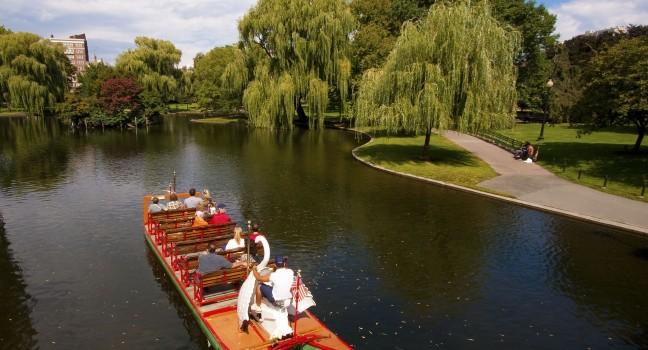
Public Garden in Boston with the famous Swam Boats. Massachusetts - USA.
Marcio Jose Bastos Silva / Shutterstock

America's oldest botanical garden is replete with gorgeous formal plantings, a 4-acre lagoon famous since 1877 for its foot-pedal–powered (by a captain) Swan Boats ( swanboats.com), and the Make Way for Ducklings bronzes sculpted by Nancy Schön, a tribute to the 1941 classic children's story by Robert McCloskey.

Keep in mind that Boston Public Garden and Boston Common are two separate entities with different histories and purposes and a distinct boundary between them at Charles Street. The Common has been public land since Boston was founded in 1630, whereas the Public Garden belongs to a newer Boston, occupying what had been salt marshes on the edge of the Common. By 1837 the tract was covered with an abundance of ornamental plantings donated by a group of private citizens. Near the Swan Boat dock is what has been described as the world's smallest suspension bridge, designed in 1867 to cross the pond at its narrowest point. The beds along the main walkways are replanted every spring. The tulips during the first two weeks of May are especially colorful, and there's a sampling of native and European tree species.

Botanical Building

Balboa Park Fodor's Choice
Botanical Building in Balboa Park.
Steve Minkler / Shutterstock

Open once again following a years long revitalization project, the Botanical Building has updated features like LED lighting, water features, and interior misters. The graceful redwood-lath structure, built for the 1915 Panama–California International Exposition, houses more than 2,000 types of tropical and subtropical plants plus changing seasonal flower displays. Ceiling-high tree ferns shade fragile orchids and feathery bamboo. The rectangular pond outside, filled with lotuses and water lilies that bloom in spring and fall, is popular with photographers.

Bronx Zoo

Belmont Fodor's Choice
BRONX, NY - APRIL 14, 2014:  Landmark Zoo Center Building, formerly Elephant House, at the Bronx Zoo in New York City. This world famous zoo opened in 1899.
littleny / Shutterstock

With 265 acres and more than 11,000 animals representing 700-plus species, this is the largest metropolitan zoo in the United States, opened in 1899. See exotic creatures in natural settings that re-create native habitats; you're often separated from the animals by no more than a moat or wall of glass. Don't miss the Congo Gorilla Forest, a 6½-acre re-creation of a lush African rain forest with western lowland gorillas, as well as mandrills, okapis, and red river hogs. At Tiger Mountain an open-viewing shelter lets you get incredibly close to Siberian tigers. As the big cats nap at midday, visit in the morning or afternoon. Madagascar! is a verdant re-creation of one of the world's most threatened natural habitats, with six species of lemurs and more.

\n

Go on a minisafari via the Wild Asia Monorail, May through October, weather permitting. Here you can view Asian elephants, Indo-Chinese tigers, Indian rhinoceroses, and other species. Try to visit the popular exhibits early to avoid lines later in the day. In winter, some outdoor exhibitions have fewer animals on view, but there's plenty to savor indoors. Some exhibits have an extra charge; to see everything, consider purchasing the Total Experience ticket.

2300 Southern Blvd., Bronx, NY, 10460, USA
718-220–5100
Sight Details
Flex pricing from $31 (depending on date of visit)
No walk-in admission; all guests must purchase date-specific tickets online in advance
Wed. free with advanced reservations made after 5 pm the Mon. before; parking $22

Something incorrect in this review?

Brooklyn Botanic Garden

Fodor's Choice
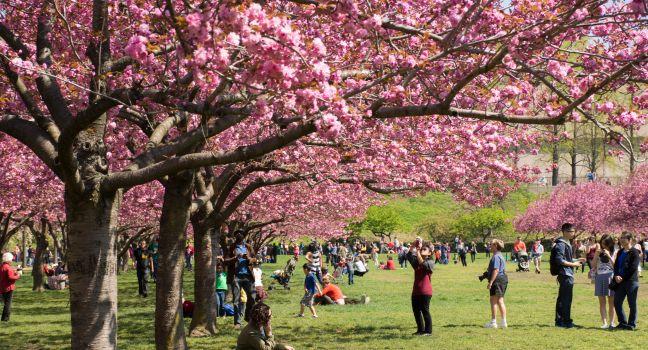
Cherry Blossom trees lined at Brooklyn Botanical garden in New York City on May 3, 2014.
Priyankamadia | Dreamstime.com

A verdant, 52-acre oasis, the BBG charms with its array of “gardens within the garden,” including idyllic the Japanese hill-and-pond, rose, and Shakespeare gardens. Inside the climate-controlled Steinhardt Conservatory, flora thrive in different ecosystems year-round. A variety of free garden tours are available with admission; check the website for seasonal information on the many events held throughout the year, including the bloom at the Cherry Esplanade during cherry blossom season.

990 Washington Ave., New York, NY, 11225, USA
718-623–7200
Sight Details
$22
Closed Mon.

Something incorrect in this review?

Brooklyn Bridge (Entrance)

Fodor's Choice
The Brooklyn bridge, New York City, New York. USA.
Revoc9 | Dreamstime.com

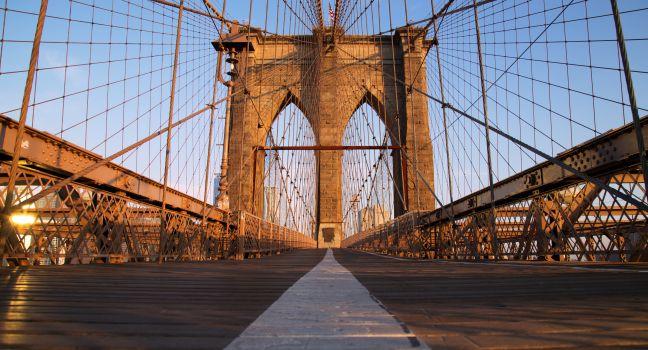
“A drive-through cathedral\" is how the journalist James Wolcott once described the Brooklyn Bridge—one of New York's noblest and most recognizable landmarks—perhaps rivaling Walt Whitman's comment that it was \"the best, most effective medicine my soul has yet partaken.\" The bridge stretches over the East River, connecting Manhattan and Brooklyn. A walk across its promenade—a boardwalk elevated above the roadway, shared by pedestrians and cyclists—is a quintessential New York experience, and the roughly 40-minute stroll delivers exhilarating views. (Cyclists mainly use a lane on the vehicular level below.) If you start from Lower Manhattan near City Hall, you'll end up near Brooklyn Heights and DUMBO; you can also take the subway to the Brooklyn side and walk back to Manhattan. From midday through early evening, the narrow path gets very congested, especially when the weather is nice. Head here early in the morning to find the magical quiet hours.

Brooklyn Heights Promenade

Brooklyn Heights Fodor's Choice
Brooklyn Heights, Brooklyn, New York
Jennifer Arnow

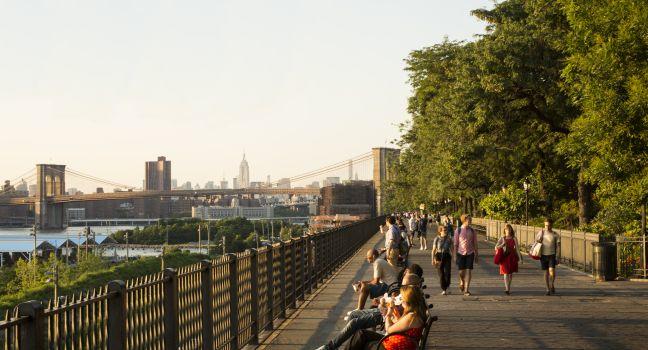
Strolling this esplanade famous for its magnificent Manhattan views, you might find it surprising to learn that its origins were purely functional: the promenade was built as a sound barrier to protect nearby brownstones from highway noise. Find a bench, and take in the skyline, the Statue of Liberty, and the Brooklyn Bridge; in the evening, the lights of Manhattan sparkle across the East River. Below are the Brooklyn–Queens Expressway (BQE) and Brooklyn Bridge Park.

Bryant Park

Midtown West Fodor's Choice
NEW YORK, USA - MAY 16: People enjoying a nice day in Bryant Park on May 16, 2013 in New York City, NY. Bryant Park is a 9,603 acre privately managed park in the center of Manhattan.
(c) Friday | Dreamstime.com

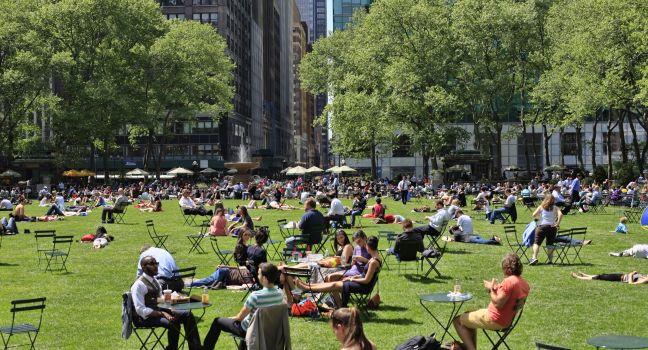
This lovely green space spread out among landmarks and skyscrapers is one of Manhattan's most popular parks. Tall London plane trees line the perimeter of the sunny central lawn, overlooking stone terraces, flower beds, and snack kiosks. The garden tables scattered about fill with lunching office workers and folks enjoying the park's free Wi-Fi. In summer, there are free readings, live jazz, and \"Broadway in Bryant Park\" musical theater performances. Most popular of all is the summer film festival: locals leave work early to snag a spot on the lawn for the outdoor screenings each Monday at dusk.

\n

At the east side of the park, near a bronze cast of Gertrude Stein, is the stylish Bryant Park Grill, which has a rooftop garden, and the adjacent open-air Bryant Park Café, open seasonally. On the south side of the park is an old-fashioned carousel ($4) where kids can also attend storytellings and magic shows. Come late October, the park rolls out the artificial frozen \"pond\" (October–March, daily 8 am–10 pm) for free ice-skating (bring your own padlock for the lockers; skate rental starts at $18). Surrounding the ice rink are the Christmas-market stalls of the holiday shops, selling handcrafted goods and local foods.

Buzz Lightyear's Space Ranger Spin

Magic Kingdom Fodor's Choice
BATTERIES NOT INCLUDED — Buzz Lightyear’s Space Ranger Spin – located in the Magic Kingdom at Walt Disney World Resort in Lake Buena Vista, Fla., transports guests into the playful world of “Toy Story,” Disney and Pixar&#
© Disney

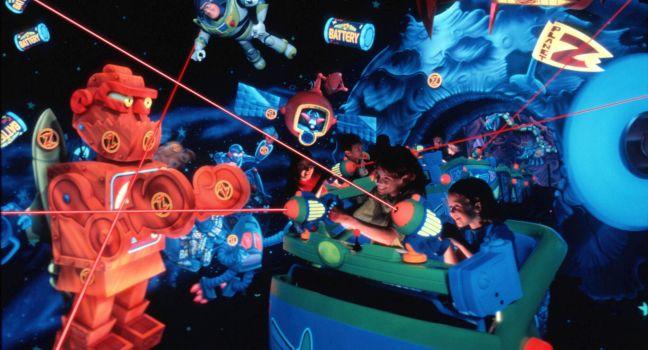
Based on the wildly popular Toy Story, this ride gives you a toy's perspective as it pits you and Buzz Lightyear against the evil Emperor Zurg. You're seated in a fast-moving, two-passenger Star Cruiser vehicle with infrared laser guns and a centrally located lever for spinning your ship to get a good vantage point. Throughout the ride, you shoot at targets to help macho space toy, Buzz, defeat the emperor and save the universe. You have to hit the targets marked with a "Z" to score, and the rider with the most points wins. To infinity and beyond! For people with disabilities: To board you must transfer to a standard wheelchair. Equipped for audio-description and handheld-captioning devices. Go first thing in the morning or during a parade. If you're with kids, time the wait and—if it's only 15 or 20 minutes—ride twice so they can have a practice run.

Tomorrowland, Walt Disney World, FL, 32830, USA
Sight Details
Duration: 5 mins. Crowds: Heavy. Audience: All ages—truly. Genie+ offered

Something incorrect in this review?

Byodo-In Temple

Fodor's Choice
Byodo-In Temple in Oahu, Hawaii; Shutterstock ID 125126825; Project/Title: Photo Database Top 200; Downloader: Jennifer Romains
Ritu Manoj Jethani/Shutterstock

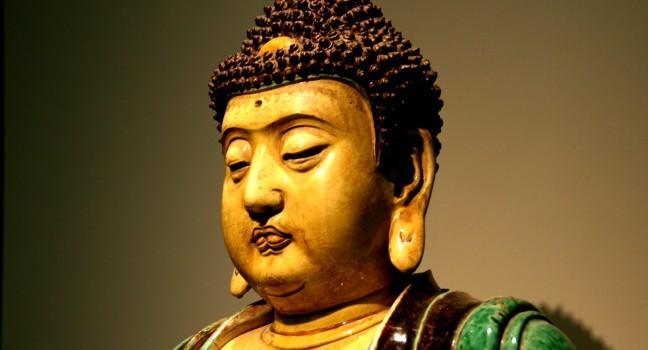
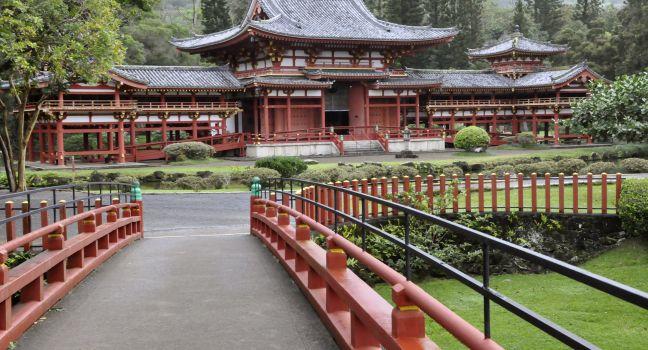
Tucked away in the back of the Valley of the Temples Memorial Park is a replica of the 11th-century temple at Uji in Japan, built in 1963. An impressive 2-ton, carved-wood statue of the Buddha presides inside the main building. Next to the temple are a meditation pavilion and gardens set dramatically against the sheer, green cliffs of the Koolau Mountains. You can ring the 5-foot, 3-ton brass bell for good luck; feed some of the hundreds of koi, ducks, and swans that inhabit the garden's 2-acre pond (buy fish food at the gift shop); and relax and enjoy the peaceful surroundings.

47-200 Kahekili Hwy., Kaneohe, HI, 96744, USA
808-239–8811
Sight Details
$5

Something incorrect in this review?

Cape Disappointment State Park

Fodor's Choice
Cape Disappointment Lighthouse in Fort Canby State Park from Waikiki Beach near Ilwaco Washington USA
Frank L Junior / Shutterstock

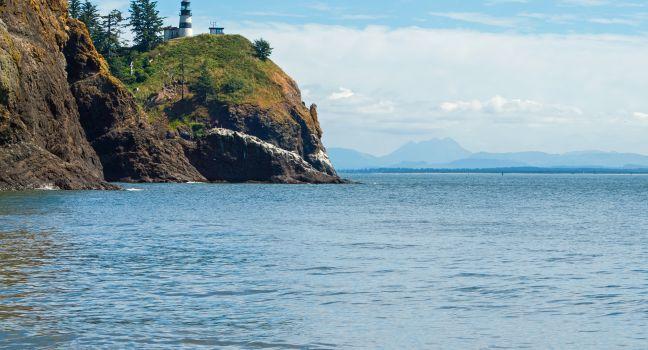
The cape and its treacherous neighboring sandbar—named in 1788 by Captain John Meares, an English fur trader who had been unable to find the Northwest Passage—has been the scourge of sailors since the 1800s, hence its reputation as the graveyard of the Pacific. More than 250 ships have sunk after running aground here. Now a 2,023-acre state park within the Lewis and Clark National Historical Park (which also has sections across the Columbia River in Oregon), this dramatic cape with sheer sea cliffs and conifer forest was an active military installation until 1957. Eight miles of trails lead to beaches, and opportunities to spy eagles, whales, sea lions, seat otters, and other wildlife abound. There are three lightkeepers' residences, dozens of campsites, several yurts, and three cabins available for rent. Exhibits at the park's free Lewis & Clark Interpretive Center, which sits atop a 200-foot cliff with magnificent views, trace the cape's human and natural history. A larger exhibit ($5 charge for this) in the center describes the duo's 8,000-mile round-trip expedition. Displays chronicle the Corps of Discovery, which arrived at Cape Disappointment in 1805. A ½-mile-long path from the center leads to the Cape Disappointment Lighthouse. Built in 1856, it's the oldest lighthouse on the West Coast that's still in use, and one of two lighthouses in the park, the other being North Head.

Captain James Cook Monument

Fodor's Choice
Captain Cook's Monument, Big Island, Hawaii
Captain Cook's Monument by

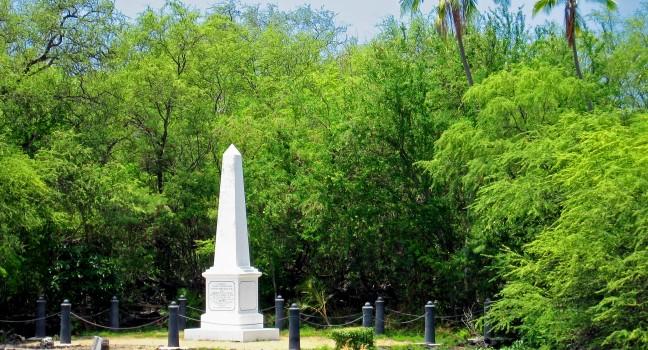
On February 14, 1779, famed English explorer Captain James Cook was killed here during an apparent misunderstanding with local residents, and this 27-foot-high obelisk marks the spot where he died. He had chosen Kealakekua Bay as a landing place in November 1778. Arriving during the celebration of Makahiki, the harvest season, Cook was welcomed at first. Some Hawaiians saw him as an incarnation of the god Lono. Cook's party sailed away in February 1779, but a freak storm forced his damaged ship back to Kealakekua Bay. Believing that no god could be thwarted by a mere rainstorm, the Hawaiians were not so welcoming this time. The theft of a longboat brought Cook and an armed party ashore to reclaim it. Shots were fired, daggers and spears were thrown, and Cook fell, mortally wounded. 

A trail leading to the site is accessible from the top of Napoopoo Road, but caution is advised. The very strenuous trail gains an elevation of about 1,500 feet and is recommended for advanced hikers only.

Captain Cook, HI, 96704, USA

Something incorrect in this review?

Castro Theatre

Castro Fodor's Choice
Title Box, Castro Theatre, San Francisco, California, USA
Castro Theatre by Steve Rhodes

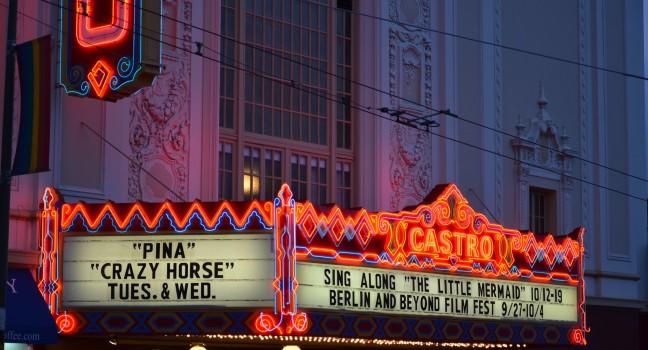
Here's a classic way to join in a beloved Castro tradition: grab some popcorn and catch a flick at this 1,500-seat art-deco theater built in 1922, the grandest of San Francisco's few remaining movie palaces. The neon marquee, which stands at the top of the Castro strip, is the neighborhood's great landmark. The Castro was the fitting host of 2008's red-carpet preview of Gus Van Sant's film Milk, starring Sean Penn as openly gay San Francisco supervisor Harvey Milk. The theater's elaborate Spanish baroque interior is fairly well preserved. Before many shows, the theater's pipe organ rises from the orchestra pit and an organist plays pop and movie tunes, usually ending with the Jeanette MacDonald standard "San Francisco" (go ahead, sing along). The crowd can be enthusiastic and vocal, talking back to the screen as loudly as it talks to them.  The theater was under renovation until late 2025, which may change the nature of its availability. Check online for updates before planning your trip. 

Cataloochee Valley

Fodor's Choice
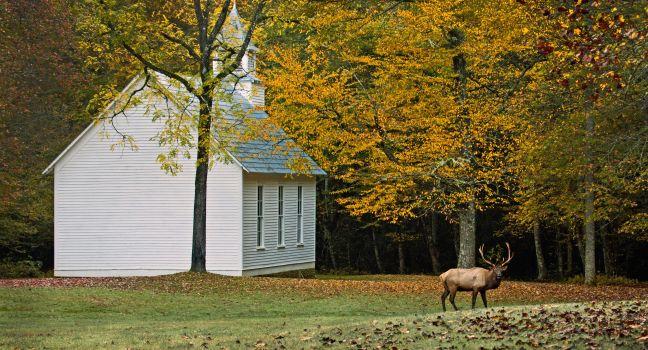
Essence of Autumn
Danny R. Buxton / Shutterstock

This is one of the most memorable and eeriest sights in all of the Smokies. At one time Cataloochee was a community of more than 1,200 people. After the land was annexed for the national park in 1934, the community dispersed. Although many of the original buildings are gone, more than a dozen houses, cabins, barns, and churches still stand. You can visit the Palmer Methodist Chapel, the Beech Grove School, and the Woody, Caldwell, and Messer homesteads. You have a good chance of spotting elk here, especially in the evening and early morning. You'll also likely see wild turkeys, deer, and perhaps bears. Cataloochee is one of the most remote parts of the Smokies, reachable by car via a narrow, winding gravel road that rises over a steep pass before dropping you into the isolated valley. Take the 5 mph speed limit seriously on the blind curves. At dawn and dusk, this uncrowded valley is pure beautiful magic.

Central Park

Upper West Side Fodor's Choice
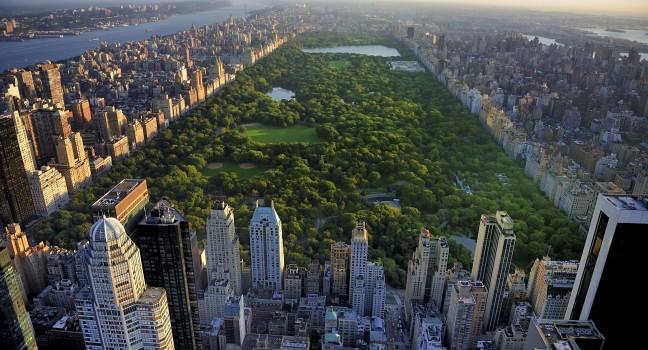
Central Park aerial view, Manhattan, New York; Park is surrounded by skyscraper.
T photography / Shutterstock

Central Park's creators, landscape architects Frederick Law Olmsted and Calvert Vaux, had a simple goal when they submitted their plan in 1858: to design a place where city dwellers could go to forget the city. Even though New York eventually grew far taller than the trees planted to hide it, the park has always been an urbanized Eden that gives residents and visitors alike a bite of the apple. Indeed, without Central Park's 843 acres of meandering paths, tranquil lakes, ponds, and open meadows, New Yorkers (especially Manhattanites) might be a lot less sane. Olmsted and Vaux also designed Brooklyn's Prospect Park and the grounds of the White House.

\n

The busy southern section of Central Park, from 59th to 72nd Street, is where most people get their first impression. But no matter how many people congregate around here, you can always find a spot to picnic, ponder, or just take in the foliage, even on a sunny weekend day. In the southern corner is the Hallett Nature Sanctuary, one of the park's lesser-known areas. The nature sanctuary is a 4-acre patch of wilderness—one of the park’s three woodlands—and is home to native flora and fauna and rustic trails that lead to quiet overlooks; it's also a popular birding spot. Playgrounds, lawns, jogging and biking paths, and striking buildings populate the midsection of the park, from 72nd Street to the reservoir. You can soak up the sun, take in the public art, take pictures at Bethesda Fountain, visit the penguins at the Central Park Zoo, or join the runners huffing counterclockwise on the dirt track that surrounds the reservoir. North of the reservoir and up to 110th Street, Central Park is less crowded and feels more rugged. In 2025, the Central Park Conservancy completed a revitalization of the area around the Harlem Meer (a man-made lake) at the north end of the park to add a full-scale ice rink, an additional new skating experience on the meer, a larger-than-Olympic-size pool, and revamp the parkland around it. The new facility is called the Davis Center at the Harlem Meer (formerly the Lasker Rink and Pool site). To find out about park events and year-round walking tours, check the website of the Central Park Conservancy ( www.centralparknyc.org).

\n

If you're taking the subway to the park's southernmost parts, the stops at either Columbus Circle (southwest corner) or 5th Avenue–59th Street (southeast corner) are handy. If headed for points north, the A, B, C, and D subway lines travel along Central Park West (beware of local versus express stops); the 4, 5, and 6 lines travel along Lexington Avenue, three blocks east of 5th Avenue and the park.

\n

There are many paved pedestrian entrances into the park from 5th Avenue, Central Park North (110th Street), Central Park West, and Central Park South (59th Street). Four roads, or transverses, for cars and city buses cut through the park from east to west—66th, 79th, 86th, and 96th Streets. The East and West drives are both along the north–south axis; Center Drive enters the south edge of the park at 6th Avenue and connects with East Drive around 66th Street. Cars are no longer allowed on the drives, which are exclusively for pedestrians, cyclists, and horse-drawn carriages. Along the main loop, lampposts are marked with location codes that include a letter—always \"E\" (for east) or \"W\" (for west)—followed by numbers, the first two of which tell you the nearest cross street. For example, E7803 means you're near 78th Street; above 99, the initial \"1\" is omitted, so W0401 is near West 104th Street. Download the Central Park Conservancy's free app for a GPS-enabled map to help you navigate the park. The app also includes an audio guide, self-guided tours, and current events in the park, as well as a new interactive Cherry Blossom Tracker Map to help visitors and locals track when and where the flowers will peak in the park in spring.

\n

If you haven't packed a picnic and you want a snack, you can usually find one of those rather tired-looking food carts selling hot dogs, pretzels, and ice-cream sandwiches. Specialty food carts are often around, too, mostly in the park's southern half, especially when there are concerts or other major events—your taste buds will thank you. Other reliable options include the café next to the Boathouse Restaurant (midpark at 74th Street), or a branch of Le Pain Quotidien (midpark at 69th Street). Both serve sandwiches, soups, pastries, and other satisfying on-the-go grub (and Le Pain also has free Wi-Fi). For something a little more elegant, you can stop for brunch, lunch, or dinner at the Tavern on the Green.

\n

As part of a park-wide restoration project named Plan for Play, all 21 playgrounds have undergone (or are still scheduled to receive) updates. Most have seen renovations to play structures, plus other improvements that will ensure each one's structural stability and ongoing maintenance for years to come.

Citi Field

Flushing Fodor's Choice
NEW YORK - JULY 15: Citi Field, home of the National League Mets, on July 15, 2011 in New York. Opened in 2009, it seats 41,800 baseball fans and cost $900 million.
Ffooter / Shutterstock

Opened in 2009, the Mets' stadium was designed to harken back to Brooklyn's Ebbets Field (where the Dodgers played until 1957), with a brick exterior and lots of fun features for fans of all ages, from a batting cage and Wiffle-ball field to the original giant apple taken from the team's old residence, Shea Stadium. Even those who aren't Mets fans but simply love baseball should come to see the Jackie Robinson Rotunda, a soaring multistory entrance and history exhibit dedicated to the Dodgers player who shattered baseball's color barrier. While here, don't miss the chance to taste your way through the fabulous food court, set behind center field (on the Field Level), where you'll find Shake Shack burgers and Pig Beach BBQ. Still feeling nostalgic for the old Shea? Stop by the Mets Hall of Fame & Museum (located by the Bullpen Gate). Behind the scenes ballpark tours (starting at $25) are available year-round; see mlb.com/mets/tickets/tours for schedule and ticketing info.

City Hall

Center City East Fodor's Choice
Historic City Hall in Philly, PA
(c) Chastainben | Dreamstime.com

Topped by a 37-foot bronze statue of William Penn, City Hall provides an opportunity to study the trappings of government and get a panoramic view of the city. With close to 700 rooms, it's the largest city hall in the country and the tallest masonry-bearing building in the world: no steel structure supports it. Designed by architect John McArthur Jr., the building took 30 years to build (1871–1901). The result has been called a \"Victorian wedding cake of Renaissance styles.\" Placed about the facade are hundreds of statues by Alexander Milne Calder, who also designed the statue of Penn, a 27-ton cast-iron work that is the largest single piece of sculpture on any building in the world. City Hall is also the center of municipal and state government. Many of the magnificent interiors—splendidly decorated with mahogany paneling, gold-leaf ceilings, and marble pillars—are patterned after the Second Empire salons of part of the Louvre in Paris. On weekday tours you can see the Conversation Hall, the Supreme Court of Pennsylvania, the City Council chambers, and the mayor's reception room. You can attend City Council meetings, held each Thursday morning at 10. To top off your visit, take the elevator from the seventh floor up the tower to the observation deck at the foot of William Penn's statue for a 30-mile view of the city and surroundings. The elevator holds only six people per trip and runs every 15 minutes; the least crowded time is early morning.

City Lights Bookstore

Fodor's Choice
SAN FRANCISCO, US - OCTOBER, 19: City Lights Bookstore on October 19, 2011 in San Francisco. This independent bookstore-publisher, official historic landmark, published the poem Howl of Allen Ginsberg
nito / Shutterstock

The exterior of this famous bookstore is iconic in itself, from the replica of a revolutionary mural destroyed in Chiapas, Mexico, by military forces to the art banners hanging above the windows. Designated a landmark by the city, the hangout of Beat-era writers and independent publishers remains a vital part of San Francisco's literary scene. Browse the three levels of poetry, philosophy, politics, fiction, history, and local zines to the beat of creaking wood floors.

Back in the day, writers like Allen Ginsberg and Jack Kerouac would read here (and even receive mail in the basement). The late poet Lawrence Ferlinghetti, who cofounded City Lights in 1953, cemented its place in history by publishing Ginsberg's Howl and Other Poems in 1956. The small volume was ignored in the mainstream—until Ferlinghetti and the bookstore manager were arrested for obscenity and corruption of youth. In the landmark First Amendment trial that followed, the judge exonerated both men. Howl went on to become a classic.

Stroll Kerouac Alley, branching off Columbus Avenue next to City Lights, to read quotes from Ferlinghetti, Maya Angelou, Confucius, John Steinbeck, and the street's namesake embedded in the pavement.

City Park

Mid-City Fodor's Choice
The Parthenon is the most recognizable peice of architecture in New Orlean's City Park. It sits across a placid lake and is flanked by majestic oaks and ornamental palms.
(c) Mishelmccumber | Dreamstime.com

Founded in 1854, this 1,300-acre expanse of moss-draped oaks and 11 miles of gentle lagoons is only 2 miles from the French Quarter, but feels like it could be a world apart. With the largest collection of live oaks in the world, including old grove trees that are more than 600 years old, City Park offers a certain natural majesty that's difficult to find in most other urban areas. The Art Deco benches, fountains, bridges, and ironwork are remnants of a 1930s Works Progress Administration (WPA) refurbishment and add to the dreamy scenery that visitors enjoy boating and bicycling through. Within the park are the New Orleans Museum of Art, the Louisiana Children's Museum, the Sydney and Walda Besthoff Sculpture Garden, the New Orleans Botanical Garden, the kid-friendly Carousel Gardens Amusement Park, as well as a golf course, equestrian stable, sports facilities, and picnic areas. Check the park's website for seasonal activities and special events, such as music festivals, the annual Easter egg hunt, and the eye-popping wonderland that is Celebration in the Oaks between Thanksgiving and New Year's Day. The Café du Monde coffee stand, behind the Sculpture Garden, serves hot beignets and café au lait 24/7. Most of the park's offerings are free, but several of the venues inside City Park charge separate admission fees.

Open seasonally on the weekends, the 18-ride Carousel Gardens Amusement Park ( 504/483–9402  $25 admission, unlimited rides) has a New Orleans treasure as its centerpiece: a 1906 carousel (one of only 100 antique wooden carousels left in the country) listed on the National Register of Historic Places. In addition to the cherished "flying horses," the park has rides like the Musik Express, Rockin' Tug, Coney Tower, Ferris Wheel, Bumper Cars, Monkey Jump, Red Baron miniplane, Scrambler, and Tilt-a-Whirl. The rides here are mostly geared to children, not hard-core thrill seekers, but adults and kids alike enjoy the miniature train that takes passengers on a gentle sightseeing tour through City Park. There are also two 18-hole miniature golf courses, one with a New Orleans theme and one with a Louisiana theme.
The New Orleans Botanical Garden ( 504/483–9402  $12), opened in 1936 as a Depression-era project of the WPA, is one of the few remaining examples of public garden design from the Art-Deco period. The garden's collections contain more than 2,000 varieties of plants from all over the world, complemented by sites such as the Conservatory, the Pavilion of the Two Sisters, and the Yakumo Nihon Teien Japanese Garden, as well as theme gardens containing aquatics, roses, native plants, ornamental trees, and shrubs and perennials. The garden showcases three notable talents: New Orleans architect Richard Koch, landscape architect William Wiedorn, and artist Enrique Alférez. Adding a touch of fun, the Historic Train Garden, open on weekends and included in Botanical Garden admission, offers visitors the chance to enjoy baguette-size cars rolling through a miniature version of New Orleans.

Featuring figures and settings from classic children's literature, the whimsical Storyland ( 504/483–9402  $6), adjacent to the amusement park, has been a favorite romping ground for generations of New Orleans kids. Youngsters can climb aboard Captain Hook's pirate ship, visit the old lady who lived in a shoe, and journey with Pinocchio into the mouth of a whale. In all, there are 18 larger-than-life storybook exhibits to explore.