Musée d'Orsay
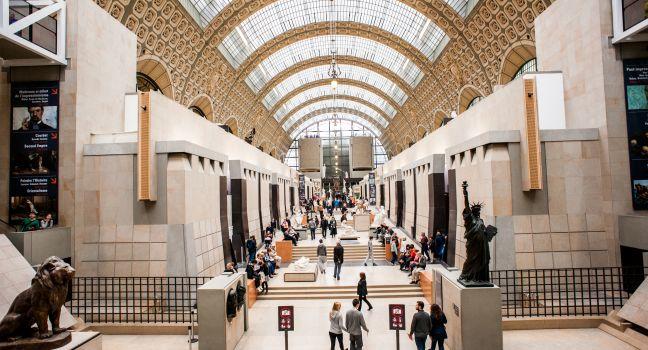
Galleries off the first floor's main alley feature early works by Manet and Cézanne in addition to pieces by masters such as Delacroix and Ingres. The Pavillon Amont has Courbet's masterpieces L'Enterrement à Ornans and Un Atelier du Peintre. Hanging in Salle 14 is Édouard Manet's Olympia, a painting that pokes fun at the fashion for all things Greek and Roman (his nubile subject is a 19th-century courtesan, not a classical goddess). Impressionism gets going on the top floor, with iconic works by Degas, Pissarro, Sisley, and Renoir. Don't miss Monet's series on the cathedral at Rouen and, of course, samples of his water lilies. Other selections by these artists are housed in galleries on the ground floor. On the middle floor, you'll find an exquisite collection of sculpture as well as Art Nouveau furniture and decorative objects. There are rare surviving works by Hector Guimard (designer of the swooping green Paris métro entrances), plus Lalique and Tiffany glassware. Postimpressionist galleries include work by van Gogh and Gauguin, while Neo-Impressionist galleries highlight Seurat and Signac. The museum also regularly curates large, temporary exhibits of major historic artists.
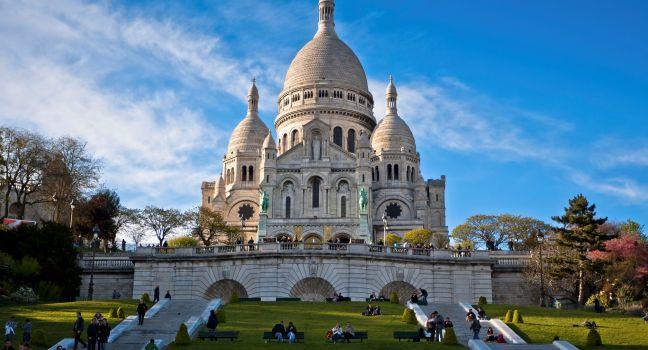
To avoid the lines here, which are among the worst in Paris, book ahead online or buy a Museum Pass, then go directly to Entrance A2 for tickets with time slots or C1 if you have a museum pass (guards will help direct you). Otherwise, go early. Thursday evening the museum is open until 9:45 pm and is less crowded from 5 pm until closing. Don't miss the views of Sacré-Coeur from the balcony—this is the Paris that inspired the Impressionists. The museum has several restaurants and cafés; Café Cabana's views of the city through the ex-train station's giant clock face are legendary. The Musée d'Orsay is closed Monday, unlike the Louvre, which is closed Tuesday.