Musée Guimet
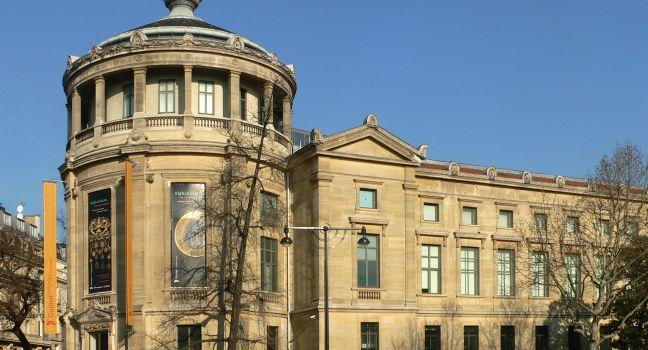
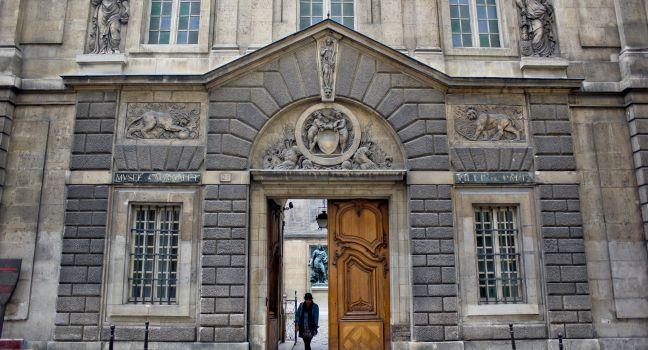
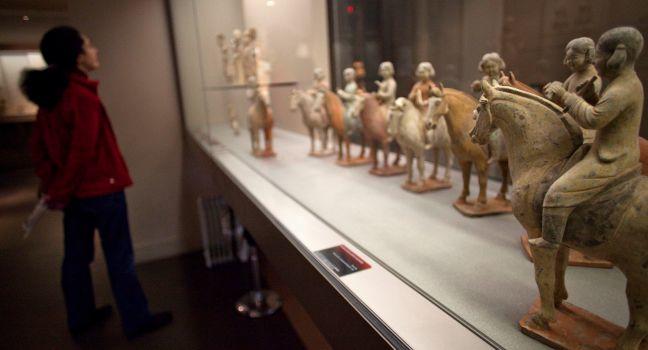
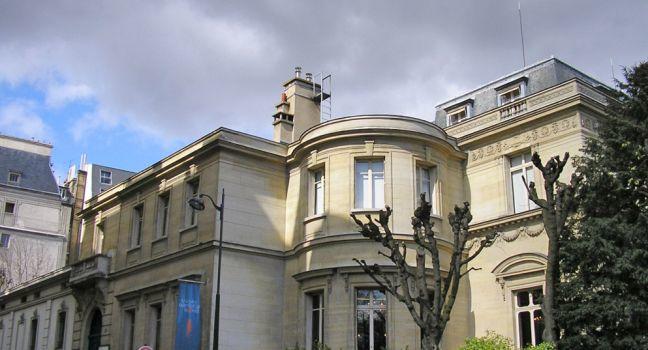
The outstanding Musée Guimet boasts the Western world's biggest collection of Asian art, thanks to the 19th-century wanderings of Lyonnaise industrialist Émile Guimet. Exhibits, enriched by the state's vast holdings, are laid out geographically in airy, light-filled rooms. Just past the entry is the largest assemblage of Khmer sculpture outside Cambodia. The second floor has statuary and masks from Nepal, ritual funerary art from Tibet, and jewelry and fabrics from India. Peek into the library rotunda, where Monsieur Guimet once entertained the city's notables; Mata Hari danced here in 1905, and the museum still hosts an impressive series of musical events. The much-heralded Chinese collection, made up of 20,000-odd objects, covers seven millennia. Recently restored and reopened, the Panthéon Bouddhique, in the Hôtel d'Heidelbach a few steps from the museum, houses Émile Guimet's collection of Japanese and Chinese works of art collected during his travels and arranged as they would appear in Buddhist temples. In the mansion's Japanese garden, authentic tea ceremonies are held in a pavilion built in the traditional Japanese style. Grab a free brochure at the museum entrance, and stop at the Salon des Porcelaines café on the lower level for a ginger milkshake or an Asian-influenced meal. The museum also has a charming bookstore. The Guimet's offshoot, the Musée d'Ennery, is housed in a Belle Époque mansion on Avenue Foch and is noted for its collection of Japanese netsuke, as well as 7,000 works of Chinese and Japanese art.