




Oconaluftee Valley Overlook
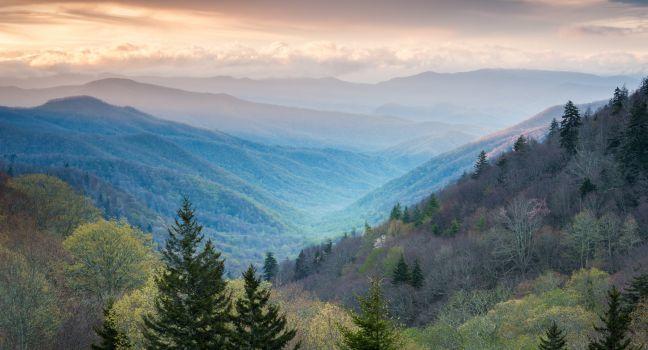
From atop the Thomas Divide, just a little below the crest of the Smokies, you can look down at winding Newfound Gap Road. This is also a good spot to view the sunrise.
Get FREE email communications from Fodor's Travel, covering must-see travel destinations, expert trip planning advice, and travel inspiration to fuel your passion.

We've compiled the best of the best in USA - browse our top choices for the top things to see or do during your stay.
From atop the Thomas Divide, just a little below the crest of the Smokies, you can look down at winding Newfound Gap Road. This is also a good spot to view the sunrise.
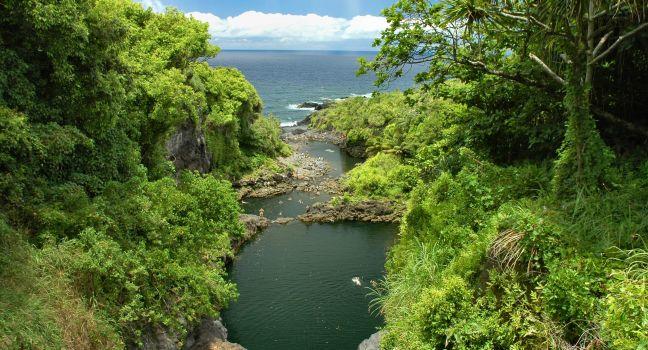
One branch of Haleakala National Park runs down the mountain from the crater and reaches the sea here, 12 miles past Hana at mile marker 42 on the Hana Highway, where a basalt-lined stream cascades from one pool to the next. Some tour guides still incorrectly call this area Seven Sacred Pools, but in truth there are more than seven, and they've never been considered sacred.
While you may be tempted to take a dip, know that the pools are often closed because of landslides and flash flooding. If you see a closure notice, take it seriously, as people have died here.
The place gets crowded, as most people who drive the Hana Highway make this their last stop. It's best to get here early to soak up the solace of these waterfalls. The $30 entrance fee per car is good for three days and includes entry to Haleakala's Summit District.
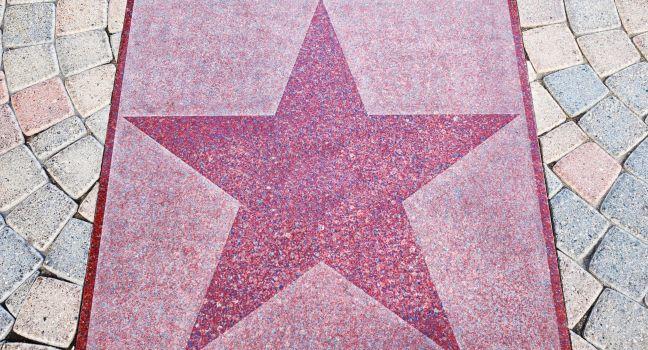
More than 400 bronze stars are embedded in the sidewalks (à la Hollywood Walk of Fame) around downtown to honor celebrities with a Palm Springs connection. The Chairman of the Board, Elvis, Bob Hope, Marilyn Monroe, Dinah Shore, Ginger Rogers, Liz Taylor, and Liberace are among those who have received their due. Started on Palm Canyon Drive in 1992, stars have spread to Museum Way and Tahquitz Canyon Way.
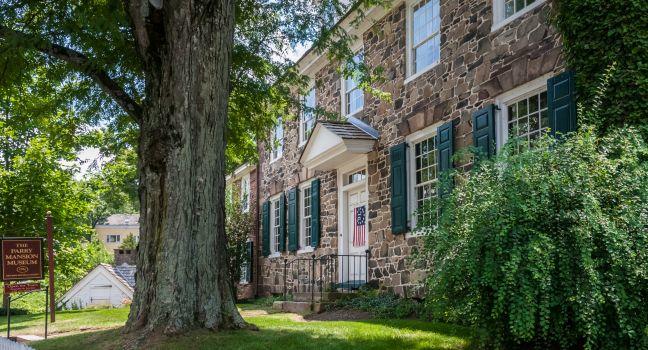
Built in 1784 and now home to the New Hope Historical Society, this stone house is fascinating because the furnishings reflect decorative changes from 1775 (Colonial) to 1900 (Victorian)—including candles, whitewashed walls, oil lamps, and wallpaper. Wealthy Quaker lumber- and flour-mill owner and businessman Benjamin Parry, often called the \"father of New Hope,\" built the house, which was occupied by five generations of his family. Guided house tours, including a brief film, give you a good sense of town history. The historical society also offers a one-hour walking tour of New Hope ($10) from May through October on the first and third Sunday of each month.

The byway (Routes 119, 72, and 7), a 55-mile stretch that winds from Central City north through Nederland to Estes Park, is not the quickest route to the eastern gateway to Rocky Mountain National Park, but it's certainly the most scenic. You'll pass through the old mining towns of Ward and Allenspark and enjoy spectacular mountain vistas. Mt. Meeker and Longs Peak rise magnificently behind every bend in the road. The descent into Estes Park provides grand vistas of snow-covered mountains and green valleys.
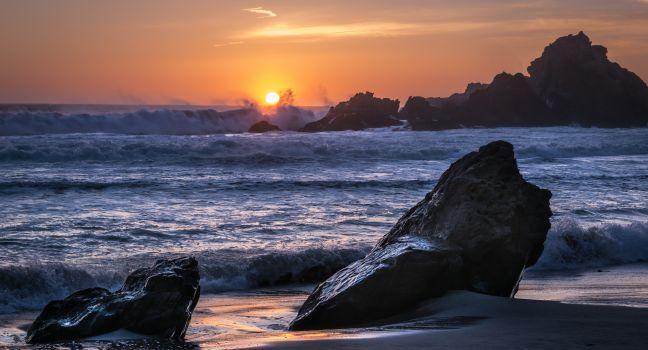
Through a hole in one of the gigantic boulders at secluded Pfeiffer Beach, you can watch the waves break first on the seaside and then on the beach side. Keep a sharp eye out for the unsigned, nongated road to the beach: it branches west of Highway 1 between the post office and Pfeiffer Big Sur State Park. The 2-mile, one-lane road descends sharply. Amenities: parking (fee); toilets. Best for: solitude; sunset.
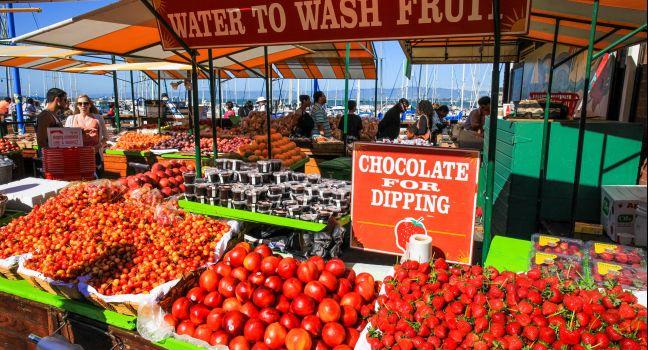
The city's most popular waterfront attraction draws millions of visitors each year, who come to browse through its shops and concessions hawking every conceivable form of souvenir. The pier can be quite crowded, and the numerous street performers may leave you feeling more harassed than entertained. Arriving early in the morning ensures you a front-row view of the sea lions that bask here, but be aware that most stores don't open until 9:30 or 10 (later in winter).
Follow the sound of barking to the northwest side of the pier to view the sea lions flopping about the floating docks. Pier 39's biggest celebrities reside here pretty much year-round (though the population is generally lowest in early summer), enjoying the nearby food in the bay and the ability to easily rotate between sleeping on the docks and going for a swim.
At the Aquarium of the Bay ( www.aquariumofthebay.org), guests of all ages enjoy strolling through a space surrounded on three sides by water that is filled with local San Francisco Bay marine life, from the orange garibaldi (the state marine fish) to sharks. Aquatic animals from elsewhere in the Northern California watershed also make an appearance, including white sturgeon and river otters.

The world's highest cog train departs from Manitou Springs and follows a frolicking stream up a steep canyon, through stands of quaking aspen and towering lodgepole pines, before reaching the timberline, where you can see far into the plains until arriving at the summit. Advance reservations are recommended in summer and on weekends, as this three-hour trip sells out regularly. Reserve a spot next to the engineer, the Engineer's Seat ($78.50), for front-row views for the uphill direction of the journey.
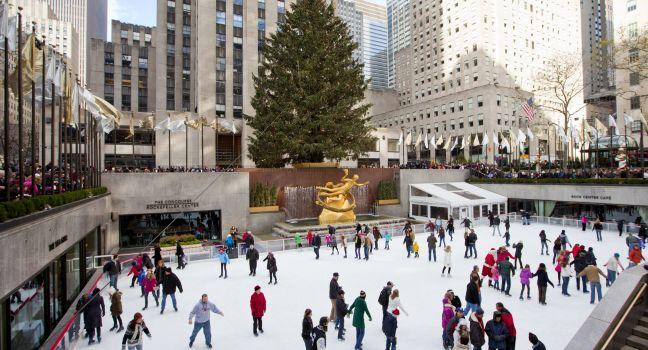
Set in the shadow of the giant Rockefeller Center Christmas tree (in season), the city's most iconic ice-skating rink is a quintessential winter experience for visitors and a long-standing tradition for many locals. General-admission, timed-ticket skating can be reserved in advance, in person or online. The Rink has changing specials and packages, so check the website for seasonal ticket deals.
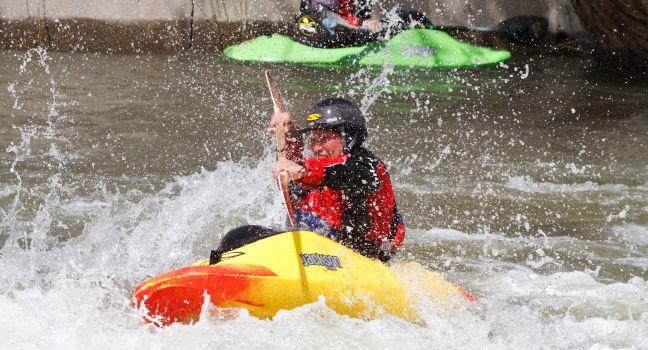
A formerly dilapidated section of Reno's waterfront is now the toast of the town. The Riverwalk itself is a ½-mile promenade on the north side of the Truckee River, which flows around Wingfield Park, where festivals and other events take place. On the third Saturday afternoon of each month, local merchants host Wine Walk tastings ($30). The monthlong Artown festival in July presents outdoor art, opera, dance, live music, and kids' performances, most at Wingfield Park.
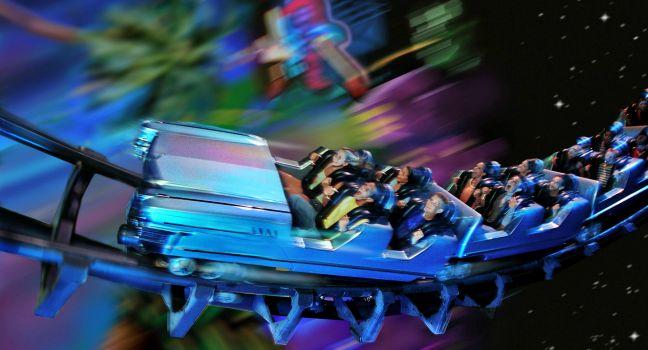
Although this is an indoor roller coaster like Magic Kingdom's Space Mountain, the similarity ends there. With its high-speed launch (0 to 60 in 2.8 seconds), multiple inversions, and loud rock music, it generates delighted screams from coaster junkies, though it's smooth enough and short enough that even the coaster-phobic have been known to enjoy it. The vehicles look like limos, and the track resembles the neck of an electric guitar that's been twisted. Hard-driving rock tunes by Aerosmith blast from vehicle speakers to accentuate the flips and turns.
Pregnant women and guests with heart, back, or neck problems or motion sickness should skip this one. For people with disabilities: Guests using wheelchairs must transfer to a ride vehicle. Service animals aren't allowed. If you aren't heading to Star Wars first thing, take a right and do Rock 'n' Roller or Tower of Terror first. Lines are long in the afternoon but shorter in the morning, when everyone is at the newer rides.
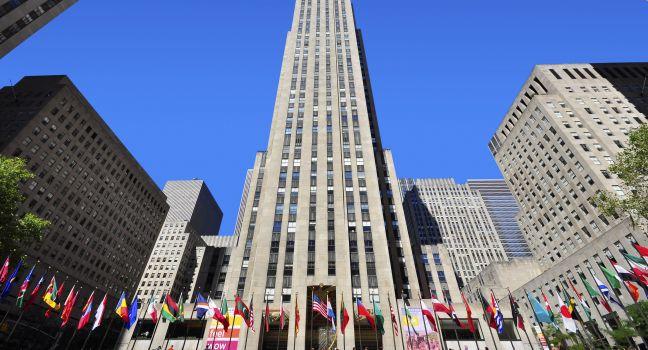
Comprising more than 100 shops and 50 eateries, the Rockefeller Center complex runs from 47th to 52nd Street between 5th and 6th Avenues; special events dominate the central plazas in spring and summer. In December an enormous, twinkling tree towers above the ice-skating rink, causing crowds of visitors from across the country and the globe to shuffle through with cameras flashing.
\nThe world's most famous ice-skating rink occupies Rockefeller Center's sunken lower plaza from October through mid-April and converts to a roller-skating rink in summer. A gold-leaf statue of the Greek hero Prometheus hovers above. The lower plaza also provides access to the marble-lined concourse underneath Rockefeller Center, which houses restaurants, a post office, and clean public restrooms.
\nRising from the lower plaza's west side is the 70-story Art Deco GE building. Here John D. Rockefeller Jr. commissioned and then destroyed a mural by Diego Rivera. He replaced it with the monumental American Progress by José María Sert, still on view in the lobby, flanked by additional murals by Sert and English artist Frank Brangwyn. Up on the 65th floor is the landmark Rainbow Room, a glittering big-band ballroom dating from 1934. Higher up, Top of the Rock has what many consider the finest panoramas of the city. Rockefeller Center guided walking tours are available several times daily (tickets start at $27), with the option to add a visit to the observation deck.
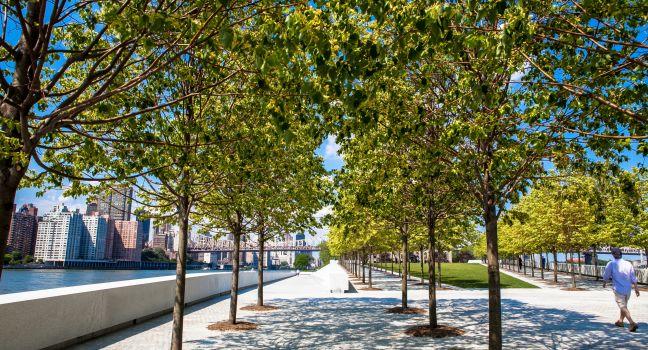
The 2-mile-long East River slice of land that parallels Manhattan from 48th to 85th Streets is now a quasi-suburb of more than 20,000 people, and the vestiges of its infamous asylums, hospitals and prisons make it an offbeat historical destination. At its southern tip are the ruins of a Smallpox Hospital, built in 1854. Neighboring the hospital ruins is Four Freedoms Park, a memorial to Franklin Delano Roosevelt designed by architect Louis I. Kahn. In addition to viewing a giant bust of FDR and a wall inscribed with the wartime “Four Freedoms” speech, you can stroll the park's walkways and enjoy views of the United Nations and East River. Group guided walking tours ($15 per person) of the park are available; email or call to reserve. At the island's north tip is a small park with a lighthouse built in 1872 by island convicts. Other developments include the 224-room Graduate Roosevelt Island Hotel. The island's mile of pink- and white-flowering cherry trees along the East River Promenade is a popular springtime destination.
You can get to the island by subway—but it's more fun to take the five-minute ride on the Roosevelt Island Tramway ($2.75, the price of a single subway or bus fare), which lifts you 250 feet for impressive views of Queens and Manhattan. A visitor center stands to your left as you exit the tram. Free red buses service the island.
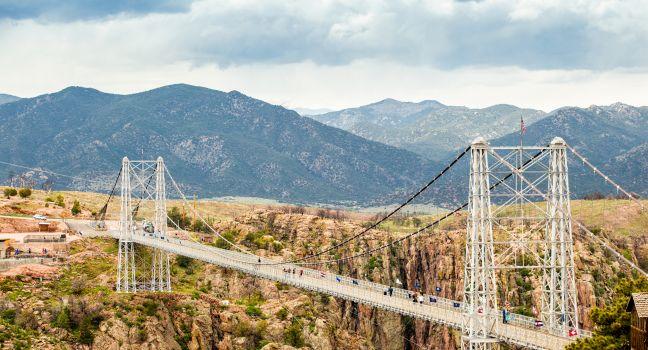
Carved by the Arkansas River more than 3 million years ago, the Royal Gorge canyon walls tower up to 1,200 feet high. The site is known for the 1877 Royal Gorge War between the Denver & Rio Grande Railroad and the Santa Fe Railroad over the right-of-way through the canyon. Rival crews laid tracks during the day and would dynamite each other's work at night until the Denver & Rio Grande eventually prevailed. Today, a private company runs the Royal Gorge Bridge and Park, featuring the highest suspension bridge in the country, constructed in 1929 as a tourist attraction. The 956-foot-high bridge sways on gusty afternoons and the river can be seen clearly between gaps in the boards, adding to the thrill of a crossing. Climb the canyon walls on the Via Ferrata cable system or ride the astonishing aerial tram (2,400 feet long and more than 1,000 feet above the canyon floor) or experience the Cloudscraper, America's highest zip line. Renovations to the park following a devastating wildfire in 2013 brought a Children's Playland with a playground, carousel, maze, and splash pad to the site. A ride on the Royal Rush Skycoaster ensures an adrenaline rush—you'll swing from a free-fall tower and momentarily hang over the gorge. Also on hand are outdoor musical entertainment in summer, and the usual assortment of food and gift shops.

Just a few miles past the park entrance, this is an ideal stop if you have limited time to visit the Everglades. When you arrive, note the medallion attached to the building's wall, which pays tribute to members of the Florida Federation of Women’s Clubs who donated the 4,000 surrounding acres in 1916. At the small bookstore, you’ll find nature guidebooks along with a limited inventory of souvenirs and snack items, while just outside in a covered pavilion, rangers present talks on the park’s history and wildlife. The park's Pine Island Trails (Anhinga Trail, Gumbo Limbo Trail, Lone Pine Key Trails, Pineland Trail, Pahayokee Overlook, and Mahogany Hammock Trail) are also around the visitor center. As always, arm yourself with insect repellent.
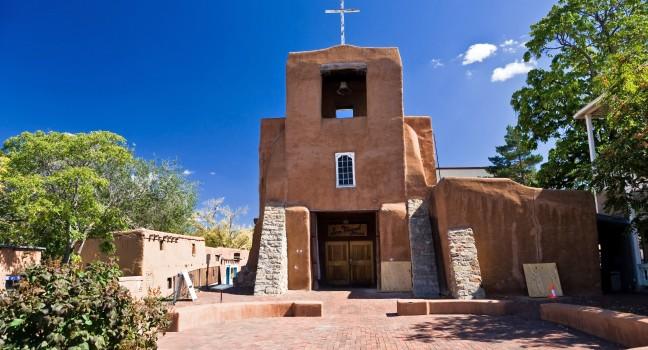
Believed to be the oldest church still in use in the United States, this simple earth-hewn adobe structure was built around 1610 by the Tlaxcalan Indians of Mexico, who came to New Mexico as servants of the Spanish. Badly damaged in the 1680 Pueblo Revolt, the structure was restored and enlarged in 1710. On display in the chapel are priceless statues and paintings and the San José Bell, weighing nearly 800 pounds, which is believed to have been cast in Spain in 1356. In winter the church sometimes closes before its official closing hour. Latin mass is held daily at 2 pm, and new mass is on Sunday at 5 pm.
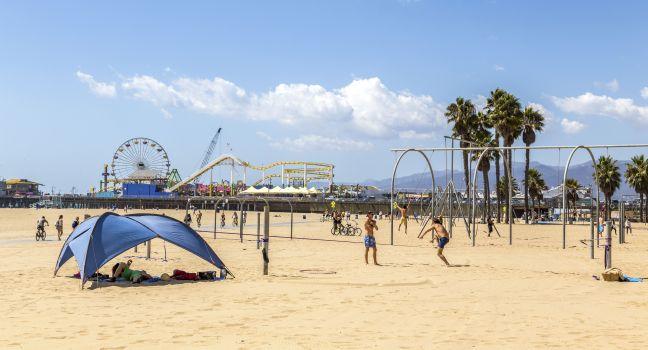
The first beach you'll hit after the Santa Monica Freeway (I–10) runs into the Pacific Coast Highway, wide and sandy Santa Monica is the place for sunning and socializing. The Strand, which runs across the beach and for 22 miles in total, is popular among walkers, joggers, and bicyclists. Be prepared for a mob scene on summer weekends, when parking becomes an expensive ordeal. Swimming is fine (with the usual post-storm pollution caveat); for surfing, go elsewhere. For a memorable view, climb up the stairway over PCH to Palisades Park, at the top of the bluffs. Free summer concerts are held on the pier on Thursday evenings. Amenities: food and drink; lifeguards; parking (fee); showers; toilets; water sports. Best for: partiers; sunset; surfing; swimming; walking.
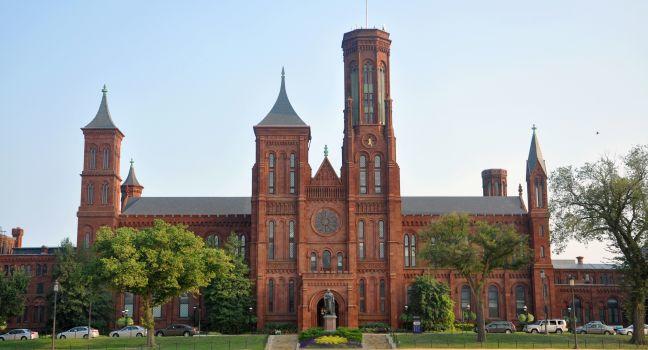
The original home of the Smithsonian Institution is an excellent first stop on the Mall to help you get your bearings and plan your exploration of the museums. Built of red sandstone, this Medieval Revival–style building, better known as the "Castle," was designed by James Renwick Jr., the architect of St. Patrick's Cathedral in New York City. Although British scientist and founder James Smithson never visited America, his will stipulated that, should his nephew, Henry James Hungerford, die without an heir, Smithson's entire fortune would go to the United States, "to found at Washington, under the name of the Smithsonian Institution, an establishment for the increase and diffusion of knowledge." The museums on the Mall are the Smithsonian's most visible example of this ideal, but the organization also sponsors traveling exhibitions and maintains research posts in the Chesapeake Bay area and the tropics of Panama.
A 10-minute video gives an overview of the museums and the National Zoo, and The Smithsonian Institution: America's Treasure Chest exhibition features objects representing all the museums, revealing the breadth and depth of the collections. James Smithson's crypt is in a small chapel-like room here. The Castle also has Views from the Tall Tower—an exhibit demonstrating how the Washington skyline has changed since 1863—a good café, brochures in several languages, and a museum store. Kids appreciate the historic carousel at the north entrance; at the south entrance, you'll find the beautifully manicured Haupt Garden and copper-domed kiosk called the S. Dillon Ripley Center, which houses the Discovery Theater (delightful and affordable live, family-oriented shows on selected weekday mornings—usually geared for kids 2–12—are held here).
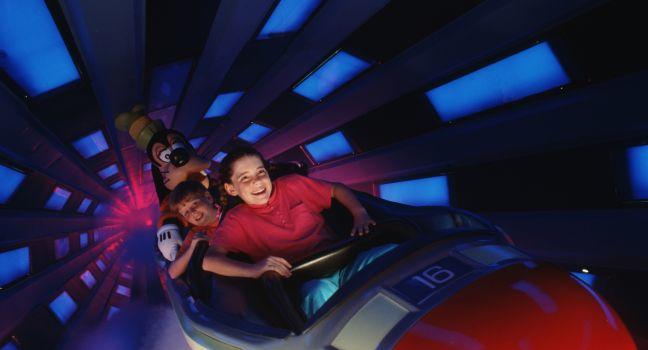
The needlelike spires and gleaming, white, concrete cone of this 180-foot-high attraction are almost as much a Magic Kingdom landmark as Cinderella Castle. Inside is one of the world's most imaginative roller coasters, one that had a real astronaut, Gordon Cooper, for a creative consultant. Although there are no loop-the-loops or high-speed curves, the thrills are many as you take a trip into the depths of outer space—in the dark.
You can pass the wait time playing one of the many games on the Disney Play app. As you walk to the loading area, you'll pass whirling planets and hear the screams and shrieks of the riders, pumping you up for your own launch. Once you blast off, the ride lasts only two minutes and 38 seconds, with a top speed of 28 mph, but the devious twists and invisible drops in the dark make it seem twice as long. You can hear the screams from other cars, but you don't know where they are, adding an additional fright factor.
Stow personal belongings securely, and note that this ride isn't appropriate for pregnant women or guests wearing back, neck, or leg braces. For people with disabilities: You must be able to step into the ride vehicle and walk short distances. Guests in wheelchairs should see a cast member for boarding options. Service animals aren't permitted. The wait can be long. Come early, late, or during a parade.
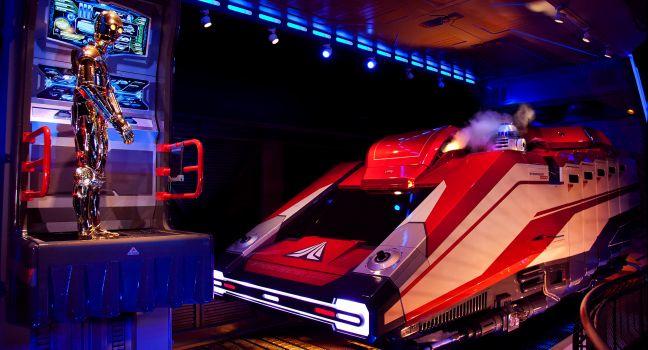
Star Wars fans, wield your lightsabers! This fan favorite multiplies the thrills with more than 50 ride scenarios powered up by Dolby 3-D video and motion-simulator technology. Here's the basic storyline: C-3PO and R2-D2, at the helm of a misappropriated spaceship, must navigate the galaxy with a rebel spy on board (it could be you!) while Imperial forces try to thwart the journey.
You'll encounter multiple thrills from the Star Wars universe including the lush Wookiee planet Kashyyyk and the underwater world of Naboo. Kef Bir, the water moon with a destroyed Death Star, has also been added to the lineup. One flight takes you to the climatic battle from The Rise of Skywalker. You might come face-to-menacing-mask with Kylo Ren or be recruited by Lando Calrissian. Other characters sprinkled throughout the different films include Admiral Ackbar, Chewbacca, and Boba Fett. Your 40-passenger Starspeeder 1000 rockets through space with enough high-speed twists, turns, and nosedives to guarantee that the Force is, indeed, with you.
Those who are pregnant or have heart, back, neck, or motion-sickness issues shouldn't ride. Children less than 40 inches tall may not ride. For people with disabilities: Guests using wheelchairs must transfer to a ride seat. Equipped for handheld-captioning and video-captioning devices. Service animals aren't allowed. Lines swell when the Indiana Jones show lets out. If they're long, check back in an hour, they may have shrunk. For the wildest ride, sit in the back.

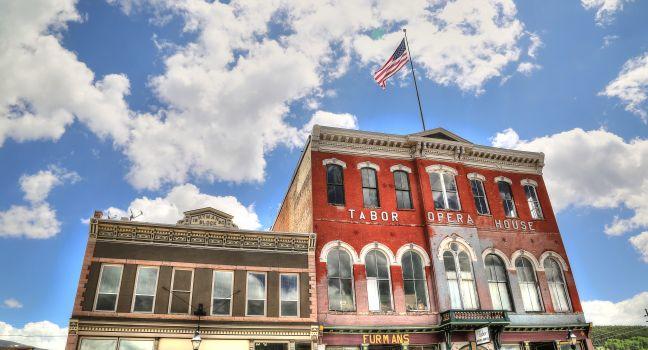
An effort is under way to fully restore the three-story Tabor Opera House that opened in 1879, when it was proclaimed the "largest and best west of the Mississippi." It hosted luminaries such as Harry Houdini, Buffalo Bill, and Oscar Wilde. Shows on the current schedule are mostly music and dance, but there's also a community talent show to give local stars a spotlight on the famous stage.
The stylized Chinese pagodas and temples of the former Grauman's Chinese Theatre have become a shrine both to stardom and the combination of glamour and flamboyance that inspire the phrase "only in Hollywood." Although you have to buy a movie ticket to appreciate the interior trappings, the courtyard is open to the public. The main theater itself is worth visiting, if only to see a film in the same setting as hundreds of celebrities who have attended big premieres here.
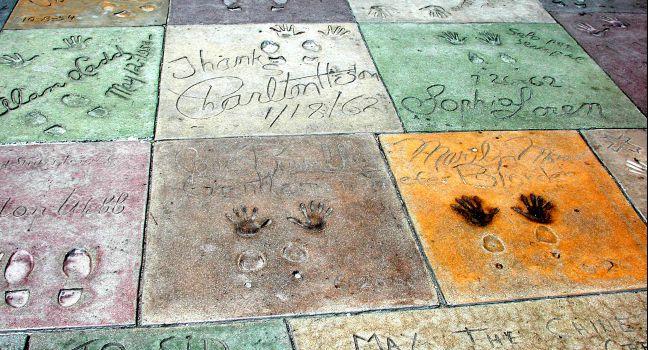
And then, of course, outside in front are the oh-so-famous cement hand- and footprints. This tradition is said to have begun at the theater's opening in 1927, with the premiere of Cecil B. DeMille's King of Kings, when actress Norma Talmadge just happened to step in wet cement. Now more than 160 celebrities have contributed imprints for posterity, including some oddball specimens, such as casts of Whoopi Goldberg's dreadlocks.

The white-knuckle finale of this fan favorite is as thrilling as ever. Create a custom concept vehicle at an interactive design station, and then buckle up in a six-person SimCar to put the design through its paces in a neon-splashed, futuristic setting that surrounds the attraction's original hills and mountain switchbacks. Everyone can create their own designs and see how they compare to everyone else's—first in their car and then at the end of the ride.
The High-Speed Test is last: your vehicle bursts through an opening in the Test Track building to negotiate a steeply banked loop at a speed of nearly 60 mph. At the special effects–laden postshow, you can see how your custom car performed and create your own car commercial.
Disney has recently announced updates to this attraction, but no firm dates on when this will happen. Check the Disney website before you travel if this is a "must-do" for your party. The speeds and some jarring effects can be unsettling, so this ride isn't suitable for pregnant women or guests wearing back, neck, or leg braces. For people with disabilities: Visitors in wheelchairs are provided a special area in which to practice transferring into the ride vehicle before actually boarding. One TV monitor in the preshow area is closed-captioned. Service animals aren't permitted onboard. This ride won't function on wet tracks, so don't head here after a downpour. Also note that the Single Rider queue has been eliminated here.
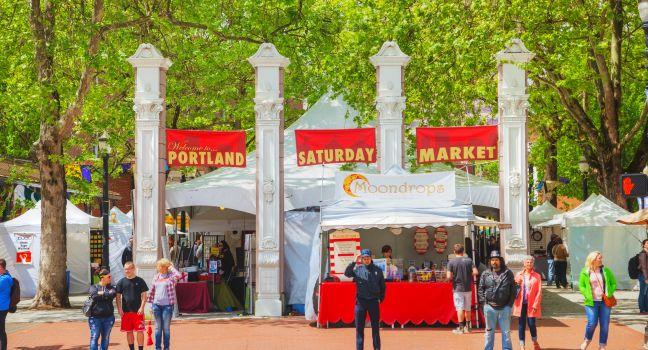
Named for a former governor revered for his statewide land-use planning initiatives, this park stretches north along the Willamette River for about a mile from near the historic Hawthorne Bridge to Steel Bridge. Broad and grassy, Waterfront Park affords a fine ground-level view of Downtown Portland's bridges and skyline. Once an expressway, it's now the site for many annual celebrations, among them the Rose Festival, classical and blues concerts, Portland Pride, Cinco de Mayo, and the Oregon Brewers Festival. The arching jets of water at the Salmon Street Fountain change configuration every few hours, and are a favorite cooling-off spot during the dog days of summer. Both the Hawthorne Bridge and Steel Bridge offer dedicated pedestrian lanes, allowing joggers, cyclists, and strollers to make a full loop along both banks of the river, via Vera Katz Eastside Esplanade.
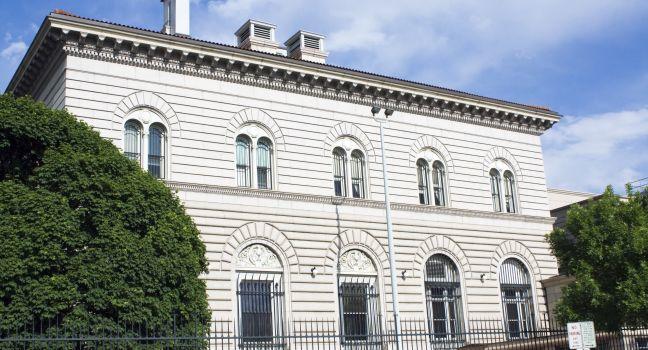
Tour this facility to catch a glimpse of the coin-making process, as presses spit out thousands of coins a minute. There are also exhibits on the history of money and a restored version of Denver's original mint prior to numerous expansions. More than 14 billion coins are minted yearly, and the nation's second-largest hoard of gold is stashed away here. To schedule a 45-minute tour and prepare for your visit (there are strict security guidelines), visit the Mint's website. Reservations are required for all tours, which are guided (Monday to Thursday from 8 to 2), free, and available to visitors age seven and older. The gift shop, which sells authentic coins and currency, is in the Tremont Center, across Colfax Avenue from the Mint.
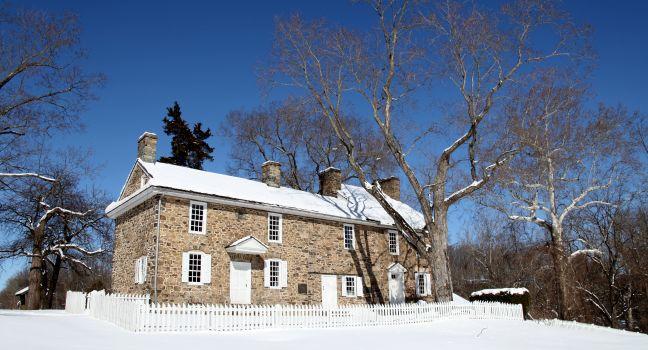
It was from this evocative site, now a 500-acre park, that on Christmas night in 1776 General Washington and 2,400 of his men crossed the ice-studded Delaware River, attacked the Hessian stronghold at Trenton, and secured a desperately needed victory for the Continental Army. This crossing was immortalized in Emanuel Leutze's famous 1851 painting, which hangs in New York's Metropolitan Museum of Art. The park's visitor center, historic houses, and memorials are divided between the Lower Park (McConkey Ferry section) and Upper Park (Thompson-Neely section), about 5 miles apart.
\nIn the Lower Park, the visitor center has park information, a short film, and helpful historic exhibits; it also sells tickets for informative guided tours in both areas. The Crossing the Delaware tour in the Lower Park emphasizes the role that ten crucial days played in the American Revolution. You can see replicas of the Durham boats used in the crossing, and for the country's 250th anniversary in 2026 a newly constructed replica will be placed along the Delaware as part of a new interpretive trail.
\nIn the Upper Park, 125-foot-tall Bowman's Hill Tower offers a commanding view of the area. The Thompson-Neely House tour describes life in Bucks County; it was used as a hospital during the 1776–77 encampment of Washington's army. There's also a gristmill tour. The park's special events include a popular reenactment of the crossing in December.
\nOn the New Jersey side of the Delaware, across the narrow Washington Crossing Bridge, is Washington Crossing State Park ( 355 Washington Crossing–Pennington Rd., Titusville 609/737–0623 nj.gov/dep $10 per car NJ residents, $20 per car others Memorial Day–Labor Day; free rest of year). It has a visitor center with a film and a museum that covers New Jersey's role in the Revolution, and a separate area with the Johnson Ferry House by the site where Washington and his troops landed. The park is also popular for its nature trails. At this writing, a new and expanded visitor center overlooking the Delaware is set to open by mid-2026.

Conceived by environmental artist Peter Richards and fashioned by master stonecutter George Gonzales, this unusual wave-activated acoustic sculpture at the entrance of a harbor gives off subtle harmonic sounds produced by seawater as it passes through 25 tubes. The sound is loudest at high tide. The granite and marble used for walkways, benches, and alcoves that are part of the piece were salvaged from a gold rush–era cemetery.
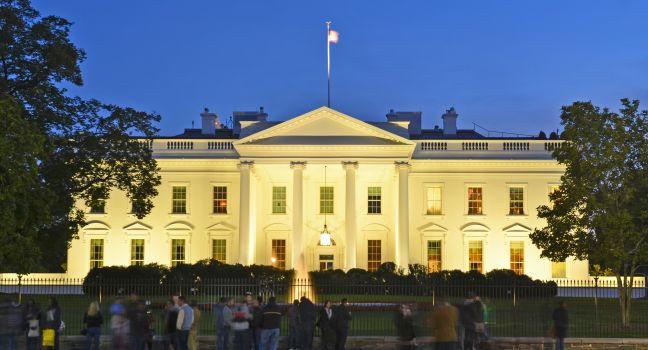
America's most famous house was designed in 1792 by Irish architect James Hoban. It was known officially as the Executive Mansion until 1902, when President Theodore Roosevelt renamed it the White House, long its informal name. The house has undergone many structural changes: Andrew Jackson installed running water; James Garfield put in the first elevator; Harry Truman had the entire structure gutted and restored, adding a second-story porch to the south portico; and Richard Nixon installed a one-lane bowling alley in 1969.
To see the White House you need to contact your U.S. representative or senator (or embassy if you aren't a U.S. citizen). Requests can be made up to three months in advance (especially for spring, summer, or December tour requests) and no less than 21 days in advance. You'll be asked for the names, birth dates, and Social Security numbers of everyone in your group. On the morning of your tour, call the White House Visitors Office information line for any updates; tours are subject to last-minute cancellations. Arrive 15 minutes early. Your group will be asked to line up in alphabetical order. Everyone 18 years and older must present government-issued photo ID, and no purses, backpacks, or bags are allowed on the tour (and no storage lockers are provided so leave them in your hotel room). There are no public restrooms, and you're allowed to take photos only with a smartphone or small compact camera. The security process will probably last as long as the tour itself, 20–25 minutes.
The self-guided tour includes rooms on the ground floor (including the White House Family Theater), but the State Floor has the highlights. The East Room is the largest room in the White House, the site of ceremonies and press conferences; this is also where Theodore Roosevelt's children roller-skated and one of Abraham Lincoln's sons harnessed a pet goat to a chair and went for a ride. The portrait of George Washington that Dolley Madison saved from torch-carrying British soldiers in 1814 hangs in the room, and the White House Christmas tree stands here every winter. The only president to get married in the White House, Grover Cleveland, was wed in the Blue Room. Esther, the second daughter of President Cleveland and First Lady Frances, holds the distinction of being the only child born in the White House. The Red Room, decorated in early-19th-century American Empire style, has been a favorite of first ladies. Mary Todd Lincoln had her coffee and read the morning paper here. In 1961, First Lady Jacqueline Kennedy undertook an extensive restoration of the White House to preserve and showcase the historical and architectural significance of the home and its contents. The East Garden, which now bears her name, honors her contributions. Michelle Obama installed a vegetable-and-herb garden to promote healthy eating, as well as an apiary and pollinator garden for bees and other insects.
Your tour of the White House will be enhanced by visiting the White House Visitor Center at 1450 Pennsylvania Avenue NW, featuring displays, photos, and a 30-minute video about the White House.
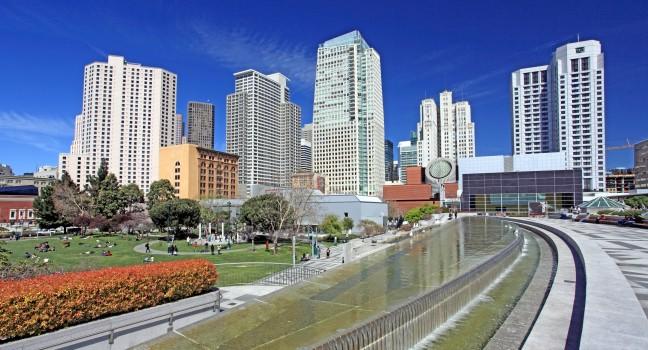
The gardens are liveliest during the week and during the Yerba Buena Gardens Festival, from May through October (ybgfestival.org), with free performances.
Atop the Moscone Center perch a few lures for kids. The historic 1906 Looff carousel ( $5; $3 with museum admission) twirls daily 10–5. The carousel is attached to the Children's Creativity Museum ( creativity.org), an interactive arts-and-technology center ( $20) geared to children ages 3–12. Outside in the children's garden, kids adore the slides, including a 25-foot tube slide, at the play circle. Also part of the complex are an ice-skating rink and a bowling alley.


 Sign up for Travel Tips & News
 Thank you for your interest!