Get FREE email communications from Fodor's Travel, covering must-see travel destinations, expert
trip planning advice, and travel inspiration to fuel your passion.
We've compiled the best of the best in USA - browse our top choices for the top
things to see or do during your stay.
Sorry! We don't have any recommendations for USA right now.
Sights Filter
Bixby Creek Bridge
Share This
saraporn / Shutterstock
The graceful arc of Bixby Creek Bridge is a photographer's dream. Built in 1932, the bridge spans a deep canyon, more than 100 feet wide at the bottom. From the north-side parking area you can admire the view or walk the 550-foot structure. The parking area is very small. Follow all signs regarding how (e.g., single-file, parallel to the bluff) and where to park. If there are no spots, cross the bridge to one of the pullouts to the south.
Blackwater National Wildlife Refuge
Share This
Perspectives - Jeff Smith / Shutterstock
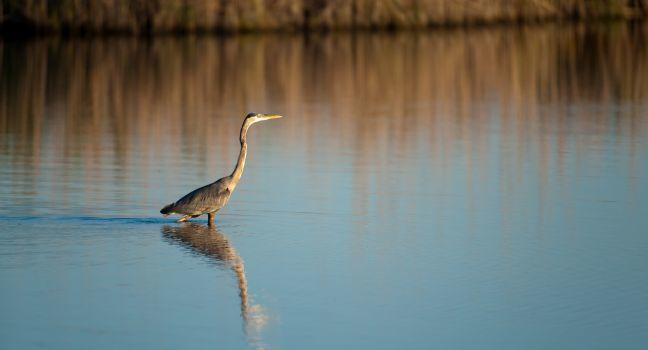
The largest nesting bald eagle population north of Florida makes Blackwater its home. You can often see the birds perching on the lifeless tree trunks that poke from the wetlands here, part of nearly 28,000 acres of woods, open water, marsh, and farmland. In fall and spring, some 35,000 Canada and snow geese pass through in their familiar V formations to and from their winter home, joining more than 15,000 ducks. The rest of the year, residents include endangered species such as peregrine falcons and silver-hair Delmarva fox squirrels. Great blue heron stand like sentinels while ospreys dive for meals and tundra swans preen endlessly. By car or bike you can follow a 5-mi road through several habitats or follow a network of trails on foot. Exhibits and films in the visitor center provide background and insight.
Boone Hall Plantation and Gardens
Share This
spirit of america / Shutterstock
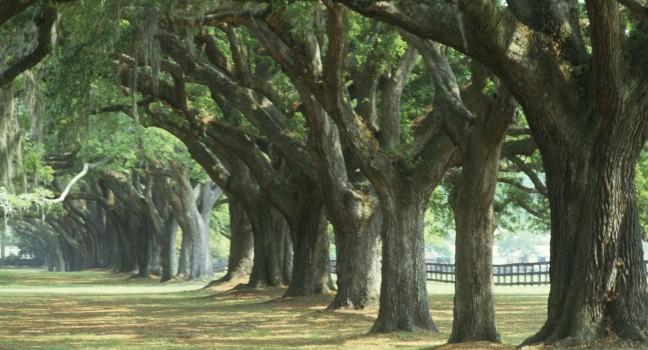
Celebrities Ryan Reynolds and Blake Lively have publicly distanced themselves from their 2012 wedding here at Boone Hall Plantation and Gardens, apologizing for mistaking the longtime site of human enslavement for a pastoral setting. Still, Boone Hall remains one of the former Lowcountry plantations that continues to actively market itself as a wedding backdrop, complete with a moss-draped live oak allée and an heirloom rose garden. Nonwedding guests can also visit the plantation; most significant from a historic standpoint is a set of brick cabins, built at the turn of the 19th century, which housed enslaved people. While Boone Hall's interpretative strategy generally doesn't stress African American contributions or culture beyond the cabins, each one is devoted to a topic in black history, such as civil rights and sweetgrass baskets. The venue occasionally hosts Gullah storytelling and song performances.
Recommended Fodor's Video
Brooklyn Children's Museum
Crown Heights
Share This
Jennifer Arnow
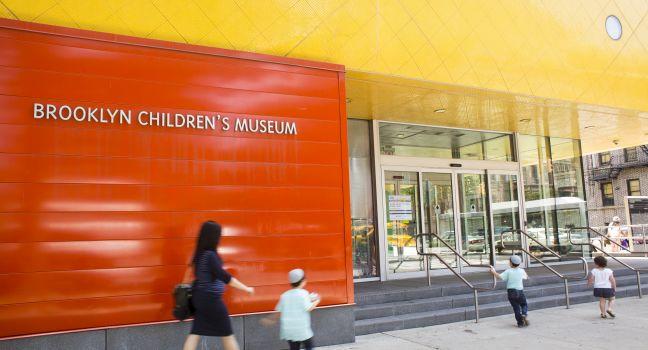
What looks like a giant block of yellow cheese is actually the Brooklyn Children’s Museum, an interactive space where kids can run, touch, and play with abandon. Exhibits include a greenhouse, a rooftop play space, World Brooklyn—a warren of rooms dedicated to various NYC cultures—and the new Air Maze, where kids can insert objects into a topsy-turvy pneumatic-tube system. Check their calendar for ongoing programs, including their Drag Story Hour, which celebrates gender diversity.
Bureau of Engraving and Printing
The Mall
Share This
Jfeinstein | Dreamstime.com
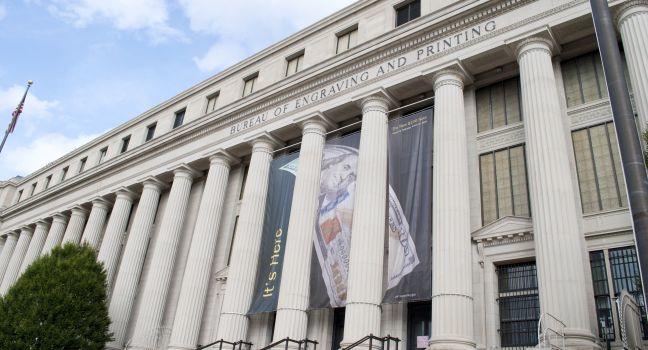
Bureau of Engraving and Printing has printed paper money since 1914 when the bureau relocated from the redbrick-towered Auditors Building at the corner of 14th Street and Independence Avenue. They also print military certificates and presidential invitations. Unfortunately, visits are impossible as the building canceled tours in 2020 and has no definite date to resume them. Check the website for updates on the reopening of tours.
C&O Canal
Georgetown
Share This
spirit of america / Shutterstock
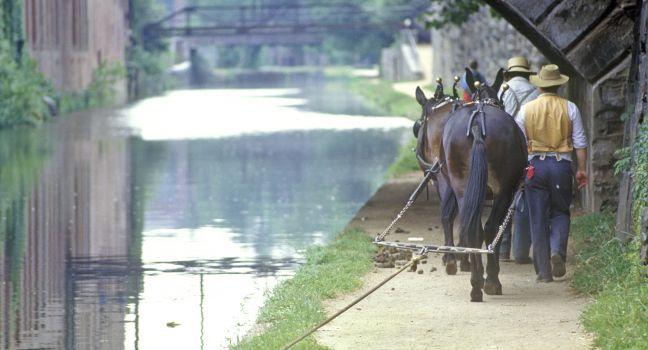
George Washington was one of the first to advance the idea of a canal linking the Potomac with the Ohio River across the Appalachians. Work started on the Chesapeake & Ohio Canal in 1828. When it opened in 1850, its 74 locks linked Georgetown with Cumberland, Maryland, 185 miles to the northwest (still short of its intended destination). Lumber, coal, iron, wheat, and flour moved up and down the canal, but it was never as successful as its planners had hoped, due to damaging floods and competition from the Baltimore & Ohio Railroad. Today the canal is part of the National Park System; walkers and cyclists follow the towpath once used by mules, while canoeists paddle the canal's calm waters. During the summer months, visitors can go on a boat tour of the canal at the Great Falls Tavern Visitor Center (a 30-minute drive from Georgetown), where tour guides share the canal's history and operate the canal locks and boat just as they would have in the 1870s. Tours are free, but visitors must reserve one hour beforehand.
Cades Cove Loop Road
Share This
George Allen Penton / Shutterstock
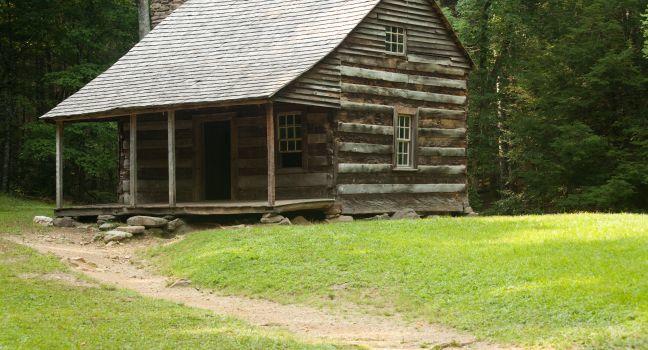
This 11-mile loop through Cades Cove is the most popular route in the park and arguably the most scenic part of the Smoky Mountains. The one-way, one-lane paved road starts 7.3 miles from the national park's Townsend entrance. The drive begins with views over wide pastures to the mountains at the crest of the Smokies. Few other places in the Appalachians offer such vistas across wide valleys with hayfields and wildflower meadows framed by split-rail fences and surrounded by tall mountains. Along the way, you'll pass three 19th-century churches and many restored houses and barns that are open for exploration. A highlight is the Cable Mill area, with a visitor center, working water-powered gristmill, and a restored farmstead. The Cades Cove Loop Road is also an excellent place to see wildlife, including black bears, white-tailed deer, and wild turkeys.
Whenever you visit, even in winter, you can expect traffic delays, as passing points on the one-way road are few and far between. Allow at least two to three hours to drive the loop—longer if you want to stop and explore the historic buildings. If you get frustrated with delays, there are two points where you can cut across the loop on improved gravel roads, exiting sooner. A campground and picnic area are open year-round. The road is closed from sunset to sunrise.
Cave Rock State Park
Share This
Kippy Spilker / Shutterstock
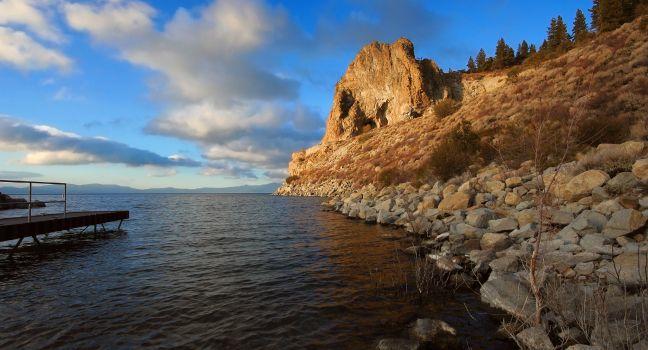
Seventy-five feet of solid stone, Cave Rock is the throat of an extinct volcano. The impressive outcropping, pierced by two U.S. 50 tunnels, towers over a parking lot, a lakefront picnic ground, a small beach, and a boat launch. The views are some of the lake's best; this is an excellent spot to snap a photo. The rock itself is a sacred burial site for the Washoe Indians. Hiking to it from the state park is prohibited.
Chanticleer
Share This
Susan Harris/Flickr, [CC BY 2.0]
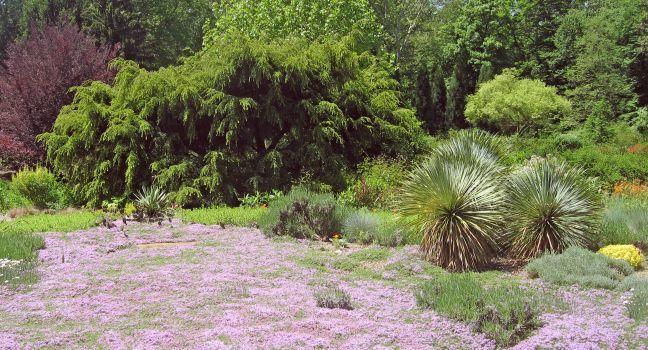
At this 35-acre pleasure garden circling a country estate even the old tennis court has been transformed into a garden. If you enjoy flowers and paths, this is a great stop. It's lavish, but its over-the-top opulence is part of what makes it so enjoyable.
Chesterwood
Share This
LEE SNIDER PHOTO IMAGES / Shutterstock
For 33 years, this was the summer home of the sculptor Daniel Chester French (1850–1931), who created The Minute Man in Concord and the Lincoln Memorial's famous seated statue of the president in Washington, D.C. Occasional tours are given of the house, which is maintained in the style of the 1920s, but the real prize is the studio, where you can view the casts and models French used to create the Lincoln Memorial. The beautifully landscaped 122-acre grounds make for an enchanting stroll or bucolic picnic.
Chicago Board of Trade
Chicago Loop
Share This
(c) Afagundes | Dreamstime.com
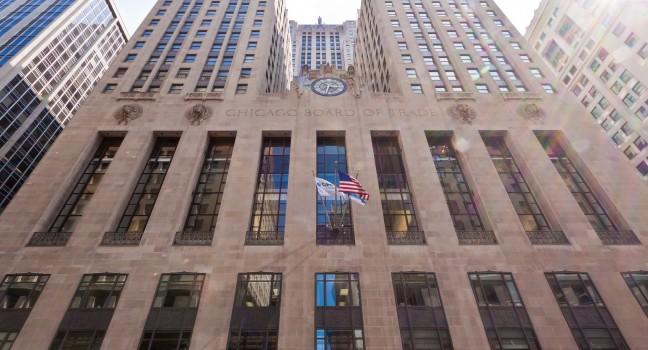
Home of the thriving financial district, relatively narrow LaSalle Street earned the moniker "The Canyon" (and it feels like one) because of the large buildings that flank either end. This one was designed by Holabird & Root and completed in 1930. The streamlined, 45-story giant recalls the days when art deco was all the rage. The artfully lighted marble lobby soars three stories, and Ceres (the Roman goddess of agriculture) stands atop its roof. Trading is no longer done here, but it's worth a look at what was the city's tallest skyscraper until 1955, when the Prudential Center topped it.
Chinatown Gate
Chinatown
Share This
photo.ua / Shutterstock
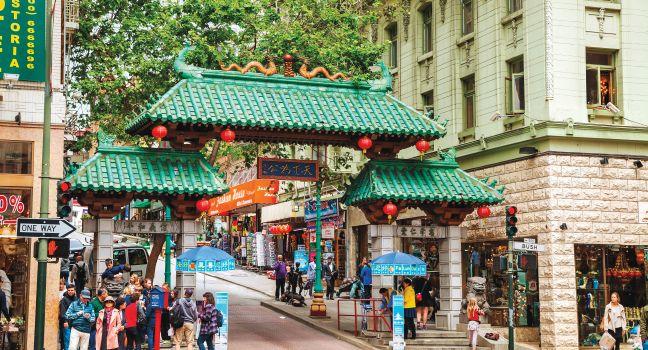
At the official entrance to Chinatown, stone lions flank the base of the pagoda-topped gate; the lions, dragons, and fish up top symbolize wealth, prosperity, and other good things. The four Chinese characters immediately beneath the pagoda represent the philosophy of Sun Yat-sen, the leader who unified China in the early 20th century. Sun Yat-sen, who lived in exile in San Francisco for a few years, promoted the notion of friendship and peace among all nations based on equality, justice, and goodwill. The vertical characters under the left pagoda read "peace" and "trust," the ones under the right pagoda "respect" and "love." The whole shebang telegraphs the internationally understood message of "photo op." Immediately beyond the gate, dive into souvenir shopping on Grant Avenue, Chinatown's tourist strip.
Chrysler Building
Midtown East
Share This
Marc Venema/iStockphoto
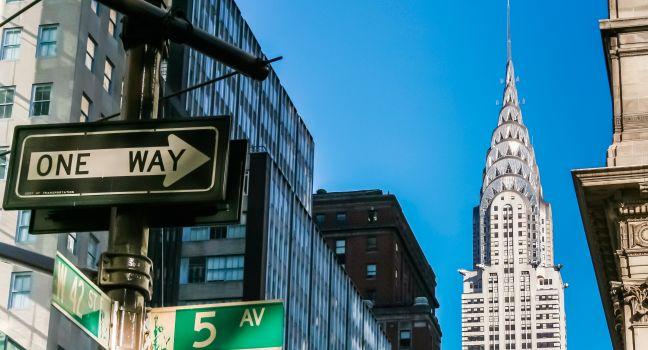
A monument to modernity and the mighty automotive industry, the former Chrysler headquarters wins many New Yorkers' vote for the city's most marvelous and beloved skyscraper, despite the fact that you can only love it from a distance. Architect William Van Alen, who designed this 1930 Art Deco masterpiece, incorporated car details into its form: American eagle gargoyles, made of chromium nickel and resembling hood ornaments used on 1920s Chryslers, sprout from the 61st floor; winged urns festooning the 31st floor reference the car's radiator caps. Most breathtaking is the pinnacle, with tiered crescents and spiked windows that radiate out like a magnificent steel sunburst. While the current owner has been given permission to reopen an observation deck on the 71st floor that closed in 1945, for now you have to make do with appreciating it from afar or ducking in for a quick look at the amazing time-capsule lobby replete with chrome "grillwork," intricately patterned wood elevator doors, marble walls and floors, and an enormous ceiling mural saluting transportation and human endeavor. You may enter the lobby during business hours (8 am–6 pm). For a great view/photo, walk to the northeast corner of 44th Street and 3rd Avenue.
Civic Center Park
Civic Center
Share This
Bridget Calip / Shutterstock
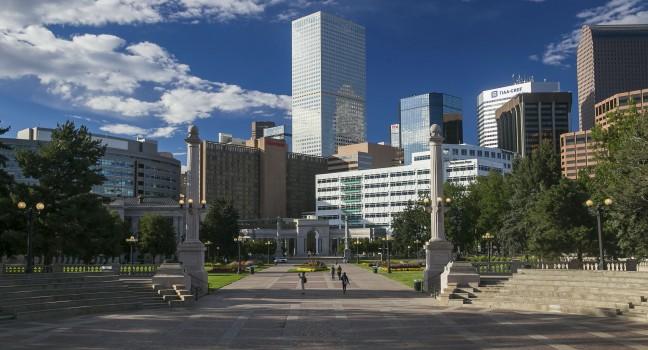
A peaceful respite awaits in this three-block park in the cultural heart of downtown, site of the State Capitol. A 1919 Greek amphitheater is in the middle of one of the city's largest flower gardens, and in spring, summer, and fall, it's the site of festivals such as Cinco de Mayo, Taste of Colorado, and the People's Fair. On Thursday, food trucks offer lunchtime alternatives. The park was born in 1906, when Mayor Robert Speer asked New York architect Charles Robinson to expand on his vision of a "Paris on the Platte." Two of the park's statues, Broncho Buster and On the War Trail, depicting a cowboy and an Indian on horseback, were commissioned in the 1920s.
Cliveden
Germantown
Share This
Daniel M. Silva / Shutterstock
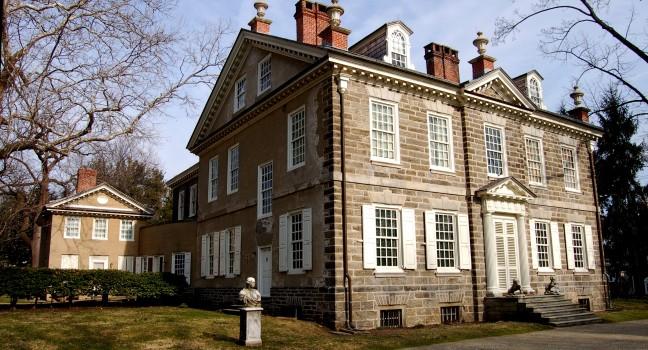
The grounds take up an entire block, and they are free to walk around. Cliveden's (rhymes with lived in) unique history, impressive architecture, and the guides who spin a good yarn combine to make the site perhaps the best visiting experience of the historic Germantown homes. The elaborate country house was built in 1767 by Benjamin Chew (1722–1810), a Quaker and chief justice of the colonies, and something of a fence-straddler during the Revolution. Cliveden was at the center of the Battle of Germantown, occupied by British troops, and the walls still bear the marks of American cannon fire. An elaborate reenactment of the Battle of Germantown is held here annually on the first Saturday in October. Cliveden excels at its robust programming, which is year-round, and much of which explores the experiences of slaves, servants, and workers at Cliveden, and larger themes of Northern slavery and slaveholders, like the Chew family, who owned plantations in the South. The house, on 6 acres, can be seen on a 45-minute guided tours. Off-season tours can be arranged by calling.
Columbus Circle
Upper West Side
Share This
(c) Appalachianviews | Dreamstime.com
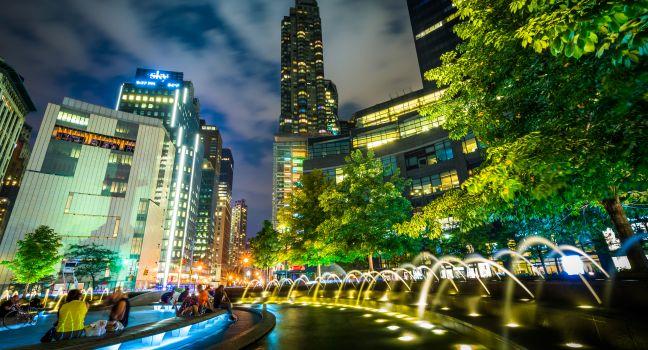
This busy traffic circle at Central Park's southwest corner anchors the Upper West Side and makes a good starting place for exploring the neighborhood. The 700-ton, granite monument in the circle's center, capped by a marble statue of Christopher Columbus, serves as a popular meeting place. To some people, Columbus Circle is synonymous with the Deutsche Bank Center building and its several floors of shops, restaurants, and quick-bite cafés. The Whole Foods market and the food hall Turnstyle (on the subway-station mezzanine) are good spots to pick up sandwiches, coffee, or sushi for a Central Park picnic. The building is also home to the Rose Hall performing arts complex, part of Jazz at Lincoln Center.
The Cyclone
Coney Island
Share This
Zhukovsky | Dreamstime.com
This historic wooden roller coaster first thrilled riders in 1927, and it'll still make you scream. Anticipation builds as the cars slowly clack up to the first unforgettable 85-foot plunge—and the look on your face is captured in photos that you can purchase at the end of the ride. The Cyclone might not have the speed or the twists and turns of more modern rides, but that's all part of its rickety charm. It's one of two New York City landmarks in Coney Island, and deservingly in the National Register of Historic Places.
Dallas Arboretum and Botanical Garden
East Dallas
Share This
Shannon Beineke / Shutterstock
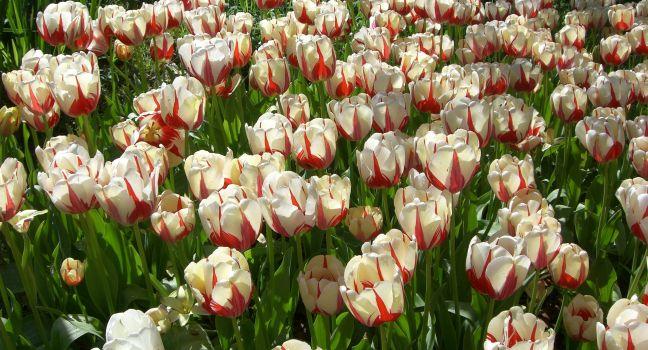
This lovely attraction is composed of 66 acres of gardens and lawns in White Rock Lake Park. Spend an hour or two here to escape the noise and traffic of the city, walk nature trails, admire sculpture, and recline in soft, manicured grass. The annual Dallas Blooms event, in early spring, boasts spectacular displays of tulips, daffodils, and other blooming bulbs. Fall delivers more than 150,000 autumn flowers as well as great displays of pumpkins and other gourds.
Dallas Heritage Village
Share This
Mrs. Loh / Shutterstock
It may be difficult to imagine Dallas without its shiny skyscrapers, far-flung suburbs, and miles and miles of highway, but Heritage Village at Old City Park allows visitors to experience what life was like in Big D before 1910. The museum, set on 13 acres just south of I–30 and Downtown Dallas, consists of 38 restored buildings, furnished inside and out as they would have been (way) back in the day. You'll also meet a couple of donkeys, a cow, some chickens, and other barnyard animals. Visitors can tour structures such as a log cabin, an antebellum mansion, a schoolhouse, a church, a farmhouse, and a shotgun shack. The re-created Main Street features a sturdy bank (rebuilt on site brick by brick), a print shop, a general store, and a saloon, where you may be able to order an ice-cold root beer, play a game of cards or checkers, and even catch a gunfight that spills into the street. Docents are in period costume and stay in character, describing in detail their daily lives and challenges.
Daniels & Fisher Tower
Downtown
Share This
Arina P Habich / Shutterstock
This 330-foot-high, 20-floor structure emulates the Campanile of St. Mark's Square in Venice, and it was the tallest building west of the Mississippi when it was built in 1909. William Cooke Daniels originally commissioned the tower to stand adjacent to his five-story department store. Today it's an office building with a cabaret in the basement as well as the city's most convenient clock tower. It's particularly striking—the clock is 16 feet high—when viewed in concert with the fountains in the adjacent Skyline Park.
Discovery Trail
Share This
Eugene Kalenkovich / Shutterstock
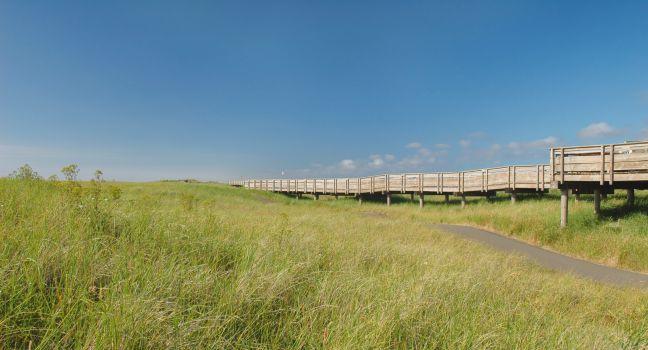
Created to memorialize Lewis and Clark's explorations here in 1805–06, the 8½-mile Discovery Trail, which is paved or runs over boardwalk and is accessible to bikes and pedestrians, traces the explorers' steps from Ilwaco to north Long Beach. Along the way it passes plenty of sandy dunes and beaches. People can access the trail from the beach parking lots on Sid Snyder Drive or Bolstad Street in Long Beach. Parking is also available at the Beard's Hollow lot in Cape Disappointment State Park.
Donner Memorial State Park and Emigrant Trail Museum
Share This
Jeffrey M. Frank / Shutterstock
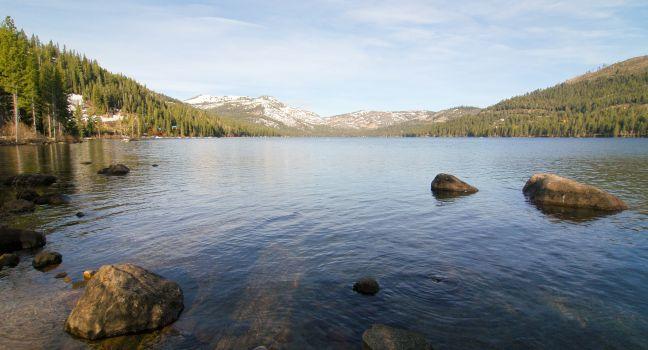
The park and museum commemorate the 89 members of the Donner Party, westward-bound pioneers who became trapped in the Sierra in the winter of 1846–47 in snow 22 feet deep. Barely more than half survived, some by resorting to cannibalism. The absorbing Emigrant Trail Museum in the visitor center contains exhibits about the Donner Party, regional Native Americans, and railroad and transportation development in the area. In the park, you can picnic, hike, camp, and go boating, fishing, and waterskiing in summer; winter brings cross-country skiing and snowshoeing on groomed trails.
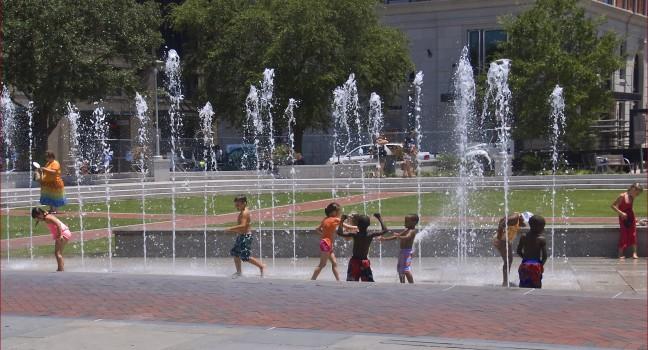
Converted from a public square to a parking garage in the 1970s, Ellis Square has been restored in recent years and is once again one of Savannah's most popular spots. Near the western end stands a statue of legendary songwriter Johnny Mercer, a Savannah native. Nearby is a visitor center with a touch-screen city guide, maps and brochures, and public restrooms. To the east is a life-size chess board; the pieces can be requested at the visitor center. A treat for youngsters (and the young at heart) is the square's interactive fountain, which is entertaining and refreshing in the warmer months.
Everglades Safari Park
Share This
Alexanderphoto7 / Shutterstock
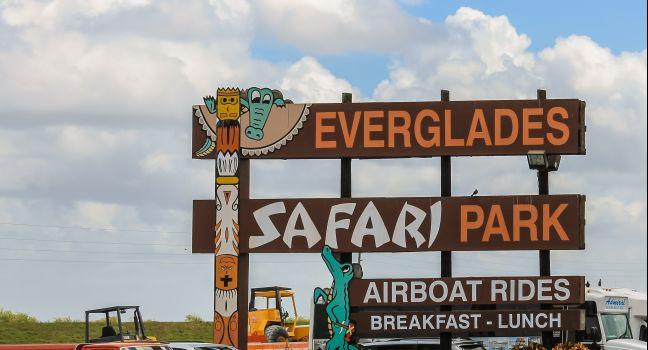
A perennial favorite with tour operators, this family-run park has been in business since 1968 on a wild plot of land just 15 miles from overdeveloped west Miami. It has an arena for alligator wrestling shows with seating for up to 300 people. Before and after the show, get a closer look at both American alligators and American crocodiles on Gator Island, follow a jungle trail, walk through a small wildlife museum, or board an airboat for a 40-minute ride on the River of Grass (fee is included in park admission). The park also has a restaurant, a gift shop, and an observation platform overlooking the lush vegetation in the surrounding Everglades. Smaller, private airboats can be chartered for tours lasting 40 minutes to two hours. Check online for discounts and count on free parking. This is one of three businesses authorized by the National Park Service to conduct airboat tours inside Everglades National Park.
Federal Reserve Building
Foggy Bottom
Share This
(c) Lightpro | Dreamstime.com
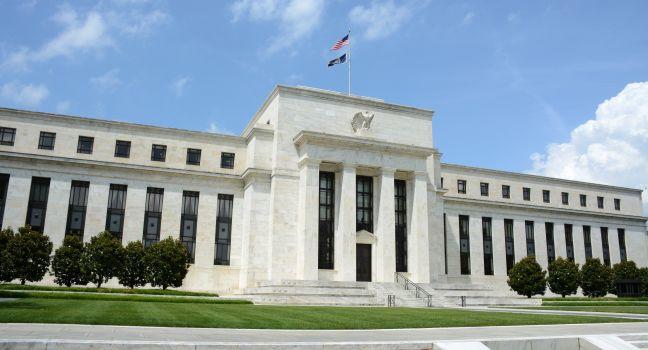
This imposing marble edifice, its bronze entryway topped by a massive eagle, was designed by Folger Shakespeare Library architect Paul Cret. Its appearance seems to say, "Your money's safe with us." Even so, there's no money here, as the Fed's mission is to set interest rates and keep the economy on track. The stately facade belies a friendlier interior, with a varied collection of art and several special art exhibitions every year. Tours of the building are available for groups of 10 or more, all aged 18 years or older; they must be booked at least two weeks in advance via email.
Flatiron Building
Flatiron District
Share This
Marco Rubino / Shutterstock
When completed in 1902, the wedge-shape Fuller Building, as it was originally known, caused a sensation. Architect Daniel Burnham made ingenious use of the triangular wedge of land at 23rd Street, 5th Avenue, and Broadway, employing a revolutionary steel frame that allowed for the structure's 22-story, 286-foot height. Covered with a facade of limestone and white terra-cotta in the Italian Renaissance style, the building's shape resembled a clothing iron, hence its nickname. When it became apparent that the building generated strong winds, gawkers would loiter at 23rd Street hoping to catch sight of ladies' billowing skirts. Local traffic cops had to shoo away the male peepers—one purported origin of the phrase "23 skidoo."
Florissant Fossil Beds National Monument
Share This
Gary Saxe / Shutterstock
Once a temperate subtropical climate, Florissant Fossil Beds National Monument was perfectly preserved by volcanic ash and mud flow 34 million years ago. This little-known site is a haven for paleontologists. The visitor center offers a daily guided walk and ranger talks in the amphitheater in summer, or you can follow the more than 14 miles of well-marked hiking trails and lose yourself in the remnants of petrified redwoods from the Eocene epoch. Once a month, you can lose yourself in the star-filled skies with the park's Night Sky Programs. Certified as an International Dark Sky Park and featuring volunteer astronomers from the Colorado Springs Astronomical Society who bring additional telescopes and insights, it's worth planning a late-afternoon visit/hike to then hang out for an evening of galaxy-viewing. See the website for their schedule.
Flushing Meadows Corona Park
Flushing
Share This
Paul Hakimata Photography / Shutterstock
The gleaming Unisphere (an enormous, 140-foot-high, steel globe) might tip you off that this 898-acre park, which is the largest in the borough, was the site of two World's Fairs. Take advantage of the park's barbecue pits, seasonal boat and kayak rentals, sports fields, and cultural festivals, but don't forget the art museum, science hall, zoo, theater, carousel, indoor pool, ice-skating rink, pitch-and-putt and mini-golf courses, and model-airplane field. Set aside a day to hit a few primary spots: several are clustered together on the park's northwest side, but reaching others will require long (though peaceful) walks.
The outdoor Queens Night Market (www.queensnightmarket.com) is held Saturday evening, late April through October, near the New York Hall of Science. It's reminiscent of Asia's popular food markets and generally has about 100 vendors serving flavorful, often-adventurous global fare.
The flat grounds are ideal for family biking; bike rentals are available at two locations from March to early November.
The park is open from 6 am to 9 pm, 365 days a year (as in most city parks, exercise caution when visiting outside daytime hours).
Grand Lake
Share This
Bambi L. Dingman | Dreamstime
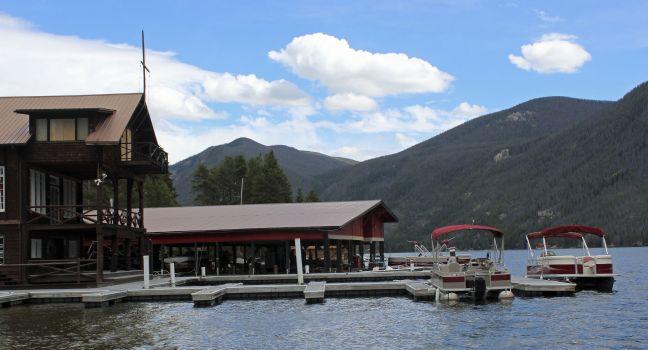
The largest and deepest natural lake in Colorado, Grand Lake offers calm waters for boating, fishing, and kayaking. It also feeds into two much larger man-made reservoirs, Lake Granby and Shadow Mountain Lake. These three bodies of water, along with Monarch Lake and Willow Creek and Meadow Creek reservoirs, are called the "Great Lakes of Colorado."
Grand Ole Opry House
Opryland/Music Valley
Share This
Creative Jen Designs / Shutterstock
The enormously popular radio show, the Grand Ole Opry, has been performed in the Opry House since 1925. You can see superstars, legends, and up-and-coming stars on this stage. The Opry has been in its current location since 1974, when then-President Richard Nixon played a song on the house piano on opening night, and as such it’s the epicenter around which the rest of Music Valley has rippled out over the years. Even if you aren’t a huge fan of country music, it’s definitely worth a visit for the spectacle of it all. And if attending a live show isn’t enough to satisfy your love of country music, you can take a backstage tour seven days a week to hear more about the history, stars, and stories that make the Grand Ole Opry truly grand.
Subscribe to Newsletter
Sign up for Travel Tips & News
I want emails from Fodor's Travel with travel information and promotions. I can unsubscribe
any time using the unsubscribe link at the end of all emails.
Thank you for your interest!
Look out for our newsletters with travel tips and special offers.
Sign up for Travel Tips & News
By signing up for the
newsletter, I agree to the Privacy Policy. You must check the box to subscribe
Thank you for your interest!
Look out for our newsletters with travel tips and special offers.