Get FREE email communications from Fodor's Travel, covering must-see travel destinations, expert
trip planning advice, and travel inspiration to fuel your passion.
We've compiled the best of the best in USA - browse our top choices for the top
things to see or do during your stay.
Sorry! We don't have any recommendations for USA right now.
Sights Filter
Weston Lake Loop Trail
Fodor's Choice
Share This
Visitors wanting to see a bit more than the Boardwalk, but who want to keep their feet (relatively) clean, can tackle this 4.4-mile loop that passes its namesake lake deep in the forest. The southern edge of the trail parallels Cedar Creek, where you'll see much of the same scenery (including wood ducks) that you'd experience via a paddle trip. Easy.
Wilson Museum
Fodor's Choice
Share This
The 4-acre campus of this museum has multiple historic structures, and a fascinating lot of information to impart. The main building houses anthropologist-geologist John Howard Wilson’s collection of prehistoric artifacts from around the world. The John & Phebe Perkins House is a restored 1763 residence originally built on what is now Court Street. The house fell into disrepair until the 1960s, when the Castine Scientific Society had it taken down piece by piece and reassembled on the grounds here. Inside, you can find Perkins family heirlooms and 18th- and early-19th-century furnishings. On the lower level, exhibits in the Perkins Gallery share stories and objects from 19th-century Castine, Penobscot, and Brooksville. The museum shop here features a curated selection of books for all ages, historical maps and prints, souvenirs, crafts, and educational toys.
The Hutchins Education Center offers year-round programs and seasonal exhibits. The Blacksmith Shop holds demonstrations showing all the tricks of this old-time trade. In addition to displays of small traditional boats, the Wood Shop has woodworking demonstrations and a workshop where boats are often under construction. The Bagaduce Engine Company showcases early firefighting memorabilia, including Castine’s 1917 fire alarm, which still works.
WNYC Transmitter Park
Greenpoint
Fodor's Choice
Share This
Greenpoint residents of all ages head to this waterfront park to soak up the sun and stunning views of the Midtown skyline. From the manicured lawn and the benches on the esplanade, the Chrysler Building and the Empire State Building seem just a stone’s throw away. Formerly the site of WNYC radio's transmission towers, this pristine public space opened in 2012, part of the city's ongoing project to redevelop waterfront property throughout the five boroughs.
Recommended Fodor's Video
Woods Hole Science Aquarium
Fodor's Choice
Share This
This impressive facility displays numerous large tanks and many more smaller ones filled with fish and shellfish from the waters of the Northeast and mid-Atlantic. Rooms are small, but they are crammed with stuff to see. Magnifying glasses and a dissecting scope help you examine marine life. Several hands-on pools hold banded lobsters, crabs, snails, starfish, and other creatures. The stars of the show are two harbor seals, on view in the outdoor pool near the entrance; watch their feedings, most days, at 11 and 4.
Wyoming Whiskey
Fodor's Choice
Share This
The complex small-batch whiskeys produced by this craft distiller have received high marks from top spirits critics around the world. Fans of premium, barrel-age bourbon now flock to tiny Kirby (population 92, 13 miles north of Thermopolis) to sample and buy these smooth sippers and tour the handsome silo-style building in which they're distilled.
Yachats Ocean Road State Natural Site
Fodor's Choice
Share This
Drive this 1-mile loop just across the Yachats River from downtown Yachats, and discover one of the most scenic viewpoints on the Oregon Coast. Park along Yachats Ocean Road and scamper out along the broad swath of sand where the Yachats River meets the Pacific Ocean. There's fun to be had playing on the beach, poking around tide pools, and watching blowholes, summer sunsets, and whales spouting.
Yale University
Fodor's Choice
Share This
New Haven's manufacturing history dates to the 19th century, but the city owes its fame to merchant Elihu Yale. In 1718, his contributions enabled the Collegiate School, founded in 1701 at Saybrook, to settle in New Haven and change its name to Yale College. In 1887, all of its schools were consolidated into Yale University. This is one of the nation's great institutions of higher learning, and its campus holds some handsome neo-Gothic buildings and noteworthy museums. Student guides conduct hour-long walking tours that include Connecticut Hall in the Old Campus, one of the oldest buildings in the state, which housed a number of illustrious students—including Nathan Hale, Noah Webster, and Eli Whitney. Tours start from the visitor center.
Yale University Art Gallery
Fodor's Choice
Share This
Since its founding in 1832, this art gallery has amassed more than 200,000 works from around the world, dating from ancient Egypt to the present day. Highlights include works by Vincent van Gogh, Edouard Manet, Claude Monet, Pablo Picasso, Winslow Homer, and Thomas Eakins, as well as Etruscan and Greek vases, Chinese ceramics and bronzes, early Italian paintings, and a collection of American decorative arts that is considered one of the world's finest. The gallery's landmark main building is also of note: Opened in 1953, it was renowned architect Louis I. Kahn's first major commission and the first modernist building on the neo-Gothic Yale campus.
Yavapai Point
Fodor's Choice
Share This
Dominated by the Yavapai Geology Museum and Observation Station, this point displays panoramic views of the mighty gorge through a wall of windows. Exhibits at the museum include videos of the canyon floor and the Colorado River, a scaled diorama of the canyon with national park boundaries, fossils, and rock fragments used to re-create the complex layers of the canyon walls, and a display on the natural forces used to carve the chasm. Dig even deeper into Grand Canyon geology with free daily ranger programs. This point is also a good location to watch the sunset.
Zilker Park
West Austin
Fodor's Choice
Share This
A former Native American gathering place and later a site of Franciscan missions in the 1700s, present-day Zilker Park is Austin's biggest public green space. Locals consider the 351-acre park complex their own backyard, albeit a massive one that stretches along the shores of Lady Bird Lake and includes adjacent sites like Barton Springs, botanical gardens, and various lakeside trails. Parking is increasingly difficult in recent years, so take the free Zilker Shuttle that runs May through September to avoid the congestion. In spring, the park hosts a beloved annual kite festival plus a long-running concert series at the Zilker Hillside Theater, a natural outdoor amphitheater shaded by century-old pecan trees; musicals and plays take over in the summer. The annual Austin City Limits Music Festival, along with hundreds of thousands of attendees, descend on the park for two weeks in October.
Zion Lodge
Fodor's Choice
Share This
Architect Gilbert Stanley Underwood, responsible for many noteworthy national park lodges, designed the original Zion Lodge, which opened in 1924 but was destroyed by fire four decades later (the neighboring guest cabins survived and are still in use today). It was hastily rebuilt in about 100 days, and then in 1990, it received a painstaking restoration that brought it back to its original rustic style, in some cases down to the very paint color. Natural beauty is on display inside and out, from the lobby's rock columns and exposed wood to the cottonwoods shading the sprawling lawn. The main building includes a gift shop, an upscale restaurant, and an outdoor café with a large patio and beer garden. One way to experience the lodge and its surroundings is through an open-air narrated tram ride (the fare is $17).
Dog Canyon Campground
Fodor's Choice
Share This
This site at the north end of the park, a two-hour drive from Pine Springs Visitor Center, has 13 campsites with picnic tables, which you can use during the day for free. This is a lovely shaded area with an elevation of 6,300 feet where you're likely to see mule deer. Drinking water and restrooms are available.
Evening Bat Flight Program
Fodor's Choice
Share This
In the amphitheater at the Natural Entrance (off a short trail from the main parking lot) a ranger discusses the park's batty residents before the creatures begin their sundown exodus. The bats aren't on any predictable schedule, so times are a little iffy. Ideally, viewers will first hear the bats preparing to exit, followed by a vortex of black specks swirling out of the cave mouth in search of dinner against the darkening sky. When conditions are favorable, hundreds of thousands of bats will soar off over the span of half an hour or longer.
Haystack Rock
Fodor's Choice
Share This
Towering over the broad, sandy beach is a gorgeous, 235-foot-high dome that is one of the most photographed natural wonders on the Oregon Coast. For safety and to protect birding habitats, people are not allowed to climb on the rock, but you can walk right up to its base at low tide.
Nike Missile Site SF-88
Fodor's Choice
Share This
The only fully restored site of its kind in the United States, the museum at SF-88 provides a firsthand view of menacing Cold War–era Hercules and Ajax missiles and missile-tracking radar, the country's last line of defense against Soviet nuclear bombers. It's worth timing your visit to take the guided tour, which features period uniforms and vehicles and includes a visit to the missile-launching bunker. On the first Saturday of the month the site holds an open house during which Nike veterans describe their experiences.
Santa Elena Canyon
Fodor's Choice
Share This
The finale of a short but vigorous hike (1.6 miles round-trip) over a steep slope is a spectacular view of the Rio Grande and sheer limestone cliffs that rise 1,500 feet to create a narrow, natural box with the U.S. on one side, and Mexico on the other. Summer can feel like a sauna, but you might have this secluded place to yourself.
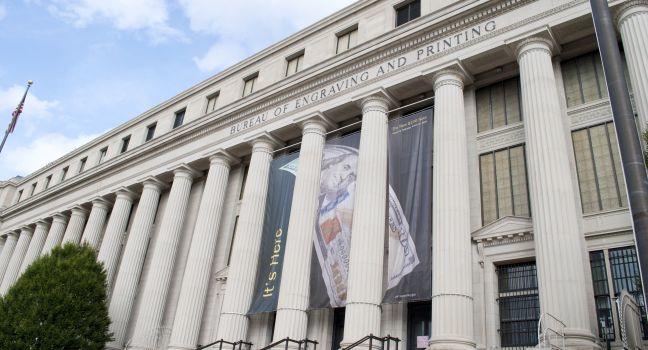
Bureau of Engraving and Printing
The Mall
Share This
Jfeinstein | Dreamstime.com
Bureau of Engraving and Printing has printed paper money since 1914 when the bureau relocated from the redbrick-towered Auditors Building at the corner of 14th Street and Independence Avenue. They also print military certificates and presidential invitations. Unfortunately, visits are impossible as the building canceled tours in 2020 and has no definite date to resume them. Check the website for updates on the reopening of tours.
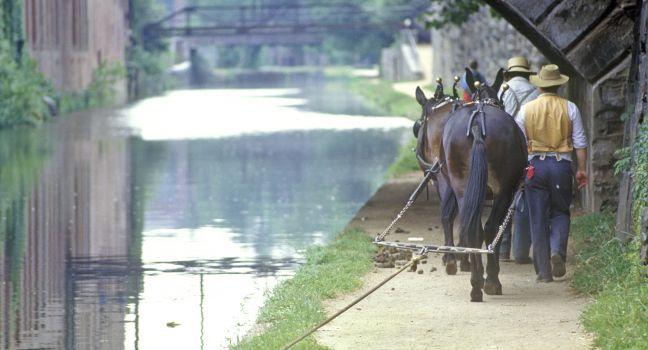
C&O Canal
Georgetown
Share This
spirit of america / Shutterstock
George Washington was one of the first to advance the idea of a canal linking the Potomac with the Ohio River across the Appalachians. Work started on the Chesapeake & Ohio Canal in 1828. When it opened in 1850, its 74 locks linked Georgetown with Cumberland, Maryland, 185 miles to the northwest (still short of its intended destination). Lumber, coal, iron, wheat, and flour moved up and down the canal, but it was never as successful as its planners had hoped, due to damaging floods and competition from the Baltimore & Ohio Railroad. Today the canal is part of the National Park System; walkers and cyclists follow the towpath once used by mules, while canoeists paddle the canal's calm waters. During the summer months, visitors can go on a boat tour of the canal at the Great Falls Tavern Visitor Center (a 30-minute drive from Georgetown), where tour guides share the canal's history and operate the canal locks and boat just as they would have in the 1870s. Tours are free, but visitors must reserve one hour beforehand.
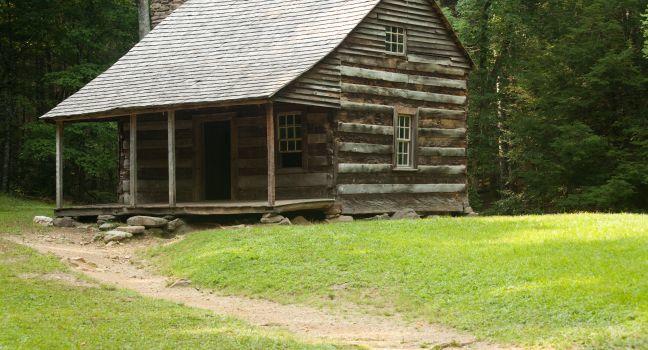
Cades Cove Loop Road
Share This
George Allen Penton / Shutterstock
This 11-mile loop through Cades Cove is the most popular route in the park and arguably the most scenic part of the Smoky Mountains. The one-way, one-lane paved road starts 7.3 miles from the national park's Townsend entrance. The drive begins with views over wide pastures to the mountains at the crest of the Smokies. Few other places in the Appalachians offer such vistas across wide valleys with hayfields and wildflower meadows framed by split-rail fences and surrounded by tall mountains. Along the way, you'll pass three 19th-century churches and many restored houses and barns that are open for exploration. A highlight is the Cable Mill area, with a visitor center, working water-powered gristmill, and a restored farmstead. The Cades Cove Loop Road is also an excellent place to see wildlife, including black bears, white-tailed deer, and wild turkeys.
Whenever you visit, even in winter, you can expect traffic delays, as passing points on the one-way road are few and far between. Allow at least two to three hours to drive the loop—longer if you want to stop and explore the historic buildings. If you get frustrated with delays, there are two points where you can cut across the loop on improved gravel roads, exiting sooner. A campground and picnic area are open year-round. The road is closed from sunset to sunrise.
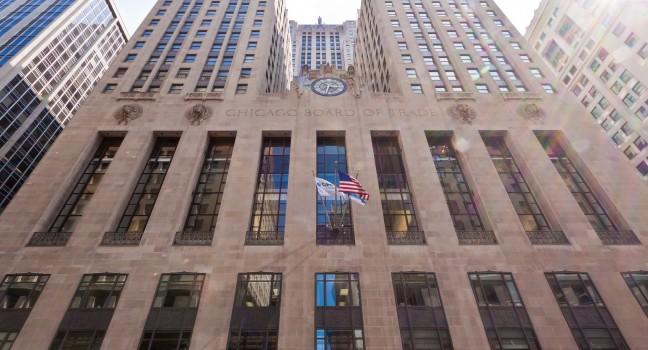
Chicago Board of Trade
Chicago Loop
Share This
(c) Afagundes | Dreamstime.com
Home of the thriving financial district, relatively narrow LaSalle Street earned the moniker "The Canyon" (and it feels like one) because of the large buildings that flank either end. This one was designed by Holabird & Root and completed in 1930. The streamlined, 45-story giant recalls the days when art deco was all the rage. The artfully lighted marble lobby soars three stories, and Ceres (the Roman goddess of agriculture) stands atop its roof. Trading is no longer done here, but it's worth a look at what was the city's tallest skyscraper until 1955, when the Prudential Center topped it.
Chrysler Building
Midtown East
Share This
Marc Venema/iStockphoto
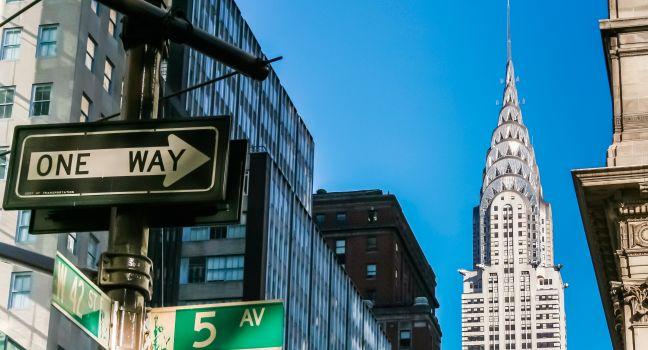
A monument to modernity and the mighty automotive industry, the former Chrysler headquarters wins many New Yorkers' vote for the city's most marvelous and beloved skyscraper, despite the fact that you can only love it from a distance. Architect William Van Alen, who designed this 1930 Art Deco masterpiece, incorporated car details into its form: American eagle gargoyles, made of chromium nickel and resembling hood ornaments used on 1920s Chryslers, sprout from the 61st floor; winged urns festooning the 31st floor reference the car's radiator caps. Most breathtaking is the pinnacle, with tiered crescents and spiked windows that radiate out like a magnificent steel sunburst. While the current owner has been given permission to reopen an observation deck on the 71st floor that closed in 1945, for now you have to make do with appreciating it from afar or ducking in for a quick look at the amazing time-capsule lobby replete with chrome "grillwork," intricately patterned wood elevator doors, marble walls and floors, and an enormous ceiling mural saluting transportation and human endeavor. You may enter the lobby during business hours (8 am–6 pm). For a great view/photo, walk to the northeast corner of 44th Street and 3rd Avenue.
Civic Center Park
Civic Center
Share This
Bridget Calip / Shutterstock
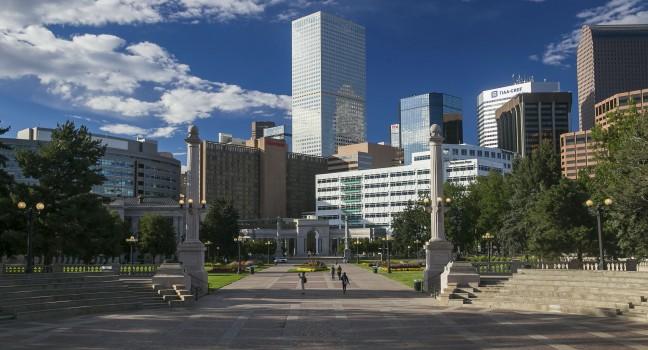
A peaceful respite awaits in this three-block park in the cultural heart of downtown, site of the State Capitol. A 1919 Greek amphitheater is in the middle of one of the city's largest flower gardens, and in spring, summer, and fall, it's the site of festivals such as Cinco de Mayo, Taste of Colorado, and the People's Fair. On Thursday, food trucks offer lunchtime alternatives. The park was born in 1906, when Mayor Robert Speer asked New York architect Charles Robinson to expand on his vision of a "Paris on the Platte." Two of the park's statues, Broncho Buster and On the War Trail, depicting a cowboy and an Indian on horseback, were commissioned in the 1920s.
Columbus Circle
Upper West Side
Share This
(c) Appalachianviews | Dreamstime.com
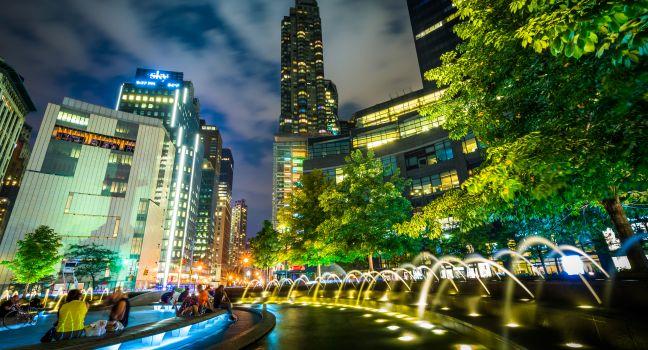
This busy traffic circle at Central Park's southwest corner anchors the Upper West Side and makes a good starting place for exploring the neighborhood. The 700-ton, granite monument in the circle's center, capped by a marble statue of Christopher Columbus, serves as a popular meeting place. To some people, Columbus Circle is synonymous with the Deutsche Bank Center building and its several floors of shops, restaurants, and quick-bite cafés. The Whole Foods market and the food hall Turnstyle (on the subway-station mezzanine) are good spots to pick up sandwiches, coffee, or sushi for a Central Park picnic. The building is also home to the Rose Hall performing arts complex, part of Jazz at Lincoln Center.
Discovery Trail
Share This
Eugene Kalenkovich / Shutterstock
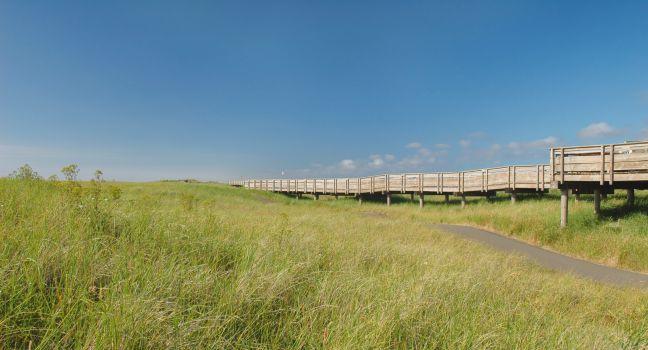
Created to memorialize Lewis and Clark's explorations here in 1805–06, the 8½-mile Discovery Trail, which is paved or runs over boardwalk and is accessible to bikes and pedestrians, traces the explorers' steps from Ilwaco to north Long Beach. Along the way it passes plenty of sandy dunes and beaches. People can access the trail from the beach parking lots on Sid Snyder Drive or Bolstad Street in Long Beach. Parking is also available at the Beard's Hollow lot in Cape Disappointment State Park.
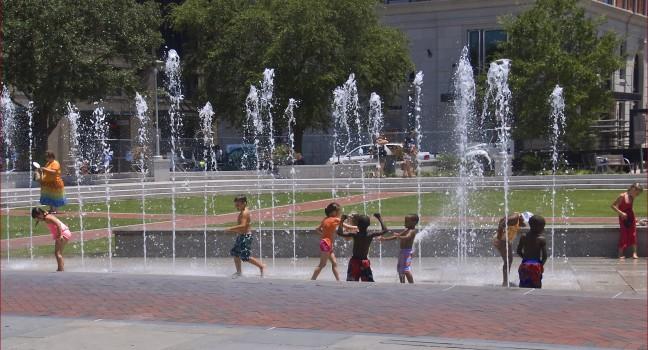
Converted from a public square to a parking garage in the 1970s, Ellis Square has been restored in recent years and is once again one of Savannah's most popular spots. Near the western end stands a statue of legendary songwriter Johnny Mercer, a Savannah native. Nearby is a visitor center with a touch-screen city guide, maps and brochures, and public restrooms. To the east is a life-size chess board; the pieces can be requested at the visitor center. A treat for youngsters (and the young at heart) is the square's interactive fountain, which is entertaining and refreshing in the warmer months.
Federal Reserve Building
Foggy Bottom
Share This
(c) Lightpro | Dreamstime.com
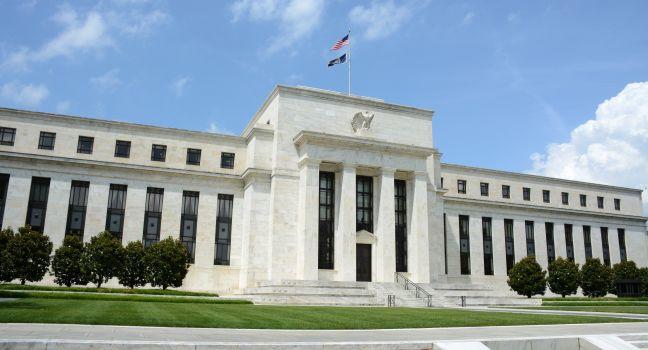
This imposing marble edifice, its bronze entryway topped by a massive eagle, was designed by Folger Shakespeare Library architect Paul Cret. Its appearance seems to say, "Your money's safe with us." Even so, there's no money here, as the Fed's mission is to set interest rates and keep the economy on track. The stately facade belies a friendlier interior, with a varied collection of art and several special art exhibitions every year. Tours of the building are available for groups of 10 or more, all aged 18 years or older; they must be booked at least two weeks in advance via email.
Flushing Meadows Corona Park
Flushing
Share This
Paul Hakimata Photography / Shutterstock
The gleaming Unisphere (an enormous, 140-foot-high, steel globe) might tip you off that this 898-acre park, which is the largest in the borough, was the site of two World's Fairs. Take advantage of the park's barbecue pits, seasonal boat and kayak rentals, sports fields, and cultural festivals, but don't forget the art museum, science hall, zoo, theater, carousel, indoor pool, ice-skating rink, pitch-and-putt and mini-golf courses, and model-airplane field. Set aside a day to hit a few primary spots: several are clustered together on the park's northwest side, but reaching others will require long (though peaceful) walks.
The outdoor Queens Night Market (www.queensnightmarket.com) is held Saturday evening, late April through October, near the New York Hall of Science. It's reminiscent of Asia's popular food markets and generally has about 100 vendors serving flavorful, often-adventurous global fare.
The flat grounds are ideal for family biking; bike rentals are available at two locations from March to early November.
The park is open from 6 am to 9 pm, 365 days a year (as in most city parks, exercise caution when visiting outside daytime hours).
Henry Art Gallery
University District
Share This
User:DVD R W [GFDL or CC-BY-SA-3.0], via Wikimedia Commons
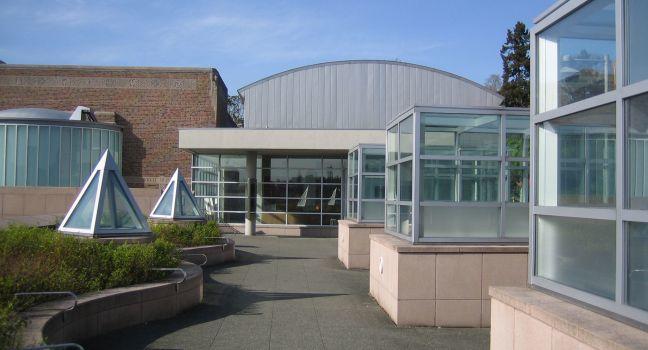
This gallery presents thought-provoking shows by contemporary artists that often often bend or defy tradition. The star attraction of the permanent collection is Light Reign by James Turrell, an elliptical chamber sitting separate from the main building that allows visitors to contemplate the sky through a large hole in its ceiling. It's a quiet, meditative experience in the midst of the university hubbub. The Henry's location—steps away from the Burke Museum and Red Square—and its free admission make it an easy stop while exploring the UW campus. The café, open even when the gallery is closed on Tuesday and Wednesday, is a peaceful spot for a coffee and a bite to eat.
Hollywood Walk of Fame
Hollywood
Share This
Andrew Zarivny / Shutterstock
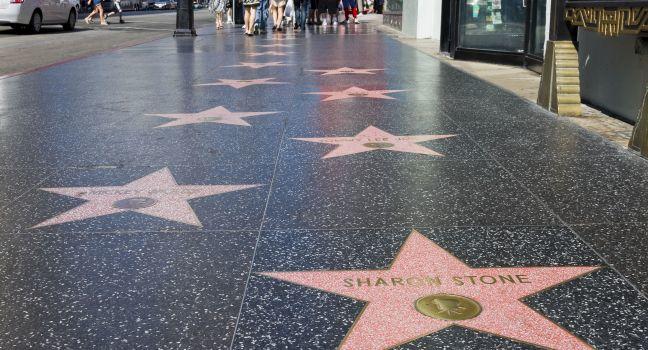
Along Hollywood Boulevard (and part of Vine Street) runs a trail of affirmations for entertainment-industry overachievers. On this mile-long stretch of sidewalk, inspired by the concrete handprints in front of TCL Chinese Theatre, names are embossed in brass, each at the center of a pink star embedded in dark gray terrazzo. They're not all screen deities; many stars commemorate people who worked in a technical field, such as sound or lighting. The first eight stars were unveiled in 1960 at the northwest corner of Highland Avenue and Hollywood Boulevard: Olive Borden, Ronald Colman, Louise Fazenda, Preston Foster, Burt Lancaster, Edward Sedgwick, Ernest Torrence, and Joanne Woodward (some of these names have stood the test of time better than others). Since then, more than 2,800 others have been immortalized, though that honor doesn't come cheap—upon selection by a special committee, the personality in question (or more likely their movie studio or record company) pays about $75,000 for the privilege. To aid you in spotting celebrities you're looking for, stars are identified by one of five icons: a motion-picture camera, a radio microphone, a television set, a record, or a theatrical mask.
Ka Lae
Share This
Marty Wakat / Shutterstock
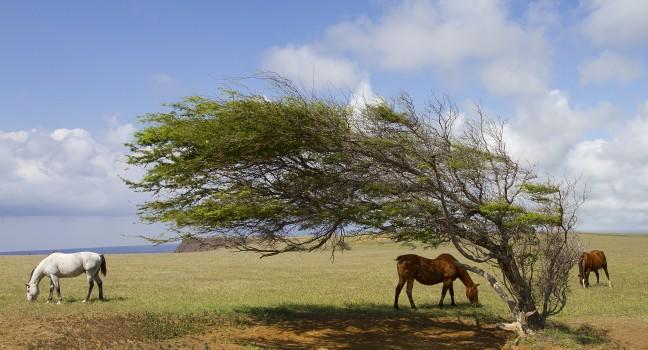
According to ancient Hawaiian lore, the first Polynesians came ashore at South Point, known in Hawaiian as "Ka Lae." The southernmost point of land in the United States, the South Point Complex is a National Historic Landmark known for the oldest Hawaiian settlement in the Islands, uncovered by archaeologists in 1956. Old canoe-mooring holes, still visible, were carved through the rocks, possibly by settlers from Tahiti as early as AD 750. Today, visitors come here for the views and access to Green Sand Beach. To get to the beach, drive 12 miles down the turnoff road, past rows of giant electricity-producing windmills powered by the nearly constant winds sweeping across this coastal plain. Bear left when the road forks, and park in the lot at the end. Walk past the boat hoists toward the little lighthouse. South Point is just past the lighthouse at the southernmost cliff. You may see brave locals jumping off the cliffs and then climbing up rusty old ladders, but swimming here is not recommended. Don't leave anything of value in your car. The area is isolated and without services. Green Sand Beach is a 40-minute hike down the coast.
Subscribe to Newsletter
Sign up for Travel Tips & News
I want emails from Fodor's Travel with travel information and promotions. I can unsubscribe
any time using the unsubscribe link at the end of all emails.
Thank you for your interest!
Look out for our newsletters with travel tips and special offers.
Sign up for Travel Tips & News
By signing up for the
newsletter, I agree to the Privacy Policy. You must check the box to subscribe
Thank you for your interest!
Look out for our newsletters with travel tips and special offers.