


Martinique
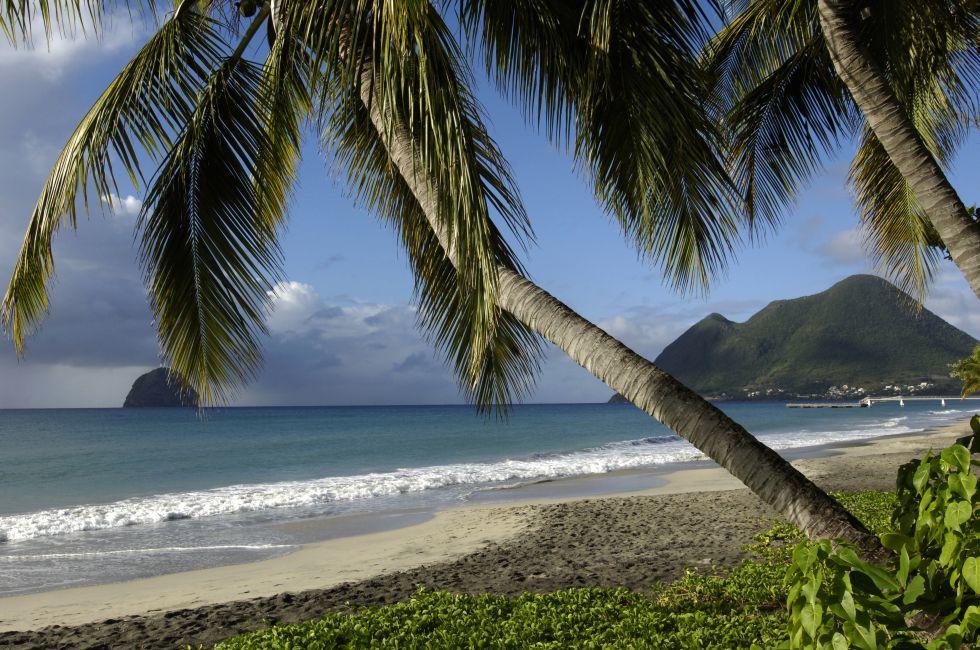
Martinique
Numerous scattered ruins and other historical monuments reflect the richness of Martinique's sugarcane plantation past, rhum, and the legacy of slavery. Called the Rum Capital of the World, it is widely considered the best gourmet island in the Caribbean. It stirs the passions with its distinctive brand of culinary offerings. If you believe in magic, Martinique has it, along with a sensuality that fosters romance. It has become known as the island of revenants, those who always return. Et pourquoi non?
Martinique is simply one of the most enchanting destinations in the western hemisphere. Francophiles adore this island for its food, rum, musique, and élan, and the availability of the finest French products, from Chanel fashions to Limoges china. It is...
Read MoreNumerous scattered ruins and other historical monuments reflect the richness of Martinique's sugarcane plantation past, rhum, and the legacy of slavery. Called the Rum Capital of the World, it is widely considered the best gourmet island in the Caribbean. It stirs the passions with its distinctive brand of culinary offerings. If you believe in magic, Martinique has it, along with a sensuality that fosters romance. It has become known as the island of revenants, those who always return. Et pourquoi non?
Martinique is simply one of the most enchanting destinations in the western hemisphere. Francophiles adore this island for its food, rum, musique, and élan, and the availability of the finest French products, from Chanel fashions to Limoges china. It is endowed with lots of tropical beauty, including white-sand beaches and rain forests. The volcano Mont Pelée looms over the harbor town of St-Pierre, known as the Pompeii of the Caribbean. Its largest city, Fort-de-France, comes with lots of charm as well as some great restaurants and clubs. Martinicans will be glad you came, and you will be greeted with warm smiles and politesse.
Christopher Columbus first sighted this gorgeous island in 1502, when it was inhabited by the fierce Caraïbes, who had terrorized the peace-loving Arawaks. The Arawaks called their home Madinina (the Isle of Flowers), and for good reason. Exotic wild orchids, frangipani, anthurium, jade vines, flamingo flowers, and hundreds of vivid varieties of hibiscus still thrive here.
The island reflects its rich cultural history. In colonial days Martinique was the administrative, social, and cultural center of the French Antilles; this rich, aristocratic island was famous for its beautiful women. The island even gave birth to an empress, Napoléon's Joséphine. It saw the full flowering of a society ruled by planters, with servants and soirées, wine cellars, and lots of snobbery.
Martinique's economy still depends on les bananes (bananas), l'ananas (pineapples), cane sugar, rum, and fishing. It's also the largest remaining stronghold of the békés—the descendants of the original French planters—and they are still the privileged class on any of the French-Caribbean islands. Numbering around 4,000, many control Martinique's most profitable businesses, from banana plantations and rum distilleries to car dealerships. The elite dress in designer outfits straight off the Paris runways. In general, the islanders have style. In the airport waiting room you can almost always tell the Martiniquaises by their fashionable clothes.
Of the island's 400,000 inhabitants, 100,000 live in Fort-de-France and its environs. It has 34 separate municipalities. Though the actual number of French residents from the Metropole (France) does not exceed 15% of the total population, Martinique is a part of France, an overseas département to be exact; and French is the official language, though the vast majority of the residents also speak Creole.
Thousands are employed in government jobs offering more paid holidays than most Americans can imagine. Martinicans work hard and enjoy their time off, celebrating everything from le fin de la semaine (the weekend) to Indian feast days, sailboat races, and Carnival. Their joie de vivre is infectious. Once you experience it, you'll be back.
Recommended Fodor’s Video
Hotels



Things to Do
Things to Do
Explore Things to Do
Find the perfect tours and activities in Martinique.
Where to Eat
Where to Eat
Need to Know
Need to Know
Language
French, CreoleNearby Airports
FDFElectrical Outlets
220v/50 cycles; plugs are European standard with two round prongsCurrency
EuroLanguage
French, CreoleElectrical Outlets
220v/50 cycles; plugs are European standard with two round prongsCurrency
EuroNearby Airports
FDFNeighborhood Guides
Discover the best neighborhoods in Martinique with curated recommendations from our editors.
essentials
transportation
resources
Neighborhood Guides
Discover the best neighborhoods in Martinique with curated recommendations from our editors.
Neighborhood Guides
Discover the best neighborhoods in Martinique with curated recommendations from our editors.
essentials
transportation
resources
Articles
Articles See All

Guidebooks
Guidebooks
Our worldwide travel correspondents bring you the best and most up-to-date coverage of over 7,500 global destinations.
Shop Now
Fodor's Essential Caribbean
Whether you want to stay at an all-inclusive resort, find the best beach, or snorkel...
Fodor's Caribbean Cruise Ports of Call
Whether you want to snorkel around one of the colorful coral reefs in Bonaire, explore...


