Get FREE email communications from Fodor's Travel, covering must-see travel destinations, expert
trip planning advice, and travel inspiration to fuel your passion.
We've compiled the best of the best in USA - browse our top choices for the top
things to see or do during your stay.
Sorry! We don't have any recommendations for USA right now.
Sights Filter
The High Line
Chelsea
Fodor's Choice
Share This
Stuart Monk/Shutterstock
Once a railroad track carrying freight trains, this elevated space has been transformed into one of the city’s top attractions—a 1½-mile landscaped “walking park,” with curving walkways, picnic tables and benches, public art installations, and views of the Hudson River and the Manhattan skyline. Running from Gansevoort Street in the Meatpacking District (at the Whitney Museum of American Art) to West 34th Street and Hudson Yards, the High Line somehow manages to host about 5 million visitors a year and still feel like a wonderful retreat. That said, the crowds can seem overwhelming when the weather is nice, so visit as early in the morning as possible and avoid the lunchtime and weekend mass of humanity.
One of the main draws of the High Line is the landscaping, which is both wild and cultivated at the same time, and dotted with public art. Chelsea Market Passage, between 15th and 16th Streets, is accented with Spencer Finch’s stained-glass art and is home to public art displays, video programs, music performances, and sit-down events. A feature that illustrates the High Line’s greatest achievement—the ability to see the city with fresh eyes—is the 10th Avenue Square (between 16th and 17th Streets). This viewing window with stadium seating and large picture windows frames the city below as art, encouraging viewers to linger.
To fully appreciate the High Line, walk a length in one direction (preferably from Gansevoort Street uptown so that you can end with panoramic city and river views) and then make the return journey at street level, taking in the Chelsea neighborhood below. Nearby Chelsea Market and Market 57 are convenient places to pick up fixings for a picnic lunch.
Highway 1
Fodor's Choice
Share This
topseller / Shutterstock
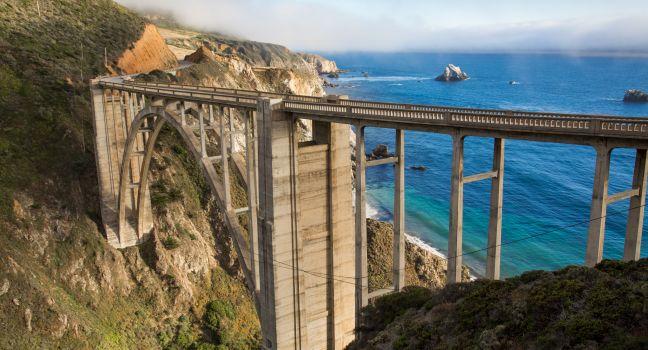
One of California's most spectacular drives snakes up the coast north of San Simeon. Numerous pullouts offer tremendous views and photo ops. On some beaches, huge elephant seals lounge nonchalantly, seemingly oblivious to the attention of rubberneckers. Heavy rain can cause mudslides that block the highway north and south of Big Sur, so sections of the route are sometimes closed for repairs or general maintenance. Before traveling, visit bigsurcalifornia.org and click on the Highway 1 Conditions and Information link.
Hildene
Fodor's Choice
Share This
LEE SNIDER PHOTO IMAGES / Shutterstock
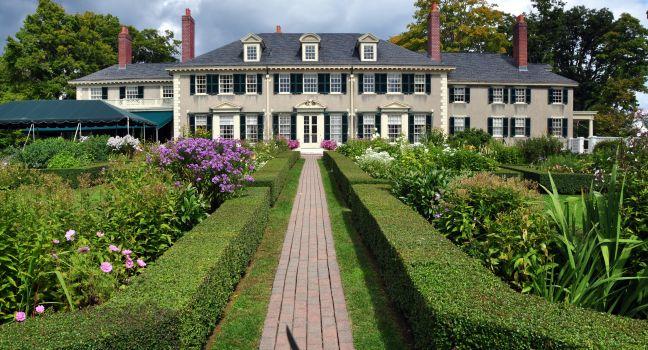
A twofold treat, the summer home of Abraham Lincoln's son Robert Todd Lincoln provides insight into the lives of the family, as well as an introduction to the lavish Manchester life of the early 1900s. In 1905, Robert built a 24-room Georgian Revival mansion where he and his descendants lived until 1975. It's the centerpiece of a beautifully preserved 412-acre estate and holds many of the family's prized possessions, including one of three surviving stovepipe hats owned by Abraham and a Lincoln Bible. When the 1,000-pipe Aeolian organ is played, the music reverberates as though from the mansion's very bones.
Rising from a 10-acre meadow, Hildene Farm is magnificent. The agriculture center is built in a traditional style—post-and-beam construction of timber felled and milled on the estate, and you can watch goat cheese being made.
The highlight, though, may be the elaborate formal gardens, where a thousand peonies bloom every June. There is also a teaching greenhouse, restored 1903 Pullman car, a 600-foot floating boardwalk across the Battenkill wetlands, and more than 12 miles of walking trails. When conditions permit, you can cross-country ski and snowshoe on the property.
Recommended Fodor's Video
Hiram M. Chittenden Locks
Ballard
Fodor's Choice
Share This
Paul Fell / Shutterstock
Also known as "Ballard Locks," these are an important passage in the 8-mile Lake Washington Ship Canal that connects Puget Sound to freshwater Lake Washington. Every year, tens of thousands of vessels, from kayaks to yachts to commercial ships, pass through the two locks. The main reason for visiting here is to see them in operation, draining and refilling like giant bathtubs. The visitor center has displays and videos and offers free tours May through September at 2 pm on days when the center is open.
The adjacent 7-acre Carl S. English Botanical Gardens are a lovely place to picnic or just relax. Various musical performances, from jazz bands to chamber music, serenade visitors on summer weekends. And you can watch determined salmon climbing a 21-step fish ladder en route to their freshwater spawning grounds. (You won't be alone; look for seals in the water and herons in the trees, all hoping for a salmon meal.)
Indian Canyons
Fodor's Choice
Share This
Joseph Sohm / Shutterstock
The Indian Canyons are the ancestral home of the Agua Caliente Band of Cahuilla Indians. While hiking three canyons open to the public, you can see remnants of their ancient life, including rock art, house pits and foundations, irrigation ditches, dams, and food-preparation areas. Trails vary in length from 1.2 to 4.7 miles long, are classified as easy or moderate, and are lined with palm oases, waterfalls, rock formations, and, in spring, wildflowers. Tree-shaded picnic areas are abundant.
The Trading Post at the entrance to Palm Canyon, noted for its stand of Washingtonia palms, has trail maps and refreshments as well as Native American crafts. Endangered Peninsular Bighorn Sheep call Murray Canyon home. Fan palms and tall willows contrast with strange rock formations in Andreas Canyon. Ranger-led hikes and talks are included with paid admission, but only they occur from October through June. Note that no animals are allowed. While exploring the canyons, remember you are a guest amid the still-sacred tribal lands.
Jackson Square
French Quarter
Fodor's Choice
Share This
gary718 / Shutterstock
Surrounded by historic buildings and atmospheric street life, this beautifully landscaped park is the heart of the French Quarter. St. Louis Cathedral sits at the top of the square, while the Cabildo and Presbytère, two Spanish colonial buildings, flank the church. The handsome brick apartments on each side of the square are the Pontalba Buildings. The park is landscaped in a sun pattern, with walkways radiating from the center—a popular garden design in the royal court of King Louis XIV, the Sun King. During the day, dozens of artists hang their paintings on the park fence and set up outdoor studios where they work on canvases or offer to draw portraits of passersby. These artists are easy to engage in conversation and are knowledgeable about many aspects of the Quarter and New Orleans. Musicians, mimes, tarot-card readers, and magicians perform on the flagstone pedestrian mall, many of them day and night.
Originally called the Place d'Armes, the square was founded in 1718 as a military parade ground. It was also the site of public executions carried out in various manners, including burning at the stake, beheading, breaking on the wheel, and hanging. A statue of Andrew Jackson, victorious leader in the Battle of New Orleans in the War of 1812, commands the center of the square; the park was renamed for him in the 1850s. The words carved in the base on the cathedral side of the statue ("The Union must and shall be preserved") are a lasting reminder of the Federal troops who occupied New Orleans during the Civil War and who inscribed them.
John Pennekamp Coral Reef State Park
Fodor's Choice
Share This
Microgen/istockphoto
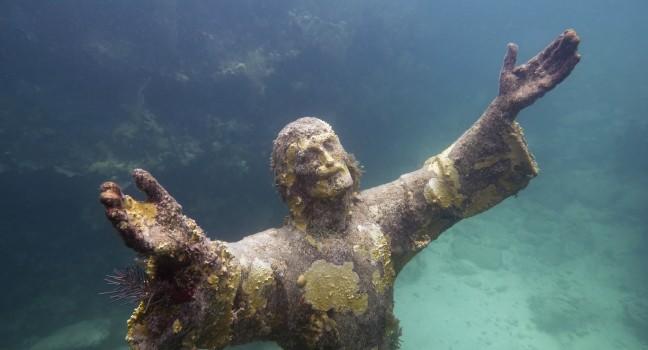
This state park is on everyone's list for easy access to the best diving and snorkeling in Florida. The underwater treasure encompasses 78 nautical square miles of coral reefs and sea-grass beds. It lies adjacent to the Florida Keys National Marine Sanctuary, which contains 40 of the 52 species of coral in the Atlantic Reef System and nearly 600 varieties of fish, from the colorful parrotfish to the demure cocoa damselfish. Whatever you do, get in the water. Snorkeling and diving trips ($39 and $90, respectively; equipment extra) and glass-bottom-boat rides to the reef ($32) are available, weather permitting. One of the most popular snorkel trips is to see Christ of the Deep, the 2-ton underwater statue of Jesus. The park also has nature trails, two man-made beaches, picnic shelters, a snack bar, and a campground. Amenities: food and drink; parking (fee); showers; toilets; water sports. Best for: snorkeling; swimming.
Kailua Beach Park
Fodor's Choice
Share This
Eddygaleotti | Dreamstime.com
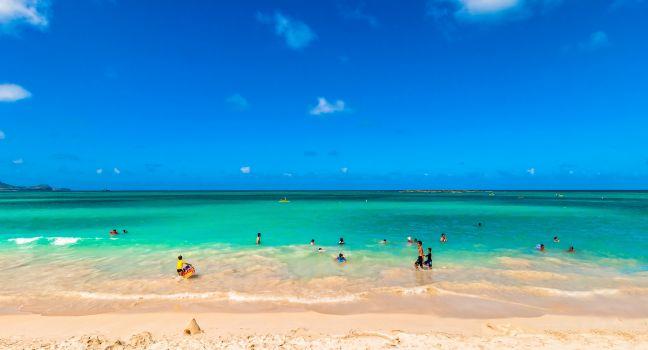
A cobalt-blue sea and a wide, continuous arc of powdery sand make this one of the island's best beaches, as illustrated by the crowds of local families who spend their weekend days here. The water is calm, a line of palms and ironwoods provides shade on the sand, and a huge park has picnic pavilions where you can escape the heat. This is also the "it" spot for windsurfing or kiteboarding, and you can rent kayaks nearby at Kailua Beach Adventures (130 Kailua Rd.) for day trips to the Mokulua Islands. Amenities: lifeguards; parking (no fee); showers; toilets; water sports. Best for: swimming; walking; windsurfing.
Kapalua Bay Beach
Fodor's Choice
Share This
idreamphoto / Shutterstock
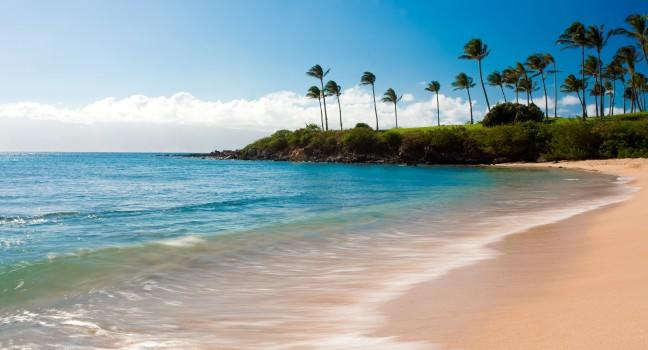
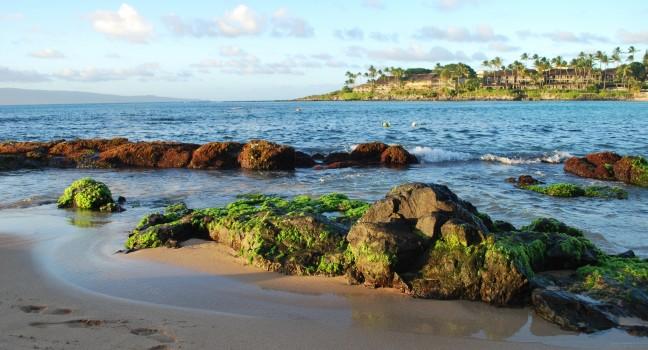
Over the years, Kapalua has been recognized as one of the world's best beaches, and for good reason: it fronts a pristine bay that is good for snorkeling, swimming, and general lazing. Just north of Napili Bay, this lovely sheltered shore often remains calm late into the afternoon, although currents may be strong offshore. Snorkeling is easy here, and there are lots of colorful reef fish. This popular area is bordered by the Kapalua Resort, so don't expect to have the beach to yourself. Walk through the tunnel from the parking lot at the end of Kapalua Place to get here. Amenities: parking (no fee); showers; toilets. Best for: snorkeling; sunset; swimming.
Kaunaoa Beach
Fodor's Choice
Share This
(c) Dmitriko | Dreamstime.com
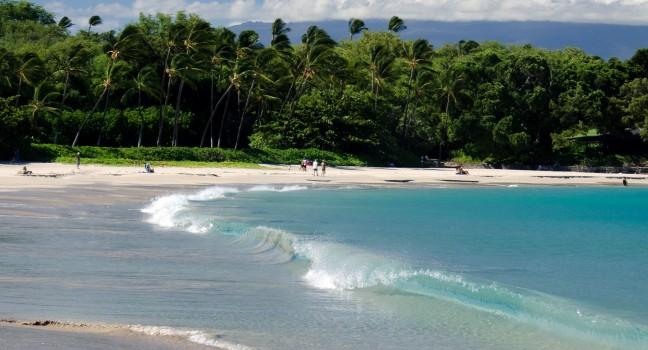
Hands down one of the most beautiful beaches on the island, if not the whole state, Kaunaoa features a short crescent of pure white sand framed by coconut palms. The beach, which fronts the Mauna Kea Beach Hotel, slopes very gradually, and there's great snorkeling along the rocks. Classic Hawaii postcard views abound, especially in winter, when snow tops Maunakea to the east. When conditions permit, waves are good for body and board surfing also. Currents can be strong in winter, so be careful. Get a cocktail at the beach cabana and enjoy the sunset.Public parking is limited to a few spaces, so arrive before 10 am or after 4 pm. If the lot is full, head to nearby Hapuna Beach, where there's a huge parking lot ($10 per vehicle). Try this spot again another day—it's worth it!Amenities: parking (no fee); showers; toilets; water sports. Best for: snorkeling; sunset; swimming; walking.
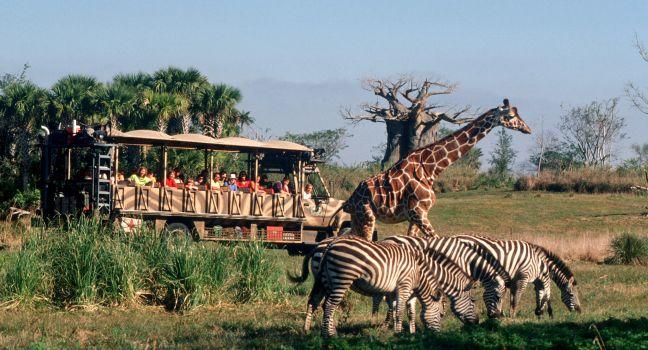
A giant Imagineered baobab tree is the starting point for exploring this animal sanctuary. Although re-creating an African safari in the United States isn't a new idea, with this one, great pains were taken to create an authentic environment, allowing you to observe rhinos, hippos, antelopes, wildebeests, giraffes, zebras, cheetahs, elephants, lions, and the like as if you were seeing them in the wild. Illustrated game-spotting guides are available above the seats in the open-air safari vehicles that lurch and bump over some 110 acres of savanna, forest, rivers, and rocky hills. You'll see most of the Harambe Reserve's 34 species of animals—sometimes so close you feel that you could reach out and touch them. It's easy to suspend disbelief here because the landscape and habitats are so effectively modeled and replenished by Disney horticulturists.
Keep an eye out for animal babies here and on the post-safari Pangani Forest Exploration Trail; the park's breeding programs have been extremely successful, with new additions including elephants, rhinos, okapi, giraffes, and several gorillas. It's a completely different experience at night, and the animals are often much more lively and interesting, so this experience definitely deserves a revisit. If you have to choose, the nighttime experience is probably superior.
Parents should hang on tightly to their small tykes. The ride is very bumpy and should be avoided by expectant guests or those with heart, back, or neck problems. For people with disabilities: Wheelchair accessible, but ECV users must transfer to standard wheelchairs. Equipped for assisted-listening and video-captioning devices. Guests with service animals should check with a host for boarding information.
During the hottest months, come first thing in the morning when animals are most active. Otherwise come at day's end when it cools down a bit or at night. For the best photo ops, ask to be seated in the very last row of seats (you might have to wait for the next vehicle) where you can pivot for an unobstructed view of the animals you just passed.
Kure Beach
Fodor's Choice
Share This
tony740607 / Shutterstock
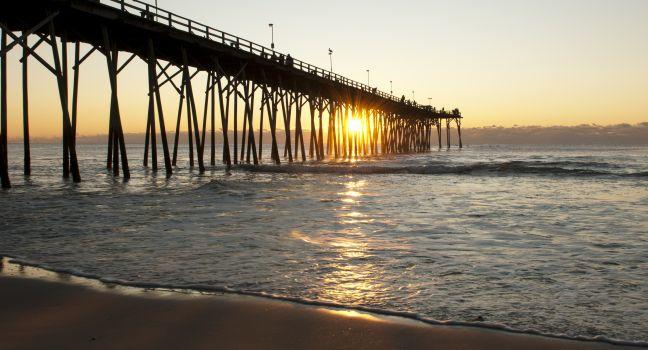
Family memories are made here on tall ocean piers where kids reel in their first big catches. You can swim, beachcomb, kiteboard over the big blue sea, or scuba dive down to find some of the Cape Fear Coast's dozens of shipwrecks. Wildlife excursions set off from various nature trails, birding sites, and miles of undeveloped beach at the southern end. Shorebirds and loggerhead sea turtles inhabit the remote reserve of Zeke's Island. At Fort Fisher, the Confederacy's largest earthen fort, you can trace Kure Beach's history. Amenities: food and drink; lifeguards (generally Memorial Day to Labor Day); parking (mostly no fee). Best for: sunrise; sunset; surfing; swimming; windsurfing.
Lincoln Park Zoo
Lincoln Park
Fodor's Choice
Share This
stevegeer / iStockphoto
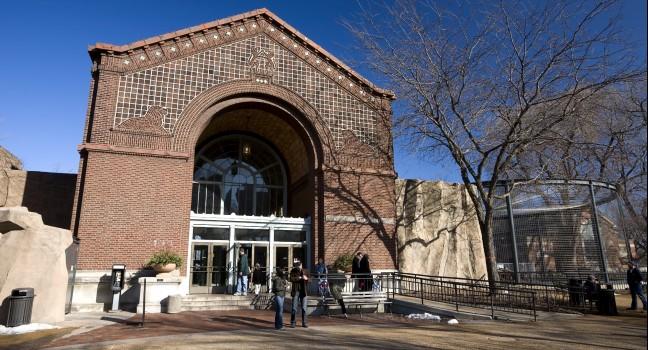
At this urban enclave near Lake Michigan, you can watch snow monkeys unwind in the hot springs of the Regenstein Macaque Forest or ogle gorillas and chimpanzees in the sprawling Regenstein Center for African Apes, which has three separate habitats complete with bamboo stands, termite mounds, and 5,000 feet of swinging vines. Brave big cats (separated by a window, of course) outside the Pepper Family Wildlife Center, a 2021 redesign of the zoo’s lion habitat conceived with input from an app that collected data on the star residents’ behavior. Animals both slithery (pythons) and strange (sloths) reside in the glass-domed Regenstein Small Mammal and Reptile House, while the big guys (hippos, giraffes, and black rhinos) are in the Regenstein African Journey.
Bird lovers should make a beeline to the McCormick Bird House, which contains extremely rare species—including the Bali mynah, Guam rail, and Guam Micronesian kingfisher, some of which are extinct in the wild. Families with little ones in tow will also want to see Farm-in-the-Zoo (with its barnyard animals and learning centers), and the Lionel Train Adventure ride. Be sure to leave time for a ride (or two) on the Endangered Species Carousel, featuring a menagerie of 48 rare and endangered animals.
Shutterbugs will want to make a beeline for the Nature Boardwalk at the zoo's southern reaches. In addition to pretty indigenous vegetation, it's home to the Peoples Gas Education Pavilion, a massive honeycomb sculpture that frames the downtown skyline, making for an impressive snapshot.
The Living Desert Zoo and Gardens
Fodor's Choice
Share This
Bob Reynolds / Shutterstock
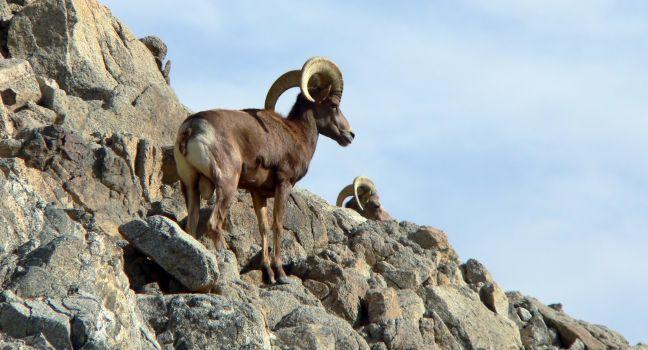
Come eye-to-eye with more than 600 animals including desert dwellers like wolves, coyotes, mountain lions, cheetahs, bighorn sheep, golden eagles, warthogs, naked mole rats, and owls at the Living Desert, which showcases the flora and fauna found in arid landscapes. Easy to challenging trails traverse terrain populated with plants of the Mojave, Colorado, and Sonoran deserts. In the African WaTuTu village, you'll find a traditional marketplace, as well as camels, hyenas, and other animals. Wallabies, emus, and kookaburras inhabit the immersive Australian Adventures area.
Get your bearings with a 30-minute shuttle tour. Pet domesticated creatures, including Nigerian dwarf goats, in a "petting kraal," attend zookeeper talks throughout the day. Crawl and climb all over the Gecko Gulch playground, ride a carousel, and check out a hall that holds ancient Pleistocene animal bones. Time your visit to begin in the early morning to beat the heat and feed the giraffes.
Magnificent Mile
Near North Side
Fodor's Choice
Share This
(c) Dibrova | Dreamstime.com
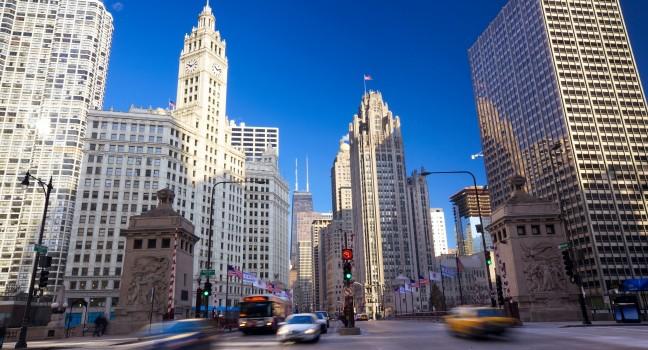
Michigan Avenue, or Mag Mile as some call it, is a potpourri of historic buildings, upscale boutiques, department stores, and posh hotels. (It is also the city's most popular place for people-watching.) Among its jewels are the Tribune Tower, the Wrigley Building, 875 North Michigan Avenue (formerly the John Hancock Center), the Drake Hotel, and the Historic Water Tower.
Mahaulepu Beach and Makauwahi Cave
Fodor's Choice
Share This
Nina B / Shutterstock
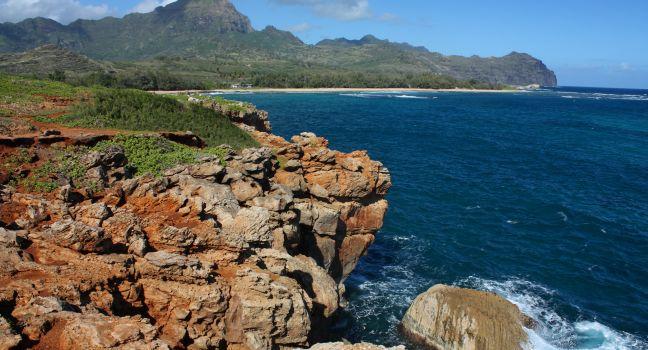
This 2-mile stretch of coast, with its sand dunes, limestone hills, sinkholes, and the Makauwahi Cave, is unlike any other on Kauai. Remains of a large ancient settlement, evidence of great battles, and the discovery of a now-underwater petroglyph field indicate that Hawaiians lived in this area as early as AD 700. Mahaulepu's coastline is unprotected and rocky, which makes venturing into the ocean hazardous. There are three beach areas with bits of sandy-bottom swimming; however, the best way to experience Mahaulepu is simply to roam, on foot or horseback along the sand or trails. Pack water and sun protection.Access to this beach is via private property. Before driving or hiking here, check current gate hours and conditions as the unpaved road can be closed due to weather, grading, or movie filming. Access is during daylight hours only, so be sure to depart before sunset or risk getting locked in for the night.Amenities: parking (no fee). Best for: solitude; sunrise; walking.
Maroon Bells
Fodor's Choice
Share This
kan_khampanya / Shutterstock
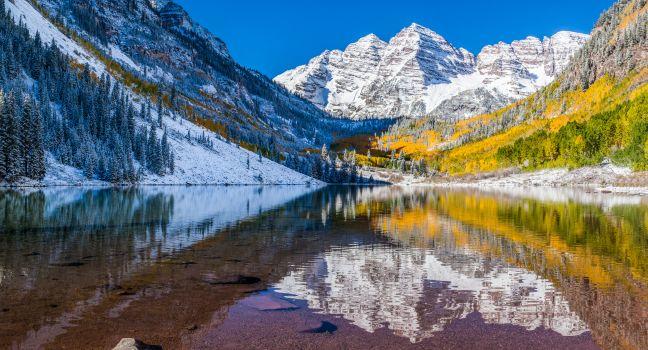
The majestic Maroon Bells, twin peaks more than 14,000 feet high, are so colorful, thanks to mineral streaking, that you'd swear they were blanketed with primrose and Indian paintbrush. It's one of the most photographed spots in the country, which is why reservations are required to ensure the view. Before 8 am and after 5 pm in the summer, cars can drive all the way up to Maroon Lake (though vehicles with children in car seats or people with disabilities are allowed to do so at any time). Otherwise, parking is available at the Aspen Highlands garage, where guided bus tours and shuttles leave regularly in summer months.
Massachusetts Museum of Contemporary Arts
Fodor's Choice
Share This
T photography / Shutterstock
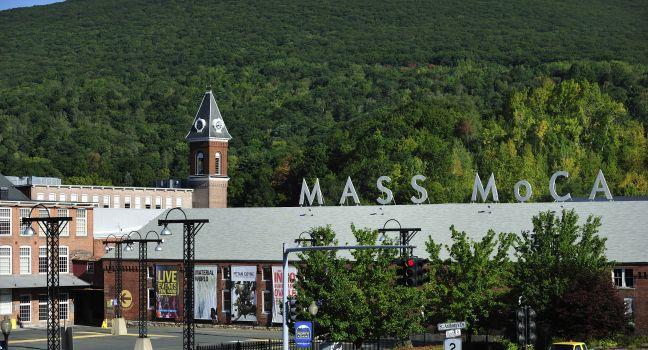
Formerly the home of the Sprague Electrical Company, the nation's largest center for contemporary visual and performing arts is one of the finest such facilities in the world, a major draw for its art shows, large music festivals, dance presentations, and film screenings. Expansion in 2017 nearly doubled the amount of gallery space, bringing the total to a quarter million square feet, which includes the wall drawings of Sol LeWitt, an immersive light-based exhibit by James Turrell, and a large room in the main gallery that allows for massive exhibits that wouldn't fit anywhere else. A Kidspace, studios, cafés, shops, and festivals and other special events round out the offerings.
The Metropolitan Museum of Art
Upper East Side
Fodor's Choice
Share This
Asier Villafranca / Shutterstock
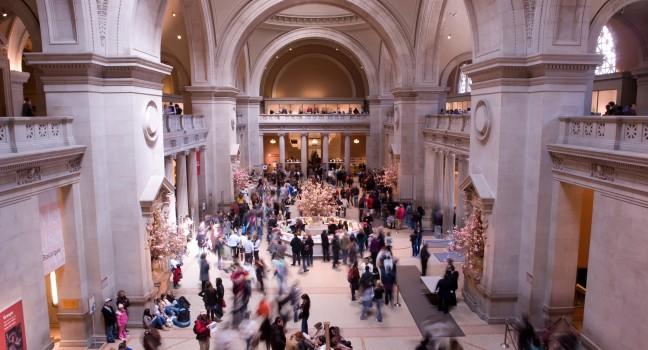
If Manhattan had no museums other than the colossal Metropolitan Museum of Art, you could still occupy yourself for days—even a week—roaming its labyrinthine corridors. It is the largest museum in the western hemisphere, with more than 1.5 million works of art representing 5,000 years of world history, so plan ahead and be selective. The famous Egyptian Art collection (including the Temple of Dendur) is reason enough to visit. Other don't-miss sections include the renovated Michael C. Rockefeller Wing, the extensive European Paintings galleries, the magnificent Islamic Art galleries, the vibrant collection of Impressionist paintings, the American Wing, the Anna Wintour Costume Institute (named for the celebratedVogue editor-in-chief, and known for hosting the annual star-studded Met Gala), and tons (literally) of ancient Greek and Roman statues. Kids will love the Arms and Armor displays.
Be aware of ongoing renovations. A rebuild of the Ancient Near Eastern and Cypriot Art galleries will continue into early 2026; check the website and museum map to plan your visit around gallery closures. In between exhibits, take a break at the Cantor Roof Garden, open late April through late October, or at one of five cafés and lounges offering light bites and cocktails. Or book a reservation for The Met Dining Room, an upscale restaurant with Central Park views and a seasonal menu. Admission includes same-day entry to The Met Cloisters, a combination of medieval European art, architecture, and gardens in Fort Tryon Park in Upper Manhattan. Make the most of your visit by downloading a free digital or audio guide from The Met's website or take advantage of guided tours available in 10 different languages.
Millennium Park
Chicago Loop
Fodor's Choice
Share This
Fotoluminate LLC / Shutterstock
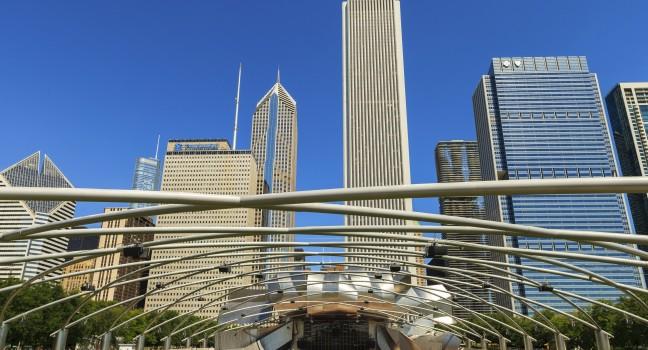
With Anish Kapoor's giant, polished-steel Cloud Gate sculpture (affectionately known as "The Bean"), the fun fountains, and a Disney-esque music pavilion, this park quickly stole the hearts of Chicagoans and visitors alike when it opened in 2004. The showstopper is Frank Gehry's stunning Jay Pritzker Pavilion. Dramatic ribbons of stainless steel stretching 40 feet into the sky look like petals wrapping the music stage. The 1,525-seat Harris Theater for Music and Dance provides an indoor alternative for fans of the performing arts.
In the park's southwest corner, the Crown Fountain features dozens of Chicagoans' faces rotating through on two 50-foot-high glass block–tower fountains. When a face purses its lips, water shoots out its "mouth." Kids love it, and adults feel like kids watching it. More conventional park perks include the lovely Lurie Garden (a four-season delight) and the seasonal McCormick Tribune Ice Rink, which opens for public skating each winter.
Monument Valley Navajo Tribal Park
Fodor's Choice
Share This
Guoqiang Xue / Shutterstock
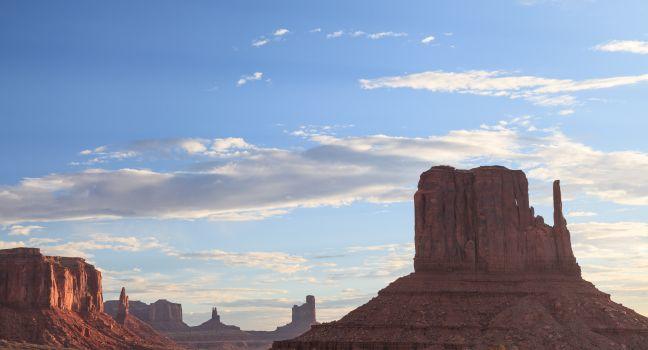
For the most breathtaking (and recognizable) views of the iconic West, this is the place. The soaring red buttes, eroded mesas, deep canyons, and naturally sculpted rock formations found here are an easy 21-mile drive south of Mexican Hat on U.S. 163 across Navajo land. Monument Valley is a small part of the more-than-7-million acre Navajo Reservation and is sacred to the Navajo Nation, or Diné (pronounced din-eh, which means "the people"), as they refer to themselves. For generations, the Navajo have grown crops and herded sheep in Monument Valley, considered to be one of the most scenic and mesmerizing destinations in the Navajo Nation. Director John Ford made this fantasy land of buttes, towering rock formations, and mesas popular when he filmed Stagecoach here in 1938.
The 90,000-acre Monument Valley Navajo Tribal Park lies within Monument Valley. A 17-mile self-guided driving tour on a dirt road (there's only one road, so you can't get lost) passes the memorable Mittens and Totem Pole formations, among others. Drive slowly, and be sure to walk (15 minutes round-trip) from North Window around the end of Cly Butte for the views. Call ahead for road conditions in winter. The Monument Valley visitor center has a small crafts shop and exhibits devoted to ancient and modern Native American history. Most of the independent guided tours here use enclosed vans and you will usually be approached in the parking lot; you can find about a dozen approved Navajo Native American guides in the center. They will escort you to places you are not allowed to visit on your own. This surreal landscape constantly changes with the rising and setting sun.
Located atop Museum Hill, this museum delights visitors of all ages with its permanent collection of more than 130,000 objects from about 100 countries. In the Girard Wing, you'll find thousands of amazingly inventive handmade objects such as a tin Madonna, a devil made from bread dough, dolls from around the world, and miniature village scenes. The Hispanic Heritage Wing rotates exhibitions of art from throughout Latin America, dating from New Mexico's Spanish-colonial period (1598–1821) to the present. The exhibits in the Neutrogena Wing rotate, showing subjects ranging from outsider art to the magnificent quilts of Gee's Bend. Lloyd's Treasure Chest, the wing's innovative basement section, provides a behind-the-scenes look at the museum's permanent collection and explores the question of what exactly constitutes folk art. The innovative Gallery of Conscience explores topics at the intersection of folk art and social justice. Each exhibition also includes educational activities for both kids and adults. Allow time to visit the outstanding gift shop and bookstore.
Napili Beach
Fodor's Choice
Share This
(c) Love2pic | Dreamstime.com
Surrounded by sleepy condos, this round bay is a turtle-filled pool lined with a sparkling white crescent of sand. Sunbathers love this beach, which is also a terrific sunset spot. The shore break is steep but gentle, so it's great for bodyboarding and bodysurfing. It's easy to keep an eye on kids here as the entire bay is visible from everywhere. The beach is right outside the Napili Kai Beach Resort, a popular local-style resort for honeymooners and families, only a few miles south of Kapalua. Amenities: showers; toilets. Best for: sunset; surfing; swimming; snorkeling.
National Archives Museum
Fodor's Choice
Share This
Orhan Cam / Shutterstock
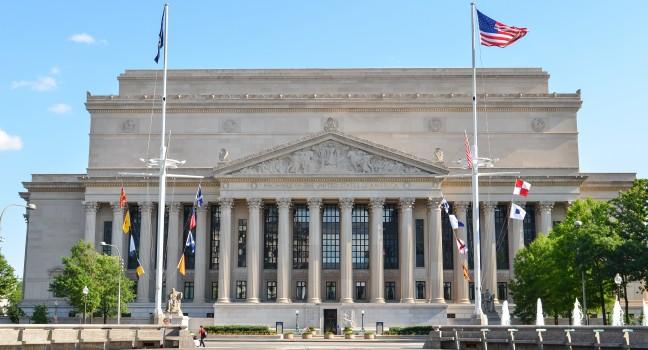
Monument, museum, and the nation's memory, the National Archives, headquartered in a grand marble edifice on Constitution Avenue, preserves more than 13 billion paper records dating from as far back as 1774, more than 40 million photographs, and billions of recent electronic records. The National Archives and Records Administration is charged with preserving and archiving the most historically significant U.S. government records at its centers nationwide and in presidential libraries. Admission is free, but reservations are recommended during the busy summer months and cost a nonrefundable $1. Head to recreation.gov at least six weeks in advance of your visit.
Charters of Freedom—the Declaration of Independence, the Constitution, and the Bill of Rights—are the star attractions. They are housed in the archives' cathedral-like rotunda, each on a marble platform and surrounded by argon gas within cases that have gold-plated titanium frames and bulletproof protective glass.
On display at the entrance to the David M. Rubenstein Gallery's Records of Rights exhibit is a 1297 Magna Carta, the document of English common law whose language inspired the Constitution. This Magna Carta, one of four remaining originals, sets the stage for interactive exhibits that trace the civil rights struggles of African Americans, women, and immigrants. Highlights include the discharge papers of an enslaved person who fought in the Revolutionary War to gain his freedom; the mark-up copy of the 1964 Civil Rights Act; and letters to the president from children who questioned segregation.
The Public Vaults convey the sense of going deep into the stacks. You can find records that give a glimpse into federal investigations, from the Lincoln assassination to Watergate. Watch films of flying saucers, used as evidence in congressional UFO hearings, and listen to the Nuremberg trials or Congress debating Prohibition. Reservations to visit the archives are highly recommended; those for guided tours or timed-visit entries should be made at least six weeks in advance.
National Portrait Gallery
Downtown
Fodor's Choice
Share This
(c) Luckydoor | Dreamstime.com
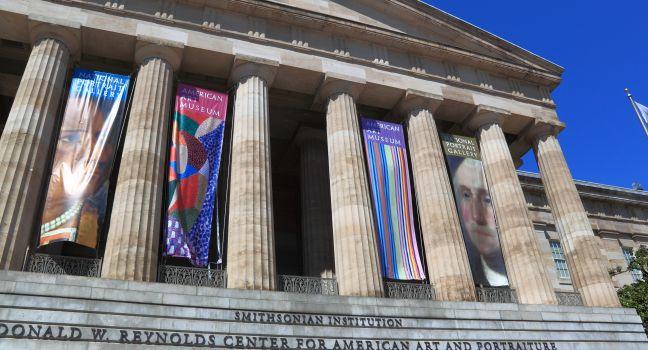
The intersection of art, biography, and history is illustrated here through images of people who have shaped U.S. history. There are prints, paintings, photos, and sculptures of subjects from George Washington to Madonna.
This museum shares the National Historic Landmark building Old Patent Office with the Smithsonian American Art Museum. Built between 1836 and 1863 and praised by Walt Whitman as the "noblest of Washington buildings," it is deemed one of the country's best examples of Greek Revival architecture.
America's Presidents gallery, offering insights into the leaders---from George Washington until the present---is one of the most popular exhibitions. In this gallery, you'll see the only complete collection of presidential portraits outside the White House. Highlights include Gilbert Stuart's 1796 "Landsdowne" portrait of George Washington, Alexander Gardner's "cracked-plate" image of Abraham Lincoln from Lincoln's last formal portrait session before his assassination in 1865, a sculpture of Andrew Jackson on a horse, and political cartoonist Pat Oliphant's sculpture of George H.W. Bush playing horseshoes.
From portraits of World War II generals Eisenhower and Patton to Andy Warhol's Time magazine cover of Michael Jackson, the third-floor gallery, Twentieth-Century Americans, offers a vibrant tour of the people who shaped the country and culture of today. If seeing former first lady Michelle Obama is on your list, get to the gallery early, as this is a sought-after portrait.
There are free docent-led tours Saturdays and Sundays at noon and 2:30 pm. Check the website to confirm the times. At the Lunder Conservation Center on the third and fourth floors, you can watch conservators at work.
The Neon Museum
Downtown
Fodor's Choice
Share This
Solange_Z / iStockphoto
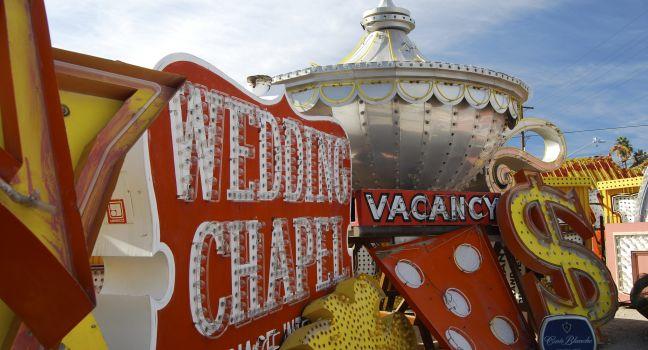
Consider this Downtown museum the afterlife for old neon signs. The facility, which displays more than 150 signs that date back to the 1930s, opened to the public in 2012. The old La Concha motel's historic lobby was renovated and now serves as the museum's entry point. The sign collection includes the original signs from the Stardust, Horseshoe, and other properties. To get up close, visitors must take an educational and informative one-hour guided tour. Daytime tours, especially in summer, can be scorching. For an alternative, try one of the nighttime tours, where you can see four of the signs illuminated the way they were intended to be. In 2018 the museum added Brilliant! Jackpot, a separate experience in the North Gallery where a laser-light show set to music appears to reanimate some of the signs. The result is, well, illuminating.
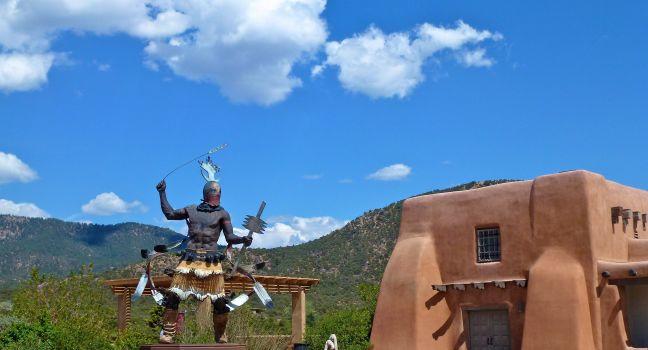
This impressive, modern museum anchors a campus that encompasses the Palace of the Governors, the Palace Print Shop & Bindery, the Fray Angélico Chávez History Library, and Photo Archives (an assemblage of more than 1 million images dating from the 1850s). Behind the palace on Lincoln Avenue, the museum thoroughly explores the early history of Indigenous people, Spanish colonization, the Mexican Period, and travel and commerce on the legendary Santa Fe Trail. Inside are changing and permanent exhibits. By appointment, visitors can tour the comprehensive Fray Angélico Chávez History Library and its rare maps, manuscripts, and photographs (more than 120,000 prints and negatives). The Palace Print Shop & Bindery, which prints books, pamphlets, and cards on antique presses, also hosts bookbinding demonstrations, lectures, and slide shows. The Palace of the Governors is a humble one-story neo-Pueblo adobe on the north side of the Plaza, and is the oldest public building in the United States. Its rooms contain period furnishings and exhibits illustrating the building's many functions over the past four centuries. Built at the same time as the Plaza, circa 1610, it was the seat of four regional governments—those of Spain, Mexico, the Confederacy, and the U.S. territory that preceded New Mexico's statehood, which was achieved in 1912. It served as the residence for 100 Spanish, Mexican, and American governors, including Governor Lew Wallace, who wrote his epic Ben Hur in its then drafty rooms, all the while complaining of the dust and mud that fell from its earthen ceiling.
Dozens of Native American vendors gather daily under the portal of the Palace of the Governors to sell pottery, jewelry, bread, and other goods. With few exceptions, the more than 500 artists and craftspeople registered to sell here are Pueblo or Navajo Indians. The merchandise for sale is required to meet strict standards. Prices tend to reflect the high quality of the merchandise but are often significantly less than what you'd pay in a shop. Please remember not to take photographs without permission.
New Orleans Museum of Art (NOMA)
Mid-City
Fodor's Choice
Share This
By Mutante (CC BY-SA 3.0), via Wikimedia Commons
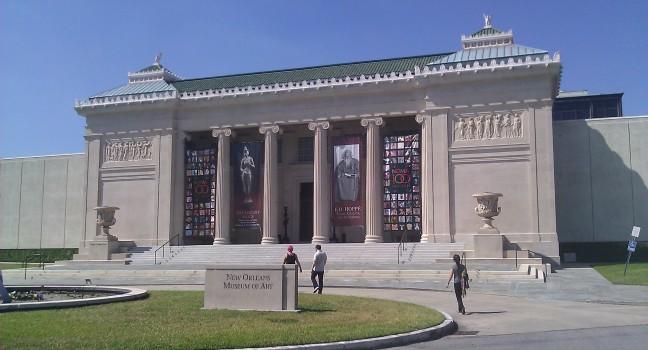
Gracing the main entrance to City Park since 1911, this traditional fine-arts museum draws from classic Greek architecture, with several modern wings that bring additional light and space to the grand old building. NOMA now has 46 galleries housing an outstanding permanent collection. Made up of nearly 40,000 objects, the installations and exhibits represent historical periods from the Italian Renaissance to the best of the contemporary world. A wealth of American and European art—French, in particular—makes up much of the collection, with works by Monet, Renoir, Picasso, Cornell, and Pollock. Louisiana artists are also well represented, and the museum boasts photography, ceramics, and glassworks from cultures around the globe, plus outstanding holdings in African, pre-Columbian, and Asian art.
Henry Moore's handsome Reclining Mother and Child greets visitors at the entrance of the Sydney and Walda Besthoff Sculpture Garden. Most of the garden's 90-some sculptures, representing some of the biggest names in modern art, were donated by avid local collectors Sydney and Walda Besthoff. Meandering trails and bridges carry visitors over bayou lagoons and past a fascinating combination of famed traditional sculpture and contemporary works, including major pieces by Jacques Lipchitz, Barbara Hepworth, and Joel Shapiro. The garden is open daily from 10 am to 5 pm from October through March, and until 6 pm the rest of the year; admission is free.
New York Botanical Garden
Belmont
Fodor's Choice
Share This
littleny / Shutterstock
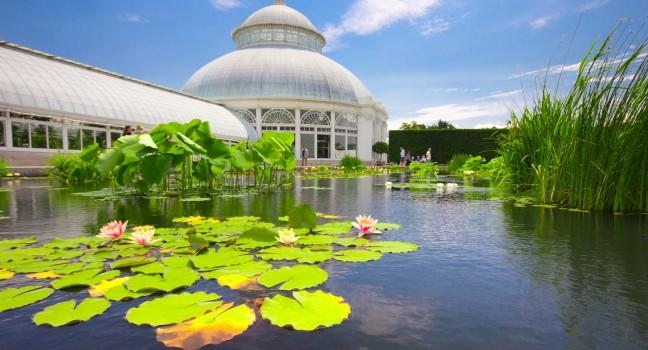
Considered one of the world's leading botany centers, this beautiful, 250-acre campus is also one of the best reasons to make a trip to the Bronx. Built around the dramatic gorge of the Bronx River, it's home to lush indoor and outdoor gardens and acres of natural forest, and it offers classes, concerts, and special exhibits. Be captivated by the seasonal fragrance of the Peggy Rockefeller Rose Garden's 4,000 blooms, which represent more than 650 varieties. Relax in the leafy Thain Family Forest, or explore the Everett Children's Adventure Garden, a 12-acre, indoor-outdoor museum with a boulder maze, giant animal topiaries, and a plant discovery center. The Victorian-style Enid A. Haupt Conservatory houses re-creations of misty tropical rain forests and arid African and North American deserts, as well as exhibitions such as the annual Holiday Train Show and the winter-into-spring Orchid Show, which showcases flowers that look like the stuff of science fiction. The All-Garden Pass gives you access to the conservatory, adventure garden, special exhibitions, and more.
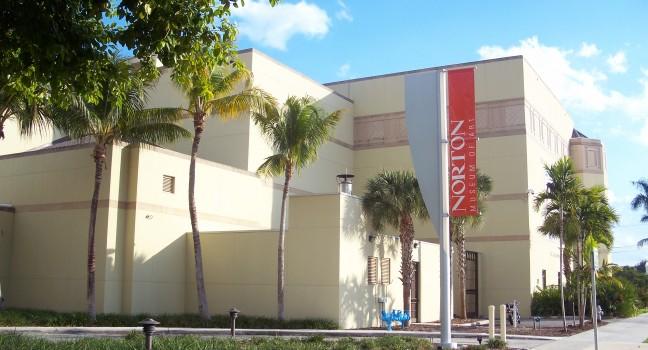
Norton Museum of Art
Fodor's Choice
Share This
By Ebyabe [CC-BY-SA-3.0], via Wikimedia Commons
The museum (constructed in 1941 by steel magnate Ralph H. Norton and his wife, Elizabeth) has grown to become one of the most impressive in South Florida, with an extensive collection of 19th- and 20th-century American and European paintings—including works by Picasso, Monet, Matisse, Pollock, Cassatt, and O'Keeffe—plus Chinese art, earlier European art, and photography. To accommodate the growing collection, the museum expanded to include 12,000 additional square feet of gallery space in a new west wing, event spaces, a garden, and a great hall.
The popular Art After Dark, Thursday from 5 to 10 pm, is a gathering spot for art lovers, with wine and music in the galleries.
Subscribe to Newsletter
Sign up for Travel Tips & News
I want emails from Fodor's Travel with travel information and promotions. I can unsubscribe
any time using the unsubscribe link at the end of all emails.
Thank you for your interest!
Look out for our newsletters with travel tips and special offers.
Sign up for Travel Tips & News
By signing up for the
newsletter, I agree to the Privacy Policy. You must check the box to subscribe
Thank you for your interest!
Look out for our newsletters with travel tips and special offers.