


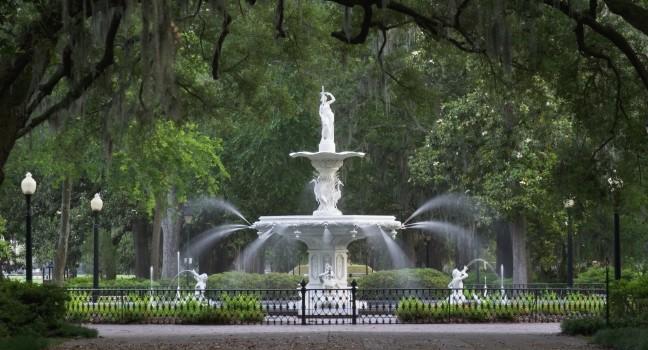
Forsyth Park
Get FREE email communications from Fodor's Travel, covering must-see travel destinations, expert trip planning advice, and travel inspiration to fuel your passion.

With an eclectic array of shops, restaurants, museums, and monuments spread across the Historic District, the best way to explore downtown Savannah is on foot. Whether you plan a route ahead of time or just wander aimlessly, a leisurely stroll will always result in unique discoveries. If your feet start to ache, flag down a pedicab driver—these people-powered vehicles are a great way to get around, and the drivers usually tell a good story or two.
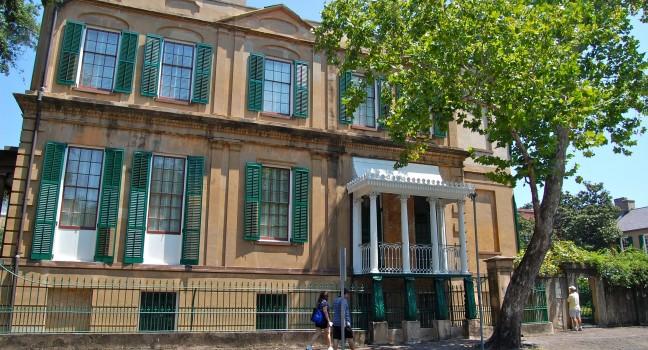
Semicircular stairs with wrought-iron railings lead to the recessed doorway of the redbrick Federal home constructed by master builder Isaiah Davenport for his family between 1815 and 1820. Three dormered windows poke through the sloping roof of the stately house, and the interior has polished hardwood floors and fine woodwork and plasterwork, showcasing Davenport's talents to potential clients. The proposed demolition of this historic Savannah structure galvanized the city's residents into action to save their treasured buildings. The home endured a history of dilapidation that had lingered since the 1920s, when it was divided into tenements. When someone proposed razing it to build a parking lot in 1955, a small group of neighbors raised $22,000 in 24 hours to buy and restore the property. This action was the inception of the Historic Savannah Foundation and the first of many successful efforts to preserve the architectural treasure that is the city today.
50-minute fully guided tours of the home are scheduled Thursday through Sunday at 11 am, 1 pm, and 3 pm; self-guided tours are also possible. The gift shop sells copies of Flannery's novels and other souvenirs.
This exuberant Greek Revival mansion was the home of William Scarborough, a wealthy early-19th-century merchant and one of the principal owners of the Savannah, the first steamship to cross the Atlantic. The structure, with its portico capped by half-moon windows, is another of architect William Jay's notable contributions to the Historic District and Regency-style architecture. These days, it houses the Ships of the Sea Maritime Museum, with displays of model ships and exhibits detailing maritime history. The ambitious North Garden nearly doubled the original walled courtyard's size and provides ample space for naturalist-led walks and outdoor concerts.
Don't miss the Tybee Island Marine Science Center's interesting exhibit on Coastal Georgia, which houses local wildlife ranging from Ogeechee corn snakes to American alligators. Schedule one of two guided walks along the beach and marshes if you're interested in the flora and fauna of the Lowcountry. There is also a "Turtle Talk," which consists of a classroom discussion and hands-on workshop. Arrive early, as parking near the center can be competitive in the busier months.
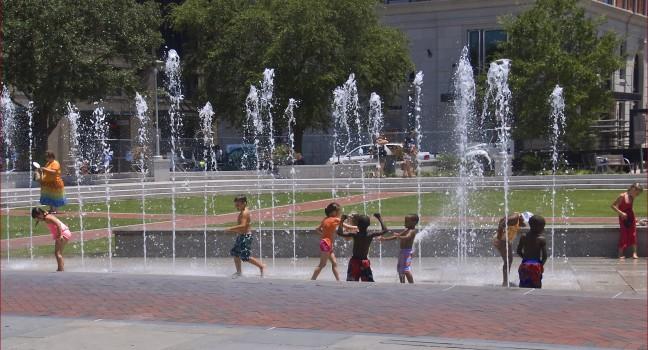
Converted from a public square to a parking garage in the 1970s, Ellis Square has been restored in recent years and is once again one of Savannah's most popular spots. Near the western end stands a statue of legendary songwriter Johnny Mercer, a Savannah native. Nearby is a visitor center with a touch-screen city guide, maps and brochures, and public restrooms. To the east is a life-size chess board; the pieces can be requested at the visitor center. A treat for youngsters (and the young at heart) is the square's interactive fountain, which is entertaining and refreshing in the warmer months.
Built on the site of the former city jail, this residence was constructed in 1848 for Andrew Low, a native of Scotland and one of Savannah's merchant princes. Designed by architect John S. Norris, the residence later belonged to Low's son, William, who inherited his father's wealth and married his longtime sweetheart, Juliette Gordon. The couple moved to England and several years after her husband's death, Juliette returned to this house and founded the Girl Scouts here on March 12, 1912. The house has 19th-century antiques, stunning silver, and some of the finest ornamental ironwork in Savannah, but it is the story and history of the family—even a bedroom named after family friend and visitor General Robert E. Lee—that is fascinating and well told by the tour guides.
Works by African American artists from the Savannah area and around the country are on display in this building, which once housed the first school for African American children in Savannah. On permanent exhibit are more than 230 wood carvings by renowned folk artist Ulysses Davis.
Even if you don't have a library card, it's worth browsing the beautiful neoclassical building built in 1916 with funding from a Carnegie grant. The grand foyer and revolving exhibits are nourishment for the senses, and the massive windowed reading lounge and third-story alcove are wonderful places to curl up with a book.
After making a name for himself in the local dining scene, Chef Darin created his own cooking school in 2015 with hands-on classes for cooks of all levels. The state-of-the-art facility includes a kitchen stocked with five KitchenAid dual fuel ranges and a double wall oven as well as Savannah's only local kitchen shop. Class subjects range from Lowcountry comfort food to Pan Asian cuisine.
This was the first church—then Anglican—established in the Georgia colony in 1733. It is often called the "Mother Church of Georgia." George Washington attended services here when he visited the city in 1791 (although in the building prior to the current 1838 structure), as did Juliette Gordon Low, founder of the Girl Scouts. From its location on Johnson Square, an 1819 Revere & Son bell still chimes today in the imposing white-columned steeple.
Although the 1870s City Market was razed years ago, its atmosphere and character are still evident. Adjacent to Ellis Square, the area is a lively destination because of its galleries, boutiques, street performers, and open-air cafés. Local favorites include Byrd Cookie Company, a popular Savannah-based bakery with great edible souvenirs, and Pie Society, offering specialty British meat pies. City Market is also a good spot to purchase trolley tickets, take a ride in a horse-drawn carriage, or dive into history at the American Prohibition Museum.
In 1890, Mrs. Herman B. Miller planted three clumps of Japanese timber bamboo near her farmhouse 15 miles south of Savannah. As the bamboo took to the warm Southern climate, it spread to what now stands today at the Bamboo Farms at the Coastal Georgia Botanical Gardens. The gardens, deeded to the University of Georgia in 1983 for research and cultivation, now boast a 4-acre bamboo maze, a children's garden, and stunning seasonal formal and shade gardens including beds of iris and daffodil bulbs and the wonderful camellia trail in late winter/early spring. The annual Christmas lights event glimmers with fun for the whole family.
Once a Native American burial ground, the lovely tree-shaded park is named for Robert Emmet, a late-18th-century Irish patriot and orator. The park contains monuments to Georgia Hussars, fallen soldiers from the Vietnam War, and the Celtic Cross Irish memorial, among others. Various small festivals are held in the park each year.
A network of iron crosswalks and steep stone stairways connects Bay Street to Factors Walk below. The congested area of multistory buildings was originally the center of commerce for cotton brokers (also called factors), who walked between and above the lower cotton warehouses. Ramps lead down to River Street. This area is paved in cobblestones and features steep, historic stone staircases, so wear comfortable shoes and step carefully.
Formerly known as the Savannah LGBT Center, this nexus of activism, health services, and community events is a friendly, safe space for queer folk and allies. Check in for revolving art exhibits, special lectures, and guidance toward local resources.
You can find this Civil War--era fort overlooking the Ogeechee River just south of Savannah in the quiet, quaint town of Richmond Hill. Among the best examples of a restored Confederate fortification, this stronghold includes a museum, signal tower, and mortar battery, among others. Campsites and cottages are available for overnight stays, and you can rent a canoe or a kayak for a tranquil time on the water.


