


Madrid
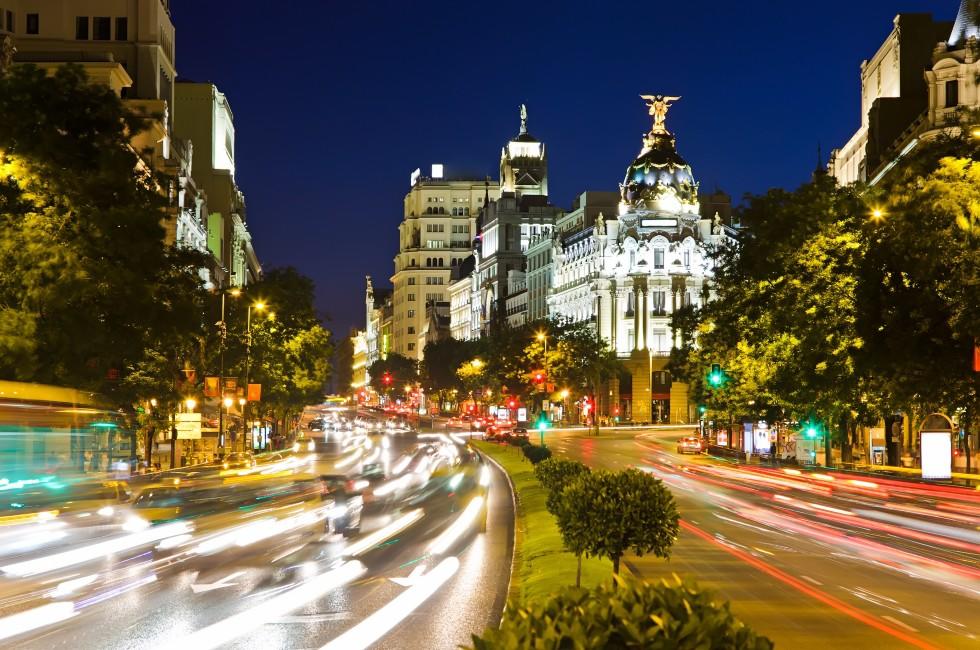
Madrid

The Fodor's Five
The five things you need to know before traveling to Madrid
An afternoon nap is essential and you’ll soon understand why.
Never understood the importance of a siesta? Wait until you visit Madrid. The city is famous for its nightlife and so locals follow a different rhythm of life than most. Breakfast tends to be light, lunch is the main meal of the day (usually between 2-4 p.m.), and dinner doesn't tend to start until 9 p.m. And don't think you'll be in bed by 10:30: nightlife rarely starts before midnight and many bars stay open until dawn. That afternoon nap suddenly feels a lot more necessary.
Don’t bother renting a car in Madrid. Public transport is the way to go.
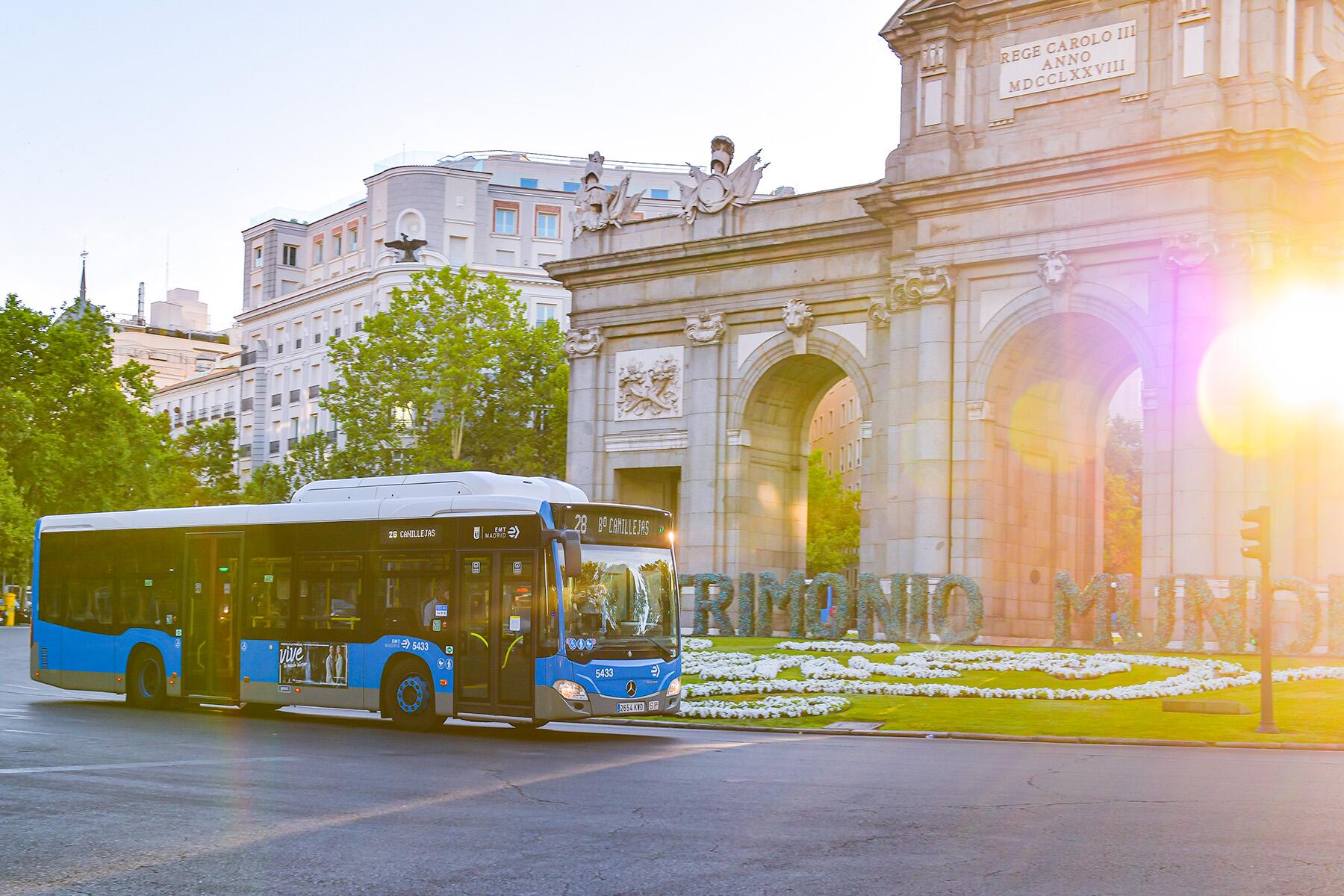
Whatever you do, don't try to drive in Madrid. This will help both your stress levels and your finances (parking is limited and expensive). The city has a great public transport network with a metro, bus, and train system that covers most of the key neighborhoods that you'll want to explore. The best way to get around is by buying a tourist travel pass, which offers unlimited travel across all public transport for a certain number of days. Stay in the center of the city for easy access, especially if you're only visiting for a few days.
Expect to eat dinner standing up…and share it.
After a heavy lunch, dinner often looks like tapas or raciones, shared with friends. Madrid is renowned for its tapas culture and the most authentic places are usually the noisy, atmospheric, a-little-too-cozy-for-comfort-standing-room-only spots. Many places offer free tapas with every drink you order, so you can sample different specialties without breaking the bank. Raciones are larger tapas portions, but we'd recommend going on a little tapas crawl first to truly discover the tastes of the city.
Dress to impress if you want to blend in.
Madrid is a stylish city, and locals like to dress well. You won’t see many people wearing shorts, flip-flops, or sweatpants, even in the summer. Instead, you’ll see elegant outfits and full faces of make-up, with accessories and shoes to match. If you want to blend in, pack some smart casual clothes, and avoid anything too flashy or revealing. You’ll also want a good pair of comfortable shoes, like smart white trainers, as you’ll be walking a lot.
Preparation is key to see all the top spots.
Madrid is an incredible city if you're into history, culture, and art. But its popularity means a little preparation is essential. Places like the Palacio Real (Royal Palace), the Prado Museum, and Retiro Park often get busy, and the palace in particular books up a week or two in advance during high season. Buy your tickets in advance, either online or at a ticket office around the city. Pay attention to discounts, too, if you're a student or a youth card holder.
Recommended Fodor’s Video
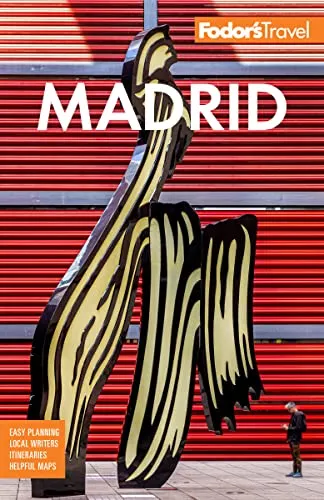
Fodor's Madrid: with Seville and Granada
For over 80 years, Fodor's Travel has been a trusted resource offering expert travel...
Top Neighborhoods




Hotels



Things to Do
Things to Do
Explore Things to Do
Find the perfect tours and activities in Madrid.
Where to Eat
Where to Eat
Need to Know
Need to Know
Language
SpanishNearby Airports
MADElectrical Outlets
220v/50 cycles; electrical plugs have two round prongsCurrency
EuroLanguage
SpanishElectrical Outlets
220v/50 cycles; electrical plugs have two round prongsCurrency
EuroNearby Airports
MAD
When to Go
Madrid is hot and dry in summer—with temperatures reaching 40ºC (105°F) in July and August—and chilly and damp in winter, with minimum temperatures...Read More
Neighborhood Guides
Discover the best neighborhoods in Madrid with curated recommendations from our editors.
essentials
transportation
Local Weather

When to Go
Madrid is hot and dry in summer—with temperatures reaching 40ºC (105°F) in July and August—and chilly and damp in winter, with minimum temperatures...Read More
Neighborhood Guides
Discover the best neighborhoods in Madrid with curated recommendations from our editors.
Local Weather
When to Go
Madrid is hot and dry in summer—with temperatures reaching 40ºC (105°F) in July and August—and chilly and damp in winter, with minimum temperatures...Read More
Neighborhood Guides
Discover the best neighborhoods in Madrid with curated recommendations from our editors.
essentials
transportation
Articles
Articles See All
Guidebooks
Guidebooks
Our worldwide travel correspondents bring you the best and most up-to-date coverage of over 7,500 global destinations.
Shop NowFodor's Madrid: with Seville and Granada
For over 80 years, Fodor's Travel has been a trusted resource offering expert travel...

Fodor's Essential Spain 2024
For over 80 years, Fodor's Travel has been a trusted resource offering expert travel...


