


Lisbon

Lisbon

The Fodor's Five
The five things you need to know before traveling to Lisbon
Absolutely do not get a rental car for Lisbon.
In this hilly yet walkable city, renting a car in Lisbon is completely unnecessary. With an accessible public transportation network, affordable rideshare companies like Uber or Bolt, and plenty of green transportation options, getting around the city is a breeze. Besides saving money, the transportation has a bonus perk—the funiculars are amazing!
Read More: Lisbon Public Transportation: How to Use Trams, Funiculars, the Metro, and More
Lisbon has so many amazing restaurants, but it's a good idea to make reservations.
Lisbon is home to more than 50 Michelin-starred restaurants and thousands more that are both delicious and charming. Nowadays, you'll find a mix of traditional Portuguese tascas alongside international restaurants, with an array specializing in the cuisines of former colonies. Tascas offer daily menus serving two or three courses, usually for less than 15 euros per person. You’ll often find locals chatting at counters while drinking an espresso and noshing pesticos, or small bites. It’s a great way to soak in the culture and practice Portuguese. Maybe, just maybe, you'll want to travel back with a suitcase full of wine or olive oil.
A couple of important tips: make reservations and always carry cash.
Read More: The Best Restaurants in Lisbon
The neighborhood you choose to stay in matters.
Figuring out the best neighborhood in Lisbon for you to stay in depends on your interests. Are you looking for something more residential or in the thick of the city? Are you traveling alone, with friends, a significant other, or family? Cais do Sodré and Bairro Alto are best for party-lovers. Avenida da Liberdade, Chiado, and Principe Real are chic playgrounds for the fashionable. Arroios is a hub for art and restaurants. Business travelers may opt for Saldanha, Praça Espanha, or Parque das Nações. You can opt for an AirBnB, a stunning boutique hotel, familiar international hotels, or top-notch hostels—but book early!
Read More: The Top Lisbon Neighborhood for Every Type of Traveler
Lisbon has steep hills, but the views are worth it.
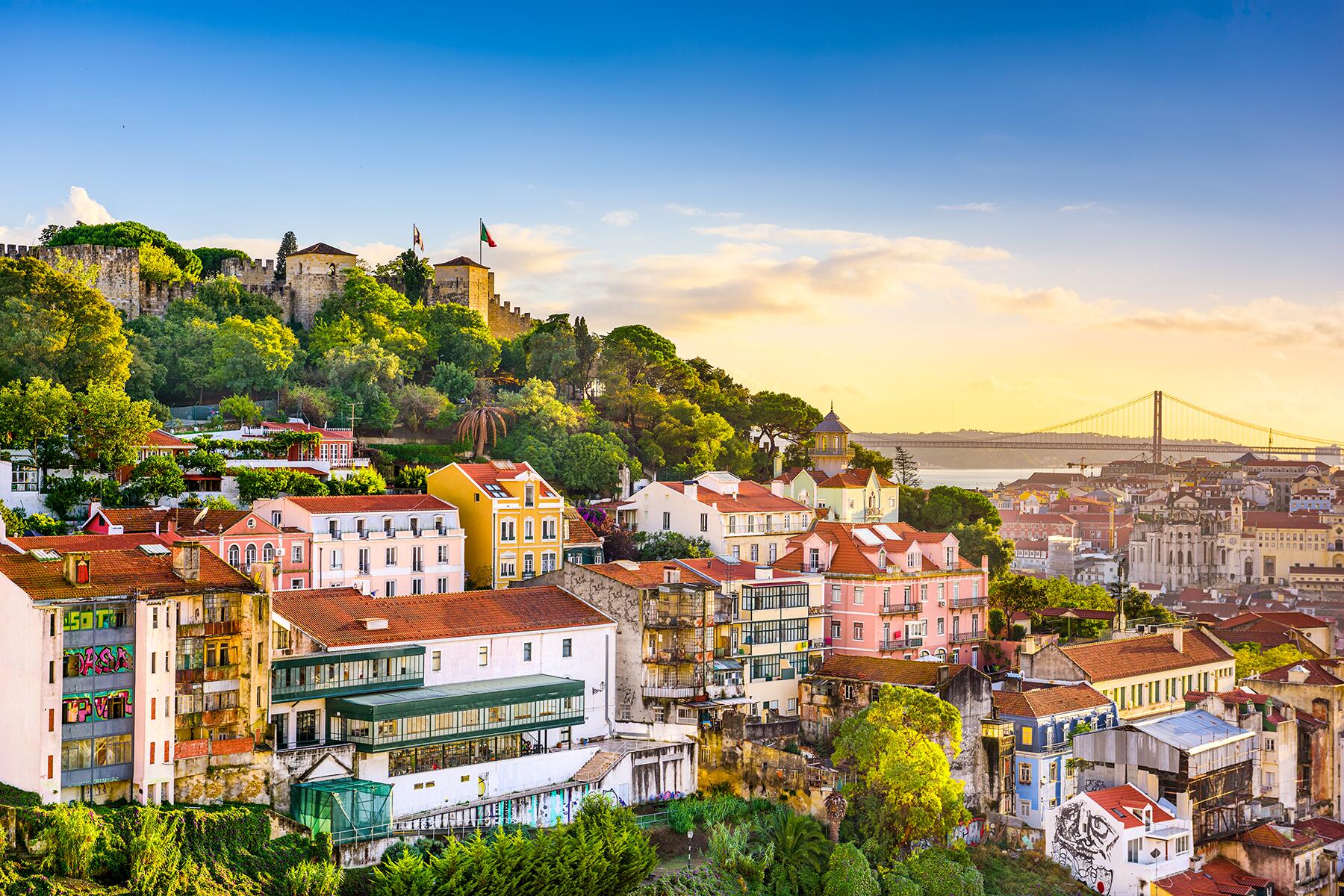
The hills are steep, but the views waiting at the top are worth it! Miradouros are points that overlook the sprawling Tejo River. You’ll find them dotted throughout the city—and they’re free! Breathtaking views, day or night, can be found at the Miradouro de Santa Luzia, Miradouro de São Pedro de Alcântara, and Miradouro da Graça. Rooftop bars are abundant, boasting delicious wine, dining, music, and majestic views of the capital.
Read More: Where to Find the Best Views in Lisbon
The Lisbon cruise port is busy, so the city can become extremely crowded.
The port of Lisbon is a popular cruise destination. In September and October 2023, cruise calls exceeded 100,000—a noticeable increase from roughly 68,000 in August. The port of Lisbon breathes life into the city. Millions of tourists and locals, alike, take advantage of the mild weather, stunning architecture, vibrant nightlife, modern and historic architecture, and direct access to the Atlantic Ocean via the Tejo River each year. If you’re interested in a low-key option to spend time on the water, you can ride a ferry, a catamaran, or book a sailboat.
Read More: When Is the Best Time to Visit Lisbon?
Recommended Fodor’s Video
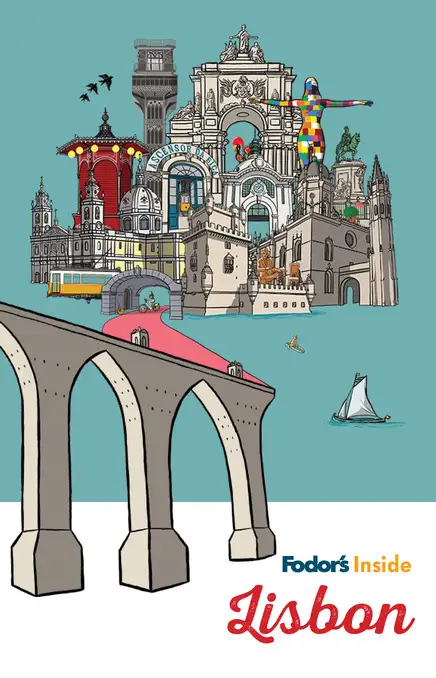
Fodor's Inside Lisbon
Hip, innovative, and affordable, Lisbon is a hub for cosmopolitan, design-minded makers...
Top Neighborhoods

- There are tons of luxury shopping and dining options
- It's pedestrian-friendly and vibrant
- Home to historical landmarks, including the Arco da Rua Augusta
- Convenient location near the city center, with easy access to attractions
- Immerse yourself in the lifestyle of Lisbon's sophisticated locals

- It has historic squares, iconic shops, and the famous Rua Garrett shopping street
- Lots of dining options, from traditional Portuguese fare to international cuisine
- Access to funiculars and the Carmo Convent
- The largest concentration of Lisbon’s bar scene
- Panoramic views from the Santa Justa Lift
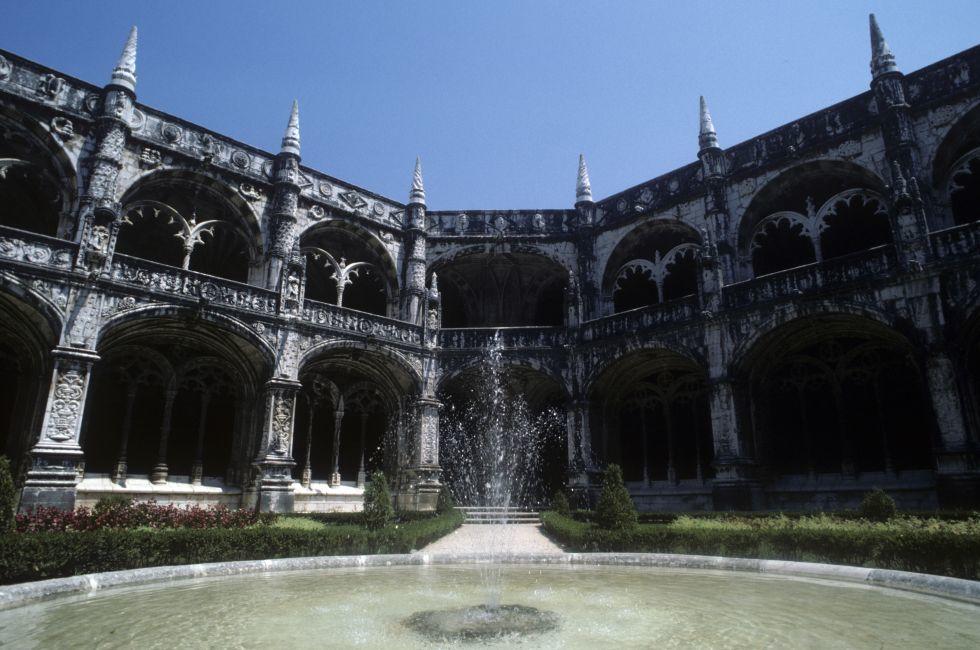
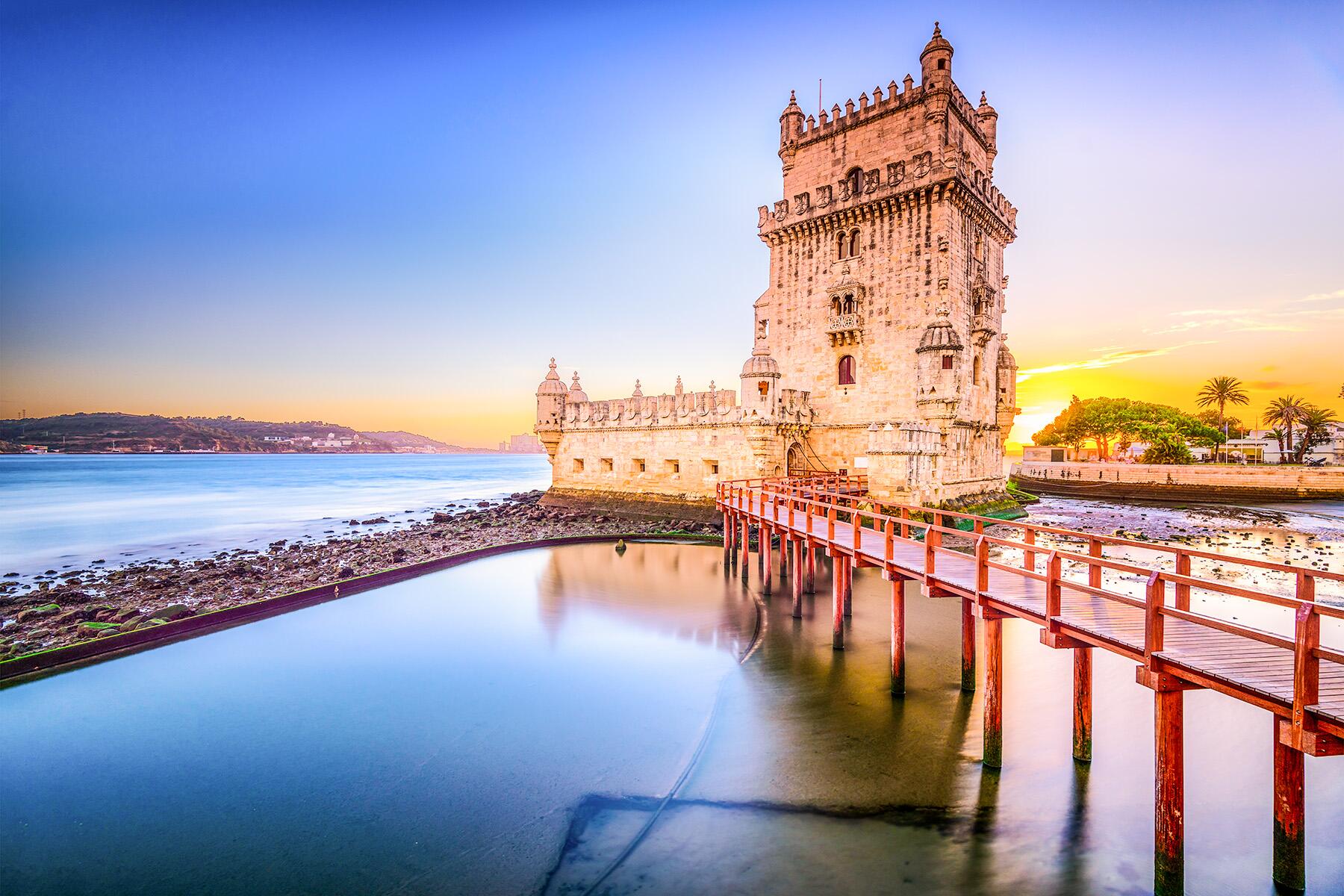
- It has several UNESCO World Heritage Sites
- Family-friendly interactive attractions including exhibitions, museums, and parks
- Sample iconic pastries in a landmark building at Pastéis de Belém
- Riverwalk along the Tagus with magnificent views
- Access to marinas, docks, and food trucks


- It's a trendy waterfront district with stylish bars and top restaurants
- Sustainability meets creativity at the LX Factory and Village Underground
- Dance the night away at Pensão Amor or Copenhagen on the famous Pink Street
- Access to the metro, ferry terminals, and suburban trains at the Cais do Sodré station
- Sip natural wine at Comida Independent
Hotels





Things to Do
Things to Do
Explore Things to Do
Find the perfect tours and activities in Lisbon.
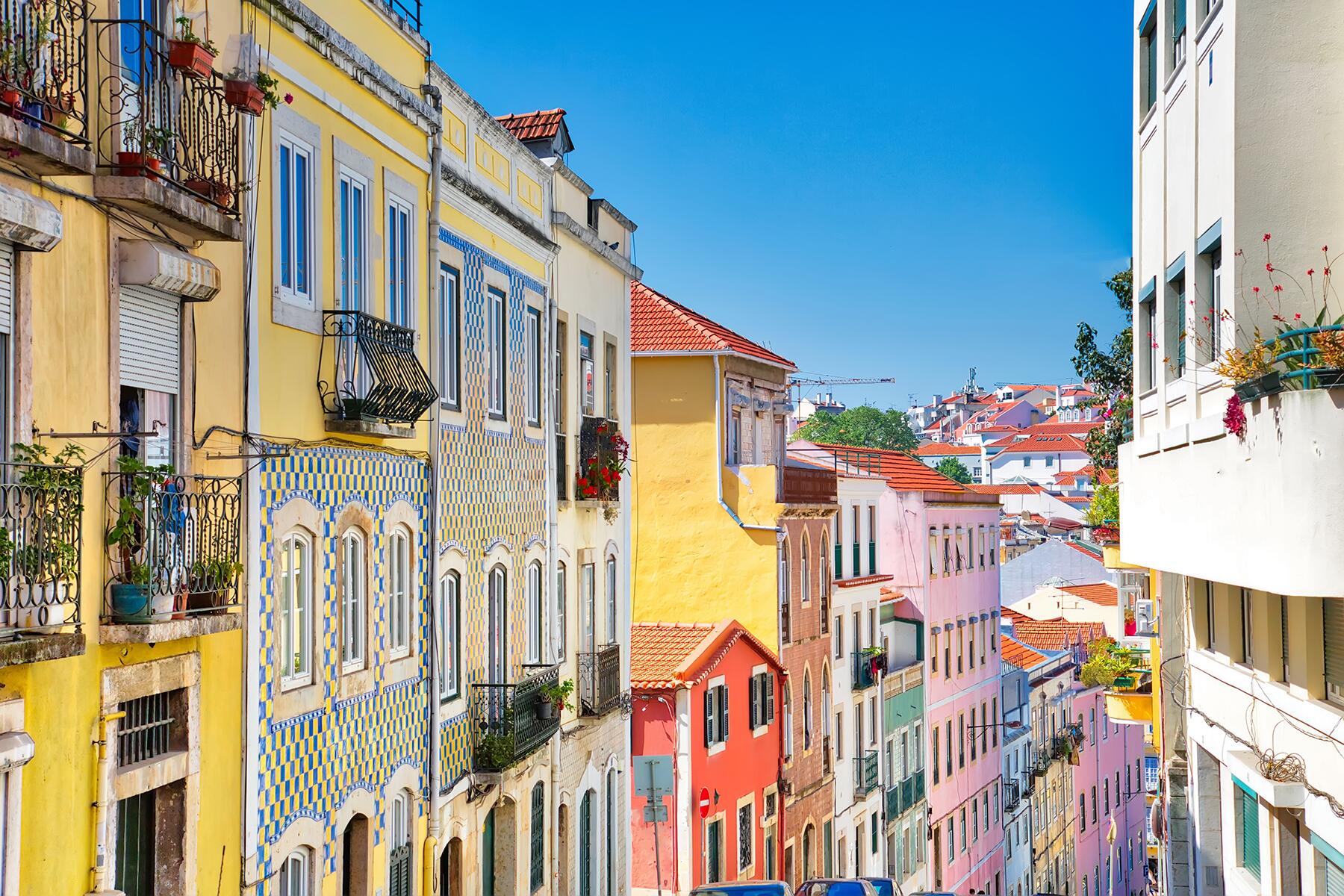
Where to Eat
Where to Eat
Need to Know
Need to Know
Language
PortugueseNearby Airports
LISElectrical Outlets
220-240V; electrical plugs have two round prongsCurrency
EuroLanguage
PortugueseElectrical Outlets
220-240V; electrical plugs have two round prongsCurrency
EuroNearby Airports
LIS
When to Go
It's best not to visit at the height of summer, when the city swelters in the heat, many smaller restaurants and shops close for family vacations...Read More
Neighborhood Guides
Discover the best neighborhoods in Lisbon with curated recommendations from our editors.
essentials
transportation
resources
Local Weather

When to Go
It's best not to visit at the height of summer, when the city swelters in the heat, many smaller restaurants and shops close for family vacations...Read More
Neighborhood Guides
Discover the best neighborhoods in Lisbon with curated recommendations from our editors.
Local Weather
When to Go
It's best not to visit at the height of summer, when the city swelters in the heat, many smaller restaurants and shops close for family vacations...Read More
Neighborhood Guides
Discover the best neighborhoods in Lisbon with curated recommendations from our editors.
essentials
transportation
resources
Articles
Articles See All

Guidebooks
Guidebooks
Our worldwide travel correspondents bring you the best and most up-to-date coverage of over 7,500 global destinations.
Shop NowFodor's Inside Lisbon
Hip, innovative, and affordable, Lisbon is a hub for cosmopolitan, design-minded makers...
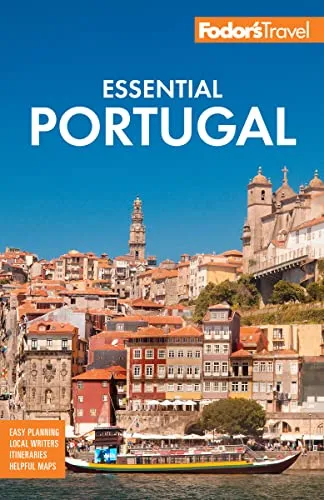
Fodor's Essential Portugal
Whether you want to explore Lisbon, go on a wine-tasting trip in the Douro Valley, or...


