The Southern Andes and Lake Titicaca
The Southern Andes and Lake Titicaca
Though often overshadowed by Cusco and the Sacred Valley, the south of Peru has some of the most dynamic, jaw-dropping geography and exciting cultural attractions anywhere in the country.
Arequipa is Peru's second-largest city, a Spanish-colonial maze, with volcanic white sillar (volcanic rock) buildings, well-groomed plazas, and wonderful food, museums, and designer alpaca products. Arequipa is close to Colca Canyon, where many head to see the famed gorge for its stunning beauty, depth, and Andean condors. Several hours farther out is the very remote Cotahuasi Canyon, the world's deepest gorge.
A rival in magnificence to Machu Picchu, Lake Titicaca is home to the floating islands. The Uros Islands are around 40 man-made islands—constructed from the lake's totora reeds—and a...
Read MoreThough often overshadowed by Cusco and the Sacred Valley, the south of Peru has some of the most dynamic, jaw-dropping geography and exciting cultural attractions anywhere in the country.
Arequipa is Peru's second-largest city, a Spanish-colonial maze, with volcanic white sillar (volcanic rock) buildings, well-groomed plazas, and wonderful food, museums, and designer alpaca products. Arequipa is close to Colca Canyon, where many head to see the famed gorge for its stunning beauty, depth, and Andean condors. Several hours farther out is the very remote Cotahuasi Canyon, the world's deepest gorge.
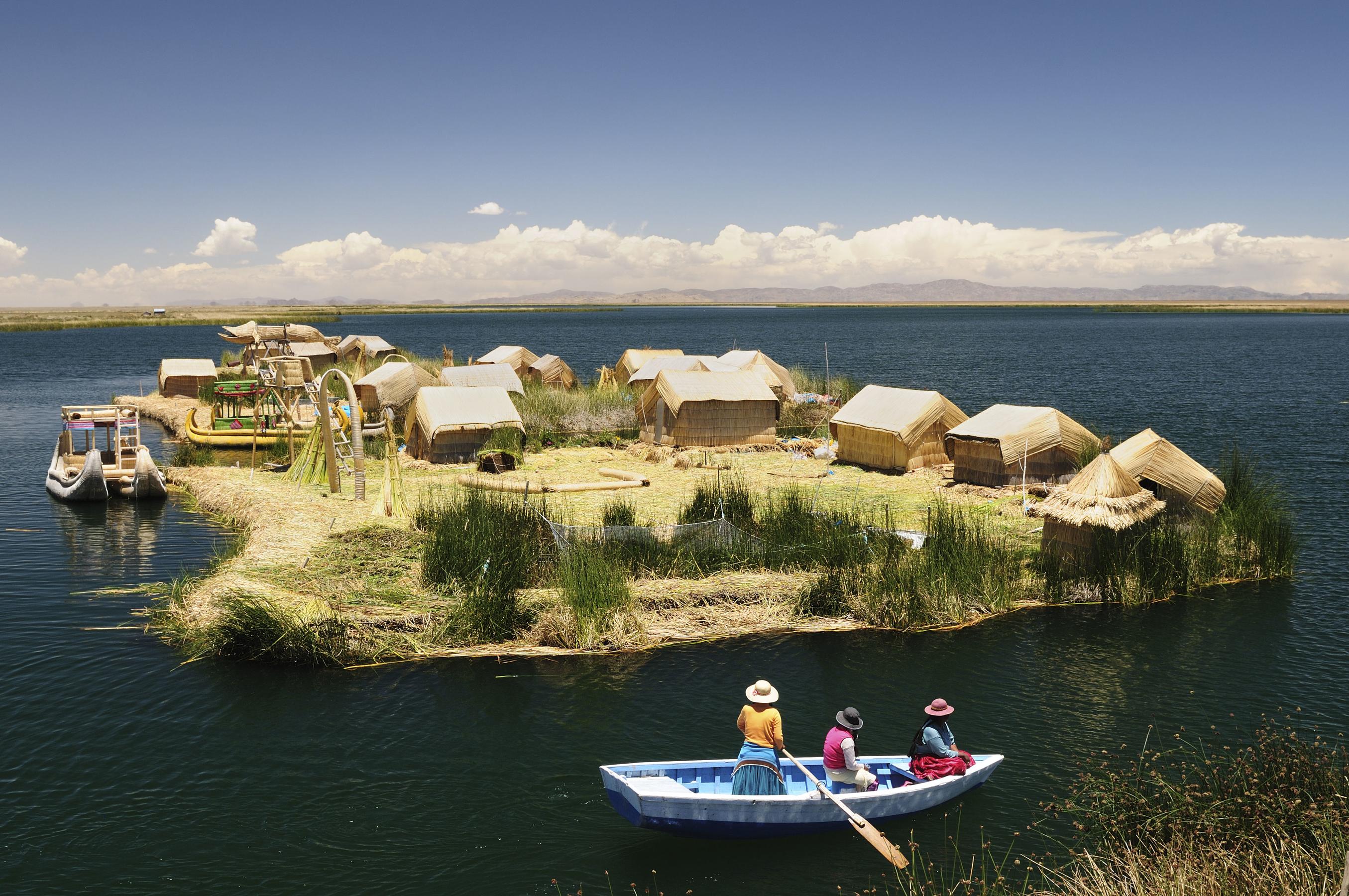
A rival in magnificence to Machu Picchu, Lake Titicaca is home to the floating islands. The Uros Islands are around 40 man-made islands—constructed from the lake's totora reeds—and are literally floating. The natives are the Quechua and Aymara peoples, who still speak their respective languages and will introduce you to a way of life that has changed little in centuries.
Puno, an agricultural city on the shores of Titicaca, is the jumping-off point for exploring the lake and is Peru's folkloric capital. A dusty-brown city most of the time, Puno is a colorful whirlwind during festivals. The region's many fiestas feature elaborate costumes, storytelling dances, music, and lots of merrymaking. Each November and February Puno, puts on two spectacular shows for local holidays.