309 Best Sights in USA

Background Illustration for Sights

We've compiled the best of the best in USA - browse our top choices for the top things to see or do during your stay.

The Getty Center

Brentwood Fodor's Choice
Modern Architecture Detail in Los Angeles, California.
Nickolay Stanev / Shutterstock

With its curving walls and isolated hilltop perch, the Getty Center resembles a pristine fortified city of its own. You may have been lured there by the beautiful views of Los Angeles—on a clear day stretching all the way to the Pacific Ocean—but the amazing architecture, uncommon gardens, and fascinating art collections will be more than enough to capture and hold your attention. When the sun is out, the complex's rough-cut travertine marble skin seems to soak up the light.

Getting to the center involves a bit of anticipatory lead-up. You'll need to book a free timed-entry ticket in advance. When you arrive, at the base of the hill lies the underground parking structure. From there you either walk or take a smooth, computer-driven tram up the steep slope, checking out the Bel Air estates across the humming 405 freeway. The six pavilions that house the museum surround a central courtyard and are bridged by walkways. From the courtyard, plazas, and walkways, you can survey the city from the San Gabriel Mountains to the ocean.

In a ravine separating the museum and the Getty Research Institute, conceptual artist Robert Irwin created the playful Central Garden in stark contrast to Richard Meier's mathematical architectural geometry. The garden's design is what Hollywood feuds are made of: Meier couldn't control Irwin's vision, and the two men sniped at each other during construction, with Irwin stirring the pot with every loose twist his garden path took. The result is a refreshing garden walk whose focal point is an azalea maze (some insist the Mickey Mouse shape is on purpose) in a reflecting pool.

Inside the pavilions are the galleries for the permanent collections of European paintings, drawings, sculpture, illuminated manuscripts, and decorative arts, as well as world-class temporary exhibitions and photographs gathered internationally. The Getty's collection of French furniture and decorative arts, especially from the early years of Louis XIV (1643–1715) to the end of the reign of Louis XVI (1774–92), is renowned for its quality and condition; you can even see a pair of completely reconstructed salons. In the paintings galleries, a computerized system of louvered skylights allows natural light to filter in, creating a closer approximation of the conditions in which the artists painted. Notable among the paintings are Rembrandt's The Abduction of Europa; Van Gogh's Irises; Monet's Wheatstacks, Snow Effects, and Morning; and James Ensor's Christ's Entry into Brussels.

If you want to start with a quick overview, pick up the brochure in the entrance hall that guides you to collection highlights. There's also an instructive audio tour with commentaries by art historians and other experts. The Getty also presents lectures, films, concerts, art workshops, and special programs for kids, families, and all-around culture lovers. The complex includes an upscale restaurant and downstairs cafeteria with panoramic window views. There are also outdoor coffee carts.

On-site parking is subject to availability and can fill up by midday on holidays and in the summer, so try to come early in the day or after lunch. 

A tram takes you from the street-level entrance to the top of the hill. Public buses (like Metro Rapid Line 734) also serve the center and link to the Expo Rail.
Los Angeles County Museum of Art (LACMA)

Miracle Mile Fodor's Choice

Los Angeles has a truly fabulous museum culture and the ever-changing Los Angeles County Museum of Art boasts the largest collection of art in the western United States. With more than 135,000 pieces from 6,000 years of history across multiple buildings, plan on spending a full day. Highlights include the Urban Light sculpture by Chris Burden (an Instagram favorite), Levitated Mass by Michael Heizer, and prominent works by Frida Kahlo, Wassily Kandinsky, Henri Matisse, and Claude Monet. With an illustrative permanent collection to go along with an ever-rotating array of temporary exhibits, film screenings, educational programs, and more, the museum is a beacon of culture that stands alone in the middle of the city. Temporary exhibitions sometimes require tickets purchased in advance.

The Frick Collection

Upper East Side
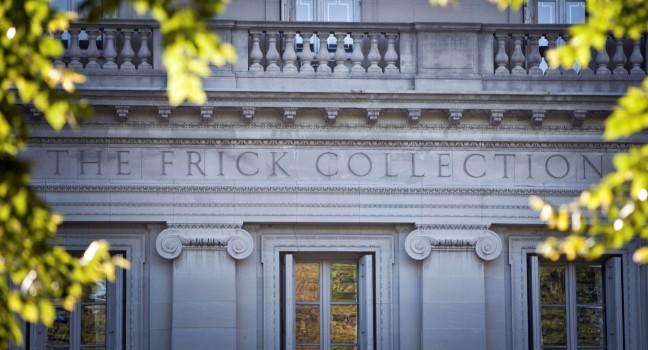
The Frick Collection art museum in New York on August 30, 2012 in Manhattan, New York City.
Stuart Monk / Shutterstock

Spring 2025 was when the Frick Collection returned to its opulent Gilded Age mansion on 5th Avenue, which has been renovated and modernized with new technology and accessibility features to the tune of $200 million. In addition, a new suite of galleries on the second floor has been unveiled. The museum's namesake, Henry Clay Frick (1849–1919), made his fortune amid the smoke of Pittsburgh, where he was a coke (a coal fuel derivative) and steel baron, but his amazing art collection—Old Master paintings as well as works from the Renaissance through the late 19th century—is decidedly far removed from soot. Expect masterpieces from Holbein, Vermeer, Rembrandt, El Greco, Goya, Van Dyck, Degas, Whistler, Manet, Monet, and Turner. The museum also has 18th-century French furniture, delicate Chinese ceramics, and other decorative arts on display. It also houses a state-of-the-art auditorium, gift shop, and 60-seat café overlooking the 70th Street Garden. Children under 10 are not admitted. 

1 E. 70th St., New York, NY, 10021, USA
212-288–0700
Sight Details
$30
Closed Mon. and Tues.

Something incorrect in this review?

Recommended Fodor's Video

Cantor Arts Center at Stanford University

Stanford’s main art museum is a wonderful indoor-outdoor mix, where it’s easy to linger for two or three hours. Outside is the acclaimed Rodin Sculpture Garden, home to the one of the largest collections of the legendary French sculptor’s works in the United States. Inside, beyond the ornate opening steps and grand entry hall are two levels of galleries that mix modern works with rotating exhibitions, indigenous American art, and classical European and American paintings.

Art Institute of Chicago

Chicago Loop Fodor's Choice
CHICAGO, ILLINOIS - SEPTEMBER 8: The Modern Wing of the Art Institute of Chicago designed by architect Renzo Piano on September 8, 2012 in Chicago, Illinois.
luca85/Shutterstock

Come for the sterling collection of old masters and impressionists (an entire room is dedicated to Monet); linger over the extraordinary and comprehensive photography collection; take in a number of fine American works; and discover paintings, drawings, sculpture, and design spanning the ancient to the contemporary world.

With its flanking lions and marble lobby, the Michigan Avenue main building was once part of the World's Columbian Exposition. It opened as the Art Institute on December 8, 1893. While the collection is best known for its impressionist and postimpressionist pieces, visitors will find works from a vast range of periods and places, including Greek, Roman, Byzantine, European, Asian, African, and Native American art. Such iconic works as Grant Wood's American Gothic and Edward Hopper's Nighthawks can be found in the American galleries. Chicago favorites like the Thorne Miniature Room and Marc Chagall's stained-glass American Windows are must-sees as well.

After the Renzo Piano–designed Modern Wing opened in 2009, the Art Institute became one of the largest art museums in the country. The 264,000-square-foot building contains the finest 20th- and 21st-century art in many mediums.

111 S. Michigan Ave., Chicago, IL, 60603, USA
312-443–3600
Sight Details
$32
Closed Tues. and Wed.

Something incorrect in this review?

Asian Art Museum

Civic Center Fodor's Choice
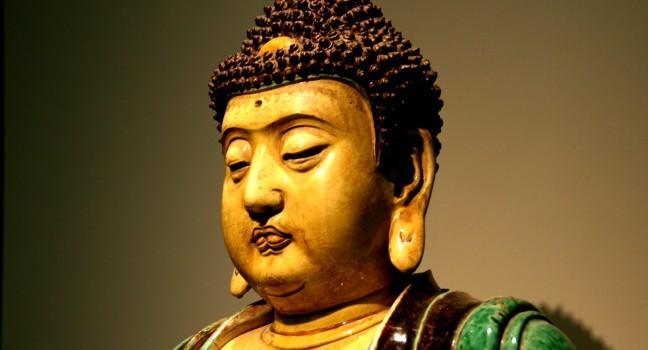
Esocentric Buddha, Asian Art Museum, San Francisco, CA
Esocentric Buddha by

You don't have to be a connoisseur of Asian art to appreciate the expansive museum, whose monumental exterior conceals a light, open, and welcoming space. The fraction of the museum's collection on display (about 2,500 pieces out of 18,000-plus total) is laid out thematically and by region, making it easy to follow historical developments.

Begin on the third floor, where highlights of Buddhist art in Southeast Asia and early China include a large, jewel-encrusted, exquisitely painted 19th-century Burmese Buddha and clothed rod puppets from Java. On the second floor you can find later Chinese works, as well as exquisite pieces from Korea and Japan. The ground floor is devoted to temporary exhibits and the museum's wonderful gift shop. During spring and summer, visit on Thursday evenings for extended programs and sip drinks while a DJ spins tunes.

200 Larkin St., San Francisco, CA, 94102, USA
415-581–3500
Sight Details
$20, free 1st Sun. of month
Closed Tues. and Wed.

Something incorrect in this review?

Baltimore Museum of Art

Charles Village Fodor's Choice
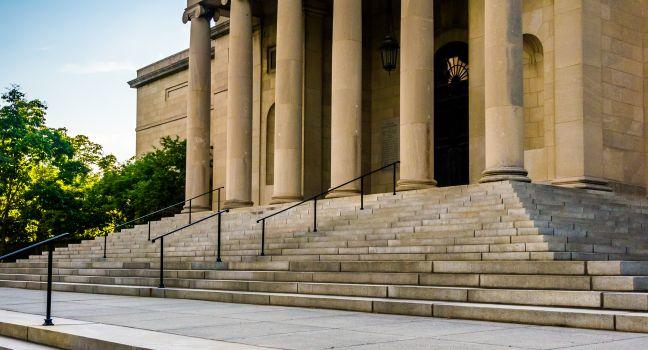
Steps to the Museum of Art in Baltimore, Maryland.
Jon Bilous / Shutterstock

Works by Matisse, Picasso, Cézanne, Gauguin, van Gogh, and Monet are among the 90,000 paintings, sculptures, and decorative arts on exhibit at this impressive museum near Johns Hopkins University. Particular strengths include an encyclopedic collection of Postimpressionist paintings donated to the museum by the Cone sisters, Baltimore natives who were pioneer collectors of early-20th-century art. The museum also owns the world's second-largest collection of Andy Warhol works and many pieces of 18th- and 19th-century American painting and decorative arts. The museum's neoclassical main building was designed by John Russell Pope, the architect of the National Gallery in Washington. A $28-million renovation resulted in a new, interactive exhibition space, a renovated visitor's entrance, and a completely reworked contemporary wing. From Gertrude's, the museum restaurant, you can look out at 20th-century sculpture displayed in two landscaped gardens.

10 Art Museum Dr., Baltimore, MD, 21218, USA
443-573–1700
Sight Details
Free
Closed Mon. and Tues.

Something incorrect in this review?

Denver Art Museum

Civic Center Fodor's Choice
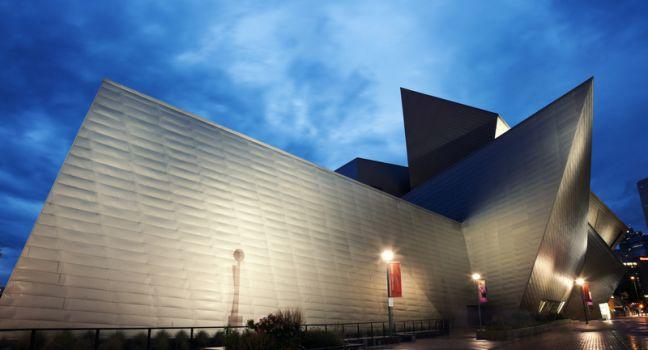
Denver Art Museum in the center of Denver seen during rainy summer evening.
Benkrut | Dreamstime.com

Unique displays of Asian, pre-Columbian, Spanish colonial, and Native American art are the hallmarks of this model of museum design. Among the museum's regular holdings are John DeAndrea's life-size polyvinyl painting Linda (1983); Claude Monet's dreamy flowerscape Le Bassin aux Nympheas (1904); and Charles Deas's red-cowboy-on-horseback Long Jakes, the Rocky Mountain Man (1844). The works are thoughtfully lighted, though dazzling mountain views through hallway windows sometimes steal your attention. Imaginative hands-on exhibits, game- and puzzle-filled Family Backpacks, and video corners will appeal to children; the Adventures in Art Center has hands-on art classes and exploration for children and adults. The museum doubled in size with the 2007 opening of the Frederic C. Hamilton building, a 146,000-square-foot addition designed by architect Daniel Libeskind that has prompted debate: some say the glass-and-titanium design has ruined the view, while others think the building is a work of art in its own right. To the east of the museum is an outdoor plaza—you'll know it by the huge orange metal sculpture—that leads to the Denver Public Library next door.

Getty Villa Museum

Pacific Palisades Fodor's Choice
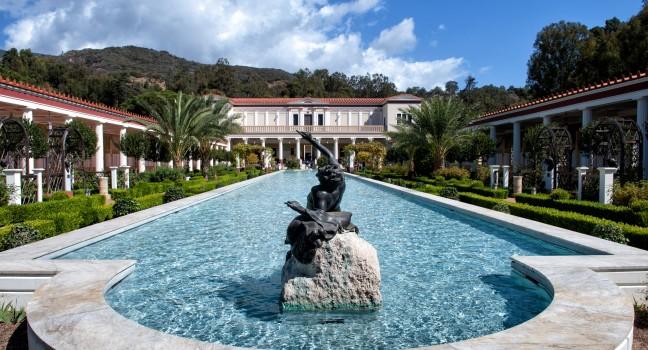
LOS ANGELES, USA - OCTOBER 4: The famous Getty Villa on October 4, 2009 in Los Angeles. The design of the Getty Villa was inspired by blueprints of the ancient Villa of the Papyri at Herculaneum.;
Rolf_52/Shutterstock

Feeding off the cultures of ancient Rome, Greece, and Etruria, the Getty Villa exhibits astounding antiquities, though on a first visit even they take a back seat to their environment. This megamansion sits on some of the most valuable coastal property in the world. Modeled after the Villa dei Papiri in Herculaneum, a Roman estate owned by Julius Caesar's father-in-law that was covered in ash when Mt. Vesuvius erupted, the Getty Villa includes beautifully manicured gardens, reflecting pools, and statuary. The structures blend thoughtfully into the rolling terrain and significantly improve the public spaces, such as the outdoor amphitheater, gift store, café, and entry arcade. Talks, concerts, and educational programs are offered at an indoor theater.

An advance timed-entry ticket is required for admission. Tickets are free and may be ordered from the museum's website or by phone.

17985 Pacific Coast Hwy., Los Angeles, CA, 90272, USA
310-440–7300
Sight Details
Free, tickets required; parking $25
Closed Tues.

Something incorrect in this review?

Hirshhorn Museum and Sculpture Garden

The Mall Fodor's Choice
Hirschhorn Museum with Fountain; Shutterstock ID 143097391; Project/Title: 15 Art Museums Showcasing the Art of America's Greatest Collectors; Downloader: Fodor's Travel
Vidu Gunaratna/Shutterstock

Conceived as the nation's museum of modern and contemporary art, the Hirshhorn is home to nearly 12,000 works by masters who include Alexander Calder, Andy Warhol, and Louise Bourgeois, as well as contemporary superstars Anish Kapoor and Yinka Shonibare. The art is displayed in a circular poured-concrete building designed by Gordon Bunshaft, dubbed the "Doughnut on the Mall" when it was built in 1974. The museum's founder, Joseph H. Hirshhorn, a Latvian immigrant who made his fortune in uranium mines, bequeathed most of the initial collection.

The sculpture collection has masterpieces by Henry Moore, Alberto Giacometti, and Constantin Brancusi. Outside, sculptures dot a grass-and-granite garden. Among them is Yoko Ono's Wish Tree for Washington, DC. On the plaza stands a 32-foot-tall yellow cartoon sculpture by pop-art iconographer Roy Lichtenstein that has become a beloved local landmark.

The third level's outer ring is the place to see thought-provoking conceptual art from the museum's permanent collection. Inside the third level, you can see dramatic postwar art from the museum's permanent collection, displayed thematically, with works by artists such as Joseph Cornell, Isa Genzken, Alighiero e Boetti, and Sol LeWitt. Check out Cornell's Untitled (Aviary with Yellow Birds) and Yoko Ono's Sky TV for Washington, DC. Large-scale text works by conceptual artist Lawrence Weiner round out the space.

The second level houses exhibits that rotate about three times a year, curated by museum staff and devoted to particular artists or themes. The lower level houses recent and experimental works from the permanent collection, while the sculpture garden makes an inspiring spot for a picnic. Dolcezza, a popular local coffee and gelato brand, set up a small café at the museum, perfect for a coffee break.

Independence Ave. and 7th St. SW, Washington, DC, 20013, USA
202-633–4674
Sight Details
Free
Reservations may be required for certain exhibitions

Something incorrect in this review?

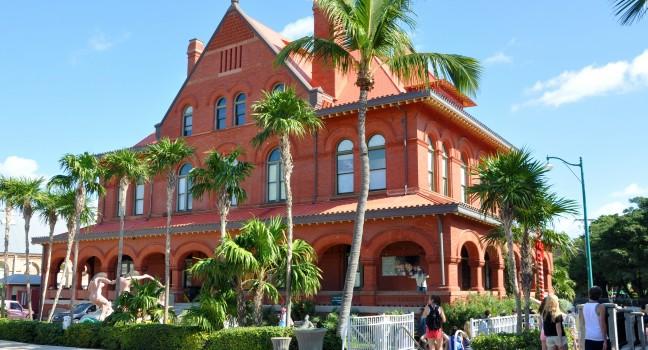
Key West Museum of Art & History

Fodor's Choice
Old Post Office and Customshouse, currently as Key West Museum of Art & History in downtown Key West, Florida, USA.
(c) Jiawangkun | Dreamstime.com

When Key West was designated a U.S. port of entry in the early 1820s, a customhouse was established. Salvaged cargoes from ships wrecked on the reefs were brought here, setting the stage for Key West to become—for a time—the richest city in Florida. The imposing redbrick-and-terra-cotta Richardsonian Romanesque–style building became a museum and art gallery in 1999. Smaller galleries have long-term and changing exhibits about the history of Key West, including a Hemingway room and a permanent Henry Flagler exhibit that commemorates the arrival of Flagler's railroad in Key West in 1912.

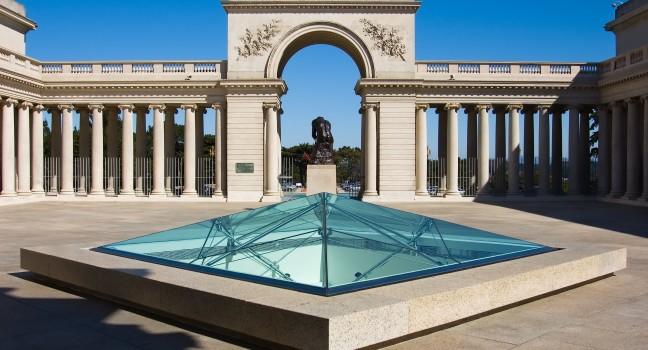
Legion of Honor

Richmond Fodor's Choice
California Palace of the Legion of Honor.
Andrew Zarivny / Shutterstock

Built to commemorate soldiers from California who died in World War I and set atop cliffs overlooking the ocean, the Golden Gate Bridge, and the Marin Headlands, this beautiful Beaux Arts building in Lincoln Park displays an impressive collection of 4,000 years of ancient and European art. A pyramidal glass skylight in the entrance court illuminates the lower-level galleries, which exhibit prints and drawings, European porcelain, and ancient Assyrian, Greek, Roman, and Egyptian art. The 20-plus galleries on the upper level display European art (paintings, sculpture, decorative arts, and tapestries) from the 14th century to the present day. The Auguste Rodin collection includes two galleries devoted to the master and a third with works by Rodin and other 19th-century sculptors. An original cast of Rodin's The Thinker welcomes you as you walk through the courtyard. Also impressive is the 4,526-pipe Spreckels Organ; live concerts take advantage of the natural sound chamber produced by the building's massive rotunda. As fine as the museum is, the setting and view outshine the collection.

100 34th Ave., San Francisco, CA, 94121, USA
415-750–3600
Sight Details
$20, free 1st Tues. of month; free Sat. for Bay Area residents
Closed Mon.

Something incorrect in this review?

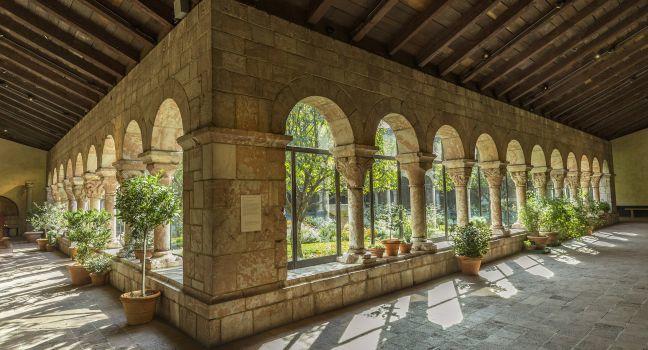
The Met Cloisters

Washington Heights Fodor's Choice
NEW YORK, USA - OCT 22, 2015: Colonnade and garden at The Cloisters, the branch of The Metropolitan Museum of Art devoted to the art and architecture of medieval Europe, , New York,USA.
(c) Meinzahn | Dreamstime.com

Perched on a wooded hill in Fort Tryon Park, near Manhattan's northwestern tip, the Cloisters museum and gardens houses part of the medieval collection of the Metropolitan Museum of Art and is a scenic destination in its own right. Colonnaded walks connect authentic French and Spanish monastic cloisters, a French Romanesque chapel, a 12th-century chapter house, and a Romanesque apse. One room is devoted to the 15th- and 16th-century Unicorn Tapestries, which date from 1500 and are must-see masterpieces of medieval mythology and craftsmanship. The tomb effigies are another highlight, as is the Reliquary containing silver and gold religious objects. Two of the three enclosed gardens shelter more than 250 species of plants similar to those grown during the Middle Ages, including flowers, herbs, and medicinals; the third is an ornamental garden.

\n

Concerts of medieval music are held regularly, and there are holiday concerts in December. Concert tickets include same-day admission to the museum, and tickets to either the main Met on 5th Avenue or to the Met Cloisters include same-day admission to the other. The outdoor Trie Café is open during museum hours, rain or shine, April through October, with a light menu of sandwiches, desserts, and coffee.

99 Margaret Corbin Dr., New York, NY, 10040, USA
212-923–3700
Sight Details
$30 (includes same-day admission to the Metropolitan Museum of Art); New York State residents have a pay-what-you-wish option
Closed Wed.

Something incorrect in this review?

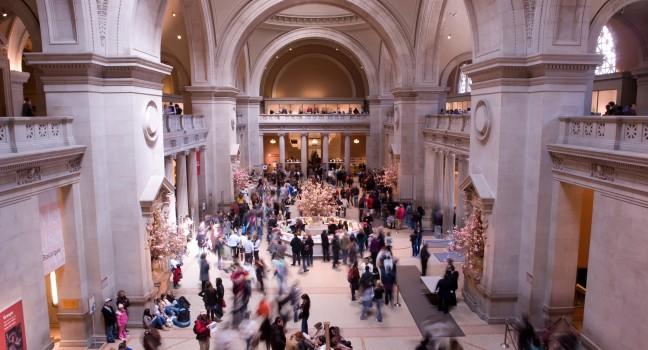
The Metropolitan Museum of Art

Upper East Side Fodor's Choice
View of the hall of Metropolitan Museum in New York.
Asier Villafranca / Shutterstock

 If Manhattan had no museums other than the colossal Metropolitan Museum of Art, you could still occupy yourself for days—even a week—roaming its labyrinthine corridors. It is the largest museum in the western hemisphere, with more than 1.5 million works of art representing 5,000 years of world history, so plan ahead and be selective. The famous Egyptian Art collection (including the Temple of Dendur) is reason enough to visit. Other don't-miss sections include the renovated Michael C. Rockefeller Wing, the extensive European Paintings galleries, the magnificent Islamic Art galleries, the vibrant collection of Impressionist paintings, the American Wing, the Anna Wintour Costume Institute (named for the celebratedVogue editor-in-chief, and known for hosting the annual star-studded Met Gala), and tons (literally) of ancient Greek and Roman statues. Kids will love the Arms and Armor displays. 

Be aware of ongoing renovations. A rebuild of the Ancient Near Eastern and Cypriot Art galleries will continue into early 2026; check the website and museum map to plan your visit around gallery closures. In between exhibits, take a break at the Cantor Roof Garden, open late April through late October, or at one of five cafés and lounges offering light bites and cocktails. Or book a reservation for The Met Dining Room, an upscale restaurant with Central Park views and a seasonal menu. Admission includes same-day entry to The Met Cloisters, a combination of medieval European art, architecture, and gardens in Fort Tryon Park in Upper Manhattan. Make the most of your visit by downloading a free digital or audio guide from The Met's website or take advantage of guided tours available in 10 different languages.

1000 5th Ave., New York, NY, 10028, USA
212-535–7710
Sight Details
$30 (includes same-day admission to Met Cloisters); New York State residents have a pay-what-you-wish option
Closed Wed.

Something incorrect in this review?

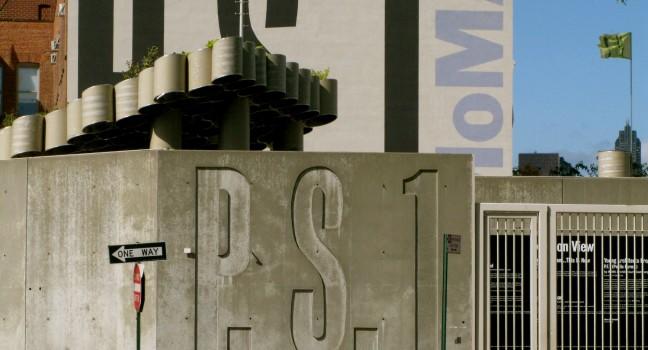
MoMA PS1

Long Island City Fodor's Choice
MoMA PS1 Queens New York NY, USA
PS1 by guillermo varela

A pioneer in the "alternative-space" movement, MoMA PS1 rose from the ruins of an abandoned school in 1976 as a sort of community arts center for the future, focusing on the work of currently active experimental and innovative artists. Long-term installations include work by Sol LeWitt, James Turrell, and Pipilotti Rist. Every available corner of the enormous building is used; discover art not only in former classrooms–turned–galleries, but also in the boiler room, and even in some bathrooms.

22--25 Jackson Ave., Queens, NY, 11101, USA
718-784–2084
Sight Details
$10
Closed Tues. and Wed.

Something incorrect in this review?

Museum of Contemporary Art Chicago

Near North Side Fodor's Choice
Museum Of Contemporary Art Chicago.
(c) Sianamira | Dreamstime.com

A group of art patrons who felt the great Art Institute was unresponsive to modern work founded the MCA in 1967, and it has remained a renegade art museum ever since. It doesn't have any permanent exhibits; this lends a feeling of freshness but also makes it impossible to predict what will be on display at any given time. Special exhibits are devoted mostly to original shows you can't see anywhere else.

220 E. Chicago Ave., Chicago, IL, 60610, USA
312-280–2660
Sight Details
$15 suggested donation; free Tues. for Illinois residents
Closed Mon.

Something incorrect in this review?

Museum of International Folk Art (MOIFA)

East Side and Canyon Road Fodor's Choice
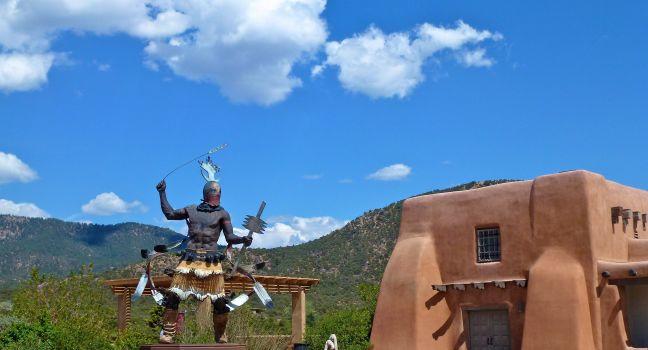
Plaza at the International Folk Art Museum
Plaza at the International Folk Art Museum by Granger Meador

Located atop Museum Hill, this museum delights visitors of all ages with its permanent collection of more than 130,000 objects from about 100 countries. In the Girard Wing, you'll find thousands of amazingly inventive handmade objects such as a tin Madonna, a devil made from bread dough, dolls from around the world, and miniature village scenes. The Hispanic Heritage Wing rotates exhibitions of art from throughout Latin America, dating from New Mexico's Spanish-colonial period (1598–1821) to the present. The exhibits in the Neutrogena Wing rotate, showing subjects ranging from outsider art to the magnificent quilts of Gee's Bend. Lloyd's Treasure Chest, the wing's innovative basement section, provides a behind-the-scenes look at the museum's permanent collection and explores the question of what exactly constitutes folk art. The innovative Gallery of Conscience explores topics at the intersection of folk art and social justice. Each exhibition also includes educational activities for both kids and adults. Allow time to visit the outstanding gift shop and bookstore.

Museum of Modern Art (MoMA)

Midtown West Fodor's Choice
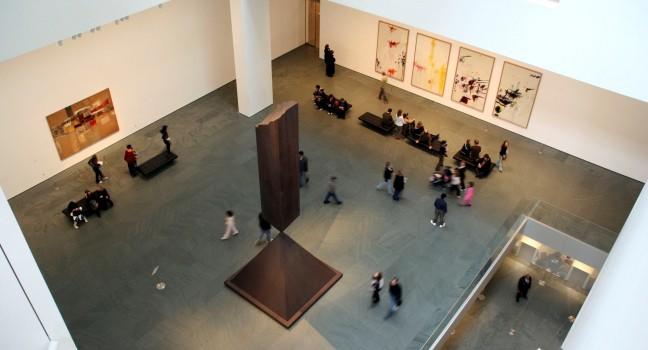
Redesigned interior of the Museum of Modern Art in New York.
(c) Mirceani | Dreamstime.com

Housing one of the world's finest collections of modern art, MoMA is renowned for its permanent collection, which includes masterpieces by Picasso, Van Gogh, Monet, Kahlo, Warhol, and Dalí, as well as its first-rate multimedia exhibitions. MoMA completed a $450 million renovation and expansion in 2019, and the building now features walkways between old and new galleries, each organized to showcase familiar masters alongside great, but lesser-known, artists—many of them women and people of color. Contemporary works and those of varied media also are strategically exhibited beside familiar classics. The displays breathe new life into the institution's curatorial experience.

MoMA spans six levels, and it's helpful to explore from top to bottom. See the most famous works on Floors 4 and 5; installations on 6; and galleries of photography, drawings, architecture projects, and special exhibitions on the lower floors. Level 1 remains home to the delightful Abby Aldrich Rockefeller Sculpture Garden. Within the museum, dine at high-end The Modern; snack at cafés on Floor 2; and enjoy outdoor views from the Terrace café on Floor 6. The cellar-level cinema screens international films and theme series (museum entry is a discounted $14 with your film ticket). Browse at the famous MoMA Store and MoMA Design Store (across 53rd Street). Entry is free for NYC residents the first Friday of each month, 4–8 pm. The first-floor galleries are always free and open to the public.

11 W. 53rd St., New York, NY, 10019, USA
212-708–9400
Sight Details
$30

Something incorrect in this review?

National Museum of Mexican Art

Pilsen Fodor's Choice
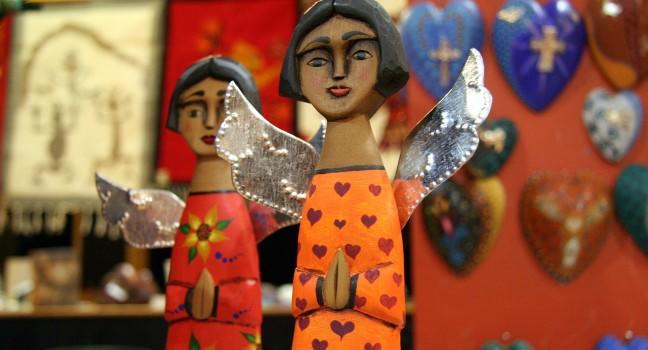
Wood carving artwork by Artist Jacobo Angeles Ojeda.
Wood carving artwork by Artist Jacobo Angeles Ojeda by Gozamos

The largest Latino cultural museum in the country (and the first Latino one accredited by the American Alliance of Museums) is definitely worth a look. Its galleries house impressive displays of contemporary, traditional, and Mesoamerican art from both sides of the border, as well as vivid exhibits that trace immigration woes and political struggles. The 20,000-piece permanent collection includes pre-Cuauhtemoc artifacts, textiles, folk art, paintings, prints, and drawings. Every fall the giant Day of the Dead exhibit stuns Chicagoans with its altars from artists across the U.S. and Mexico.

New Mexico Museum of Art

The Plaza Fodor's Choice
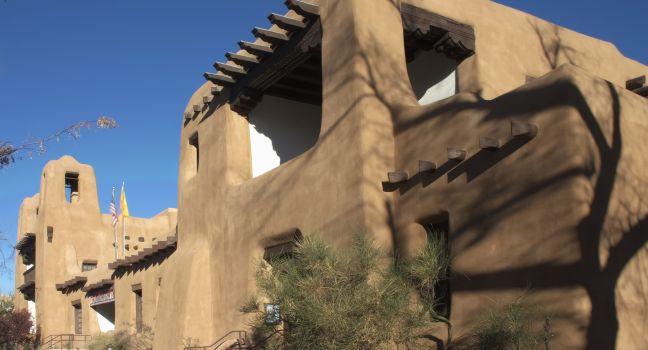
Museum of Art in Santa Fe New Mexico with adobe style architecture.
(c) Kingjon | Dreamstime.com

Designed by Isaac Hamilton Rapp in 1917, this museum is one of Santa Fe's earliest Pueblo Revival structures, inspired by the adobe structures at Acoma Pueblo. Split-cedar latillas (branches set in a crosshatch pattern) and hand-hewn vigas form the ceilings. The 20,000-piece permanent collection, of which only a fraction is exhibited at any given time, emphasizes the work of regional and nationally renowned artists, including Georgia O'Keeffe; realist Robert Henri; the Cinco Pintores (five painters) of Santa Fe (including Fremont Ellis and Will Shuster, the creative mind behind Zozóbra); members of the Taos Society of Artists (Ernest L. Blumenschein, Bert G. Phillips, Joseph H. Sharp, and E. Irving Couse, among others); and the works of noted 20th-century photographers of the Southwest, including Laura Gilpin, Ansel Adams, and Dorothea Lange. Rotating exhibits are staged throughout the year. Many excellent examples of Spanish-colonial-style furniture are on display. Other highlights include an interior placita (small plaza) with fountains, WPA murals, and sculpture, and the St. Francis Auditorium, where concerts and lectures are often held.

107 W. Palace Ave., Santa Fe, NM, 87501, USA
505-476–5072
Sight Details
$12
Closed Nov.–Apr. and Mon.

Something incorrect in this review?

New Orleans Museum of Art (NOMA)

Mid-City Fodor's Choice
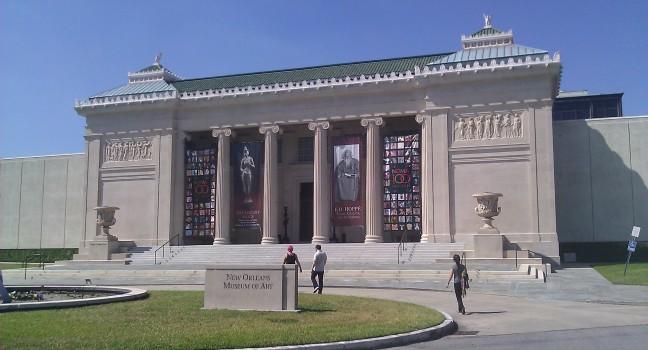
New Orleans Museum Of Art - NOMA
By Mutante (CC BY-SA 3.0), via Wikimedia Commons

Gracing the main entrance to City Park since 1911, this traditional fine-arts museum draws from classic Greek architecture, with several modern wings that bring additional light and space to the grand old building. NOMA now has 46 galleries housing an outstanding permanent collection. Made up of nearly 40,000 objects, the installations and exhibits represent historical periods from the Italian Renaissance to the best of the contemporary world. A wealth of American and European art—French, in particular—makes up much of the collection, with works by Monet, Renoir, Picasso, Cornell, and Pollock. Louisiana artists are also well represented, and the museum boasts photography, ceramics, and glassworks from cultures around the globe, plus outstanding holdings in African, pre-Columbian, and Asian art.

Henry Moore's handsome Reclining Mother and Child greets visitors at the entrance of the Sydney and Walda Besthoff Sculpture Garden. Most of the garden's 90-some sculptures, representing some of the biggest names in modern art, were donated by avid local collectors Sydney and Walda Besthoff. Meandering trails and bridges carry visitors over bayou lagoons and past a fascinating combination of famed traditional sculpture and contemporary works, including major pieces by Jacques Lipchitz, Barbara Hepworth, and Joel Shapiro. The garden is open daily from 10 am to 5 pm from October through March, and until 6 pm the rest of the year; admission is free.

1 Collins Diboll Circle, New Orleans, LA, 70124, USA
504-658–4100
Sight Details
$20
Closed Mon.

Something incorrect in this review?

Norton Museum of Art

Fodor's Choice
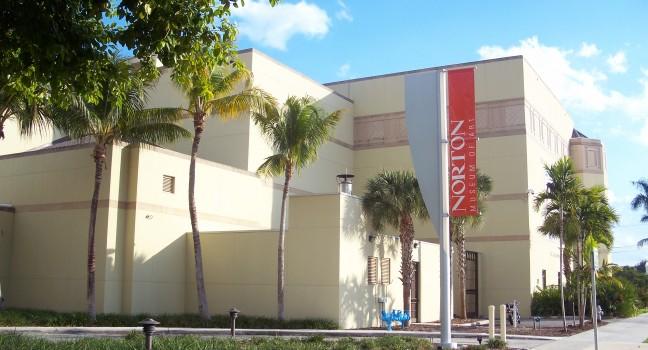
West Palm Beach, Florida: Norton Museum of Art:
By Ebyabe [CC-BY-SA-3.0], via Wikimedia Commons

The museum (constructed in 1941 by steel magnate Ralph H. Norton and his wife, Elizabeth) has grown to become one of the most impressive in South Florida, with an extensive collection of 19th- and 20th-century American and European paintings—including works by Picasso, Monet, Matisse, Pollock, Cassatt, and O'Keeffe—plus Chinese art, earlier European art, and photography. To accommodate the growing collection, the museum expanded to include 12,000 additional square feet of gallery space in a new west wing, event spaces, a garden, and a great hall.

The popular Art After Dark, Thursday from 5 to 10 pm, is a gathering spot for art lovers, with wine and music in the galleries.

Ogden Museum of Southern Art

Warehouse District Fodor's Choice
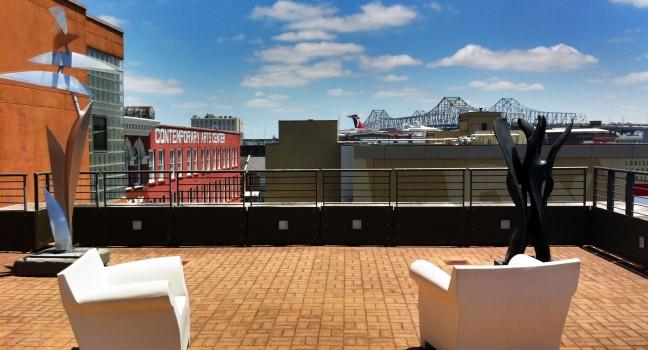
Ogden Museum of Southern Art, New Orleans, Louisiana - iPhone 4 with HDR Pro
New Orleans 101 by <

Art by southern artists, made in the south, about the south, and exploring southern themes fills this elegant five-story building. The basis of the museum's permanent collection are 1,200 works collected by local developer Roger Ogden since the 1960s. It has now grown to more than 4,000 pieces, including paintings, ceramics, drawings, sculptures, photographs, and designs. These pieces, along with special exhibitions, showcase artists from Washington, D.C., and 15 southern states spanning the 18th through 21st century. A central stair atrium filters natural light through the series of galleries, and a rooftop patio serves as a sculpture garden with lovely views of the surrounding area. The gift shop sells crafts and jewelry by southern artists and books and movies celebrating the south. Thursday night (6–8 pm) comes alive with Ogden After Hours, featuring live music, artist interviews, refreshments, children's activities, and special gallery exhibitions.

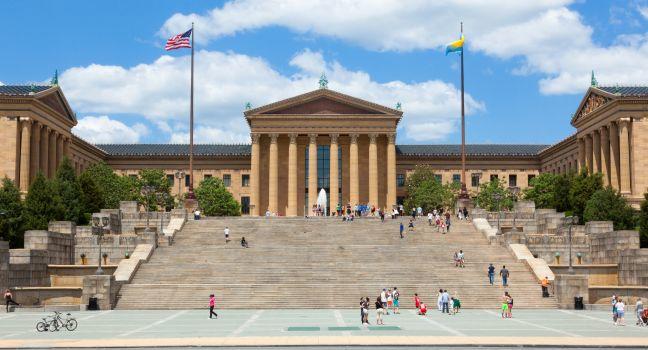
Philadelphia Art Museum

Parkway Museum District Fodor's Choice
Philadelphia art museum entrance - Pennsylvania USA.
(c) Sam74100 | Dreamstime.com

Set on a hill in a majestic 1928 building modeled after Greek temples, the city's premier cultural attraction is one of the country's leading art museums, with permanent collections focused on European, American, and Asian art. The museum’s east entrance is the site of the “Rocky steps,” with people running up the 72 steps immortalized in the movie Rocky and lining up at street level for photos with A. Thomas Schomberg’s Rocky statue. A massive redesign by architect Frank Gehry, completed in 2021, added exhibition space and made navigating the 200-gallery museum more pleasant. Diana, the iconic gilded sculpture of the goddess by Augustus Saint-Gaudens, graces the Great Stair Hall. Expanded first-floor galleries are dedicated to a more inclusive narrative of early American art and to contemporary art. From spring 2026 through summer 2027, the museum and the Pennsylvania Academy of Fine Arts will present A Nation of Artists, a two-museum show that will celebrate American art and include rarely seen works owned by the Middleton family. The European art (1850–1900) collection makes the most of the strong impressionist holdings, and other European collections contain modernist works by artists such as Brancusi, Braque, Matisse, and Picasso. Famous paintings include Van Eyck's St. Francis Receiving the Stigmata, van Gogh's Sunflowers, and Cézanne's The Large Bathers. The museum also has the world's most extensive collection of works by Marcel Duchamp (Nude Descending a Staircase) and fine works by 19th-century Philadelphia artist Thomas Eakins.  The Asian art galleries present some spectacular structures moved from around the world, such as a 17th-century Chinese palace hall and a Japanese teahouse. Children like the arms and armor collection, and the 1-acre outdoor sculpture garden has contemporary works. Museum visitors can eat in the café or in the intimate, upscale, Gehry-designed Stir Restaurant (reserve ahead), which focuses on seasonal and regional fare. Friday evenings in the museum feature live music, drinks, and light bites.

2600 Benjamin Franklin Pkwy., Philadelphia, PA, 19130, USA
215-763–8100
Sight Details
$30 for 2 consecutive operating days; includes the Rodin Museum and (when open) the Perelman Building and 2 historic houses; $15 Fri. after 5 pm; pay what you wish 1st Sun. of each month
Closed Tues. and Wed.

Something incorrect in this review?

Solomon R. Guggenheim Museum

Upper East Side Fodor's Choice
People entering Guggenheim Museum to visit Kandinski exhibition December 10, 2009 in New York, US.
Adriano Castelli / Shutterstock

Frank Lloyd Wright's landmark nautilus-like building is renowned as much for its famous architecture as for its superlative collection of modern and contemporary art and well-curated shows, some of which utilize the entire museum. Opened in 1959, shortly after Wright's death, the Guggenheim is acclaimed as one of the greatest buildings of the 20th century. Inside, under a 96-foot-high skylight, just over a quarter-mile long ramp spirals down past current exhibits. The museum has strong holdings of works by Vasily Kandinsky (over 150 paintings), René Magritte, Jeff Koons, Paul Klee, Marc Chagall, Francis Bacon, and Faith Ringold.  In 2023, the museum hired its first associate curator of art and technology to promote artists working with technology. 

Wright's superior design was criticized by some who believed that the distinctive building detracted from the art, but the spiraling layout allows artwork to be viewed from different angles and distances. On permanent display, the museum's Thannhauser Collection is made up primarily of works by French Impressionists and Postimpressionists Van Gogh, Degas, Picasso, and Manet. Escape the crowded lobby by taking the elevator to the top and working your way down the spiral. The Cafe Rebay offers snacks, salads, and sandwiches, while the gift shop is near the museum's exit.

Whitney Museum of American Art

Meatpacking District Fodor's Choice
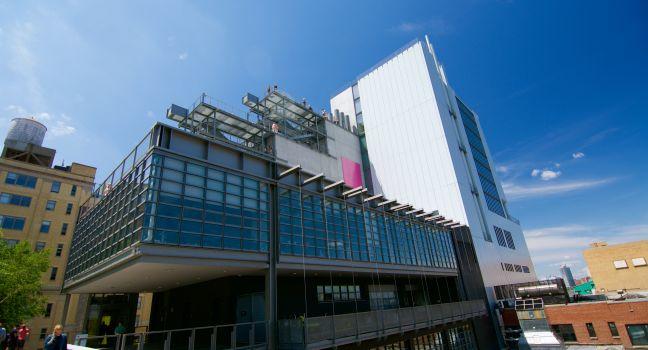
New building of Whitney Museum on Gansevoort Street in Manhattan, designed by architect Renzo Piano.
Hannoonnes | Dreamstime.com

The Renzo Piano–designed museum welcomes visitors with a lively plaza, bold works of contemporary and modern American art, plenty of terraced outdoor spaces, and expansive windows. There are eight floors (not all open to the public), with a lauded French bakery on the ground floor and a café on the eighth floor. The galleries house rotating exhibitions from the permanent collection of postwar and contemporary works by artists such as Jackson Pollock, Jim Dine, Jasper Johns, Mark Rothko, Chuck Close, Cindy Sherman, and Roy Lichtenstein. Notable pieces often on view include Hopper's Early Sunday Morning (1930), Bellows's Dempsey and Firpo (1924), Calder's beloved Circus, and several of O'Keeffe's dazzling flower paintings.

The Whitney experience is as much about the setting as the incredible artwork. The outdoor terraces on floors six, seven, and eight are connected by exterior stairs that provide a welcome reprieve from crowded galleries as well as stunning skyline views. Visitors 25 and under get in free with valid ID; Friday night is free to all 5–10 pm. Skip the line and buy tickets in advance online; same-day tickets are often available.

99 Gansevoort St., New York, NY, 10014, USA
212-570–3600
Sight Details
$30
Closed Tues.

Something incorrect in this review?

Albuquerque Museum

Fodor's Choice

In a modern, light-filled space, the Albuquerque Museum serves up a brilliantly curated selection of contemporary art from the museum's own Southwestern artists–centric collections and world-class touring shows; it also presents illuminating shows with regionally topical themes. The must-see Common Ground galleries represent an important permanent collection of primarily 20th-century paintings, all by world-renowned artists with a New Mexico connection; a changing rotation of 19th- and 20th-century photographs from the museum's extensive local archive lines the museum's walkway halls. Other spaces dig even deeper into compelling aspects of Albuquerque and regional history.

The Sculpture Garden contains more than 50 contemporary works by an internationally known roster of artists that includes Basia Irland and Fritz Scholder; Nora Naranjo-Morse's spiral land-art piece resonates deeply in a place defined by water and land-rights issues. Visitors may pick up a self-guided Sculpture Garden map or come for the free (with admission) docent-led tours at 11 am Wednesday and Saturday (March through November); docent-led tours of the galleries, also free, are held daily at 2 pm, year-round.

2000 Mountain Rd. NW, Albuquerque, NM, 87104, USA
505-898–3915-Casa San Ysidro
Sight Details
$4, free Sun. 9–1 and 1st Wed. of each month; Casa San Ysidro tours $6 (by advance reservation only)
Closed Mon.

Something incorrect in this review?

The Aldrich Contemporary Art Museum

Fodor's Choice

Cutting-edge art is not necessarily what you'd expect to find in a stately, 18th-century structure that, by turns, served as a general store, a post office, and, for 35 years, a church. Nicknamed "Old Hundred," this historic building is just part of the vast facility, which includes a 17,000-square-foot exhibition space that puts its own twist on traditional New England architecture. The white-clapboard-and-granite structure houses 12 galleries, a screening room, a sound gallery, a 22-foot-high project space for large installations, a 100-seat performance space, and an education center. Outside is a 2-acre sculpture garden. 

258 Main St., Ridgefield, CT, 06877, USA
203-438–4519
Sight Details
15; every third Saturday, admission is free
Closed Tues.

Something incorrect in this review?

American Visionary Art Museum

Federal Hill Fodor's Choice

The nation's primary museum and education center for self-taught or "outsider" art has won great acclaim by both museum experts and those who don't even consider themselves art aficionados. Seven galleries exhibit the quirky creations—paintings, sculptures, relief works, and pieces that defy easy classification—of untrained "visionary" artists working outside the mainstream art world. In addition to the visual stimulation of amazingly intricate or refreshingly inventive works, reading the short bios of artists will give you insight to their often-moving spiritual and expressive motivations. The museum's unusual, playful philosophy extends outside its walls, with large exhibits installed in a former whiskey warehouse, an outdoor movie theater, and a 55-foot whirligig twirling in the museum's plaza.

800 Key Hwy., Baltimore, MD, 21230, USA
410-244–1900
Sight Details
$16
Closed Mon. and Tues.

Something incorrect in this review?

Asheville Art Museum

Fodor's Choice

Established in 1948, this architectural centerpiece of downtown incorporates the footprint of the old Pack Library—a 1926 Italian Renaissance–style building—and a recently completed $24 million addition that includes a contemporary glass entrance, a sunny atrium, and the rooftop Sculpture Terrace and Perspective Café. Expanded galleries display more of the museum's permanent collection of American art since 1860, with an emphasis on Southeast regional artists, including those from Black Mountain College.