


Europe


Top places to go in Europe in 2026
Expand Full List


-
The Azores, Portugal
-
Engelberg, Switzerland
-
Greenland
-
Reggio Emilia: The Matilda di Canossa Trail, Italy
-
Thessaloniki, Greece
-
Wurzburg, Germany

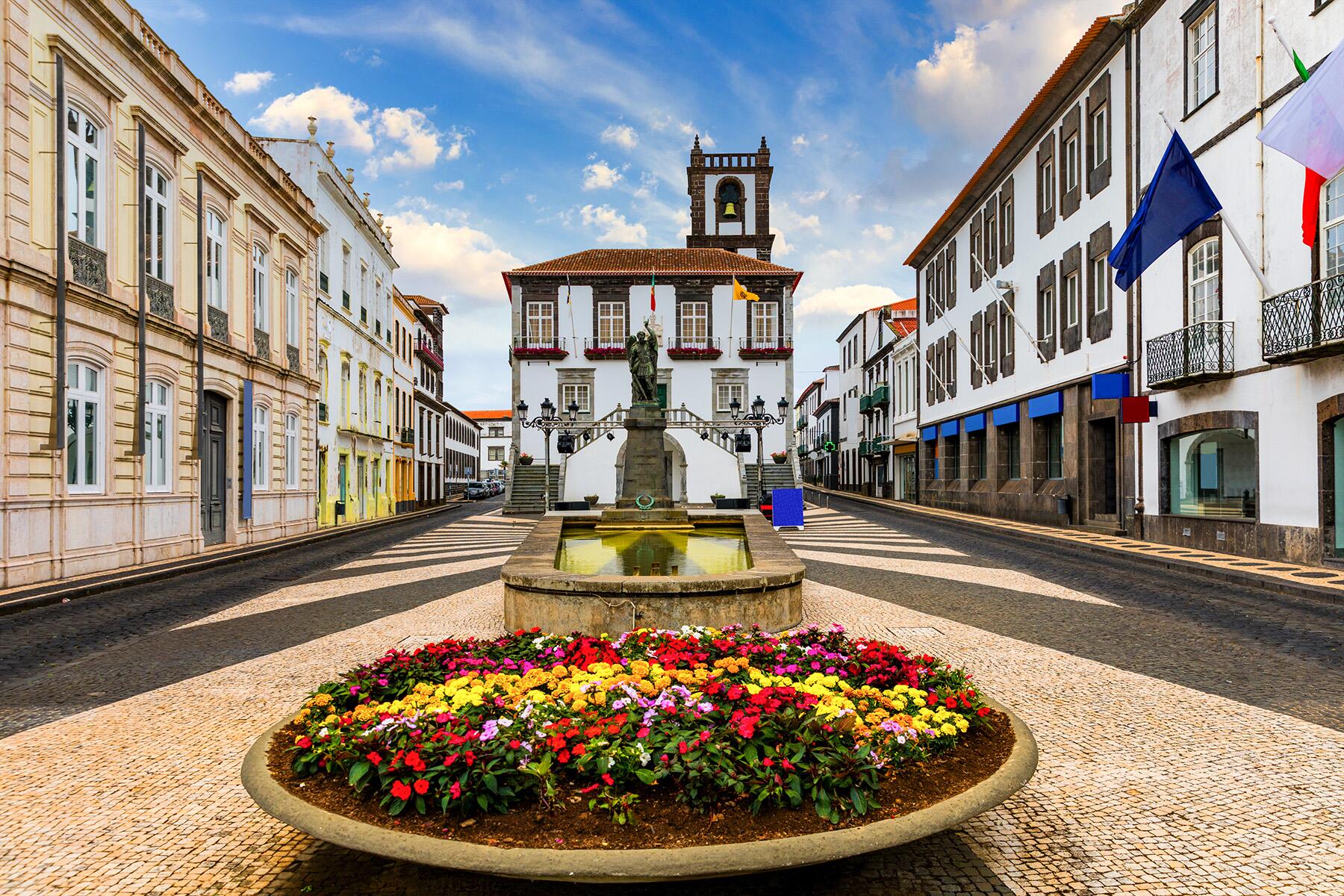


The Azores
Portugal

The Azores are divided into three island groups: the eastern group (Santa Maria and São Miguel), the central group (Faial, Graciosa, Pico, São Jorge, and Terceira), and the western group (Corvo, Flores, and two smaller islands).
Nicknamed “the green island,” São Miguel immerses you in natural beauty from the moment you arrive. Be mesmerized by one of the most stunning and iconic viewpoints, Sete Cidades Lagoon or Lagoa das Sete Cidades—a twin lake nestled in a dormant volcano crater. The volcanic area is bubbling with geothermal steam vents called fumaroles and natural hot springs, namely the Ponta da Ferraria. Soak in mineral-rich, thermal waters at the Parque Terra Nostra. In Furnas Valley, you can sample traditional island dishes like Cozida das Furnas, a hearty stew, slow-cooked by volcanic heat in pots buried underground. Don’t miss the tea at Gorreana Tea Factory, Europe’s oldest tea plantation.
If you’re experienced in hiking, head to the luscious island of São Jorge, where all trails are moderate to difficult. Become enamored with dramatic landscapes, coastal views, and sprawling valleys as you traverse one of the most picturesque islands in Portugal. Summit chasers will relish the unparalleled, panoramic views from Mount Pico, Portugal’s highest peak. Head to the UNESCO site, Pico Vineyards, where wine connoisseurs and novices can explore centuries-old ravines, lakes, and tidal wells, and sample wine grown from rocky, lava soil.
White Exclusive Suites & Villas, a five-star boutique hotel situated steps from the Atlantic Ocean, offers an intimate escape into maritime bliss. Here, guests will enjoy farm-to-table cuisine, suites with ocean-facing patios, and serene spa services. Vinhas do Calhau, part of the Wine Tourism Project, is a four-star hotel showcasing six apartments with stunning views and access to diverse excursions.
The best time to visit the Azores is between April and September.
Insider Tip
Whether you’re staying at White Exclusive Suites & Villas or not, make a reservation at the hotel’s delectable restaurant Cardume, which serves aromatic dishes using seasonal ingredients from the island and fresh-caught seafood from the ocean.


Engelberg
Switzerland

Engelberg, which translates to “Angel Mountain,” is an alpine village in Switzerland, surrounded by snow-capped mountains, including the stunning Mount Titlis. Unlike its cousin, St. Moritz, whose glitz and glamour capture global attention, Engelberg is a more humble and cozy destination with a past tied to its famous landmark: Benedictine Engelberg Abbey (from which the town grew, and which has been a cultural and historical anchor for the region since it was founded in 1120).
Nowadays, Engelberg is a popular year-round destination, offering a calmer and more classic alternative to St. Moritz. Reach the peak of Mount Titlis via the world’s first revolving cable car, the Titlis Rotair, offering panoramic views of the Swiss Alps over a five-minute ride to the mountain peaks. Once atop Mount Titlis, the Titlis Cliff Walk is a must (although not for the faint of heart), with a suspension bridge that stretches from one rock face to another, swaying above a jaw-dropping and vertigo-inducing view of snowy mountains below.
Following a day of skiing and high-altitude adventures, a visit to the historic abbey is worth it for one unexpected delight: cheese. Tucked within the monastery walls, CHÄS im Kloster Engelberg shares products and regional cheeses hailing from the Engelberg valley. There are even cheese-making classes on offer.
The town’s first and only five-star resort, the Kempinski Palace Engelberg, is a palatial stay, a mere two-minute walk from the Engelberg Railway Station and a short distance from the Titlis cable car.
Engelberg is a year-round destination. If you’re intending to ski, plan your visit for December through March. If you’re looking for hiking and other summer activities, plan a visit between June and August.
Insider Tip
If staying at the Kempinski Palace Engelberg, you can rent any ski equipment (including boots, jackets, skis, and goggles) at the in-house Intersport Achermann.


Greenland

In 2026, Greenland will become more accessible than ever. Following successful inaugural flights in 2025, United Airlines has confirmed that it will continue non-stop service between the United States and Greenland’s capital, Nuuk, in 2026. Icelandair and Air Greenland are also expanding their networks in 2026, providing more flights to Greenland from more destinations than ever before. Additionally, a new airport is expected to open in April. When Qaqortoq Airport in southern Greenland opens, it will serve as a new regional hub, allowing easier access to the Tasermiut Fjord, known as the “Patagonia” of Greenland. Cruise ship traffic to Greenland is also expected to increase in 2026.
Greenland is rapidly expanding its attractions for tourists in 2026. From wellness experiences like polar plunges and saunas to adventures such as ice climbing and ATV tours into the backcountry, Greenland offers visitors a range of opportunities to experience the best of the country. Opportunities to experience Iconic Greenlandic experiences, such as northern lights viewing and hiking tours, continue to expand as well. Local guides throughout Greenland are increasing the number of cultural and culinary experiences, helping tourists learn more about Greenland’s traditional culture, foods, traditions, and the Inuit way of life. In 2026, Greenland is one of the few places in the world where a total solar eclipse will be visible in August 2026. Several companies, including Intrepid Travel, Adventure Life, Crystal Cruises, and HX Expeditions, are running special tours to help more people experience this rare phenomenon.
The Floating Glacier Hut in East Greenland is a truly unique glamping-style stay on the water with panoramic views of a soaring glacier and unobstructed views of the northern lights. The Hotel Arctic in Ilulissat offers a range of accommodations, including comfortable hotel rooms and the newly opened Aurora Cabins. Many rooms and cabins feature iconic views of the UNESCO-listed Icefjord.
The best time to go depends on what you want to do. Summer is ideal for enjoying the midnight sun, sailing among icebergs, hiking, whale watching, and attending cultural festivals. Autumn is a great time to catch the northern lights while it is still warm enough for hiking, berry-picking, and sailing. Winter is the best time for winter sports and northern lights viewing.
Insider Tip
Be sure to experience a kaffemik. If you spend enough time in the country, you will probably be invited to attend this traditional social gathering that Greenlanders host on special occasions like birthdays and graduations. If you don’t get an invitation, you can book a guided tour that includes a kaffemik or find a bed and breakfast that is hosting one for guests.


Reggio Emilia: The Matilda di Canossa Trail
Italy

The Matilda di Canossa Trail, locally known as the Via Matildica del Volto Santo, follows the footsteps of the formidable 11th-century ruler, Countess Matilda, through the heart of Emilia-Romagna.
Matilda of Canossa (c. 1046–1115), also known as the Great Countess, was a woman who defied nearly every norm of her era: She commandeered armies in defense of the Papacy during the Investiture Controversy, hosted the pivotal 1077 reconciliation between Pope Gregory VII and Emperor Henry IV, and ruled vast territories across northern Italy with strategic brilliance.
Follow in her regal footsteps along this 256-kilometer (159-mile) trail, which winds from Mantua to Lucca. Along the way, you’ll traverse quiet chestnut groves, cross meandering streams, and explore under-touristed villages, before climbing towards Canossa, where the proto-feminist queen’s castle still holds the memory of her medieval power struggles in its weathered stones.
Borgo Cadonega Relais and Spa offers a rare chance to sleep in a restored, 17th-century estate; luxe spa treatments are perfect for post-hiking relaxation. CastelNovo Resort sits in the shadow of the iconic Pietra di Bismantova, a dramatic limestone cliff that inspired Dante’s Divine Comedy; it’s an ideal base for hiking, climbing, and exploring the Matilda di Canossa Trail.
Late spring (May-June) and early autumn (September-October) offer mild weather, blooming wildflowers, and fewer crowds. Summer can be hot, but it is ideal for longer daylight hikes. Winter brings misty landscapes and quiet solitude, perfect for reflection.
Insider Tip
Don’t miss the hamlet of Votigno di Canossa, a rare example of a (meticulously restored) medieval fortified village. It’s also home to the House of Tibet, a cultural center endorsed by the Dalai Lama, so expect to find colorful peace flags fluttering in the wind.


Thessaloniki
Greece

International travelers have often ignored Greece’s second-largest city, instead favoring glitzy islands or, maybe, Athens–which many only briefly stop in en route to those glitzy islands. But Greece, an amalgamation of 5,000 years of international history and culture, is clearly more than a lounger on a white beach–and Thessaloniki is a stunning showcase of all that more.
The city’s various layers–Hellenic, Byzantine, Ottoman, modern Greek, not to mention Sephardic and Slavic–blend into a uniquely regional personality, unlike anything else in the country. And that has migrated into a cuisine that has been celebrated by UNESCO and named it one the world’s few Creative Cities of Gastronomy.
Walk the streets and you’ll feel it immediately. Thessaloniki is city that’s comfortable living in the in-between. Ruins beside apartment blocks, Ottoman domes sharing blocks with crumbling towers. Nothing is too manicured, nothing overly precious–yet somehow it feels more intentional than cities that try too hard.
Compared to Athens and the islands, Thessaloniki is a more affordable hotel city, so a splurge is possible. Try The Excelsior, a gorgeously-designed boutique housed in a 1920s Art Deco building, and a member of Small Luxury Hotels. The Electra Palace is one of the few hotel landmarks in the city, and is another excellent choice for a stay.
Late spring and early fall are perfect–just outside the blazing summer heat and tourist season, when the weather is still pleasant and the streets are more or less crowd-free.
Insider Tip
Thessaloniki’s bougatsa culture is holier than some religions. This sweet phyllo treat has origins in ancient times, but came of age in northern Greece during the Byzantine era. Every guide will tell you to go to Bantis–and they’d all be right. Though countless places serve it, try it here before you try it anywhere.


Wurzburg
Germany

An hour by train from Frankfurt or two hours from Munich, Würzburg was already important during Celtic times some 3,000 years ago since it stood at the junction of two important trade routes. The prince-bishops who ruled here starting in the 10th century built Festung Marienberg in the early 13th century, where they resided for some 450 years; the fortress (now being renovated in a massive undertaking) still looms over the city from the west bank of the Main. But Würzburg reached the height of power during the late-Baroque era of the mid-18th century, when Prince-Bishop Johann Philipp Franz von Schönborn built the magnificent Residenz and its Hofgarten, now a UNESCO World Heritage Site, on the opposite side of the river. When the city was bombarded during the final weeks of World War II, the Tiepolo frescoes in the ruined Residenz were saved largely through the efforts of “Monuments Man” Lt. John D. Skilton, Jr. Restoration of the Residenz continued through the mid-1960s.
Although parts of the Marienburg fortress are inaccessible due to the ongoing renovation work, the trip up the hill is well worth the effort (you can go by bus) just for the magnificent views. Most visitors will also want to see the Alte Mainbrücke, which stands on the site of Germany’s first stone bridge (the current Baroque-era replacement was rebuilt after World War II), and Dom St. Kilian, the city’s cathedral, which was begun in 1047 and finished in the mid-1600s (and also reconstructed after World War II). Würzburg is a university town today, so it’s a lively place aside from its obvious tourist appeal, and because it’s in the middle of the Franconian wine region, there’s a lot of good wine (be sure to drink some).
The Best Western Premier Hotel Rebstock has been welcoming guests since 1408, but the rooms have been thoroughly modernized, and some have balconies. The modern AC Hotel Weurzburg is a newer, cheaper option about 20 minutes by foot from the historic center.
The best time to visit Würzburg is between April and October, especially in May and June during the annual Mozart and wine festivals.
Insider Tip
Have a meal at the historic Weinhaus zum Stachel, which has been serving hearty Franconian cuisine and delicious local wines since 1413, making it one of the oldest wine bars in Germany.


