


Asia


Top places to go in Asia in 2026
Expand Full List


-
Mongolia
-
Singapore
-
Tohoku, Japan


Mongolia

For those of us craving quiet in a world of chaos, untouched natural landscapes, and crowd-free attractions, a trip to the “land of the eternal blue skies” is just what the doctor ordered.
Mongolia is a beautiful country with boundless landscapes that stretch on without a single sign of civilization marring the wilderness. While your adventure inevitably begins in the Soviet-style city of Ulaanbaatar, you’ll quickly leave it behind for the orange rolling dunes of the Gobi Desert, two-humped Bactrian camels clomping across the fossil-filled scrublands around the Flaming Cliffs, and the geologic wonders of the White Stupa. Canyons crafted over millennia by ice, still frequented by resident Snow Leopards and rare Ibex, melt into lake-dotted plains with colorful ancient Buddhist monasteries from the times of Genghis Khan. In the Northern reaches, you can hike to the summit of small cap-less volcanoes for panoramic views, go horseback riding through the Taiga, and trek in the Altai Mountains with the famous eagle hunters. The opportunities for total immersion in nature are endless.
You’ll spend your time taking in the varied landscapes, drinking fermented mare’s milk in traditional ger-style lodging, and eating an inordinate amount of mutton. You’ll meet semi-nomadic communities living in much the same way they have for hundreds of years and learn about the three favorite pastimes of Mongolians: wrestling, archery, and horse racing.
Mongolia offers serenity, unrivaled starry skies, and epic road trip adventures. Whether you choose to set out on your own with a fully equipped 4×4 rental (expert-level) or join a tour group jostling around in the back of the region’s iconic boxy Russian vans, Mongolia doesn’t disappoint.
An overnight stay beneath the stars in a traditional Mongolian Ger, warmed by the central fireplace and thick sheep’s wool walls, is a must. Rustic family-run establishments are peppered throughout the country, but the budget-friendly Apache Eco Camp and luxurious Three Camel Lodge are conveniently located in Terelj National Park and the Gobi Desert, respectively.
The best time to visit Mongolia is between June and September when the weather is pleasant and predictable.
Insider Tip
Visiting the last fully nomadic reindeer herding tribe is the most interesting and authentic adventure you can have in Mongolia. The Tsaatan are tucked into the forests bordering Russia and live with their herds in rustic tee-pee-like lodging called ortz. Zaya is the only English-speaking member of the tribe and can arrange your entire visit.


Singapore

Singapore is a city-state that defies easy categorization. Perched at the crossroads of Southeast Asia, it’s both an ultramodern metropolis and a deeply traditional society. Known for its futuristic skyline, dynamic beauty, and vibrant neighborhoods, Singapore has become one of the world’s most dynamic travel destinations.
Nicknamed the “Garden City,” Singapore manages to weave greenery into every corner, from the soaring “supertrees” at Gardens by the Bay to the century-old Botanic Gardens, a UNESCO World Heritage Site brimming with orchids. In 2026, Singapore is hitting a major milestone in its ambitious 2030 Green Plan with 130+ hectares of brand-new parks and upgrades to 170 hectares of existing green space.
Its neighborhoods are equally rich in character: the lantern-strung alleys of Chinatown, Little India’s kaleidoscope of color and spice, and the elegant, golden domes of Kampong Glam each offer a glimpse into the city’s divergent cultures. Food lovers will find themselves in heaven at Singapore’s famed hawker centers—open-air food courts serving everything from chili crab to Michelin-starred chicken rice.
The luxurious Mandarin Oriental Singapore offers sweeping views of Marina Bay, a destination spa, and Michelin-starred dining, all within easy reach of the city’s cultural landmarks. For a budget option, KēSa House in the lively Chinatown district provides chic, compact rooms in a heritage shophouse setting.
February through April brings slightly drier weather, lively festivals, and ideal conditions for exploring its gardens, neighborhoods, and waterfront.
Insider Tip
Don’t miss an evening visit to Gardens by the Bay’s Supertree Grove. Twice nightly, the towering vertical gardens transform into a dazzling light and music show under the stars. It’s free to the public and one of the most magical experiences in Singapore.


Tohoku
Japan

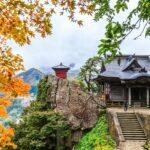
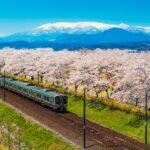
Tokyo, Kyoto and other major areas have grown crowded and commercialized with the country’s ongoing tourism boom. To experience traditional Japanese culture and feel how it’s integrated into everyday life, make the journey to Tohoku, the rugged region on the northeast of Honshu Island. Tohoku’s six prefectures (Akita, Aomori, Fukushima, Iwate, Miyagi and Yamagata) serve a variety of spectacular experiences without the tourist crush—from trekking the winding, tree-lined Oirase Stream to strolling Nakamachi Komise Street, a continuous wooden arcade from the days of the samurai.
From Tokyo, it’s less than two hours by train to reach Fukushima. The cosmopolitan city’s offbeat attractions include the Eiji Tsuburaya Museum (celebrating the father of special effects behind Godzilla and Ultraman films) and Tatami Village (the only place in Japan to learn hands-on about crafting straw mats).
Tohoku is gaining global recognition for its innovative restaurants, which spotlight the abundant seafood, produce, rice, and sake that thrive in the cool, mountainous climate. In the castle town of Hirosaki, Osteria Enoteca Da Sasino pioneers farm-to-table dining with seasonal vegetables, charcuterie, and Nebbiolo wines straight from chef Toshiaki Sasamori’s vineyard. Iwate chef Yasuyuki Shikazawa skillfully combines his hometown’s finest ingredients in artful presentations; a night at Ristorante Shikazawa might include matsutake mushrooms, tender guinea fowl, and sweet Kamaishi scallops from the mineral-rich Sanriku Coast.
Surrounded by Iwate’s cloud and snow-topped mountains, ANA InterContinental Appi Kōgen Resort is a skier’s wonderland as well as a gorgeous getaway year-round with access to primeval beech forests and cypress wood onsen baths. Hoshino Resorts now has five upscale properties in Tohoku, most recently opening Hoshino Resorts KAI Akiu in Miyagi in 2024. Themed after “a samurai’s nature retreat,” the ryokan, with picture windows framing the lush greenery and streams of the Ou Mountains, is fed by a 1400-year-old natural hot springs favored by emperors.
The best time to visit Tohoku is between April and November. In the spring and summer, you can taste some of Japan’s finest produce including cherries, peaches, pears, and apples. Fall is primetime for leaf peeping such as at Tsutanuma Lake in Aomori, famous for perfectly mirroring the fiery foliage in its calm waters.
Insider Tip
The only place in Japan to experience a traditional flat-bottomed boat ride is Geibikei Gorge in south Iwate. A standing oarsman uses a pole to steer a long, cedar boat through the peaceful stream while you gaze at the surrounding rock cliffs, waterfalls, and caves. In the coldest months, the boats have heated kotatsu tables to keep you cozy.


