


Jessica Van Dop DeJesus
558 Best Sights in USA

Reviews Updated by


We've compiled the best of the best in USA - browse our top choices for the top things to see or do during your stay.
Ellis Island
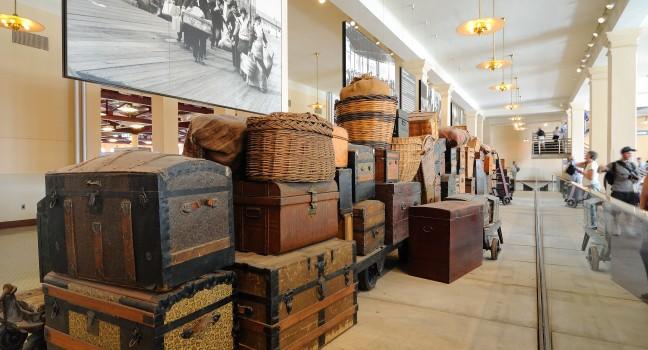
Between 1892 and 1924, millions of people first entered the United States at the Ellis Island federal immigration facility. When the complex closed in 1954, it had processed the ancestors of nearly 40% (more than 100 million) of Americans living today. The island's main building, now a national monument, is known as the Ellis Island National Museum of Immigration, and it tells the story not just of Ellis Island but of immigration from the Colonial era to the present day, through numerous galleries containing artifacts, photographs, and taped oral histories. The museum's centerpiece is the cavernous, white-tile Registry Room (also known as the Great Hall). There's much to take in, so make use of the museum's interpretive tools. Check at the visitor desk for free film tickets, a good audio tour, ranger-led tour times, and special programs.
There is no admission fee for the Statue of Liberty or Ellis Island, but an adult ferry ride (from Battery Park to Liberty Island to Ellis Island) costs $25.50 round-trip. Ferries leave from Battery Park (and from Liberty State Park in New Jersey) every 25–30 minutes depending on the time of year (buy your tickets online at www.statuecruises.com). There are often long security lines, so arrive early, especially if you have a timed-entry ticket. There is an indoor-outdoor café on Ellis Island.
Hollywood Museum
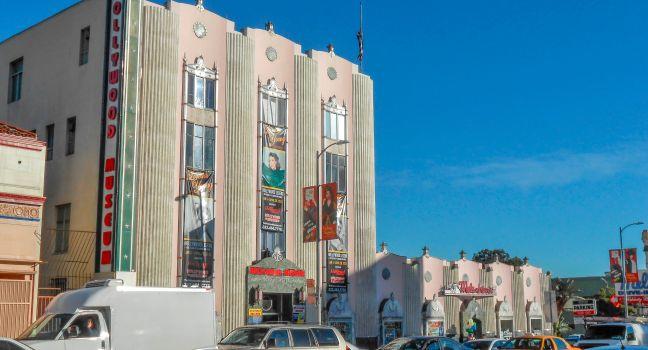
Don’t let its over-the-top marble facade turn you off: the Hollywood Museum, nestled at the busy intersection of Hollywood and Highland, is worth it, especially for film aficionados. A museum deserving of its name, it boasts an impressive collection of exhibits from the moviemaking world, spanning several film genres and eras. Start in its pink, original art deco lobby where the Max Factor exhibit pays tribute to the cosmetics company’s pivotal role in Hollywood, make your way to the dark basement, where the industry’s penchant for the macabre is on full display, and wrap up your visit by admiring Hollywood’s most famous costumes and set props on the top floor.
Recommended Fodor's Video
National Archives Museum
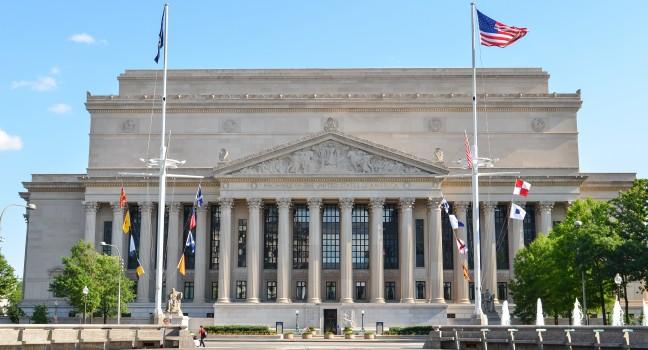
Monument, museum, and the nation's memory, the National Archives, headquartered in a grand marble edifice on Constitution Avenue, preserves more than 13 billion paper records dating from as far back as 1774, more than 40 million photographs, and billions of recent electronic records. The National Archives and Records Administration is charged with preserving and archiving the most historically significant U.S. government records at its centers nationwide and in presidential libraries. Admission is free, but reservations are recommended during the busy summer months and cost a nonrefundable $1. Head to recreation.gov at least six weeks in advance of your visit.
Charters of Freedom—the Declaration of Independence, the Constitution, and the Bill of Rights—are the star attractions. They are housed in the archives' cathedral-like rotunda, each on a marble platform and surrounded by argon gas within cases that have gold-plated titanium frames and bulletproof protective glass.
On display at the entrance to the David M. Rubenstein Gallery's Records of Rights exhibit is a 1297 Magna Carta, the document of English common law whose language inspired the Constitution. This Magna Carta, one of four remaining originals, sets the stage for interactive exhibits that trace the civil rights struggles of African Americans, women, and immigrants. Highlights include the discharge papers of an enslaved person who fought in the Revolutionary War to gain his freedom; the mark-up copy of the 1964 Civil Rights Act; and letters to the president from children who questioned segregation.
The Public Vaults convey the sense of going deep into the stacks. You can find records that give a glimpse into federal investigations, from the Lincoln assassination to Watergate. Watch films of flying saucers, used as evidence in congressional UFO hearings, and listen to the Nuremberg trials or Congress debating Prohibition. Reservations to visit the archives are highly recommended; those for guided tours or timed-visit entries should be made at least six weeks in advance.
National Constitution Center

This 160,000-square-foot attraction brings the U.S. Constitution to life with exhibits tracing the development and adoption of the nation's guiding document. The interactive “The Story of We the People” takes you from the American Revolution through the Constitution's ratification to major events in the nation's constitutional history, including present-day events like the inauguration of President Barack Obama, Hurricane Katrina, and the recent economic crisis. Later, you can play the role of a Supreme Court justice deciding an important case, walk among the framers in Signers' Hall, and add your signature to the list of Founding Fathers. The facility has 100-plus exhibits and plays host to many events with major historians, authors, and political figures.
National World War II Museum
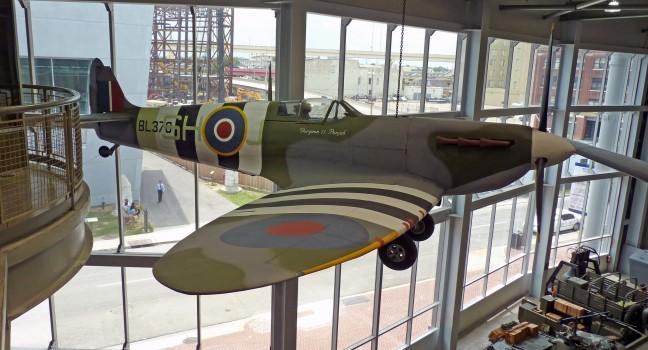
This vast and still-expanding museum is a moving and well-executed examination of World War II events and its aftermath. Seminal moments are re-created through vintage propaganda from the period, including posters, radio, and film clips; more than 7,500 oral histories of the military personnel involved; a number of short documentary films; and collections of weapons, personal items, and other artifacts from the war. Highlights of the museum include "Final Mission: The USS Tang Experience," which re-creates the experience of being in a submarine, and the 4-D theater experience (across the street from the main exhibits) called "Beyond All Boundaries," produced and narrated by Tom Hanks. Other popular exhibits are the replicas of the Higgins boat troop landing craft, which was invented and manufactured in New Orleans by Andrew Jackson Higgins during WWII, and the U.S. Freedom Pavilion: The Boeing Center, which honors all service branches and includes a restored Boeing B-17. Galleries dedicated to the European and Pacific theaters, as well as the Homefront's role in the war, are among the museum's comprehensive permanent exhibits. The Stage Door Canteen features WWII-era entertainment and an adjoining restaurant serves a "Victory Garden-to-table" menu. Check the website for updates on the museum's ongoing expansion and for current offerings.
New Mexico History Museum

This impressive, modern museum anchors a campus that encompasses the Palace of the Governors, the Palace Print Shop & Bindery, the Fray Angélico Chávez History Library, and Photo Archives (an assemblage of more than 1 million images dating from the 1850s). Behind the palace on Lincoln Avenue, the museum thoroughly explores the early history of Indigenous people, Spanish colonization, the Mexican Period, and travel and commerce on the legendary Santa Fe Trail. Inside are changing and permanent exhibits. By appointment, visitors can tour the comprehensive Fray Angélico Chávez History Library and its rare maps, manuscripts, and photographs (more than 120,000 prints and negatives). The Palace Print Shop & Bindery, which prints books, pamphlets, and cards on antique presses, also hosts bookbinding demonstrations, lectures, and slide shows. The Palace of the Governors is a humble one-story neo-Pueblo adobe on the north side of the Plaza, and is the oldest public building in the United States. Its rooms contain period furnishings and exhibits illustrating the building's many functions over the past four centuries. Built at the same time as the Plaza, circa 1610, it was the seat of four regional governments—those of Spain, Mexico, the Confederacy, and the U.S. territory that preceded New Mexico's statehood, which was achieved in 1912. It served as the residence for 100 Spanish, Mexican, and American governors, including Governor Lew Wallace, who wrote his epic Ben Hur in its then drafty rooms, all the while complaining of the dust and mud that fell from its earthen ceiling.
Dozens of Native American vendors gather daily under the portal of the Palace of the Governors to sell pottery, jewelry, bread, and other goods. With few exceptions, the more than 500 artists and craftspeople registered to sell here are Pueblo or Navajo Indians. The merchandise for sale is required to meet strict standards. Prices tend to reflect the high quality of the merchandise but are often significantly less than what you'd pay in a shop. Please remember not to take photographs without permission.
The Presbytère

One of the twin Spanish colonial buildings flanking the St. Louis Cathedral, this one, on the right, was built on the site of the priests' residence, or presbytère. It served as a courthouse under the Spanish and later under the Americans. It is now a museum showcasing a spectacular collection of Mardi Gras memorabilia. Displays highlight both the little-known and popular traditions associated with New Orleans's most famous festival. "Living with Hurricanes: Katrina and Beyond" is a $7.5-million exhibition exploring the history, science, and powerful human drama of one of nature's most destructive forces. The building's cupola, destroyed by a hurricane in 1915, was restored to match the one atop its twin, the Cabildo. Allow at least an hour to see the exhibits.
Shelburne Museum
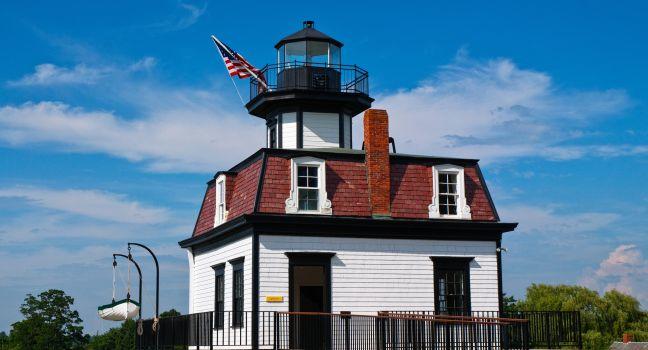
You can trace much of New England's history simply by wandering through the 45 acres and 39 buildings of this museum. Some 25 buildings were relocated here, including an old-fashioned jail, an 1871 lighthouse, and a 220-foot steamboat, the Ticonderoga. The outstanding 150,000-object collection of art, design, and Americana consists of antique furniture, fine and folk art, quilts, trade signs, and weather vanes; there are also more than 200 carriages and sleighs. The Pizzagalli Center for Art and Education is open year-round with changing exhibitions and programs for kids and adults.
United States Holocaust Memorial Museum

This museum asks you to consider how the Holocaust was made possible by the choices of individuals, institutions, and governments and what lessons they hold for us today. The permanent exhibition, The Holocaust, tells the stories of the millions of Jews, Romani, Jehovah's Witnesses, homosexuals, political prisoners, the mentally ill, and others killed by the Nazis between 1933 and 1945. The exhibitions are detailed and sometimes graphic but powerful.
Upon arrival, you are issued an "identity card" containing biographical information on a real person from the Holocaust. As you move through the museum, you read sequential updates on your card. In the early exhibits, Hitler's rise to power and the spread of European anti-Semitism are thoroughly documented with films of Nazi rallies, posters, newspaper articles, and recordings of Hitler's speeches, immersing you in the world that led to the Holocaust. Exhibits include footage of scientific experiments done on Jews, artifacts such as a freight car like those used to transport Jews to concentration camps, and oral testimonies from Auschwitz survivors. Rotating exhibitions highlight how genocide is still a real worldwide issue, featuring the stories of current survivors.
After this powerful experience, the Hall of Remembrance, filled with candles, provides a much-needed space for quiet reflection.
Tickets are required for entry into the museum. For up-to-date information about hours, tickets, and exhibitions, visit their website.
1881 Napa Wine History Museum
Sharing a 19th-century Victorian with a ground-floor wine bar, this free, well-organized mezzanine-level museum surveys the Napa Valley's wine-growing origins with fascinating memorabilia and tools of the trade. Among the latter include now taboo farm implements like "soil injectors" used to blast insecticides into the soil. Under the wine bar's Baccarat chandelier, guests can transition their education into the present by purchasing a payment card and proceeding to stations dispensing 2-, 4-, or 6-ounce self-serve pours. Three popular strategies are selecting Cabernets from a single Napa Valley AVA, comparing ones from several subappellations, or sampling a few 100-point wines. You don’t need to taste to tour the museum, which is next door to Oakville Grocery.
Abbe Museum
This important museum dedicated to Maine's Indigenous tribes—collectively known as the Wabanaki—is the state's only Smithsonian-affiliated facility and one of the few places in Maine to experience Native culture as interpreted by Native peoples themselves. Spanning 12,000 years, the "core" exhibit, People of the First Light, features items such as birch bark canoes, basketry, and bone tools as well as photos and interactive displays. Changing exhibits often showcase contemporary Native American art. A birchbark canoe made at the Abbe anchors the free Orientation Gallery beside the gift shop at the entrance. Check the website for events, from basket weaving and boatbuilding demonstrations to author talks and family-friendly pop-up rainy days activities.
Opened in 1928, the Abbe's Acadia National Park location at Sieur de Monts is its original home. Longtime exhibits in the small eight-sided building include artifacts from early digs on Mount Desert Island and dioramas of Native American life here before European settlement.
African American Museum
This museum traces the African and African American experience in south Louisiana. Videos, artifacts, and text panels combine to create a vivid, disturbing, and inspiring portrait of a people. It is an ambitious and refreshing counterpoint to the sometimes sidelined references to slavery and its legacy.
Alaska State Library, Archives, and Museum
The Father Andrew P. Kashevaroff Building, which houses the Alaska State Library, Archives, and Museum, opened in 2016 on the site of the old state museum and is among the most impressive cultural attractions in Alaska. In the permanent gallery, visitors weave through interconnected spaces that present Alaska's unique stories through carefully selected objects and culturally diverse narratives. Three temporary galleries host an ever-changing selection of solo shows and exhibits, offering in-depth views of notable contemporary Alaskan artists and art forms. Kids will love the pirate ship (built for them to climb on) and the eagle tree in the lobby, viewable from multiple levels. The state-of-the-art building also houses Alaska's most important books, photographs, and documents, offering opportunities for researchers as well as more casual visitors.
Anchorage Museum
This striking, contemporary building with first-rate exhibits is an essential stop for visitors who want to celebrate the history of the North. The star of the museum is the Smithsonian Arctic Studies Center, which features more than 600 objects from Alaska Native cultures and short films that teach visitors about modern-day Native life. Wander the Art of the North galleries, filled with works that showcase Alaska landscape, history, and beauty. The Alaska exhibition shares Alaska's diversity and history with a knock-out eye for design. Cap the visit in the 9,000-square-foot, kid-focused Discovery Center, which includes a planetarium. Curated exhibitions rotate regularly and frequently spotlight Arctic issues, Northern design, and the unique perspective of life at these latitudes. In addition, the gift shop is one of Anchorage's best places to buy Alaska Native art and other souvenirs.
Angels Camp Museum
Learn a little bit about Mark Twain's "The Celebrated Jumping Frog of Calaveras County"—and Angels Camp's celebrated frog-jumping contests—at this museum's street-side facility, then head to the 3-acre spread behind it for a fascinating survey of gold rush–era mining history. The grounds include a carriage house with pre-automotive farming and passenger vehicles; another structure contains mining equipment. Outside, in its original mountings, stands the 27-foot-diameter waterwheel that powered machinery at the Angels Quartz Mine.
Antelope Valley Indian Museum
This museum got its start as a private collection of Native American antiquities gathered in the 1920s by artist and amateur naturalist Howard Arden Edwards. Today, his Swiss chalet–style home is a state museum known for one-of-a-kind artifacts from California, Southwest, and Great Basin native cultures, including tools, artwork, basketry, and rugs. The eclectic works are predominately focused on the people of Antelope Valley. A ¼-mile walking trail loops a portion of the property. To get here, exit north off Highway 138 at 165th Street East and follow the signs, or take the Avenue K exit off Highway 14.
Atlanta History Center
Life in Atlanta and the rest of the South during and after the Civil War is a major focus of this fascinating museum. Displays are provocative, juxtaposing Gone With the Wind romanticism with the grim reality of Ku Klux Klan racism. Located on 33 acres in the heart of Buckhead, this is one of the Southeast's largest history museums, with a research library and archives that annually serve thousands of patrons. Visit the elegant 1928
Burnham Tavern Museum
In this gambrel-roofed tavern home, the men of Machias laid the plans that culminated in the capture of the Margaretta, an armed British schooner, on June 12, 1775. Despite being outnumbered and out-armed, a small group under the leadership of Jeremiah O'Brien took the ship during the Revolutionary War's first naval battle; wounded British sailors were brought to the modest dwelling, where his brother-in-law Job Burnham lived. The mustard-yellow clapboard home at the end of the downtown commercial district has period furnishings and household items showing what life was like in Colonial times. There are also O'Brien family artifacts, including a photo of one of five U.S. Navy ships named for Jeremiah. On the National Register of Historic Places, the dwelling is among 21 in the country deemed most important to the Revolution. There are docent-led tours.
California State Railroad Museum
Sprawling over three floors, this museum celebrates the history of trains from their 19th-century English origins to the pre–jet age glory days of rail travel. A permanent exhibit details Chinese laborers' contributions to the transcontinental railroad's completion (Sacramento was the western terminus). Another section contains one of several gold spikes issued to commemorate the joining in Utah of the west-to-east Central Pacific and east-to-west Union Pacific lines.
Up to 21 of the museum's railroad cars and engines—among them Pullman-style cars and steam locomotives—are on exhibit, and there are interactive displays and a play area for kids. Two nearby affiliated attractions (both free) worth a peek if they're open are the re-creation of the circa-1876 Central Pacific passenger station (930 Front Street) and the Huntington, Hopkins & Company Hardware exhibit (113 I Street), a facsimile of a 19th-century hardware store.
Castine Historical Society
This local museum digs into Castine's rich history with exhibitions and live reenactments that showcase important artifacts and ephemera from the past. It's newest exhibit features the work of world-renowned sculptor and Castine resident, Clark Fitz-Gerald. In addition, the society offers guided walking tours of the town on most Mondays during the summer. It's also a good place to get your bearings, find out what's going on in town, and maybe pick up a self-guided walking tour booklet.
Central Washington Agricultural Museum
This fascinating, underrated living history museum is quite a sight to see, with rows and upon rows of antique farming equipment, including more than 150 tractors donated by families that have been farming the Yakima Valley for generations. This sprawling property is devoted to preserving the region's agrarian heritage, with additional exhibits that include pioneer-era homesteads and cabins, a vintage railroad boxcar, a vintage gas station, a blacksmith shop, a sawmill, and many more buildings. Just south of Yakima in one of the state's oldest towns, Union Gap, the museum occupies a good chunk of 15-acre Fullbright Park and offers access to trails along Ahtanum Creek and up into the high-desert hills. The grounds are open year-round, even when the buildings are closed.
Cheyenne Frontier Days Old West Museum
This spacious museum within Frontier Park houses some 400,000 artifacts related to rodeos, ranching, and the city's blockbuster of an annual event, Cheyenne Frontier Days. The museum's "rolling collection" of more than 160 carriages is the largest fleet of horse-drawn vehicles in the world (with many that still go on parade). In July, the carriages are swapped out for the Frontier Days Western Art Show & Sale, with works by top Western wildlife and landscape artists from across the country. Every spring, the Western Spirit Art Show & Sale features pieces that celebrate the heritage and heart of the American West. For young visitors, there's a children's room with hands-on exhibits open year-round, plus camps in the summer.
Chicago History Museum
Seeking to bring Chicago's often complicated history to life, this museum has several strong permanent exhibits, including Chicago: Crossroads of America, which celebrates homegrown cultural contributions from urban blues to the skyscraper and demystifies tragedies like the Haymarket Affair, in which a bomb thrown during a labor rally in 1884 led to eight anarchists being convicted of conspiracy. In Sensing Chicago, kids can take a spin on a penny-farthing bicycle or dress up like a Chicago-style hot dog. Don't miss City on Fire: Chicago 1871, which immerses visitors in the destruction and aftermath of the notorious inferno that displaced one-third of the city’s residents in just two days. Like most of the exhibits here, it's presented in a way that's comprehensible to kids, but substantive enough for adults.
Colonel Allensworth State Historic Park
It's worth the slight detour off Highway 99 to learn about and pay homage to the dream of Allen Allensworth and other Black pioneers who, in 1908, founded Allensworth, the only California town settled, governed, and financed by African Americans. At its height, the town prospered as a key railroad transfer point, but after cars and trucks reduced railroad traffic and water was diverted for Central Valley agriculture, the town declined and was eventually deserted. Today, the restored and rebuilt schoolhouse, library, and other structures commemorate Allensworth's heyday, as do festivities that take place each October.
Columbia River Maritime Museum
One of Oregon's best coastal attractions illuminates the maritime history of the Pacific Northwest and provides visitors with a sense of the perils of guiding ships into the mouth of the Columbia River. Vivid exhibits recount what it was like to pilot a tugboat and participate in a Coast Guard rescue on the Columbia River Bar. You can tour the actual bridge of a World War II–era U.S. Navy destroyer and the 1951 U.S. Coast Guard lightship Columbia. Also on display is a 44-foot Coast Guard motor lifeboat, artifacts from the region's illustrious riverboat heyday, and details about Astoria's seafood-canning history. One especially captivating exhibit displays the personal belongings of some of the ill-fated passengers of the 2,000 ships that have foundered here since the early 19th century. In addition, the theater shows an excellent documentary about the river's heritage as well as rotating 3-D films about sea life. At the east end of the property, the city's former railroad depot now houses the museum's Barbey Maritime Center, which offers classes and workshops on maritime culture and wooden boatbuilding.
Connecticut River Museum
Housed in an 1878 steamboat warehouse, this museum tells the story of the Connecticut River through maritime artifacts, interactive displays, and ship models. The riverfront museum even has a full-size working reproduction of the world's first submarine, the American Turtle (named for its appearance); the original was built by David Bushnell, from nearby Westbrook, in 1775 as a "secret weapon" to win the Revolutionary War.
Coos History Museum & Maritime Collection
This contemporary 11,000-square-foot museum with expansive views of the Coos Bay waterfront contains an impressive collection of memorabilia related to the region's history, from early photos to vintage boats, all displayed in an airy, open exhibit hall with extensive interpretive signage. You'll also find well-designed exhibits on Native American history, agriculture, and industry such as logging, shipwrecks, boatbuilding, natural history, and mining.
Corvallis Museum
Visitors are greeted by a resident taxidermy moose, Bruce, at this two-story museum, which showcases art, artifacts, and ephemera from Benton County and beyond in four different galleries. Highlights include a whimsical semipermanent exhibit that pairs hats with chairs from the same era, a display of inkwells from around the world, and all sorts of old-timey gadgets, from a vintage telephone switchboard to a massive Pontiac engine from 1929.
DuSable Museum of African American History
Sitting alongside the lagoons of Washington Park, the DuSable Museum, a Smithsonian Institution affiliate, offers an evocative exploration of the African American experience. The most moving displays are about slavery—rusted shackles used on slave ships are among the poignant and disturbing artifacts—as well as Chicago's role in the civil rights movement. The museum also has a significant art collection.


