Get FREE email communications from Fodor's Travel, covering must-see travel destinations, expert
trip planning advice, and travel inspiration to fuel your passion.
We've compiled the best of the best in Pennsylvania - browse our top choices for the top
things to see or do during your stay.
Sorry! We don't have any recommendations for Pennsylvania right now.
Sights Filter
Independence Visitor Center
Old City
Fodor's Choice
Share This
This is the city's official visitor center as well as the gateway to Independence National Historical Park. Here, you'll find a fully staffed concierge-and-trip-planning desk, which provides information on the Park, the Philadelphia Museum of Art, the Philadelphia Zoo, and other attractions, as well as a reservation and ticketing service. Before you set off on a walking tour, acquaint yourself with Colonial American history by watching the Founding Fathers come to life in the 30-minute movie Independence, one of the films shown in the center's two theaters. On the mezzanine level upstairs, there's Liberty View Terrace, a great outdoor platform with views of Independence Mall. There's also a café for quick bites, accessible restrooms, and an excellent gift shop, where you can stock up on books, videos, brochures, prints, wall hangings, and souvenirs of historic figures and events. An atrium connects the visitor center to a renovated underground parking area.
John Heinz National Wildlife Refuge at Tinicum
South Philadelphia
Fodor's Choice
Share This
Part of the appeal of this refuge is its truly strange location for a nature preserve: it's between the airport and an oil refinery, and visitors seem to really enjoy the oddity of it. More than 280 species of hawks, swallows, herons, egrets, geese, gallinules, eagles, orioles, ducks, and other birds have been spotted at this 1,200-acre preserve, the largest remaining freshwater tidal marsh in Pennsylvania. There are 10 miles of foot trails, an observation deck, and boardwalks through the wet areas. The refuge is also home to fox, deer, muskrat, turtles, and frogs, and you'll likely see large carp and catfish flopping about the lilies. An environmental education center has some explanatory exhibits on wetlands and regional wildlife. There are many guided tours. You can even canoe, kayak, and mountain bike, but there are no rentals here. Binoculars and fishing rods are available for loan, free of charge. The refuge is convenient to I–95, which you can pick up from Penn's Landing.
Kelly Drive
Fairmount Park
Fodor's Choice
Share This
One of the city's most scenic byways for a drive, woodsy Kelly Drive also has a popular walking, running, and biking path that parallels the road as it stretches more than 4 miles along the eastern side of the Schuylkill River from behind the Philadelphia Art Museum to City Avenue. You can make an almost 9-mile loop on bike or foot by crossing Falls Bridge and returning on the path parallel to the west side's Martin Luther King, Jr. Drive. MLK Drive closes to cars on weekends late March–November and has great Boathouse Row views. (The MLK Bridge has ongoing construction so check ahead to see if it's open.)
Sights, as well as river views, can distract you as you head north from the museum: Boathouse Row (rent a bike at Wheel Fun Rentals by Lloyd Hall); the Ellen Phillips Samuel Memorial Sculpture Garden with 17 statues on three terraces (and other park artworks; see associationforpublicart.org/tours), and nearby Laurel Hill Cemetery. Kelly Drive is named for John B. Kelly Jr., a city councilman and Olympic rower who was the brother of actress Grace Kelly. Parts of Kelly Drive sometimes close to cars for events, mostly on weekends, including rowing regattas (fun to watch; schedule on boathouserow.org) on the Schuylkill, mostly spring through fall.
Recommended Fodor's Video
Kimmel Center for the Performing Arts
Center City West
Fodor's Choice
Share This
Intended to make a contemporary design statement, the Kimmel Center for the Performing Arts has some architectural oomph with its dramatic vaulted glass roof. The 450,000-square-foot venue by architect Rafael Viñoly includes the 2,500-seat Verizon Hall, the more intimate 650-seat Perelman Theater, a central plaza, and a rooftop terrace bar. Making their home at the Kimmel are the Philadelphia Orchestra, Philadanco, Philadelphia Chamber Music Society, Chamber Orchestra of Philadelphia, and the Philly Pops. Free performances are given before some performances and on many weekends in the center's Commonwealth Plaza.
Lancaster Central Market
Fodor's Choice
Share This
Built in 1889, this indoor farmers' market gave a new home to the city's original open-air market, in operation since 1742. The grand Romanesque building is a city fixture as a place to shop for fresh produce, meat, flowers and baked goods, most of it from the county's farms. In addition to Amish and Mennonite staples like Lebanon bologna and chowchow, there are stalls selling globally inspired prepared foods, from pierogis to Puerto Rican empanadas. It's open 6 am--3 pm on market days (Tuesday, Friday, and Saturday).
Landis Valley Village & Farm Museum
Fodor's Choice
Share This
This open-air museum showcases Pennsylvania German rural life and local folk culture between 1750 and 1940. Founded by brothers Henry and George Landis on their homestead in the 1920s, the farm and village are now operated by the Pennsylvania Historical and Museum Commission. You can visit the more than 15 historical buildings that have been moved here from other Lancaster County locations, with costumed guides providing interesting bits of history. There are demonstrations of skills such as spinning and weaving, pottery making, and tinsmithing. Many of the crafts are for sale in the delightful museum shop.
Lititz Moravian Church Square
Fodor's Choice
Share This
Church Square is the grounds of the Lititz Moravian church, built here in 1787 and still in operation today. Make an appointment for a free tour with a church volunteer who will regale you with historical facts and stories. You'll see the sanctuary with its exquisite organ and the coffee kitchen where goodies were prepared for gatherings. Your guide will also point out other historical buildings on the property and take you into the Moravian Museum and Archives, a true treasure trove of historical artifacts. In the gift shop you can buy an iconic Moravian star.
Longwood Gardens
Fodor's Choice
Share This
Today it's a public garden with an international reputation for its immaculate, colorful gardens and conservatories full of plants from around the world, but the Longwood Gardens story began in 1906, when Pierre S. du Pont (1870–1945) bought part of a Quaker farm and turned it into his home and the ultimate early-20th-century estate garden, complete with magnificent fountains. Seasonal attractions on the nearly 400 acres of the 1,100-acre property open to the public include tulips and azaleas in spring; floral borders in summer; chrysanthemums in fall; and extremely popular decorated spaces and light displays in the winter holiday season. Late spring through fall, illuminated evening fountain shows (some with fireworks, requiring a separate ticket) in the 1,719-jet main fountain garden are a highlight. Bad weather is no problem, as cacti, orchids, and floral displays fill acres of heated conservatories. The outdoor Waterlily Court has undergone a major expansion (completed in 2025), and a new West Conservatory dedicated to Mediterranean-type landscapes, a Cascade Garden in a new glasshouse, and an outdoor Bonsai Courtyard opened in 2024. Besides children's gardens outside and in the conservatories, kids can explore three tree houses on the grounds. Concerts and other performances (some requiring separate tickets) take place year-round. There's a cafeteria, and the seasonal Beer Garden is a fun dining option. The elegant 1906 restaurant (reservations recommended) serves sophisticated modern American fare in a room that overlooks the main fountain garden. A new Gardens by Day & Night Ticket (allowing one readmission certain summer days for an extra $6 per ticket) and a Two-Day Pass (10% discount off price of two tickets) are special ticket options with limited quantities available.
Museum of the American Revolution
Old City
Fodor's Choice
Share This
Within walking distance of the Liberty Bell, Independence Hall, the Constitution Center, and the First Bank of the United States, the Museum of the American Revolution resides in the heart of historic Philadelphia. Divided into four parts—Road to Independence (1760–75), The Darkest Hour (1776–78), A Revolutionary War (1778–83), A New Nation (1783–present)—the museum’s impressive collection has been in the making for more than a century. Several thousand artifacts, many of which have never been shown before, include General George Washington’s actual tent that he used as his war headquarters; a pair of English holster pistols carried throughout the war by a German American brigadier general; an early-19th-century summer coat worn by a Revolutionary War soldier; and a pair of infant shoes crafted from the stolen coat of a British soldier. Many of the exhibits are interactive and family-friendly, too.
National Watch and Clock Museum
Fodor's Choice
Share This
Recognized as the largest horological collection in North America, this museum is home to thousands of timepieces and time-related items. The museum's location isn't random: Columbia has had a long clockmaking and watchmaking tradition. In the museum, you'll see early sundials and water clocks; a German Black Forest organ clock with 94 pipes; moon-phase wristwatches; and other timekeeping devices from around the world.
Penn Museum
University City
Fodor's Choice
Share This
This is considered one of the world's finest archaeological and anthropological museums and research institutes—and would likely be a bigger draw to the city if its location next to a hospital megaplex made it easier to visit. The vast collection includes a large Egyptian sphinx, numerous mummies, a crystal ball once owned by China's dowager empress, some of the oldest writing known to humanity—Sumerian cuneiform clay tablets—and 4,600-year-old golden jewels from the royal tombs of Ur (modern-day Iraq). Other collections focus on artifacts from Africa, Asia, Central and North America, ancient Europe, and more. Much revamped (and still revamping), the museum mixes in contemporary culture to connect the past to the present, such as with Native American tribes, who helped reimagine the North American galleries. Two of the main Egyptian galleries will be closed until about 2027, but some Egyptian highlights remain on view in other rooms. The museum specializes in tours like Ancient Alcohol or Global Guides, where guides are native to the area they are speaking about. You can download self-guided tours like Amazing Artifacts from the museum's website, where you can also check out what events might be happening during your visit. The koi pond and gardens out front are free to enter and a great hideaway to enjoy a snack and a little respite.
Pennsylvania Academy of the Fine Arts
North Broad
Fodor's Choice
Share This
The nation's first art school and museum (founded in 1805) displays a notable collection of American art that ranges from the Peale family and Gilbert Stuart to Andrew Wyeth and Faith Ringgold. Fox Hunt by Winslow Homer and The Artist in His Museum by Charles Willson Peale are two famous works. PAFA's most prized work, The Gross Clinic by Thomas Eakins, depicts Samuel D. Gross, a celebrated 19th-century surgeon, presiding over an operation; the masterwork is co-owned with the Philadelphia Art Museum. The striking 1876 Gothic revival building was designed by Philadelphia architects Frank Furness and George Hewitt with a multicolor stone-and-brick exterior and an interior in rich hues of red, yellow, and blue; in time for America's 250th birthday, there's a new installation from its permanent collection. Until then, changing exhibitions in different mediums are presented in the adjacent modern Samuel M. V. Hamilton Building, an 11-story facility that holds classrooms and studios for continuing education and certificate students. Between the two buildings is the pedestrian Lenfest Plaza featuring Paint Torch, a 51-foot-tall sculpture of a paintbrush by Claes Oldenburg. The Barnes Foundation and the Philadelphia Art Museum may get more visitor attention, but art lovers will appreciate this special place.
Philadelphia Distilling
Fishtown
Fodor's Choice
Share This
A move to a former warehouse in central Fishtown helped elevate Philadelphia Distilling’s popularity and grow the following of its high-quality spirits. Today, its tasting room, shop, distillery—which is open for tours—and private-event space are all housed on East Allen Street mere steps away from the Fillmore and Punchline Philly. The bar is the focal point, with cocktails expertly made by experienced bartenders using Philadelphia Distilling’s own Bluecoat American Dry Gin, Penn 1681 Vodka, Bluecoat Elderflower Gin, and more. The drink menu features cocktails rooted in ingredients like bitters and citrus, and elderflower and lavender. The food complements the inspired drink list with options like cheese boards, brisket grilled cheese, and snackable veggies.
Please Touch Museum
Fairmount Park
Fodor's Choice
Share This
Philadelphia's deservedly popular interactive children's museum, aimed at children ages eight and younger, instills a sense of wonder and fun from the get-go with a towering entrance hall that has a 40-foot-tall sculpture of the Statue of Liberty's torch as its centerpiece. The museum occupies a majestic beaux arts–style building constructed for the 1876 Centennial Exhibition, one of just two public buildings still standing from the event. It fills 65,000 square feet with more than 15 themed exhibits, including areas designed for toddlers, where kids can learn through hands-on play. Some popular areas are Food and Family, a mock supermarket; River Adventures, a water area; Wonderland, themed to Alice's adventures; a Makerspace and a Creative Arts Studio for inventing and creating; and a Rocket Room for space adventures. Another highlight is a circa-1908 Dentzel Carousel ride with 52 colorful animals. The 2025 season finale of the TV show Abbott Elementary, about the school's field trip, was filmed at the beloved museum. From fall 2025 through fall 2026, Please Touch will present a special exhibition, Discovering Democracy, as part of the nation's 250th birthday celebrations. All visitors require advance reservations. Allow about three hours for a visit; weekdays are less crowded. The museum has a café, and there's some free parking in the park.
Rittenhouse Row
Rittenhouse Square
Fodor's Choice
Share This
Shop-'til-you-droppers make a beeline for Rittenhouse Row, the area between Broad and 21st streets and Spruce and Market streets. Lately chains like J.Crew, Aritzia, and Lululemon have been taking over Walnut Street between Rittenhouse Square and Broad Street, but this is still the greatest concentration of chic stores, tony boutiques, and jewelers you'll find in the city.
Rodin Museum
Parkway Museum District
Fodor's Choice
Share This
This small jewel of a museum, administered by the Philadelphia Art Museum, holds one of the biggest collections outside France—almost 150 bronzes, plasters, and marbles—of the work of sculptor Auguste Rodin (1840–1917). Movie theater owner Jules Mastbaum acquired the works to found the museum, which opened in 1929. The building and grounds, designed by architects Paul Cret and Jacques Gréber, honor Cret's idea that inside and out offer a "unified setting" for the presentation of sculpture. Entering the museum, you pass through a peaceful courtyard garden with sculptures to reach Rodin's The Gates of Hell—a 21-foot-high sculpture with more than 100 human and animal figures. The museum rotates works in thematic shows every two years or so but may include major works like The Kiss, The Burghers of Calais, Balzac, and Eternal Springtime.
Schuylkill River Trail (Manayunk Tow Path)
Manayunk
Fodor's Choice
Share This
This very popular bike and pedestrian trail follows the river to Valley Forge National Park (and well beyond) or, in the other direction, to the Philadelphia Art Museum and beyond. It's easy biking, and while you can go for miles, you'll want a hybrid or mountain bike because not all of it is paved.
Shofuso Japanese Cultural Center
Fairmount Park
Fodor's Choice
Share This
Designed by Japanese architect Junzo Yoshimura, this exquisite replica of a traditional 17th-century house, reassembled here in 1958 after being exhibited at the Museum of Modern Art in New York City, is set in 1.2 acres of gardens with a teahouse, tiered waterfall, Japanese trees, and a koi pond. Shofu-So means "pine breeze villa," and the roof is made of the bark of the hinoki, a Japanese cypress. The house was created as an example of buildings that influenced mid-20th-century architecture. Twenty murals by acclaimed Japanese contemporary artist Hiroshi Senju decorate the main rooms, enhancing the serene spirit of the compact house and gardens. Staff is on hand to answer questions. Check the website for periodic tea ceremonies (reservations required) and events; Shofuso is one site of Philadelphia's Cherry Blossom Festival each spring. Note: Shofuso is not wheelchair accessible, and visitors must remove their shoes to enter the house. Timed tickets are required, so it's best to reserve ahead. A visit takes 30 minutes to an hour, more if you linger and soak in this escape from the urban bustle.
World Cafe Live
University City
Fodor's Choice
Share This
While the venue gets its name from a well-known WXPN-FM program, and WXPN is housed in the same building, World Cafe Live is in fact a separate entity, even though aesthetically it hews to the XPN sound of acoustic, independent, and world-beat contemporary music. There are two live concert spaces, the larger of which, Downstairs Live, can pack in up to 650 concertgoers. There's a menu, but the food is so-so—better to eat a good meal elsewhere and then come for the show. If you can land gratis tickets via online pre-registration, XPN’s “Free at Noon” is a wholly unique concert experience—notable artists break the routine, performing stripped-down lunchtime sets for an intimate crowd. Adele, John Legend, Kacey Musgraves, the Pixies, and the Pretenders are just a few of the big names who have graced the daytime stage. The upstairs venue is more of a drop-in place to listen to quality, mostly local bands.
Chanticleer
Share This
Susan Harris/Flickr, [CC BY 2.0]
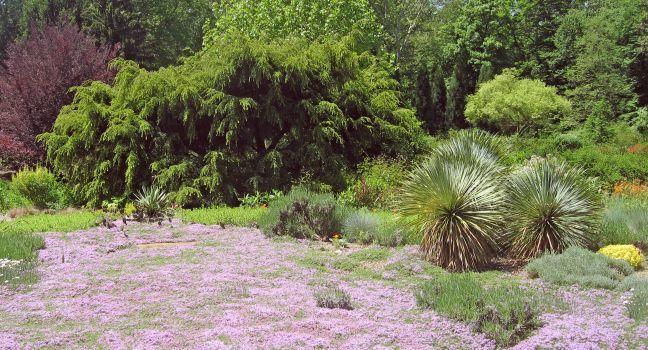
At this 35-acre pleasure garden circling a country estate even the old tennis court has been transformed into a garden. If you enjoy flowers and paths, this is a great stop. It's lavish, but its over-the-top opulence is part of what makes it so enjoyable.
Cliveden
Germantown
Share This
Daniel M. Silva / Shutterstock
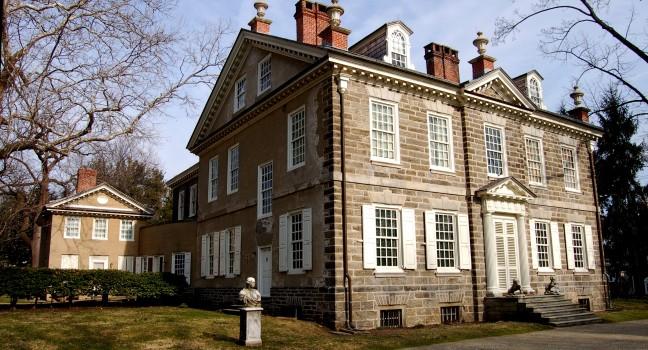
The grounds take up an entire block, and they are free to walk around. Cliveden's (rhymes with lived in) unique history, impressive architecture, and the guides who spin a good yarn combine to make the site perhaps the best visiting experience of the historic Germantown homes. The elaborate country house was built in 1767 by Benjamin Chew (1722–1810), a Quaker and chief justice of the colonies, and something of a fence-straddler during the Revolution. Cliveden was at the center of the Battle of Germantown, occupied by British troops, and the walls still bear the marks of American cannon fire. An elaborate reenactment of the Battle of Germantown is held here annually on the first Saturday in October. Cliveden excels at its robust programming, which is year-round, and much of which explores the experiences of slaves, servants, and workers at Cliveden, and larger themes of Northern slavery and slaveholders, like the Chew family, who owned plantations in the South. The house, on 6 acres, can be seen on a 45-minute guided tours. Off-season tours can be arranged by calling.
Green Dragon Farmers Market and Auction
Share This
(c) Bratty1206 | Dreamstime.com
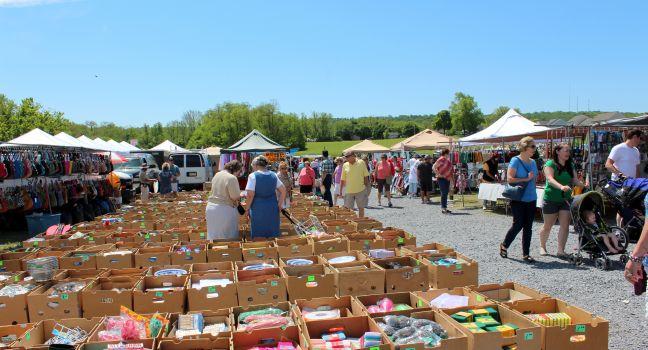
This giant indoor-outdoor market, only open on Friday, is an oddball mash-up of Amish snack bars, smoked meat and preserves purveyors, bric-a-brac, tools, toys, and everything in between, including the kitchen sink. There are separate auctions of furniture, hay, and small farm animals. As the website states, there's a "carnival atmosphere" like no other.
Grumblethorpe
Germantown
Share This
Smallbones [Public Domain], via Wikimedia Commons
The blood of General James Agnew, who died after being struck by musket balls during the Battle of Germantown, stains the floor in the parlor of this Georgian house—and no one has bothered to clean it up yet! Built by Philadelphia merchant and wine importer John Wister in 1744, Grumblethorpe is one of Germantown's leading examples of early-18th-century Pennsylvania-German architecture. The Wister family lived here for 160 years, and during the Revolution a teenage Sally Wister kept a diary that has become an important historical source for what that time was like. On display are period furnishings and family mementos, but the best part of the house is the large garden. Wisteria, the flowering vine, is named after Charles Wister (John's grandson), who was an avid botanist and amateur scientist, and there is plenty of it in the garden. There are also an enormous hundred-year-old rosebush, a peony alley, a two-story arbor with climbing clematis and a grapevine working its way across its base, and tulips in season.
Tours are offered May–October, on the second Saturday of the month; additional tours can be scheduled.
Hershey's Chocolate World
Share This
Lissandra Melo / Shutterstock
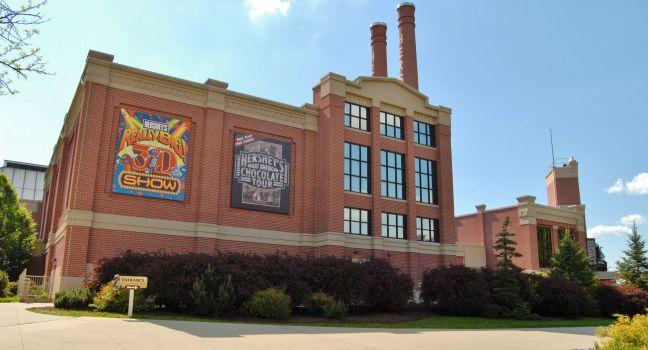
This is a one-stop spot for exploring the history of chocolate and how it's made. The attractions are many, including a free 30-minute chocolate factory tour ride; Unwrapped, an interactive theatrical performance with chocolate tasting kit; and Create Your Own Candy Bar (additional fee). It's also the starting point for Hershey Trolley Works, which offers historical tours of the town and landmarks relevant to Milton Hershey. The largest Hershey store in the world is here, and there's also an extensive chocolate-themed food court (think milkshakes and s'mores).
\n
Independence Seaport Museum
Penn's Landing
Share This
(c) Aneese | Dreamstime.com
Philadelphia's maritime museum houses many nautical artifacts, figureheads, and ship models, as well as interactive exhibits that convey just what the Delaware and Schuylkill rivers have meant to the city's fortunes over the years. You can climb in the gray, cold, wooden bunks used in steerage; unload cargo from giant container ships with a miniature crane; or even try your hand at designing your own boat. Enter the museum by passing under the three-story replica of the Benjamin Franklin Bridge, and be sure to check out the Seaport Boat Shop and Ship Model Shack, where members of the Philadelphia Ship Model Society put together scale-model ships in front of visitors' eyes. Tickets to tour the USS Becunia in addition to the museum cost slightly more. During summer season only, visitors can dine at the adjacent Liberty Point restaurant.
Parry Mansion
Share This
(c) Mullan101 | Dreamstime.com
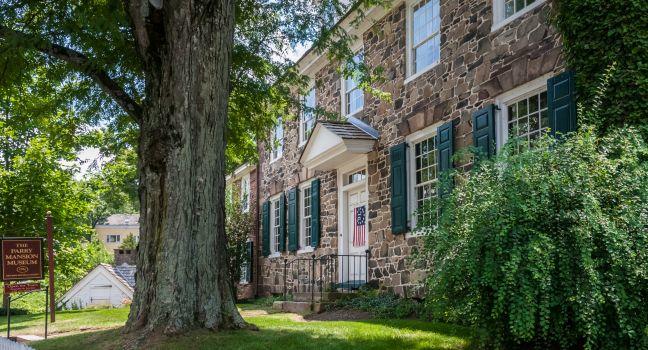
Built in 1784 and now home to the New Hope Historical Society, this stone house is fascinating because the furnishings reflect decorative changes from 1775 (Colonial) to 1900 (Victorian)—including candles, whitewashed walls, oil lamps, and wallpaper. Wealthy Quaker lumber- and flour-mill owner and businessman Benjamin Parry, often called the "father of New Hope," built the house, which was occupied by five generations of his family. Guided house tours, including a brief film, give you a good sense of town history. The historical society also offers a one-hour walking tour of New Hope ($10) from May through October on the first and third Sunday of each month.
Washington Crossing Historic Park
Share This
(c) Reddy | Dreamstime.com
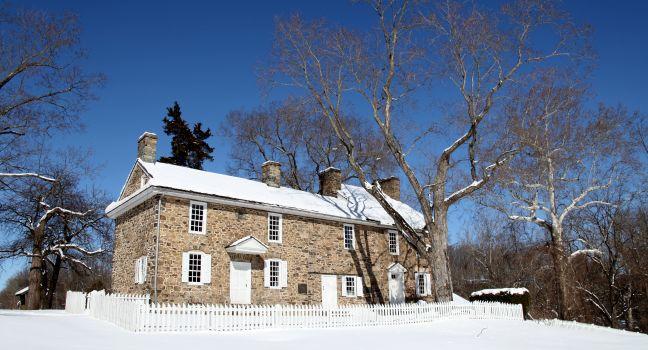
It was from this evocative site, now a 500-acre park, that on Christmas night in 1776 General Washington and 2,400 of his men crossed the ice-studded Delaware River, attacked the Hessian stronghold at Trenton, and secured a desperately needed victory for the Continental Army. This crossing was immortalized in Emanuel Leutze's famous 1851 painting, which hangs in New York's Metropolitan Museum of Art. The park's visitor center, historic houses, and memorials are divided between the Lower Park (McConkey Ferry section) and Upper Park (Thompson-Neely section), about 5 miles apart.
In the Lower Park, the visitor center has park information, a short film, and helpful historic exhibits; it also sells tickets for informative guided tours in both areas. The Crossing the Delaware tour in the Lower Park emphasizes the role that ten crucial days played in the American Revolution. You can see replicas of the Durham boats used in the crossing, and for the country's 250th anniversary in 2026 a newly constructed replica will be placed along the Delaware as part of a new interpretive trail.
In the Upper Park, 125-foot-tall Bowman's Hill Tower offers a commanding view of the area. The Thompson-Neely House tour describes life in Bucks County; it was used as a hospital during the 1776–77 encampment of Washington's army. There's also a gristmill tour. The park's special events include a popular reenactment of the crossing in December.
On the New Jersey side of the Delaware, across the narrow Washington Crossing Bridge, is Washington Crossing State Park ( 355 Washington Crossing–Pennington Rd., Titusville 609/737–0623 nj.gov/dep $10 per car NJ residents, $20 per car others Memorial Day–Labor Day; free rest of year). It has a visitor center with a film and a museum that covers New Jersey's role in the Revolution, and a separate area with the Johnson Ferry House by the site where Washington and his troops landed. The park is also popular for its nature trails. At this writing, a new and expanded visitor center overlooking the Delaware is set to open by mid-2026.
Academy of Natural Sciences of Drexel University
Parkway Museum District
Share This
One of this natural history museum's most popular attractions is Dinosaur Hall, with reconstructed skeletons of a Tyrannosaurus rex and some 30 others of its ilk, but interactive stations with docents and exhibits on topics including current environmental issues also help visitors engage with science and nature. Other areas are the Big Dig (open weekends at this writing), where you can hunt for real fossils, and Outside In, a hands-on experience where kids can climb into an eagle's nest, visit with animals, and more. State-of-the-art changing exhibitions are another highlight. The more than 35 dioramas of animals from around the world displayed in their natural habitats still have appeal and are gradually being renovated. Founded in 1812, the academy is considered the oldest natural history institution in the western hemisphere and a world leader in the fields of natural-science research and education; the present building dates from 1876. Plan your visit ahead using the website's floor plan and program list. Weekdays and late afternoons are generally less busy times to visit.
Adventure Aquarium
Share This
This high-tech, hands-on science education center is the home of "Shark Realm," a 550,000-gallon tank stretching two stories high and thick with sharks, stingrays, and sawfish. The daring can traverse “Shark Bridge,” a V-shaped rope suspension bridge just above the exhibit. In the "Hippo Haven,” hippopotamuses cohabitate with birds, lizards, and tortoises also native to Africa. There are also up-close "animal experiences," penguin feedings, live animal talks, and immersive 3D theater presentations. The aquarium features a coffee shop, an eco-friendly marketplace, and a beer garden (with outdoor seating during the warmer months). To get here, drive or take the ferry from Penn's Landing. Tickets are cheaper if you purchase online ahead of time.
African American Museum in Philadelphia
Old City
Share This
Opened in the Bicentennial year of 1976, this is the first museum of its kind funded and built by a city. The centerpiece is "Audacious Freedom: African Americans in Philadelphia 1776–1876," an interactive and immersive exhibit that uses technology to tell the stories of pioneers in the freedom movement. The list includes Frances Ellen Watkins Harper, a suffragist and conductor on the Underground Railroad; Thomas Morris Chester, the first black lawyer to argue before the U.S. Supreme Court; and Elizabeth Taylor Greenfield, a renowned singer who performed for Queen Victoria. Visiting and rotating exhibitions dive deep into the artistic, cultural, and political contributions of African Americans. The museum's gift shop stocks one of the city’s widest selections of books on black culture, history, fiction, poetry, and drama, along with textiles, sculpture, jewelry, prints, and tiles.
Subscribe to Newsletter
Sign up for Travel Tips & News
I want emails from Fodor's Travel with travel information and promotions. I can unsubscribe
any time using the unsubscribe link at the end of all emails.
Thank you for your interest!
Look out for our newsletters with travel tips and special offers.
Sign up for Travel Tips & News
By signing up for the
newsletter, I agree to the Privacy Policy. You must check the box to subscribe
Thank you for your interest!
Look out for our newsletters with travel tips and special offers.