Get FREE email communications from Fodor's Travel, covering must-see travel destinations, expert
trip planning advice, and travel inspiration to fuel your passion.
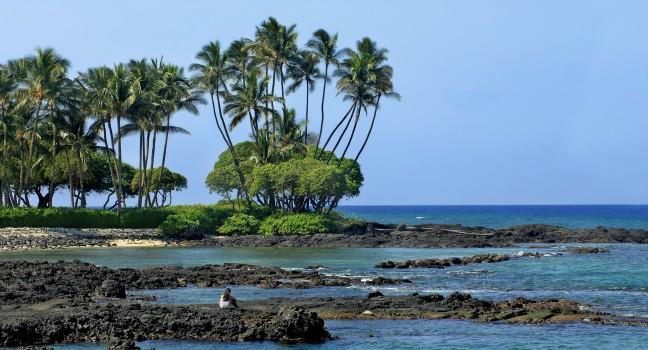
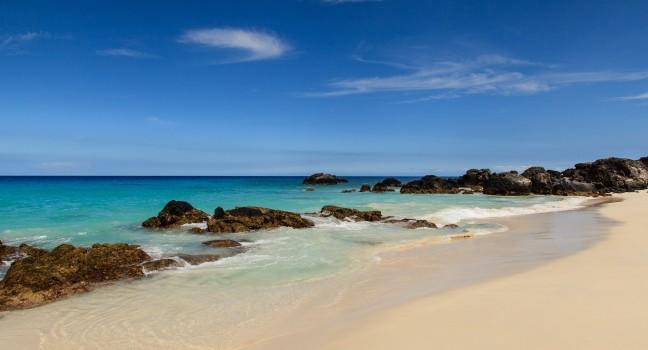
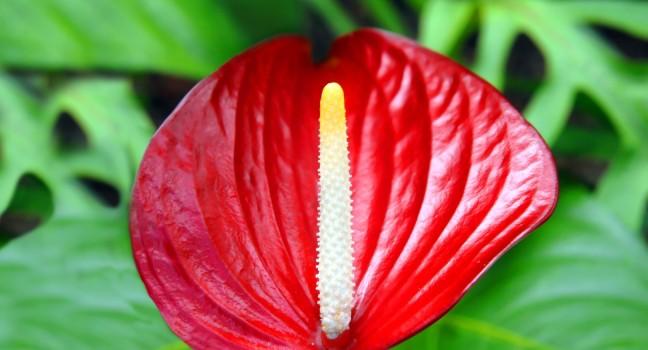
Nicknamed "The Big Island," Hawaii Island is a microcosm of Hawaii the state. From long white-sand beaches and crystal-clear bays to rain forests, waterfalls, valleys, exotic flowers, and birds, all things quintessentially Hawaii are well represented here.
An assortment of happy surprises also distinguishes the Big Island from the rest of Hawaii—an active volcano (Kilauea) oozing red lava and creating new earth every day, the clearest place in the world to view stars in the night sky (Maunakea), and some seriously good coffee from the famous Kona district, and also from neighboring Kau.
Home to eight of the world’s 13 sub-climate zones, this is the land of fire (thanks to active Kilauea volcano) and ice (compliments of not-so-active Maunakea, topped with snow and expensive telescopes). At just under a million years old, Hawaii is the youngest of the main Hawaiian Islands. Three of its five volcanoes are considered active: Mauna Loa, Hualalai, and Kilauea. The Southeast Rift Zone of Kilauea has been spewing lava regularly since January 3, 1983; another eruption began at Kilauea's summit caldera in March 2008, the first since 1982. Back in 1984, Mauna Loa's eruptions crept almost to Hilo, and it could fire up again any minute—or not for years. Hualalai last erupted in 1801, and geologists say it will definitely do so again within 100 years. Maunakea is currently considered dormant but may very well erupt again. Kohala, which last erupted some 120,000 years ago, is inactive, but on volatile Hawaii Island, you can never be sure.
Sorry! We don't have any recommendations for Big Island right now.
Sights Filter
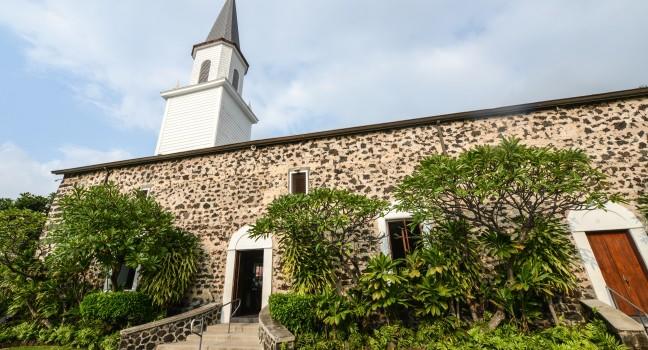
Imiola Congregational Church
Share This
Highlights of this stunning church, which was established in 1832 and rebuilt in 1857, include a gleaming, restored koa interior and unusual wooden calabashes hanging from the ceiling. Be careful not to walk in while a service is in progress, as the front entry is behind the pulpit.
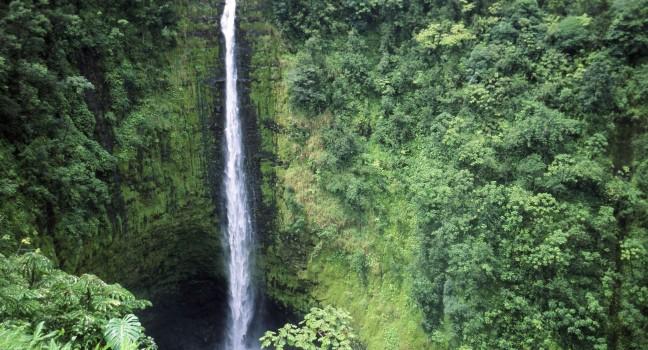
A paved, 10-minute loop trail (approximately ½ mile) takes you to the best spots to see the spectacular cascades of Akaka, including the majestic upper Akaka Falls, which drops more than 442 feet. It tumbles far below into a pool drained by Kolekole Stream amid a profusion of fragrant white, yellow, and red torch ginger and other tropical foliage. Another 400-foot falls is on the lower end of the trail. Restroom facilities are available but no drinking water. The park is 4 miles inland, and vehicle parking closes at 6. Visitors are encouraged to reserve parking online in advance at this popular spot.A series of steps along parts of the trail may prove challenging for some visitors, and they are not wheelchair accessible.
Anaehoomalu Bay
Fodor's Choice
Share This
Bonita R. Cheshier / Shutterstock
This gorgeous, expansive stretch of white sand, fringed with coconut palms, fronts the Waikoloa Beach Marriott and is a perfect spot for swimming, windsurfing, snorkeling, and diving. Unlike some Kohala Coast beaches near hotel properties, this one is very accessible to the public and offers plenty of free parking. The bay is well protected, so even when the surf is rough or the trade winds are blasting, it's fairly calm here. (Mornings are calmest.) Snorkel gear, kayaks, and body boards are available for rent at the north end.
Locals will appreciate your efforts to use the proper name (pronounced ā'-nāe-ho'o-mā'lu) rather than simply its nickname, "A-Bay."
Behind the beach are two ancient Hawaiian fishponds, Kuualii and Kahapapa, that once served ancient Hawaiian royalty. A walking trail follows the coastline to the Hilton Waikoloa Village next door, passing by tide pools, ponds, and a turtle sanctuary where sea turtles can often be spotted sunbathing on the sand. Footwear is recommended for the trail. Amenities: food and drink; parking (no fee); showers; toilets; water sports. Best for: snorkeling; sunset; swimming; walking.
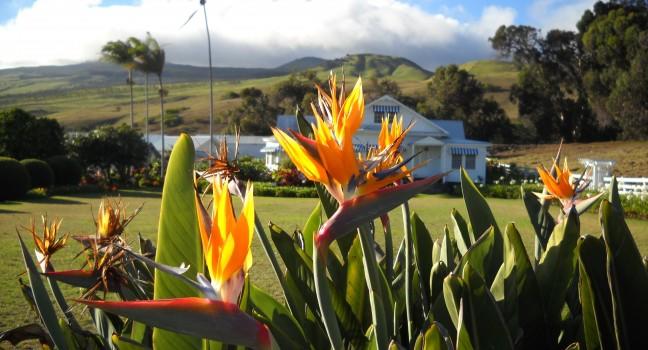
On the National and State Registers of Historic Places, this stunning heritage property belonged to the "first lady" of Hawaii ranching, Anna Lindsey Perry-Fiske, and now provides a rare opportunity to see a fully restored cattle ranch compound and learn about the life of this fascinating woman. She rounded up and butchered cattle by day and threw lavish parties by night. Wander the picturesque grounds and gardens on a self-guided walk, watch a master saddlemaker and an ironsmith in action, and take a guided tour (by appointment only) of the historic house, where Anna's furniture, gowns, and elaborate pau (parade riding) costumes are on display. The knowledgeable staff shares anecdotes about Anna's life. (Some staff and visitors have even reported strange goings-on in the main house, suggesting that Anna may still be "hanging around.")
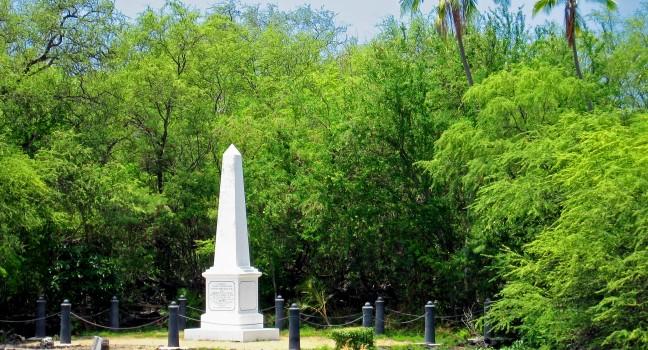
On February 14, 1779, famed English explorer Captain James Cook was killed here during an apparent misunderstanding with local residents, and this 27-foot-high obelisk marks the spot where he died. He had chosen Kealakekua Bay as a landing place in November 1778. Arriving during the celebration of Makahiki, the harvest season, Cook was welcomed at first. Some Hawaiians saw him as an incarnation of the god Lono. Cook's party sailed away in February 1779, but a freak storm forced his damaged ship back to Kealakekua Bay. Believing that no god could be thwarted by a mere rainstorm, the Hawaiians were not so welcoming this time. The theft of a longboat brought Cook and an armed party ashore to reclaim it. Shots were fired, daggers and spears were thrown, and Cook fell, mortally wounded.
A trail leading to the site is accessible from the top of Napoopoo Road, but caution is advised. The very strenuous trail gains an elevation of about 1,500 feet and is recommended for advanced hikers only.
Hapuna Beach State Recreation Area
Fodor's Choice
Share This
(c) Nopow | Dreamstime.com
One of Hawaii's most breathtaking beaches, Hapuna is a ½-mile-long stretch of white perfection, with turquoise water that is calm in summer, so it's good for kids, with just enough rolling waves to make bodysurfing and body boarding fun. Watch for the undertow; in winter it can be very rough. There is excellent snorkeling around the jagged rocks that border the beach on either side, but high surf brings strong currents. Known for awesome sunsets, this is one of the island's best places to see the "green flash" as the sun dips below a clear horizon.
Parking is ample, although the lot can fill up by midday and the beach can get crowded on weekends and holidays. Plenty of picnic tables and lots of grass overlooking the beach offer shady respite on a hot day. Lifeguards are on duty during peak hours. Amenities: lifeguards; parking (fee); showers; toilets; water sports. Best for: sunset; surfing; swimming; walking.
Hulihee Palace
Fodor's Choice
Share This
(c) Cecoffman | Dreamstime.com
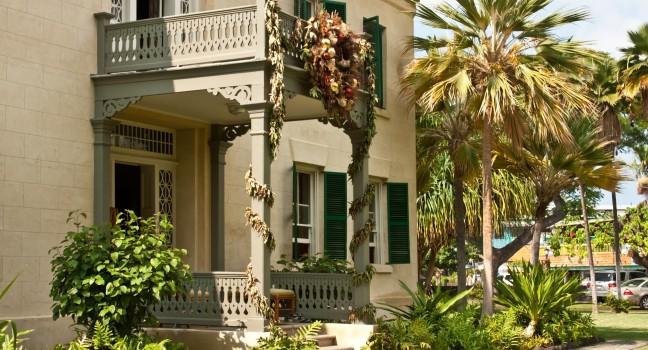
On the National Register of Historic Places, this lovely two-story oceanfront home, surrounded by jewel-green grass and elegant coconut palms and fronted by an elaborate wrought-iron gate, is one of only three royal palaces in America (the other two are in Honolulu). The royal residence was built by Governor John Adams Kuakini in 1838, a year after he completed Mokuaikaua Church. During the 1880s, it served as King David Kalakaua's summer palace.
Built of lava rock and coral lime mortar, it features vintage koa furniture, weaving, European crystal chandeliers, giant four-poster beds, royal portraits, tapa cloth, feather work, and Hawaiian quilts. After the overthrow of the Hawaiian monarchy in 1893, the property fell into disrepair. Set to be torn down for a hotel, it was rescued in 1920 by the Daughters of Hawaii, a nonprofit organization dedicated to preserving the culture and royal heritage of the Islands. The organization oversees and operates the site to this day; visitors see it on a guided tour.
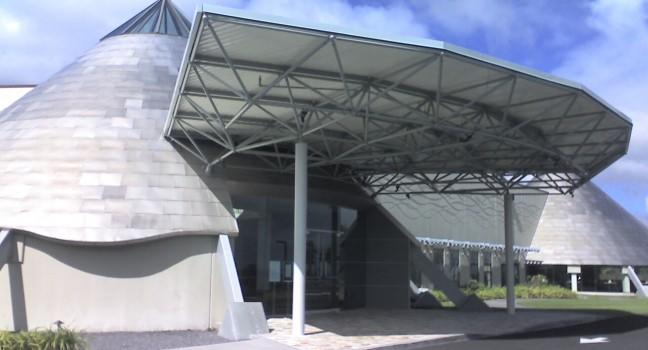
Part Hawaiian cultural center, part astronomy museum, part planetarium, this center provides community outreach for the astronomy program at the University of Hawaii at Hilo. With its interactive exhibits, full-dome planetarium shows, and regularly scheduled talks and events, the center is a must-see for anyone interested in the stars and planets, Hawaiian cultural history, and early Polynesian navigation. Admission includes one planetarium show and an all-day pass to the exhibit hall, which features more than 100 interactive displays. The lunch buffet at the adjoining Sky Garden Restaurant is popular and affordable. A five-minute drive from downtown Hilo, the center is located above the main campus at the university's Science and Technology Park.
Kaunaoa Beach
Fodor's Choice
Share This
(c) Dmitriko | Dreamstime.com
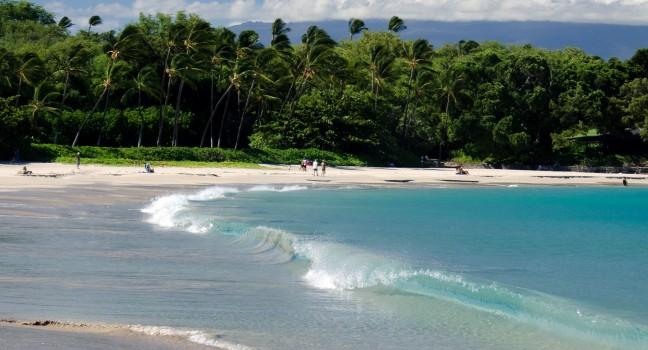
Hands down one of the most beautiful beaches on the island, if not the whole state, Kaunaoa features a short crescent of pure white sand framed by coconut palms. The beach, which fronts the Mauna Kea Beach Hotel, slopes very gradually, and there's great snorkeling along the rocks. Classic Hawaii postcard views abound, especially in winter, when snow tops Maunakea to the east. When conditions permit, waves are good for body and board surfing also. Currents can be strong in winter, so be careful. Get a cocktail at the beach cabana and enjoy the sunset.Public parking is limited to a few spaces, so arrive before 10 am or after 4 pm. If the lot is full, head to nearby Hapuna Beach, where there's a huge parking lot ($10 per vehicle). Try this spot again another day—it's worth it!Amenities: parking (no fee); showers; toilets; water sports. Best for: snorkeling; sunset; swimming; walking.
Kealakekua Bay State Historical Park
Fodor's Choice
Share This
(c) Cecoffman | Dreamstime.com
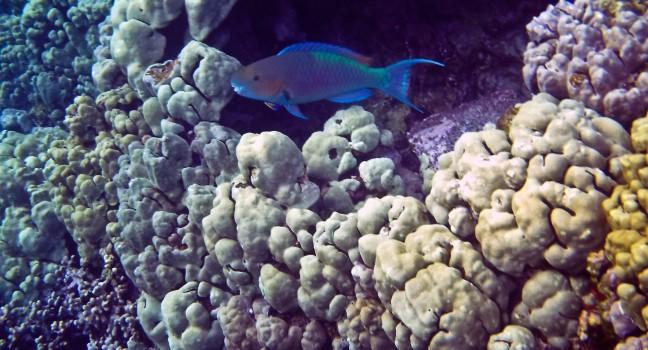
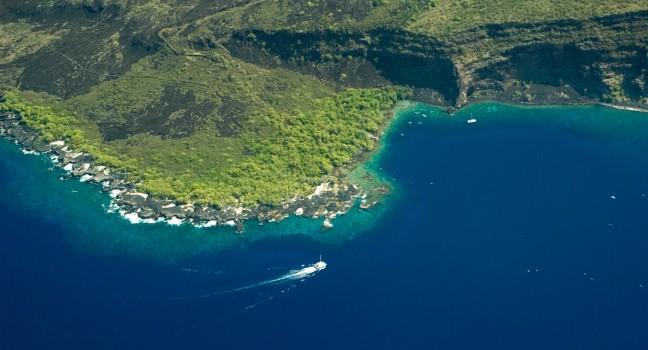
One of the most beautiful spots in the state, this underwater marine reserve has dramatic cliffs that surround super deep, crystal clear, turquoise water chock-full of stunning coral pinnacles and tropical fish. The federally protected dolphins that frequent the sanctuary should not be disturbed, as they use the bay to sleep and escape predators. There's very little sand at west-facing Napoopoo Beach, but this is a nice place to enter the water and swim (when the water is calm) as it's well protected from currents. There are no lifeguards, but there are bathrooms, a pavilion, shower, and limited parking. The Captain James Cook Monument, marking where the explorer died, is at the northern edge of the bay. Stay at least 300 feet from the shoreline along the cliffs, which have become unstable during recent earthquakes. A limited number of tour operators offer snorkeling and kayaking tours nearby.
Kekaha Kai State Park -- Mahaiula Side
Fodor's Choice
Share This
SYLVIO MICHEL / Shutterstock
It's slow going down a 1.8-mile, bumpy but partially paved road off Highway 19 to this beach park, but the lovely beaches are worth it when you reach the end. Very low-profile rentals may have some trouble making the drive. This state park encompasses three beaches: from south to north, Mahaiula, Makalawena, and Kua Bay, which has its own entrance. Mahaiula and Makalawena are classically beautiful expanses of white sand with dunes. Makalawena has great swimming and body boarding. ( Makalawena, sandwiched between the two state parks, is private property and falls under the jurisdiction of Kamehameha Schools Bishop Estates.) Watch out for rough surf and strong currents, especially in winter. From Makalawena, a 4½-mile trail leads to Kua Bay. If you're game, work your way on foot to the top of Puu Kuili, a 342-foot-high cinder cone with a fantastic coastline view. But be prepared for the heat and bring water, as there are no services of any kind in the park. Gates at the highway entrance close promptly at 7, so you must leave the lot by about 6:30. Amenities: toilets. Best for: swimming.
Mokuaikaua Church
Fodor's Choice
Share This
(c) Demerzel21 | Dreamstime.com
Site of the first Christian church in the Hawaiian Islands, this solid lava-rock structure, completed in 1837, is mortared with burned lime, coral, and kukui (candlenut) oil and topped by an impressive 112-foot steeple. The ceiling and interior were crafted of timbers harvested from a forest on Hualalai and are held together with wooden pegs, not nails. Inside, behind a panel of gleaming koa wood, rests a model of the brig Thaddeus as well as a koa-wood table crafted by Henry Boshard, pastor for 43 years. The sanctuary is still undergoing renovations, but if you attend Sunday services, they are glad to give you a tour.
Napoopoo Beach
Fodor's Choice
Share This
Vlad Turchenko / Shutterstock
Gorgeous and undeveloped, this area in the state historical park offers extraordinary vistas and protected swimming. The shoreline is rocky, but the area is surrounded by high green cliffs, creating calm conditions for superb swimming, snorkeling, and diving (beware of jellyfish). Protected Hawaiian spinner dolphins come to rest and escape predators during the day. Captain James Cook first landed in Hawaii here in 1778, but a year later he was killed in a skirmish with Hawaiians, now marked by a monument on the bay's north end. Rocky but walkable trails lead to Hikiau Heiau, a sacred place for the Hawaiian people. Please proceed respectfully and do not walk on it or enter it. Parking is very limited. Be aware of the off-limits area (in case of rockfalls) marked by orange buoys. Amenities: parking (no fee); showers; toilets. Best for: snorkeling; swimming.
Panaewa Rainforest Zoo and Gardens
Fodor's Choice
Share This
(c) Bonniemarie | Dreamstime.com
Billed as "the only natural tropical rain forest zoo in the United States," this 12-acre county zoo features native Hawaiian species such as the nene goose and the io (hawk), as well as many other rare birds such as the highly endangered Hawaiian crow, or alala. Two Bengal tigers are also part of the collection. The white-faced whistling tree ducks are a highlight, along with monkeys, sloths, and lemurs. There's also a petting zoo on Saturdays from 1:30 to 2:30. Myriad species of lush, unusual tropical plants fill the grounds. To get here, turn left on Mamaki off Highway 11; it's just past the "Kulani 19, Stainback Hwy." sign.
Punaluu Black Sand Beach Park
Fodor's Choice
Share This
David Lousick / Shutterstock
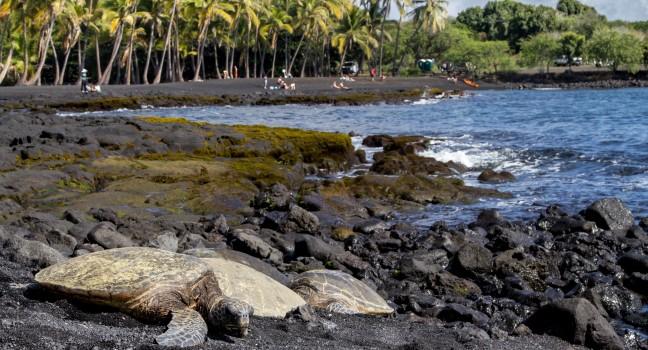
A must-do on a south-southeast-bound trip to the volcano, this easily accessible black-sand beach is backed by low dunes, brackish ponds, and tall coco palms. The shoreline is jagged, reefed, and rocky. Most days, large groups of sea turtles nap on the sand—a stunning sight. Resist the urge to get too close or disturb them; they're protected by federal and state law, and fines for harassment can be hefty. Removing black sand is also prohibited. Extremely strong rip currents prevail, so only experienced ocean swimmers should consider getting in the water here. A popular stop for locals and tour buses alike, this beach park can get busy; the north parking lot is usually quieter. Shade from palm trees provides an escape from the sun, and at the northern end of the beach lie the ruins of Kaneeleele Heiau, an old Hawaiian temple. Amenities: parking (no fee); showers; toilets. Best for: walking.
Puuhonua O Honaunau National Historical Park
Fodor's Choice
Share This
(c) Cecoffman | Dreamstime.com
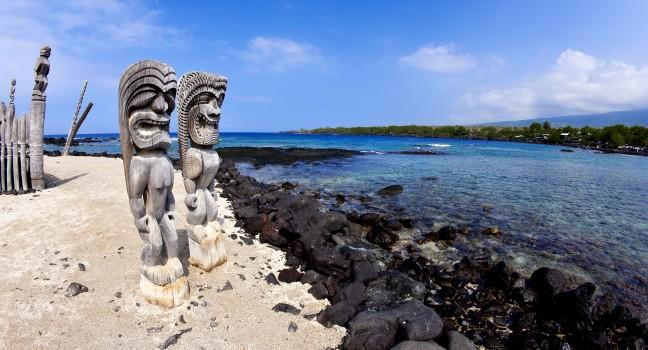
This breathtaking, 420-acre National Historical Park has the best preserved puuhonua (place of refuge) in the state, and an aura of ancient sacredness and serenity still imbues the place. Providing a safe haven for noncombatants, kapu (taboo) breakers, defeated warriors, and others, the puuhonua offered protection and redemption for anyone who could reach its boundaries, by land or sea. The oceanfront, 960-foot stone wall built more than 400 years ago still stands and is one of the park's most prominent features. A number of ceremonial temples, including the restored Hale o Keawe Heiau (circa 1700), have served as royal burial chambers. Bring a picnic to the oceanfront park, where there are tables and bathrooms. The 2¼-mile, 1871 Trail takes you past incredible lava features and historic sites. This treasure of a park is a must-see for every visitor to the Big Island.
Puukohola Heiau National Historic Site
Fodor's Choice
Share This
Ocean Image Photography / Shutterstock
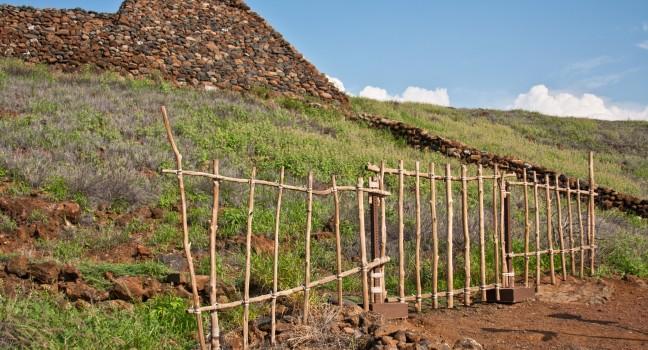
Quite simply, this is one of the most historic and commanding sites in all of Hawaii: here, in 1810, on top of Puukohola (Hill of the Whale), Kamehameha the Great built the war heiau, or temple, that would serve to unify the Hawaiian Islands, ending 500 years of warring chiefdoms. The oceanfront, fortresslike site is foreboding and impressive. A paved ½-mile looped trail runs from the visitor center to the main temple sites. An even older temple, dedicated to the shark gods, lies submerged just offshore, where sharks can be spotted swimming, usually first thing in the morning. A museum displays ancient Hawaiian weapons, including clubs, spears, a replica of a bronze cannon that warriors dragged into battle on a Hawaiian sled, and three original paintings by artist Herb Kane. This underrated park is often very uncrowded. Rangers are available to answer questions, or you can take a free audio tour on your smartphone. Plan about an hour to see everything.
Chain of Craters Road
Fodor's Choice
Share This
The coastal region of Hawaii Volcanoes National Park is accessed via the spectacularly scenic Chain of Craters Road, which descends 18.8 miles to sea level. You could drive it without stopping, but it's well worth spending a few hours or a day exploring the stops and trails. Winding past ancient craters and modern eruption sites, this scenic road was realigned in 1979 after parts of it were buried by the Mauna Ulu eruption. Marked stops along the way include Lua Manu Crater, Hilina Pali Road, Pauahi Crater, the Mauna Ulu eruption site, Kealakomo Lookout, and Puu Loa Petroglyphs. As you approach the coast, panoramic ocean vistas prevail. The last marked stop features views of the stunning natural Holei Sea Arch from an overlook. In recent decades, many former sights along the coast have been covered in lava, including a black-sand beach and the old campground.
Greenwell Farms
Fodor's Choice
Share This
Depending on the season, the 20-minute walking tour of this working farm takes in various stages of coffee production, including a look at the 100-year-old coffee trees. The Greenwell family played a significant role in the cultivation of the first commercial coffee in the Kona area (as well as the first grocery store). No reservations are required, unless you are booking for a private party, which does have a cost. You can also book a master brewing class.
Halemaumau Crater
Fodor's Choice
Share This
For Native Hawaiians, Halemaumau Crater is the sacred home of Pele, the fire goddess; for scientists at the Hawaiian Volcano Observatory, this mighty pit crater within the massive Kilauea Caldera is an ever-changing force to be reckoned with. Prior to Kilauea's 2018 eruption, Halemaumau’s visible lava lake awed visitors for 10 consecutive years. Then Puu Oo Vent, which had been erupting farther away in the East Rift Zone for 35 years, collapsed in April 2018. As lava from the vent drained, so did the lava lake at Halemaumau Crater. A relentless series of seismic events at the summit followed, doubling the diameter of Halemaumau Crater and deepening it by 1,300 feet, after which a lake of water began forming, eventually growing to 160 feet deep. On December 20, 2020, an eruption within the crater instantly vaporized the water lake, sending molten lava cascading into the crater from vents within the walls and commencing the return of an active lava lake to Halemaumau, which has erupted intermittently in the years that followed through 2023 and likely beyond. There are many places in the park to view the magnificent crater, including at the Steaming Bluff Overlook and at Volcano House hotel. To get a glimpse of the lava lake during an eruption phase, there is a lookout area between the Steam Vents and the former Jaggar Museum area; another lookout point is on the crater's other side near the Devastation Trail parking lot. For the best lava-viewing experience of Halemaumau Crater during an eruption phase, visit the park after 10 pm when crowds are smaller.
Hawaii Tropical Bioreserve and Garden
Fodor's Choice
Share This
Stunning coastline views appear around each curve of the 4-mile scenic jungle drive that accesses this privately owned nature preserve next to Onomea Bay. Paved pathways in the 17-acre botanical garden lead past ponds, waterfalls, and more than 2,000 species of plants and flowers, including palms, bromeliads, torch ginger, heliconia, orchids, and ornamentals. With its stunning boardwalk entry, the garden is well worth a stop, and your entry fee helps the nonprofit preserve plants, seeds, and rain forests.Trails can get slippery when it's raining.
Hilo Farmers Market
Fodor's Choice
Share This
The 200 vendors here—stretching a couple of blocks at the bayfront—sell a profusion of tropical flowers, locally grown produce, aromatic honey, tangy goat cheese, hot breakfast and lunch items, and fresh baked specialties at extraordinary prices. This colorful, open-air market—the largest and most popular on the island—opens for business Wednesday and Saturday from 7 am to 3 pm. A smaller version on the other days features more than 30 vendors. Free parking is available.
Holualoa
Fodor's Choice
Share This
Hugging the hillside above the Kona Coast, the tiny, artsy village of Holualoa might contain more artists per square foot than any other town in Hawaii. Painters, woodworkers, jewelers, gourd makers, silk screeners, photographers, and potters work in their studios in back and sell their wares up front. Look for frequent town-wide events such as art strolls and block parties (the annual Christmas light stroll is a favorite) and relax with a cup of coffee in one of the cafés or galleries. Formerly the exclusive domain of coffee plantations, Holualoa still boasts quite a few coffee farms offering free tours and inviting cups of Kona. The town is 3 miles up winding Hualalai Road from Kailua-Kona.
Kaloko–Honokohau National Historical Park
Fodor's Choice
Share This
The trails at this sheltered 1,160-acre coastal park near Honokohau Harbor, just north of Kailua-Kona, are popular with walkers and hikers, and the park is a good place to observe Hawaiian archaeological history and intact ruins. These include a heiau (temple), house platforms, ancient fishponds, and numerous petroglyphs along a boardwalk. The park's wetlands provide refuge to waterbirds such as the endemic Hawaiian stilt and coot. Two beaches here are good for swimming, sunbathing, and sea turtle spotting: Aiopio, a few yards north of the harbor, is small and calm, with protected swimming areas (good for kids); Honokohau Beach, also north of the harbor, is a ¾-mile stretch with ruins of ancient fishponds. Of the park's three entrances, the middle one leads to a visitor center with helpful rangers and lots of information. Local docents with backgrounds in geology or other subjects give nature walks. To go directly to the beaches, take the harbor road north of the Gentry retail center, park in the gravel lot, and follow the signs.
Kalopa State Recreation Area
Fodor's Choice
Share This
Northwest of the old plantation town of Paauilo, at a cool elevation of 2,000 feet, lies this sweet 100-acre state park with a lush forested area with picnic tables and restrooms. There's an easy 0.7-mile loop trail with additional paths in the adjacent forest reserve. Small signs identify some of the plants, including the Gothic-looking native ohia and the rare loulu palm. It's chilly and damp here, making it a good escape from the heat at sea level. Three campground areas with full-service kitchens, as well as four cabins, can be reserved online.
Kamakahonu and Ahuena Heiau
Fodor's Choice
Share This
In the early 1800s, King Kamehameha the Great built a large royal compound at Kamakahonu, the bay fronting what is now the Courtyard King Kamehameha's Kona Beach Hotel; today it is one of the most revered and historically significant sites in all of Hawaii. Kamakahonu, meaning "eye of the turtle," was named for a prominent turtle-shaped rock there, covered in cement when the hotel and pier were built. The Ahuena Heiau, an impressive heiau (temple), was dedicated to Lono, the Hawaiian god of peace and prosperity. It was also used as a seat of government. The compound features a scaled-down replica of the temple and is a National Historic Landmark. You can't go inside the heiau, but you can view it from the beach or directly next door at the hotel's luau grounds.
Kamakahonu Beach
Fodor's Choice
Share This
This beach is where King Kamehameha spent his final days—the replica of the Ahuena Heiau sits on a platform across from the sand. Adjacent to Kailua Pier, the scenic crescent of white sand is one of the few beaches in downtown Kailua-Kona. The water here is almost always calm and the beach clean, making this a perfect spot for kids. For adults, it's a great place for swimming, stand-up paddleboarding (SUP), watching outrigger teams practice, or enjoying a lazy beach day, but it can get crowded on weekends. Snorkeling can be good north of the beach, and snorkeling, SUP, and kayaking equipment can be rented nearby. There's lots of grass and shade. Amenities: food and drink; showers; toilets; water sports. Best for: snorkeling; swimming.
Kilauea Caverns of Fire
Fodor's Choice
Share This
This way-out adventure explores the underbelly of the world's most active volcano via the Kazamura Lava Tube system. The world's longest lava tube system—more than 40 miles long, with sections up to 80 feet wide and 80 feet tall—is 500 to 700 years old and filled with bizarre lava formations and mind-blowing colors. Tours, customized to groups' interests and skill levels, focus on conservation and education and take visitors through beautiful lava caves unlike any others in the world. The tours are by reservation only and are well worth the extra detour (about 40 minutes off the main highway) and planning. Equipment is included.When you make your reservation, you will be given detailed directions to the location.
Kilauea Iki Trail
Fodor's Choice
Share This
The stunning 4-mile loop hike descends 400 feet into a massive crater via a forested nature trail. When you hike across the crater floor, you're actually walking on a solidified lava lake. Still steaming in places, the crater is dotted with baby ohia trees emerging from the cracks. Venture across the crater floor to the Puu Puai cinder cone that was formed by spatter from a towering lava fountain during the 1959 Kilauea Iki eruption. There are three different trailheads for Kilauea Iki; the main one, which takes two or three hours, begins at the Kilauea Iki Overlook parking lot off Crater Rim Drive. You can also access the crater from Devastation Trail or Puu Puai on the other side. Bring water, snacks, a hat, sunscreen, and hooded rain gear, as weather can change at a moment's notice.Easy.
Kona Coffee Living History Farm
Fodor's Choice
Share This
On the National Register of Historic Places, this perfectly preserved farm was completely restored by the Kona Historical Society. It includes a 1913 farmhouse first homesteaded by the Uchida family and is surrounded by coffee trees, a Japanese bathhouse, a kuriba (coffee-processing mill), and a hoshidana (traditional drying platform). Caretakers still grow, harvest, roast, and sell the coffee exactly as they did more than 100 years ago. All admission proceeds directly help the nonprofit's educational efforts. Call ahead to confirm hours, as they have been limited and varied.
Subscribe to Newsletter
Sign up for Travel Tips & News
I want emails from Fodor's Travel with travel information and promotions. I can unsubscribe
any time using the unsubscribe link at the end of all emails.
Thank you for your interest!
Look out for our newsletters with travel tips and special offers.
Sign up for Travel Tips & News
By signing up for the
newsletter, I agree to the Privacy Policy. You must check the box to subscribe
Thank you for your interest!
Look out for our newsletters with travel tips and special offers.