3 Best Sights in Big Island, Hawaii

Background Illustration for Sights

Nicknamed "The Big Island," Hawaii Island is a microcosm of Hawaii the state. From long white-sand beaches and crystal-clear bays to rain forests, waterfalls, valleys, exotic flowers, and birds, all things quintessentially Hawaii are well represented here.

An assortment of happy surprises also distinguishes the Big Island from the rest of Hawaii—an active volcano (Kilauea) oozing red lava and creating new earth every day, the clearest place in the world to view stars in the night sky (Maunakea), and some seriously good coffee from the famous Kona district, and also from neighboring Kau.

Home to eight of the world’s 13 sub-climate zones, this is the land of fire (thanks to active Kilauea volcano) and ice (compliments of not-so-active Maunakea, topped with snow and expensive telescopes). At just under a million years old, Hawaii is the youngest of the main Hawaiian Islands. Three of its five volcanoes are considered active: Mauna Loa, Hualalai, and Kilauea. The Southeast Rift Zone of Kilauea has been spewing lava regularly since January 3, 1983; another eruption began at Kilauea's summit caldera in March 2008, the first since 1982. Back in 1984, Mauna Loa's eruptions crept almost to Hilo, and it could fire up again any minute—or not for years. Hualalai last erupted in 1801, and geologists say it will definitely do so again within 100 years. Maunakea is currently considered dormant but may very well erupt again. Kohala, which last erupted some 120,000 years ago, is inactive, but on volatile Hawaii Island, you can never be sure.

Imiloa Astronomy Center
Fodor's Choice
Family trip to the Big Island for New Year's. The 'Imiloa Astronomy Center
Trip by Ryan Ozawa

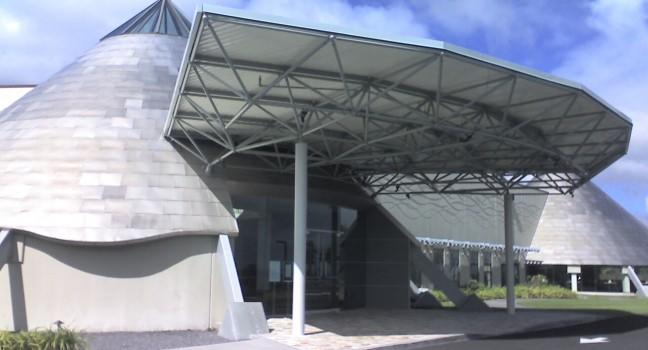
Part Hawaiian cultural center, part astronomy museum, part planetarium, this center provides community outreach for the astronomy program at the University of Hawaii at Hilo. With its interactive exhibits, full-dome planetarium shows, and regularly scheduled talks and events, the center is a must-see for anyone interested in the stars and planets, Hawaiian cultural history, and early Polynesian navigation. Admission includes one planetarium show and an all-day pass to the exhibit hall, which features more than 100 interactive displays. The lunch buffet at the adjoining Sky Garden Restaurant is popular and affordable. A five-minute drive from downtown Hilo, the center is located above the main campus at the university's Science and Technology Park.

Mokupapapa Discovery Center for Hawaii’s Remote Coral Reefs

This is a great place to learn about the stunning Papahanaumokuakea Marine National Monument, which encompasses nearly 140,000 square miles in the northwestern Hawaiian Islands and is the only mixed UNESCO World Heritage site (meaning one that has both natural and cultural significance) in the United States. Giant murals, 3D maps, and hands-on interactive kiosks depict the monument's extensive wildlife, including millions of birds and more than 7,000 marine species, many of which are found only in the Hawaiian archipelago. Knowledgeable staff and volunteers are on hand to answer questions. A 3,500-gallon aquarium and short films give insight into the unique features of the monument, as well as threats to its survival. Located in the refurbished F. Koehnen Building, the center is worth a stop just to get an up-close look at its huge stuffed albatross with wings outstretched or the monk seal exhibit.

Pacific Tsunami Museum

A small but informative museum in a vintage First Hawaiian Bank building designed by noted Hawaii-raised architect C. W. Dickey provides tsunami education and scientific information. It may seem odd that downtown Hilo businesses tend to be far from the scenic bayfront, but the 1946 tsunami alone killed 158 people in Hilo. Visitors can peruse the history of these devastating disasters, with accounts taken from tsunami survivors from Hawaii and worldwide. Exhibits include a wave machine and interactive tsunami warning center simulation as well as films and pictographs detailing tsunamis in Japan, Alaska, and Indonesia. A safety-wall exhibit demonstrates how to be prepared and what steps to take during an evacuation.

130 Kamehameha Ave., Hilo, HI, 96720, USA
808-935–0926
Sight Details
$15

Something incorrect in this review?

Recommended Fodor's Video