


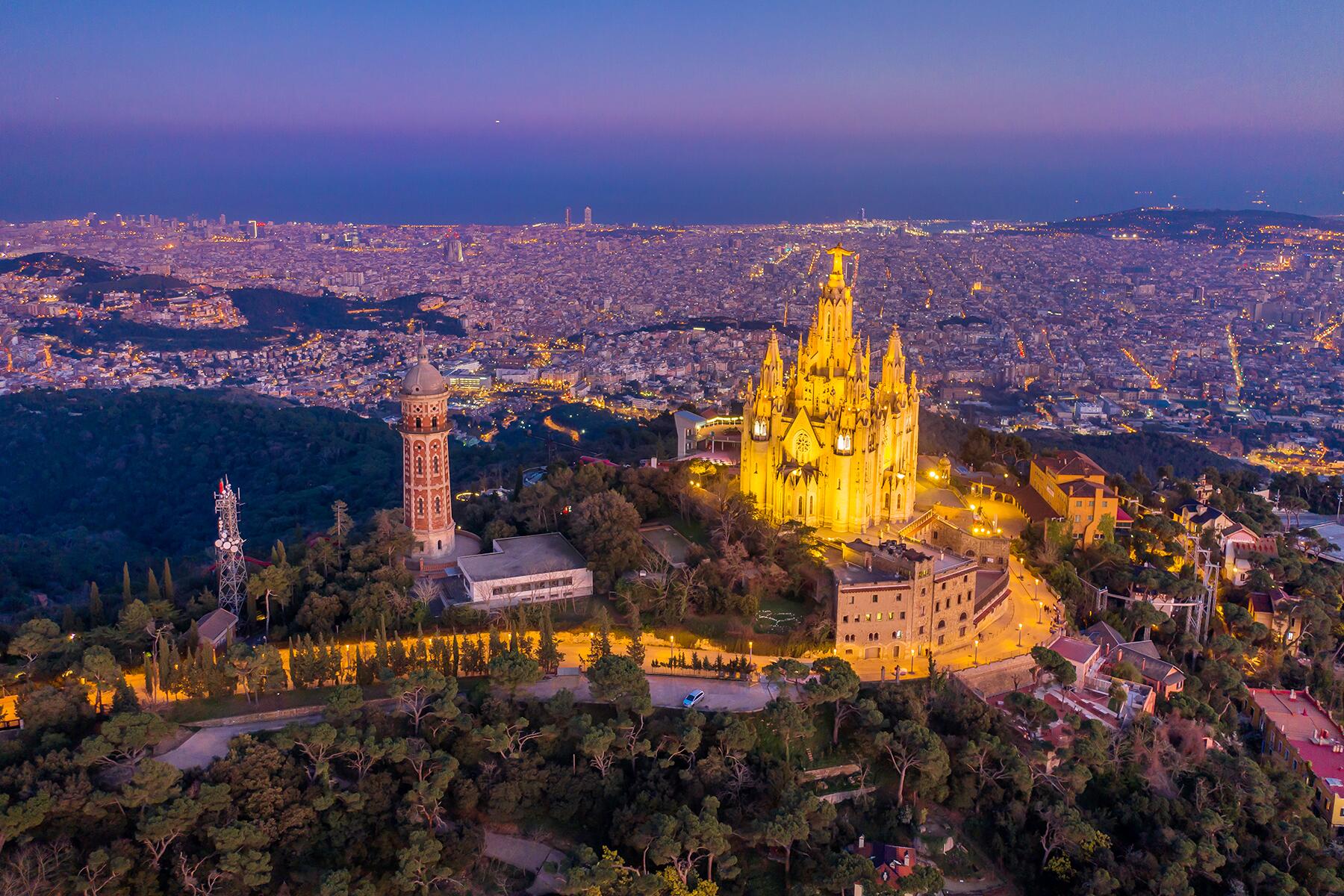

Barcelona has been dealing with overtourism for years.
Travelers planning to visit Barcelona this summer should prepare to budget extra for their stay. The city has doubled its tourist tax on accommodations, making it one of the highest in Europe.
Barcelona has long grappled with overtourism and hopes to deter some visitors with this measure. A quarter of the tax revenue will be allocated for affordable housing.
The Catalonia parliament approved a law to raise tourist taxes from €6.25 ($7.37) to €12.50 ($14.70) on holiday rentals. Last year, the city also announced plans to phase out short-term rentals by 2028. In addition, hotel guests will pay between €10 ($11.70) and €15 ($17.60) per night per person, starting in April. The exact amount depends on the hotel category, with five-star hotels charging the highest rate. Cruise passengers will see no change and will continue to pay €6 ($7).
Hotels are concerned about the impact of higher taxes. Manel Casals, Director General of the Barcelona Hotel Guild, told Reuters that the city ignored the proposal to raise taxes gradually to observe the effects. “One day they will kill the goose that lays the golden eggs,” he added.
Tourism accounts for 12% of Spain’s gross domestic product and brings in more than €100 billion ($118 billion) annually. It’s a crucial sector to the country’s economy, but locals are seeking balance. From crowded streets to rising housing prices, several cities have been negatively affected by overtourism, and residents have spoken out about their worsening quality of life.


Recommended Fodor’s Video
Unrestricted tourism leads to other problems, including noise, litter, stress on public infrastructure, and environmental strain. In Ibiza, for example, tourists are taxing emergency services after overindulging at parties. But the most significant impact, according to locals, is that rising rents are pricing residents out of their neighborhoods as more rentals convert to Airbnbs.
Each summer, residents across Spain plan protests against climbing tourist numbers. In Barcelona, their marches through tourist-heavy neighborhoods have drawn international attention thanks to the use of water guns. This has not deterred tourists: In 2025, Spain welcomed 96.8 million visitors, a 3.2% increase over the previous year.
Related: Vomit and Sex in the Halls: Madrid Family Sues Disruptive Tourist Rentals in Their Building
Spain has been a perennial feature on Fodor’s No List because of unsustainable tourist numbers and a cost-of-living crisis agitating locals.
But Spain is not alone. Overtourism has become a pain point for several European destinations, and many have introduced tourist taxes to help control visitor numbers.
Amsterdam charges one of the highest tourist taxes in Europe—visitors pay 12.5% of the nightly price (excluding VAT). For example, if your hotel in Amsterdam costs $100 per night, you would pay $50 in taxes for a four-night stay, plus the $400 hotel charge. The tax applies to hotels, apartments, hostels, and guesthouses.
Related: European Countries Propose New Taxes Targeting Tourists
After several U.K. cities approved tourist taxes in recent years—including Manchester, Glasgow, and Edinburgh—London is now considering the measure as well.
One common pushback against tourist taxes is that they can make travel elitist, especially for non-Western travelers. Experts also point to a lack of transparency about how the revenue is spent: Is the money being used to maintain infrastructure, or is it going into the general city budget, which may also include campaigns to attract more tourists?
Destinations are likely to keep experimenting with measures to manage visitor numbers, as global tourism continues to surge. The United Nations reported that 1.5 billion people traveled internationally in 2025, up 60 million from 2024. Europe received 793 million of these arrivals, with Iceland, Norway, Uzbekistan, and Cyprus recording double-digit growth. New destinations are emerging on the charts, and travelers have no shortage of places rolling out the red carpet.
Related: Overtourism? Not Here! 10 Destinations Begging for MORE Visitors
As an aside, if Barcelona (and the multitudes of European tourist hotspots bleating about Air BNB) are serious about returning Air BNB short term rentals to the 'locals', why not simply charge the owners the tourist tax for EVERY night the premises are offered, instead of only when occupied? After all, as Air BNB's they're (financially) unavailable to the locals whether occupied or not.
In inclined to think the 'eliminate short term rentals' is just a 'sop' to the locals. Local Authorities everywhere would generally rather eat their own underwear than give up easy tourist dollars.