Saint Lucia
Saint Lucia
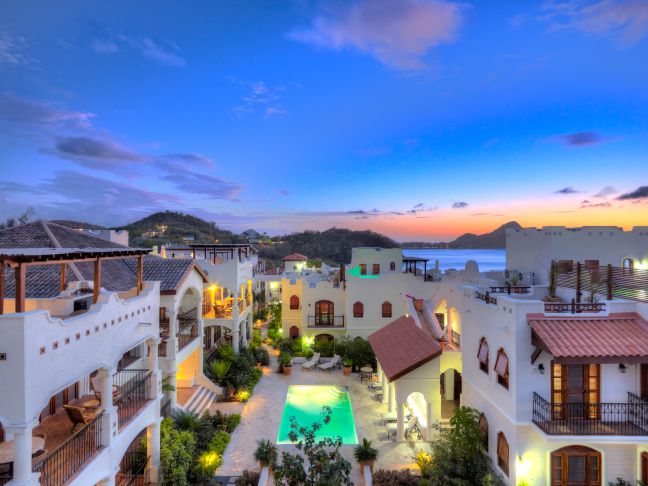
A verdant, mountainous island halfway between Martinique and St. Vincent, Saint Lucia has evolved into one of the Caribbean's most popular vacation destinations—particularly for honeymooners and other romantics enticed by the island's striking natural beauty, its many splendid resorts and appealing inns, and its welcoming atmosphere.
The capital city of Castries and nearby villages in the northwest are home to 40% of the nearly 182,000 Saint Lucians. This area, Cap Estate and Rodney Bay Village (farther north), Marigot Bay (just south of the capital), and Soufrière (southwestern coast) are the destinations of most vacationers. In central and southwestern areas, dense rain forest, jungle-covered mountains, and vast banana plantations dominate the landscape. A tortuous road follows...
Read MoreA verdant, mountainous island halfway between Martinique and St. Vincent, Saint Lucia has evolved into one of the Caribbean's most popular vacation destinations—particularly for honeymooners and other romantics enticed by the island's striking natural beauty, its many splendid resorts and appealing inns, and its welcoming atmosphere.
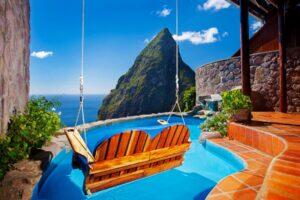
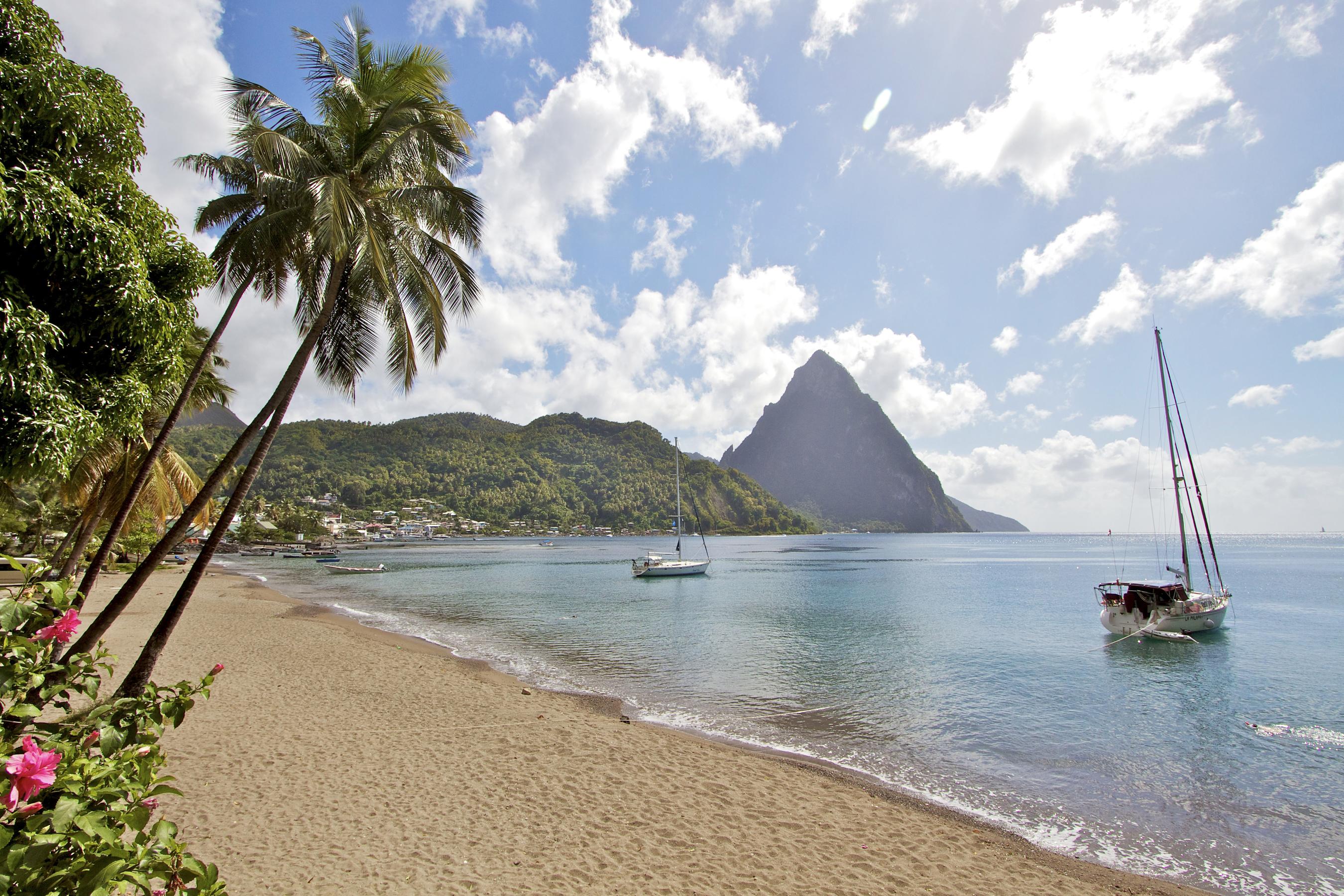
The capital city of Castries and nearby villages in the northwest are home to 40% of the nearly 182,000 Saint Lucians. This area, Cap Estate and Rodney Bay Village (farther north), Marigot Bay (just south of the capital), and Soufrière (southwestern coast) are the destinations of most vacationers. In central and southwestern areas, dense rain forest, jungle-covered mountains, and vast banana plantations dominate the landscape. A tortuous road follows most of the coastline, bisecting small villages, cutting through mountains, and passing fertile valleys. Petit Piton and Gros Piton, unusual twin peaks that anchor the southwestern coast and rise up to 2,600 feet, are familiar landmarks for sailors and aviators, as well as a UNESCO World Heritage Site. Divers are attracted to the reefs in the National Marine Reserve between the Pitons and extending north past Soufrière, the capital during French colonial times. Most of the natural tourist attractions are in this area, along with several fine resorts and inns.
The pirate François Le Clerc, nicknamed Jambe de Bois (Wooden Leg) for obvious reasons, was the first European "settler." In the late 16th century, Le Clerc holed up on Pigeon Island, just off Saint Lucia's northernmost point, using it as a staging ground for attacking passing ships. Now, Pigeon Island National Landmark is a public park connected by a causeway to the mainland; Sandals Grande Saint Lucian Spa & Beach Resort, one of the largest resorts in Saint Lucia, and the Landings Resort & Spa, a luxury villa community, sprawl along that causeway. Another Sandals, the fourth on Saint Lucia, is expected to open in this same area in 2022.
Like most of its Caribbean neighbors, Saint Lucia was first inhabited by Arawaks and then the Carib people. British settlers attempted to colonize the island twice in the early 1600s, but it wasn't until 1651, after the French West India Company suppressed the local Caribs, that Europeans gained a foothold. For 150 years, battles between the French and the British over the island were frequent, with a dizzying 14 changes in power before the British finally took possession in 1814. The Europeans established sugar plantations, using enslaved people from West Africa to work the fields. By 1838, when the enslaved people were finally emancipated, more than 90% of the population was of African descent—roughly the same proportion as today.
On February 22, 1979, Saint Lucia became an independent state within the British Commonwealth of Nations, with a resident governor-general appointed by the Queen. Still, the island appears to have retained more relics of French influence—notably the island’s patois, cuisine, village names, and surnames—than of the British. Most likely, that's because the British contribution primarily involved the English language, the educational and legal systems, and the political structure, whereas the French culture historically had more influence on the arts—culinary, dance, and music.
The island becomes especially tuneful for 10 days every May, when the Saint Lucia Jazz & Arts Festival welcomes renowned international musicians who perform for enthusiastic fans at Pigeon Island National Landmark and other island venues. Saint Lucians love jazz—and, interestingly, country music—while the beat of Caribbean music also resonates throughout the island.

Recommended Fodor’s Video