



Coming across broken equipment on a flight, whether a seat back screen or reading light, can be unnerving, but does it point to a larger mechanical issue with the plane?
While flights typically run smoothly and everything is in working order, that’s not always the case.
On a Delta flight from Atlanta to Chicago, passengers heard “loud banging sounds” followed by part of the ceiling falling out of place, exposing wires. On a United flight from San Francisco to Tokyo, water started leaking out of the ceiling. Both flights were diverted and landed safely.
More recently, a passenger posted a video purportedly showing several issues with an Air India plane. “Nothing’s working,” the passenger says in the video. The man explains that the air conditioning on the plane is broken. He then records himself trying to use an overhead light, a button to call the crew, and the touchscreen in-flight entertainment system–none of which are functioning properly. Typically, this wouldn’t be notable. However, the man claims he made the video on the ill-fated Air India plane that crashed, killing almost everyone on board, when he took a flight on the same plane earlier in the day.
Did all of these broken components indicate an underlying safety issue with the plane, as the man implies? Or were they simply an annoyance? We asked two aviation experts what they thought.

Recommended Fodor’s Video
Are Broken Seatback Screens or Reading Lights a Sign of a Bigger Problem?
Passengers sometimes settle into their flight only to find that their seatback screen isn’t working or their reading light won’t turn on. There is almost an endless list of things that might go wrong on a flight.
“Sometimes a lavatory may be out of service, the wi-fi might not work, or a galley oven may stop functioning,” says Guðmundur Tómas Sigurðsson, vice president of flight operations for Icelandair. However, he explains that these are all “minor inconveniences” related to comfort and don’t indicate underlying problems with the plane that could affect safety.
Justin Crabbe, a commercial pilot and CEO and founder of private jet rental company Jettly, explains that airlines design their “comfort systems” to operate separately from essential safety systems. This design is intentional, so electrical issues with the entertainment system or lighting won’t affect flight safety, he explains.
“These kinds of minor faults can occur from normal wear and tear, but they have no impact on the aircraft’s ability to fly safely,” Sigurðsson explains.
Moreover, broken comfort items don’t mean that the airline is slacking on inspections.
“Airlines can delay repairs for these problems without needing to ground the aircraft,” Crabbe explains. Delayed and canceled flights are typically a bigger inconvenience for passengers than a broken seatback screen, so it may make sense for an airline to defer some maintenance that does not impact flight safety. It doesn’t mean they aren’t aware of the issues, and they probably have a plan to fix them at a time that will minimize disruptions to passengers.
Should You Worry if You Hear Odd Sounds on a Flight?
The sounds the plane makes during a flight might be disconcerting to some passengers. However, Sigurðsson explains that it’s perfectly normal for an aircraft to make various sounds during a flight.
“You might hear the landing gear extending, the flaps adjusting, or the engines changing tone during climb or descent,” he says. Crabbe adds that during turbulence, passengers may even hear the plane creaking as it flexes. While passengers unfamiliar with planes might worry about these noises, they “are all expected parts of normal flight operations,” Sigurðsson explains.
Nevertheless, Crabbe says that “grinding or scraping noises from mechanical parts” or “intermittent bangs or thumps” could be problematic. However, it can be difficult for passengers to tell the difference between sounds that could indicate an issue with the plane and sounds that are a regular part of flight operations. If you aren’t sure, Crabbe says it’s a good idea to alert the cabin crew.
“The crew can then decide if the sounds are normal or need to be checked out,” he says. If there is a sound that reverberates throughout the plane, Crabbe advises passengers to watch the crew’s reactions. “Flight attendants and pilots can spot unusual sounds fast. They will act fast if needed,” he says.
When Should Passengers Alert the Crew?
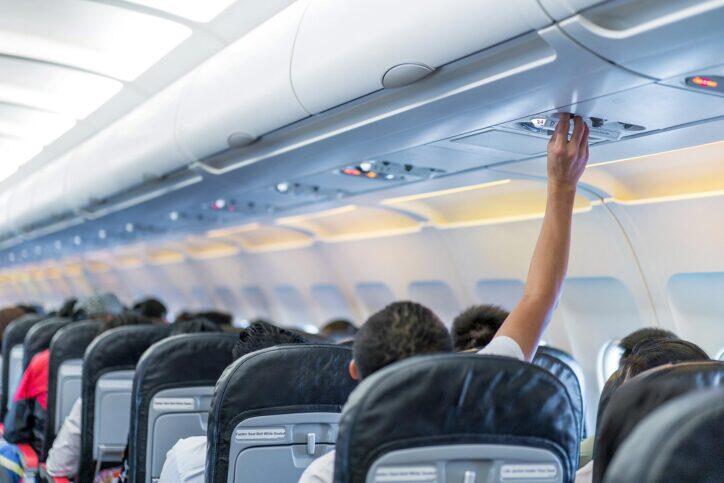
Sigurðsson emphasizes that “anything that looks or feels unusual and could relate to safety should be reported without hesitation.” If passengers see smoke, smell a strong burning smell, or notice fluid leaking from the aircraft before takeoff, they should alert a member of the crew immediately, he says. Although it’s rare, Sigurðsson says that visible ice buildup on the wings after de-icing procedures are thought to have been completed should also be reported. If passengers see fire, sparks, or broken windows, they should also report those to the crew right away, Crabbe says.
In addition to maintenance issues, Sigurðsson advises passengers to report any other safety-related concerns to the crew.
“Medical emergencies or threatening behavior should also be brought to the crew’s attention immediately,” he says. The cabin crew is trained to handle almost any safety-related issue, so “passengers should feel comfortable reporting anything that seems out of place,” he explains. “If you’re ever unsure, let the crew know,” Sigurðsson says.
How Do Airlines Ensure Planes Are Safe To Fly?
Aircraft are thoroughly checked before every flight, Sigurðsson says. If something that affects safety is discovered, the airline will address it before the flight departs, he says. Airline crews train intensively to identify both minor issues and serious hazards that require attention, Crabbe says.
Moreover, aviation maintenance is governed by strict rules, he explains. “Equipment that is necessary for flights is the focus of mandatory inspections,” Crabbe says. He explains that airlines must inspect their engines, flight controls, navigation systems, and other vital equipment on a regular basis.
“The FAA and other regulatory bodies require airlines to keep detailed maintenance logs,” so it’s nearly impossible for airlines to slack on these inspections, he explains.
In the unlikely event that something goes wrong mid-flight, Sigurðsson explains that planes are equipped to continue flying safely.
“Any system or component that plays a critical role in the safe operation of the aircraft is designed with multiple layers of redundancy,” he says. “That means there are always backups in place to ensure the aircraft remains safe and fully capable, even if one system were to experience a fault,” he says.
Would the Crew Inform Passengers if Something is Wrong?
Nervous passengers sometimes wonder if they are in danger. This happens most often when a plane flies through turbulence, which Sigurðsson explains is very common and something aircraft are built to handle safely. However, if anything serious were to go wrong, “the crew would inform passengers and act immediately,” he says.
Is It Okay to Ask the Cabin Crew About a Safety Concern?
“If something feels off, it’s always okay to ask. The crew is there to support you,” Sigurðsson says. Crabbe agrees that when it comes to flight safety, it’s better to err on the side of caution.
“If passengers are unsure about how serious an issue is, they should play it safe and tell the flight crew,” he advises.