


Undiscovered Italy: Abruzzo & Molise (and some Lazio), May 2025
 May 31st, 2025 | 04:31 AM
#1
Original Poster

Joined: Oct 2005
Posts: 967
Likes: 28
Undiscovered Italy: Abruzzo & Molise (and some Lazio), May 2025
Italy is addictive. We find ourselves drawn back to the country year after year. However, it never ceases to amaze me how every trip feels unique, given the rich diversity in landscape, culture, architecture, and cuisine offered by every micro-region. One area that has eluded us so far is Abruzzo and Molise. This region, nestled east of Lazio and sandwiched between Le Marche and Puglia is remote, largely undiscovered and inexplicably under-visited – which is a real draw for us. All the magic of Italy, minus the crowds.
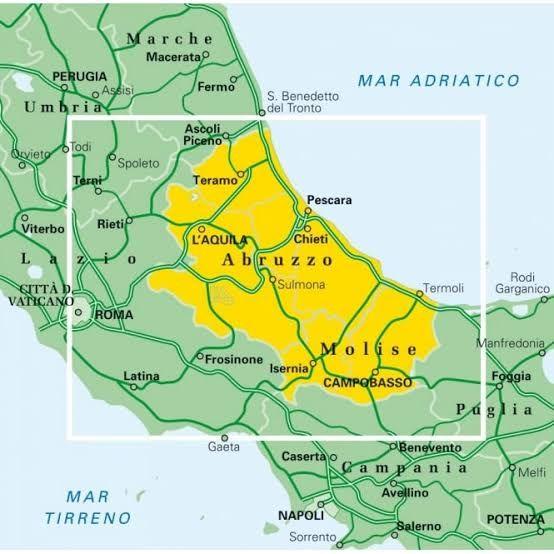
This summer, we made it a priority to fill that gap. We snagged a competitive airfare to and from Rome, which makes for a logical start and end point for such an itinerary. We spent almost 3 weeks :
I will try and post regularly, to complete this report in the next few weeks. I hope this will be helpful- especially to those contemplating a future trip, as coverage of these areas in both guidebooks and online resources is limited.
This summer, we made it a priority to fill that gap. We snagged a competitive airfare to and from Rome, which makes for a logical start and end point for such an itinerary. We spent almost 3 weeks :
meandering through a bit of Lazio at the start (basing in Viterbo, Rieti) and end (Castel Gandolfo, and of course Rome)
immersing ourselves into the heart of Abruzzo (majority of this holiday, across multiple bases) and Molise (basing in Termoli and Isernia) as the core of our itinerary
As most of you know, we are active, fast-paced travellers, so this will reflect in our itinerary and momentum.I will try and post regularly, to complete this report in the next few weeks. I hope this will be helpful- especially to those contemplating a future trip, as coverage of these areas in both guidebooks and online resources is limited.
 May 31st, 2025 | 05:06 AM
#2

Joined: Jun 2017
Posts: 2,058
Likes: 0
That's a large geographic area. Six provinces I think. Much of the interior is also slower driving. The coastal areas are quick easy drives but in land you'll spend longer than you expect driving.
I can't remember the SS near Isneria but at a few spots it'll be over 1000 metres of altitude and you'll almost feel like you're in the mountains.
The Molise hasn't been part of Abruzzo in more than sixty years and in the years prior parts of the region has been associated with various regions. Southern Lazio and western Molise along with northern Campania I think that's the old region of lavoro
I can't remember the SS near Isneria but at a few spots it'll be over 1000 metres of altitude and you'll almost feel like you're in the mountains.
The Molise hasn't been part of Abruzzo in more than sixty years and in the years prior parts of the region has been associated with various regions. Southern Lazio and western Molise along with northern Campania I think that's the old region of lavoro
May 31st, 2025 | 05:34 AM
#4
Original Poster
Joined: Oct 2005
Posts: 967
Likes: 28
Day 1 : Viterbo
We landed into Rome this afternoon. Following a quick baggage retrieval, we dashed to the car rental centre at the Fiumincino airport (confusing to find, despite the signage). We had reserved an intermediate category SUV with Hertz/Dollar via AutoEurope and received a brand new Ford Kuga. Interestingly, this is the first time we have ever been asked for our International Driving Permit (I always carry one). We exited the airport easily, hitting the GRA encircling Rome, before heading north on the SS2 to Viterbo. After parking outside the Viterbo walls near Porta San Pietro (our GPS had us circling for a while), we checked into our B&B and rested till the light rainshowers had passed.
Viterbo located about 80 kilometers north of Rome, is an often-overlooked gem in Lazio. With a rich medieval heritage, Viterbo boasts well-preserved architecture, including the impressive Papal Palace.
We enjoyed our stroll through Viterbo, discovering its many delights including
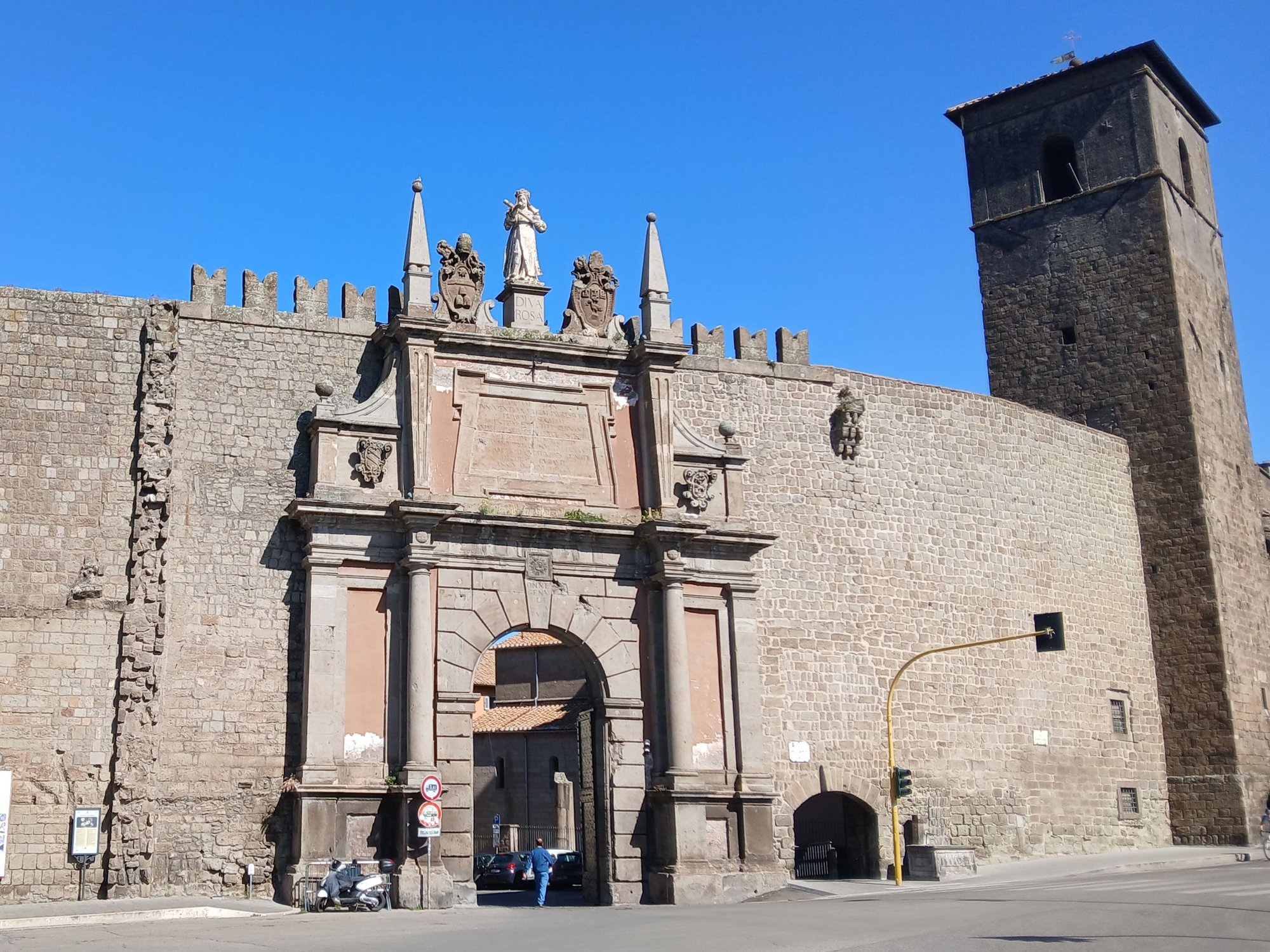
... preserved medieval walls with its old gates

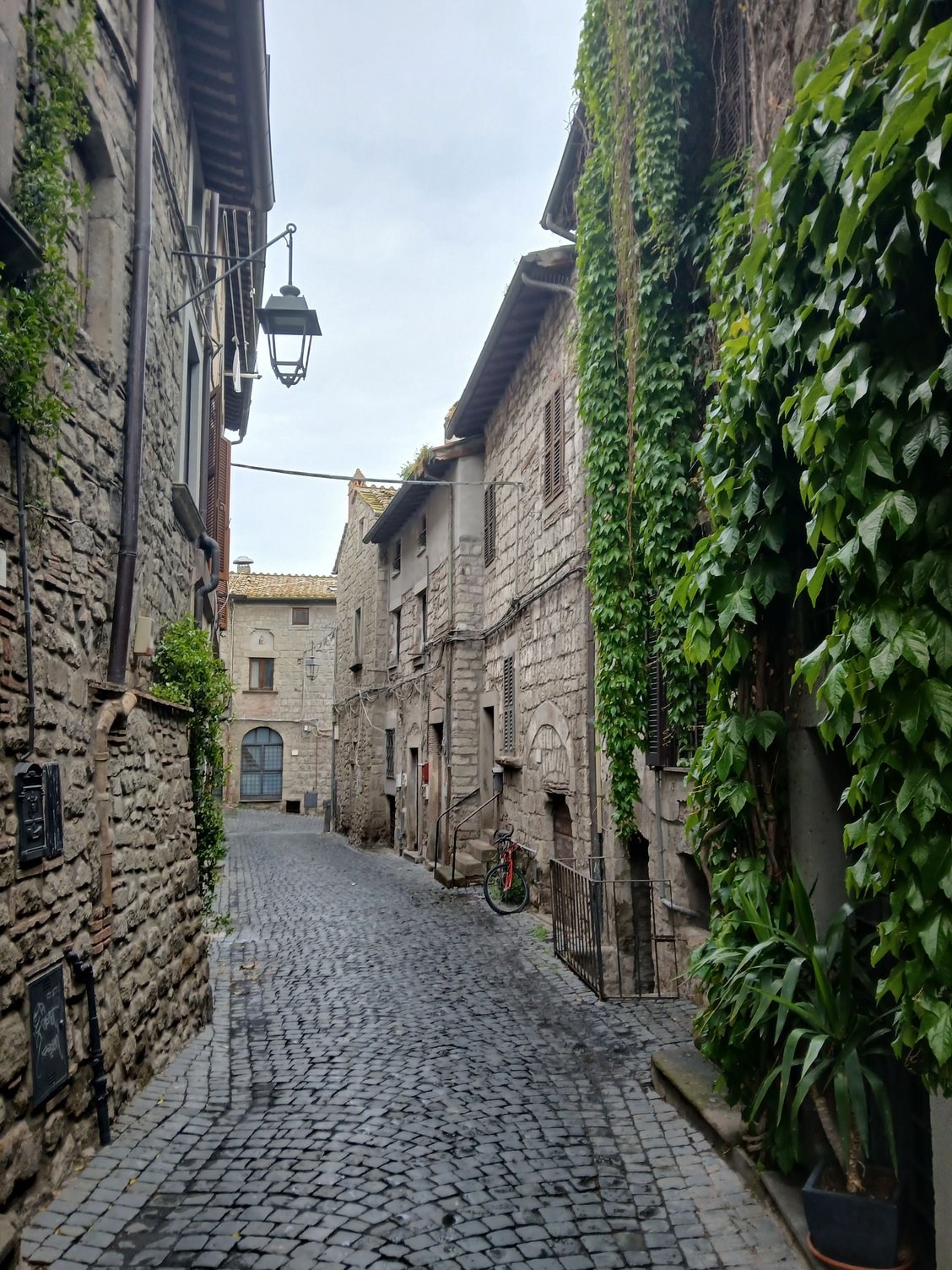
.. charming narrow streets and arched walkways in and around the pedestrianised centre


…. often stumbling upon beautiful, unexpected viewpoints


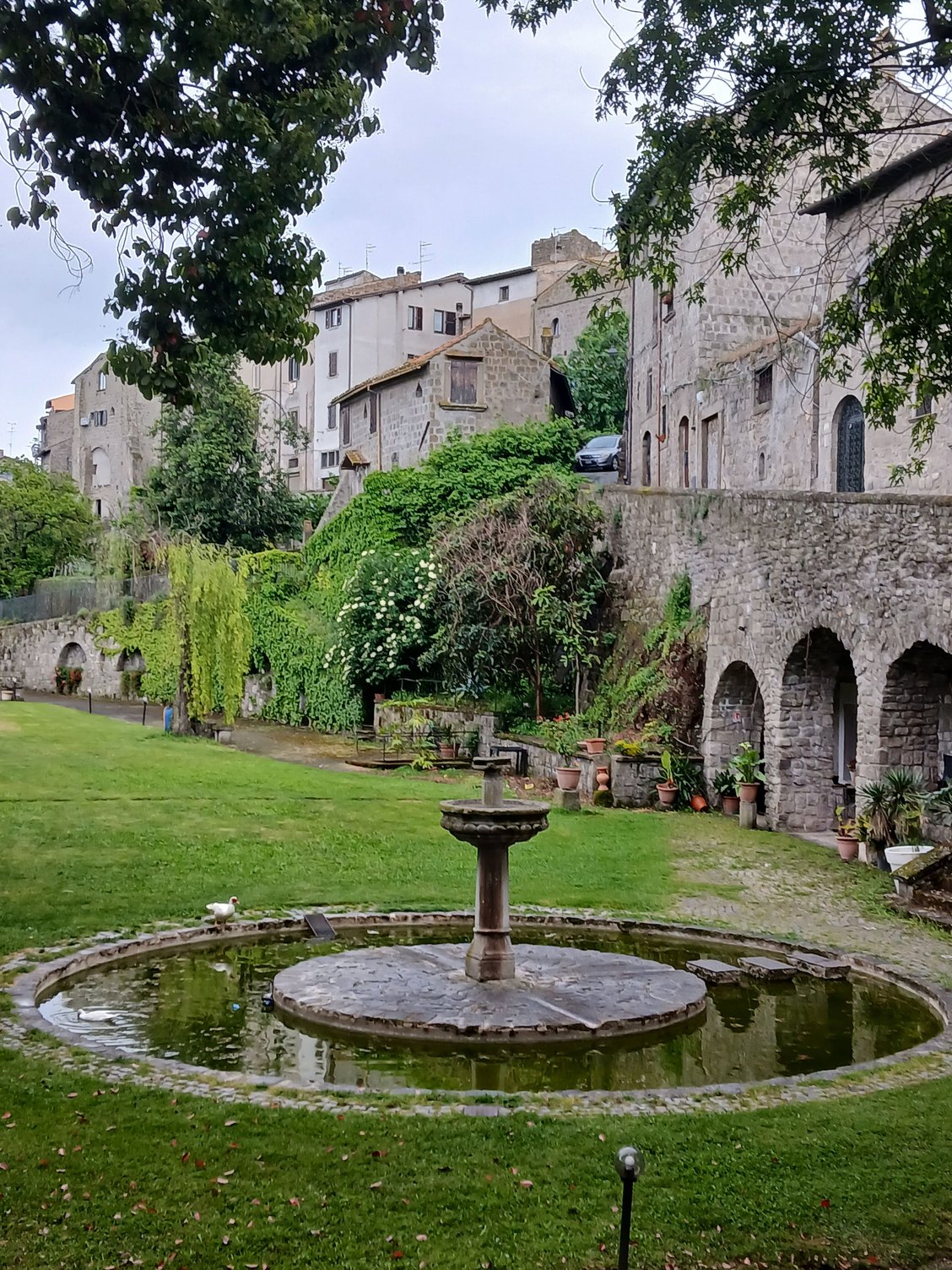
… and countless fountains and piazzas


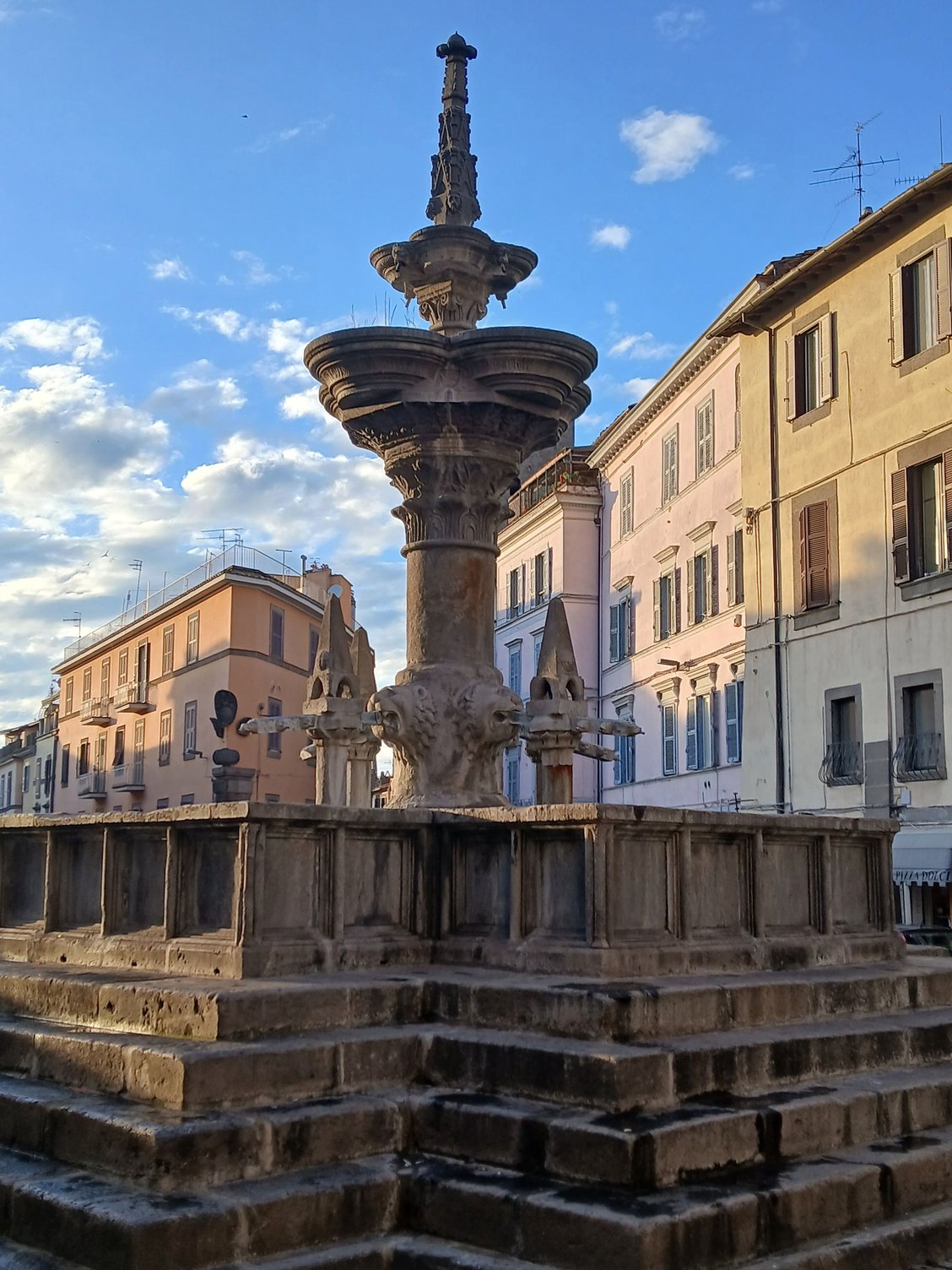
Viterbo was a surprise package, as memorable as our prior visits to some of its Etruscan peers like Sorano and Orvieto.
The pinsa at the friendly, low-key and very popular La Pinseria deserves a mention - incredible crust, with a wide range of delicious toppings. We called it an early night.

Viterbo located about 80 kilometers north of Rome, is an often-overlooked gem in Lazio. With a rich medieval heritage, Viterbo boasts well-preserved architecture, including the impressive Papal Palace.
We enjoyed our stroll through Viterbo, discovering its many delights including
... preserved medieval walls with its old gates
.. charming narrow streets and arched walkways in and around the pedestrianised centre
…. often stumbling upon beautiful, unexpected viewpoints
… and countless fountains and piazzas
Viterbo was a surprise package, as memorable as our prior visits to some of its Etruscan peers like Sorano and Orvieto.
The pinsa at the friendly, low-key and very popular La Pinseria deserves a mention - incredible crust, with a wide range of delicious toppings. We called it an early night.

 May 31st, 2025 | 06:21 AM
#7
Original Poster
Joined: Oct 2005
Posts: 967
Likes: 28
Day 2 : Viterbo
After a sumptuous breakfast, we set out to visit the Palace of the Popes. Viterbo is often referred to as the "City of Popes" due to its role as the papal residence during the 13th century.
We bought our tickets at the Museo Colle del Duomo, and began there, following the suggested routemap. We entered through a garden displaying various relics from Etruscan and Roman times.

The museum itself had many paintings including those of Santa Rosa (we saw the sanctuary the previous day) and San Lorenzo (to whom the next door cathedral is dedicated). They also had an interesting collection of relinquaries and robes of former Popes on the 2nd floor.
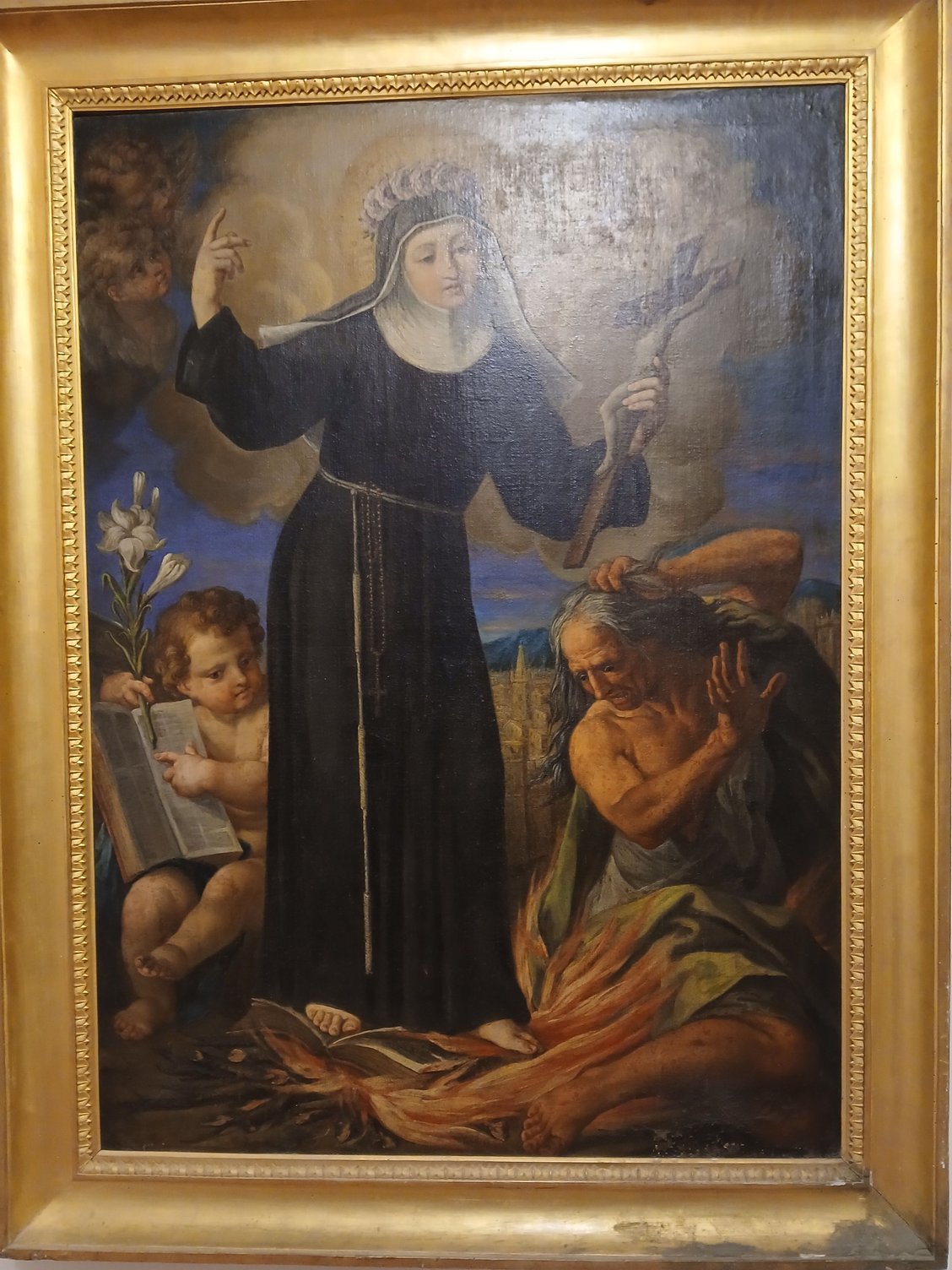
Santa Rosa

St Lorenzo & St Stefano

Museum exhibits

Papal robes
We then proceeded to the Cathedral of San Lorenzo next door. The cathedral was built in the 12th century, but has undergone multiple reconstructions since. The Sacristy with its ornate ceiling and Chapel of Santa Lucia were the highlights for us.

View of cathedral from piazza

Inside the cathedral
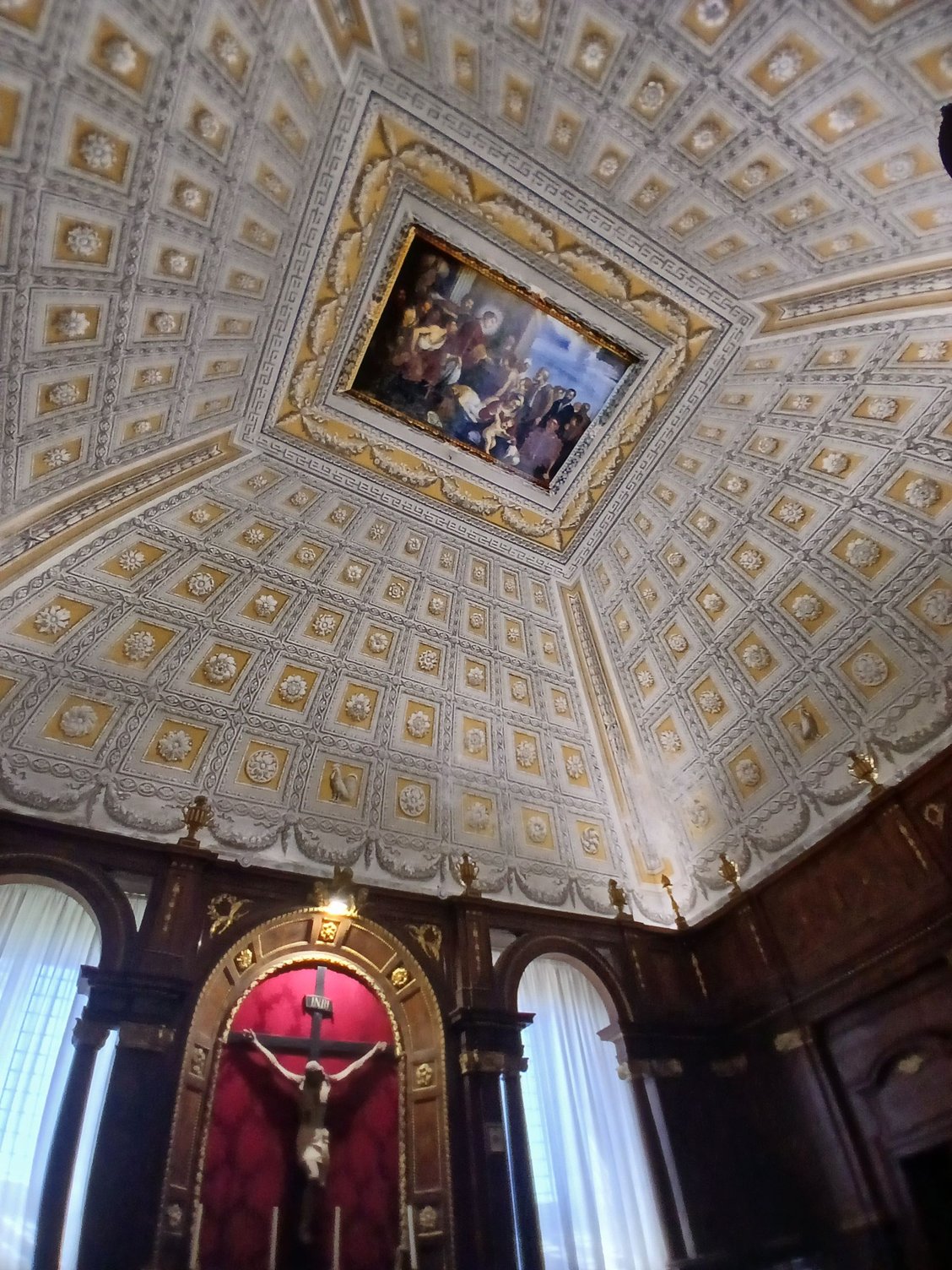
The ceiling of the Sacristy

The beautiful chapel
Our final stop on the circuit was the Papal Palace itself.

View of palace from the piazza
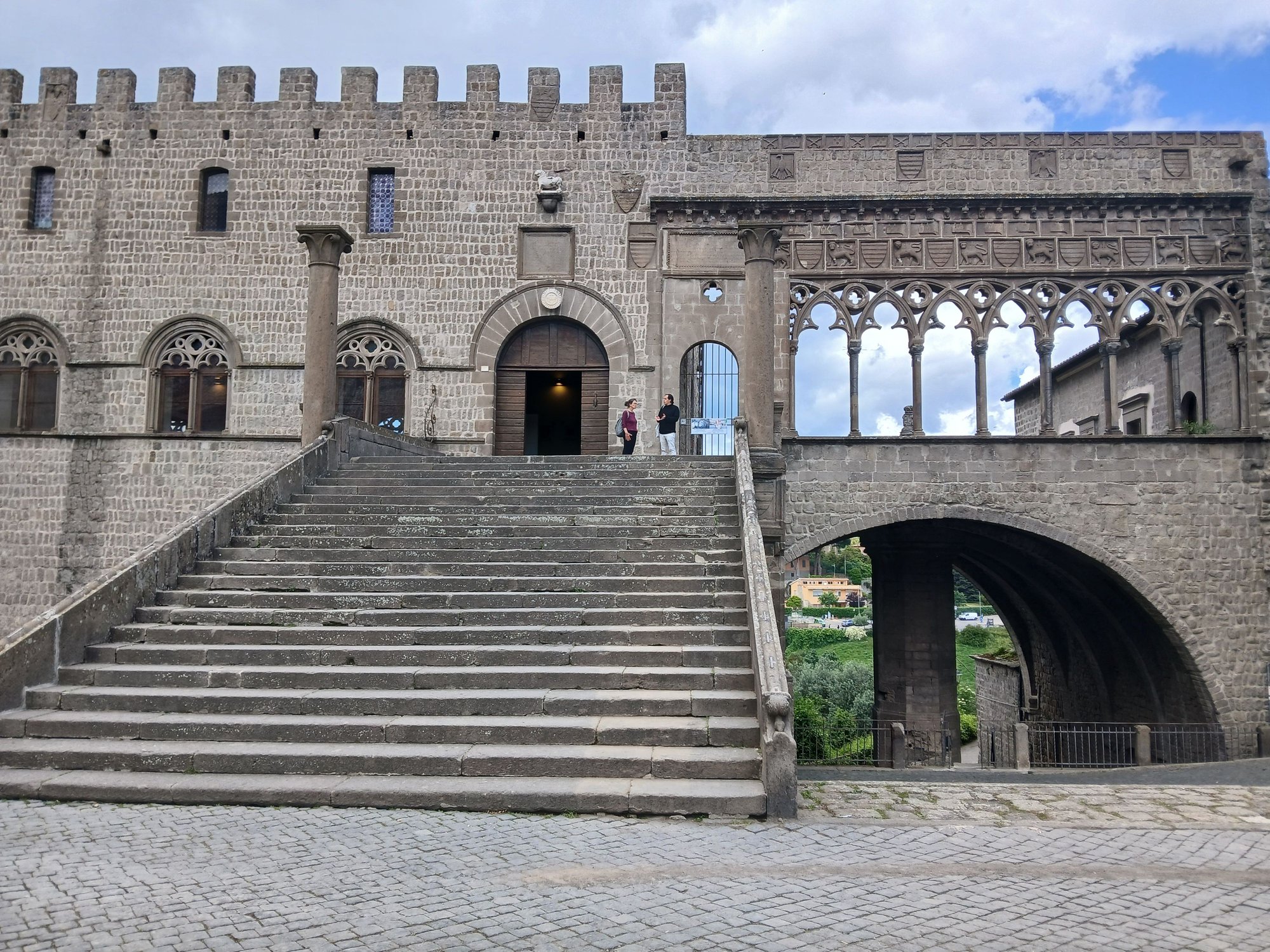
View of palace from the piazza
We entered the venue of the first (and longest) papal conclave. We then headed into the Gualterio Hall with the beautiful polyptich and script from the first conclave.

The main hall, venue of the first ever conclave

The Gualterio Hall
We finally stepped out onto the loggia (or whats left of it, the structure collapsed in the 14th century), from where former Popes have given blessings and delivered important announcements.

At the loggia
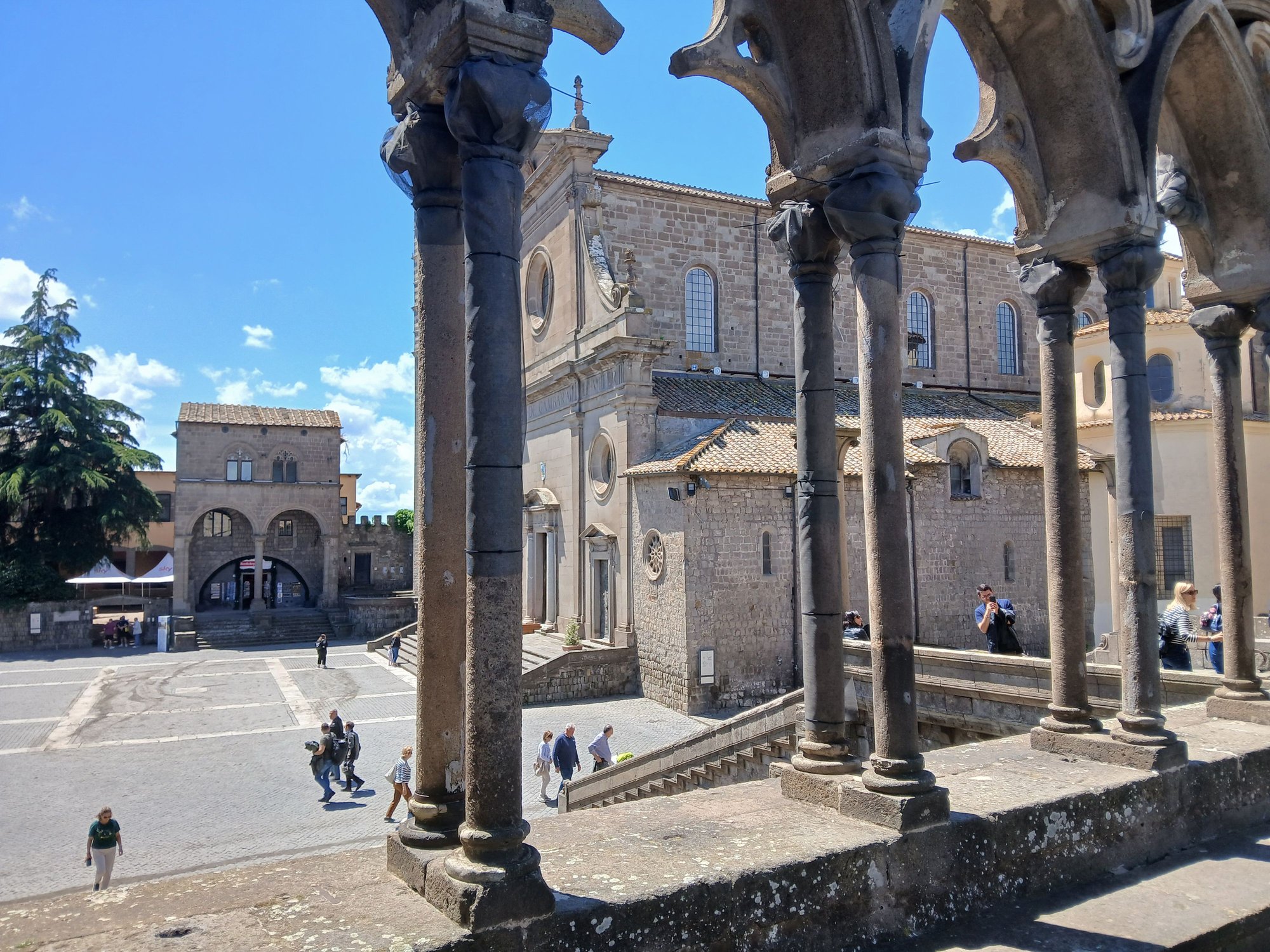
Views through the loggia arches

View of piazza including cathedral from the loggia

View from under the loggia
In the evening, we enjoyed walking around the medieval quarter of San Pellegrino, which remains well preserved despite the damage suffered by Viterbo during WW2.
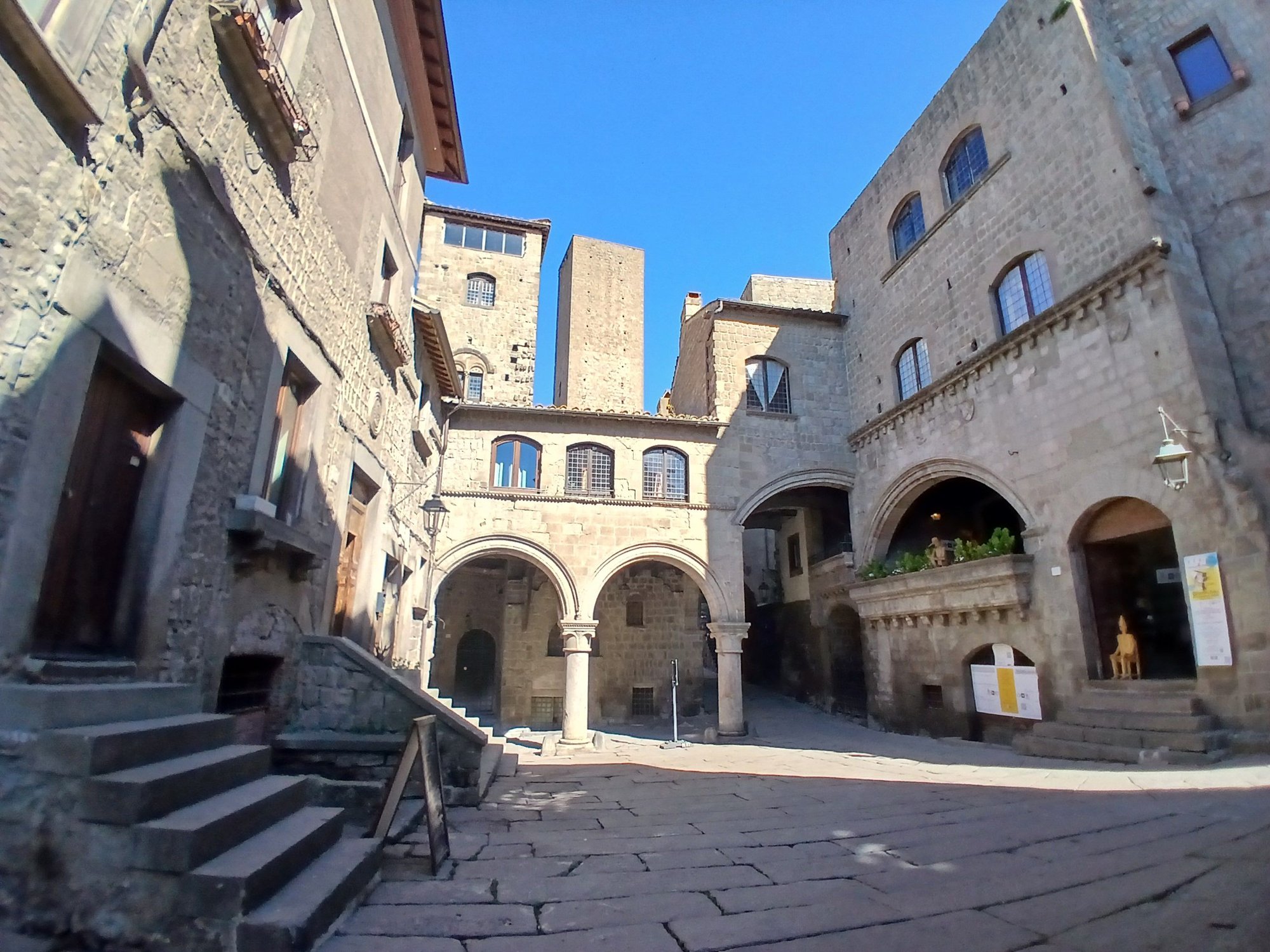

That evening, we were lucky to witness the oldest religious procession in Viterbo - the Festa del Santissimo Salvatore with a parade representing the medieval arts.

At the start of the procession
We caught up again with the procession when it concluded at Piazza del Plebiscito, after which everyone proceeded for mass at the nearby Santa Maria Nuova church, as per tradition.

Decorated oxen-pulled cart carrying the San Salvatore tryptych welcomed at Piazza del Plebiscito, marking the end of the processsion
The gelato at Ugo deserves a mention - the generous scoops of cuban rum, dark chocolate & nuts and crema di nonna - wow! - were a fitting end to our time in beautiful Viterbo.

Relative newcomer, now considered the best gelato in Viterbo !
We bought our tickets at the Museo Colle del Duomo, and began there, following the suggested routemap. We entered through a garden displaying various relics from Etruscan and Roman times.
The museum itself had many paintings including those of Santa Rosa (we saw the sanctuary the previous day) and San Lorenzo (to whom the next door cathedral is dedicated). They also had an interesting collection of relinquaries and robes of former Popes on the 2nd floor.
Santa Rosa
St Lorenzo & St Stefano
Museum exhibits
Papal robes
We then proceeded to the Cathedral of San Lorenzo next door. The cathedral was built in the 12th century, but has undergone multiple reconstructions since. The Sacristy with its ornate ceiling and Chapel of Santa Lucia were the highlights for us.
View of cathedral from piazza
Inside the cathedral
The ceiling of the Sacristy
The beautiful chapel
Our final stop on the circuit was the Papal Palace itself.
View of palace from the piazza
View of palace from the piazza
We entered the venue of the first (and longest) papal conclave. We then headed into the Gualterio Hall with the beautiful polyptich and script from the first conclave.
The main hall, venue of the first ever conclave
The Gualterio Hall
We finally stepped out onto the loggia (or whats left of it, the structure collapsed in the 14th century), from where former Popes have given blessings and delivered important announcements.
At the loggia
Views through the loggia arches
View of piazza including cathedral from the loggia
View from under the loggia
In the evening, we enjoyed walking around the medieval quarter of San Pellegrino, which remains well preserved despite the damage suffered by Viterbo during WW2.
That evening, we were lucky to witness the oldest religious procession in Viterbo - the Festa del Santissimo Salvatore with a parade representing the medieval arts.
At the start of the procession
We caught up again with the procession when it concluded at Piazza del Plebiscito, after which everyone proceeded for mass at the nearby Santa Maria Nuova church, as per tradition.
Decorated oxen-pulled cart carrying the San Salvatore tryptych welcomed at Piazza del Plebiscito, marking the end of the processsion
The gelato at Ugo deserves a mention - the generous scoops of cuban rum, dark chocolate & nuts and crema di nonna - wow! - were a fitting end to our time in beautiful Viterbo.
Relative newcomer, now considered the best gelato in Viterbo !
Trending Topics
 May 31st, 2025 | 02:18 PM
#10

Joined: May 2005
Posts: 25,398
Likes: 0
Another superb report from Anuj!!
I knew nothing about Vireo before reading this, and now I have yet another destination to put on my list for the future. Great photos!!
I'm excited that you are headed for Molise..will the influx of Fodor-ites mark this region as "the next Puglia??"
This is a t-shirt I bought in Termoli, in 2023. You all know the joke among Italians that "Molise is the region that does not exist!"
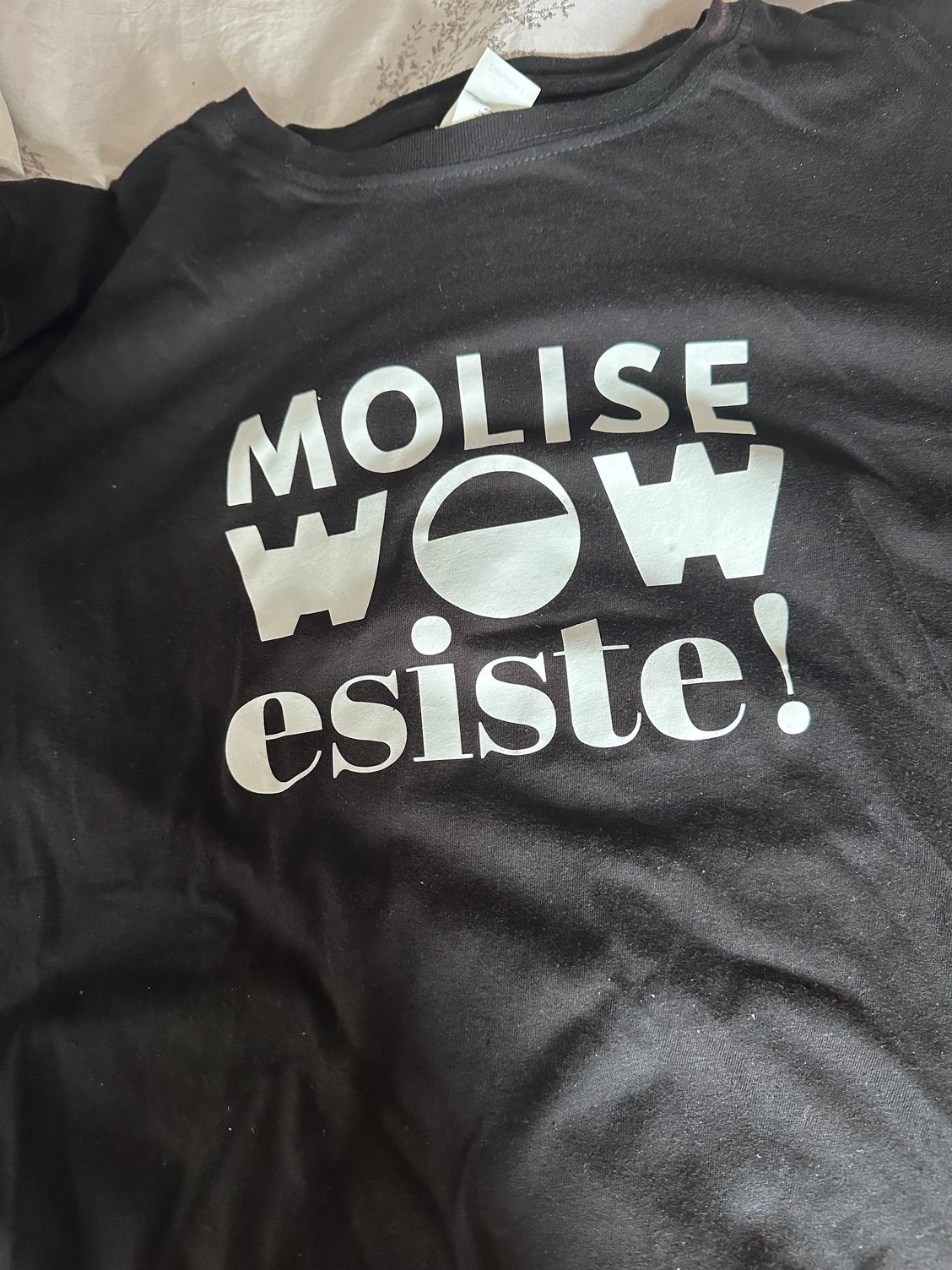
T-shirt, playing on the joke that the region of Molise "does not exist."
I knew nothing about Vireo before reading this, and now I have yet another destination to put on my list for the future. Great photos!!
I'm excited that you are headed for Molise..will the influx of Fodor-ites mark this region as "the next Puglia??"
This is a t-shirt I bought in Termoli, in 2023. You all know the joke among Italians that "Molise is the region that does not exist!"
T-shirt, playing on the joke that the region of Molise "does not exist."
May 31st, 2025 | 10:47 PM
#12
Original Poster
Joined: Oct 2005
Posts: 967
Likes: 28
Thank you for all the comments. It's not a very large region, though with limited time, we narrowed down our priorities - so we dropped Teramo and Pescara in Abruzzo and Campobasso in Molise. It is special because it is largely untouched and undervisited, and I hope it doesn't become another Puglia !
May 31st, 2025 | 11:26 PM
#13
Original Poster
Joined: Oct 2005
Posts: 967
Likes: 28
Day 3 : Rieti, with a minor umbrian detour
We last visited Umbria in 2018, but with limited time didn’t get a chance to veer south of Spoleto. We noticed our driving route to Rieti ran close to the cities of Narni and Amelia, which we had missed, and decided to make a small detour to incorporate visits to both.

Amelia is a tiny town with perfectly preserved walls, built from unusual polygonal blocks (i.e. not Roman built). We parked near the main gate Porta Romana and walked along the only street Via Della Repubblica, passing narrow alleys till the historic centre that sits on top of a limestone hill. A real workout for our legs! The views from the top were spectacular.

Approaching Amelia
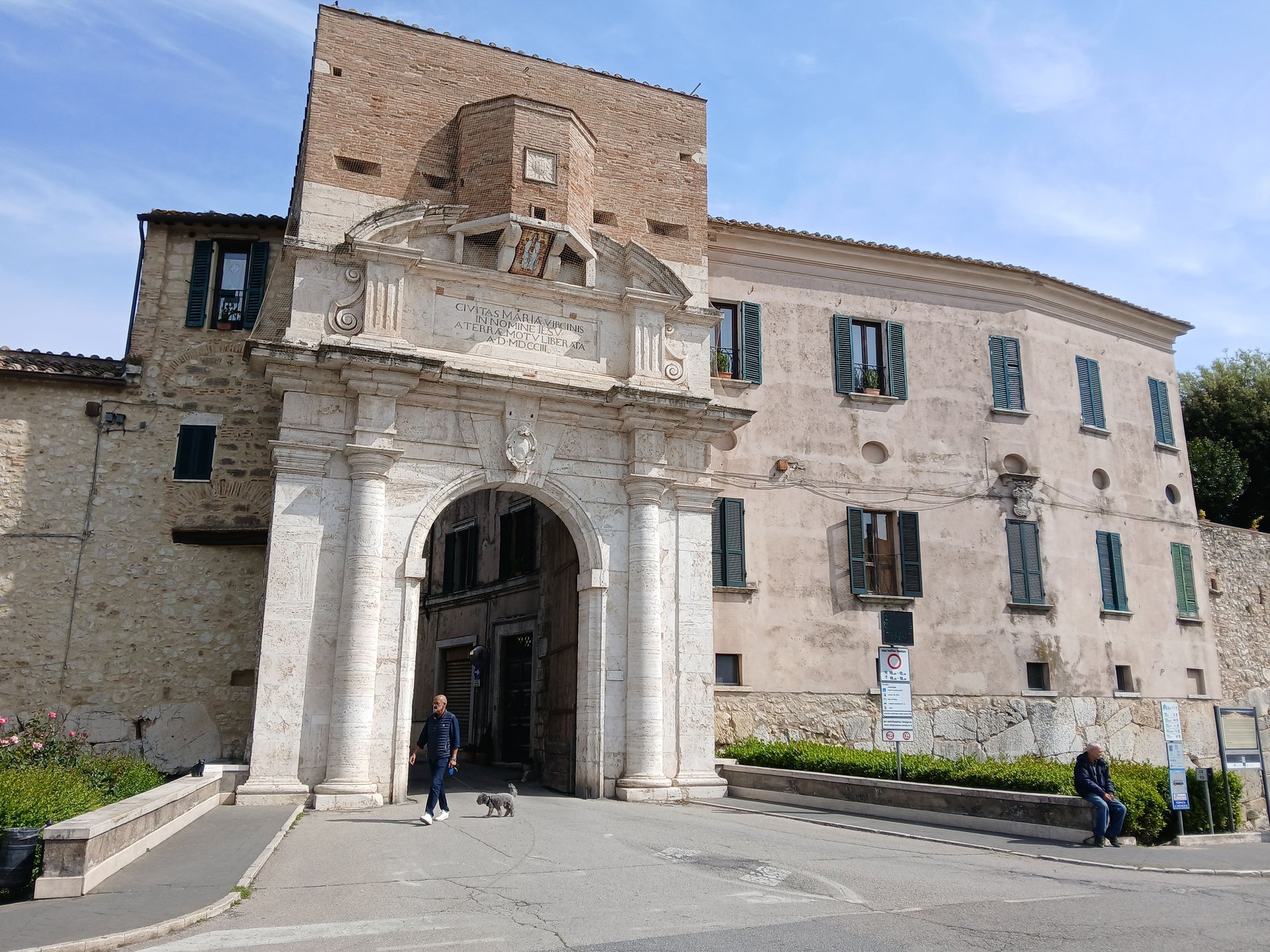
Porta Romana

Close-up of the walls
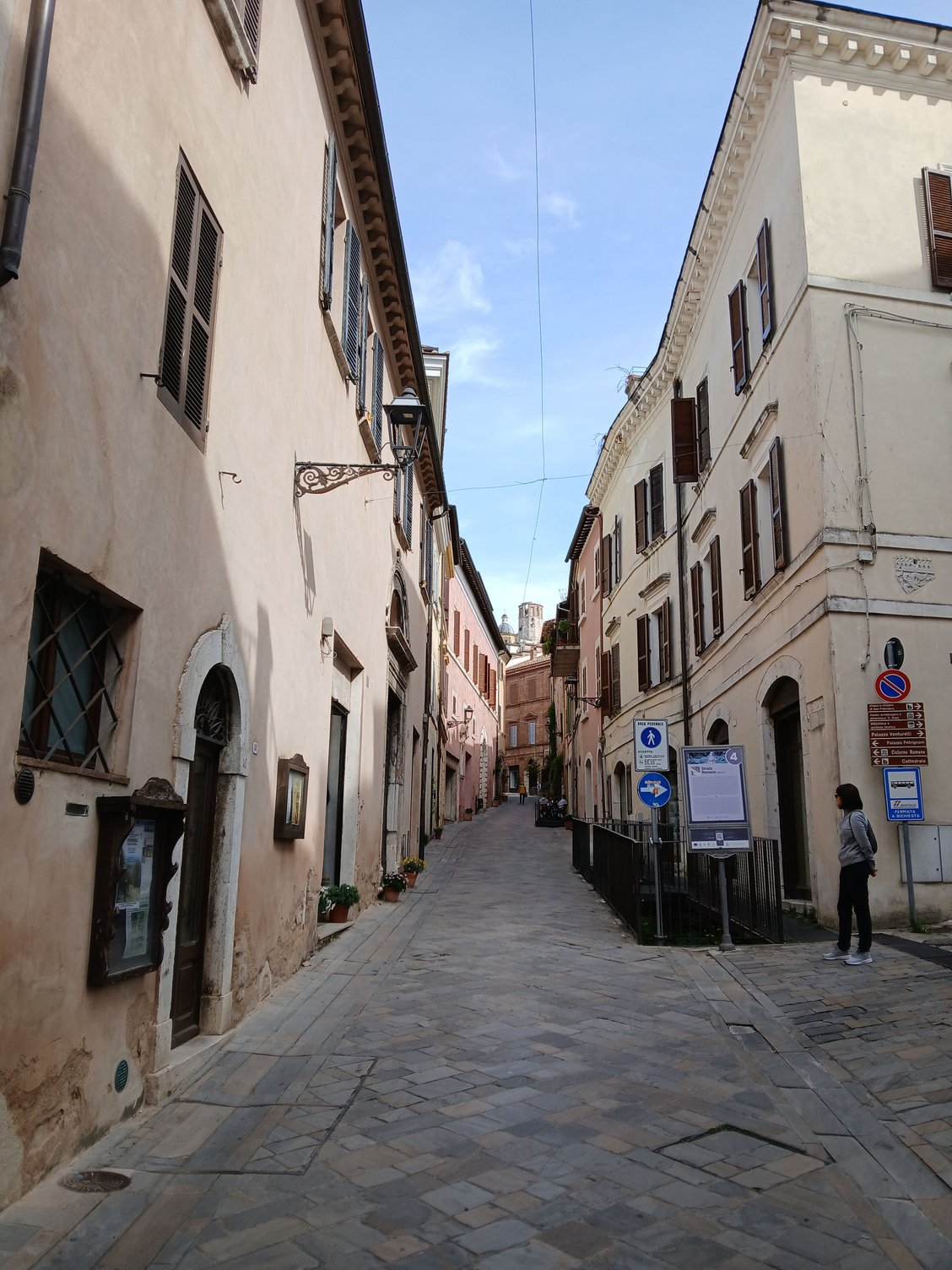
Along Via Romana

Narrow lanes along the way

At the top of the hill, by the church and tower
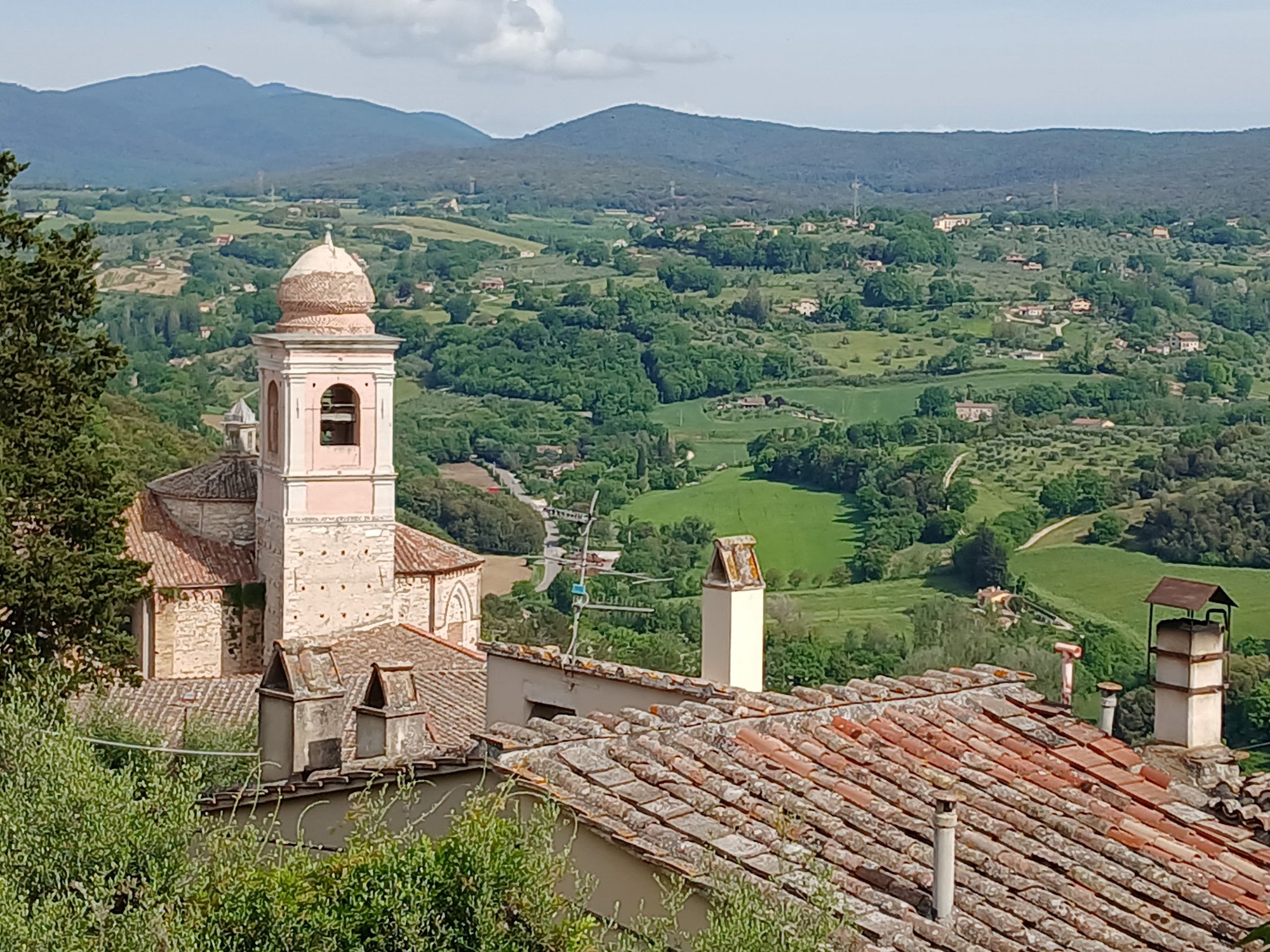
Views

Views
Narni is a classic perched town with its own fortress, but is older than it seems - evidence from nearby caves suggests it was already inhabited in the Neolithic age. Fun fact : the imaginary land of Narnia, described in C. S. Lewis' Chronicles of Narnia, was named after Narni after he discovered the name in an atlas as a child.
We parked at the Parchieggo Suffragio near the base of Narni, and used two sets of elevators to get to the Centro storico. We decided to first tackle the long, steep and strenuous trek to the Rocca and Belvedere to enjoy the sweeping views, before exploring the town itself.

View of the rocca
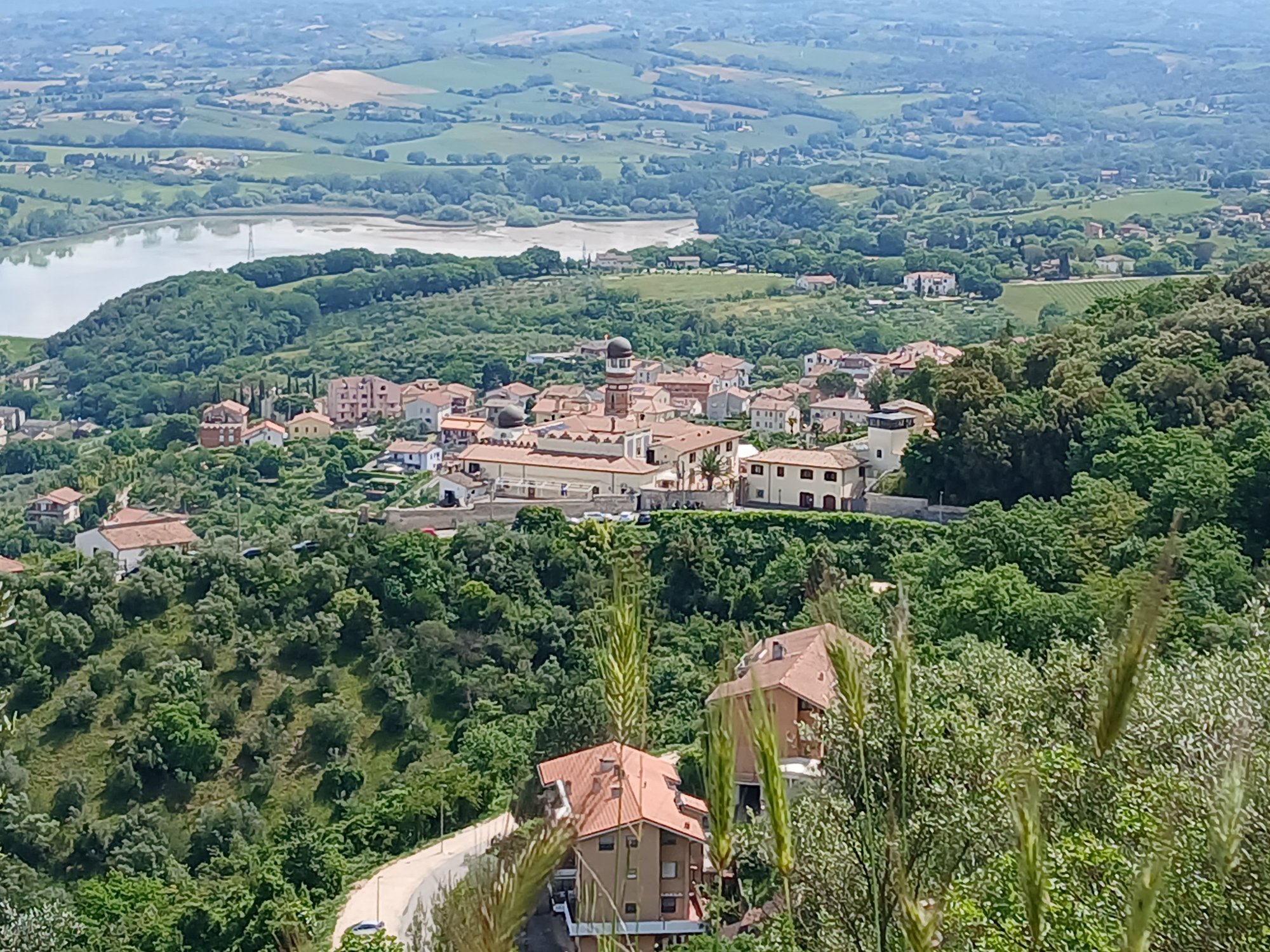
Views from rocca

Views from belvedere
After our descent from the rocca, we returned to the main square - Piazza Garibaldi, and the Cathedral.
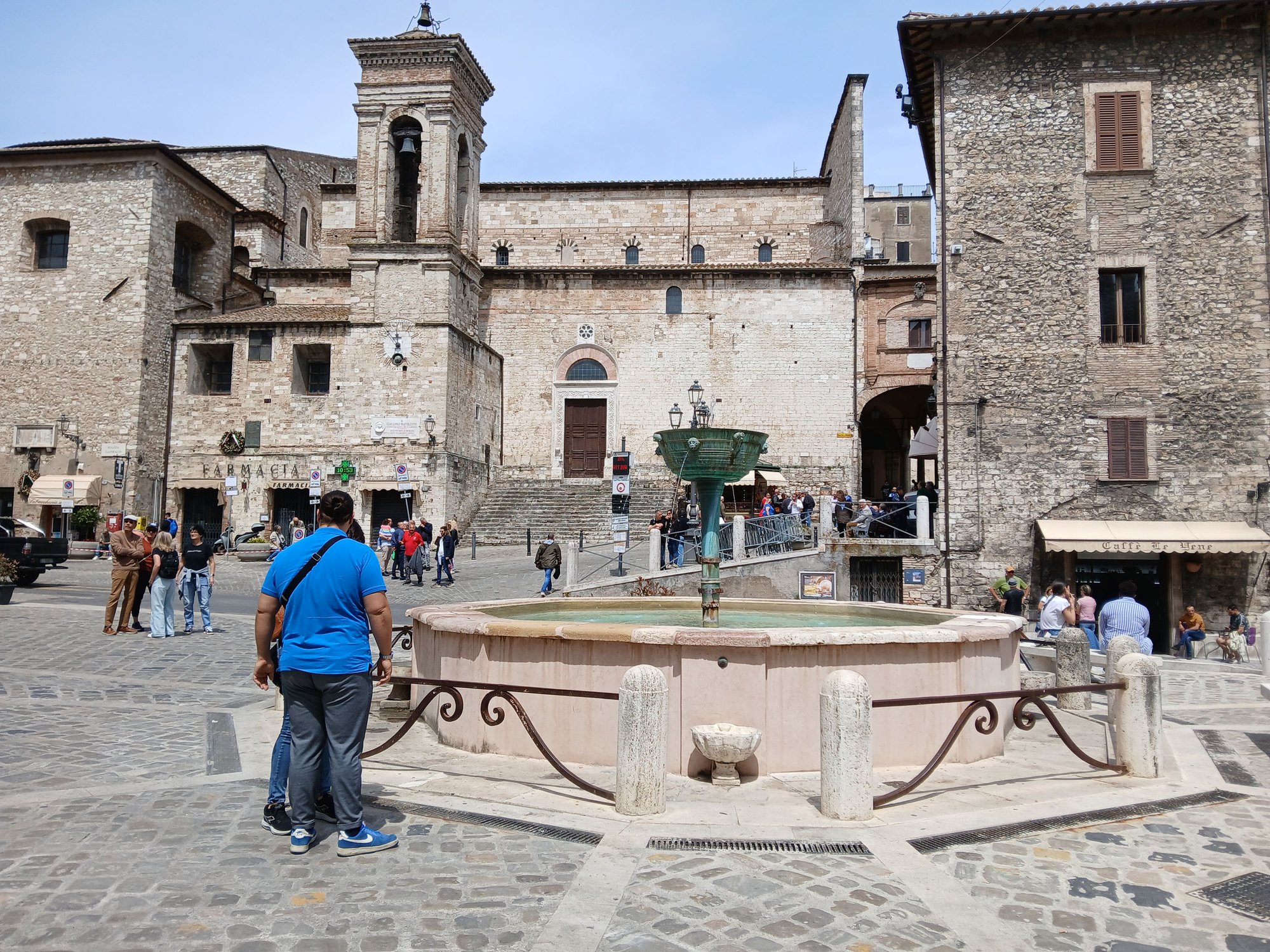
Piazza Garibaldi, Cathedral of San Giovenale in background
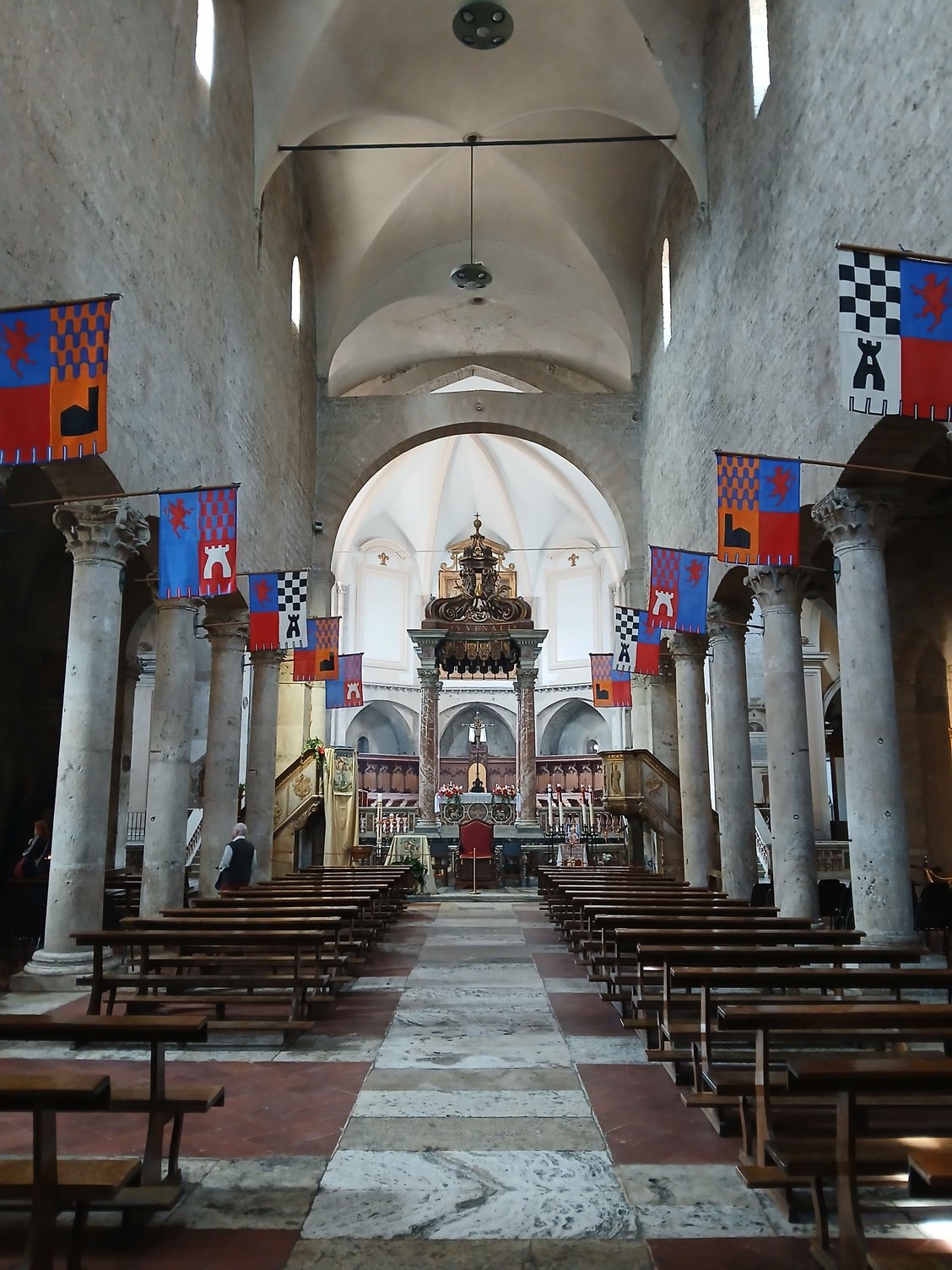
Inside the cathedral
We walked down the main pedestrian thoroughfare running through Narni to the other major square of Narni - Piazza dei Priori, flanked by a number of narrow lanes on either side.
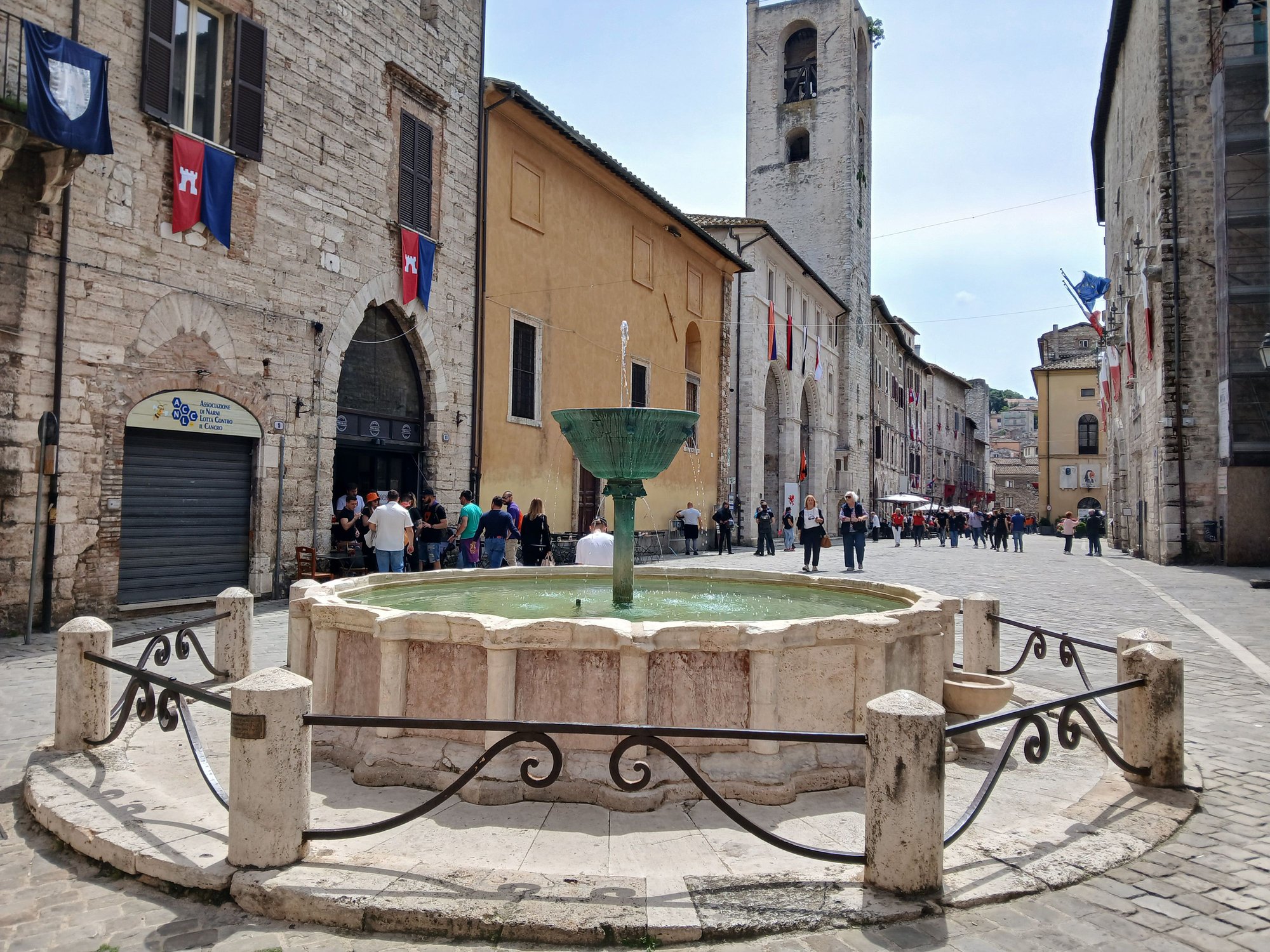
Piazza dei Priori

Narrow lanes of Narni

View of torre
We set off for Rieti - the route took us through the most number of (and perhaps longest) successive tunnels I've ever encountered while driving in Italy, given it's flanked by the Sabine Hills.
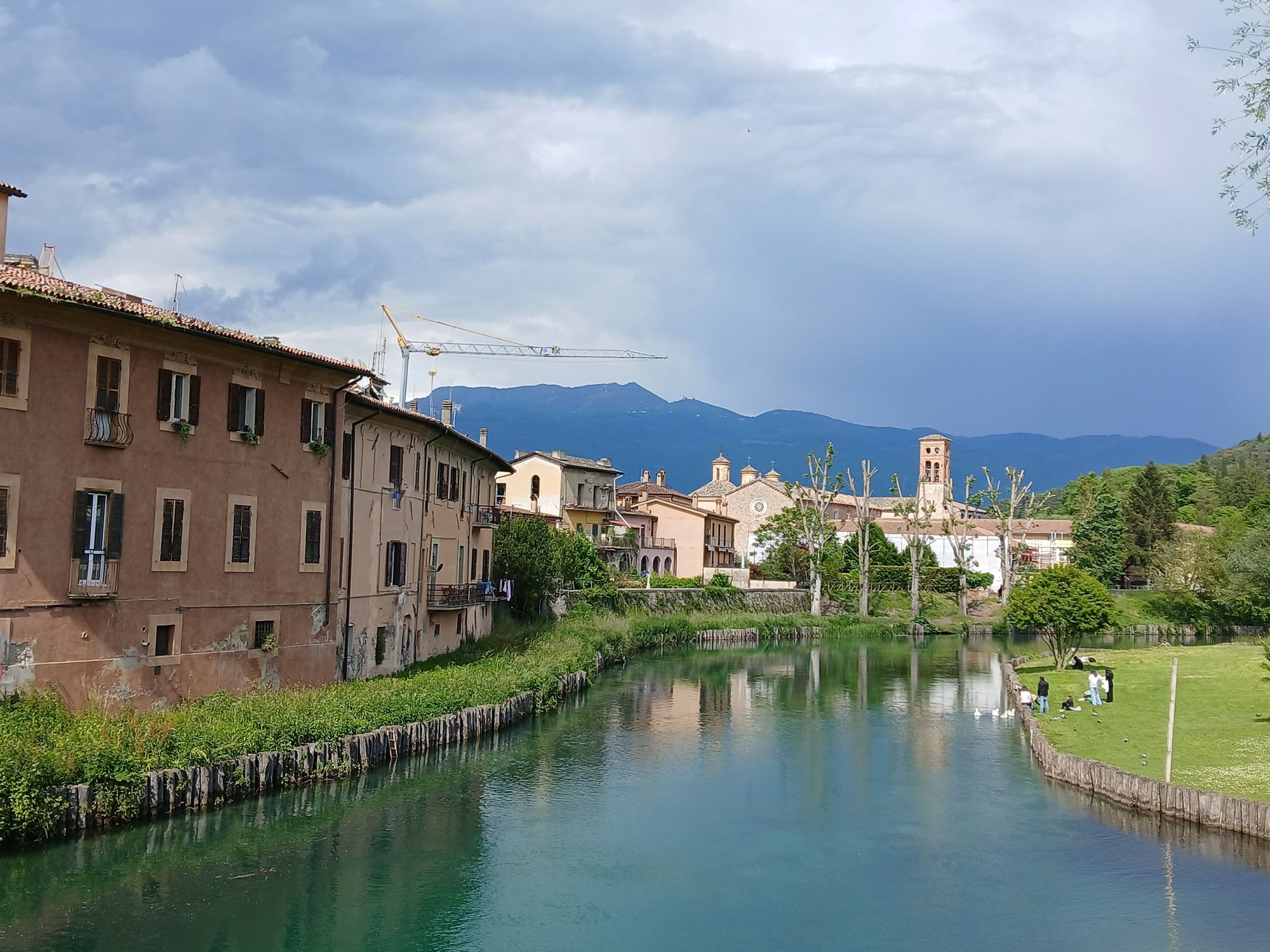
Arriving at Rieti
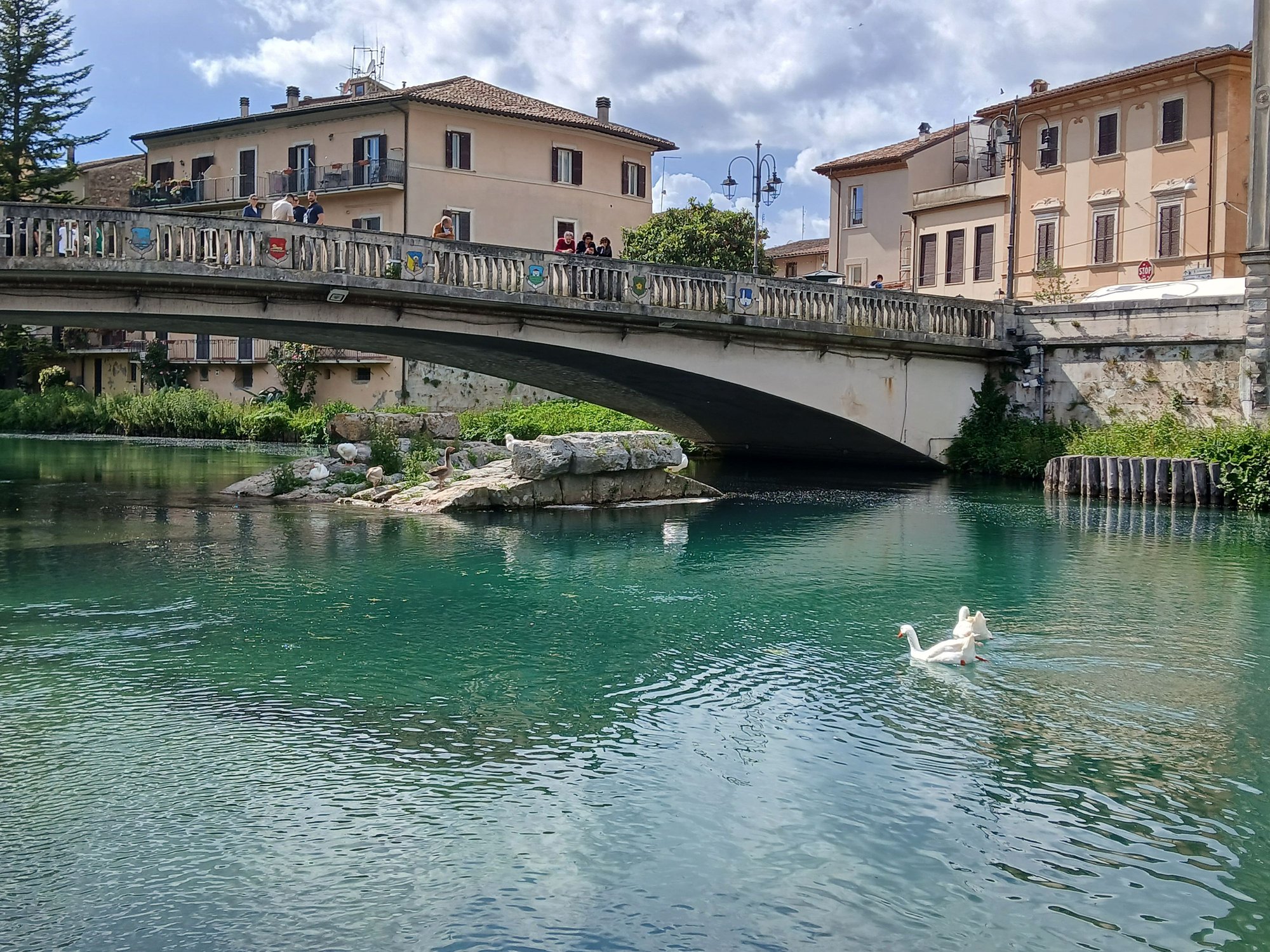
By the Roman bridge
The town has a laid-back vibe with a compact historic center. Interestingly, on this day the town square Piazza Vittorio Emanuele was the venue for its first even flower festival - Rieti in Fiore.

The main square taken over by the flower festival

Beautiful flowers on display

Strolling around Rieti

Botanical Garden of Rieti

Views from Botanical Garden of Rieti
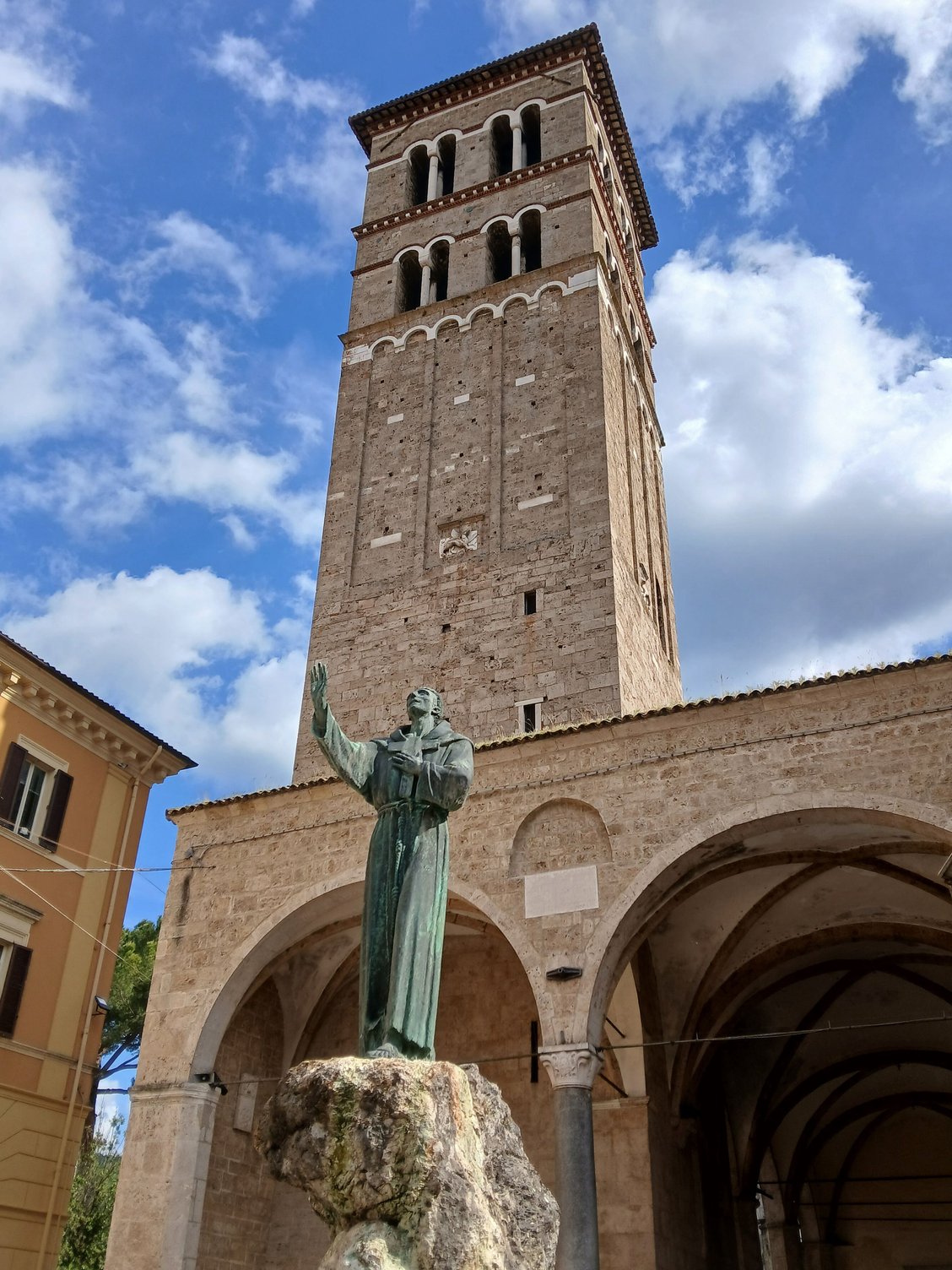
Duomo di Santa Maria Assunta with statue of St Francis of Assisi in front
Rieti has a unique position in the valley, often referred to as the "navel of Italy" due to its central location in the country. There's even a tribute monument for this!

At Piazza San Rufo, by the monument
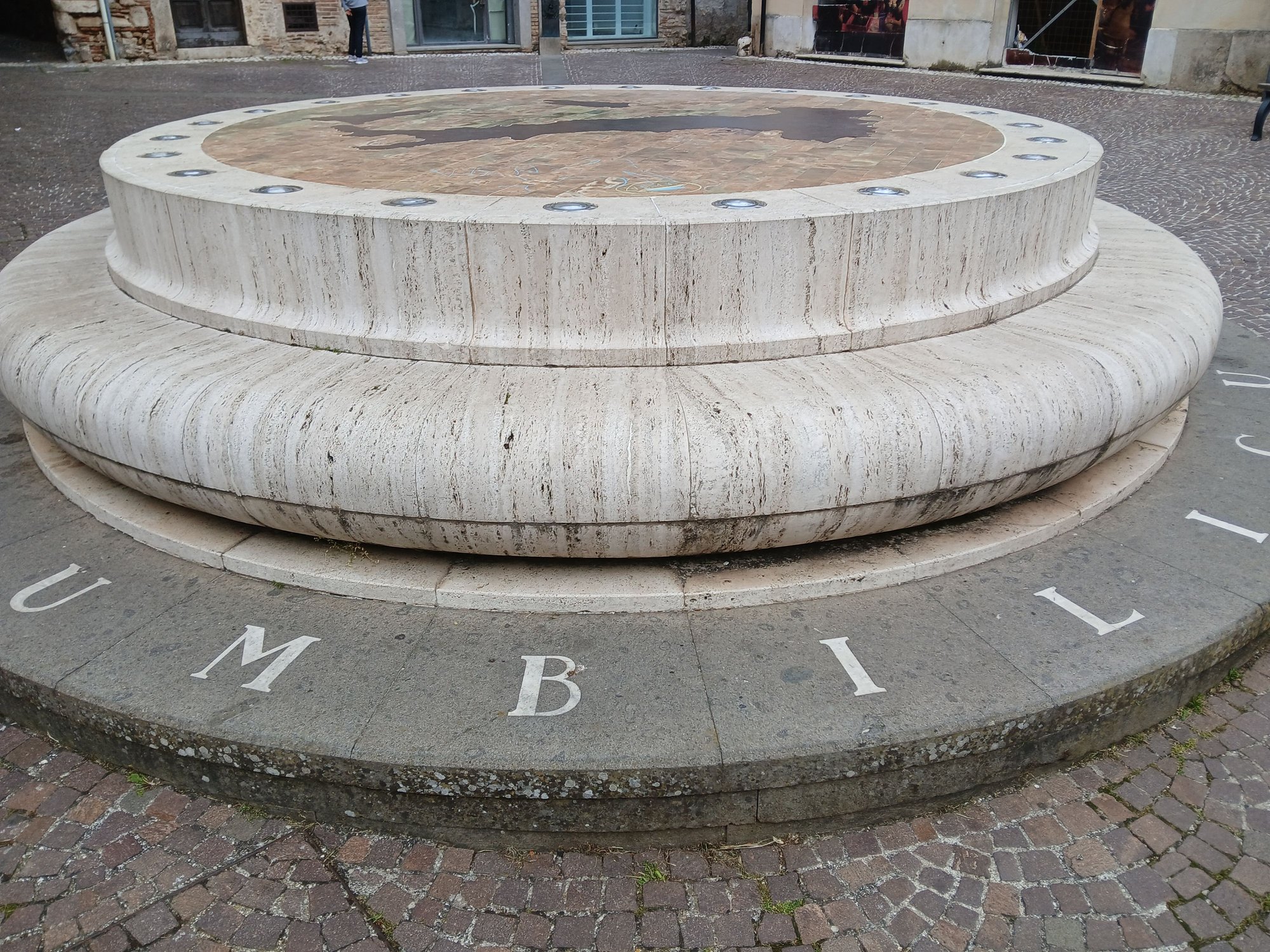
The Umbilicus Italiae
Rieti was a perfectly located and comfortable overnight break in our journey before we transitioned to Abruzzo.
Amelia is a tiny town with perfectly preserved walls, built from unusual polygonal blocks (i.e. not Roman built). We parked near the main gate Porta Romana and walked along the only street Via Della Repubblica, passing narrow alleys till the historic centre that sits on top of a limestone hill. A real workout for our legs! The views from the top were spectacular.
Approaching Amelia
Porta Romana
Close-up of the walls
Along Via Romana
Narrow lanes along the way
At the top of the hill, by the church and tower
Views
Views
Narni is a classic perched town with its own fortress, but is older than it seems - evidence from nearby caves suggests it was already inhabited in the Neolithic age. Fun fact : the imaginary land of Narnia, described in C. S. Lewis' Chronicles of Narnia, was named after Narni after he discovered the name in an atlas as a child.
We parked at the Parchieggo Suffragio near the base of Narni, and used two sets of elevators to get to the Centro storico. We decided to first tackle the long, steep and strenuous trek to the Rocca and Belvedere to enjoy the sweeping views, before exploring the town itself.
View of the rocca
Views from rocca
Views from belvedere
After our descent from the rocca, we returned to the main square - Piazza Garibaldi, and the Cathedral.
Piazza Garibaldi, Cathedral of San Giovenale in background
Inside the cathedral
We walked down the main pedestrian thoroughfare running through Narni to the other major square of Narni - Piazza dei Priori, flanked by a number of narrow lanes on either side.
Piazza dei Priori
Narrow lanes of Narni
View of torre
We set off for Rieti - the route took us through the most number of (and perhaps longest) successive tunnels I've ever encountered while driving in Italy, given it's flanked by the Sabine Hills.
Arriving at Rieti
By the Roman bridge
The town has a laid-back vibe with a compact historic center. Interestingly, on this day the town square Piazza Vittorio Emanuele was the venue for its first even flower festival - Rieti in Fiore.
The main square taken over by the flower festival
Beautiful flowers on display
Strolling around Rieti
Botanical Garden of Rieti
Views from Botanical Garden of Rieti
Duomo di Santa Maria Assunta with statue of St Francis of Assisi in front
Rieti has a unique position in the valley, often referred to as the "navel of Italy" due to its central location in the country. There's even a tribute monument for this!
At Piazza San Rufo, by the monument
The Umbilicus Italiae
Rieti was a perfectly located and comfortable overnight break in our journey before we transitioned to Abruzzo.
Jun 1st, 2025 | 12:24 AM
#14
Original Poster
Joined: Oct 2005
Posts: 967
Likes: 28
DAY 4 : L’Aquila, Benvenuti ad Abruzzo
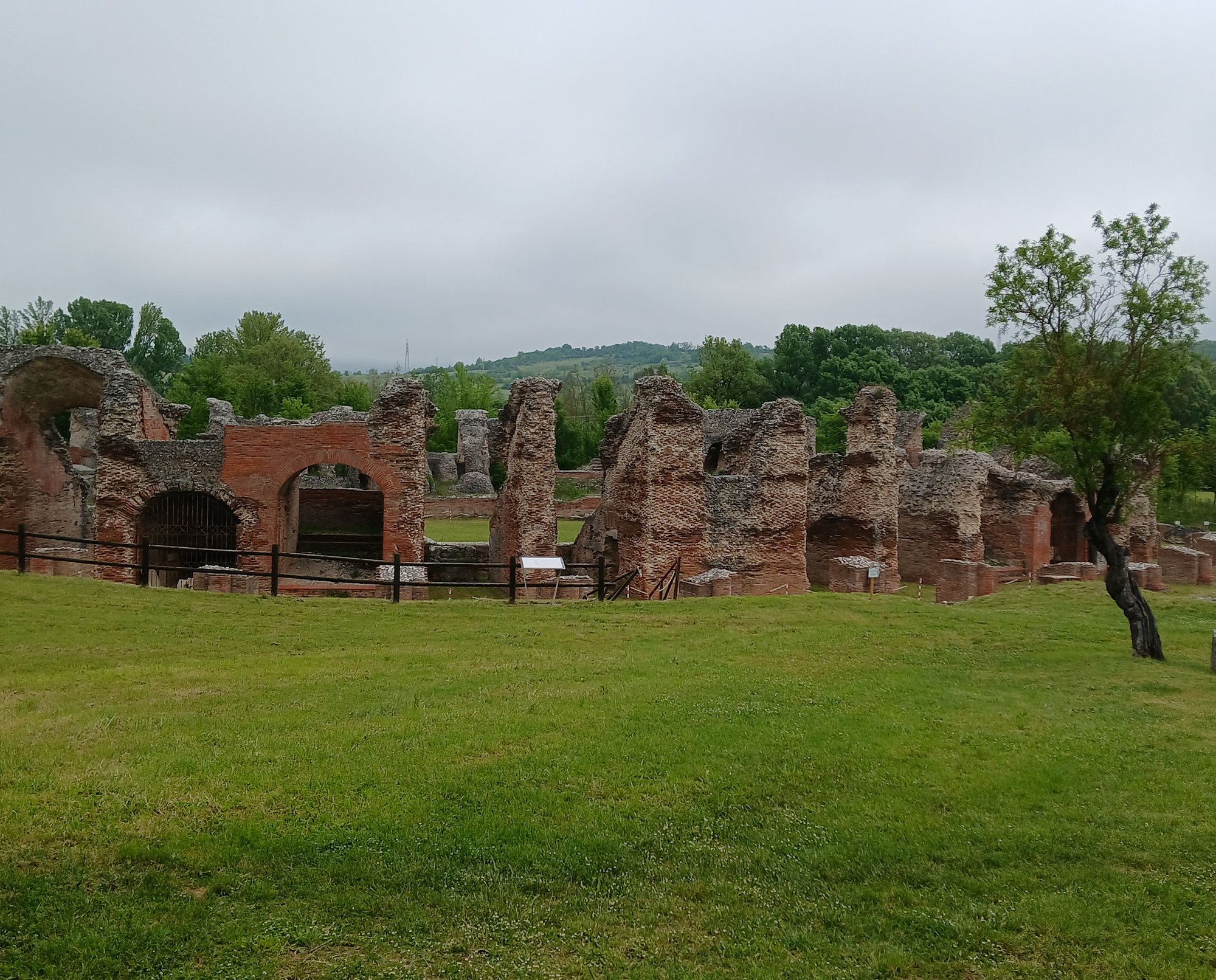
On the way to L'Aquila this morning, we drove past Amiternum, an ancient site with ruins of a theatre and amphitheatre dating back to 8 BC. The site is temporarily closed, but can be easily viewed from the street.

L’Aquila, the capital of Abruzzo was impacted by an earthquake in 2009, killing hundreds and injuring and displacing thousands, making this one of Italy’s most devastating seismic calamities. The city of L’Aquila with its beuatiful medieval core, was left in ruins. Reconstruction efforts have been slow and complex, and almost 15 years out this is sadly (and controversially) still incomplete. This brought back memories of our visit to Le Marche in 2018, where it was tragic to see the destruction around Norcia and Castellucio, but the resilience of the people is commendable. L'Aquila has been named the Italian Capital of Culture for 2026 (this designation follows Pesaro in 2024 and Agrigento in 2025) and this should provide the impetus (and incremental public funding) for cultural projects and tourism initiatives. A lot of information about L'Aquila on the internet is out of date, so we decided to spend a night here, contribute to the local economy and take stock first-hand.
We began at the Piazza Duomo, which has largely been restored except for the Cathedral.
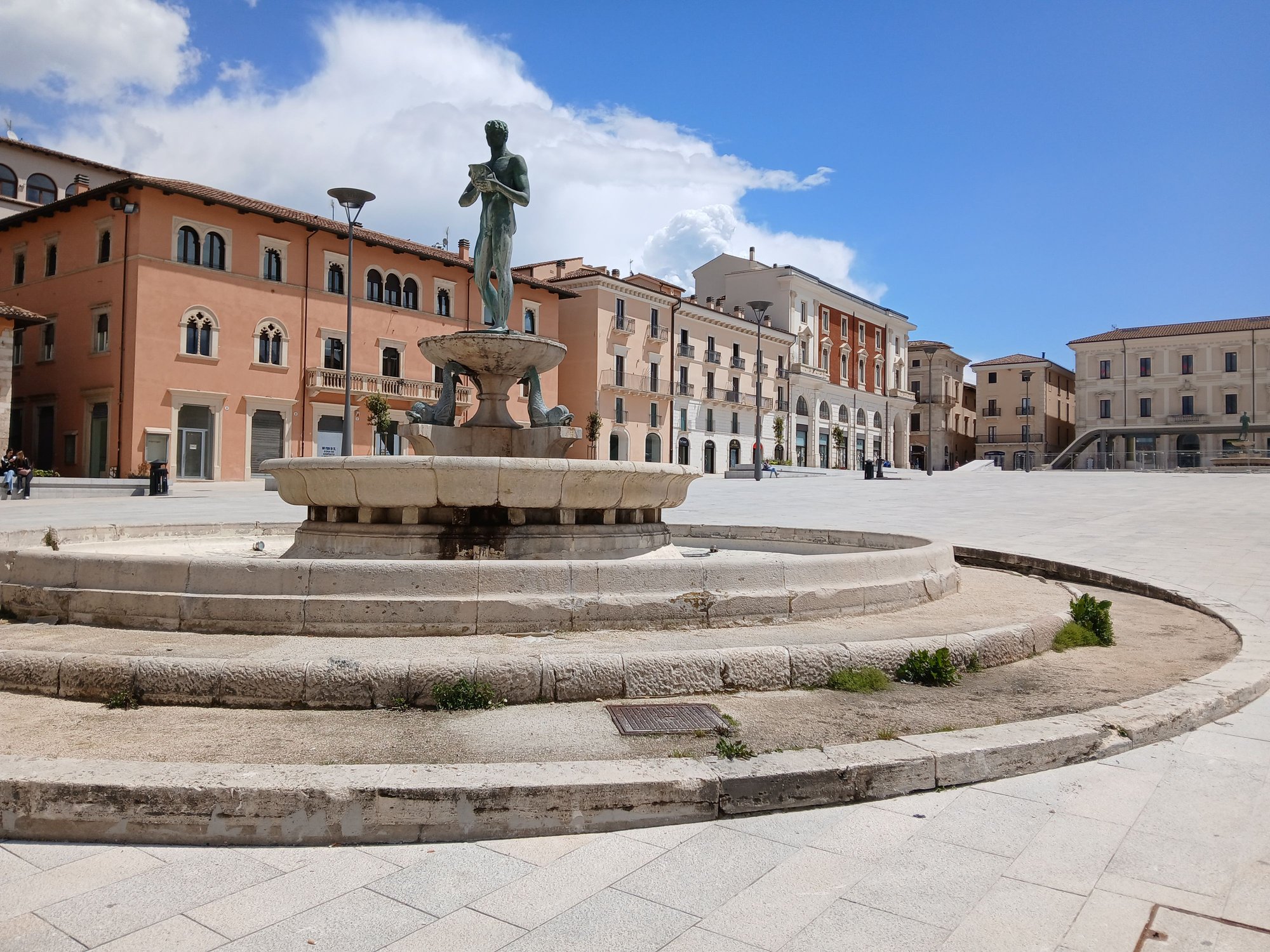
Piazza Duomo
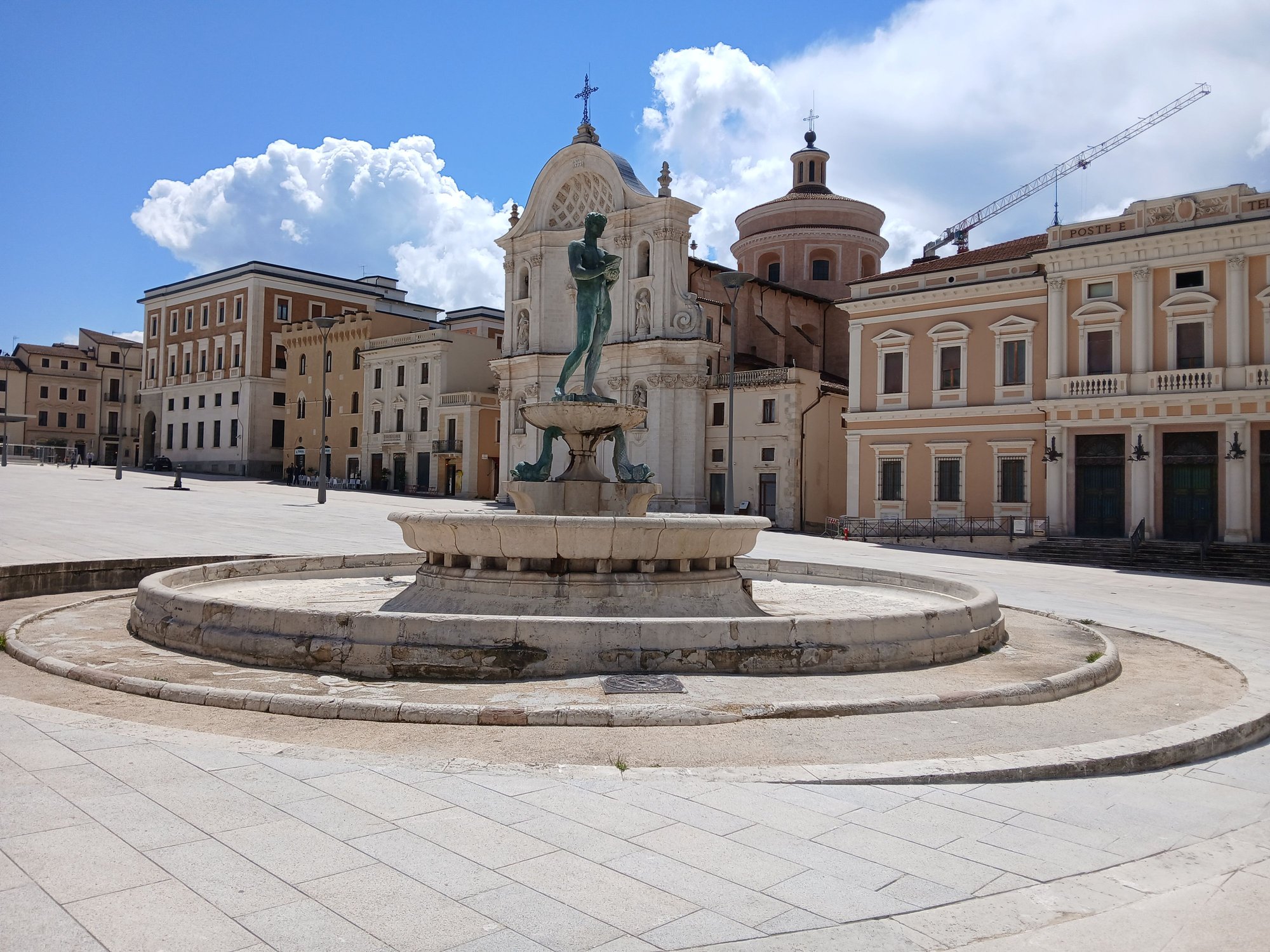
Piazza Duomo
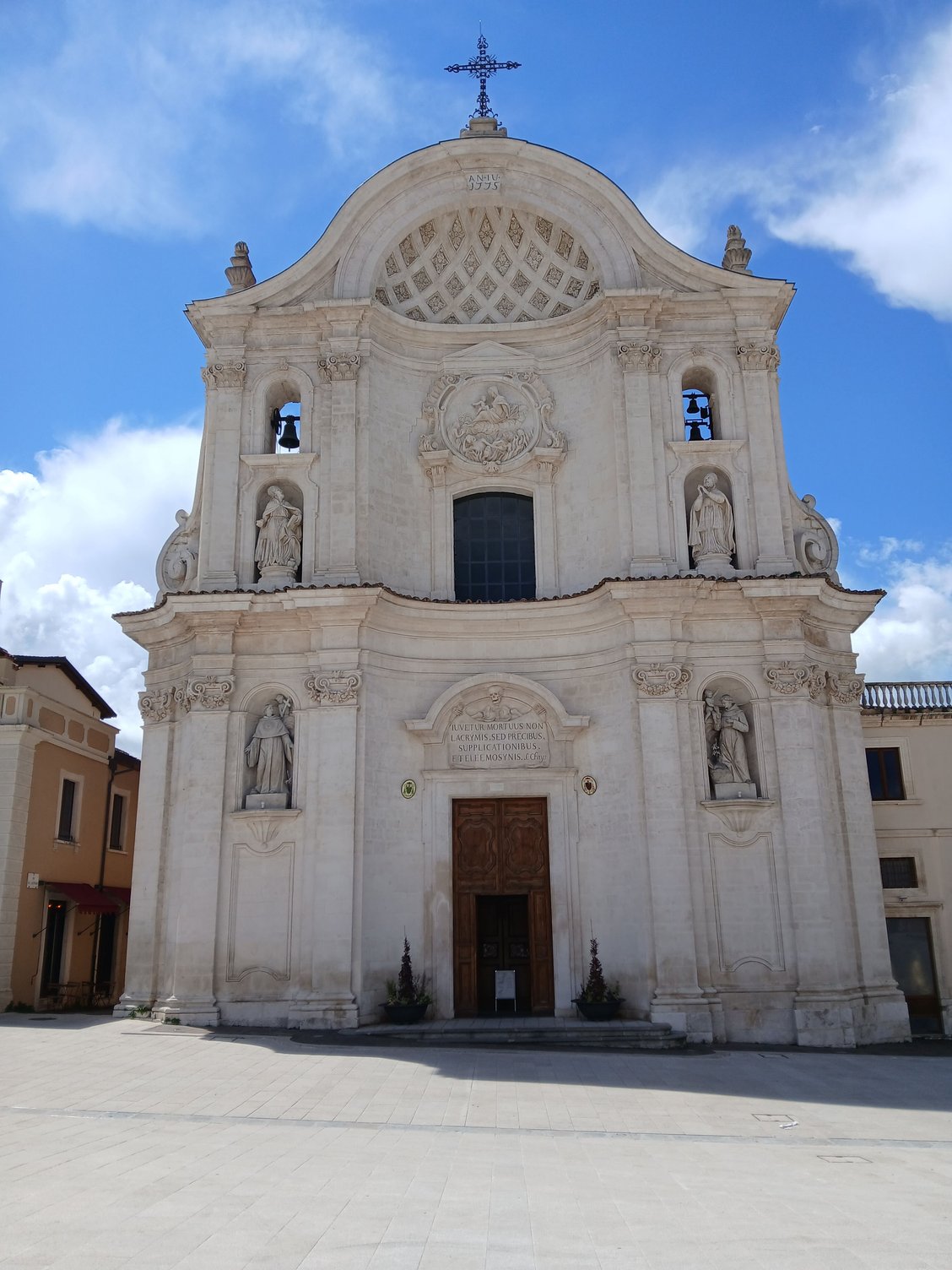
Chiesa di Santa Maria del Suffragi on the square, this is open for visits
We then headed down the main pedestrian street Corso Vittorio Emanuelle, all the way to the Fontana Luminosa.
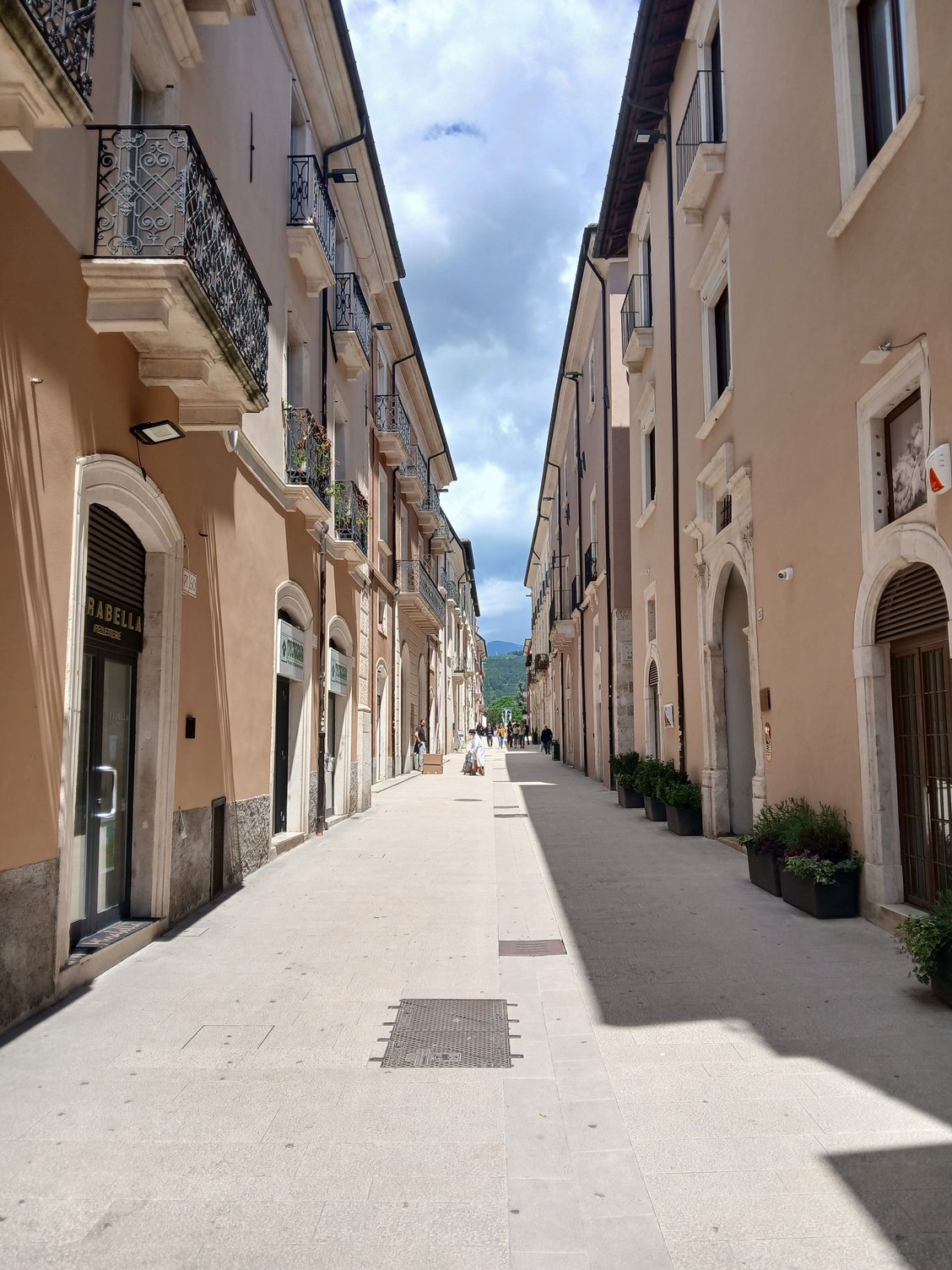
Along Corso Vittorio Emanuelle

Along Vittorio Emanuelle
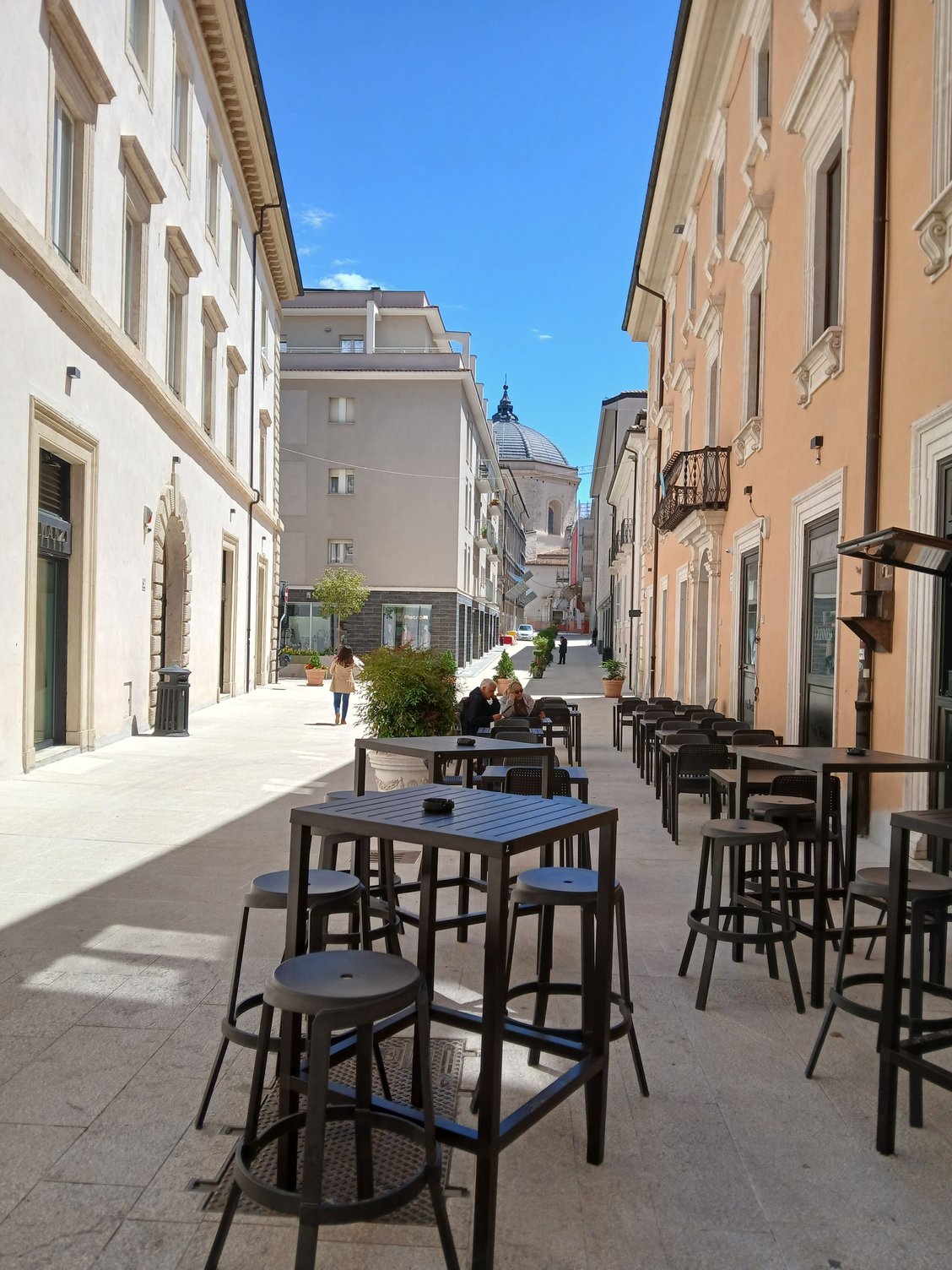
Lanes with cafes

Fontana Luminosa, the end of the Corso Vittorio Emanuelle
We circled the Spanish Fort, a quadrilateral fortress with four bastions, dating back to the Renaissance period. This now houses the National Museum of Abruzzo (currently closed) whose collection includes a fossil of a mammoth.


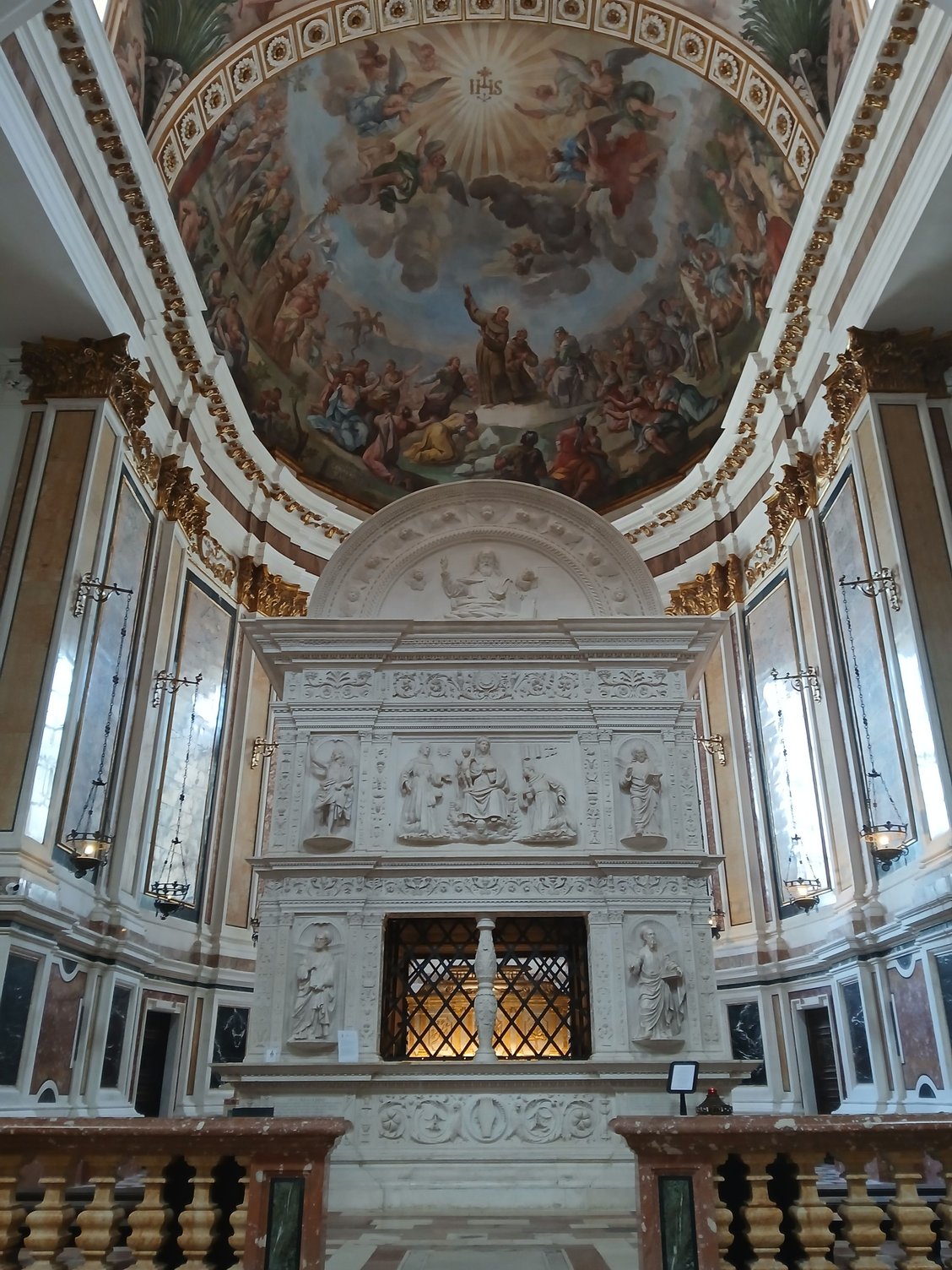
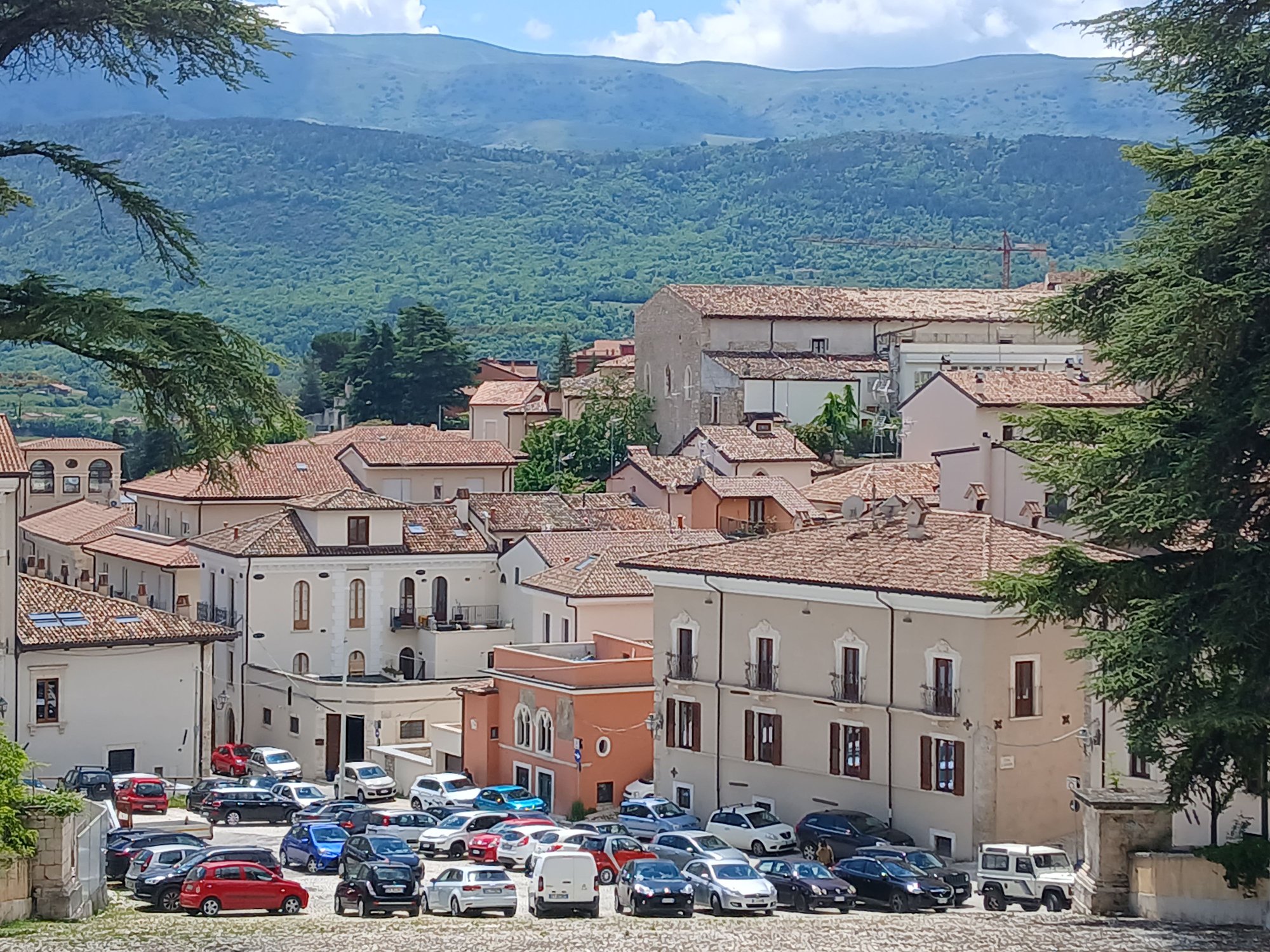
Our next stop was the beautiful Basilica di San Bernadino, which houses the remains of San Bernardino of Siena (1380-1444). The wooden and gold ceiling was very impressive.

Outside the basilica

Inside
Inside
View from steps outside the basilica
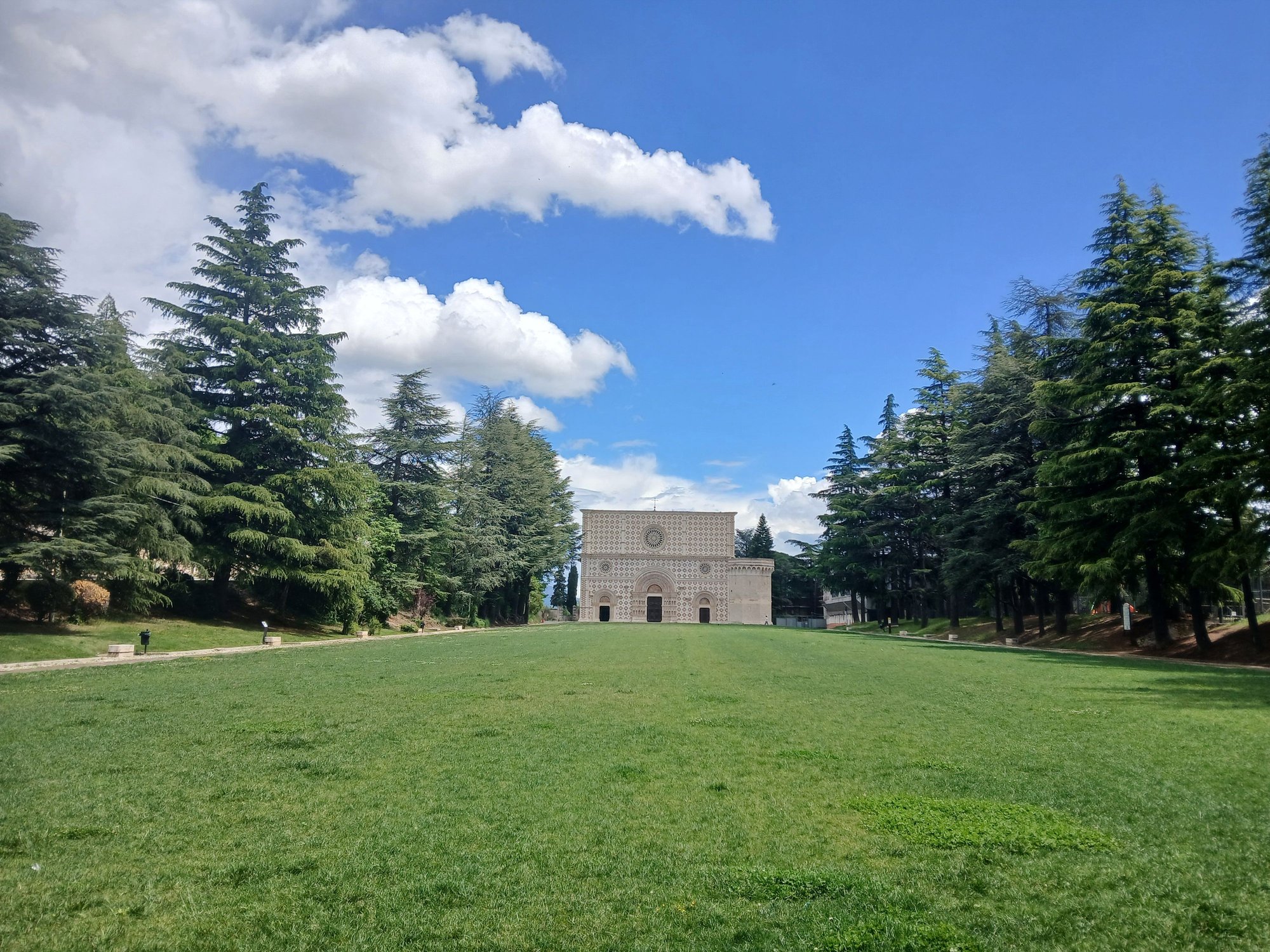
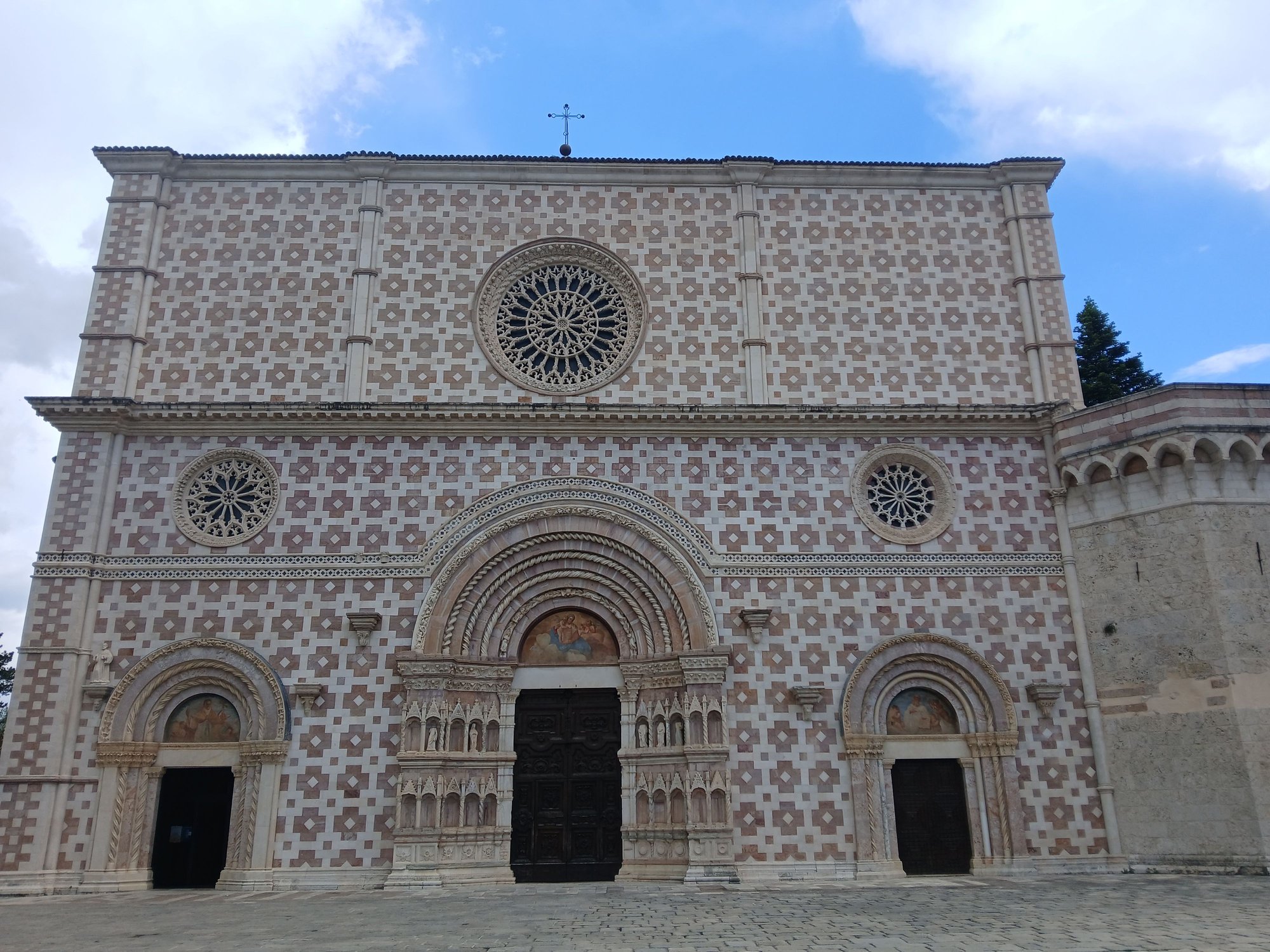
Our final stop was the iconic Basilica Santa Maria di Collemaggio, where Pope Celestine V is buried. The facade, with pink and white stone, is striking with a prominent rose window, though it is surprisingly austere inside.
Approaching the basilica
The facade
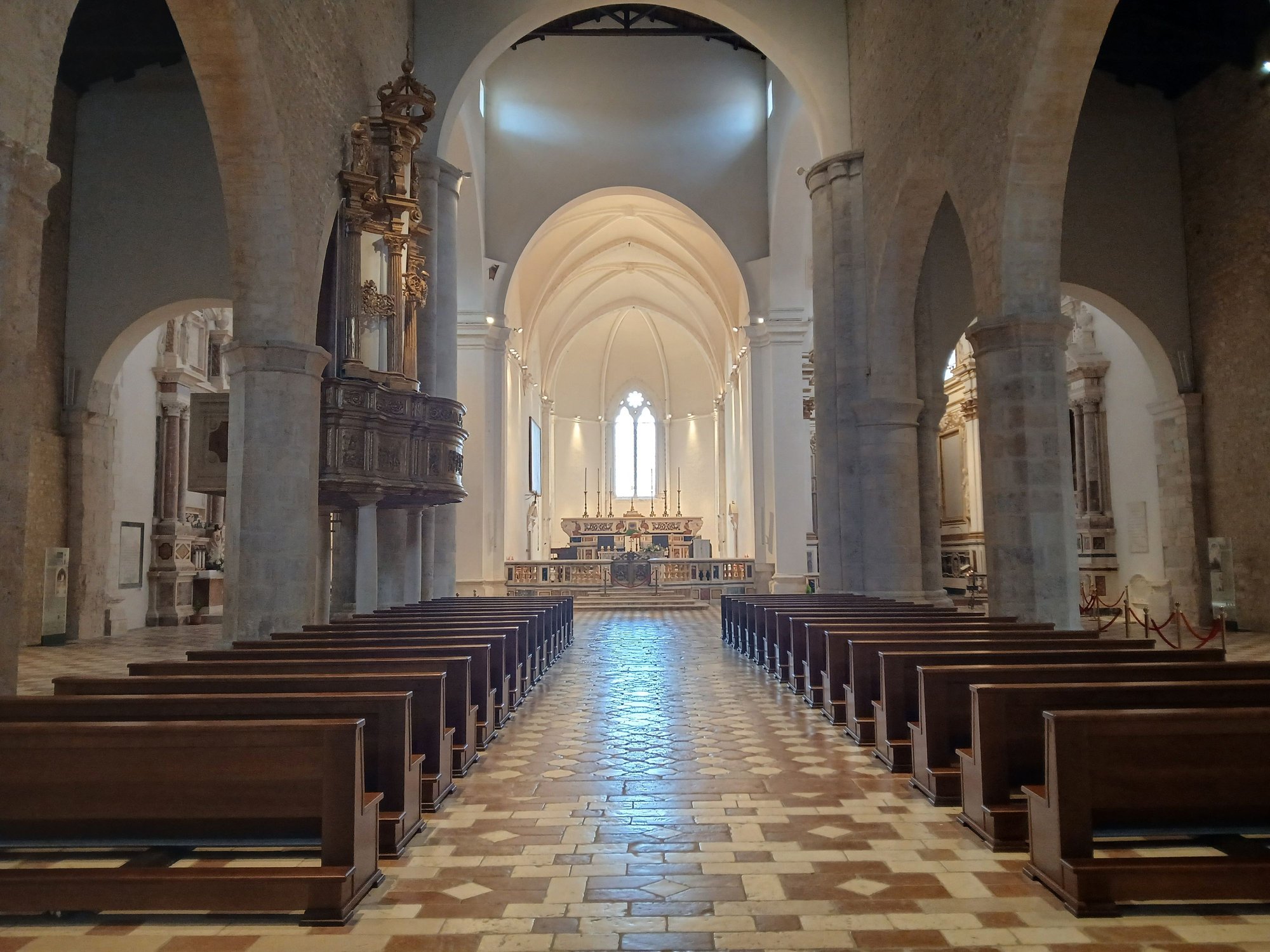
Inside
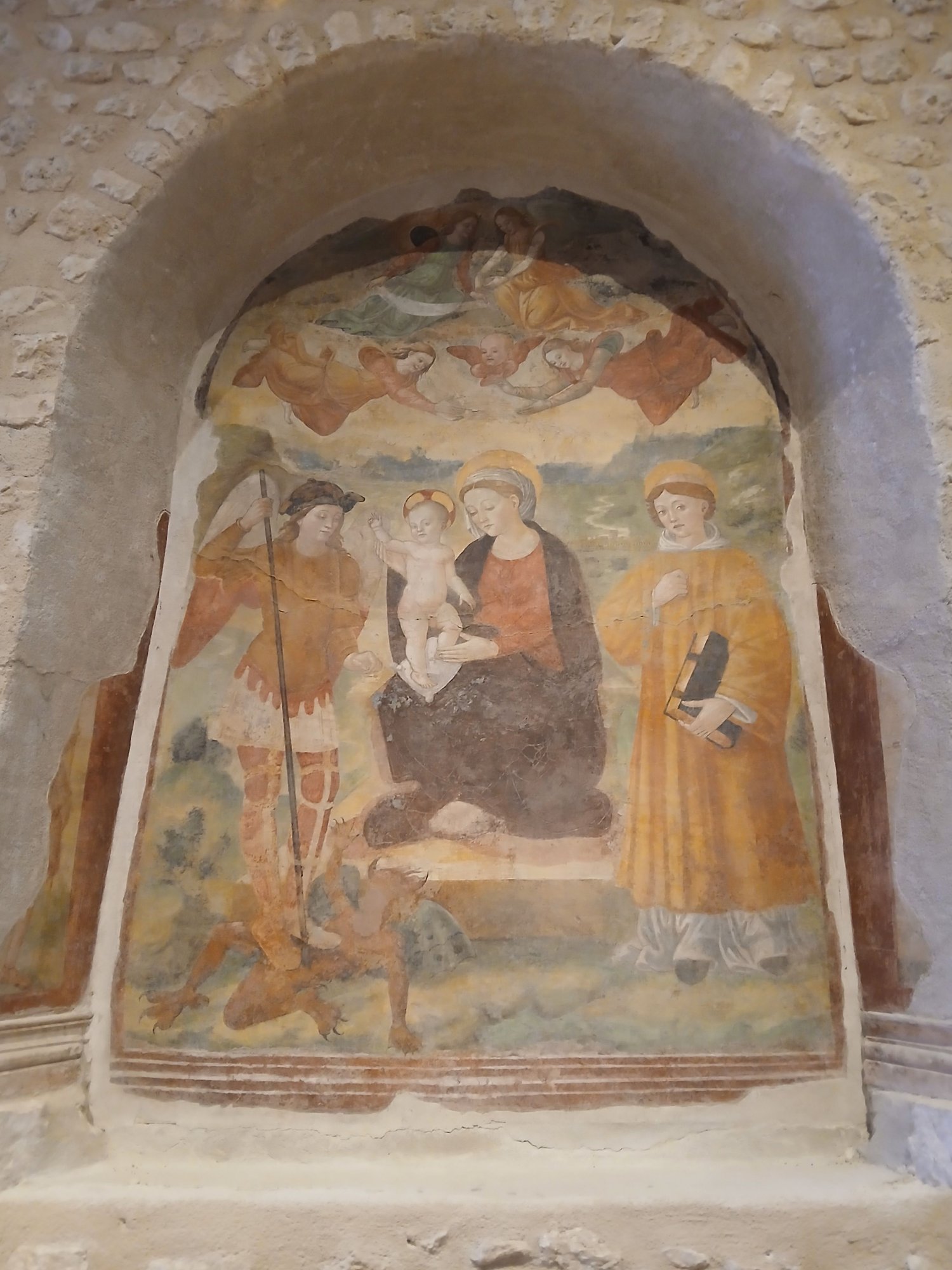
Inside
Later that evening, we braved a light rainshower to visit the Fontana delle 99 Cannelle. Built in the 13th century, it is shrouded in mystery, and the meaning of its 99 sculpted stone faces, which serve as spouts, remains unknown.

The fountain

Close-up view

Piazza San Vito, by the fountain
In conclusion, L'Aquila is neither a ghost town nor one giant construction site. There are, of course, several sections of the city (close to our apartment, for example) where ongoing reconstruction work is very visible, with cranes and excavators, scaffolding and barriers in sight. We seemed the only foreign visitors around (although this was only early May) but I hope L'Aquila finds its feet firmly again, and tourism recovers soon.
L’Aquila, the capital of Abruzzo was impacted by an earthquake in 2009, killing hundreds and injuring and displacing thousands, making this one of Italy’s most devastating seismic calamities. The city of L’Aquila with its beuatiful medieval core, was left in ruins. Reconstruction efforts have been slow and complex, and almost 15 years out this is sadly (and controversially) still incomplete. This brought back memories of our visit to Le Marche in 2018, where it was tragic to see the destruction around Norcia and Castellucio, but the resilience of the people is commendable. L'Aquila has been named the Italian Capital of Culture for 2026 (this designation follows Pesaro in 2024 and Agrigento in 2025) and this should provide the impetus (and incremental public funding) for cultural projects and tourism initiatives. A lot of information about L'Aquila on the internet is out of date, so we decided to spend a night here, contribute to the local economy and take stock first-hand.
We began at the Piazza Duomo, which has largely been restored except for the Cathedral.
Piazza Duomo
Piazza Duomo
Chiesa di Santa Maria del Suffragi on the square, this is open for visits
We then headed down the main pedestrian street Corso Vittorio Emanuelle, all the way to the Fontana Luminosa.
Along Corso Vittorio Emanuelle
Along Vittorio Emanuelle
Lanes with cafes
Fontana Luminosa, the end of the Corso Vittorio Emanuelle
We circled the Spanish Fort, a quadrilateral fortress with four bastions, dating back to the Renaissance period. This now houses the National Museum of Abruzzo (currently closed) whose collection includes a fossil of a mammoth.
Our next stop was the beautiful Basilica di San Bernadino, which houses the remains of San Bernardino of Siena (1380-1444). The wooden and gold ceiling was very impressive.
Outside the basilica
Inside
Inside
View from steps outside the basilica
Our final stop was the iconic Basilica Santa Maria di Collemaggio, where Pope Celestine V is buried. The facade, with pink and white stone, is striking with a prominent rose window, though it is surprisingly austere inside.
Approaching the basilica
The facade
Inside
Inside
Later that evening, we braved a light rainshower to visit the Fontana delle 99 Cannelle. Built in the 13th century, it is shrouded in mystery, and the meaning of its 99 sculpted stone faces, which serve as spouts, remains unknown.
The fountain
Close-up view
Piazza San Vito, by the fountain
In conclusion, L'Aquila is neither a ghost town nor one giant construction site. There are, of course, several sections of the city (close to our apartment, for example) where ongoing reconstruction work is very visible, with cranes and excavators, scaffolding and barriers in sight. We seemed the only foreign visitors around (although this was only early May) but I hope L'Aquila finds its feet firmly again, and tourism recovers soon.
Jun 1st, 2025 | 02:24 AM
#15
Joined: Jun 2017
Posts: 2,058
Likes: 0
The two regions combined are basically the same size as Lazio. The population is a fraction . Even more so if you skip each regions larger cities
If you factor in the difficult travel routes I wouldn't say the two regions are small.
If you factor in the difficult travel routes I wouldn't say the two regions are small.
Jun 1st, 2025 | 06:27 AM
#16
Joined: May 2005
Posts: 25,398
Likes: 0
Anuj..just terrific! There seem to be few people in many of your photos of L'Aquila; didi you get up an about very early?
This is an interesting thread about parts of Lazio; the contributor Franco, was so helpful and knowledgeable:
Sabine Hills or other destination near Rome?
This is an interesting thread about parts of Lazio; the contributor Franco, was so helpful and knowledgeable:
Sabine Hills or other destination near Rome?
Jun 1st, 2025 | 07:17 AM
#18
Joined: May 2008
Posts: 10,495
Likes: 1
Love the photos, good to know L'Aquila isn't quite as construction zone-y as I seem to have heard.
I dislike the many long tunnels in that part of Italy but I guess if I had to pick, I'd choose tunnels over winding mountain roads with steep drop-offs. Did you feel you needed the SUV on this trip?
I dislike the many long tunnels in that part of Italy but I guess if I had to pick, I'd choose tunnels over winding mountain roads with steep drop-offs. Did you feel you needed the SUV on this trip?
Jun 1st, 2025 | 01:06 PM
#20
Joined: May 2008
Posts: 10,495
Likes: 1

