


Undiscovered Italy: Abruzzo & Molise (and some Lazio), May 2025
 Jun 4th, 2025 | 11:40 PM
#41

Joined: Jan 2003
Posts: 10,329
Likes: 0
ANUJ - what a lovely report! We are particular fans of Le Marche for similar reasons - less crowds, undiscovered - but I fear it is becoming more popular!
We are actually planning to move to Le Marche when we retire and are going to be spending a few weeks there this summer to look for houses - maybe we will take a few days and venture farther south
Looking forward to more of your trip!
We are actually planning to move to Le Marche when we retire and are going to be spending a few weeks there this summer to look for houses - maybe we will take a few days and venture farther south
Looking forward to more of your trip!
 Jun 5th, 2025 | 12:00 AM
#42
Original Poster
Joined: Oct 2005
Posts: 967
Likes: 28
Thank you jamikins. I do recall, and your input was very helpful when we visited Le Marche back in 2018 Visiting Le Marche and Umbria. Good luck with your house hunting.
Jun 5th, 2025 | 01:44 AM
#43
Original Poster
Joined: Oct 2005
Posts: 967
Likes: 28
Day 9 : The Trabocchi coast, Termoli (and Molise) ahoy !
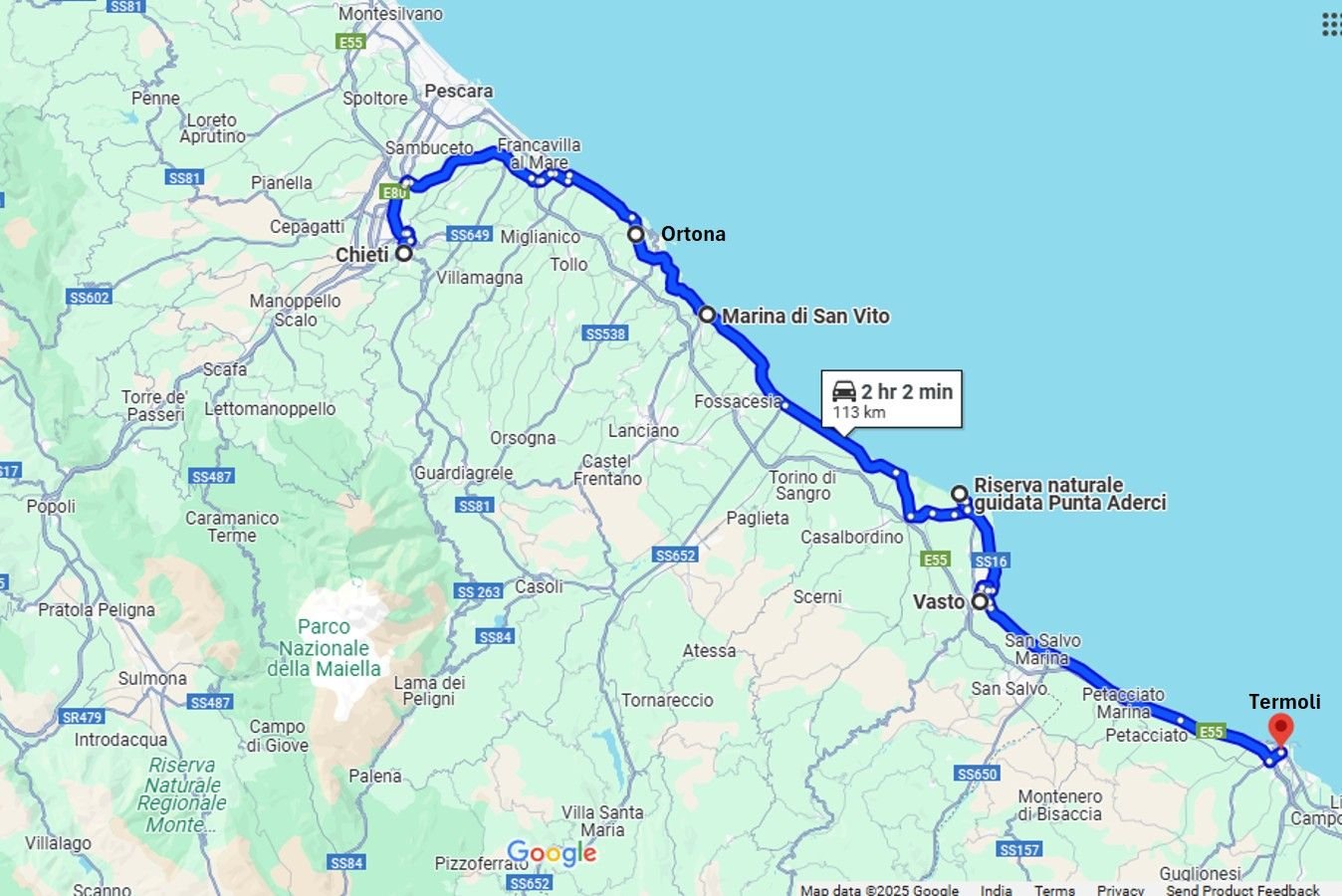
We're not big fans of the Adriatic Coast, but this stretch (roughly Ortona to Vasto) is very atmospheric. It has a proliferation of wooden fishing platforms that extend out into the sea, called a trabocco, giving it the moniker the Trabocchi coast. From the platforms, multiple "antennae" project out and over the water, supporting a huge net. This operated as a traditional fishing mechanism. However, many of the trabocco have now been converted into fine-dining (seafood-focused) restaurants. We made a number of stops to admire some noteworthy ones.
We followed this route overall.
Our first stop was at Marina di San Vito Chietino, where we saw our first two - Trabocco Vento di Sciorocco and San Giacomo.
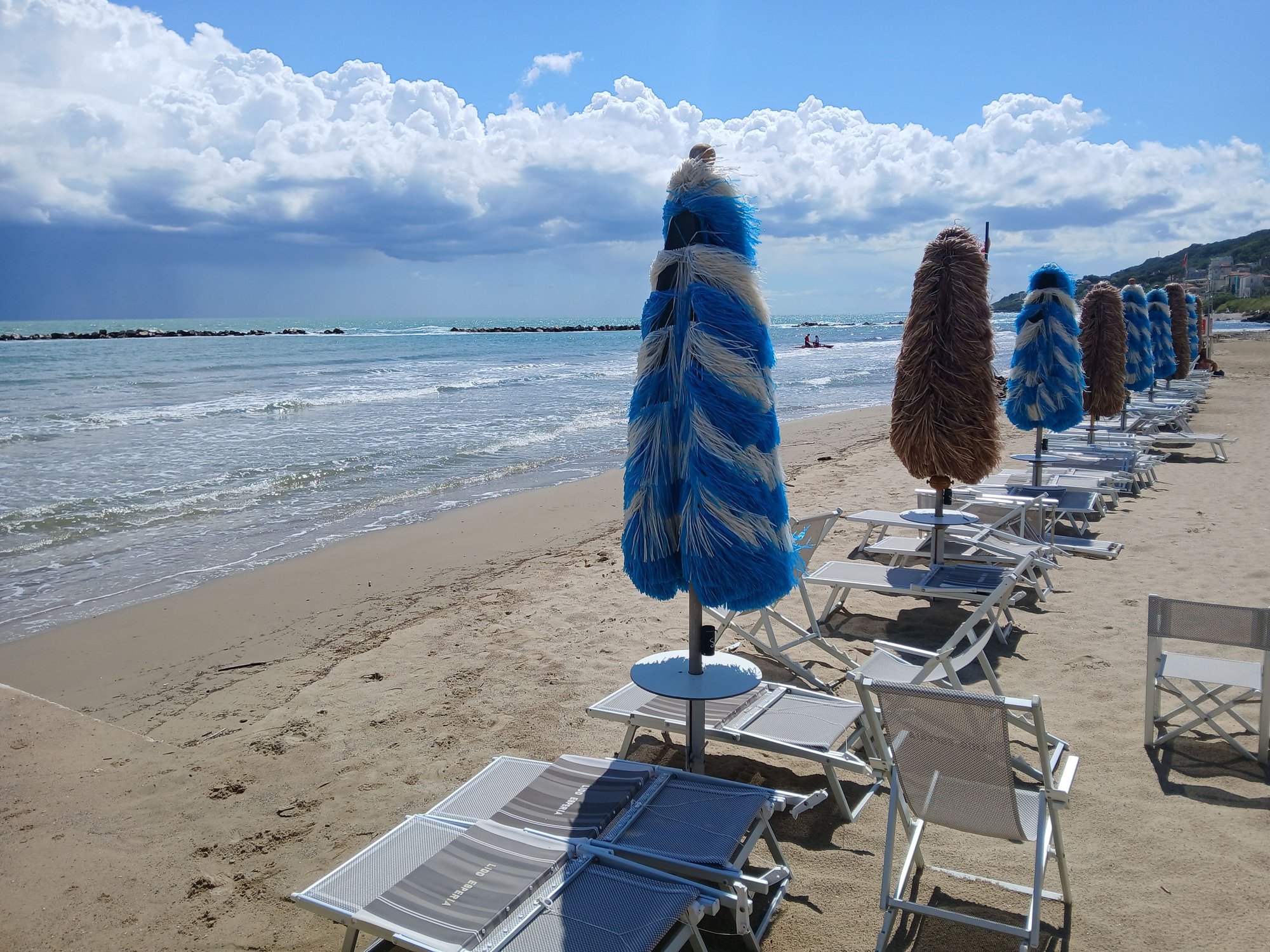
Down by the beach
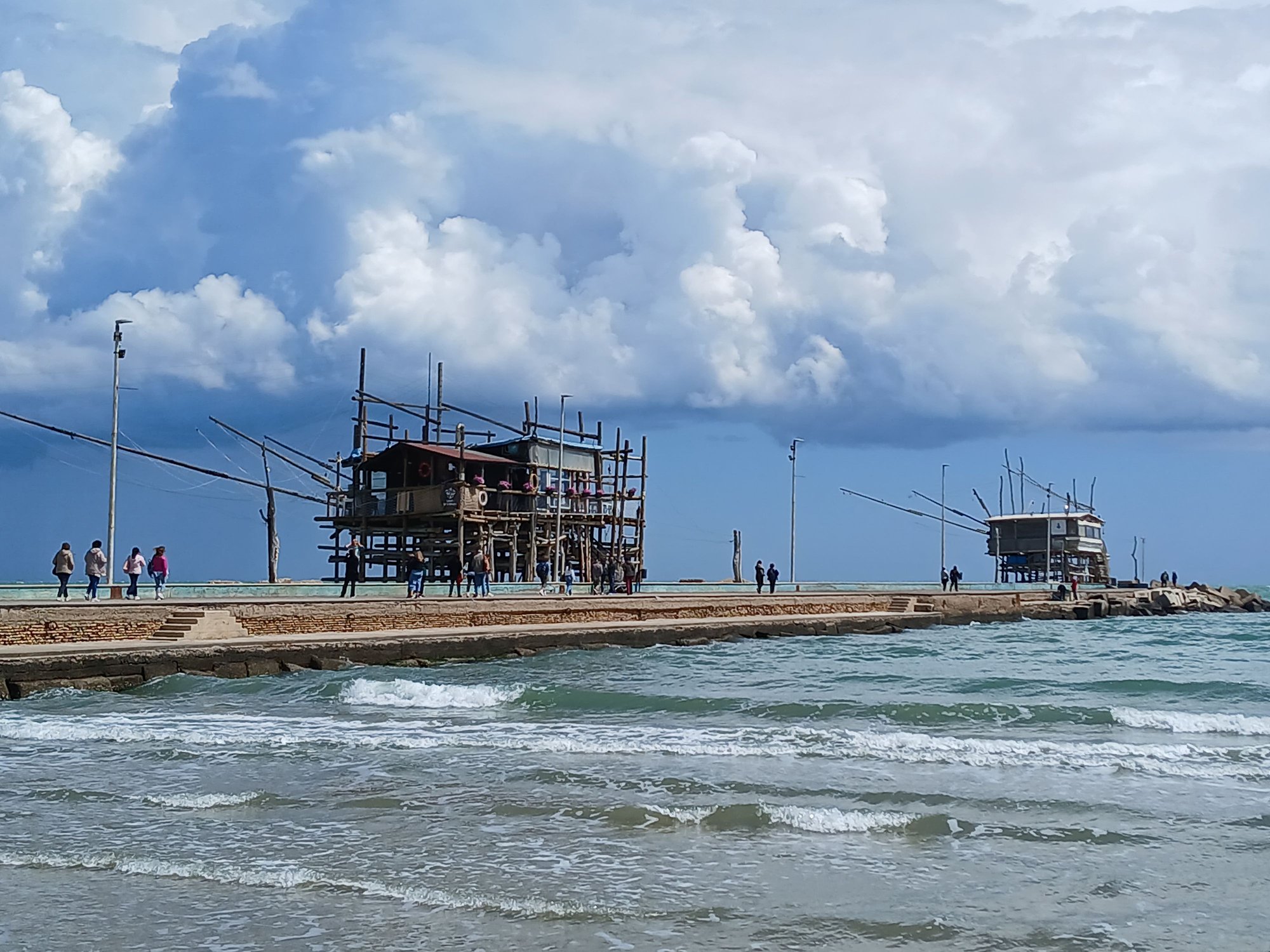
View of both trabuccos along the pier

Trabucco Vento di Scirocco

Closer look
We pulled over and made several other stops en route.
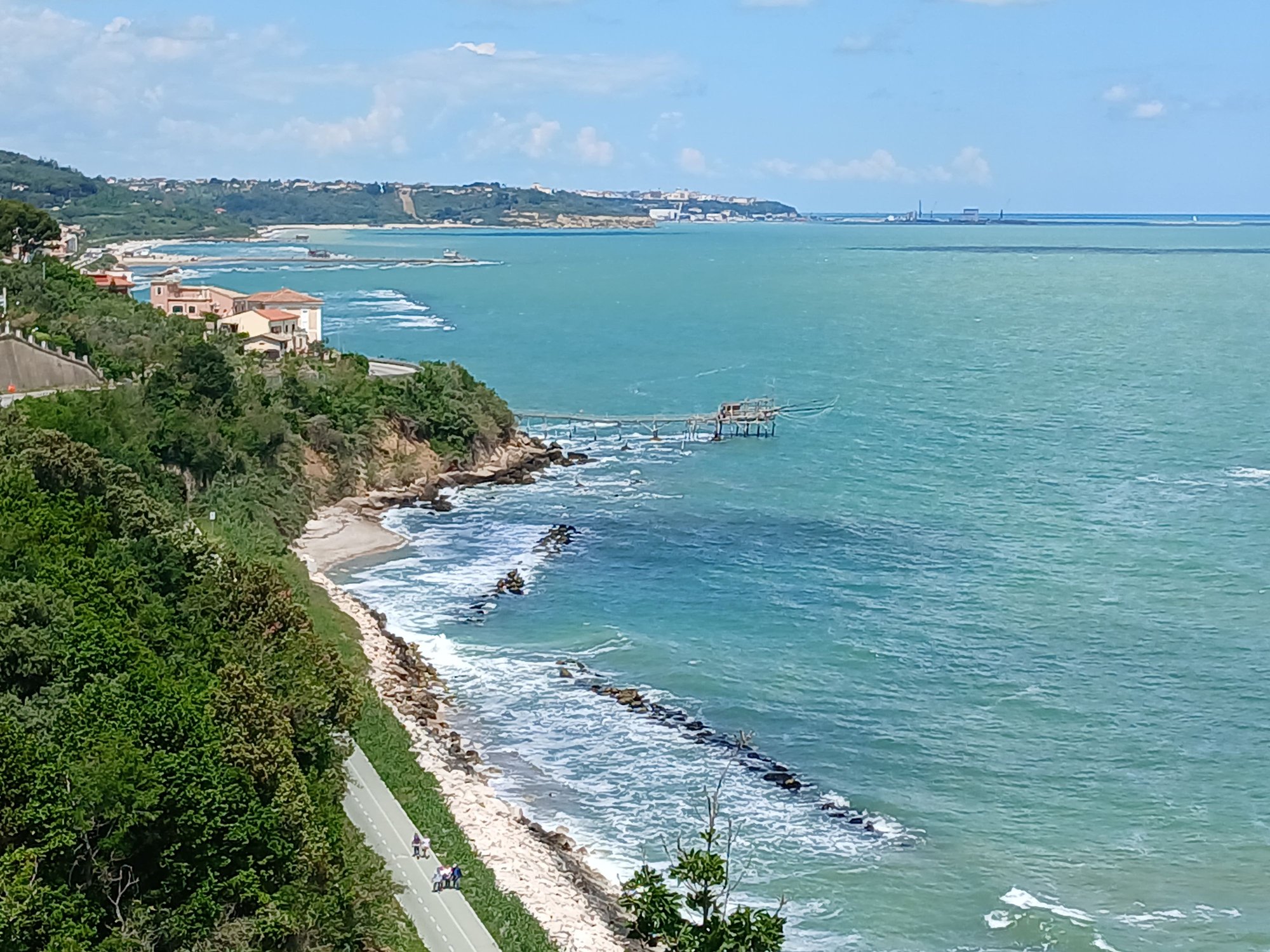
Promontory Dannunziano, a sandstone cliff overlooking the sea beyond San Vito
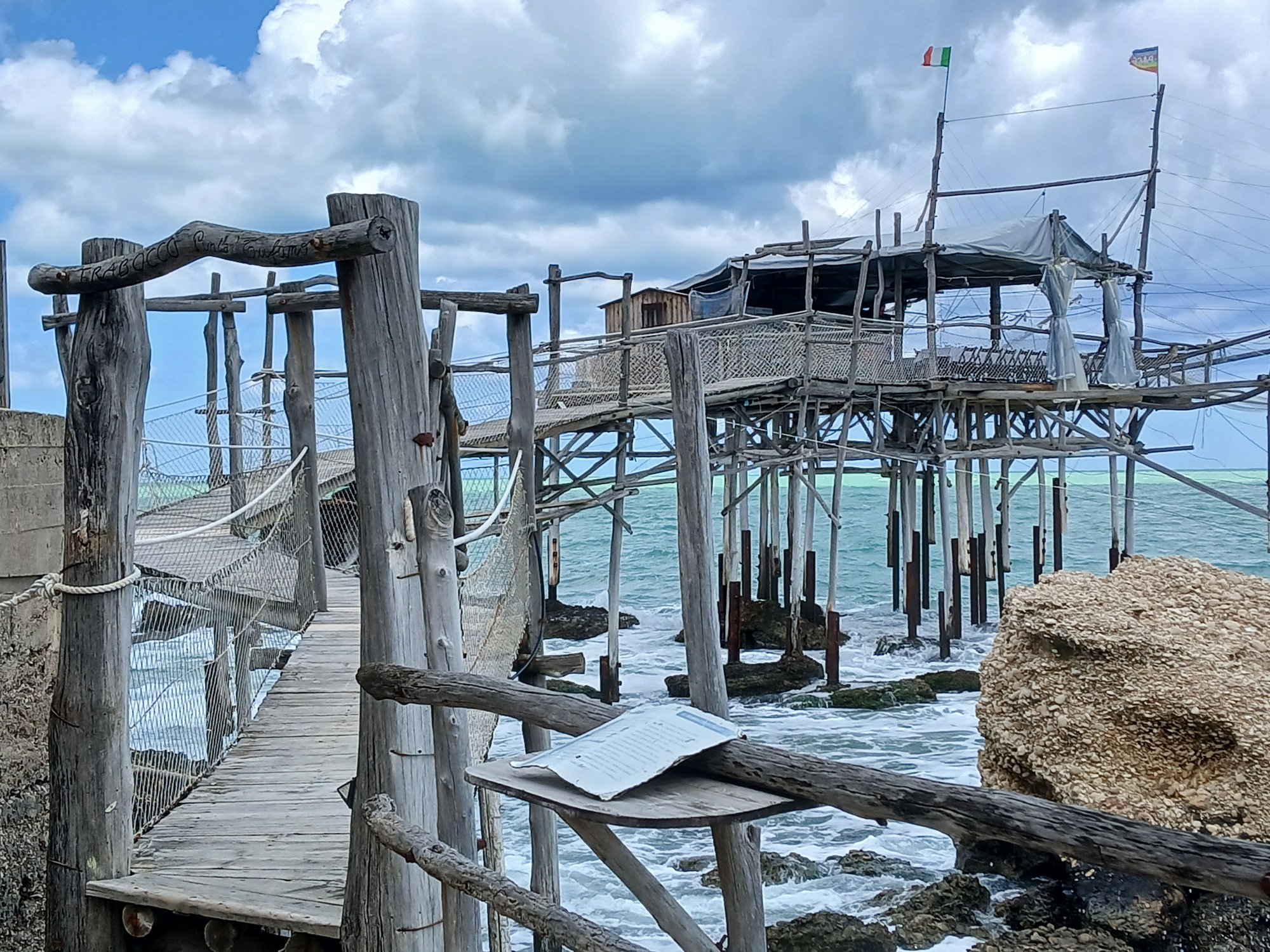
Trabocco Punto Tofano

Fishermen near Punto Tofano
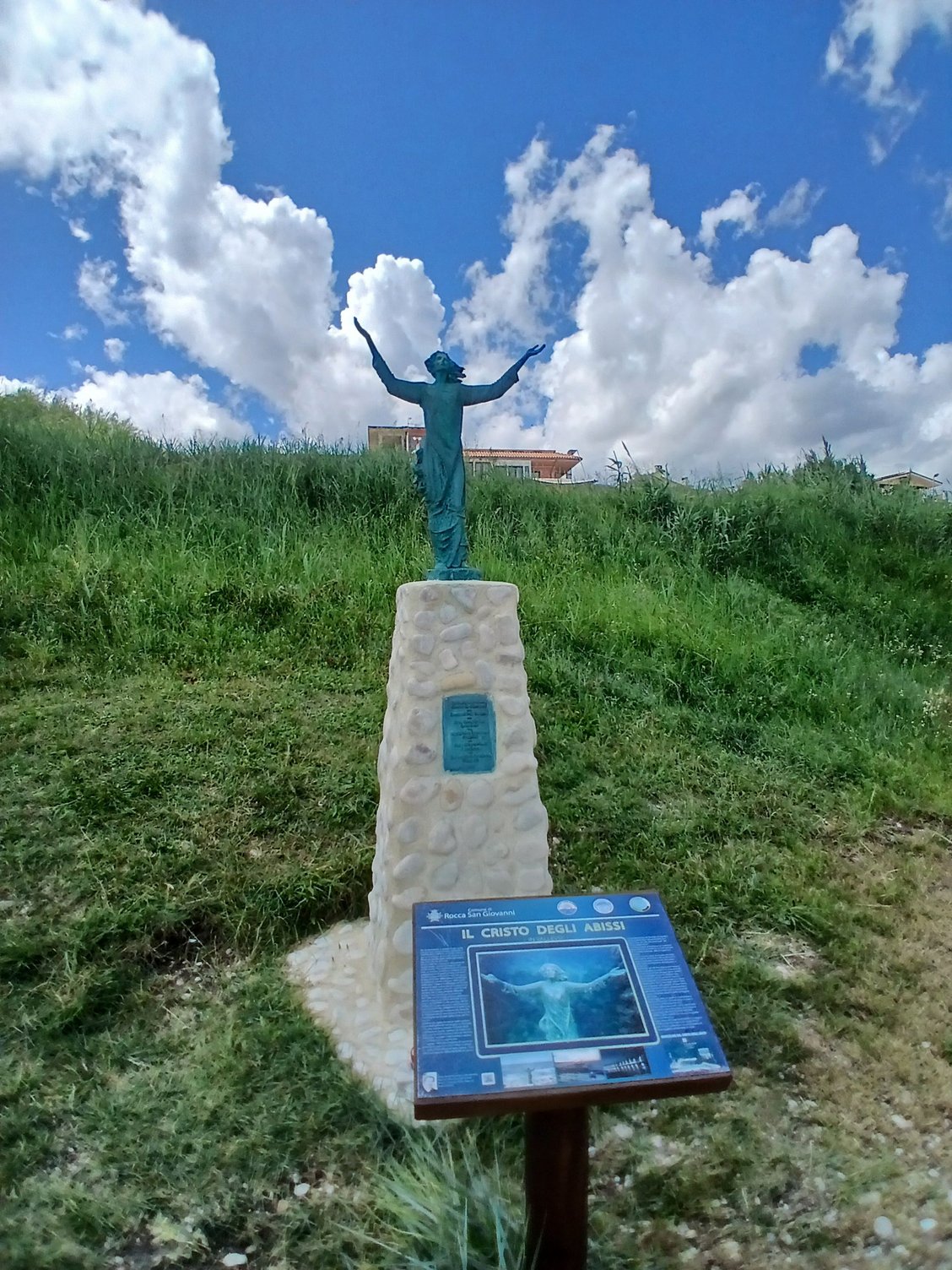
At Marina di Vallevo, statue facing the direction of the Christ of the Abyss placed at a depth of 6 metres just off the port, a popular divespot

Trabocco Sasso della Cajana, near Vallevo
We visited the Abazzia San Giovanni in Venere, set amidst olive groves overlooking the coast.
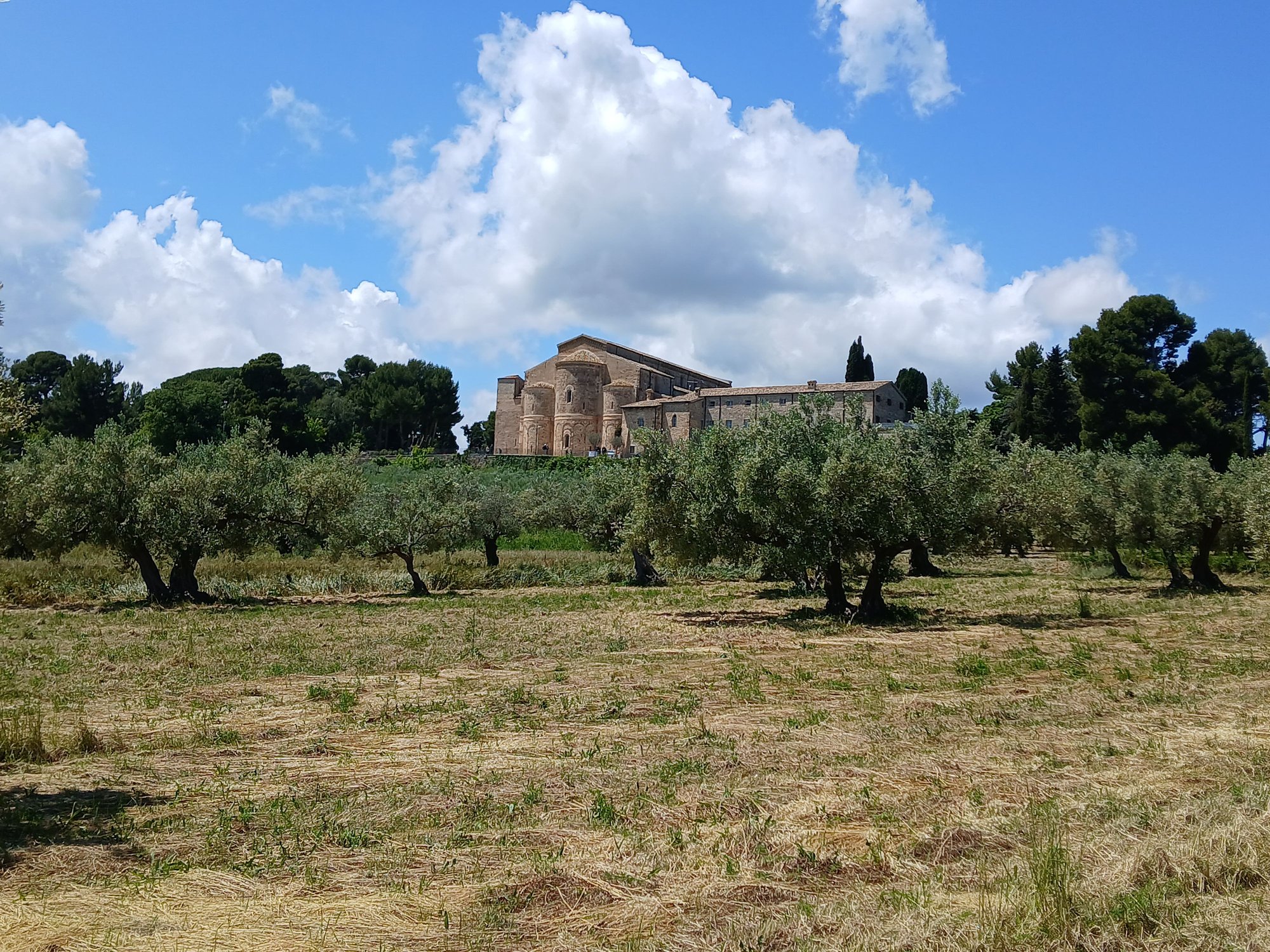
Approaching the abbey

Views from abbey

Inside the abbey
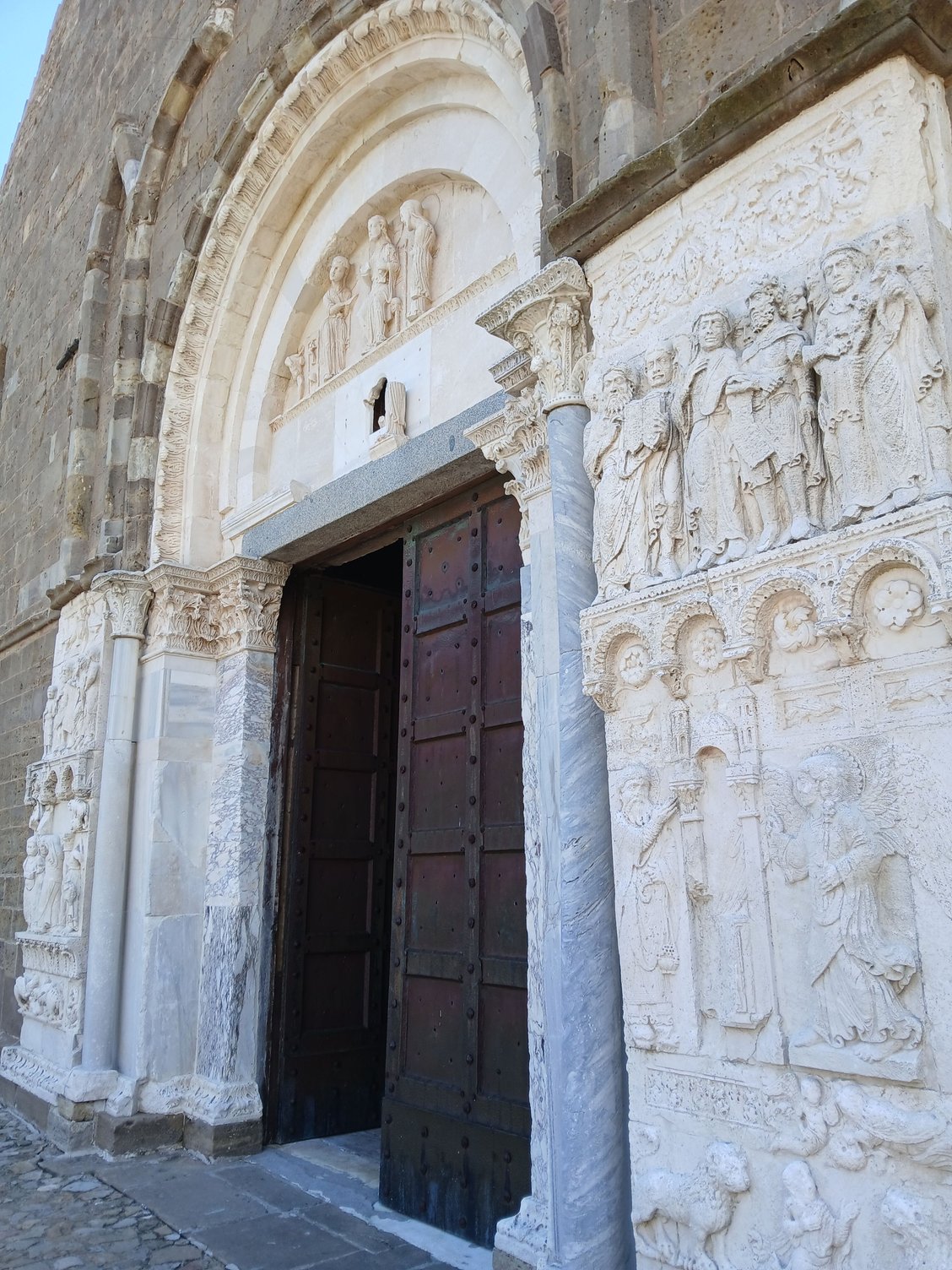
The door with marble sculpture
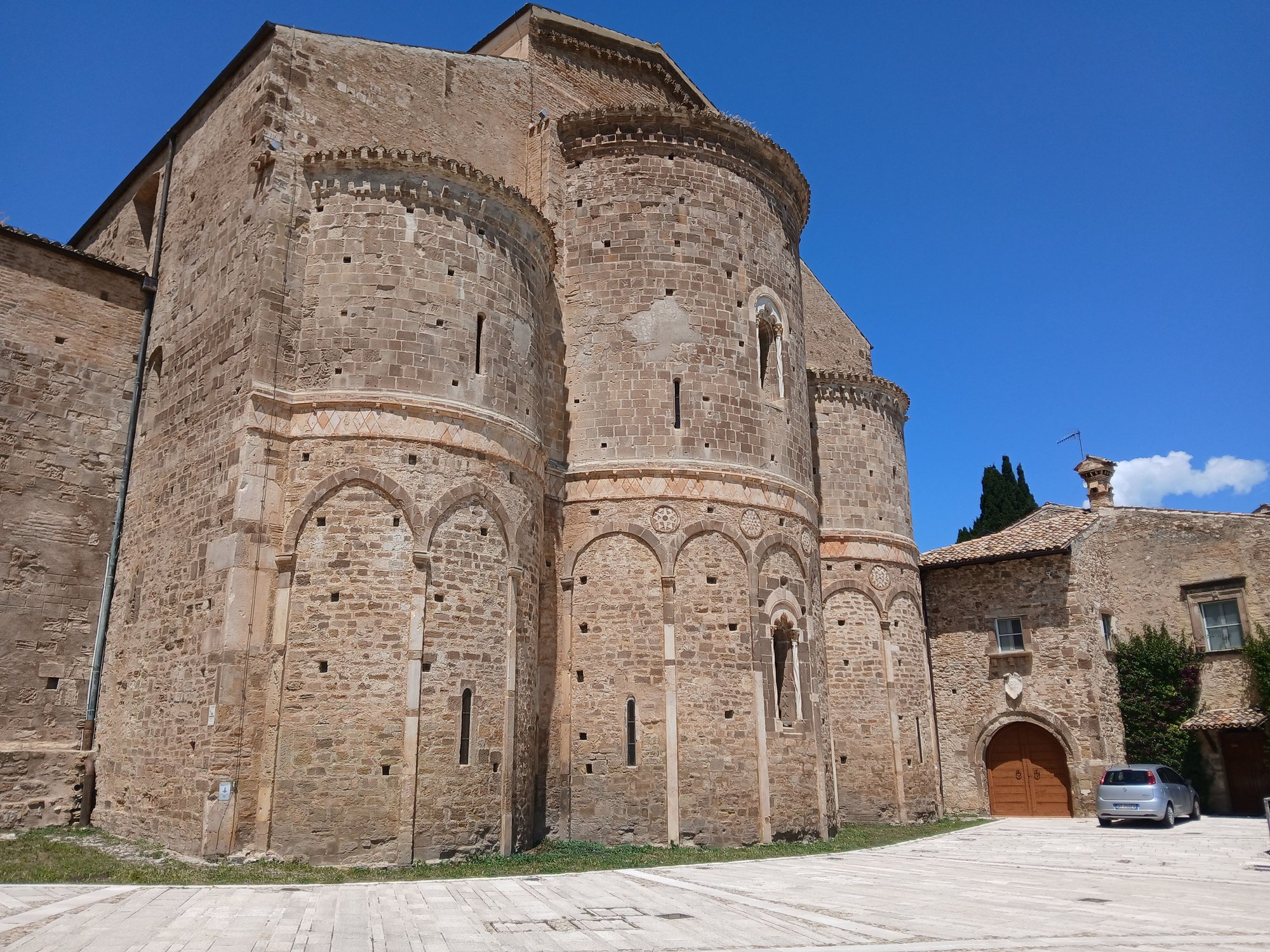
View of abbey

Heading to the belvedere
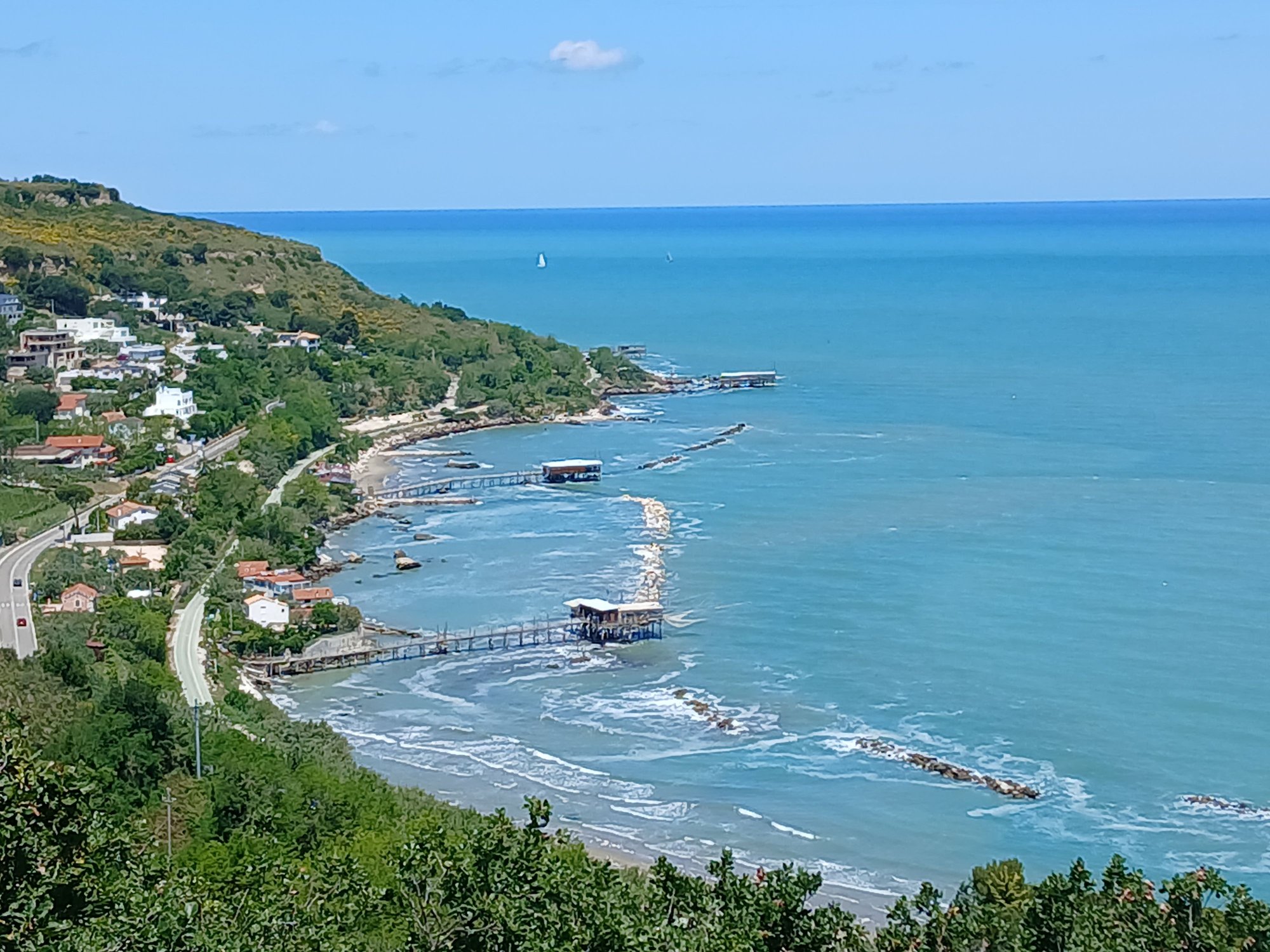
View from belvedere
We made a brief stop at the desolate beach at La Morge, where Trabocco Punta Le Morge rests partly on Lo Scoglione, the Big Rock.
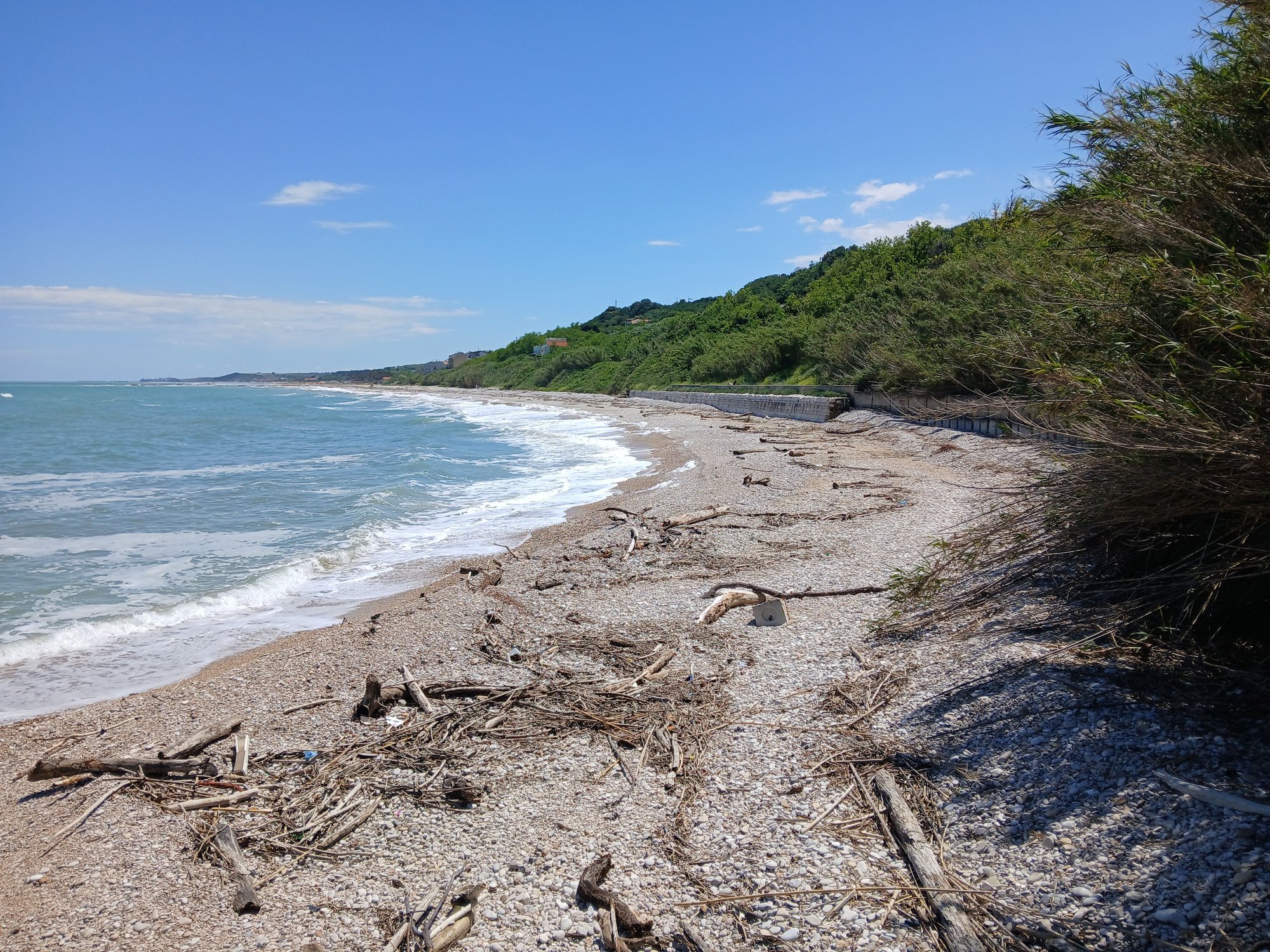
At the beach

Trabocco Punta Le Morge

Closer look at Trabocco Punta Le Morge
Punta Ardeci, a protected nature reserve was next. Unusually located just outside the industrial park of Vasto, we parked and walked up to the cliff overlooking the Spiaggia di Punta Ardeco on the left and Spiaggia dei Libertini on the right.

Heading to Punta Ardeci
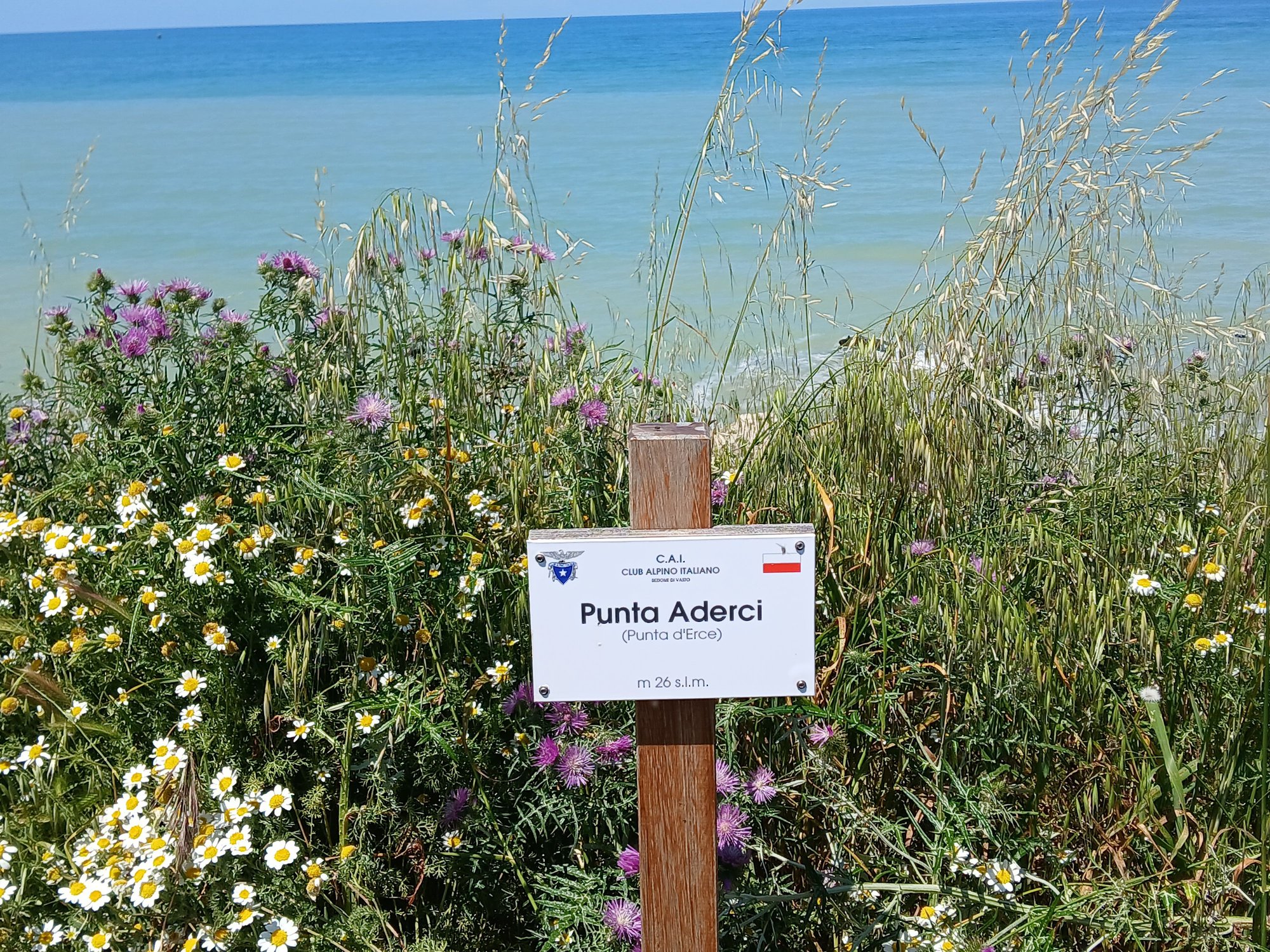
The signboard

View of Spiaggia dei Libertini

Spiaggia dei Punta Ardeci

Heading down to Spiaggia dei Punta Ardeci

At Spiaggia dei Punta Ardeci
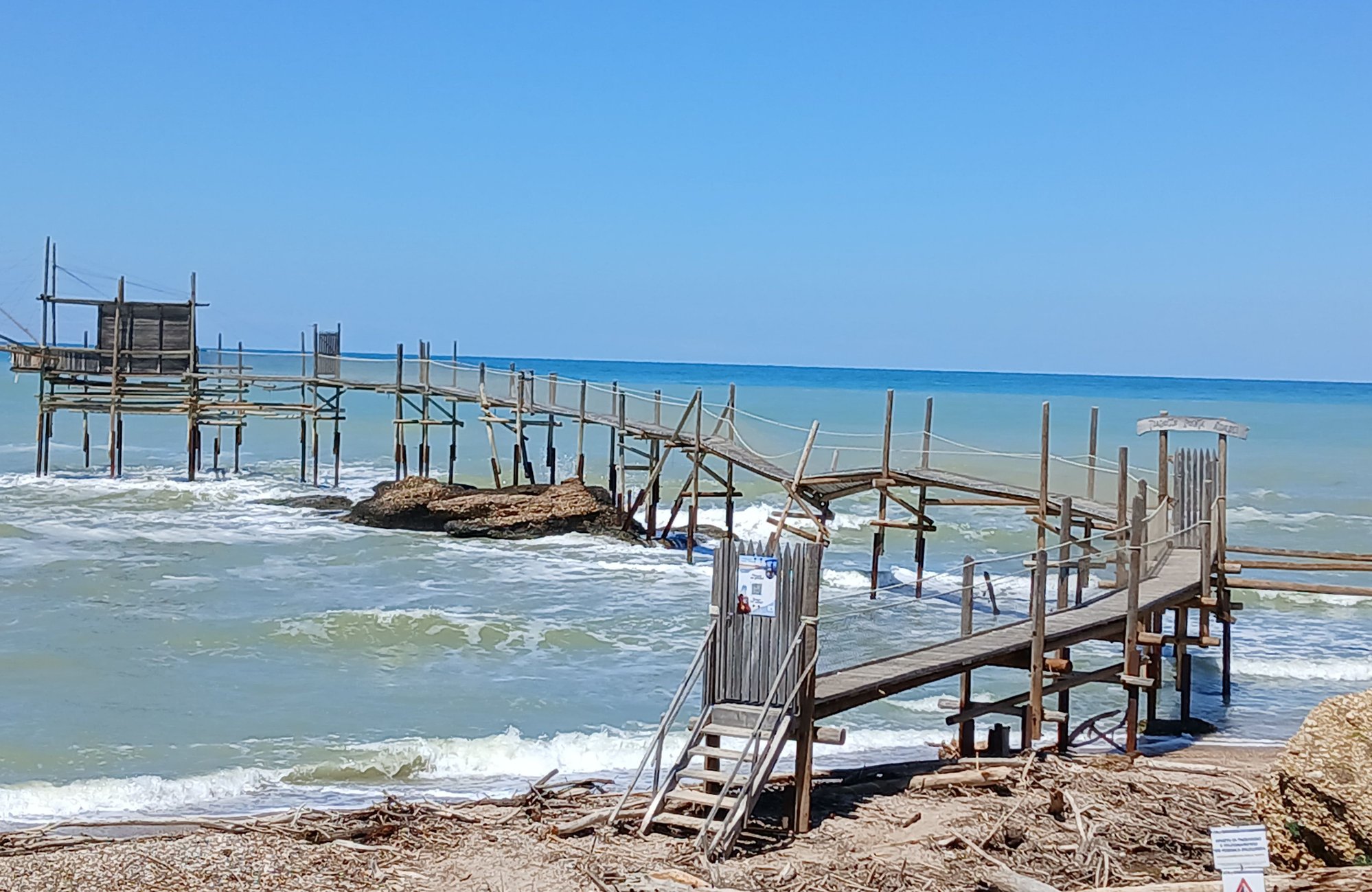
And another trabocco awaits us !
Our final stop was Vasto, a split-level town with Marina Di Vasto down by the coast and the old town of Vasto overlooking it. We spent some time wandering around the old town before making it to the belvedere, running along the old town walls, with sweeping views over the coast.

Piazza Rosseti, the main square

The castello, located right by the square in the heart of Vasto
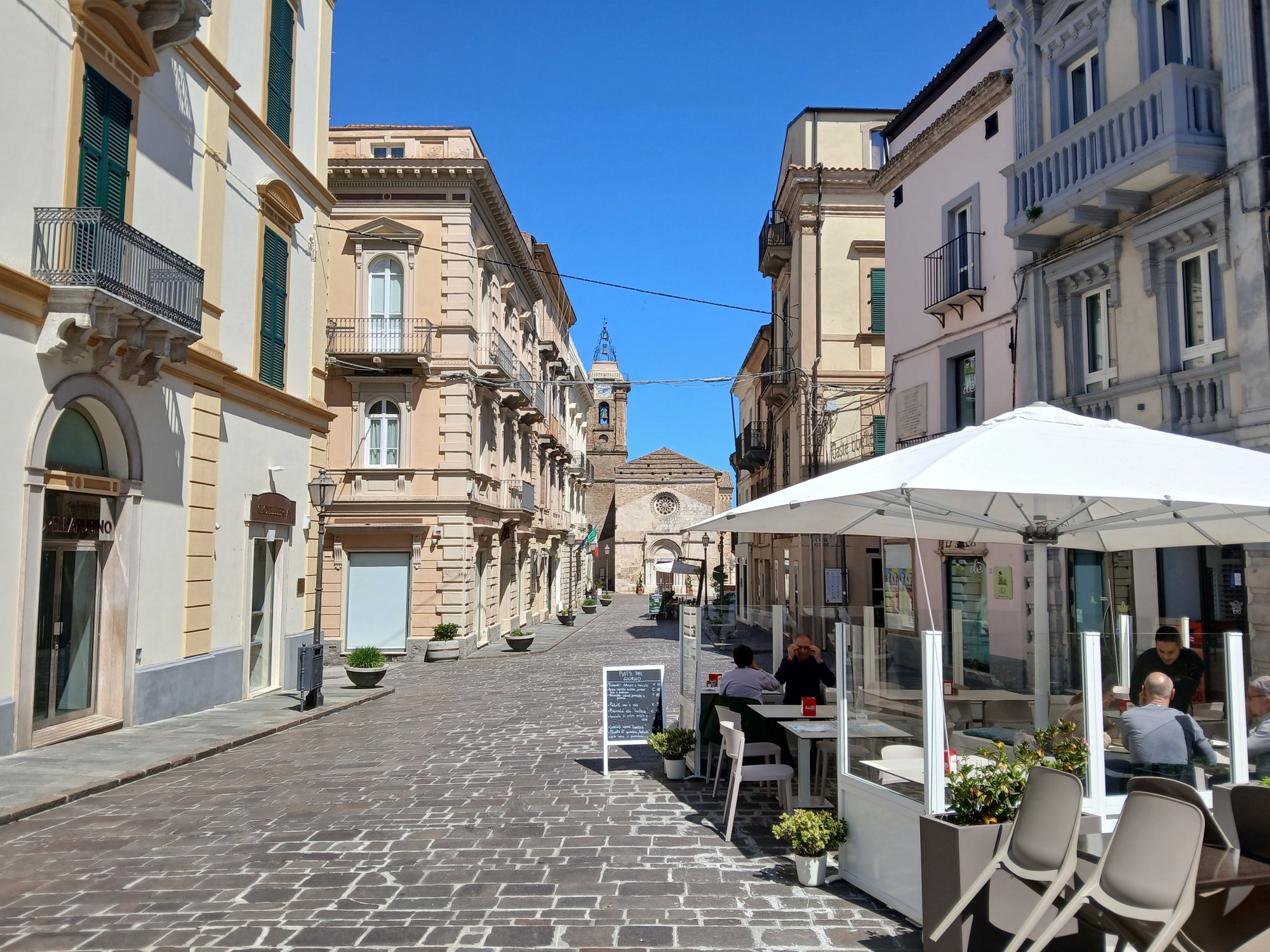
Along the streets
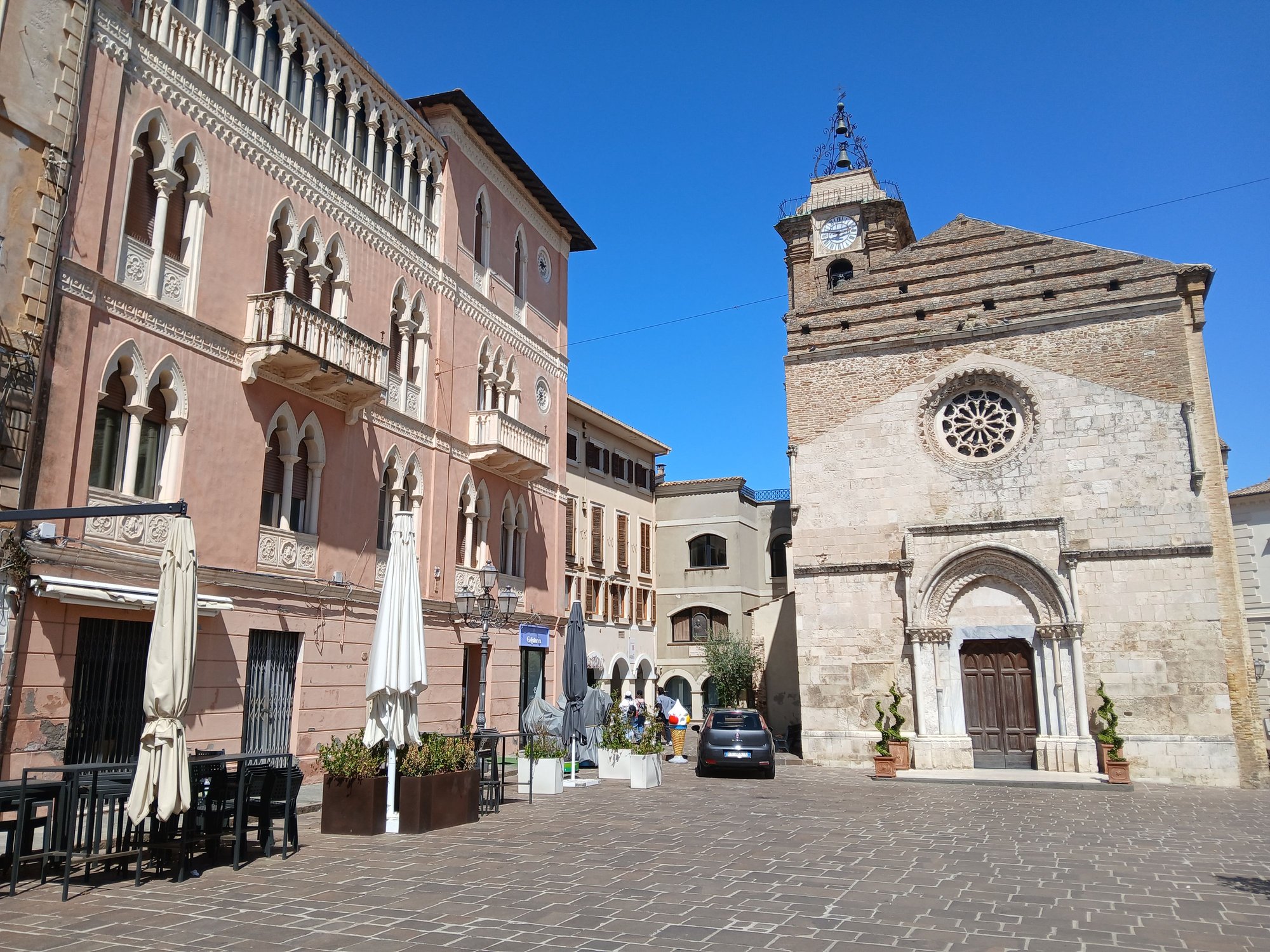
By the church

Views from Belvedere Loggia Amblingh
... TO BE CONTINUED
We followed this route overall.
Our first stop was at Marina di San Vito Chietino, where we saw our first two - Trabocco Vento di Sciorocco and San Giacomo.
Down by the beach
View of both trabuccos along the pier
Trabucco Vento di Scirocco
Closer look
We pulled over and made several other stops en route.
Promontory Dannunziano, a sandstone cliff overlooking the sea beyond San Vito
Trabocco Punto Tofano
Fishermen near Punto Tofano
At Marina di Vallevo, statue facing the direction of the Christ of the Abyss placed at a depth of 6 metres just off the port, a popular divespot
Trabocco Sasso della Cajana, near Vallevo
We visited the Abazzia San Giovanni in Venere, set amidst olive groves overlooking the coast.
Approaching the abbey
Views from abbey
Inside the abbey
The door with marble sculpture
View of abbey
Heading to the belvedere
View from belvedere
We made a brief stop at the desolate beach at La Morge, where Trabocco Punta Le Morge rests partly on Lo Scoglione, the Big Rock.
At the beach
Trabocco Punta Le Morge
Closer look at Trabocco Punta Le Morge
Punta Ardeci, a protected nature reserve was next. Unusually located just outside the industrial park of Vasto, we parked and walked up to the cliff overlooking the Spiaggia di Punta Ardeco on the left and Spiaggia dei Libertini on the right.
Heading to Punta Ardeci
The signboard
View of Spiaggia dei Libertini
Spiaggia dei Punta Ardeci
Heading down to Spiaggia dei Punta Ardeci
At Spiaggia dei Punta Ardeci
And another trabocco awaits us !
Our final stop was Vasto, a split-level town with Marina Di Vasto down by the coast and the old town of Vasto overlooking it. We spent some time wandering around the old town before making it to the belvedere, running along the old town walls, with sweeping views over the coast.
Piazza Rosseti, the main square
The castello, located right by the square in the heart of Vasto
Along the streets
By the church
Views from Belvedere Loggia Amblingh
... TO BE CONTINUED
Jun 5th, 2025 | 04:24 AM
#44
Original Poster
Joined: Oct 2005
Posts: 967
Likes: 28
Day 9 (contd.) : The Trabocchi coast, Termoli (and Molise) ahoy !
We finally reached Termoli, our home for the next 2 nights, by late afternoon. We parked by the port (the old town is entirely pedestrianised) and took the spiral stairway up to the old town and checked into our albergo diffuso.
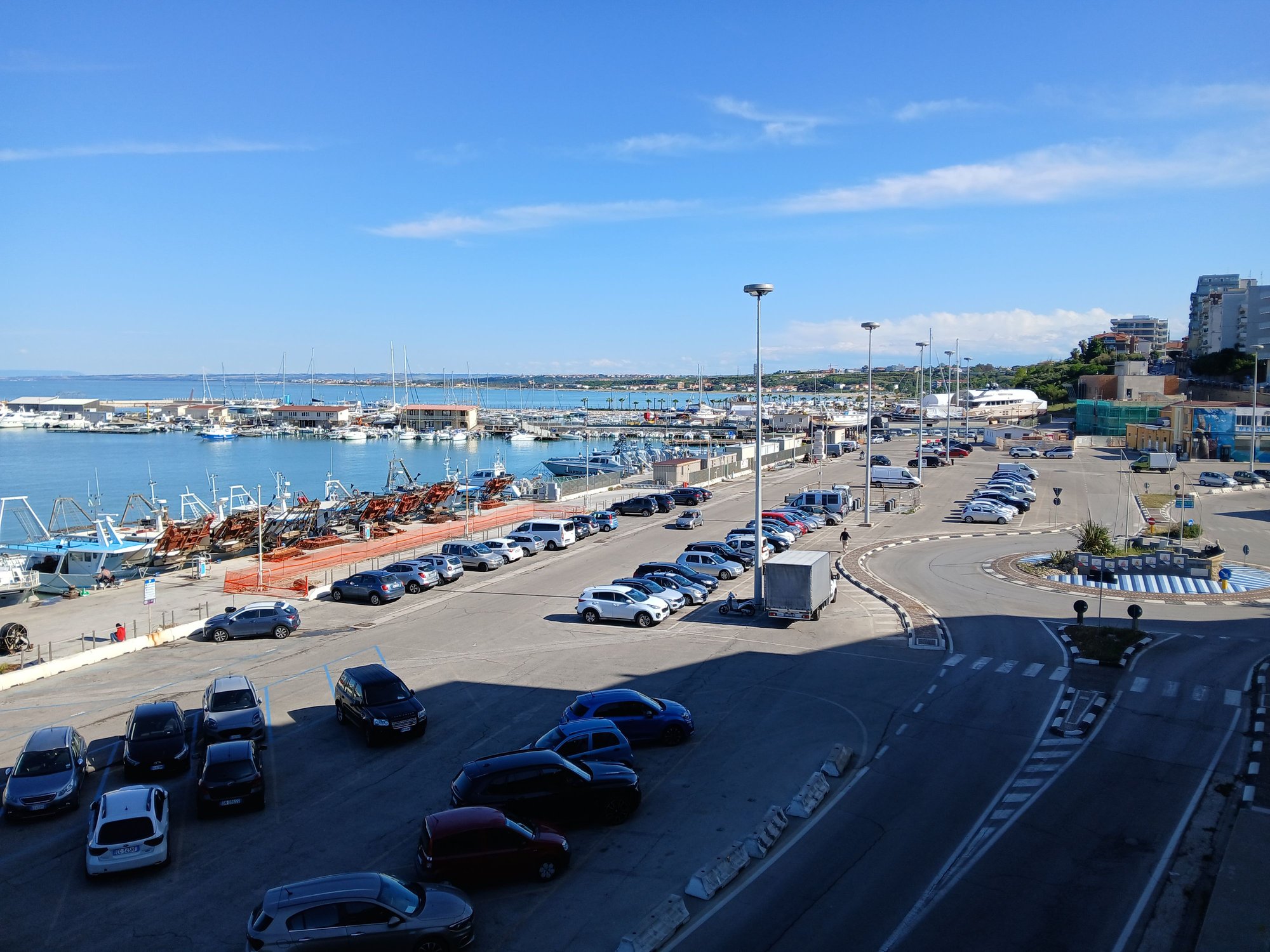
Termoli port, viewed from staircase
Termoli is a historic fishing port, now turned popular central Adriatic seaside resort. We thought choosing 2 bases in Molise would give us a flavour of this region’s diversity : one along the coast (Termoli) and one inland (Isernia). Termoli is characterised by fortifications, narrow alleys, ancient churches and beaches. Interesting fact: Termoli is called the "Italian Greenwich" because it sits at the central meridian of the time zone of Berlin, Paris and Rome, which determines the time of the time zone itself, known as "Termoli time".
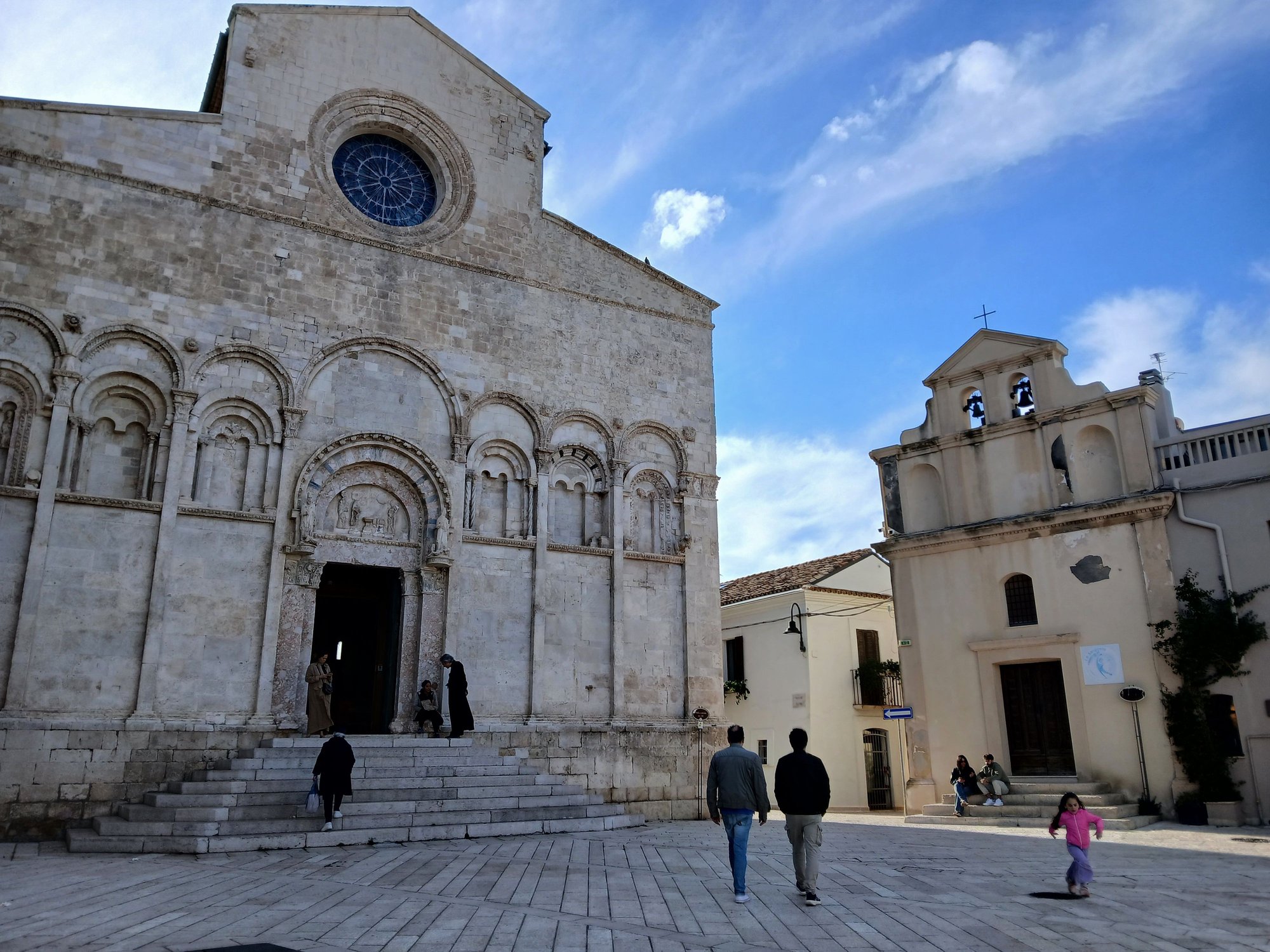
Piazza Duomo, the main square
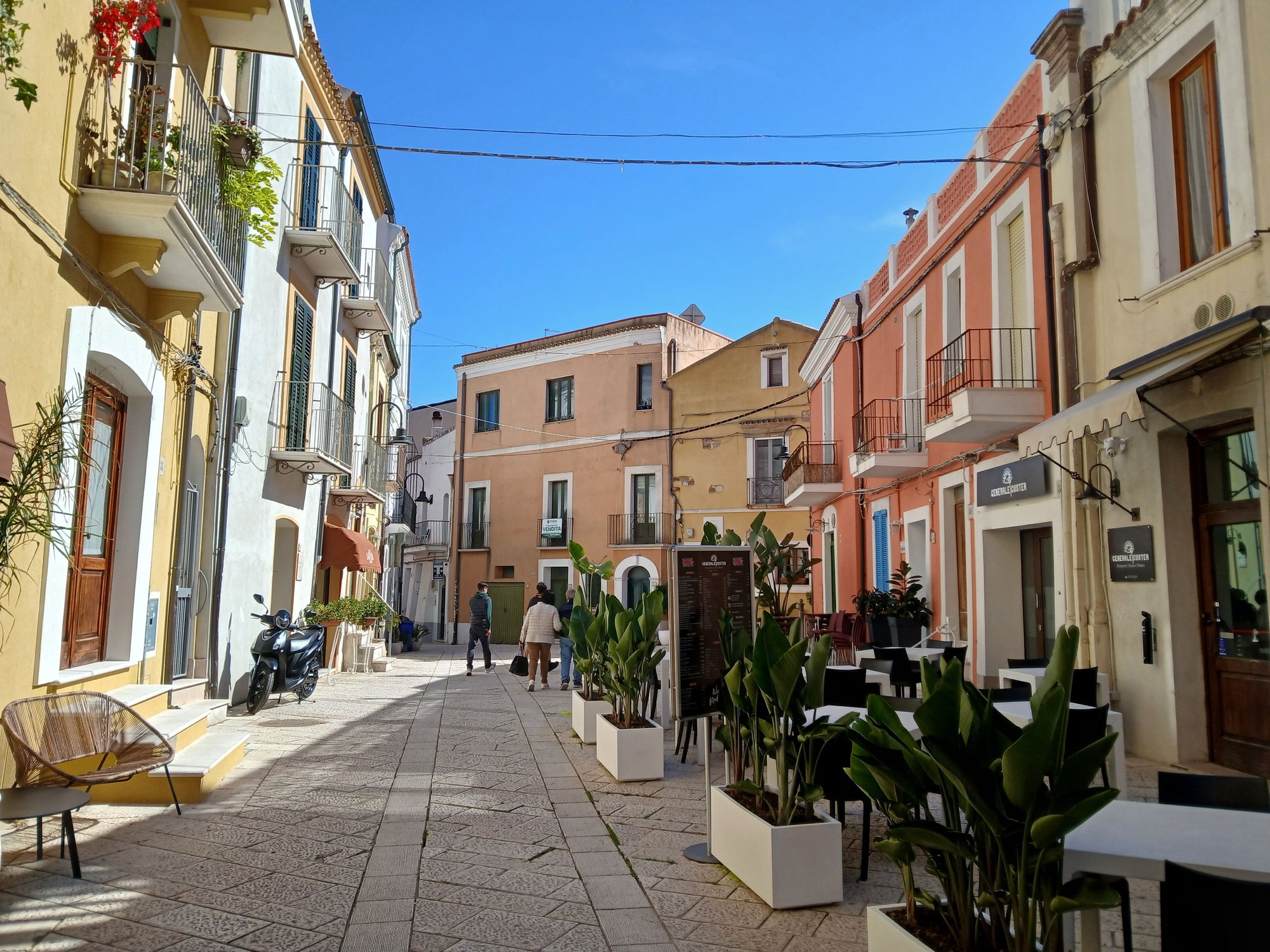
The pastel hues of Termoli
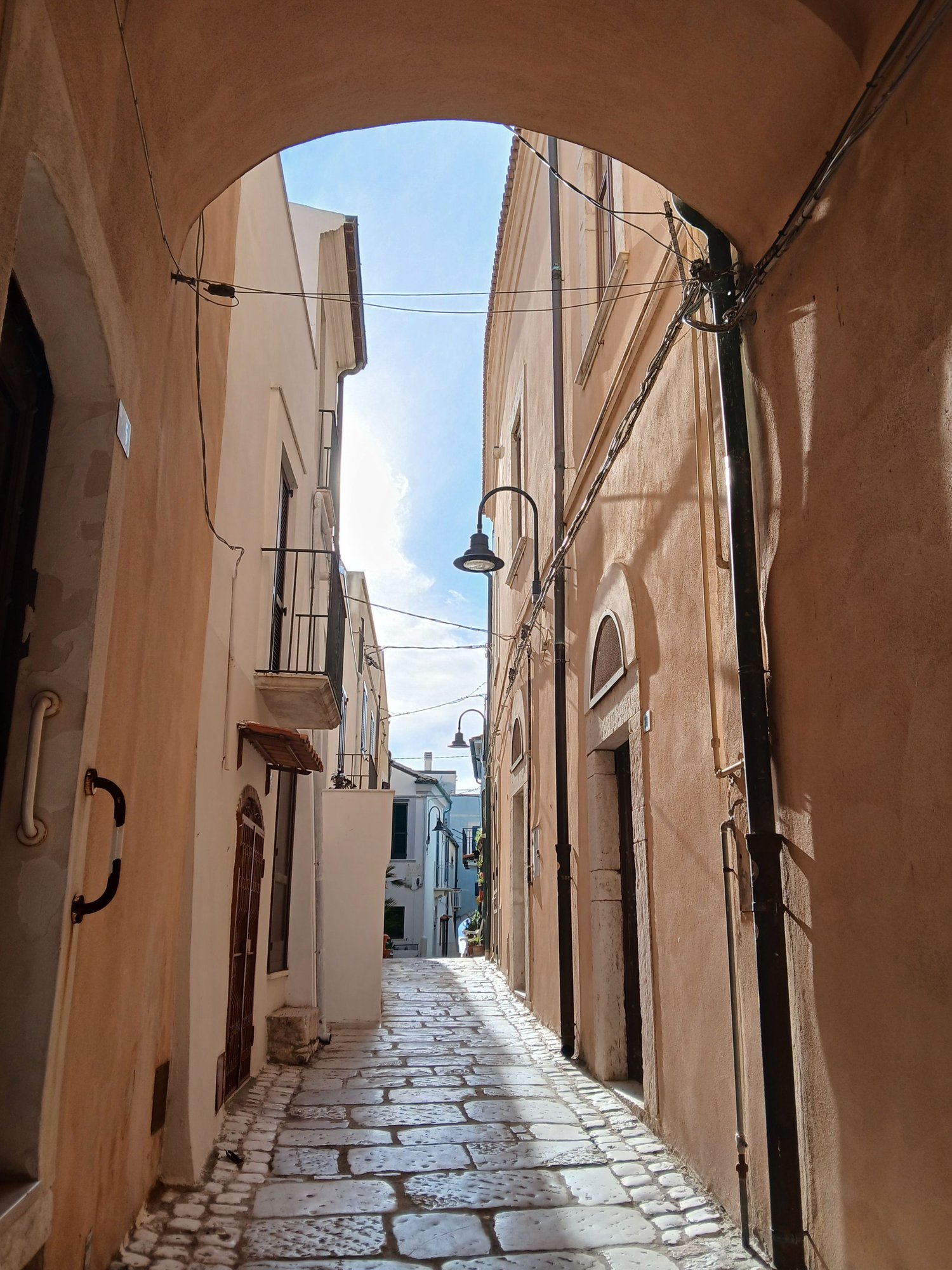
Narrow lanes
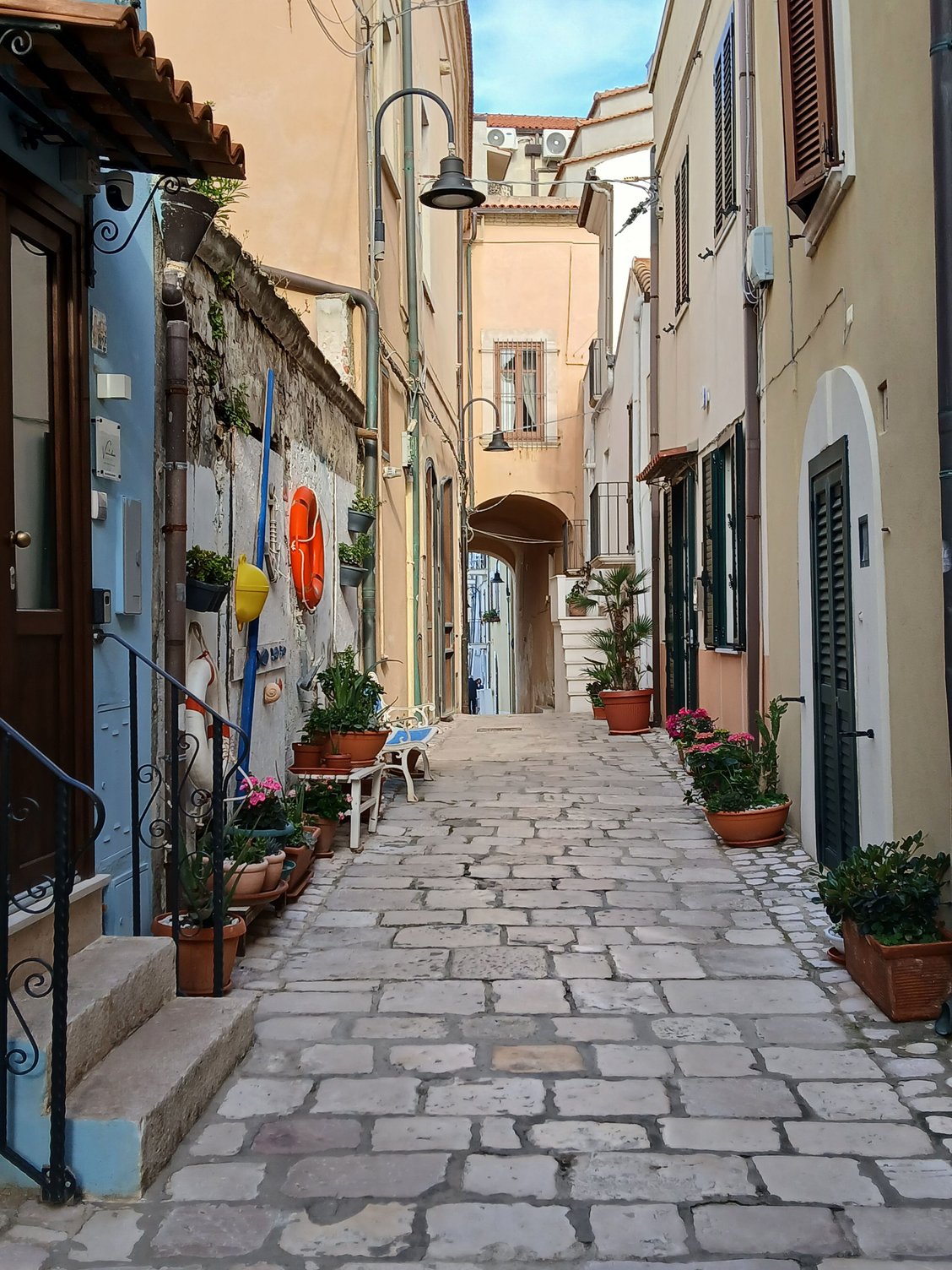
Narrow lanes
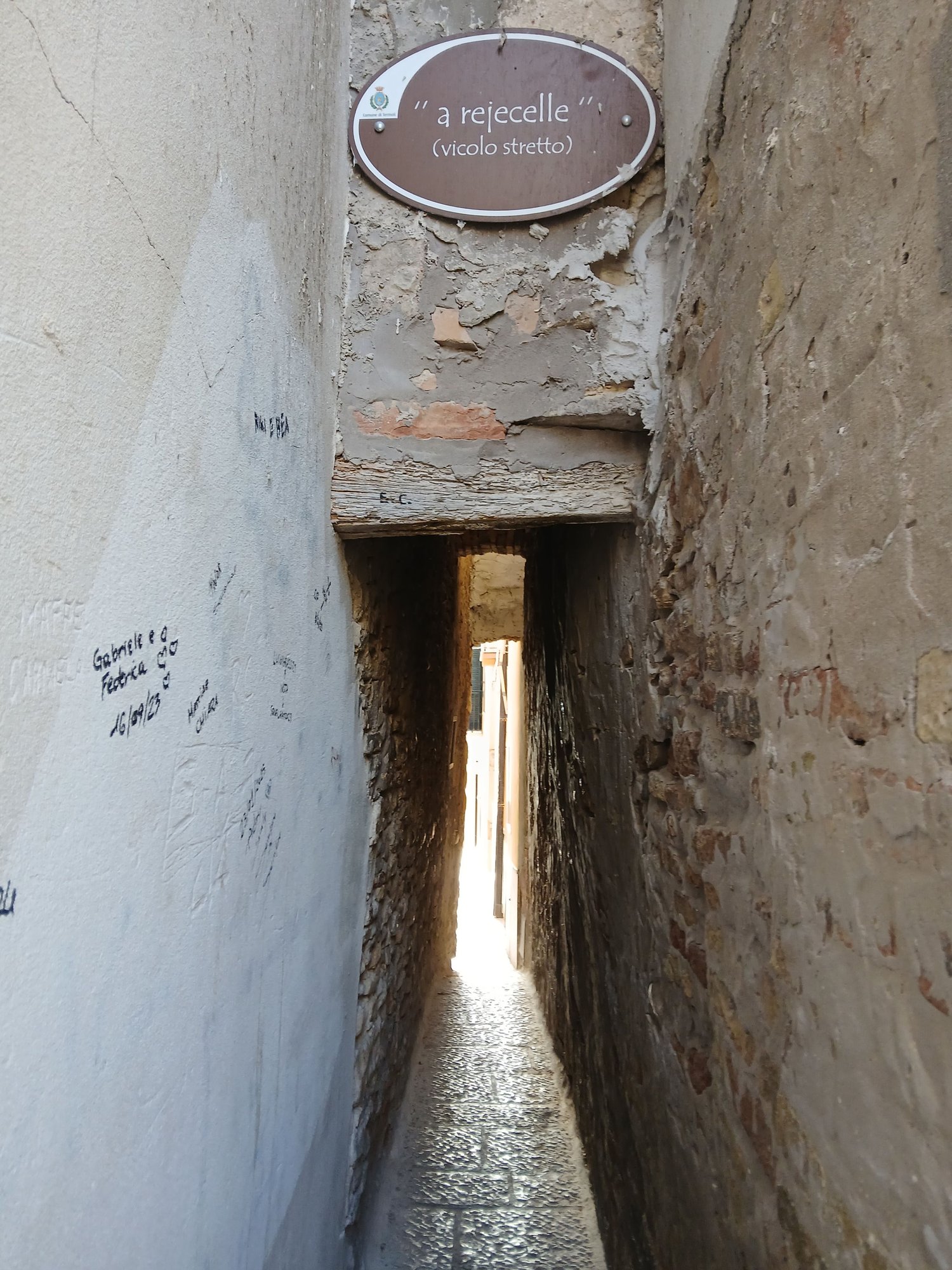
.. and supposedly the narrowest alley in Italy "A Rejecelle" !
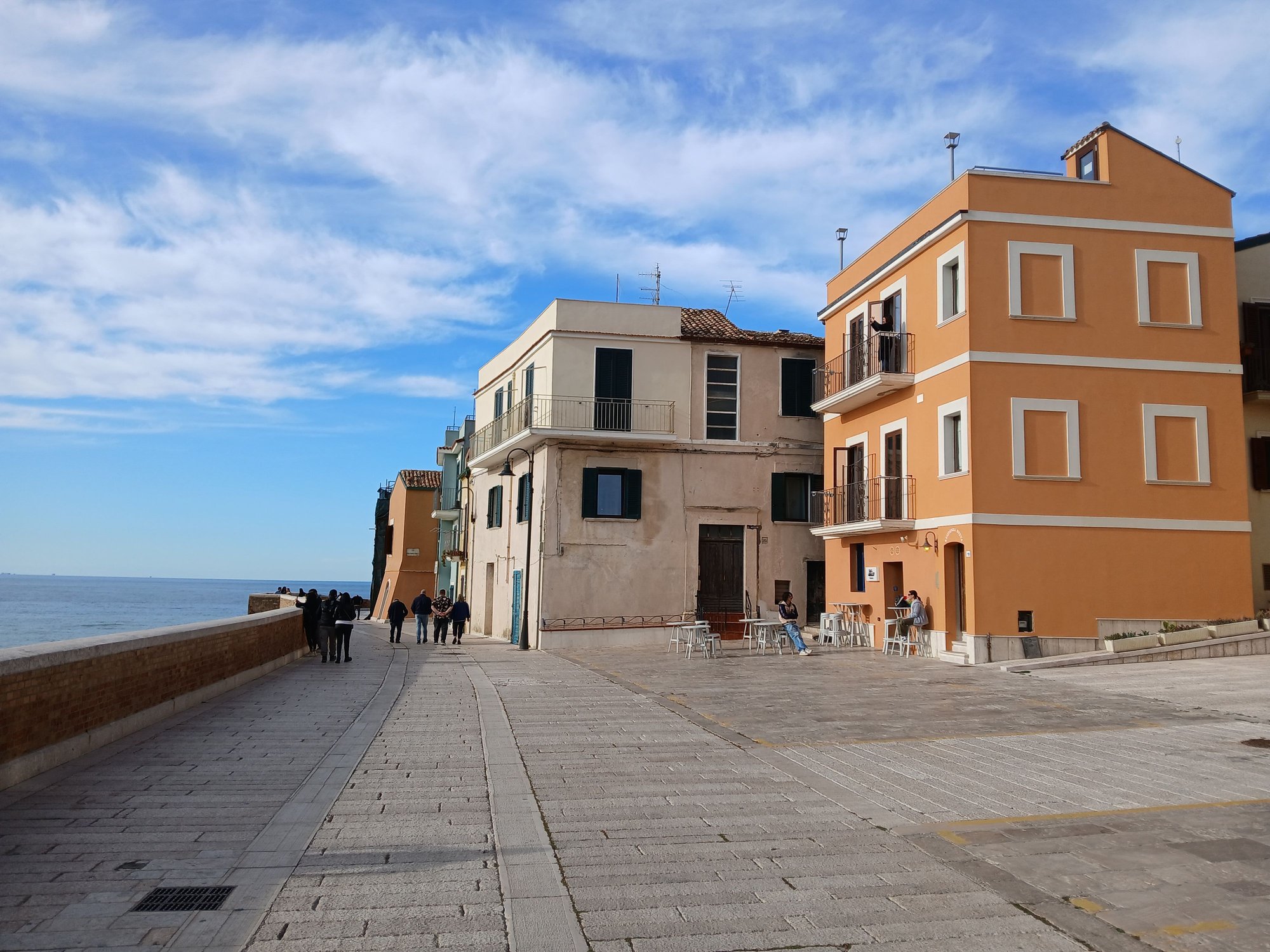
Passeggiata panoramica
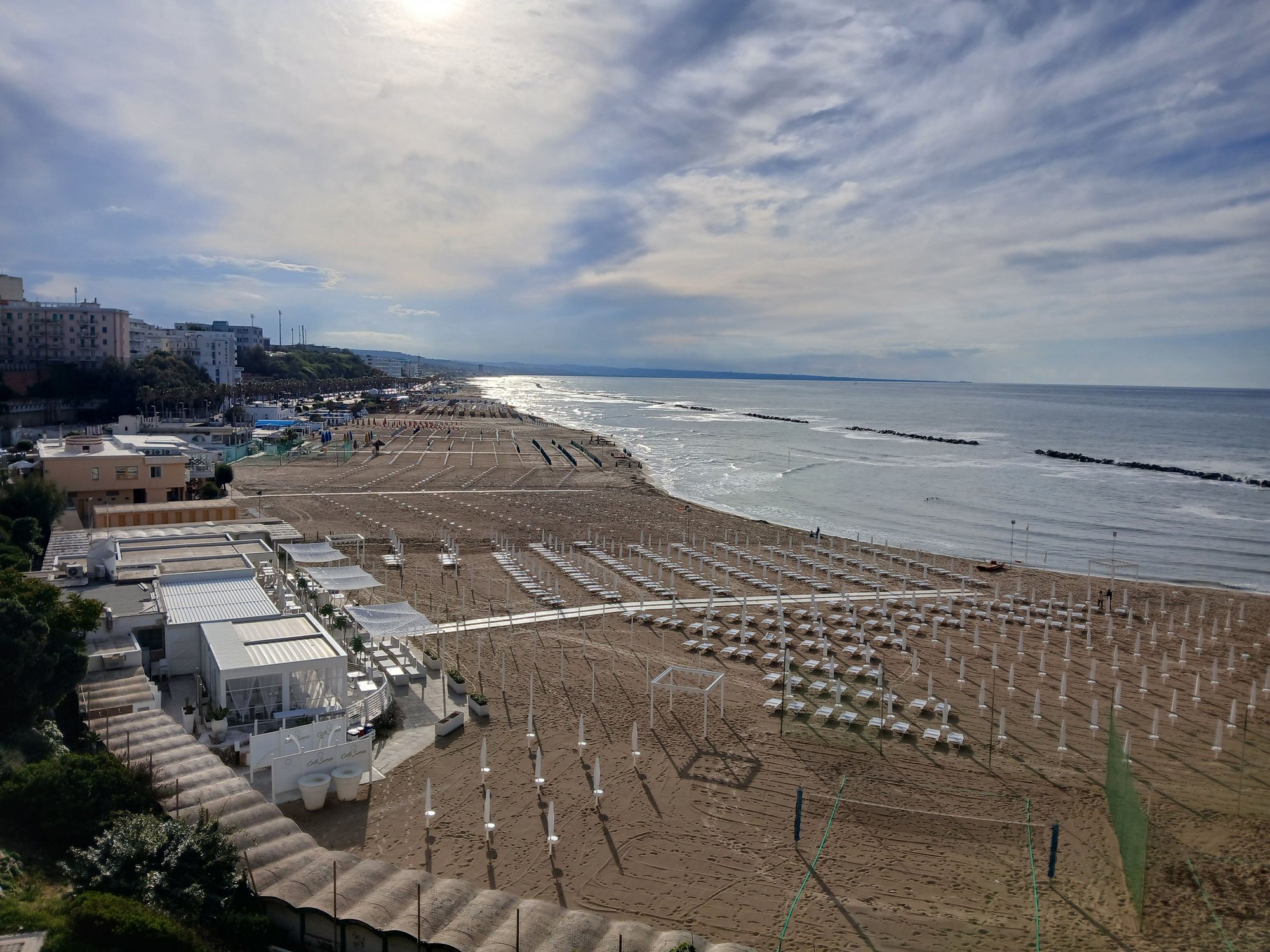
View of the nearest beach - Spiaggia di Sant'Antonio
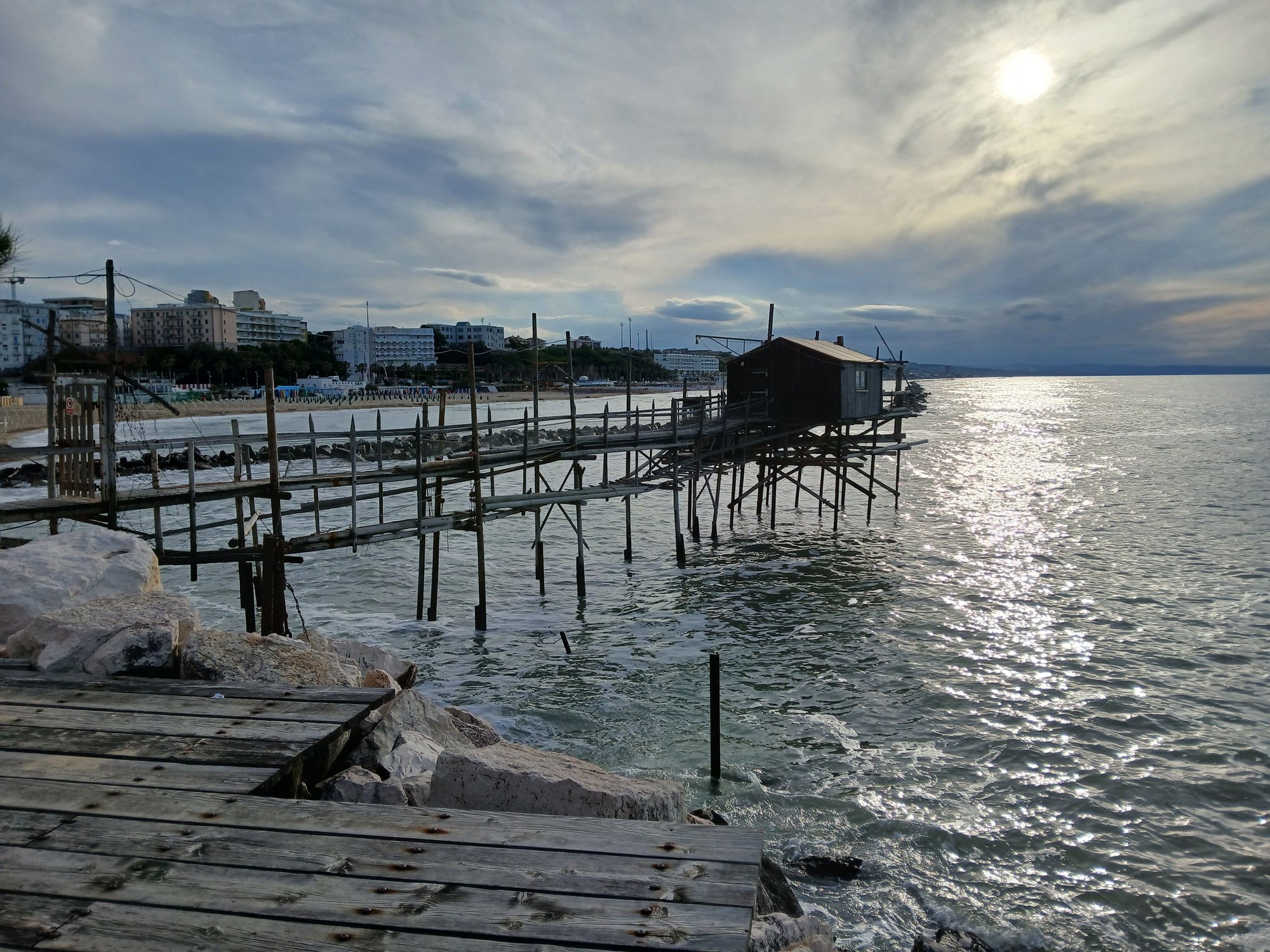
And its very own Trabucco di Celestino, by the pier
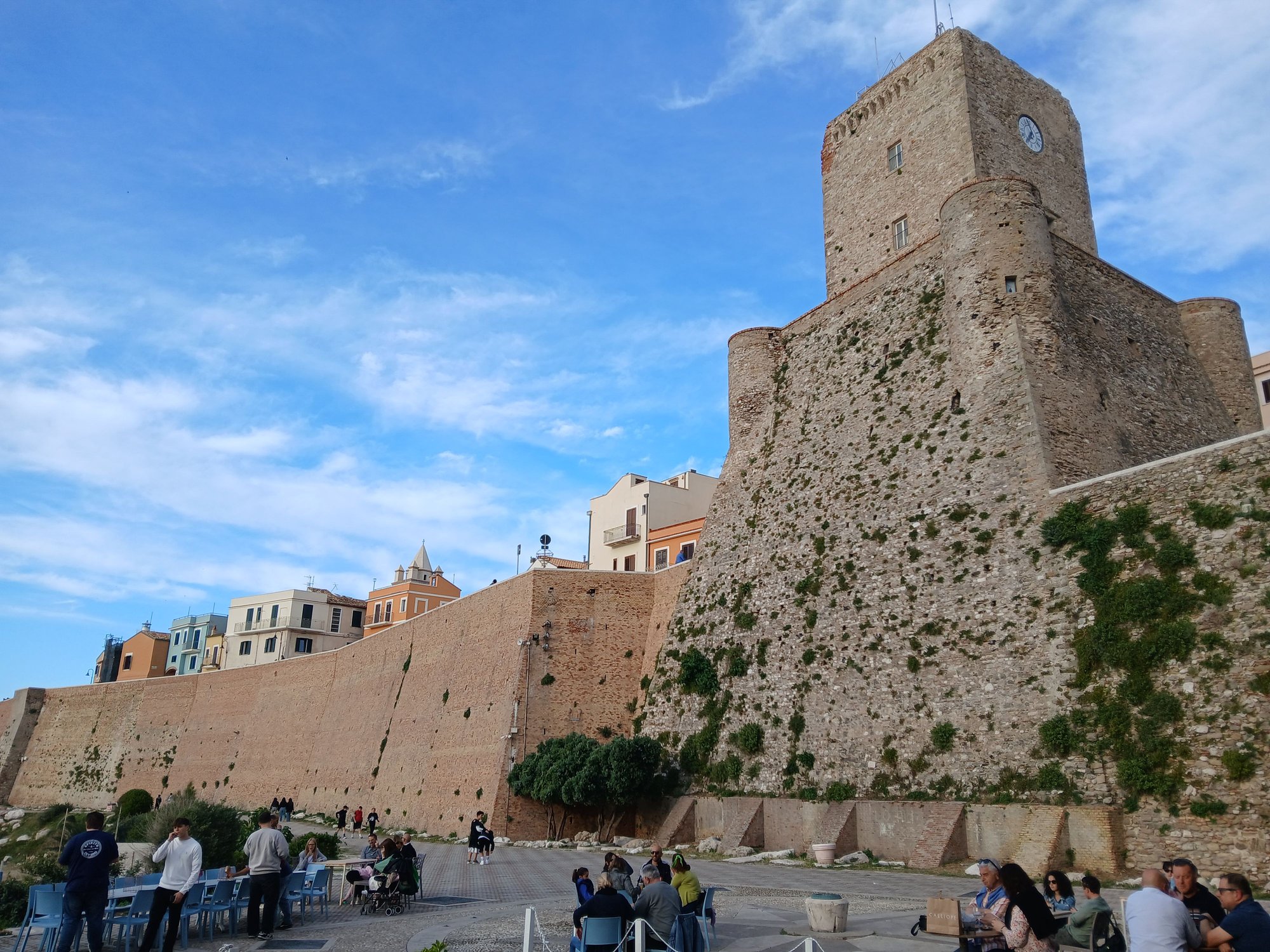
View of the castle, and fortified walls, from near the pier
Termoli port, viewed from staircase
Termoli is a historic fishing port, now turned popular central Adriatic seaside resort. We thought choosing 2 bases in Molise would give us a flavour of this region’s diversity : one along the coast (Termoli) and one inland (Isernia). Termoli is characterised by fortifications, narrow alleys, ancient churches and beaches. Interesting fact: Termoli is called the "Italian Greenwich" because it sits at the central meridian of the time zone of Berlin, Paris and Rome, which determines the time of the time zone itself, known as "Termoli time".
Piazza Duomo, the main square
The pastel hues of Termoli
Narrow lanes
Narrow lanes
.. and supposedly the narrowest alley in Italy "A Rejecelle" !
Passeggiata panoramica
View of the nearest beach - Spiaggia di Sant'Antonio
And its very own Trabucco di Celestino, by the pier
View of the castle, and fortified walls, from near the pier
Jun 5th, 2025 | 12:31 PM
#45

Joined: May 2005
Posts: 25,398
Likes: 0
Again, Anuj, glorious photos!!
And again, so few people in the streets!!
Although I keep seeing the back of one slender, dark-haired female with a backpack slung over her shoulders!! I hope you were not stalking this young woman.
Termoli looks a LOT prettier when the sun is shining, as opposed to in the dreary grey weather we encountered!!
And again, so few people in the streets!!
Although I keep seeing the back of one slender, dark-haired female with a backpack slung over her shoulders!! I hope you were not stalking this young woman.
Termoli looks a LOT prettier when the sun is shining, as opposed to in the dreary grey weather we encountered!!

 Jun 6th, 2025 | 01:51 AM
#49
Original Poster
Joined: Oct 2005
Posts: 967
Likes: 28
Thank you Adelaidean. Ive always enjoyed all your TRs as you know. Notably, your recent South Island one has got me thinking about beautiful New Zealand very actively - it's been many years since we went.
Last edited by ANUJ; Jun 6th, 2025 at 01:55 AM.
Jun 6th, 2025 | 04:26 AM
#50
Original Poster
Joined: Oct 2005
Posts: 967
Likes: 28
Day 10 : Termoli, Day trip to the Tremiti islands
Just off the Gargano’s north coast (the spur of the Italian boot, in the region of Puglia), the Tremiti islands is a five island archipelago that is a protected marine reserve. According to legend, the Tremiti were formed when Diomedes, the mythical hero threw boulders into the Adriatic Sea. This tiny archipelago consists of 5 islands : San Nicola, San Domino, Capraia, Pianosa, and Cretaccio (only the first two are inhabited). Also known as "the pearls of the Adriatic" in its glittering turquoise waters, the Tremiti are a huge draw for nature lovers and divers (there’s a statue of Padre Pio immersed in the waters off Capraia at 14m) alike.
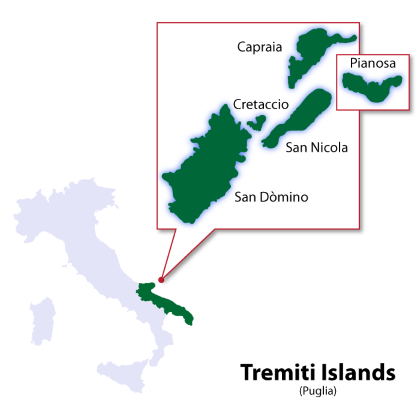
When deciding on a coastal base for this holiday, we had also considered Vasto (just 30km north, which we visited the previous day). However, Termoli scored as it is smaller and more intimate. More importantly, Termoli offers the most efficient, year-round connections to the Tremiti Islands, where we intended to spend most of today. We had missed these islands during our previous holiday in Puglia, ironically they are easier accessed from Molise.
We had bought tickets at the Termoli port the previous day (cheaper in person than online!). In May, there's just a single run - the NLG ferry to San Donato (the largest of the islands, offering the most to see and do) leaving Termoli at 9am, returning at 5pm. Upon landing, we followed this walking circuit (clockwise) - along a walking path (with some signage) that hugs the east coast all the way to the lighthouse (at the southern tip of the island). We returned by the quicker and more direct main road passing through the village.
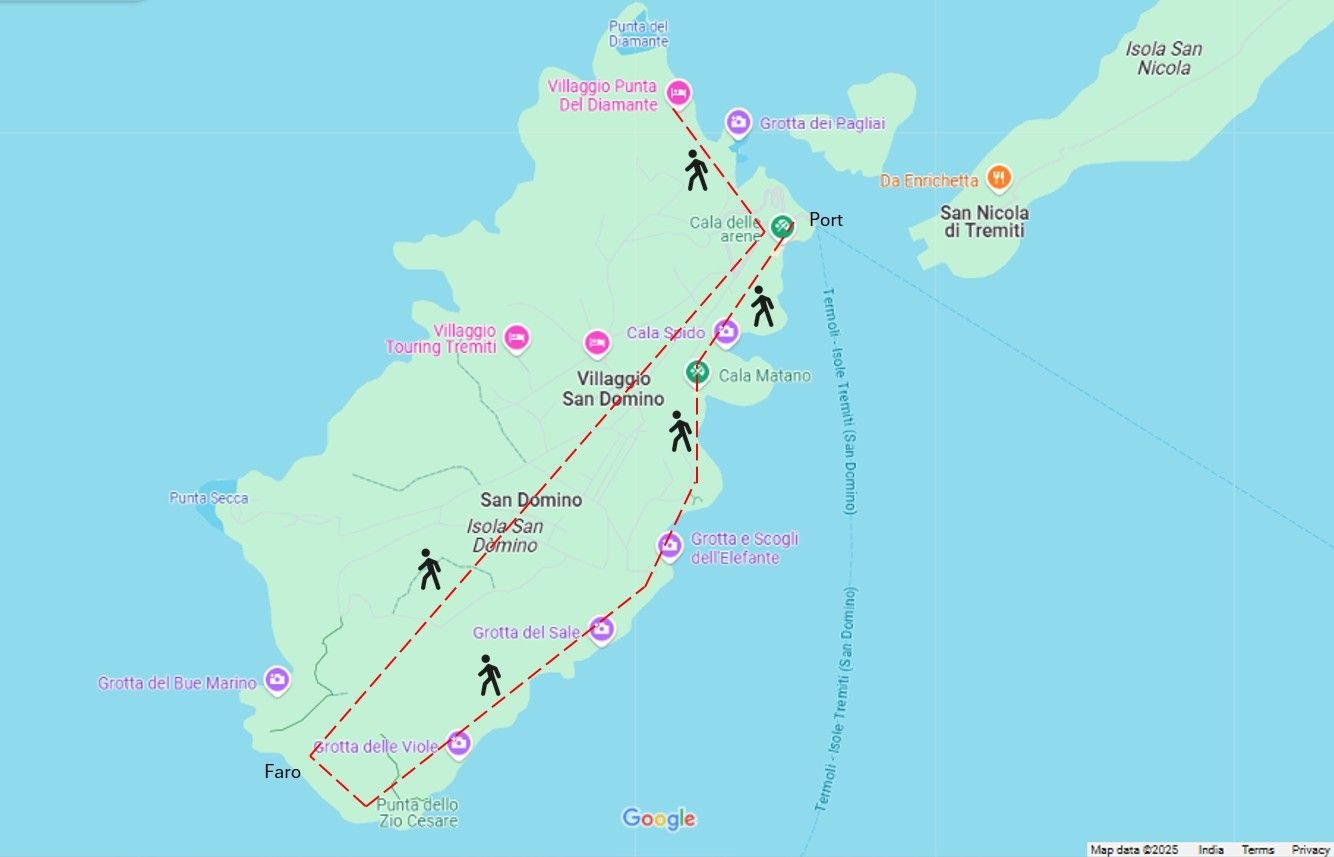
The red dotted line with walking icons represents our broad route
We took a little over 4 hours to complete this at a leisurely pace. As many visitors opt for a boat tour (less effort intensive, and better access to some of the caves from the water than land) to circumnavigate the islands, we encountered only a handful of others on the walking route. While it was a bright and sunny day, the tree cover along the way offers welcome shade and respite. We also parked ourselves at multiple benches en route to soak in the views and for refreshment and rest breaks (there are no shops or toilets after the port).
The first stop, close to the port, was the (only) sandy beach on the island - Cala delle arene.

Th San Donato port, the sialnd of San Nicola visible across the water
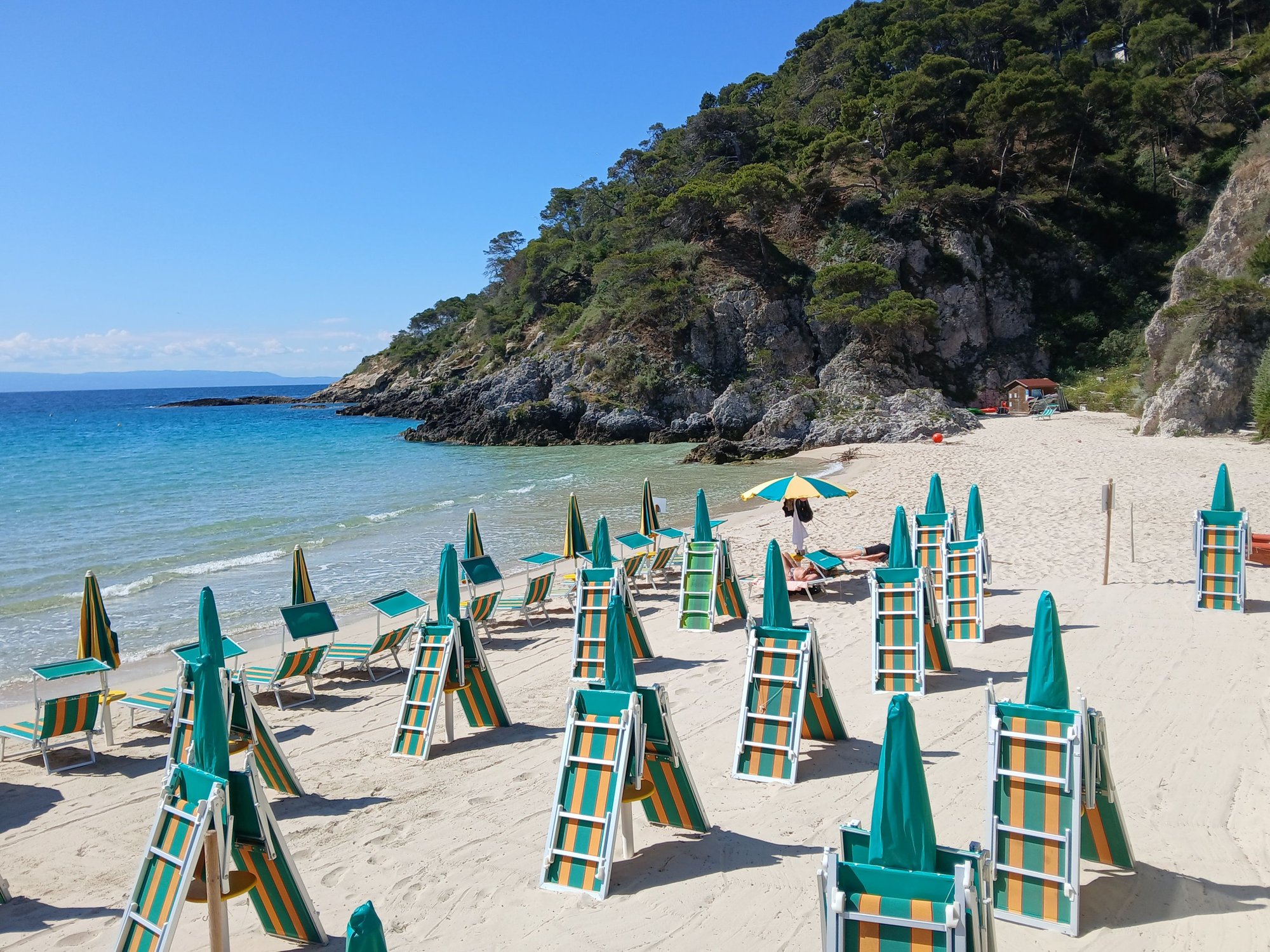
At the beach
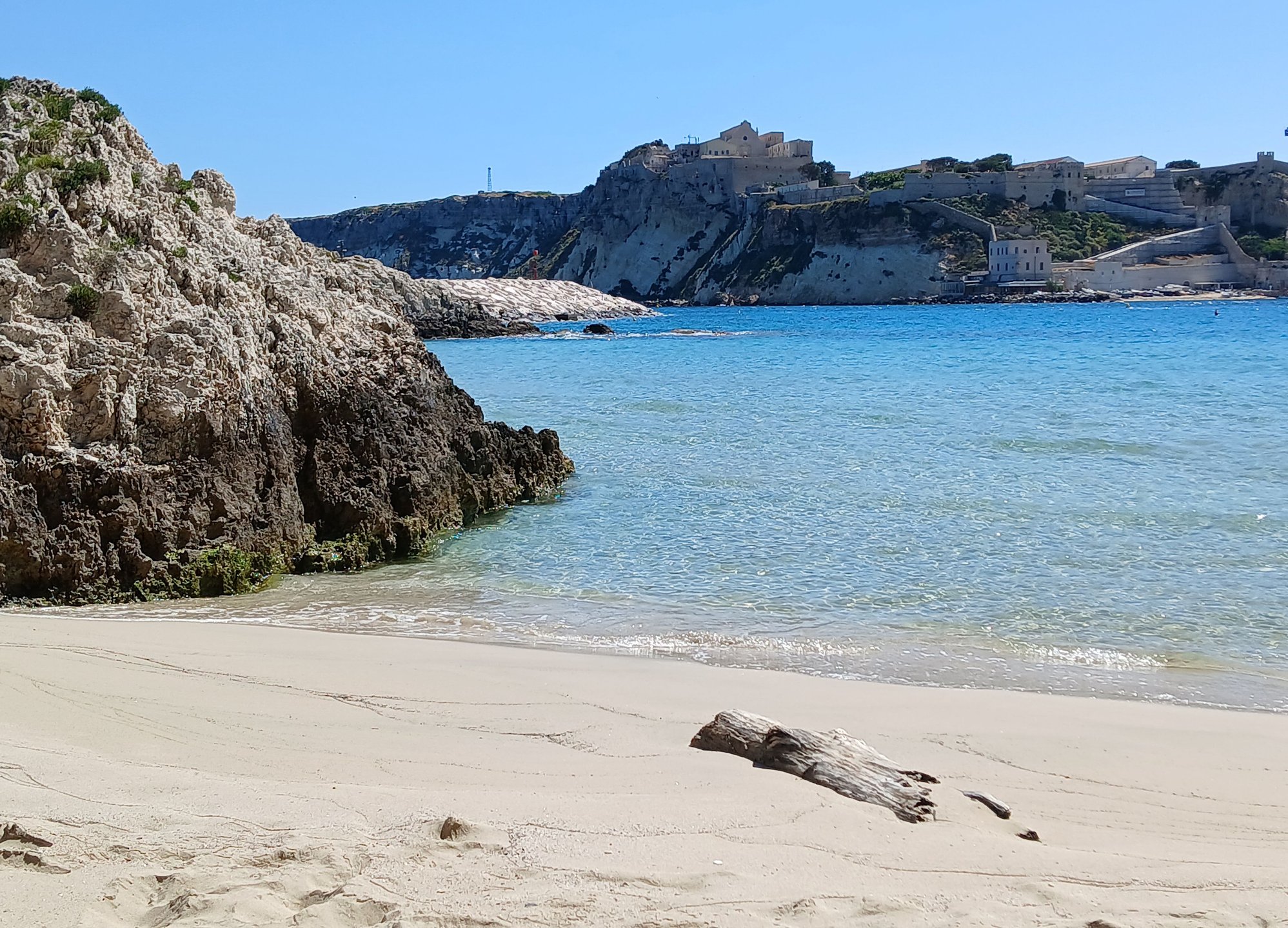
At the beach
We made several stops along the east coast till we reched the lighthouse/faro.
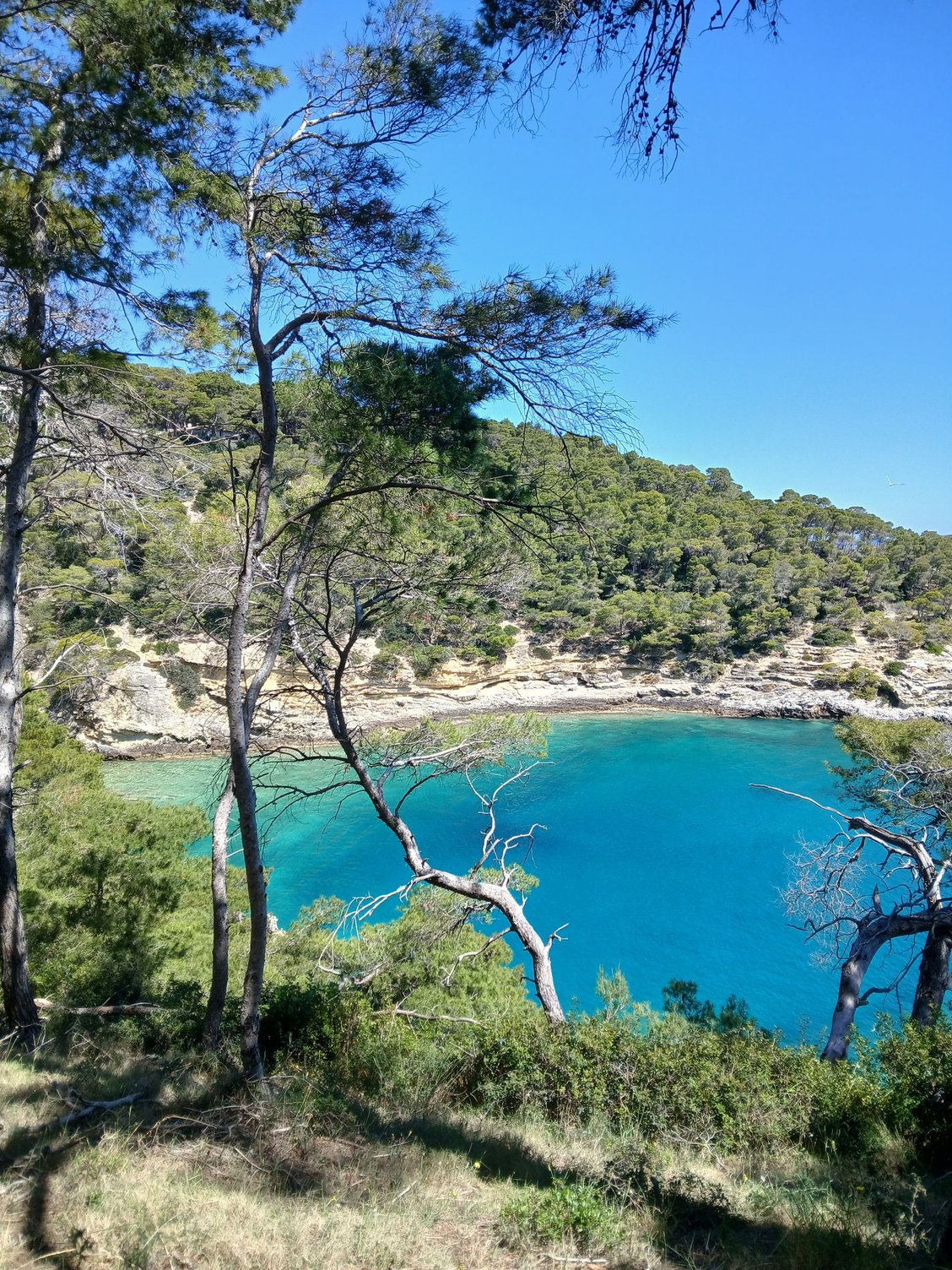
Cala Spido
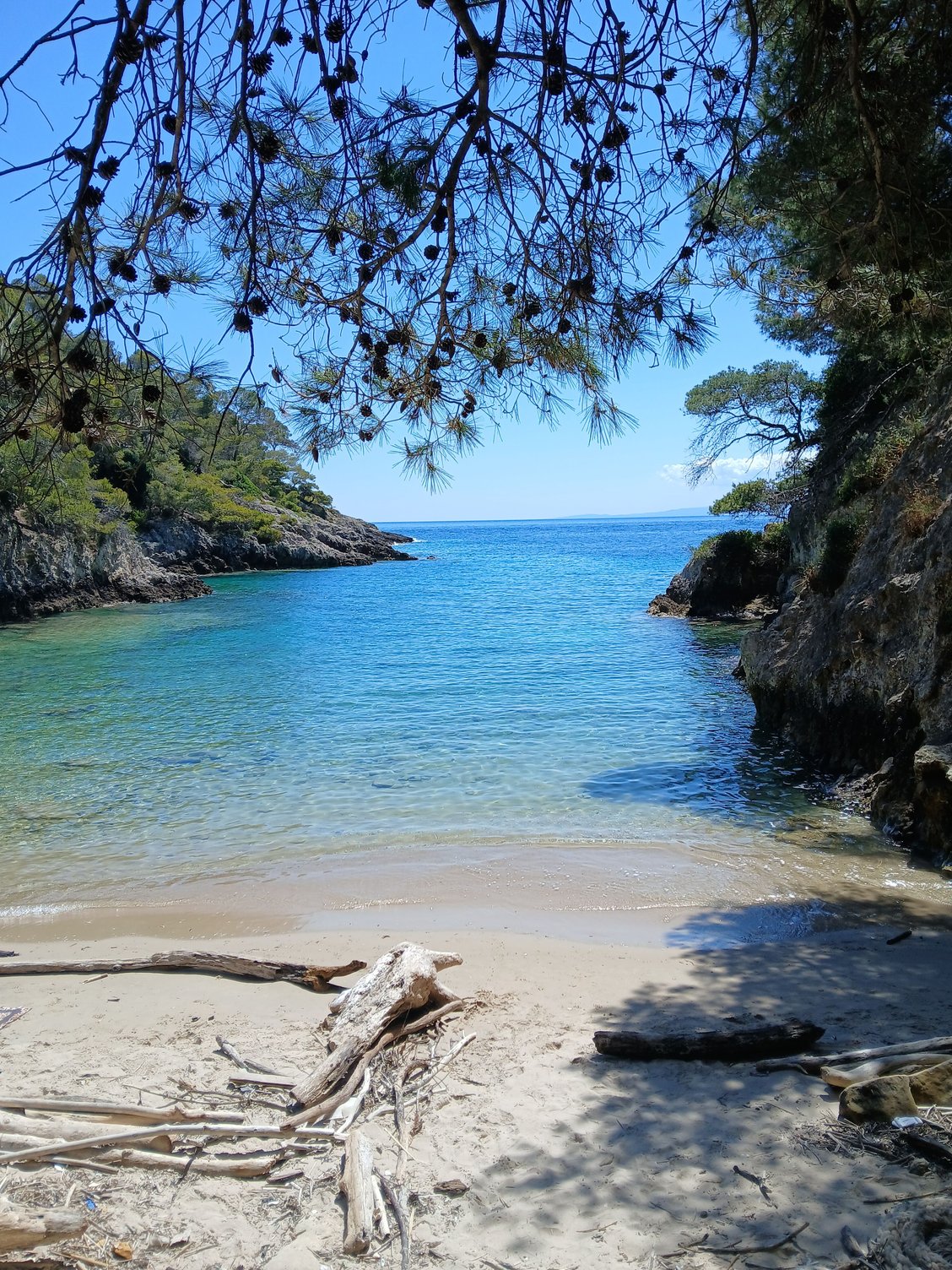
Cala Matano
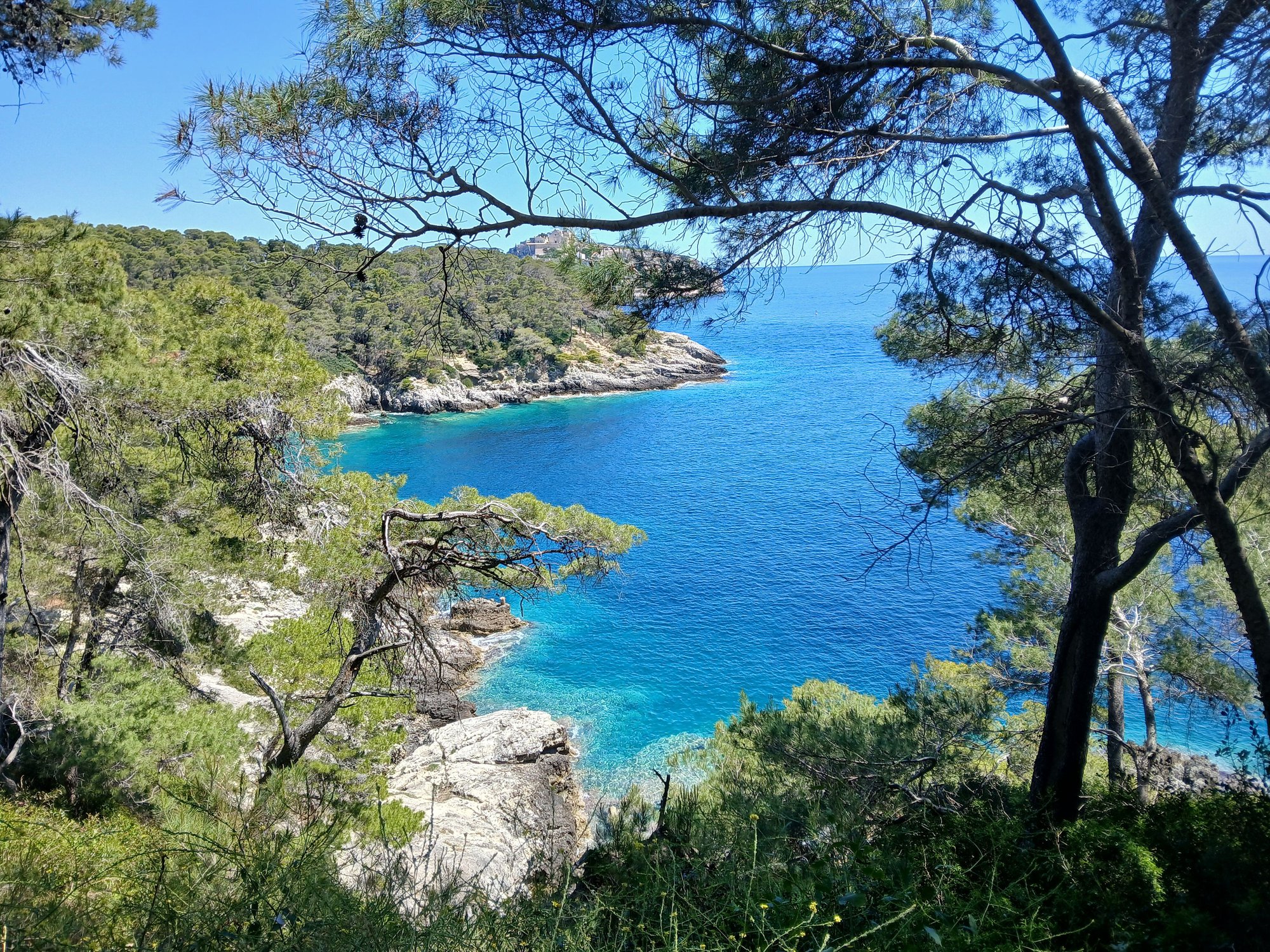
Beautiful viewpoint

Grotta e Scoglie dell'Elefante

Grotta del Viole

Grotta del Viole
We eventually reached the lighthouse, and returned to the port (this time via the main public road, passing through the village).

The lighthouse finally emerges ..
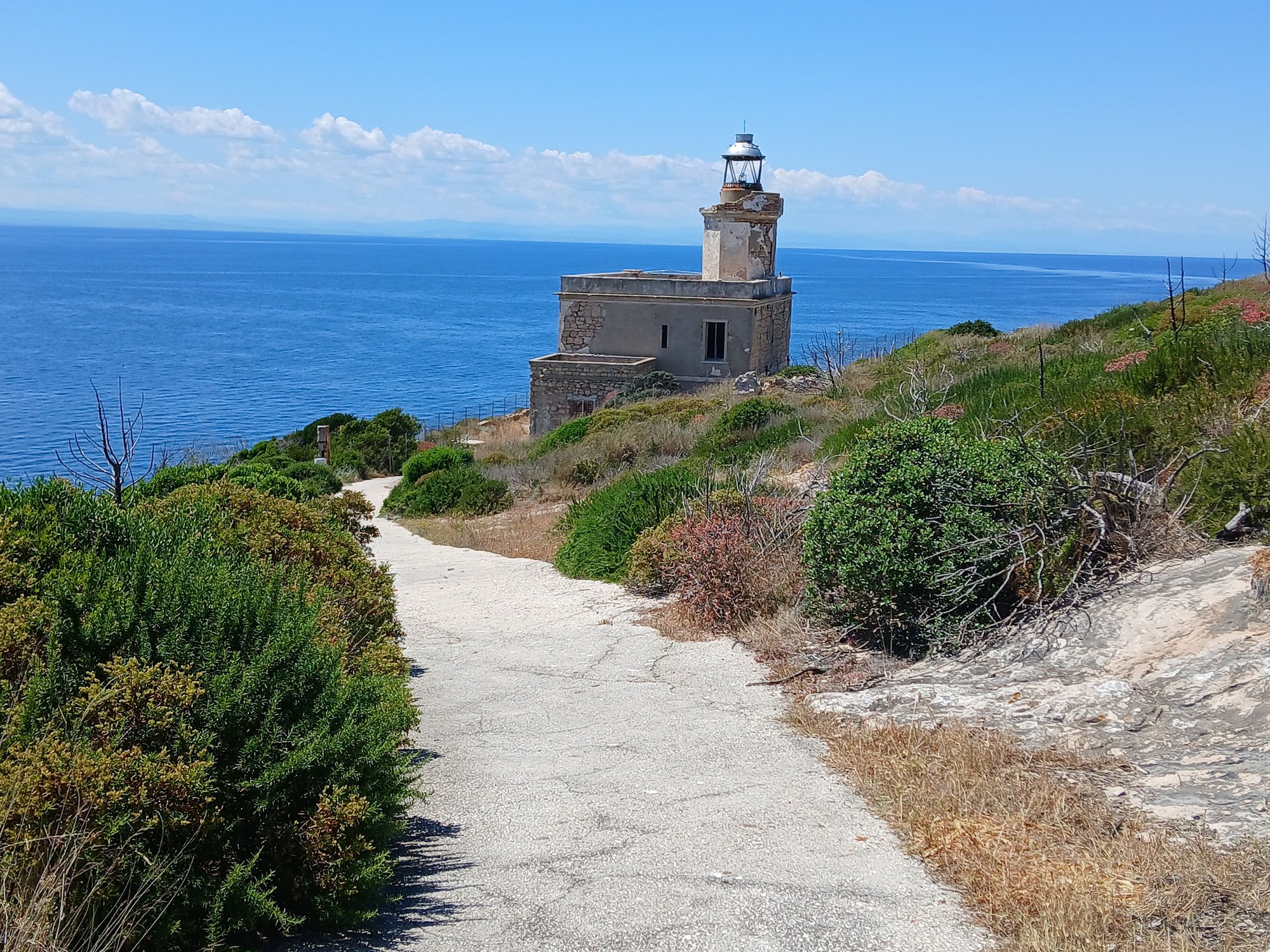
At the lighthouse, at which point we headed back to the port
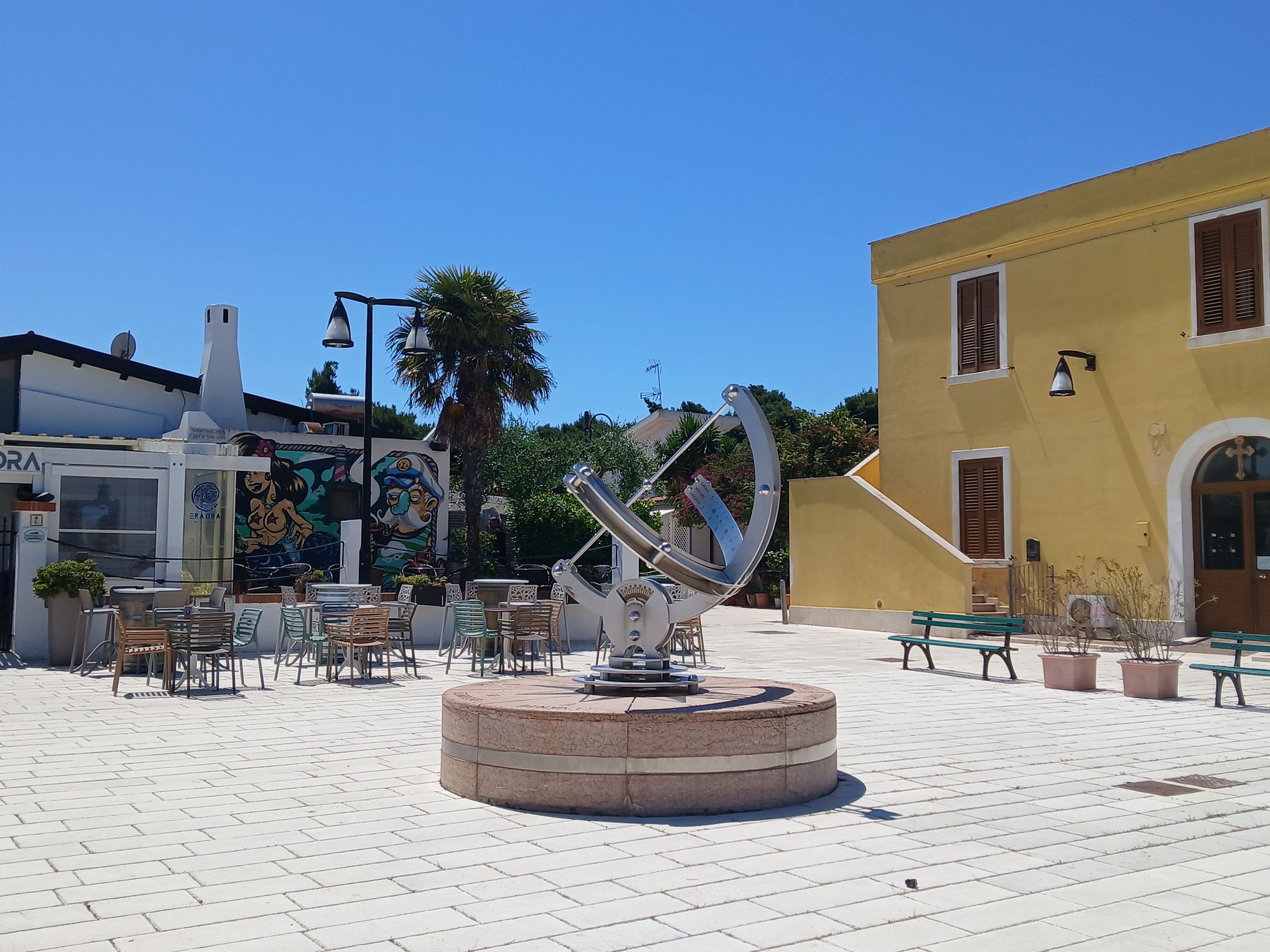
Passing through the village, the 'main" square
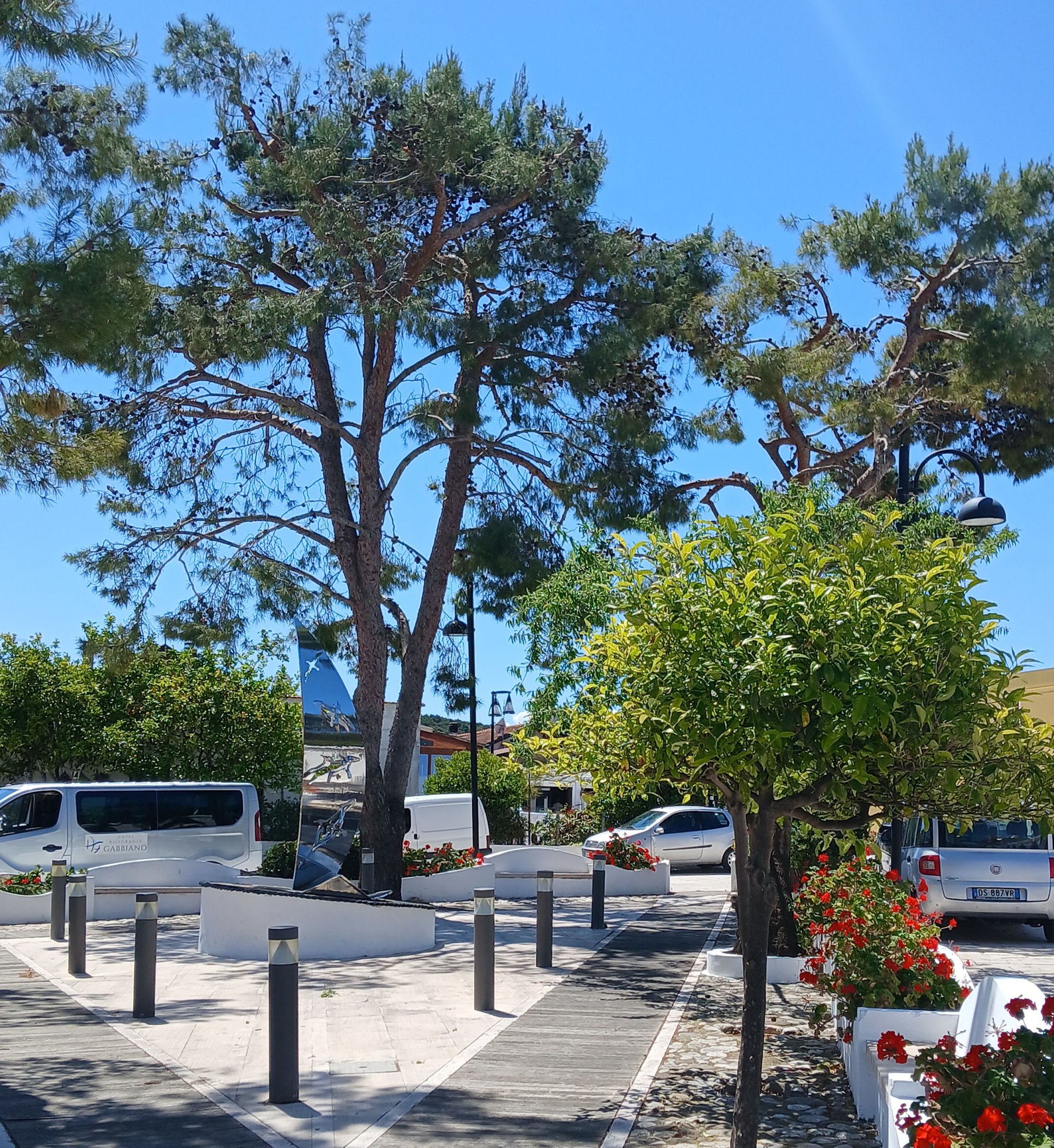
Passing through the village
Back at the port, we headed north to one of the most iconic viewpoints (and not easiest to find, its near Villaggio Punta del Diamante) of the island which oversees Grotta dei Pagliai.
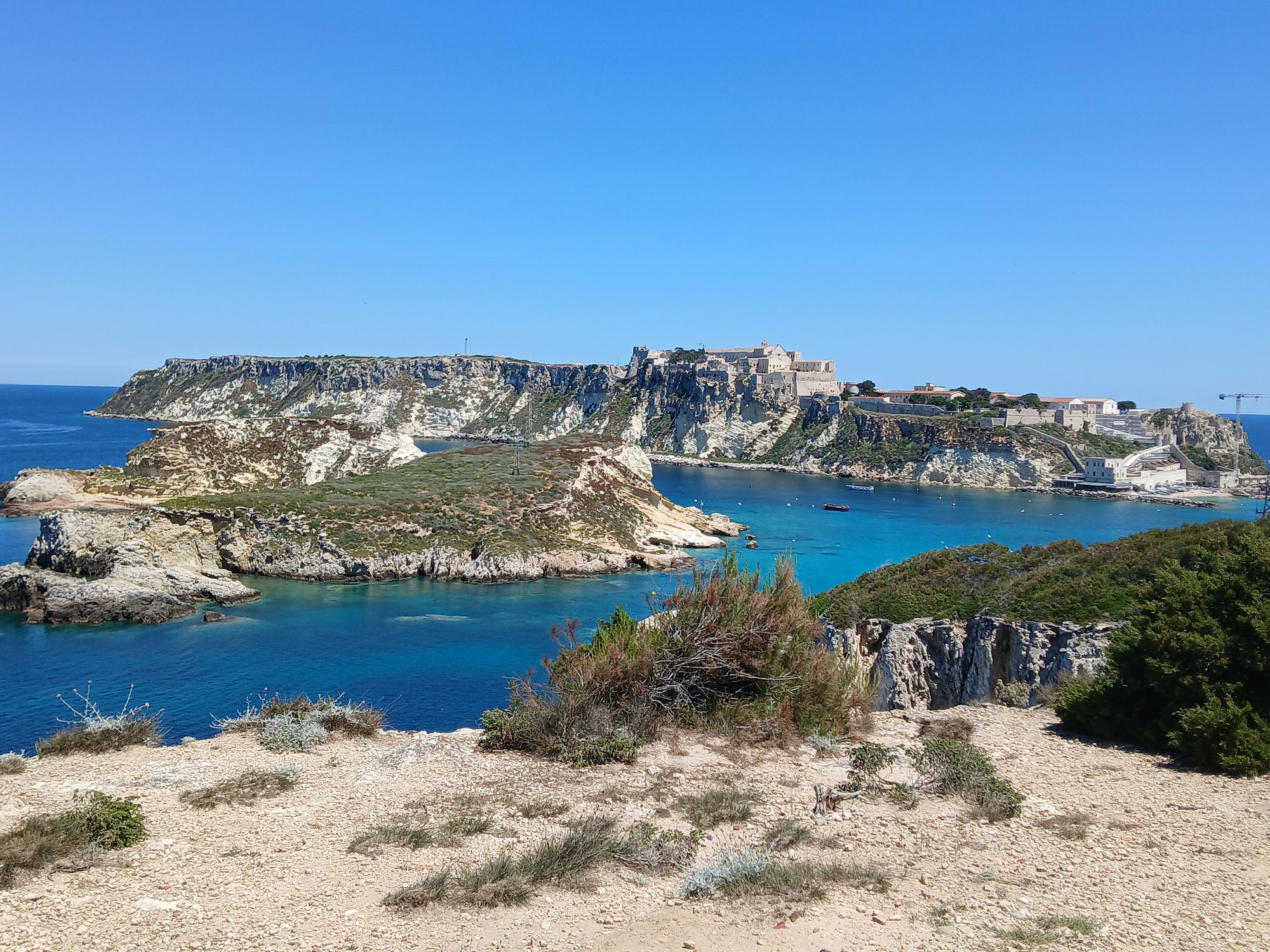
Heading to the viewpoint, view of the other islands
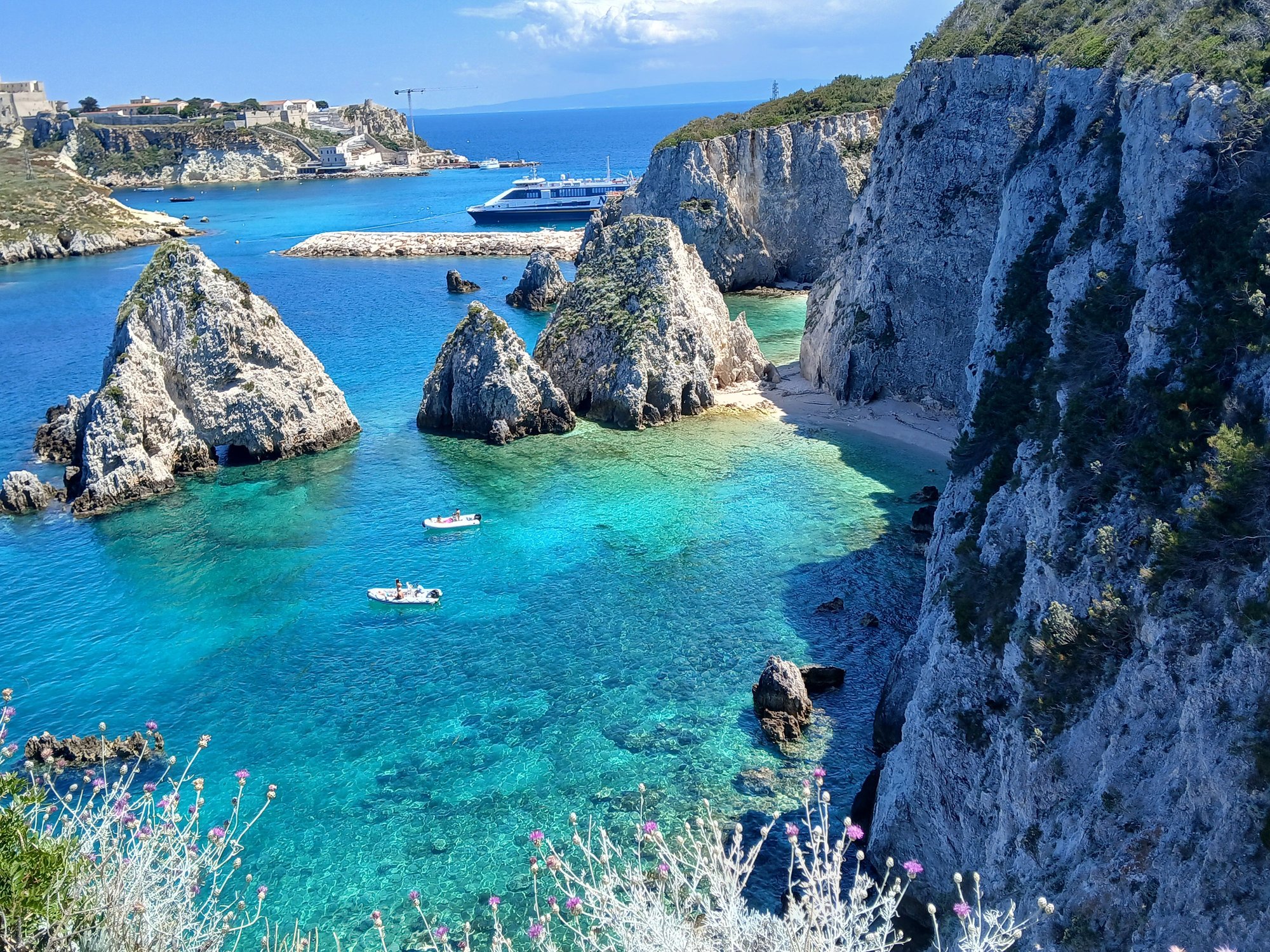
At the viewpoint
We relaxed at this bench, as we waited to board our return ferry. It had been a long and tiring day, and back in Termoli settled for take-away pizza from the wonderful Pizzeria Diez for dinner.
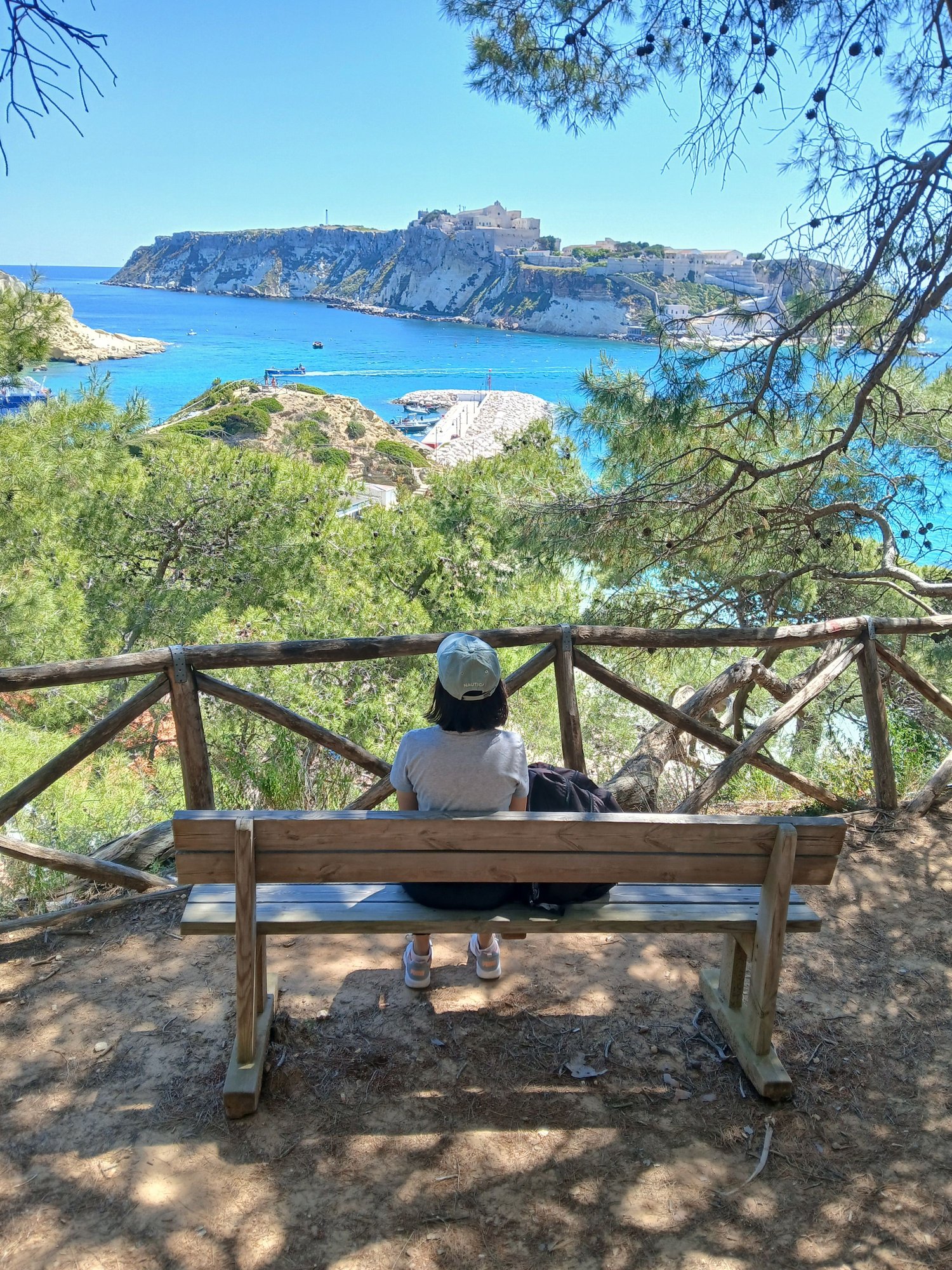
At the bench, the San Nicola island visible in the far distance with the church and fortifications
When deciding on a coastal base for this holiday, we had also considered Vasto (just 30km north, which we visited the previous day). However, Termoli scored as it is smaller and more intimate. More importantly, Termoli offers the most efficient, year-round connections to the Tremiti Islands, where we intended to spend most of today. We had missed these islands during our previous holiday in Puglia, ironically they are easier accessed from Molise.
We had bought tickets at the Termoli port the previous day (cheaper in person than online!). In May, there's just a single run - the NLG ferry to San Donato (the largest of the islands, offering the most to see and do) leaving Termoli at 9am, returning at 5pm. Upon landing, we followed this walking circuit (clockwise) - along a walking path (with some signage) that hugs the east coast all the way to the lighthouse (at the southern tip of the island). We returned by the quicker and more direct main road passing through the village.
The red dotted line with walking icons represents our broad route
We took a little over 4 hours to complete this at a leisurely pace. As many visitors opt for a boat tour (less effort intensive, and better access to some of the caves from the water than land) to circumnavigate the islands, we encountered only a handful of others on the walking route. While it was a bright and sunny day, the tree cover along the way offers welcome shade and respite. We also parked ourselves at multiple benches en route to soak in the views and for refreshment and rest breaks (there are no shops or toilets after the port).
The first stop, close to the port, was the (only) sandy beach on the island - Cala delle arene.
Th San Donato port, the sialnd of San Nicola visible across the water
At the beach
At the beach
We made several stops along the east coast till we reched the lighthouse/faro.
Cala Spido
Cala Matano
Beautiful viewpoint
Grotta e Scoglie dell'Elefante
Grotta del Viole
Grotta del Viole
We eventually reached the lighthouse, and returned to the port (this time via the main public road, passing through the village).
The lighthouse finally emerges ..
At the lighthouse, at which point we headed back to the port
Passing through the village, the 'main" square
Passing through the village
Back at the port, we headed north to one of the most iconic viewpoints (and not easiest to find, its near Villaggio Punta del Diamante) of the island which oversees Grotta dei Pagliai.
Heading to the viewpoint, view of the other islands
At the viewpoint
We relaxed at this bench, as we waited to board our return ferry. It had been a long and tiring day, and back in Termoli settled for take-away pizza from the wonderful Pizzeria Diez for dinner.
At the bench, the San Nicola island visible in the far distance with the church and fortifications
Jun 7th, 2025 | 12:27 AM
#54
Original Poster
Joined: Oct 2005
Posts: 967
Likes: 28
Day 11 : Onwards to Isernia, inland Molise
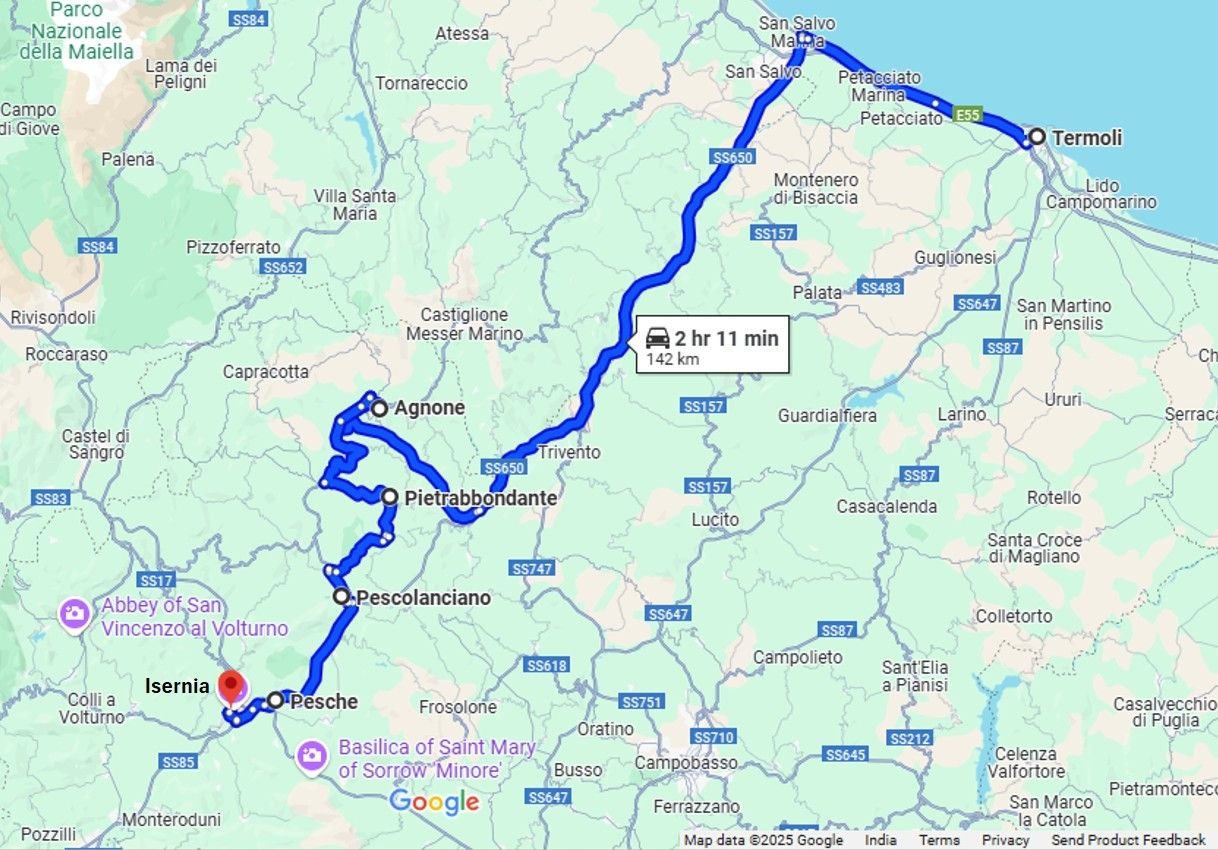
We left Termoli after breakfast, followng this driving route, aiming to reach Agnone by 11am for our English guided tour at Marinelli.
Agnone’s main attraction is the historic Marinelli bell foundry, in operation for ~ 1000 years, rendering it possibly the oldest family run business in the world (currently its 27th generation!). Agnone has historically been the centre of bell-making, but Marinelli is the only unit still in operation. Many church and clock tower bells are produced here, including for the Vatican and the Leaning Tower of Pisa. They use the Papal Coat of Arms in their bells as they were granted this privilege by Pope Pio XI in 1924.
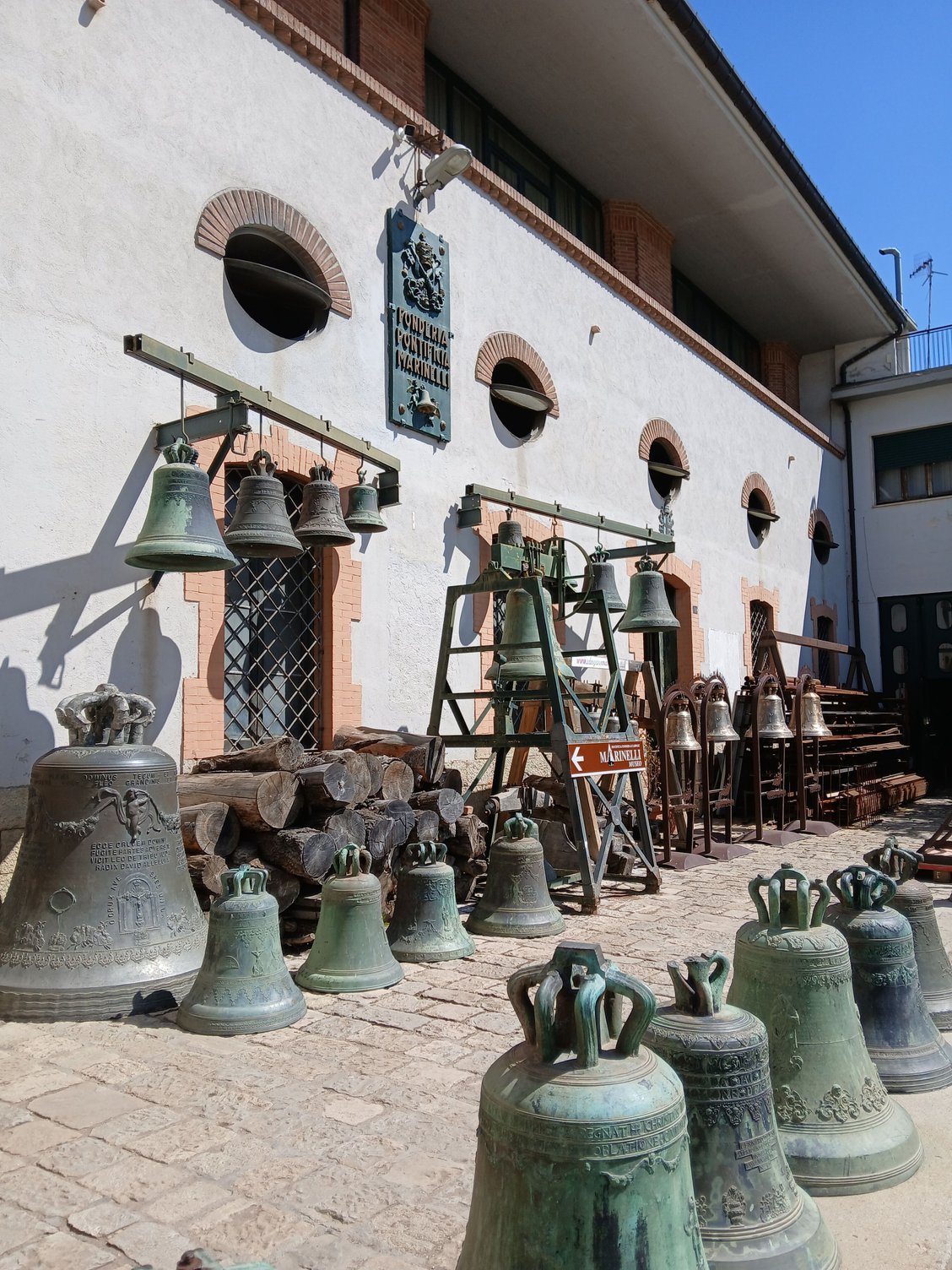
Outside
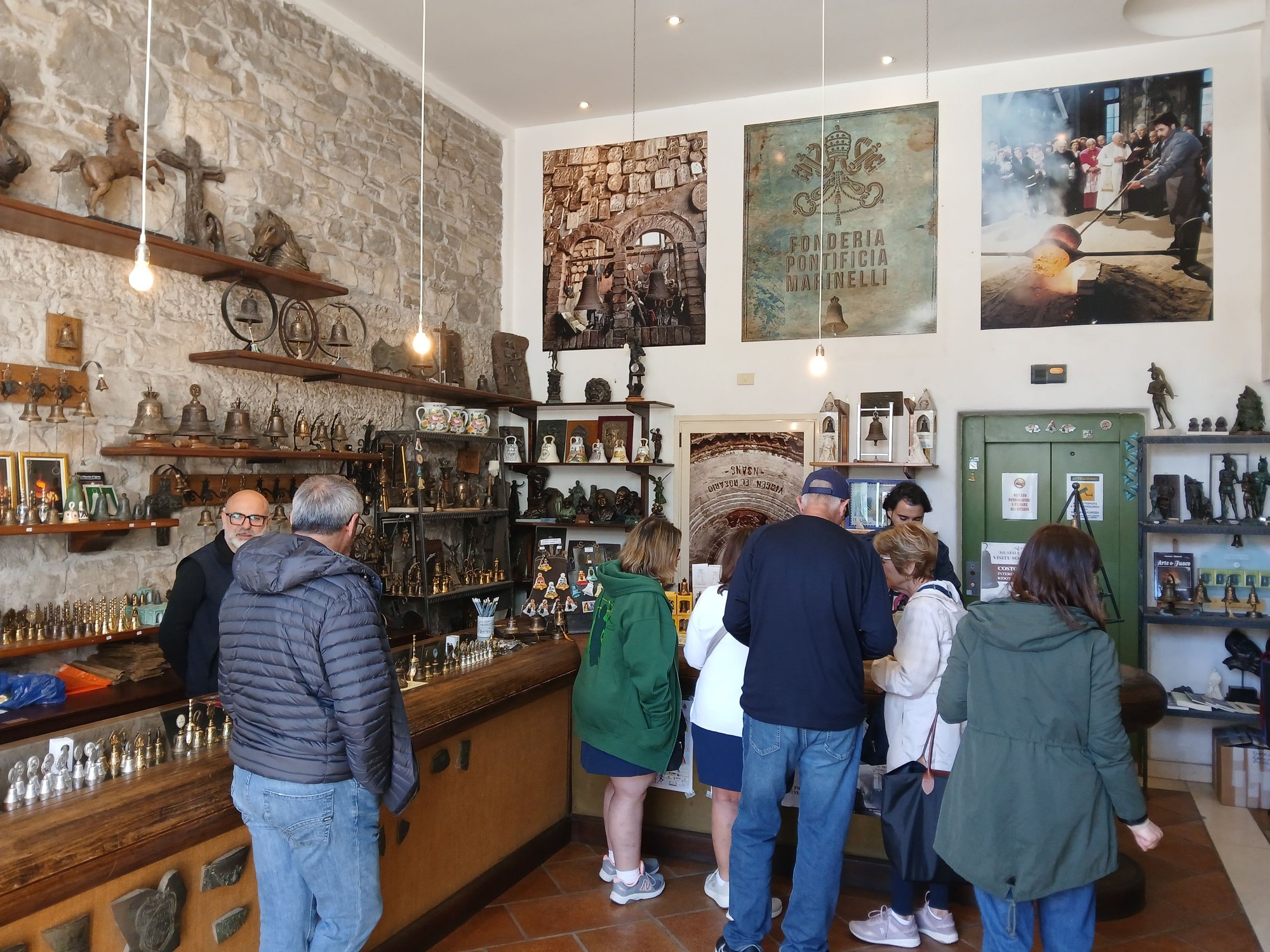
Iside the shop, starting our tour
There are bells publicly displayed outside, but the museum and foundry can only be visited with a guide (they were very kind to accommodate us in an English tour). The tour includes a video and explanation of the bellmaking process (fascinating), a walkthru of the foundry itself and a fun session where the bellmaster rings some bells with some familiar tunes (we recognised Jingle Bells!).
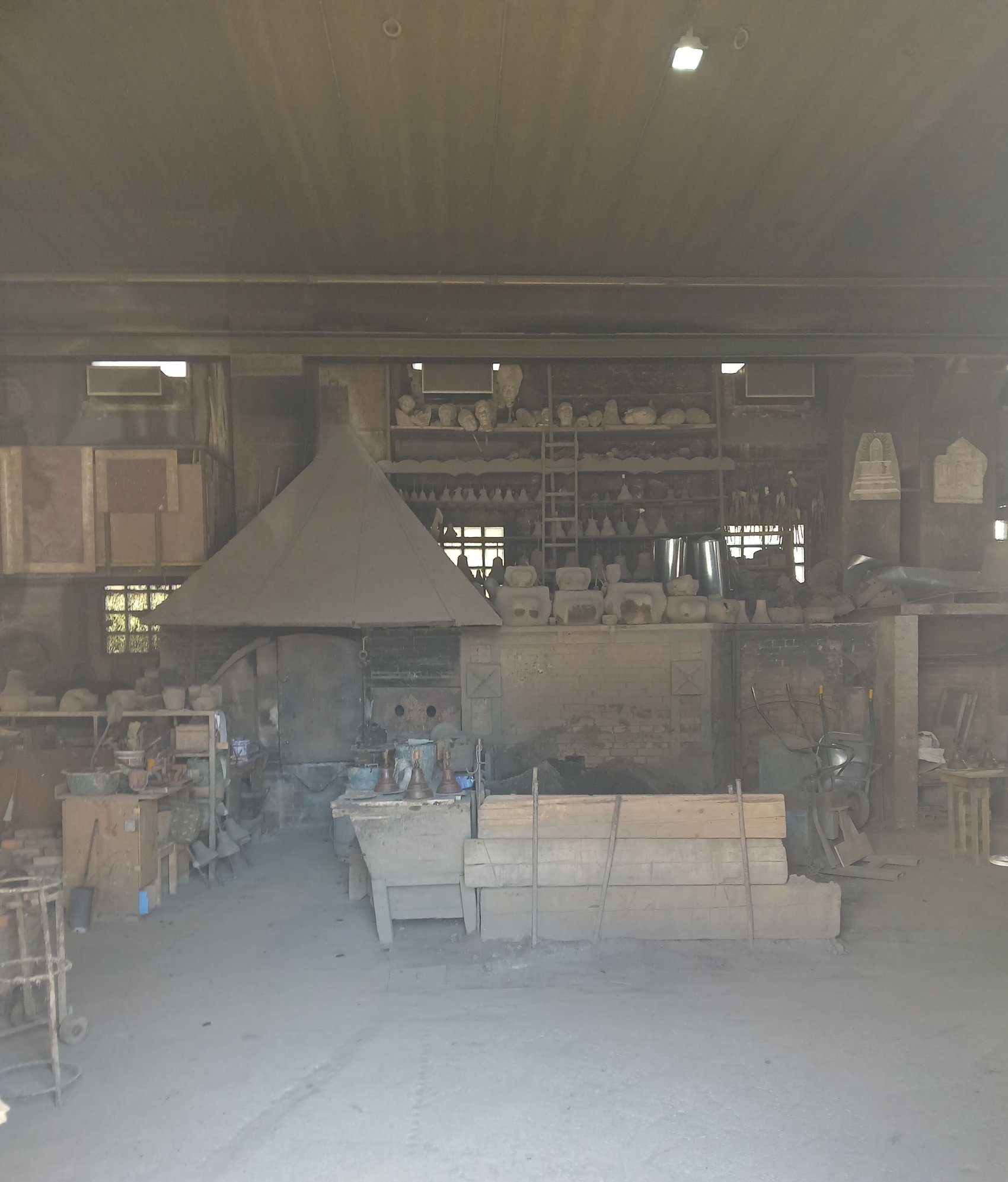
The foundry, with traditional oven / pit

The design shop
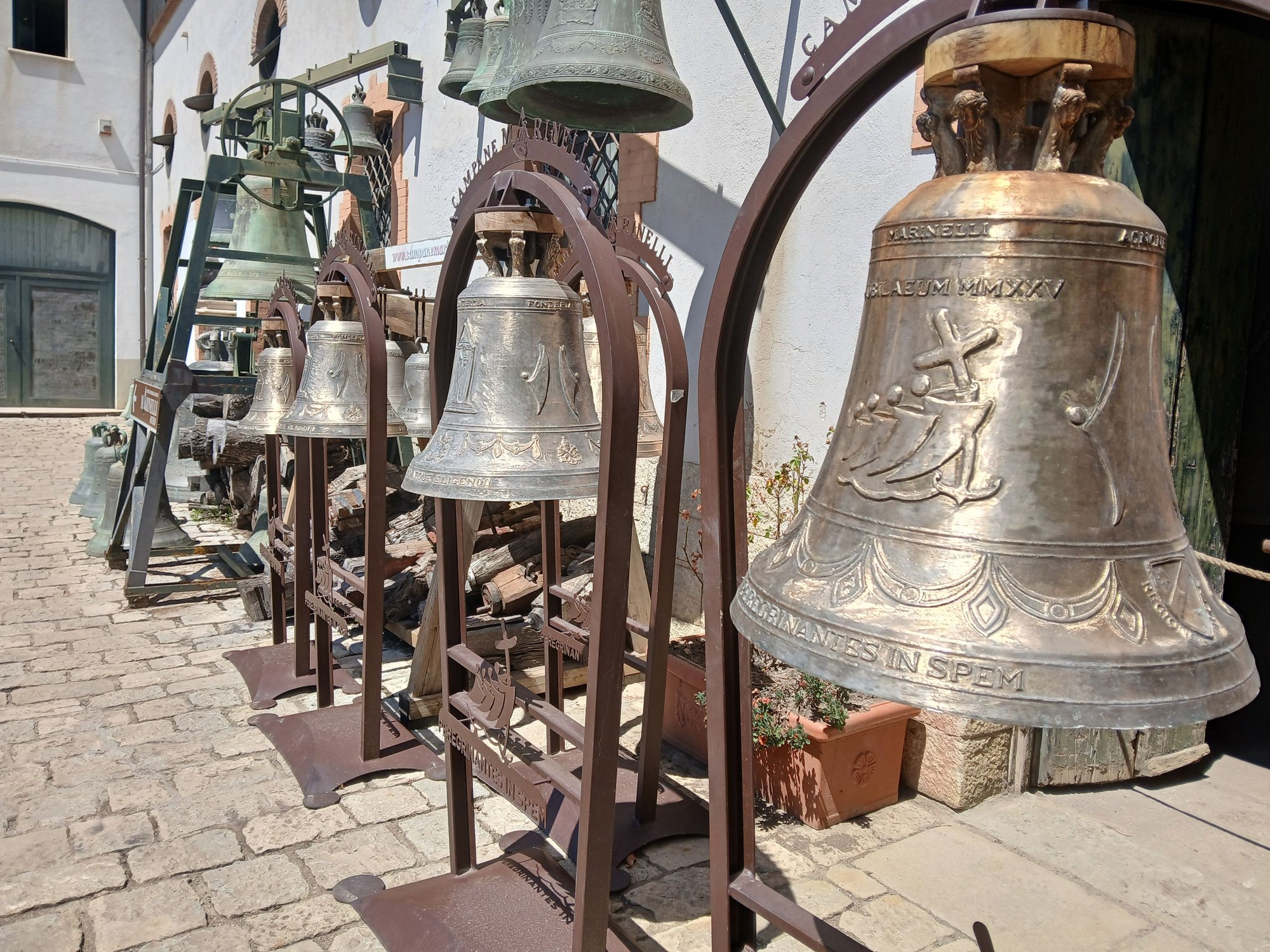
More bells, I think they were awaiting delivery to Vietnam
Our next stop was Pietrabbondante, a very charming perched village in Molise that seems lost in time. It is surrounded by towering rocks called "Morg" Caraceni, and it's possible to climb on top of one of the rocks to enjoy a sweeping view over the village rooftops and surrounding valley.
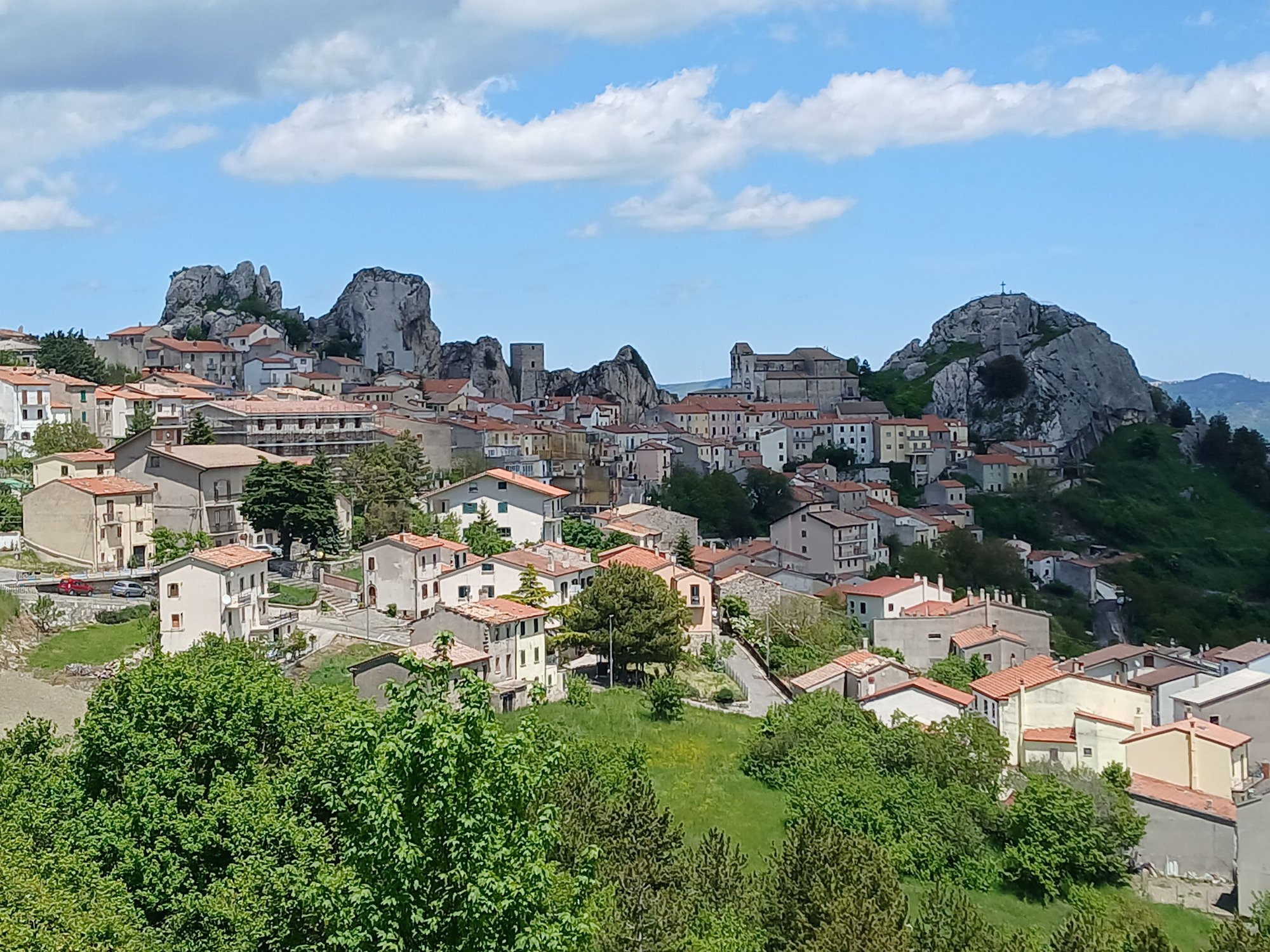
View of the village

The main square with the Samnite warrior statue
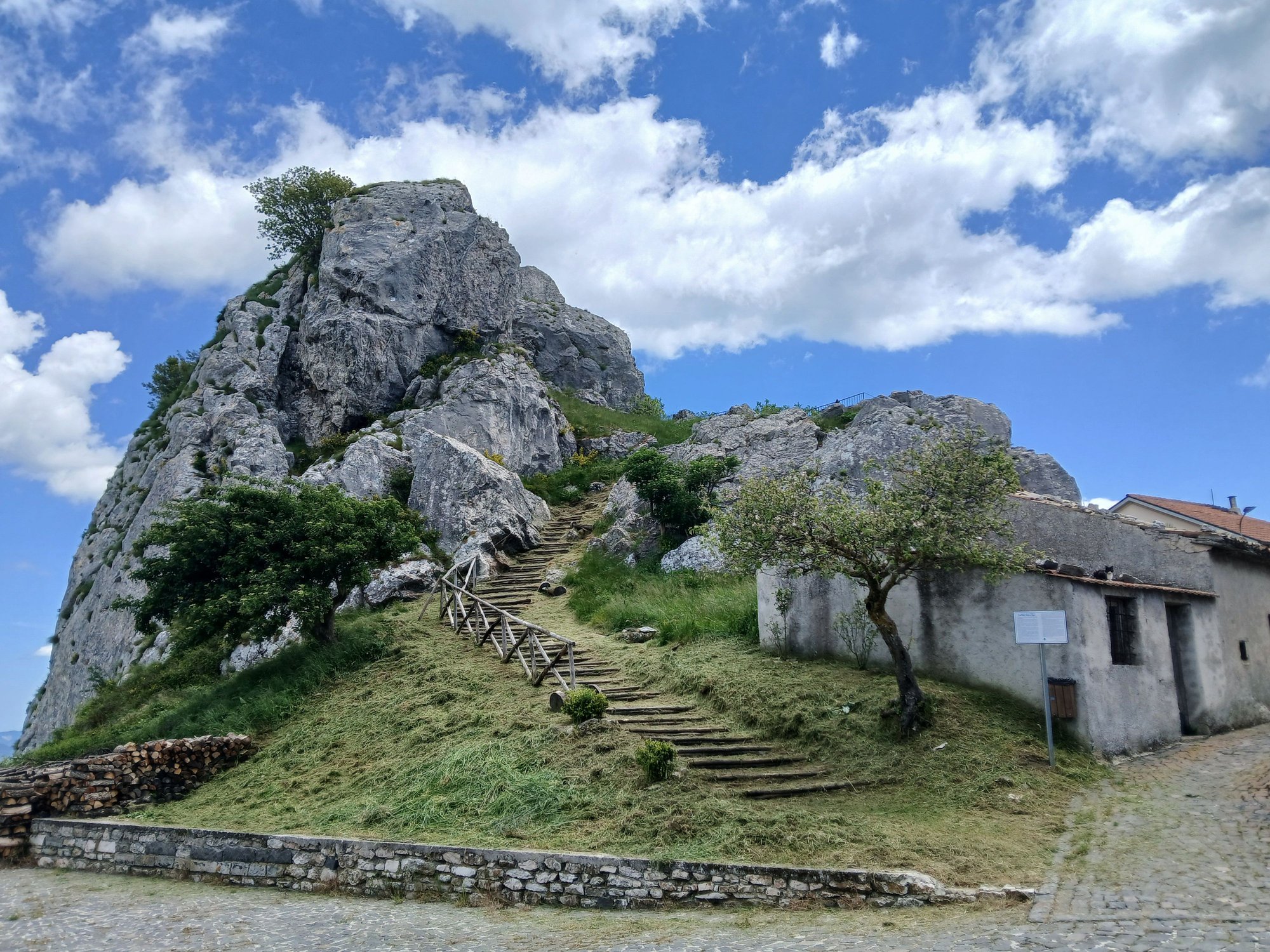
We climbed to the top of this rock
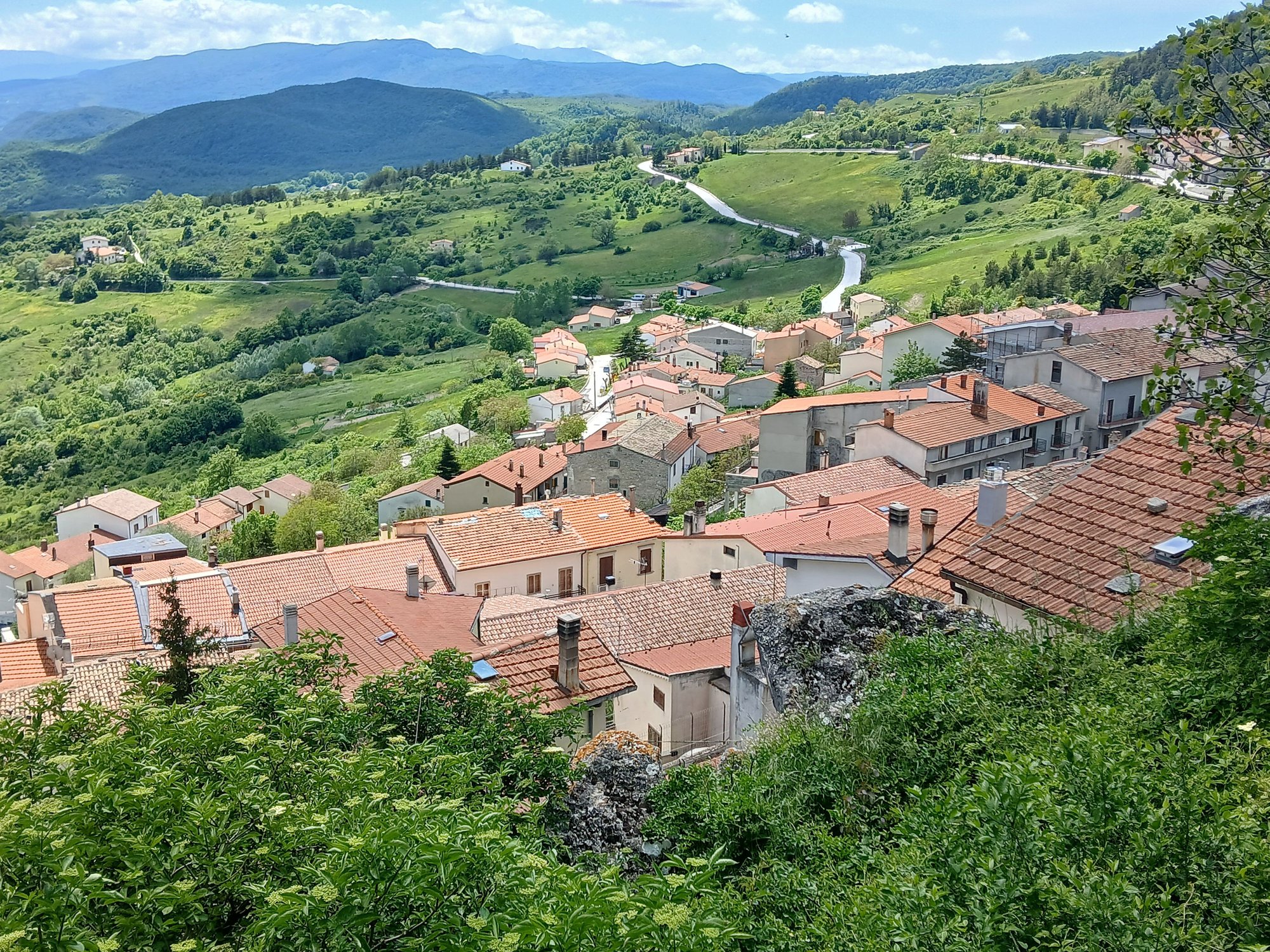
To relish this view
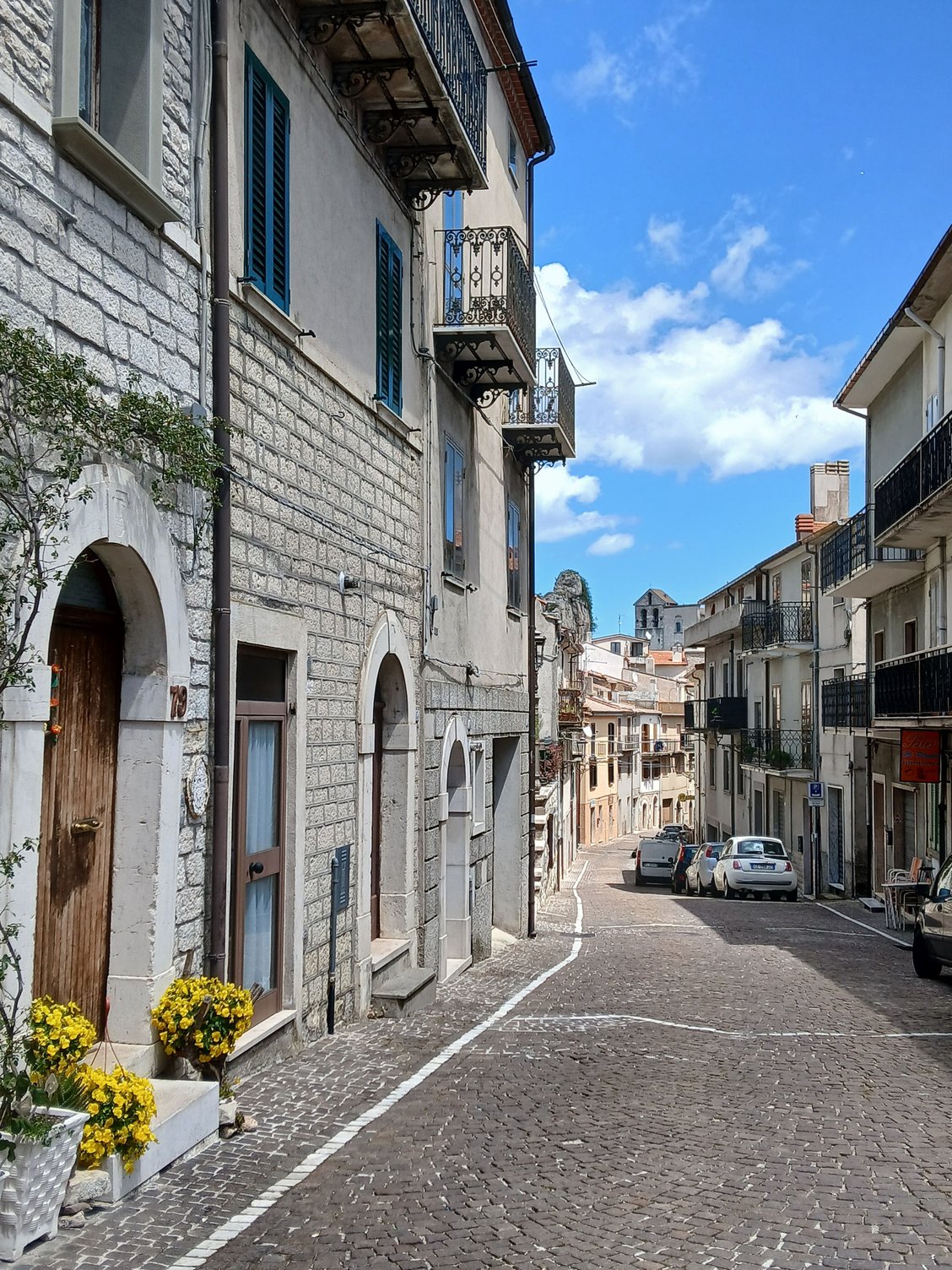
Walking back to our parking
Pietraboddante boasts extensive ruins including an ancient Samnite theatre and temple, located on hillside just outside (dating back to the 2nd century BCE) which we discovered to be closed on Mondays! The samnites were an ancient ethnic group that fought against and eventually lost to the Romans.
Our final stop was Pesche, a small village of stone houses and narrow streets, dating back to the 5th century. The village emerges from and cascades down the mountain almost vertically - climbing to the centro storico was a real workout for the legs.

View of "vertical" Pesche from the street

And we start climbing up
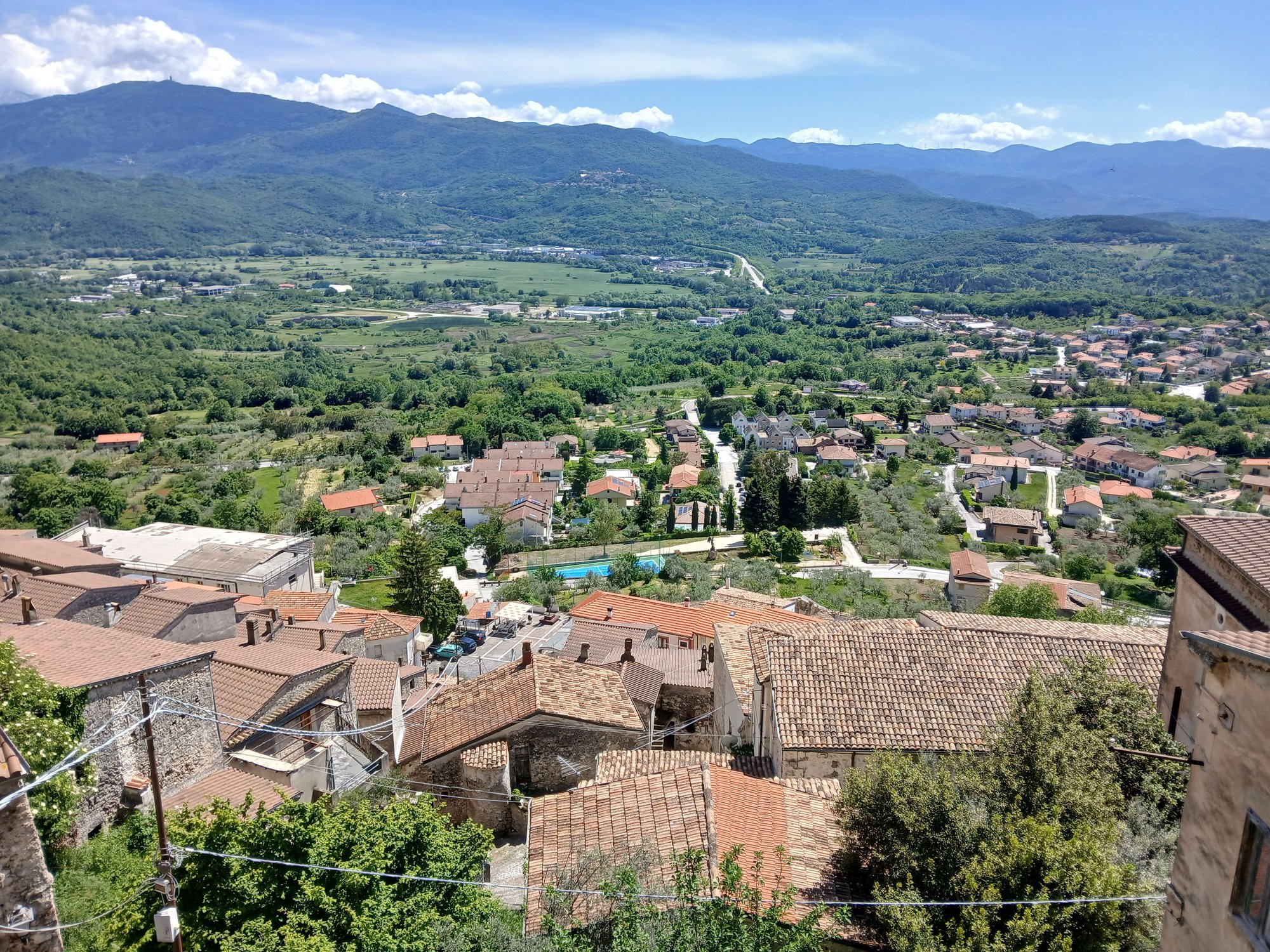
Enjoying the views that unravelled
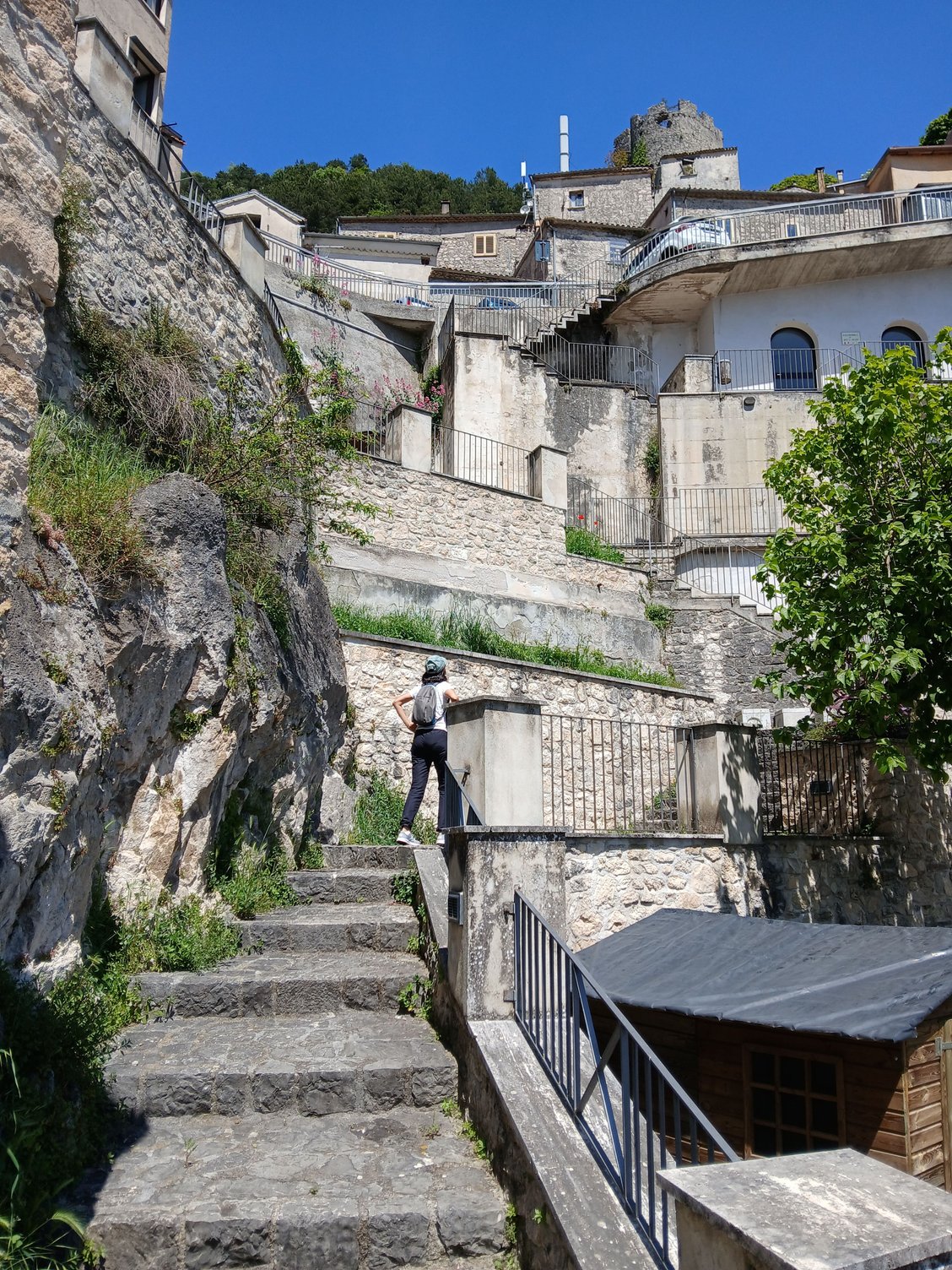
And further up
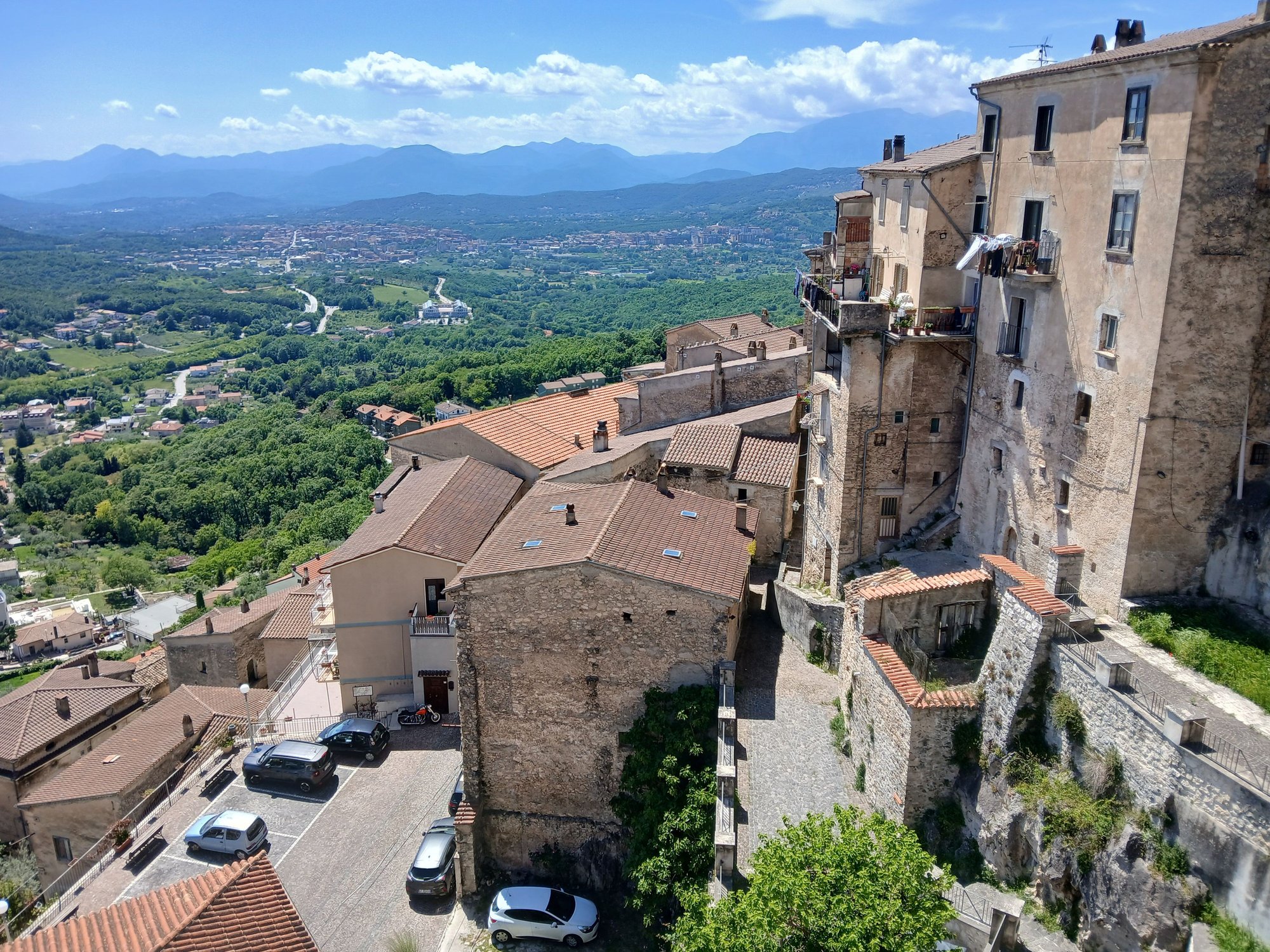
More views

That's as far as we got
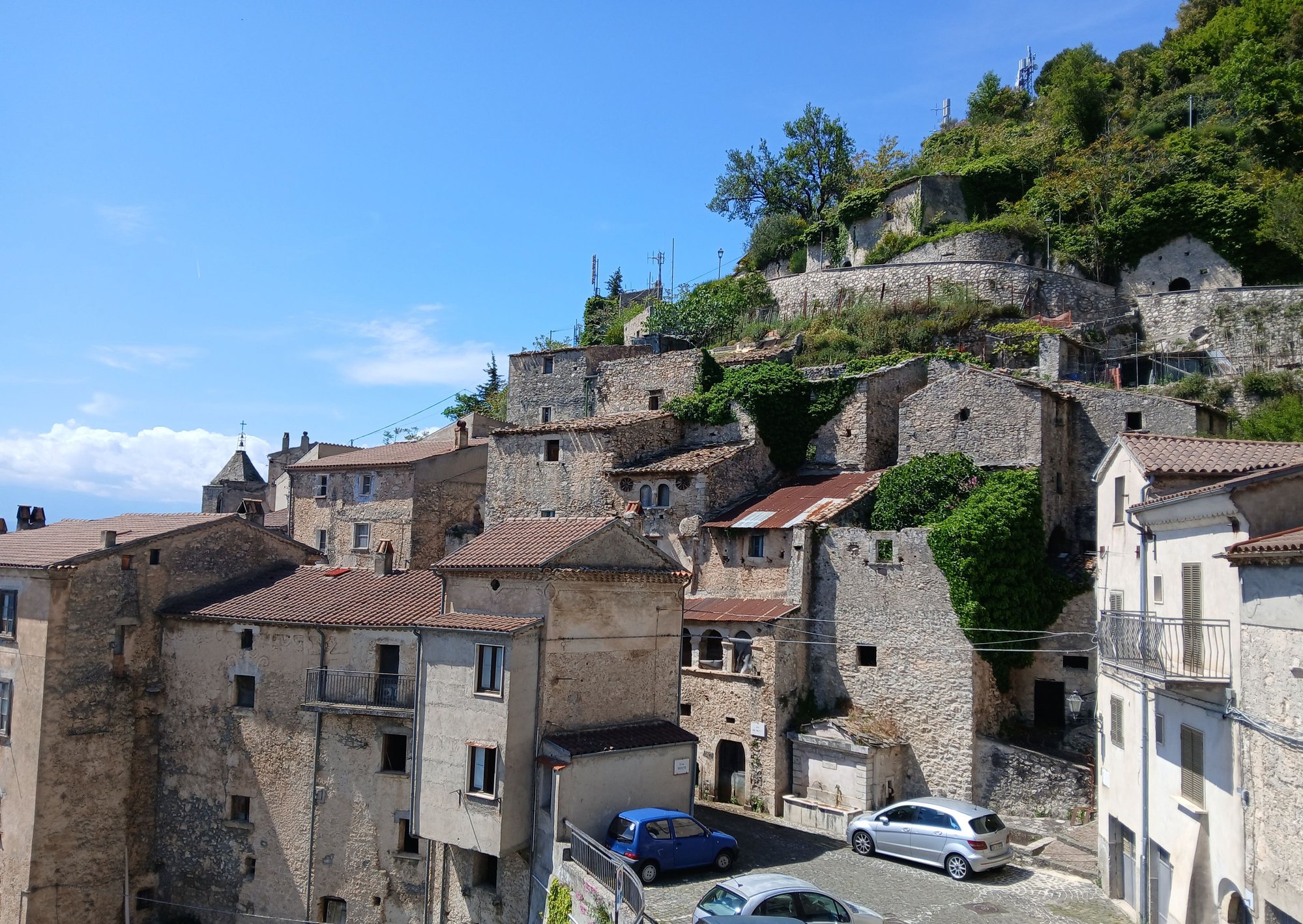
And headed back to our parking
We finally headed to Isernia, our home for the next 3 nights. When choosing an inland base, Campobasso (the capital of Molise) and Isernia were our obvious choices. Campobasso is larger and more urbanised, and Isernia was closer to our overall route and sightseeing priorities. So we parked ourselves here for 3 nights in an apartment just off the main square. The day we arrived was incredibly busy and festive, being a public holiday to celebrate the Festa San Pietro Celestino, commemorating the former pope and patron Saint of the city.
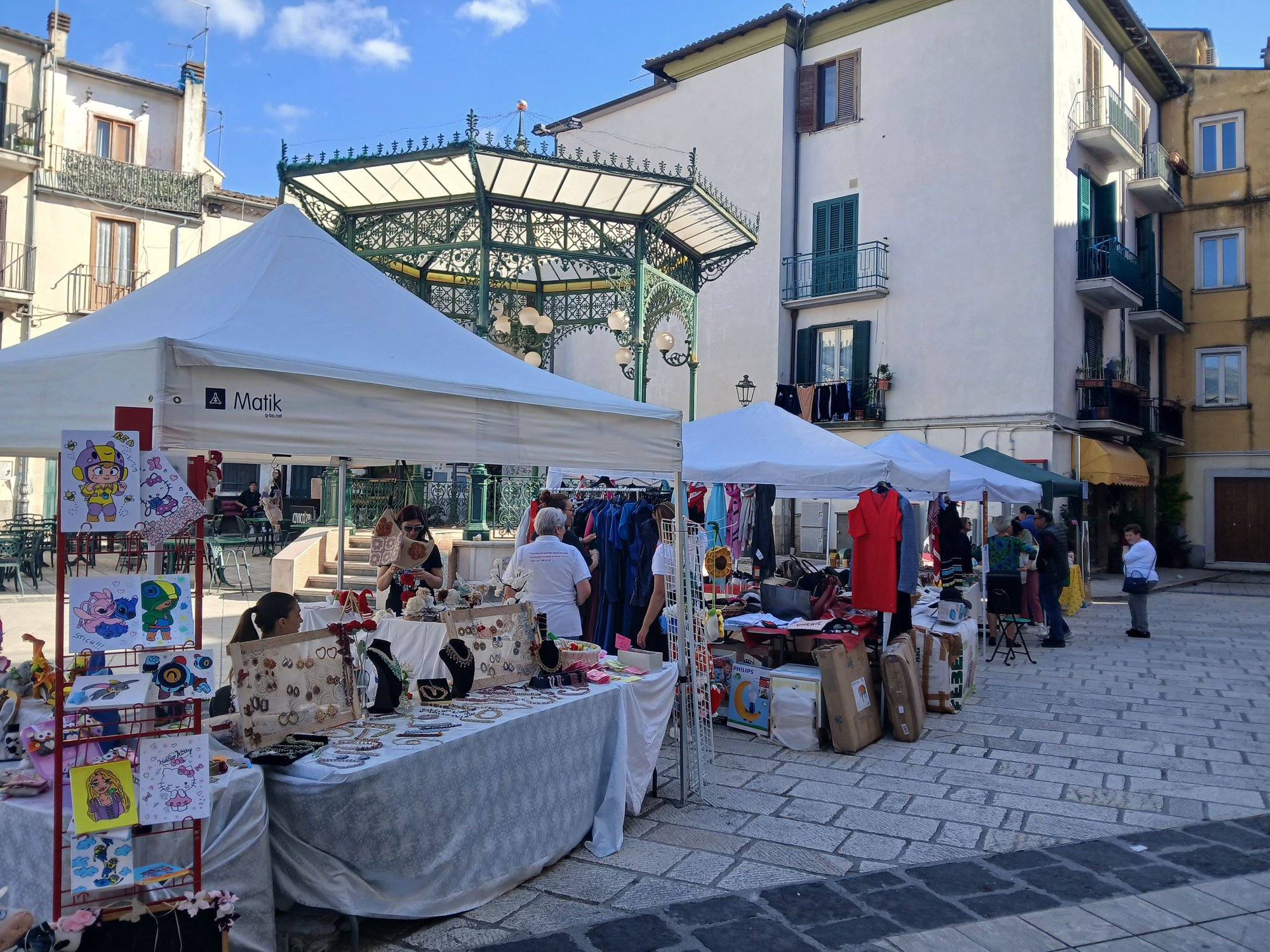
Market in the main square

With lots of people out on the streets
Agnone’s main attraction is the historic Marinelli bell foundry, in operation for ~ 1000 years, rendering it possibly the oldest family run business in the world (currently its 27th generation!). Agnone has historically been the centre of bell-making, but Marinelli is the only unit still in operation. Many church and clock tower bells are produced here, including for the Vatican and the Leaning Tower of Pisa. They use the Papal Coat of Arms in their bells as they were granted this privilege by Pope Pio XI in 1924.
Outside
Iside the shop, starting our tour
There are bells publicly displayed outside, but the museum and foundry can only be visited with a guide (they were very kind to accommodate us in an English tour). The tour includes a video and explanation of the bellmaking process (fascinating), a walkthru of the foundry itself and a fun session where the bellmaster rings some bells with some familiar tunes (we recognised Jingle Bells!).
The foundry, with traditional oven / pit
The design shop
More bells, I think they were awaiting delivery to Vietnam
Our next stop was Pietrabbondante, a very charming perched village in Molise that seems lost in time. It is surrounded by towering rocks called "Morg" Caraceni, and it's possible to climb on top of one of the rocks to enjoy a sweeping view over the village rooftops and surrounding valley.
View of the village
The main square with the Samnite warrior statue
We climbed to the top of this rock
To relish this view
Walking back to our parking
Pietraboddante boasts extensive ruins including an ancient Samnite theatre and temple, located on hillside just outside (dating back to the 2nd century BCE) which we discovered to be closed on Mondays! The samnites were an ancient ethnic group that fought against and eventually lost to the Romans.
Our final stop was Pesche, a small village of stone houses and narrow streets, dating back to the 5th century. The village emerges from and cascades down the mountain almost vertically - climbing to the centro storico was a real workout for the legs.
View of "vertical" Pesche from the street
And we start climbing up
Enjoying the views that unravelled
And further up
More views
That's as far as we got
And headed back to our parking
We finally headed to Isernia, our home for the next 3 nights. When choosing an inland base, Campobasso (the capital of Molise) and Isernia were our obvious choices. Campobasso is larger and more urbanised, and Isernia was closer to our overall route and sightseeing priorities. So we parked ourselves here for 3 nights in an apartment just off the main square. The day we arrived was incredibly busy and festive, being a public holiday to celebrate the Festa San Pietro Celestino, commemorating the former pope and patron Saint of the city.
Market in the main square
With lots of people out on the streets
Last edited by ANUJ; Jun 7th, 2025 at 12:31 AM.
Jun 7th, 2025 | 01:04 AM
#55
Original Poster
Joined: Oct 2005
Posts: 967
Likes: 28
Day 12 : Isernia, exploring southern Molise
This was our driving route for today.
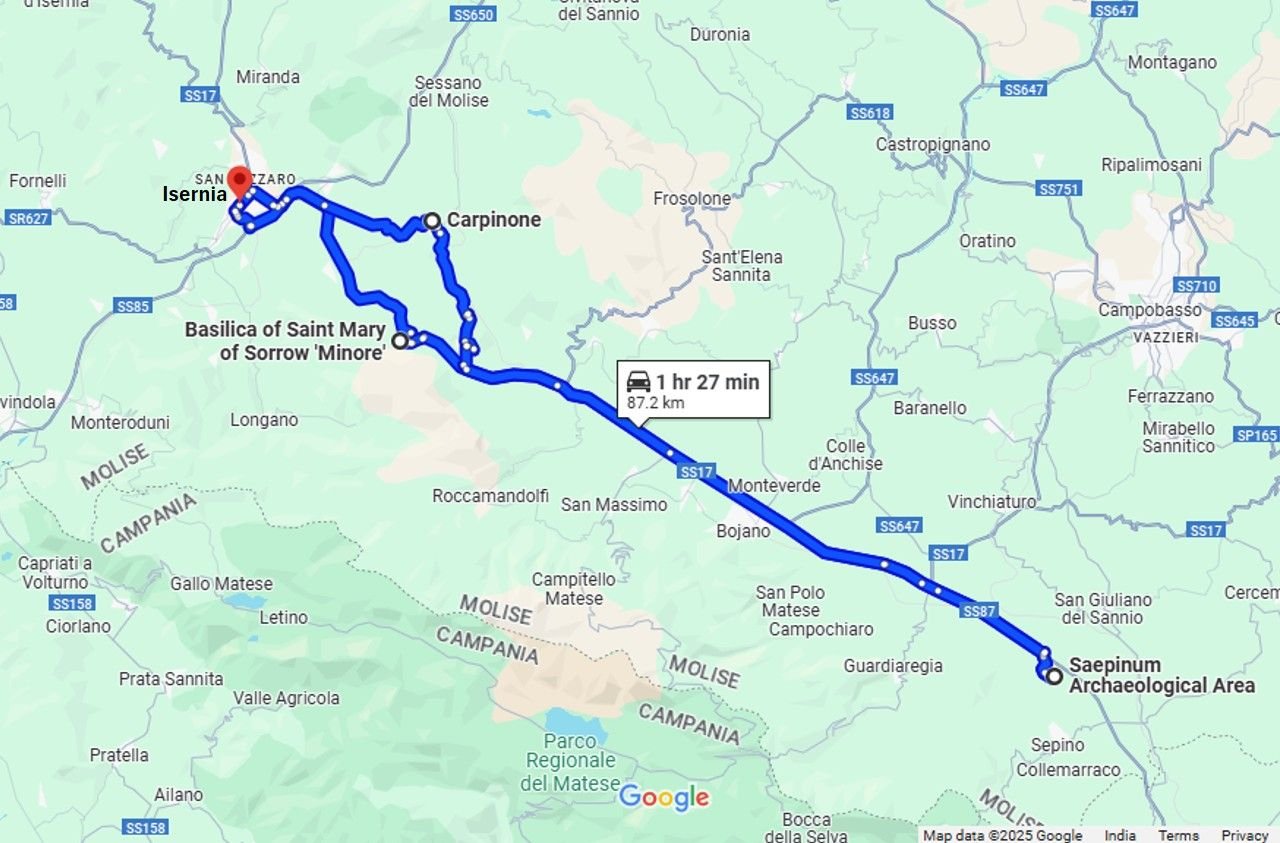
Our first stop today was Basilica Minore dell'Addolorata, near Castelpetroso. This marks the location where the Virgin Mary reportedly appeared to two shepherdesses. It's as beautiful inside as it is outside. Looking up towards the dome, you can see elaborate mosaics of saints and apostles.

Near the parking

The beautful facade and entrances

And beautiful interiors (looking front)
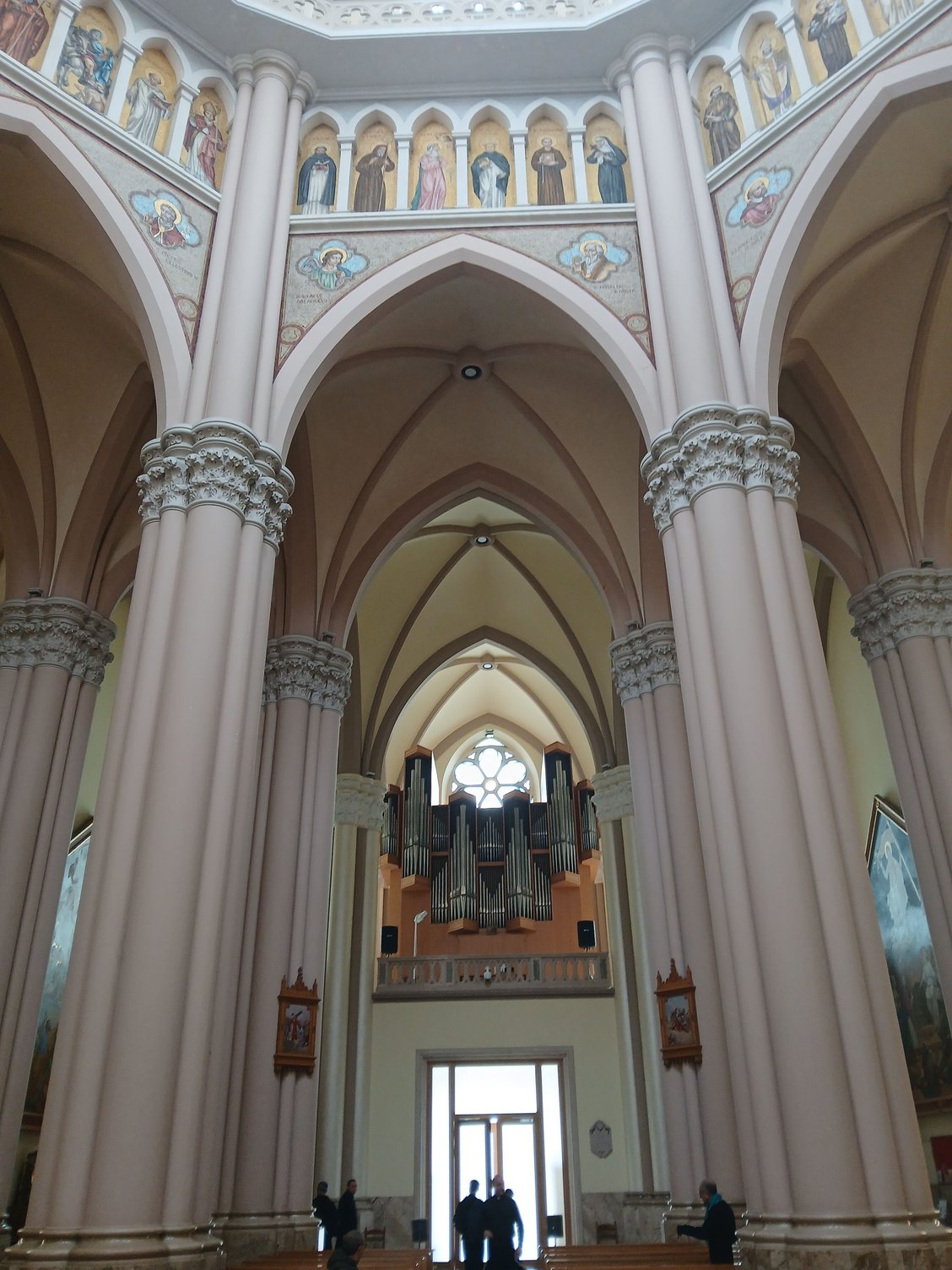
And beautiful interiors (looking back)
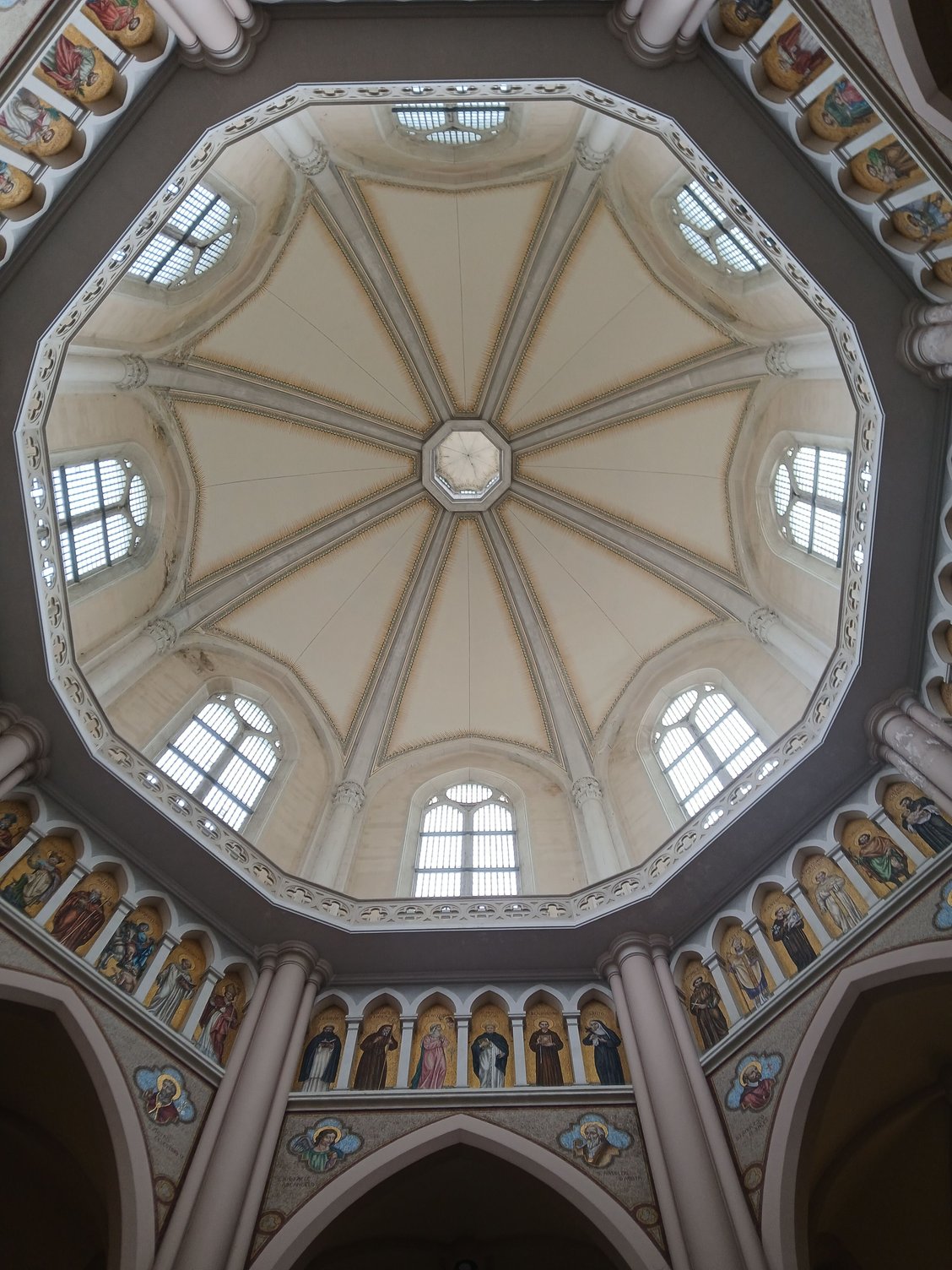
Looking up at the dome
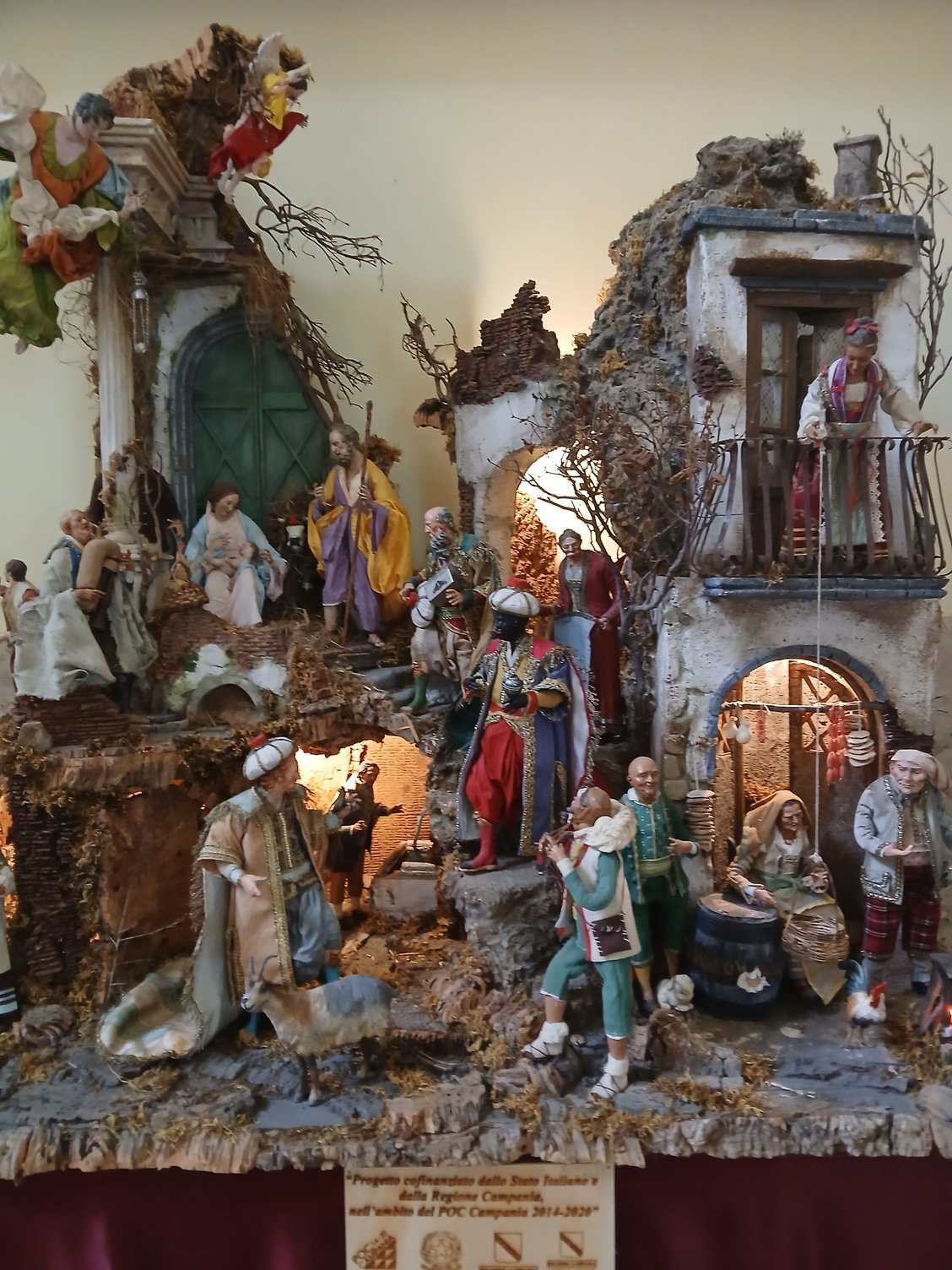
Nativity scene
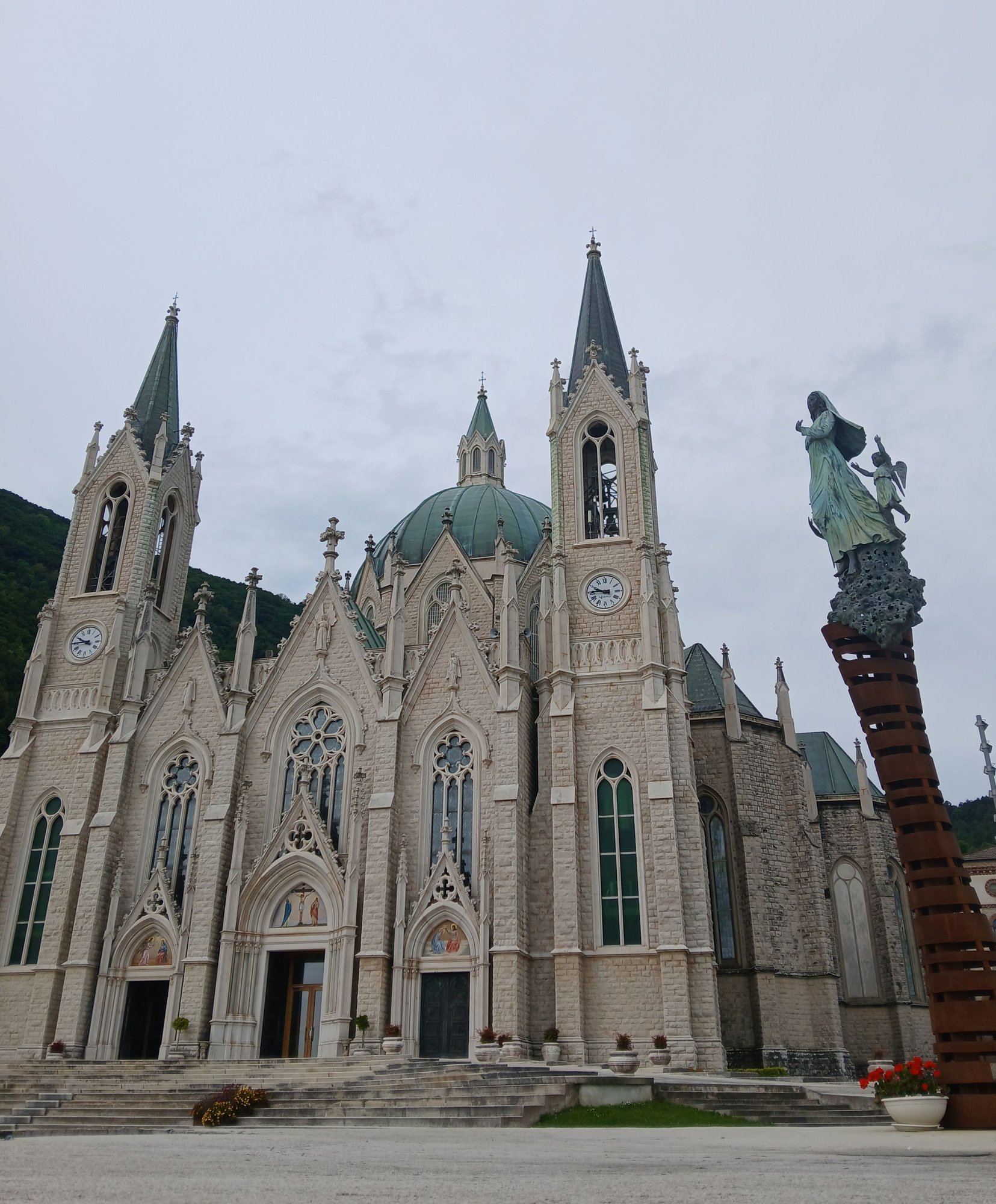
Another view of church from near the belevedere
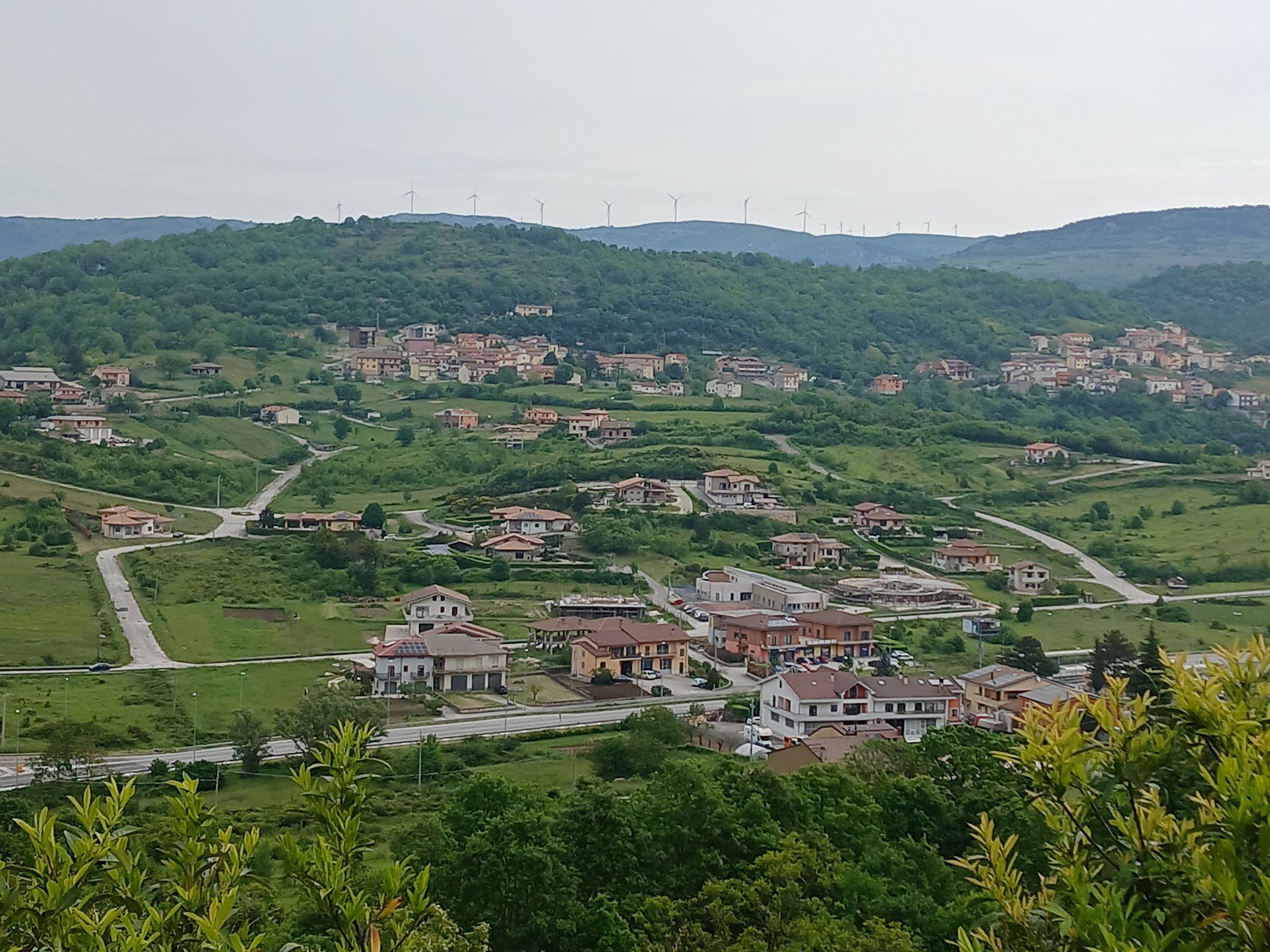
View from the belevedere
Continuing our dabble into Samnite history, we headed south to the Saepinum Archaeological Zone. Saepinum was originally established by the Samnites, but was conquered by the Romans in 293 BCE, and eventually the Arabs in 882. The site is extensive and fascinating, well-preserved and offers a very immersive experience. It was lying ignored (no visitor centre, no fencing, no tickets!) till 2024 but is now under the protection and management of the Ministry of Culture. We bought our tickets at the main entrance and followed the helpful route map and instructions provided by the enthusiastic staff. This provided useful context to what we were about to see. The circuit took about 90 minutes and included two museums housing very interesting relics from the site and surrounds. Saepinum is as fascinating as Pompeii or Ostia, with zero crowds.

Basilica
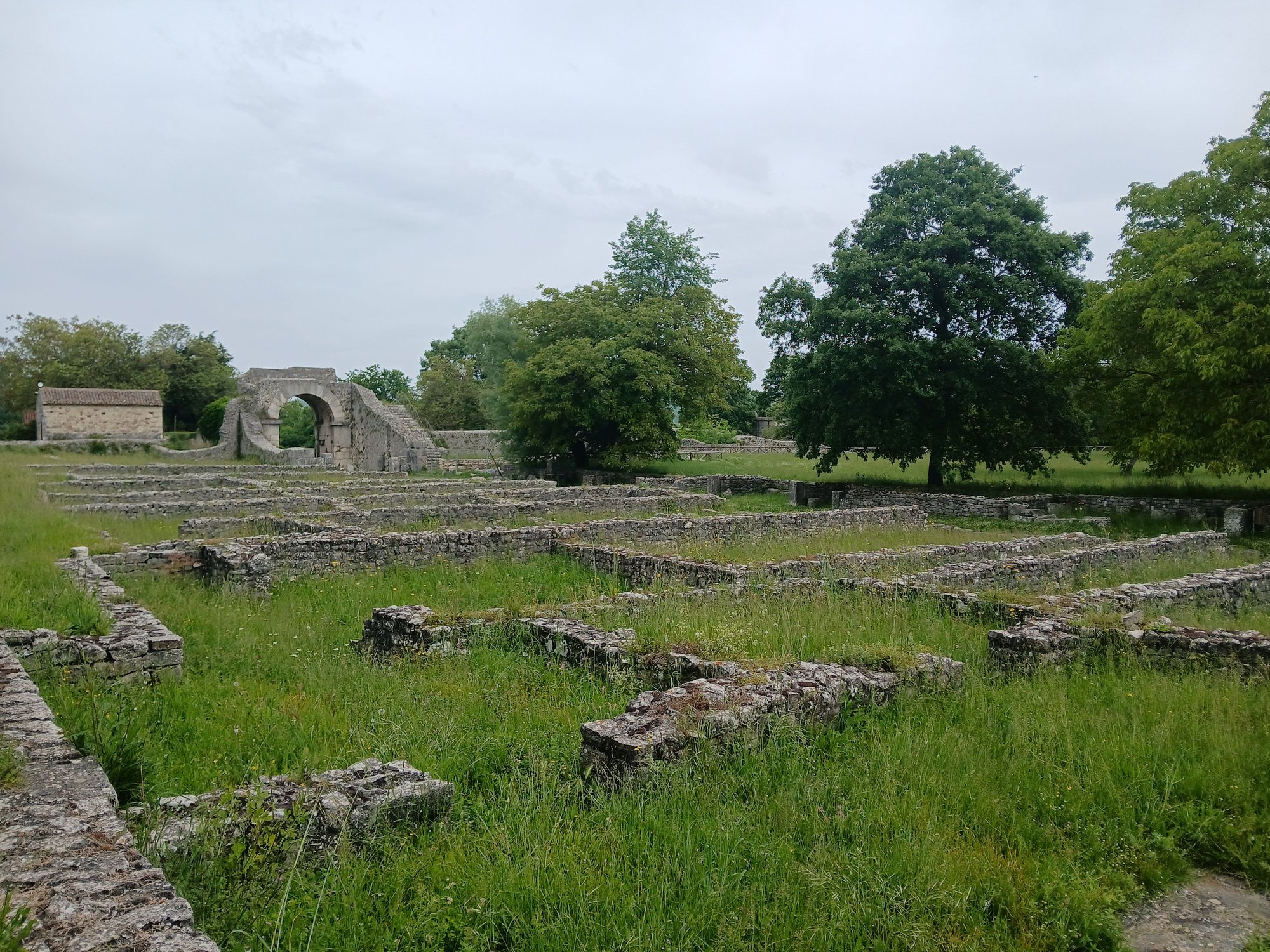
Houses leading to Porta Bojano
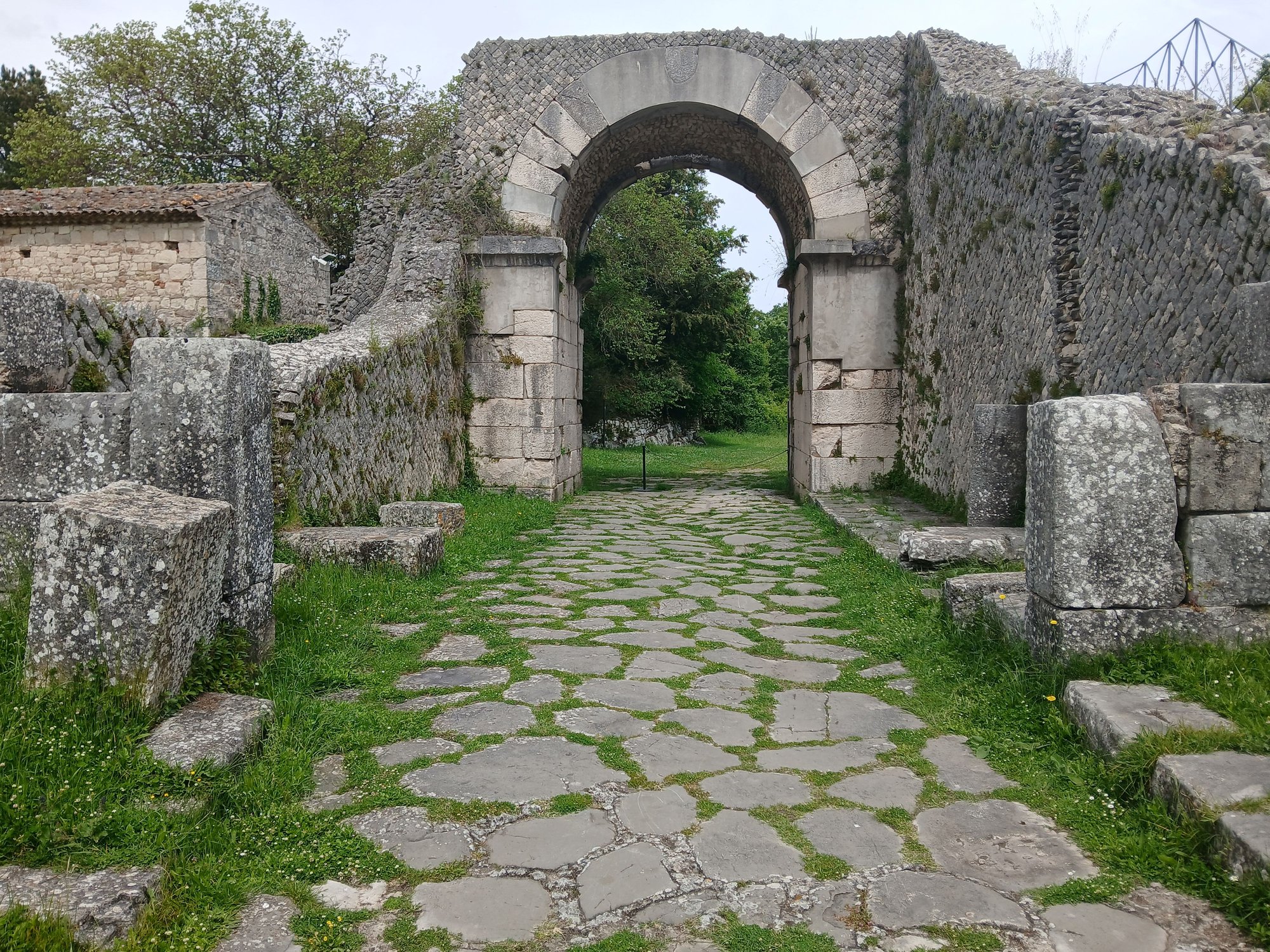
Porta Bojano
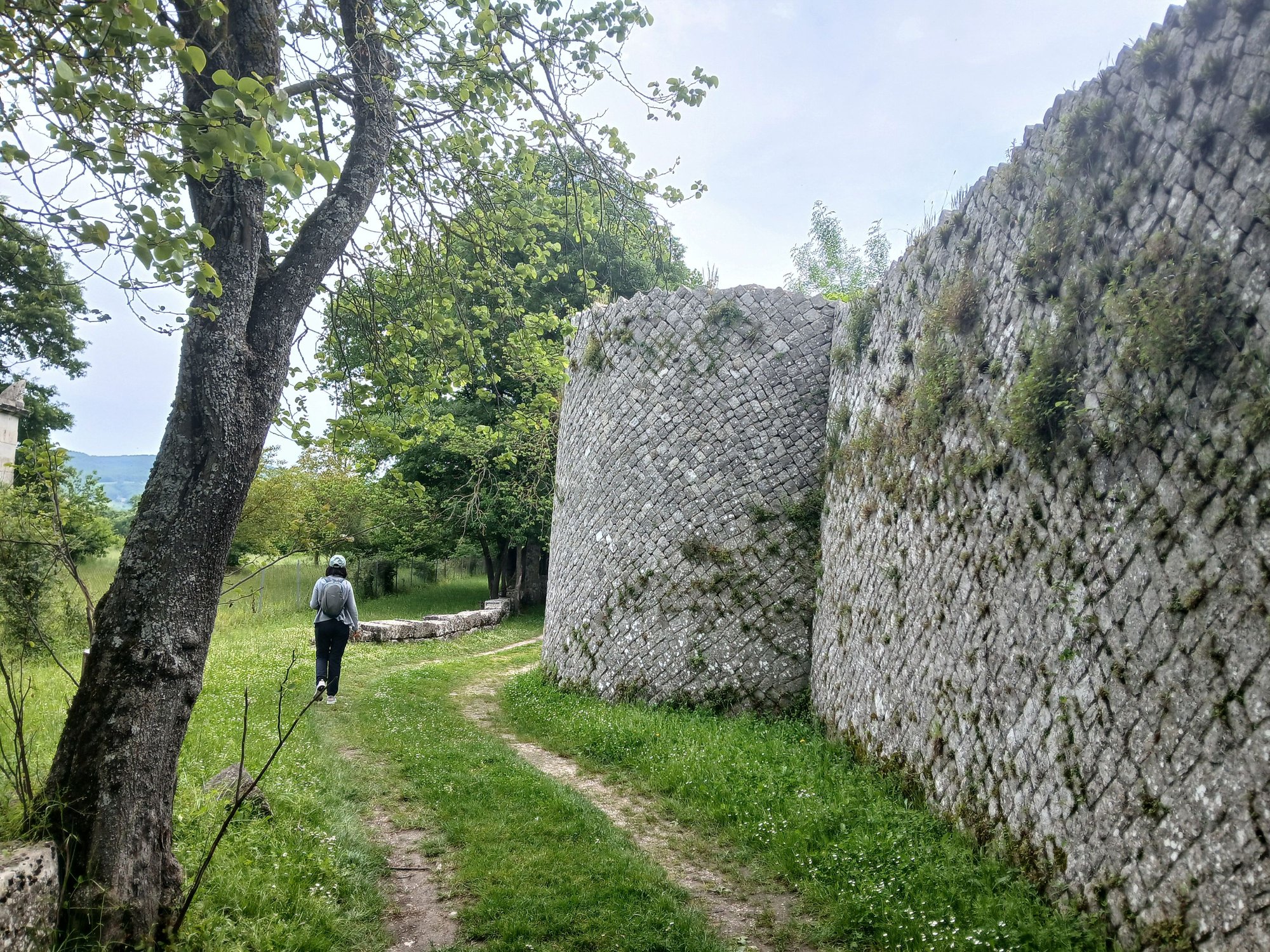
The preserved walls
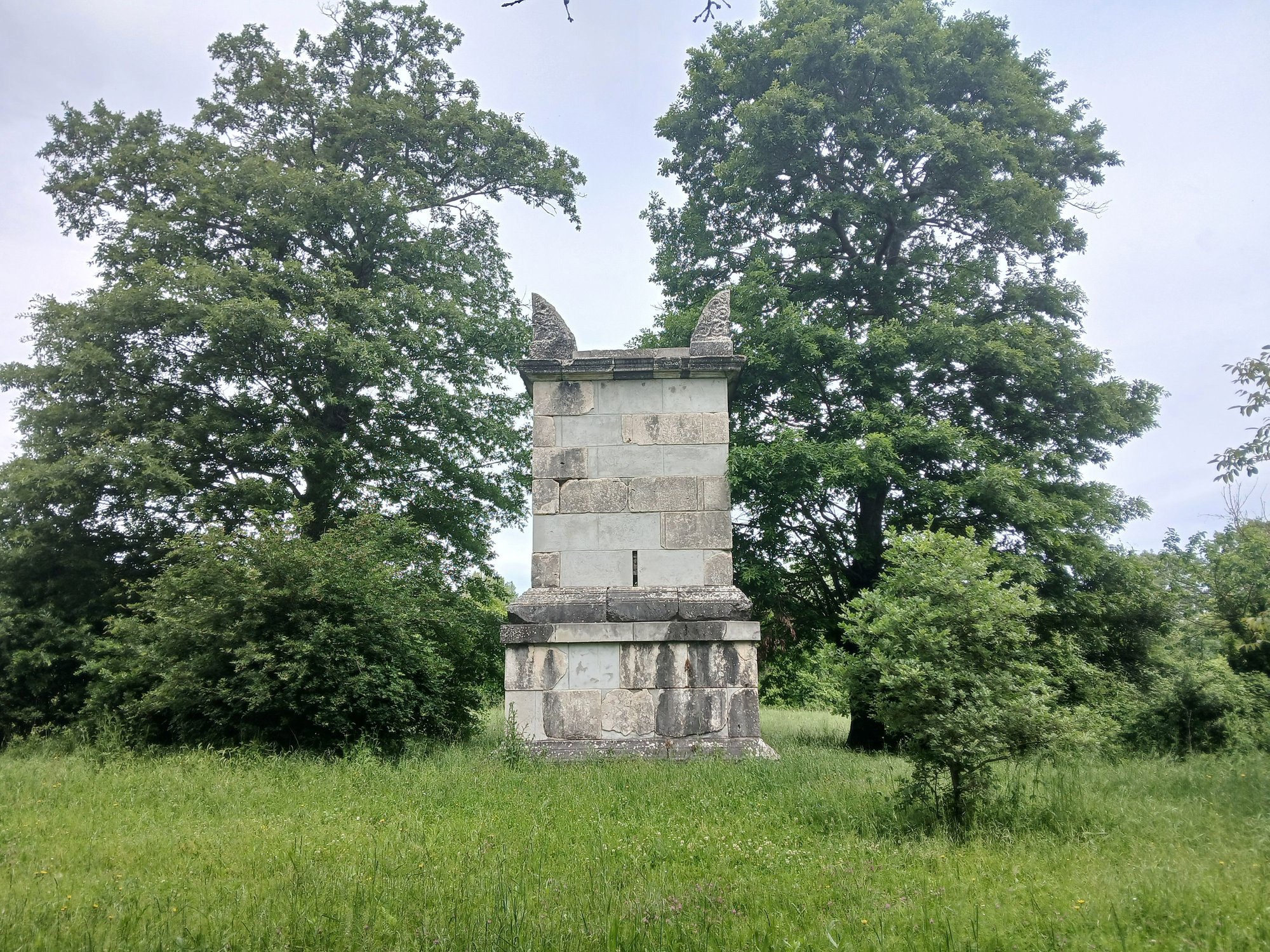
Mausoleum
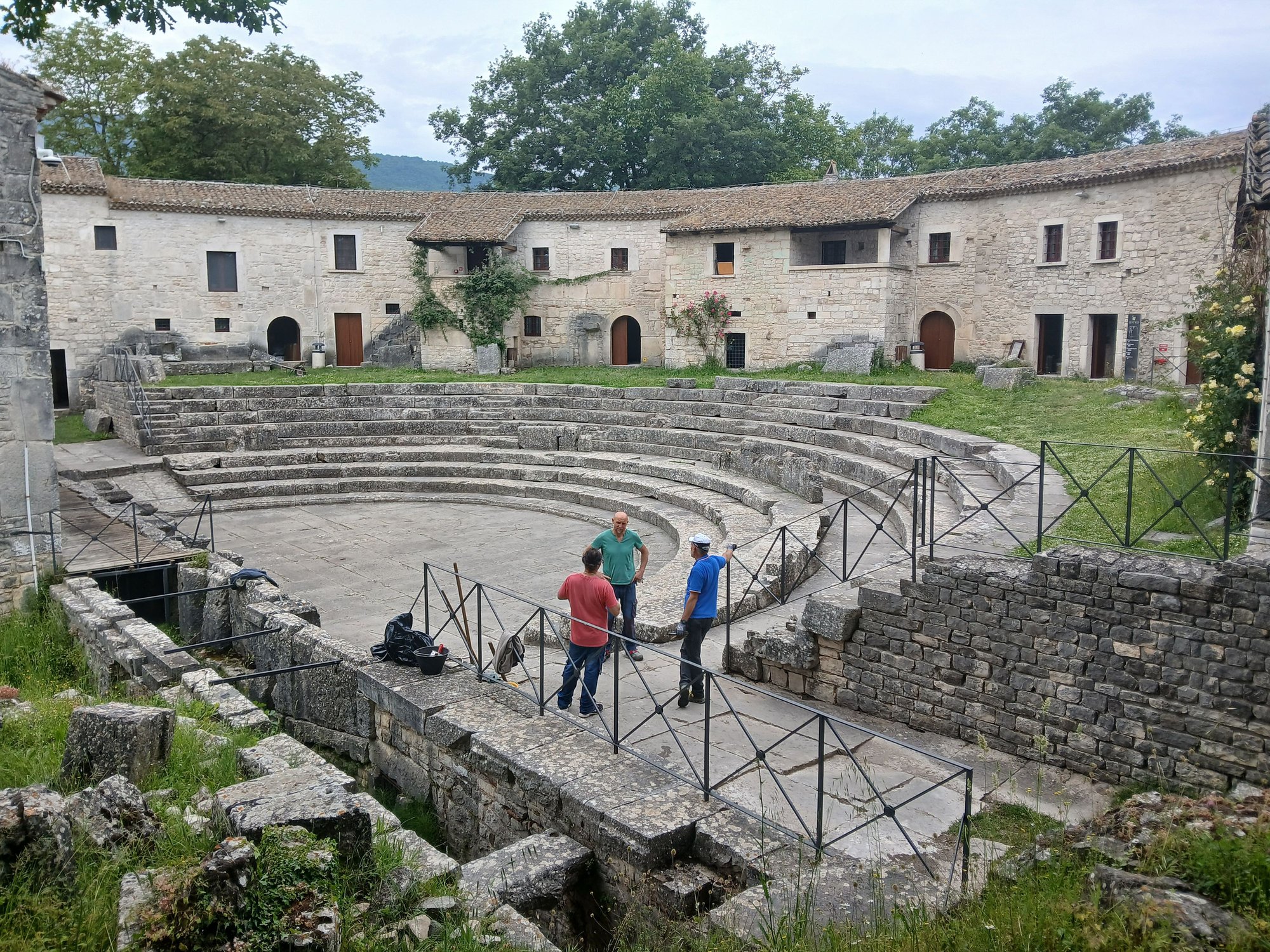
The theatre
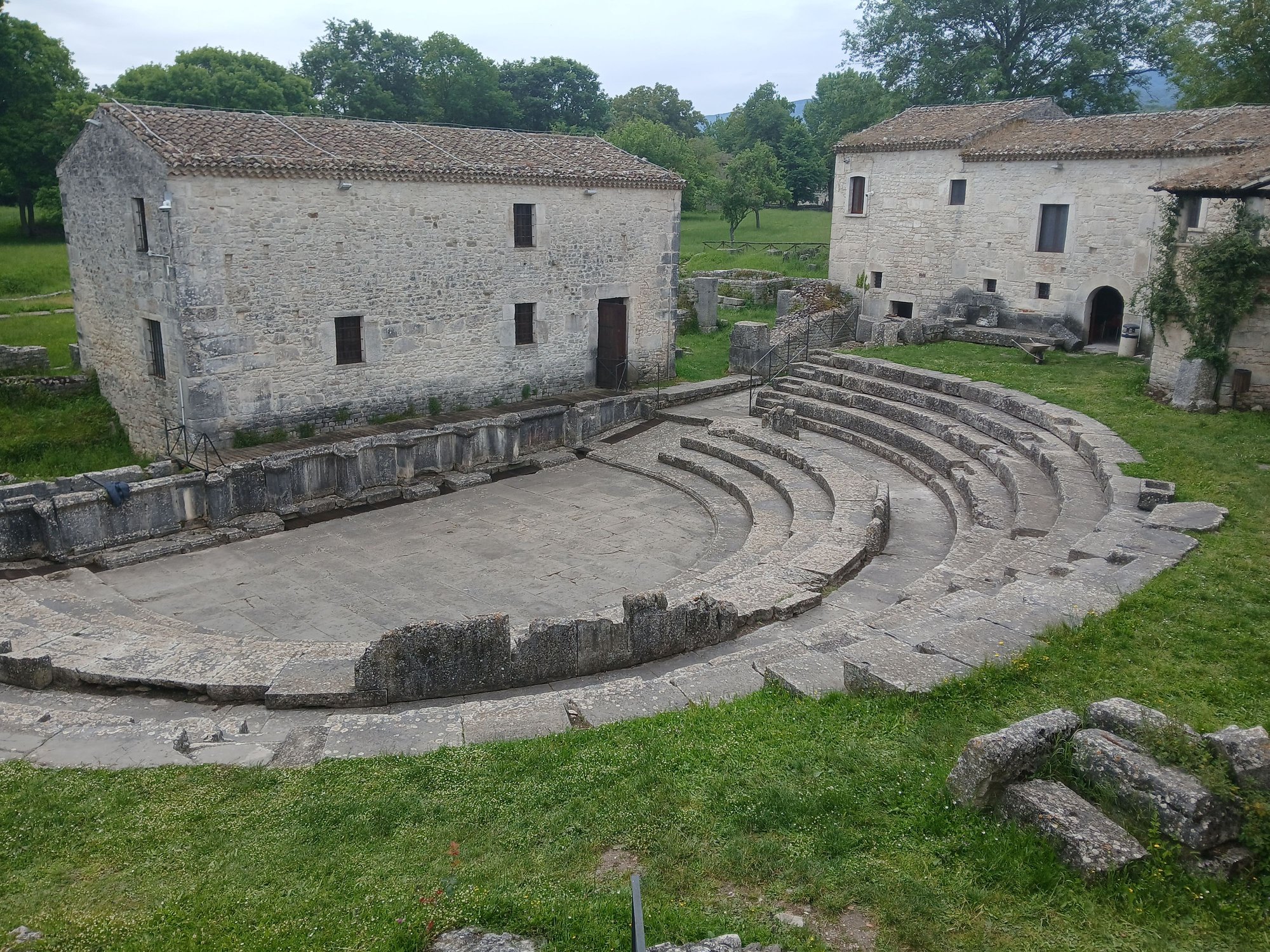
The theatre
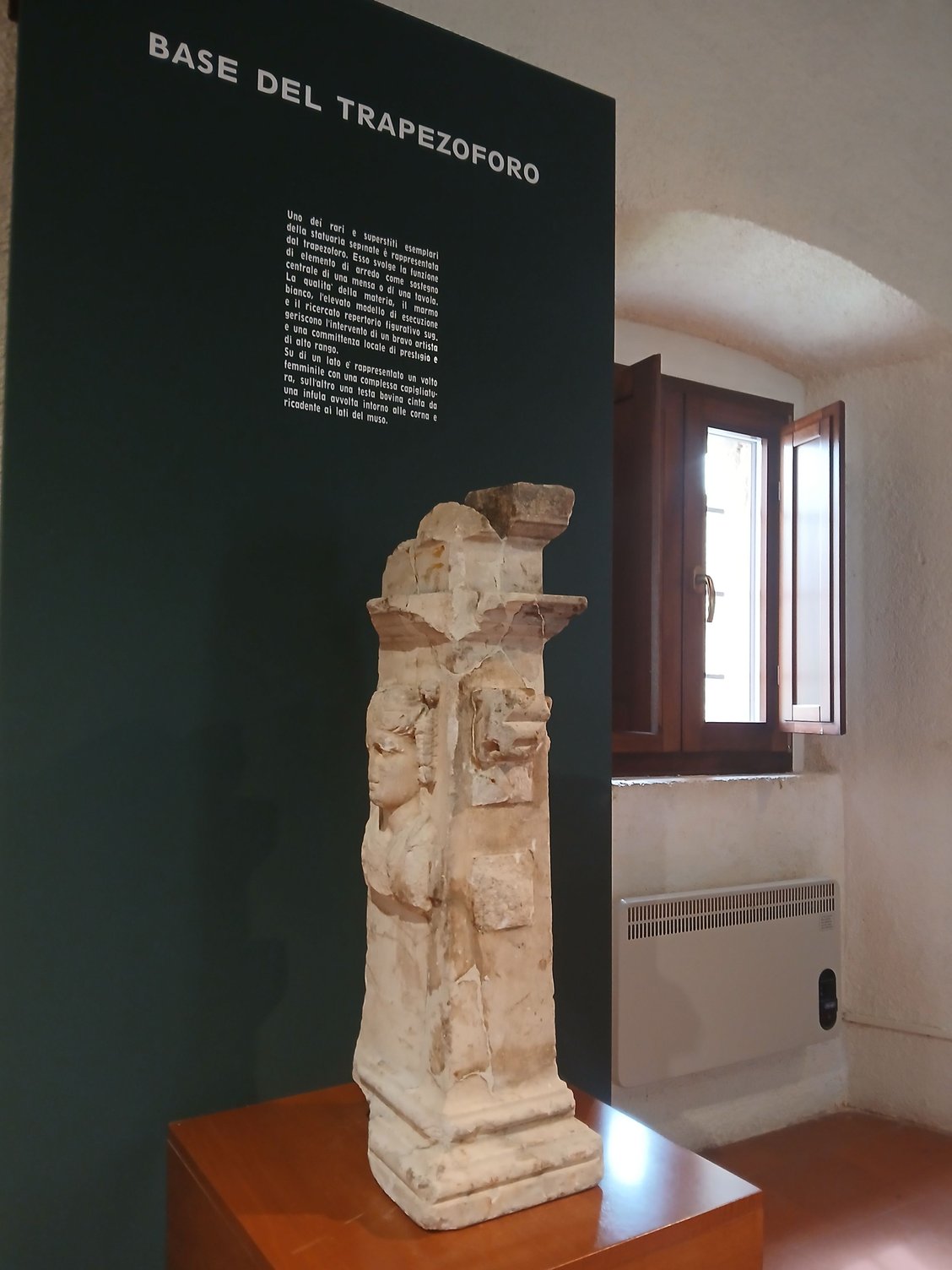
Exhibits in the museum
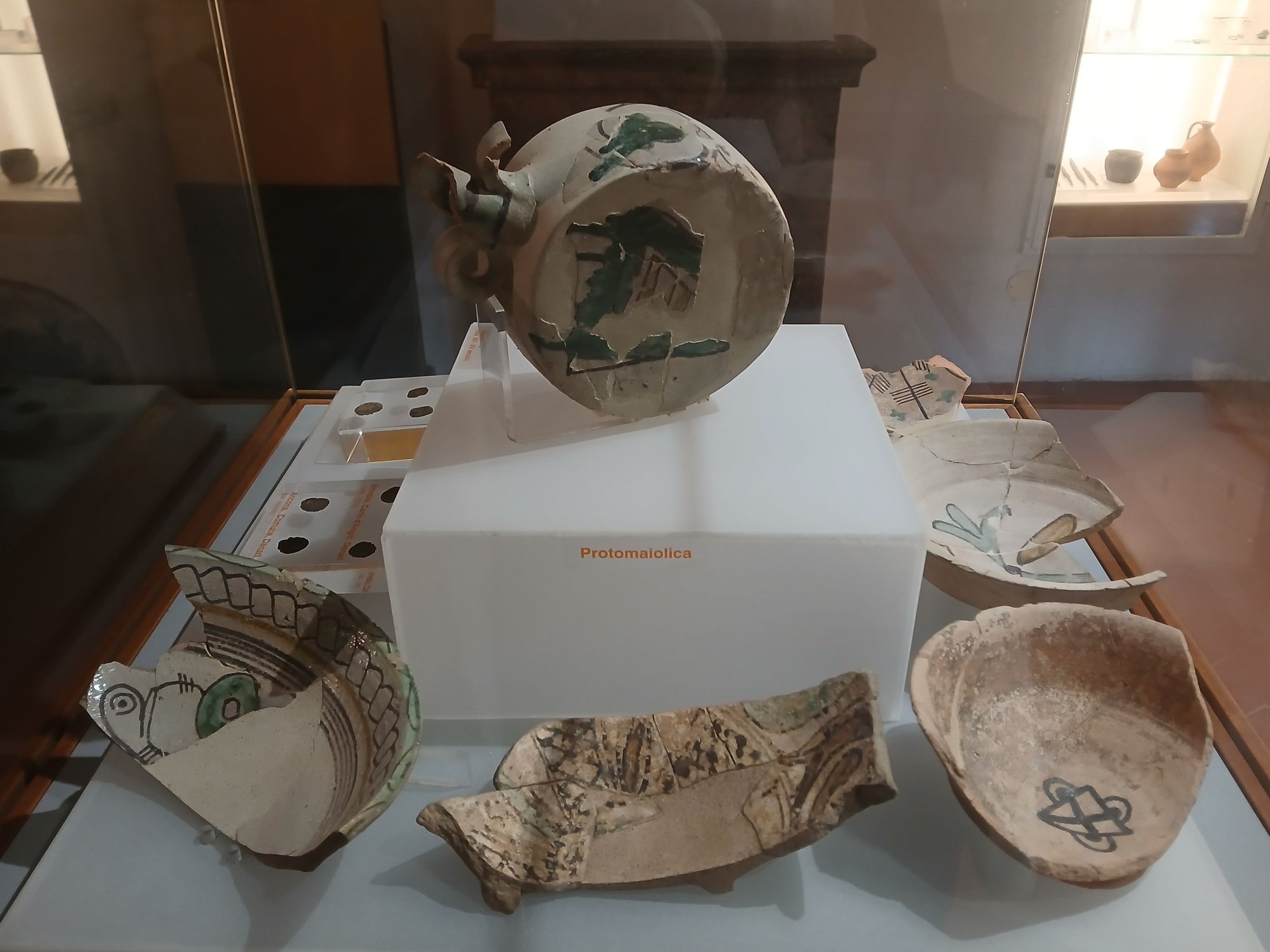
Exhibits in the museum (pottery and tools)
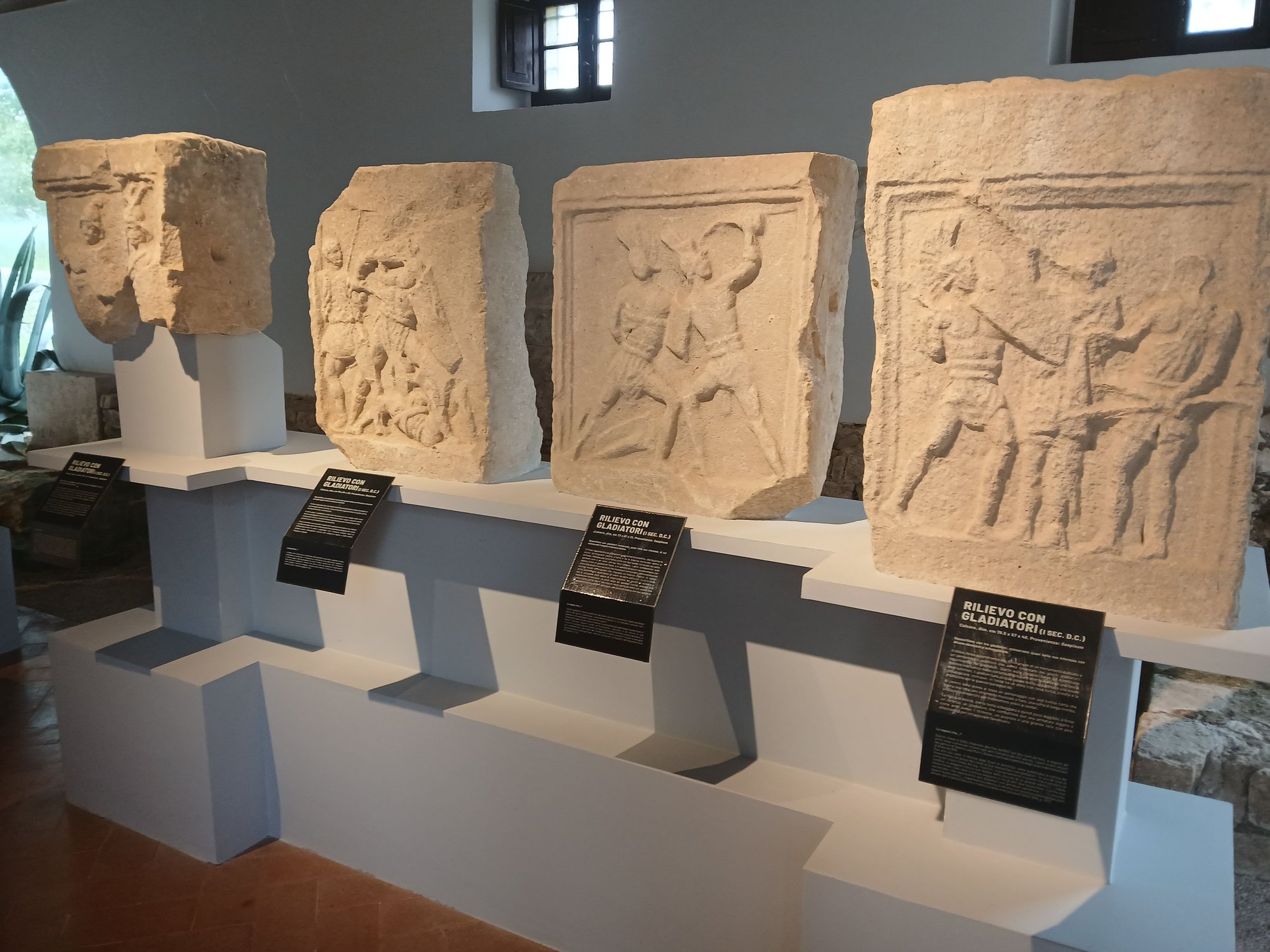
Exhibits in the museum (reliefs with gladiators)
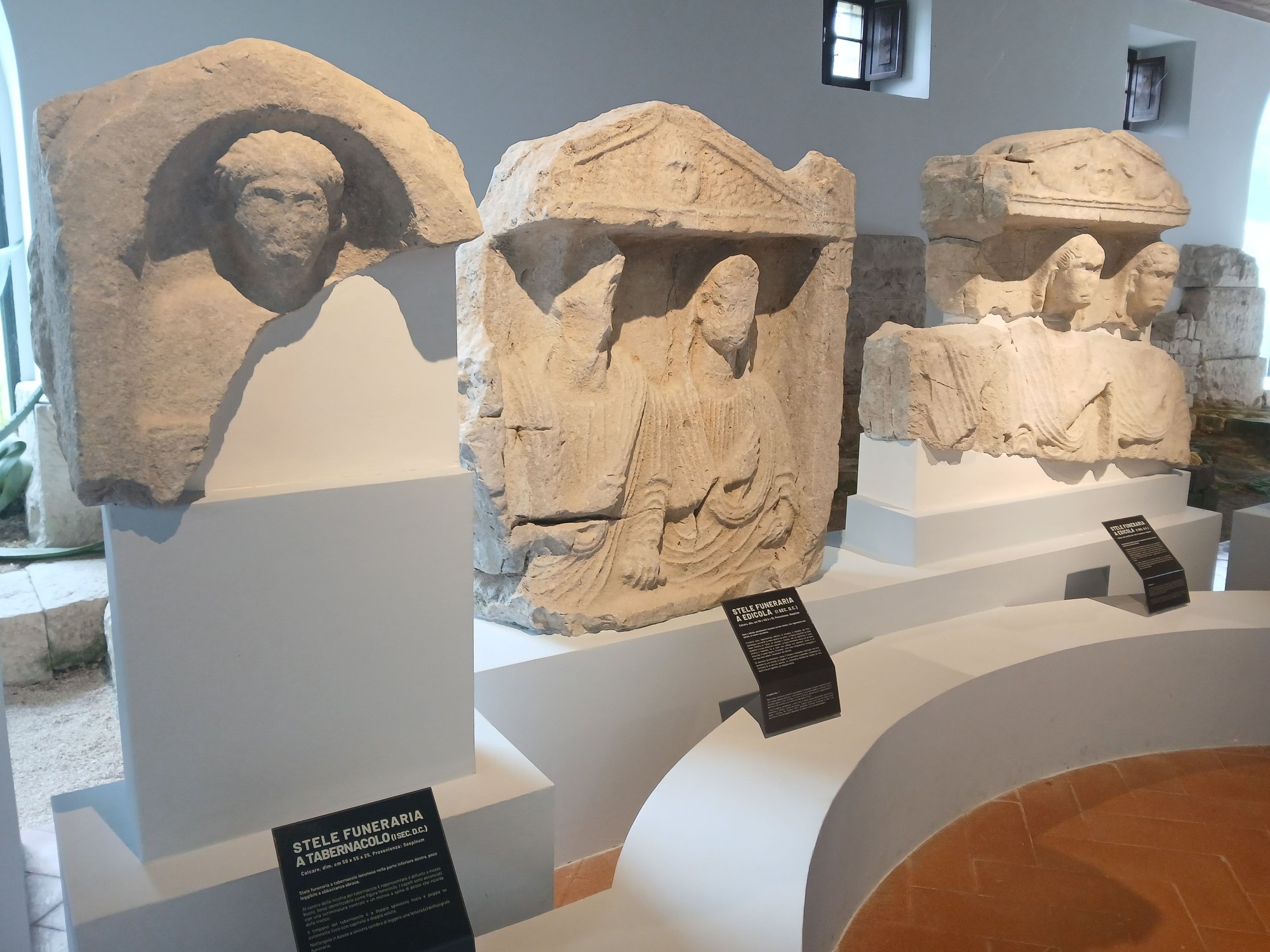
Exhibits in the museum (Tombstones)
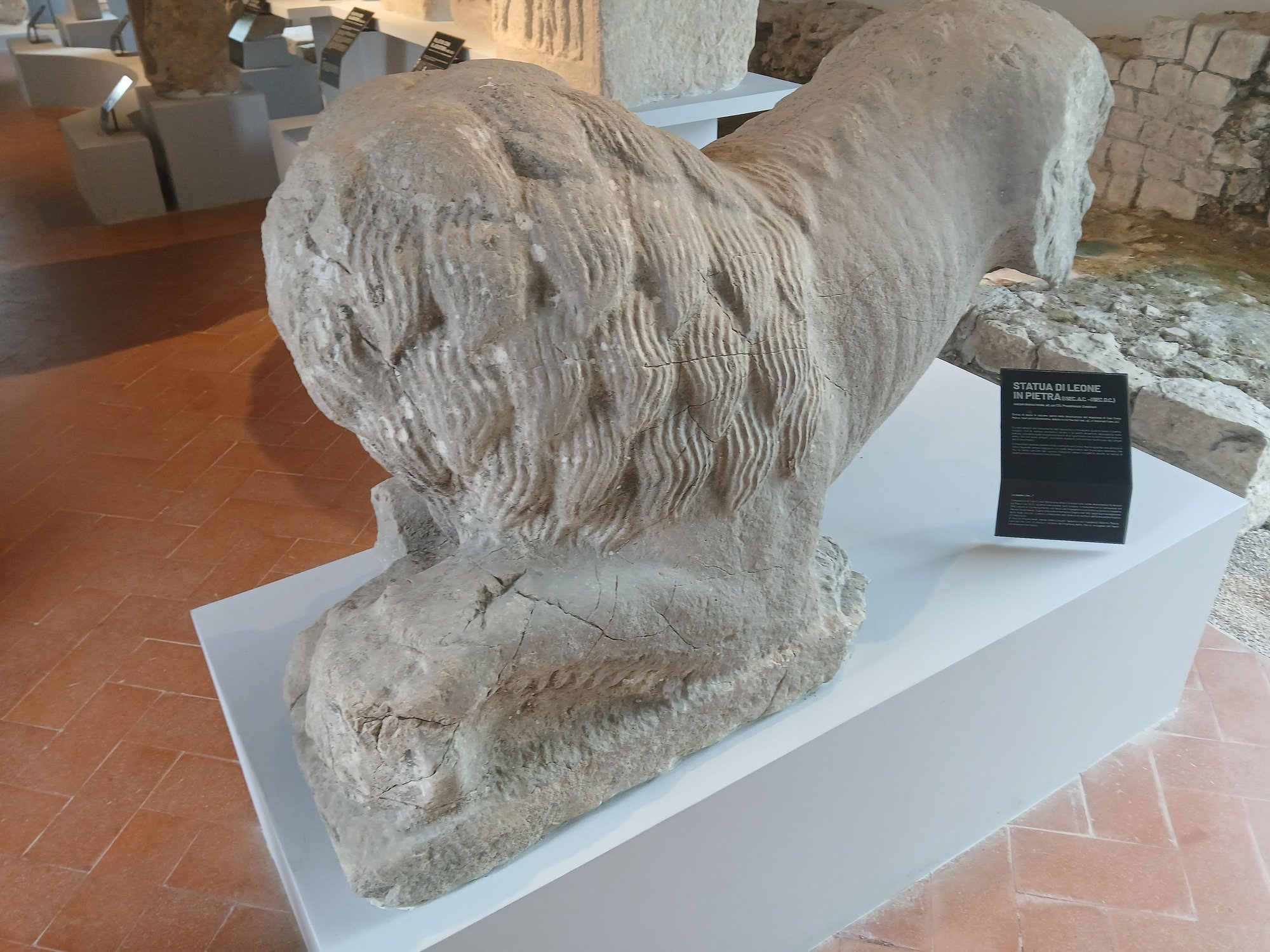
Statue of lion
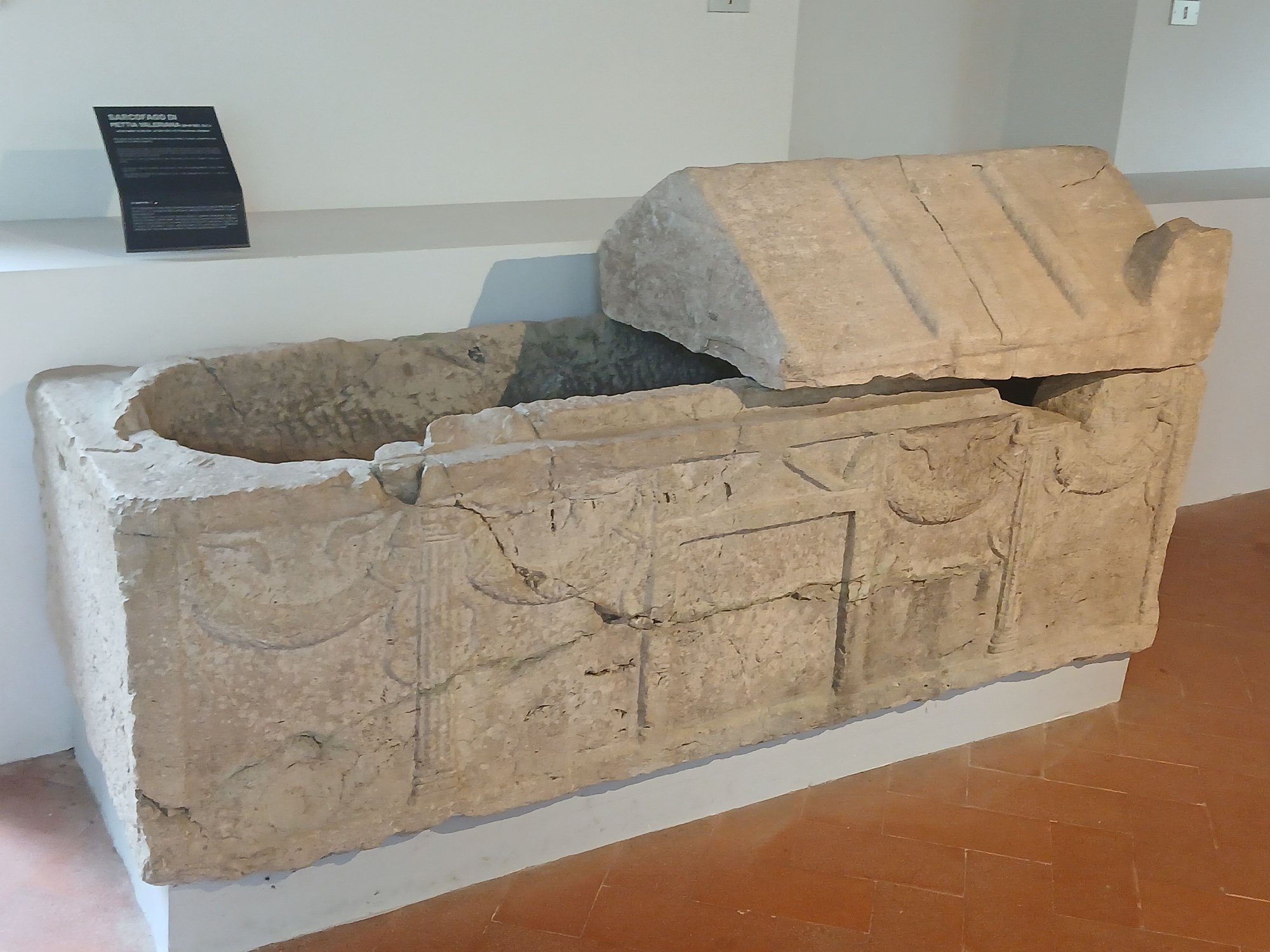
Sacrophagus
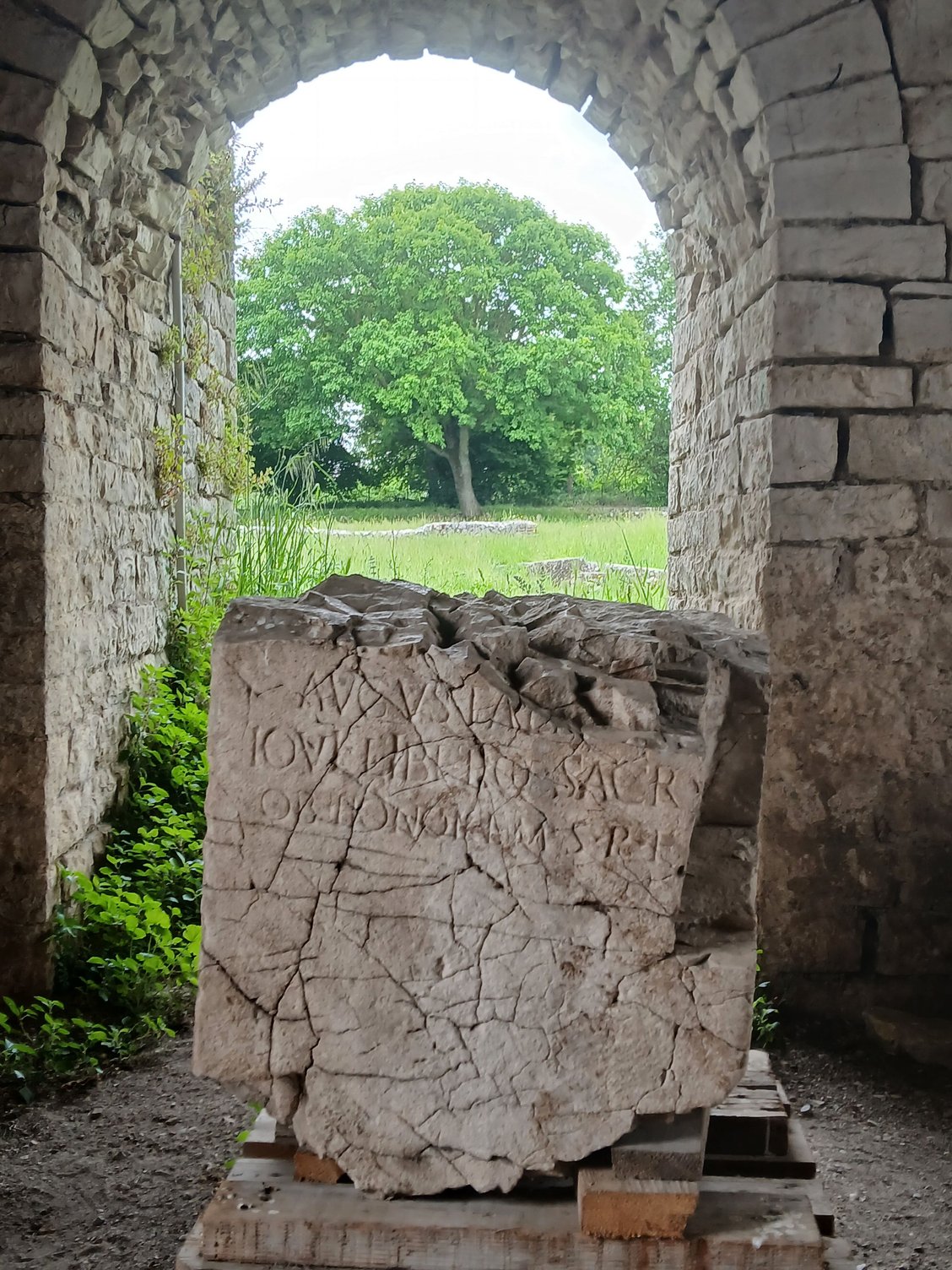
Rock with inscriptions
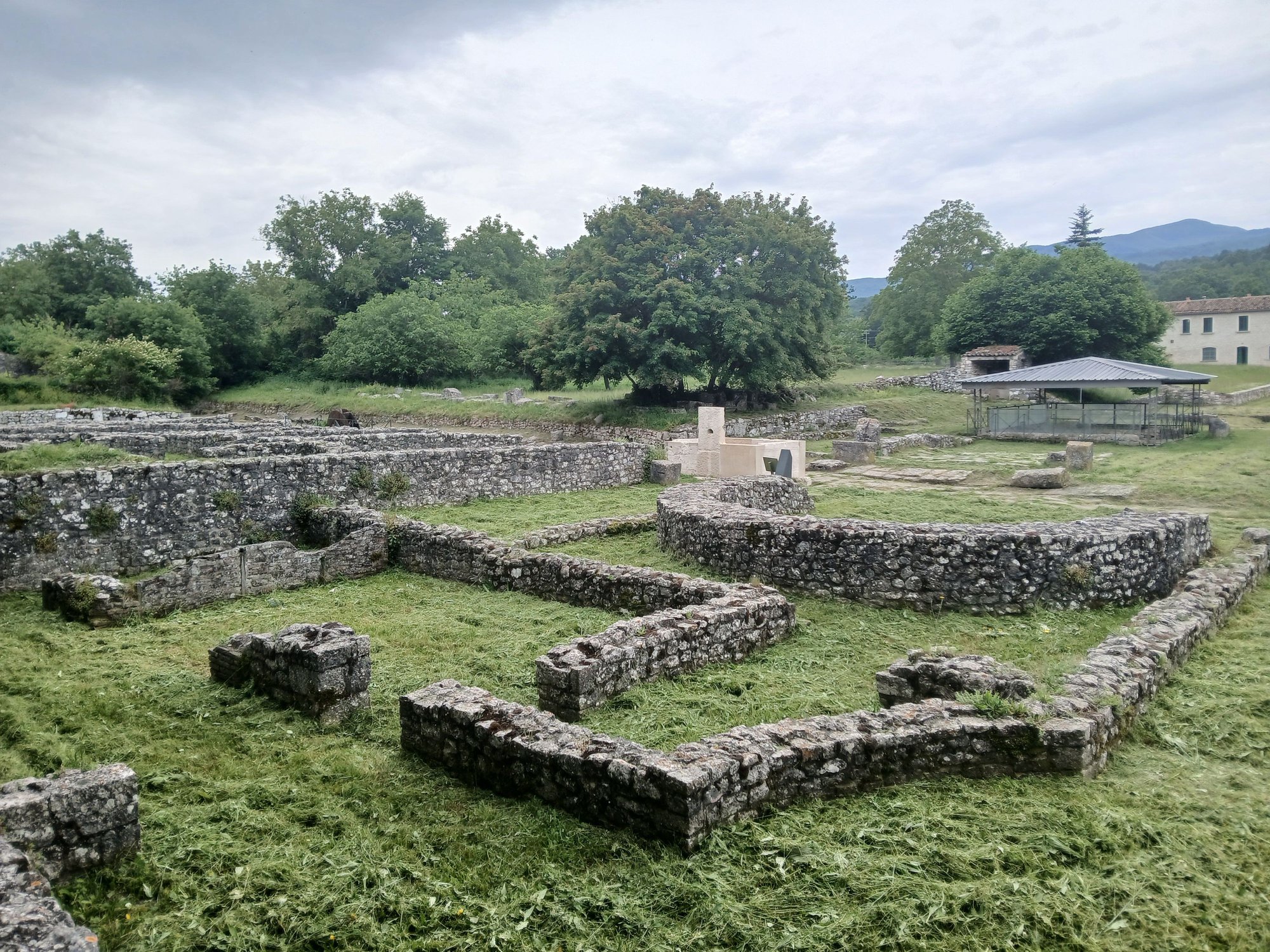
Forum, view from near the tannery

Another porta

Mausoleum of Marcus
Our final stop was the charming town of Carpinone, with a beautiful waterfall hidden in its outskirts in a wonderfully serene setting. The path to the waterfall is stony, uneven and steep in parts. We only had some goats for company.
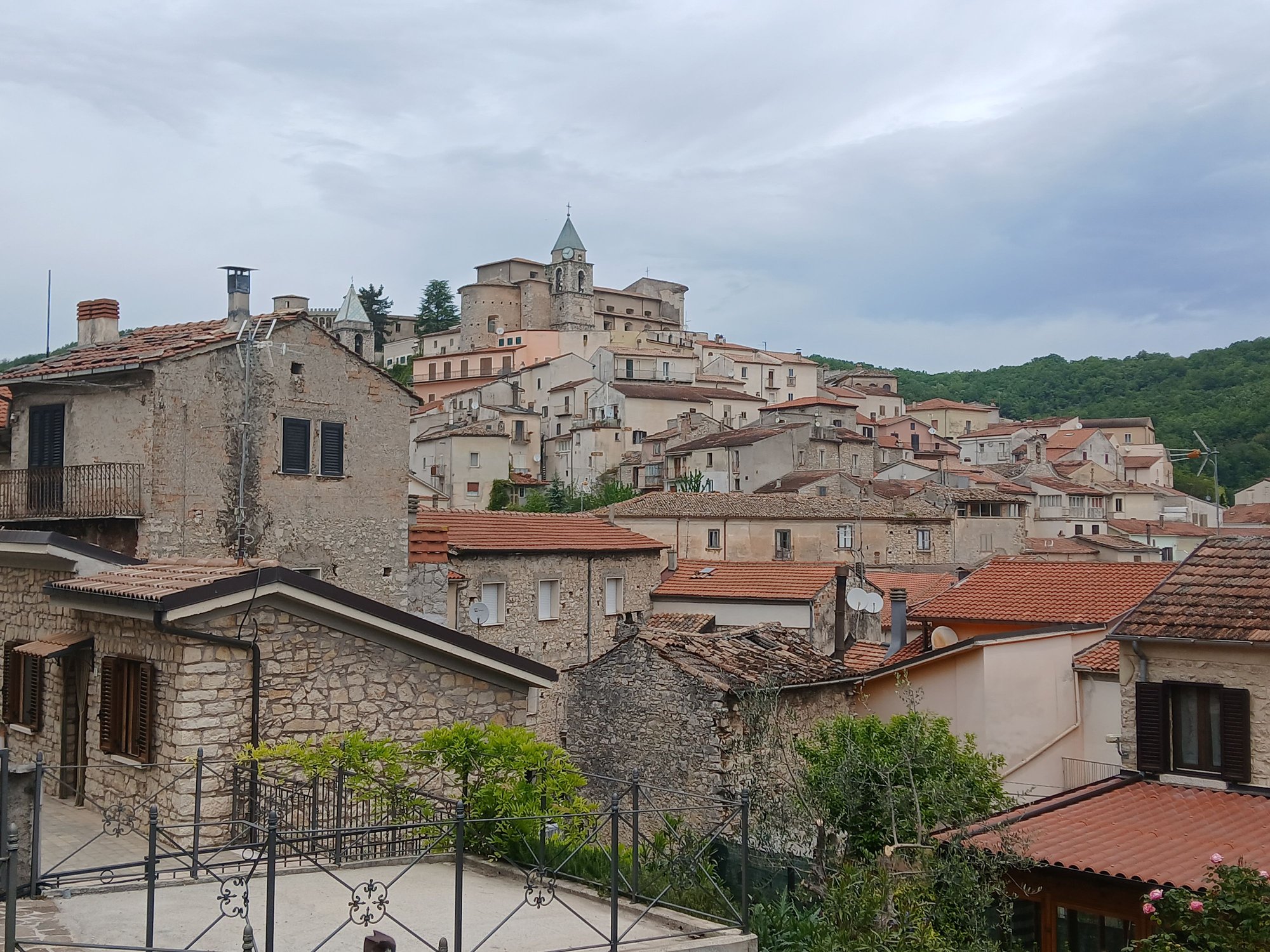
View of Carpinone from our parking

View from outskirts

Charming home, around the beginning of the path to the falls
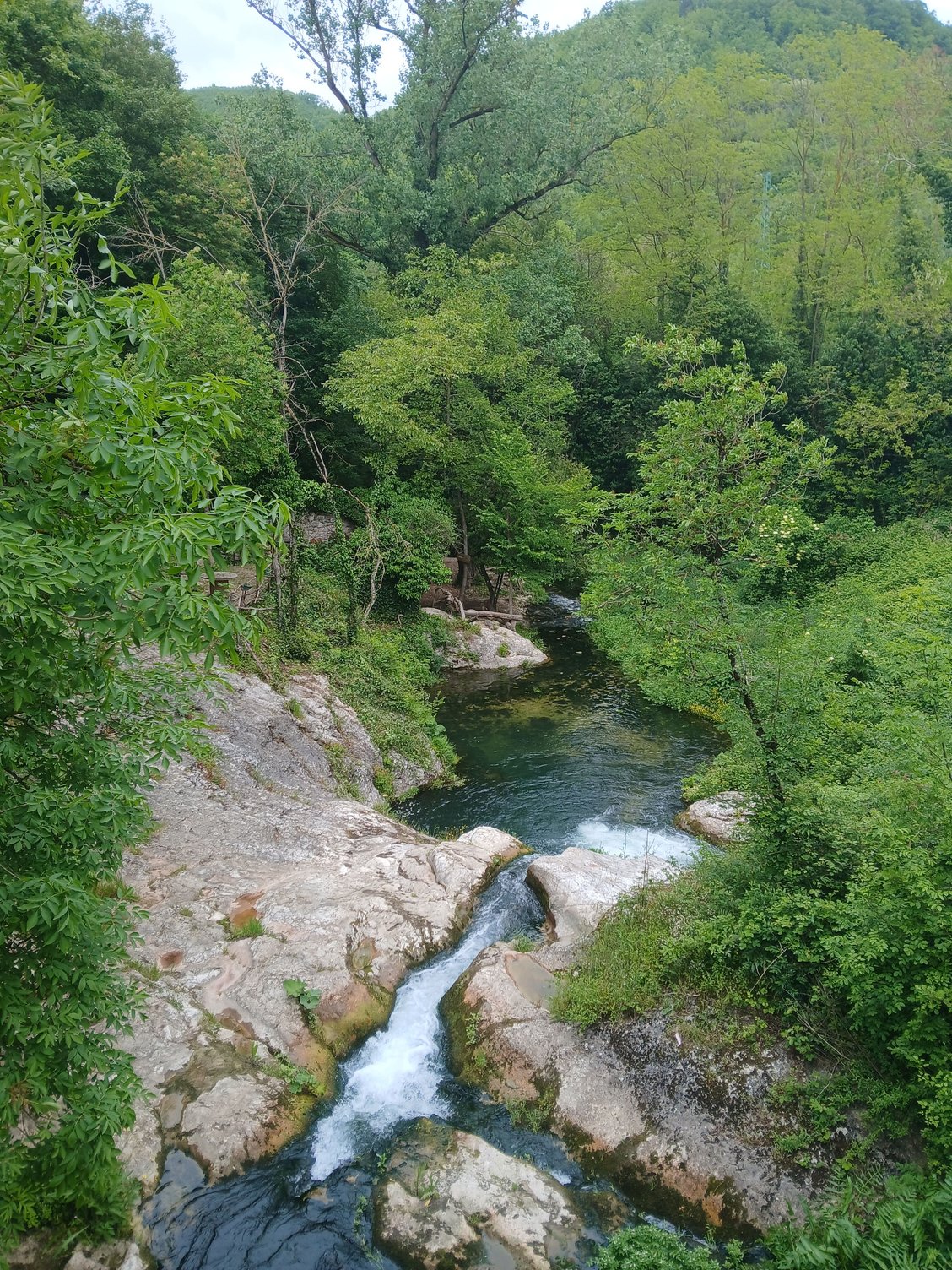
View from the top

View of the falls
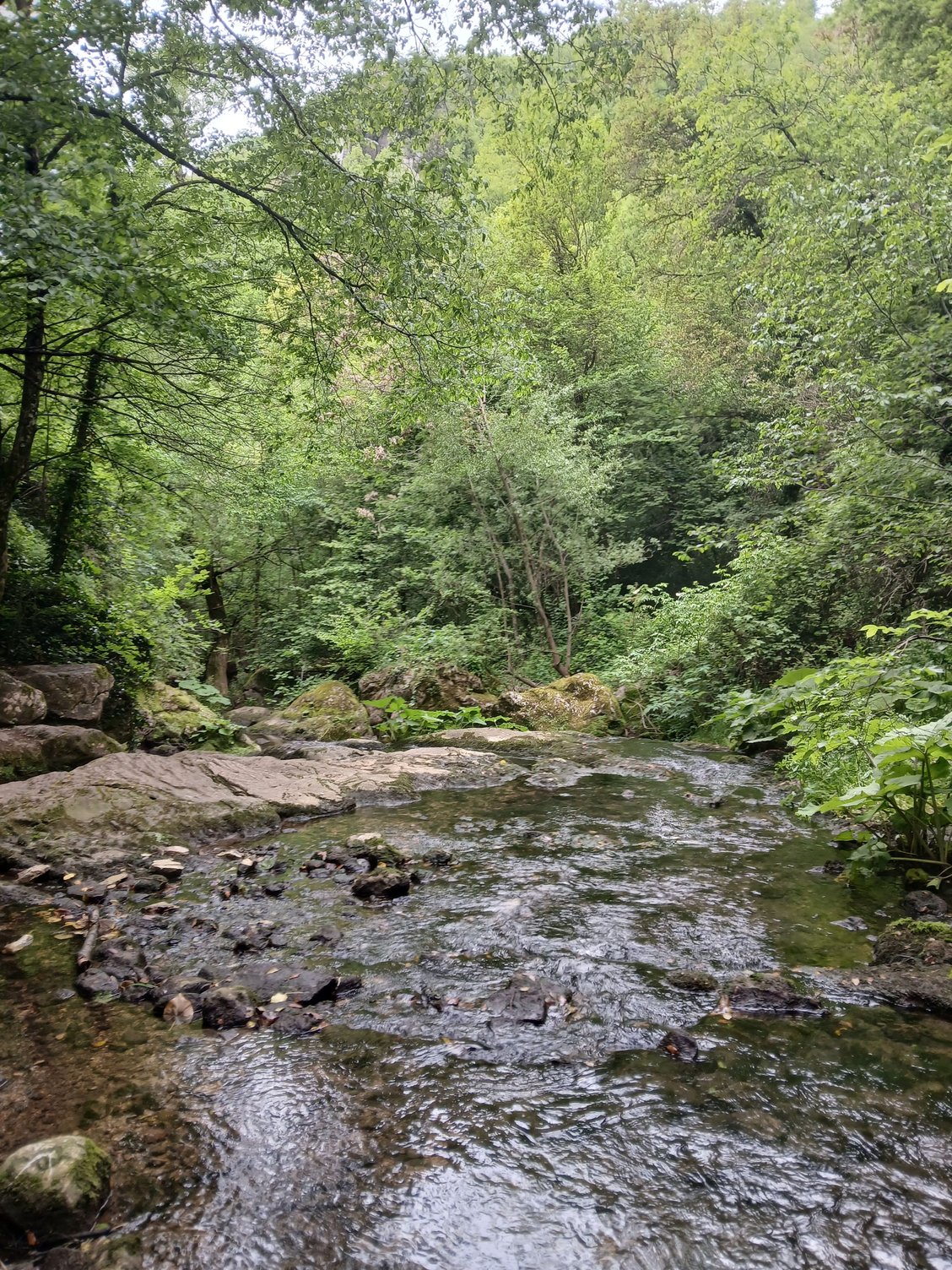
At the bottom
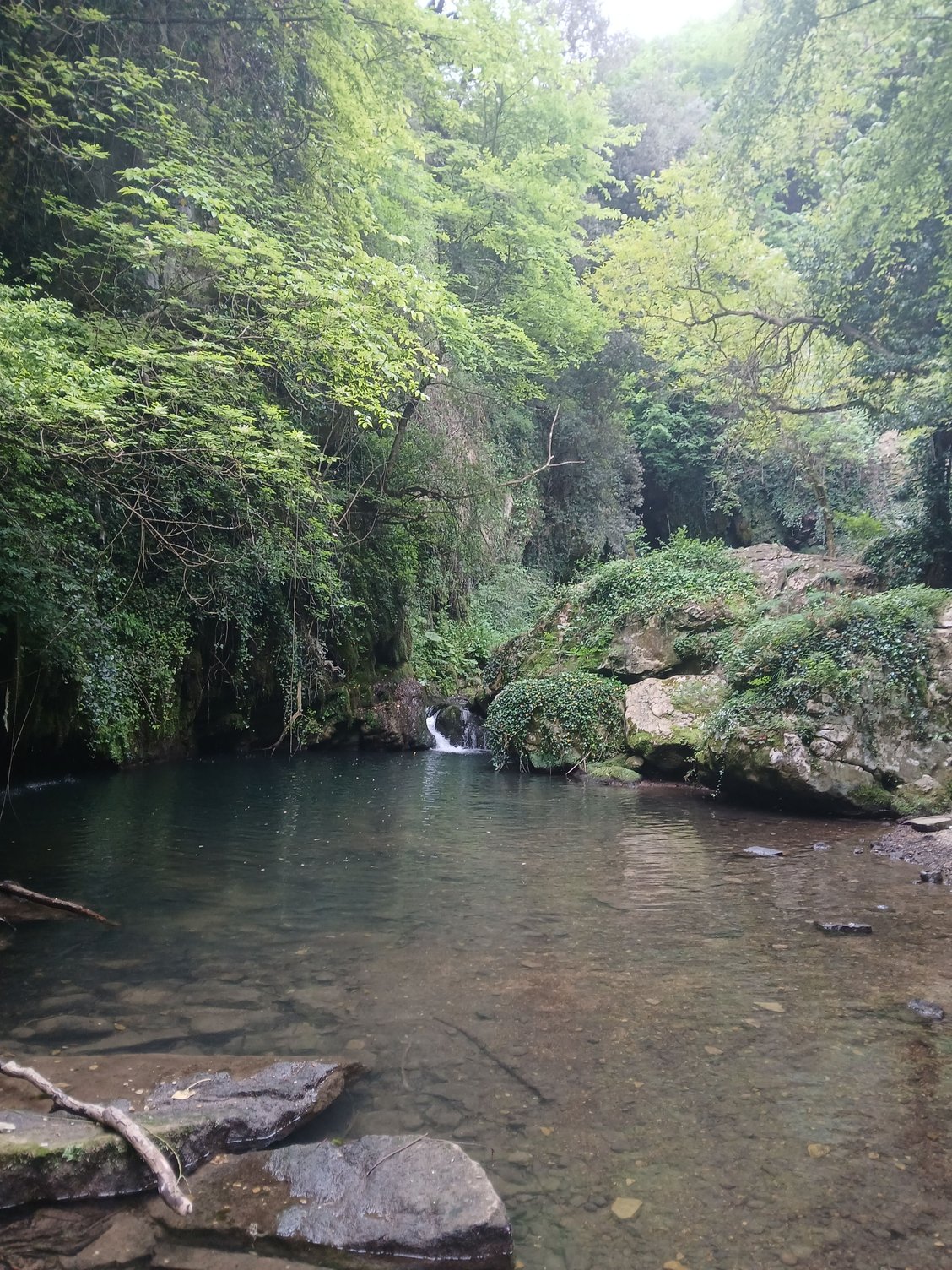
At the bottom
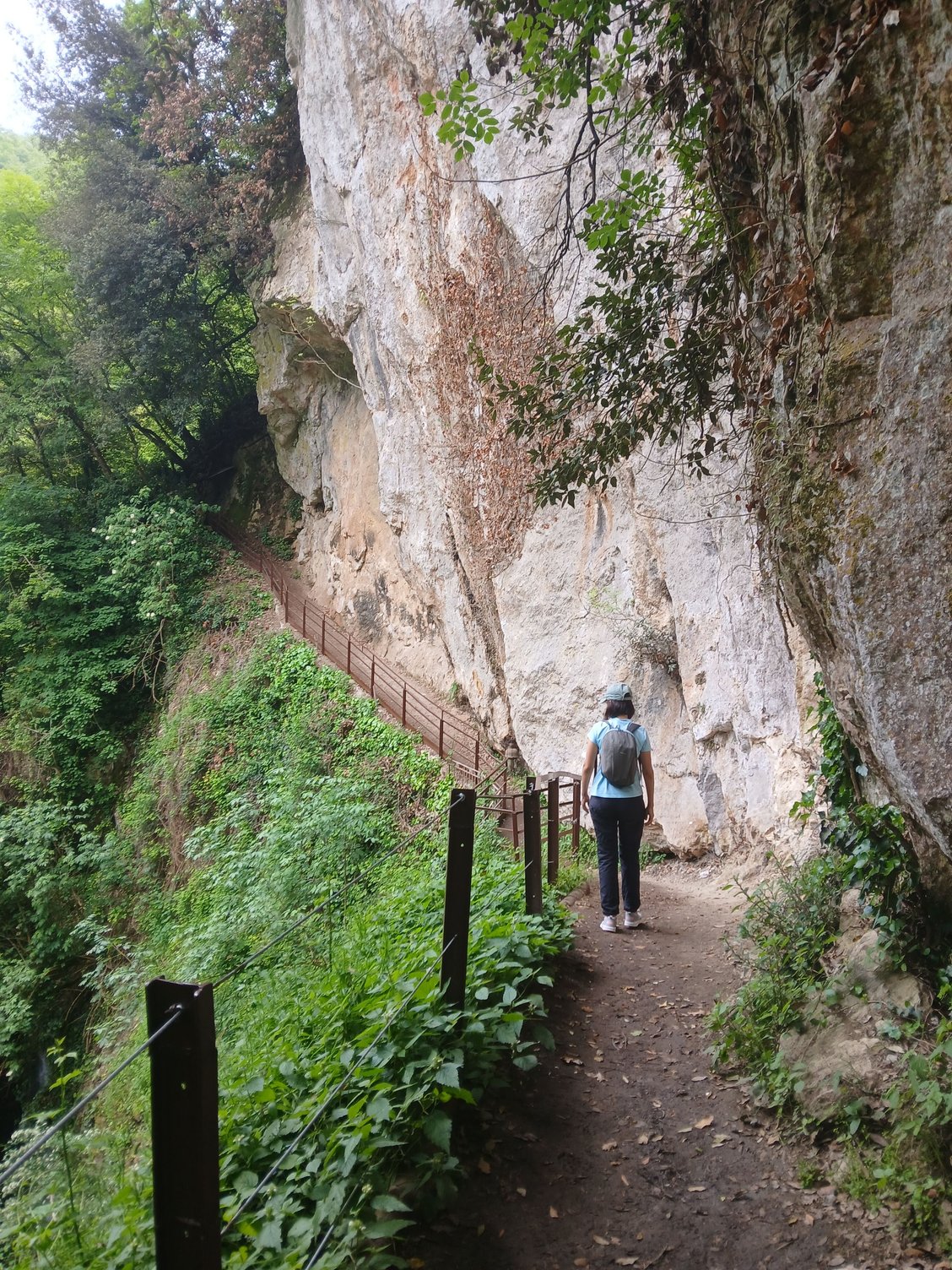
The path back up
Our first stop today was Basilica Minore dell'Addolorata, near Castelpetroso. This marks the location where the Virgin Mary reportedly appeared to two shepherdesses. It's as beautiful inside as it is outside. Looking up towards the dome, you can see elaborate mosaics of saints and apostles.
Near the parking
The beautful facade and entrances
And beautiful interiors (looking front)
And beautiful interiors (looking back)
Looking up at the dome
Nativity scene
Another view of church from near the belevedere
View from the belevedere
Continuing our dabble into Samnite history, we headed south to the Saepinum Archaeological Zone. Saepinum was originally established by the Samnites, but was conquered by the Romans in 293 BCE, and eventually the Arabs in 882. The site is extensive and fascinating, well-preserved and offers a very immersive experience. It was lying ignored (no visitor centre, no fencing, no tickets!) till 2024 but is now under the protection and management of the Ministry of Culture. We bought our tickets at the main entrance and followed the helpful route map and instructions provided by the enthusiastic staff. This provided useful context to what we were about to see. The circuit took about 90 minutes and included two museums housing very interesting relics from the site and surrounds. Saepinum is as fascinating as Pompeii or Ostia, with zero crowds.
Basilica
Houses leading to Porta Bojano
Porta Bojano
The preserved walls
Mausoleum
The theatre
The theatre
Exhibits in the museum
Exhibits in the museum (pottery and tools)
Exhibits in the museum (reliefs with gladiators)
Exhibits in the museum (Tombstones)
Statue of lion
Sacrophagus
Rock with inscriptions
Forum, view from near the tannery
Another porta
Mausoleum of Marcus
Our final stop was the charming town of Carpinone, with a beautiful waterfall hidden in its outskirts in a wonderfully serene setting. The path to the waterfall is stony, uneven and steep in parts. We only had some goats for company.
View of Carpinone from our parking
View from outskirts
Charming home, around the beginning of the path to the falls
View from the top
View of the falls
At the bottom
At the bottom
The path back up
Last edited by ANUJ; Jun 7th, 2025 at 01:08 AM.
 Jun 7th, 2025 | 08:52 AM
#57
Joined: May 2008
Posts: 10,496
Likes: 1
Wow, this gets better and better. As you know, I am thinking of Isernia for a base of several nights. I had a number of these towns bookmarked for day trips but Pesche was not on my radar. It looks like a good walking workout.
Jun 7th, 2025 | 07:16 PM
#60
Original Poster
Joined: Oct 2005
Posts: 967
Likes: 28

