


Venice
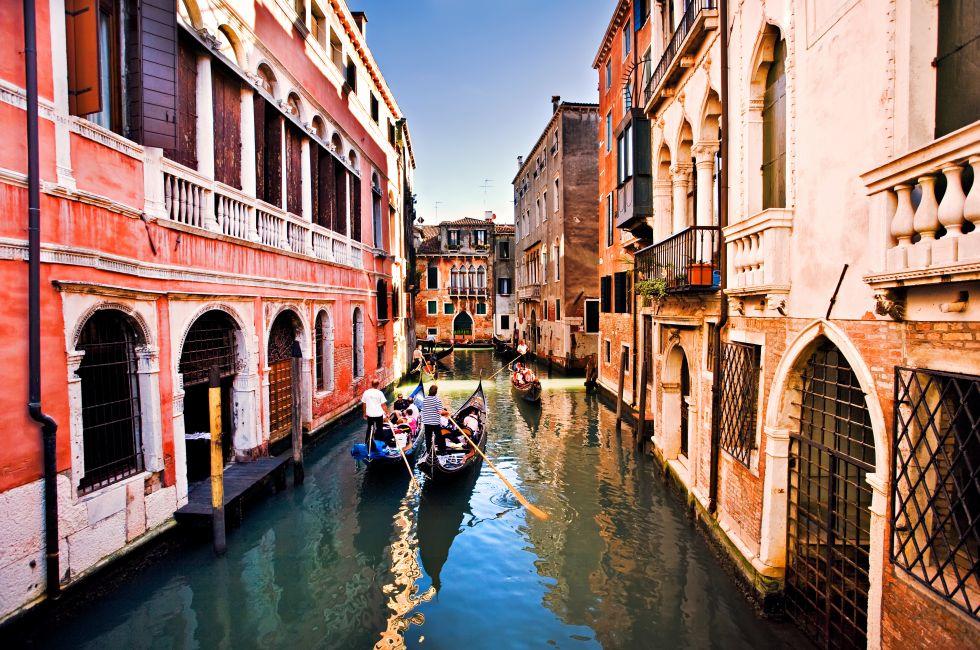
Venice

The Fodor's Five
The five things you need to know before traveling to Venice
Venice is more than one island. You can’t see St. Mark’s and Murano in one day.
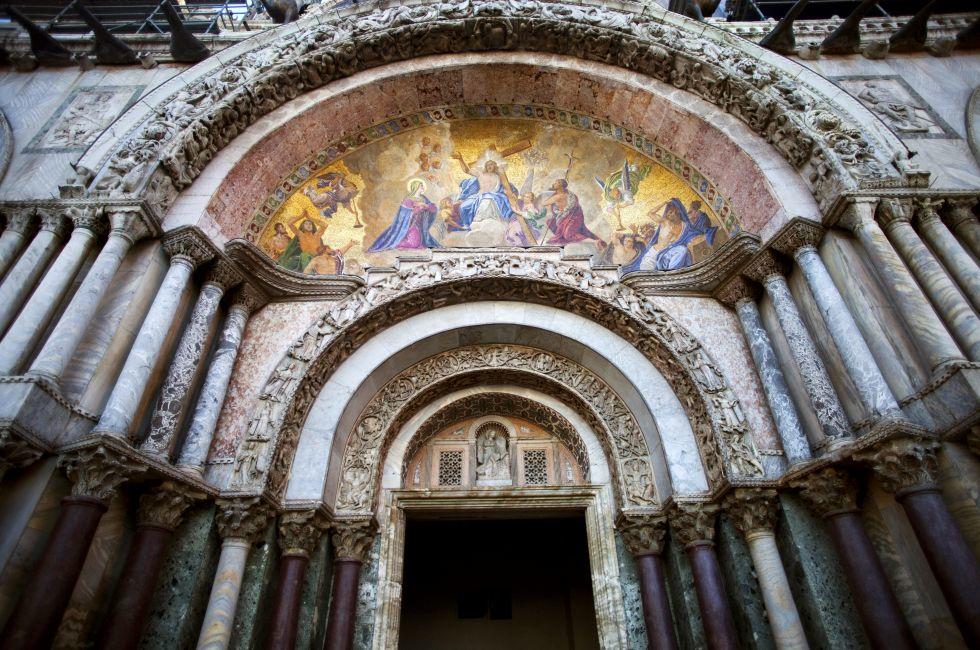
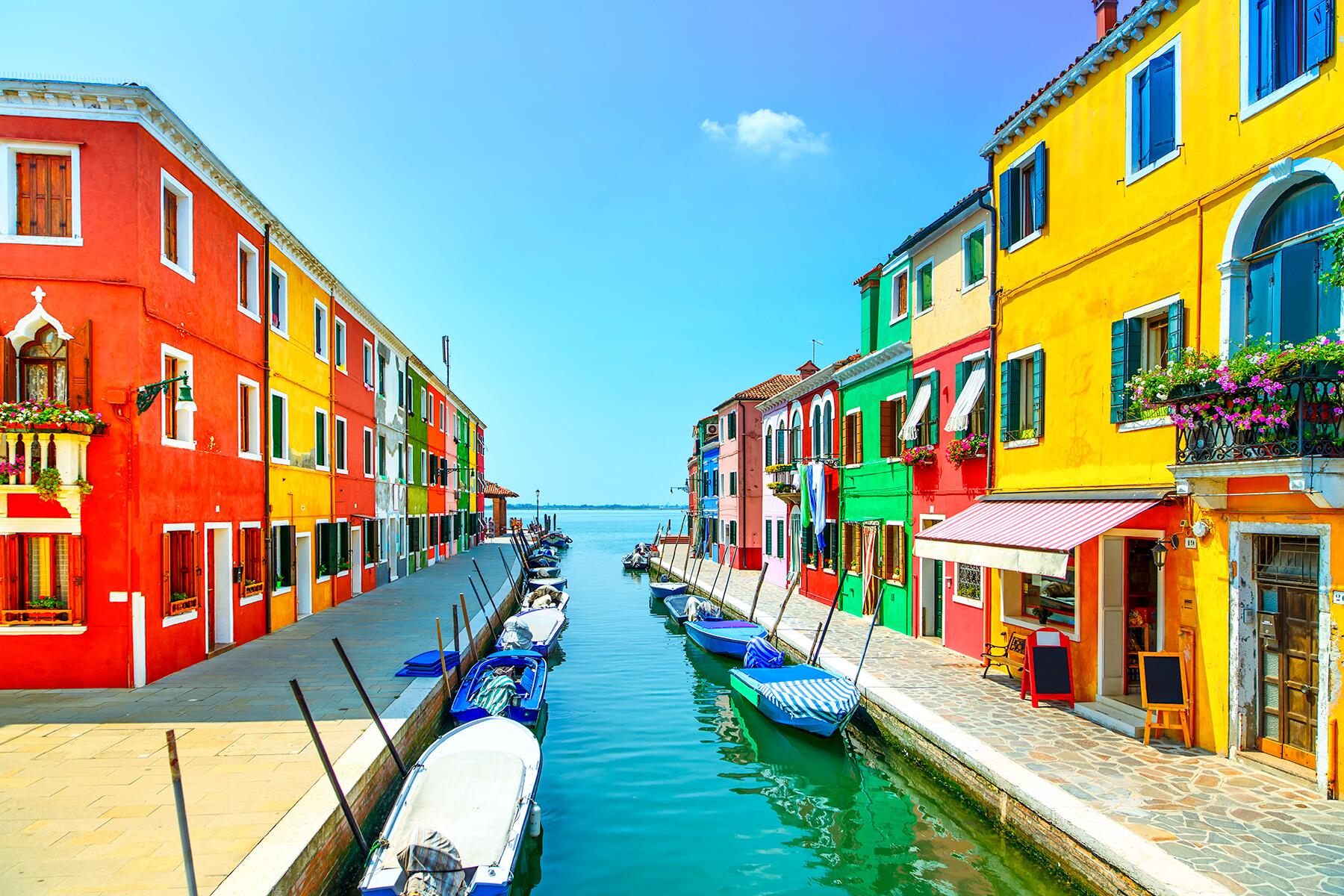
The main island of Venice is a pleasantly walkable size, but there’s a lot packed into its narrow streets. Most visitors make a beeline for St. Mark’s Square, the city’s grandiose piazza with a 900-year-old church. Just down the waterfront, you'll find the melancholy Bridge of Sighs. These sights are must-sees, but they are a minute part of what there is to experience in Venice. Try splitting your itinerary using the city’s six sestieri, or neighborhoods, plus another day or two for the outlying islands like Murano, Burano, and Torcello.
Read More: The 15 Best Things to Do on Venice's Other Islands
Don’t eat pizza in Venice. Venice has its own unique cuisine.
When in Venice, eat like the Venetians. Take a raincheck on pizza—best eaten in its birthplace Naples—and explore some island specialities. Venice’s larder is its lagoon, filled with marine life that thrives on the mix of fresh and salty water. Have a wander around the historic fish market to see the products on offer from clams to cuttlefish. Prior to diving into dinner, make sure you partake in the aperitivo ritual of spritz and a few cicchetti, like bread topped with creamy baccalà cod mousse or mini squid in a rich tomato sauce. Vegetarians won’t go hungry either—the island of Sant’Erasmo in the lagoon is famed for its flavor-packed vegetables.
Read More: The 15 Best Restaurants in Venice
Remember that tourist numbers dwarf Venice’s resident population.
A local campaign group released statistics in 2023 that showed beds for tourists outnumbered the resident population for the first time. There are now under 50,000 inhabitants in Venice but some days see double that number of visitors. It is imperative for tourists to behave responsibly and respect residents, from walking on the right to keeping noise down at night. Bridges are not picnic spots and swimming in the canals is strictly forbidden—not to mention thoroughly unhygienic.
Read More: 10 Things You Should Never Do While Visiting Venice
If you don’t see Venice from the water, you miss half the city
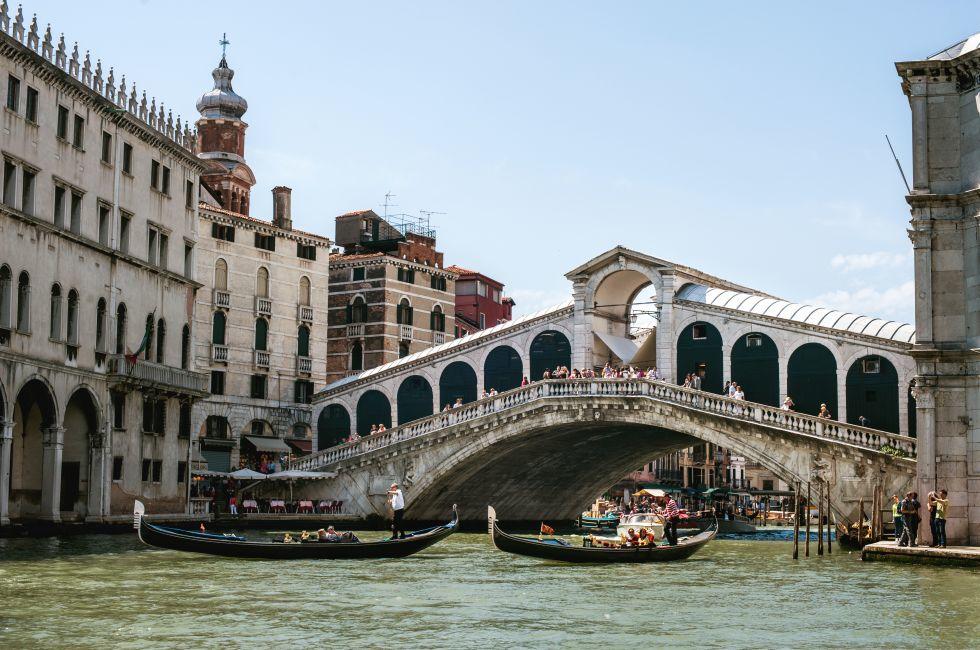
Gondola rides aren’t generally your best use of time or money—usually, you find yourself in a traffic jam with other tourists along waterways you can see on foot—but you should board a boat at some point in Venice. The vaporetti, or waterbuses, get you from A to B and are the standard form of transport in the city, so worth experiencing just for that. Better yet: book a ride with a local company that will take you around the backstreets or out into the lagoon on a small boat. Best, however, is to try punting a traditional boat yourself with a rowing lesson. You’ll slow down and see the city from a whole new angle.
Masks and Murano glass aren’t the only souvenirs from Venice.
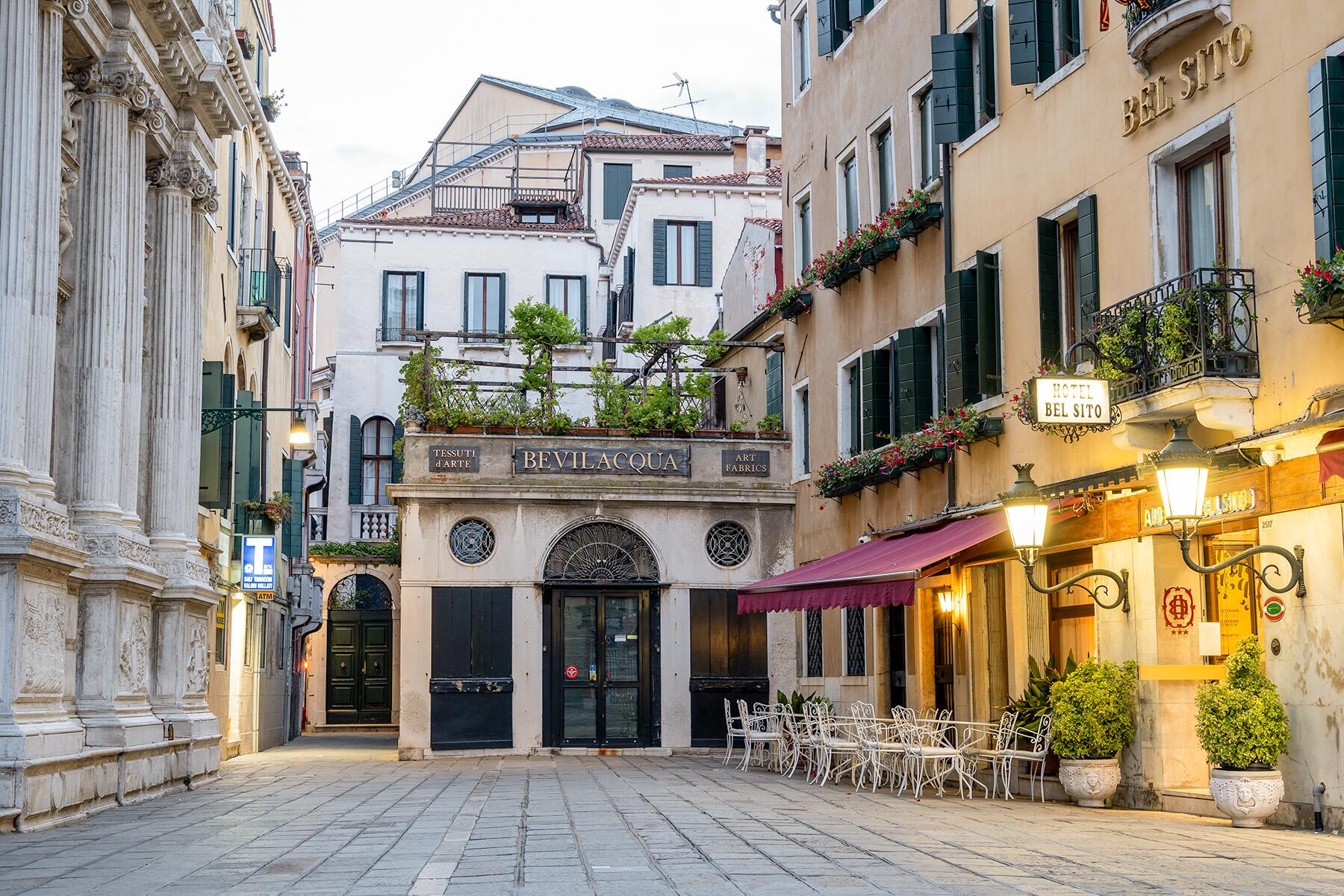
Masks and Murano glass are two of the most famous products from Venice, so they’ve also spawned a whole business of knock-offs. There are places where you can purchase high-quality hand-made versions of these crafts, but there are also hundreds of small-scale artisans hidden around the city creating other exquisite products. You can find historic papermaking shops, glass bead jewellery, and sumptuous woven fabrics or contemporary art galleries, sculptures from canal detritus, and candles mimicking iconic architectural motifs.
Read More: The 10 Best Boutique Shops in Venice
Recommended Fodor’s Video
Fodor's Venice
Whether you want to explore Piazza San Marco, take a gondola ride through the canals,...
Top Neighborhoods
- You can have an aperitif in canal side bars along Fondamenta de la Misericordia
- Wander the oldest Jewish Ghetto in the world
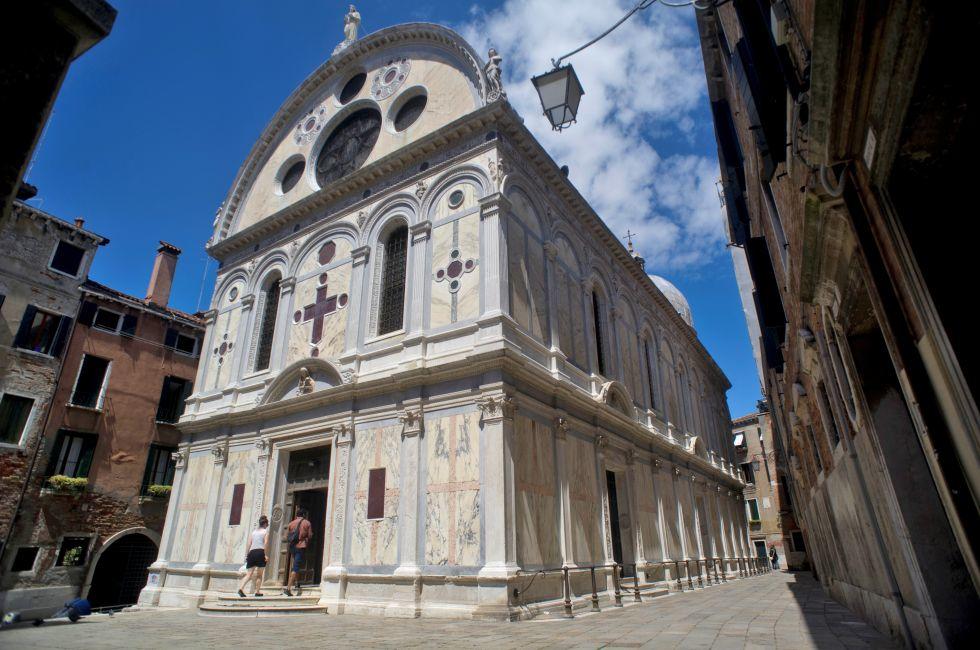
- Visit the marble-clad Church of Santa Maria dei Miracoli
- Pleasant to walk around with fewer crowds
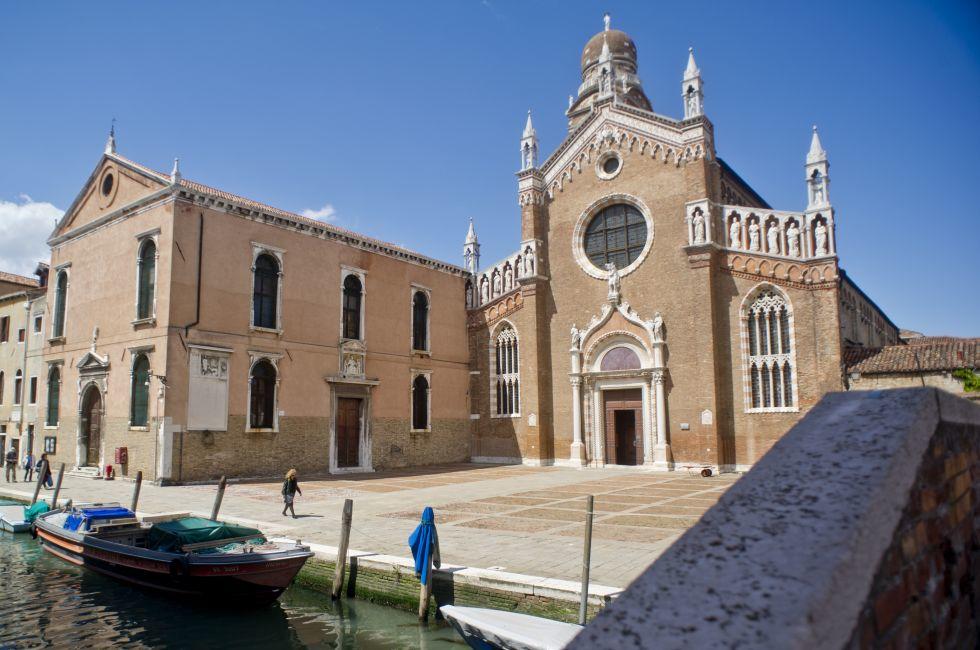
- See some of Tintoretto’s best work in the Madonna dell’Orto church
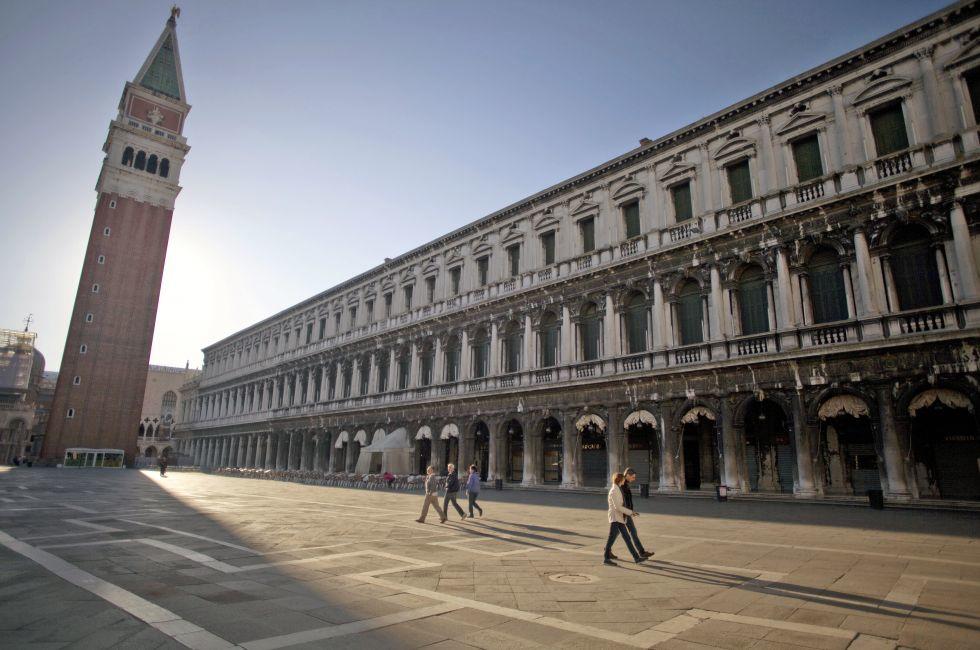
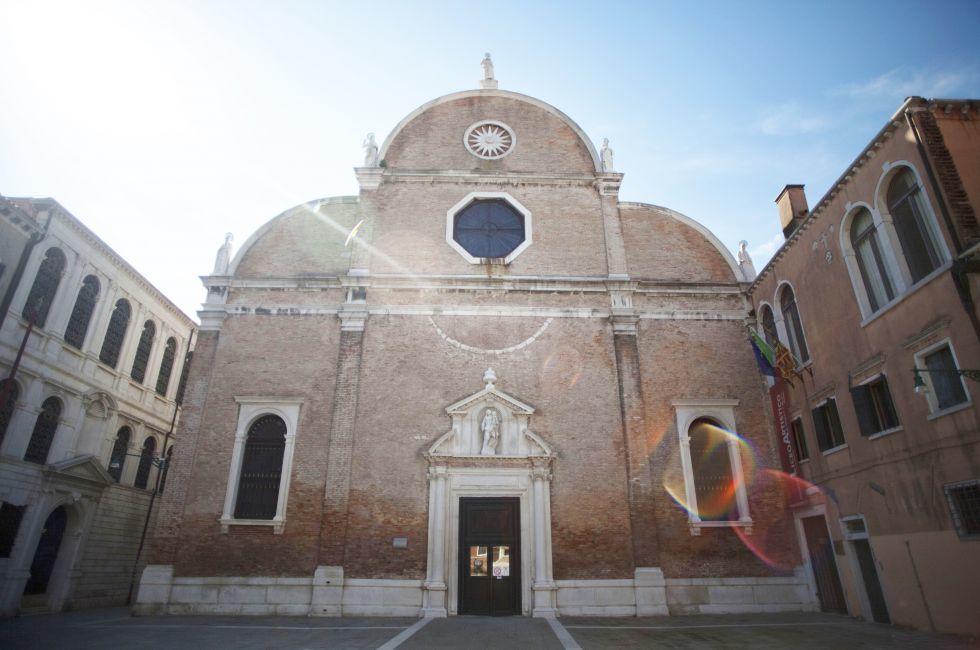
- You can stroll along the sunny Zattere promenade
- See gondolas being repaired at the Squero di San Trovaso
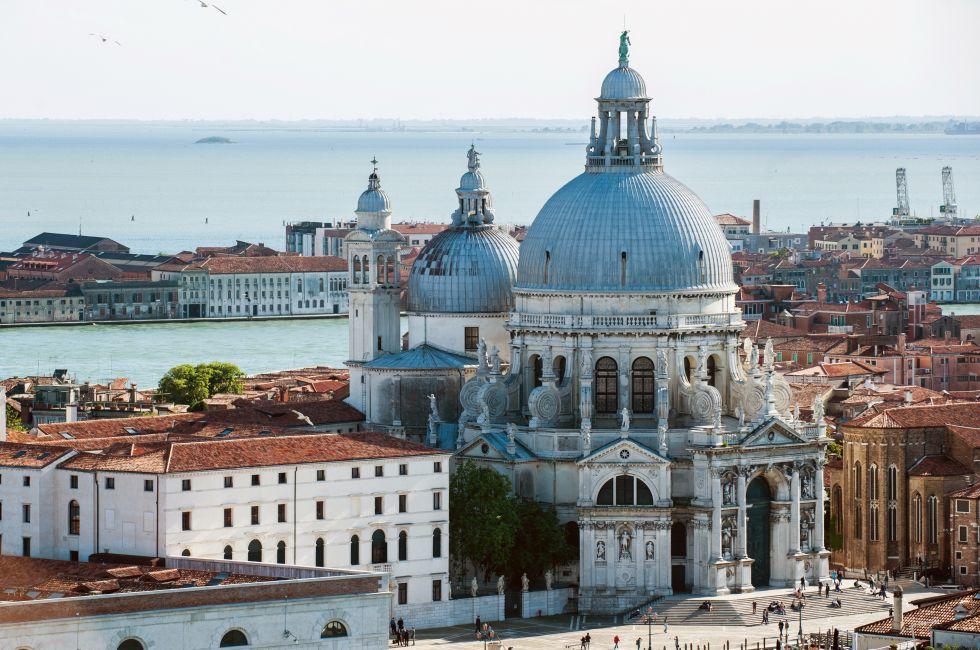
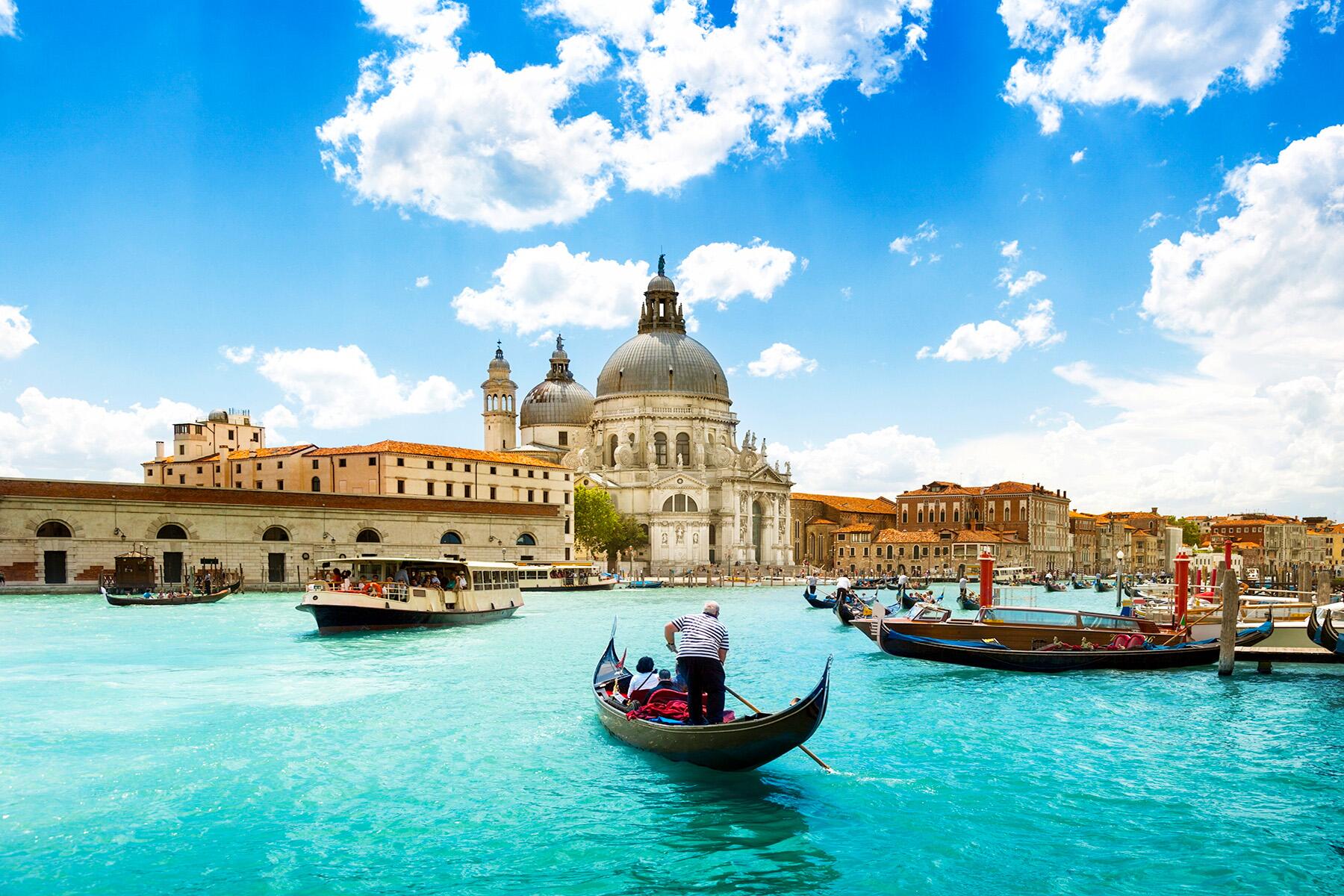
- Visit the Baroque church, Basilica di Santa Maria della Salute
- See masterpieces in the Gallerie dell’Accademia
- Enjoy Venetian life in the Campo Santa Margherita square
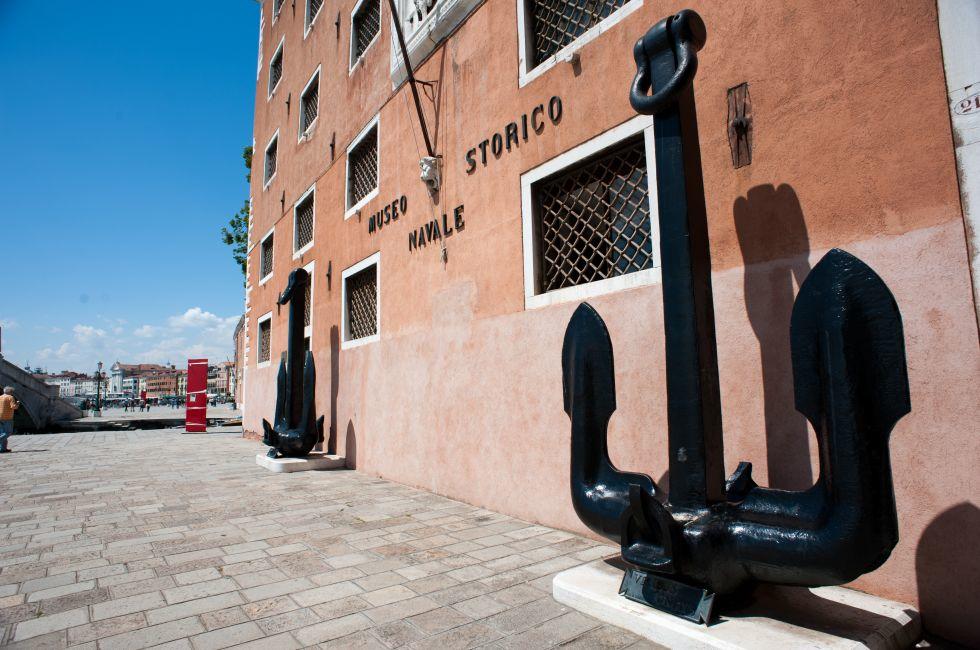
- It's full of quiet residential streets free from tourist crowds
- Home to the Biennale exhibitions in the Giardini and the Arsenale
- Visit the Scuola di San Giorgio degli Schiavoni for Carpaccio paintings
- Reasonably-priced, down-to-earth restaurants
- Visit the Church of San Zaccaria for a Bellini masterpiece
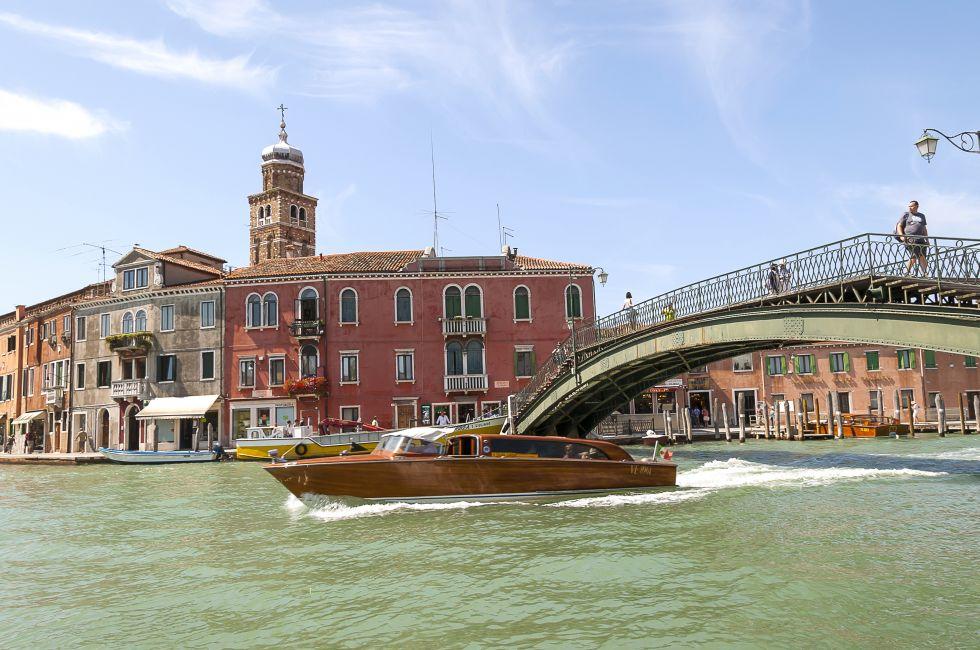
Hotels



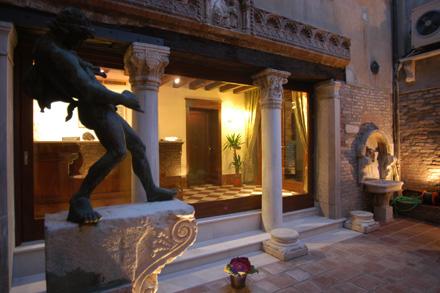

Things to Do
Things to Do
Recommended Things to Do in VeniceSEE ALL


Explore Things to Do
Find the perfect tours and activities in Venice.
Where to Eat
Where to Eat
Need to Know
Need to Know
Language
ItalianNearby Airports
VCEElectrical Outlets
200v/50 cycles; electrical plugs have two round prongsCurrency
EuroLanguage
ItalianElectrical Outlets
200v/50 cycles; electrical plugs have two round prongsCurrency
EuroNearby Airports
VCE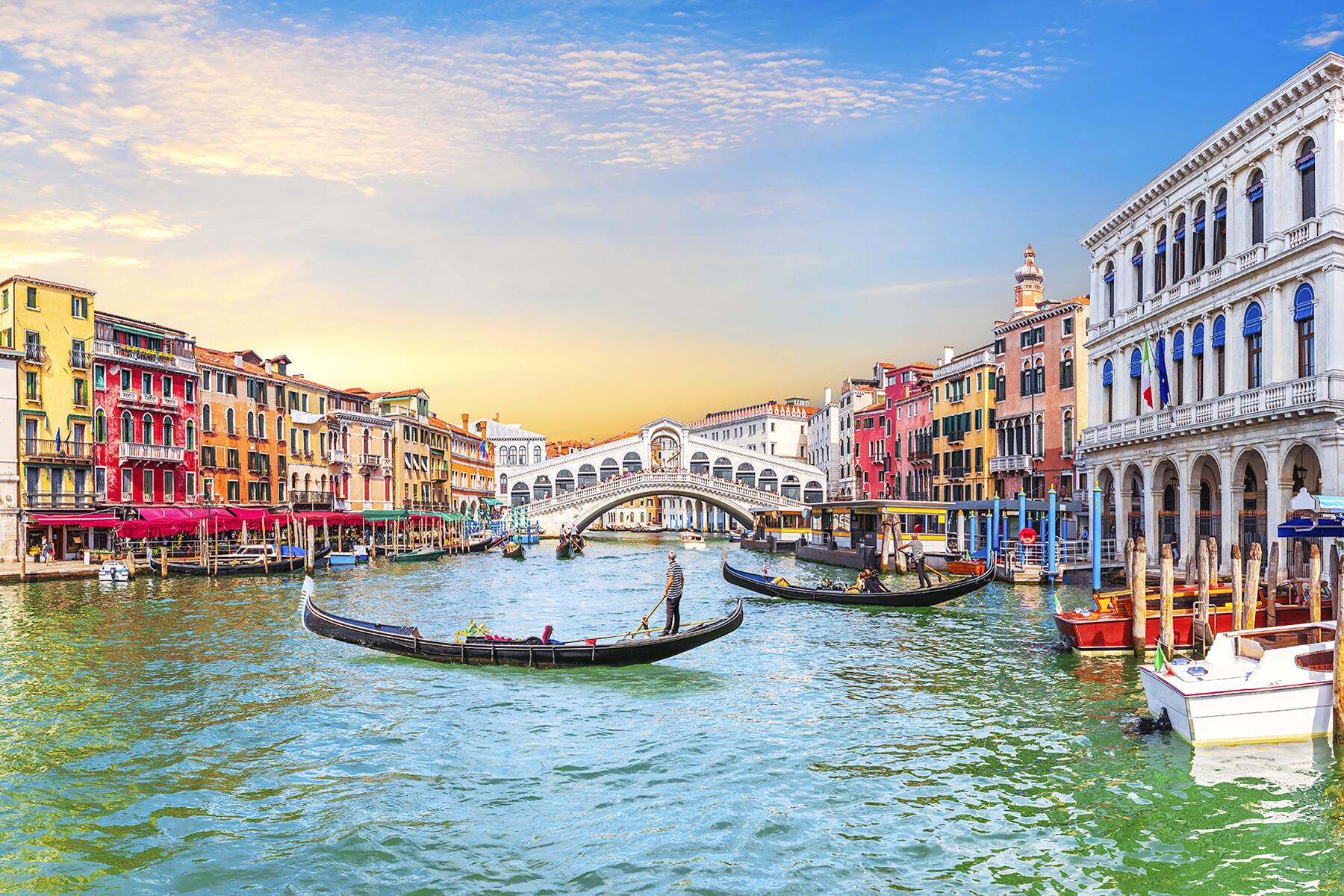
When to Go
Spring: Late April through early June is a good time to visit Venice: the weather is mild, but the volume of tourists is larger than it is...Read More
Neighborhood Guides
Discover the best neighborhoods in Venice with curated recommendations from our editors.
essentials
- Hours of Operation
- Making the Most of Your Time
- Venice Dining Planner
- Venice Lodging Planner
- Venice Shopping Planner
- When to Go
transportation
resources
Local Weather

When to Go
Spring: Late April through early June is a good time to visit Venice: the weather is mild, but the volume of tourists is larger than it is...Read More
Neighborhood Guides
Discover the best neighborhoods in Venice with curated recommendations from our editors.
Local Weather
When to Go
Spring: Late April through early June is a good time to visit Venice: the weather is mild, but the volume of tourists is larger than it is...Read More
Neighborhood Guides
Discover the best neighborhoods in Venice with curated recommendations from our editors.
essentials
- Hours of Operation
- Making the Most of Your Time
- Venice Dining Planner
- Venice Lodging Planner
- Venice Shopping Planner
- When to Go
transportation
resources
Articles
Articles See All
Guidebooks
Guidebooks
Our worldwide travel correspondents bring you the best and most up-to-date coverage of over 7,500 global destinations.
Shop NowFodor's Venice
Whether you want to explore Piazza San Marco, take a gondola ride through the canals,...

Fodor's Essential Italy 2024
For over 80 years, Fodor's Travel has been a trusted resource offering expert travel...

Fodor's Best of Italy: Rome, Florence, Venice & the Top Spots in Between
Whether you want to visit the Colosseum in Rome, go designer shopping in Milan, or take a...


