Évora and the Alentejo
Évora and the Alentejo
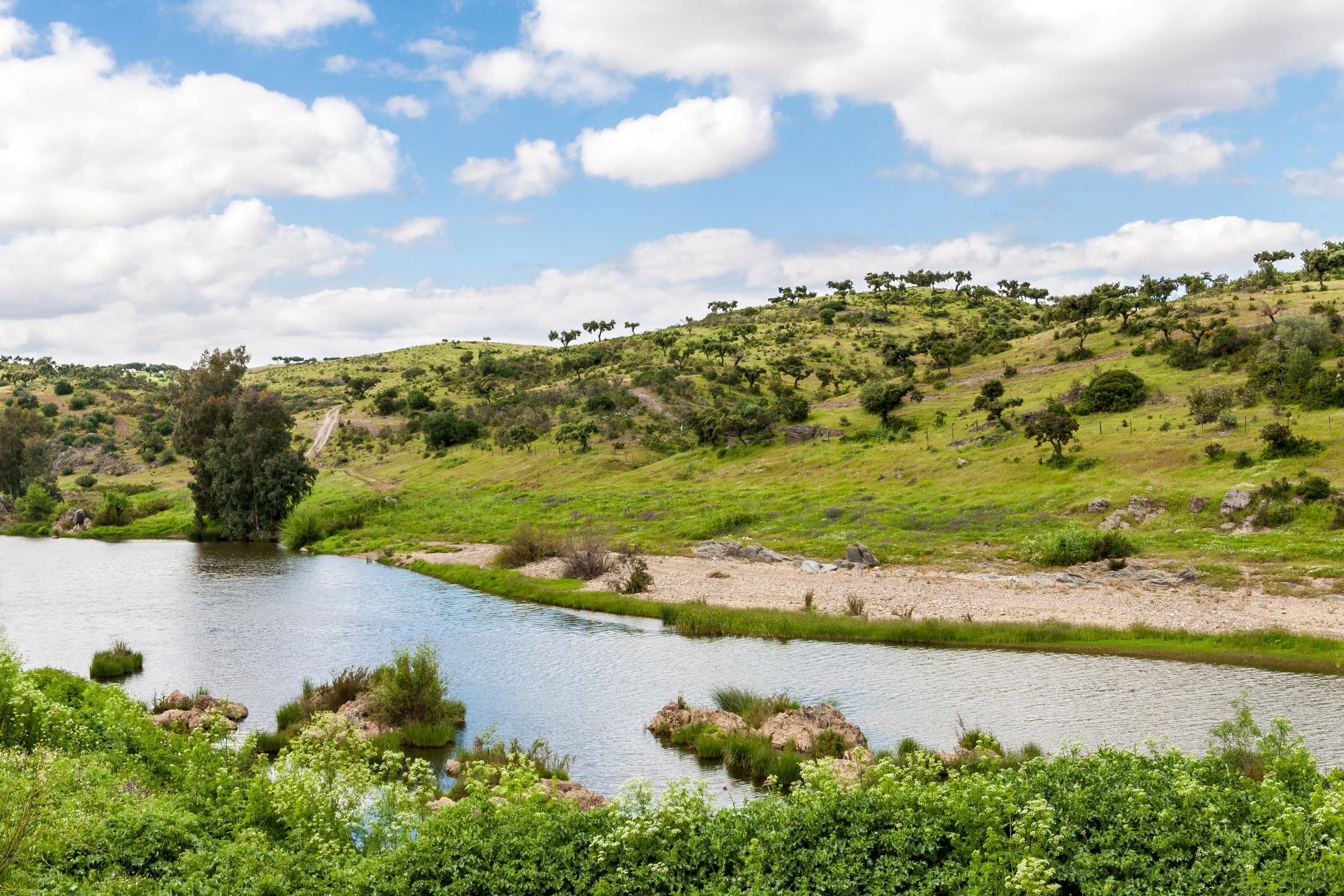
The Alentejo, which means "the land beyond the Rio Tejo" (Tagus River) in Portuguese, is a vast, sparsely populated area of heath and rolling hills punctuated with stands of cork and olive trees. Here you’ll find a wide variety of attractions—from the rugged west-coast beaches to the Roman and medieval architecture of Évora, and the green northern foothills dotted with crumbling castles that form the frontier with Spain.
Portugal is the world's largest producer of cork, and much of it comes from the Alentejo. This industry is not for people in a hurry. It takes two decades before the trees can be harvested, and then their bark can be carefully stripped only once every nine years. The numbers painted on the trees indicate the year of the last harvest. Exhibits at several regional m...
Read MoreThe Alentejo, which means "the land beyond the Rio Tejo" (Tagus River) in Portuguese, is a vast, sparsely populated area of heath and rolling hills punctuated with stands of cork and olive trees. Here you’ll find a wide variety of attractions—from the rugged west-coast beaches to the Roman and medieval architecture of Évora, and the green northern foothills dotted with crumbling castles that form the frontier with Spain.
Portugal is the world's largest producer of cork, and much of it comes from the Alentejo. This industry is not for people in a hurry. It takes two decades before the trees can be harvested, and then their bark can be carefully stripped only once every nine years. The numbers painted on the trees indicate the year of the last harvest. Exhibits at several regional museums chronicle this delicate process and display associated tools and handicrafts.
The undulating fields of wheat and barley surrounding Beja and Évora, the rice paddies of Alcácer do Sal, and the vineyards of Borba and Reguengos de Monsaraz are representative of the region's role as Portugal's breadbasket. Traditions here are strong. Herdsmen tending sheep and goats wear the pelico (traditional sheepskin vest), and women in the fields wear broad-brim hats over kerchiefs and colorful patterned dresses over trousers. Dwellings are a dazzling white; more elegant houses have wrought-iron balconies and grillwork. The windows and doors of modest cottages and hilltop country montes (farmhouses) are trimmed with blue or yellow, and colorful flowers abound. The best time to visit the Alentejo is spring, when temperatures are pleasant and the fields are carpeted with wildflowers. Summer can be brutal, with the mercury frequently topping 37°C (100°F). As the Portuguese say, "In the Alentejo there is no shade but what comes from the sky."