


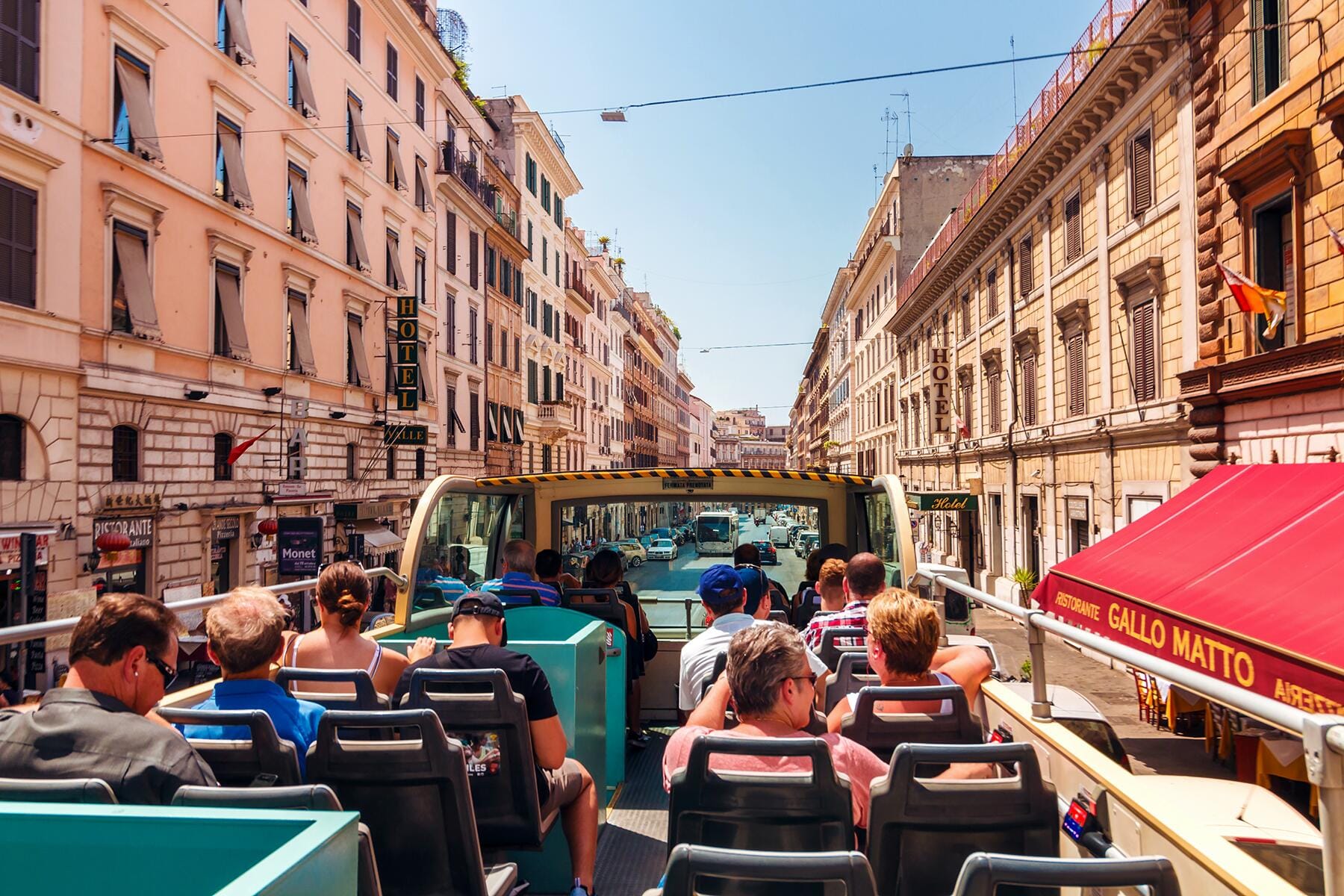

Limiting the flow of tourism would create a better experience for visitors.
Rome is one of the most visited cities in Europe, with a record 35 million visitors last year. That’s straining some of the city’s top attractions, authorities say, and they’re hoping to implement controls as early as November of this year.
The Trevi Fountain is one of the city’s most popular attractions. The largest Baroque fountain in Rome, it’s a stop on virtually every tour. Tourists throng there to mimic the stars of the 1954 film “Three Coins in the Fountain“, whose plot surrounded the public work.
Fed up with the tourist crush, Roman authorities are planning to implement controls on how many visitors can access the site. A ticketing system will meter flow to the fountain, allowing free access for Roman residents and access for a fee of €1 for visitors, say the proposals currently working their way through the city government’s planning office.
It’s hardly about the money. Over €3 million is collected from the coins thrown in the fountain annually, which is periodically dredged and the funds donated to charity. The ticketing system, officials say, is meant to limit the number of visitors at any one time, but also to allow authorities to better monitor behavior—preventing, for example, tourists from camping out and taking extended picnics on the site.


Recommended Fodor’s Video
“Personally I would be in favor of looking at a new form of access, limited and timed, to the Trevi Fountain,” Alessandro Onorato, the city counselor responsible for tourism, told the Italian newspaper Corriere della Sera. Limiting the flow of tourism, he says, would create a better experience for visitors to the fountain. Ticket revenue could also help cover repair and maintenance of the centuries-old structure, which is notably still fed by the Virgo Aqueduct—the only one of the eleven aqueducts of ancient Rome that remains in operation.
While an entry price of one euro might not seem enough to deter visitors, the money collected would go toward maintaining and staffing the entry barriers.
Visitor limits have been under discussion at several other overtouristed locations around the world, and many of them have implemented entry ticket systems, often for a fee. A few other locations that could benefit from such systems might include:
Oia, Santorini: While Greek tourism regulators have already put additional tourism taxes and cruise passenger limits for the island on the table, crowding in the popular village of Oia might require additional steps, particularly on peak cruise arrival days and during the early evening, when visitors staying overnight on the island flock to the village to view the sunset.
Pike Place Market, Seattle: It has been well known to locals for years that if you want to get actual shopping done at the market, you need to go first thing in the morning, when it opens. Any later and you’ll be held up by the tourist hoards, standing in long lines on the sidewalk to get into the “first” Starbucks location, or crowding the seafood stalls to watch fishmongers shout and throw salmon.
The Road to Hana, Maui: Although Maui tourism has been down since the Lahaina fires (N.B. the rest of the island is open for business, and is still waiting for tourism numbers to recover), the Road to Hana remains a popular, if overpatronized attraction, drawing fury from local residents just trying to get from A to B along the road. They’re often held up by visitors parking in flow of traffic, stopping in the middle of the road to take in sights, or walking along hazardous roadsides.
The Galápagos Islands, Ecuador: The government of Ecuador just raised the entry fee from $100 to $200 for the first time since 1998, but limits may still be needed to curb the number of tourists visiting the islands, which struggle with infrastructure, waste disposal, and environmental impact of an increasing number of visitors. The upcoming film “Eden”, which will recount a sex-and-murder scandal that unfolded on Floreana Island in the 1930s, will undoubtedly increase exposure and interest in the destination.