
START

The 10 Most Dangerous National Parks in America

The national parks can be as beautiful as they are deadly.

Our national parks are perhaps our greatest treasure in the United States, but that doesn’t mean that they don’t come without a risk when visiting. While most national park-related deaths are related to traffic incidents, there are certain parks that qualify as more dangerous than others.

The National Park Service has a comprehensive webpage with data on deaths in the parks and their causes. Visitors can analyze fatalities by type as well as demographics.

Several parks statistically stand out among the total of 63 as the most harrowing to visit. This list does not include other National Park Service units, such as national monuments and recreation areas, which in some cases are even more dangerous. One example is Lake Mead National Recreation Area, where there have been, on average, 20 deaths a year, mostly by drowning. 

1 OF 10

Grand Canyon National Park

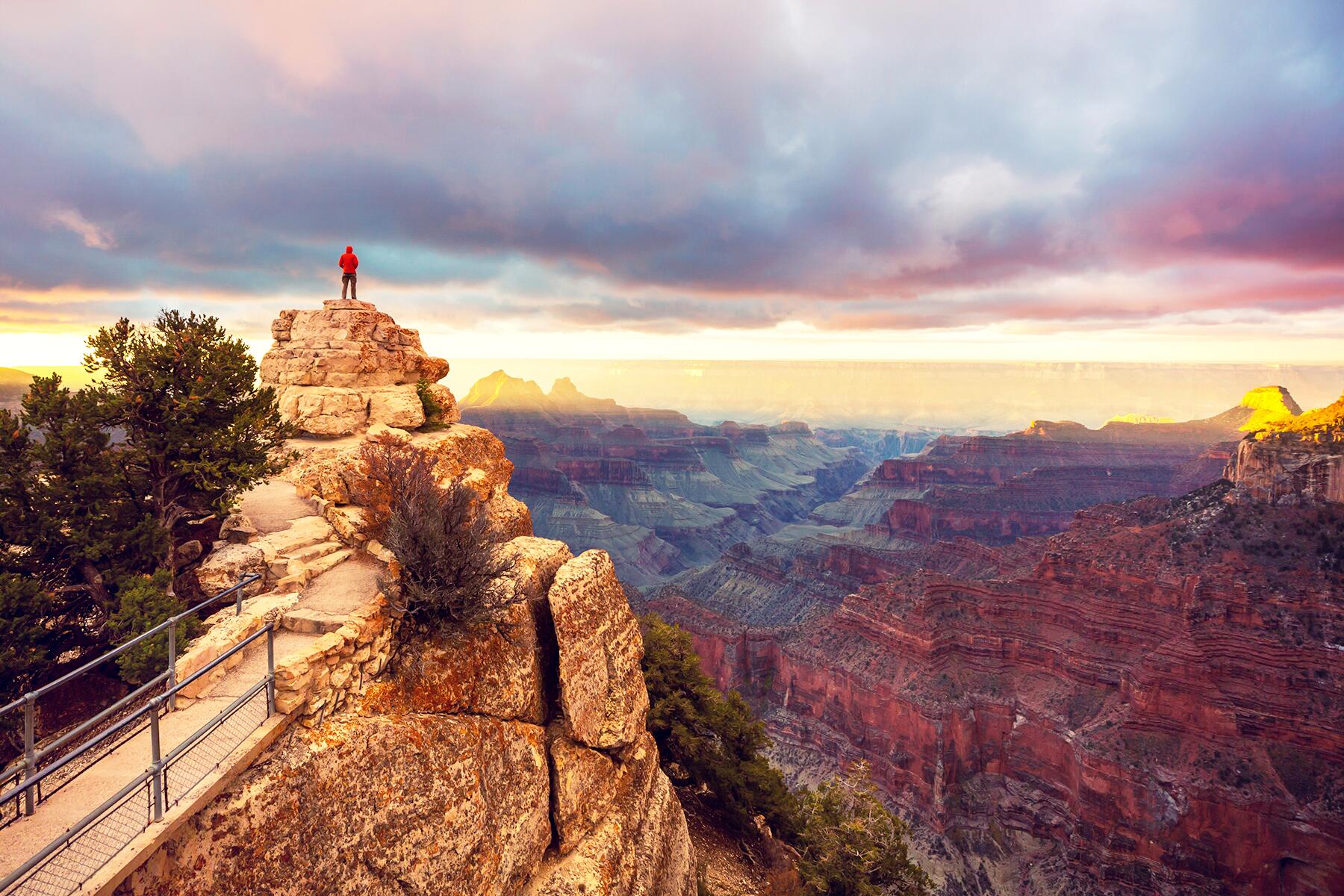
It might seem obvious what the leading cause of death is at Grand Canyon National Park in Arizona. Over the course of 16 years, there have been 134 fatalities–many of them related to visitors falling into the canyon. However, most of the deaths that take place in the park are related to natural causes like heat exposure and dehydration, other than falling from the canyon’s edge.

To avoid becoming a statistic, visitors should consider exploring the park during the spring and summer months when it is a bit cooler, as well as taking off on hikes in the morning or evening to avoid the hottest part of the day.

2 OF 10

Yosemite National Park

Unlike the Grand Canyon, Yosemite’s leading cause of death is actually taking a fall. This is due to its popularity as a rock climbing mecca, with 14 deaths caused by the sport between 2014 and 2019. After falling, hiking is the second most common recreational activity that has caused the most fatalities. 

Preparation is key when it comes to visiting national parks and remaining safe. If you are planning on hitting the trail, make sure you have packed adequately and have researched the weather beforehand, so you know what to expect.

3 OF 10

Great Smoky Mountains National Park

Traffic incidents are a common reason for accidents and deaths in the Great Smoky Mountains National Park. As the most-visited national park in the system with over 12 million visitors in 2024, it would serve to show that driving would be more hazardous than in many of the other parks with fewer people. 

Even as one of the more “dangerous” parks, the likelihood of death is very low–there were only 25 vehicle-related deaths in the park from 2014-2019. This puts the odds of this being your last national park visit as almost negligible as long as you remember not to text and drive at the same time.

4 OF 10

Denali National Park

Although it receives a fraction of the visitation of the more popular national parks, Alaska’s harsh environment makes visiting Denali one of the more dangerous to see. Climbers make up a proportion of those who perish by attempting “The Great One,” though falls unrelated to mountaineering were the most common cause of death in recent years. 

What is perhaps the most surprising fact about Denali is that there has only been one lethal bear attack in the park’s 105-year history, though caution when dealing with wildlife is always necessary when visiting any national park.

5 OF 10

North Cascades National Park

Like the Great Smoky Mountains, North Cascades National Park sees a number of traffic incidents that have contributed to its reputation as a dangerous national park. Winding roads through the stunning Cascade Range contribute to a higher death rate–22 times the average of 30. 

North Cascades is one of the least-visited national parks, but with climbing accidents, environmental factors, and traffic all concerns when visiting, extra caution should be taken if you are planning on heading to this gem in Washington State.

6 OF 10

Virgin Islands National Park

Drowning is another leading cause of death in the national parks, but none more than the Virgin Islands National Park. Located in the Caribbean, tourists from cruise ships and those looking for a tropical vacation tend to be the primary demographic exploring the white-sand beaches. 

It would make sense that water-related fatalities are the most common here due to its status as an island paradise. Snorkeling with care and making sure to wear a life jacket while doing so can mitigate the risk of water-related fatalities.

7 OF 10

New River Gorge National Park

As the United States’ newest national park, New River Gorge is famous for its rushing New River and iconic bridge. Unfortunately, it is also a popular option for suicidal deaths. From 2007 to 2024, there have been 50 deaths ruled as suicide. Along with the Blue Ridge Parkway and Golden Gate National Recreation Area, the bridges at the units are the reason why suicides are so common.

8 OF 10

Big Bend National Park

Big Bend’s harsh desert environment has contributed to several deaths over the past few years. The park is known for its extreme heat due to its location on the Texas/Mexico border, and it was also the location of eight homicides between 2014 and 2019. Along with wildlife concerns like rattlesnakes, heading out on the trail unprepared in Texas’s most remote park can cause serious injury or even death.

9 OF 10

Redwood National and State Parks

At 38.5 deaths per 10 million visitors, the risks of enjoying Redwood National and State Parks are high compared to many other national parks. The most common cause is motor vehicle crashes, though drowning is also a reason some visitors never make it back through the park gates. In relation to how many visitors walk the trails and gaze up at these giants, it is still very unlikely that you will need to worry about your safety while there.

10 OF 10

Mount Rainier National Park

Washington State’s most famous mountain might be dangerous for exactly the reason you think. While nearly 10,000 people attempt to summit Tahoma each year, there have been a significant number of fatalities over the park’s 126-year history–25% of these are related to climbing incidents. There have been 425 deaths since the park was established, and hikers should also be aware when lacing up their boots, since intermittent weather and unpreparedness are additional reasons why the park has built a reputation for being both admired and feared.