START

The Top 10 Views at the Top 10 National Parks in the United States

From Yellowstone’s Artist Point to Delicate Arch in Arches National Park, discover 10 of the most breathtaking and iconic views across America’s national parks.

Our national parks are known for their incredible hiking trails, opportunities to spot wildlife, and historic and environmental value, but the reason many tend to visit is that they hold some of the most iconic views in the United States. Deciding which parks might be considered the “top” is a matter of personal preference, but there are some truly unforgettable views.

These are views that have no equivalent–some have inspired art, while others remain popular points for visitors to grab their own photographs. Beauty is in the eye of the beholder, but there is a reason that these vistas continue to capture imaginations.

1 OF 10

Artist Point

WHERE: Yellowstone National Park

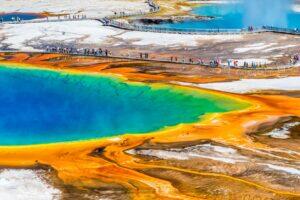
Artist Point is one of the busiest areas in Yellowstone and one of the most recognized views in the park. Originally named in honor of famous Western painter Thomas Moran (though he sketched the falls from another point on the Grand Canyon of the Yellowstone), the name fit. If you are planning on taking in the view, morning and evening visits tend to be the best for avoiding the throngs of people.

2 OF 10

Tunnel View

WHERE: Yosemite National Park

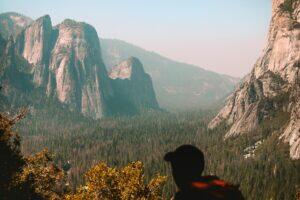
While it has become a frequent spot for Instagram junkies, there is a reason why Tunnel View has attracted so much attention online and beyond. Looking eastward into Yosemite Valley, this lookout was captured by artist Thomas Ayres in the first sketch ever of the valley in 1855. This is also where the trailhead for another favorite view, Inspiration Point, is located.

3 OF 10

Grandview Point

WHERE: Grand Canyon National Park

No view of the Grand Canyon is a bad view, but there is a reason that this one is labeled “grand.” Located on the South Rim between Grand Canyon Village and Desert View, visitors can glimpse the Colorado River and the striations within the canyon walls that mark the millions of years it took to create. Grandview Point sits at 7,400 feet above sea level and is also the starting point of the Grandview Trail, recommended for experienced hikers only.

4 OF 10

Logan Pass

WHERE: Glacier National Park

The highest point within the park at 6,647 feet, Logan Pass is home to sweeping views and is the trailhead for some of Glacier’s most famous hikes, including the Highline and Hidden Lake Overlook. As you climb up Going-to-the-Sun Road to reach it, you’ll likely spot mountain goats, marmots, and even the occasional bear. The parking lot here is small, so it’s recommended that you arrive early in the morning to guarantee a spot.

5 OF 10

Snake River Overlook

WHERE: Grand Teton National Park

There are several turnouts that shouldn’t be missed in Grand Teton, but the Snake River Overlook provides a photo-worthy landscape that no photographer should bypass. Captured by Ansel Adams, this view features the Teton range in the background and the winding Snake River, also known as the Mad River, in the foreground.

6 OF 10

Angels Landing

WHERE: Zion National Park

If you feel like testing your fear of heights, then Angels Landing offers some of the most expansive views of Zion Canyon. You will need to navigate a somewhat complex permitting system and watch your step to avoid a fall of about 1500 feet. However, once you have done so, you not only have the accomplishment of taking on one of the National Park Service’s most harrowing trails, but you also have a photo opportunity like no other.

7 OF 10

Skyline Trail

WHERE: Mount Rainier National Park

The Skyline Trail in Mount Rainier is much less dangerous than Angels Landing, and this winding trail in the Paradise area of the park is beginner friendly. On a clear day, you can see Tahoma towering above you–though the cloudy weather in the Pacific Northwest can sometimes make it feel like you’re playing a game of hide-and-seek with the “Mother of Waters.” If sunshine permits, you’ll witness a view that is beyond inspiring.

8 OF 10

Sunrise/Sunset Point

WHERE: Bryce Canyon National Park

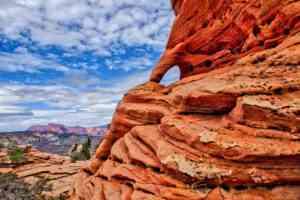
Bryce Canyon National Park offers two opportunities to catch the sun reflecting off its famous hoodoos. In the early hours of the morning, Sunrise Point at the northernmost area of the park is the place to be to enjoy the orange hues dancing on Bryce’s limestone, mudstone, and sandstone formations. Can’t manage to get up at that hour? You have another opportunity to catch similar colors at Sunset Point later in the day.

9 OF 10

Haleakala Summit

WHERE: Haleakala National Park

The summit of the Haleakala volcano is another spot to catch either sunrise or sunset. You will need reservations beforehand, which are available on the recreation.gov website. At 10,023 feet, watching the sunrise or sunset here feels like you are physically enmeshed with a work of art. While you can’t go wrong viewing either, sunset tends to be less busy at the summit, which can give you more of a chance to be one with nature.

10 OF 10

Delicate Arch

WHERE: Arches National Park

This view is so famous that it has been printed on Utah’s license plate. In order to witness it for yourself, you’ll need to embark on a three-mile hike in the dry, desert landscape. Early morning or late evening is usually the best time to do so, especially if you are visiting Arches in the heat of summer. For your efforts, you’ll have the opportunity to see perhaps the most famous natural arch in the world–and a sense of the grandeur that our national parks inspire.