Europe


Top places to go in Europe in 2025
Expand Full List


-
Camargue, France
-
Helsinki, Finland
-
Meteora, Greece
-
Masurian Lake District, Poland
-
Vestmannaeyjar, Iceland

Camargue
France

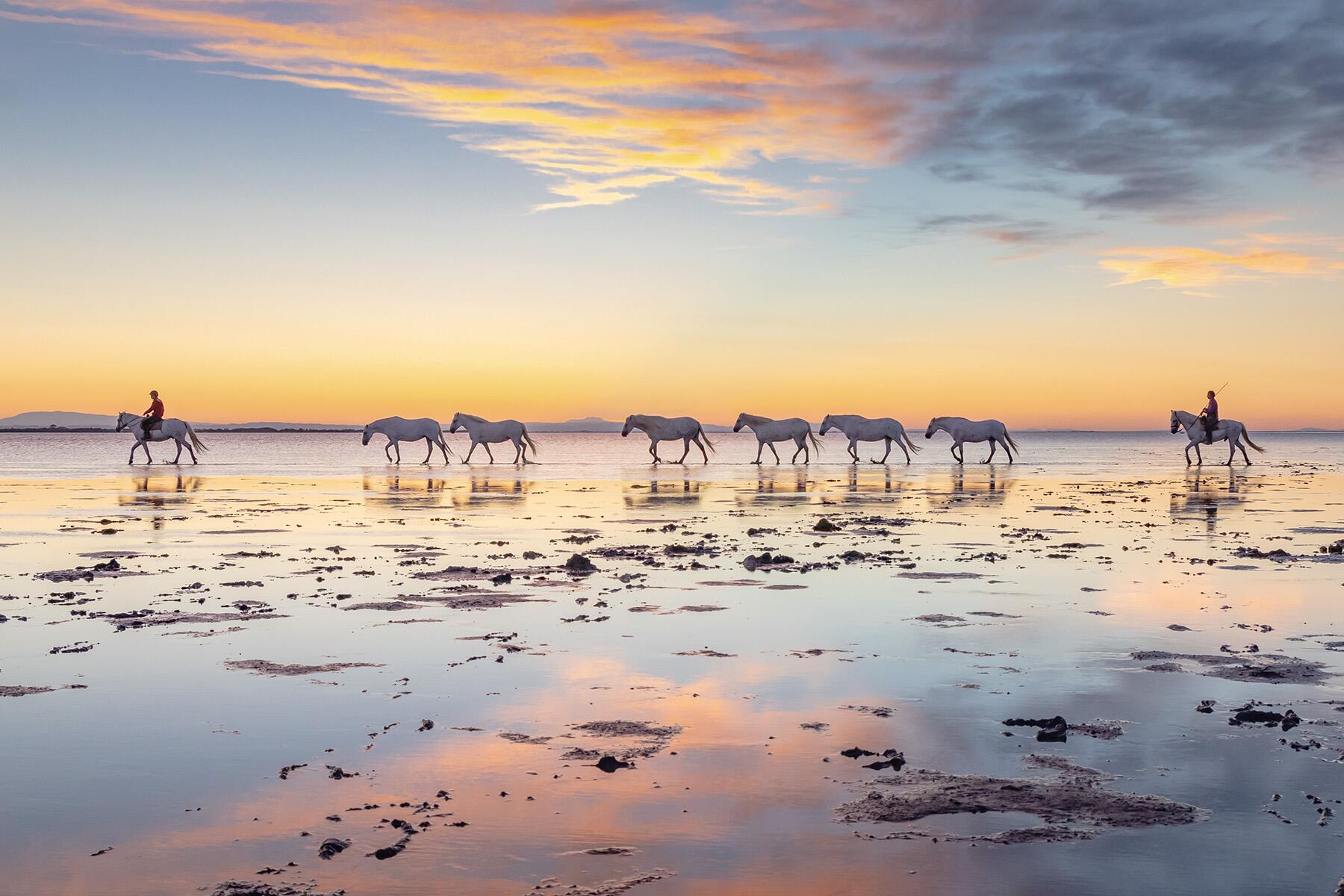
Black-tipped flamingos soar over a shimmering landscape where longhorn bulls and white horses with flowing manes run semi-free. Gardians (cowboys) in paisley shirts skillfully manage these herds on manades—ranches that uphold centuries-old traditions. The Camargue is a wild frontier in southwest Provence where the mighty Rhône meets the Mediterranean. For generations, locals scraped by, living off the marshes, pastures, and salt flats, until 19th-century dikes made life more tenable. Today, the region’s unique blend of cultural heritage and wildlife richesse makes it an irresistible destination.
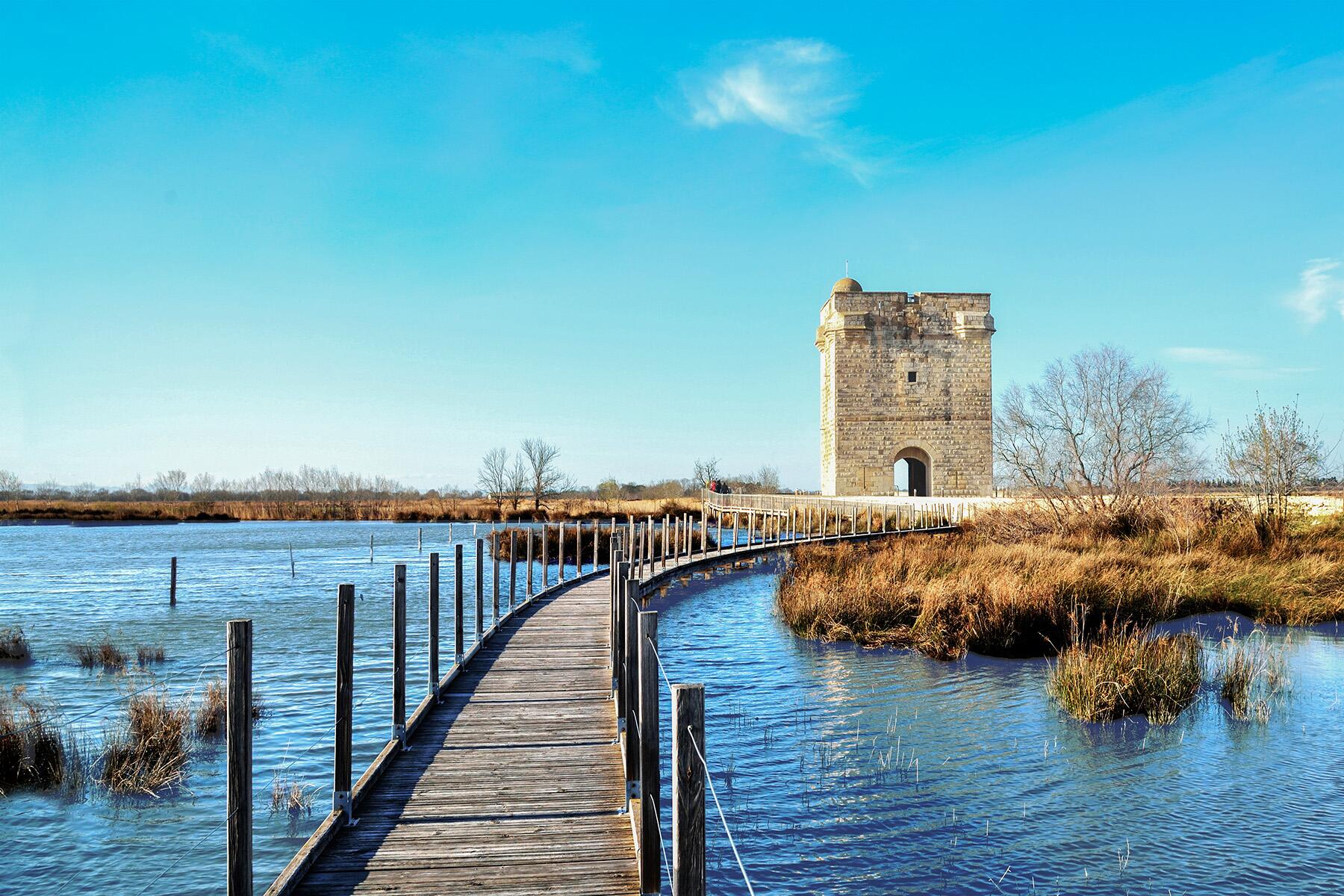
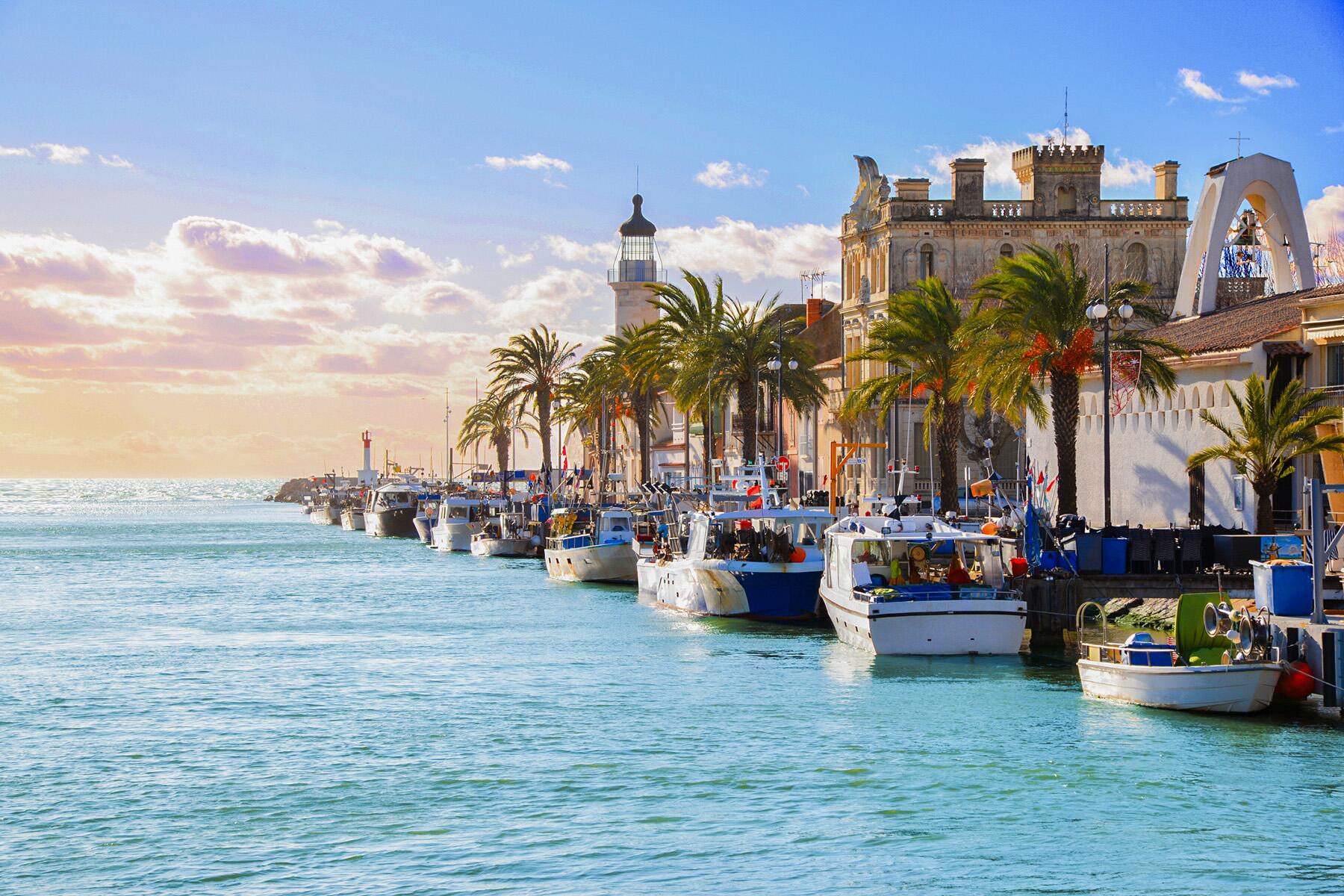
Two roads meander south from Arles, flanking the shallow, nutrient-rich Étang de Vacarrès. Follow the D570 past museums and bird refuges to the Spanish-flavored town of Les-Saintes-Maries-de-la-Mer, where Romani people celebrate their patron saint, Sarah, each May with music, dancing, and bullfighting. Alternatively, the D37 leads along the étang’s opposite side, where rice farming dominates. Along the way, stop by two new museums: Musée Paul Ricard au Domaine de Méjanes and Le Musée des Saintes-Maries-de-la-Mer.
But it’s the experiences that make the Camargue unforgettable. Ride a Camargue horse along the beach; bird-watch in this migratory haven; attend a bull game, where young men snatch ribbons from bulls without harming them; and dance to flamenco-inspired music that has long united the resilient people of this beautiful, stark landscape.
Stay in an authentic Gardian cabin or traditional farmhouse at the new Les Bains Gardians, in the heart of the Camargue. Also, new, Mas de l’Ange du Vaccarès occupies a gorgeously restored 17th-century farmhouse on expansive grounds, with winding nature paths and bird-watching observatories—a true paradise for nature lovers.
Spring and early autumn are the best times to visit, when the weather is mild and the wildlife—especially the flamingos—are most active. Summer can be hot and crowded.
Insider Tip
Venture off the beaten path to Domaine de la Palissade, at the mouth of the Rhône River. This hidden gem offers hiking trails, flamingos, and the chance to spot the famous Camargue horses. The animals are most active in the early morning hours.




Helsinki
Finland

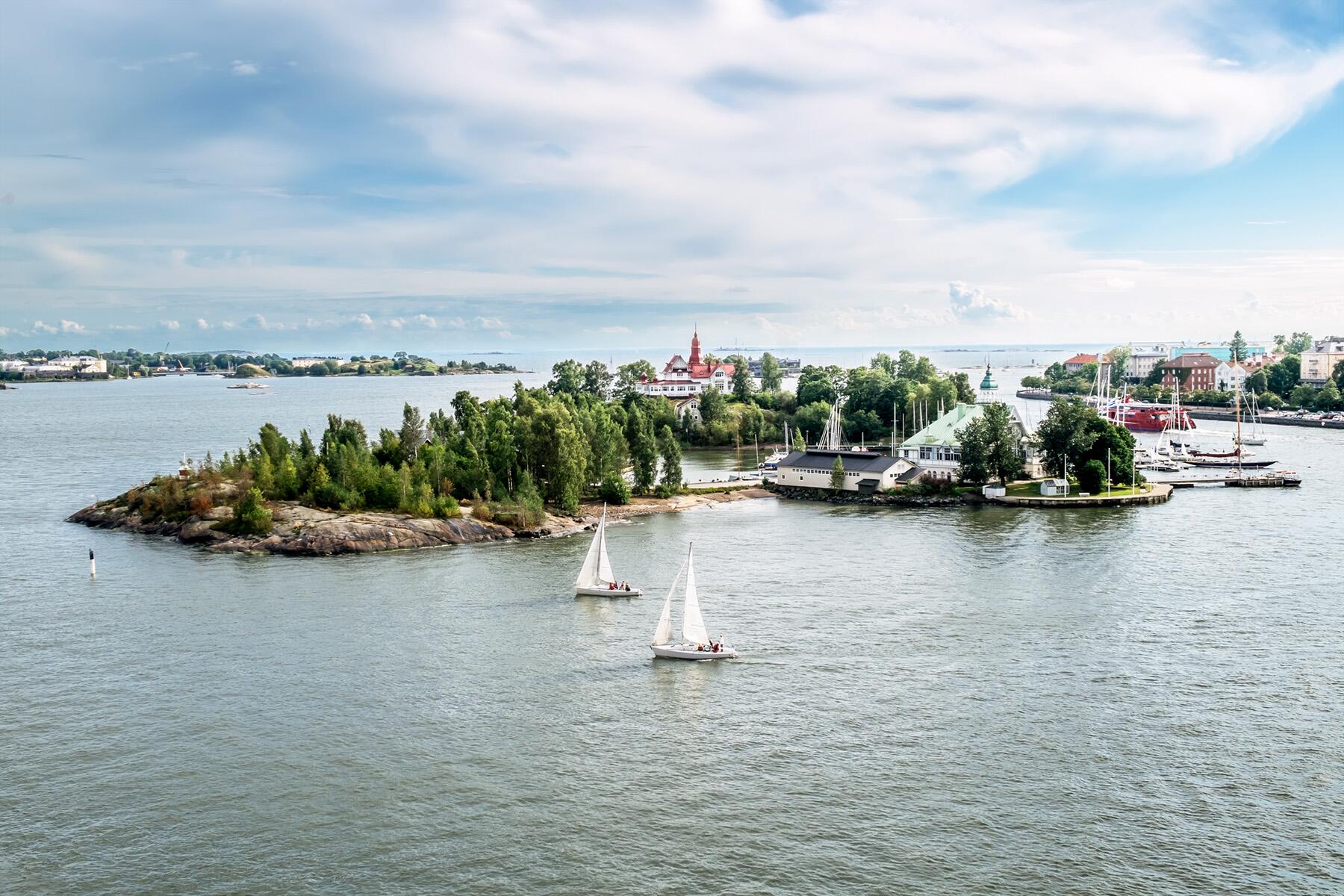
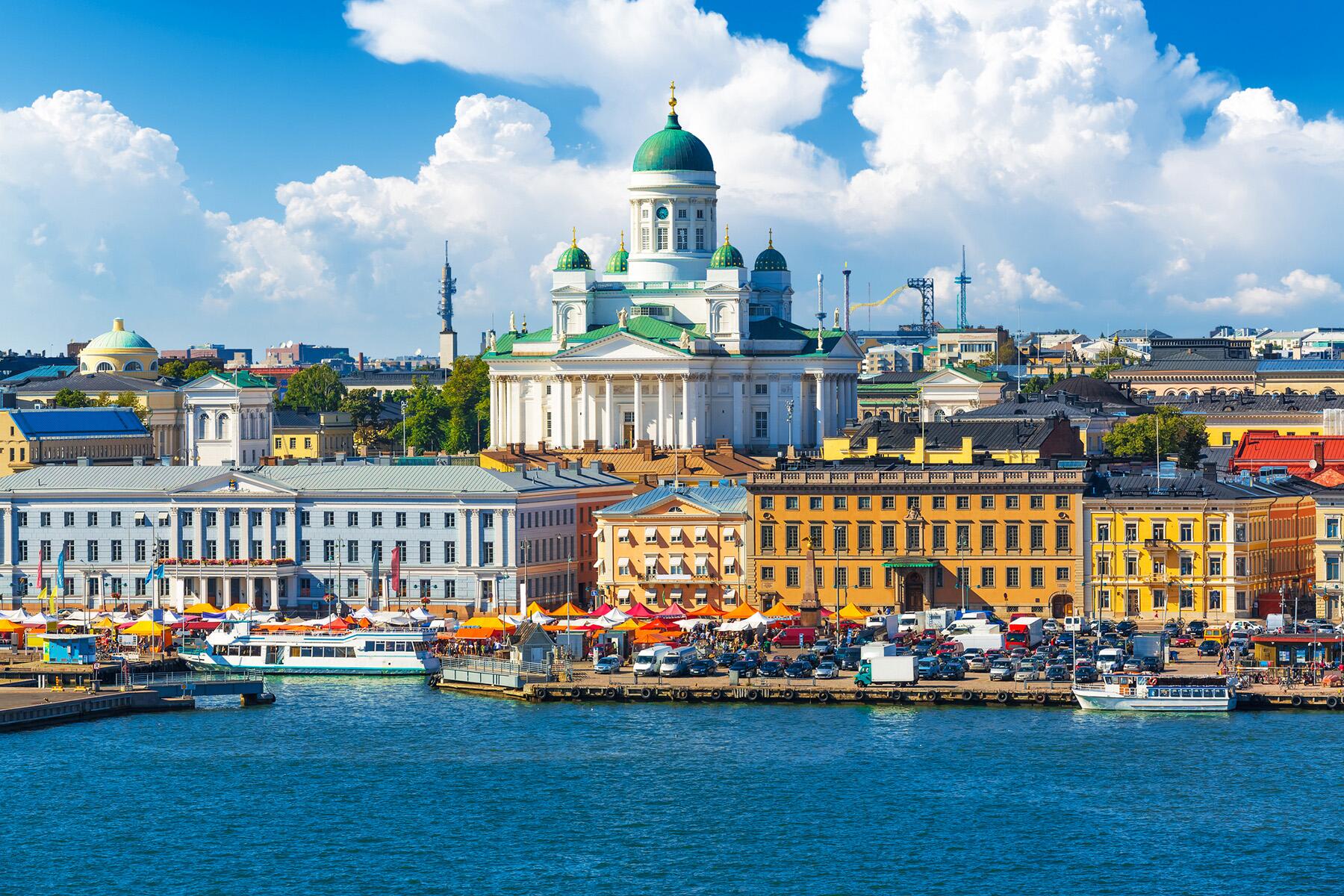
In 2024, Finland was named the world’s happiest country by the U.N. World Happiness Report for the seventh consecutive year–and Helsinki has held the title of the world’s happiest capital for seven consecutive years. The four-season city covers 82 square miles, but it’s easily explored on foot or via its super-efficient public transportation system. This accessibility is essential to experience all of the great food, innovative design, interesting museums, and unique architecture—attractions like the Central Library Oodi, Museum of Contemporary Art Kiasma, and Helsinki Art Museum (HAM), as well as concert and event venues like Musiikkitalo and Finlandia Hall. The innovative Helsinki Biennial returns in 2025 on Vallisaari Island, in Esplanadi Park, and at Helsinki Art Museum (HAM).
When you’re ready to eat, Helsinki has numerous outstanding restaurants, but it’s the coffee culture that’s not to be missed. The city’s vibrant café scene means high-quality cafés pop up all the time, but we think Cafe Regatta, with its views across the sea to the Fortress of Suomenlinna, is a delightful spot. Speaking of Suomenlinna, this UNESCO World Heritage site is worth a visit as well; grab a bite to eat at the fabulous Aderfelt.
The five-star Hotel St. George is located on the corner of Vanha Kirkkopuisto (Old Church Park) in the heart of Helsinki. Its onsite St. George Bakery is a great place to grab breakfast (or lunch) on the go. If you’re looking for something with sea views, the newly opened Solo Sokos Pier 4 Hotel is the perfect spot to relax and soak up some sea air while being less than a mile from the city center.
Local Weather
 Historic Weather:
The best time to visit Helsinki is between May and September.
Insider Tip
The tradition of saunas and sausages is about as Finnish as one can get. Make sure you book a reservation at Löyly to experience it firsthand. A cold plunge in the Baltic Sea in between sauna sessions, followed by snacking on sausages, is something you won’t soon forget. If you get thirsty, order a Long Drink, one of Finland’s most popular (alcoholic) beverages. Kippis! (that’s “cheers” in Finnish).




Meteora
Greece

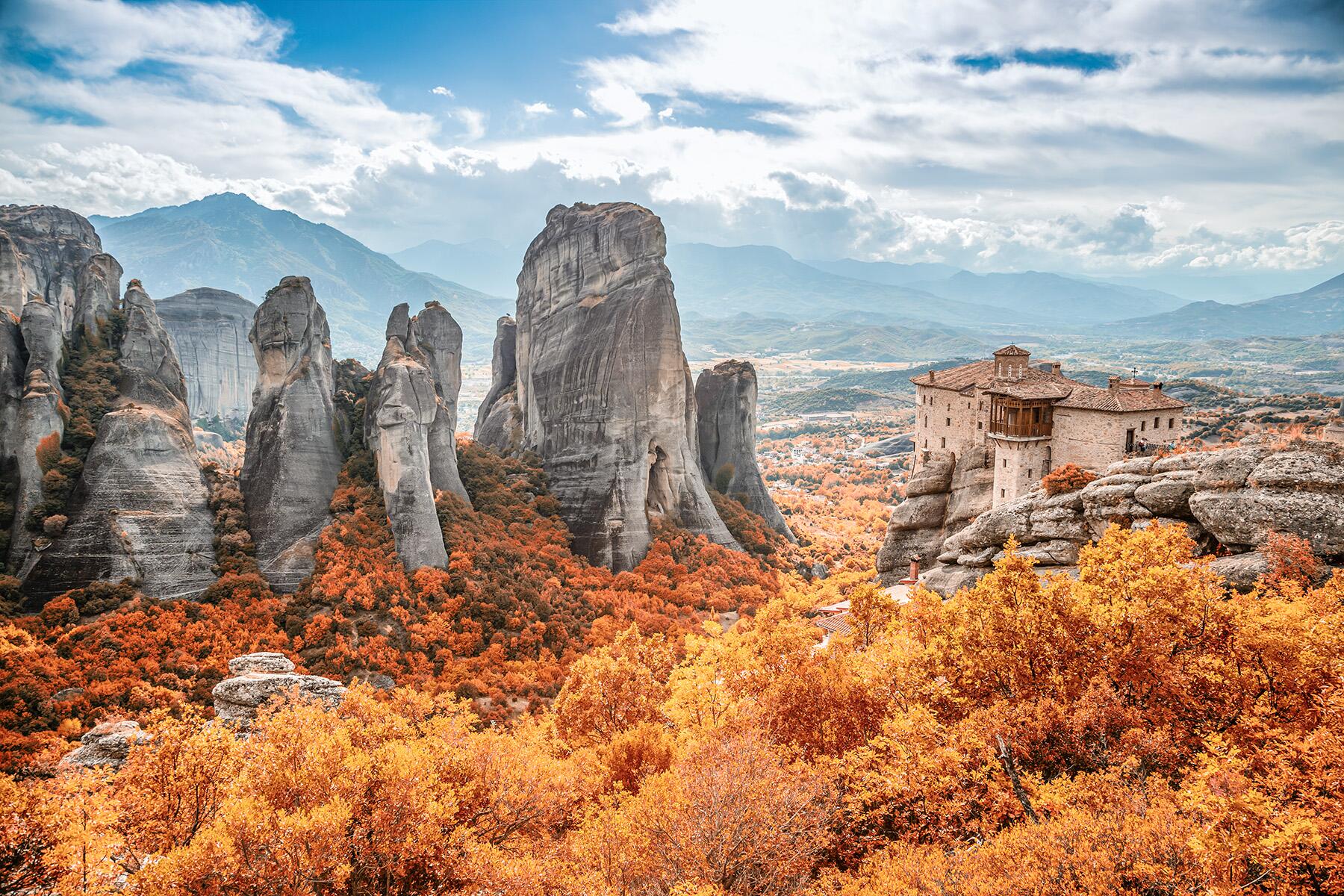
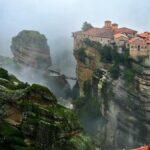
Located in the Thessaly Plain in Central Greece, Meteora attracts more than 2.5 million visitors annually. Rightfully so, this UNESCO World Heritage Site is utterly breathtaking, offering visitors a glimpse into Greek Orthodox faith, art, and traditions and some of the most spectacular views in the world.
“Meteora” in Greek means “dangling in mid-air,” and that’s exactly what you’ll see looking up as you drive into the valley town of Kalampaka: gigantic rock formations born millions of years ago and perched on the top: 24 ancient monasteries built some 600 years ago by monks seeking solitude and closeness to God.
In addition to the six monasteries that are open to the public, the hovering Meteora rock formations attract daring climbers year round and have also featured in the 1980 James Bond movie For Yours Eyes Only.
Do visit the hermit caves of Badovas, make sure to book a sunset tour, stop by the mushroom museum and the Digital Projection Center of Meteora’s History and Culture, take a stroll through the charming village of Kastraki, from there, hike your way up to Agios Stefanos Monastery (it’s about a 30-minute trek), and of course, book a table for dinner at the incredible Meteoron Panorama literally under the soaring pillars with stunning views and excellent Greek cuisine. The monasteries of Meteora are one of the most important Orthodox sites in Greece and are ideal for travelers seeking reflection, self-discovery, and spirituality.
A great option is the new eco-friendly Meteora Heaven and Earth with beautiful boho-style premium suites in warm earthly colors. For a more affordable option, try the three-star Meteora Hotel situated right below the Meteora cliffs at the highest part of Kastraki town, which boasts impressive views. For a luxury stay, stay at the five-star Divani Meteora Hotel located in Kalampaka, a short 1km (0.6 miles) from the Meteora monasteries.
For the best weather conditions, visit Meteora in the spring and fall: April, May, and June, and in September and October.
Insider Tip
Make sure to visit the Meteora Natural History and Mushroom Museum in Kalampaka, open daily from 10 a.m. to 6 p.m.


Masurian Lake District
Poland

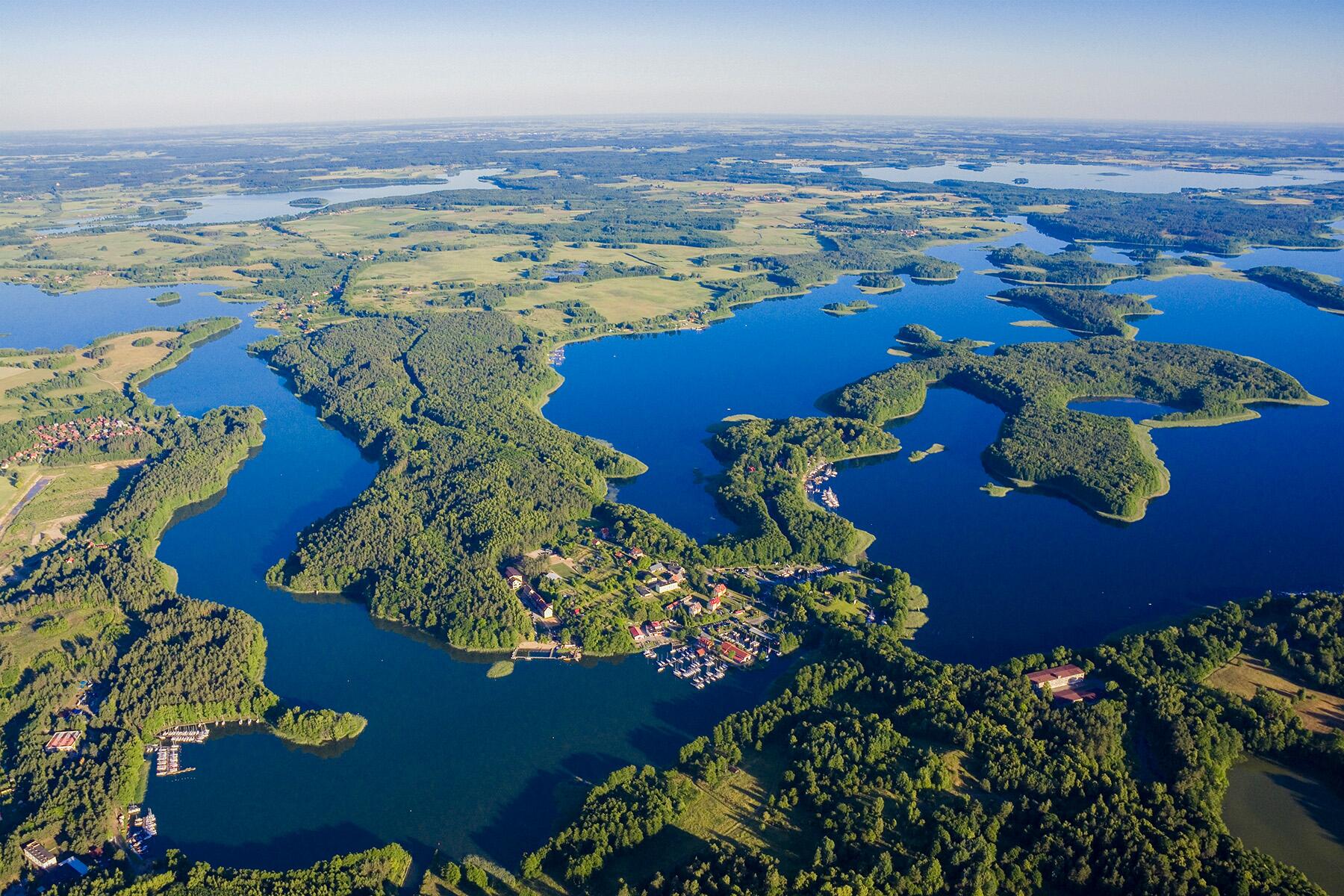
Tucked away in a quiet corner of northeastern Poland, you’ll find over 2,000 lakes intersected with charming small towns, lush farmland, and upscale resorts in the Masurian Lake District. Located about three hours from Warsaw, you can easily rent a car from the capital city and make a surprisingly leisurely drive to the region. Poland as a whole still remains a bit off-the-beaten-tourist track; its big cities of Krakow and Warsaw see the most action, but not many ventures to the Polish countryside, adding to its allure.
Once here, you’ll have the joy of a rarely crowded outdoor paradise, with plenty of opportunities for kayaking, boating, cycling, swimming, fishing, and walking. The region’s largest lake, Lake Śniardwy (also the largest lake in Poland), is a popular base for trips to the area, while Łuknajno Lake is a designated UNESCO Biosphere Reserve with excellent bird-watching (including Europe’s largest population of wild swans).
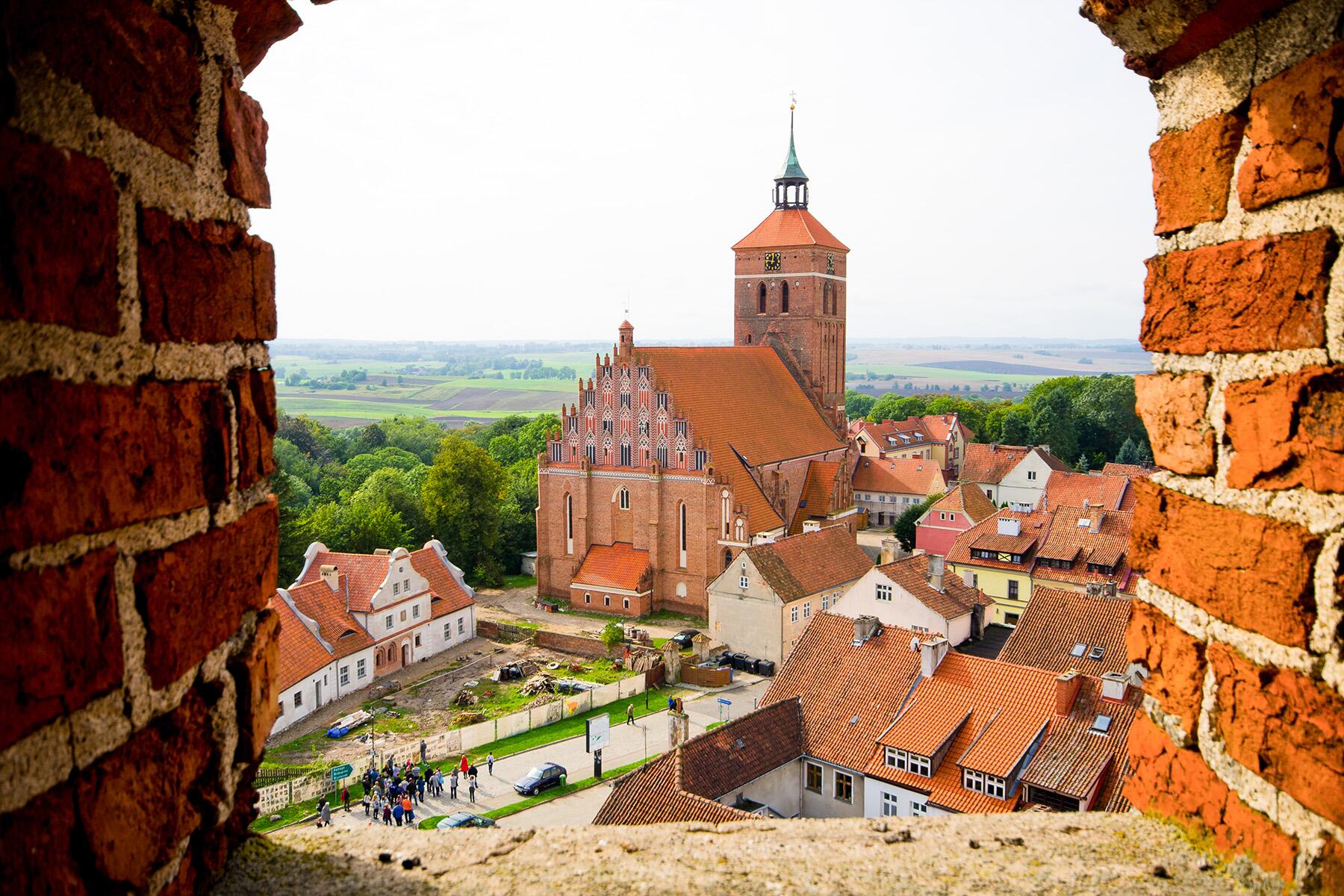
Larger towns in the region include Giżycko, Mikołajki, and Ełk, but a big part of the appeal of this place is exploring the smaller towns and surrounding farmlands. Don’t skip attractions like Białowieża Forest (home to Europe’s largest population of bison) and the Wolf’s Lair (the ruins of Hilter’s headquarters during World War II). You can easily keep yourself busy in this quiet part of the country, but the real appeal might just be the fact you don’t need to check off a must-see list here––a serene lake and the brightest stars you’ll see on the continent are rewarding enough.
Close to the small town of Stare Juchy, Siedlisko Morena is an upscale resort with a Swiss chalet feel that offers direct access to Lake Ulowski, along with an onsite spa, outdoor and indoor pools, tennis courts, and a restaurant. For a slightly more central location, check out Hotel Zamek Ryn in the town of Ryn; the hotel is set within a 14th-century castle and features an underground swimming pool and bowling alley.
Summertime brings the best weather for lake activities, but flights to Warsaw will be a bit easier on the wallet in the fall (spring tends to be rainy, and winters can get snowy).
Insider Tip
Food in this region is all about hearty traditional Polish cooking, typically using ingredients from local farms and gardens. Head to Słowiczówka for delectable regional specialties.



Vestmannaeyjar
Iceland

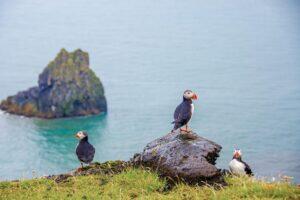
With more than 2 million travelers flocking to Iceland annually, it can be tricky to enjoy the land of fire and ice without crowds. But for those who venture beyond the Golden Circle and off the mainland, a sanctuary of puffins and stunning cliffs awaits. The Vestmannaeyjar archipelago—also known as the Westman Islands—is a chain of islands formed by underwater volcanic eruptions over 11,000 years ago. Heimaey is the largest of the islands and the only inhabited one, reachable by a 40-minute ferry that departs from Landeyjahöfn on Iceland’s Southern coast (about two hours outside Reykjavík). The ferry, which can accommodate both vehicles and pedestrians, comes with an onboard cafe, bathrooms, and spacious open-air and indoor seating areas offering views of the volcanic islands.
As the ferry pulls into Heimaey, you’ll be greeted by a charming town surrounded by towering cliffs draped in moss and adorned with flying seabirds. Heimaey is arguably the best place in Iceland to see puffins. In fact, puffins are so abundant here that Heimaey has its own “Puffling Patrol,” where locals band together to rescue wayward young puffins—known as pufflings—who often mistake the town’s lights for the moonlit reflection on the ocean.
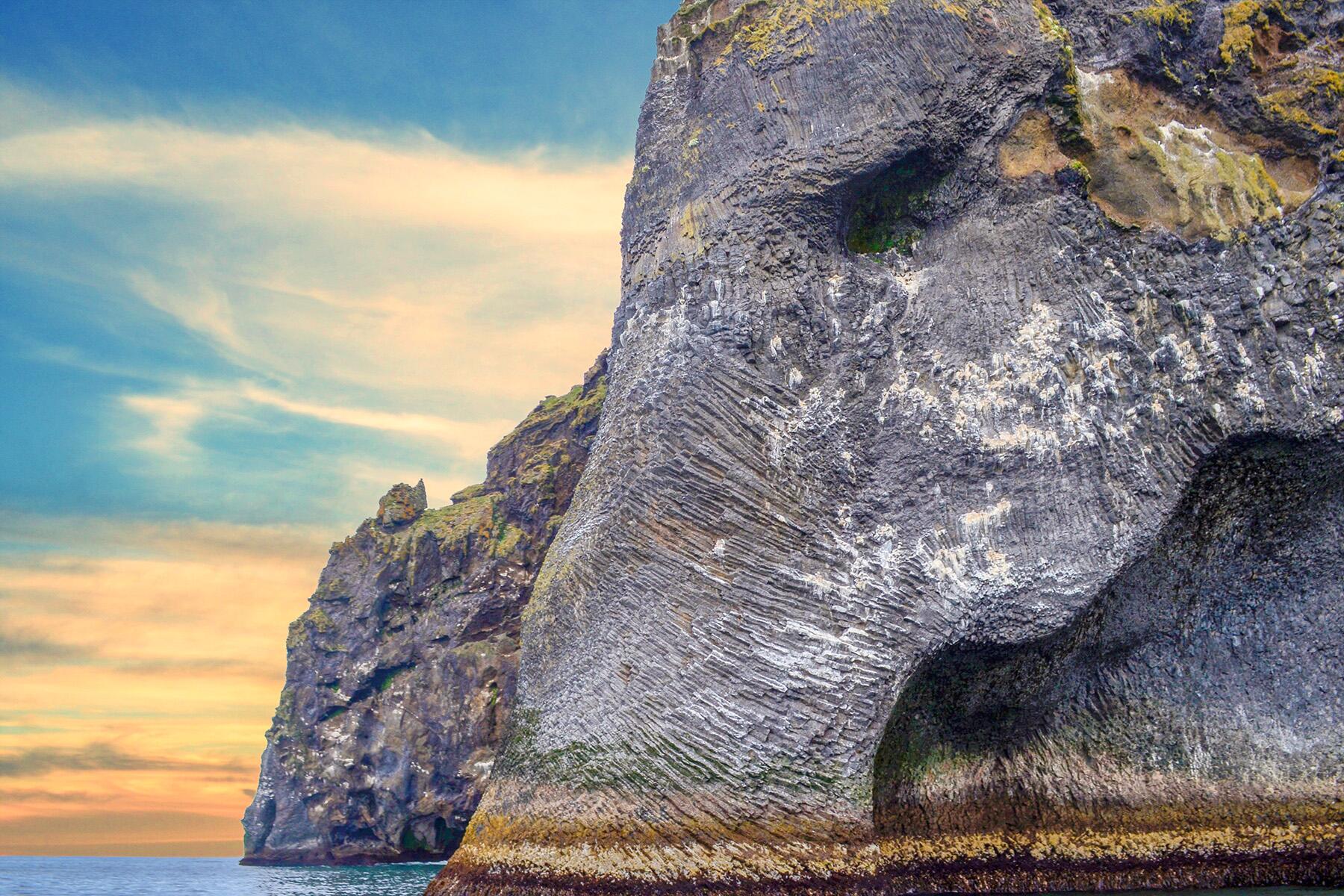
Visit the Beluga Whale Sanctuary (which houses two rescued beluga whales from Shanghai) and the Puffin Hospital, or head to the Storhofdi Puffin Viewpoint to watch puffins soaring over the cliffs (best seen between April and August). Speaking of cliffs, Vestmannaeyjar is home to a unique rock formation that looks strikingly similar to an elephant’s face. RIB boat tours can take you around the island and close to Elephant Rock, or you can see the formation from the golf course at the edge of Halldórsskora’s sea cliffs, which offers walking paths along the coast.
A visit to the Vestmannaeyjar archipelago requires little more than a few hours. With more options for hotels in Reykjavík, which is only a two-hour drive to the ferry in Landeyjahöfn, your best bet is to book a stay in the capital. For a luxury stay, consider the Reykjavik EDITION, the city’s first five-star hotel. Make sure to book a reservation at the Michelin-recommended TIDES, the EDITION’s on-site restaurant serving stellar Icelandic seafood. Alternatively, the Fosshotel Reykjavík puts you near the main street, Laugavegur.
You’ll want to plan your visit around the puffins. The best time to visit Vestmannaeyjar and see the puffins—especially the baby pufflings—is between late April and mid-August.
Insider Tip
While the ferry to and from Vestmannaeyjar runs multiple times a day to and from Landeyjahöfn, it can be sold out—especially if you’re planning to bring your car with you. Make sure to book a reservation online in advance.