


We traveled to Peru in September 2024. It was a beautiful trip, we love the beautiful country, the culture, and the people living there.
It was quite challenging for us to plan for a trip to Peru. We were worried about the impact of altitude sickness on our underlying health conditions. We had changed our itinerary a number of times, so as to minimize the impact of the altitude sickness along our journey.
Finally we came up with the following itineraries and hoped for the best that we would be fine during the trip, and the outcomes were positive and we survived the high altitudes with all the necessary preparations. We had the Diamox pills with us but did not take it as we were fine with the acclimatization steps that we took. We drank the tea brew with coca leaves and took coca sweets when we felt the effects of the altitude.
Our 3 weeks Perú itinerary:
5 nights Lima
4 nights Arequipa
1 night Chivay for Colca Canyon
2 nights Puno
2 nights Cusco
2 nights Ollantaytambo
1 night Aquas Calente
1 night Ollantaytambo
2 nights Cusco
Our evening flight from Lima back to Miami(we managed to cancel a night in Lima, changed our flight a day earlier before Hurricane Milton hit Florida)
Day 1—Morning flight to Miami. Stayed at Miami airport for 5 hours for the connection flight to Lima. Flight leaving Miami on time, we will arrive around 8pm local time. There was an hour difference in time Zone, 9pm NY time. First time seeing the Harvest full moon on the plane. It was so beautiful!
On time arriving at Lima airport. Getting out of the custom check was smooth and fast. The prearranged Taxidarum was 10 minutes late. It took 45 minutes to arrive at Hilton Garden Inn Miraflores. We were tired after the long flights. It was a very long day, and we’re happy to snuggle in the bed for a good night sleep.
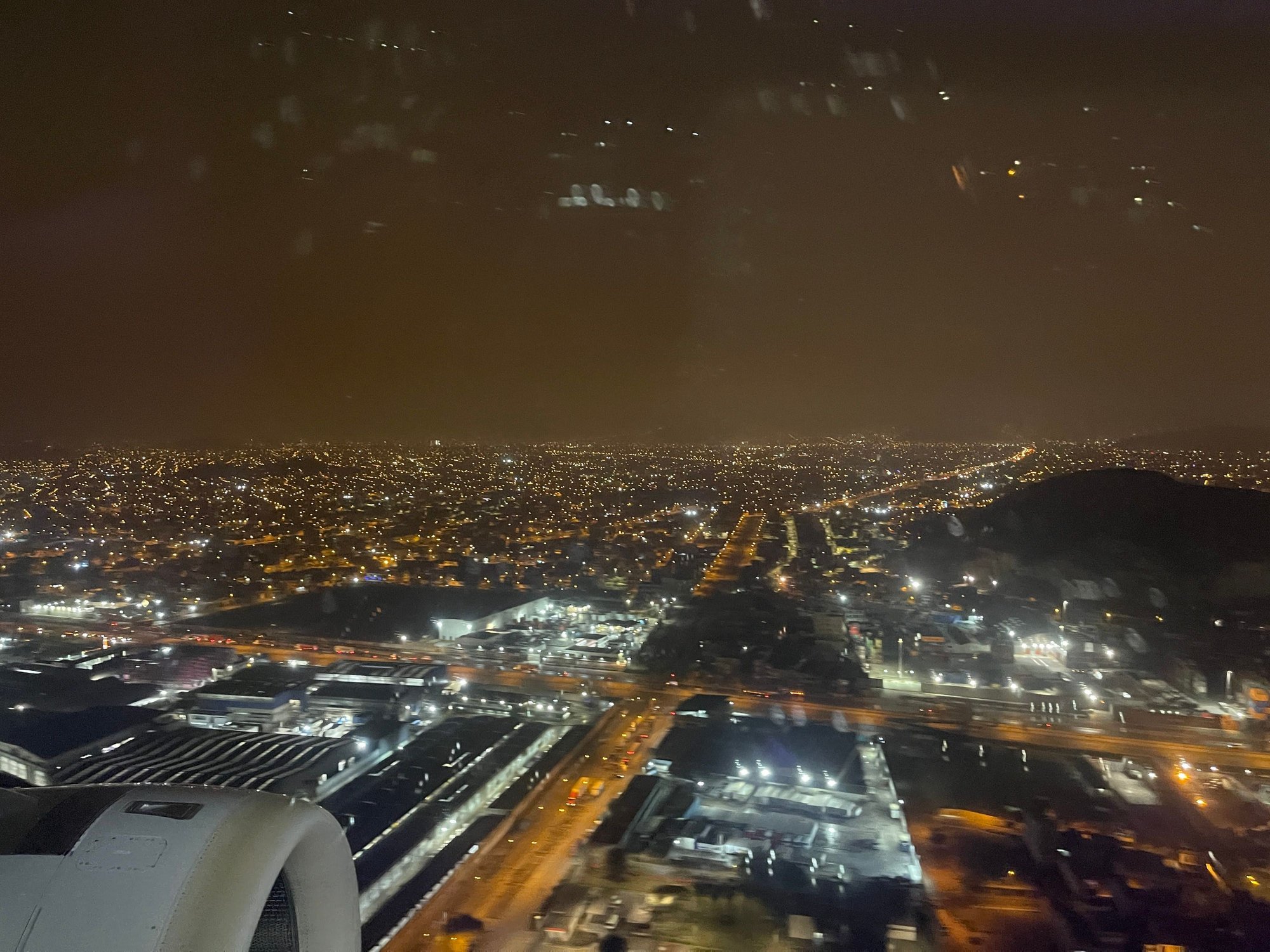
Arriving Lima airport
It was quite challenging for us to plan for a trip to Peru. We were worried about the impact of altitude sickness on our underlying health conditions. We had changed our itinerary a number of times, so as to minimize the impact of the altitude sickness along our journey.
Finally we came up with the following itineraries and hoped for the best that we would be fine during the trip, and the outcomes were positive and we survived the high altitudes with all the necessary preparations. We had the Diamox pills with us but did not take it as we were fine with the acclimatization steps that we took. We drank the tea brew with coca leaves and took coca sweets when we felt the effects of the altitude.
Our 3 weeks Perú itinerary:
5 nights Lima
4 nights Arequipa
1 night Chivay for Colca Canyon
2 nights Puno
2 nights Cusco
2 nights Ollantaytambo
1 night Aquas Calente
1 night Ollantaytambo
2 nights Cusco
Our evening flight from Lima back to Miami(we managed to cancel a night in Lima, changed our flight a day earlier before Hurricane Milton hit Florida)
Day 1—Morning flight to Miami. Stayed at Miami airport for 5 hours for the connection flight to Lima. Flight leaving Miami on time, we will arrive around 8pm local time. There was an hour difference in time Zone, 9pm NY time. First time seeing the Harvest full moon on the plane. It was so beautiful!
On time arriving at Lima airport. Getting out of the custom check was smooth and fast. The prearranged Taxidarum was 10 minutes late. It took 45 minutes to arrive at Hilton Garden Inn Miraflores. We were tired after the long flights. It was a very long day, and we’re happy to snuggle in the bed for a good night sleep.
Arriving Lima airport
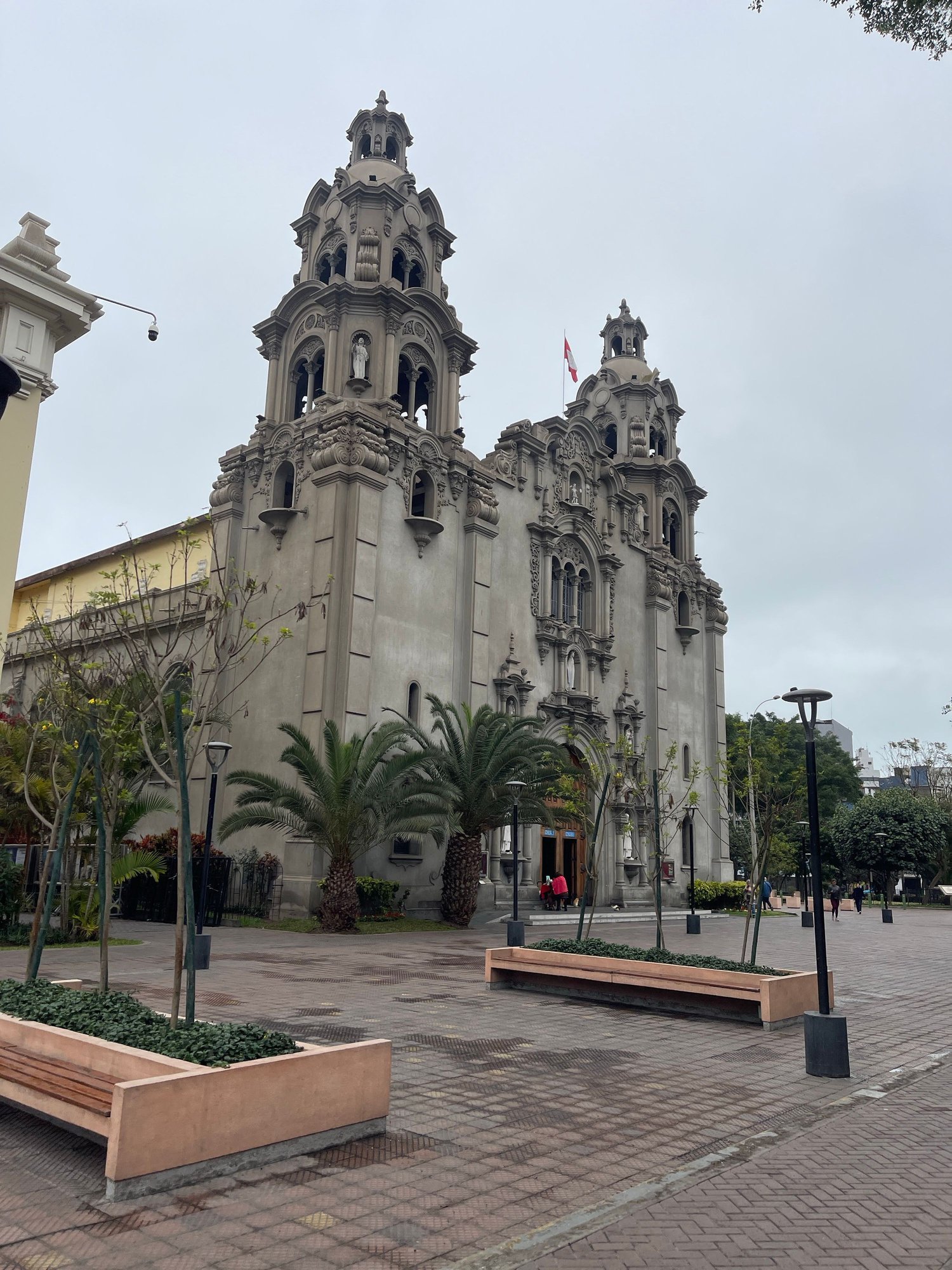
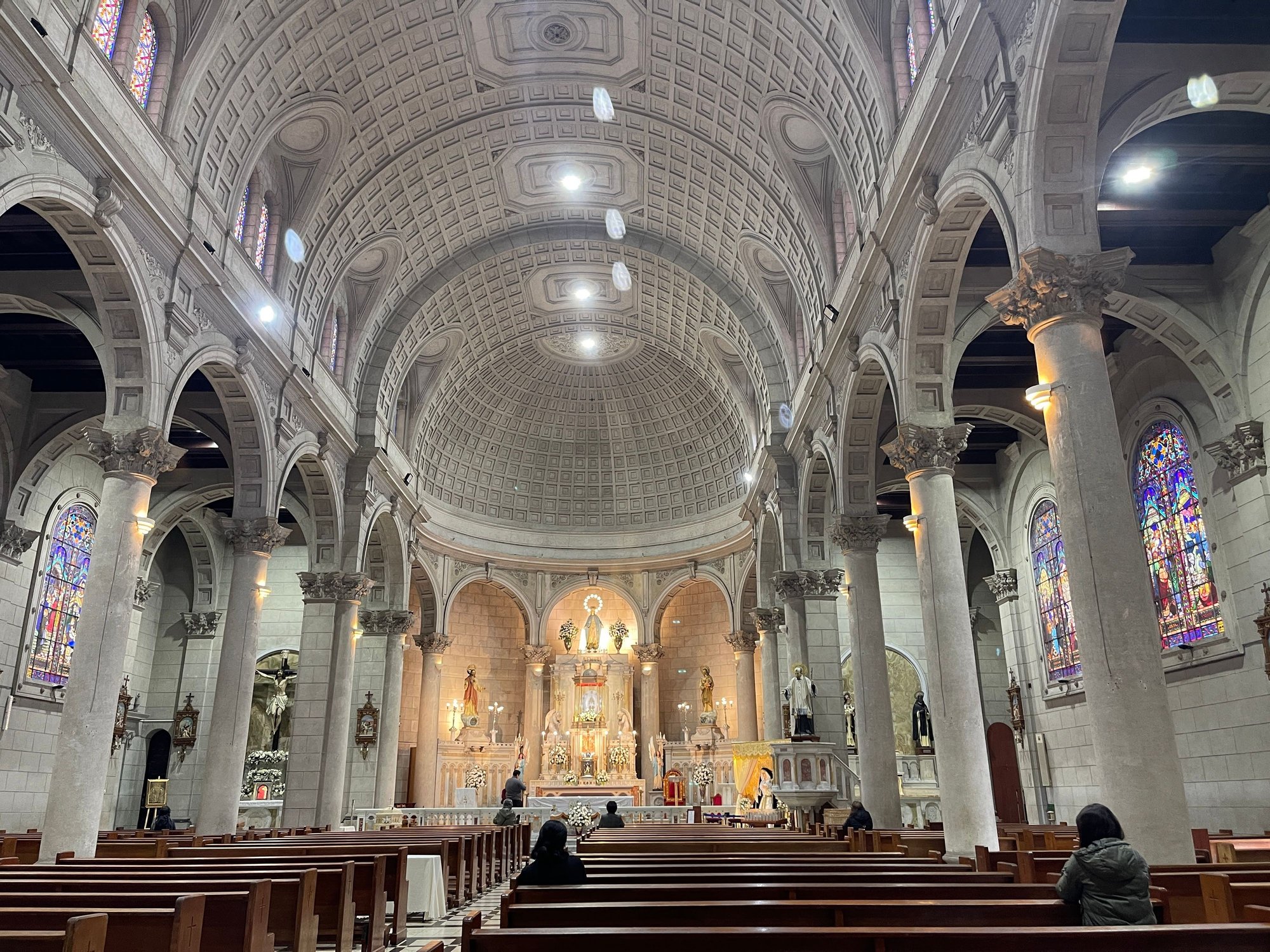
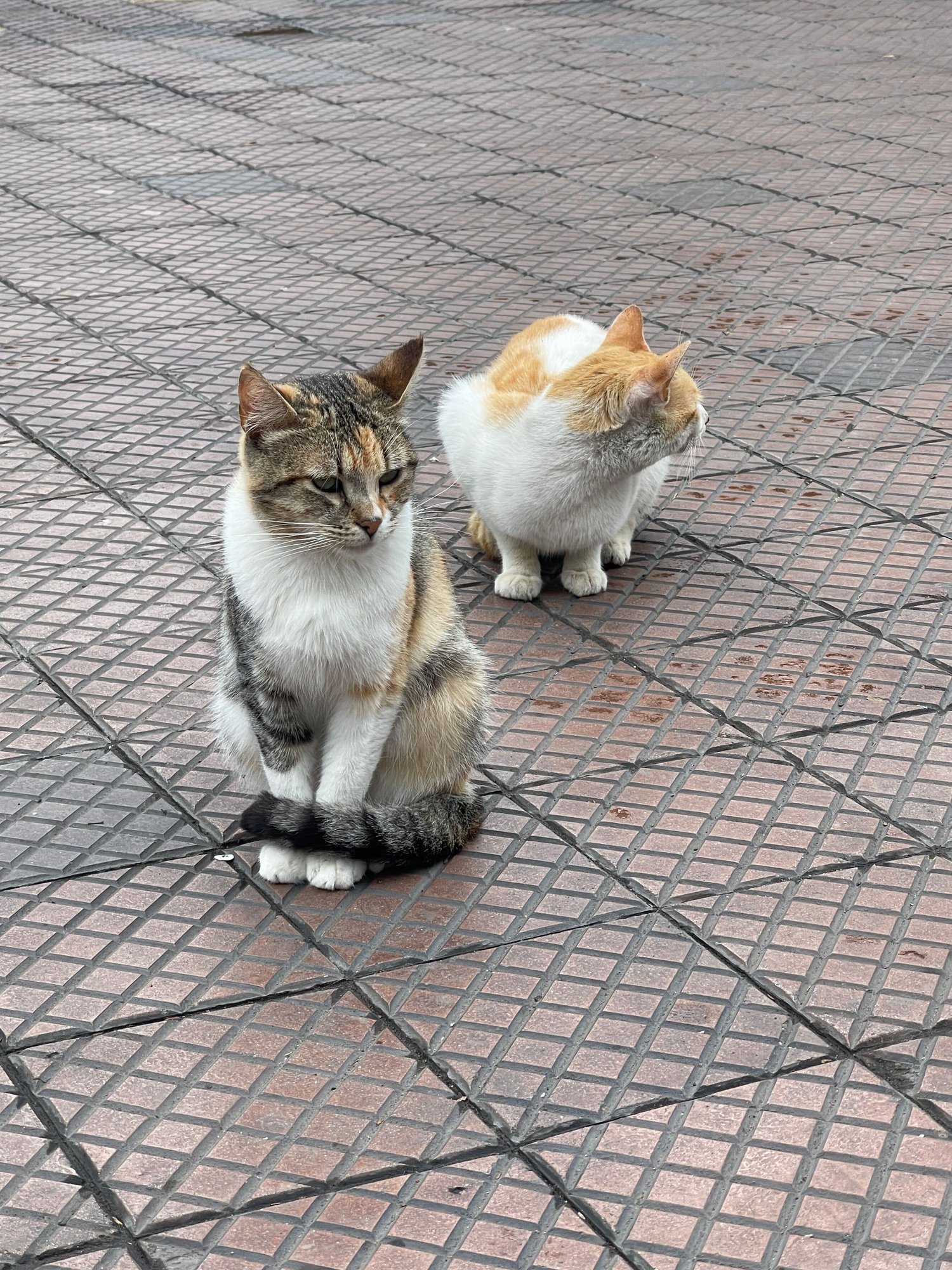
Day 2—We woke up early after a good sleep. After breakfast from the hotel, we headed out to explore the city. We walked to Parque Kennedy and 7 of June park. We were surprised to see a lot of cats with their cat houses in the park. We also visited the Parroquia La Virgen Milagrosa.
We gathered some information from the nearby visitor information center. They offer a lot of tours and day trips but we already scheduled a free walking tour with Incamilky way at 10am.
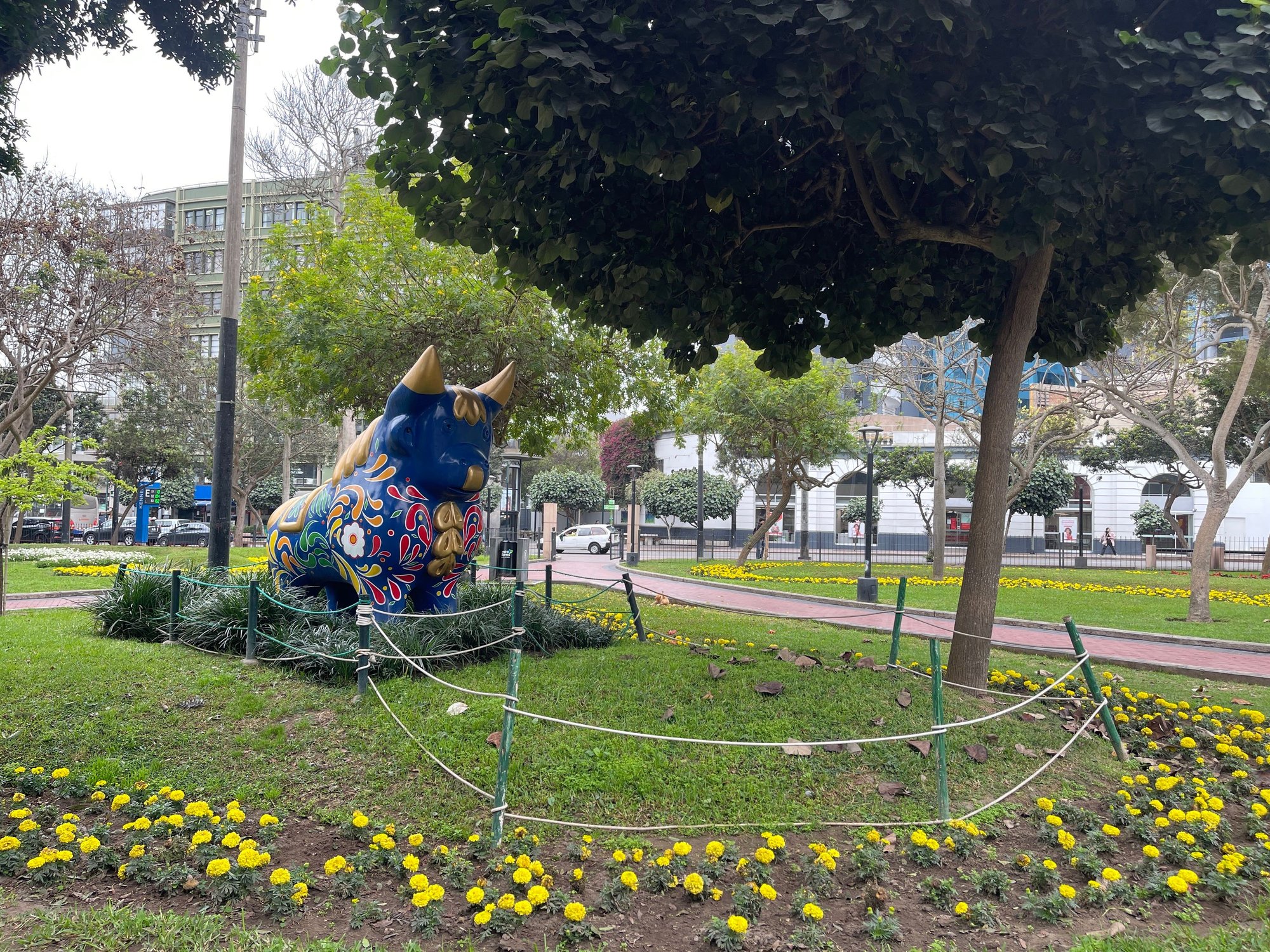
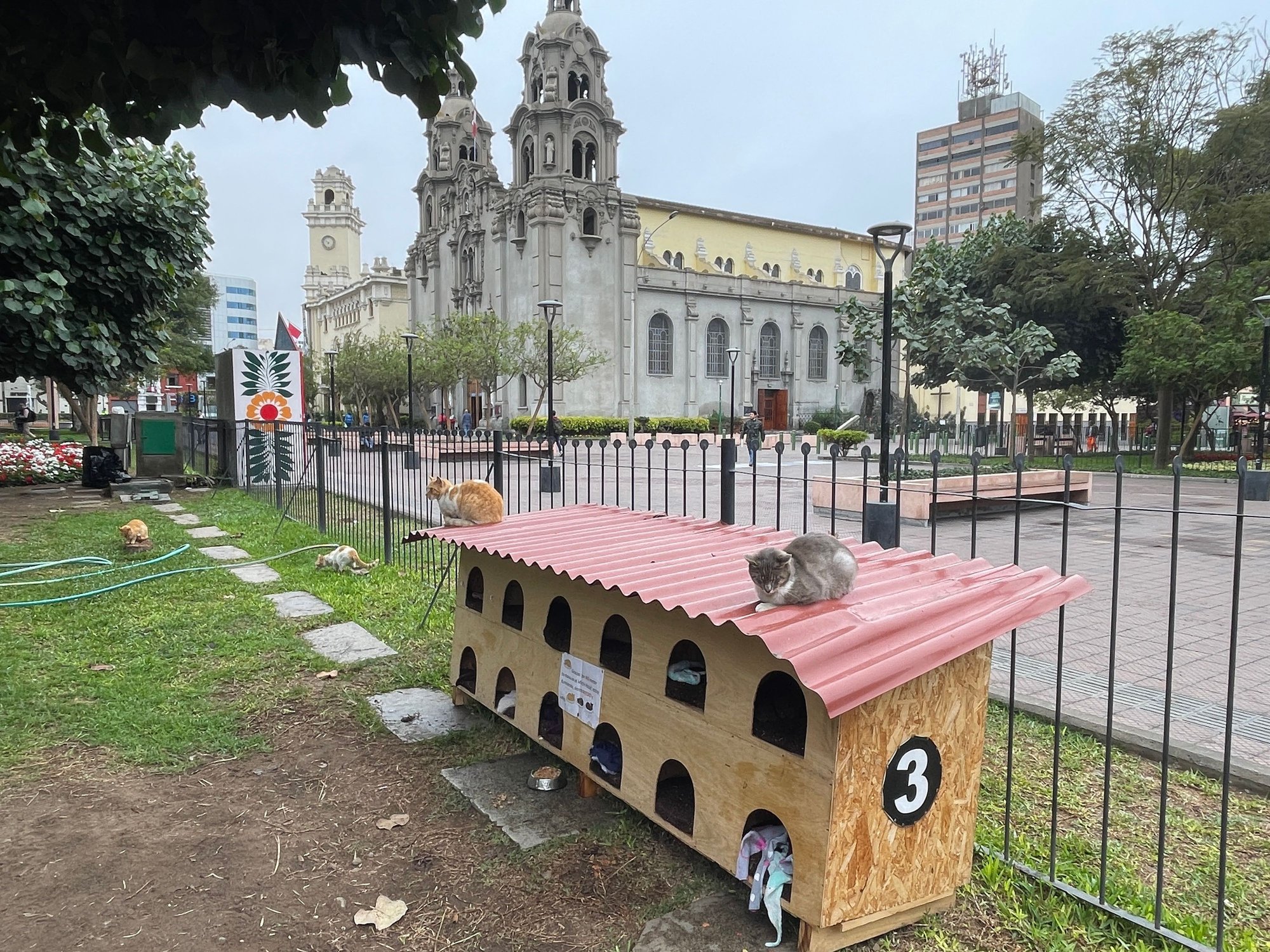
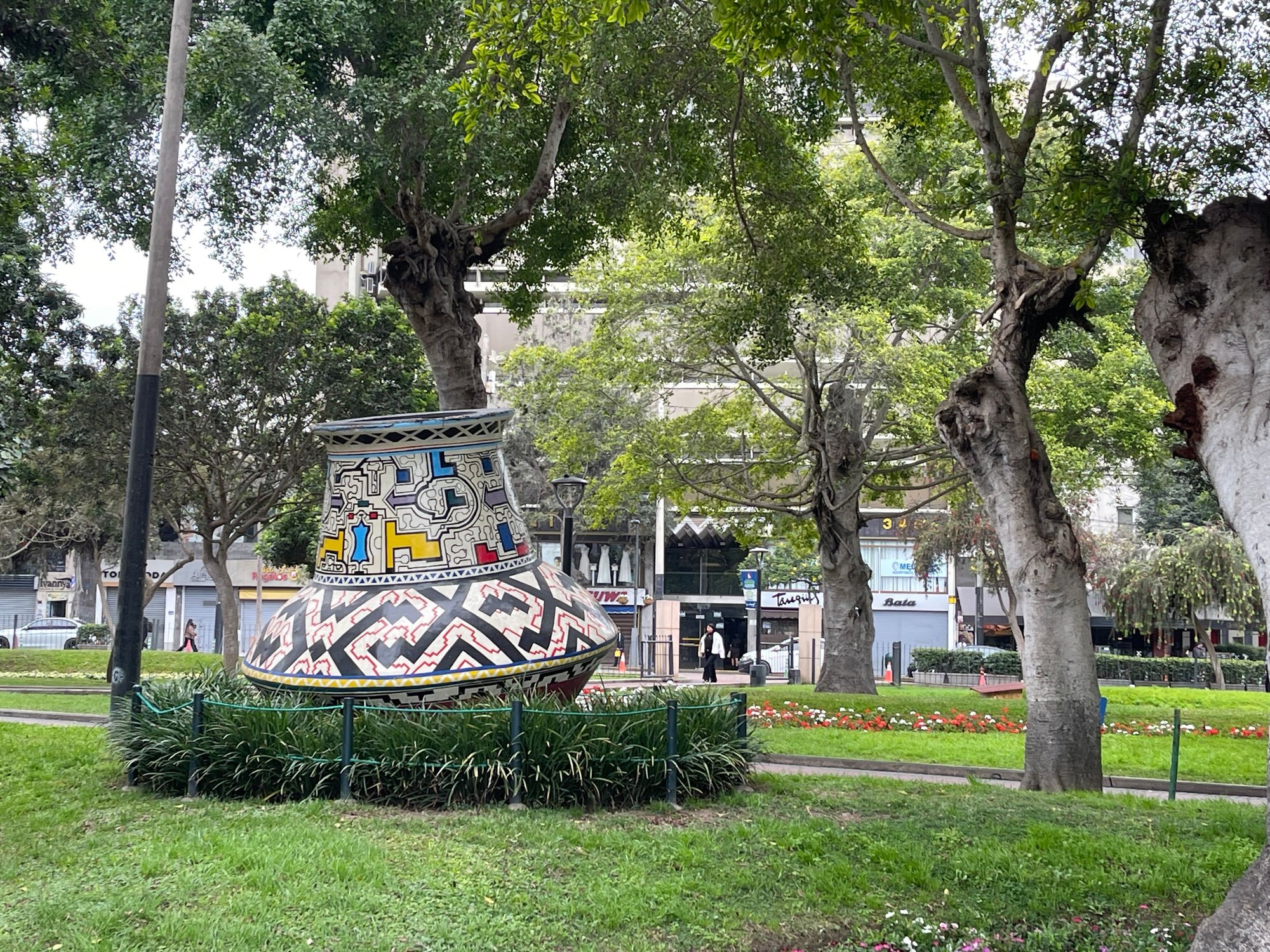
Since we were staying in Miraflores, we were waiting for the guide at 10:00 am at Pasaje Porta 132 (Oechsle mall). From there, we headed to Lima’s Historic Centre using the Metropolitano buses (Cost: 3.40 soles).
I was quite skeptical of the journey as it was crowded with people, but he managed to keep us safely all in a group.
We arrived in front of La Merced Church (Jirón de la Unión 608), and merged with another group that was waiting there. It was here we met the Vblogger couple - A and K, who were also visiting Peru.
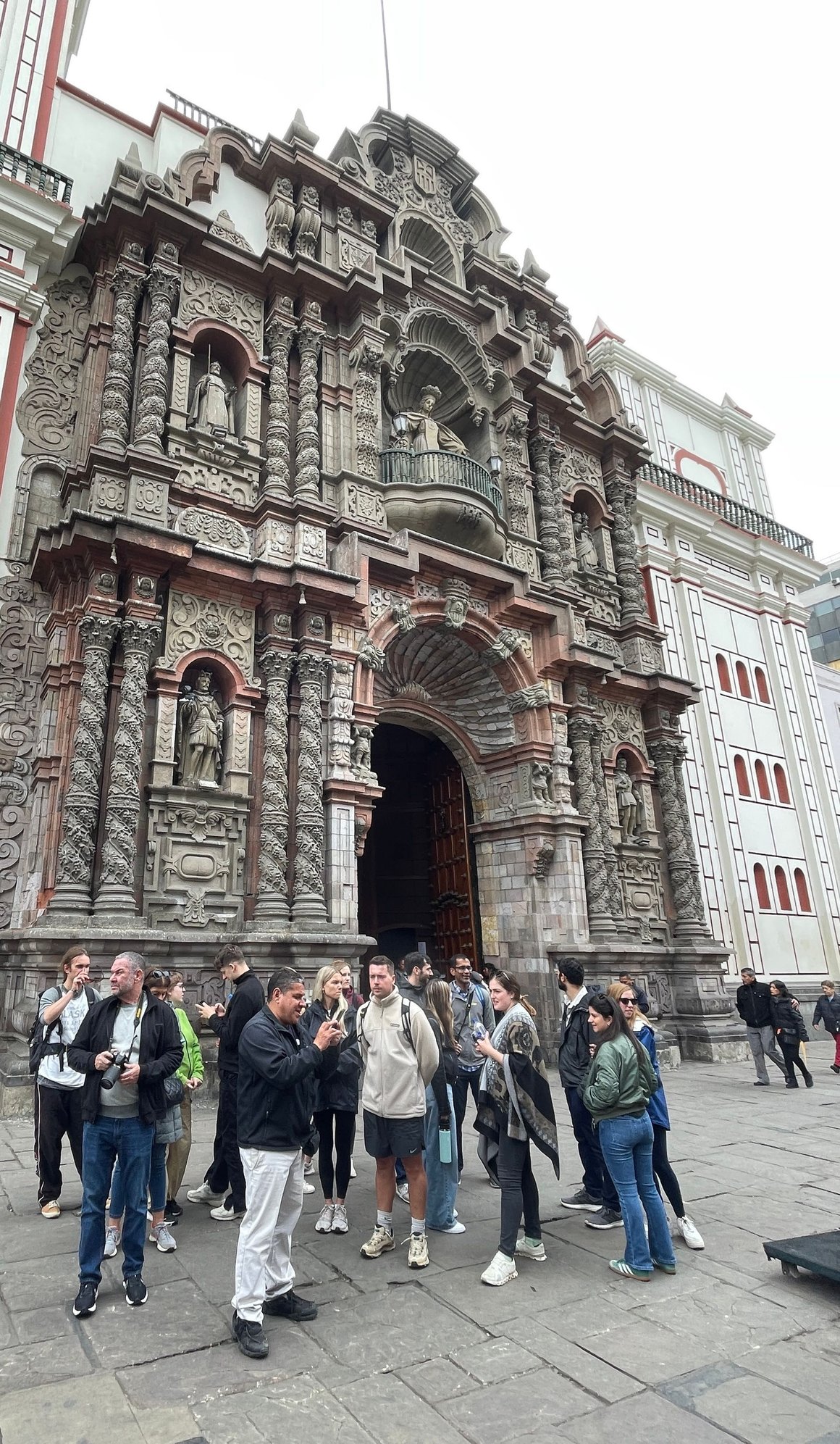
We began our walk through the old town. Known as “Mercaderes” during colonial times, Jirón de la Unión connects the Plaza de Armas with Plaza San Martín. Jirón de la Unión has is a pedestrian-only street, making it easier for us to stroll towards Plaza de Armas.
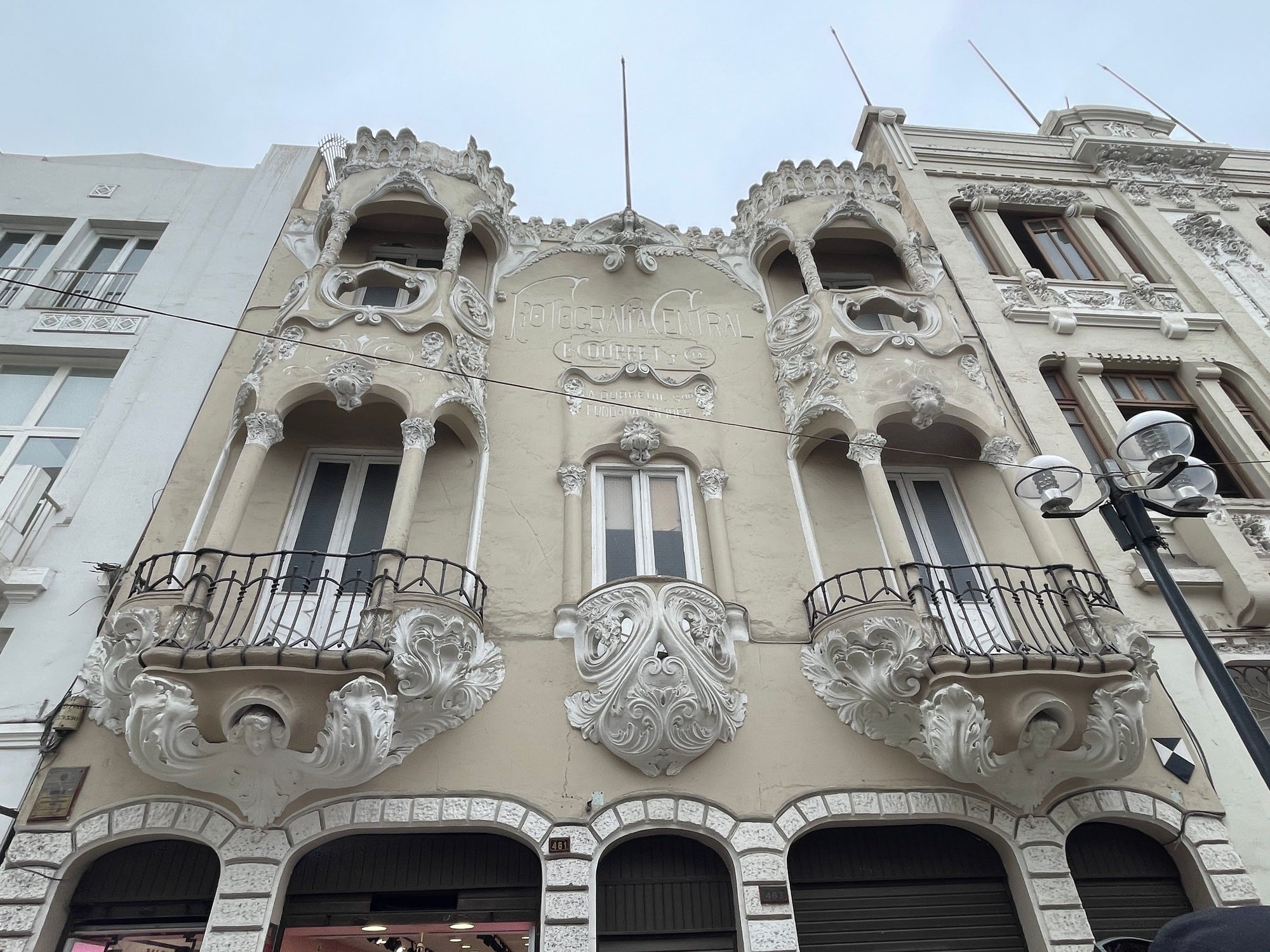
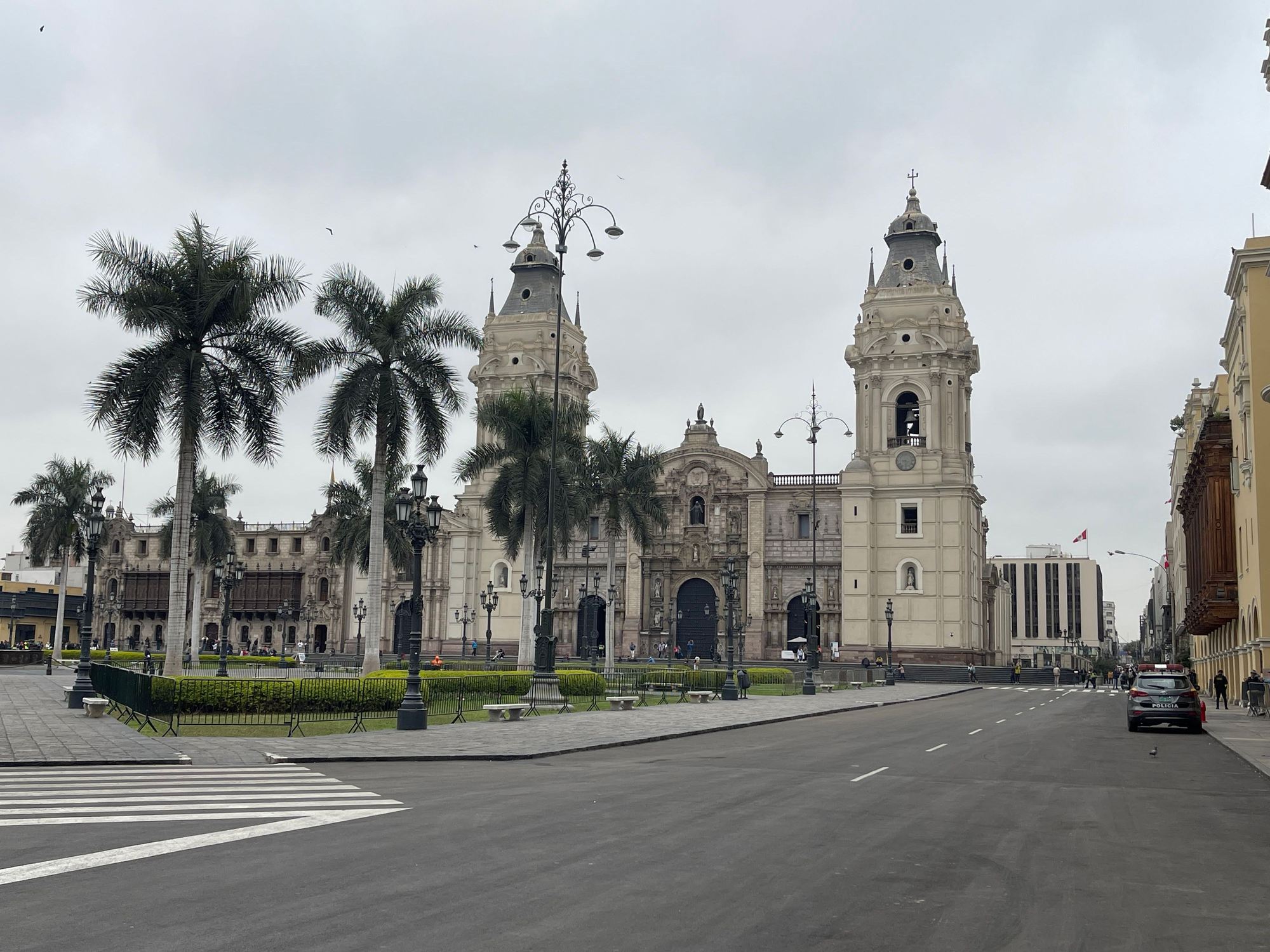
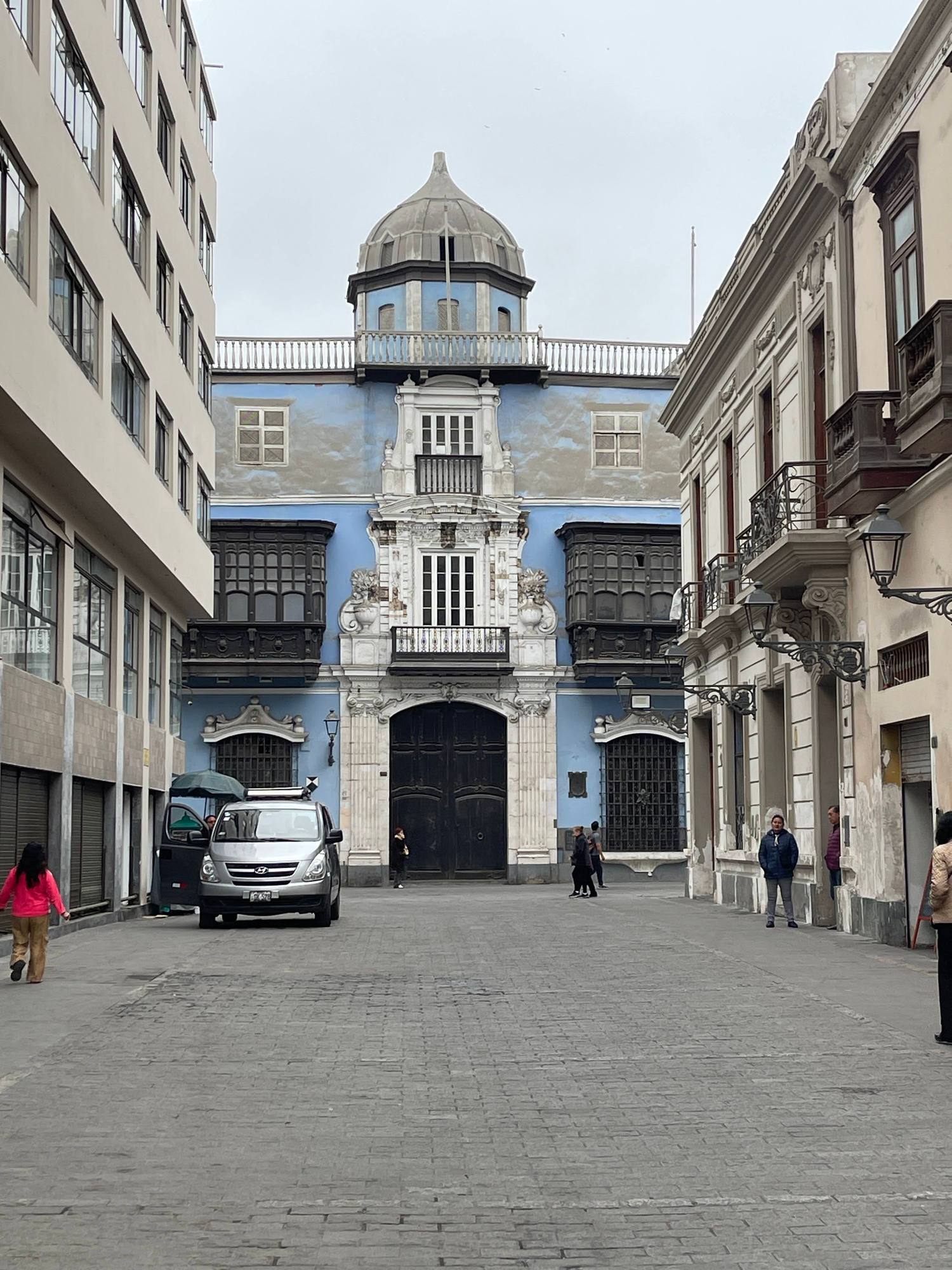
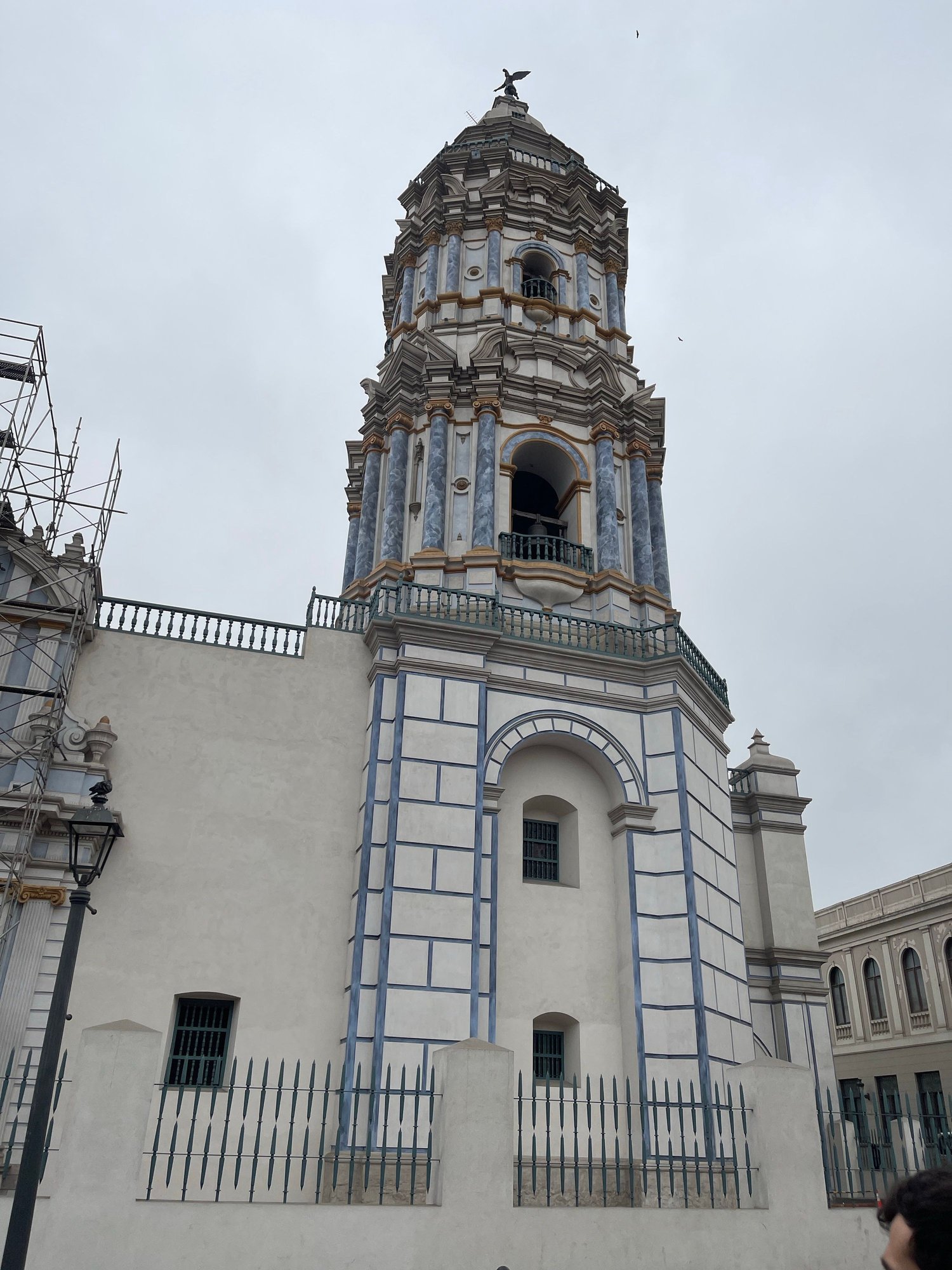
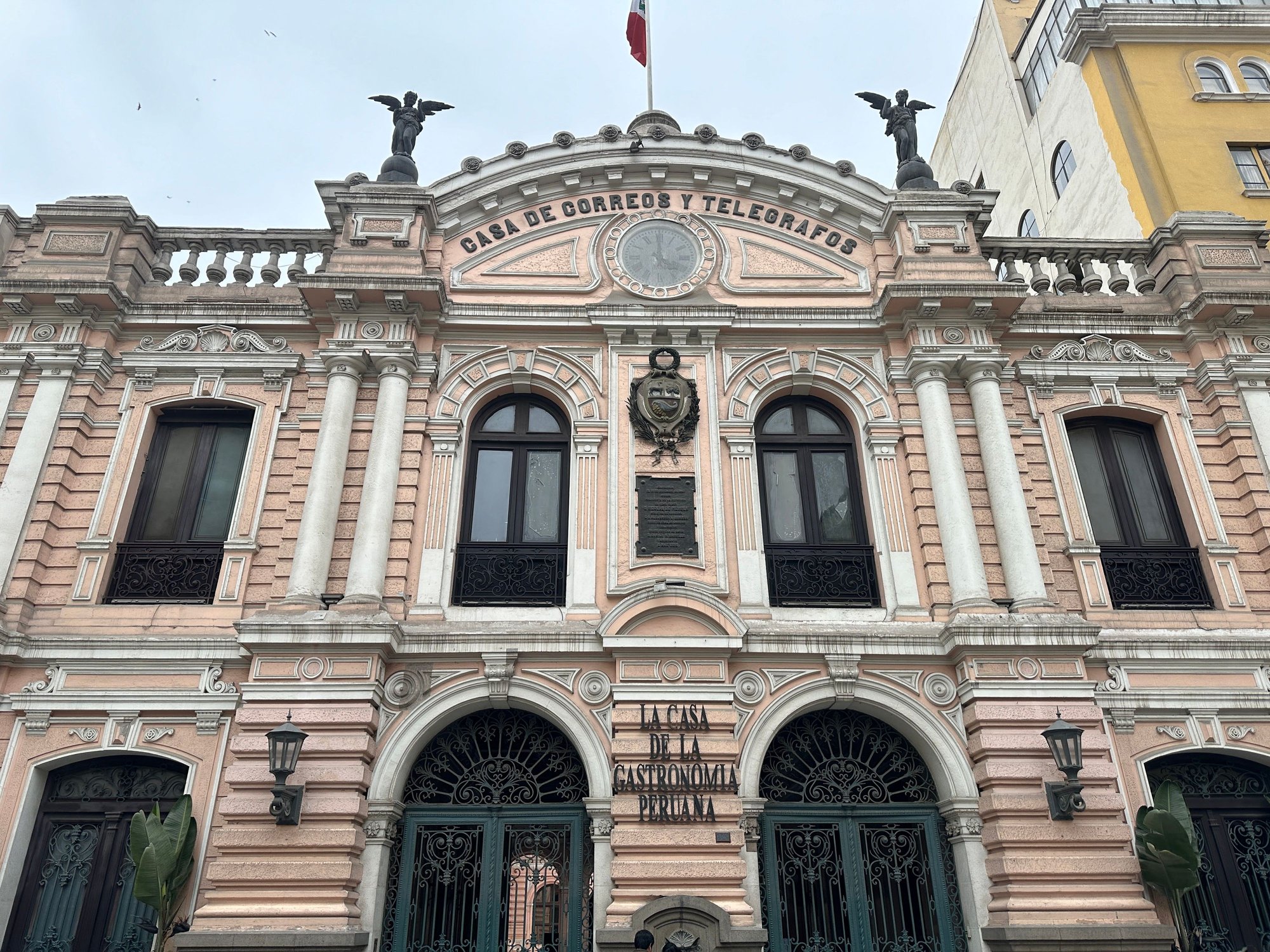
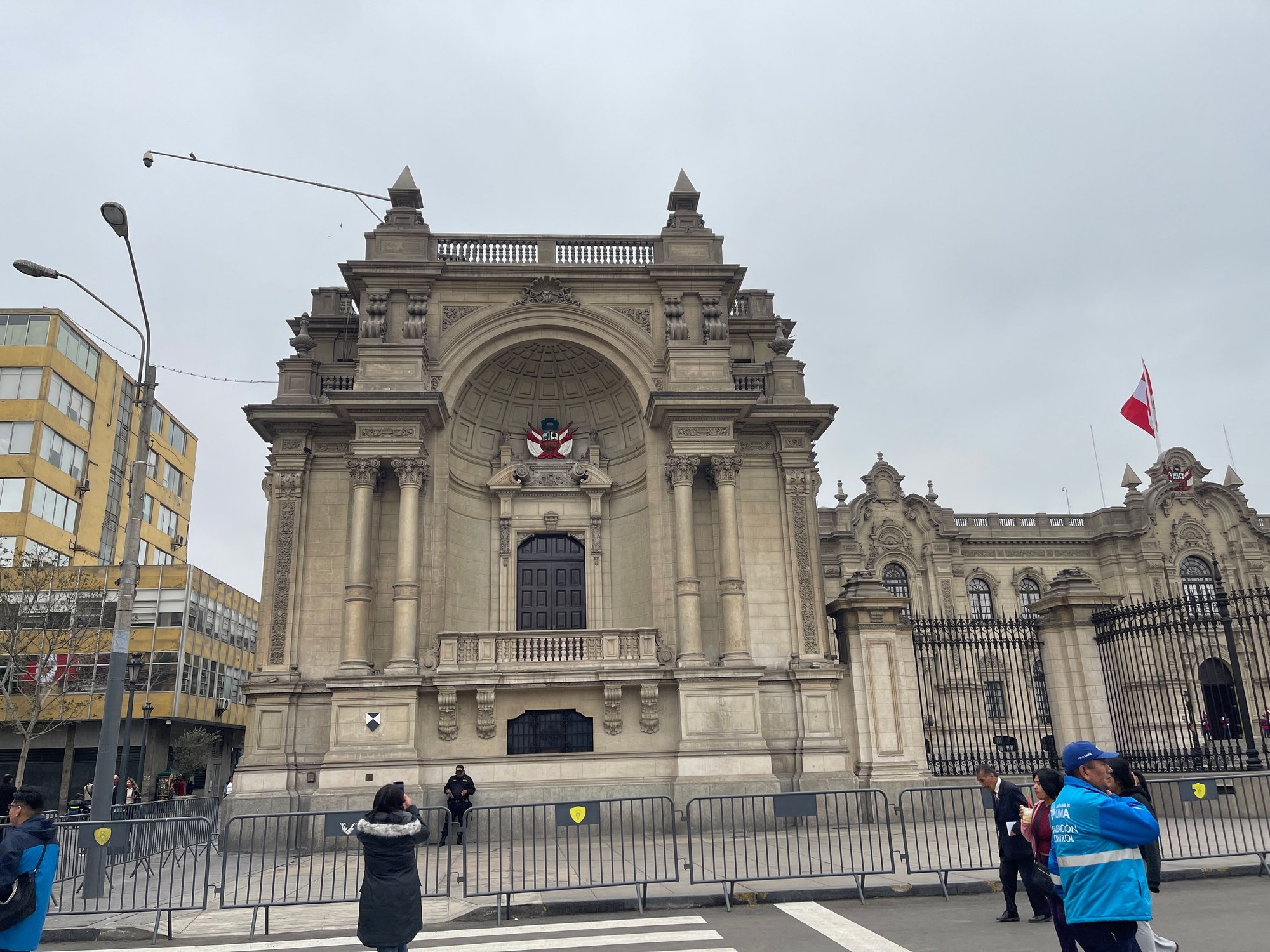
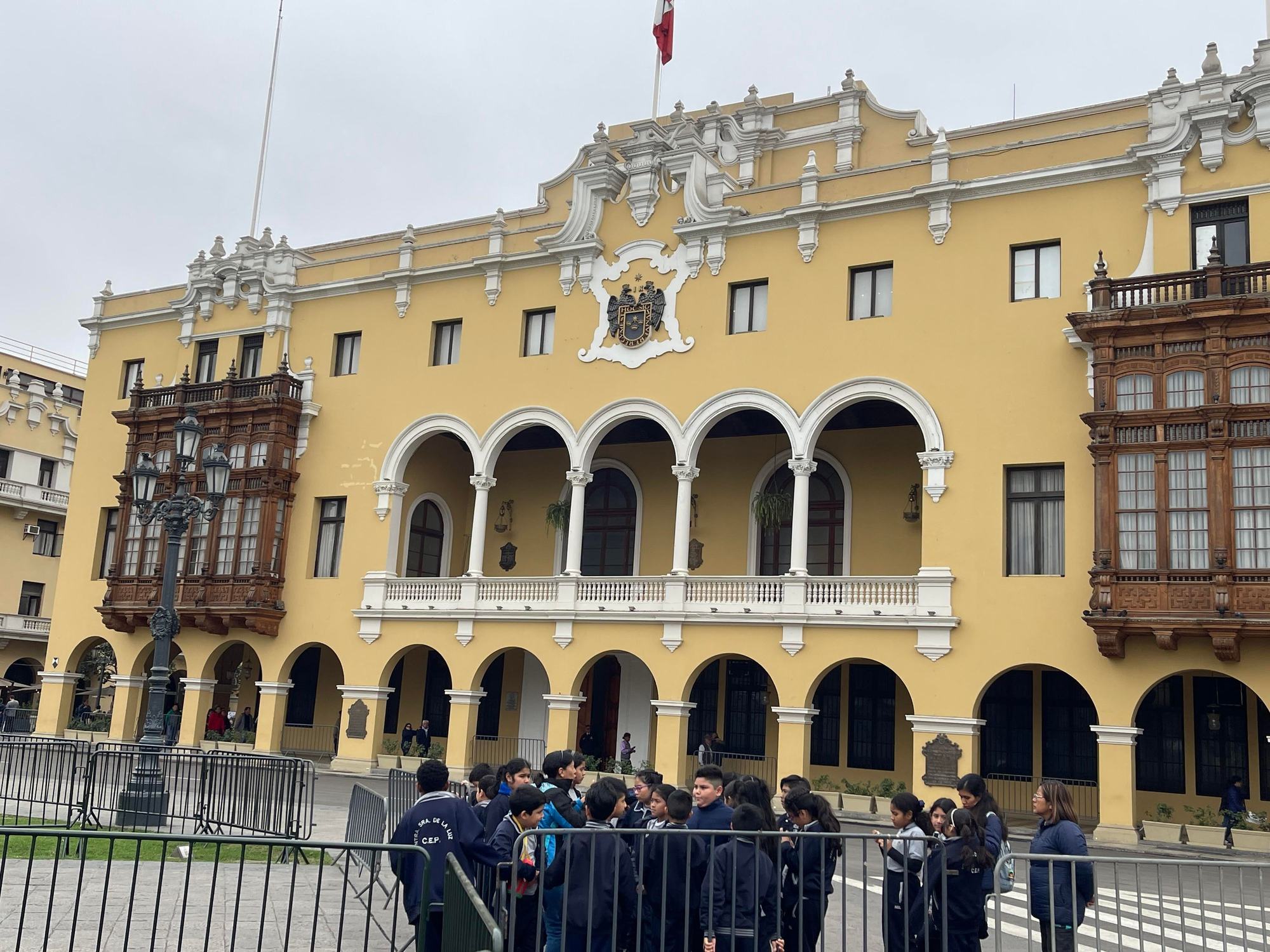
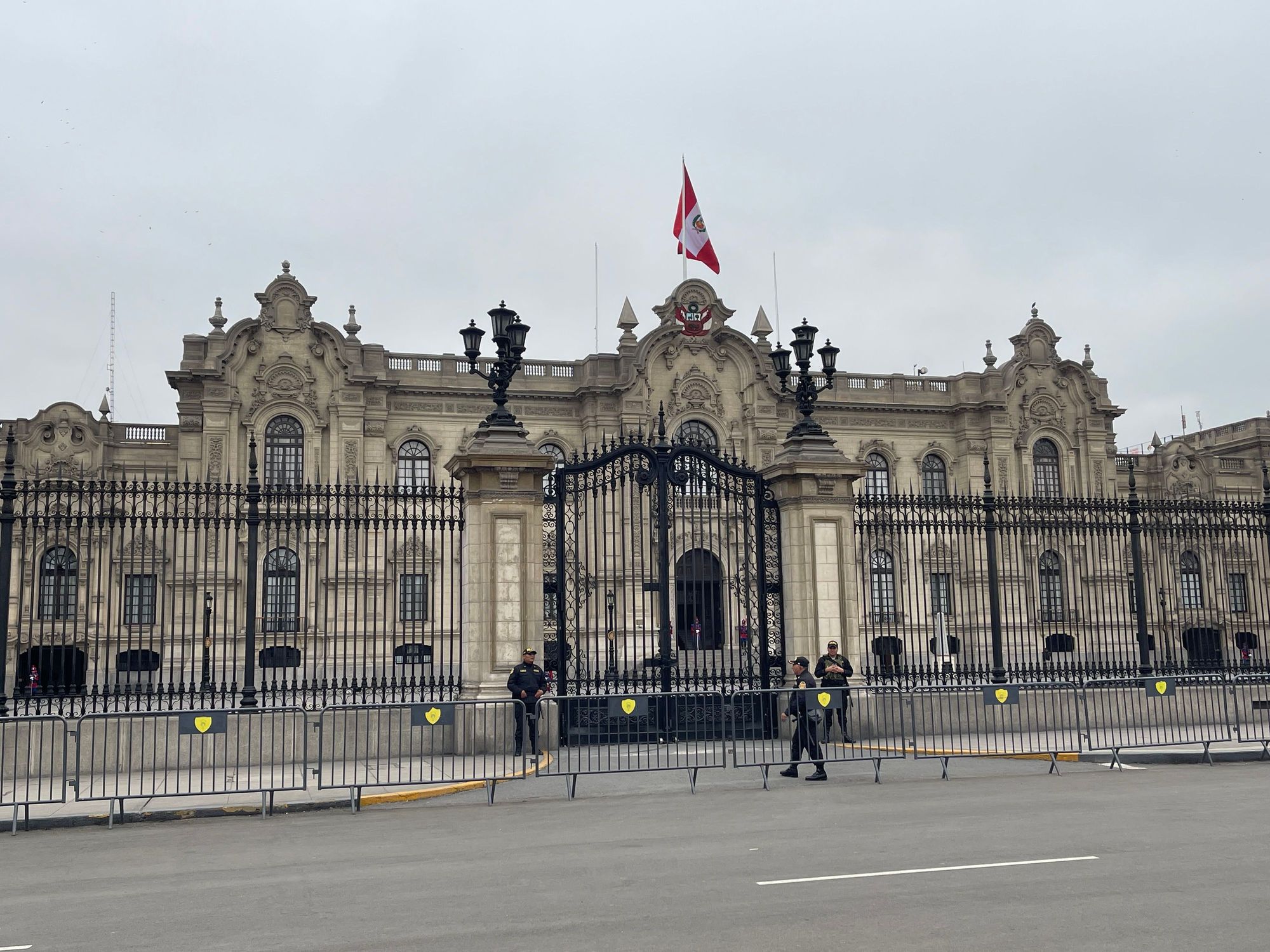
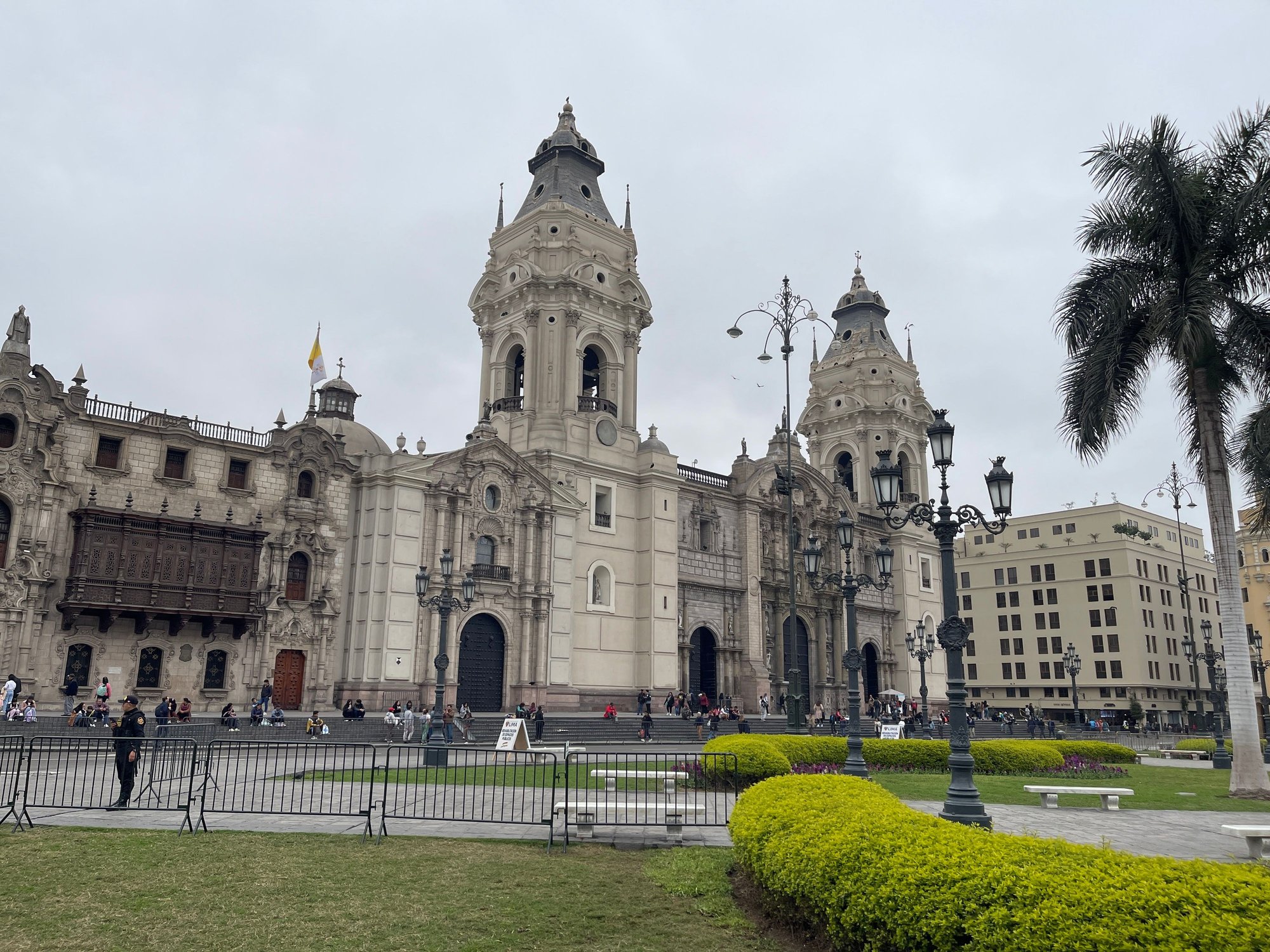
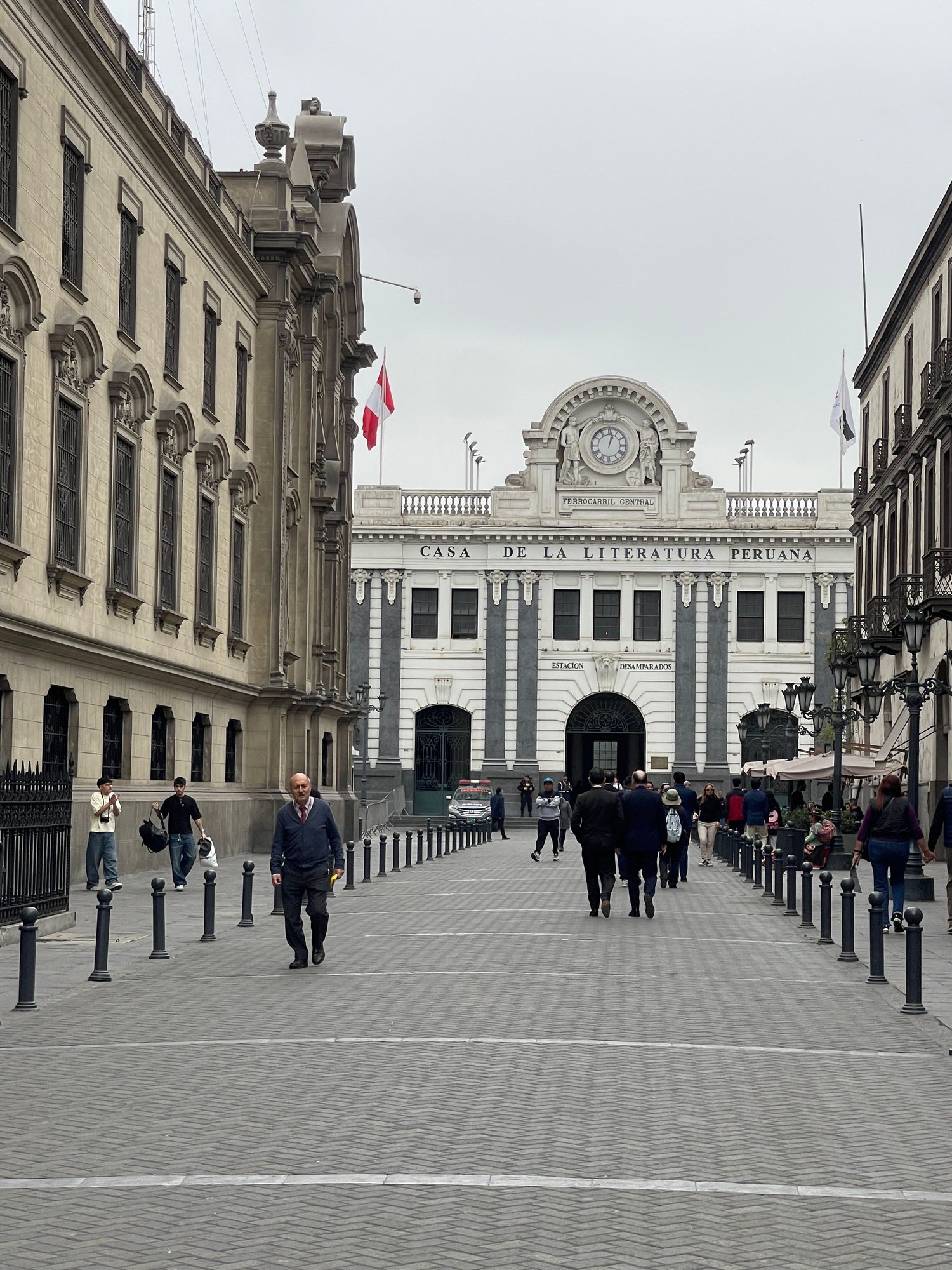
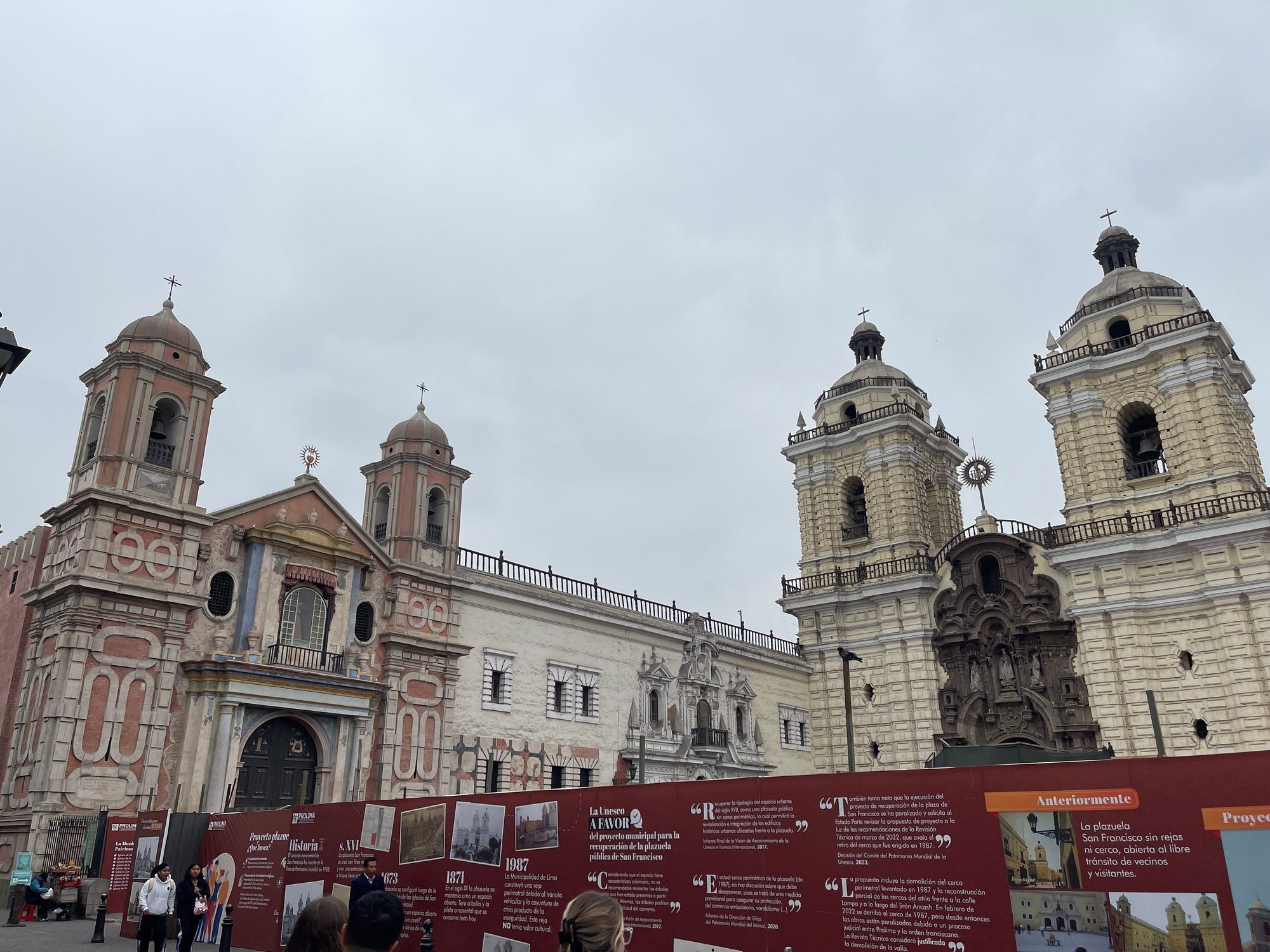
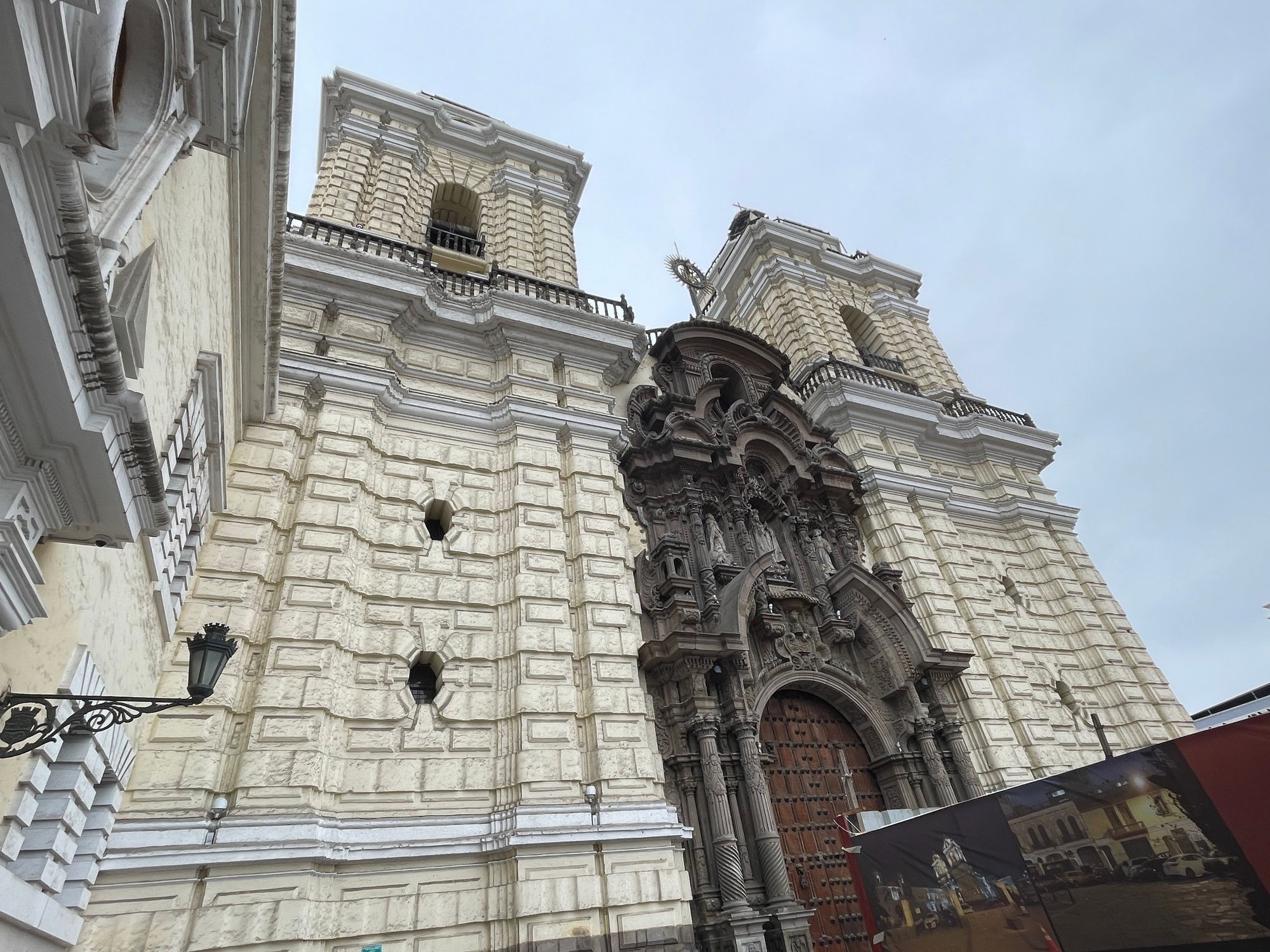
We zigged zagged through the streets with all the historical sites with the UNESCO signs on the buildings. The guide told us a lot of the historical stories but it was too fast for us to grab all the details. We saw a lot of the buildings only maintaining the historical facades, but the insides were renovated to modern living housing.
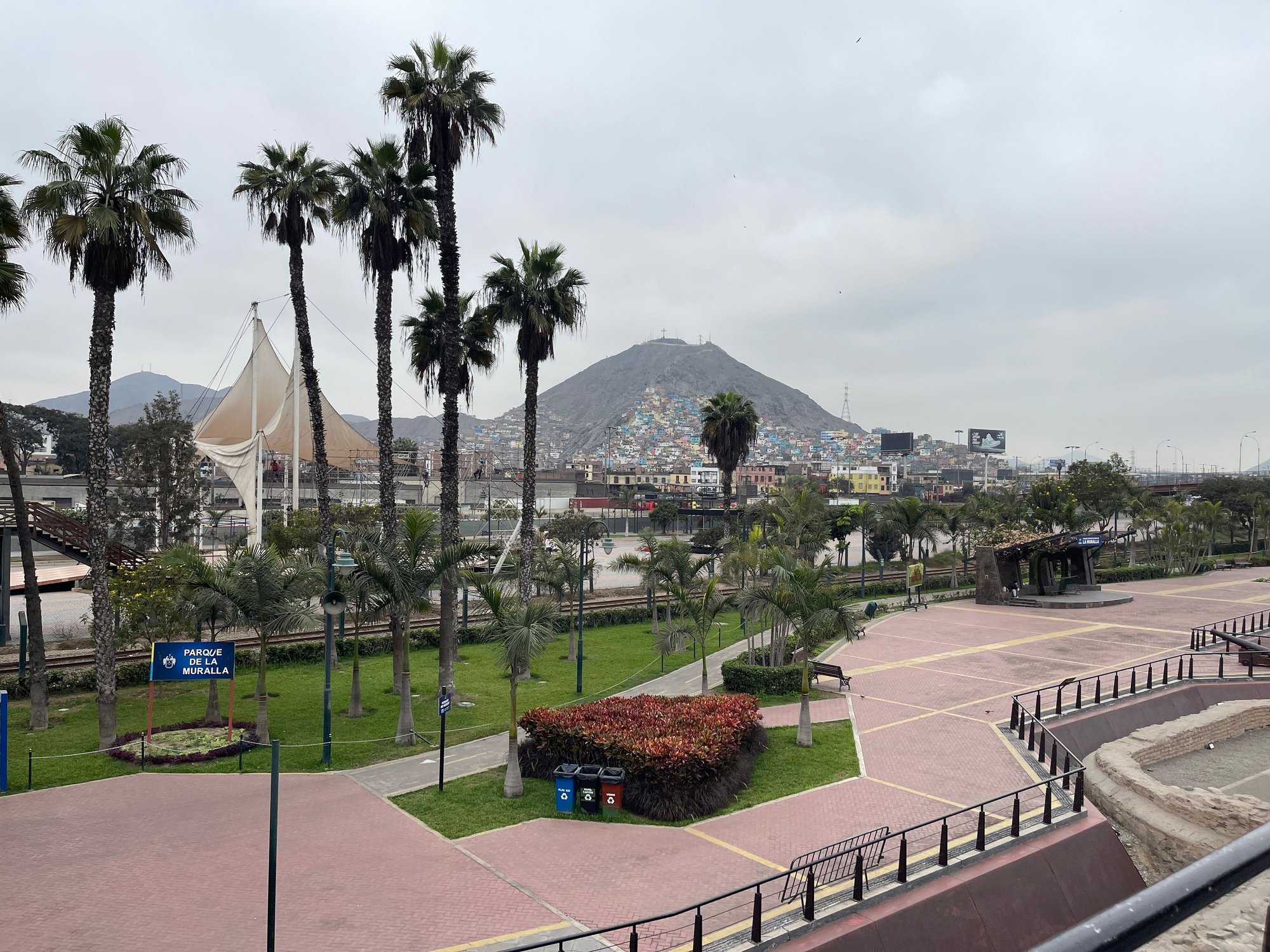
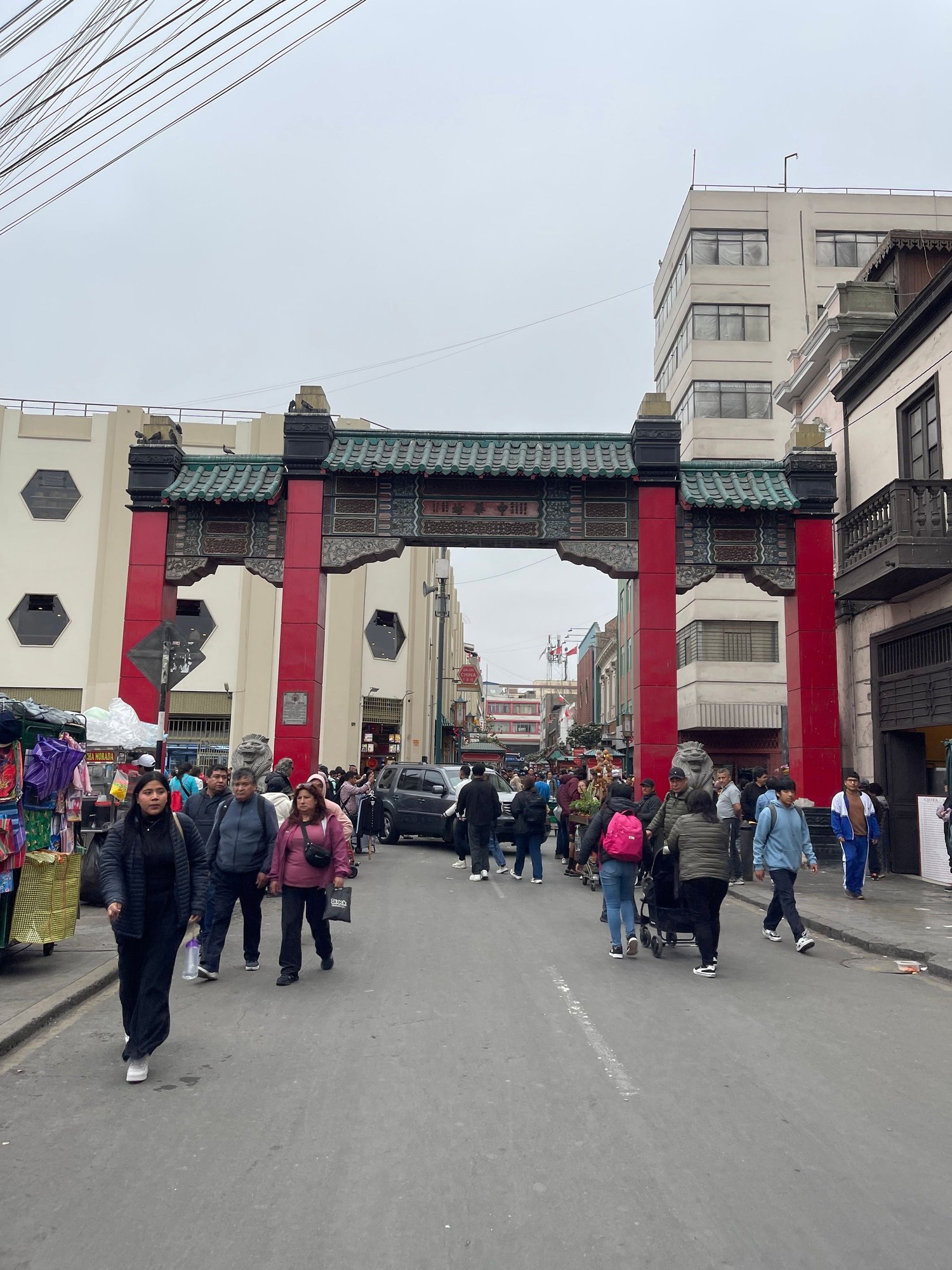
The guide left us on our own around 12:30pm. We wondered around looking for a restaurant for lunch, and finally found one at the outskirts of the UNESCO site with a park beside it. We had Peruvian seafood and were not disappointed, cost around $30 for two.After lunch, we wandered around the China town for a short time. Found a corner and called UBer to take us back to the hotel. It was quite an adventurous day, and we were tired from all the walking. We called it a day after that.
We gathered some information from the nearby visitor information center. They offer a lot of tours and day trips but we already scheduled a free walking tour with Incamilky way at 10am.
Since we were staying in Miraflores, we were waiting for the guide at 10:00 am at Pasaje Porta 132 (Oechsle mall). From there, we headed to Lima’s Historic Centre using the Metropolitano buses (Cost: 3.40 soles).
I was quite skeptical of the journey as it was crowded with people, but he managed to keep us safely all in a group.
We arrived in front of La Merced Church (Jirón de la Unión 608), and merged with another group that was waiting there. It was here we met the Vblogger couple - A and K, who were also visiting Peru.
We began our walk through the old town. Known as “Mercaderes” during colonial times, Jirón de la Unión connects the Plaza de Armas with Plaza San Martín. Jirón de la Unión has is a pedestrian-only street, making it easier for us to stroll towards Plaza de Armas.
We zigged zagged through the streets with all the historical sites with the UNESCO signs on the buildings. The guide told us a lot of the historical stories but it was too fast for us to grab all the details. We saw a lot of the buildings only maintaining the historical facades, but the insides were renovated to modern living housing.
The guide left us on our own around 12:30pm. We wondered around looking for a restaurant for lunch, and finally found one at the outskirts of the UNESCO site with a park beside it. We had Peruvian seafood and were not disappointed, cost around $30 for two.After lunch, we wandered around the China town for a short time. Found a corner and called UBer to take us back to the hotel. It was quite an adventurous day, and we were tired from all the walking. We called it a day after that.
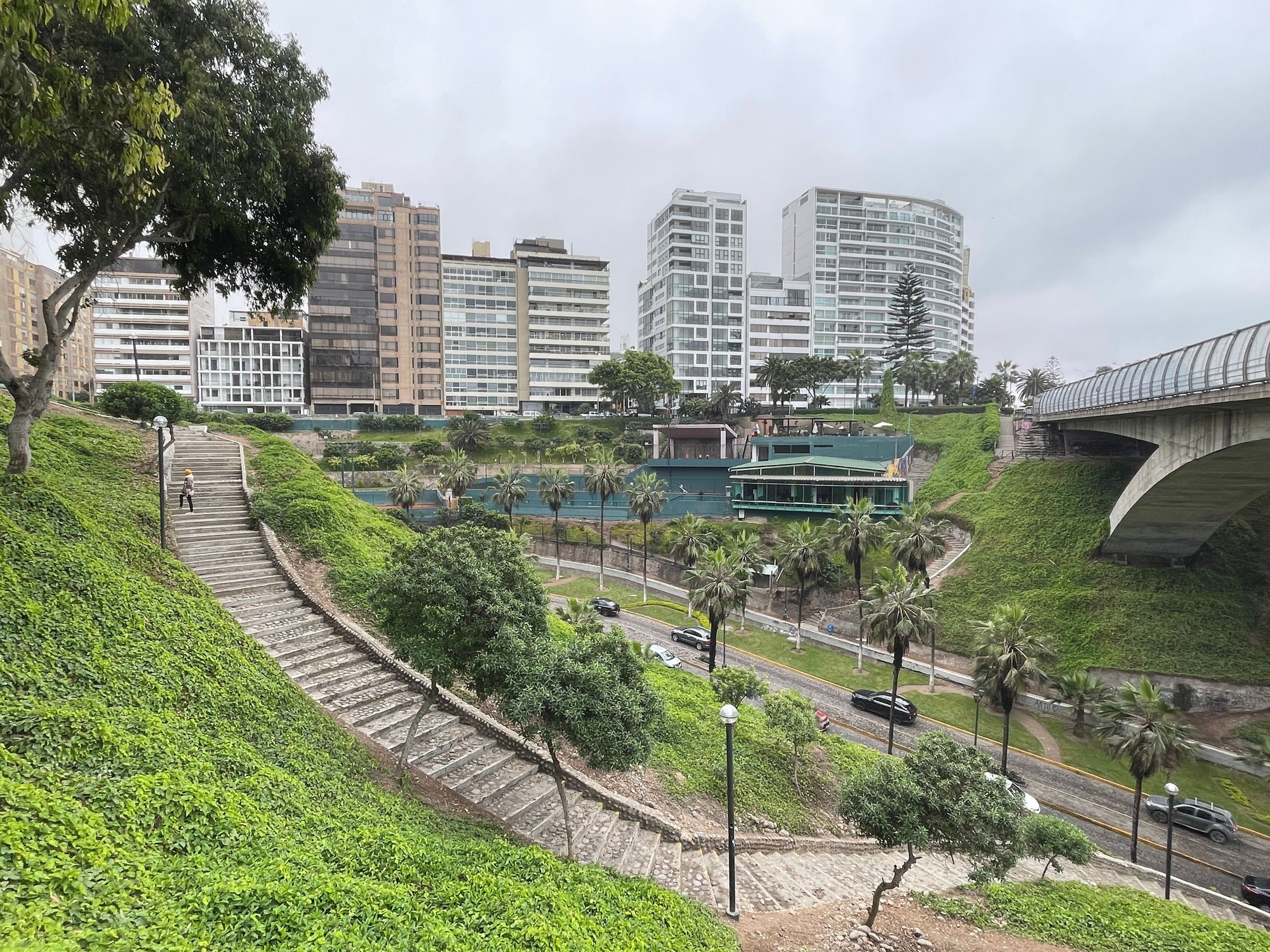
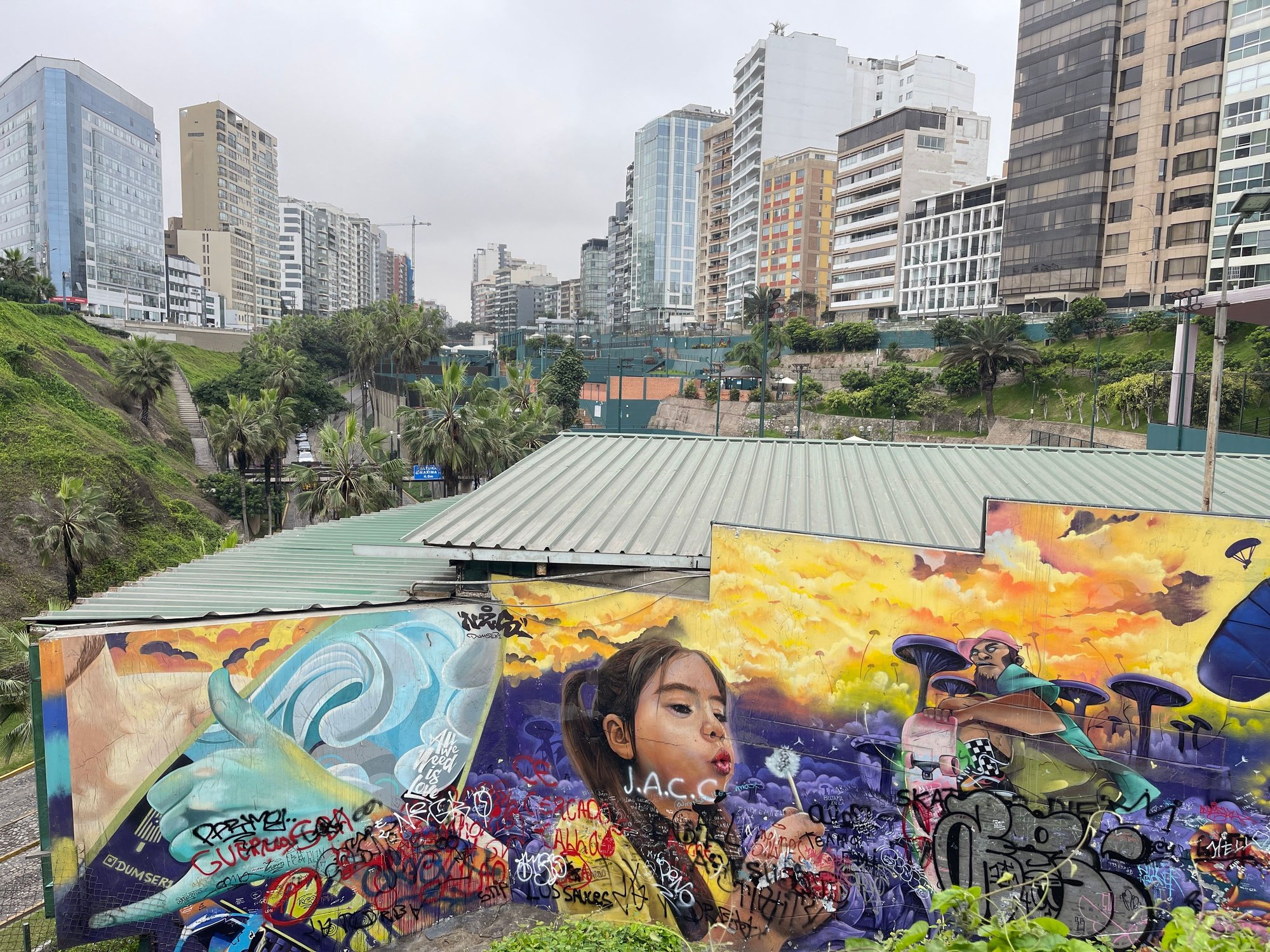
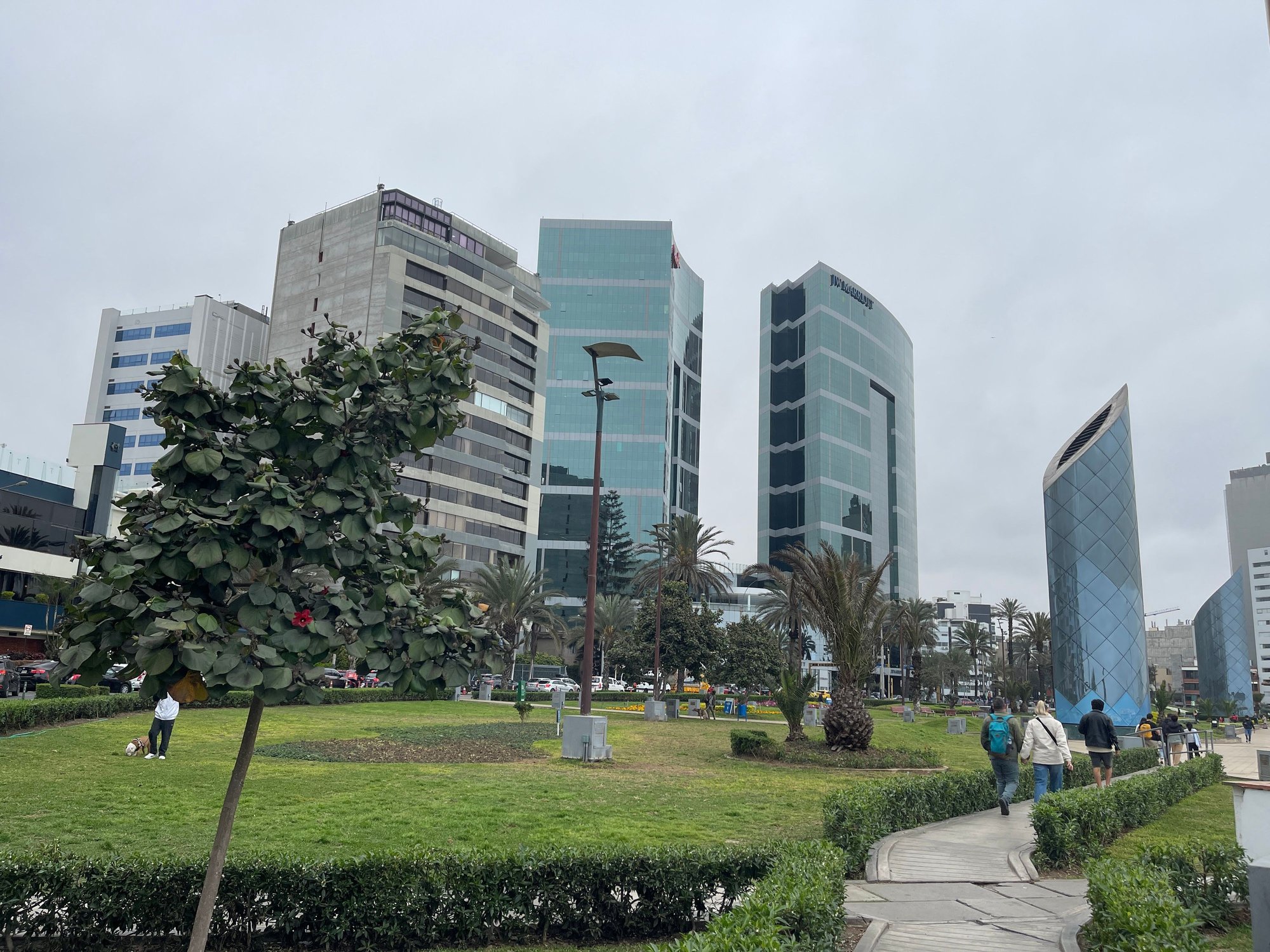
Day 3–We started our day early again after breakfast from the Hotel. We planned to walk towards La Marina Lighthouse, which is an active lighthouse set in parkland on high cliffs above the Pacific Ocean, and then follow the coastal walk to Larcomar. It was about a mile towards there and along the way are the upscale Lima housing.
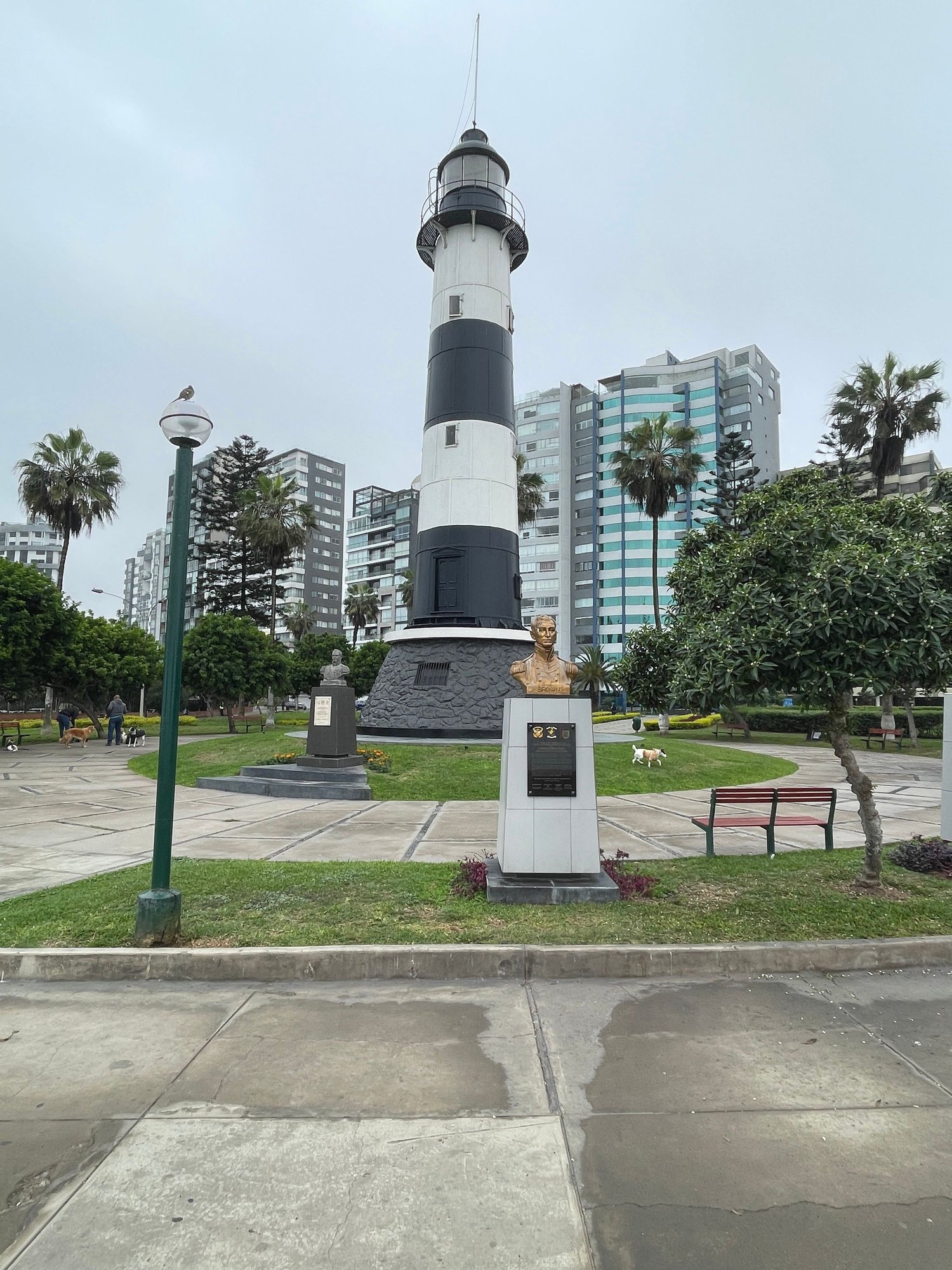
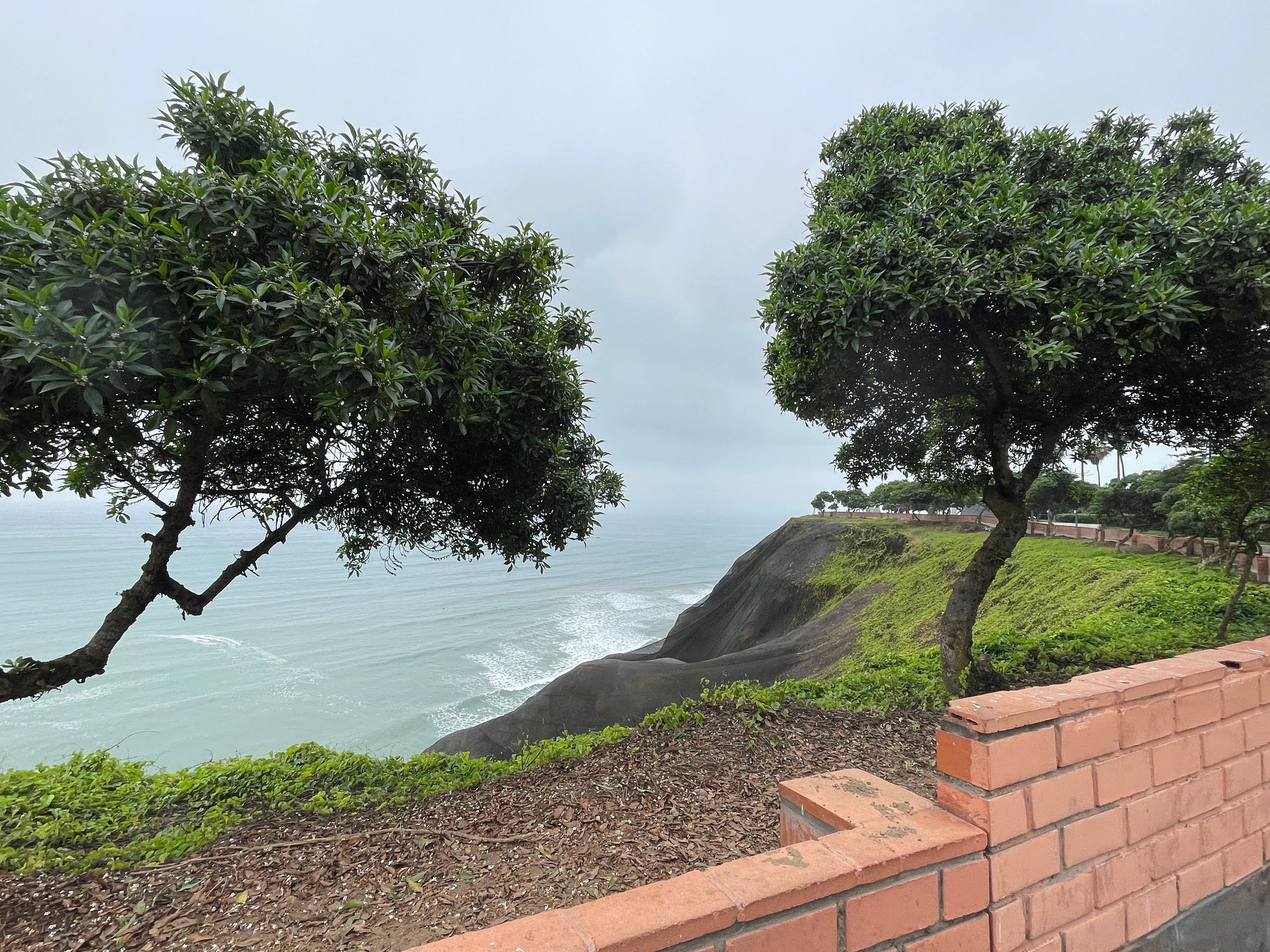
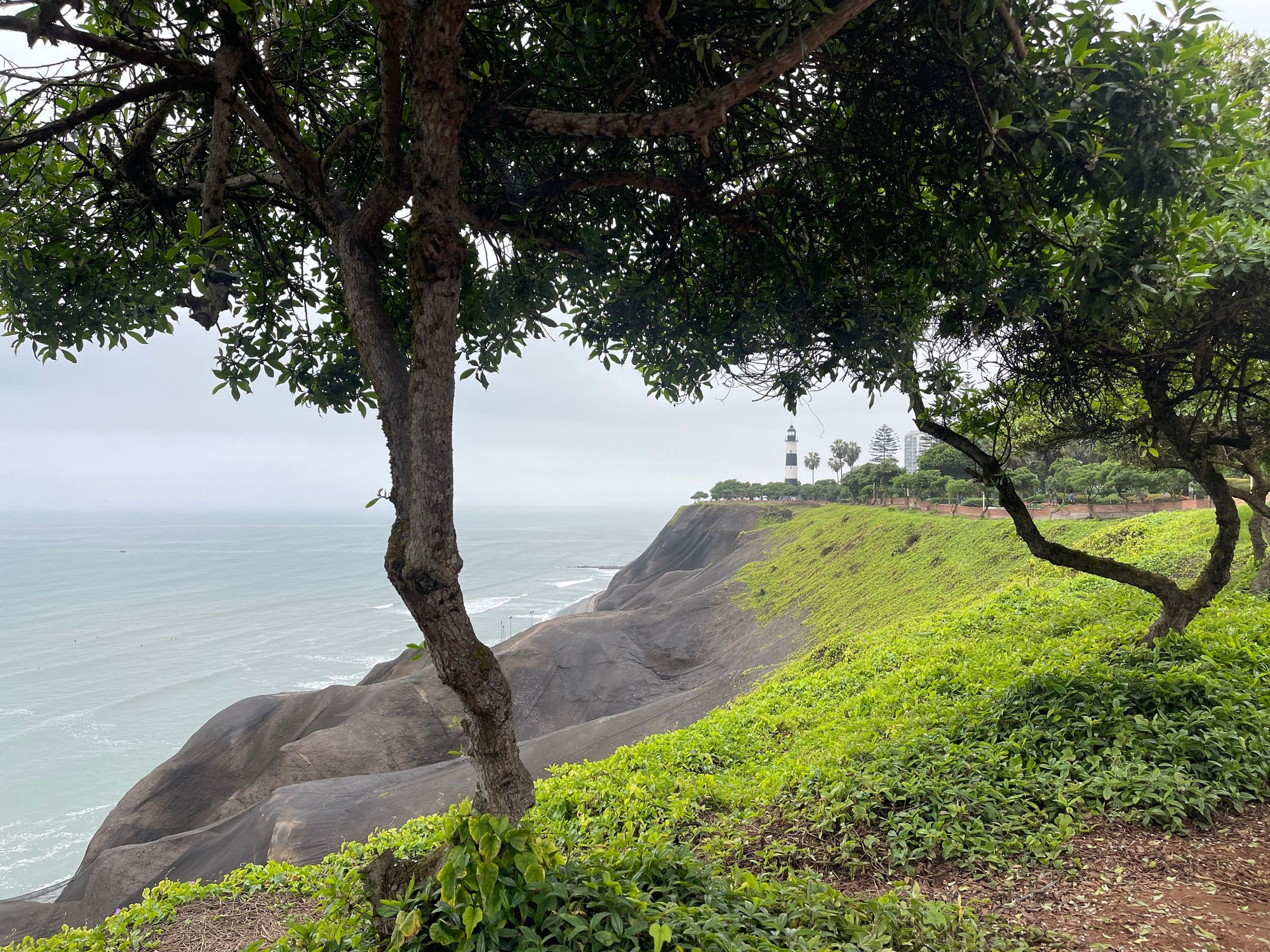
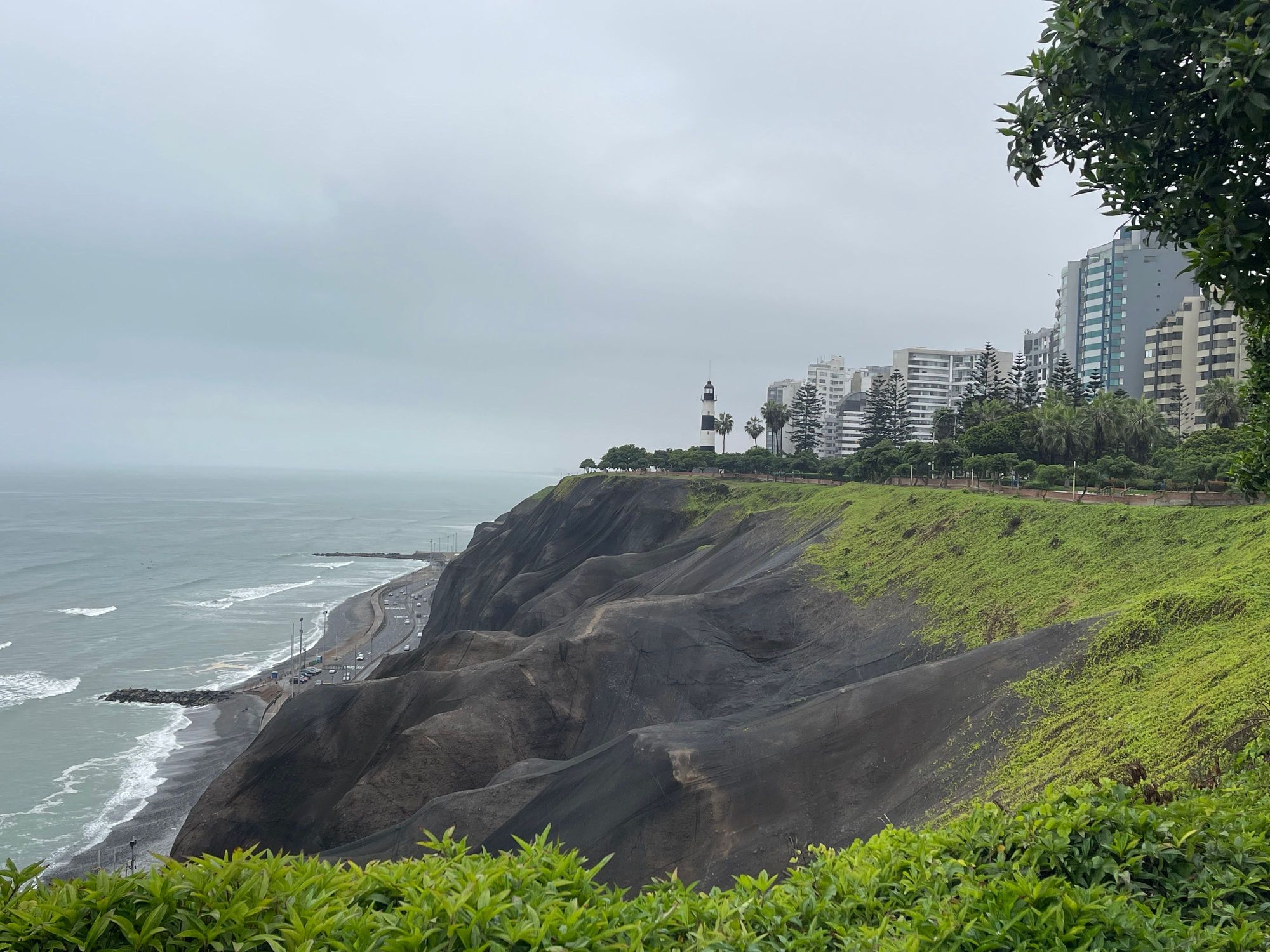
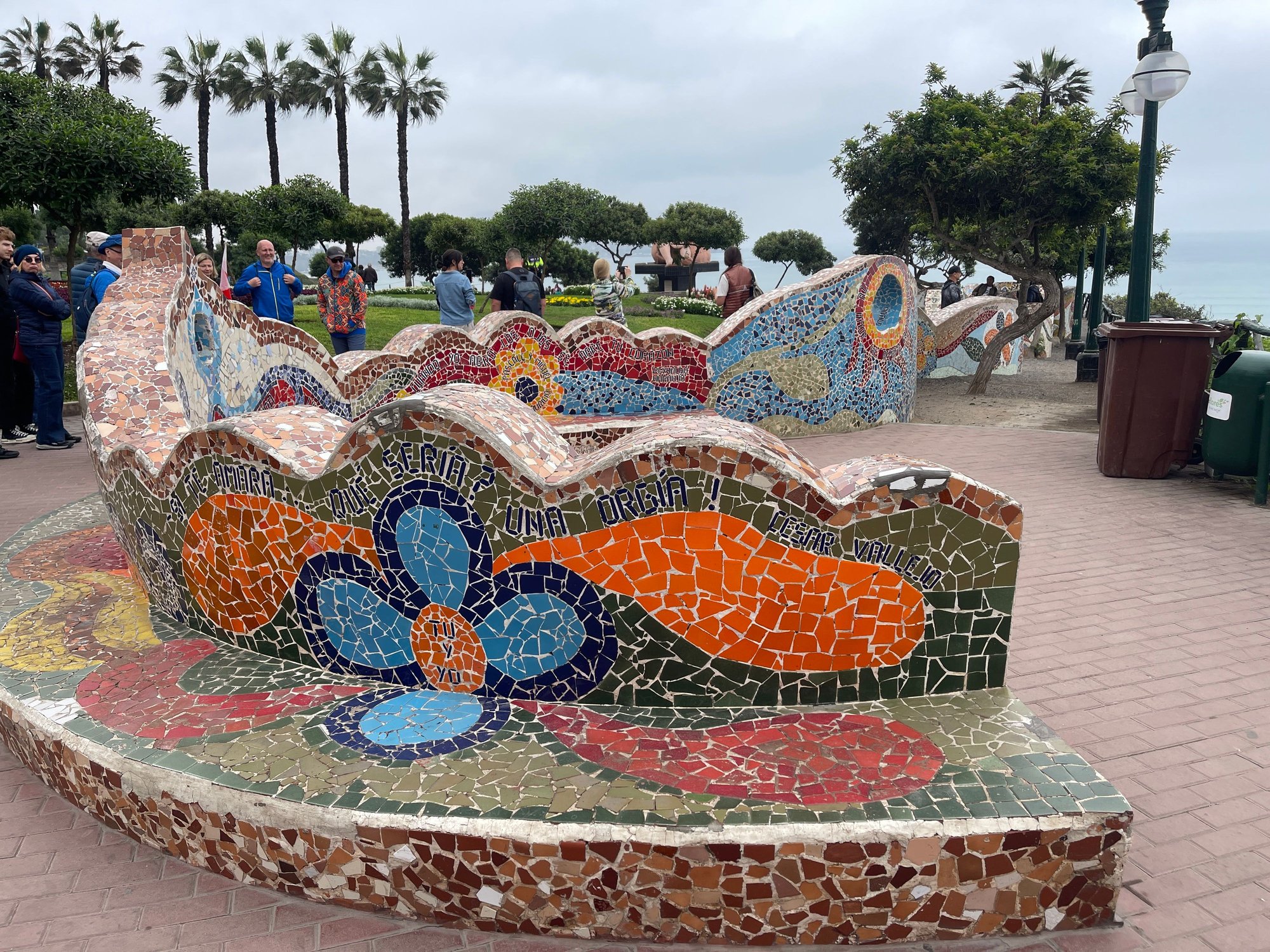
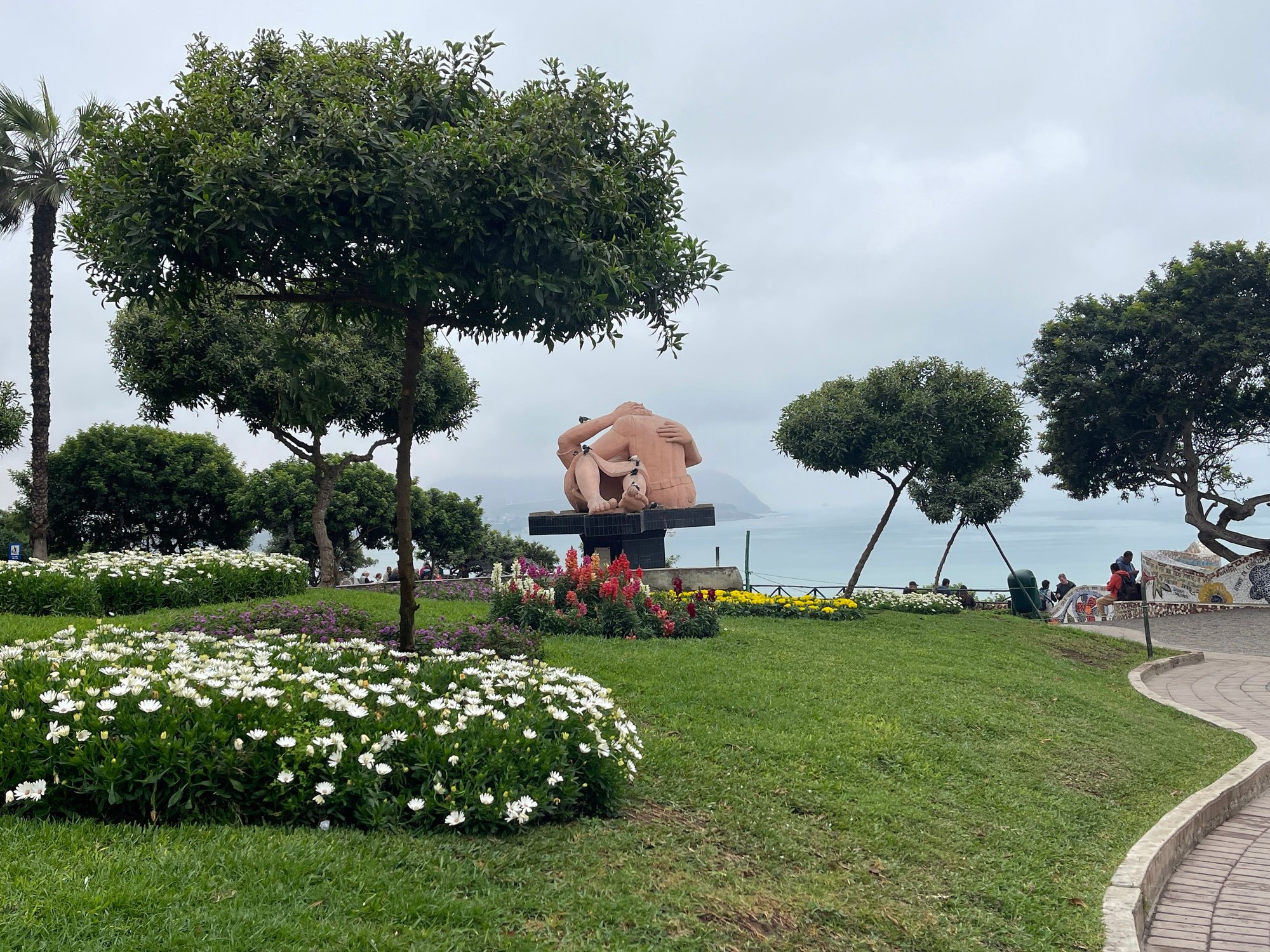
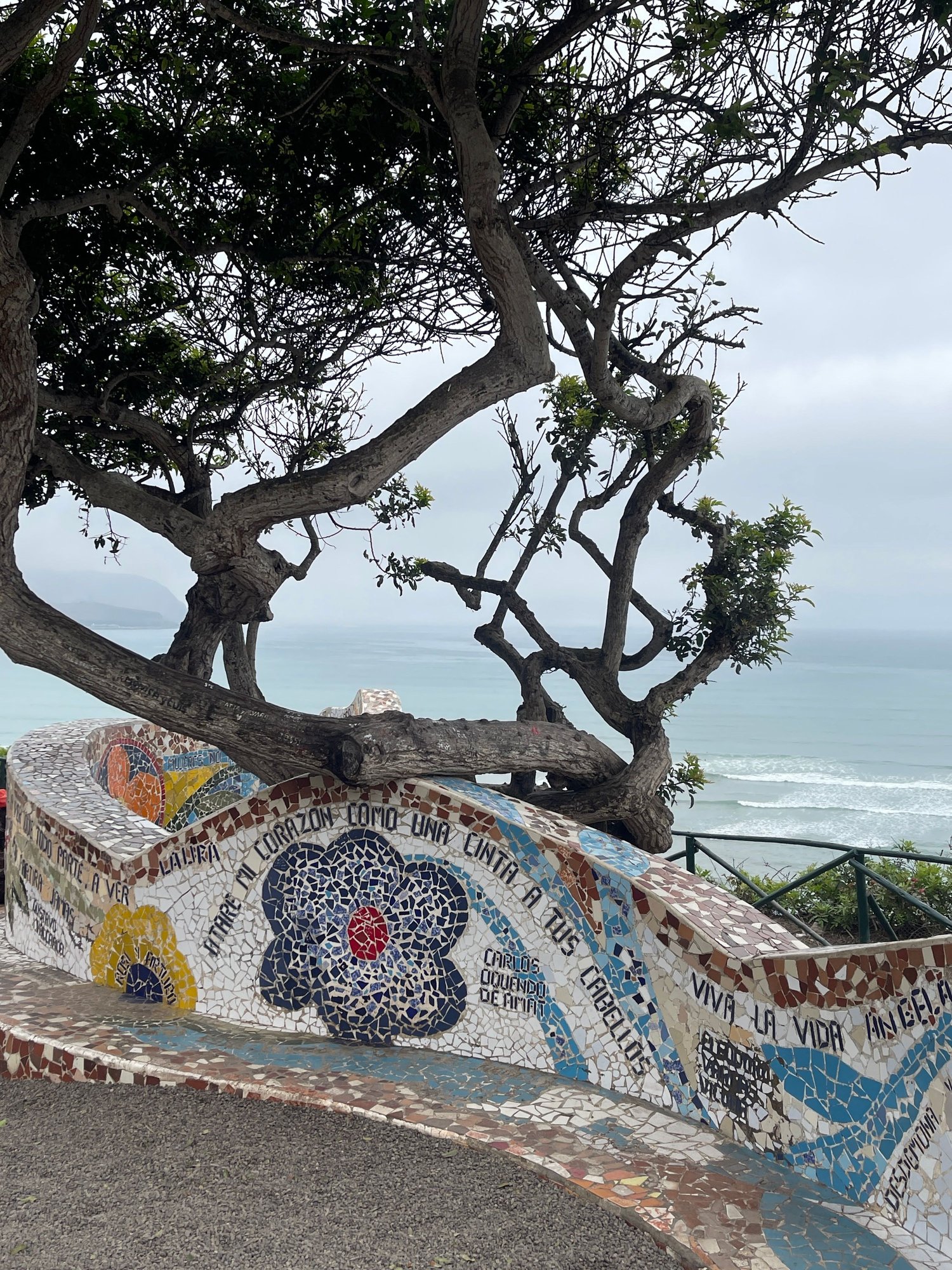
Lima’s ocean front is boarded by the major highways, and with sheer cliffs over the other side towards inland. There was no visible way to walk down to the beach along this section of the upper Clift with the lighthouse. We decided to walk along the upper cliff path towards Larcomar. We walked past Love’s park, and the mosaic walls resembles a mini scale of Barcelona’s Park Güell. It was a pleasant walk and the sea breeze was constantly blowing inland.
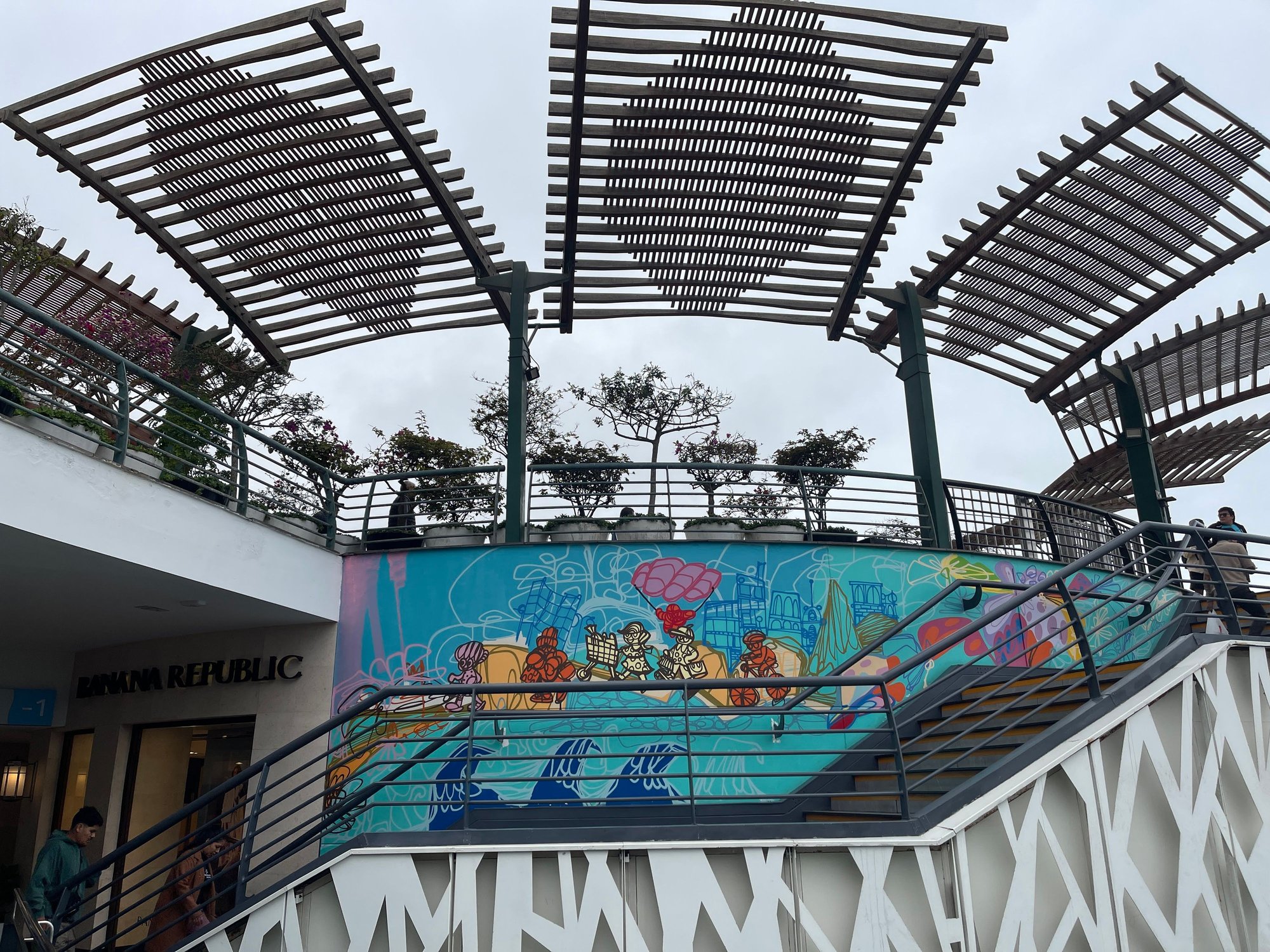
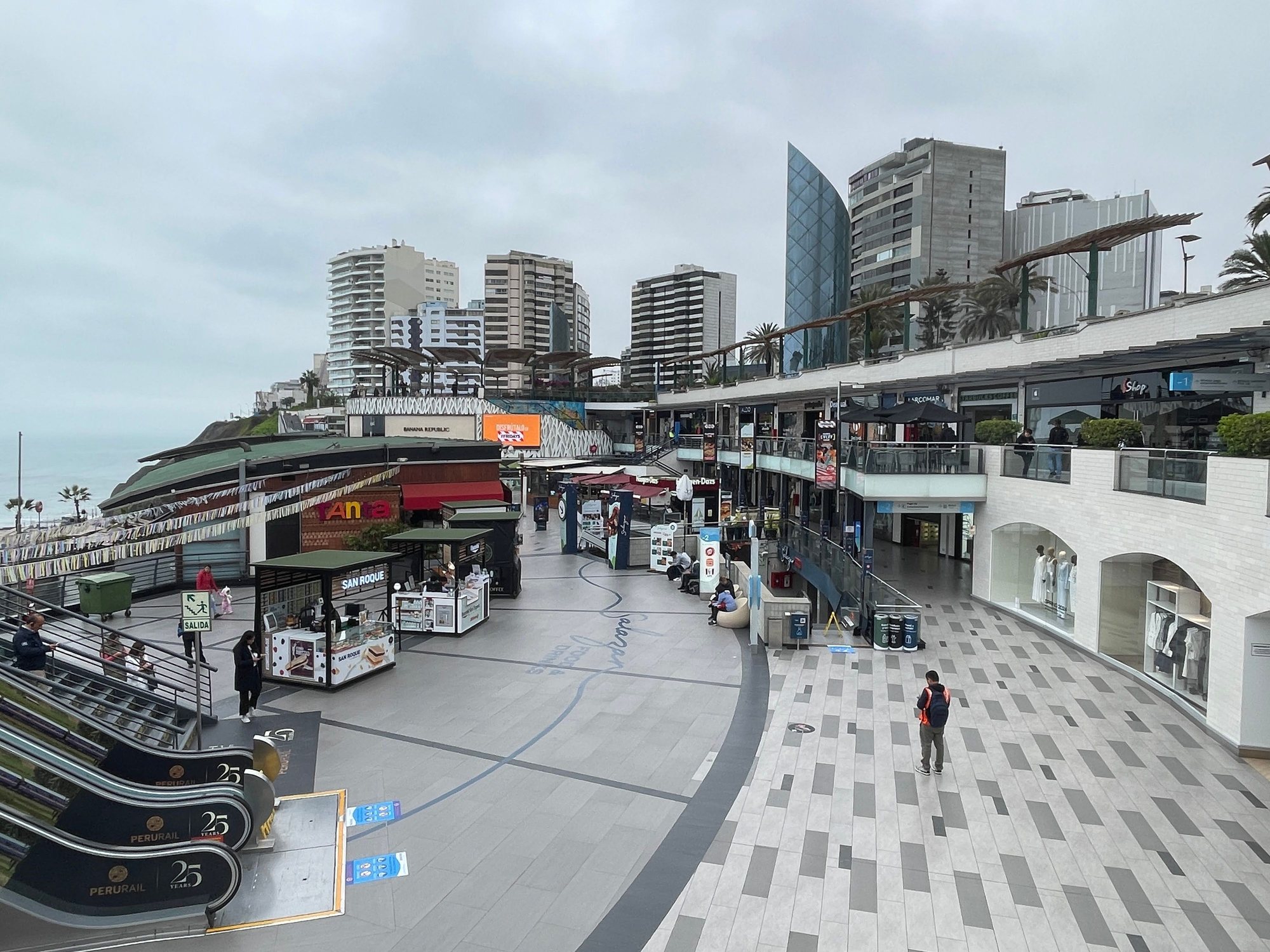
Along the way, there were a number of parks before Larcomar mall. The high end seafront hotels are by the Larcomar mall. We ventured a bit further before the Barranco area, then walked away from the coast and made our way back to our hotel.
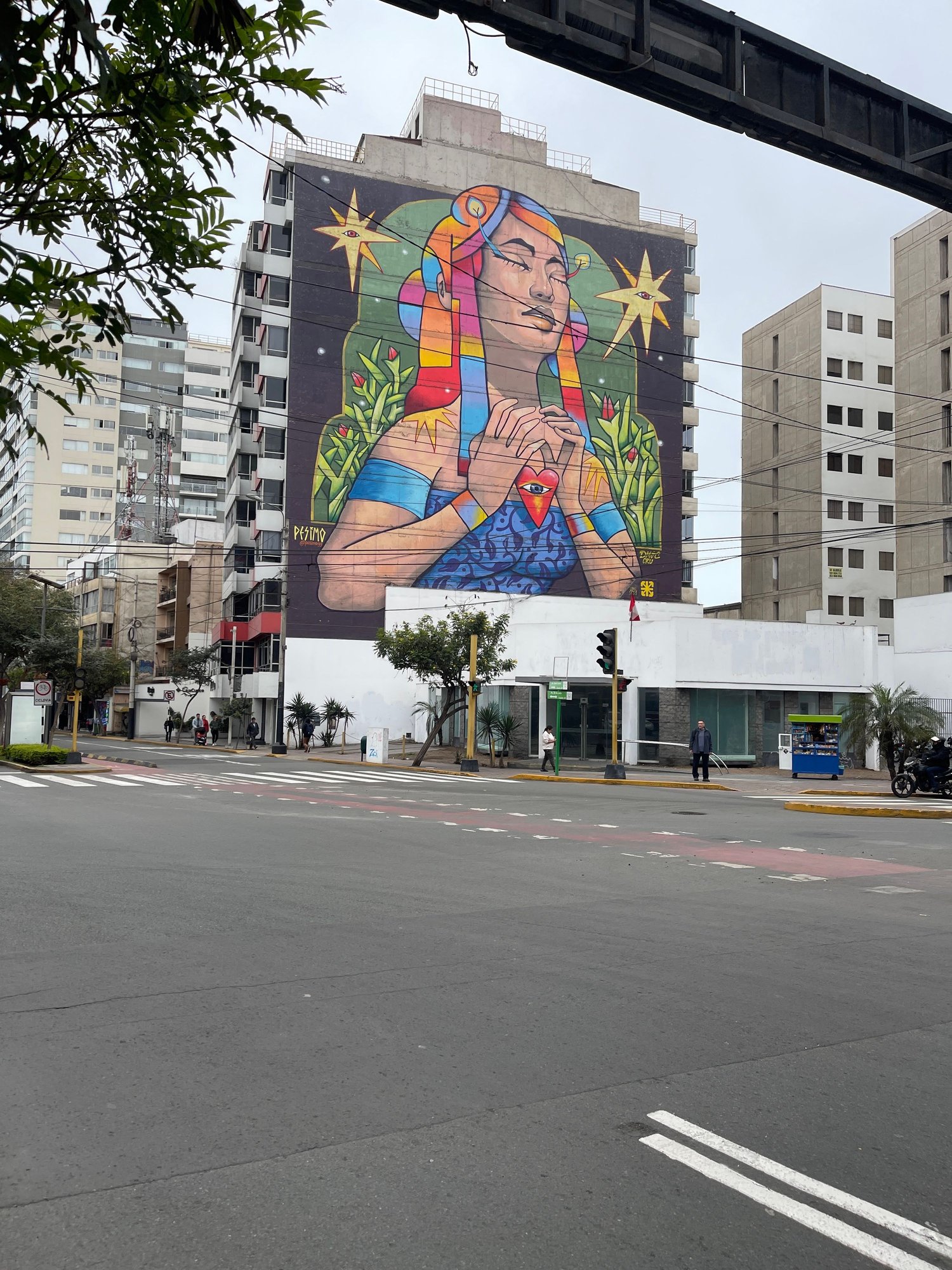
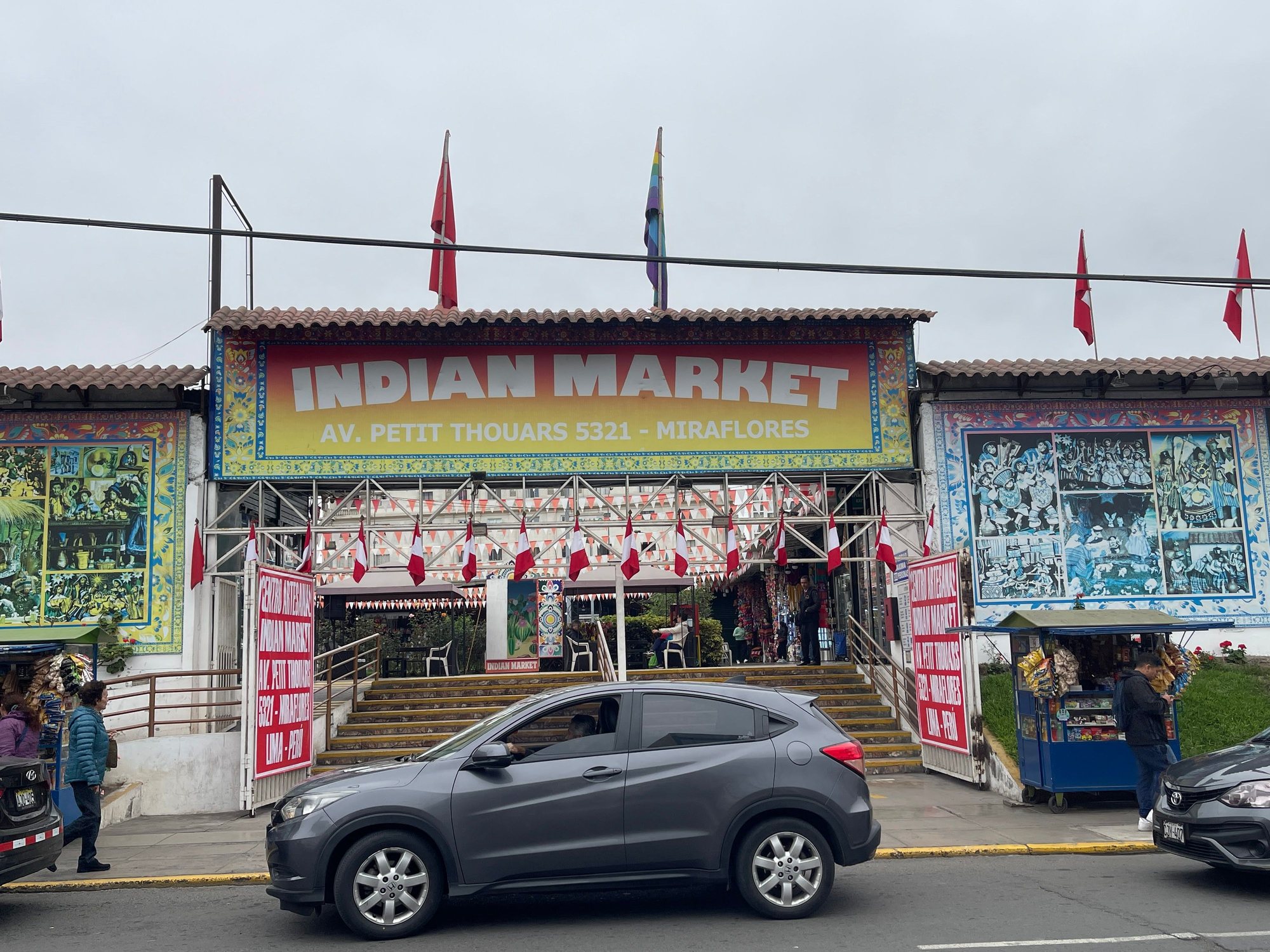
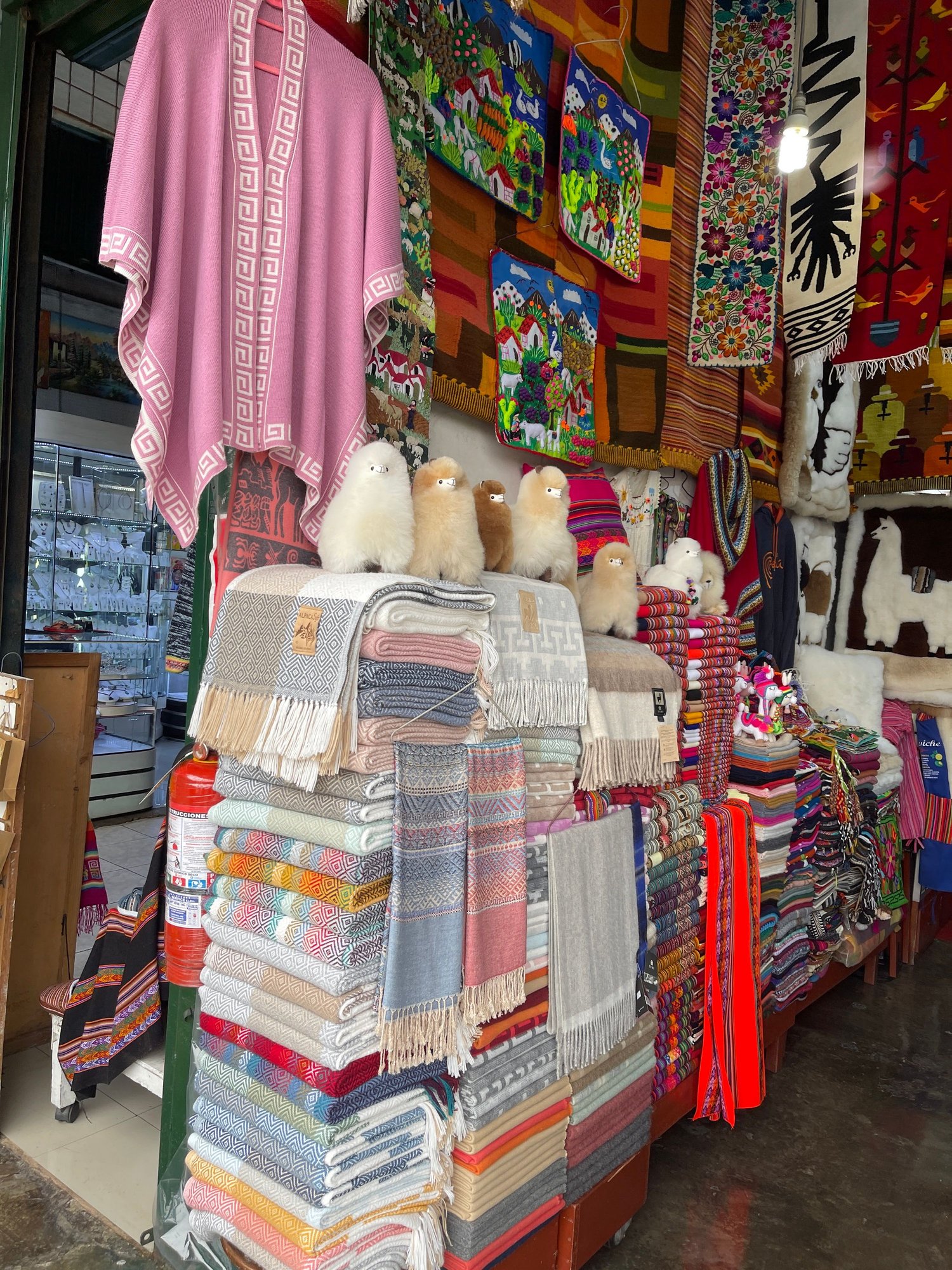
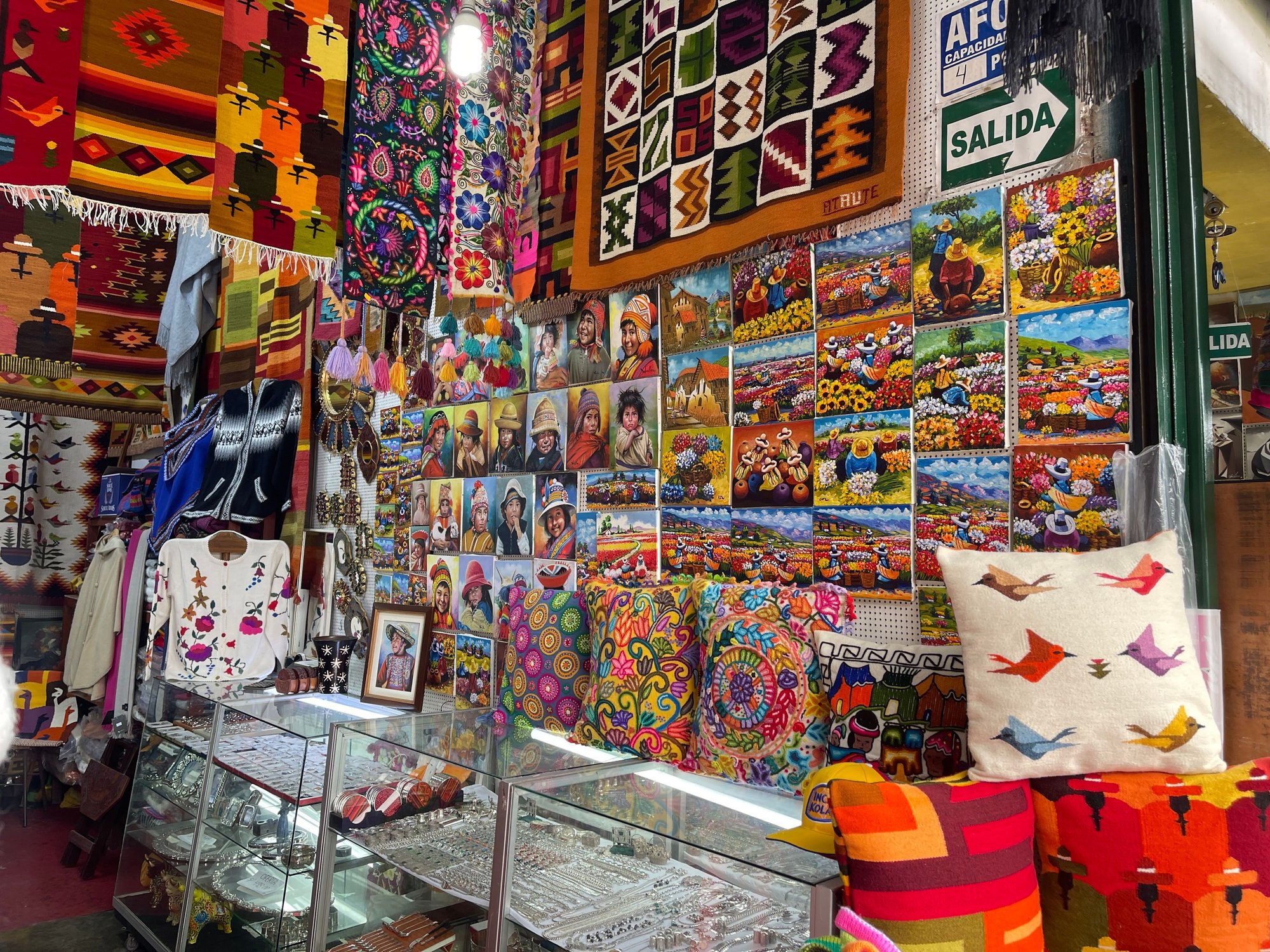
We later went to the Inca Market in Miraflores. It was with a lot of vendors selling basically the same goods in the individual stores. We left the market and looked for a restaurant for lunch. After lunch, we went back to the hotel for a short nap.
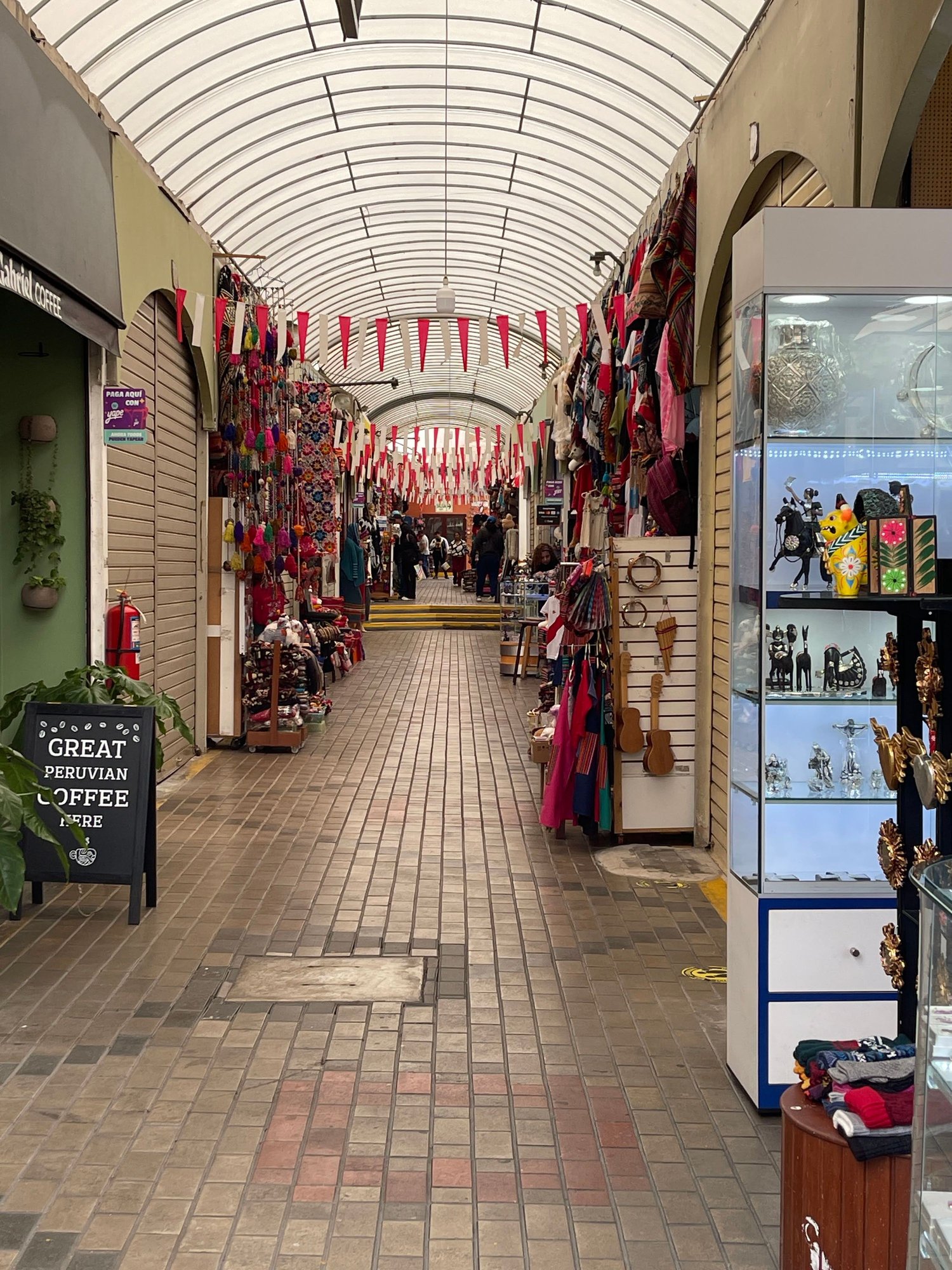
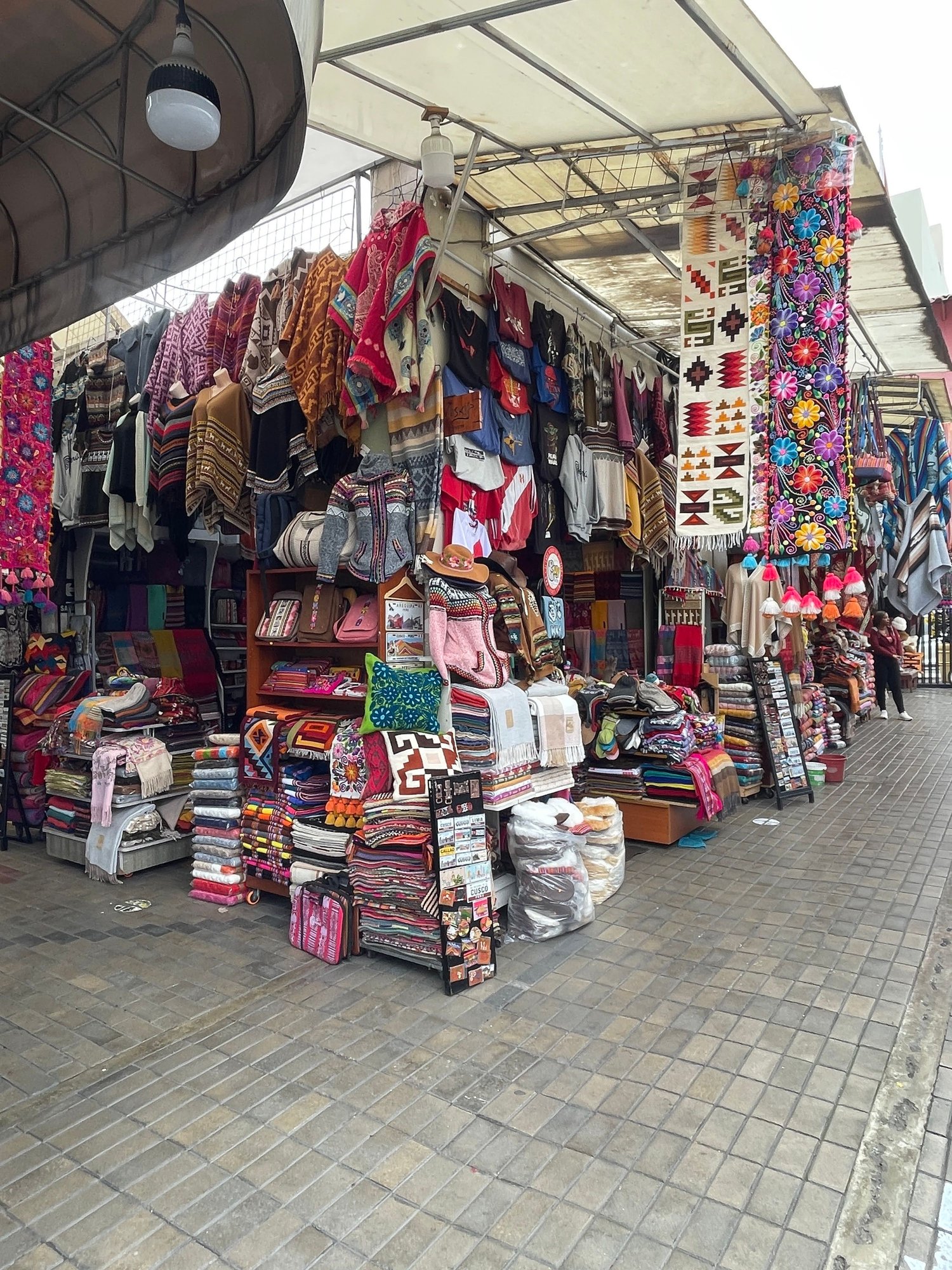
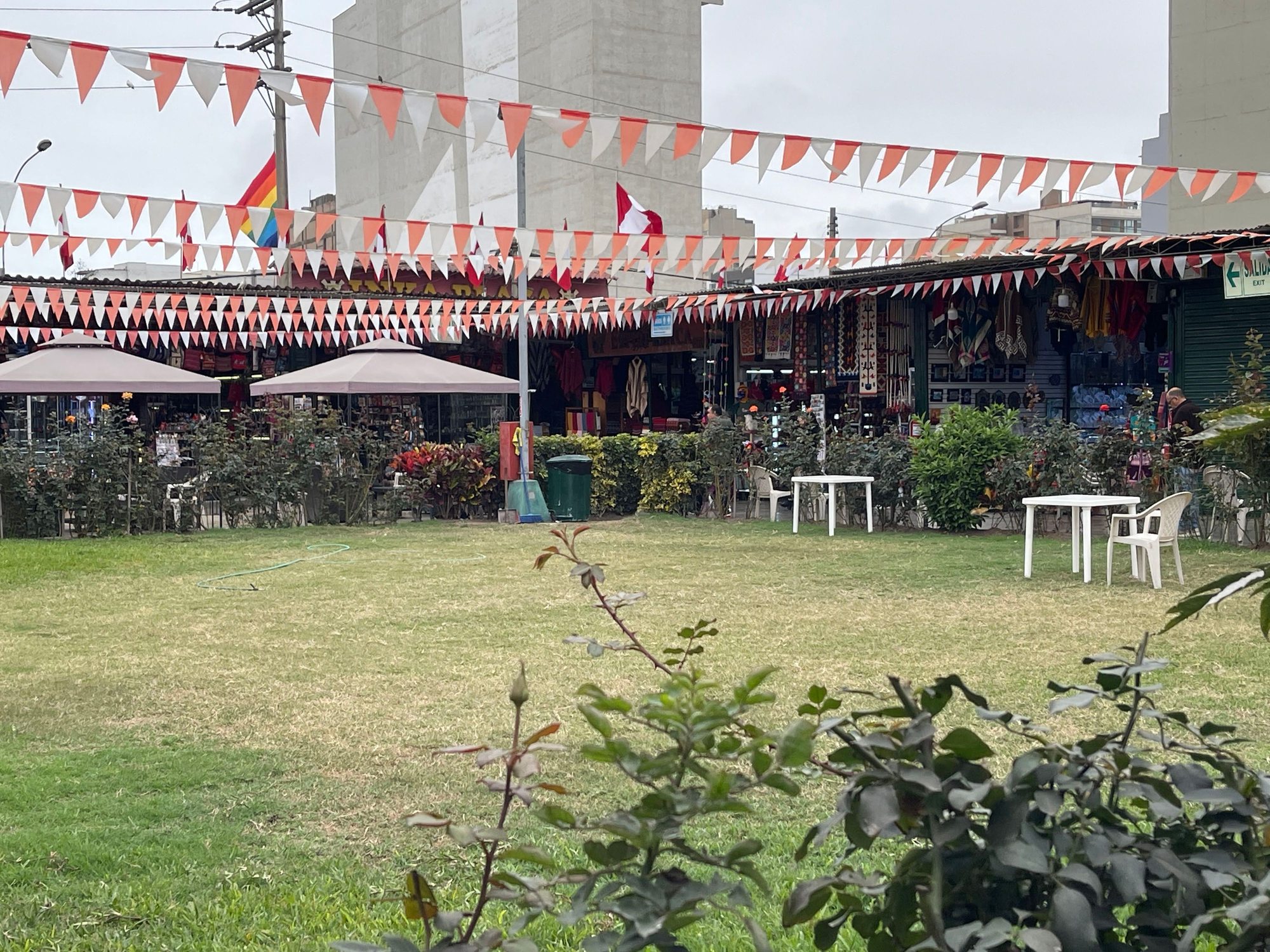
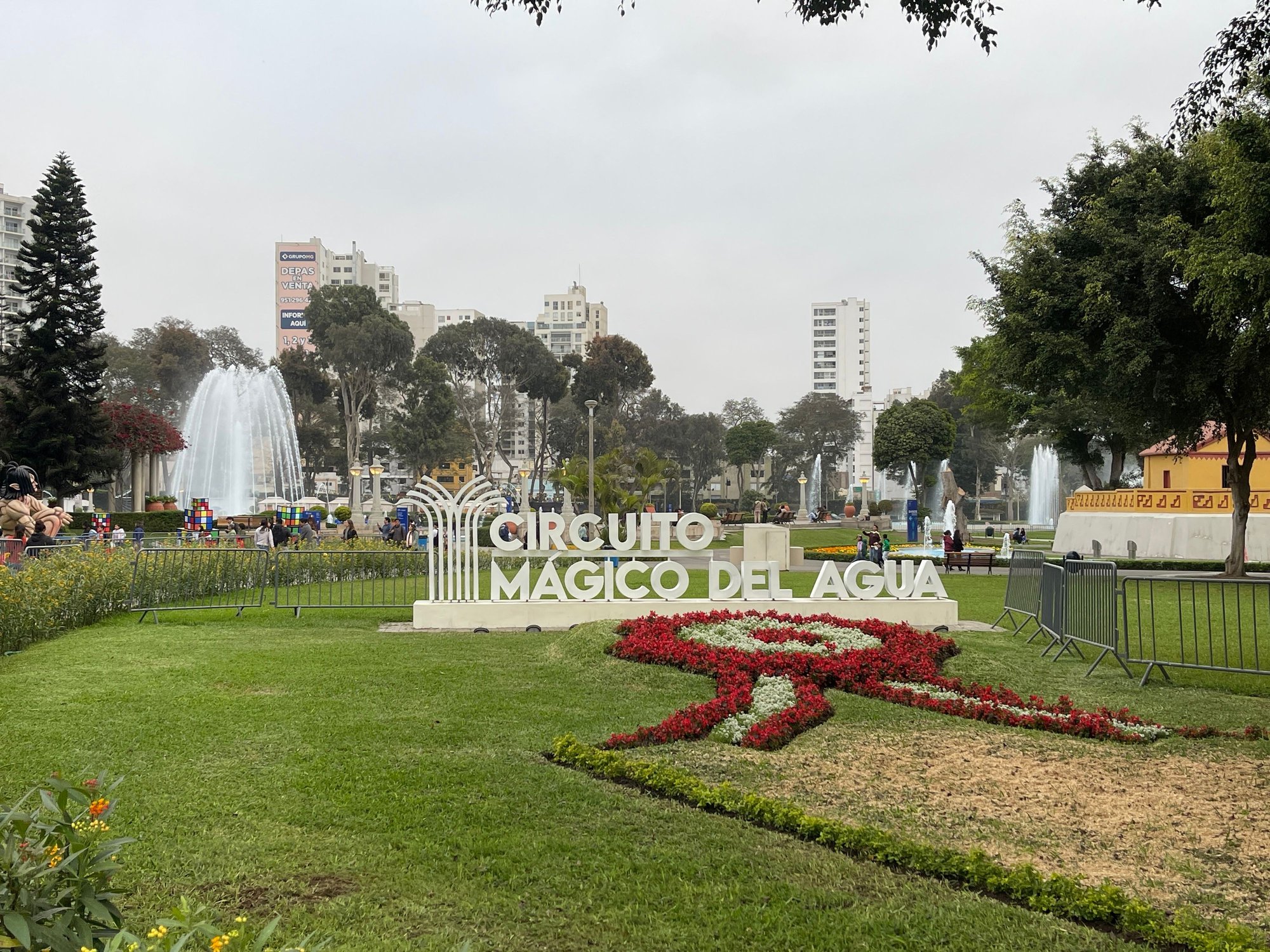
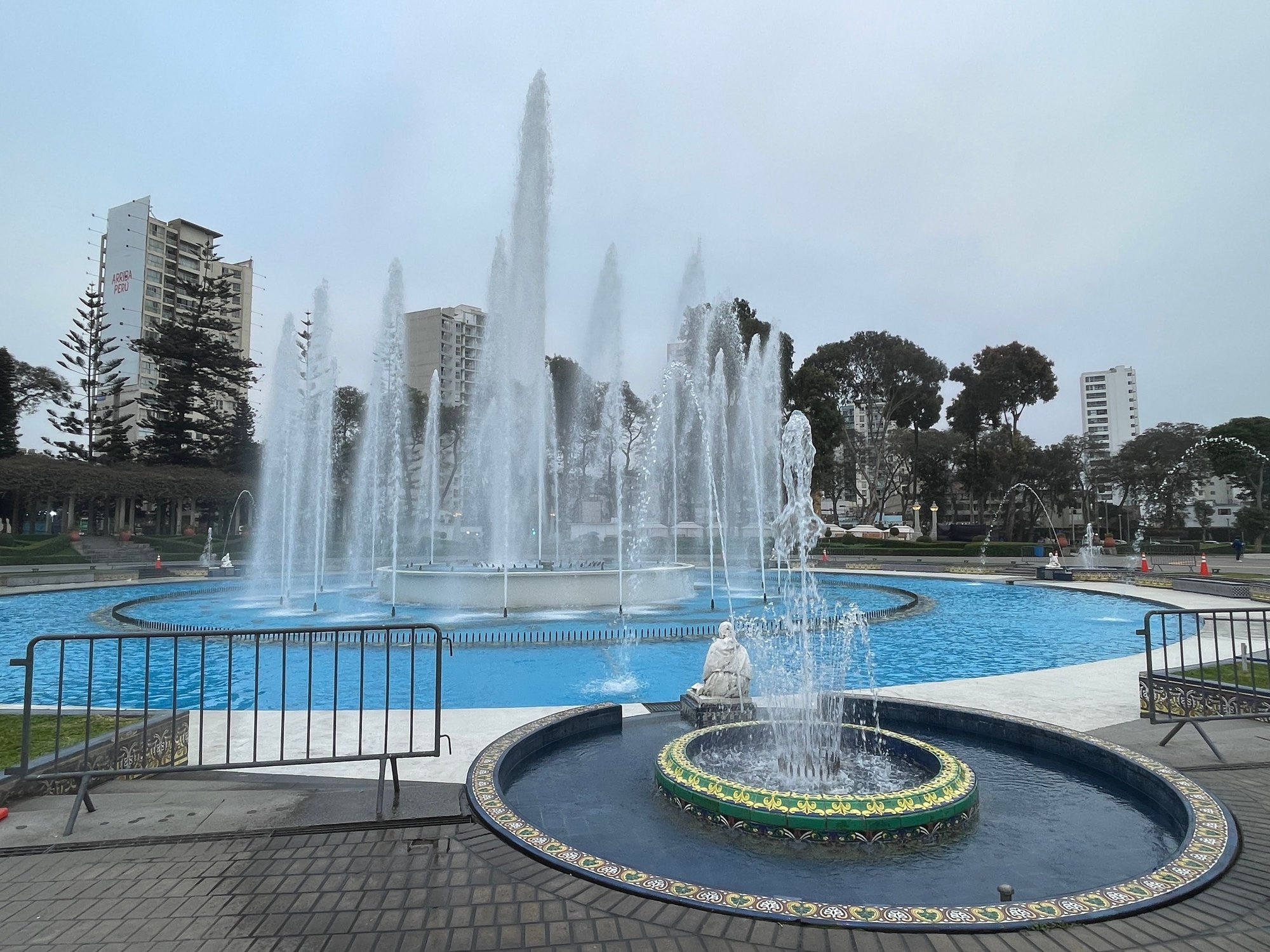
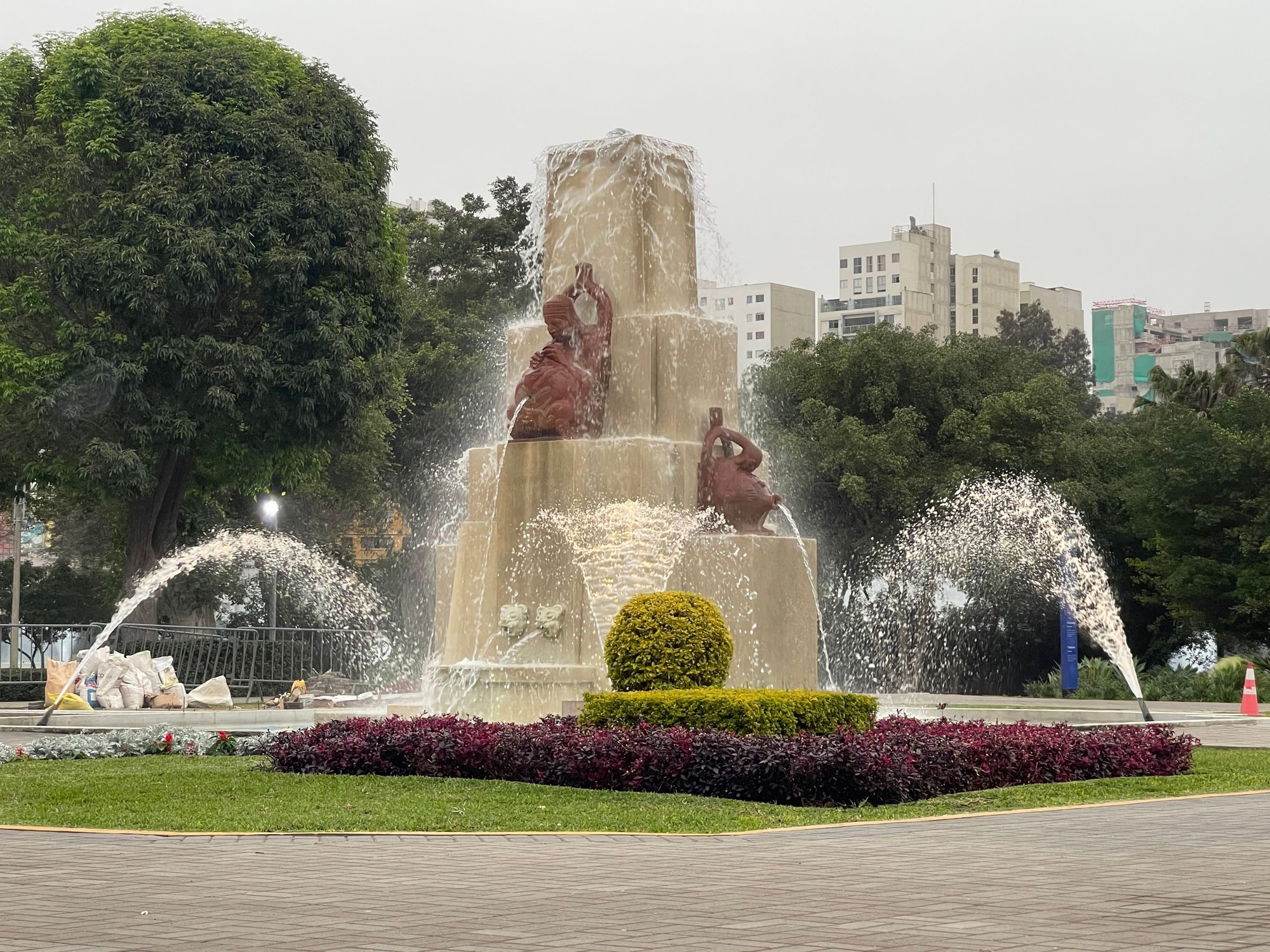
We were thinking of joining the tour to visit the local water fountains park near Miraflores later in the evening. After doing much research and consideration, we decided to call Uber and check out the park ourselves . We were glad that we made the right decision as it was easy to walk around the park, it basically is a local family park that is enjoyed by the locals, even though we had a minor challenge in locating the Uber to bring us back to the hotel. It was a good day of adventure after all.
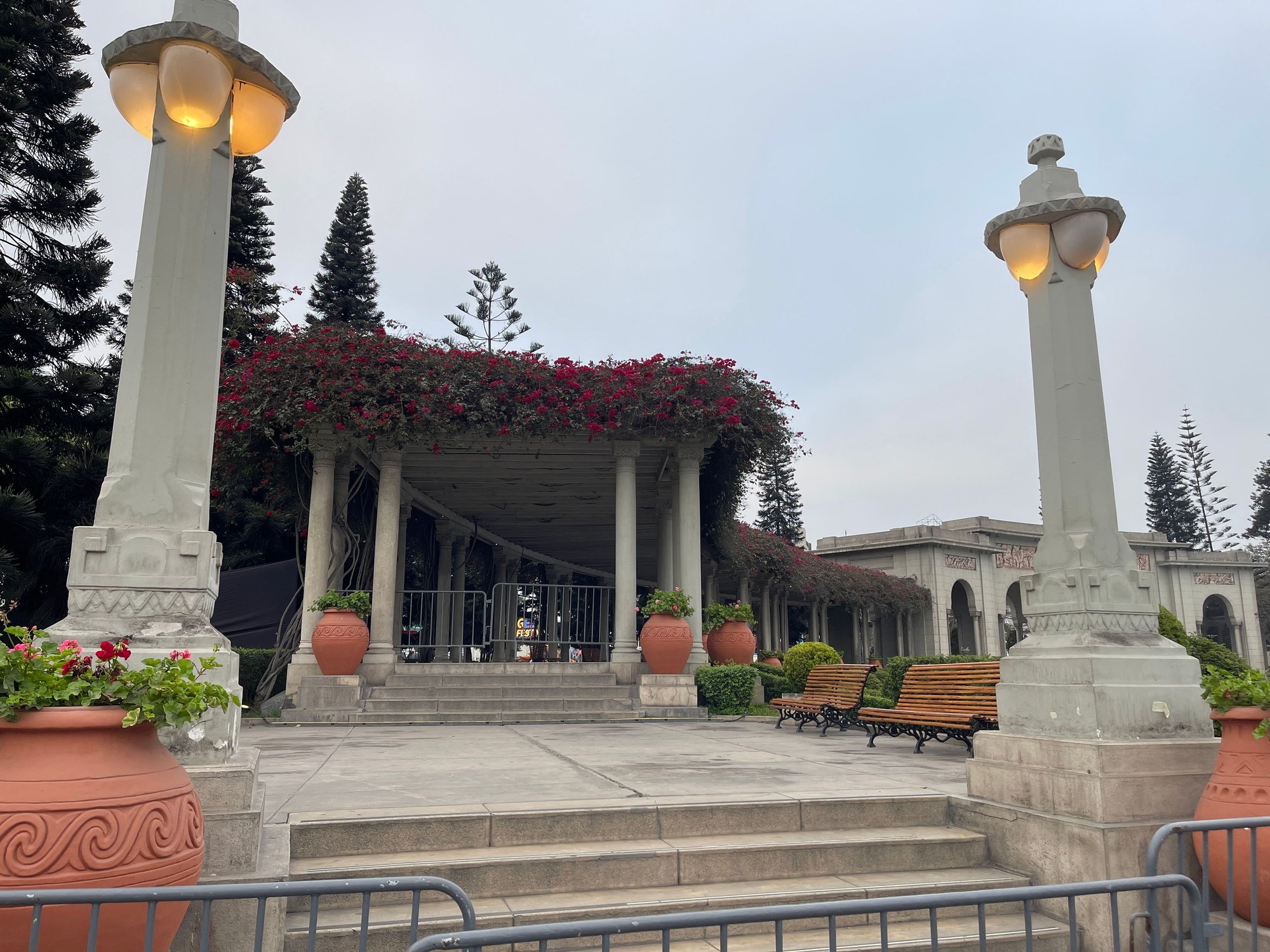
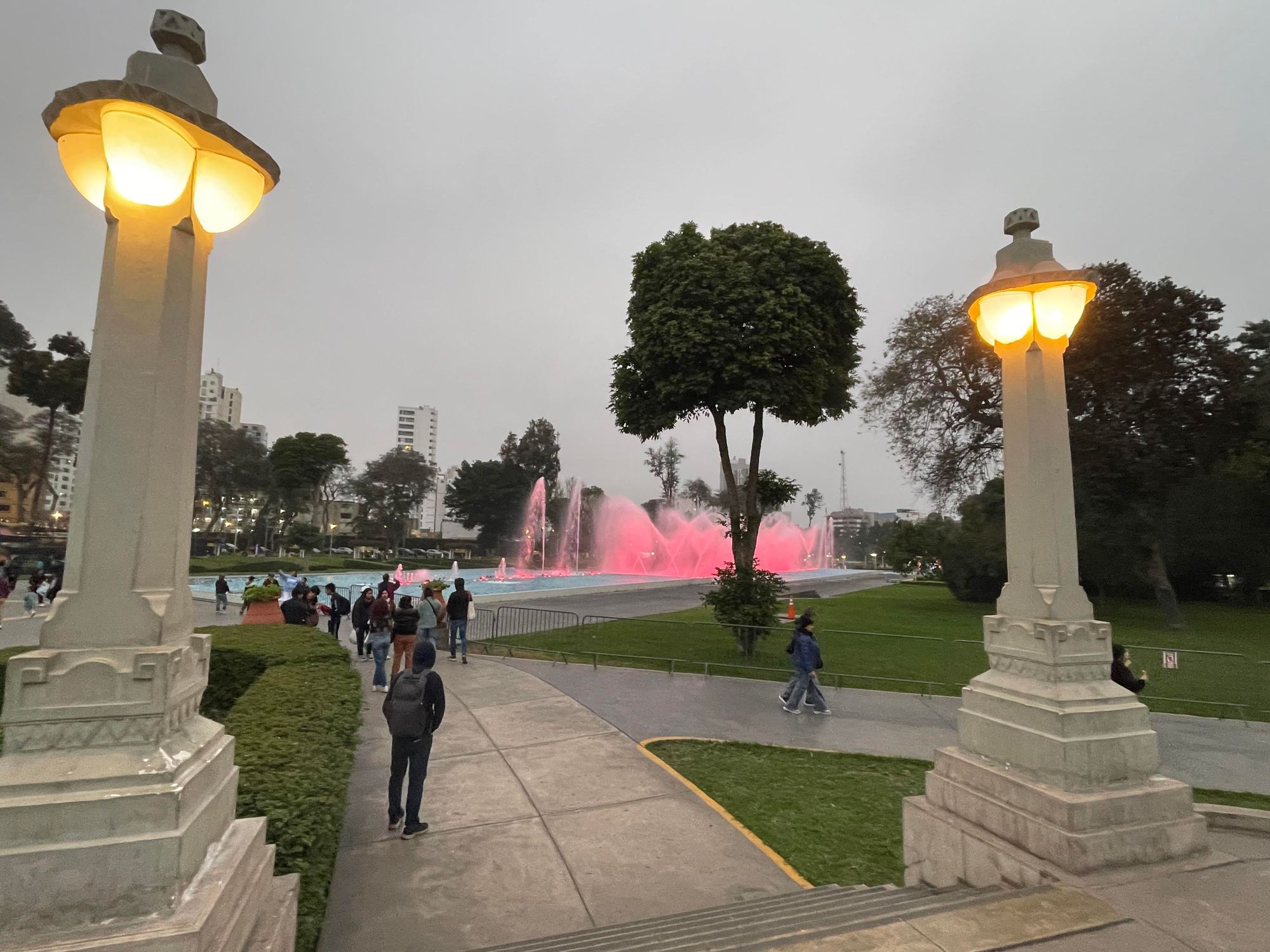
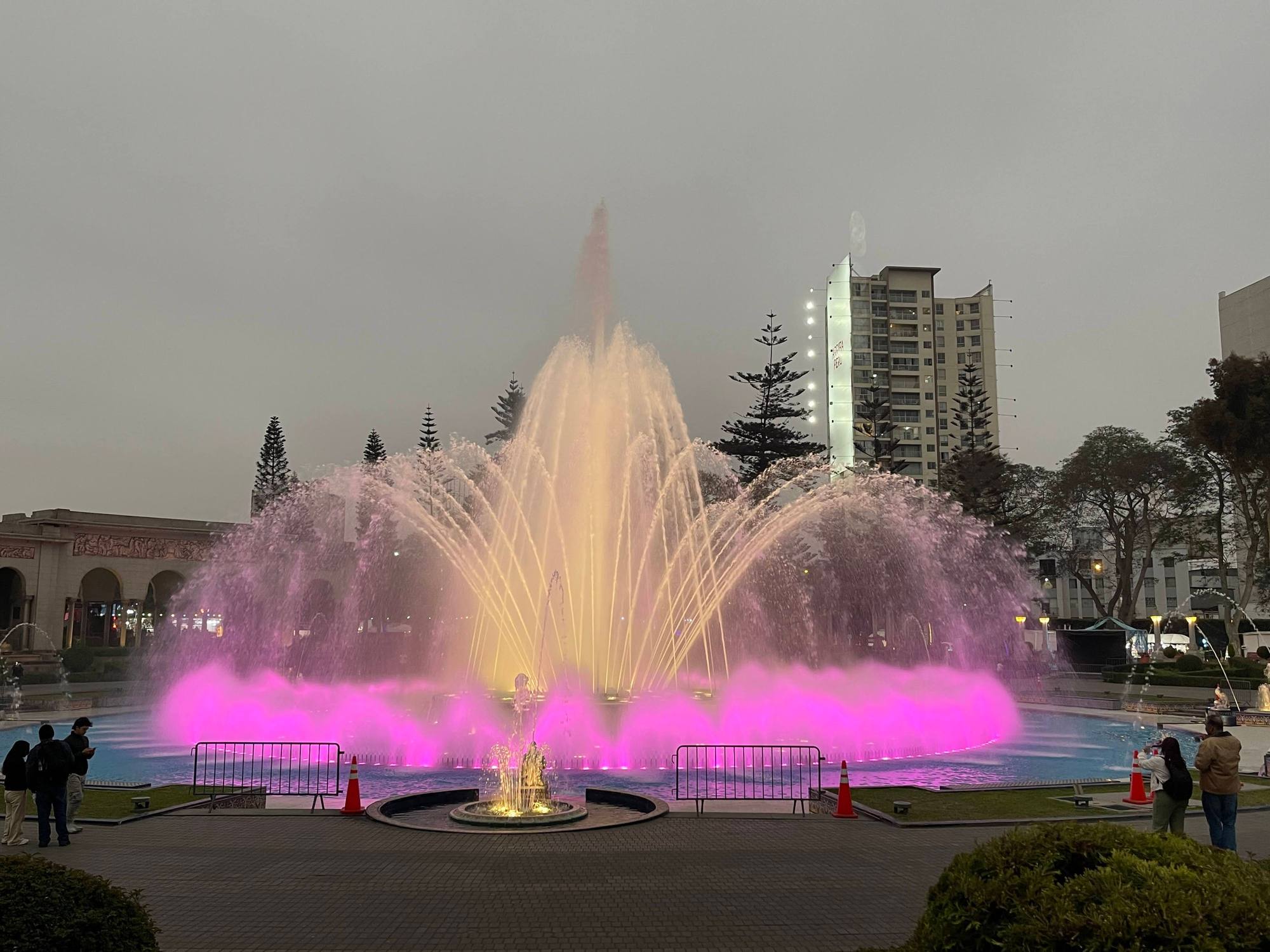
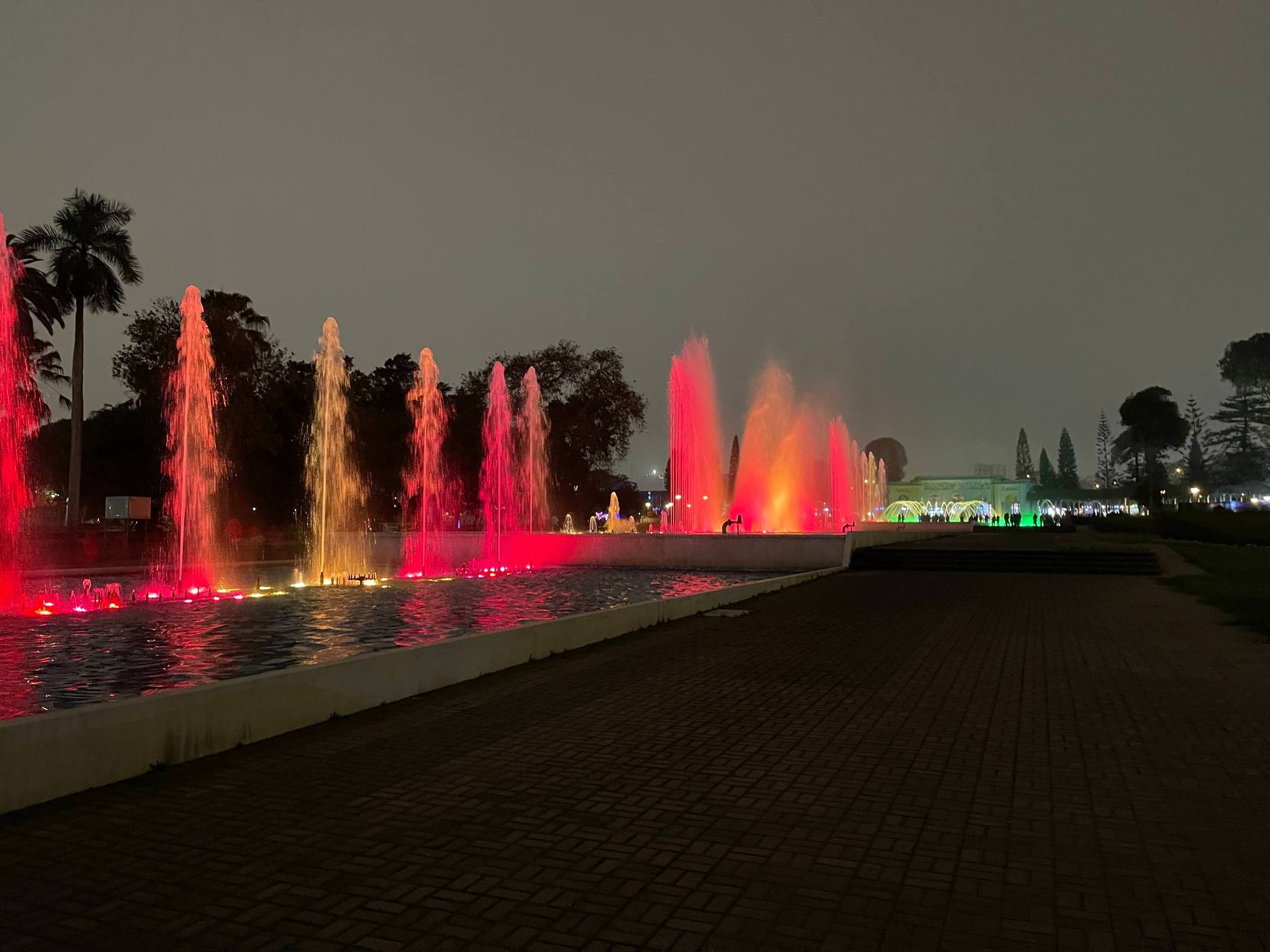
Lima’s ocean front is boarded by the major highways, and with sheer cliffs over the other side towards inland. There was no visible way to walk down to the beach along this section of the upper Clift with the lighthouse. We decided to walk along the upper cliff path towards Larcomar. We walked past Love’s park, and the mosaic walls resembles a mini scale of Barcelona’s Park Güell. It was a pleasant walk and the sea breeze was constantly blowing inland.
Along the way, there were a number of parks before Larcomar mall. The high end seafront hotels are by the Larcomar mall. We ventured a bit further before the Barranco area, then walked away from the coast and made our way back to our hotel.
We later went to the Inca Market in Miraflores. It was with a lot of vendors selling basically the same goods in the individual stores. We left the market and looked for a restaurant for lunch. After lunch, we went back to the hotel for a short nap.
We were thinking of joining the tour to visit the local water fountains park near Miraflores later in the evening. After doing much research and consideration, we decided to call Uber and check out the park ourselves . We were glad that we made the right decision as it was easy to walk around the park, it basically is a local family park that is enjoyed by the locals, even though we had a minor challenge in locating the Uber to bring us back to the hotel. It was a good day of adventure after all.
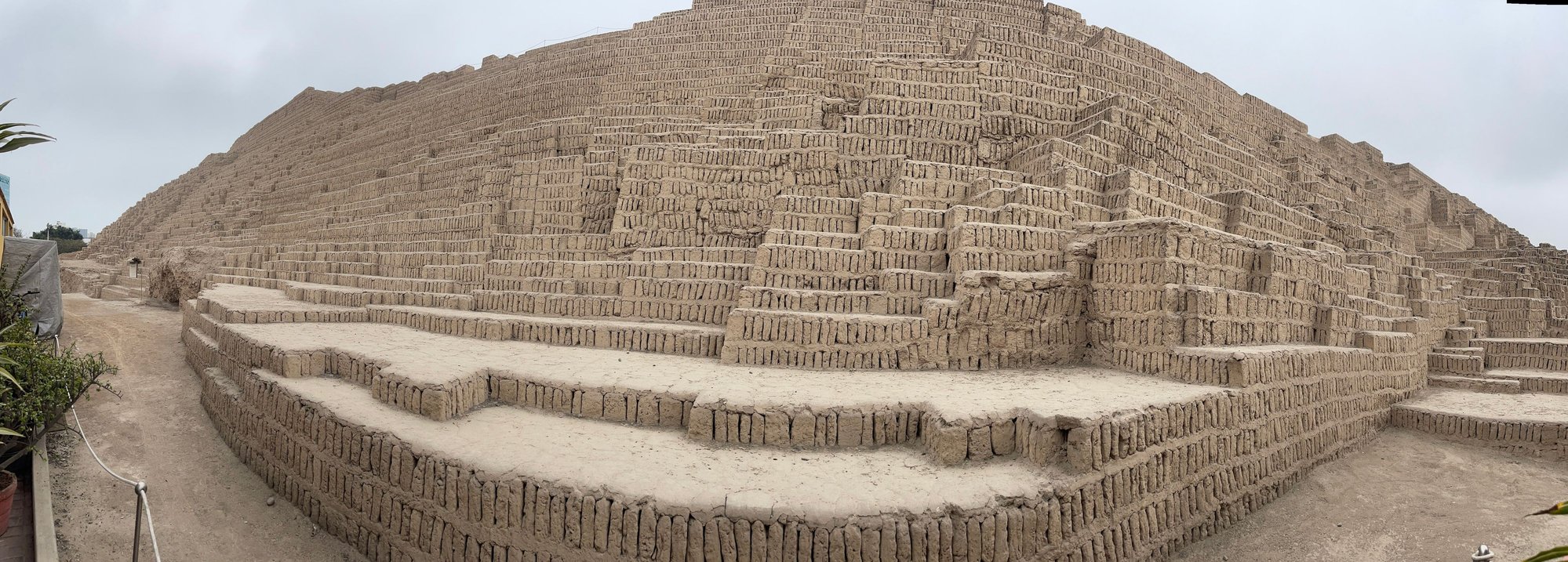
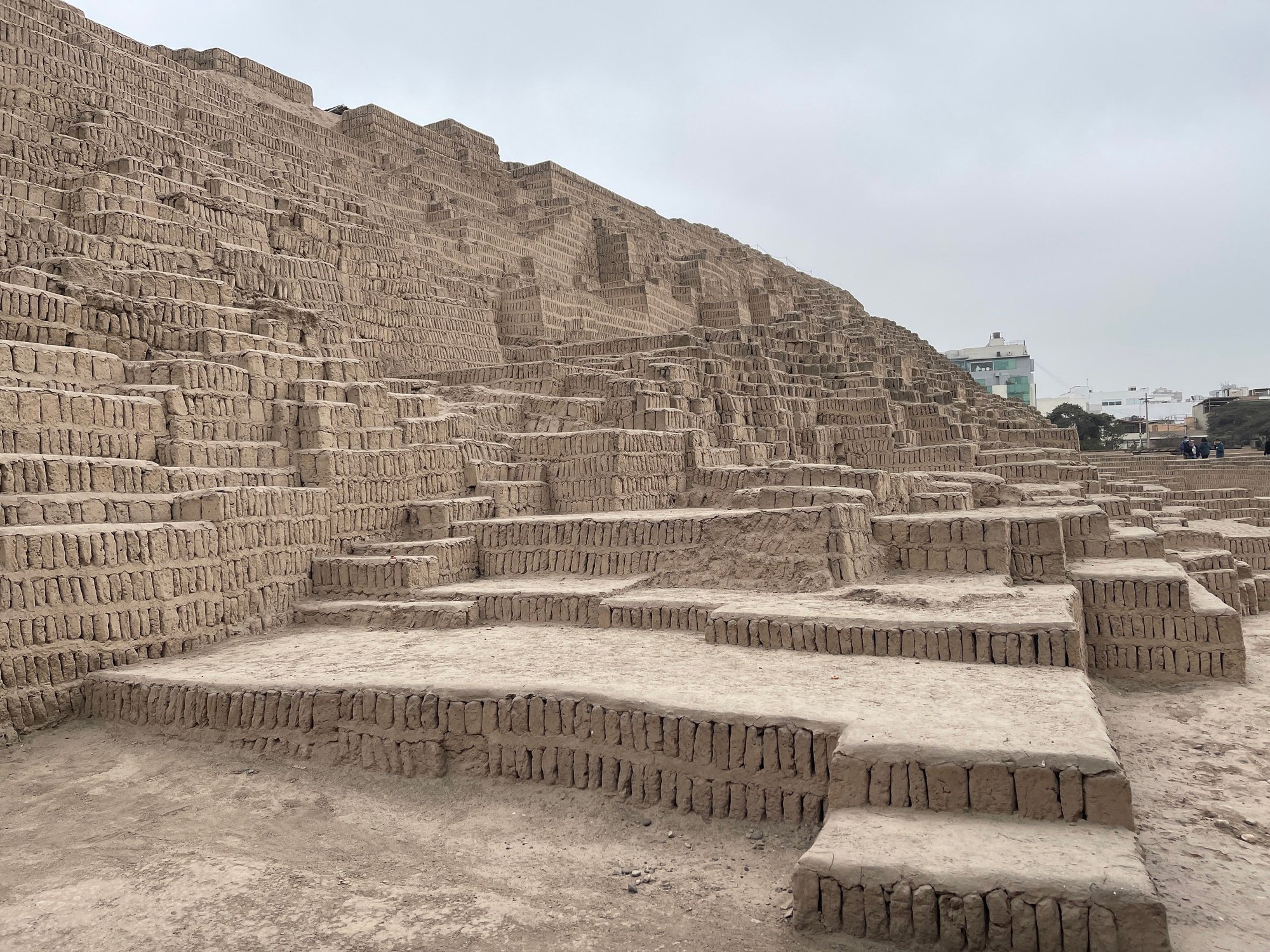
Day 4–Our plan was to visit Huaca Pucllana Site Museum-our first Inca ruins. Huaca Pucllana, a sacred place, is a great adobe and clay pyramid located in the Miraflores district, built from seven staggered platforms. “It served as an important ceremonial and administrative center for the advancement of the Lima Culture, a society which developed in the Peruvian Central Coast between the years of 200 AD and 700 AD.” We had an English park guide who was very knowledgeable in showing the site. We enjoyed the visit very much.
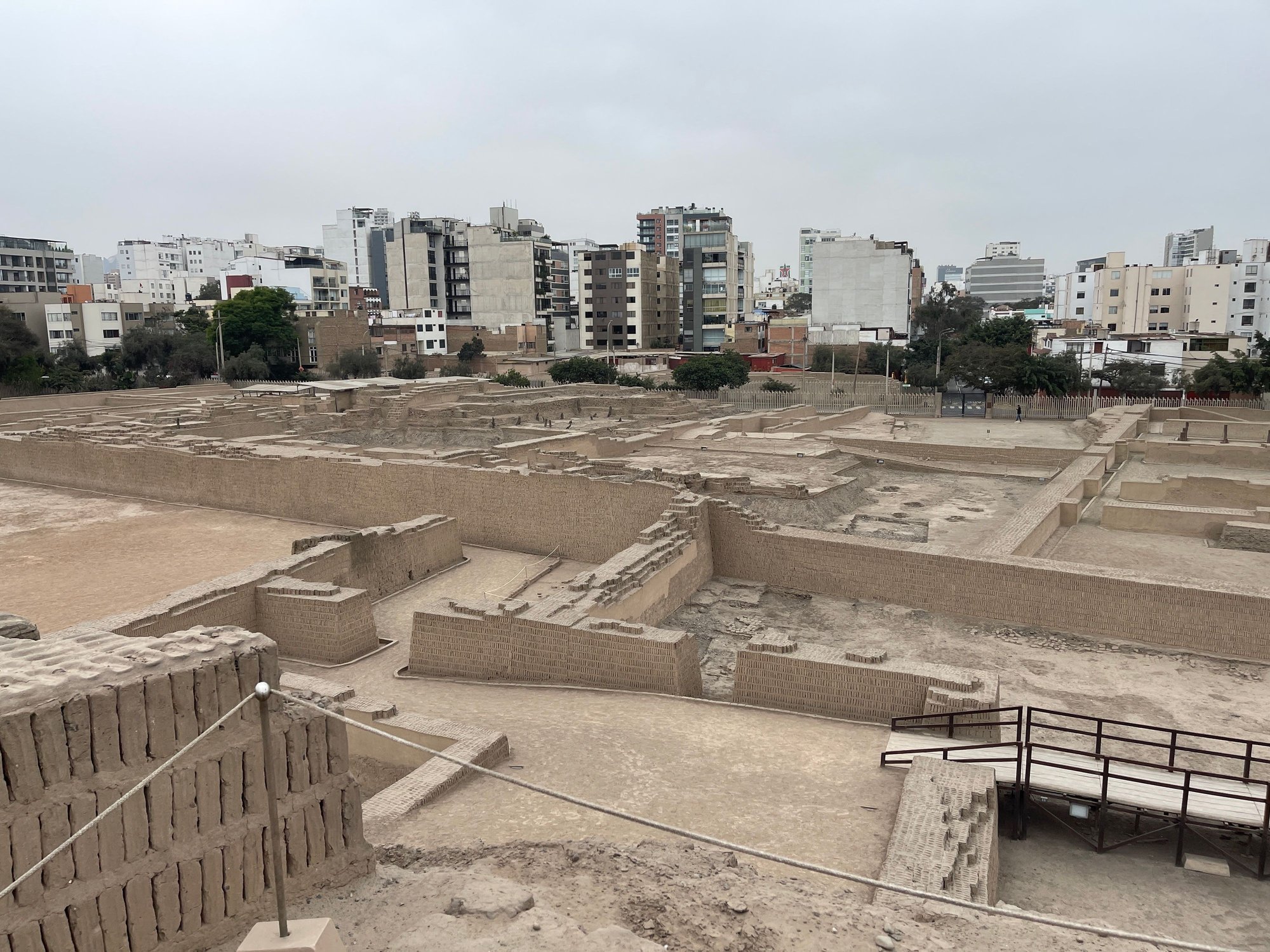
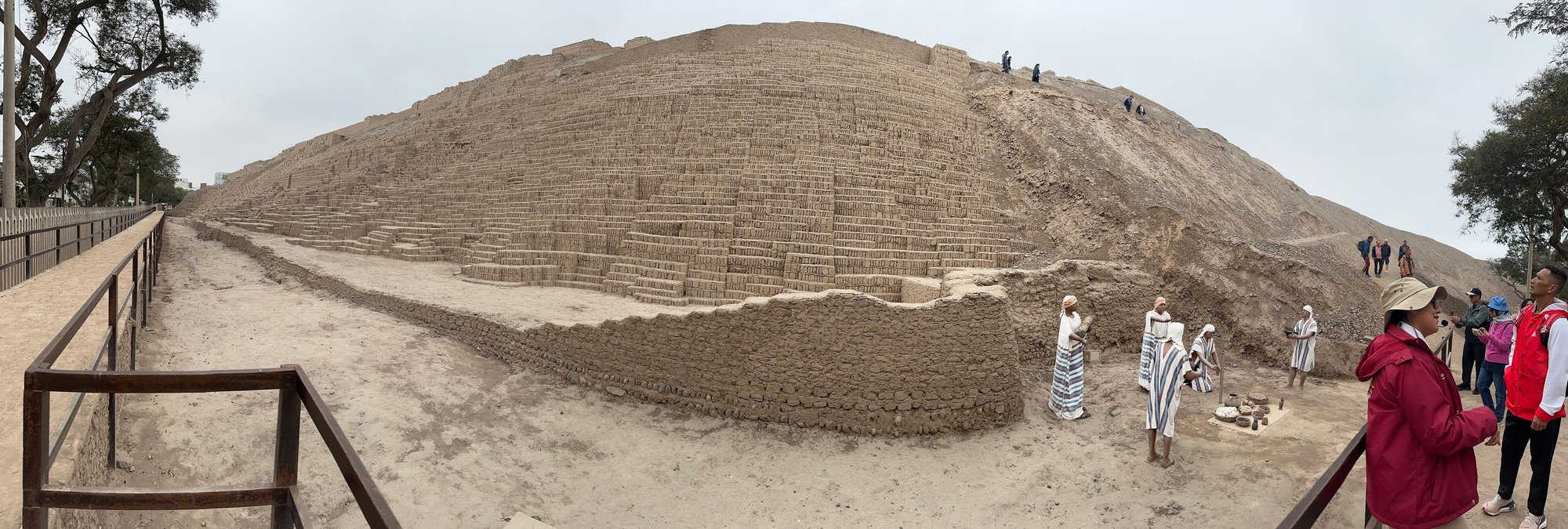
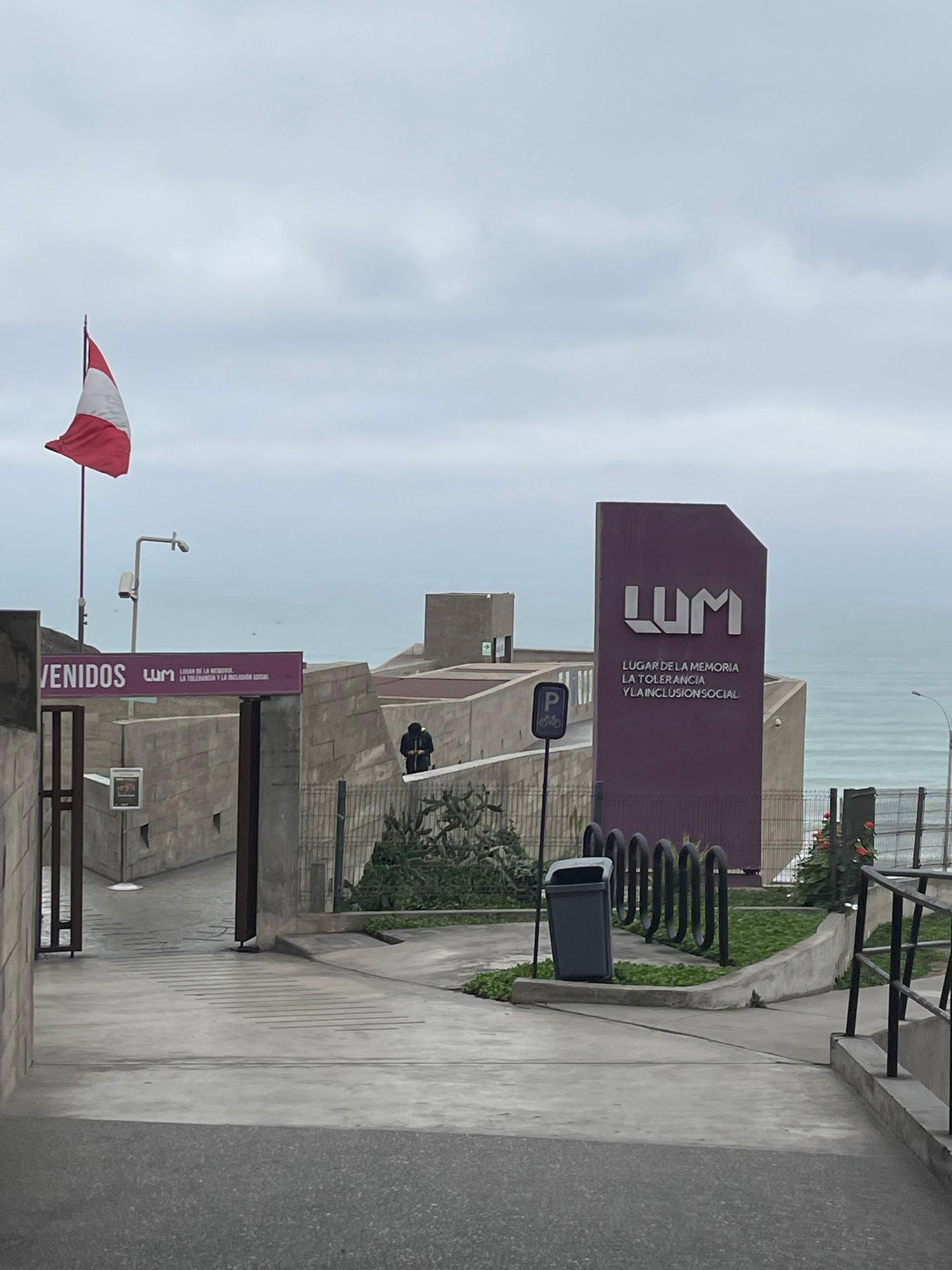
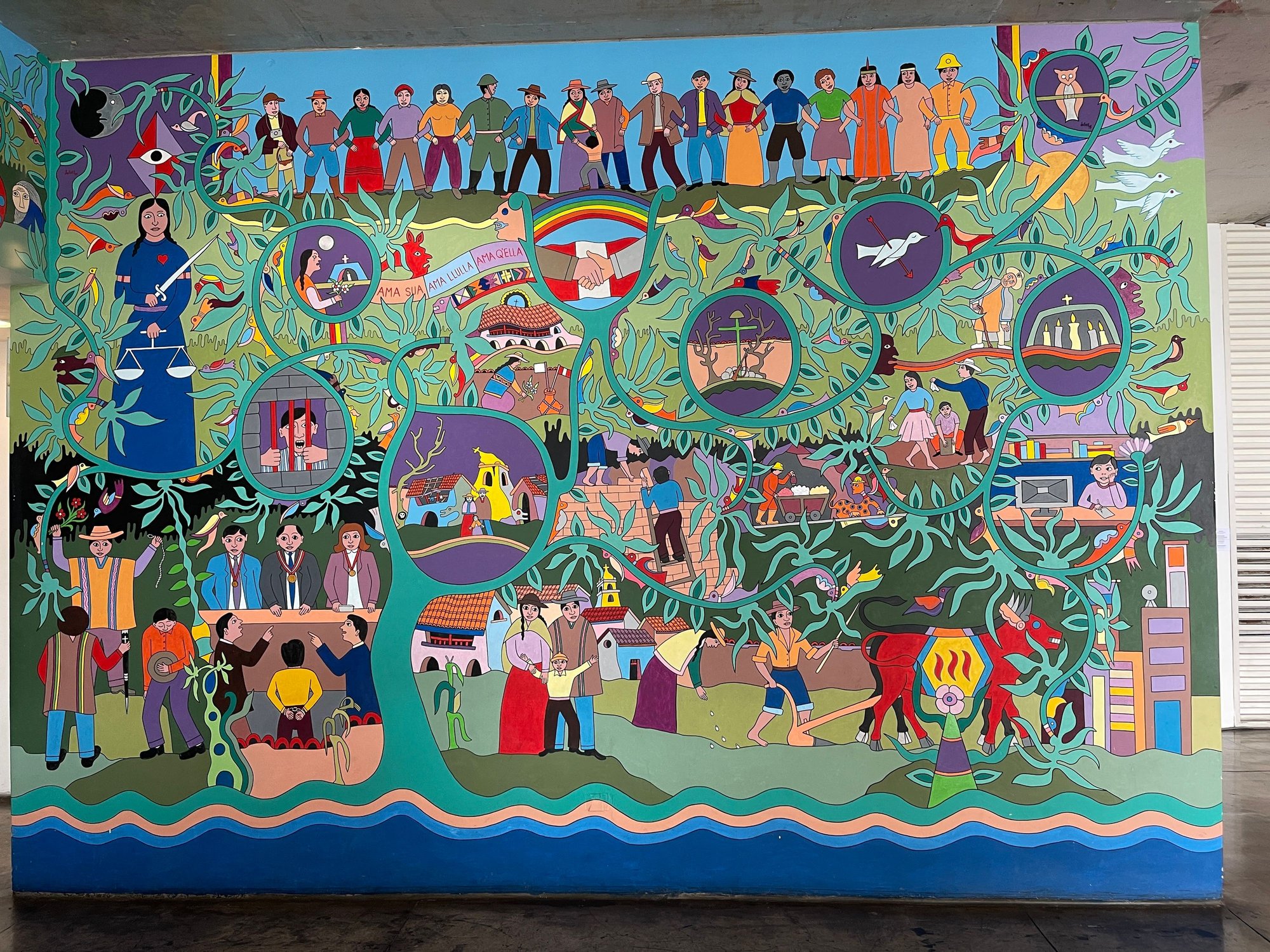
After the tour, we walked towards the coast to find the museum of Place of Memory, Tolerance and Social Inclusion (LUM)-museum in Lima, which dedicated to the Peruvian internal conflict of the 1980s and 1990s. It is a good place to learn about the recent history of Peru.
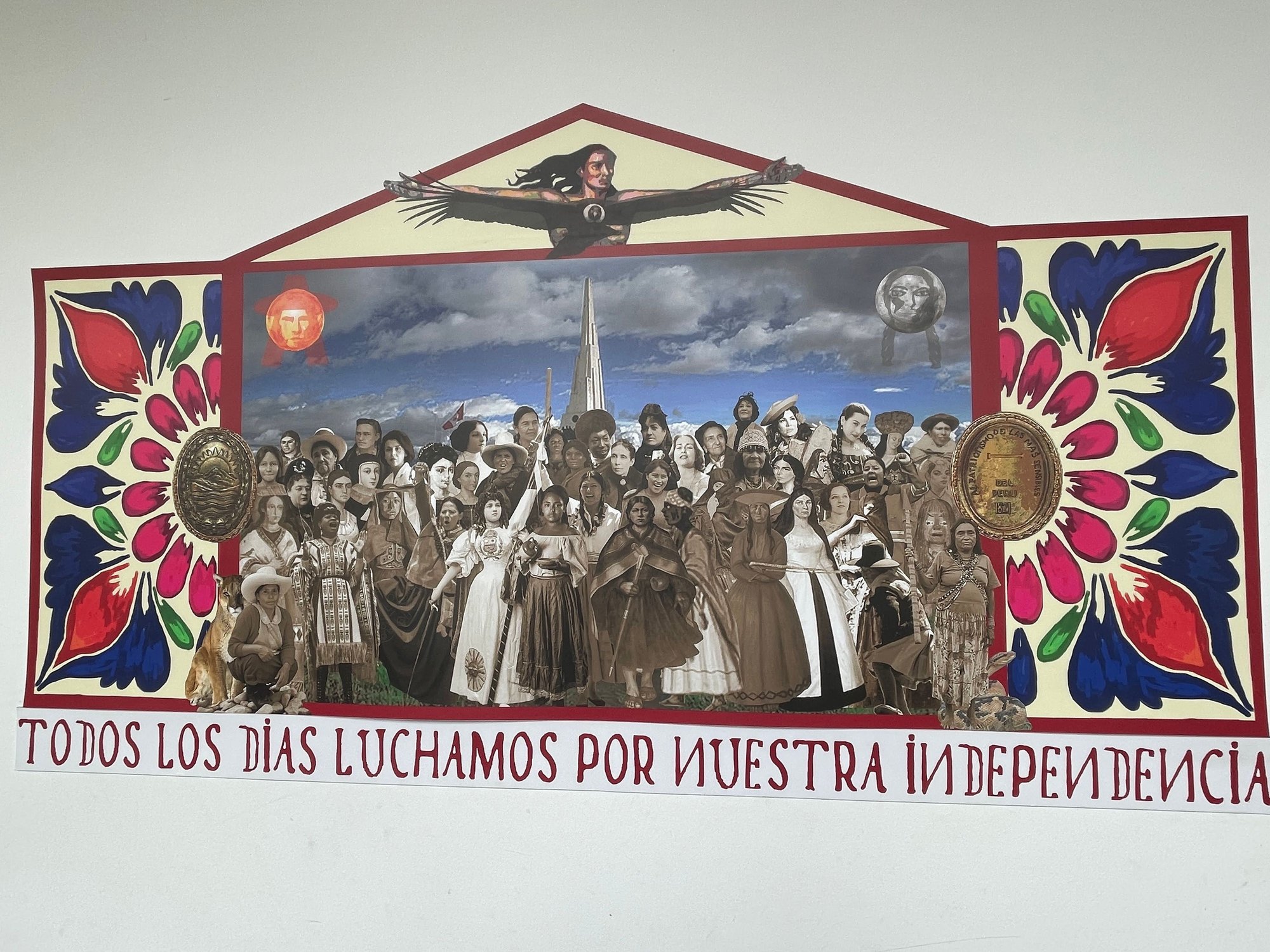
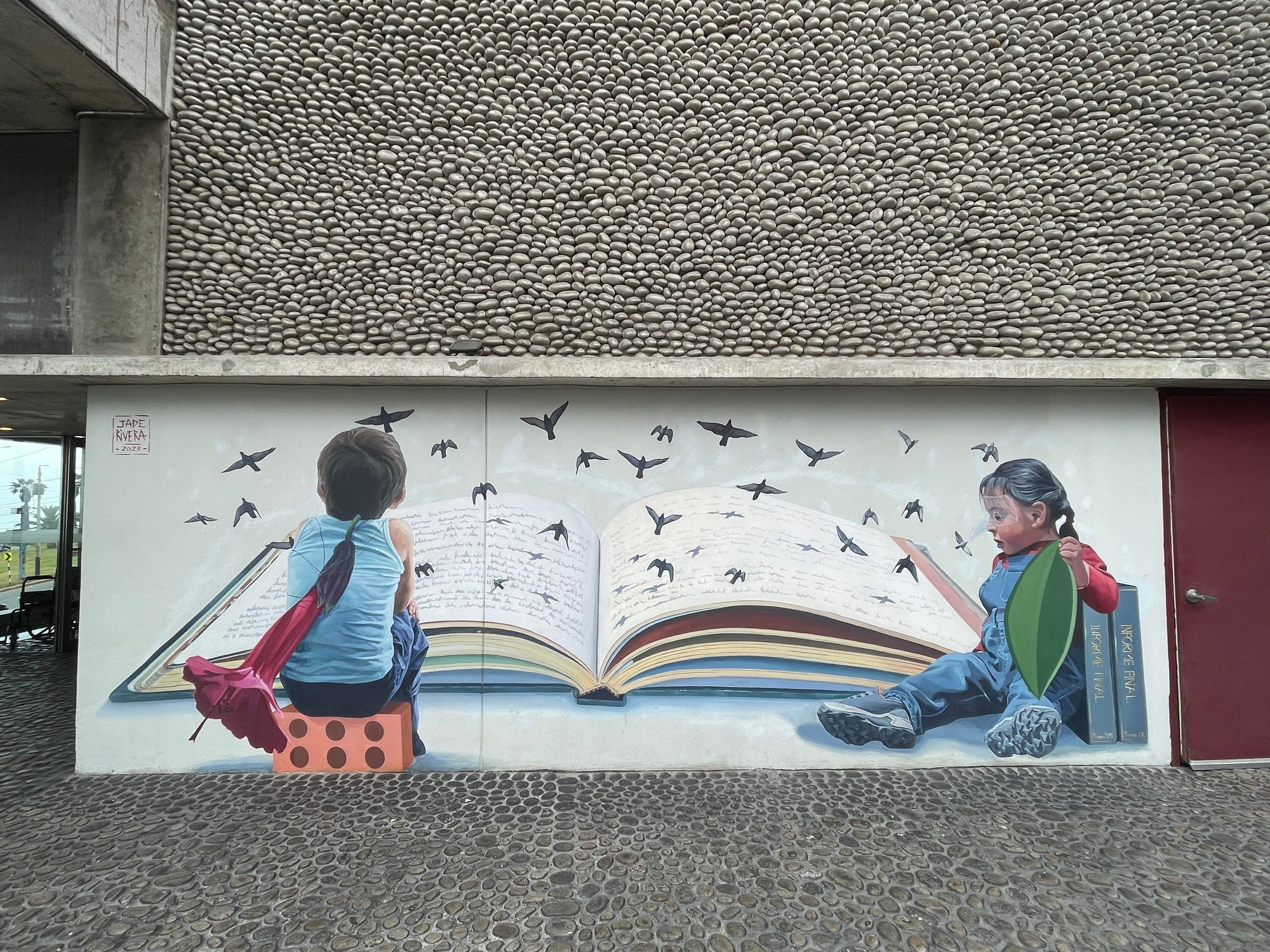
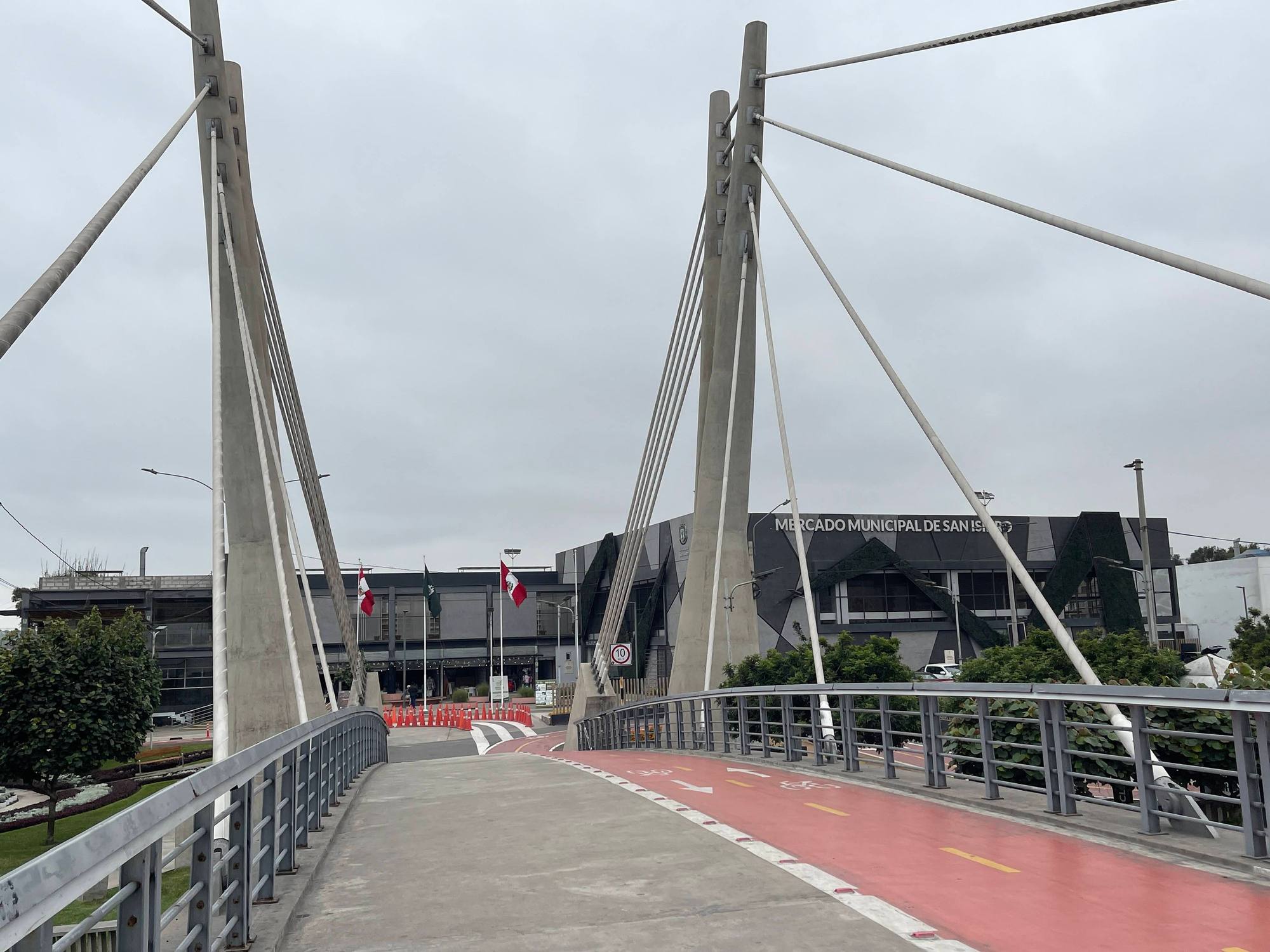
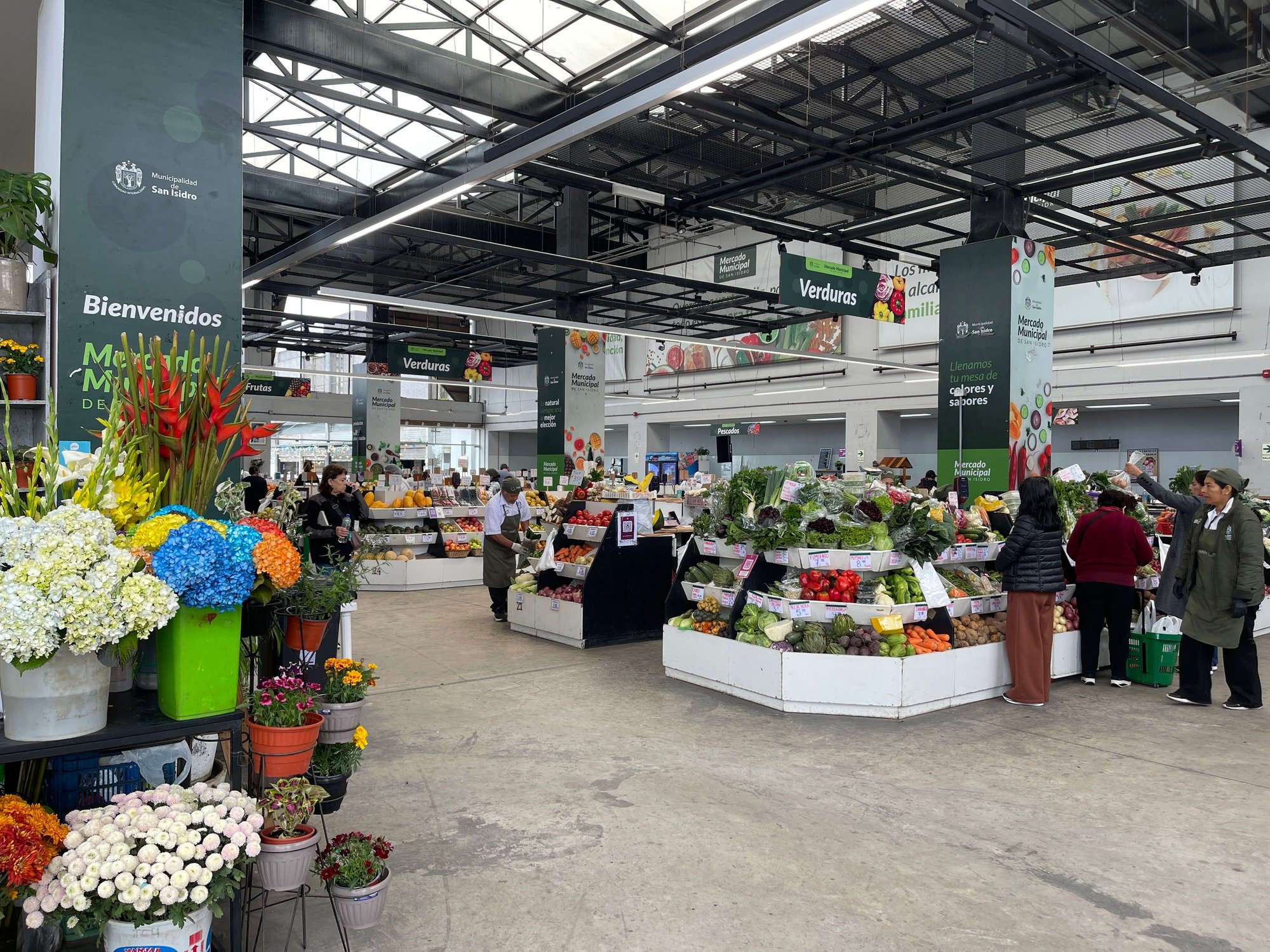
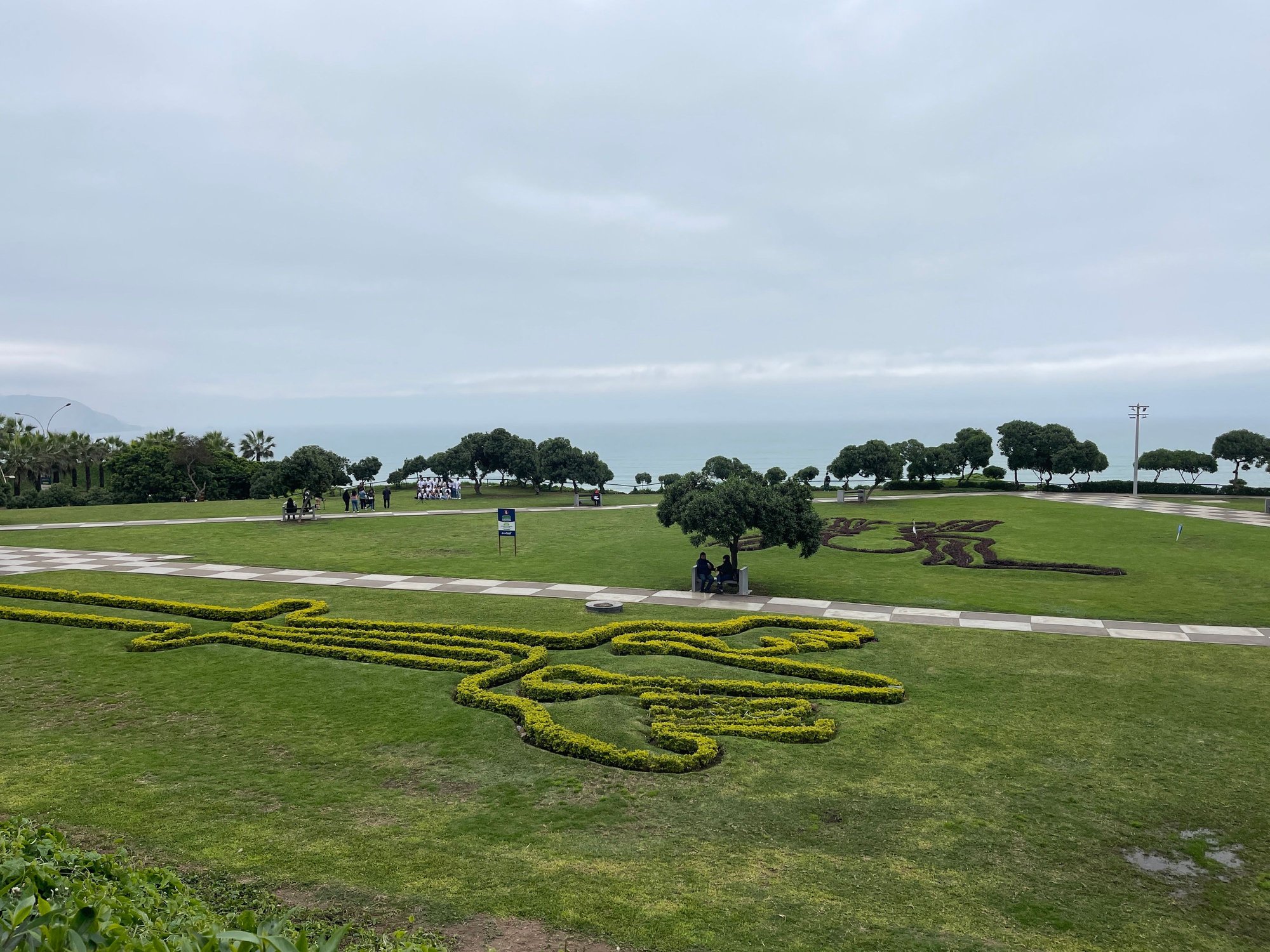
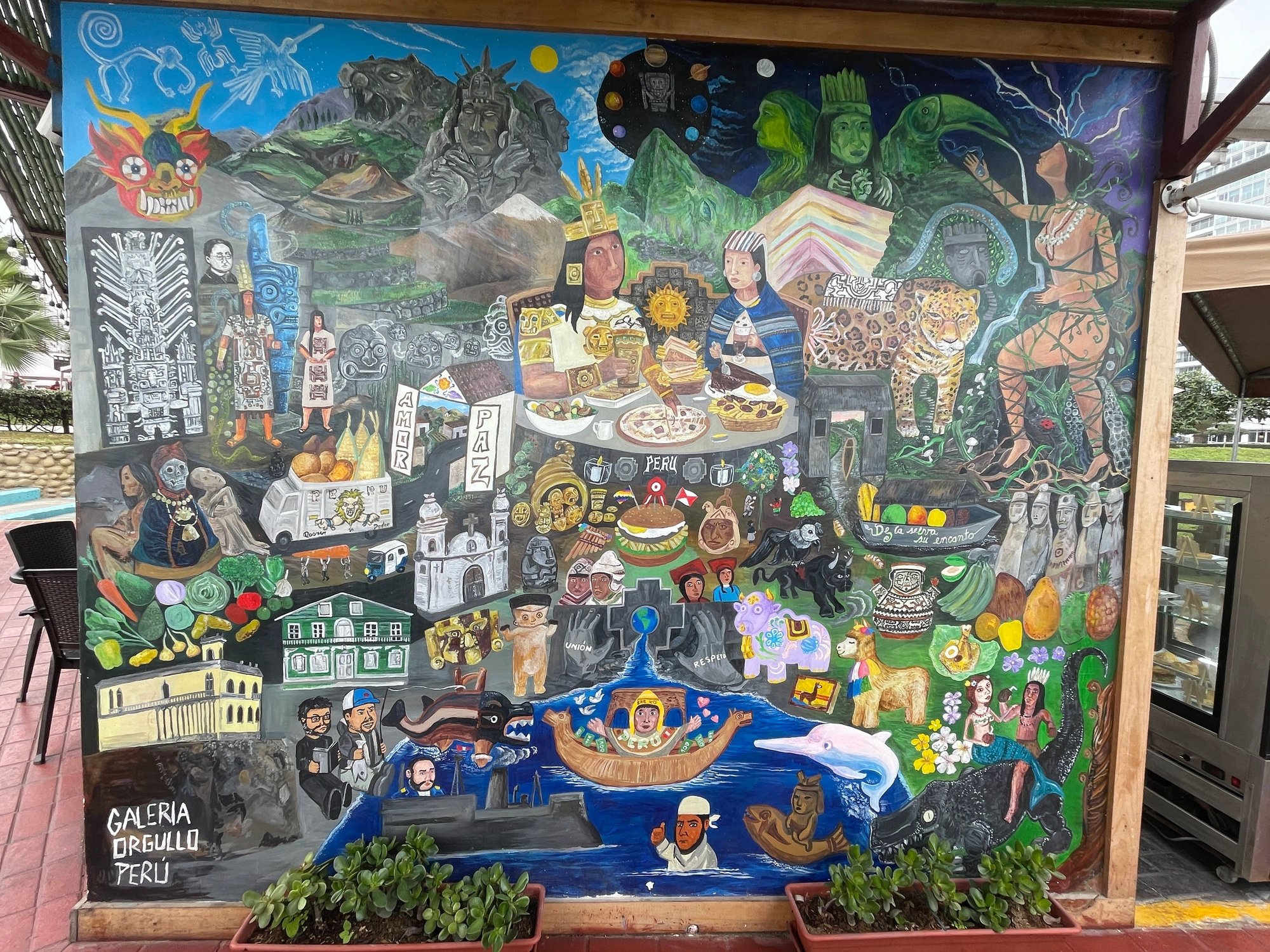
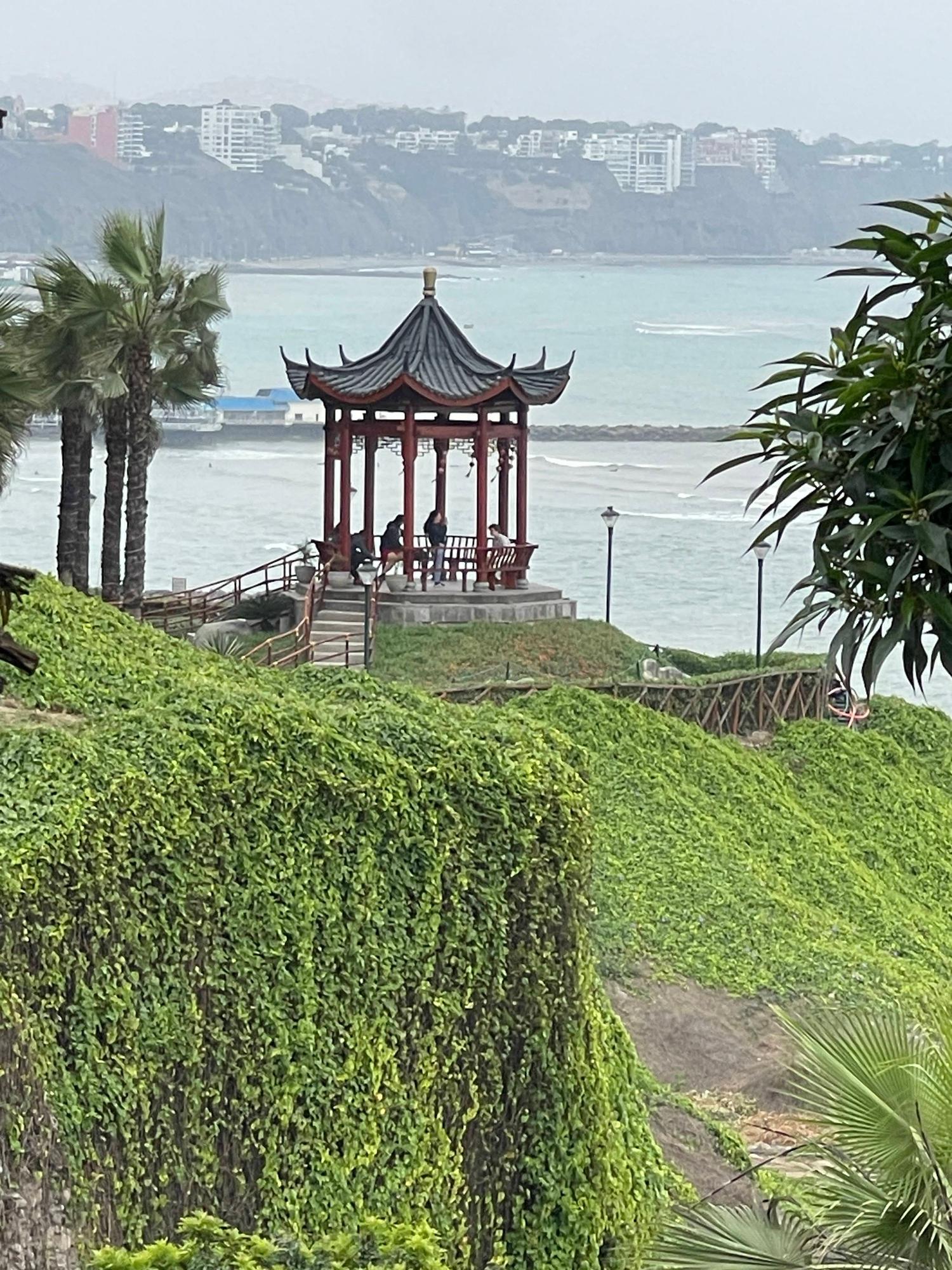
After the museum, we continued along the coast towards Lacroma. Along the way, there is a number of parks, Maria Reiche Park which has the models of Narza lines, and the Miraflores Chinese Park with the Pagoda, stand out among others.
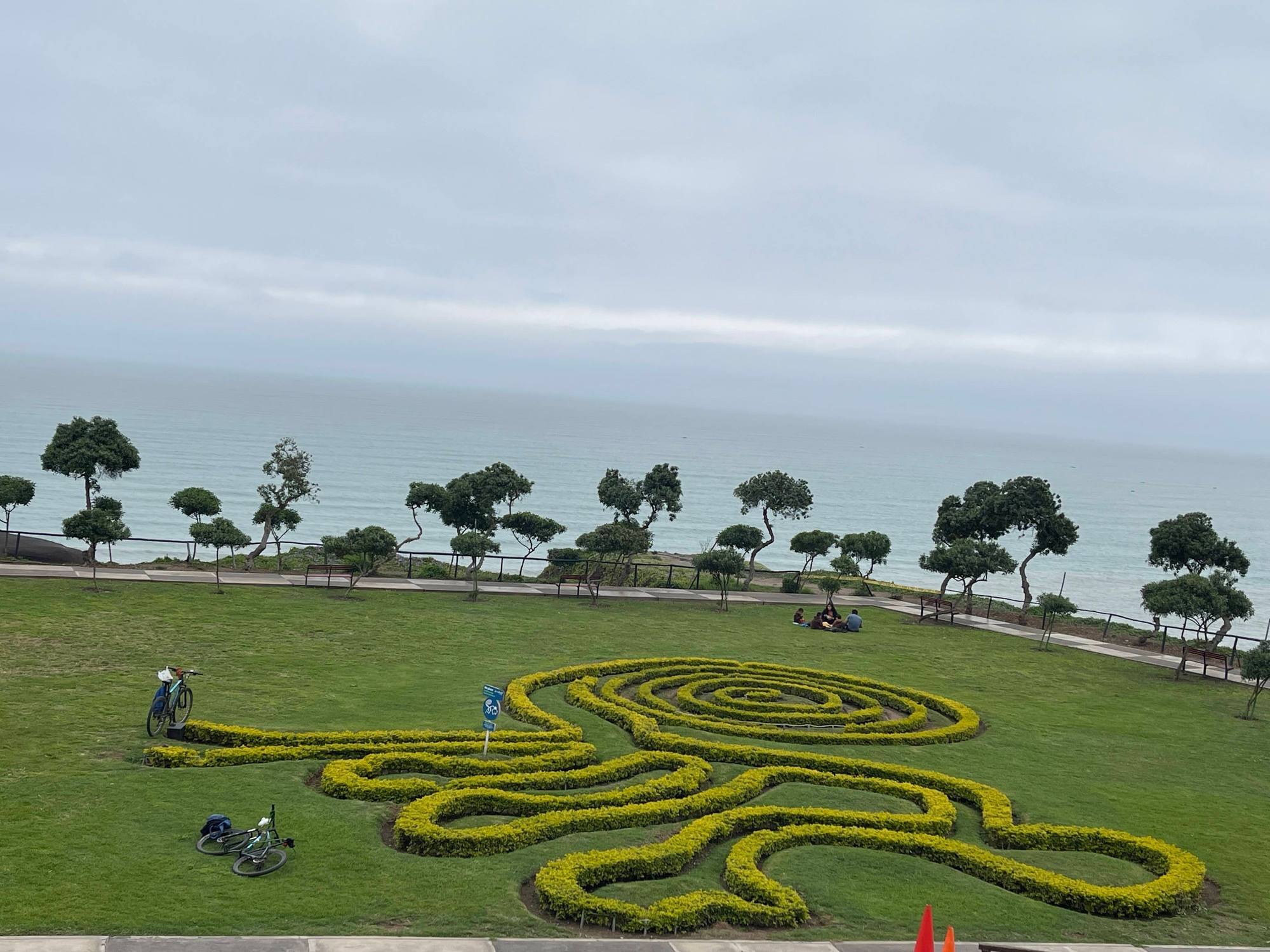
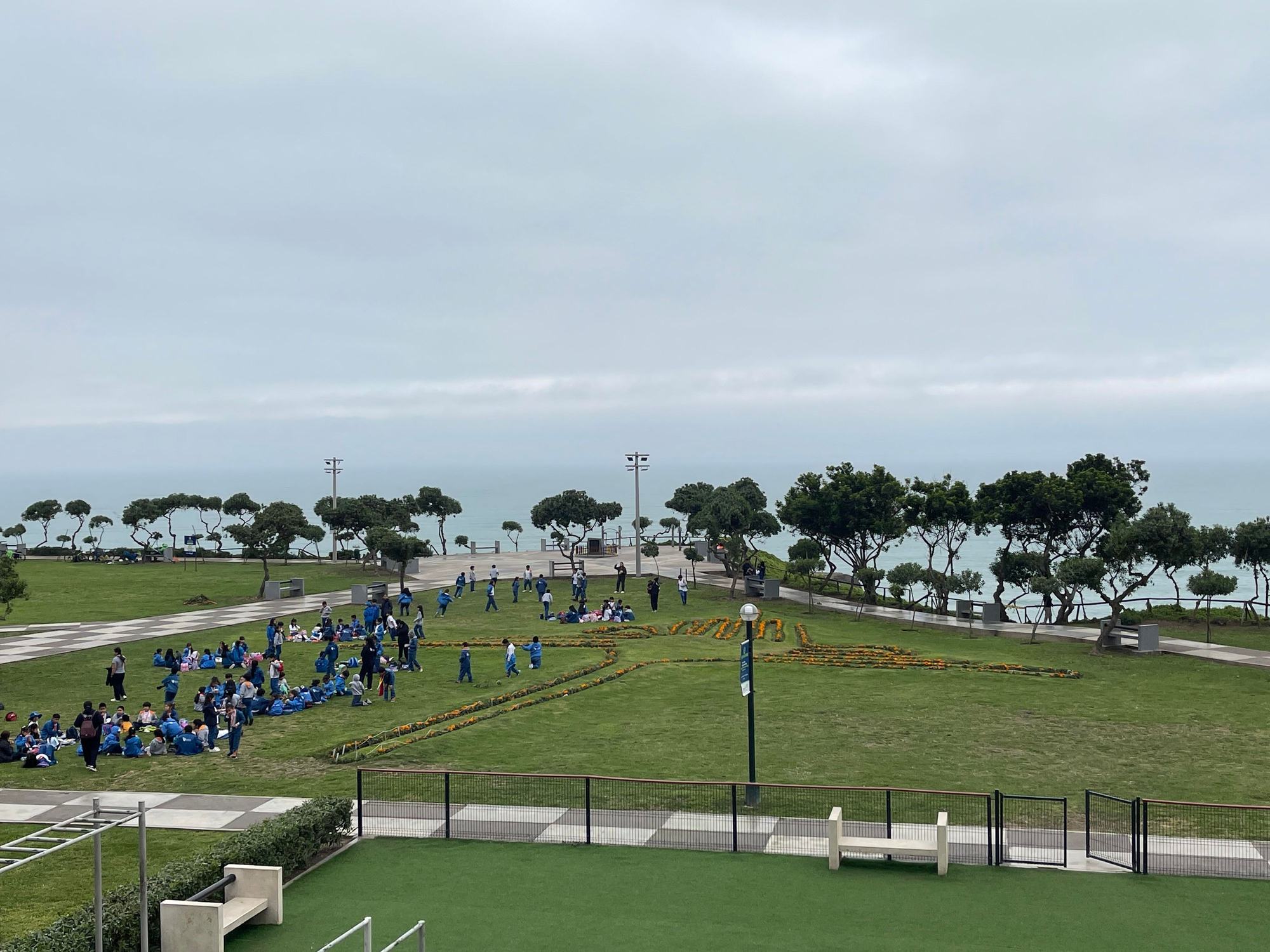
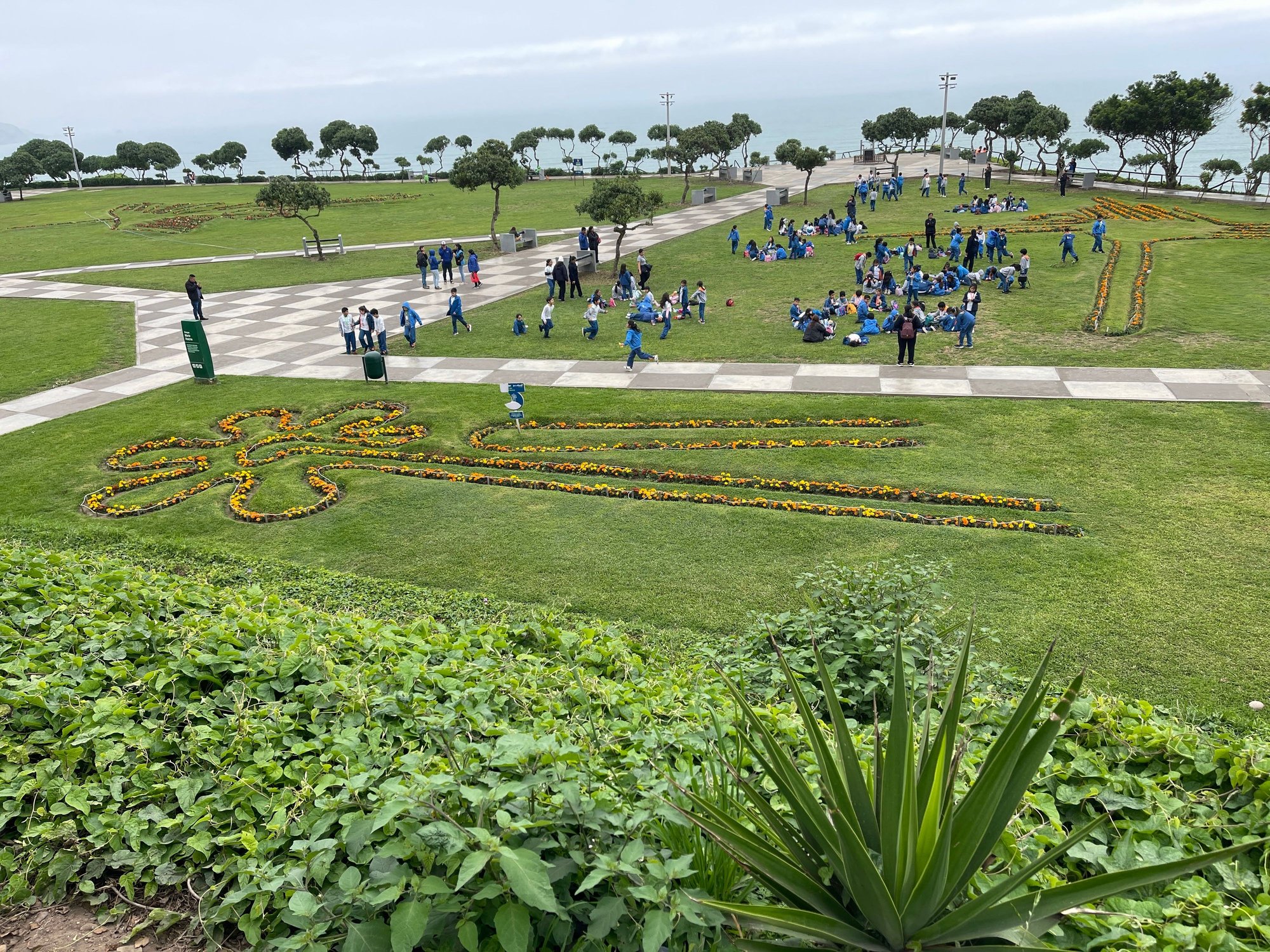
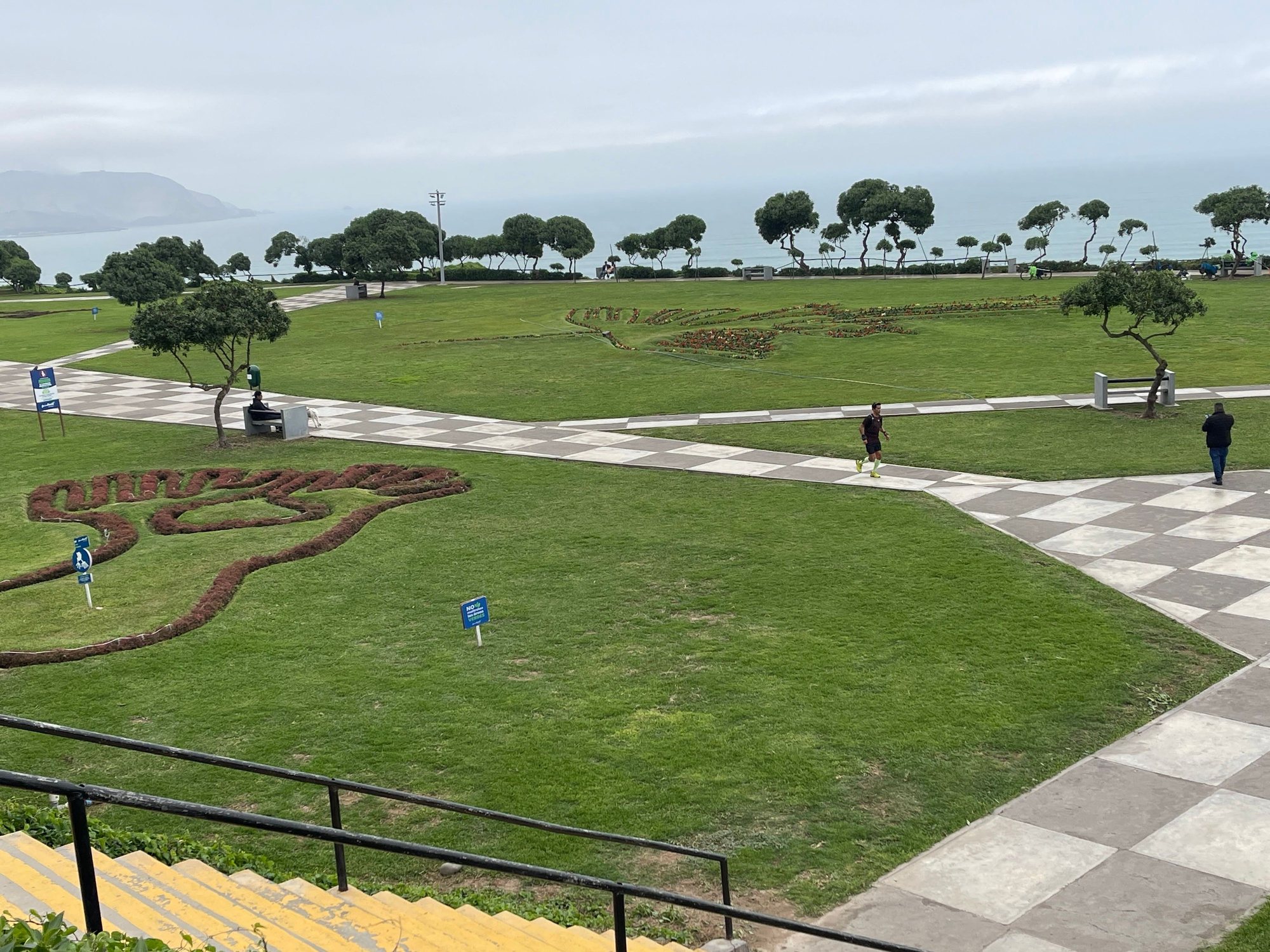
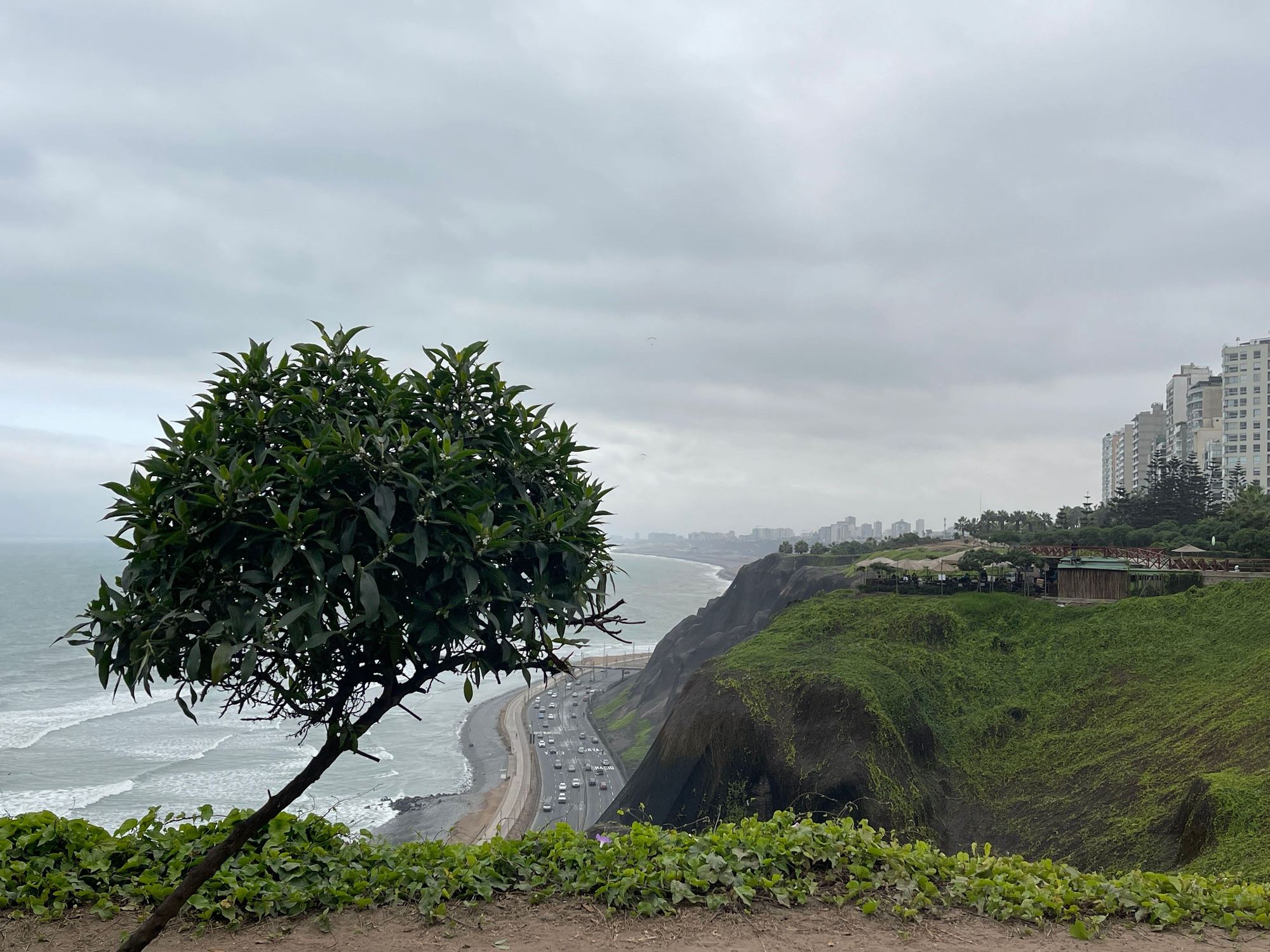
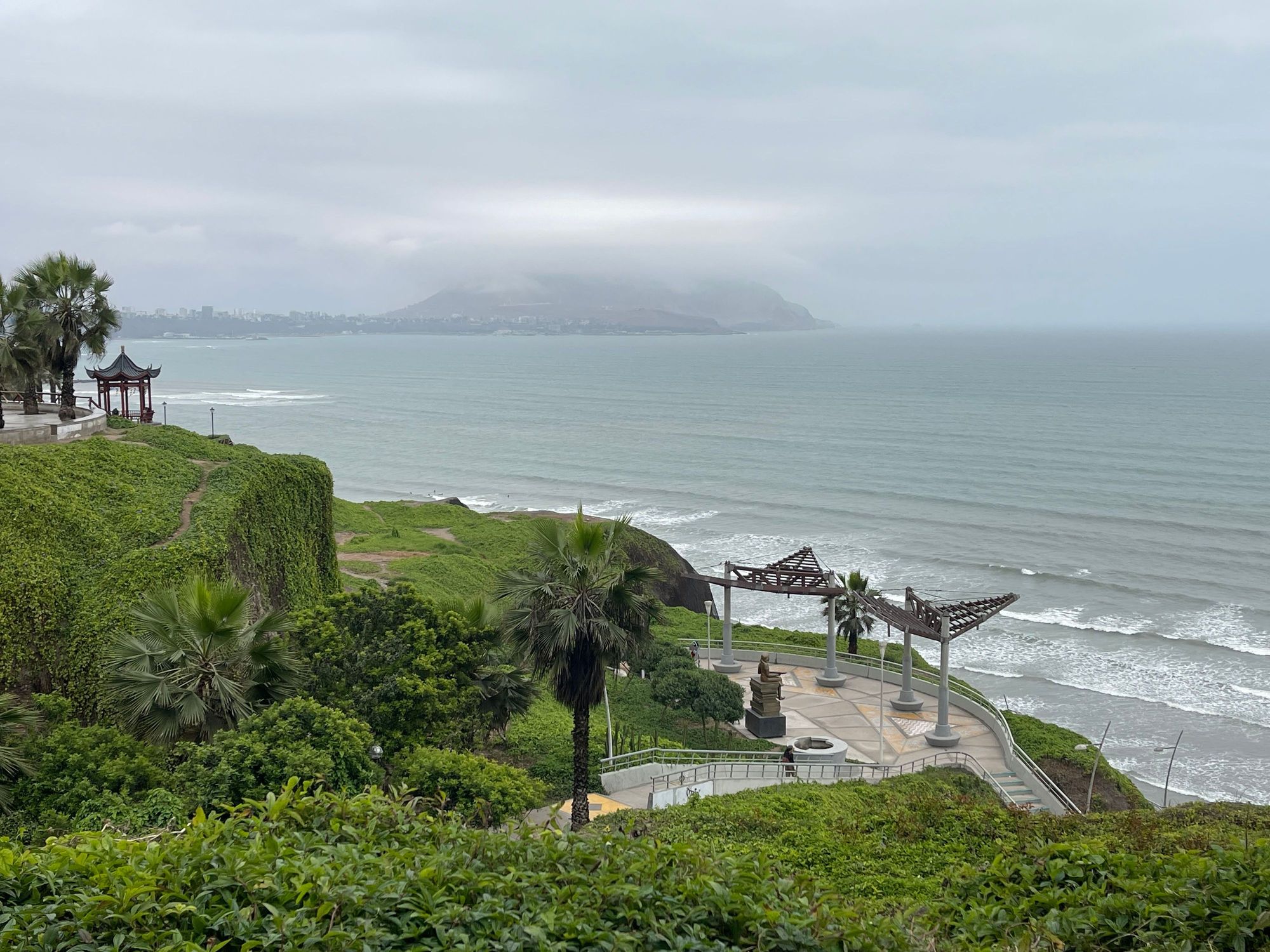
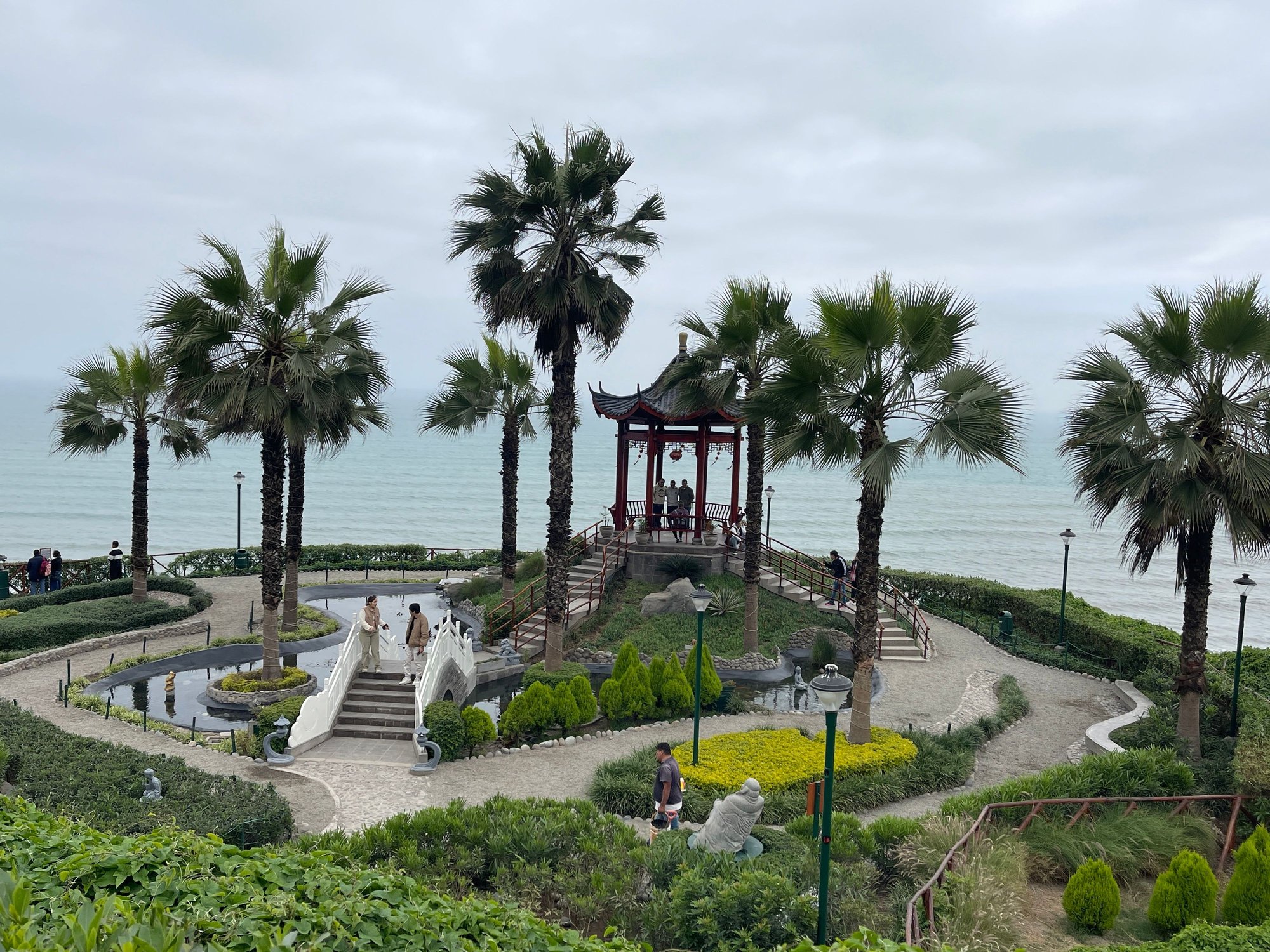
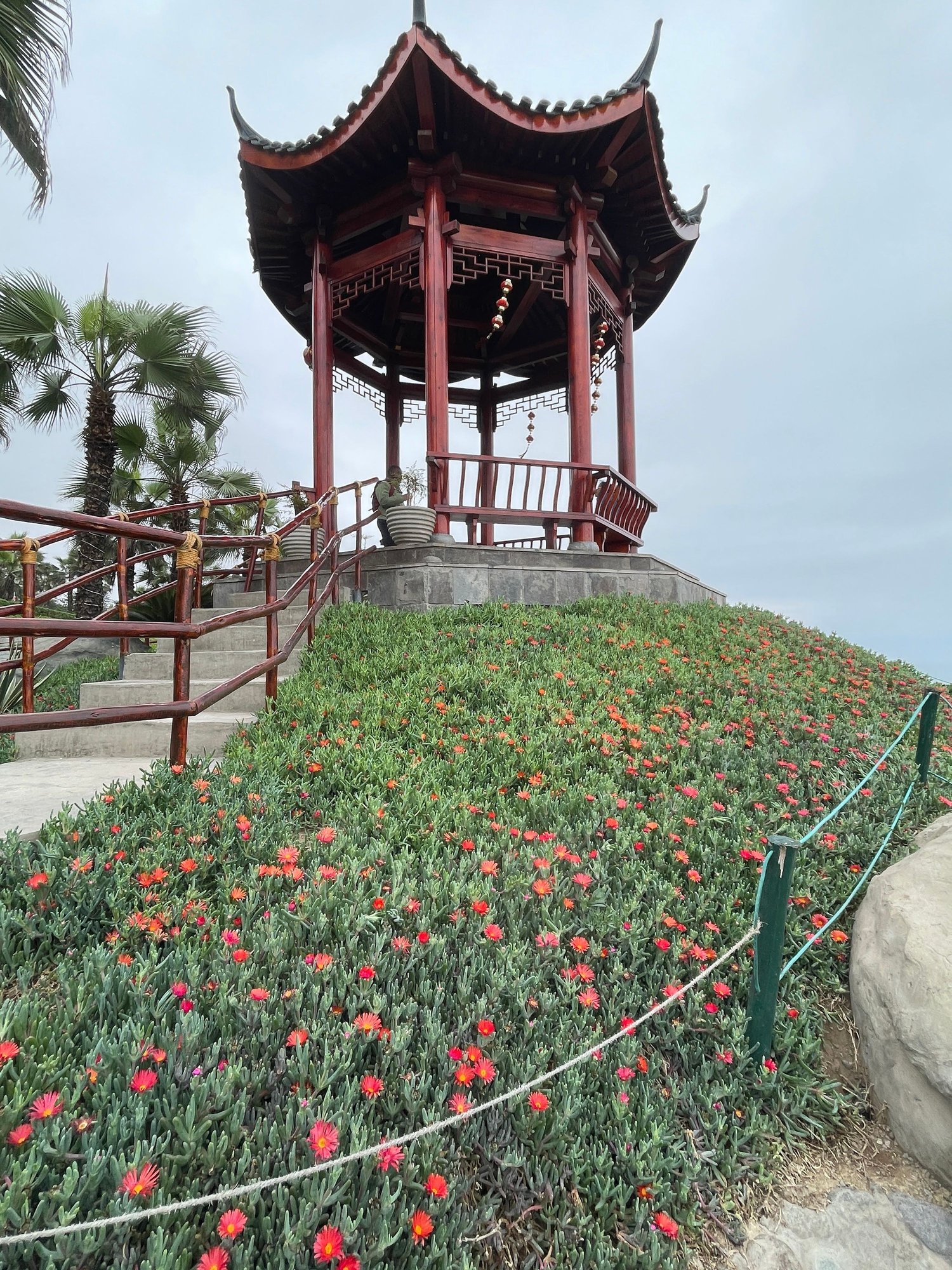
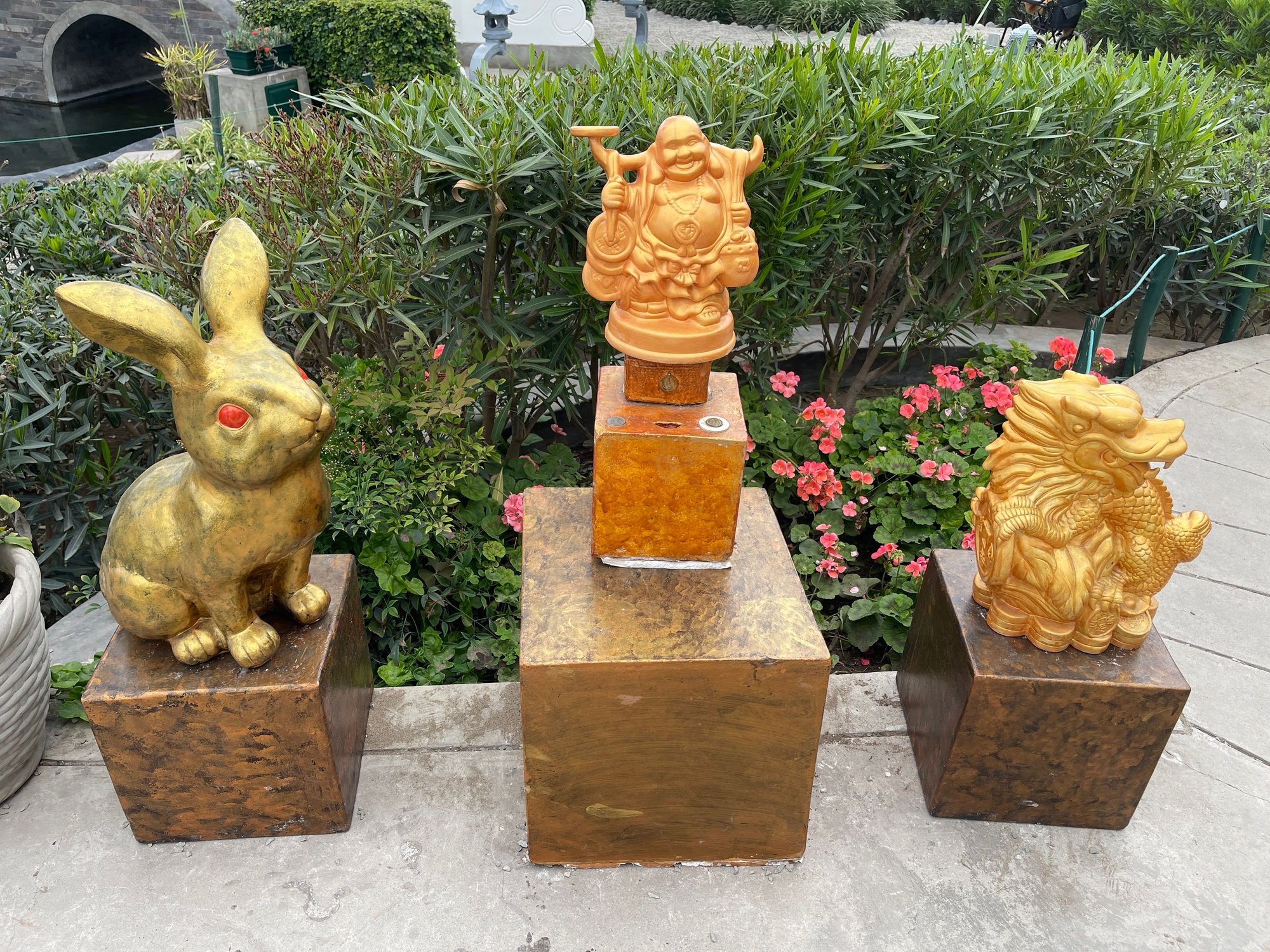
We enjoyed the walk with the constant sea breeze blowing towards inland. We were back to the lighthouse that we saw yesterday and decided to walk back to the hotel to rest.
After the tour, we walked towards the coast to find the museum of Place of Memory, Tolerance and Social Inclusion (LUM)-museum in Lima, which dedicated to the Peruvian internal conflict of the 1980s and 1990s. It is a good place to learn about the recent history of Peru.
After the museum, we continued along the coast towards Lacroma. Along the way, there is a number of parks, Maria Reiche Park which has the models of Narza lines, and the Miraflores Chinese Park with the Pagoda, stand out among others.
We enjoyed the walk with the constant sea breeze blowing towards inland. We were back to the lighthouse that we saw yesterday and decided to walk back to the hotel to rest.
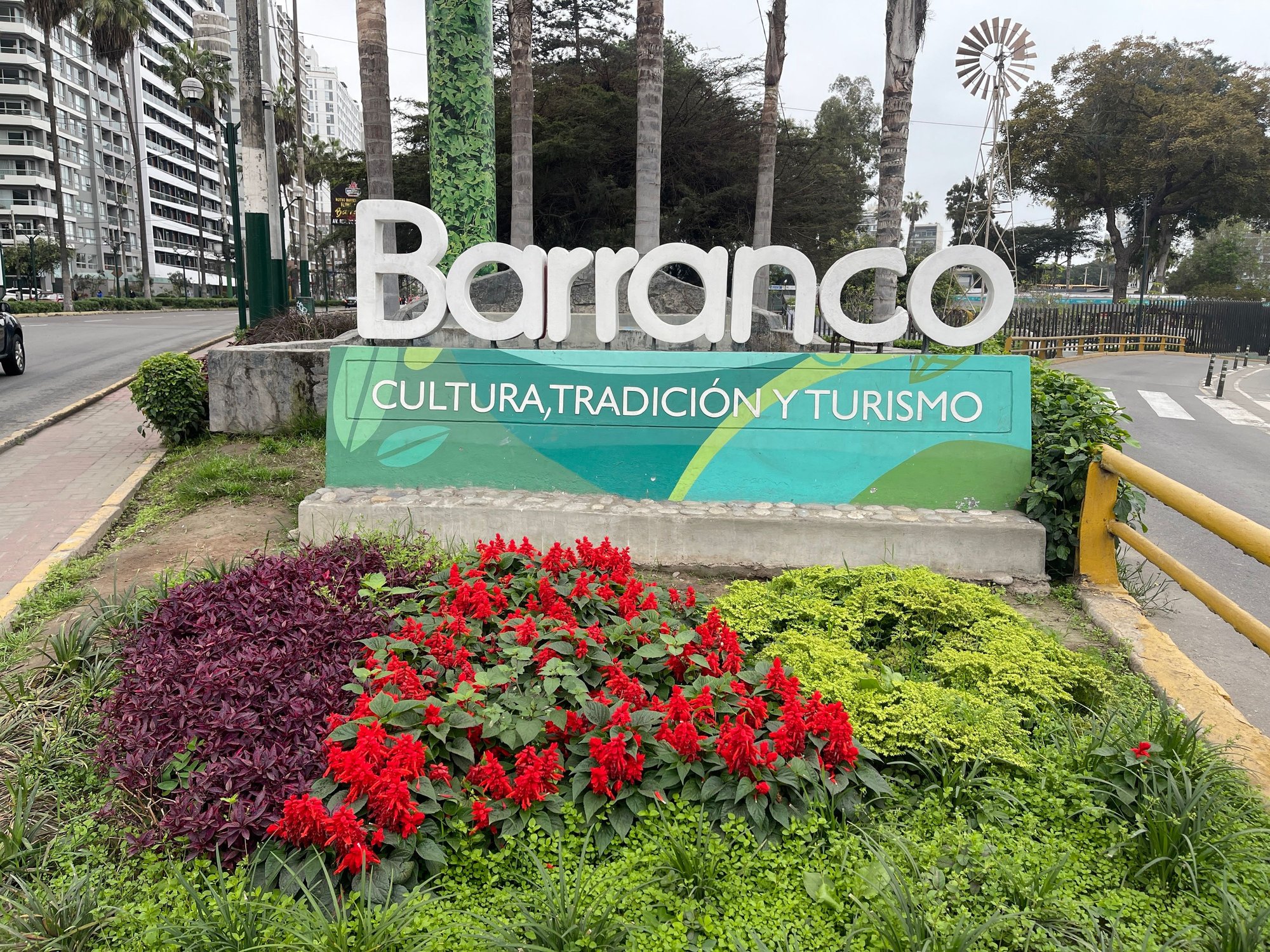
Day 5–After breakfast, we planned to discover Lima on foot again. We walked all the way to Barranco, Lima's historic Bohemian quarters.
Along the way, we saw vibrant street arts, colonial architecture, galleries, Puente de los Suspiros (Bridge of Sighs), Plaza de armas de Barranco, and Museo Pedro De Osma.
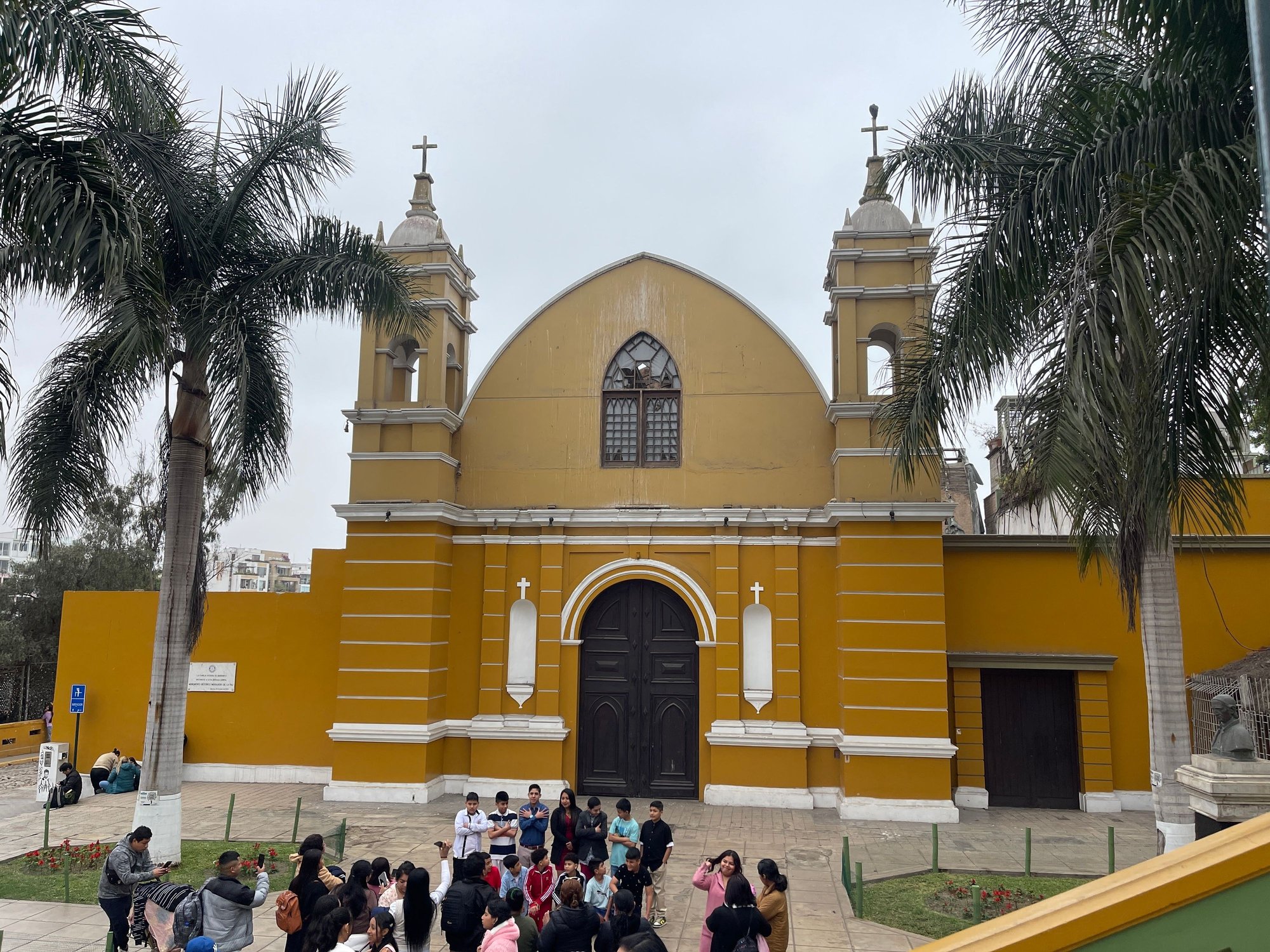
Barranco cathedral
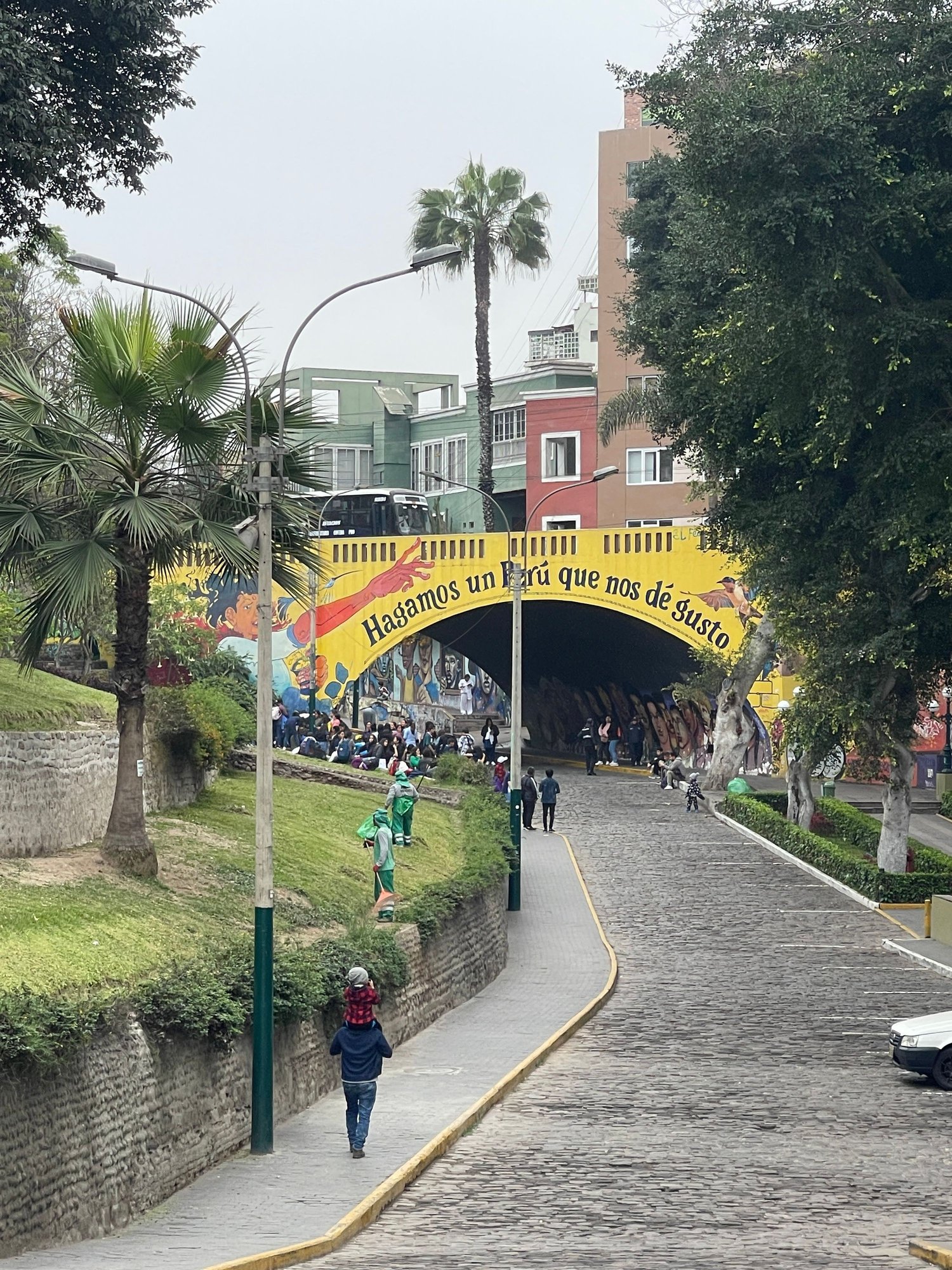
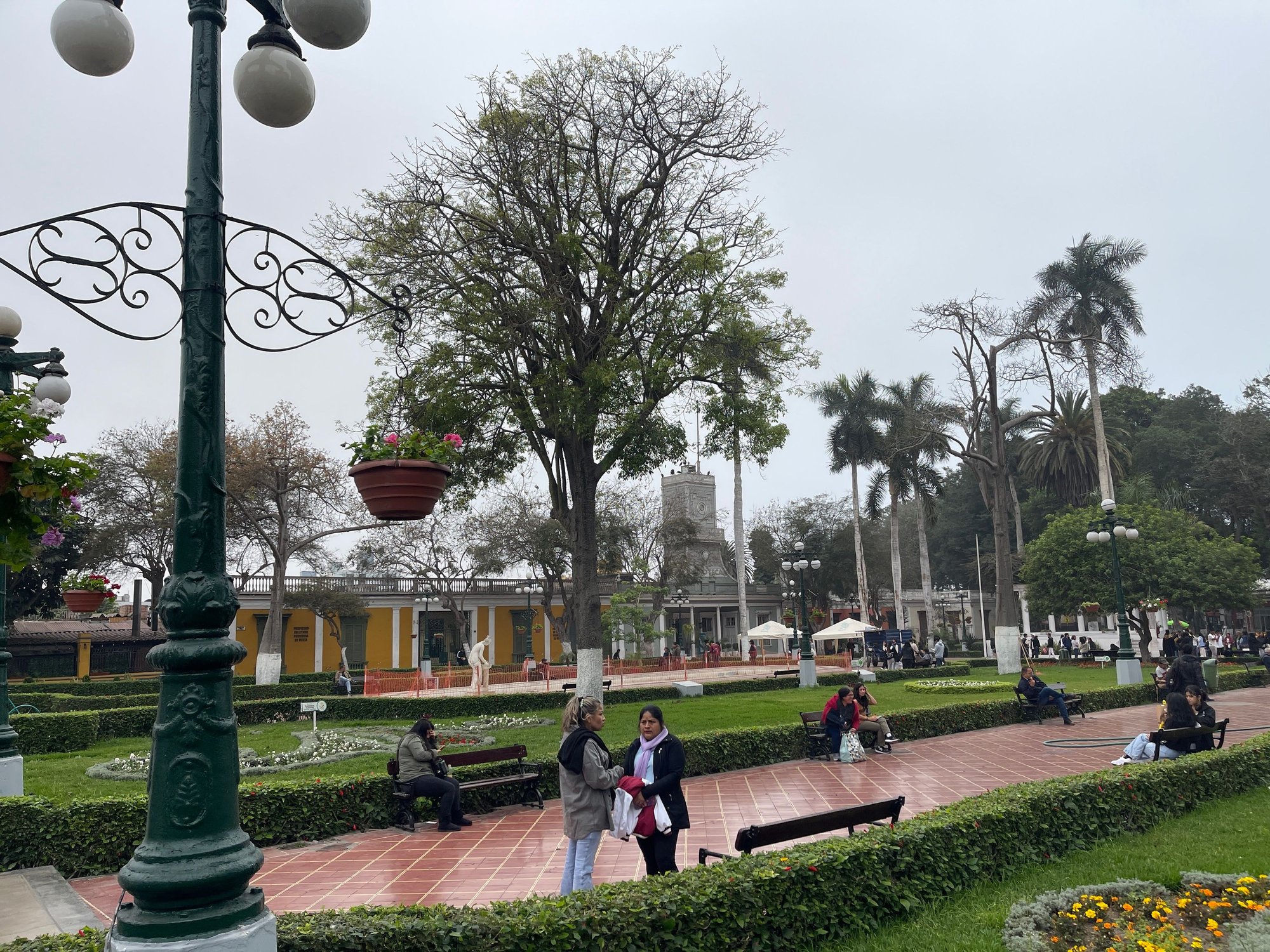
Barranco municipal park
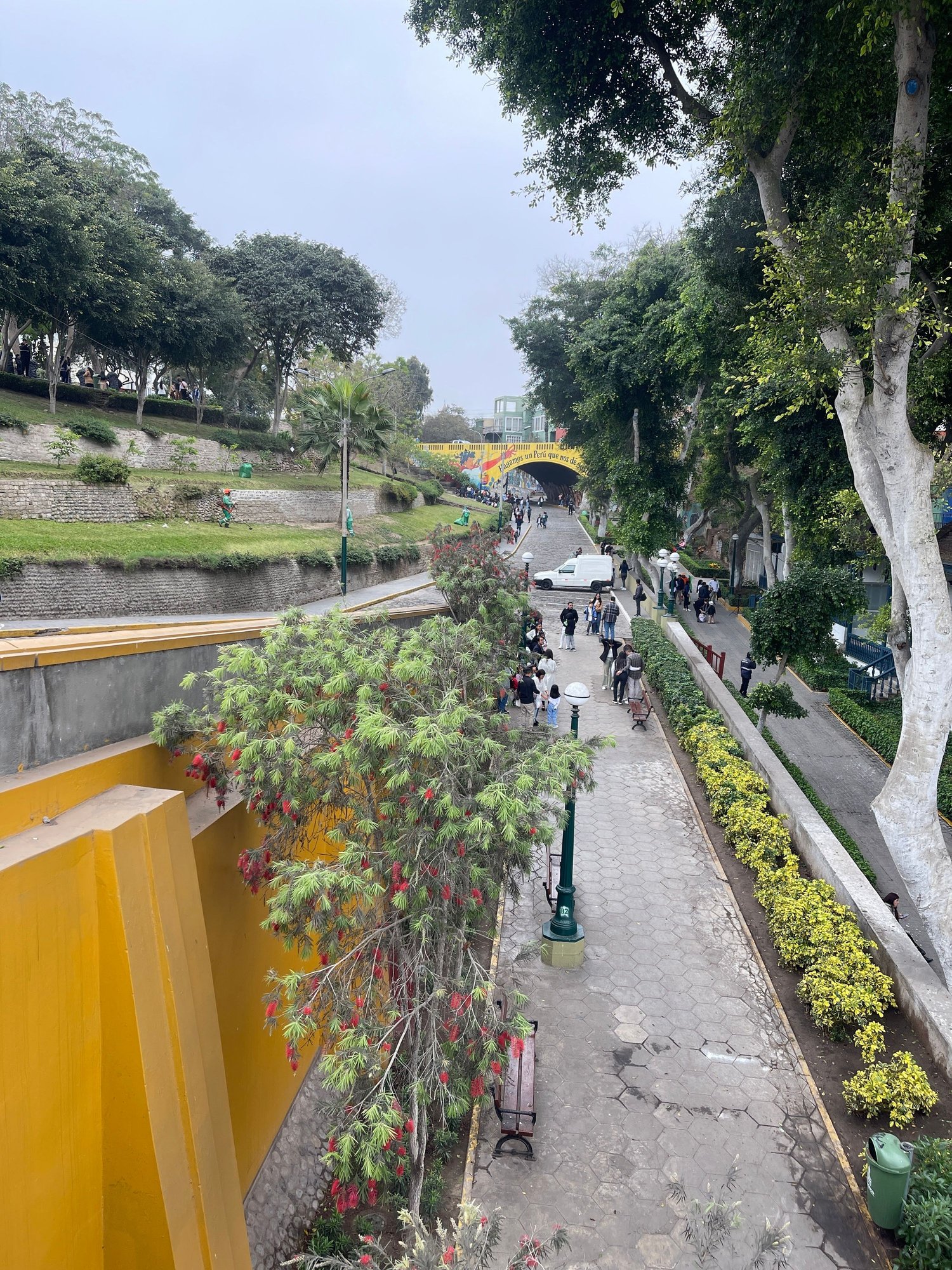
Barranco municipal park

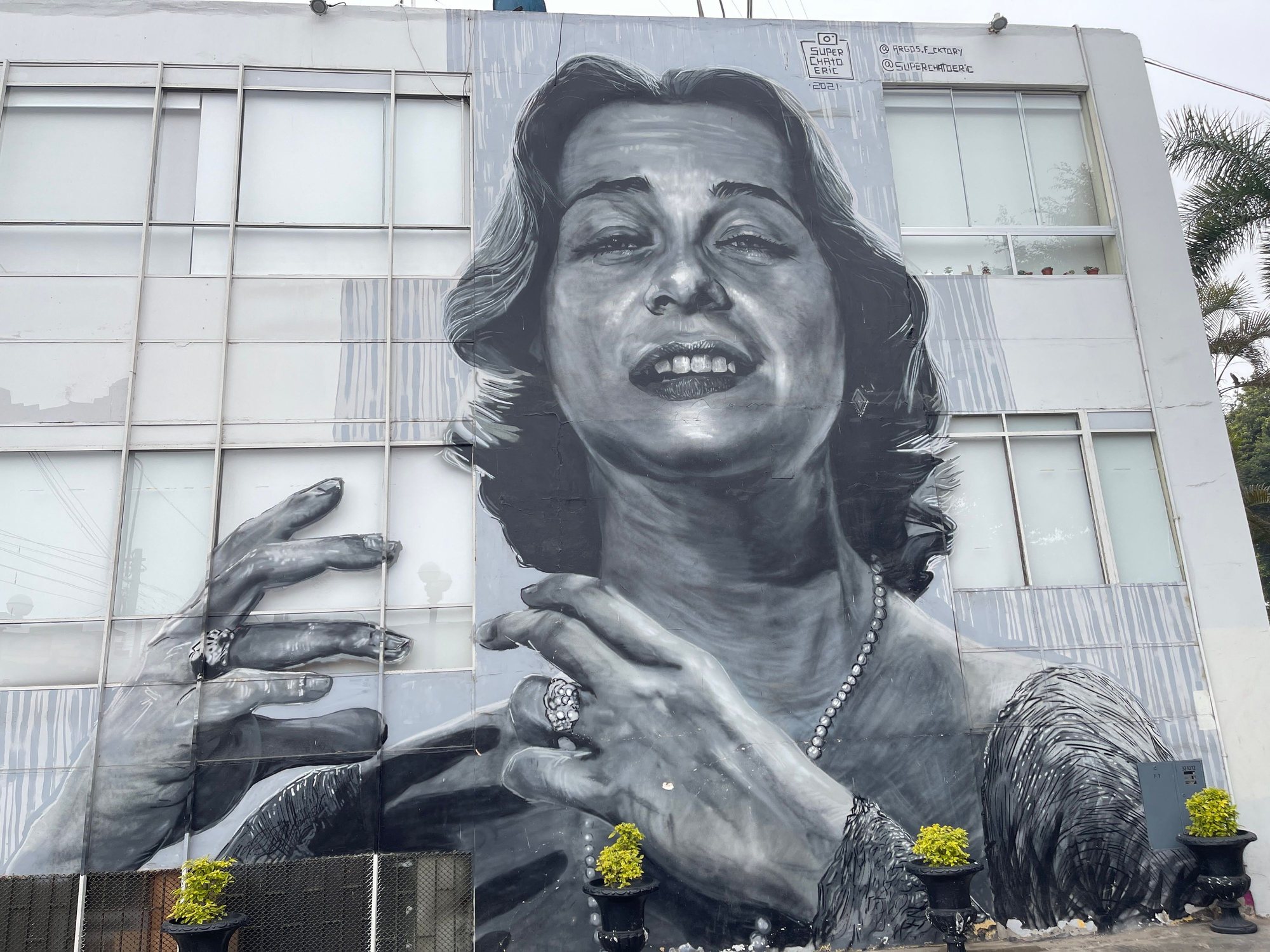
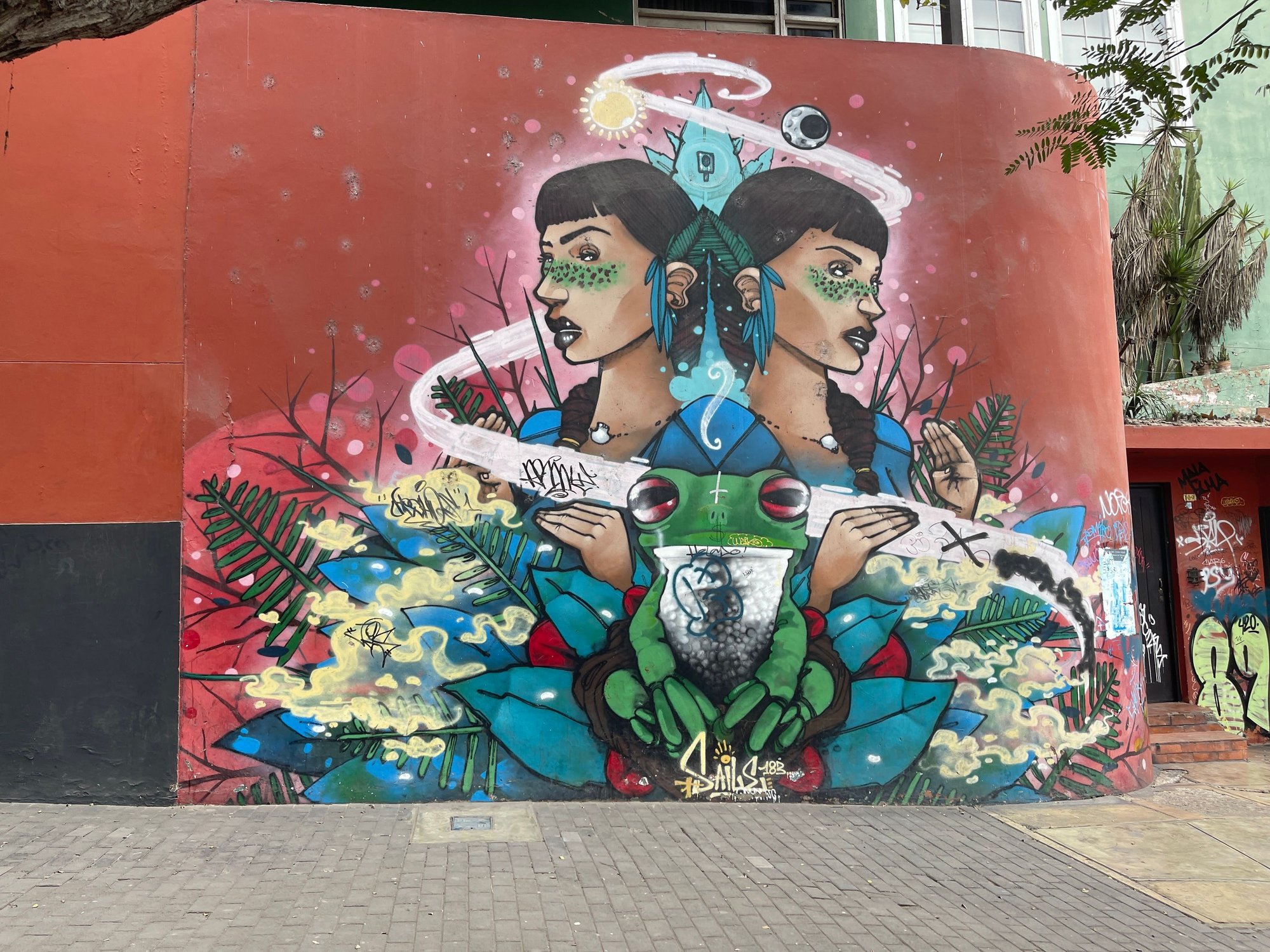
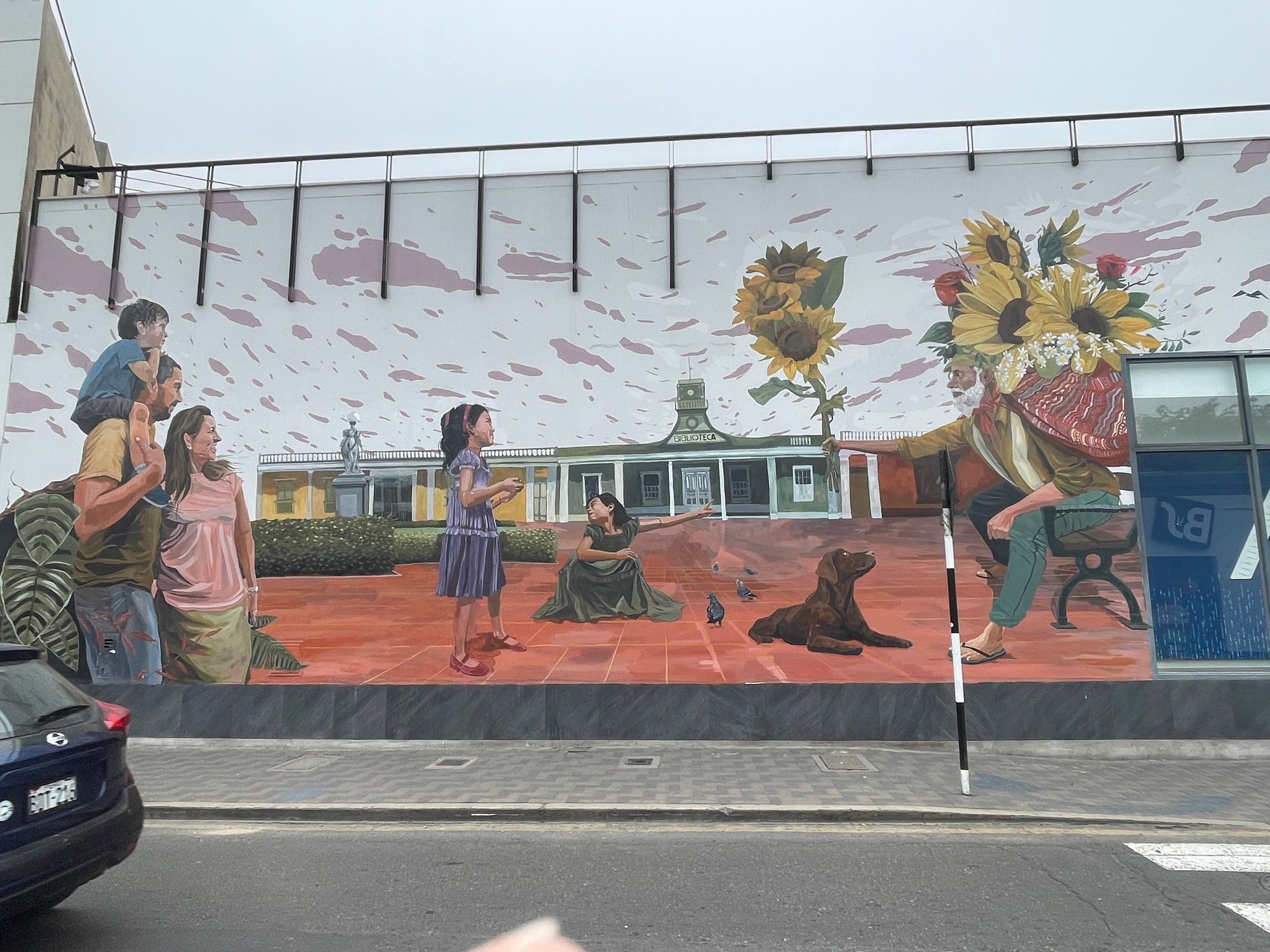
Street art near Barranco municipal park
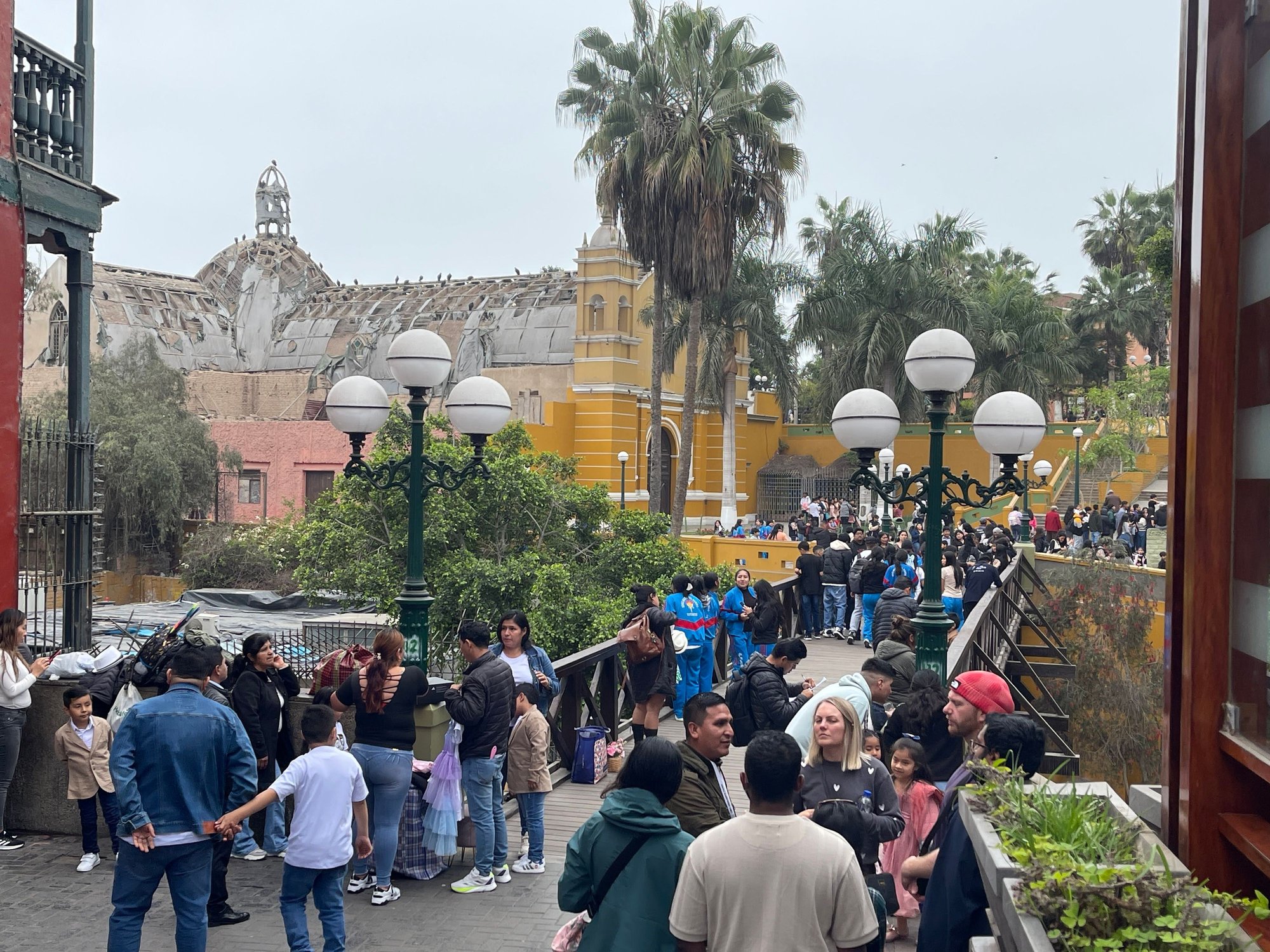
Crossing the Bridge of Signs- a lot of parents and students taking pictures
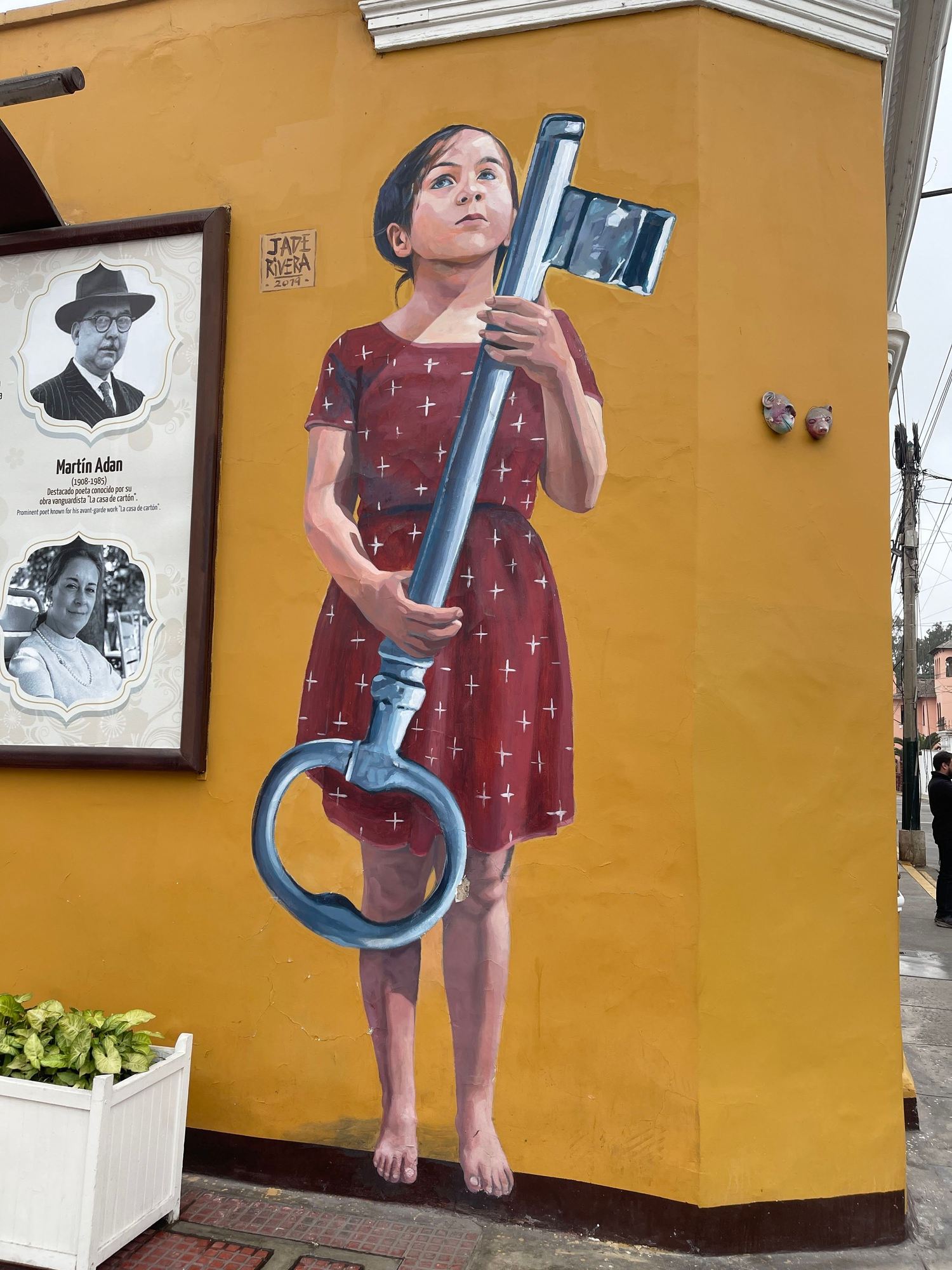
Street art near Barranco square
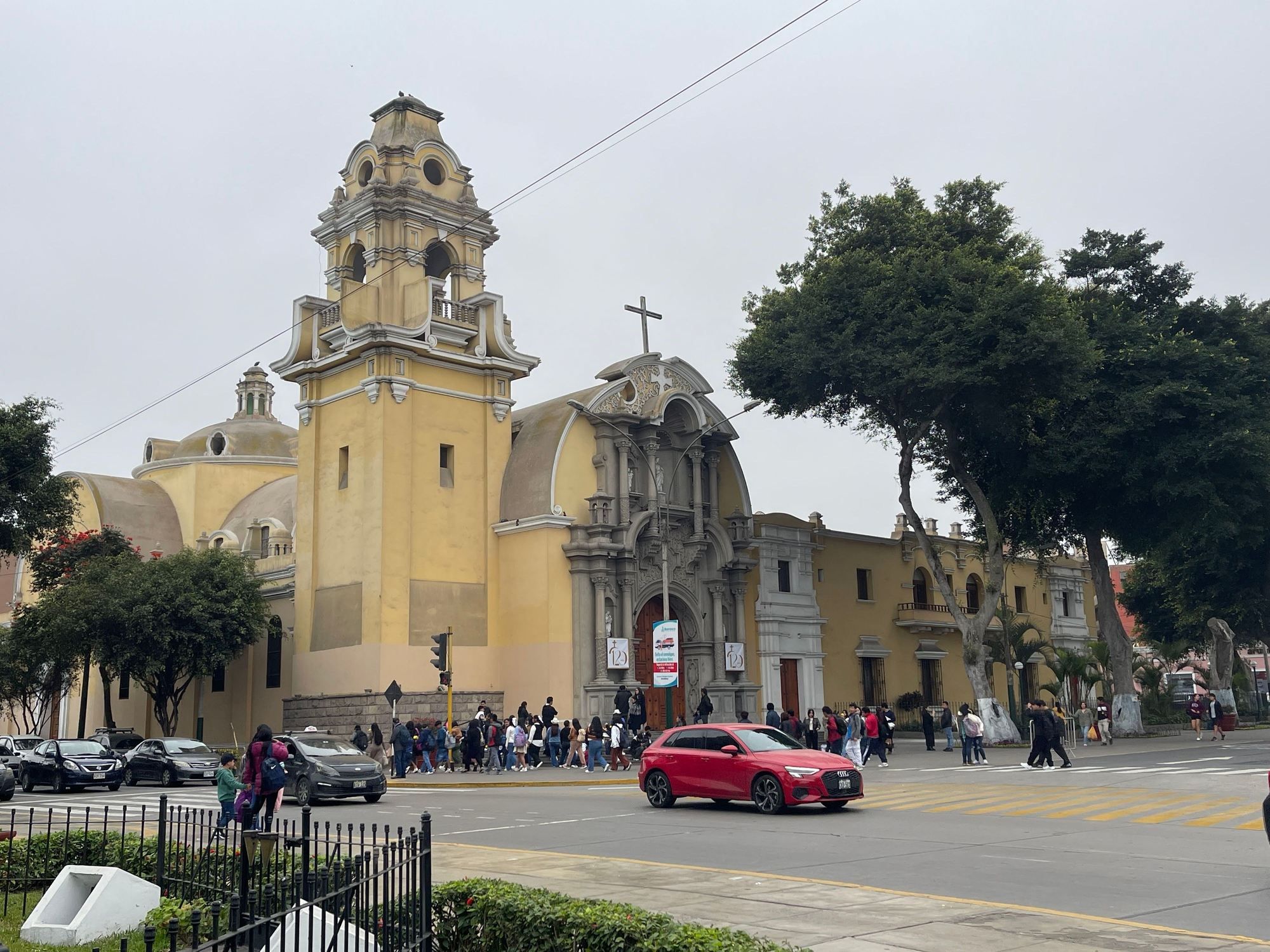
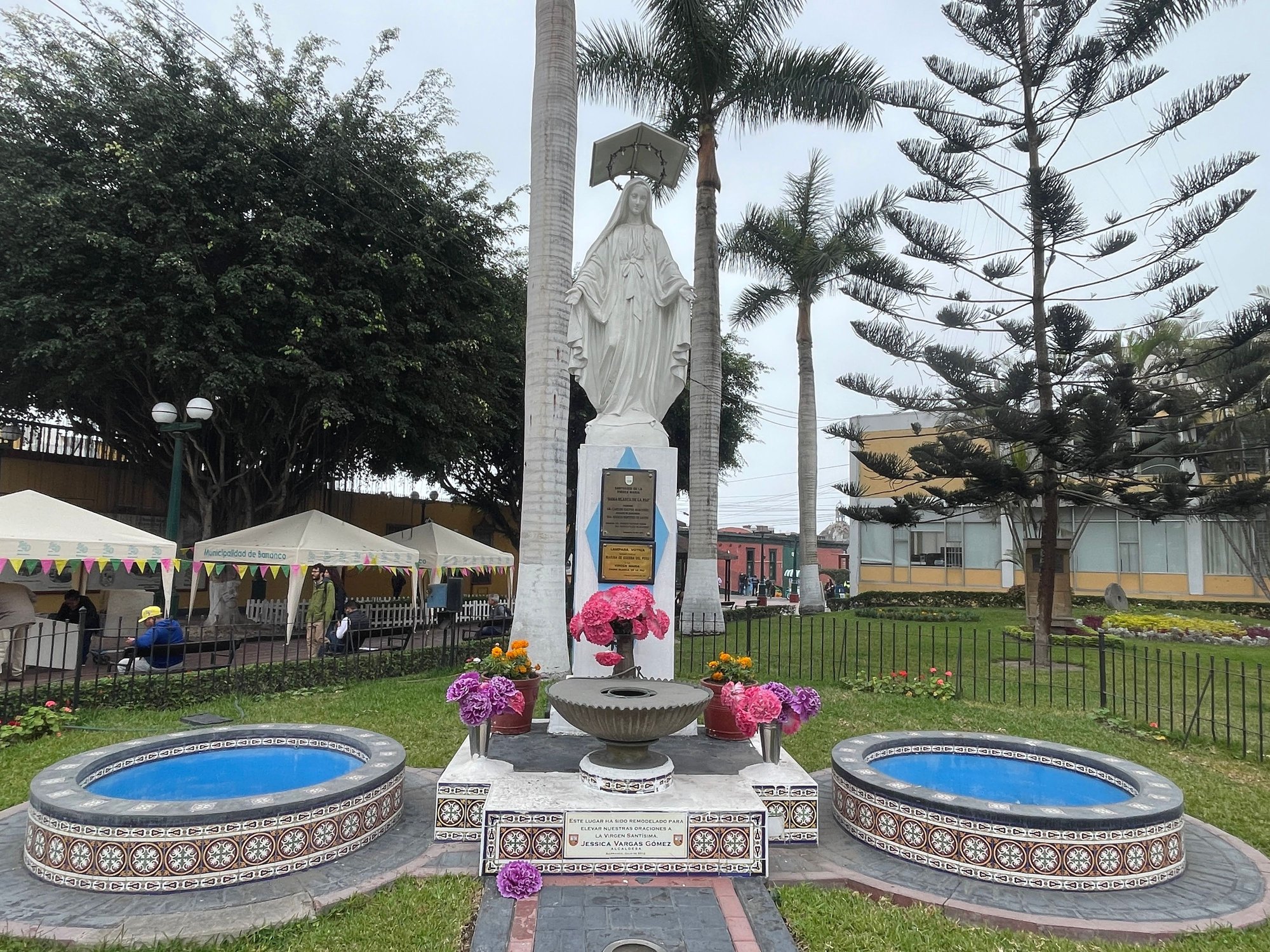
Parque Municipal de Barranco
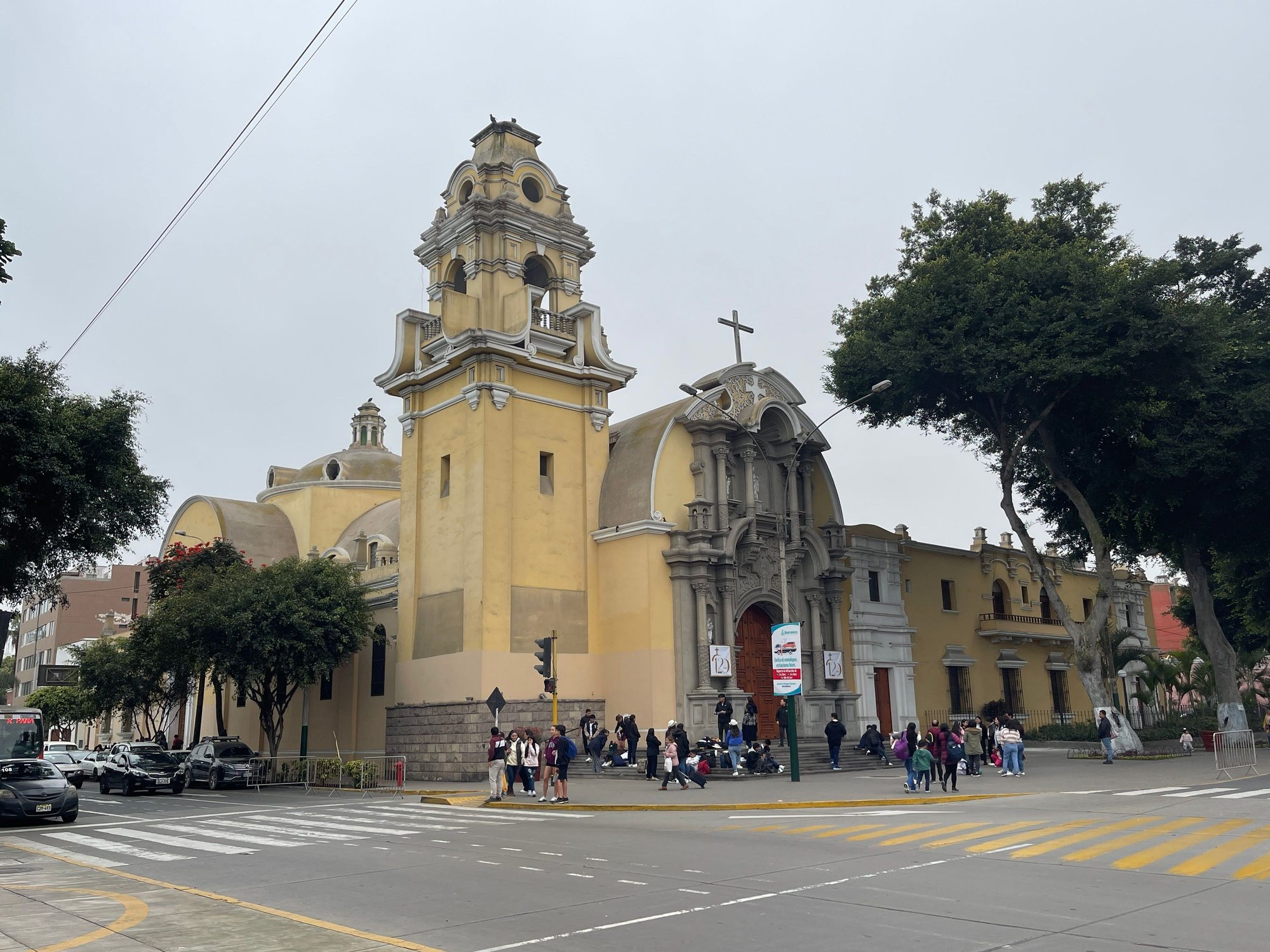
Parque Municipal de Barranco
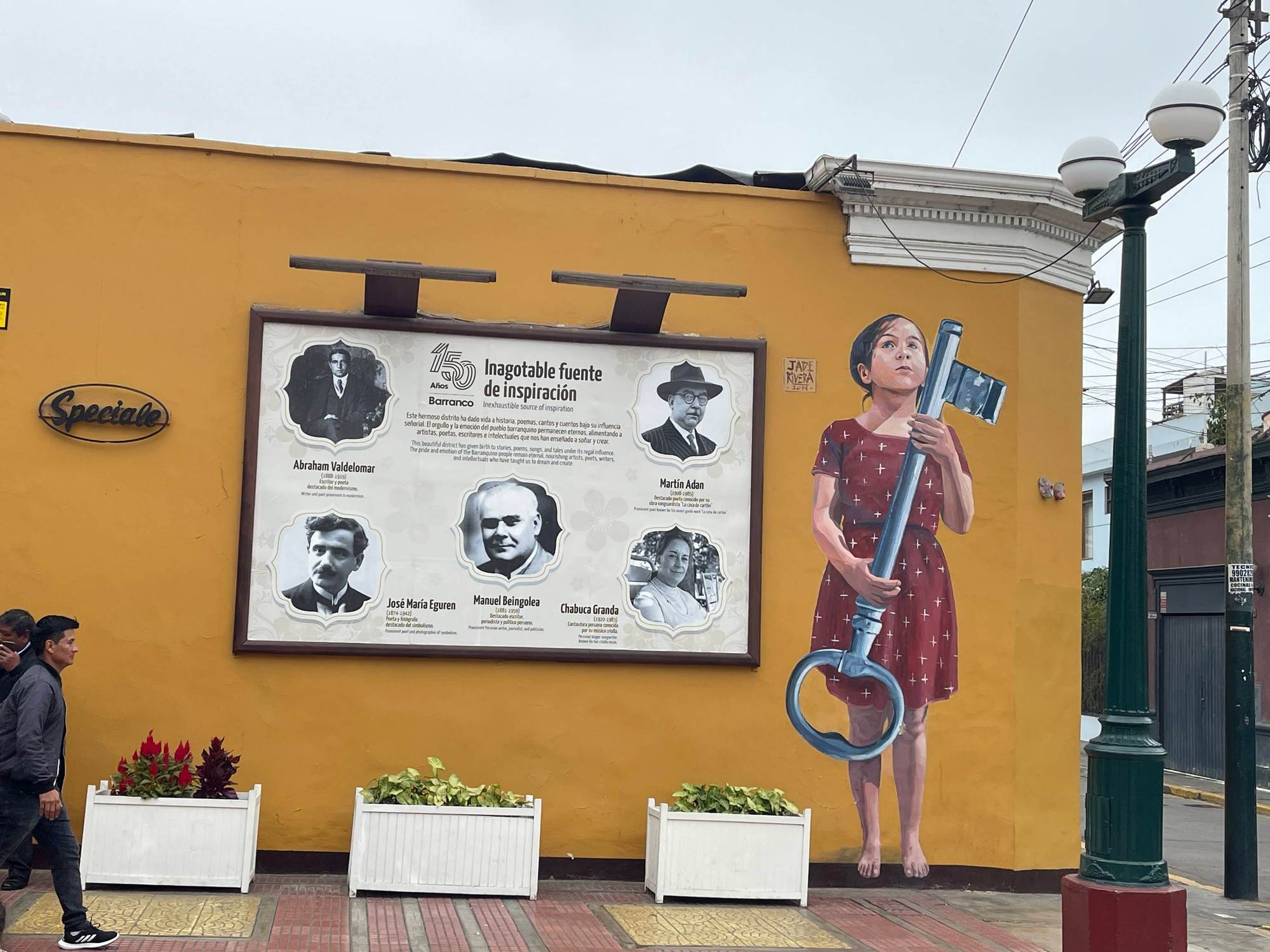
Parque Municipal de Barranco
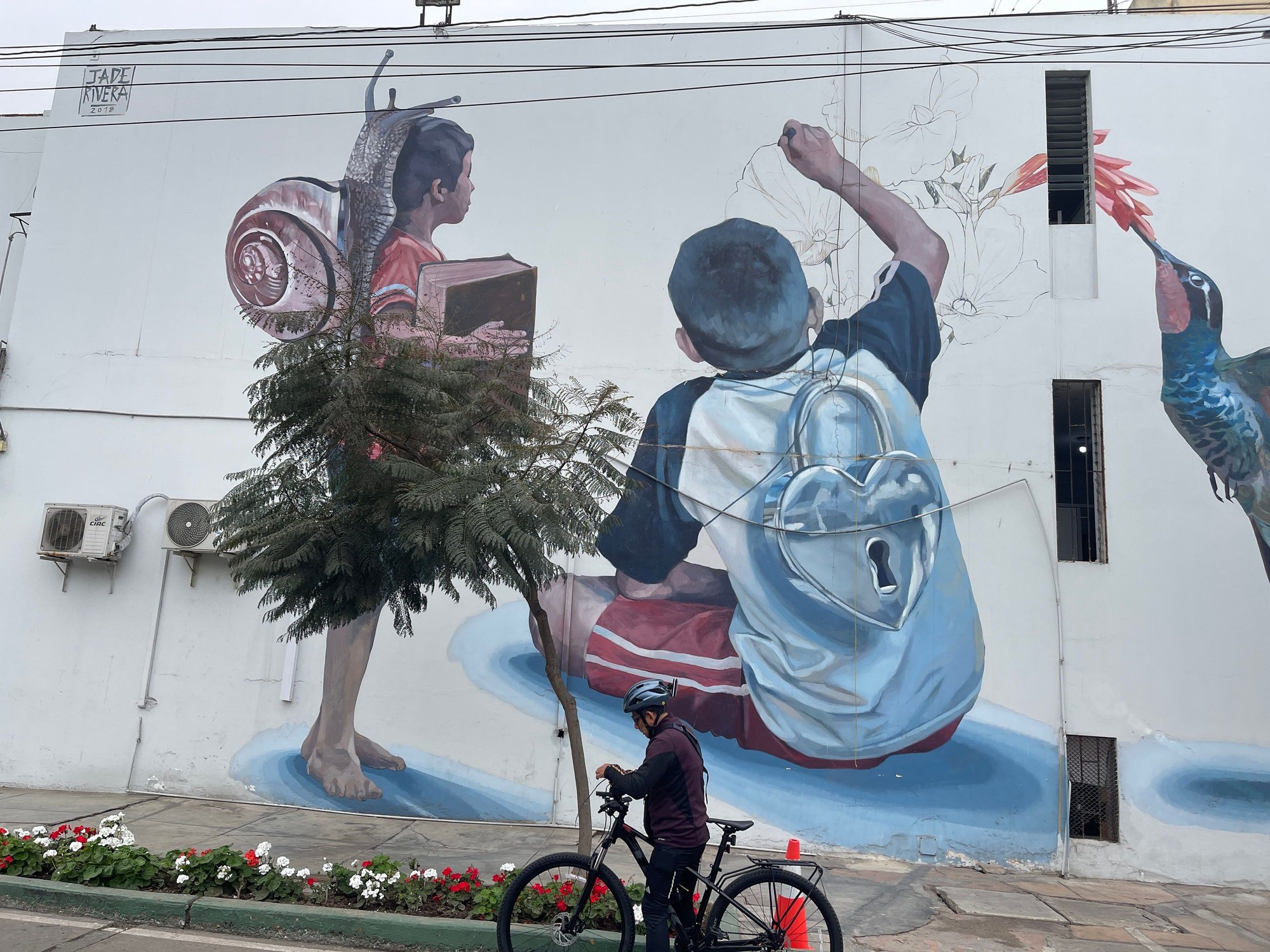
Parque Municipal de Barranco
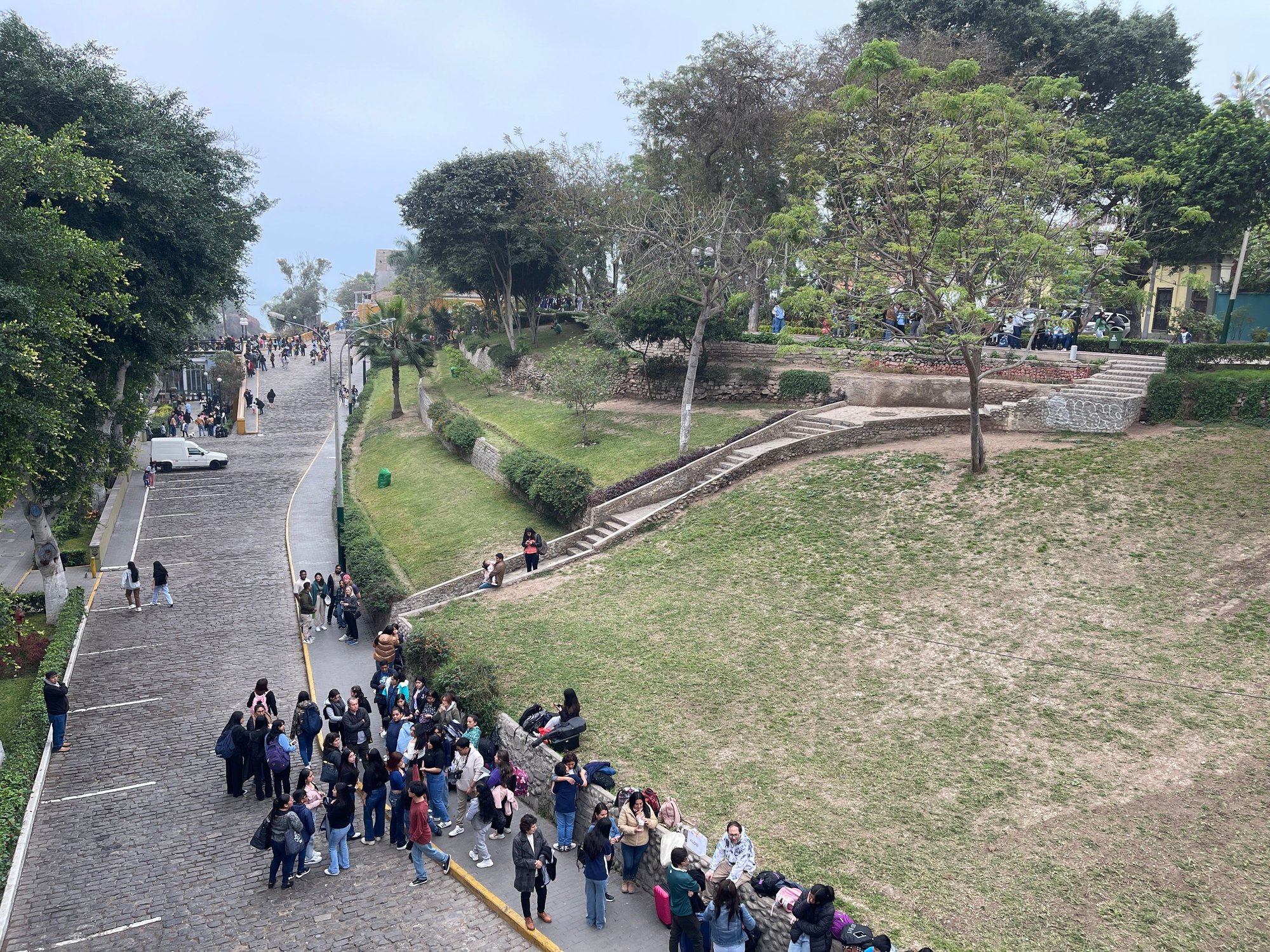
Parque Municipal de Barranco- students graduation??
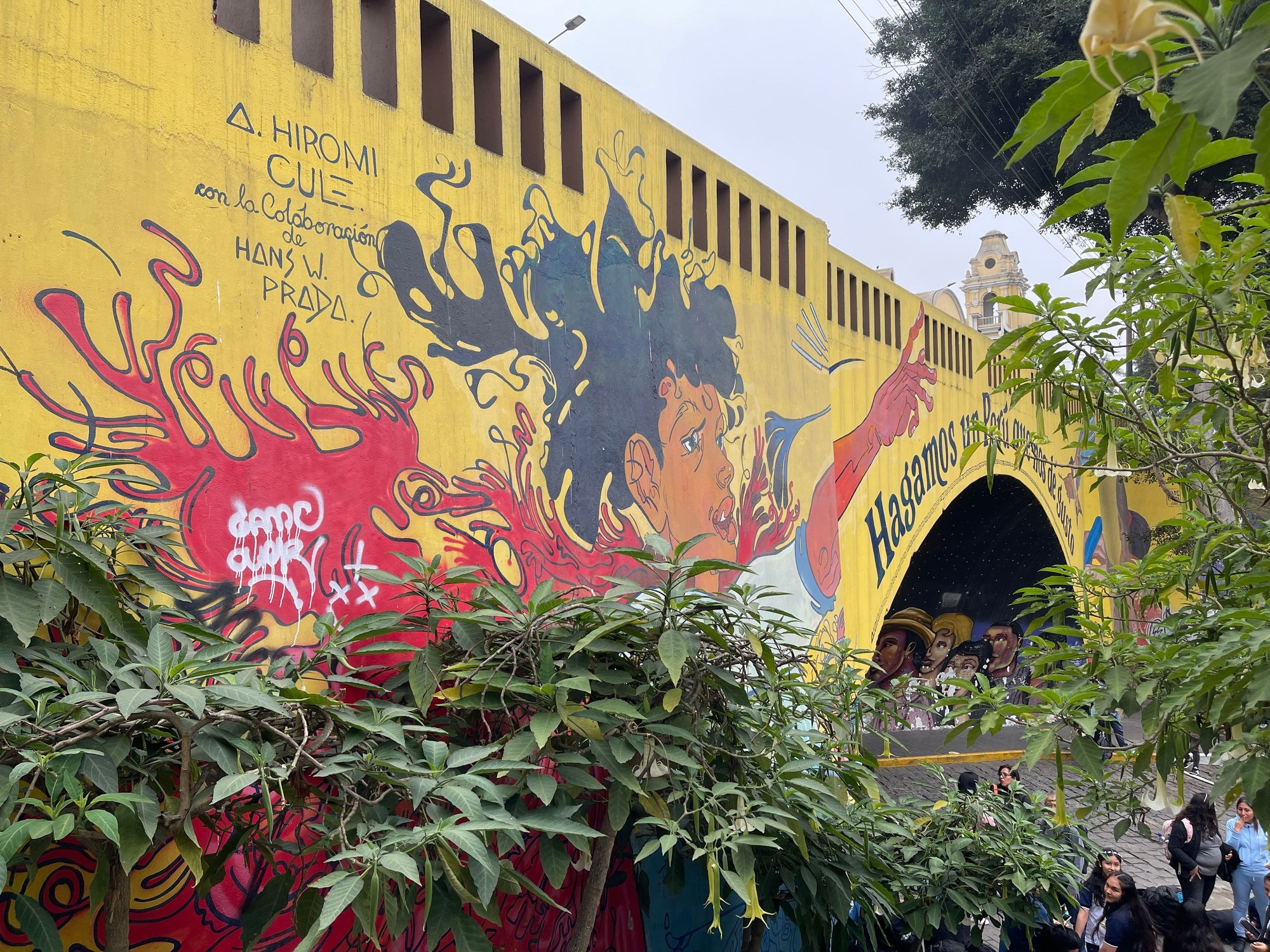
Parque Municipal de Barranco
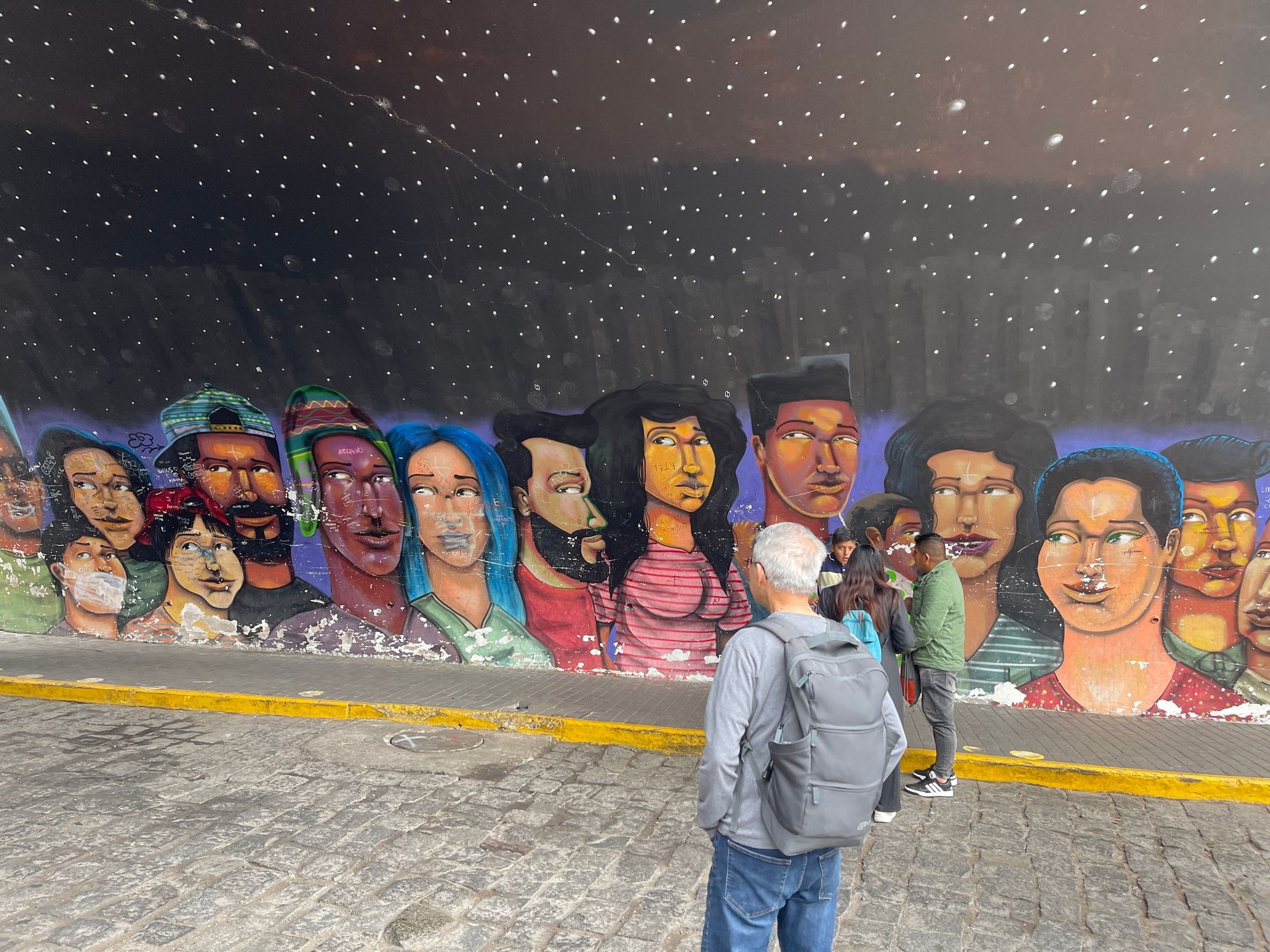
Parque Municipal de Barranco
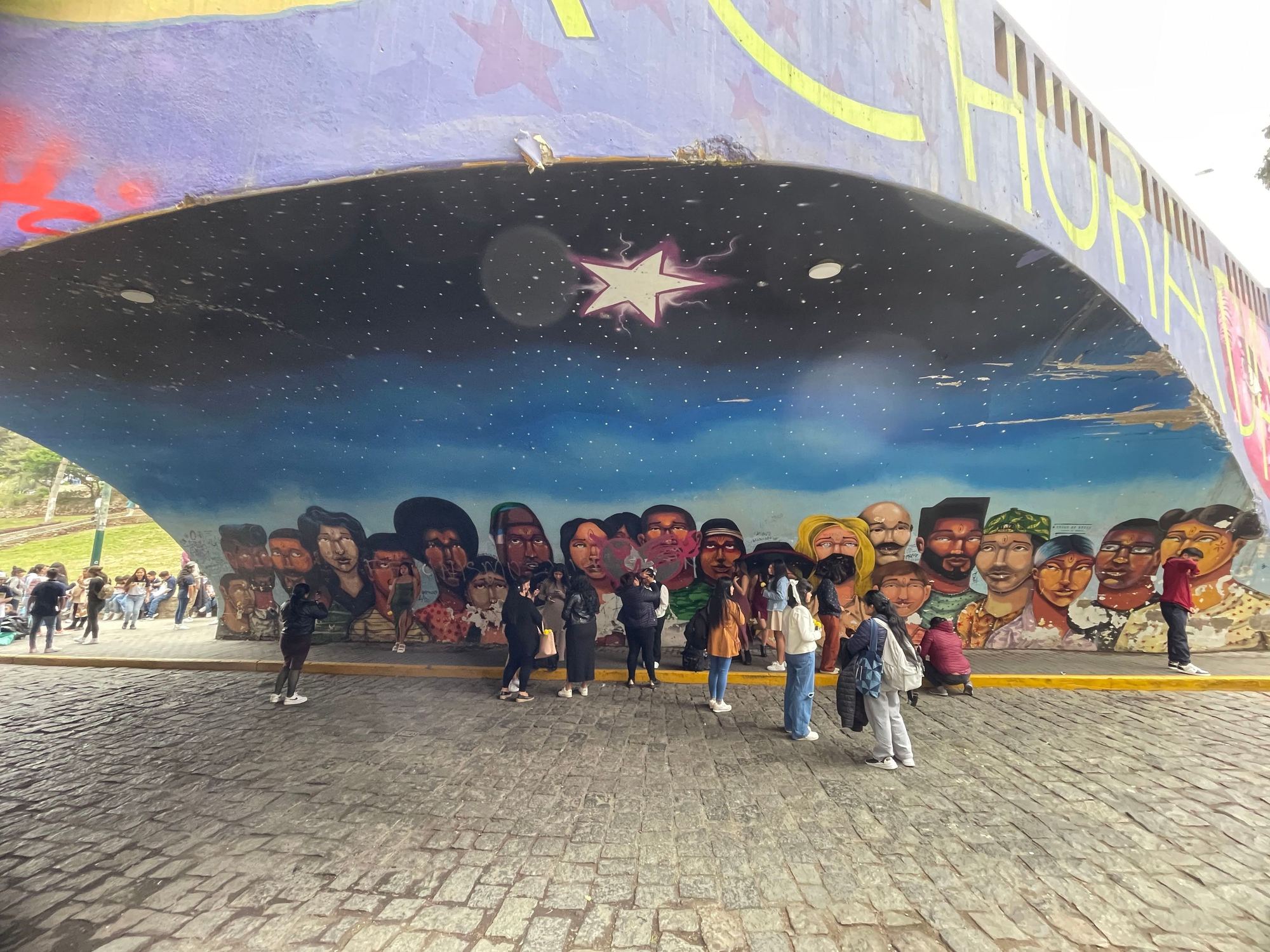
Parque Municipal de Barranco
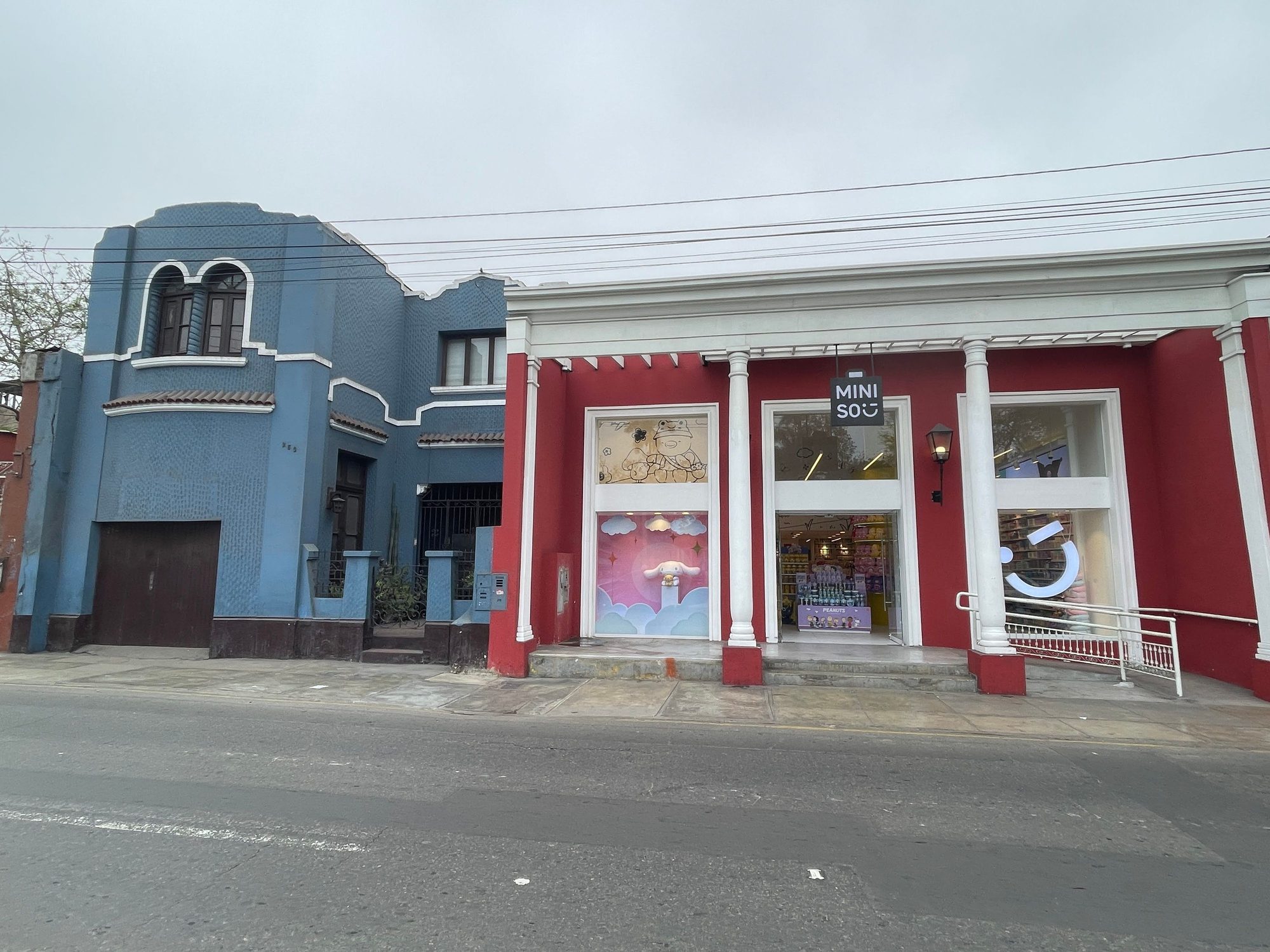
Colonial buildings
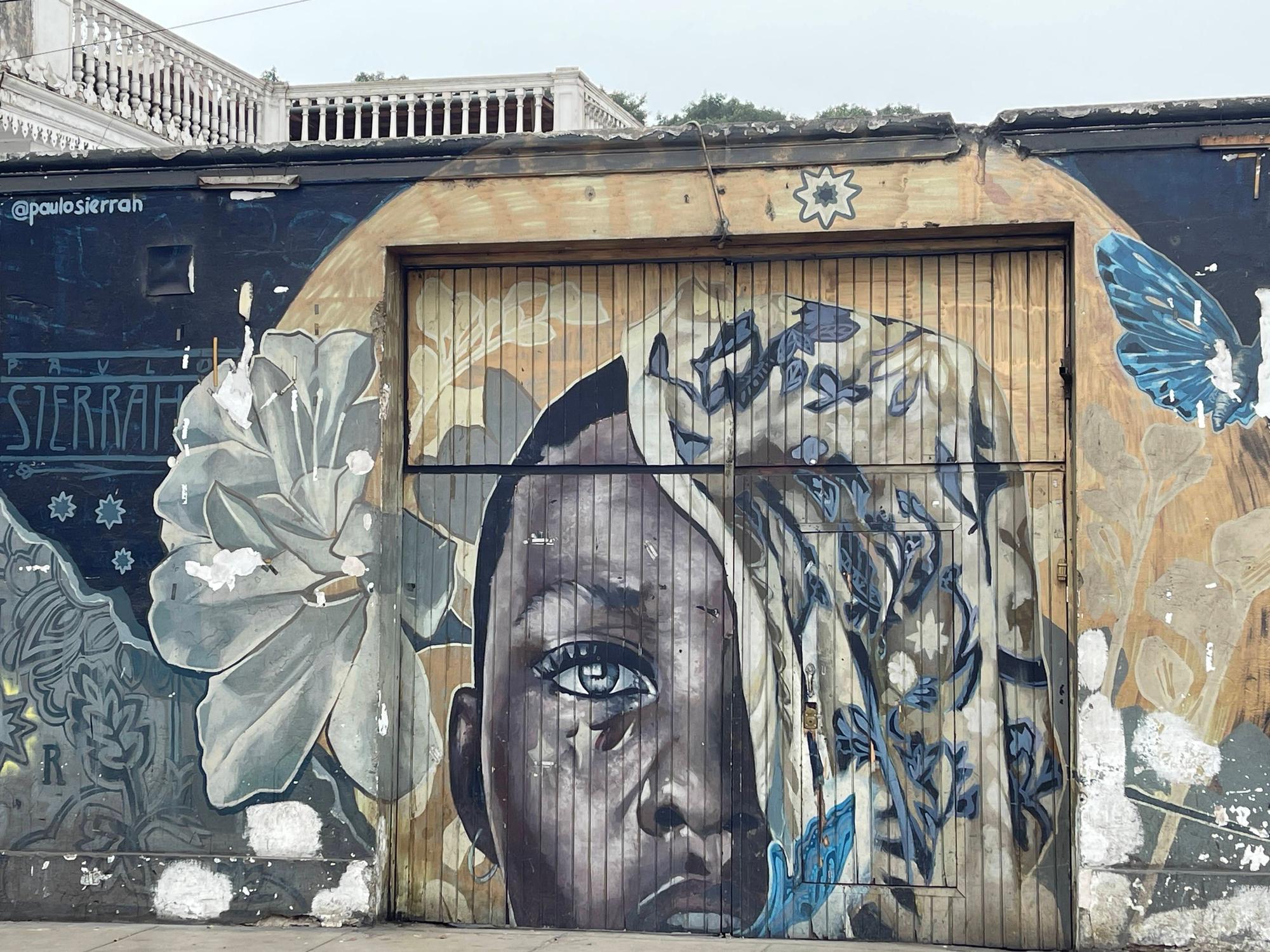
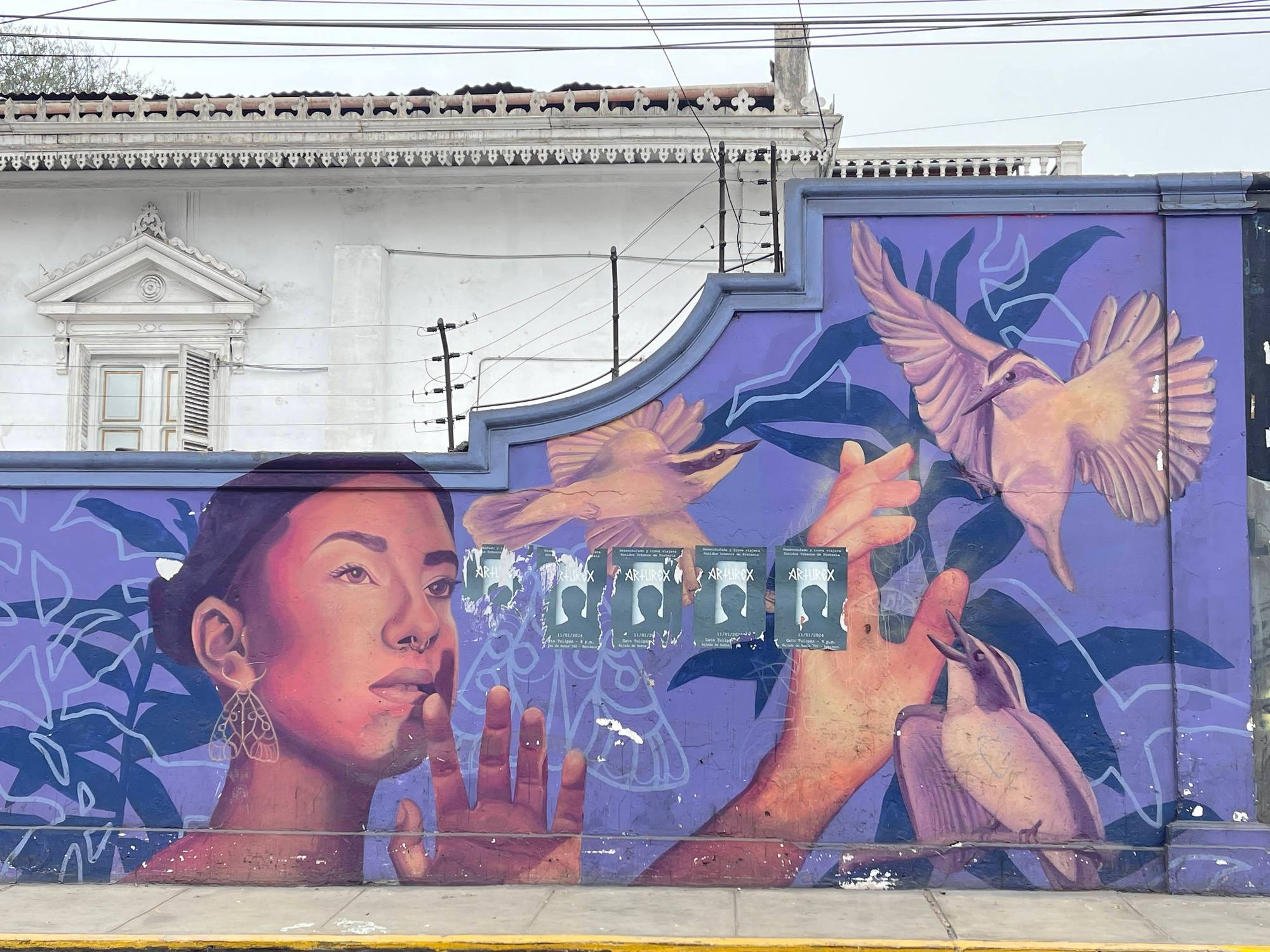
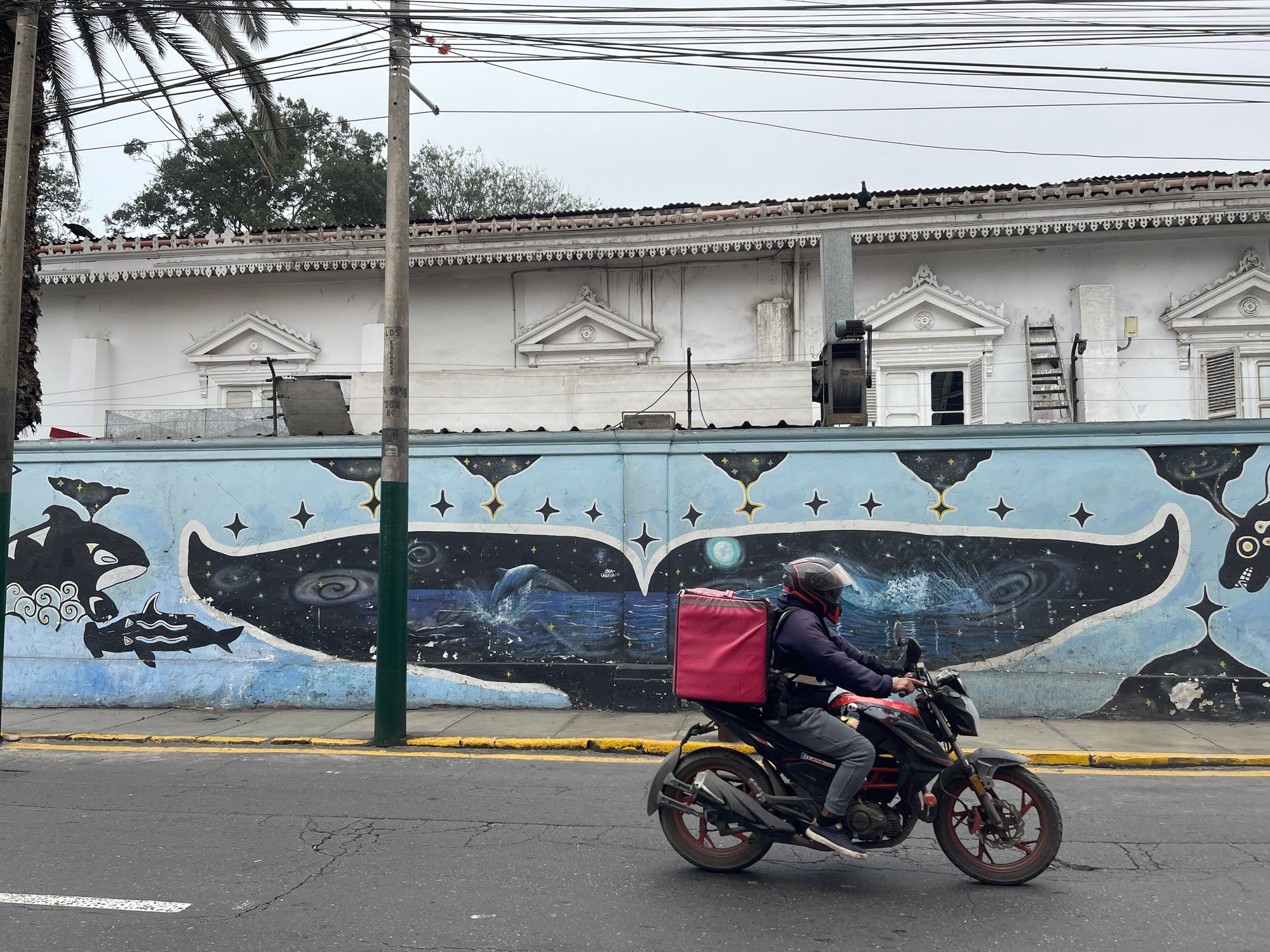
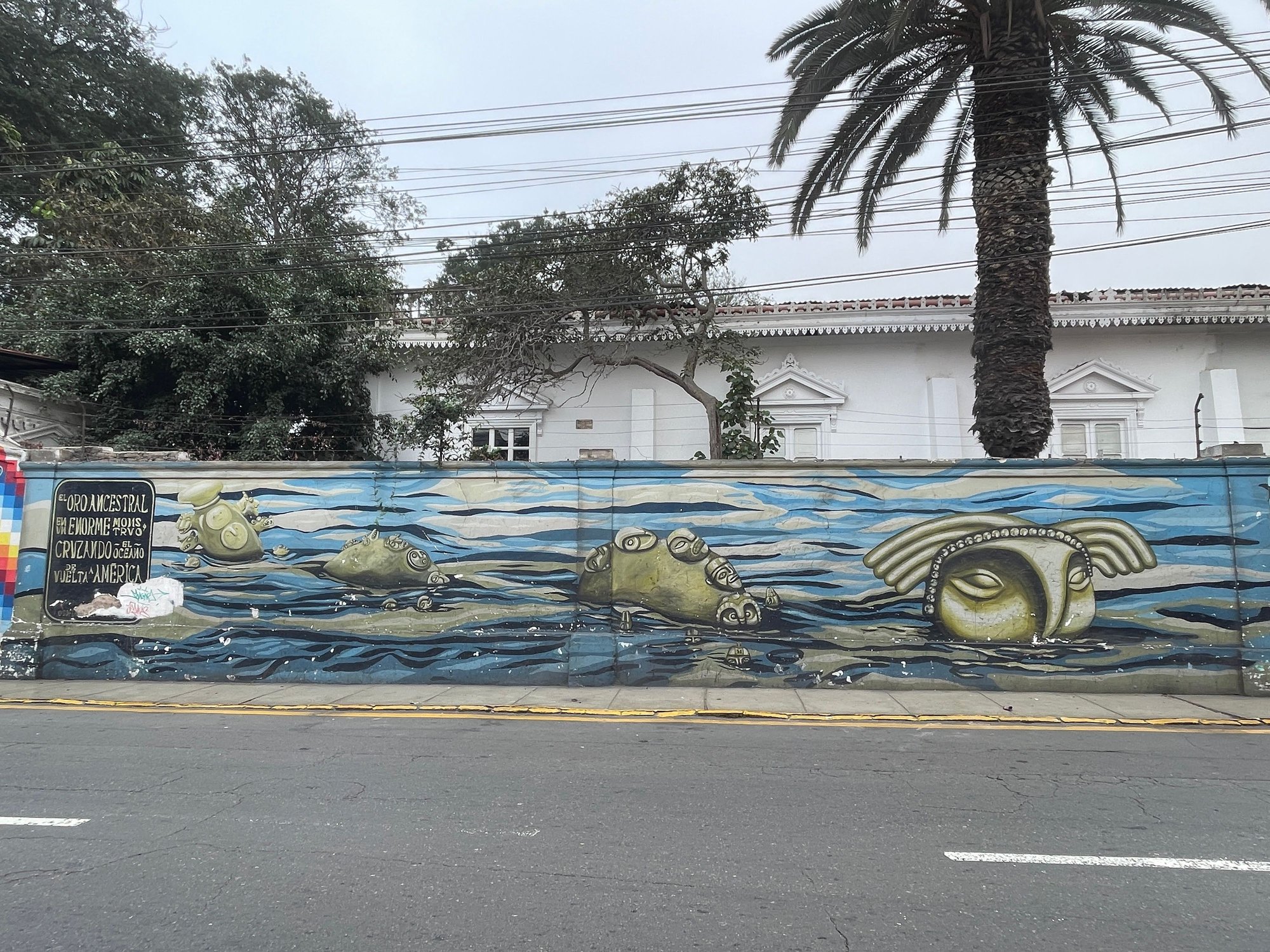
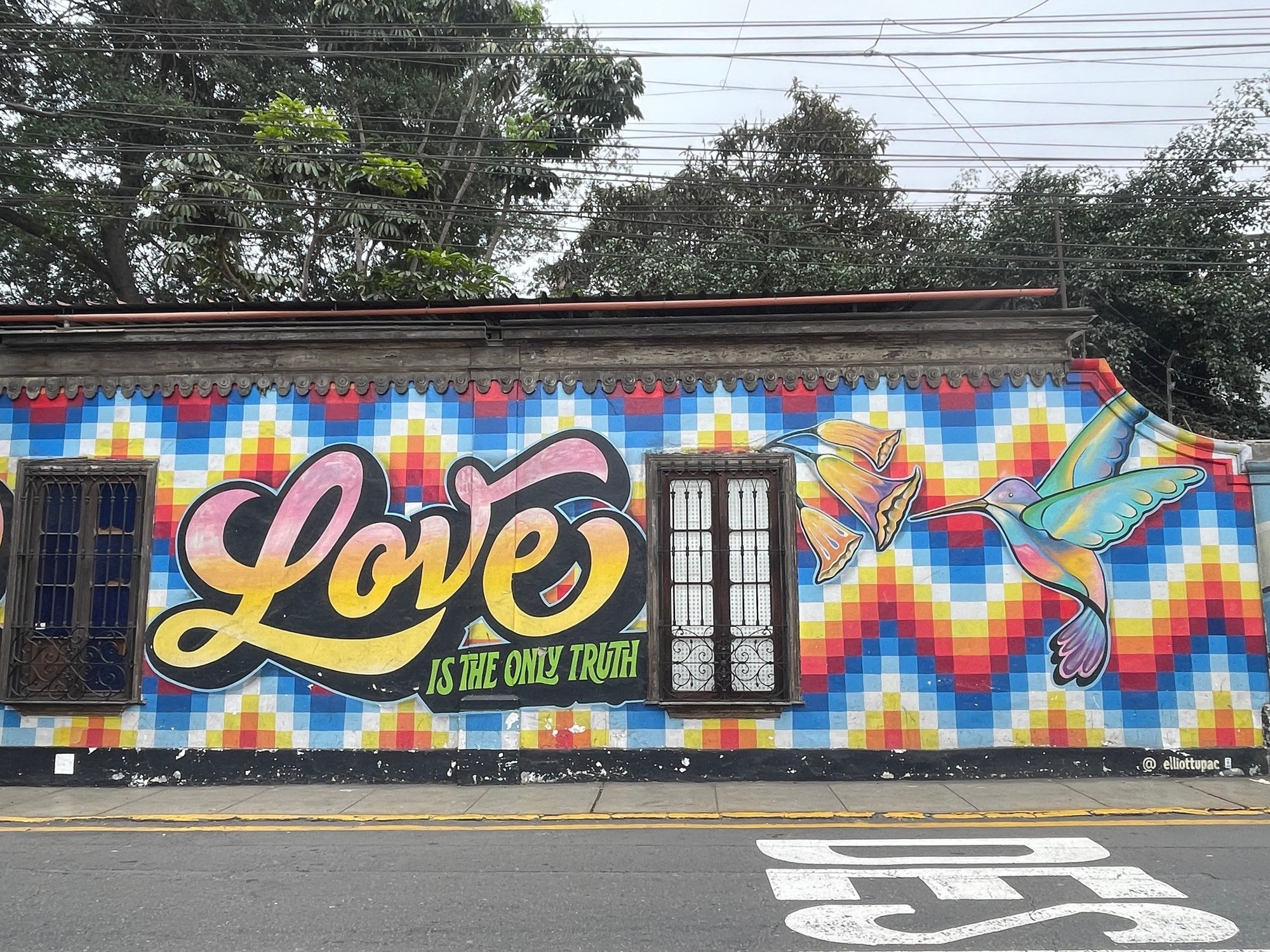
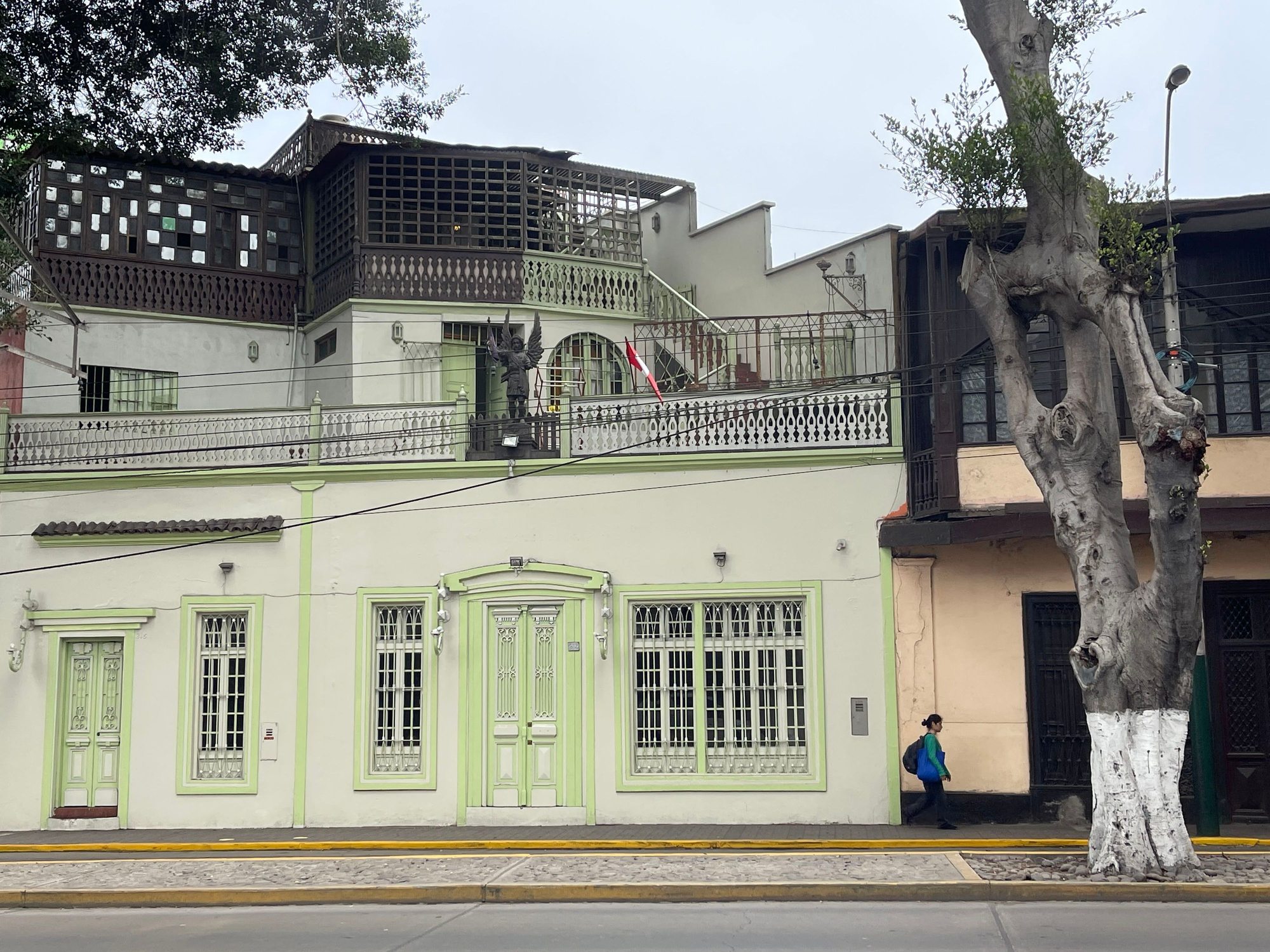
Colonial buildings
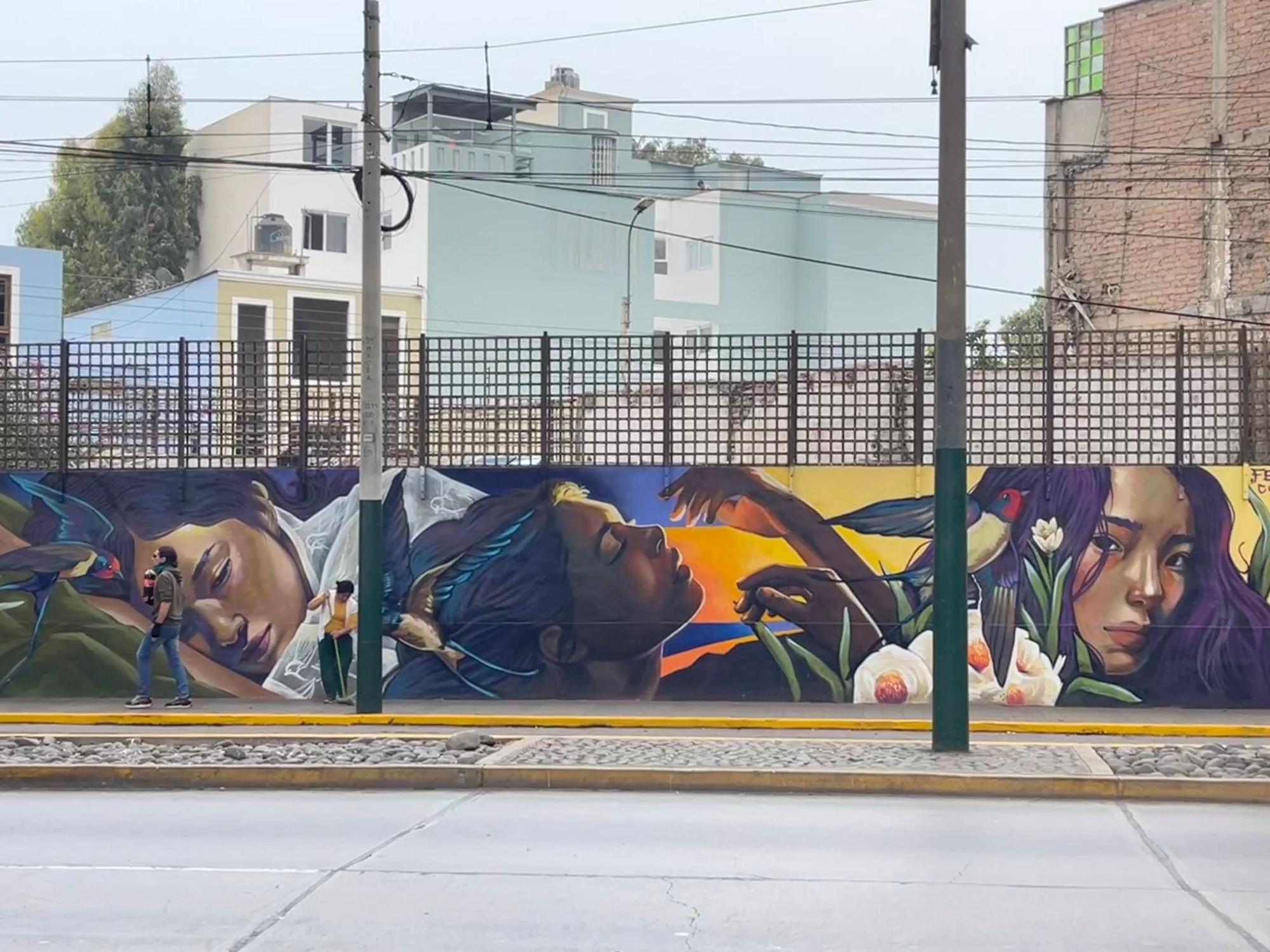
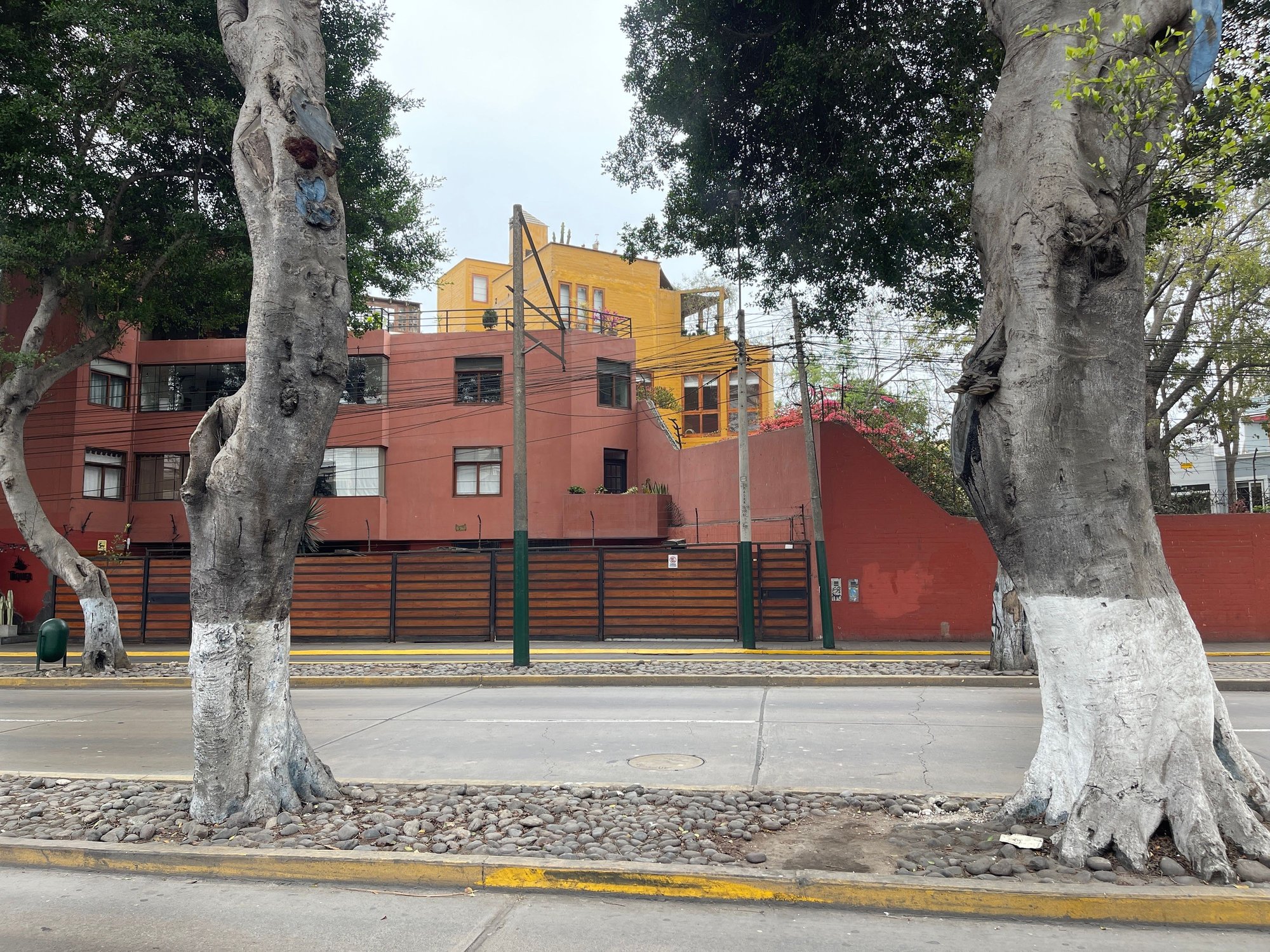
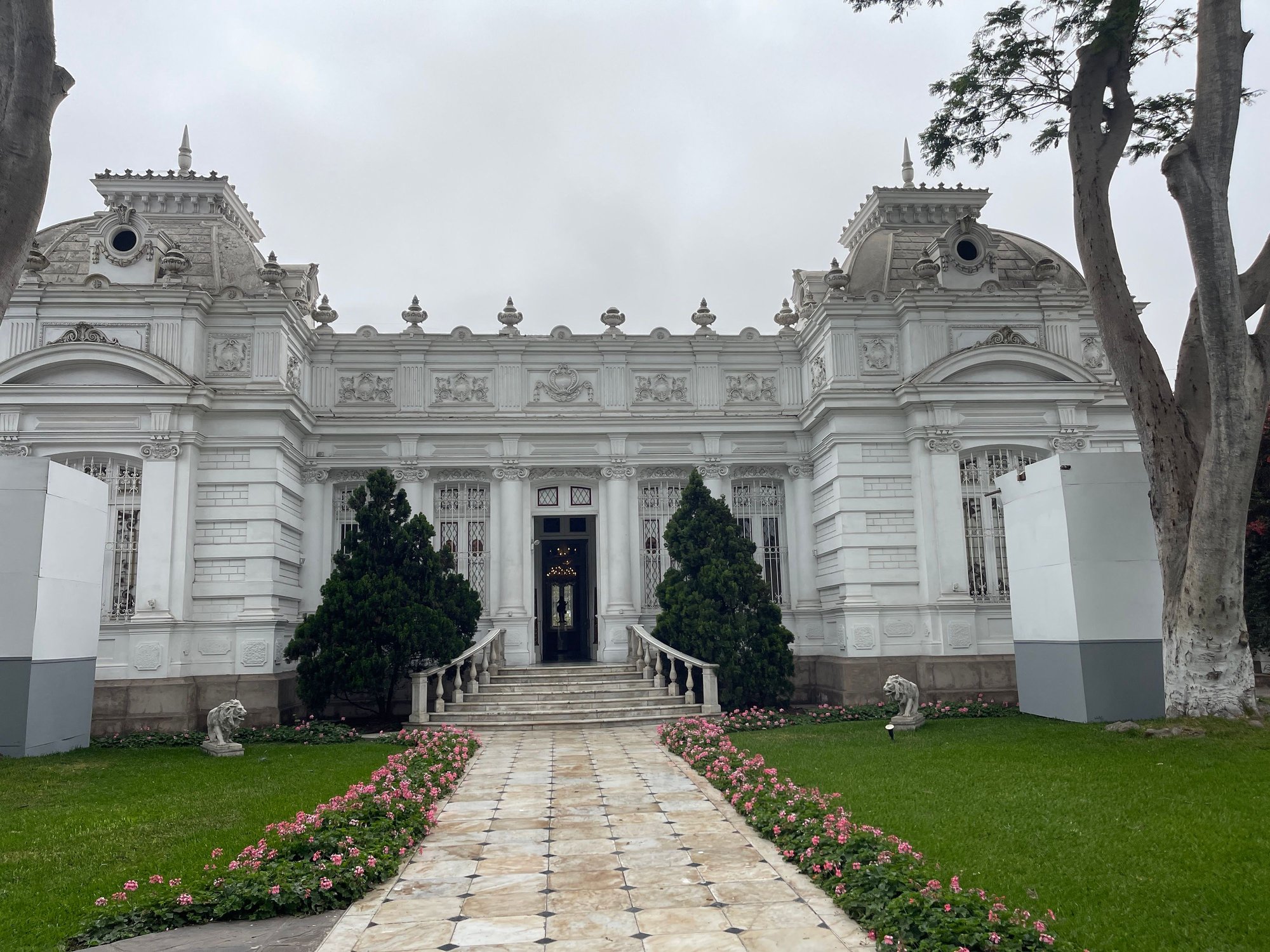
Museo Pedro De Osma
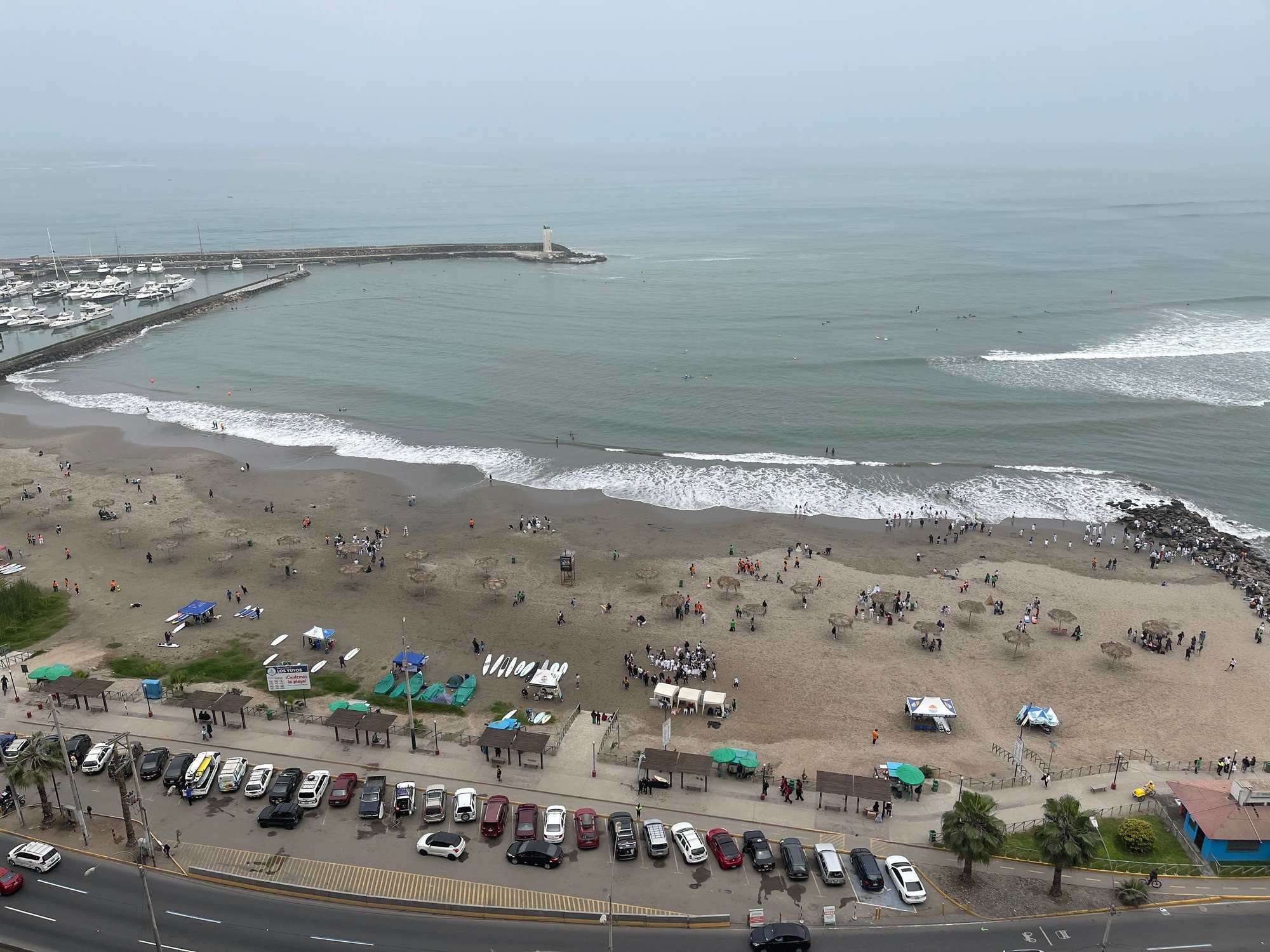
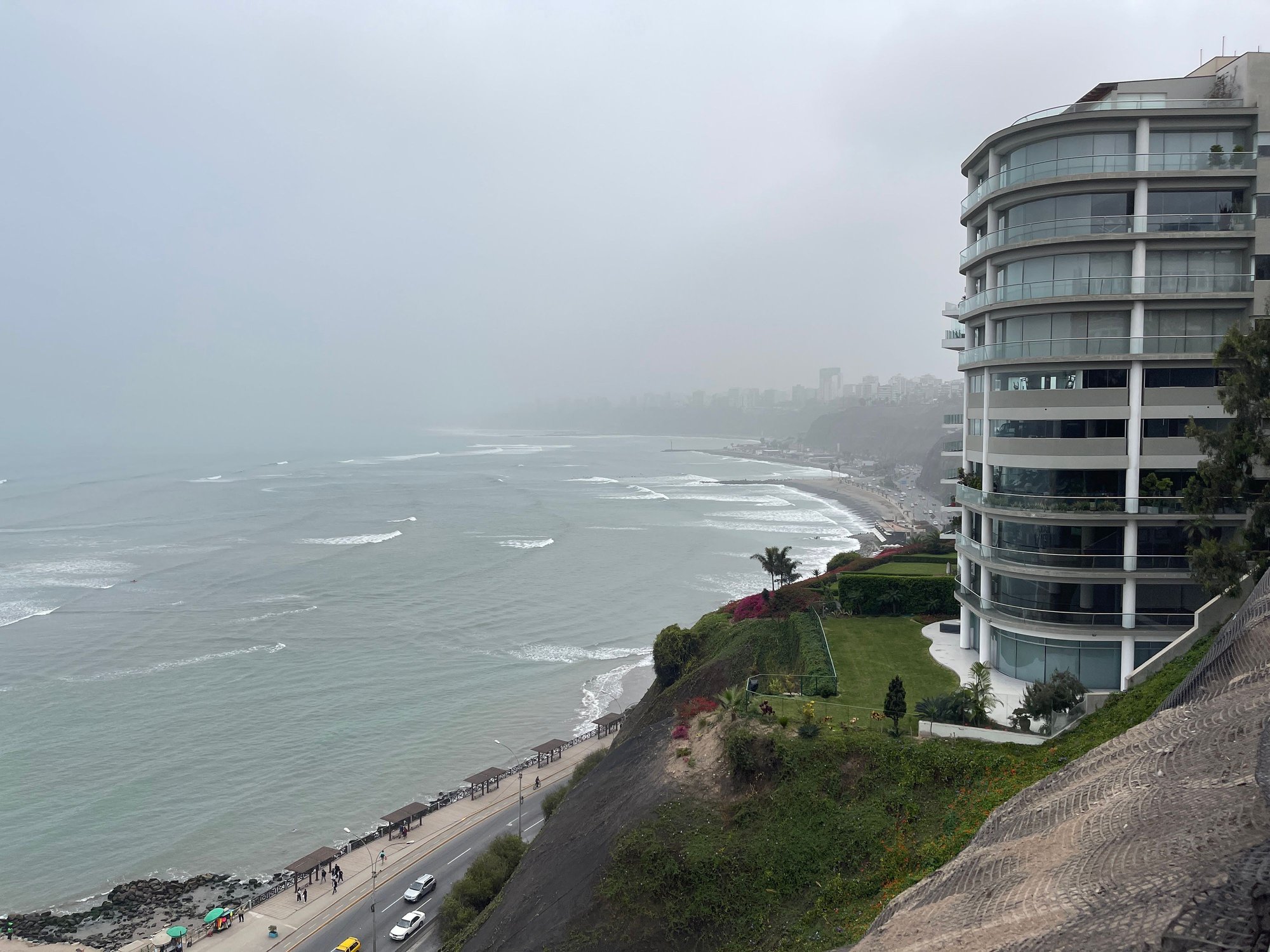
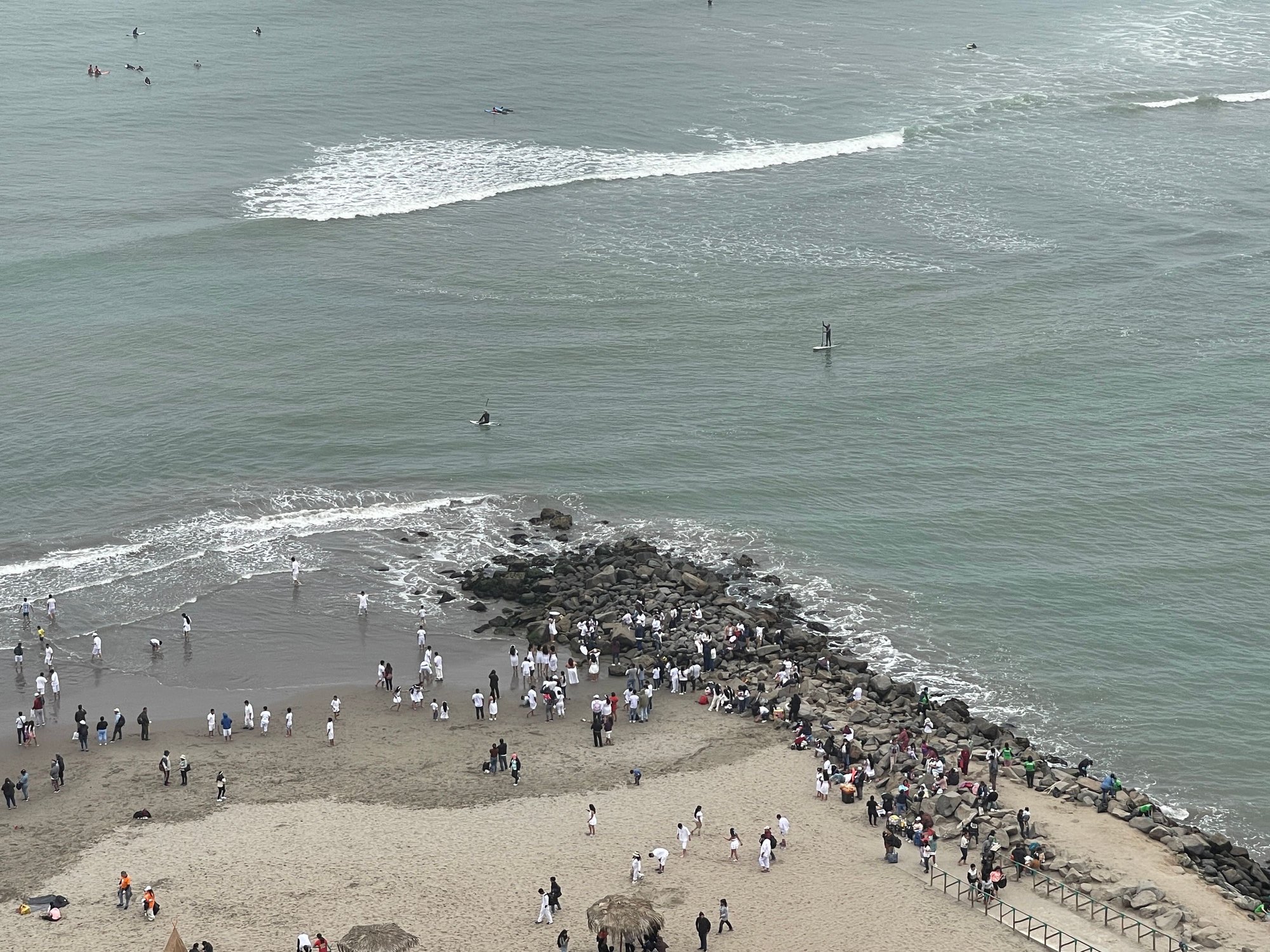
Students gathered around the beachfront for photos
Will continue……..
Along the way, we saw vibrant street arts, colonial architecture, galleries, Puente de los Suspiros (Bridge of Sighs), Plaza de armas de Barranco, and Museo Pedro De Osma.
Barranco cathedral
Barranco municipal park
Barranco municipal park
Street art near Barranco municipal park
Crossing the Bridge of Signs- a lot of parents and students taking pictures
Street art near Barranco square
Parque Municipal de Barranco
Parque Municipal de Barranco
Parque Municipal de Barranco
Parque Municipal de Barranco
Parque Municipal de Barranco- students graduation??
Parque Municipal de Barranco
Parque Municipal de Barranco
Parque Municipal de Barranco
Colonial buildings
Colonial buildings
Museo Pedro De Osma
Students gathered around the beachfront for photos
Will continue……..
While we were by the Barranco Plaza de armas and Municipal Park of Barranco, there were huge groups of locals taking pictures for their sons and daughters. It looked like it was a graduation day for the local schools.
After Museo Pedro De Osma, we crossed the street, found the street to the Bajada de los Baños (Descent to the Baths/ Path to the Beach). We continued to the Bajada de los Baños (Descent of the Baths), passing through a lot of beautiful street art on the walls, colorful shops and galleries.
After the steep steps descending the cliff, we used a pedestrian bridge crossing over the busy Costa Verde highway to access the Barranco Beach situated on the side of the highway.
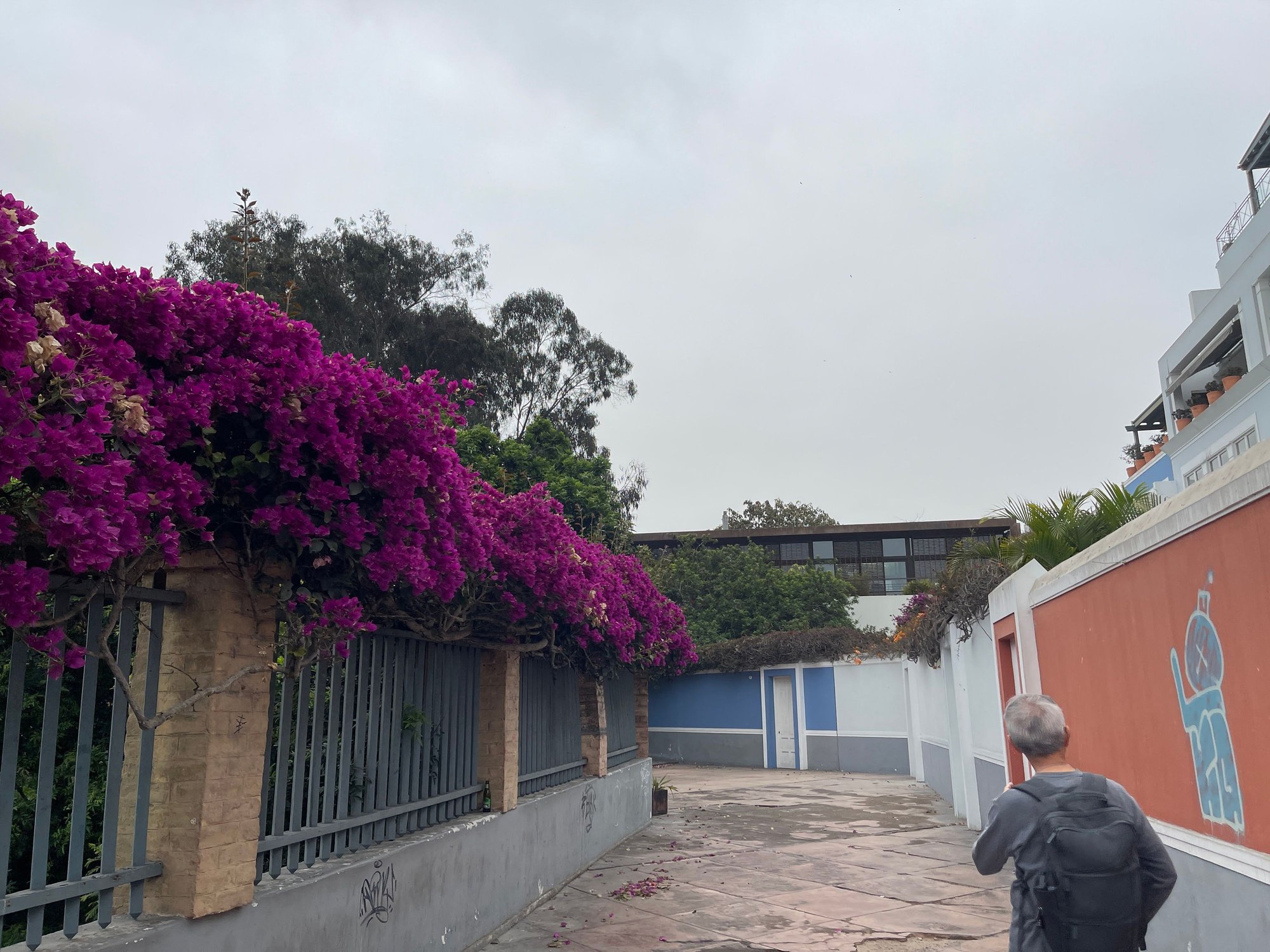
Bajada de los Baños (Descent to the Baths/ Path to the Beach)
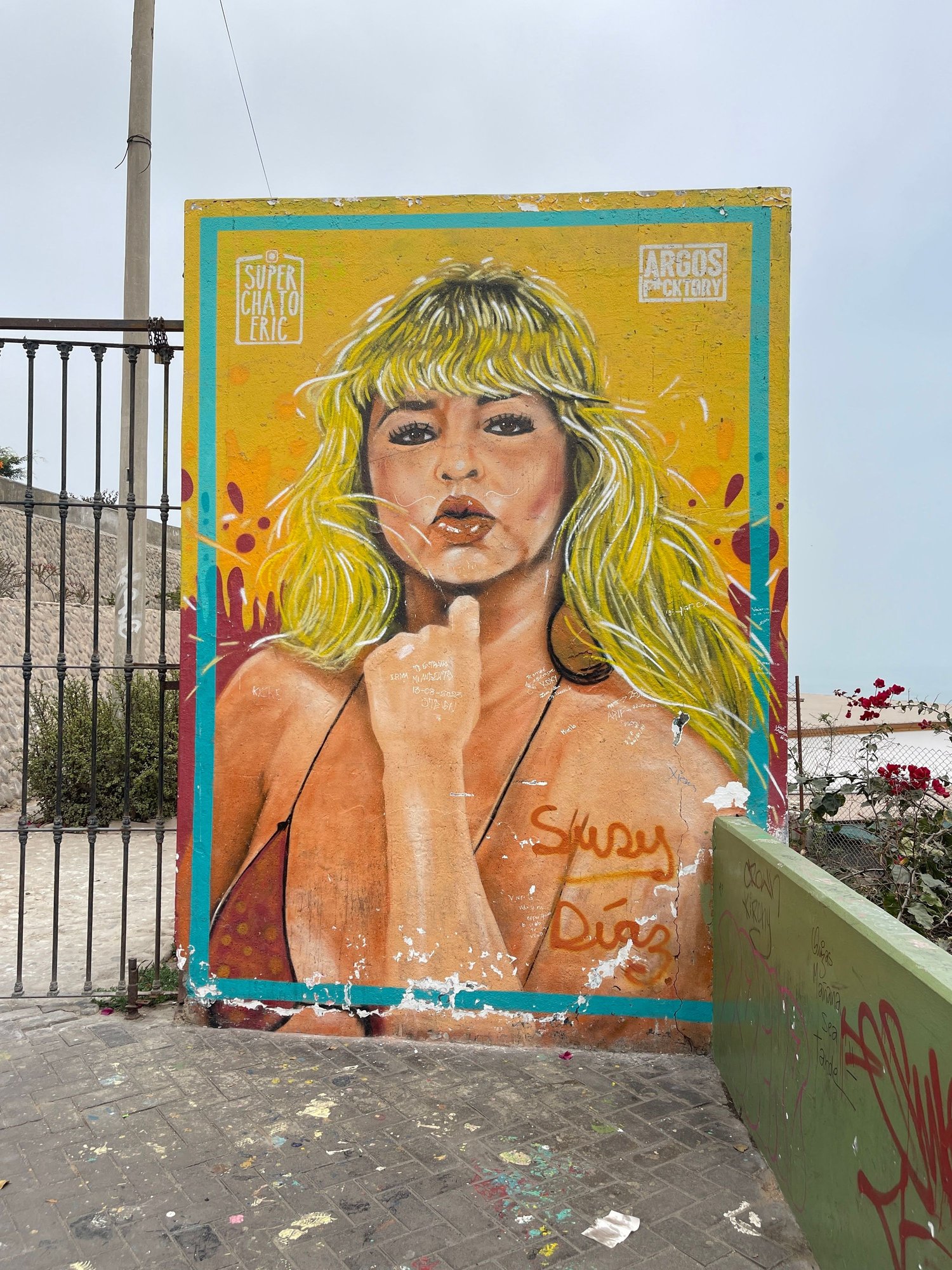
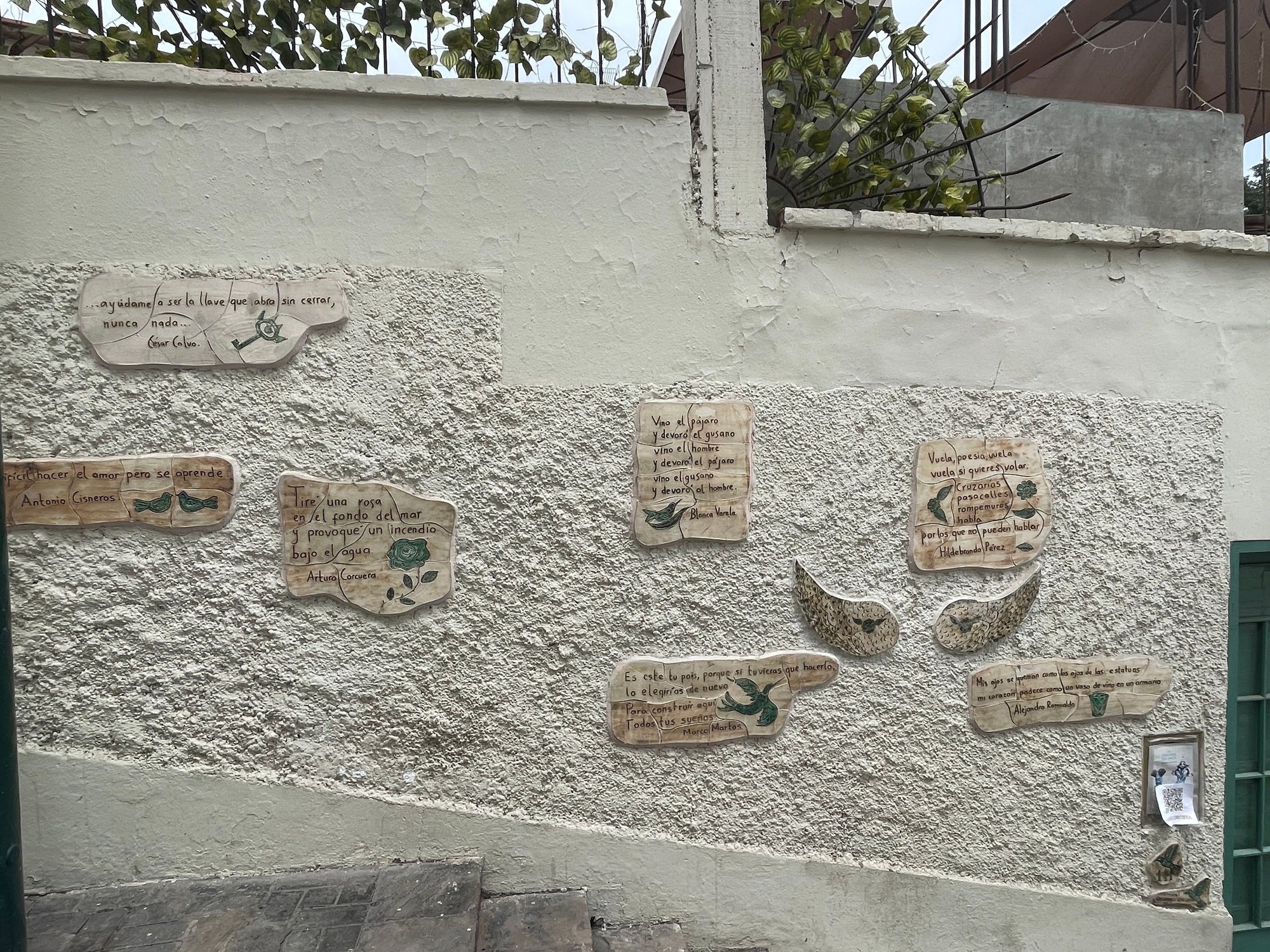
Interest wall decorations
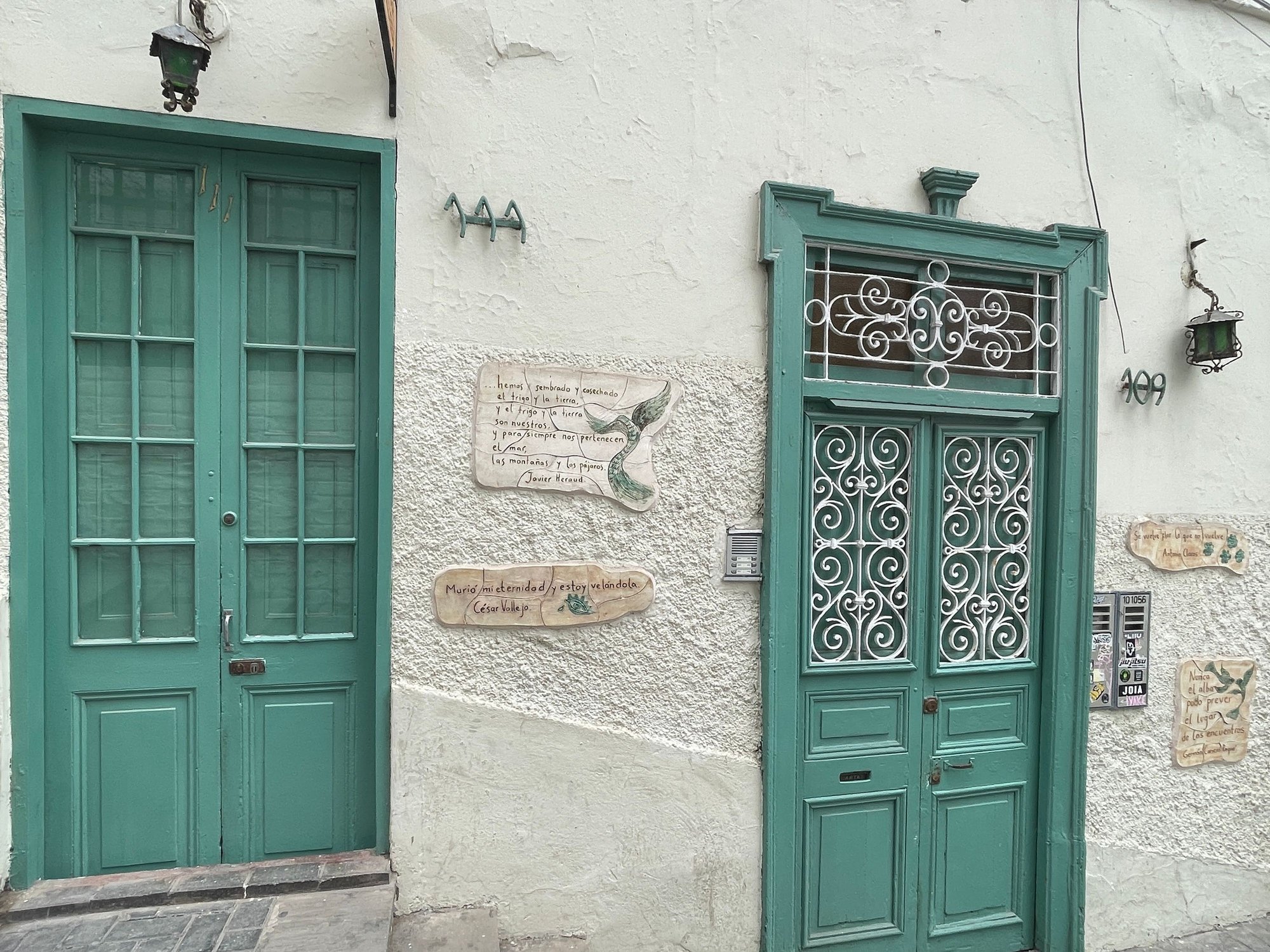
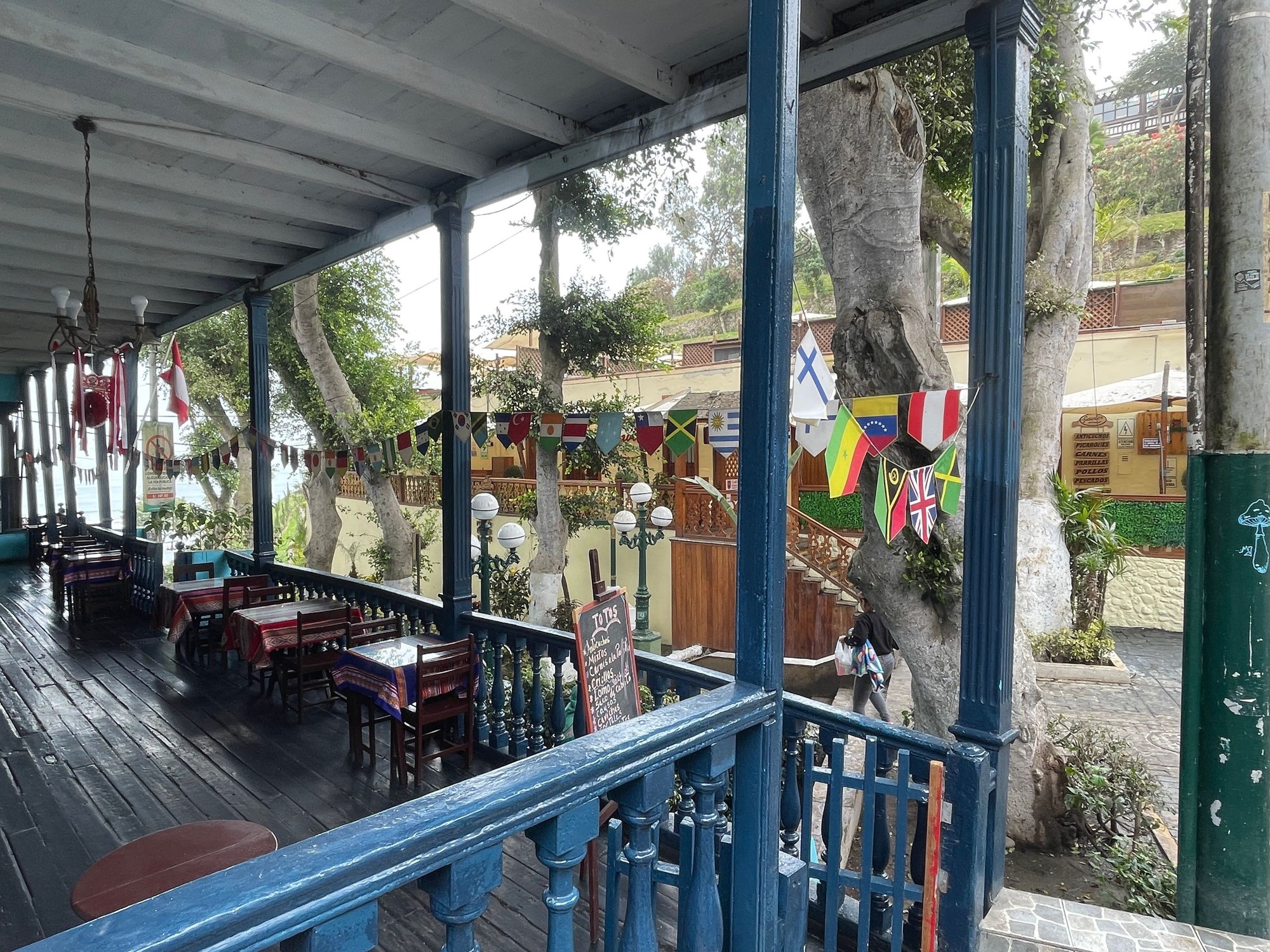
Beautiful cafes and shops
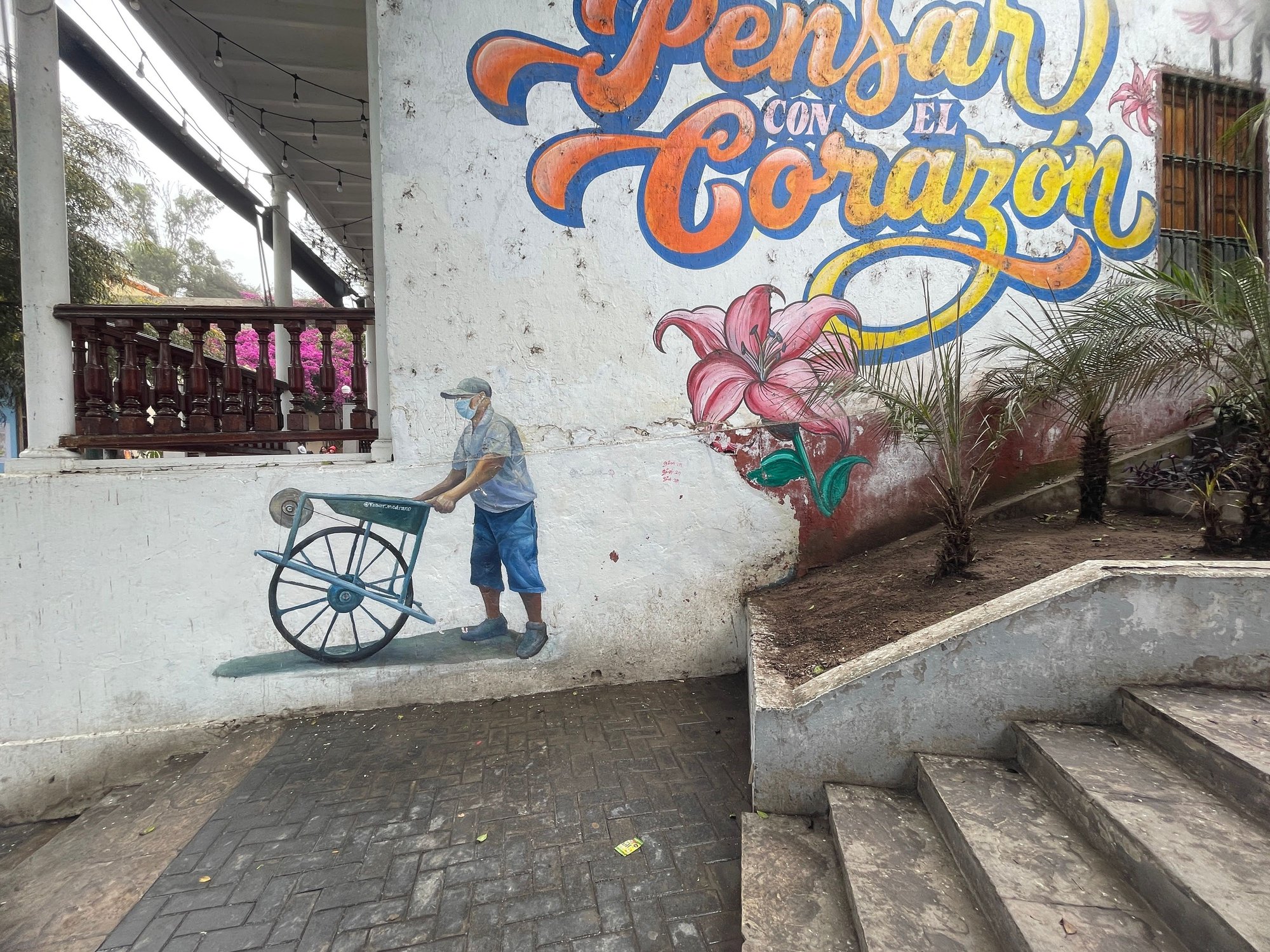
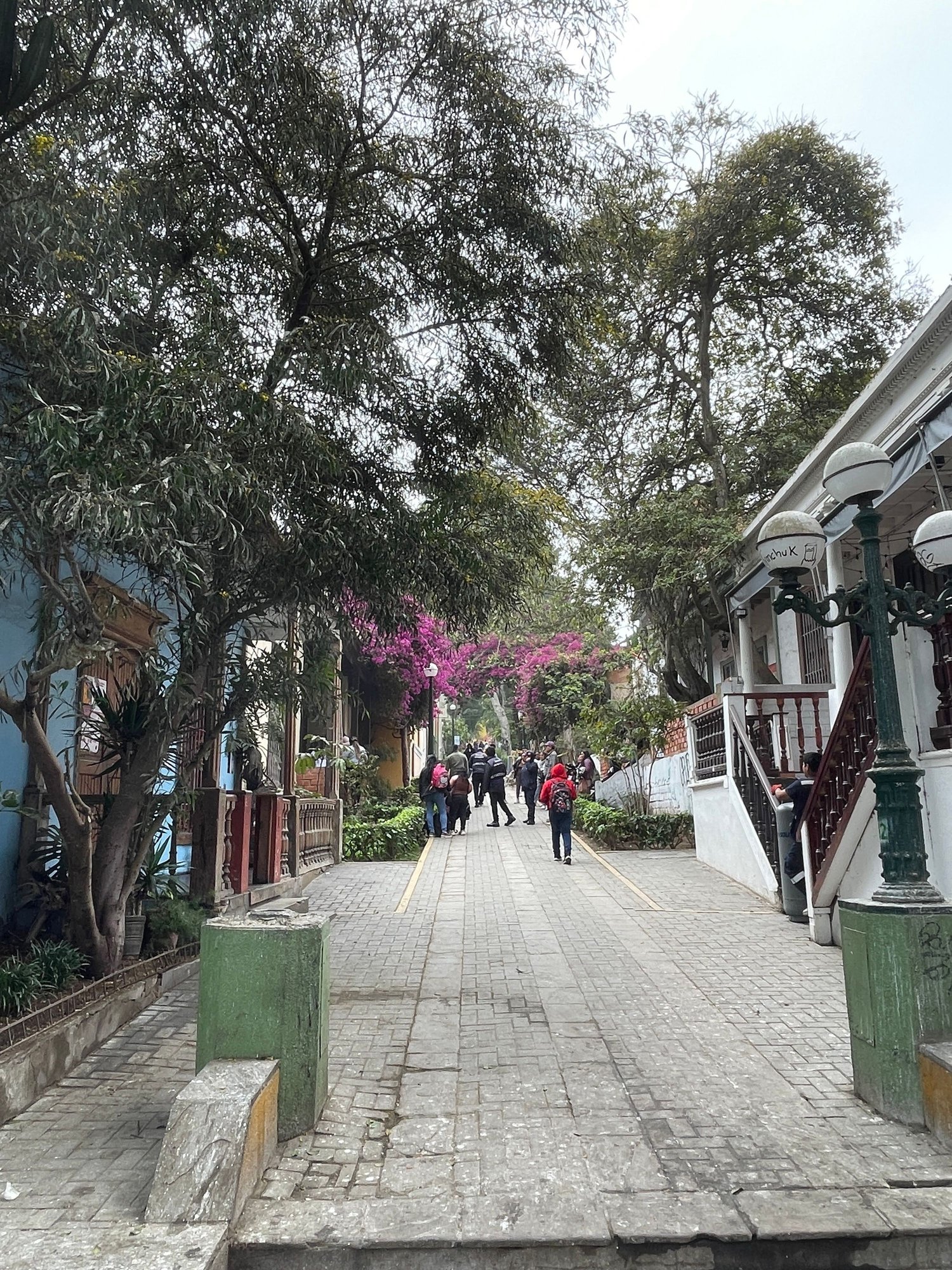
More shops!
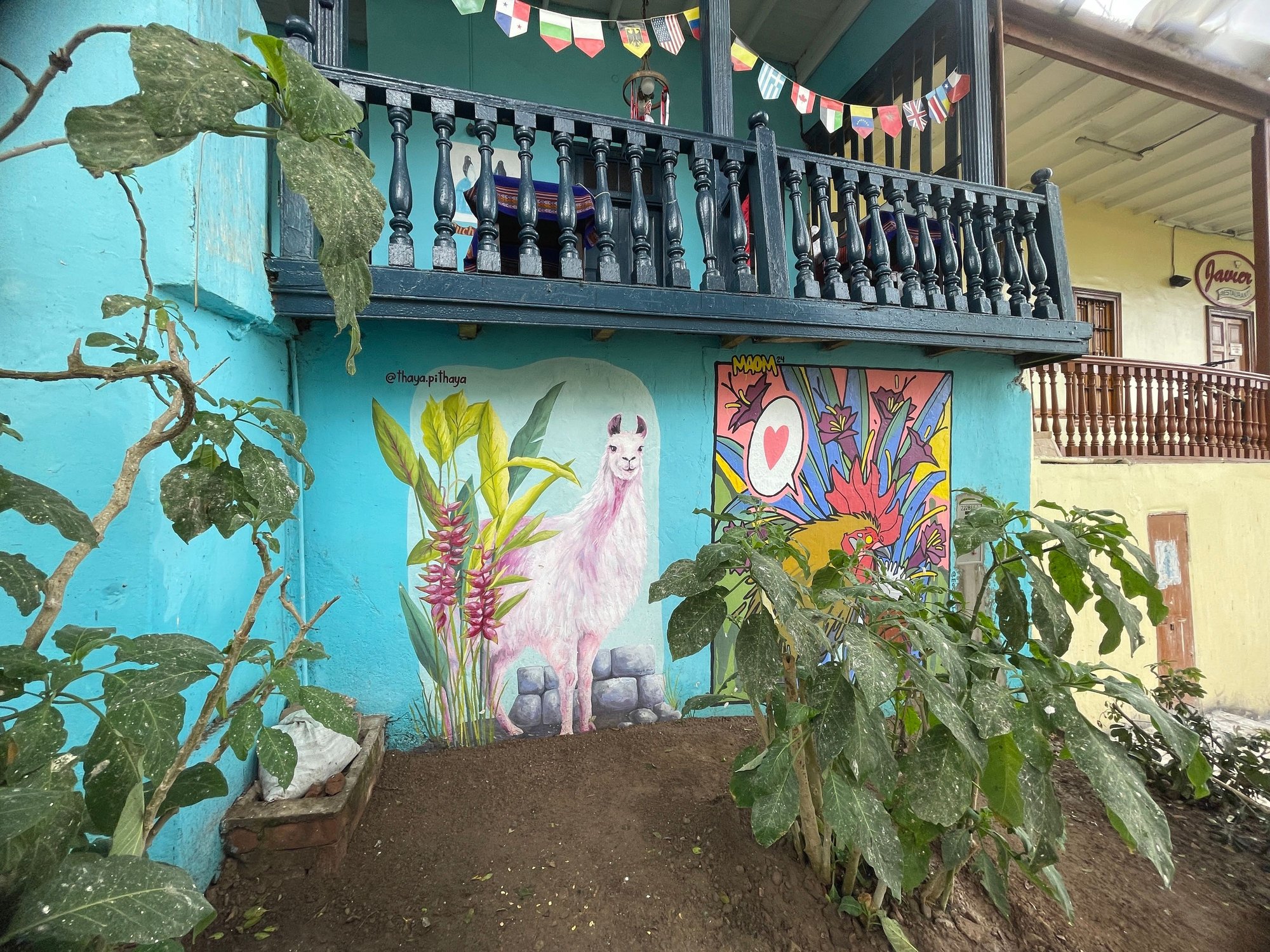
Colorful wall art
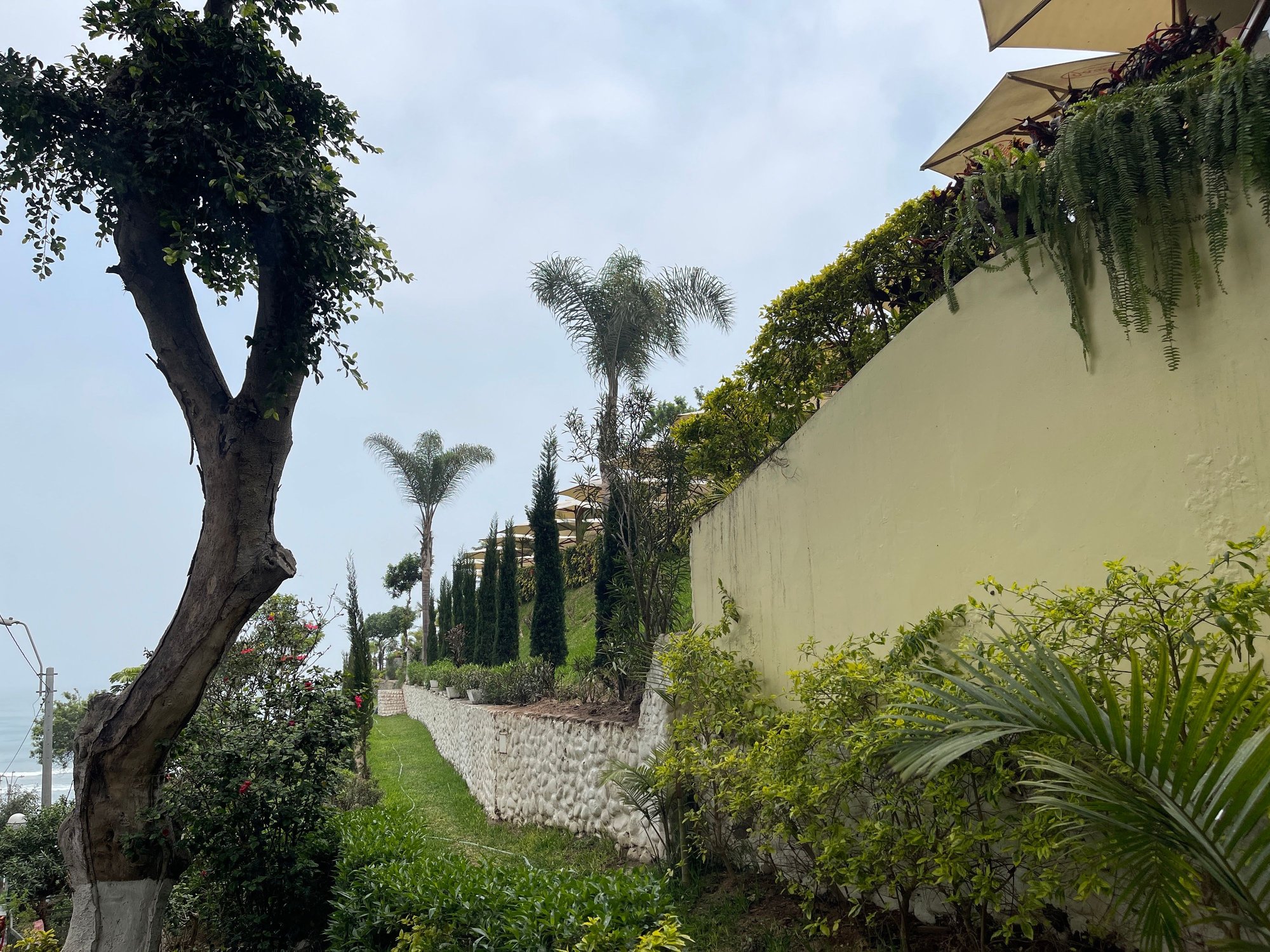
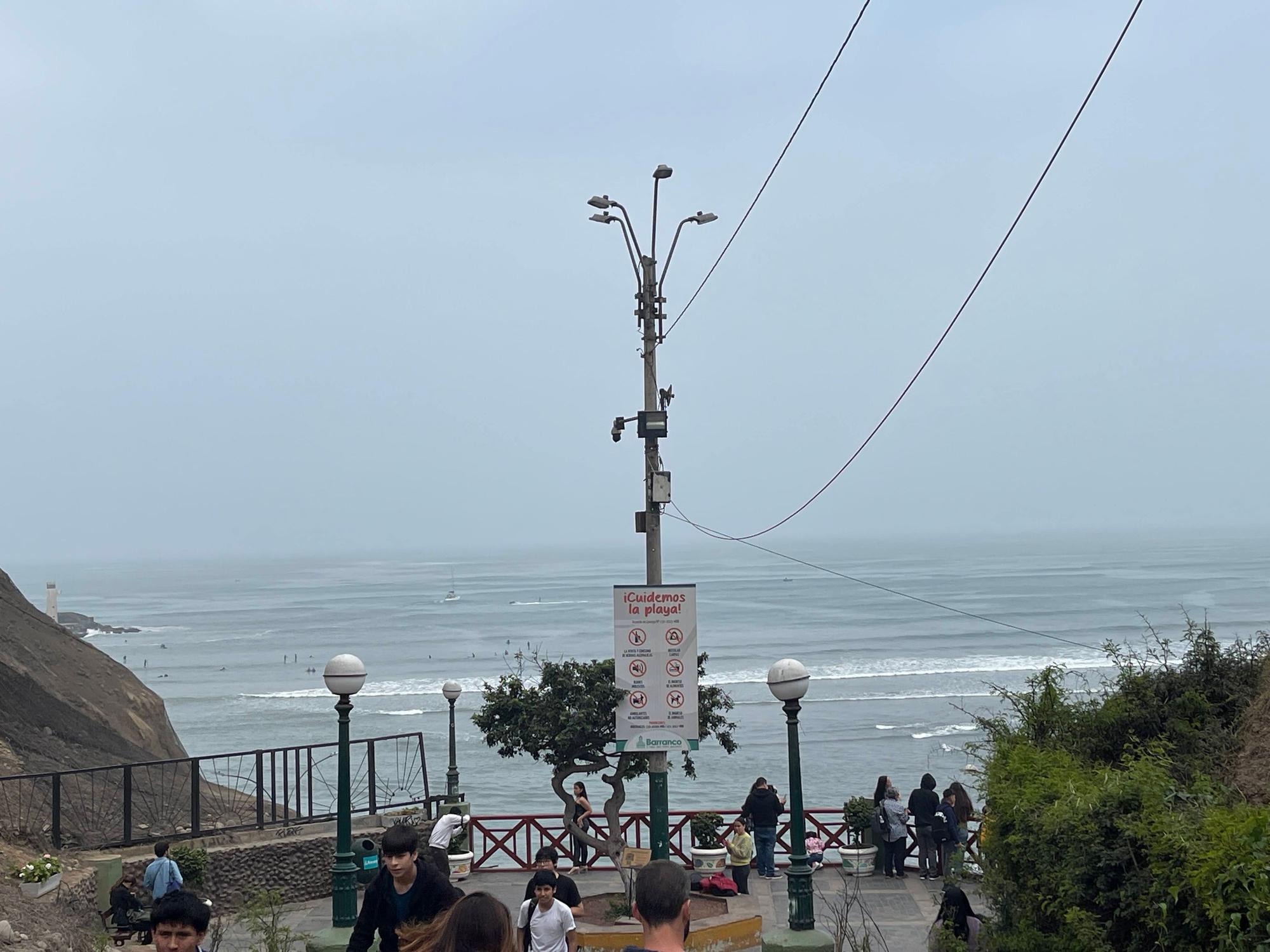
Pacific ocean
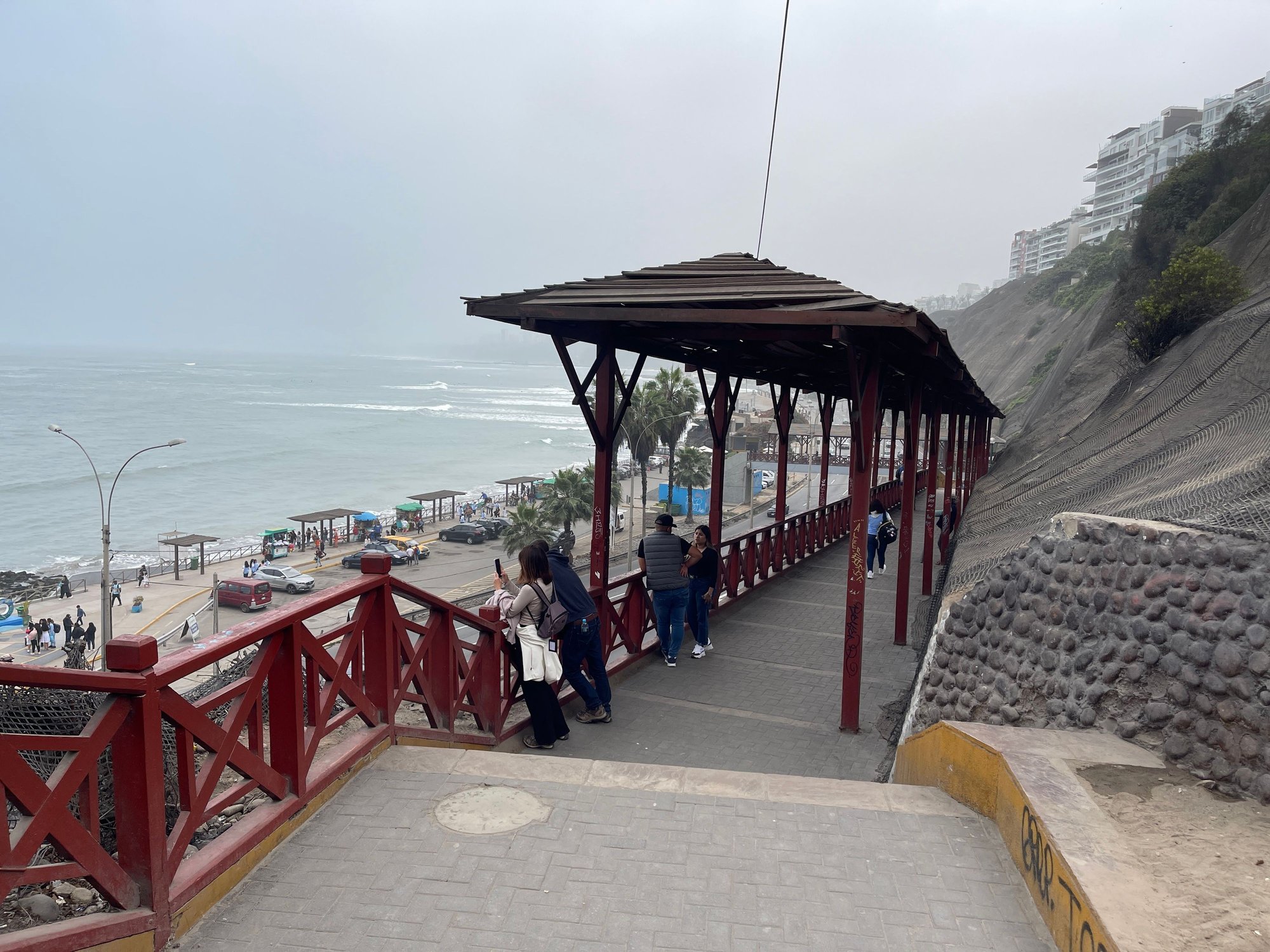
Descending the cliff
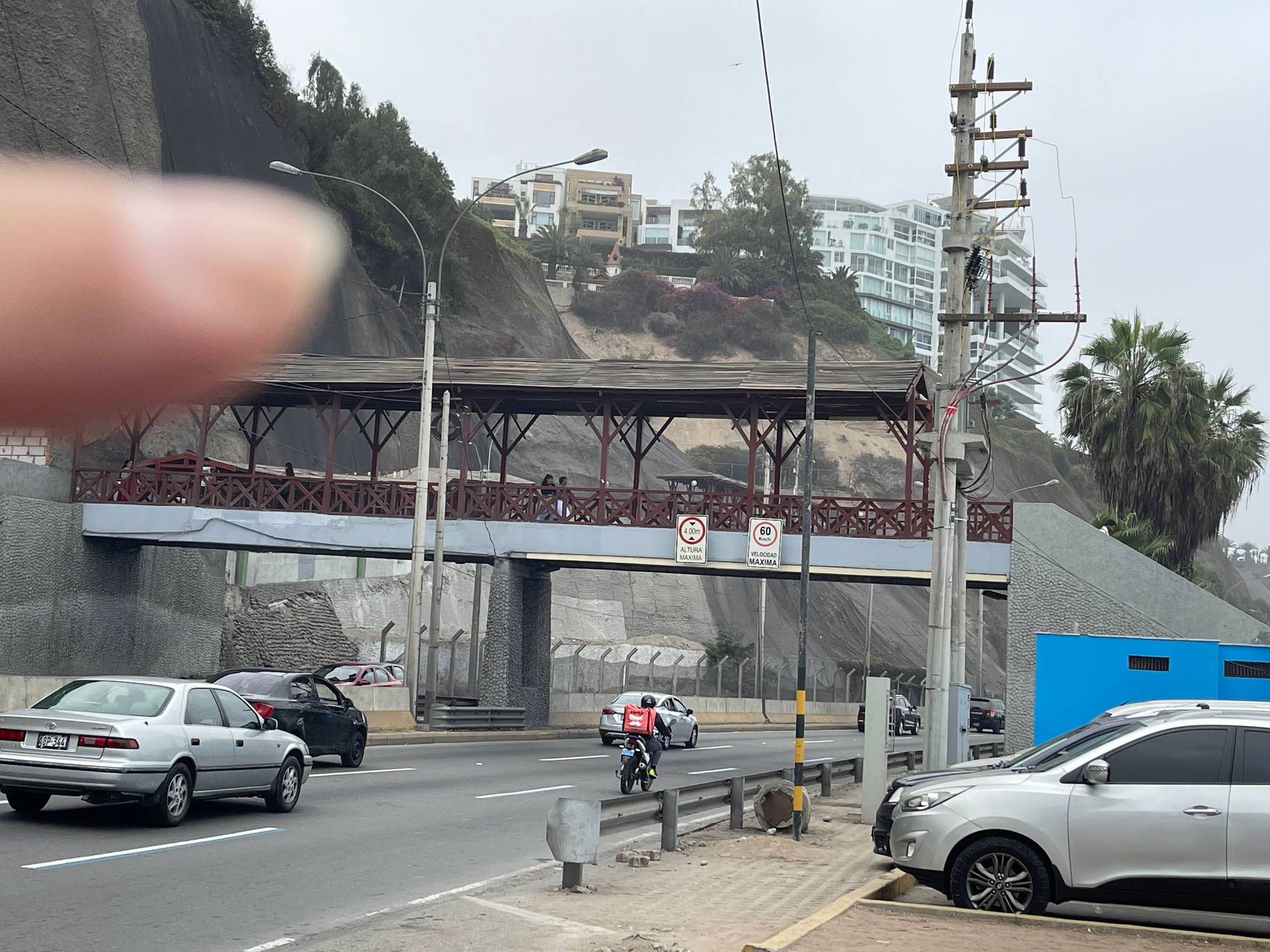
Crossed over the busy highway
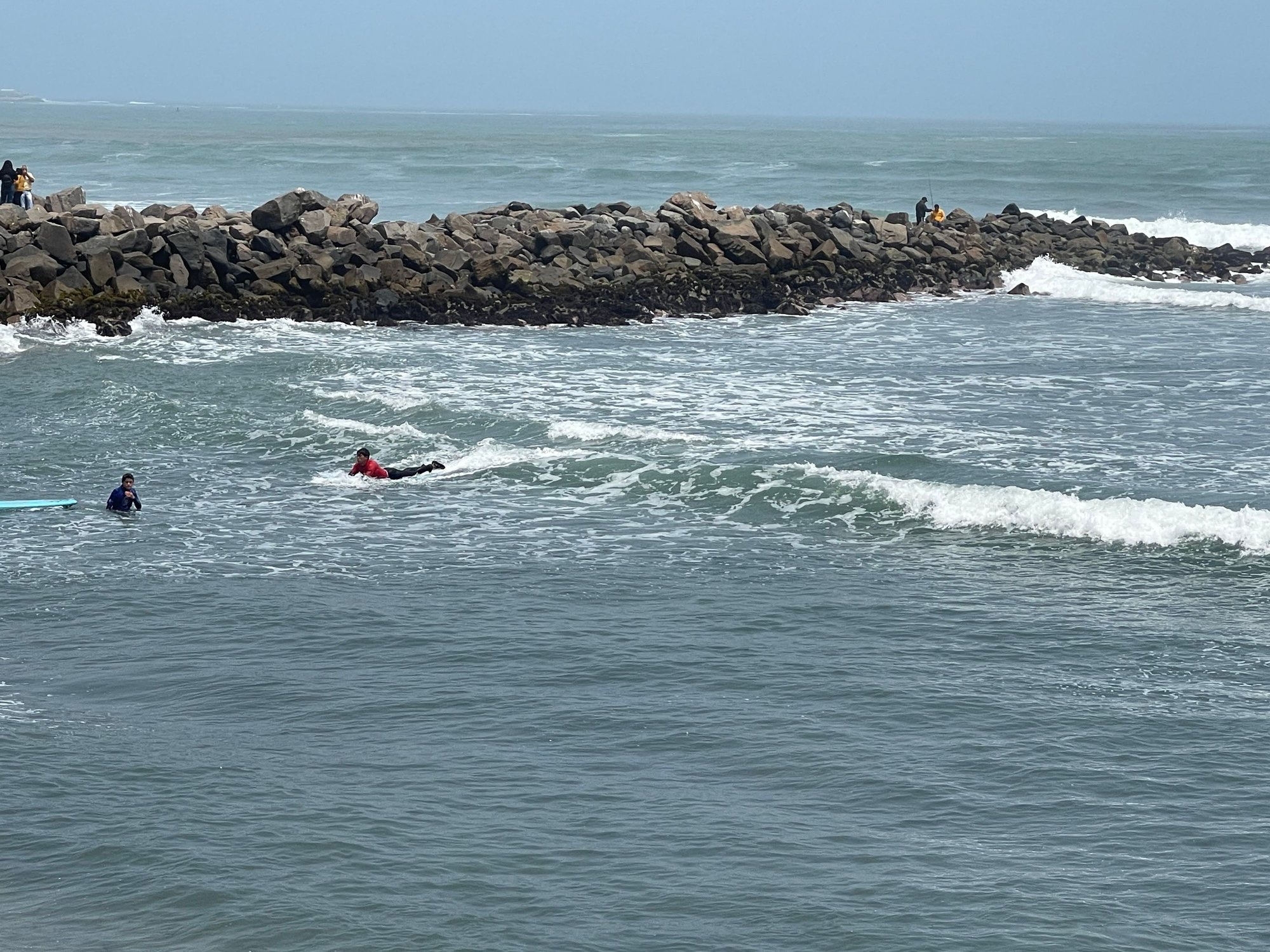
The Barranco beach
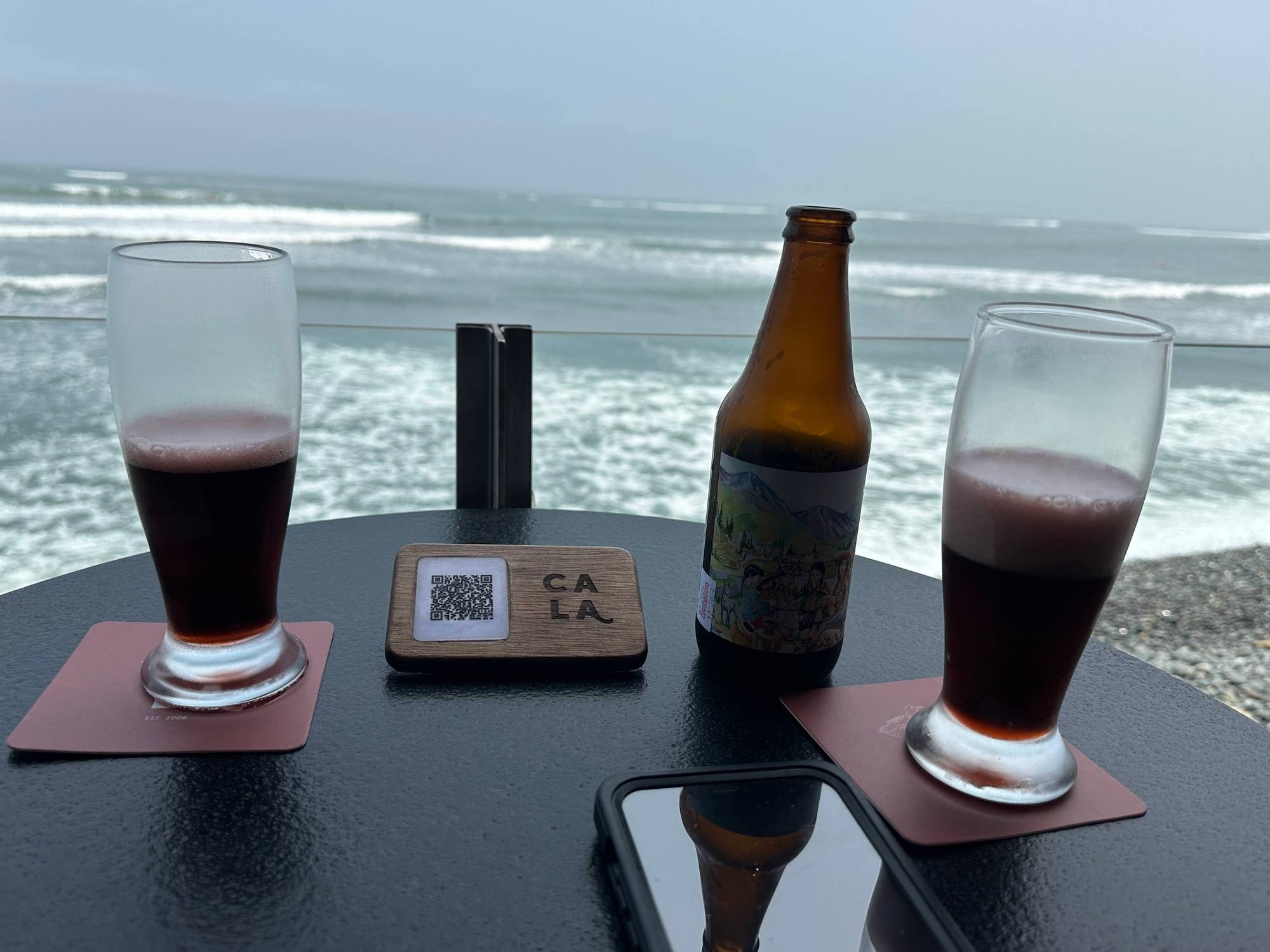
We finally made it to the beach front area after two days of looking down from above the cliff. We were tired and hungry after all the walking we had done. We had a late lunch at Ca La restaurant by the beach. It was a beautiful day to sit by the beach and have a good lunch.
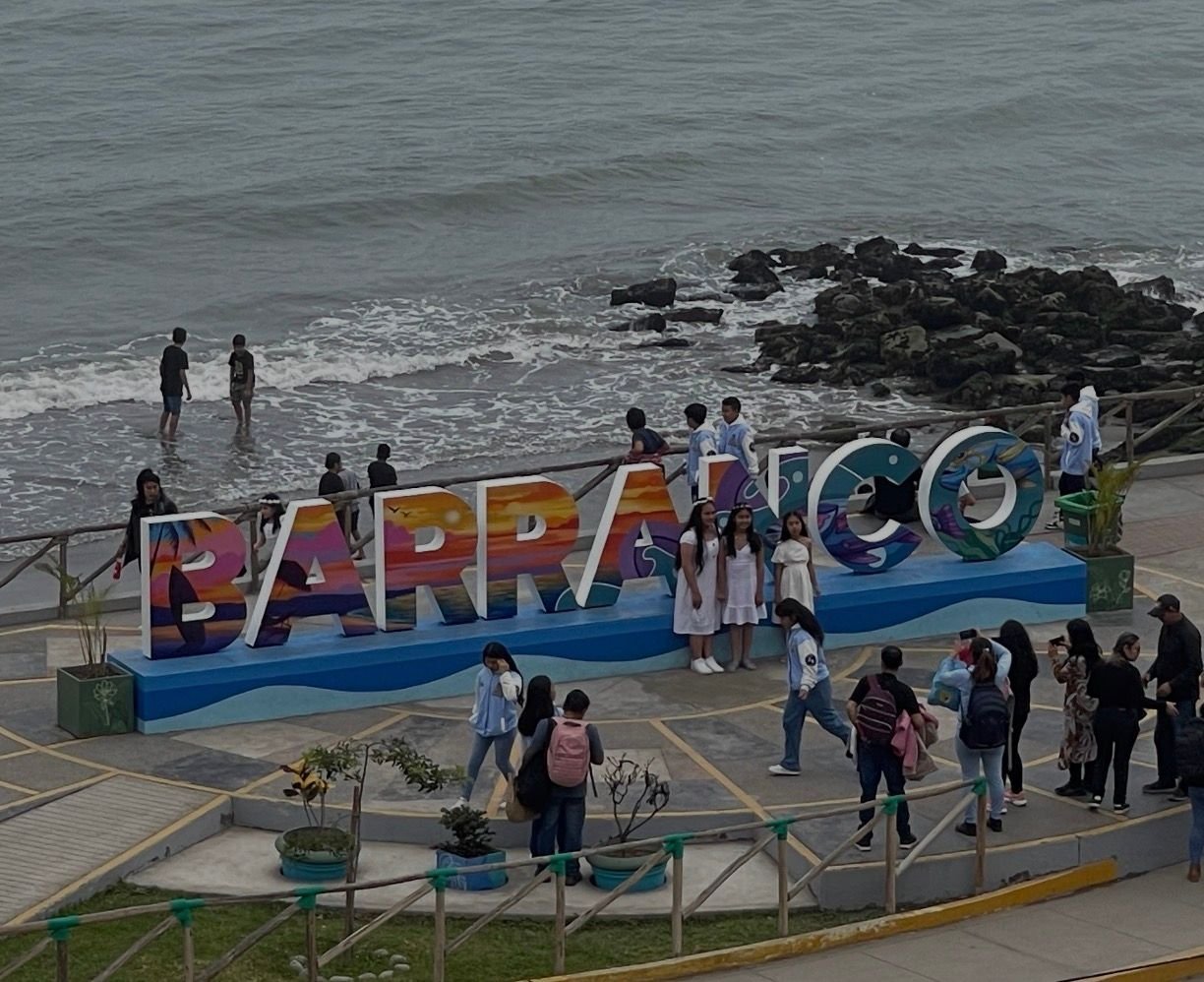
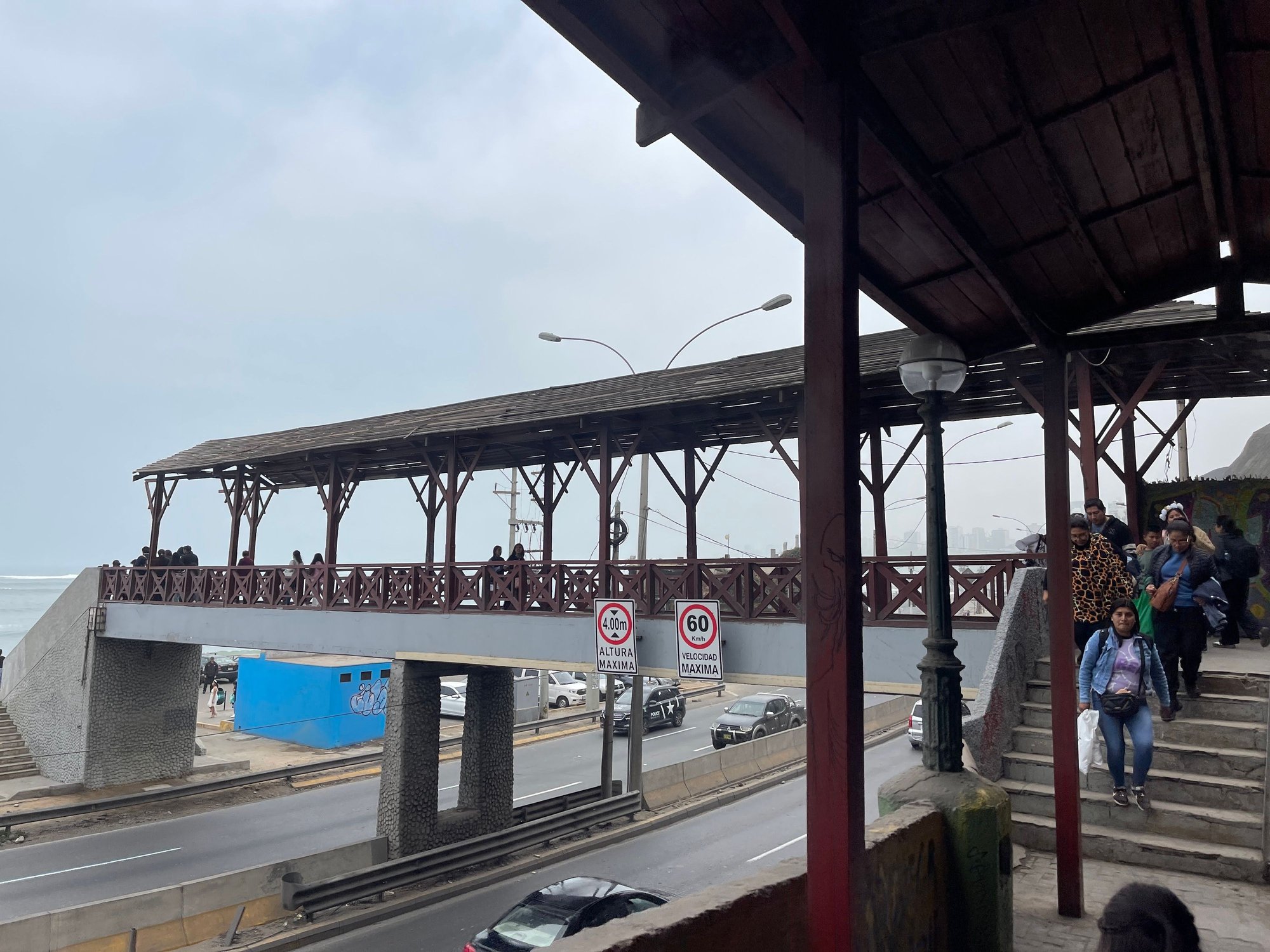
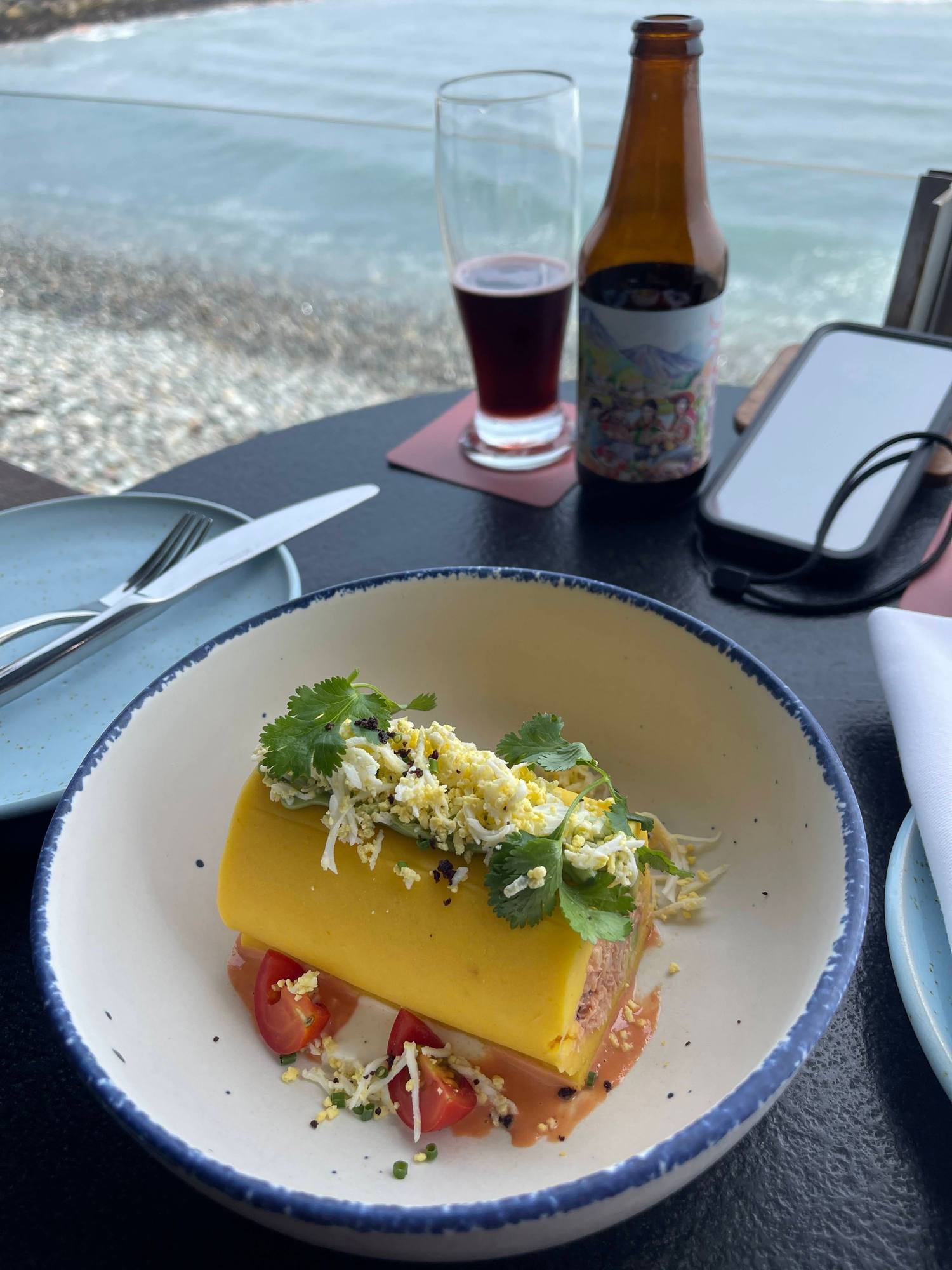
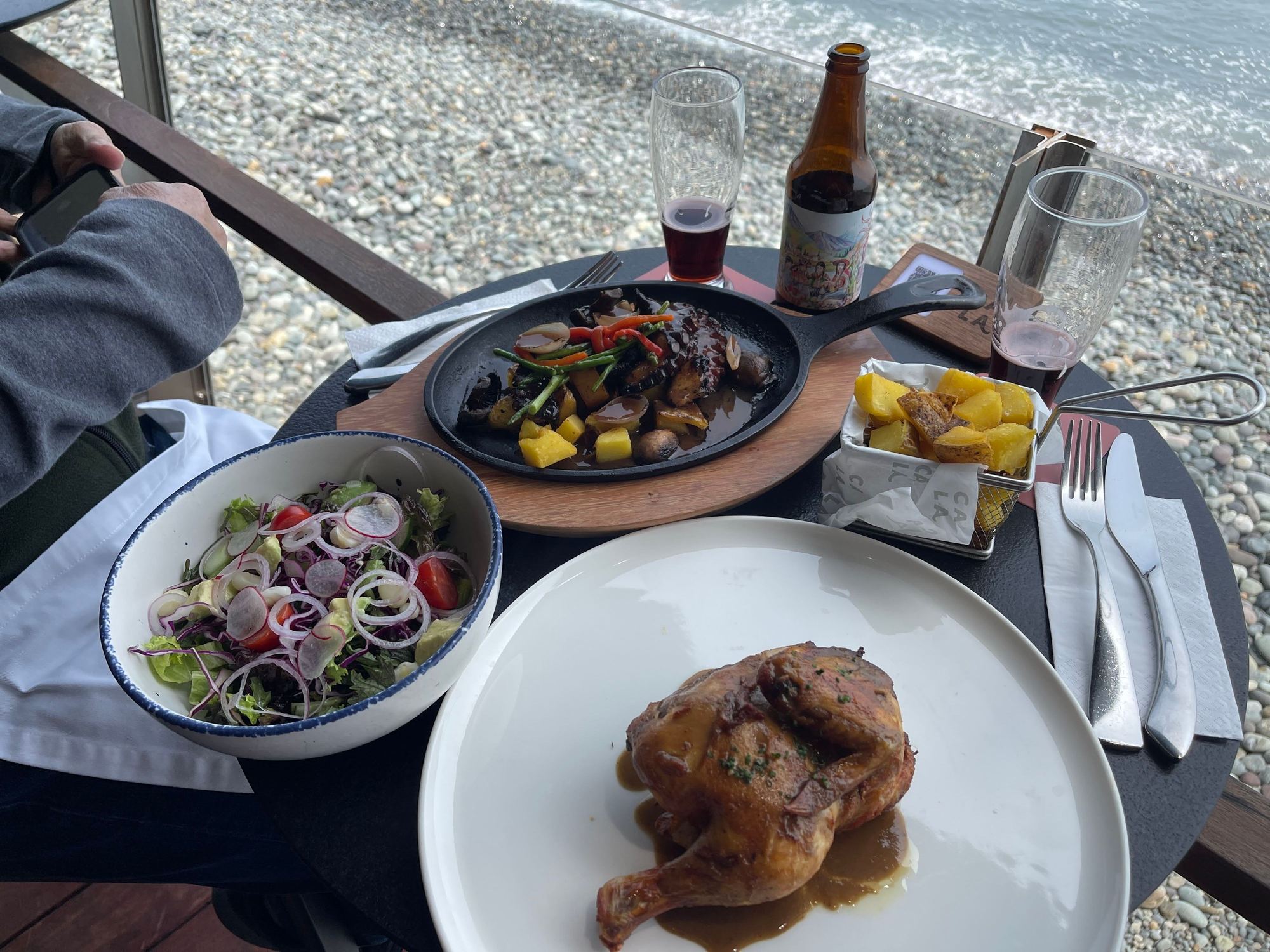
After Museo Pedro De Osma, we crossed the street, found the street to the Bajada de los Baños (Descent to the Baths/ Path to the Beach). We continued to the Bajada de los Baños (Descent of the Baths), passing through a lot of beautiful street art on the walls, colorful shops and galleries.
After the steep steps descending the cliff, we used a pedestrian bridge crossing over the busy Costa Verde highway to access the Barranco Beach situated on the side of the highway.
Bajada de los Baños (Descent to the Baths/ Path to the Beach)
Interest wall decorations
Beautiful cafes and shops
More shops!
Colorful wall art
Pacific ocean
Descending the cliff
Crossed over the busy highway
The Barranco beach
We finally made it to the beach front area after two days of looking down from above the cliff. We were tired and hungry after all the walking we had done. We had a late lunch at Ca La restaurant by the beach. It was a beautiful day to sit by the beach and have a good lunch.
I enjoyed reading through this report, and looking at your photos. I've actually visited Peru, and Lima, several times, and I've become rather fond of both the country, and its capital; and since Lima is still a city which many tourists imagine that they have "done" after a single night or two, I think you did a very fine job of revealing a lot of what the city offers, through both your text and your excellent photos. And of course there's a lot more to Lima than you were able to cover above (though perhaps more is coming), though not even I could cover it all in just a few days. I was particularly intrigued with your photos of the Barranco municipality, which I haven't been to in at least seven years, and perhaps longer; it was very nice when I was last there, and it seems to have changed even for the better since then. (And back in the historic center, I was especially pleased to see your photo of the "House of Peruvian Literature," though it wasn't clear from your text whether you actually went in.)
Anyway, it was great to see Lima getting the kind of trip report it deserves (at least so far — I hope nothing worse is coming in your following installments!). A great way of saying “Yes!” to those who sometimes ask, naively, whether Lima is "worth more than a day."
Anyway, it was great to see Lima getting the kind of trip report it deserves (at least so far — I hope nothing worse is coming in your following installments!). A great way of saying “Yes!” to those who sometimes ask, naively, whether Lima is "worth more than a day."
Quote:
Hi Leely2,Originally Posted by Leely2
I am really enjoying your report and all the photos. I love all the walking and park-visiting you are doing. And your beach lunch looks delicious.
Thanks for following along.
We like to walk as that’s our way to experience the city.
We also enjoyed the Peruvian food in Lima even though we are not foodies.
Quote:
Anyway, it was great to see Lima getting the kind of trip report it deserves (at least so far — I hope nothing worse is coming in your following installments!). A great way of saying “Yes!” to those who sometimes ask, naively, whether Lima is "worth more than a day."
Hi Faedus,Originally Posted by Faedus
I enjoyed reading through this report, and looking at your photos. I've actually visited Peru, and Lima, several times, and I've become rather fond of both the country, and its capital; and since Lima is still a city which many tourists imagine that they have "done" after a single night or two, I think you did a very fine job of revealing a lot of what the city offers, through both your text and your excellent photos. And of course there's a lot more to Lima than you were able to cover above (though perhaps more is coming), though not even I could cover it all in just a few days. I was particularly intrigued with your photos of the Barranco municipality, which I haven't been to in at least seven years, and perhaps longer; it was very nice when I was last there, and it seems to have changed even for the better since then. (And back in the historic center, I was especially pleased to see your photo of the "House of Peruvian Literature," though it wasn't clear from your text whether you actually went in.)Anyway, it was great to see Lima getting the kind of trip report it deserves (at least so far — I hope nothing worse is coming in your following installments!). A great way of saying “Yes!” to those who sometimes ask, naively, whether Lima is "worth more than a day."
Thanks for tagging along. I agree that Lima has a lot more to offer than the few days that we had stayed. We only scratched the surface as we only had limited amount of time to visit the city’s museums and monuments.
We enjoyed walking different parts of the city Lima, especially Miraflores and Barranco. We only spent half a day in the historic Lima center and did not have time to visit the House of Peruvian Literature. The walking tour we joined was too rush to our taste.
On the whole, we really enjoyed our time in Lima.
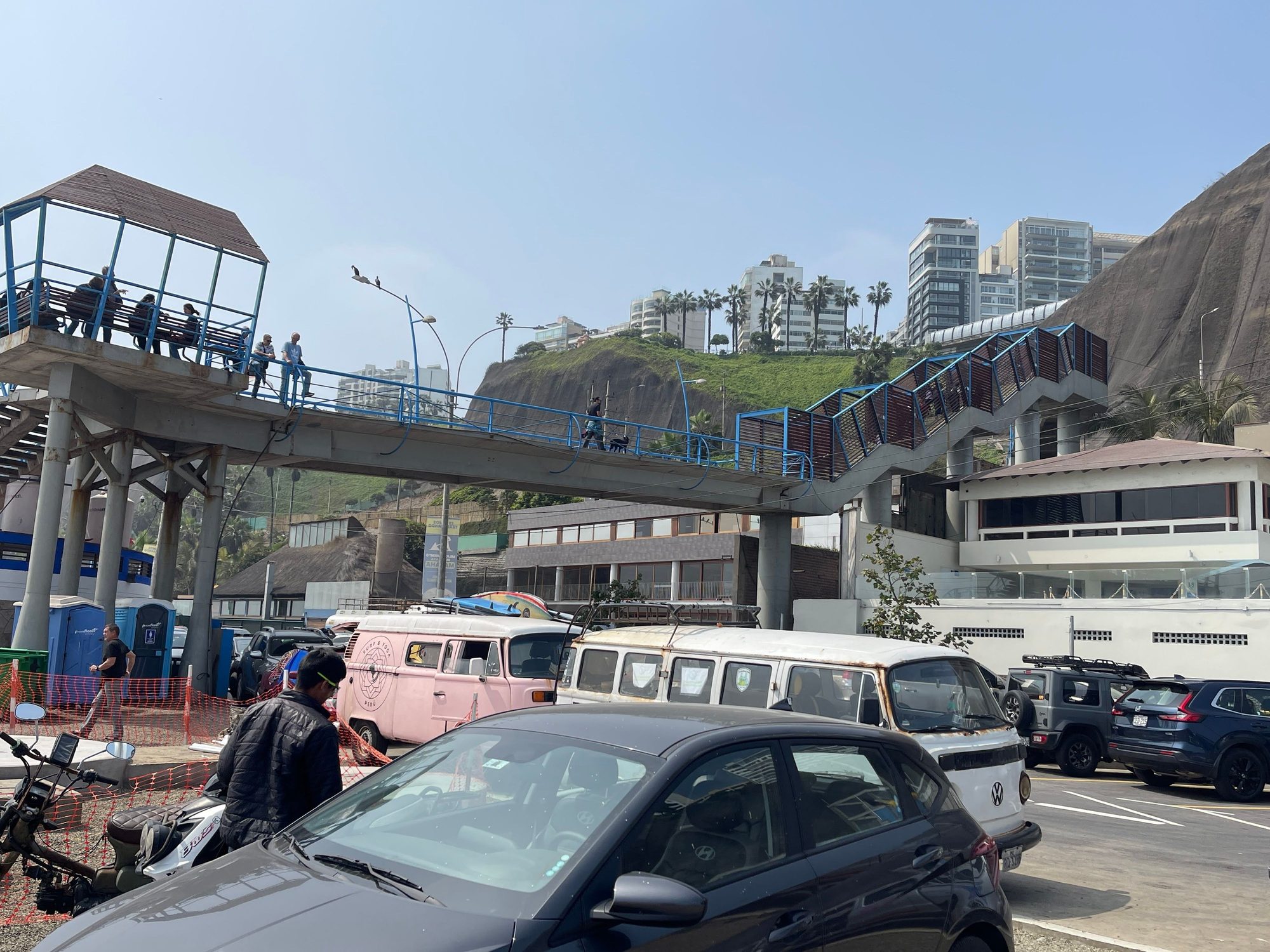
After our lunch and rested our legs, we walked along the beach front and promenade towards Larcomar. It was a good day and people were out and about walking along the beach front too. We checked out the jetty extended out to the sea with a restaurant, a number of sea surfers out in the ocean, and finally reached Puente Peatonal Makaha.
We crossed the pedestrian bridge, climbed the stairs up the cliff, and back to the Miraflres area. This concluded our visit for Lima. We would continue our journey in Peru to Arequipa the next morning.
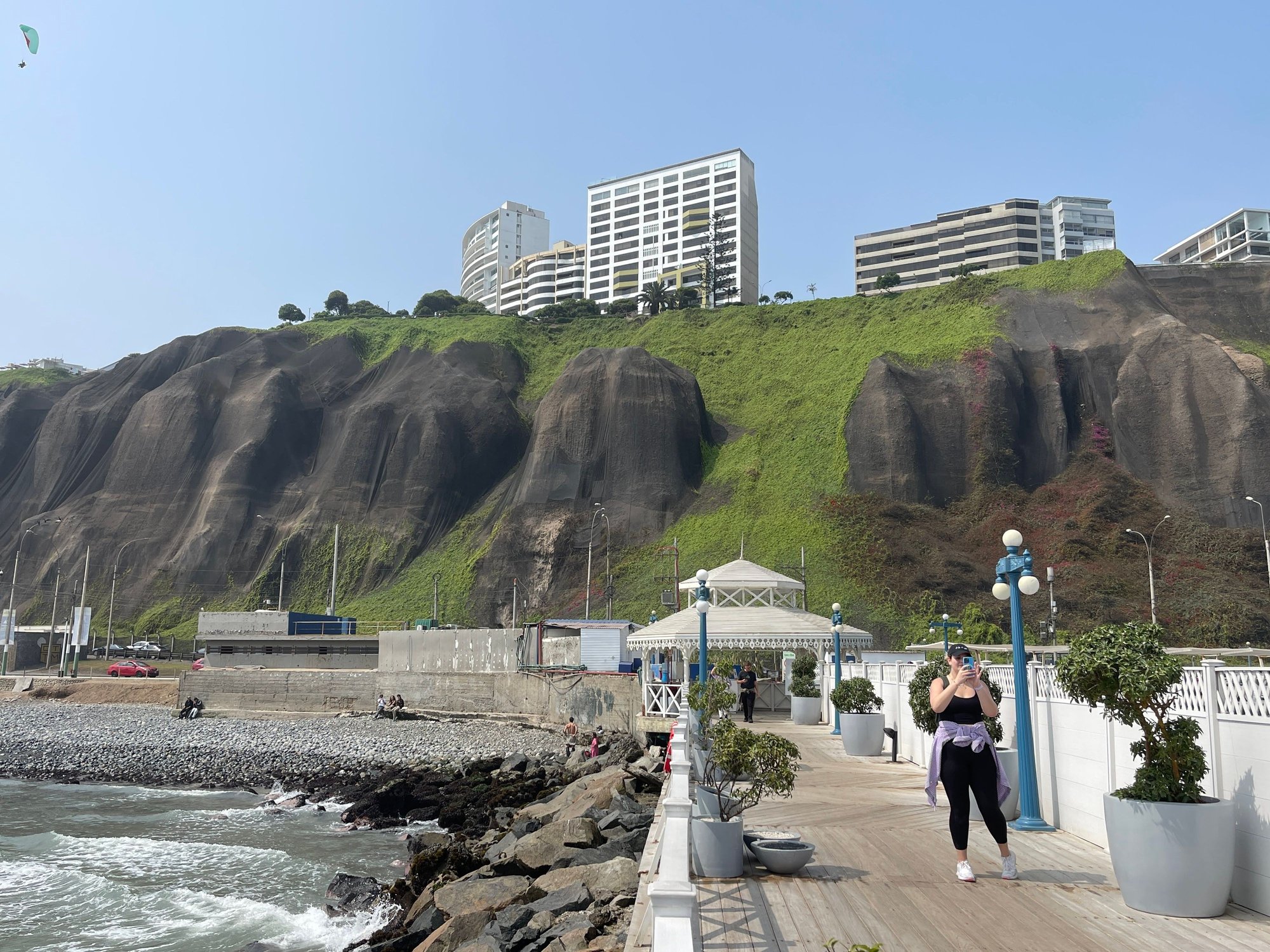
Beach promenade
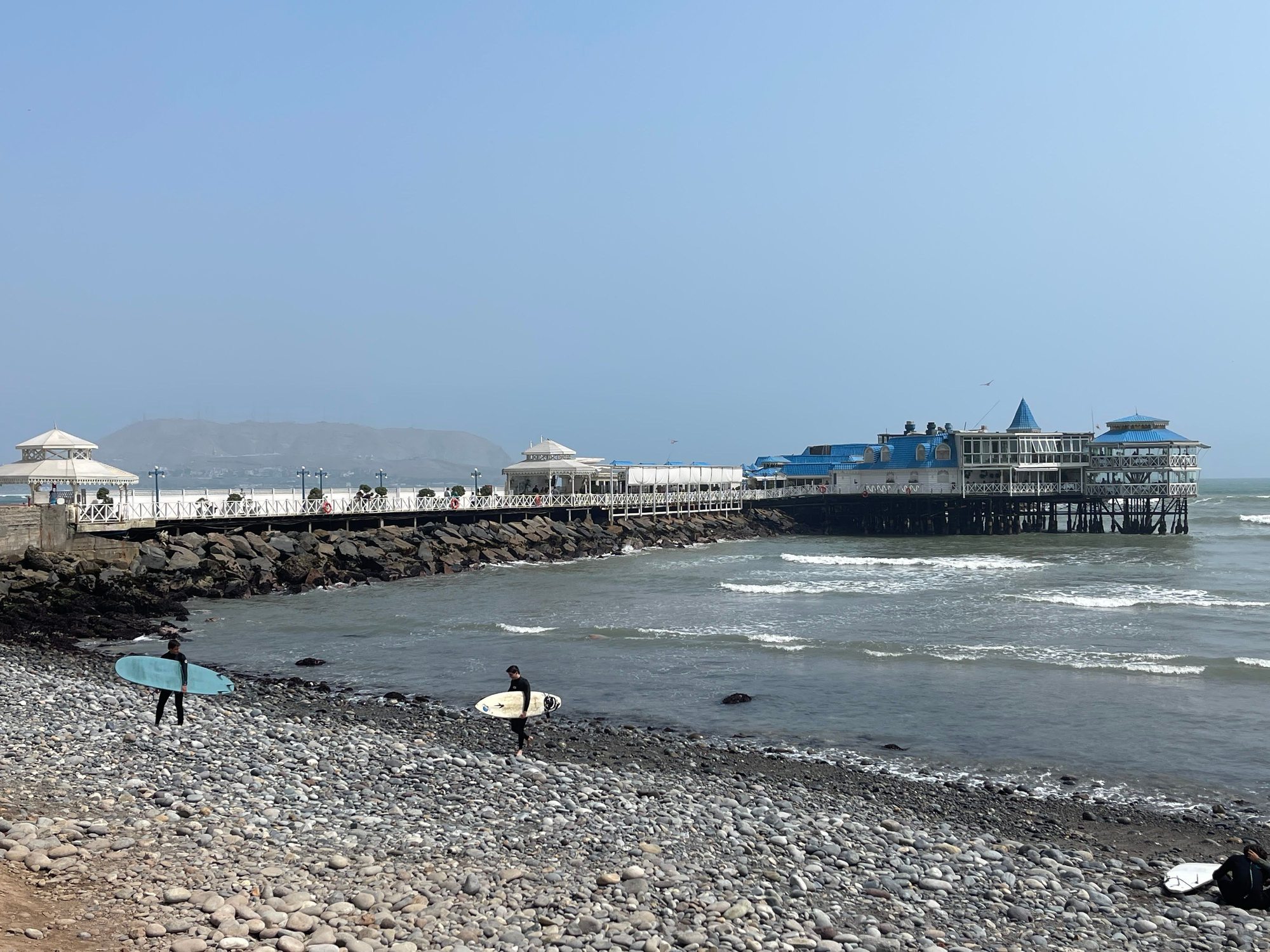
Jetty out to a restaurant
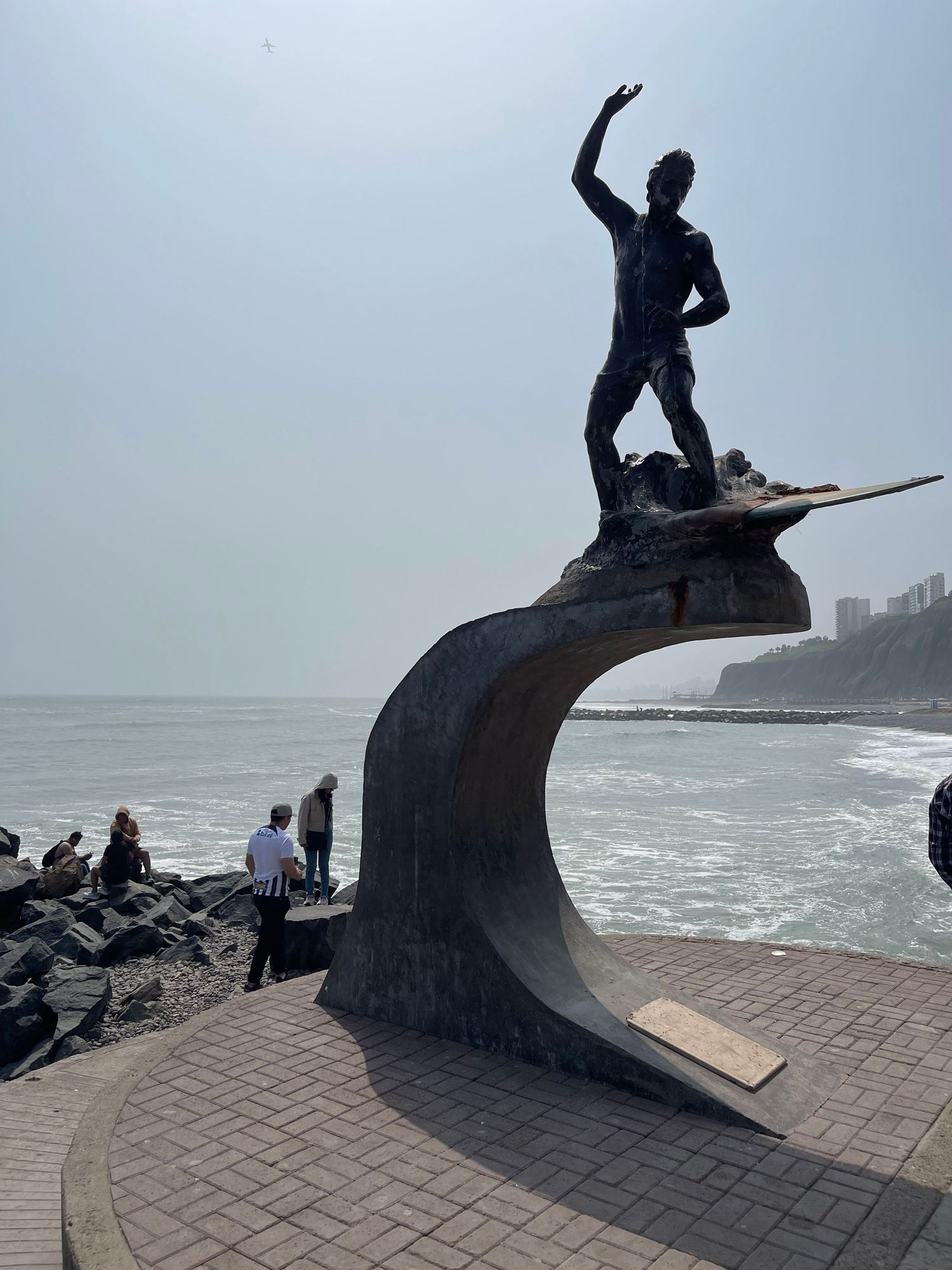
Surfer monument
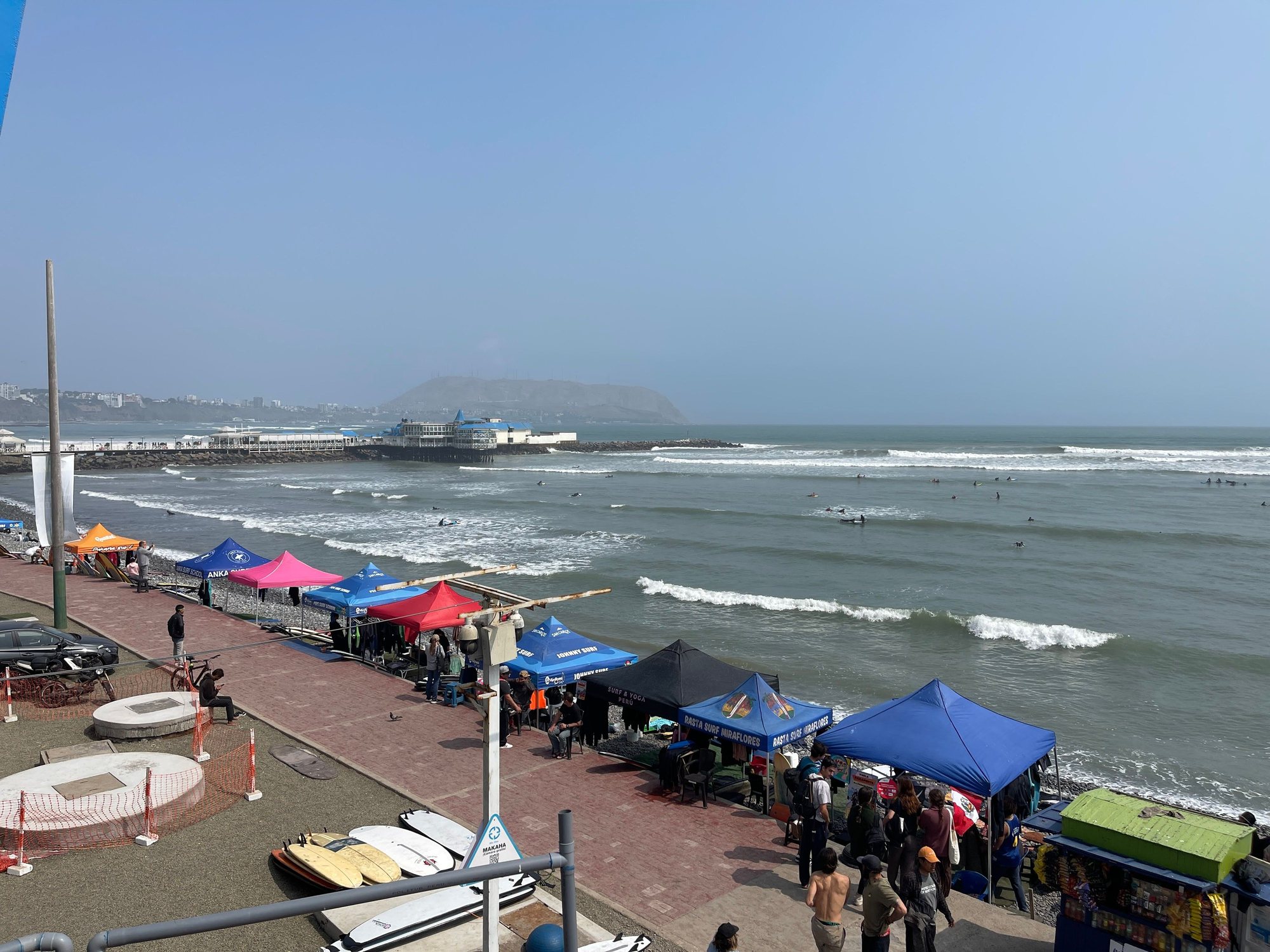
Surfers tents along the beach
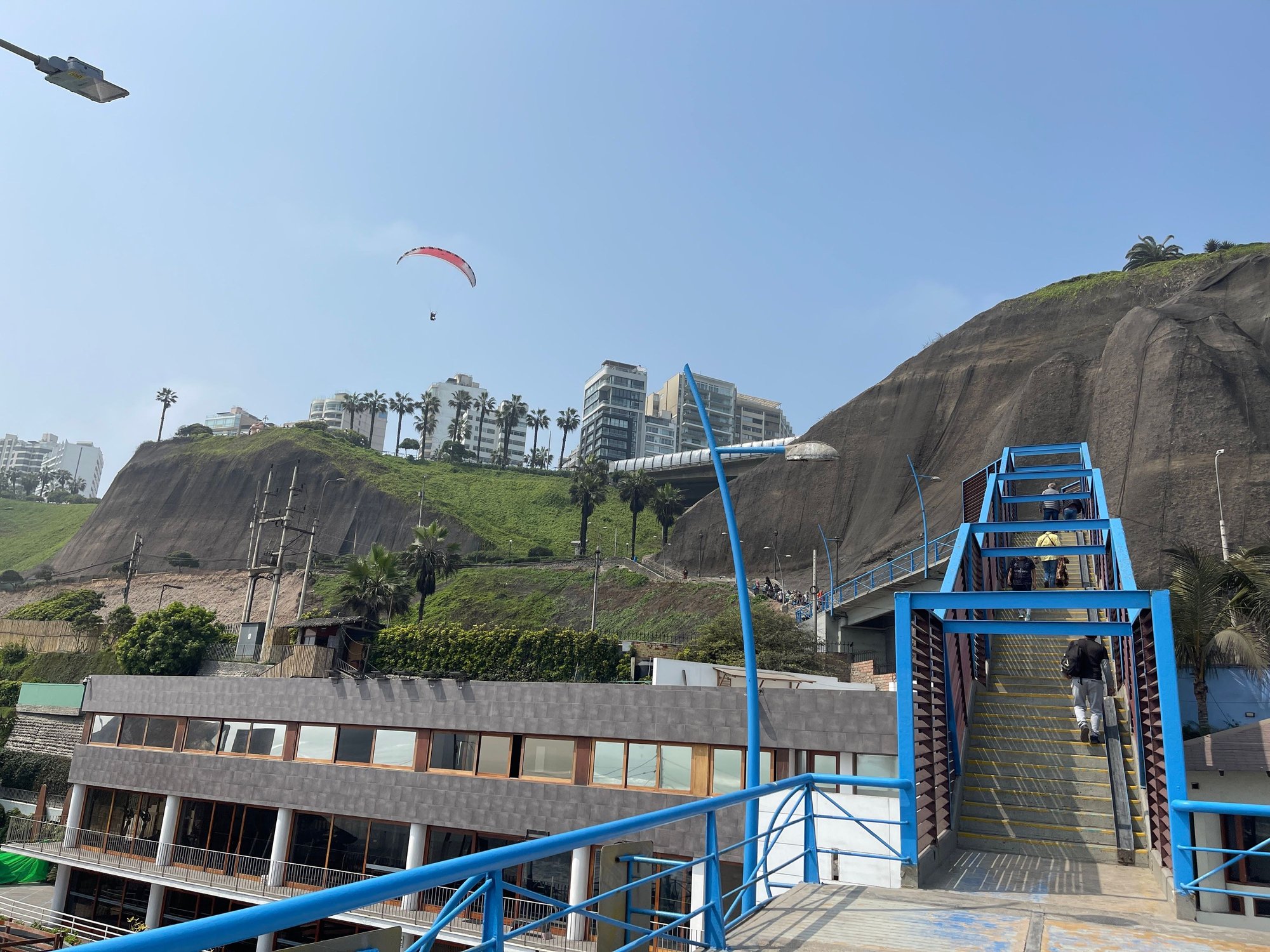
Puente Peatonal Makaha- Makaha pedestrian bridge
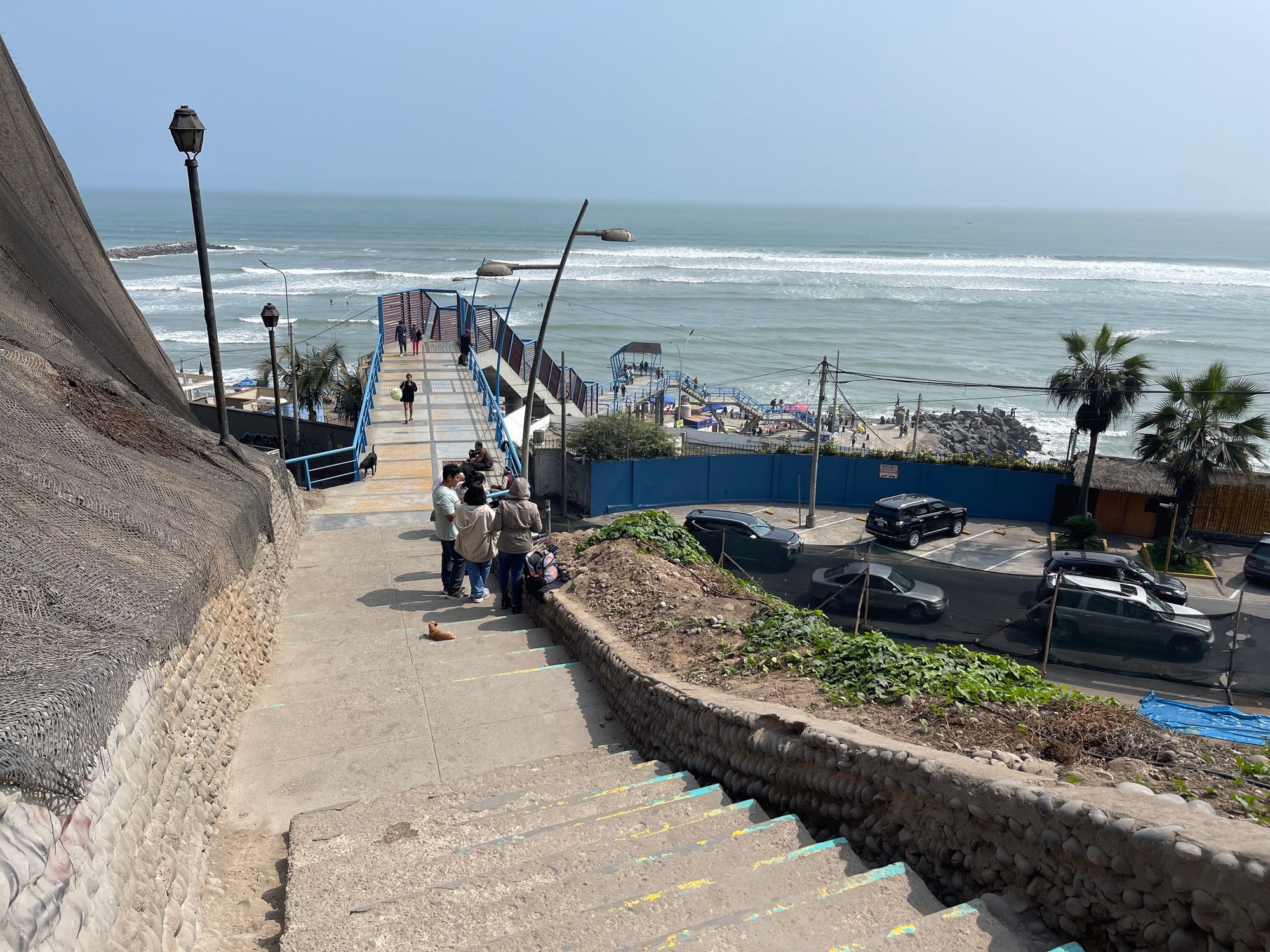
Steps up the cliff
We crossed the pedestrian bridge, climbed the stairs up the cliff, and back to the Miraflres area. This concluded our visit for Lima. We would continue our journey in Peru to Arequipa the next morning.
Beach promenade
Jetty out to a restaurant
Surfer monument
Surfers tents along the beach
Puente Peatonal Makaha- Makaha pedestrian bridge
Steps up the cliff
Day 6 — Leaving for Arequipa in the morning . Taxidatum came 10 minutes earlier, and we had a very smooth journey to the airport. The taxi fare was 60sole, plus10sole for tipping.
Arriving early at the airport, and the security was quick and smooth. We were successfully upgraded to Premium with a $30 bid. The journey was comfortable and pleasant with the upgrade.
It was a clear day, we could see the canyons below with all the ziged zaged paths all over the canyons. Not much vegetation on the ground , just a vast area of brown canyons with towns scattered here and there.
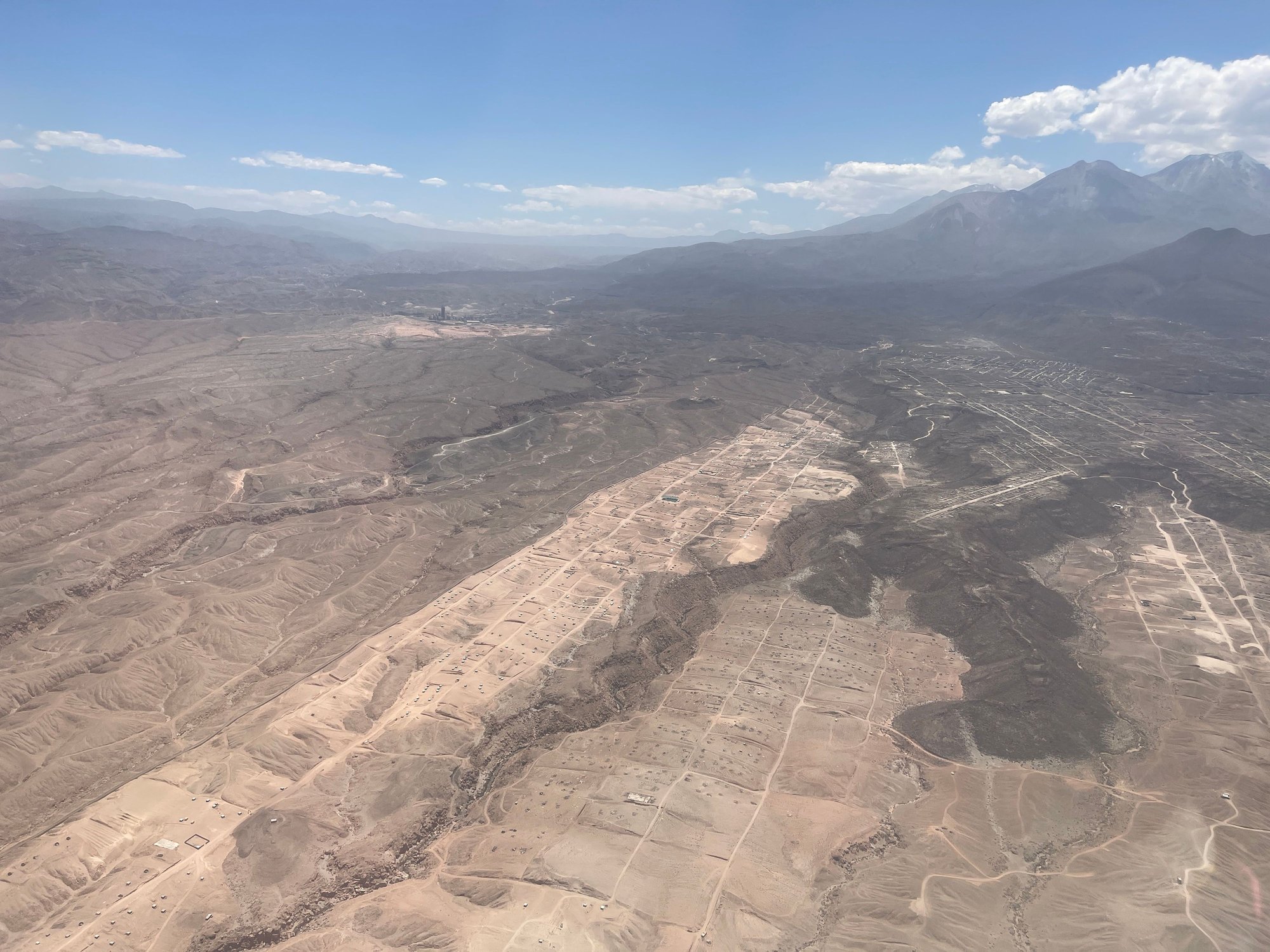
Very barren land seen from our flight
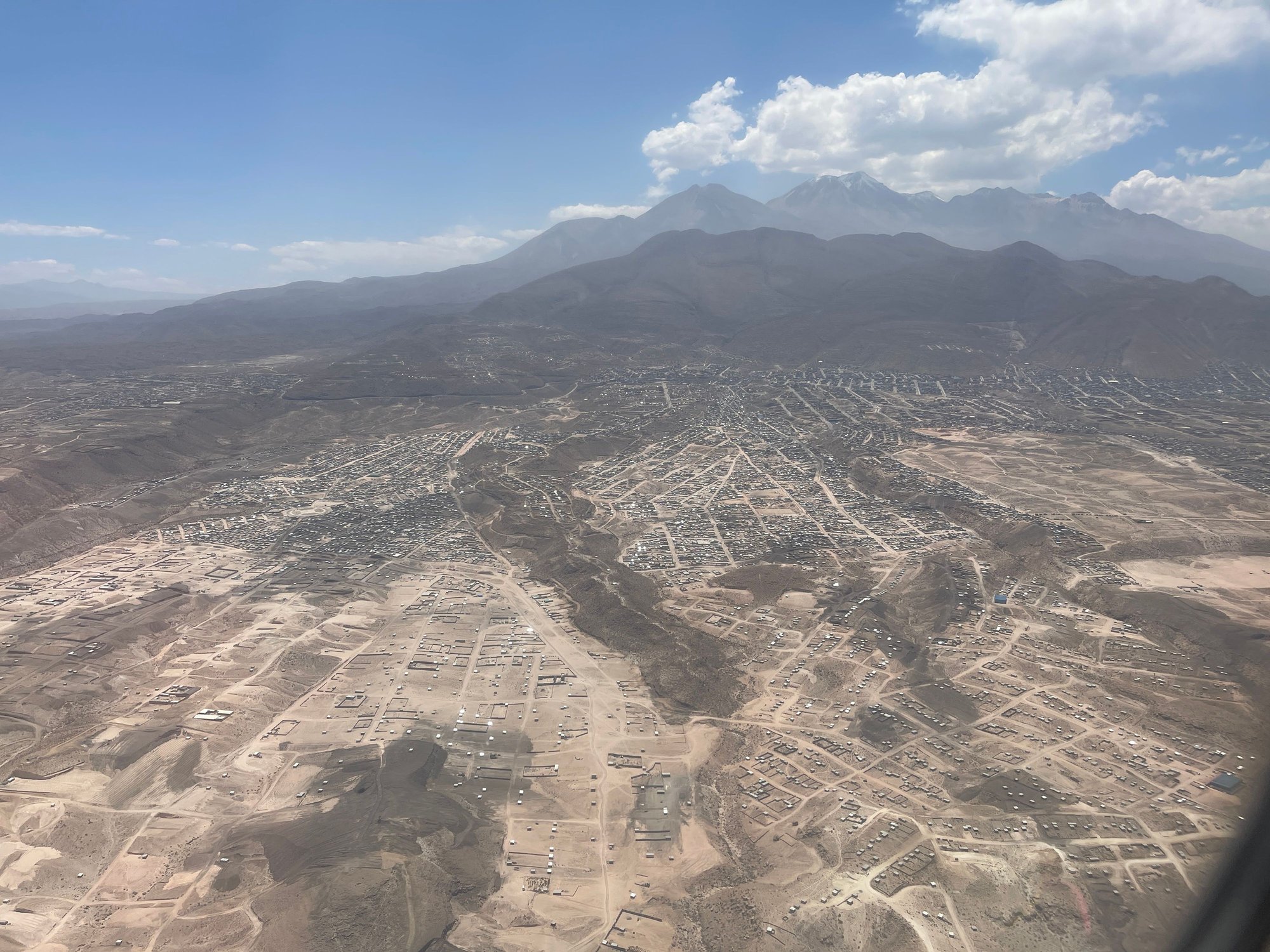 Arequipa is nicknamed “The White City”. It is 7661 feet above sea level, and serves as an ideal place for us to acclimatize altitude before traveling to higher destinations like Colca Canyon and Puno.
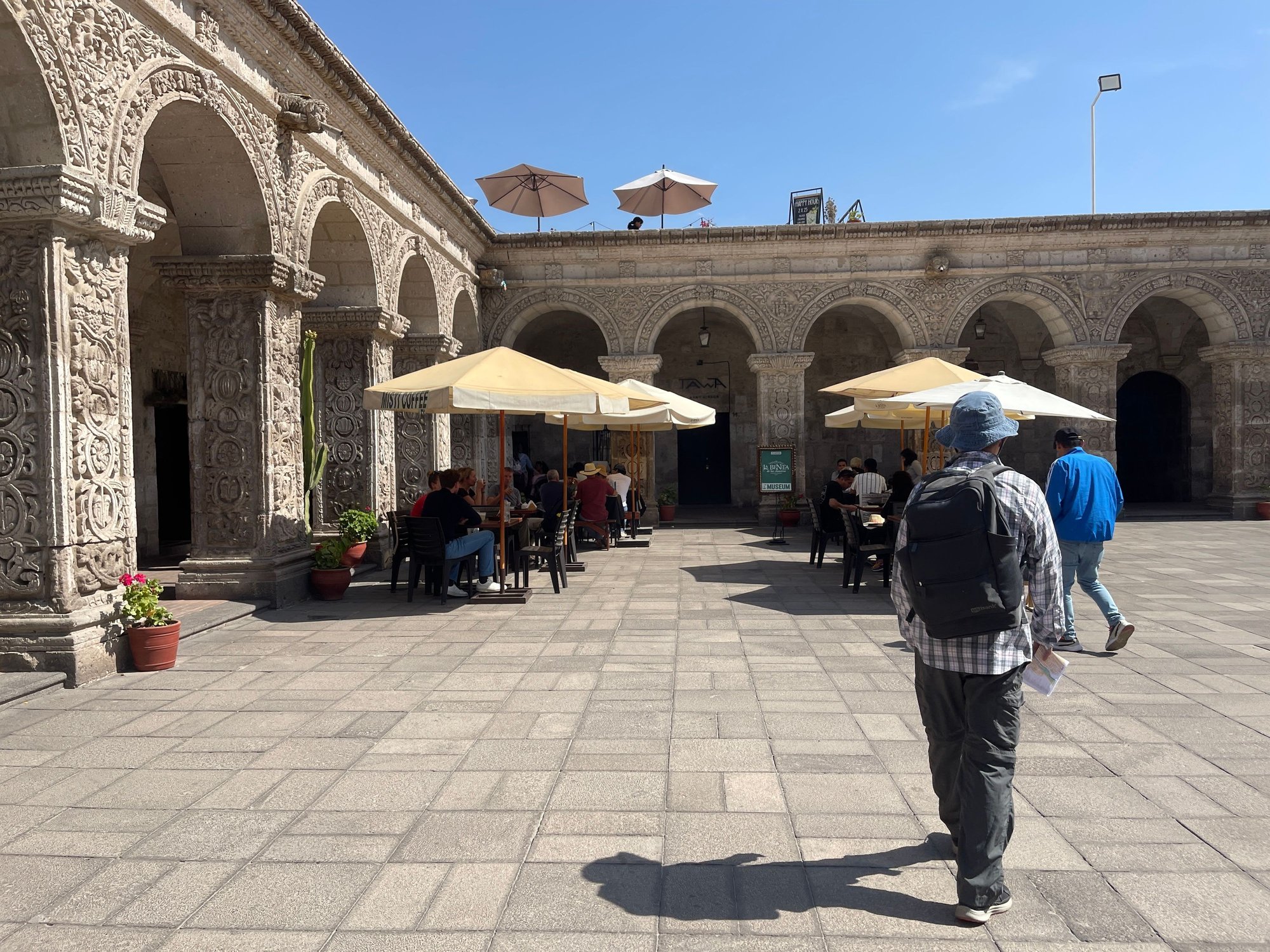
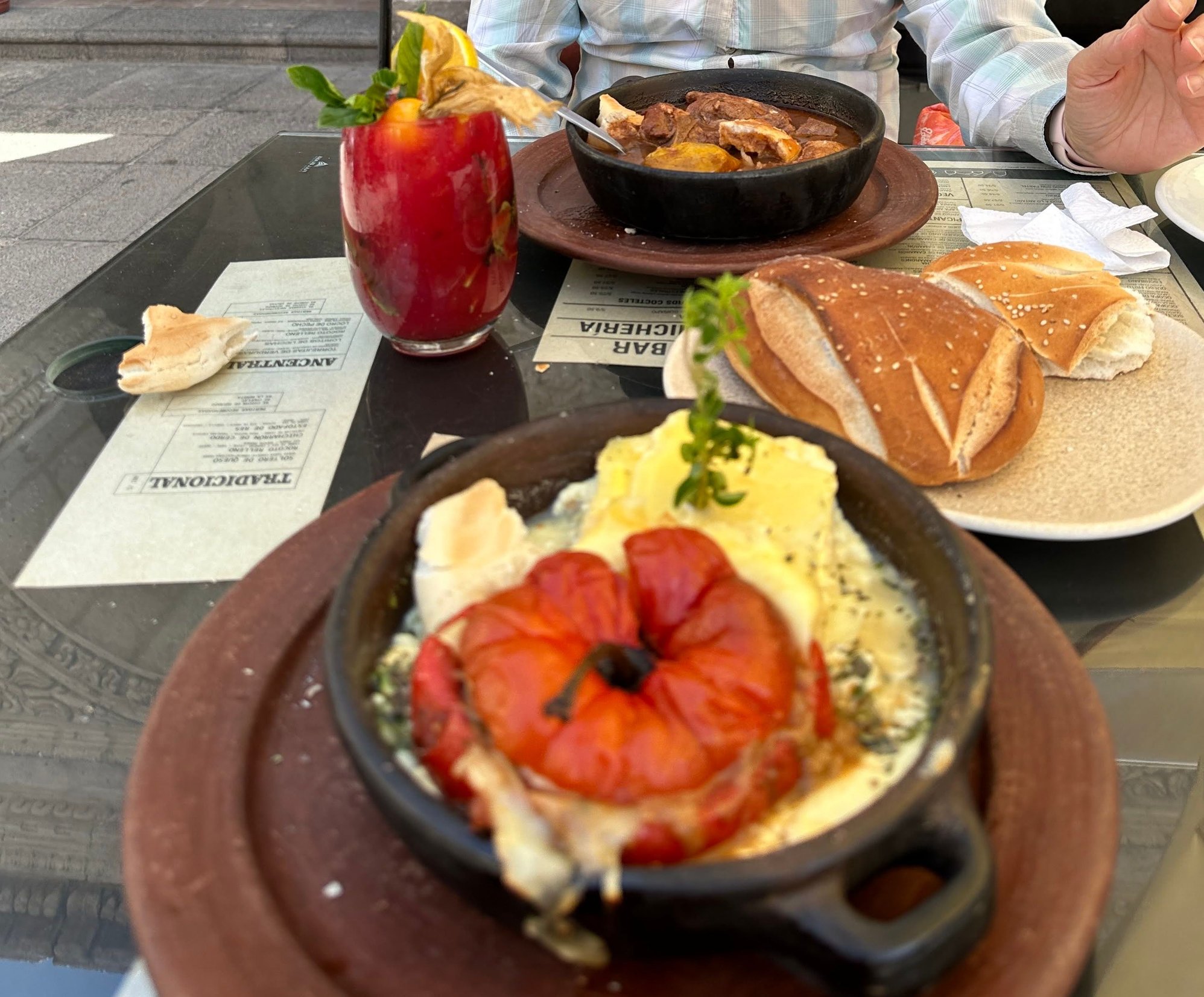
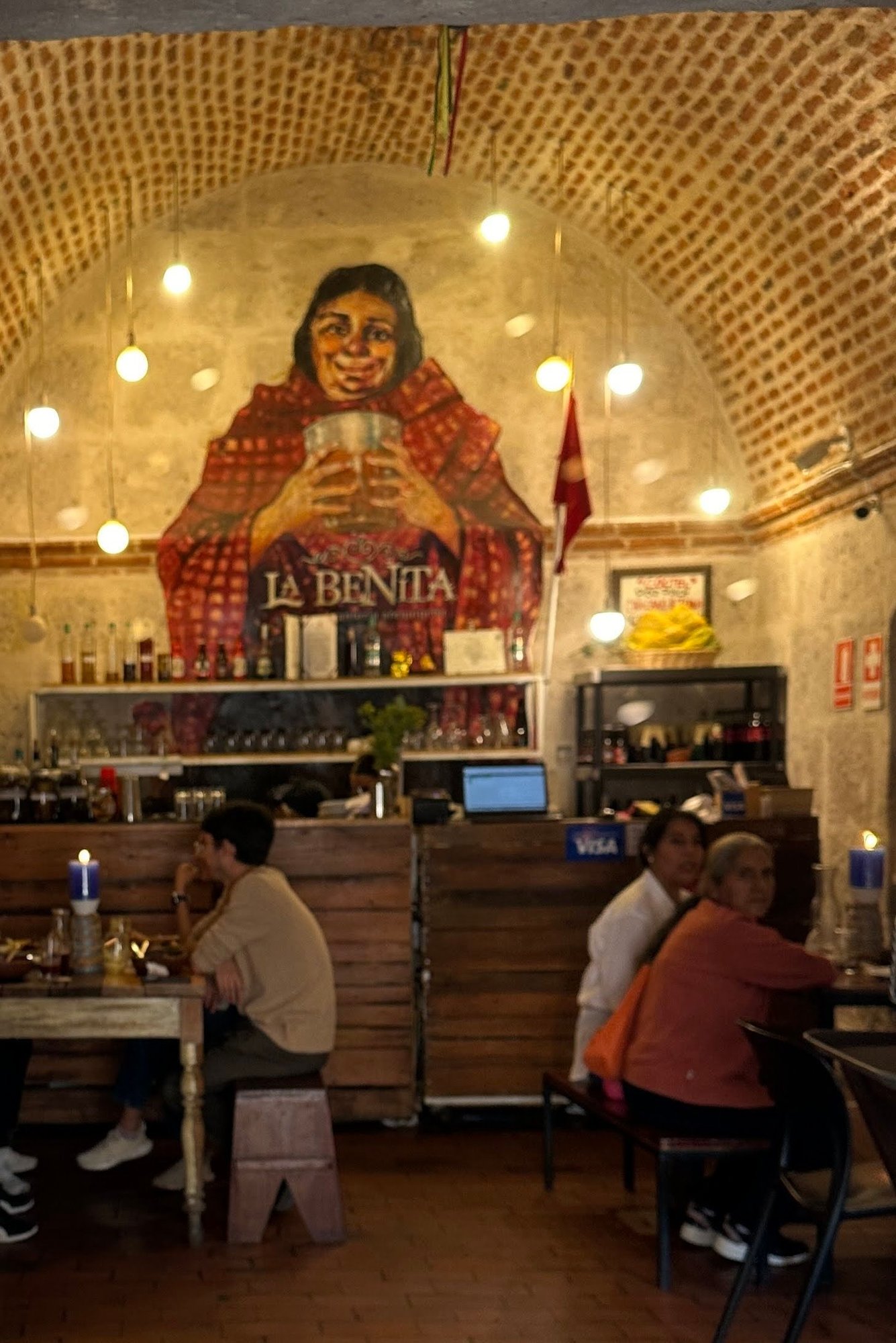
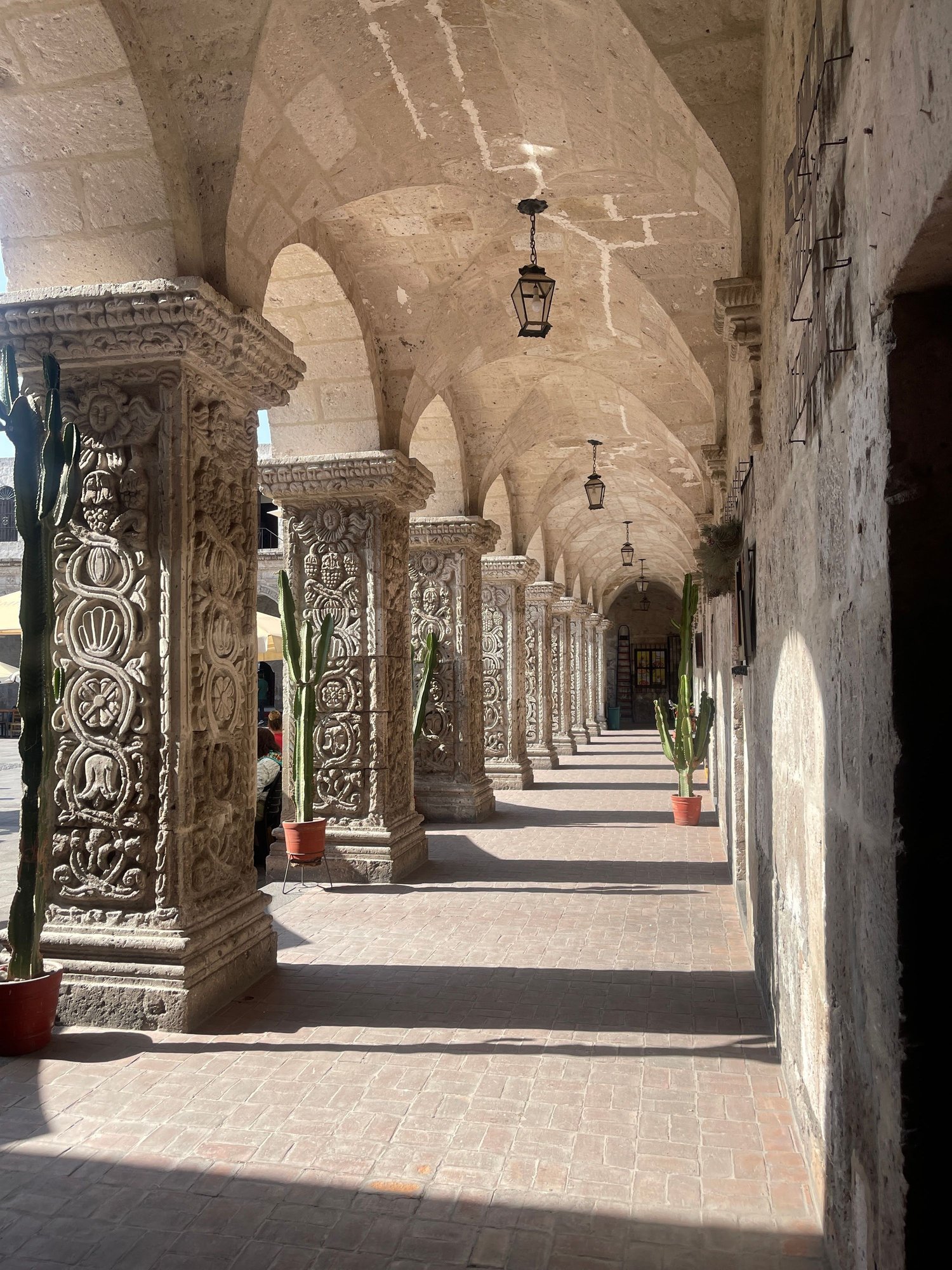
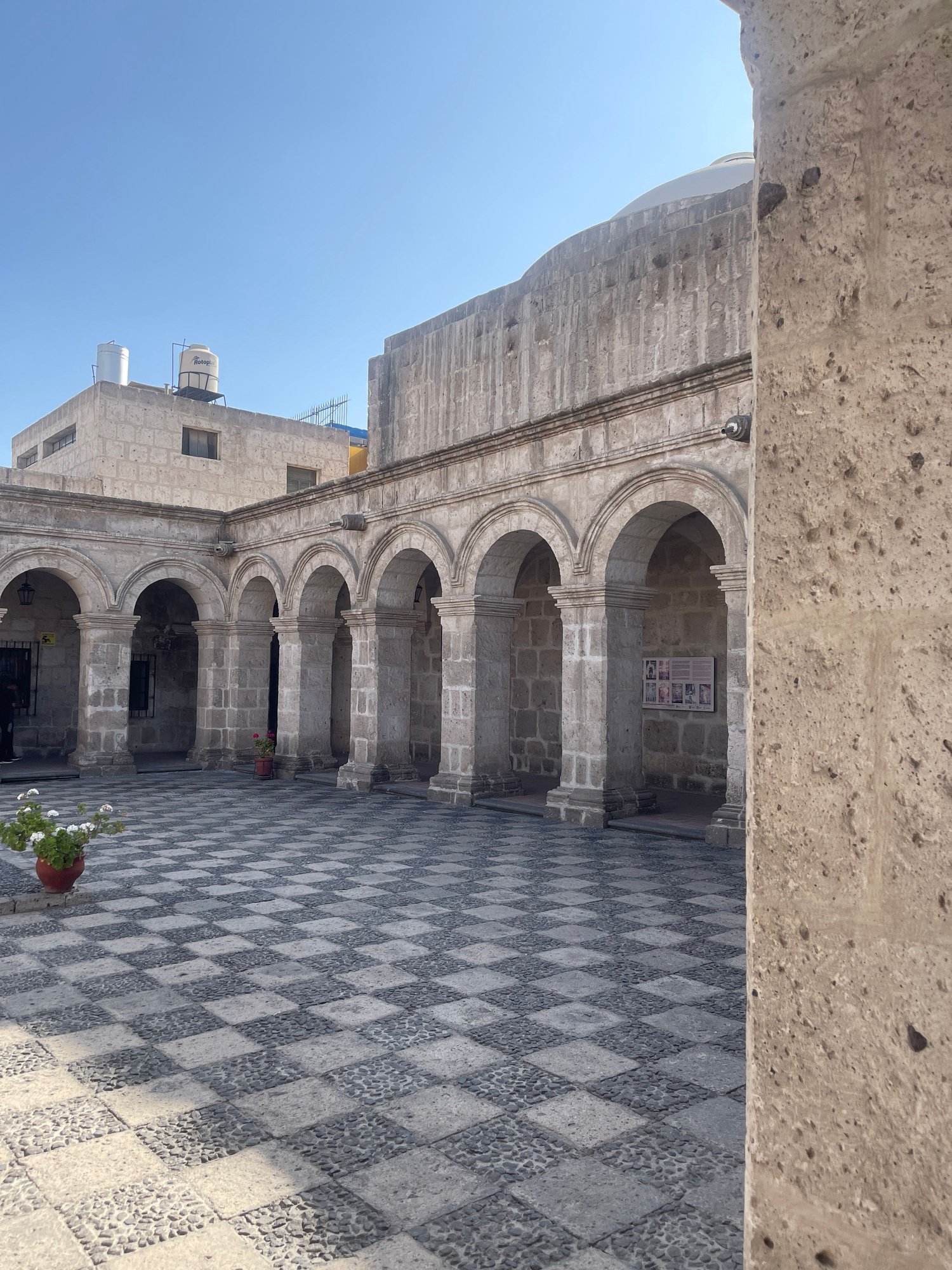
Our flight arrived on time, and we had the hotel arrange a taxi to pick us up from the airport. We arrived at Hotel Los Tambos Boutique around noon. We were able to check in earlier and the front desk staff gave us a very good restaurant recommendation for our lunch— La Benita de los Claustros for Peruvian food. It is inside the beautiful Claustros de La Compañía.
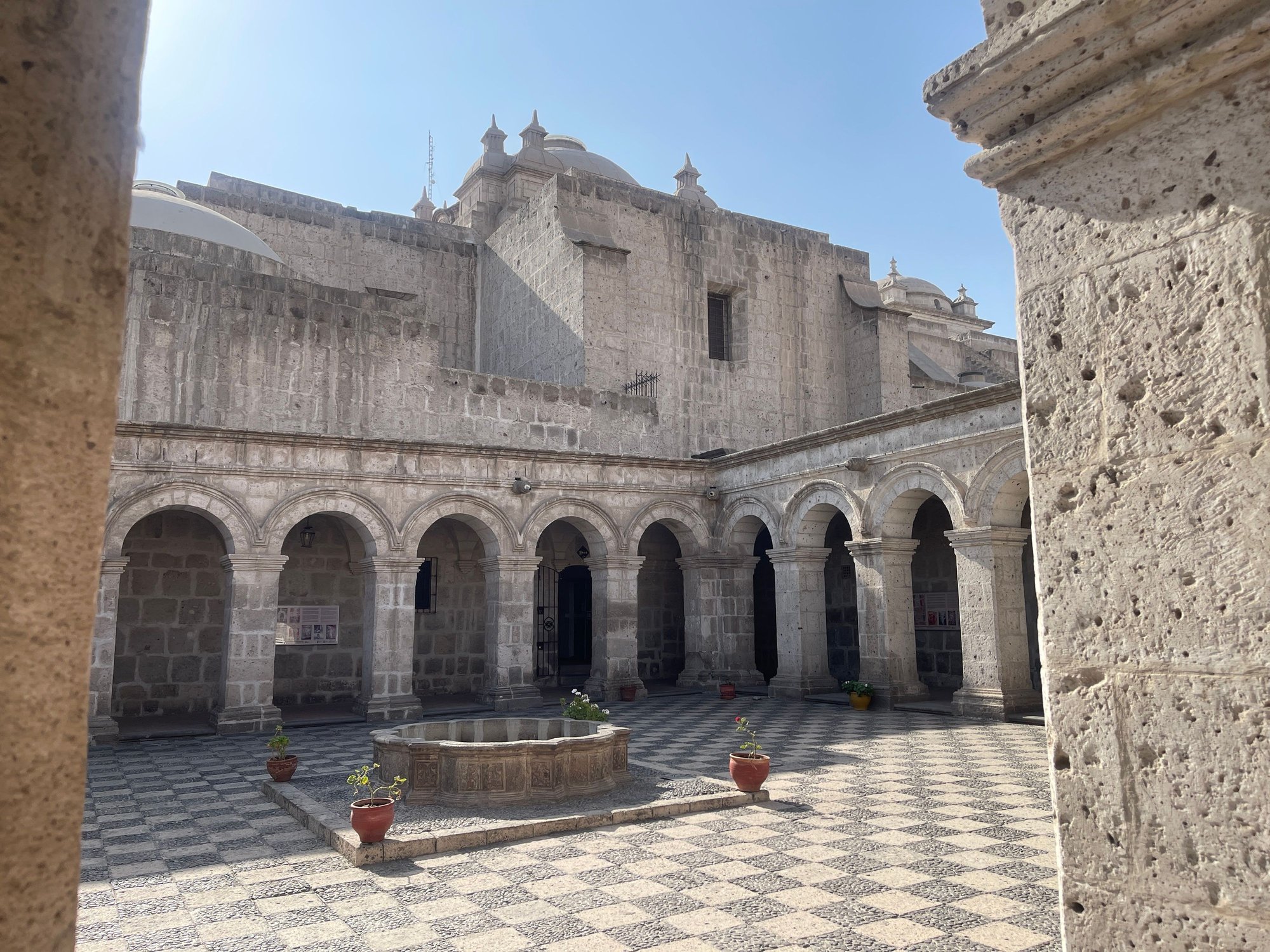
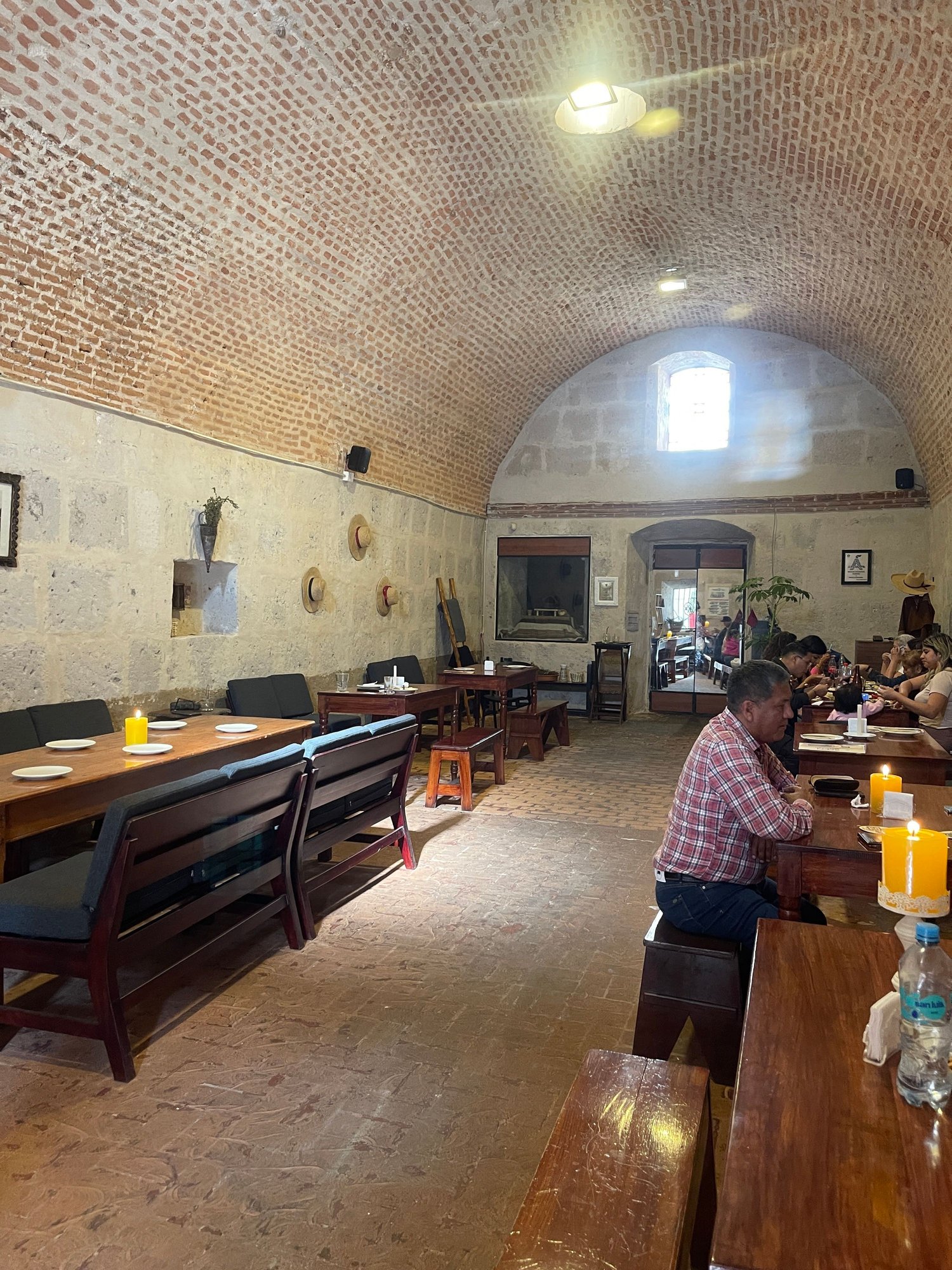
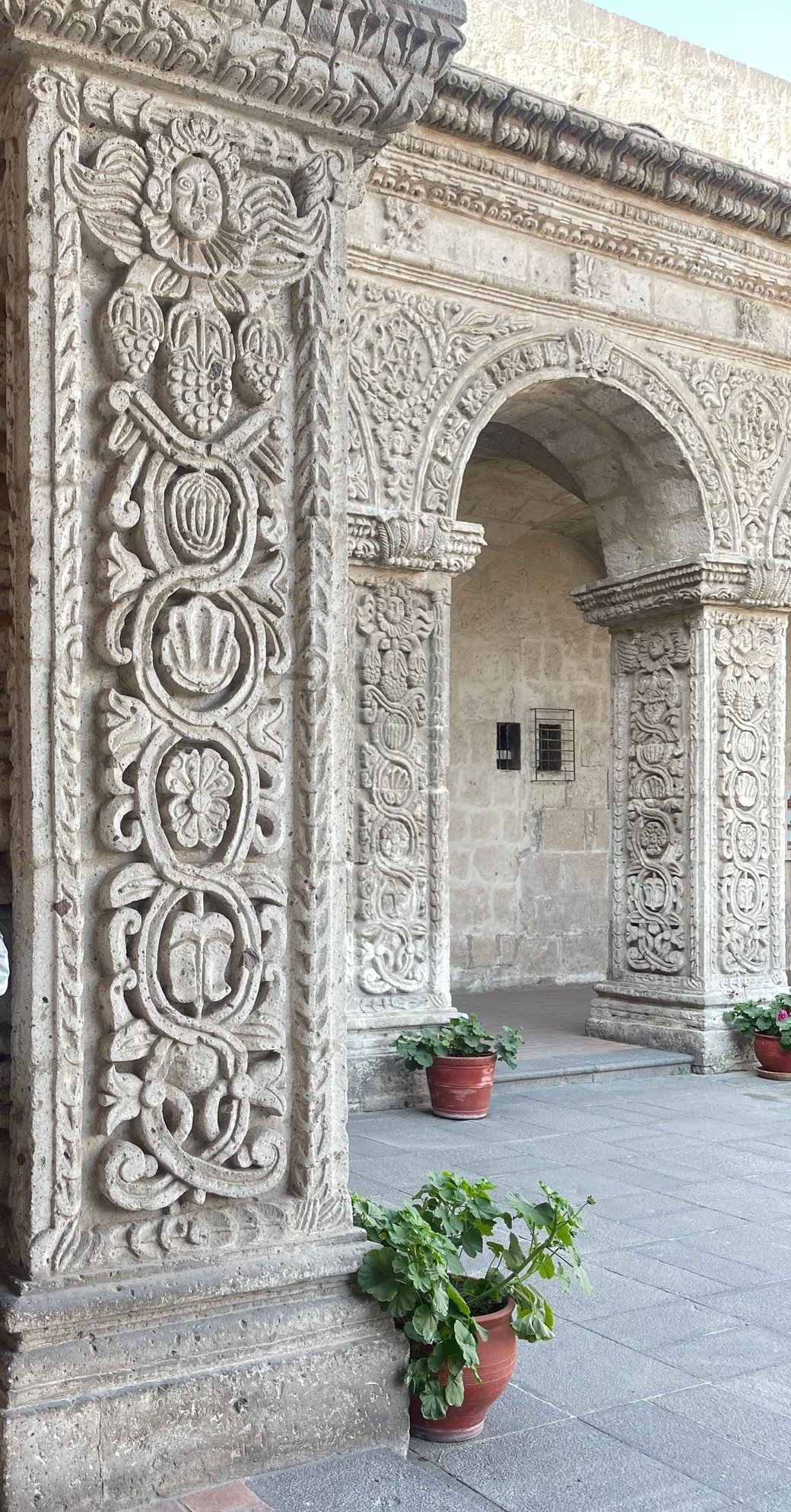
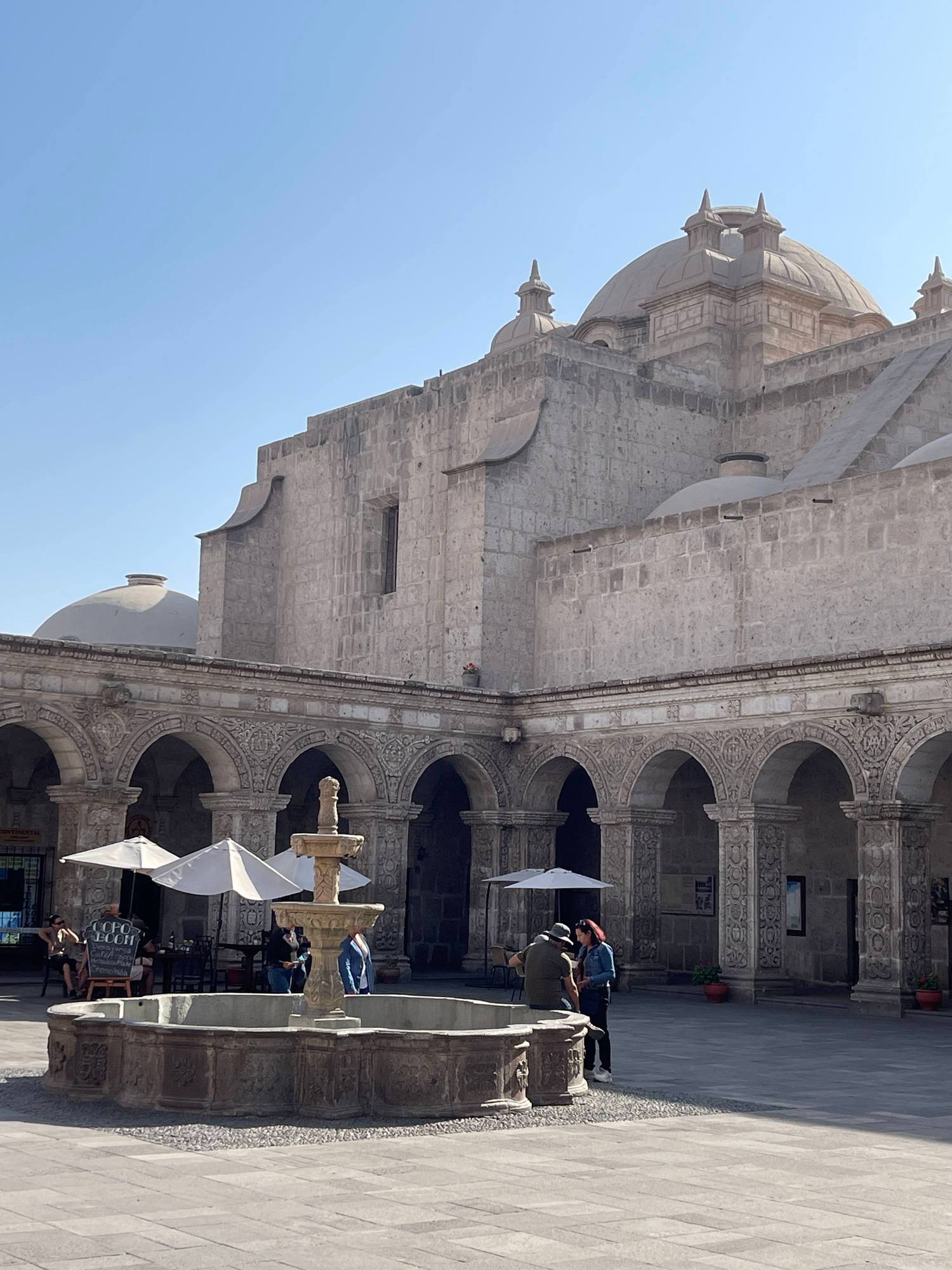
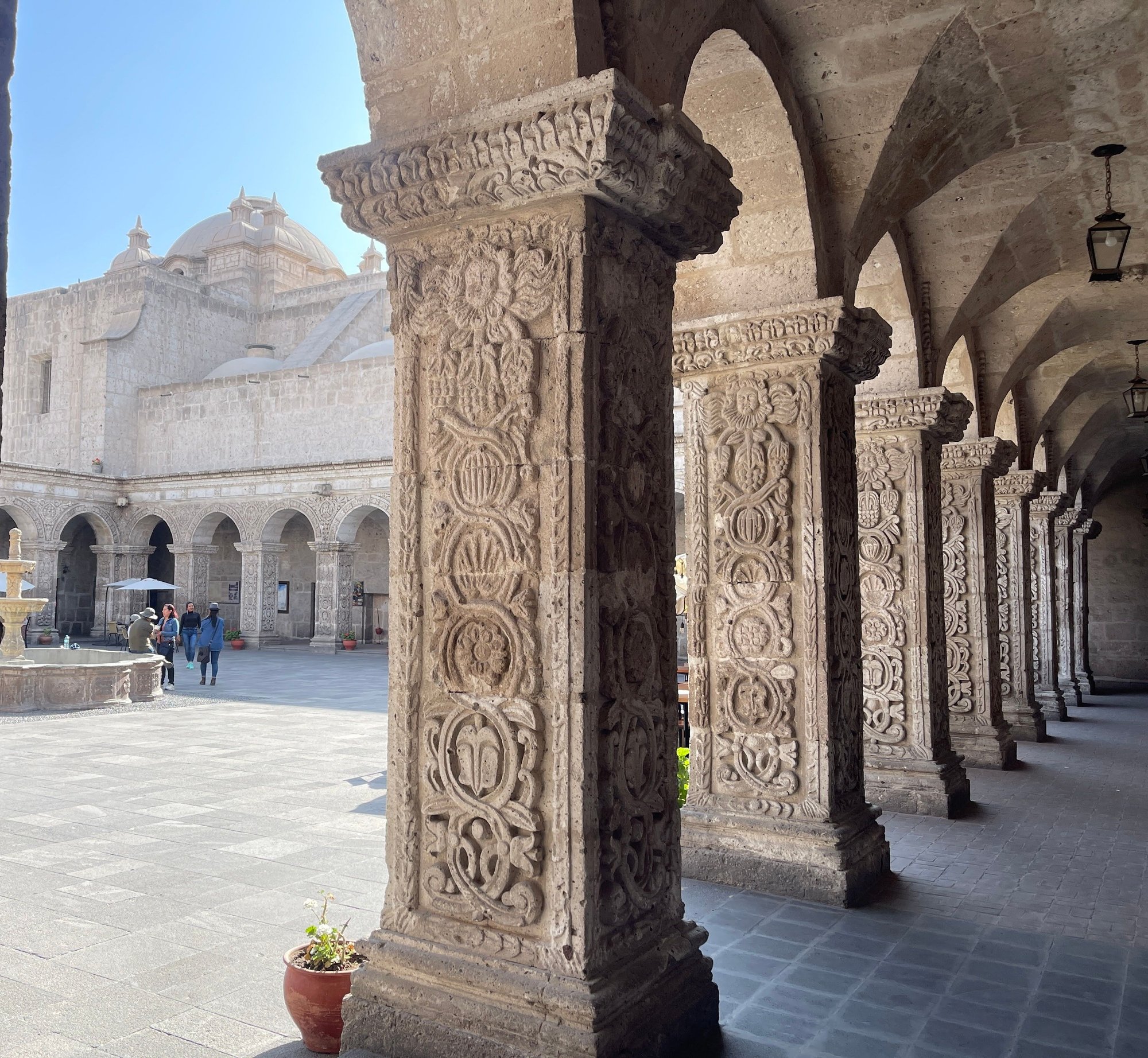
Arriving early at the airport, and the security was quick and smooth. We were successfully upgraded to Premium with a $30 bid. The journey was comfortable and pleasant with the upgrade.
It was a clear day, we could see the canyons below with all the ziged zaged paths all over the canyons. Not much vegetation on the ground , just a vast area of brown canyons with towns scattered here and there.
Very barren land seen from our flight
Arequipa is nicknamed “The White City”. It is 7661 feet above sea level, and serves as an ideal place for us to acclimatize altitude before traveling to higher destinations like Colca Canyon and Puno.Our flight arrived on time, and we had the hotel arrange a taxi to pick us up from the airport. We arrived at Hotel Los Tambos Boutique around noon. We were able to check in earlier and the front desk staff gave us a very good restaurant recommendation for our lunch— La Benita de los Claustros for Peruvian food. It is inside the beautiful Claustros de La Compañía.
After lunch, we set off on foot to discover the city. We walked to the historic center of Plaza de Armas then turned right onto Portal De Flores, and continued on to Cl. San Francisco.
Along the way, we passed a lot of the historic buildings with the UNESCO heritage signs on them. There are boutique hotels, cafes, restaurants, and banks along this street. Interestingly the old blends in with the modern. We went all the way to the San Francisco park and the church before turning back onto Santa Catalina, and back to the hotel.
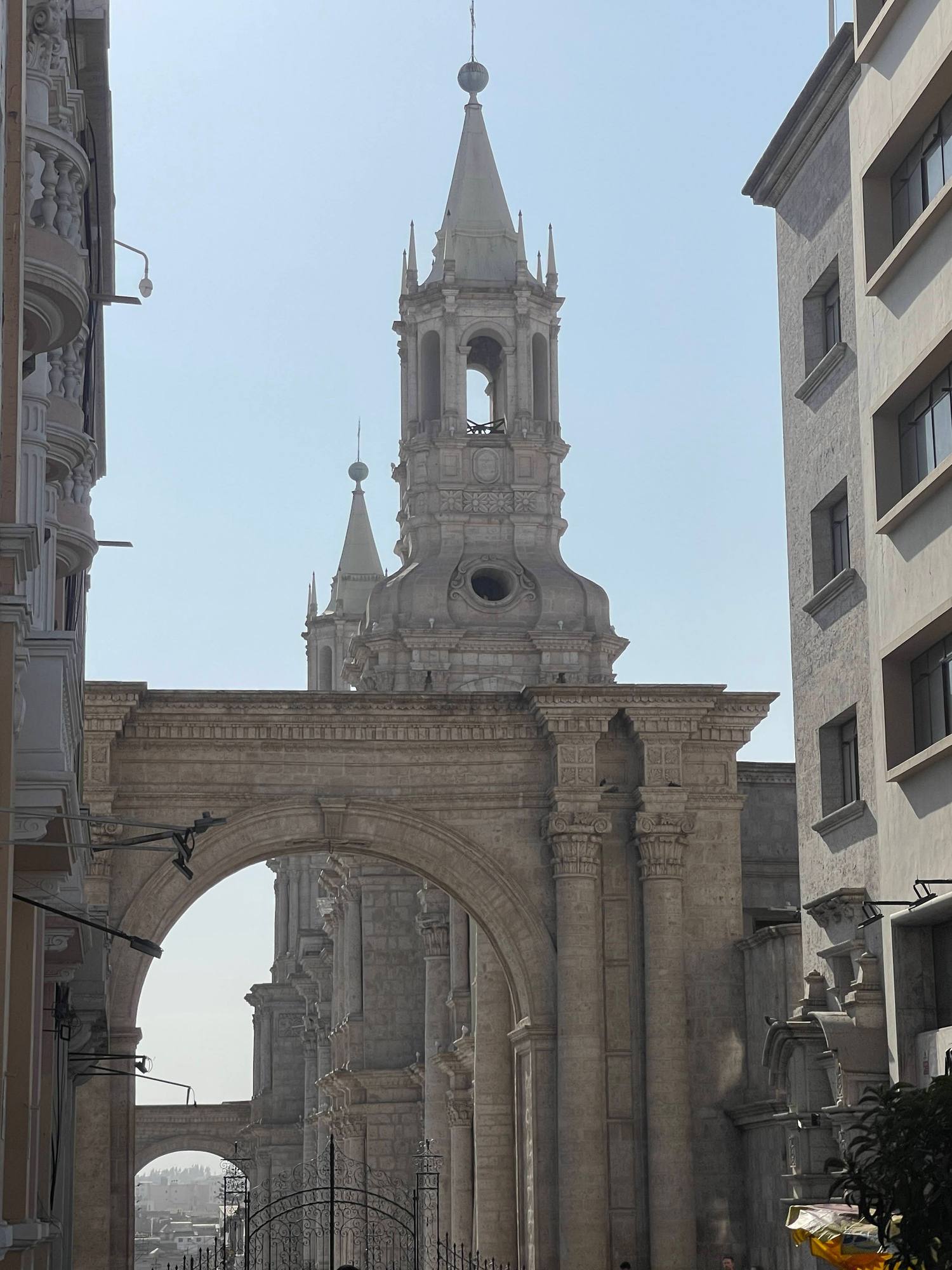
Plaza de Armas
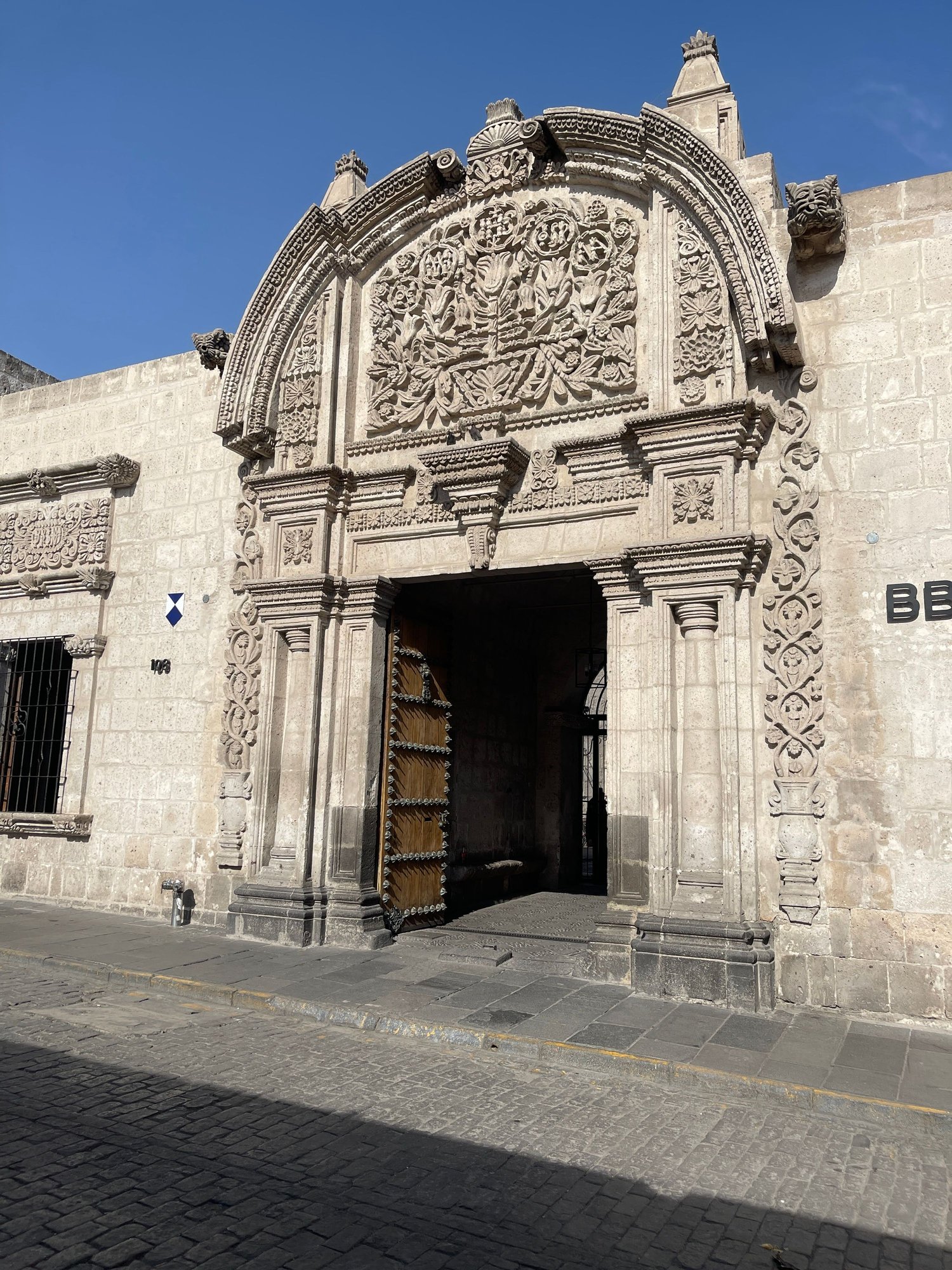
UNESCO historic building
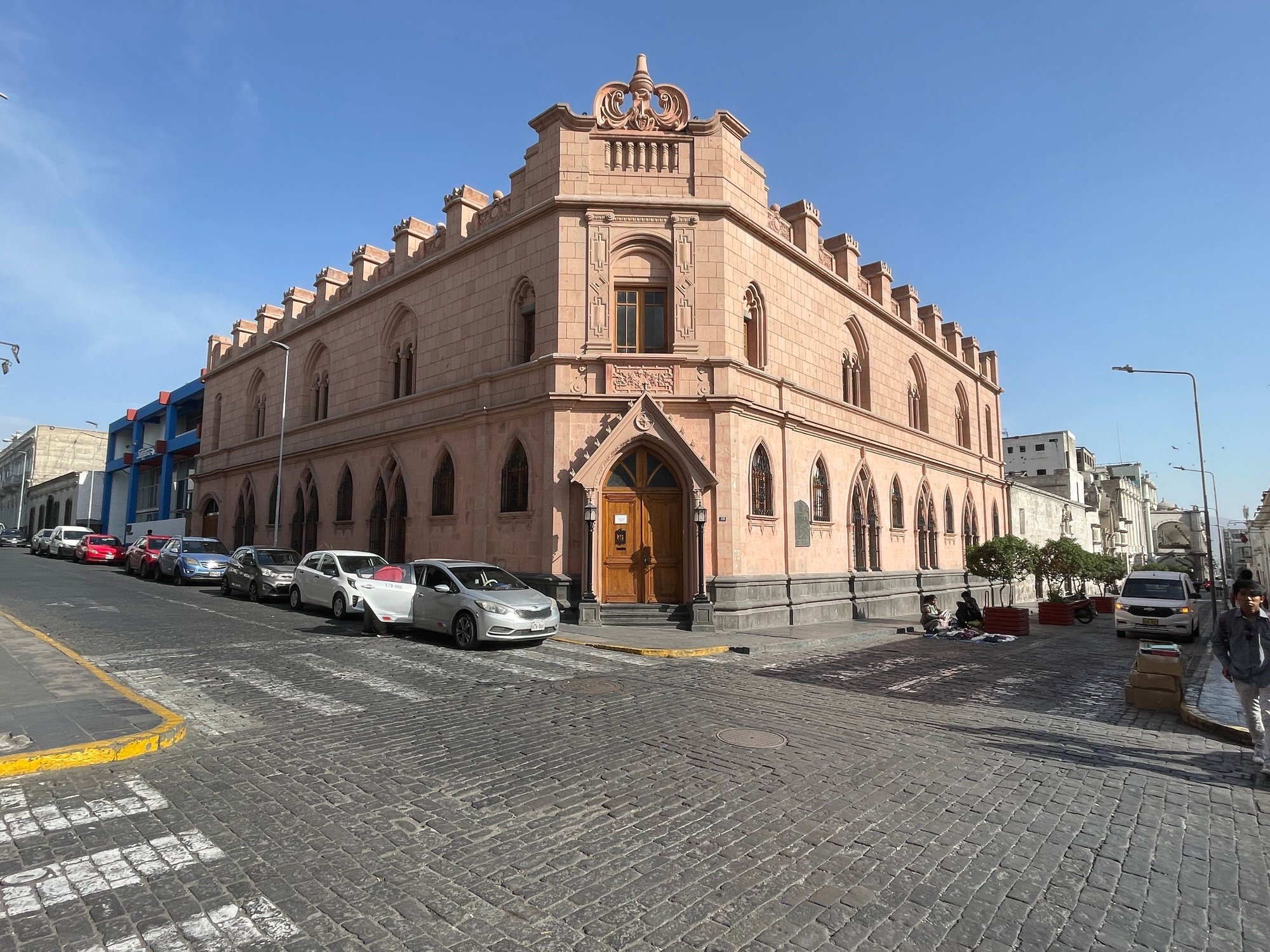
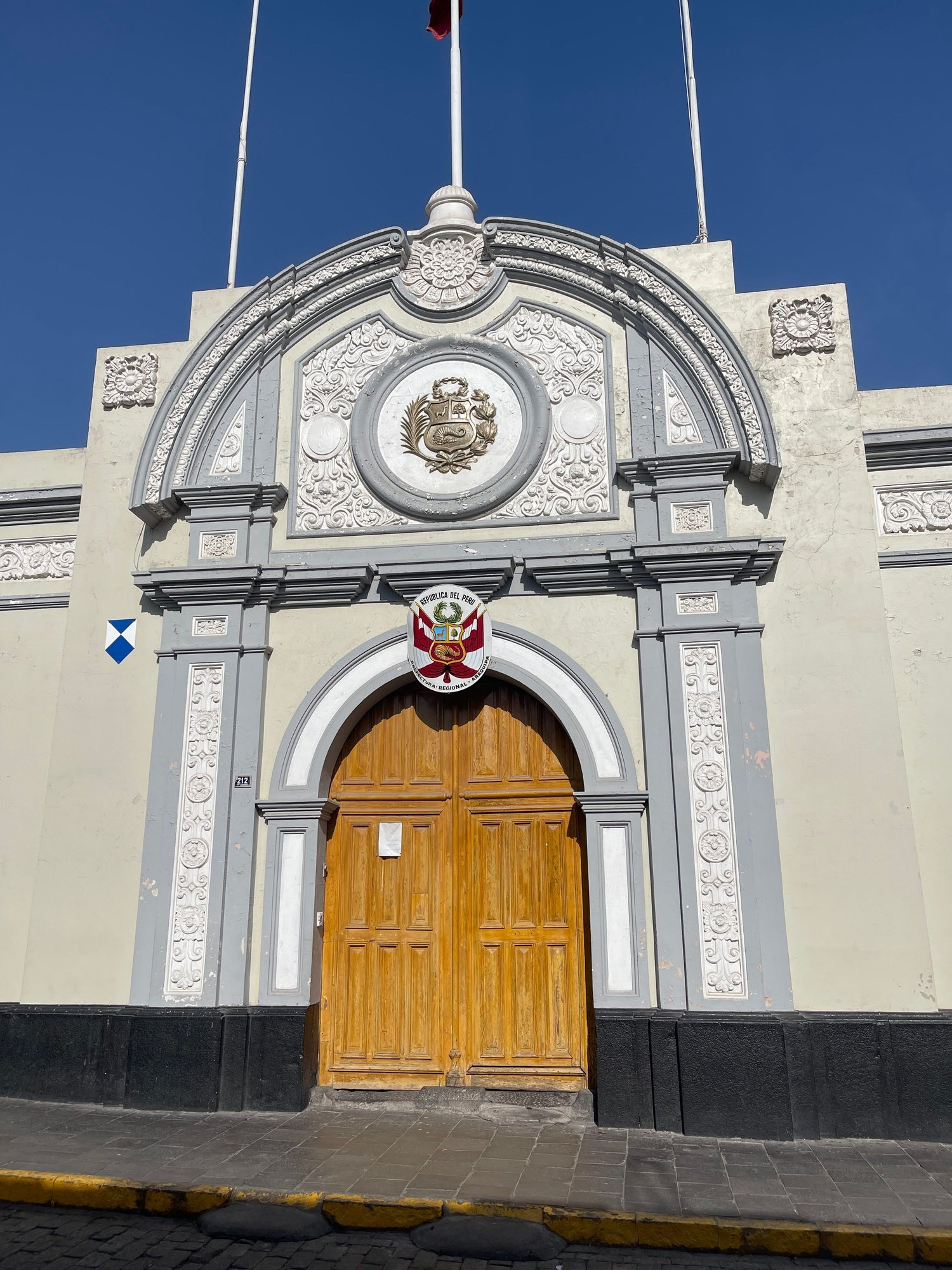
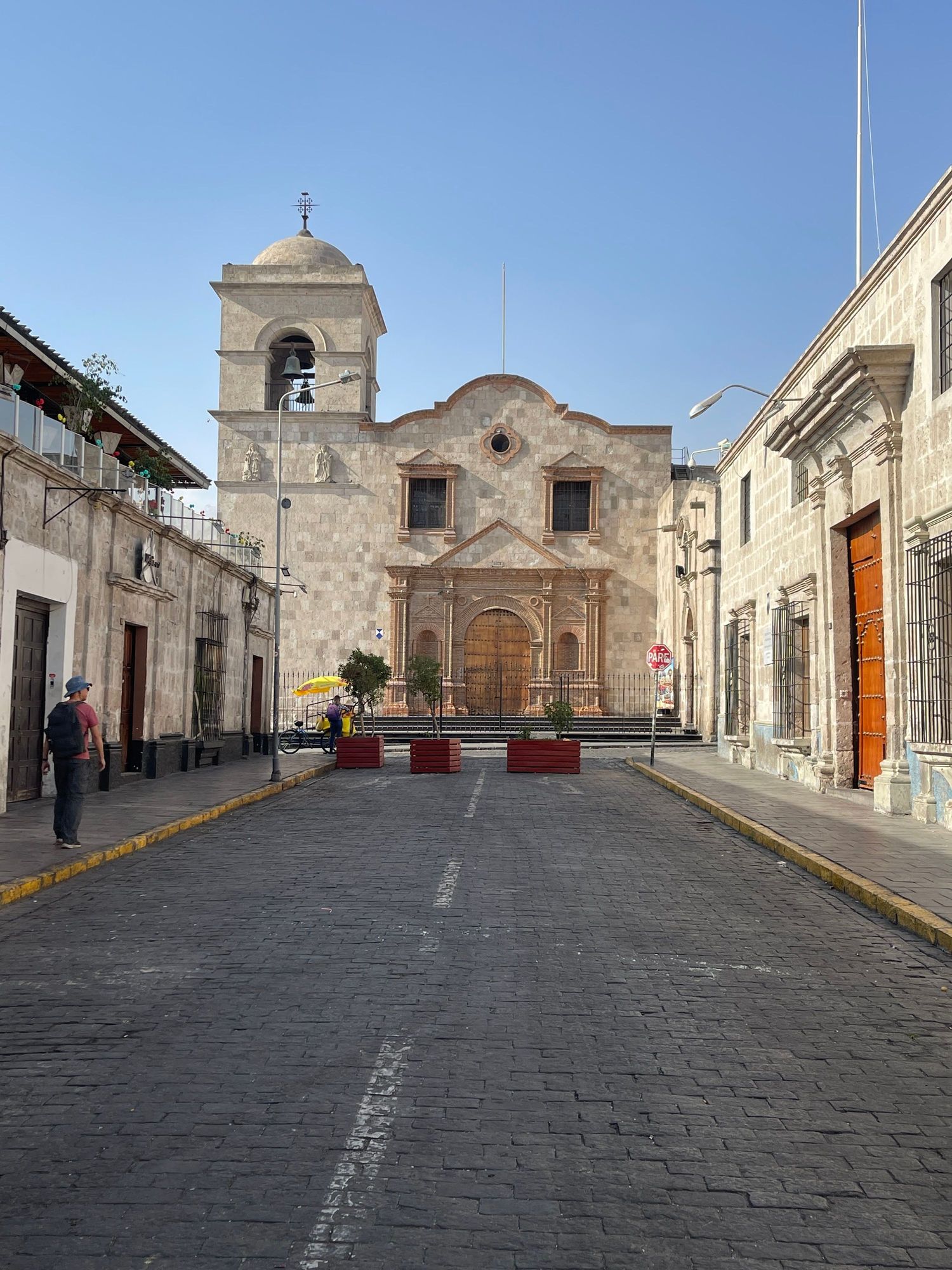
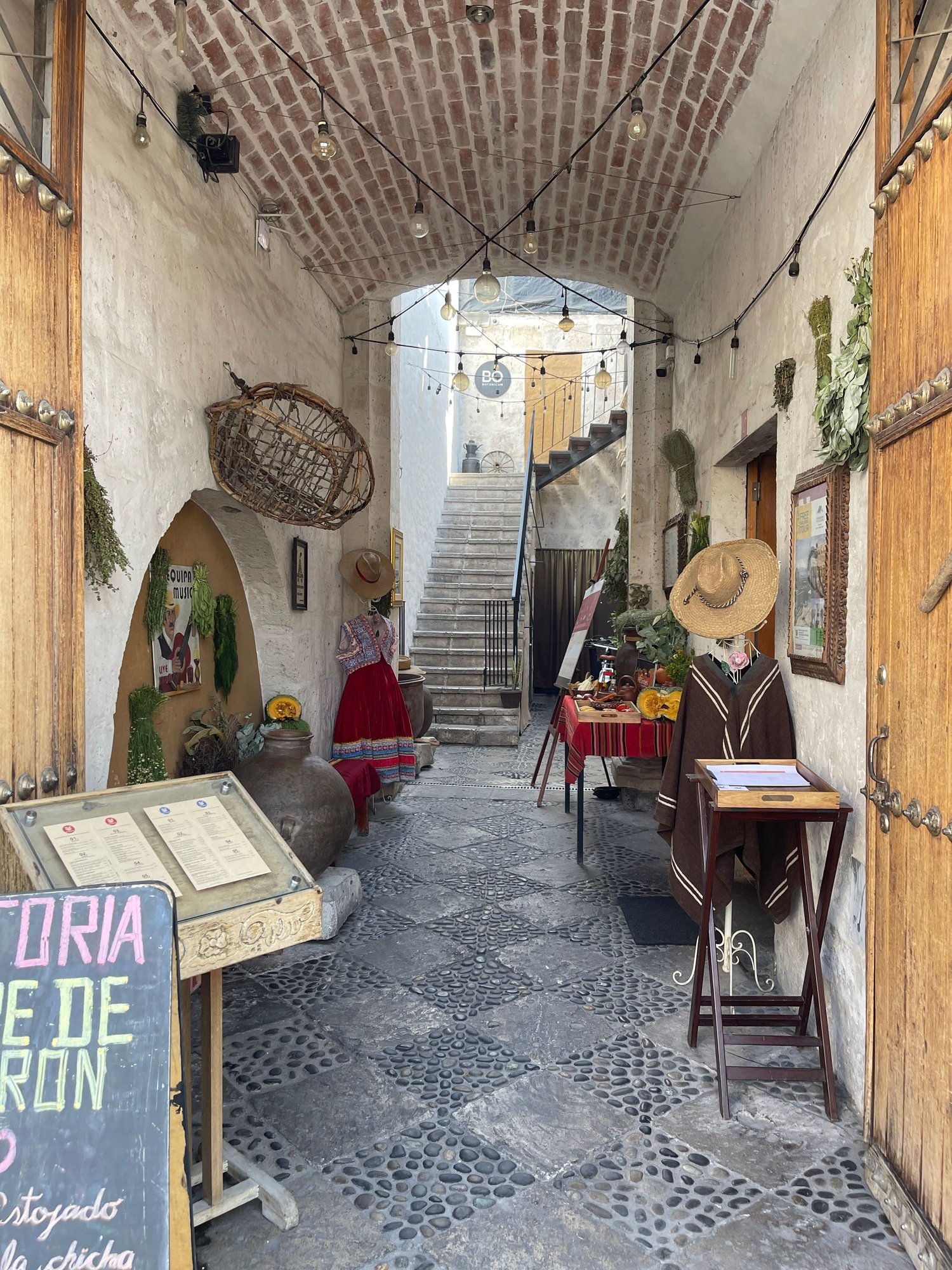
Beautiful alley shop
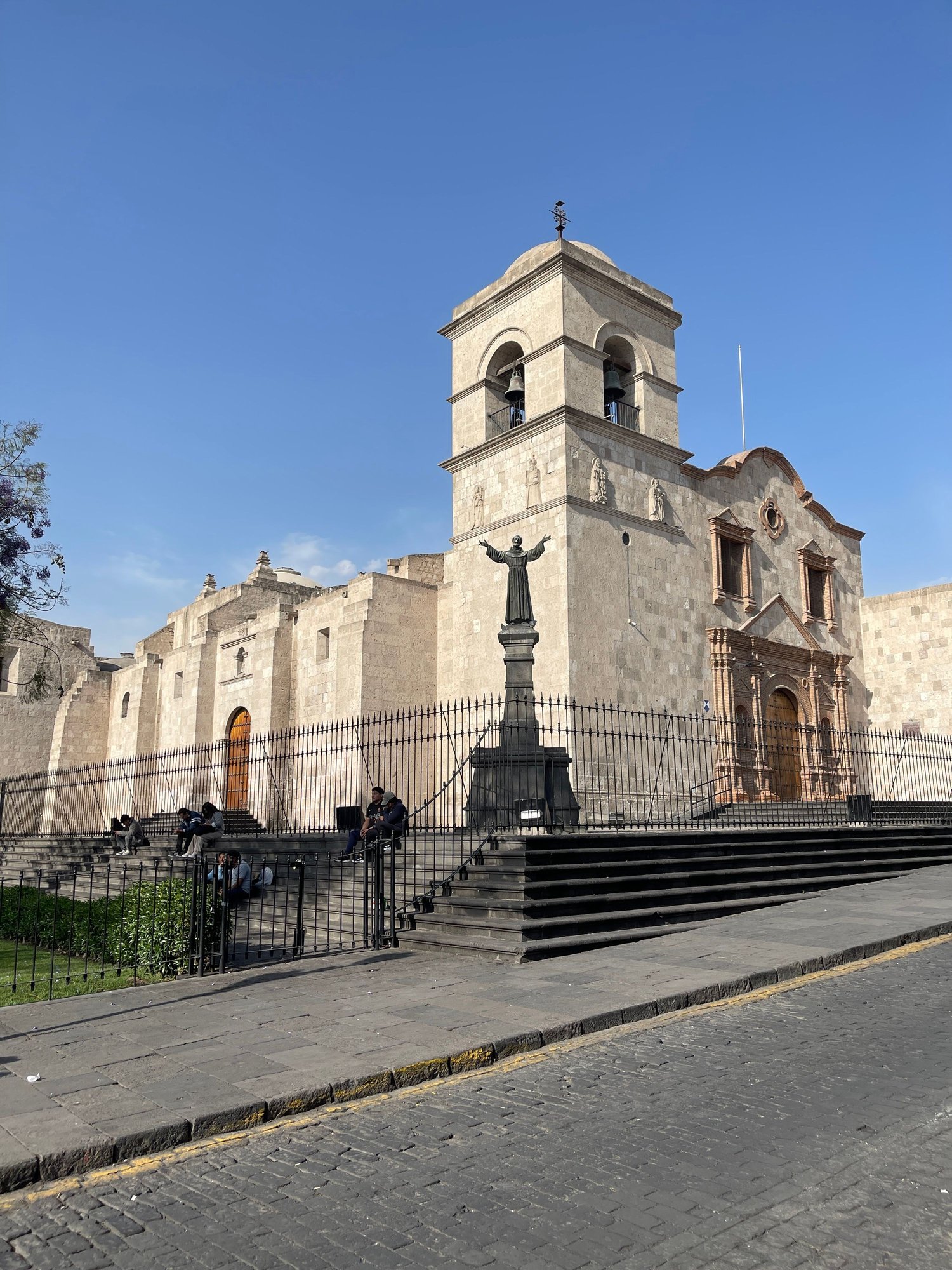
Church of San Francisco
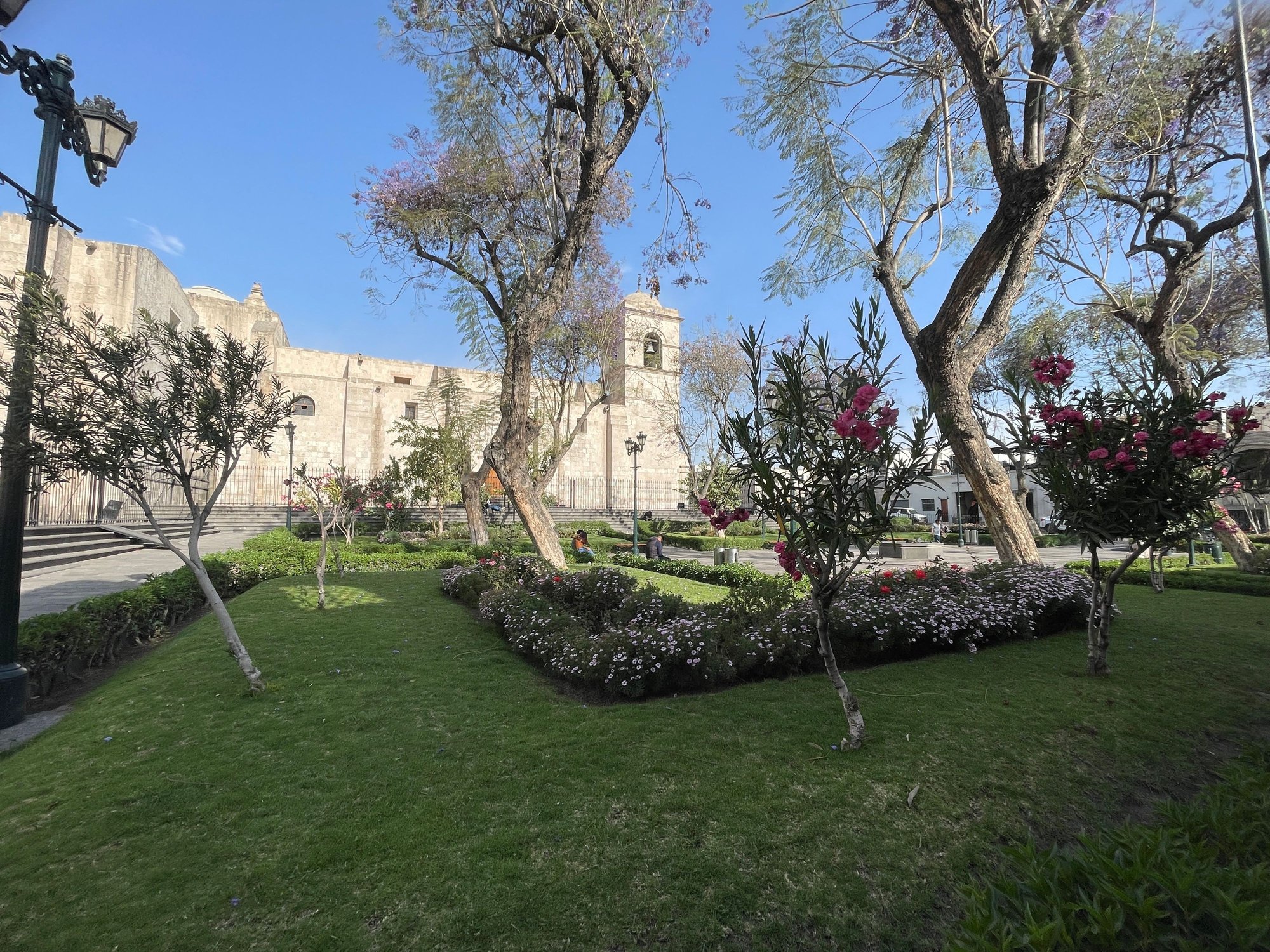
Plaza San Francisco
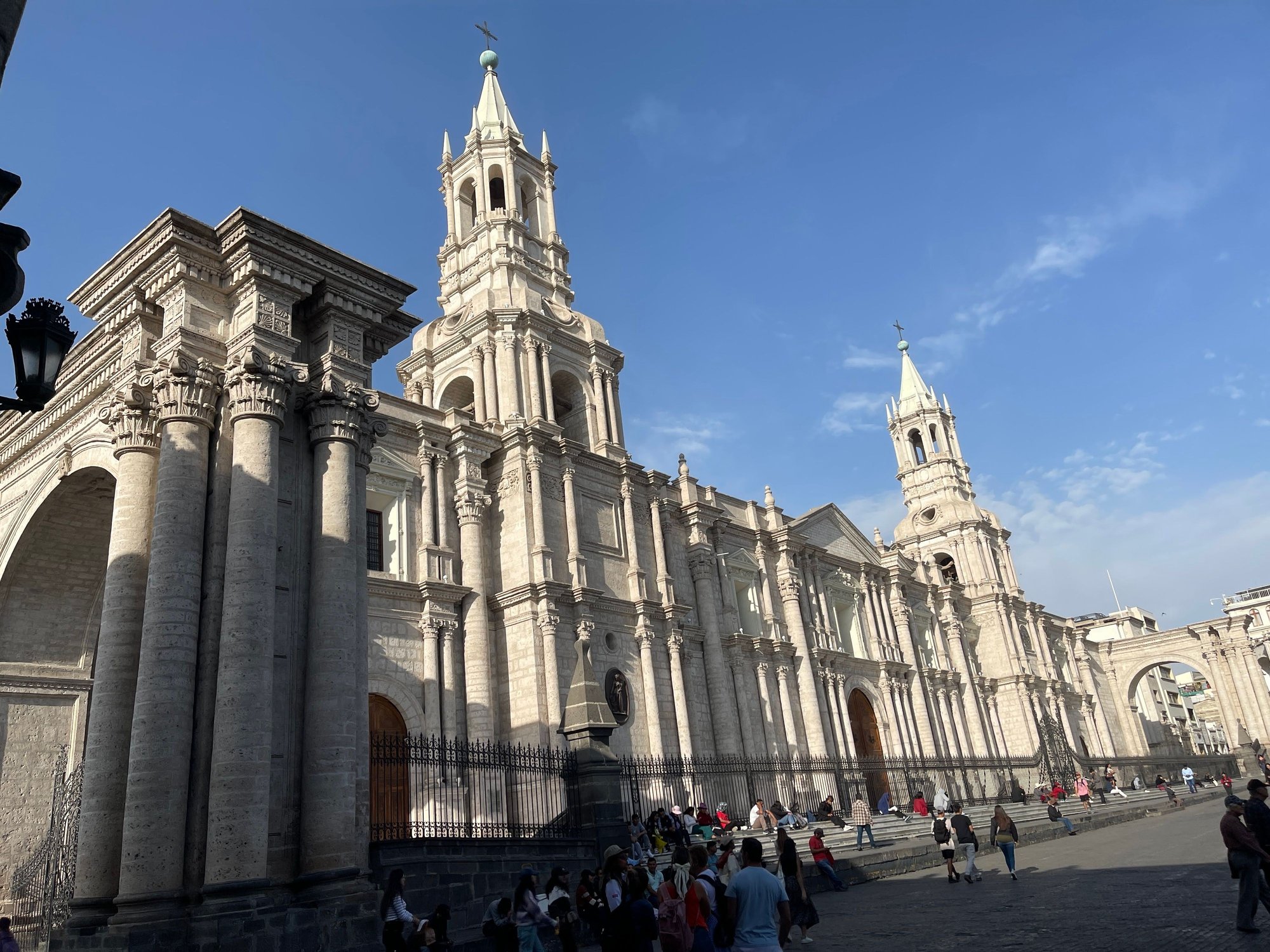
Arequipa Cathedral
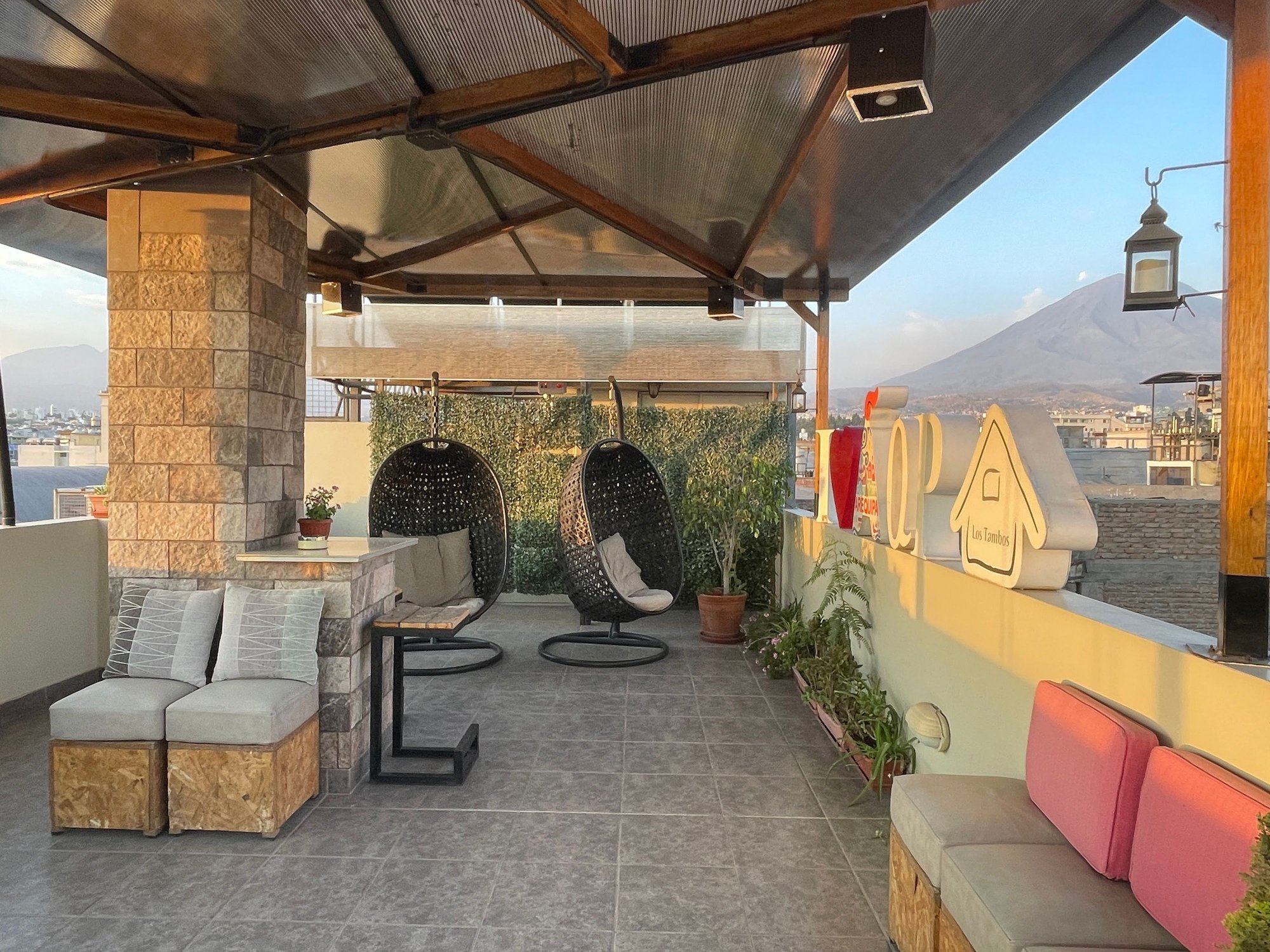
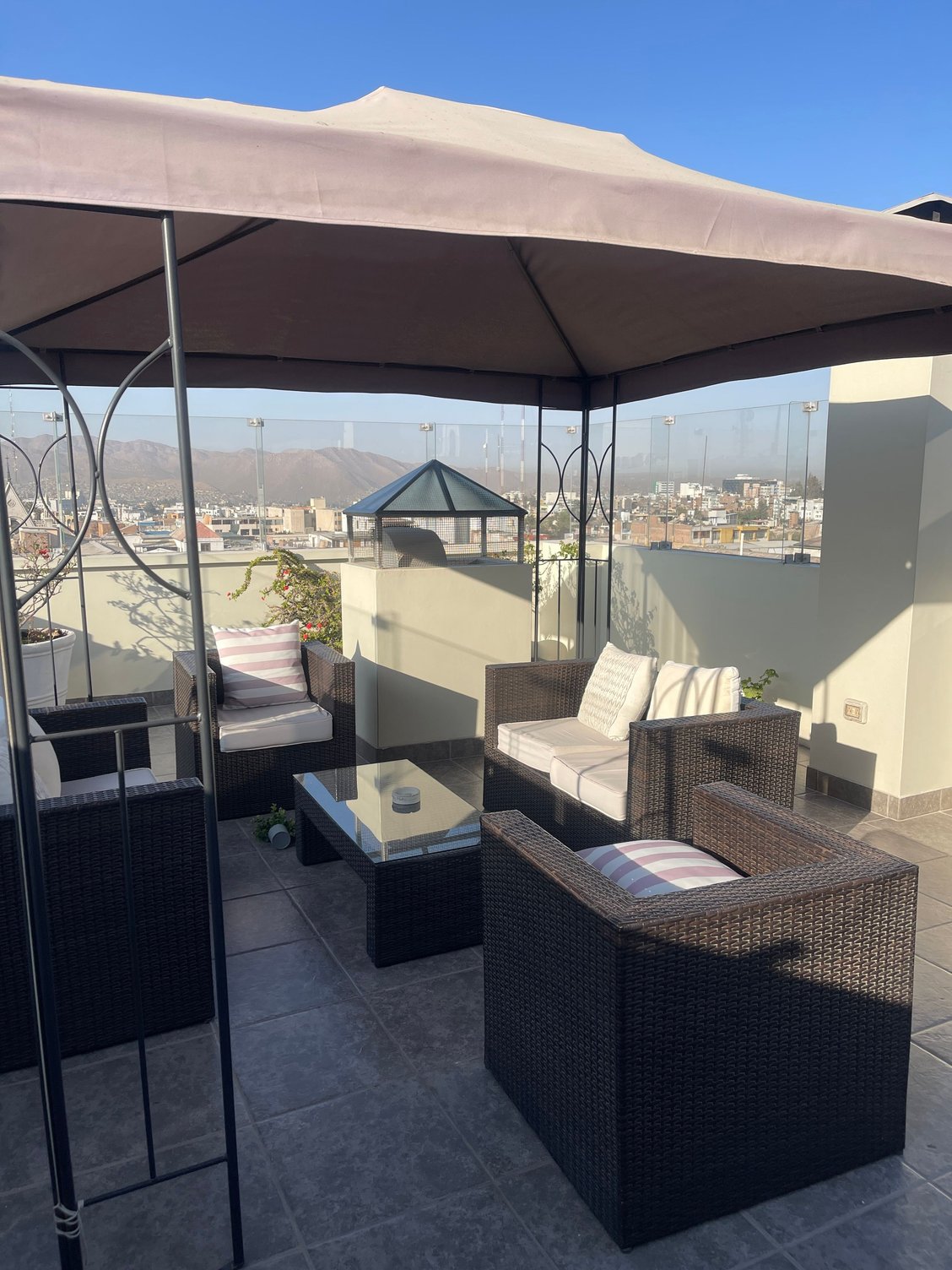
We were told by the hotel staff that the roof top sunset was not to miss. That was exactly what we did for the evening. Later the evening, we even saw some fireworks on the rooftop. We went out later for some night scenes around the center area before calling in for the night.
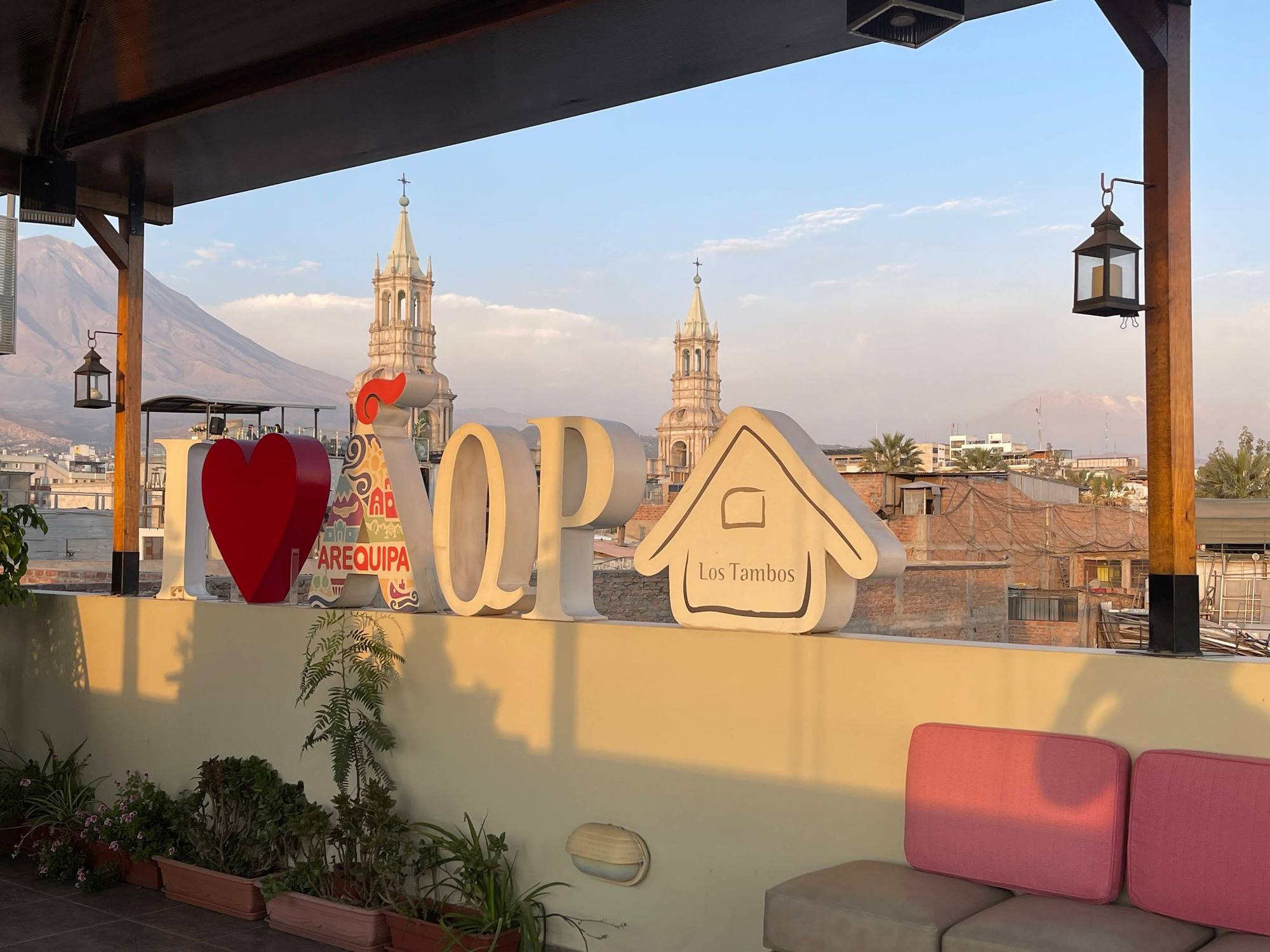
Hotel roof top
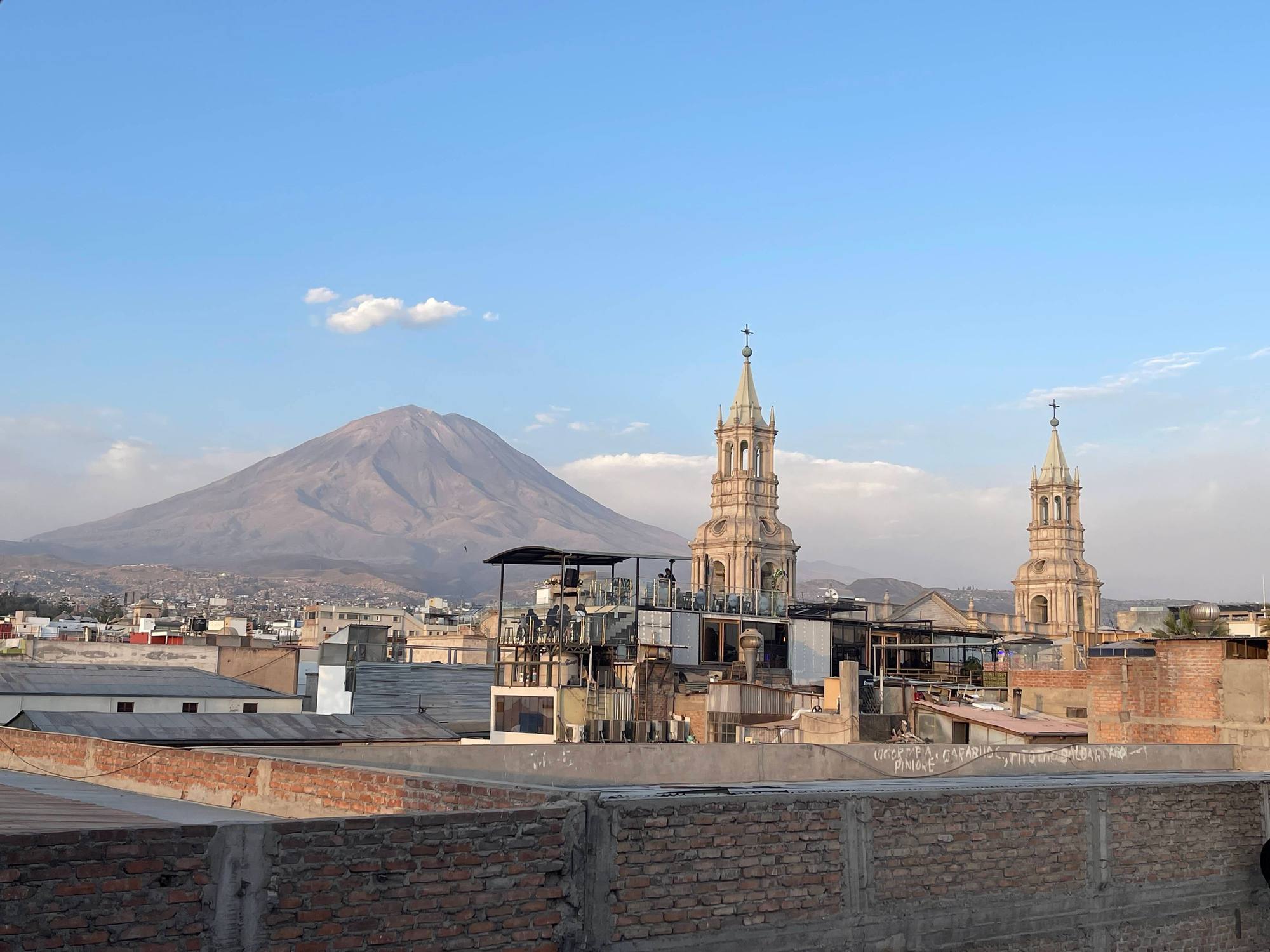
Beautiful view all around
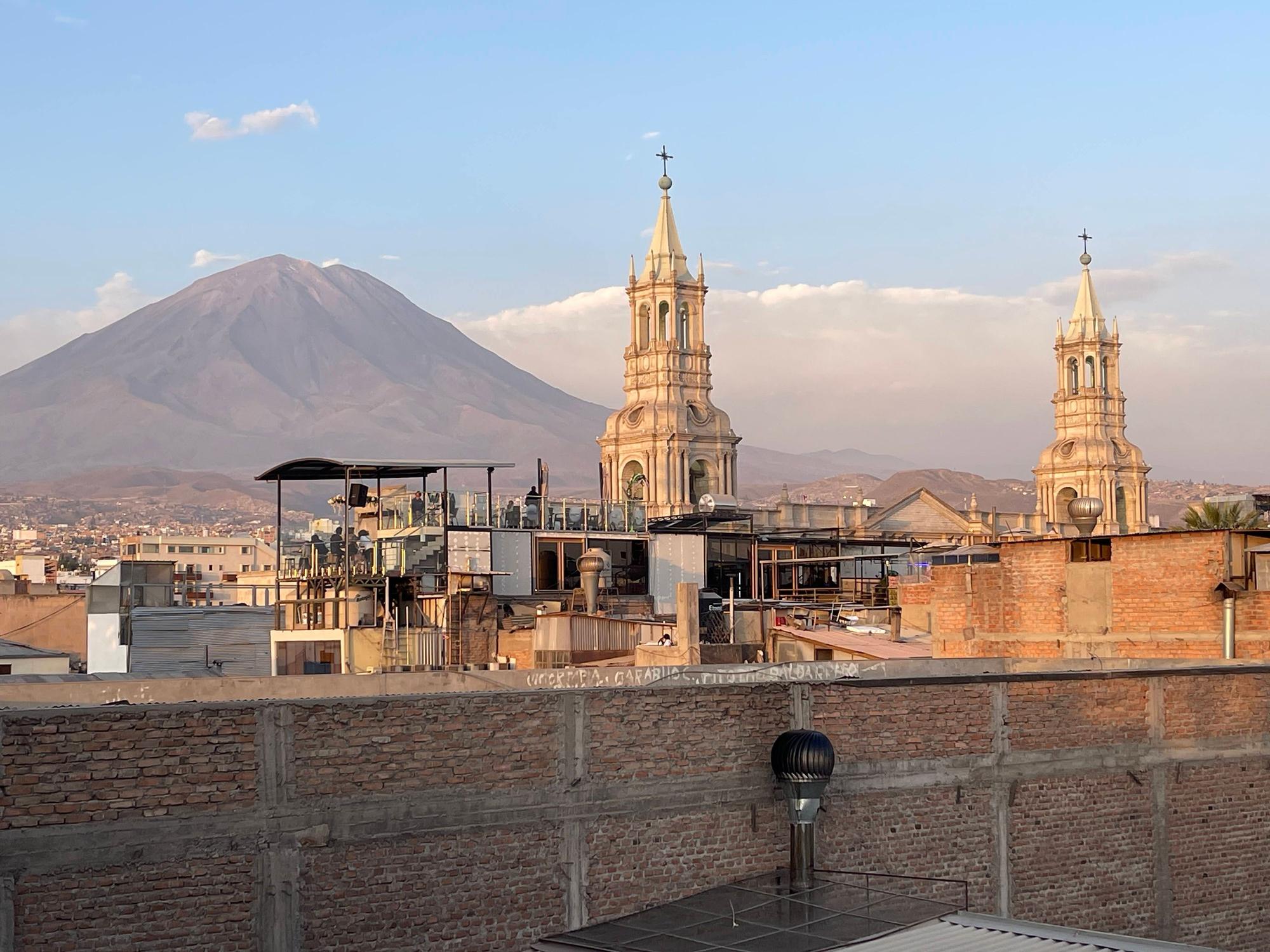
Cathedral backdrop with Mount Misti??There
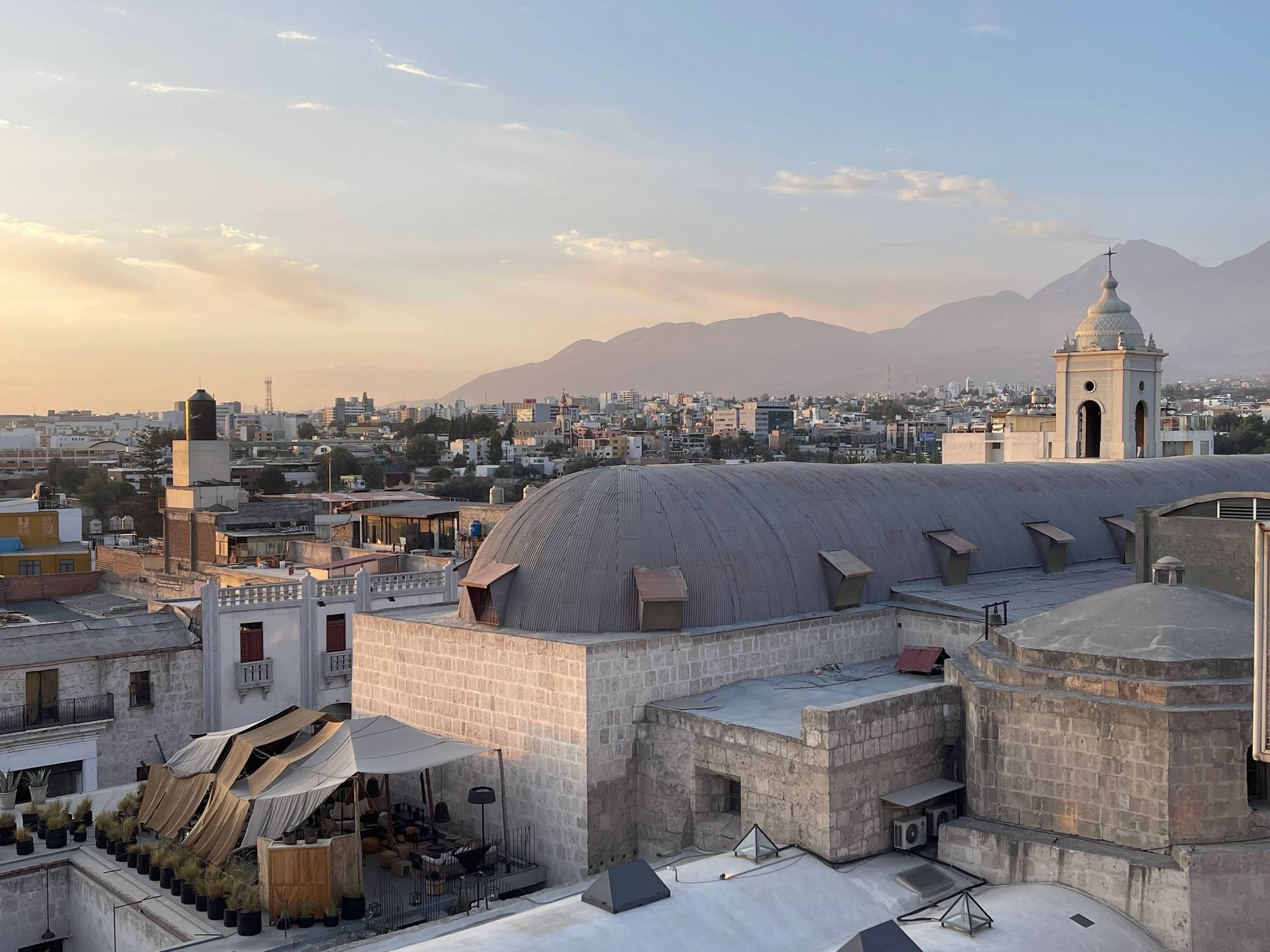
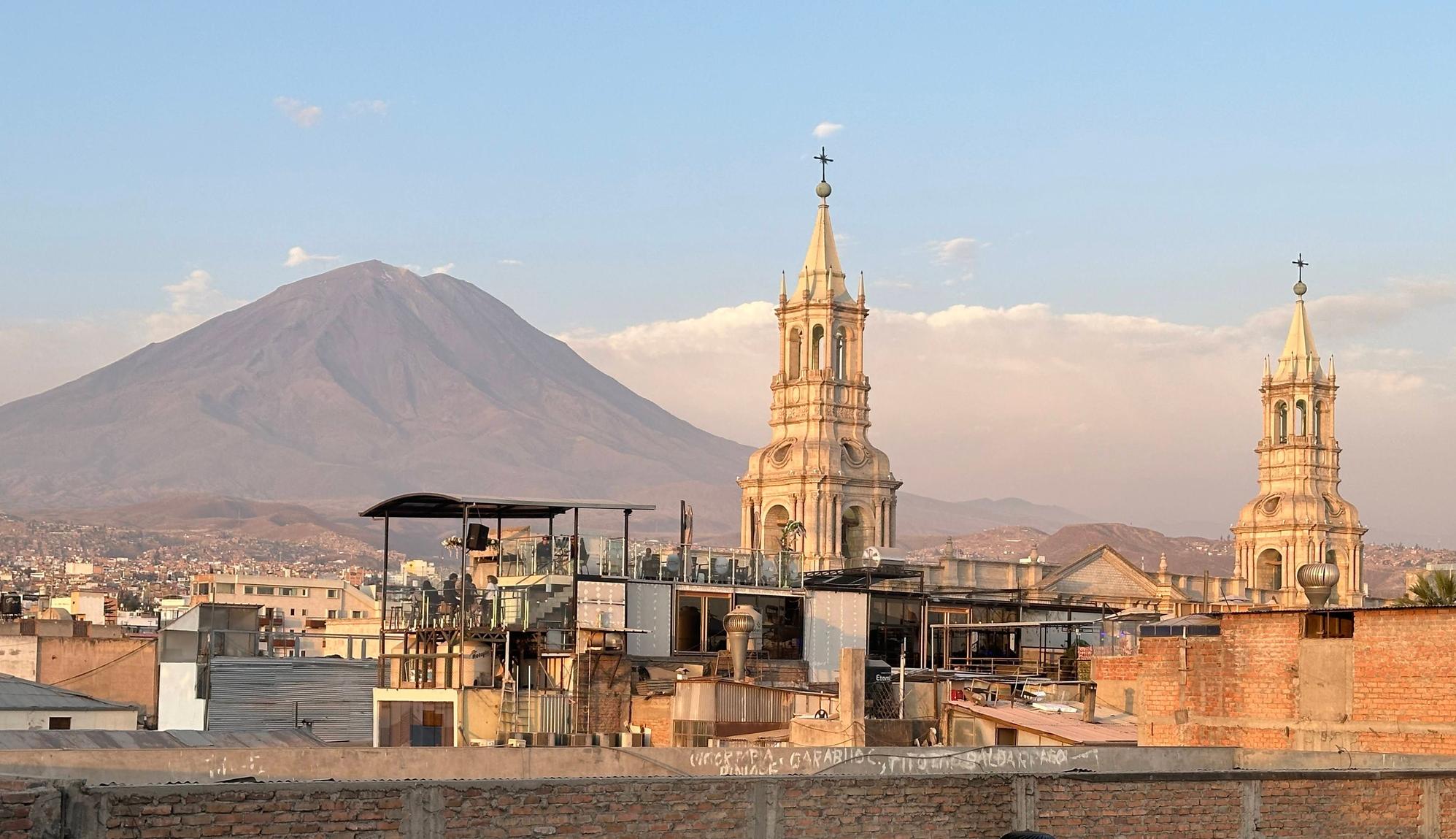
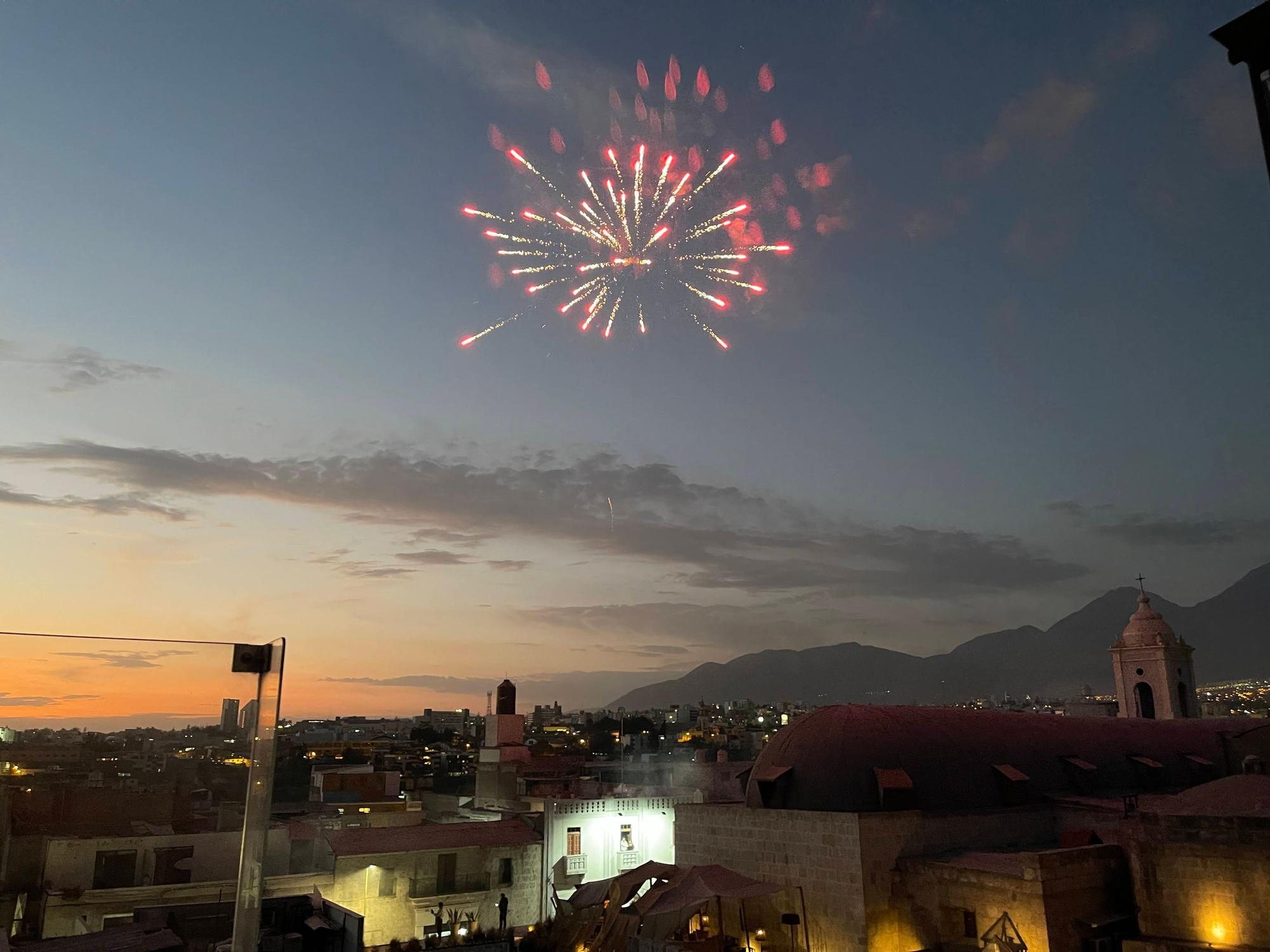
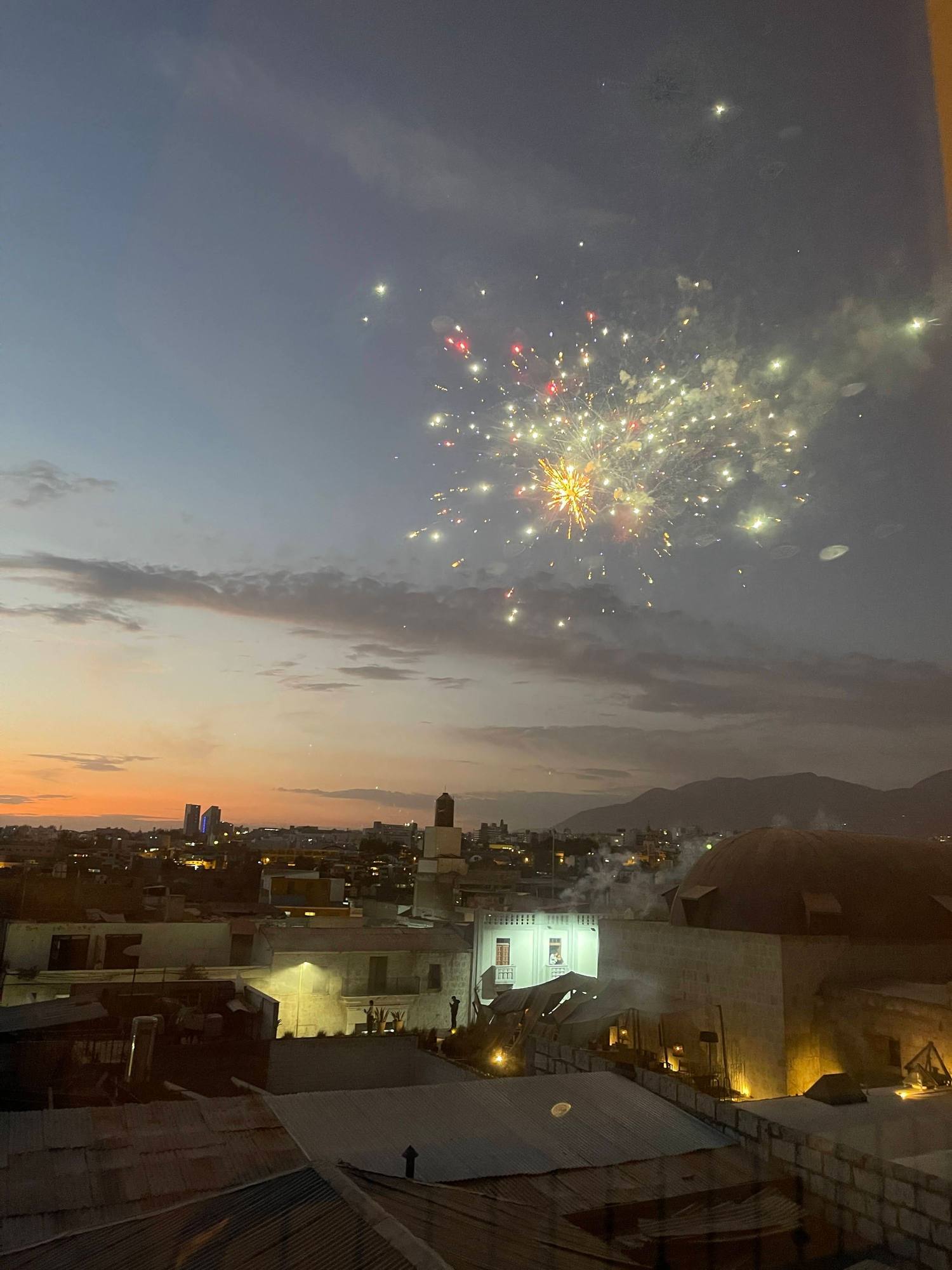
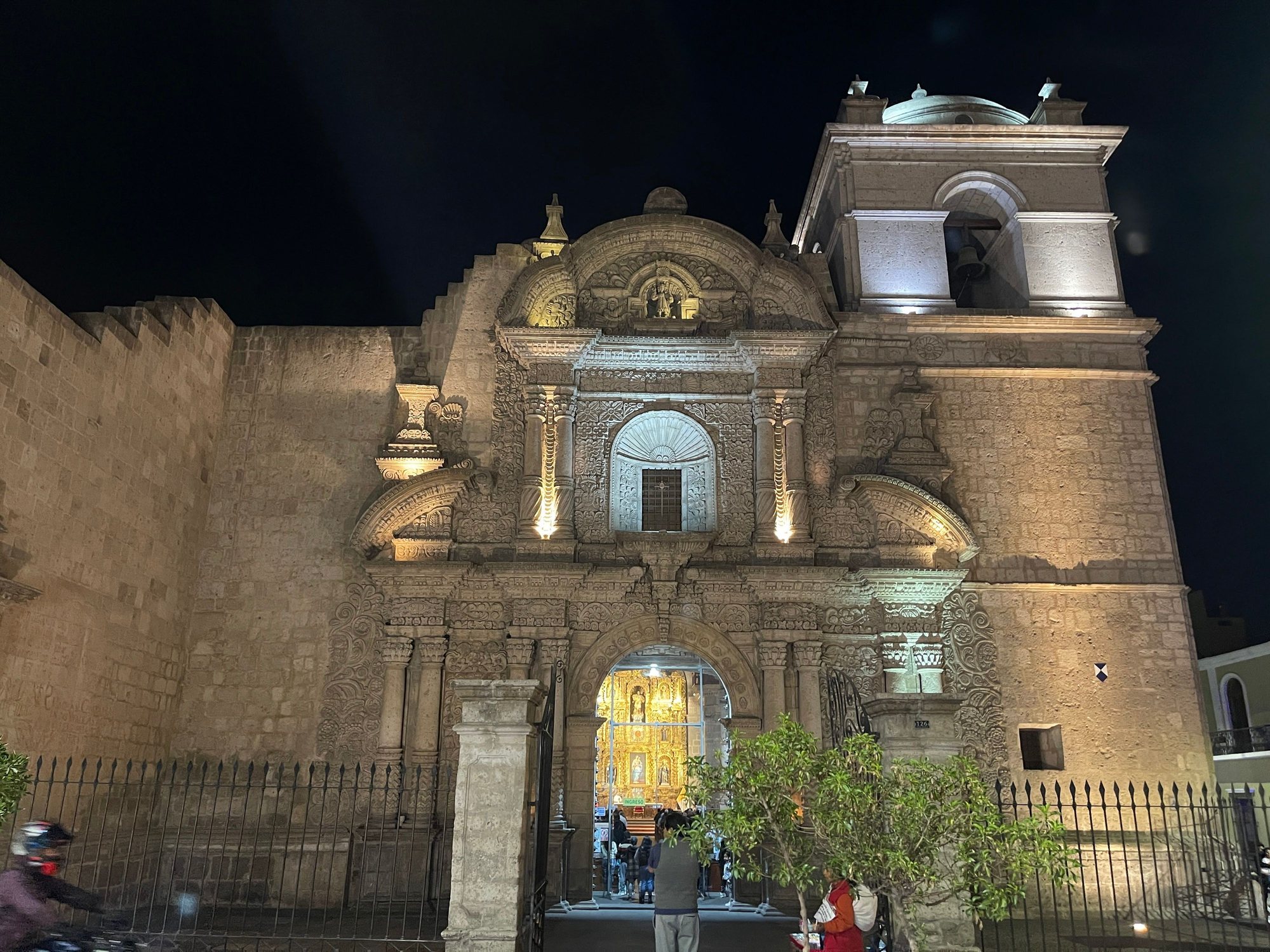
There was a service going on, beautiful Church of the Company of Jesus —Iglesia de la Compañía de Jesús
For the next day, we had booked a bus tour to visit Sillar route and Culebrillas canyon— Ruta Del Sillar.
Along the way, we passed a lot of the historic buildings with the UNESCO heritage signs on them. There are boutique hotels, cafes, restaurants, and banks along this street. Interestingly the old blends in with the modern. We went all the way to the San Francisco park and the church before turning back onto Santa Catalina, and back to the hotel.
Plaza de Armas
UNESCO historic building
Beautiful alley shop
Church of San Francisco
Plaza San Francisco
Arequipa Cathedral
We were told by the hotel staff that the roof top sunset was not to miss. That was exactly what we did for the evening. Later the evening, we even saw some fireworks on the rooftop. We went out later for some night scenes around the center area before calling in for the night.
Hotel roof top
Beautiful view all around
Cathedral backdrop with Mount Misti??There
There was a service going on, beautiful Church of the Company of Jesus —Iglesia de la Compañía de Jesús
For the next day, we had booked a bus tour to visit Sillar route and Culebrillas canyon— Ruta Del Sillar.
I've enjoyed your Arequipa report so far, just as I enjoyed your Lima report, and I have a special reason for enjoying it -- my own visit to Arequipa was a long time ago, 2009 (if I haven't been back, it's only because I had a lot more to see in Peru), and I've been wondering whether Arequipa is still as great city as I recall it being -- and judging from your photos and report, it still is!
If there were some way to tag your report so far as "essential reading" for prospective Peru-bound tourists, I would thus have tagged it by now.
If there were some way to tag your report so far as "essential reading" for prospective Peru-bound tourists, I would thus have tagged it by now.
Quote:
If there were some way to tag your report so far as "essential reading" for prospective Peru-bound tourists, I would thus have tagged it by now.
Hi Faedus,Originally Posted by Faedus
I've enjoyed your Arequipa report so far, just as I enjoyed your Lima report, and I have a special reason for enjoying it -- my own visit to Arequipa was a long time ago, 2009 (if I haven't been back, it's only because I had a lot more to see in Peru), and I've been wondering whether Arequipa is still as great city as I recall it being -- and judging from your photos and report, it still is!If there were some way to tag your report so far as "essential reading" for prospective Peru-bound tourists, I would thus have tagged it by now.
Thanks for the compliment and tagging along. I hope my report will give some help in planning someone’s future trip. I sure gained a lot of insights from the reports and questions posted in this forum before my own trip.
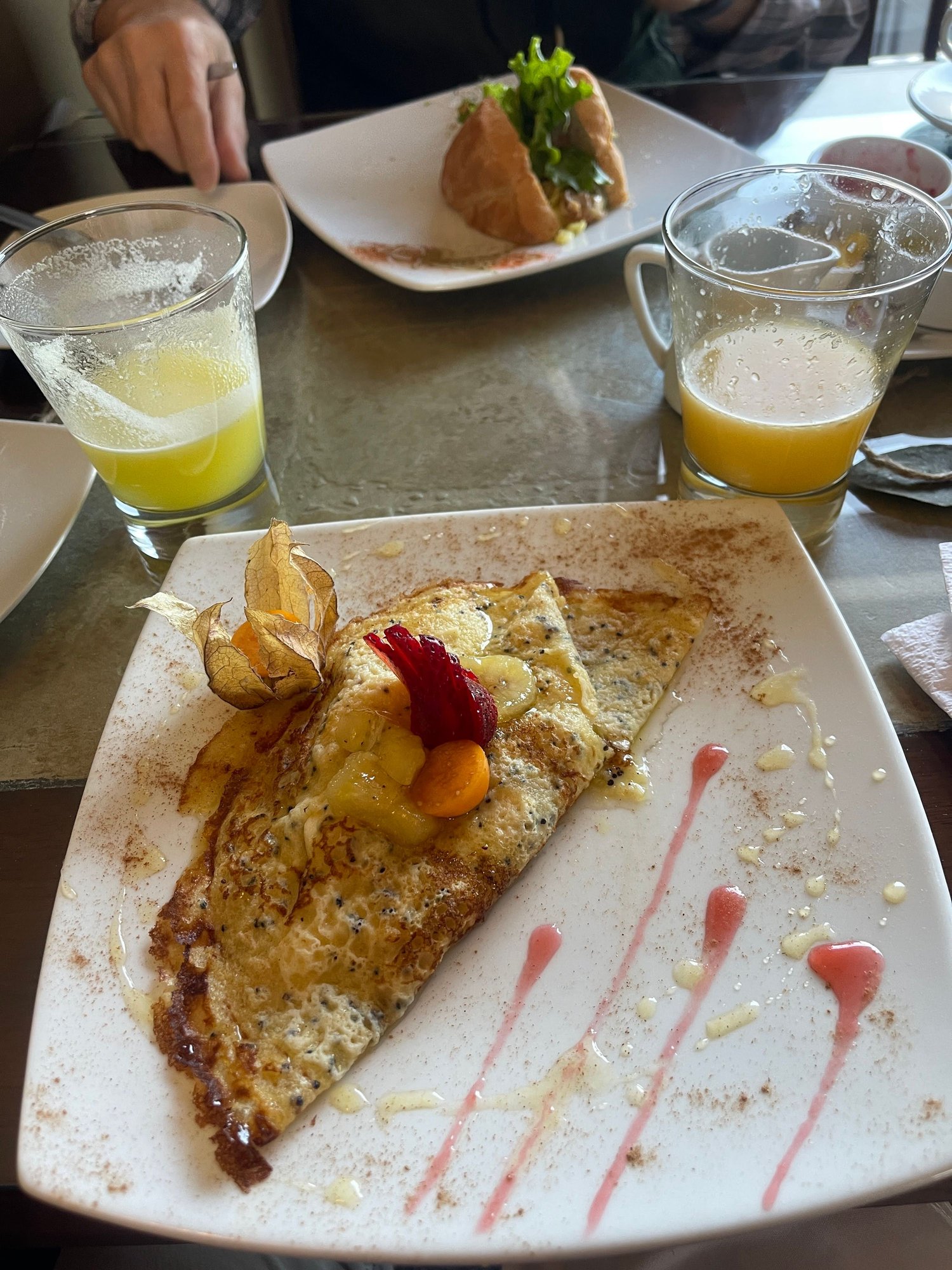
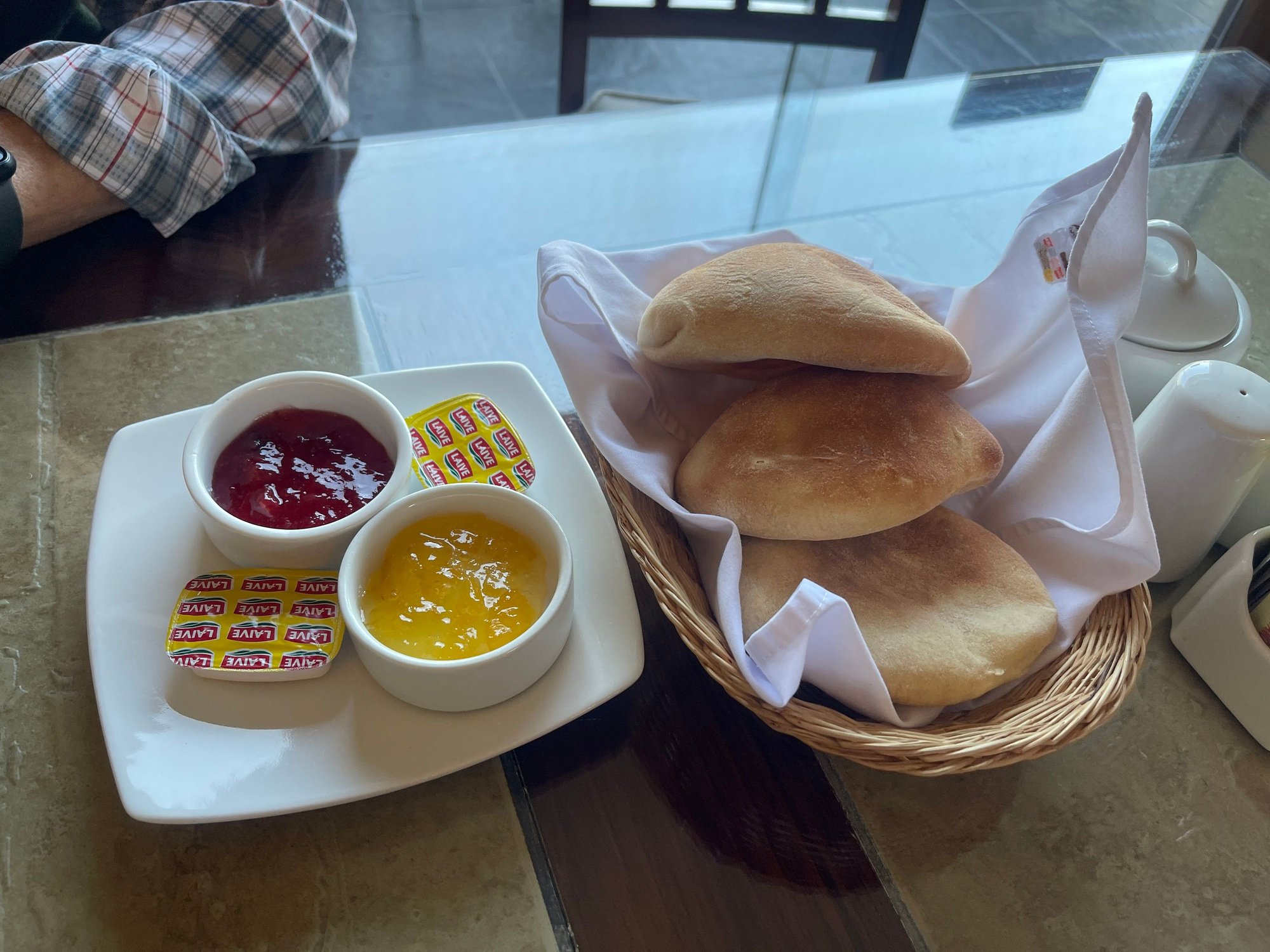
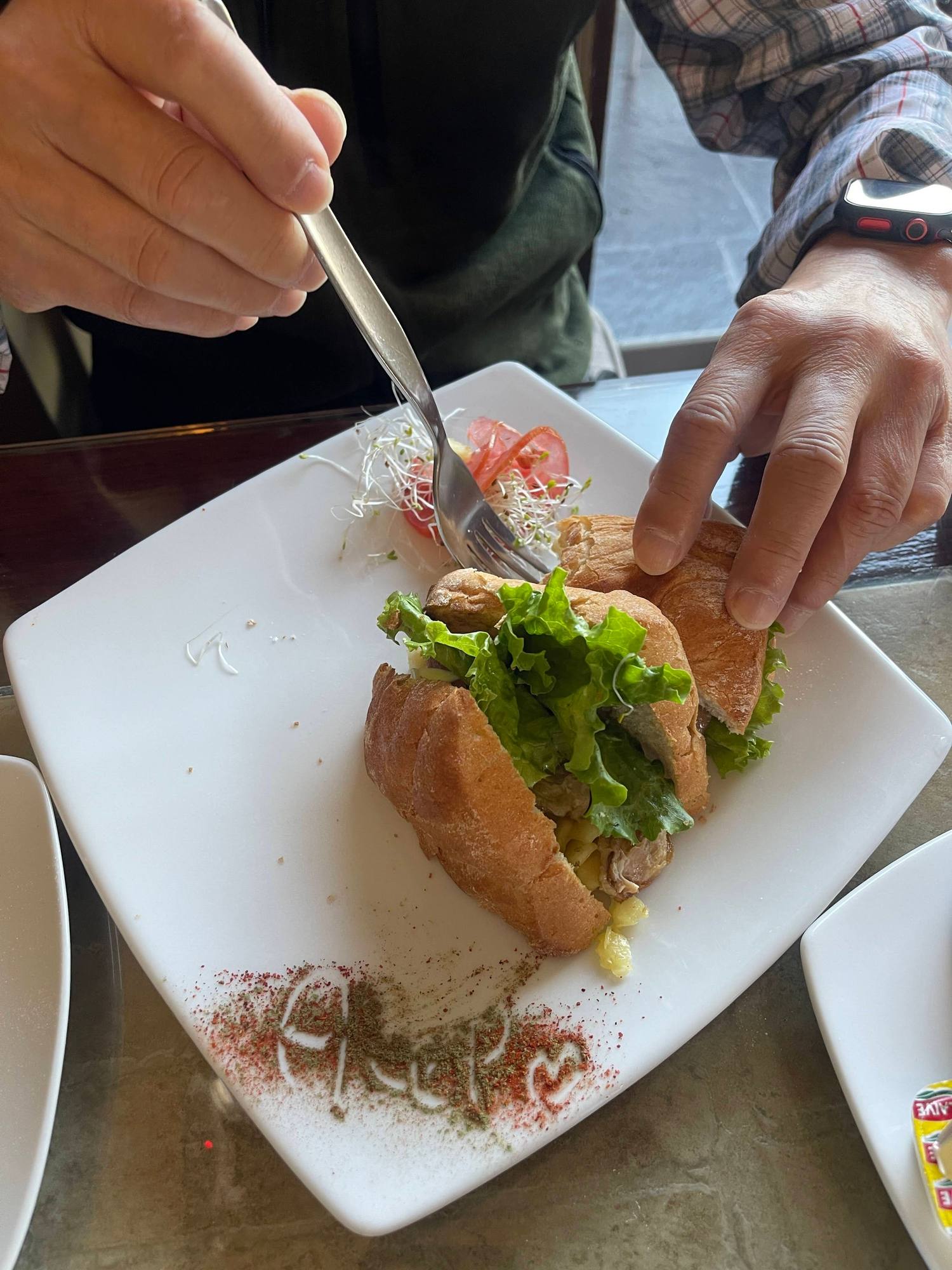
Day 7– A nice breakfast was provided by the hotel, which was cooked to order. We had a bus tour to visit the Sillar route and Culebrillas canyon(Ruta Del Sillar).
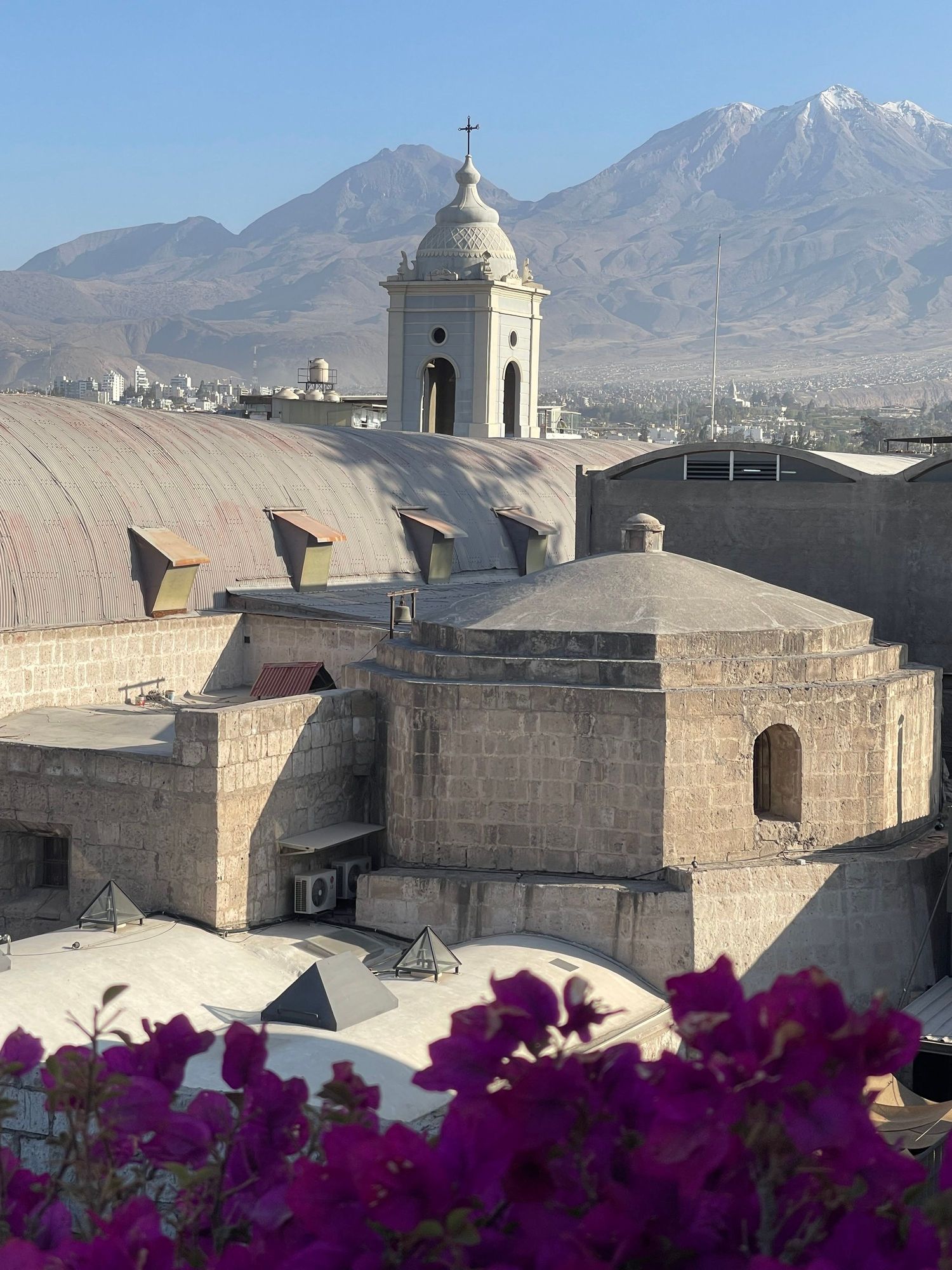
Morning view at the roof top- gorgeous!
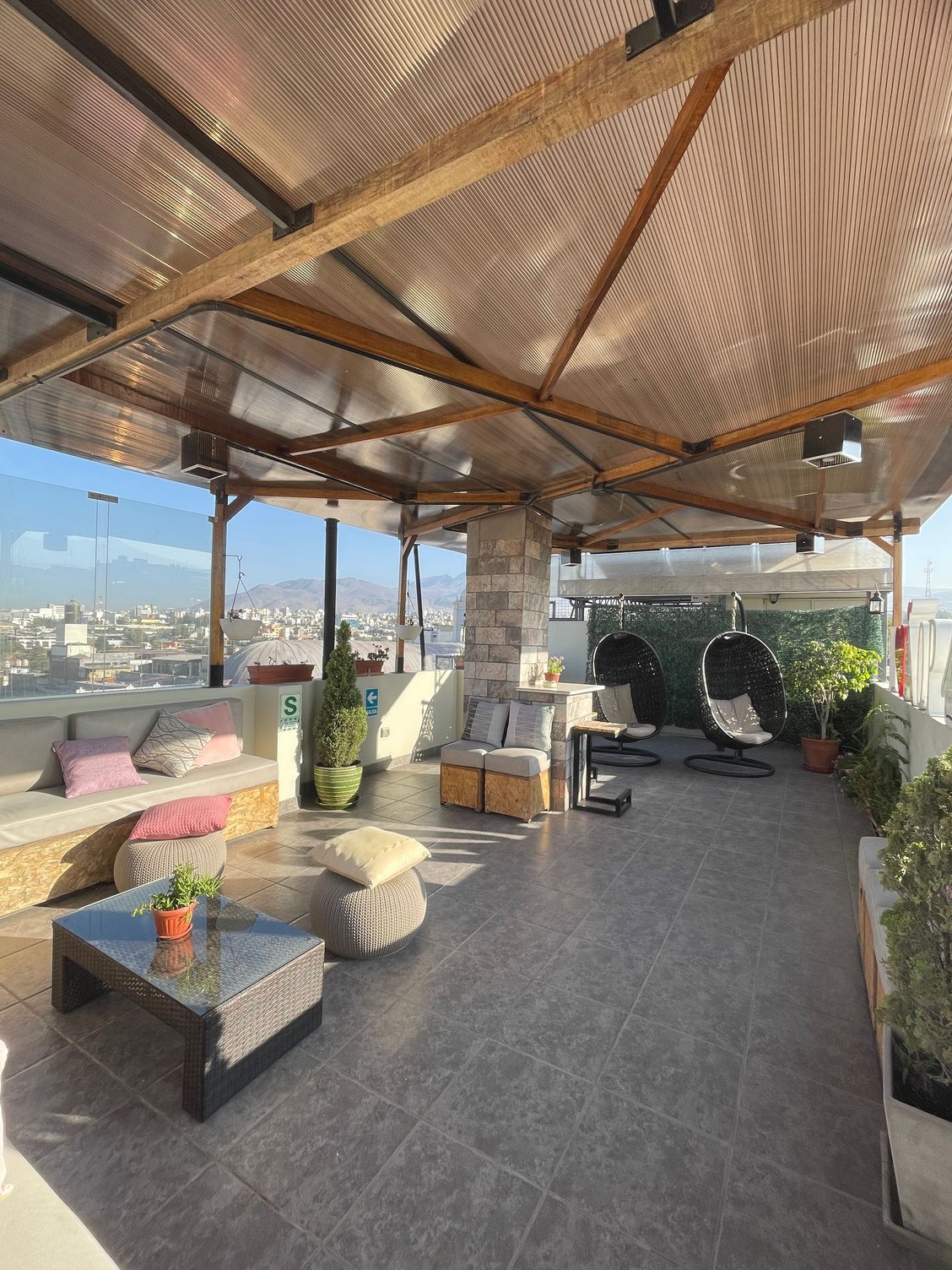
Roof top lounge is very nice in the morning
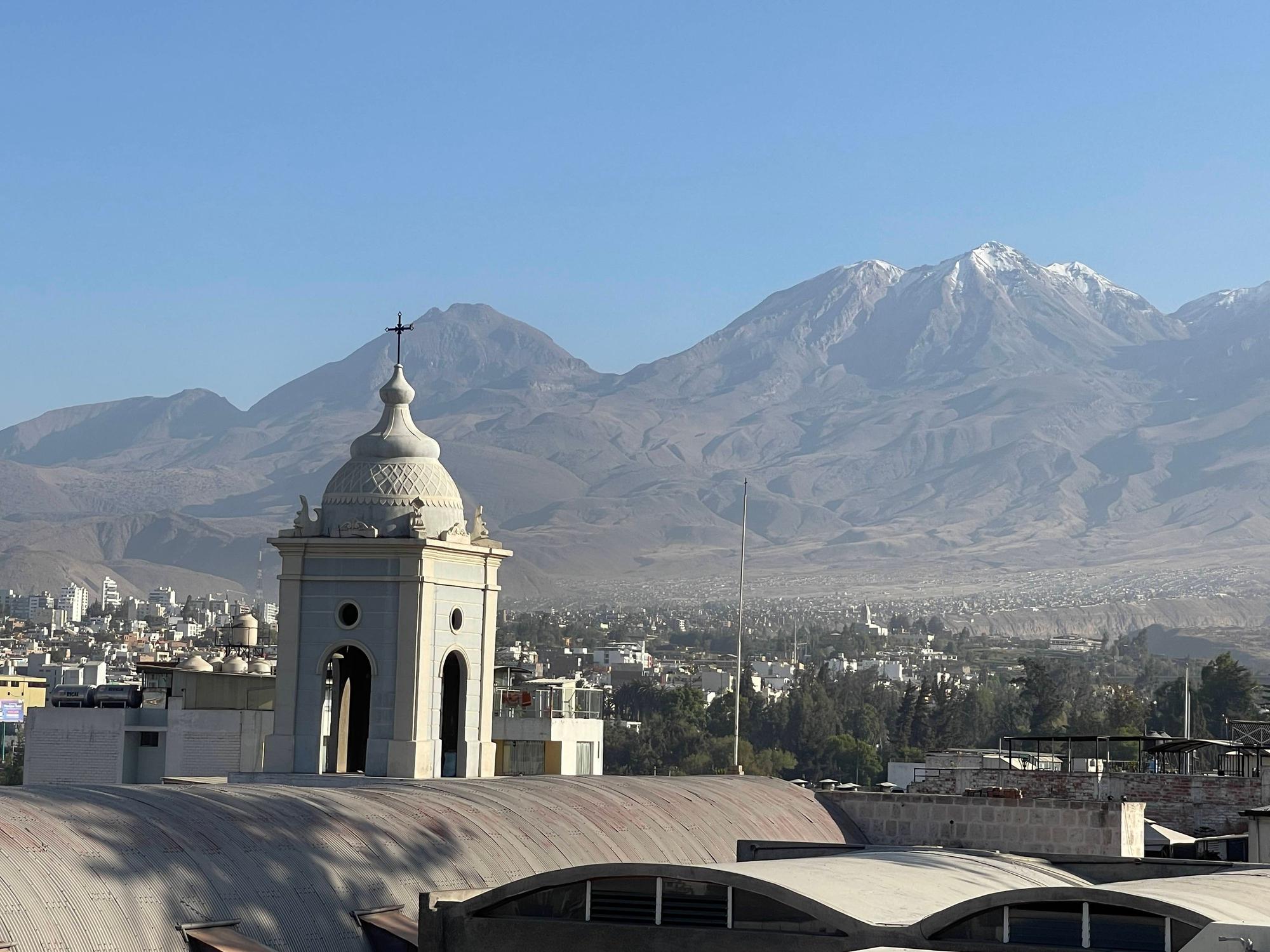
Beautiful!
Arequipa has the nickname of the “White City” for its beautiful white structures made of “sillar”, a white volcanic rock present in the region. Most of the historical structures in the city of Arequipa were built with this sillar stone. A route was made to discover the ashlar: the Ruta del Sillar (Volcanic Rock Route).
Our adventure began with a pickup at the hotel and then we were transferred to the traditional town of Yanahuara, notably for its ashlar arches, a white volcanic stone typical of colonial architecture in Arequipa.
The viewpoint from the arches provides an exceptional view of the city of Arequipa. We could see the three most famous snow-capped mountains in the region: Chachani, Pichu Picchu and Misti. The Mirador de Yanahuara is a very beautiful town to walk around but we only had a short time to explore the town.
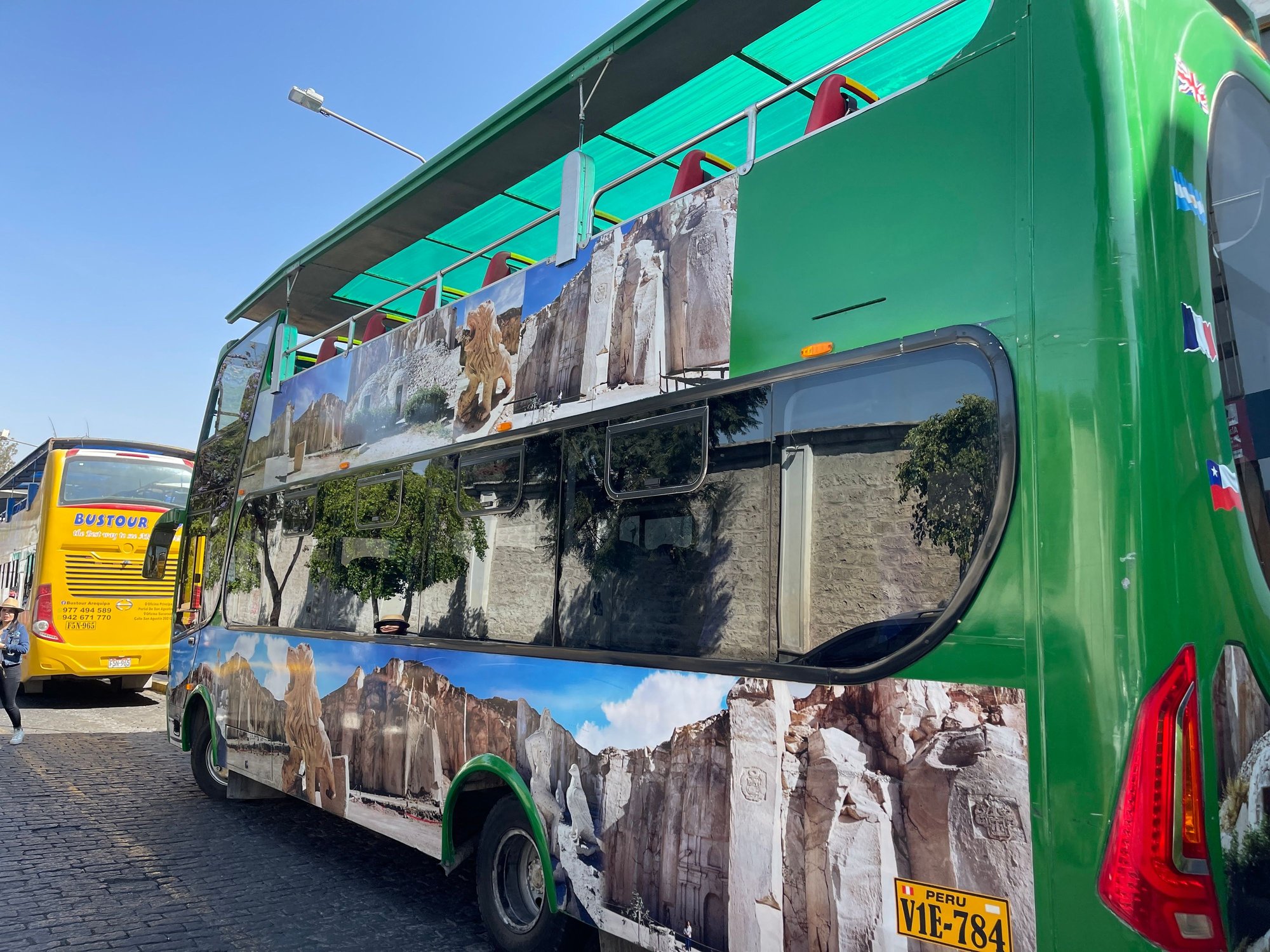
Our tour bus
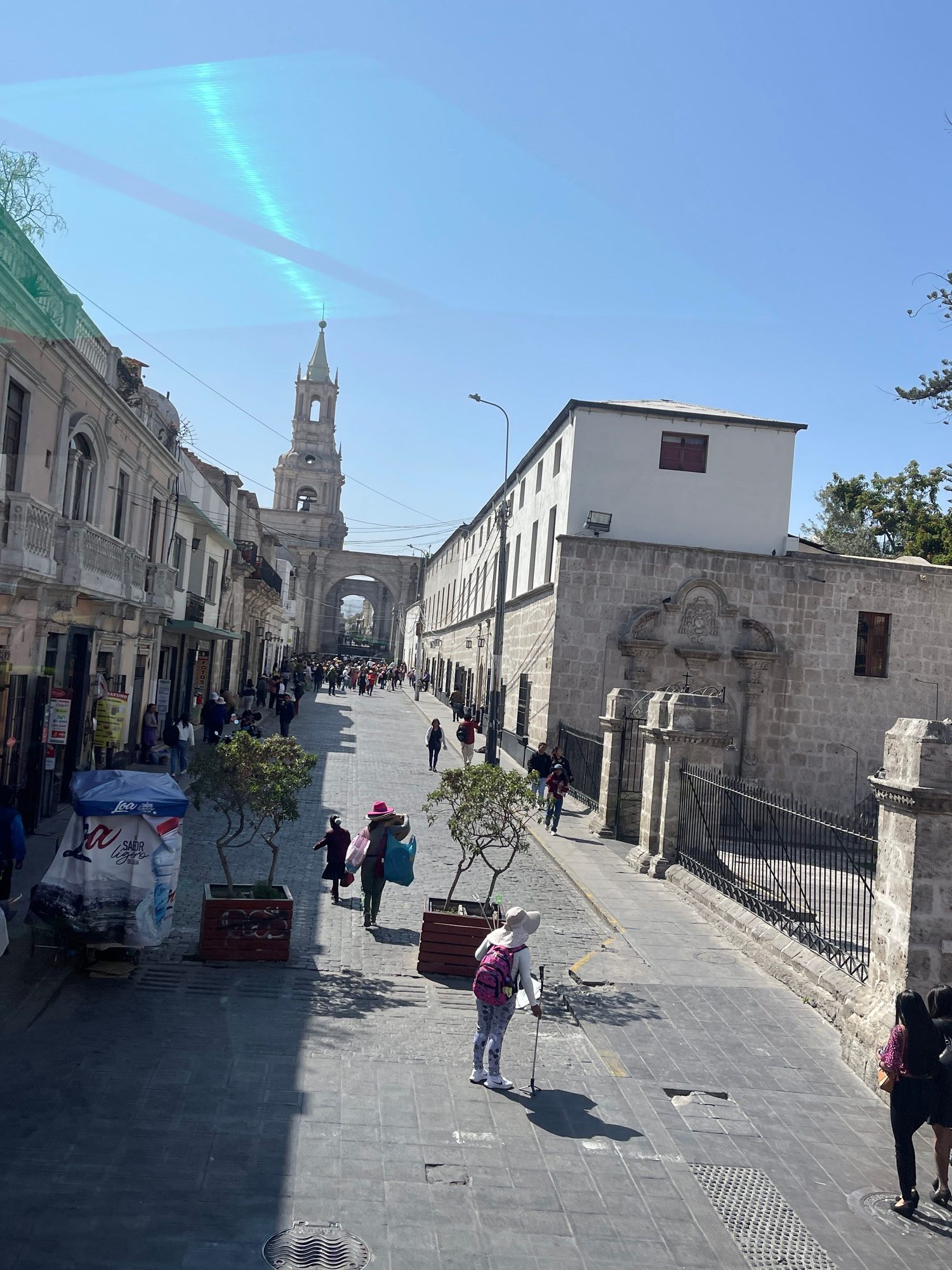
Leaving Arequipa, crossed river to Yanahuara
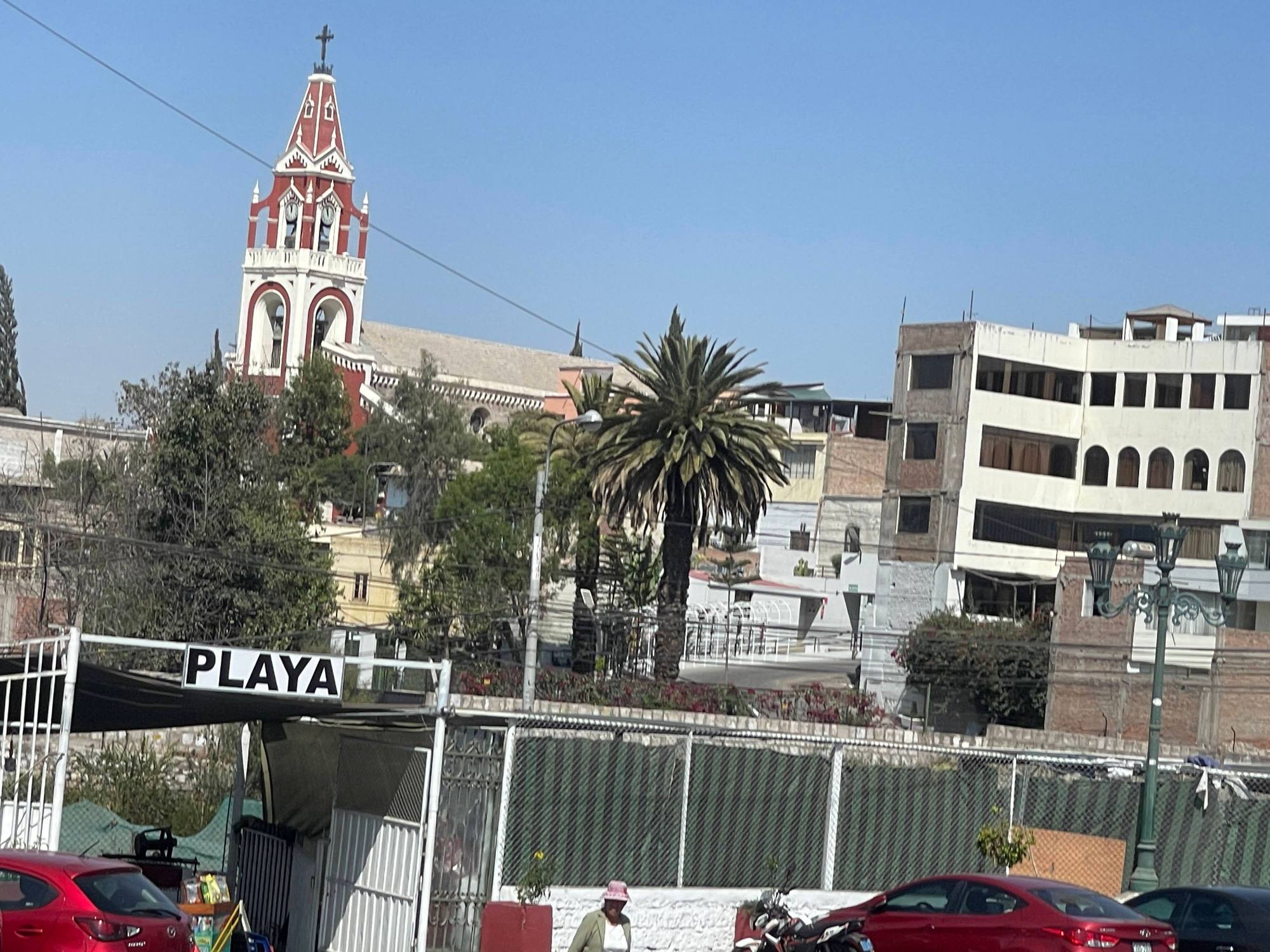
Approaching Yanahuara
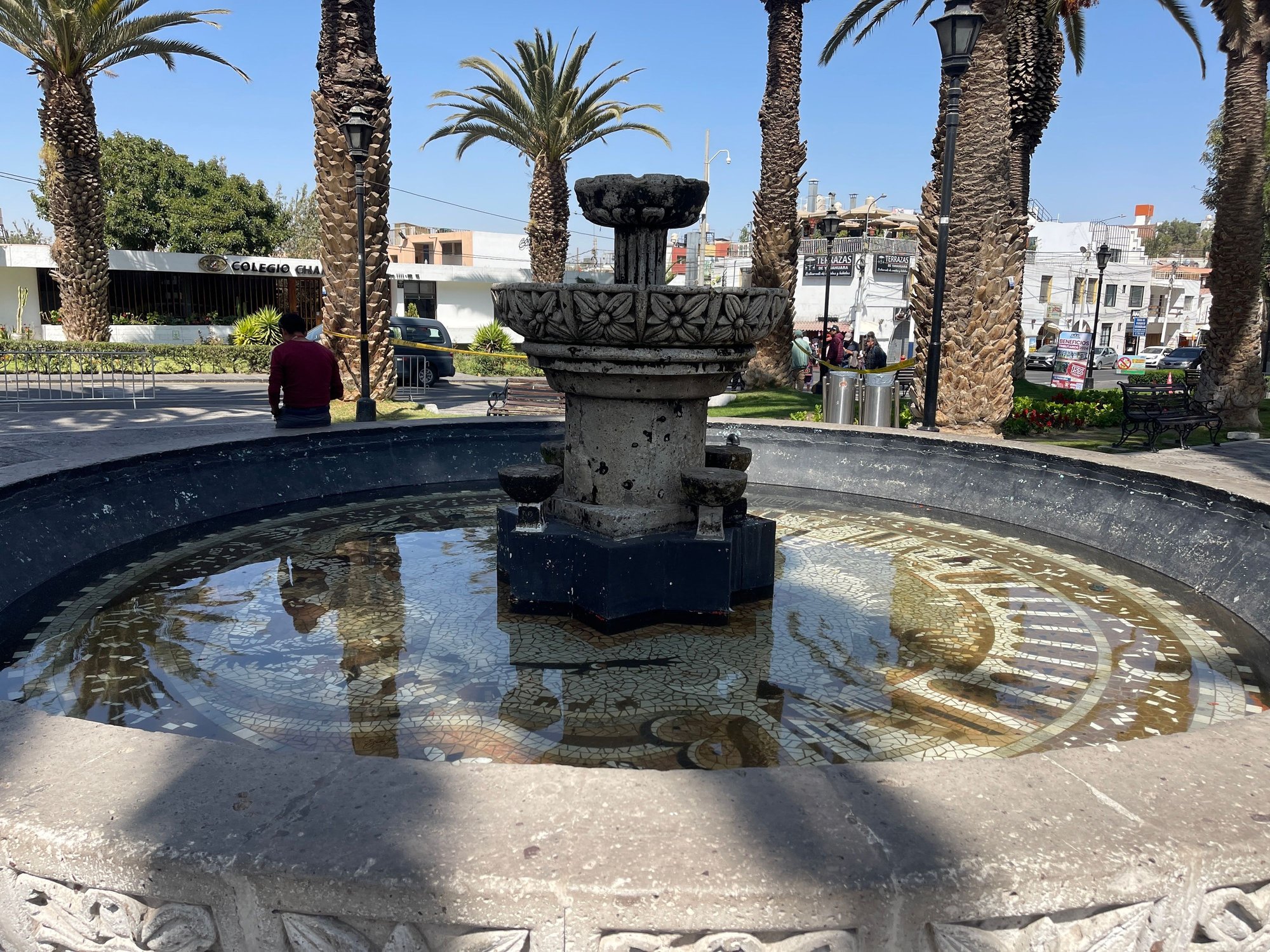
Mirador de Yanahuara
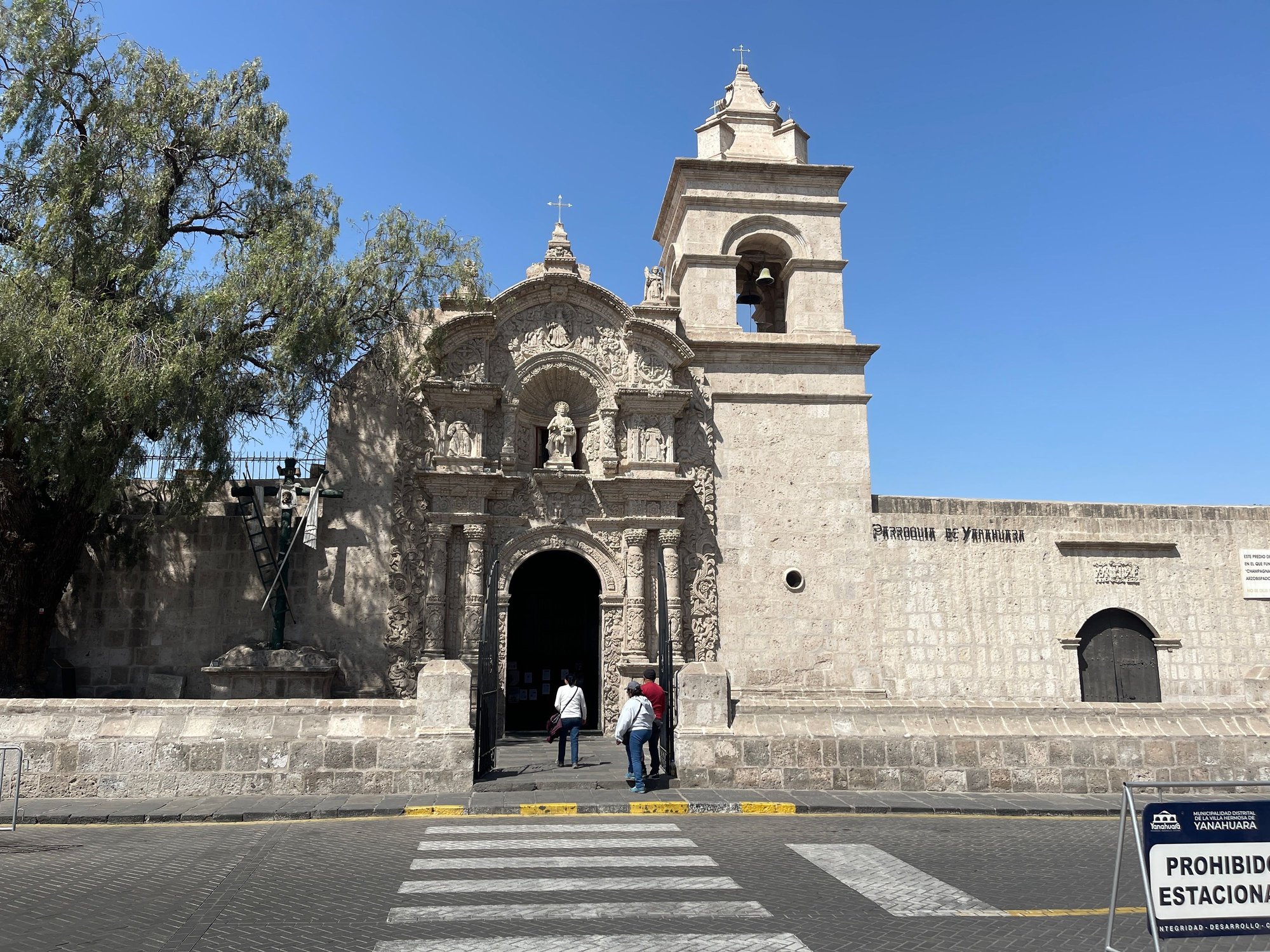
Yanahuara Catholic church
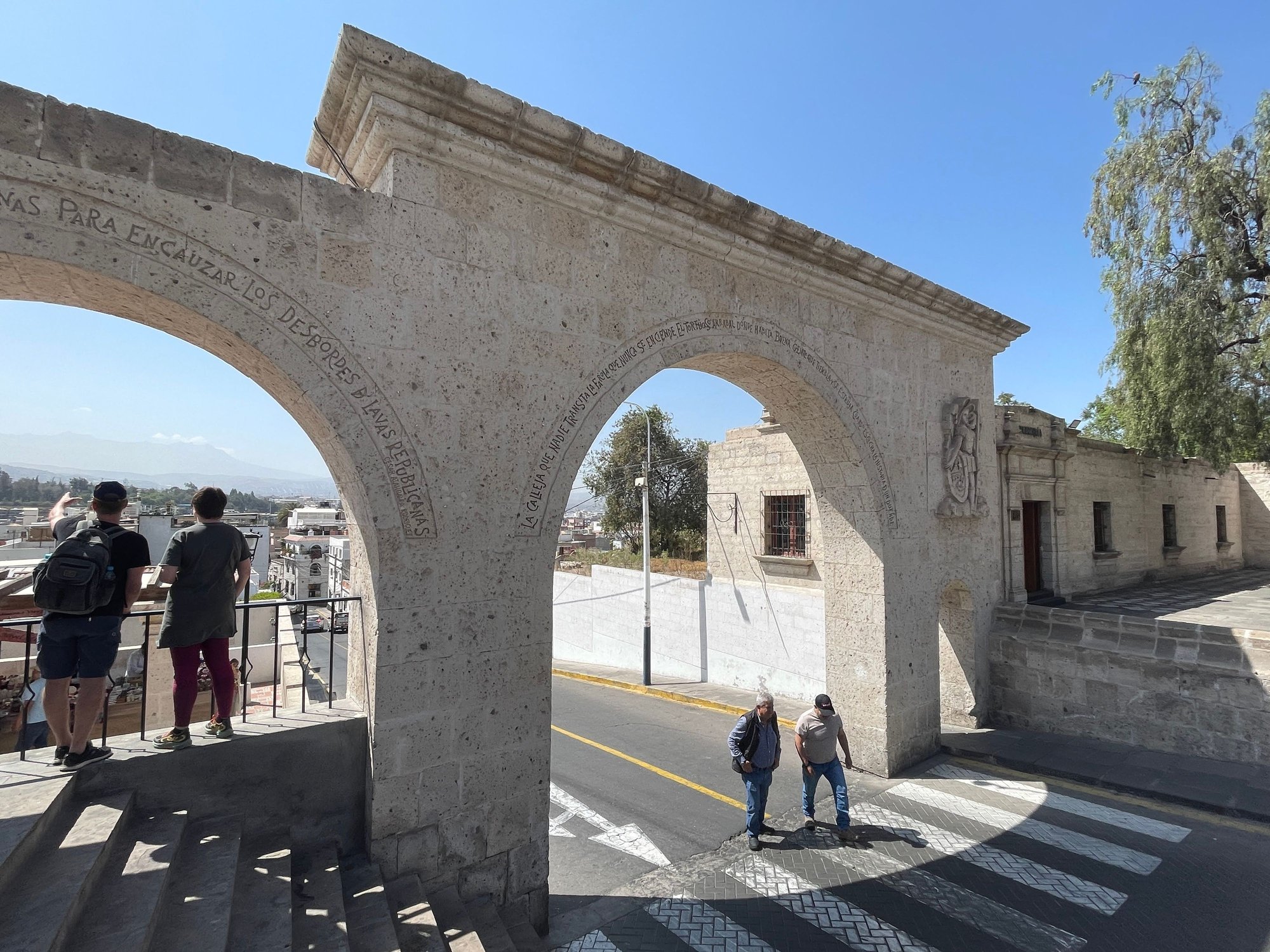
Mirador de Yanahuara
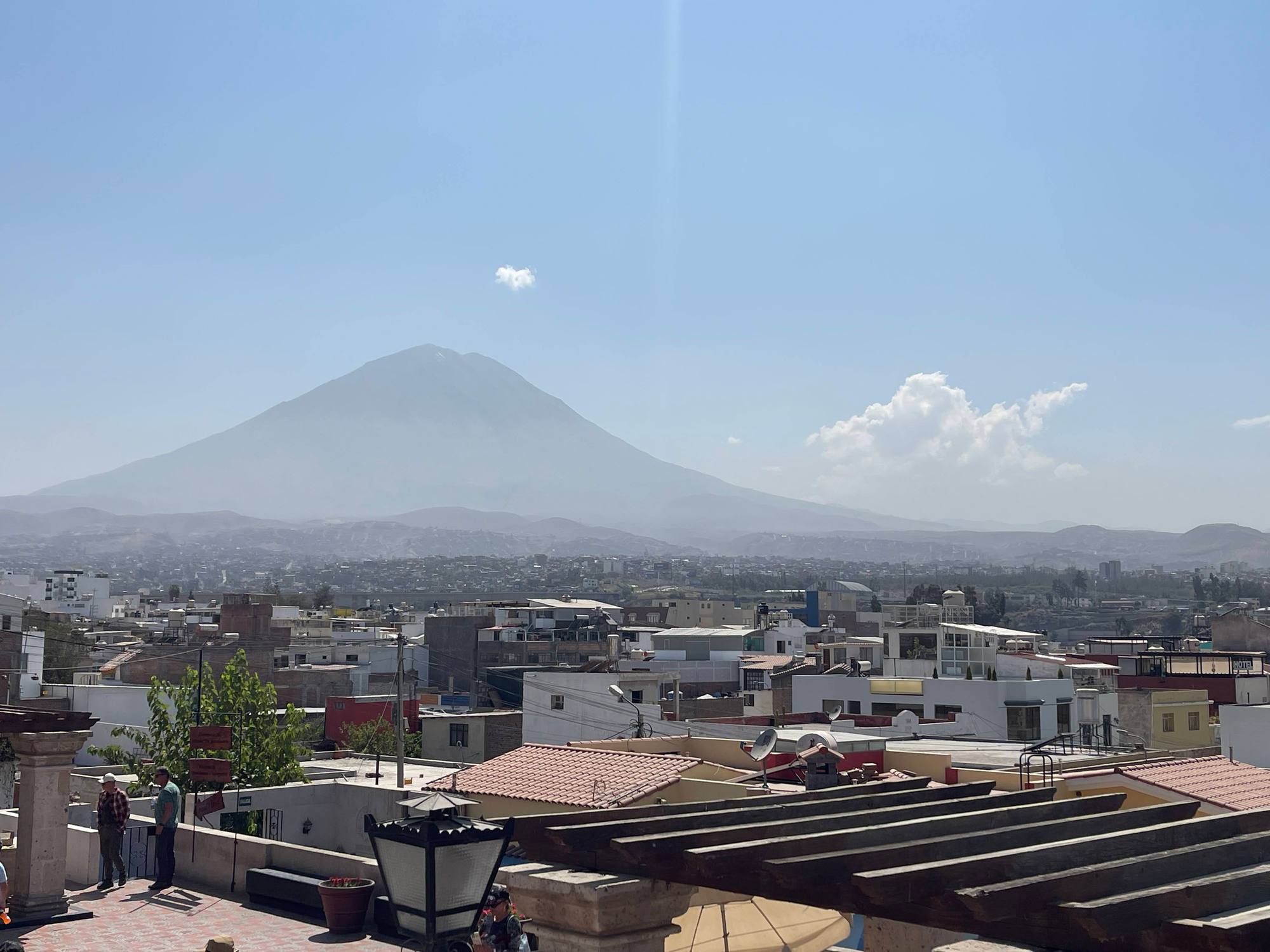
Mount Misti from Mirador de Yanahuara
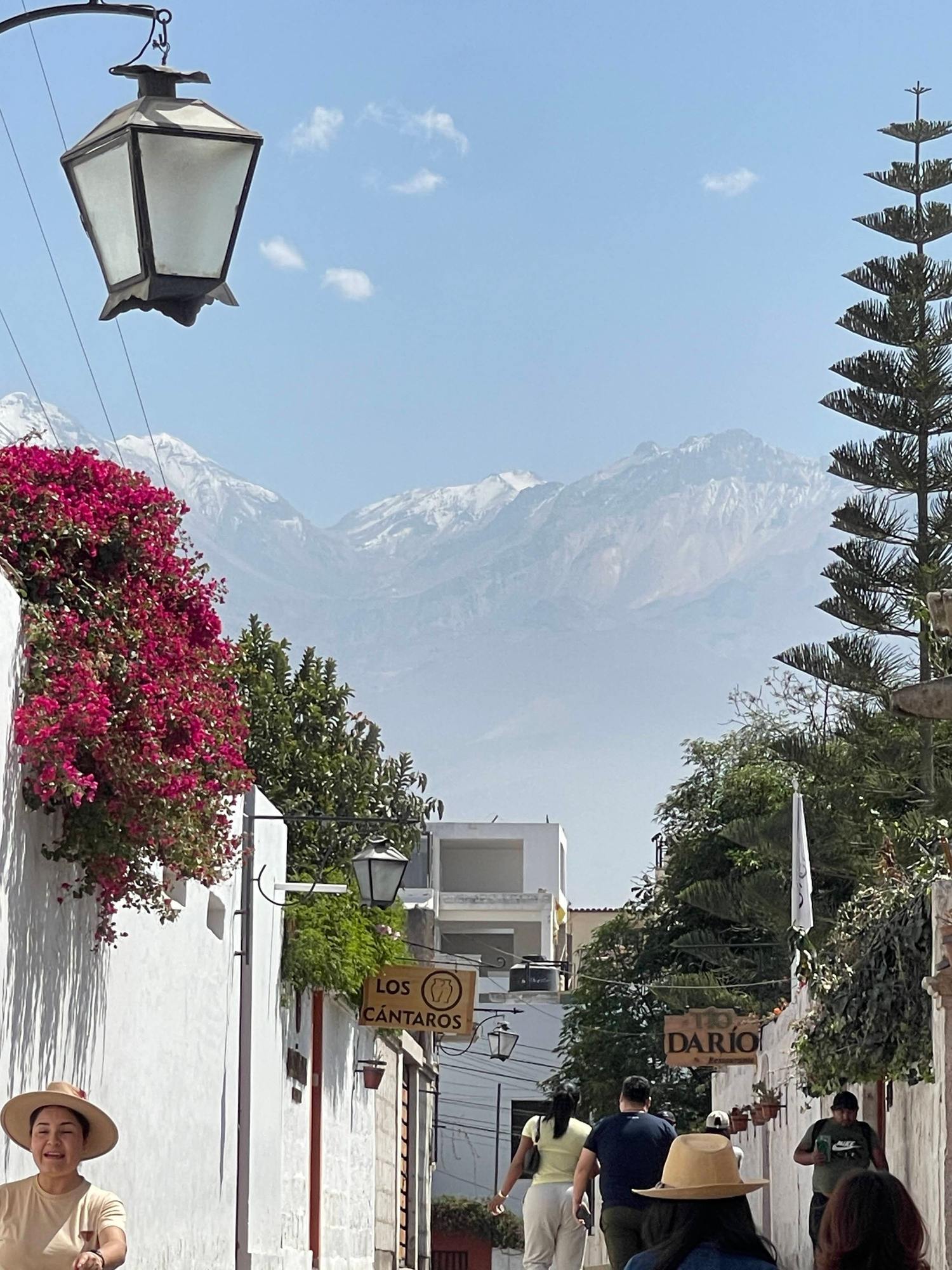
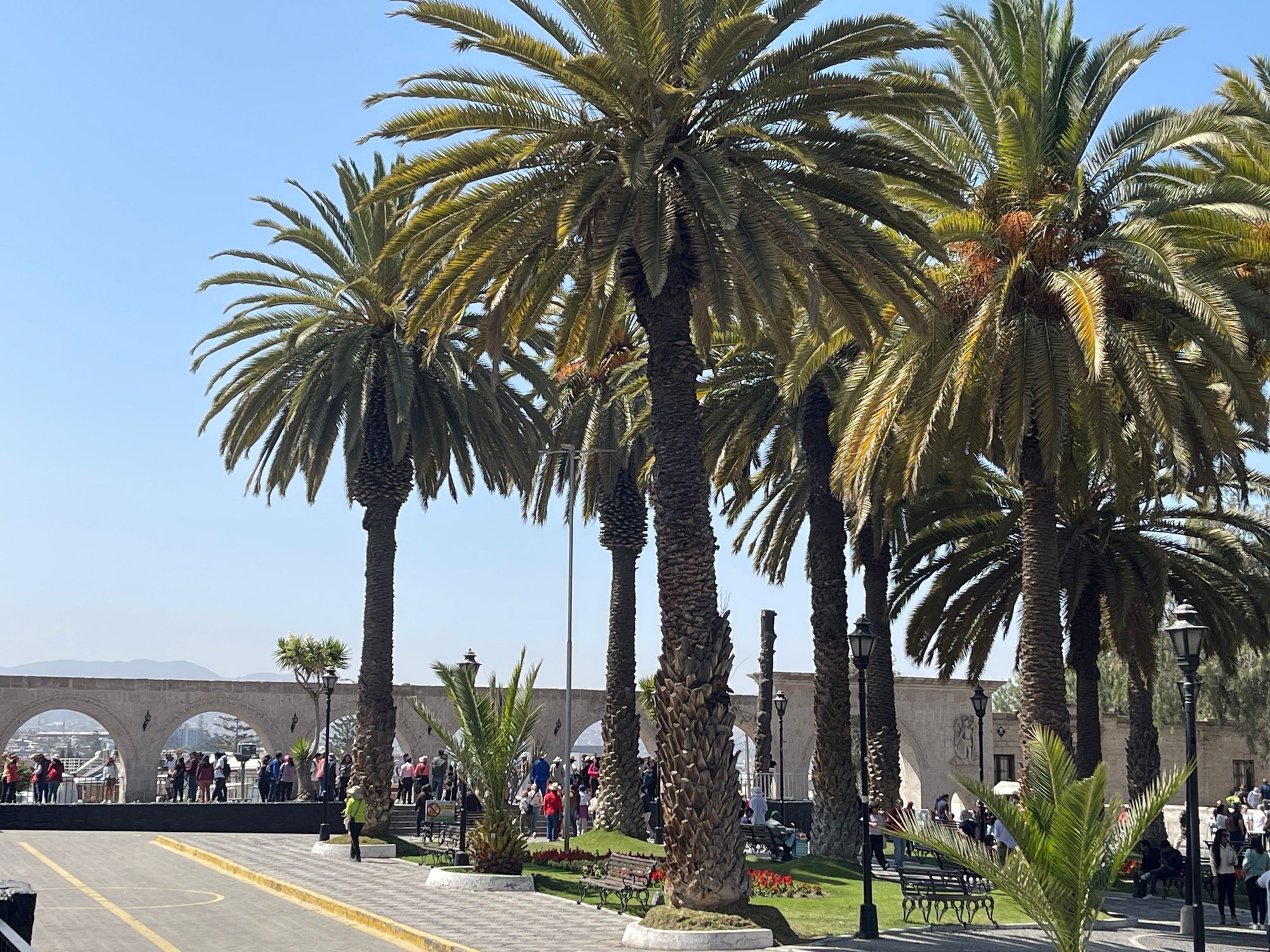
Mirador de Yanahuara
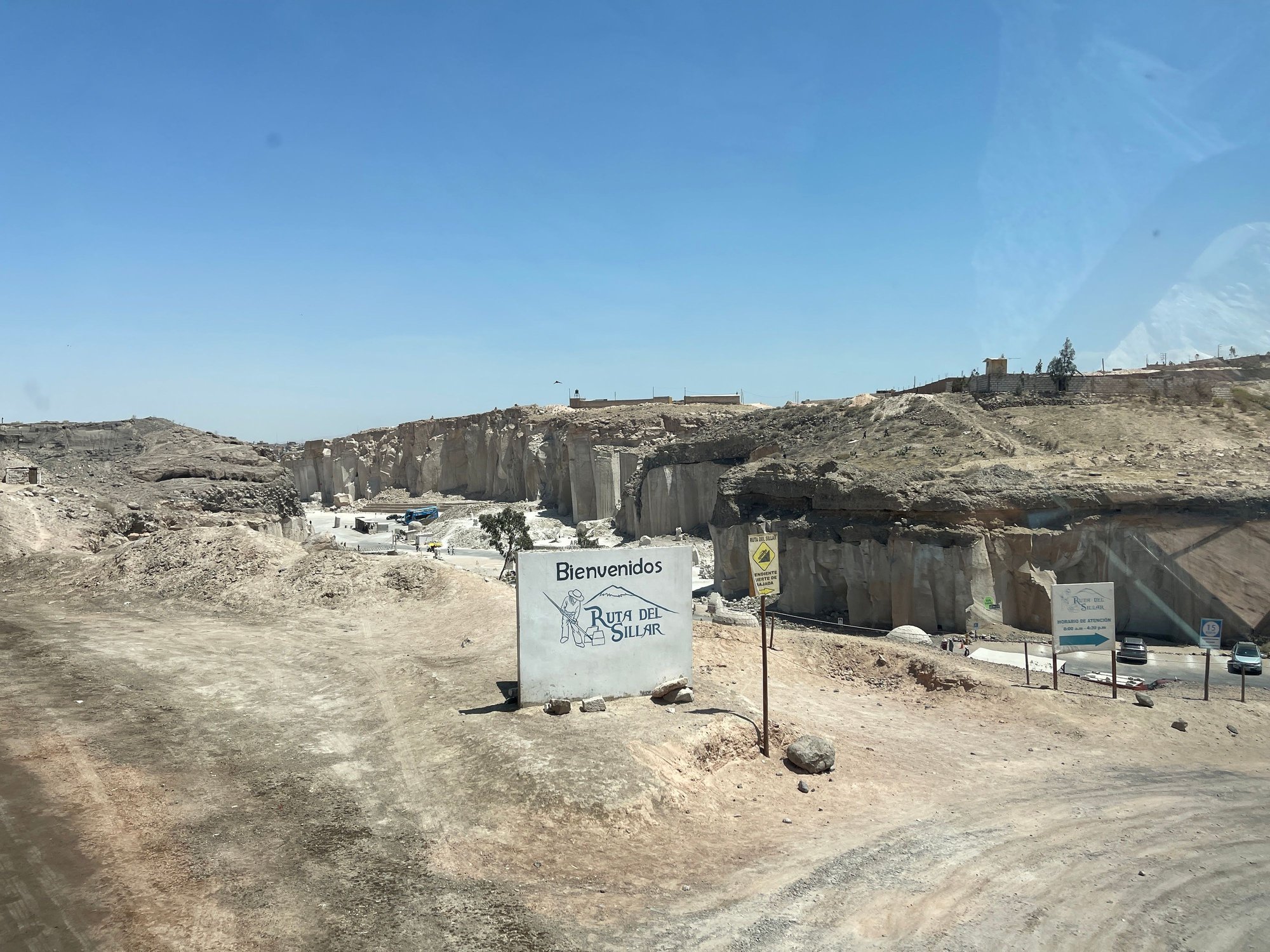
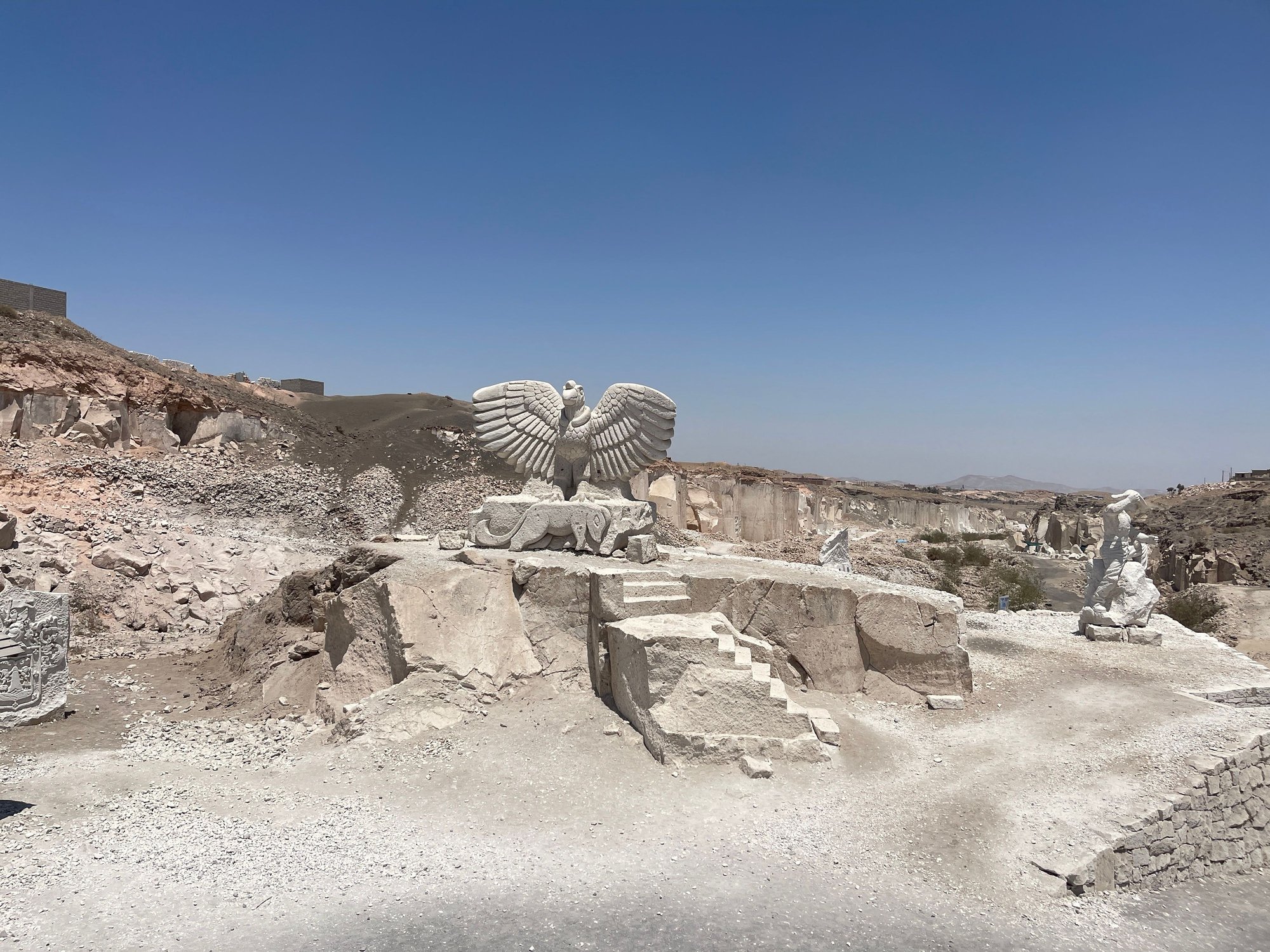
We left Mirador de Yanahuara, and arrived at the sillar quarry— Añashuayco quarry. It is one of the most impressive natural landscapes and is a treasure for the Arequipeño people, where the iconic sillar (the white volcanic stone used in the colonial constructions of Arequipa) is extracted.
We were given some instructions to explore the quarry ourselves and check out some sculptures of the sillar stones the quarry.
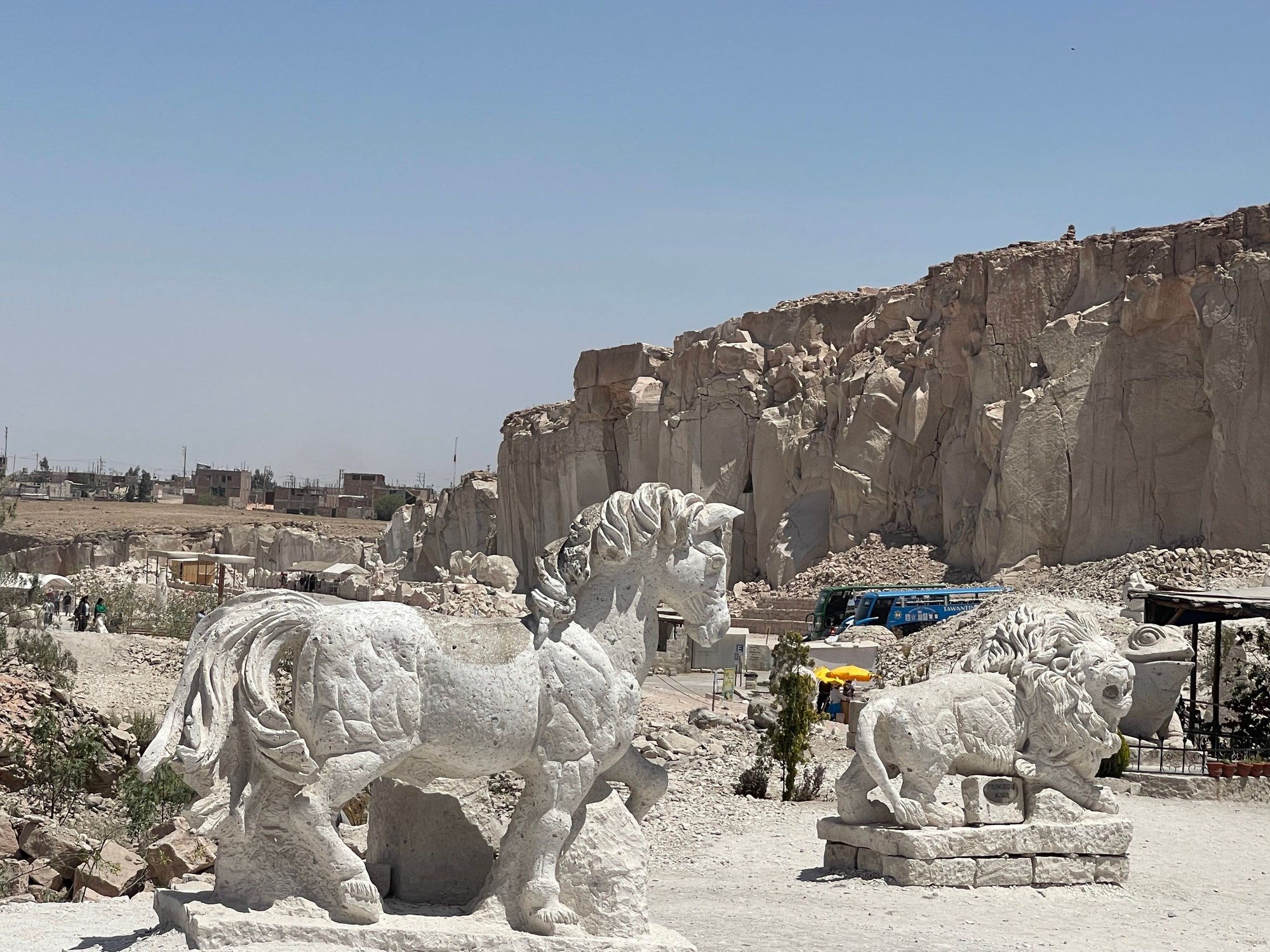
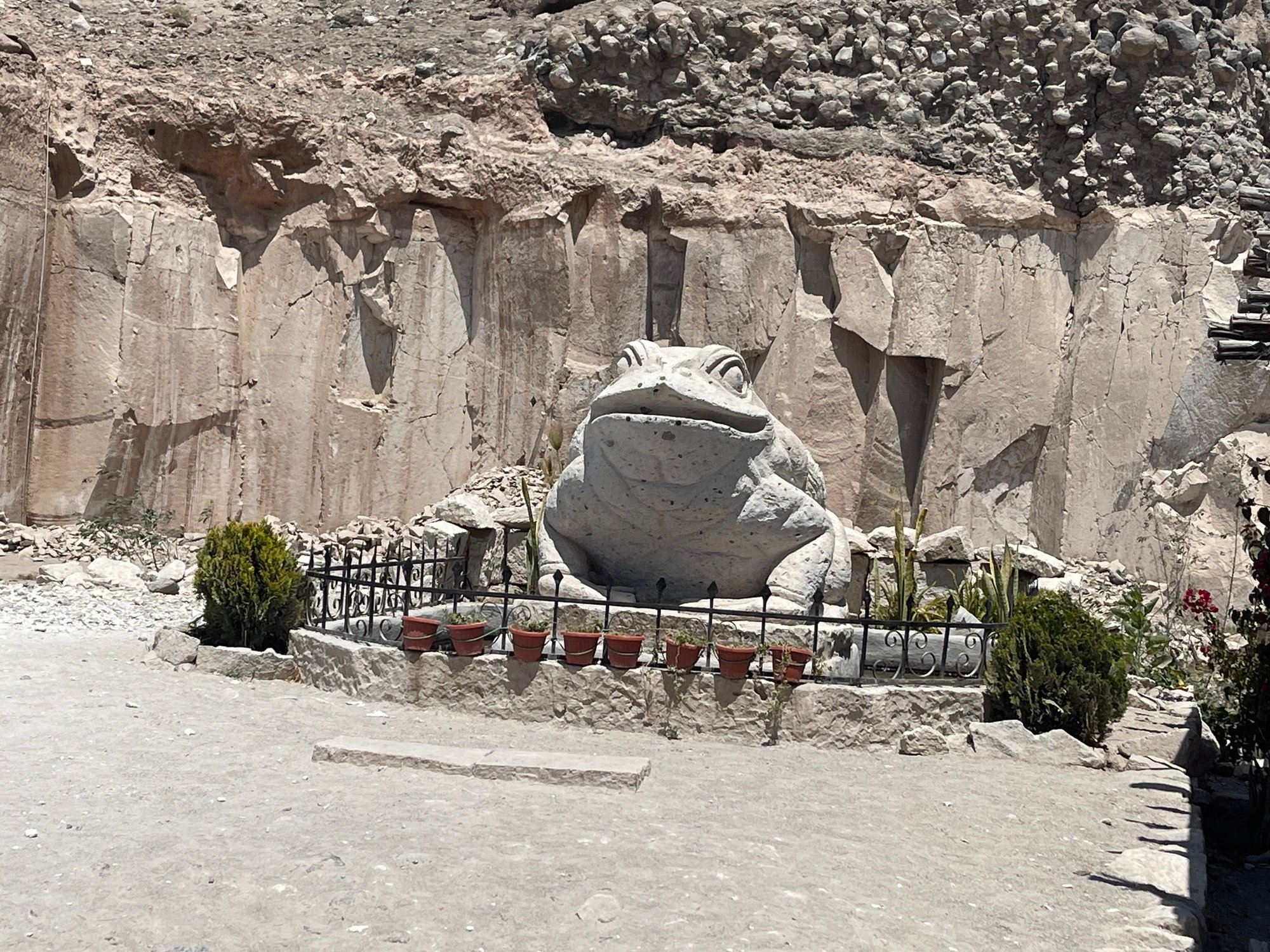

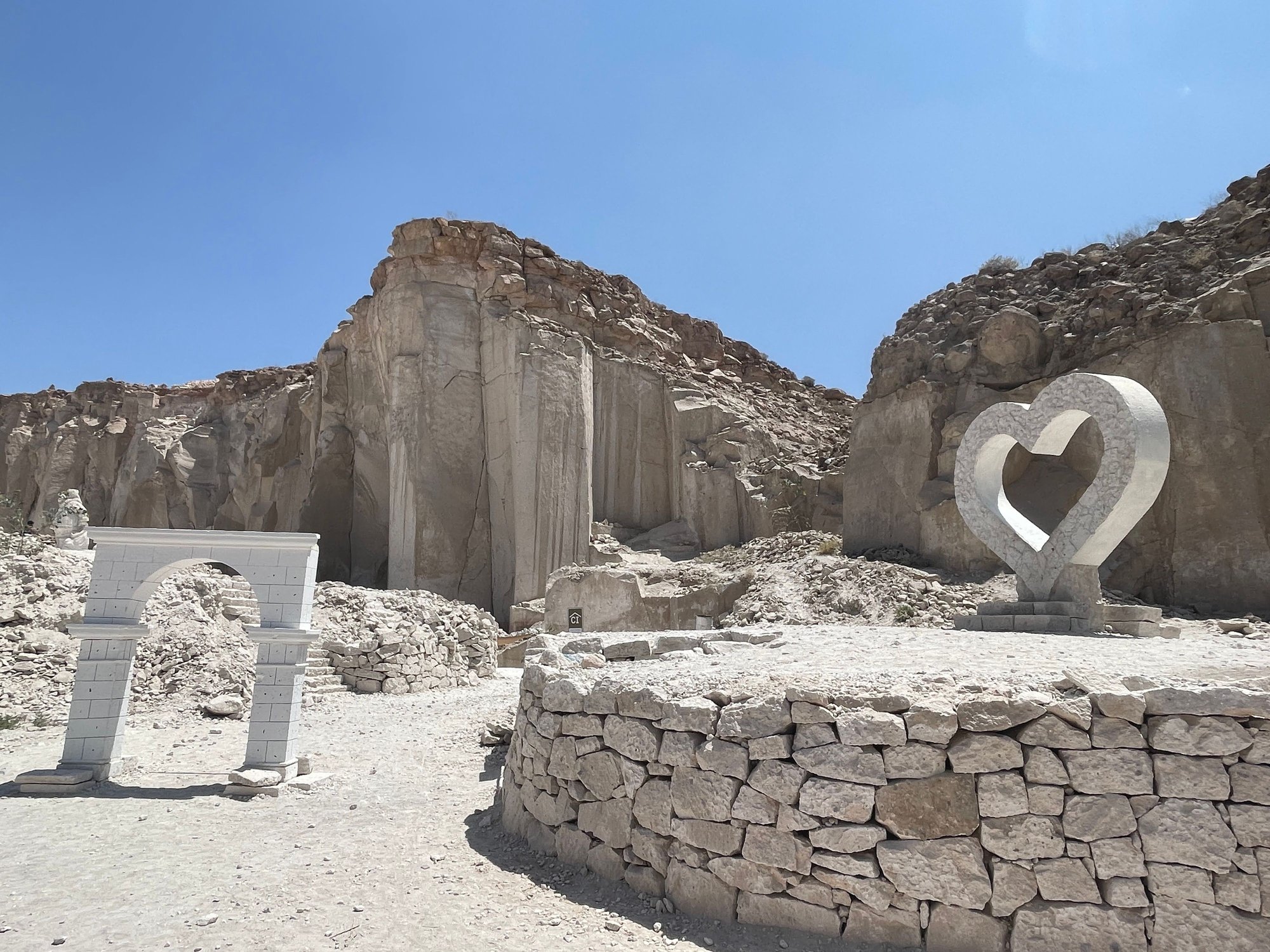
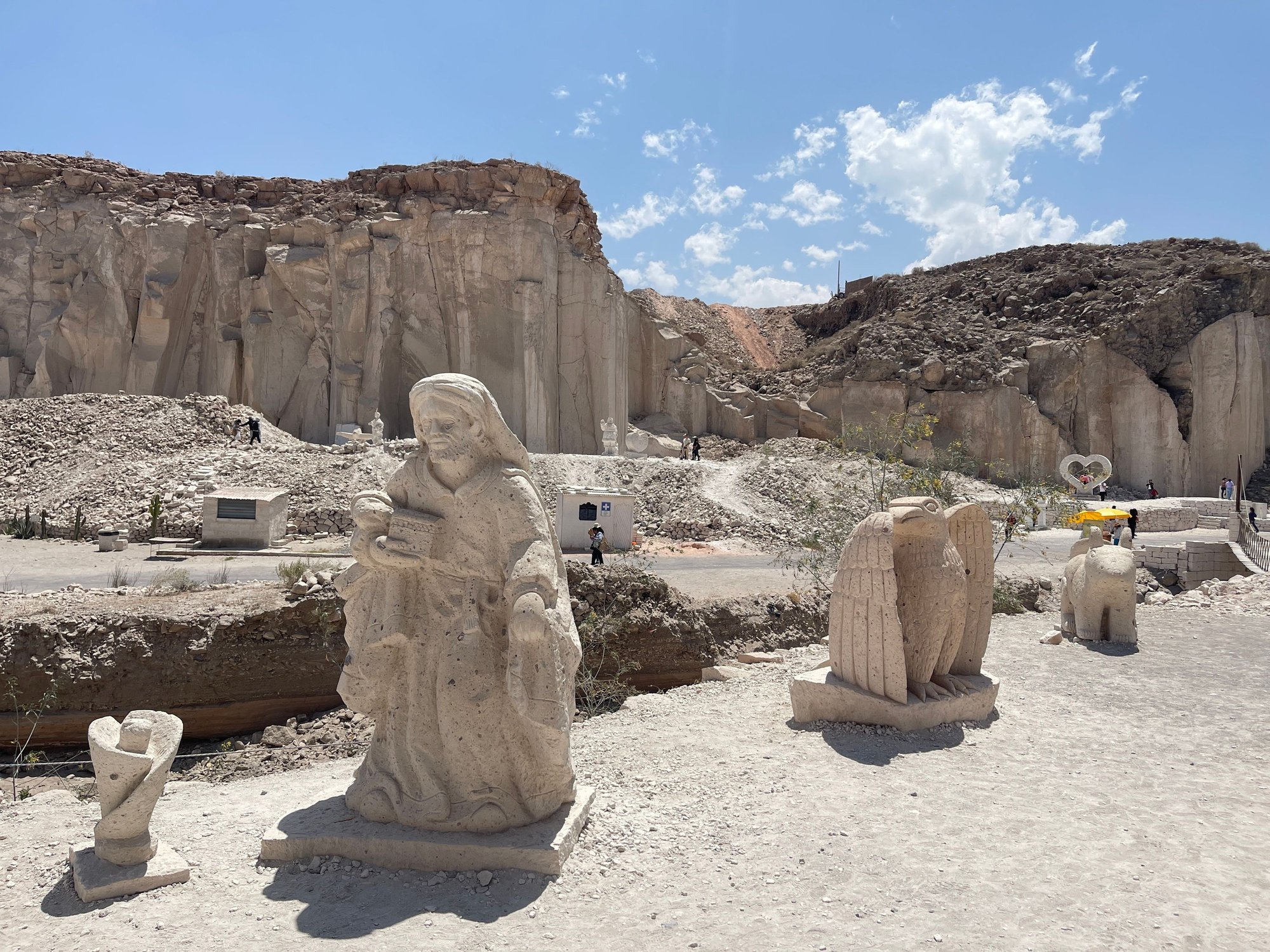
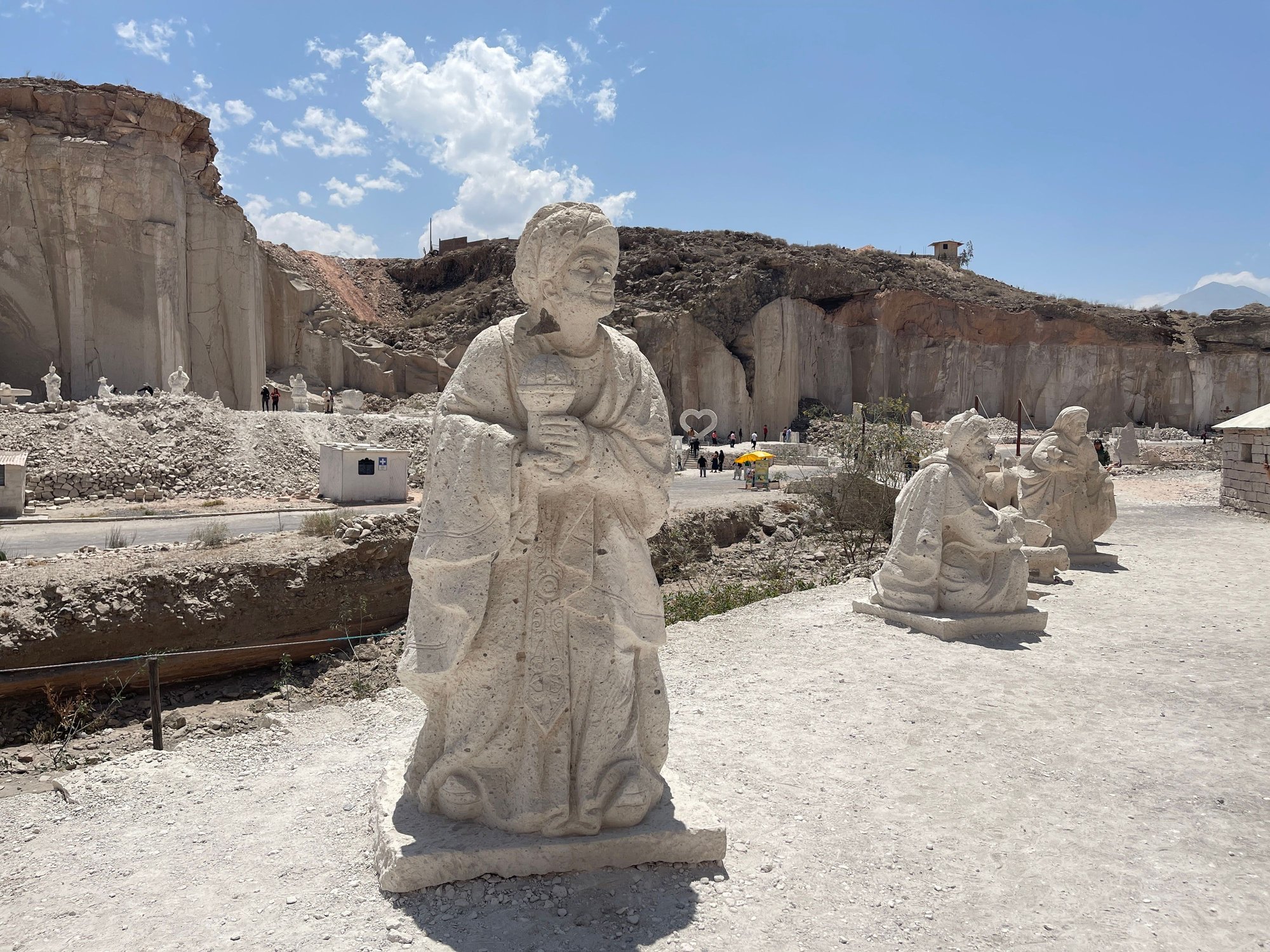
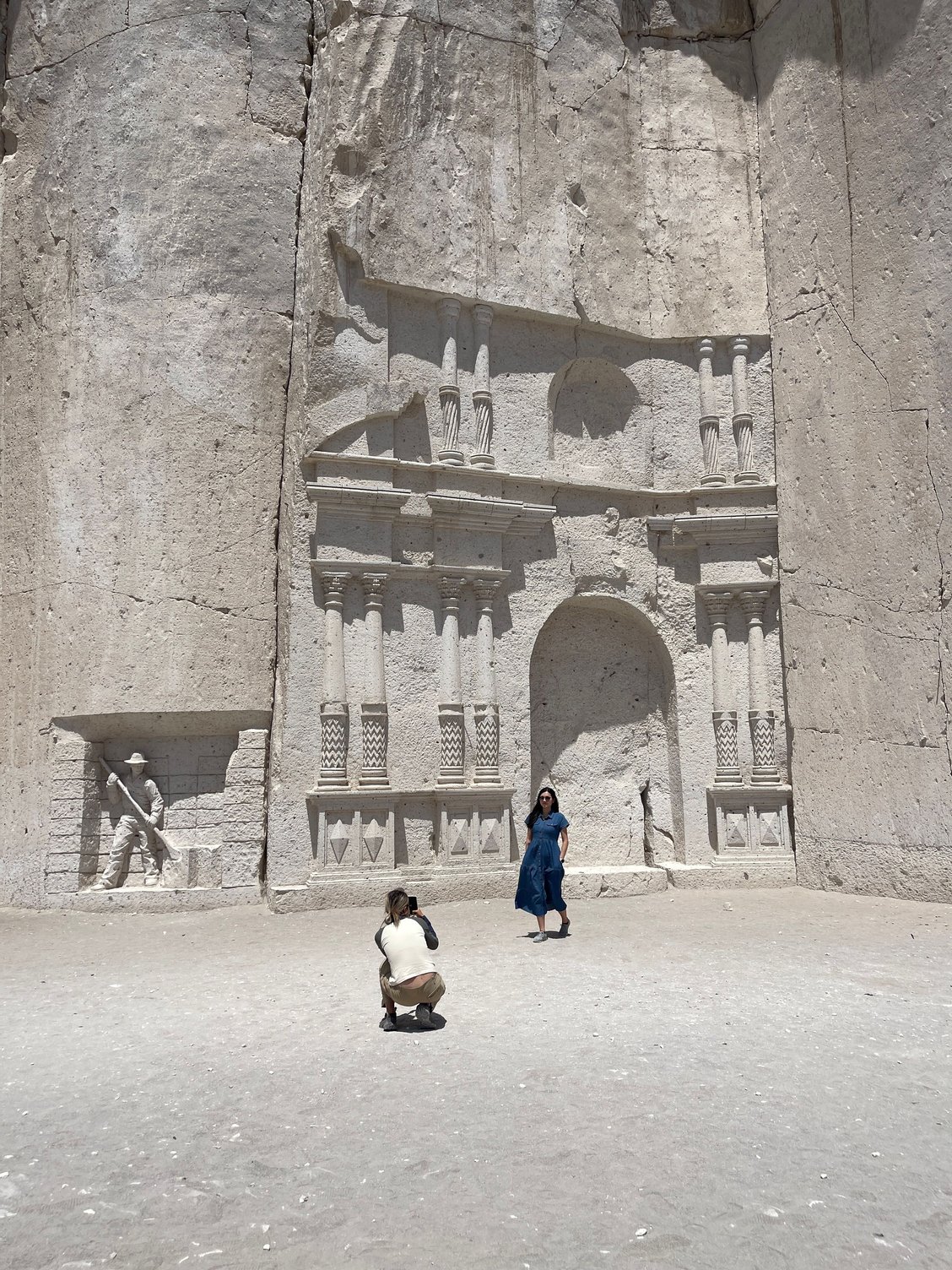
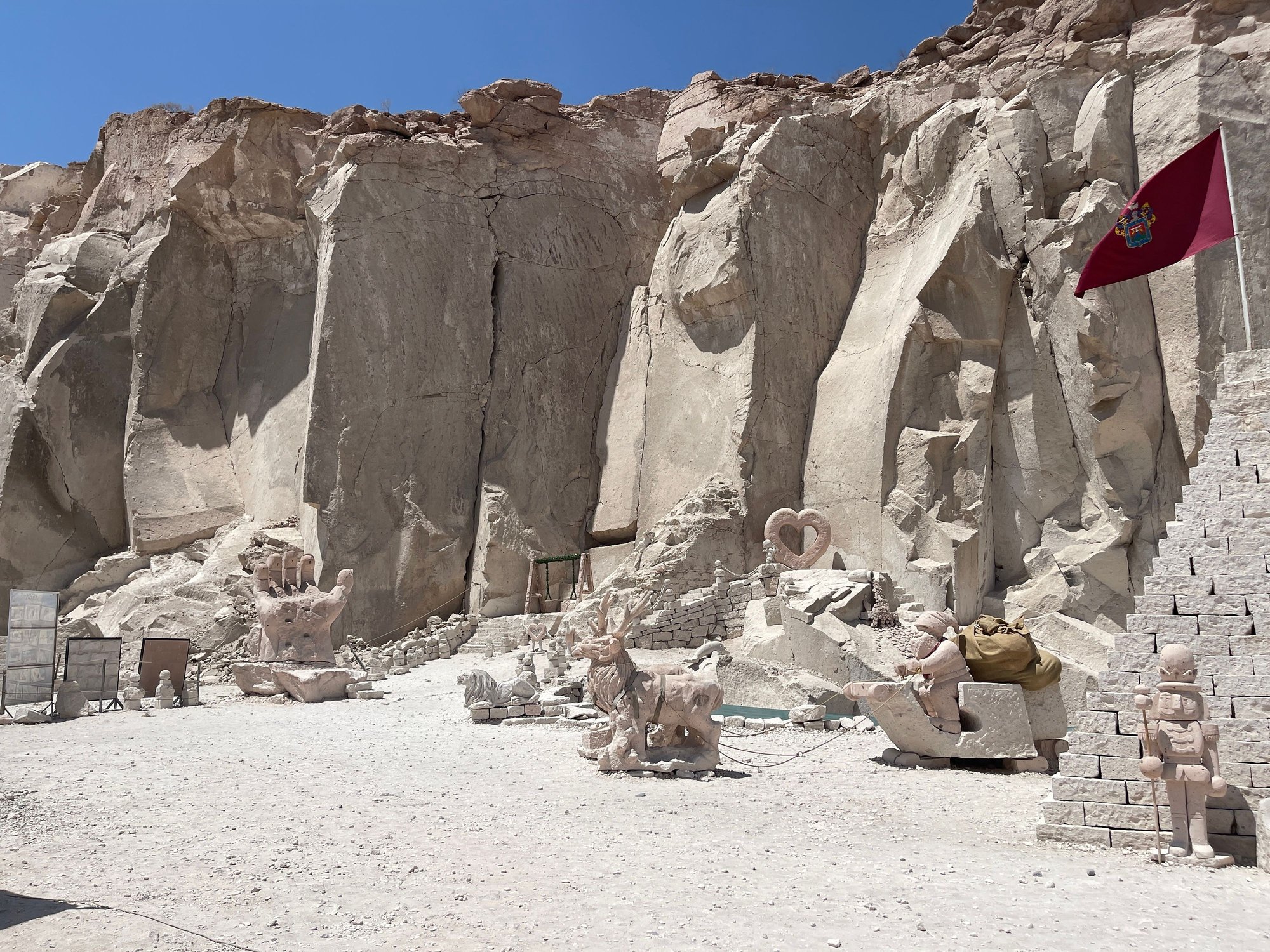
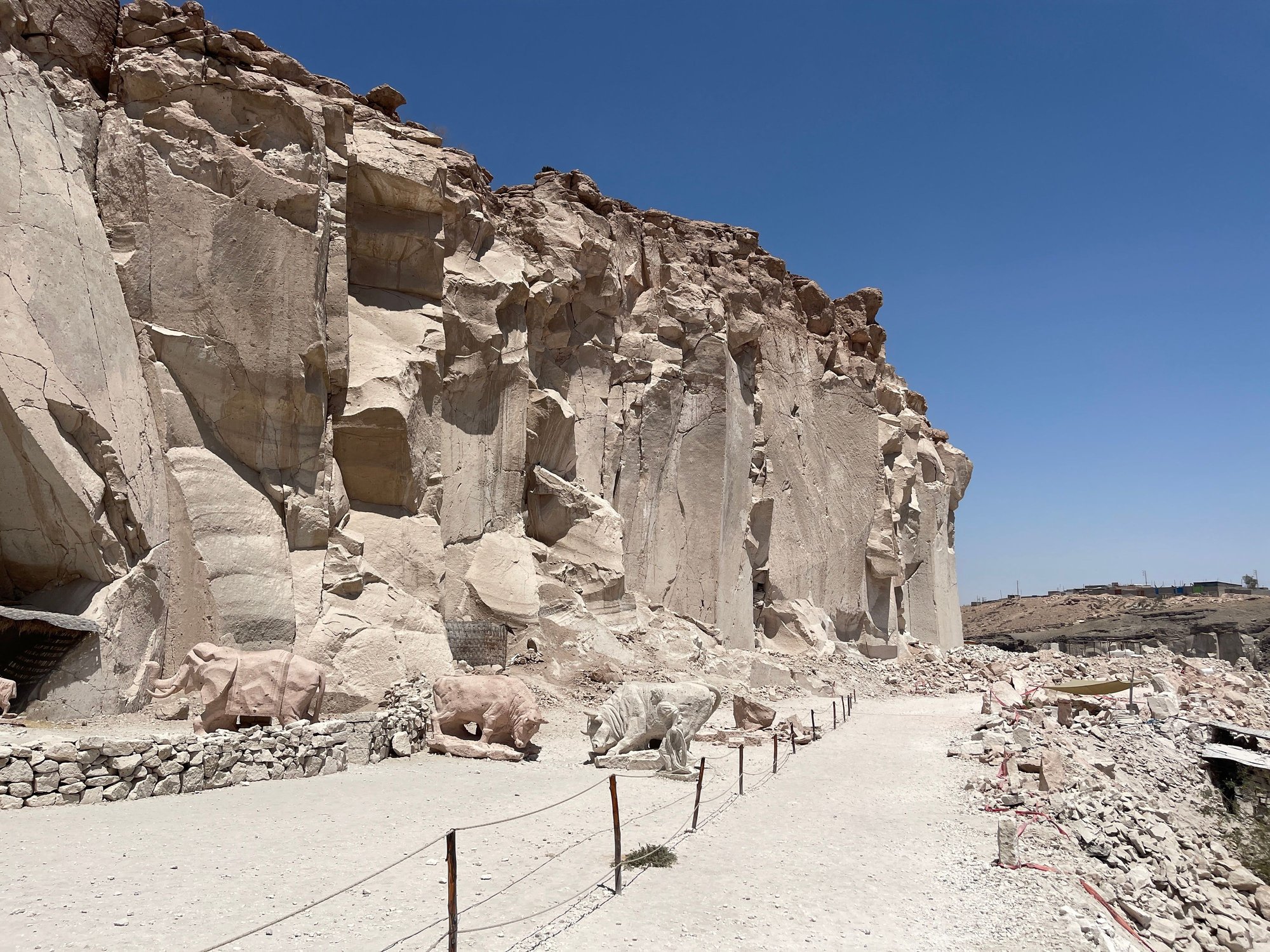
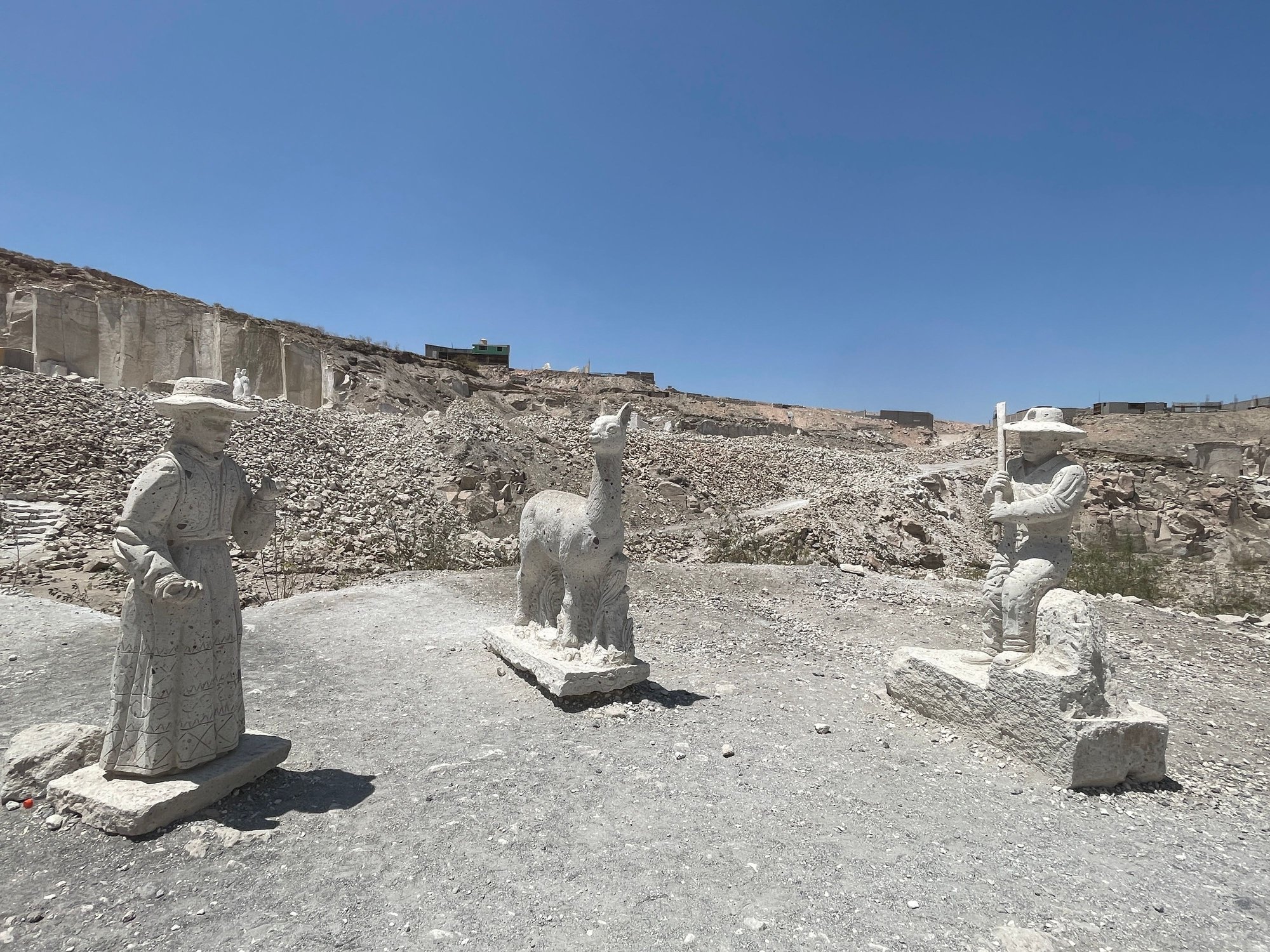
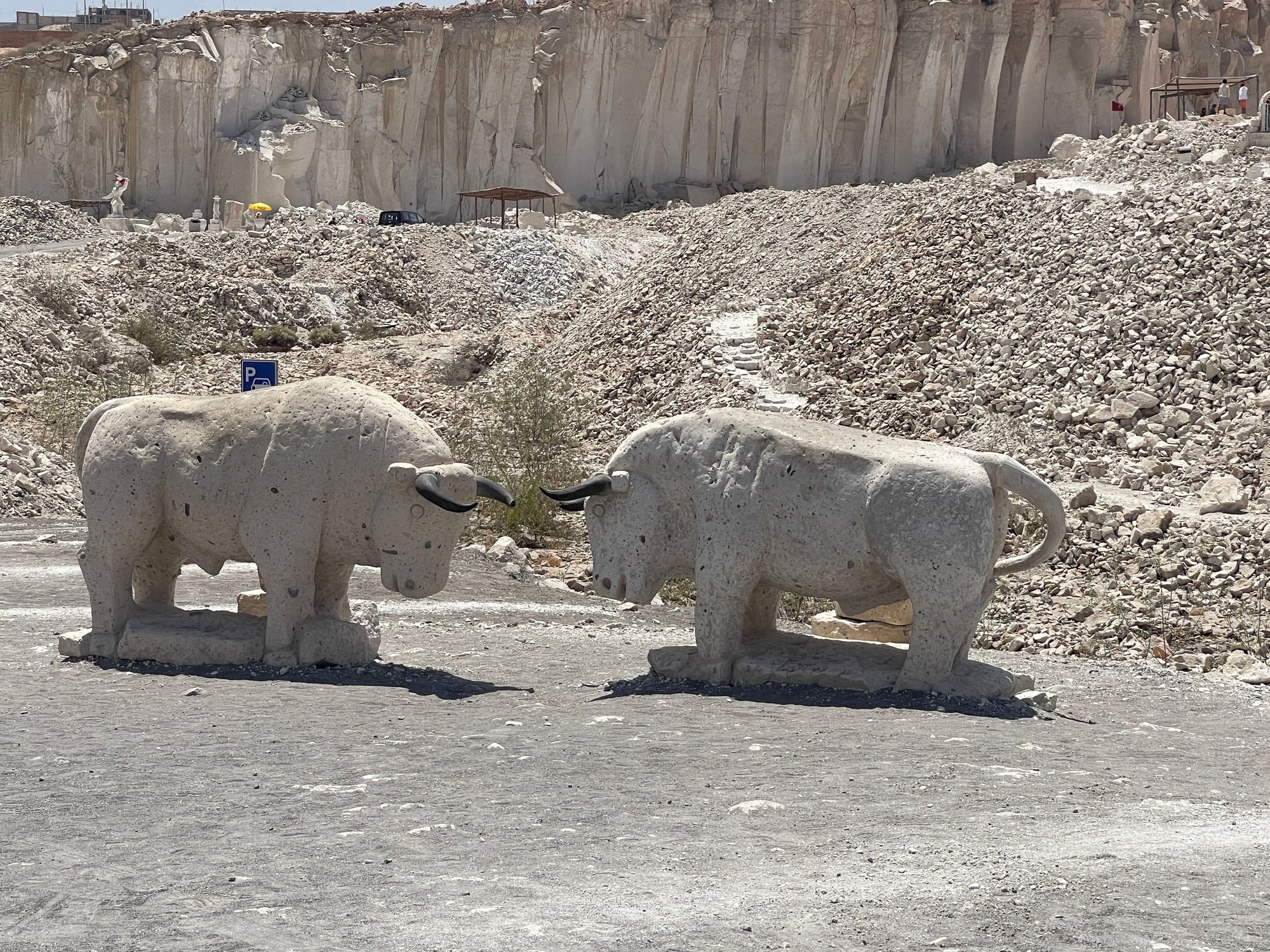
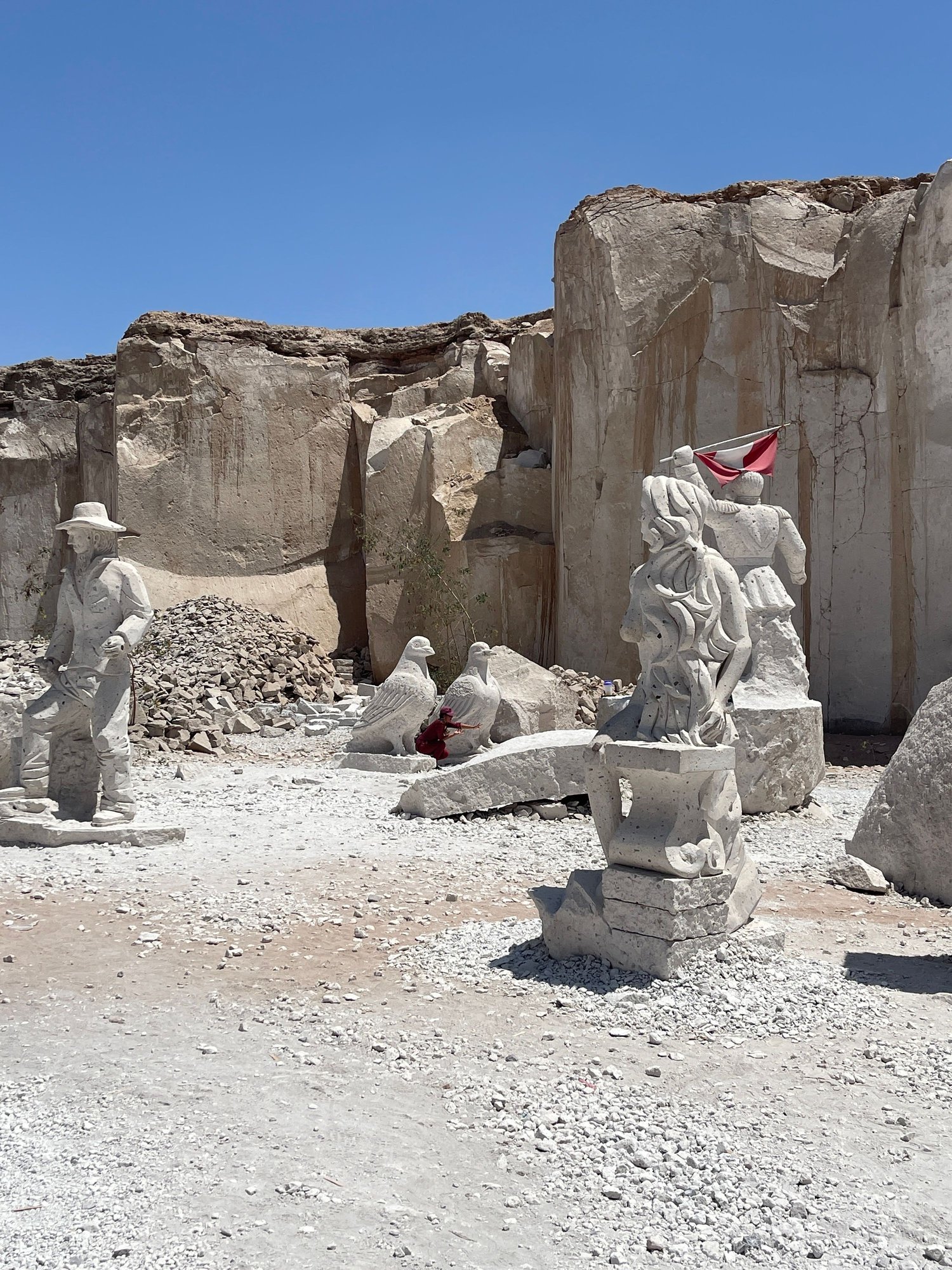
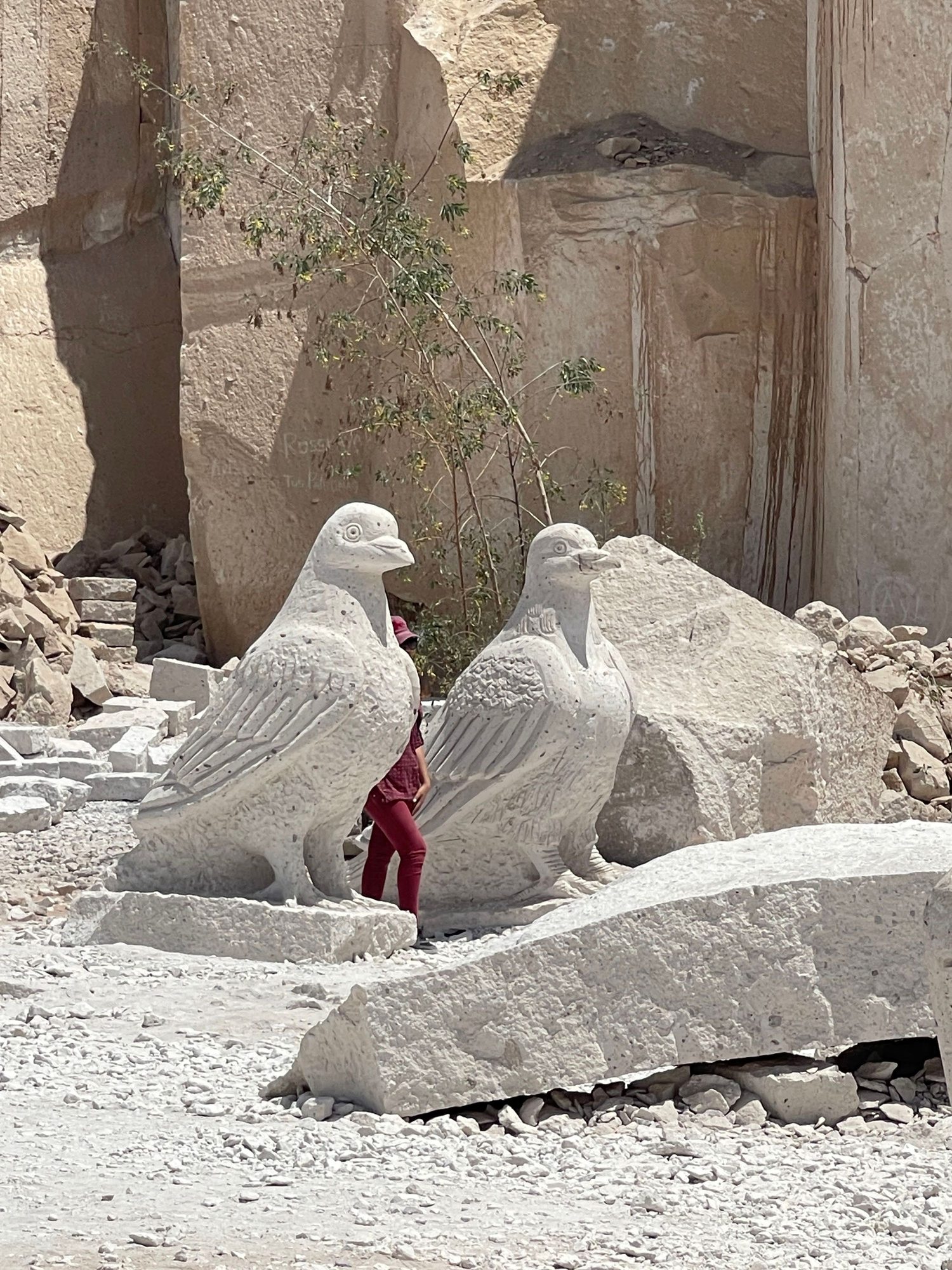
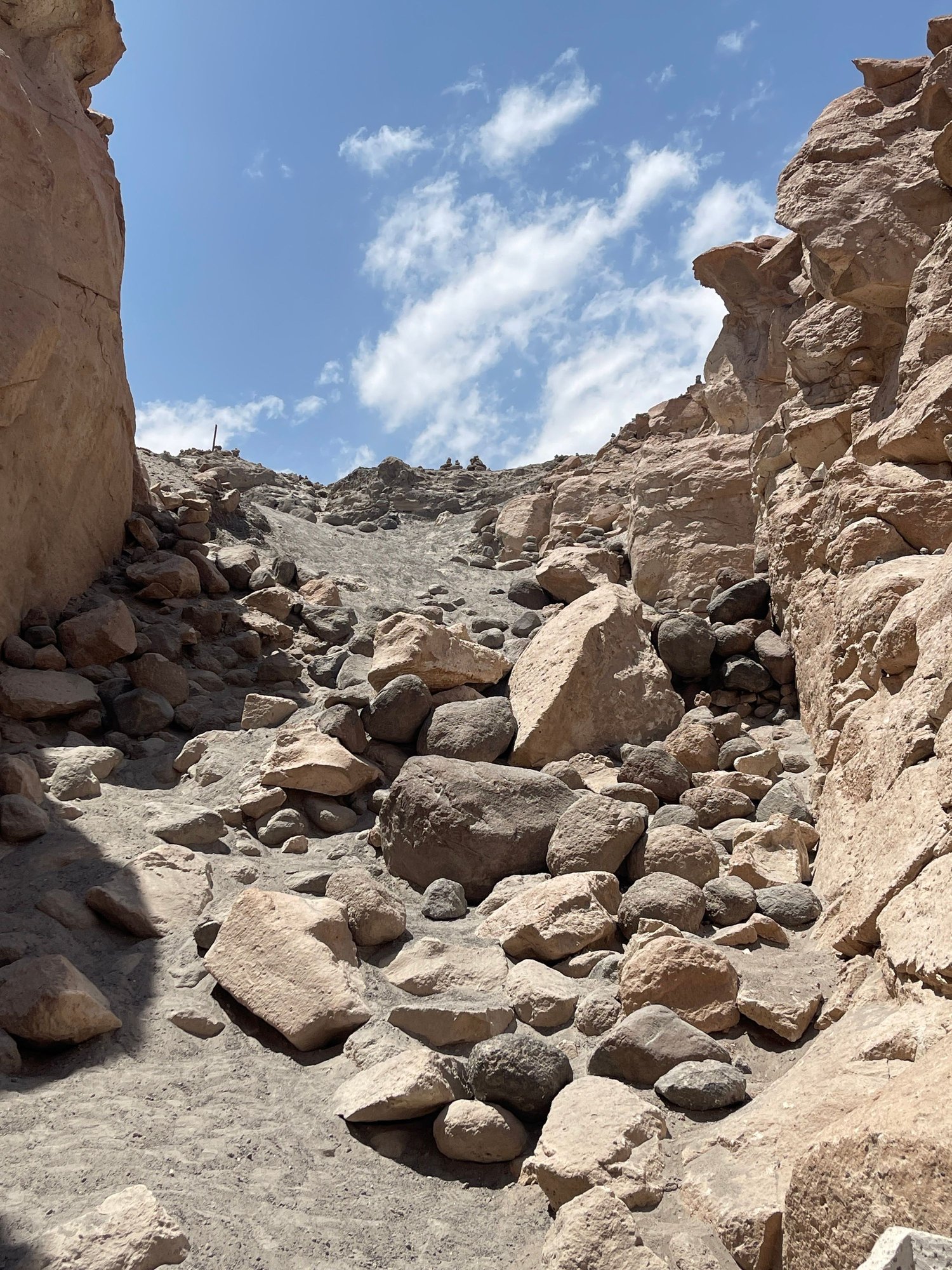
 After the tour of the quarry area, we continued our visit to the serpentine ravine of Culebrillas, which is located about 15 minutes from the quarry. The tour guide led our group to the narrow canyon. It was an impressive area that stood out for its curvilinear formations full of charm, but the walk was a bit bumpy.
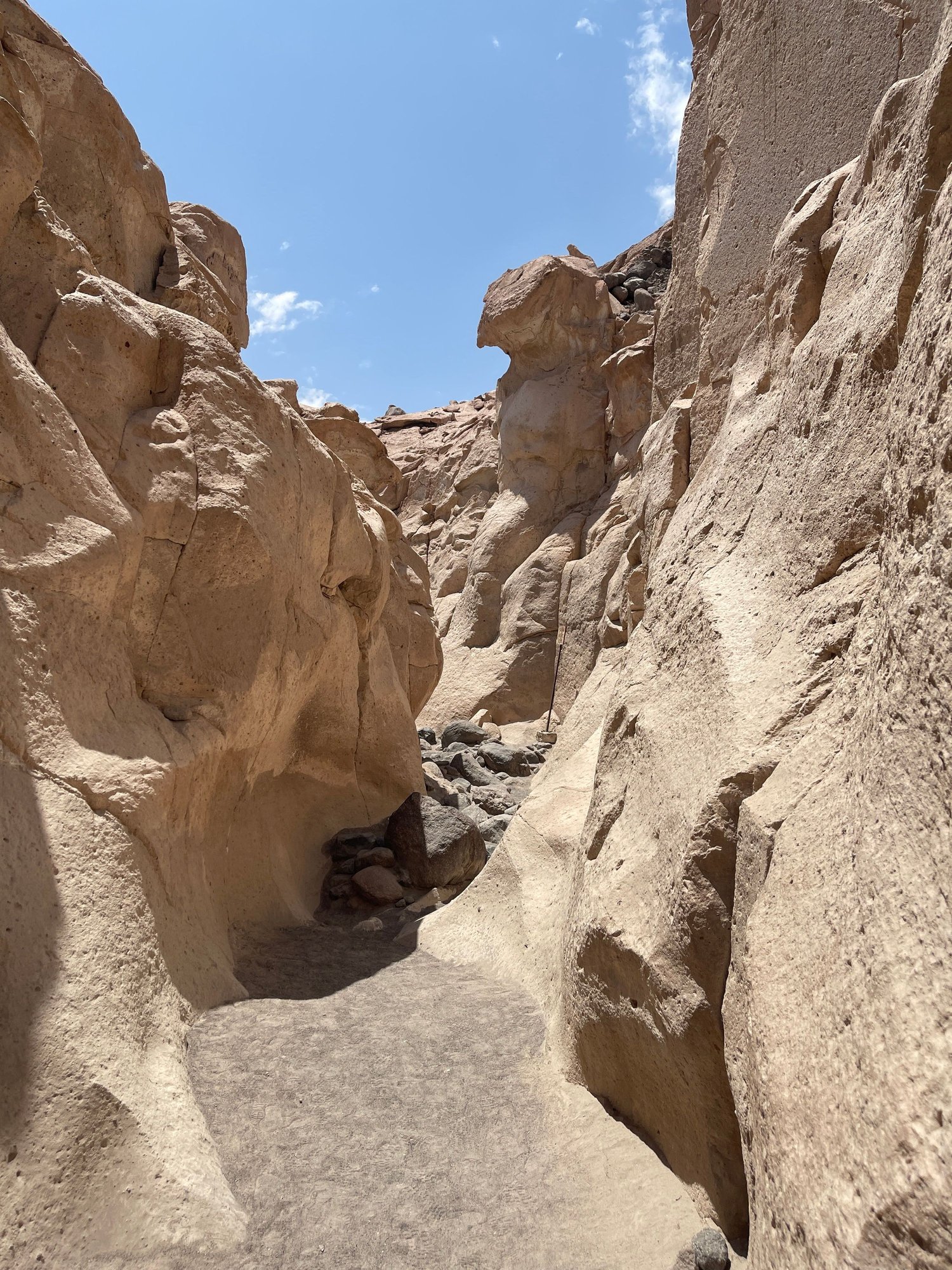
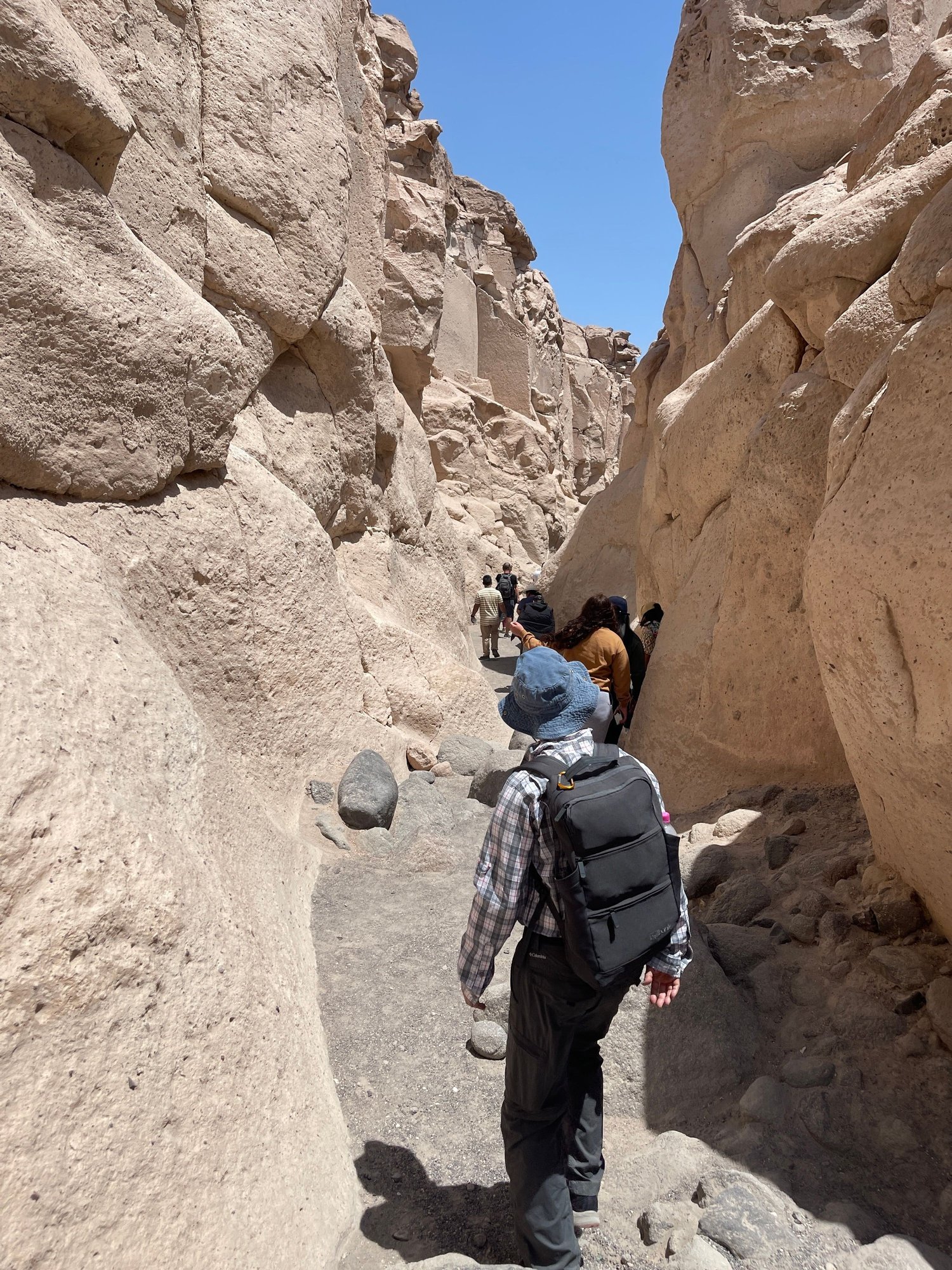
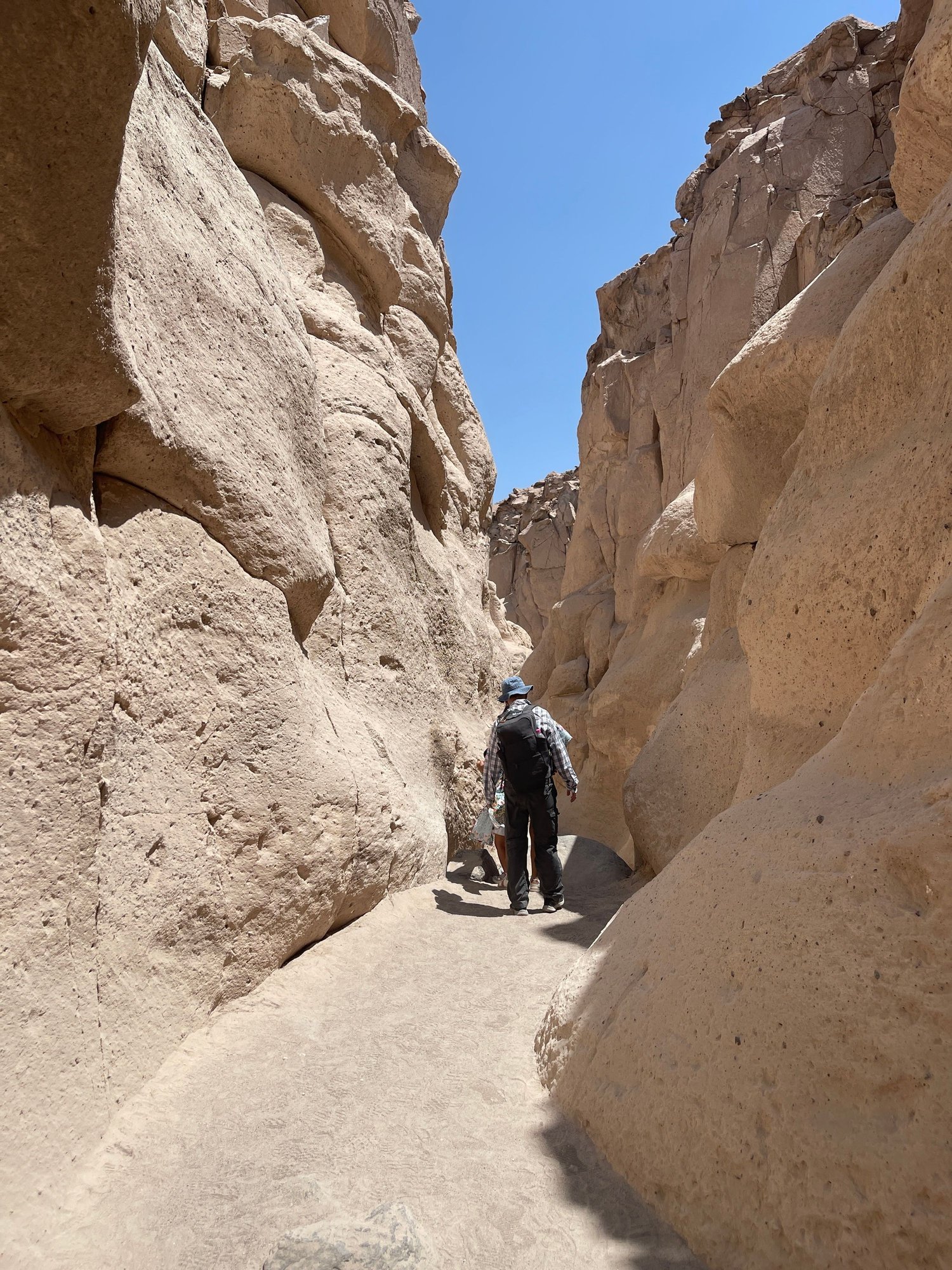
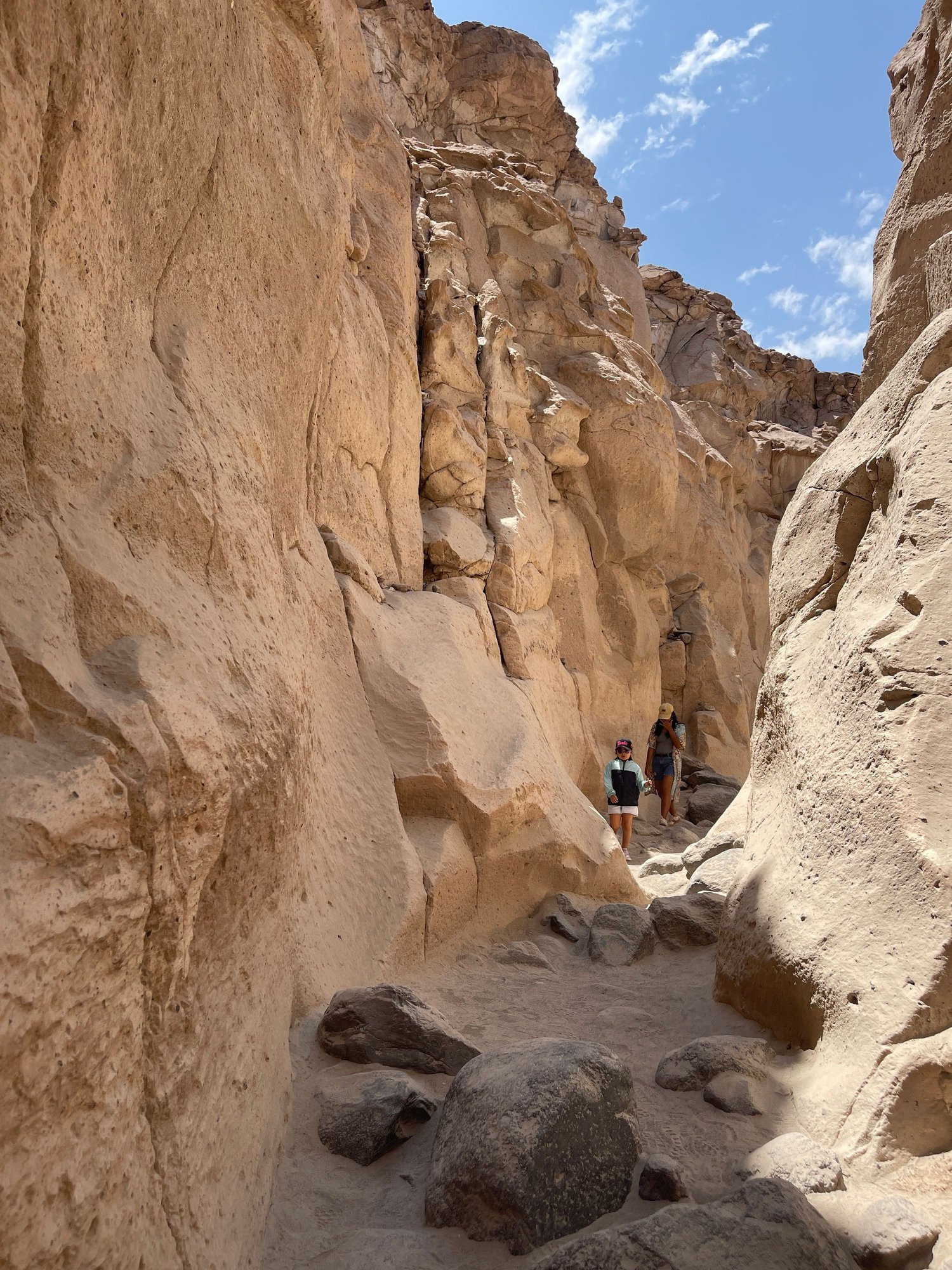
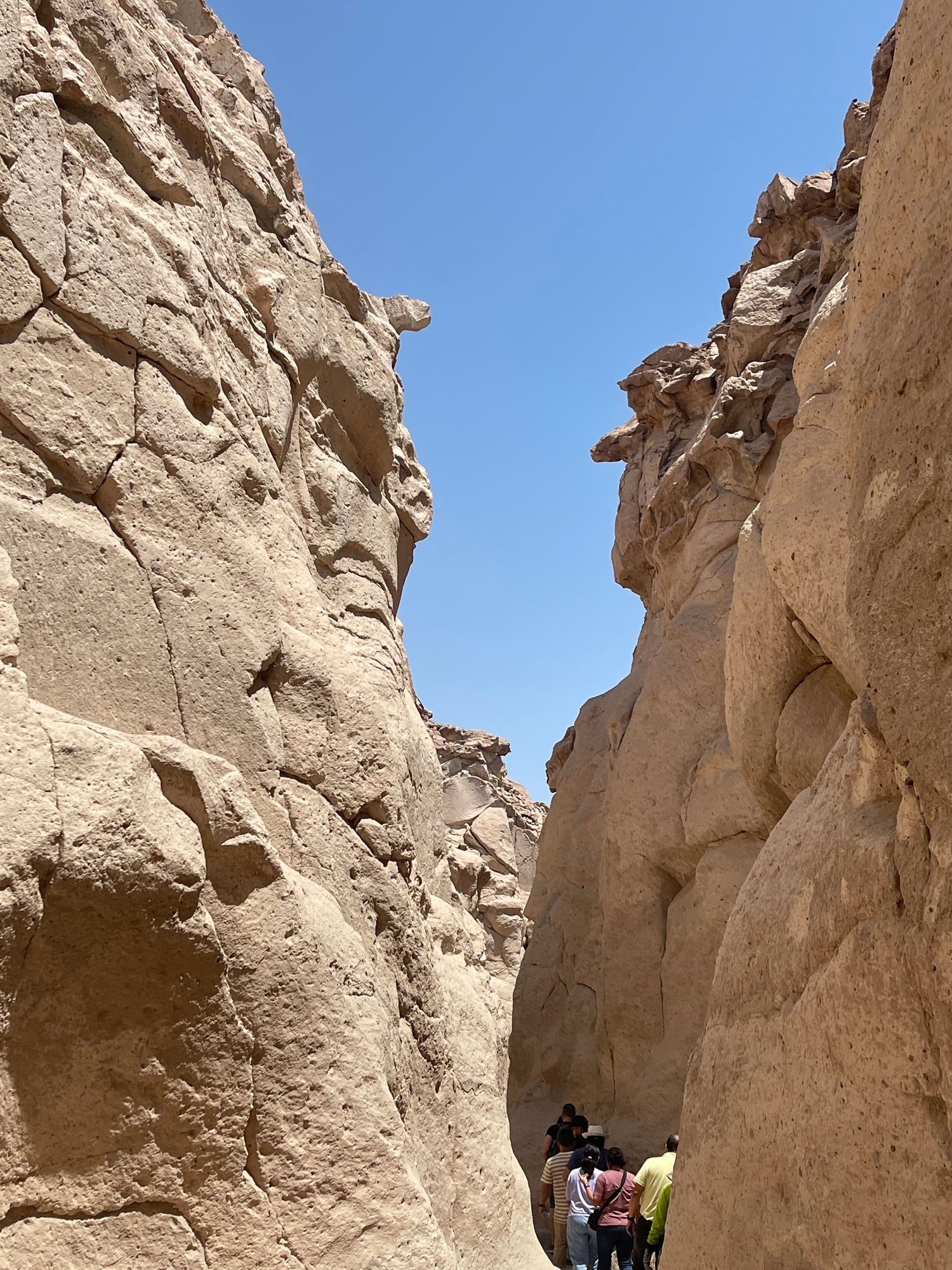
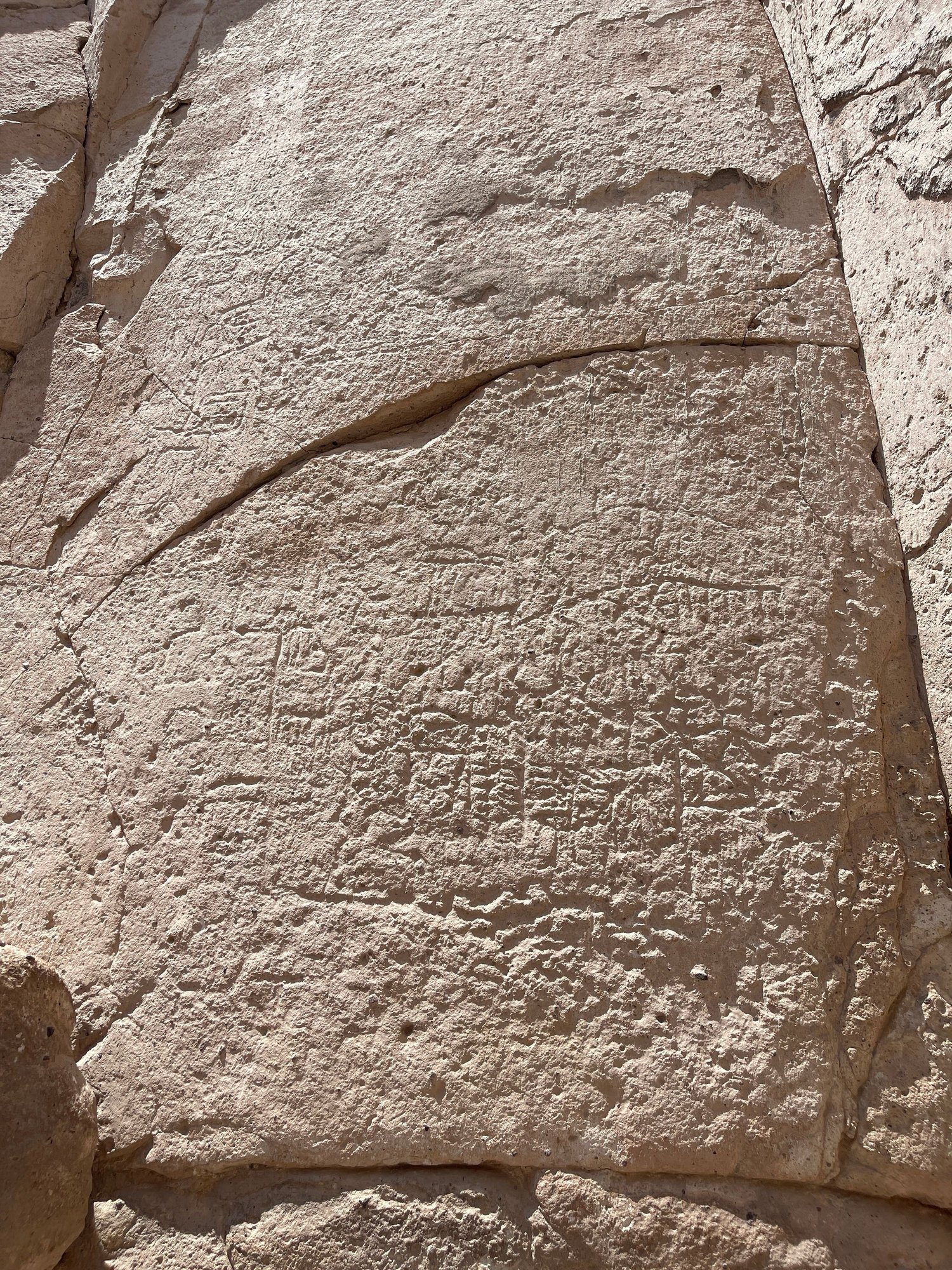
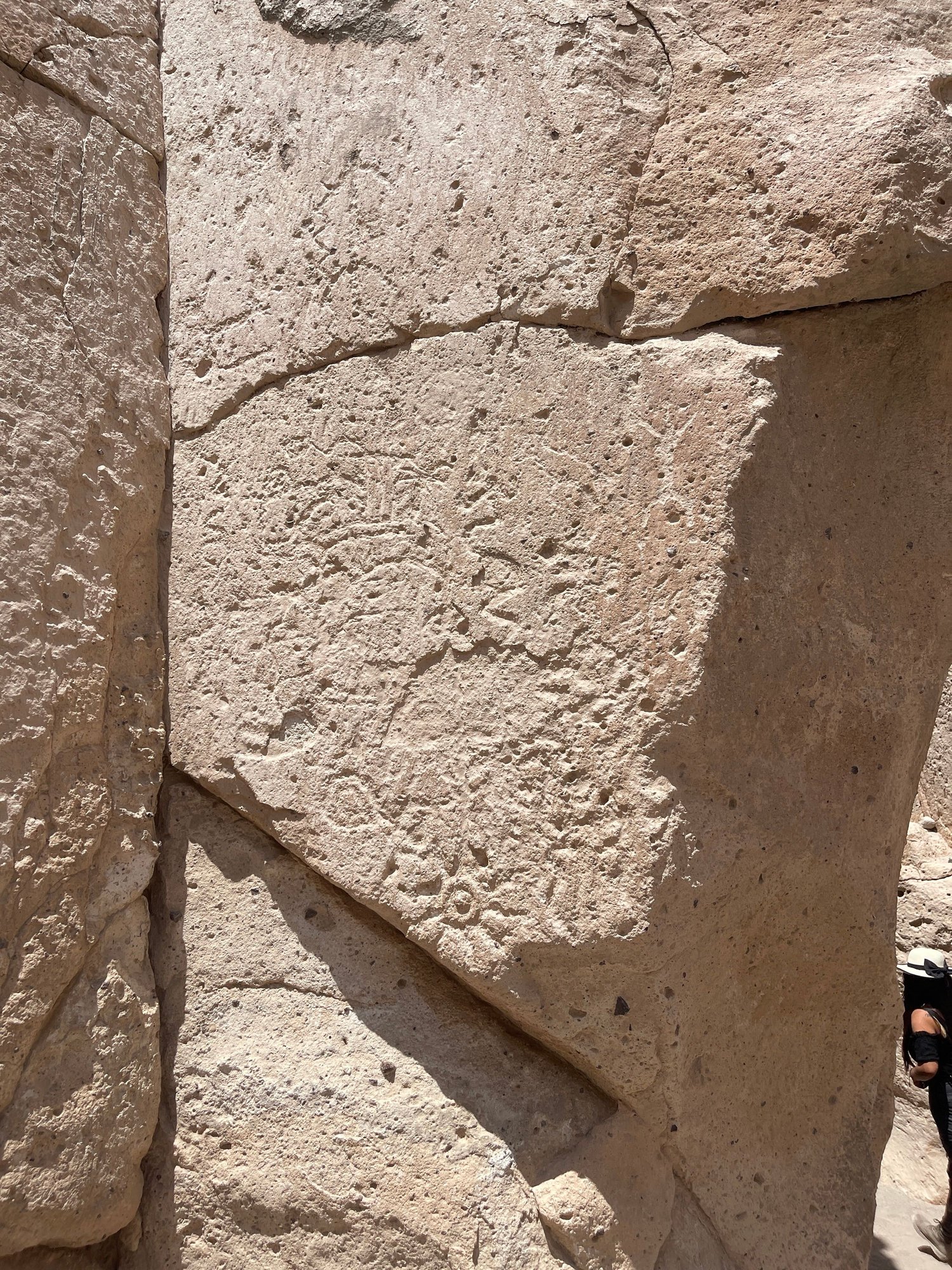
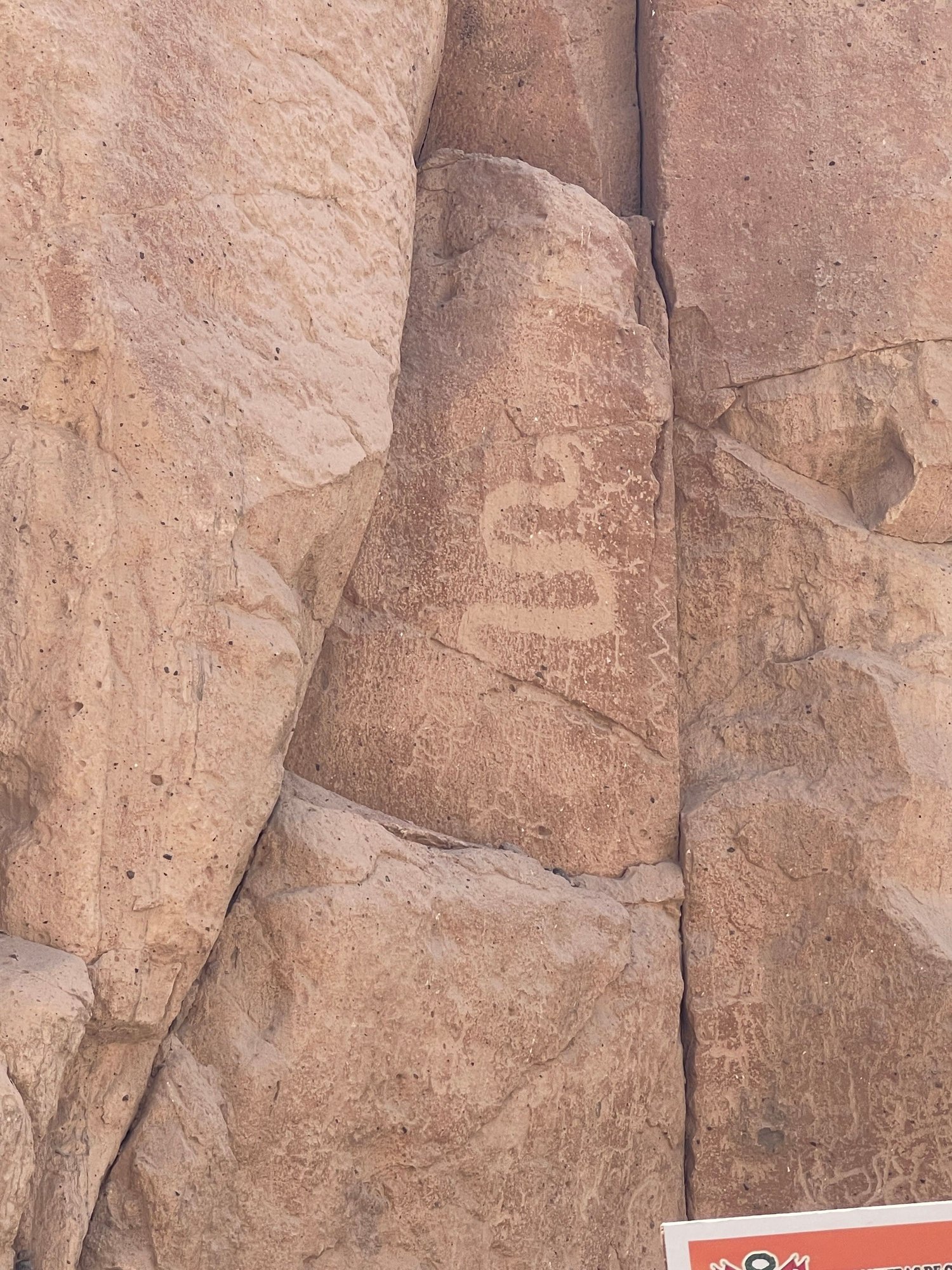
We were also pointed to observe some petroglyphs impregnated on the walls of the ravine.
We then climbed a screech slope to the top of the ravine. At the top, we were shown the Apachetas, stone mounds that represent a mystical tradition for the local residents.
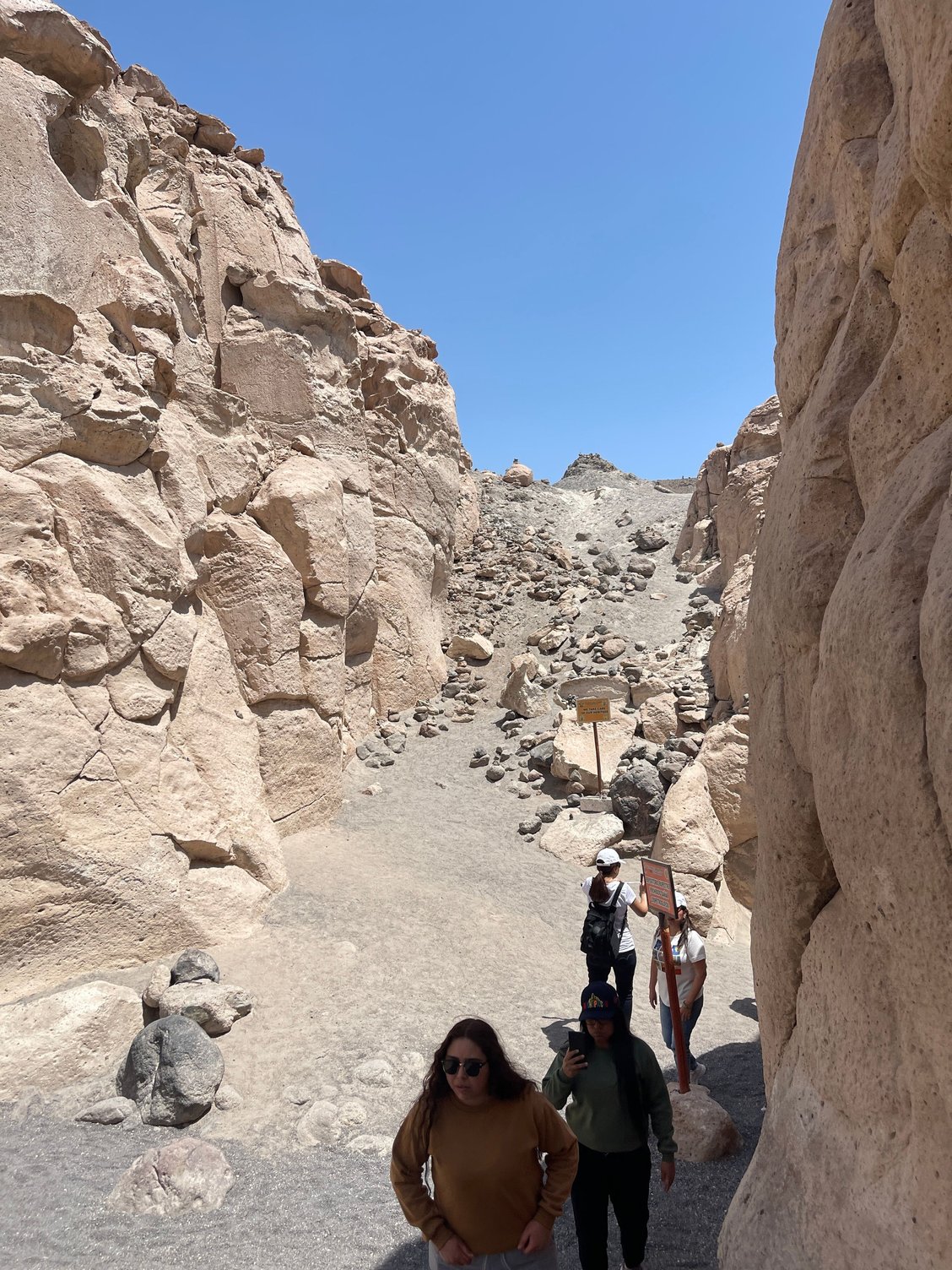
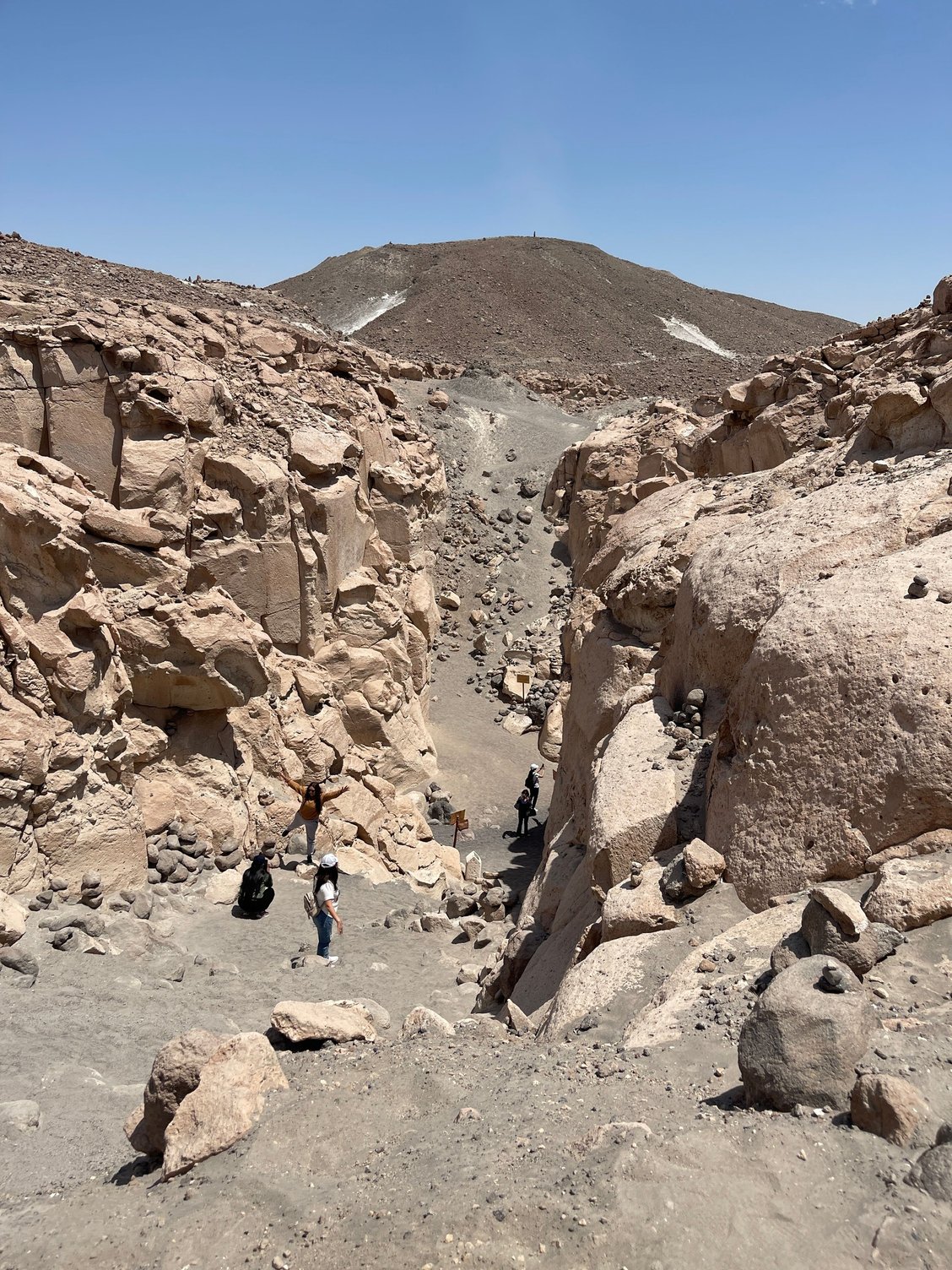
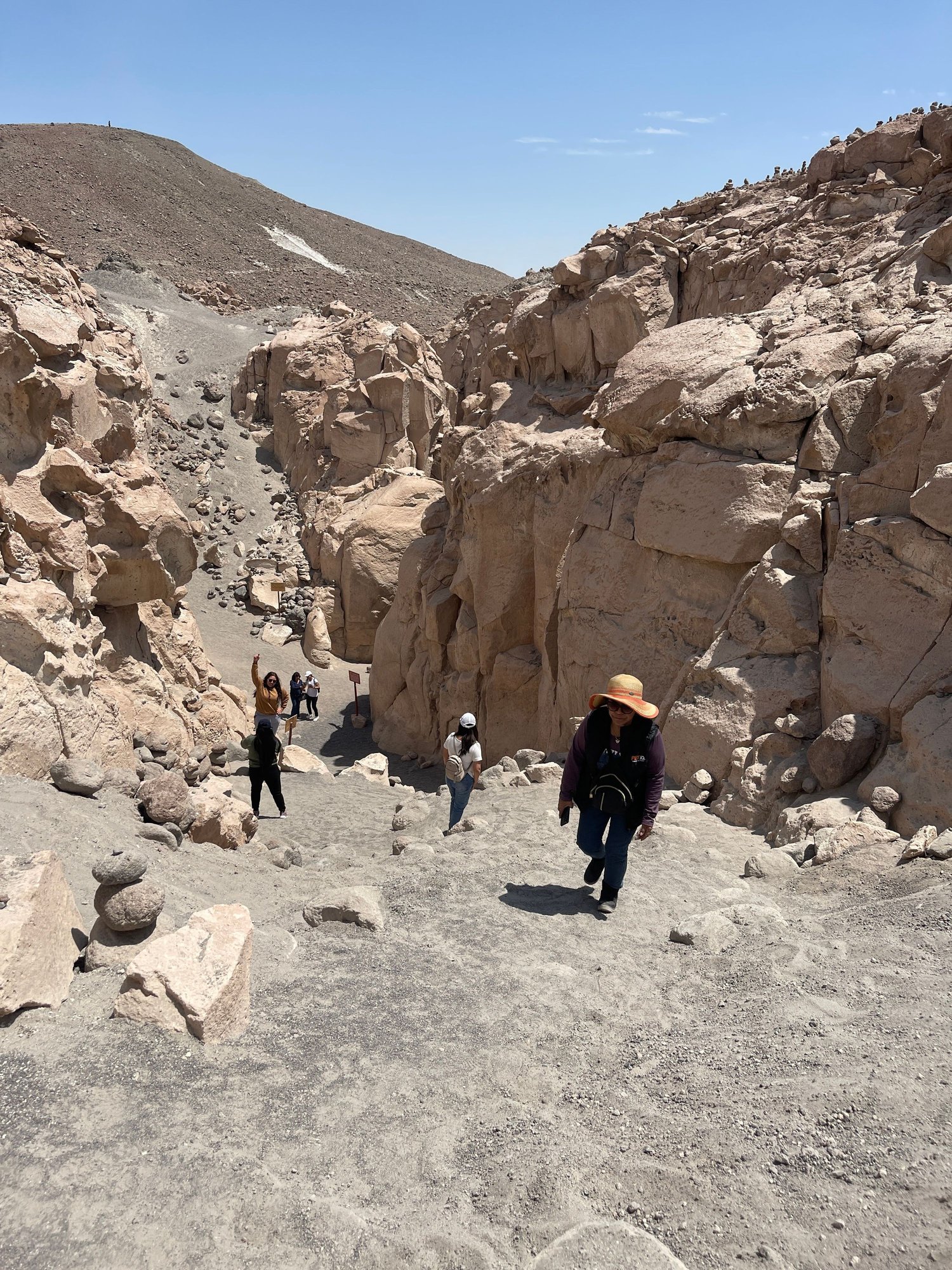
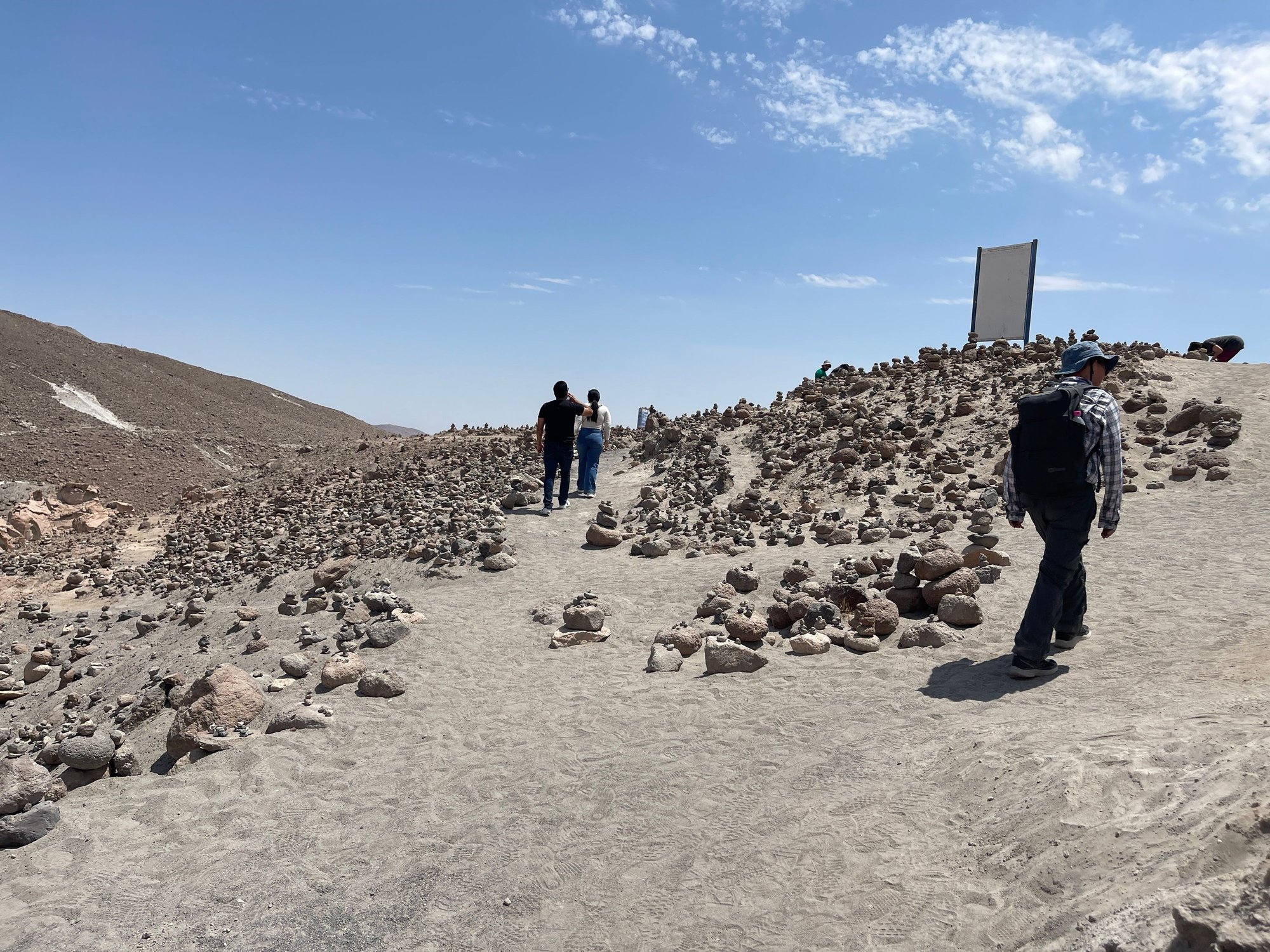
We returned to the city center after the Culebrillas canyon trek. It was a good day trip to learn about the sillar and the Culebrillas canyon was fun to trek.
We decided to book a tour to Salinas and Aguada Blanca National Reserve with Arequipa Explorer tour in the city center later that day. We were ready for the day trip to high altitude to see if we would adjust well with the change in altitude.
Morning view at the roof top- gorgeous!
Roof top lounge is very nice in the morning
Beautiful!
Arequipa has the nickname of the “White City” for its beautiful white structures made of “sillar”, a white volcanic rock present in the region. Most of the historical structures in the city of Arequipa were built with this sillar stone. A route was made to discover the ashlar: the Ruta del Sillar (Volcanic Rock Route).
Our adventure began with a pickup at the hotel and then we were transferred to the traditional town of Yanahuara, notably for its ashlar arches, a white volcanic stone typical of colonial architecture in Arequipa.
The viewpoint from the arches provides an exceptional view of the city of Arequipa. We could see the three most famous snow-capped mountains in the region: Chachani, Pichu Picchu and Misti. The Mirador de Yanahuara is a very beautiful town to walk around but we only had a short time to explore the town.
Our tour bus
Leaving Arequipa, crossed river to Yanahuara
Approaching Yanahuara
Mirador de Yanahuara
Yanahuara Catholic church
Mirador de Yanahuara
Mount Misti from Mirador de Yanahuara
Mirador de Yanahuara
We left Mirador de Yanahuara, and arrived at the sillar quarry— Añashuayco quarry. It is one of the most impressive natural landscapes and is a treasure for the Arequipeño people, where the iconic sillar (the white volcanic stone used in the colonial constructions of Arequipa) is extracted.
We were given some instructions to explore the quarry ourselves and check out some sculptures of the sillar stones the quarry.
After the tour of the quarry area, we continued our visit to the serpentine ravine of Culebrillas, which is located about 15 minutes from the quarry. The tour guide led our group to the narrow canyon. It was an impressive area that stood out for its curvilinear formations full of charm, but the walk was a bit bumpy.We were also pointed to observe some petroglyphs impregnated on the walls of the ravine.
We then climbed a screech slope to the top of the ravine. At the top, we were shown the Apachetas, stone mounds that represent a mystical tradition for the local residents.
We returned to the city center after the Culebrillas canyon trek. It was a good day trip to learn about the sillar and the Culebrillas canyon was fun to trek.
We decided to book a tour to Salinas and Aguada Blanca National Reserve with Arequipa Explorer tour in the city center later that day. We were ready for the day trip to high altitude to see if we would adjust well with the change in altitude.

Cherthor, your report is amazing! We've haven't been to South America yet, so all of your photos are so interesting and intriguing. We are thinking of visiting Brazil, Argentina and Chile. I really want to see Iguaza Falls. I'm concerned about visiting Peru and Macchu Picchu because of altitude sickness. I had problems with altitude sickness in China, and we weren't even that high up. I have a sister-in-law who suffered from terrible altitude sickness when she was at MP, even though she did acclimatize. Have you been to other South American countries? Maybe you've posted photos on the Landscape, Architecture, and Monuments thread, but I don't remember.
Quote:
Karen,Originally Posted by KarenWoo
Cherthor, your report is amazing! We've haven't been to South America yet, so all of your photos are so interesting and intriguing. We are thinking of visiting Brazil, Argentina and Chile. I really want to see Iguaza Falls. I'm concerned about visiting Peru and Macchu Picchu because of altitude sickness. I had problems with altitude sickness in China, and we weren't even that high up. I have a sister-in-law who suffered from terrible altitude sickness when she was at MP, even though she did acclimatize. Have you been to other South American countries? Maybe you've posted photos on the Landscape, Architecture, and Monuments thread, but I don't remember.
We went to Argentina in Nov/Dec 2023, and the following year September 2024 to Peru. We love both countries and had good times touring the areas on our own.
We are thinking about to visit Chile for Easter Island but yet have to figure out the logistics and time frame. I have my heart set on Ushuaia, but it is very “ End of the World”. Too many desires to full fill in a life time!
I usually don’t write reports as they require time and energy. Since I retired two years ago, I have more time on hands but then I was busy planning new trips and at the mean time spending more time with my grandkids.
This cold winter, I started the list of ‘ I should have, I would’. English is not my native language, so it requires even more time for me to write. I love taking photos since young. This is the only way to keep the time still and frozen, even though it might be erased. At least we can relive some of our memorable moments.
Altitude sickness was our major concern when planning our Peru trip. We took time to acclimatize and took it easy when we were moving around, and the local tour guides were very helpful. They would help people on the trip with their coca chews and ointments to relieve the symptoms. We were alright for the altitudes but did feel the effects. We got tired easily, so we just took things easy, especially with walking around.
Thanks for checking out the report.
Day 8– We booked a tour to Salinas and Aguada Blanca National Reserve with Arequipa Explorer tour—120 soles for two.
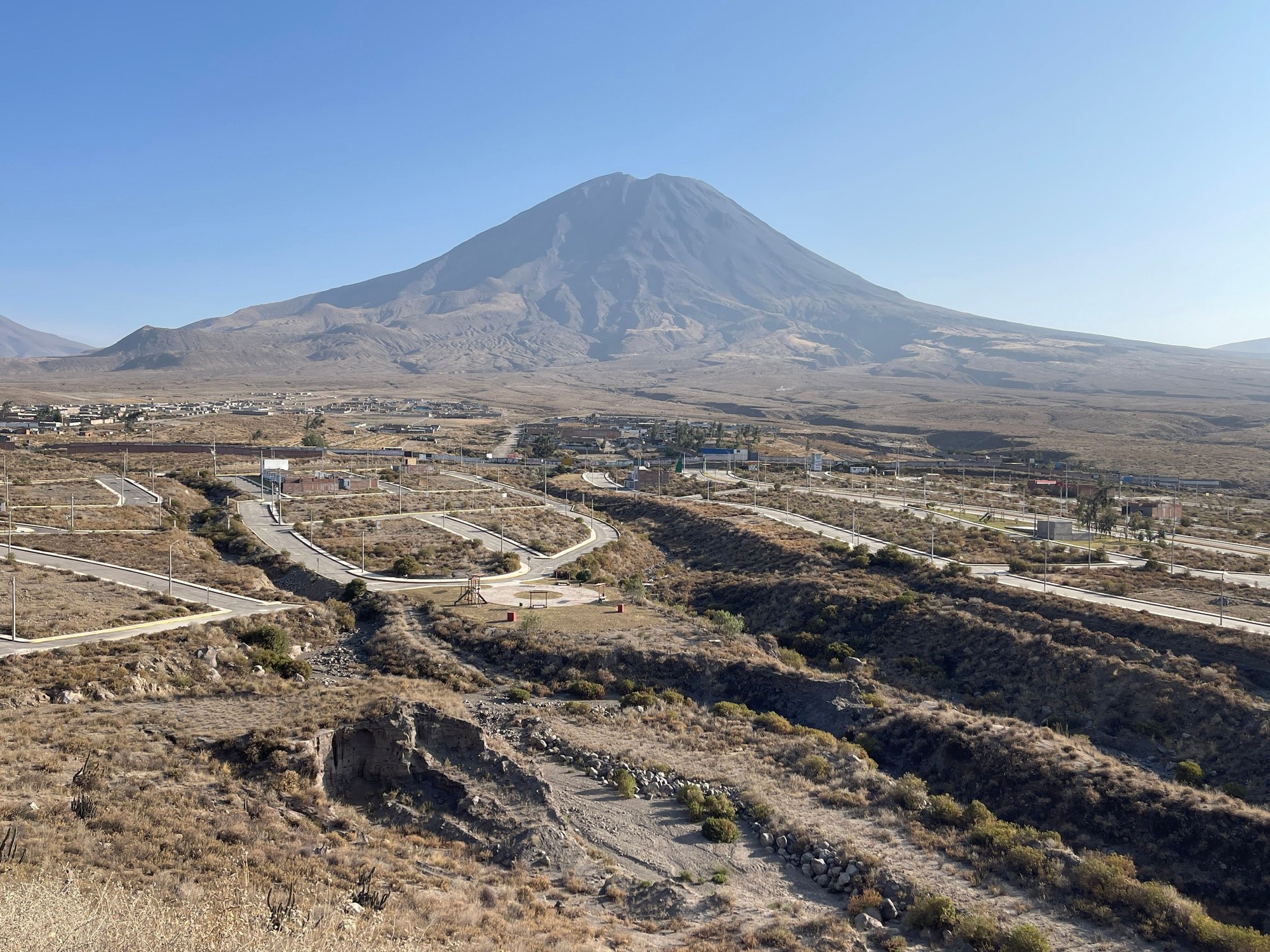
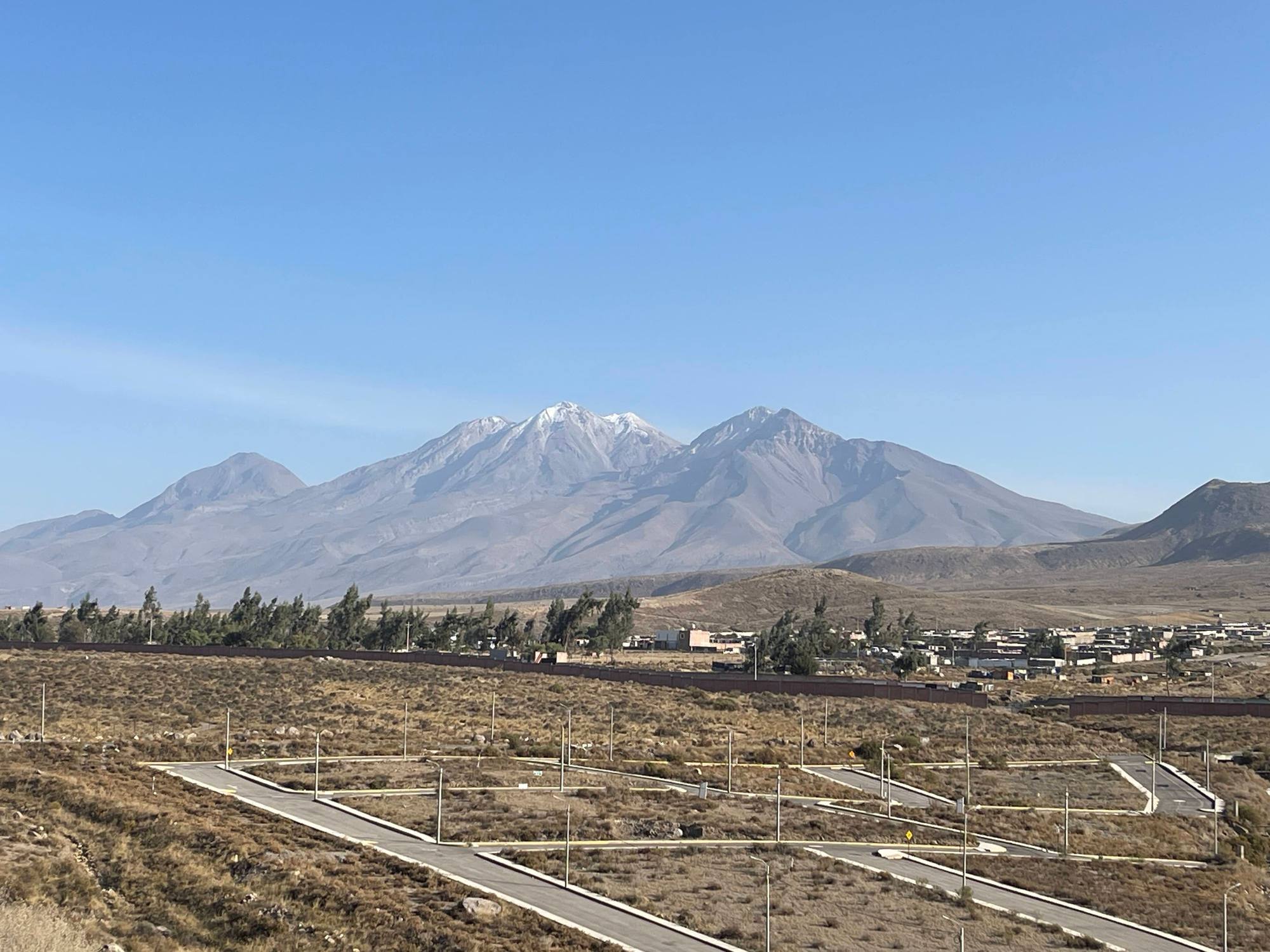
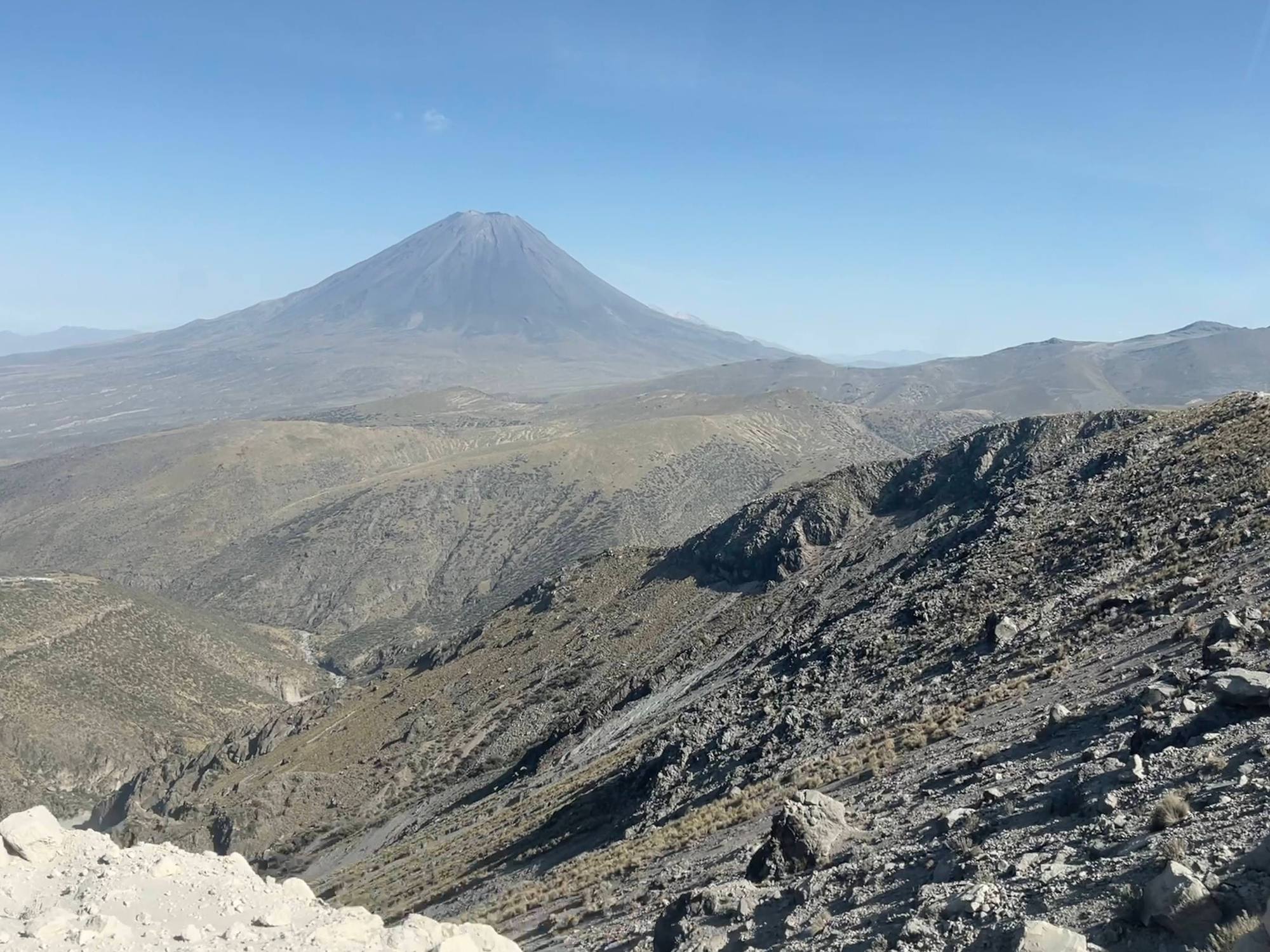
These are the three mountain ranges prominently around the Salinas and Aguada Blanca National Reserve:
Chachani-6075m
Misti-5825m
Pichu pichu-5694m
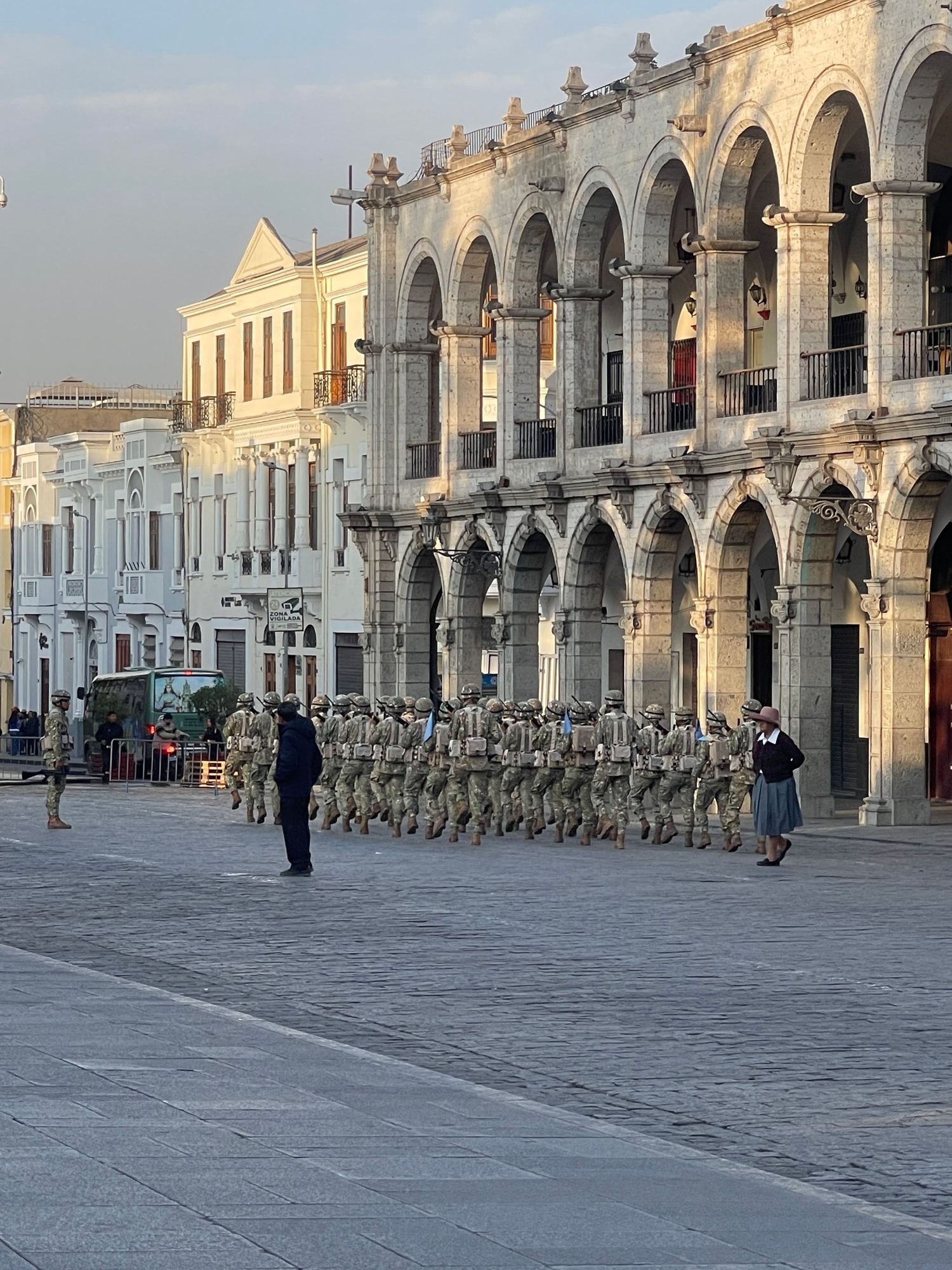
The tour started early in the morning. We had the hotel packed our breakfast to go as we were picked up at 6:00am. The tour group assembled in front of the Cathedral. It was nice to see the Cathedral in the early morning lights.
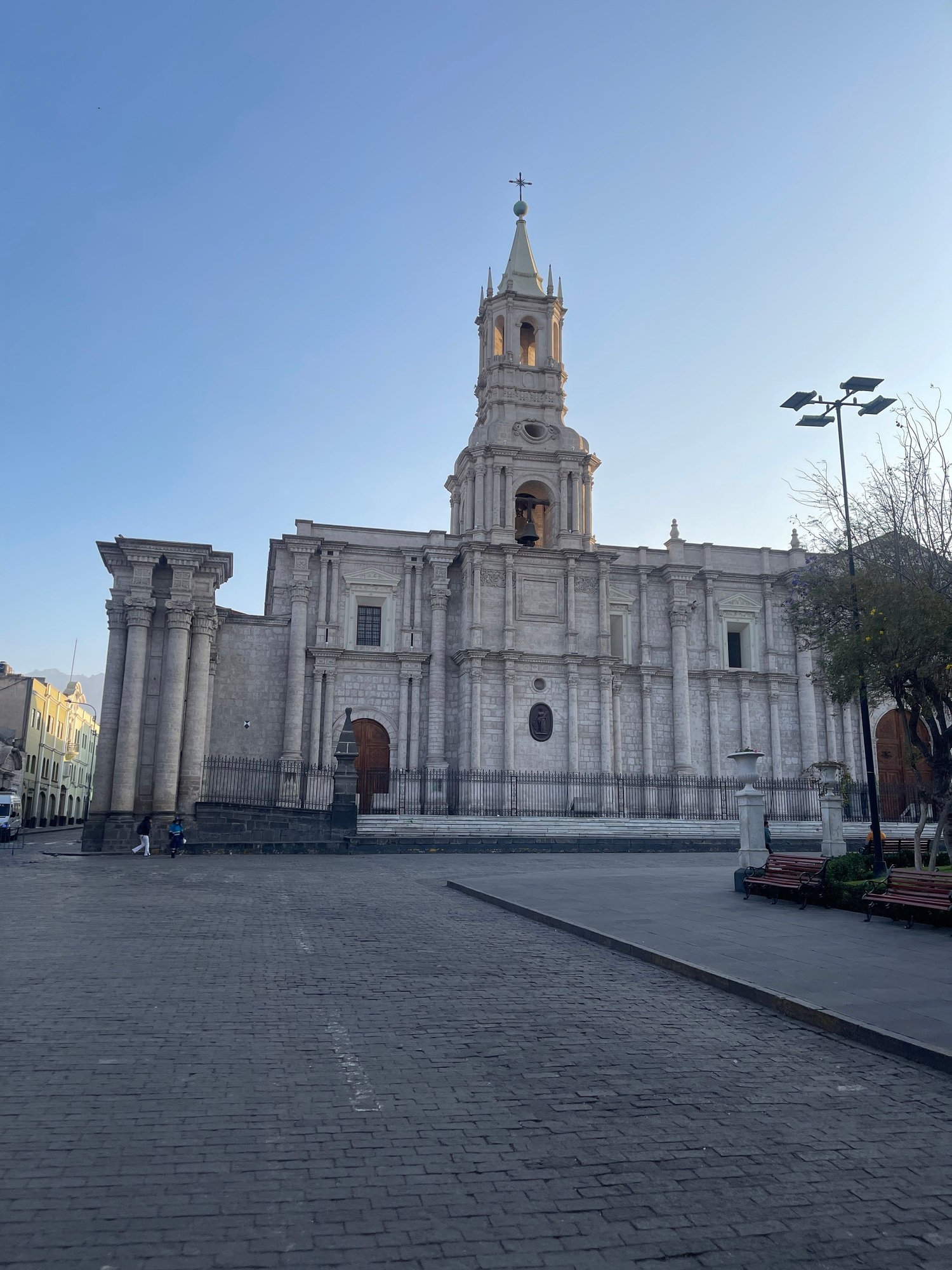
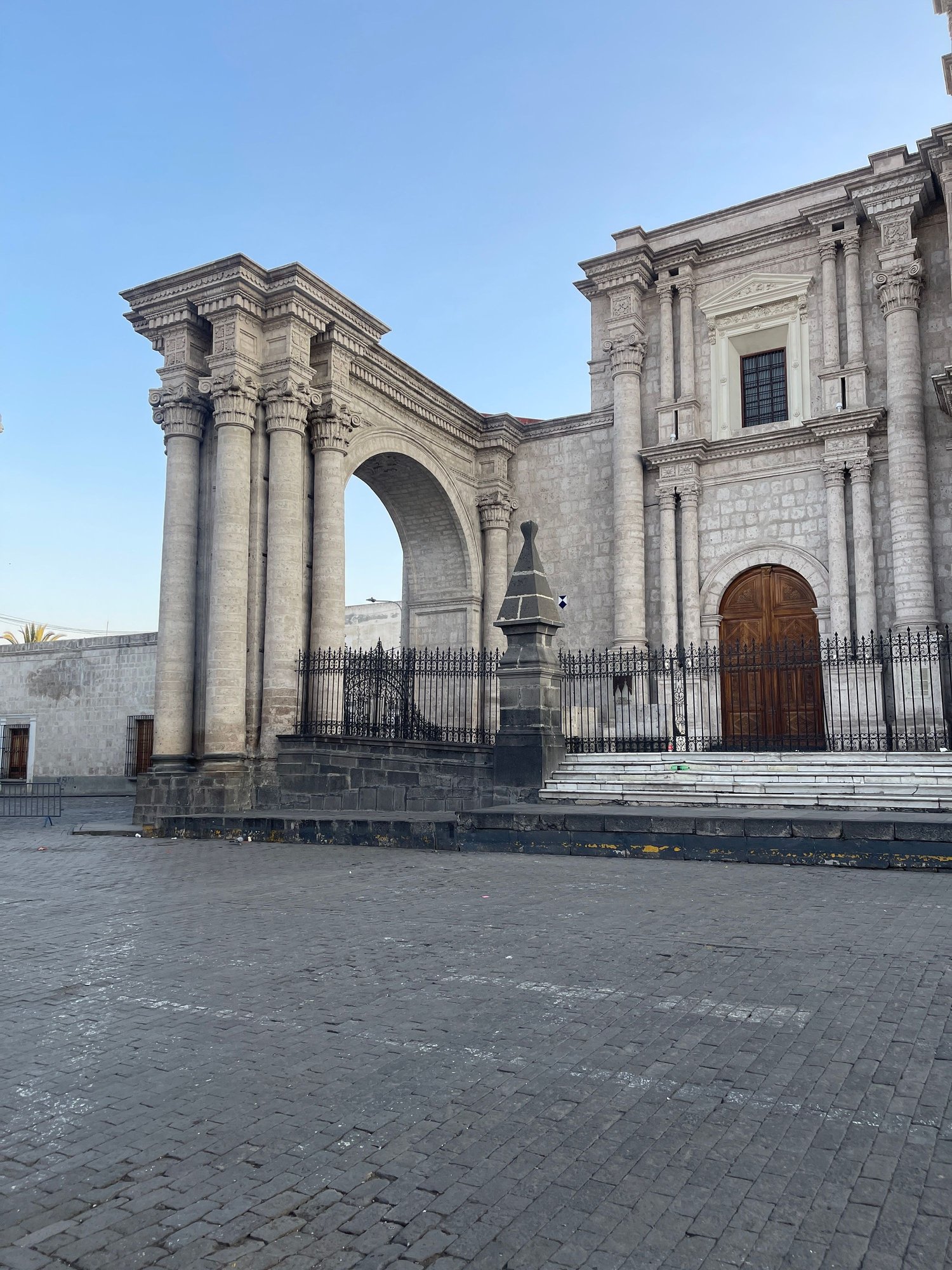
On the way, we had a spectacular view of the mountain ranges. The first stop will be in Chiguata, more than 3,000 m above sea level. When we arrived at Chiguata, we were told to get some coca sweets from the coffee shop, breakfast at our expense, and acclimated the altitude before continuing the ascent.
At the Mirador de los Volcanes, a panoramic point from where we could see three imposing guardians of the Arequipa landscape: the volcano Misti, the Chachani and the Pichu Pichu.
In the Natural area we saw vicuñas, guanacos, different species of South American camelids, also in the lagoons with the traditional high Andean flamingo. It was very beautiful at the lagoons.
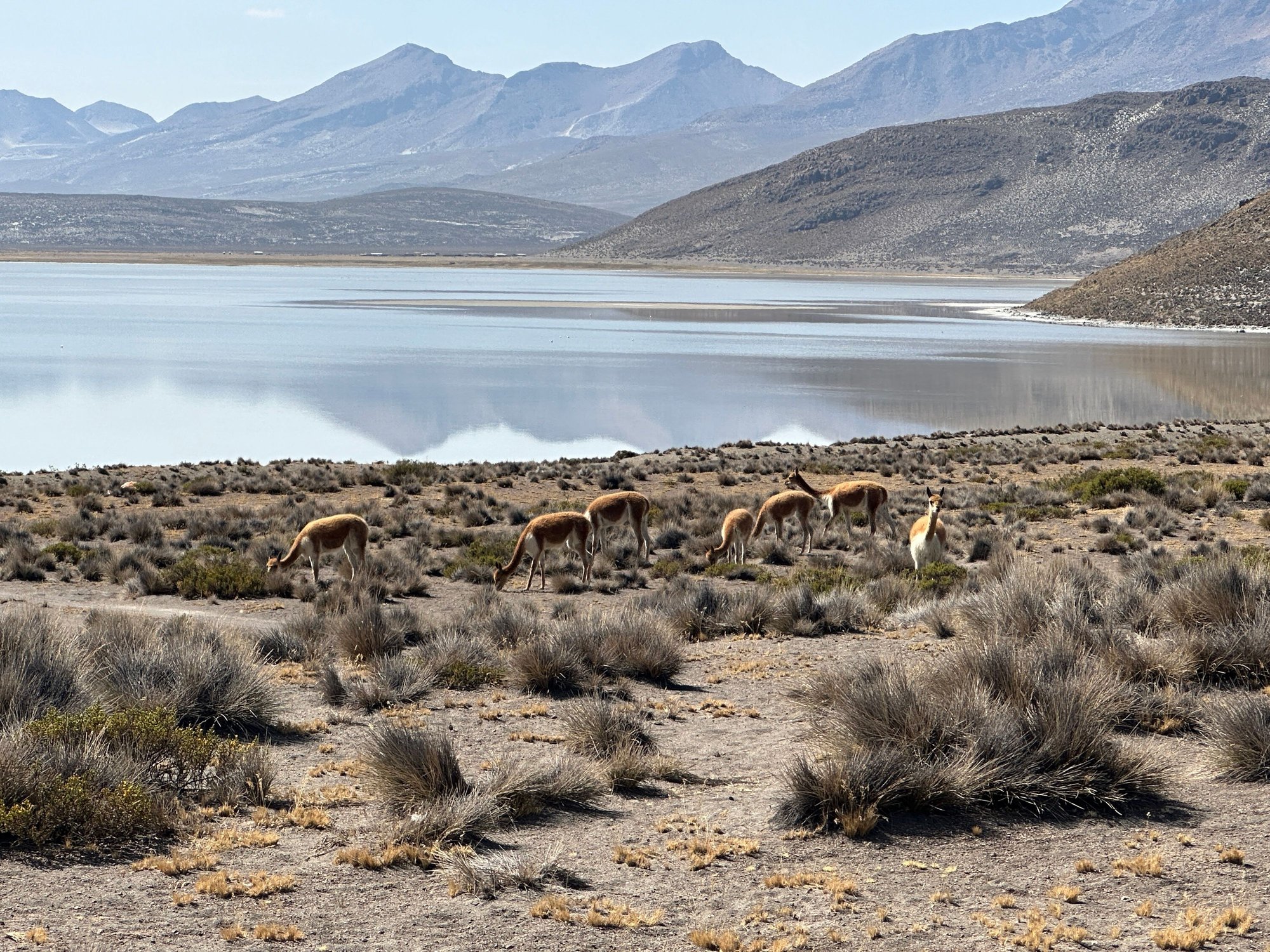
vicuñas, guanacos
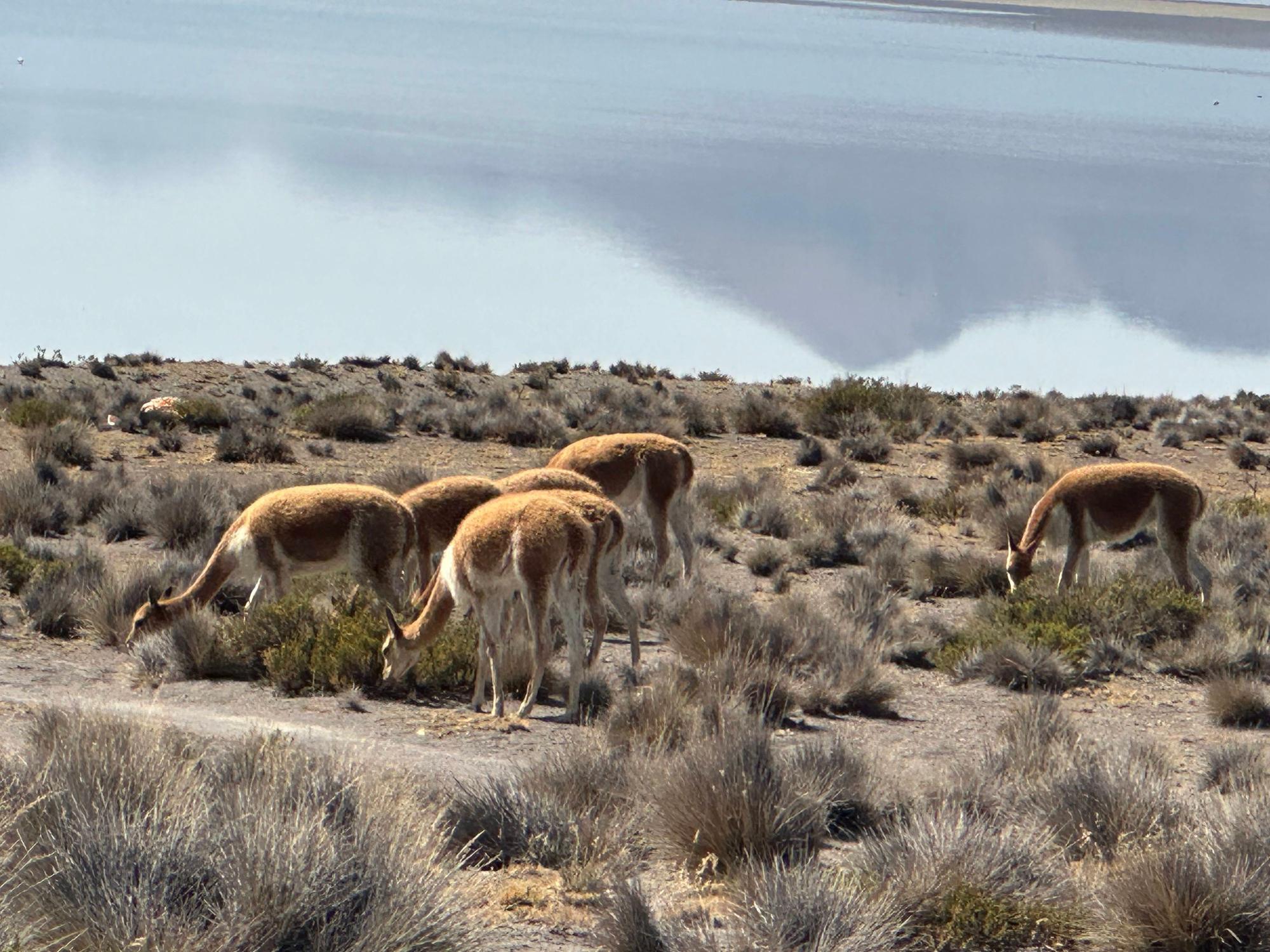
vicuñas, guanacos
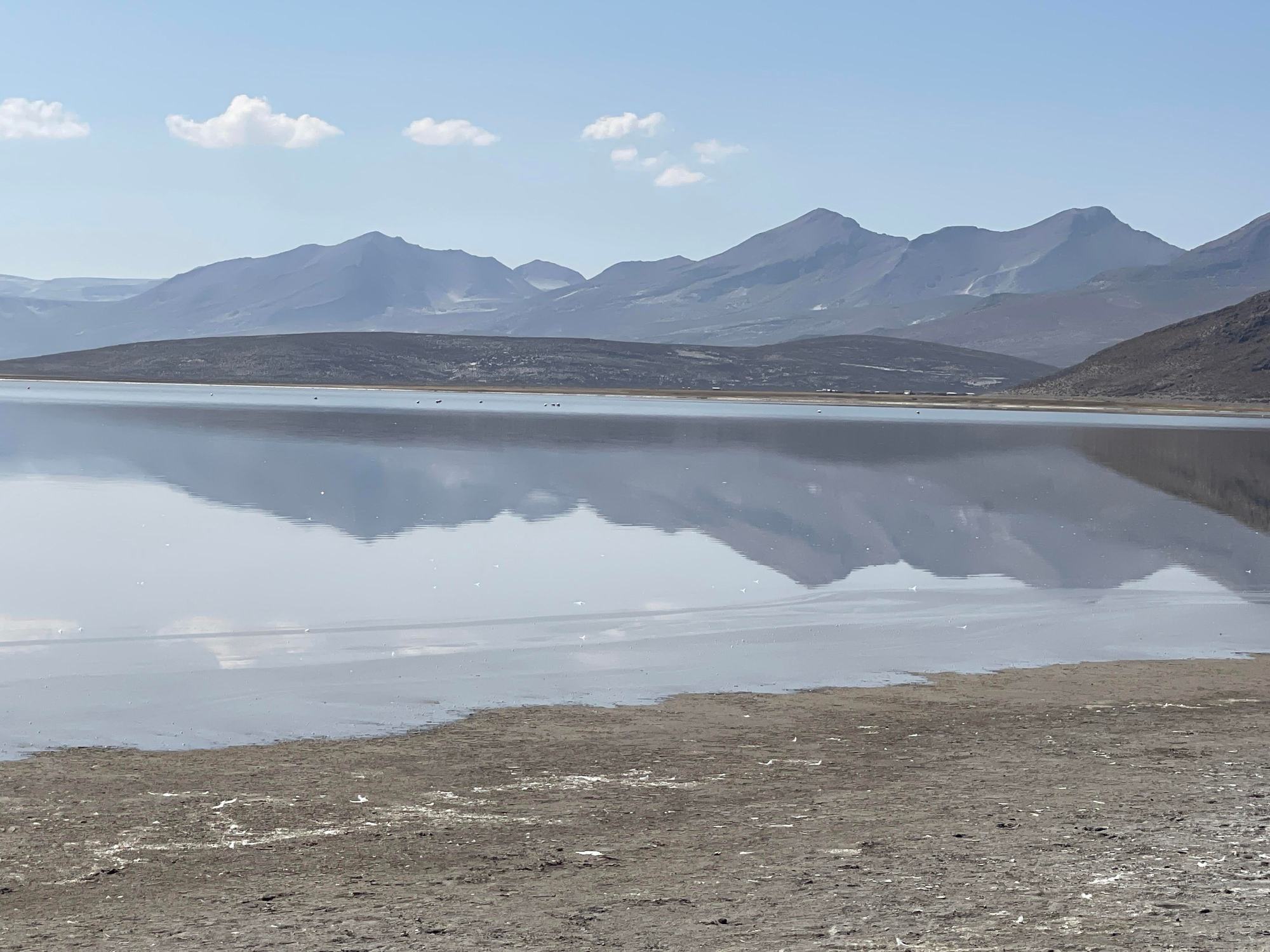
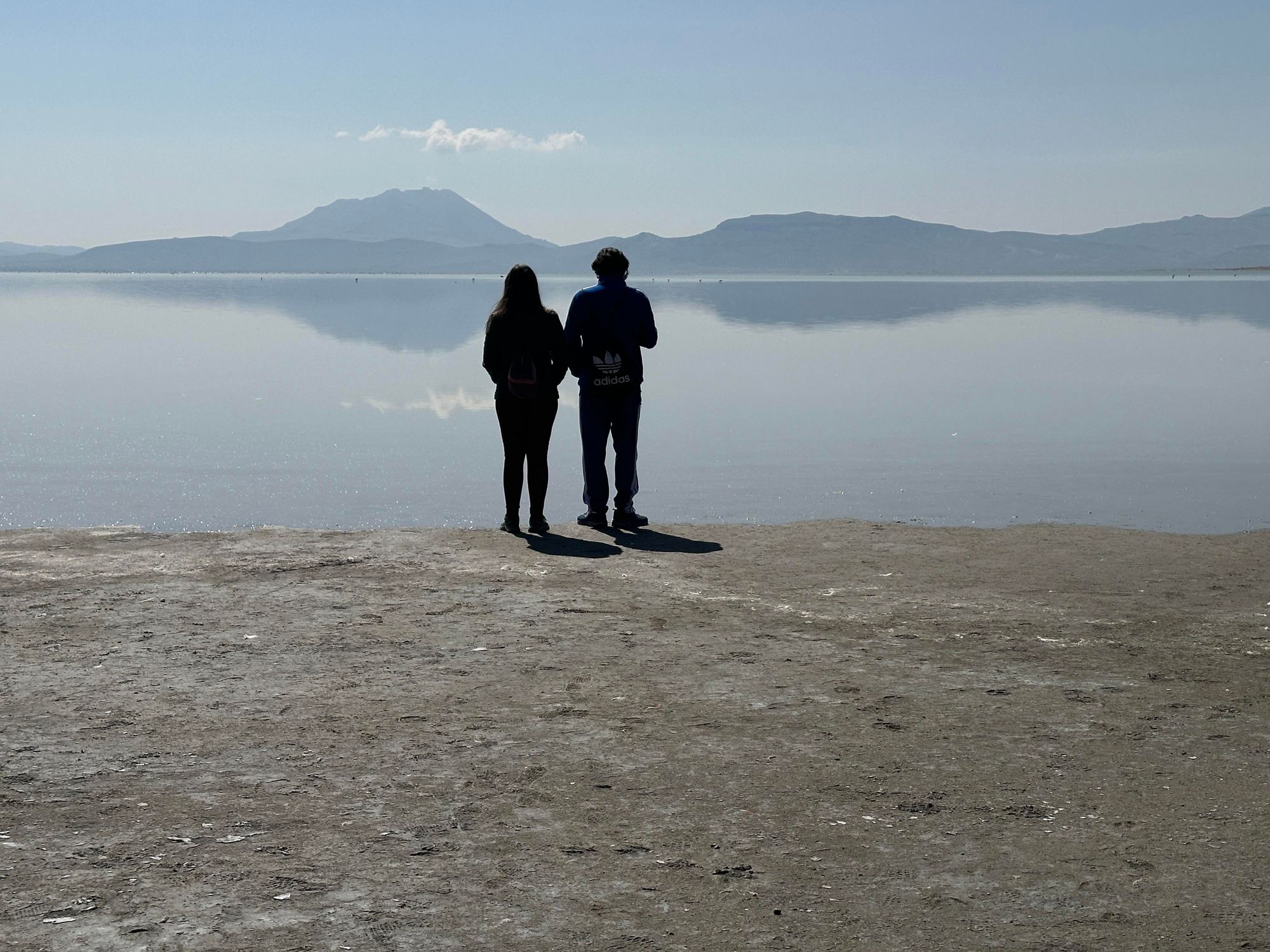
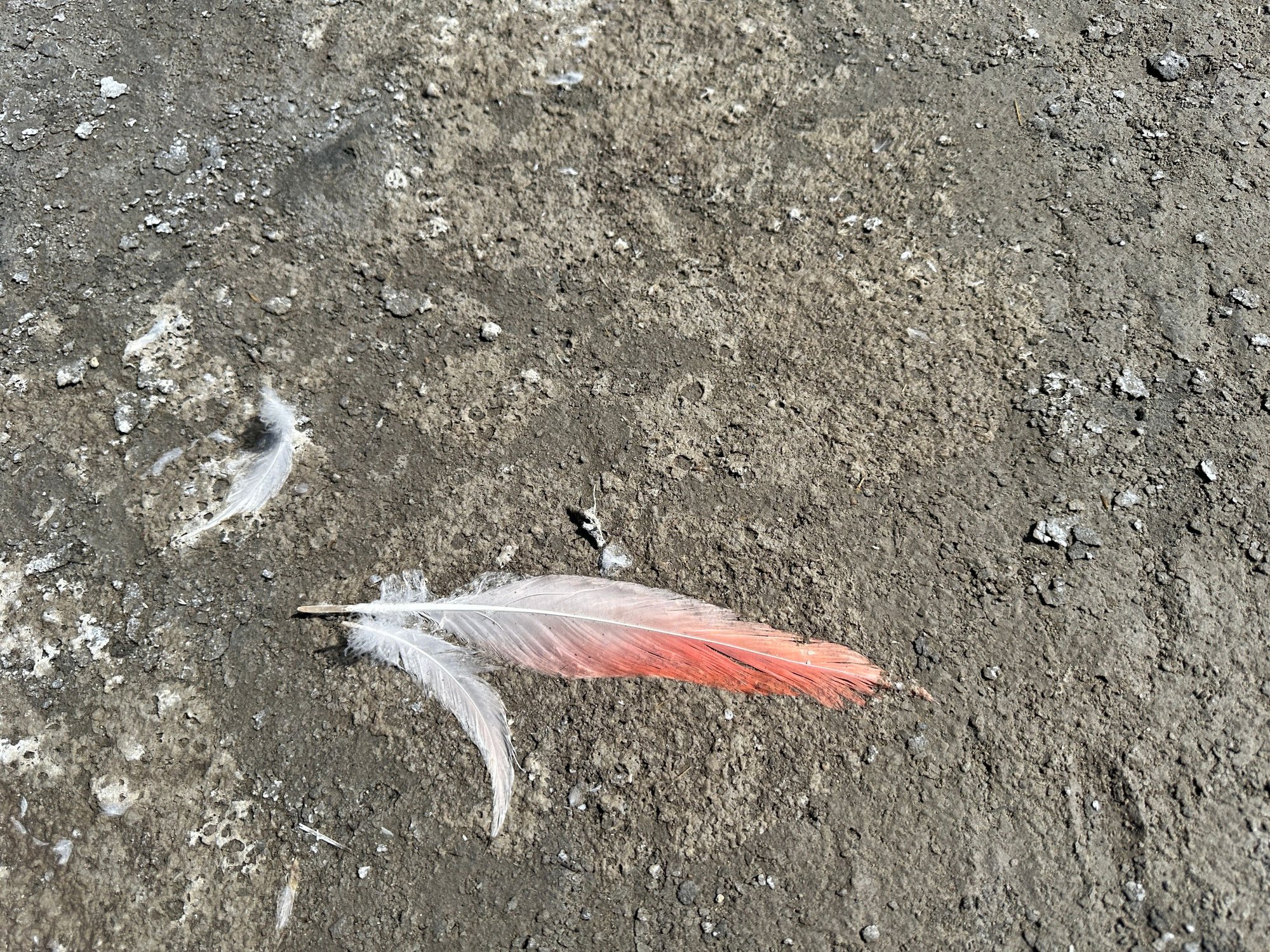
Flamingo feather
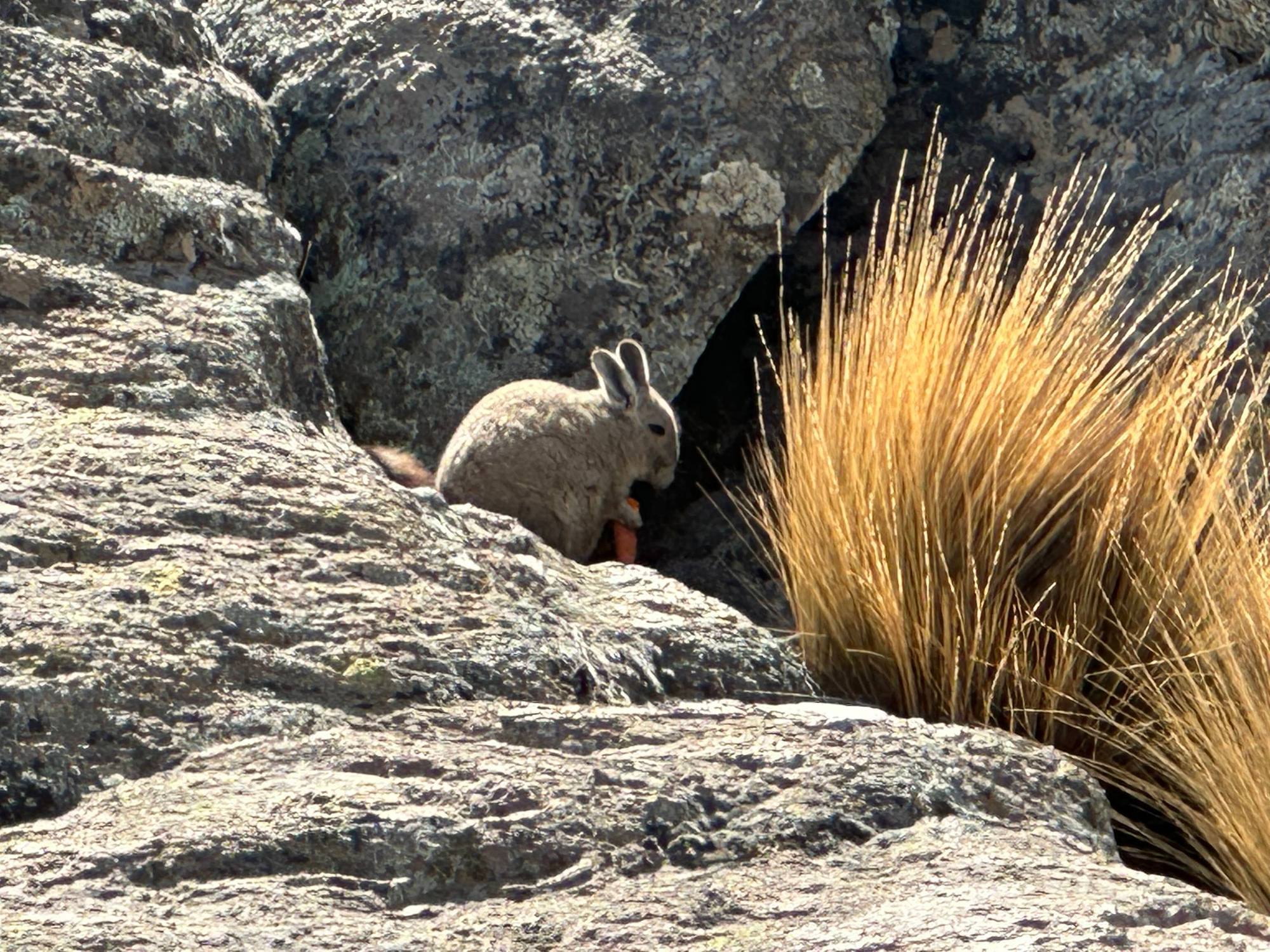
Mountain Viscacha— half rabbit half squirrel
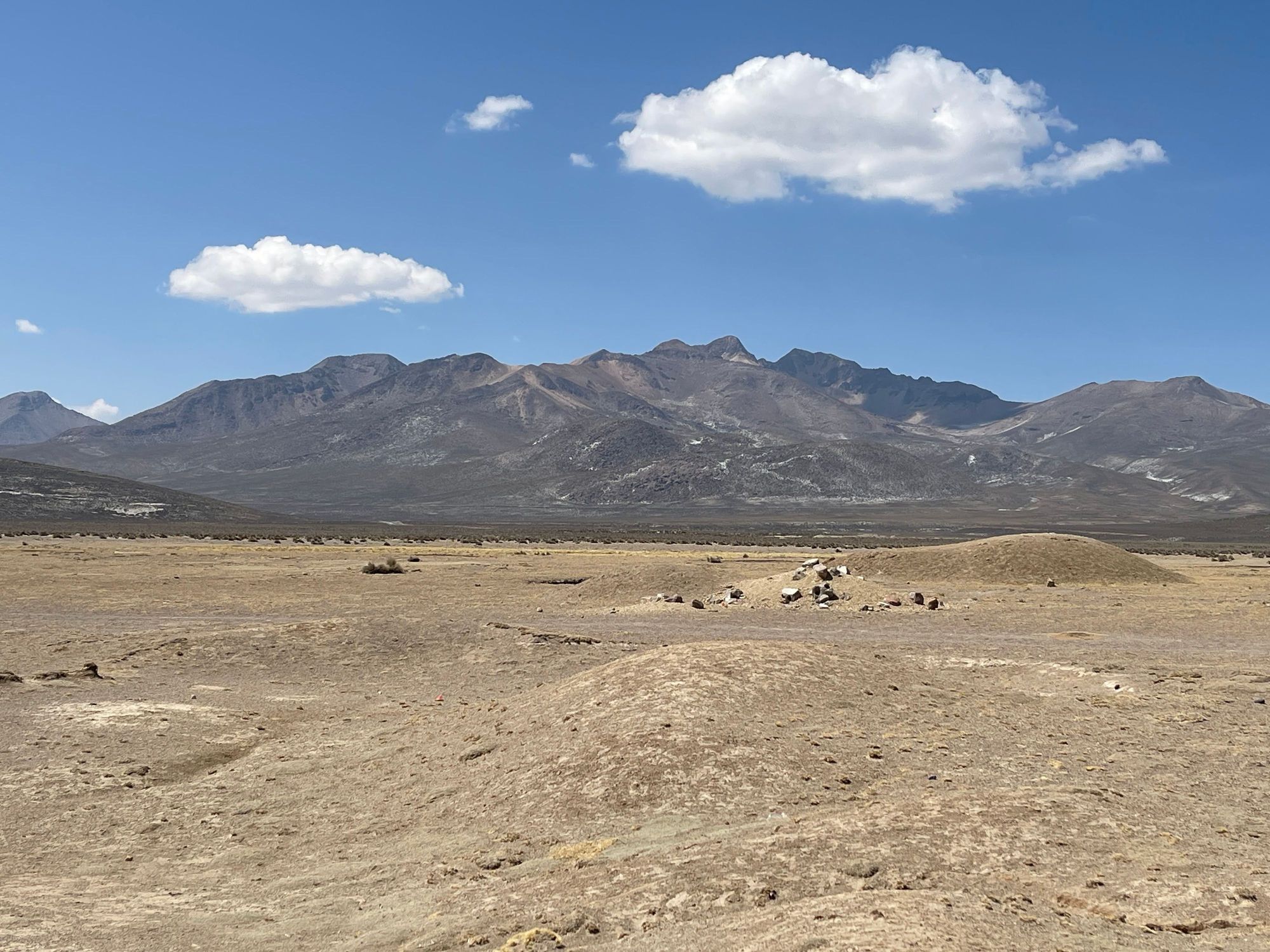
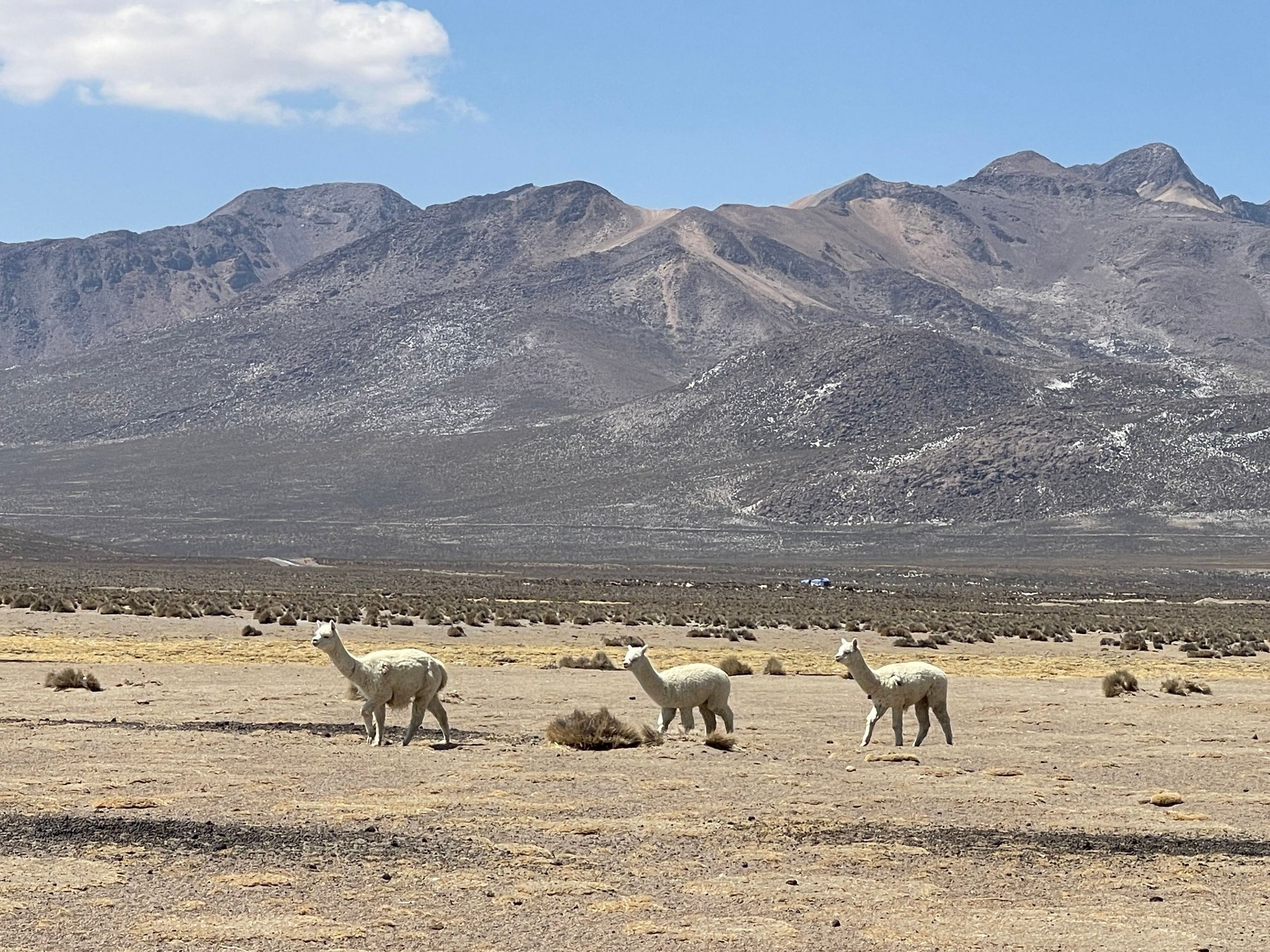
vicuñas, guanacos
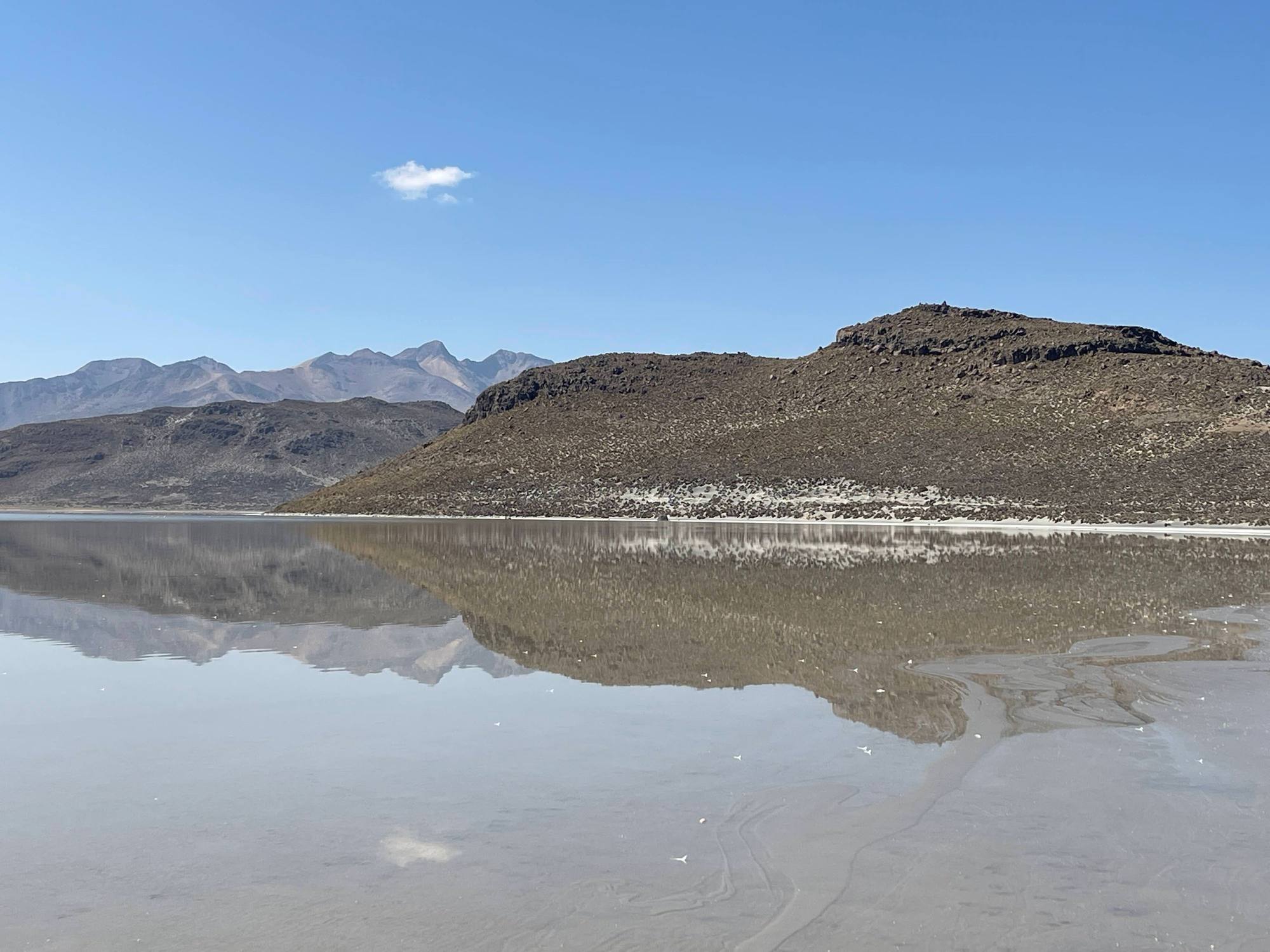
Our next stop would be the salt flat of the Salinas Reserve. The water mirrors from the salt pans created beautiful reflections for photography.
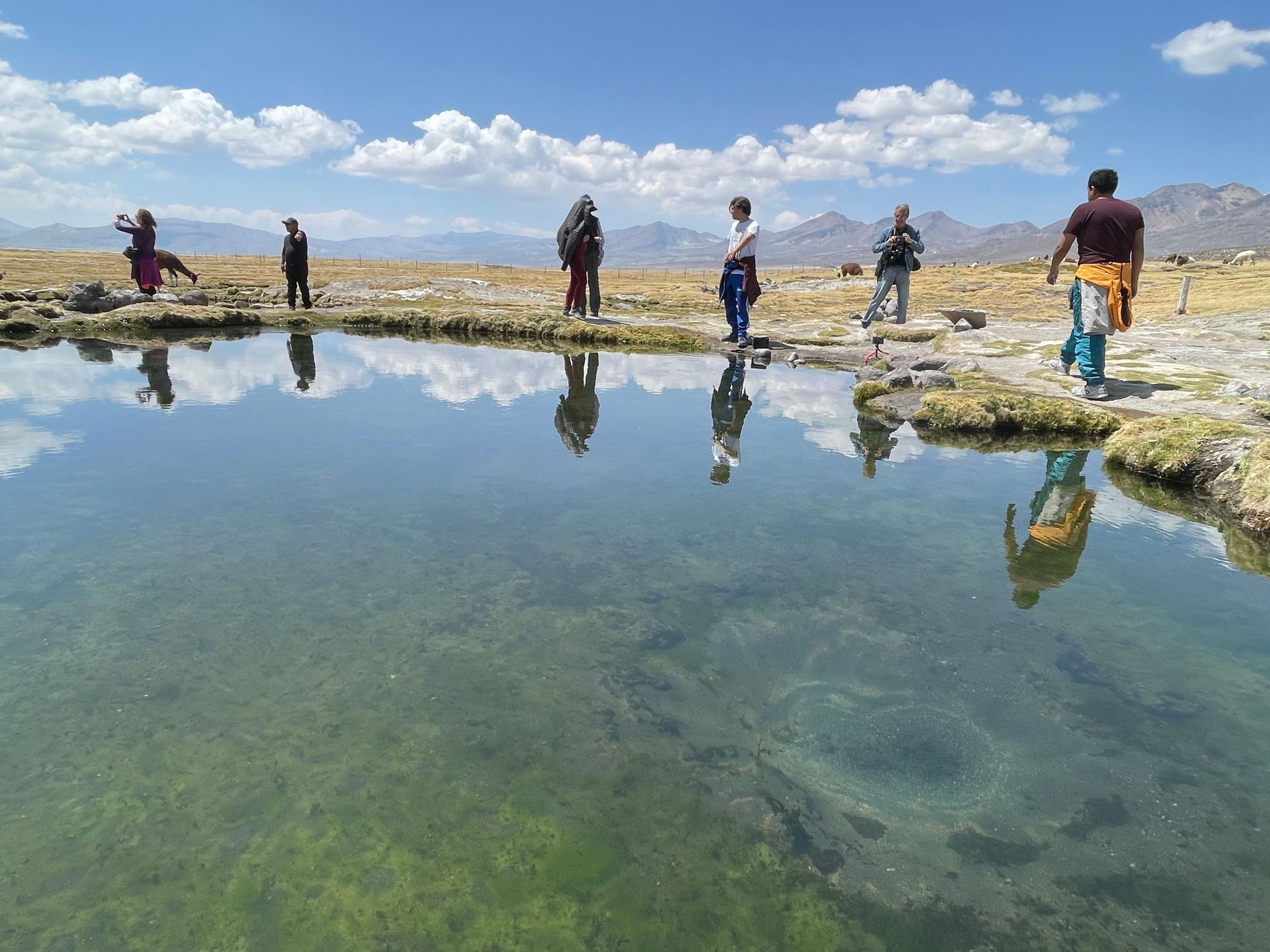
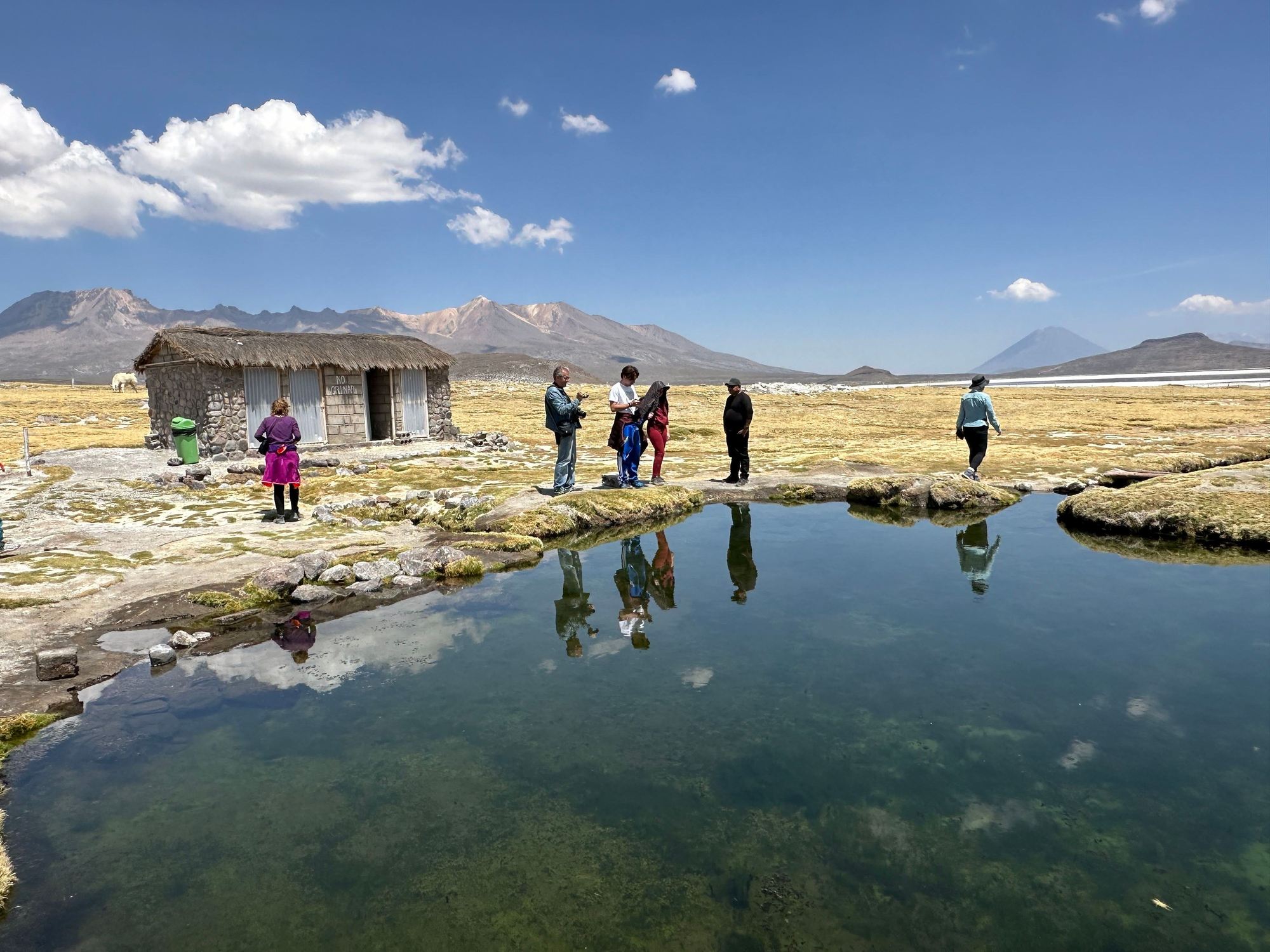
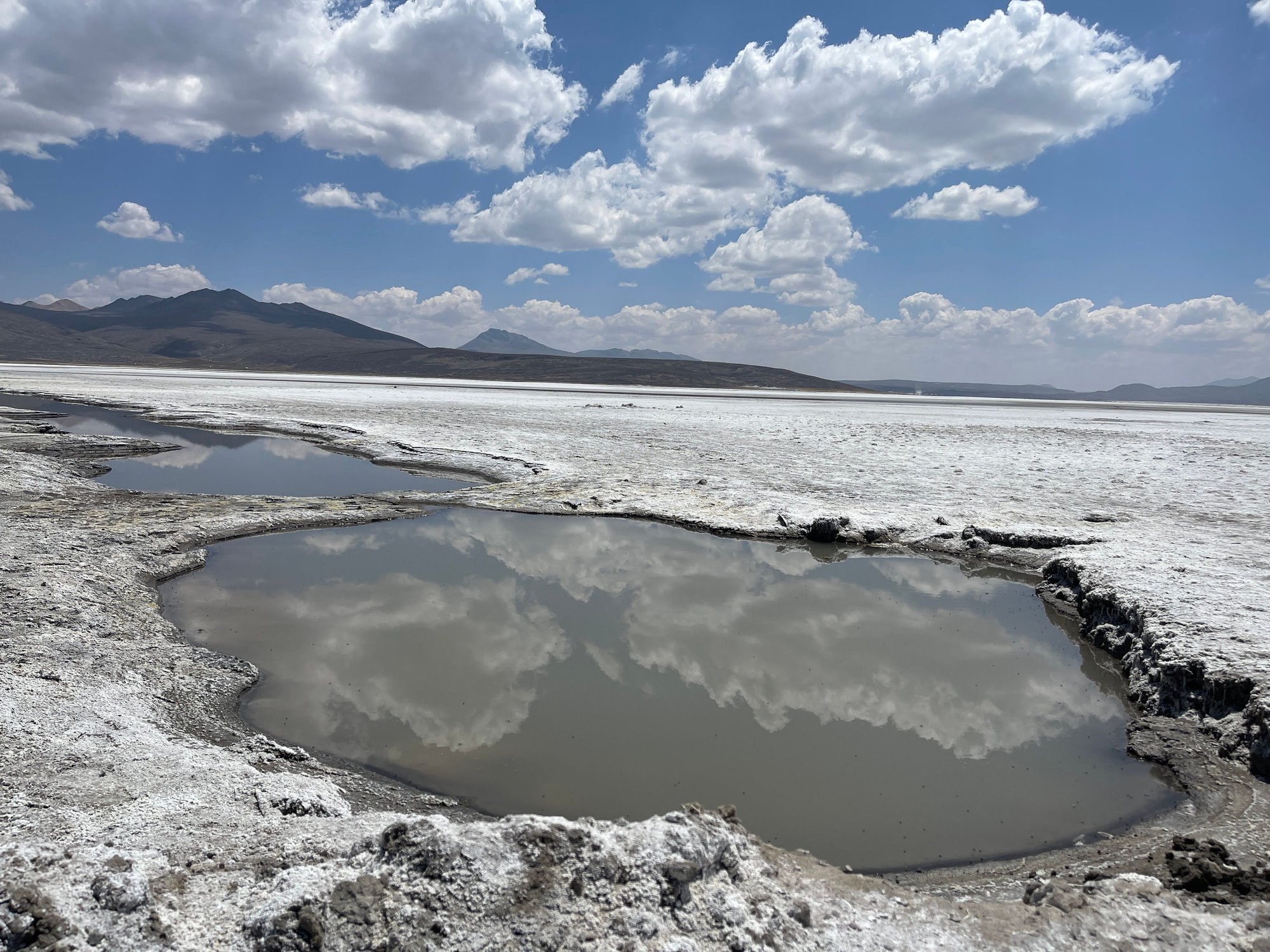
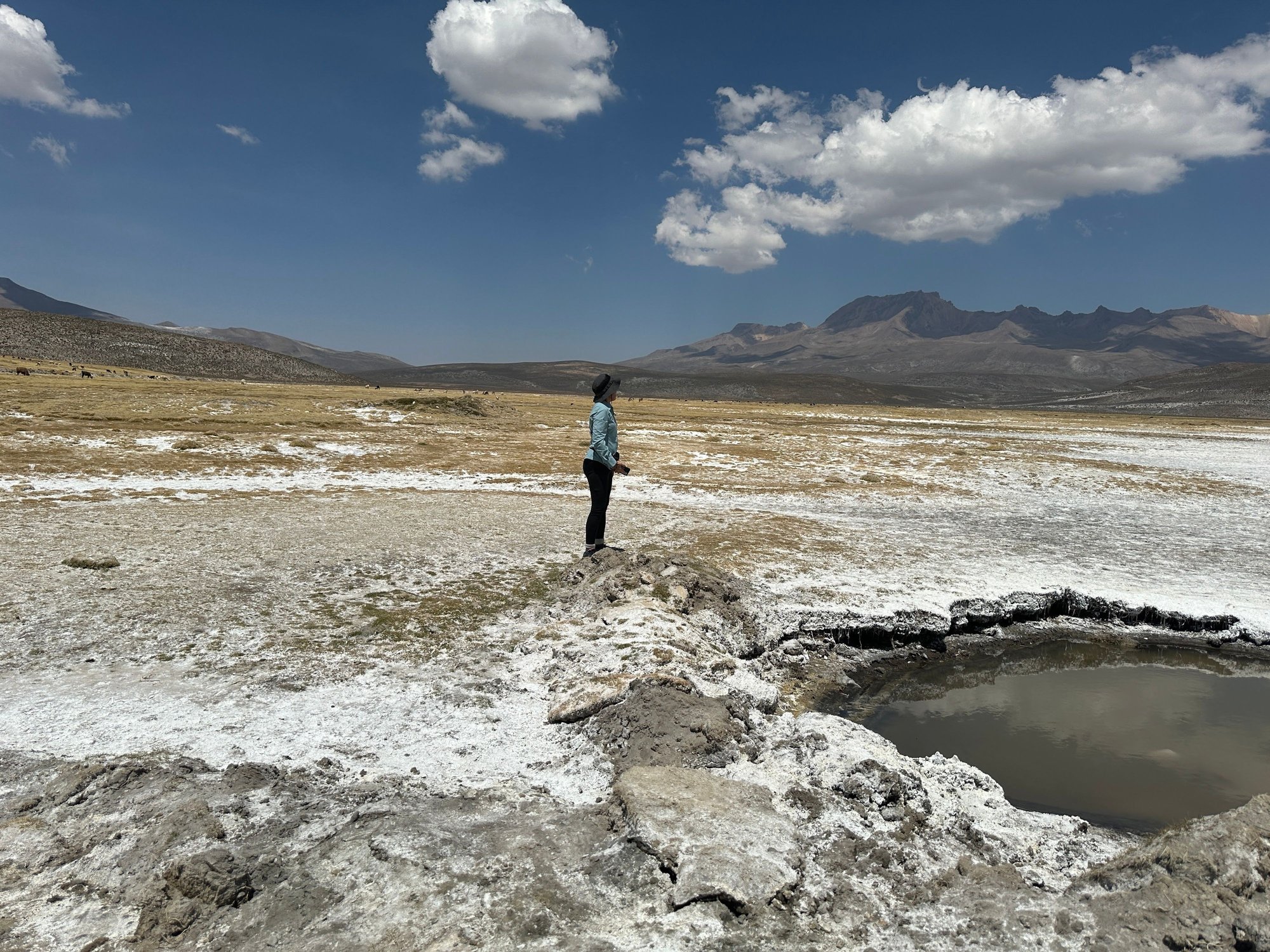
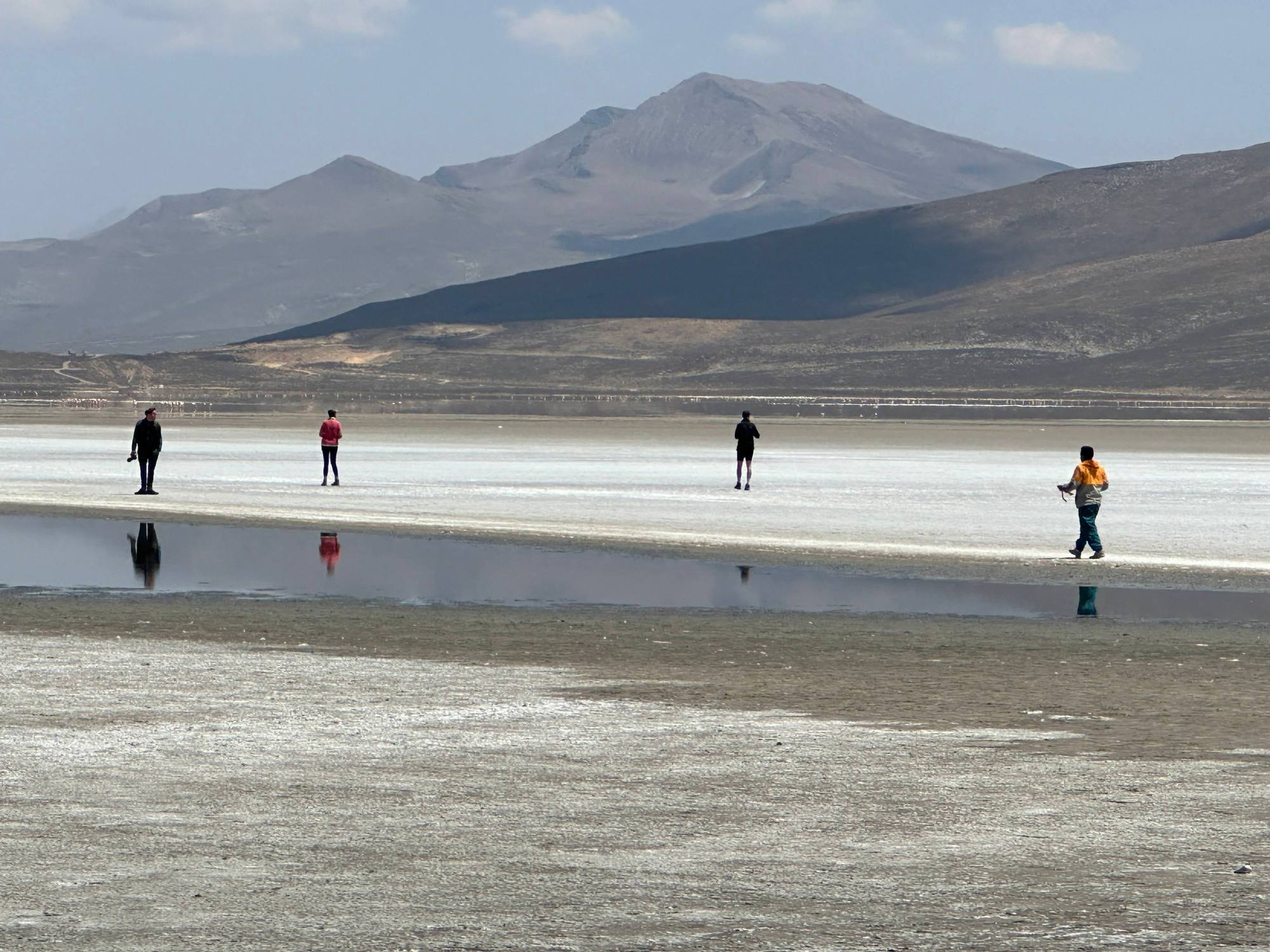
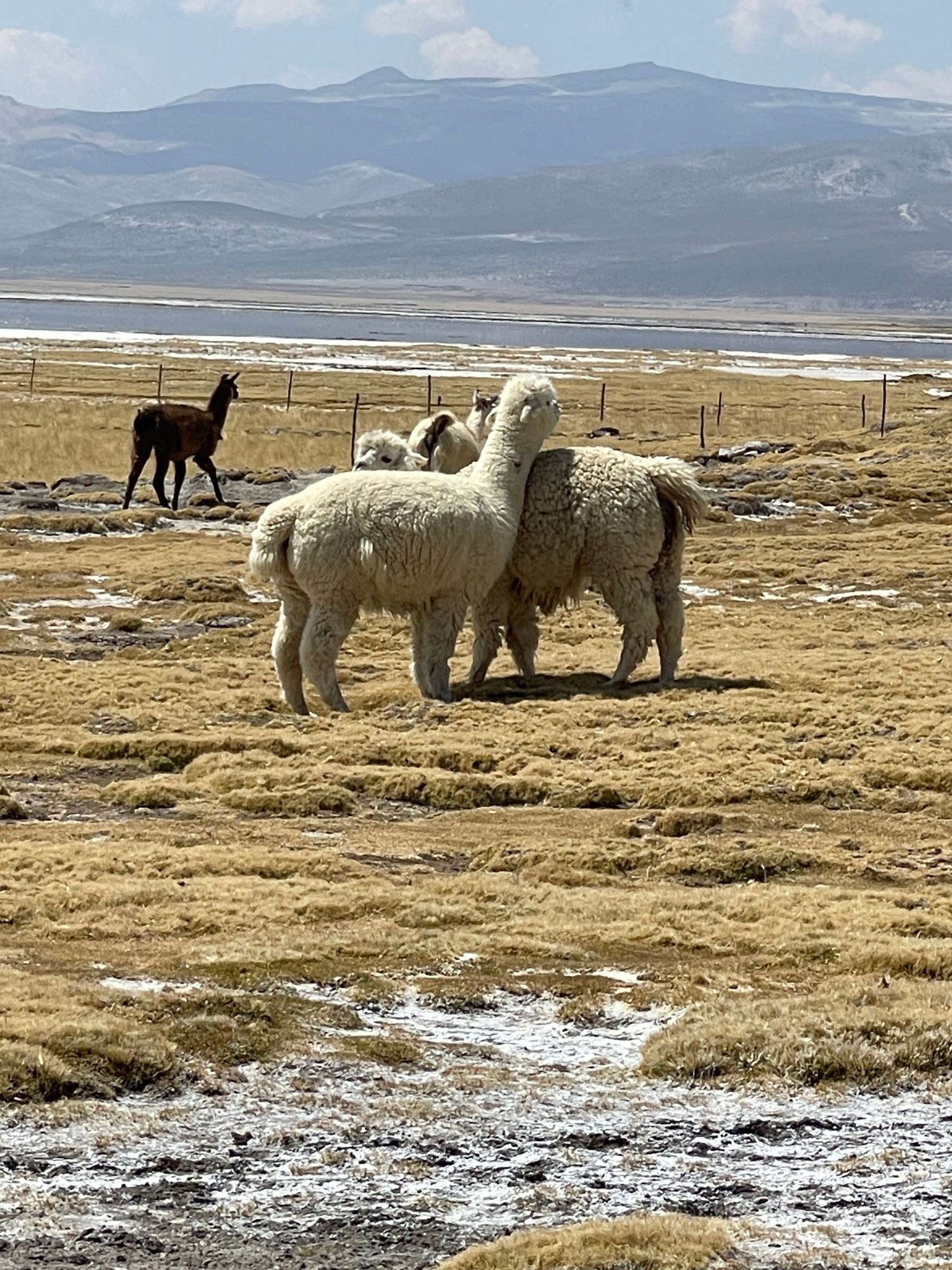
It was such a beautiful tour, and we achieved the altitude test with ease and no problems. There was a lady in our group really having a hard time.
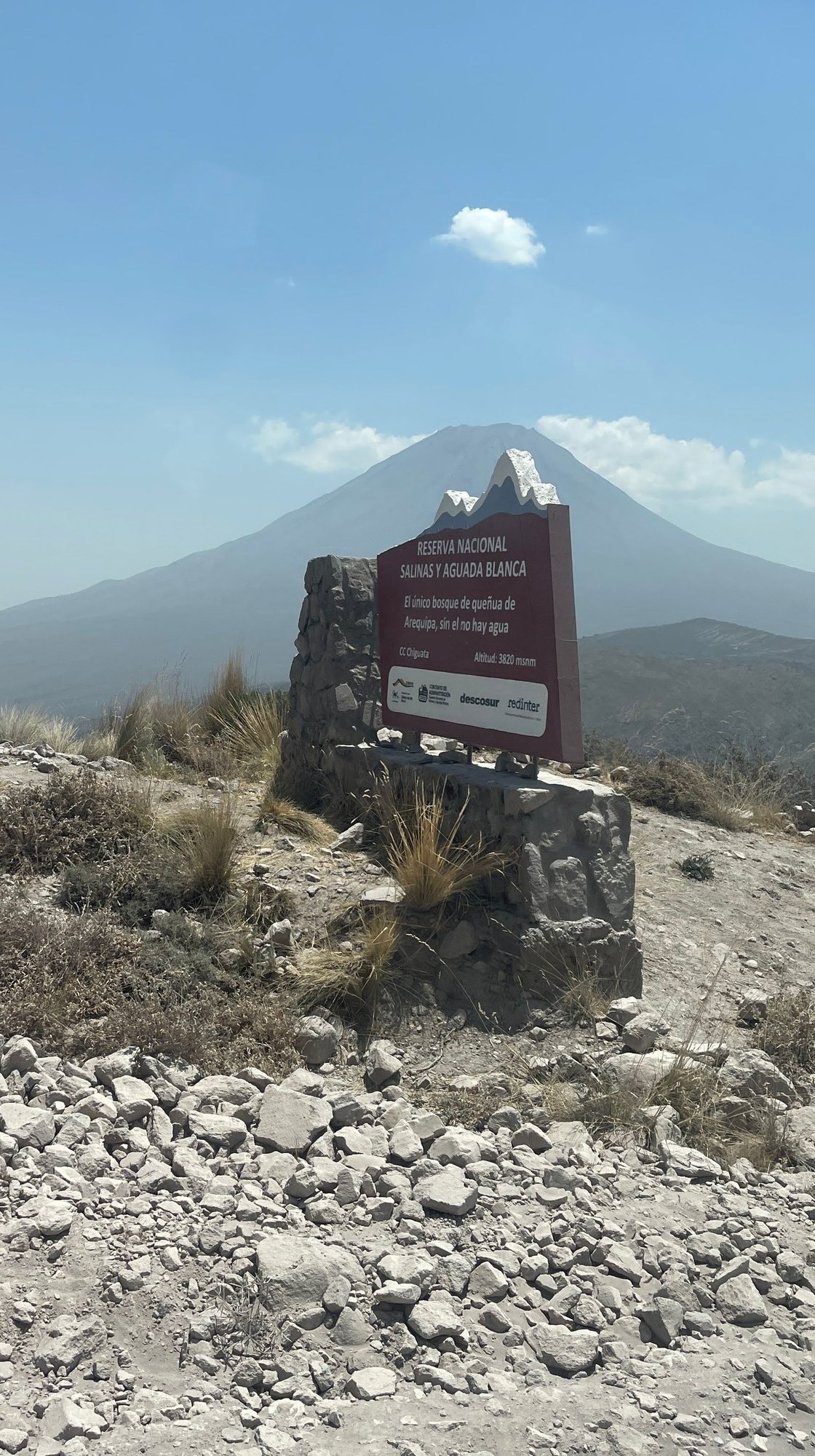
Concluded our tour, beautiful and magical!
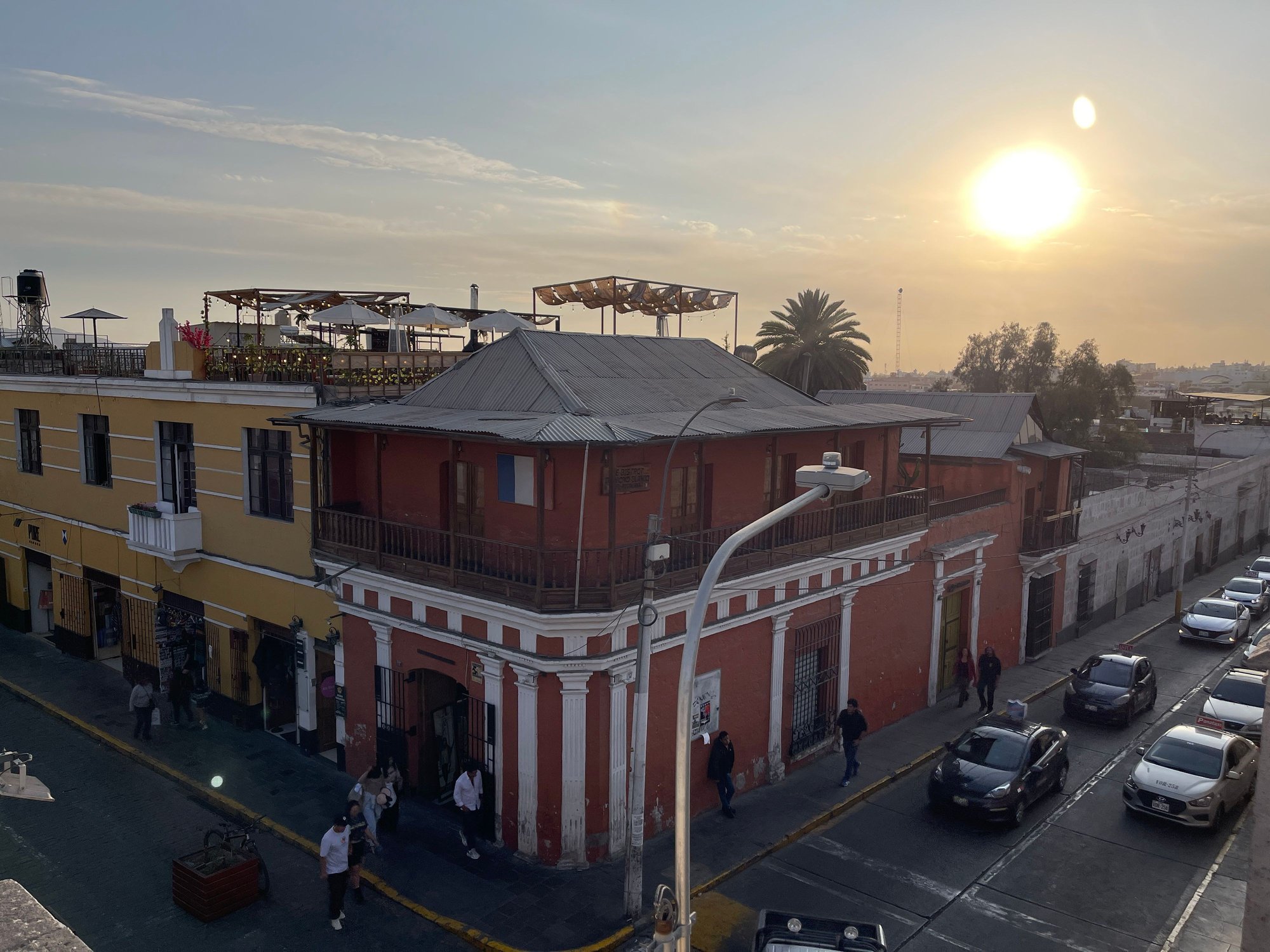
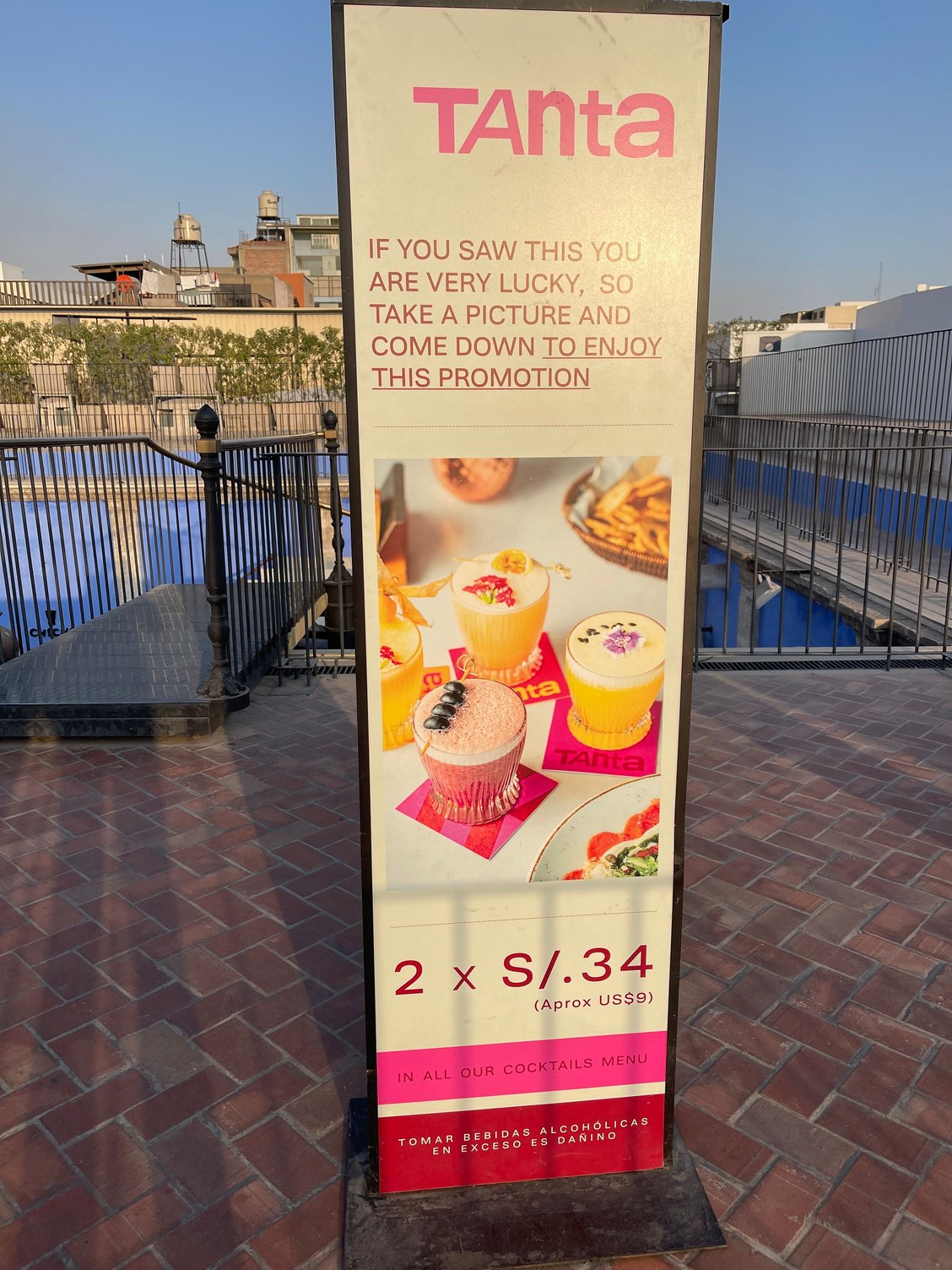
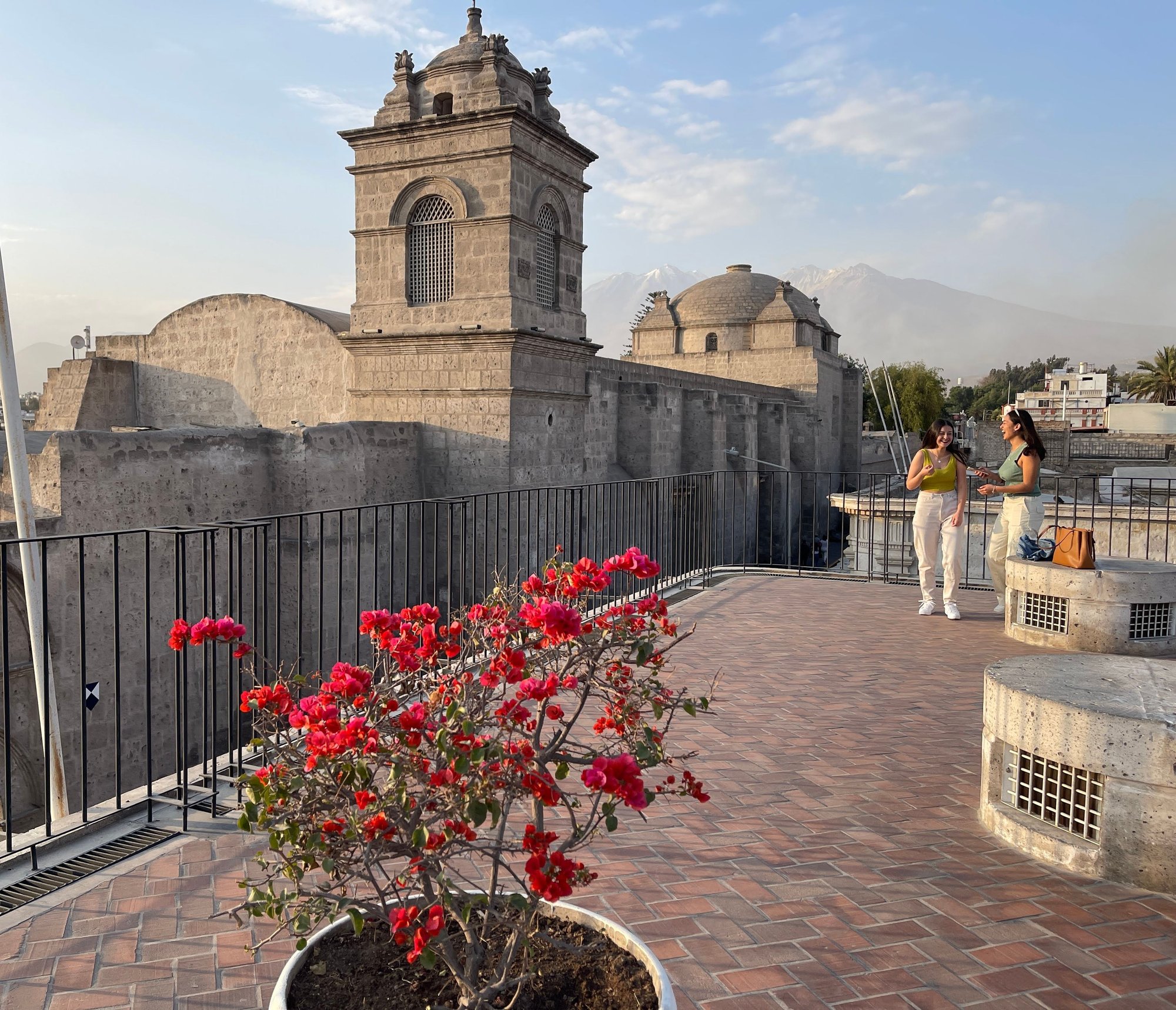
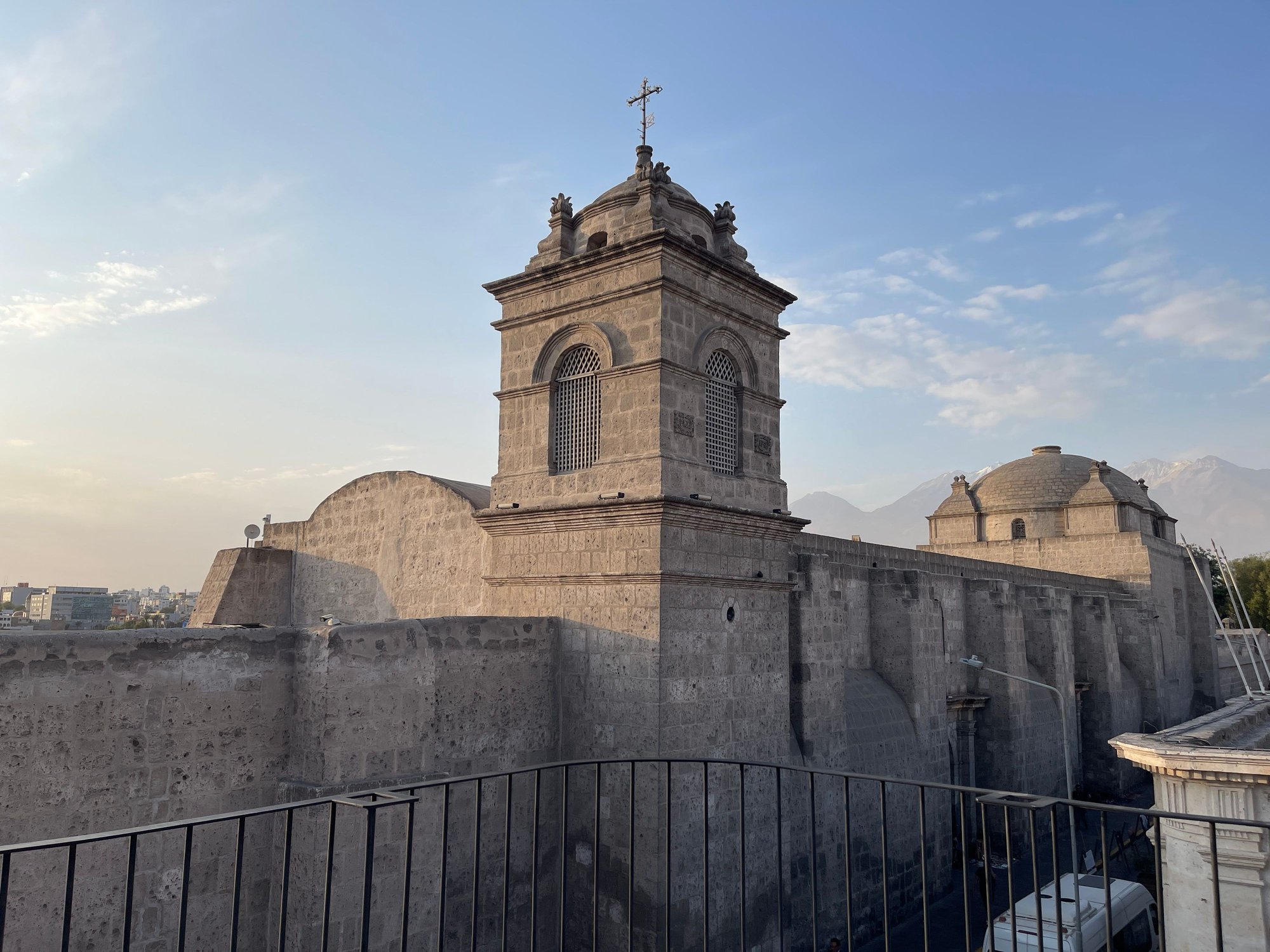
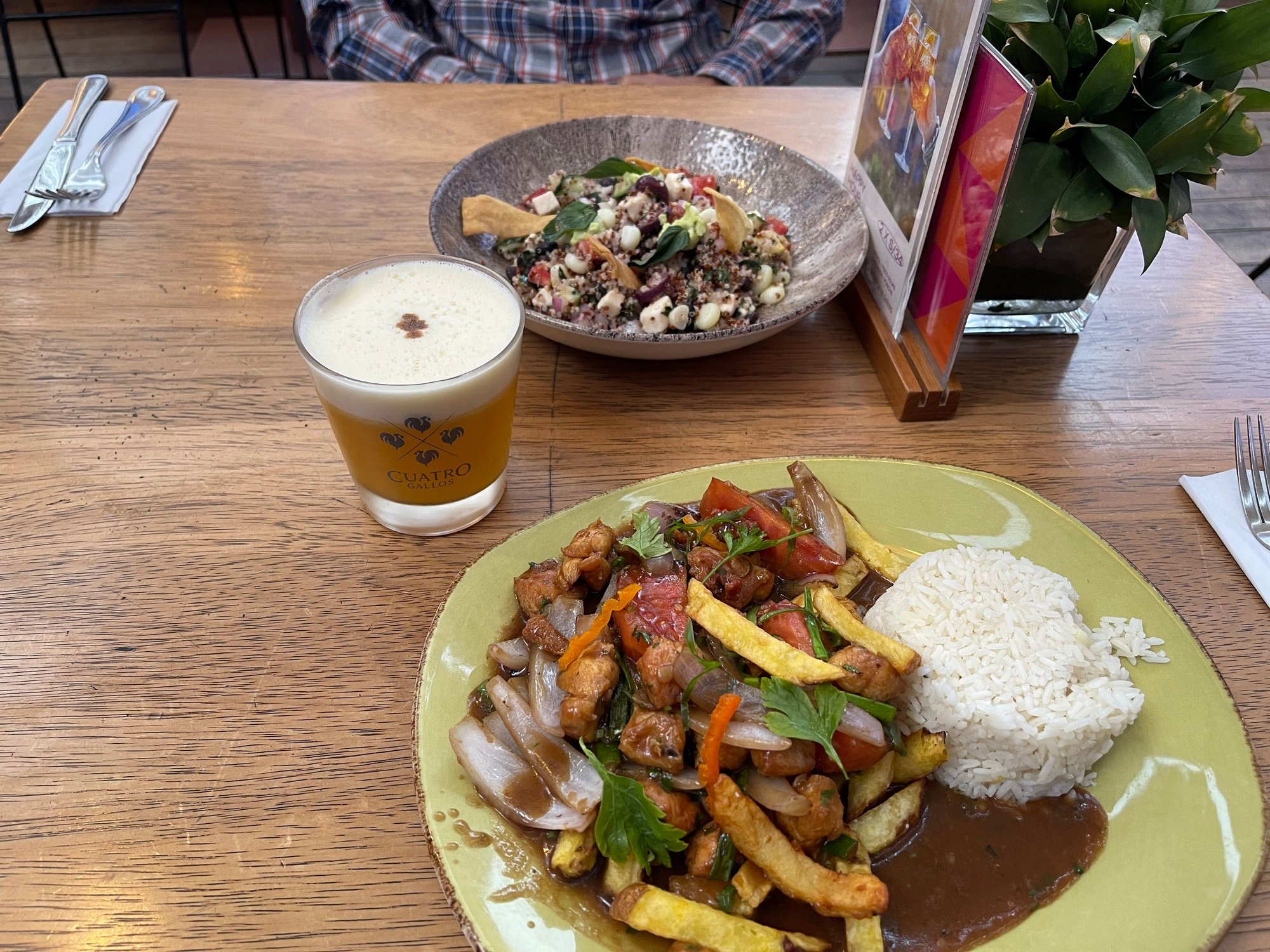
We returned to the city of Arequipa just in time for a nice sunset. We went to the Tanta restaurant near the Monastery of Saint Catherine. It was perfect way to end the beautiful day.
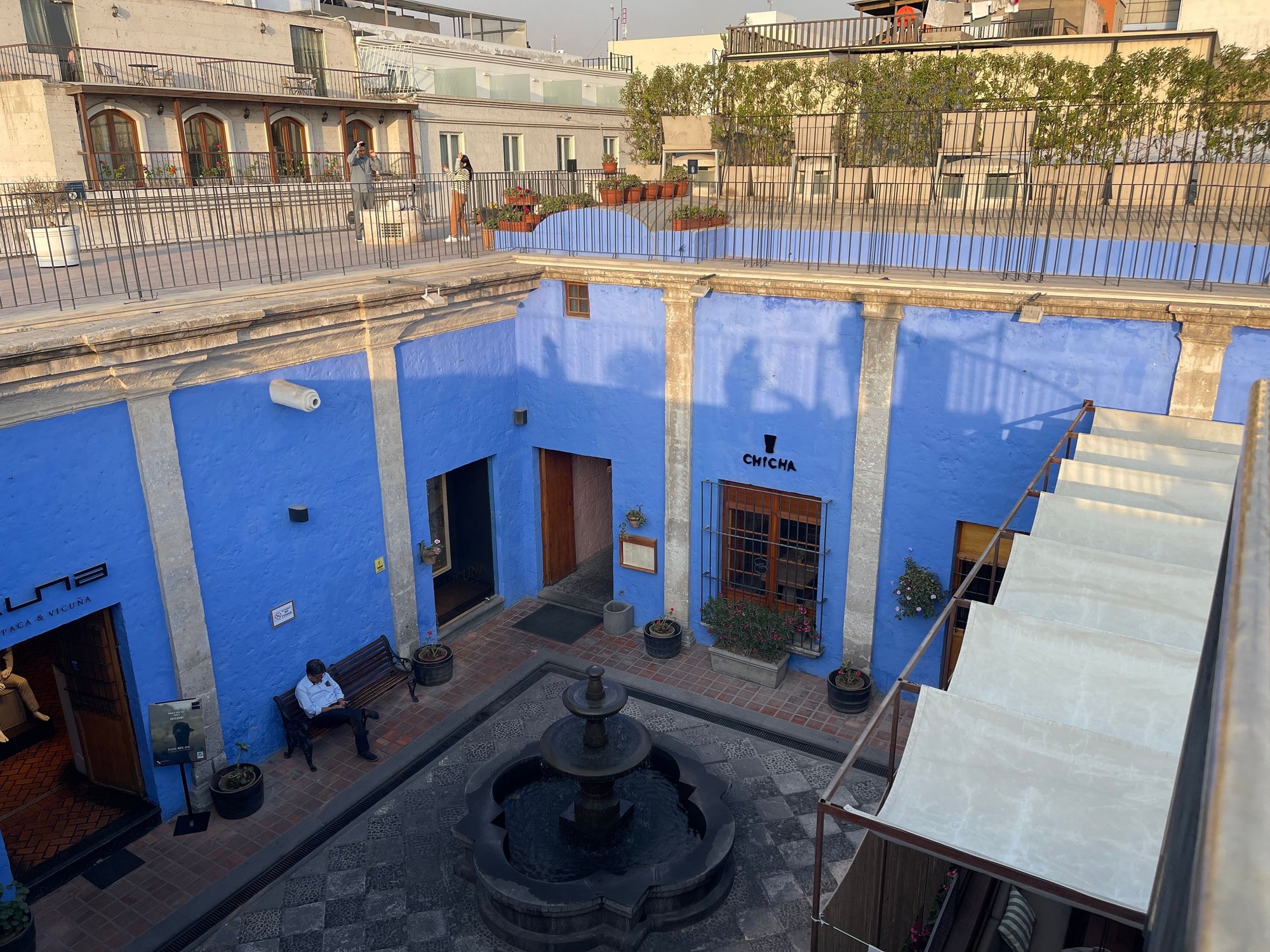
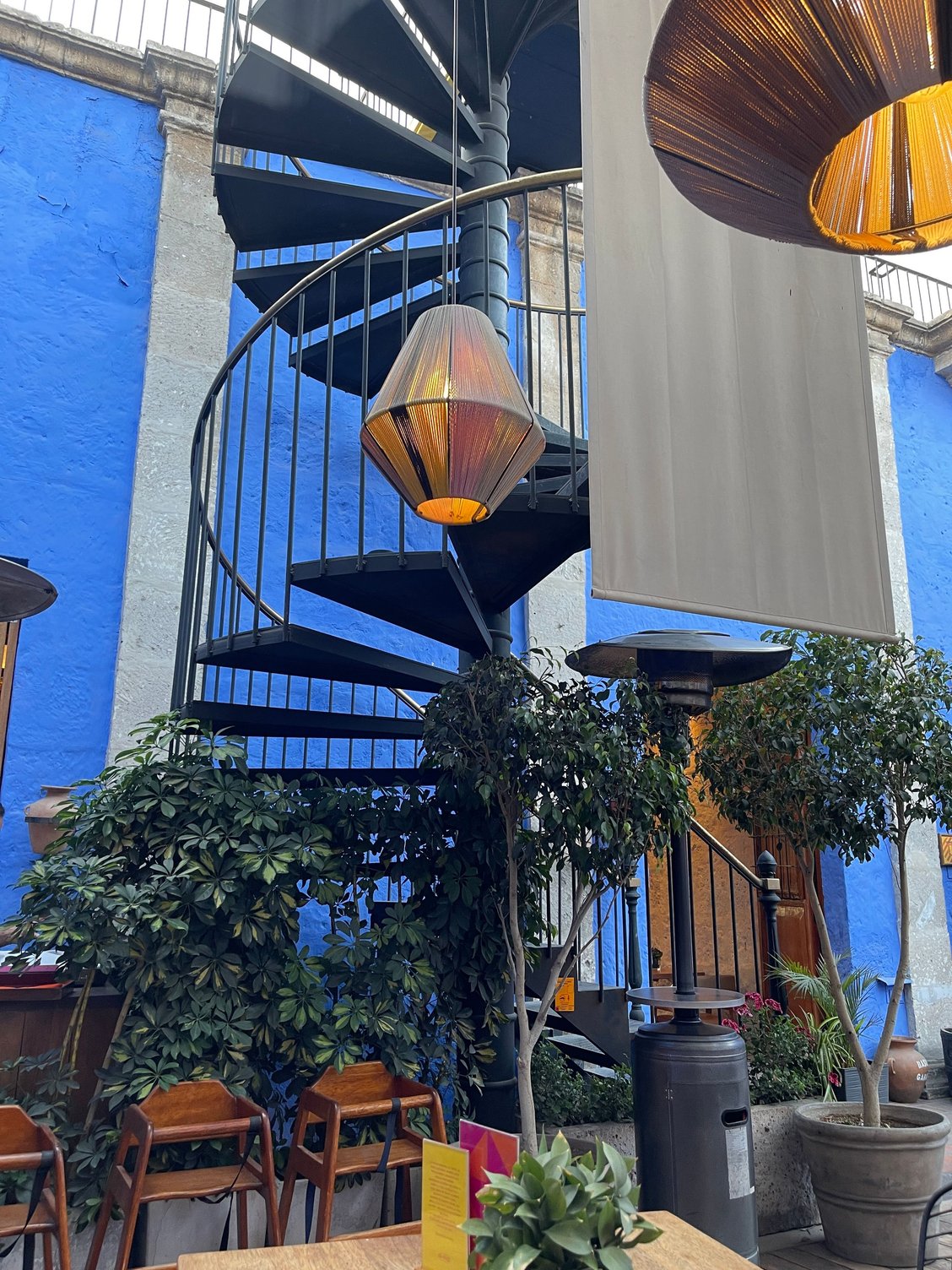
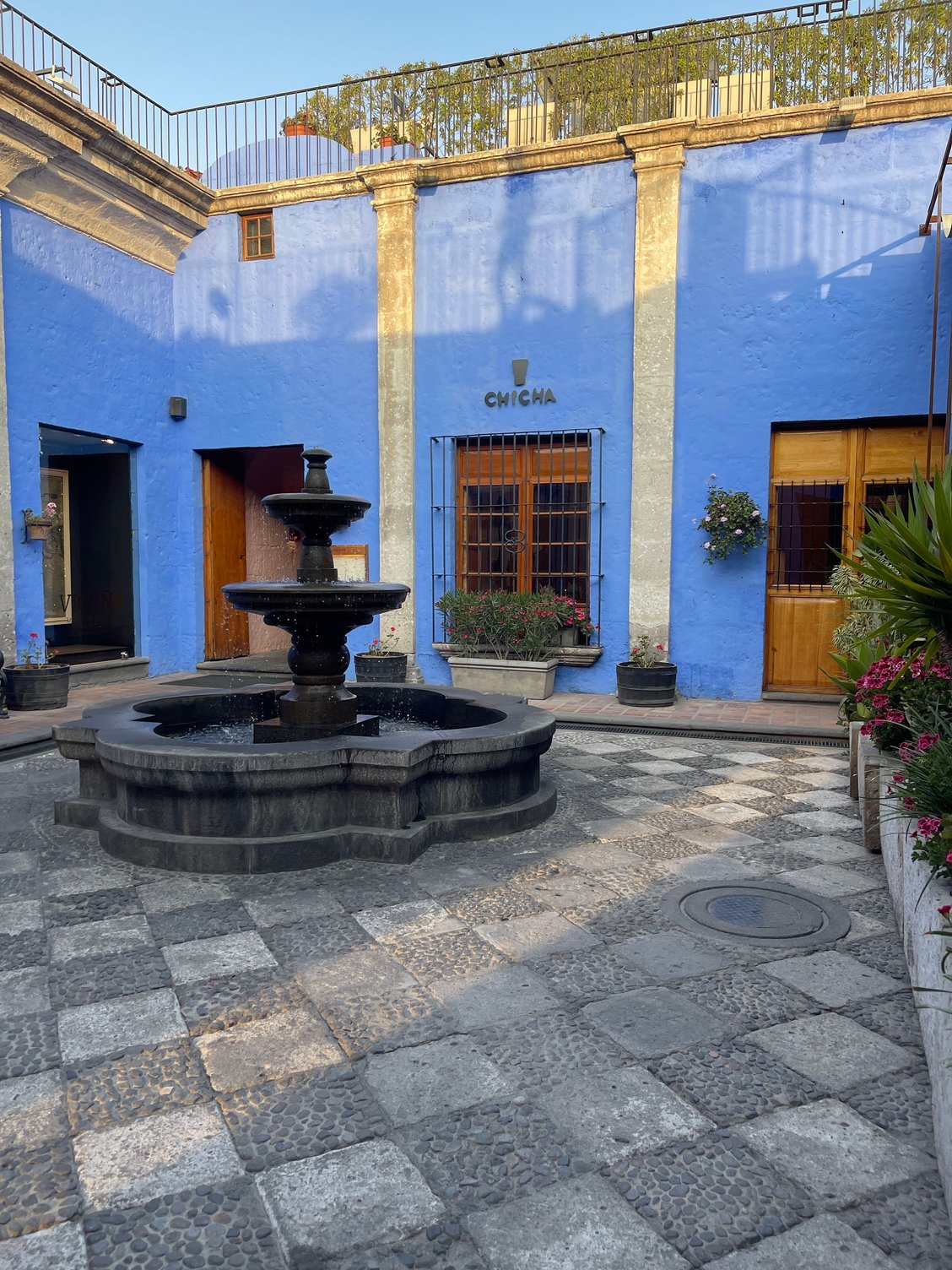
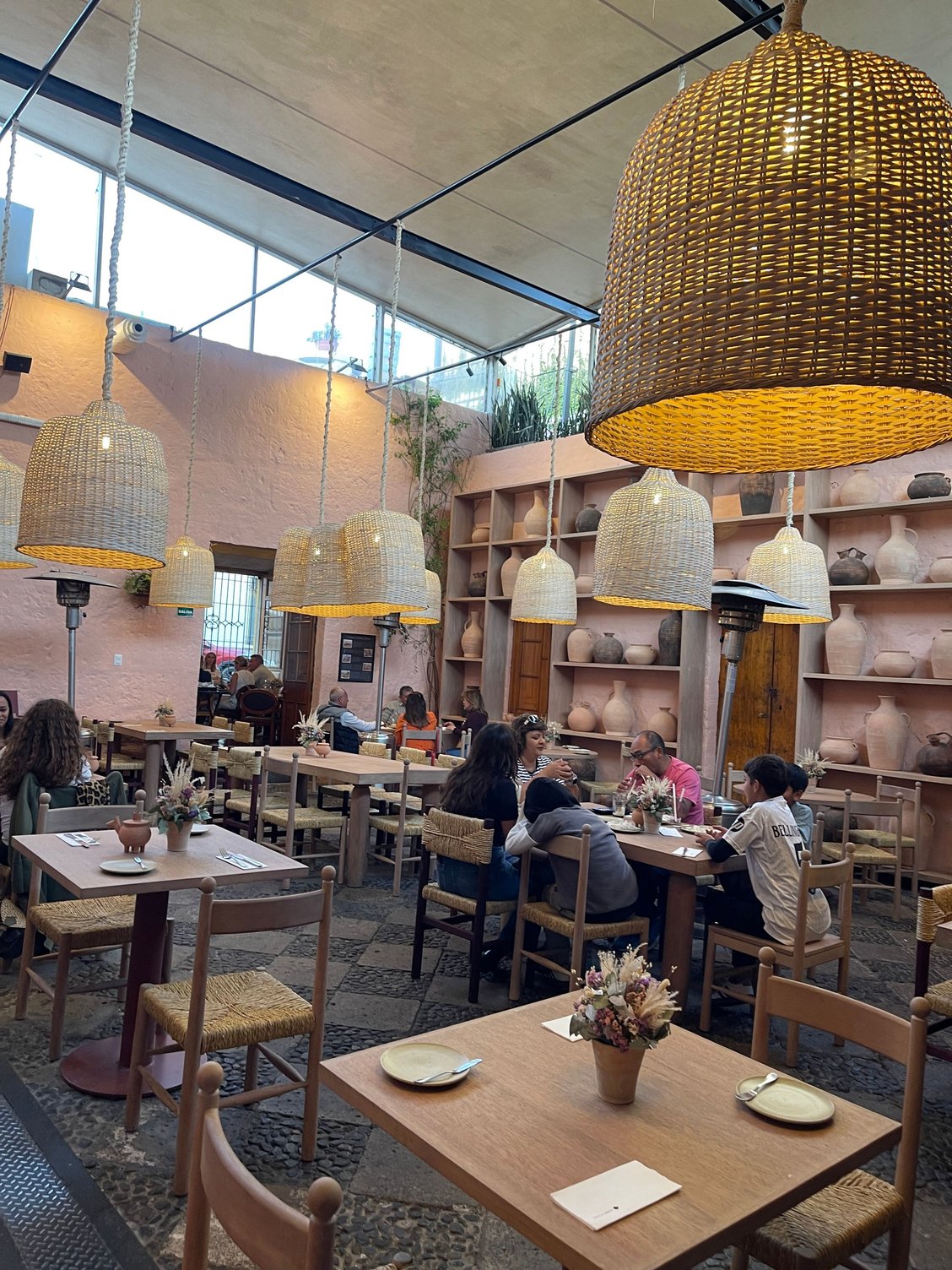
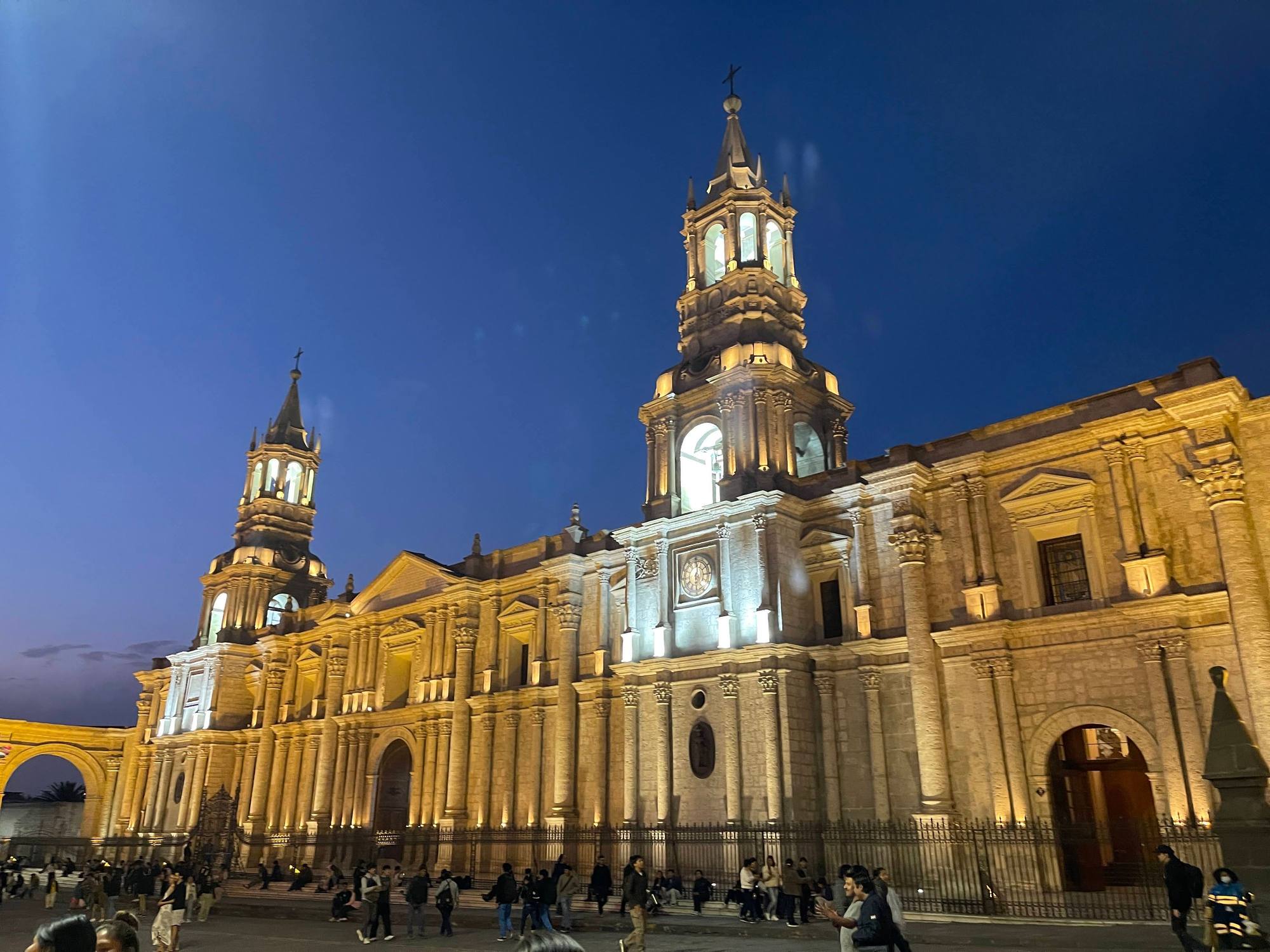
Back to the Cathedral
These are the three mountain ranges prominently around the Salinas and Aguada Blanca National Reserve:
Chachani-6075m
Misti-5825m
Pichu pichu-5694m
The tour started early in the morning. We had the hotel packed our breakfast to go as we were picked up at 6:00am. The tour group assembled in front of the Cathedral. It was nice to see the Cathedral in the early morning lights.
On the way, we had a spectacular view of the mountain ranges. The first stop will be in Chiguata, more than 3,000 m above sea level. When we arrived at Chiguata, we were told to get some coca sweets from the coffee shop, breakfast at our expense, and acclimated the altitude before continuing the ascent.
At the Mirador de los Volcanes, a panoramic point from where we could see three imposing guardians of the Arequipa landscape: the volcano Misti, the Chachani and the Pichu Pichu.
In the Natural area we saw vicuñas, guanacos, different species of South American camelids, also in the lagoons with the traditional high Andean flamingo. It was very beautiful at the lagoons.
vicuñas, guanacos
vicuñas, guanacos
Flamingo feather
Mountain Viscacha— half rabbit half squirrel
vicuñas, guanacos
Our next stop would be the salt flat of the Salinas Reserve. The water mirrors from the salt pans created beautiful reflections for photography.
It was such a beautiful tour, and we achieved the altitude test with ease and no problems. There was a lady in our group really having a hard time.
Concluded our tour, beautiful and magical!
We returned to the city of Arequipa just in time for a nice sunset. We went to the Tanta restaurant near the Monastery of Saint Catherine. It was perfect way to end the beautiful day.
Back to the Cathedral
Well, two stunning things about this most recent installment: first, those remarkable photos from the Culebrillas and Chiguata areas (what nature-lover could resist wanting to visit, after seeing them?); and second, your assertion farther above that English is not your native language, for you write as well as if it were.

