


38N in Germany and north Italy (+ Prague and Wroclaw)

 May 25th, 2026 | 07:33 AM
#82
Original Poster
Joined: Jan 2015
Posts: 4,329
Likes: 19
Day 20: Quedlinburg:
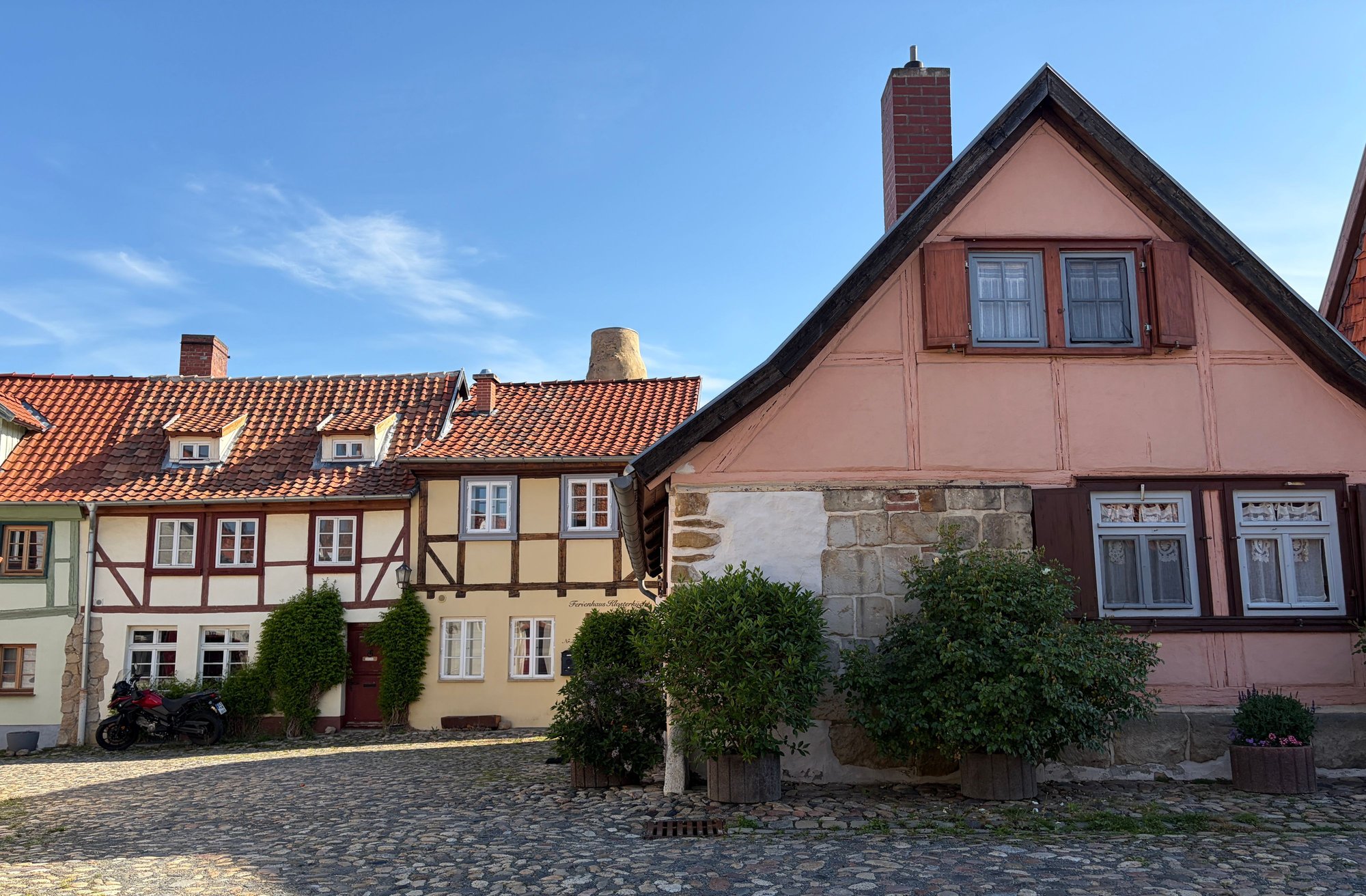
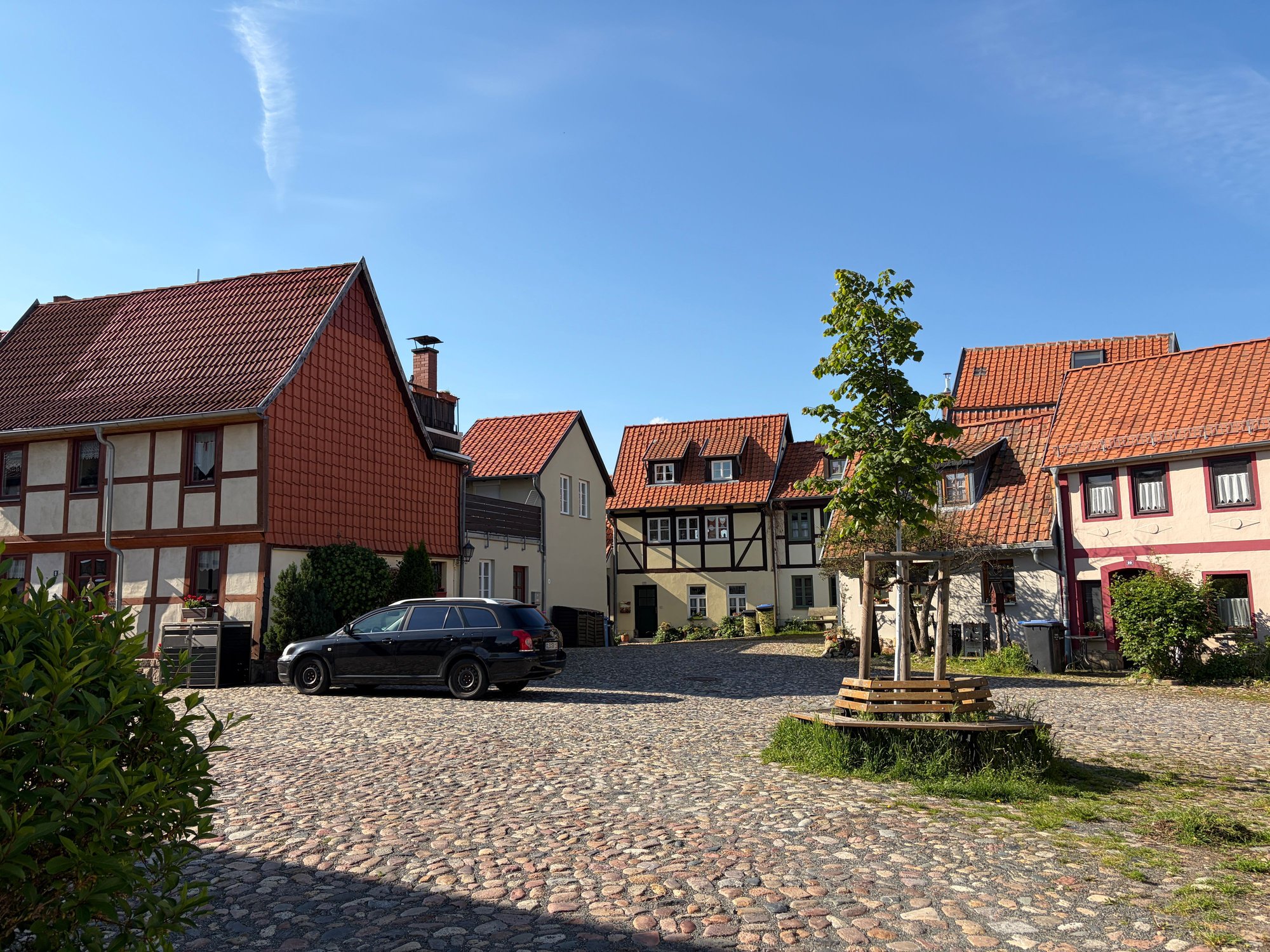
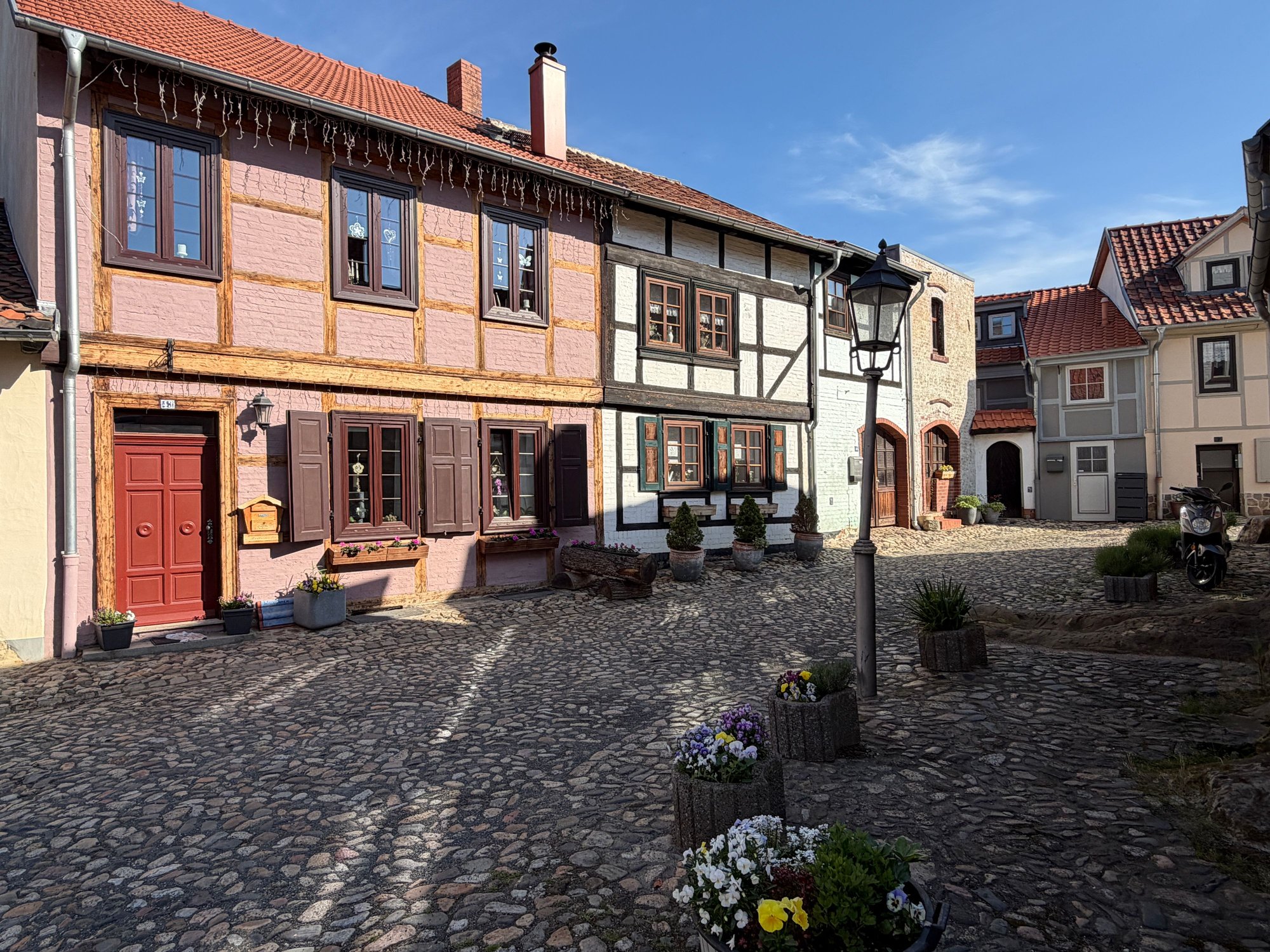
Early breakfast and a 5 minute wander over to Münzenberg, a tiny community on a hill.
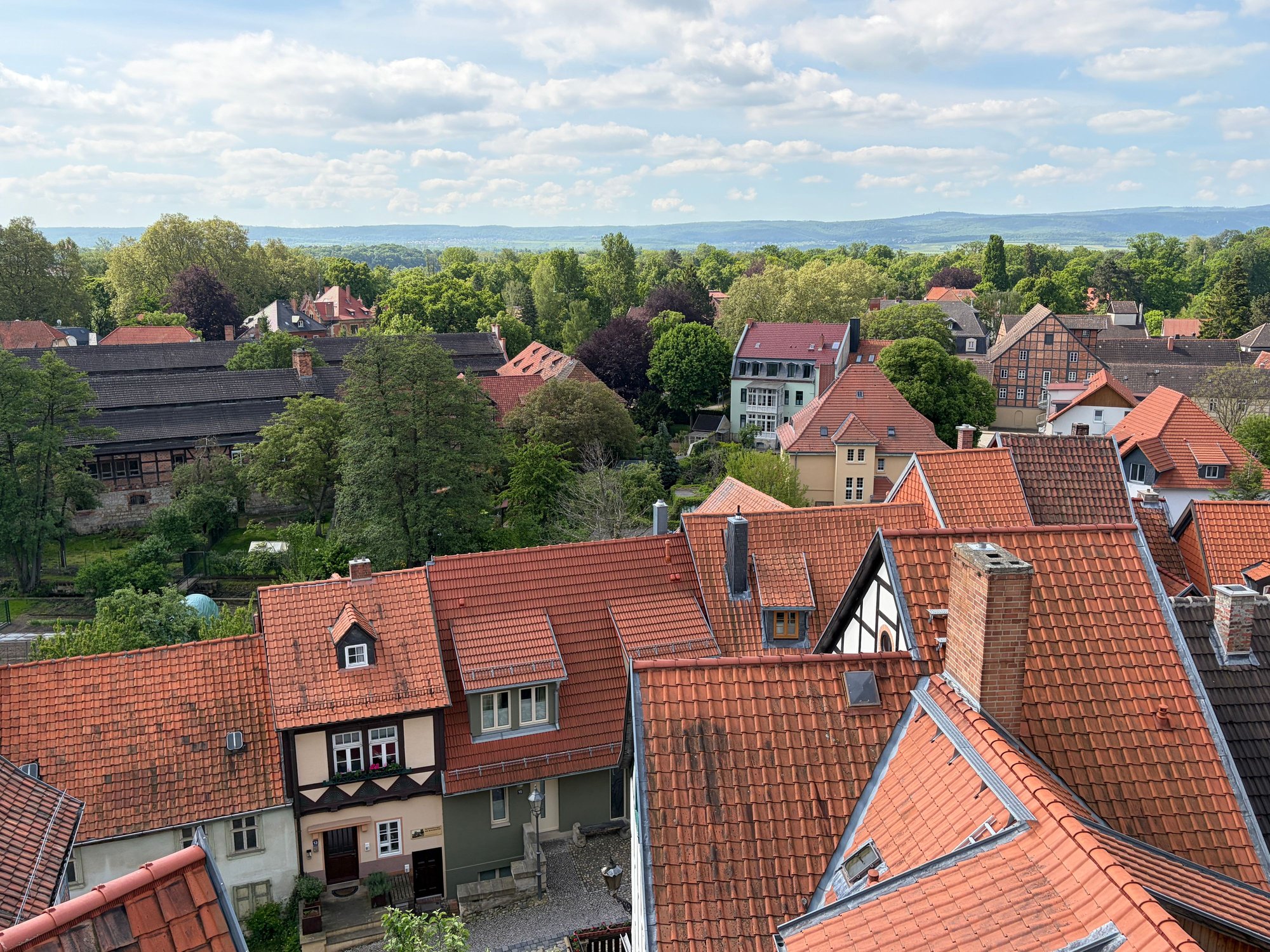
Tiny lanes, historic homes, protected by the old wall.
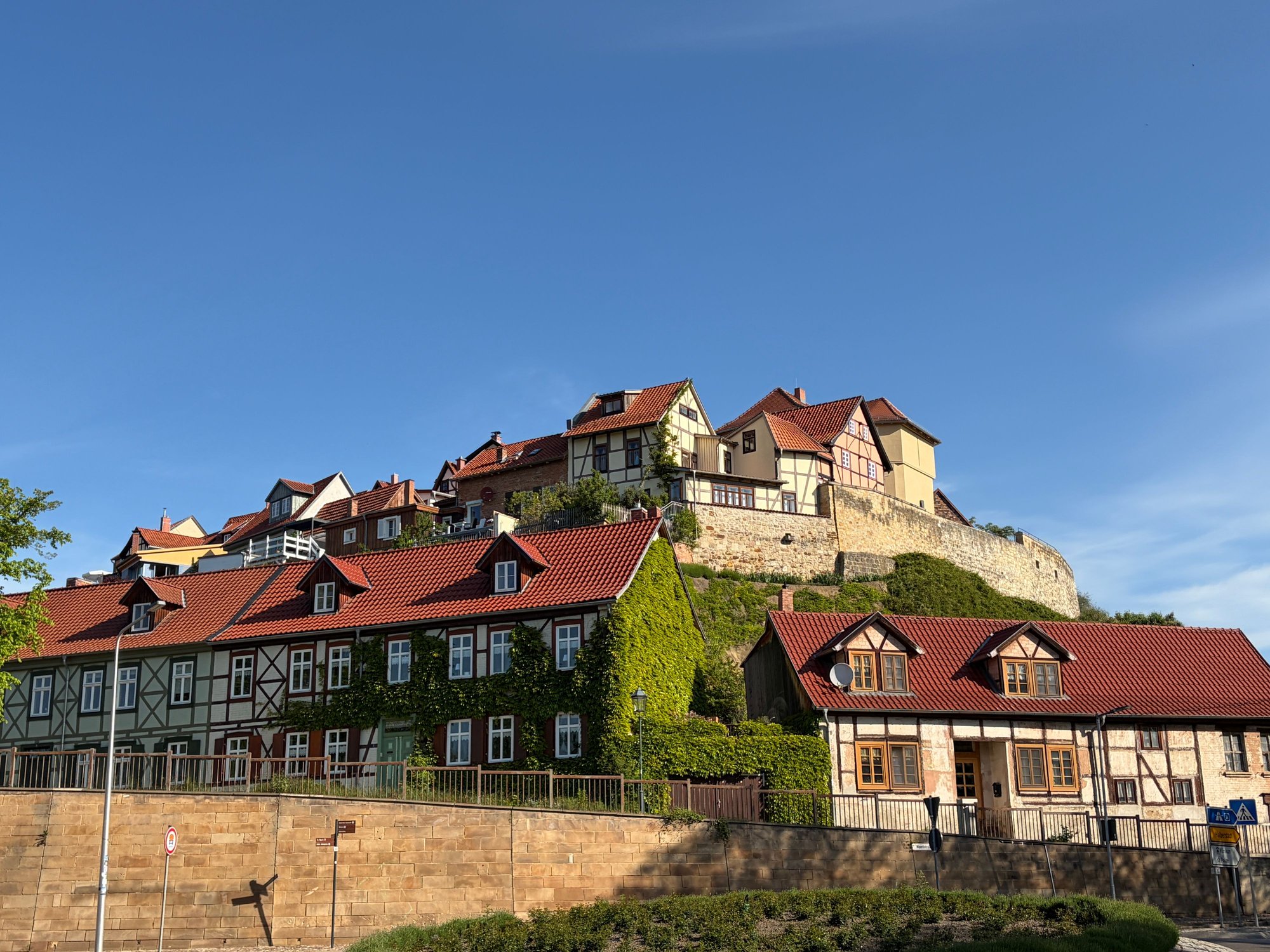
On the hilltop - tiny community
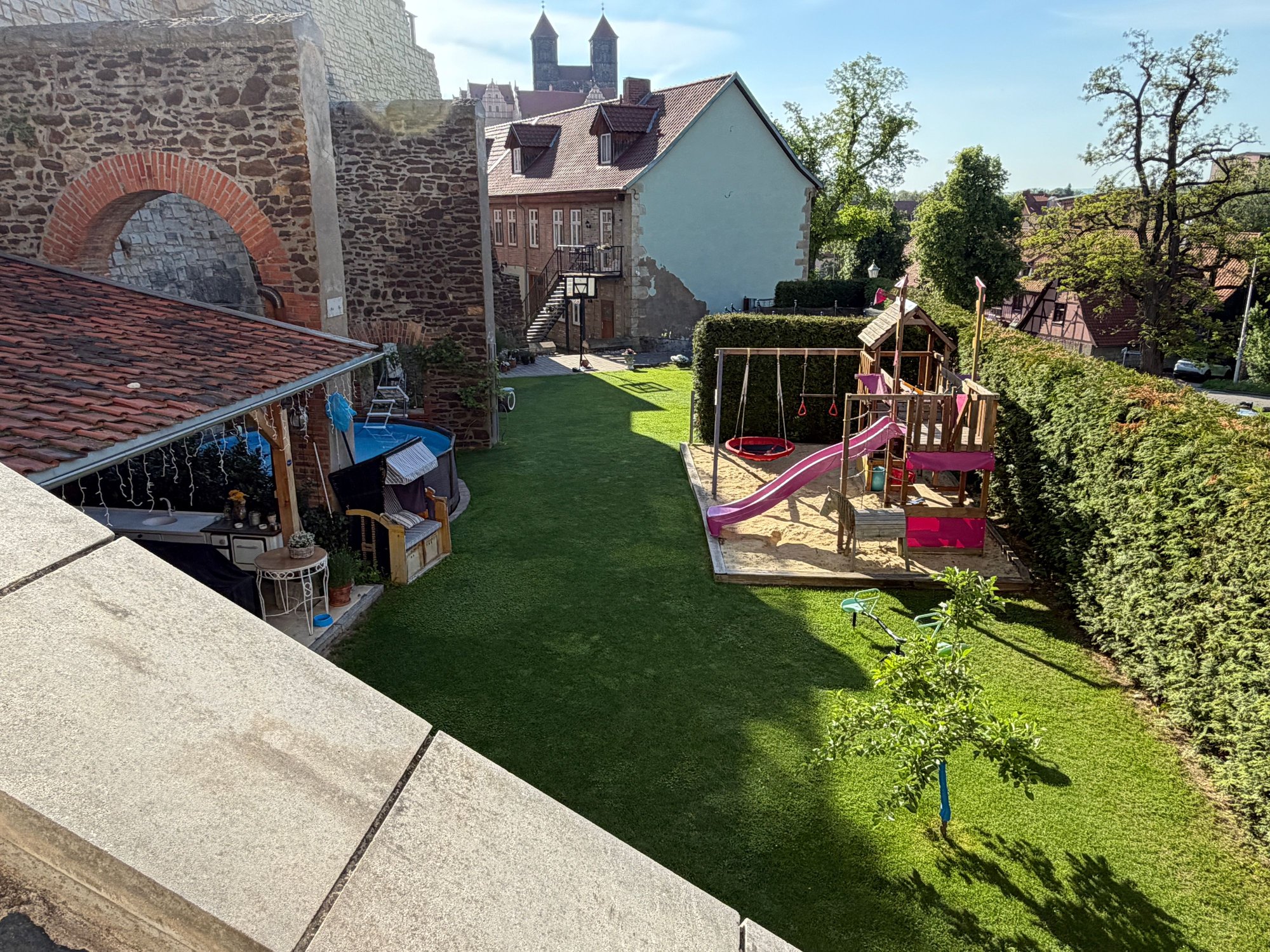
When your backyard meets the walls
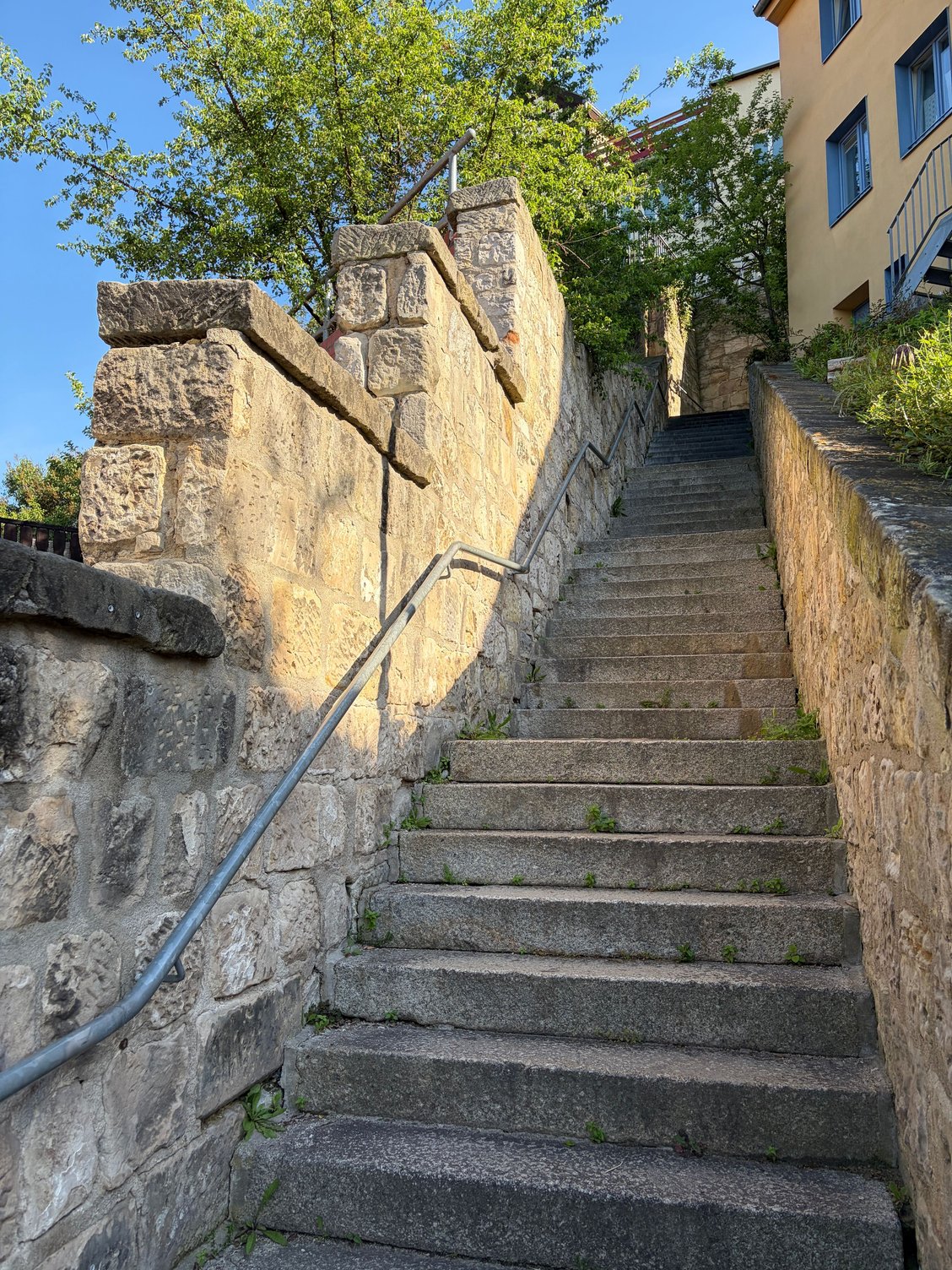
Up I go
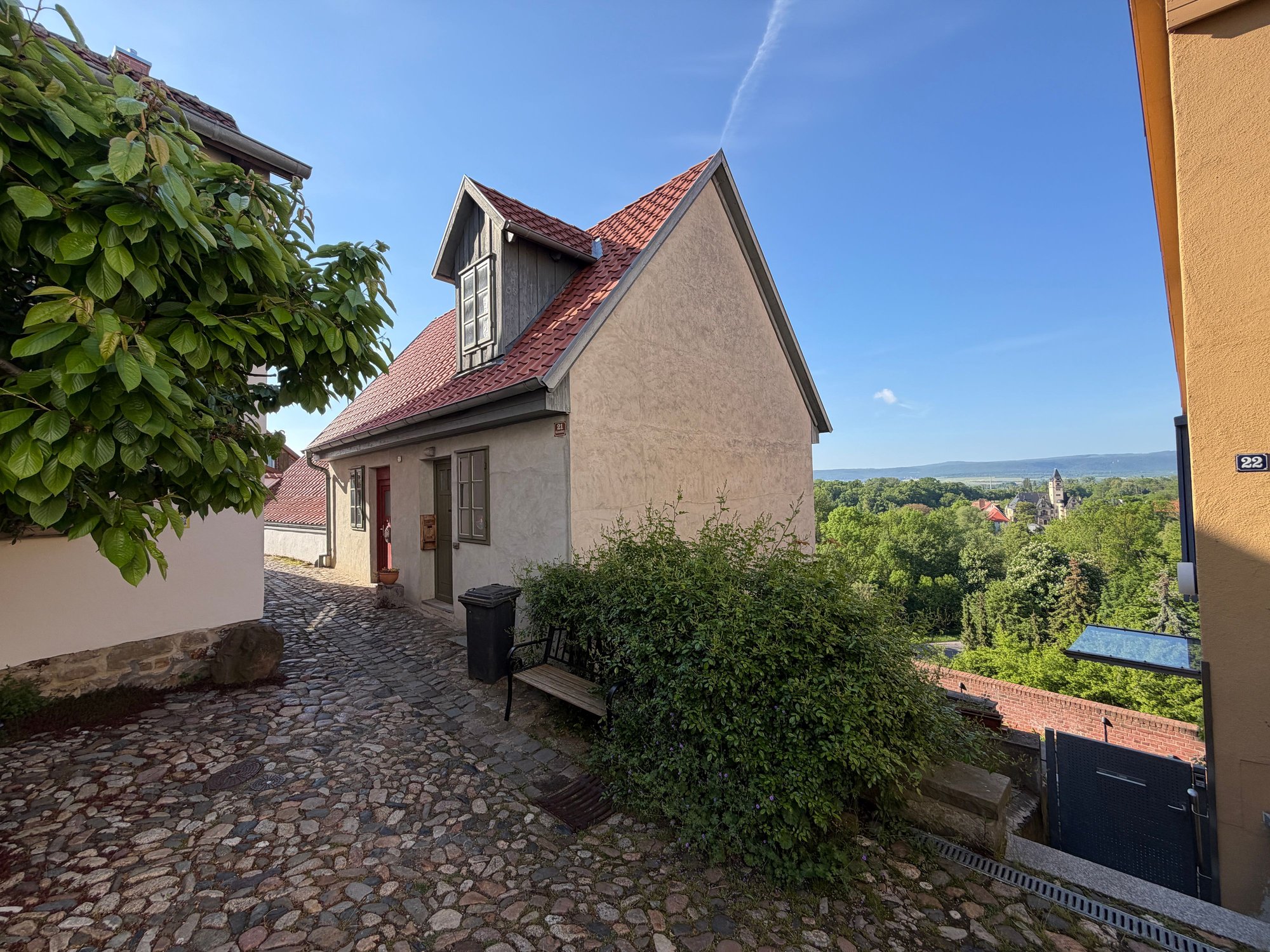
House on the edge
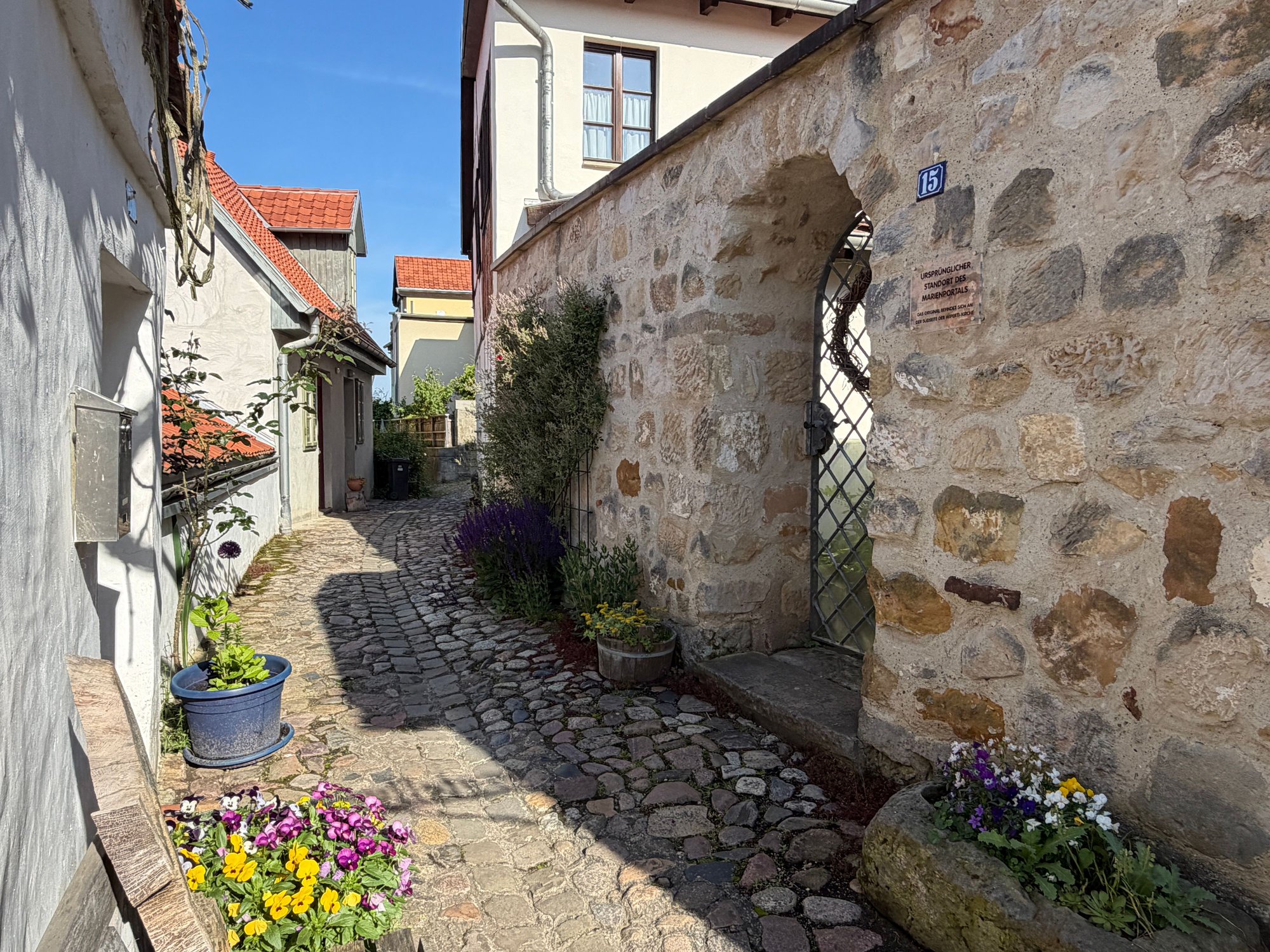
Narrow lanes
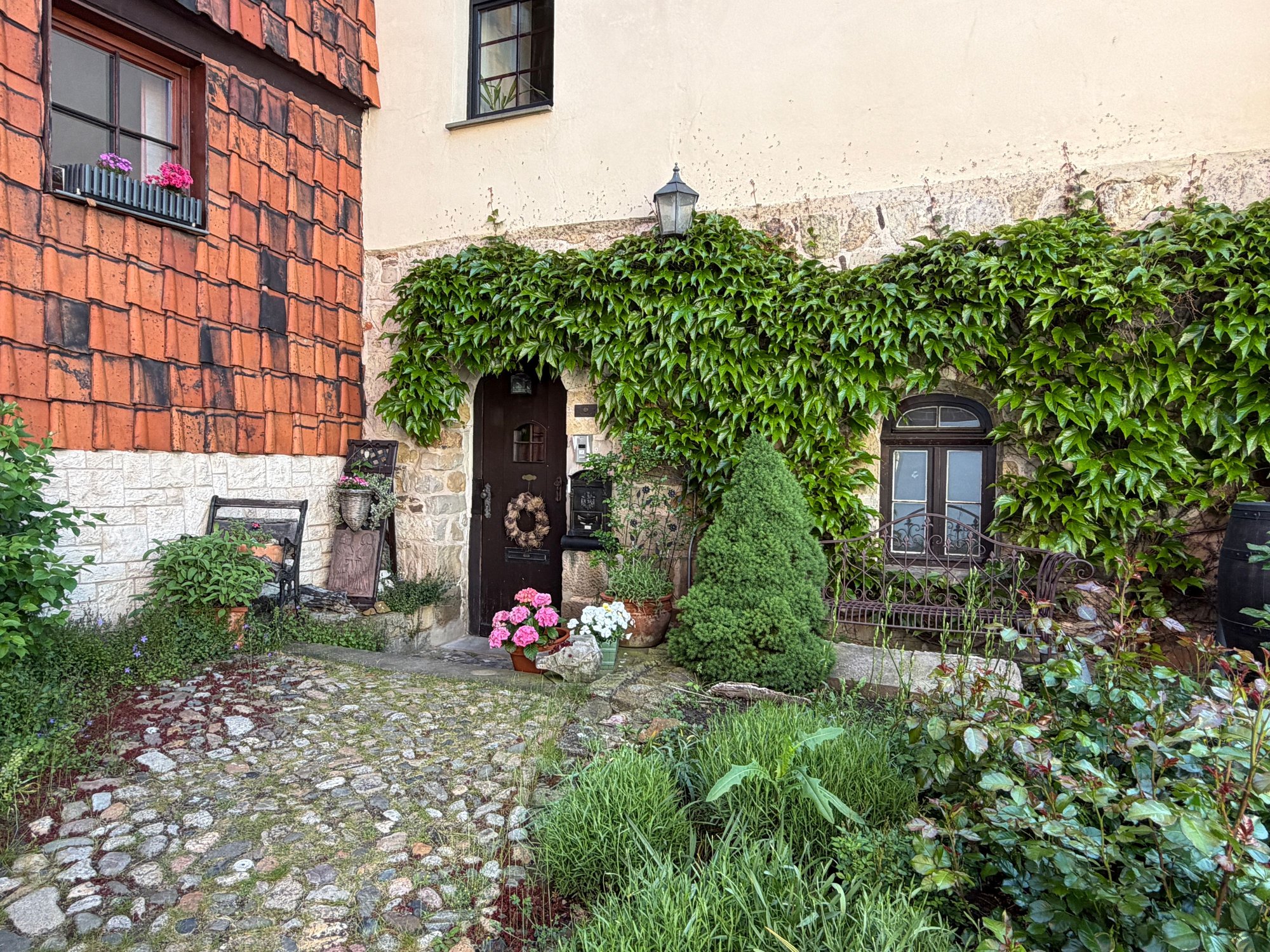
Small frontages
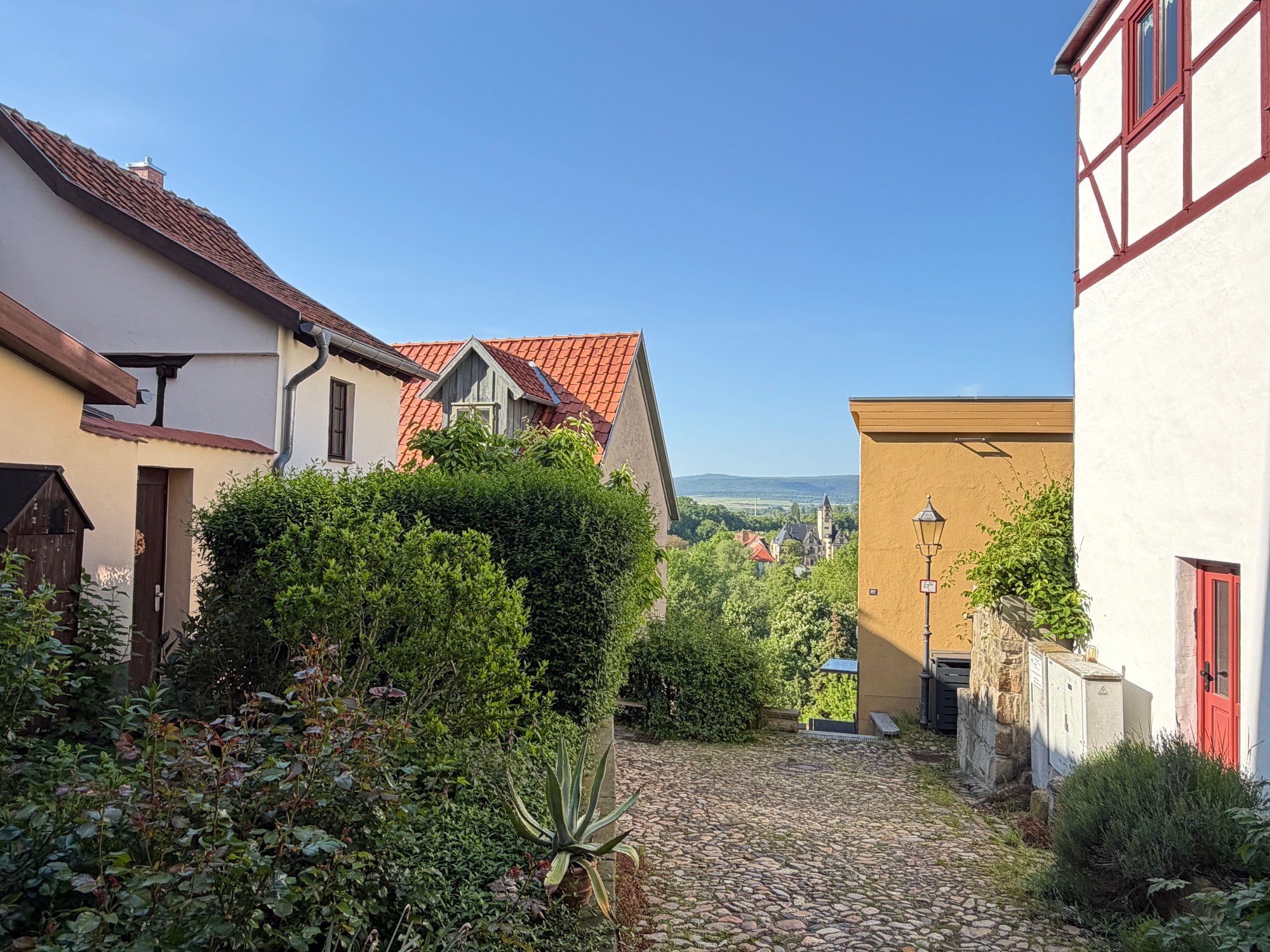

Slightly wonky

On the hill nearby, the abbey of the Schlossberg is under restoration, but can still visit the Stiftskirche St Servatius and part of the abbey gardens.
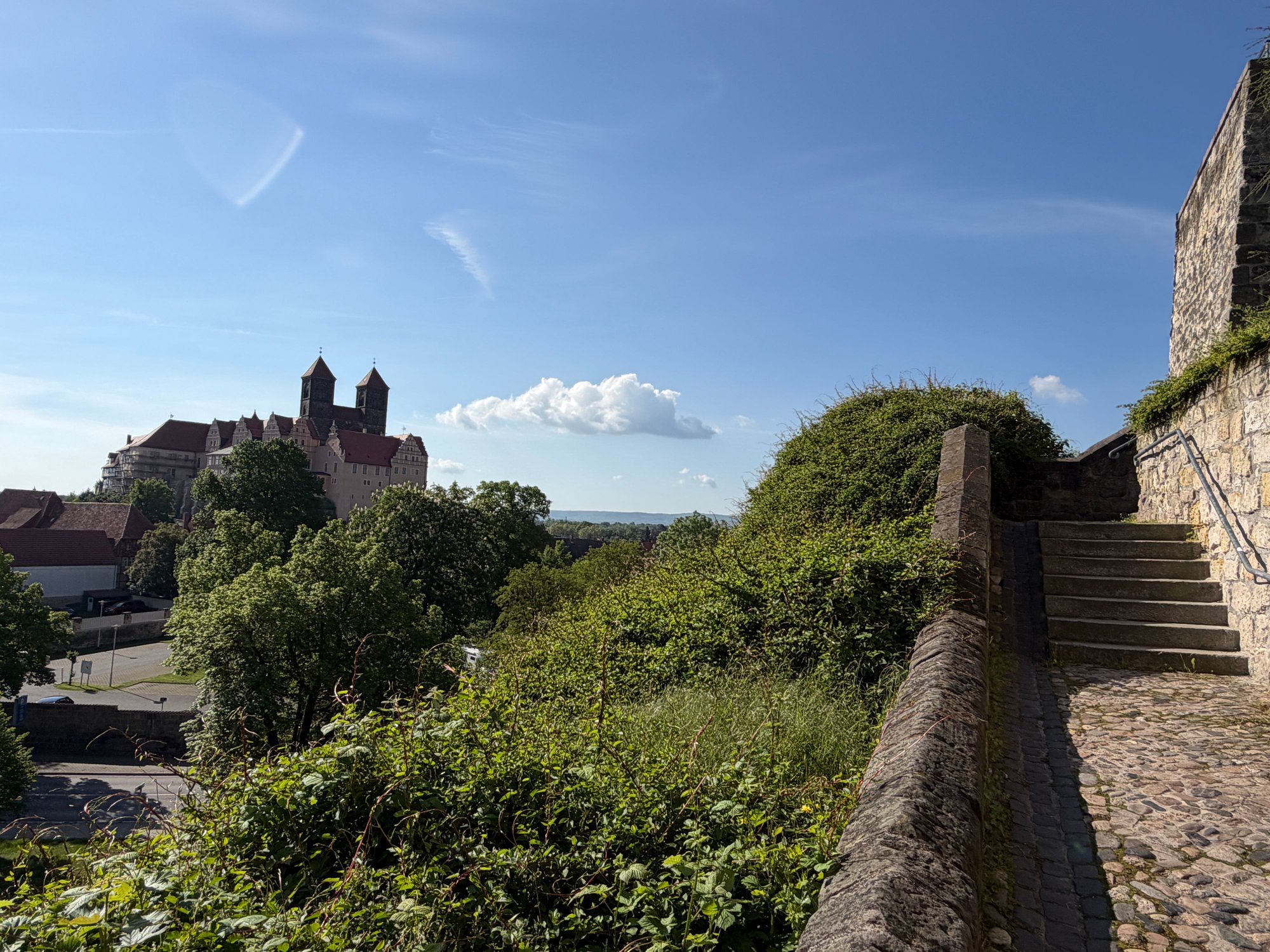
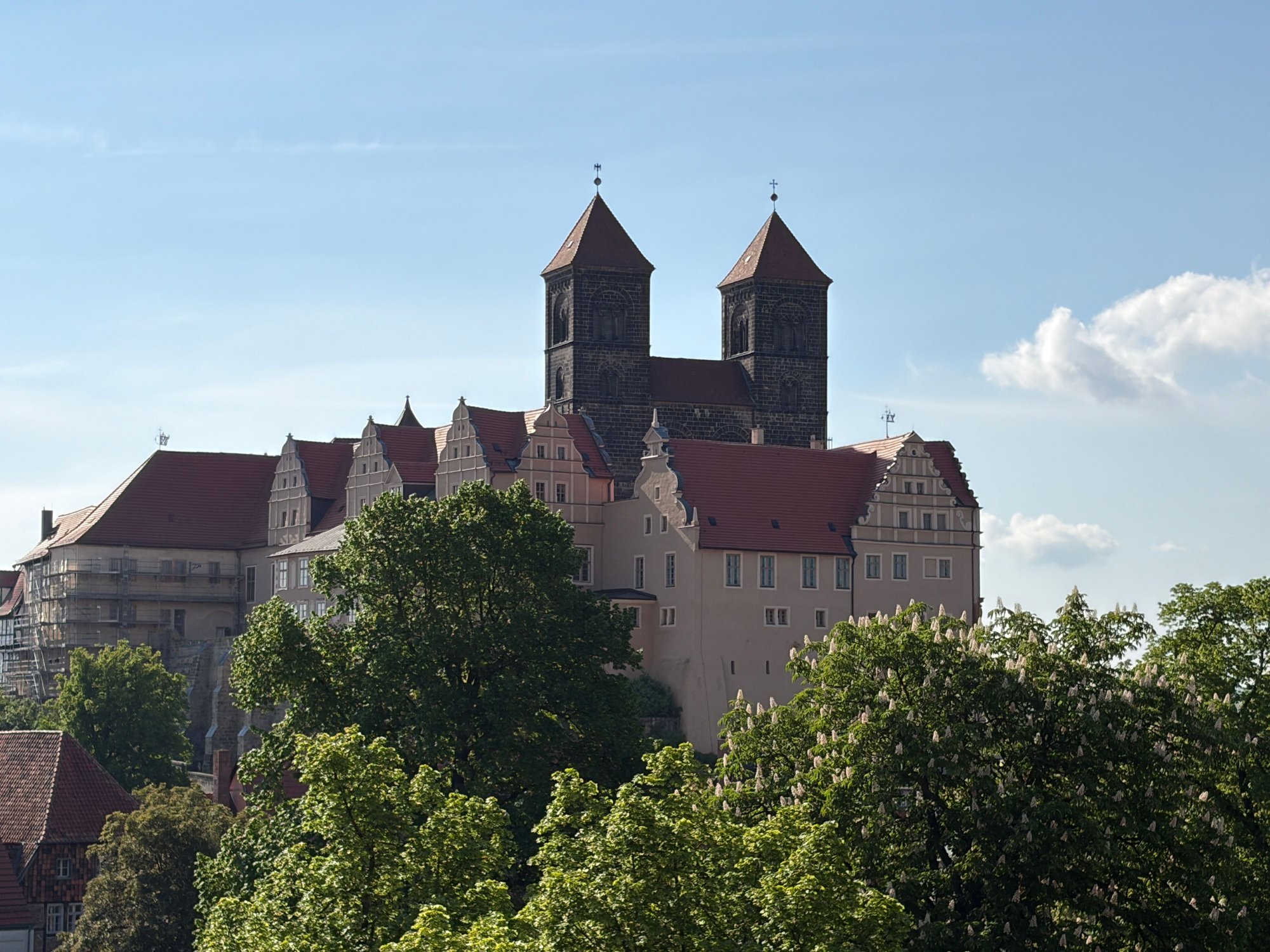
The abbey was founded in 936 (dissolved in 1802) and the abbesses had considerable power as an Imperial Estate.
Fun fact:
I noticed a hotel and street named Adelheid (Adelaide) then discovered Adelaide l (Adelheid) was abbess from 999, and Adelaide ll, was abbess 1063 to 1096
https://emilykq.weebly.com/blog/the-...of-quedlinburg
https://en.wikipedia.org/wiki/Adelai...of_Quedlinburg
(Meanwhile our city Adelaide is named after Queen Adelaide, wife of King William lV and I am a resident of Adelaide)

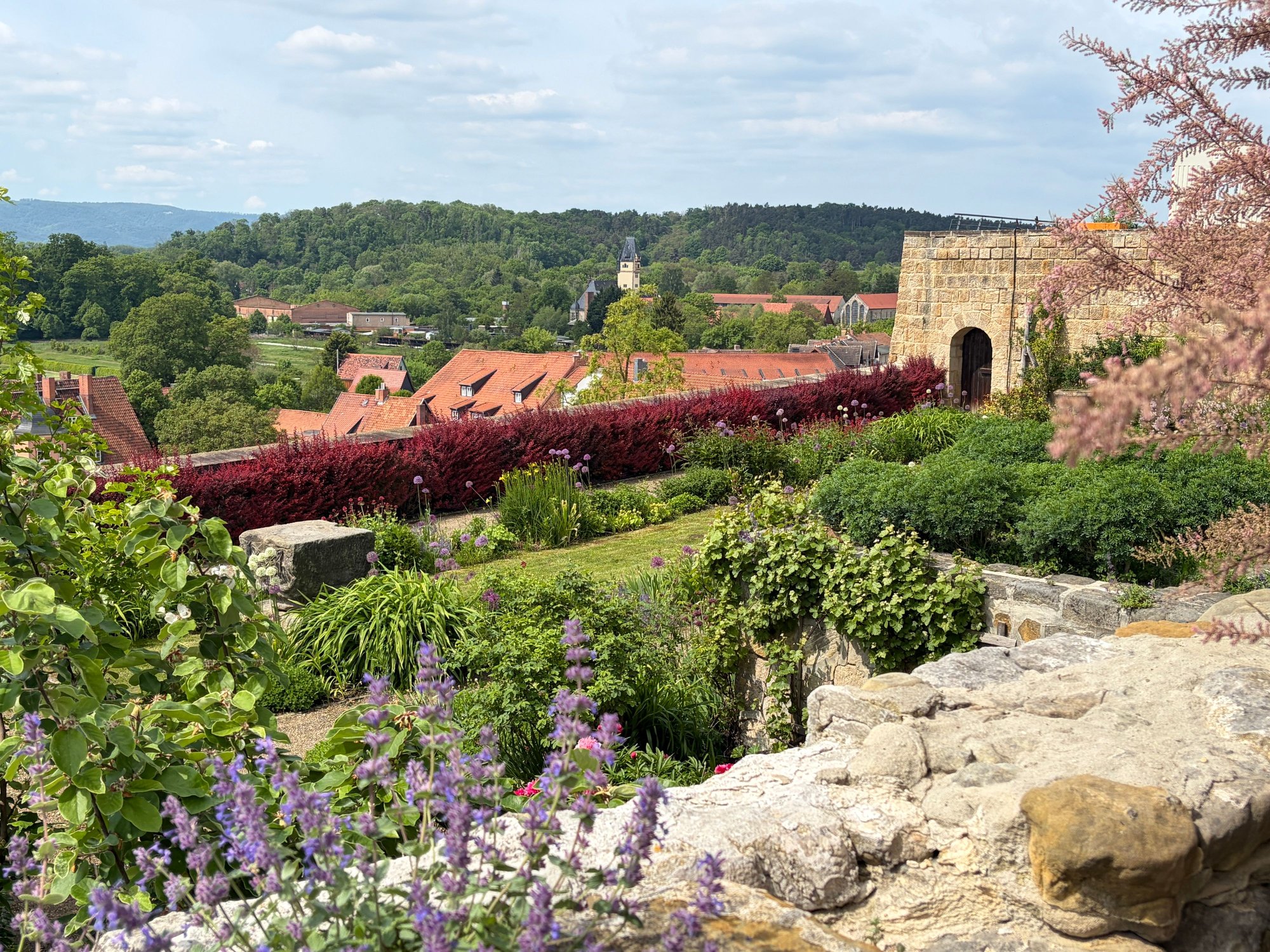
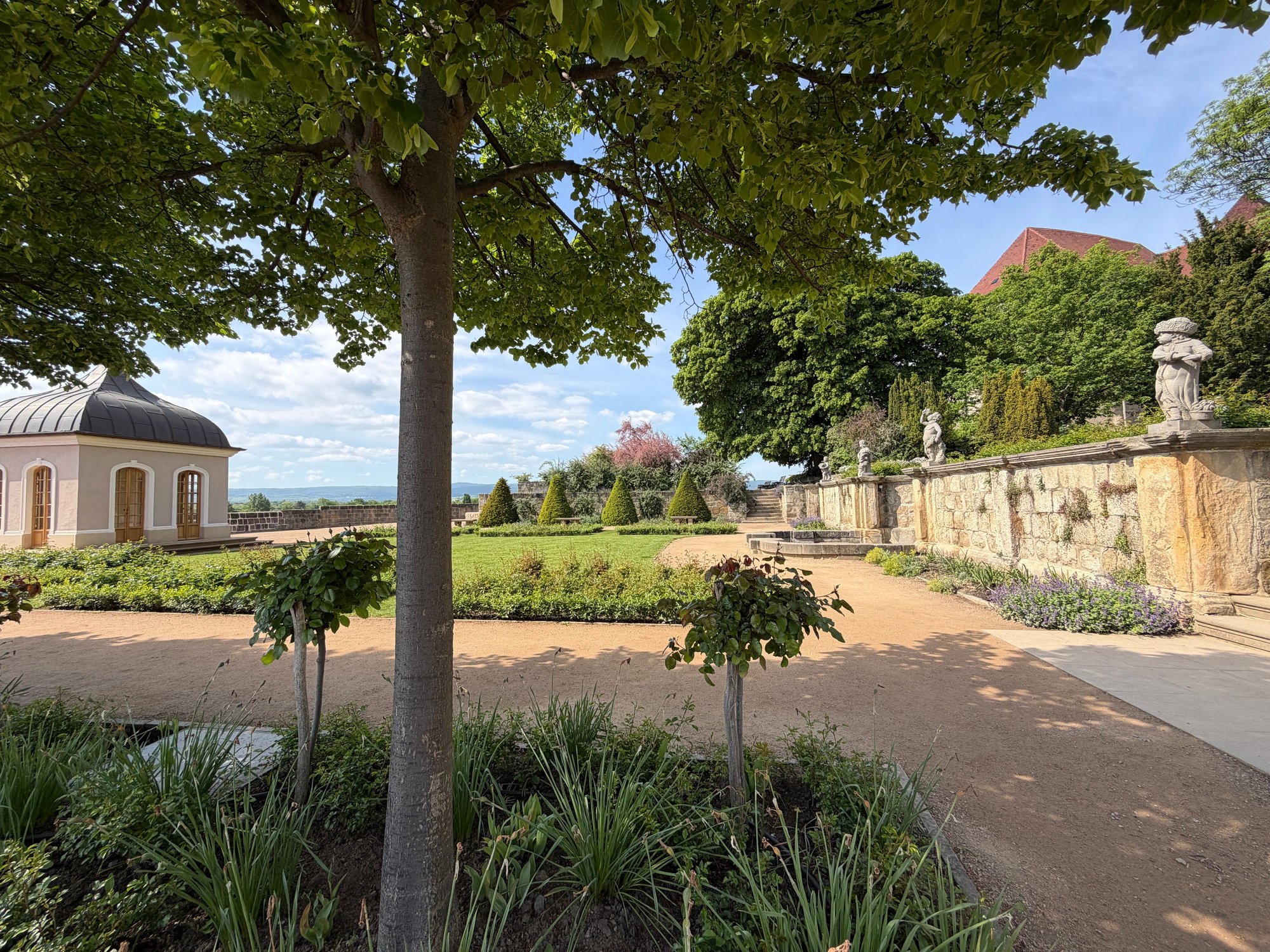
the abbey gardens

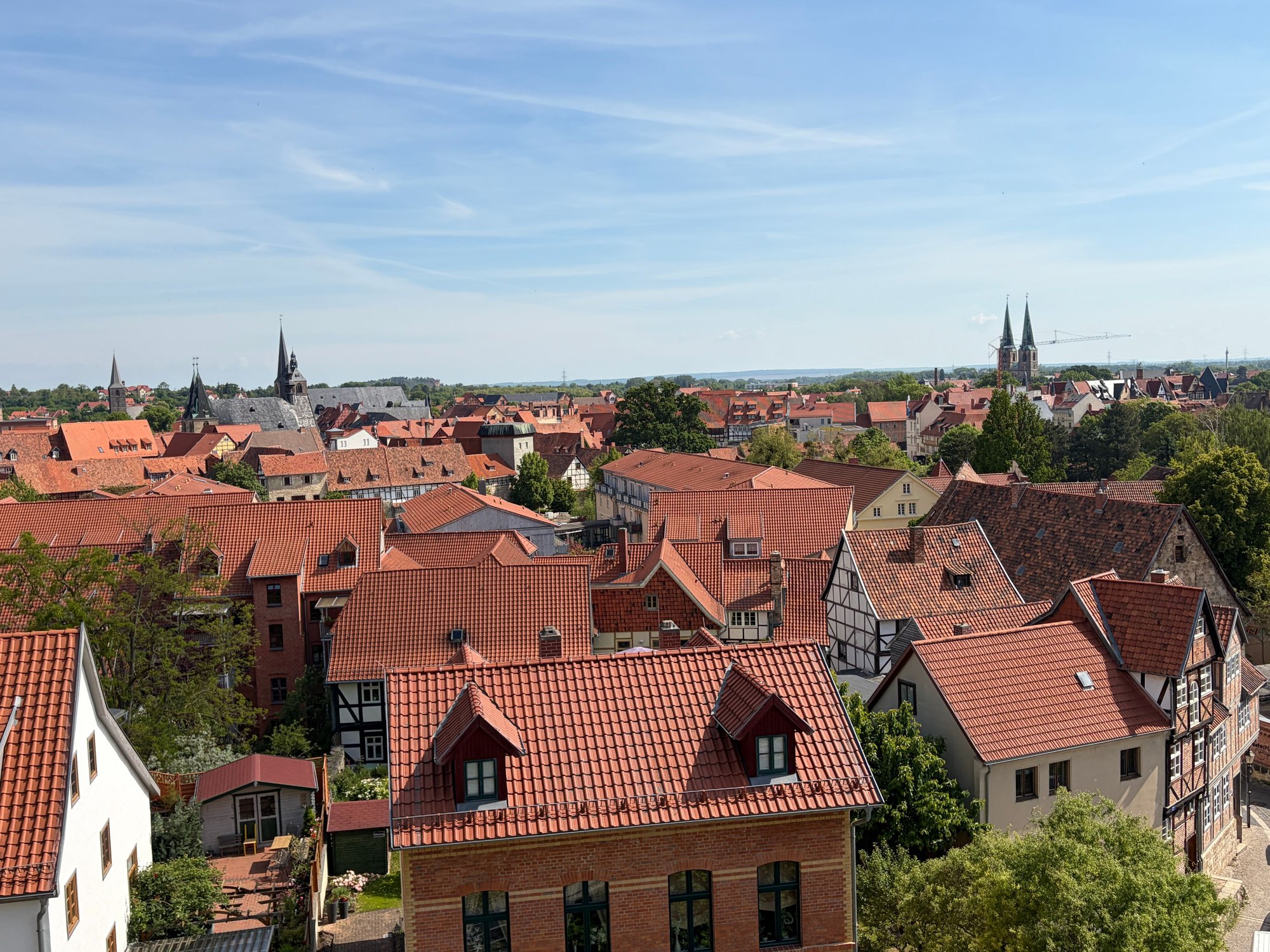
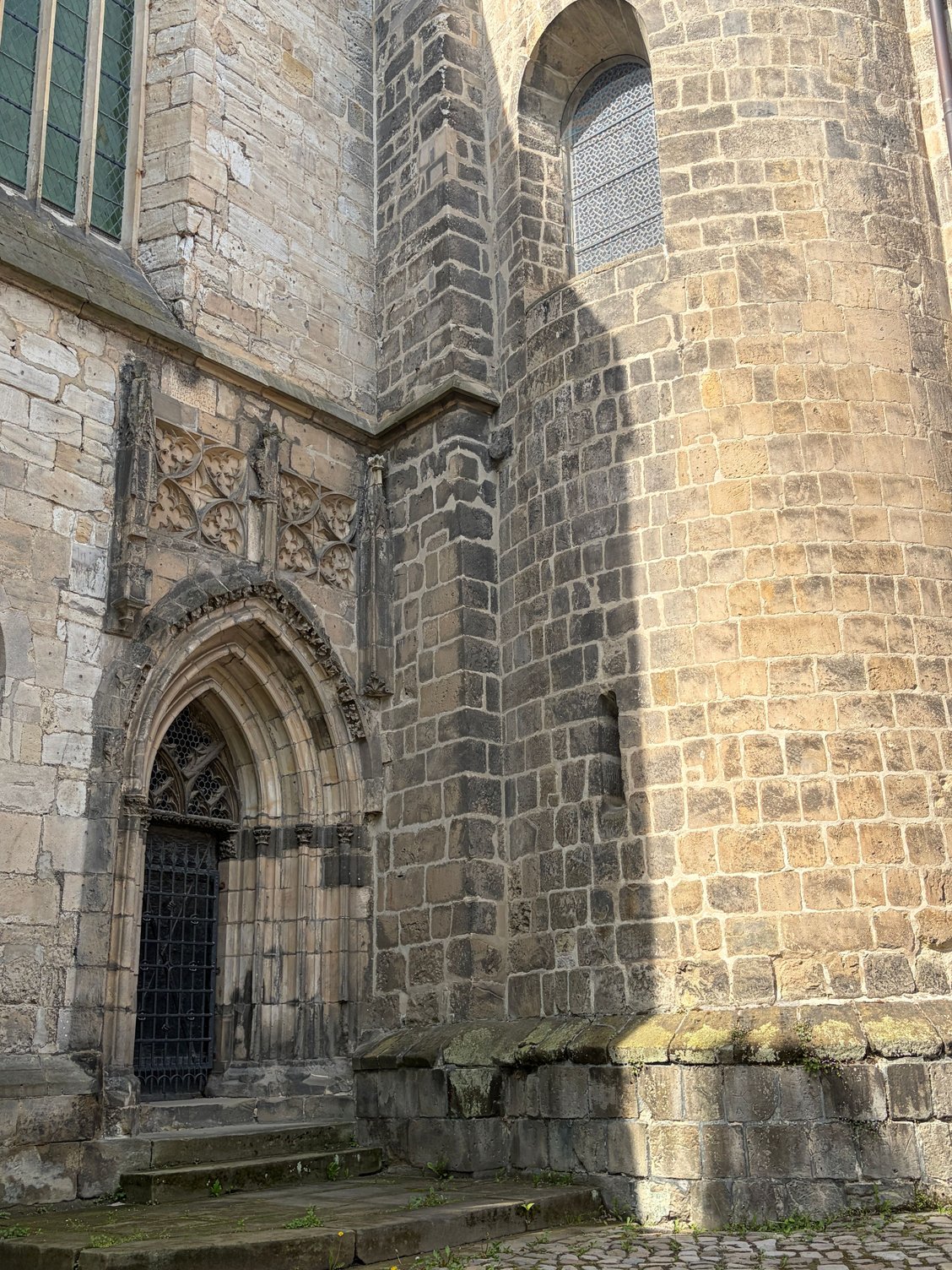
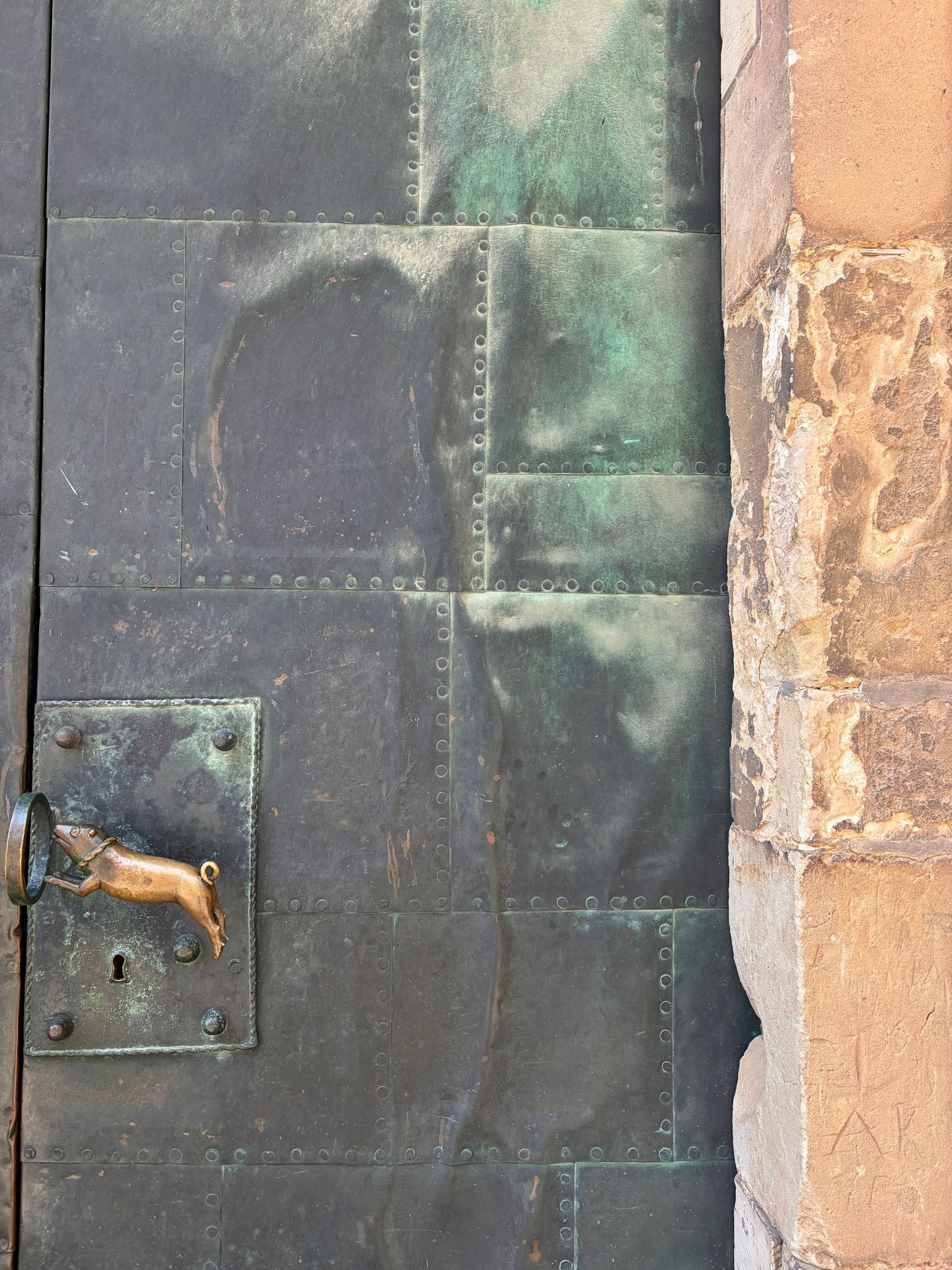
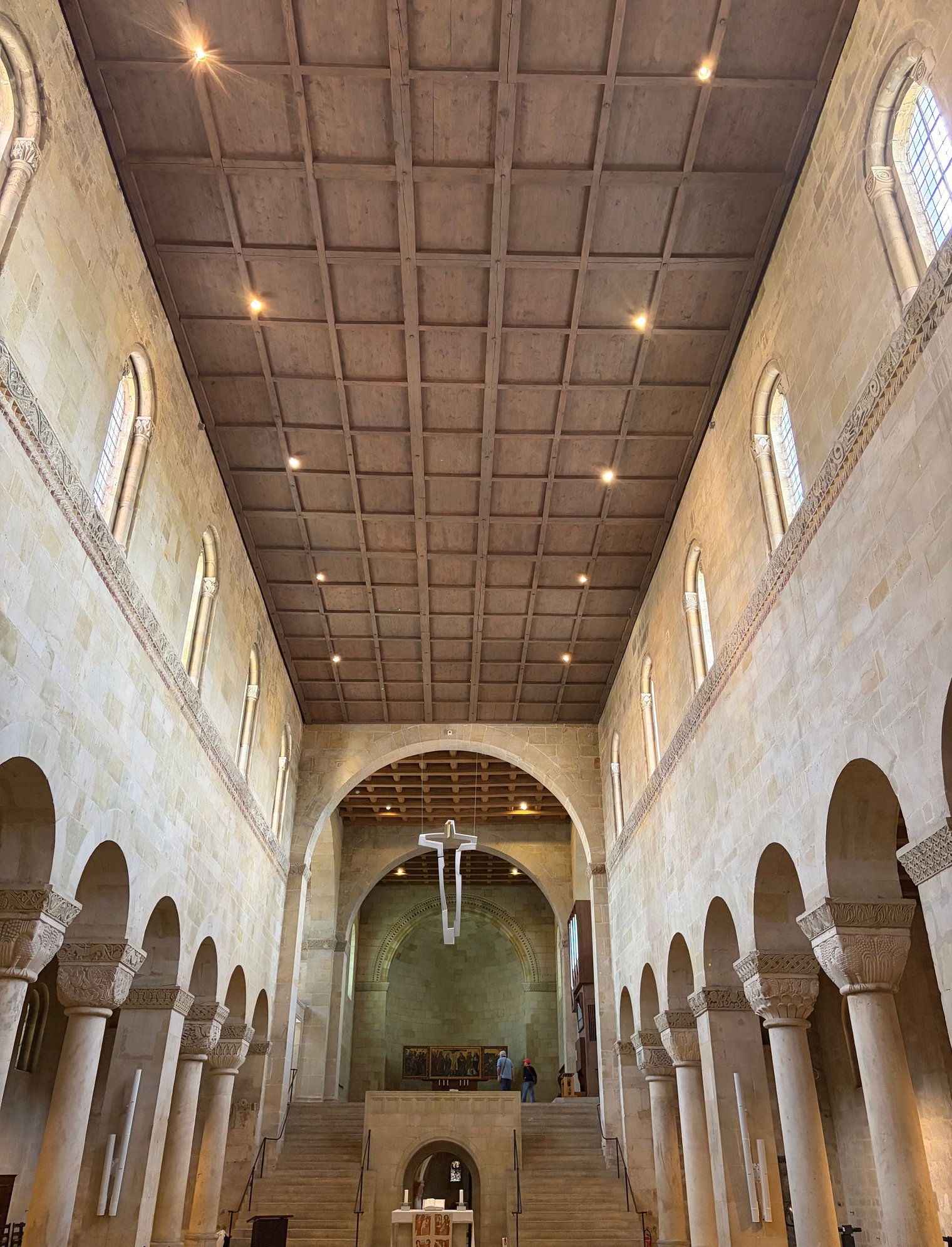


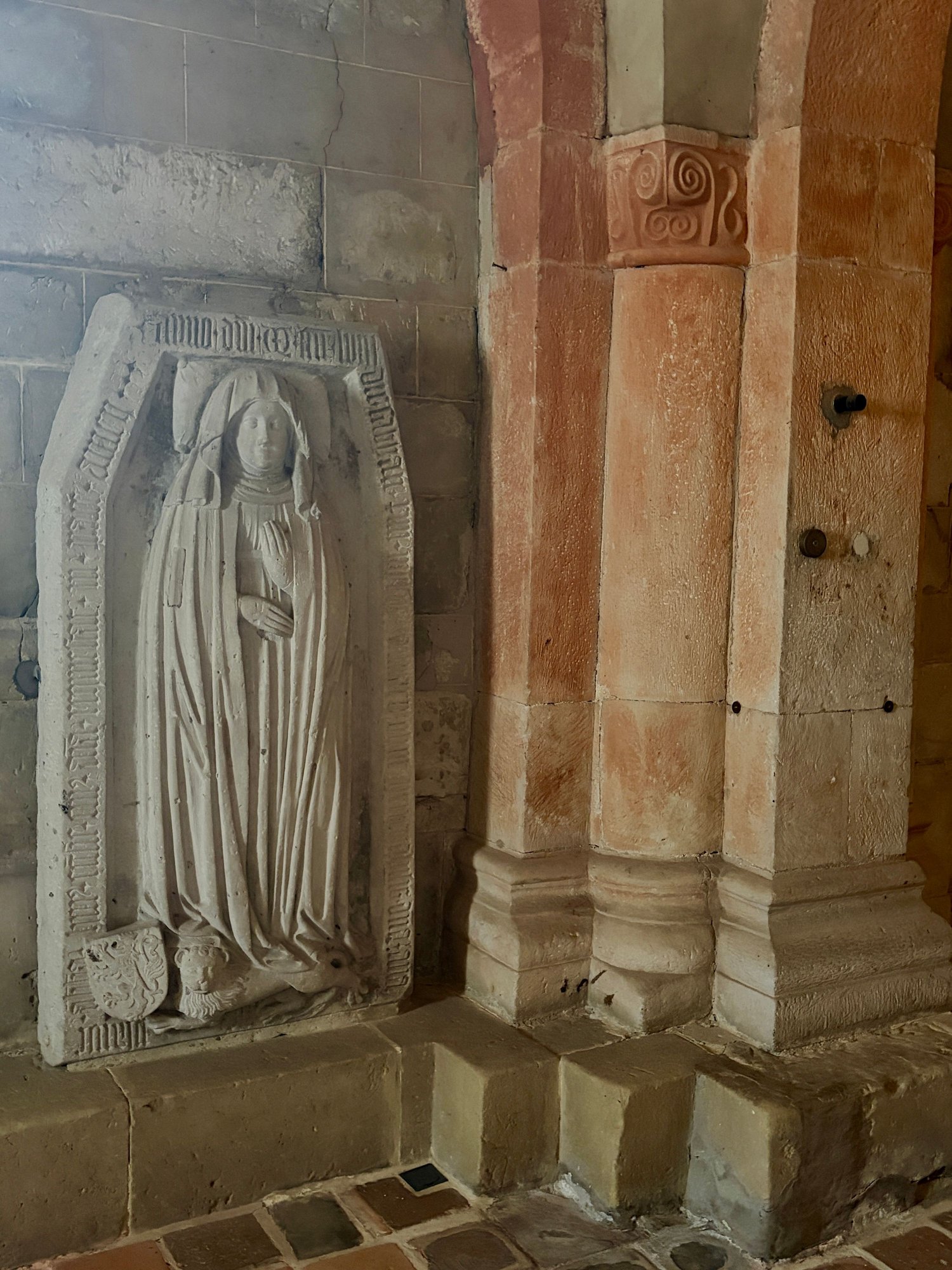
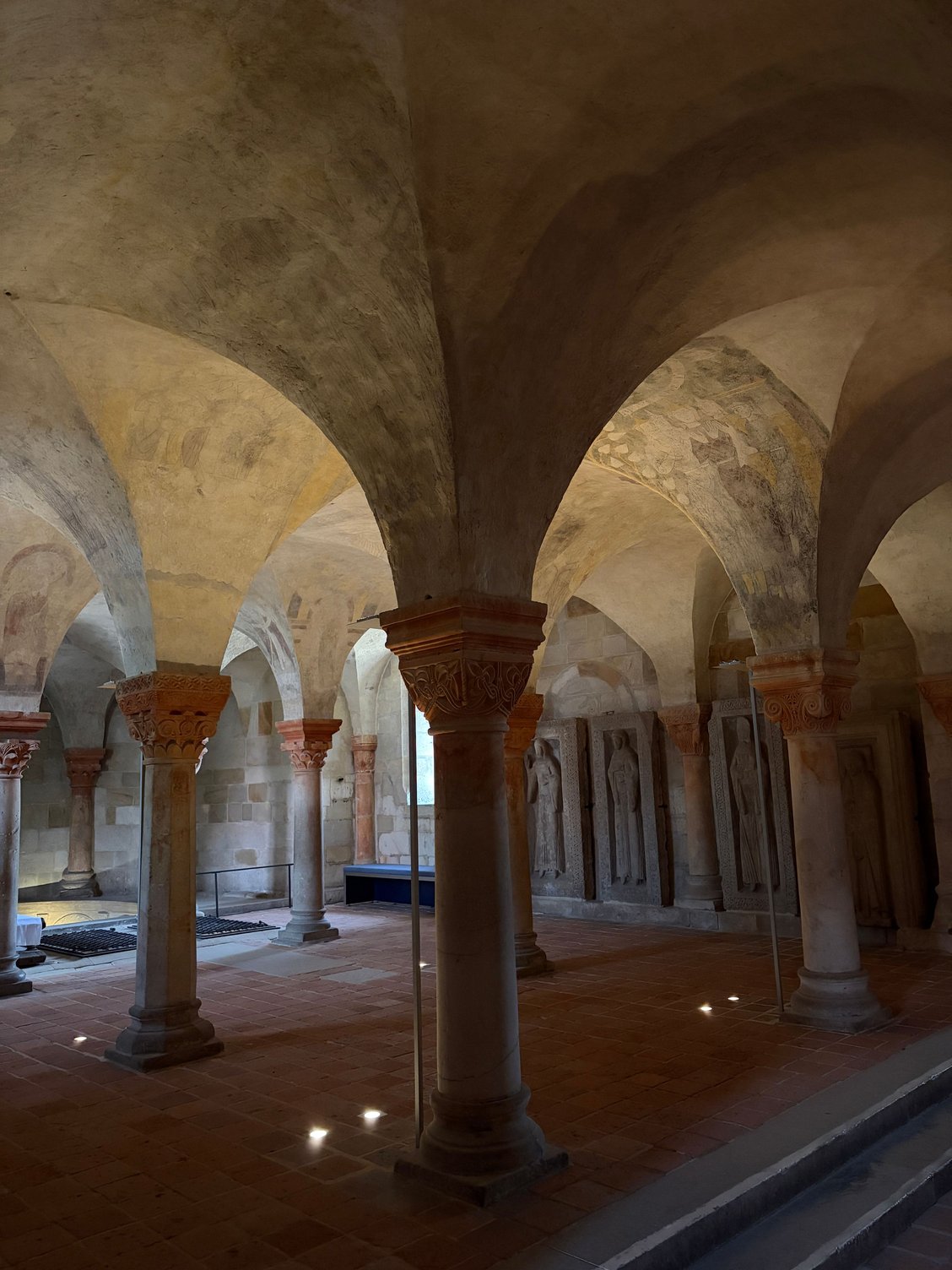
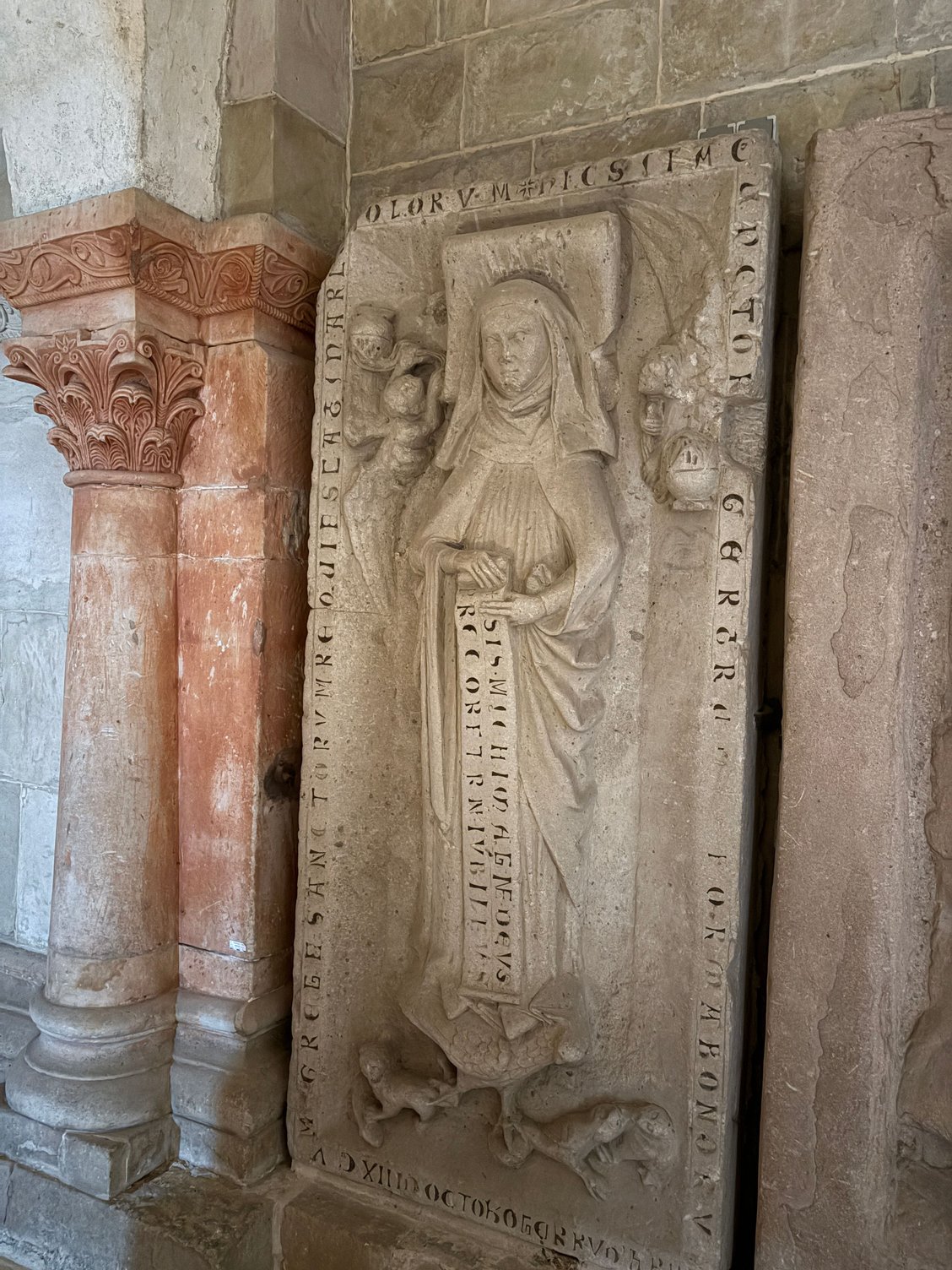
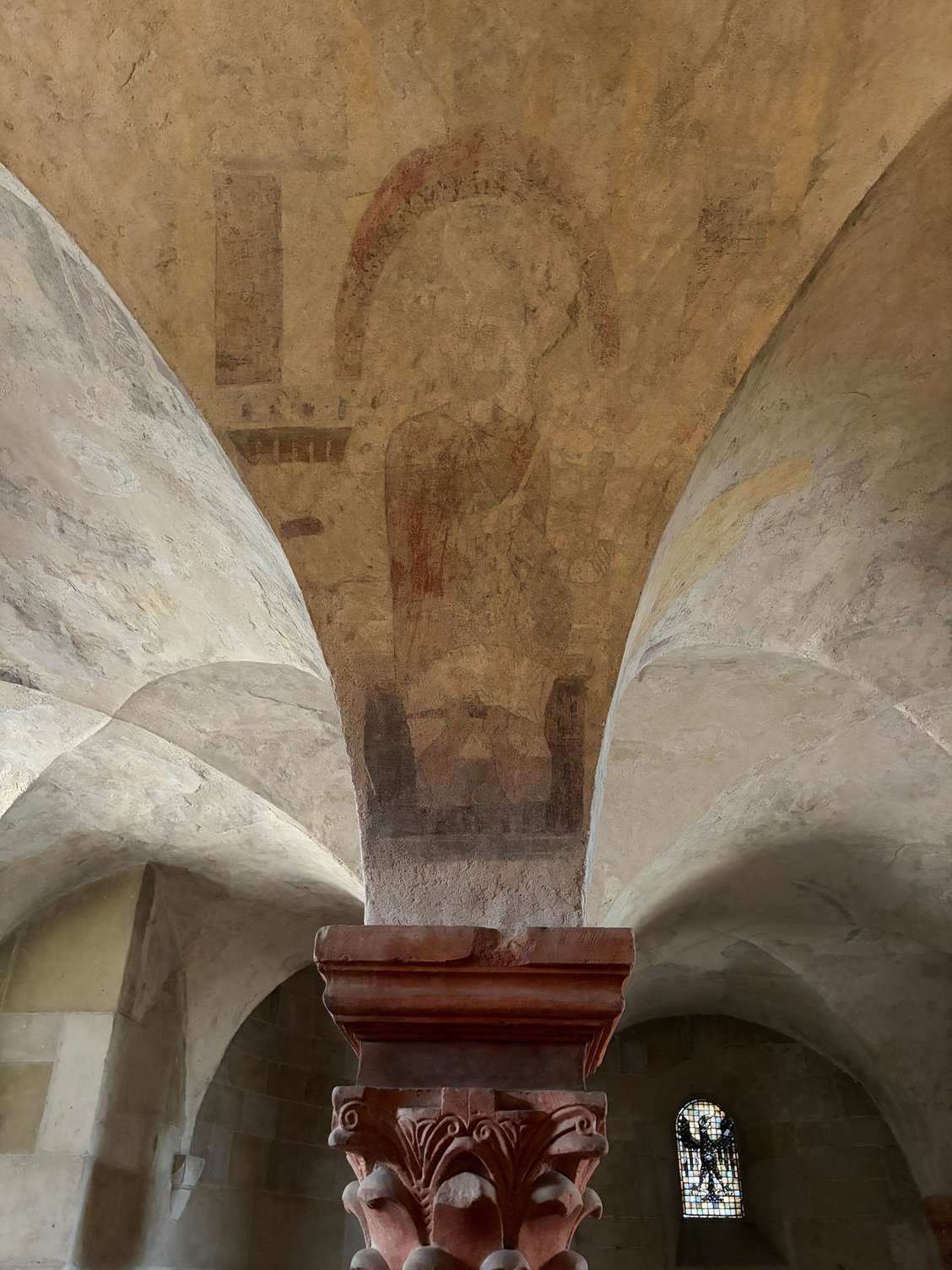

The 1000 year old Romanesque church, the crypt and the treasury can be visited.
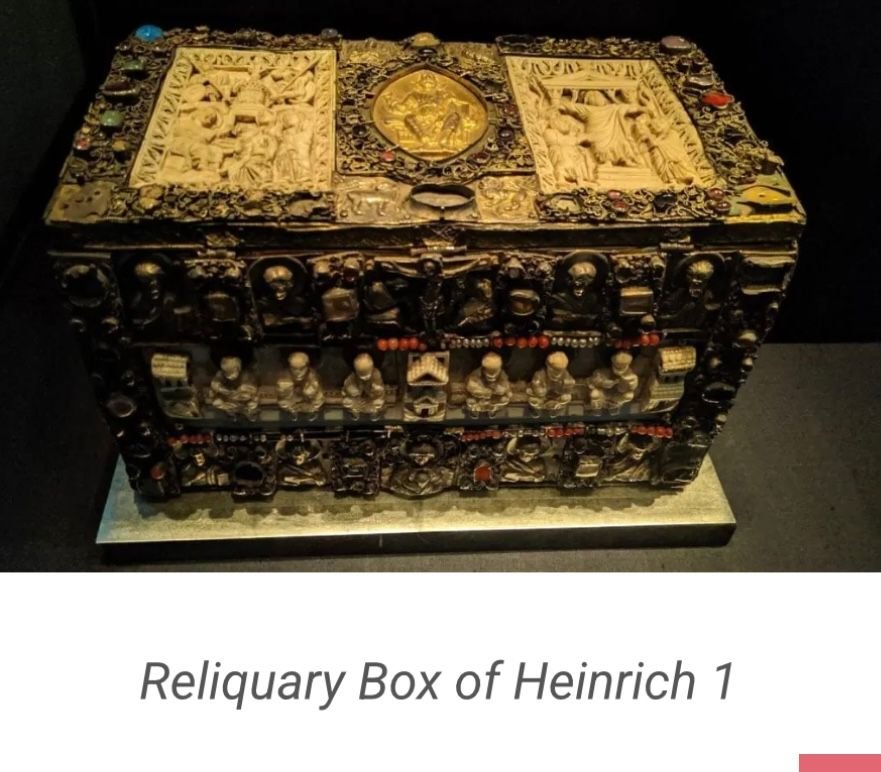
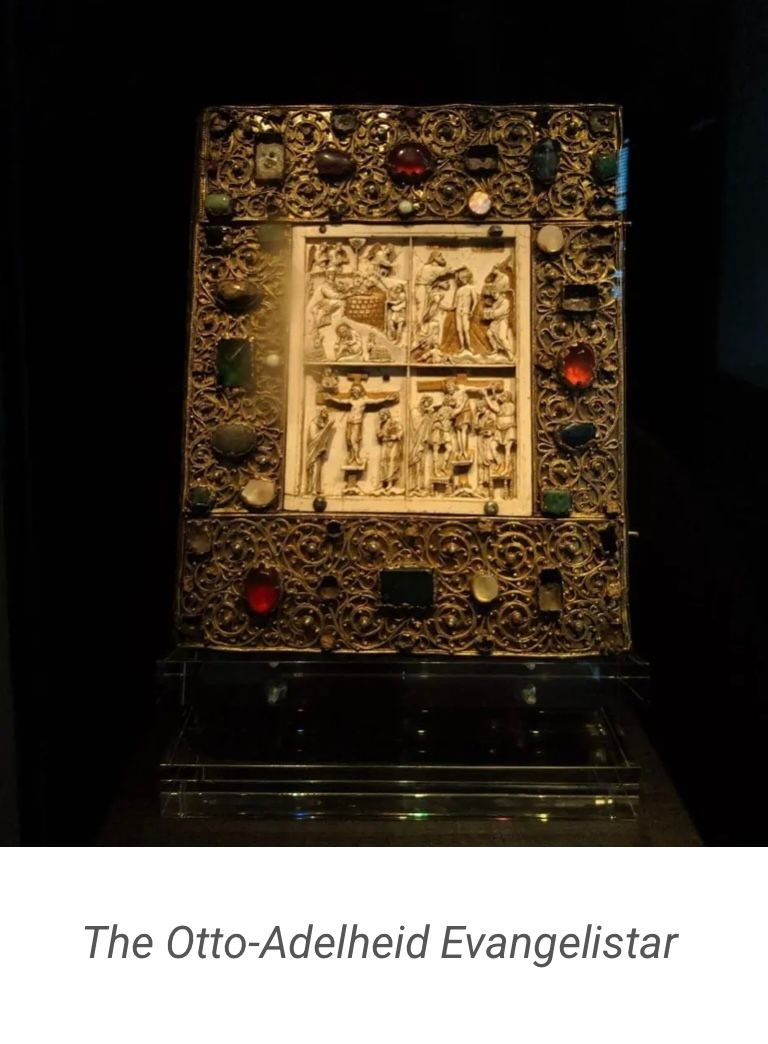
No photos allowed in the treasury, , so the accompanying pictures are from online…
Treasures include the Samuhel Gospel, a 9th C manuscript written in gold ink, with a cover of gold, and embedded with ivory carvings and gems; the Reliquary box of Heinrich 1, and various relics.
During WW2 these items were stored for safekeeping, and a number stolen by a US soldier, whose family tried selling after he died.
A book was written about this event William Honan “Treasure Hunt: A New York Reporter Tracks the Quedlinburg Hoard”


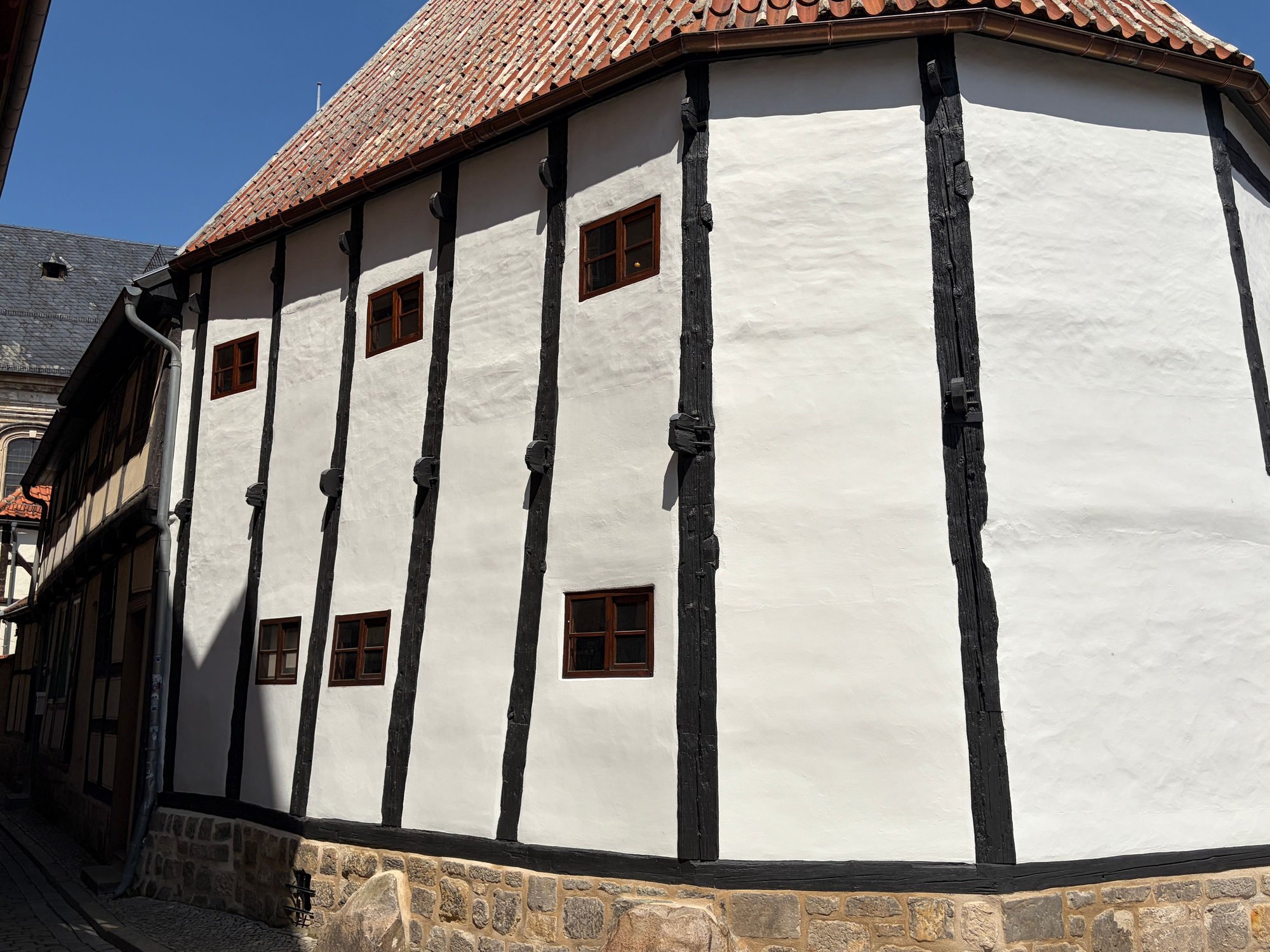
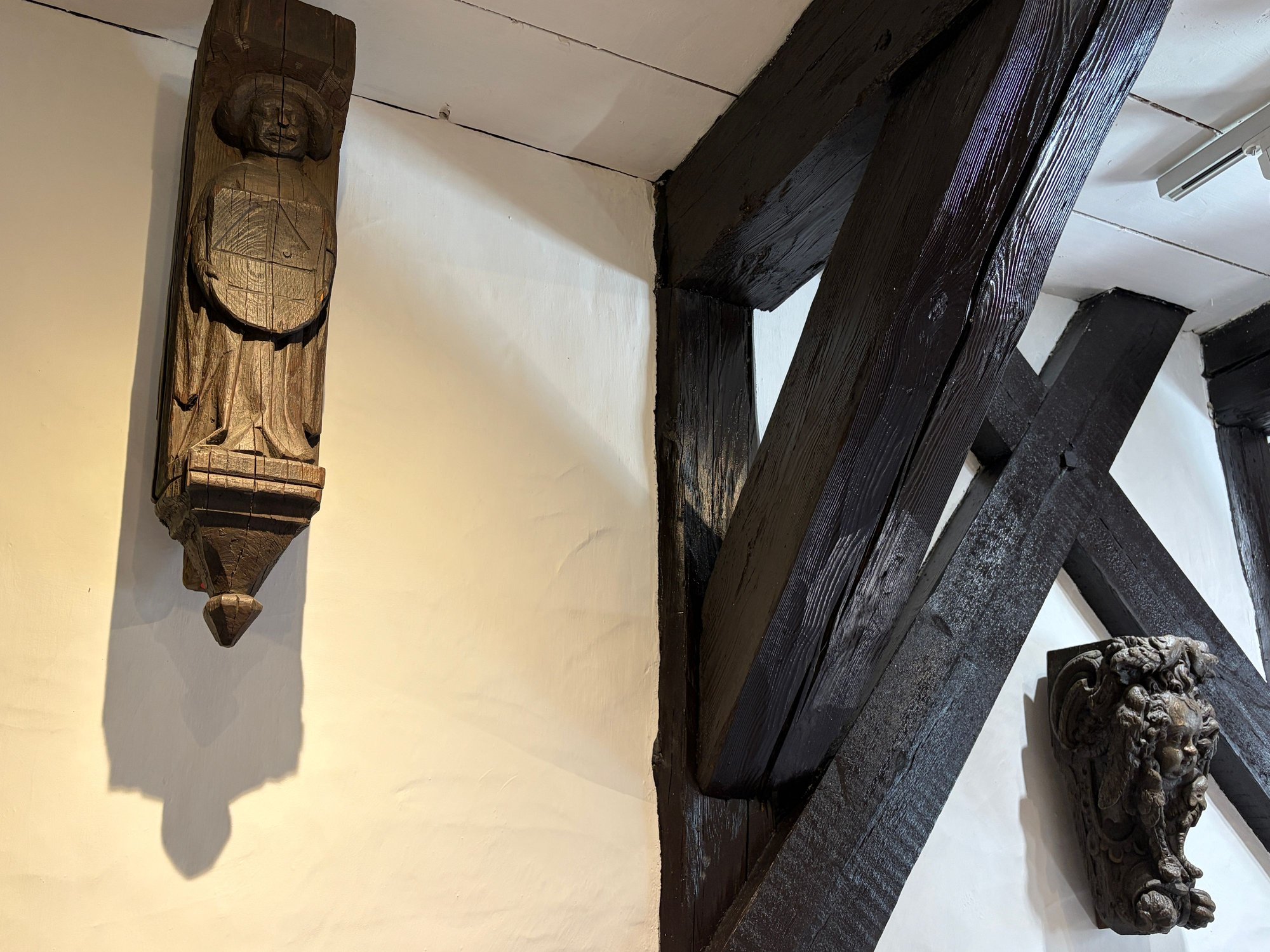
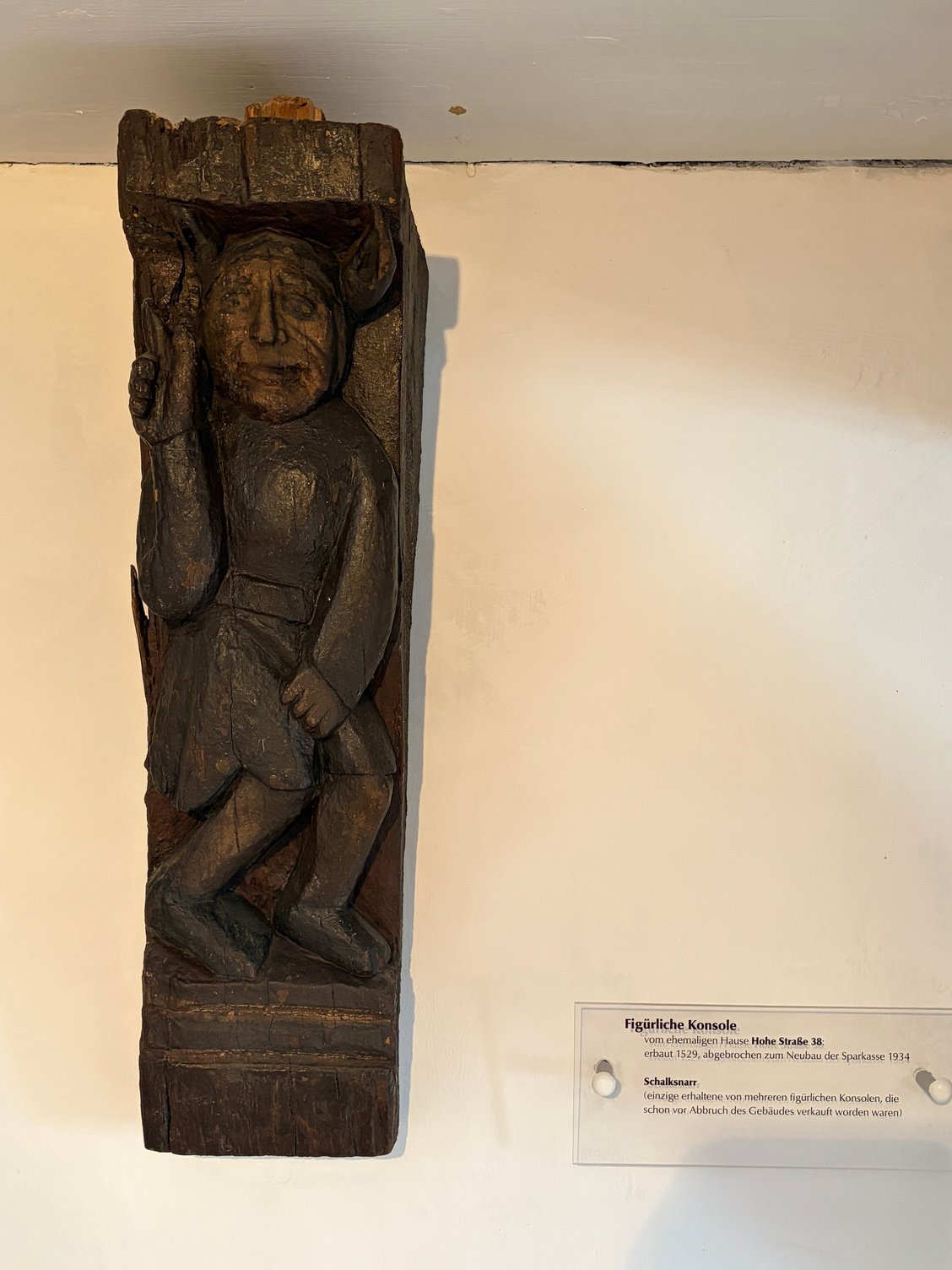
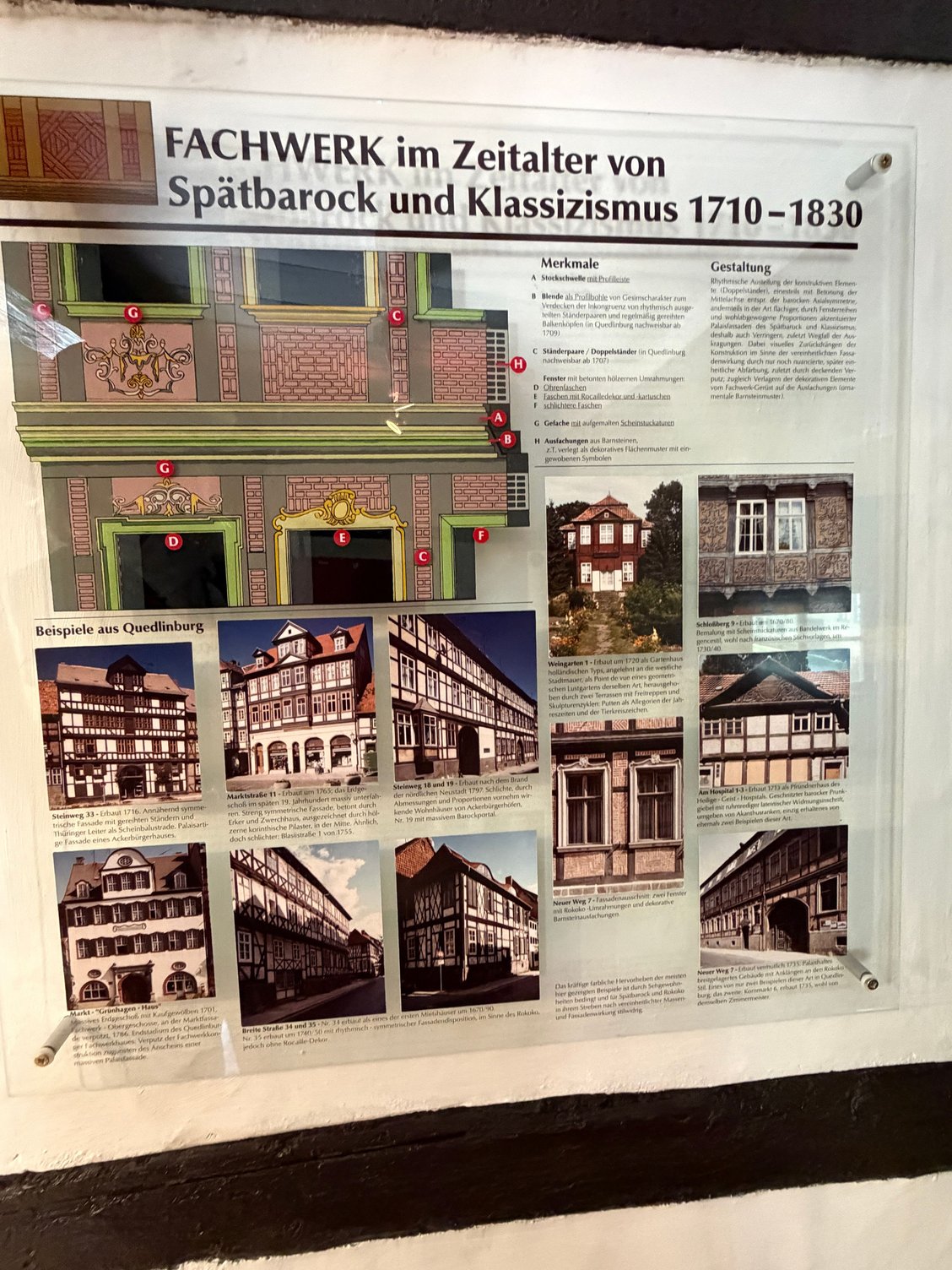
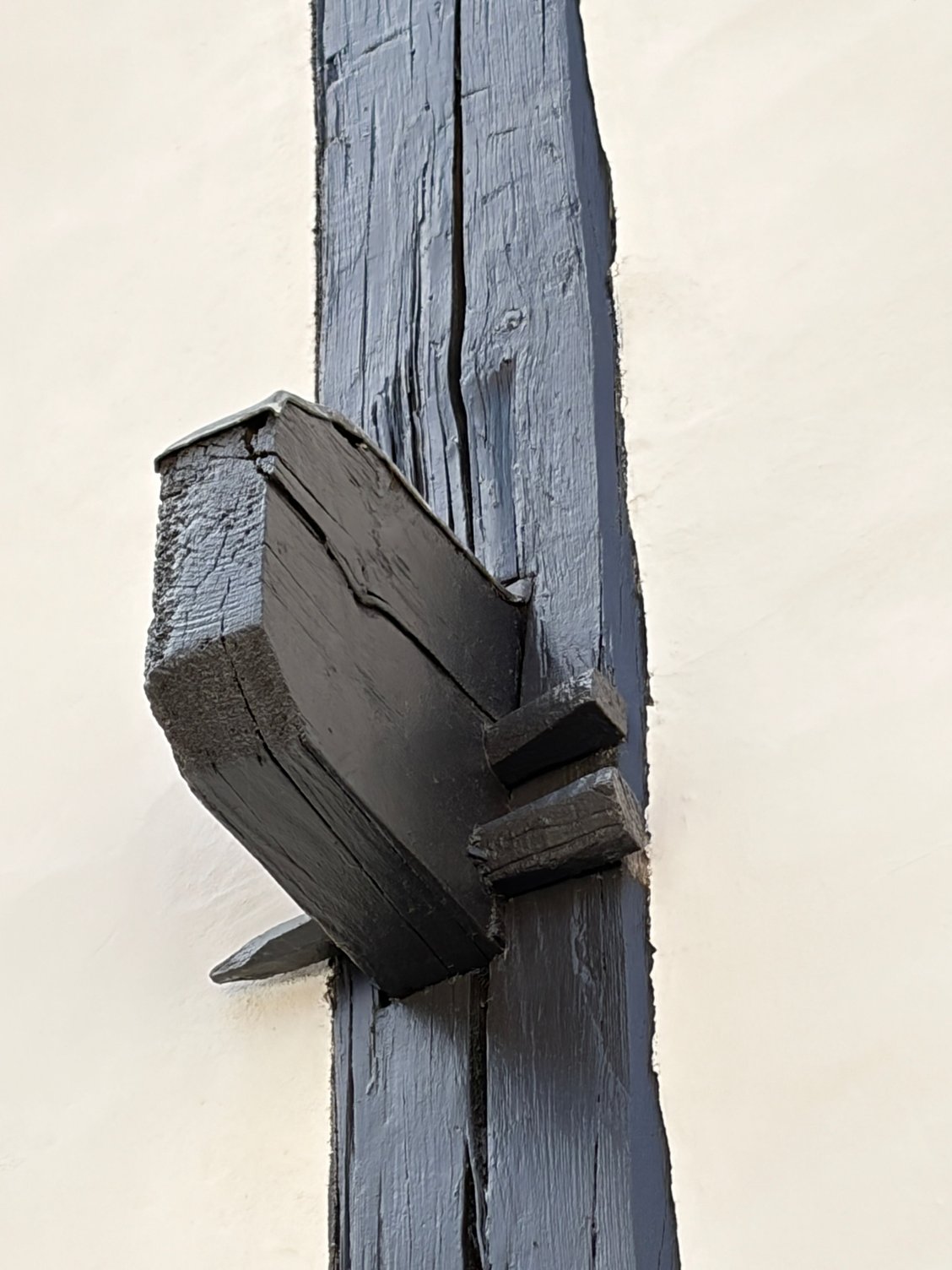
Then wandered around checking the stalls and eateries for the festival, and visited the Fachwerk museum, a house built of vertical wooden beams in 1310, and showcases development of timber framed construction methods and styles. Incredible that this building has survived.

The Fachwerk museum, oldest building in town




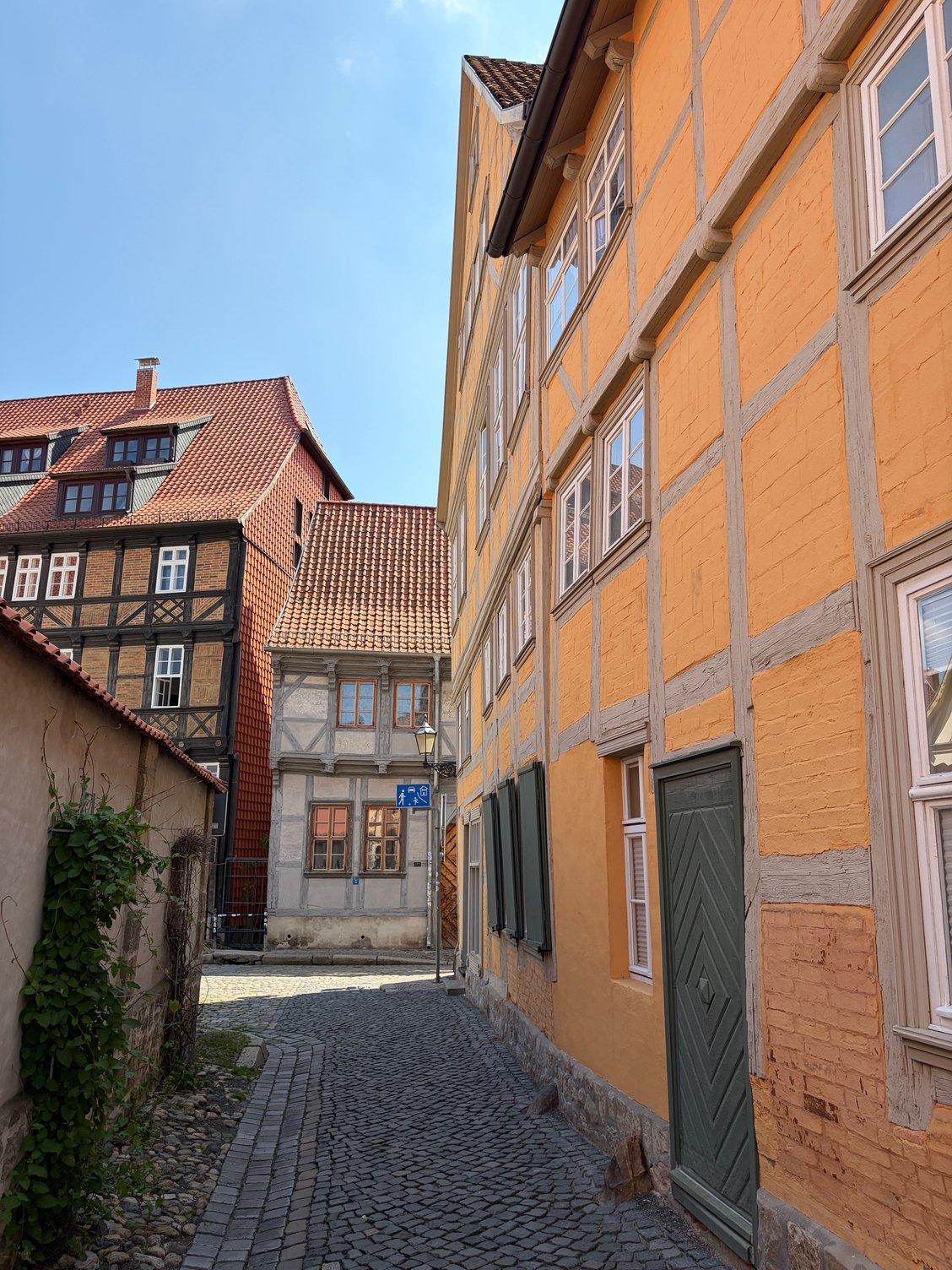
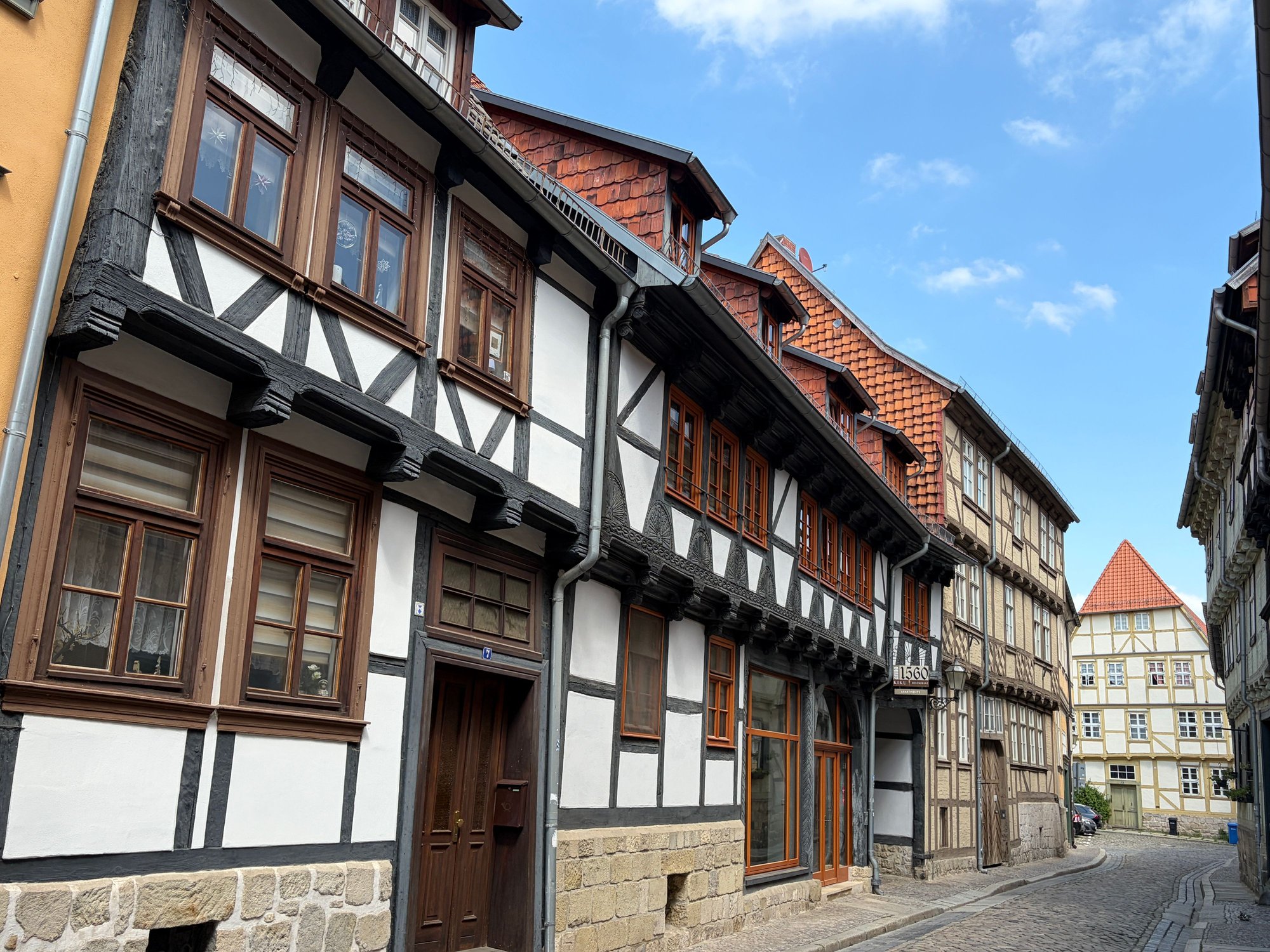
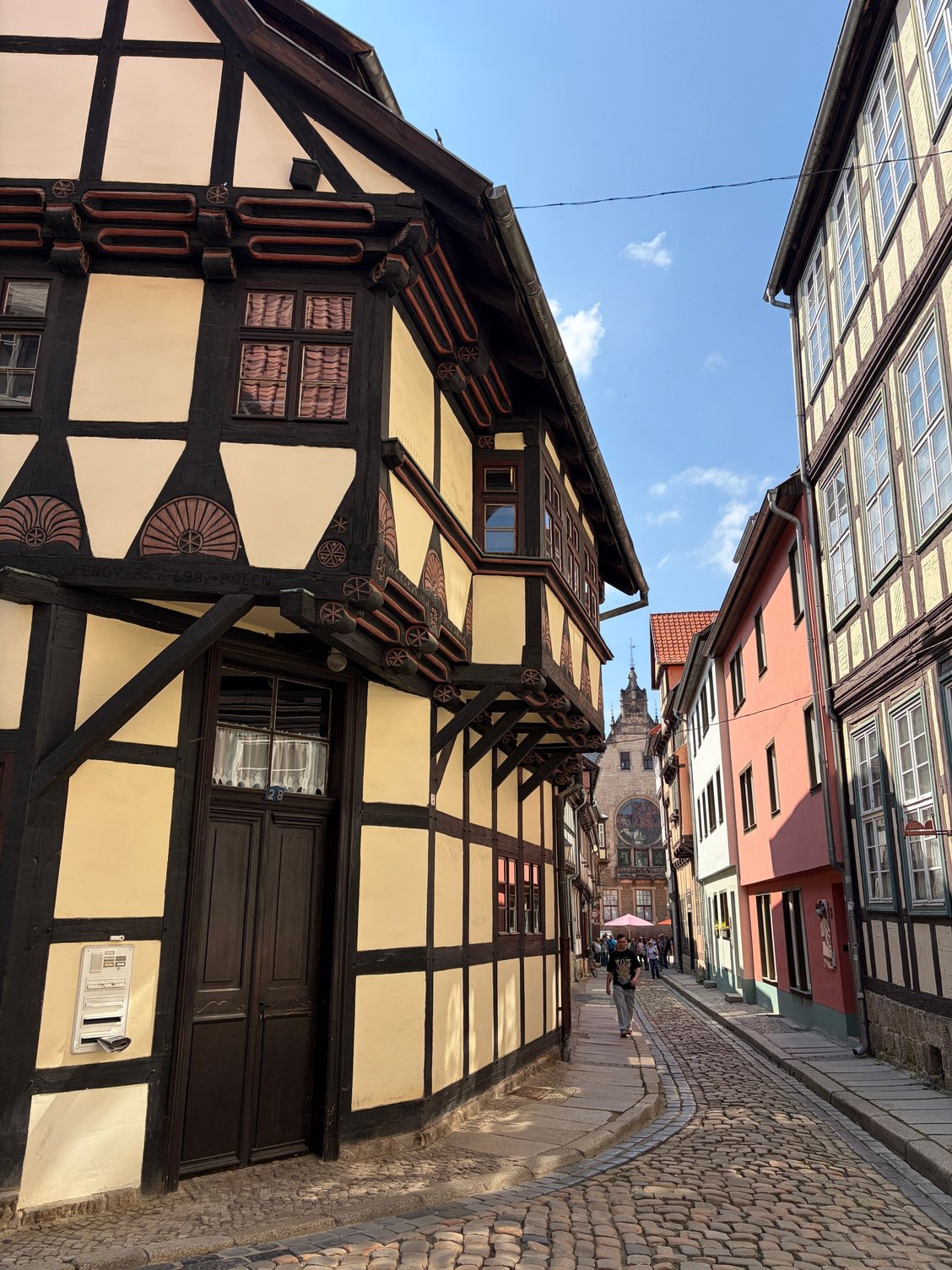
and a few final pics from town…this time more aware of the various styles and time periods



Walked 7 km today
Early breakfast and a 5 minute wander over to Münzenberg, a tiny community on a hill.
Tiny lanes, historic homes, protected by the old wall.
On the hilltop - tiny community
When your backyard meets the walls
Up I go
House on the edge
Narrow lanes
Small frontages
Slightly wonky
On the hill nearby, the abbey of the Schlossberg is under restoration, but can still visit the Stiftskirche St Servatius and part of the abbey gardens.
The abbey was founded in 936 (dissolved in 1802) and the abbesses had considerable power as an Imperial Estate.
Fun fact:
I noticed a hotel and street named Adelheid (Adelaide) then discovered Adelaide l (Adelheid) was abbess from 999, and Adelaide ll, was abbess 1063 to 1096
https://emilykq.weebly.com/blog/the-...of-quedlinburg
https://en.wikipedia.org/wiki/Adelai...of_Quedlinburg
(Meanwhile our city Adelaide is named after Queen Adelaide, wife of King William lV and I am a resident of Adelaide)
the abbey gardens
The 1000 year old Romanesque church, the crypt and the treasury can be visited.
No photos allowed in the treasury, , so the accompanying pictures are from online…
Treasures include the Samuhel Gospel, a 9th C manuscript written in gold ink, with a cover of gold, and embedded with ivory carvings and gems; the Reliquary box of Heinrich 1, and various relics.
During WW2 these items were stored for safekeeping, and a number stolen by a US soldier, whose family tried selling after he died.
A book was written about this event William Honan “Treasure Hunt: A New York Reporter Tracks the Quedlinburg Hoard”
Then wandered around checking the stalls and eateries for the festival, and visited the Fachwerk museum, a house built of vertical wooden beams in 1310, and showcases development of timber framed construction methods and styles. Incredible that this building has survived.
The Fachwerk museum, oldest building in town
and a few final pics from town…this time more aware of the various styles and time periods
Walked 7 km today
May 25th, 2026 | 07:54 AM
#83
Original Poster
Joined: Jan 2015
Posts: 4,329
Likes: 19
Day 21: Quedlinburg to Leipzig
Used the Saxon Anhalt (regional) day ticket €35 as also valid on the Leipzig tram network.
Added the Leipzig Move App for convenient ticket purchases while here.
It was a 3 connection train journey, then a tram, and progressively more crowded as I approached Leipzig, from Halle it was a standing room only option, hot and no room to move.
Leaving the Leipzig HBF for the local tram was an exciting entry into urban diversity, with fascinating dress and awesome makeup thanks to the Wave- Gothic festival, the worlds largest gothic festival
https://www.leipzig-leben.de/wave-go...effen-leipzig/
I did not pack enough black to blend in.

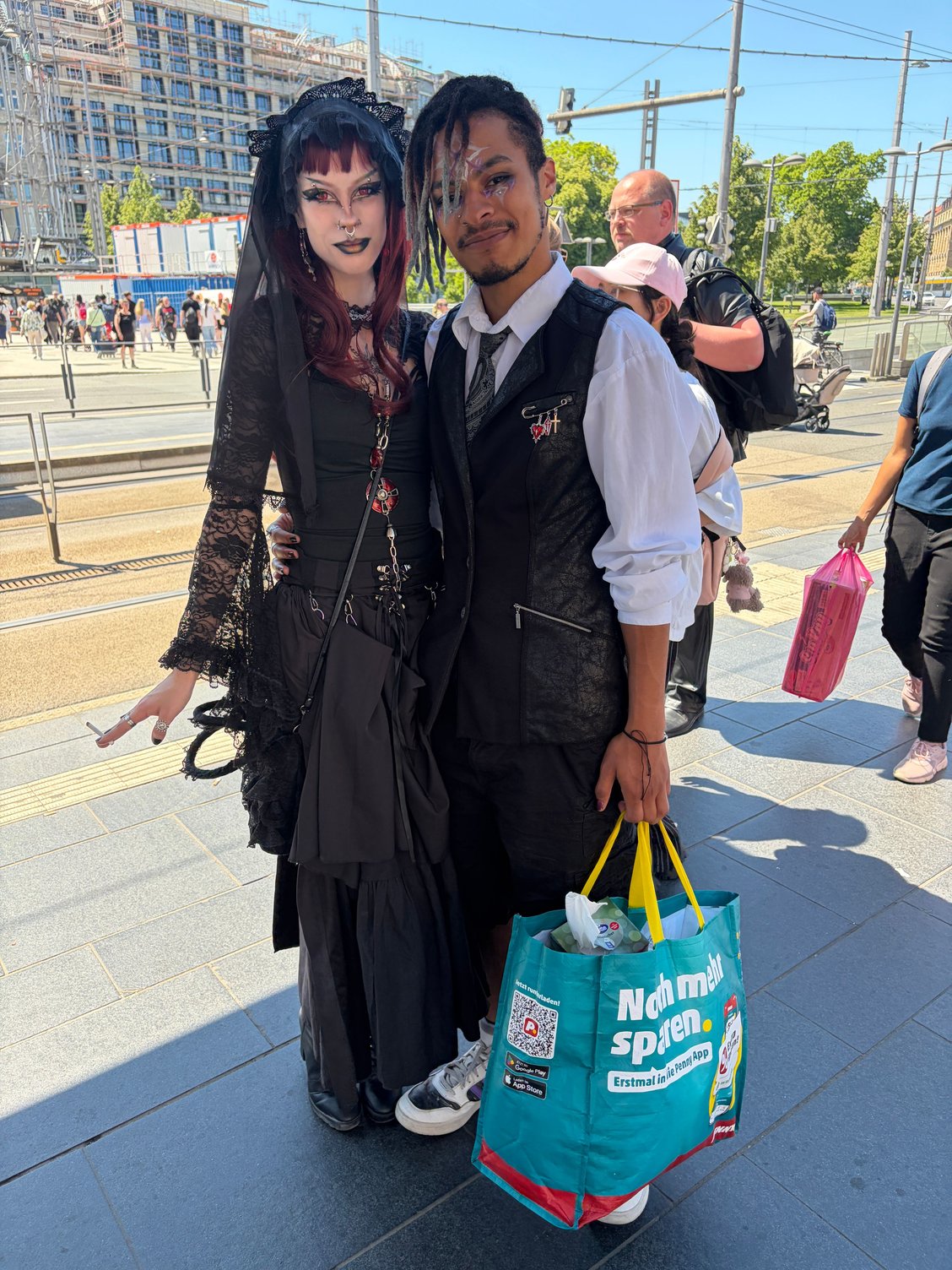
waiting for a tram has never been so much fun..

And 3 tram stops later, close to my accommodation, I pop into a local street produce market (with my suitcase lol) which is in an area popular with those of middle eastern background.
Some very promising aromas from nearby kebab stores.
But I was cooking tonight.
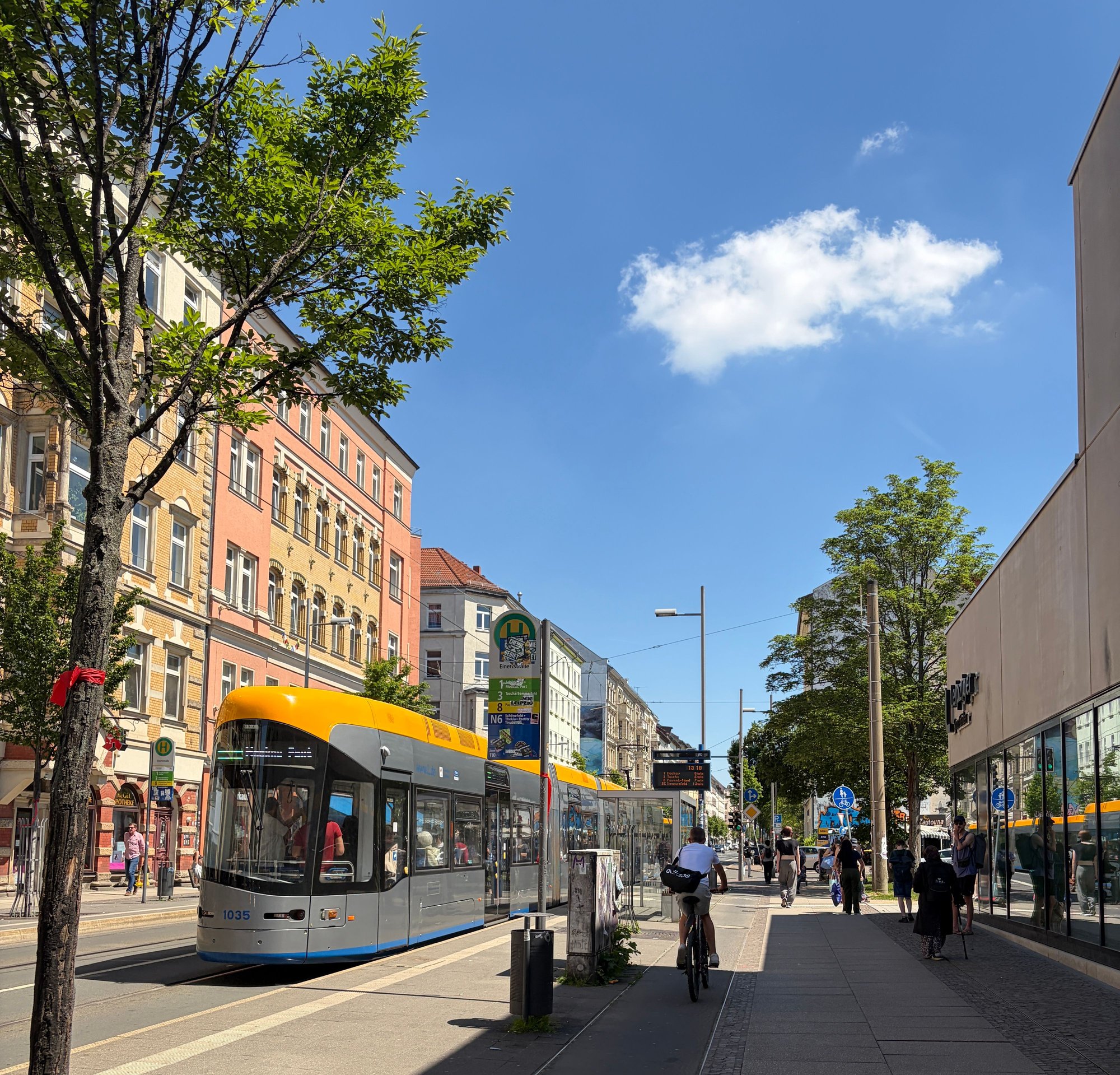
So convenient, HBF then tram, then 4 mins to apartment
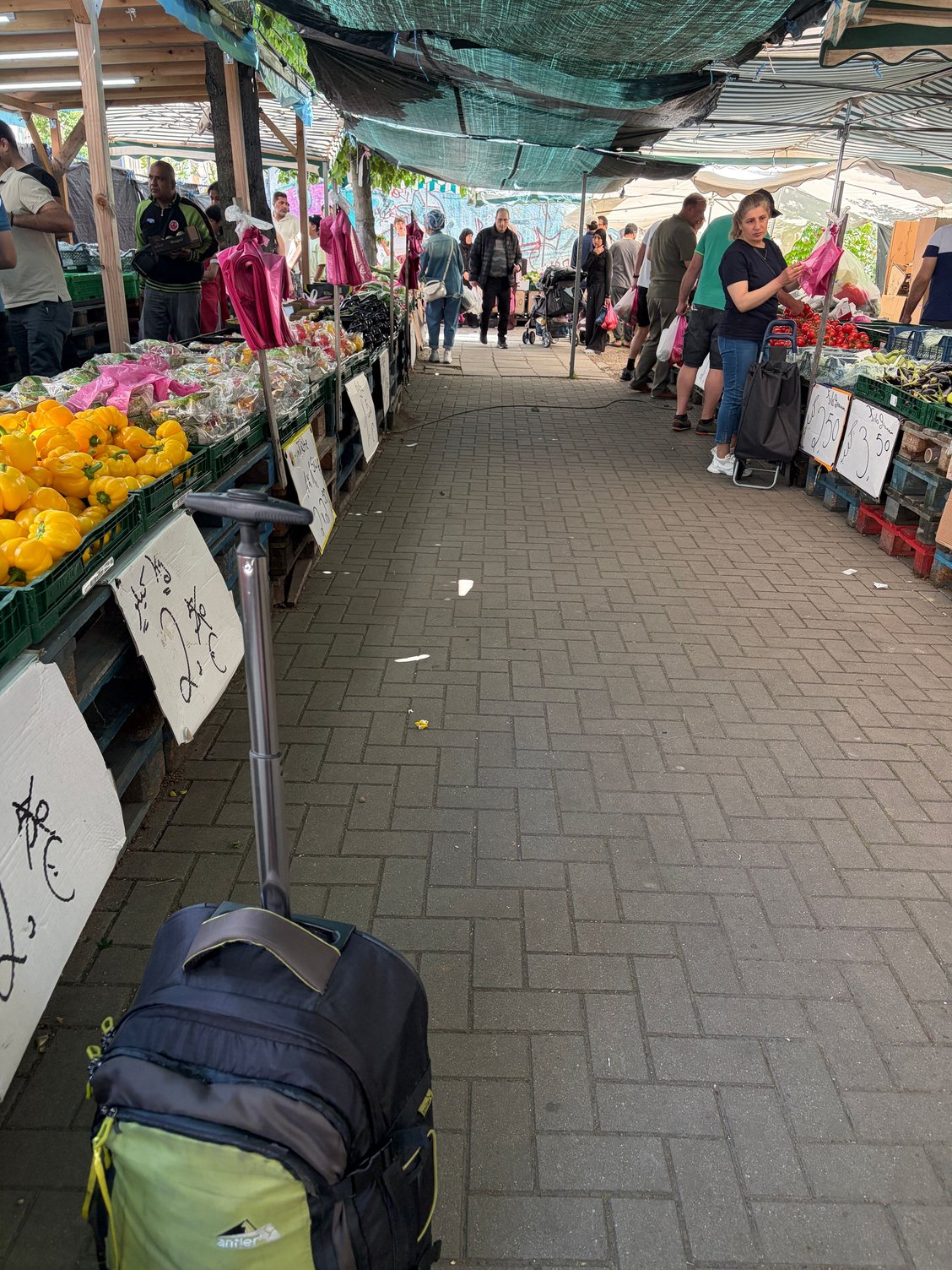
Proving to my DH that I still know how to shop and cook…
Picked up some fresh produce, located my apartment (so many apartment blocks here), and waited for my cousins to arrive.
We had a wonderful evening catching up, and readying ourselves for our nostalgia tour tomorrow.
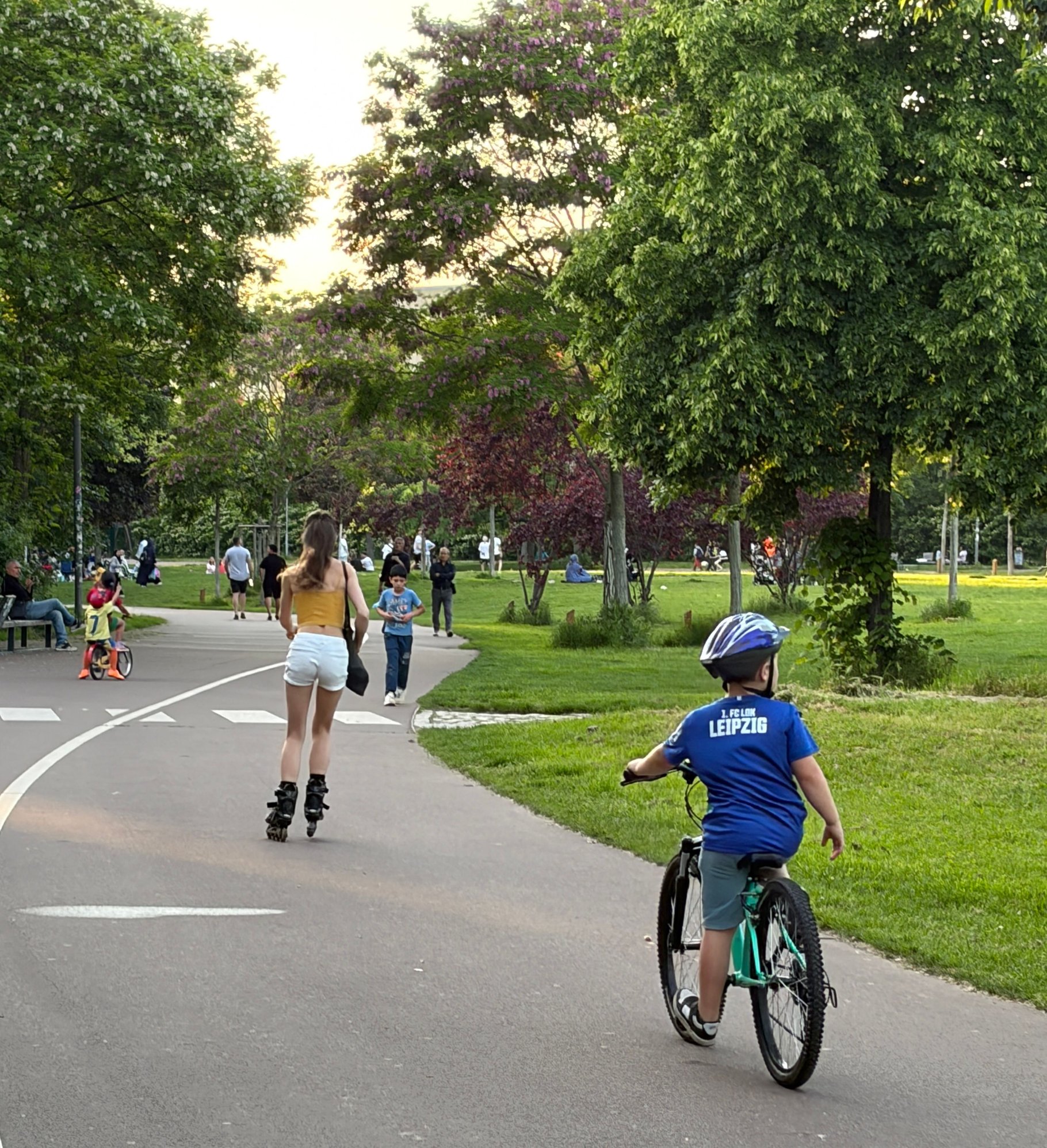
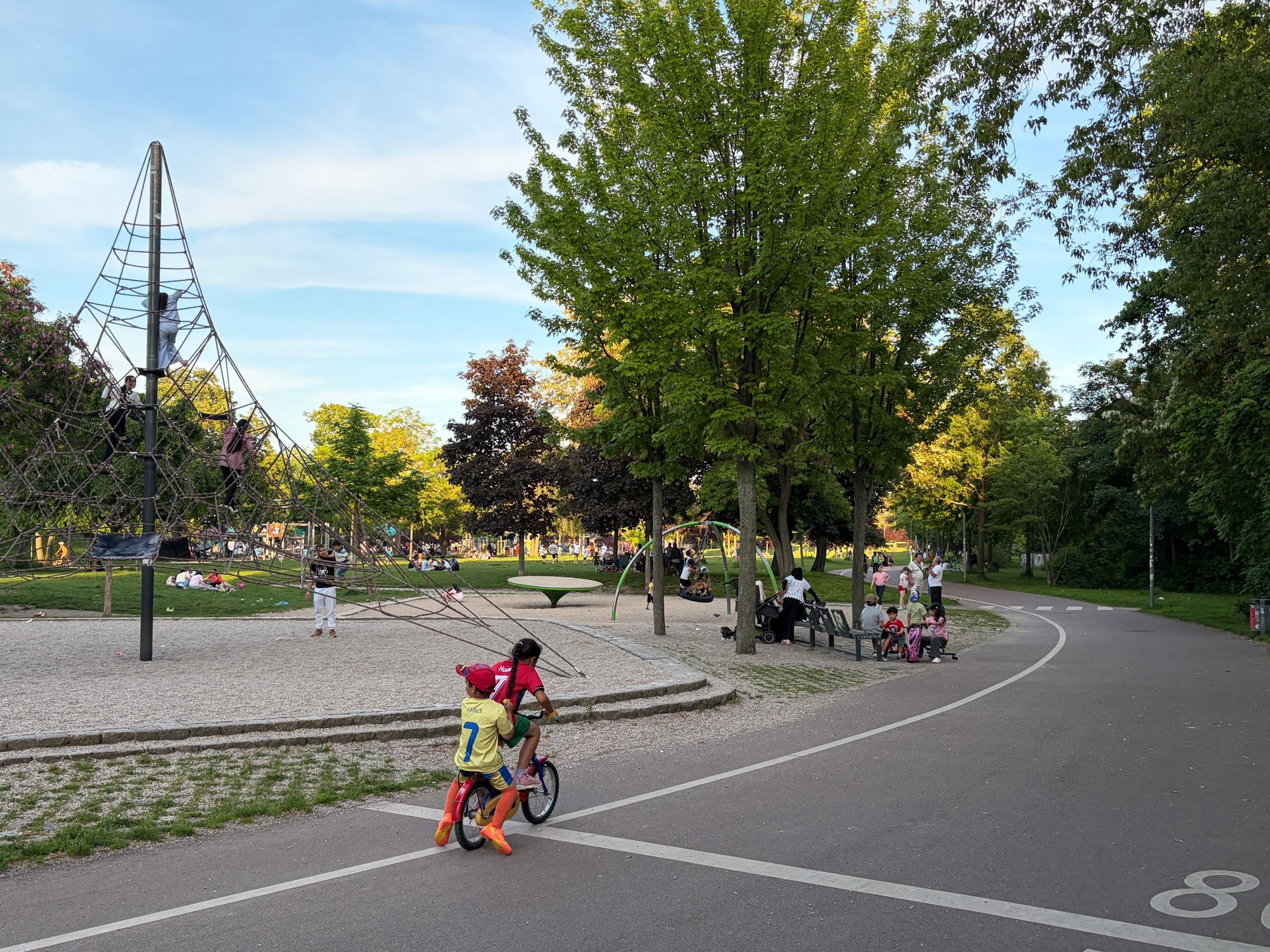
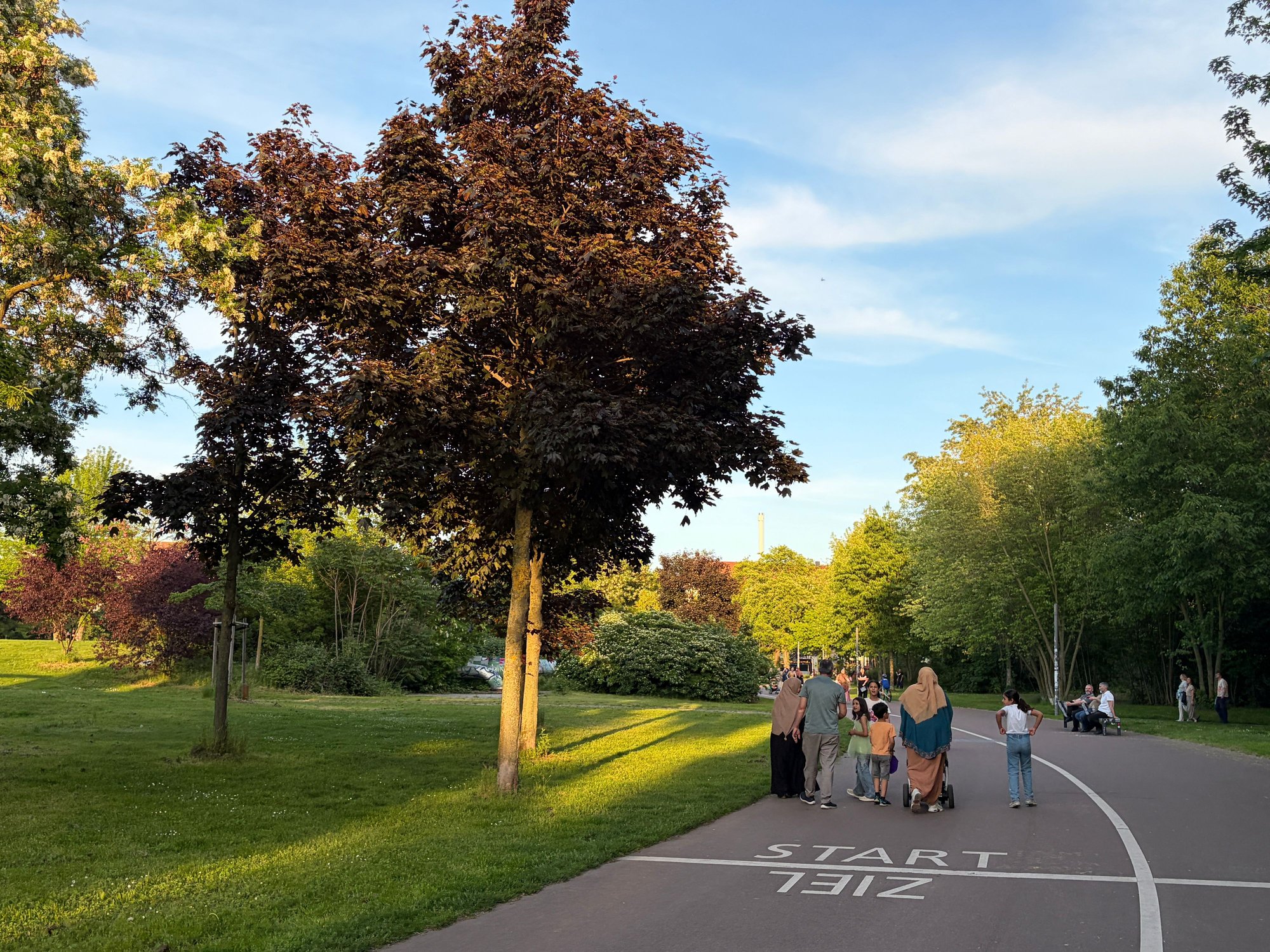
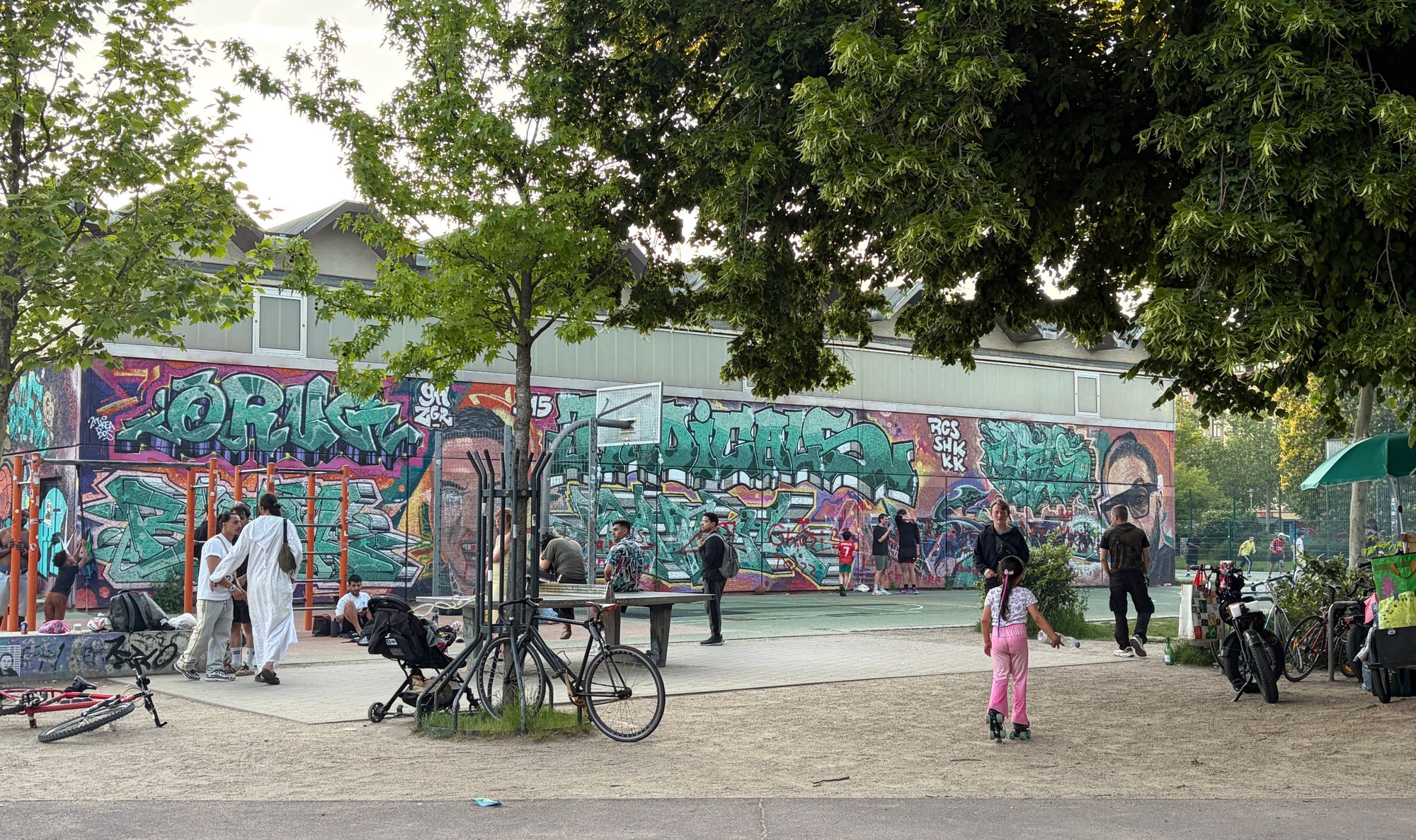
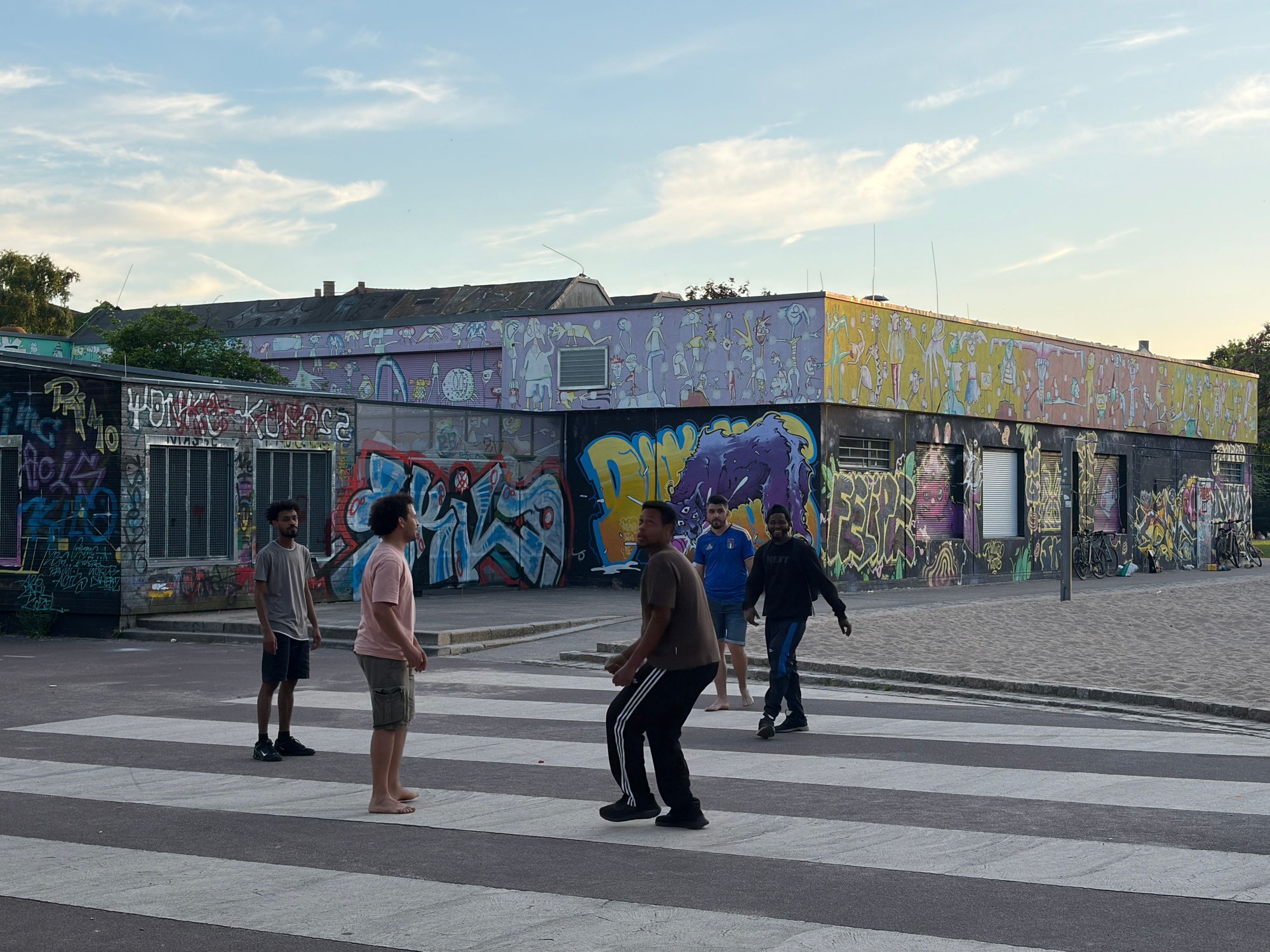
Had an evening neighbourhood stroll, a lot of families in the local park, men playing soccer and basketball, kids on bikes, so different to our suburban life where we withdraw into our houses with our own gardens.


Used the Saxon Anhalt (regional) day ticket €35 as also valid on the Leipzig tram network.
Added the Leipzig Move App for convenient ticket purchases while here.
It was a 3 connection train journey, then a tram, and progressively more crowded as I approached Leipzig, from Halle it was a standing room only option, hot and no room to move.
Leaving the Leipzig HBF for the local tram was an exciting entry into urban diversity, with fascinating dress and awesome makeup thanks to the Wave- Gothic festival, the worlds largest gothic festival
https://www.leipzig-leben.de/wave-go...effen-leipzig/
I did not pack enough black to blend in.
waiting for a tram has never been so much fun..
And 3 tram stops later, close to my accommodation, I pop into a local street produce market (with my suitcase lol) which is in an area popular with those of middle eastern background.
Some very promising aromas from nearby kebab stores.
But I was cooking tonight.
So convenient, HBF then tram, then 4 mins to apartment
Proving to my DH that I still know how to shop and cook…
Picked up some fresh produce, located my apartment (so many apartment blocks here), and waited for my cousins to arrive.
We had a wonderful evening catching up, and readying ourselves for our nostalgia tour tomorrow.
Had an evening neighbourhood stroll, a lot of families in the local park, men playing soccer and basketball, kids on bikes, so different to our suburban life where we withdraw into our houses with our own gardens.
Last edited by Adelaidean; May 25th, 2026 at 07:58 AM.
May 26th, 2026 | 12:09 AM
#85

Joined: Jan 2003
Posts: 8,510
Likes: 0
Here I am! Here I am!! Frantically jumping up & down and waving from the back of the room.
I'm late to respond to your glorious report! But I have been here since the beginning, really enjoying your photos and notes. Those nighttime photos of Prague are just stunning, worthy of framing and hanging to get you through your next heat wave.
I cannot tell you how many of my destination wish-lists were born from your photos! Lol but now I've cracked the code and realize it's how you find the quiet corners of the sweetest towns, and I'll probably be more discerning from here on. But really! You do serve up the best bunch of town-appetizers to tempt me with!
Carry on!
s
I'm late to respond to your glorious report! But I have been here since the beginning, really enjoying your photos and notes. Those nighttime photos of Prague are just stunning, worthy of framing and hanging to get you through your next heat wave.
I cannot tell you how many of my destination wish-lists were born from your photos! Lol but now I've cracked the code and realize it's how you find the quiet corners of the sweetest towns, and I'll probably be more discerning from here on. But really! You do serve up the best bunch of town-appetizers to tempt me with!
Carry on!
s
 May 26th, 2026 | 11:03 AM
#86
Original Poster
Joined: Jan 2015
Posts: 4,329
Likes: 19
Day 22: Leipzig (daytrip to Kohren-Sahlis)
We drove to Kohren-Sahlis today, an old Saxon pottery town, the childhood home of my father and aunt.
The family had fled Silesia in January 1945 as the Russians were approaching, and became refugees
Villagers were informed by the mayor that the River Oder was to be the ‘battleground’ where the Red Army were to be confronted.
The village was evacuated, residents intending to return after hostilities were over. They left all belongings behind, assuming they would be returning soon.
Most able bodied men were already conscripted into the army, so it was mostly women, children, and the elderly, in this convoy of farmers carts which carried those unable to walk. My grandmother took the 2 young children and whatever heavy warm clothing she could carry (she wore my grandfather’s boots).
The villagers kept walking through that harsh winter until the surrender of Germany in May, arriving near the village of Kohren (350 km) where the refugee villagers opted to remain.
His father, meanwhile, was injured in Czechoslovakia and then moved to a military hospital. His parents discovered each other’s whereabouts as the common point of contact by mail was family in Berlin. So my father, his sister and mother travelled by train to see his father in the hospital. Details sketchy after this (he was 8 years old), but he recalls returning by foot (80 km!) as no further trains, after days of walking.
My grandfather later deserted the army, throwing his uniform into a river and stealing civilian clothing, returning to his family. This coincided with the shambles at the end of the war, so no repercussions/ imprisonment.
So, they were reunited in troubled times, and started lives again with nothing.
Property was nationalised and land was allocated and could be built on, and farmed, but one did not own it.
Post war deprivation was less in the countryside, and his father was a resourceful man, a bricklayer in times where there was a lot of rebuilding needed, he built their home and bartered home grown foods and labour for other necessities.
They had a goat or 2 and therefore milk and cheese, a pig, ducks, geese (sold for Christmas dinner), and rabbits, and a productive garden, a cellar to store winter vegetables. They occasionally travelled to Berlin to supply family there with food. They received produce as part of their wage for work on the farm opposite them (the Rittergut, a former manor house, nationalised under communism and now in the process of restoration).
We had heard the stories of childhood and early education- school in the post war years (the unfortunate villager suffering years of wartime imprisonment in Russia, therefore learning the language and once he returned home he was required by the new regime to become the teacher of Russian at the local school, constantly reliving his nightmare), life’s hardships (eating flour soup/ potato peel soup, the many shortages), changing times as the region became Soviet controlled, the rise of Stasi informers, the need to be in the Communist Party to be promoted, the building of the Wall, yearning for adventure and escape to the West as a teenager.
But also the good stuff, the Communist system valued education, guaranteed employment, disability support (a friend affected by polio had his mobility needs met in order to continue his education), and there was no speculative investment in property.
Ironically, he lived about 30 km from Chemnitz where my mother was born. She left before strict travel restrictions were implemented, moved to West Germany, working until the glossy advertisements enticed her to emigrate to Australia.
My father escaped in 1957 (his second attempt, the first time he was imprisoned for a short time) and lived in West Germany for awhile, until he too also took the ‘assisted passage’ option. They met in a migrant hostel in South Australia, and eventually moved to the outback.
As so many of their friends they made in Australia were also escapees, we had heard a lot of their personal stories (a 15 year old Bulgarian secretly building a raft and successfully escaped) but I wish I had interviewed and documented them.
Some stories from those who escaped https://listverse.com/2017/08/12/top...e-berlin-wall/
The Lives of Others is an excellent movie about the Stasi “the Stasi was one the most effective and repressive intelligence and secret police agencies in the world”
https://en.wikipedia.org/wiki/The_Lives_of_Others
and Night Crossing about the hot air balloon escape https://en.wikipedia.org/wiki/East_G...balloon_escape
(the balloon actually landed near my aunt’s new home, she left East Germany before the border was controlled)
Anyway, our day was very interesting, as my cousins had stories to share as we walked the village, past the house our grandfather built, the garden my grandmother created, the school and church the children attended, and the most incredible good fortune of wandering up to the Rittergut (manor house) to find a man there with the keys and willing to show us around.
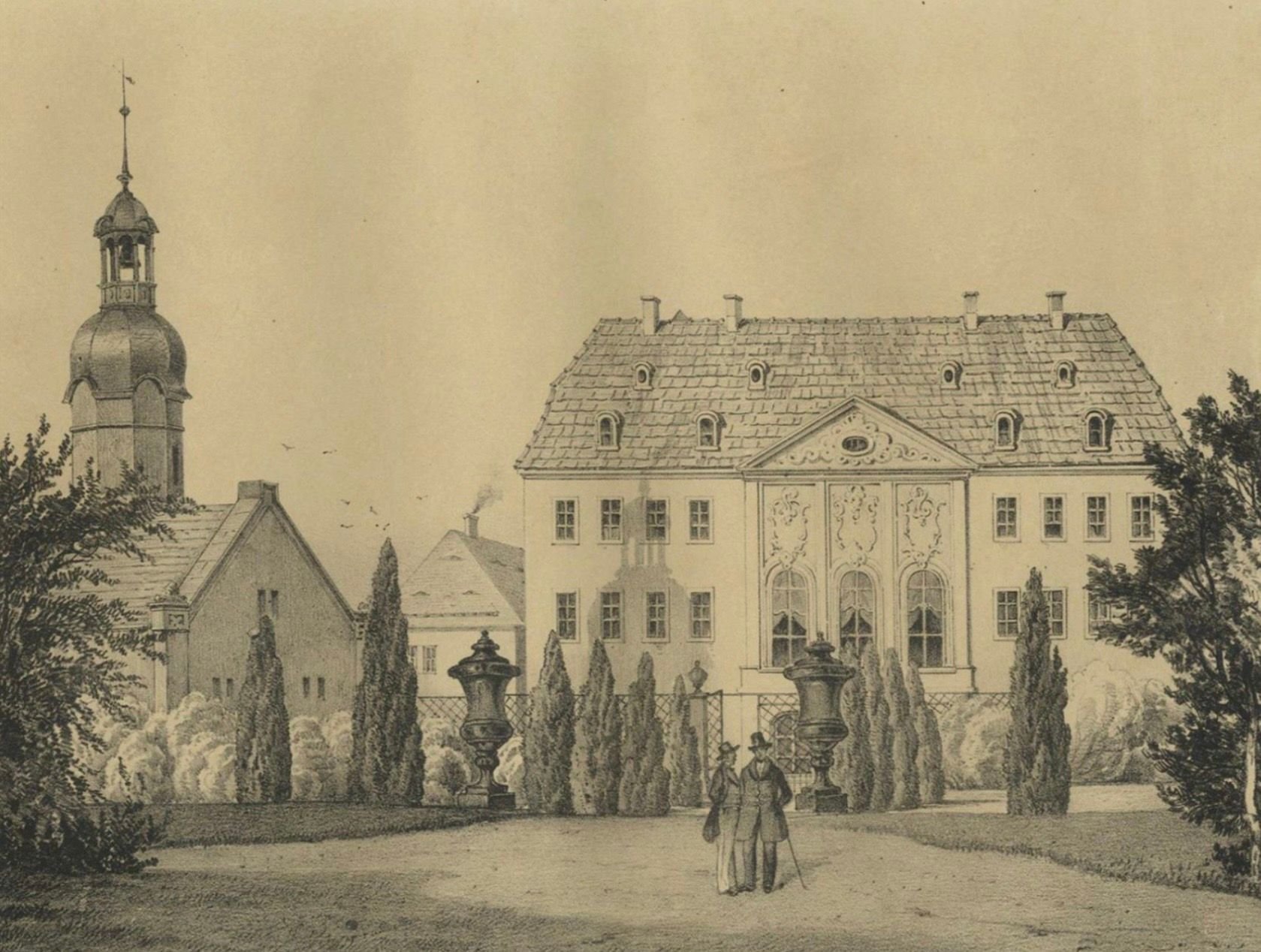
The old manor house

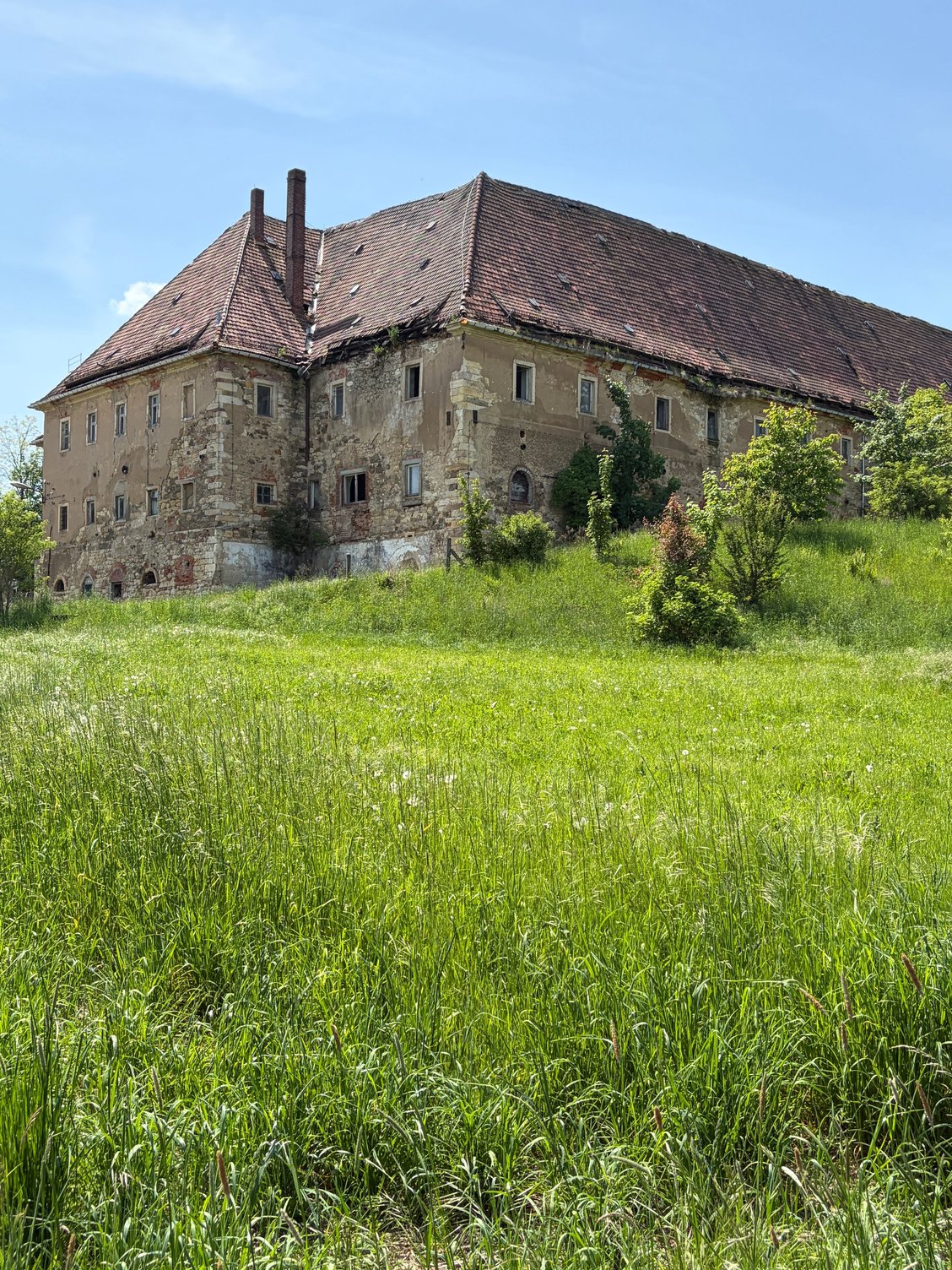
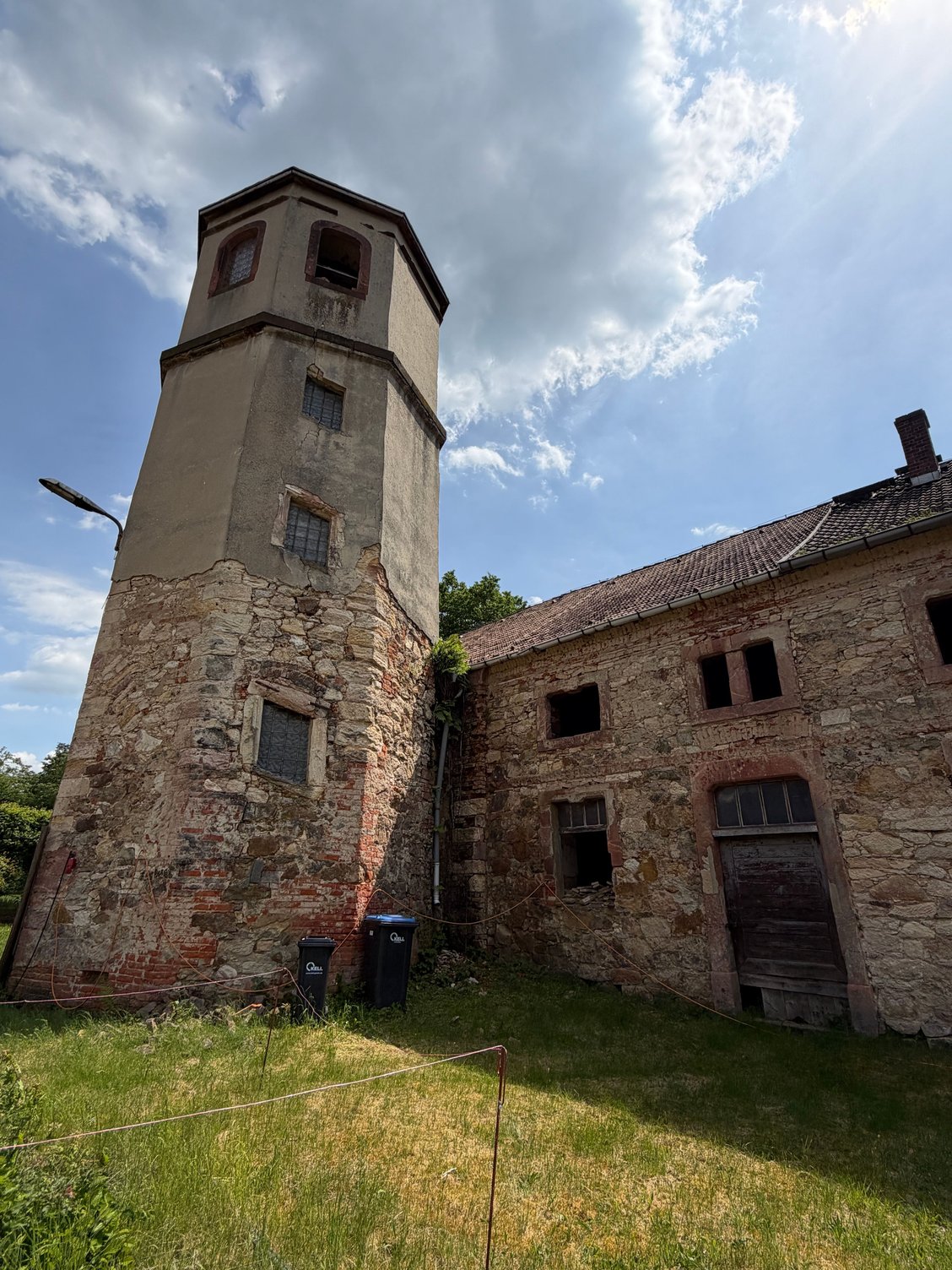


It needs so much work

Aerial view shows the symmetry of the old gardens, and the pond behind, our grandparents house abutted the pond

the village below the church, school and towers
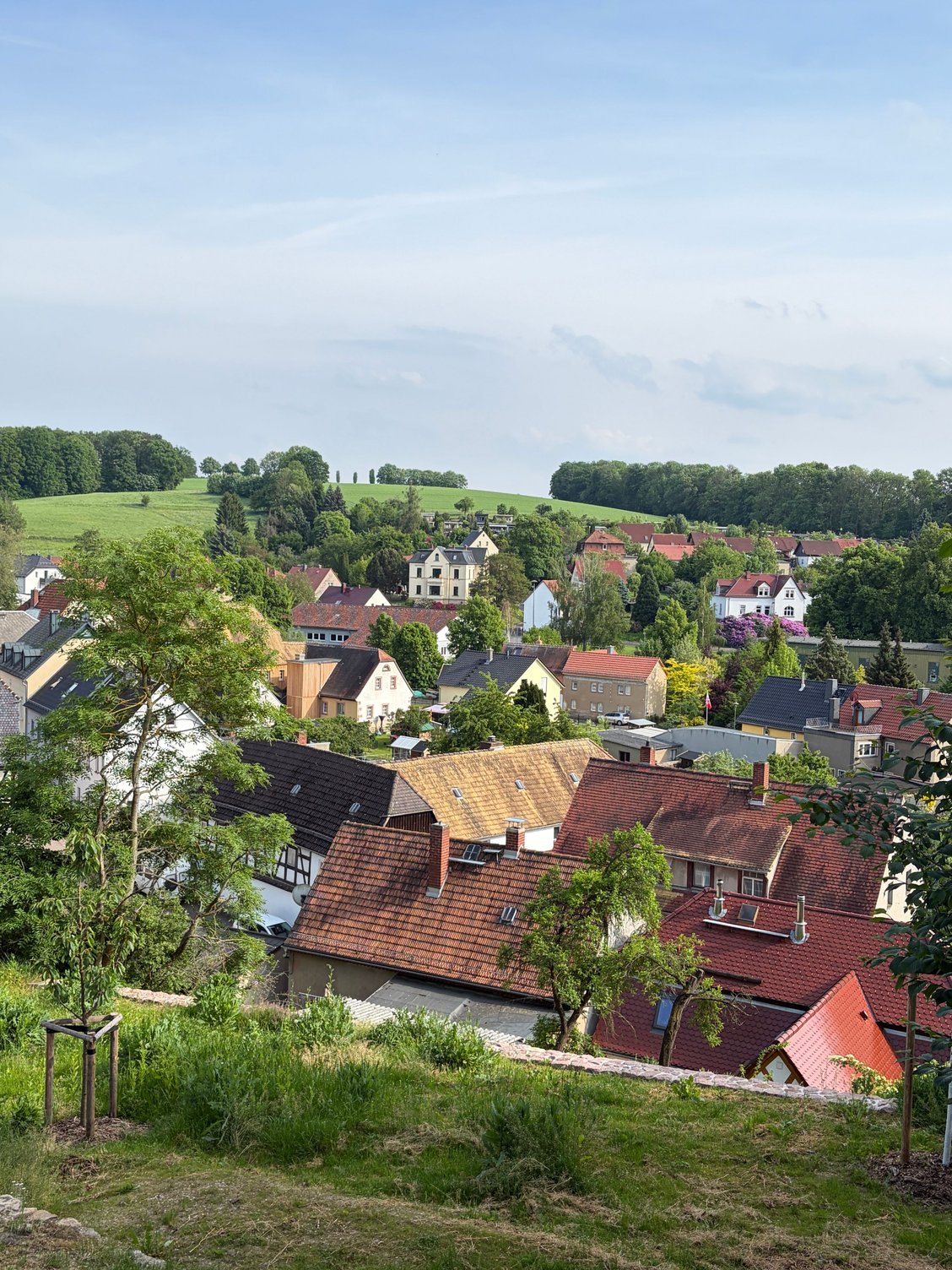
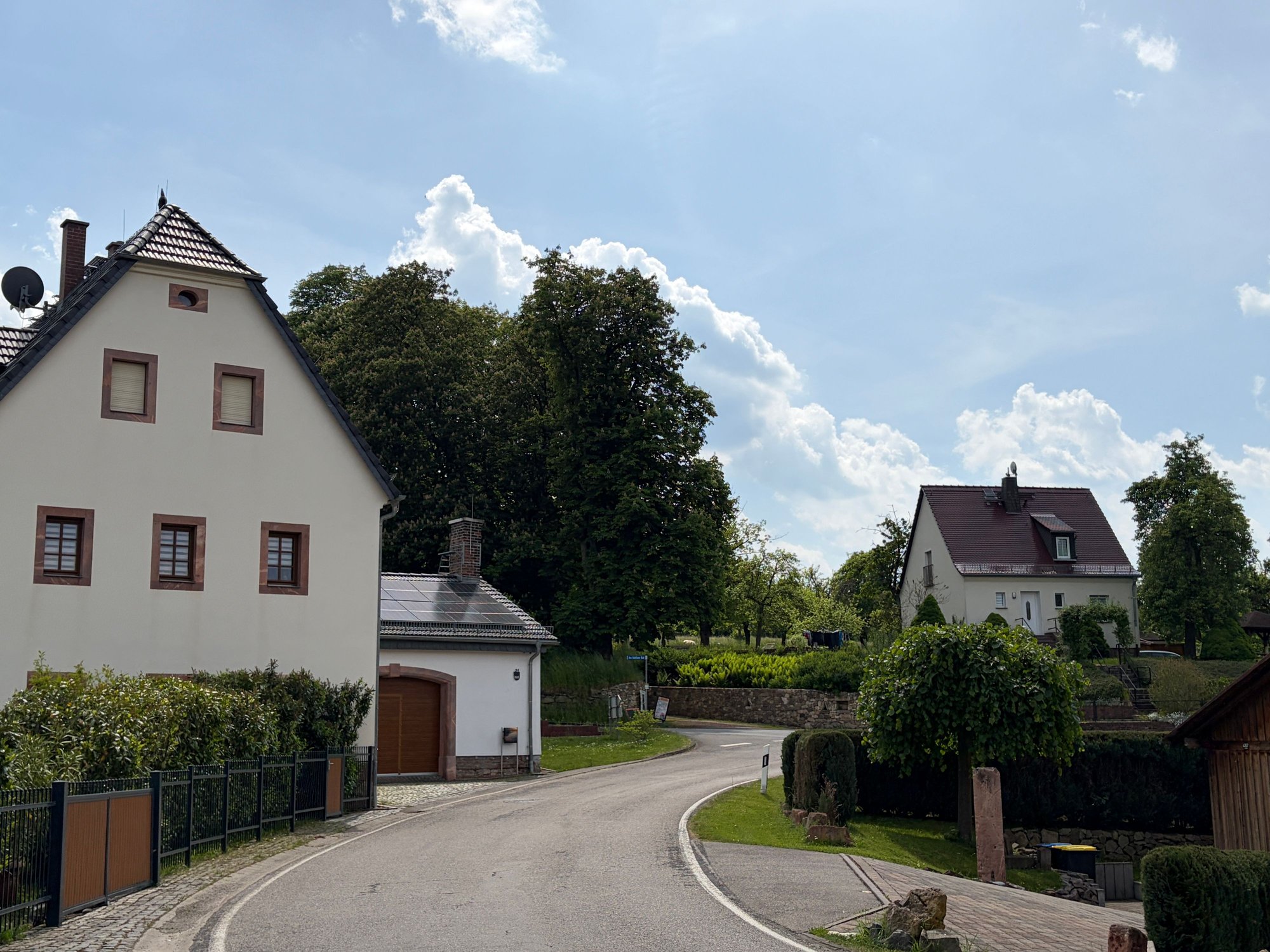
It is a small village
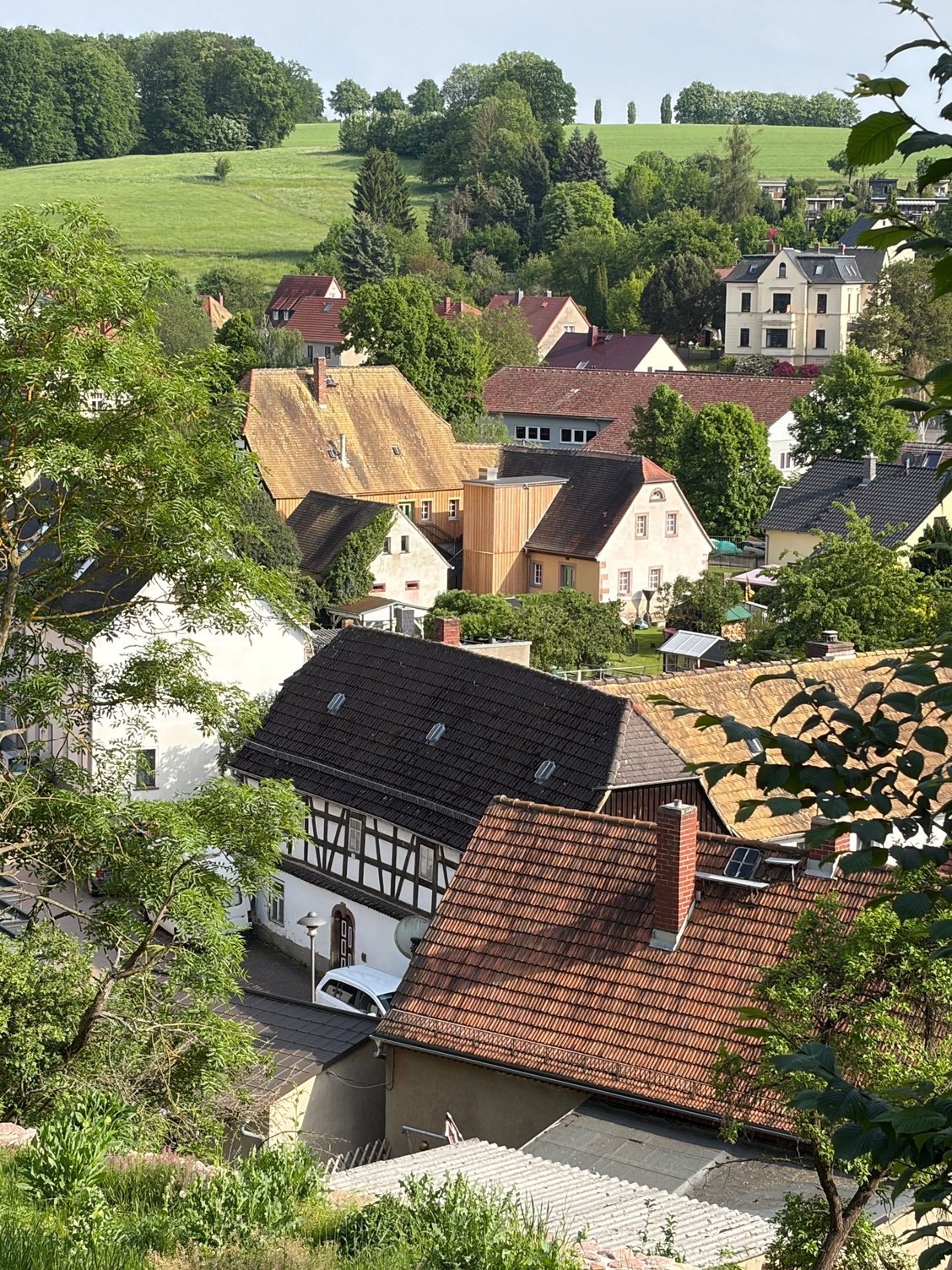
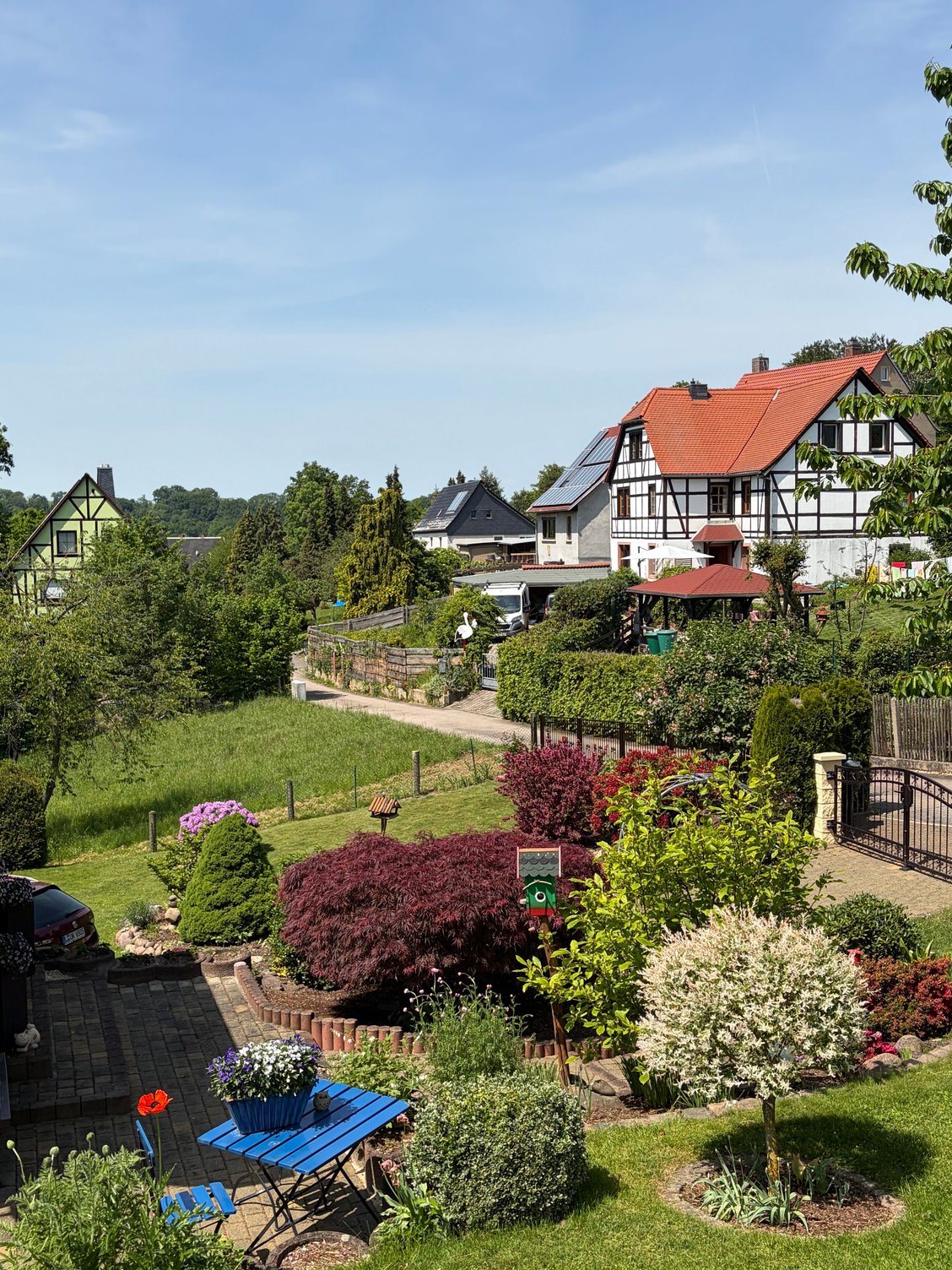
Nice gardens
Renovated homes
Old pottery
Main Street
The old school
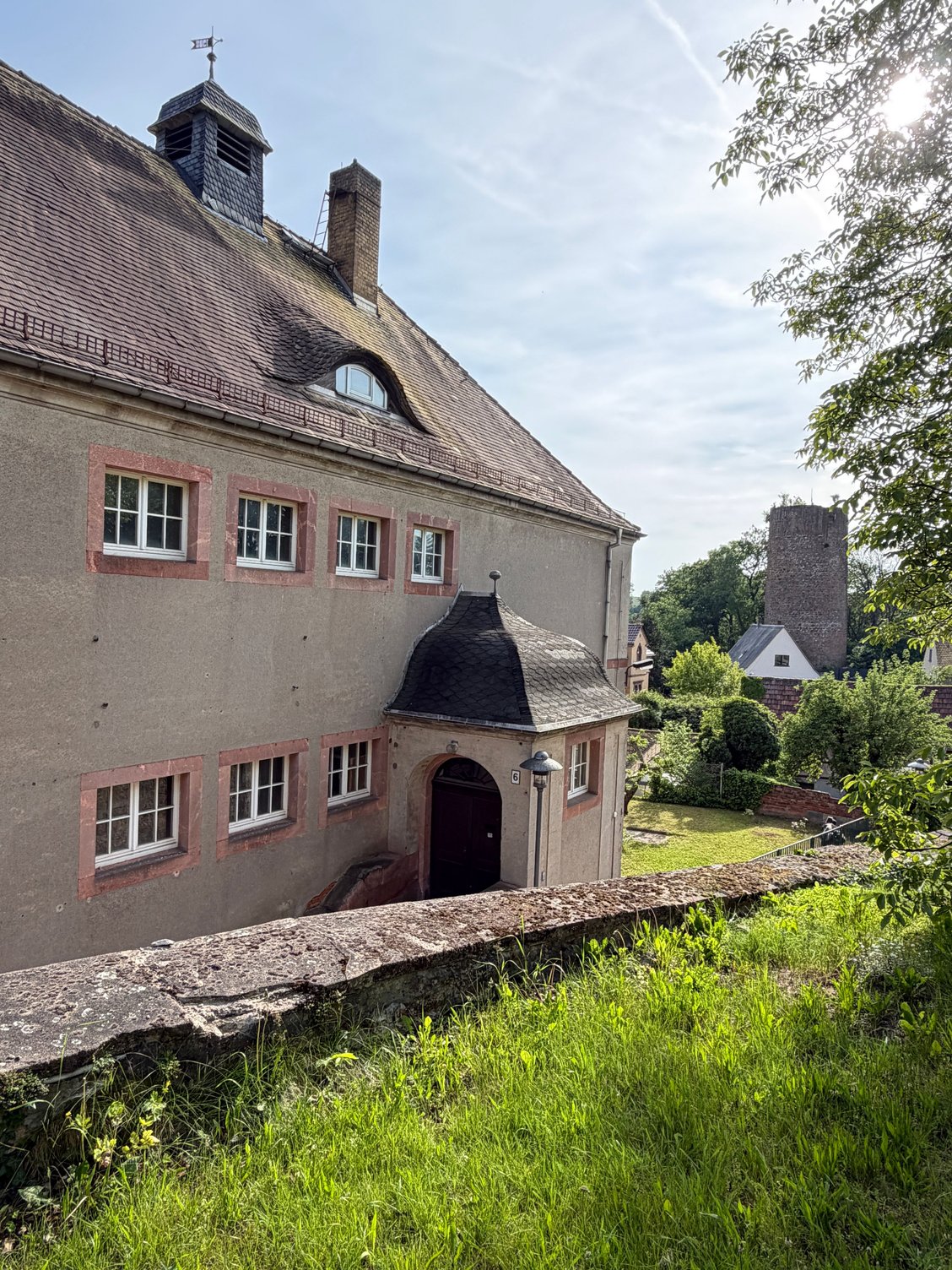
The new school
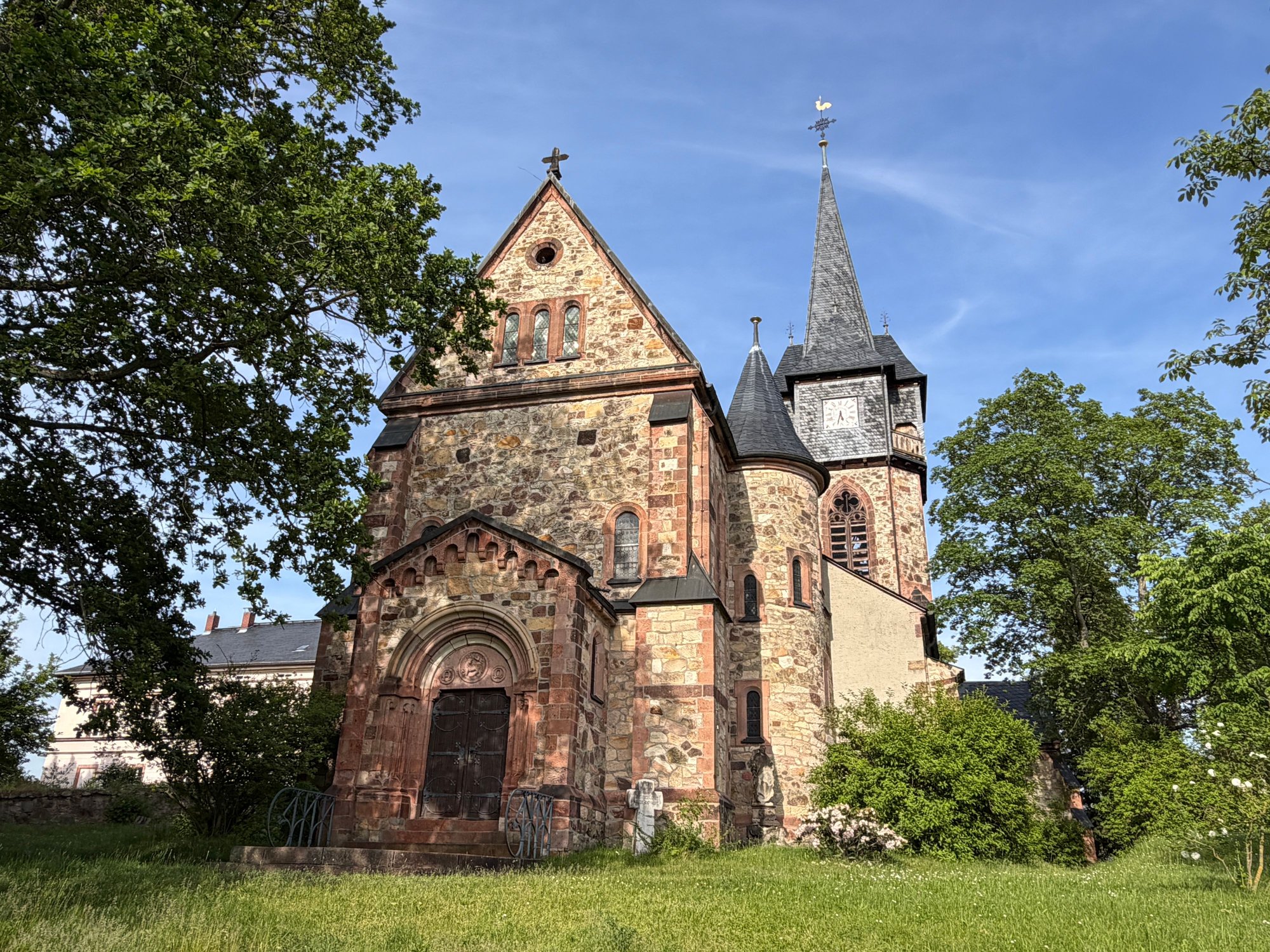
The church

The old school
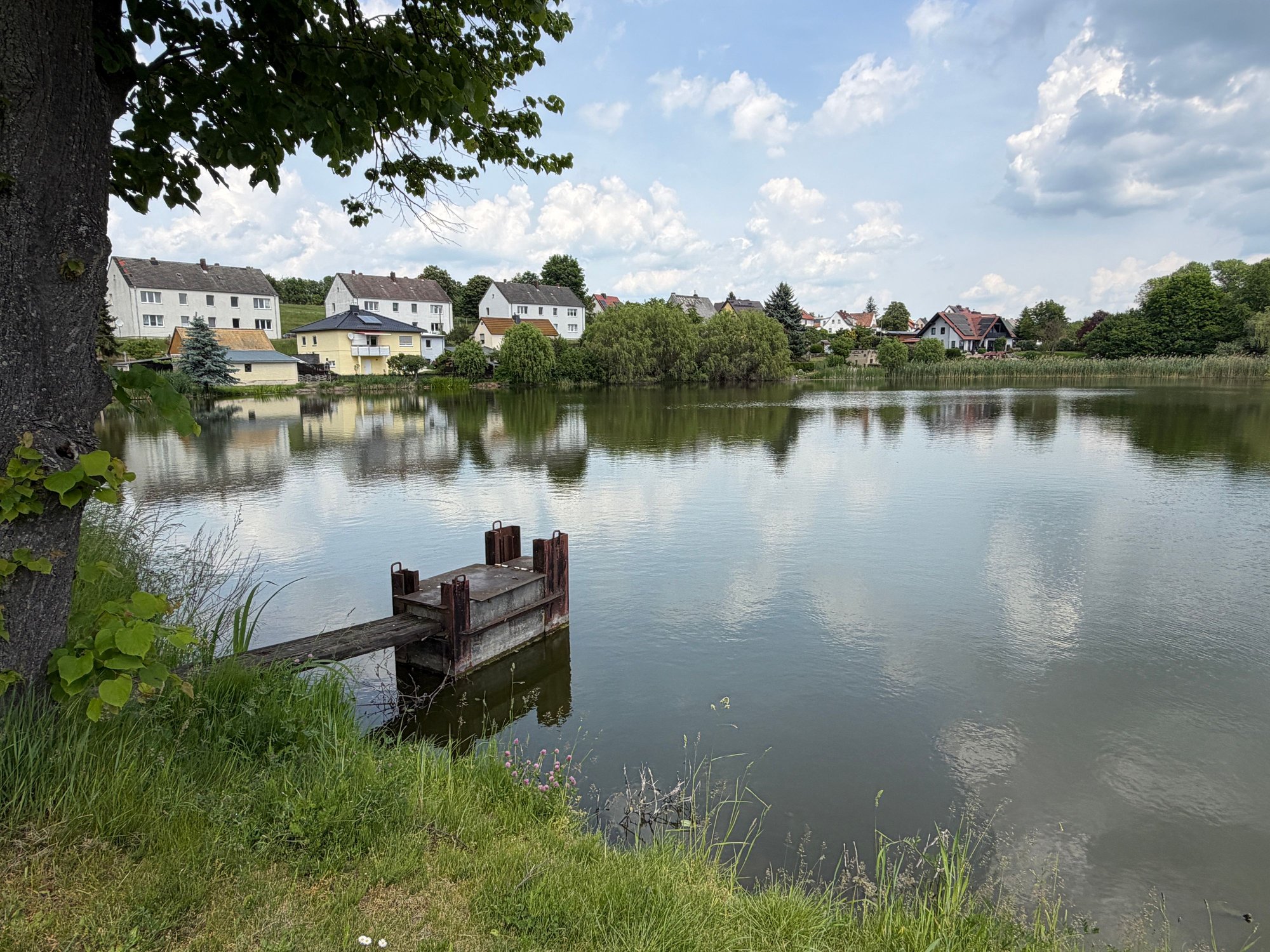
The pond is the family homes backyard
Turned out he was the owner, a developer of historic monuments, who was working on obtaining investors in the project (? future education facility as its only 30 min from Leipzig, care facility, restaurant, special events eg wedding, concerts) but of course heritage requirements were pretty challenging and it has been so rundown in the years since reunification.
https://www.chreans.com/aktuelle-pro...kohren-sahlis/
After the war and Soviet occupation, the Russians took much of value from the town, the locals helping themselves to what was left (my father remembers his father discovering a long thick woollen army coat, a real find, and had a seamstress remodel it into a jacket and skirt for his mother)
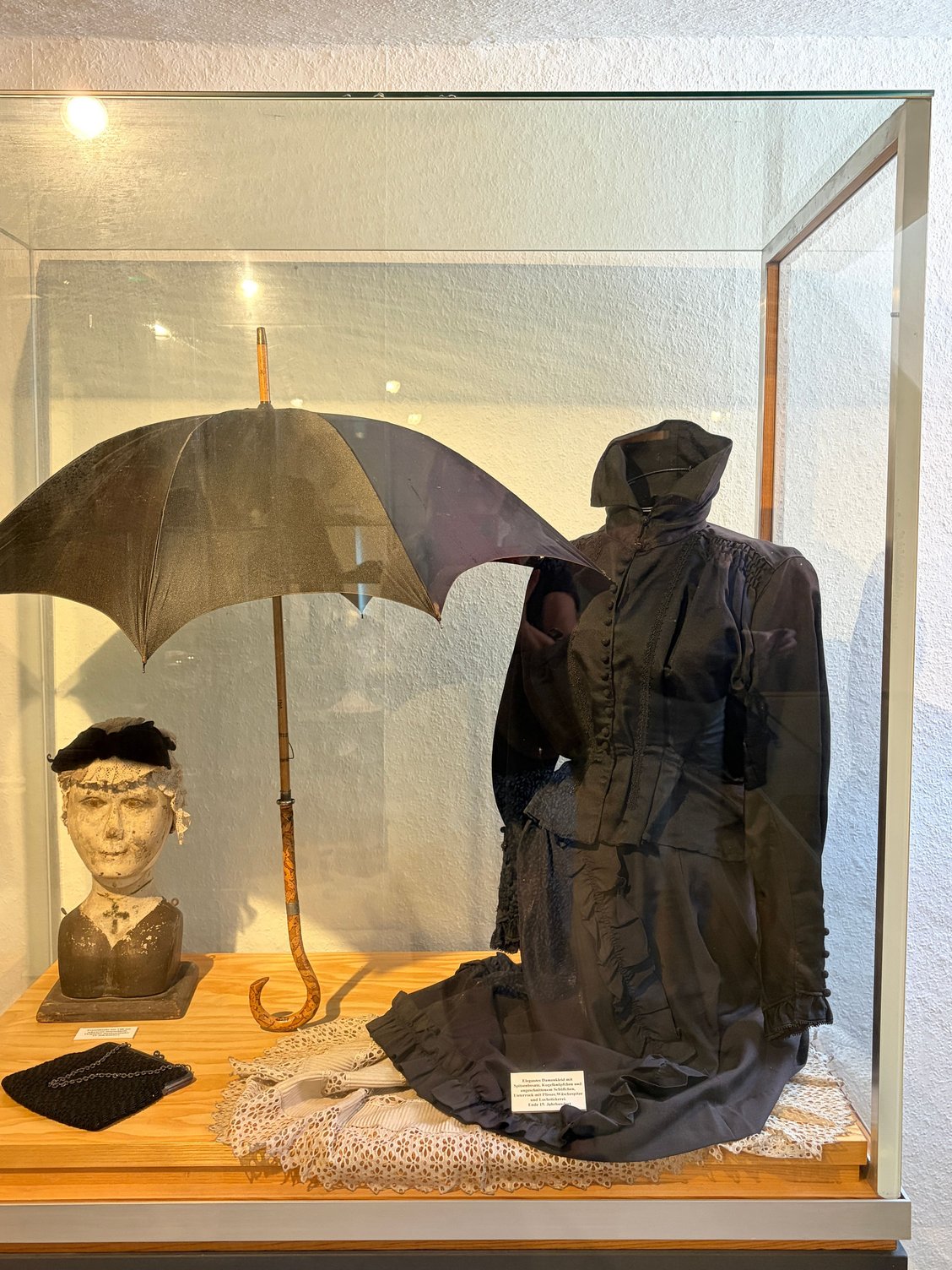
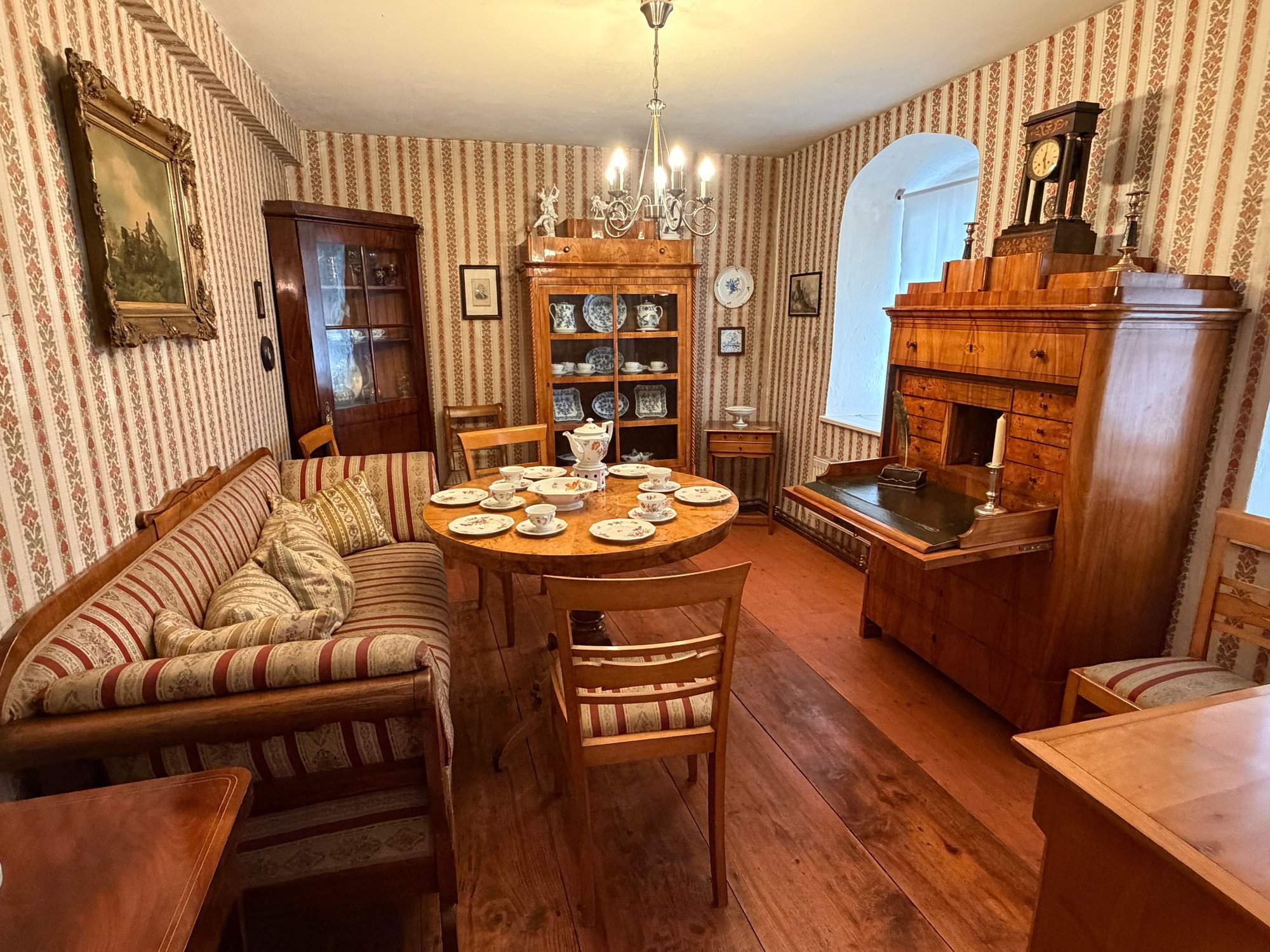
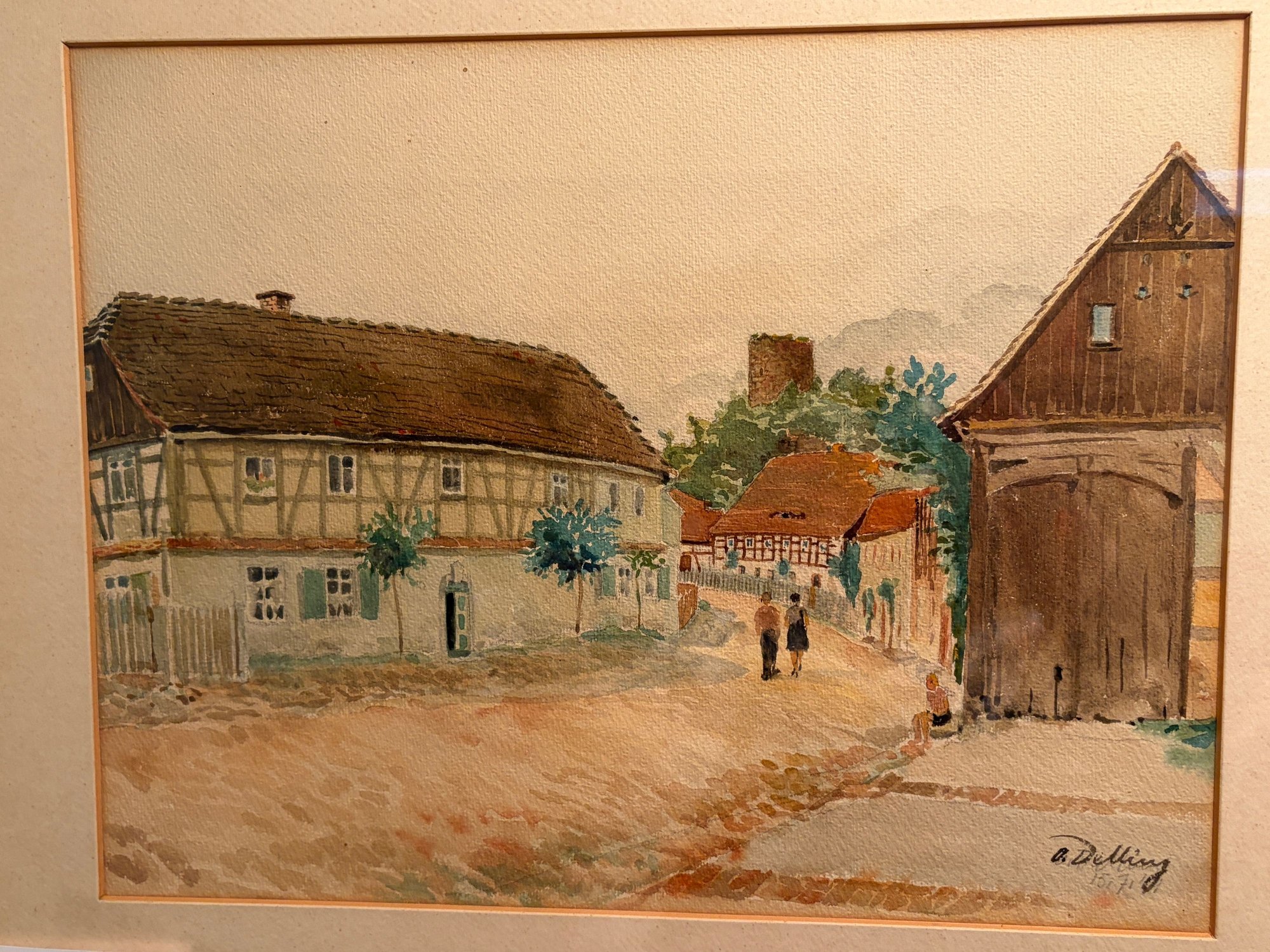
We had a very quick visit to a house museum, with a collection of items from manor estates and farmhouses: furniture, Kohrener ceramics, textiles and hand weaving loom, even a salt cabinet as the house held the right to dispense salt.


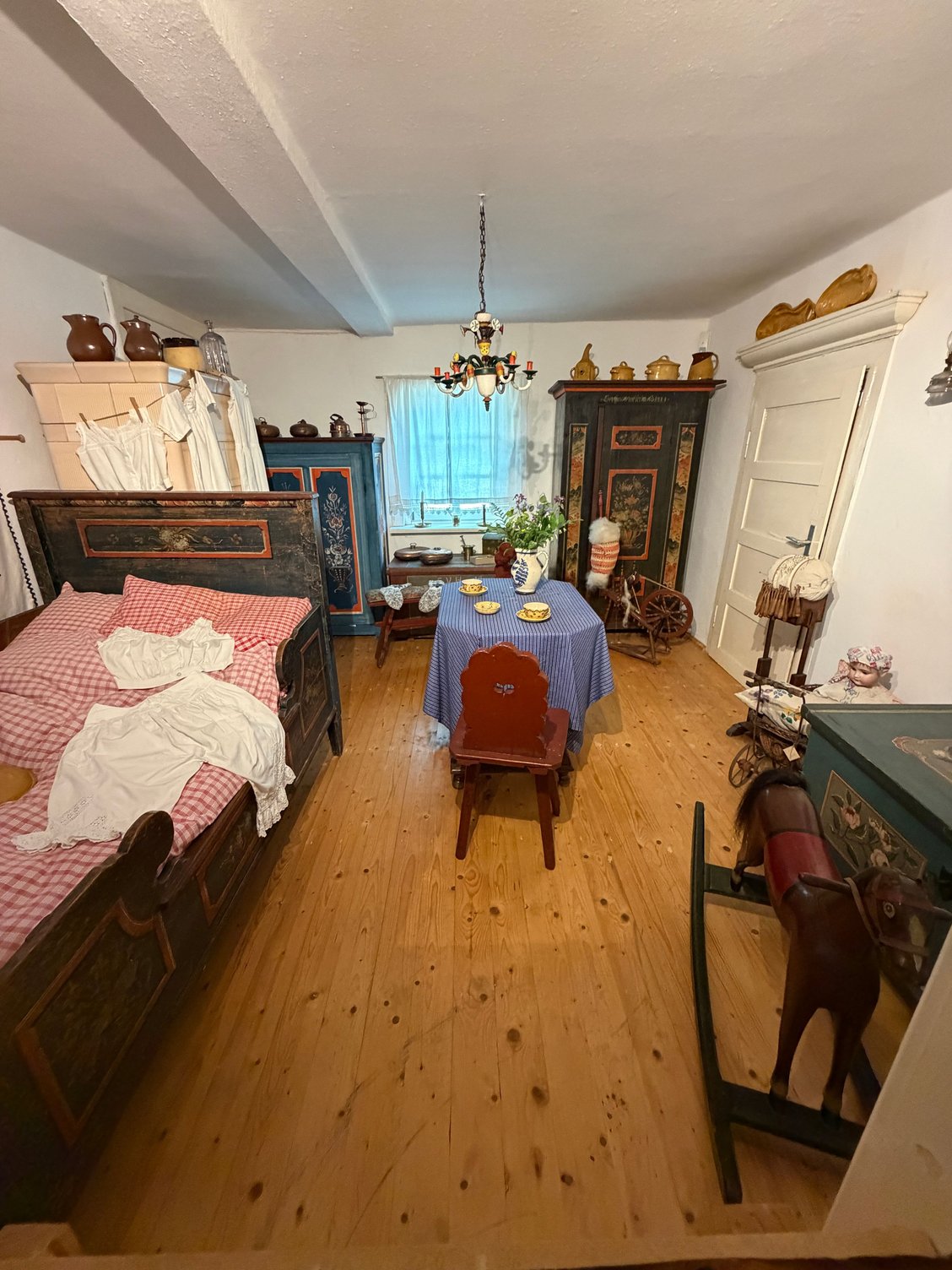


The salt cupboard

It was a 30 minute drive back to Leipzig, but in the early 1950’s my father (then 15 years old) used to catch the 4:07 am train from Kohren to Frohburg then on to Leipzig for a 7 am start at trade school.
And get home at 7 pm.
It was a very sentimental day for all of us.
We drove to Kohren-Sahlis today, an old Saxon pottery town, the childhood home of my father and aunt.
The family had fled Silesia in January 1945 as the Russians were approaching, and became refugees
Villagers were informed by the mayor that the River Oder was to be the ‘battleground’ where the Red Army were to be confronted.
The village was evacuated, residents intending to return after hostilities were over. They left all belongings behind, assuming they would be returning soon.
Most able bodied men were already conscripted into the army, so it was mostly women, children, and the elderly, in this convoy of farmers carts which carried those unable to walk. My grandmother took the 2 young children and whatever heavy warm clothing she could carry (she wore my grandfather’s boots).
The villagers kept walking through that harsh winter until the surrender of Germany in May, arriving near the village of Kohren (350 km) where the refugee villagers opted to remain.
His father, meanwhile, was injured in Czechoslovakia and then moved to a military hospital. His parents discovered each other’s whereabouts as the common point of contact by mail was family in Berlin. So my father, his sister and mother travelled by train to see his father in the hospital. Details sketchy after this (he was 8 years old), but he recalls returning by foot (80 km!) as no further trains, after days of walking.
My grandfather later deserted the army, throwing his uniform into a river and stealing civilian clothing, returning to his family. This coincided with the shambles at the end of the war, so no repercussions/ imprisonment.
So, they were reunited in troubled times, and started lives again with nothing.
Property was nationalised and land was allocated and could be built on, and farmed, but one did not own it.
Post war deprivation was less in the countryside, and his father was a resourceful man, a bricklayer in times where there was a lot of rebuilding needed, he built their home and bartered home grown foods and labour for other necessities.
They had a goat or 2 and therefore milk and cheese, a pig, ducks, geese (sold for Christmas dinner), and rabbits, and a productive garden, a cellar to store winter vegetables. They occasionally travelled to Berlin to supply family there with food. They received produce as part of their wage for work on the farm opposite them (the Rittergut, a former manor house, nationalised under communism and now in the process of restoration).
We had heard the stories of childhood and early education- school in the post war years (the unfortunate villager suffering years of wartime imprisonment in Russia, therefore learning the language and once he returned home he was required by the new regime to become the teacher of Russian at the local school, constantly reliving his nightmare), life’s hardships (eating flour soup/ potato peel soup, the many shortages), changing times as the region became Soviet controlled, the rise of Stasi informers, the need to be in the Communist Party to be promoted, the building of the Wall, yearning for adventure and escape to the West as a teenager.
But also the good stuff, the Communist system valued education, guaranteed employment, disability support (a friend affected by polio had his mobility needs met in order to continue his education), and there was no speculative investment in property.
Ironically, he lived about 30 km from Chemnitz where my mother was born. She left before strict travel restrictions were implemented, moved to West Germany, working until the glossy advertisements enticed her to emigrate to Australia.
My father escaped in 1957 (his second attempt, the first time he was imprisoned for a short time) and lived in West Germany for awhile, until he too also took the ‘assisted passage’ option. They met in a migrant hostel in South Australia, and eventually moved to the outback.
As so many of their friends they made in Australia were also escapees, we had heard a lot of their personal stories (a 15 year old Bulgarian secretly building a raft and successfully escaped) but I wish I had interviewed and documented them.
Some stories from those who escaped https://listverse.com/2017/08/12/top...e-berlin-wall/
The Lives of Others is an excellent movie about the Stasi “the Stasi was one the most effective and repressive intelligence and secret police agencies in the world”
https://en.wikipedia.org/wiki/The_Lives_of_Others
and Night Crossing about the hot air balloon escape https://en.wikipedia.org/wiki/East_G...balloon_escape
(the balloon actually landed near my aunt’s new home, she left East Germany before the border was controlled)
Anyway, our day was very interesting, as my cousins had stories to share as we walked the village, past the house our grandfather built, the garden my grandmother created, the school and church the children attended, and the most incredible good fortune of wandering up to the Rittergut (manor house) to find a man there with the keys and willing to show us around.
The old manor house
It needs so much work
Aerial view shows the symmetry of the old gardens, and the pond behind, our grandparents house abutted the pond
the village below the church, school and towers
It is a small village
Nice gardens
Renovated homes
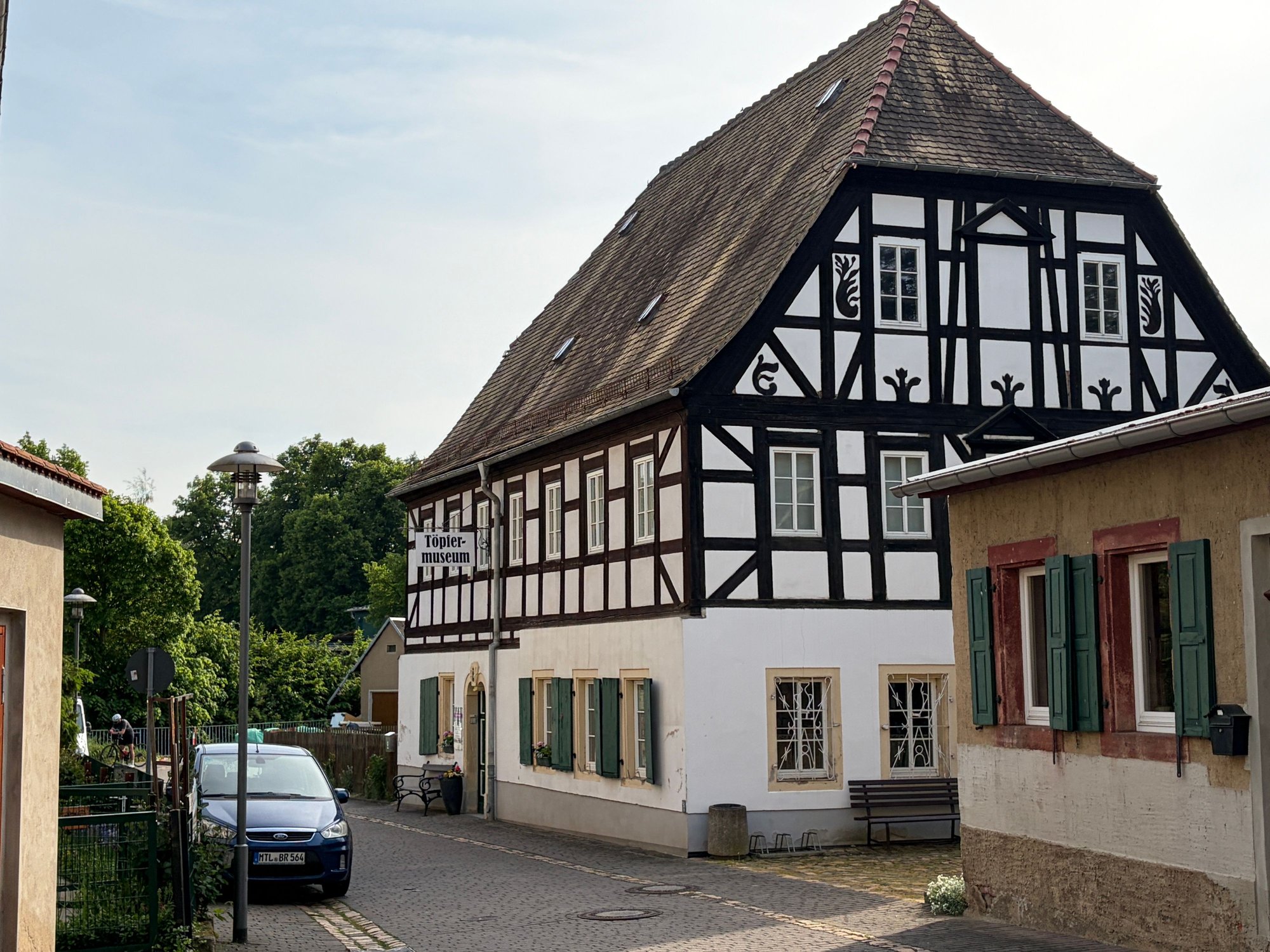
Old pottery
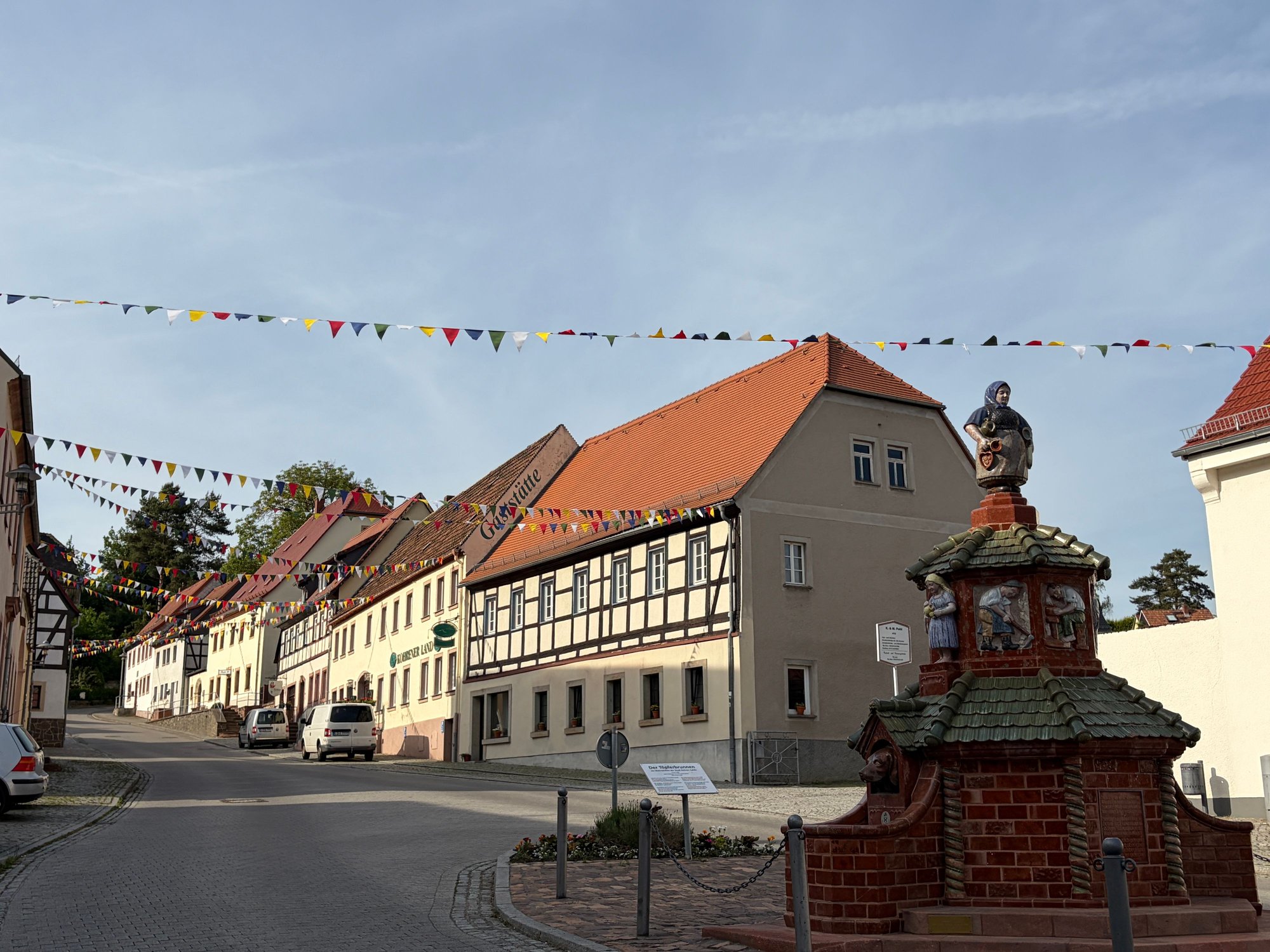
Main Street
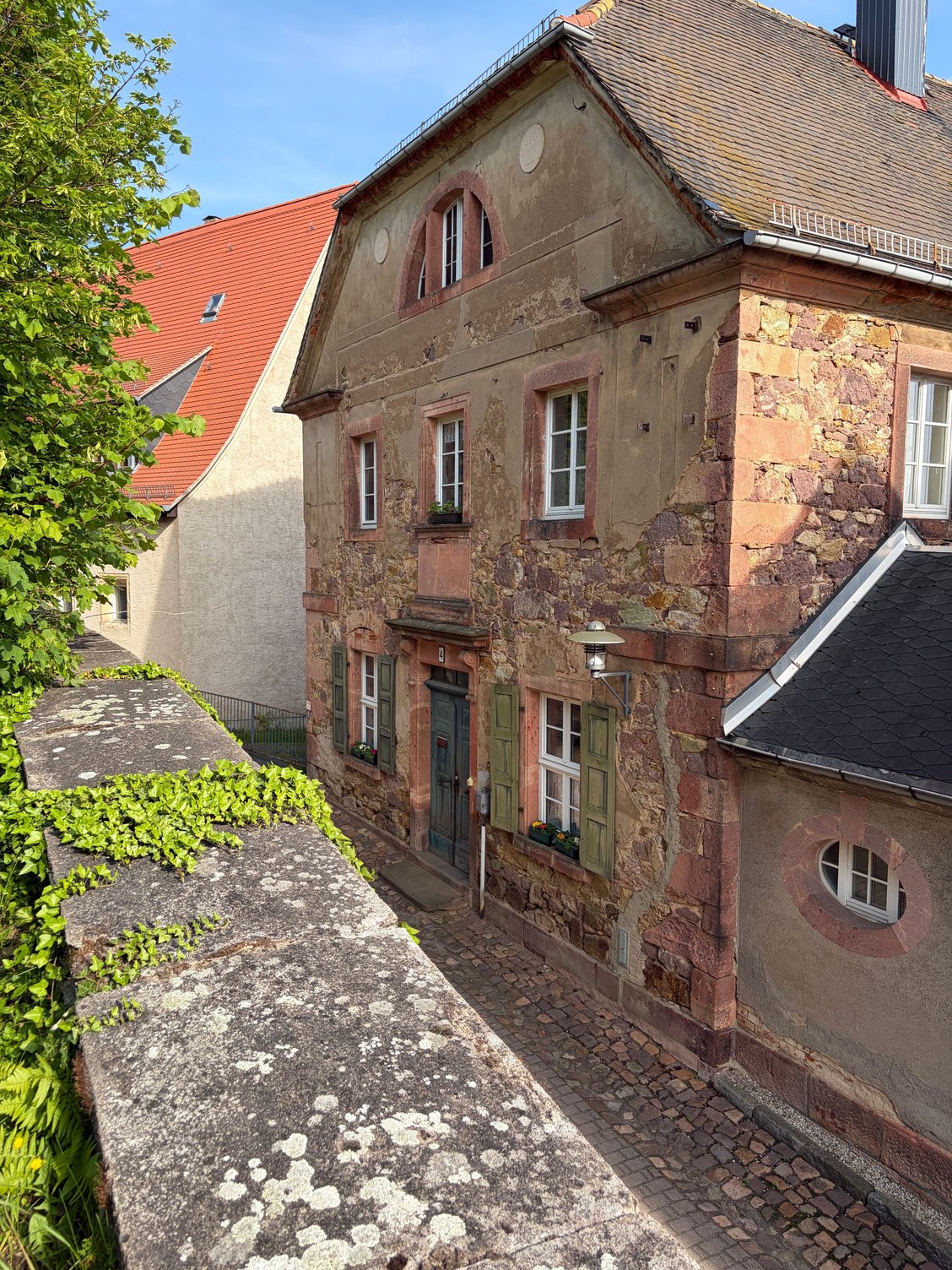
The old school
The new school
The church
The old school
The pond is the family homes backyard
Turned out he was the owner, a developer of historic monuments, who was working on obtaining investors in the project (? future education facility as its only 30 min from Leipzig, care facility, restaurant, special events eg wedding, concerts) but of course heritage requirements were pretty challenging and it has been so rundown in the years since reunification.
https://www.chreans.com/aktuelle-pro...kohren-sahlis/
After the war and Soviet occupation, the Russians took much of value from the town, the locals helping themselves to what was left (my father remembers his father discovering a long thick woollen army coat, a real find, and had a seamstress remodel it into a jacket and skirt for his mother)
We had a very quick visit to a house museum, with a collection of items from manor estates and farmhouses: furniture, Kohrener ceramics, textiles and hand weaving loom, even a salt cabinet as the house held the right to dispense salt.
The salt cupboard
It was a 30 minute drive back to Leipzig, but in the early 1950’s my father (then 15 years old) used to catch the 4:07 am train from Kohren to Frohburg then on to Leipzig for a 7 am start at trade school.
And get home at 7 pm.
It was a very sentimental day for all of us.
May 26th, 2026 | 11:32 AM
#87
Original Poster
Joined: Jan 2015
Posts: 4,329
Likes: 19
Day 23: Leipzig
Today I caught the tram to the city centre and met up with my cousin, at the St Nicholas Church (no entry possible due to service).
This is the site where the weekly peace prayers occurred from 1982, until the massive peaceful protests in1989 which contributed to the collapse of the Communist regime (the peaceful revolution).
70,000 people were on the streets calling "Wir sind das Volk" (we are the people)
https://www.bbc.com/news/world-europe-50003305.amp
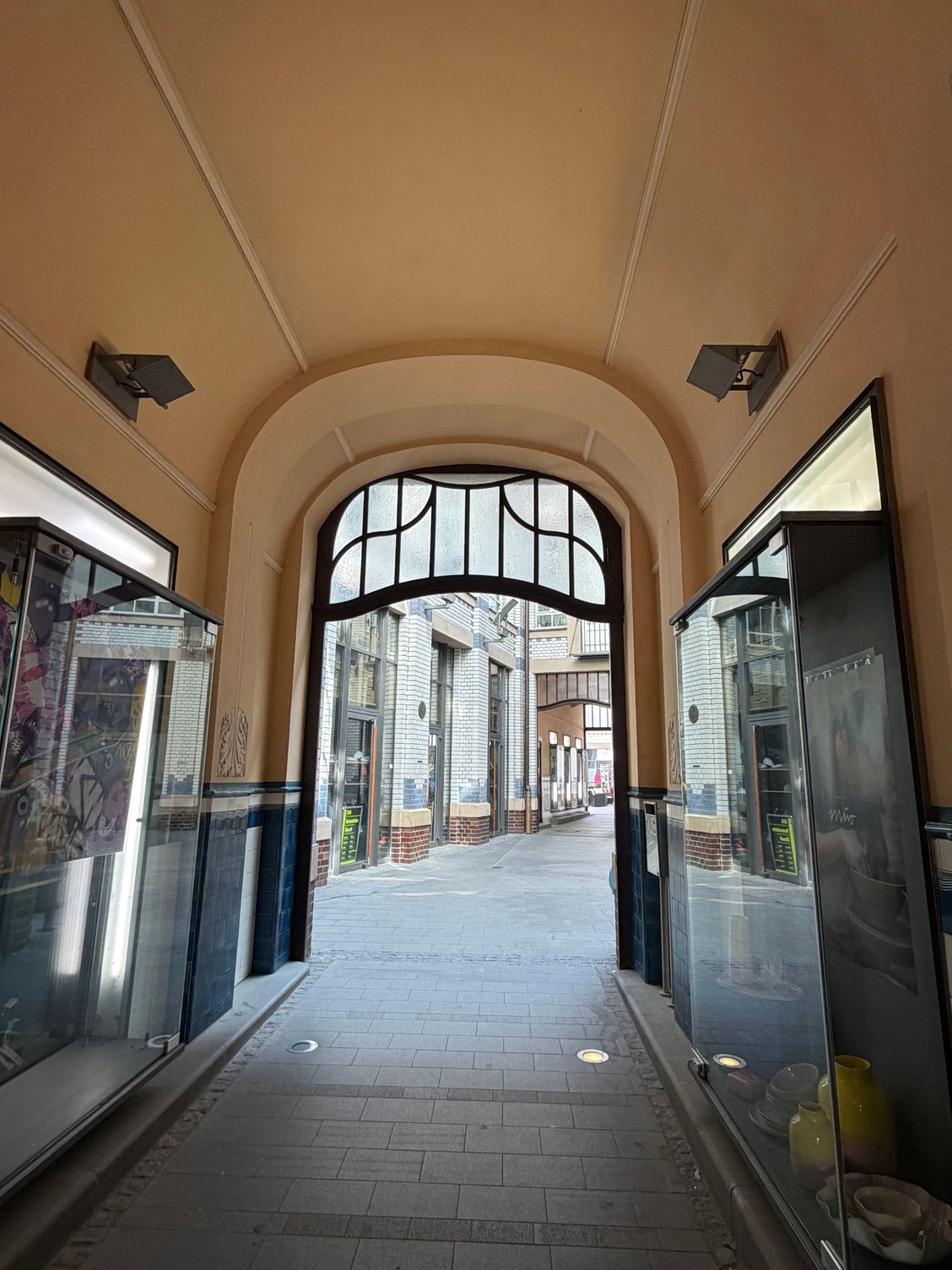
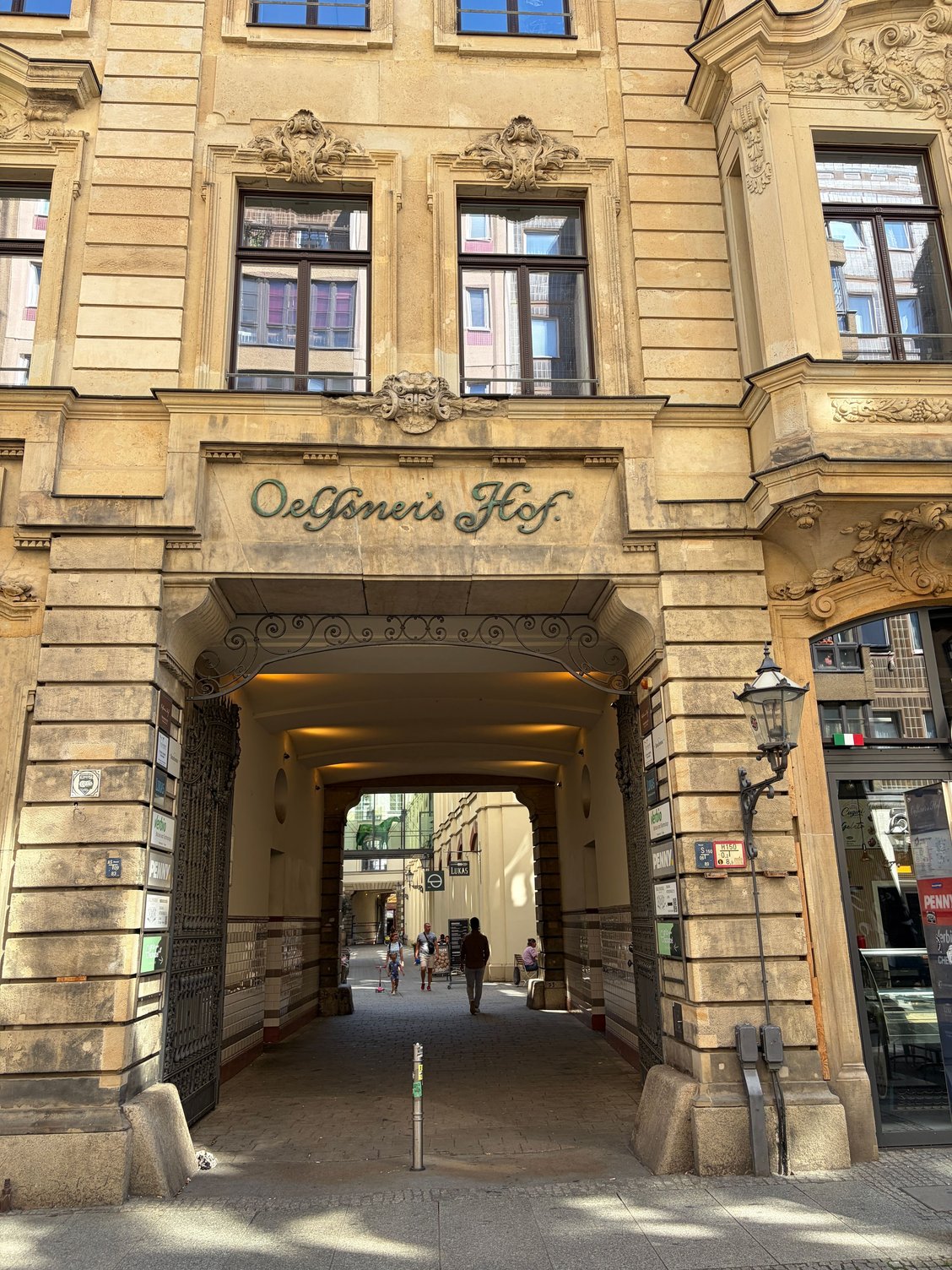
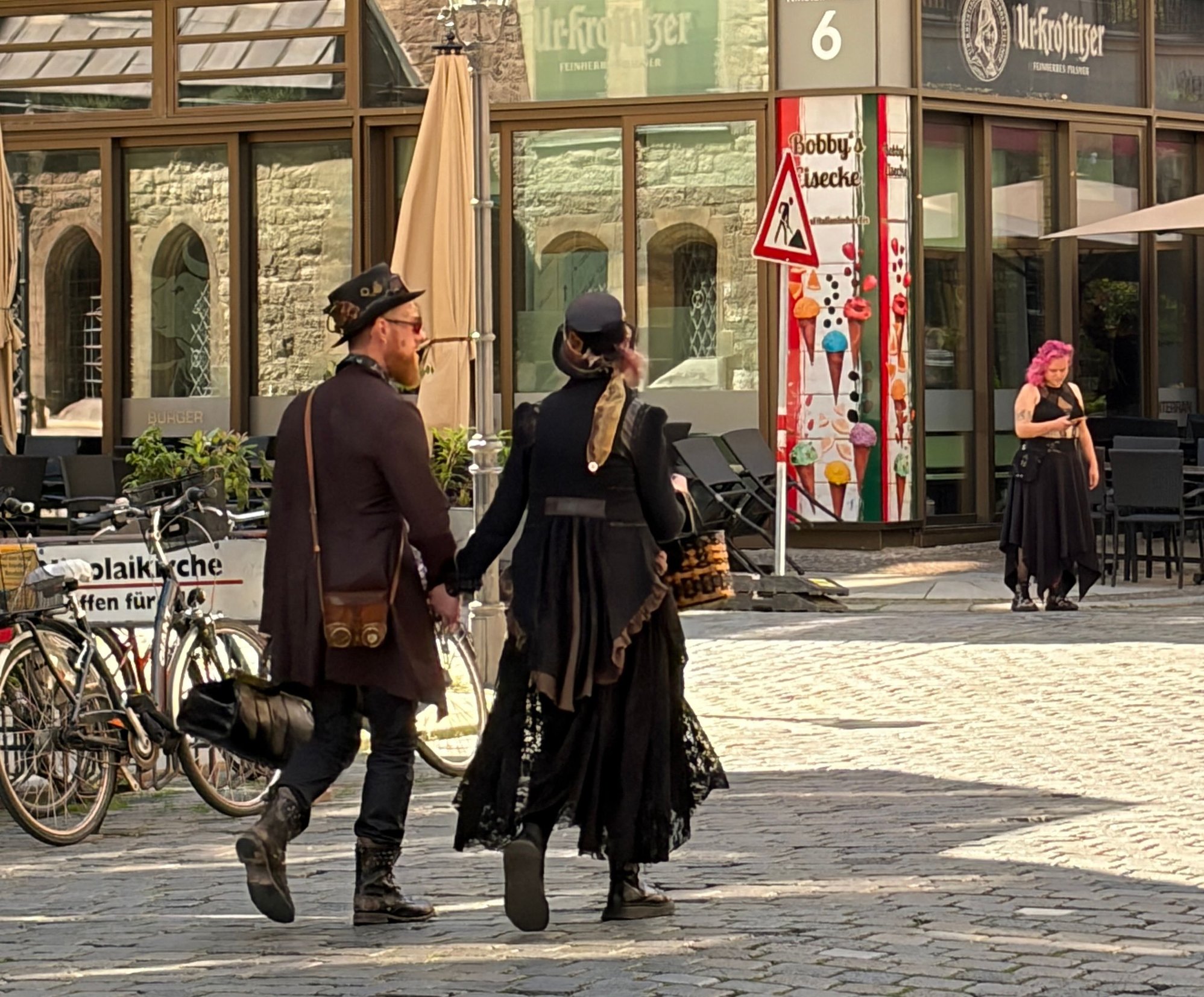
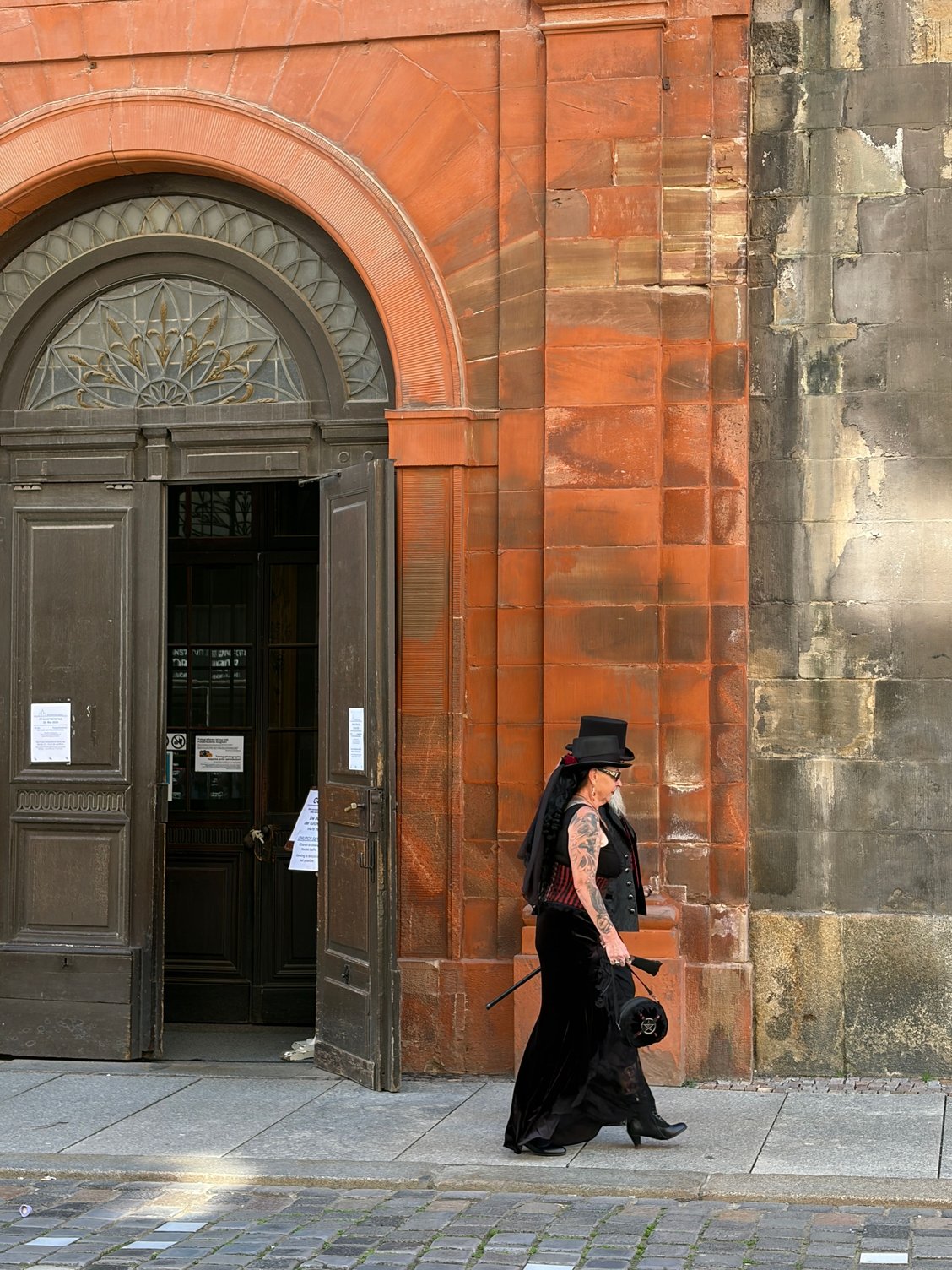
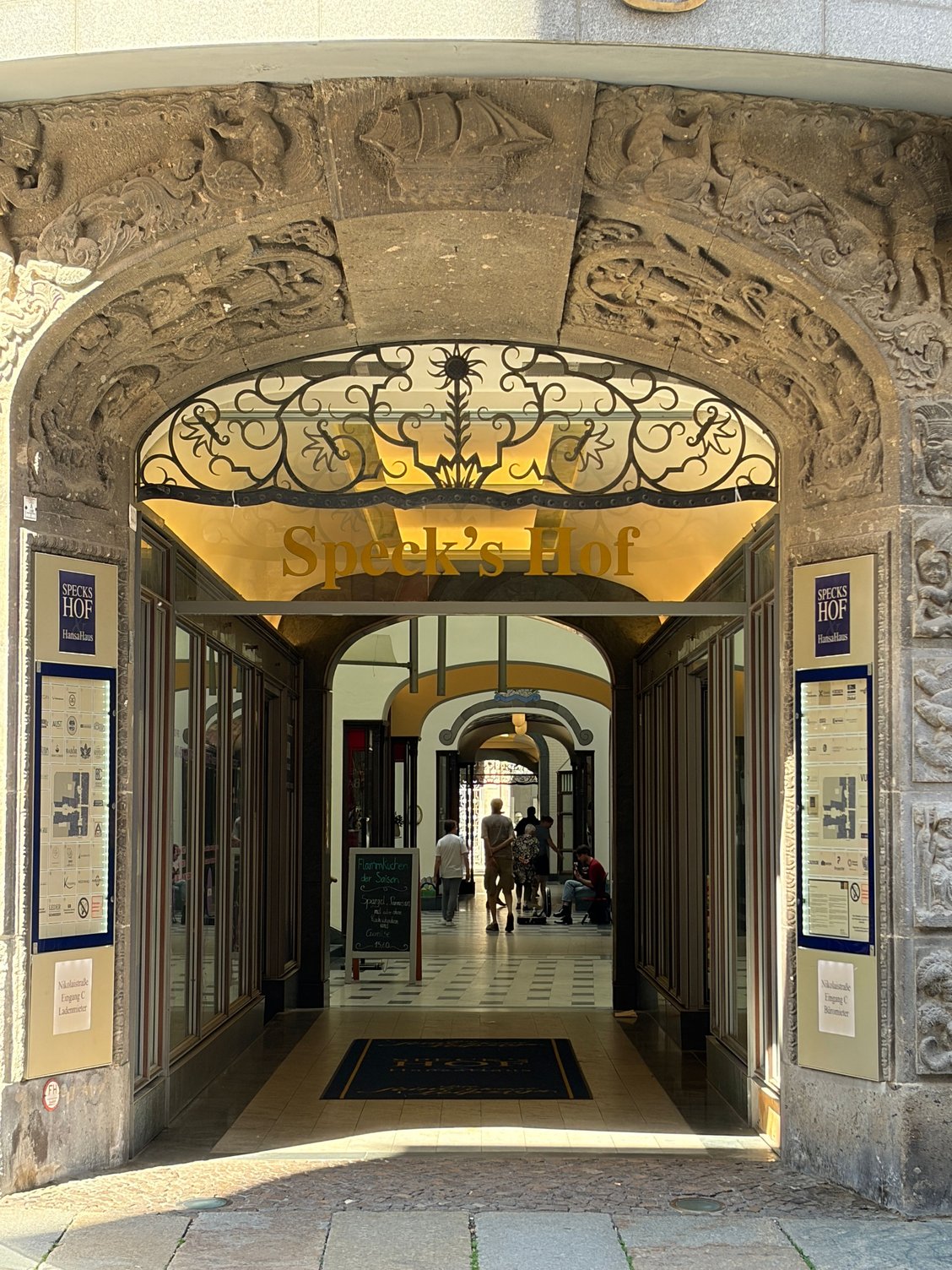
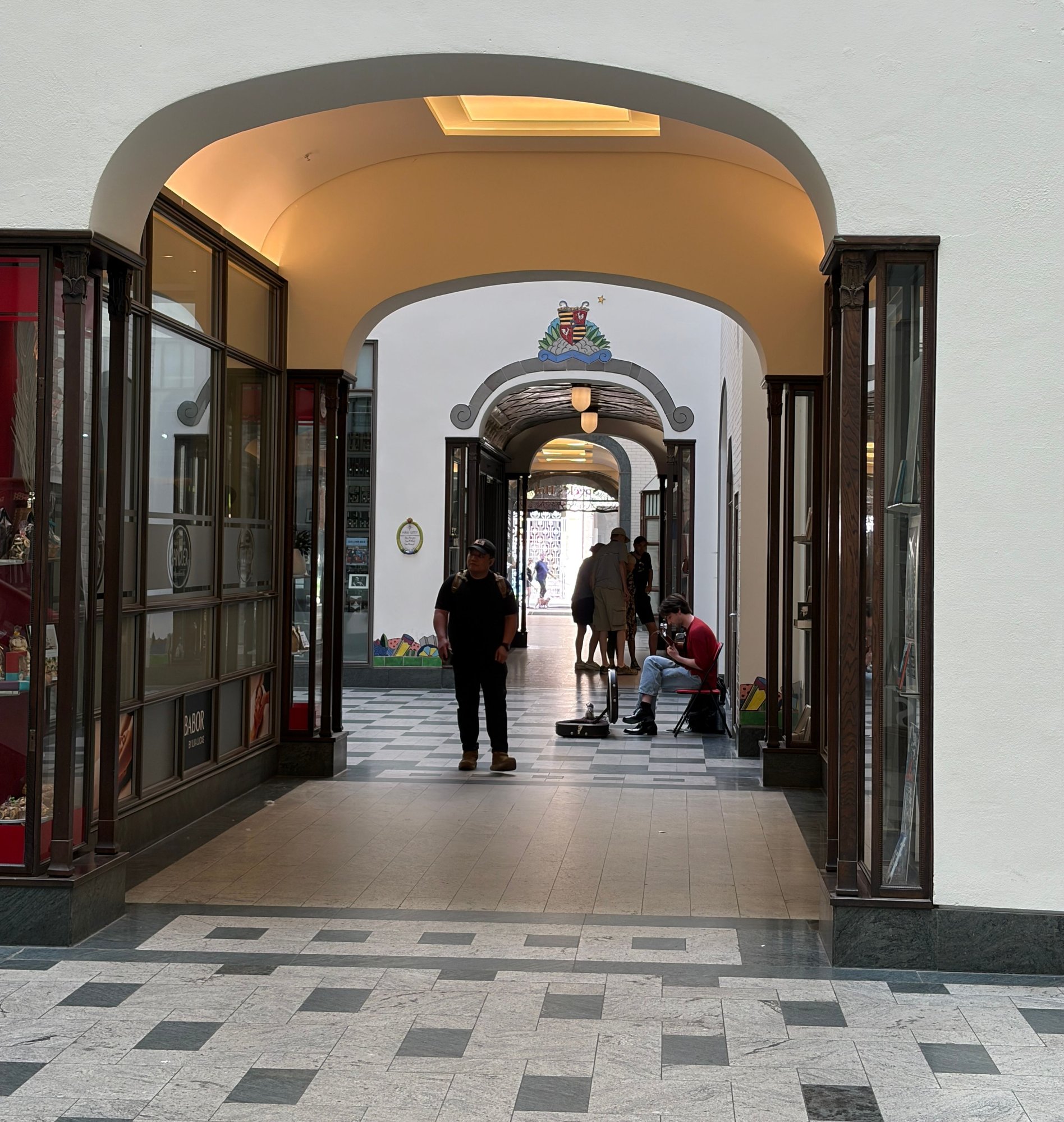
We wandered the streets a bit, passing the old town hall, the St Thomas church, the passages and Art Nouveau buildings really add character and interest, enjoyed a fabulous lunch, had some interesting people watching throughout the day as Gothic festival participants continued to enjoy the long weekend, and took the train to the Monument to the Battle of the Nations (commemorates the defeat of Napoleon’s army at the 1813 Battle of Leipzig).
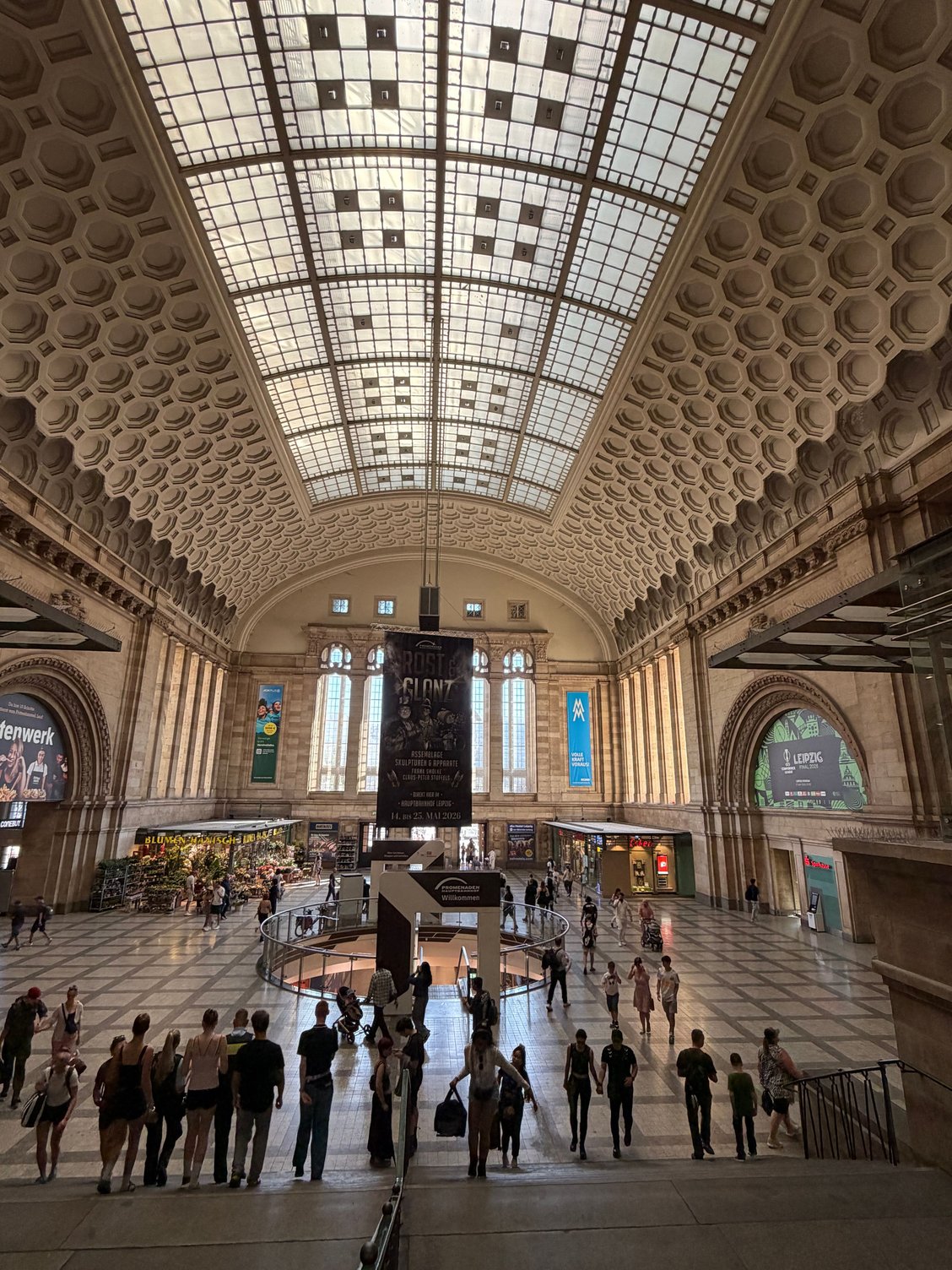
The Leipzig train station
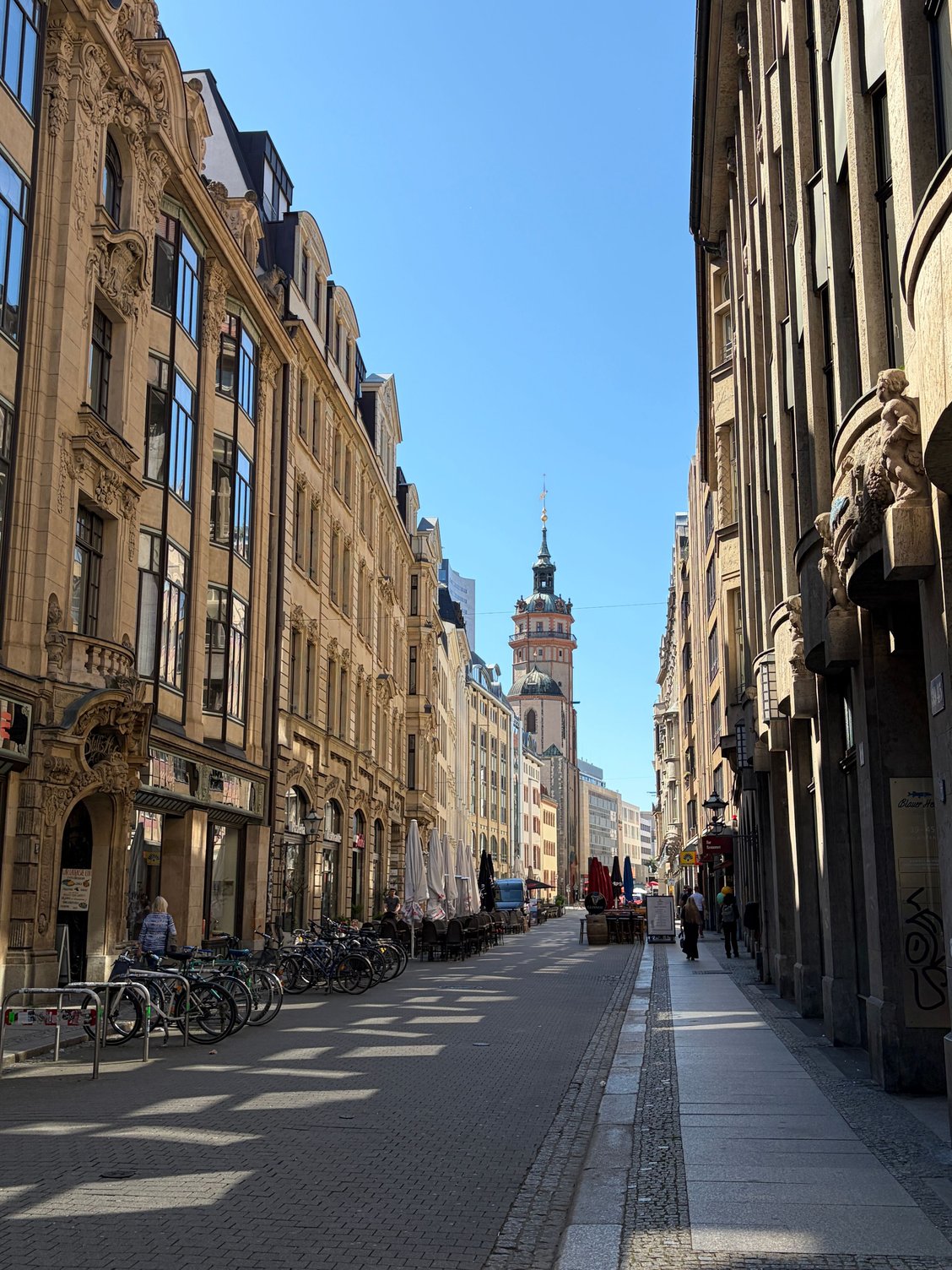
Heading to the centre
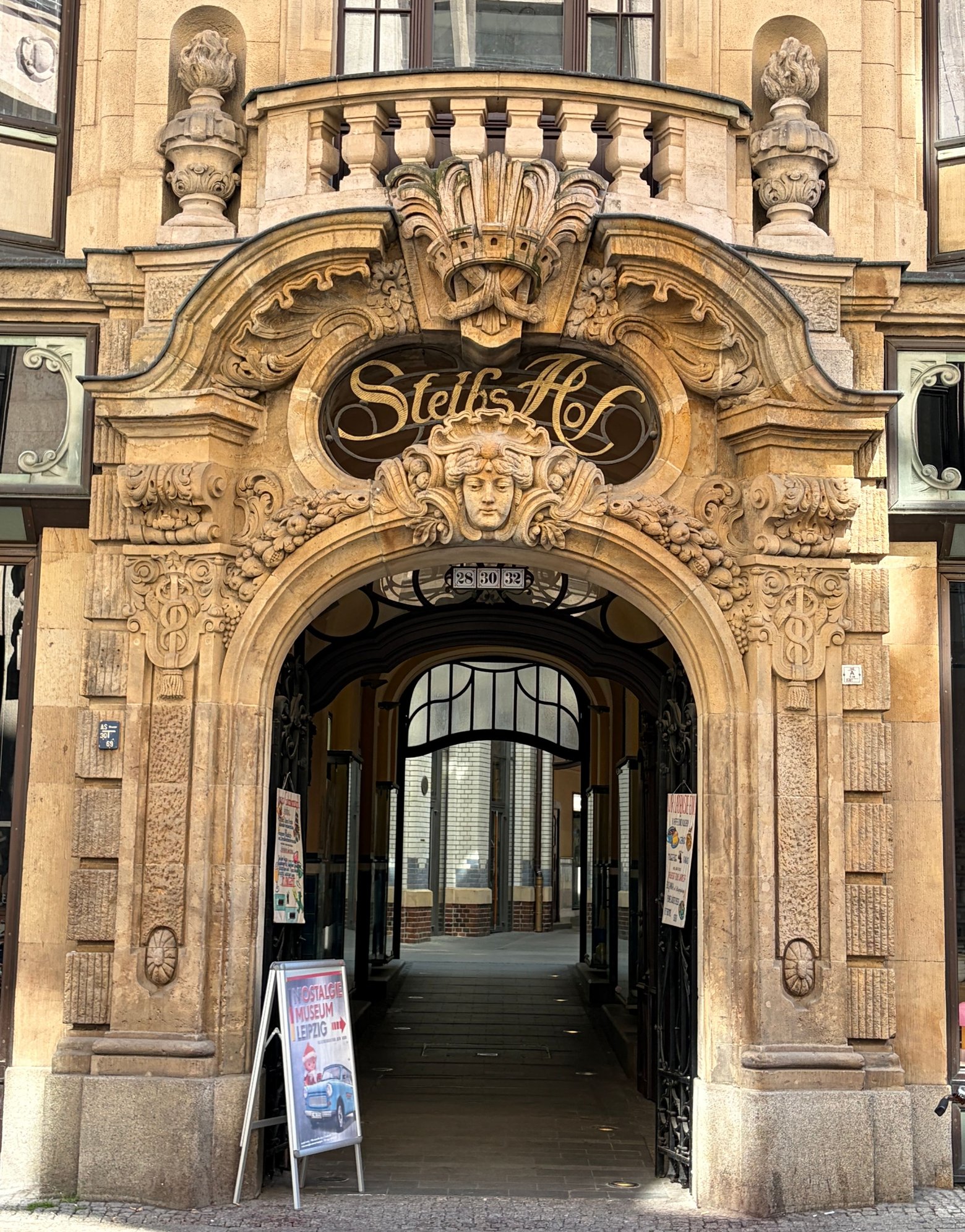

St Nicholas church
Passage
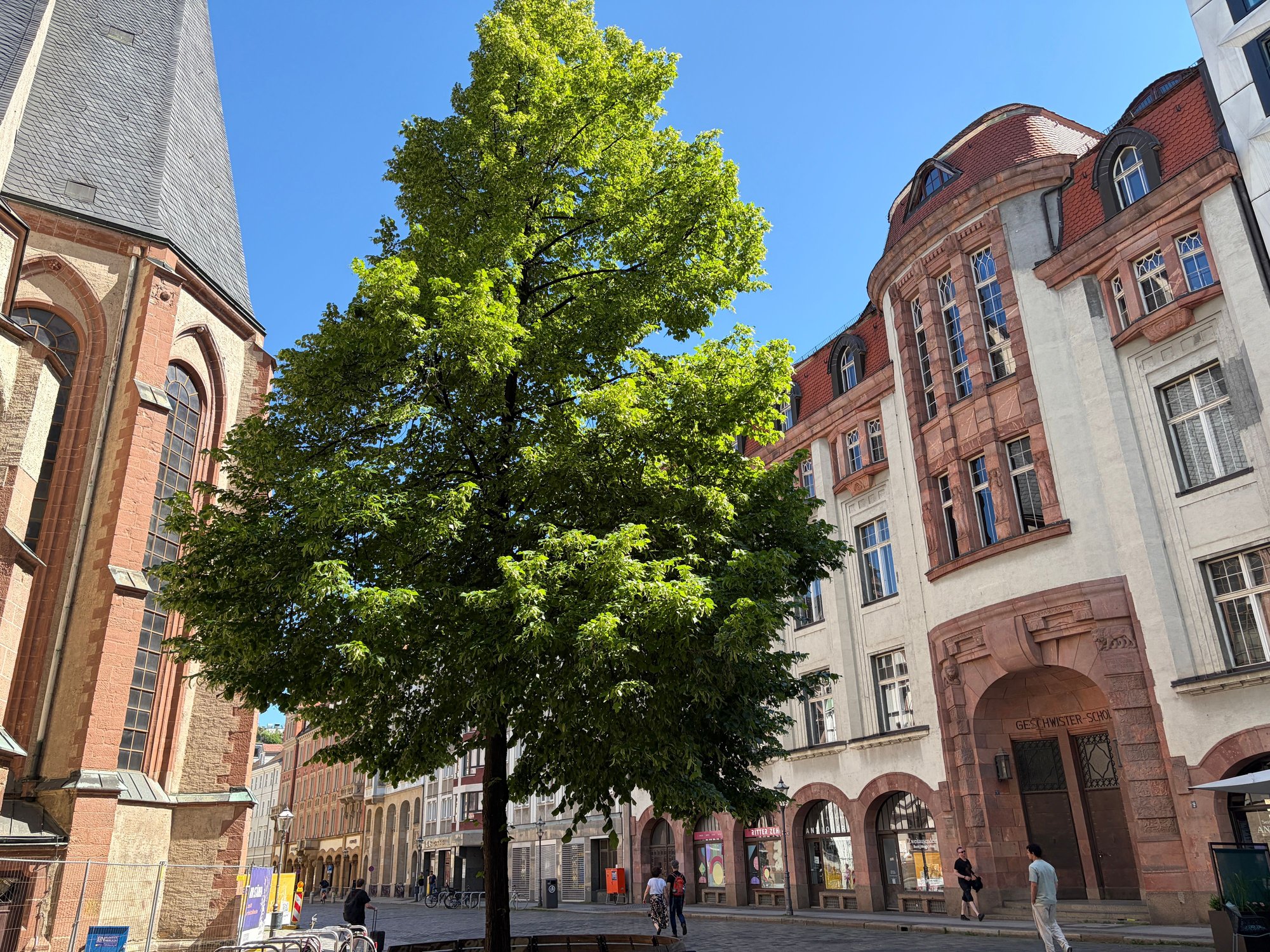
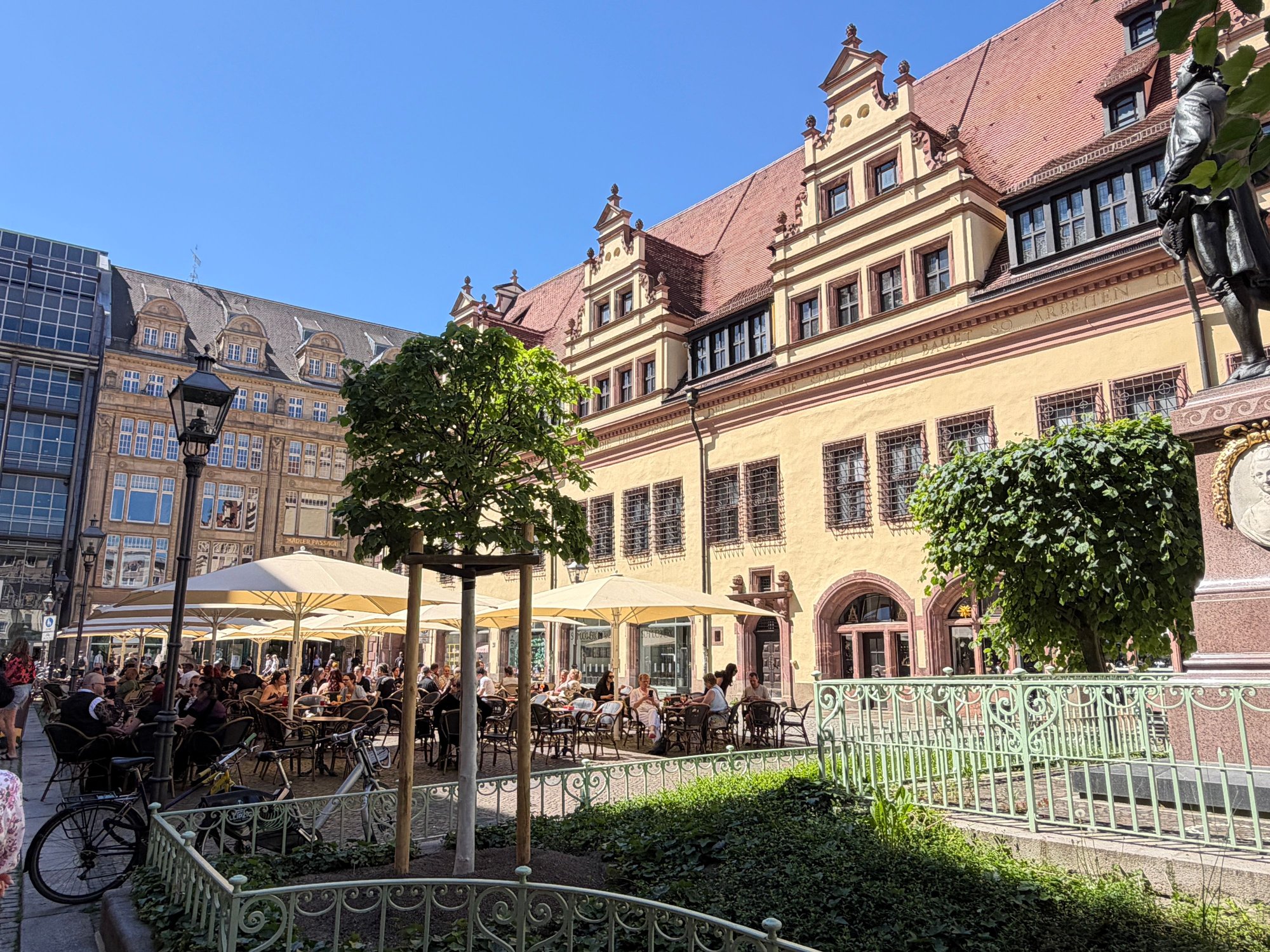
Old town hall

Everyone I asked was happy to be photographed

He has been to every Leipzig Gothic festival

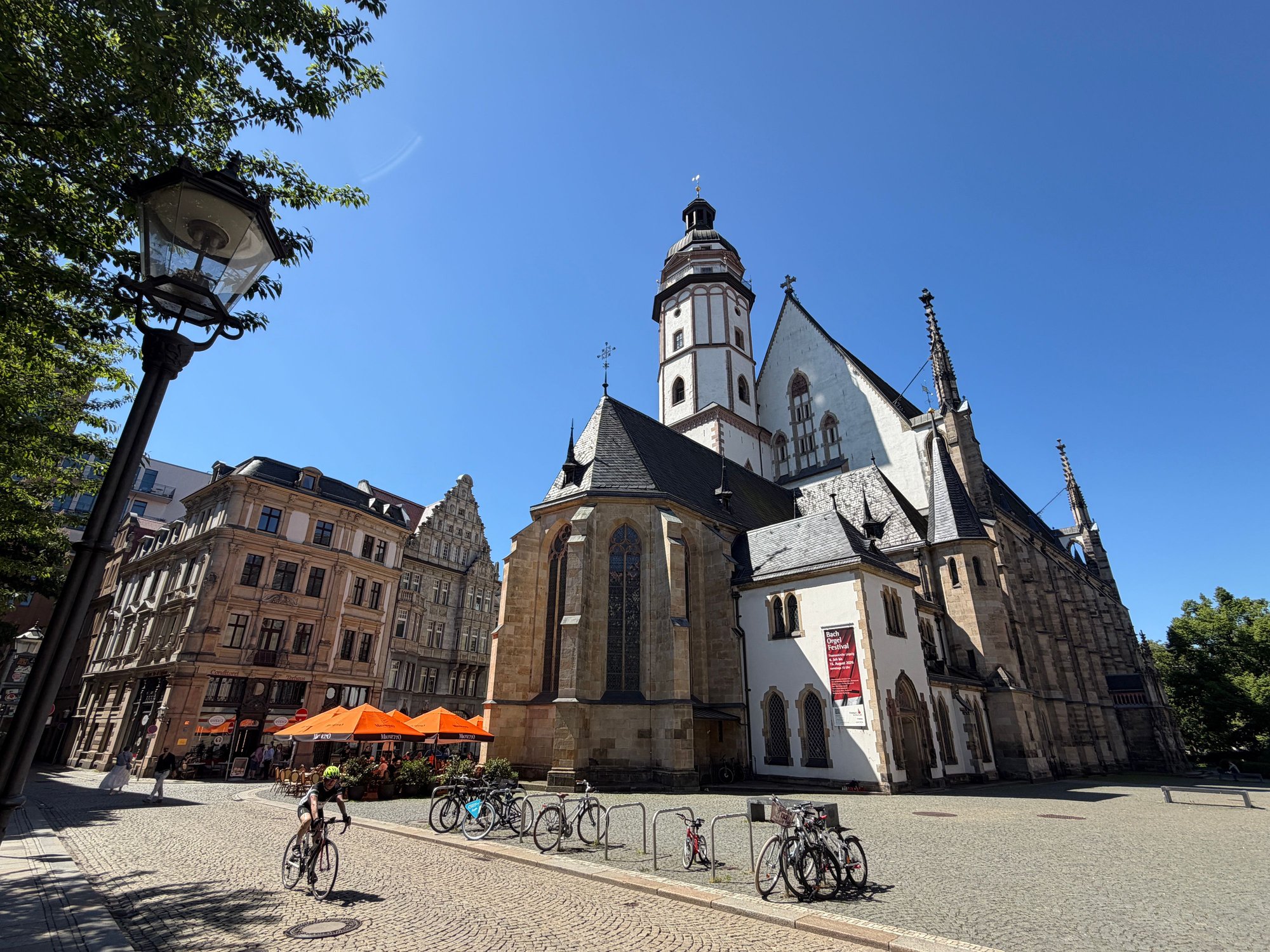
St Thomas church


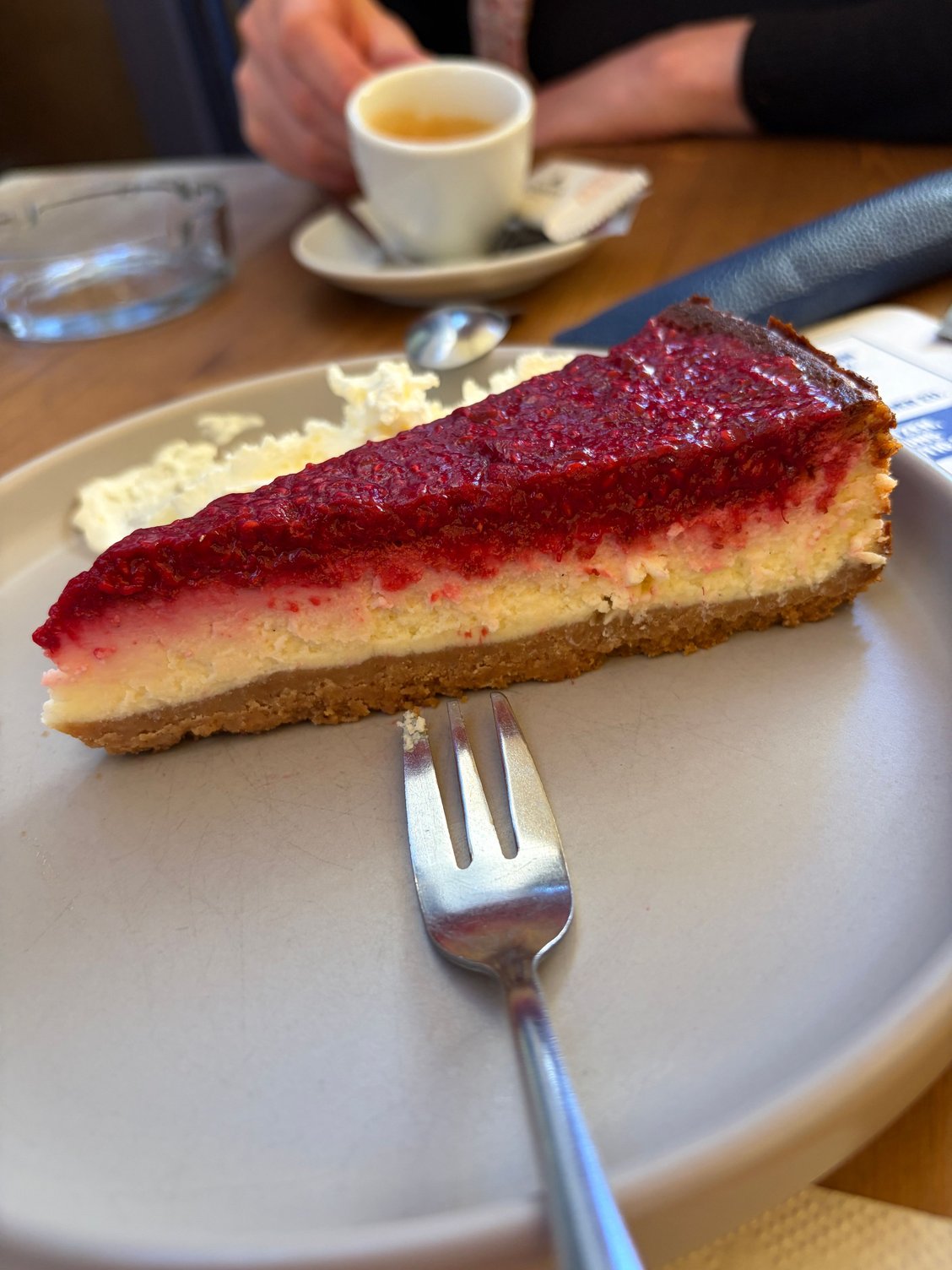
So delicious
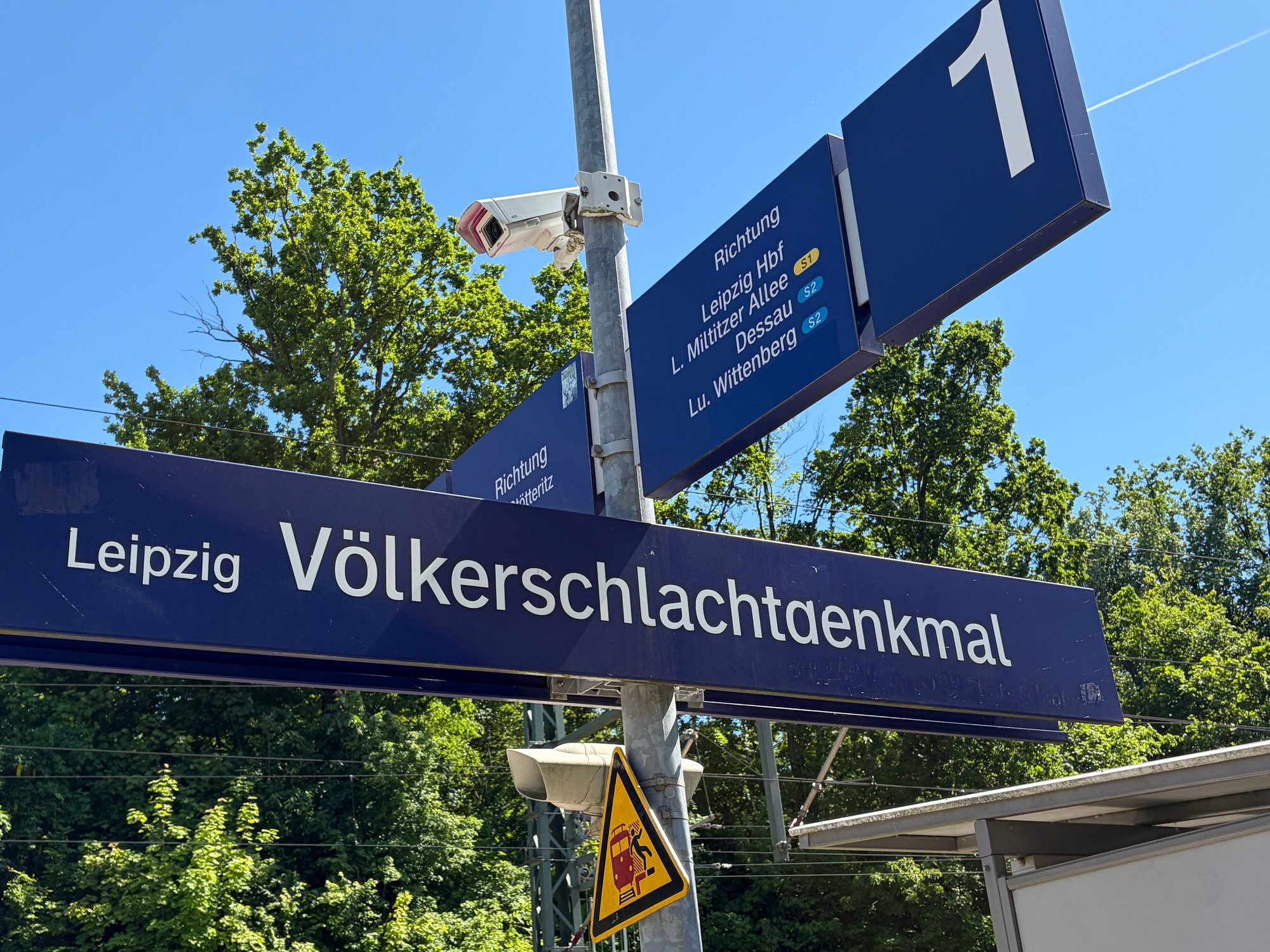
Say that quickly…
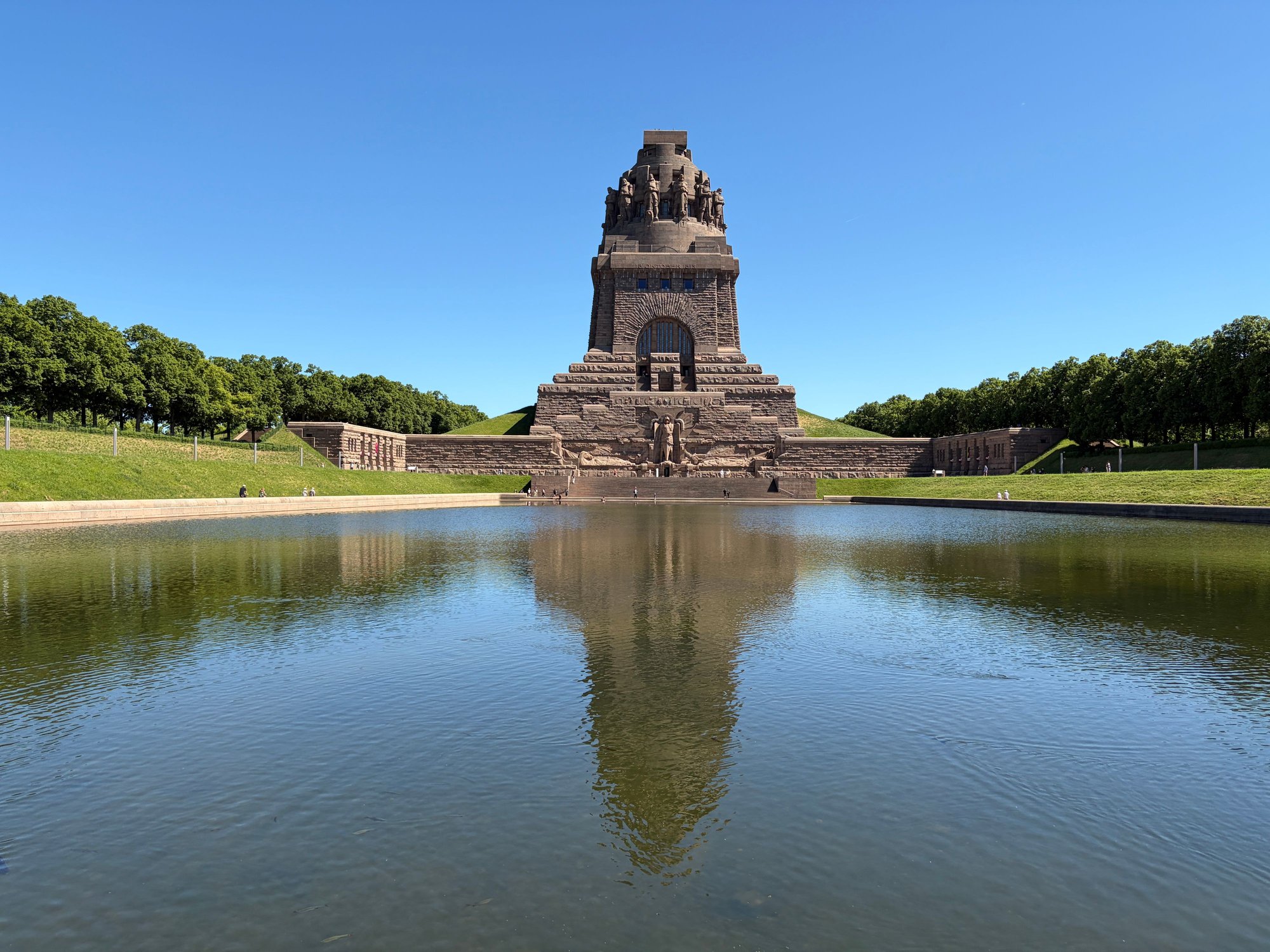
The Memorial
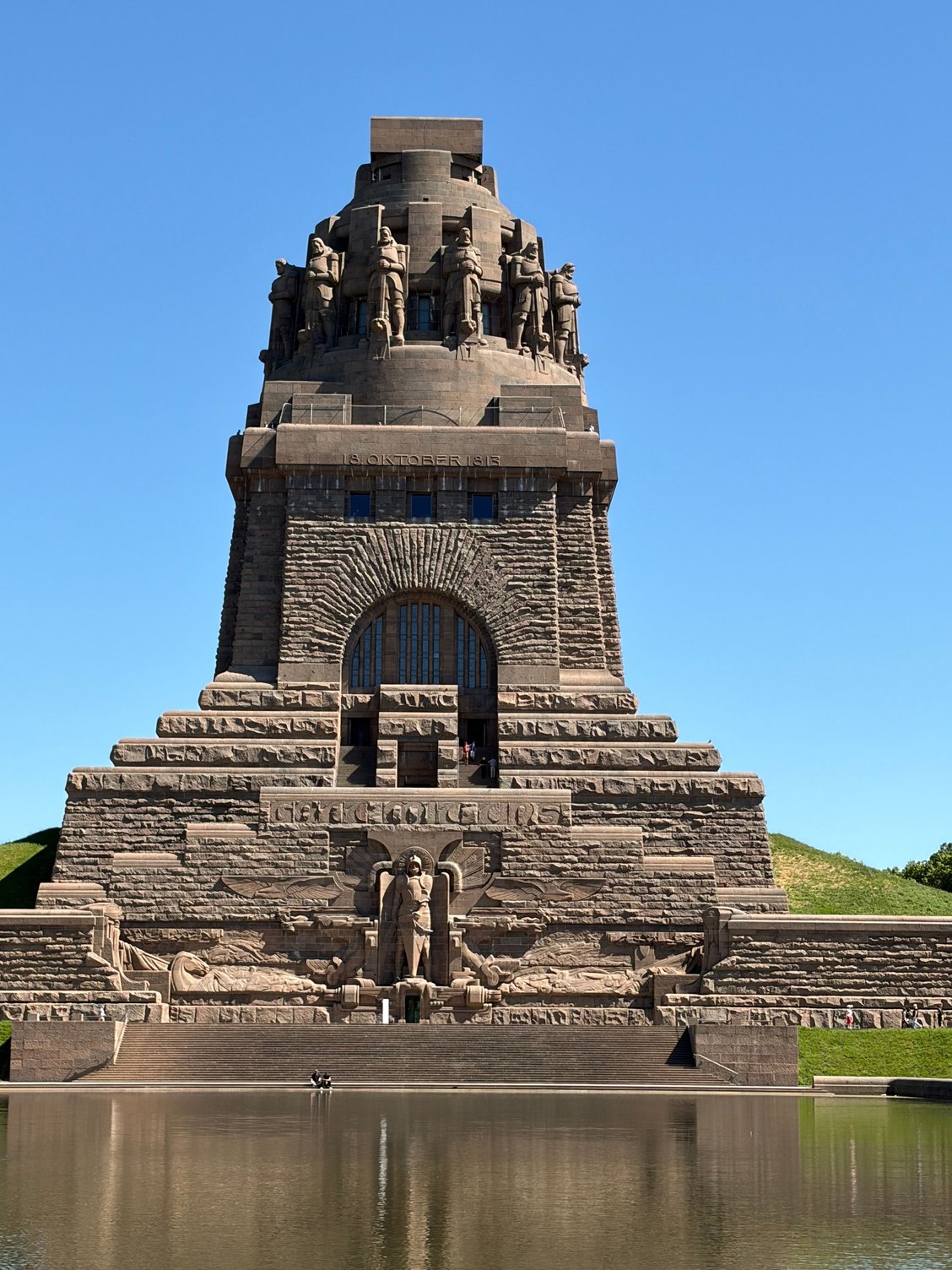

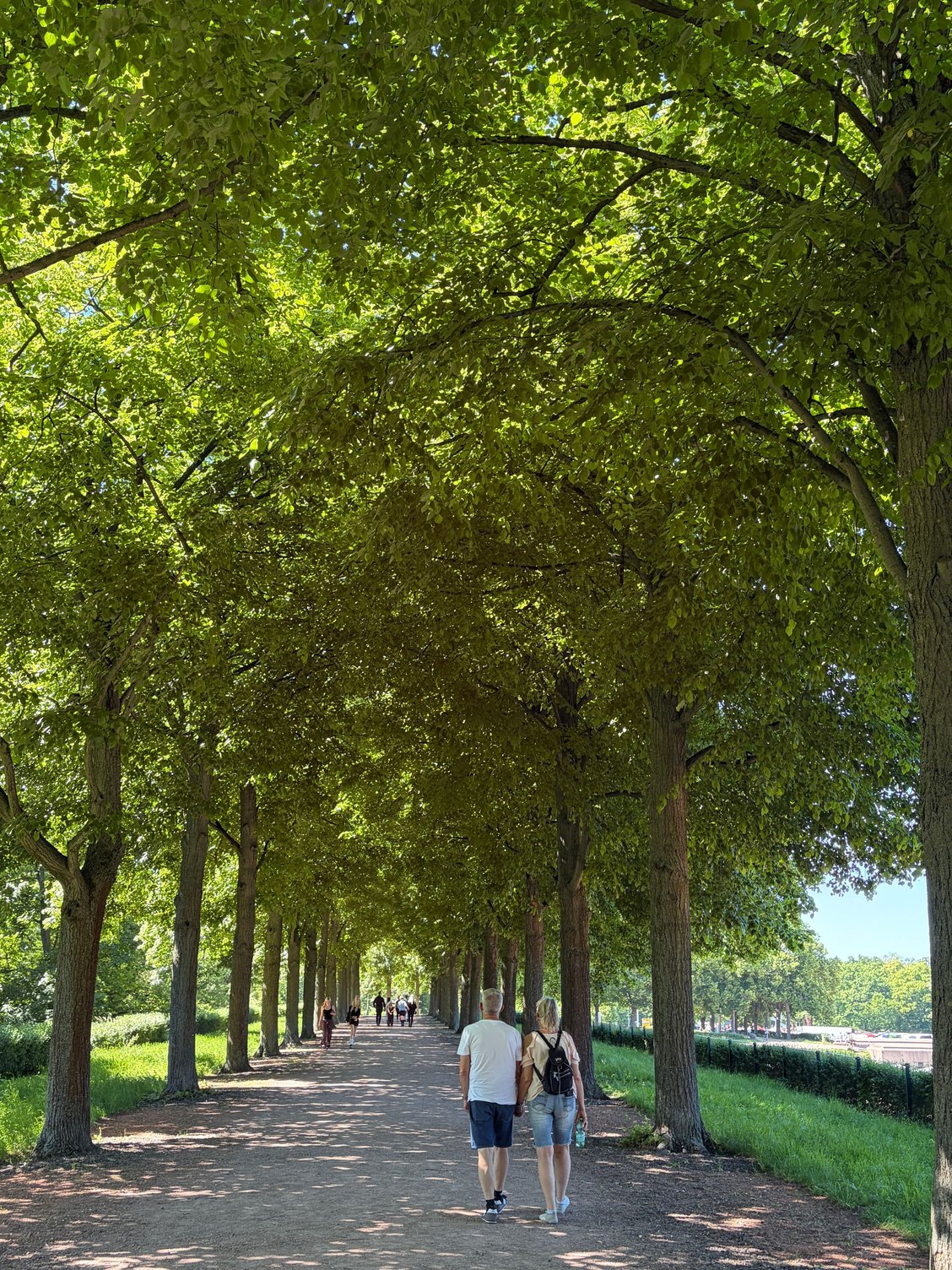
Welcome shade, it’s quite warm
Our final evening spent on my balcony on this balmy evening.
Today I caught the tram to the city centre and met up with my cousin, at the St Nicholas Church (no entry possible due to service).
This is the site where the weekly peace prayers occurred from 1982, until the massive peaceful protests in1989 which contributed to the collapse of the Communist regime (the peaceful revolution).
70,000 people were on the streets calling "Wir sind das Volk" (we are the people)
https://www.bbc.com/news/world-europe-50003305.amp
We wandered the streets a bit, passing the old town hall, the St Thomas church, the passages and Art Nouveau buildings really add character and interest, enjoyed a fabulous lunch, had some interesting people watching throughout the day as Gothic festival participants continued to enjoy the long weekend, and took the train to the Monument to the Battle of the Nations (commemorates the defeat of Napoleon’s army at the 1813 Battle of Leipzig).
The Leipzig train station
Heading to the centre
St Nicholas church
Passage
Old town hall
Everyone I asked was happy to be photographed
He has been to every Leipzig Gothic festival
St Thomas church
So delicious
Say that quickly…
The Memorial
Welcome shade, it’s quite warm
Our final evening spent on my balcony on this balmy evening.
May 26th, 2026 | 11:42 AM
#88
Original Poster
Joined: Jan 2015
Posts: 4,329
Likes: 19
Yes, glad I can post again, Ingo, easier to keep track of things and post as I go, too hard once I get home.
swandav, you know I love the smaller places, so the city visits have been a bit unusual for me, I’m taking my time to feel more comfortable in them and getting around by tram. When the crowds and noise are too much, I take myself off to a garden or park.
Cherthor, Kay, sassy, Hambaghale, thank you.
swandav, you know I love the smaller places, so the city visits have been a bit unusual for me, I’m taking my time to feel more comfortable in them and getting around by tram. When the crowds and noise are too much, I take myself off to a garden or park.
Cherthor, Kay, sassy, Hambaghale, thank you.
 May 26th, 2026 | 12:37 PM
#90
Joined: Jan 2003
Posts: 5,033
Likes: 0
Wow, Adelaidean, what a fascinating family history! It must have been a VERY emotional day for you in Kohren-Salis, exploring the traces of your family.
I can relate, having lived all my life in the DDR/East Germany. My father is from German minority in Hungary and was expelled twice after WWII, the second time for good. Nowadays we cannot imagine how hard these times were.
I can relate, having lived all my life in the DDR/East Germany. My father is from German minority in Hungary and was expelled twice after WWII, the second time for good. Nowadays we cannot imagine how hard these times were.
May 26th, 2026 | 11:53 PM
#91
Original Poster
Joined: Jan 2015
Posts: 4,329
Likes: 19
Day 24: Leipzig (daytrip to Chemnitz)
It is an hour train journey to Chemnitz
Saxon-Anhalt day ticket €35
(rather than pay for tram, and x2 single €23 tickets)
My mother was born in Chemnitz in Nazi Germany, before WW2.
She had an unhappy childhood and her schooling was poor. The children missed school through the war years, and those who were allocated to work as ‘teachers’ during that time were not necessarily equipped to do so. The stories of the mistreatment of these poor children is shameful, my mother’s sister complained of a terribly painful, infected ear in class (parents would not have cared) and in response, the teacher slapped her hard across that ear; another time she had ‘the runs’, asked to be excused to go to bathroom, was denied this and soiled herself - teacher had other children encircle this humiliated child and sing “you’re a dirty pig”.
The parents struggled with the challenges of survival during the war, but were unconcerned about the welfare of their unwanted children; and the 4 children stole food, foraged in forests eating raw mushrooms that caused frequent gastro, wore ragged, inadequate clothing, lacked any healthcare.
Girls in her region and of her lower class were expected to marry or work in service or, as a result of a shortage of men through war, work in physical labor jobs. She completed her 8 years of general school in her local area, then had 2 additional years in the senior school further away, where she encountered students who were not at ‘the bottom of the heap’ like her, and it opened her eyes to another way of life, where parents cared for their children, their futures, and enabled opportunities.
In order to escape her home life, she then opted for agricultural school for 2 years, which was a boarding situation.
(She had a friend whose mother had died, the father was an alcoholic, the 5 children slept together in one straw mattress bed, with the youngest wetting the bed so they all smelt of urine. At age 14 the children had to leave school to work, and hand their father their pay. The 2 oldest colluded to not hand over their pay one week, and they only did that once, having received a brutal bashing. Beatings were common and bruised and battered children and wives were normalised)
Following the war, East Germany (the German Democratic Republic) was under Soviet control and the focus was on seizing of industrial assets, denazification, land reformation, production, education and enabling women to enter the workforce (increased labor participation).
War tends to lead to great social change: my mother believes that post war East Germany women’s rights were far ahead of West Germany’s - and that socialism did bring about enormous advances for poor women.
This is interesting to me as I was most curious about the restrictions and surveillance and hadn’t considered that aspect.
https://thetricontinental.org/dossie...atic-republic/
So, some welcome policies - childcare, education, training, work for all, women’s rights, health clinics, rent control, wage parity;
but suppression of protests, limited consumer goods, food rations, general shortages, censorship, state surveillance of citizens and increasing restrictions on travel.
And of course, high-ranking party members had better housing, income, food, and education. The general population queueing for hours in the bitter cold hoping for bread or other basic goods and living in poor quality crowded housing, while party officials / elite had privileges such as better housing and educational opportunities for their children and access to special stores with Western goods and luxuries. Those citizens who were deemed unpatriotic might find the children withdrawn from their nearby good school or university.
The “Worker’s Paradise” of East Germany was high on propaganda, but so many young citizens, mostly now qualified or trained, and professionals, left for West Germany, which welcomed healthy, young workers (and so began the restrictions of movement from the east).
Growing up in a very low socioeconomic class and under Nazism, the war, the post war period, under Soviet control, they were well used to poverty and deprivation, and while the new socialist policies did improve their lives, the allure of the ‘West’ was too great.
In 1956 she was able to leave by being approved a temporary ‘pass’ to visit her sister who had already moved to West Germany.
She did not return, and never saw her parents again.
The border restrictions increased, eventually leading to a fully patrolled closed border.
https://www.militaryhistories.co.uk/.../early_borders
https://alphahistory.com/coldwar/east-germany/
The establishment of border defences
https://www.militaryhistories.co.uk/berlin/igb
https://www.militaryhistories.co.uk/berlin/border
Moving to West Germany in 1956: There was much war damage and housing demand was greater than supply, so she share rented a tiny attic room with 2 other women, 3 adults in 2 single beds (2 adults slept ‘top and tail’ in a single bed) on the 3rd floor, no other furniture, a communal toilet was in the cellar; and worked in a printing factory.
In West Germany it was still possible for a man to forbid his wife to work, and women were only paid 75% of men’s wages for the same work.
Many men were injured, or did not return from war.
Women who were left to support families in these devastated cities often became the rubble removers - spending their days clearing roads and cleaning stone/ bricks for the rebuilding process.
It wasn’t easy to improve one’s life, and despite many new freedoms of living in the west - to travel/ shops with goods, she remained penniless, so the advertising brochures of a new life in Australia were very appealing.
Anyway, back to the trip - most travellers don’t have Chemnitz on their itinerary. It lacks the grand historical monuments of other cities, although it was once a gracious city.
I recall some lovely squares and a lot of depressing, grey, boxy flats from a very brief (and restricted, - because it was still the old east Germany) visit in 1986 when it was Karl Marx Stadt (East German government changed name from Chemnitz to Karl Marx Stadt in 1953, and after reunification it was returned to its original name).
It has a mix of the older and the new architecture and the Soviet era buildings are part of the history.
I had limited access to my family at that initial visit (needed to declare who one would visit, and not wise for some there to connect with the west), as the regime did not disintegrate until 1989, but did have a bit of a whirlwind family tour in 2010, and reconnected with some long lost relatives then.
We also attended my mother’s school reunion in Chemnitz back then, such interesting stories of their lives in the old East Germany, the children of a friend were quite academically gifted and allocated university places for dentistry and medicine in the 1980’s …but in communist Poland, not Germany, as there were not enough vacancies …so had to learn the language as well (although they were provided with language lessons).
It was once a wealthy industrial city (textile industry, mechanical engineering, railroad construction - also known as Saxon Manchester), but much was destroyed during the war, as it produced military hardware and there was a nearby oil refinery.
The lack of liveable housing meant those with an intact home were allocated to share with others (a friend of my mother had 17 people assigned to live with them in their home)
Chemnitz was the 2025 Capital of Culture, so a lot of investment and upgrading of old under utilised buildings, and is now an interesting mix of repurposed industrial buildings, pockets of historic Art Nouveau, some ugly Soviet era buildings, some more recent glass structures, a very few half timbered houses, ‘East Modernism’ https://wildeast.blog/en/chemnitz-modernism/
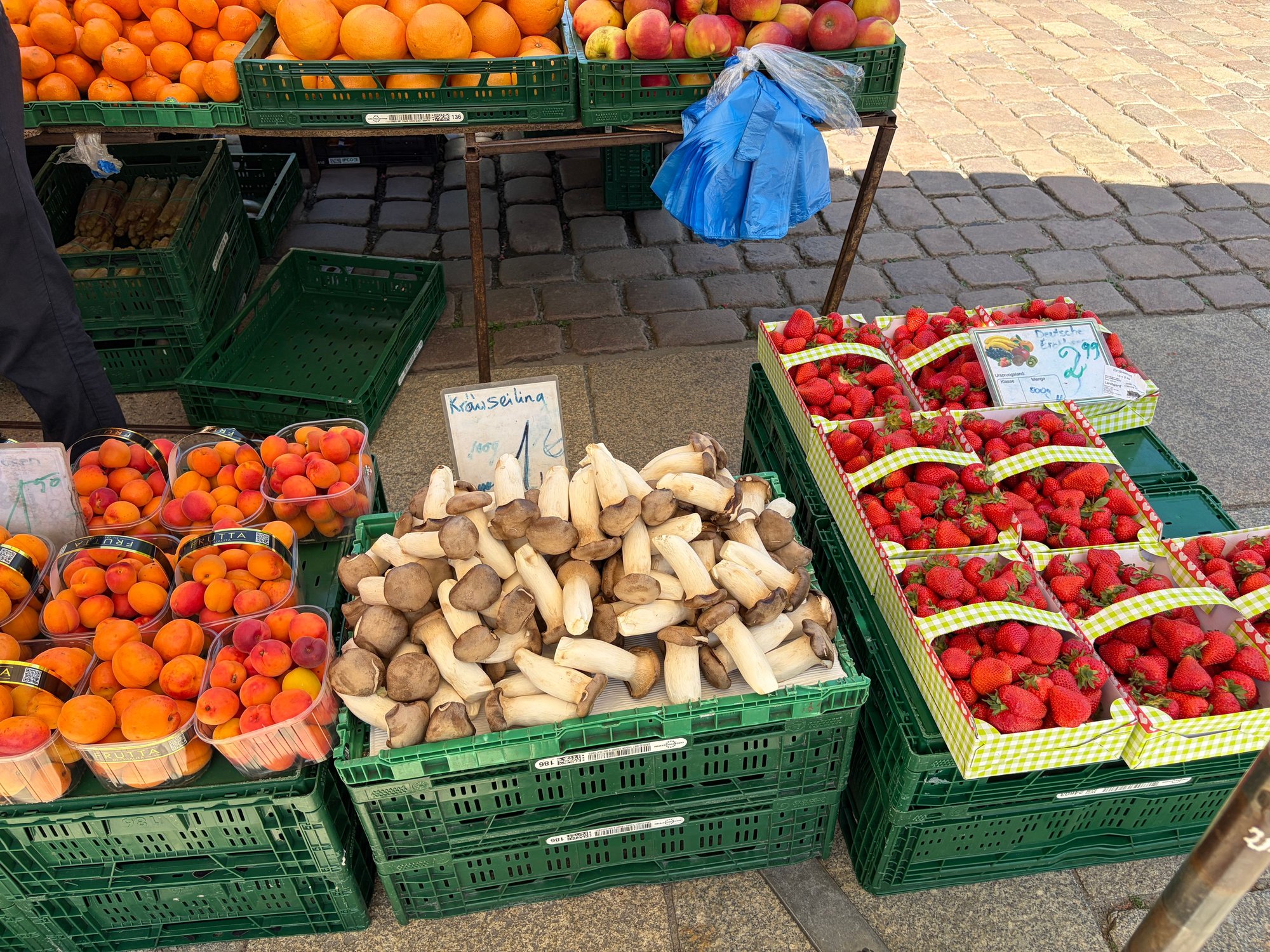
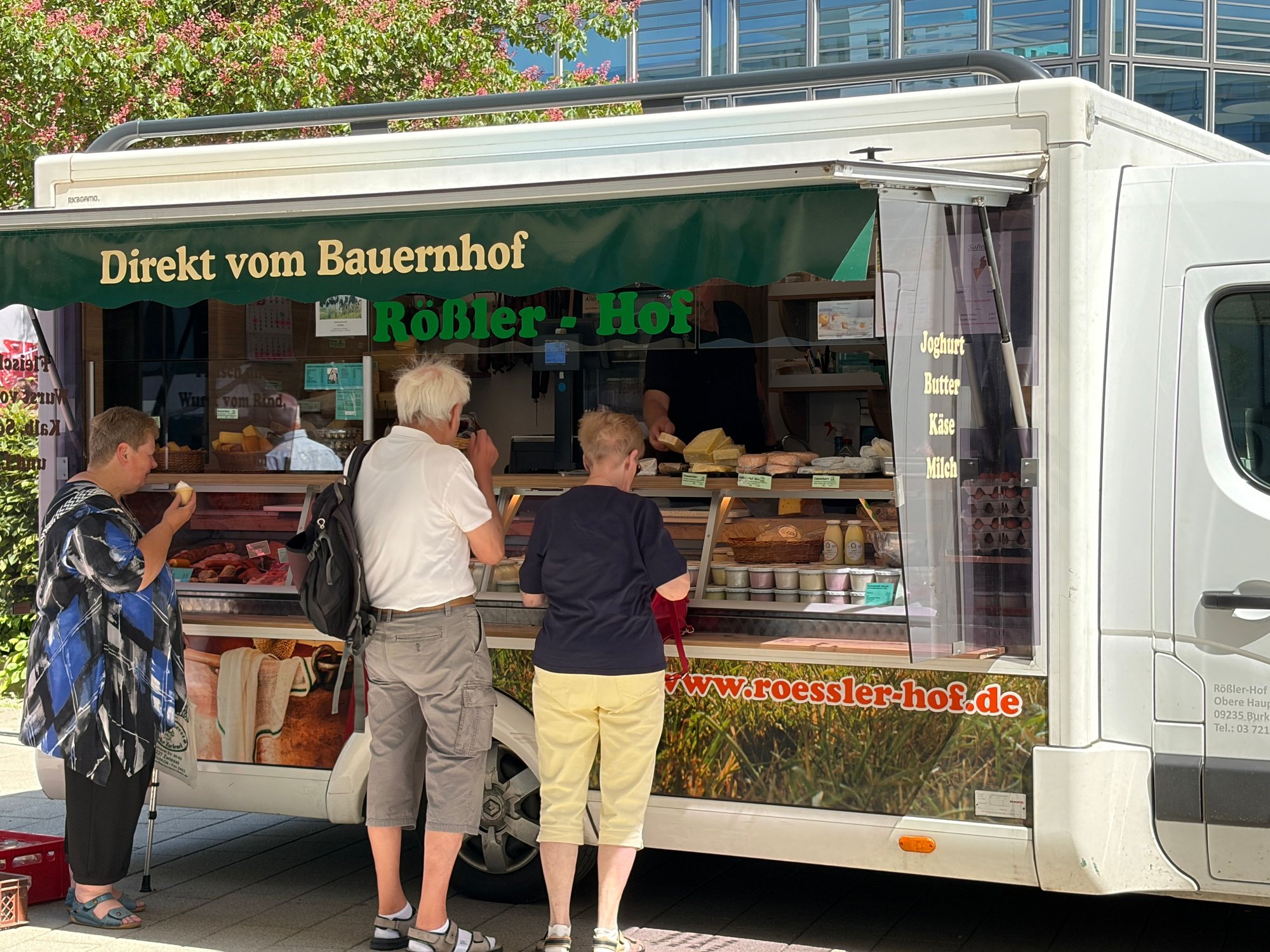
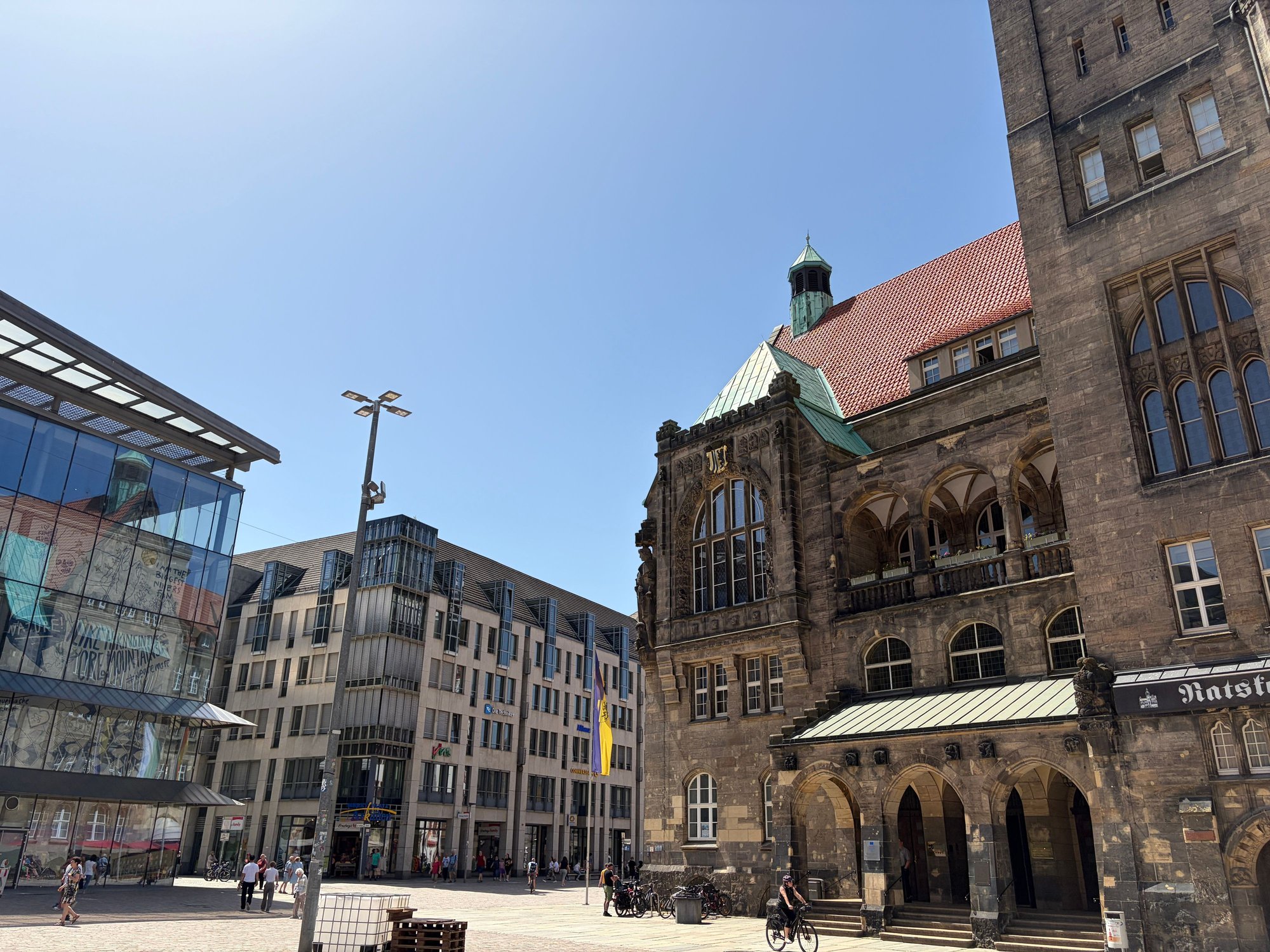
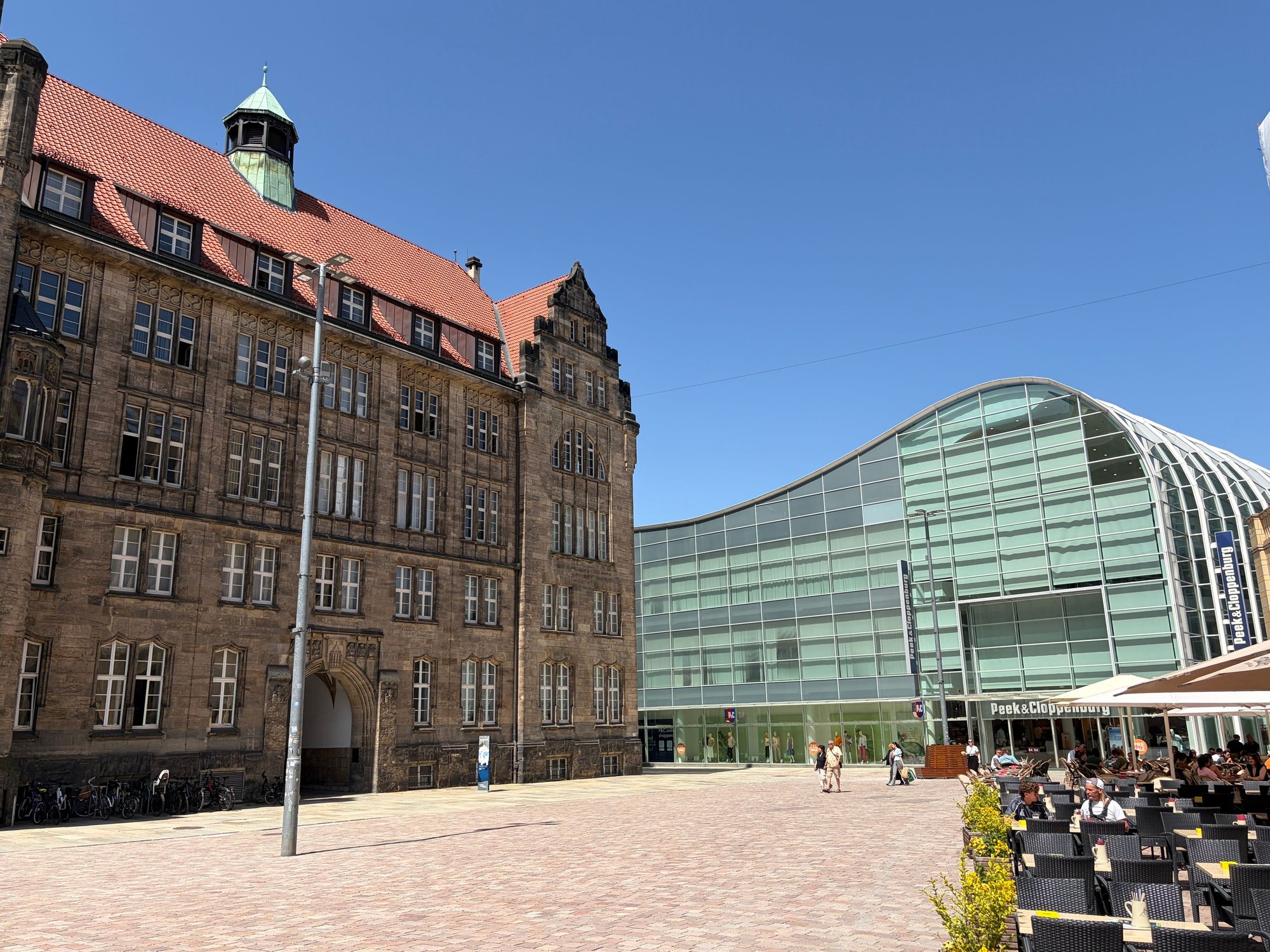
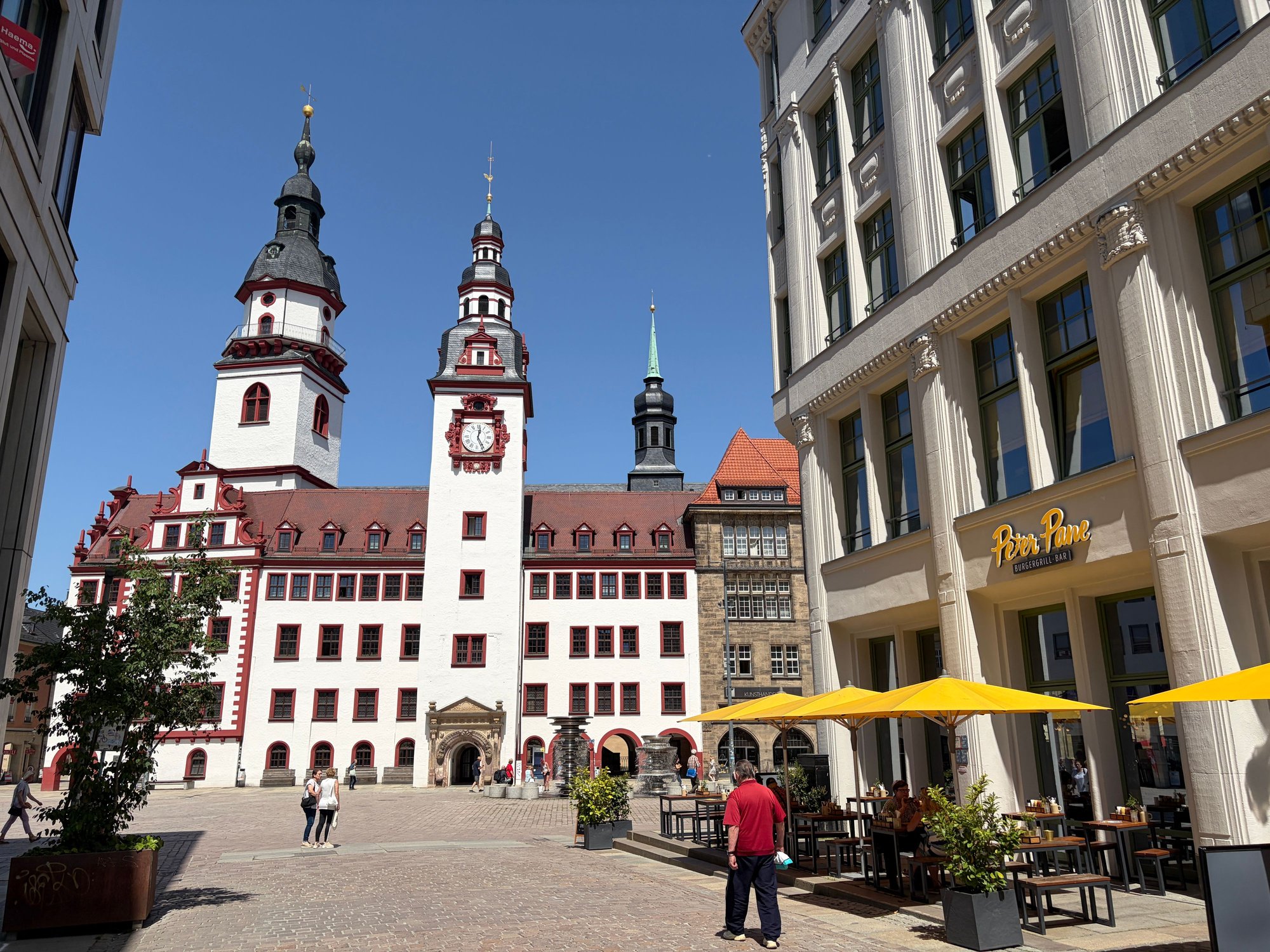
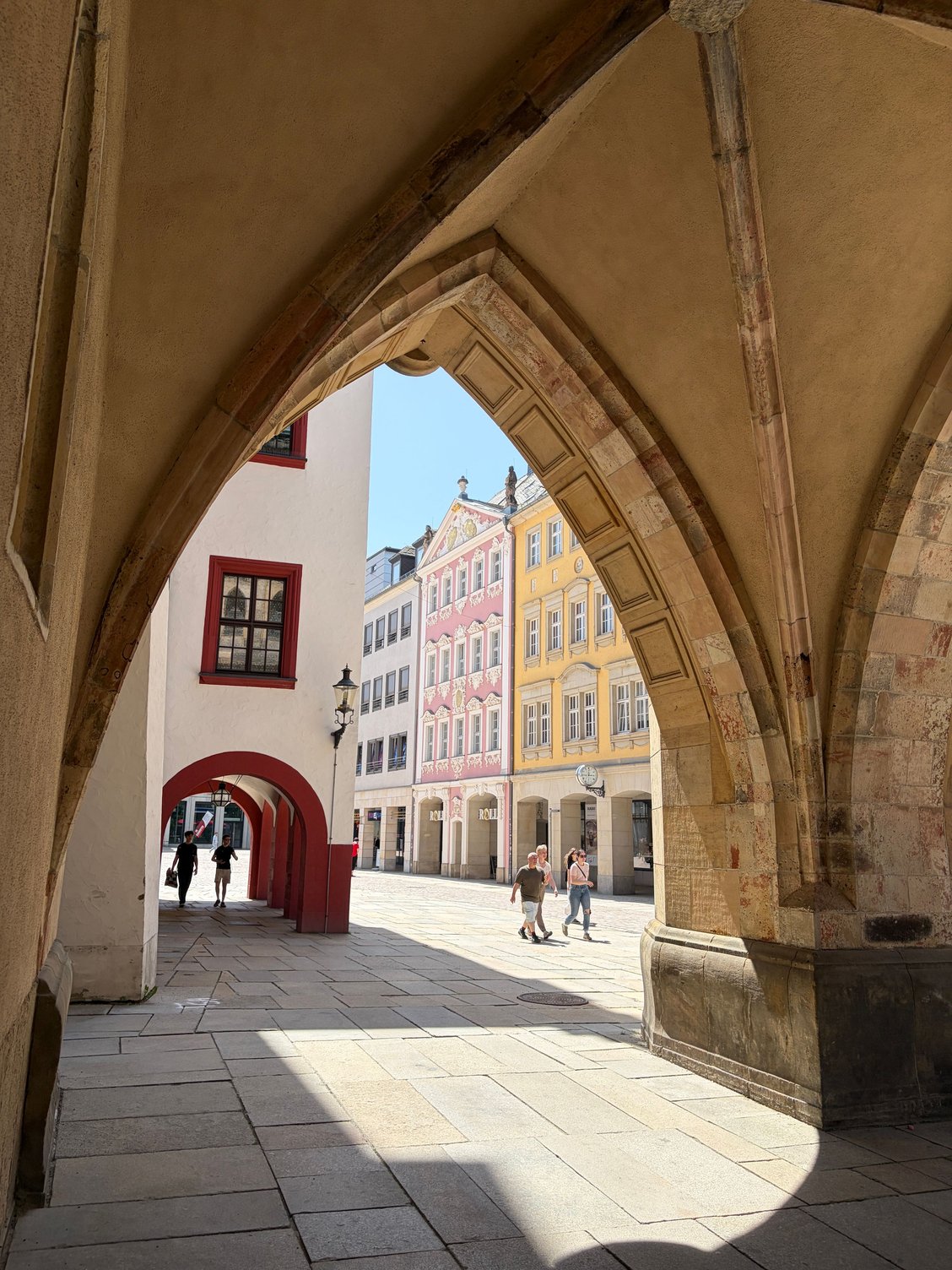
I simply walked from the train station to the bustling weekly market at the red tower, passing Theaterplatz with the opera house and St Peter’s church, the Karl Marx monument, the town hall square, enjoying the atmosphere of the market.
X

X

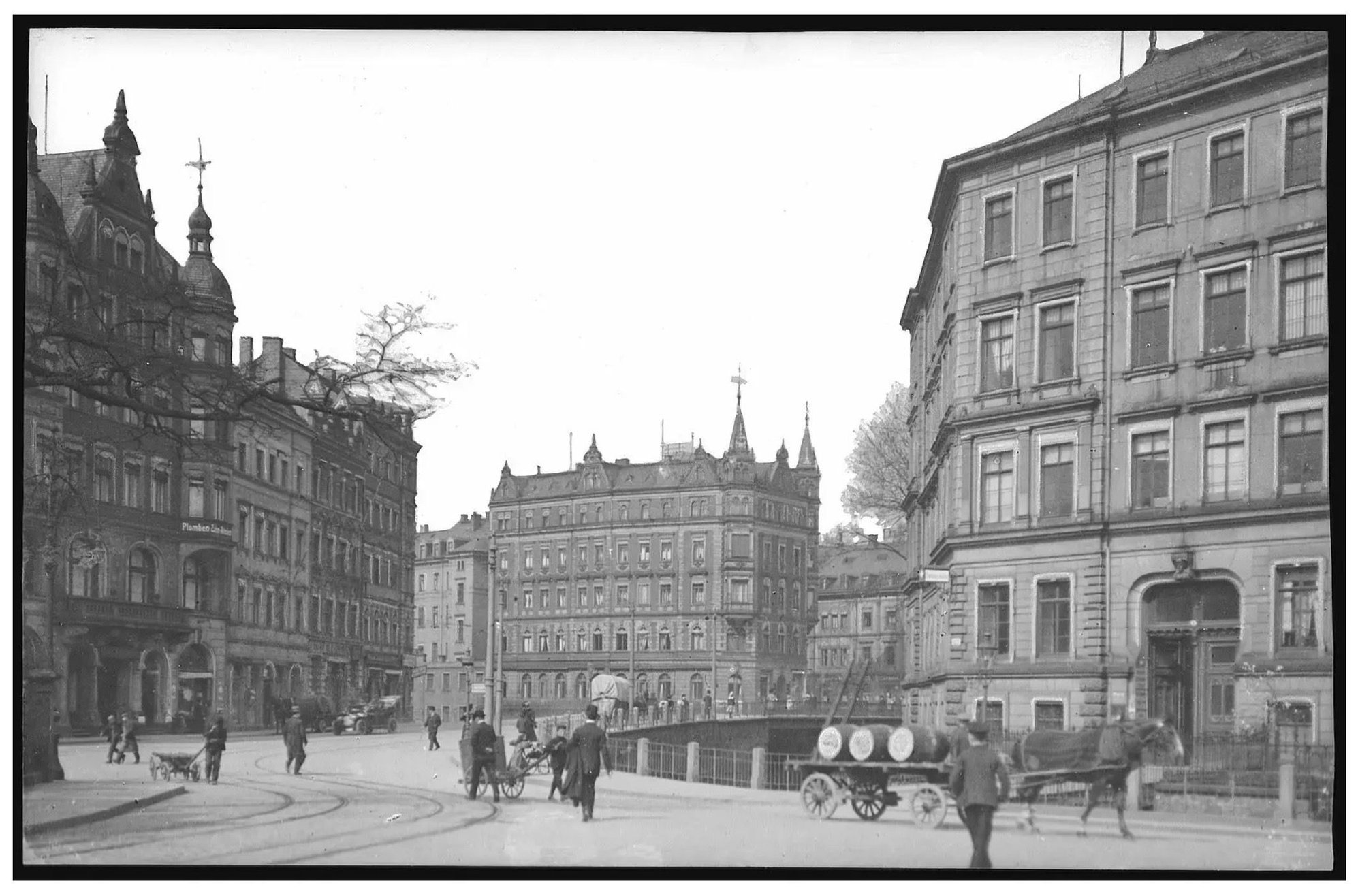
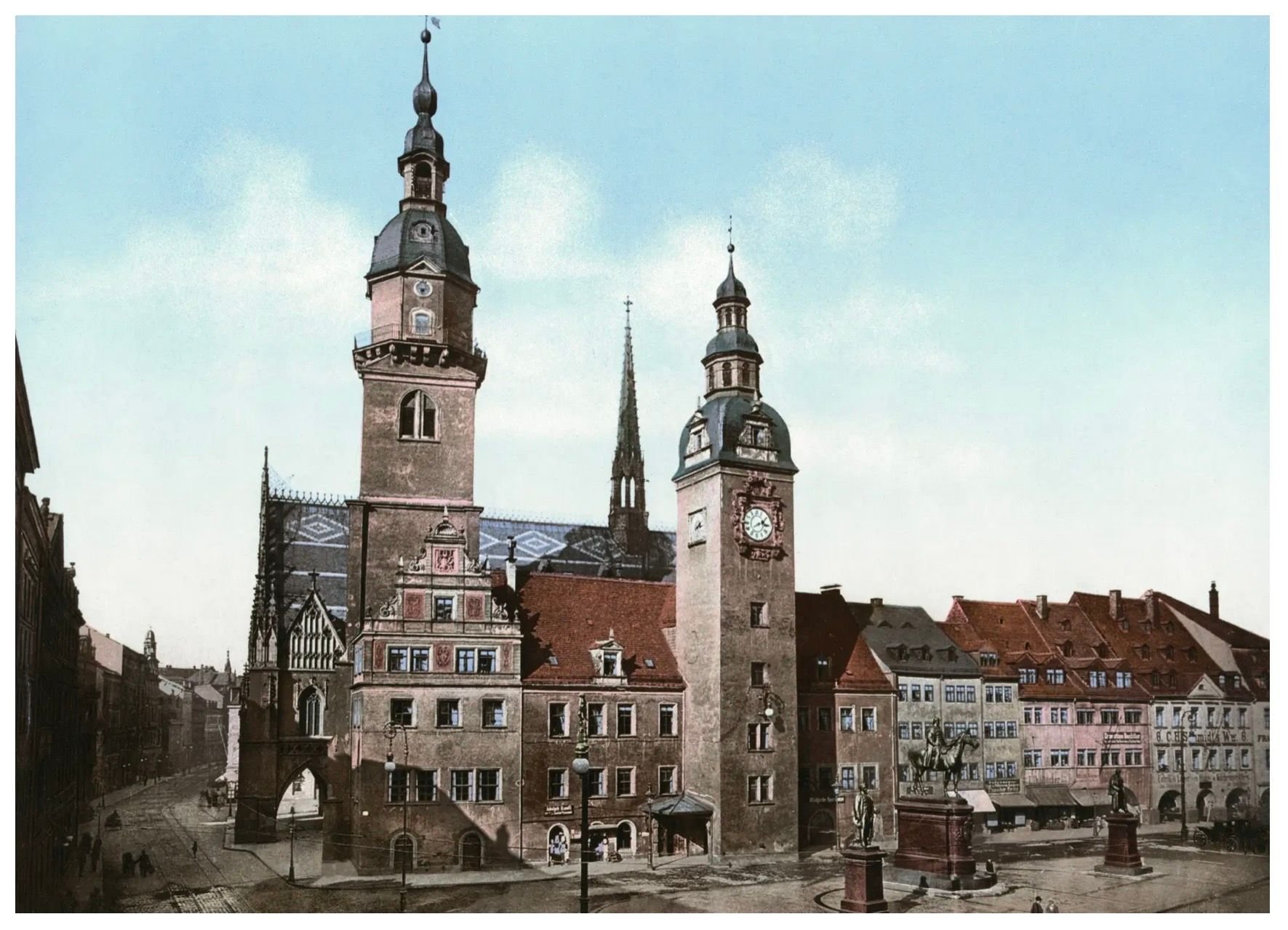
Old and new
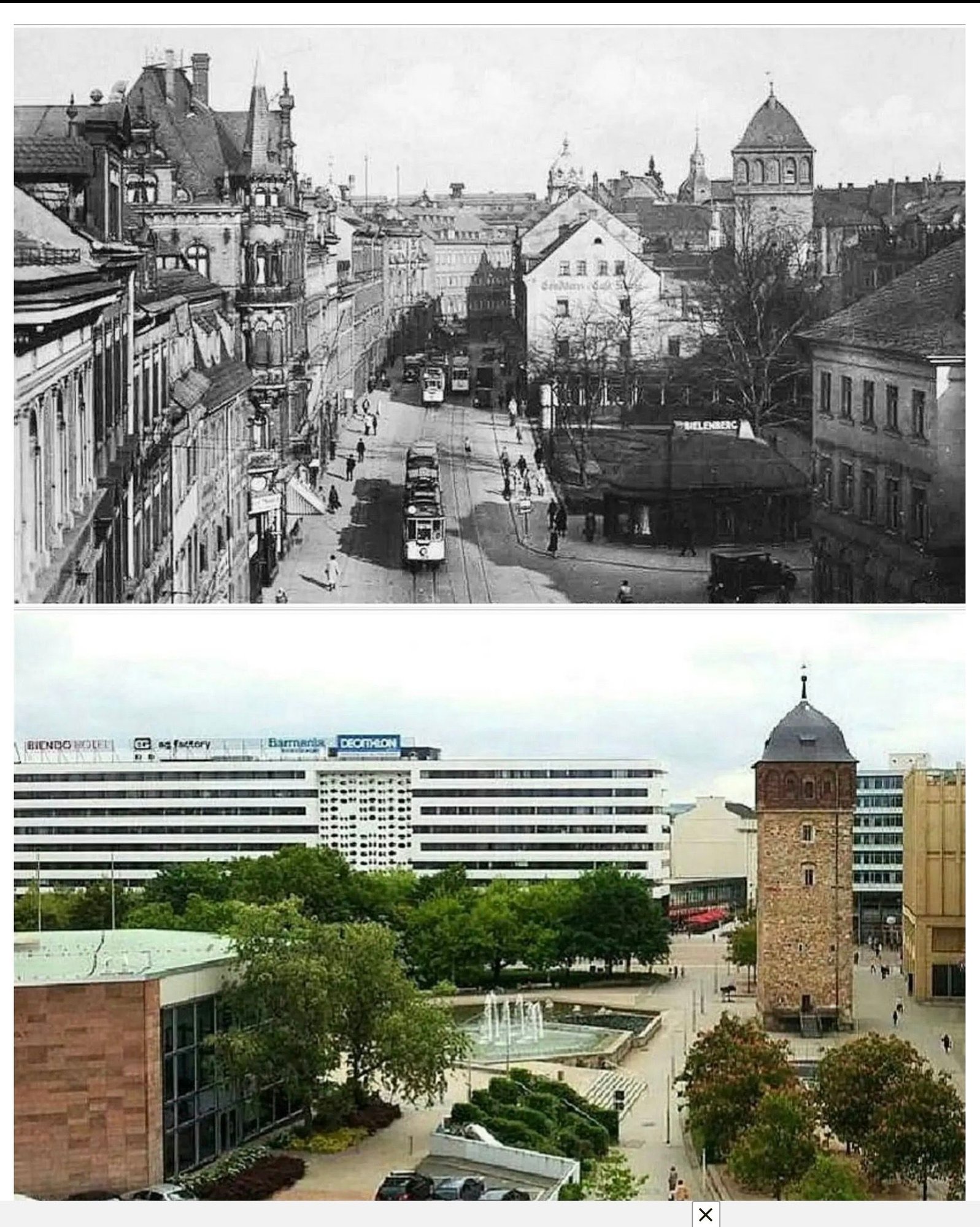
The red tower survived
New buildings surround it

Theaterplatz

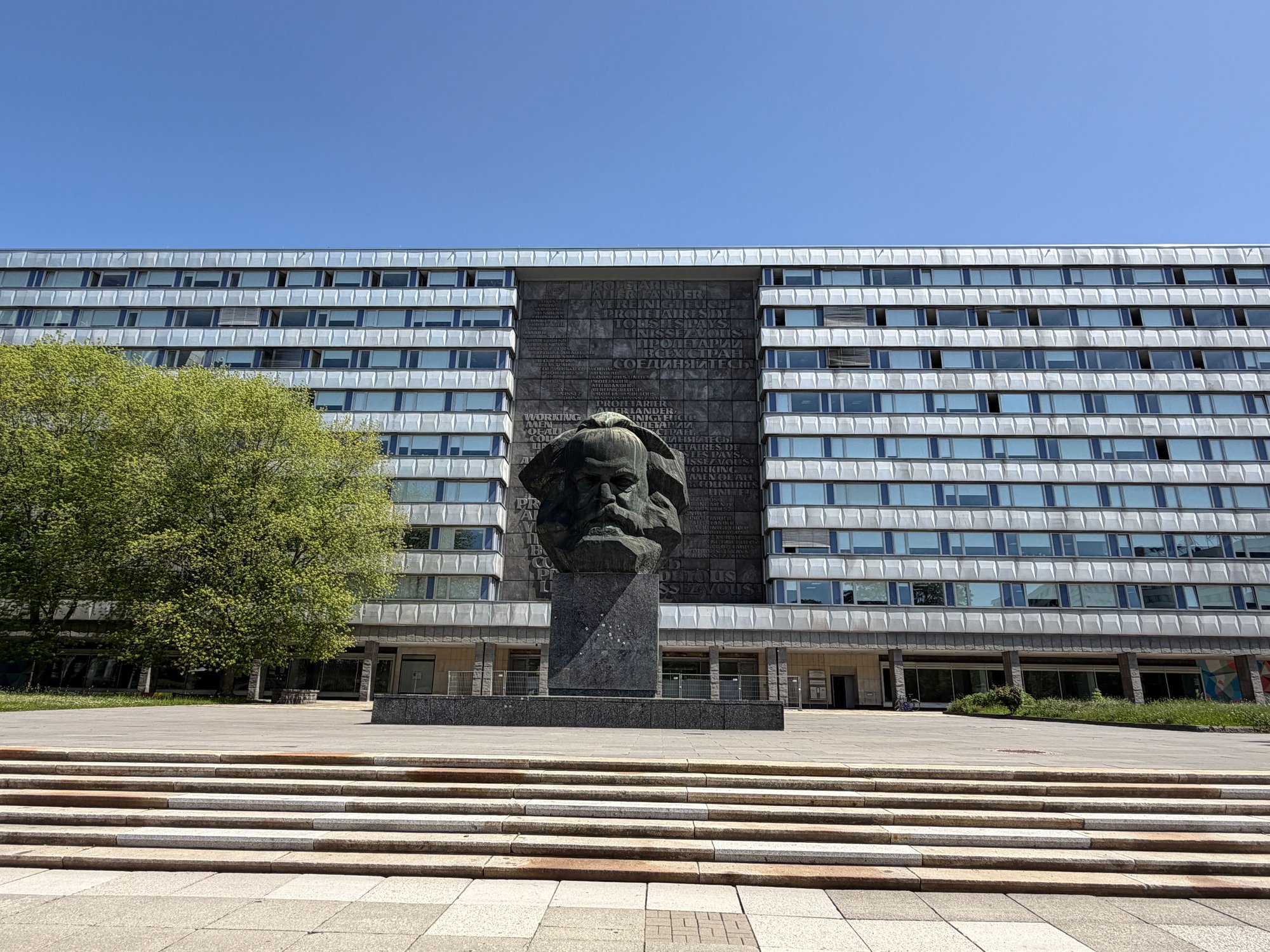
Karl Marx monument
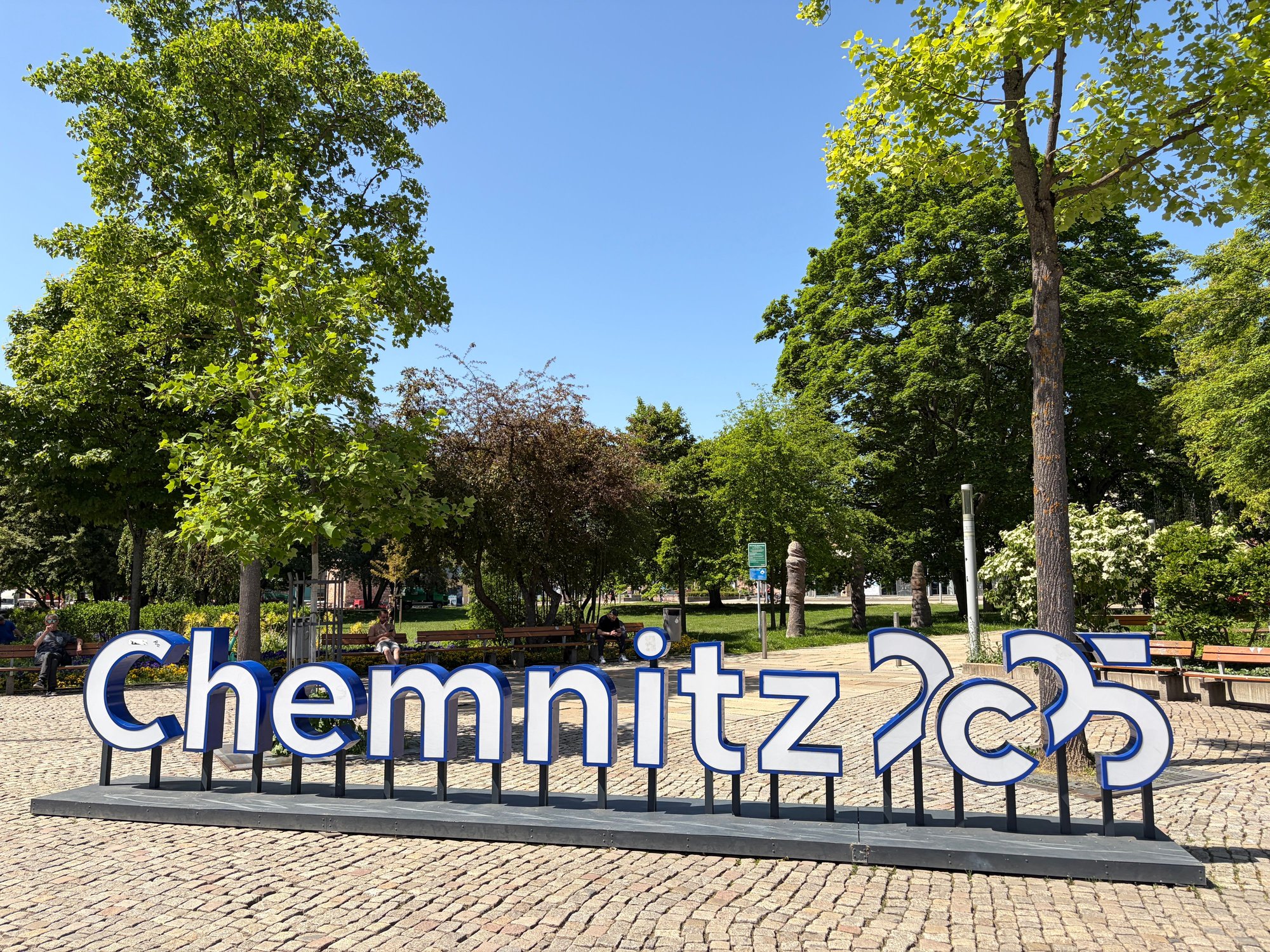
Park
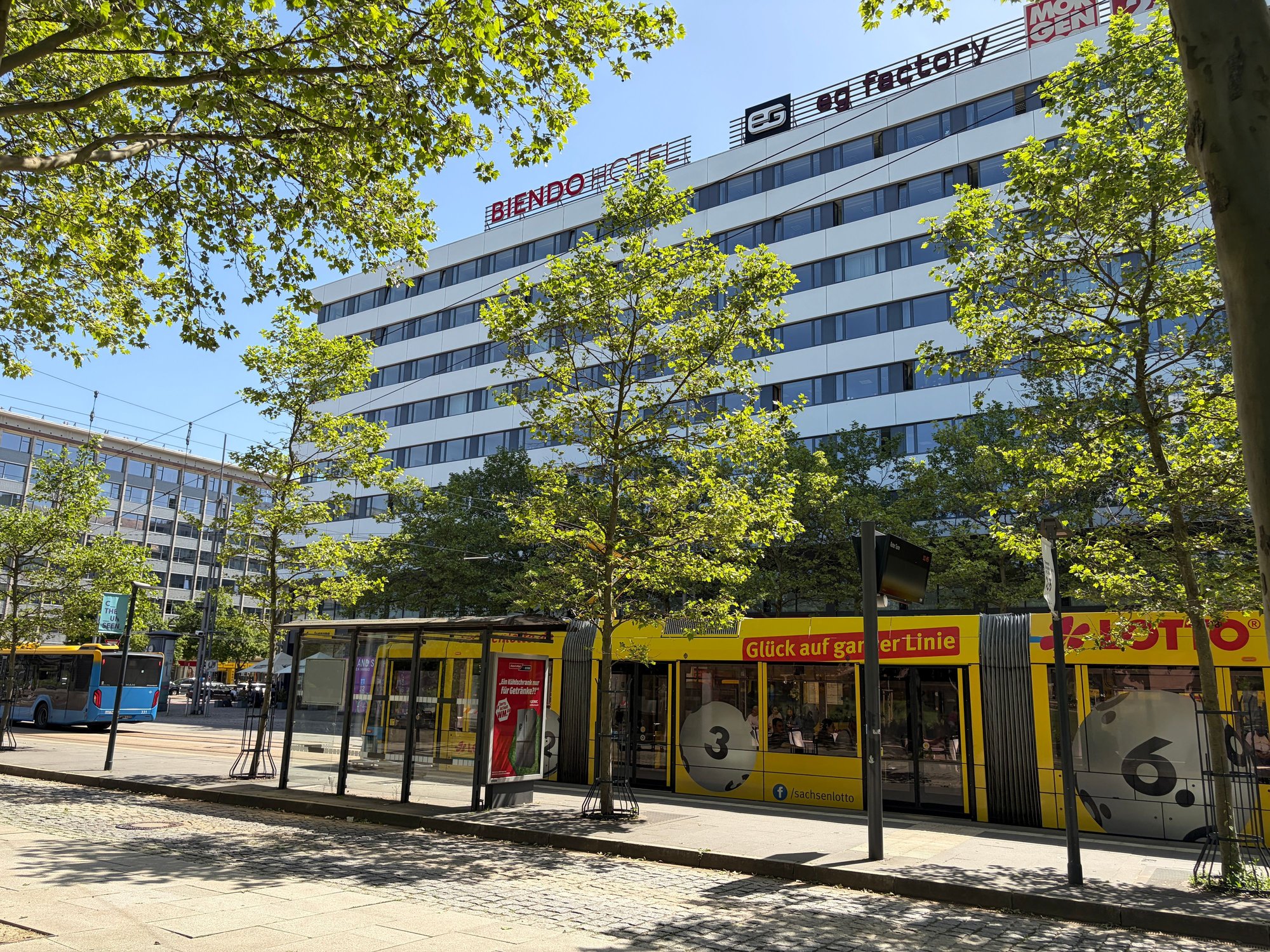
Pedestrian and cyclist friendly and great public transport

Approaching the red tower and the weekly market
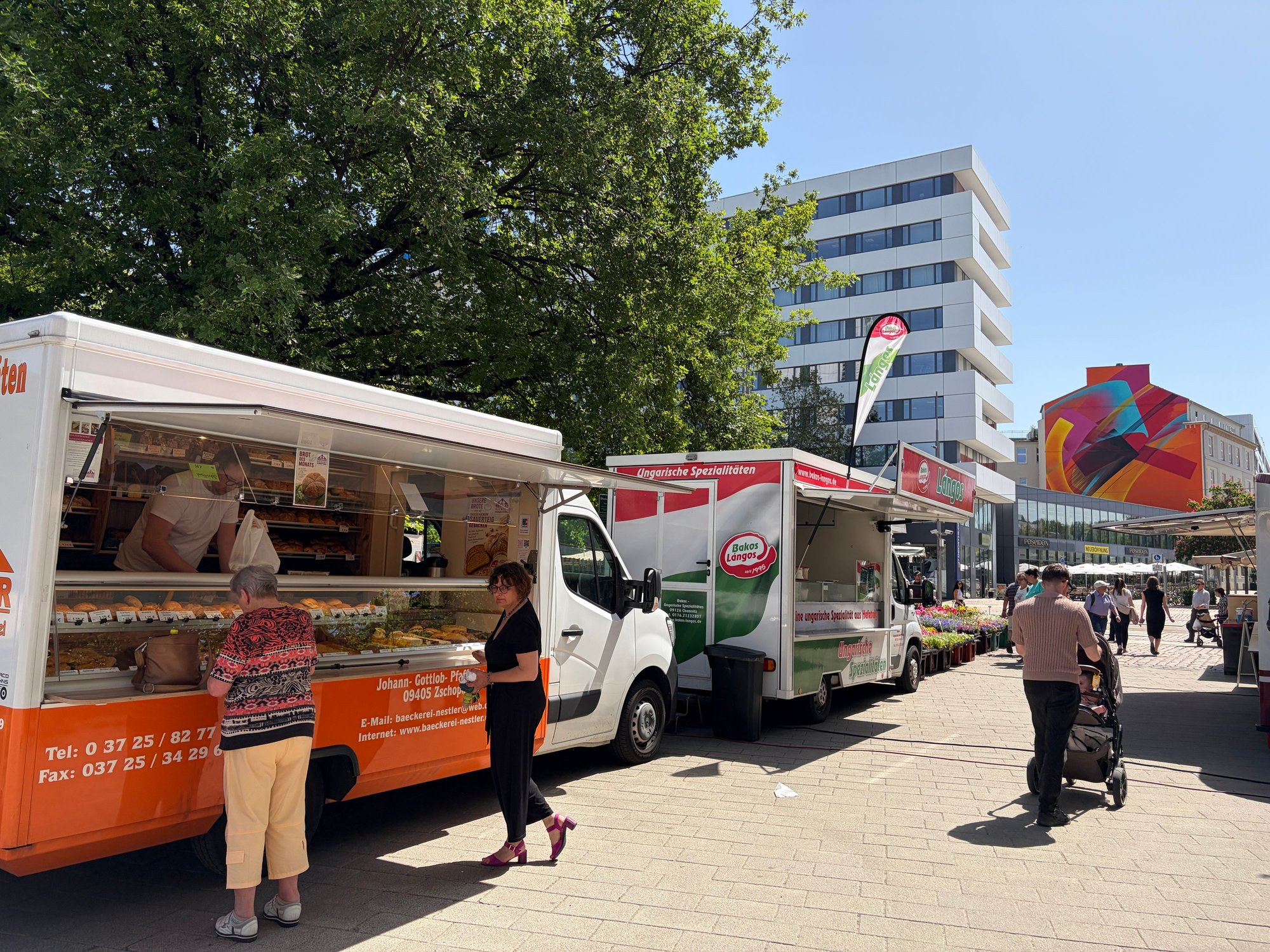
Yes please…
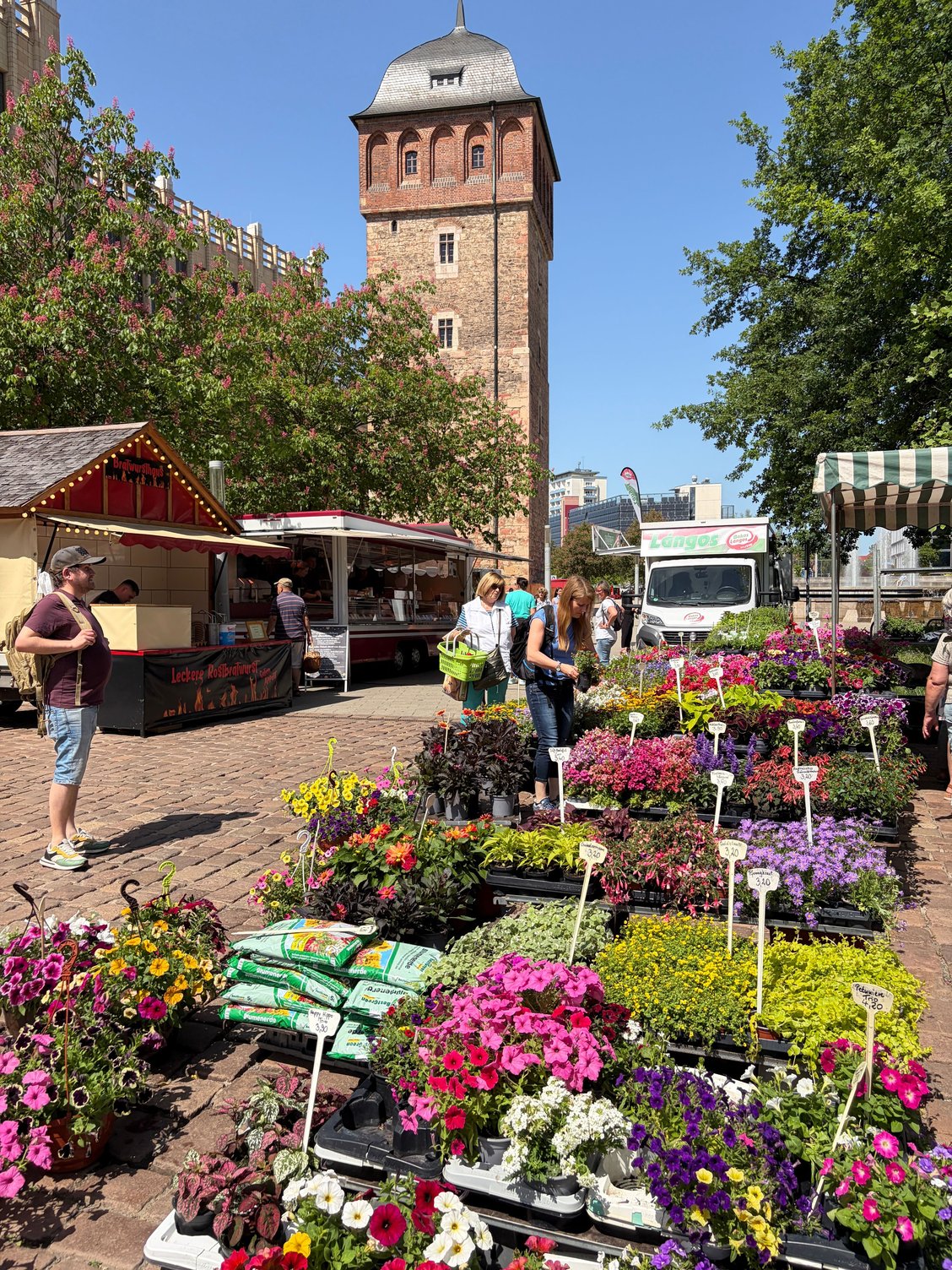

For the spargel lovers

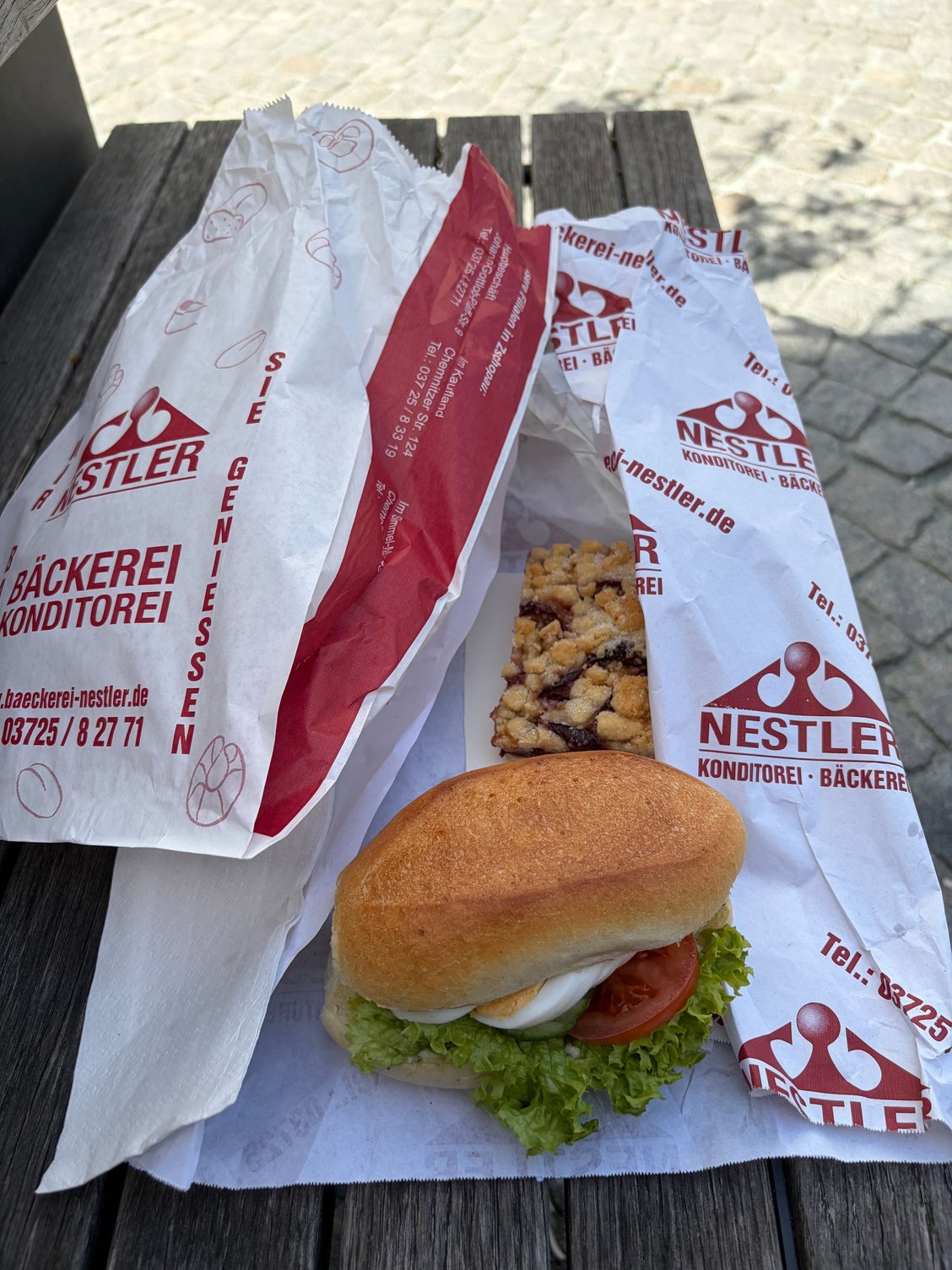
Lunch with plum cake

A square of apartments right in the centre

Lots of eateries
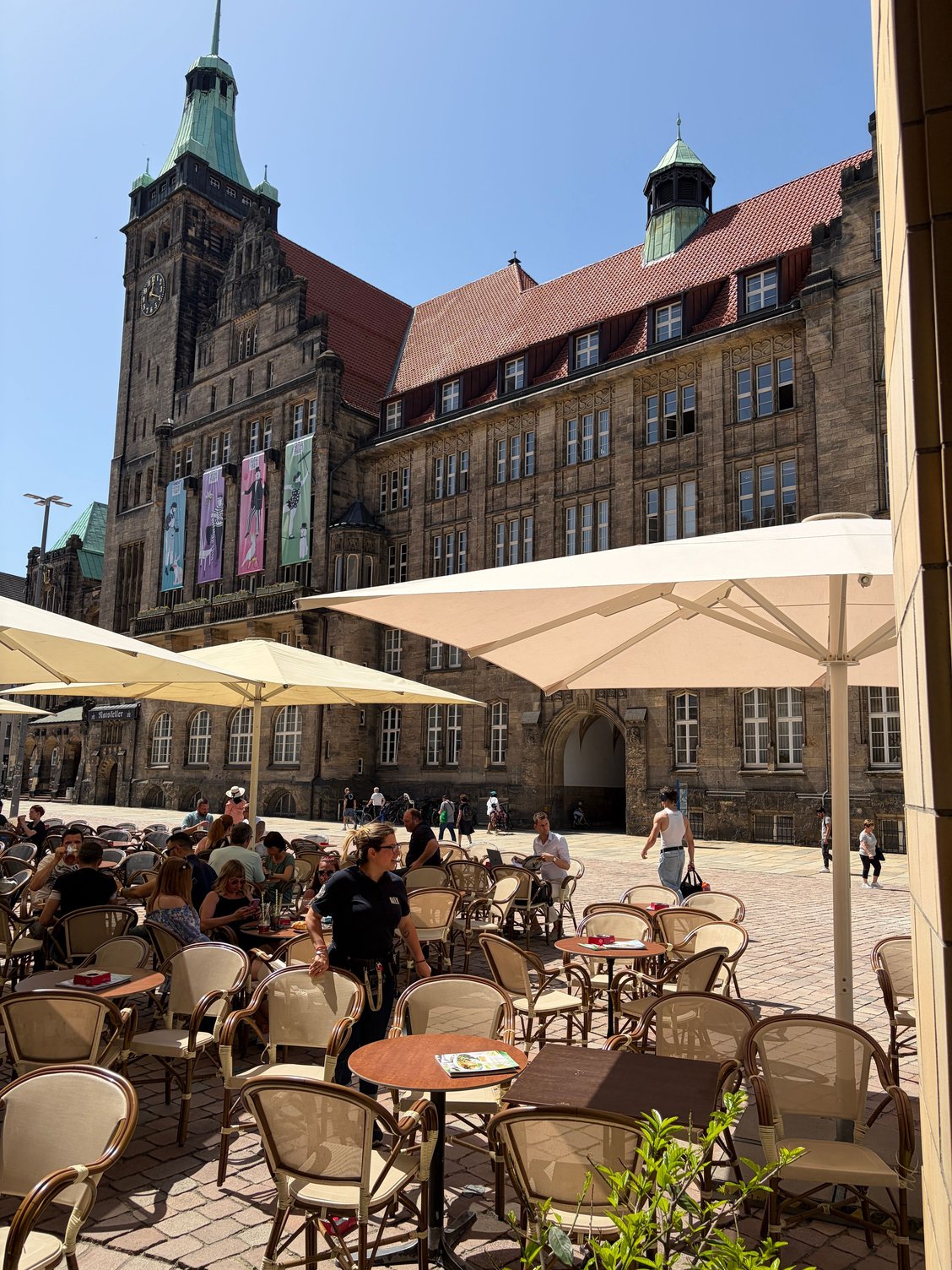



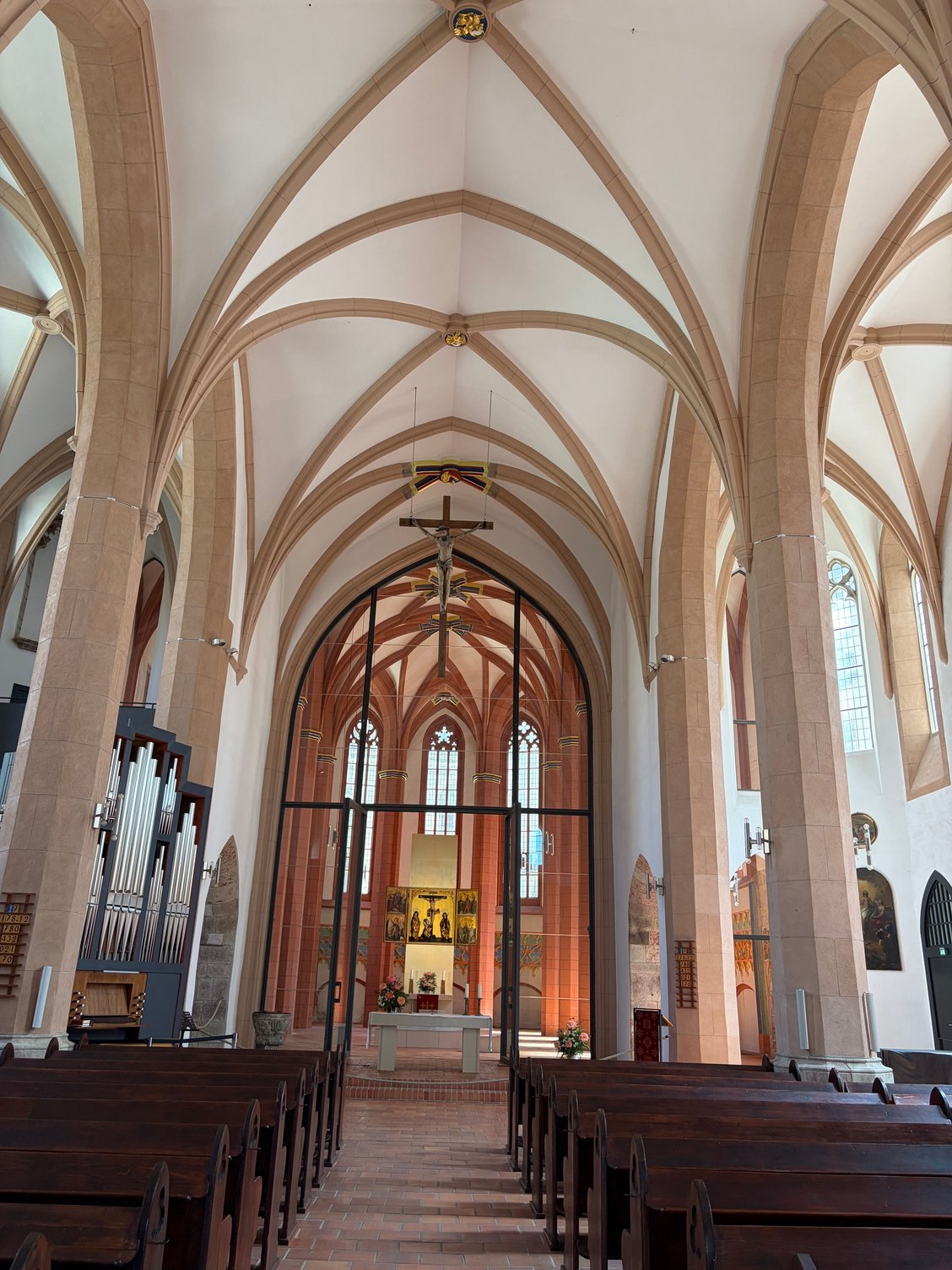

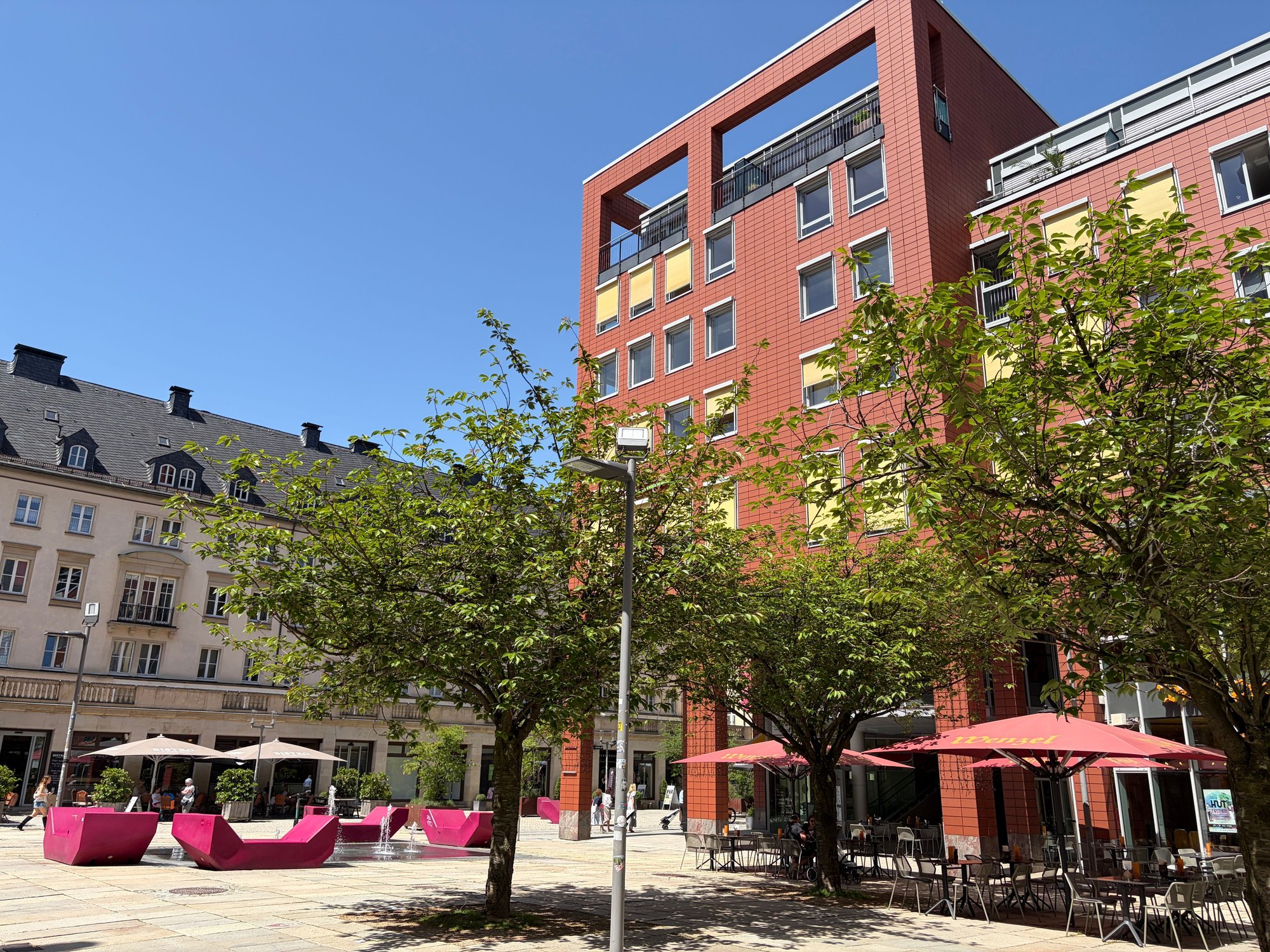
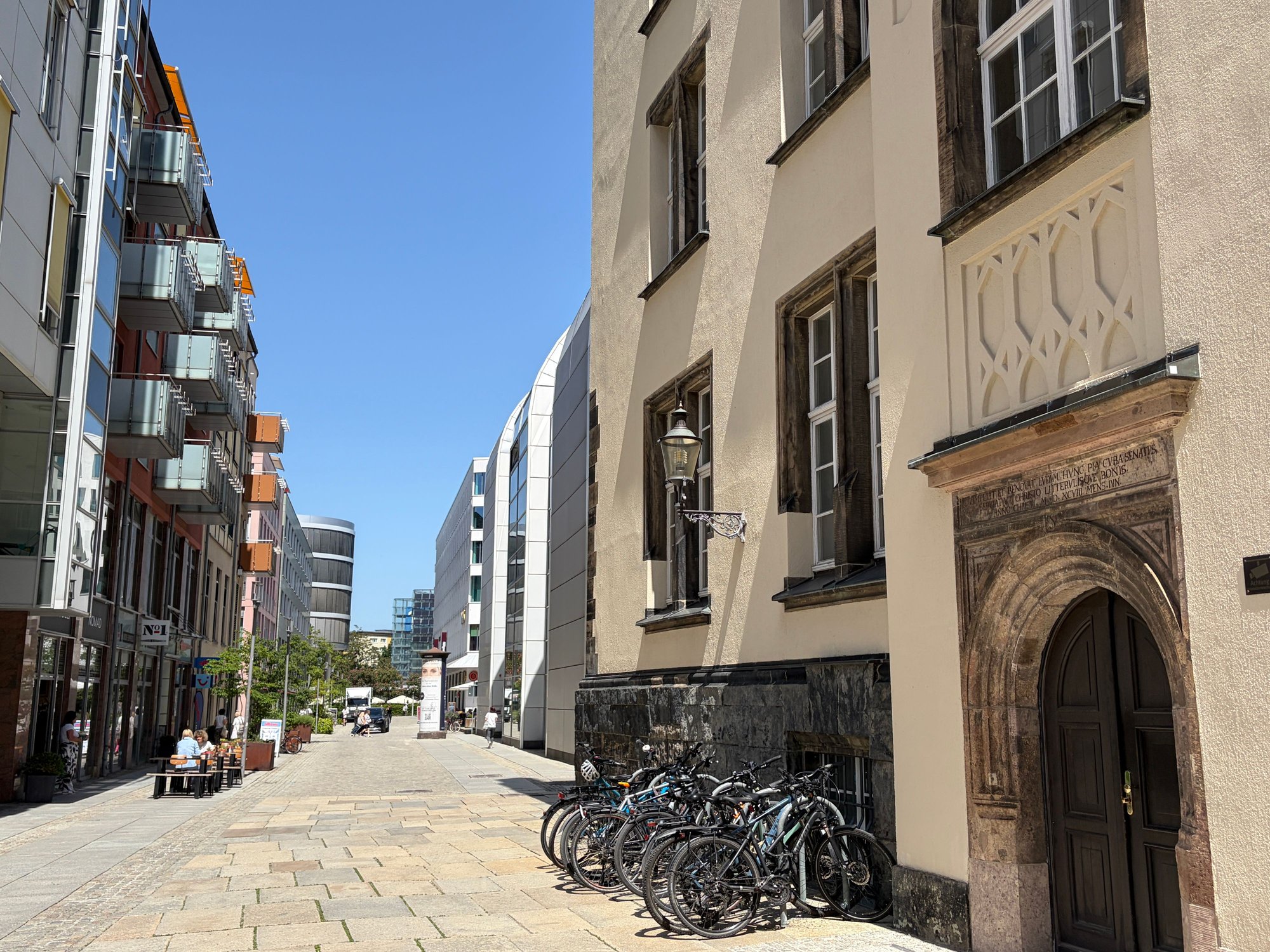
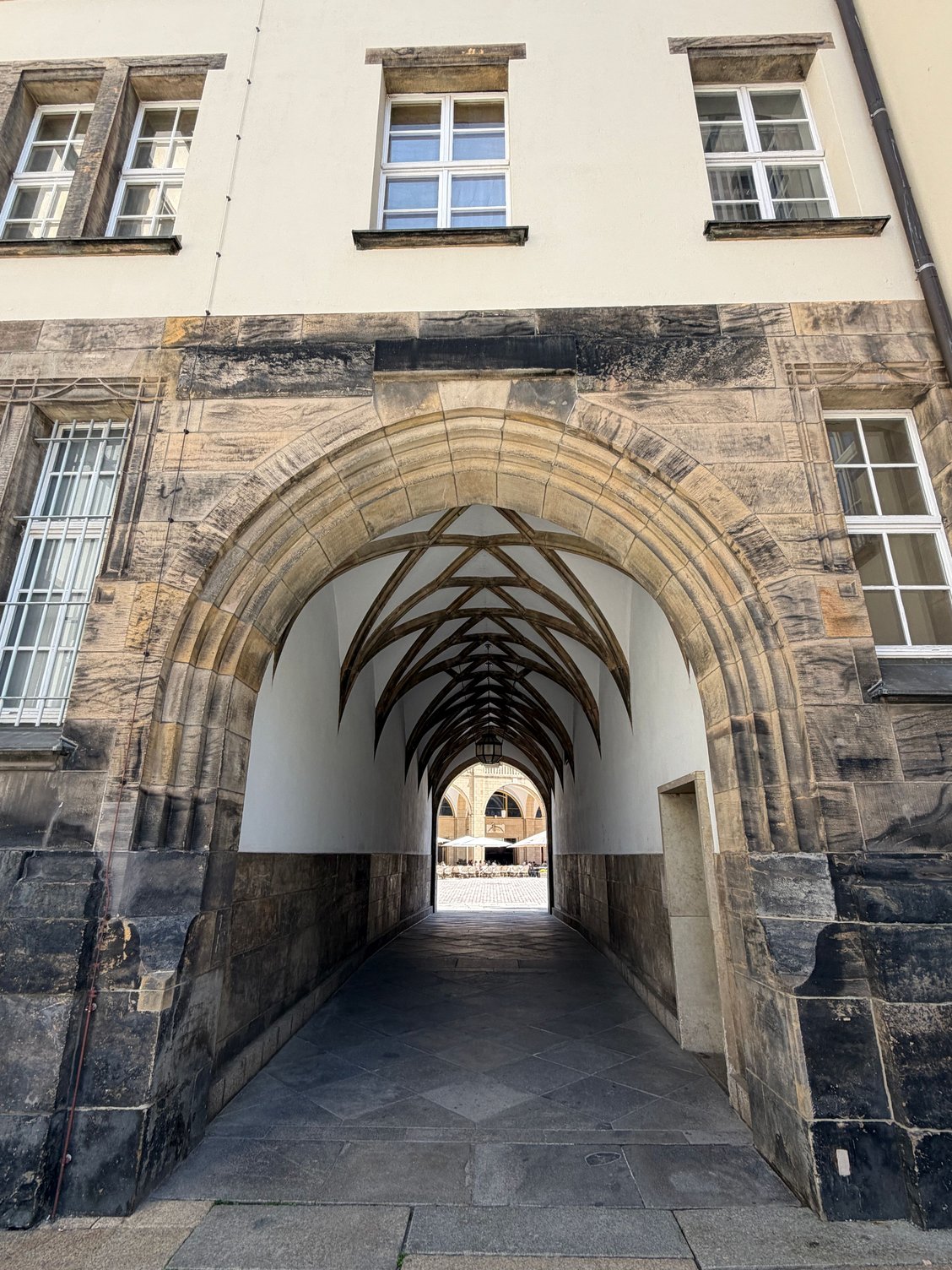
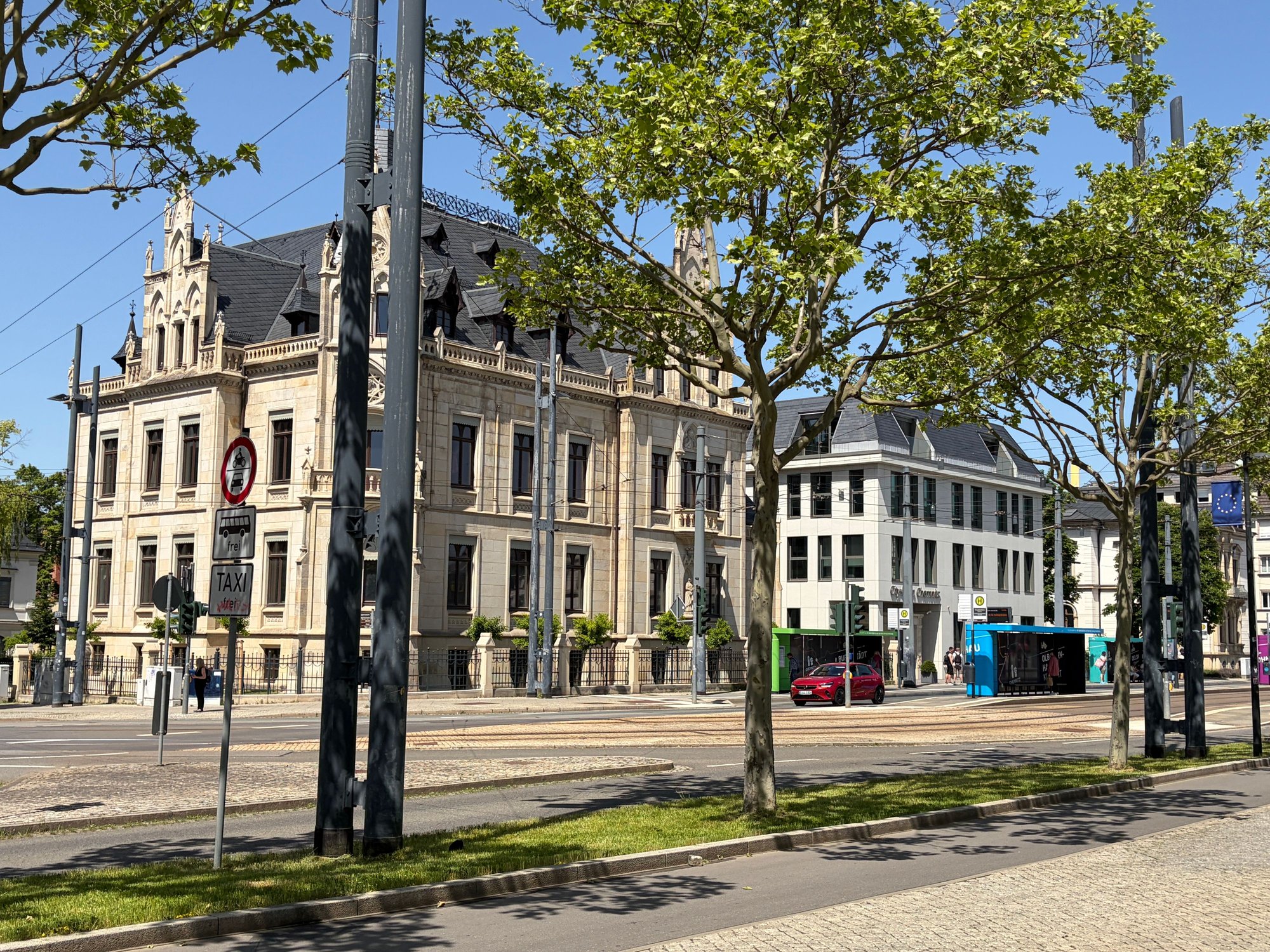
The street at the train station
It is now a city of 250,000 and it was great to see an ethnically diverse population.
And such a surprising change from the bleak and grey city I had visited before. It feels really open, with wide streets and footpaths, good tram connectivity, street trees, green spaces well tended, no graffiti, really clean, the apartment buildings look more modern, the old and the new didn’t seem as jarring.
A really interesting day. There are museums and historic districts and canals / ponds / parks I could have explored as well, but I was flagging by then.
It is an hour train journey to Chemnitz
Saxon-Anhalt day ticket €35
(rather than pay for tram, and x2 single €23 tickets)
My mother was born in Chemnitz in Nazi Germany, before WW2.
She had an unhappy childhood and her schooling was poor. The children missed school through the war years, and those who were allocated to work as ‘teachers’ during that time were not necessarily equipped to do so. The stories of the mistreatment of these poor children is shameful, my mother’s sister complained of a terribly painful, infected ear in class (parents would not have cared) and in response, the teacher slapped her hard across that ear; another time she had ‘the runs’, asked to be excused to go to bathroom, was denied this and soiled herself - teacher had other children encircle this humiliated child and sing “you’re a dirty pig”.
The parents struggled with the challenges of survival during the war, but were unconcerned about the welfare of their unwanted children; and the 4 children stole food, foraged in forests eating raw mushrooms that caused frequent gastro, wore ragged, inadequate clothing, lacked any healthcare.
Girls in her region and of her lower class were expected to marry or work in service or, as a result of a shortage of men through war, work in physical labor jobs. She completed her 8 years of general school in her local area, then had 2 additional years in the senior school further away, where she encountered students who were not at ‘the bottom of the heap’ like her, and it opened her eyes to another way of life, where parents cared for their children, their futures, and enabled opportunities.
In order to escape her home life, she then opted for agricultural school for 2 years, which was a boarding situation.
(She had a friend whose mother had died, the father was an alcoholic, the 5 children slept together in one straw mattress bed, with the youngest wetting the bed so they all smelt of urine. At age 14 the children had to leave school to work, and hand their father their pay. The 2 oldest colluded to not hand over their pay one week, and they only did that once, having received a brutal bashing. Beatings were common and bruised and battered children and wives were normalised)
Following the war, East Germany (the German Democratic Republic) was under Soviet control and the focus was on seizing of industrial assets, denazification, land reformation, production, education and enabling women to enter the workforce (increased labor participation).
War tends to lead to great social change: my mother believes that post war East Germany women’s rights were far ahead of West Germany’s - and that socialism did bring about enormous advances for poor women.
This is interesting to me as I was most curious about the restrictions and surveillance and hadn’t considered that aspect.
https://thetricontinental.org/dossie...atic-republic/
So, some welcome policies - childcare, education, training, work for all, women’s rights, health clinics, rent control, wage parity;
but suppression of protests, limited consumer goods, food rations, general shortages, censorship, state surveillance of citizens and increasing restrictions on travel.
And of course, high-ranking party members had better housing, income, food, and education. The general population queueing for hours in the bitter cold hoping for bread or other basic goods and living in poor quality crowded housing, while party officials / elite had privileges such as better housing and educational opportunities for their children and access to special stores with Western goods and luxuries. Those citizens who were deemed unpatriotic might find the children withdrawn from their nearby good school or university.
The “Worker’s Paradise” of East Germany was high on propaganda, but so many young citizens, mostly now qualified or trained, and professionals, left for West Germany, which welcomed healthy, young workers (and so began the restrictions of movement from the east).
Growing up in a very low socioeconomic class and under Nazism, the war, the post war period, under Soviet control, they were well used to poverty and deprivation, and while the new socialist policies did improve their lives, the allure of the ‘West’ was too great.
In 1956 she was able to leave by being approved a temporary ‘pass’ to visit her sister who had already moved to West Germany.
She did not return, and never saw her parents again.
The border restrictions increased, eventually leading to a fully patrolled closed border.
https://www.militaryhistories.co.uk/.../early_borders
https://alphahistory.com/coldwar/east-germany/
The establishment of border defences
https://www.militaryhistories.co.uk/berlin/igb
https://www.militaryhistories.co.uk/berlin/border
Moving to West Germany in 1956: There was much war damage and housing demand was greater than supply, so she share rented a tiny attic room with 2 other women, 3 adults in 2 single beds (2 adults slept ‘top and tail’ in a single bed) on the 3rd floor, no other furniture, a communal toilet was in the cellar; and worked in a printing factory.
In West Germany it was still possible for a man to forbid his wife to work, and women were only paid 75% of men’s wages for the same work.
Many men were injured, or did not return from war.
Women who were left to support families in these devastated cities often became the rubble removers - spending their days clearing roads and cleaning stone/ bricks for the rebuilding process.
It wasn’t easy to improve one’s life, and despite many new freedoms of living in the west - to travel/ shops with goods, she remained penniless, so the advertising brochures of a new life in Australia were very appealing.
Anyway, back to the trip - most travellers don’t have Chemnitz on their itinerary. It lacks the grand historical monuments of other cities, although it was once a gracious city.
I recall some lovely squares and a lot of depressing, grey, boxy flats from a very brief (and restricted, - because it was still the old east Germany) visit in 1986 when it was Karl Marx Stadt (East German government changed name from Chemnitz to Karl Marx Stadt in 1953, and after reunification it was returned to its original name).
It has a mix of the older and the new architecture and the Soviet era buildings are part of the history.
I had limited access to my family at that initial visit (needed to declare who one would visit, and not wise for some there to connect with the west), as the regime did not disintegrate until 1989, but did have a bit of a whirlwind family tour in 2010, and reconnected with some long lost relatives then.
We also attended my mother’s school reunion in Chemnitz back then, such interesting stories of their lives in the old East Germany, the children of a friend were quite academically gifted and allocated university places for dentistry and medicine in the 1980’s …but in communist Poland, not Germany, as there were not enough vacancies …so had to learn the language as well (although they were provided with language lessons).
It was once a wealthy industrial city (textile industry, mechanical engineering, railroad construction - also known as Saxon Manchester), but much was destroyed during the war, as it produced military hardware and there was a nearby oil refinery.
The lack of liveable housing meant those with an intact home were allocated to share with others (a friend of my mother had 17 people assigned to live with them in their home)
Chemnitz was the 2025 Capital of Culture, so a lot of investment and upgrading of old under utilised buildings, and is now an interesting mix of repurposed industrial buildings, pockets of historic Art Nouveau, some ugly Soviet era buildings, some more recent glass structures, a very few half timbered houses, ‘East Modernism’ https://wildeast.blog/en/chemnitz-modernism/
I simply walked from the train station to the bustling weekly market at the red tower, passing Theaterplatz with the opera house and St Peter’s church, the Karl Marx monument, the town hall square, enjoying the atmosphere of the market.
X
X
Old and new
The red tower survived
New buildings surround it
Theaterplatz
Karl Marx monument
Park
Pedestrian and cyclist friendly and great public transport
Approaching the red tower and the weekly market
Yes please…
For the spargel lovers
Lunch with plum cake
A square of apartments right in the centre
Lots of eateries
The street at the train station
It is now a city of 250,000 and it was great to see an ethnically diverse population.
And such a surprising change from the bleak and grey city I had visited before. It feels really open, with wide streets and footpaths, good tram connectivity, street trees, green spaces well tended, no graffiti, really clean, the apartment buildings look more modern, the old and the new didn’t seem as jarring.
A really interesting day. There are museums and historic districts and canals / ponds / parks I could have explored as well, but I was flagging by then.
May 27th, 2026 | 01:49 AM
#92

Joined: Nov 2008
Posts: 406
Likes: 0
More great photos - I particularly loved the "Pottery building". It looks so pretty!
I suppose hundreds of thousands arrived in Australia on that "Assisted Passage" programme. My mother and half sister did - in 1950 they went to Melbourne. My sister told me a lot about the fun on the ship - and I told her about the fun on the ship to South Africa! (1952). What your family went through before that though Adelaidean is an amazing and blood chilling story. So great you are able to visit the places they loved and share the photos with us.
I suppose hundreds of thousands arrived in Australia on that "Assisted Passage" programme. My mother and half sister did - in 1950 they went to Melbourne. My sister told me a lot about the fun on the ship - and I told her about the fun on the ship to South Africa! (1952). What your family went through before that though Adelaidean is an amazing and blood chilling story. So great you are able to visit the places they loved and share the photos with us.
May 27th, 2026 | 05:41 AM
#93
Joined: Jan 2003
Posts: 5,033
Likes: 0
Another thanks for sharing this family background. It is very interesting for someone like me - who grew up in the late DDR/GDR - to read how life really was in East Germany. ;-)
Chemnitz is IMO a city well worth a couple of days. The various museums are world class, it has a pretty good opera house/theatre/symphonic orchestra, very different, vibrant districts with architecture from late 19th/early 20th century (Kaßberg, Sonnenberg), medieval times (Schlossberg), a lot of parks, castles and is great for outdoor opportunities (hiking, cycling, swimming ...)
Chemnitz is IMO a city well worth a couple of days. The various museums are world class, it has a pretty good opera house/theatre/symphonic orchestra, very different, vibrant districts with architecture from late 19th/early 20th century (Kaßberg, Sonnenberg), medieval times (Schlossberg), a lot of parks, castles and is great for outdoor opportunities (hiking, cycling, swimming ...)
May 27th, 2026 | 06:26 PM
#94
Original Poster
Joined: Jan 2015
Posts: 4,329
Likes: 19
Day 25: Leipzig
I planned a fairly slow and quiet day in Leipzig today.
Took the tram to Augustusplatz, a large square with more modern architecture - the university, opera house, concert hall, and panorama tower.
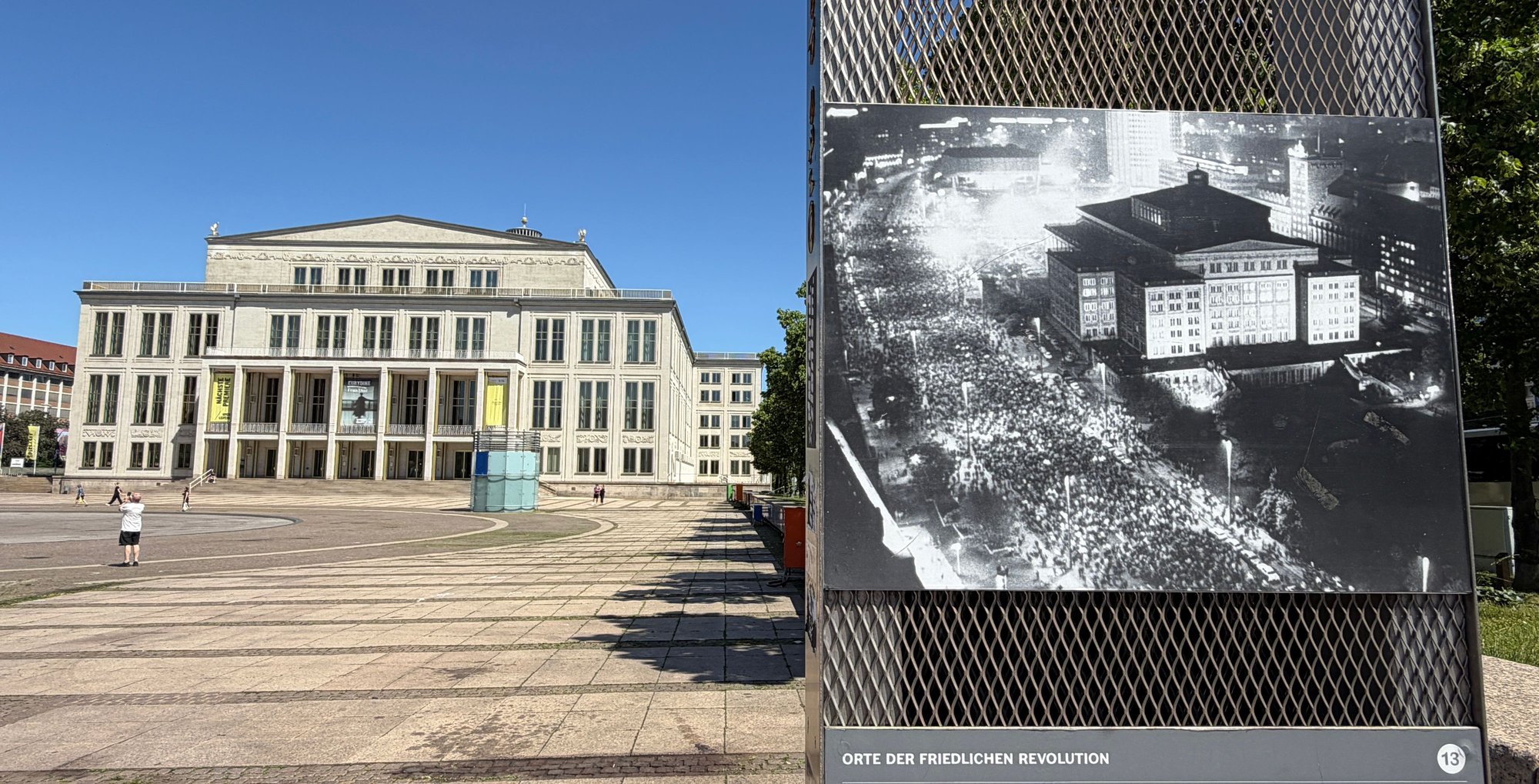
Enormous crowds at the peaceful protests in 1989
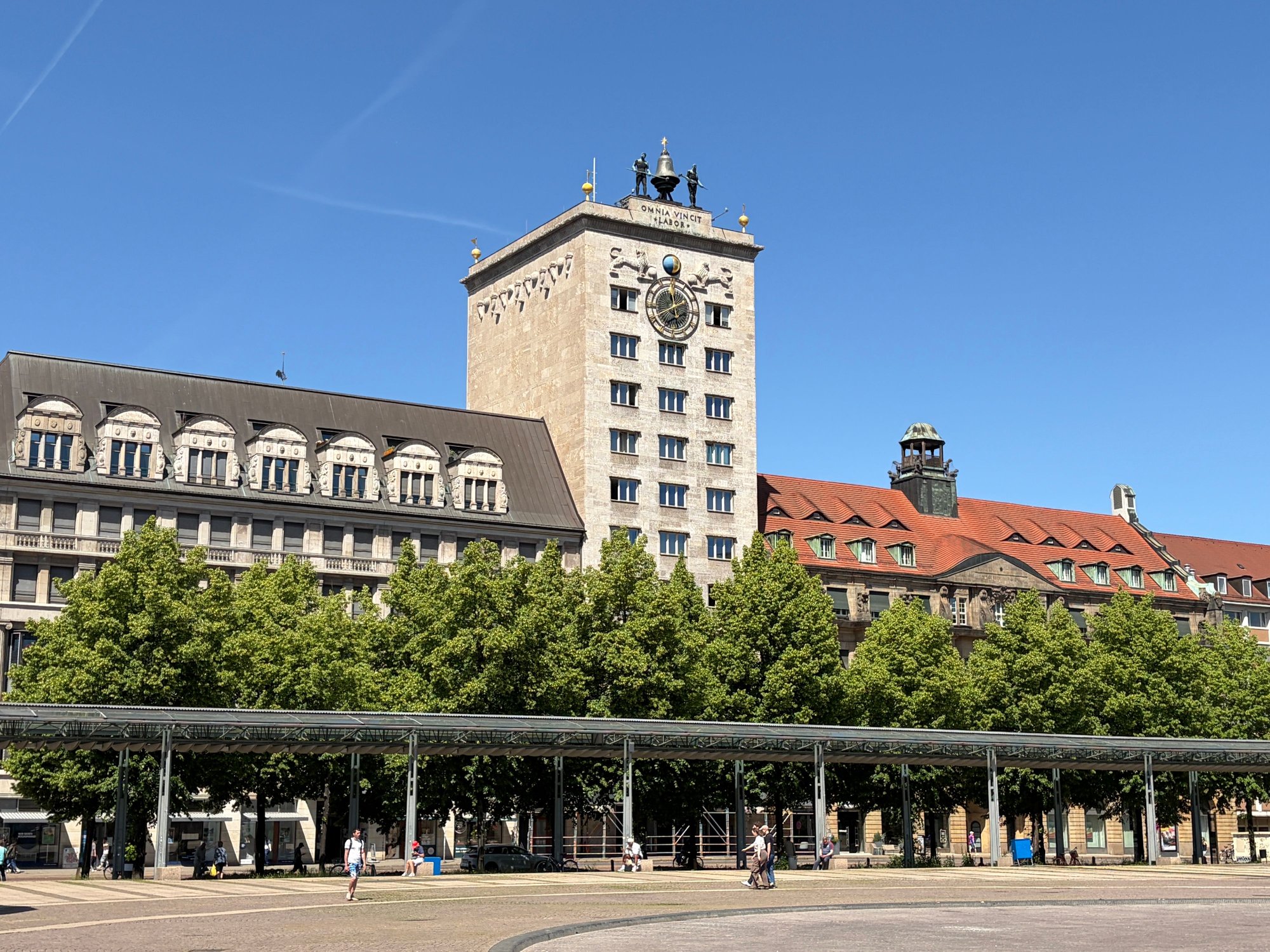
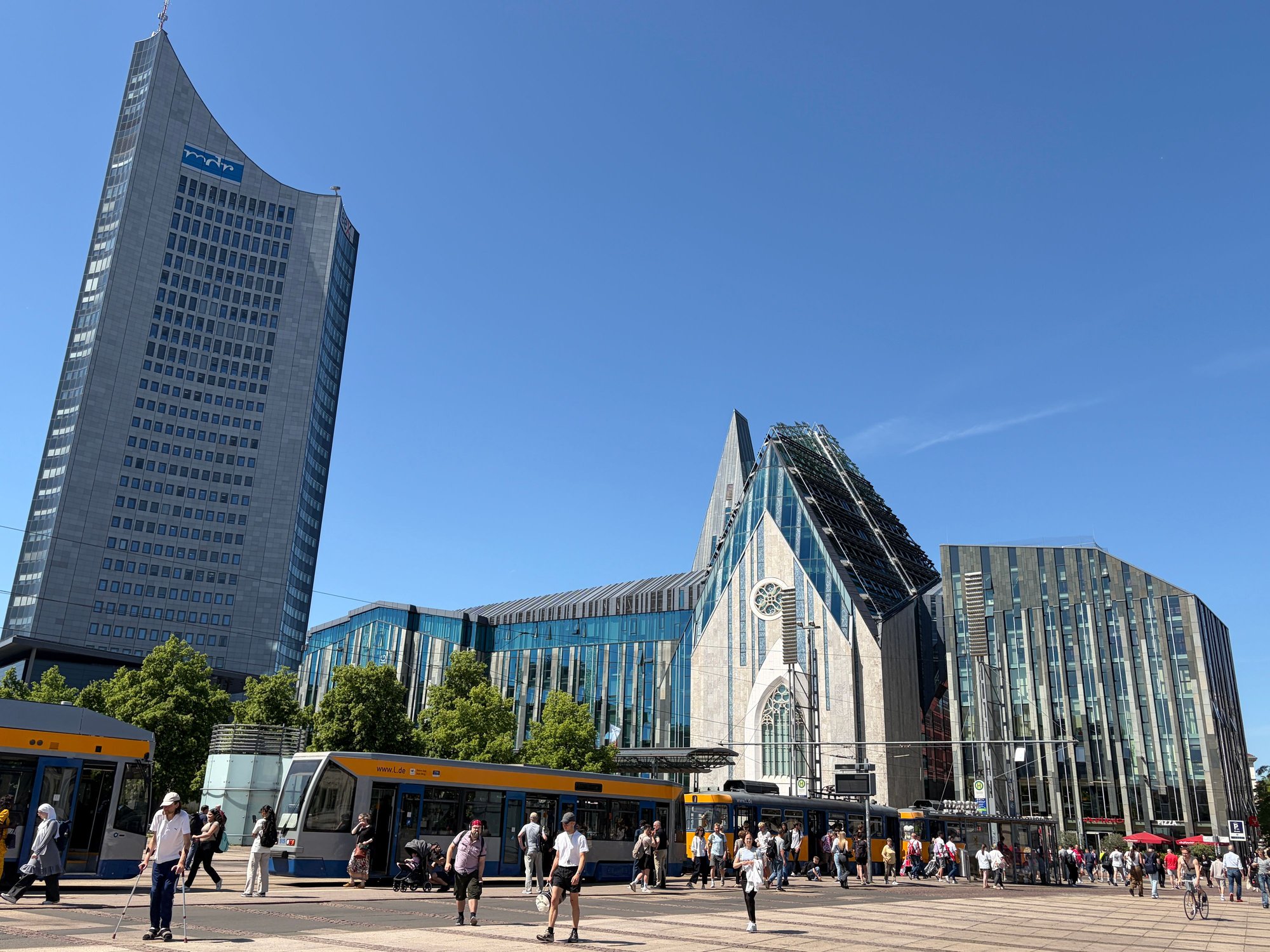
Panorama building and University

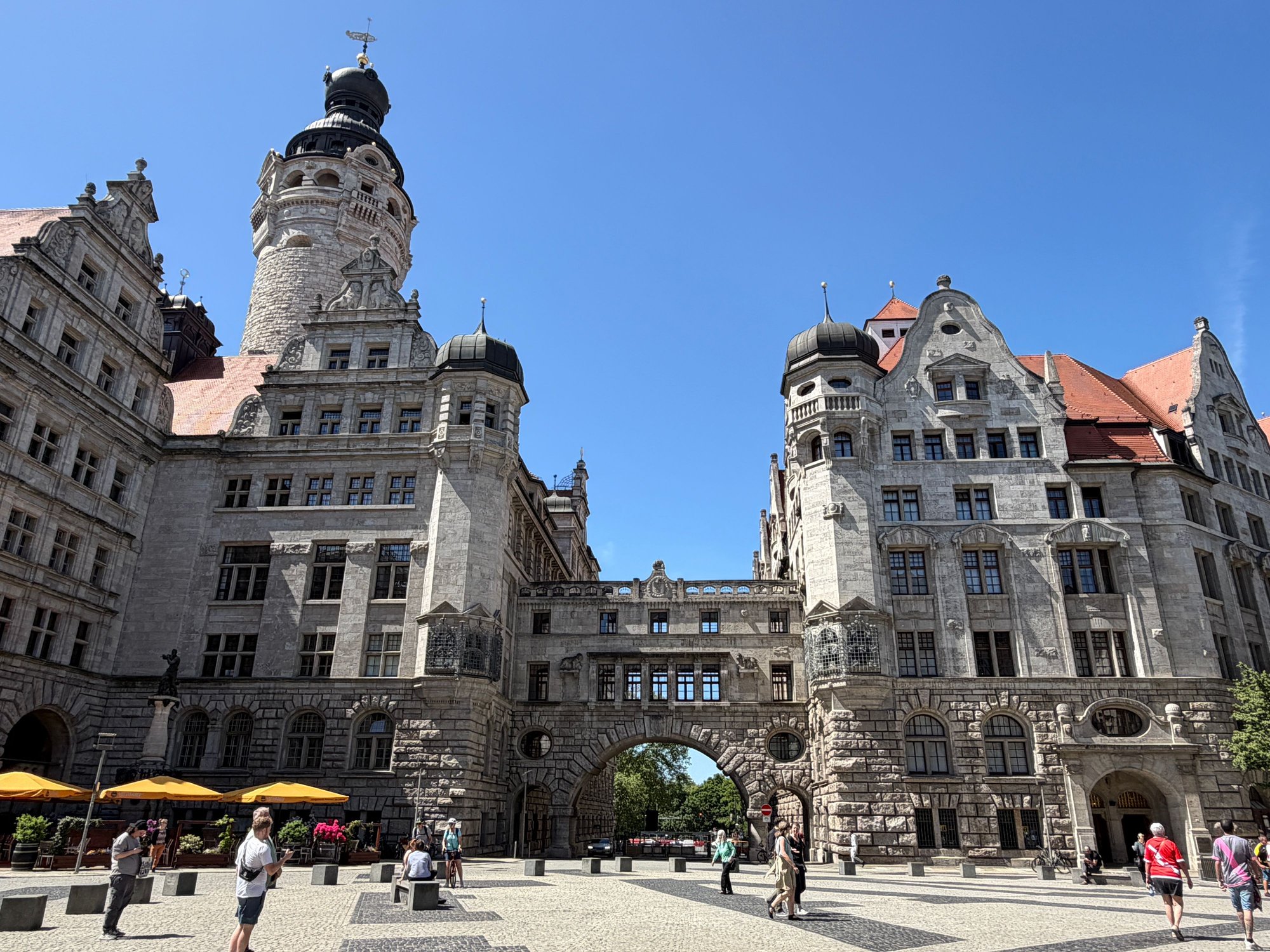
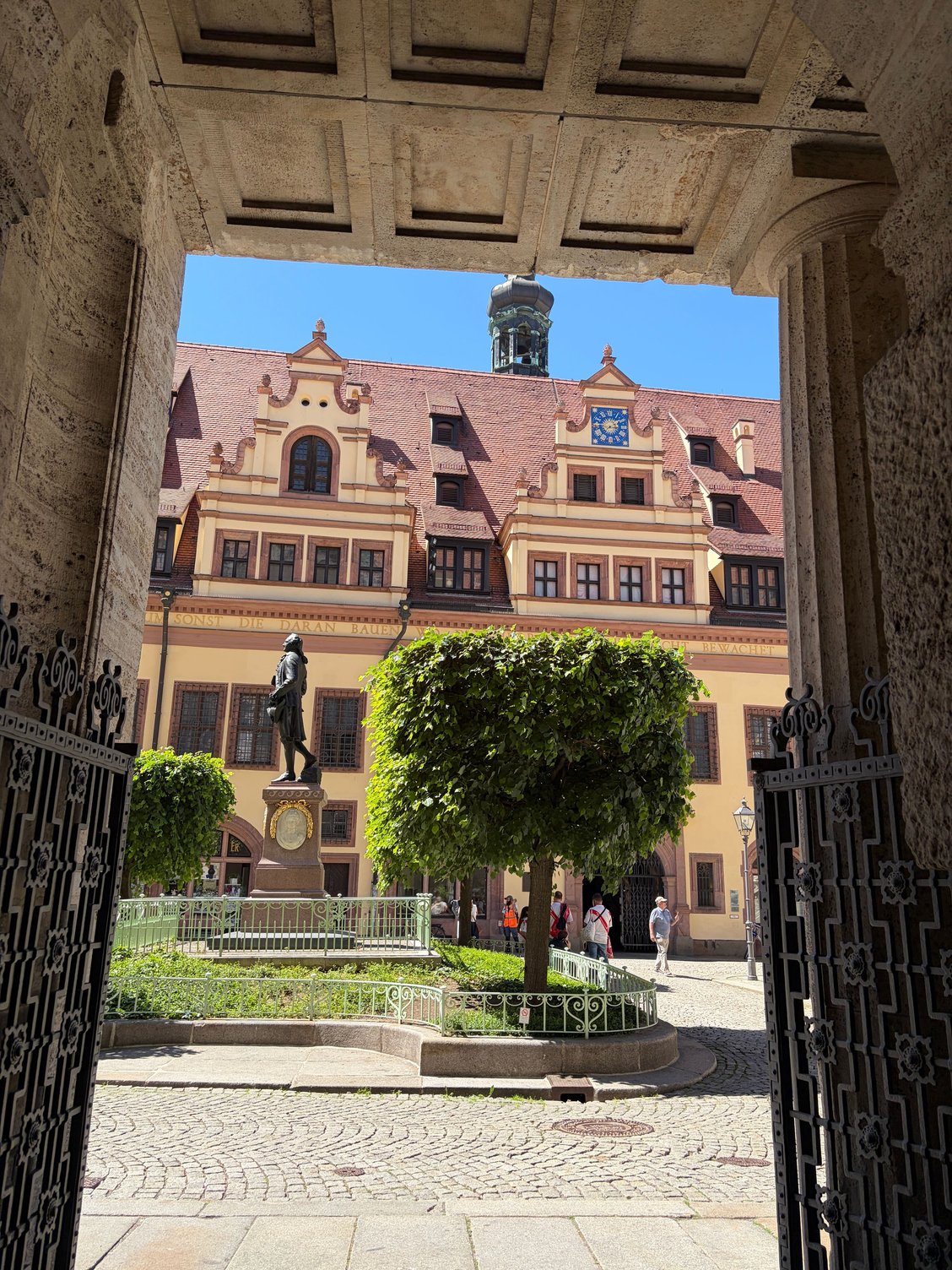
Walked to the new town hall, such a vast and striking building.


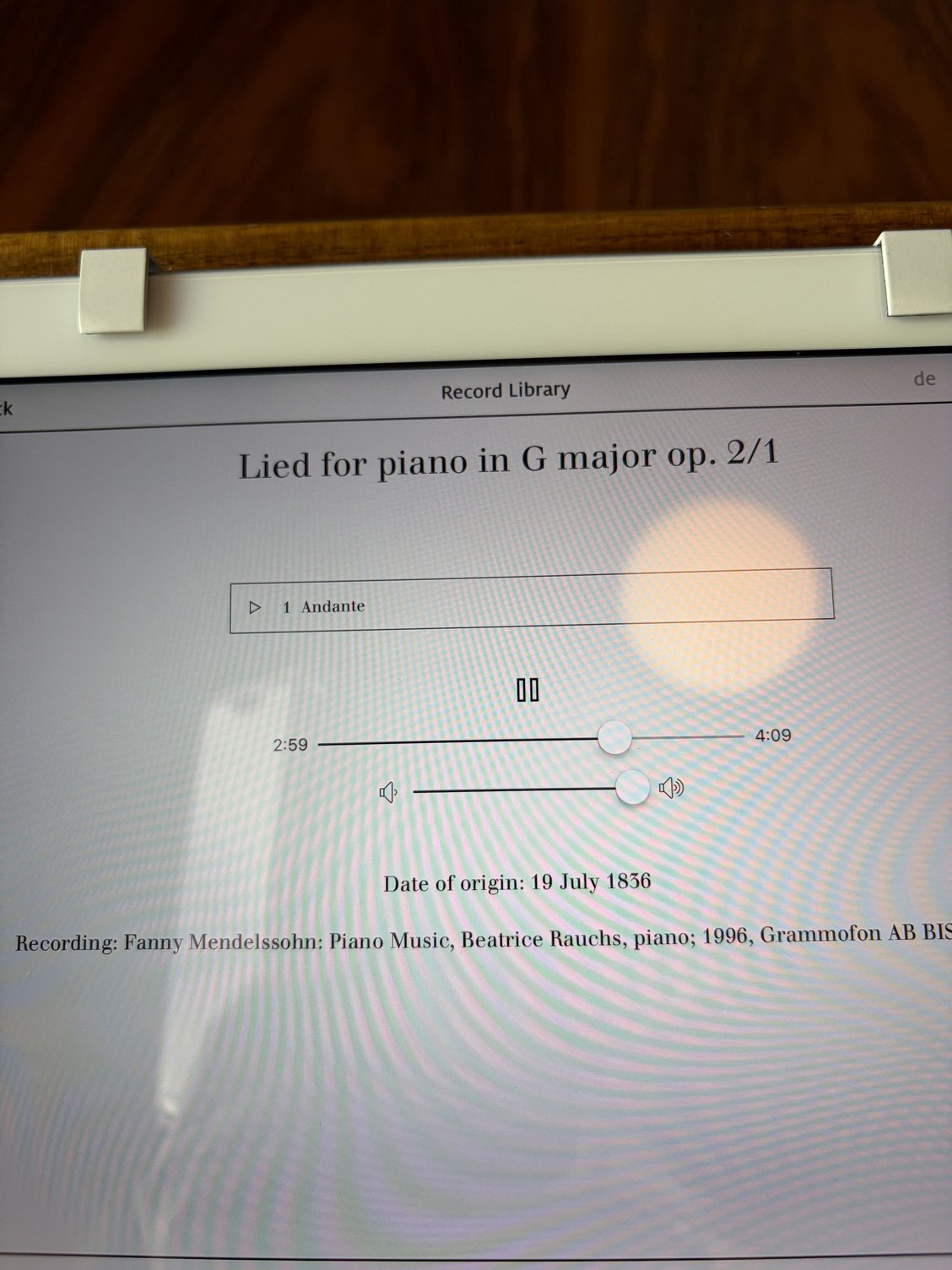
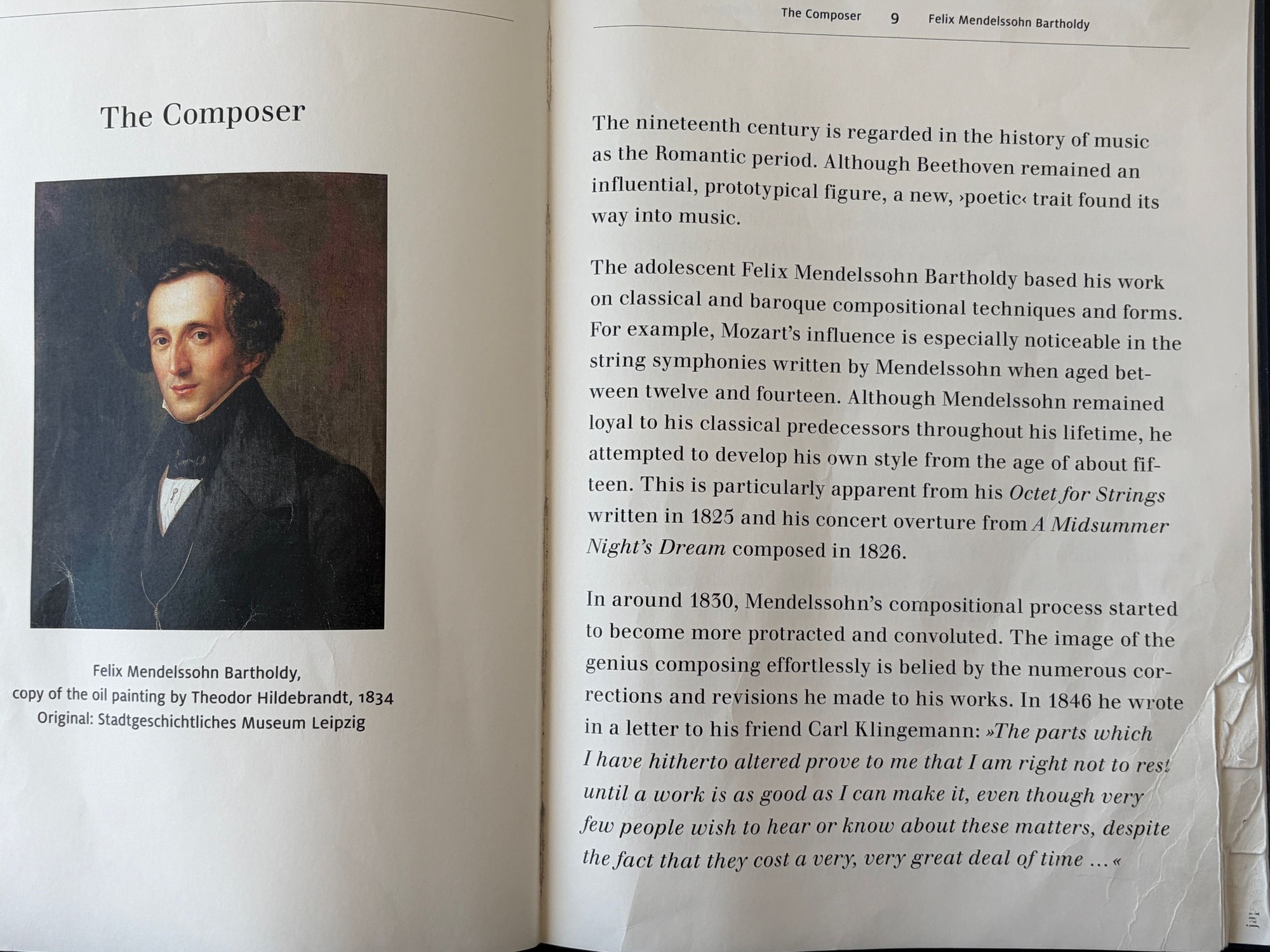
Circled back as I forgot to visit Mendelssohn house - he lived in a flat on the second floor from 1845, and it has been reconstructed as it was (music salon for weekly concerts, lounge, study, etc). Additionally the lower floor has been created as a space to listen to recordings of his work, with digital access to his music and a room where one can ‘conduct’ his music and control the orchestra. It is really clever.
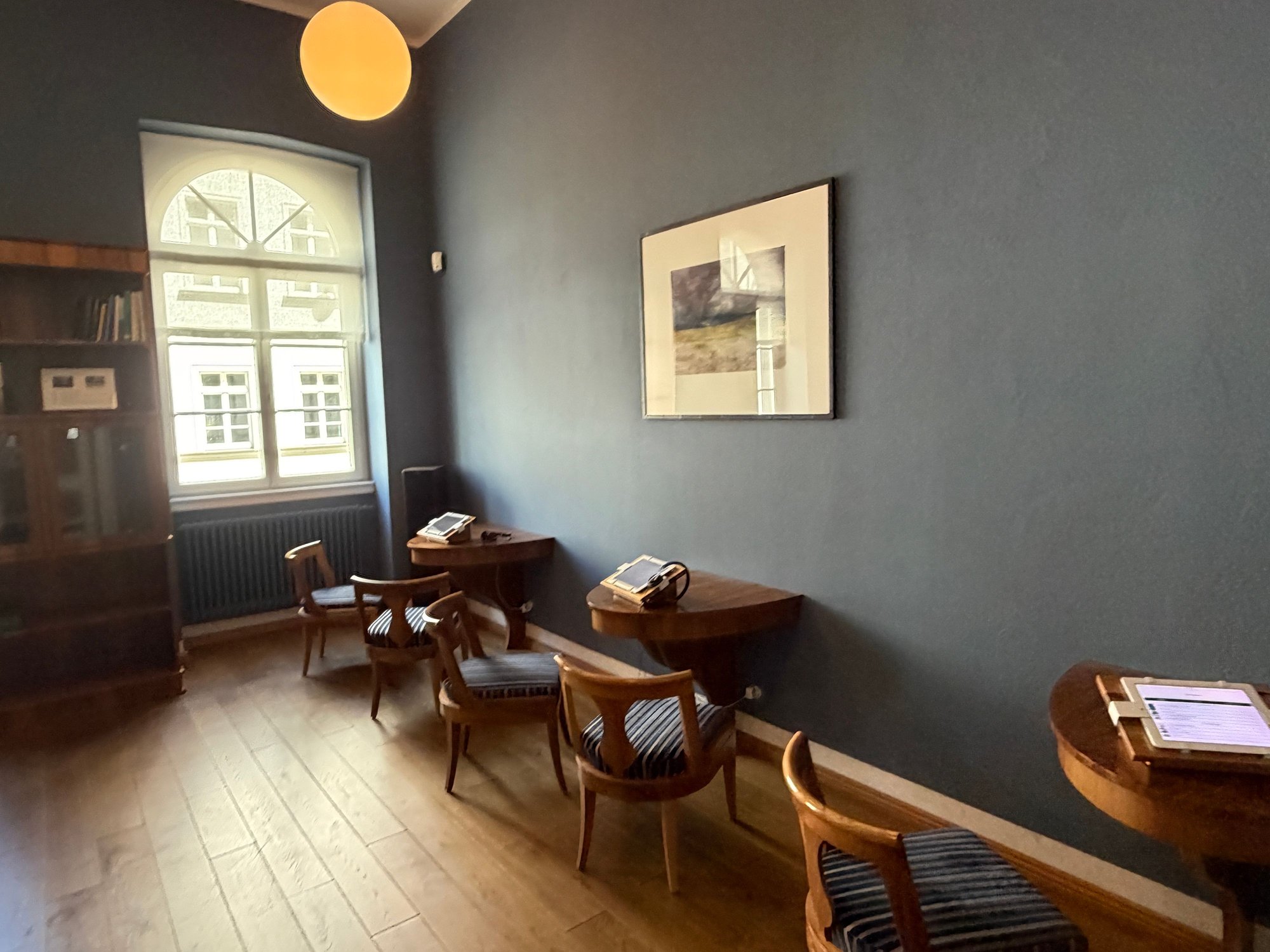
Listen to music
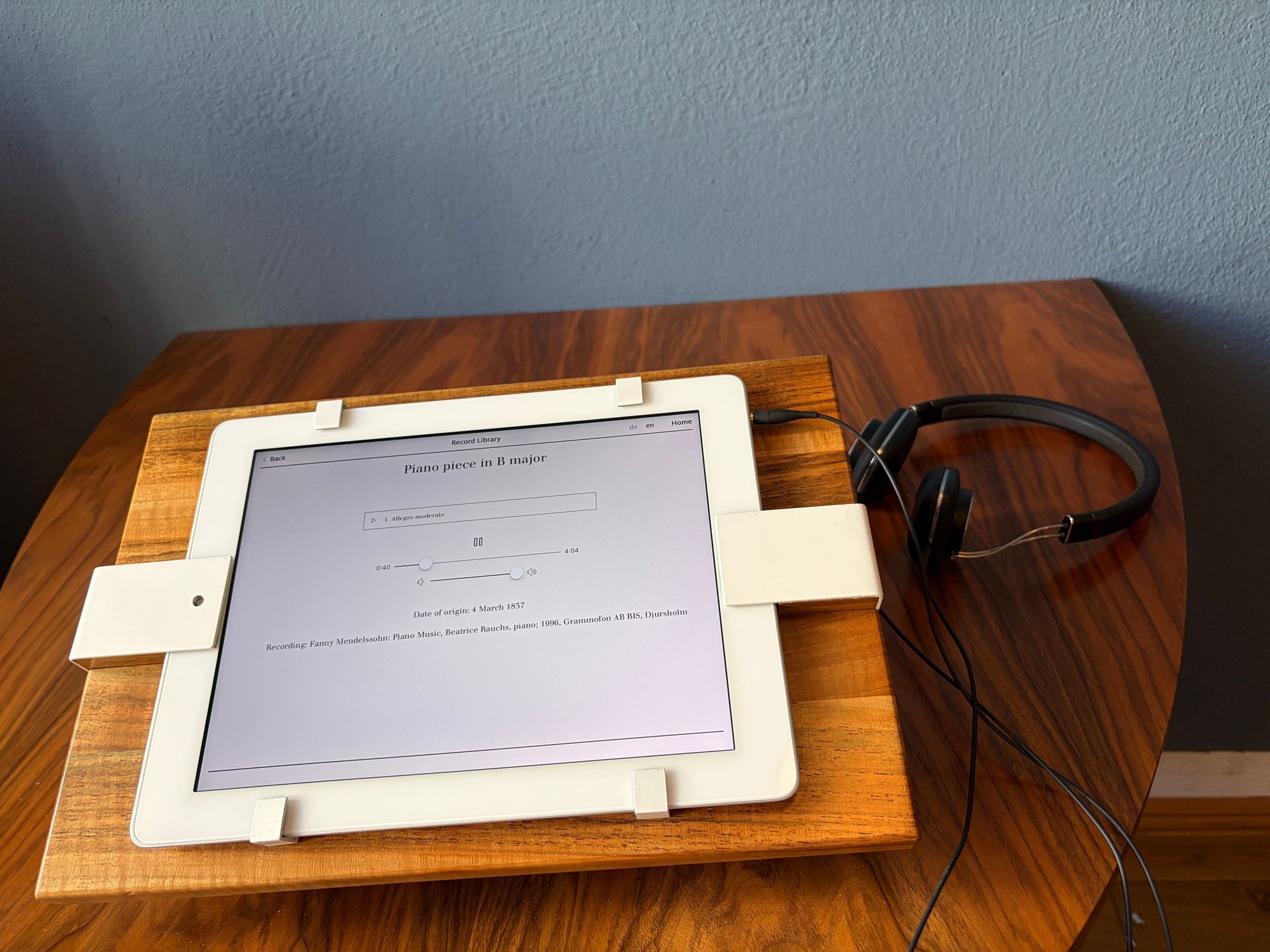
Listen to music
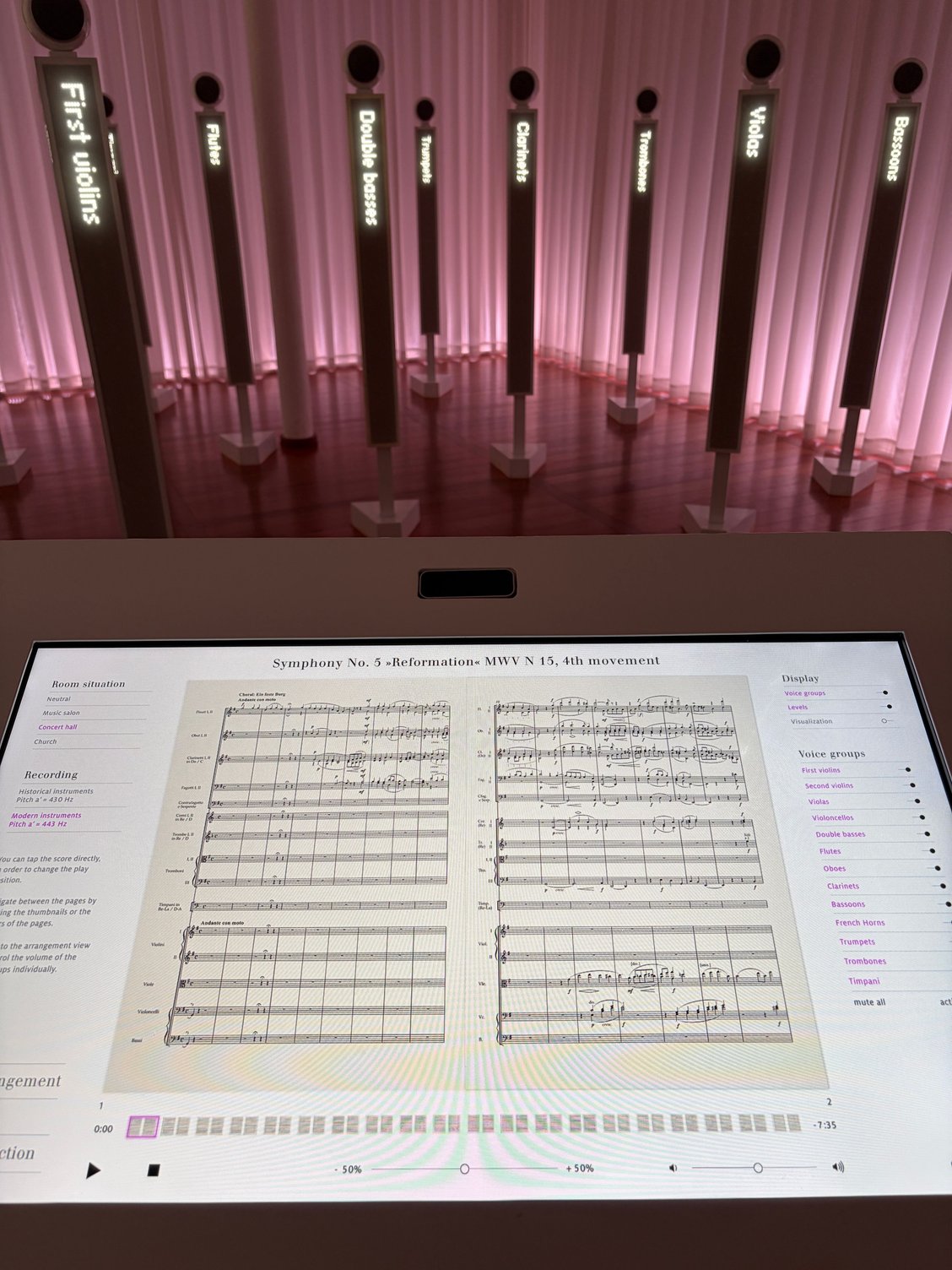
Be a conductor
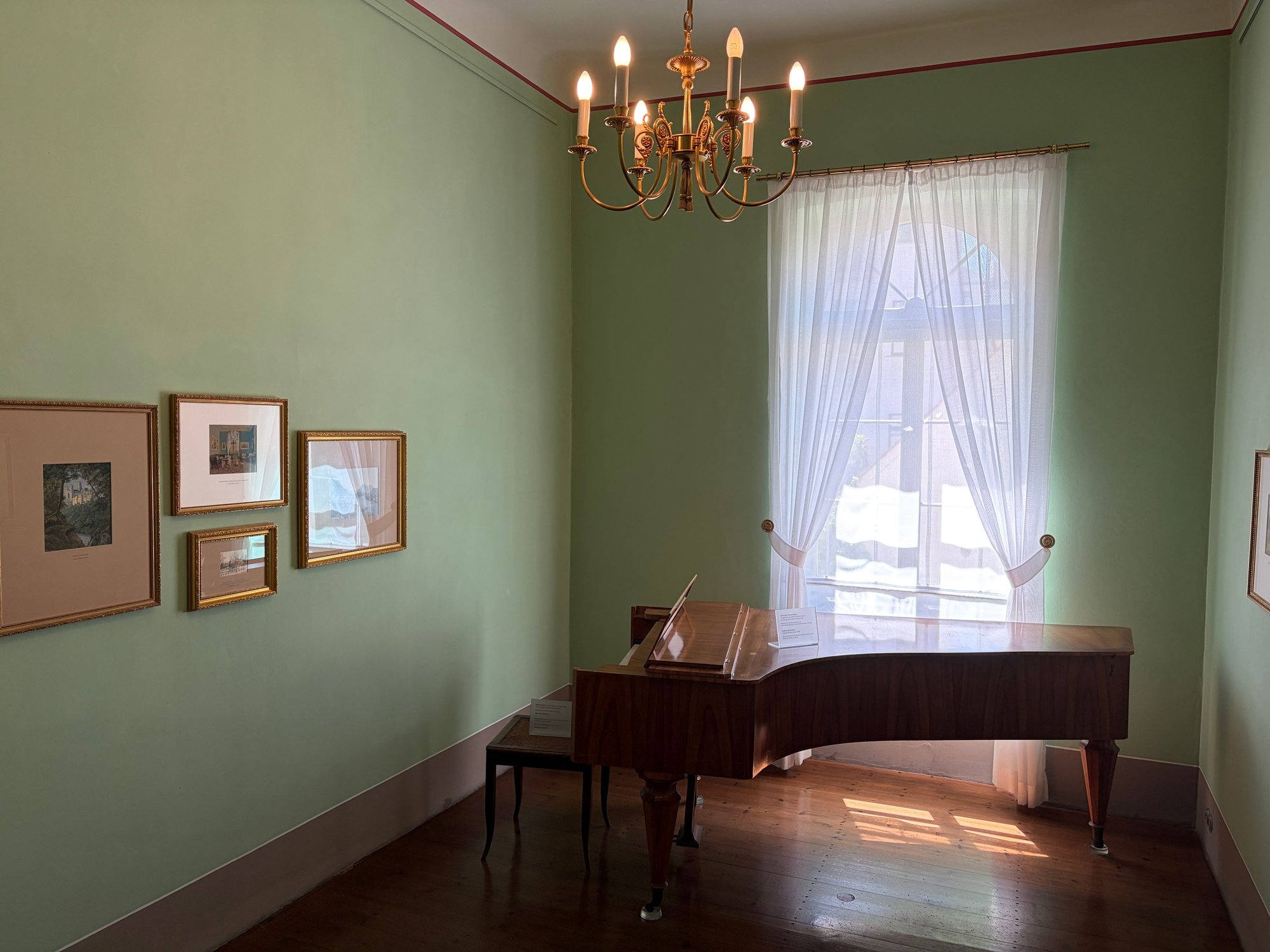
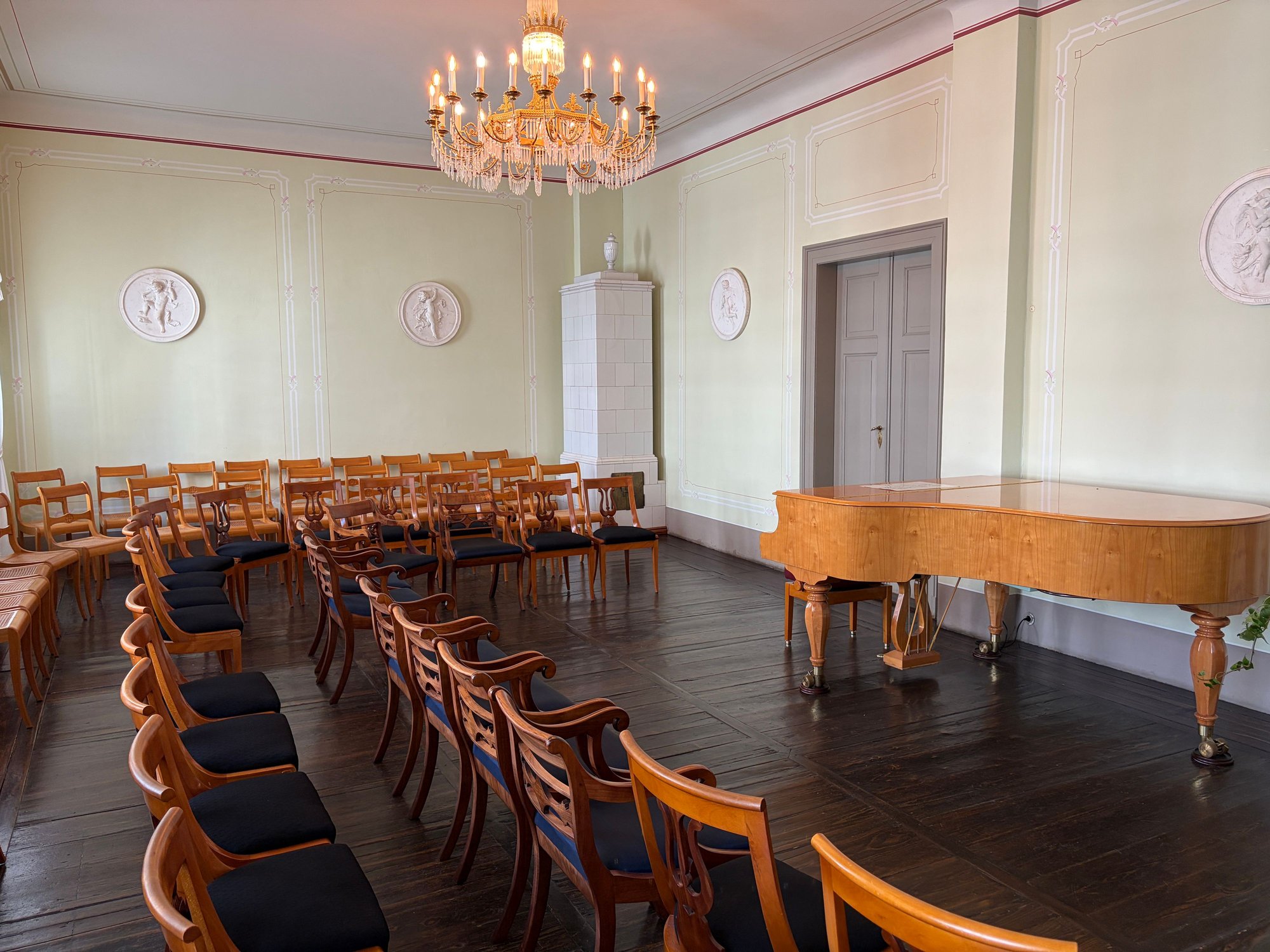
The music salon
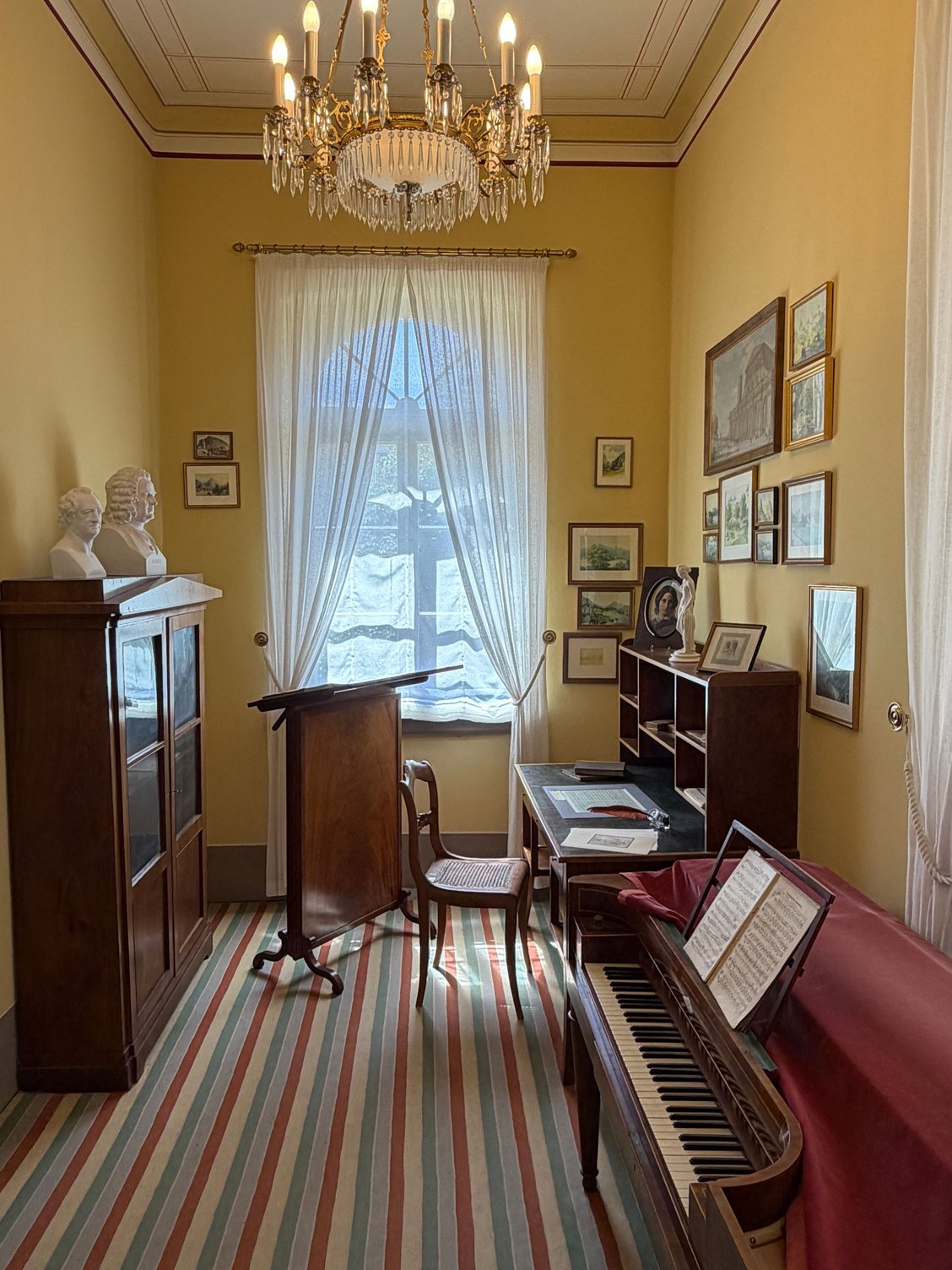
Study
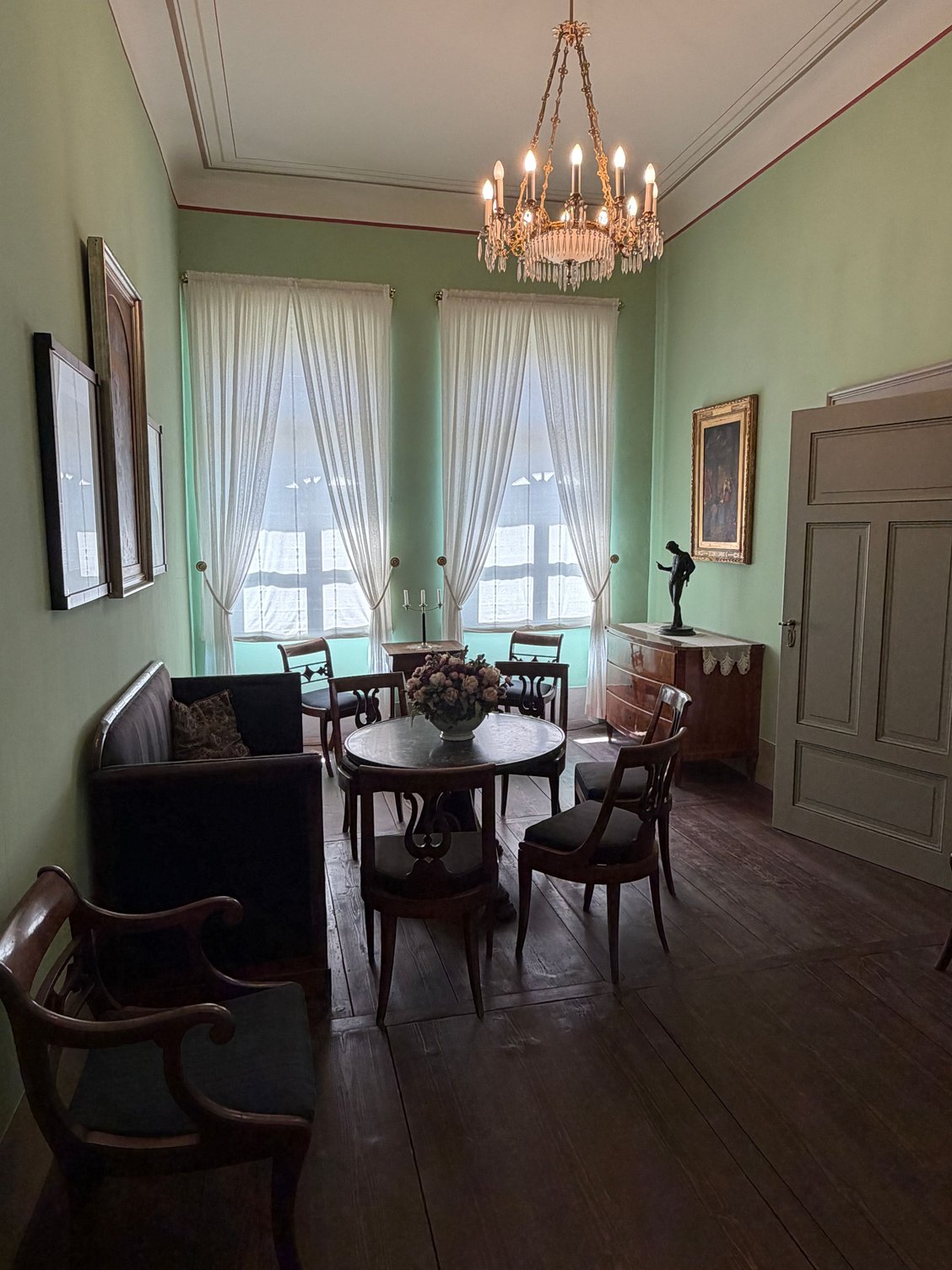
A lounge
Returned to the St Nicholas church, as it wasn’t open for visits when I last passed, you can buy your ‘right to photograph’ inside, it’s such a stunning interior, really light.
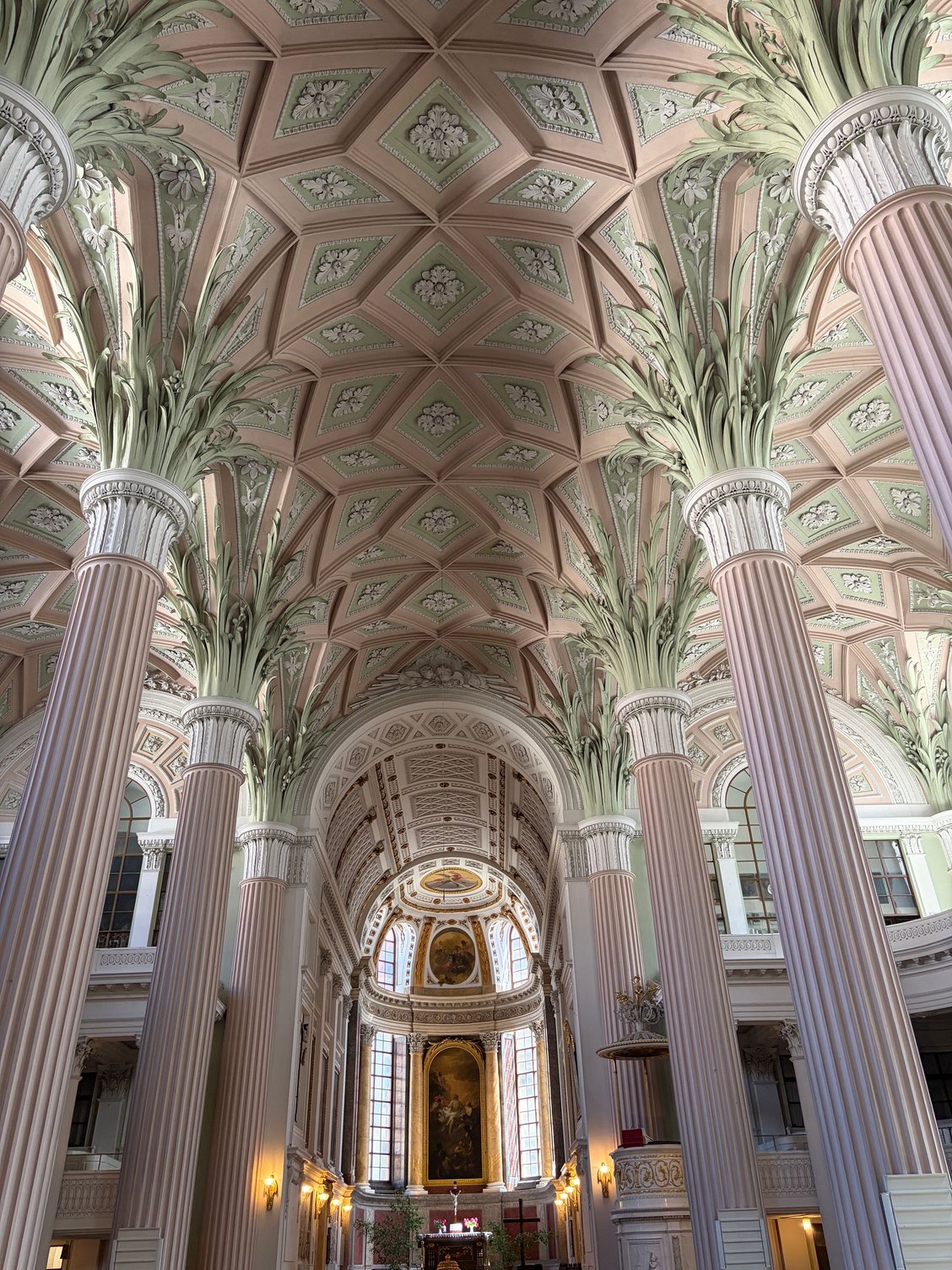

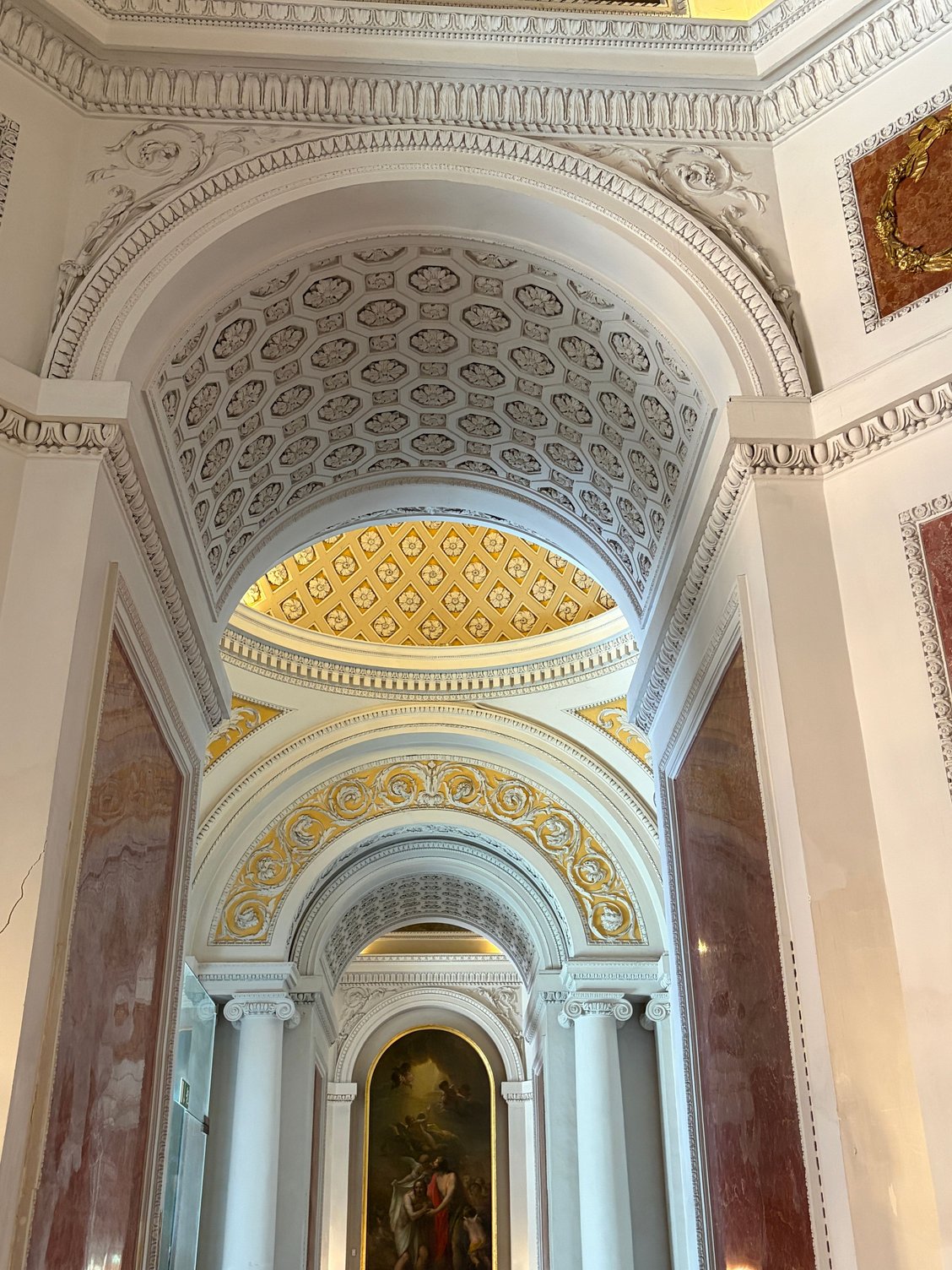
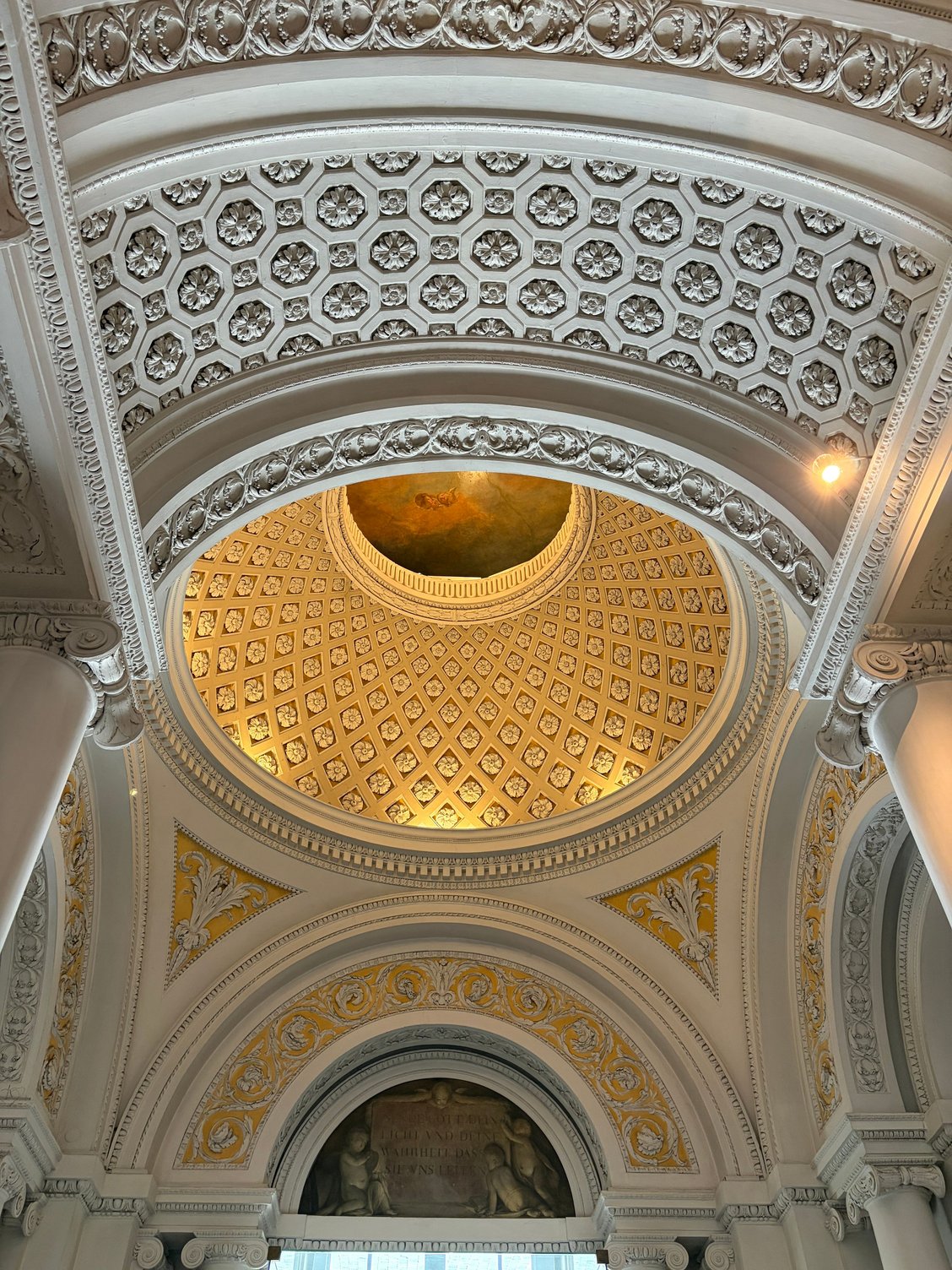
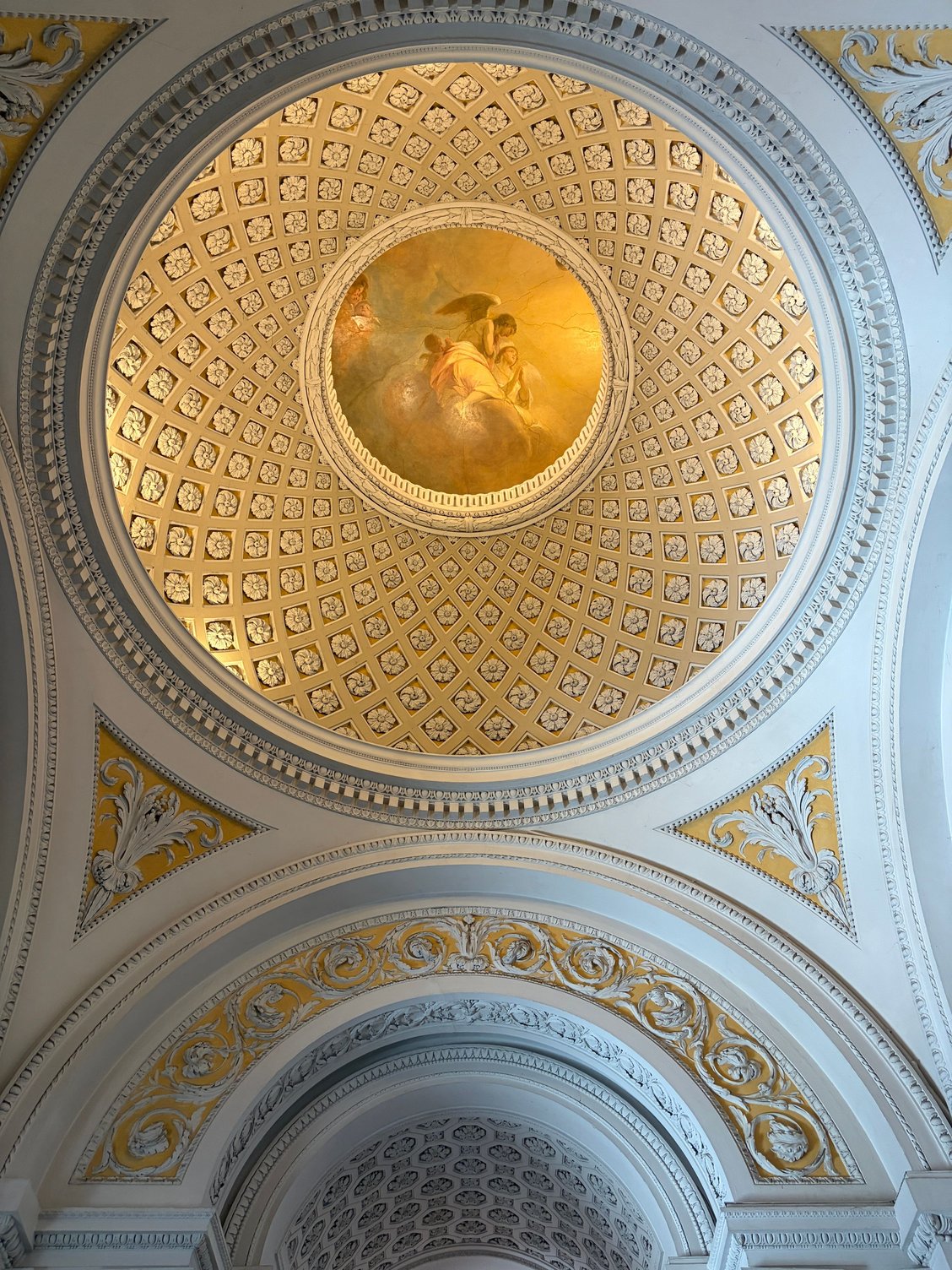
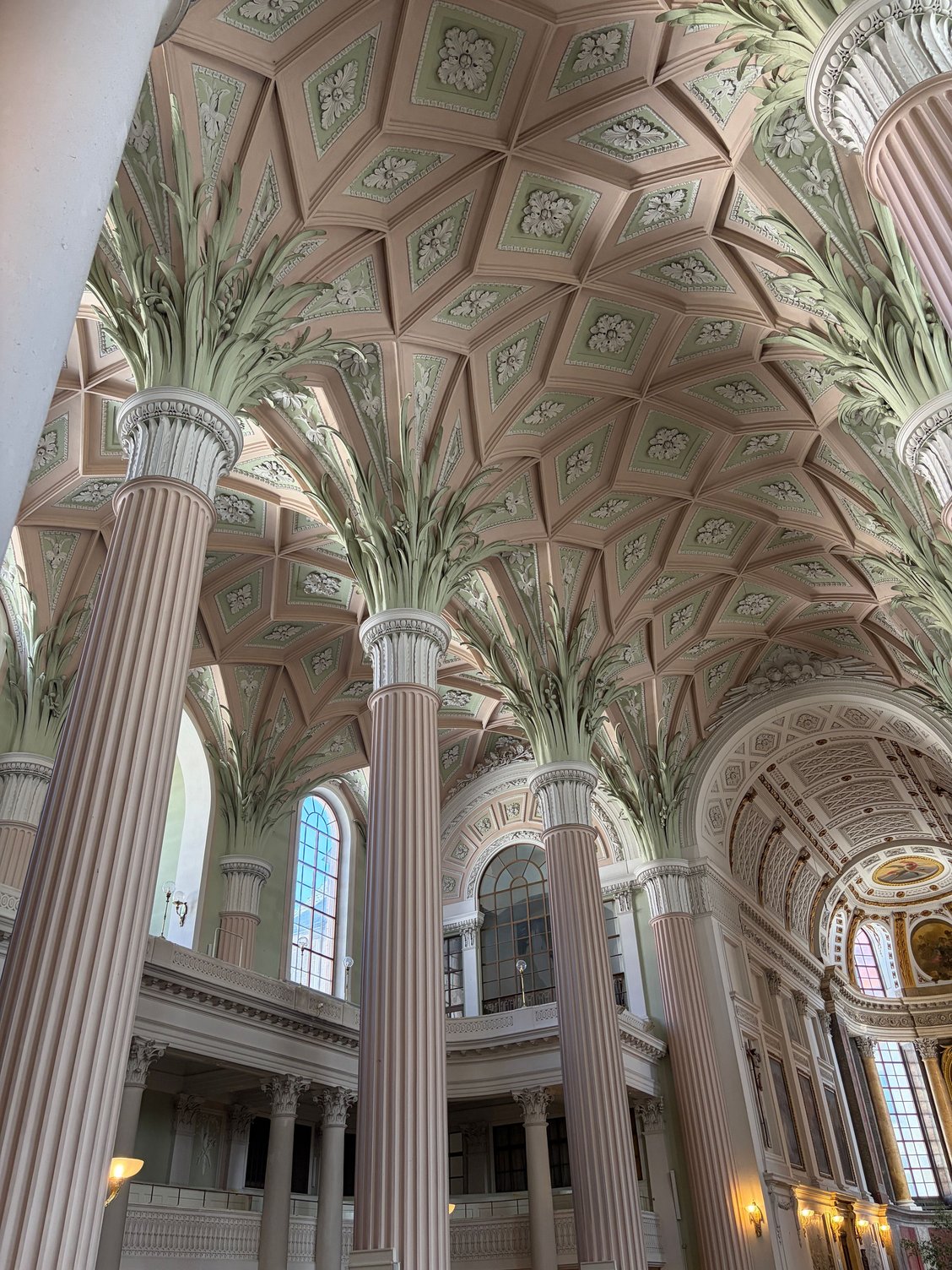
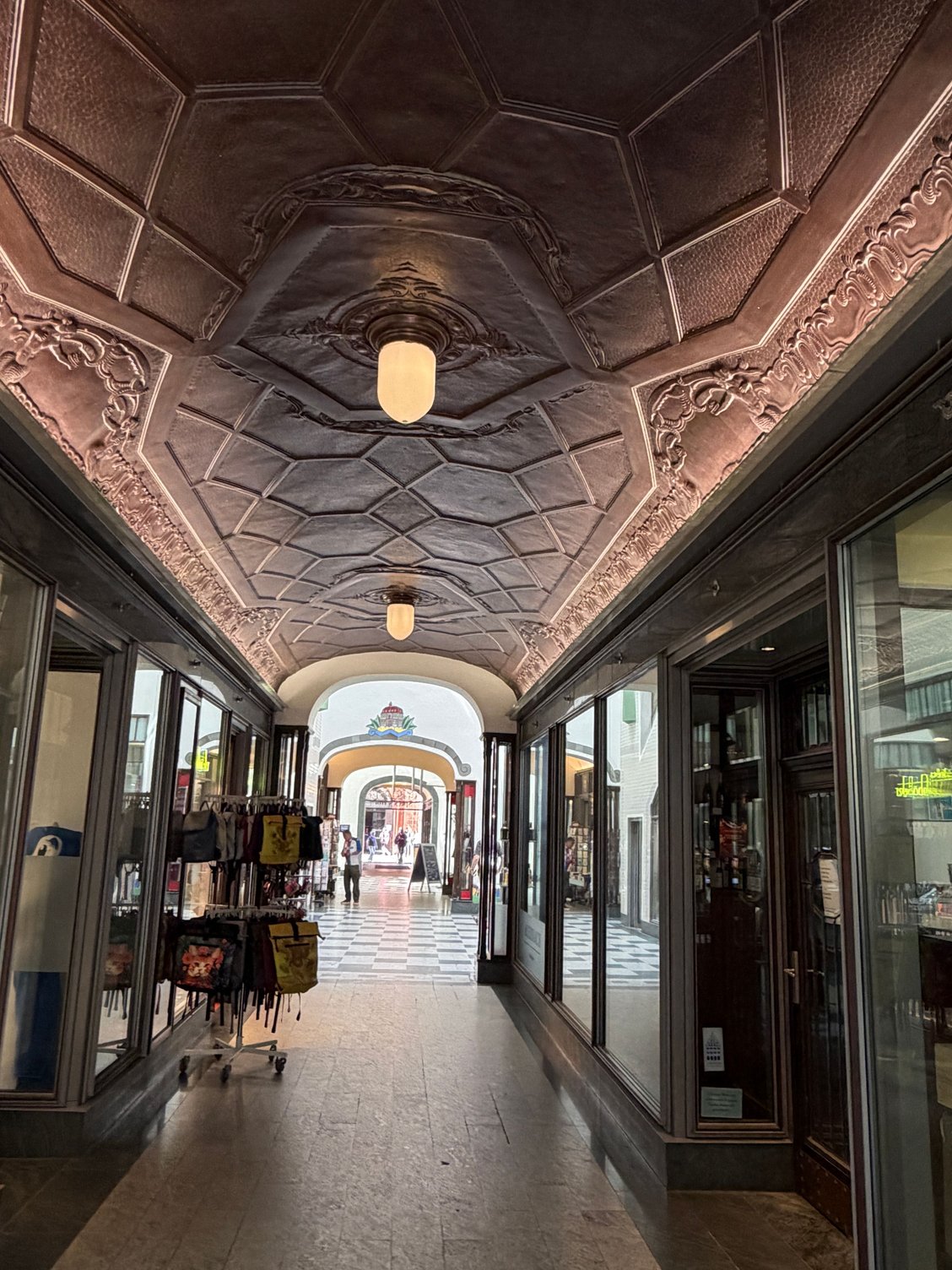
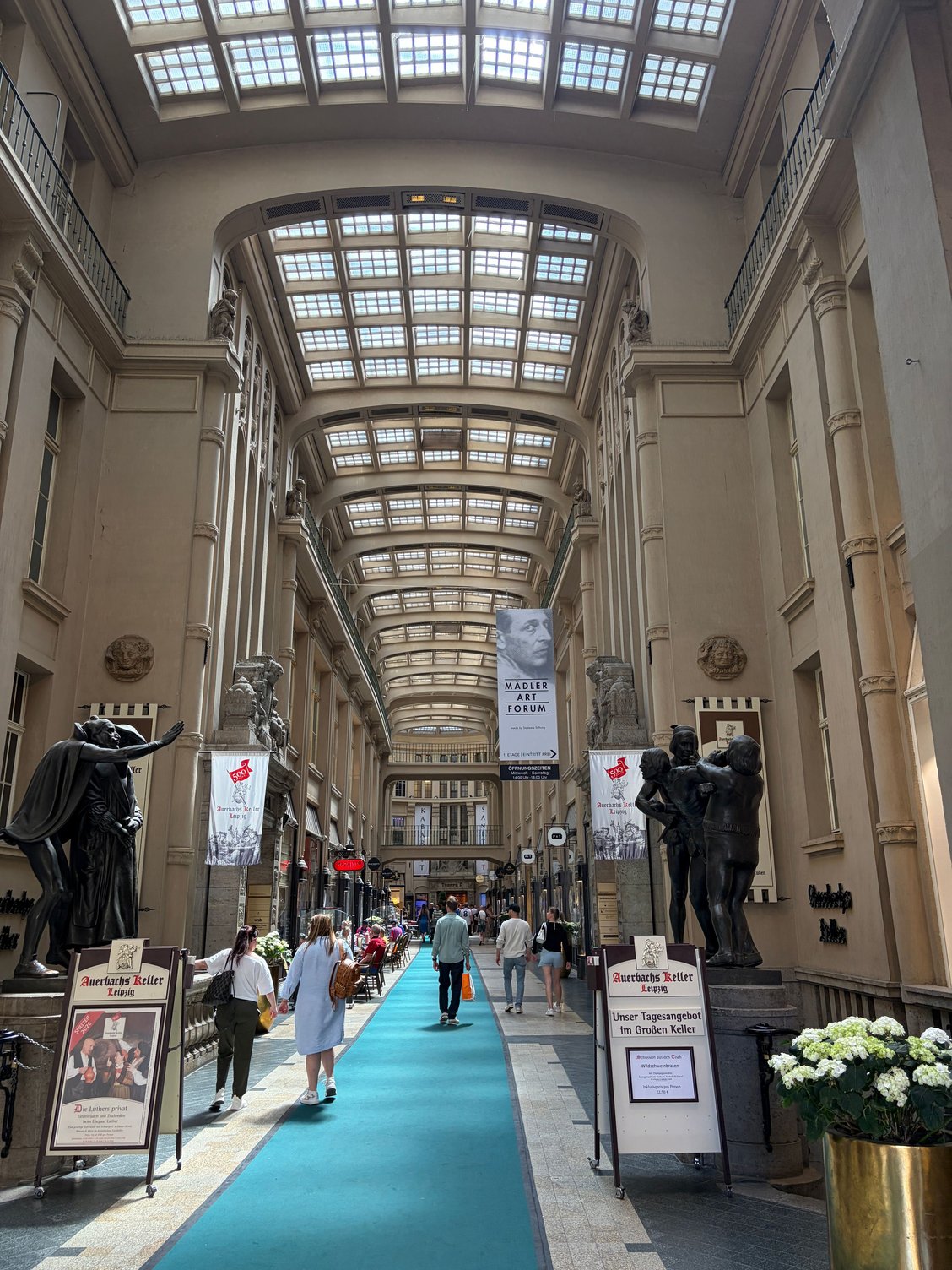
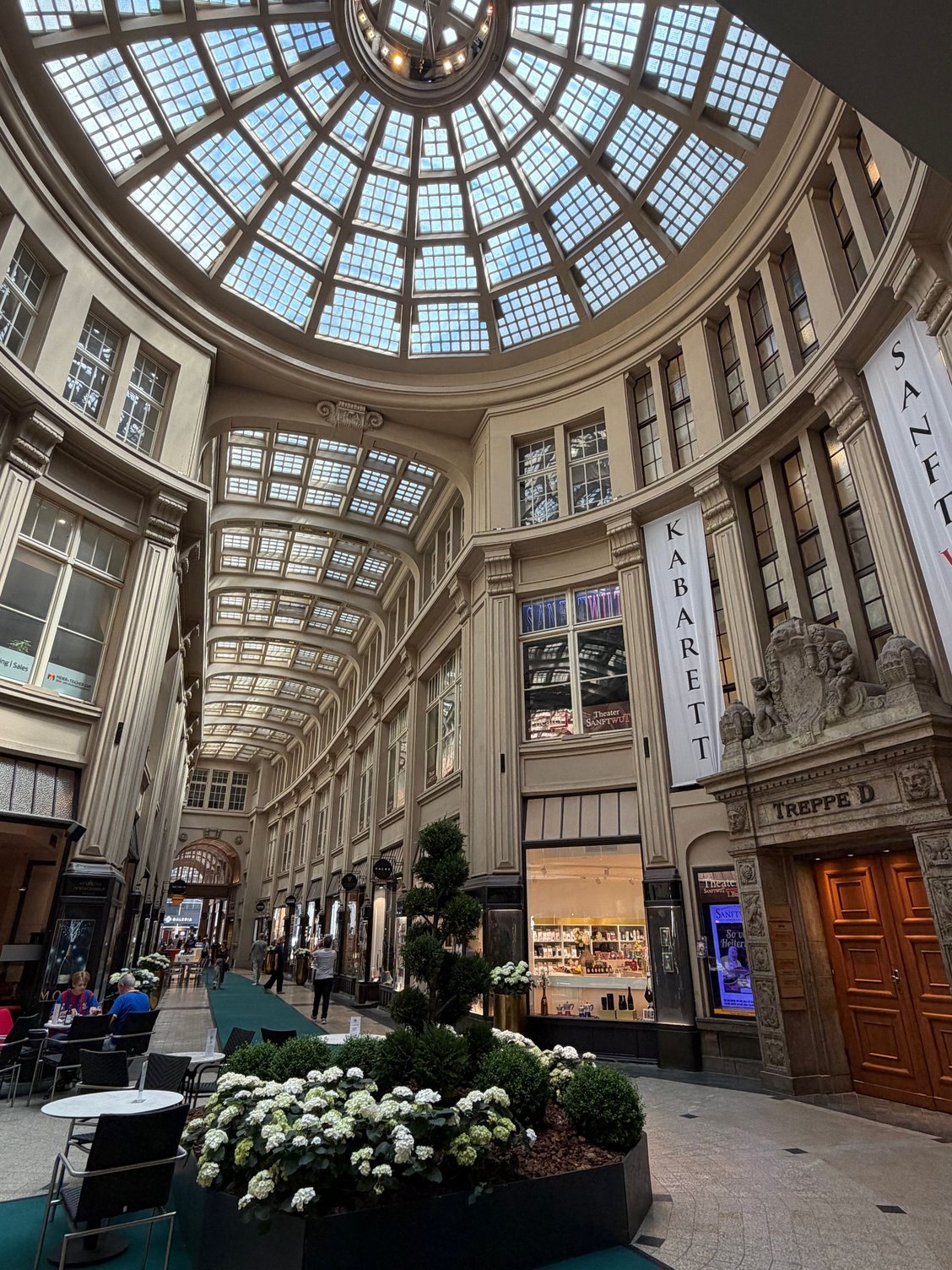
Walked through the rather exclusive Mädler passage, and then intended to return to our excellent lunch spot of a few days ago, but eeeek, the crowds!
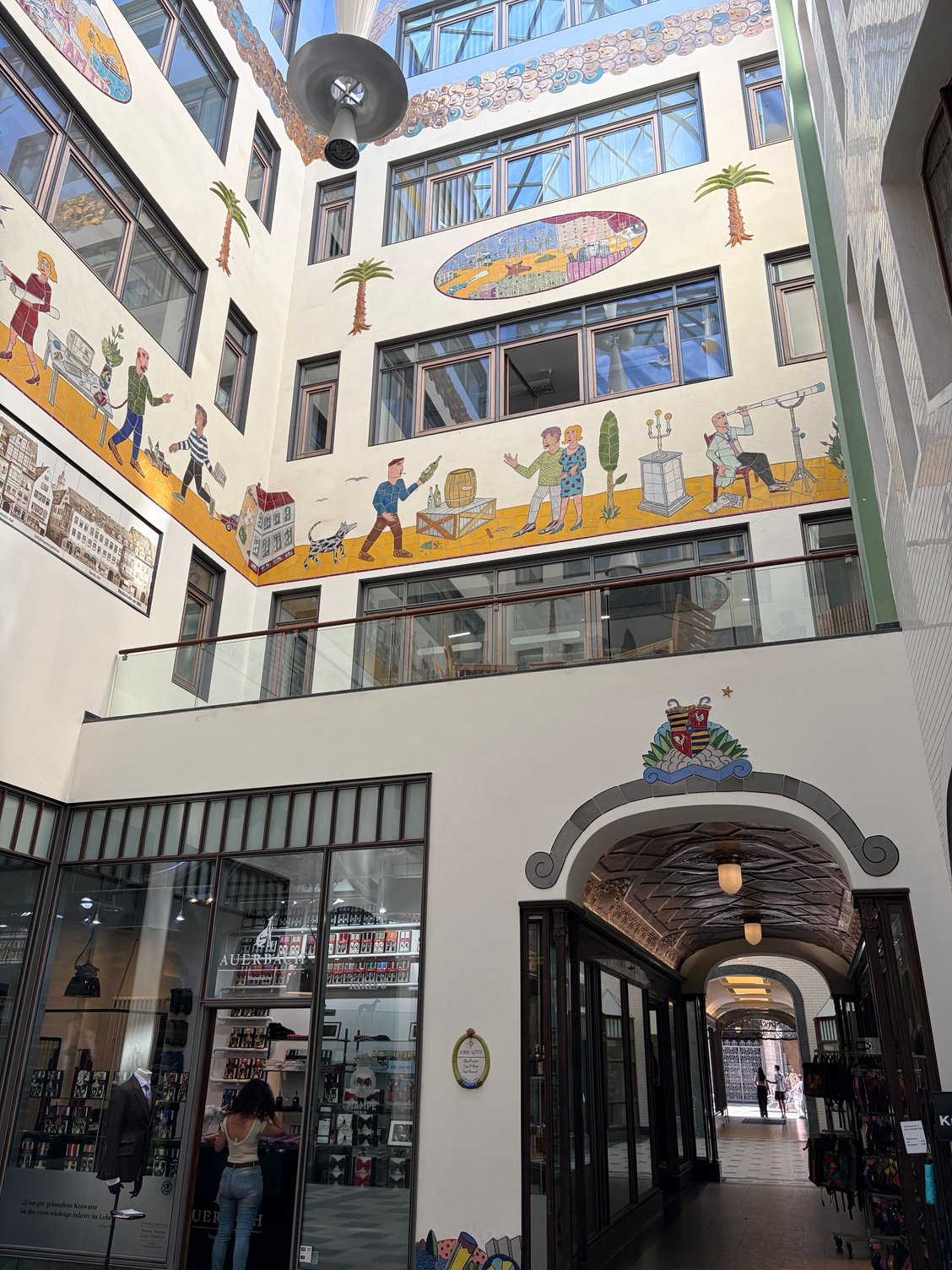

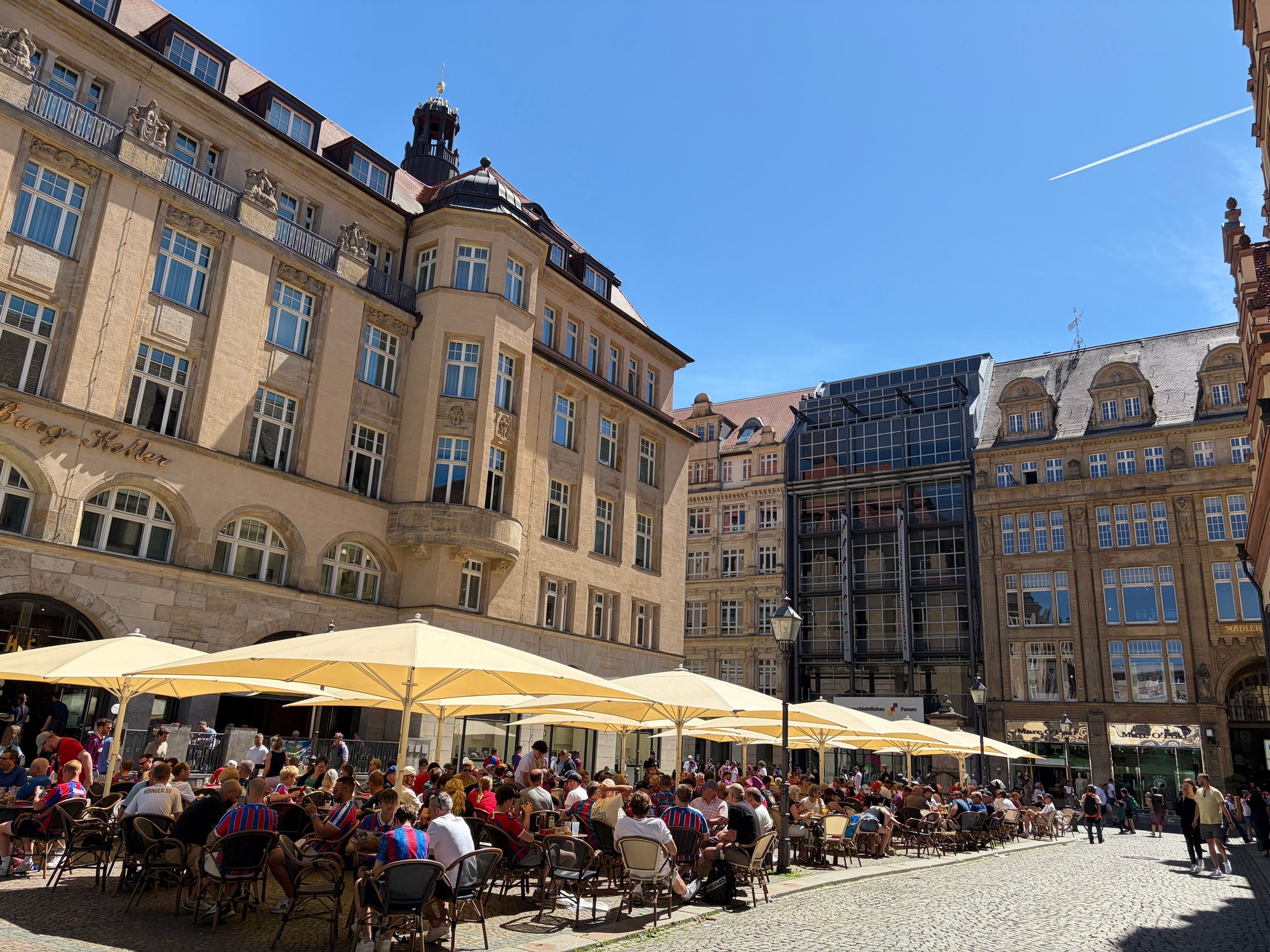


It was impossible to wade through the soccer fans.

St Thomas church area


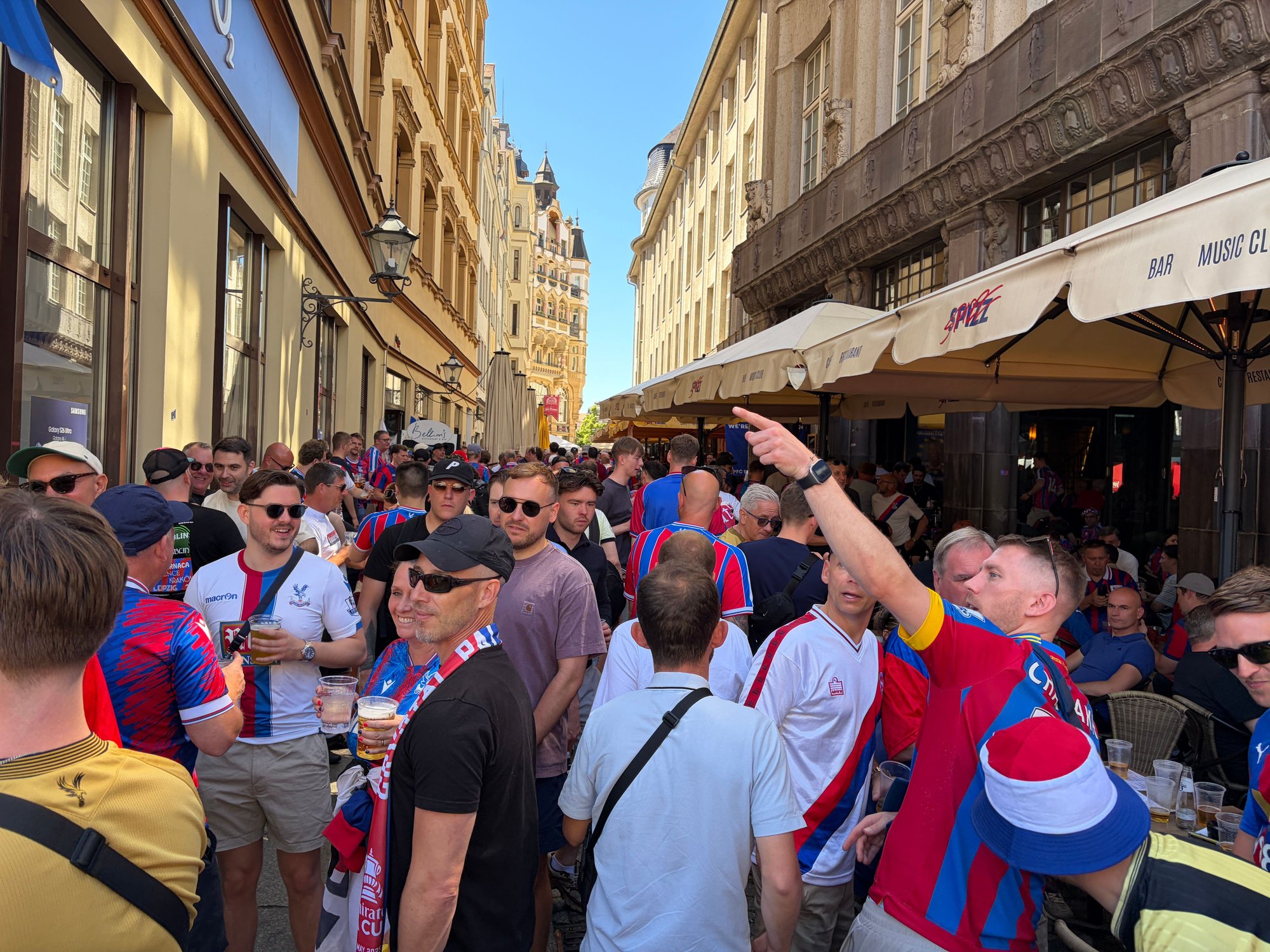
Get me out of here…
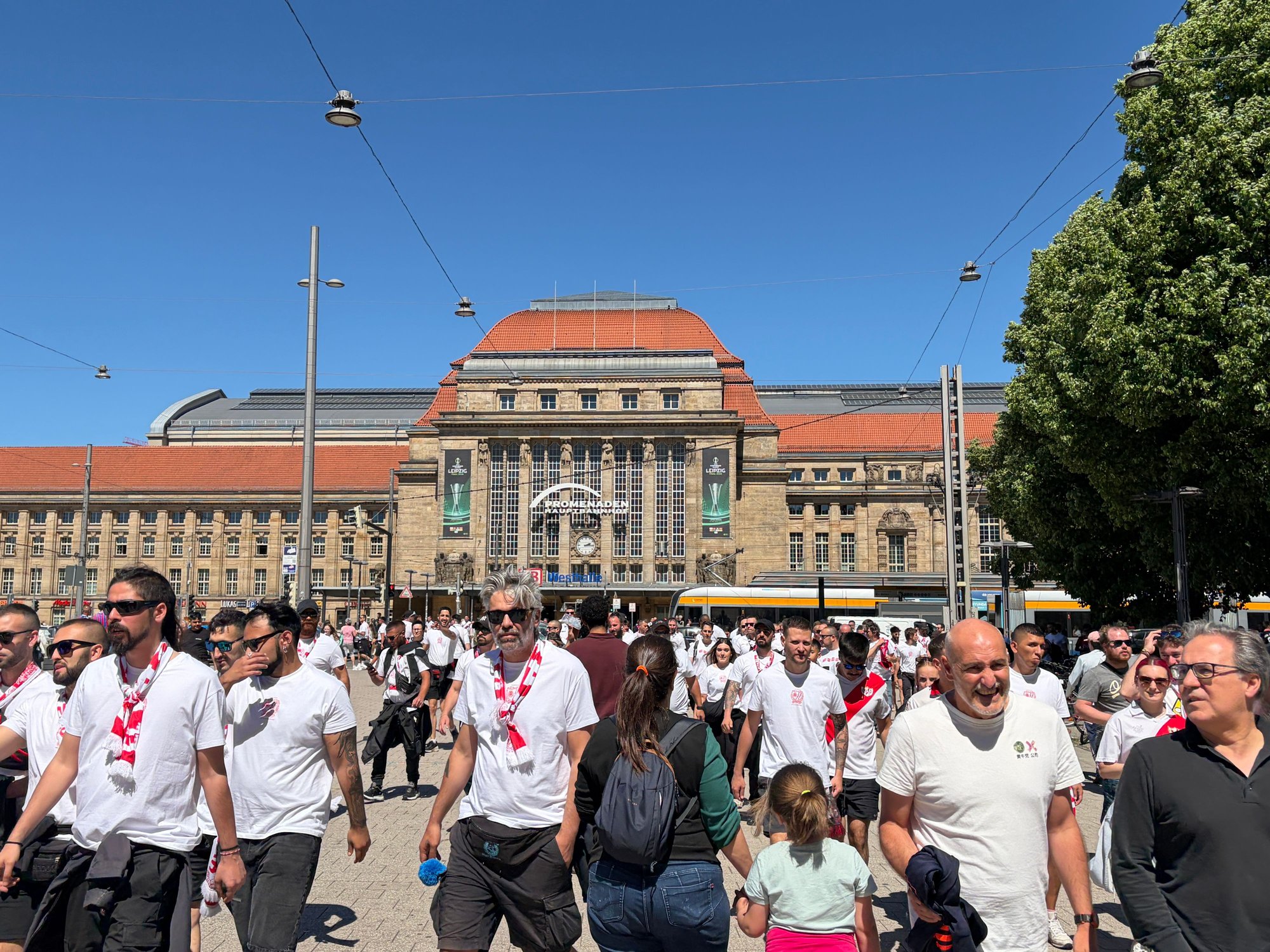
Even returning to the station was swimming against the tide
I hadn’t anticipated this and found it suffocating, so abandoned the rest of my plan, which was the Museum Zeitgeschichtliches Forum and/ or the City History Museum.
Leipzig has a lot to see and a good hub from which to daytrip, had I more time, Erfurt, Naumburg, Weimar, Eisenach, would have been on my radar.
I planned a fairly slow and quiet day in Leipzig today.
Took the tram to Augustusplatz, a large square with more modern architecture - the university, opera house, concert hall, and panorama tower.
Enormous crowds at the peaceful protests in 1989
Panorama building and University
Walked to the new town hall, such a vast and striking building.
Circled back as I forgot to visit Mendelssohn house - he lived in a flat on the second floor from 1845, and it has been reconstructed as it was (music salon for weekly concerts, lounge, study, etc). Additionally the lower floor has been created as a space to listen to recordings of his work, with digital access to his music and a room where one can ‘conduct’ his music and control the orchestra. It is really clever.
Listen to music
Listen to music
Be a conductor
The music salon
Study
A lounge
Returned to the St Nicholas church, as it wasn’t open for visits when I last passed, you can buy your ‘right to photograph’ inside, it’s such a stunning interior, really light.
Walked through the rather exclusive Mädler passage, and then intended to return to our excellent lunch spot of a few days ago, but eeeek, the crowds!
It was impossible to wade through the soccer fans.
St Thomas church area
Get me out of here…
Even returning to the station was swimming against the tide
I hadn’t anticipated this and found it suffocating, so abandoned the rest of my plan, which was the Museum Zeitgeschichtliches Forum and/ or the City History Museum.
Leipzig has a lot to see and a good hub from which to daytrip, had I more time, Erfurt, Naumburg, Weimar, Eisenach, would have been on my radar.
May 27th, 2026 | 06:32 PM
#95
Original Poster
Joined: Jan 2015
Posts: 4,329
Likes: 19
Yes, Hambaghale, I am getting old and sentimental! It meant so much to revisit and it felt like a connection to my family history.
Ingo, this whole region is very interesting and would be a great trip in itself.
But, heading to Italy next.
Ingo, this whole region is very interesting and would be a great trip in itself.
But, heading to Italy next.
May 27th, 2026 | 11:51 PM
#97
Joined: Jan 2003
Posts: 5,033
Likes: 0
Sorry, Adelaidean, really bad timing. These soccer fans can be a pest and indeed, a big brawl was reported for that evening. At least the bars had good business.
On to Italy! (Btw, did you notice the figures on top of Kroch building on pic 2 were created after the model of those on the clock tower at Piazza San Marco in Venice?)
On to Italy! (Btw, did you notice the figures on top of Kroch building on pic 2 were created after the model of those on the clock tower at Piazza San Marco in Venice?)
May 28th, 2026 | 12:56 PM
#98
Original Poster
Joined: Jan 2015
Posts: 4,329
Likes: 19
Day 26: Leipzig to Rovereto
Long travel day today, train to Munich, then Rovereto.
Price today for that train ticket is €275
I purchased the train tickets €77 in December as a ‘Super Sparpreis Europa’ fare by early purchase.
Only hiccup was that the train was reconfigured and had less carriages, so my carriage and therefore seat reservation, no longer existed.
Nor was I provided a new one.
Conductor told me to “find an empty seat” which is easier said than done, when some had ‘reserved’ on them (presumably those that booked after the reconfiguration?) and the others were like me, scrambling for an empty one.
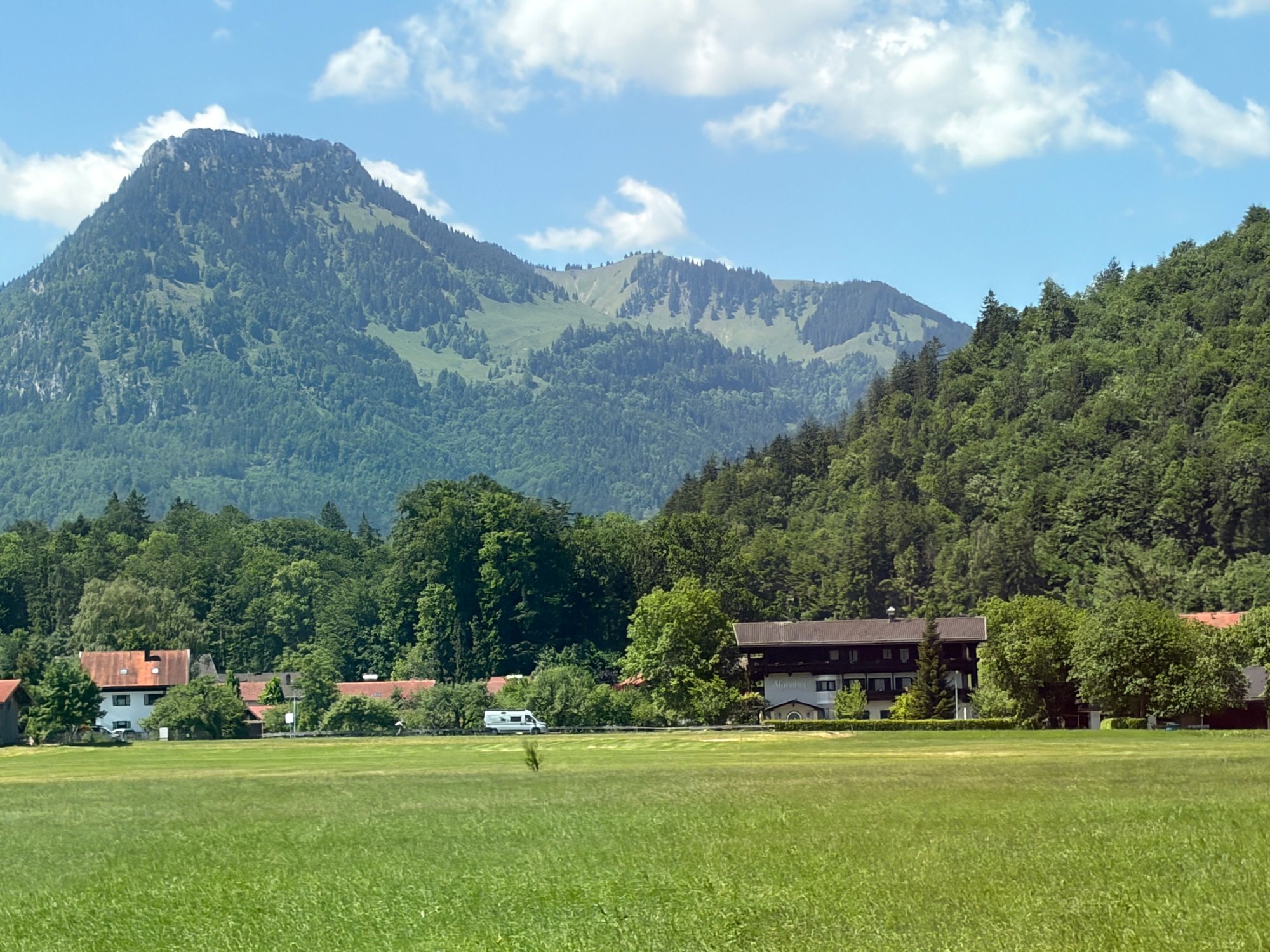
The scenery is getting better

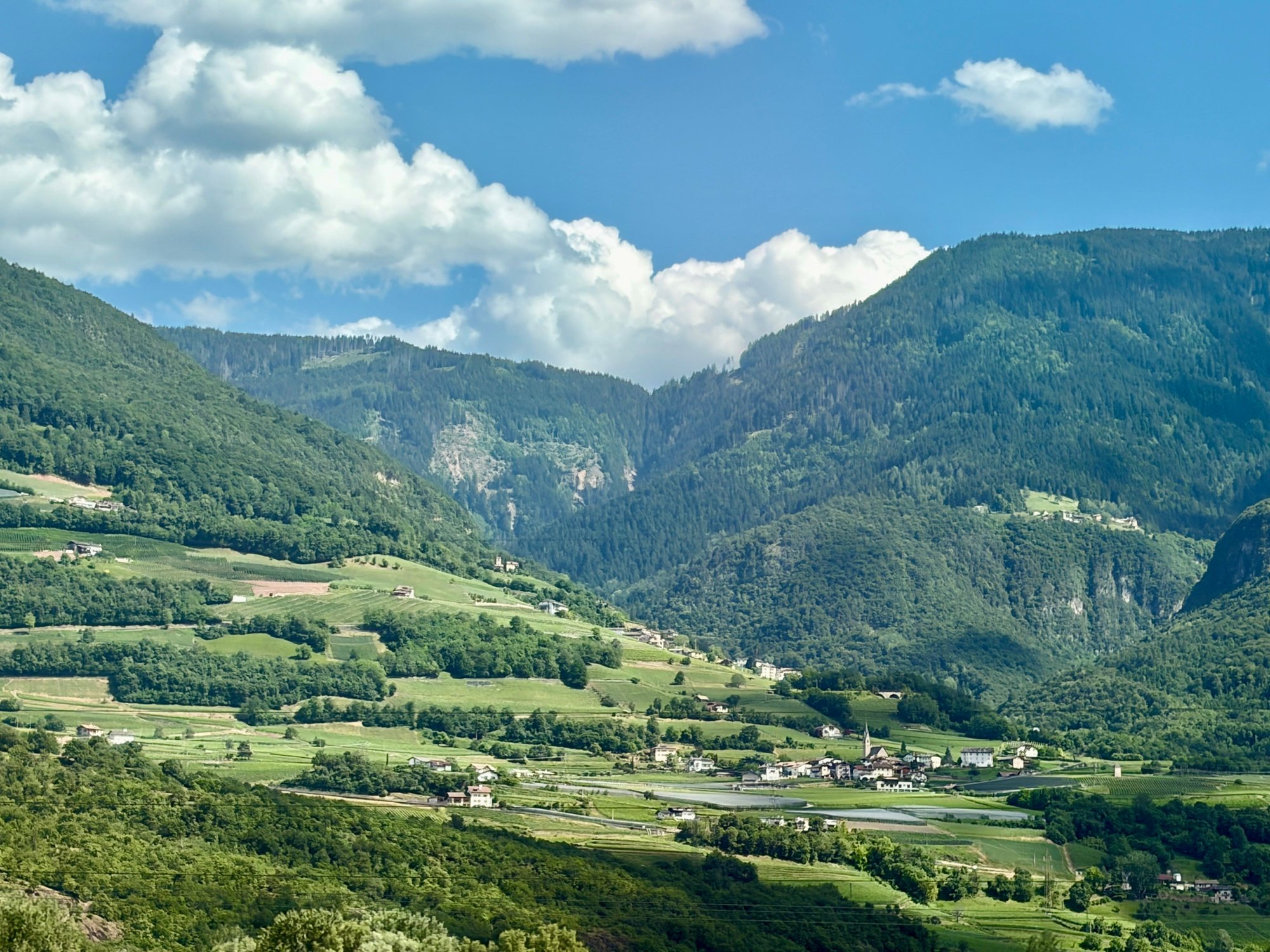
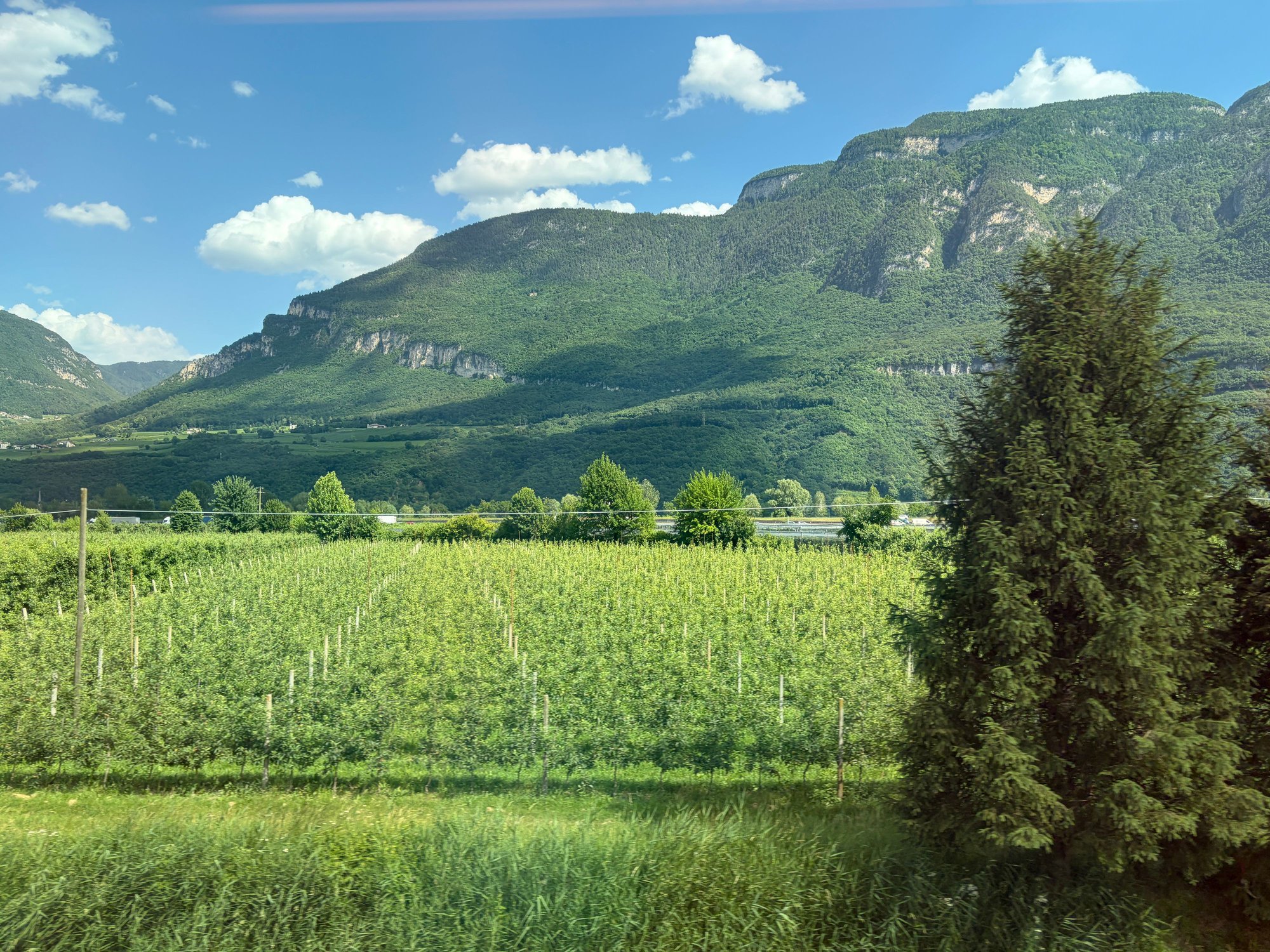
Vineyards on the valley floor

Castle on an unlikely perch
Anyway, I have 12 N so 11 full days.
I like to ‘settle’ in a place for a bit longer at the end of a trip.
Rovereto is a small town in north Italy in the amalgamated Trentino/ Alto Adige (South Tyrol).
Chose Rovereto for excellent public transport (train and bus), and access to the very popular nearby sights without the tourist frenzy.
I have visited the region several times, and love it.
My accommodation offers a Trentino Guest Card which provides regional transport on the buses and trains, and discounts to some attractions (museums, castles). https://www.visittrentino.info/en/ex...ences-included
Guests add this to the MuoVersi App
And then scan as validation on bus and train.
I arrived at my apartment about 5 pm, went to the Coop 3 minutes away for my immediate shopping needs, then headed out for a walk, plus maybe dinner.
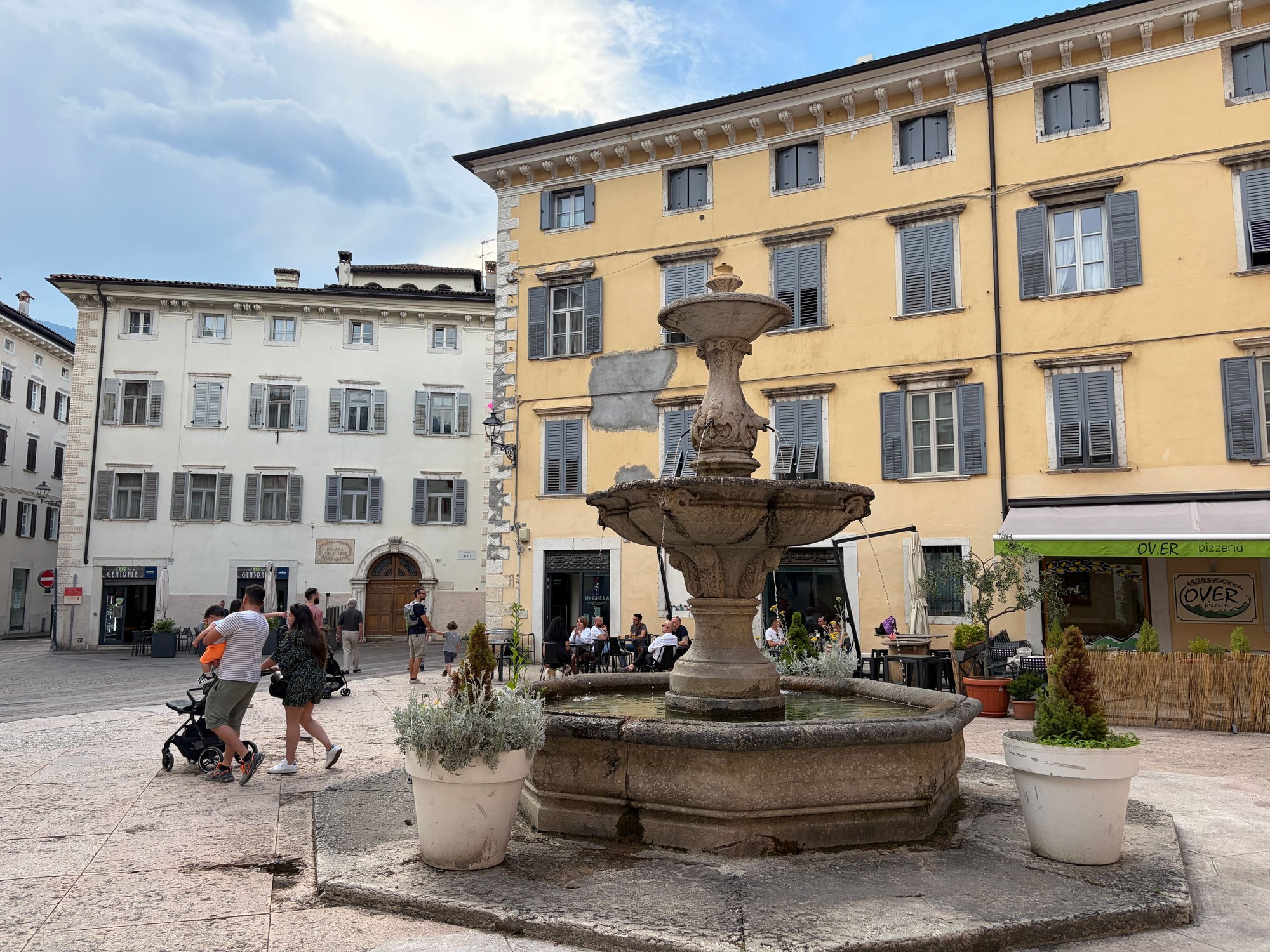
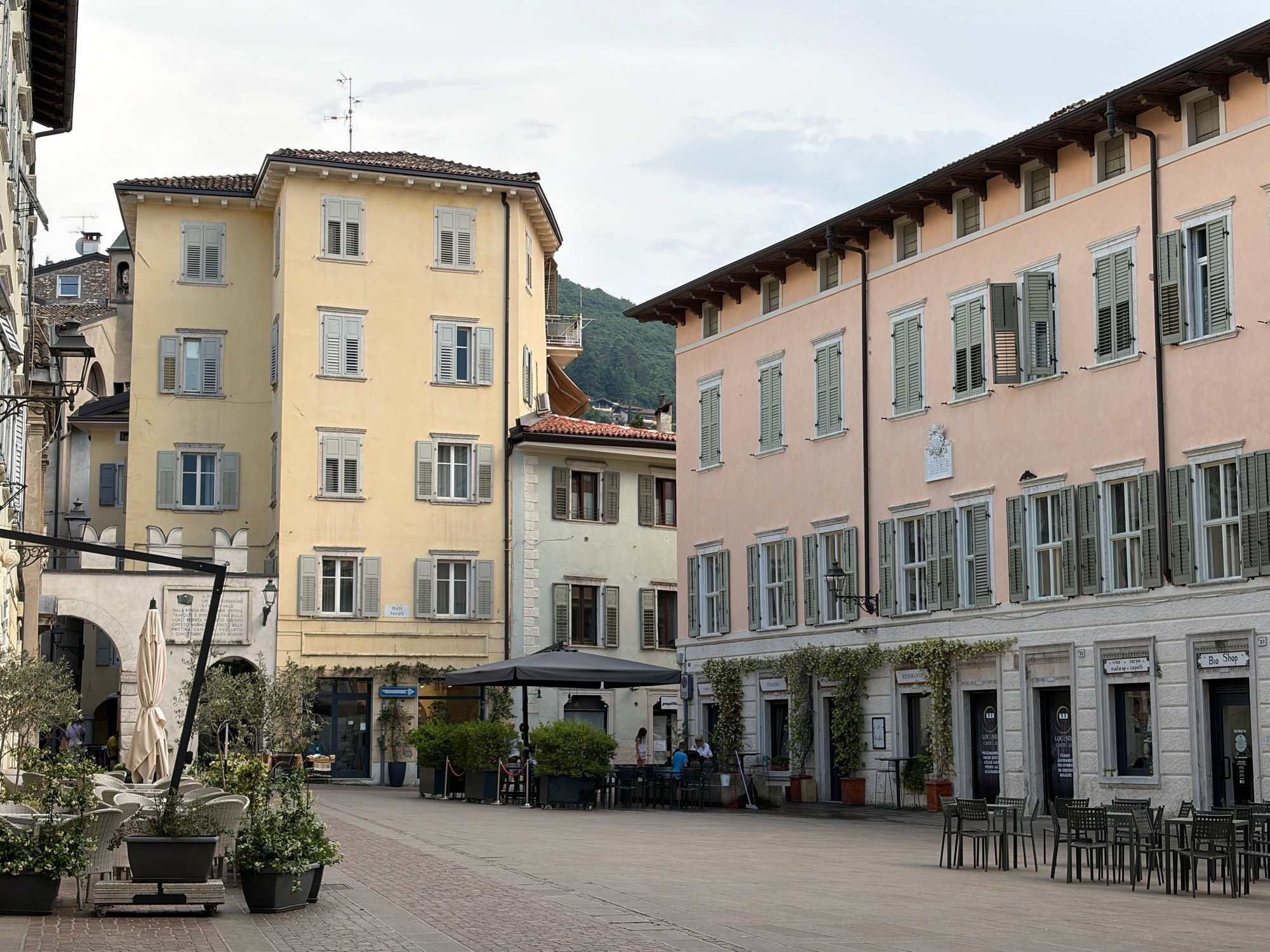
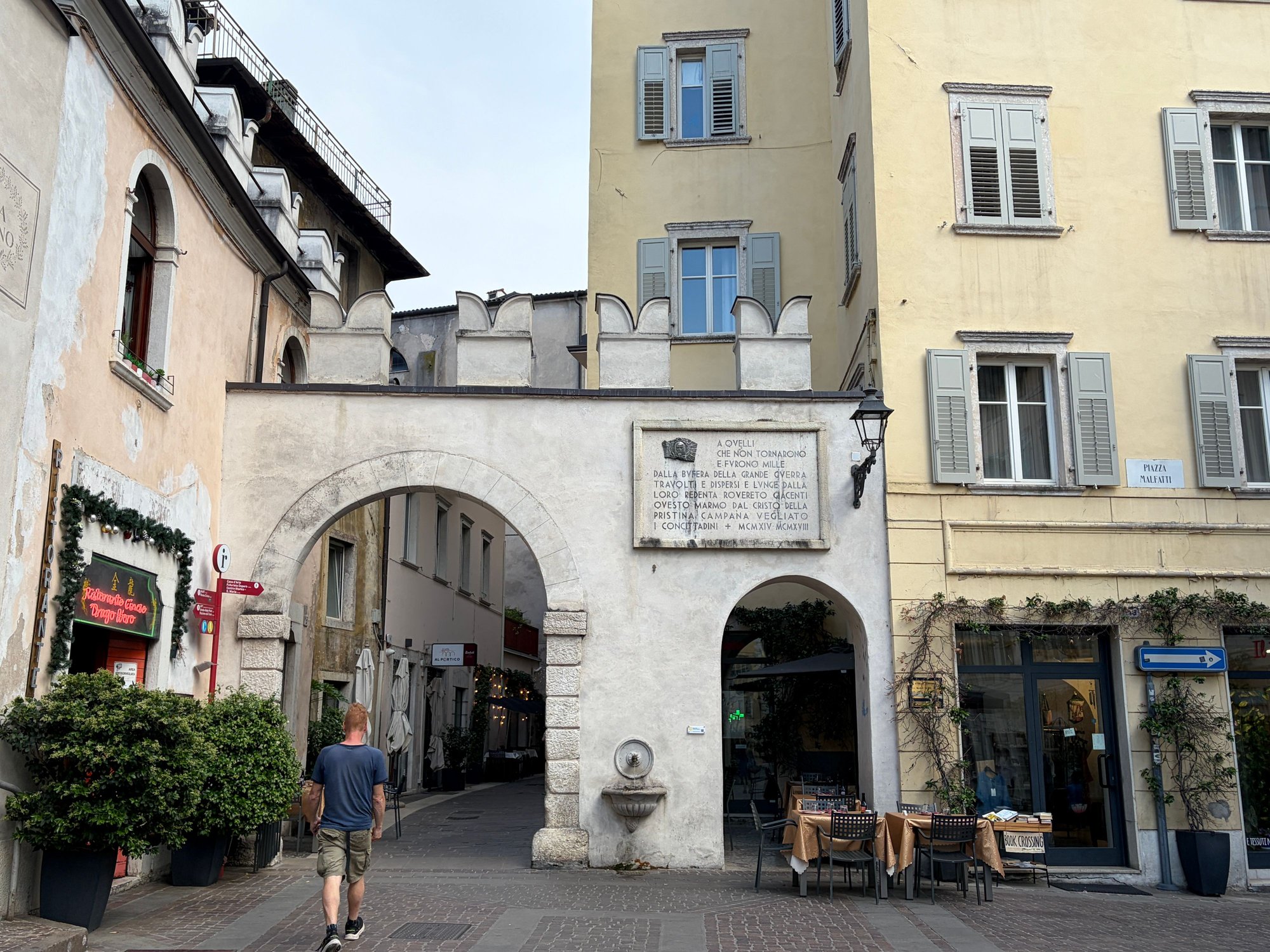
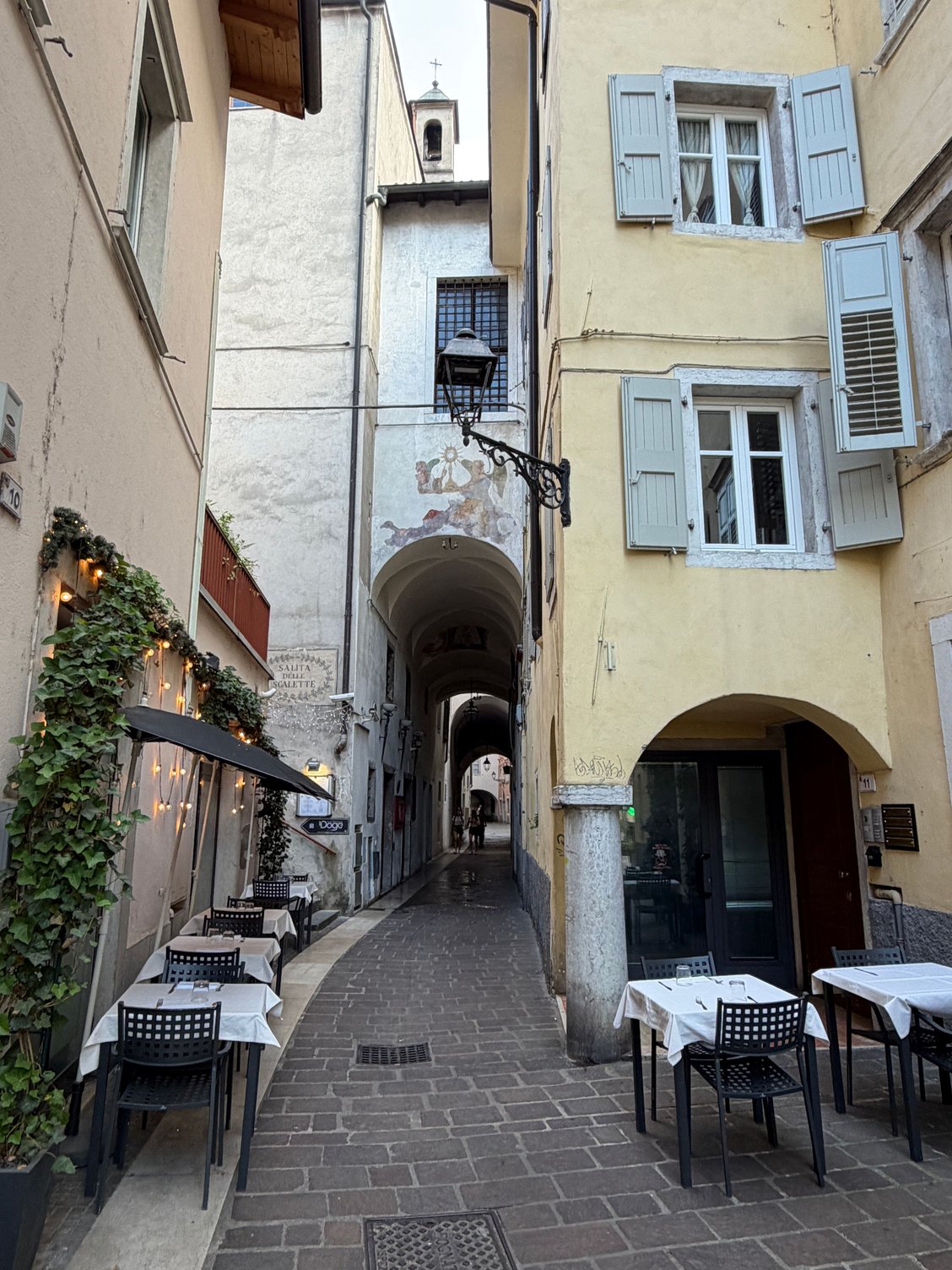
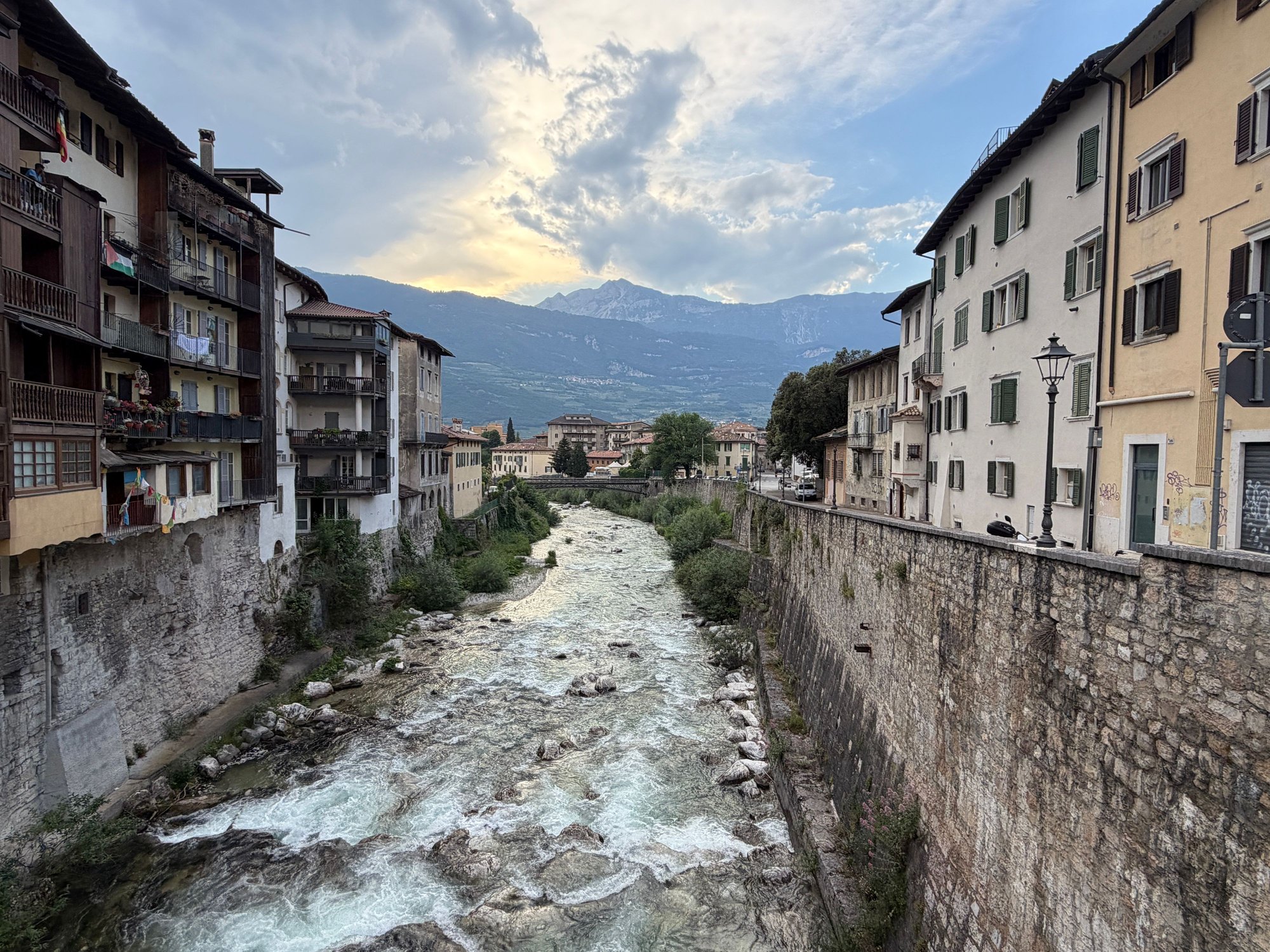
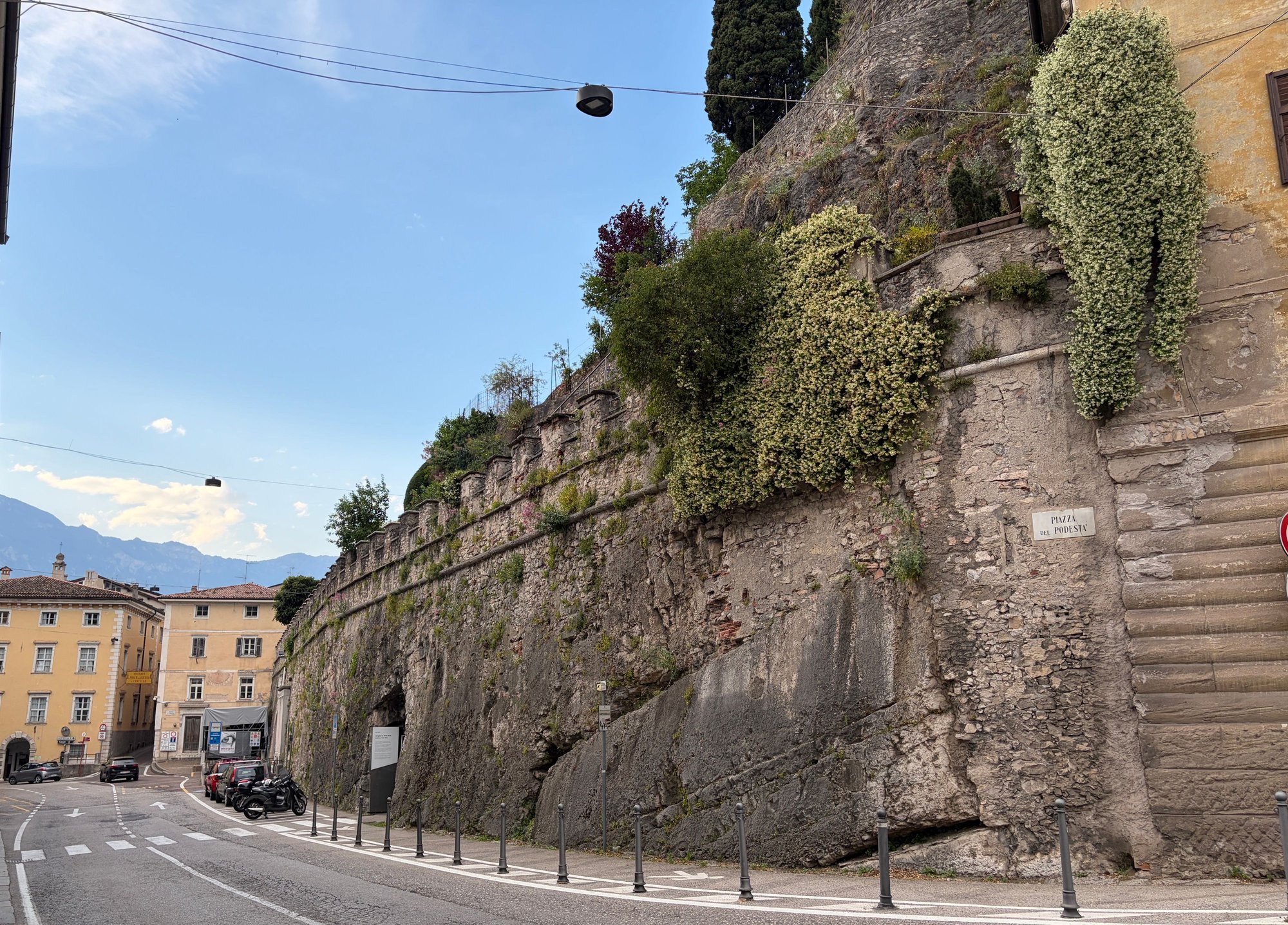
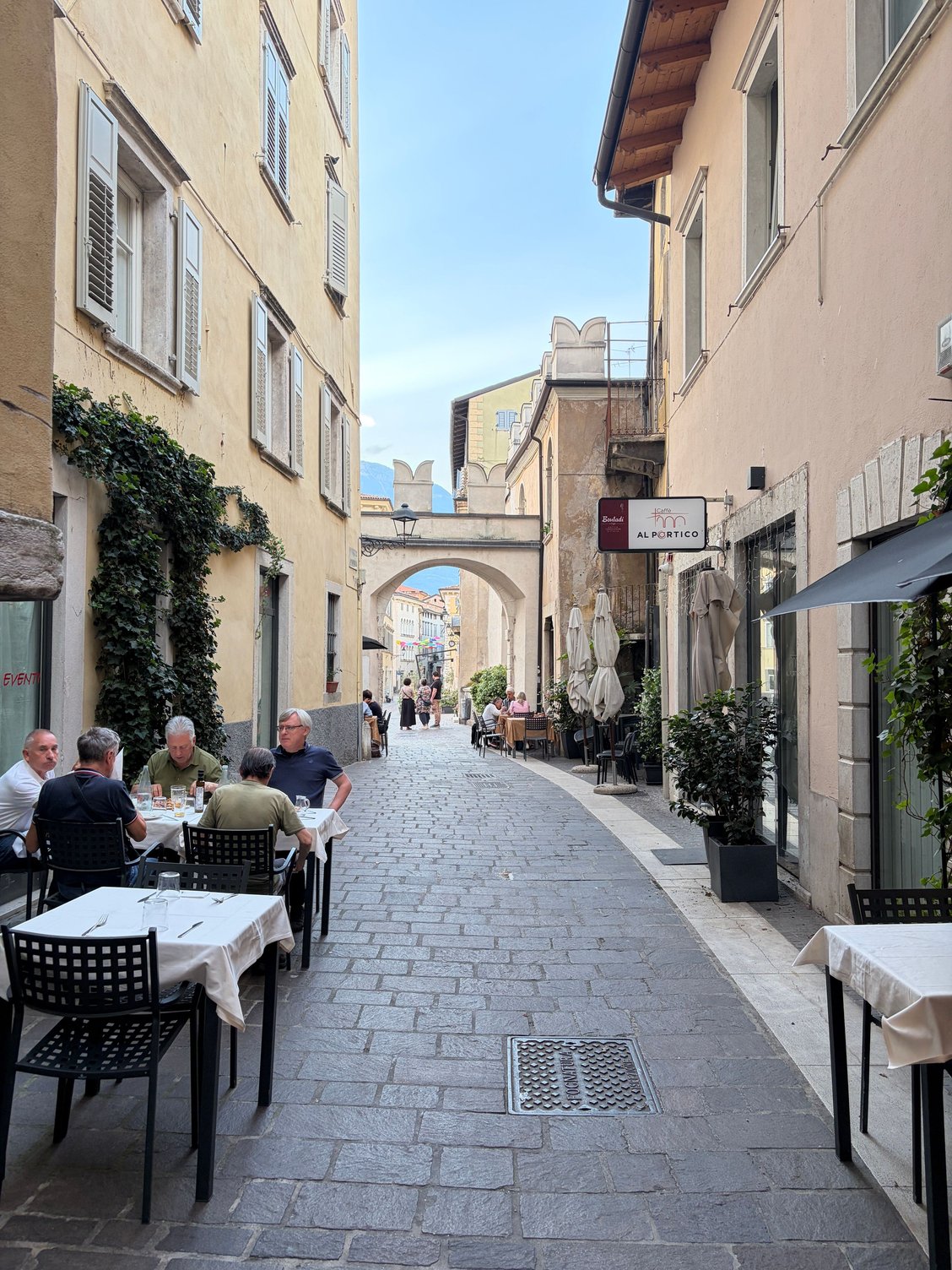
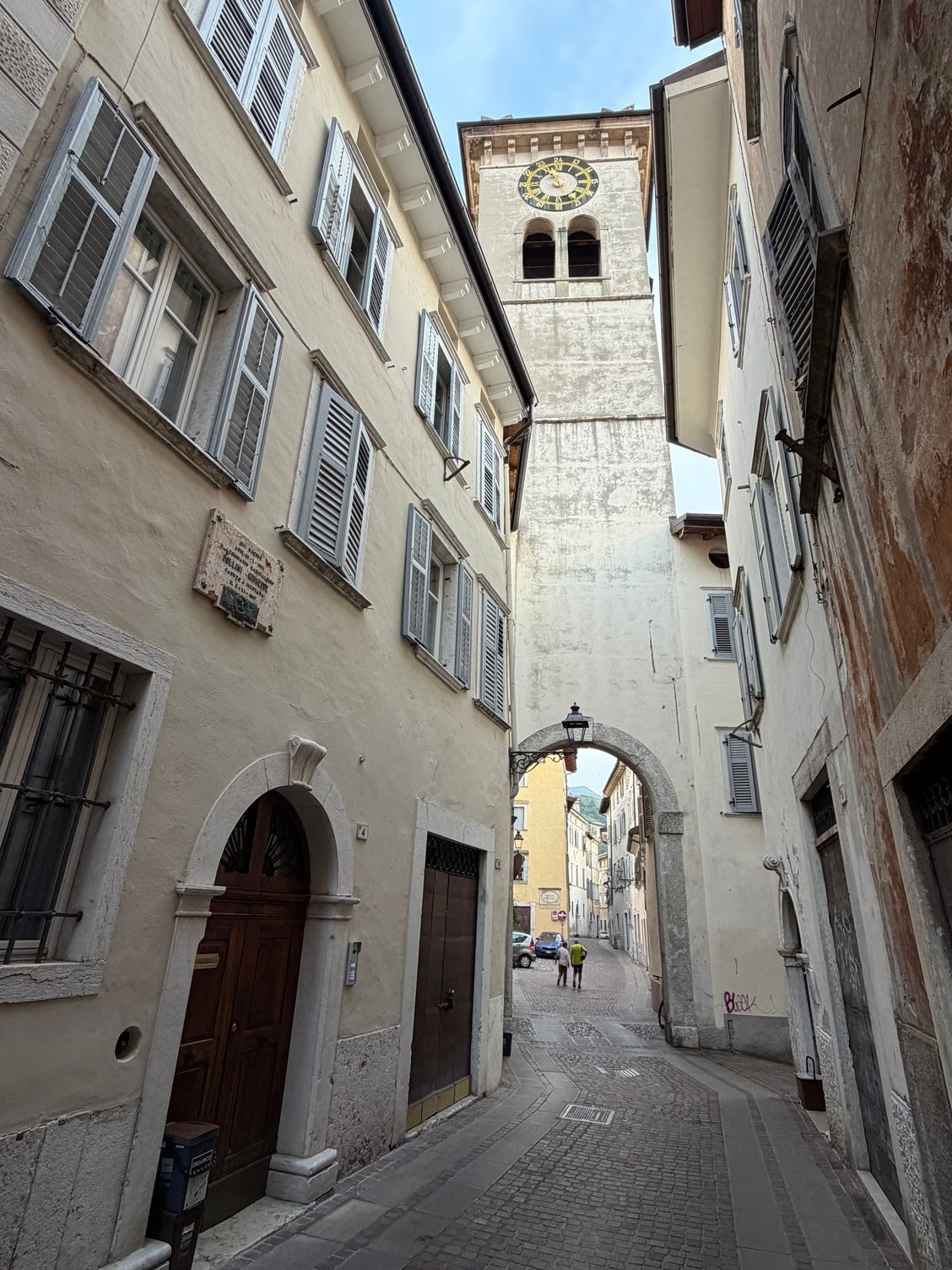
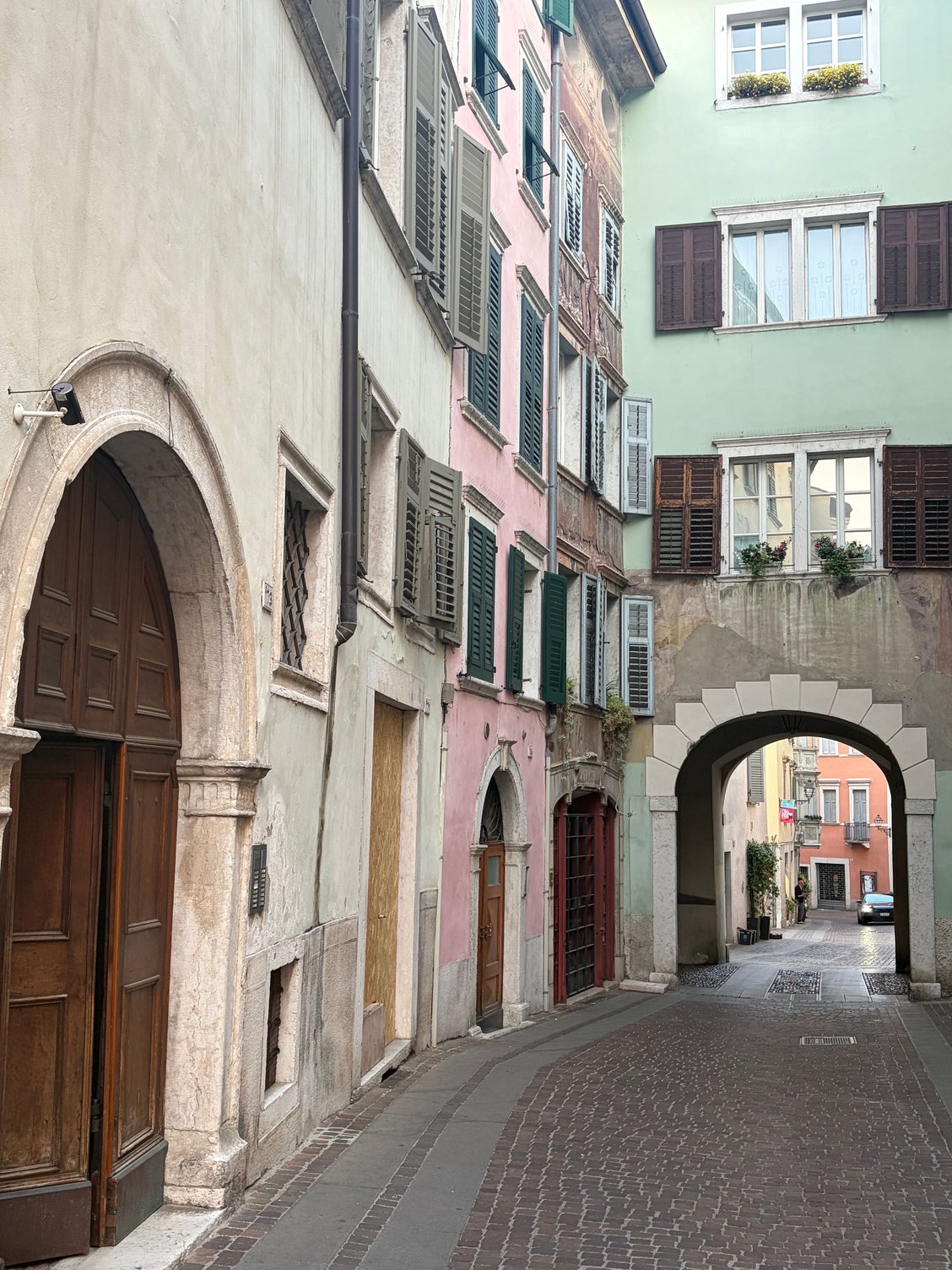
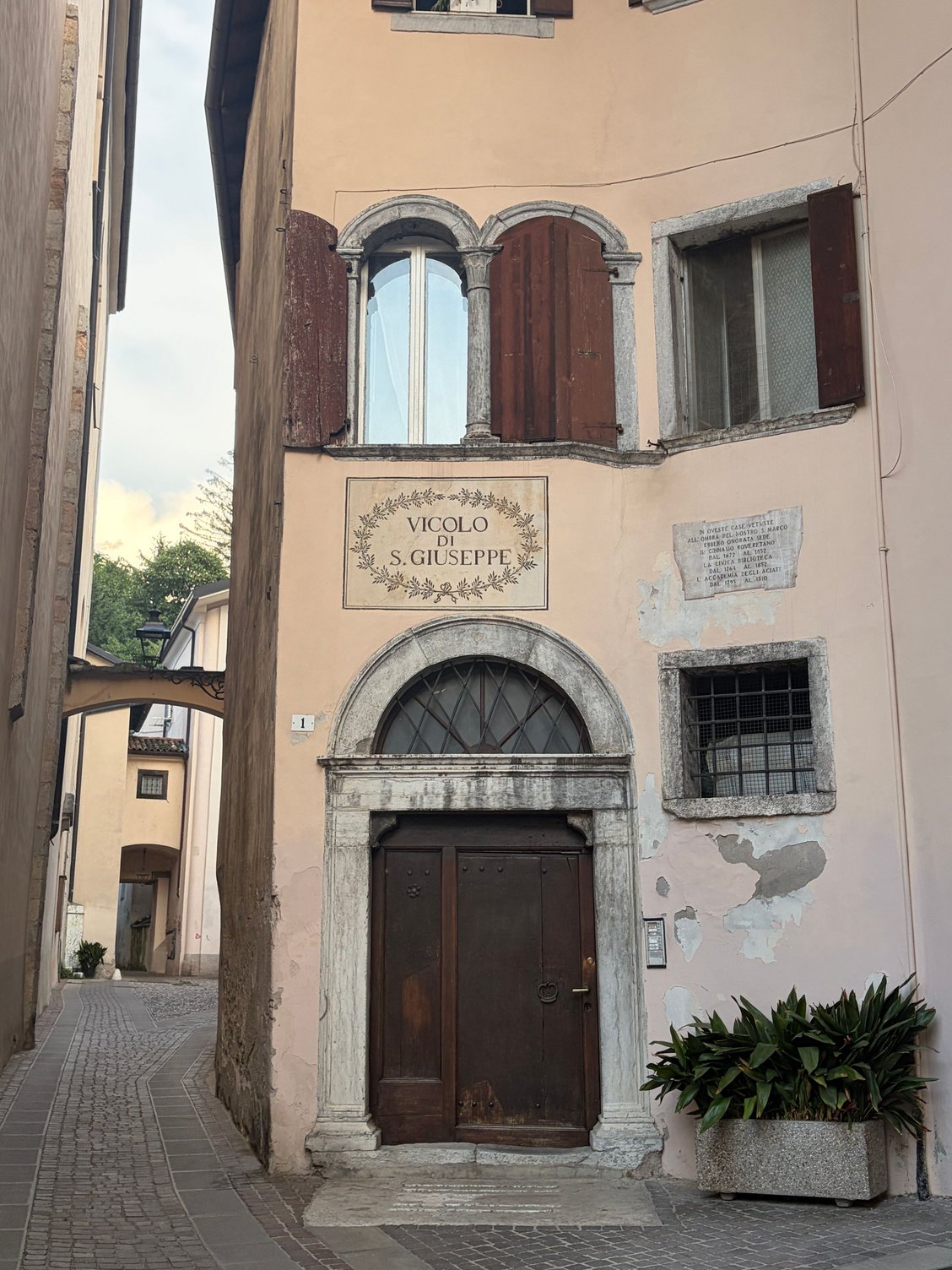
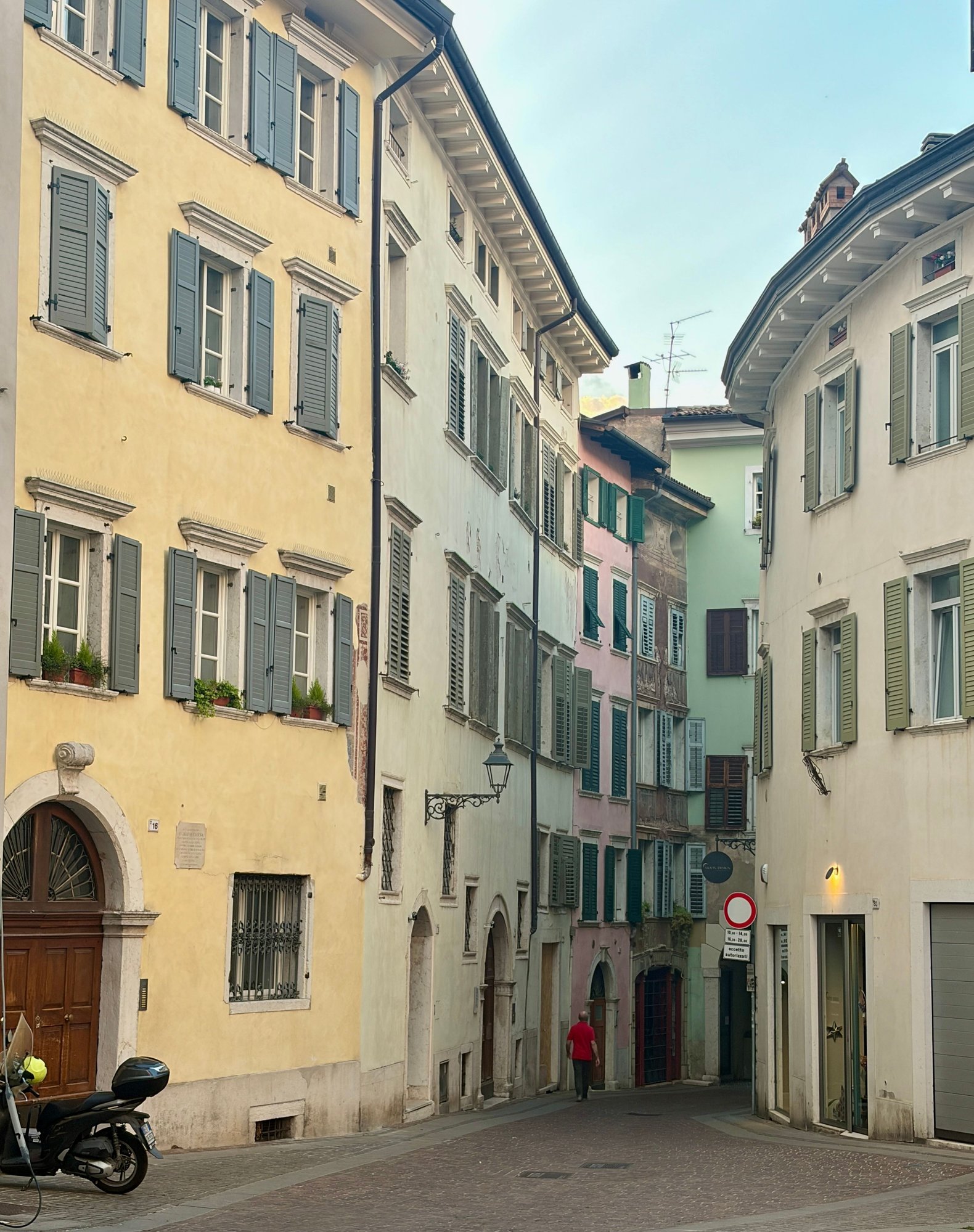
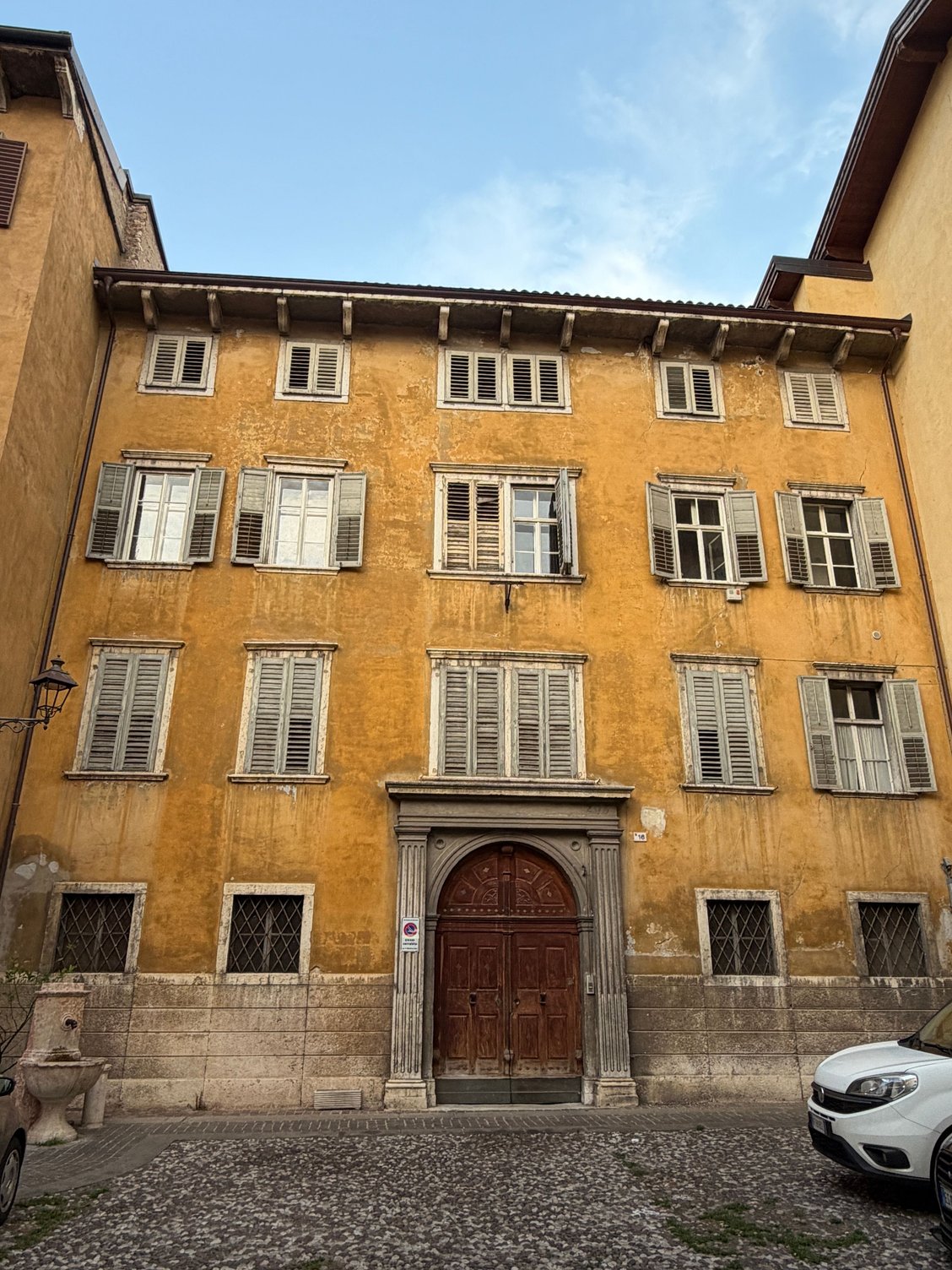
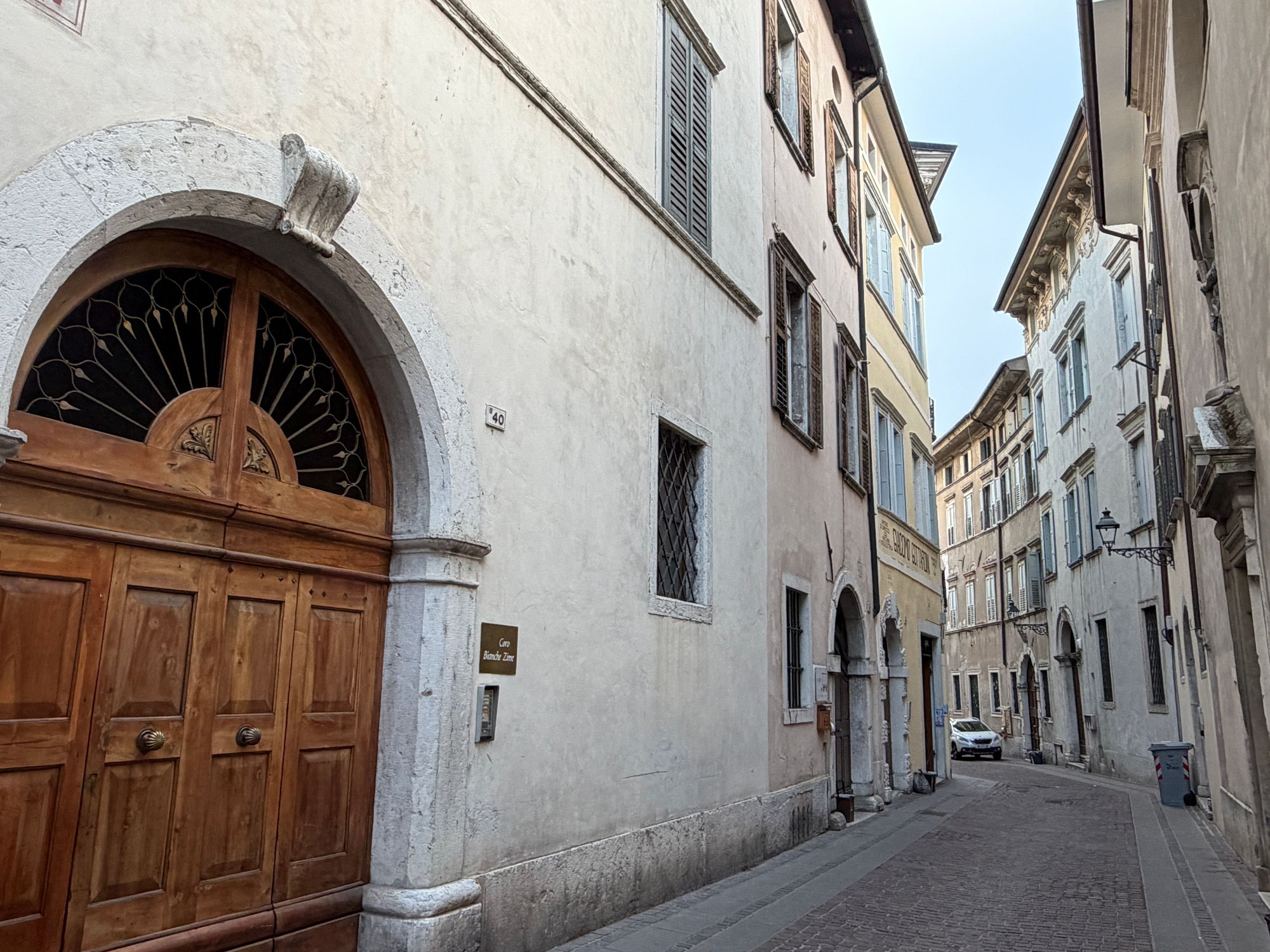
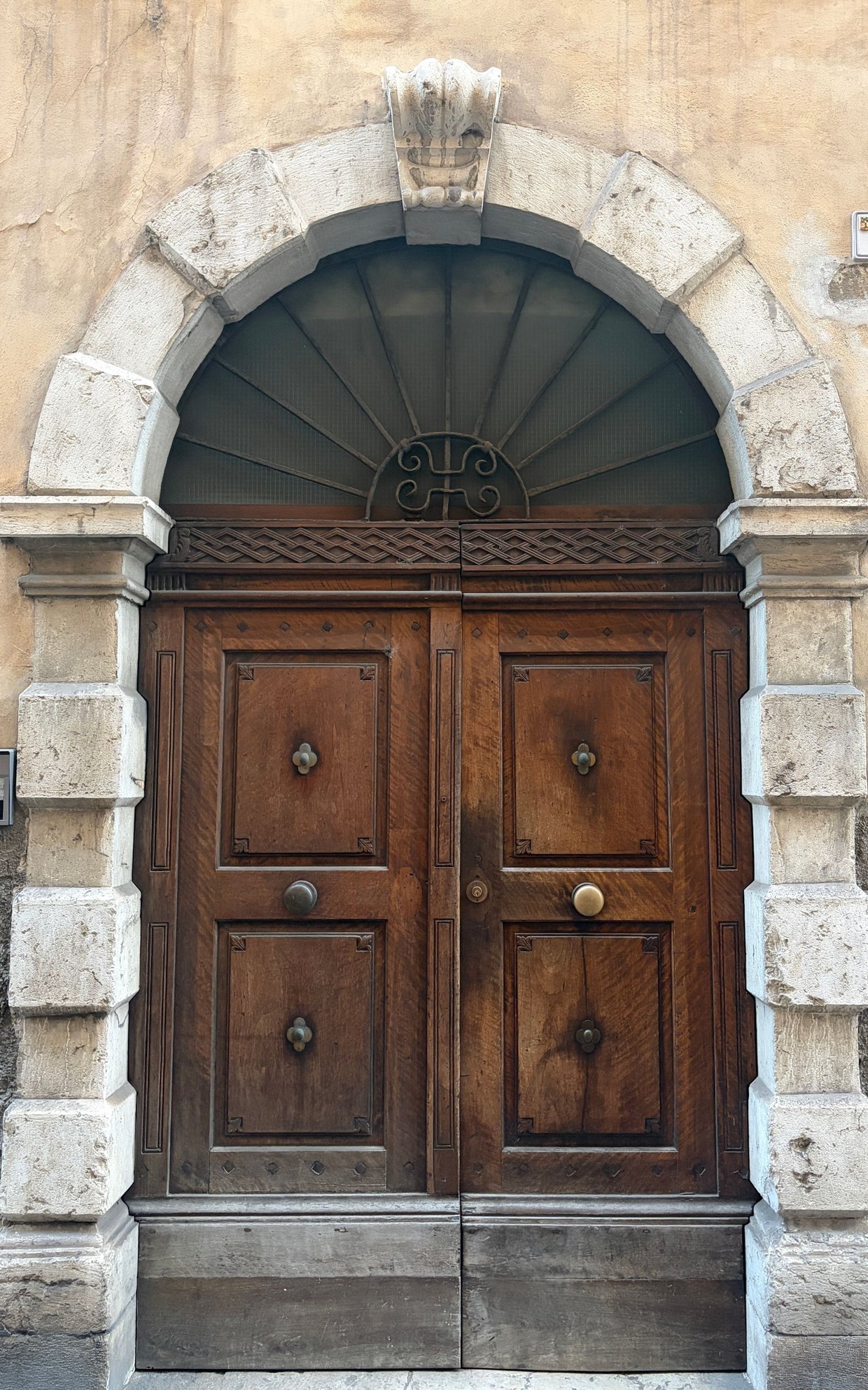
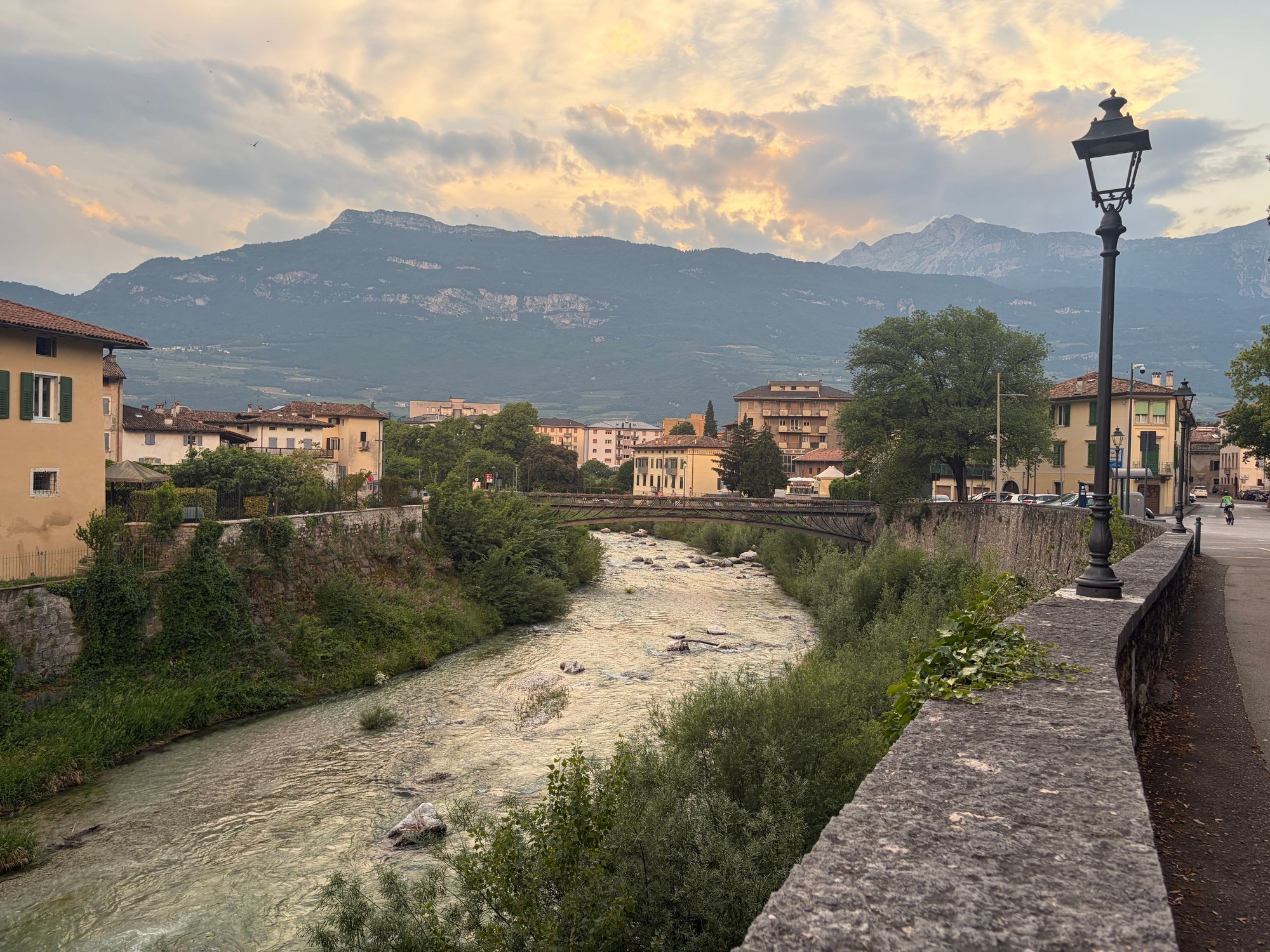
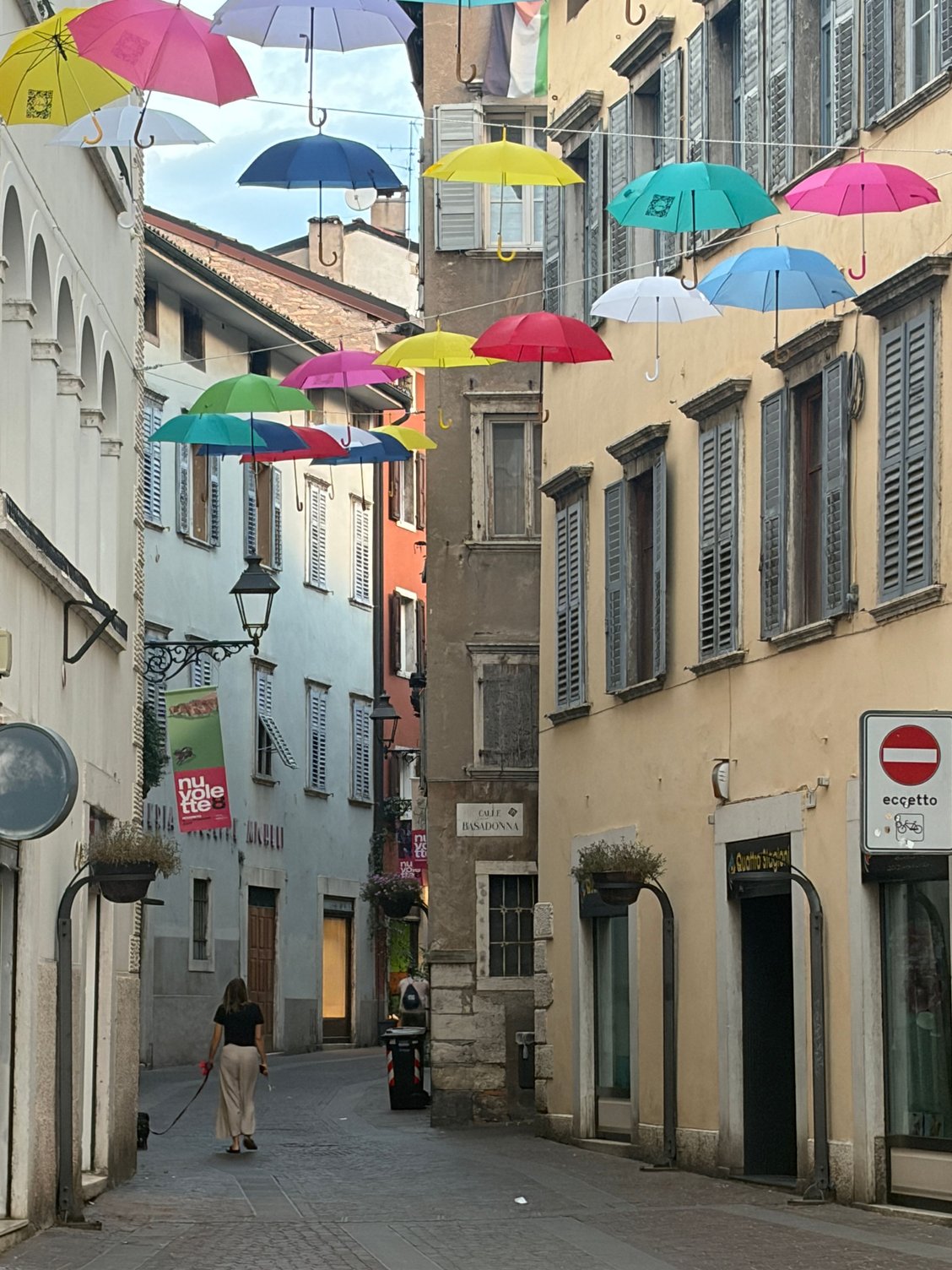
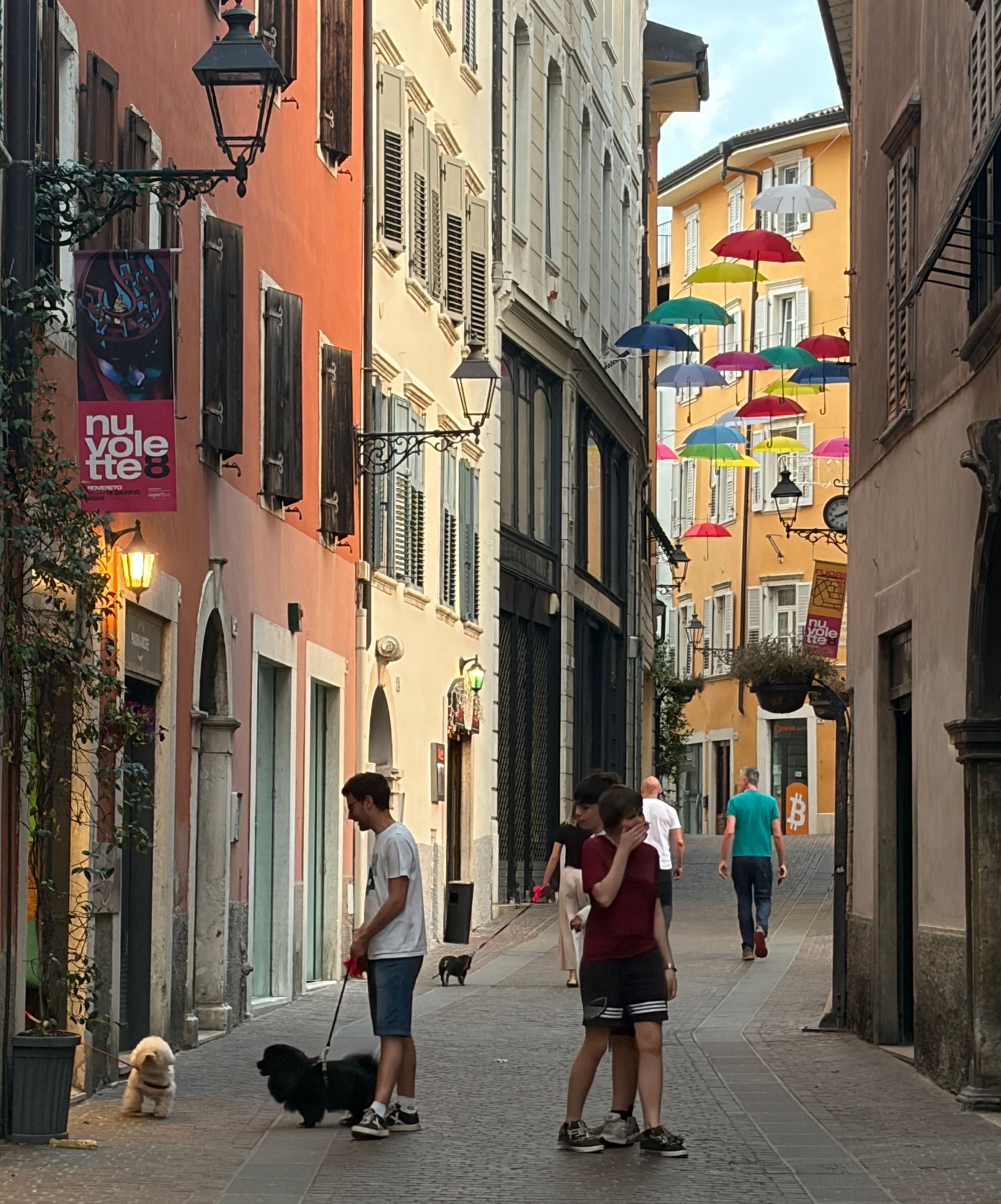
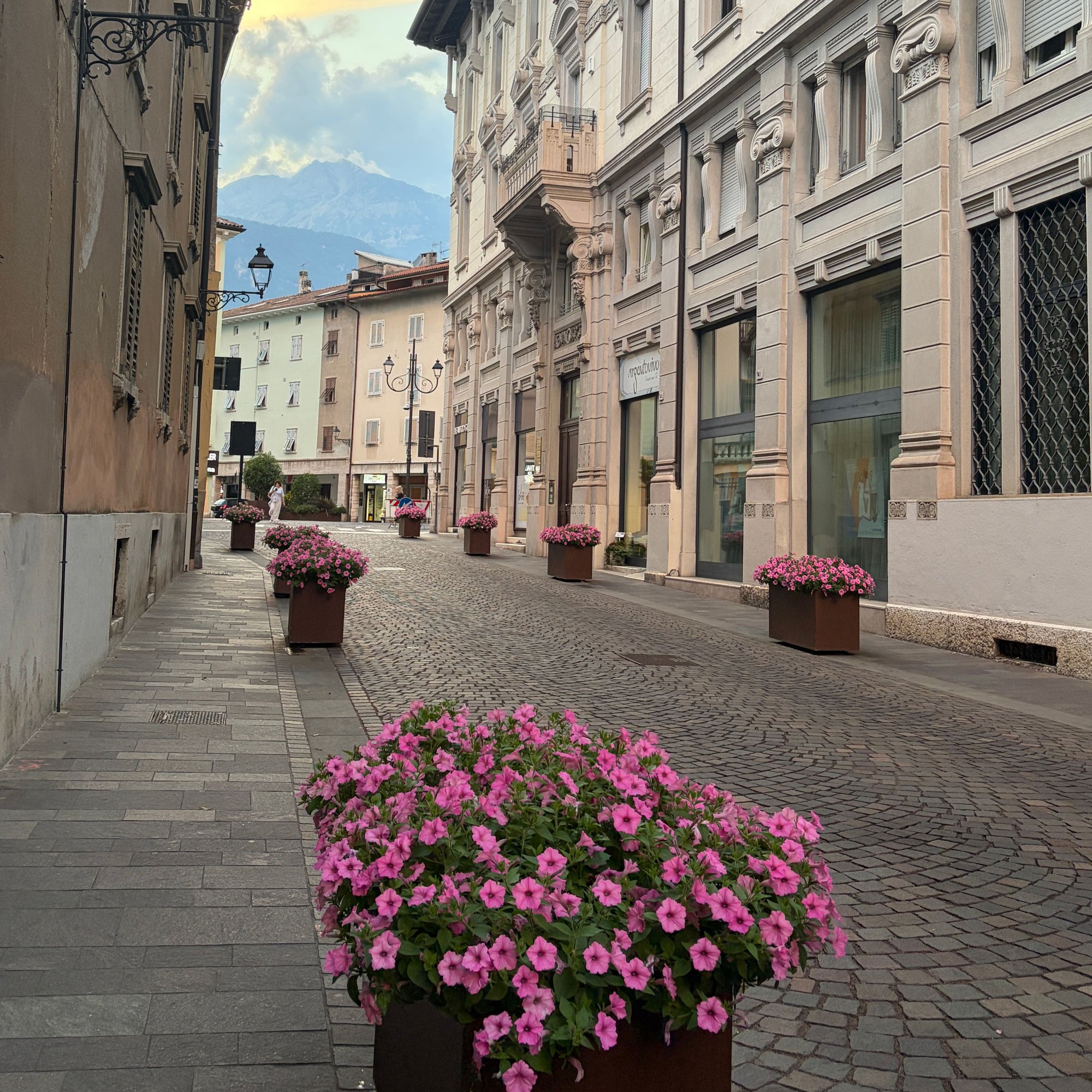
First impressions are great. A lively town, with lots of locals about, easy to walk around, a historic centre of disappearing alleys, people sitting outside at the local bars, kids playing, people walking their dogs, restaurants starting to put out their chairs and open their doors, a castle, a river. I did pop into a restaurant and mistakenly ordered overly rich food, but ended with a brilliant tiramisu that I did finish..
So far, so good! First night in Italy.

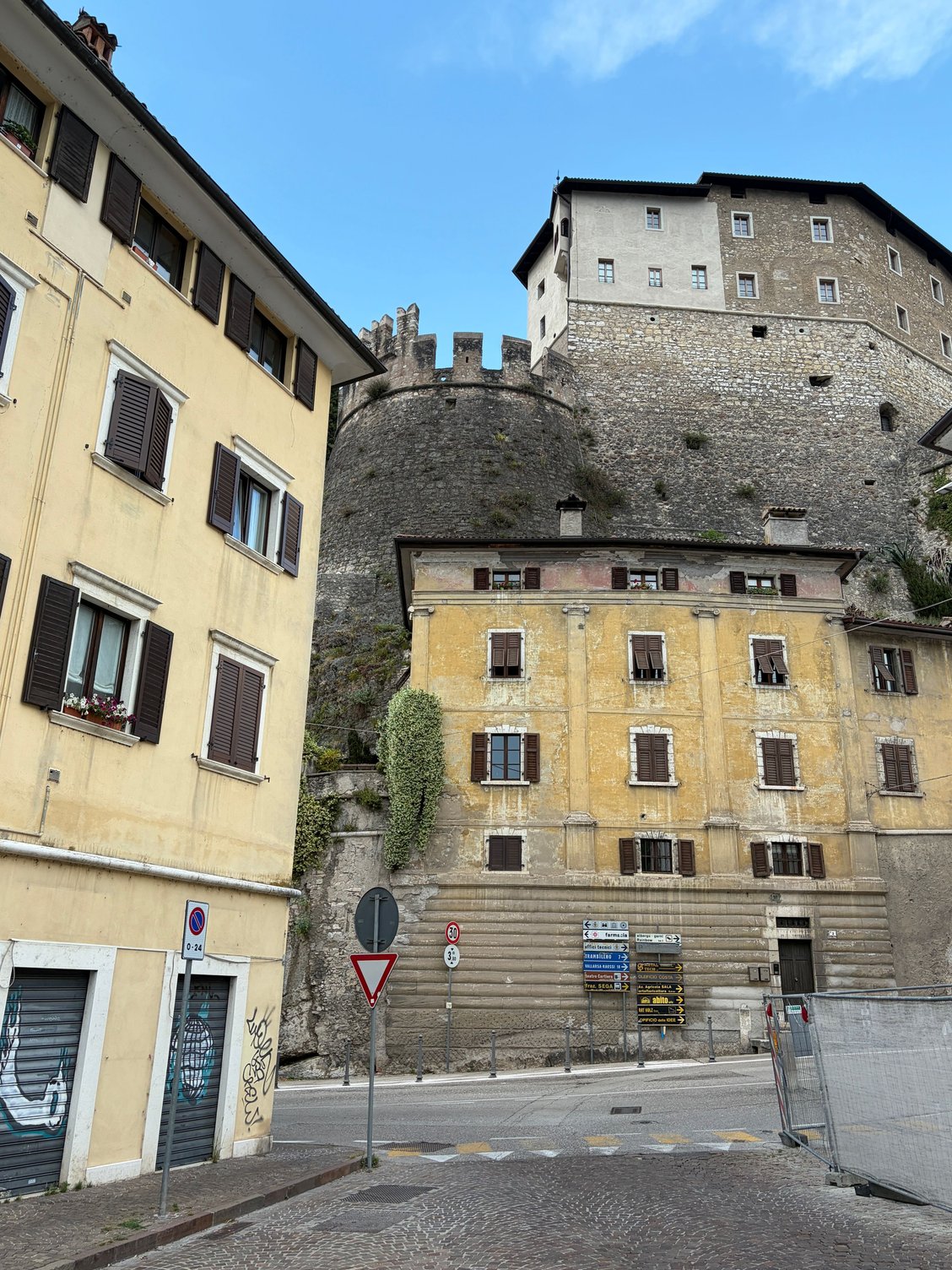
Main Street from train station



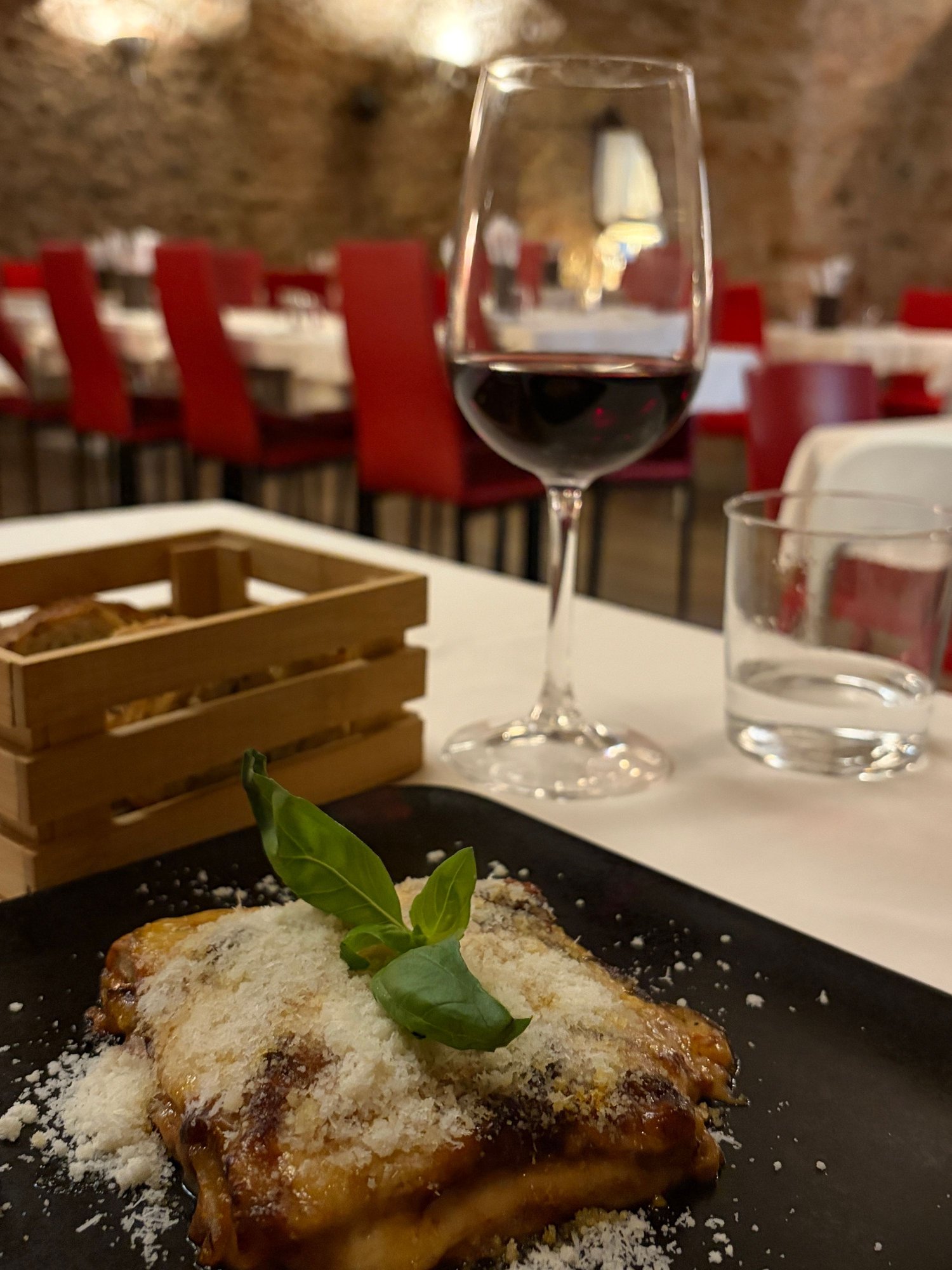
Eggplant parmigiana







Long travel day today, train to Munich, then Rovereto.
Price today for that train ticket is €275
I purchased the train tickets €77 in December as a ‘Super Sparpreis Europa’ fare by early purchase.
Only hiccup was that the train was reconfigured and had less carriages, so my carriage and therefore seat reservation, no longer existed.
Nor was I provided a new one.
Conductor told me to “find an empty seat” which is easier said than done, when some had ‘reserved’ on them (presumably those that booked after the reconfiguration?) and the others were like me, scrambling for an empty one.
The scenery is getting better
Vineyards on the valley floor
Castle on an unlikely perch
Anyway, I have 12 N so 11 full days.
I like to ‘settle’ in a place for a bit longer at the end of a trip.
Rovereto is a small town in north Italy in the amalgamated Trentino/ Alto Adige (South Tyrol).
Chose Rovereto for excellent public transport (train and bus), and access to the very popular nearby sights without the tourist frenzy.
I have visited the region several times, and love it.
My accommodation offers a Trentino Guest Card which provides regional transport on the buses and trains, and discounts to some attractions (museums, castles). https://www.visittrentino.info/en/ex...ences-included
Guests add this to the MuoVersi App
And then scan as validation on bus and train.
I arrived at my apartment about 5 pm, went to the Coop 3 minutes away for my immediate shopping needs, then headed out for a walk, plus maybe dinner.
First impressions are great. A lively town, with lots of locals about, easy to walk around, a historic centre of disappearing alleys, people sitting outside at the local bars, kids playing, people walking their dogs, restaurants starting to put out their chairs and open their doors, a castle, a river. I did pop into a restaurant and mistakenly ordered overly rich food, but ended with a brilliant tiramisu that I did finish..
So far, so good! First night in Italy.
Main Street from train station
Eggplant parmigiana
Last edited by Adelaidean; May 28th, 2026 at 01:00 PM.
May 29th, 2026 | 09:39 PM
#99
Original Poster
Joined: Jan 2015
Posts: 4,329
Likes: 19
Day 27: Rovereto (daytrip to Riva del Garda)
It has been pretty warm, so decided to visit Riva del Garda on Lake Garda which would be cooler.
Also wanted to avoid the busy weekend.
The bus was a bit of a mystery, the schedule on the App differed to what was posted at the bus stop.
Apple Maps turned out to be really useful this trip - plugged in my destination and method of transport and the bus stop / schedule appeared. This is new to me, maybe old news to everyone else. Helped me in Leipzig too.
Anyway, while I used my Guest Card for free transport (validate using the QR code on the bus), you can buy tickets from the driver but only with cash (no contactless payments system).
(Have rarely needed cash this trip, apart from the occasional ticket, coins for toilets that don’t offer card payments, or some restaurants).
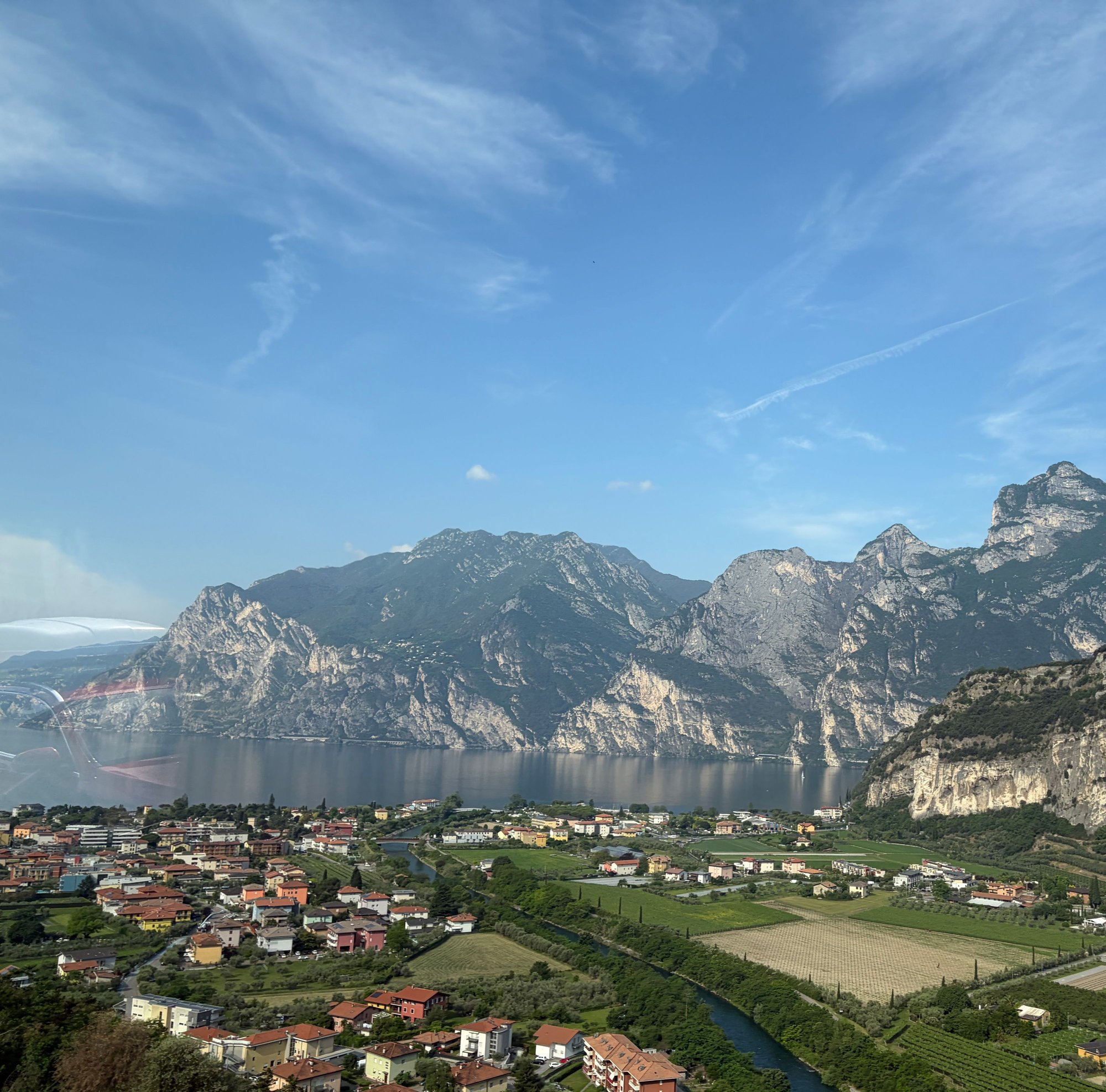
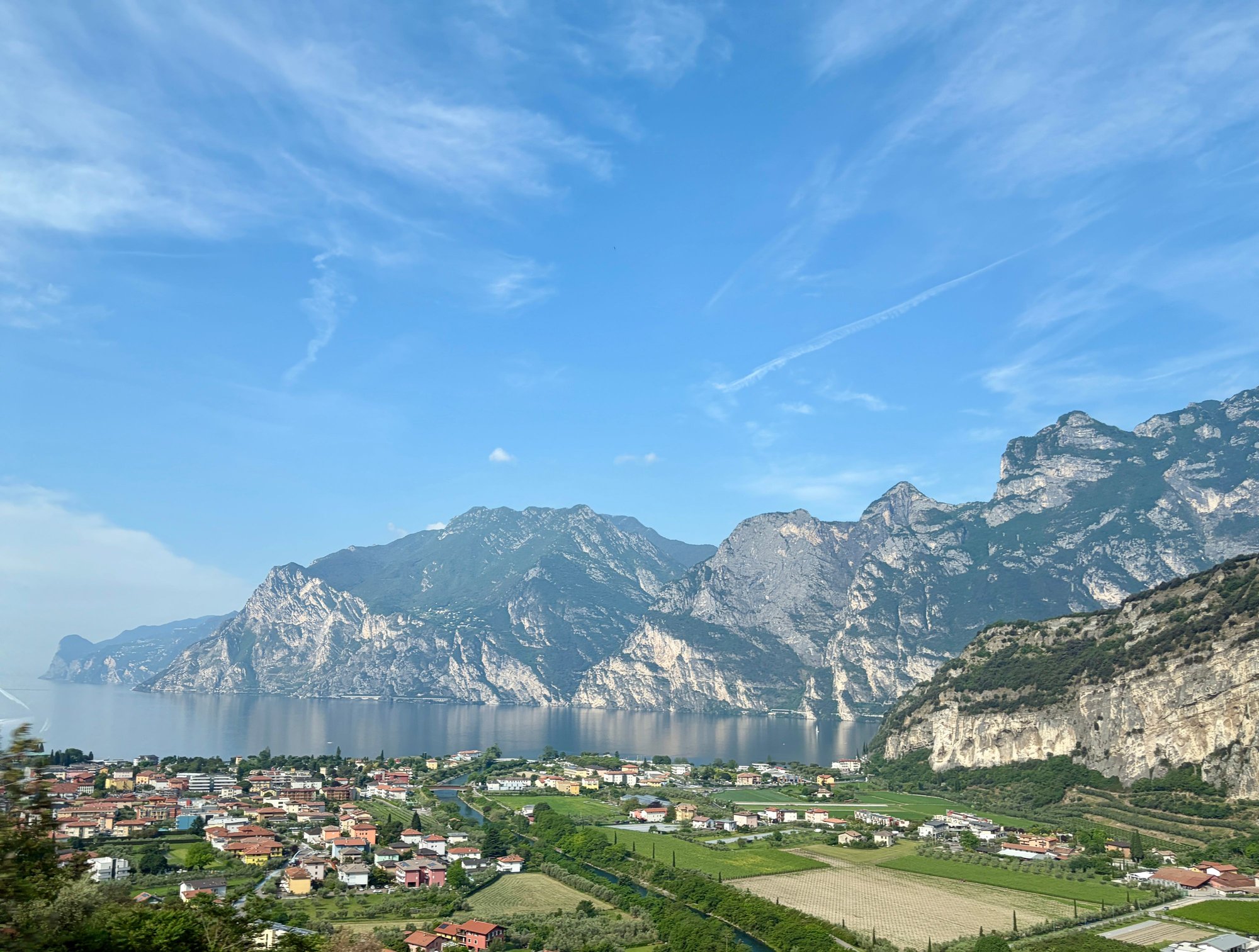
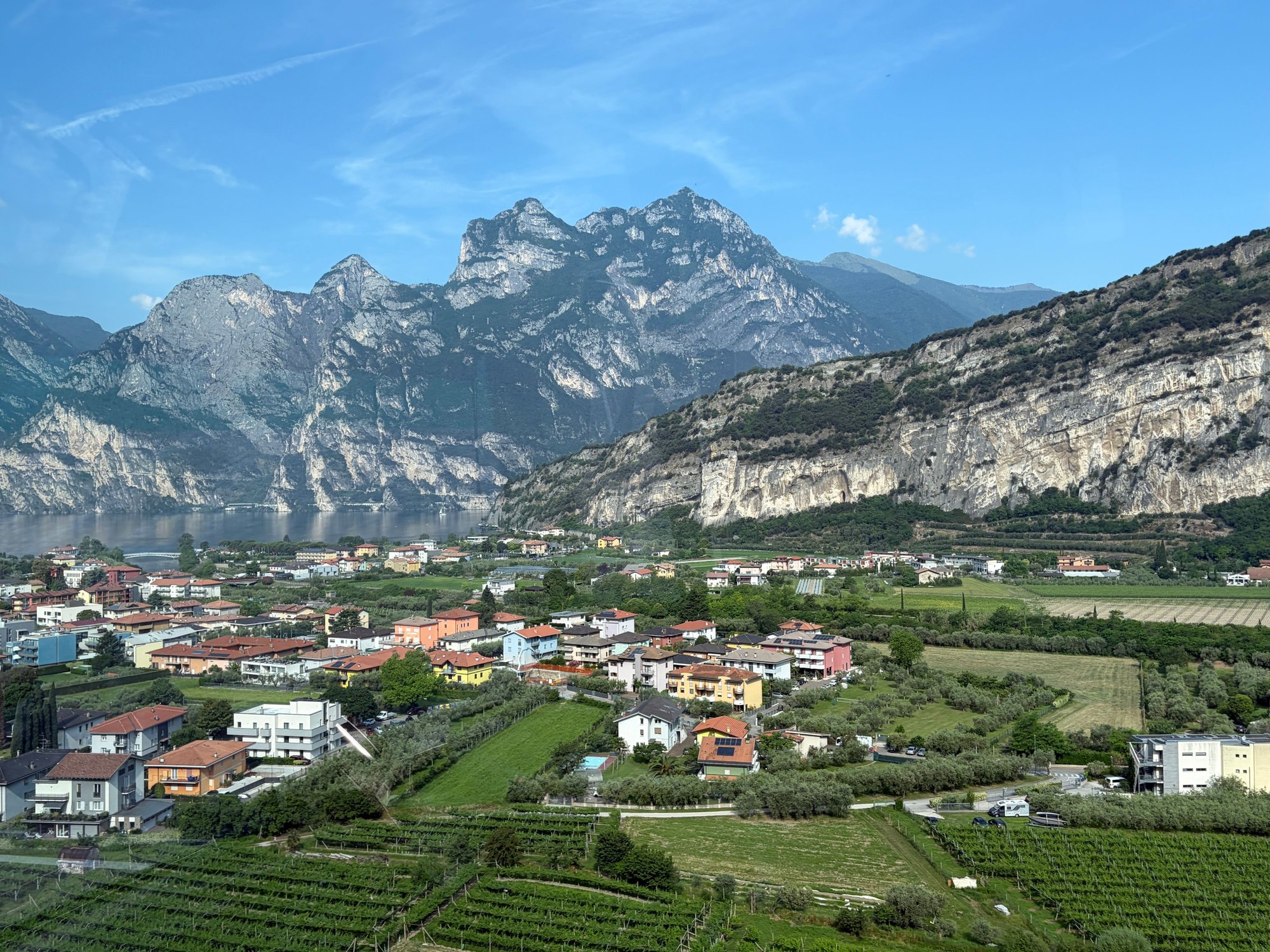
It is an enjoyable bus ride, of about an hour, and a dramatic arrival to the lake.
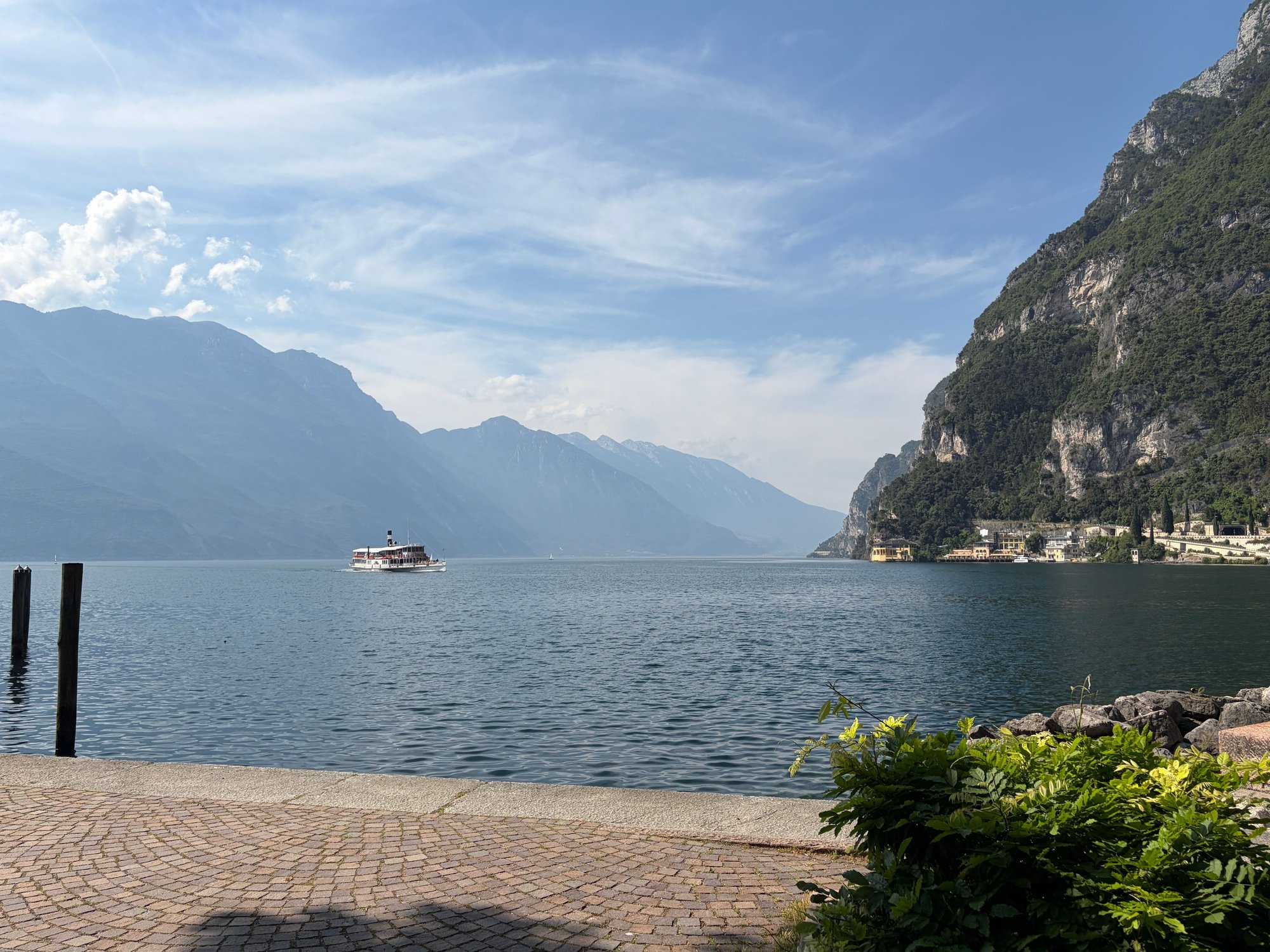
I have stayed in Malcesine previously, and used the ferry to visit Limone and Riva del Garda, the mountainous north end of the lake.
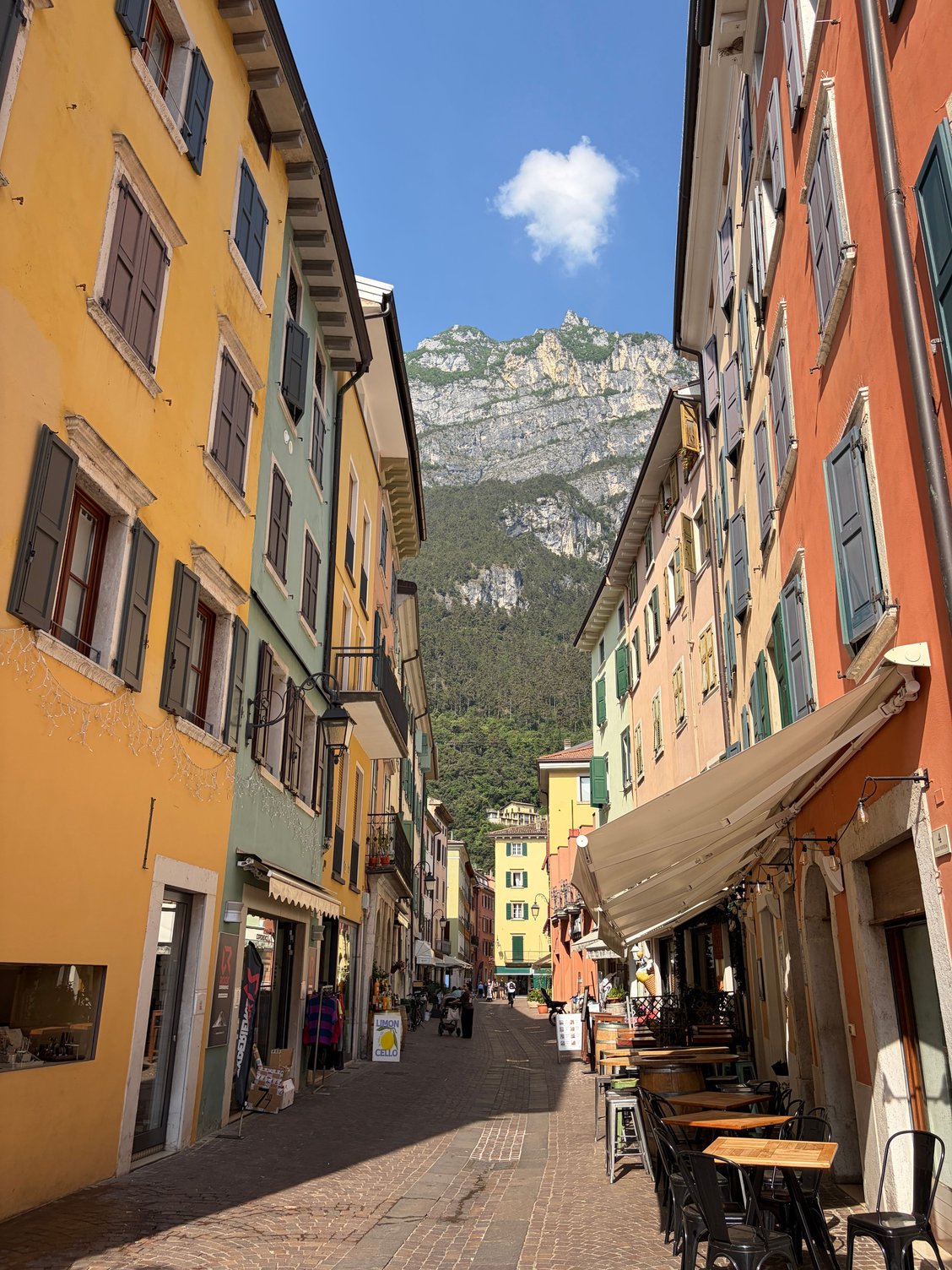
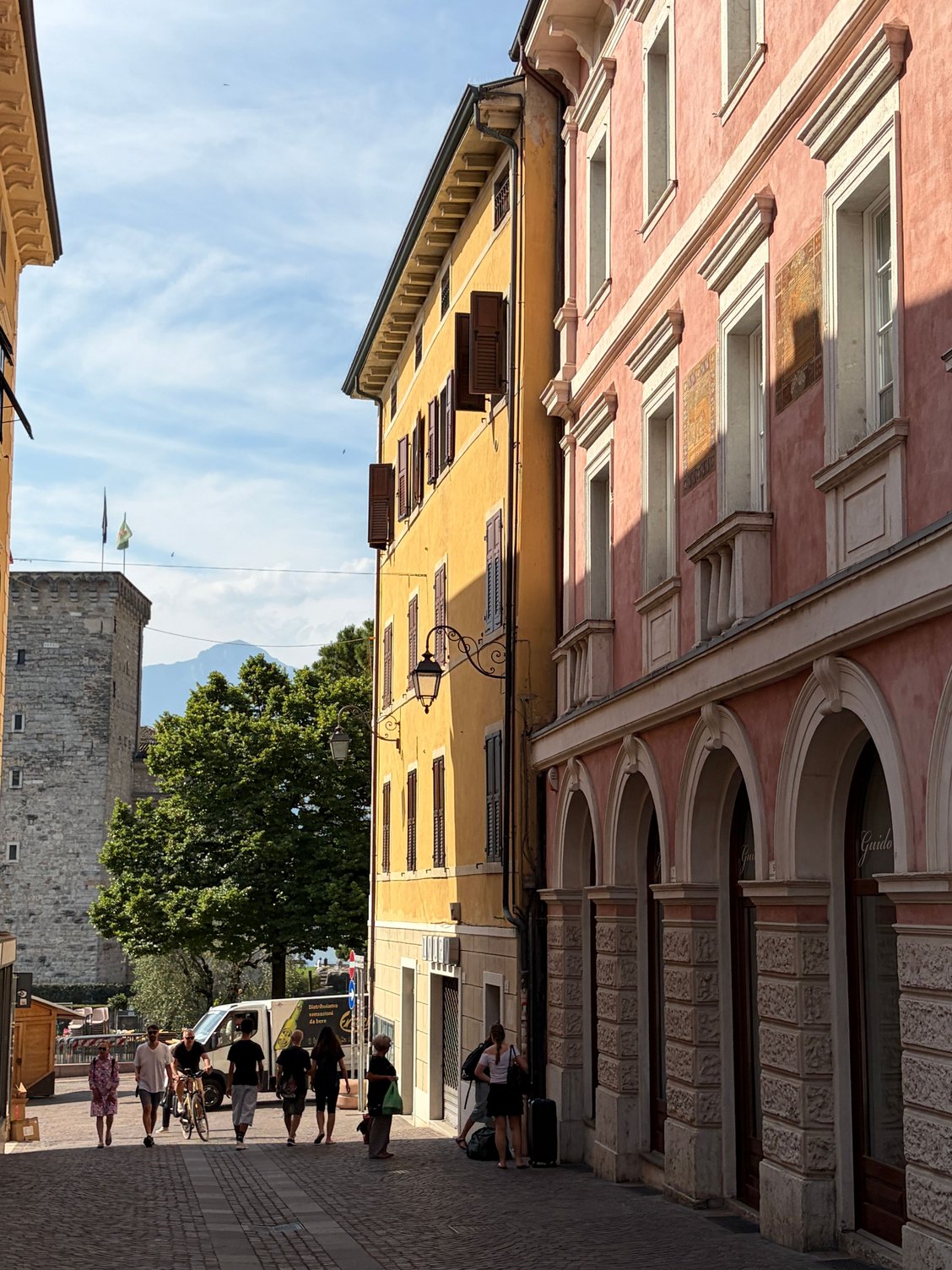
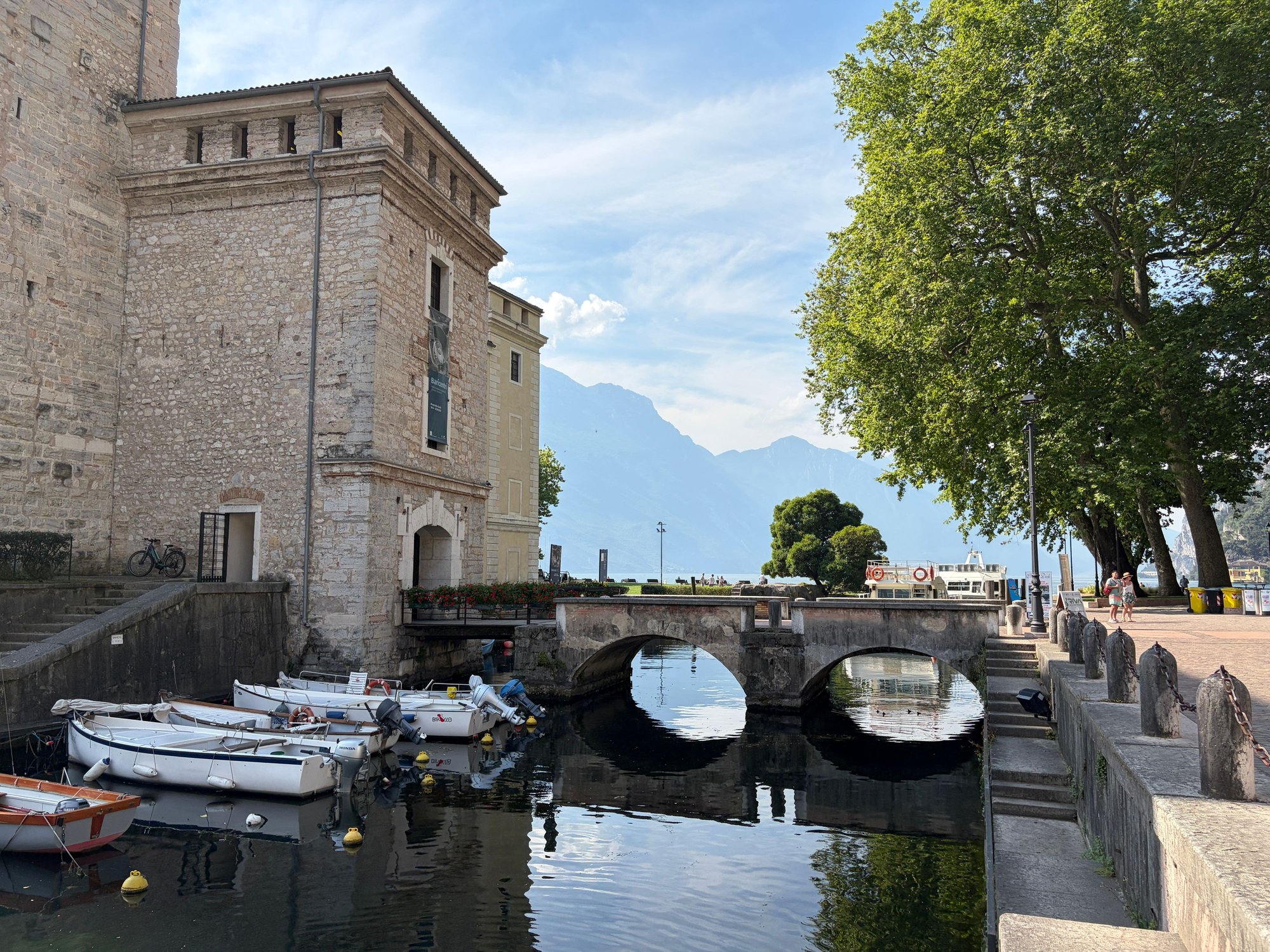
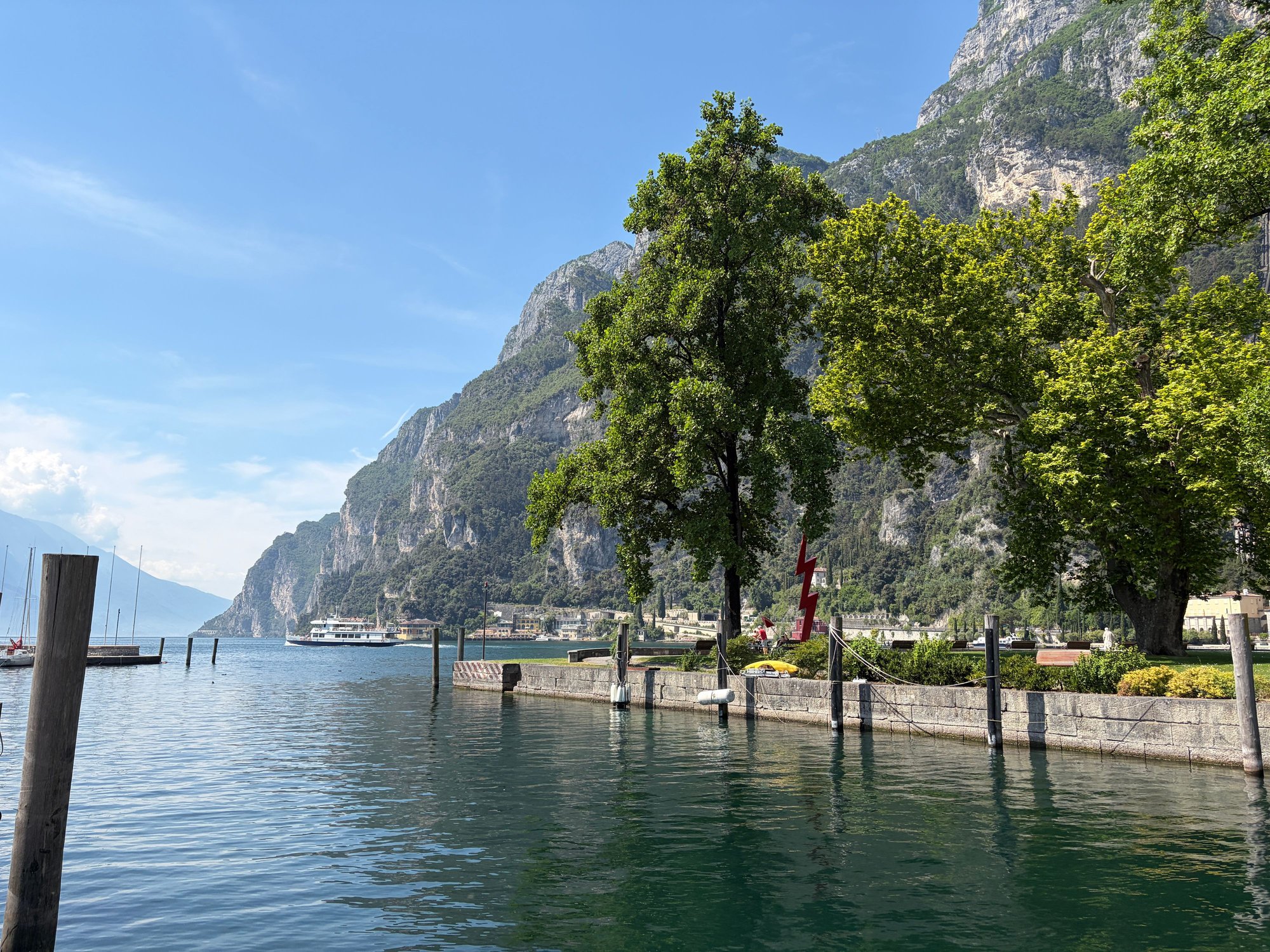
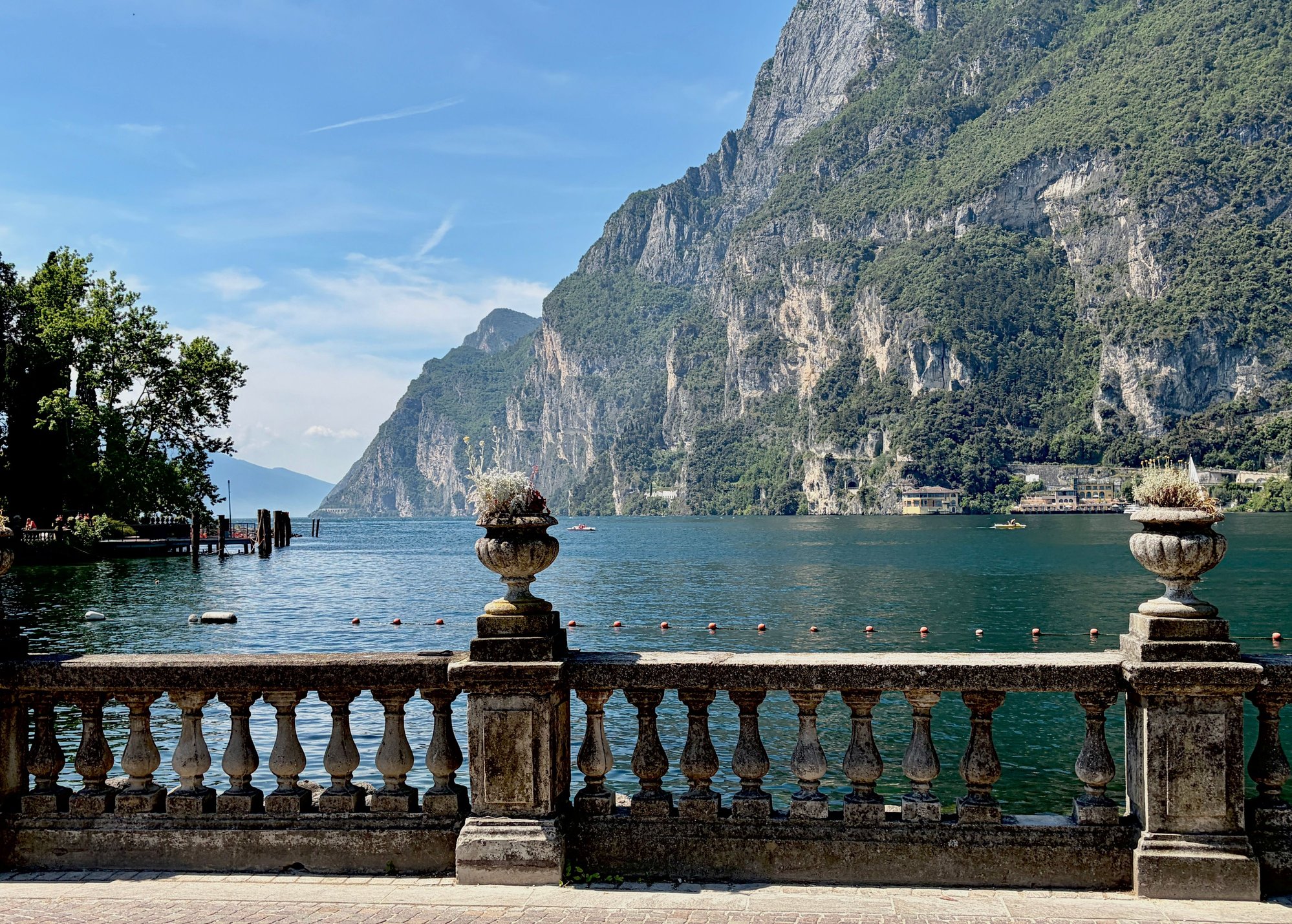
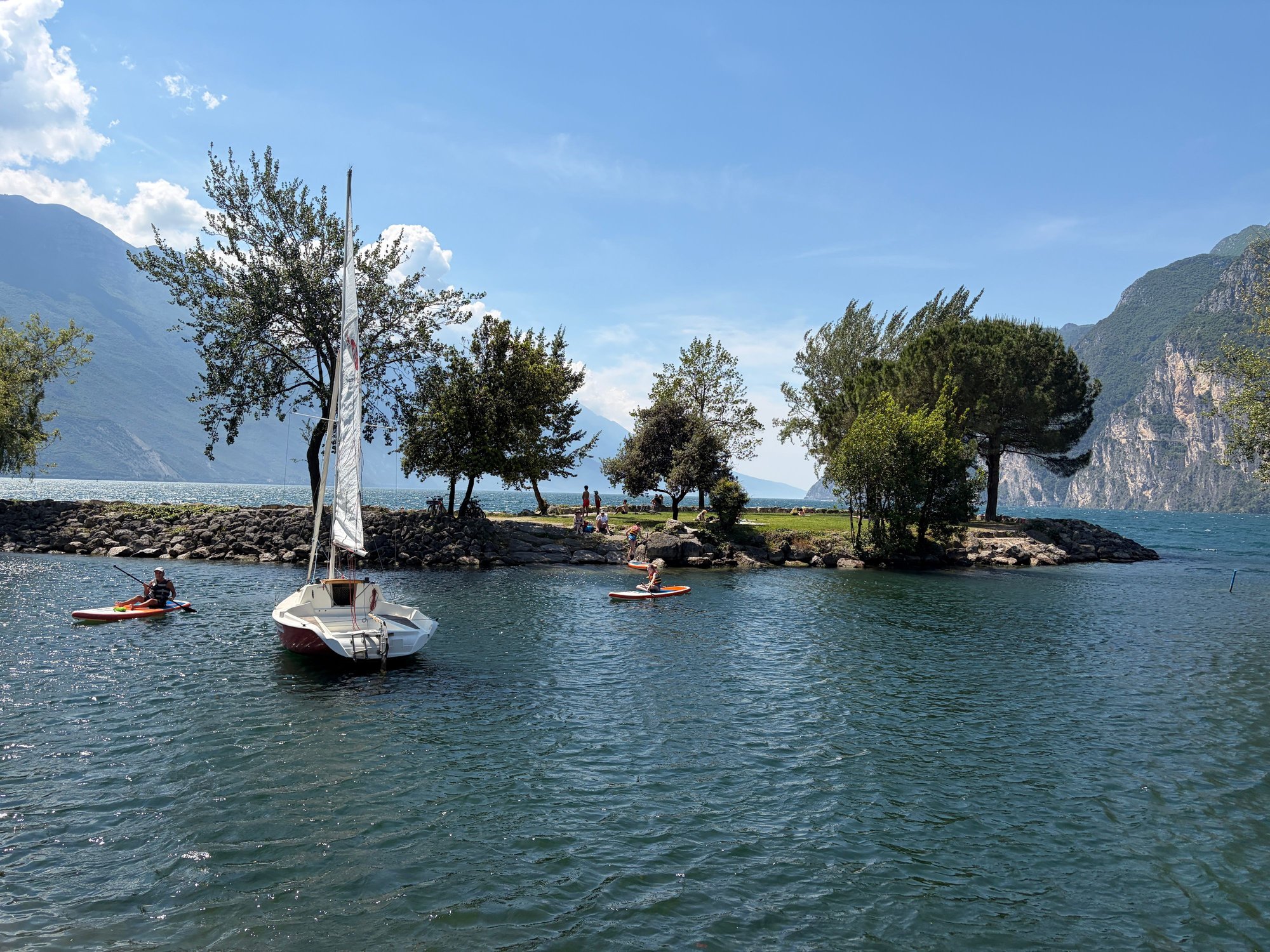
Today I wandered Riva, lunched, and walked to Torbole. Lots of cyclists, and water sports, families with kids, there are camping grounds right at the lake.
Return trip was heavy with traffic heading towards the lake towns (it is single lane each way).
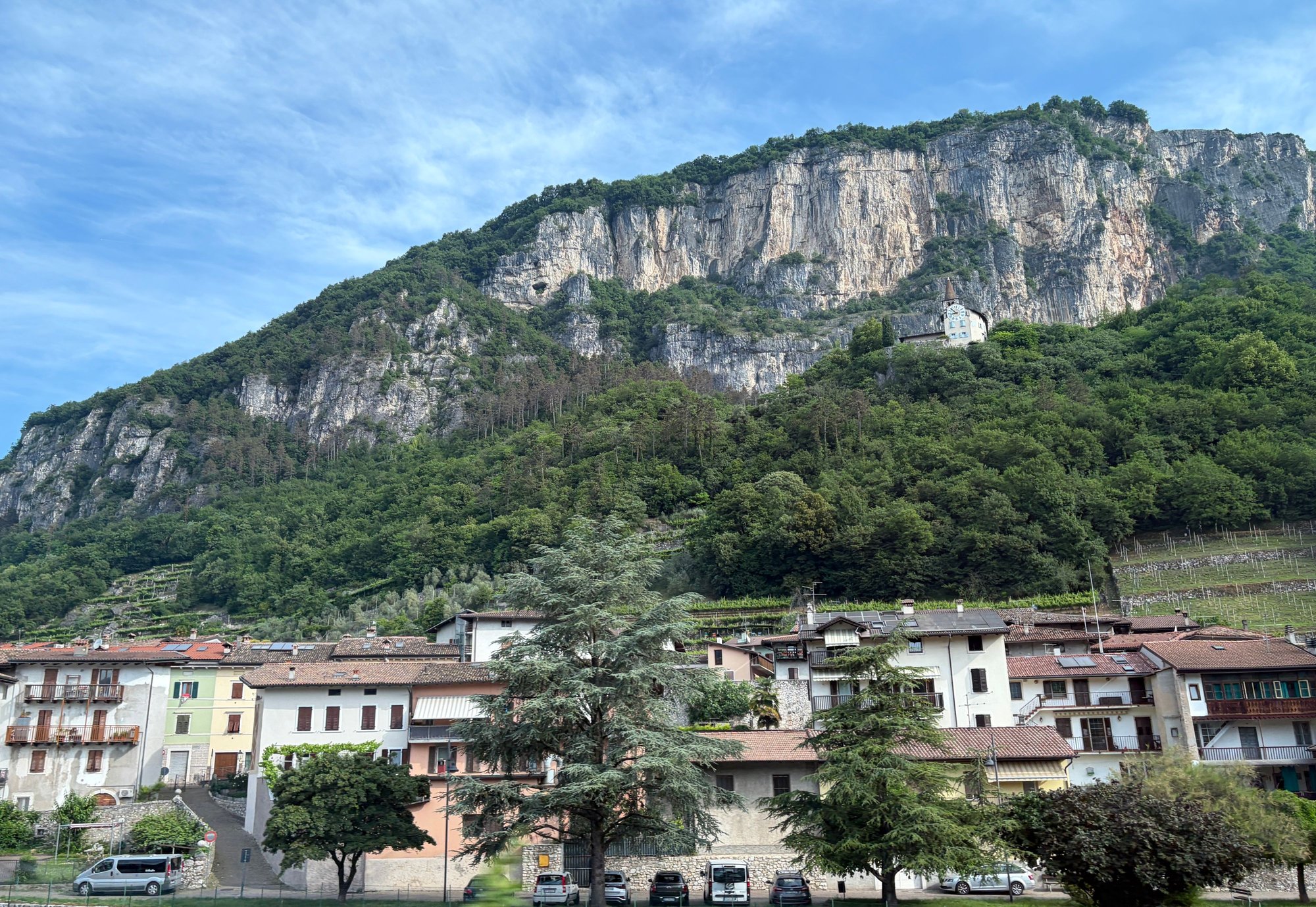
Nice bus ride, beautiful day
Heading down to the lake

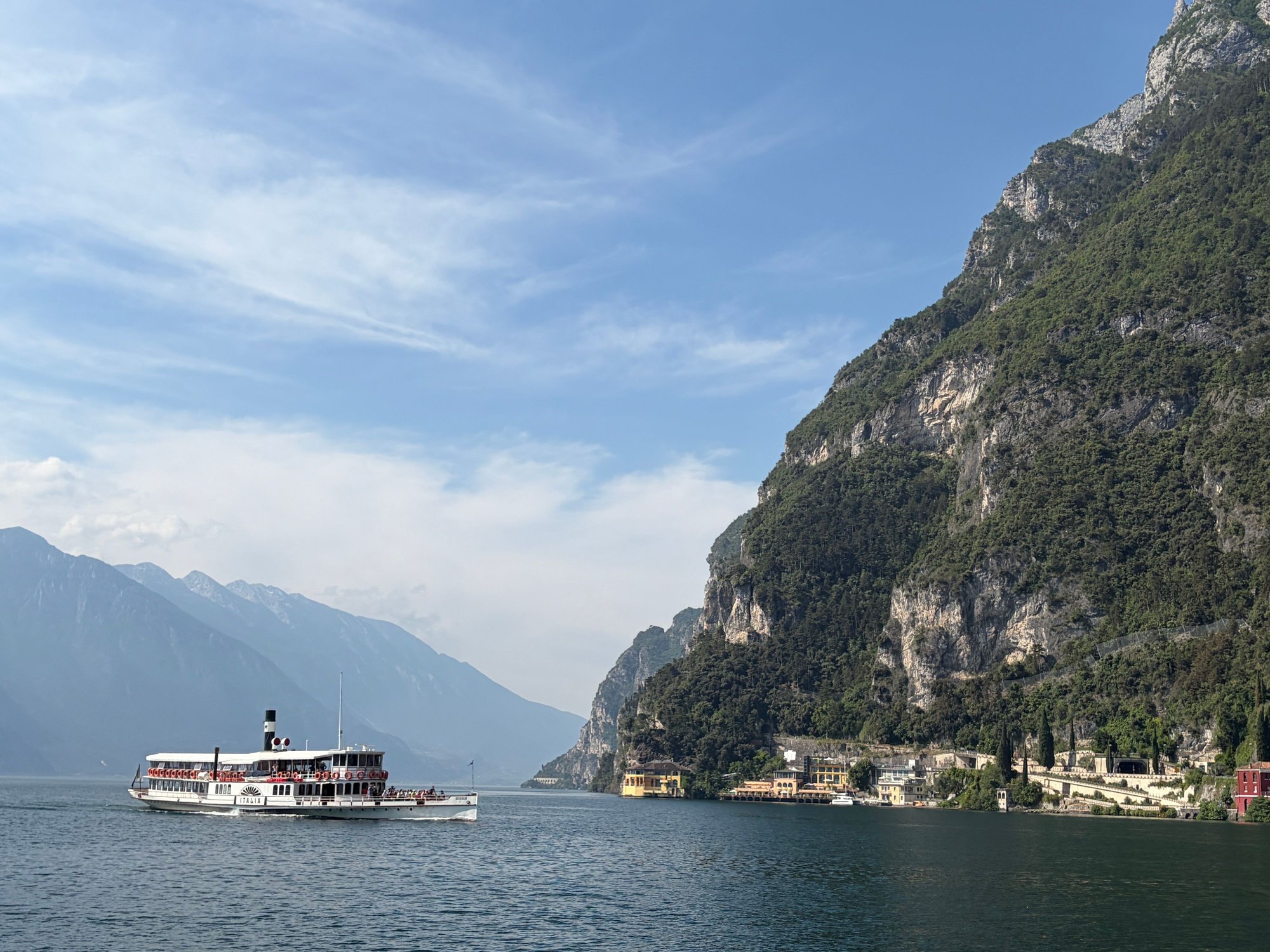
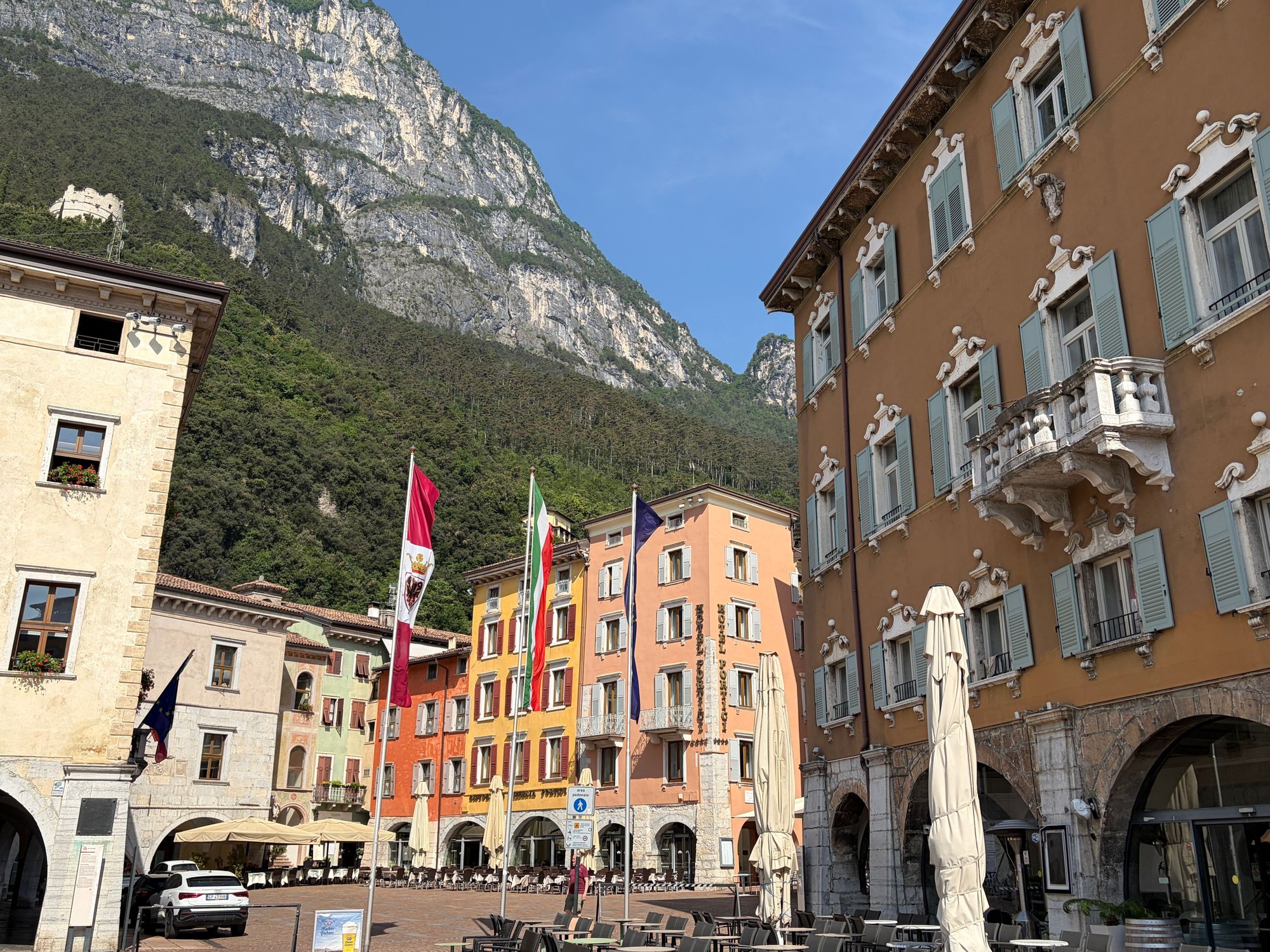
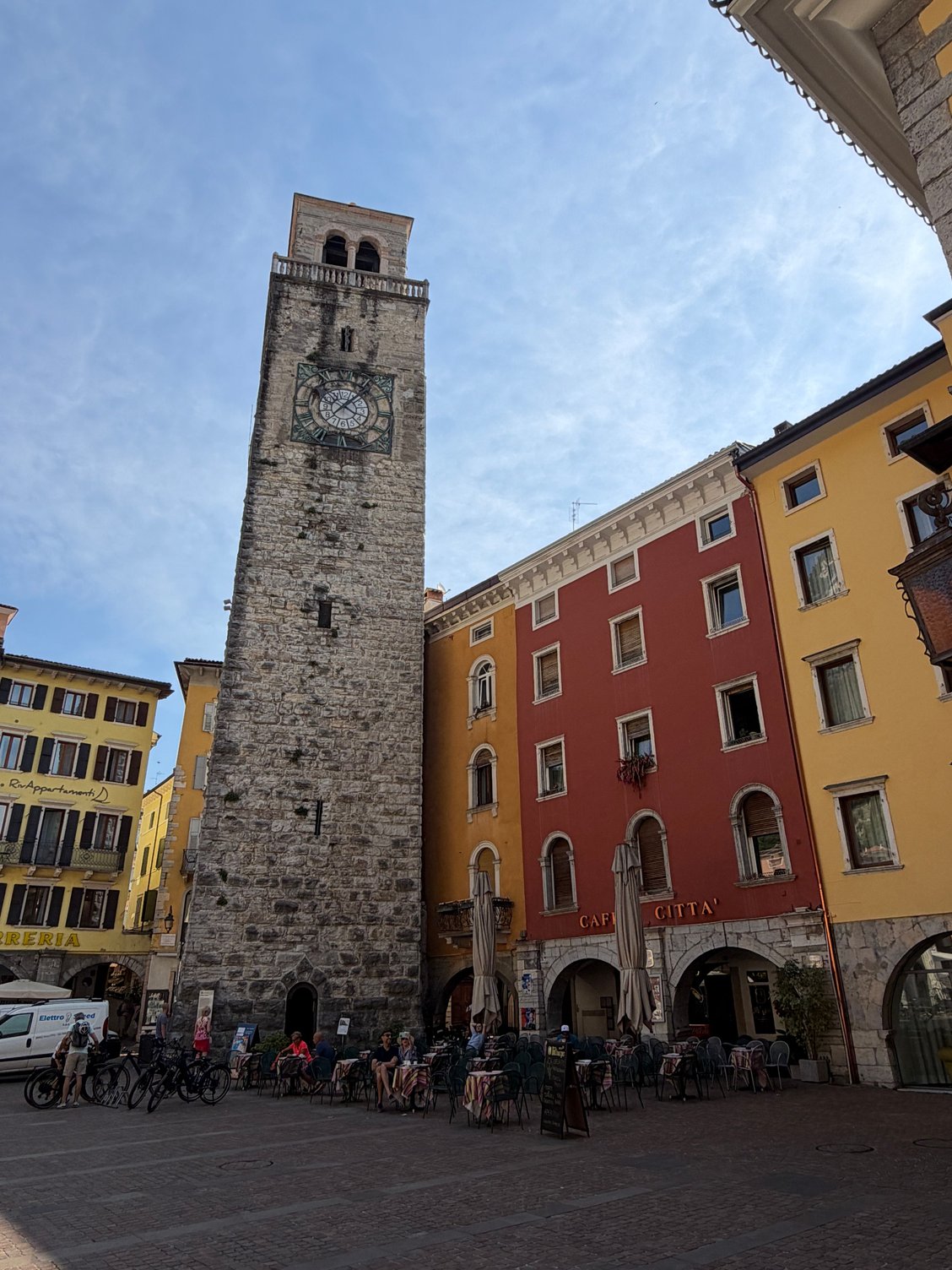
Riva del Garda

Local market



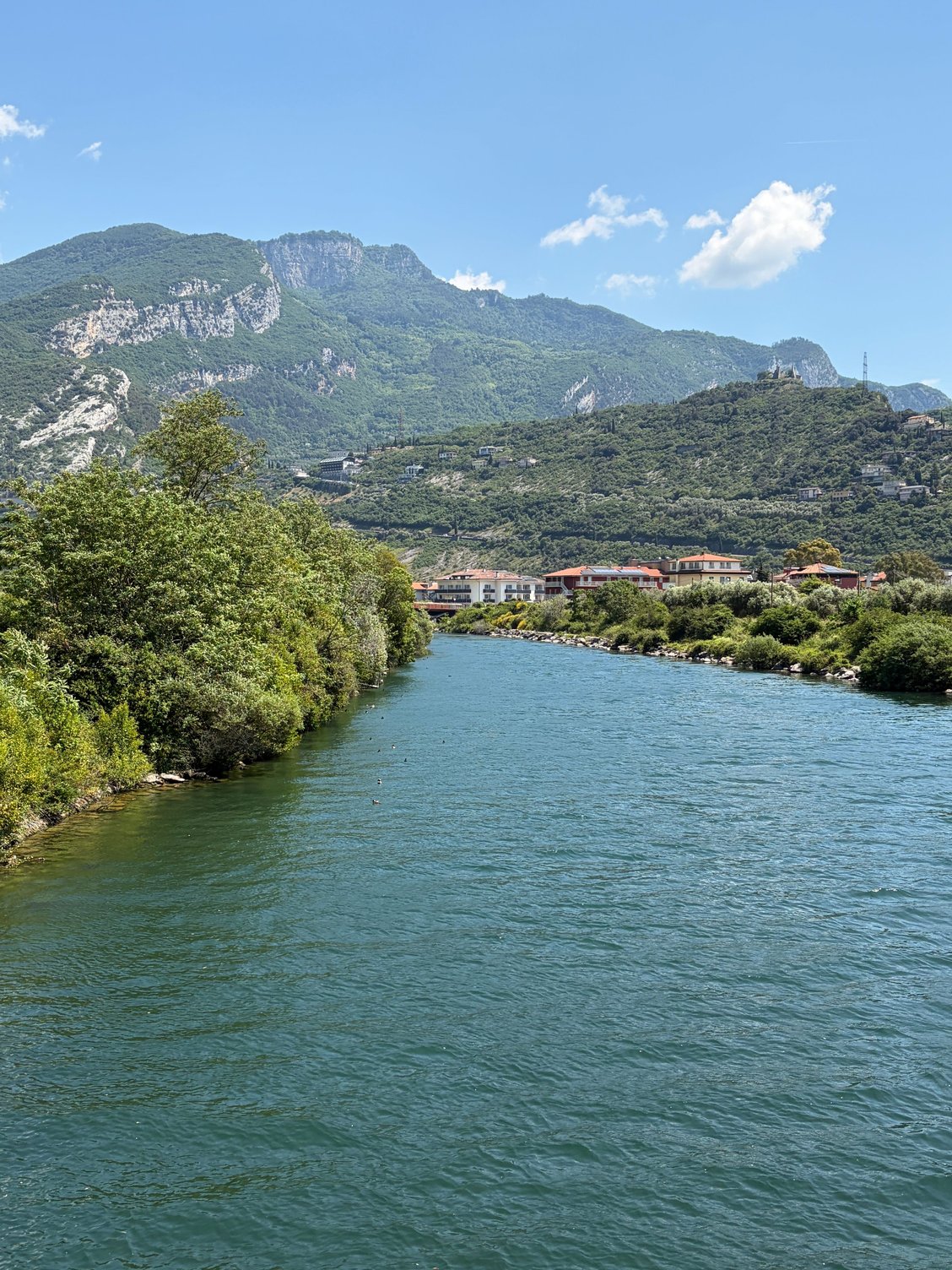
The river at Torbole

Bus ride home
It has been pretty warm, so decided to visit Riva del Garda on Lake Garda which would be cooler.
Also wanted to avoid the busy weekend.
The bus was a bit of a mystery, the schedule on the App differed to what was posted at the bus stop.
Apple Maps turned out to be really useful this trip - plugged in my destination and method of transport and the bus stop / schedule appeared. This is new to me, maybe old news to everyone else. Helped me in Leipzig too.
Anyway, while I used my Guest Card for free transport (validate using the QR code on the bus), you can buy tickets from the driver but only with cash (no contactless payments system).
(Have rarely needed cash this trip, apart from the occasional ticket, coins for toilets that don’t offer card payments, or some restaurants).
It is an enjoyable bus ride, of about an hour, and a dramatic arrival to the lake.
I have stayed in Malcesine previously, and used the ferry to visit Limone and Riva del Garda, the mountainous north end of the lake.
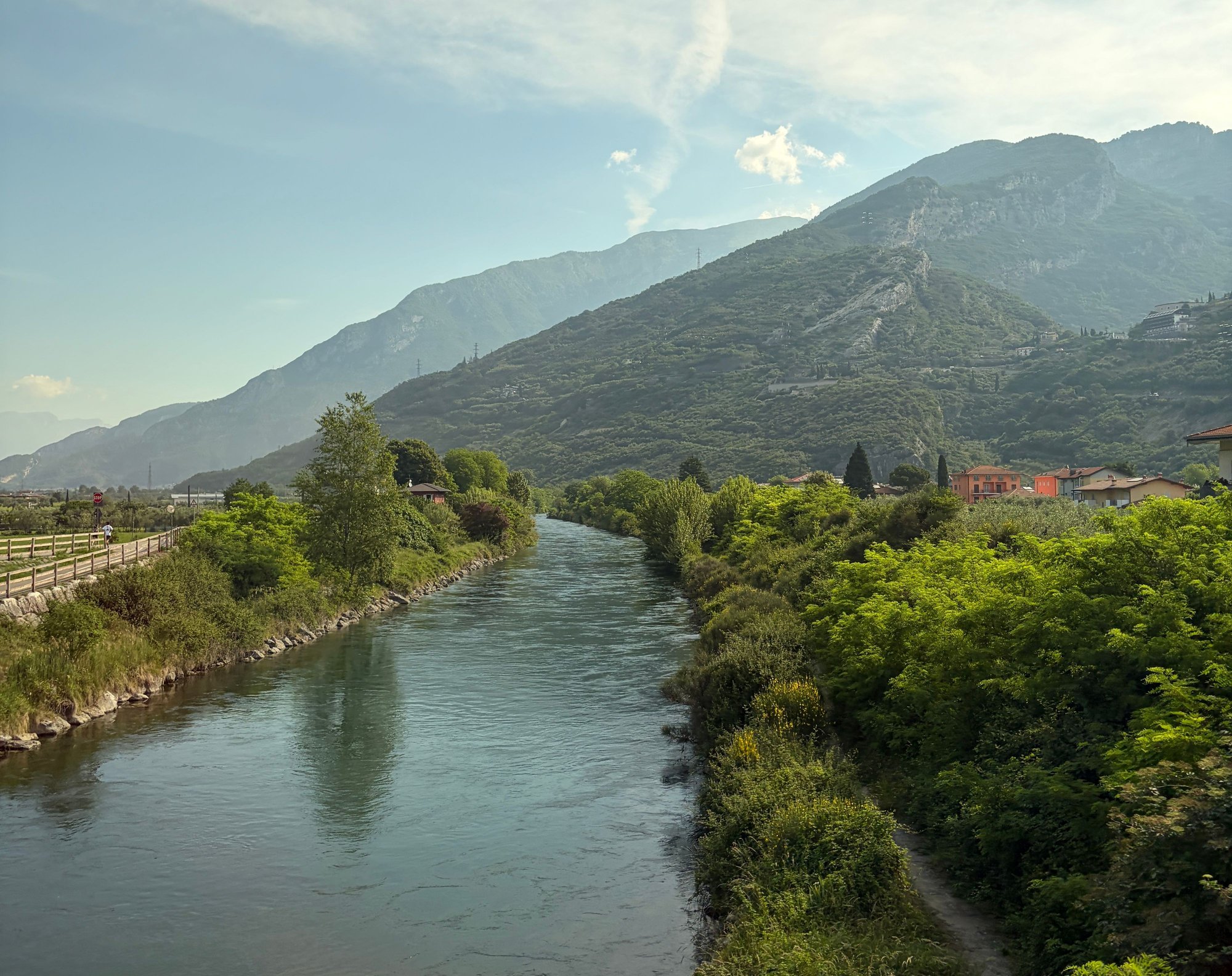
Today I wandered Riva, lunched, and walked to Torbole. Lots of cyclists, and water sports, families with kids, there are camping grounds right at the lake.
Return trip was heavy with traffic heading towards the lake towns (it is single lane each way).
Nice bus ride, beautiful day
Heading down to the lake
Riva del Garda
Local market
The river at Torbole
Bus ride home


