


April 2025: From Tokyo to Kyoto - there and back again



 Jun 6th, 2025 | 09:17 PM
#42
Original Poster
Joined: Jul 2008
Posts: 191
Likes: 0
Day 10 - only 9,000 steps as we start off easy
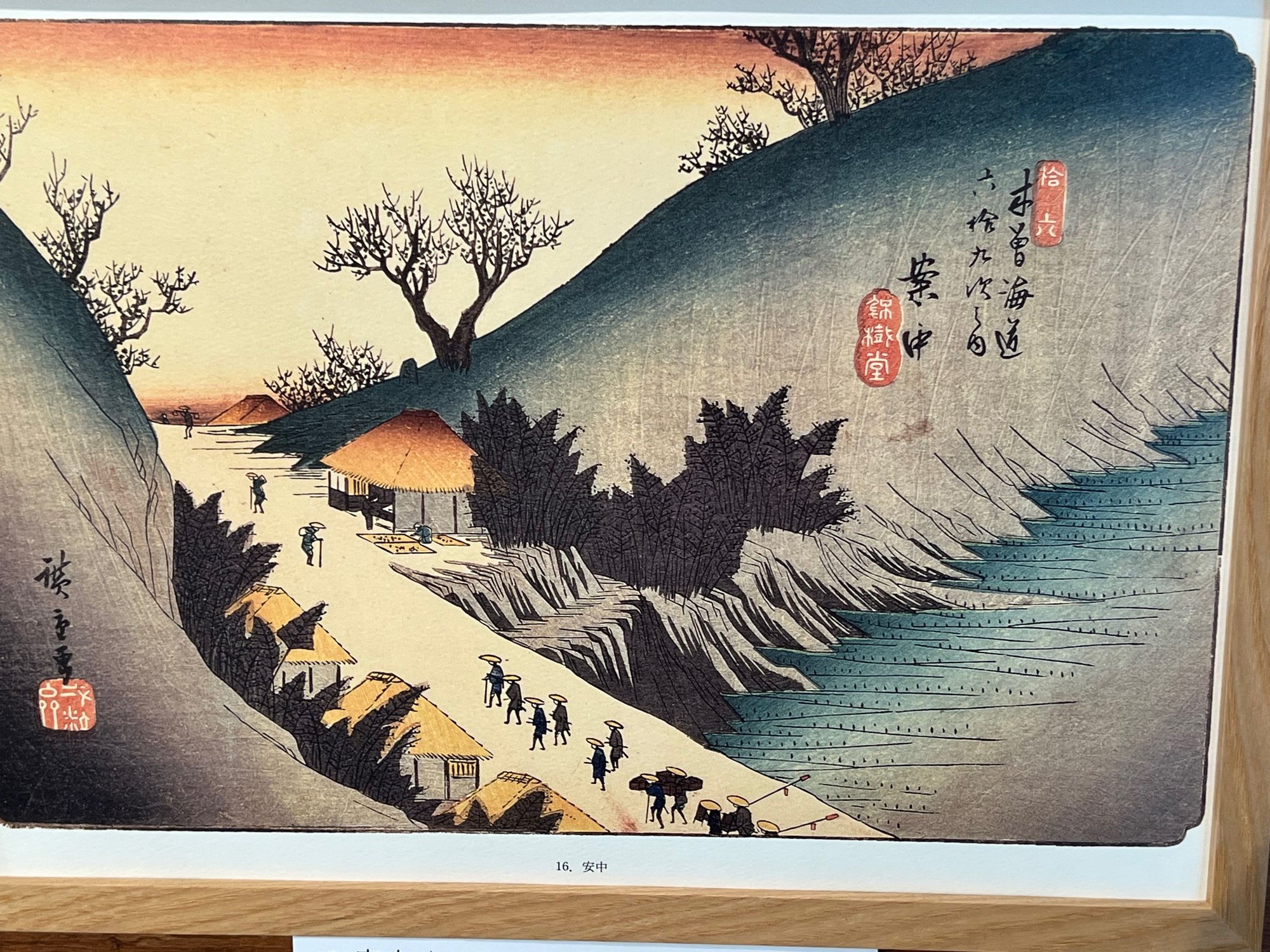
Wood block print of Annaka - Station No. 16 of the Kiso Kaido Road, Artist: Utagawa Hiroshige
We woke up bright and early to a beautiful day. The Royal Park Hotel Sanjo served an extensive breakfast buffet with both traditional Japanese breakfast items - rice, fish, pickled vegetables - as well as Western fare - eggs prepared 3 different ways, bacon, fruit, croissants and most importantly for us Americans - coffee. I have to admit I did miss our Hotel Mume fresh baked pastries though. Our group efficiently checked out as our trusty driver loaded our luggage into the back of the microbus. We then set out for Hikone Castle - site of one of only 5 castles that has its original keep. This castle has been designated as a National Treasure of Japan. Apparently it is under serious consideration for designation as a UNESCO World Heritage Site (currently the only castle in Japan with this designation is Himeji Castle). Hikone is situated on a bluff overlooking Lake Biwa - Japan’s largest lake. It’s location and construction were designed for maximum defensive capabilities. Our guide, Kiyomi, was really in his element - enthusiastically pointing out all of the military features such as camouflaged openings at kneeling height for soldiers to shoot muskets when the enemy was in close proximity. Beautifully preserved, we were able to enter the keep and climb the steep ladders to the top floors. However, if you are tall you really have to watch out for cross beams so as not to hit your head. The view from above was beautiful but you could imagine how the soldiers keeping watch would have to battle boredom while keeping a lookout. I’m glad we were there just to marvel and enjoy. As you can see from our step count, we had a relatively short 3.5 miles with most of it spent walking up from the town of Hikone and up through the castle grounds to the castle keep.
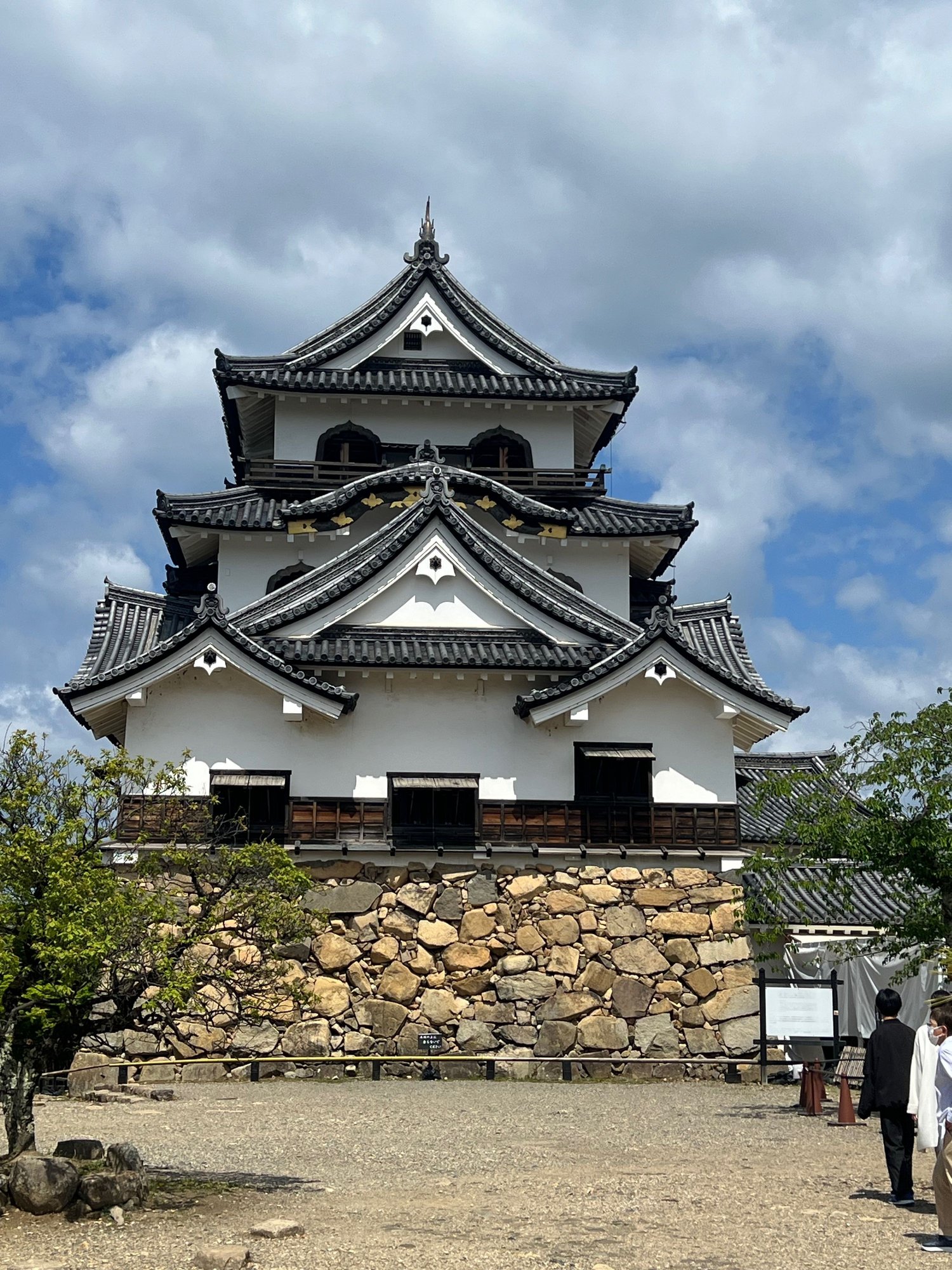
Hikone Castle Keep
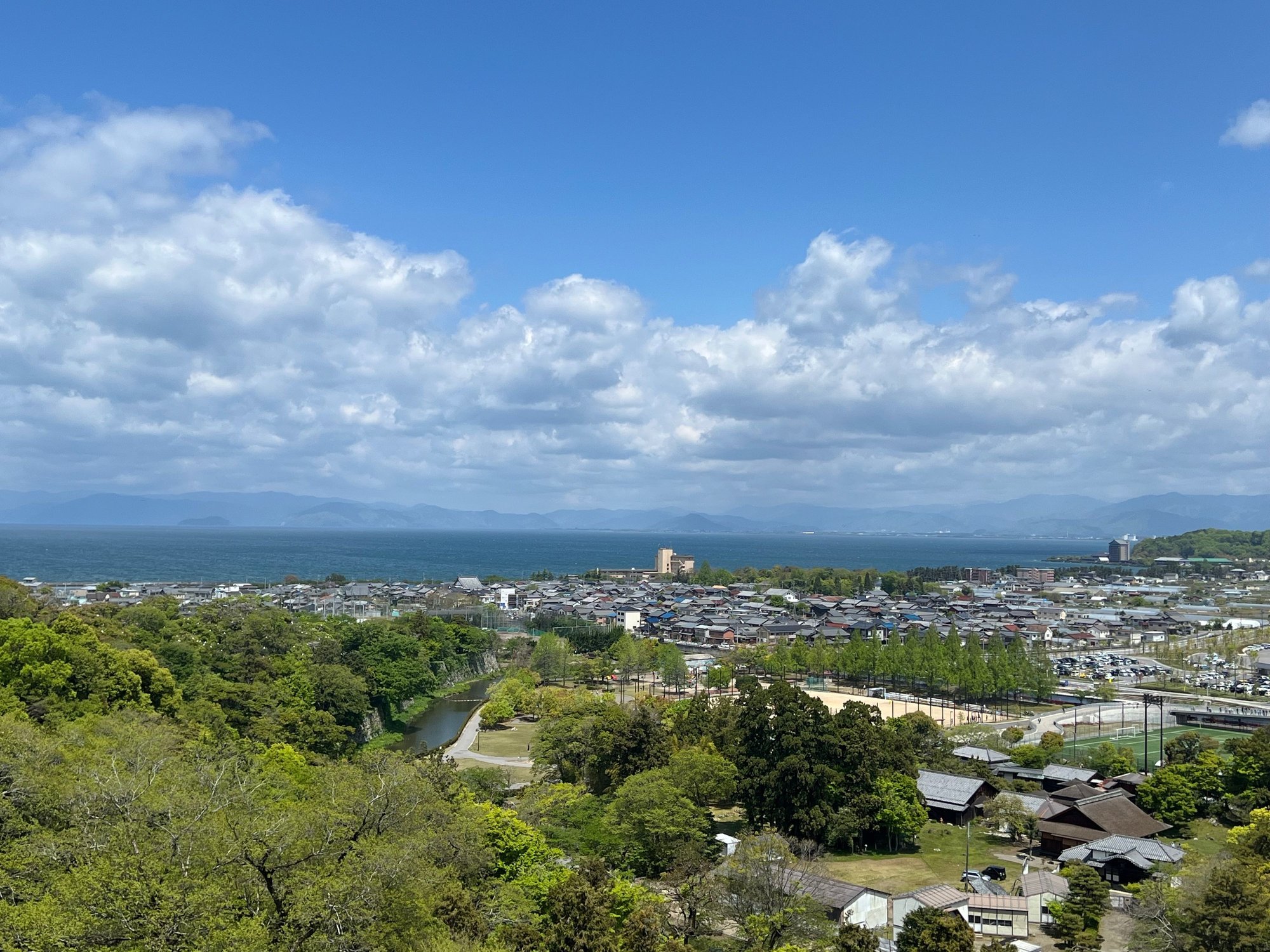
View of Lake Biwa from the keep of Hikone Castle
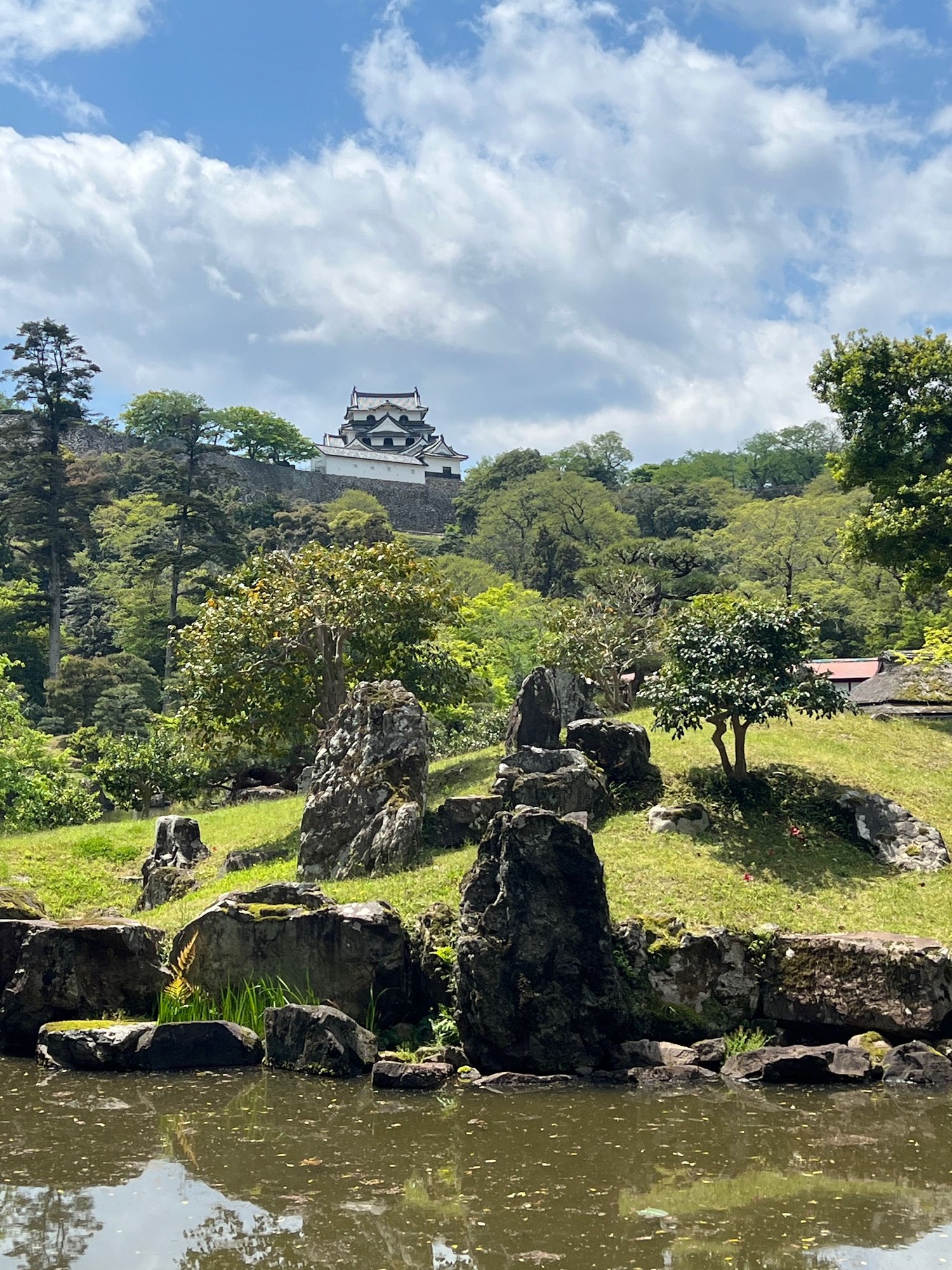
Gardens on the grounds below the castle keep.
Afterward, our bus transferred us to the town of Ena. Here we had the pleasure of visiting the Hiroshige Museum of Art. Located in Ena, one of the post towns of the Nakasendo Way, this small museum is an absolute jewel. Haruo Tanaka contributed his extensive collection of ukio-e, “pictures of the floating world”, woodblock prints to this beautiful museum. When we first entered, we watched a short video that described some of the various schools of wood block artists. Using elements of animation the video really helped you to understand how these artists portrayed not only visual scenes from everyday life, but also conveyed a sense of motion, sound and texture. The highlight of this museum is the series of prints illustrating the “Sixty-nine Stations of the Kiso Kaido” (another name for the Nakasendo Way). Everything - from the exterior design of the museum, to the layout of the interior, to the presentation of the galleries was geared to enhance your enjoyment of these fascinating wood block prints. In addition, there was an extra bonus. The museum has a series of stations in which you can make your own wood block prints. I did feel as if I was back in kindergarten as I moved through the various stations applying a new color of ink to the plastic impressions and then rubbing it on to my paper. You would always start from lighter colored ink (yellow) and move through ending with black ink as the last impression. It always amazed me that we would end with our own rendition of a famous print. It was a lot of fun though of course this didn’t even approach the complexity of the artists who would carve the original wood blocks for inking.
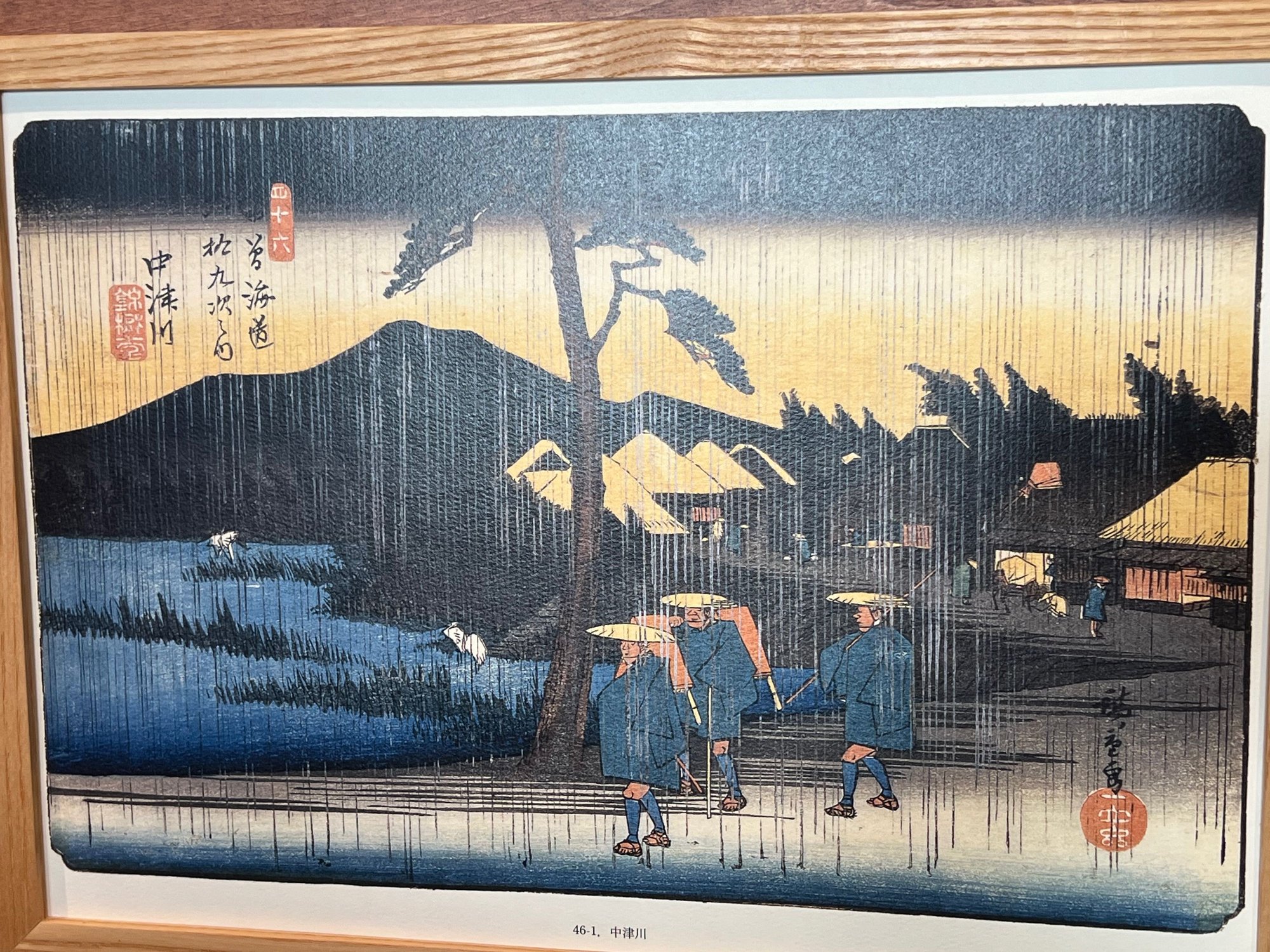
Wood block print of Station No. 46 - Nakatsugawa
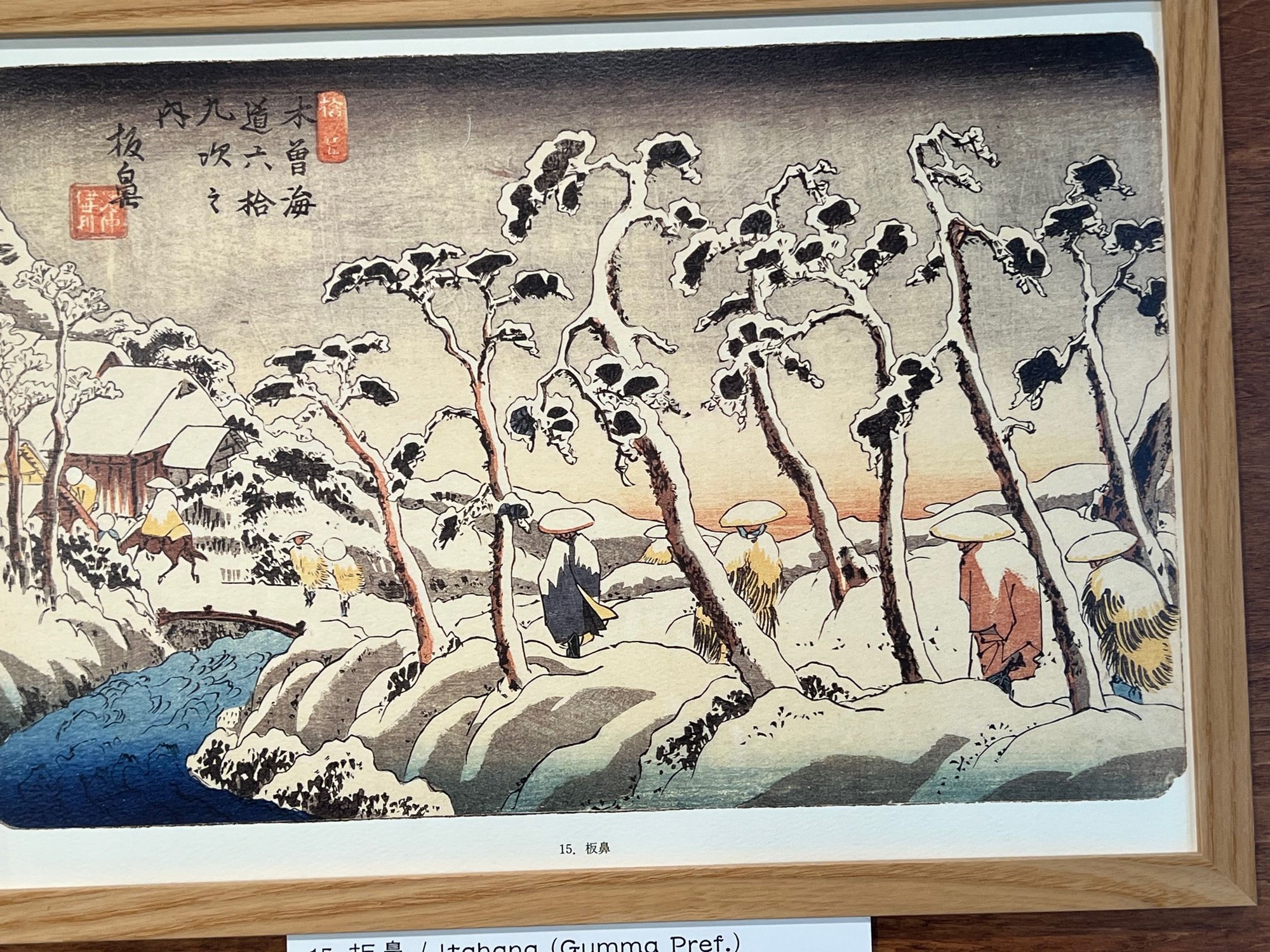
Wood block print of Station No. 15 - Itahana

Map of the Kiso Kaido with the Sixty-Nine Stations
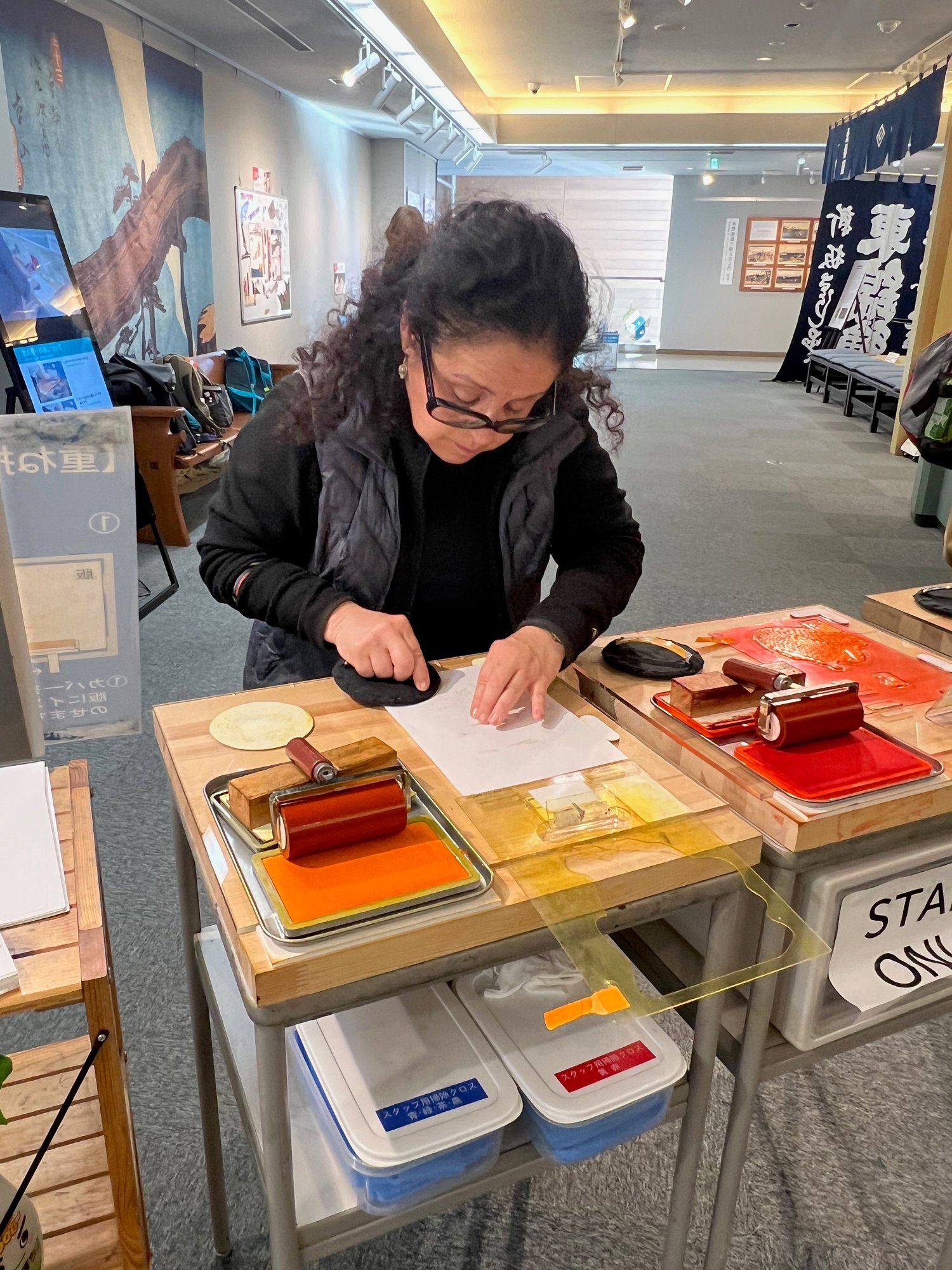
Making our own "wood block" prints
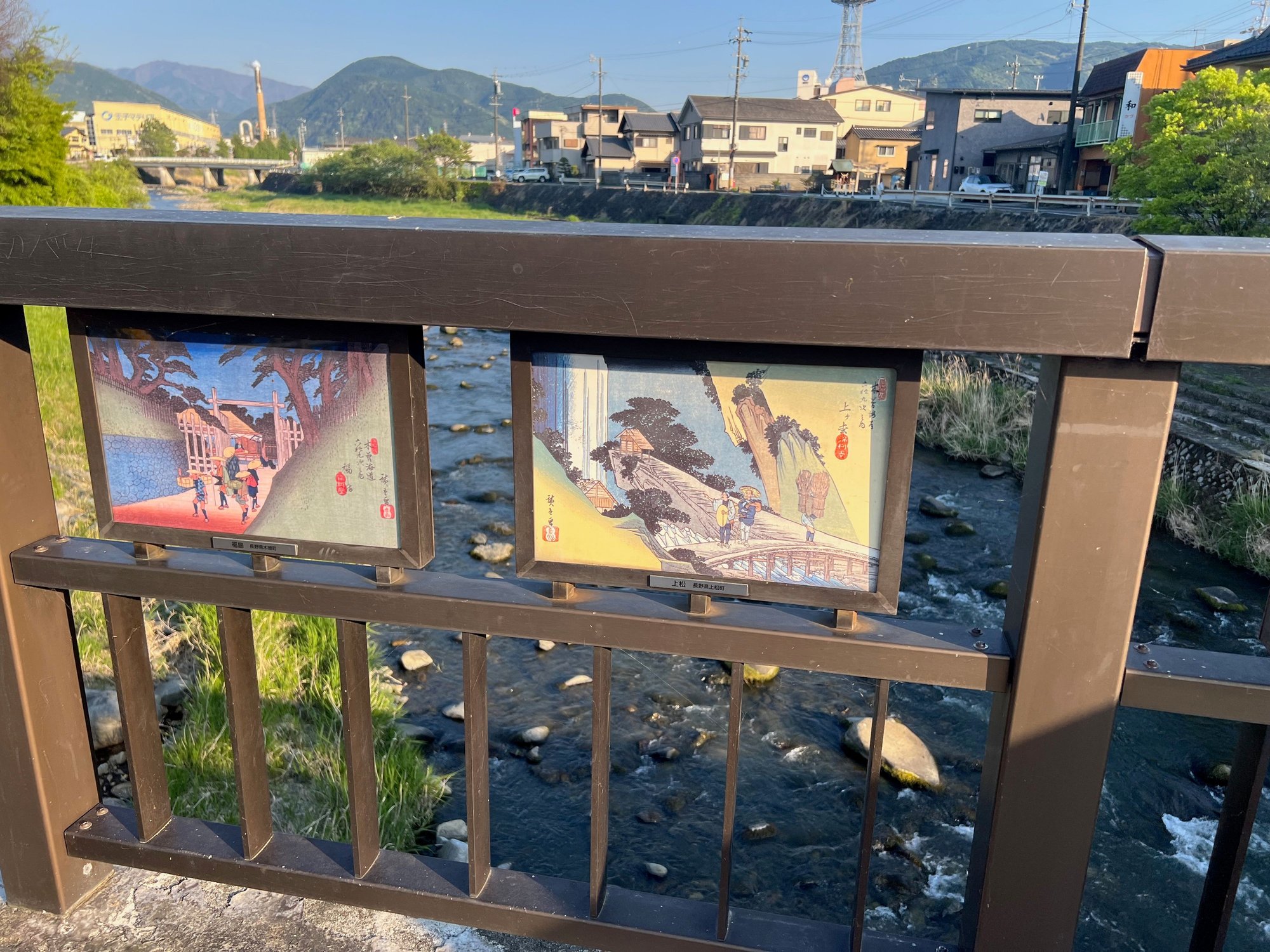
Oebashi Bridge, Ena with prints from the Sixty-Nine Stations
Once we finished we checked into our first ryokan - Ichikawa Onsen Inn. This inn has been run by the same family through 16 generations for 401 years! The mother and daughter who are Generations 15 and 16, respectively were so cute!. Now is a good time to note that our first night at a traditional ryokan would be the beginning of a series of very interesting, and different, experiences as we stayed in a different inn every night. Our room was quite spacious with the typical futon mattress on the floor. However, they used double thickness futons. When I first sank down I did not want to get up as it was just so comfortable. Also I should point out that at our age we did have to work harder to get up from floor level. Several times DH would roll over trying to get to his knees and would just end up sprawled onto my futon - LOL. We did have shared toilets which brings me to another confusing element that we needed to learn - shoe etiquette. DH and I are Asian American so we already take off our shoes before entering our own home. However, we weren’t used to doing it at hotels. Upon first arrival we were always instructed as to where to take off and place our hiking shoes and were given clean slippers for use in the lobby and our rooms. Then if you were entering a WC you needed to remember to take off your slippers and use the toilet room slippers and THEN remember to take them off and put on your regular slippers once you were finished and exiting the WC. Once I didn’t realize that I needed to take off my indoor slippers before walking through the hallway leading to the onsen (baths) and was quite embarrassed when a hotel employee politely (though she was quietly horrified) led me back to the starting point to store my indoor slippers.
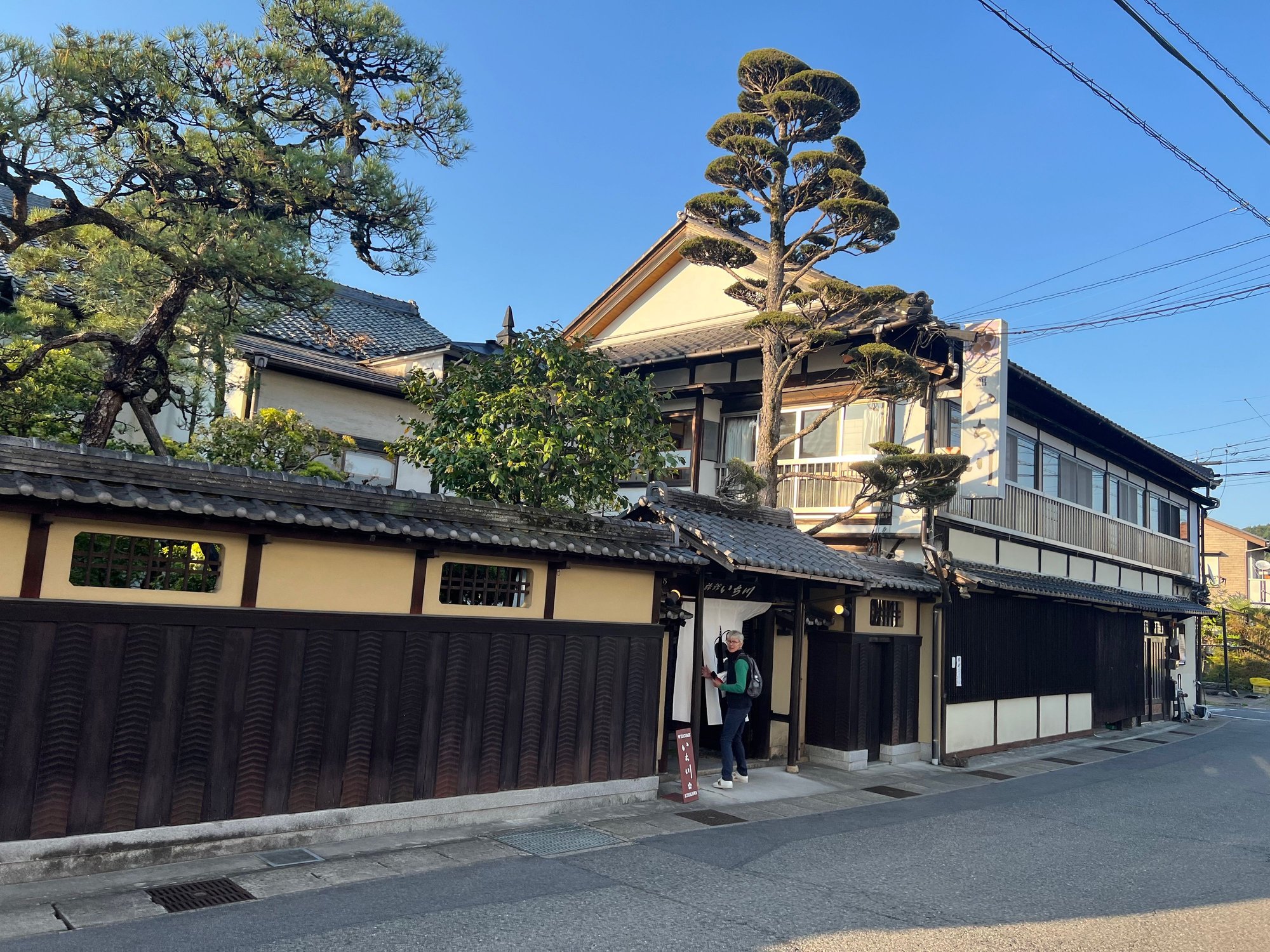
Ichikawa Onsen Inn - open through 16 generation of inn keepers
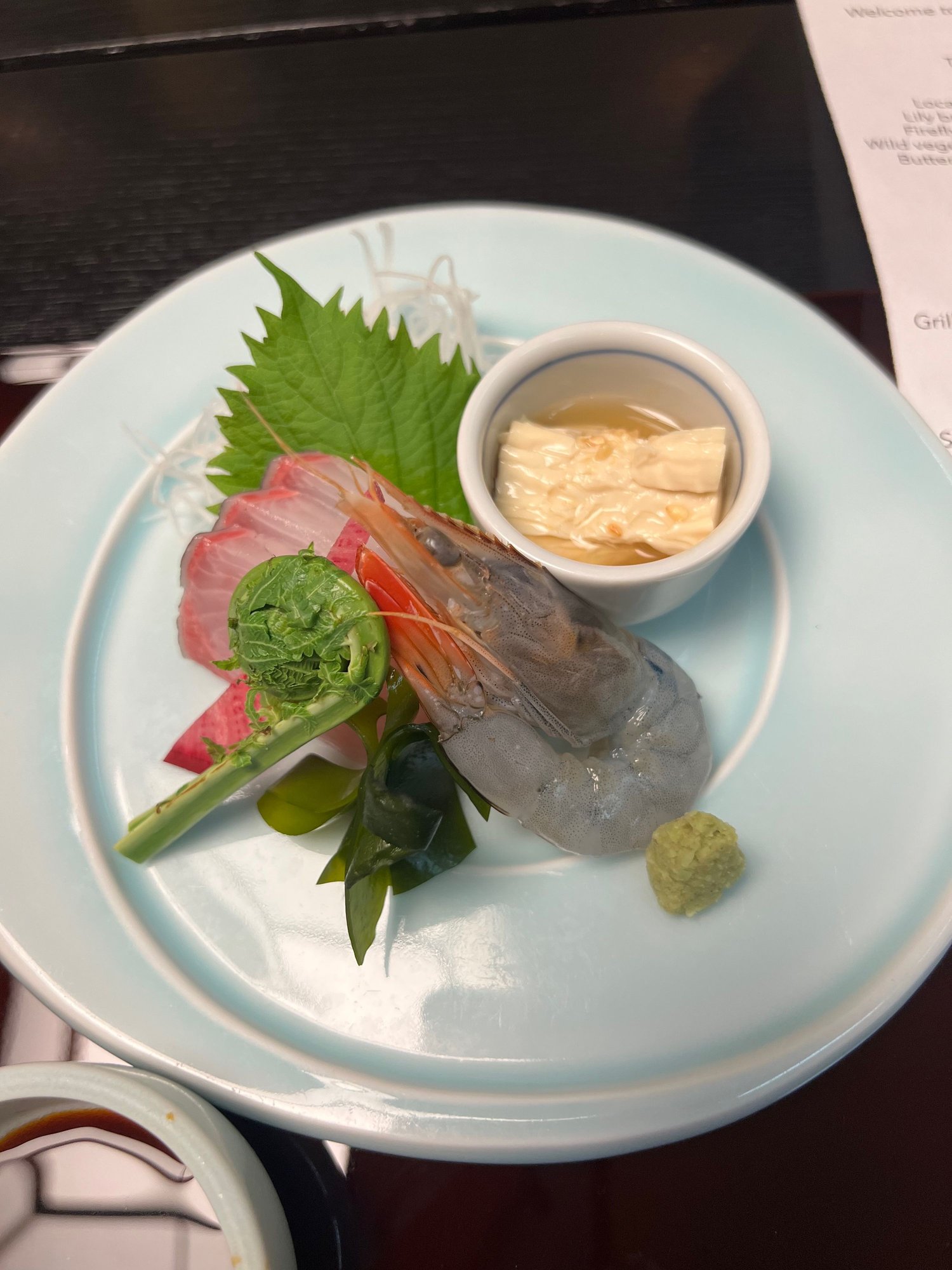
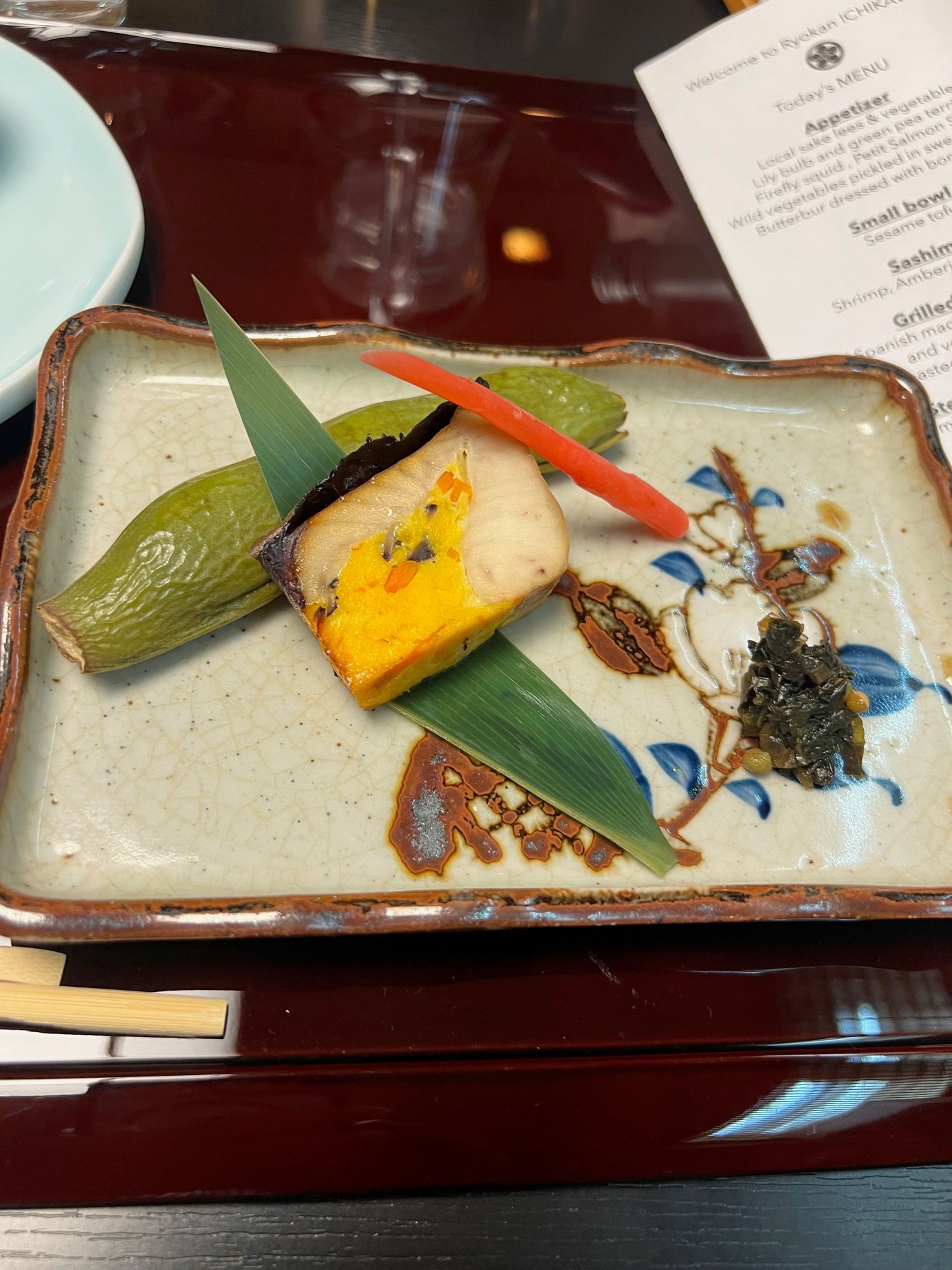
Anyway, we signed up to use the bath after dinner as there were only 2 baths and not enough time beforehand for everyone. Dinner was the first of our nightly kaiseki meals - these multiple course meals were culinary extravaganzas. Ichikawa served us shabu shabu with individual pots to cook, sashimi, tempura, and a variety of vegetables, followed at the conclusion of the meal with miso soup and a bowl of rice. After our delicious filling meal, DH and I took our turn in a large hot bath. After cleaning and rinsing at individual stations you sink into these giant bathtubs filled with clean hot water and just soak. Of course we slept soundly that night!
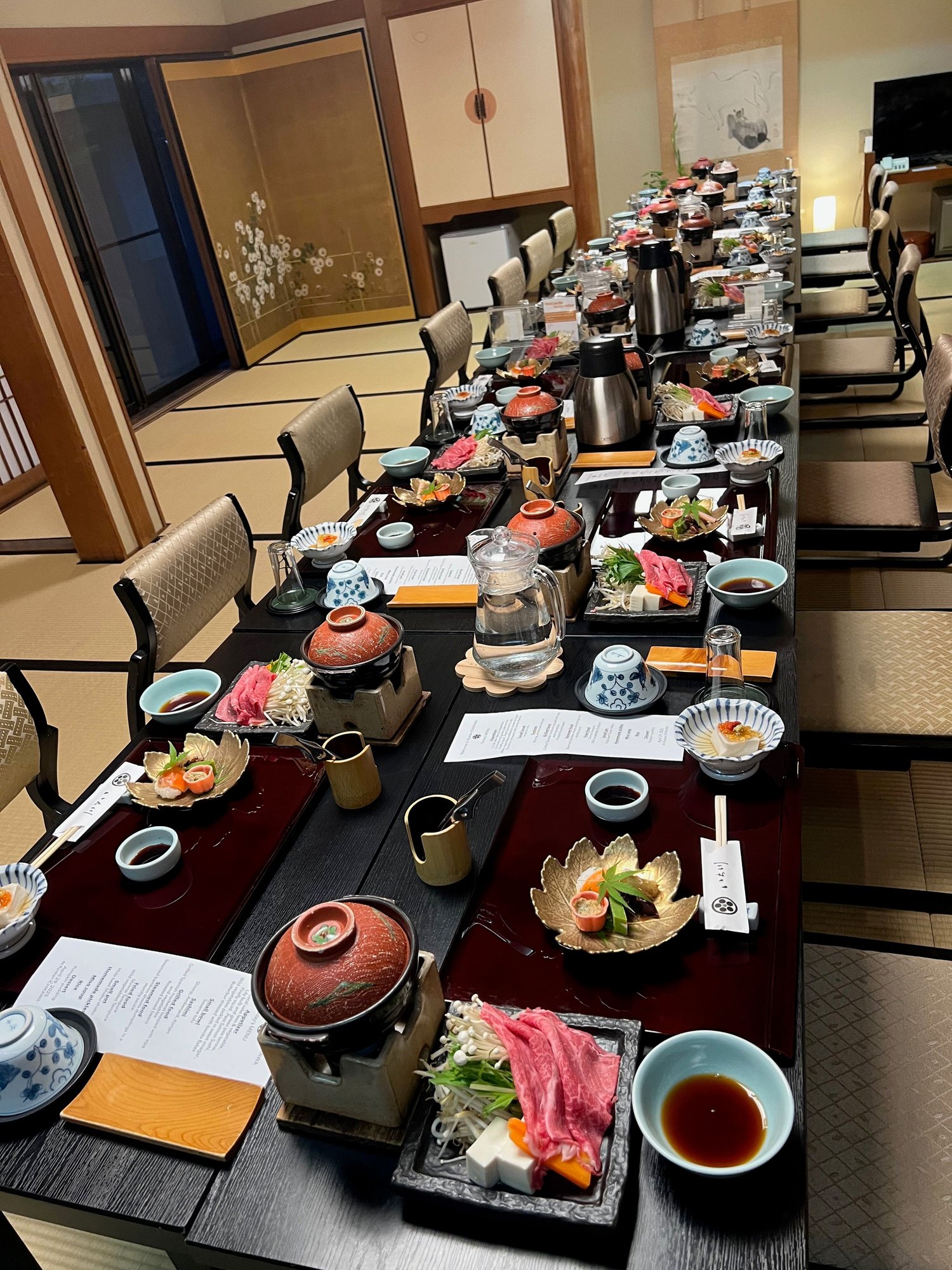
Our first kaiseki meal - Ichikawa Onsen Inn
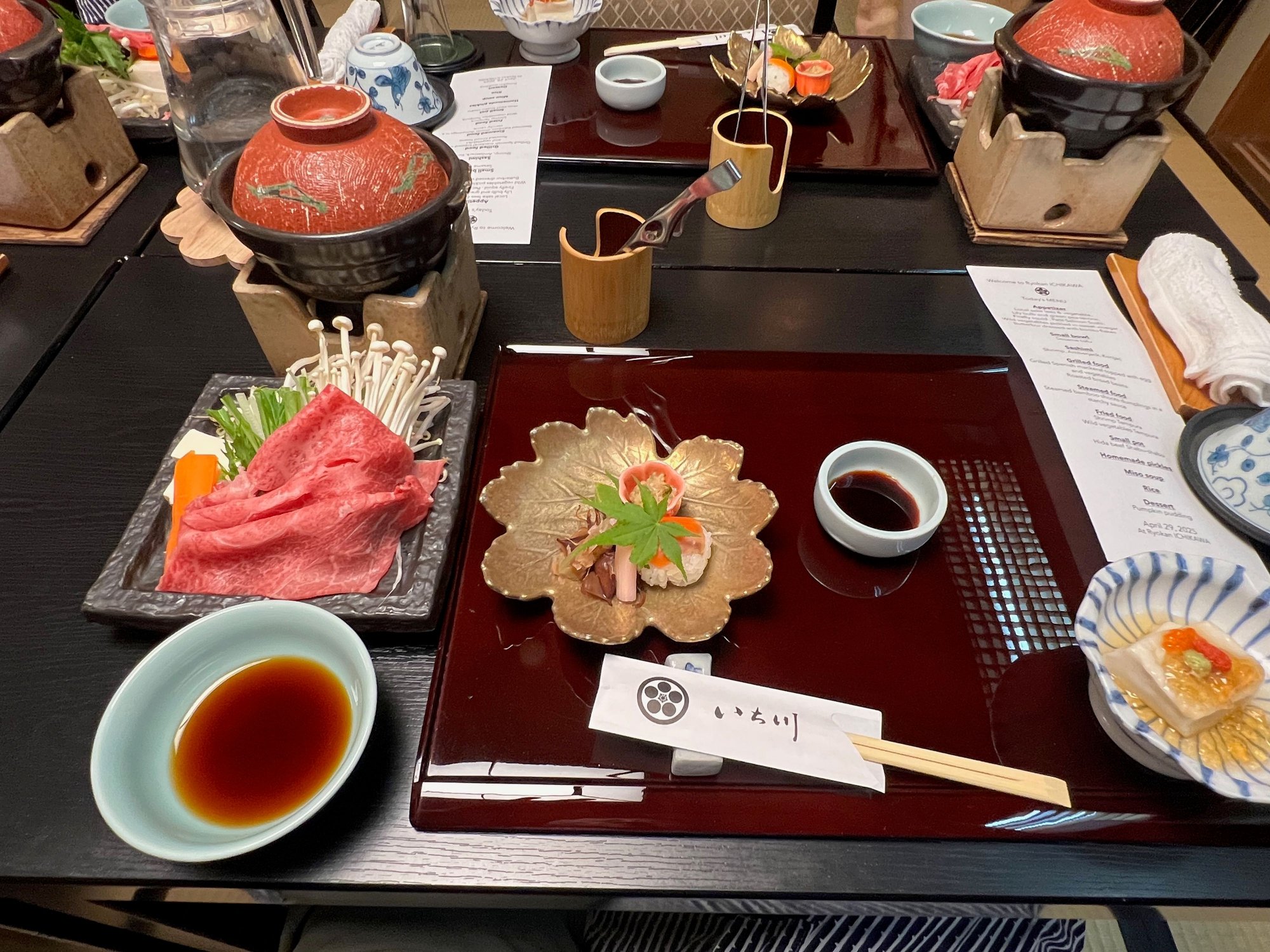
First of many courses - individual shabu shabu pot to cook our beef

Next up: Day 11 - Back up to 25,500 steps to Naegi Castle ruins - the Machu Picchu of Japan


 Jun 7th, 2025 | 08:16 PM
#45
Original Poster
Joined: Jul 2008
Posts: 191
Likes: 0
Day 11 - Back up to 25,500 steps to Naegi Castle ruins - the Machu Picchu of Japan

Ichikawa Onsen Inn
Even though I woke up early I initially didn’t want to leave my nice warm futon bed. However, we had an early communal breakfast and I didn’t want to be late. We were served a traditional Japanese breakfast which was a little alarming to me as we were again served multiple courses. I don’t think I had even fully digested my dinner from the night before; however, I figured I would walk it off once we started our 8.5 mile hike.
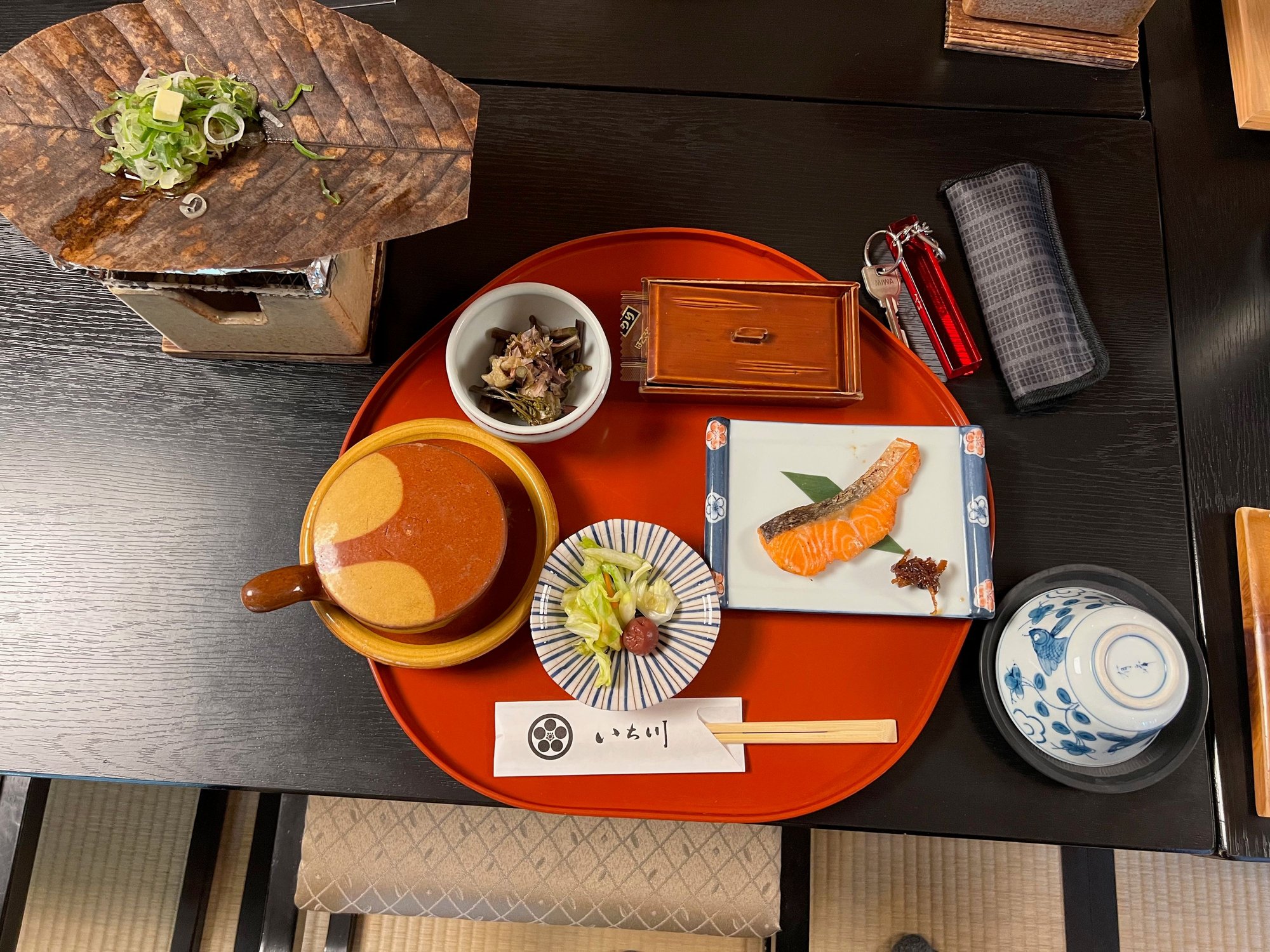
Beautifully presented 1st round at breakfast
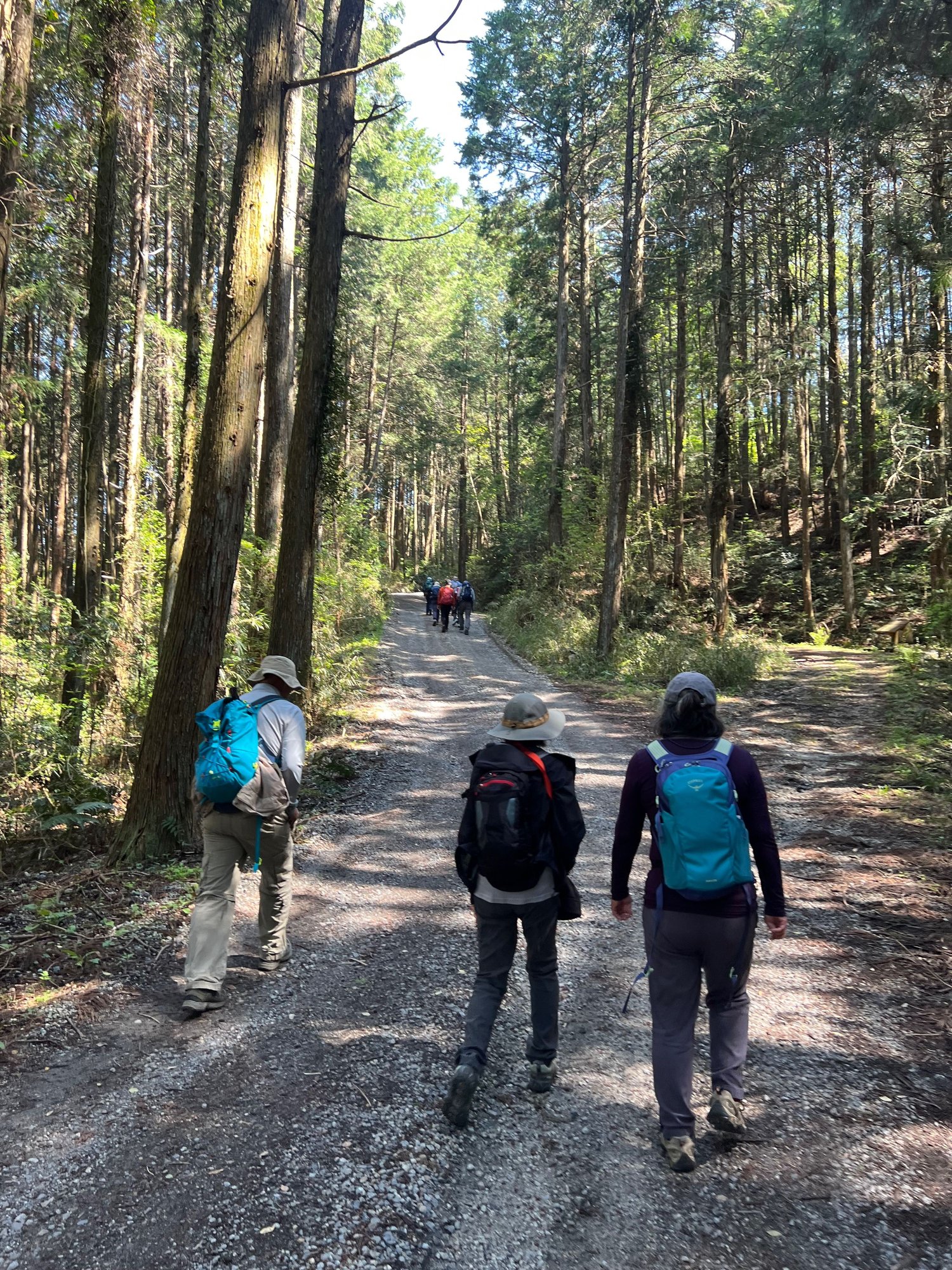
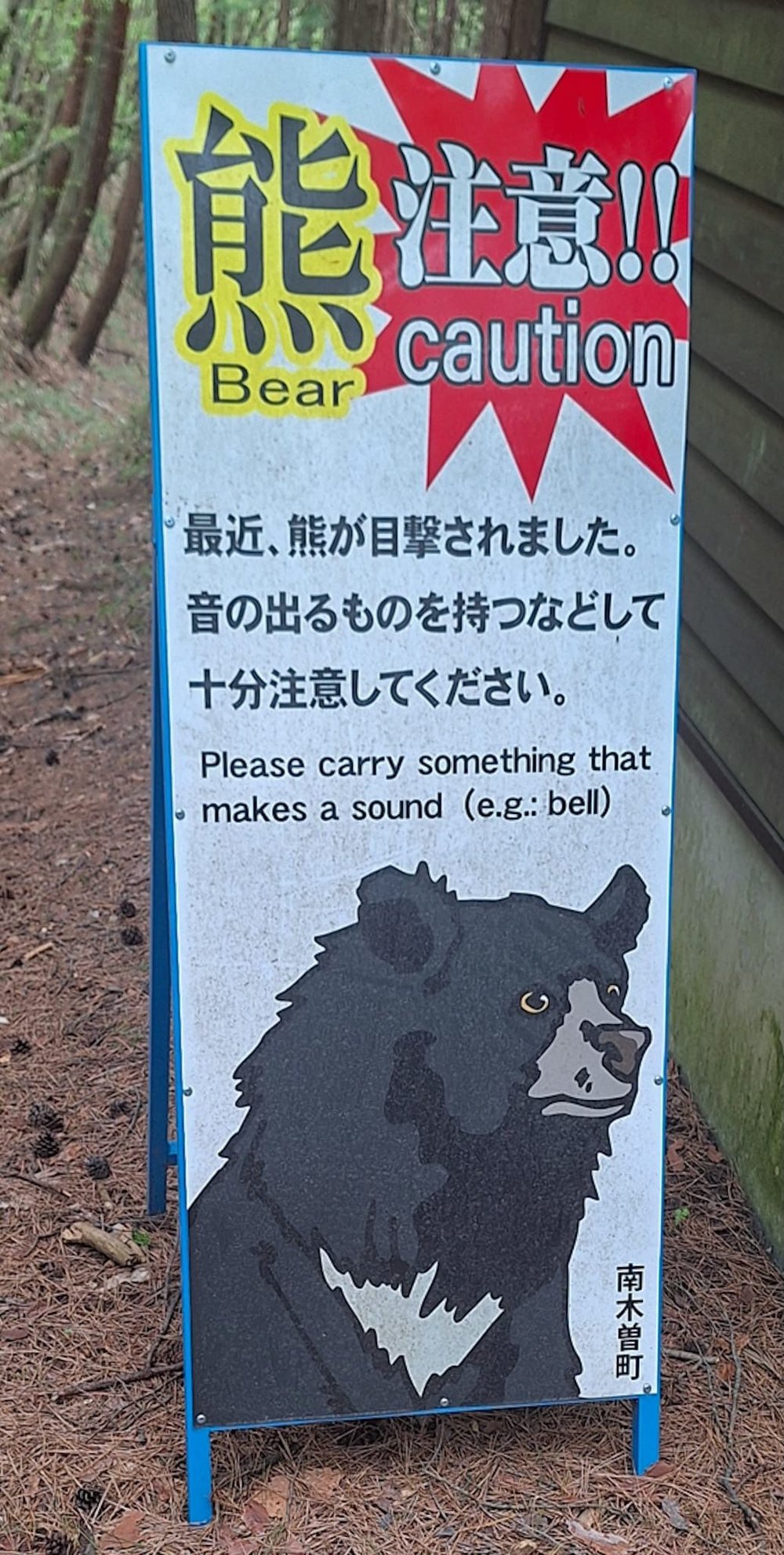
We set off through town, passing by beautiful traditional style homes. Once on the trail we passed multiple small temples and shrines, farmland, private homes and several warning signs that we might encounter bears! We never did see a bear but there were multiple signs with somewhat scary graphics. After we completed this section of the hike we ate our prepackaged lunches of sandwiches. We then boarded our microbus to visit Naegi Castle. Built in the 1500’s the Castle ruins are situated on a bluff overlooking the Kiso River. Kiyomi noted that because the castle was built around the surrounding giant boulders some had dubbed Naegi Castle the “Machu Picchu of Japan.” And like Machu Picchu some stair climbing was required to get to the top where the main ruins were situated. There were large remnants of walls constructed of stones fitted together without the use of mortar, similar to Incan construction of walls in Peru. Kiyomi suggested that maybe Machu Picchu should be called the Naegi Castle of Peru! After catching our breath, we enjoyed the views overlooking the Kiso River as well as the Japanese alps in the far distance.
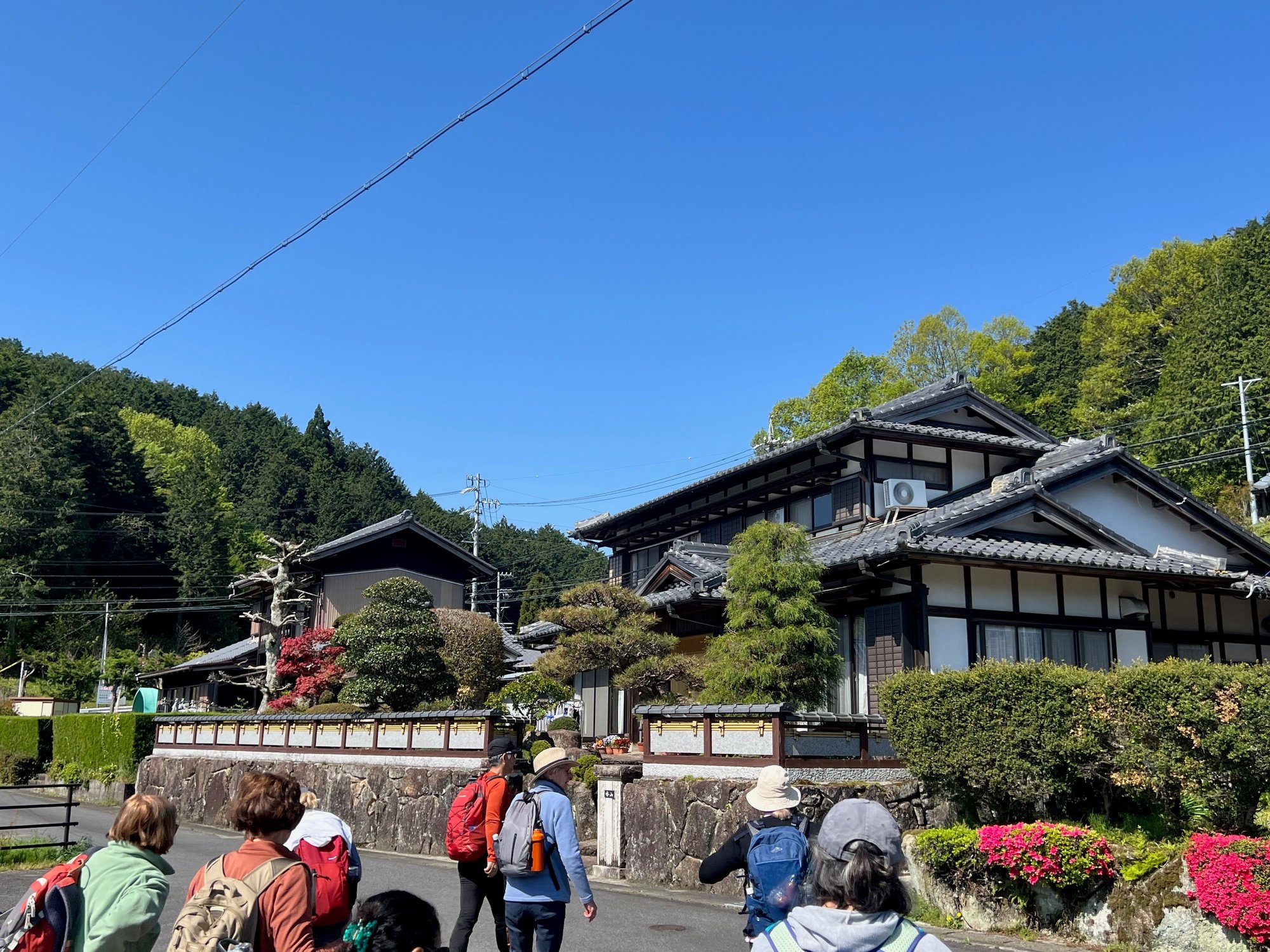
Setting off through town at the beginning of our hike
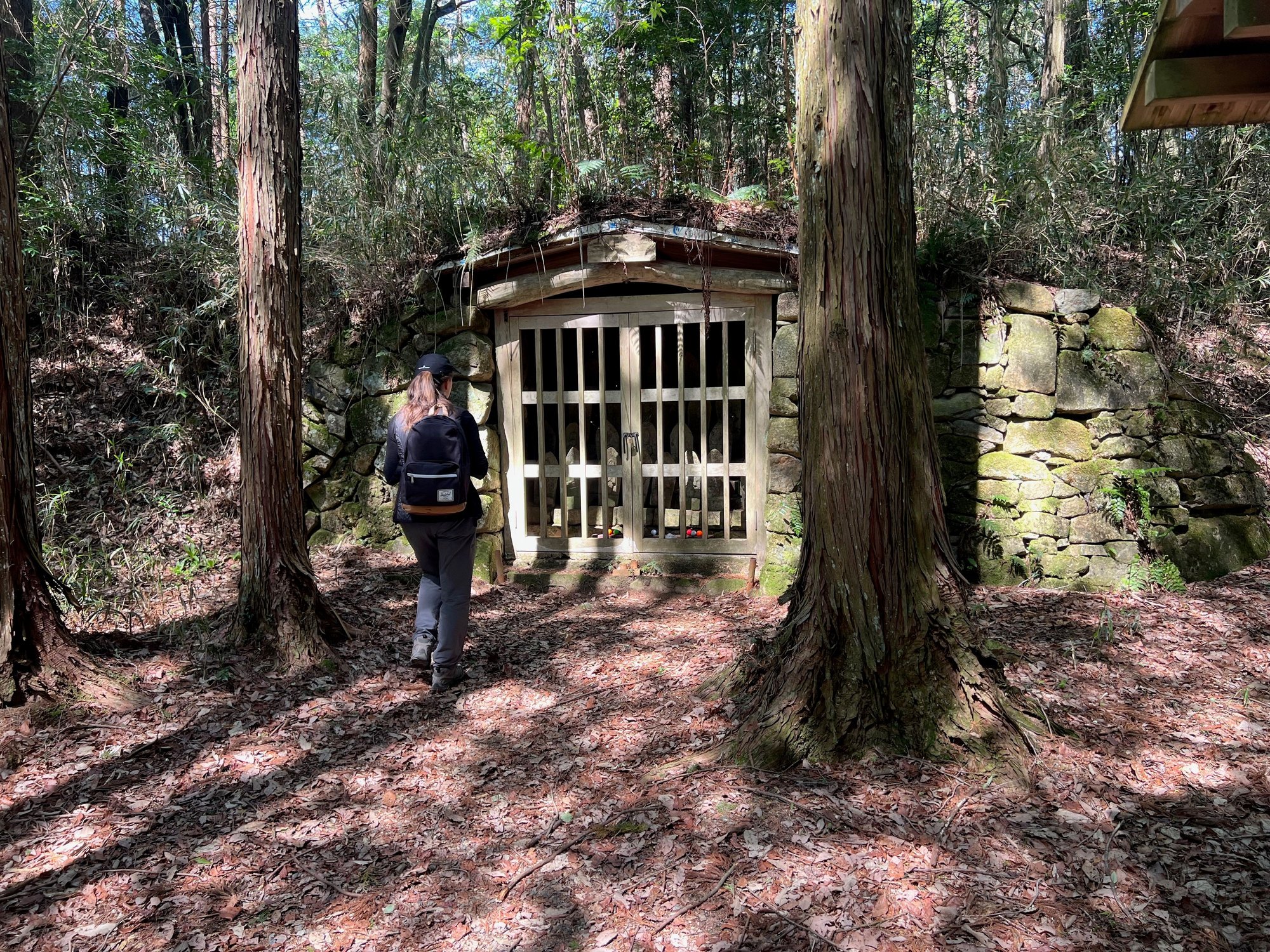
Even though this looks like a prison it is a small temple.
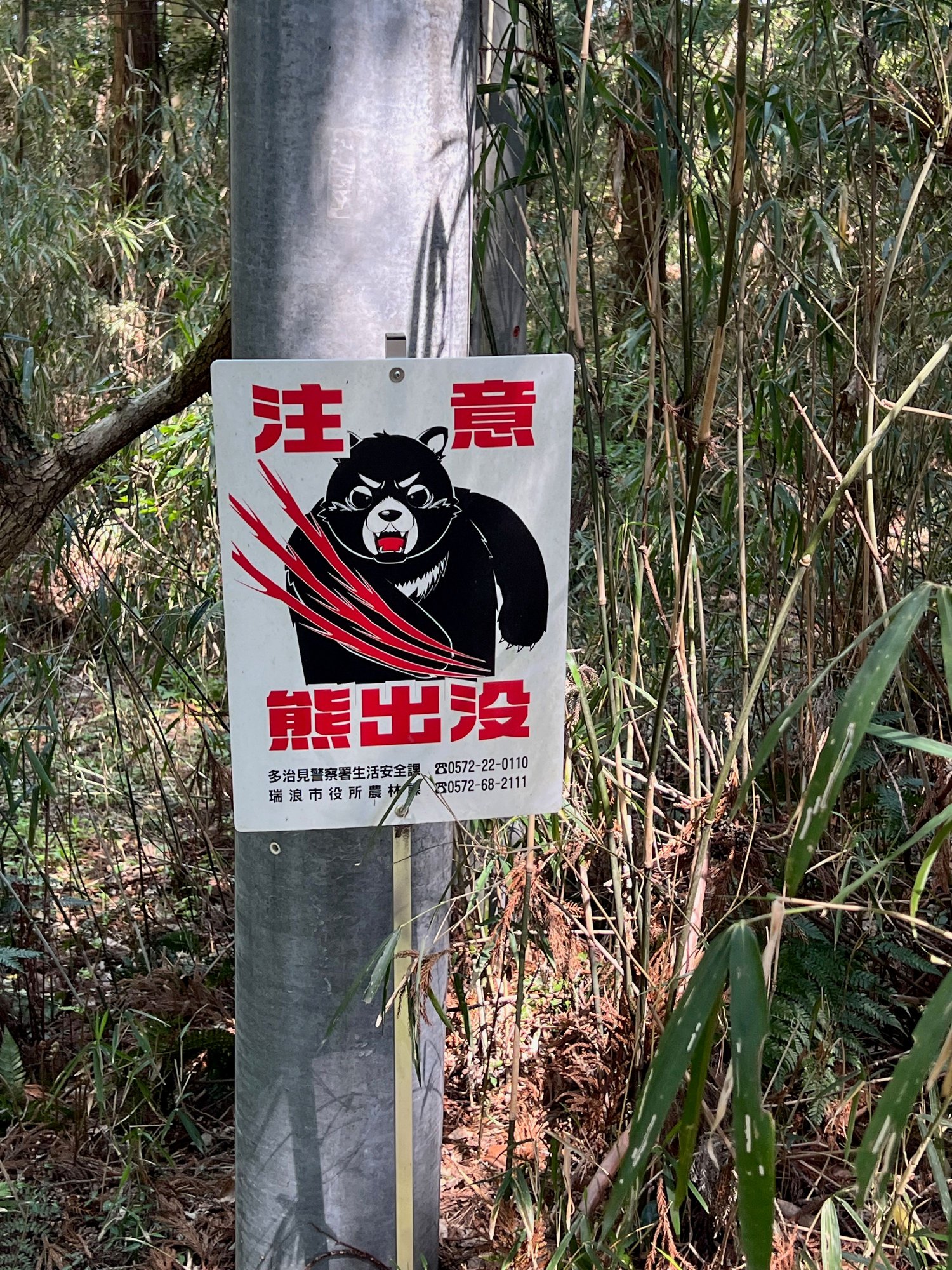
Fortunately we did not meet any bears!

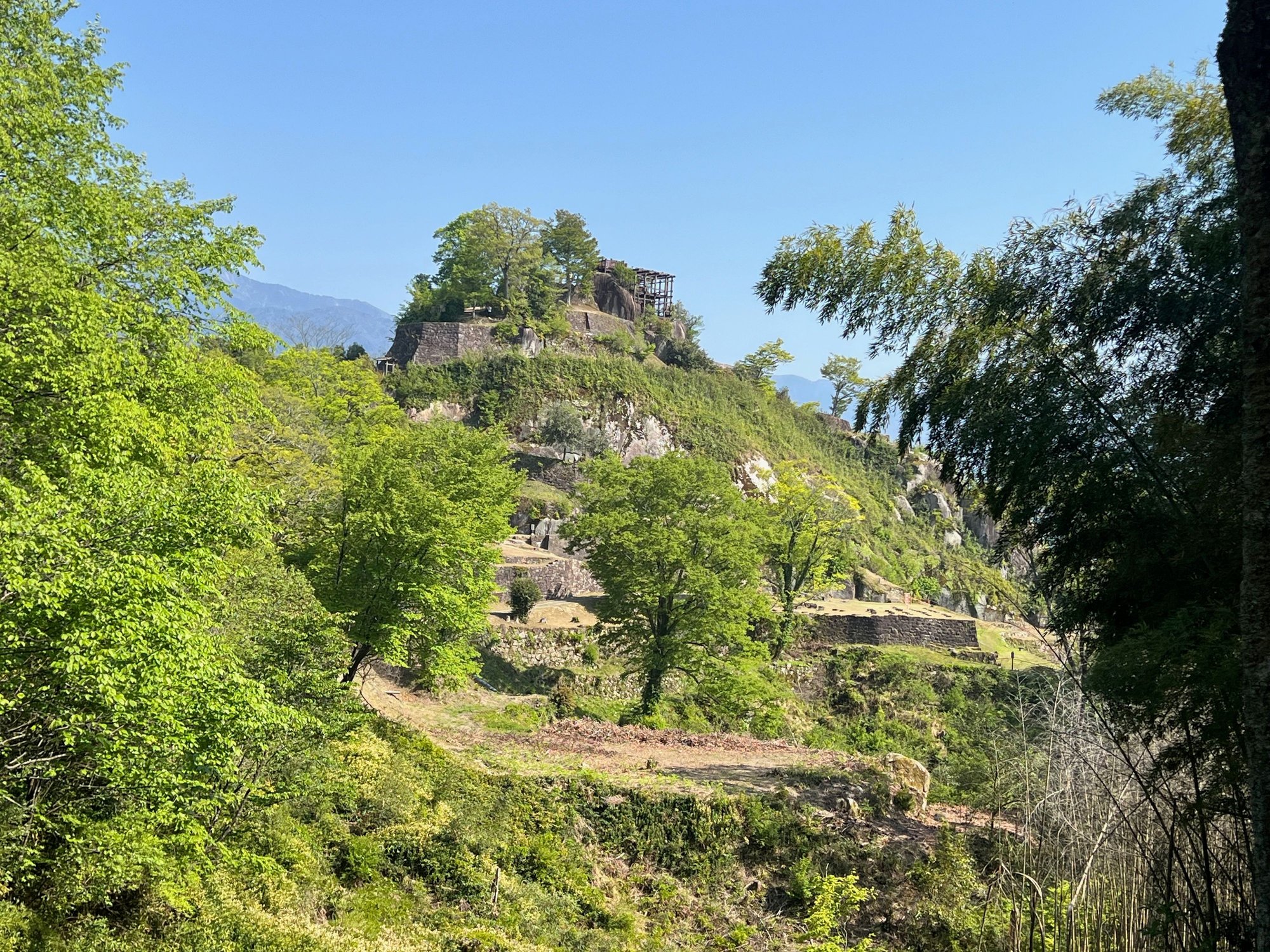
Yes, we had to hike up to the top to view the ruins of Naegi Castle
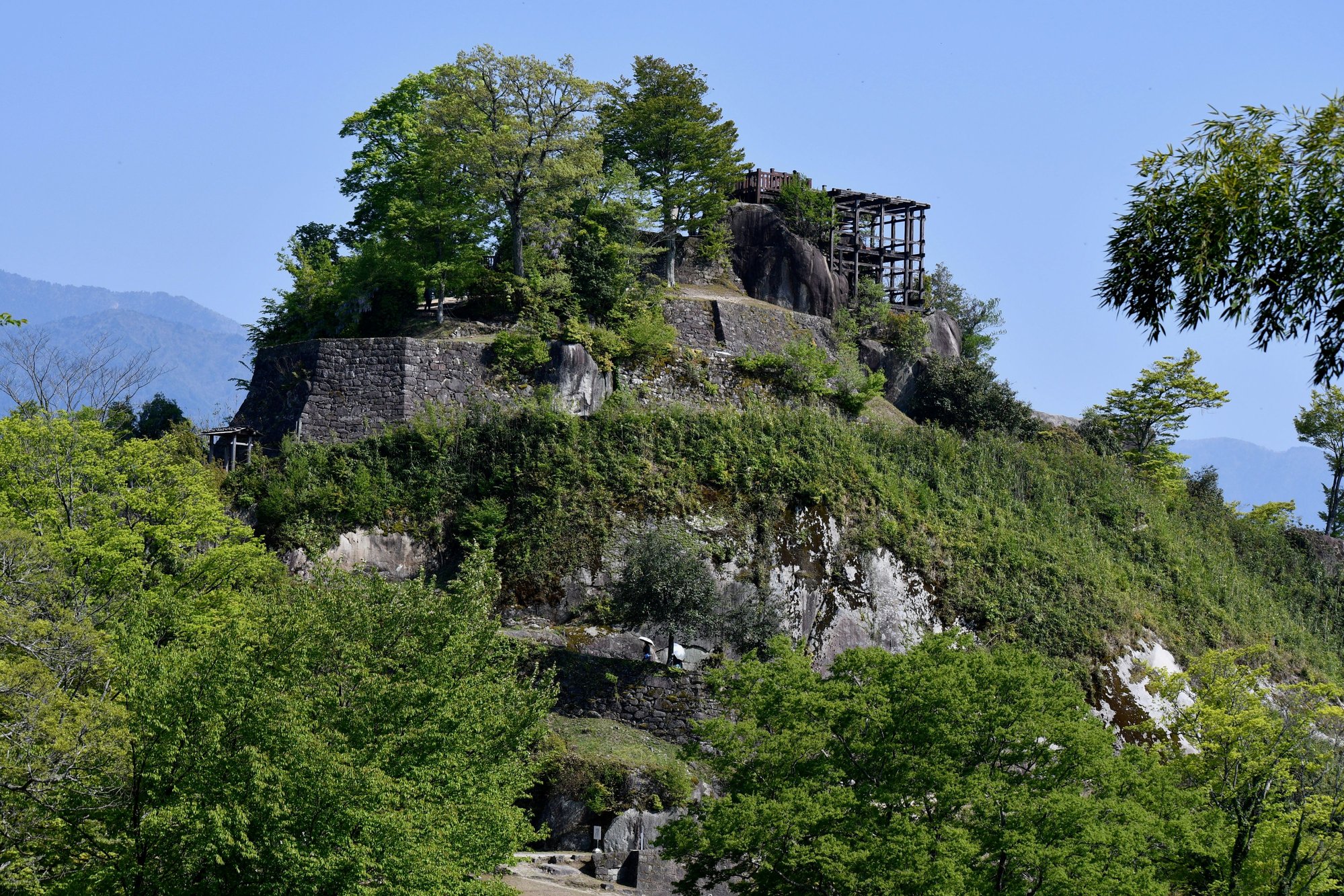
Approaching Naegi Castle
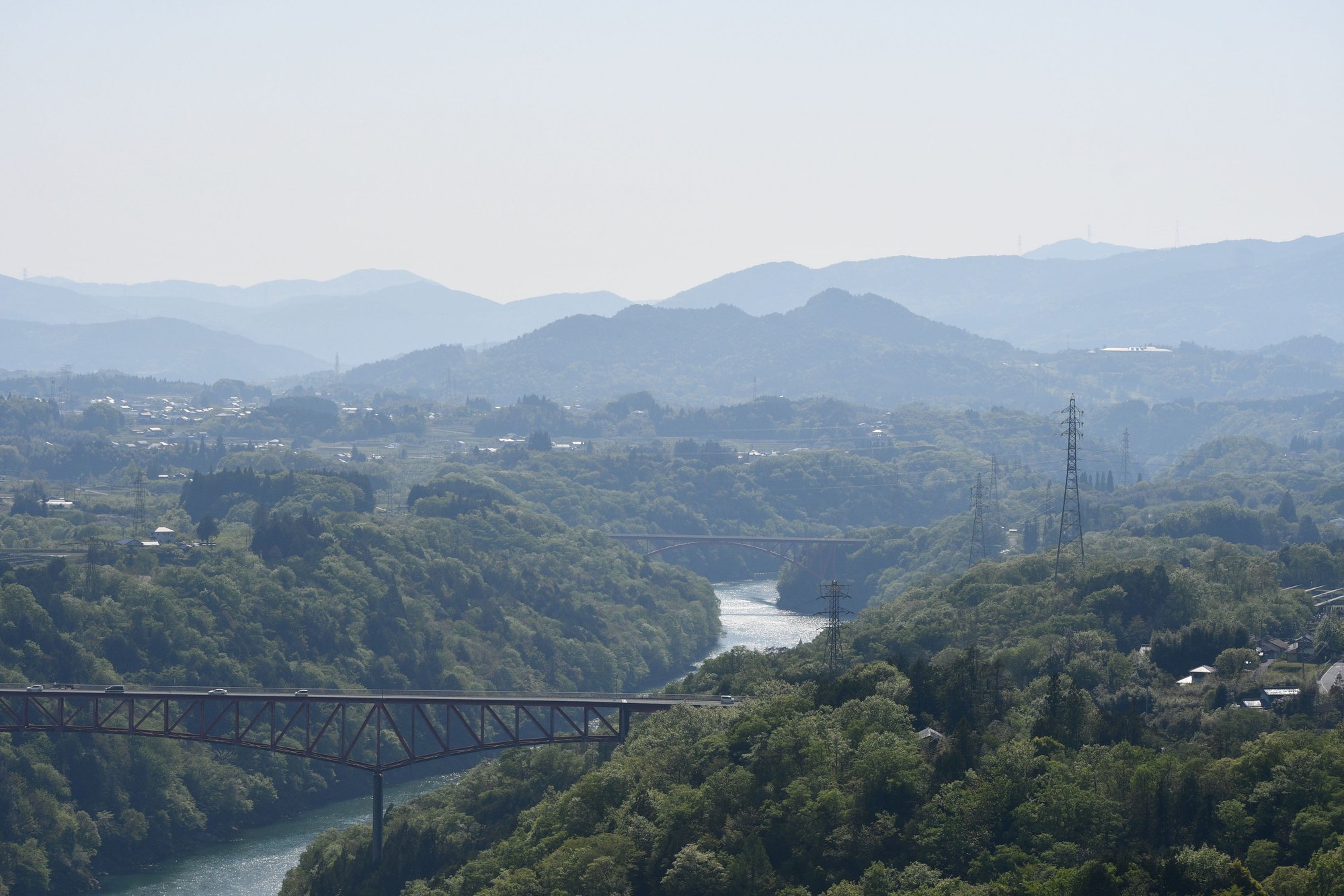
View of the Kiso River from Naegi Castle ruins
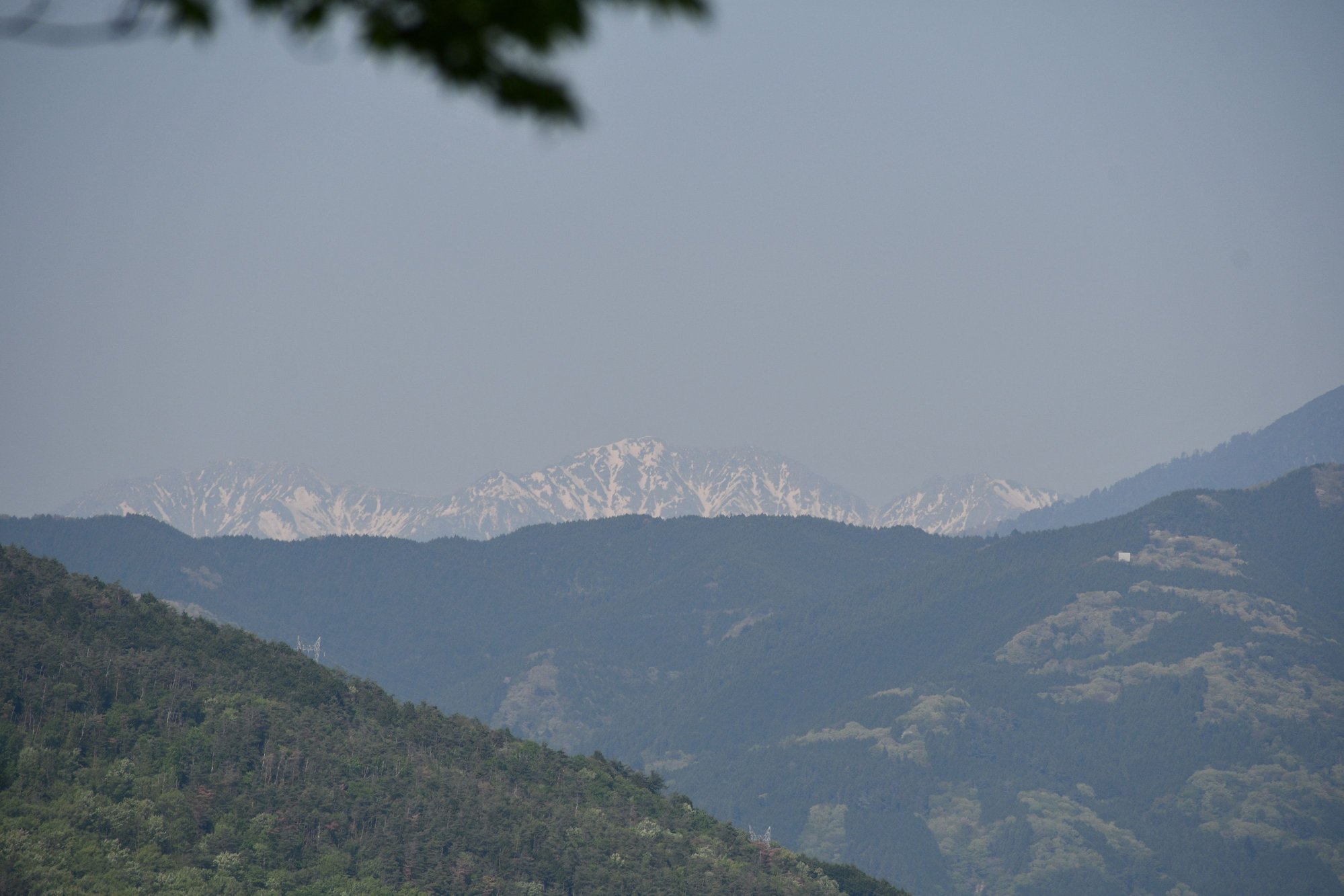
Central Alps in the distance
Afterward we hopped on our microbus to be delivered to Enakyo Onsen Hotel. An extremely modern hotel, it was an unexpected contrast to the Ichikawa Inn from the night before. Our room had Western style beds. We also had a beautiful view across the Kiso River. I guess now is the time I can confess to our ongoing onsen clothing etiquette ignorance. In our defense, it felt as if every hotel handled things just a bit differently. I think we finally got the hang of it by the end. Typically you would undress down to your underwear in your room and then put on your yukata - an informal cotton kimono. You are reminded to ALWAYS cross the left OVER the right as the other way is used to prepare a deceased person. Once you have your yukata, you can go to the onsen and after enjoying a relaxing time in the baths you can continue to wear your yukata to dinner. I managed to make a variety of faux pas during the course of the trip. In one hotel there were 2 different sets of clothing in the closet of our room. I thought one was for me and one was for DH. I didn’t have time to go to the onsen first so wore my “yukata” to dinner but realized that I was actually wearing pajamas! The yukatas were laid out in the hotel lobby to be picked up to take to your room prior to visiting the onsen. Also, there were also very specific rules about which towels to use in the onsen - sometimes they were provided in your room and sometimes they also had to be picked up in the lobby. Oh well, at least I never tried to check out of the hotel wearing a yukata.
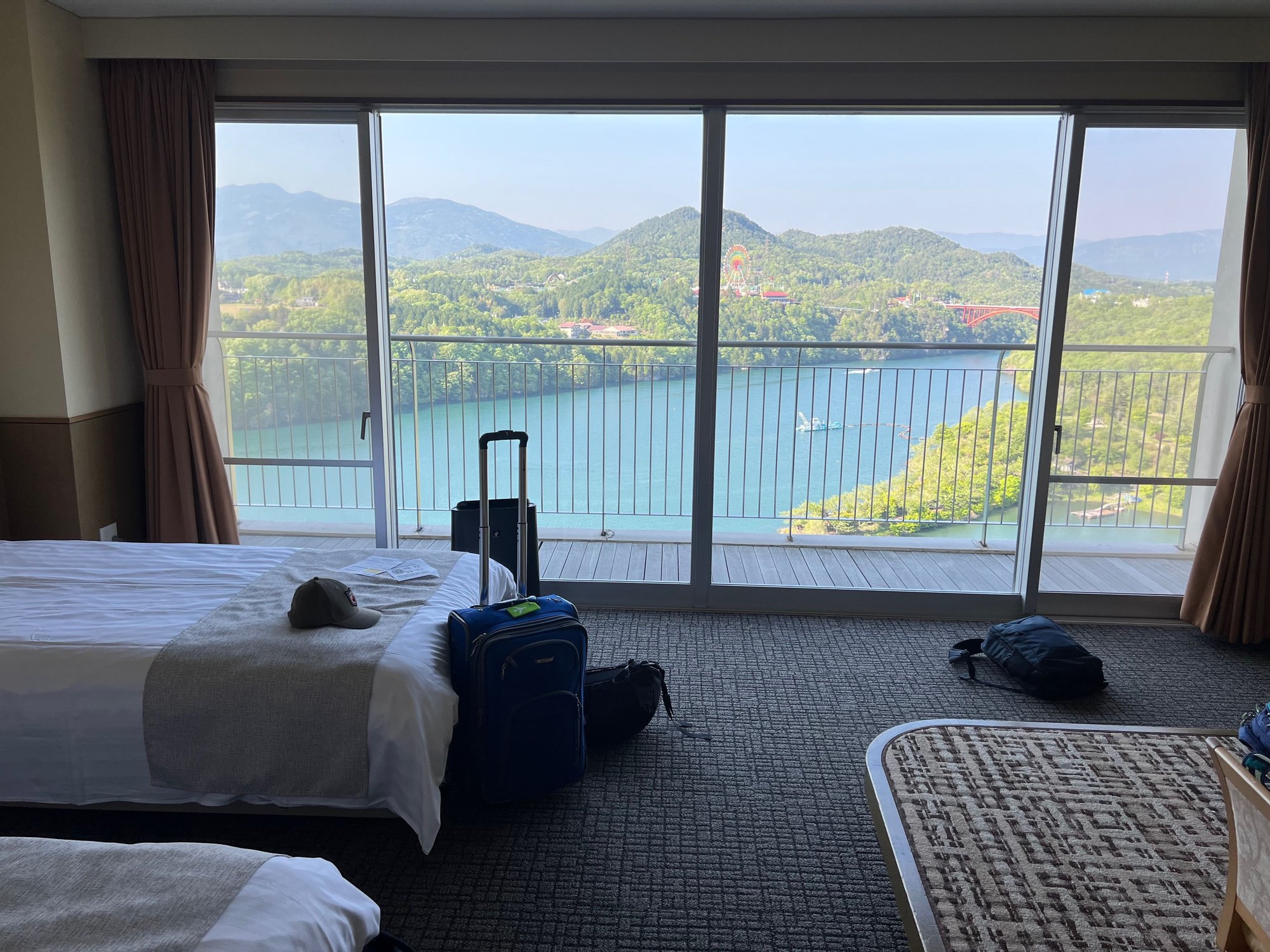
View of the Kiso River from our room at Enakyo Onsen Hotel. Excuse the messiness.
Since we hadn’t realized that the yukata had to be picked up in the lobby and we had already checked into our room, DH and I decided to rest up and just go to dinner and then pick up our yukatas in the lobby to use at the onsen in the morning. So in this case, everyone else in our group had their yukatas on and we were the only ones with our hiking clothes still on. We had another lovely kaiseki meal and afterward went to bed early. The onsen opened at 5AM and I was determined to use it before we started our hike the next day!
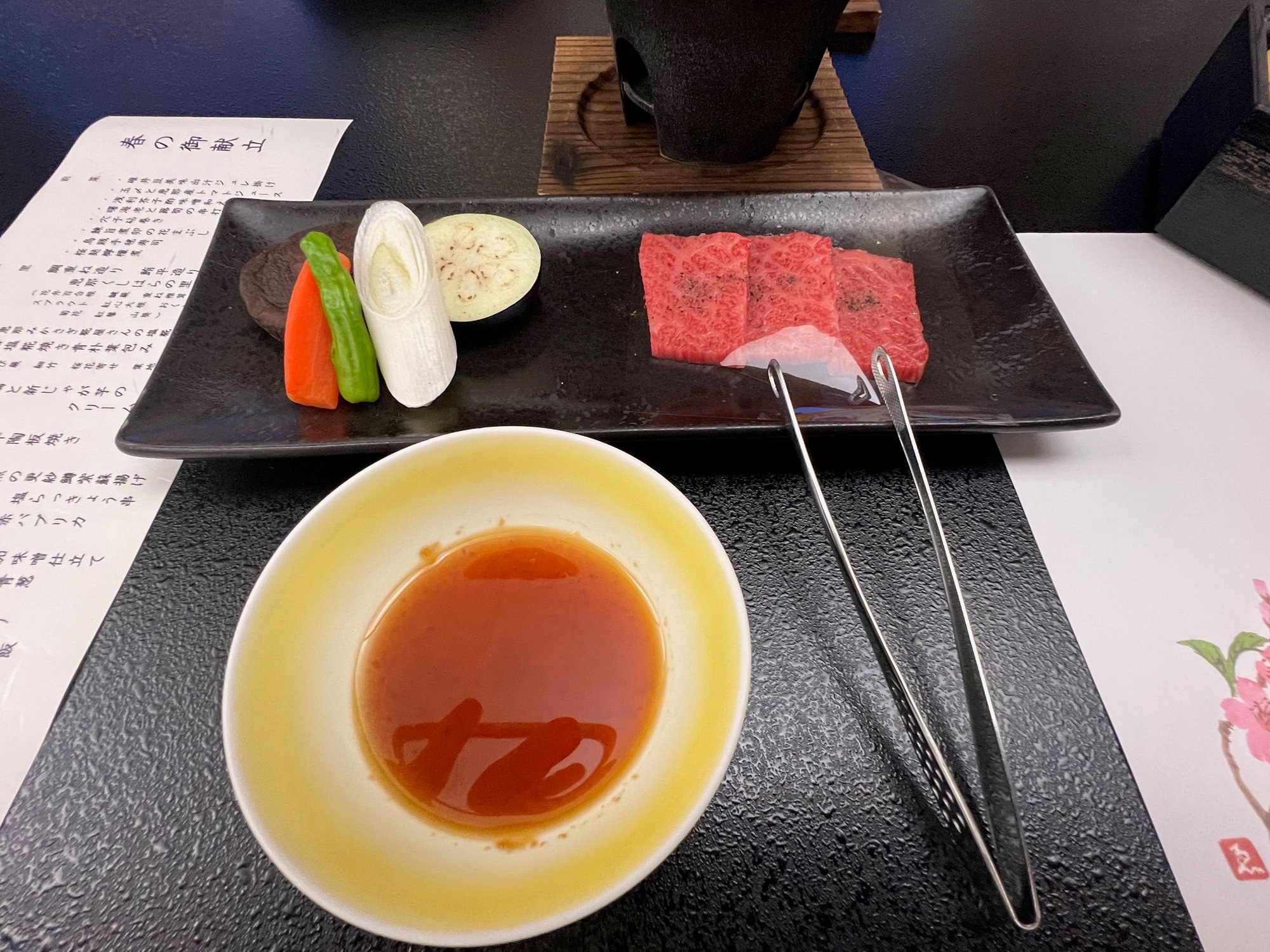
Another exceptional kaiseki meal.
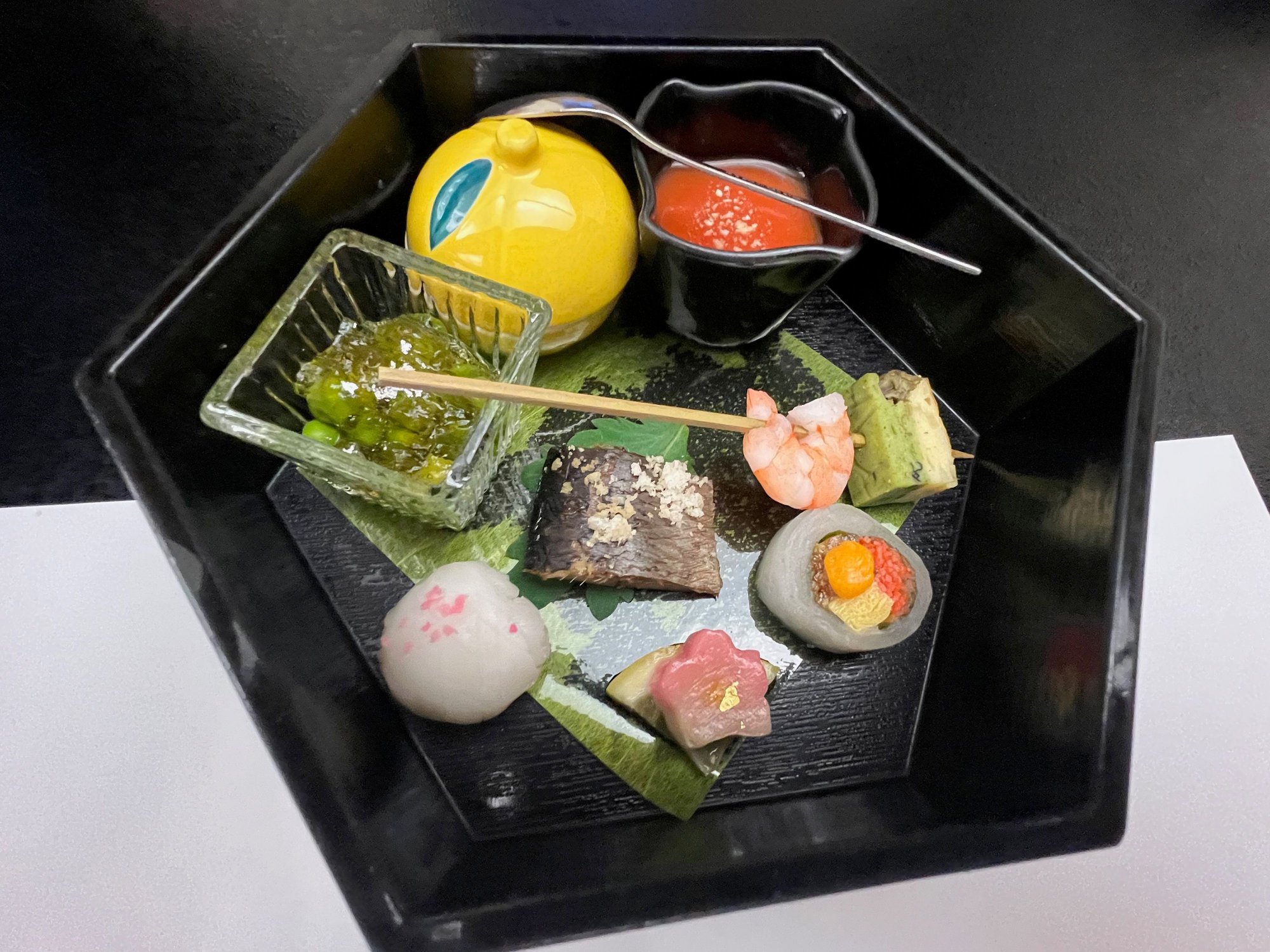

Next up - Day 12 - 21,000 steps through the quaint post towns of Magome and Tsumago
Jun 8th, 2025 | 05:24 PM
#47
Original Poster
Joined: Jul 2008
Posts: 191
Likes: 0
Correcting one error and adding a few more photos
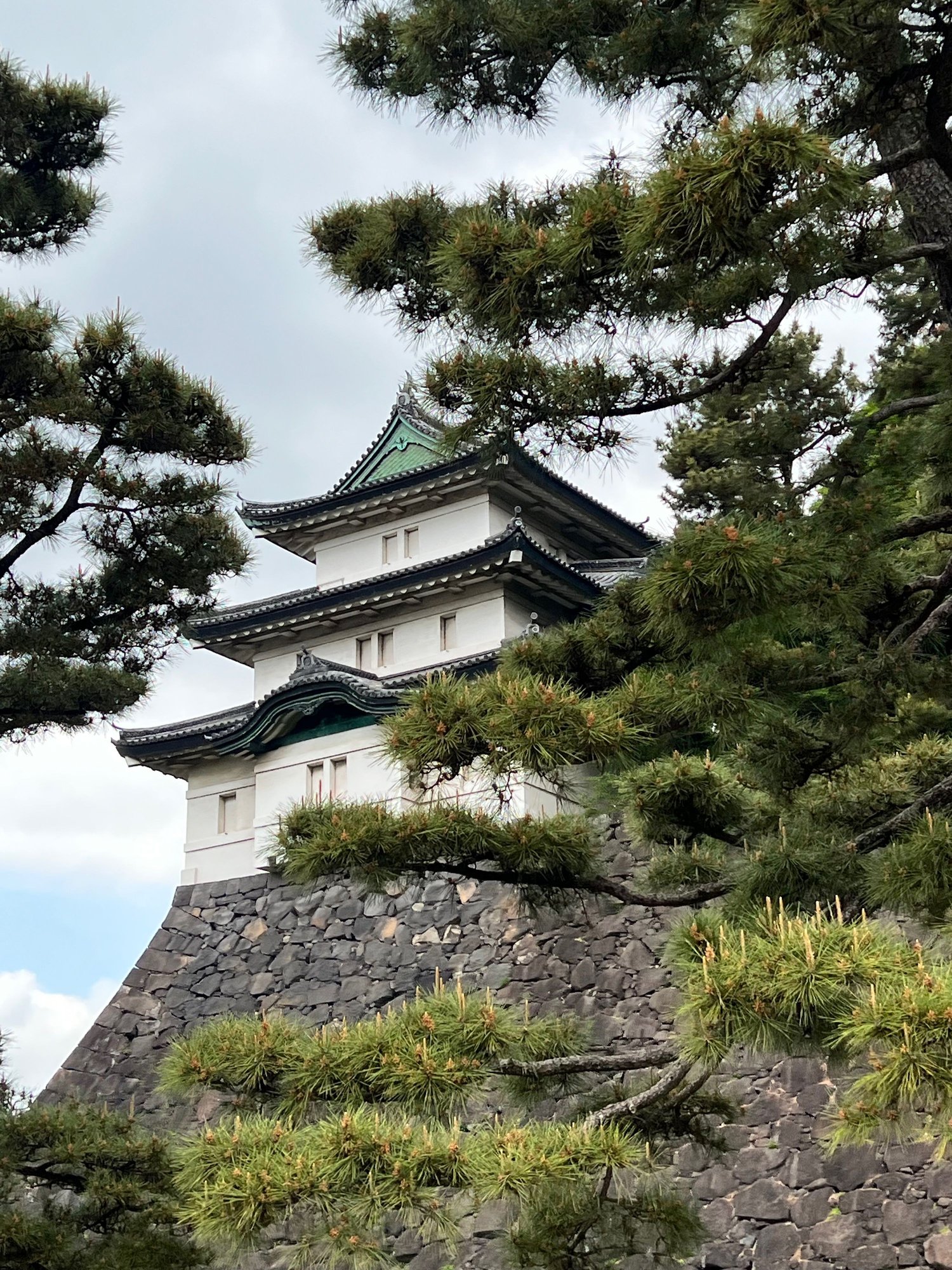
When I scrolled through to review my posts I realized that I had inadvertently reposted a photo of Fujimi-yagara Guard Keep, Imperial Palace into the line-up of photos of our visit to Hikone Castle.- my apologies!
Also, I wanted to show an example of our wood block printing projects. Here are 2 of them - a bit blurry as it was hard to keep the paper stable as we rubbed the ink onto the paper:

An amateur version of Hokusai's Great Wave
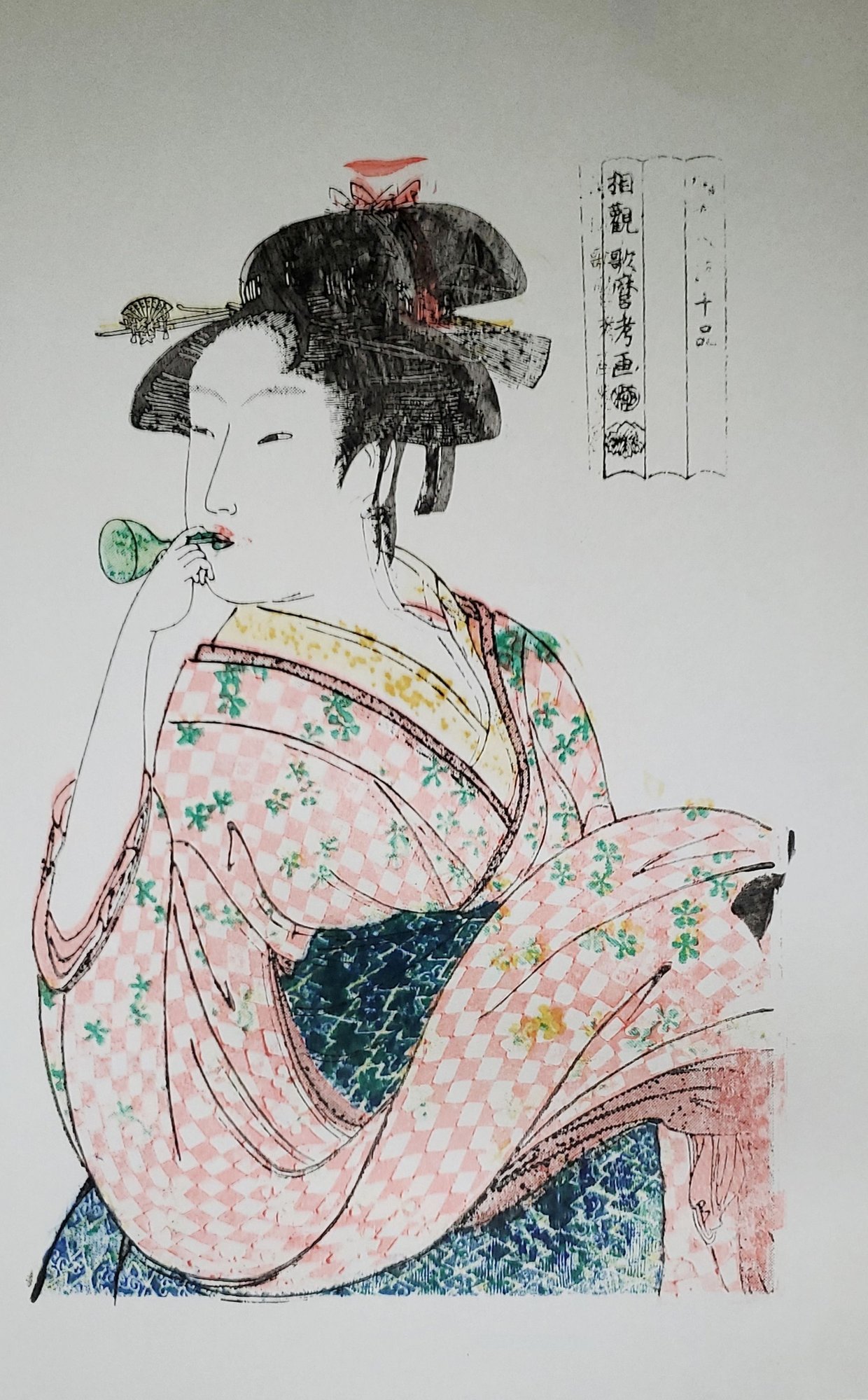
And a copy of Utamara Kitagawa's "Woman Playing a Poppin"
And another photo to show our group busily at work making our masterpieces:
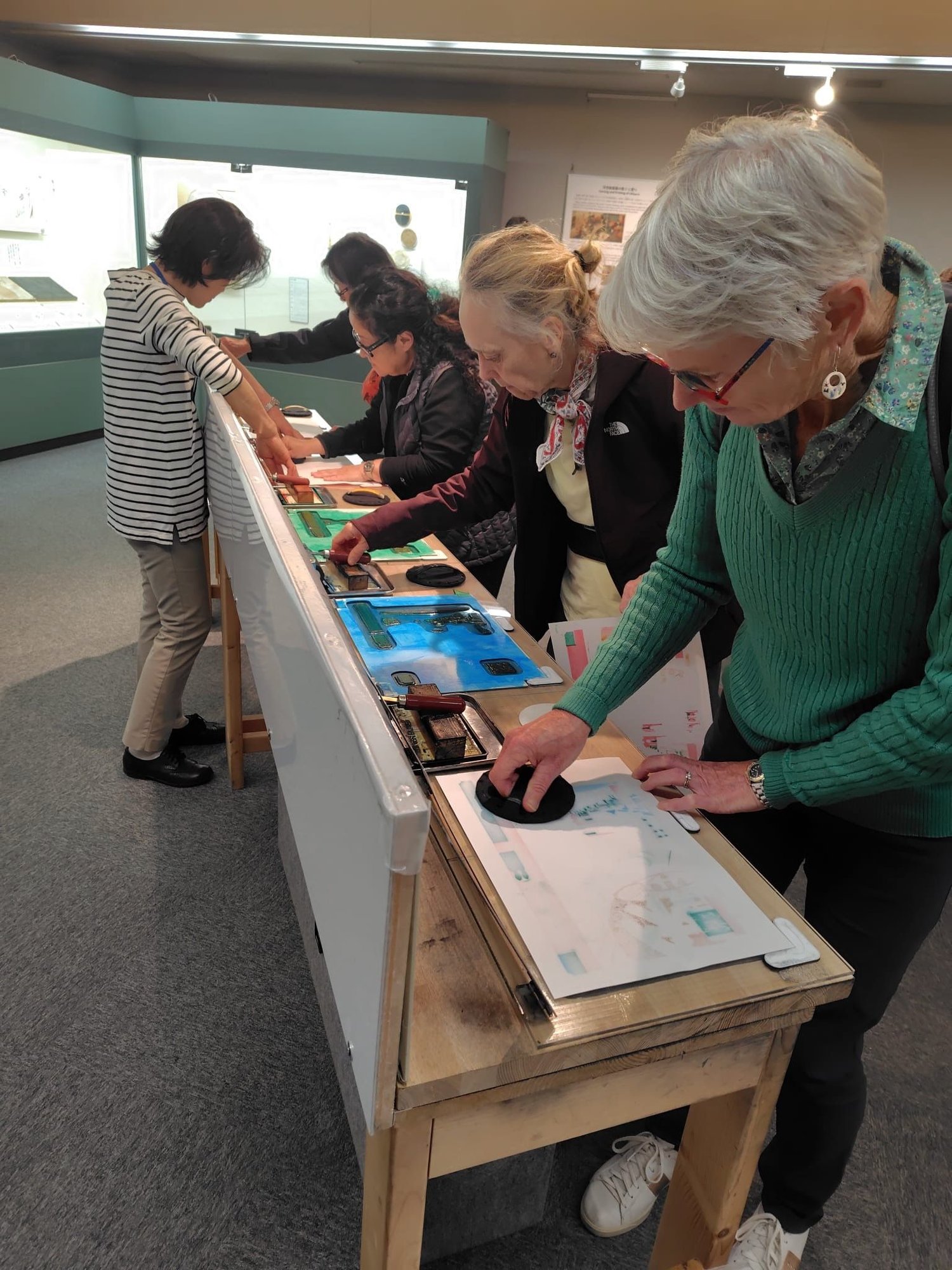
All of us very much enjoyed this group art project.
Also, I wanted to show an example of our wood block printing projects. Here are 2 of them - a bit blurry as it was hard to keep the paper stable as we rubbed the ink onto the paper:
An amateur version of Hokusai's Great Wave
And a copy of Utamara Kitagawa's "Woman Playing a Poppin"
And another photo to show our group busily at work making our masterpieces:
All of us very much enjoyed this group art project.
Jun 9th, 2025 | 10:20 AM
#48


Joined: Jan 2004
Posts: 27,107
Likes: 0
enjoying your fascinating TR! You must have arrived in Japan just as we departed... we left the monday of Golden Week. From looking at your photos, I feel like it was just as crowded when we were there as during Golden week. And love the photos of your food. You certainly ate well!
Jun 10th, 2025 | 05:16 PM
#49
Original Poster
Joined: Jul 2008
Posts: 191
Likes: 0
Day 12 - 21,000 steps through the charming post towns of Magome and Tsumago
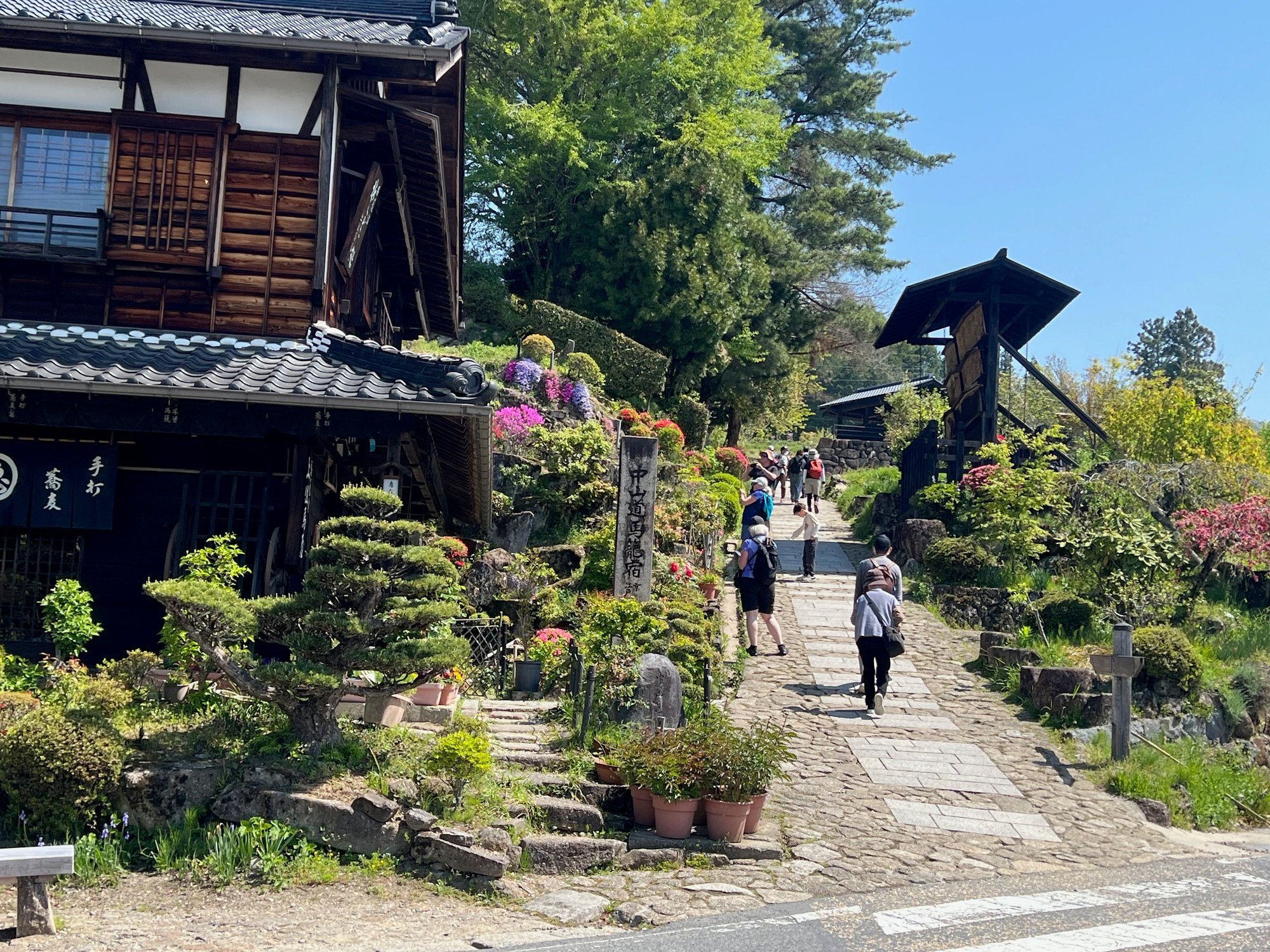
Starting off from the post town of Magome
I woke up super early and eagerly made my way to the onsen. Enakyo had several large indoor baths and 1 large outdoor bath for the women as well as an equal complement for the men. It was very quiet and peaceful with just a few of us enjoying the waters. One of the baths had multiple jets - some positioned on the floor if you wanted to treat your feet. DH told me later that he really enjoyed those the most. Refreshed I went back upstairs to get ready for breakfast - a well stocked buffet offering both traditional Japanese and Western fare. We were then transferred to the post town of Magome to start our day’s walk to end in the next town of Tsumago. This particular part of the trail is listed as the most popular portion of the Nakasendo Way. Even so, neither the post towns, nor the trail ever felt that crowded. I have definitely encountered more crowds hiking around Lake Tahoe or Zion NP or Acadia NP. I do wonder whether that will change with the increasing popularity of Japan as a tourist destination.
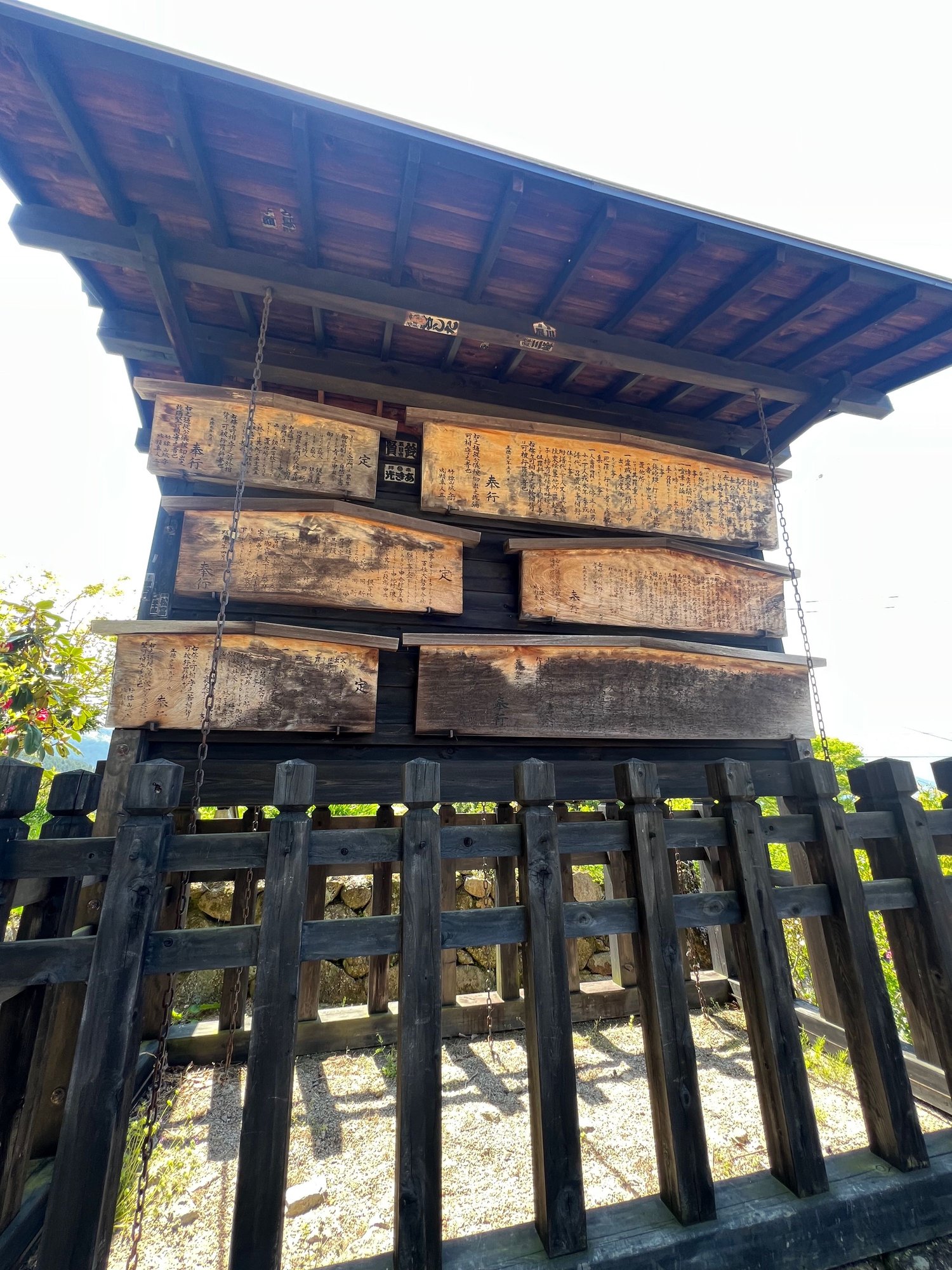
Magome - Sign board which would be used to post community notices during the Edo era.
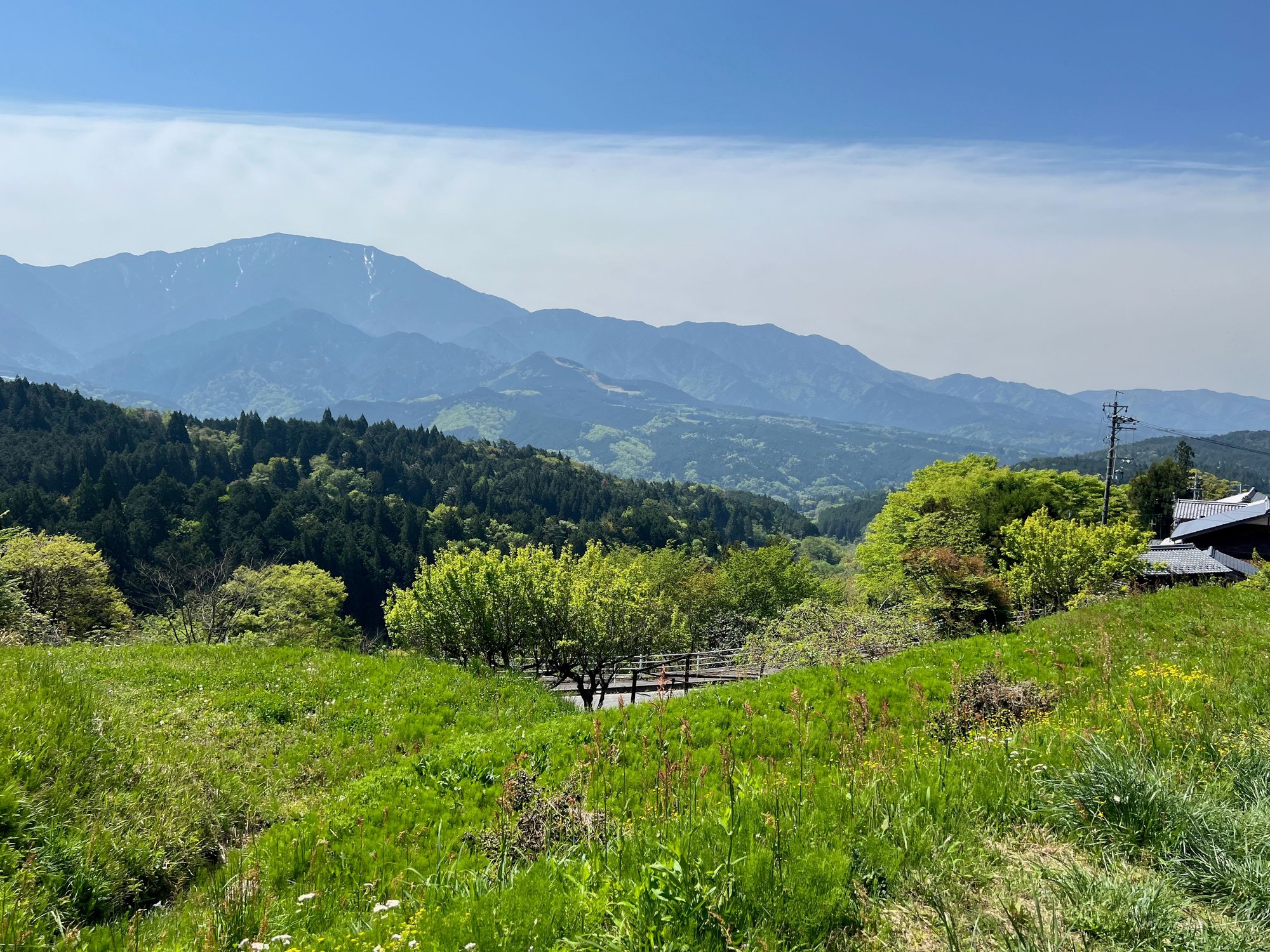
View over the Kiso valley.
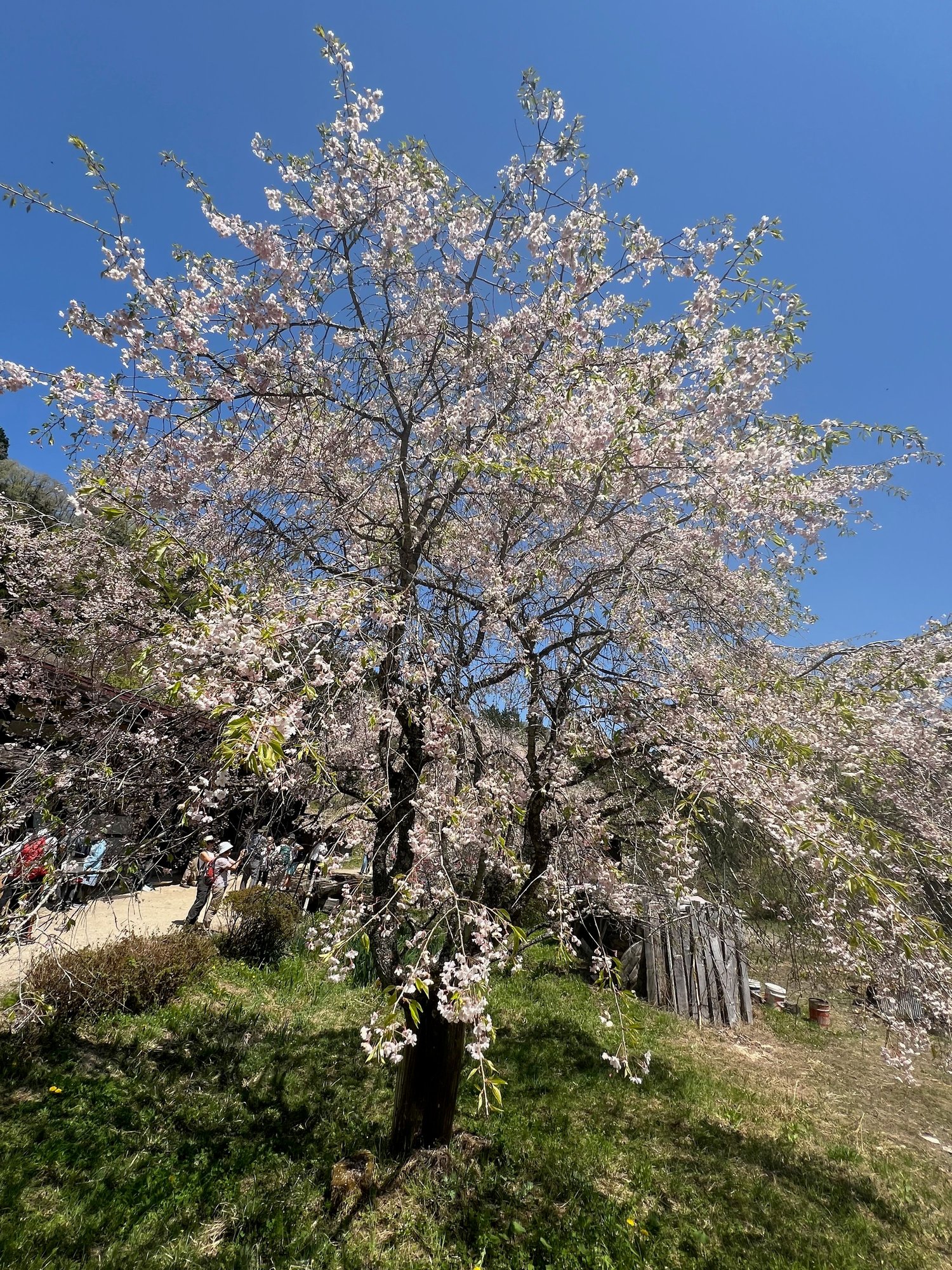
Cherry blossoms!
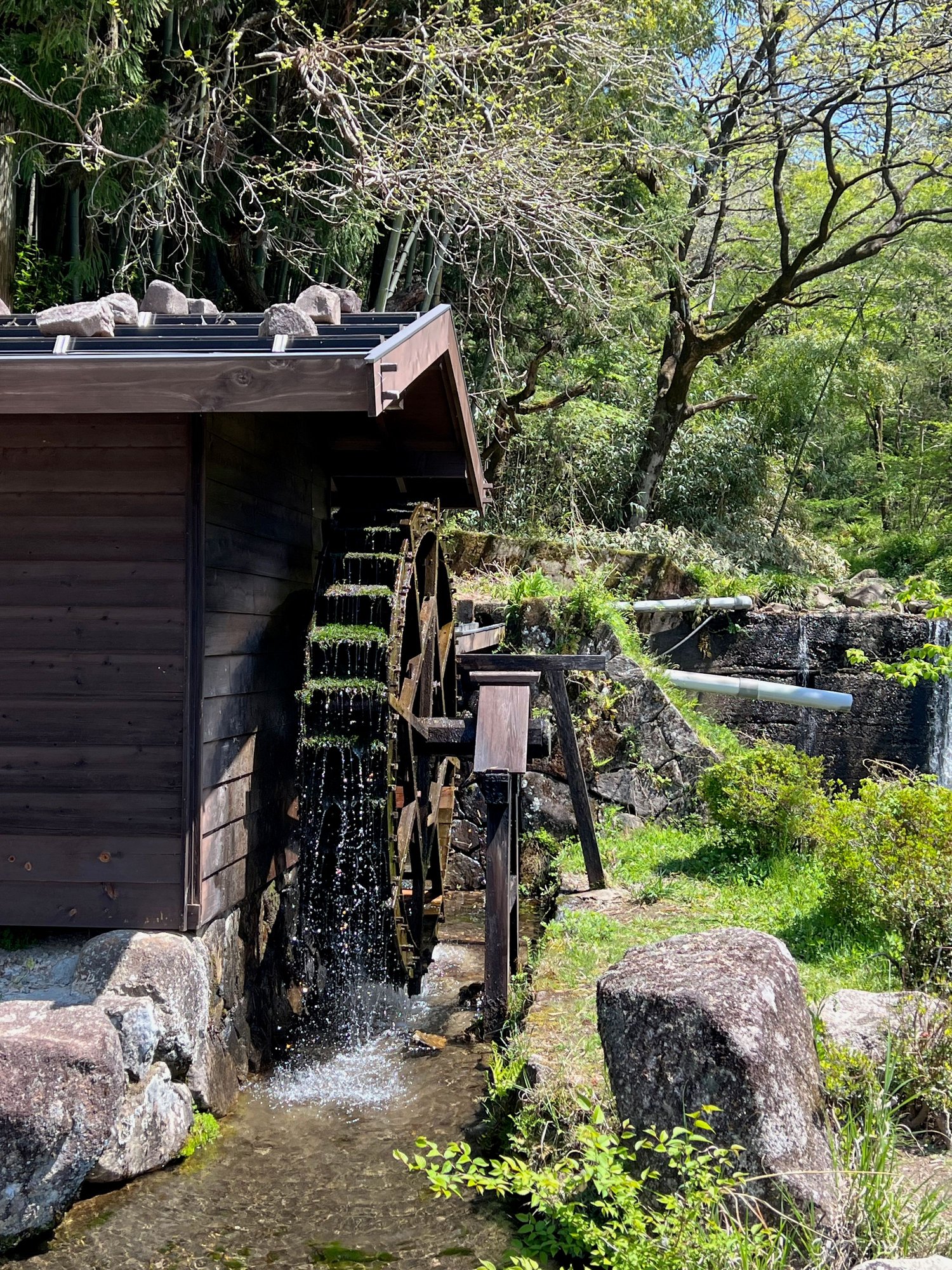
Working water wheel
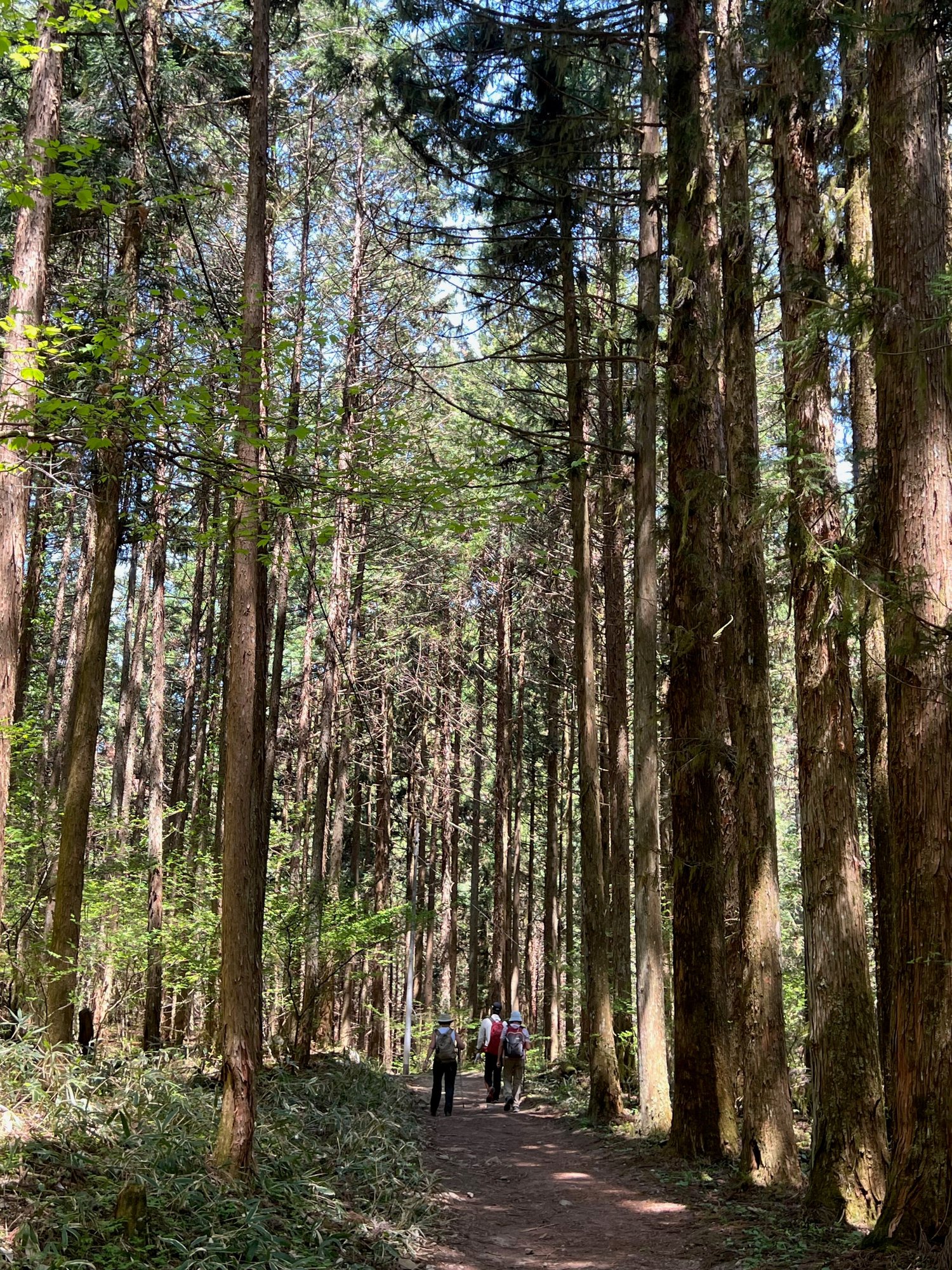
Hiking the Nakasendo Way
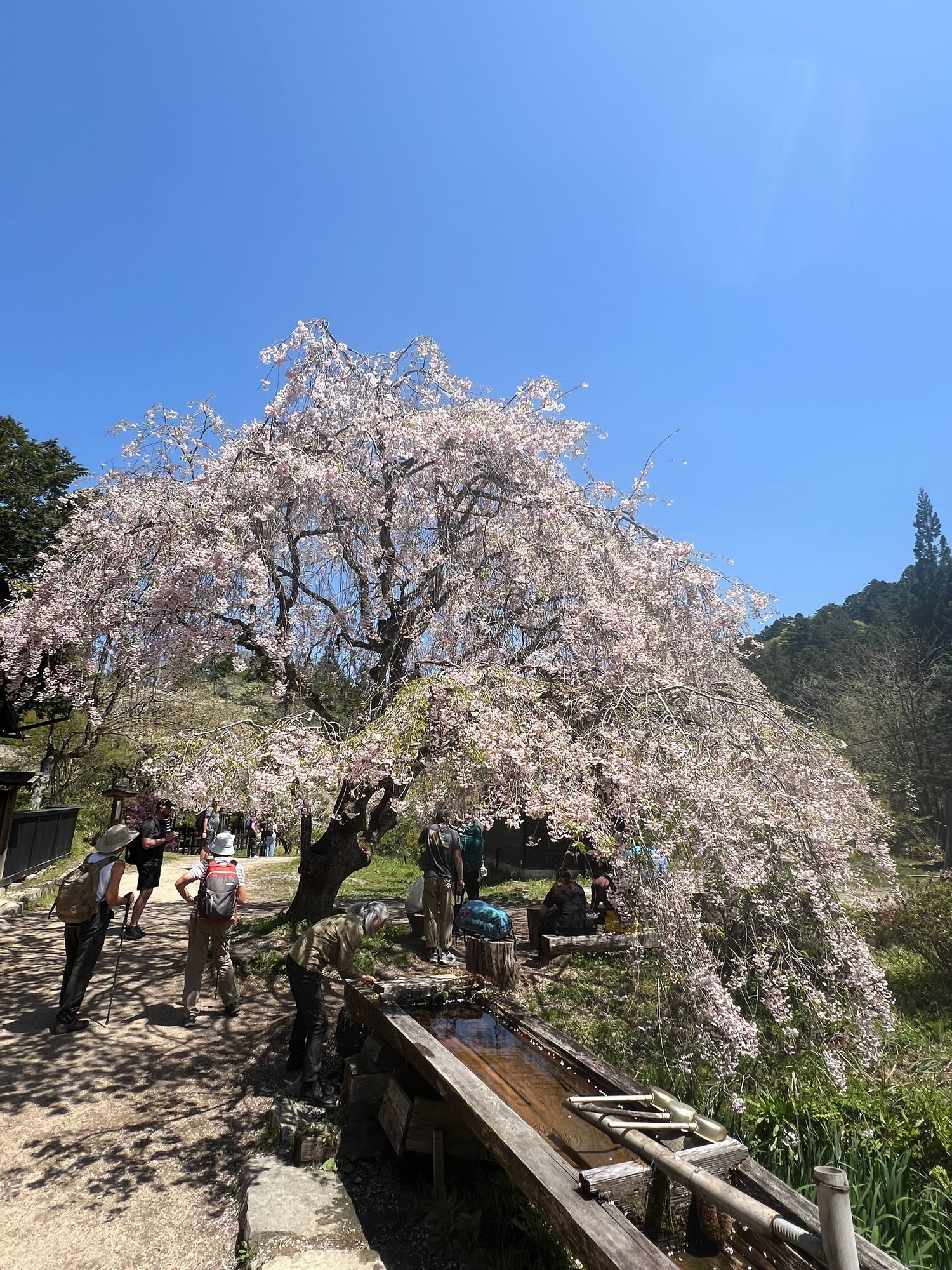
More cherry blossoms
Both post towns were very charming with cobble stoned streets, cafes and restaurants, and shops selling traditional items as well as souvenirs. We had a beautiful day for the hike with stretches of solitude, beautiful views, multiple small waterfalls and best of all - cherry trees in blossom.
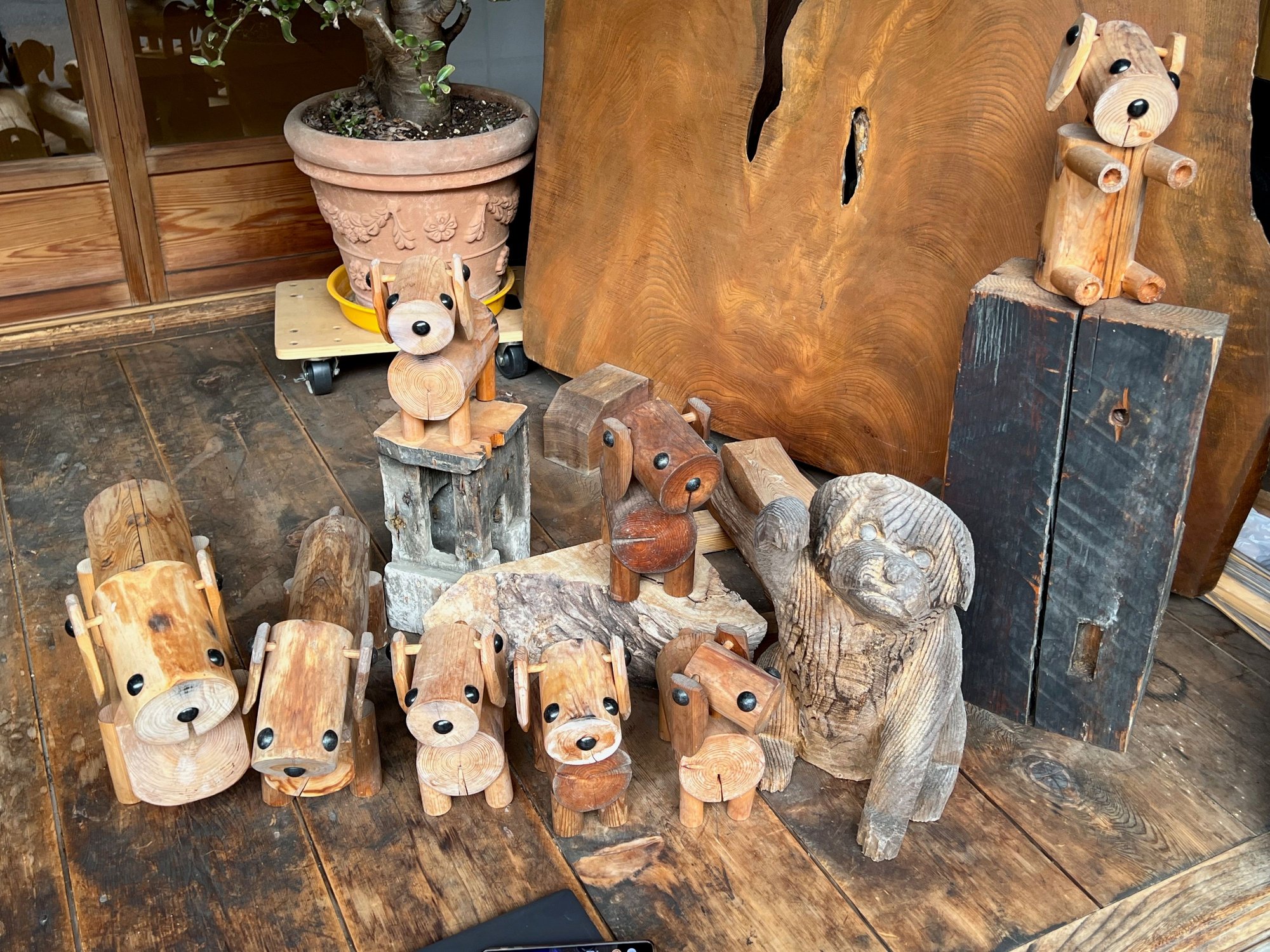
Wood carved pet family at the entrance of Maruya
Once we reached Tsumago we checked into Maruya Ryokan. This ryokan was the most challenging accommodation as our “rooms” were actually tiny tatami mat rooms separated by shoji paper screens. Though there was visual privacy there was no auditory privacy. DH and I never have problems with falling asleep, but I know I snore when I am really tired. DH asked our friends who were right next door if they had managed to get any sleep and my friend said that she didn’t hear me because her own husband was snoring right next to her. The other issue was that the ceiling beams were quite low and my husband would bang his forehead almost every time he turned to enter the hallway to our room. One of our other friends who had the room adjacent to this turn said she would wince every time she heard him go by as first she would hear the “bonk” and then the “Oww!”.
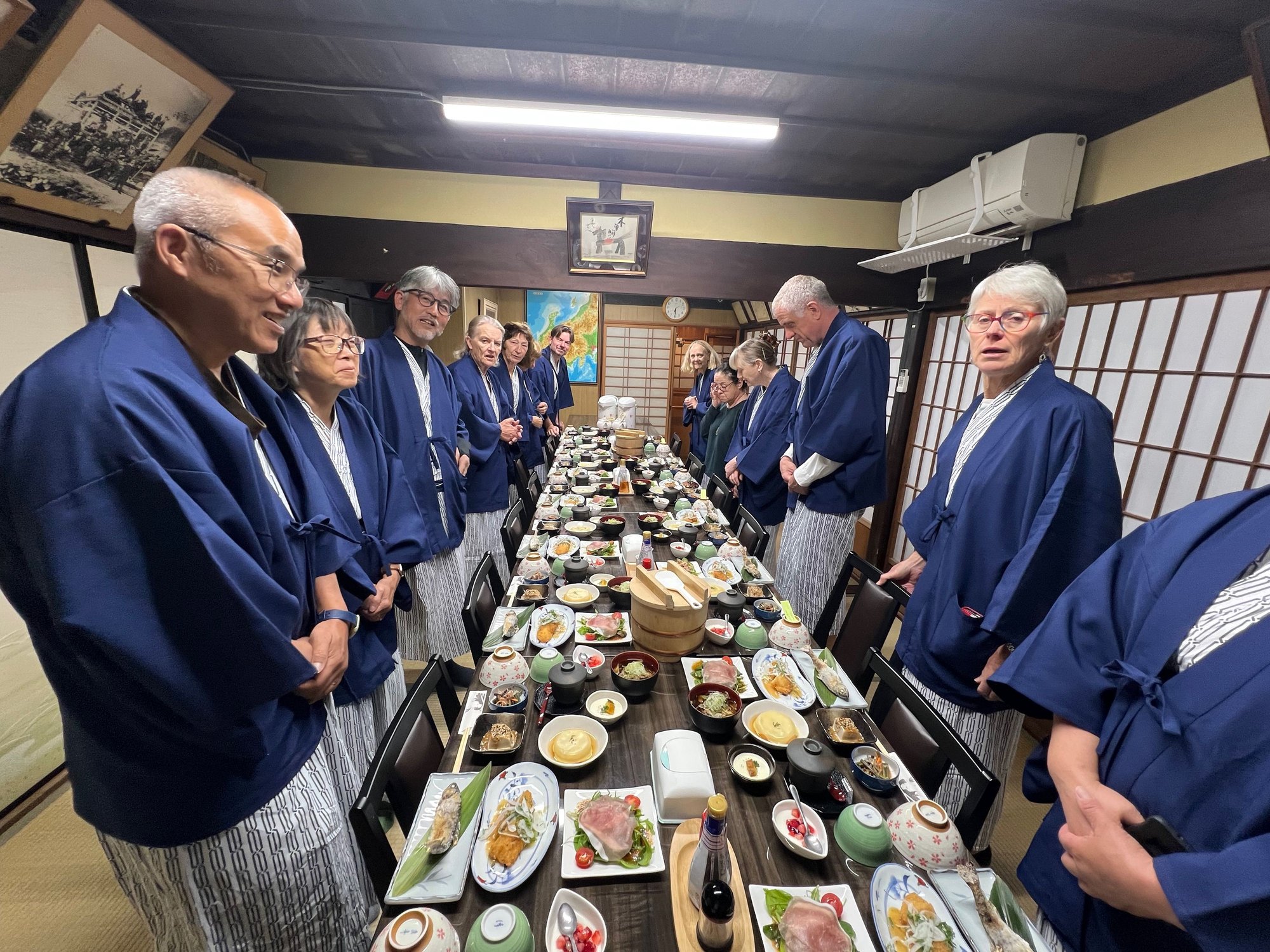
Dressed in our yukatas as we sit down to another elaborate kaiseki meal.
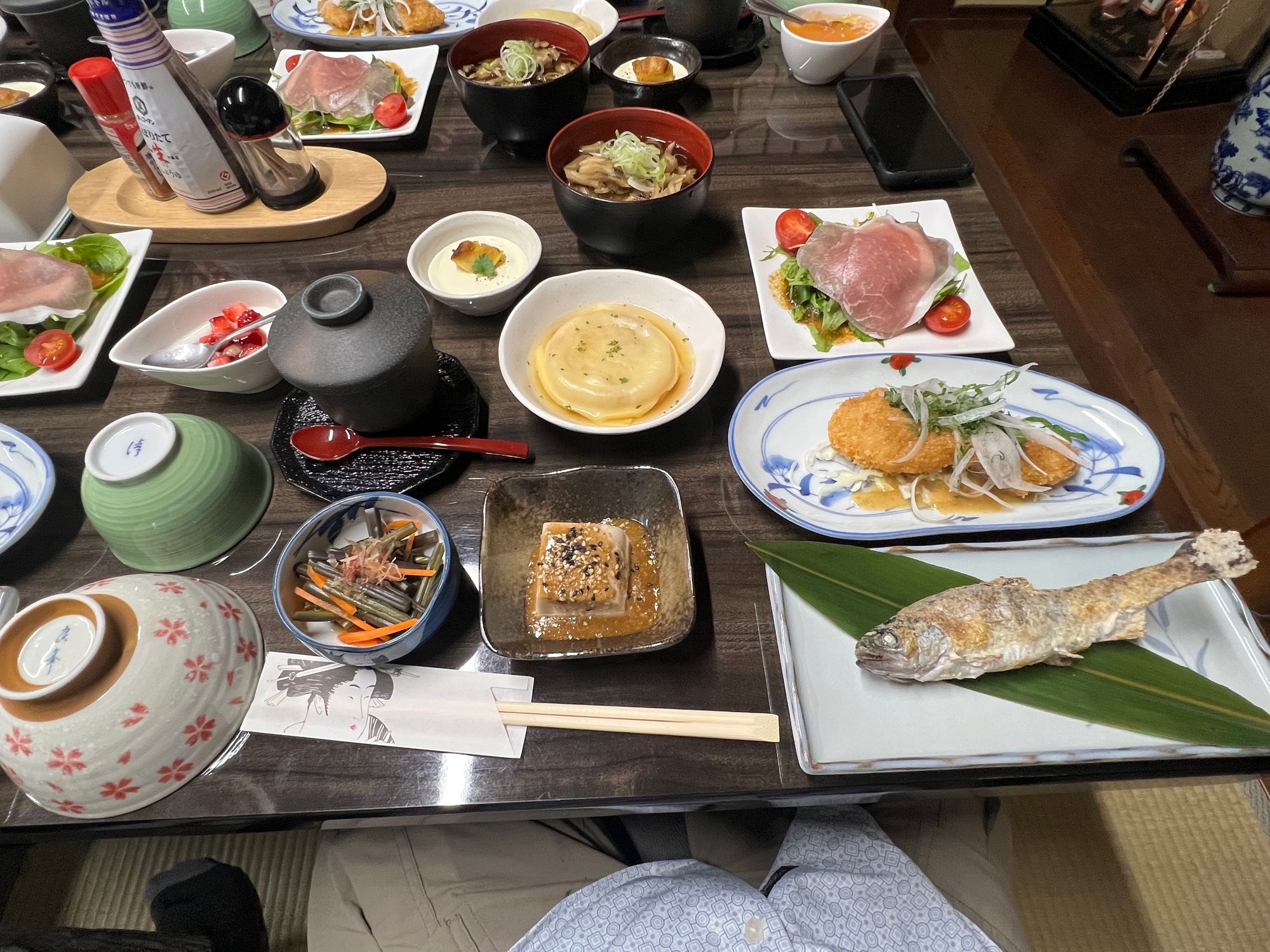
Close up of the first round of our dinner.
We were able to take turns with one of 2 large private baths and DH and I spent our time sitting together in the tub giving each other much needed foot massages. The meals were again amazing, elaborate and delicious. During the hike our guide Quinlan would show us many plants that could be used for foraging and then we would see those very same plants creatively prepared and served at dinner time. What would you call that? Not “farm to fork” but “forest to fork” I guess.
Next up: Day 13: 23,500 steps rewarded with a visit to a sake brewery
Jun 10th, 2025 | 05:26 PM
#51
Original Poster
Joined: Jul 2008
Posts: 191
Likes: 0
yk - I started my trip report and then I realized that you had posted one also and that your trip was almost in the same time frame. I also admired your beautiful photos. I felt that we were both really fortunate as the weather was great and there many unique sights to see - for instance the Miyaki Odori and the Koda-ji night illuminations.
Jun 10th, 2025 | 07:37 PM
#52
Original Poster
Joined: Jul 2008
Posts: 191
Likes: 0
Day 13: 23,500 steps rewarded with a visit to a sake brewery
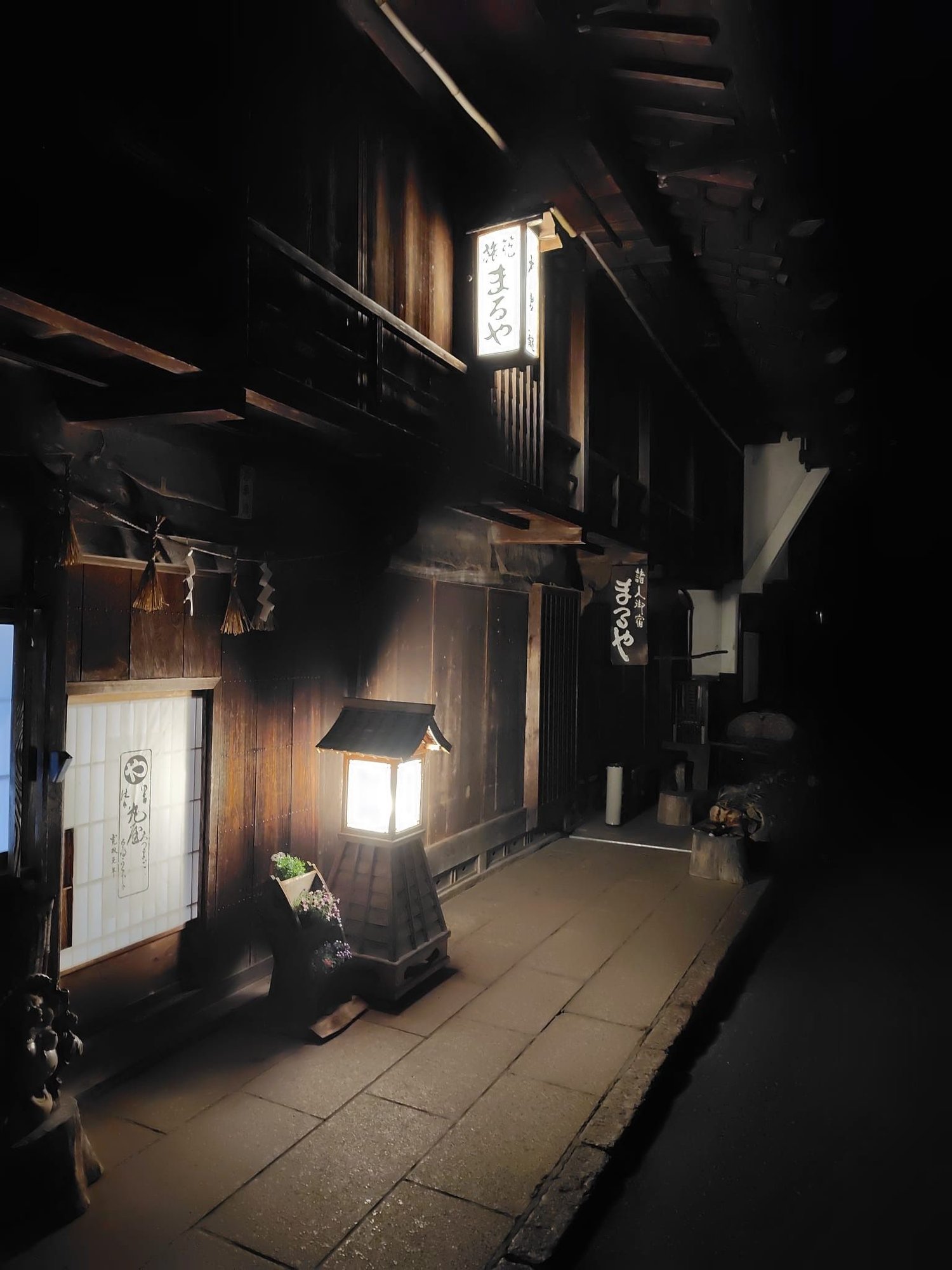
Entrance to Maruya Inn
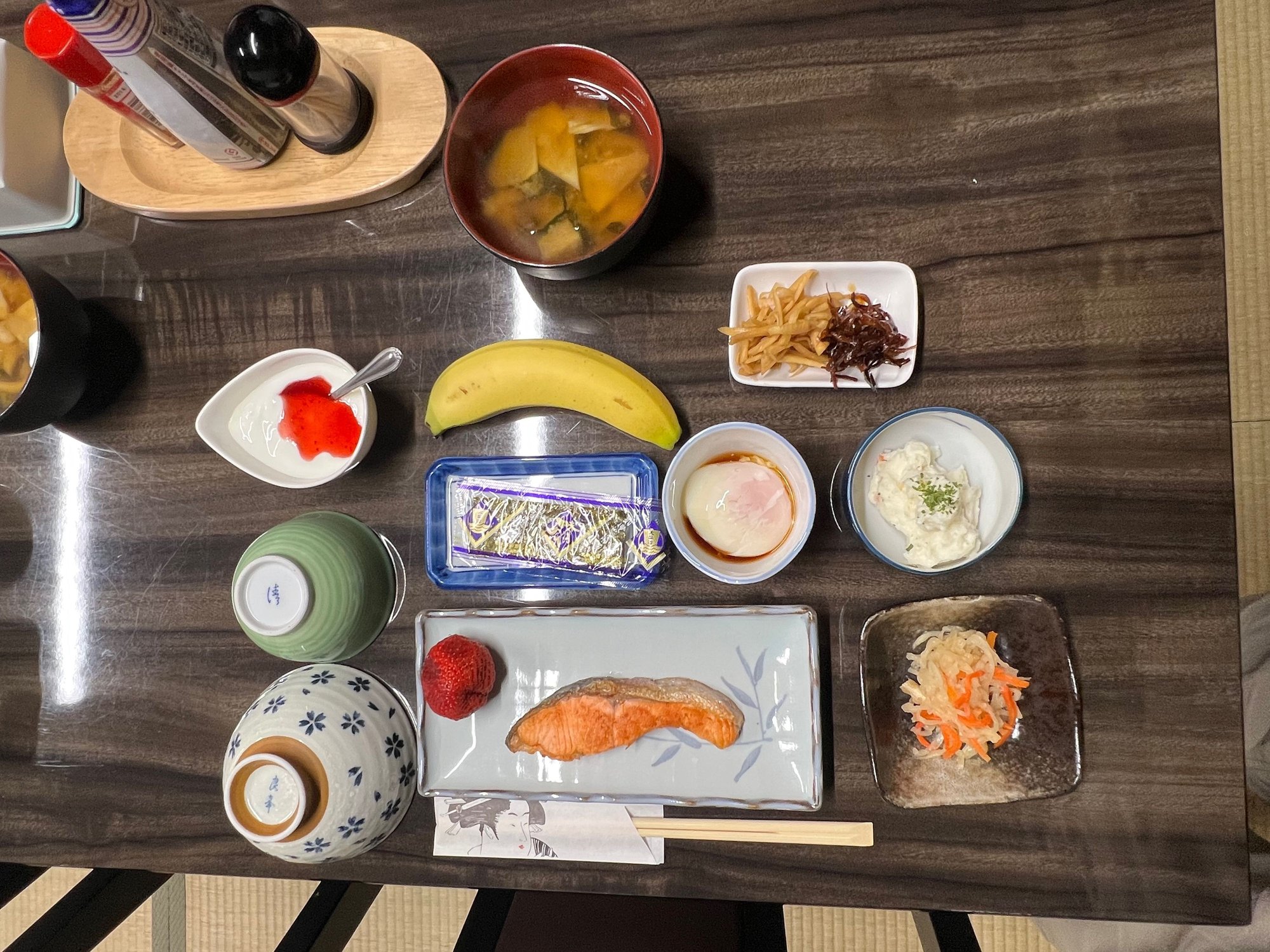
A well balanced and beautiful breakfast - though I admit I added the banana.
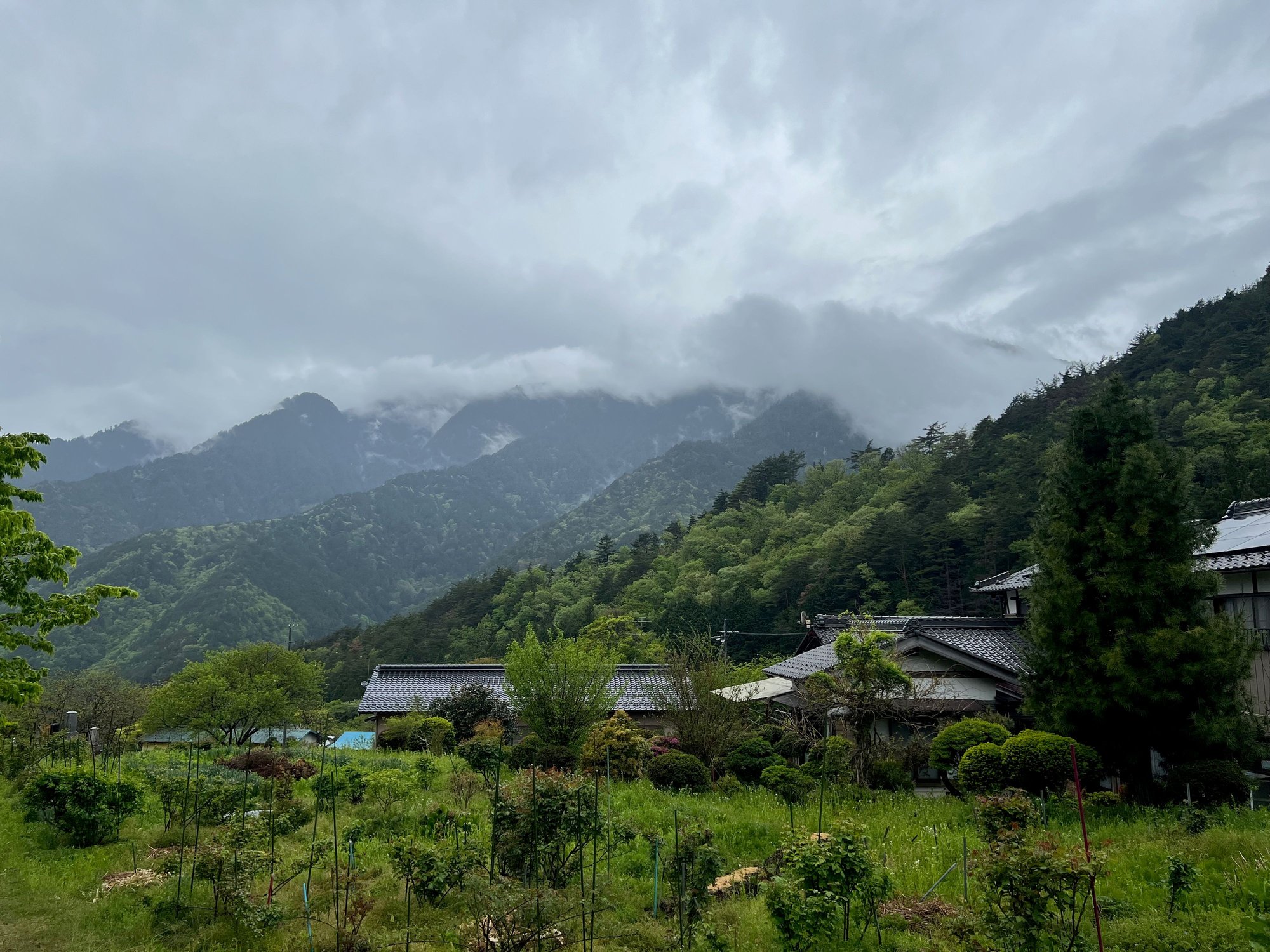
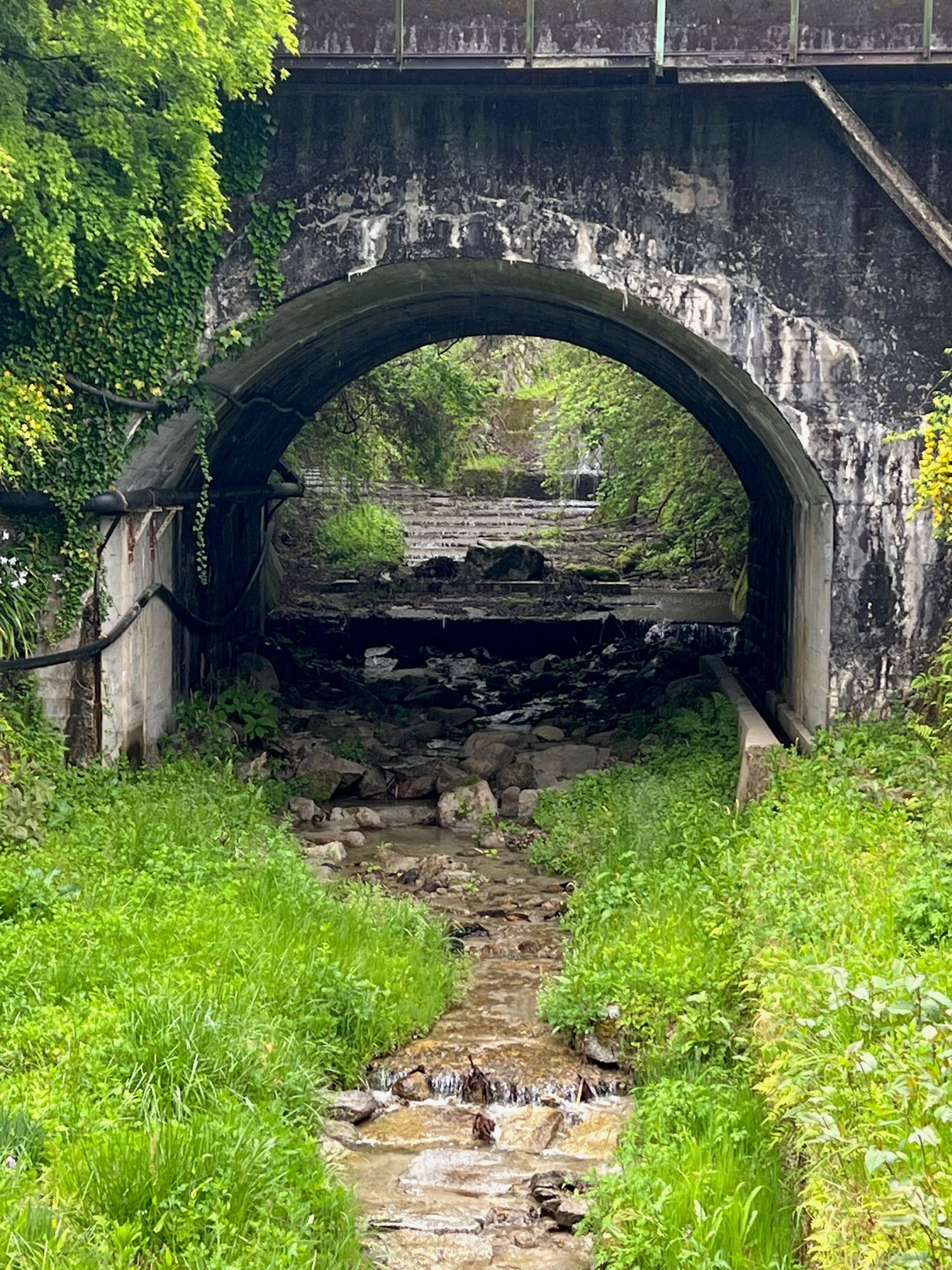
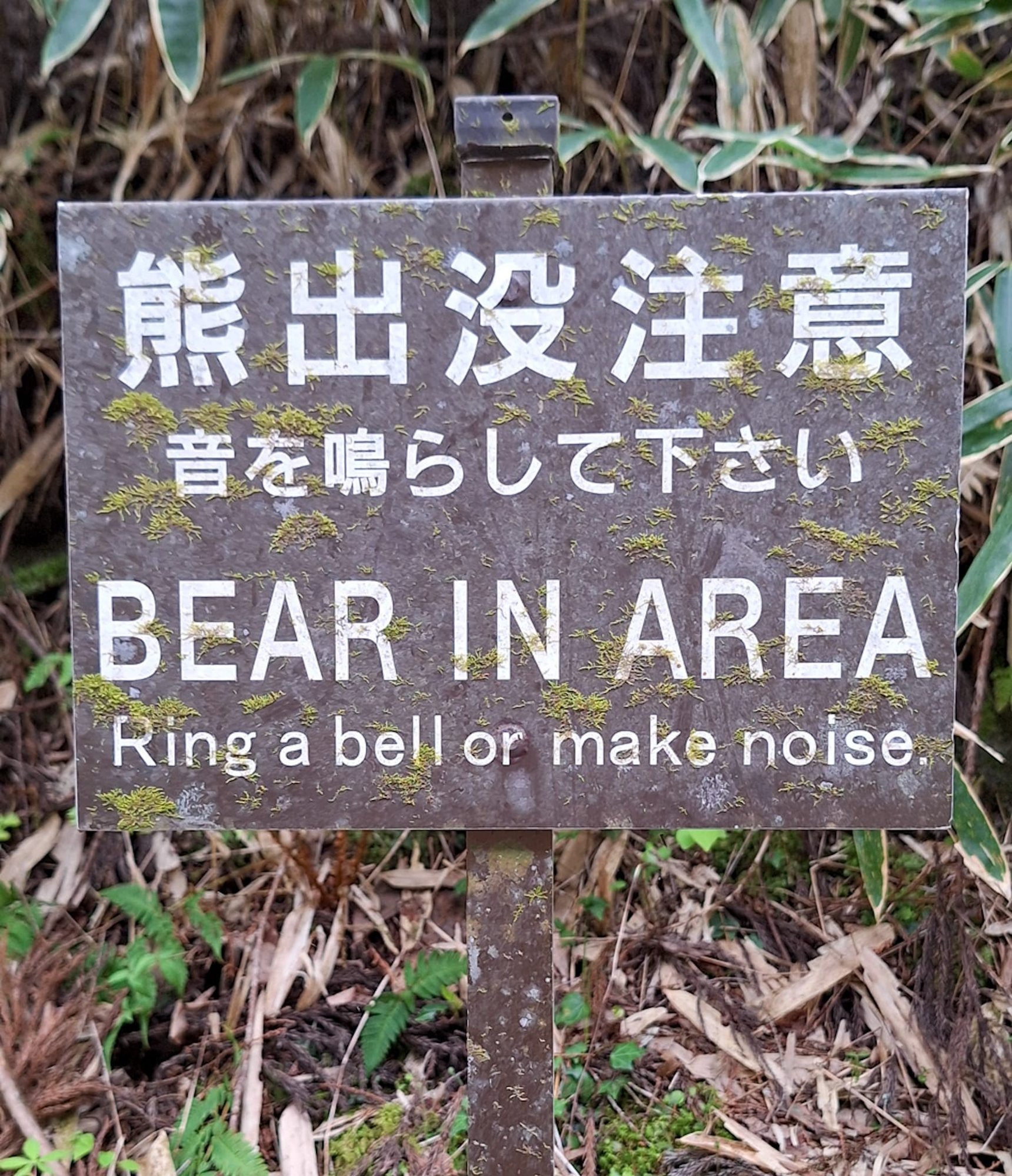
Again we were up early and served a very filling breakfast. As we headed out we were a little apprehensive about the weather as the clouds were beginning to blow in. Today’s hike was 13 km with an elevation gain 0f 669 m - so a bit of uphill and downhill. We were hopeful that we could complete the hike before the rain started. Fortunately, though we had some light showers the big downpour started much later in the day. We continued to enjoy the trail though the Kiso Valley with a bit more huffing and puffing for me and DH. At least with the steady uphill climbs came the rewards of beautiful views of the mountains and the countryside. I think we did not cross paths with any other hikers that day. Thankfully we also did not cross paths with any bears (see more of the warning signs below). We did cross Momosuke Bridge - one of the longest suspension bridges in Japan - on foot which gave us spectacular views of the Kiso River.
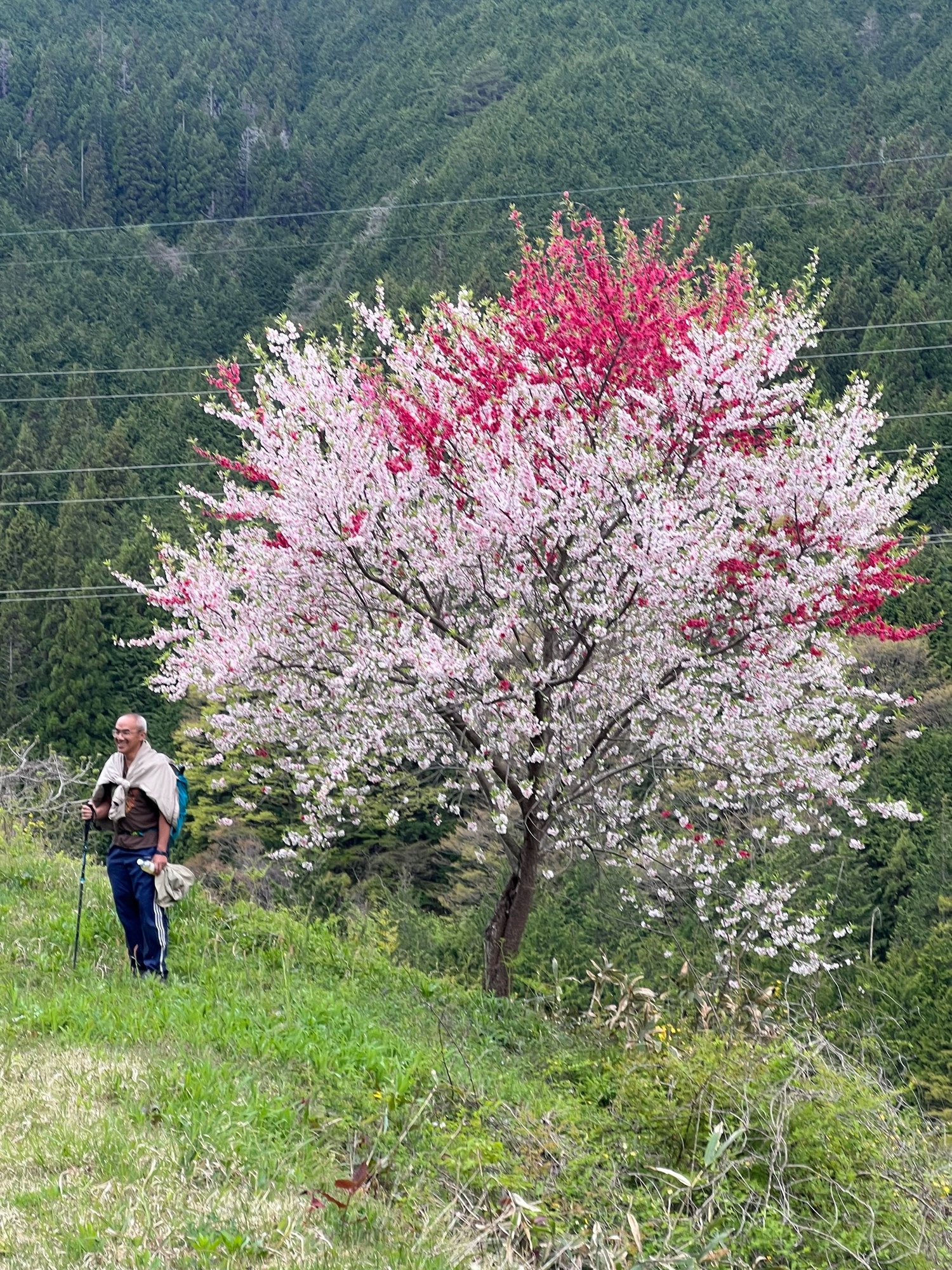
...and more cherry blossoms
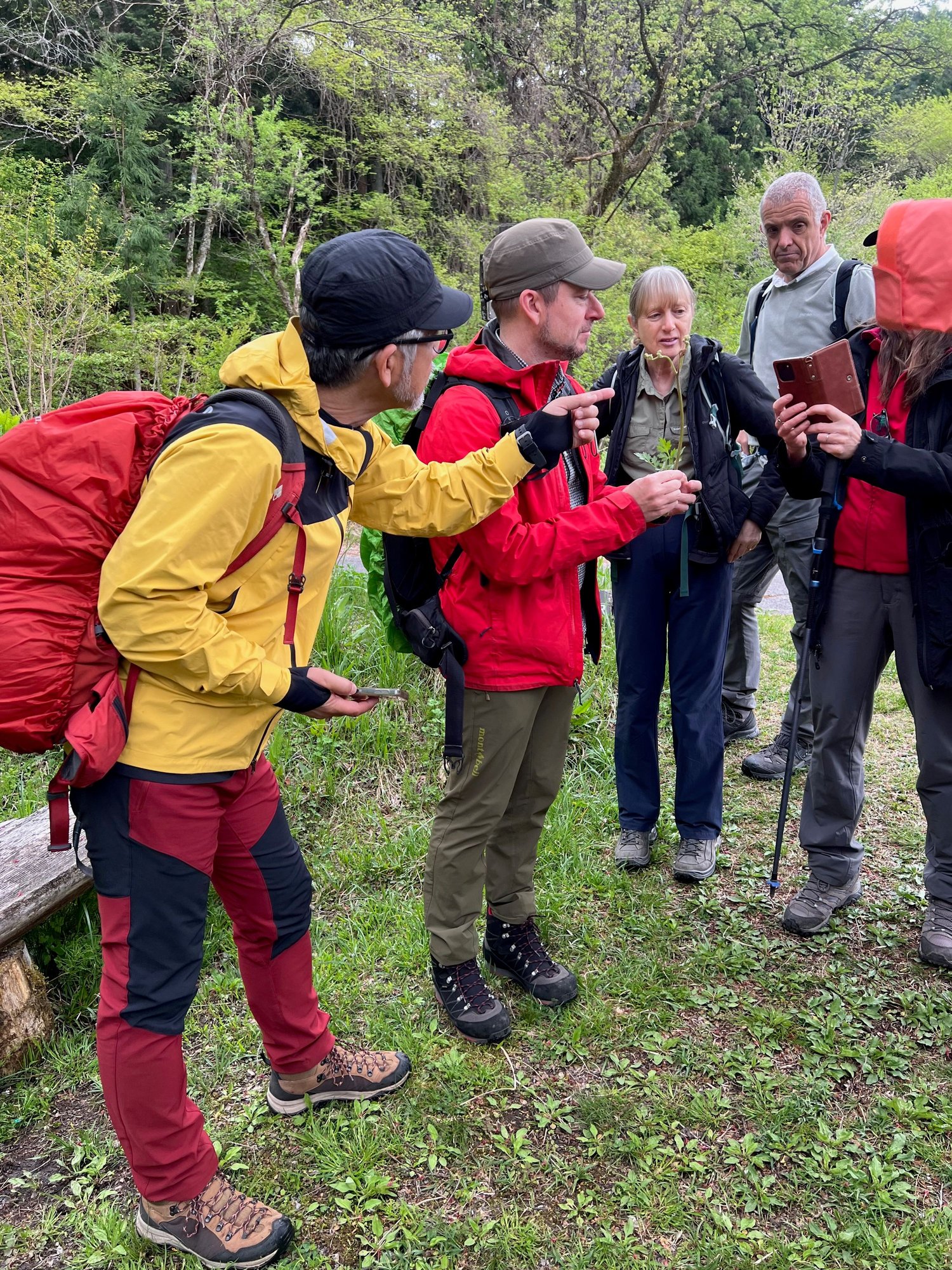
Our guides Kiyomi and Quinlan
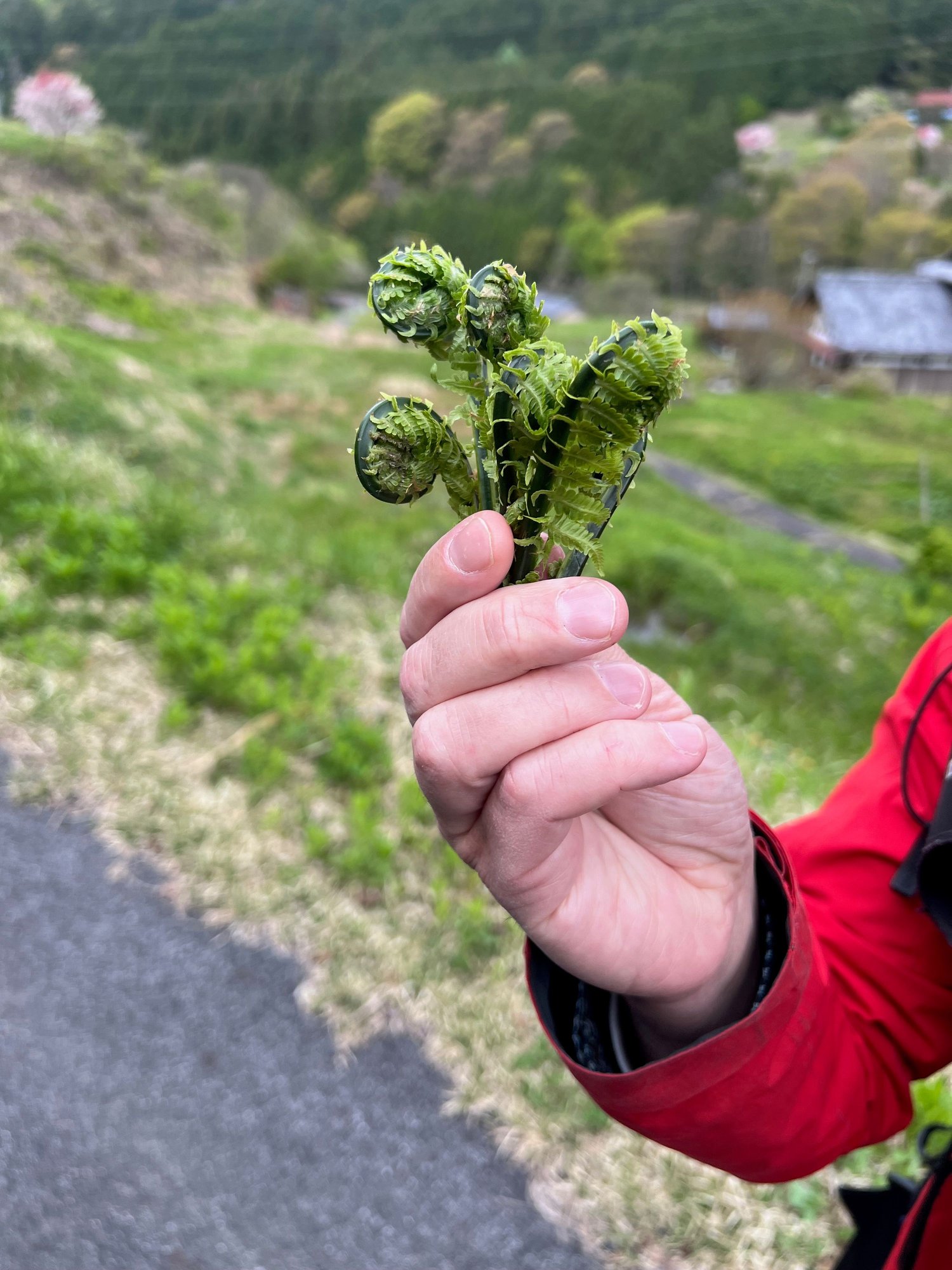
Quinlan showing us "fiddleheads" he had foraged
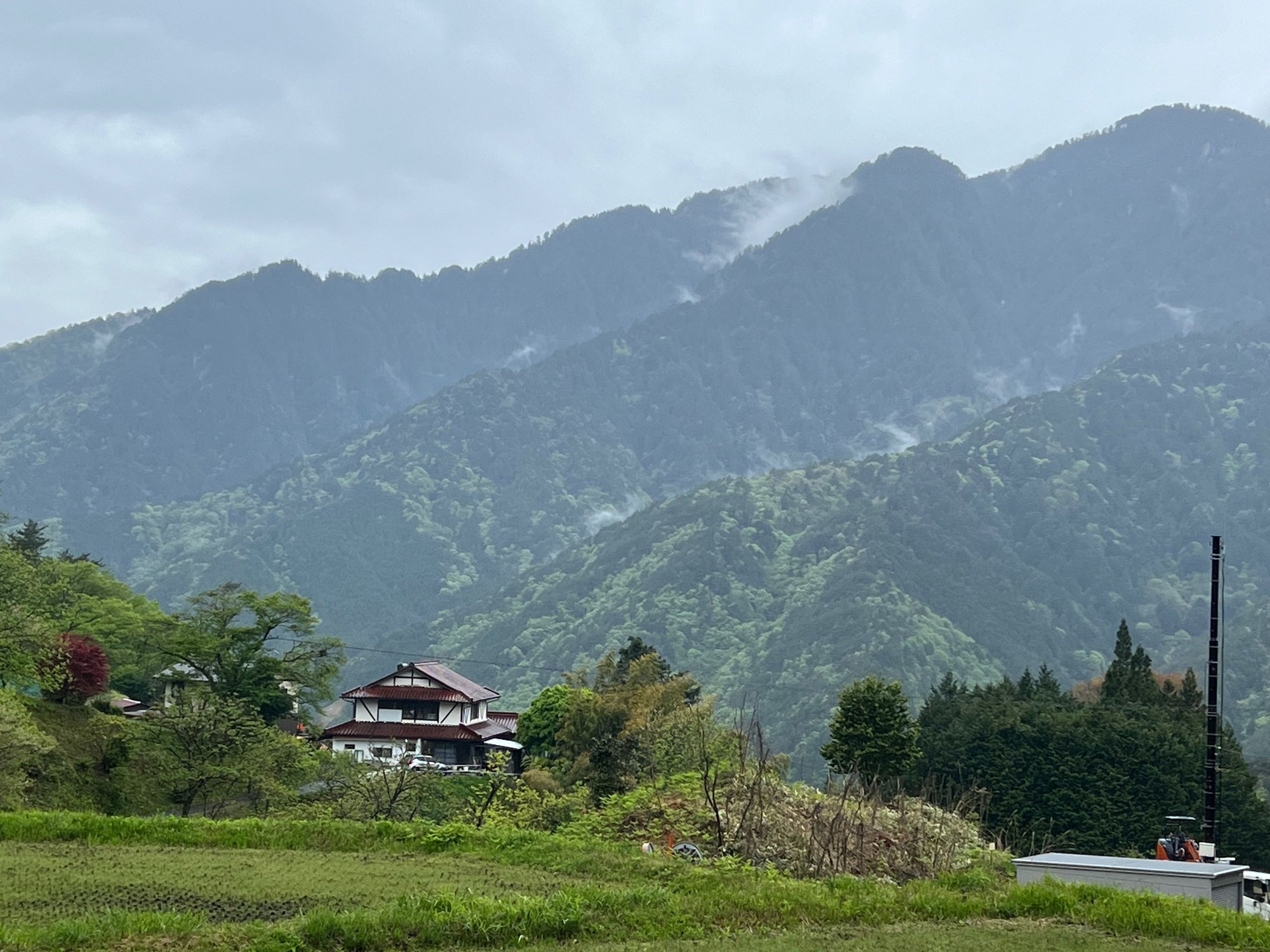
Kiso Mountains
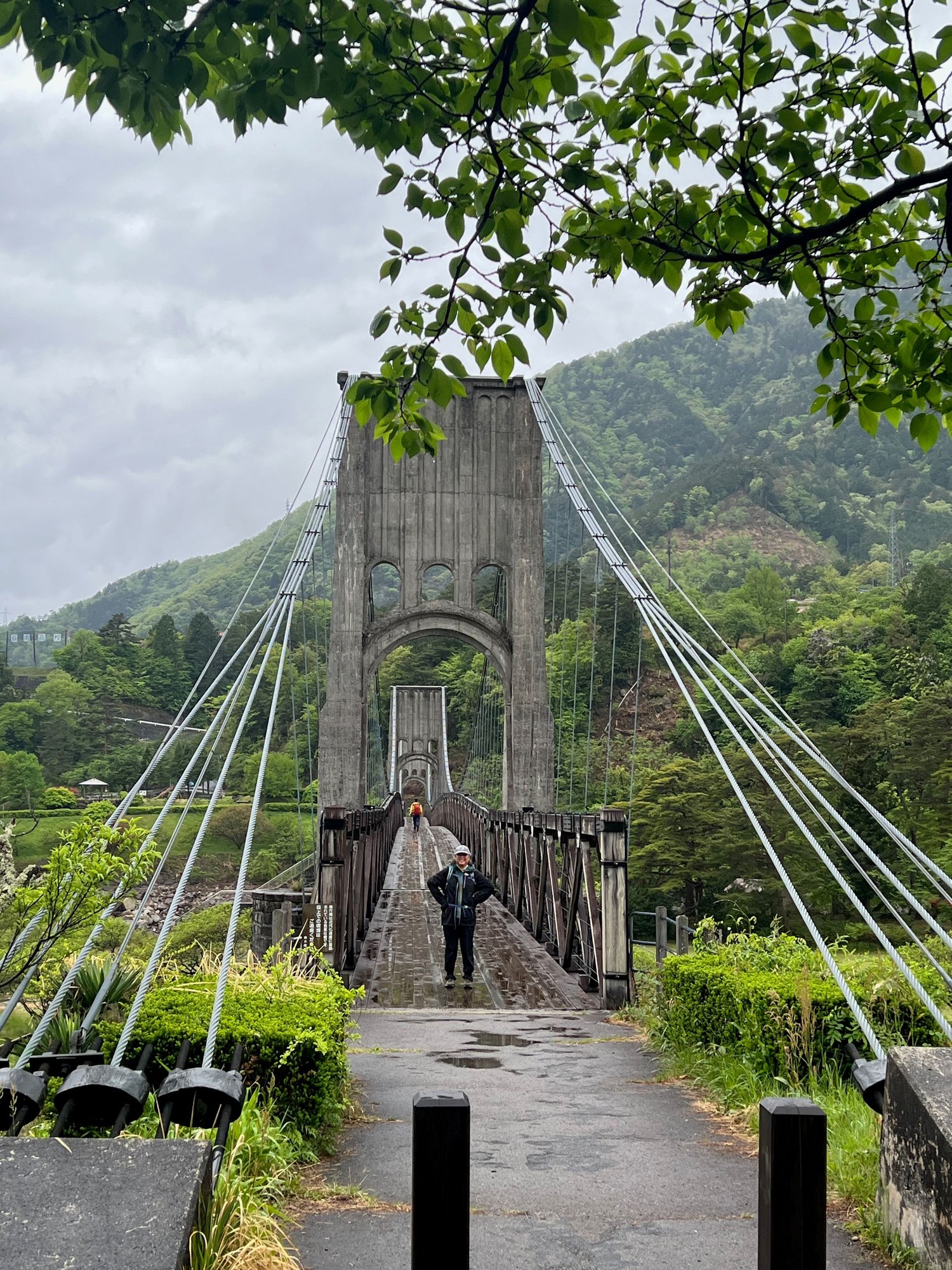
Momsuke Brdige over the Kiso River
Once we reached the end of our hike our microbus picked us up to transfer us to Kiso Fukushima. First, we stopped for our sake tasting at Nakazen Brewing Company (I think though I am not completely sure this is where we visited). We were presented with a flight of 3 different selections of sake. Since DH and I love to go wine tasting this was both fun and fascinating to try. Across the road from the tasting room the staff pointed out what looked like a hobbit-sized wooden door. They noted that this was the entrance to the well which provided the natural spring water which is unfiltered as it arises from Mount Ontake.
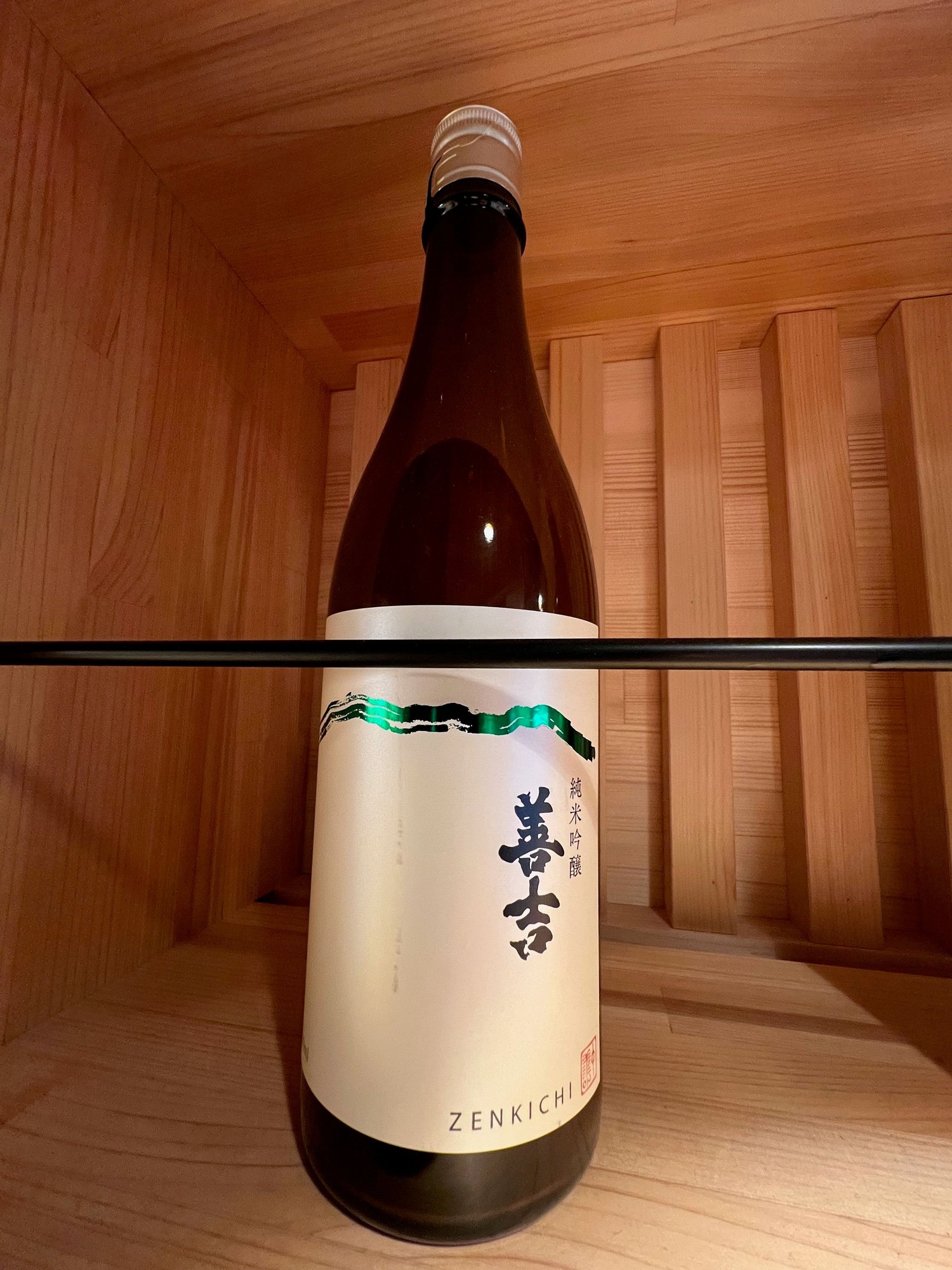
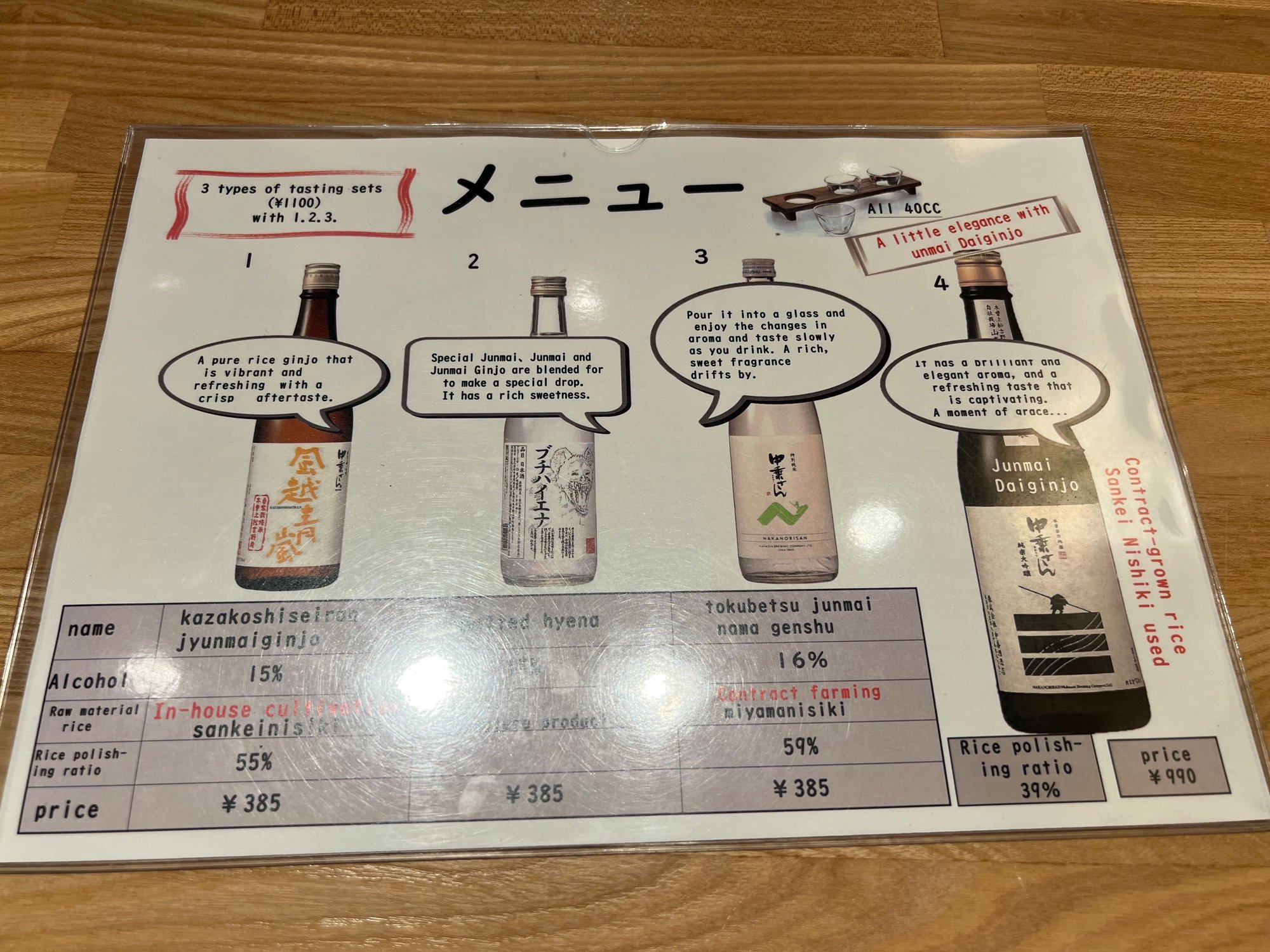
Sake tasting
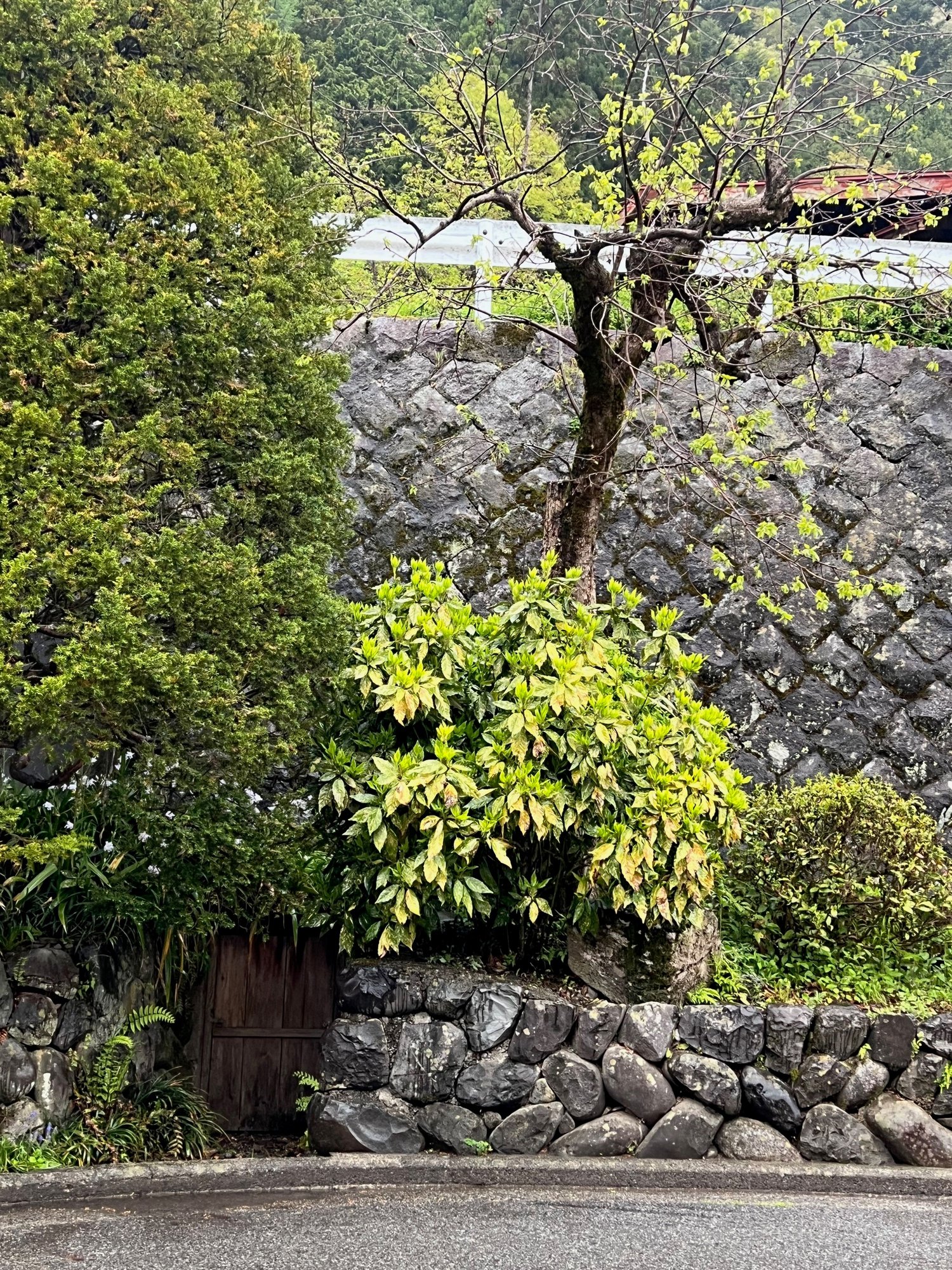
Look closely for the almost hidden door to the well - this photo is enlarged and in real life it is much harder to see the door.

Enjoying our sake tasting
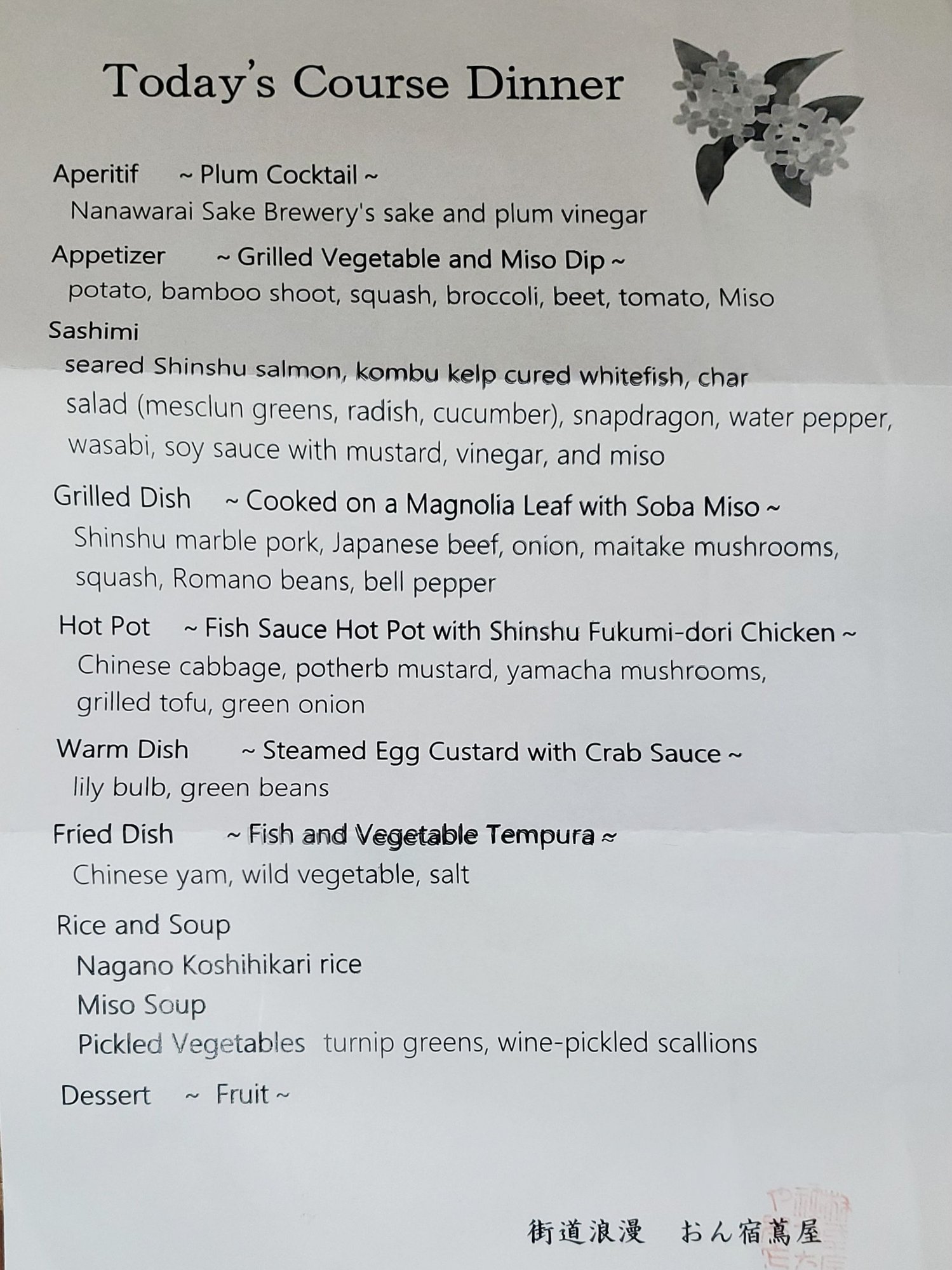
After finishing with the tasting we checked into the Tsutaya Inn. Fortunately, this is when the threatened rain decided to finally let go in a huge downpour. Unfortunately, some of our group were assigned rooms in the annex which was located across the road and a bit further down. We ended up getting soaked as we ran with our luggage to our rooms. While the rooms were very modern and comfortable, the yukatas that we needed to use and the onsen were back across the street in the main hotel building. Since it was still pouring, those of us in the annex decided to skip the onsen. Thankfully, the rain let up at dinner time and once again we had yet another amazing dinner - which included our individual shabu shabu pot. We toddled off to bed to sleep off our hike, our sake and our dinner.
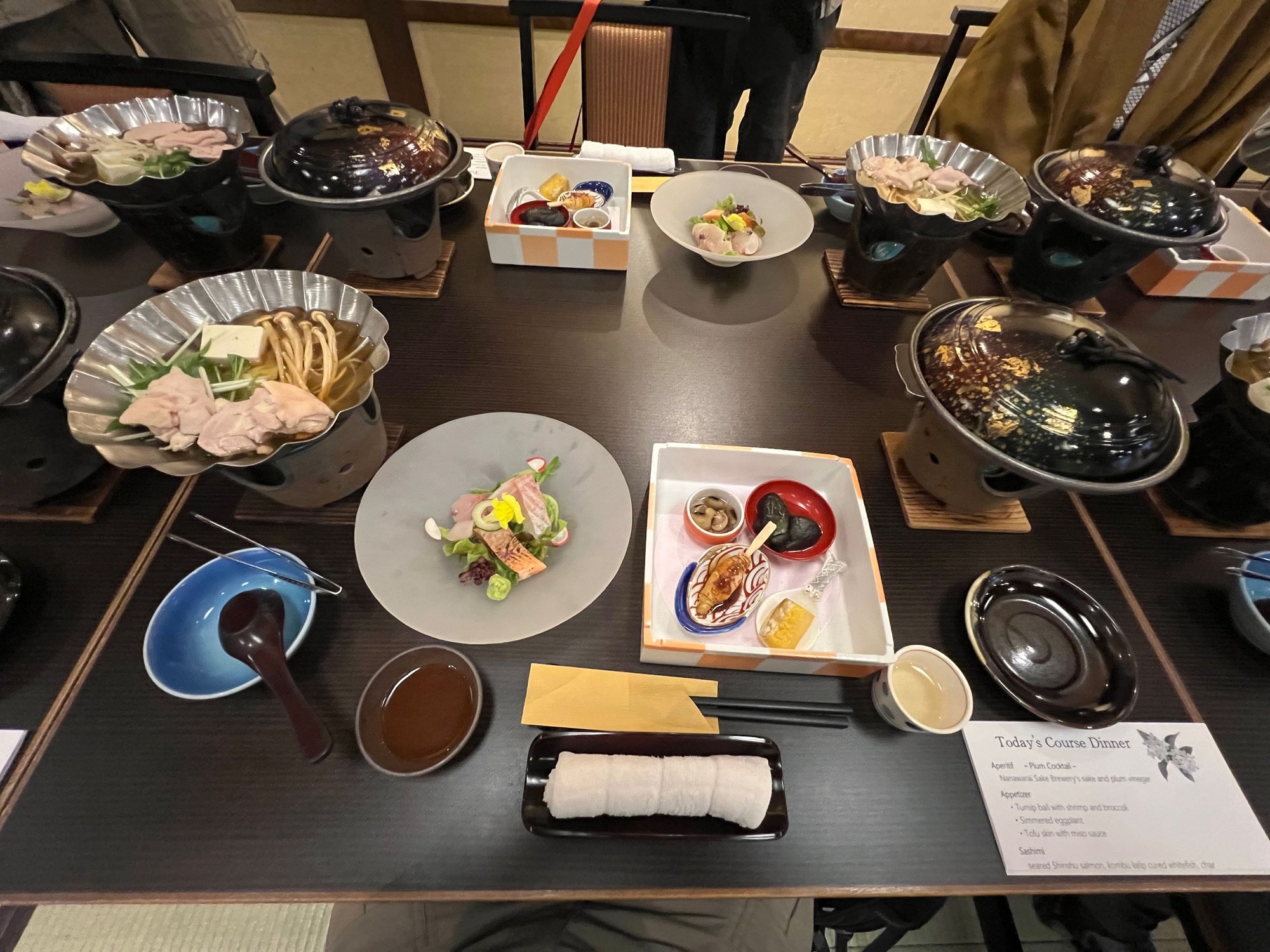
Note the bowl that will be used for your own individual shabu shabu
Next up: Day 14 - only 12,200 steps as we visit the base of an active volcano
 Jun 11th, 2025 | 05:59 PM
#55
Original Poster
Joined: Jul 2008
Posts: 191
Likes: 0
LOL - yes, there were many of us in the group who really liked having a morning banana and our guide, Quinlan, was so kind and diligent in going out to buy them each morning. As you know, It was definitely NOT a typical Japanese breakfast item.
Jun 11th, 2025 | 07:28 PM
#56
Original Poster
Joined: Jul 2008
Posts: 191
Likes: 0
Day 14 - only 12,200 steps as we visit the base of an active volcano
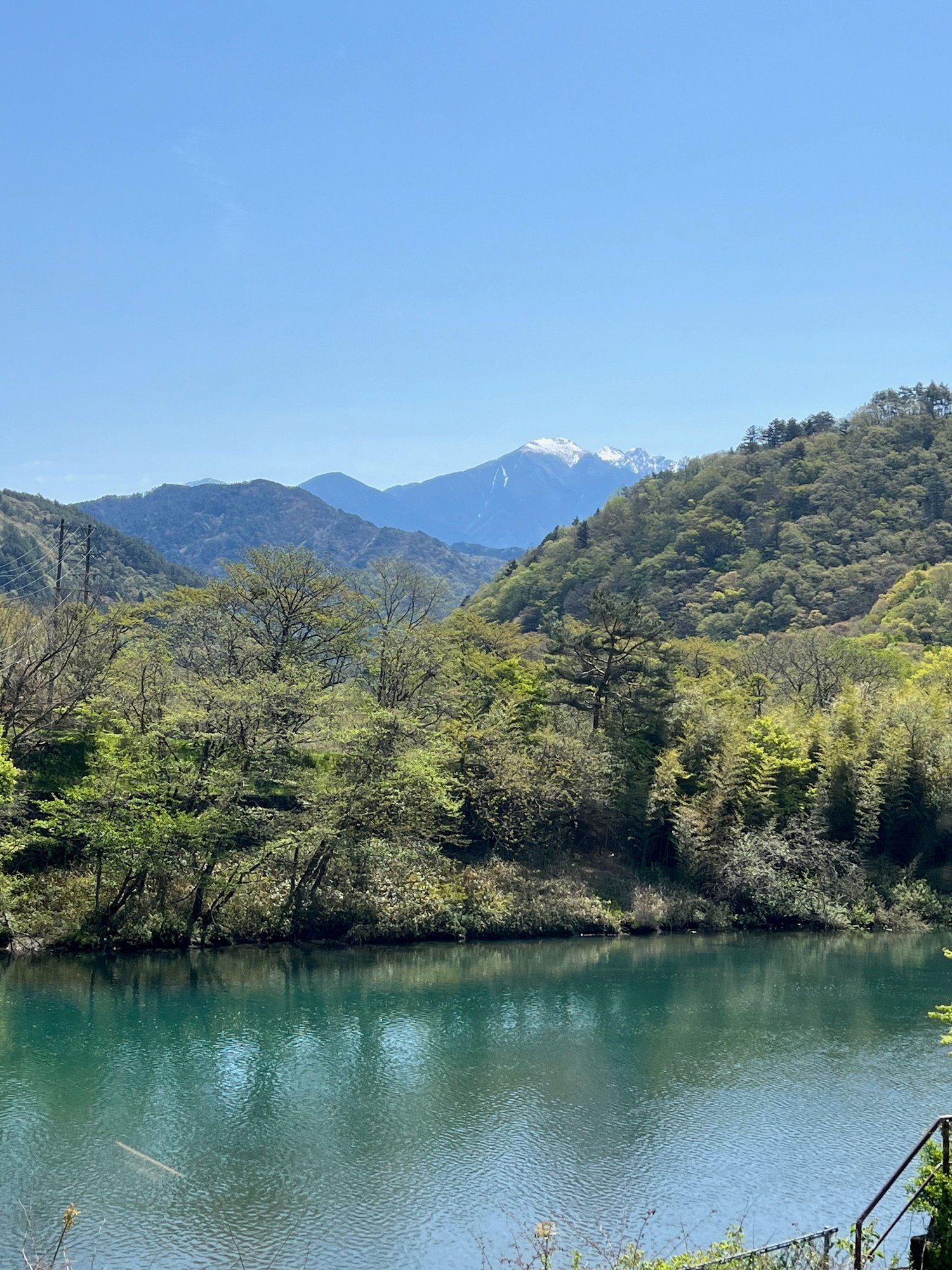
Mt. Ontake in the distance
The rain clouds of the night before had blown away and we woke to a bright blue sky. We departed Tsutaya Inn by microbus with the staff vigorously waving their good-byes. One of our fellow hikers later pointed out that when the men waved good-bye they would only wave with one hand, while the women would use both hands crossing and uncrossing in front of their smiling faces. Today we were traversing part of the Mt. Ontake Pilgrimage Walk. First we stopped at the Visitor Center - another modern well laid out facility. On September 27, 2014 Mt. Ontake suddenly exploded, catching both scientists and visiting hikers, some of these hikers were making a pilgrimage to the summit, by surprise. It was estimated that 63 people died or could not be accounted for. We watched a video that reviewed the events surrounding the eruption and that also included interviews with a few survivors. One man described how he was able to find a fairly large rock to shelter under to protect most of his body from falling debris. However, he couldn’t completely get his legs under and sustained several injuries. It was a sobering video to watch. At the time of our visit Ontake was at volcanic alert Level 2 (out of a maximum of 5) - so a moderate degree of concern with the summit plateau and the crater off limits to visitors. The video was also a little concerning as it showed some footage of what the seismograph was recording in the days prior to the eruption. As you walk into the Visitor’s Center one of the first things you see is a seismograph working in real time. It had a similar tracing level as in the video!

From an informational timeline outlining the history of Mt. Ontake
We set out from the Visitor’s Center for our very uphill hike. We started out by climbing the 383 step staircase to the Omata Sansha which is a shrine dedicated to the three main deities of the Ontake faith. Apparently reaching this shrine offers the same merit as a full pilgrimage to the summit. Hiking up the uneven stone steps I felt as if I was on an endless stairway. I decided not to look up and to just keep moving up so that reaching the top was a happy surprise. We had learned that the pilgrimage to reach the crater of Mt. Ontake had been performed for centuries (as early as the 9th century), though initially the ascetics who made the ascent (in bare feet or using straw sandals) tried to tightly restrict access to only the most faithful Shugendo adherents. Eventually two of the mountain ascetics, Kakumei and Fukan advocated against heavy resistance to open up access. As we moved upward we encountered many stone monuments (there are over 20,000 of them) placed to commemorate the ascetics who had made multiple journeys to the 10,062 ft summit of Mt. Ontake. Of course we only climbed about 1000 feet.
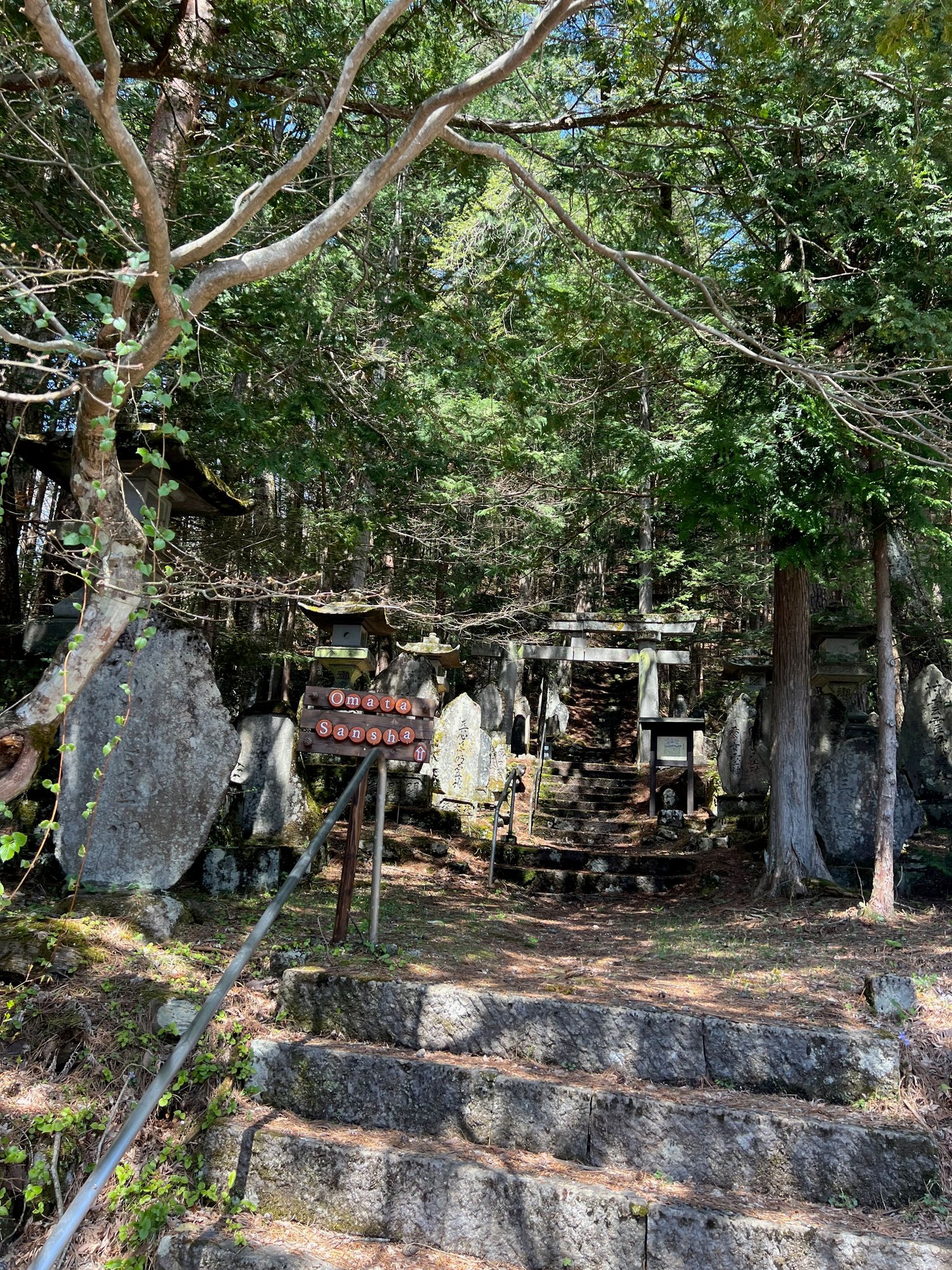
Signpost for Omata Sansha
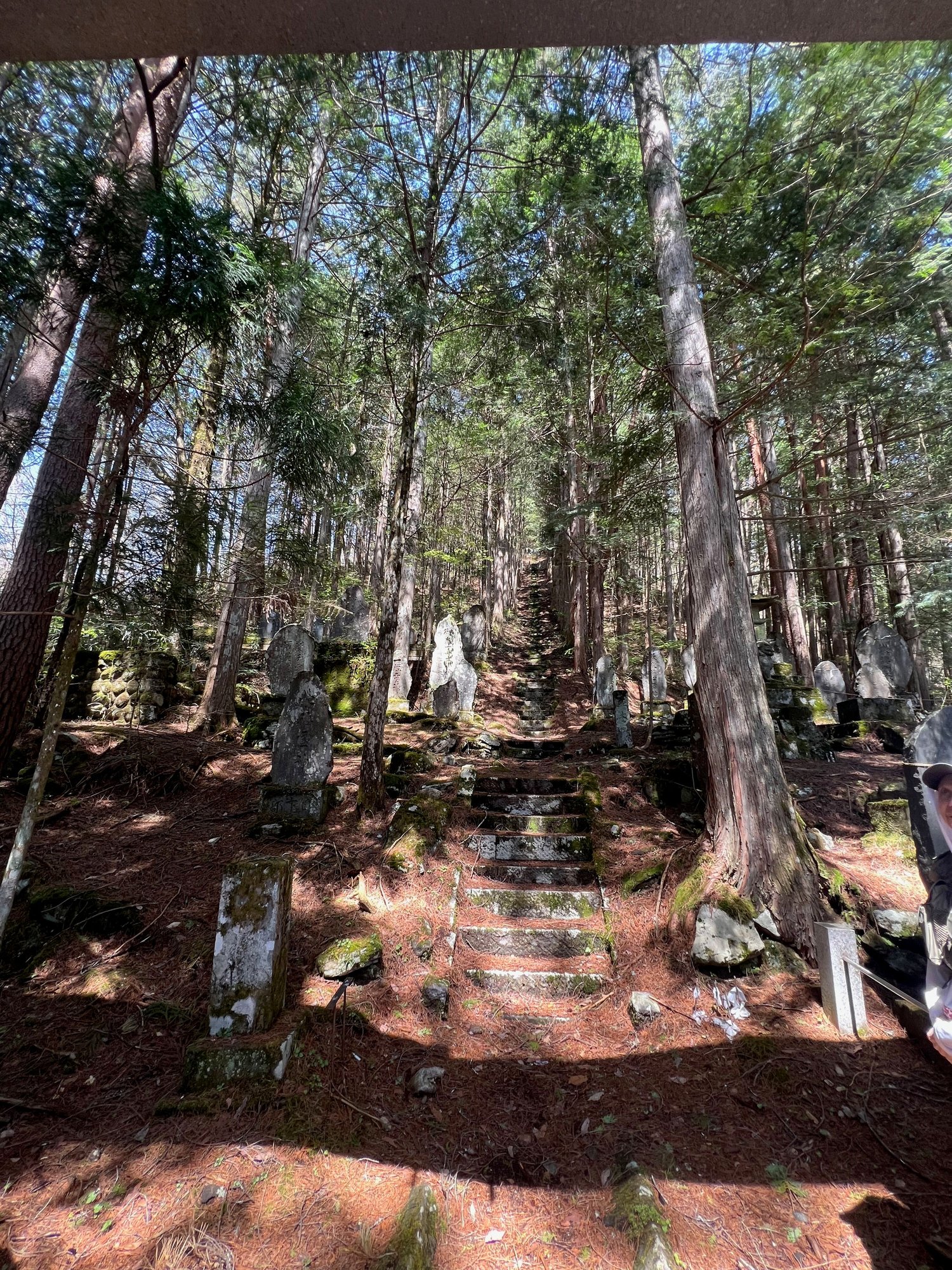
The beginning of the 383 stairs leading to the Omata Sansha
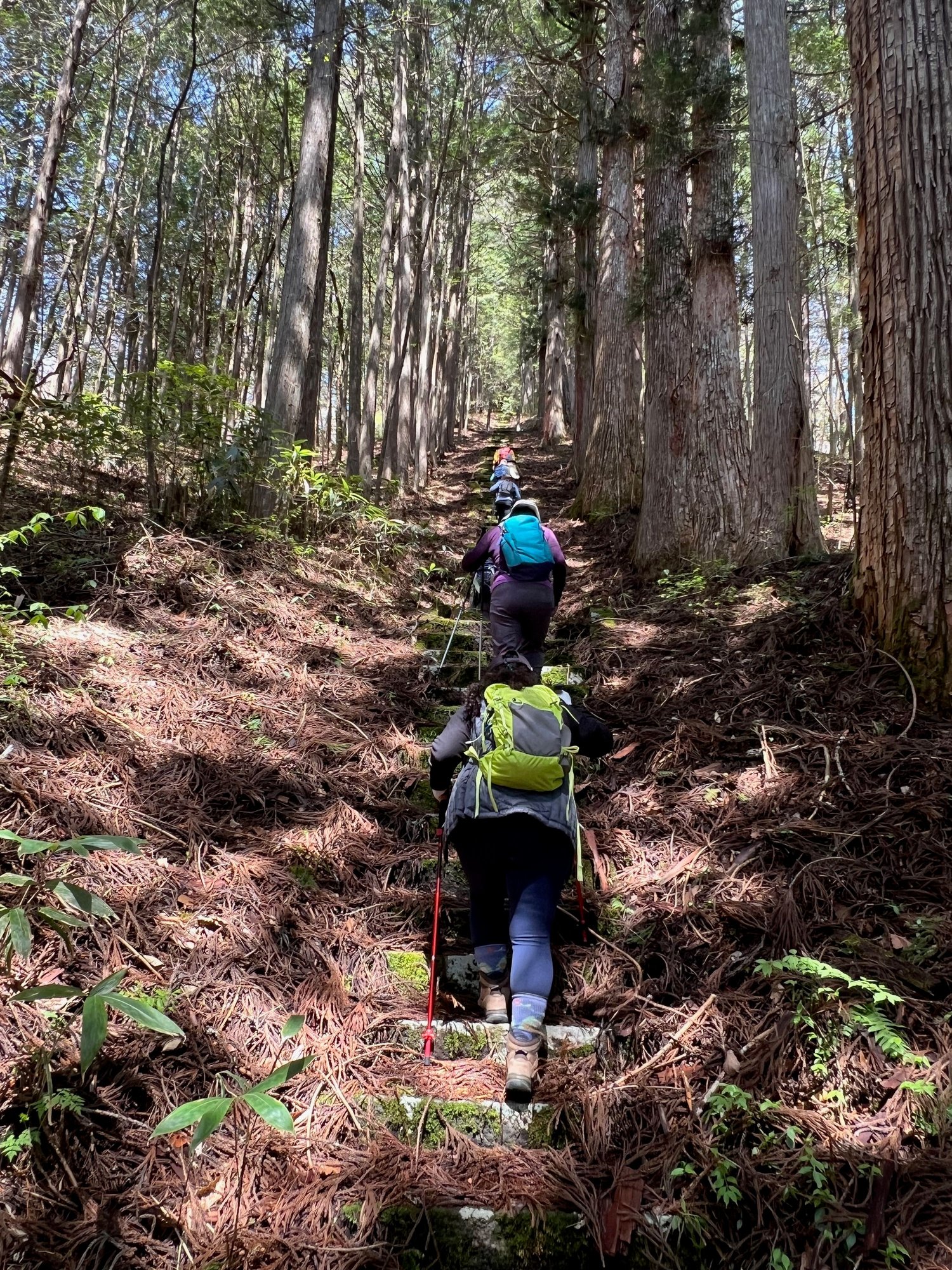
We start our climb.
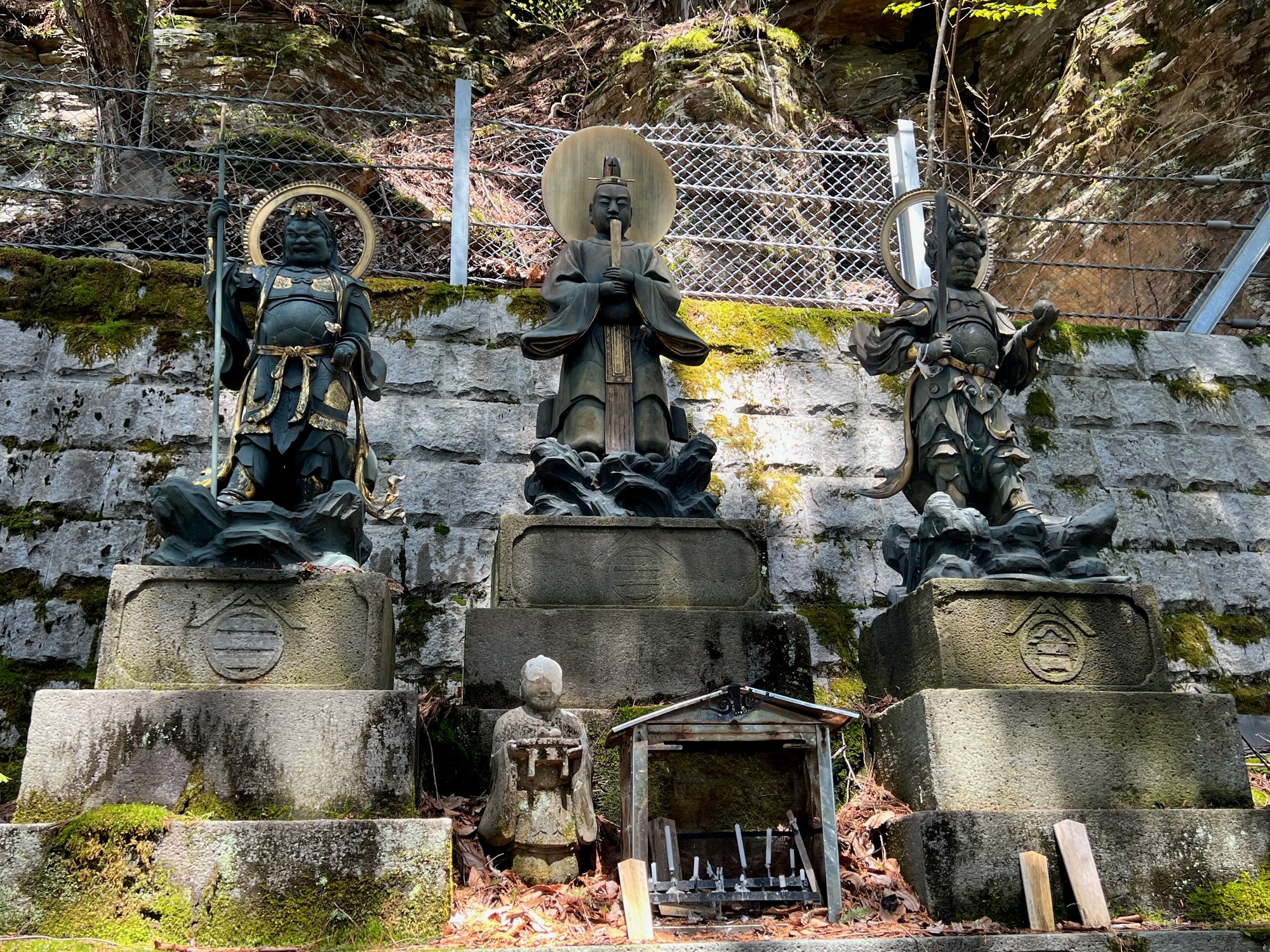
The Omata Sansha
Once we had climbed that initial endless staircase we proceeded to hike along the pilgrimage trail and passed through “the Hanadofukando and Juni Gongen Shrine… before reaching…Shintaki Falls.” Kiyomi explained that some pilgrims will come to stand in the falls as part of a purification ritual. We also stopped by Kiyotaki Falls which is also a site for purification rituals.
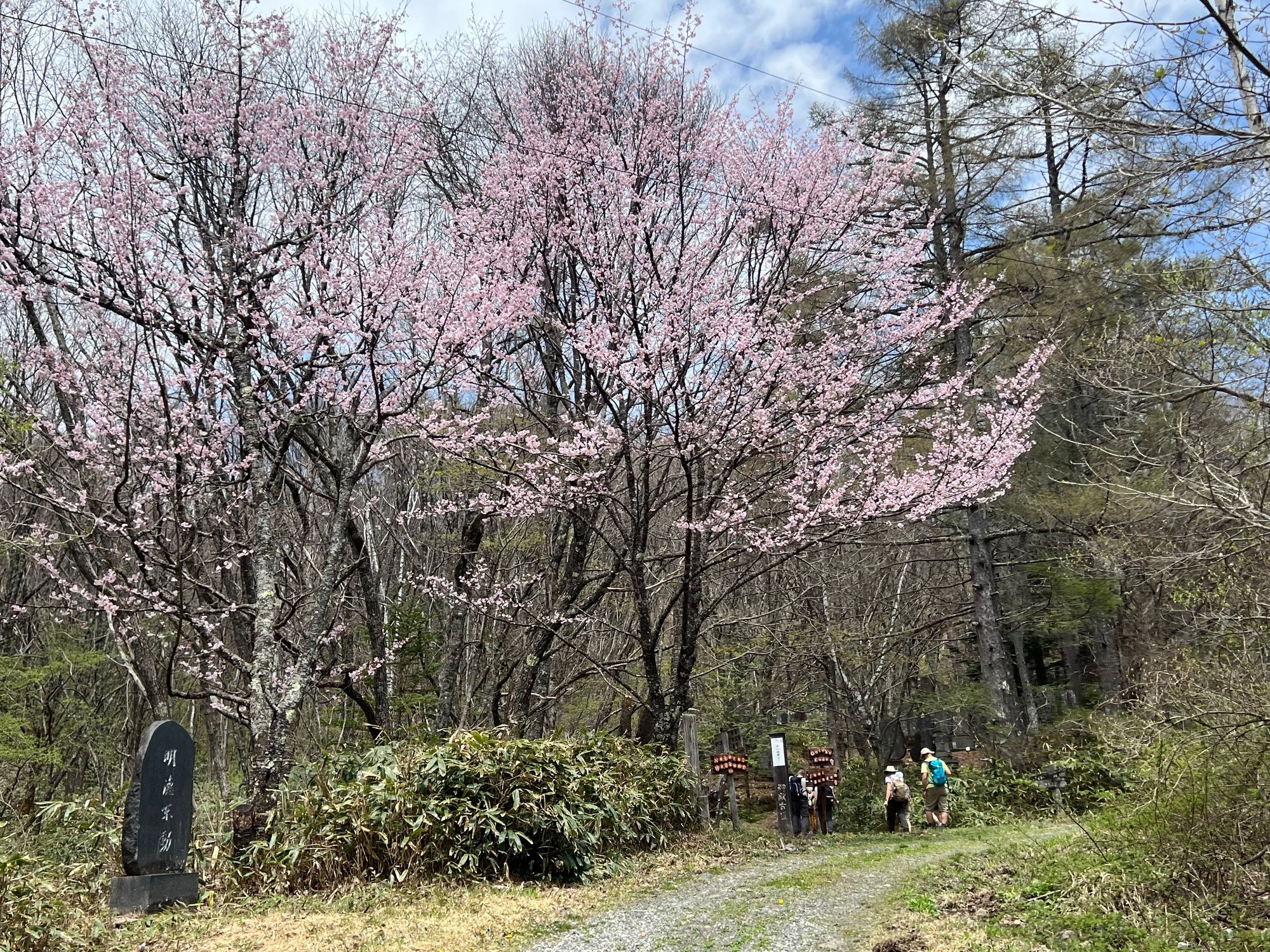

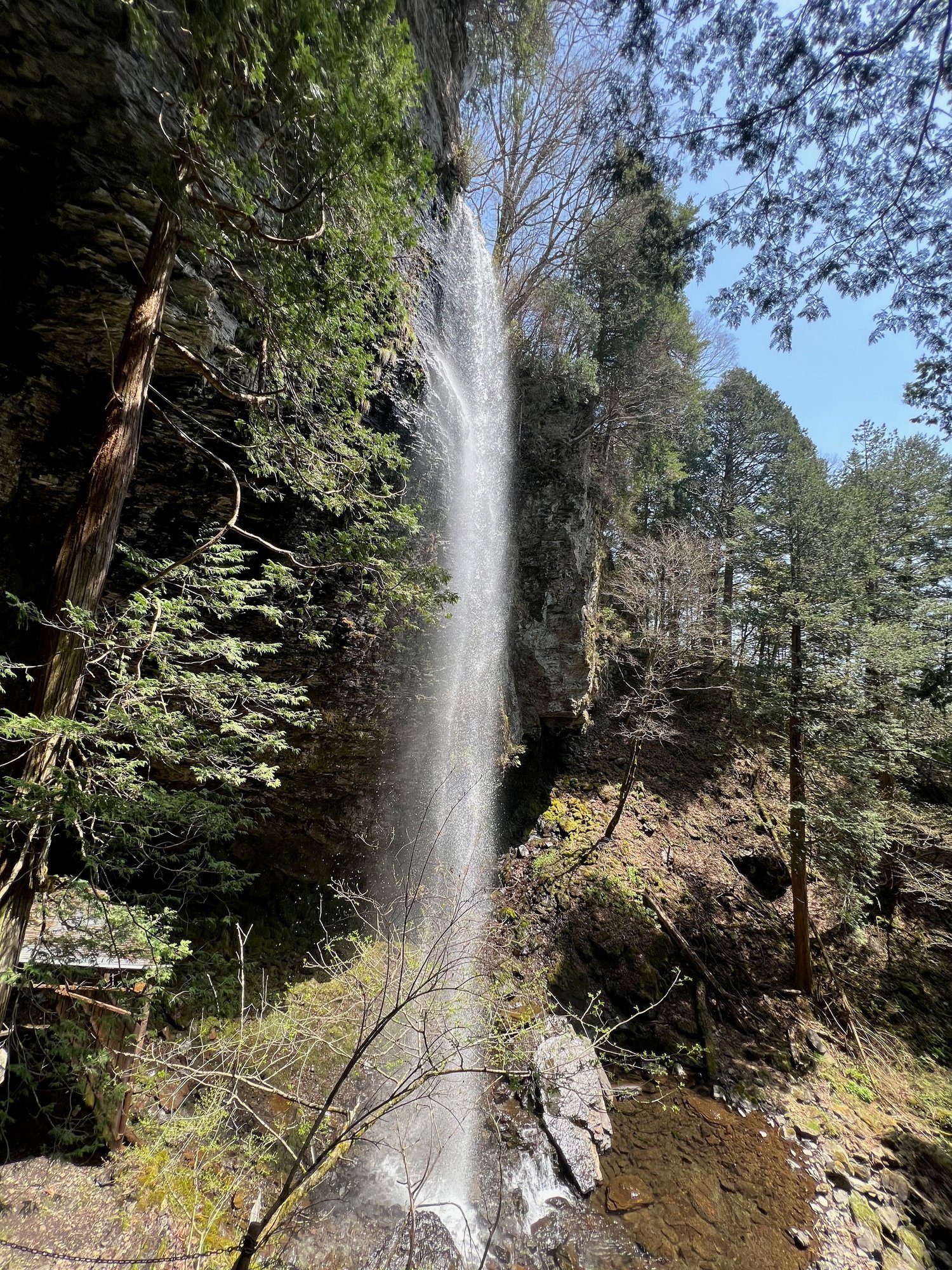
Shintaki Falls
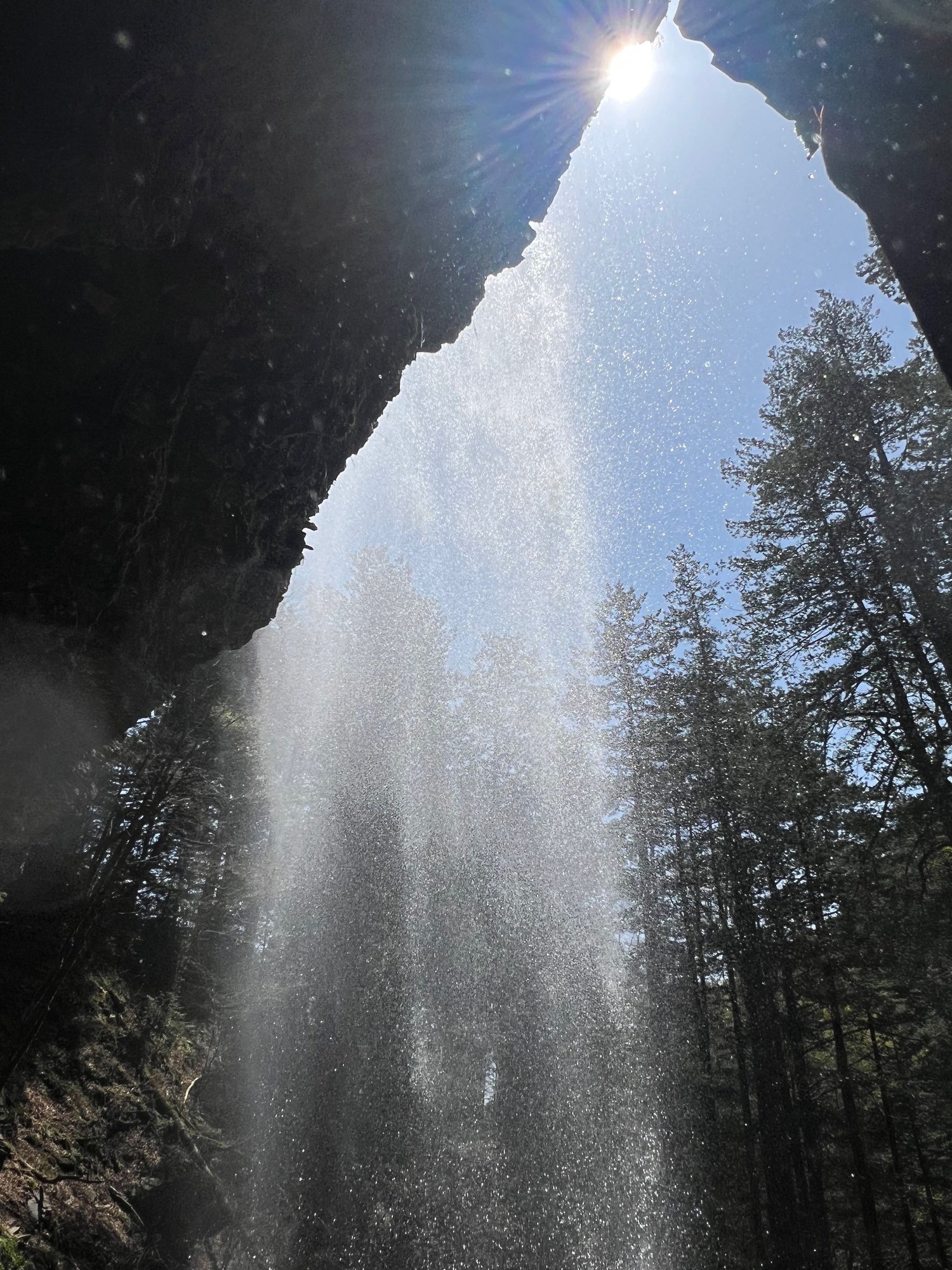
Behind Shintaki Falls
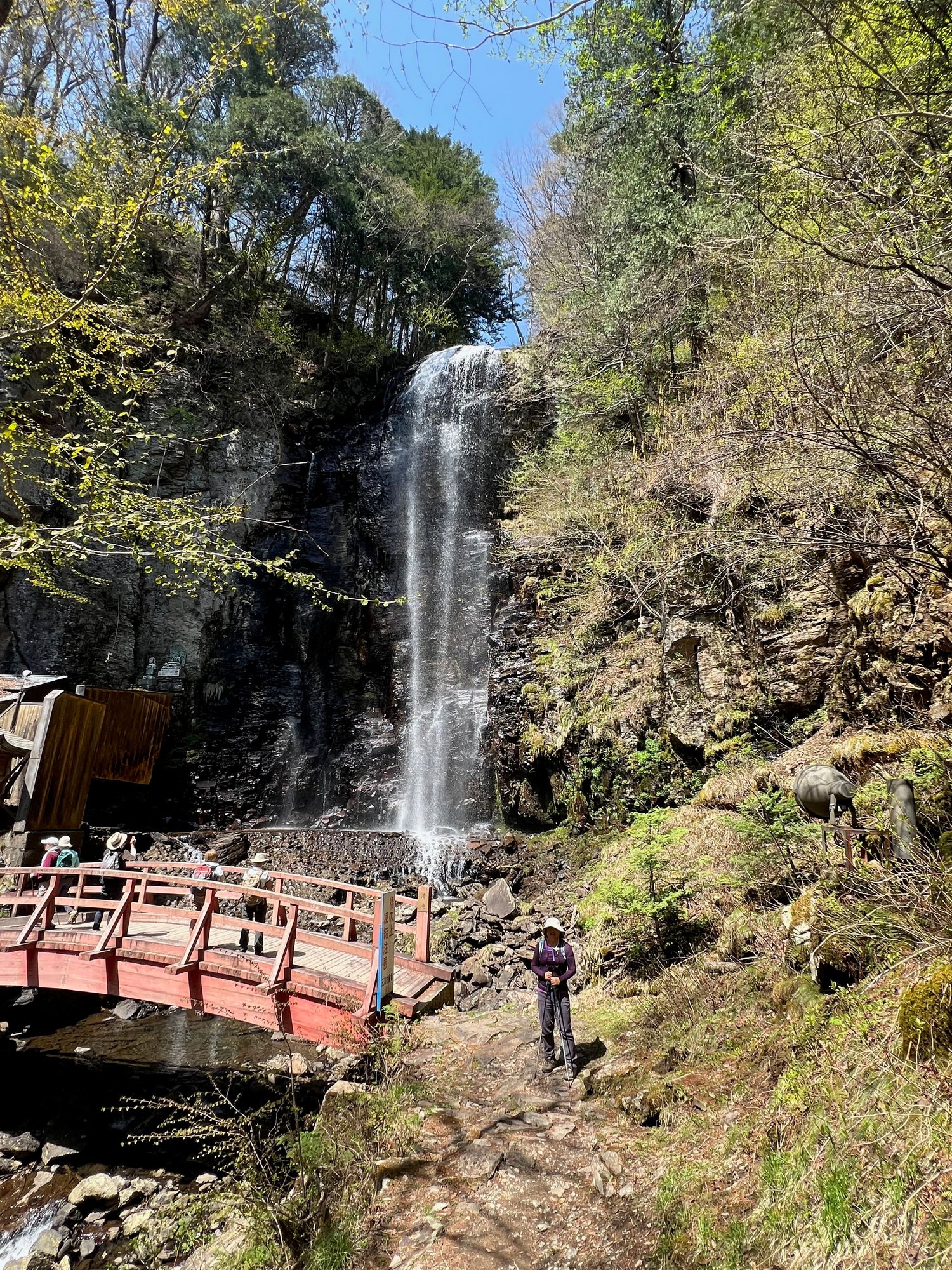
Kiyotaki Falls
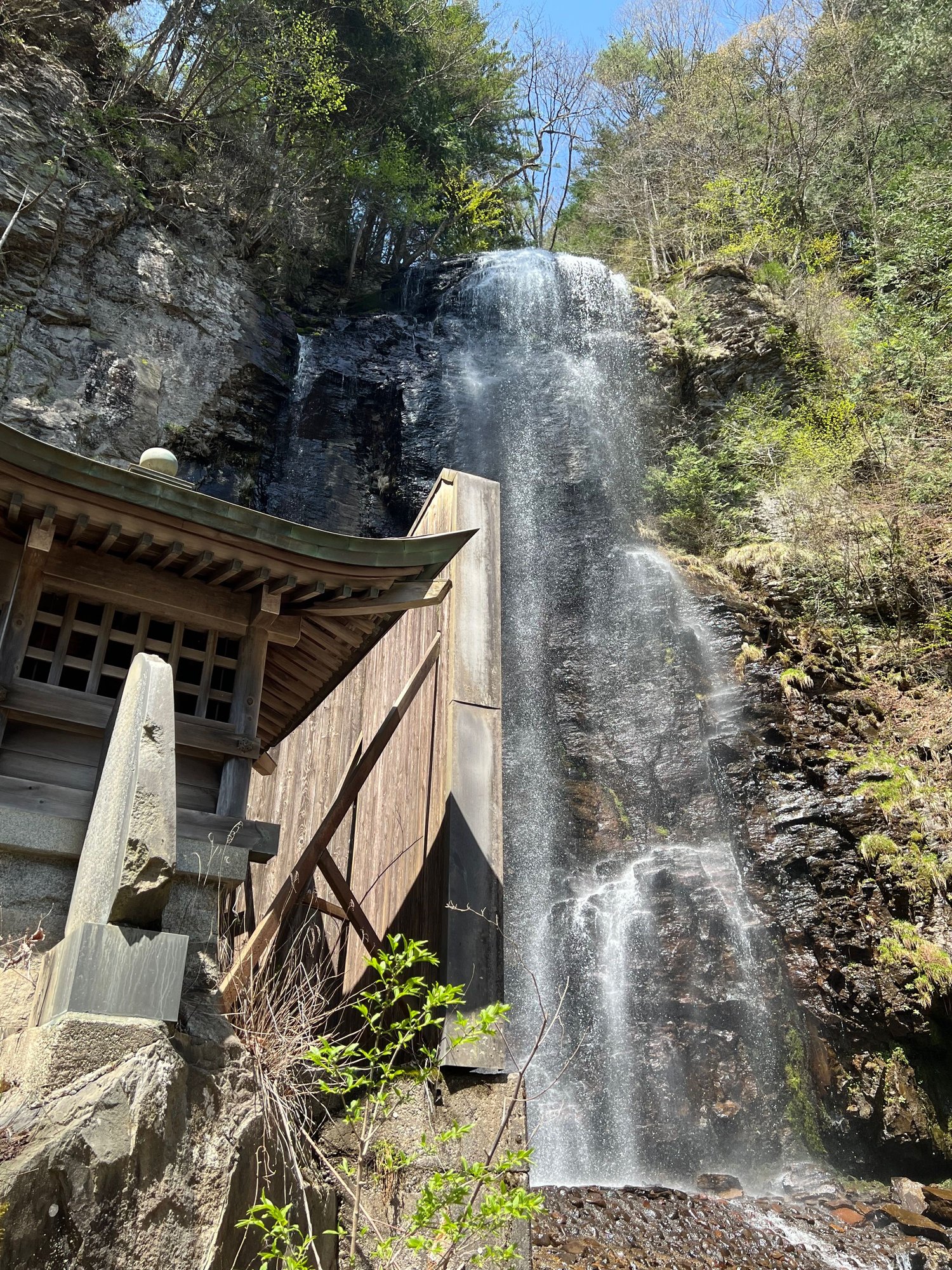
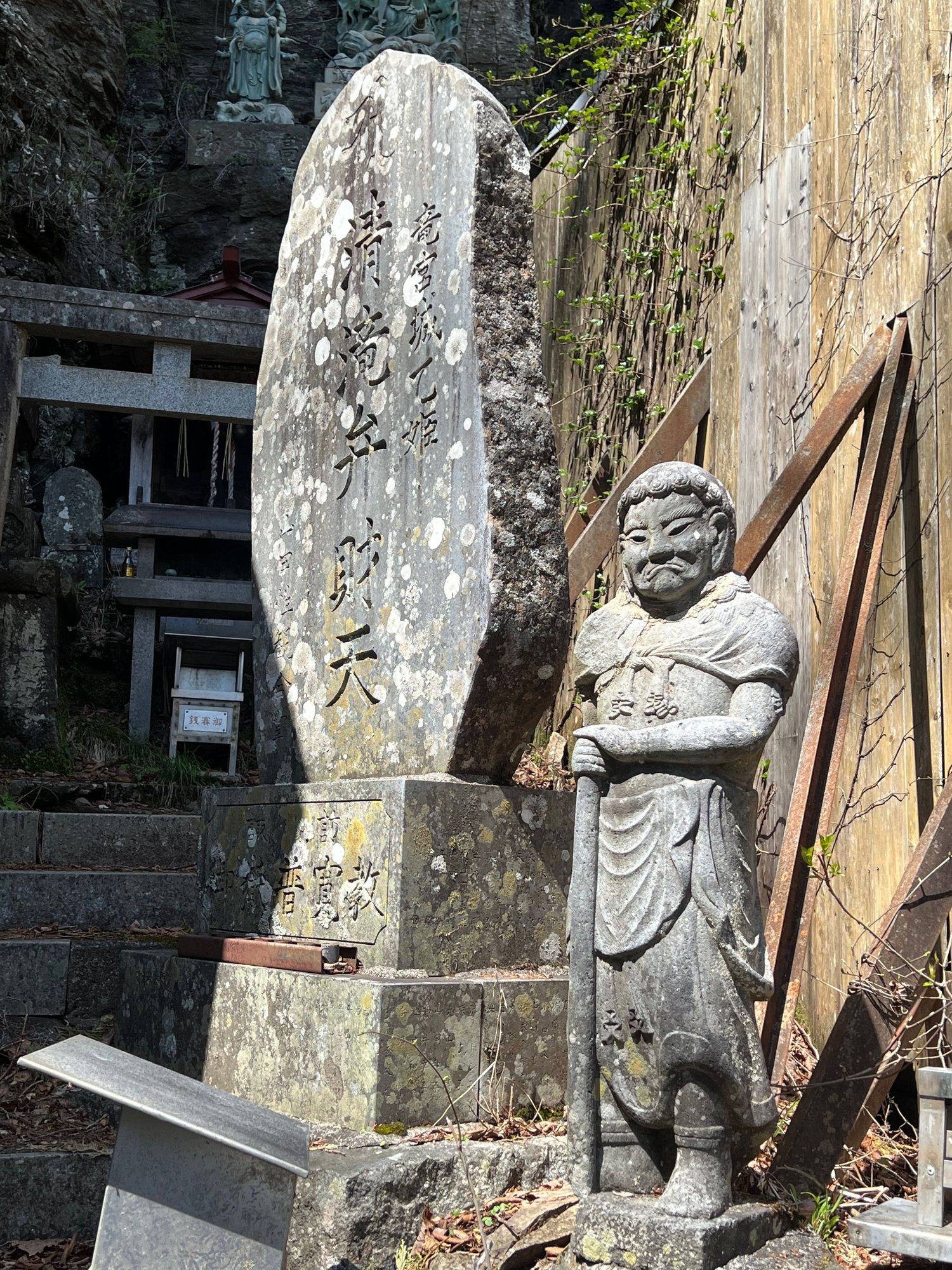
Reijinhi - stone monuments to honor former pilgrims
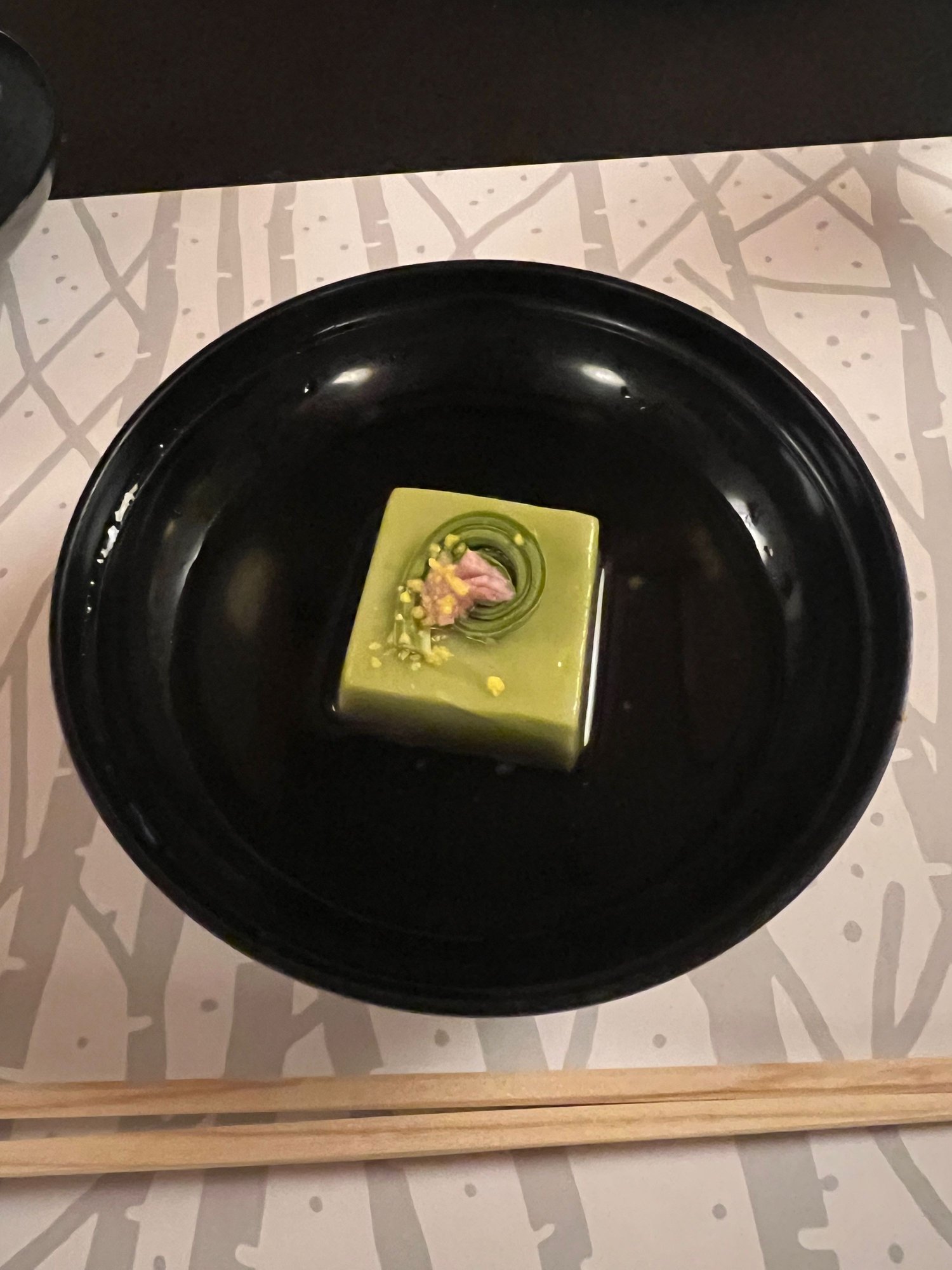
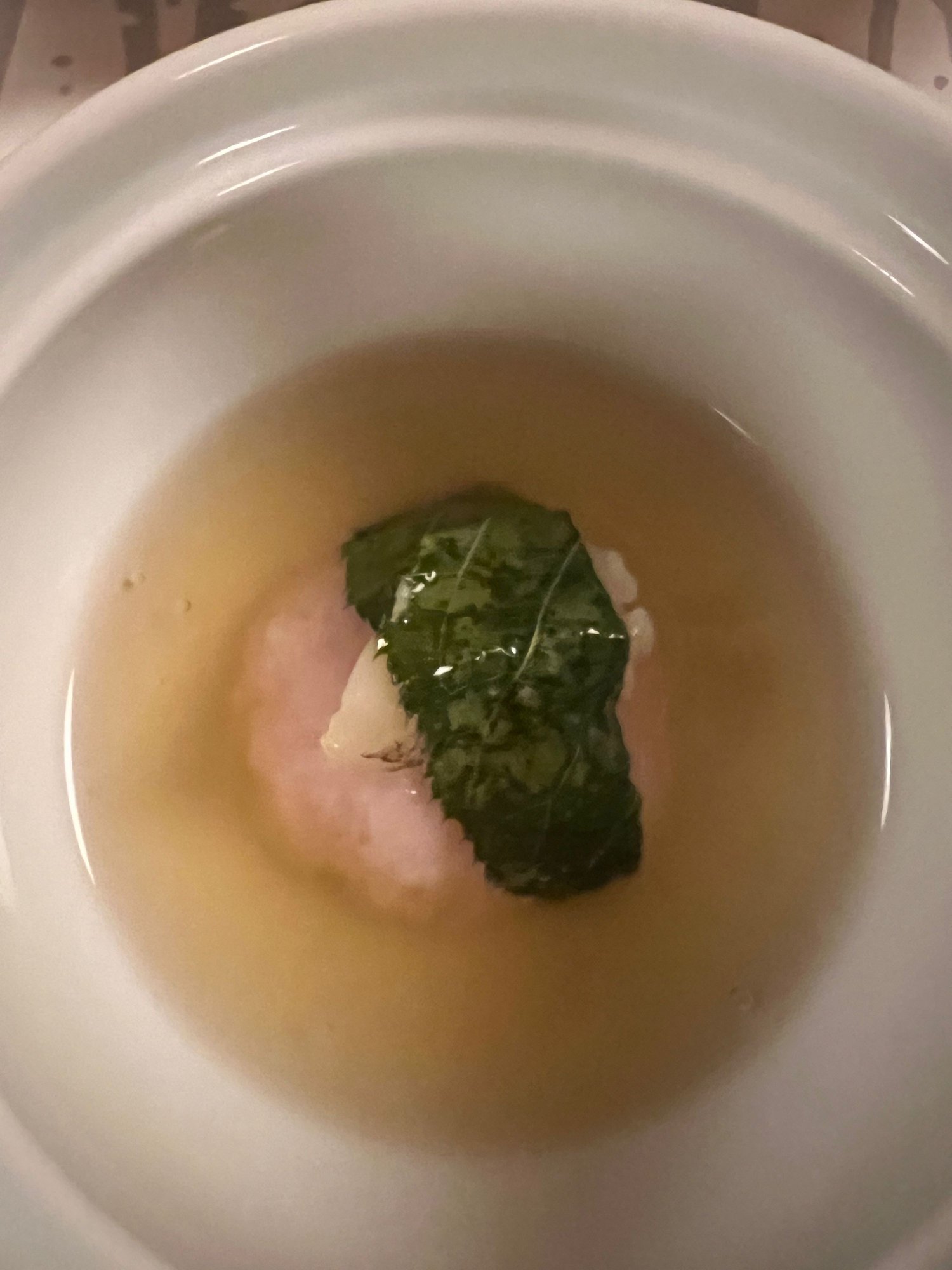
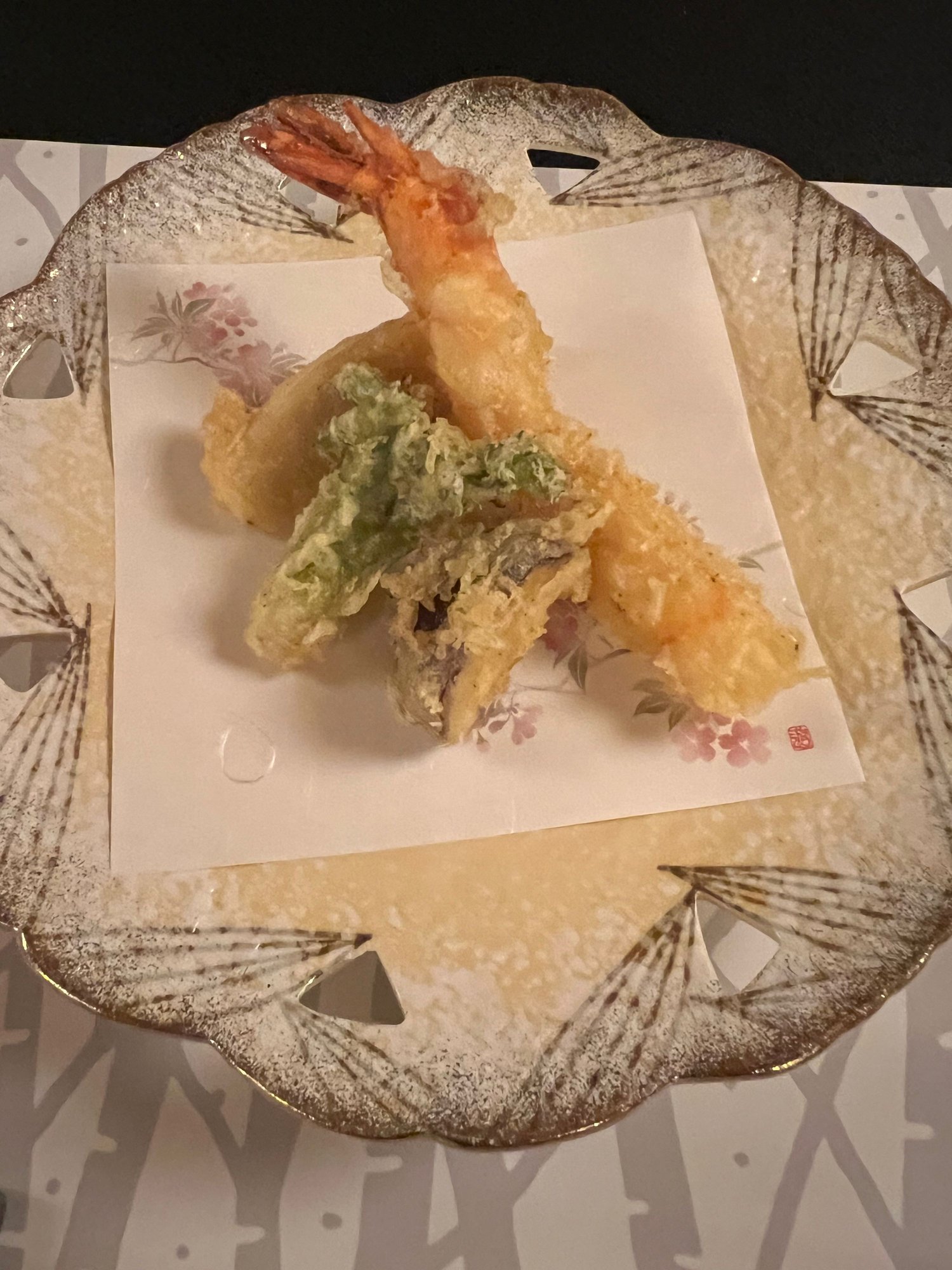
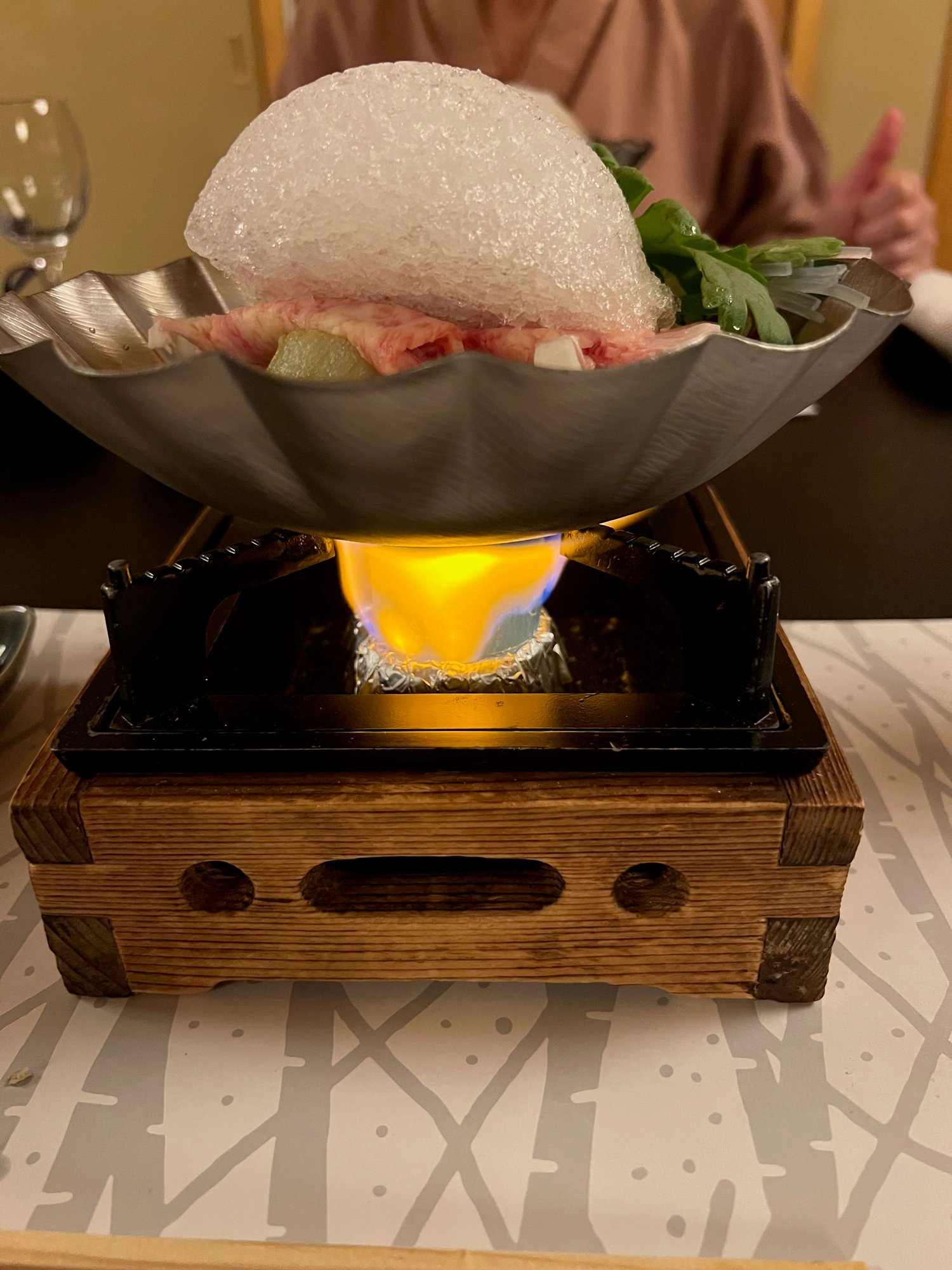
Once we finished the hike we were transferred to Tsutaya Tokinoyado Kazari in Kiso. This is a beautiful ryokan which successfully blends the modern and traditional Japanese aesthetic together. With the clear skies we were able to see Mt. Ontake in the distance. I ran off to soak in the onsen which was a very soothing experience. There was also an outdoor bath though I decided to stay inside and just enjoy the view through the floor to ceiling glass window. Afterward we had yet another amazing meal (you are probably tired of hearing this over and over again). I do wonder if each of these ryokans are secretly in competition with each other as the meals were so elaborate with their artistic presentation and varied menu items.
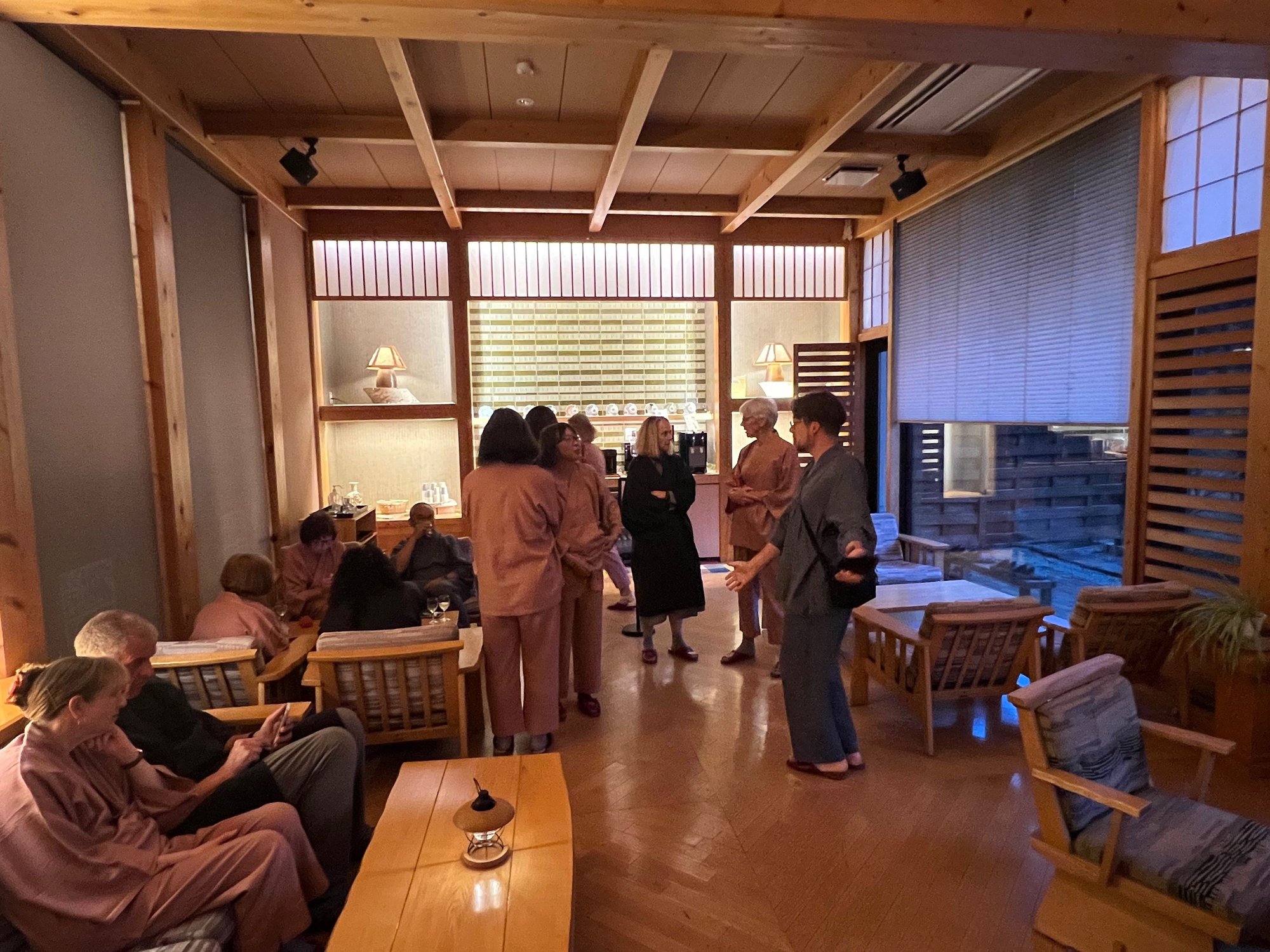
Common area of Tsutaya Tokinoyado Kazari
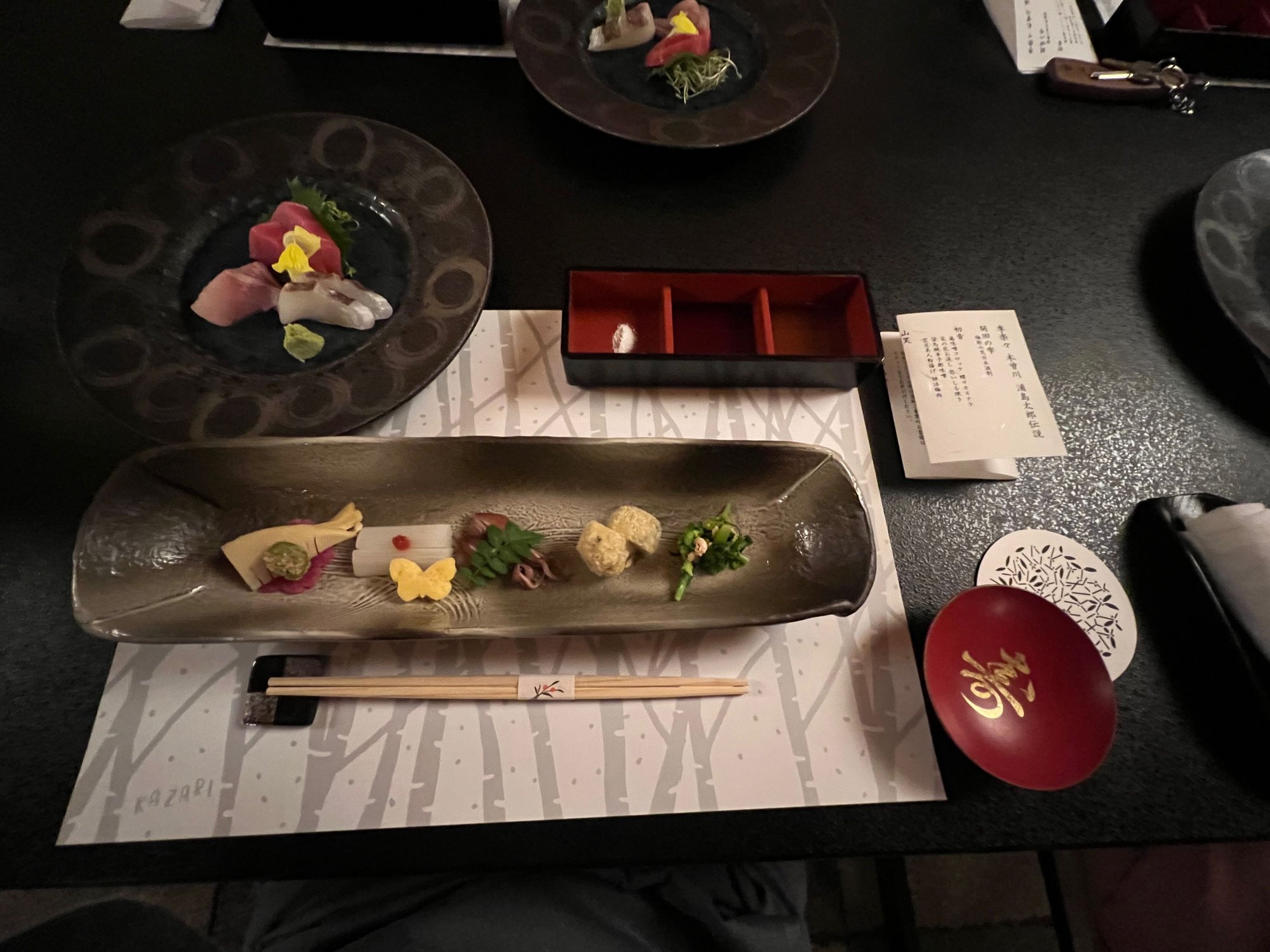
Our beautiful and delicious dinner

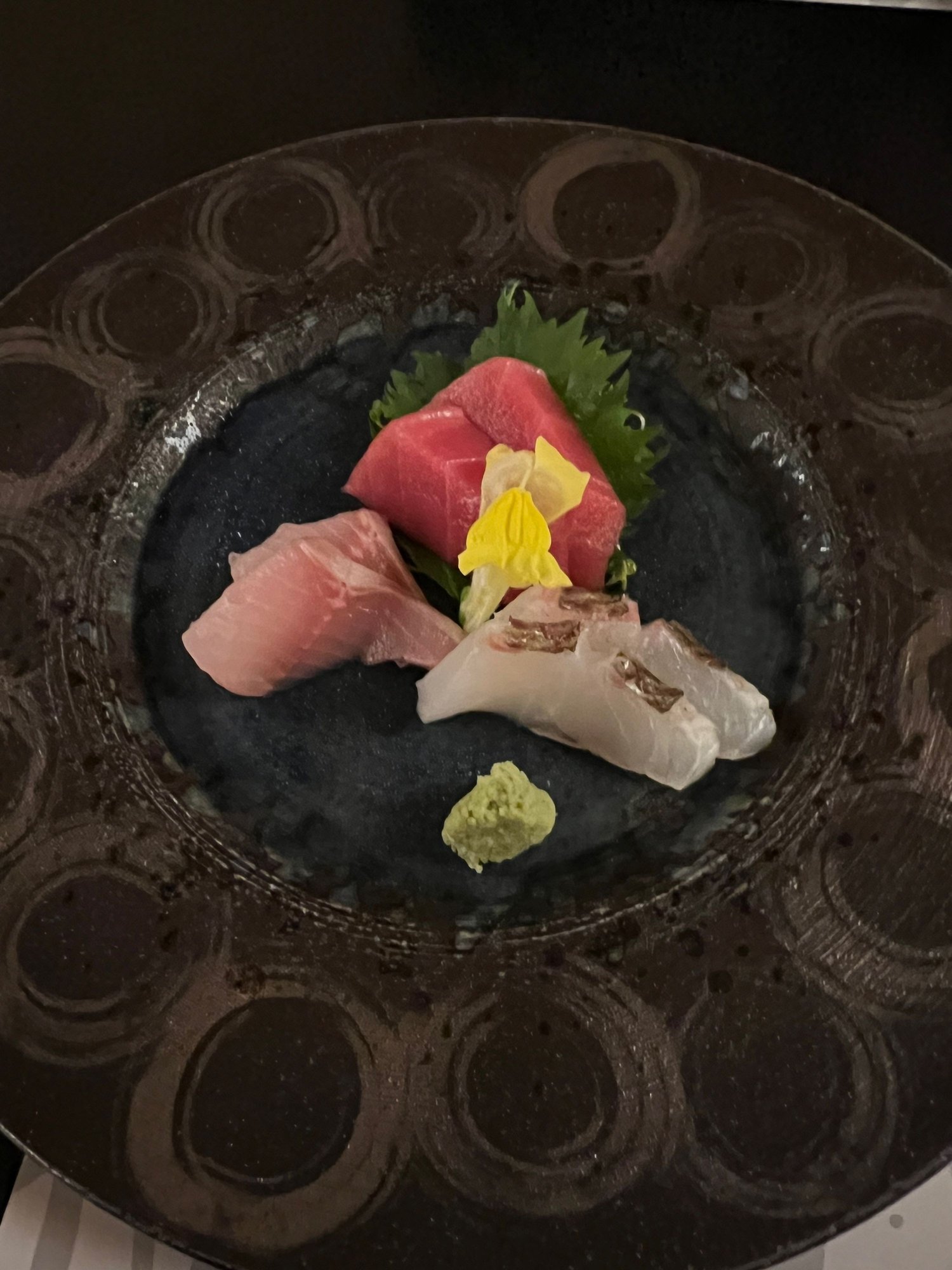
Next up: Day 15 - 17,200 steps as we traverse the Toril Pass
Jun 12th, 2025 | 03:34 PM
#57
Original Poster
Joined: Jul 2008
Posts: 191
Likes: 0
Day 15 17,200 steps as we traverse the Torii Pass
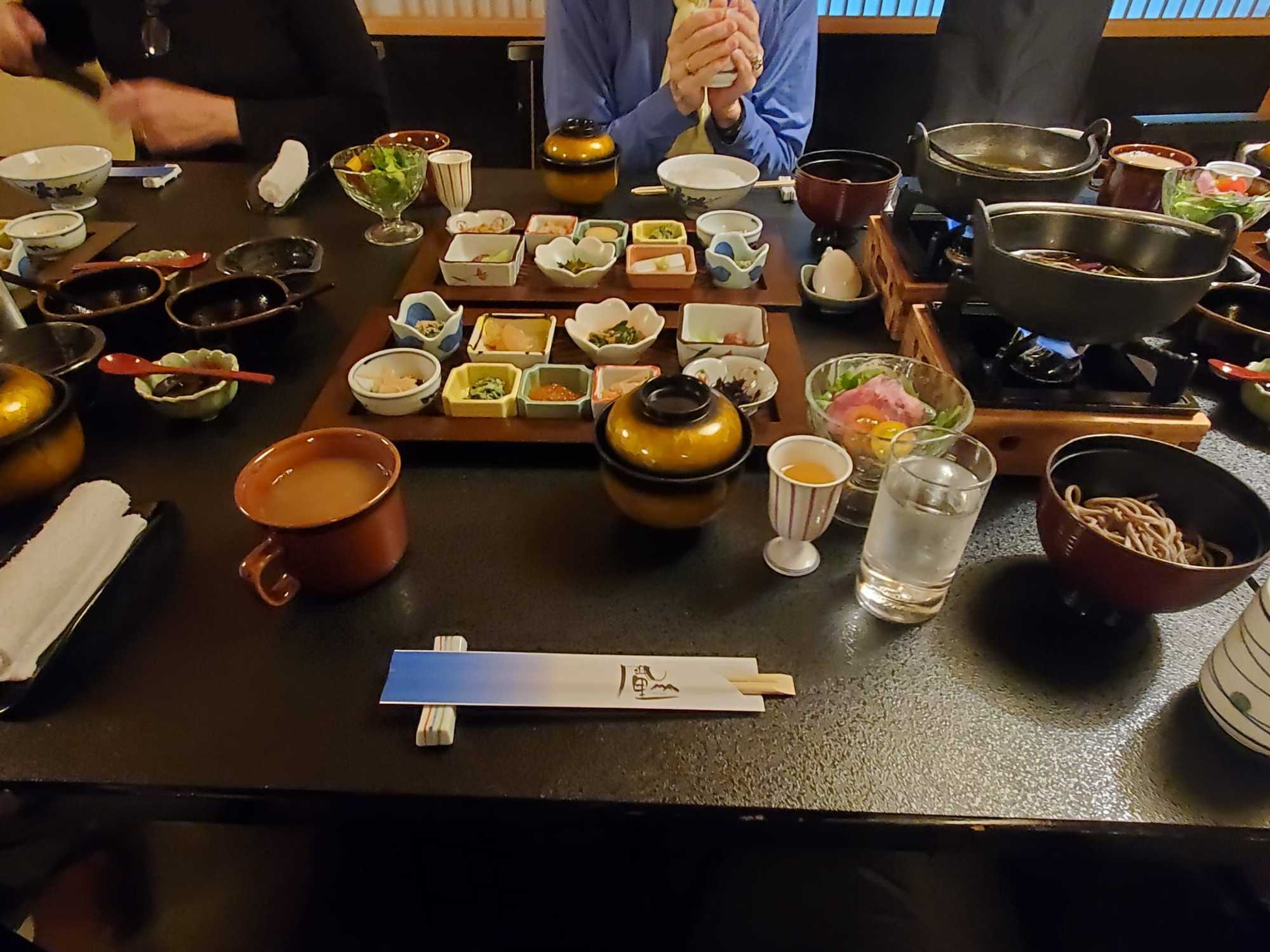
Another extensive breakfast - sorry I don't have a photo of the buttery freshly baked croissant.
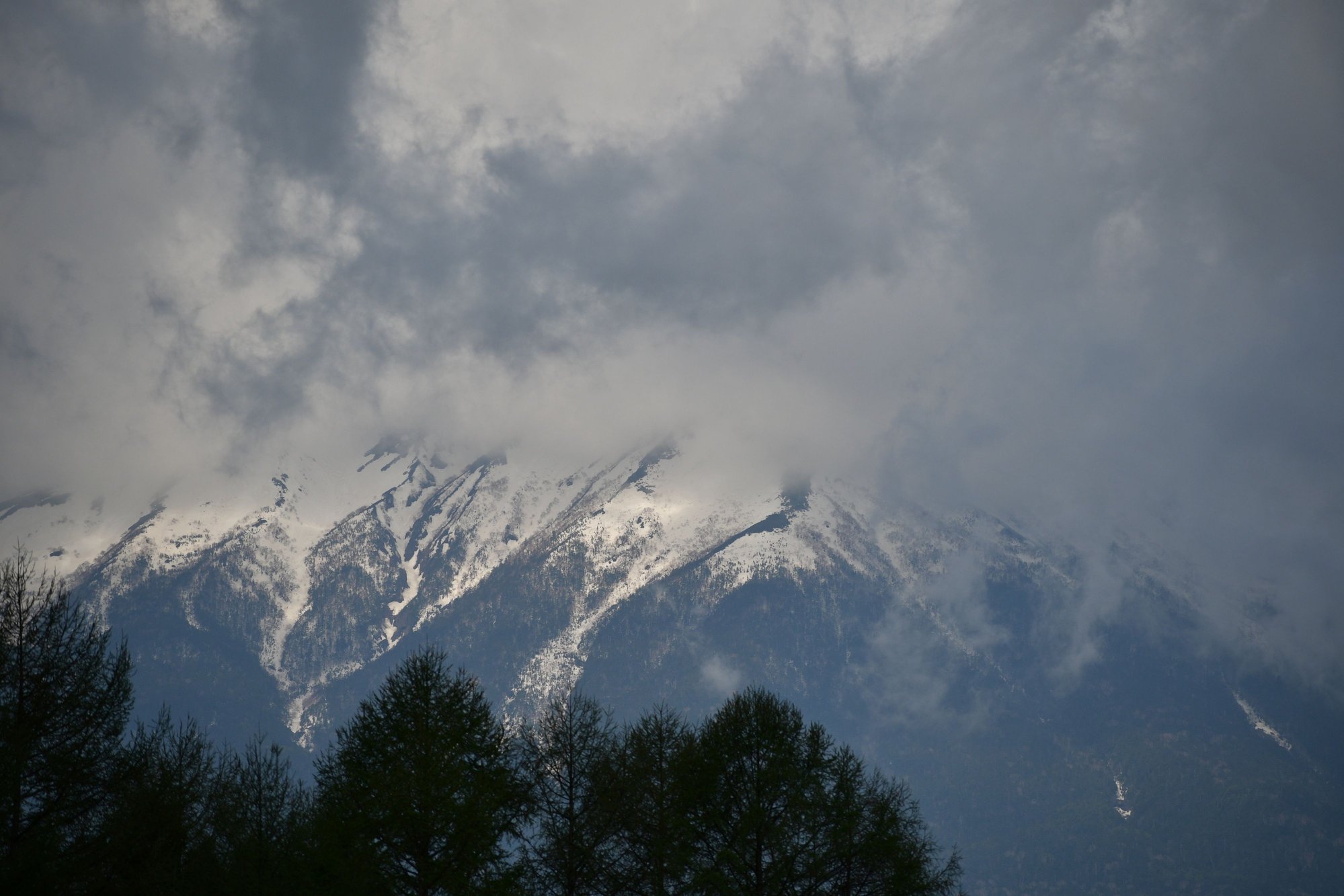
View from Tsutaya Tokinoyado Kazari (using a telephoto lens)
Breakfast was another delicious meal but with one additional treat - freshly baked croissants. The pastry chef at our hotel made these giant buttery croissants on site. They were served warm and were incredibly delicious! We boarded our microbus to transfer to the post town of Yabuhara. Once we were dropped off at the trailhead we then proceeded on our hike up and through the Torii Pass. While the skies were very cloudy, we were fortunate to not have to deal with rain. With all of the ups and downs, It would have been much more treacherous and slippery over the stony trail that was often covered with leaves.
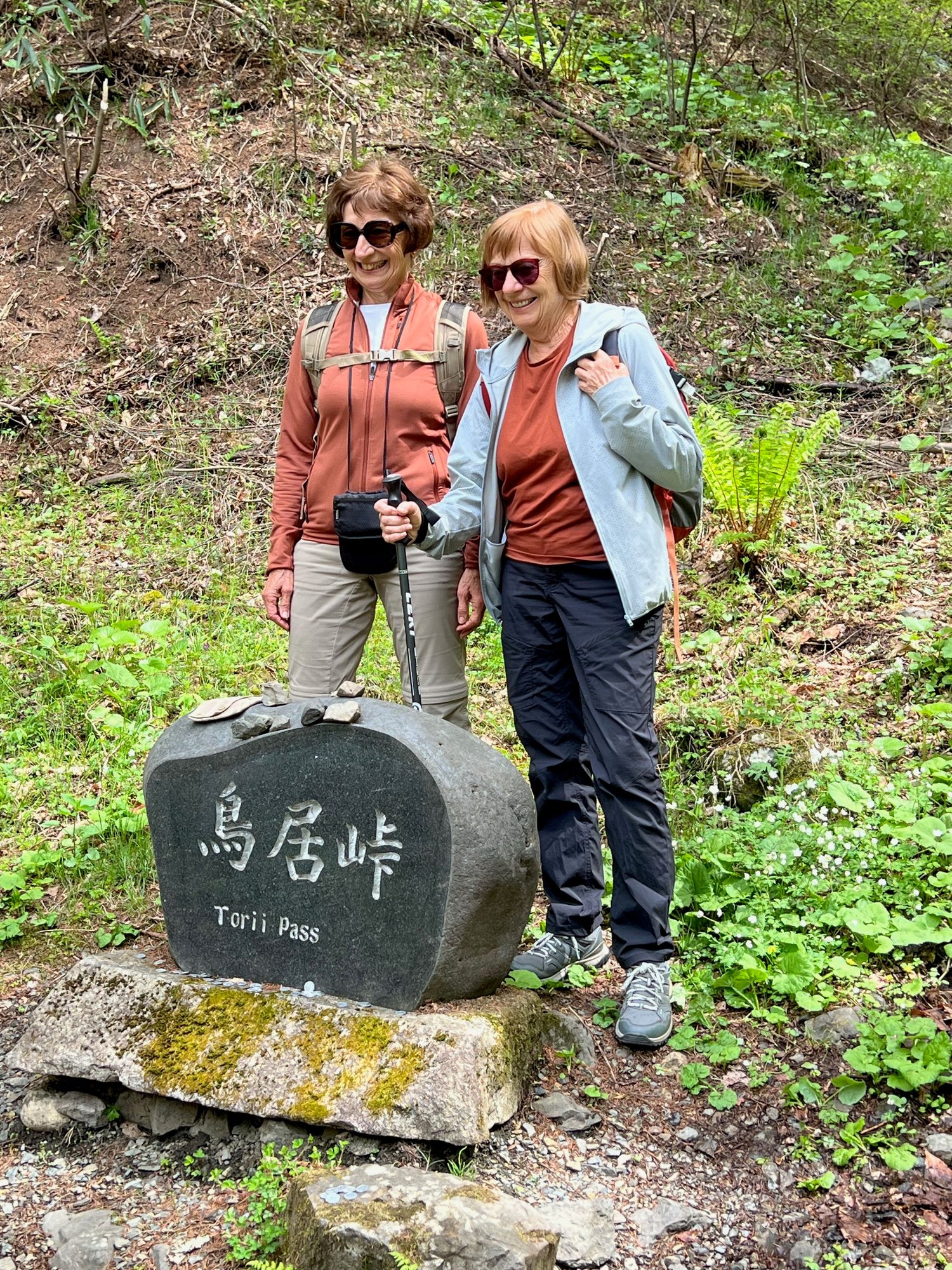
On our way to the Torii Pass
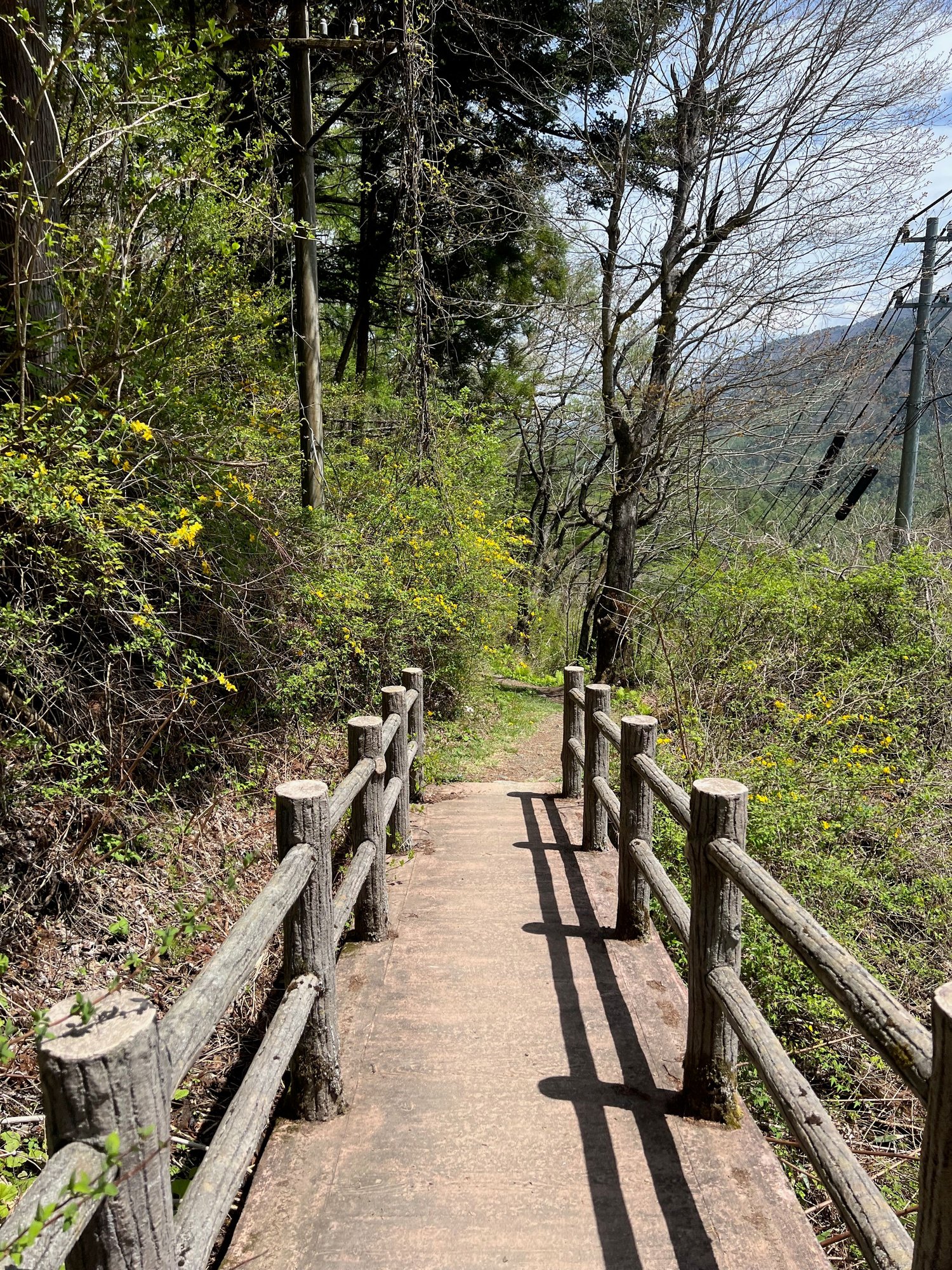
Another beautiful day for hiking
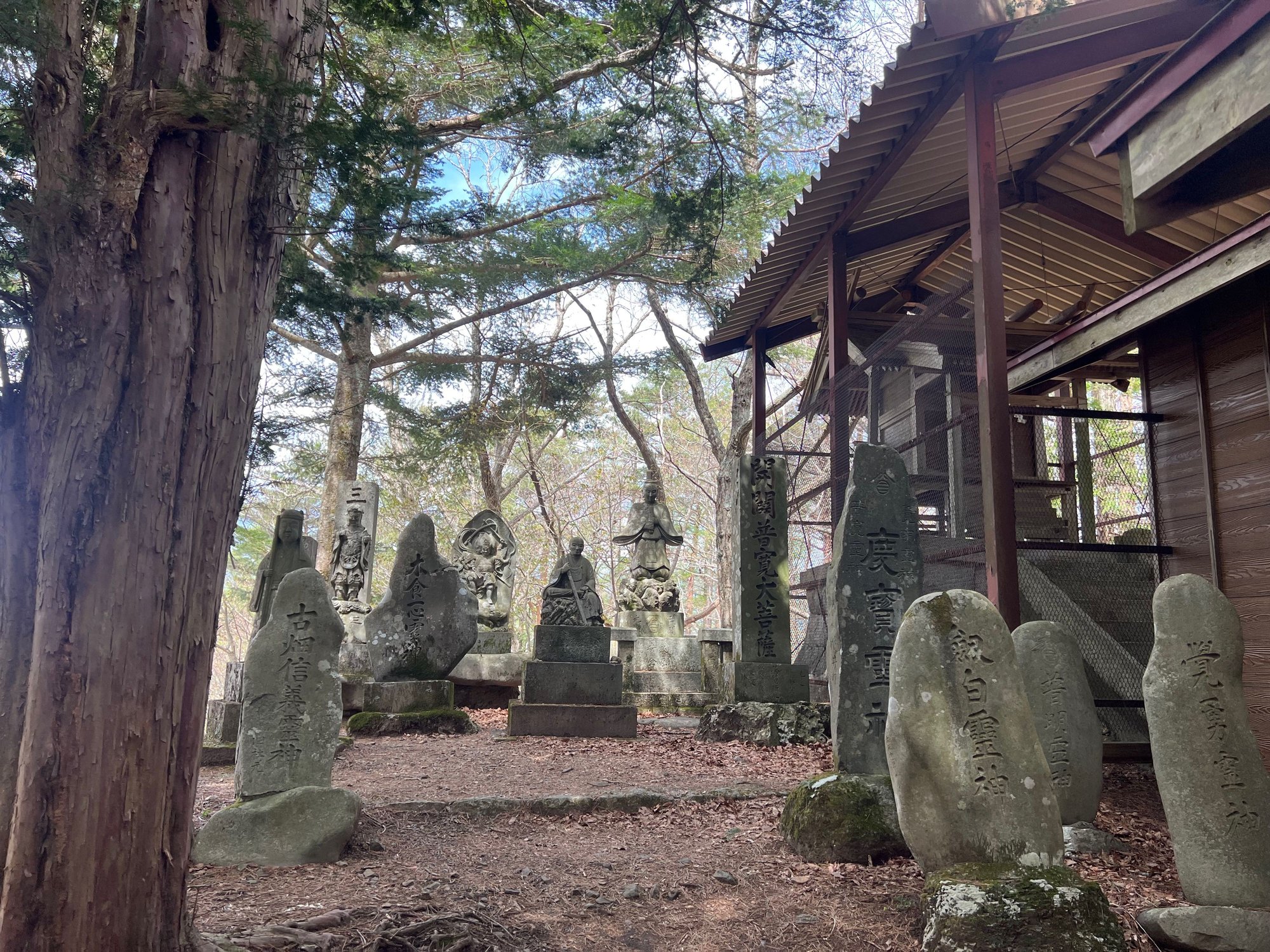
Stone memorials
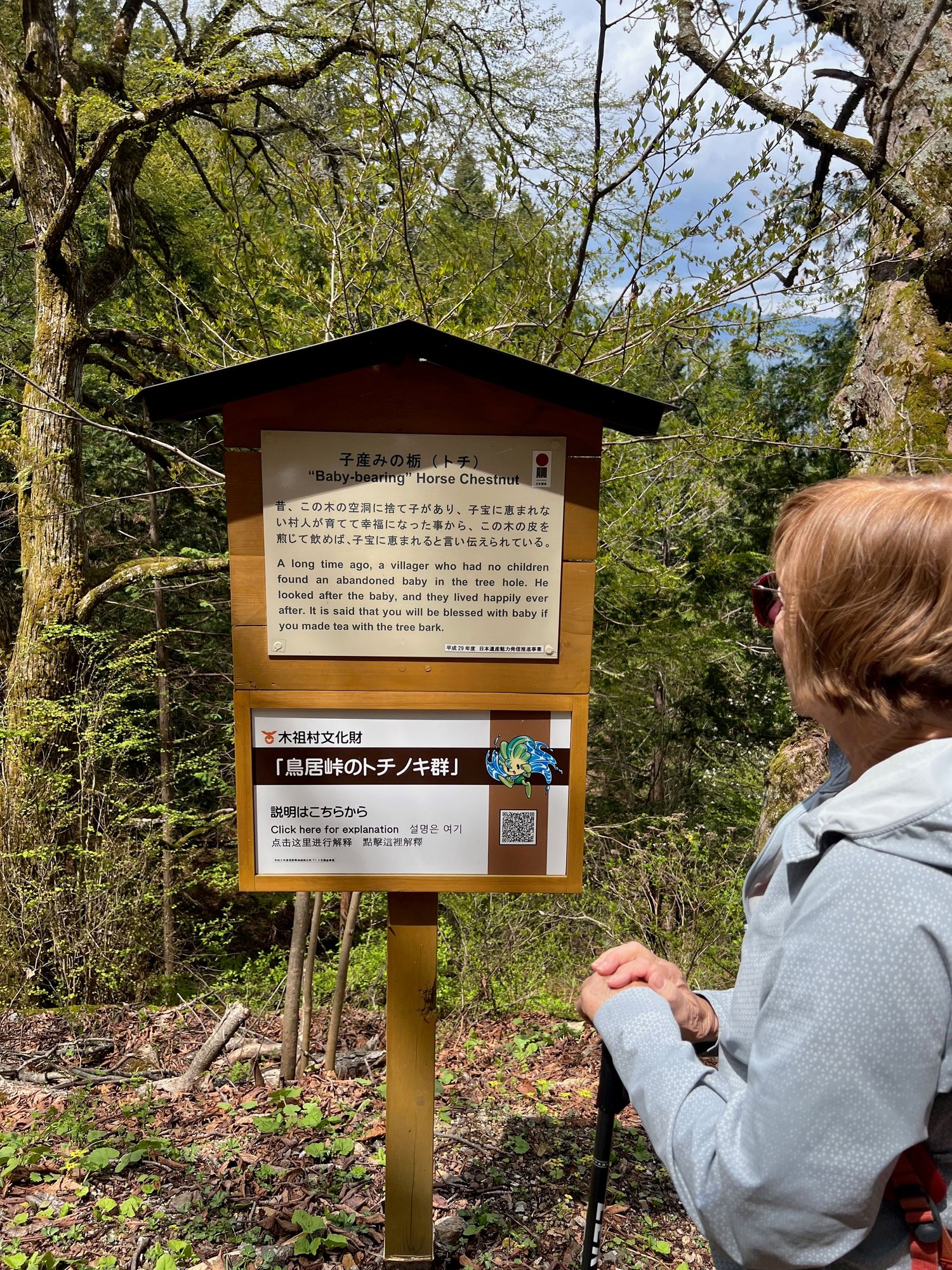
Sign explaining the story behind this "Baby-bearing Horse Chestnut" tree
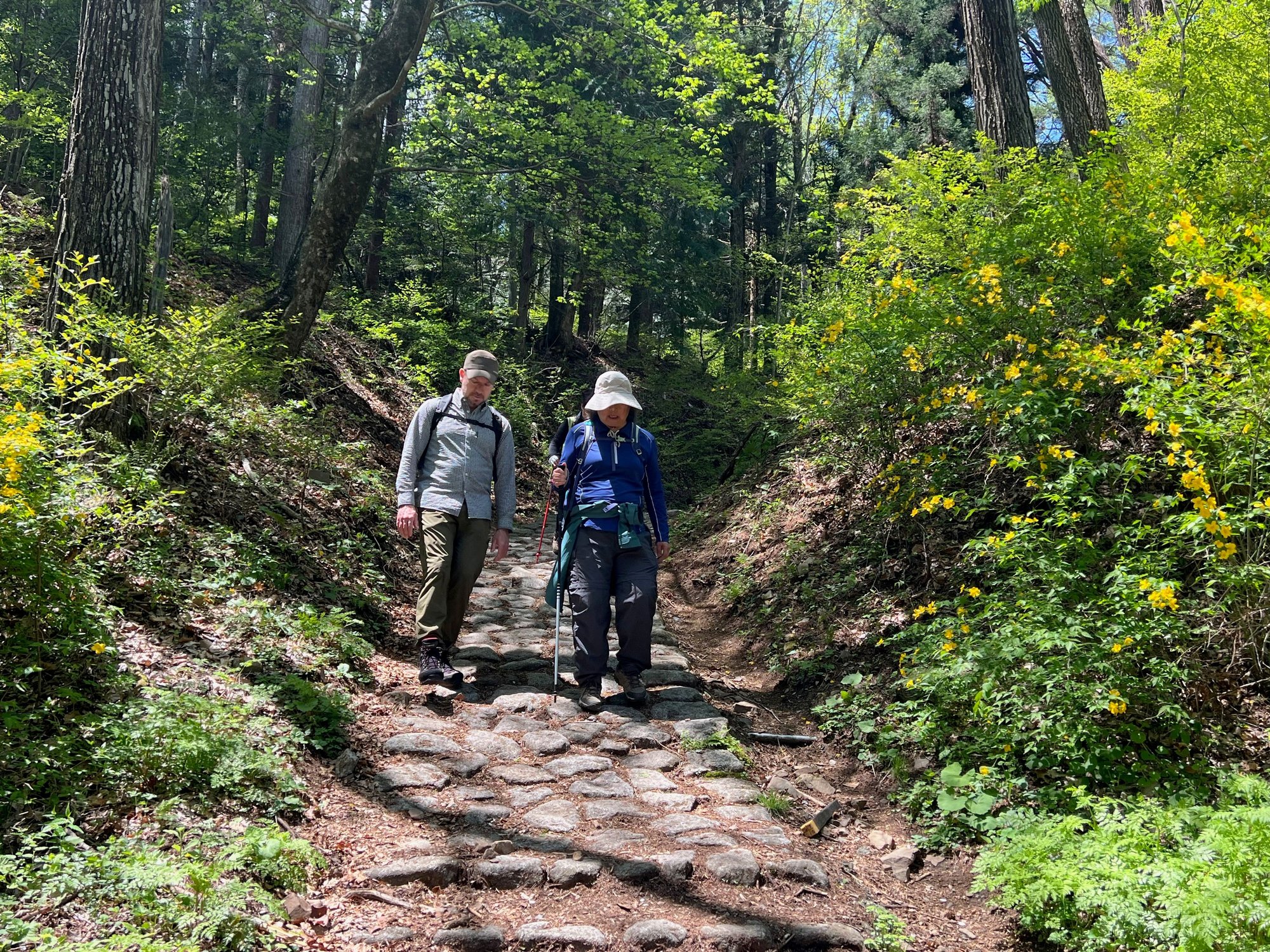
Walking with Quinlan
As we hiked along, Quinlan or Kiyomi would tell us different stories related to the trail. I was curious as to why the Nakasendo Way was such a favored route between Tokyo and Kyoto when the Tokaido Way - which is what the Shinkansen uses - seemed so much more straightforward. Kiyomi pointed out that, there are multiple rivers that must be crossed - including the Oi and Fuji Rivers which, during the Edo period, would require using a ferry and could be difficult to accomplish, especially with a large party. Despite the mountainous terrain of the Nakasendo Way, planning travel logistics, especially for large parties, was more reliable. Quinlan related a story of how in 1862 Princess Kazunomiya traveled from the Kyoto region to Edo for a political marriage with the Shogun. She was accompanied by a huge retinue of 10,000 to 25,000 people and it took 3 days for the entire group to pass any given point. I had a hard time visualizing that many people on this trail.
One thing I haven’t really mentioned is that many times along the way we would pass stone memorials or small statues of Buddha or Shinto shrines. Many times there would be an associated story of people giving thanks or memorializing departed loved ones or asking for safety. I don’t know if new ones are placed or if you have to get a permit to do so in this era. I found this custom to be interesting when you think about the hiking trails in the US. We don’t have anything like these small privately erected monuments as our version of honoring nature is to “leave no trace.”
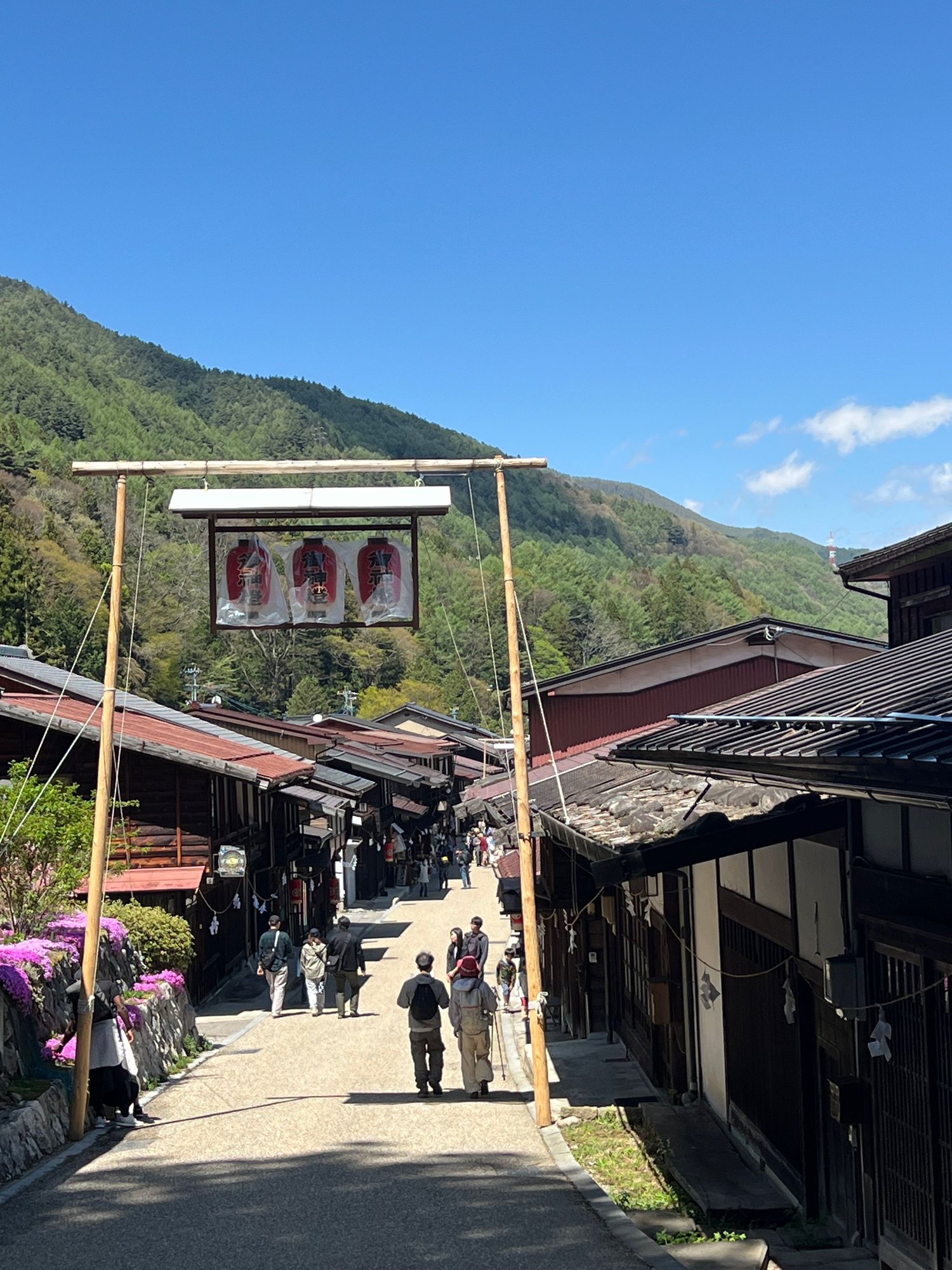
Entering the next post town of Naraii
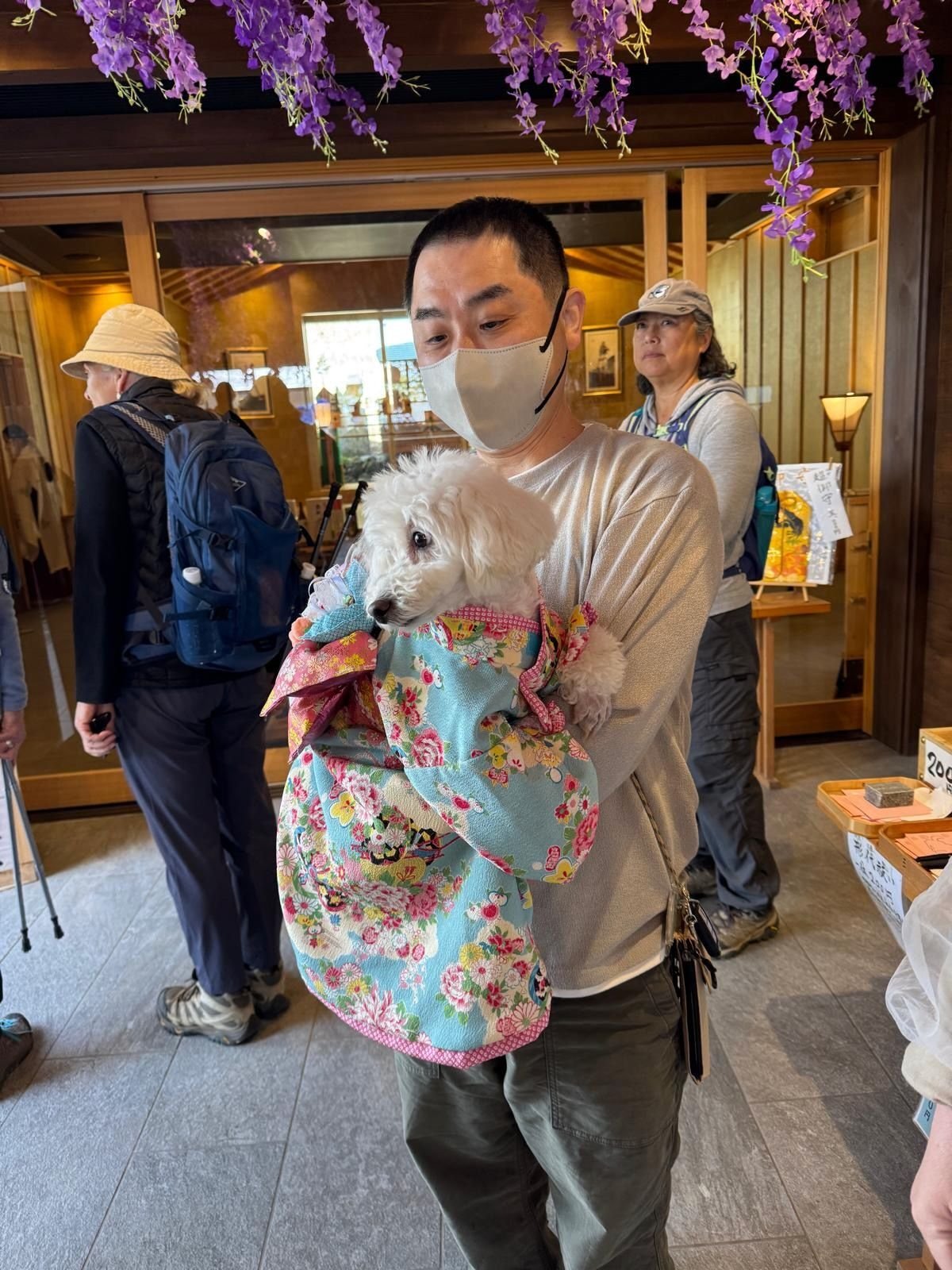
This dog has her own kimono.
Once we reached Naraii we had free time to look around this post town. DH and I were hungry and since we had time before meeting for our udon lunch, we walked through the town to see what we could find. Because of Golden Week there were a fair number of Japanese tourists - many families - some with small children and some with small dogs. I was amused by the number of dogs that were either: being transported in a baby carriage/stroller, or carried and/or dressed to the nines.

Waiting to order our street food
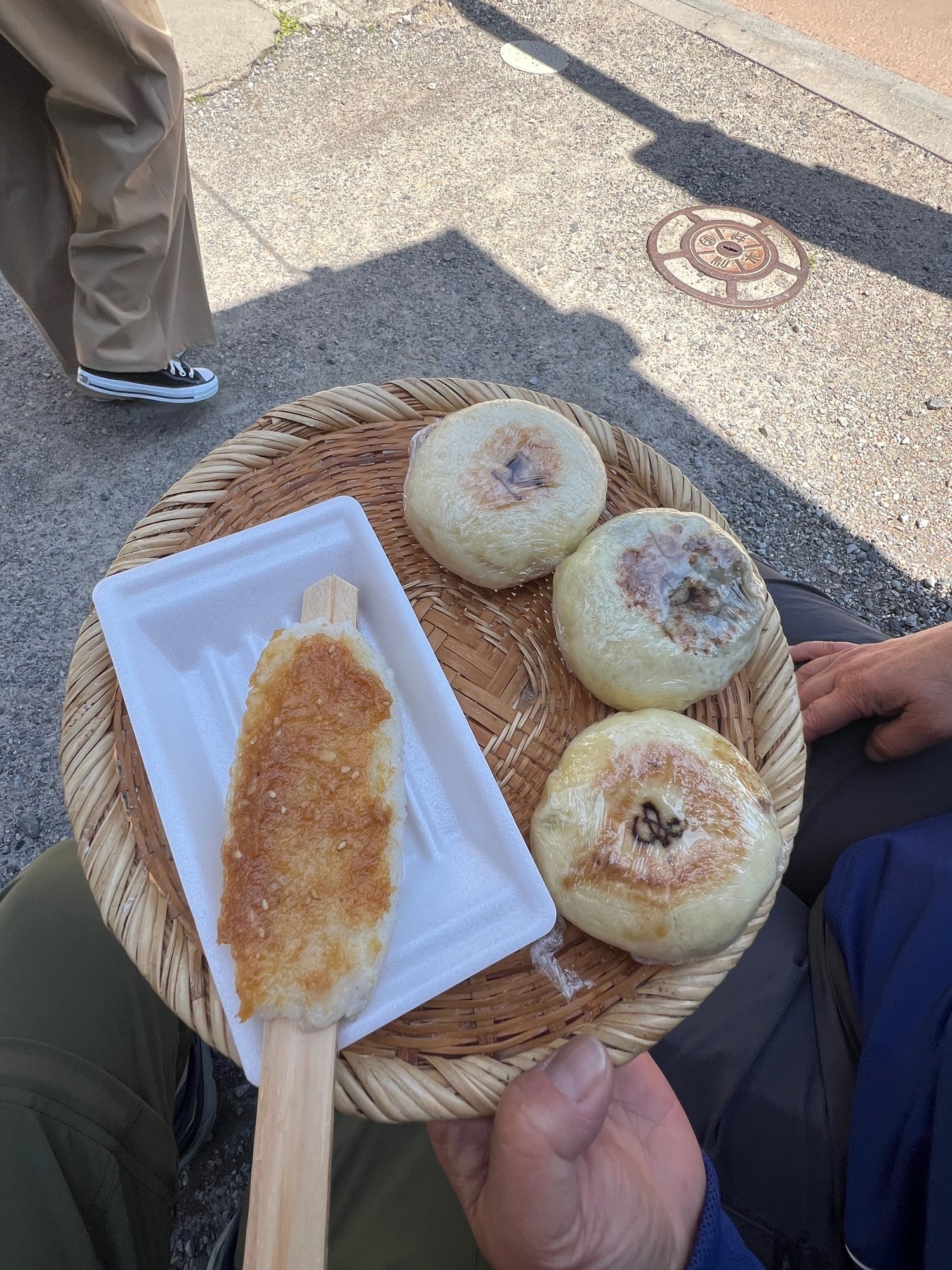
Oyaki and Gohei mochi - so delicious!
We became curious when we came across a line of customers waiting to order from a small shop. We waited for our turn and ordered oyaki - small dumplings and one Gohei mochi which is made by taking grilled mashed rice and putting it on a skewer and then coating it with a sweet and savory walnut-miso sauce. This shop had 3 different fillings for the oyaki and of course we ordered all 3 - I think one had red bean paste (sweet), one had some type of leafy green vegetable and one had mushroom (savory). Oishi! We just gobbled all of it up in about 5 secs. (Note - tried to use Google translate on the photo and I don’t think I have the oyaki fillings correctly identified.)

Preparing for a small procession

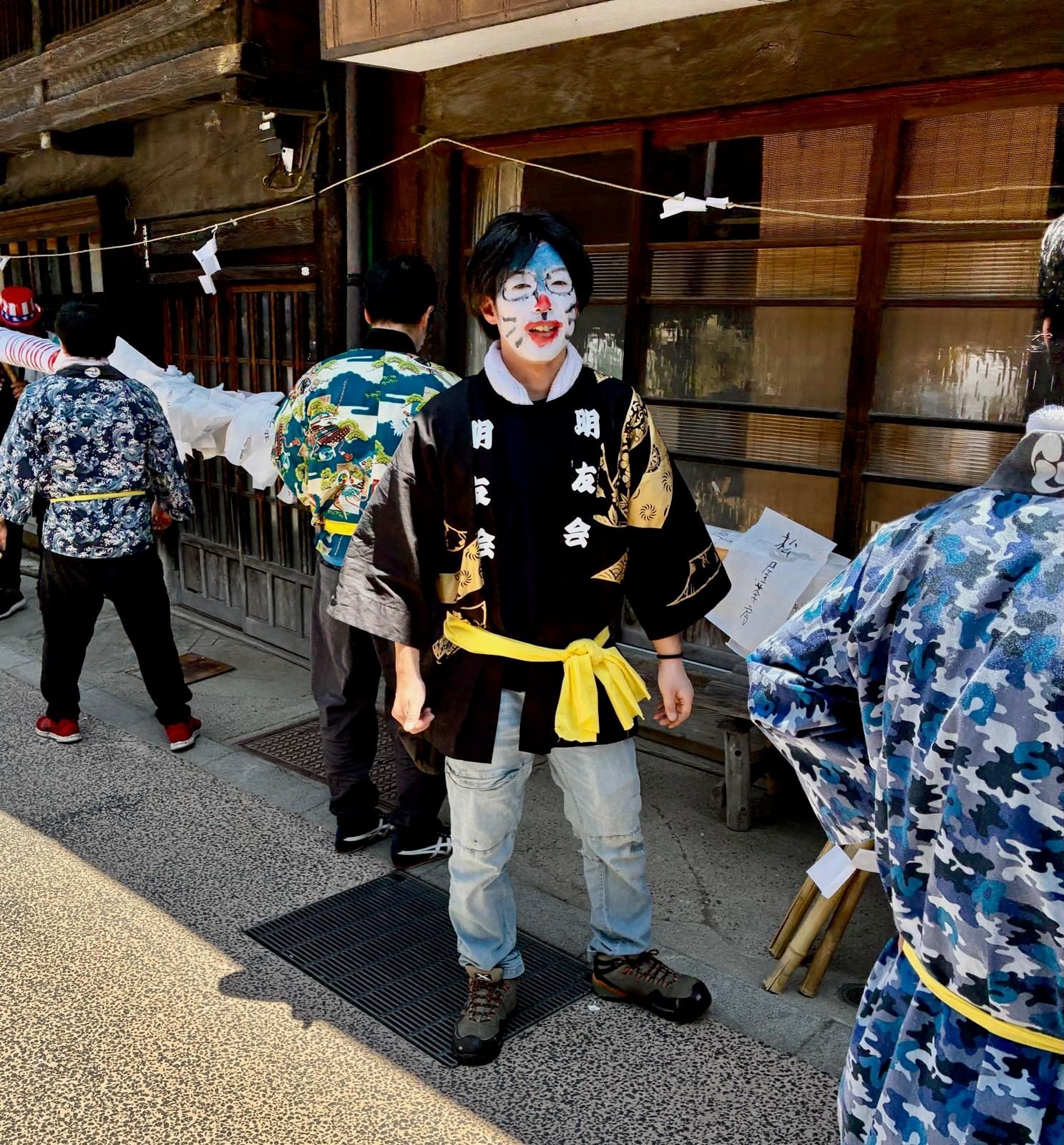
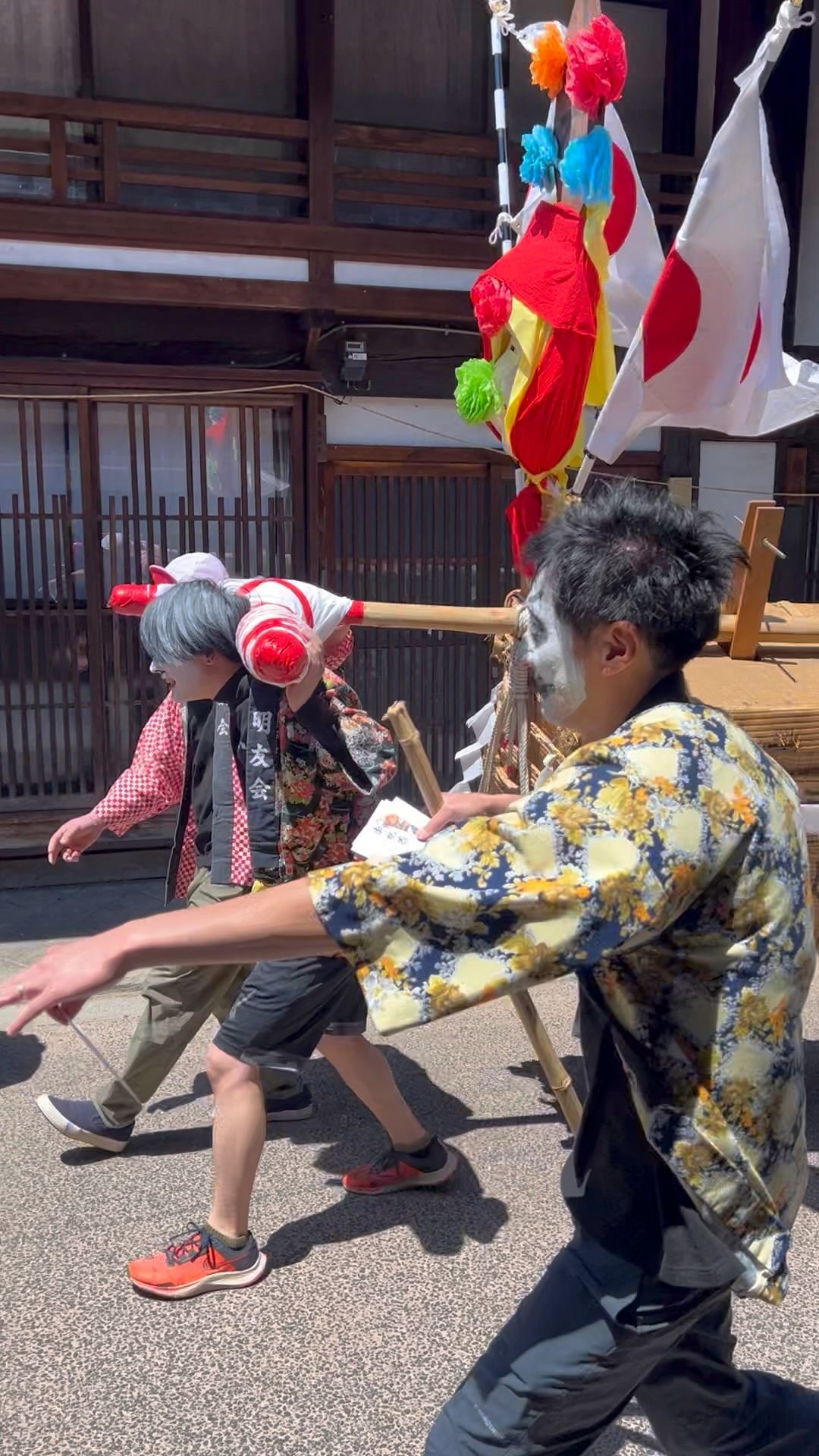
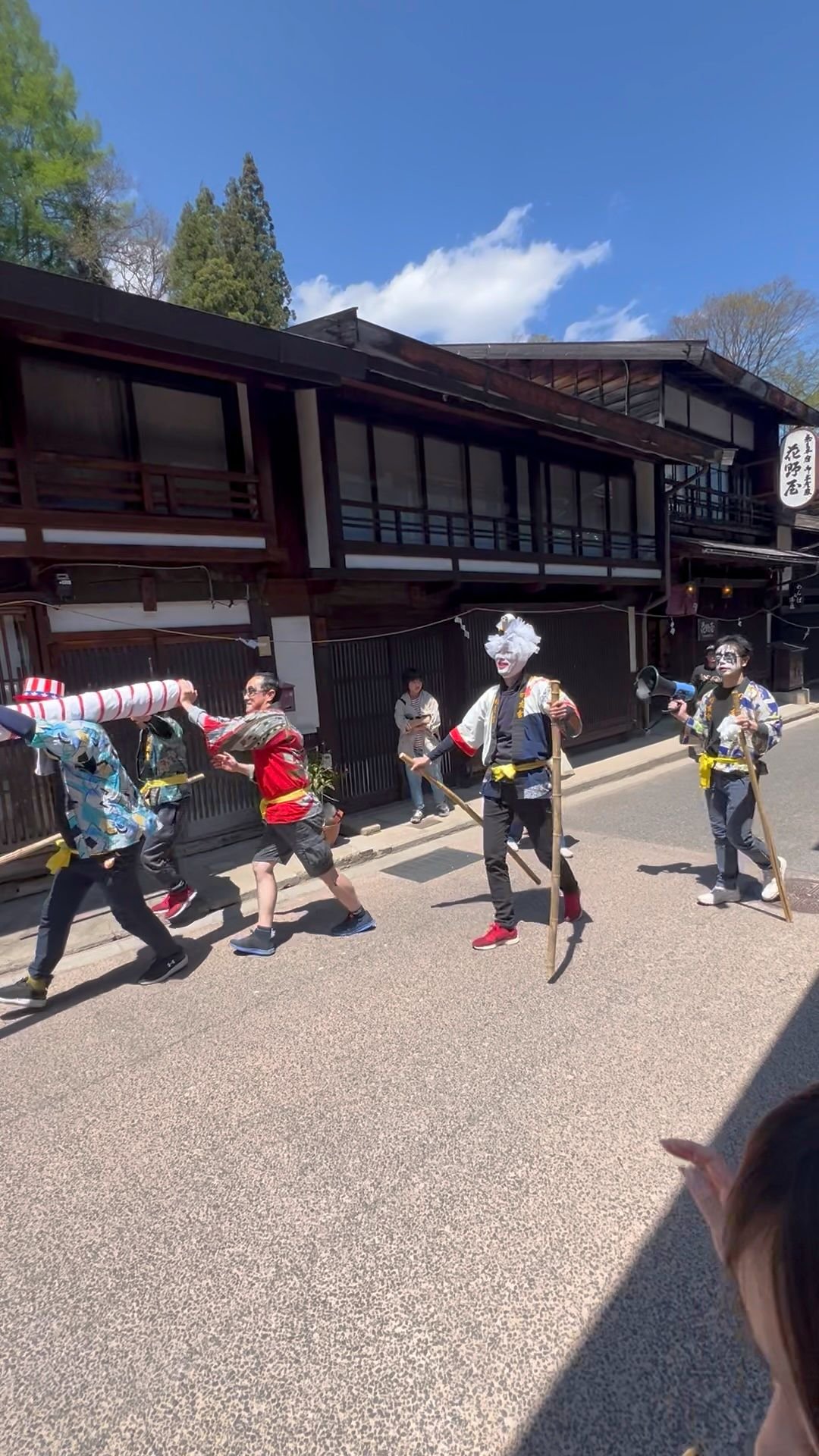
As we traveled down the street, we passed a small group of costumed young men preparing to perform a little procession. I have no idea what the occasion was but they seemed to have a lot of fun once they started their walk. By this point it was time to meet for our group lunch. Again I am not completely sure, but I think we ate udon noodles at Echigoya Restaurant. I always love slurping up the noodles. Afterwards we boarded our microbus to transfer to our final hotel - Ancient Hotel. This is a very plush and upscale hotel which is located in a matching plush and upscale neighborhood. Kiyomi noted that many wealthy people had summer homes in Karuizawa as it made for a pleasant escape from the heat and humidity of Tokyo.
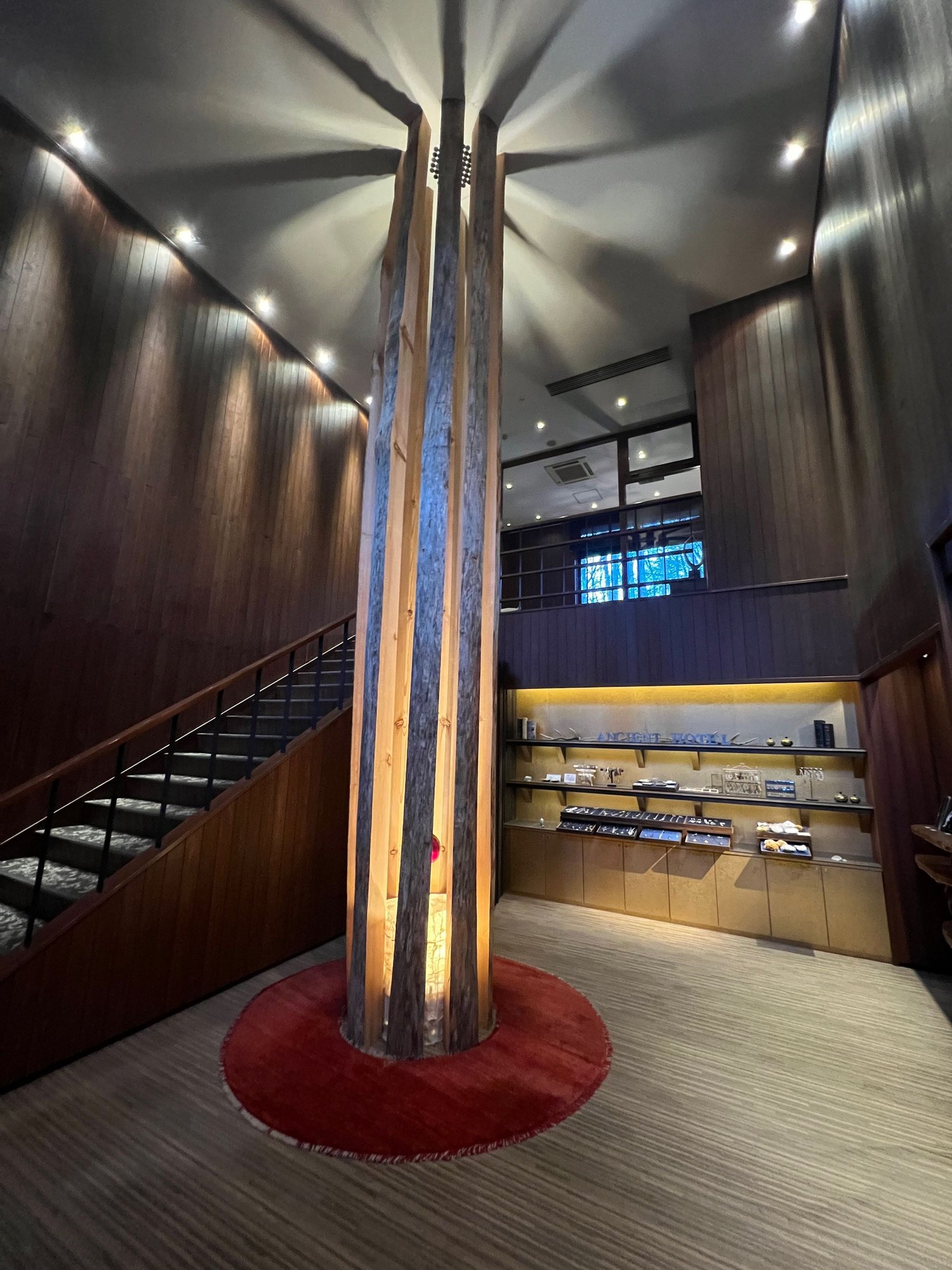
In the lobby of Ancient Hotel
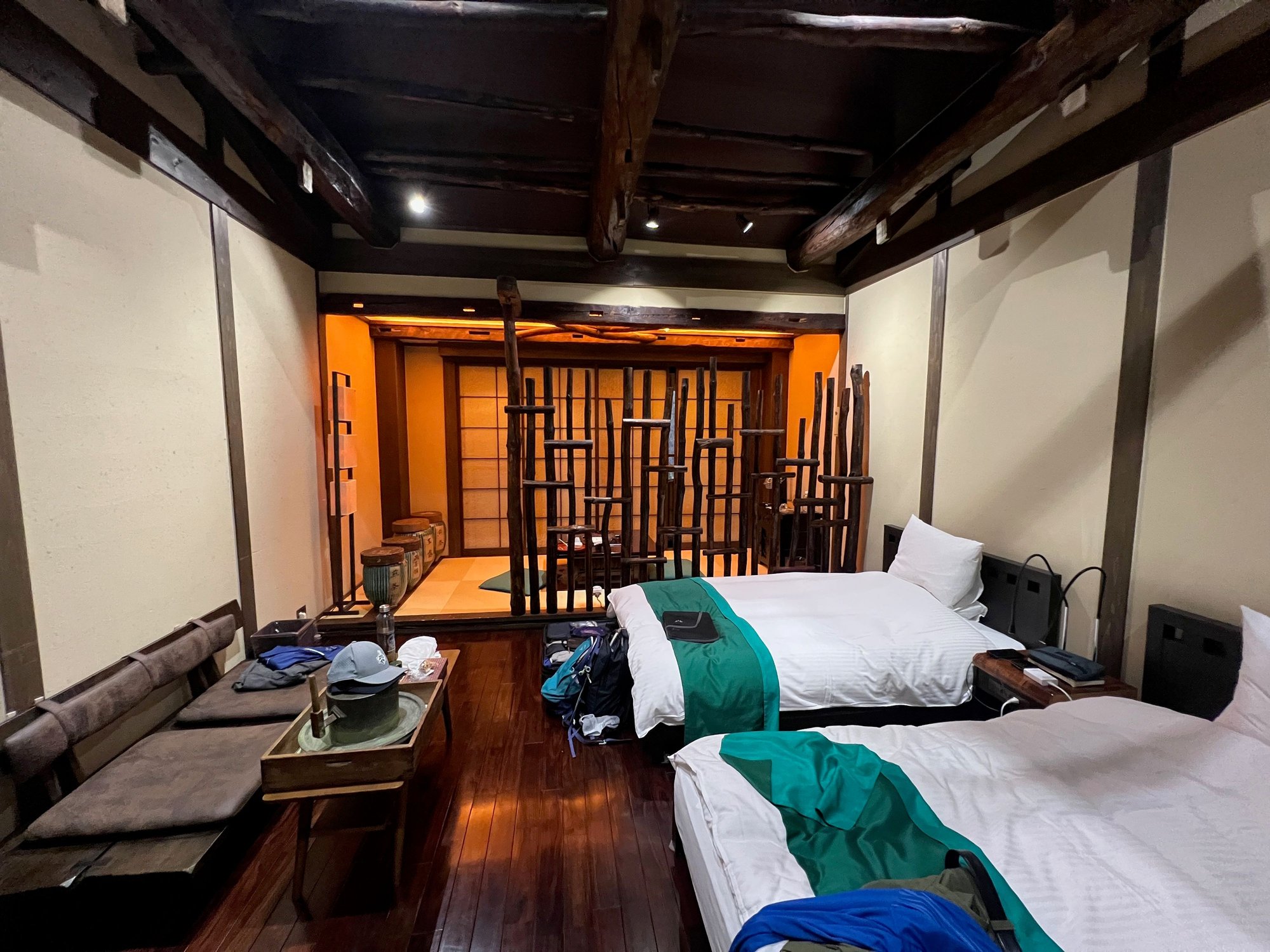
Ancient Hotel
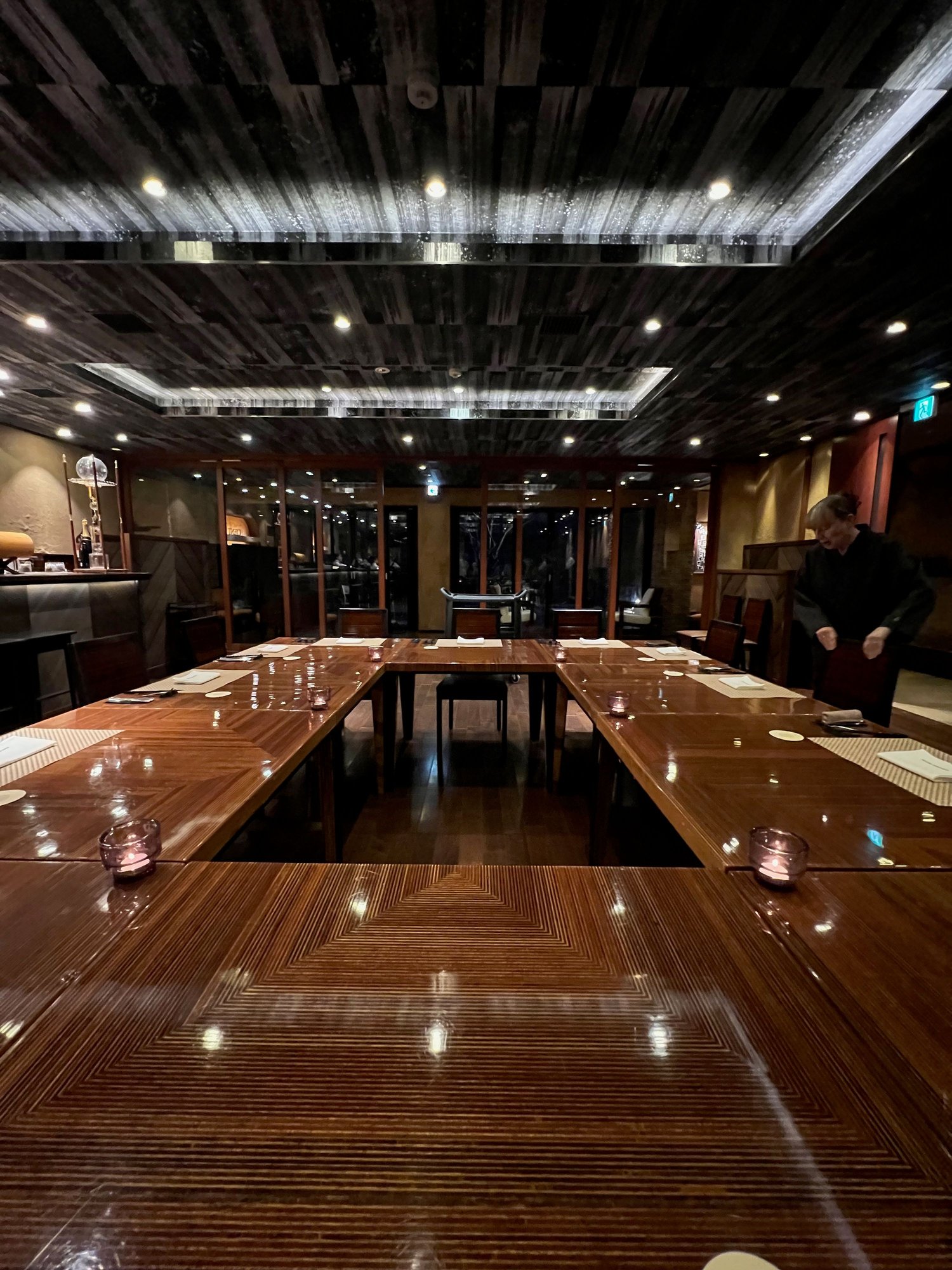
Dining room at the Ancient Hotel
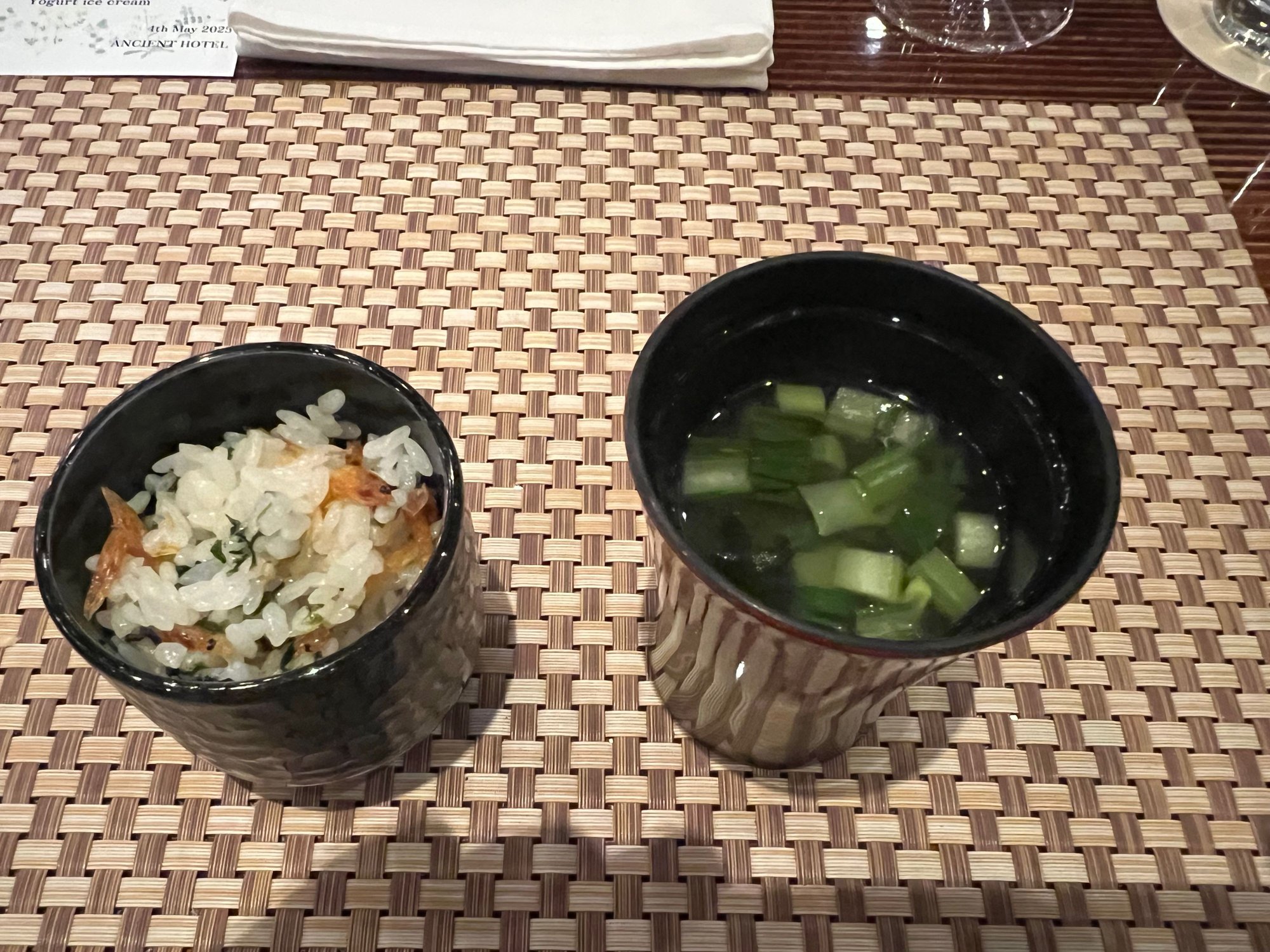
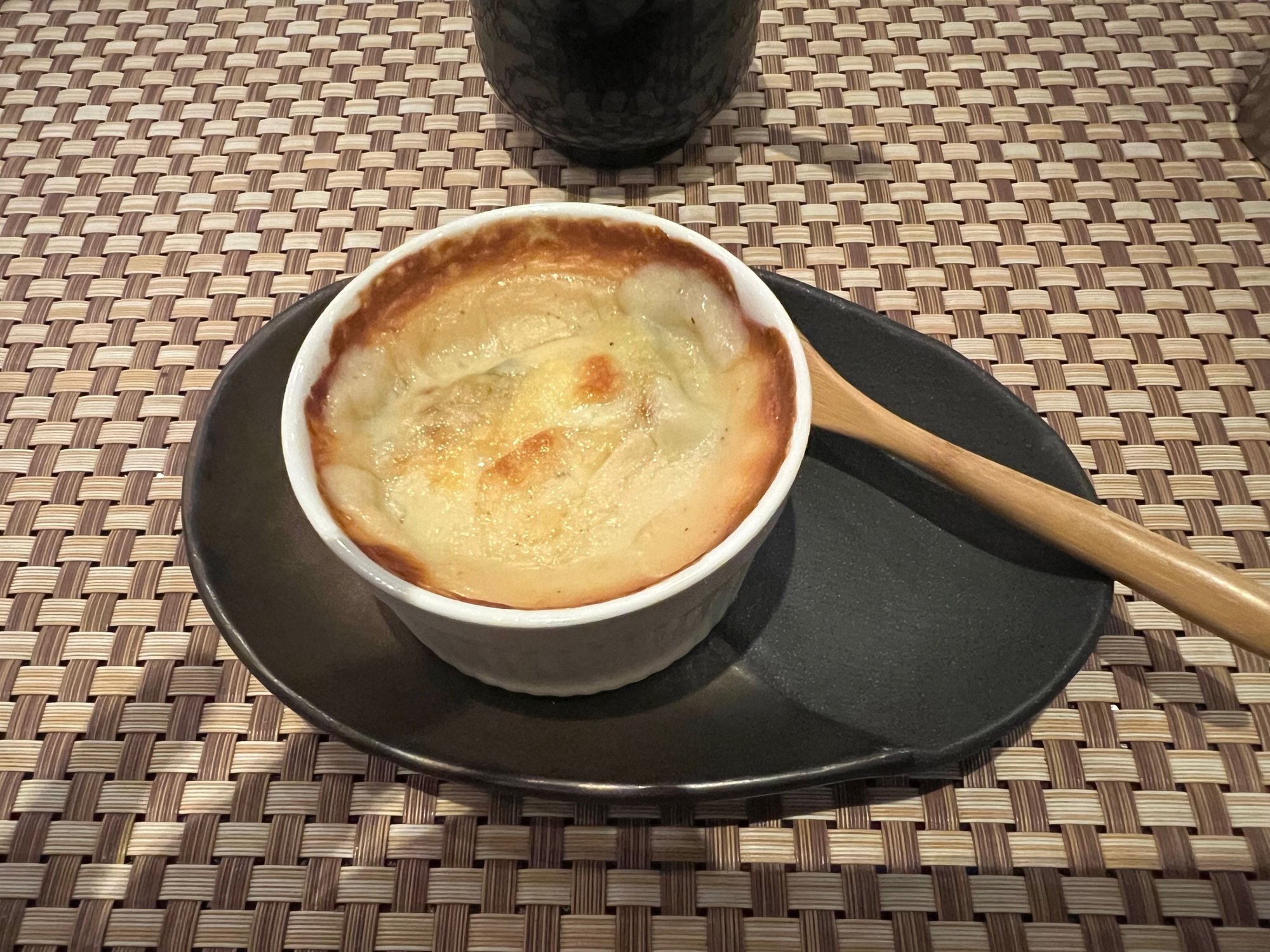
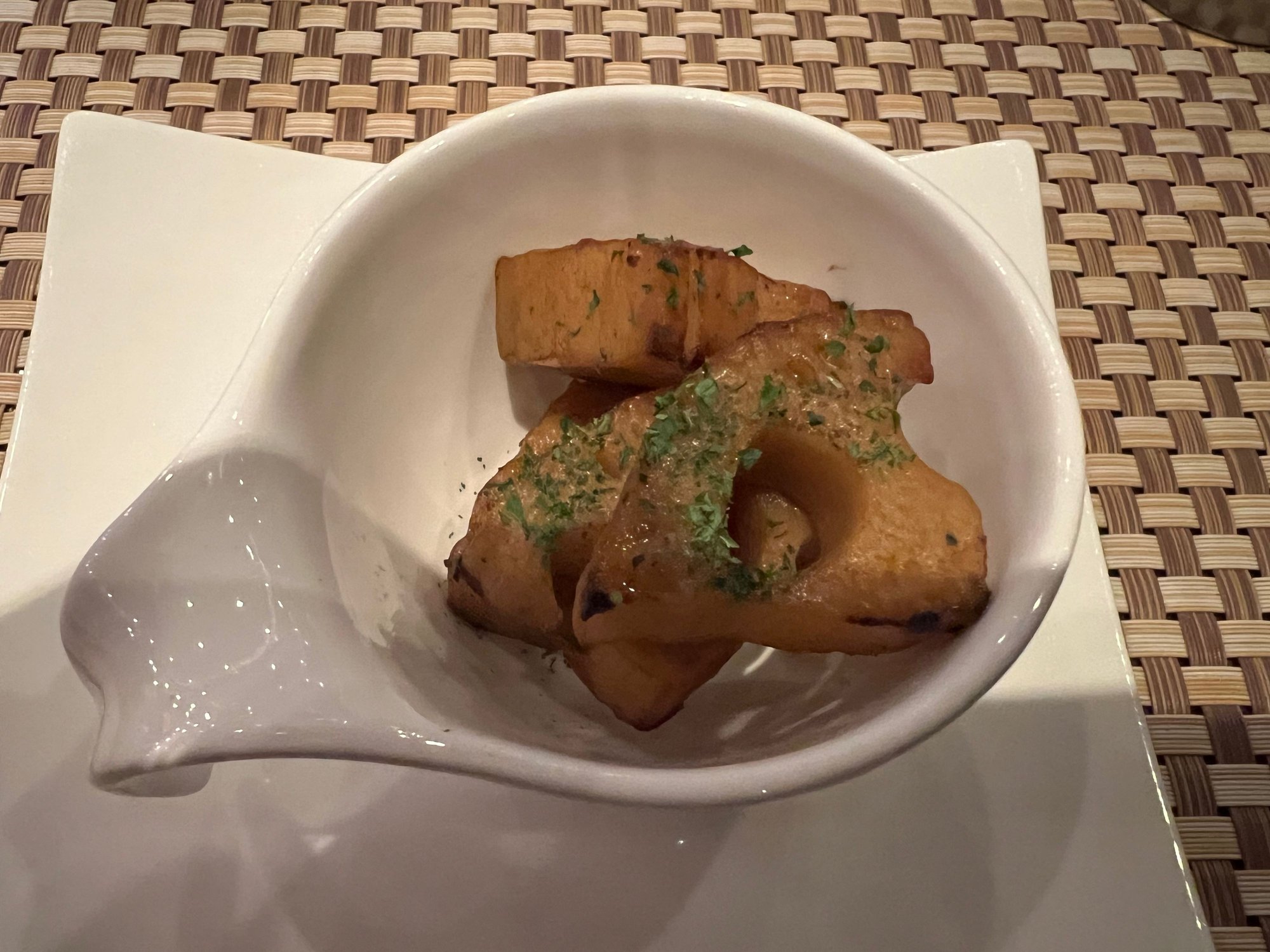
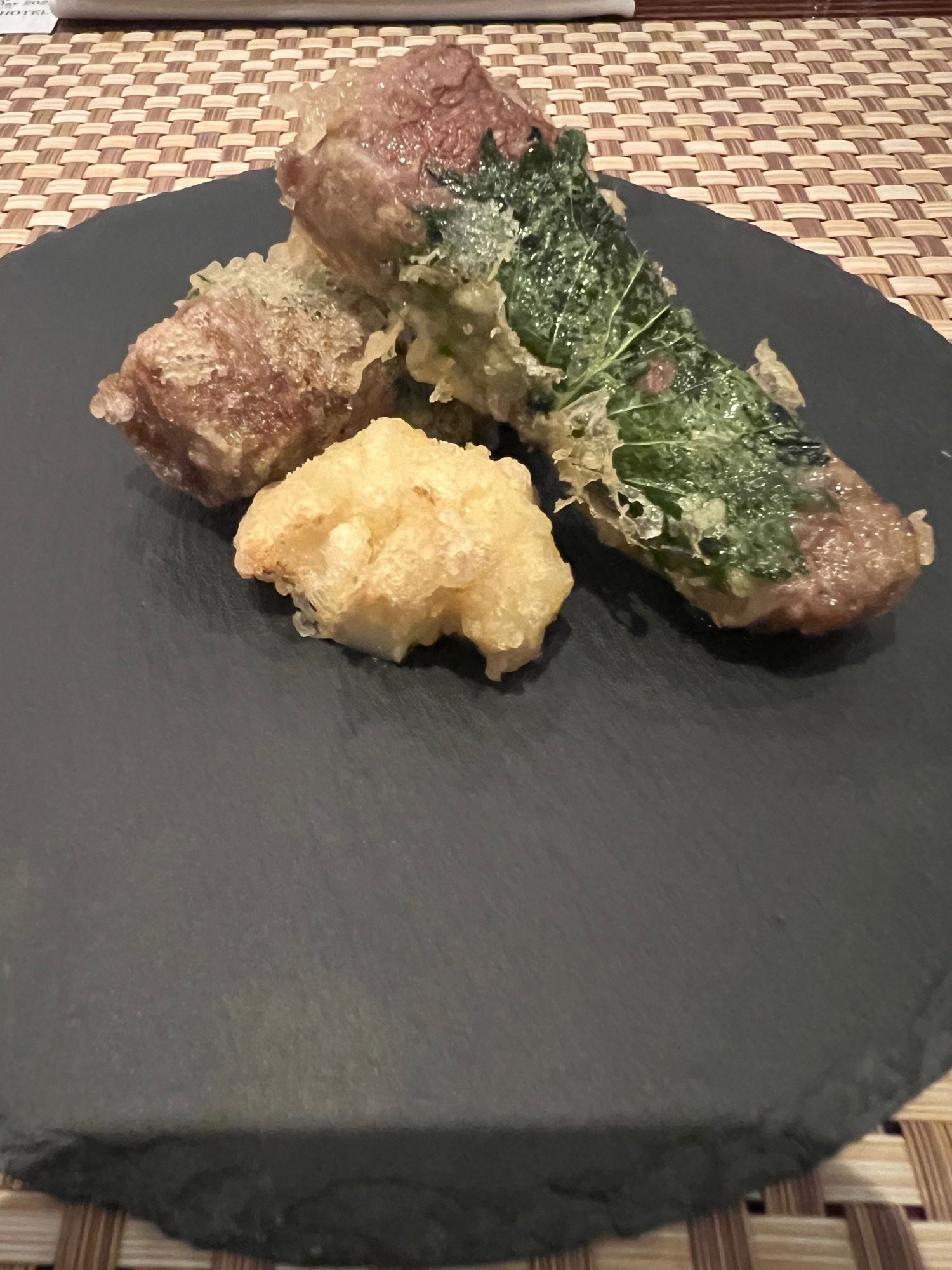
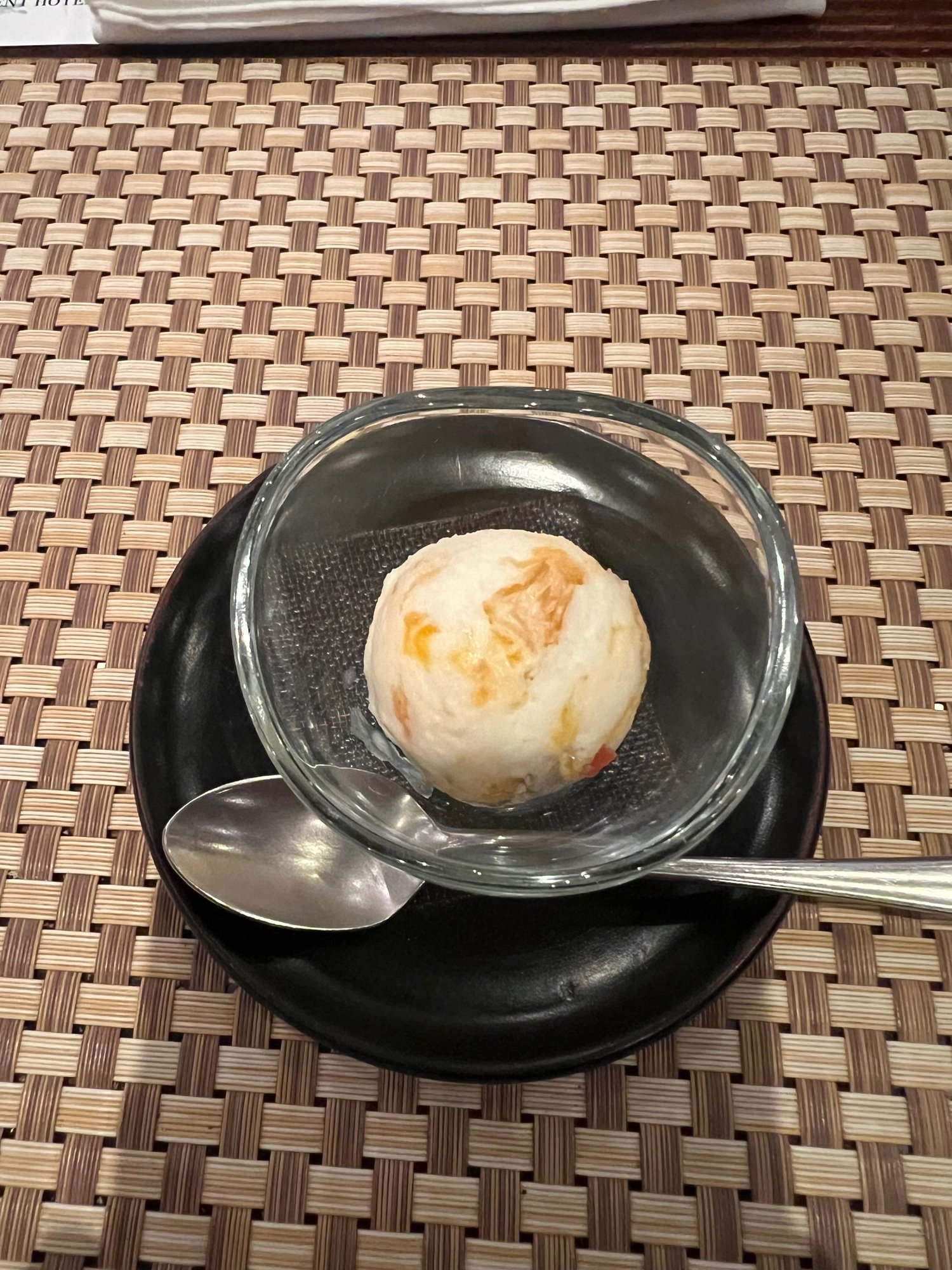
After checking in, I made a beeline for the onsen since this would be my last opportunity to enjoy the baths. Everything about Ancient Hotel was quite elegant - the rooms, the public spaces, the baths and especially the dinner that was served. Our final dinner as a group was a very interesting fusion between modern and traditional Japanese cuisine. This meal was the highlight of the entire trip and it provided a very nice finish to a really great trip.
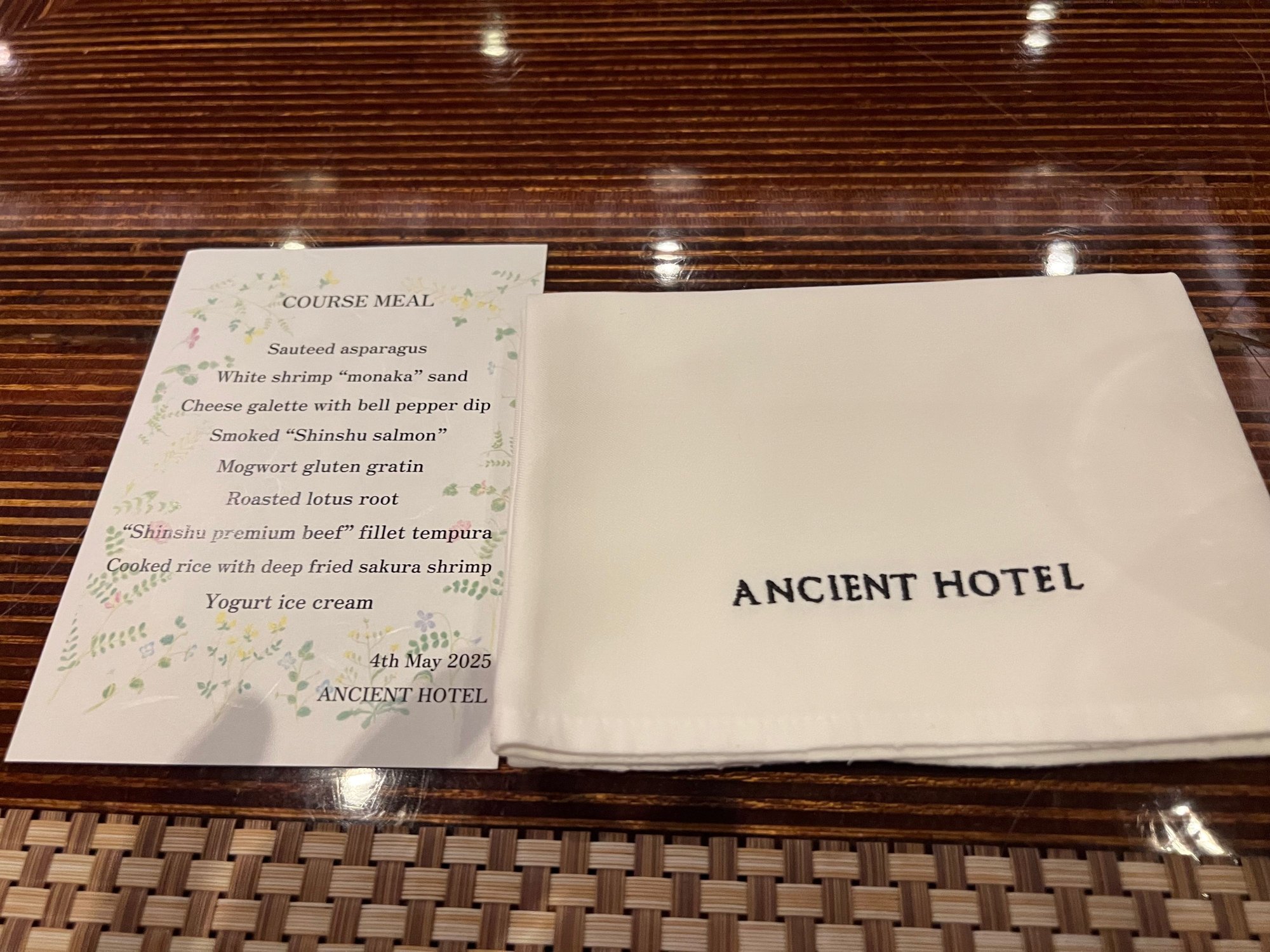
Our final kaiseki meal - this was the most amazing meal
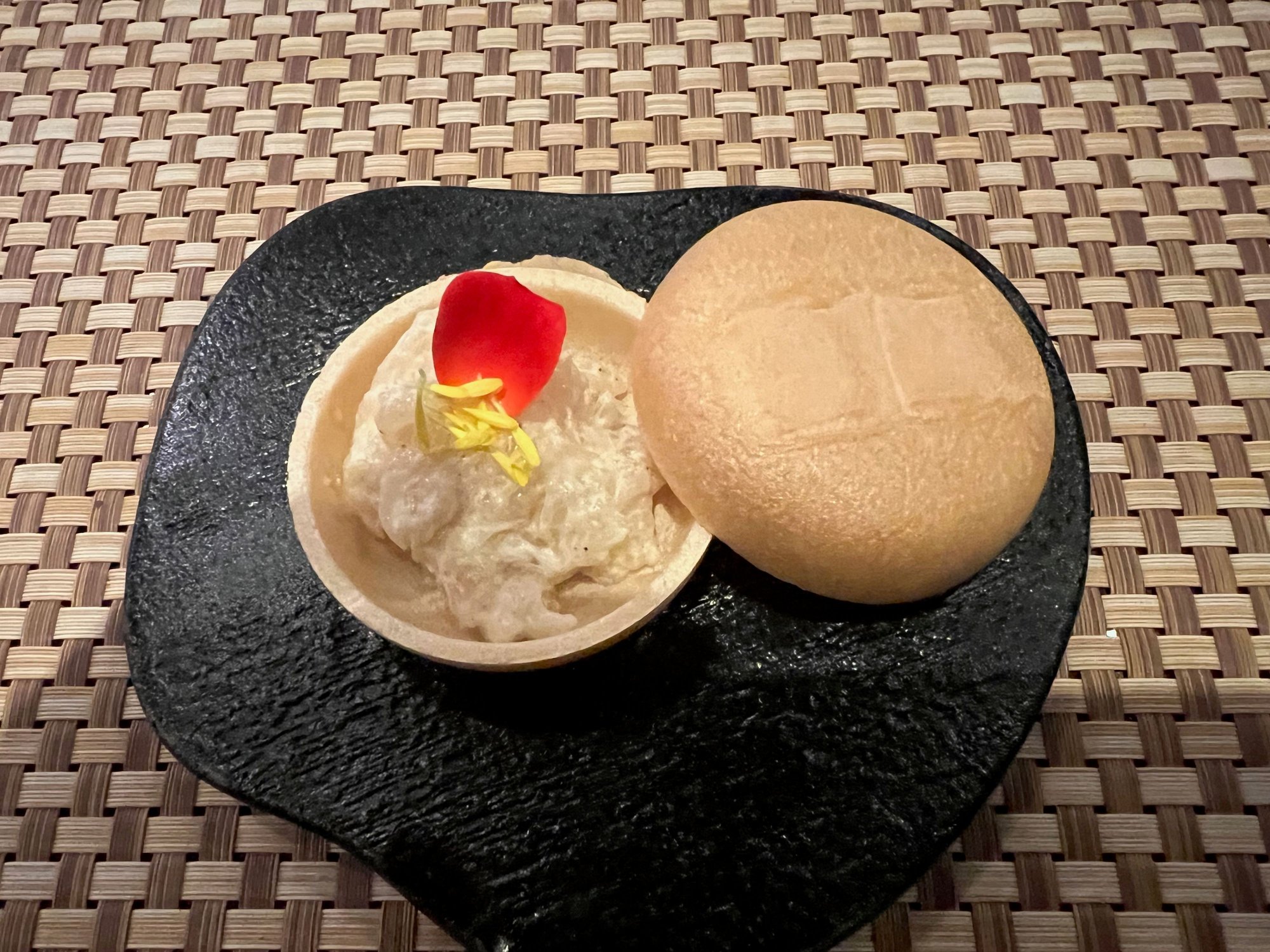
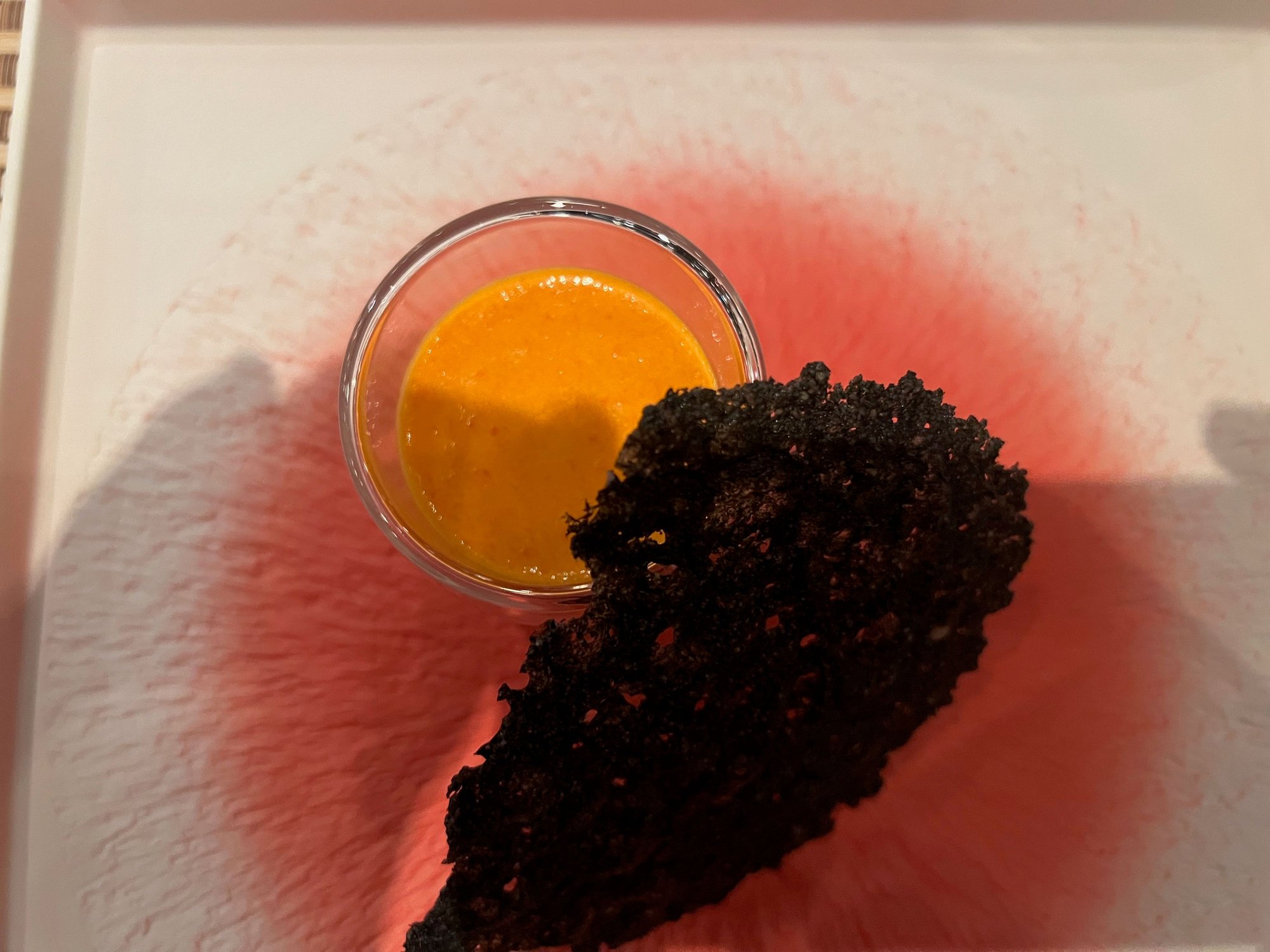
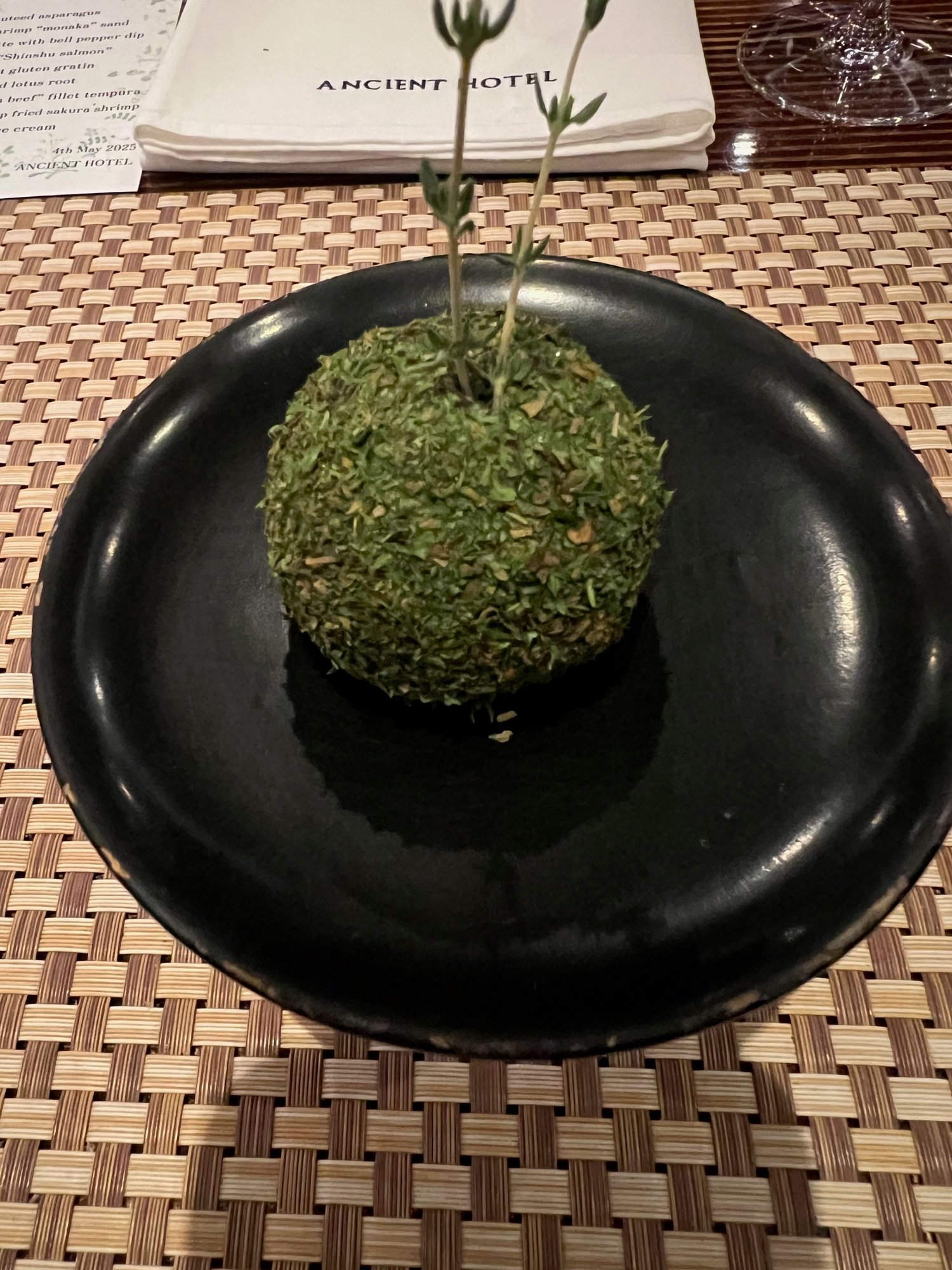
Next up: Day 16 - 26,800 steps on our final day with Life’s An Adventure
Jun 12th, 2025 | 08:34 PM
#58
Original Poster
Joined: Jul 2008
Posts: 191
Likes: 0
Day 16 - 26,800 steps on our final day with Life’s An Adventure

Shiraito no Taki - Waterfall of White Threads

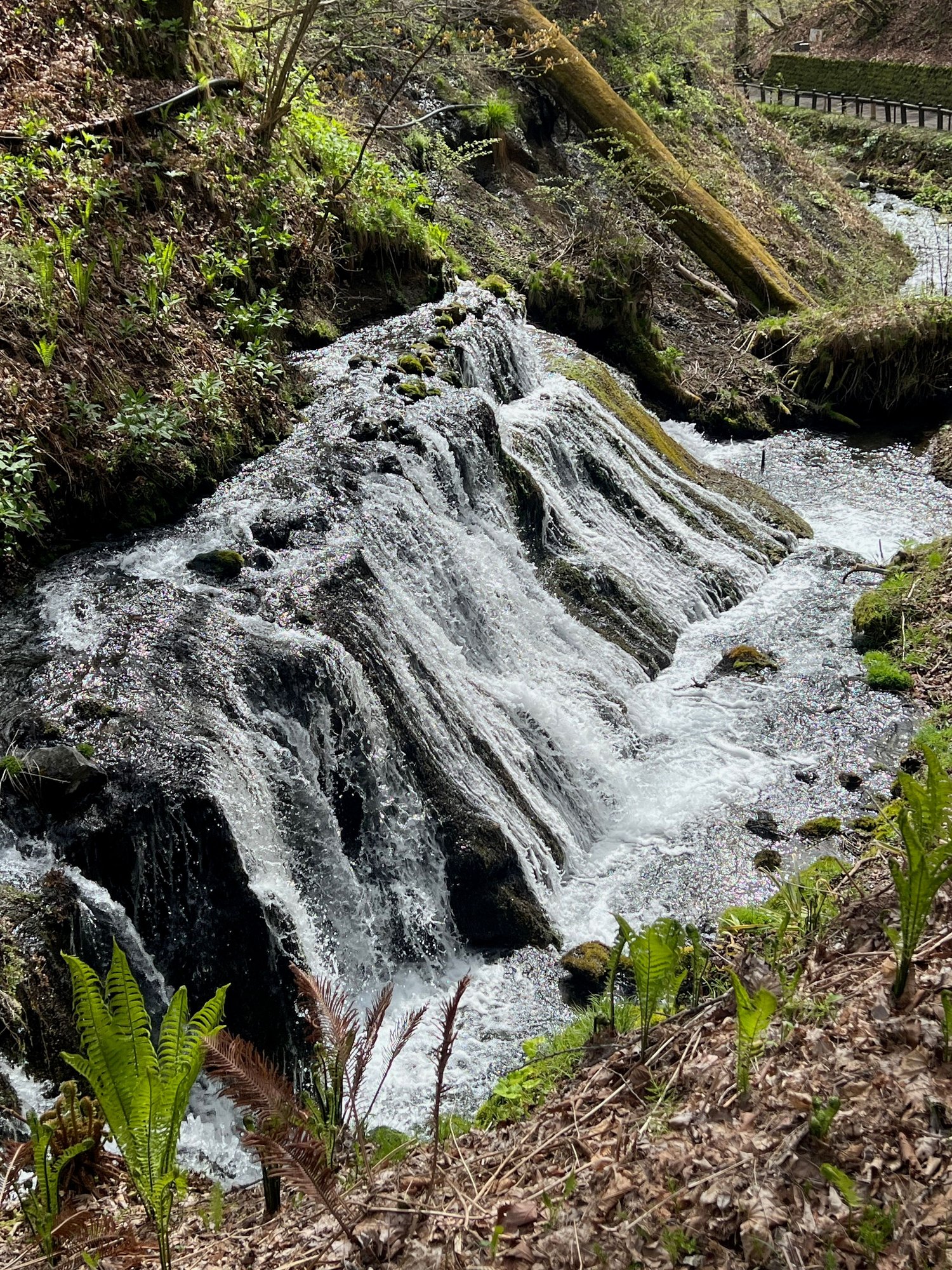
On our final day of hiking we boarded our microbus for a short drive to “Shiraito no Taki”. Which literally translates to “the waterfall of white threads”. This was a beautiful waterfall with an unusual appearance as multiple tiny streams of water seemed to just emanate from a wide semicircular rock face. This continued down a long wall of rock and the individual streams did have the appearance of many strands of white thread. We continued on to the Kumanokotail Shrine which has the unique distinction of straddling two different prefectures - both Nagano and Gunma. Each prefecture is responsible for the upkeep of their side of the Shrine.
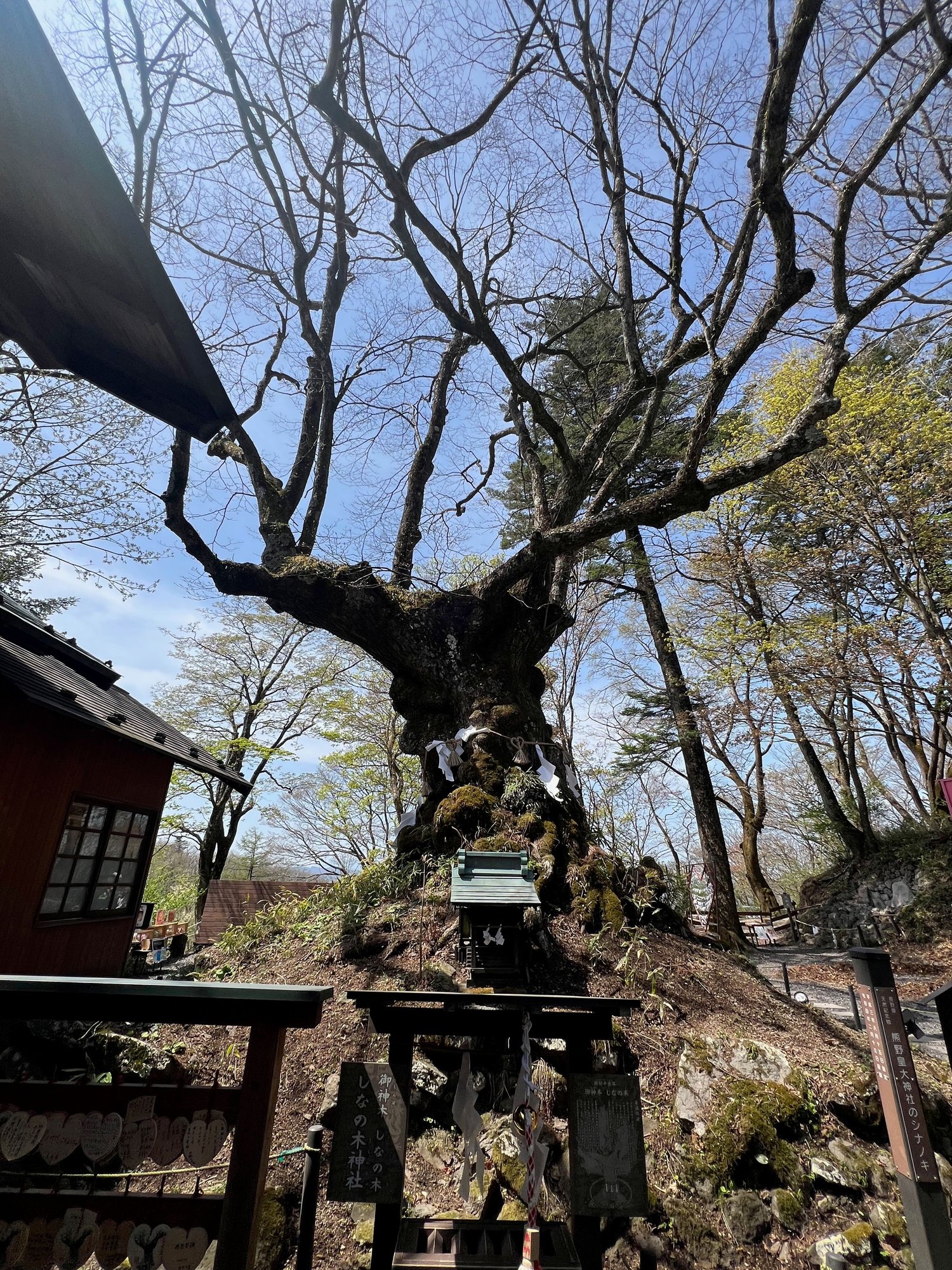
Kumaokotai Shrine - people come to pray for love at this 1000 yr old tree which has heart shaped leaves
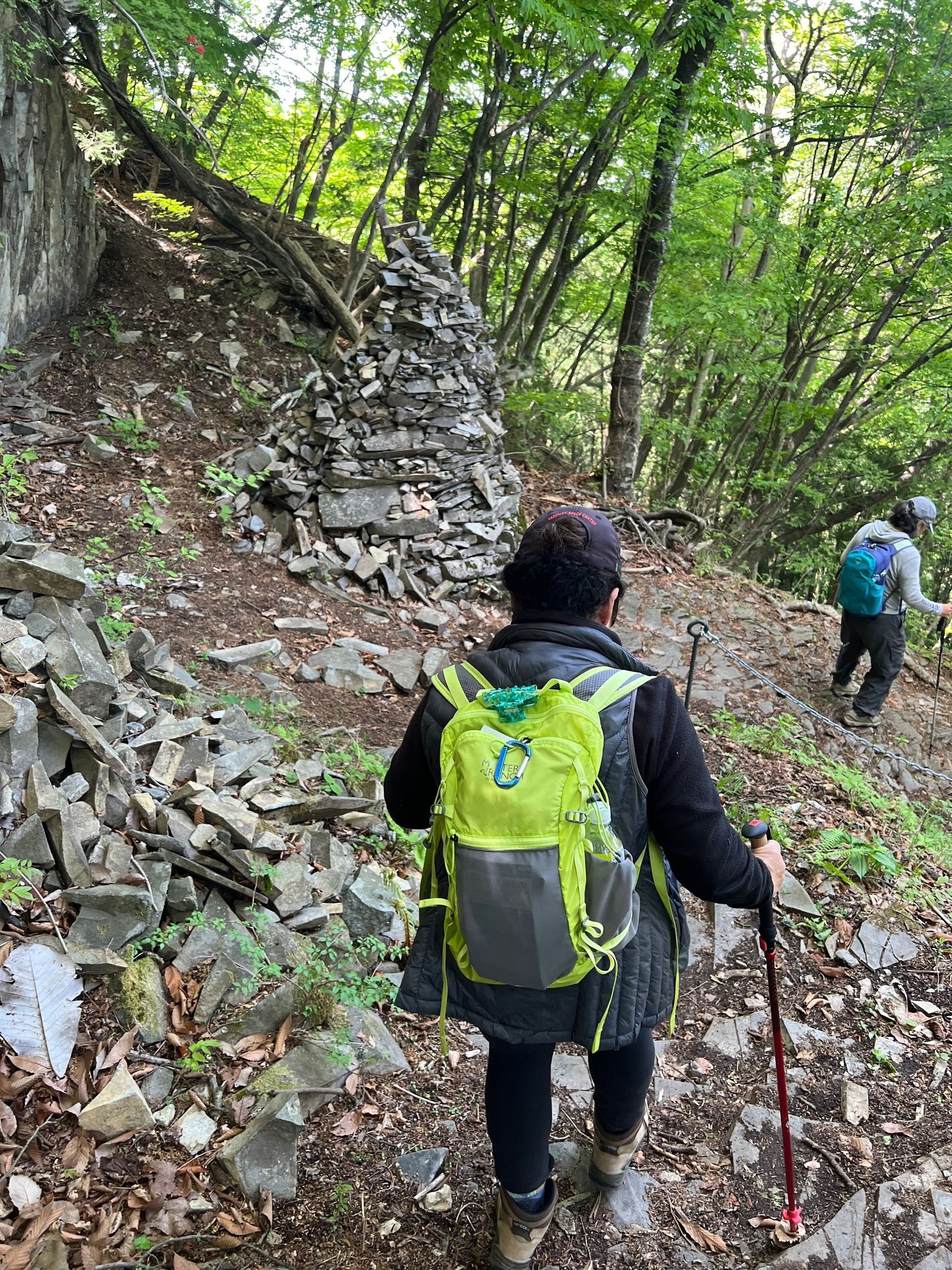
On the steep descent from Usui Pass
From here we started our hike at the top of Usui Pass, descending to the trailhead located near Yokokawa. The trail had a fairly steep grade of descent even with the use of multiple switchbacks. It was also quite rocky and covered with leaves. Even though going downhill can be hard on the knees, I was really grateful that we were going towards Tokyo. Any travelers starting from Tokyo and moving towards Kyoto would have had to negotiate this trail as an uphill ascent on their first day of hiking. During this 5 mile hike I really tried to take my time because a) I didn’t want to twist an ankle on the last day and b) I wanted to savor the quiet peacefulness surrounding this trail. With the quiet we could hear many different bird calls - I suspect some of them were warning calls as we intruded on their territory. Once we reached the trail end our microbus faithfully picked us up and we started on the 3 hour drive back to Tokyo. Upon our late afternoon arrival, we retrieved our luggage and said farewell to our fellow travelers, our guides and our bus driver. DH and I walked a couple of blocks and checked into the Marriott Courtyard Tokyo Station. We did feel a bit disoriented coming from the quiet bird calls and the wind in the trees to the hustle and bustle of central Tokyo.
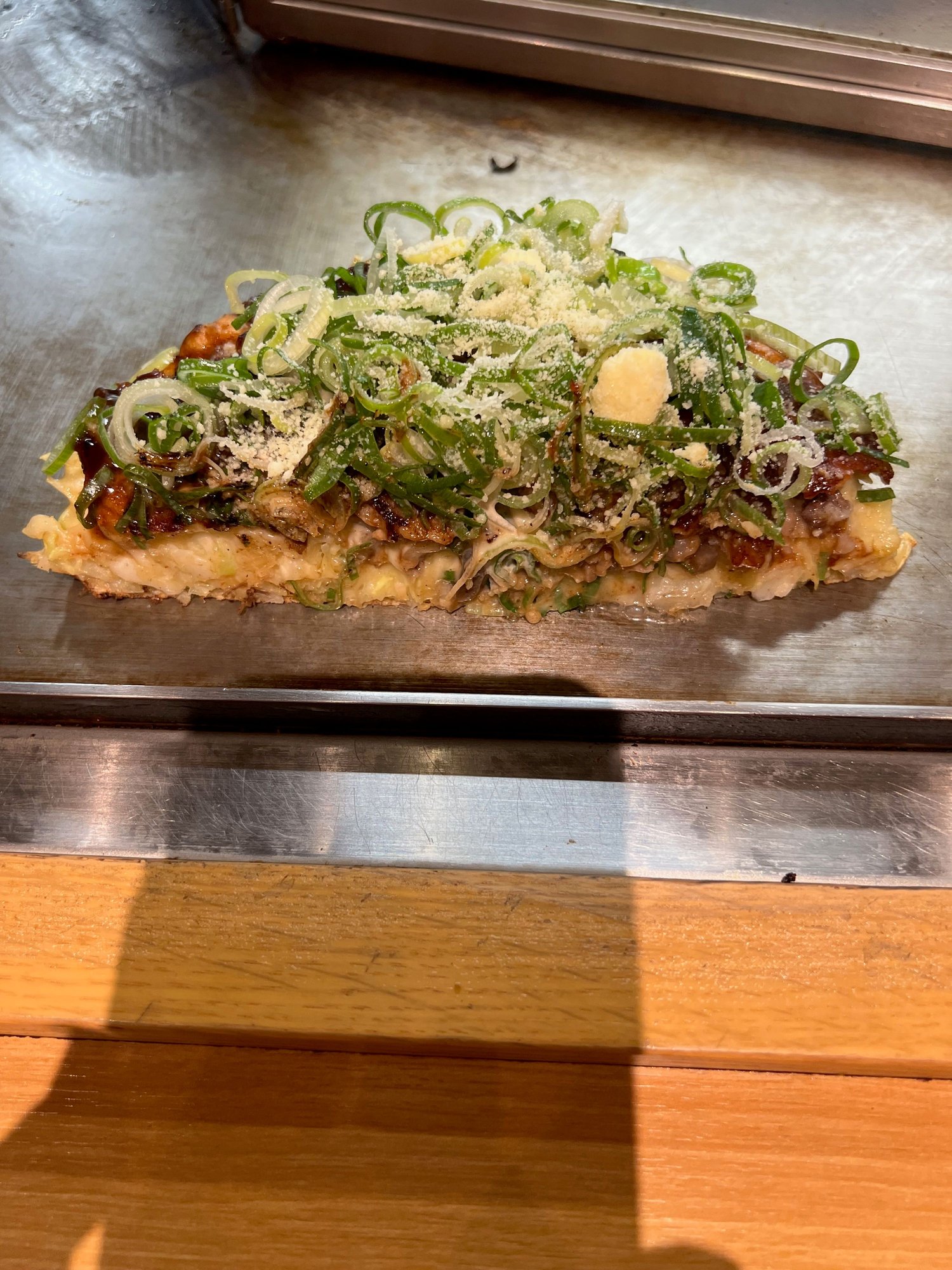
Okonomyaki Kiji Maranouchi
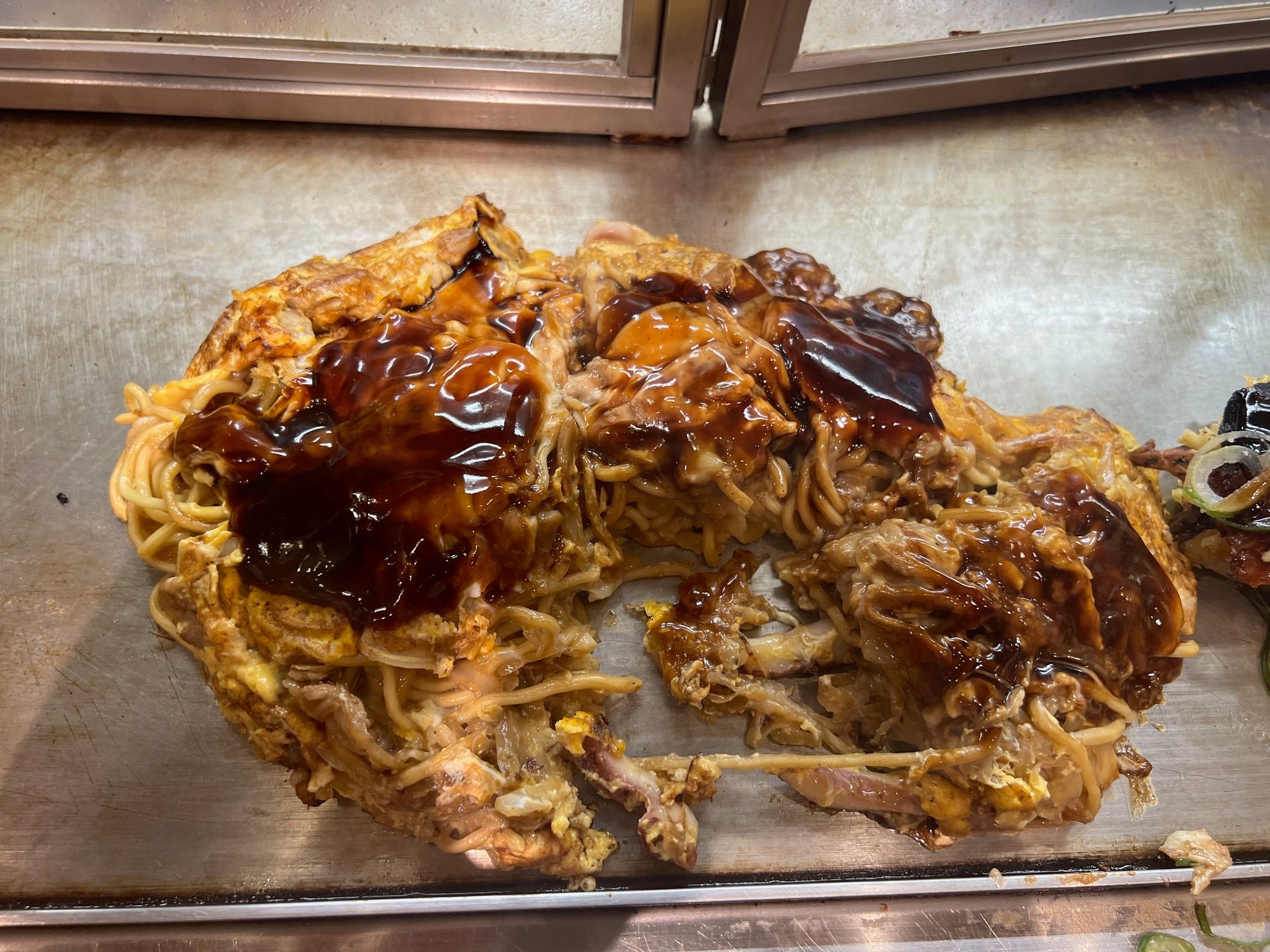
We have already started demolishing my okonomyaki with yakisoba noodles.
We realized that we had not yet had the chance to try okonomyaki and that this might be our last opportunity. So off we went to Okonomyaki Kiji Maranouchi, which was around the corner from Tokyo Station. There was a line but it moved quickly. The restaurant staff were very efficient - they identified how many in the party, whether you needed an English menu, and then took your order as you neared the head of the line. I was happy that we were seated right up at the bar so as to have a front row view of the chefs as they cooked the orders for these grilled savory pancakes. Once again we underestimated how large each order would be but there was more than enough to share. I ordered the version with the addition of yakisoba noodles which was delicious and satisfying.

Itoya Stationery Store

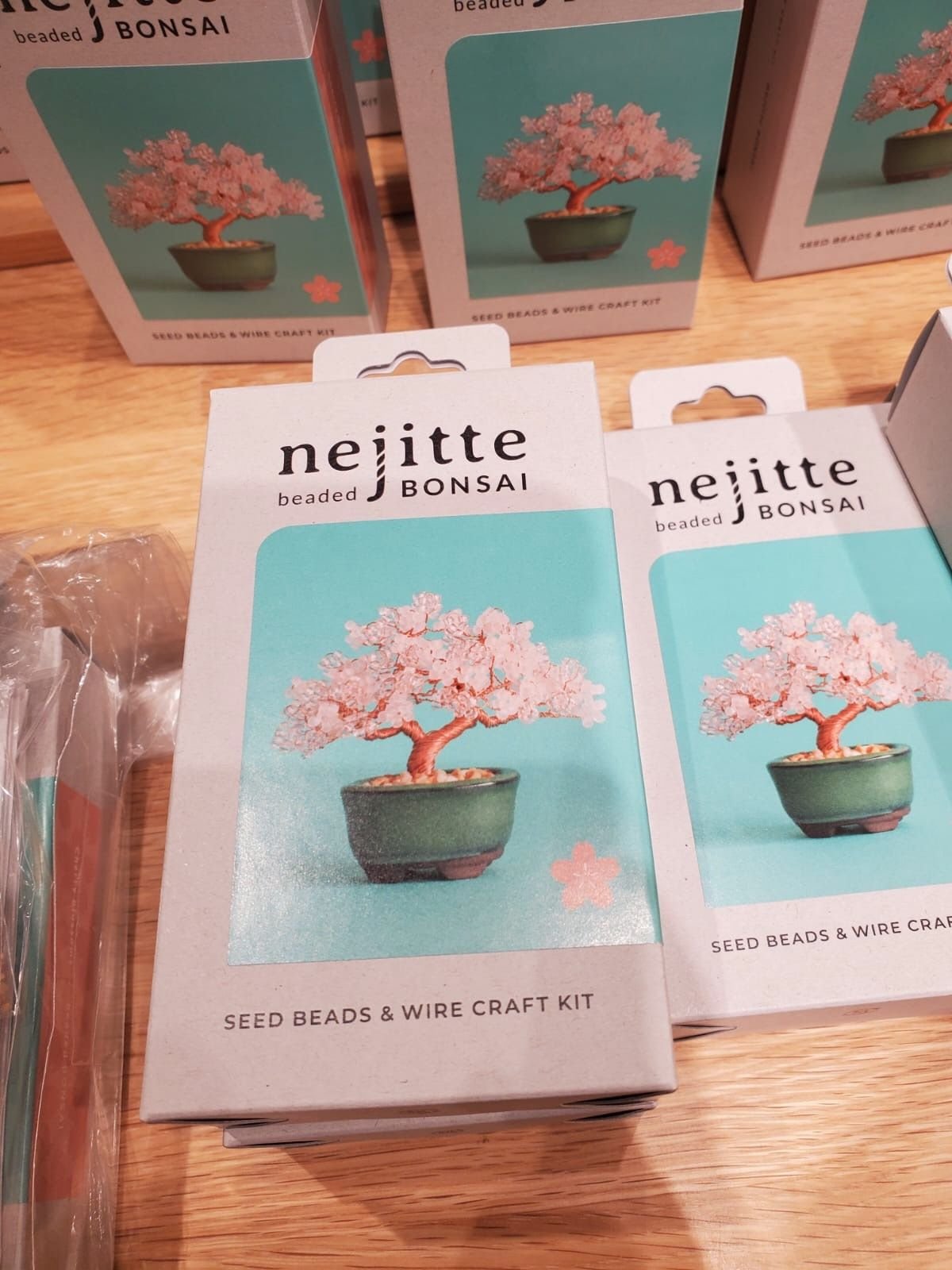

Since we couldn’t just go and lie down after such a huge meal we then walked over to Itoya. OK - I will admit that I did go on Instagram to look at fun places to check out in Tokyo. Itoya Stationery Store is pretty famous. Even though I am not a shopper I do love to look at beautifully laid out art supply stores. Even though we did not end up purchasing anything, DH and I really enjoyed walking through each floor and looking at the endless supplies of designer pens, paints, colored pencils, specialty papers, planners for every occasion, craft projects and on, and on. Now we were ready to return to our hotel to turn in for the night.
Next up Day 17 - only 6,500 steps - our last day in Japan
Jun 12th, 2025 | 09:16 PM
#59
Original Poster
Joined: Jul 2008
Posts: 191
Likes: 0
Day 17 - Final 6,500 steps - our last day in Japan
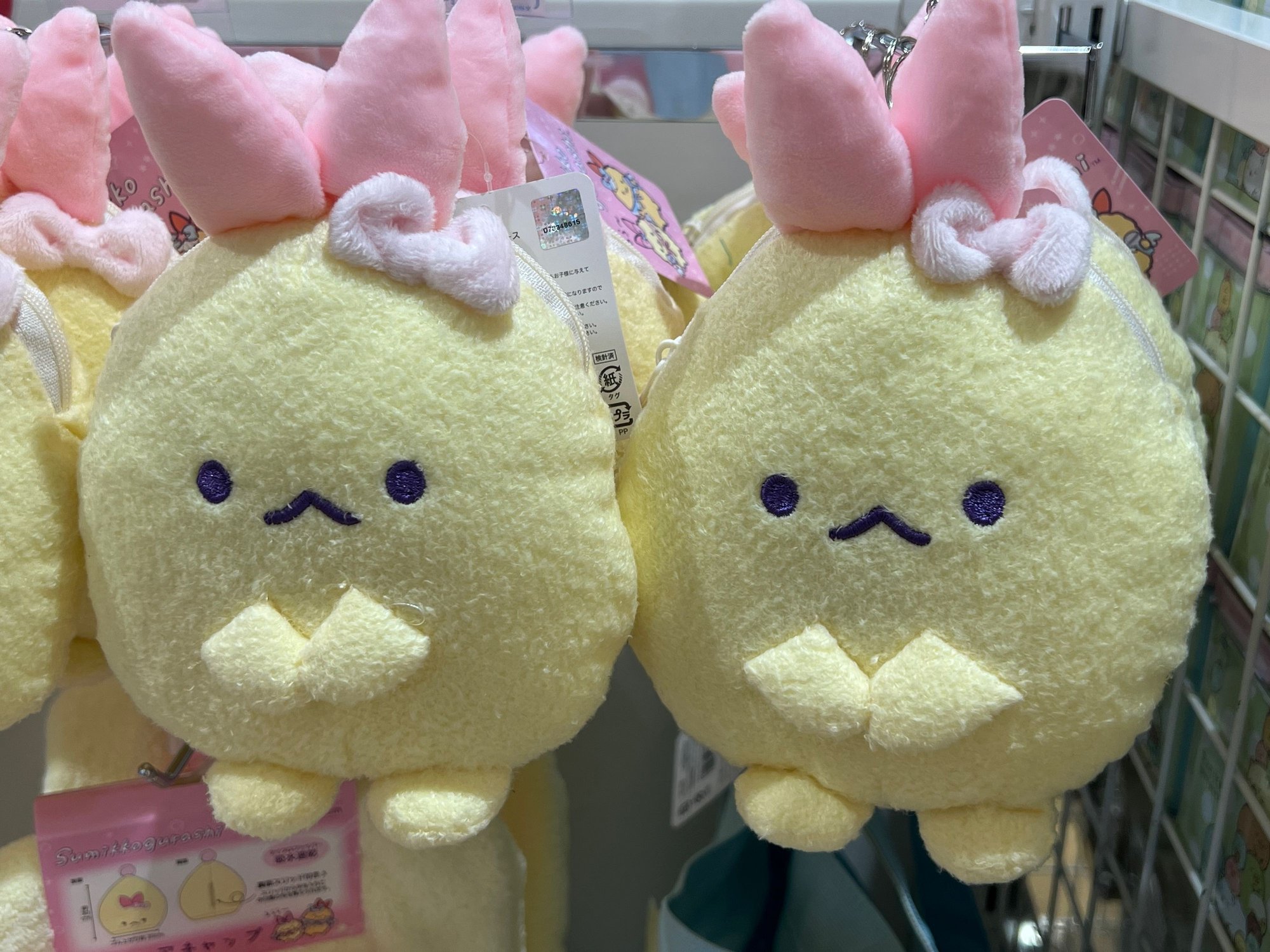
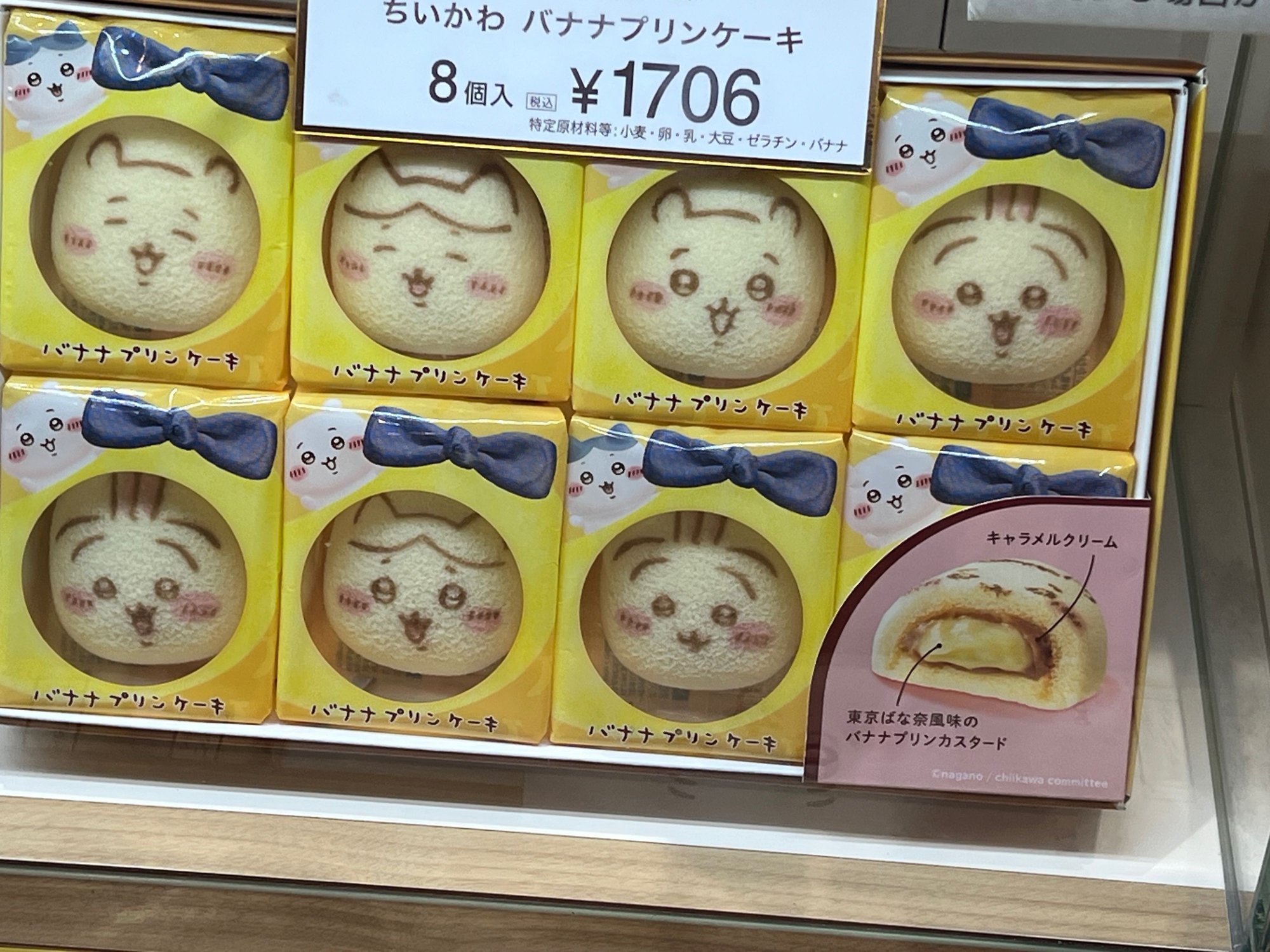
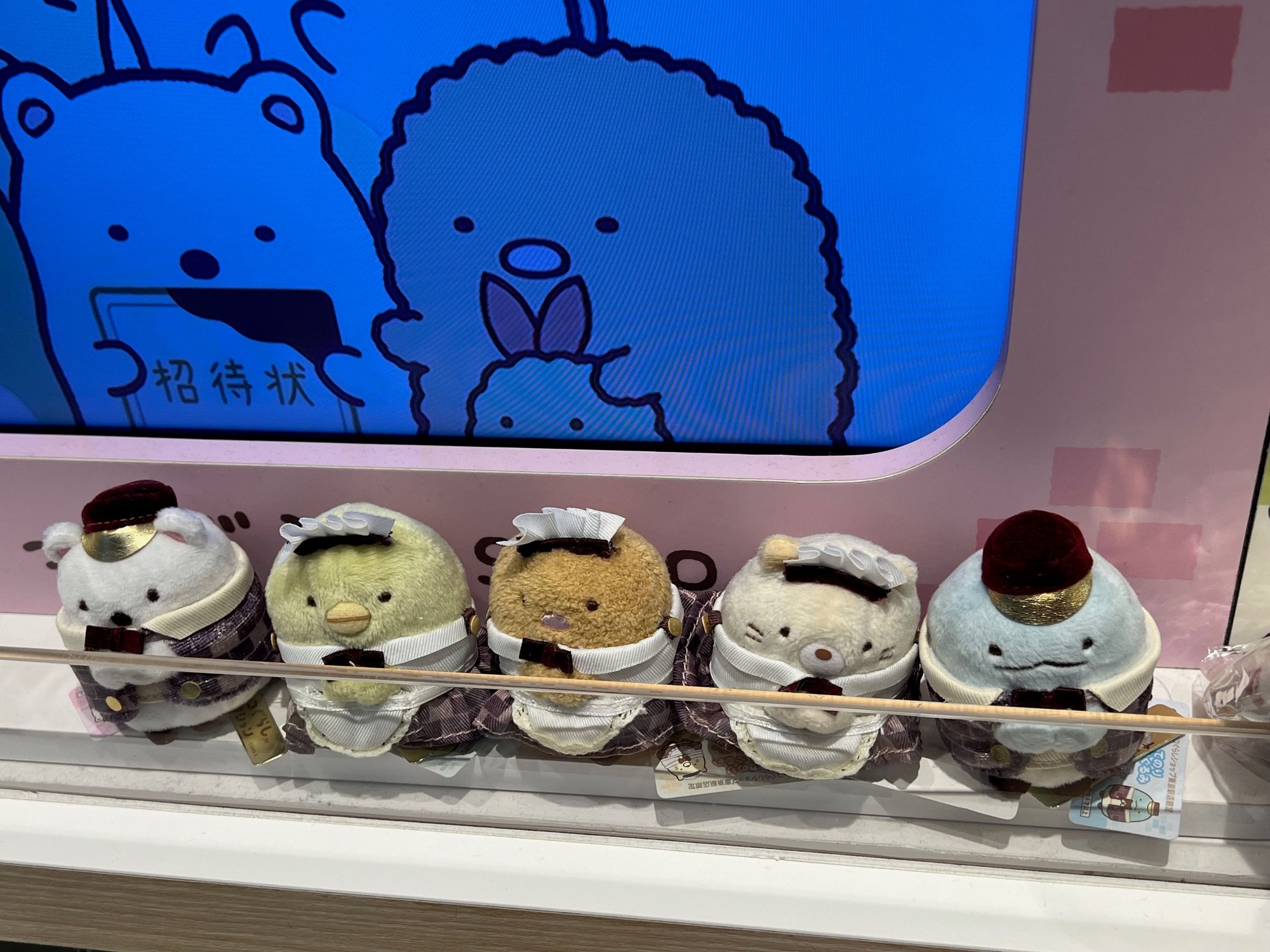
Japan seems to have a lock on cute merchandise.

Lego Grand Prix models
We woke to a cloudy, rainy day. Our departing flight from Haneda was scheduled for 9PM. So we did have an entire day to further enjoy Tokyo. Initially we had thought we might try to run over to the Tokyo National Museum. Maybe if it had been a sunny day we would have had more energy but we decided to not push ourselves. We had breakfast coupons to eat at the hotel restaurant so we leisurely made our way down and ate from the breakfast buffet. We then decided to walk over to Tokyo Station to see the shops and restaurants. Wow - it was busy! I think it was the final day of the Golden Week holiday and everyone was busy traveling to return home. DH and I did enjoy going down into the lower levels to “window shop” - particularly walking through the Tokyo Character Street. DH loves to watch Japanese anime so he recognized a lot more of the characters than I did. After that we decided it was time for lunch. We had originally intended to eat at one of the many ramen shops lining Tokyo Ramen Street but by this time the area was completely packed. So instead we walked over to the Daimaru food hall. Similar to Mitsukoshi, Daimaru is a large department store with a food hall in the basement level that is contiguous to Tokyo Station. We selected a variety of items and then escaped back to the quiet of our hotel room. Maybe it was because we had just spent the past week hiking in relative solitude that we now felt a bit traumatized by the hordes of people. With the continued rain, we decided to just leisurely pack, eat our lunch and relax until we were ready to leave for the airport. We had extra yen that we needed to use up and after dealing with the crowds at Tokyo Station we decided to just take a taxi. Departing Haneda was efficient and we were happy to have a smooth flight back to the US.
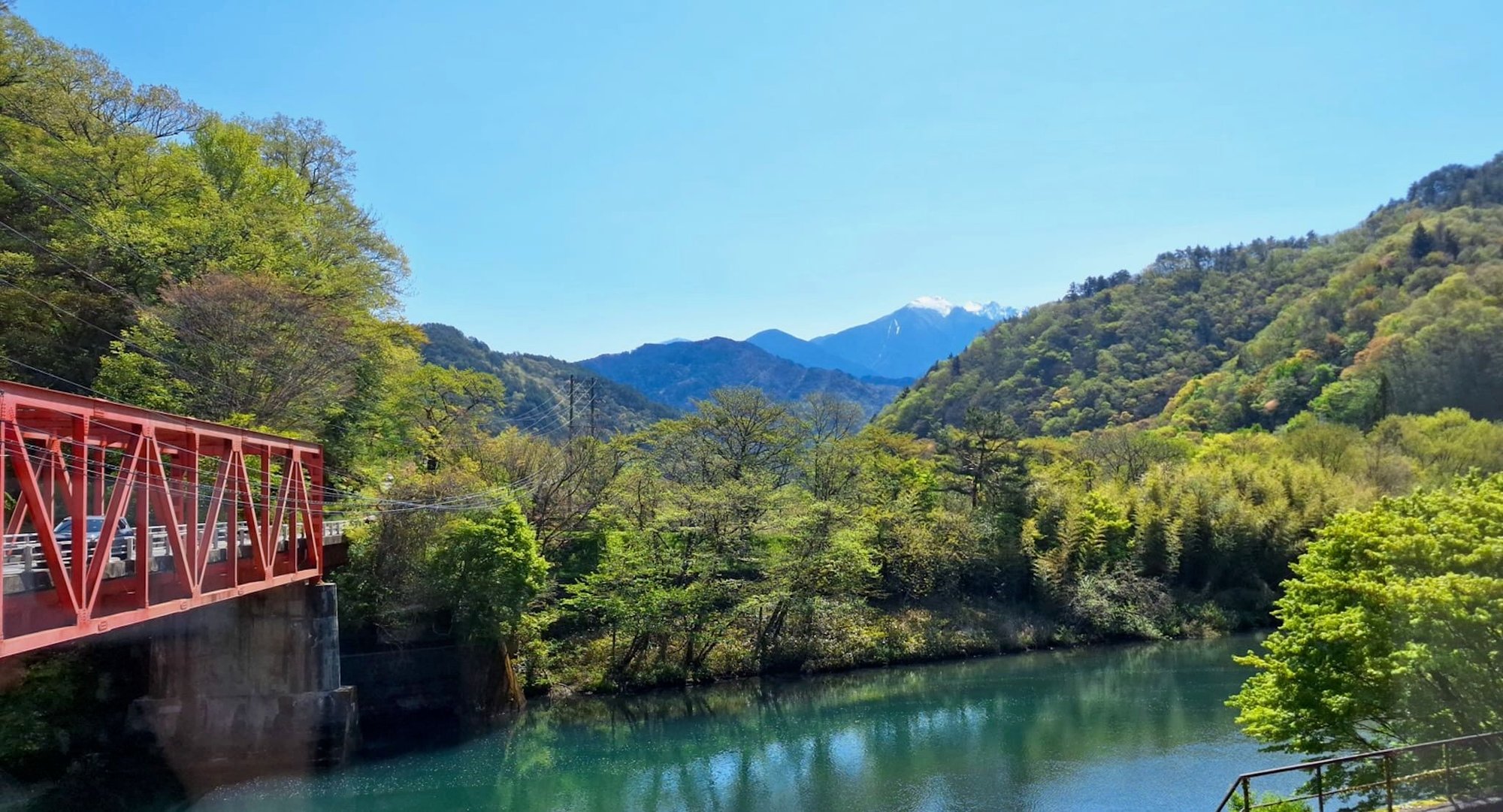
Notes - Final (and somewhat random thoughts) and a few more photos
1) What didn’t we get to see or do?
- I wanted to try a karaoke booth - I saw one in the Arrivals area of Haneda airport and thought about giving it a try once we returned for our departure. However, in the end I felt a bit nervous about getting through passport control, etc once we came back to Haneda so didn’t seek it out.
- We were sad to see that the Edo Tokyo Museum is currently closed (for renovations?). They will reopen in 2026.
- It wasn’t the season for sumo wrestling.
- I was also interested in getting a “one act” ticket to see Kabuki theater. Between the logistics of trying to get tickets and the amount of time to attend even just one act of a performance we couldn’t fit it in. We were happy to attend one cultural show with the tickets to the Miyaki Odori.
- Visiting the Tokyo Metropolitan Government Building Towers and watching their projection show - especially a weekend show when a truly giant Godzilla attacks Tokyo!
2) We loved that we didn’t have to calculate tips. It is wonderful to travel through a country in which the baseline attitude is that everyone should do their job conscientiously and to the best of their ability. However, it made us very uncomfortable that we didn’t tip our Life’s An Adventure guides. They worked so very hard and did such a great job
3) I am not sure how a disabled person would find traveling in Japan, especially out in the countryside. As we get older, arthritis is definitely becoming an issue. Sometimes we found the many stairs we encountered in the temples and castles tough to negotiate.
4) Visiting historical sites, DH had to watch his head. He forgot to duck a number of times and managed to whack his head on overhead beams as he passed through doorways.
5) The most overcrowded sites:
Tokyo: Senso-ji Temple and Nakamise-dori and the restaurants at Tokyo Station at the end of Golden Week
Kyoto: Ninenzaka and Sannenzaka and Nishiki Market
6) We were shocked at how well Google translate worked for helping us to decipher signs and to even hold conversations. As an aside, I was actually stopped a couple of times when a local would start speaking to me in Japanese, asking for directions - at least that is what I think they were asking me.
7) Did not necessarily show photos of all of the more famous tourist sites since you can see even better photos taken professionally online. Also, if you haven’t already done so I highly recommend that you look at the recent trip report written by yk (yk + family 10 days in Japan, April 2025). Her observations and advice are spot on and she illustrated her report with many beautiful photos.

8) I would highly recommend Life’s An Adventure as a very responsive tour company with well planned out trips. Coming from the US, we would never have known about this company and it was our good luck that my classmate in New Zealand was able to introduce us to them. For our tour there were 2 vegans, 1 pescatarian, 1 lactose intolerant (me) members. The guides really worked hard with each ryokan to accommodate our dietary restrictions. Quinlan and Kiyomi were also given quite a lot of autonomy to be flexible. They would buy us little souvenirs and treats along the way. You literally did not have to pay for anything else unless there was some extra treat or souvenir that you individually wanted. Also, we were not taken to any specific shops to try to induce us to purchase something. They were more than happy to suggest which shops had higher quality products but only if directly asked. Our group decided that we definitely preferred traveling from Kyoto to Tokyo and ending with our last stay at the Ancient Hotel. Finally, our driver for the trip was excellent - he would always meticulously check each morning that all of our luggage was loaded before taking off. This was not a small feat as most of us had a suitcase and a personal item, separate from our daypacks. DH and I had bought an extra bottle of sake that we never found time to open and share with the group so we gifted it to our driver as a token of appreciation.
9) Just recently there was a NY Times article written by Pico Iyer: https://www.nytimes.com/2025/06/10/t...scoveries.html (please note that this link may be behind a paywall). Iyer, as you may or may not know is a famous travel writer who has lived primarily in Japan since 1992. His recent essay muses on the responsibility of travel writers to “gate-keep” unique and “off the beaten track” sites that they may discover. There is a lot of “food for thought” in reading his perspective. Between the density of the population in Tokyo and the soaring popularity of Japan as a tourist destination, I was apprehensive about how bad the crowds might be. On the other hand, I recognize that I was just as culpable as the next tourist - if you look at where we chose to go it mostly reads as the typical tourist hit list. On the other hand DH and I went into this trip with a relatively clear idea of what we wanted to see and tried to be strategic which really did help us to enjoy the sites we visited.
10) And finally, I wanted to point out another recent article in the NY Times regarding the Toto toilets in Japan (again may be behind a paywall):
https://www.nytimes.com/2025/05/29/b...7c57bdaa2f8661
The public bathrooms were almost uniformly pristine and a pleasure to use. Even while hiking on the Nakasendo Way we encountered Toto toilets. We were so spoiled that we (at least the women in the group) would complain if we had to sit on a cold toilet seat!
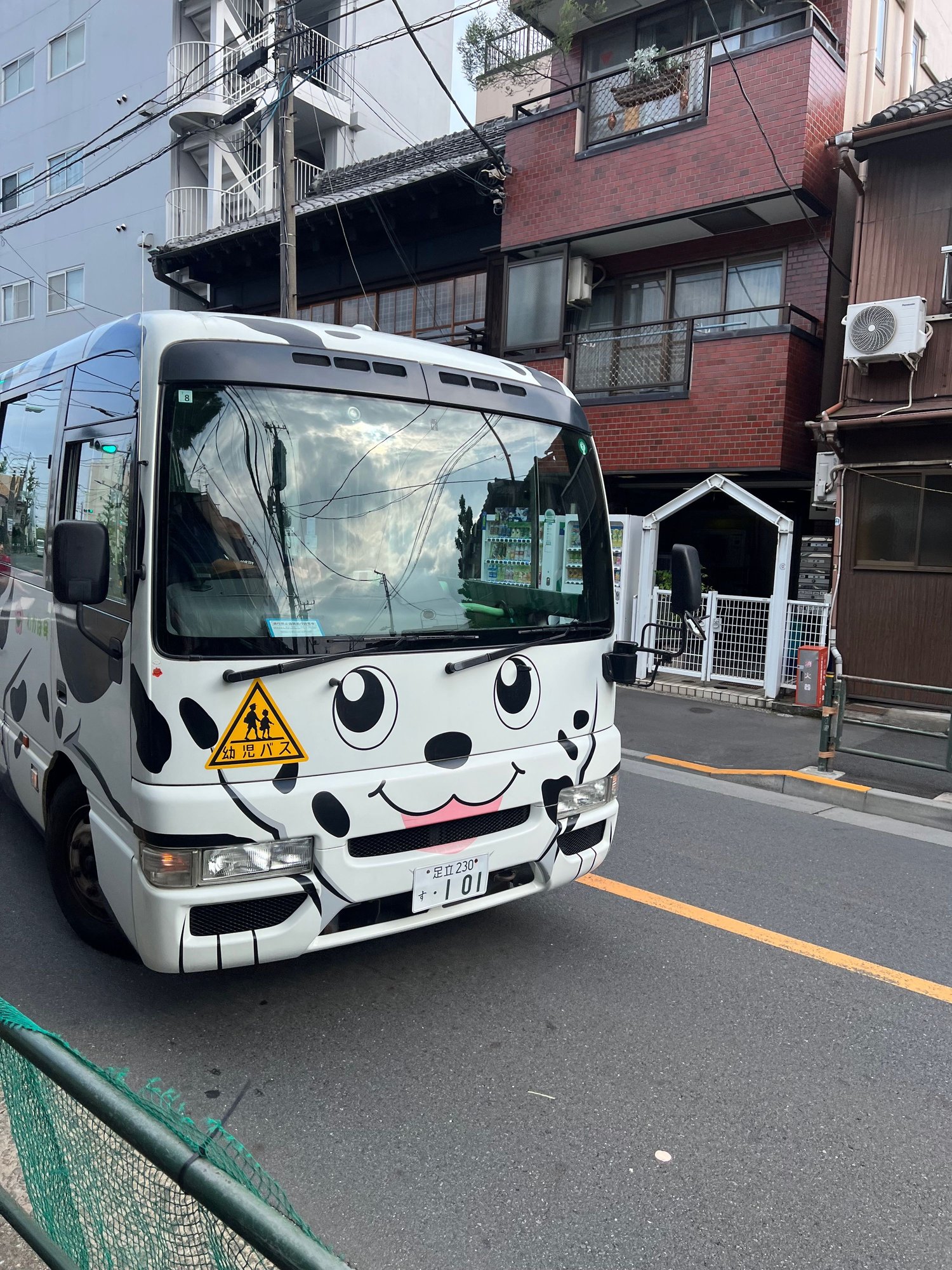
Cute school bus
In reviewing our trip to Japan, DH and I found that the contrast between the ancient and the ultra-modern and the urban vs rural settings to be fascinating. We can see why so many people are flocking to what is a relatively small country. Even though we just scratched the surface - the delicious cuisine, dramatic natural beauty, well preserved historical and cultural sites, and the warm and friendly service we encountered all contributed to a very satisfying introduction to Japan.
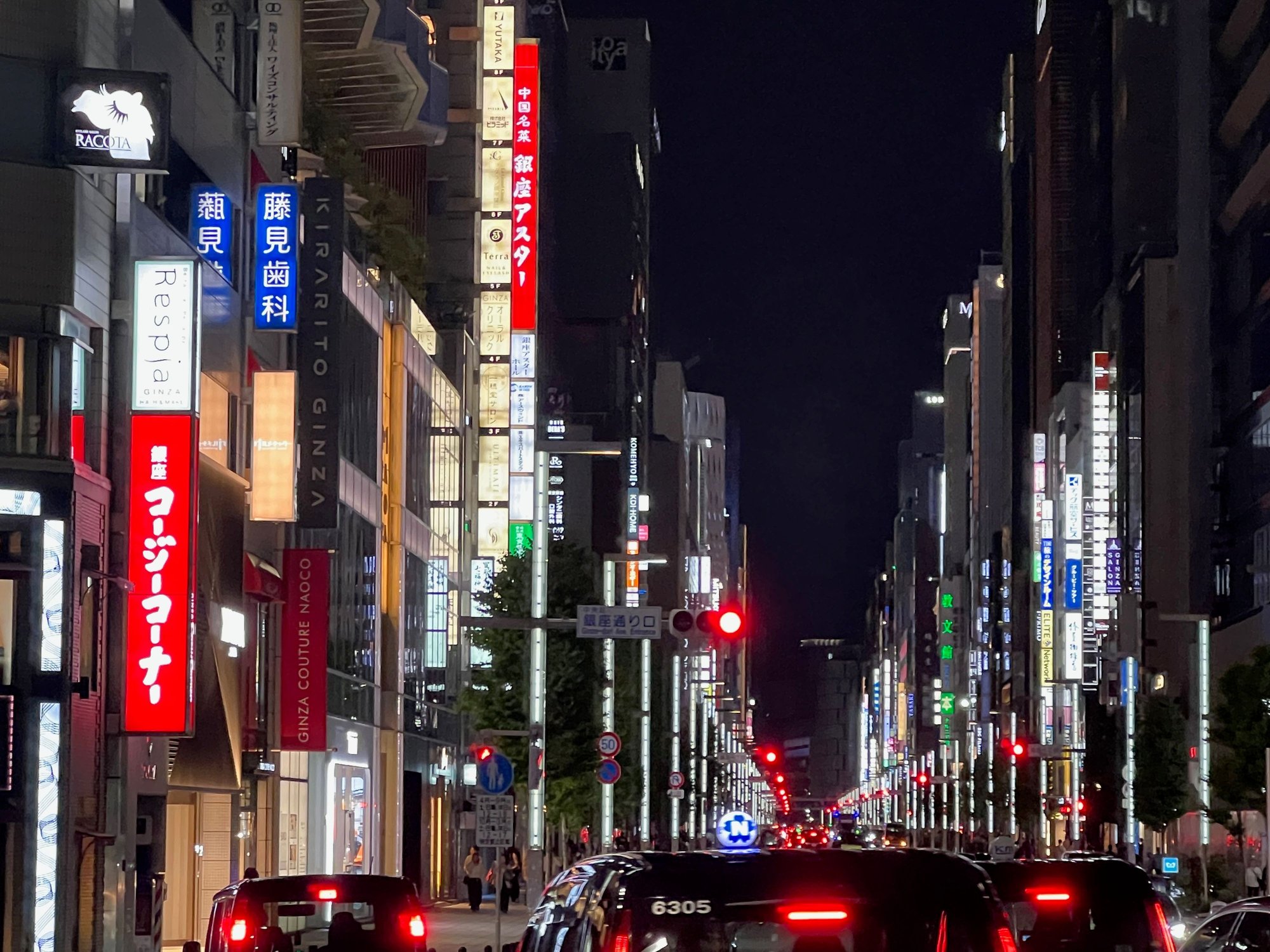
Tokyo


