


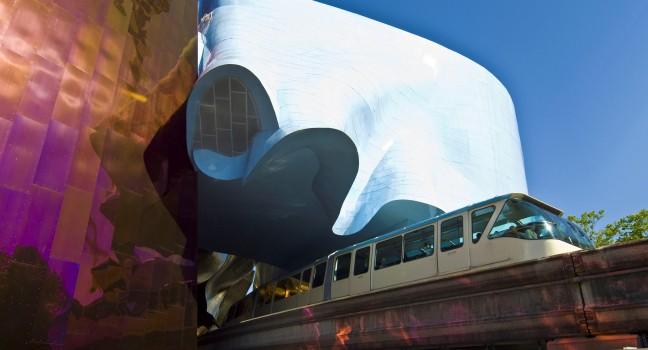
Museum of Pop Culture (MoPOP)
Get FREE email communications from Fodor's Travel, covering must-see travel destinations, expert trip planning advice, and travel inspiration to fuel your passion.

We've compiled the best of the best in Seattle - browse our top choices for the top things to see or do during your stay.
Two sandy beaches anchor this 531-acre park, with plenty of picnic tables (bring your own basket or hit the concession stands), a playground, and seasonal kayak and paddleboard rentals. There are a few shady walking trails, which offer good bird-watching and wildlife viewing. If you head east, you can connect to the Sammamish River Trail and walk or bike all the way to Marymoor Park.
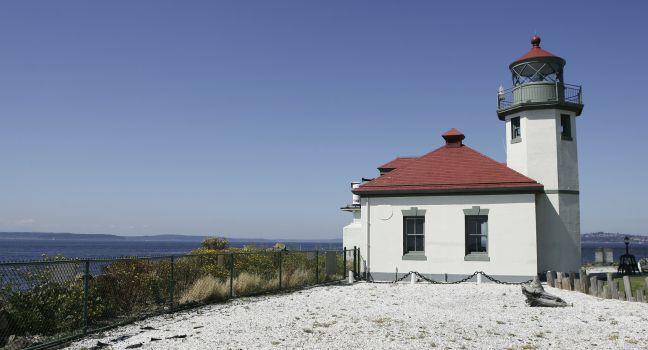
Alki Point is the place where David Denny, John Low, and Lee Terry arrived in September 1851, ready to found a city. The Alki Point Lighthouse dates from 1913. One of 195 Lady Liberty replicas found around the country, Miss Liberty (or Little Liberty) lives near the 2700 block of Alki Avenue SW and is a popular meeting point for beachfront picnics and dates.
To get to the beach from Downtown, take either Interstate 5 south or Highway 99 south to the West Seattle Bridge (keep an eye out, as this exit is easy to miss) and exit onto Harbor Avenue SW, turning right at the stoplight. After Harbor Ave. SW curves south to become Alki Ave. SW, watch for the Alki Flower Houses on the left at 1400 Alki Ave. SW. The pair of 1914 houses, tucked between two high-rise condominium buildings, overflow with vibrant blossoms, inspired by owner Randie Stone's Hawaiian upbringing and nurturing the property's status as a wildlife habitat, while making it a photo-worthy gem. Alki Beach is a three-minute drive south from here.
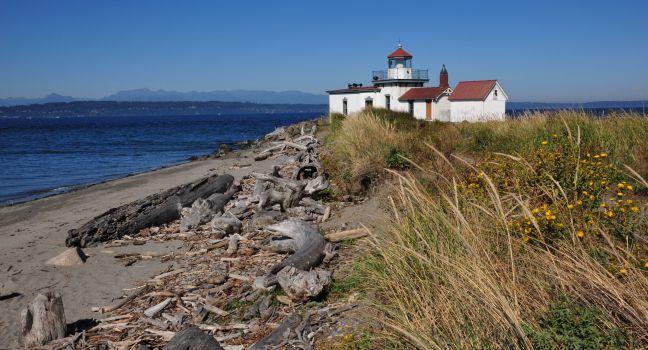
The park has several entrances. If you want to stop at the Learning Center to pick up a trail map before exploring, use the main entrance at Government Way. The North Parking Lot is much closer to the North Beach Trail and to Ballard, if you're coming from that direction. First-come, first-served beach parking passes for the disabled, elderly, and families with small children are available at the Learning Center. Note that it's easier to combine a park day with an exploration of Ballard or Fremont than with a busy Downtown itinerary.
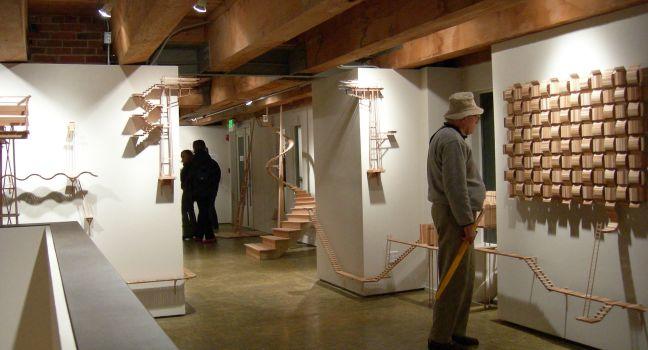
One of the most important destinations on the First Thursday Art Walk, this gorgeous space featuring paintings, sculpture, and prints, is a top venue for national and regional artists. Be sure to check out the outdoor sculpture deck on the second level. If you have time for only one gallery visit, this is the place to go. You'll see big names that you might recognize, along with newer Northwest artists, and the thematic group shows are always thoughtful and well-presented.

The adjacent 7-acre Carl S. English Botanical Gardens are a lovely place to picnic or just relax. Various musical performances, from jazz bands to chamber music, serenade visitors on summer weekends. And you can watch determined salmon climbing a 21-step fish ladder en route to their freshwater spawning grounds. (You won't be alone; look for seals in the water and herons in the trees, all hoping for a salmon meal.)

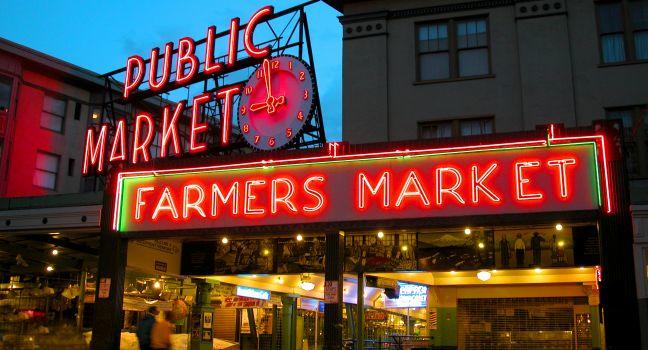
In recent years, Pike Place Market debuted a significant expansion, fulfilling a decades-long vision for Seattle's Market Historic District. The market's newer digs feature artisanal-food purveyors, an on-site brewery, four public art installations, seasonal pop-up vendors, and a 30,000-square-foot open public space with a plaza and a viewing deck overlooking Elliott Bay and the Seattle waterfront. The famous "flying fish" fishmonger is located at the main entrance on Pike Street. Just be patient and eventually someone will toss a big fish through the air. Nearby, you'll also find Rachel the Piggy Bank, a life-size bronze pig that helps bring home the bacon for local social services; she's a favorite spot for Pike Place pics.
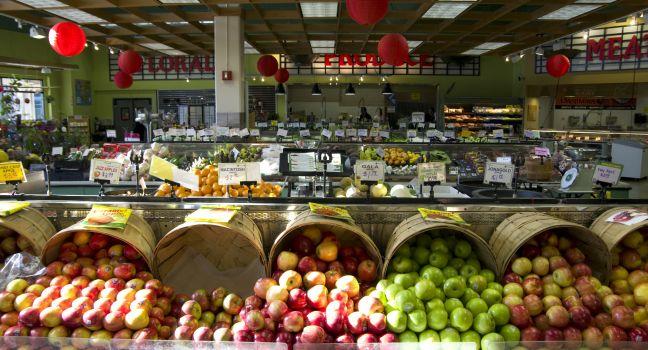
This huge, fascinating Japanese supermarket is a feast for the senses, and a 2020 remodel makes it easier to navigate the colorful mounds of fresh produce and aisles of delicious packaged goods, with unique sweets and savory treats from countries throughout East and Southeast Asia. A busy food court serves sushi, Japanese bento-box meals, Chinese stir-fry combos, Vietnamese spring rolls, and an assortment of teas and tapioca drinks. It's almost a department store, with housewares, cosmetics, toys, and more. There's also a fantastic branch of the famous Kinokuniya bookstore chain. The large parking lot is free for two hours with a minimum $20 purchase—don't forget to have your ticket validated by the cashiers.
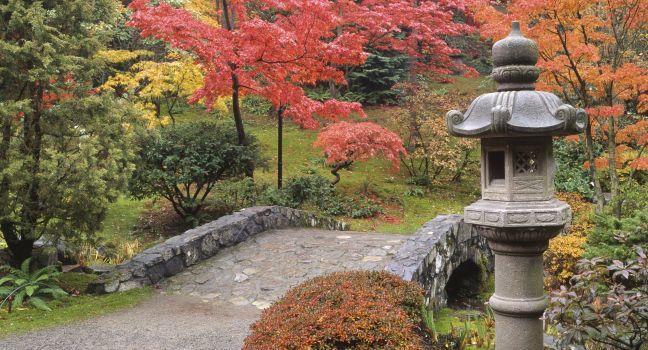
A good place to start is the Graham Visitors Center, near the park's north end, where you can pick up a map and discuss your plans with volunteers. Highlights include the ¾-mile Azalea Way path, the Rhododendron Glen, the Pacific Connections Garden, the Joseph A. Witt Winter Garden (with brilliant winter blooms), the colorful Woodland Garden, and, on the shores of Union Bay, Foster Island (with wetlands populated by herons, ducks, turtles, and beavers).
Nearly everything is accessible on an easy 2-mile loop trail, and two roads running the park’s length are beautiful drives, each with several parking areas along the way. Free 90-minute walking tours depart from the visitors center on the first Thursday of each month at 11:30 am, and there are regular classes for kids, adults, and families.
Marymoor has some of the best bird-watching in this largely urban area. It's possible to spot some 30 resident species, including great blue herons, belted kingfishers, buffleheads, short-eared and barn owls, and red-tailed hawks. Occasionally, bald eagles soar past the lakefront. The Sammamish River, which flows through the western section of the park, is an important salmon spawning stream.
Ambitious bikers can follow the Burke-Gilman Sammamish River Trail to access the park; Marymoor is just over 20 miles from Seattle, and it's a flat ride most of the way.
Sculptor Jonathan Borofsky's several-stories-high “Hammering Man” greets visitors to SAM, as locals call this pride of the city’s art scene. SAM's permanent collection surveys American, Asian, Native American, African, Oceanic, and pre-Columbian art. Collections of African dance masks and Native American carvings are particularly strong. SAM's free floors have the best attractions for kids, including an installation of a massive tree-like sculpture hanging from the ceiling and the Chase Open Studio. If you're interested in checking a special exhibition, consider buying tickets in advance as they can sell out. The listed admission price to see the museum's general collections and installations is suggested pricing, though the museum charges fixed pricing for tickets that include special exhibitions.
The imposing art deco building that’s the centerpiece of Volunteer Park was built in 1933 to house the Seattle Art Museum, and that’s what it was until the museum expanded into its current primary location Downtown. The original building was dedicated to the museum’s Asian collection, and the Seattle Asian Art Museum (SAAM) was born. The permanent collection includes works from China, Japan, India, Korea, and Southeast Asian. It fills 13 galleries with rooms dedicated to pottery, images of nature, illustrated scrolls, and clothing. Six of the galleries focus on aspects of spirituality, including sacred texts, divine bodies, and sacred journeys. All in all, SAAM strikes a balance that makes it an especially enjoyable museum going experience: there’s a wide range of beautiful, engaging art, yet it’s small enough to keep you from feeling overwhelmed or getting bored.
Expect crowds, particularly in summer. Buying timed-entry tickets online helps streamline your visit and guarantees admission. The Needle stays open after dark, and the glittering city views are just as mesmerizing as the daytime ones. Can’t decide between the two? A dual-entry ticket lets you go up twice in a day. You can also save with a combo ticket that includes admission to the neighboring Chihuly Garden and Glass.
One of the only museums in the United States devoted to the Asian Pacific American experience provides a sophisticated and often somber look at how immigrants and their descendants have transformed (and been transformed by) American culture. The evolution of the museum has been driven by community participation—the museum's library has an oral history lab, and many of the rotating exhibits are focused on stories from longtime residents. Museum admission includes a guided tour through the East Kong Yick building, where scores of immigrant workers from China, Japan, and the Philippines first found refuge in Seattle (check the schedule, as this is the only way to see this section). The museum also offers weekly guided tours of the neighborhood along rotating themes.
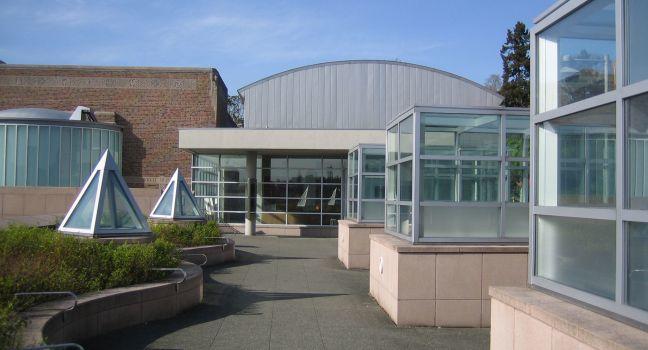
This gallery presents thought-provoking shows by contemporary artists that often often bend or defy tradition. The star attraction of the permanent collection is Light Reign by James Turrell, an elliptical chamber sitting separate from the main building that allows visitors to contemplate the sky through a large hole in its ceiling. It's a quiet, meditative experience in the midst of the university hubbub. The Henry's location—steps away from the Burke Museum and Red Square—and its free admission make it an easy stop while exploring the UW campus. The café, open even when the gallery is closed on Tuesday and Wednesday, is a peaceful spot for a coffee and a bite to eat.
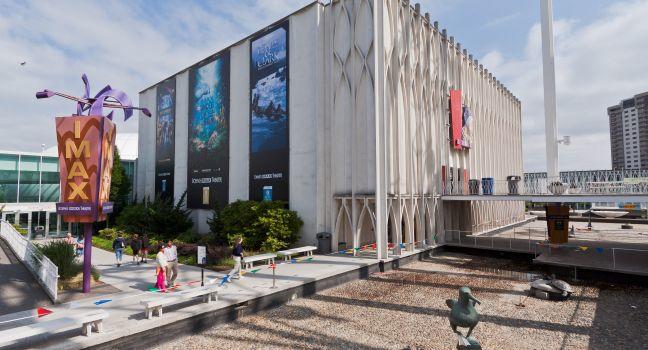
The more than 200 exhibits here share a single goal: to make science fun—especially for kids. Giant animatronic dinosaurs snap their jaws, hundreds of colorful wings flutter through the Tropical Butterfly House, and the universe glitters inside the planetarium. Nearly everything invites interaction, whether that means petting starfish in a tide pool or hoisting a 250-pound weight using pure leverage. Live demos and laser shows keep the energy high throughout the day, and two IMAX theaters—one screening science documentaries, the other feature films—offer even more ways to be wowed (though they require separate admission).
The three massive glass orbs at the heart of Amazon’s South Lake Union campus—officially called The Spheres—are among Seattle’s most striking architectural landmarks. Inside, it feels like stepping into a living, breathing greenhouse: more than 40,000 plants from around the world climb, dangle, and sprawl across four verdant floors. The design blends futuristic engineering with rainforest lushness, creating a space meant to inspire creativity among Amazon employees who use it for meetings and breaks.
On the first and third Saturdays of each month, the public can experience it, too. Free tours open limited slots for visitors to wander through the gardens, marvel at the “living wall,” and soak up the filtered light under the glass domes. Reservations—available online up to 15 days ahead—are essential and disappear fast. Be sure to bring government-issued ID, travel light (large bags aren’t allowed), and expect a glimpse of the rare moment where nature and tech coexist beautifully in the middle of the city.
First emerging as an online art space to uplift Black arts, culture, and community, Arte Noir now lives in a permanent home in the C.D. Part gallery, part shop, and part community gathering space, Arte Noir showcases thought-provoking visual arts from Black C.D. artists, alongside a small shop selling jewelry, books, and home goods from Black artists that honors the C.D.'s roots and fight against its gentrification.
Soaring 18-foot ceilings, classic brick arches, and antique wood floors make a dramatic backdrop for monthly rotating exhibits with a contemporary bent. Part of a multitasking, 6,000-square-foot studio space, the gallery features a roster of local, national, and international artists and photographers. AXIS hosts new shows with entertainment during First Thursday Art Walk.


