


135 Best Sights in Los Angeles, California

Reviews Updated by
We've compiled the best of the best in Los Angeles - browse our top choices for the top things to see or do during your stay.
The Getty Center

With its curving walls and isolated hilltop perch, the Getty Center resembles a pristine fortified city of its own. You may have been lured there by the beautiful views of Los Angeles—on a clear day stretching all the way to the Pacific Ocean—but the amazing architecture, uncommon gardens, and fascinating art collections will be more than enough to capture and hold your attention. When the sun is out, the complex's rough-cut travertine marble skin seems to soak up the light.
Getting to the center involves a bit of anticipatory lead-up. You'll need to book a free timed-entry ticket in advance. When you arrive, at the base of the hill lies the underground parking structure. From there you either walk or take a smooth, computer-driven tram up the steep slope, checking out the Bel Air estates across the humming 405 freeway. The six pavilions that house the museum surround a central courtyard and are bridged by walkways. From the courtyard, plazas, and walkways, you can survey the city from the San Gabriel Mountains to the ocean.
In a ravine separating the museum and the Getty Research Institute, conceptual artist Robert Irwin created the playful Central Garden in stark contrast to Richard Meier's mathematical architectural geometry. The garden's design is what Hollywood feuds are made of: Meier couldn't control Irwin's vision, and the two men sniped at each other during construction, with Irwin stirring the pot with every loose twist his garden path took. The result is a refreshing garden walk whose focal point is an azalea maze (some insist the Mickey Mouse shape is on purpose) in a reflecting pool.
Inside the pavilions are the galleries for the permanent collections of European paintings, drawings, sculpture, illuminated manuscripts, and decorative arts, as well as world-class temporary exhibitions and photographs gathered internationally. The Getty's collection of French furniture and decorative arts, especially from the early years of Louis XIV (1643–1715) to the end of the reign of Louis XVI (1774–92), is renowned for its quality and condition; you can even see a pair of completely reconstructed salons. In the paintings galleries, a computerized system of louvered skylights allows natural light to filter in, creating a closer approximation of the conditions in which the artists painted. Notable among the paintings are Rembrandt's The Abduction of Europa; Van Gogh's Irises; Monet's Wheatstacks, Snow Effects, and Morning; and James Ensor's Christ's Entry into Brussels.
If you want to start with a quick overview, pick up the brochure in the entrance hall that guides you to collection highlights. There's also an instructive audio tour with commentaries by art historians and other experts. The Getty also presents lectures, films, concerts, art workshops, and special programs for kids, families, and all-around culture lovers. The complex includes an upscale restaurant and downstairs cafeteria with panoramic window views. There are also outdoor coffee carts.
On-site parking is subject to availability and can fill up by midday on holidays and in the summer, so try to come early in the day or after lunch.
A tram takes you from the street-level entrance to the top of the hill. Public buses (like Metro Rapid Line 734) also serve the center and link to the Expo Rail.
Universal Studios Hollywood

What can't be duplicated at the Orlando branch is the Universal backlot, where movies have been made since 1915. Hop aboard the new electric trams which wind around working soundstages and exterior sets where many popular movies and TV series have been filmed. As they are still being used today, going during the week increases your chances of seeing stars at work. During the studio tour, you'll visit The Good Place, see the airplane wreckage from War of the Worlds, and have a close call with Norman Bates from Psycho as well as drive through 4D motion simulated "rides."
The park gets a scary makeover in October for Halloween Horror Nights when new mazes full of monsters, murderers, and jump scares pop up. If you can swing it, splurge on the express tickets to drastically reduce wait times.
The tram ride is the best place to begin your visit both for historical context and because the line becomes longer as the day goes on.
Also run by Universal Studios, CityWalk is an adjacent corridor of shops (there's a great place to snag Dodgers gear!), restaurants like Margaritaville, Bubba Gump Shrimp Company, and the Hello Kitty & Friends Cafe, and movie theaters. There's also several quick food options like Pink's Hot Dogs and Voodoo Doughnut. Lots of park visitors end their day here, so make dinner reservations.
Recommended Fodor's Video
Academy Museum of Motion Pictures
The Academy Museum of Motion Pictures sits on the corner of Wilshire and Fairfax, with a giant spherical dome that features a 1,000-seat theater and stunning terrace with views of the Hollywood Hills. Inside, the museum has enlightening exhibitions that delve into the history of cinema with interactive exhibits, videos of award-winning storytellers, multiple theaters, and immersive experiences.
Los Angeles County Museum of Art (LACMA)
Los Angeles has a truly fabulous museum culture and the ever-changing Los Angeles County Museum of Art boasts the largest collection of art in the western United States. With more than 135,000 pieces from 6,000 years of history across multiple buildings, plan on spending a full day. Highlights include the Urban Light sculpture by Chris Burden (an Instagram favorite), Levitated Mass by Michael Heizer, and prominent works by Frida Kahlo, Wassily Kandinsky, Henri Matisse, and Claude Monet. With an illustrative permanent collection to go along with an ever-rotating array of temporary exhibits, film screenings, educational programs, and more, the museum is a beacon of culture that stands alone in the middle of the city. Temporary exhibitions sometimes require tickets purchased in advance.
Petersen Automotive Museum
La Brea Tar Pits Museum
Show your kids where Ice Age fossils come from by taking them to this fascinating outdoor park and indoor museum. Oil rises and bubbles to the earth's surface, as it is collected in shallow pools, and coagulated into asphalt. In the early 20th century, geologists discovered that all that goo contained the largest collection of Pleistocene (Ice Age) fossils ever found at one location. There are more than 600 fossils of species of birds, mammals, plants, reptiles, and insects. Roughly 100 tons of fossil bones have been removed in excavations during the last 100 years, making this one of the world's most famous fossil sites. You can see most of the pits through chain-link fences, and the Excavator Tour gets you as close as possible to the action.
NoHo Arts District
In only a few years, North Hollywood's performance arts hub has grown from the residential home of aspiring actors who frequent a few fringe theaters and several chain restaurants to a completely revitalized one square-mile district that boasts a vibrant collection of stages, galleries, dance studios, coffee shops, restaurants, bars, and colorful street art.
Sunset Boulevard
Sunset Boulevard is a sexy and seductive drive with bigger than life celebrity billboards, architecturally unique hotels, a variety of casual to upscale restaurants, and fashionable boutiques. The cocktail bars charge a premium, but the iconic Hollywood sign and Los Angeles views justify the price.
Getty Villa Museum
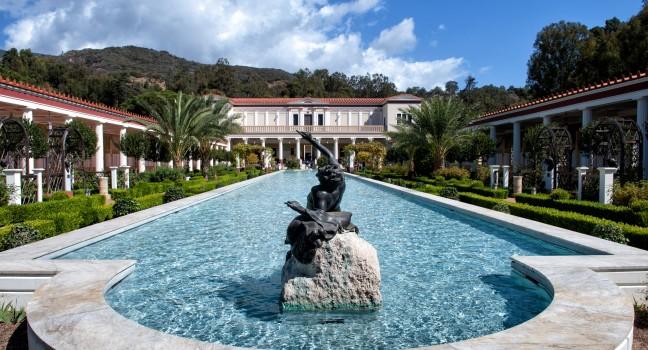
Feeding off the cultures of ancient Rome, Greece, and Etruria, the Getty Villa exhibits astounding antiquities, though on a first visit even they take a back seat to their environment. This megamansion sits on some of the most valuable coastal property in the world. Modeled after the Villa dei Papiri in Herculaneum, a Roman estate owned by Julius Caesar's father-in-law that was covered in ash when Mt. Vesuvius erupted, the Getty Villa includes beautifully manicured gardens, reflecting pools, and statuary. The structures blend thoughtfully into the rolling terrain and significantly improve the public spaces, such as the outdoor amphitheater, gift store, café, and entry arcade. Talks, concerts, and educational programs are offered at an indoor theater.
An advance timed-entry ticket is required for admission. Tickets are free and may be ordered from the museum's website or by phone.
Grand Central Market

With options that include handmade white-corn tamales, warm olive bread, dried figs, Mexican fruit drinks, and much more, this mouthwatering gathering place is the city's largest and most active food market. The spot bustles nonstop with locals and visitors surveying the butcher shop's display of everything from lambs' heads to pigs' tails. Produce stalls are piled high with locally grown avocados and heirloom tomatoes. Stop by Chiles Secos at stall No. 30 for a remarkable selection of rare chilies and spices; Ramen Hood at No. 23, for sumptuous vegan noodles and broth; or Sticky Rice at stall No. 24, for fantastic Thai-style chicken. Even if you don't plan on buying anything, it's a great place to browse and people-watch.
Griffith Observatory
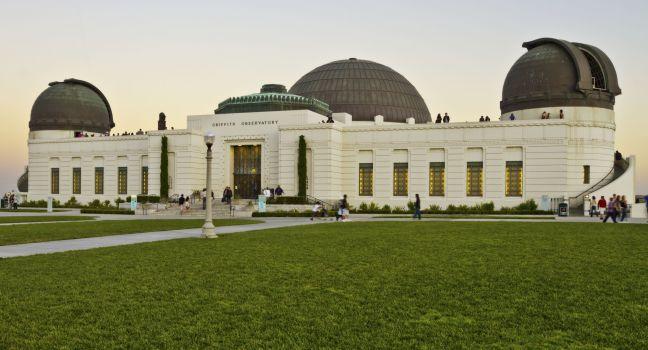
Most visitors barely skim the surface of this gorgeous spot in the Santa Monica Mountains, but those in the know will tell you there’s more to the Griffith Observatory than its sweeping views and stunning Greek Revival architecture. The magnificence of the cosmos and humankind's ingenuity to explore the deepest depths of the universe are in the spotlight here, with its space-focused exhibits, free public telescopes, and shows at the Leonard Nimoy Event Horizon Theater and the Samuel Oschin Planetarium. For visitors who are looking to get up close and personal with the cosmos, monthly star-viewing parties with local amateur astronomers are also on hand. For a fantastic view, come at sunset to watch the sky turn fiery shades of red with the city's skyline silhouetted.
Hollywood Museum
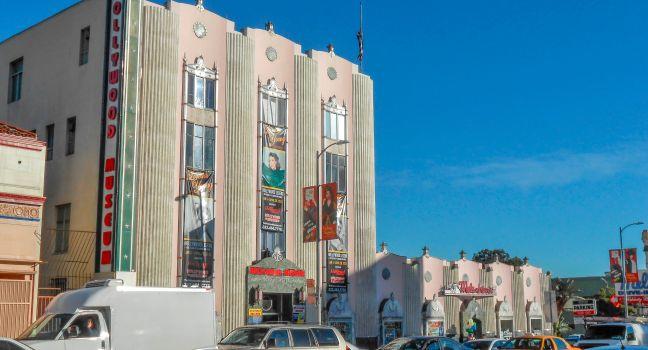
Don’t let its over-the-top marble facade turn you off: the Hollywood Museum, nestled at the busy intersection of Hollywood and Highland, is worth it, especially for film aficionados. A museum deserving of its name, it boasts an impressive collection of exhibits from the moviemaking world, spanning several film genres and eras. Start in its pink, original art deco lobby where the Max Factor exhibit pays tribute to the cosmetics company’s pivotal role in Hollywood, make your way to the dark basement, where the industry’s penchant for the macabre is on full display, and wrap up your visit by admiring Hollywood’s most famous costumes and set props on the top floor.
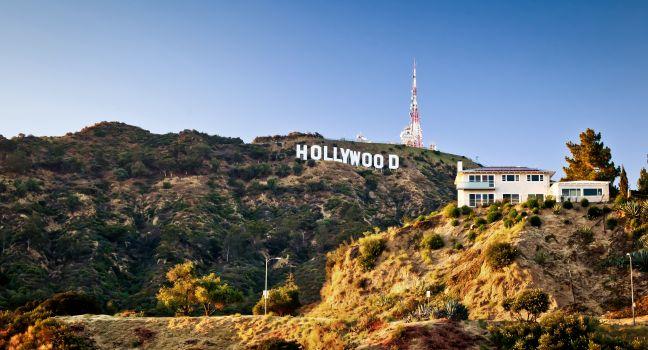
Hollywood Sign
Paramount Pictures
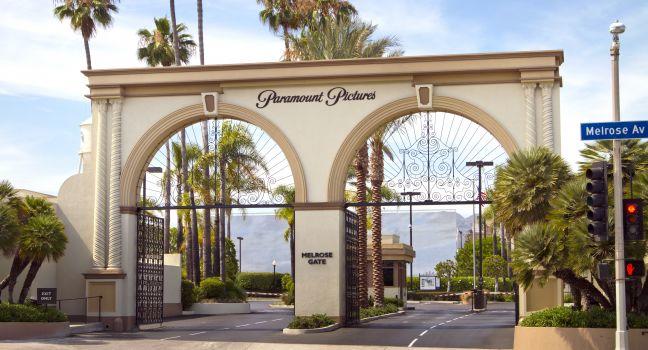
Memorable movies and TV shows with scenes shot here include Sunset Boulevard, Forrest Gump, and Titanic. Many of the Star Trek movies and TV series were shot entirely or in part here, and several seasons of I Love Lucy were shot on the portion of the lot Paramount acquired in 1967 from Lucille Ball. You can take a two-hour studio tour or a 4½-hour VIP tour, led by guides who walk and trolley you around the backlots. As well as gleaning some gossipy history, you'll spot the sets of TV and film shoots in progress. Reserve ahead for tours, which are for those ages 10 and up.
Rodeo Drive
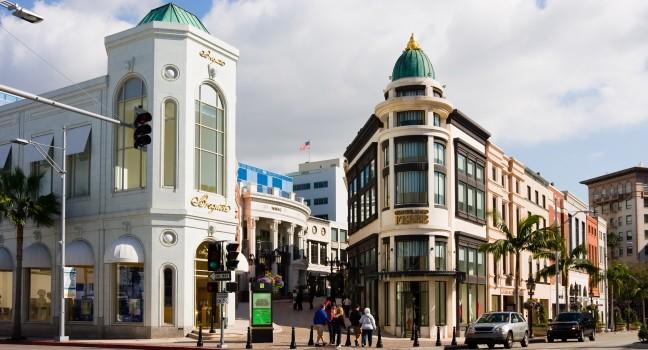
The ultimate shopping indulgence, Rodeo Drive is one of L.A.’s bona fide tourist attractions. The art of window-shopping (and reenacting your Pretty Woman fantasies) is prime among the retail elite: Tiffany & Co., Gucci, Jimmy Choo, Valentino, Harry Winston, Prada—you get the picture. Near the southern end of Rodeo Drive is Via Rodeo, a curvy cobblestone street designed to resemble a European shopping area and the perfect backdrop to pose for your Instagram feed. To give your feet a rest, free trolley tours depart from the southeast corner of Rodeo Drive and Dayton Way from 11:30 to 4:30.
Rose Bowl and Flea Market
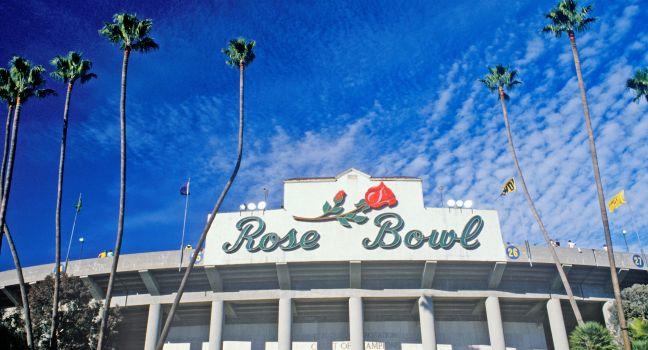
With an enormous rose on its exterior, this 90,000-seat stadium, host of many Super Bowls and home to the UCLA Bruins and the annual Rose Bowl Game on New Year’s Day, also regularly sees performances from the biggest recording artists in the world. Set at the bottom of a wide arroyo in Brookside Park, the facility is closed except during events, incuding its famed Flea Market, a Southern California institution. The massively popular and eclectic event, which happens the second Sunday of each month (rain or shine), deservedly draws crowds that come to find deals from more than 2,500 vendors on goods including mid-century and antique furniture, vintage clothing, pop culture collectibles, books, and music. Food and drink options are on hand to keep shoppers satiated, parking is free, and general admission is just $13. Bring cash to avoid an inevitable line at the ATM, and feel free to try your hand at haggling.
Santa Monica Pier

Venice Beach Boardwalk

Angels Flight Railway
The turn-of-the-20th-century funicular, dubbed "the shortest railway in the world," operated between 1901 and 1969, when it was dismantled to make room for an urban renewal project. Almost 30 years later, Angels Flight returned with its original orange-and-black wooden cable cars hauling travelers up a 298-foot incline from Hill Street to the fountain-filled Watercourt at California Plaza. Your reward is a stellar view of the neighborhood. Tickets are $1 each way, but you can buy a souvenir round-trip ticket for $2 if you want something to take home with you.
The Broad Museum
The talk of Los Angeles's art world when it opened in 2015, this museum in an intriguing, honeycomb-looking building was created by philanthropists Eli and Edythe Broad (rhymes with "road") to showcase their stunning private collection of contemporary art, amassed over five decades and still growing. With upward of 2,000 pieces by more than 200 artists, the collection has in-depth representations of the work of such prominent names as Jean Michel Basquiat, Jeff Koons, Ed Ruscha, Cindy Sherman, Cy Twombly, Kara Walker, and Christopher Wool. The "veil and vault" design of the main building integrates gallery space and storage space (visitors can glimpse the latter through a window in the stairwell): the veil refers to the fiberglass, concrete, and steel exterior; the vault is the concrete base. Temporary exhibits and works from the permanent collection are arranged in the small first-floor rooms and in the more expansive third floor of the museum, so you can explore everything in a few hours. Next door to the Broad is a small plaza with olive trees and seating, as well as the museum restaurant, Otium. Admission to the museum is free, but book timed tickets in advance to guarantee entry.
Dodger Stadium
Home of the Dodgers since 1962, Dodger Stadium is the third-oldest baseball stadium still in use and has had quite the history in baseball, including Sandy Koufax’s perfect game in 1965 and Kirk Gibson’s 1988 World Series home run. It's also been the venue for some of the biggest performers in the world, including the Beatles, Madonna, and Beyoncé. The stadium can be tough to get into on game day, so consider getting dropped off in the park and walking up. Alternately, you can arrive early to stock up on snacks and beverages before you catch a few of Shohei Ohtani's homers. If you have the opportunity to take in a Friday night game, make sure to stick around for the fireworks show that follows—if you’re patient, you can even wait in line and watch it from the field.
El Pueblo de Los Angeles
The oldest section of the city, known as El Pueblo de Los Angeles, represents the rich Mexican heritage of L.A. It had a close shave with disintegration in the early 20th century, but key buildings were preserved, and eventually
At the beginning of Olvera Street is the Plaza, a Mexican-style park with plenty of benches and walkways shaded by a huge Moreton Bay fig tree. On weekends, mariachi bands and folkloric dance groups perform. Nearby places worth investigating include the historic Avila Adobe, the Chinese American Museum, the Plaza Firehouse Museum, and the America Tropical Interpretive Center. Exhibits at the Italian American Museum of Los Angeles chronicle the area's formerly heavy Italian presence.
Griffith Park
The park is named after Colonel Griffith J. Griffith, a mining tycoon who donated 3,000 acres to the city in 1896. As you might expect, the park has been used as a film and television location for at least a century. Here you’ll find the Griffith Observatory, the Los Angeles Zoo, the Greek Theater, two golf courses, hiking and bridle trails, a swimming pool, a merry-go-round, and an outdoor train museum.
The Grove
Hollywood Bowl
Hollywood Forever Cemetery
Huntington Library, Art Museum, and Botanical Gardens
If you have time for just one stop in the Pasadena area, be sure to see this sprawling estate built for railroad tycoon Henry E. Huntington in the early 1900s. Henry and his wife, Arabella (who was also his aunt by marriage), voraciously collected rare books and manuscripts, botanical specimens, and 18th-century British art. The institution they established became one of the most extraordinary cultural complexes in the world.
The library, beloved of researchers worldwide, contains hundreds of thousands of books and 9 million manuscripts, including one of the world's biggest history of science collections and a vellum Gutenberg Bible that's on show to the public in an exhibition of the library's biggest draws.
Don't resist being lured outside into the 130-acre Botanical Gardens, which extend out from the main building. The 10-acre Desert Garden has one of the world's largest groups of mature cacti and other succulents (visit on a cool morning or late afternoon). The Shakespeare Garden, meanwhile, blooms with plants mentioned in Shakespeare's works. The Japanese Garden features an authentic ceremonial teahouse built in Kyoto in the 1960s, along with historic buildings to explore (including a residential compound from 1700, brought from Japan and reassembled on-site). A waterfall flows from the teahouse to the ponds below. The Chinese Garden, which is among the largest outside China, winds around waveless pools. The Bing Children's Garden lets tiny tots explore the ancient elements of water, fire, air, and earth. Several on-site dining options are available, including the Rose Garden Tea Room, where afternoon tea is served (reserve in advance), and the new Asian-inspired Jade Court Cafe.
A 1¼-hour guided tour of the Botanical Gardens is led by docents at posted times, and a free brochure with a map and property highlights is available in the entrance pavilion. Tickets for a monthly free-admission day are snapped up within minutes online, so plan carefully.
The Last Bookstore
California's largest used and new book and record shop is a favorite for both book lovers and fans of a good photo op, thanks to elements like an archway created from curving towers of books, a peephole carved into the stacks, and an in-store vault devoted to horror texts. Aside from the awesome aesthetics, shoppers will love to get lost in the store's collection of affordable books, art, and music.
Little Tokyo
One of three official Japantowns in the country—all of which are in California—Little Tokyo is blossoming again thanks to the next generation of Japanese Americans setting up small businesses. Besides dozens of sushi bars, tempura restaurants, and karaoke bars, there's a lovely garden at the Japanese American Cultural and Community Center and a renovated 1925 Buddhist temple with an ornate entrance at the Japanese American National Museum.
On 1st Street you'll find a strip of buildings from the early 1900s. Look down when you get near San Pedro Street to see the art installation called Omoide no Shotokyo ("Remembering Old Little Tokyo"). Embedded in the sidewalk are brass inscriptions naming the original businesses, quoted reminiscences from residents, and steel time lines of Japanese American history up to World War II. Nisei Week (a nisei is a second-generation Japanese American) is celebrated every August with traditional drums, dancing, a carnival, and a huge parade.
Docent-led walking tours are available by appointment on occasional Saturdays starting at 10:15 am. The cost is $15 and should be reserved in advance at littletokyohs.org.


