


Gendarmenmarkt
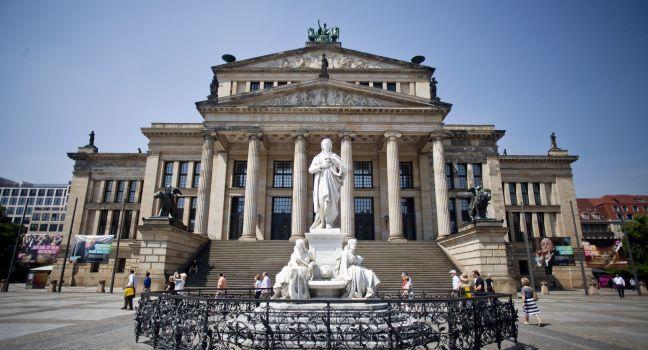
This is without a doubt the most elegant square in former East Berlin. Anchored by the beautifully reconstructed 1818
Get FREE email communications from Fodor's Travel, covering must-see travel destinations, expert trip planning advice, and travel inspiration to fuel your passion.

We've compiled the best of the best in Berlin - browse our top choices for the top things to see or do during your stay.
This is without a doubt the most elegant square in former East Berlin. Anchored by the beautifully reconstructed 1818
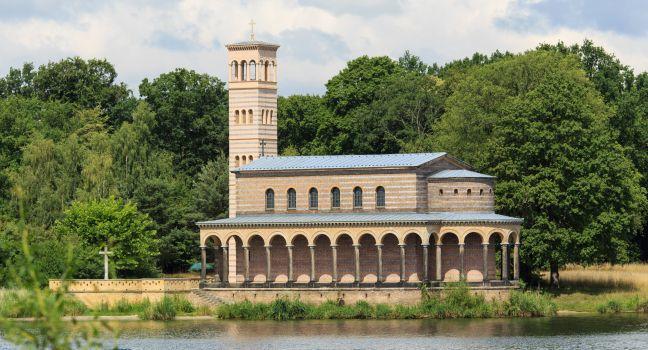
You'd be forgiven for wondering if you'd been transported to Italy when you first glimpse this dreamy lakeside church, complete with a campanile (bell tower) and mosaic-adorned colonnade, from across the Havel Lake or through the Sacrower Schlosspark near Potsdam. Actually, the church suffered a grim fate for many years, trapped in the no-man’s-land of the outer Berlin Wall. From 1961 to 1989, the East German government closed the church, fearing that it would serve as a hiding place for those trying to flee. Now it is restored and again in use, and makes the perfect endpoint to a scenic walk from the lakeside village of Kladow. To reach it, take the S75 train from Central Berlin to S-bahnhof Heerstrasse, then the X34 Bus to Alt-Kladow, then follow Sakrower Landstrasse until it turns into Kladower Strasse and ends at Schloss Sacrow. The path out to the water will take you to the church.
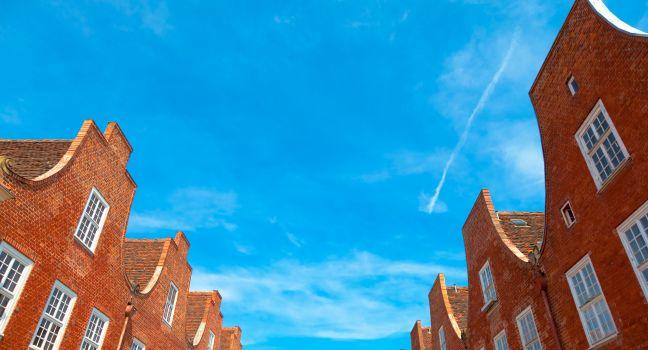
The center of the small Holländisches Viertel—the Dutch Quarter—is an easy walk north along Friedrich-Ebert-Strasse to Mittelstrasse. Friedrich Wilhelm I built the settlement in the 1730s to entice Dutch artisans who would be able to support the city's rapid growth. The 134 gabled, mansard-roof brick houses make up the largest Dutch housing development outside of the Netherlands today. Antiques shops, boutiques, and restaurants fill the buildings now, and the area is one of Potsdam's most visited.
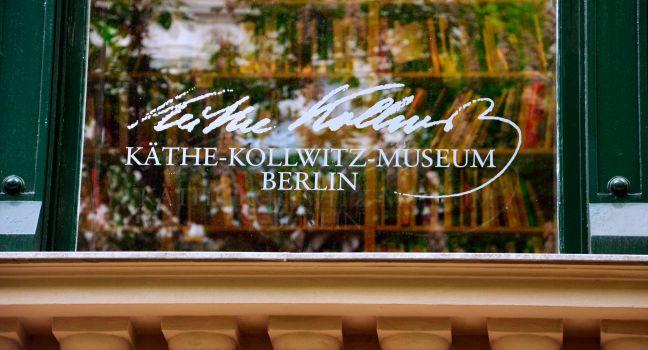
This lovingly curated museum in the Theaterbau (theater building) near Schloss Charlottenburg pays homage to one of Berlin’s favorite artists, the female sculptor, printmaker, and painter Käthe Kollwitz. Perhaps best known for her harrowing sculpture of a mother mourning a dead child inside the Neue Wache on Unter den Linden, she also lent her name to one of the city’s most beautiful squares, the posh, leafy Kollwitzplatz, which contains a sculpture of her.
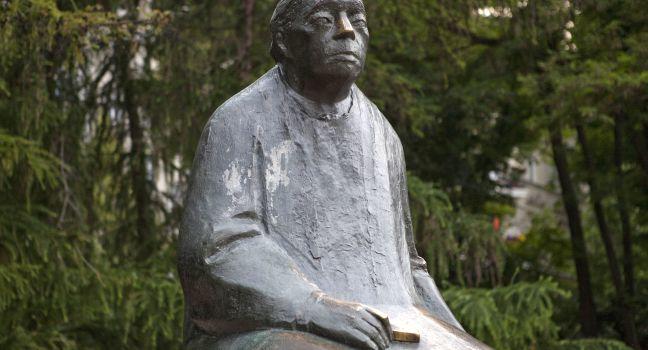
Named for the painter, sculptor, and political activist Käthe Kollwitz (1867–1945), who lived nearby, the square is the center of the old working-class district of Prenzlauer Berg. Kollwitz, who portrayed the hard times of area residents, is immortalized here in a sculpture based on a self-portrait. Ironically, this image of the artist now has a view of the upwardly mobile young families who have transformed the neighborhood since reunification. Bars and restaurants peel off from the square, and one of the best organic markets in town takes over on weekends.
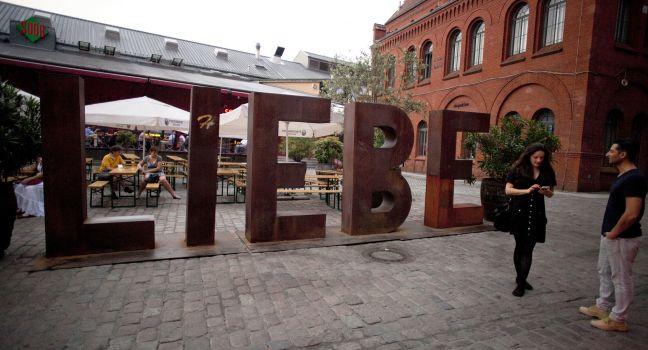
The redbrick buildings of the old Schultheiss brewery are typical of late-19th-century industrial architecture. Parts of the brewery were built in 1842, and at the turn of the 20th century the complex expanded to include the main brewery of Berlin's famous Schultheiss beer, then the world's largest brewery. Today, the multiplex cinema, pubs, clubs, and a concert venue that occupy it make up an arts and entertainment nexus (sadly, without a brewery). Pick up information at the Prenzlauer Berg tourist office here, and come Christmastime, visit the Scandinavian-themed market, which includes children's rides.

Native son Helmut Newton (1920–2004) pledged this collection of 1,000 photographs to Berlin months before his unexpected death. The man who defined fashion photography in the 1960s through the 1980s was an apprentice to Yva, a Jewish fashion photographer in Berlin in the 1930s. Newton fled Berlin with his family in 1938, and his mentor was killed in a concentration camp. The photographs, now part of the state museum collection, are shown on a rotating basis in the huge Wilhelmine building behind the train station Zoologischer Garten. You'll see anything from racy portraits of models to serene landscapes. There are also rotating exhibitions from other photographers, such as Mario Testino and Jean Pigozzi.

This meticulously restored landmark, built between 1859 and 1866, is an exotic amalgam of styles, the whole faintly Middle Eastern. Its bulbous, gilded cupola stands out in the skyline. When its doors opened, it was the largest synagogue in Europe, with 3,200 seats. The synagogue was damaged on November 9, 1938 (Kristallnacht—Night of the Broken Glass), when Nazi looters rampaged across Germany, burning synagogues and smashing the few Jewish shops and homes left in the country. It was destroyed by Allied bombing in 1943, and it wasn't until the mid-1980s that the East German government restored it. The effective exhibit on the history of the building and its congregants includes fragments of the original architecture and furnishings. Sabbath services are held in a modern addition.
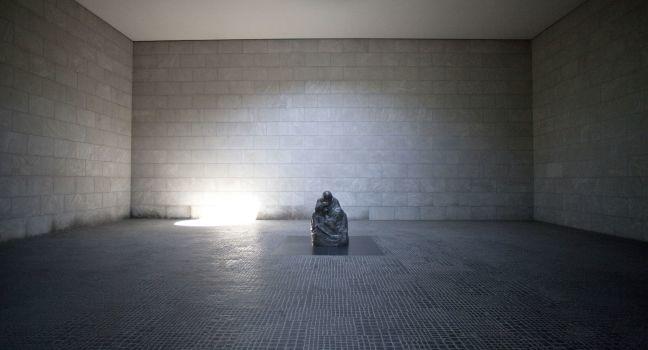
One of many Berlin projects by the early-19th-century architect Karl Friedrich Schinkel, this building served as both the Royal Prussian War Memorial (honoring the dead of the Napoleonic Wars) and the royal guardhouse until the kaiser abdicated in 1918. In 1931 it became a memorial to those who fell in World War I. Badly damaged in World War II, it was restored in 1960 by the East German state and rededicated as a memorial for the victims of militarism and fascism. After unification it regained its Weimar Republic appearance and was inaugurated as Germany's central war memorial. Inside is a copy of Berlin sculptor Käthe Kollwitz's Pietà, showing a mother mourning over her dead son. The inscription in front of it reads, "to the victims of war and tyranny."

Renovated in the 1980s and a tad concrete-heavy as a result, this tiny quarter grew up around Berlin's oldest parish church, the medieval, twin-spire St. Nikolaikirche (St. Nicholas's Church), dating from 1230 (though rebuilt in 1987) and now a museum. The adjacent Fischerinsel (Fisherman's Island) area was the heart of Berlin almost 800 years ago, and retains a bit of its medieval character. At Breite Strasse you'll find two of Berlin's oldest buildings: No. 35 is the Ribbeckhaus, the city's only surviving Renaissance structure, dating from 1624, and No. 36 is the early-baroque Marstall, built by Michael Matthais between 1666 and 1669. The area feels rather artificial, but draws tourists to its gift stores, cafés, and restaurants.
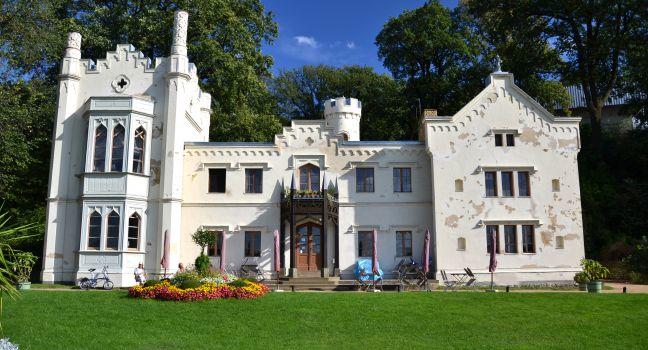
Less well known than the gleaming Sanssouci but still impressive, the Schloss Babelsberg was once the summer residence of Wilhelm I. The expansive park surrounding it has acres and acres of charm, with expansive views, a waterfront promenade, and plenty of historical buildings. Although the castle itself is currently under extensive renovation, there's still plenty to explore, such as the Dampfmaschinenhaus, a 19th-century steam-engine building right on the water, or the Kleines Schloss, which literally translates as “small castle” and today houses an elegant, wood-paneled café. Climb the Flatowturm (Flatow Tower) for a 360-degree view of the surrounding parkland and waterways, and the city of Potsdam in the distance. The tower frequently showcases small historical exhibitions, like a recent one about park landscaping in Germany through the ages, detailing how Park Babelsberg has been restored to its former glory after the fall of the Berlin Wall.
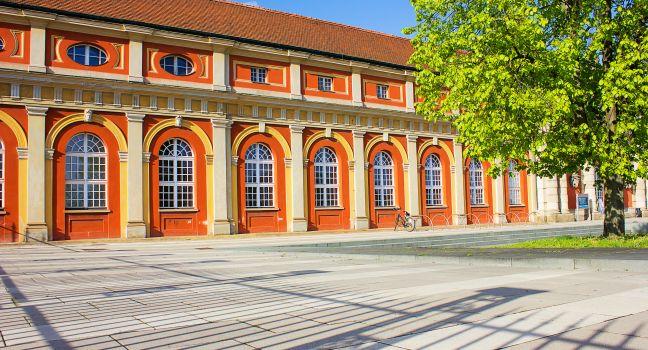
Inside this beautiful baroque building, originally the Marstall or Prussian royal stables, film buffs can look into the history of film production in the area---many early silent films, including Fritz Lang’s Metropolis, were made in the town of Babelsberg, right next to Potsdam, and modern-day filmmakers continue to use the studios. A permanent exhibition called "Traumfabrik" ("The Dream Factory") details 100 years of filmmaking in Babelsberg. The cinema screens contemporary and historic films, and includes an old film organ, which is still used today to provide music and sound effects alongside silent film screenings.
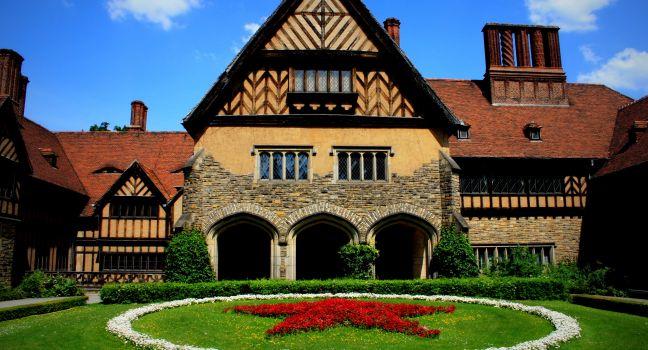
Resembling a rambling Tudor manor house, Schloss Cecilienhof was built for Crown Prince Wilhelm in 1913, on what was then the newly laid-out stretch of park called the Neuer Garten. It was here, in the last palace built by the Hohenzollerns, that the leaders of the allied forces—Stalin, Truman, and Churchill (later Attlee)—hammered out the fate of postwar Germany at the 1945 Potsdam Conference. Schloss Cecilienhof is closed for restorations at the time of this writing.
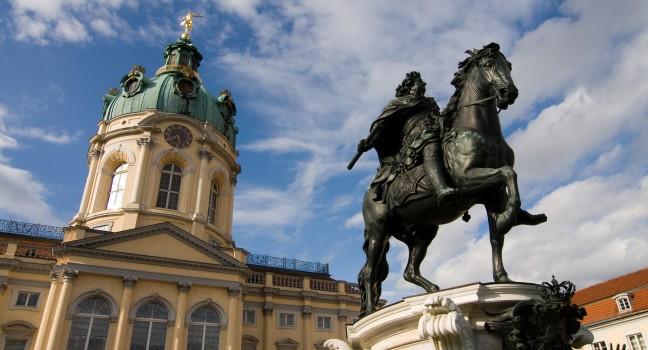
A grand reminder of imperial days, this showplace served as a city residence for the Prussian rulers. In the 18th century, Frederick the Great made a number of additions, such as the dome and several wings designed in the Rococo style. By 1790 the complex had evolved into a massive royal domain that could take a whole day to explore. The Altes Schloss is the main building of the Schloss Charlottenburg complex, with the ground-floor suites of Friedrich I and Sophie-Charlotte. Paintings include royal portraits by Antoine Pesne, a noted court painter of the 18th century. The upper floor has the apartments of Friedrich Wilhelm IV; a silver treasury and Berlin and Meissen porcelain can be seen on its own. The Neuer Flügel (New Building), where Frederick the Great once lived, was designed by Knobelsdorff, who also built Sanssouci, and houses a ballroom called the Golden Gallery and the Silver Vault with beautiful tableware. The lovely gardens include a mausoleum and the Belvedere tea house, which holds a porcelain collection.
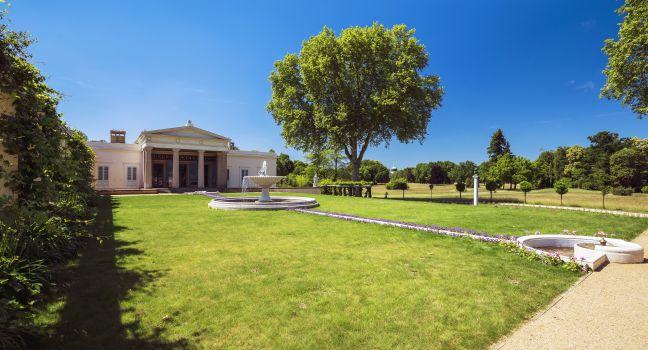
After Frederick the Great died in 1786, the ambitious Sanssouci building program ground to a halt, and the park fell into neglect. It was 50 years before another Prussian king, Friedrich Wilhelm IV, restored Sanssouci's earlier glory, engaging the great Berlin architect Karl Friedrich Schinkel to build the small Schloss Charlottenhof for the crown prince. Schinkel's demure interiors are preserved, and the most fanciful room is the bedroom, decorated like a Roman tent, with walls and ceiling draped in striped canvas. Friedrich Wilhelm IV also commissioned the Römische Bäder (Roman Baths), about a five-minute walk north of Schloss Charlottenhof (baths closed for restorations at the time of this writing). It was also designed by Schinkel, and built between 1829 and 1840. Like many other structures in Potsdam, this one is more romantic than authentic. Half Italian villa, half Greek temple, it is nevertheless a charming addition to the park.

The 227-foot granite, sandstone, and bronze column is topped by a winged, golden goddess and has a splendid view of Berlin. It was erected in front of the Reichstag in 1873 to commemorate Prussia's military successes and then moved to the Tiergarten in 1938–39. You have to climb 270 steps up through the column to reach the observation platform, but the view is rewarding. The gold-tipped cannons surrounding the column are those the Prussians captured from the French in the Franco-Prussian War.
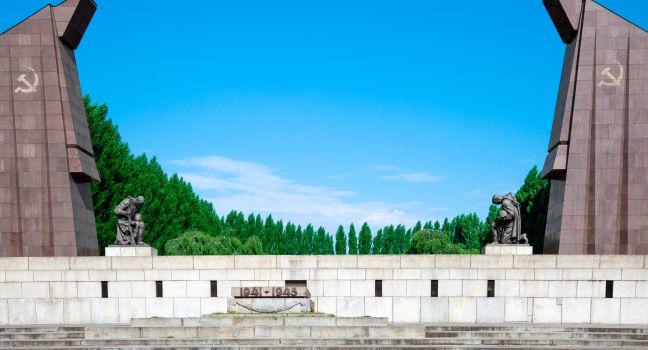
The Sowjetisches Ehrenmal in Treptower Park just might take the hard-earned title of most impressively bombastic monument in Berlin. The size of several city blocks, the memorial celebrates the Soviet WWII victory with inscriptions in both Russian and German, accompanying a series of Socialist realist reliefs lining both sides of an elaborate plaza. At one end stands an enormous bronze of a Russian soldier cradling a child in one arm and wielding a sword with the other, while stomping on a crumpled swastika. Well-placed text and photos educate on the history and importance of the monument, as well as explaining why it was preserved after the fall of the wall.
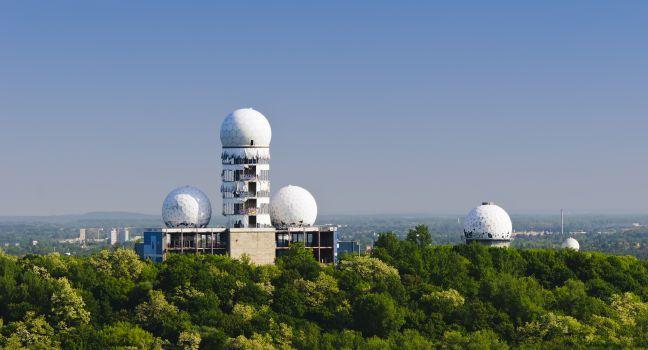
When it comes to the strange history of this man-made hill, it's hard to separate truth from rumor and legend. Constructed from the rubble left by World War II bombings, the hill became the site of an important U.S. listening station during the Cold War, the otherworldly ruins of which still stand today, topped with globular, mosquelike roofs.
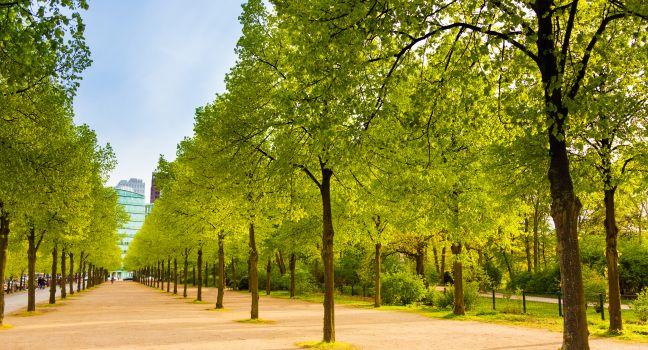
The quiet greenery of the 520-acre Tiergarten, originally planned as the royal family's private hunting grounds, is a beloved oasis today, with some 23 km (14 miles) of footpaths, meadows, and two beer gardens, making it the third-largest urban green space in Germany. The inner park's 6½ acres of lakes and ponds were landscaped by garden architect Peter Joseph Lenné in the mid-1800s. The park's most popular attraction is the 85-acre Berlin Zoo (Tiergarten literally translates to "animal garden").
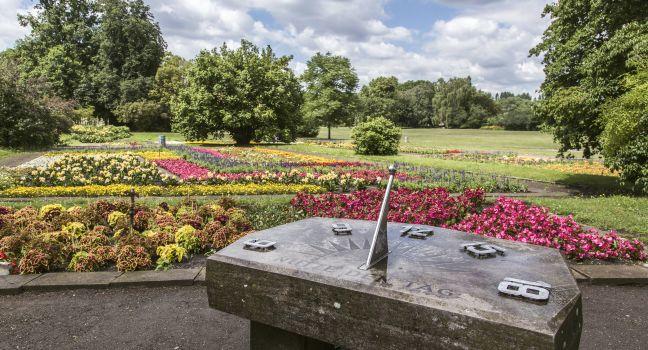
Perhaps best known for the Soviet War Memorial located in it, this Spree-side park is a lovely place for a stroll. True to their outdoorsy reputations, hardy German families don snow boots even during winter’s darkest days and traipse around the park’s fields and paths, perhaps with a dog in tow, just to get some fresh air. Stick to the waterside promenade for the best people-watching: the elaborate, eccentric houseboats moored there are a glimpse into yet one more alternative Berlin lifestyle.
After he became ruler in 1740, Frederick the Great personally planned the buildings surrounding this square (which has a huge parking garage cleverly hidden beneath the pavement). The area received the nickname "Forum Fridericianum," or Frederick's Forum. On May 10, 1933, Joseph Goebbels, the Nazi minister for propaganda and "public enlightenment," organized one of the nationwide book burnings here. The books, thrown on a pyre by Nazi officials and students, included works by Jews, pacifists, and Communists. In the center of Bebelplatz, a modern and subtle memorial (built underground but viewable through a window in the cobblestone pavement) marks where 20,000 books went up in flames. The
There are more than 20,000 animals to see here, and more varied species than any other zoo in Europe, including many that are rare and endangered, which the zoo has been successful at breeding. The animals' enclosures are designed to resemble natural habitats, though some structures are ornate, such as the 1910 Arabian-style Zebra House. Pythons, frogs, turtles, invertebrates, Komodo dragons, and an amazing array of strange and colorful fish are part of the three-floor aquarium. Check the feeding times posted to watch creatures such as seals, apes, hippos, penguins, and pelicans during their favorite time of day.
The Berlin branch of a swish London gallery, Blain|Southern occupies a breathtaking loft space that once housed the printing presses of Tagesspiegel, the daily Berlin newspaper. Since opening in 2010, the gallery has highlighted star artists like Douglas Gordon, Lawrence Weiner, and Jannis Kounellis.
At the northern tip of Museum Island is this somber-looking gray edifice graced with elegant columns. The museum is home to the state museum's stunning collection of German and Italian sculptures from the Middle Ages, as well as the Museum of Byzantine Art, and a huge coin collection.
You can visit the former working and living quarters of playwright Bertolt Brecht and his wife, actress Helene Weigel, and scholars can browse through the Brecht library (by appointment only). The downstairs restaurant serves Viennese cuisine using Weigel's recipes. Brecht, Weigel, and more than 100 other celebrated Germans are interred in the
This enjoyable, lesser-known museum of Art Deco, Art Nouveau, and functionalist furniture, dishware, jewelry, and paintings is hidden away in plain sight, just across the street from Schloss Charlottenburg. It provides a lovely glimpse into a time when every object was made with great care and artistic creativity—and when artists in booming creative cities like Berlin and Vienna were at the top of their game.
Set in the renovated 1950s-era Amerika Haus building, C/O Berlin focuses on contemporary photography by established and emerging international artists. The gallery's rotating exhibitions have profiled legendary photographers such as Annie Leibovitz and Irving Penn, while its themed group shows have featured the likes of Nan Goldin, Gerhard Richter, and Weegee.
On the shore of the lake in the southwest corner of the park, you can relax at the Café am Neuen See, a café and beer garden. For a particularly nice walk here from the S-bahn stop at Zoologischer Garten, take the path into the Tiergarten before sunset, then turn right at Schleusenkrug to follow the Landwehrkanal around the back of the zoo. Sneak a peek at the owls, flamingoes, and ostriches for free.
From its perch on Am Kupfergraben, Contemporary Fine Arts (CFA) Berlin has a perfect view of Museum Island and its hordes of daily visitors. Those looking for a different kind of Berlin art scene will find it in this elegant gallery. Housed in a David Chipperfield–constructed, ultramodern building, it stands out from its Prussian surroundings. CFA has been a fixture in Berlin since the early 1990s, showing Berlin-based artists like Jonathan Meese and Anselm Reyle, and big-timers like Juergen Teller and Julian Schnabel.


 Sign up for Travel Tips & News
 Thank you for your interest!