


Taj Mahal Palace
FODOR’S EXPERT REVIEW
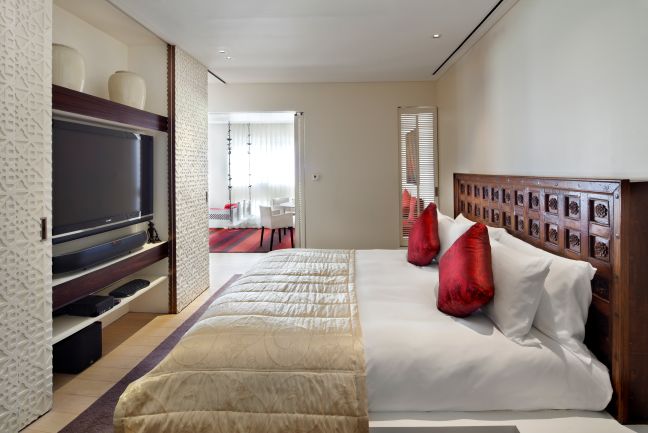
Foreigners and wealthy Indians choose the Taj over other fancy hotels in town because it's a beautiful and regal landmark—worth visiting even if you don't stay here—with views past the Gateway of India to the Arabian Sea. The first hotel in what is now an international luxury chain, this Indo-Saracenic extravaganza was opened to the public in 1903. The stunning brownstone exterior has rows of jutting white balconies and Gothic windows, and onion domes on the corner turrets echo the high, central Italianate dome. Inside, every corner is exquisitely decorated, often with antiques, and always with warm, tasteful colors; rooms and suites in the newer building, some of which surround small, quiet interior verandas, replicate the old-fashioned character with high ceilings, pastel colors, antiques, and cane furniture. In 1973 it was joined by the less expensive 19-story modern wing ("the tower"), which has some Moorish elements. Rooms in the tower are slightly less expensive, but even though they're spacious, they're also a bit unremarkable for the price. The traditional afternoon tea at the in-house Sea Lounge is an iconic Mumbai experience; try to snag a window seat.


