


Robben Island
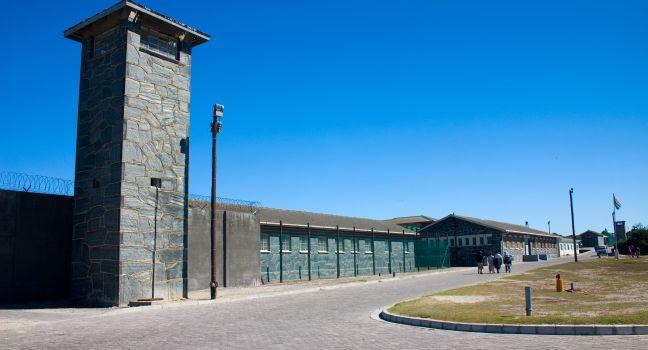
Made famous by its most illustrious inhabitant, Nelson Mandela, this island, whose name is Dutch for "seals," has a long and sad history. At various times a prison, leper colony, mental institution, and military base, it is finally filling a positive, enlightening, and empowering role in its latest incarnation as a museum.
Declared a World Heritage site on December 1, 1997, Robben Island has become a symbol of the triumph of the human spirit. In 1997 around 90,000 made the pilgrimage; in 2006 more than 300,000 crossed the water to see where some of the most prominent struggle leaders in South Africa spent decades of their lives. A visit to the island is a sobering experience. The approximately four-hour tour begins at the Nelson Mandela Gateway to Robben Island, an impressive embarkation center that doubles as a conference center. Changing exhibits display historic photos of prisoners and prison life. Next make the 45-minute journey across the water, remembering to watch Table Mountain recede in the distance and imagine what it must have been like to have just received a 20-year jail sentence. Boats leave three or four times a day, depending on season and weather.
Tours are organized by the Robben Island Museum (other operators that advertise Robben Island tours only take visitors on a boat trip around the island.) Many of the guides are former political prisoners, and during the two-hour tour, they will take you through the prison where you will see the cells where Mandela and other leaders were imprisoned. The tour also takes you to the lime quarry, Robert Sobukwe's place of confinement, and the leper church. Due to increased demand for tickets during peak season (December and January), make reservations at least three weeks in advance. Take sunglasses and a hat in summer. You are advised to tip your guide only if you feel that the tour has been informative.


