
START

12 Reasons the U.S. Government Will Deny You a Passport

Yes, it can happen. The U.S. government could deny your passport for multiple reasons. These are the most common.

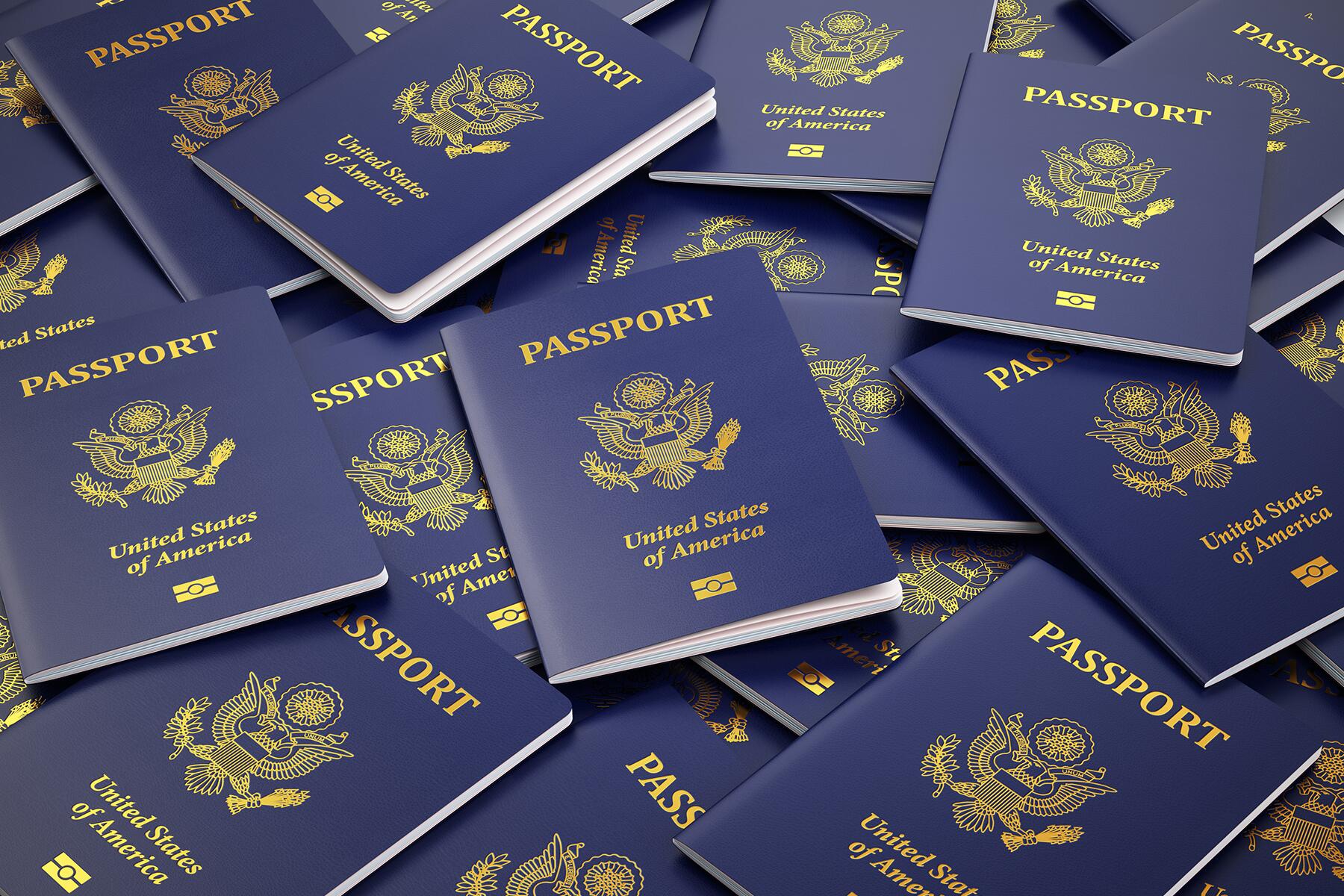
Many United States citizens think they are automatically entitled to a passport. For most, getting a passport is a straightforward process, but for some, it can be tricky. After navigating some bureaucratic hurdles, most U.S. citizens who apply for a passport will get a crisp, blue passport book in the mail. However, some unlucky applicants will find a letter denying their application instead. Here are the top reasons why your passport application might be refused.

1 OF 12

Owing Child Support

Unbeknownst to many, If you fail to make child support payments, you may not be able to get a passport. Americans who owe $2,500 or more in child support may not be able to get a passport until they pay off their debt. According to Thomas Slattery, an attorney at West View Legal, “This is, in a way, a method to ensure that citizens conform to their parental duties and obligations before obtaining a passport or flying abroad.”

2 OF 12

Failure to Repay Repatriation Costs

The U.S. government may cover the costs of repatriating U.S. citizens who need help returning home from a foreign country. These loans are typically only given to destitute travelers who have no other way of getting back to the States. However, when the stranded American in question returns to the United States, they must pay the government back for the cost of their trip home plus interest. Until they do, that traveler won’t be eligible for a passport, Slattery warns.

3 OF 12

Ongoing Criminal Proceedings

Those who have ongoing criminal proceedings may not be able to get a passport. This includes individuals who have been subpoenaed by a federal court in connection with criminal charges or a grand jury investigation.

“This restriction helps ensure that people facing criminal charges do not flee the country and helps maintain the integrity of the U.S. justice system,” Slattery explains.

4 OF 12

Incomplete Passport Application

One of the most likely reasons to have a passport application denied is submitting an incomplete application. Applying for a passport can be a complicated process, with applicants needing to provide detailed information and supporting documents, such as proof of identity and citizenship, among other information. If any information is missing or is inaccurate, the Department of State can refuse to issue a passport. Failure to pay the required fees is also grounds for denial. However, most applicants can reapply.

5 OF 12

National Security Concerns

The State Department has the discretion to deny someone’s passport application if they believe someone poses a threat to national security or U.S. foreign policy.

The Secretary of State has broad discretionary powers to refuse to issue a passport on these grounds, Slattery explains. Even more frustrating, applicants denied a passport for this reason may not receive a detailed explanation.

6 OF 12

Owing Federal Taxes

It’s widely known that the IRS will do what it needs to get the money it’s owed, whether that means reaching into your accounts or blocking paychecks. But few people realize that owing taxes can also block your travels. If a taxpayer has a delinquent tax debt, the State Department can refuse to issue a passport.

The Department of the Treasury communicates this information to the Department of State. The amount changes over time but is currently $59,000, including penalties and interest, says Natalia Polukhtin, an attorney at Global Practice. Once the taxpayer pays off their debt, they can reapply for a passport.

7 OF 12

Discovery That U.S. Citizenship Was Obtained Improperly

When someone applies for a passport, the Department of State scrutinizes the documents they submit. If the government determines that the individual obtained American citizenship improperly, they will deny the person’s passport application. This can happen when the State Department discovers that the government made a mistake when granting citizenship or a naturalized citizen made misrepresentations when applying for citizenship, Polukhtin explains.

Although this seems farfetched, it has happened. In 2023, a doctor who was born in the United States learned he was not a U.S. citizen when he tried to renew his passport. The State Department determined that because his father was a foreign diplomat at the time he was born, he was not entitled to birthright citizenship. They declined his passport application and informed him that his previous U.S. passports had been issued in error. He also had to apply for legal permanent residence.

Polukhtin believes that the State Department is going to start “prioritizing scrutiny of the citizenship eligibility” and that this will become a more common reason for denial of passports.

8 OF 12

An Active Arrest Warrant

Individuals with active federal, state, or local warrants out for their arrest may not be able to obtain a passport.

“This helps ensure that individuals deal with their legal responsibilities before leaving the country instead of leaving them outstanding,” says Meesha Moulton, an immigration attorney and founder of Meehsa Moulton Law.

Typically, the State Department will only deny passport applications for those with federal warrants out for their arrest. Warrants for misdemeanor crimes won’t usually pose a problem. However, there are some exceptions, particularly for drug-related offenses.

9 OF 12

A Conviction for Drug Trafficking

Most people who are convicted of a crime won’t have a problem getting a passport once they are done serving their sentence. With few exceptions, that includes most felony convictions and misdemeanor convictions. However, those convicted of crimes involving international drug trafficking may not be able to get a passport.

10 OF 12

Crimes Involving 'Sex Tourism'

Crimes involving “sex tourism” may be grounds for the State Department to refuse to issue a passport. If someone convicted of a sex trafficking crime crossed an international border when they committed the underlying crime, they likely won’t be able to get a passport. Individuals convicted of trafficking involving minors may also have a hard time getting a passport, regardless of the reason.

11 OF 12

Being on Parole or Probation

Many people on parole or probation won’t be eligible for a passport. However, there is a workaround. The State Department may issue a passport to someone on parole or probation if they can get permission from their supervising officer or sentencing court. Other court orders stating that someone cannot leave the country may also be grounds for denying someone a passport.

12 OF 12

Extradition Request

The State Department can refuse to issue a passport to someone who is the subject of an extradition request. If a foreign country has requested that the U.S. government surrender someone for criminal prosecution in another country, they will not be able to leave the United States for any other reason. The only way these Americans can get a passport is for the limited purpose of being extradited.