
START

11 Unspoken Rules to Dressing the Part in Business Class

Dress fly.

Airline dress code policies can be vague and subjective, and we often see headlines where certain passengers are removed from flights and lounges based on their poor sense of clothing choices. While there are not many airline-specific guidelines out there, certain common-sense criteria apply to dressing and acting the part, especially when flying in the front of the plane. For one, you are more likely to be scrutinized if you get on the airplane in a sports bra and bike shorts; you may even create some disturbance, possibly delay the flight, or get into a lawsuit with the airline. Instead, dressing appropriately will ensure you have a safe and comfortable travel experience.

You don’t need to put on a business suit to look like a seasoned world traveler. Today’s casual culture supersedes comfort over formality, but you also don’t need to get into fashion friction with the ground staff. Proper attire not only reflects professionalism and consideration for everyone around you, but it also makes being in a confined space with strangers less tense.

And if you are wondering if dressing up will get you a free upgrade, it probably won’t, but it will help you avoid getting bumped from the business class cabin.

1 OF 11

Dress Like You’re Going to a Business Meeting

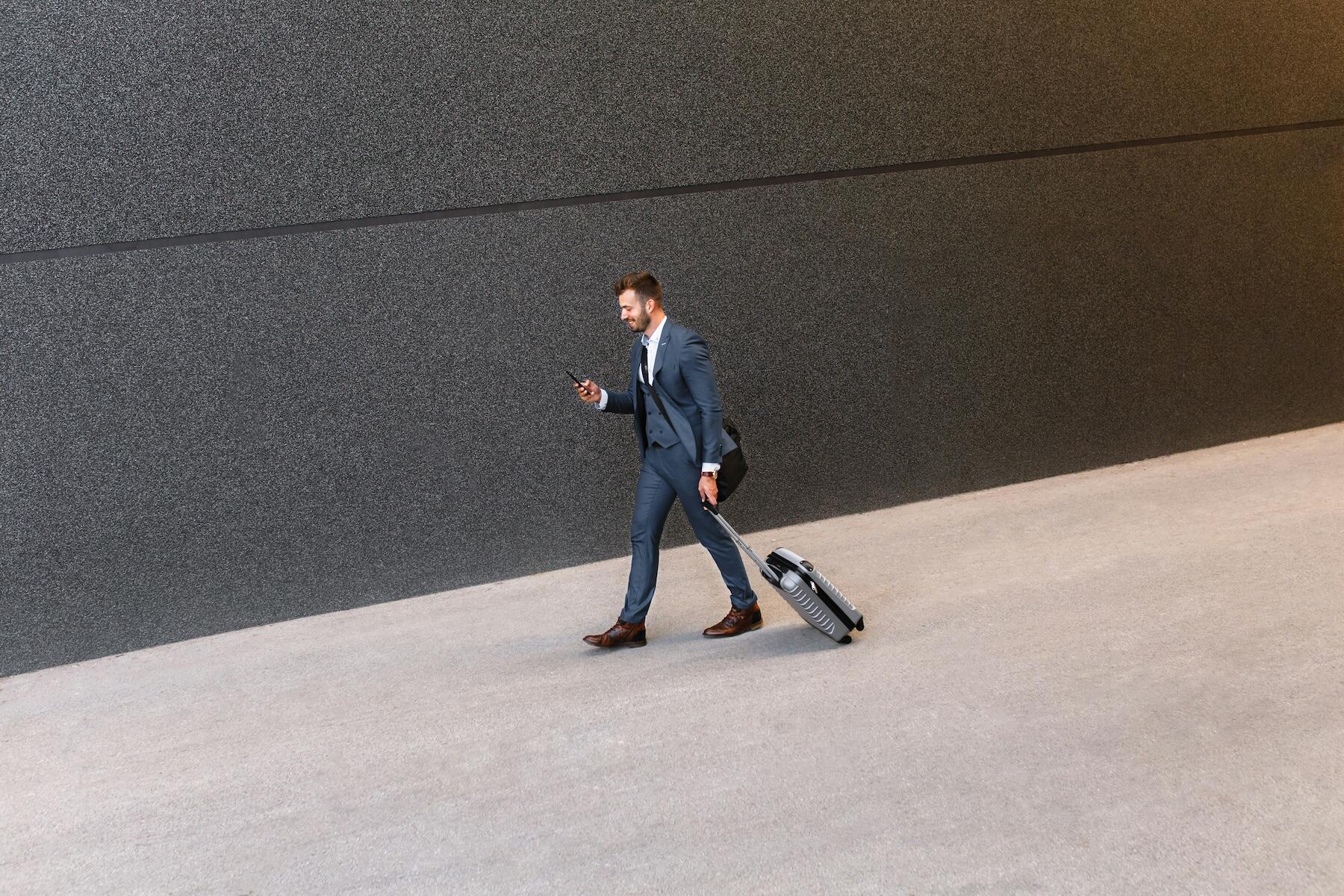
Smart casual is the unspoken norm when dressing for business class travel. Fitted and ironed shirts, stylish jackets, and tailored trousers in neutral colors work best. Try to wear good-fitting pants; I always avoid wearing shorts and short skirts, because it gets cold in the cabin, and it is really not comfortable when I am trying to doze off in my lie-flat business-class seat.

2 OF 11

Keep Your Sun Hat Off

While there are no strict rules for hair coverings inside a plane, hats are considered impolite. If you like to wear big or blingy hats, store them in the overhead compartment along with your carry-on bag so you don’t create a visual nuisance for those sitting behind you. Hoodies are an exception, provided they are part of a smart overall attire.

3 OF 11

Check Your ‘Fit Before You Fly

Revealing, skimpy, unclean, torn, and glow-in-the-dark clothing can flare up trouble and get you off the plane before it even takes off. Make sure to take a second look at your attire and ask yourself, “Is this ok to wear around kids?” Also, leave items in your wardrobe that may have lewd, offensive, obscene images or text, controversial topics, or profane quotes back in your home closet.

4 OF 11

Be Mindful of Other Travelers

Narrow airplane aisles are not designed for catwalks. Avoid wearing loud makeup, strong perfumes (passengers often get bumped off for poor hygiene and obnoxious fragrances), and expensive jewelry that may fall through the cracks of your seat and create unnecessary stress (I see people scrambling on practically every long-haul flight). Take off your gold and diamonds before sleeping and store them safely in your purse or carry-on.

5 OF 11

Don’t Fly in a Swimsuit

You could be coming straight from the beach to board your flight, but fellow passengers don’t need to smell the salty ocean or see your suntan. And beach cover-ups do not count as proper flight attire. Few airlines (like Hawaiian Airlines) clearly state in their policies that they do not allow passengers to wear bikini bottoms and Speedos, or bare their torso. In any case, it is a good idea to carry a change of clothes in your carry-on in case you have spills, tears, or wardrobe malfunctions.

6 OF 11

Don’t Go Barefoot Ever

When it comes to footwear, think about what would be most ideal for long airport walkways, wet bathroom floors, and security lines. Choose neutral-colored, closed-toe shoes, or (unsoiled, dirt-free) clean sneakers over flip-flops and stilettos. If you plan to take off your shoes and relax in your seat, cover exposed feet with the socks and slippers provided to business class passengers. Most airlines explicitly ban barefoot passengers.

7 OF 11

Understand Cultural Norms

Adapt your in-flight attire to the culture of the airline and destination you are flying to or from. What may be considered acceptable in one geographic area may not be in another part of the world. For example, if you are in the Middle East, dress more conservatively, covering your knees and shoulders, and carry a scarf that can double as a shawl or blanket. In Japan and Korea, you can wear a suit or formal jacket and not feel out of place. In most Asian countries, people regularly wear face masks in crowded areas to avoid the risk of infectious diseases, and it doesn’t mean that they are ill.

8 OF 11

Don’t Wear PJs (Unless Gifted by the Airline)

Airlines like Emirates, Qatar, and Virgin Atlantic may give complimentary branded sleepwear to business class passengers flying overnight. While it is ok to take the pajamas home, make sure to wear these on board only and change out to your culturally appropriate civilian clothes before landing.

9 OF 11

All Airlines Have Dress Code Policies

Research airline policies before flashing your business class boarding pass or getting into a heated argument with the crew. The policies are often buried deep into the airline ticket contract, a legal document that states what is prohibited or can create an unreasonable risk of offense or annoyance to other passengers. Qantas, for example, has a clear “smart casual” dress policy for its Australian lounges outlined on its website. Sorry, no Ugg boots allowed! Most airlines have bare minimum policies even if they don’t speak of them openly.

10 OF 11

Babies in Business Class

If you are traveling with kids in business class, ensure you teach the same dress codes and etiquette to aspiring young travelers. Equip them with proper headphones for watching their favorite animation shows (no speaker phones). Encourage them to use their whispering voices, and monitor their kicking, reclining, and spilling behaviors, especially during meal service.

11 OF 11

How You Behave Matters as Much as You Look

It is just as important to have the personal demeanor of a business class passenger than to dress like one. Avoid taking selfies (or if you must, do it discreetly), don’t stare at or take photos of celebrity passengers (politely ask for permission first), resist ordering multiple alcoholic drinks at once (or getting drunk), and always be courteous to flight attendants and fellow passengers.