



Those headed to national parks this year will want to double-check and make sure they have their reservations booked.
W
hile our national parks are public lands, the increasing number of visitors to these natural wonders in the United States has led to many of them adopting reservation systems over the past few years. 2022 saw a 5% increase in visitation from the year before, meaning that 312 million people visited our parks for recreational purposes, according to the recently-released report from the National Park Service.
The NPS walks a fine line between preserving our natural spaces and providing the infrastructure and staffing required to support so many visitors. As a result, reservation systems have become a solution to the problem of lack of funding from the Federal government.
Kathy Kupper, a spokesperson for the NPS, states: “Parks are exploring many different tools and techniques that are most effective for their situation to help them improve how visitors get to and experience popular park resources and features.”
Of course, implementing reservation systems also draws some criticism from visitors. There has been a spotlight on the recreation.gov website and the company behind it, Booz Allen Hamilton, for taking the fees associated with booking reservations for profit. The argument behind whether or not reservation systems are gatekeeping parks is also in full swing, which raises concerns about whether our public lands are for the people.
Top Picks for You
Recommended Fodor’s Video
However, whether you are for or against the reservation systems in place, they exist going into 2023 and will require many visitors looking to see “America’s Best Idea” this year. A list of which national parks have reservation systems for entry are included below.
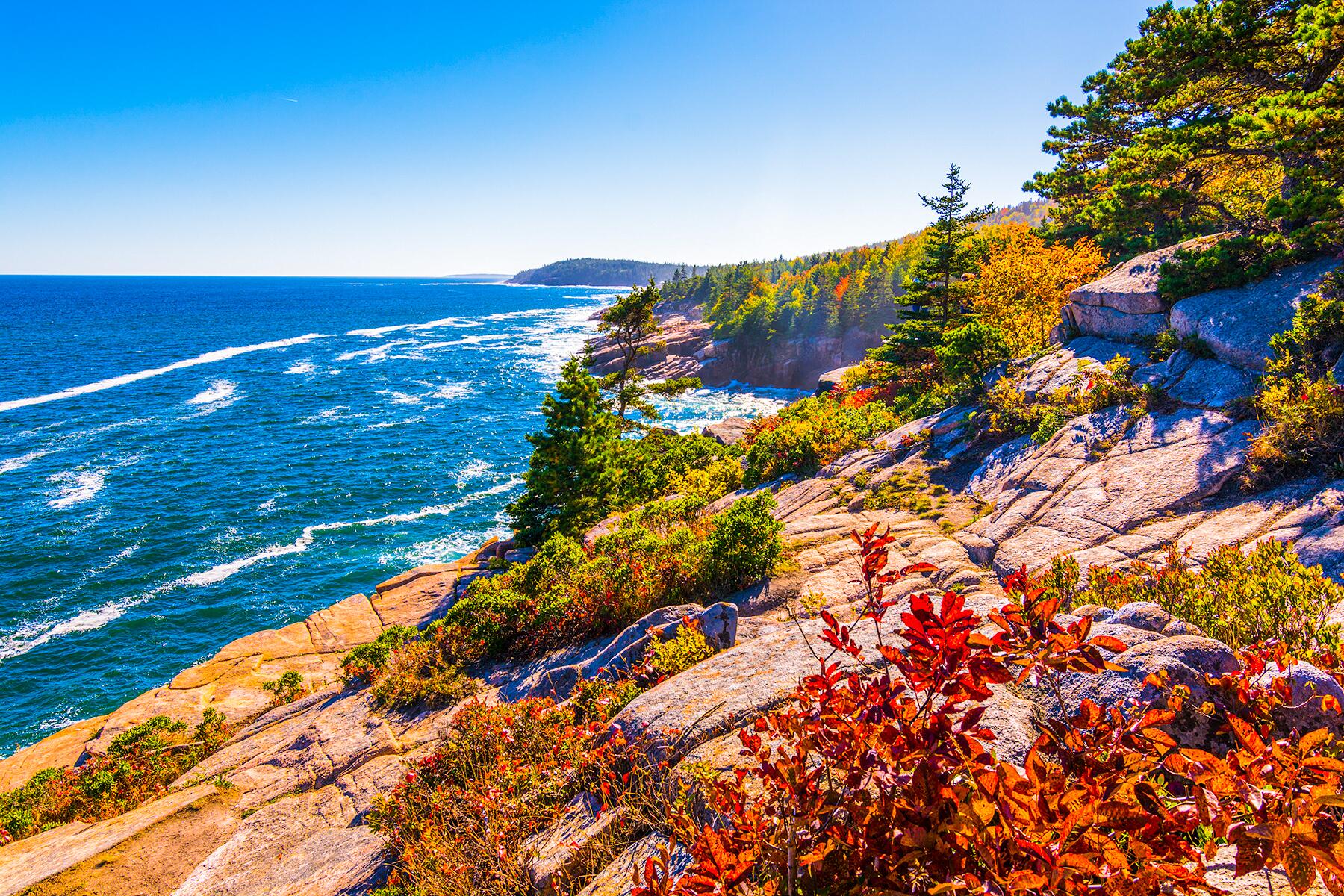
Acadia National Park
Acadia has a similar reservation system for its famous Cadillac Summit Road as it did in 2022. Most of the park is reservation-free other than the timed entry required for this park area. Two options are available for $6 for sunrise and sunset from May 24 to October 22.
30% of the available tickets will be released 90 days before the day of visitation, while the remaining 70% are available on the recreation.gov website at 10:00 a.m. ET two days before entry.
Arches National Park
Arches piloted a reservation system for entry in 2022, which has been expanded to include more dates this year from April 1st through October 31st. Passes are available the first day of the month on recreation.gov three months before visitation and are required for those planning to enter the park from 7:00 a.m. to 4:00 p.m. MT. If you don’t manage to snag these, a small number are also available the day before at 6:00 p.m. MT.
Glacier National Park
Perhaps the most confusing reservation system out there, Glacier National Park has four different tickets for four different areas of the park if you plan to enter from 6:00 a.m. until 3:00 p.m. from May 26 until September 10. Most of these tickets are released in advance, while the rest are released 24 hours before the day of entry at 8:00 a.m. MT.

The main ticket required to enter the park is the Going-to-the-Sun reservation, which provides access from one side of the park to the other. This reservation can be used for three days. You will need this ticket to enter either the West Entrance from May 26 until September 10. You will also need one to enter the East Entrance from St. Mary from July 1 until September 10.
Reservations are also required for the North Fork area of the park. This one-day reservation will allow you access to the Polebridge Entrance Station. Similarly, reservations are required for the Many Glacier and Two Medicine regions. All of these can be booked on the recreation.gov website.
Haleakalā National Park
Sunrise is the most popular time for visitors to Haleakalā National Park, and those planning to view it from the 10,023-foot-high summit will need reservations. Cars entering the park from 3:00 a..m until 7:00 a.m. must have tickets from recreation.gov that will be presented at the gate. You can book them on a rolling basis.
Rocky Mountain National Park
Rocky Mountain has become one of the most-visited national parks, which is why a reservation system was implemented in 2020. There are two options for visitors: one that includes the Bear Lake Road Corridor and one that provides access to the rest of the park without entrance to the Bear Lake Road Corridor.

The Bear Lake Road Corridor tickets are required from 5:00 a.m. until 6:00 p.m., while the reservations for the rest of the park, minus the Bear Lake Road Corridor, are needed from 9:00 a.m. until 2:00 p.m. The first passes will be available on the recreation.gov website on May 1, while subsequent months will be released on the first of the month, one month in advance. (For example, tickets for July will be released on June 1.)
However, if you cannot get your reservations in advance, 40% of the tickets will be released the evening before 5:00 p.m. MT. For those who have Bear Lake Road Corridor reservations, you can enter the rest of the park after 2:00 p.m.
Yosemite National Park
In a bold move, Yosemite has discontinued its reservation system for entry in 2023. While they were required for previous years, they are unnecessary for this year. However, if you plan on visiting for the Horsetail Falls “Firefall” Phenomenon in February, a pass will be necessary.
A 24-hour reservation is required on the dates of February 10 to 12, 17 to 19, and 24 to 26. A reservation is not required for those entering by regional transport or staying in the park with booked lodging or camping.
Zion National Park
Similar to their system last year, permits are required to hike the famous Angel’s Landing trail in Zion National Park. Passes are obtained by lottery, which costs $6 to apply. Most of these are available several months in advance. For those looking to hike the trail in the summer, lottery tickets will be issued April 1, while fall tickets will be available July 1, and winter tickets will be available October 1.

A few are also released the day before. You must enter after 12:01 a.m. until 3:00 p.m. the day before you plan on hiking. Tickets are randomly drawn for three available time slots throughout the day: before 9:00 a.m., between 9:00 a.m. and 12:00 p.m., and after noon. You will be informed if you have received tickets at 4:00 p.m. the day of entry.
Tips for the National Park Reservation Systems
Planning a trip to one of the parks requiring reservations can seem overwhelming, and it can be especially discouraging if you do not grab the ticket you need. However, there are a few ways to improve your experience and ensure a memorable trip, even with the additional hassle of reservations.
One way to get around the reservation systems is to enter your chosen park before or after the designated times. Many visitors are unwilling to get up early, but getting in the morning can ensure you get a parking space at trailheads, opportunities for more wildlife sightings, and a chance to connect with nature without other people.
Booking accommodations or tours within the parks can also be a way to avoid reservation systems. These bookings act as your ticket and can be presented at the gate for entry for that specific day.
Exploring the areas around the parks is one of the best and most environmentally-friendly ways to get outside and spend less time trying to get reservations on a computer. The United States has over 154 national forests, with many located near or adjacent to our national parks. Many also offer free camping and allow breathing room for both visitors and the parks themselves.