


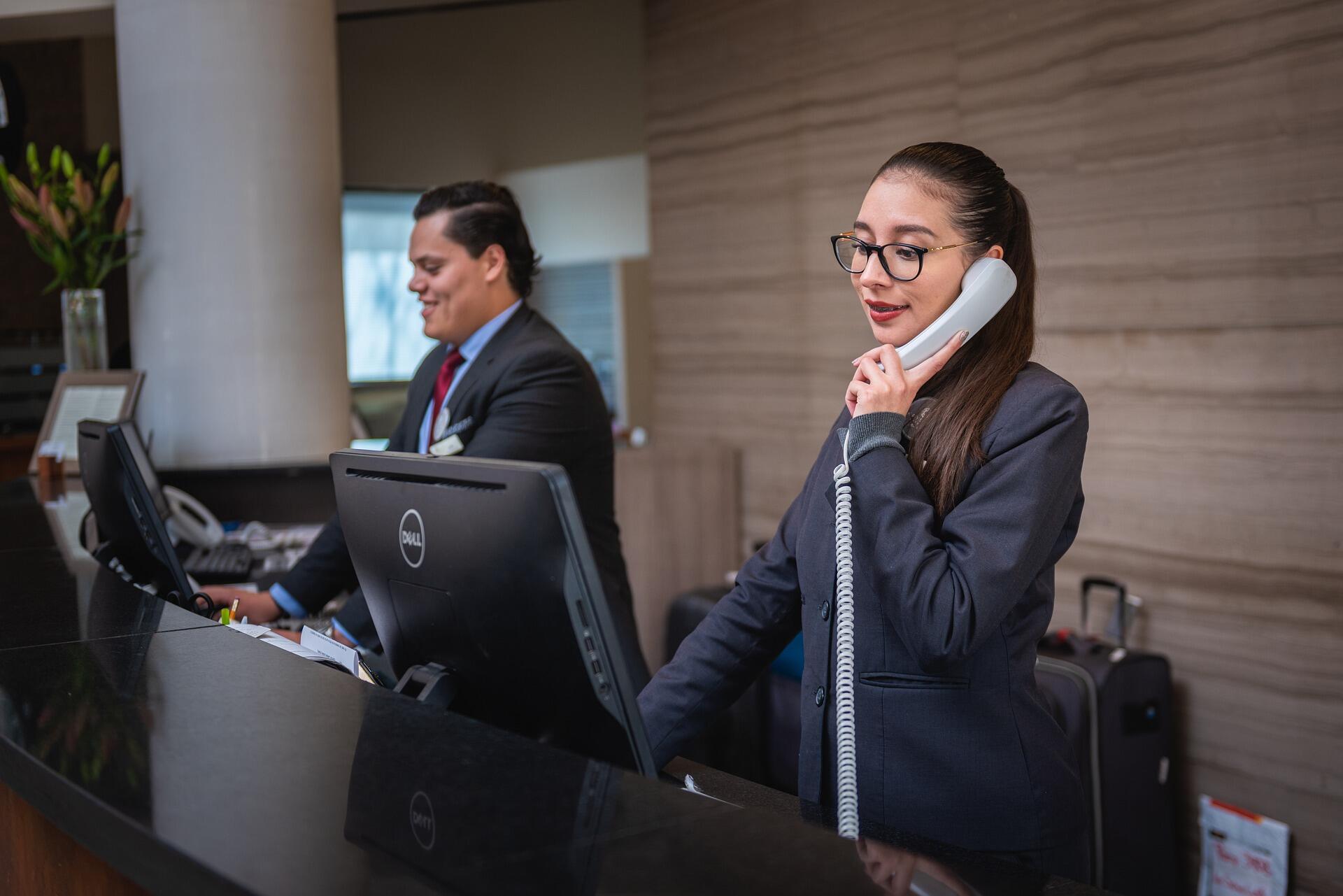

"This is a fight about the future of the industry for guests and workers alike."
Nearly 10,000 hotel workers in several major U.S. cities will hold strike authorization votes this month, according to their union. The announcement comes on the heels of notifications made late last month that Honolulu hotel workers would hold a strike authorization vote in early August, but tensions between the union and the hotels’ management have been brewing for some time.
Unite Here, which represents hospitality workers in hotels, hospitals, and airports in cities across the country, says that many of the workers are frustrated with stagnant wages and staffing levels that have not been snapped back after the COVID-19 pandemic, even though the hotel sector is reporting healthy profits.
“Momentum is building for strikes this year because workers are at a breaking point while the hotel industry is making record profits,” said United Here International President Gwen Mills. “Hotel companies took advantage of COVID to make severe cuts to staffing and guest services, and now workers say that their jobs are more painful than ever. Meanwhile, wages aren’t enough to cover the cost of living, and many workers have two or even three jobs. This is a fight about the future of the industry for guests and workers alike, and our members are putting the hotels on notice that they’re ready to strike for what their families need.”
Affected cities include Boston, Massachusetts; Providence, Rhode Island; New Haven, Connecticut; Honolulu, Hawaii; Baltimore, Maryland; San Francisco, San Jose, and San Diego, California; and Seattle, Washington. Boston has by far the most potential for impact, with 43 hotel properties in the city employing Unite Here members who will decide whether to authorize strikes in voting from August 6 through August 8. Among the properties include the Fairmont Copley Plaza, The Ritz-Carlton, Boston Common, and Omni Parker House.


Recommended Fodor’s Video
Seven properties have the potential for effects in Honolulu, including Hilton Hawaiian Village Waikiki Beach Resort and Hyatt Regency Waikiki Beach Resort & Spa. Eight properties in San Francisco are on the list, including the Westin St. Francis, Grand Hyatt Union Square, and Hilton Union Square.
Other properties around the country that could be affected include the Westin Seattle, Hilton San Diego Bayfront, Hilton Baltimore Inner Harbor, and Omni Providence Hotel.
Jianci Liang, who works in housekeeping at the Hilton Park Plaza in Boston says that staffing cuts have made her job as a room attendant more difficult. “Since we returned to work after COVID, there are about 20 fewer Room Attendants on the regular schedule. Without the proper staffing, my job is getting harder and harder. When the rooms are sold out, we have to cover the work of the missing people. I have no choice but to work, because it’s hard to save money or set aside funds for an emergency.”
Hotel workers in other cities say that pay raises haven’t kept pace with inflation, and they have to hold down multiple jobs to pay for essentials each month, which can be difficult in many of the high-cost cities where the strike votes will occur.
If the workers vote to authorize a strike, a strike can occur at any time, as long as the union contract has expired. Many of the contracts are expired in many cities; in others they will expire shortly. Hotel strikes rarely close hotel properties outright, but depending on which workgroups are striking, the hotels may close amenities, such as restaurants, workout facilities, or pools, and may only offer room cleaning between guest stays instead of during them.
According to the union, the US hotel industry’s gross operating profit was 26.63% higher in 2022 compared to 2019, but hotel staffing over the same period was down 13% as many hotels closed restaurants and reduced room cleaning from daily to “on request”.
What to Do If Workers Strike Your Hotel
Guests arriving at a hotel to find workers picketing or promised services unavailable due to a strike should refuse the hotel room and find alternate accommodations. Be sure to document all conversations regarding refunds or waivers of no-show fees. If a hotel is unwilling to refund a nonrefundable stay or waive a cancellation fee, you may be able to dispute the charges with your credit card company, particularly if the hotel didn’t notify you of any strike-related changes prior to arrival.
If it’s unfeasible to find another hotel room, request a reduced rate from the hotel’s management on account of the reduction in service. Bear in mind, however, that accepting a hotel room at a reduced rate is considered to be acceptance of the conditions associated with the room at the lower rate, and hotels will generally deny requests for further refunds or waivers after checkout, unless conditions at the property continue to deteriorate.
Unite Here operates a website, fairhotel.org for consumers to check whether their hotels are the location of an ongoing or threatened labor dispute prior to booking or travel.