


10 wonderful days in South Korea - Trip Report
 Jan 31st, 2025 | 07:14 AM
#1
Original Poster
Joined: Jan 2025
Posts: 20
Likes: 0
10 wonderful days in South Korea - Trip Report
South Korea - Travelogue
It's always weird trying to talk about a destination you think is both overlooked and absolutely fantastic. Part of you wants to keep the destination to yourself, prevent anyone else from travelling there and crowding the locations, and yet another part wants to scream from the rooftops about how the destination in question is being criminally slept on and how everyone should experience it at least once. This time, the latter impulse wins out, so here goes: I travelled to South Korea with a family member over Christmas break and it has been one of my favourite travel experiences of my life. And I've travelled a lot.
We were actually almost discouraged from travelling to Korea after coming across many threads which followed the same pattern - invariably, a poster would ask whether they should choose Japan or Korea for an East Asian trip, and almost unanimously the comments on such threads would advocate Japan as a destination, and state South Korea was comparatively boring, soulless, lacking in historical sites and "nothing super special IMO", in the words of one commenter. Our friends and coworkers who had travelled to both places also offered up the same opinions, and the only reason why we ended up picking Korea as our destination of choice was because my sister had travelled to Japan before, and wanted something different. It took us by complete surprise what a delight it was to travel there.
Seoul was one of the only major cities I have ever enjoyed travelling to. I don't usually enjoy cities, but Seoul was surprisingly quiet and relaxed and had a whole lot of character I didn't expect. Many neighbourhoods are full of sleepy little cafes and teahouses and restaurants, and they look so enticing you can't help but pop in for a look. And it's well worth it doing that. One time we ducked into a small, unassuming teahouse, and ended up drinking omija tea in a cosy tearoom all to ourselves. Yet another time we did this, we found a traditional foods store where we did a makgeolli tasting (probably one of my favourite alcoholic drinks of all time, to be honest). Places like Ikseon-dong and Bukchon are extremely charming and feature many modern buildings in the traditional Korean hanok style, and I recommend visiting those.
In addition, logistically speaking, Seoul is easy. The train and bus system is very well connected in the city, and it's easy to make your way everywhere you want with minimal effort. Some aspects of getting around can be annoying, such as the fact that many ATMs don't seem to be able to work with foreign cards, so it's not uncommon to go ATM-shopping for a bit before you're finally able to withdraw any amount of money. You often need cash to top up your transport (T-money) cards in Korea; you can top up your balance in convenience stores all around the country, but these only accept cash for top-up. In general, though, Seoul shouldn't pose many problems.
For the history and architecture buff, Seoul is a goldmine. Historical buildings can be found all over the city, particularly in Jongno District, and a lot of them are hardly visited by tourists. On our first day in Seoul we stumbled across Unhyeongung (a Joseon royal residence dating back to the 14th century) on our way to another destination, and were floored at how beautiful and quiet the site was despite its central location in the city. We spent 30 whole minutes just exploring the tranquil grounds of the residence and the little museum connected to it.
Even more intoxicating was Changdeokgung, a proper Joseon palace and the most authentic example of a royal palace in Seoul, having been rebuilt in 1610 after the highly destructive Japanese invasions of Korea that saw every Joseon royal palace destroyed. In spite of the importance of the site, again, there was barely anybody there. We had the whole site almost entirely to ourselves, and we could appreciate the palace courtyards virtually in complete silence. The whole palace is intricately painted in vibrant dancheong colours, and every part of it is breathtaking, but the most decorated and my favourite part of the palace has to be the Injeongjeon, the throne room of Changdeokgung. From top to toe, the throne room is covered in murals and carvings and other beautiful ornamentation. It was seriously stunning, to the point that I'm convinced I could stand and look into the room for hours on end examining every corner.
Also on the Changdeokgung grounds is the Huwon Secret Garden, a garden that was used as a place of leisure for the members of the royal family. It's intimate and naturalistic and filled with beautifully landscaped pagodas and ponds (the area around Buyongji pond, in particular, is exquisite). I highly recommend doing this if you're at Changdeokgung - you have to pay for a tour to get in, but once in you can actually choose between following your tour guide and also exploring on your own. You are also allowed to wander around after your tour ends, which was what we did and what I recommend anyone else also coming here does. The gardens also harbour resident cats, which is, in fact, the result of a single Joseon king (King Sukjong) who was so fanatical about cats that he kept these animals beside him and petted them while conducting state affairs.
Even if you're coming in winter like we did, I highly recommend it - the gardens are still incredibly beautiful, especially if you arrive in early to mid December when there's still some autumn colours on the trees. Also, there are other royal palaces in Seoul we visited during our trip - specifically Gyeongbokgung and Deoksugung, but out of all of them, I recommend Changdeokgung the most. It's extremely quiet for such an important historical site, especially if you travel off-peak, and it's very worth your time.
Our next major non-palace historical site, visited on the second day in Seoul, was Jogyesa Temple, situated conveniently in between the two major palaces of the Joseon Dynasty. We were fairly surprised to find that the decoration and painting on Korean Buddhist temples are even more ornate than that of their palaces (due to their Confucian ideals, Joseon held that the king should set an example for the people and not inappropriately flaunt their wealth). When we arrived, there was a ceremony going on, and inside the temple we could hear loud chanting and banging of drums. The amount of energy coming from this temple was absolutely electrifying, and yet again, tourists were absent - everyone who had visited alongside us seemed to have gone to pray, and they were standing in front of the temple with strings of prayer beads clutched in their hands and their heads bowed.
Near Deoksugung Palace, we visited yet another relatively unknown site: Hwangudan Altar, a sacrificial altar for the Joseon Dynasty, built by King Gojong in 1897 upon his ascendancy to the throne and his establishment of the Empire of Korea. He performed the Rite of Heaven at this site, the first time a Korean monarch had done so in centuries. During Japanese colonial rule, much of the site was demolished, but the Hwanggungu - the octagonal three-story pagoda which stood on the site - still stands, surrounded by high-rises. You can even still see the drums for sacrificial rites there beside the pagoda. I highly recommend pairing this with a visit to Deoksugung Palace, it's extremely surreal to see this piece of historical architecture surrounded by modern buildings, with nobody around - many of Seoul's residents themselves don't even seem to know it's there.
On our second and final night in Seoul, we saw a lantern festival at Cheonggyecheon, the 10-km long rehabilitated stream that runs through the city. A whole parade of lanterns, made out of traditional lantern paper and placed in the water, lit up the whole stream in red and yellow. These lanterns were modern ones, designed and placed so as to recreate a Joseon royal procession, and despite the fact that the festival was busy it was still a very good experience.
Next day we went to Seogwipo, on the south of Jeju Island. While the town itself is significantly less well-kept than Seoul, it's still a lovely place to visit in winter - the whole island is filled with blooming camellias this time of year, and you can see rows of these flame-red trees lining the streets and alleyways of the island. Tangerines seem to grow everywhere, on roadsides and in farms and every nook and cranny you can imagine. And these tangerines are the best tangerines you'll ever taste in your life. Some varieties are sweet and mild, others are tangy and strong, every single one is delicious.
While Jeju is a great destination to travel to - don't get me wrong, it is beautiful - do note that some of the big tourist sites are a bit commercialised and it's a bit difficult if you don't have a car (we can't drive, so this option was closed to us). Buses on Jeju are somewhat few and far between especially in rural areas, and you can find yourself having to wait a bit especially if you want to travel to particularly remote parts of the island. If you're doing Jeju, I'd imagine the best way is to rent a car and drive yourself to every destination or perhaps get a taxi app like KakaoT so you can go directly to all the sites, instead of having to wait 40 minutes for bus 220 to arrive so you can begin to travel to your destination.
The coastline is spectacular at many points, and since the entire island is one big shield volcano extending down to the ocean floor, black sand beaches and rugged volcanic cliffs can be found encircling the island. Some notable places we visited include Jusangjeolli, a columnar basalt formation plunging straight into the ocean, Oedolgae, a volcanic basalt pillar standing tall near the coast, and Seongsan Ilchulbong, a heavily eroded tuff cone which is a popular place to see the sun rise on Jeju. Oedolgae and Seongsan are particularly scenic and I highly recommend them, especially in winter when Seongsan Ilchulbong is relatively uncrowded.
One of the most memorable experiences I had in Jeju was walking up to a small snowy hermitage (Jonjaam) on the upper slopes of Mount Hallasan. We walked along a forested path for about a kilometre or so, and ended up stumbling upon a colourful gate covered in fluffy white powdered snow. A few hundred metres up from there, a whole series of small shrine halls emerged from the icy forest, painted in traditional Korean dancheong colours and almost entirely smothered in snow. A traditional and ancient Buddhist stupa, made out of Jeju volcanic rock, lay at the very back of the temple grounds. We removed our shoes and escaped the cold by darting into the main temple hall, and inside was a colourful little chamber, with a number of people inside praying to a figure of Buddha.
Later that day we took a bus to Samseonghyeol, a shrine dedicated to a folk myth about the founding of the Tamna Kingdom. Tamna was a sovereign state that existed on the island of Jeju from ancient times up to its absorption by the Joseon Dynasty in 1404, though for much of its history it was a tributary state to many other larger Korean kingdoms. There's no record of how it was founded, but the folktale holds that it was created by three divine founders that emerged from the ground in the 24th century BC, and the holes they supposedly arose from are still preserved in Samseonghyeol. The site is pretty diminutive in and of itself, but it's guarded by dol hareubang statues and situated in a small, enchanting forest, and an array of Joseon-era shrine halls surround the site. Memorial services are still held here, commemorating the founding of the island. I can attest that walking here at dusk felt like being in a scene from Pan's Labyrinth. It was pretty magical. If you're already in Jeju city, I recommend seeing this.
Seogwipo is surrounded by waterfalls, the most famous being Jeongbang and Cheonjiyeon. Jeongbang is part of the Yeongjusipgeong, the ten scenic wonders of Jeju Island. It empties straight into the ocean, with a storied history and many legends relating to it. Probably the darkest bit of history relating to the site is that it was a place where civilians were executed during the 1948 Jeju uprising, with their bodies disposed of over the waterfall. Jeongbang, however, is fairly crowded at times, and of the two, I much prefer Cheonjiyeon, which was much quieter and surrounded by a lush subtropical forest and a small stream filled with huge ducks. While walking to the site, you can also see a little cave which Paleolithic humans on Jeju used as a settlement. Much more interesting and pleasant, in my opinion.
In Seogwipo proper, we found that the Seogwipo Maeil Olle Market was one of the most interesting places to explore. It's a charming local market in the centre of the city, and the middle of the street is lined with little benches set beside a stream so you can eat whatever you buy in situ. You can find a lot of fresh tangerines and persimmons from there, as well as a lot of famous market stores selling various food items like bakery items and fresh mandu dumplings. Jesong Bakery sells a heavenly black pork bun - I could eat that for days on end, it's highly recommended. There is also a five-day market in Seogwipo (and Jeju) which opens once every five days, based on a traditional Joseon-era model, but unfortunately the one in Seogwipo wasn't open when we visited. But it's very nice to see that in spite of how modernised South Korea is, these Joseon traditions still continue up into the modern day.
The final region we visited in Korea - and my absolute favourite - was Gyeongju. This city used to be the capital of the Silla Dynasty, an ancient Korean state whose history extends back into 57 BC and who once ruled the entire Korean peninsula until its breakup in the late 8th century and its surrender to Goryeo in 935. If in Seoul there was the very distinct possibility of stumbling upon historical sites, in Gyeongju you literally can't miss it even if you try. The city is filled to the brim with the tombs of ancient Silla kings and their shrines, and you can see these gigantic tumuli and beautiful painted shrine halls juxtaposed against streets filled with modern cafes built in the traditional hanok style. There's also a large amount of archeological sites in the eastern historic district of the town, and you can wander through the site on your own seeing the moats and gardens of ancient palaces (now reconstructed), the ruins of pagodas from ancient temples, and even the oldest astronomical observatory in East Asia. Hell, even Gyeongju's KTX train station has a stone chamber tomb on the site. I am not joking.
One of the most interesting places in the entire region lies just outside of Gyeongju, called the Five Royal Tombs. The Samguk sagi (History of the Three Kingdoms) states that these are the tombs of the original founders of the Silla Kingdom, specifically the first Silla king Park Hyeokgeose and his queen consort Aryeong, its second king Namhae, its third king Yuri, and its fifth king Pasa. That history is now impossible to substantiate and it may be that the site was built later during the 6th century to honour and commemorate the old kings of Silla, but exploring this place was a great experience - the tombs on the site are surrounded by a peaceful little forest, and the shrines and steles on the site are beautiful. There's even a small, intimate bamboo forest near the shrines which we walked through, it's an experience that's very quiet and tranquil. We strolled in the site for a while, taking in the atmosphere, and we were rewarded with a sighting of a deer.
Gyeongju is also filled with spectacular Buddhist temples, the most important ones being Bulguksa Temple and Seokguram Hermitage. Bulguksa is historically significant as the site where the oldest extant woodblock print in the world was found - this discovery was only made in 1966, when the Pure Light Dharani Sutra was found during repairs of Seokgatap Pagoda. Historical significance aside, though, this is just a great temple to visit. Even the temple grounds themselves, absent the temple, are gorgeous. Before we even caught a glimpse of the temple proper we had already passed through gates painted with elaborate dancheong, and saw a small but impressive Korean temple garden out front, complete with landscaped ponds and a small bridge. But it's the front facade of the temple that's most impressive - it's large and imposing and adorned with an array of stairs and balconies. A variety of colourful lanterns were hung up inside the corridors of the temples and out in front of the shrine halls, and when the sun shone through them they cast ever-changing patterns of colours on the ground. Entering the shrine halls revealed many Buddhist statues and murals on the inside, about as intricate as the throne room of Changdeokgung. Again, you could admire this place for hours.
Further up the mountain that Bulguksa is on (Mount Tohamsan) there's the nearby Seokguram Hermitage. The path to the hermitage is lined with more lanterns, and there's a small bell tower which you can pay a fee to ring (we did). The hermitage on the outside is small and unassuming, but it's actually just the entryway into an expansive 8th century grotto which contains a large statue of Seokgamoni-bul (The Historical Buddha) calling the Earth to witness, surrounded by detailed reliefs of devas, bodhisattvas and disciples. We couldn't actually enter the grotto, due to concerns about preservation visitors can only view it through a glass pane, but it in no way takes away from the beauty of the site - we were still able to get close and see just how impressive the Buddha inside is.
One of my most favourite unknown and completely untouristed places around Gyeongju is Mount Namsan, a sacred site for the Silla Dynasty which contains many ancient carvings, sculptures and statues many of which are so old that they predate Charlemagne. We visited the west side of Namsan first, taking a route up the mountain that started from Sambulsa Temple and descended via the Samneung valley. There's a large number of Buddhist sculptures and carvings on this route through the mountains, such as the Stone Standing Buddha Triad in Bae-dong, the Stone Seated Buddha in Samneunggye Valley, the Two Line-Carved Buddha Triads, a headless statue of Mireuk-bul (Future Buddha) and a relief of Gwanseeum-bosal (Bodhisattva of Compassion). There's even a bunch of royal tombs at the base of the mountain and a charming little working hermitage, Sangseonam, up in the peaks. Visiting the west side of Namsan is an embarassment of riches.
The east side of Namsan contains some of the most spectacular single sculptures on the mountain. We first visited the Stone Seated Buddha of Mireuk-gol Valley, which is a single Buddha statue dating to the Later Silla period, backed by a nimbus adorned with heavenly carvings of flowers and vines. It's an impressively detailed sculpture, surrounded by a small temple and the forests of Mount Namsan. Next up were the Rock-Carved Buddhas in Tapgok Valley, a stunning 9-metre tall rock covered from top to toe with carvings of Buddhas, bodhisattvas, heavenly deities and pagodas on every side - the south face in particular was particularly impressive, with a standing sculpture of a Buddha carved straight out from the rock and a triad of reliefs to its right. The last sculpture we visited on the east side of Namsan was the Rock-Carved Seated Buddha in Bulgok Valley, a humble Buddha sculpture inset into a rock with a small candle placed in front of it. I have to say it felt extremely surreal and dreamlike to see these ancient carvings and statues in situ - empires have risen and fallen since then, and yet these statues are still there sitting quietly in the forests and valleys.
On our final day in Gyeongju, we visited Yangdong Folk Village, a Joseon folk village from the 15th century filled with picturesque hanoks and village shrines. It's fairly isolated - you have to take a long bus ride from Gyeongju that passes through farms and mountain ranges - but that also means it's been able to maintain a good amount of cultural preservation. The town is populated by the descendants of its original founders, and the hanok houses of the village date back to early Joseon; they've adopted some modern technology but they still maintain the traditional clan structure and still practice the rituals and folk customs of the yangban, the traditional Joseon upper class. There was, again, hardly anybody there when we visited, and most of the people we saw in the village were not tourists, but villagers, working the farms, hanging up their laundry, and so on. It was serene and extremely quiet, and the village was most definitely not a manicured tourist site; there was limited tourist infrastructure, and it had a distinctly lived-in and slightly messy feel to it that made walking around feel all the more voyeuristic. The fact that we were strolling into people's courtyards and houses was made all the more apparent because of this, and despite the beauty of the architecture it barely even felt like a destination - it felt like a place where people just lived day-to-day. Despite the fact that Korea is often seen as a hyper-modern society, this is a fairly recent development; even now there's a weird, intangible feeling that old Korea still lurks behind every corner, and nowhere was the feeling stronger than it was in this living echo of the Joseon Dynasty, nestled deep in the mountains.
People stated on travel forums that two days was plenty for Gyeongju and that there was really not that much to do, but I'd wager they were unaware of how much there was to see in and around the town (to be fair, none of it is well-marketed to international tourists, you have to do some serious sleuthing to find them). For our part, we spent four nights and three days in Gyeongju and felt it was not enough - we sought out sights from 9am to 9pm every single day, and still we missed so much. We didn't have time to visit many sites, such as the grotto of Sinseonsa Temple, Chilburam Hermitage and its Buddhist carvings, Oksanseowon Confucian Academy, Golgulsa Temple's cave shrines and bas-reliefs, Girimsa Temple and its beautiful Vairocana Buddha triad as well as its statue of Avalokitesvara, the underwater tomb of King Munmu, and so on. Even if we'd spent a whole week there, we would not have seen everything - there are literally over a hundred ancient historical sites in the mountains around Gyeongju, and if you enjoy history and archaeology more than doing Cool And Buzzy Tourist Things, they're worth visiting.
These are not all the places we visited in Korea, but adding them all would take too long, so I'll start wrapping things up here. A few final notes on Korea: Aside from the very strong Miyazaki vibes much of the sights in the country have, there's a lot more to note that I haven't had the opportunity to expound on too much. Firstly - this is just a piece of advice - if you ever want to go to Korea get Naver Maps and the Kakao taxi app. Google Maps alone is insufficient for getting around SK, and can't give you very accurate directions or bus/train times. Secondly, the food is fantastic - do try the black pork barbecue, braised cutlassfish and Udo peanut makgeolli in Jeju, as well as the ark shell bibimbap and hwangnam-ppang in Gyeongju. Finally, Korean people in general are ridiculously nice. We've had more random acts of kindness towards us in this holiday than in any other combined, and the people there are sometimes comically direct but they will go out of their way to help you. The second we touched down in Incheon airport and had trouble finding the airport bus, some random Korean guy saw us struggling and helped us find it. Bus drivers have gone out of their way to help us find the right bus routes for our destinations. Just really fantastic.
As previously mentioned, lots of people on forums who have travelled to both countries seem to think Korea is a worse Japan, but the family member I travelled with has visited Tokyo, Kyoto and Osaka before and preferred her experience in Korea by miles - found it far more tranquil, untouristed and comfortable. But that's the end of my rambling about Korea - I think it's worth every traveller's time, and it's no skin off my nose if people don't go since it means I have it all to myself for the foreseeable future, but I highly recommend it to anyone who finds my trip report appealing.
It's always weird trying to talk about a destination you think is both overlooked and absolutely fantastic. Part of you wants to keep the destination to yourself, prevent anyone else from travelling there and crowding the locations, and yet another part wants to scream from the rooftops about how the destination in question is being criminally slept on and how everyone should experience it at least once. This time, the latter impulse wins out, so here goes: I travelled to South Korea with a family member over Christmas break and it has been one of my favourite travel experiences of my life. And I've travelled a lot.
We were actually almost discouraged from travelling to Korea after coming across many threads which followed the same pattern - invariably, a poster would ask whether they should choose Japan or Korea for an East Asian trip, and almost unanimously the comments on such threads would advocate Japan as a destination, and state South Korea was comparatively boring, soulless, lacking in historical sites and "nothing super special IMO", in the words of one commenter. Our friends and coworkers who had travelled to both places also offered up the same opinions, and the only reason why we ended up picking Korea as our destination of choice was because my sister had travelled to Japan before, and wanted something different. It took us by complete surprise what a delight it was to travel there.
Seoul was one of the only major cities I have ever enjoyed travelling to. I don't usually enjoy cities, but Seoul was surprisingly quiet and relaxed and had a whole lot of character I didn't expect. Many neighbourhoods are full of sleepy little cafes and teahouses and restaurants, and they look so enticing you can't help but pop in for a look. And it's well worth it doing that. One time we ducked into a small, unassuming teahouse, and ended up drinking omija tea in a cosy tearoom all to ourselves. Yet another time we did this, we found a traditional foods store where we did a makgeolli tasting (probably one of my favourite alcoholic drinks of all time, to be honest). Places like Ikseon-dong and Bukchon are extremely charming and feature many modern buildings in the traditional Korean hanok style, and I recommend visiting those.
In addition, logistically speaking, Seoul is easy. The train and bus system is very well connected in the city, and it's easy to make your way everywhere you want with minimal effort. Some aspects of getting around can be annoying, such as the fact that many ATMs don't seem to be able to work with foreign cards, so it's not uncommon to go ATM-shopping for a bit before you're finally able to withdraw any amount of money. You often need cash to top up your transport (T-money) cards in Korea; you can top up your balance in convenience stores all around the country, but these only accept cash for top-up. In general, though, Seoul shouldn't pose many problems.
For the history and architecture buff, Seoul is a goldmine. Historical buildings can be found all over the city, particularly in Jongno District, and a lot of them are hardly visited by tourists. On our first day in Seoul we stumbled across Unhyeongung (a Joseon royal residence dating back to the 14th century) on our way to another destination, and were floored at how beautiful and quiet the site was despite its central location in the city. We spent 30 whole minutes just exploring the tranquil grounds of the residence and the little museum connected to it.
Even more intoxicating was Changdeokgung, a proper Joseon palace and the most authentic example of a royal palace in Seoul, having been rebuilt in 1610 after the highly destructive Japanese invasions of Korea that saw every Joseon royal palace destroyed. In spite of the importance of the site, again, there was barely anybody there. We had the whole site almost entirely to ourselves, and we could appreciate the palace courtyards virtually in complete silence. The whole palace is intricately painted in vibrant dancheong colours, and every part of it is breathtaking, but the most decorated and my favourite part of the palace has to be the Injeongjeon, the throne room of Changdeokgung. From top to toe, the throne room is covered in murals and carvings and other beautiful ornamentation. It was seriously stunning, to the point that I'm convinced I could stand and look into the room for hours on end examining every corner.
Also on the Changdeokgung grounds is the Huwon Secret Garden, a garden that was used as a place of leisure for the members of the royal family. It's intimate and naturalistic and filled with beautifully landscaped pagodas and ponds (the area around Buyongji pond, in particular, is exquisite). I highly recommend doing this if you're at Changdeokgung - you have to pay for a tour to get in, but once in you can actually choose between following your tour guide and also exploring on your own. You are also allowed to wander around after your tour ends, which was what we did and what I recommend anyone else also coming here does. The gardens also harbour resident cats, which is, in fact, the result of a single Joseon king (King Sukjong) who was so fanatical about cats that he kept these animals beside him and petted them while conducting state affairs.
Even if you're coming in winter like we did, I highly recommend it - the gardens are still incredibly beautiful, especially if you arrive in early to mid December when there's still some autumn colours on the trees. Also, there are other royal palaces in Seoul we visited during our trip - specifically Gyeongbokgung and Deoksugung, but out of all of them, I recommend Changdeokgung the most. It's extremely quiet for such an important historical site, especially if you travel off-peak, and it's very worth your time.
Our next major non-palace historical site, visited on the second day in Seoul, was Jogyesa Temple, situated conveniently in between the two major palaces of the Joseon Dynasty. We were fairly surprised to find that the decoration and painting on Korean Buddhist temples are even more ornate than that of their palaces (due to their Confucian ideals, Joseon held that the king should set an example for the people and not inappropriately flaunt their wealth). When we arrived, there was a ceremony going on, and inside the temple we could hear loud chanting and banging of drums. The amount of energy coming from this temple was absolutely electrifying, and yet again, tourists were absent - everyone who had visited alongside us seemed to have gone to pray, and they were standing in front of the temple with strings of prayer beads clutched in their hands and their heads bowed.
Near Deoksugung Palace, we visited yet another relatively unknown site: Hwangudan Altar, a sacrificial altar for the Joseon Dynasty, built by King Gojong in 1897 upon his ascendancy to the throne and his establishment of the Empire of Korea. He performed the Rite of Heaven at this site, the first time a Korean monarch had done so in centuries. During Japanese colonial rule, much of the site was demolished, but the Hwanggungu - the octagonal three-story pagoda which stood on the site - still stands, surrounded by high-rises. You can even still see the drums for sacrificial rites there beside the pagoda. I highly recommend pairing this with a visit to Deoksugung Palace, it's extremely surreal to see this piece of historical architecture surrounded by modern buildings, with nobody around - many of Seoul's residents themselves don't even seem to know it's there.
On our second and final night in Seoul, we saw a lantern festival at Cheonggyecheon, the 10-km long rehabilitated stream that runs through the city. A whole parade of lanterns, made out of traditional lantern paper and placed in the water, lit up the whole stream in red and yellow. These lanterns were modern ones, designed and placed so as to recreate a Joseon royal procession, and despite the fact that the festival was busy it was still a very good experience.
Next day we went to Seogwipo, on the south of Jeju Island. While the town itself is significantly less well-kept than Seoul, it's still a lovely place to visit in winter - the whole island is filled with blooming camellias this time of year, and you can see rows of these flame-red trees lining the streets and alleyways of the island. Tangerines seem to grow everywhere, on roadsides and in farms and every nook and cranny you can imagine. And these tangerines are the best tangerines you'll ever taste in your life. Some varieties are sweet and mild, others are tangy and strong, every single one is delicious.
While Jeju is a great destination to travel to - don't get me wrong, it is beautiful - do note that some of the big tourist sites are a bit commercialised and it's a bit difficult if you don't have a car (we can't drive, so this option was closed to us). Buses on Jeju are somewhat few and far between especially in rural areas, and you can find yourself having to wait a bit especially if you want to travel to particularly remote parts of the island. If you're doing Jeju, I'd imagine the best way is to rent a car and drive yourself to every destination or perhaps get a taxi app like KakaoT so you can go directly to all the sites, instead of having to wait 40 minutes for bus 220 to arrive so you can begin to travel to your destination.
The coastline is spectacular at many points, and since the entire island is one big shield volcano extending down to the ocean floor, black sand beaches and rugged volcanic cliffs can be found encircling the island. Some notable places we visited include Jusangjeolli, a columnar basalt formation plunging straight into the ocean, Oedolgae, a volcanic basalt pillar standing tall near the coast, and Seongsan Ilchulbong, a heavily eroded tuff cone which is a popular place to see the sun rise on Jeju. Oedolgae and Seongsan are particularly scenic and I highly recommend them, especially in winter when Seongsan Ilchulbong is relatively uncrowded.
One of the most memorable experiences I had in Jeju was walking up to a small snowy hermitage (Jonjaam) on the upper slopes of Mount Hallasan. We walked along a forested path for about a kilometre or so, and ended up stumbling upon a colourful gate covered in fluffy white powdered snow. A few hundred metres up from there, a whole series of small shrine halls emerged from the icy forest, painted in traditional Korean dancheong colours and almost entirely smothered in snow. A traditional and ancient Buddhist stupa, made out of Jeju volcanic rock, lay at the very back of the temple grounds. We removed our shoes and escaped the cold by darting into the main temple hall, and inside was a colourful little chamber, with a number of people inside praying to a figure of Buddha.
Later that day we took a bus to Samseonghyeol, a shrine dedicated to a folk myth about the founding of the Tamna Kingdom. Tamna was a sovereign state that existed on the island of Jeju from ancient times up to its absorption by the Joseon Dynasty in 1404, though for much of its history it was a tributary state to many other larger Korean kingdoms. There's no record of how it was founded, but the folktale holds that it was created by three divine founders that emerged from the ground in the 24th century BC, and the holes they supposedly arose from are still preserved in Samseonghyeol. The site is pretty diminutive in and of itself, but it's guarded by dol hareubang statues and situated in a small, enchanting forest, and an array of Joseon-era shrine halls surround the site. Memorial services are still held here, commemorating the founding of the island. I can attest that walking here at dusk felt like being in a scene from Pan's Labyrinth. It was pretty magical. If you're already in Jeju city, I recommend seeing this.
Seogwipo is surrounded by waterfalls, the most famous being Jeongbang and Cheonjiyeon. Jeongbang is part of the Yeongjusipgeong, the ten scenic wonders of Jeju Island. It empties straight into the ocean, with a storied history and many legends relating to it. Probably the darkest bit of history relating to the site is that it was a place where civilians were executed during the 1948 Jeju uprising, with their bodies disposed of over the waterfall. Jeongbang, however, is fairly crowded at times, and of the two, I much prefer Cheonjiyeon, which was much quieter and surrounded by a lush subtropical forest and a small stream filled with huge ducks. While walking to the site, you can also see a little cave which Paleolithic humans on Jeju used as a settlement. Much more interesting and pleasant, in my opinion.
In Seogwipo proper, we found that the Seogwipo Maeil Olle Market was one of the most interesting places to explore. It's a charming local market in the centre of the city, and the middle of the street is lined with little benches set beside a stream so you can eat whatever you buy in situ. You can find a lot of fresh tangerines and persimmons from there, as well as a lot of famous market stores selling various food items like bakery items and fresh mandu dumplings. Jesong Bakery sells a heavenly black pork bun - I could eat that for days on end, it's highly recommended. There is also a five-day market in Seogwipo (and Jeju) which opens once every five days, based on a traditional Joseon-era model, but unfortunately the one in Seogwipo wasn't open when we visited. But it's very nice to see that in spite of how modernised South Korea is, these Joseon traditions still continue up into the modern day.
The final region we visited in Korea - and my absolute favourite - was Gyeongju. This city used to be the capital of the Silla Dynasty, an ancient Korean state whose history extends back into 57 BC and who once ruled the entire Korean peninsula until its breakup in the late 8th century and its surrender to Goryeo in 935. If in Seoul there was the very distinct possibility of stumbling upon historical sites, in Gyeongju you literally can't miss it even if you try. The city is filled to the brim with the tombs of ancient Silla kings and their shrines, and you can see these gigantic tumuli and beautiful painted shrine halls juxtaposed against streets filled with modern cafes built in the traditional hanok style. There's also a large amount of archeological sites in the eastern historic district of the town, and you can wander through the site on your own seeing the moats and gardens of ancient palaces (now reconstructed), the ruins of pagodas from ancient temples, and even the oldest astronomical observatory in East Asia. Hell, even Gyeongju's KTX train station has a stone chamber tomb on the site. I am not joking.
One of the most interesting places in the entire region lies just outside of Gyeongju, called the Five Royal Tombs. The Samguk sagi (History of the Three Kingdoms) states that these are the tombs of the original founders of the Silla Kingdom, specifically the first Silla king Park Hyeokgeose and his queen consort Aryeong, its second king Namhae, its third king Yuri, and its fifth king Pasa. That history is now impossible to substantiate and it may be that the site was built later during the 6th century to honour and commemorate the old kings of Silla, but exploring this place was a great experience - the tombs on the site are surrounded by a peaceful little forest, and the shrines and steles on the site are beautiful. There's even a small, intimate bamboo forest near the shrines which we walked through, it's an experience that's very quiet and tranquil. We strolled in the site for a while, taking in the atmosphere, and we were rewarded with a sighting of a deer.
Gyeongju is also filled with spectacular Buddhist temples, the most important ones being Bulguksa Temple and Seokguram Hermitage. Bulguksa is historically significant as the site where the oldest extant woodblock print in the world was found - this discovery was only made in 1966, when the Pure Light Dharani Sutra was found during repairs of Seokgatap Pagoda. Historical significance aside, though, this is just a great temple to visit. Even the temple grounds themselves, absent the temple, are gorgeous. Before we even caught a glimpse of the temple proper we had already passed through gates painted with elaborate dancheong, and saw a small but impressive Korean temple garden out front, complete with landscaped ponds and a small bridge. But it's the front facade of the temple that's most impressive - it's large and imposing and adorned with an array of stairs and balconies. A variety of colourful lanterns were hung up inside the corridors of the temples and out in front of the shrine halls, and when the sun shone through them they cast ever-changing patterns of colours on the ground. Entering the shrine halls revealed many Buddhist statues and murals on the inside, about as intricate as the throne room of Changdeokgung. Again, you could admire this place for hours.
Further up the mountain that Bulguksa is on (Mount Tohamsan) there's the nearby Seokguram Hermitage. The path to the hermitage is lined with more lanterns, and there's a small bell tower which you can pay a fee to ring (we did). The hermitage on the outside is small and unassuming, but it's actually just the entryway into an expansive 8th century grotto which contains a large statue of Seokgamoni-bul (The Historical Buddha) calling the Earth to witness, surrounded by detailed reliefs of devas, bodhisattvas and disciples. We couldn't actually enter the grotto, due to concerns about preservation visitors can only view it through a glass pane, but it in no way takes away from the beauty of the site - we were still able to get close and see just how impressive the Buddha inside is.
One of my most favourite unknown and completely untouristed places around Gyeongju is Mount Namsan, a sacred site for the Silla Dynasty which contains many ancient carvings, sculptures and statues many of which are so old that they predate Charlemagne. We visited the west side of Namsan first, taking a route up the mountain that started from Sambulsa Temple and descended via the Samneung valley. There's a large number of Buddhist sculptures and carvings on this route through the mountains, such as the Stone Standing Buddha Triad in Bae-dong, the Stone Seated Buddha in Samneunggye Valley, the Two Line-Carved Buddha Triads, a headless statue of Mireuk-bul (Future Buddha) and a relief of Gwanseeum-bosal (Bodhisattva of Compassion). There's even a bunch of royal tombs at the base of the mountain and a charming little working hermitage, Sangseonam, up in the peaks. Visiting the west side of Namsan is an embarassment of riches.
The east side of Namsan contains some of the most spectacular single sculptures on the mountain. We first visited the Stone Seated Buddha of Mireuk-gol Valley, which is a single Buddha statue dating to the Later Silla period, backed by a nimbus adorned with heavenly carvings of flowers and vines. It's an impressively detailed sculpture, surrounded by a small temple and the forests of Mount Namsan. Next up were the Rock-Carved Buddhas in Tapgok Valley, a stunning 9-metre tall rock covered from top to toe with carvings of Buddhas, bodhisattvas, heavenly deities and pagodas on every side - the south face in particular was particularly impressive, with a standing sculpture of a Buddha carved straight out from the rock and a triad of reliefs to its right. The last sculpture we visited on the east side of Namsan was the Rock-Carved Seated Buddha in Bulgok Valley, a humble Buddha sculpture inset into a rock with a small candle placed in front of it. I have to say it felt extremely surreal and dreamlike to see these ancient carvings and statues in situ - empires have risen and fallen since then, and yet these statues are still there sitting quietly in the forests and valleys.
On our final day in Gyeongju, we visited Yangdong Folk Village, a Joseon folk village from the 15th century filled with picturesque hanoks and village shrines. It's fairly isolated - you have to take a long bus ride from Gyeongju that passes through farms and mountain ranges - but that also means it's been able to maintain a good amount of cultural preservation. The town is populated by the descendants of its original founders, and the hanok houses of the village date back to early Joseon; they've adopted some modern technology but they still maintain the traditional clan structure and still practice the rituals and folk customs of the yangban, the traditional Joseon upper class. There was, again, hardly anybody there when we visited, and most of the people we saw in the village were not tourists, but villagers, working the farms, hanging up their laundry, and so on. It was serene and extremely quiet, and the village was most definitely not a manicured tourist site; there was limited tourist infrastructure, and it had a distinctly lived-in and slightly messy feel to it that made walking around feel all the more voyeuristic. The fact that we were strolling into people's courtyards and houses was made all the more apparent because of this, and despite the beauty of the architecture it barely even felt like a destination - it felt like a place where people just lived day-to-day. Despite the fact that Korea is often seen as a hyper-modern society, this is a fairly recent development; even now there's a weird, intangible feeling that old Korea still lurks behind every corner, and nowhere was the feeling stronger than it was in this living echo of the Joseon Dynasty, nestled deep in the mountains.
People stated on travel forums that two days was plenty for Gyeongju and that there was really not that much to do, but I'd wager they were unaware of how much there was to see in and around the town (to be fair, none of it is well-marketed to international tourists, you have to do some serious sleuthing to find them). For our part, we spent four nights and three days in Gyeongju and felt it was not enough - we sought out sights from 9am to 9pm every single day, and still we missed so much. We didn't have time to visit many sites, such as the grotto of Sinseonsa Temple, Chilburam Hermitage and its Buddhist carvings, Oksanseowon Confucian Academy, Golgulsa Temple's cave shrines and bas-reliefs, Girimsa Temple and its beautiful Vairocana Buddha triad as well as its statue of Avalokitesvara, the underwater tomb of King Munmu, and so on. Even if we'd spent a whole week there, we would not have seen everything - there are literally over a hundred ancient historical sites in the mountains around Gyeongju, and if you enjoy history and archaeology more than doing Cool And Buzzy Tourist Things, they're worth visiting.
These are not all the places we visited in Korea, but adding them all would take too long, so I'll start wrapping things up here. A few final notes on Korea: Aside from the very strong Miyazaki vibes much of the sights in the country have, there's a lot more to note that I haven't had the opportunity to expound on too much. Firstly - this is just a piece of advice - if you ever want to go to Korea get Naver Maps and the Kakao taxi app. Google Maps alone is insufficient for getting around SK, and can't give you very accurate directions or bus/train times. Secondly, the food is fantastic - do try the black pork barbecue, braised cutlassfish and Udo peanut makgeolli in Jeju, as well as the ark shell bibimbap and hwangnam-ppang in Gyeongju. Finally, Korean people in general are ridiculously nice. We've had more random acts of kindness towards us in this holiday than in any other combined, and the people there are sometimes comically direct but they will go out of their way to help you. The second we touched down in Incheon airport and had trouble finding the airport bus, some random Korean guy saw us struggling and helped us find it. Bus drivers have gone out of their way to help us find the right bus routes for our destinations. Just really fantastic.
As previously mentioned, lots of people on forums who have travelled to both countries seem to think Korea is a worse Japan, but the family member I travelled with has visited Tokyo, Kyoto and Osaka before and preferred her experience in Korea by miles - found it far more tranquil, untouristed and comfortable. But that's the end of my rambling about Korea - I think it's worth every traveller's time, and it's no skin off my nose if people don't go since it means I have it all to myself for the foreseeable future, but I highly recommend it to anyone who finds my trip report appealing.
 Jan 31st, 2025 | 09:54 AM
#2

Joined: Oct 2012
Posts: 2,245
Likes: 0
Thank you so much for your unbridled enthusiasm, it is tremendously gratifying to hear about. I loved that you saw famous sites as well as explored to find your own piece of Korea that suited you to a T. I will explore some of those places on the internet, but though maybe on a second trip to Korea as well. I also love that you got so much educational value out of your trip, and you are able to impart that to us. I definitely learned some things.
Right now, tourism and interest in Japan is exploding. Many world travelers discovering it for the first time even after many decades of international travel. I think some will eventually get to Korea.
For many, Korean food is an acquired taste. But one worth acquiring. There is no "You no like" Syndrome in Korea.. They are unabashed about offering their cuisine as is. Of course, you can easily avoid eating Korean food in many places in Korea. But if you do eat Korean food, it will not me made 'approachable' for you.
I was in Korea quite a few years ago, but I recently posted some photos of places that are off the main tourist circuit:
Right now, tourism and interest in Japan is exploding. Many world travelers discovering it for the first time even after many decades of international travel. I think some will eventually get to Korea.
For many, Korean food is an acquired taste. But one worth acquiring. There is no "You no like" Syndrome in Korea.. They are unabashed about offering their cuisine as is. Of course, you can easily avoid eating Korean food in many places in Korea. But if you do eat Korean food, it will not me made 'approachable' for you.
I was in Korea quite a few years ago, but I recently posted some photos of places that are off the main tourist circuit:
 Jan 31st, 2025 | 01:47 PM
#3
Original Poster
Joined: Jan 2025
Posts: 20
Likes: 0
Oh you went to Haeinsa and Tapsa, nice. Haeinsa is certainly on my list for the next time I visit Korea, either that or Buseoksa Temple in Yeongju. Suncheon is yet another destination I've been considering, not just for the UNESCO-listed Seonamsa Temple but also Naganeupseong Folk Village (which you seem to have visited as well). The Gaya Confederacy tombs are a fascinating site. Great pictures! I would post some of my own for you to view but I seem to not be able to do that until I've made at least ten posts here.
Agree that the food in Korea is fantastic but an acquired taste, and that they won't really cater to much tourist sensibilities - in fact, I think this is just true about much of Korea in general, it offers a much less manicured experience than you get in many popular tourist destinations and something I perhaps see rubbing people the wrong way. But as a result there was a feeling of authenticity I got from much of the country which I quite enjoyed.
Agree that the food in Korea is fantastic but an acquired taste, and that they won't really cater to much tourist sensibilities - in fact, I think this is just true about much of Korea in general, it offers a much less manicured experience than you get in many popular tourist destinations and something I perhaps see rubbing people the wrong way. But as a result there was a feeling of authenticity I got from much of the country which I quite enjoyed.
Jan 31st, 2025 | 07:32 PM
#4
Joined: Oct 2012
Posts: 2,245
Likes: 0
Haeinsa is located in Gayasan National Park,and I think that's where the real treasure is, in exploring the park.
In Korea, the juxtapostion of the modern and traditional is very dramatic.
If I go back I would be tempted to do the hike on Saryang-do or even take a ferry to Ulleung-do. Natural beauty does not get any more spectacular.
https://www.goingthewholehogg.com/sa...hike-in-korea/
https://www.ulleung.go.kr/foreign/en/main.do
In Korea, the juxtapostion of the modern and traditional is very dramatic.
If I go back I would be tempted to do the hike on Saryang-do or even take a ferry to Ulleung-do. Natural beauty does not get any more spectacular.
https://www.goingthewholehogg.com/sa...hike-in-korea/
https://www.ulleung.go.kr/foreign/en/main.do
Feb 1st, 2025 | 01:48 AM
#5
Original Poster
Joined: Jan 2025
Posts: 20
Likes: 0
Alright, looks like I have enough posts to upload pictures. Photos of my trip:

Ikseon-dong, Seoul: A charming modern hanok street. Note the lack of crowds, due to the early hour at which we came.
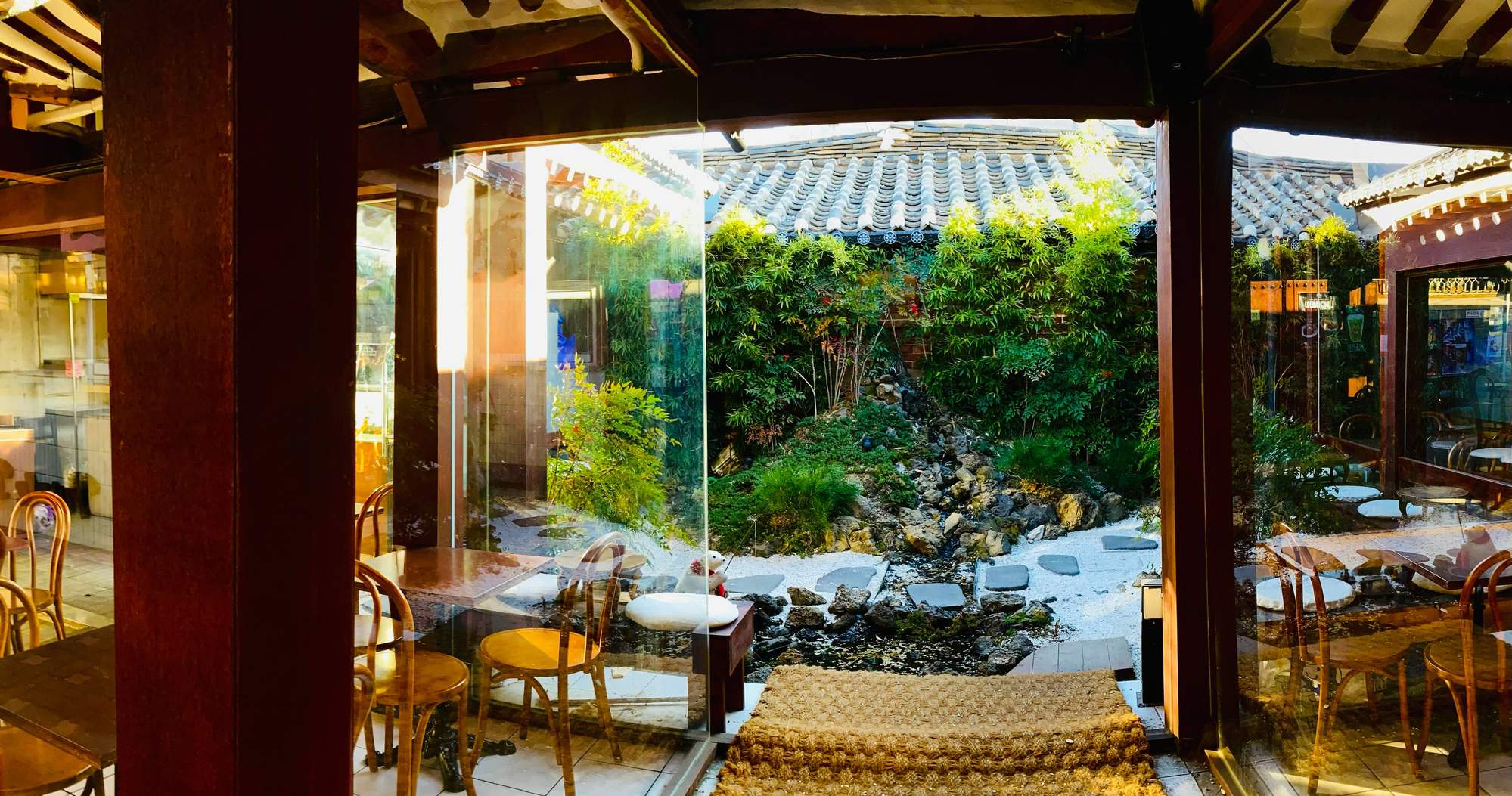
Ikseon-dong, Seoul: Looking inside one of the cafes.

Unhyeongung Royal Residence, Seoul: The beautiful architecture of the complex.

Unhyeongung Royal Residence, Seoul: The interior of the residence.

Unhyeongung Royal Residence, Seoul: The small museum right by the entrance.
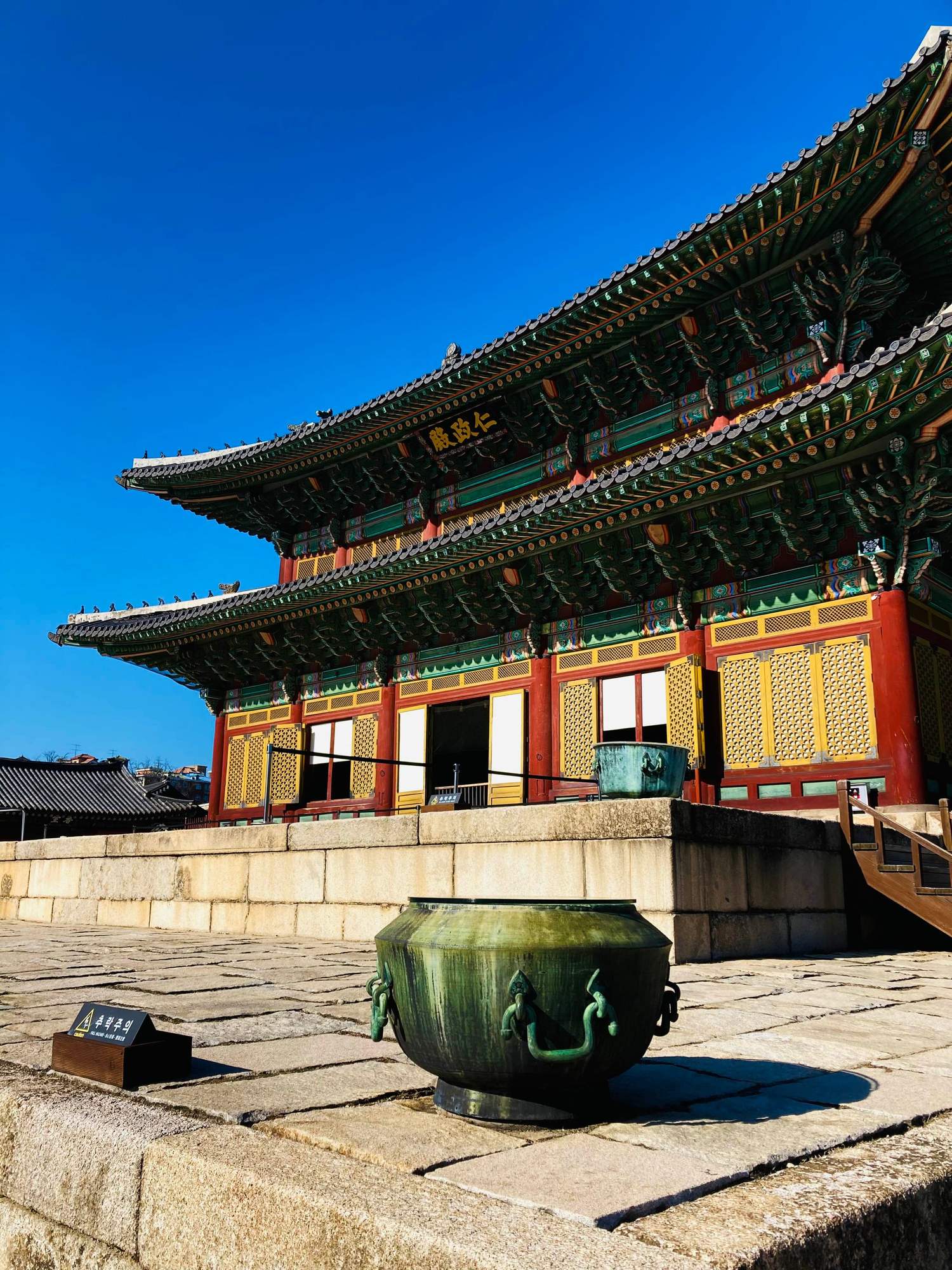
Changdeokgung Palace, Seoul: The exterior of the Injeongjeon throne hall. This is the location where coronations of new royalty would take place and where foreign envoys would be received.
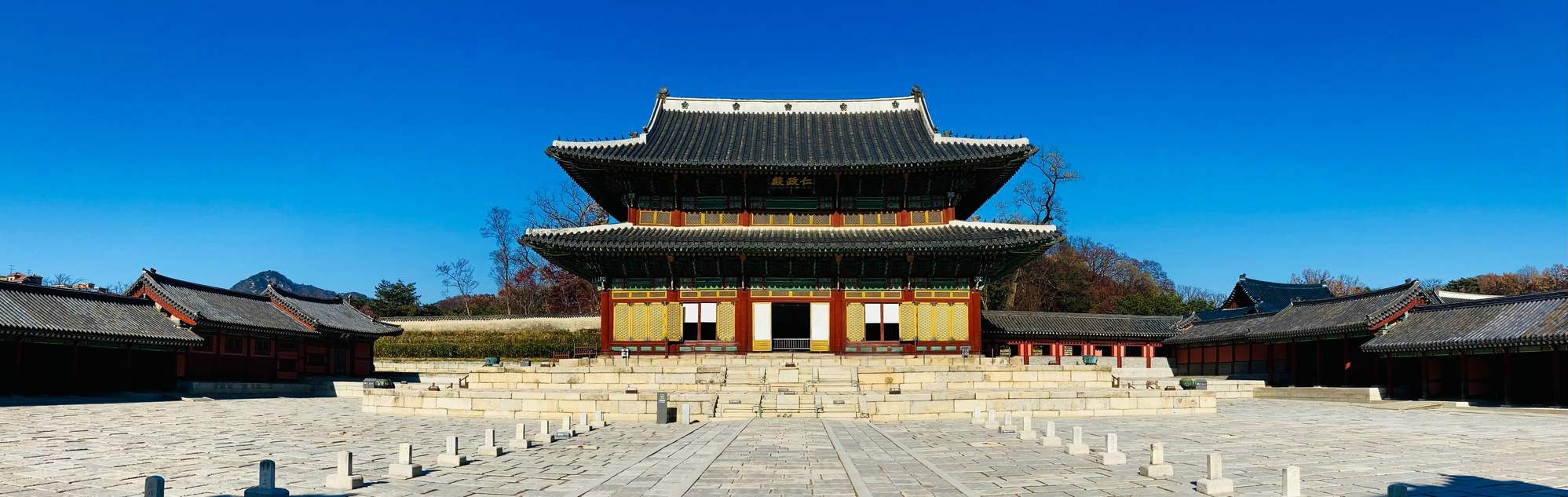
Changdeokgung Palace, Seoul: A panoramic view of the main courtyard. Note the absence of tourists. We had this site virtually all to ourselves.

Changdeokgung Palace, Seoul: The stunning interior of the Injeongjeon throne hall. There's even more exquisite detail outside of the bounds of the photo.

Changdeokgung Palace, Seoul: Huijeongdang hall, used as the king’s sleeping quarters and later as an office and reception hall.

Changdeokgung Palace, Seoul: The interior of the Seonjeongjeon council hall, the place where the king would have deliberated state affairs and spent most of his time.

Huwon Secret Garden, Seoul: Buyongji Pond. Joseon royalty would often play games here, and the loser would be “exiled” to the island in the middle of the lake.
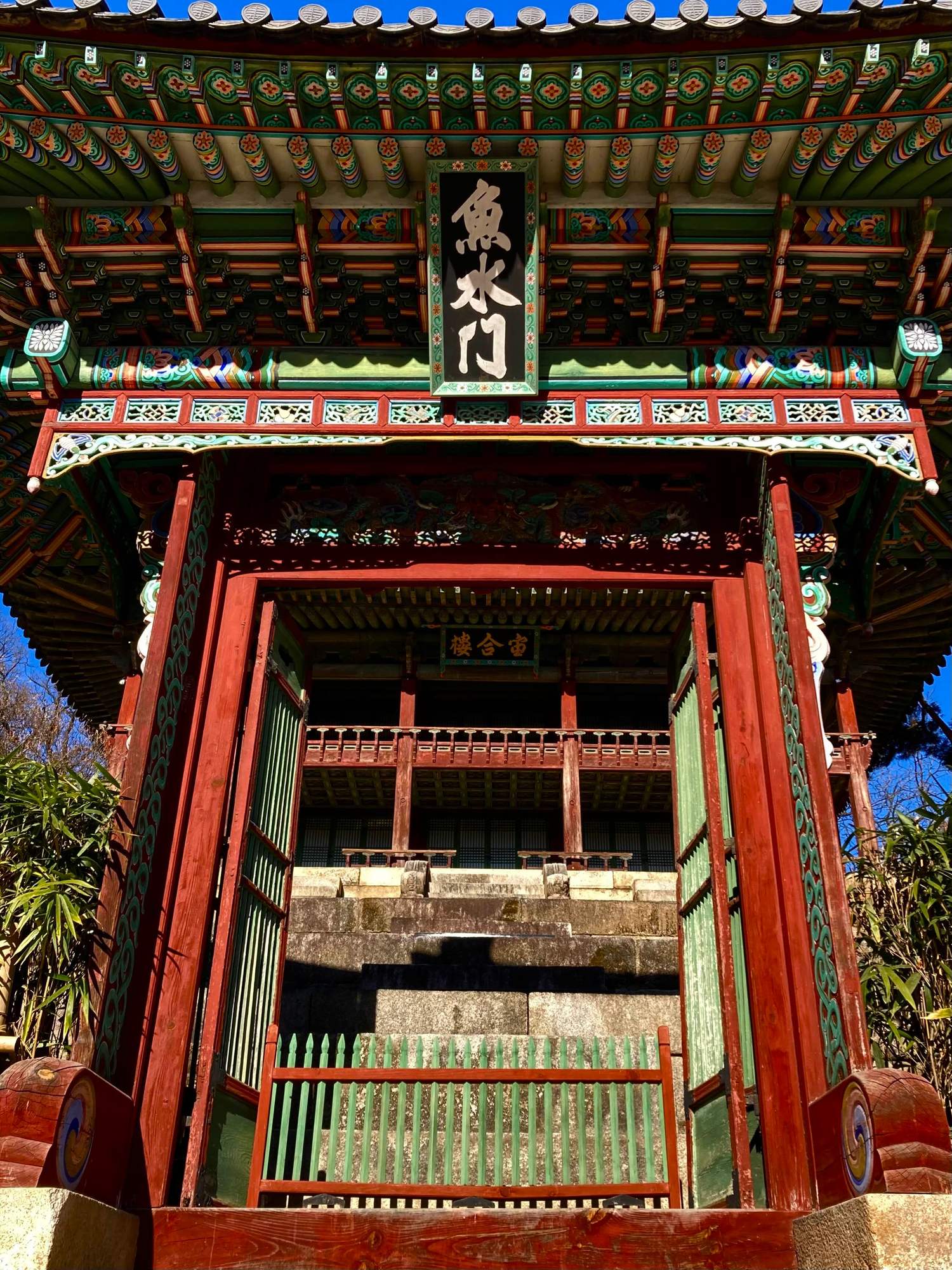
Huwon Secret Garden, Seoul: Eosumun Gate and Juhamnu Pavilion at the Buyongji part of the garden.
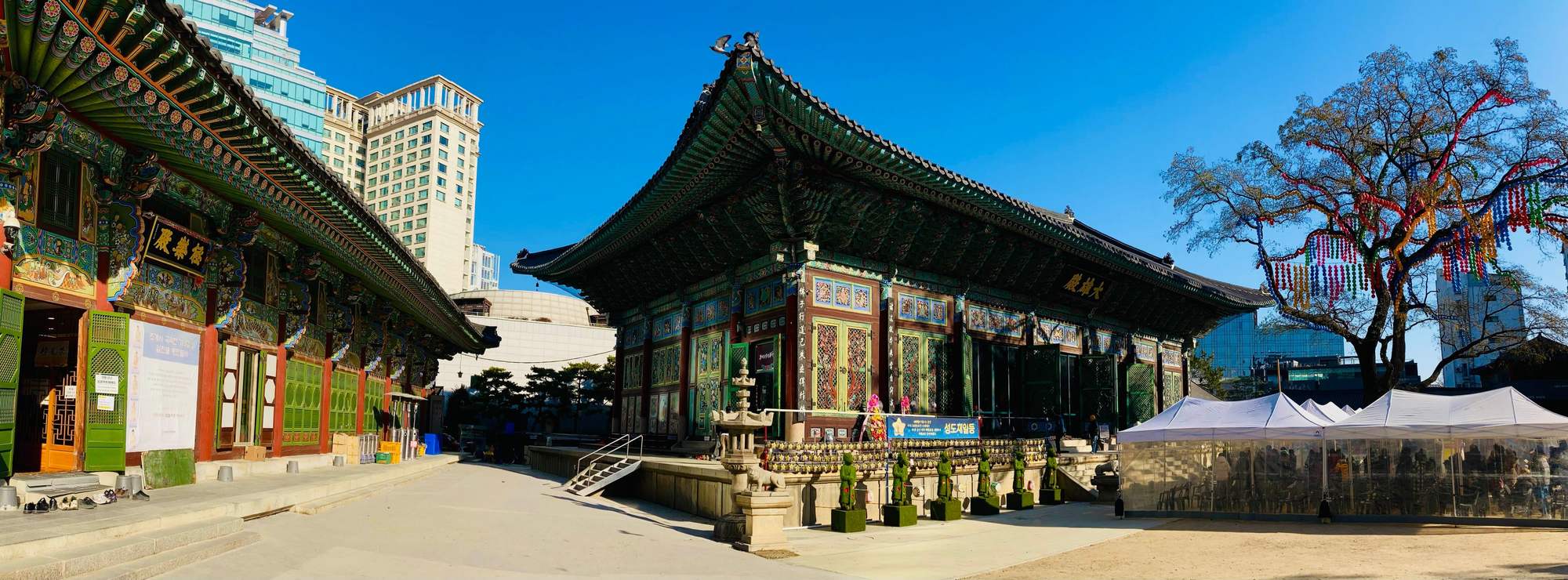
Jogyesa Temple, Seoul: The headquarters for the Jogye order of Korean Buddhism. The tents outside are filled with Buddhists here for the ceremony.

Jogyesa Temple, Seoul: The massive ten-story pagoda on the grounds of the temple. Supposedly it houses the crystallised remains of the Buddha, though many temples lay claim to that title.

Bukchon Hanok Village, Seoul: Quaint and rustic hanok streets right in the heart of the city.
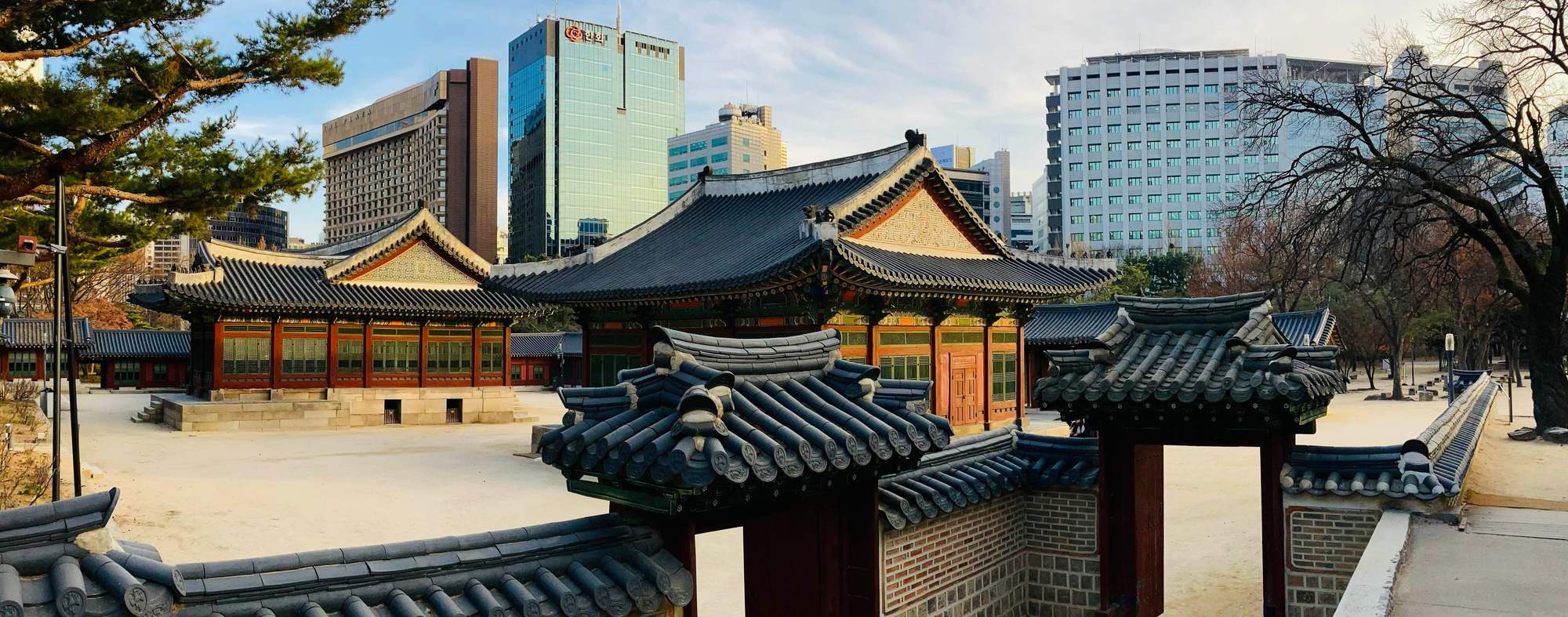
Deoksugung Palace, Seoul: The site where King Gojong, Joseon's last emperor, was exiled during Japanese colonisation.
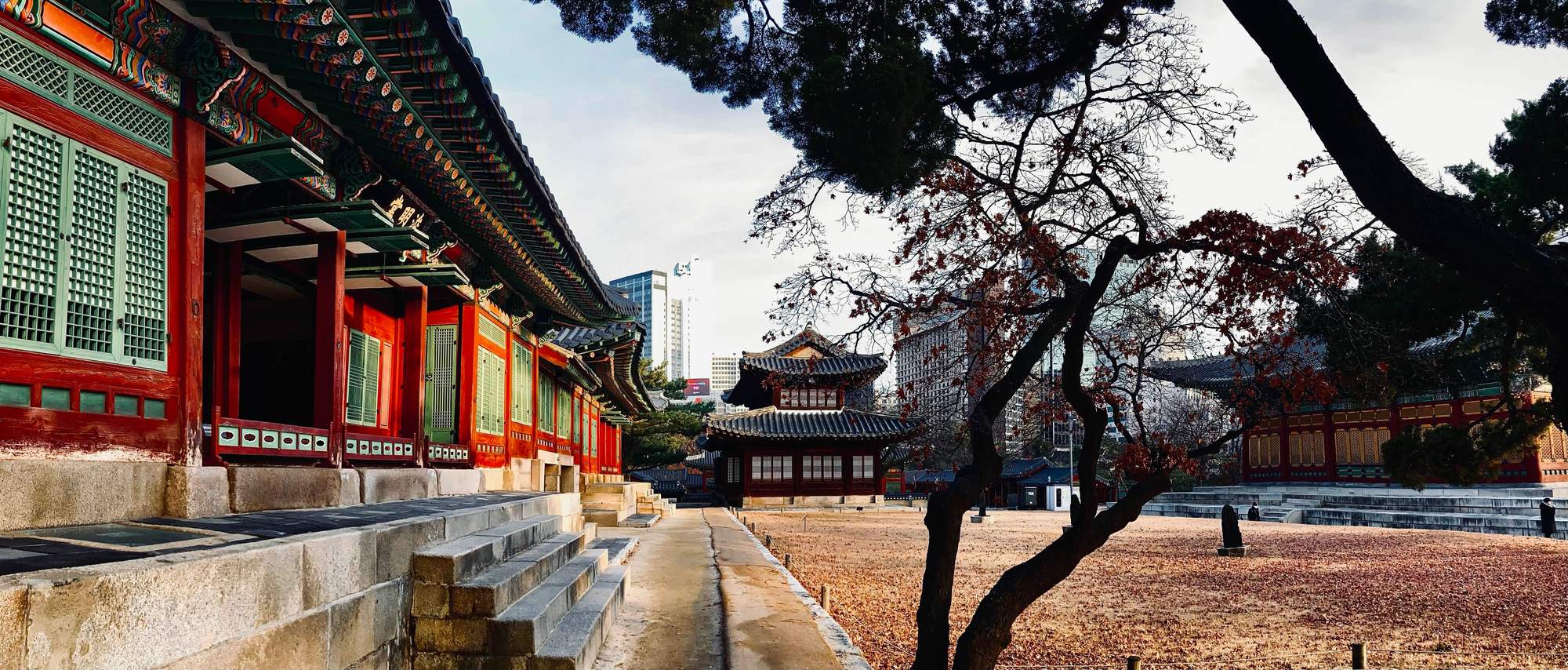
Deoksugung Palace, Seoul: Beautiful palace buildings.

Hwangudan Altar, Seoul: The site where Gojong performed his Rite of Heaven and established the Empire of Korea.

Cheonggyecheon Stream, Seoul: Lantern festival held on the waterway.
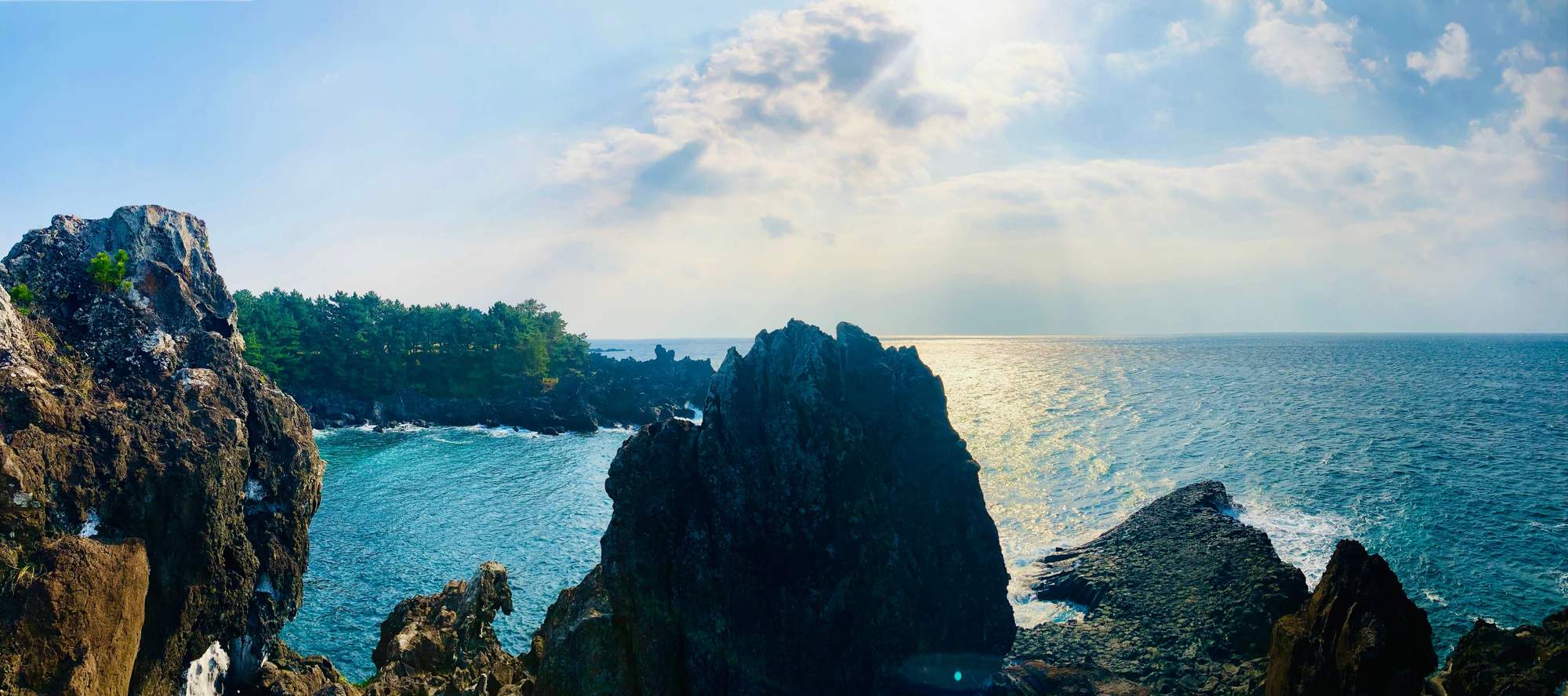
Jusangjeolli Cliff, Jeju: The spectacular volcanic coastline surrounding Jeju Island.
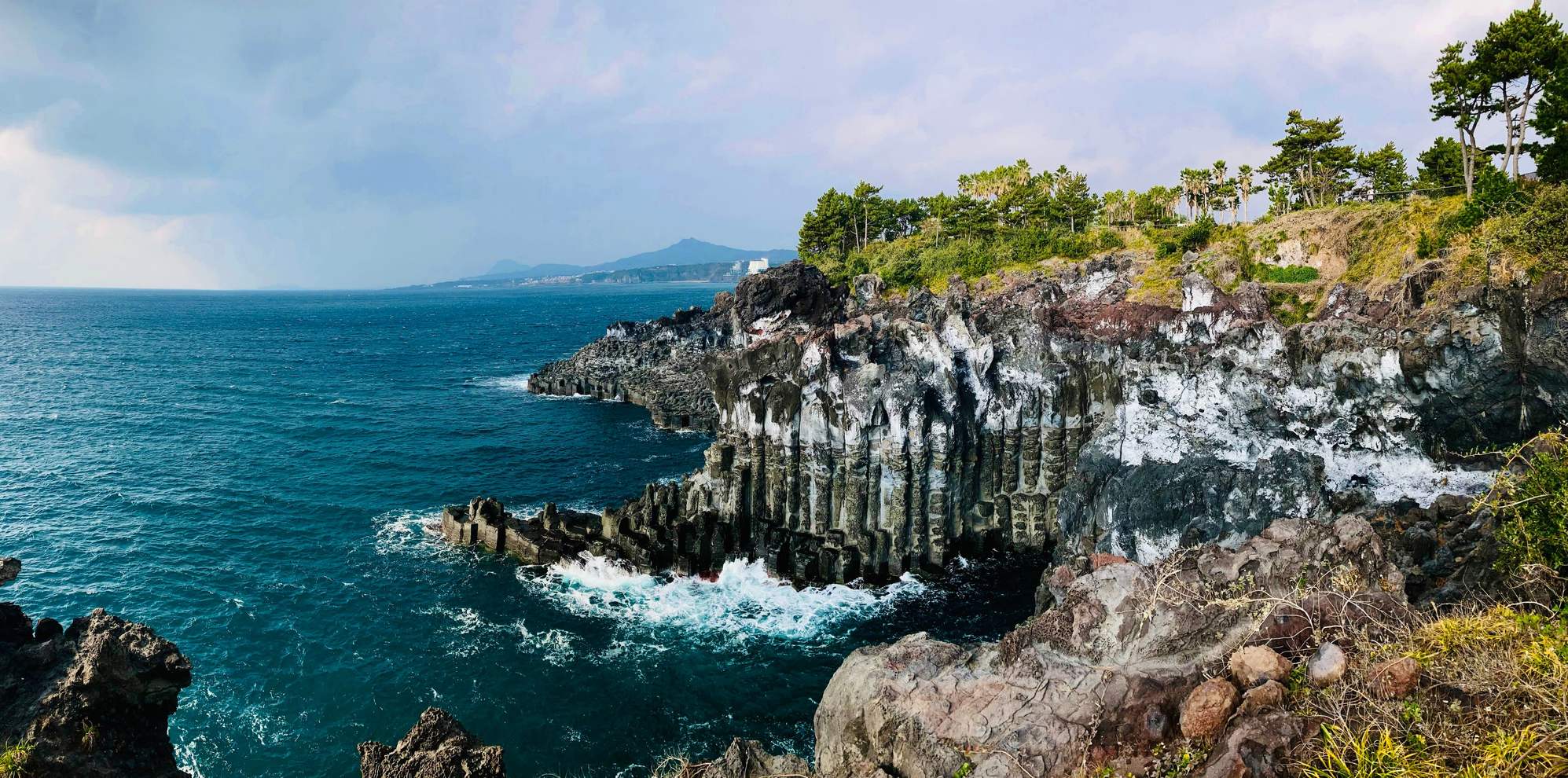
Jusangjeolli Cliff, Jeju: The columnar basalt formation this part of Jeju's coastline is known for.

Bomunsa Temple, Jeju: A huge statue of the Medicine Buddha at the base of Mount Sanbangsan.

Oedolgae Sea Stack, Jeju: The amazing coastal formation at dusk.

Oedolgae Sea Stack, Jeju: The sunset views near the stack.

Jonjaam Hermitage, Jeju: The front gate of this snowy hermitage. Buses come infrequently on Hallasan, so we were stuck in this weather for over an hour after visiting, freezing our asses off.

Jonjaam Hermitage, Jeju: A pavilion with a bell on the hermitage grounds.
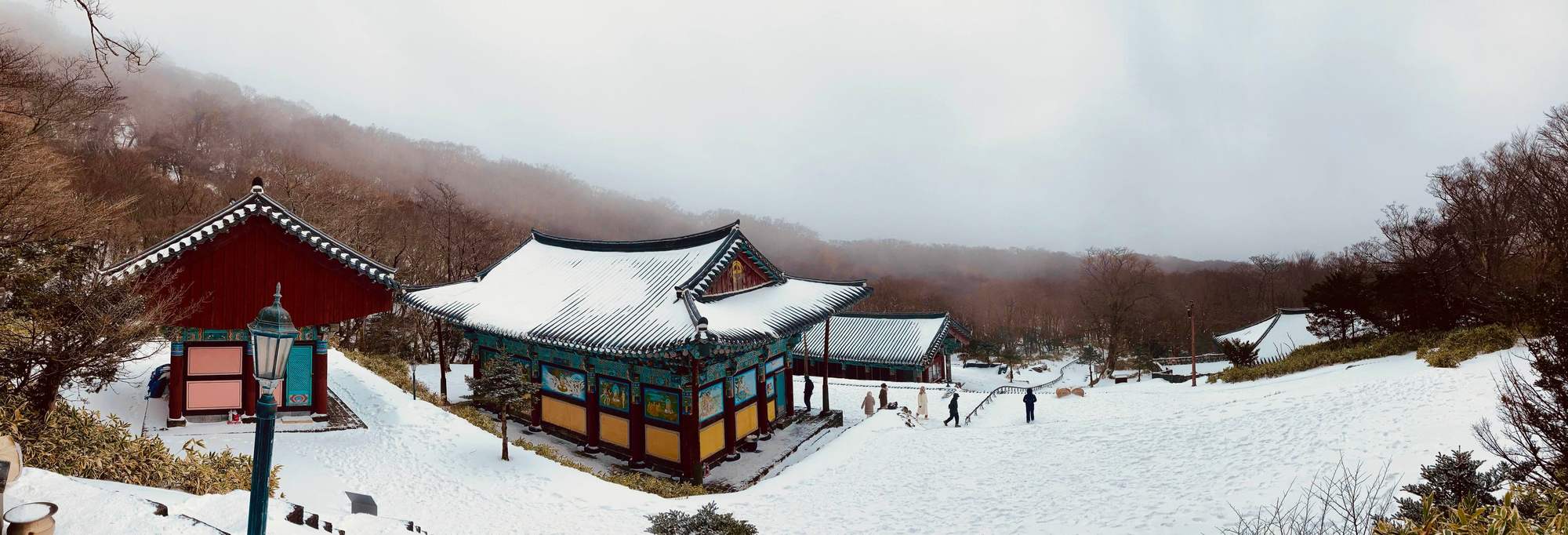
Jonjaam Hermitage, Jeju: A panorama of the hermitage grounds.

Samseonghyeol Shrine, Jeju: This is the site of the three legendary holes which the founders of the Tamna Kingdom are said to have risen from.
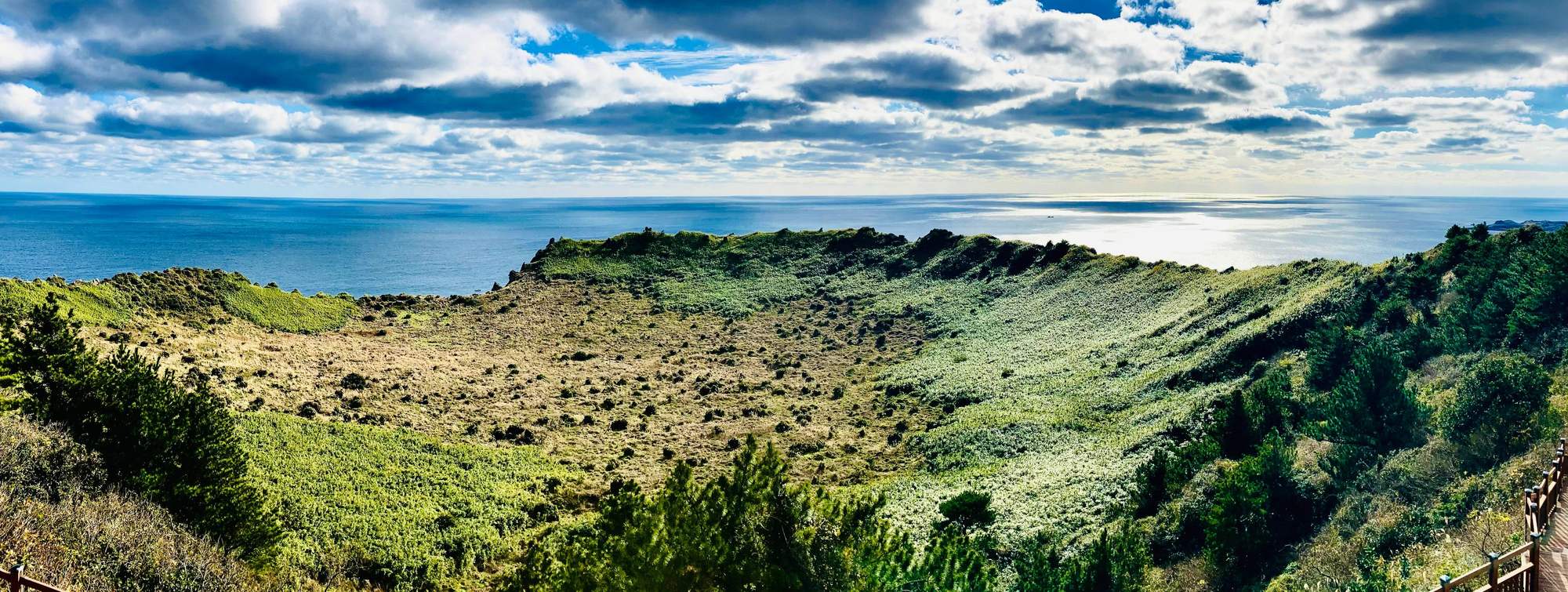
Seongsan Ilchulbong, Jeju: The magnificent crater of this tuff cone.

Seongsan Ilchulbong, Jeju: Close-up of the crater wall.

Jeongbang Waterfall, Jeju: View of the famous waterfall from a cliff.
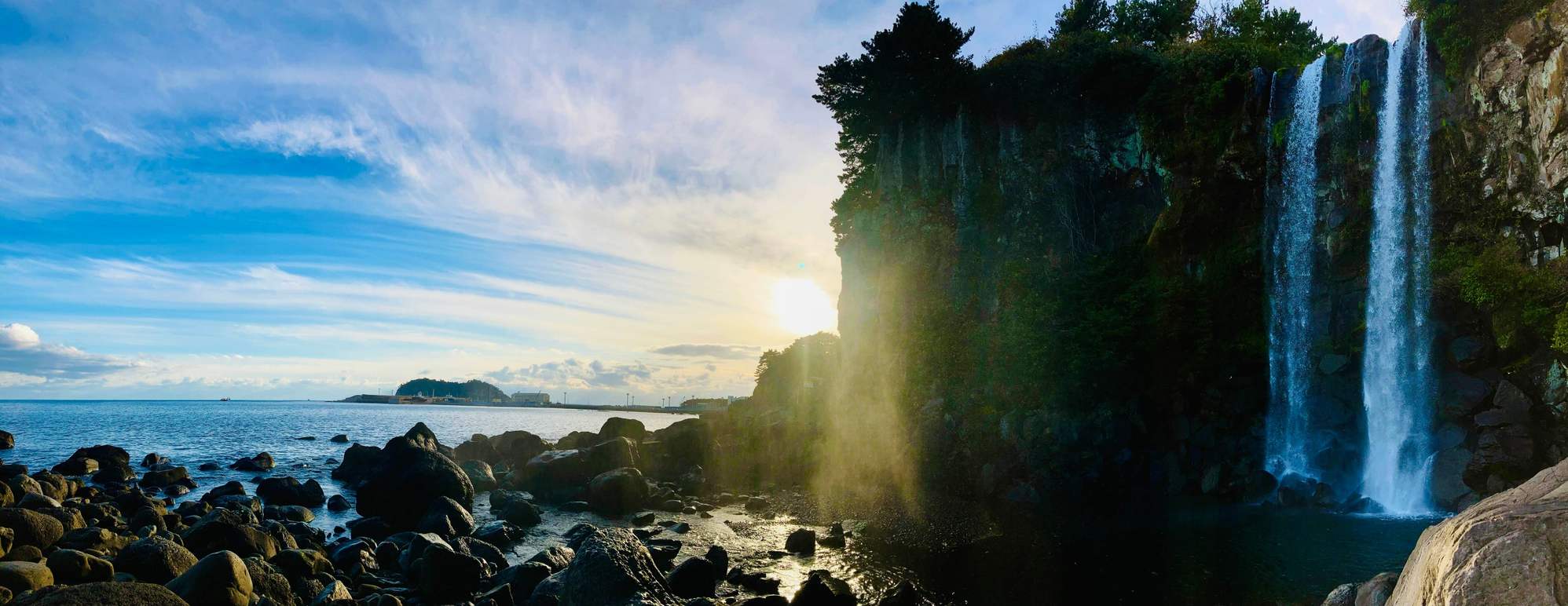
Jeongbang Waterfall, Jeju: The stunning view up close.

Cheonjiyeon Waterfall, Jeju: A panorama of the gorgeous falls.

Cheonjiyeon Waterfall, Jeju: The idyllic surroundings of the falls.

Adam Guesthouse, Gyeongju: Our charming hanok accommodation in Gyeongju.
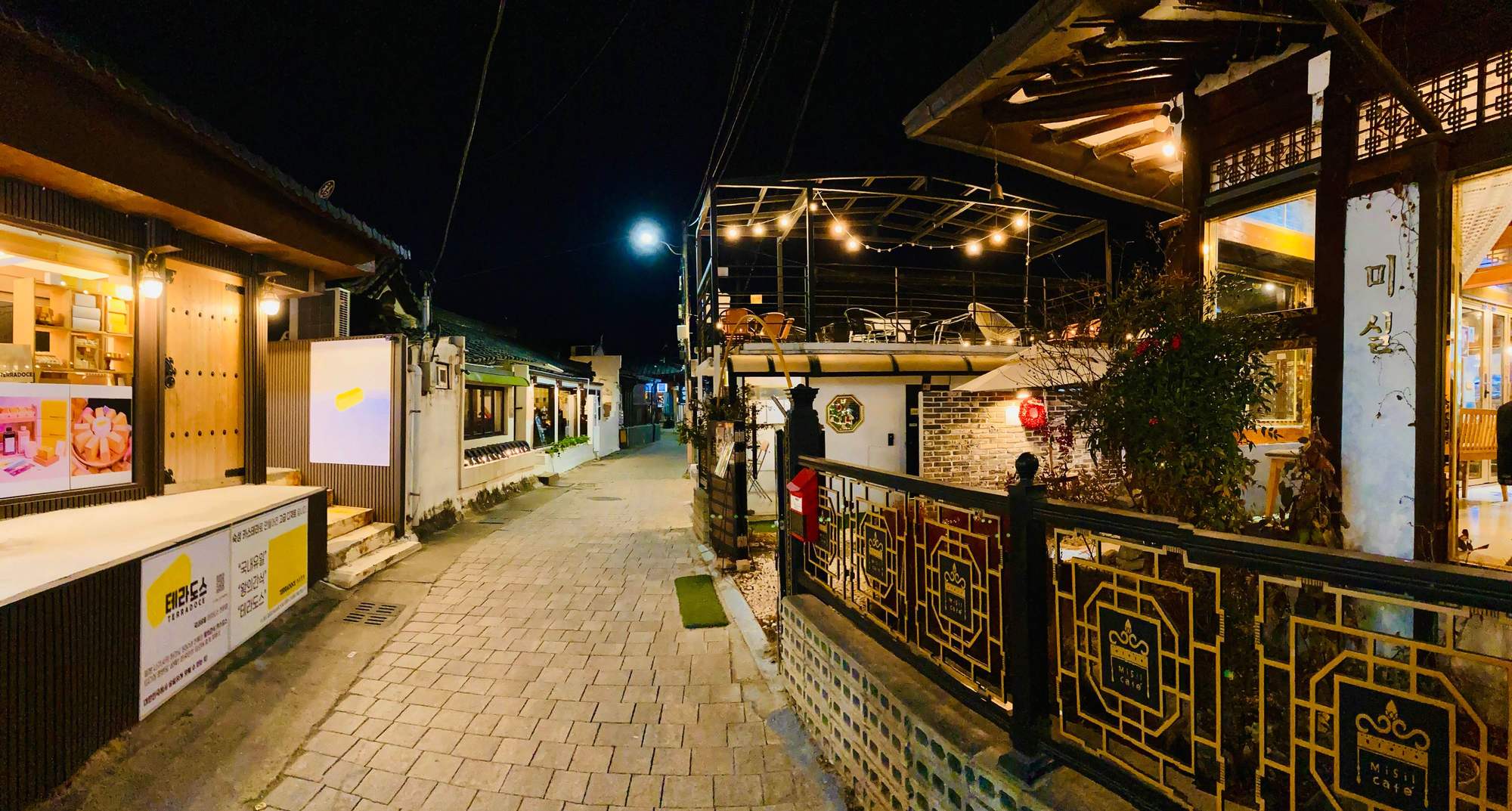
Gyeongju: The charming hanok-lined streets of this ancient capital.
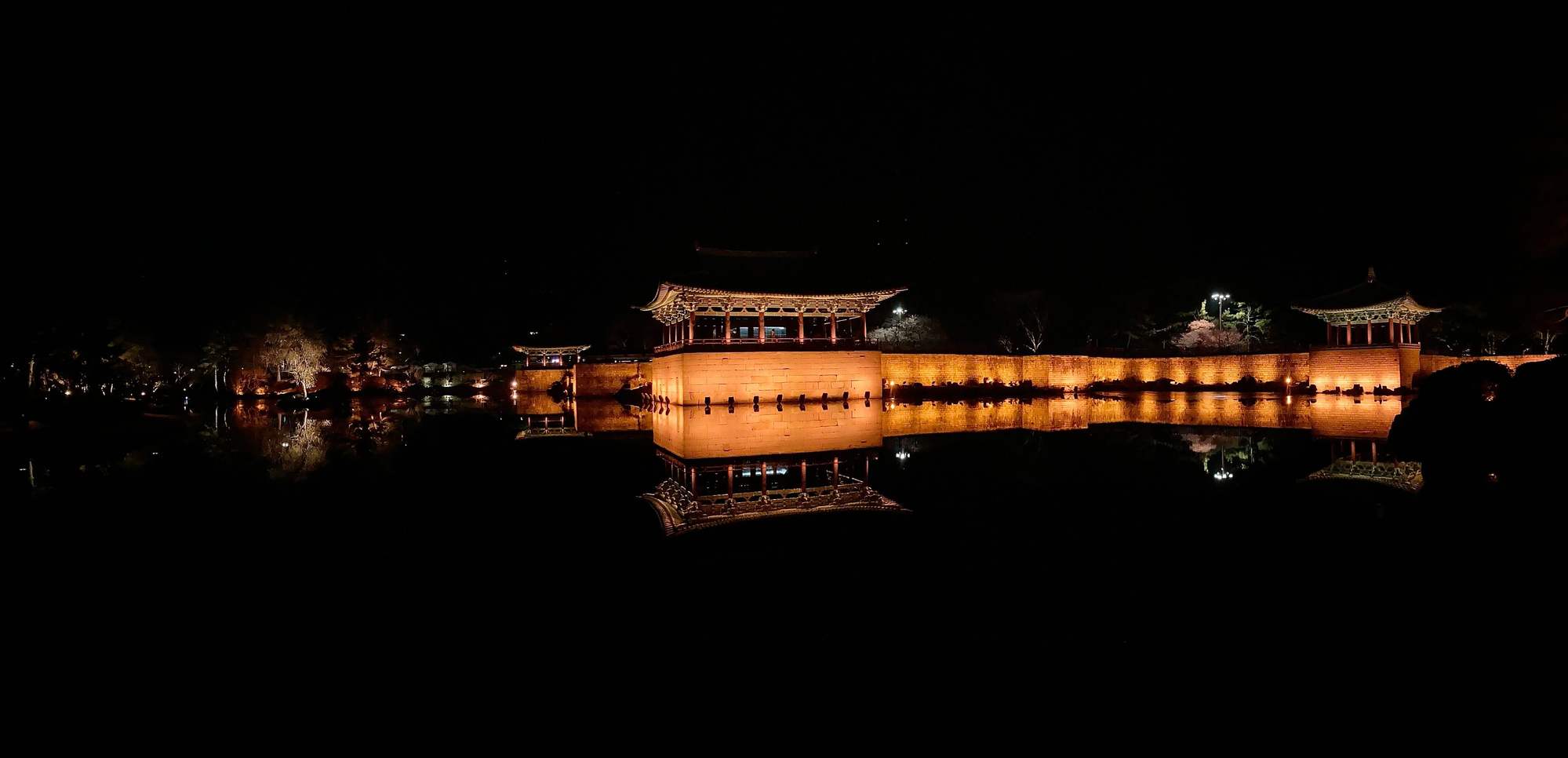
Donggung Palace and Wolji Pond, Gyeongju: A panorama of the stunning reconstructed Silla Dynasty palace and garden.
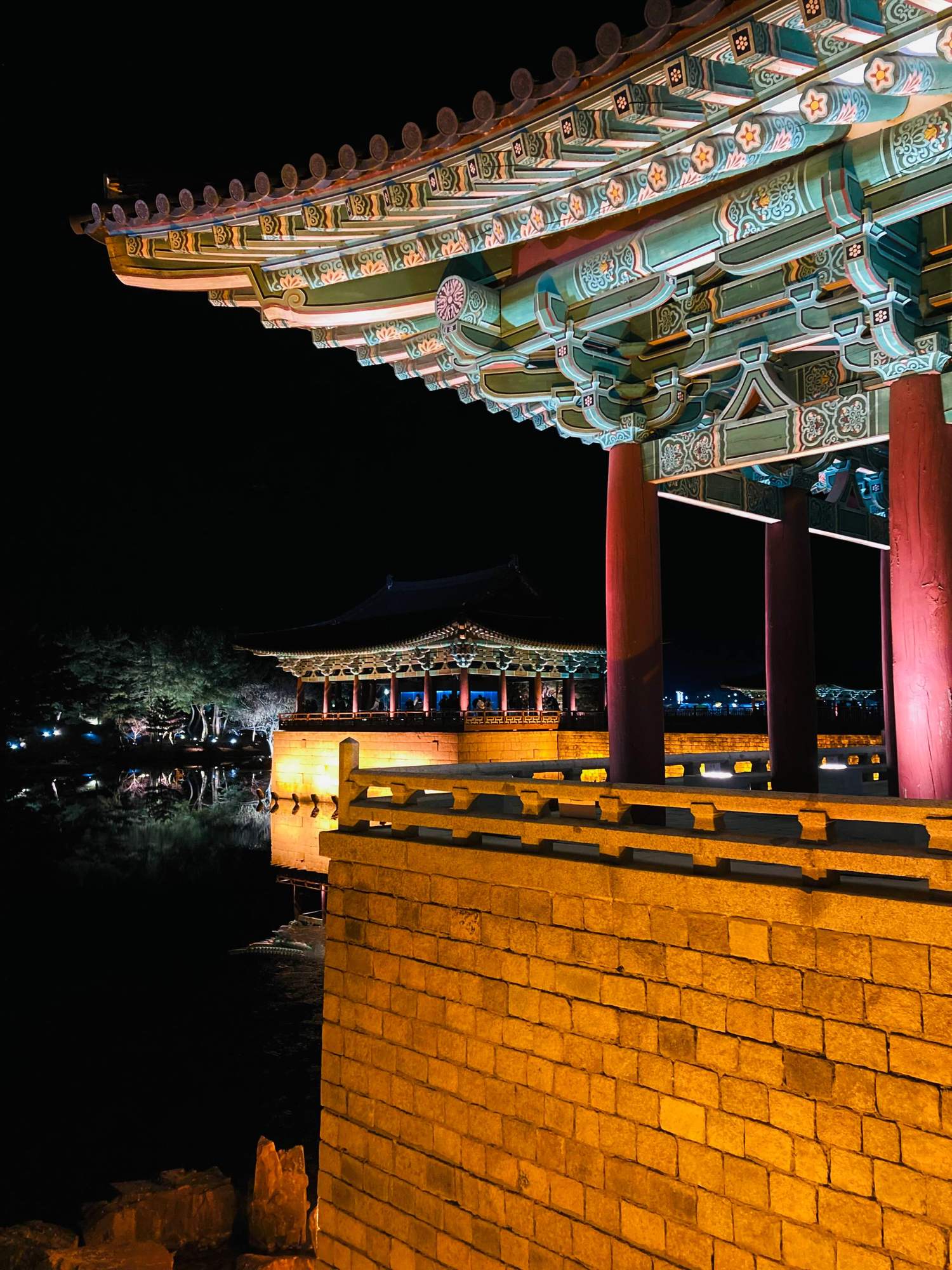
Donggung Palace and Wolji Pond, Gyeongju: A closeup of the pavilions.

Woljeonggyo Bridge, Gyeongju: A reconstructed ancient bridge across the river that passes through Gyeongju.
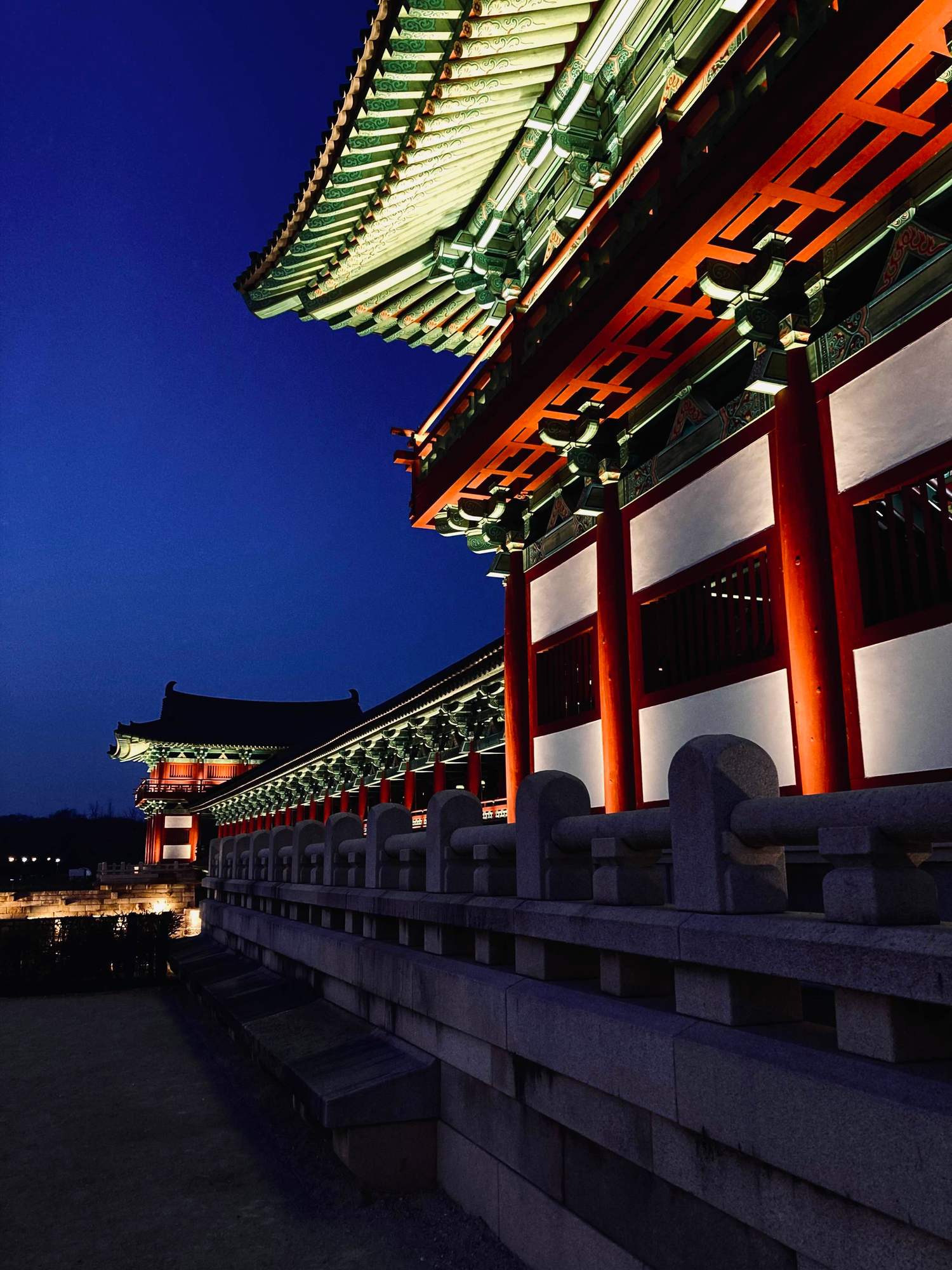
Woljeonggyo Bridge, Gyeongju: A close-up of the stunning bridge.

Daereungwon Tomb Complex, Gyeongju: A collection of 23 ancient 7th/8th century tombs, right in the middle of the old dynastic city.

Cheomseongdae Observatory, Gyeongju: A 7th century astronomical observatory that's the oldest in East Asia.

Bulguksa Temple, Gyeongju: The spectacular front facade of the historic temple.
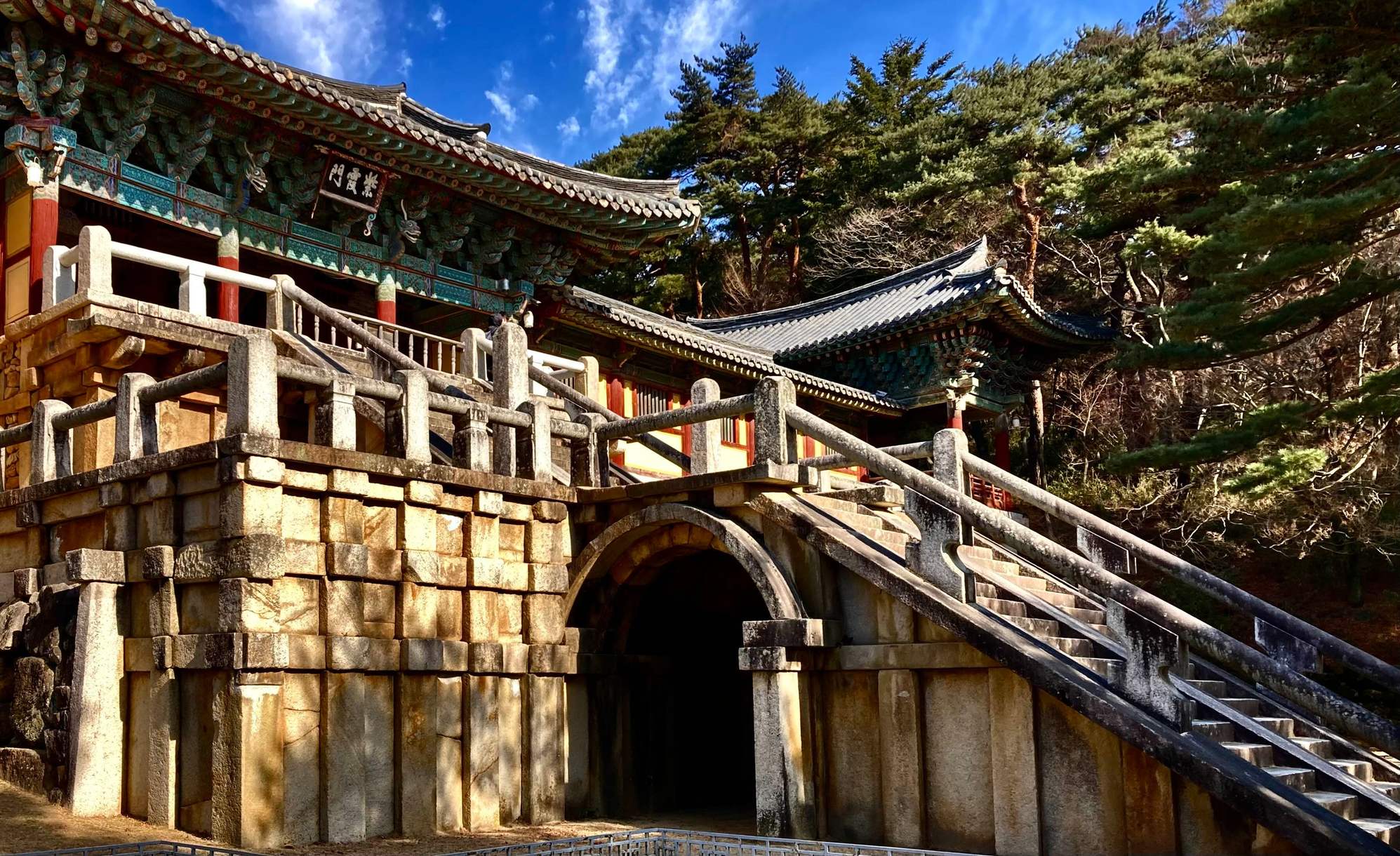
Bulguksa Temple, Gyeongju: A picture of the Cheongungyo and Baegungyo bridges, built in 751. They are the only bridges of the Silla Dynasty to have survived intact to this day.
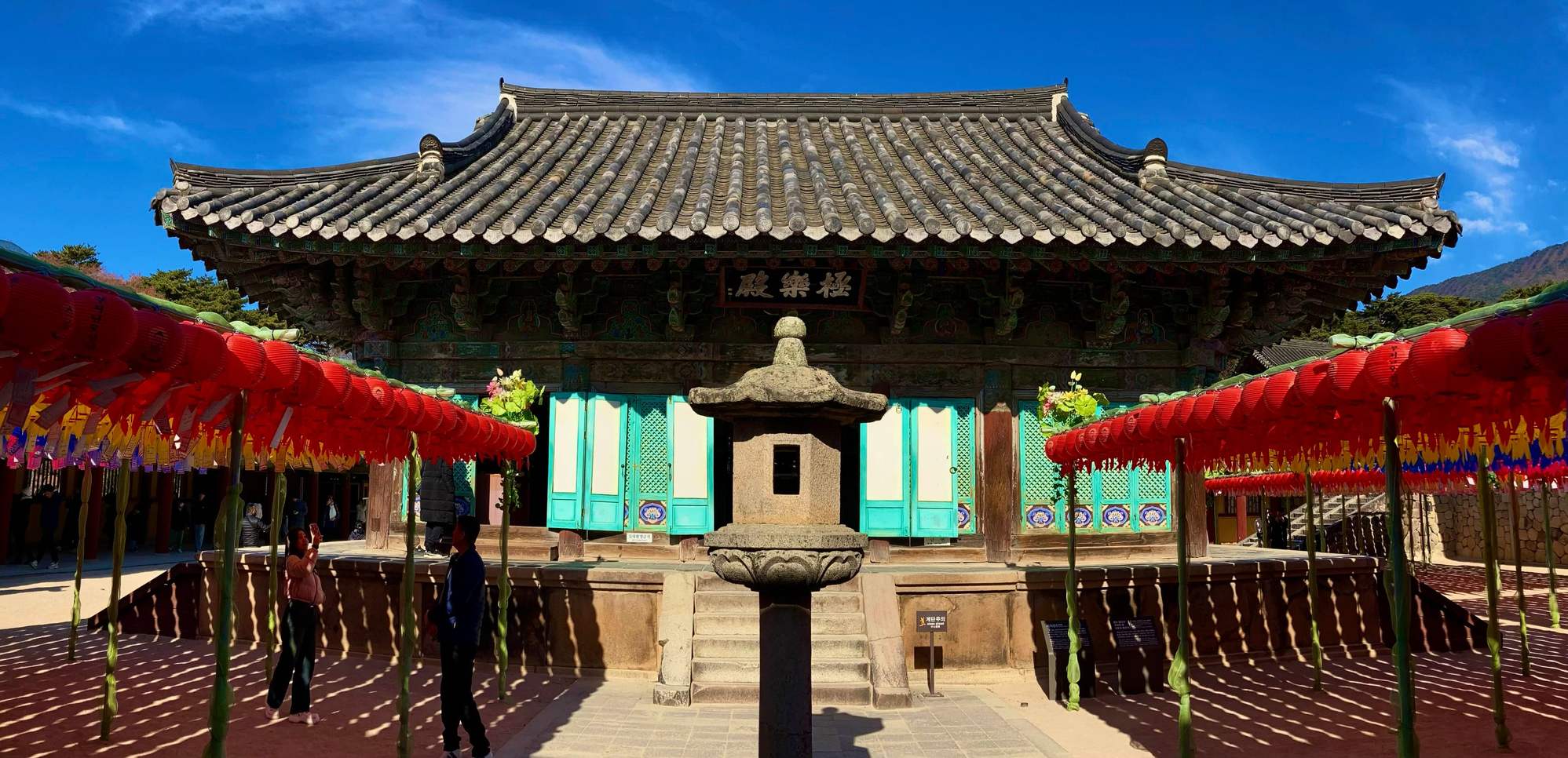
Bulguksa Temple, Gyeongju: The Geungnak-jeon hall of the temple.

Bulguksa Temple, Gyeongju: The interior of Geungnak-jeon. That Amitabha Buddha statue is gilt-bronze, over five feet tall, and from the 8th century.

Bulguksa Temple, Gyeongju: The ancient 8th century Seokgatap Pagoda of Bulguksa Temple, where the Pure Light Dharani Sutra was found.
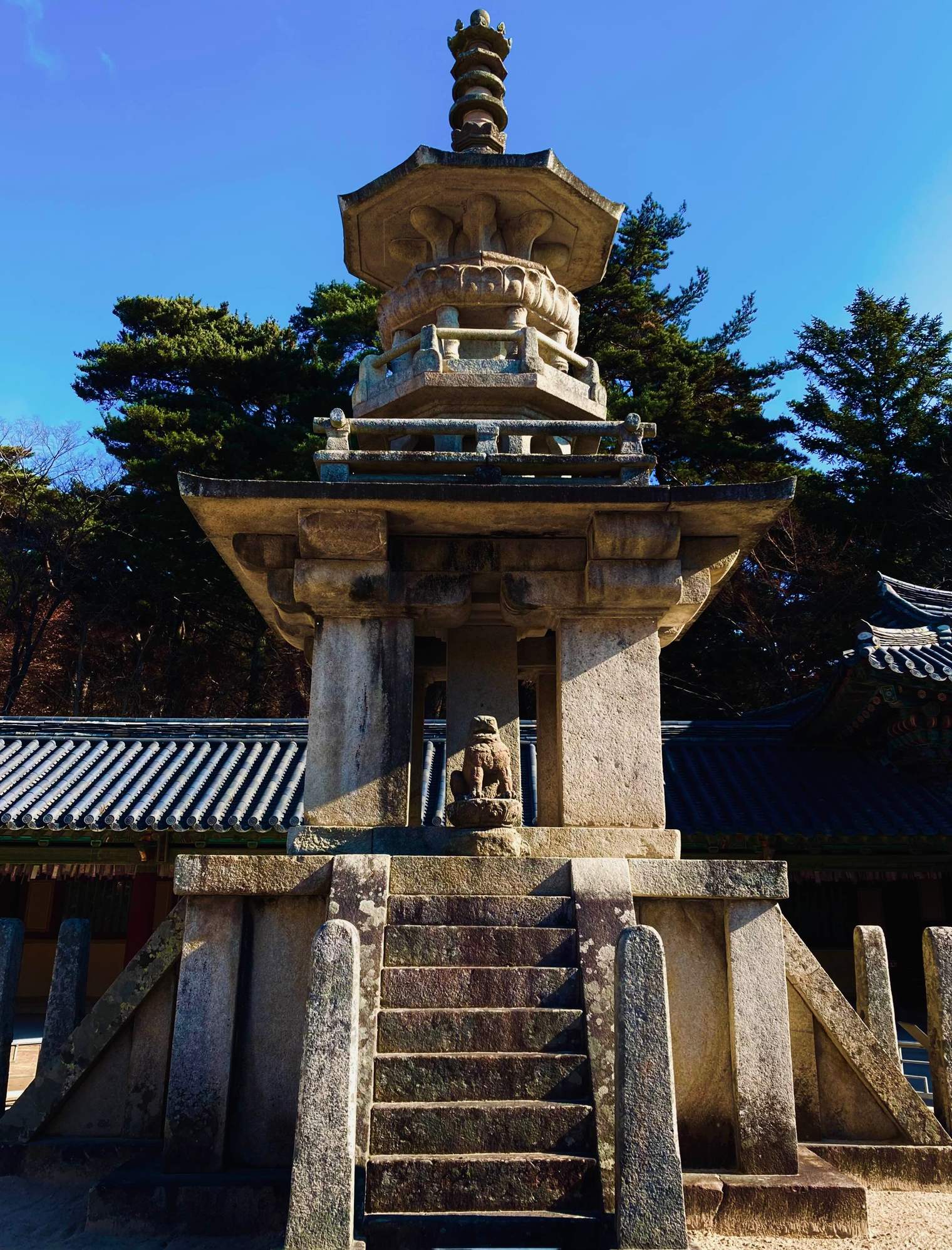
Bulguksa Temple, Gyeongju: The unconventional 8th century Dabotap Pagoda.
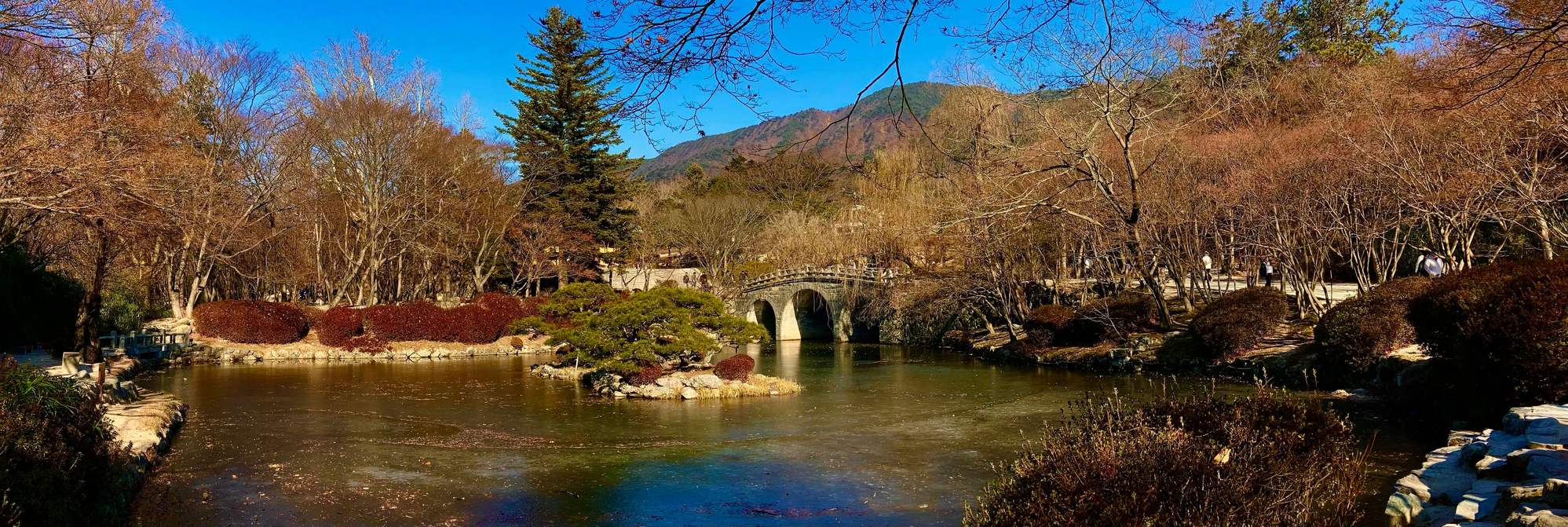
Bulguksa Temple, Gyeongju: The idyllic front gardens of the temple.
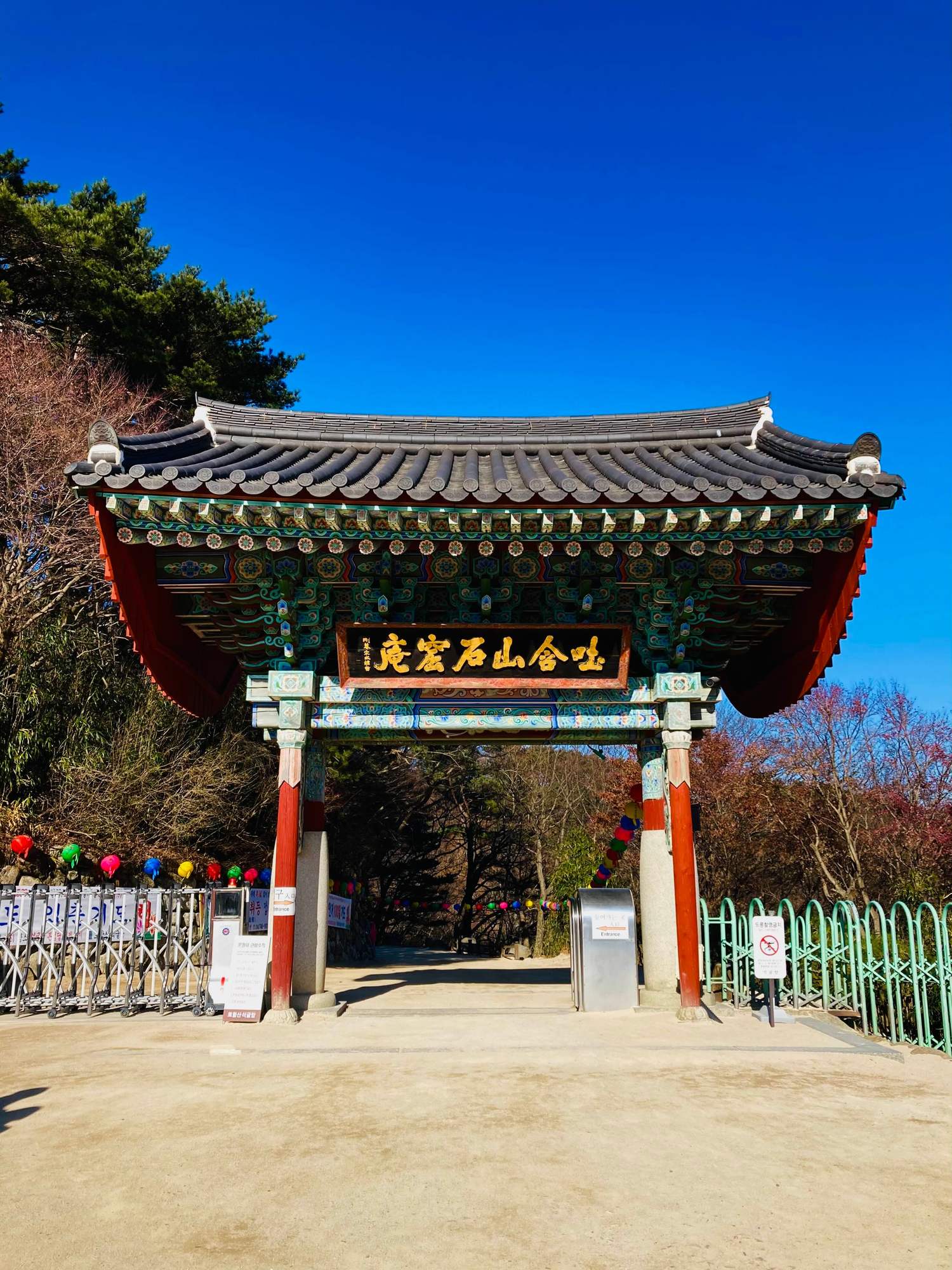
Seokguram Hermitage, Gyeongju: The front gate leading to the hermitage.

Seokguram Hermitage, Gyeongju: The main temple hall of Seokguram Hermitage, which is actually the entryway into one of East Asia’s finest Buddhist grottoes. Unfortunately, no pictures are allowed inside.

Five Royal Tombs, Gyeongju: The tumuli commemorating the old kings of Silla.
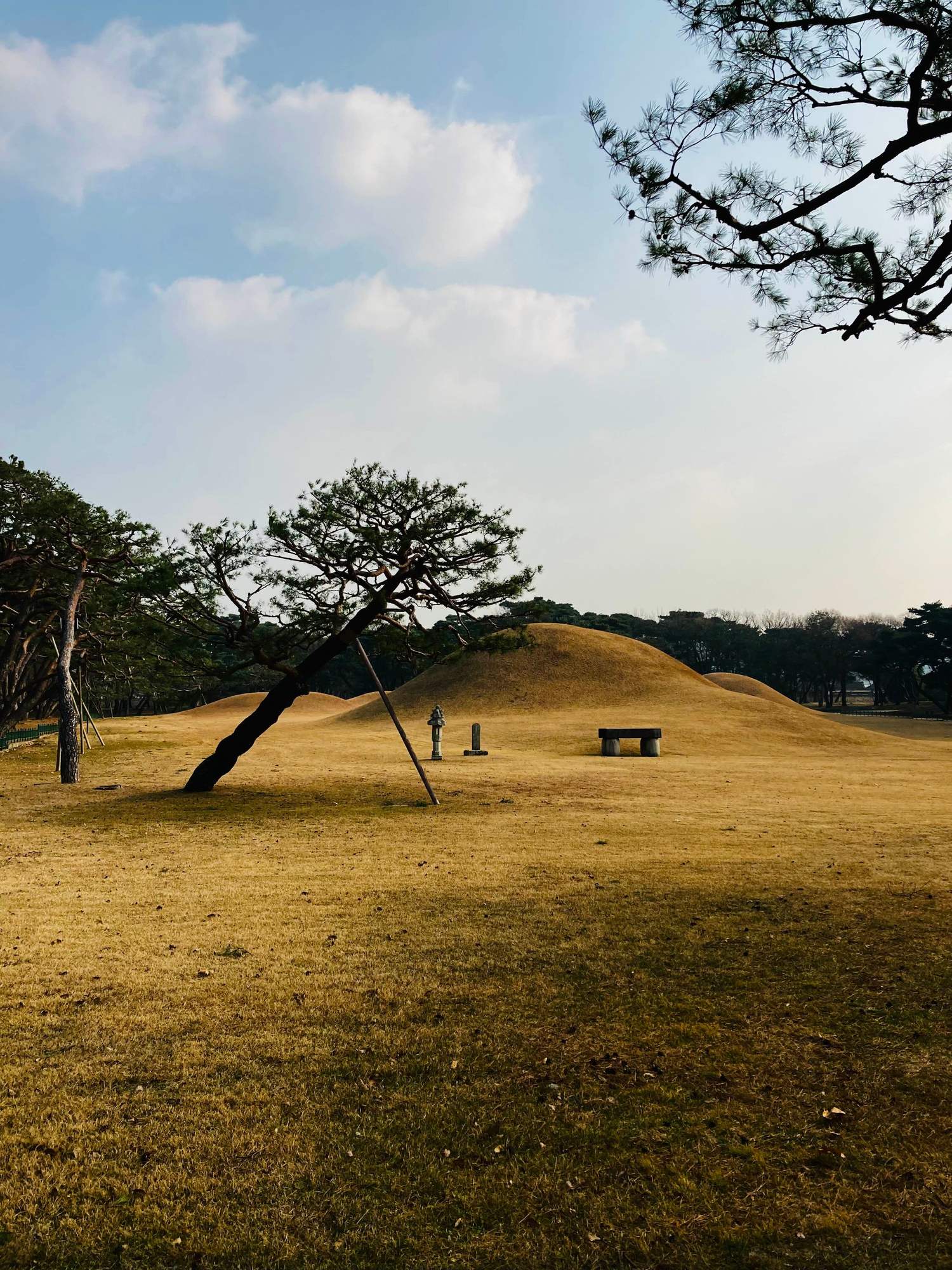
Five Royal Tombs, Gyeongju: Close-up of the tombs.
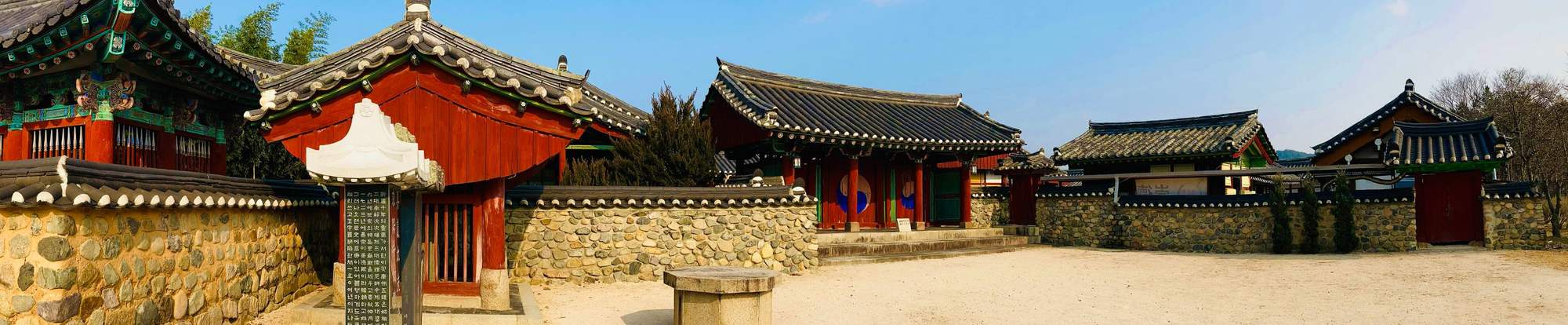
Five Royal Tombs, Gyeongju: Sungdeokjeon Shrine, near the tomb site.
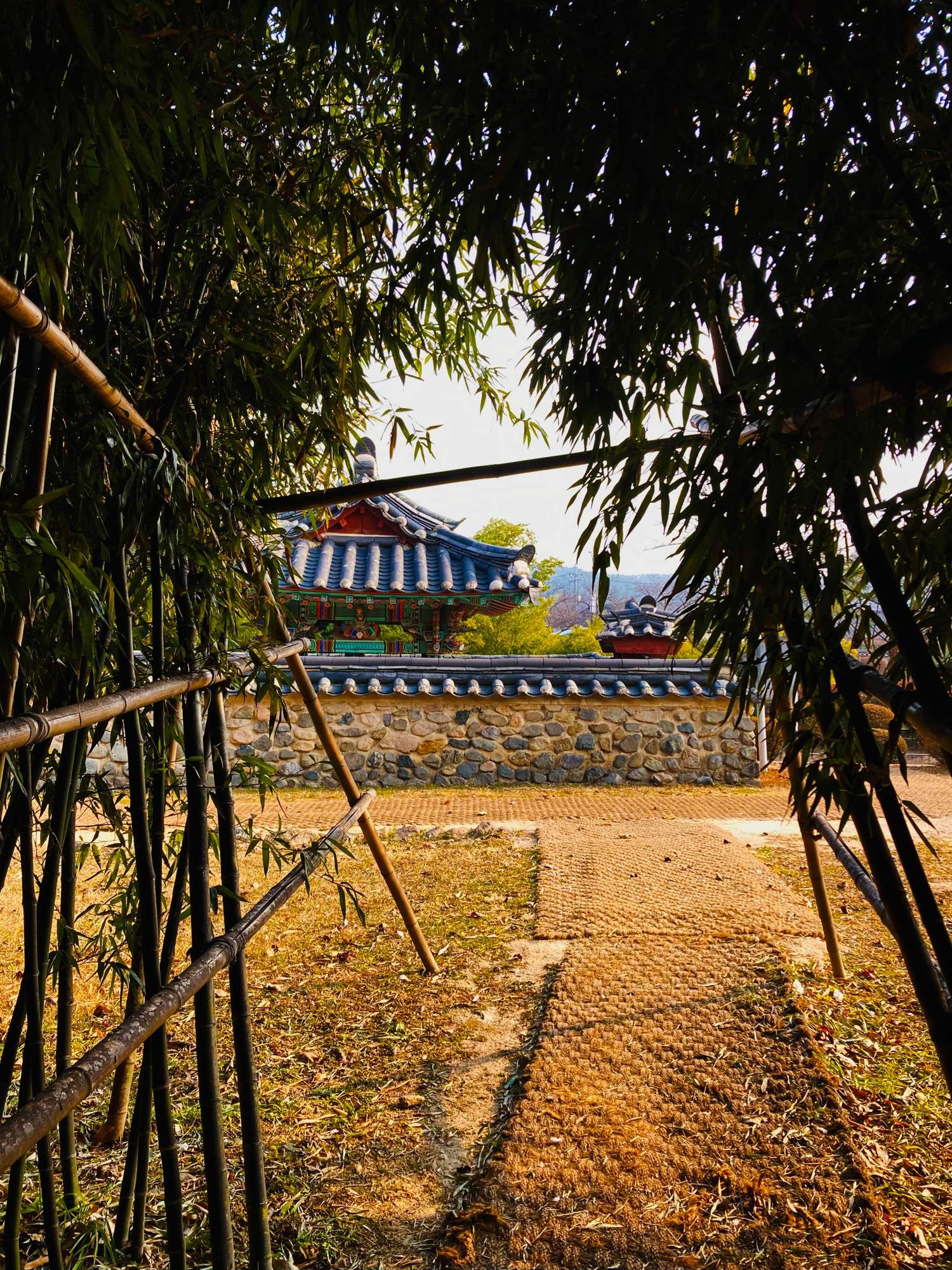
Five Royal Tombs, Gyeongju: The shrines, viewed through the bamboo forest.

Mount Namsan (Western side), Gyeongju: The amazing 7th century Stone Standing Buddha Triad in Bae-dong.

Mount Namsan (Western side), Gyeongju: The 8th century Stone Seated Buddha in Samneunggye Valley.

Mount Namsan (Western side), Gyeongju: Panorama of the Stone Seated Buddha in Samneunggye Valley.
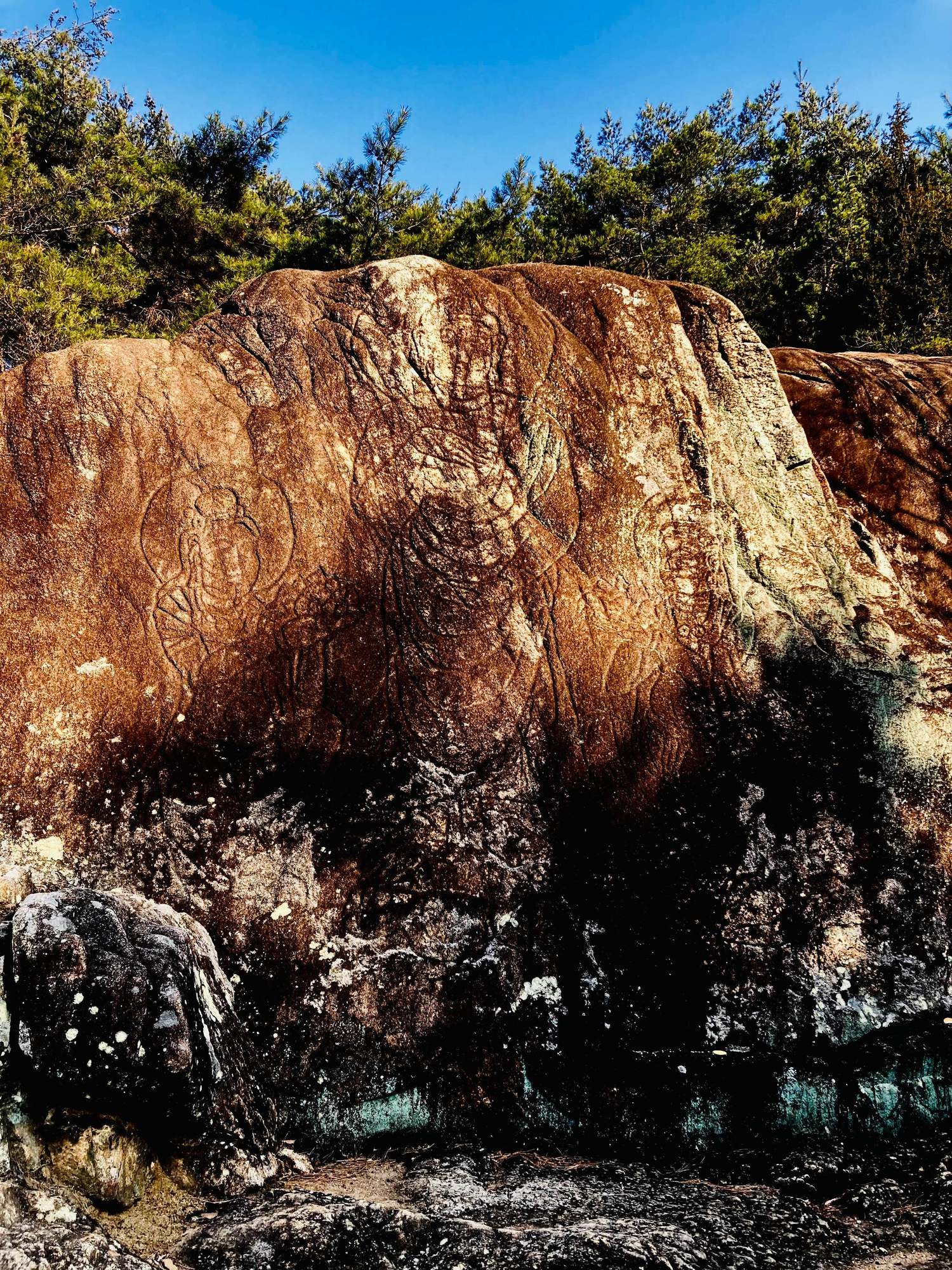
Mount Namsan (Western side), Gyeongju: Two Line-Carved Buddha Triads.
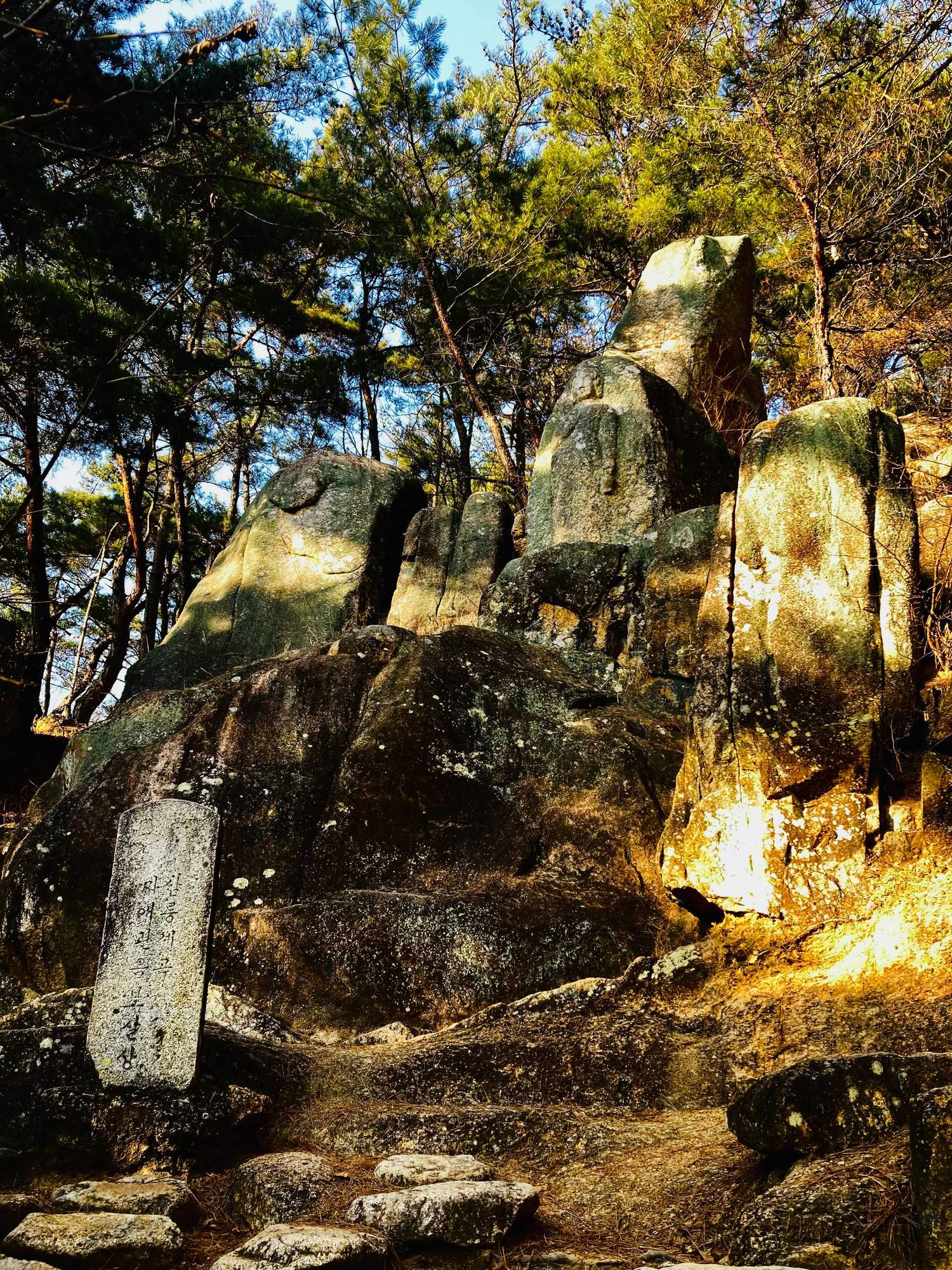
Mount Namsan (Western side), Gyeongju: Relief of Gwanseeum-bosal (Avalokitesvara) on the Samneung Valley trail.
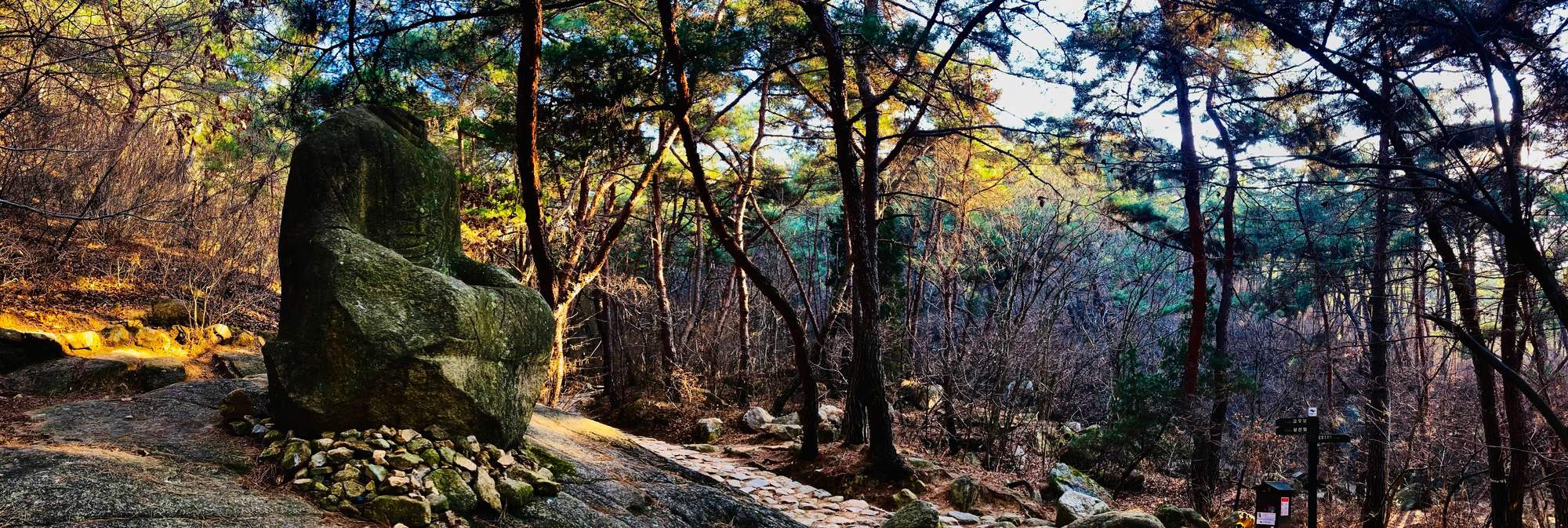
Mount Namsan (Western side), Gyeongju: The headless statue of the Future Buddha, on the trail.
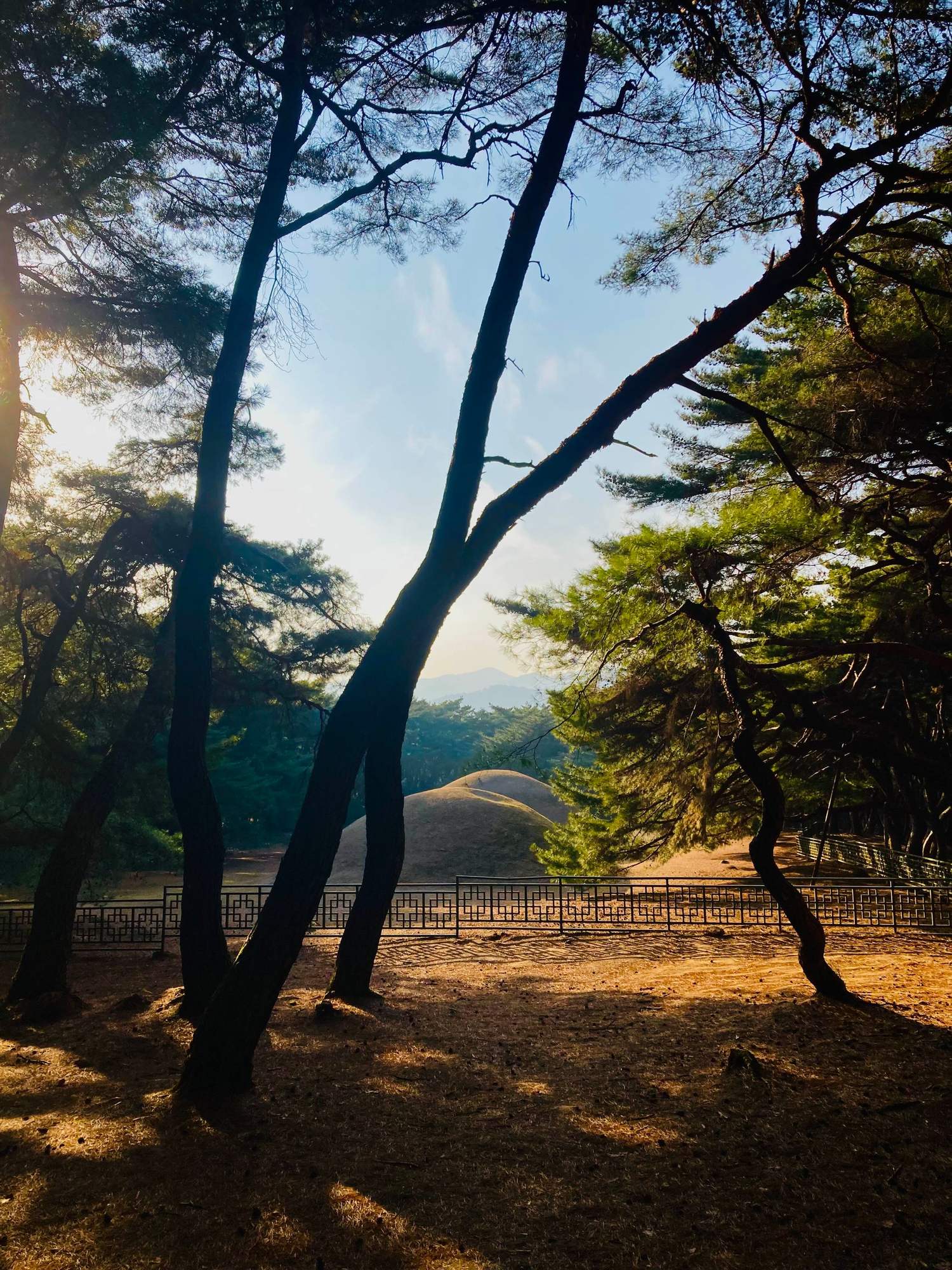
Mount Namsan (Western side), Gyeongju: The Samneung Royal Tombs near the base of the mountain.
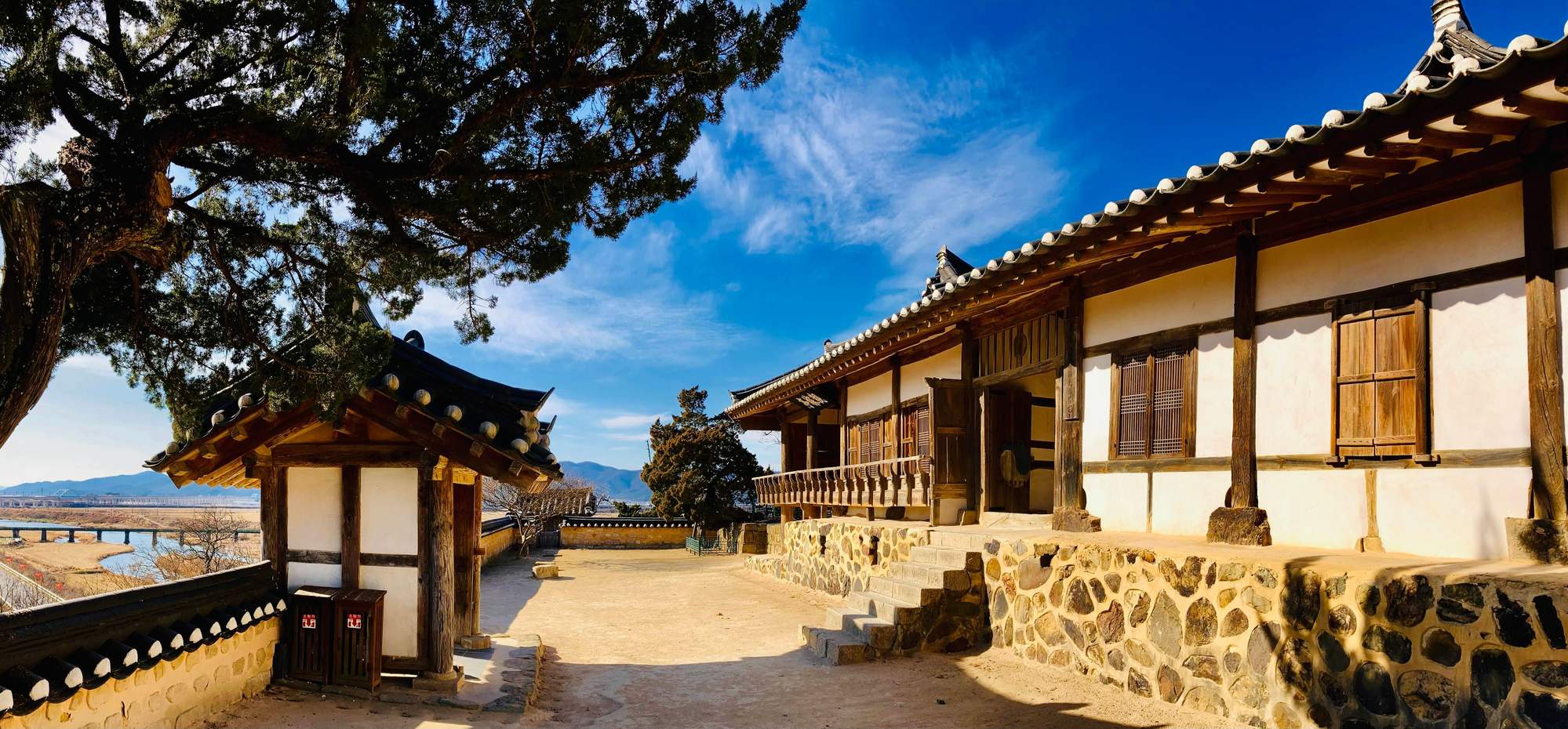
Yangdong Folk Village, Gyeongju: Exterior of the historic Mucheomdang House.
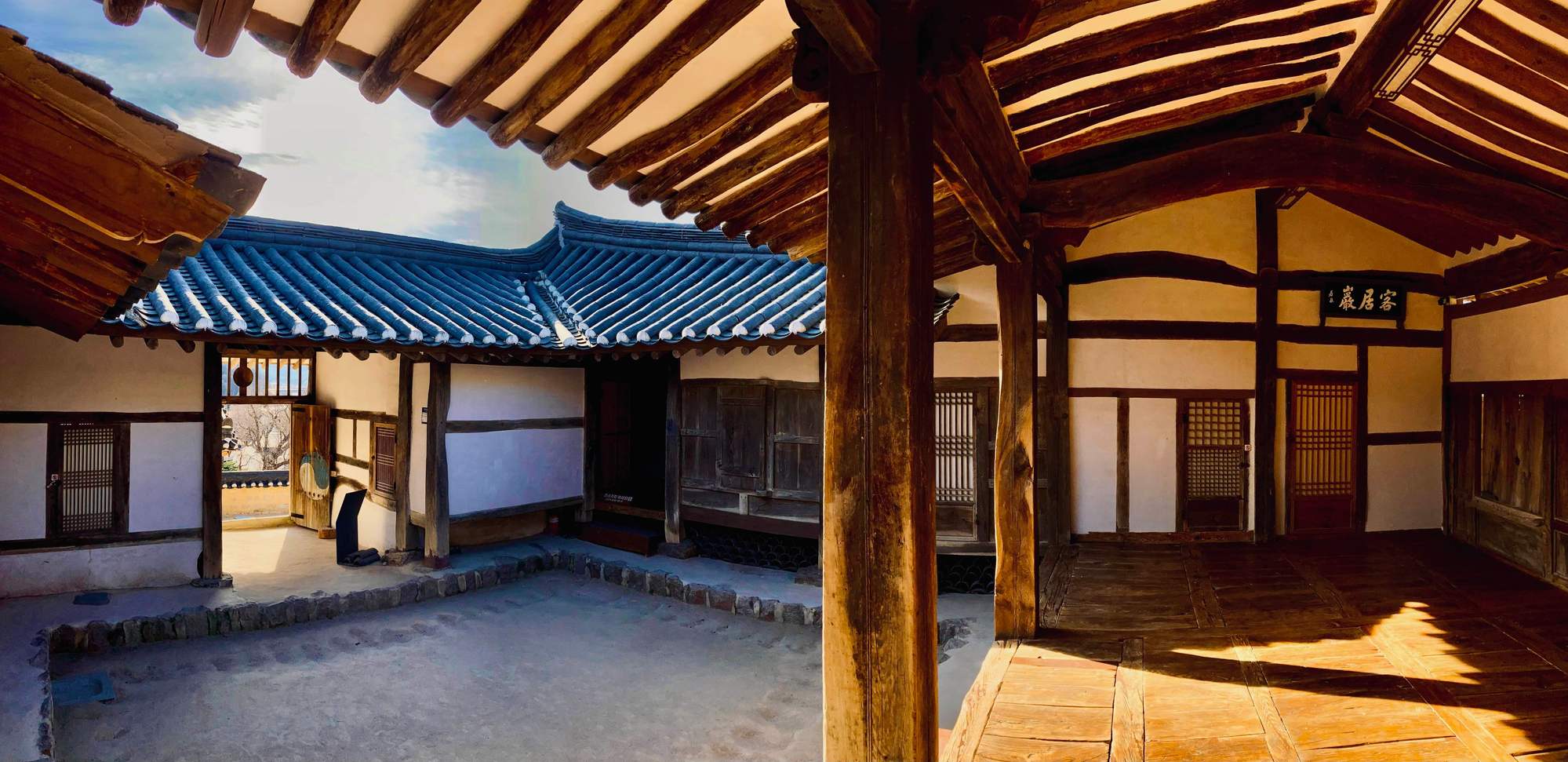
Yangdong Folk Village, Gyeongju: Interior of Mucheomdang House. It felt extremely strange effectively walking into someone's home.
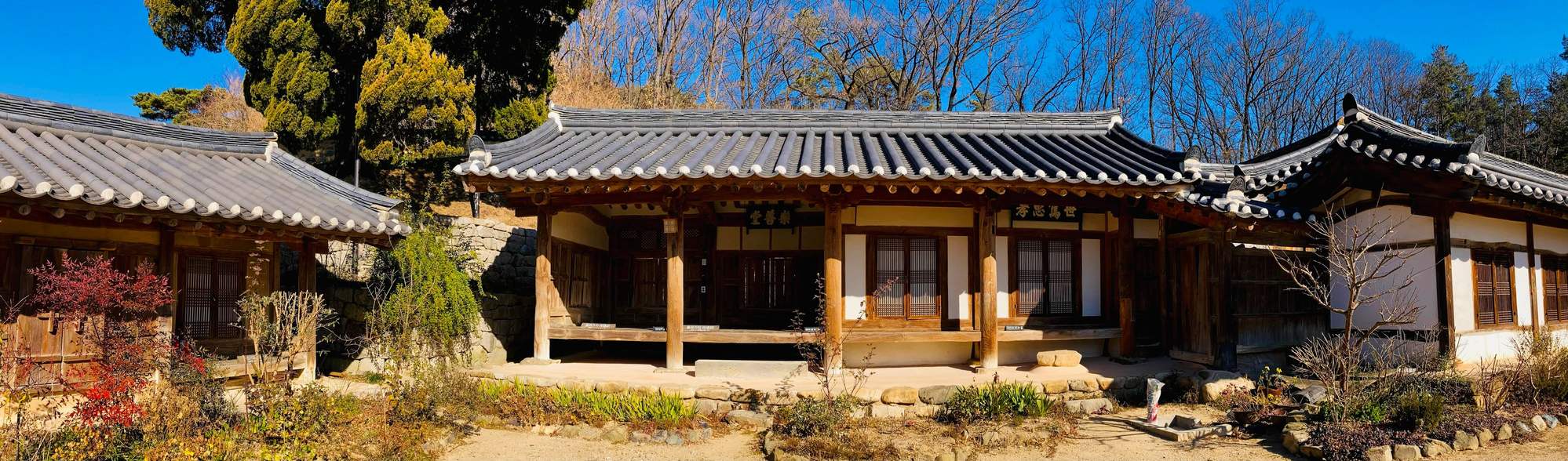
Yangdong Folk Village, Gyeongju: Nakseondang House.

Yangdong Folk Village, Gyeongju: Songcheom Head House, built by Son So, the founder of the village.
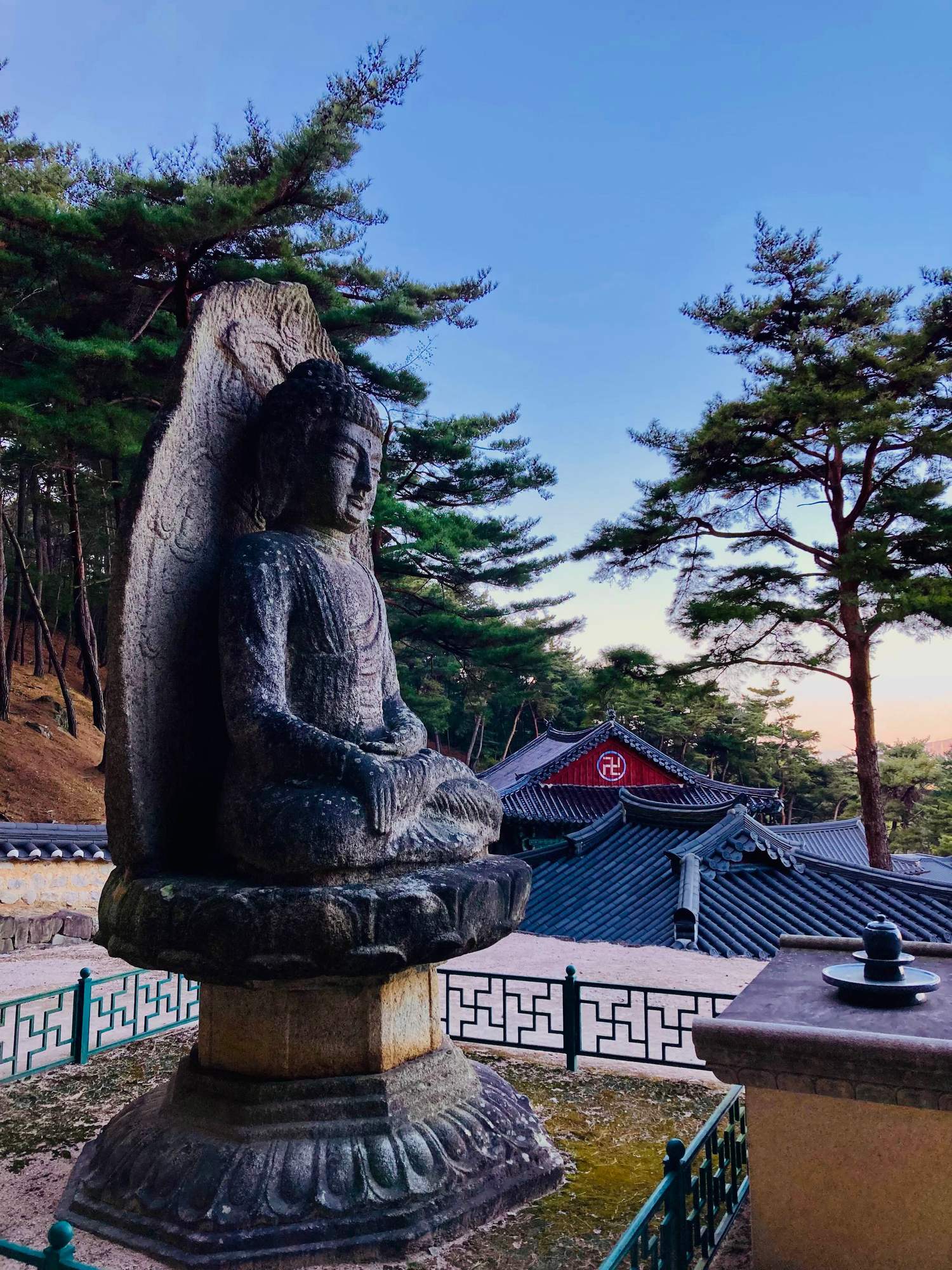
Mount Namsan (Eastern side), Gyeongju: The wonderful 8th century Stone Seated Buddha in Mireuk-gol Valley, pictured at dusk.

Mount Namsan (Eastern side), Gyeongju: The eastern face of the 7th century Rock-carved Buddhas in Tapgok Valley.
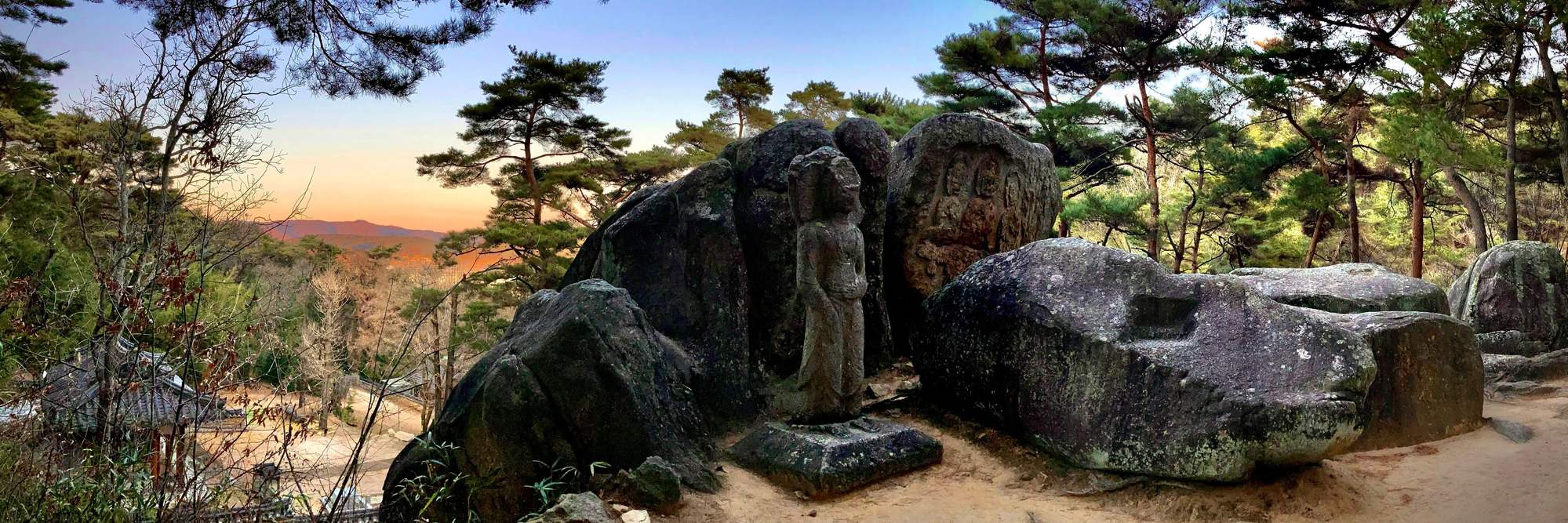
Mount Namsan (Eastern side), Gyeongju: The spectacular southern face of the 7th century Rock-carved Buddhas in Tapgok Valley.

Mount Namsan (Eastern side), Gyeongju: The 7th century Rock-carved Seated Buddha in Bulgok Valley.
Ikseon-dong, Seoul: A charming modern hanok street. Note the lack of crowds, due to the early hour at which we came.
Ikseon-dong, Seoul: Looking inside one of the cafes.
Unhyeongung Royal Residence, Seoul: The beautiful architecture of the complex.
Unhyeongung Royal Residence, Seoul: The interior of the residence.
Unhyeongung Royal Residence, Seoul: The small museum right by the entrance.
Changdeokgung Palace, Seoul: The exterior of the Injeongjeon throne hall. This is the location where coronations of new royalty would take place and where foreign envoys would be received.
Changdeokgung Palace, Seoul: A panoramic view of the main courtyard. Note the absence of tourists. We had this site virtually all to ourselves.
Changdeokgung Palace, Seoul: The stunning interior of the Injeongjeon throne hall. There's even more exquisite detail outside of the bounds of the photo.
Changdeokgung Palace, Seoul: Huijeongdang hall, used as the king’s sleeping quarters and later as an office and reception hall.
Changdeokgung Palace, Seoul: The interior of the Seonjeongjeon council hall, the place where the king would have deliberated state affairs and spent most of his time.
Huwon Secret Garden, Seoul: Buyongji Pond. Joseon royalty would often play games here, and the loser would be “exiled” to the island in the middle of the lake.
Huwon Secret Garden, Seoul: Eosumun Gate and Juhamnu Pavilion at the Buyongji part of the garden.
Jogyesa Temple, Seoul: The headquarters for the Jogye order of Korean Buddhism. The tents outside are filled with Buddhists here for the ceremony.
Jogyesa Temple, Seoul: The massive ten-story pagoda on the grounds of the temple. Supposedly it houses the crystallised remains of the Buddha, though many temples lay claim to that title.
Bukchon Hanok Village, Seoul: Quaint and rustic hanok streets right in the heart of the city.
Deoksugung Palace, Seoul: The site where King Gojong, Joseon's last emperor, was exiled during Japanese colonisation.
Deoksugung Palace, Seoul: Beautiful palace buildings.
Hwangudan Altar, Seoul: The site where Gojong performed his Rite of Heaven and established the Empire of Korea.
Cheonggyecheon Stream, Seoul: Lantern festival held on the waterway.
Jusangjeolli Cliff, Jeju: The spectacular volcanic coastline surrounding Jeju Island.
Jusangjeolli Cliff, Jeju: The columnar basalt formation this part of Jeju's coastline is known for.
Bomunsa Temple, Jeju: A huge statue of the Medicine Buddha at the base of Mount Sanbangsan.
Oedolgae Sea Stack, Jeju: The amazing coastal formation at dusk.
Oedolgae Sea Stack, Jeju: The sunset views near the stack.
Jonjaam Hermitage, Jeju: The front gate of this snowy hermitage. Buses come infrequently on Hallasan, so we were stuck in this weather for over an hour after visiting, freezing our asses off.
Jonjaam Hermitage, Jeju: A pavilion with a bell on the hermitage grounds.
Jonjaam Hermitage, Jeju: A panorama of the hermitage grounds.
Samseonghyeol Shrine, Jeju: This is the site of the three legendary holes which the founders of the Tamna Kingdom are said to have risen from.
Seongsan Ilchulbong, Jeju: The magnificent crater of this tuff cone.
Seongsan Ilchulbong, Jeju: Close-up of the crater wall.
Jeongbang Waterfall, Jeju: View of the famous waterfall from a cliff.
Jeongbang Waterfall, Jeju: The stunning view up close.
Cheonjiyeon Waterfall, Jeju: A panorama of the gorgeous falls.
Cheonjiyeon Waterfall, Jeju: The idyllic surroundings of the falls.
Adam Guesthouse, Gyeongju: Our charming hanok accommodation in Gyeongju.
Gyeongju: The charming hanok-lined streets of this ancient capital.
Donggung Palace and Wolji Pond, Gyeongju: A panorama of the stunning reconstructed Silla Dynasty palace and garden.
Donggung Palace and Wolji Pond, Gyeongju: A closeup of the pavilions.
Woljeonggyo Bridge, Gyeongju: A reconstructed ancient bridge across the river that passes through Gyeongju.
Woljeonggyo Bridge, Gyeongju: A close-up of the stunning bridge.
Daereungwon Tomb Complex, Gyeongju: A collection of 23 ancient 7th/8th century tombs, right in the middle of the old dynastic city.
Cheomseongdae Observatory, Gyeongju: A 7th century astronomical observatory that's the oldest in East Asia.
Bulguksa Temple, Gyeongju: The spectacular front facade of the historic temple.
Bulguksa Temple, Gyeongju: A picture of the Cheongungyo and Baegungyo bridges, built in 751. They are the only bridges of the Silla Dynasty to have survived intact to this day.
Bulguksa Temple, Gyeongju: The Geungnak-jeon hall of the temple.
Bulguksa Temple, Gyeongju: The interior of Geungnak-jeon. That Amitabha Buddha statue is gilt-bronze, over five feet tall, and from the 8th century.
Bulguksa Temple, Gyeongju: The ancient 8th century Seokgatap Pagoda of Bulguksa Temple, where the Pure Light Dharani Sutra was found.
Bulguksa Temple, Gyeongju: The unconventional 8th century Dabotap Pagoda.
Bulguksa Temple, Gyeongju: The idyllic front gardens of the temple.
Seokguram Hermitage, Gyeongju: The front gate leading to the hermitage.
Seokguram Hermitage, Gyeongju: The main temple hall of Seokguram Hermitage, which is actually the entryway into one of East Asia’s finest Buddhist grottoes. Unfortunately, no pictures are allowed inside.
Five Royal Tombs, Gyeongju: The tumuli commemorating the old kings of Silla.
Five Royal Tombs, Gyeongju: Close-up of the tombs.
Five Royal Tombs, Gyeongju: Sungdeokjeon Shrine, near the tomb site.
Five Royal Tombs, Gyeongju: The shrines, viewed through the bamboo forest.
Mount Namsan (Western side), Gyeongju: The amazing 7th century Stone Standing Buddha Triad in Bae-dong.
Mount Namsan (Western side), Gyeongju: The 8th century Stone Seated Buddha in Samneunggye Valley.
Mount Namsan (Western side), Gyeongju: Panorama of the Stone Seated Buddha in Samneunggye Valley.
Mount Namsan (Western side), Gyeongju: Two Line-Carved Buddha Triads.
Mount Namsan (Western side), Gyeongju: Relief of Gwanseeum-bosal (Avalokitesvara) on the Samneung Valley trail.
Mount Namsan (Western side), Gyeongju: The headless statue of the Future Buddha, on the trail.
Mount Namsan (Western side), Gyeongju: The Samneung Royal Tombs near the base of the mountain.
Yangdong Folk Village, Gyeongju: Exterior of the historic Mucheomdang House.
Yangdong Folk Village, Gyeongju: Interior of Mucheomdang House. It felt extremely strange effectively walking into someone's home.
Yangdong Folk Village, Gyeongju: Nakseondang House.
Yangdong Folk Village, Gyeongju: Songcheom Head House, built by Son So, the founder of the village.
Mount Namsan (Eastern side), Gyeongju: The wonderful 8th century Stone Seated Buddha in Mireuk-gol Valley, pictured at dusk.
Mount Namsan (Eastern side), Gyeongju: The eastern face of the 7th century Rock-carved Buddhas in Tapgok Valley.
Mount Namsan (Eastern side), Gyeongju: The spectacular southern face of the 7th century Rock-carved Buddhas in Tapgok Valley.
Mount Namsan (Eastern side), Gyeongju: The 7th century Rock-carved Seated Buddha in Bulgok Valley.
Feb 1st, 2025 | 02:02 AM
#6
Original Poster
Joined: Jan 2025
Posts: 20
Likes: 0
Yeah, Gayasan looks beautiful. I'd also like to try visiting Andong for the Confucian academies and folk village, and Ulleung-do as well (visiting Nari Basin and the virgin forest on Seonginbong Peak sounds like a dream).
The modern/traditional dichotomy in Korea is quite dramatic for sure. But there were so many beautiful places in South Korea that felt like they were worlds away from anything you could reasonably call "touristy", I was particularly impressed by quite a lot of the traditional and ancient sites.
I've uploaded my photos to the thread, by the way; seems like I've made enough posts to do so now.
The modern/traditional dichotomy in Korea is quite dramatic for sure. But there were so many beautiful places in South Korea that felt like they were worlds away from anything you could reasonably call "touristy", I was particularly impressed by quite a lot of the traditional and ancient sites.
I've uploaded my photos to the thread, by the way; seems like I've made enough posts to do so now.
Feb 1st, 2025 | 08:23 AM
#7

Joined: Apr 2007
Posts: 567
Likes: 0
Thank you for this enthusiastic report and gorgeous photos! I'm headed to Korea in May and look forward to come back and reading this again more closely in a few weeks when I sit down to plan out our day by day activities.
Most of my travels have been driven by my interest in the history of a place. This is the first trip that is primarily driven by my interest in the country's pop culture - k-pop and k-dramas - so I'm trying to learn as much history as I can before I get there.
Most of my travels have been driven by my interest in the history of a place. This is the first trip that is primarily driven by my interest in the country's pop culture - k-pop and k-dramas - so I'm trying to learn as much history as I can before I get there.
Trending Topics
Feb 1st, 2025 | 04:43 PM
#8
Joined: Oct 2012
Posts: 2,245
Likes: 0
Wow, wow, wow, so many amazing photos. Your Namsan photos are shockingly beautiful as well as the images of coastal Jeju. I am flabbergasted. They are unrivaled.
As wonderful as your Seoul photos are, I have come to the conclusion that the countryside in both Japan and Korea provide a more astounding experience than the cities. I will say to everyone, "Get Out of the Cities."
Minor point: san = mountain and sa = temple, so "Mount Namsan" and "Bulguksa Temple" are redundant. Like saying "the Le Rivage Restaurant."
As wonderful as your Seoul photos are, I have come to the conclusion that the countryside in both Japan and Korea provide a more astounding experience than the cities. I will say to everyone, "Get Out of the Cities."
Minor point: san = mountain and sa = temple, so "Mount Namsan" and "Bulguksa Temple" are redundant. Like saying "the Le Rivage Restaurant."

Thread
Original Poster
Forum
Replies
Last Post
susanna
Europe
73
Nov 3rd, 2007 12:00 PM


