


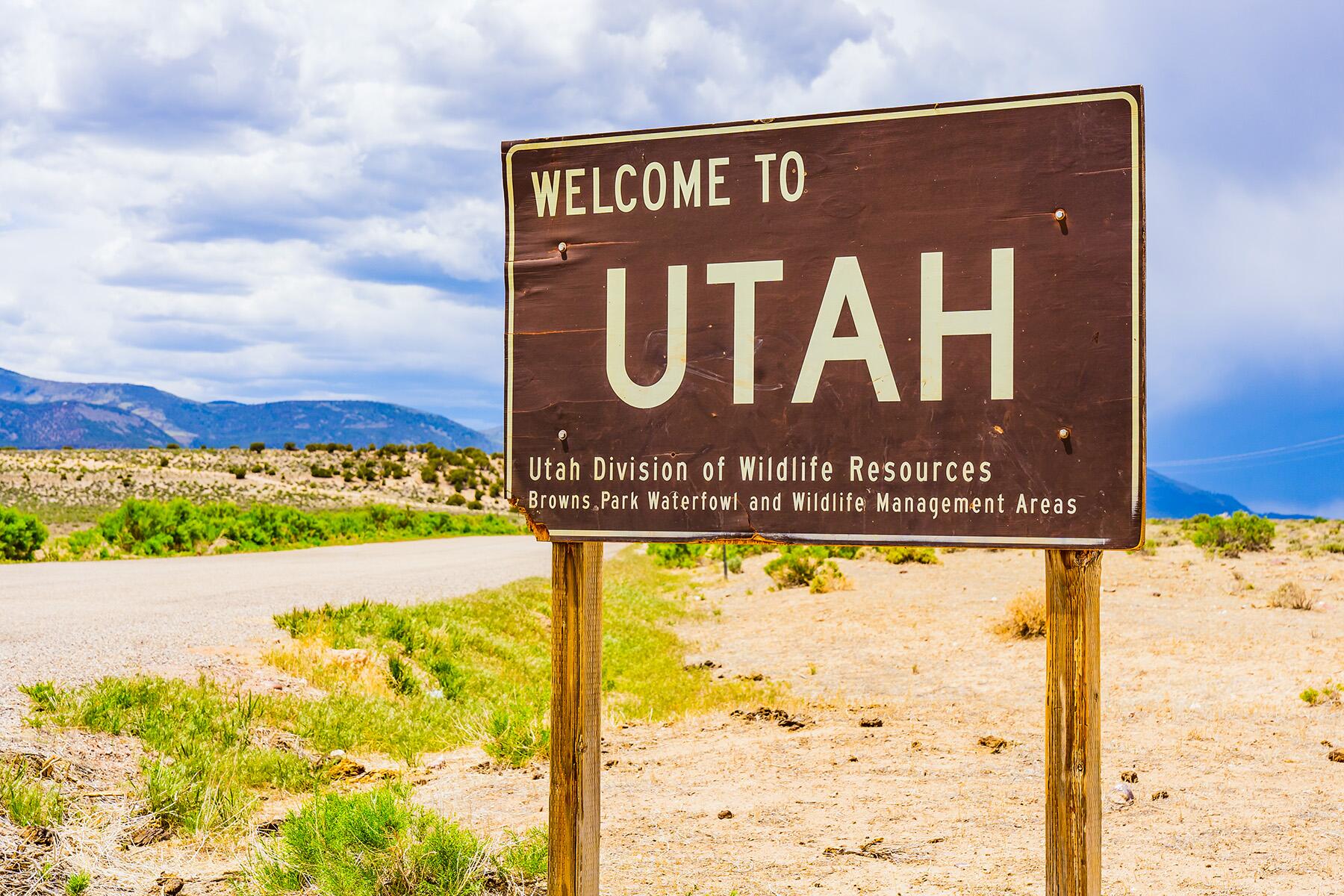

Utah has a reputation for having strict drinking laws, but with a closer look, they might not be as restrictive as they seem.
In the breathtaking landscapes of southern Utah, near Zion National Park and its massive sandstone formations in peach, pink, and red hues, a burgeoning wine culture is taking root. This is not your typical wine country. Here, the vineyards are not just battling the natural elements but also navigating one of the most tightly regulated alcohol environments in the United States. Yet, despite—or perhaps because of—these restrictions, a pioneering spirit has given rise to the Utah Wine Trail, a collaborative effort showcasing the resilience and creativity of local vintners. Forget a winery crawl on foot: The six wineries are within a 35-minute drive of one another. The wine trail complements the destination, drawing visitors who truly want to explore the area.
While Utah is known for its stunning national parks, its wine country is equally captivating. The high elevation, arid climate, and mineral-rich soil create ideal conditions for cultivating bold, flavorful wines. Visitors can enjoy a mix of award-winning reds, whites, and fruit wines while exploring Utah’s scenic vistas. The region appeals to wine enthusiasts seeking a blend of adventure, culture, and premium local wines.


Recommended Fodor’s Video
The Birth of the Utah Wine Trail
Utah’s relationship with alcohol is more nuanced than its conservative laws suggest. In the 1800s, Brigham Young, a prominent leader of the Church of Jesus Christ of Latter-day Saints, operated a winery in Utah, reflecting a more complex historical relationship with alcohol than the current abstinence requirements. Based on the region’s history of wine growing, the founders of the wine route recognized that this area was well-suited for wine production.
Locals launched the Utah Wine Trail in 2021 to carve a niche in a state known more for its parks than pinot noirs. The trail offers a passport system that rewards participants with a souvenir wine glass after visiting all six of the wineries.
“The Utah Wine Trail was born out of a desire to create something fun and adult-oriented in a state that’s gotten a bad rap for its alcohol laws,” explains Doug McCombs from IG Winery, one of the trail’s initiators. “It’s a way for us to showcase our wines and offer something unique to both tourists and locals.”
No Happy Hour: The Multifaceted Tapestry of Utah’s Liquor Laws
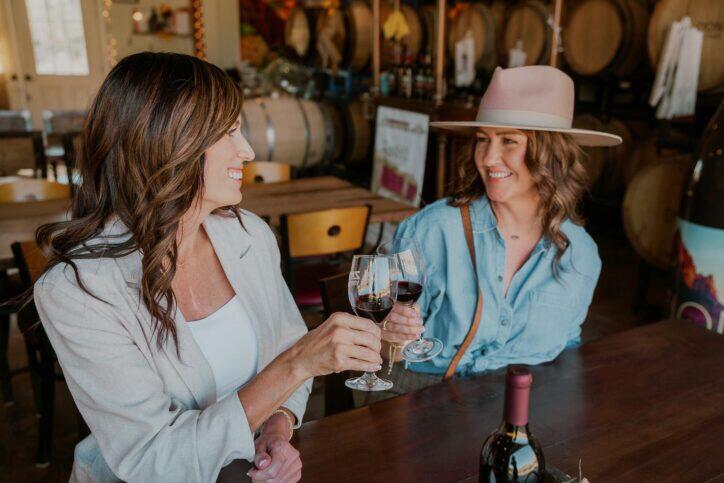
Are you used to “happy hour” including discounted wine in other areas? Not here. Utah’s liquor laws are notoriously stringent, a reflection of the state’s conservative roots and the significant influence of the LDS Church. The state offers several alcohol licenses for different business needs.
“Utah is big on sin taxes,” says McCombs. “These taxes drive up costs, which can be seen as a way to discourage excessive drinking while also providing a substantial revenue stream for the state.”
John Delaney, an award-winning sommelier turned winemaker from Bold & Delaney Winery, notes, “The laws here are definitely geared toward controlling consumption rather than fostering a drinking culture. But while they can be restrictive, they’re also manageable if you understand and respect them.”
Economic Impact and Cultural Shifts
Despite the restrictive environment, local wineries continue to flourish, with new additions added to the wine trail. According to Shane Tooke, owner of Water Canyon Winery, they have doubled their production in the last three years. The economic implications are significant for both the wineries and the broader community. Wineries also promote local agriculture, a sector the state supports.
“Utah is pro-business and pro-agriculture,” Delaney adds. “The wineries here contribute to that, bringing a different kind of tourism and awareness to the region.”
The Future of Wine in Utah
As the wine trail continues to attract visitors, local vintners are optimistic about the future. They are hopeful about potential legislative changes that could relieve barriers to the sale and consumption of wine.
“It’s like a tennis match with the legislature—two steps forward, one step back—but things are gradually improving,” says McCombs.
In addition to legislative changes, there is an ongoing effort to have parts of Washington County, Utah, recognized as an American Viticultural Area (AVA), which would formally acknowledge the region’s unique climate and soil as ideal for grape cultivation.
A Surprising Blend of Control and Collaboration
The state’s strict alcohol laws are not only about limiting consumption but also serve as a significant revenue source through high taxes. The creation of the wine trail involved navigating these regulations by securing necessary licenses and gaining support from local leaders, such as mayors and city councils. This process demonstrated that with strategic compliance and community endorsement, it was possible to foster a burgeoning wine industry despite the regulatory challenges.
The Utah Wine Trail exemplifies how a regulated environment, when navigated effectively, can lead to successful cultural and touristic ventures, blending local support with economic strategy. The journey to the Utah Wine Trail’s inception began with the collaboration of local wineries spearheaded by IG Winery. Water Canyon, Bold & Delaney and others came together to offer a passport-guided experience through Utah’s scenic vineyards.
The Influence of Taxation and Regulation
You might think that, given the state’s restrictive nature, a lot of lobbying would have been required. What it actually took was a determined group of people with a great idea. They tackled strategic compliance with existing laws. Wineries must adhere to specific rules, such as limiting wine tastings to one per person per day and selling wine only in state-controlled stores unless they hold a manufacturing or packaging license.
“Utah’s regulatory environment is manageable with the right knowledge and licenses,” says McCombs. “It turns out it’s not as restrictive as it seems; there’s control, which has as much to do with taxes as it does alcohol consumption.”
This controlled environment has allowed wineries to operate within specific conditions, making Utah’s wine industry a growing success story.
Local support has also been crucial. Obtaining an alcohol license in Utah is challenging, resembling a lottery system. Additionally, opening a winery requires a letter of acceptance from the local community. Local backing, coupled with an understanding of the regulatory framework, has facilitated the growth of the wine trail.
A Trail of Taste and Tradition
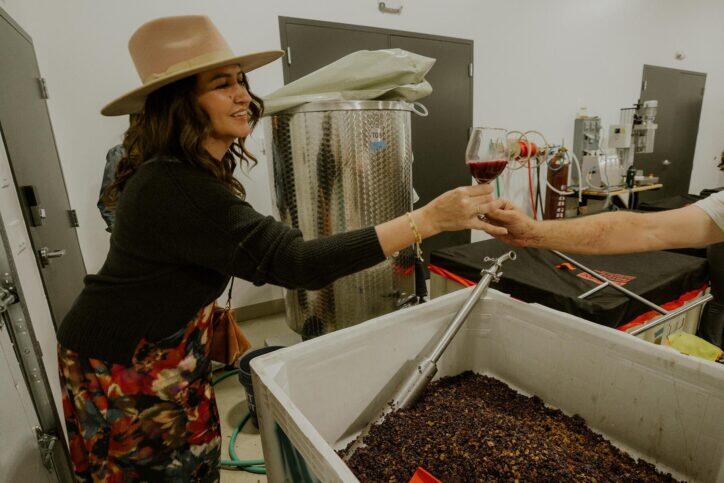
The Utah Wine Trail offers more than just a tasting experience. It’s an exploration of the trail’s landscape. From Water Canyon Winery’s natural wines to IG Winery’s broader range of alcoholic beverages, the trail is diverse and a destination of its own. Water Canyon’s Natural wines follow the old-world methods of wine production: no sulphites, no preservatives, no additives. They use native wild yeast that grows in the fruit. Nothing is added, and nothing is taken away.
As Utah balances its historical regulations with a burgeoning wine industry, the trail is a testament to the state’s evolving relationship with alcohol. Whether you’re a seasoned oenophile or a curious tourist, the Utah Wine Trail offers a unique blend of history, culture, and fine wine, all set against the stunning backdrop of the American Southwest.
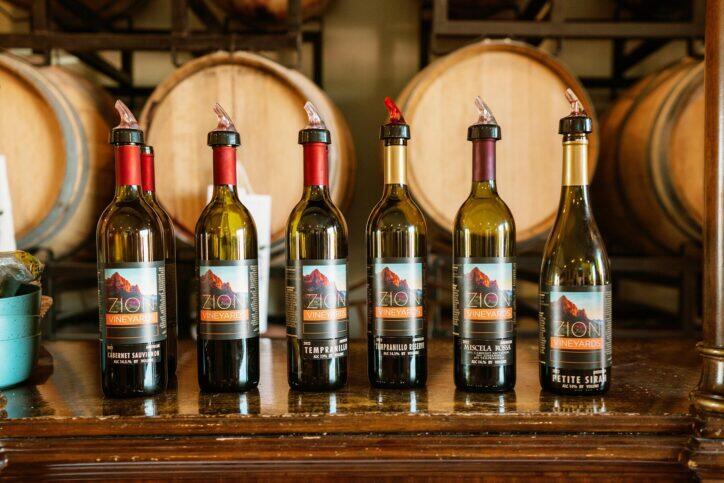
Fun Facts
1. Wine tastings must be paid for, and there cannot be a reduction in cost on alcohol like with happy hour.
2. Wine tastings must be measured and limited to five 1 oz pours or one 5 oz pour. This restriction is in place for 24 hours, even if the person leaves and comes back in.
3. Wine must be measured, and wine glasses have lines on them to assist with the pour. A pour must be 5 oz, there cannot be an 8 oz pour, etc.
4. Each license comes with specific regulations on serving sizes, operating hours, and other operational aspects.
Legal Facts
In Utah, there are several types of alcohol licenses tailored to different business needs:
1. Full-Service Restaurant License: Allows the sale of alcoholic drinks with food, with the requirement that alcohol sales shouldn’t exceed 30% of total revenue.
2. Limited-Service Restaurant License: Similar to a full-service license, but with a cap on alcohol revenue at 70% of food sales.
3. Bar License: Permits the sale of alcohol without food sales requirements.
4. Tavern License: For establishments selling beer with an alcohol content of up to 5%.
5. Package Agency License: Allows the sale of bottled liquor and wine for off-premise consumption.
6. Manufacturing License: Allows producers, such as wineries, breweries, and distilleries, to make, sell, and offer tastings.